
Vietnam Tour Packages
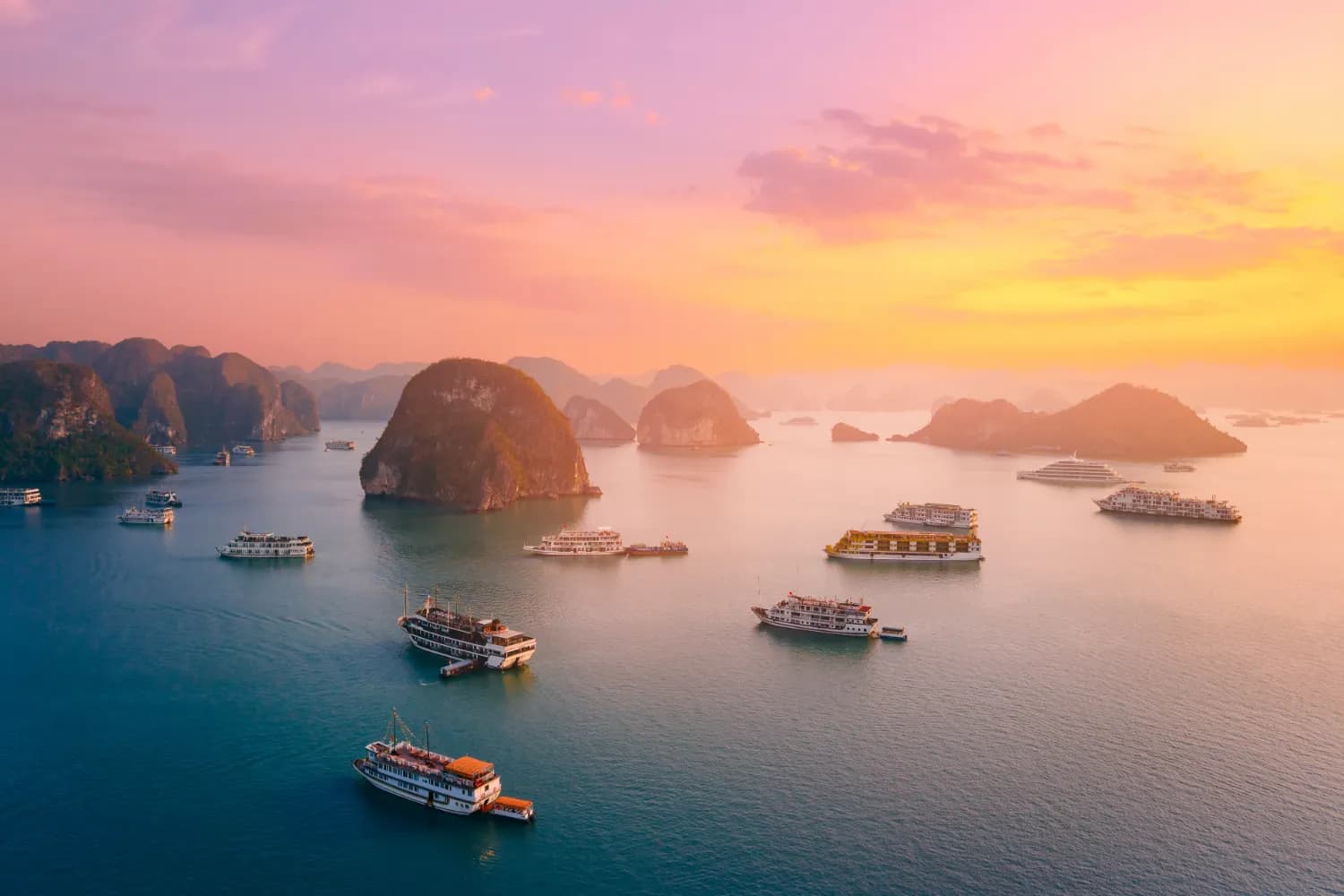
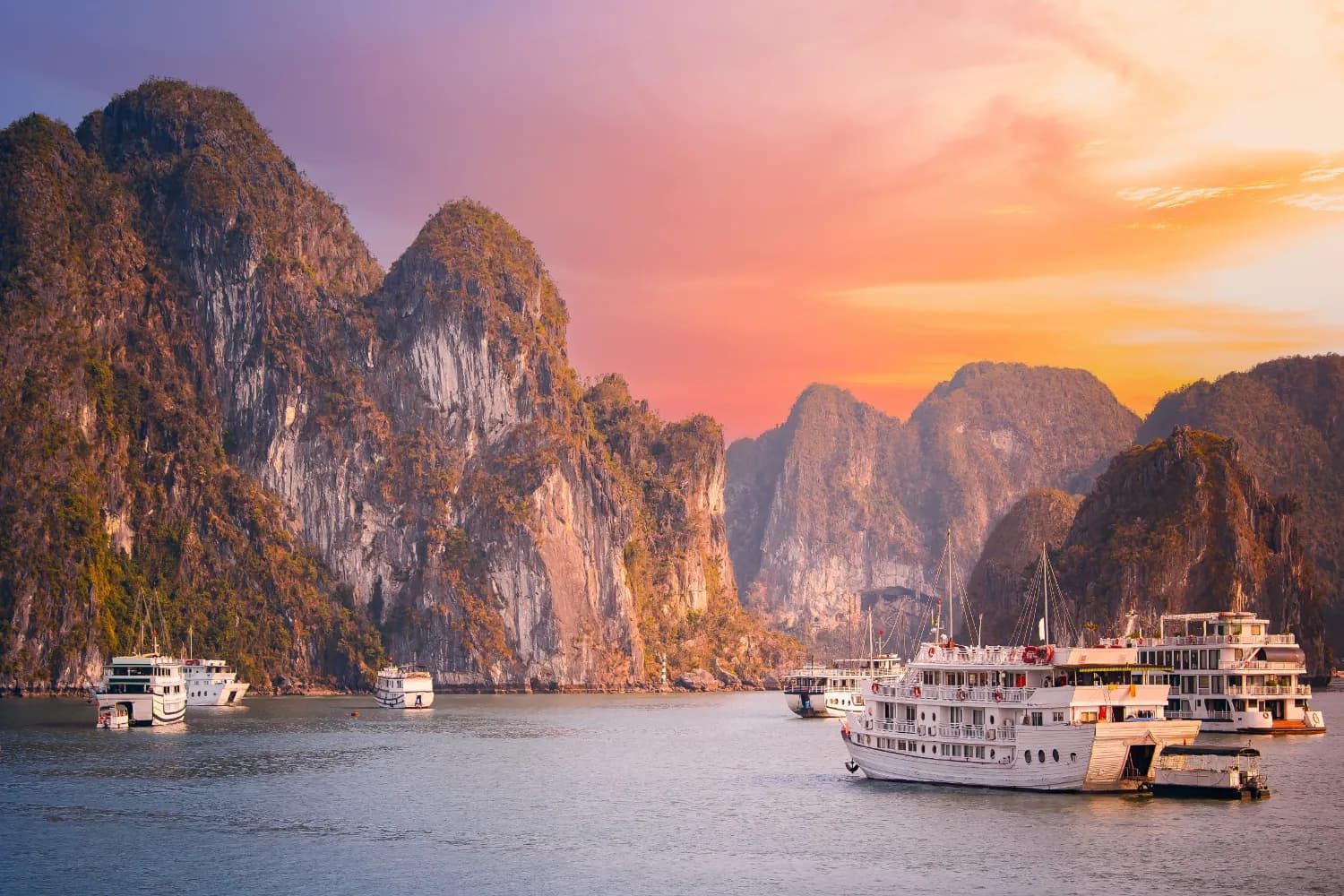
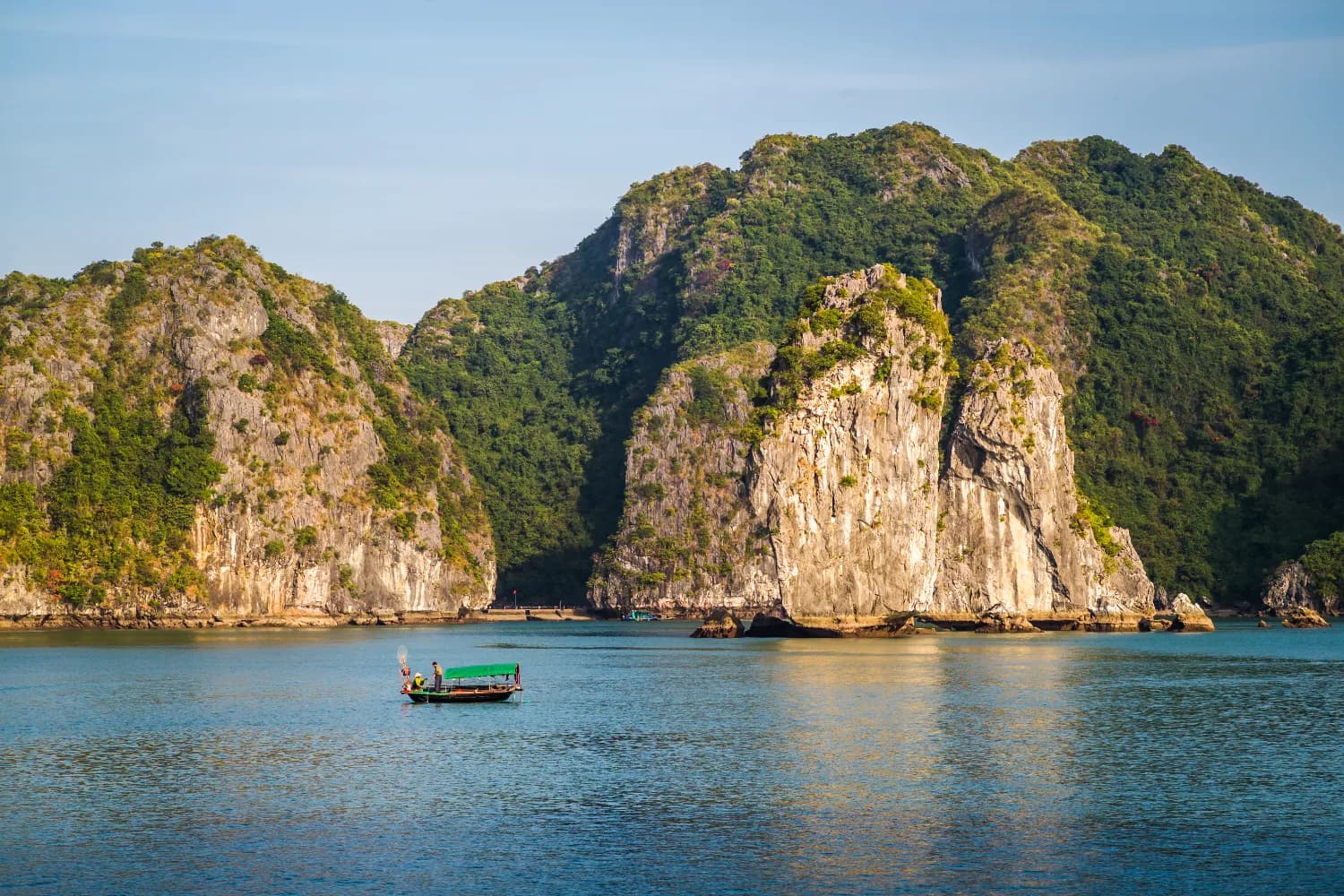
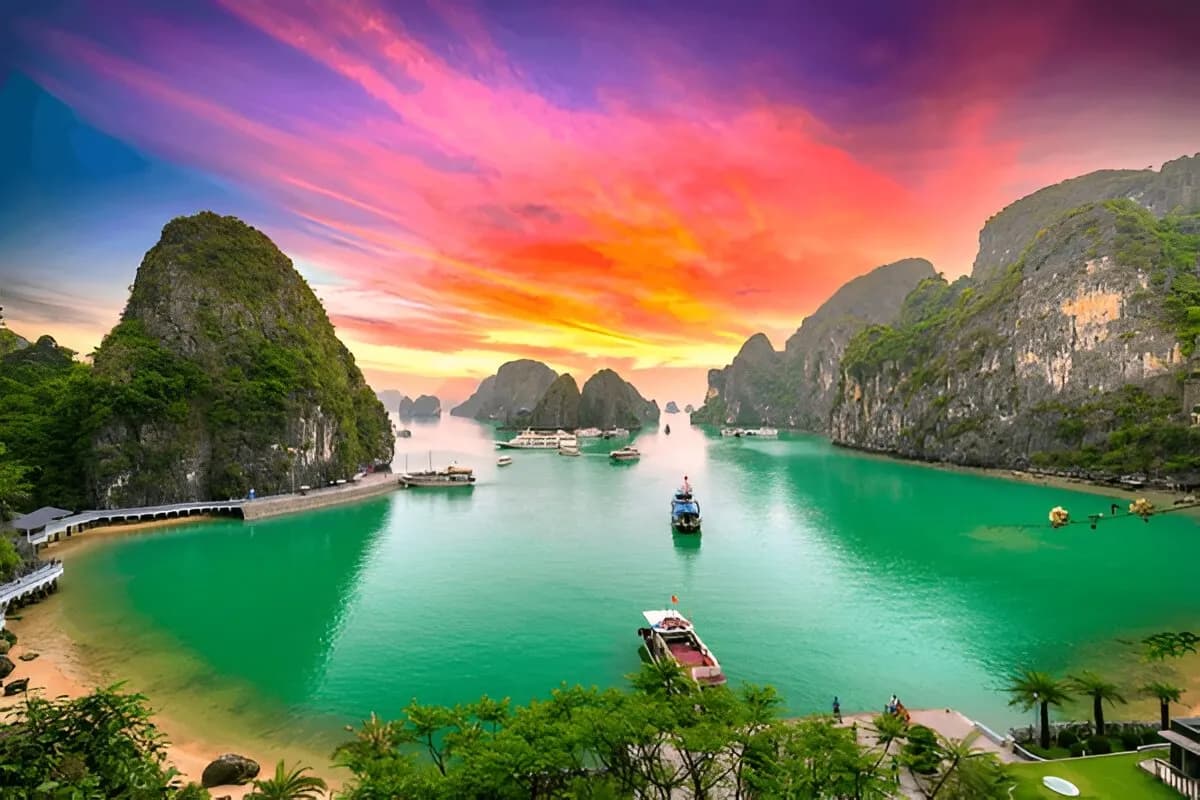
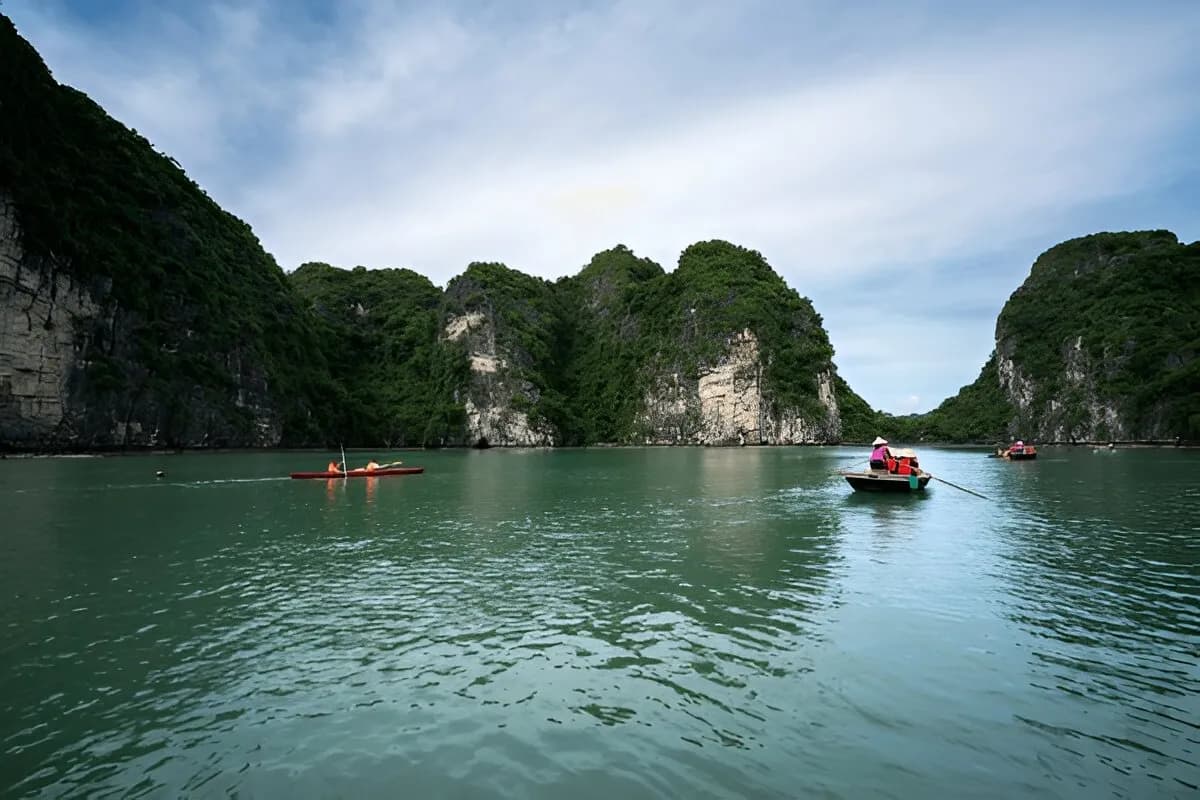
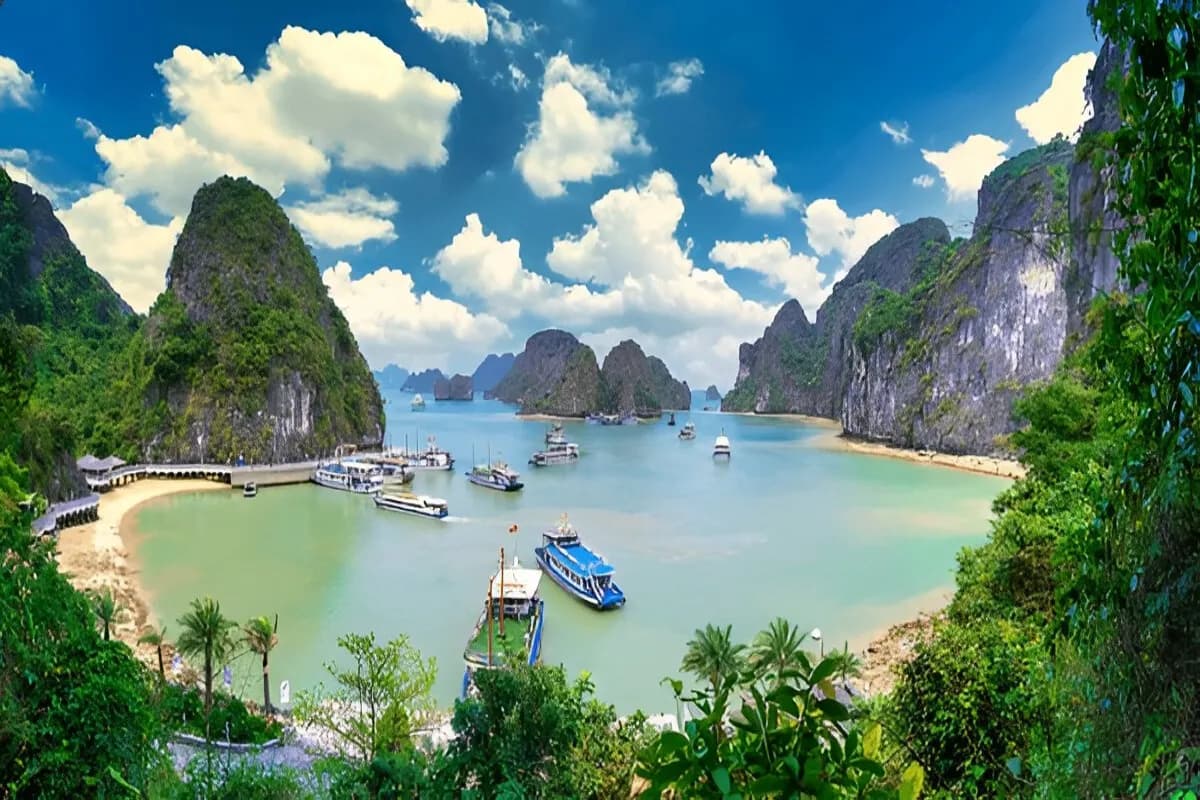
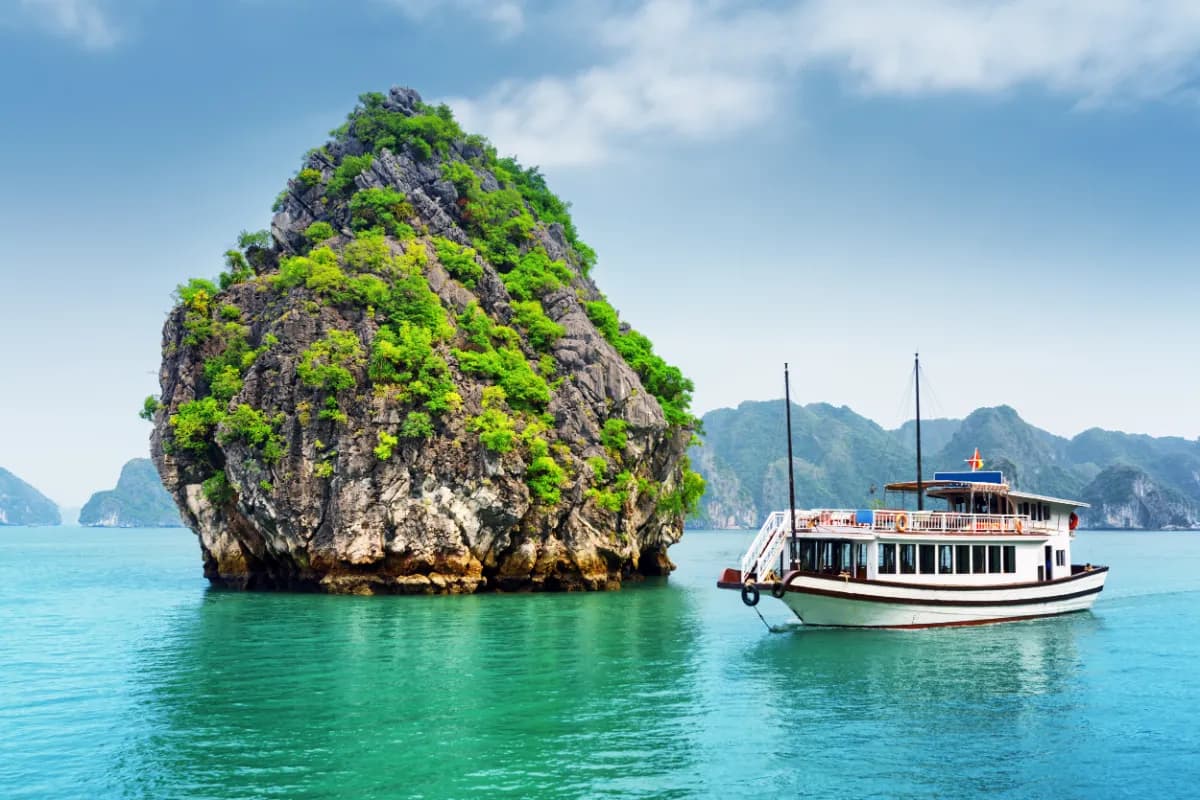
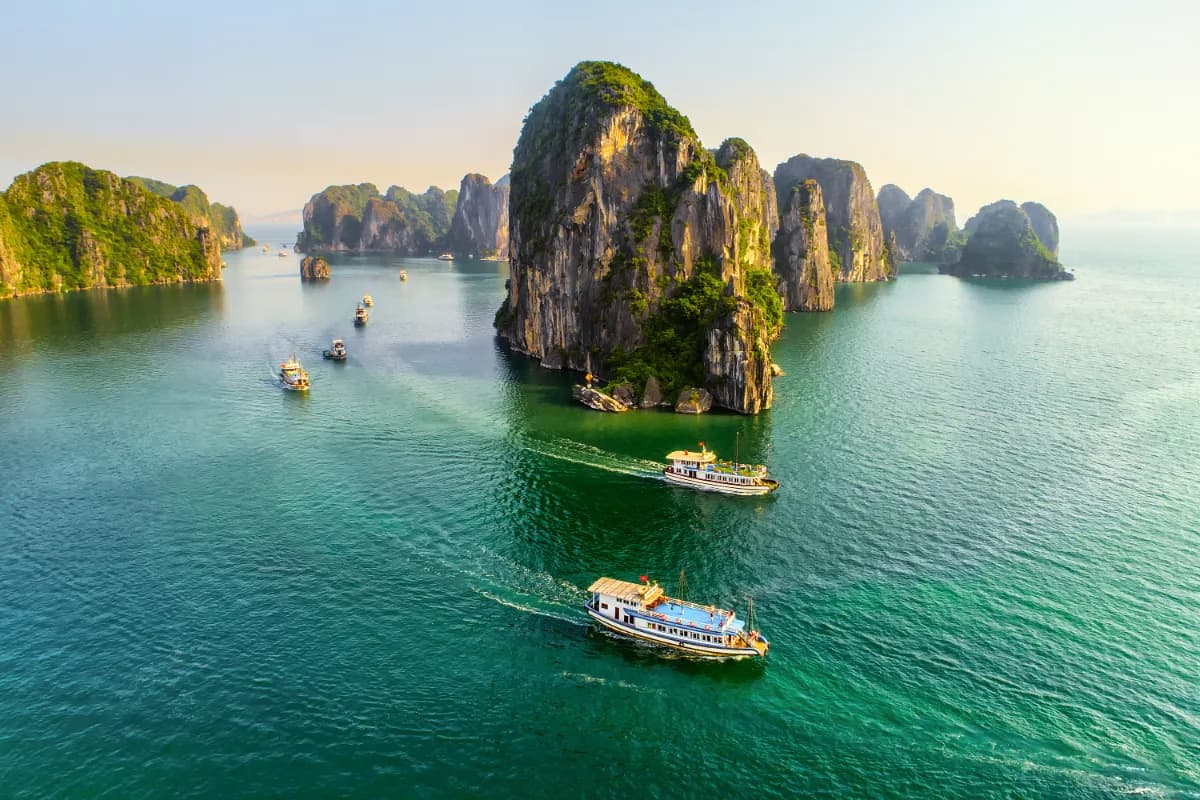
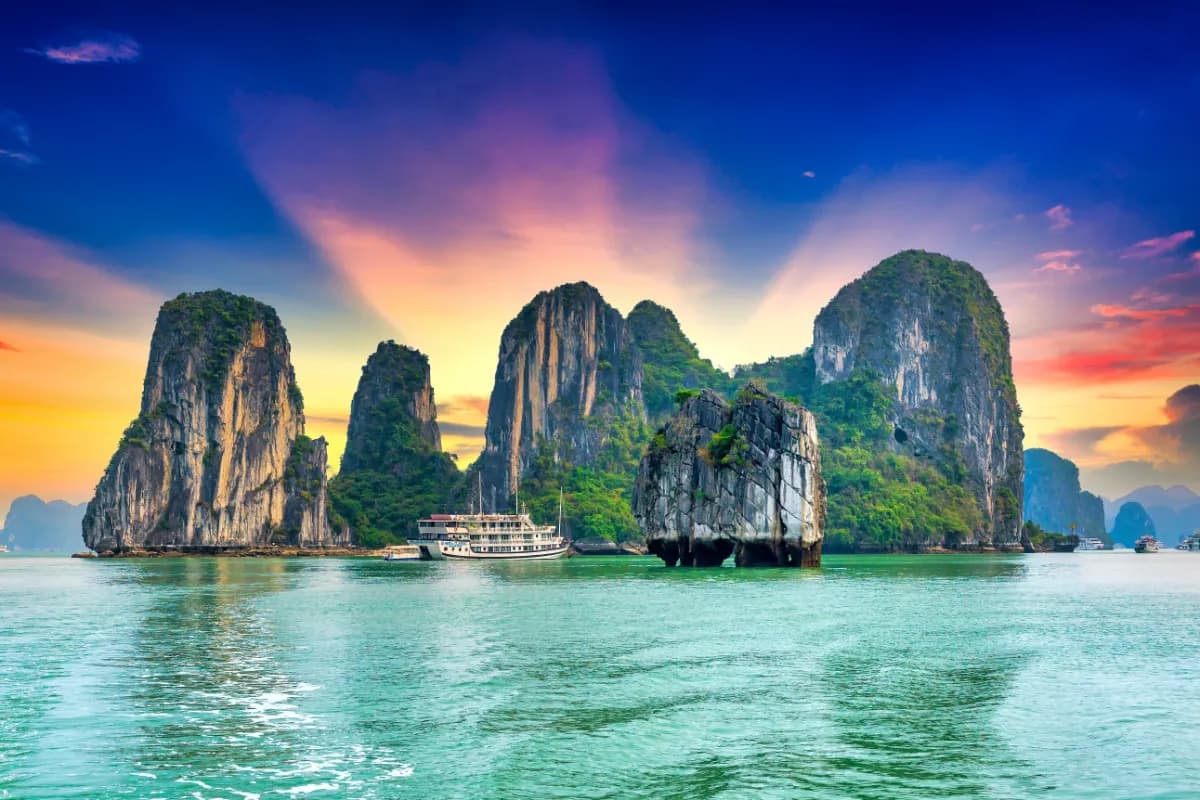
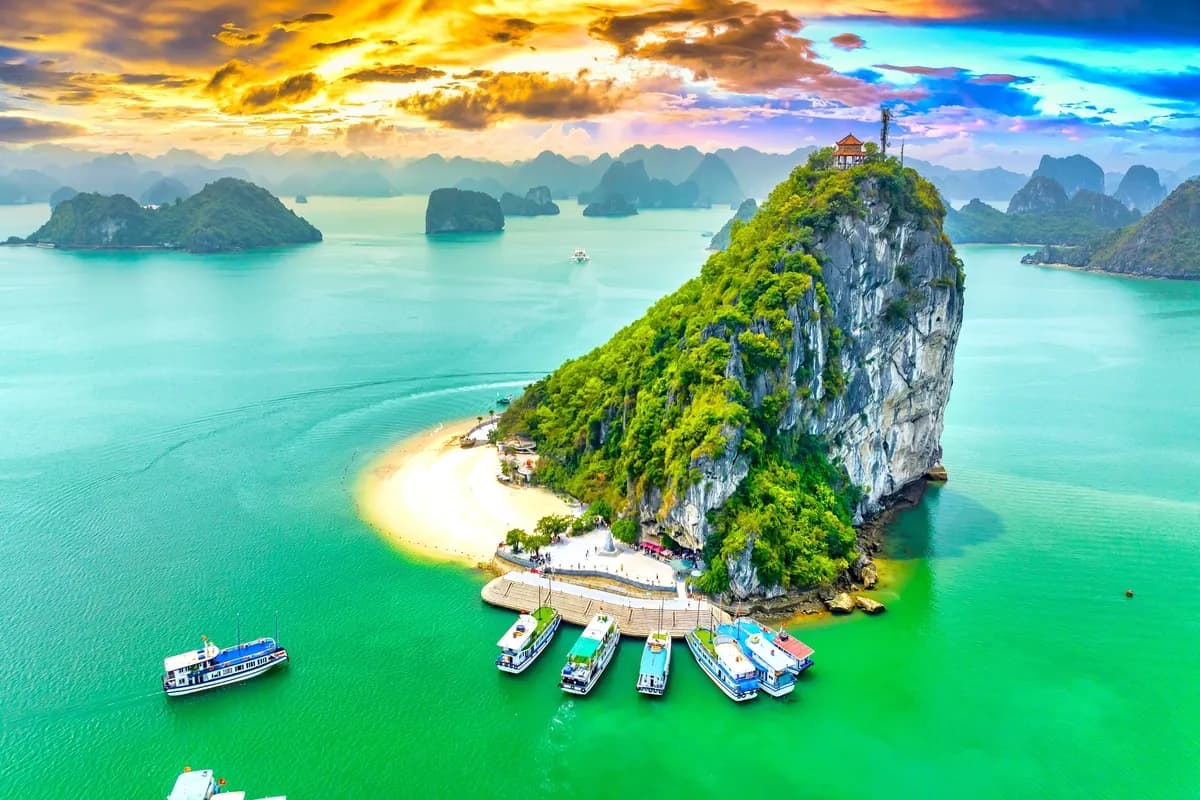
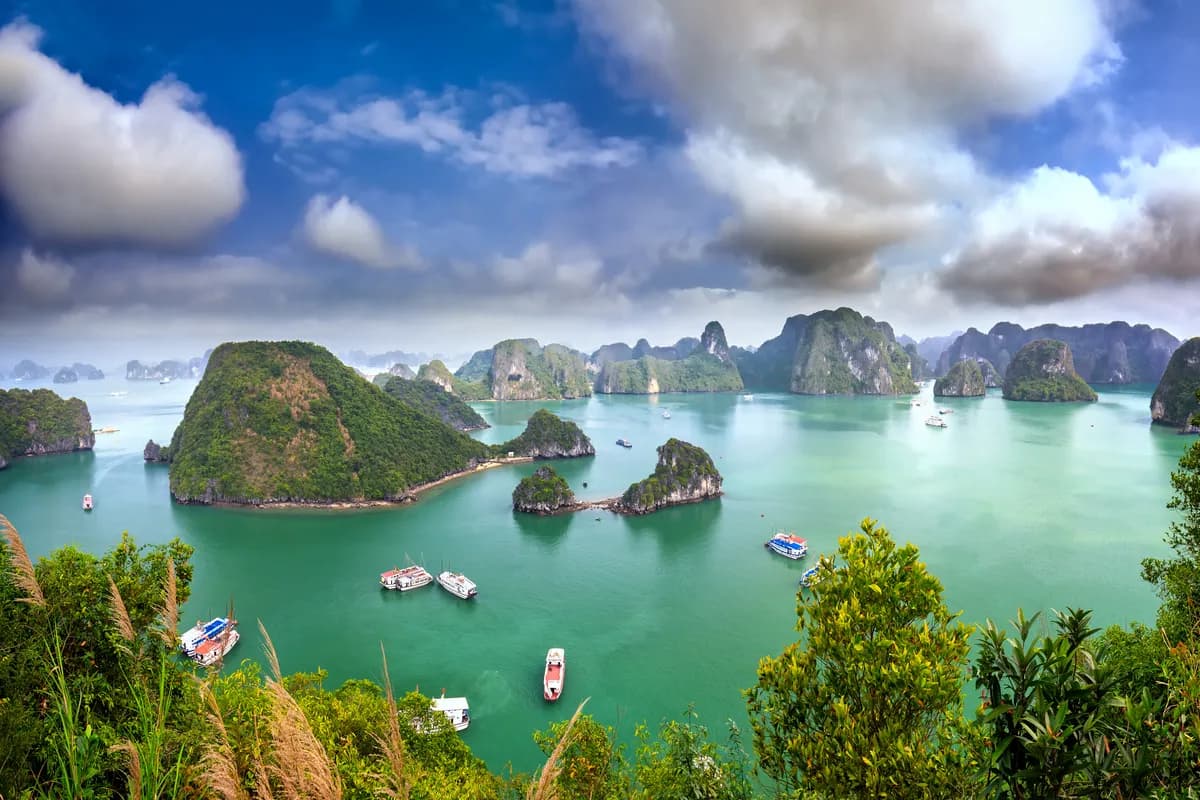
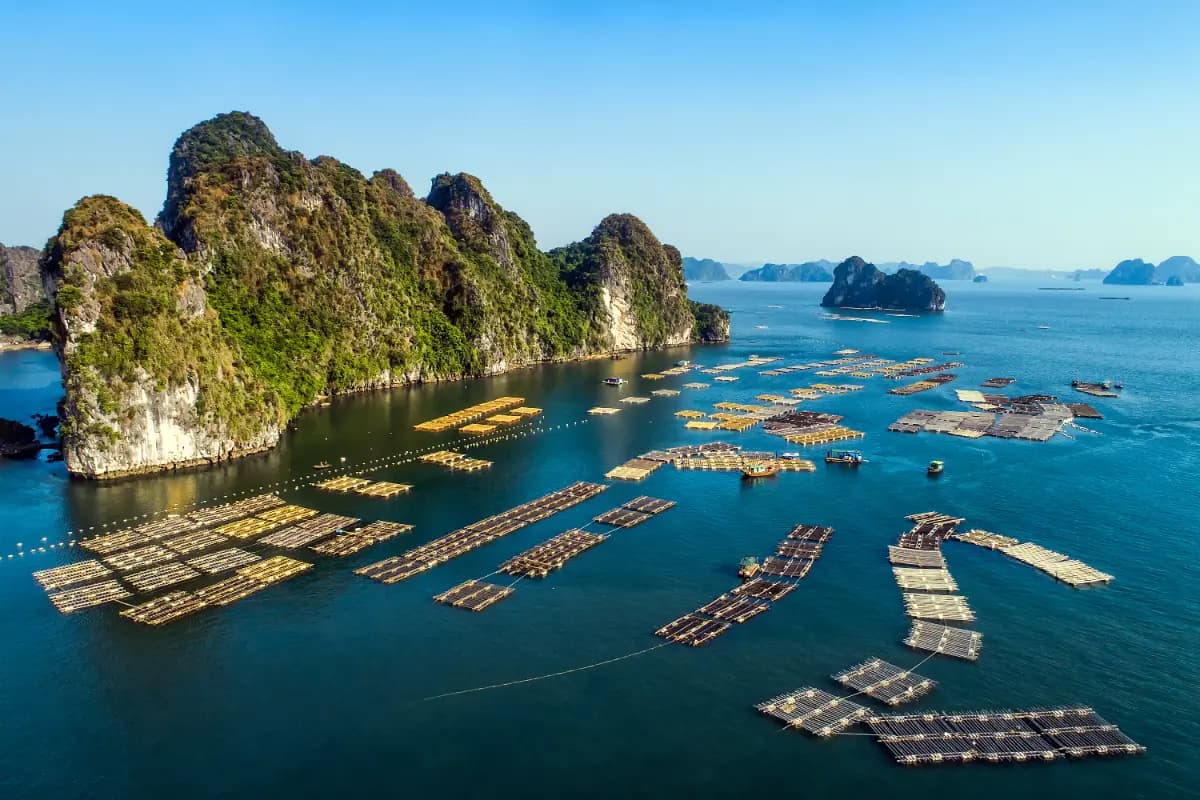
Have you been to Vietnam? No? Then imagine this. You are on a boat in Ha Long Bay. Limestone mountains everywhere. Wind on your face. Your person is right beside you. Arms stretch out, and yes, you do the Rose and Jack pose like the Titanic. Nobody planned it. It just happens. Your heart is racing. Your phone cannot keep up. That dopamine rush, that exact feeling, is what a Vietnam tour package actually gives you.
Vietnam is not similar to other destinations. It is very different. You will get to see ancient temples one morning and French colonial cafes in the evening. Do you love Street food? You will get many here that start from just ₹50. Beaches that have not been ruined by overbuilding. Hill stations like Sapa, where rice terraces drop down into fog-filled valleys. History so layered and complicated that every city feels like its own country. Budget travelers love it. Honeymooners love it. Families with kids love it. In short, everyone loves it.
Viacation's Best Vietnam Tour Packages start at just ₹45,000 per person. And right now, early bookings come with up to ₹10,000 off. The packages, covering flights, stays, transfers, and sightseeing, for less than what many people spend on a domestic holiday.
"Booked my Vietnam honeymoon through Viacation. Everything was sorted, right from the airport. Zero stress, 100% memories." - Sanoli, Delhi
Key Highlights of a Vietnam Trip:
- Cruise through Ha Long Bay on an overnight boat
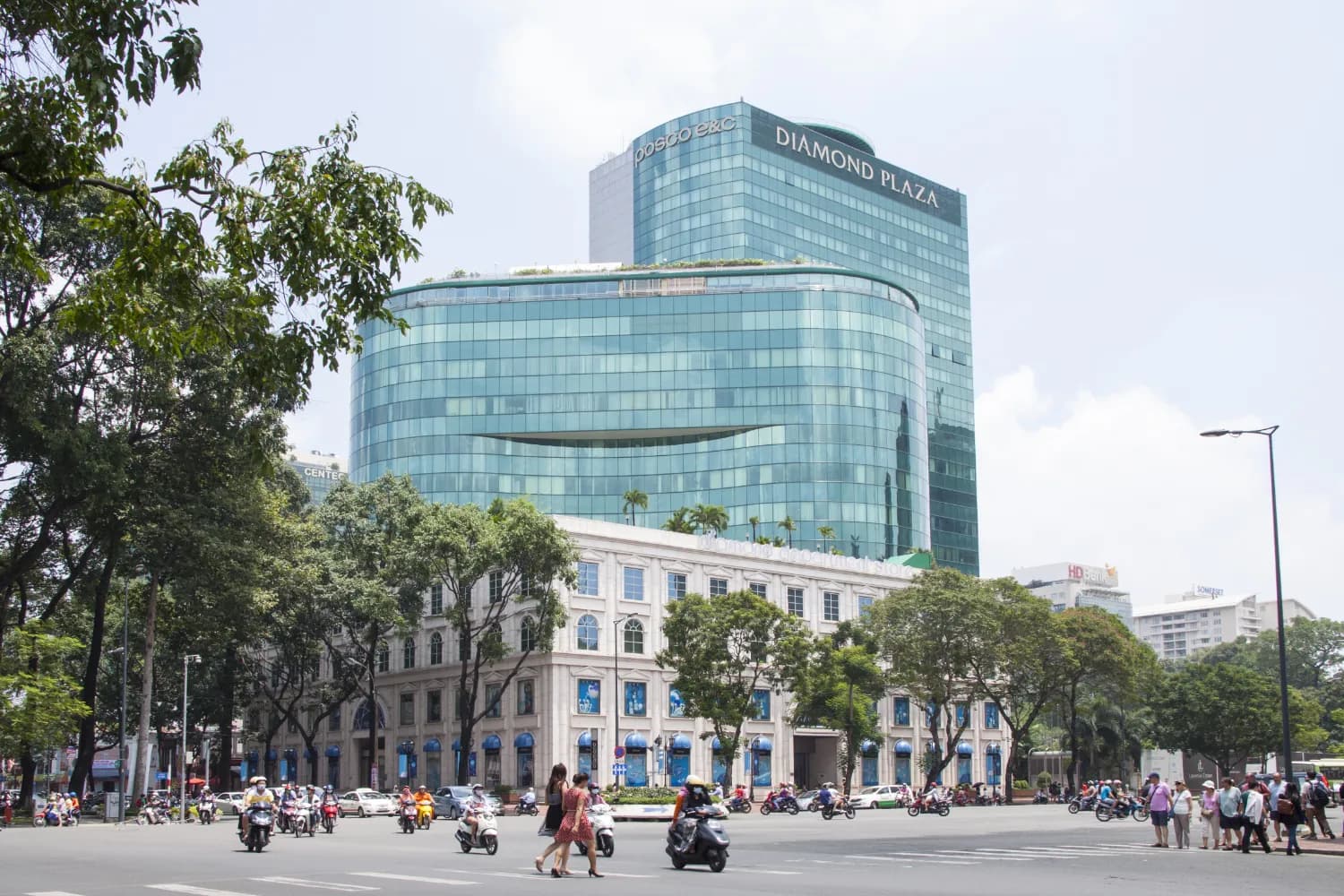
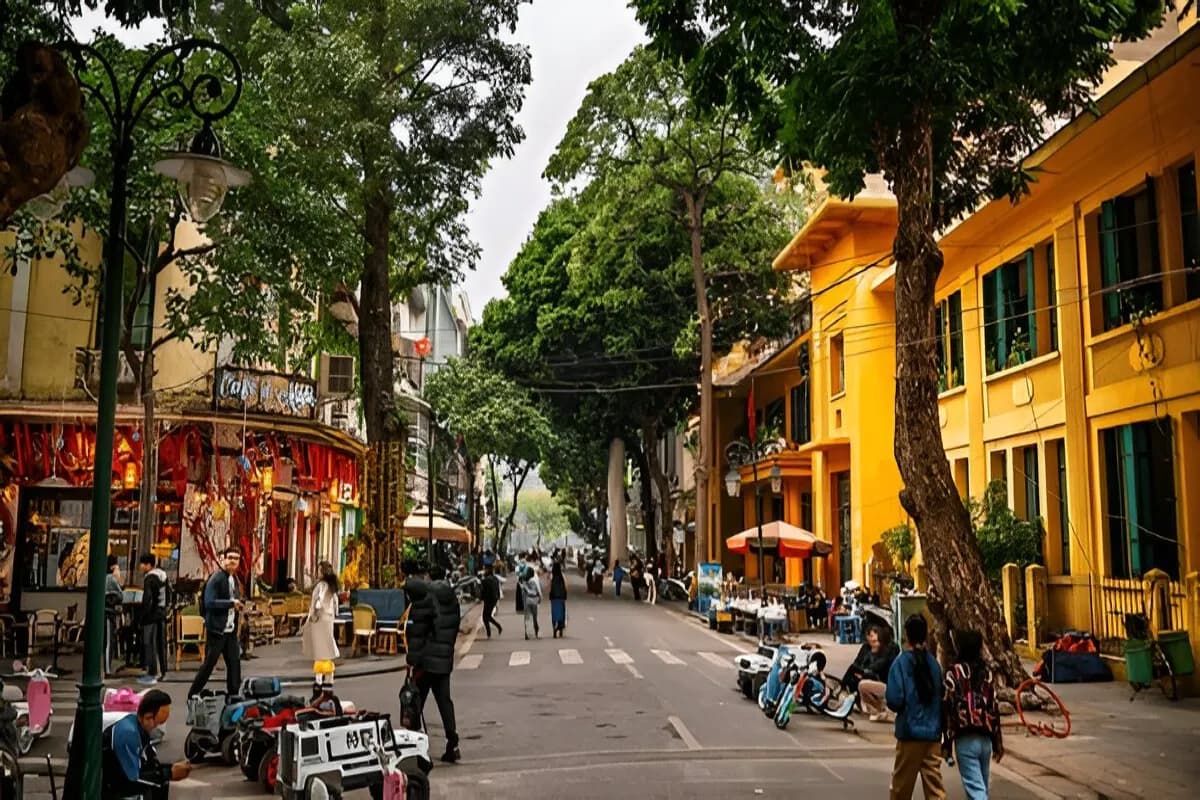
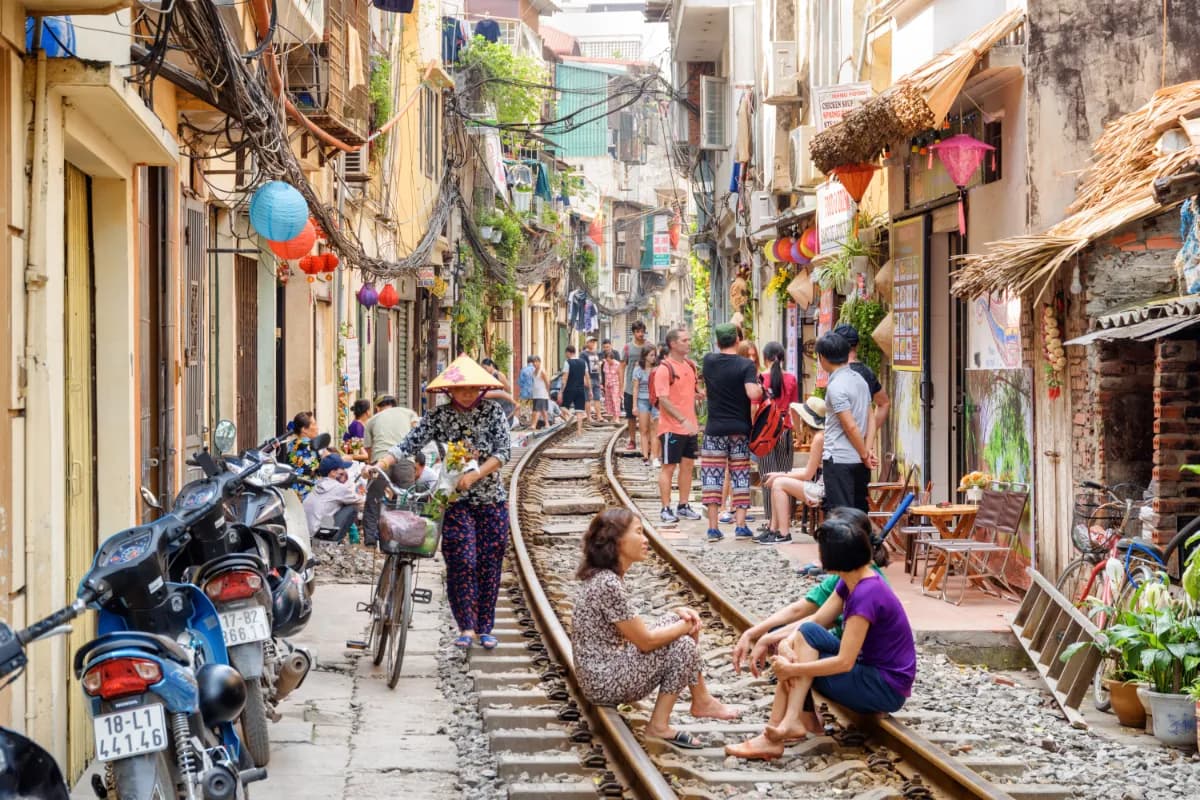
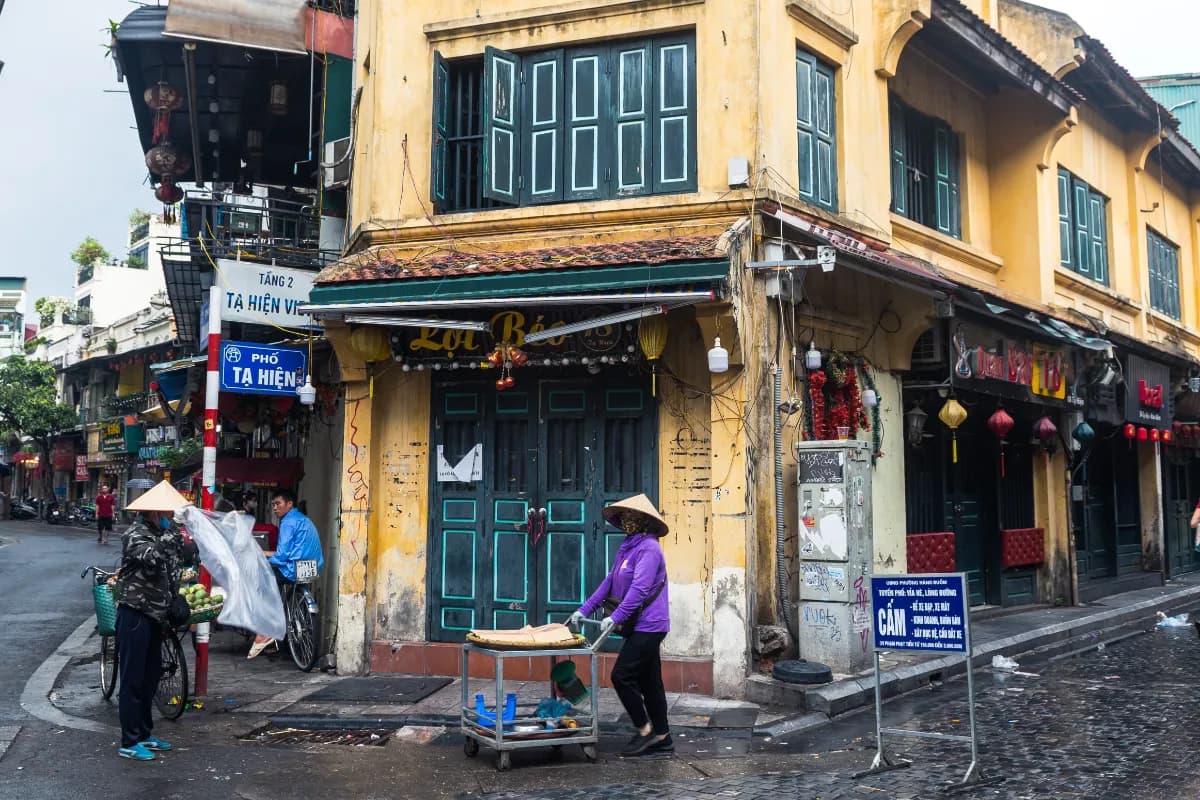
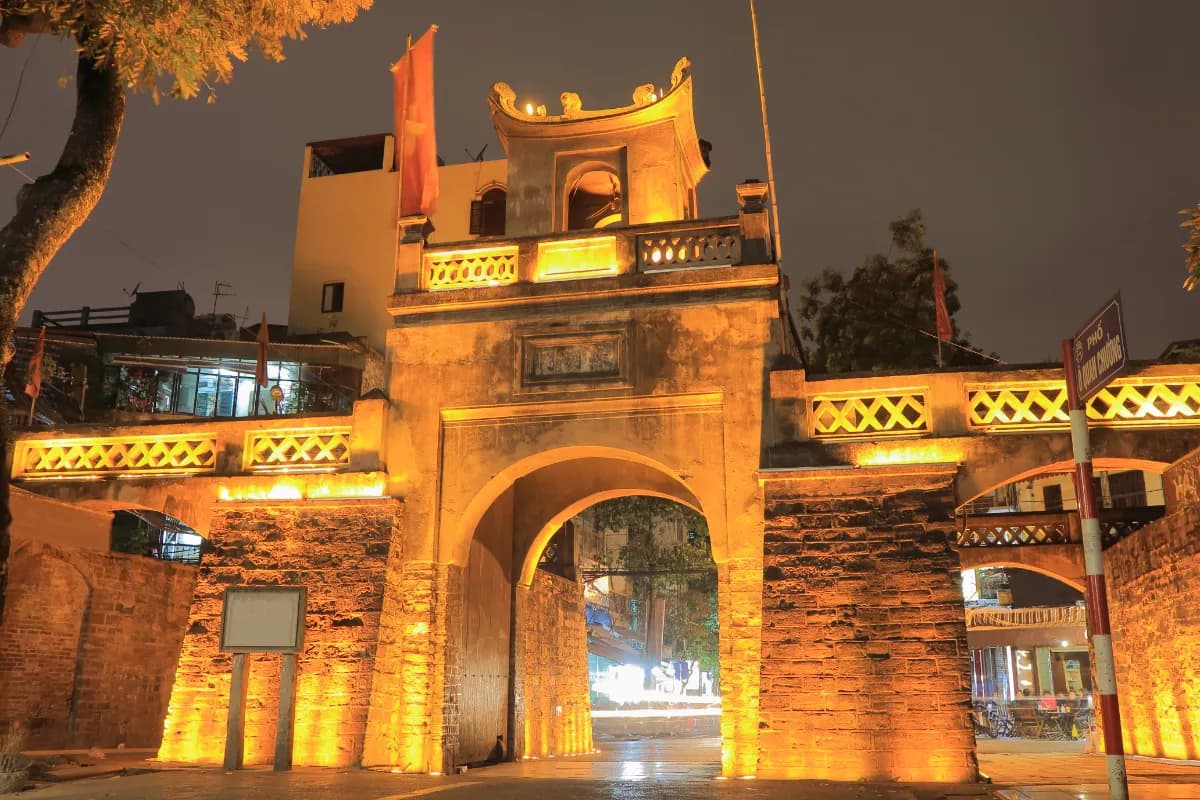
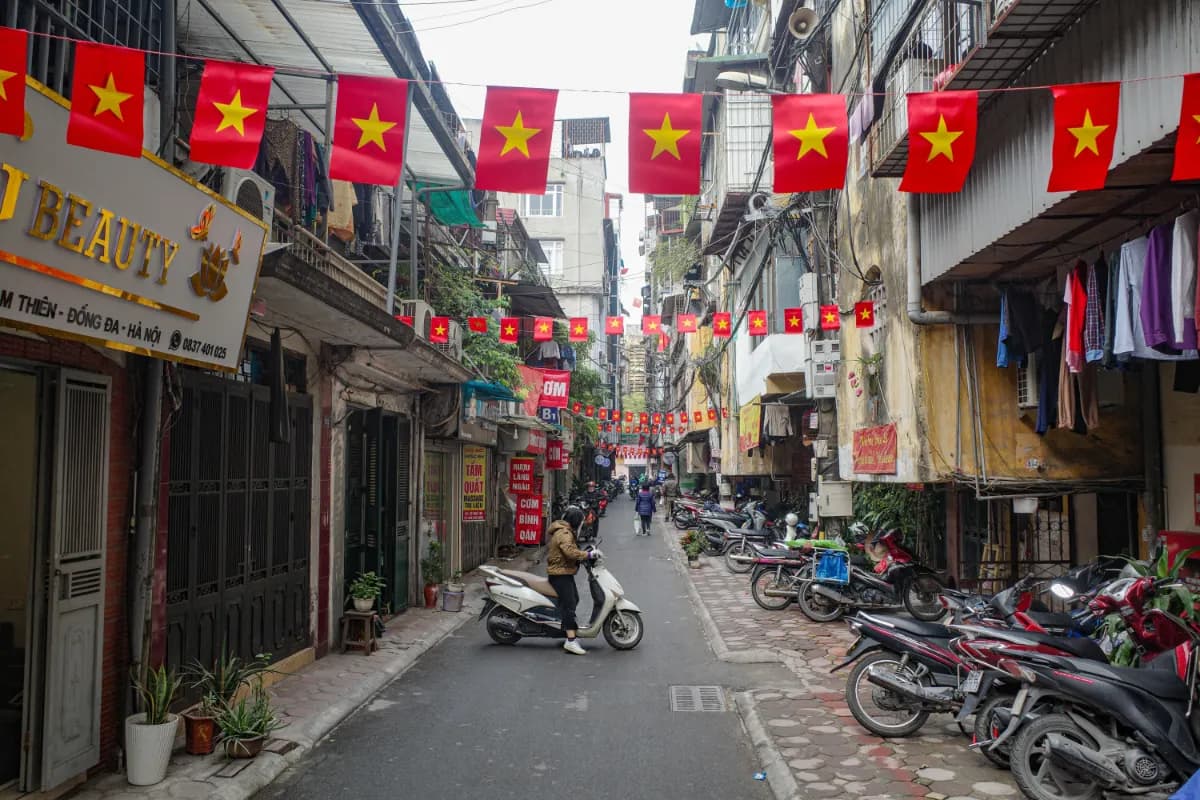
- Explore Hanoi's Old Quarter and Ho Chi Minh City's buzzing streets
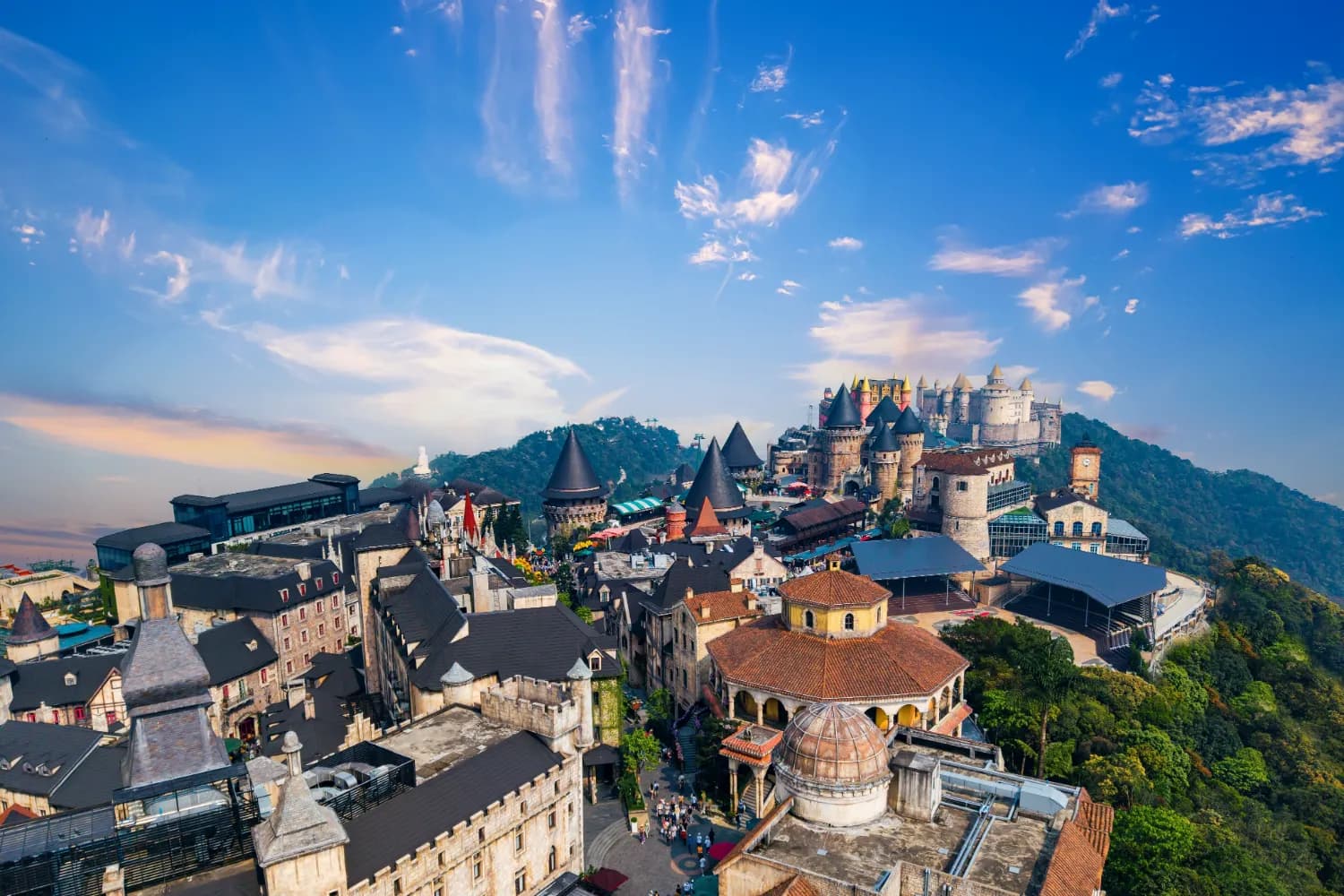
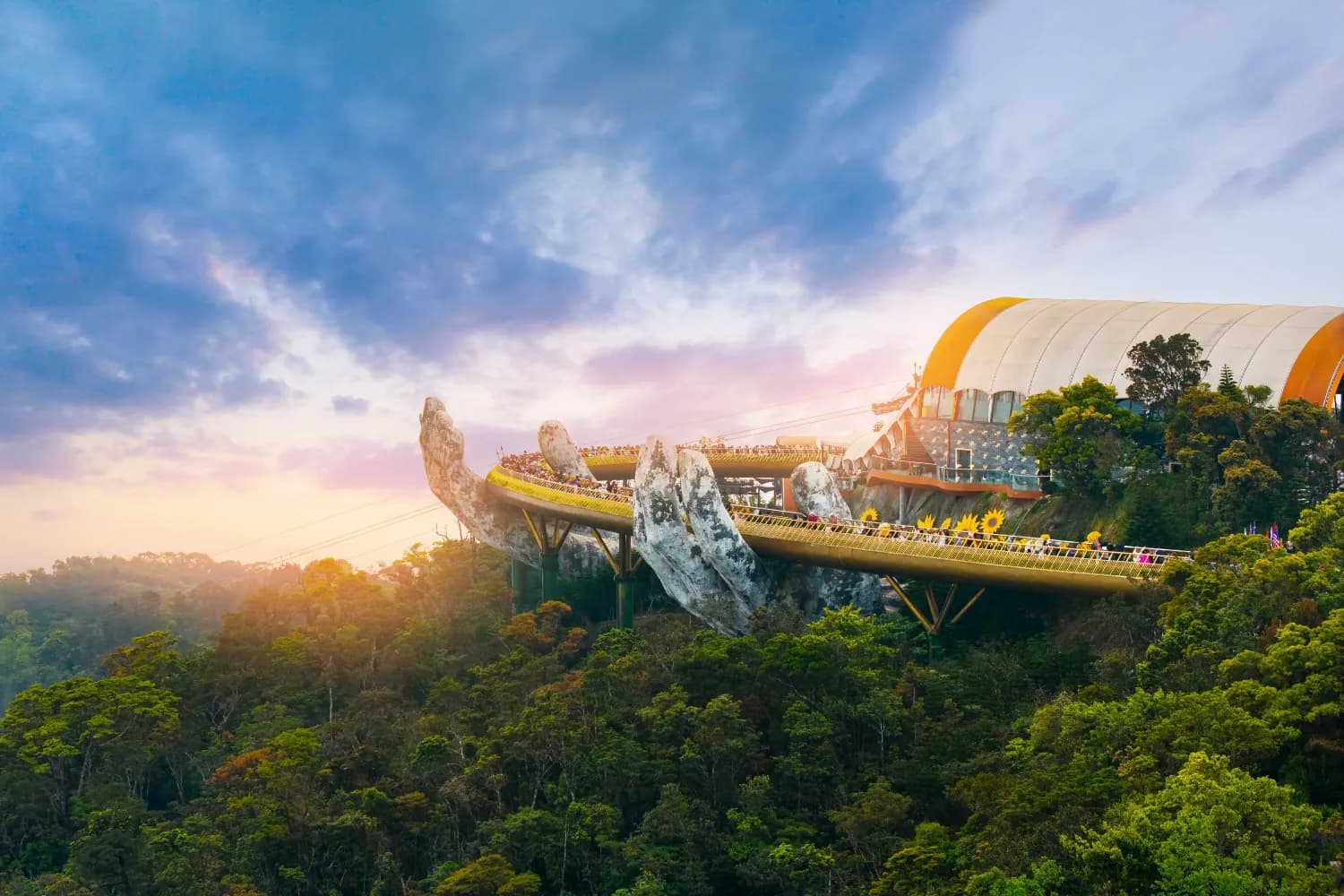
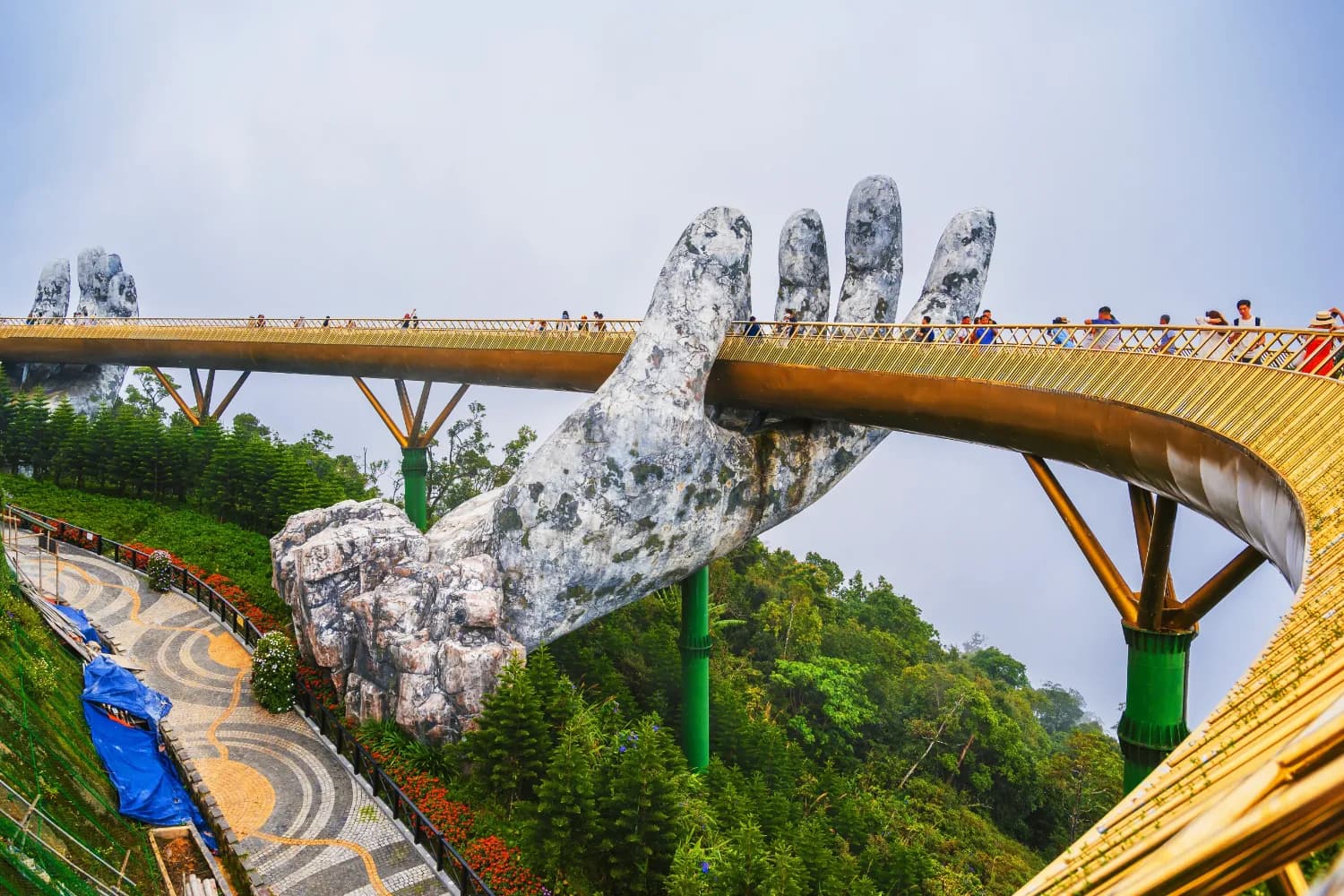
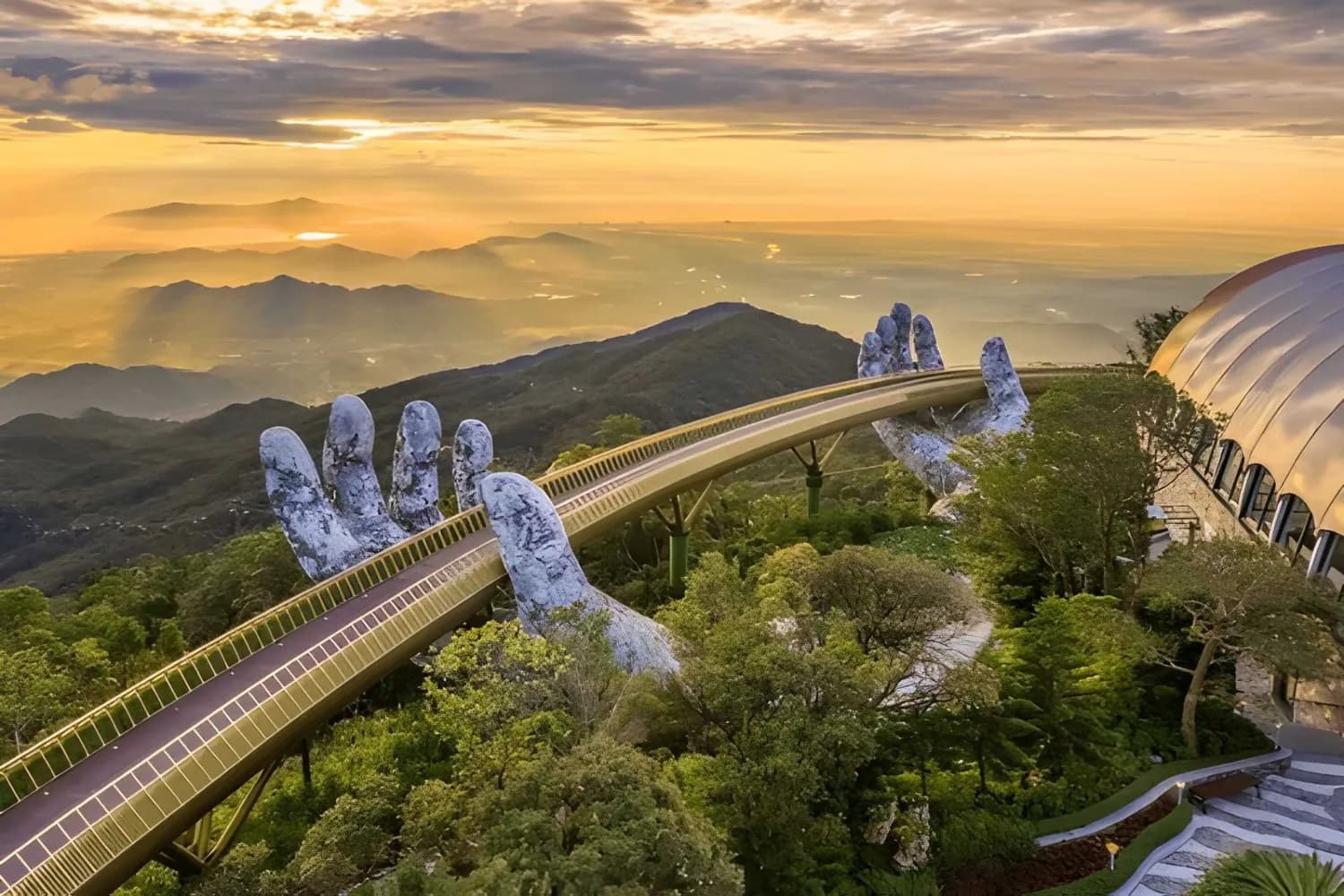
- Walk the Golden Bridge at Ba Na Hills
- Experience the Mekong Delta by boat
- Shop the night markets and enjoy rooftop nightlife
Why Choose Viacation for Your Vietnam Tour Package?
Viacation has been helping travelers plan trips that actually go well, not just look good on paper. No vague itineraries, no surprise charges, no "figure it out when you land" moments.
- Customized Vietnam Tour Packages: No two vacations are the same. Whether it is a romantic honeymoon in Hoi An, a fun trip with kids in Hanoi, or a getaway with friends, we build the plan around you. You choose the places, pick the type of hotel, and decide how much you want to see. The plan changes to fit you—you don't have to change for the plan.
- Best Price and Value for Money: ₹45,000 might seem like a lot, but it covers almost everything: flights, hotels, rides from the airport, breakfast every day, tours, and tickets. There are no hidden fees or extra costs later. We are honest about the price from the very start.
- End-to-End Travel Support: We take the stress out of travel, so your Vietnam Travel Budget stays under control. Someone meets you at the airport, support is always there on WhatsApp, and even your visa is handled before you leave. All the small details are sorted, so you can just relax and enjoy the trip.
- Local Expertise and On-Ground Support: Guides in Vietnam who know which street food stall is actually safe, which temple is less crowded in the morning, and which route avoids the tourist buses. That local knowledge changes the whole experience.
- Trusted by Thousands of Indian Travelers: Real reviews, repeat bookings, and word-of-mouth referrals have been Viacation's biggest growth engine. That says more than any marketing claim.
- Handpicked Hotels and Experiences: We check every hotel ourselves, so you won't have any bad surprises when you open your door with our Vietnam Tour Packages. We also pick activities based on how good they are, not just how famous they are. This means you won’t waste your time at "tourist traps."
Must-Visit Tourist Attractions in Vietnam
Don't search Vietnam's history on Google. It is in these best places in Vietnam.
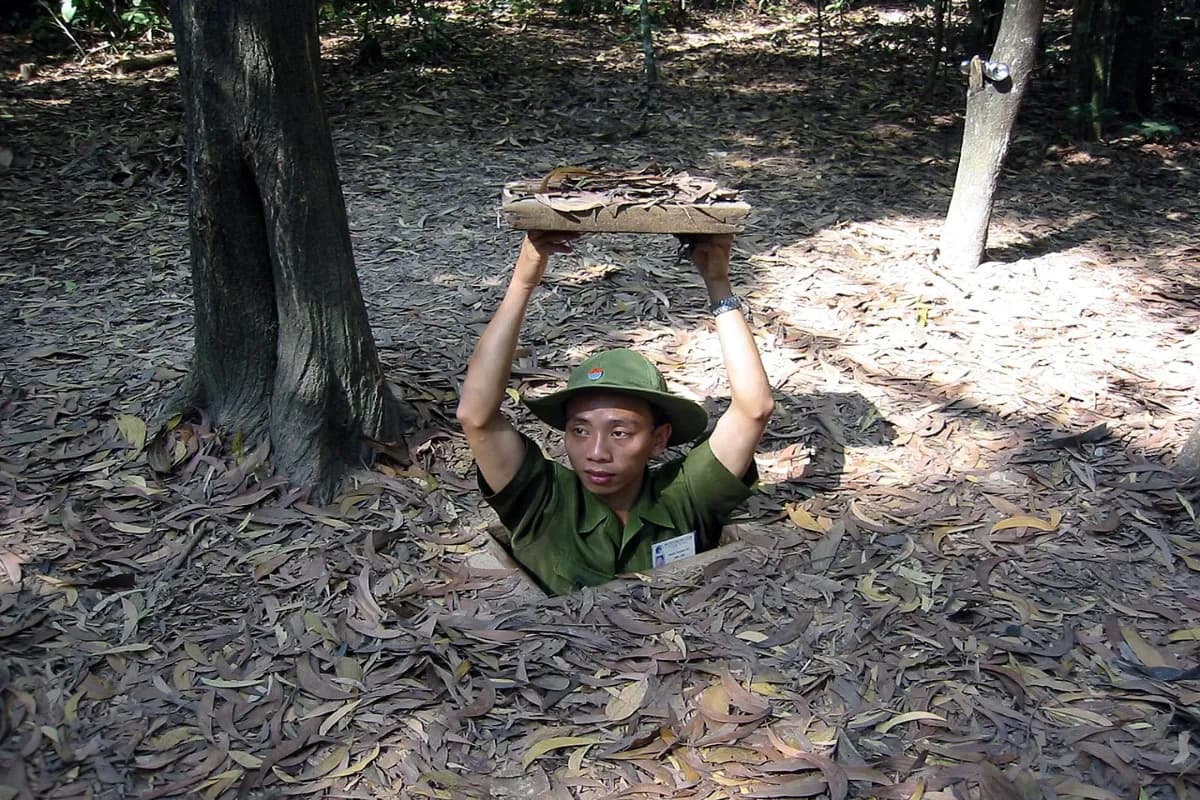
1. Cu Chi Tunnels
- City: Ho Chi Minh City
- Best Time to Visit: December to April
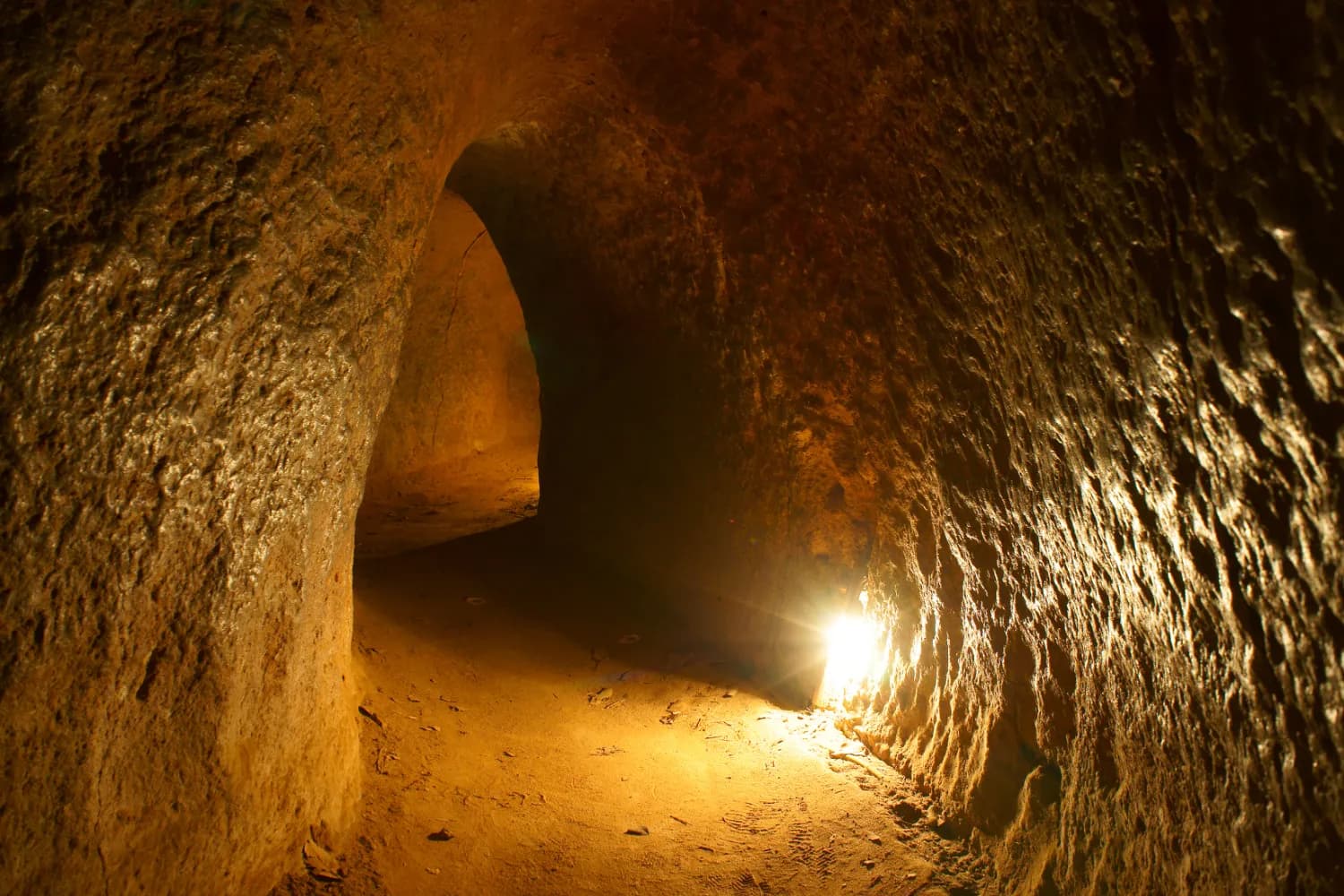
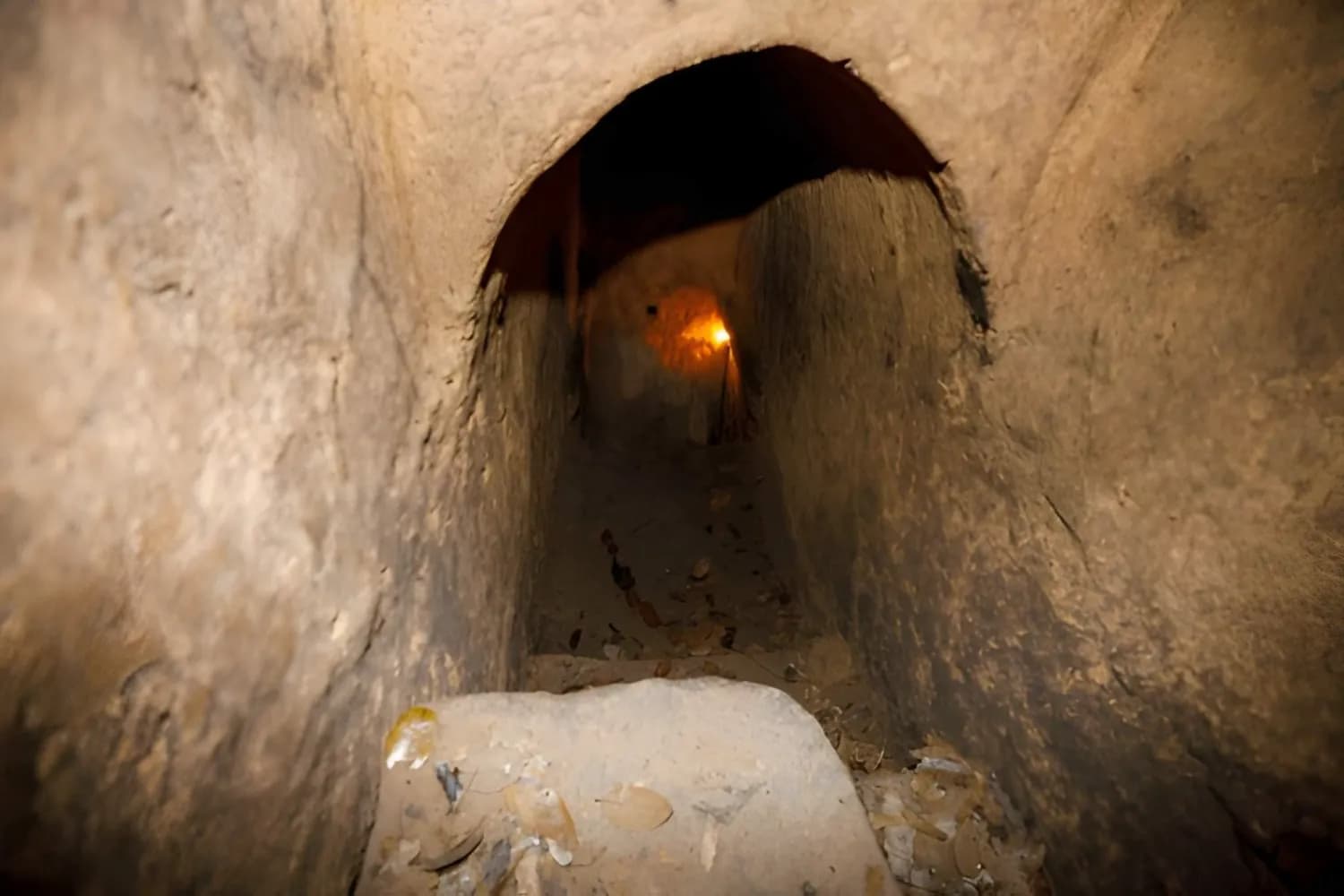
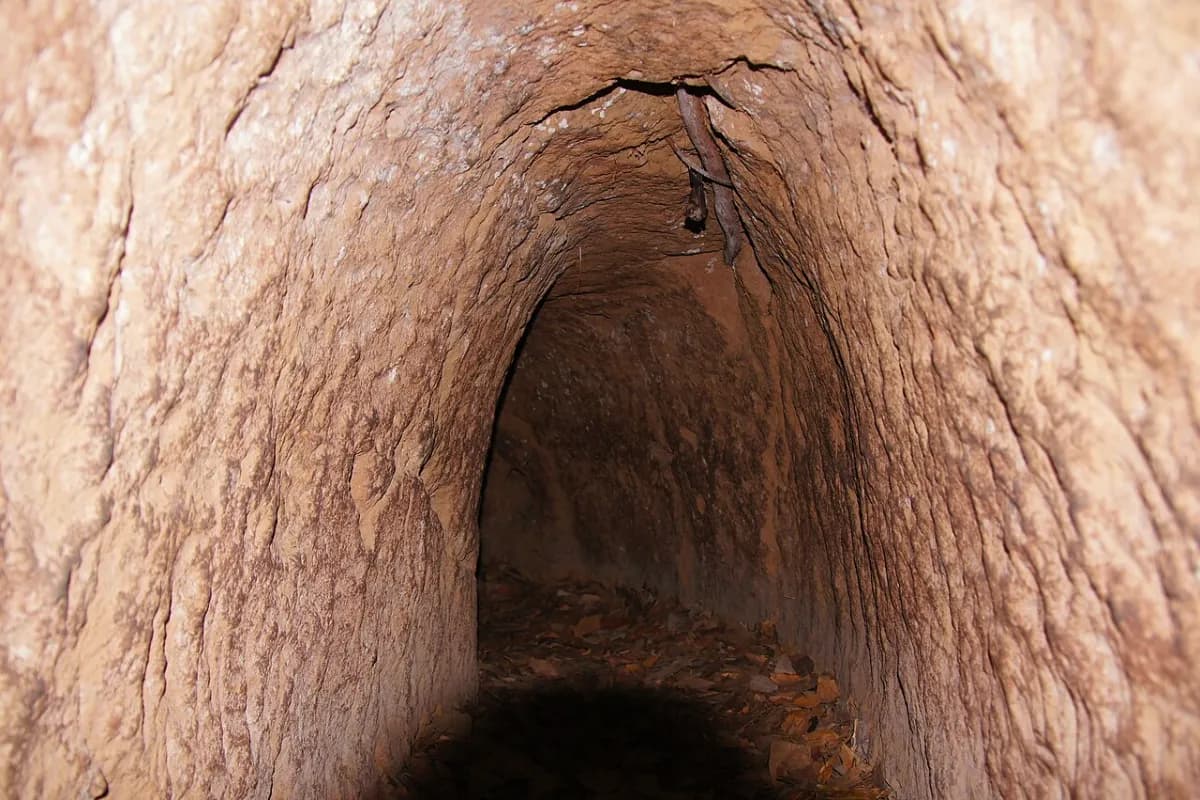
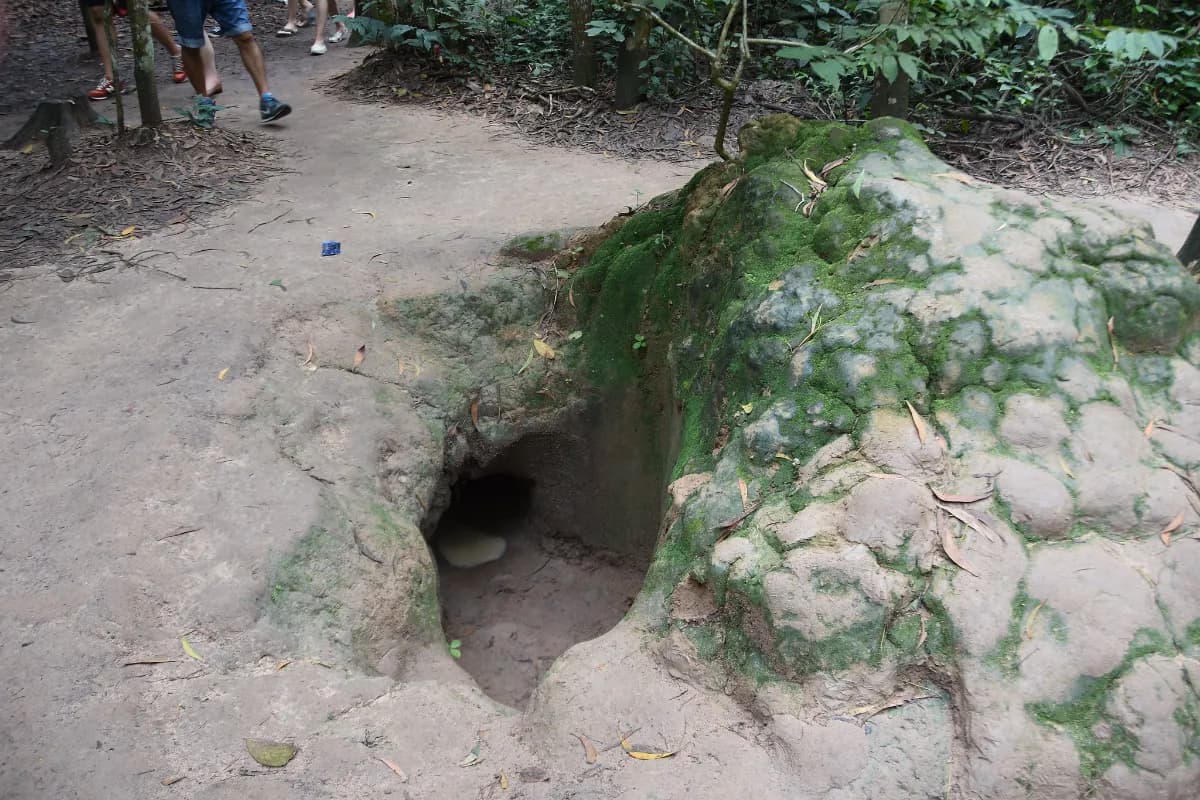
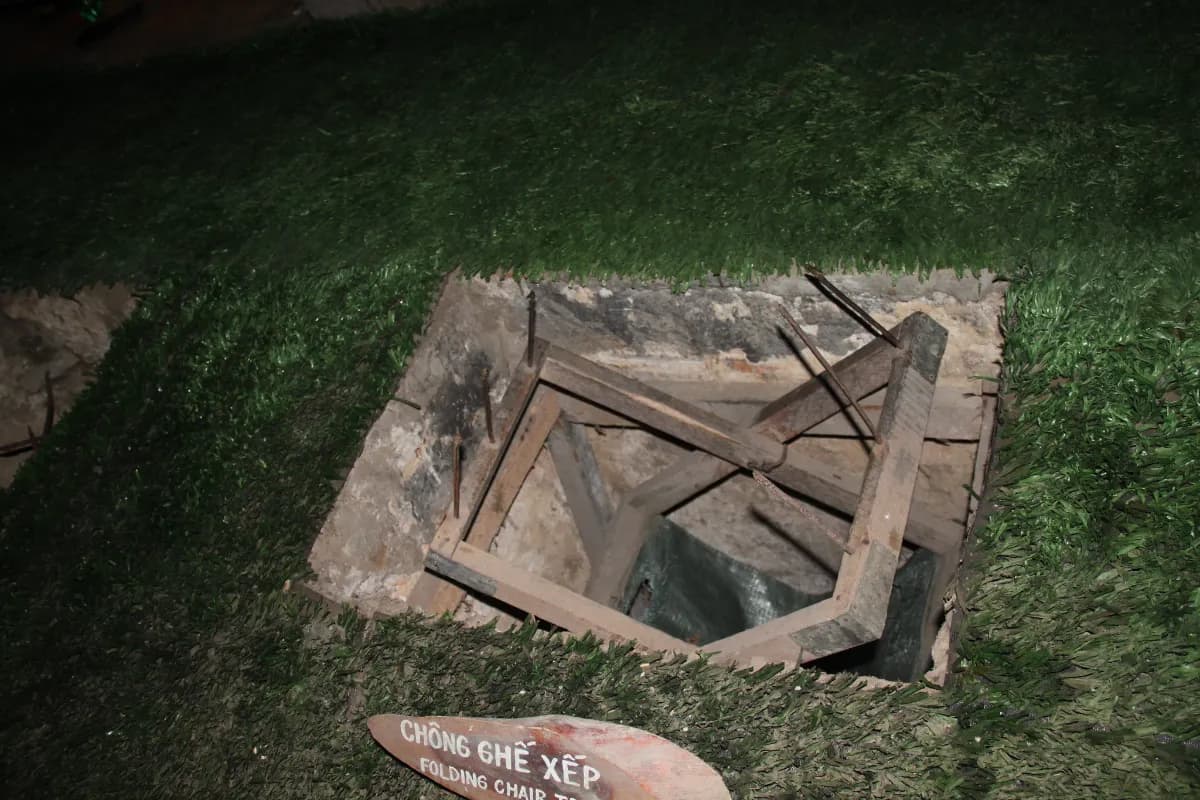
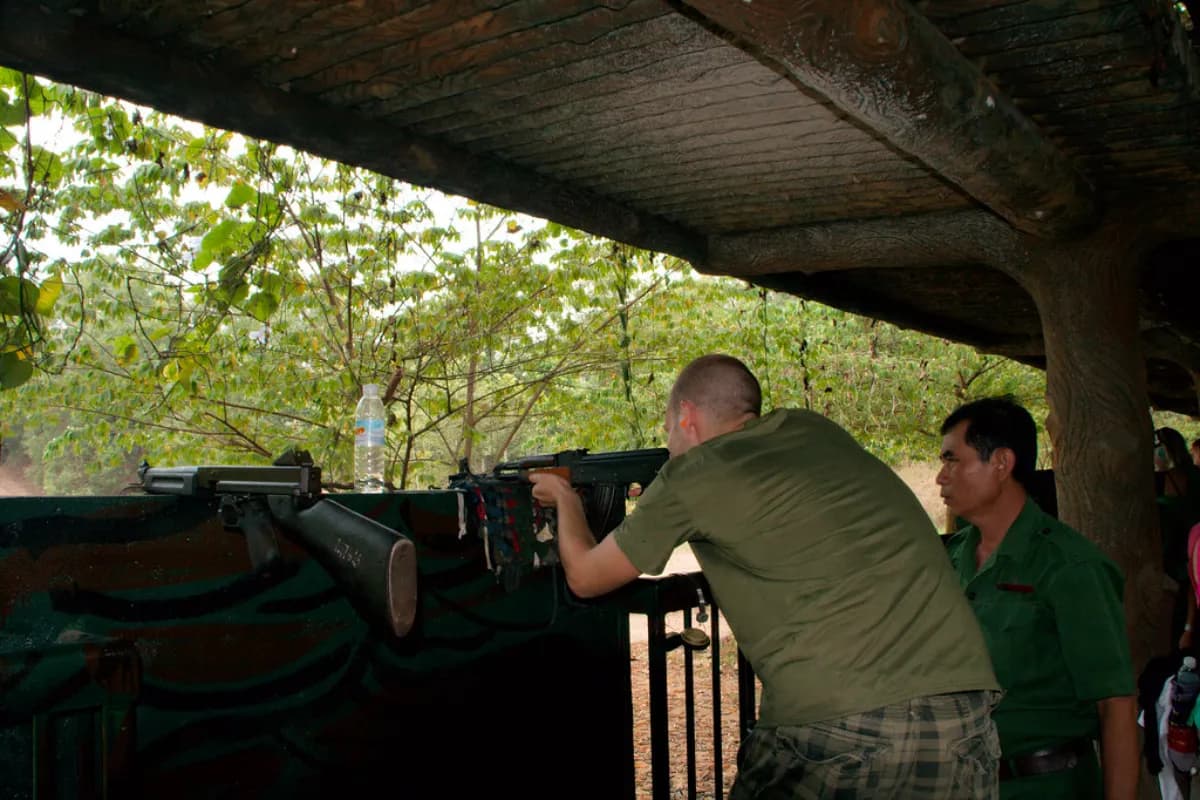
- USP: Cu Chi Tunnels is a 250 km underground tunnel network used during the Vietnam War. You can actually crawl through sections of it. Claustrophobic but unforgettable.
- Entry Fee: Approx. ₹250 to ₹400 per person
- Timings: 7:00 AM to 5:00 PM daily
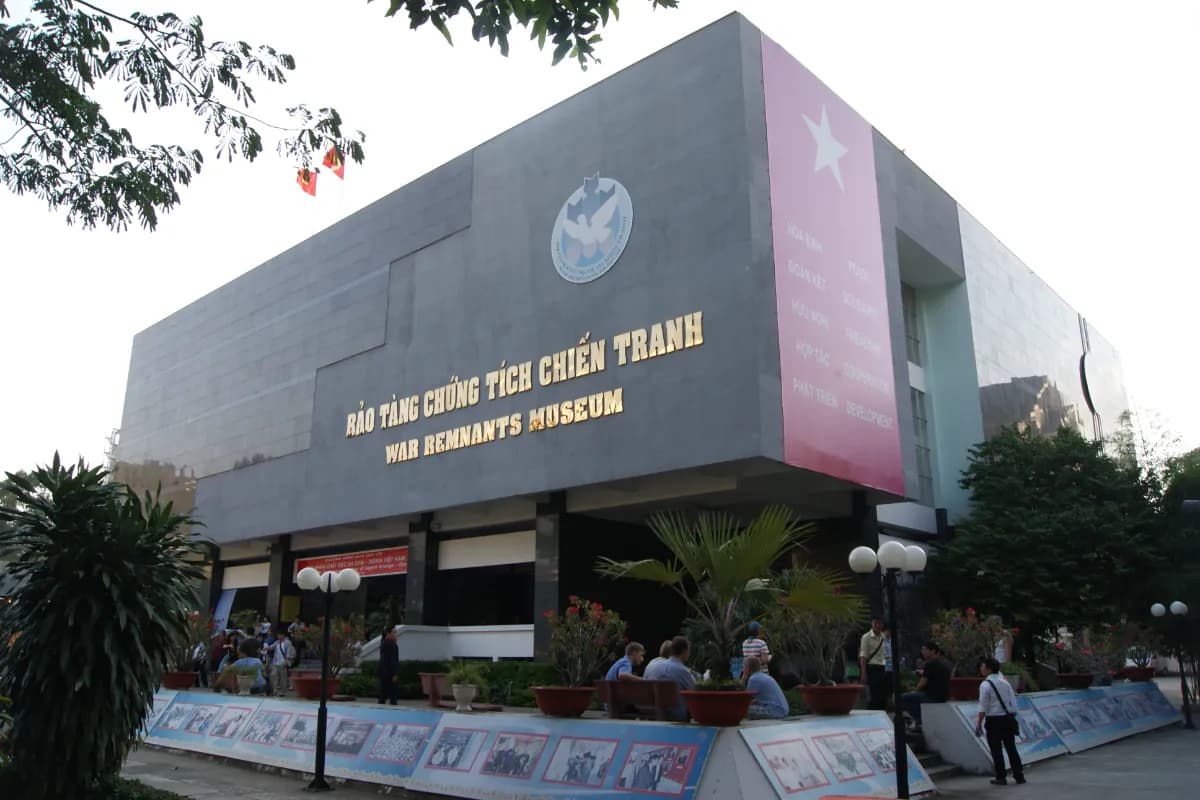
2. War Remnants Museum
- City: Ho Chi Minh City
- Best Time to Visit: Year-round, mornings preferred
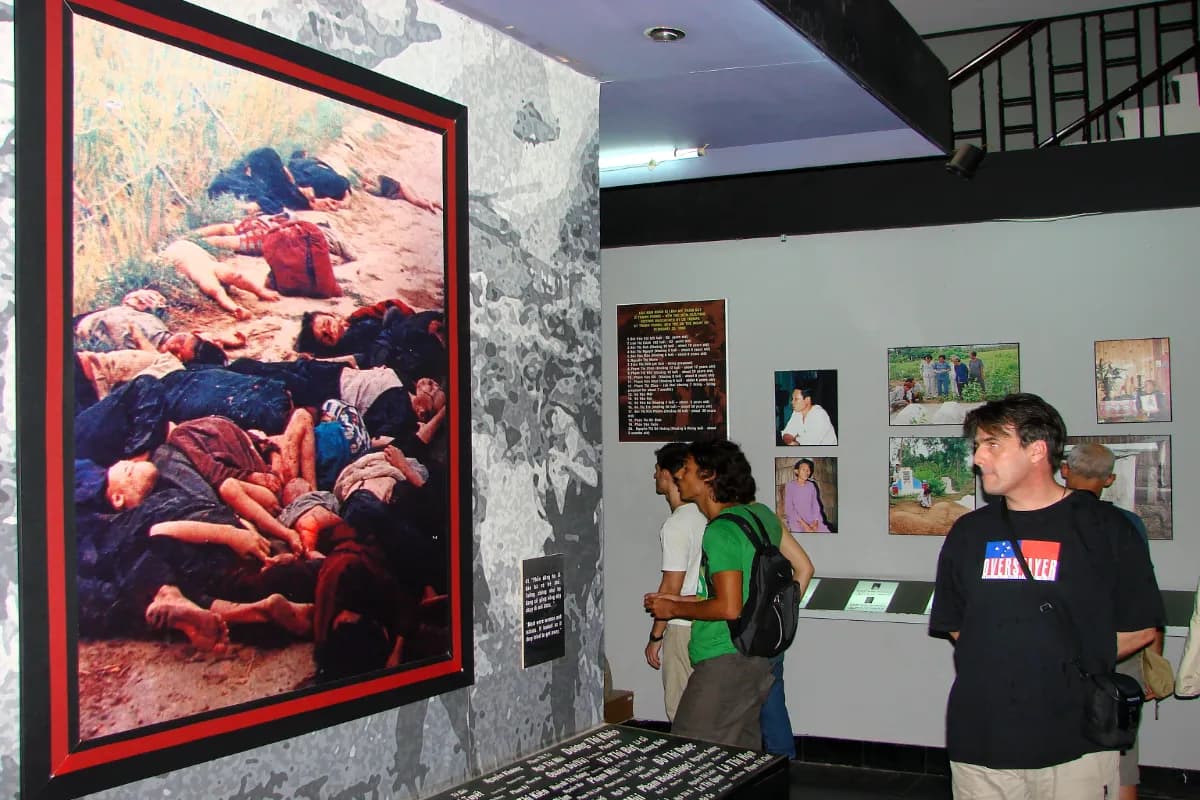
- USP: War Remnants Museum is one of the most honest war museums in the world. Photographs, artifacts, and stories that do not sanitize what happened. Emotionally heavy but important, and a powerful stop during Vietnam Travel.
- Entry Fee: Approx. ₹150 per person
- Timings: 7:30 AM to 5:30 PM daily
3. Marble Mountains
- City: Da Nang
- Best Time to Visit: February to August
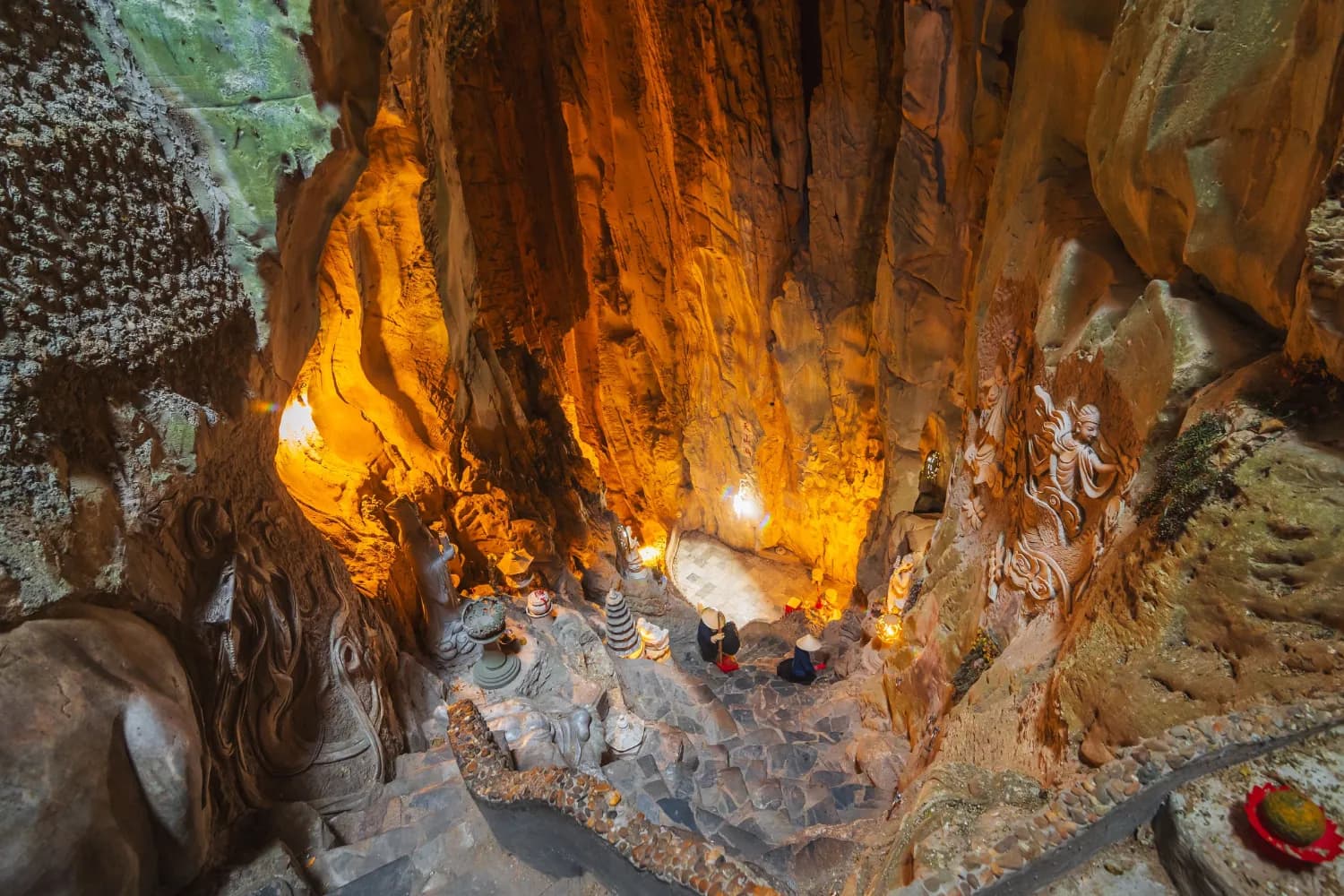
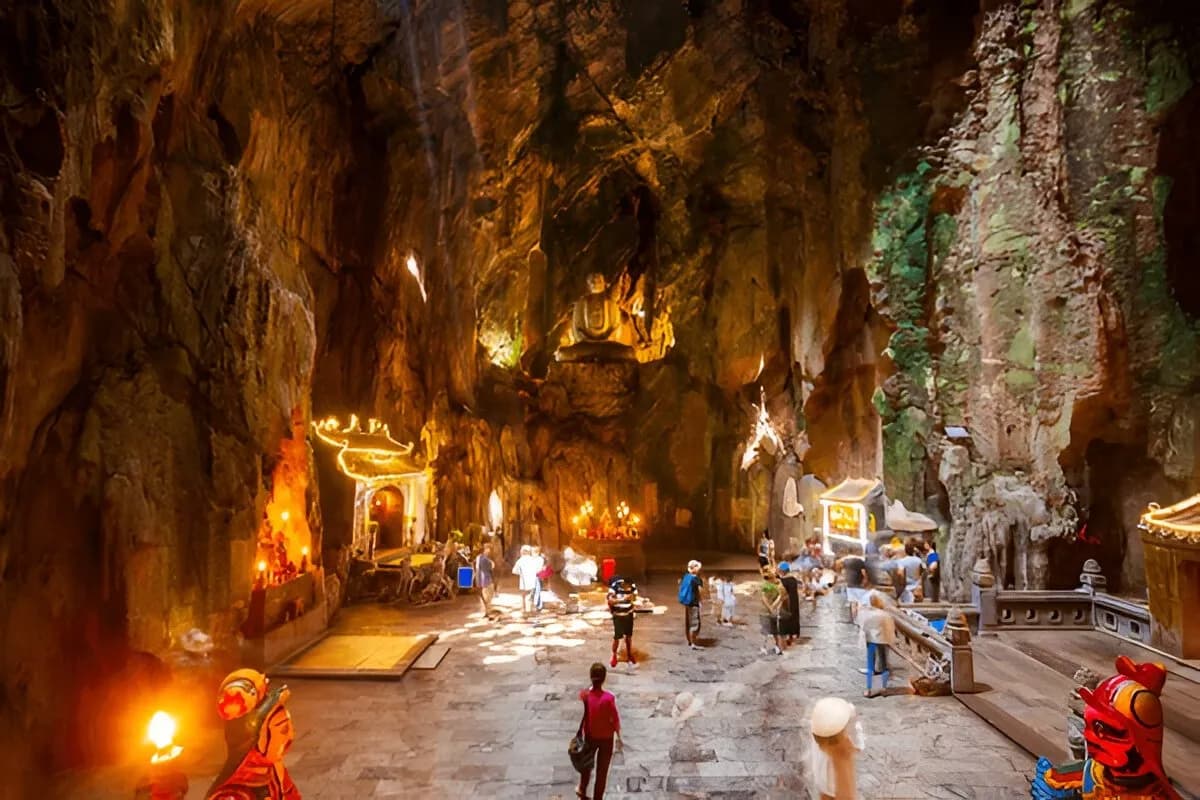
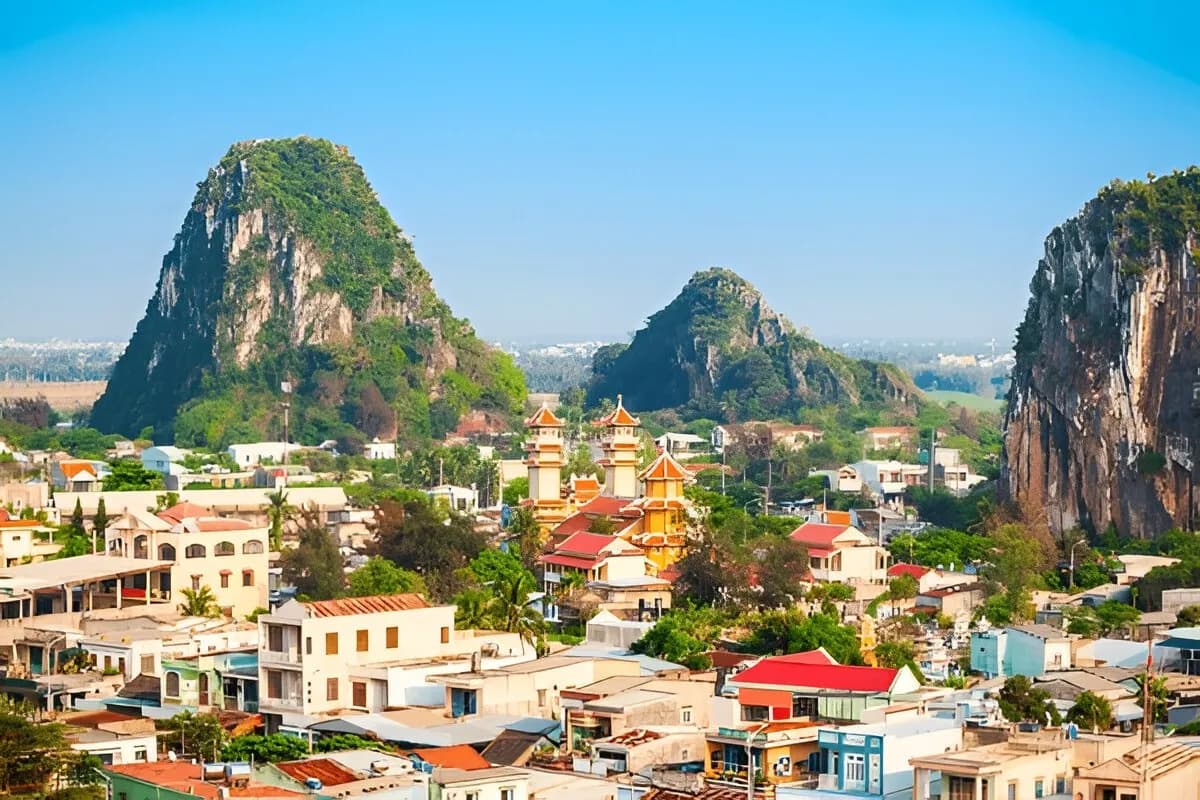
- USP: Marble Mountains has five marble and limestone hills with Buddhist shrines, caves, and tunnel systems carved inside. Views from the top stretch across Da Nang city and the coastline.
- Entry Fee: Approx. ₹150 for mountains, ₹80 for elevator
- Timings: 7:00 AM to 5:30 PM daily
4. Hoa Lo Prison Relic
- City: Hanoi
- Best Time to Visit: Early in the morning to avoid the crowd
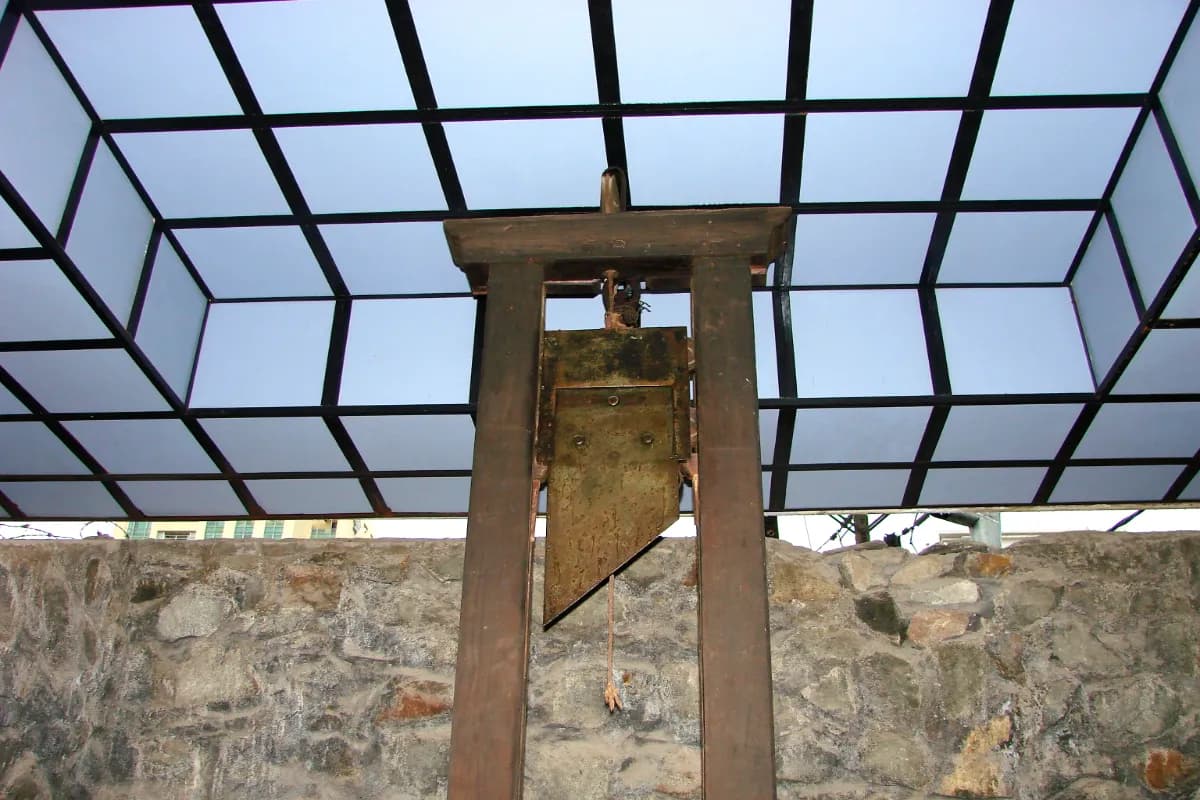
- USP: Hoa Lo Prison Relic was originally built by French colonizers to hold Vietnamese political prisoners, later used during the American War. A sobering, layered history that most tourists skip, and shouldn't.
- Entry Fee: Approx. ₹180 per person
- Timings: 8:00 AM to 5:00 PM daily
5. Ho Chi Minh's Mausoleum
- City: Hanoi
- Best Time to Visit: Weekday mornings only to avoid long lines
- USP: Ho Chi Minh's Mausoleum is a preserved resting place of Vietnam's founding leader. The surrounding Ba Dinh Square and Presidential Palace complex are equally worth a visit. A key stop in many Vietnam Packages. Dress modestly.
- Entry Fee: Free
- Timings: 7:30 AM to 11:30 AM Tuesday to Thursday. Friday and Monday are closed for maintenance periods
Best Beaches in Vietnam
Not every beach trip needs Maldives-level pricing. Vietnam's coastline stretches over 3,000 km, and some of the best beaches in Vietnam are still genuinely unspoiled.
1. An Bang Beach, Hoi An
Relaxed, clean, and about 4 km from Hoi An's Old Town. The vibe is slow, the beachside cafes are good, and the crowds are manageable compared to Nha Trang.
Best time: March to August
Best for: Couples and slow travelers
Highlights:
- Bamboo bar culture
- Bicycle rides from Hoi An town
2. Nha Trang Beach, Khanh Hoa
Vietnam's most popular beach city. Six km of white sand, clear blue water, and a proper beachfront promenade. The Vietnam Trip Cost feels worth it here, with scuba diving, snorkeling, and island hopping all being big highlights.
Best time: February to May
Best for: Groups and water sports lovers
Highlights:
- Island hopping
- Diving
- cable car to Vinpearl Land
3. My Khe Beach, Da Nang
Called "China Beach" by American soldiers during the war, it is now one of the most accessible beaches in Vietnam, right next to a major city. Long, wide, and lined with seafood restaurants.
Best time: February to August.
Best for: These Vietnam Packages best for families and first-timers.
Highlights:
- Easy airport access
- excellent seafood
- clean and safe waters
4. Doc Let Beach, Ninh Hoa
If you have heard complaints about crowded Vietnamese beaches, Doc Let is the answer. Shallow, crystal-clear water. White sand that actually squeaks. Almost no crowds.
Best time: January, March, and April
Best for: Honeymooners and luxury seekers.
Highlights:
- Private resort vibes
- Salt flats nearby
- Very photogenic
5. Lang Co Beach, Thua Thien Hue
Tucked between Hai Van Pass and Lap An Lagoon, Lang Co Beach is long and quiet, surrounded by hills on one side and the sea on the other. It’s the kind of place you’ll come across in Vietnam Packages, where the drive itself feels like part of the experience.
Best time: March to August.
Best for: Road-trippers and photography lovers.
Highlights:
- Lagoon views
- fresh seafood
- proximity to Hue city
Temples in Vietnam Worth Your Time
Vietnam's spiritual culture runs deep. Buddhist pagodas, Confucian temples, and Hindu sanctuaries from the ancient Cham kingdom. It is more diverse than most people expect.
1. One Pillar Pagoda, Hanoi
Built in 1049 by Emperor Ly Thai Tong, this tiny temple rises from a single stone pillar over a square lotus pond. One Pillar Pagoda is small but significant, and you’ll find it included in many Vietnam Tour Packages. The architecture is meant to represent a lotus flower emerging from water, a Buddhist symbol of purity and enlightenment.
Best time to visit: In the morning to avoid school groups.
Travel Tip:
- Combine this with the Ho Chi Minh Mausoleum next door, since both are in the same complex.
- Keep clothing modest and speak quietly inside.
Timings: 7 AM to 6 PM daily
Entry Fee: Free
2. Bai Dinh Pagoda, Ninh Binh
Bai Dinh Pagoda is the largest Buddhist complex in Southeast Asia. Over 500 stone-carved Arhat statues line the mountain path leading up. The main hall houses a 100-ton bronze Buddha. The scale is genuinely hard to believe until you are standing inside it.
Best time: January to March, but avoid the Tet holiday crowds.
Travel Tip:
- Rent an electric cart inside the complex if you want to cover it fully without exhausting yourself.
- Dress conservatively, arms and legs covered.
- The complex is large; wear comfortable shoes.
Ticket Prices: ₹720
Timings: 7 AM to 9 PM daily
3. Temple of Literature, Hanoi
Temple of Literature is the oldest school in Vietnam! It was built a long time ago, in 1070. It still looks very old and beautiful. In the garden, there are big rocks with the names of smart students carved into them from hundreds of years ago. It’s a very special piece of history, and honestly, visiting places like this makes the Vietnam Trip Cost feel completely worth it.
Best time: October to April. Mornings are quieter and better for photos.
Travel Tip: Read about Vietnam's history of Confucian education before visiting. It changes how you see the whole complex.
Timings: 8 AM to 5 PM daily
Ticket Prices: ₹715
4. Tran Quoc Pagoda, Hanoi
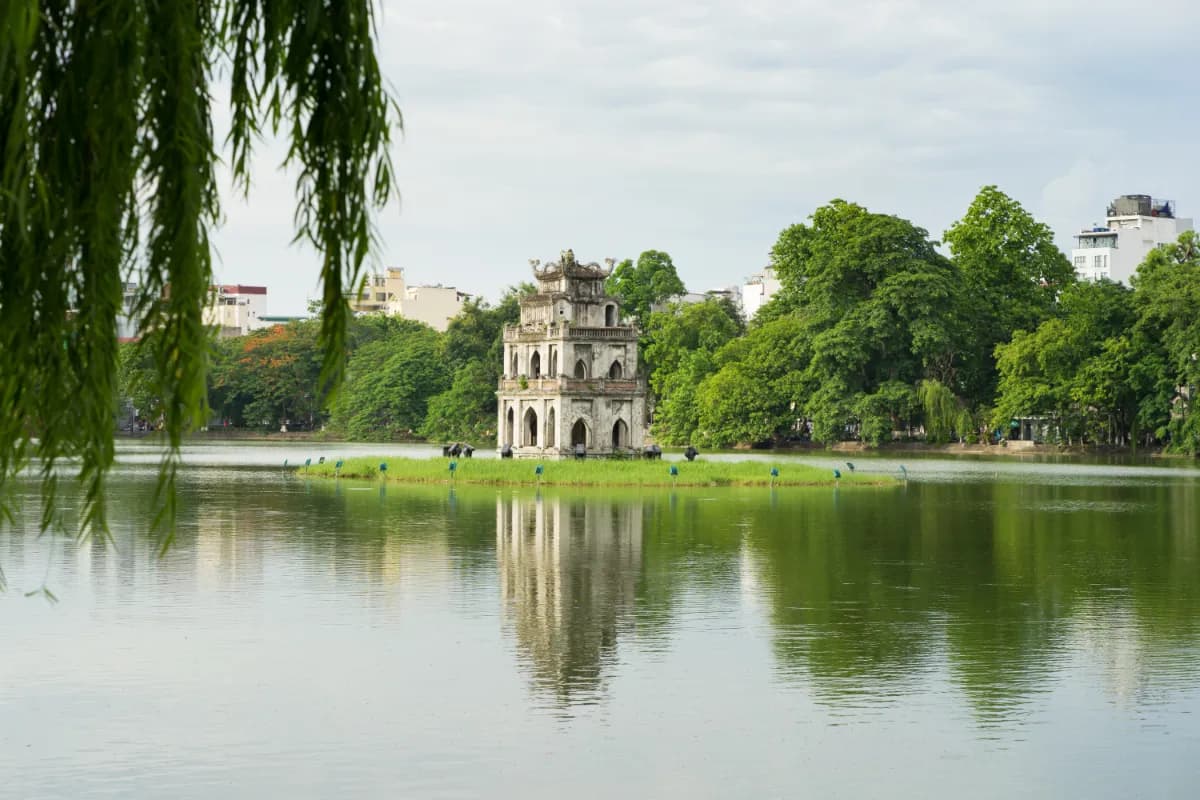
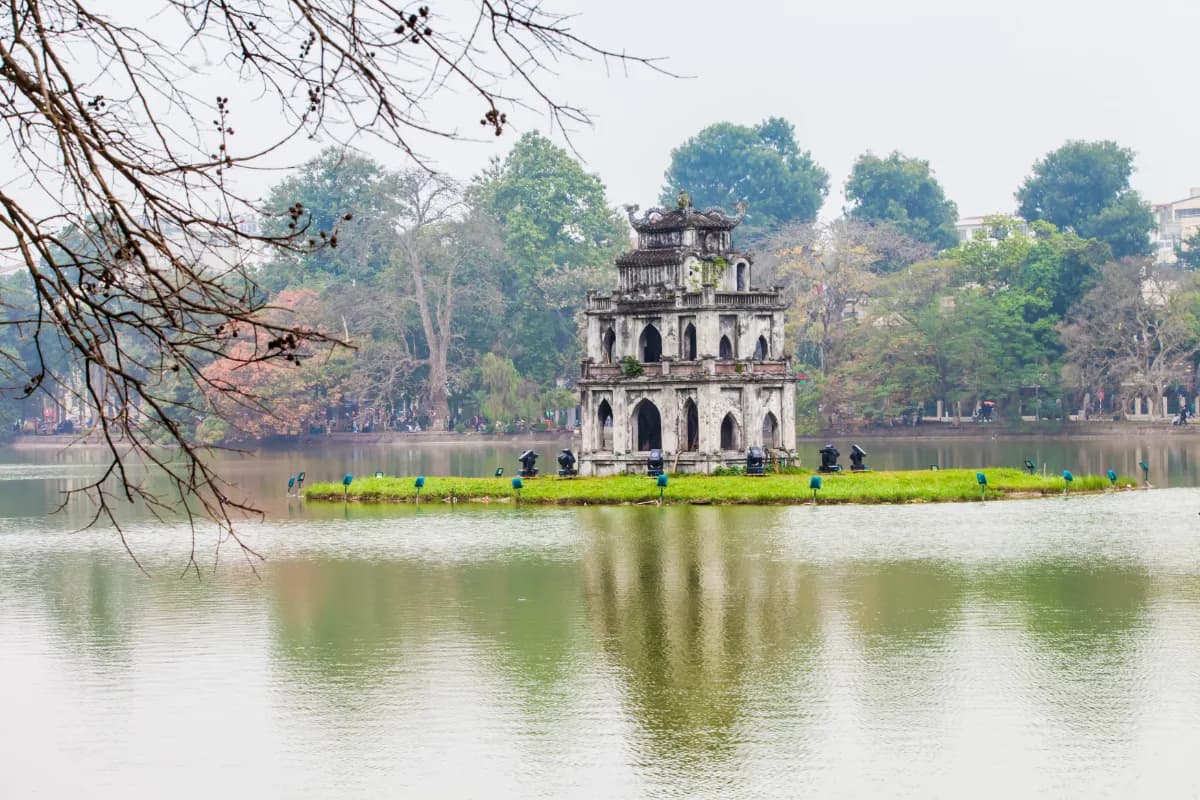
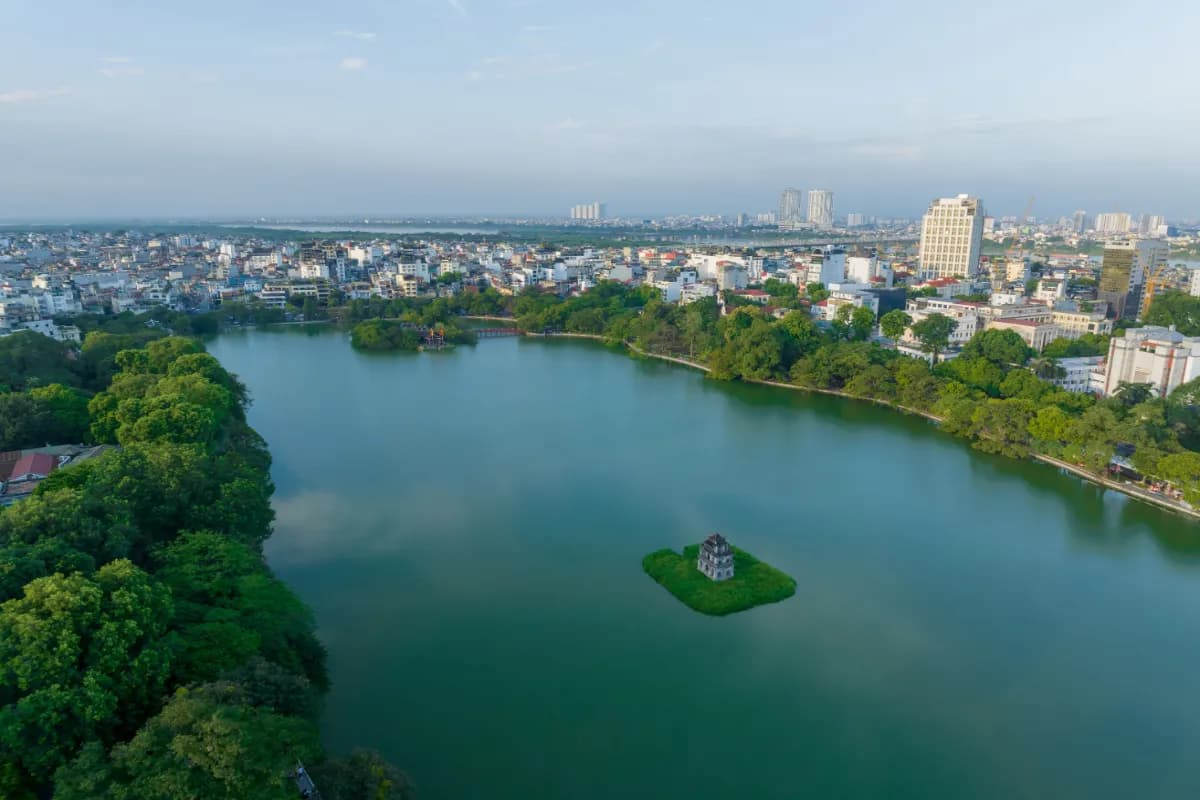
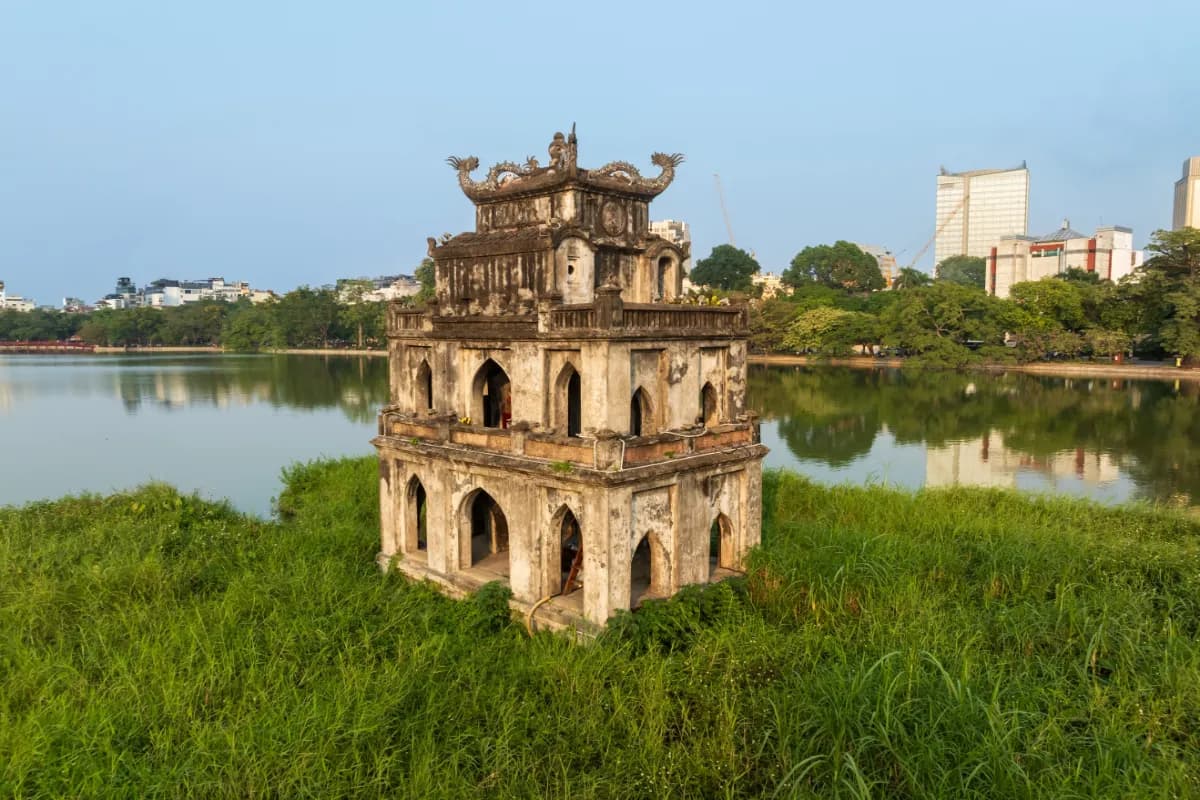
Hanoi's oldest Tran Quoc pagoda sits on a small island in West Lake. The multi-tiered red tower is one of the most photographed religious sites in northern Vietnam. The surrounding lake view adds to the calm.
Best time: October to April, golden hour preferred.
Travel Tip: Visit just before sunset for the best light on the pagoda and the lake reflections.
Timings: 7:30 AM to 5 PM daily. For 2:30 hours, it is kept closed after 11 AM.
Entry Fee: Free
5. My Son Sanctuary, Quang Nam
A UNESCO World Heritage Site, this place is part of many Vietnam Tour Packages from India. These are the ruins of a Hindu temple complex built by the ancient Cham civilization between the 4th and 13th centuries. Older than Angkor Wat in concept and cultural significance. The jungle setting makes it feel genuinely archaeological.
Best time: February to May. Comfortable shoes and lightweight clothing are essential. Early morning visits avoid the heat and tour groups.
Travel Tip: Hire a local guide specifically for My Son Sanctuary. The historical context makes the ruins far more interesting than they appear at first glance.
Timings: 6 AM to 5 PM daily.
Ticket Prices: ₹540
Things to Do in Vietnam That Actually Stay With You
Vietnam rewards people who do more than sightseeing. These are the things to do in Vietnam experiences that people talk about for years.
1. Cruise in Ha Long Bay
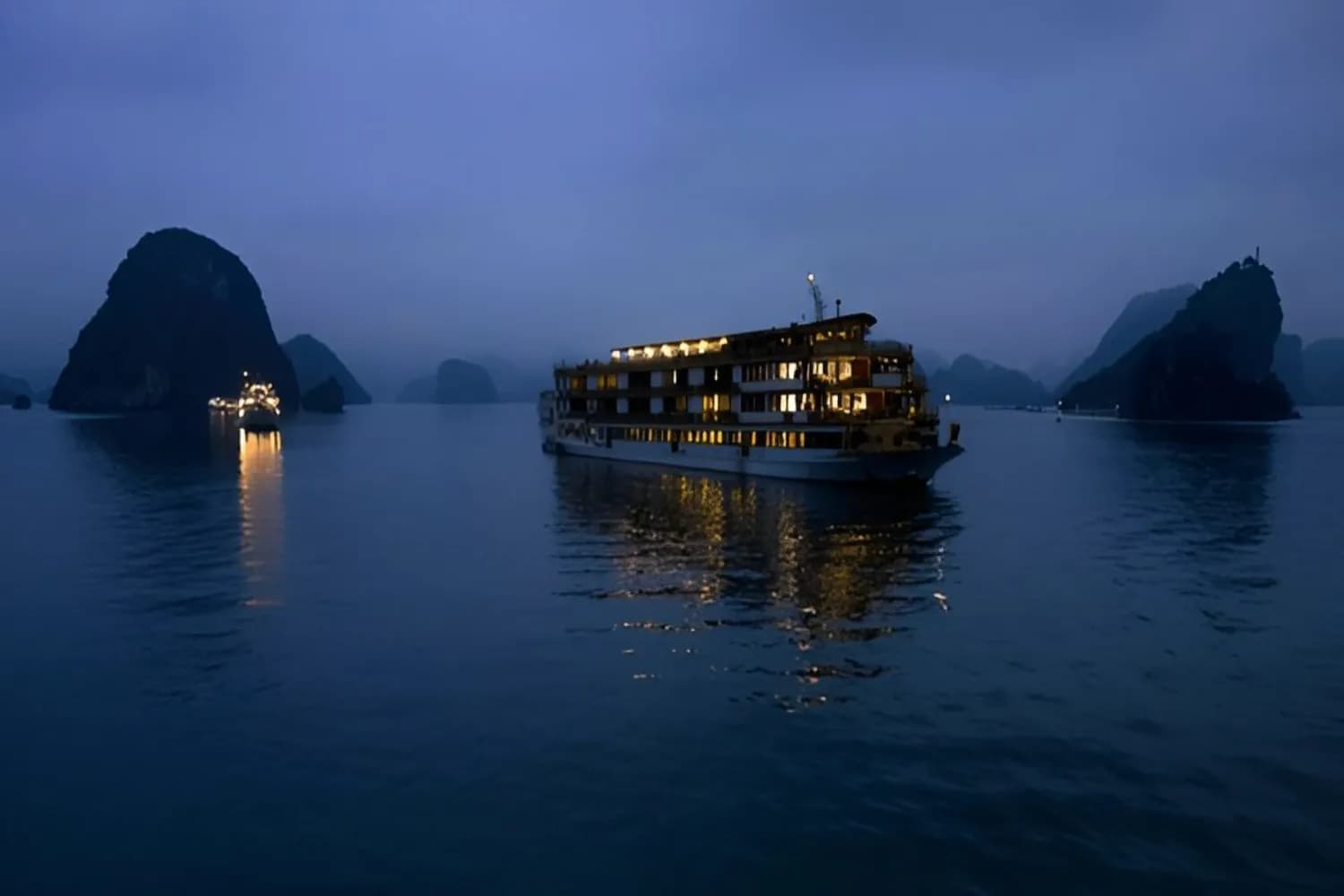
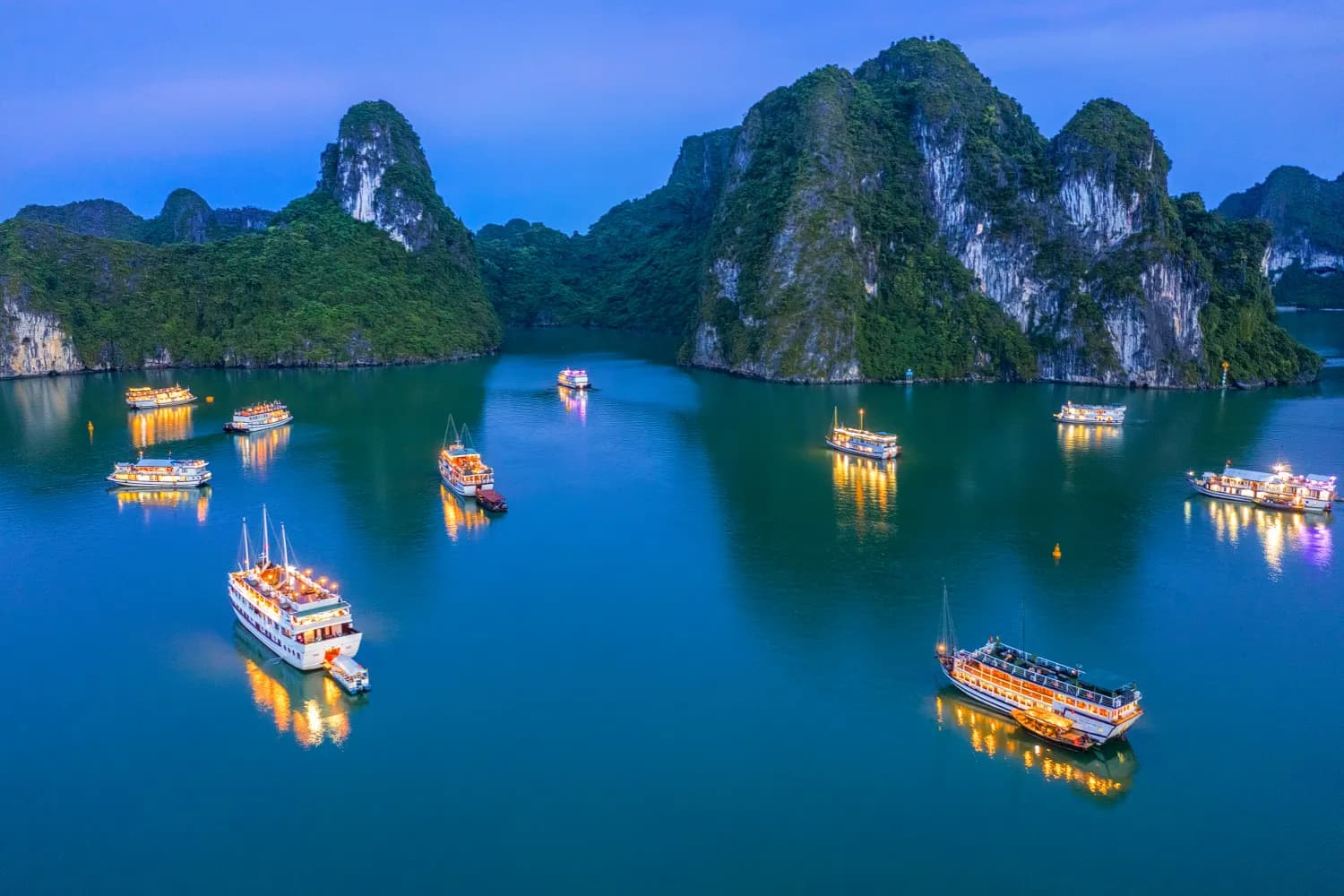
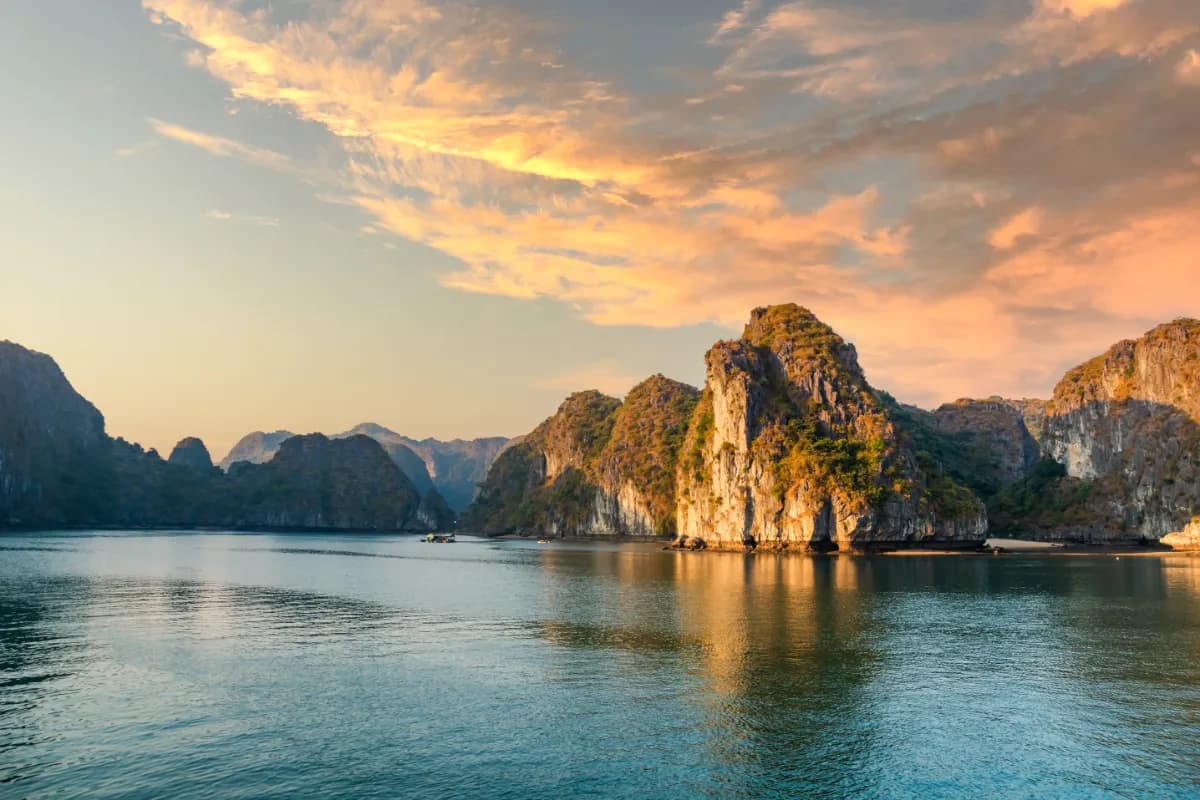
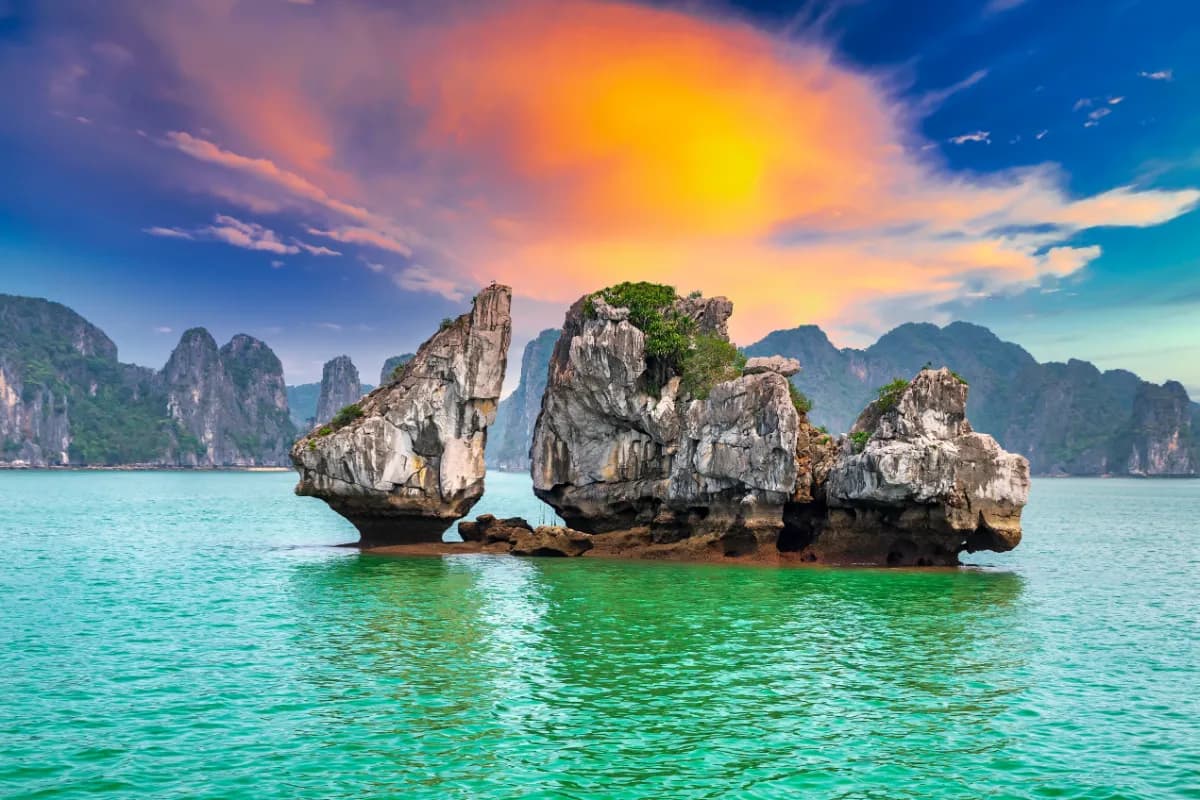
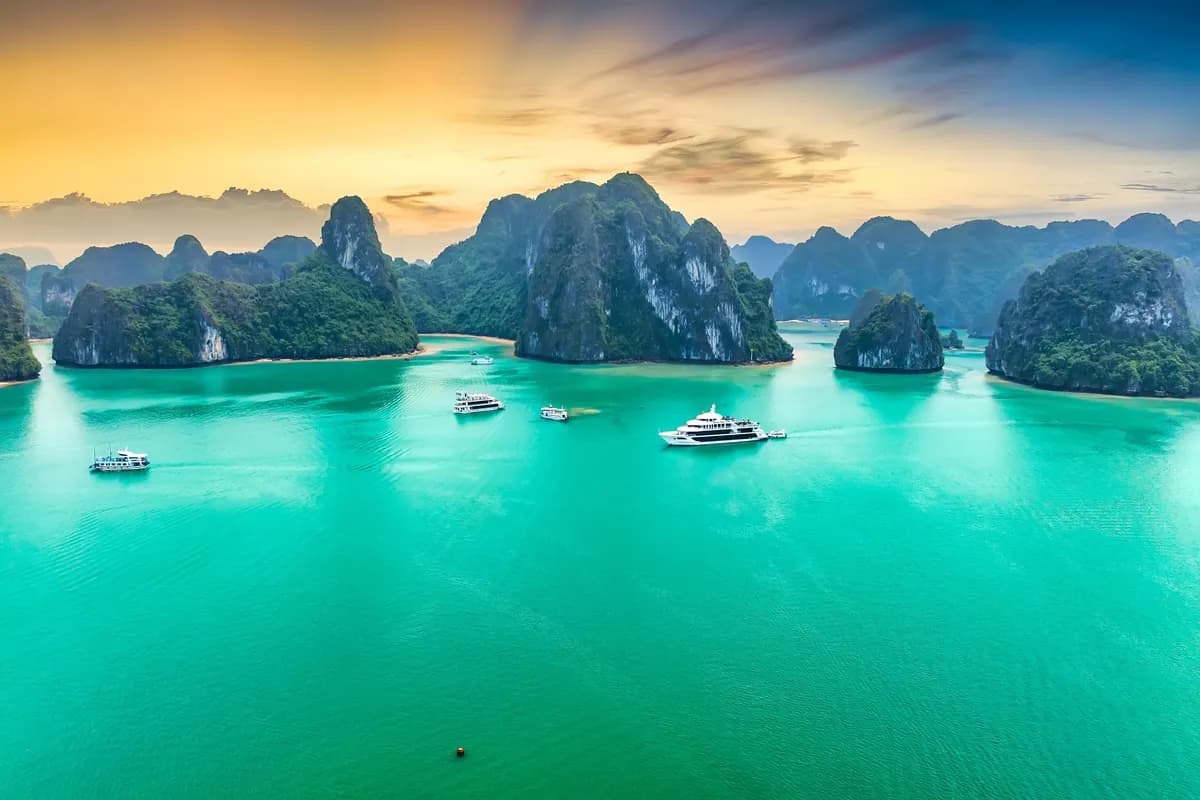
Overnight cruises on traditional wooden junks, with kayaking, swimming, and cave exploration built into the schedule. The bay looks completely different at sunrise. Book a mid-range or premium cruise; the cheapest ones cut corners on safety and quality.
Cruise Prices Per Person:
- Day Cruise: ₹4,000-₹10,000 for 1 day
- Budget Cruise: ₹11,000-₹20,000 for 2 days and 1 night
- Luxury Cruise: ₹25,000-₹50,000 for 2 days and 1 night
2. Explore Caves in Phong Nha
Son Doong is the world's largest cave. Paradise Cave has formations that stretch for kilometers. Most people don't know about Phong Nha, which is exactly why it is still worth going to. Guided cave treks start from ₹1,200 per person, which fits well within the overall Vietnam Trip Cost.
3. Trek in Sapa
Rice terraces on steep hillsides, misty valleys, and homestays with local ethnic communities. The Fansipan summit, Vietnam's highest peak at 3,147 m, is accessible by cable car for those who don't want a full trek. Best between March and May and September to November.
4. Beach and Water Activities
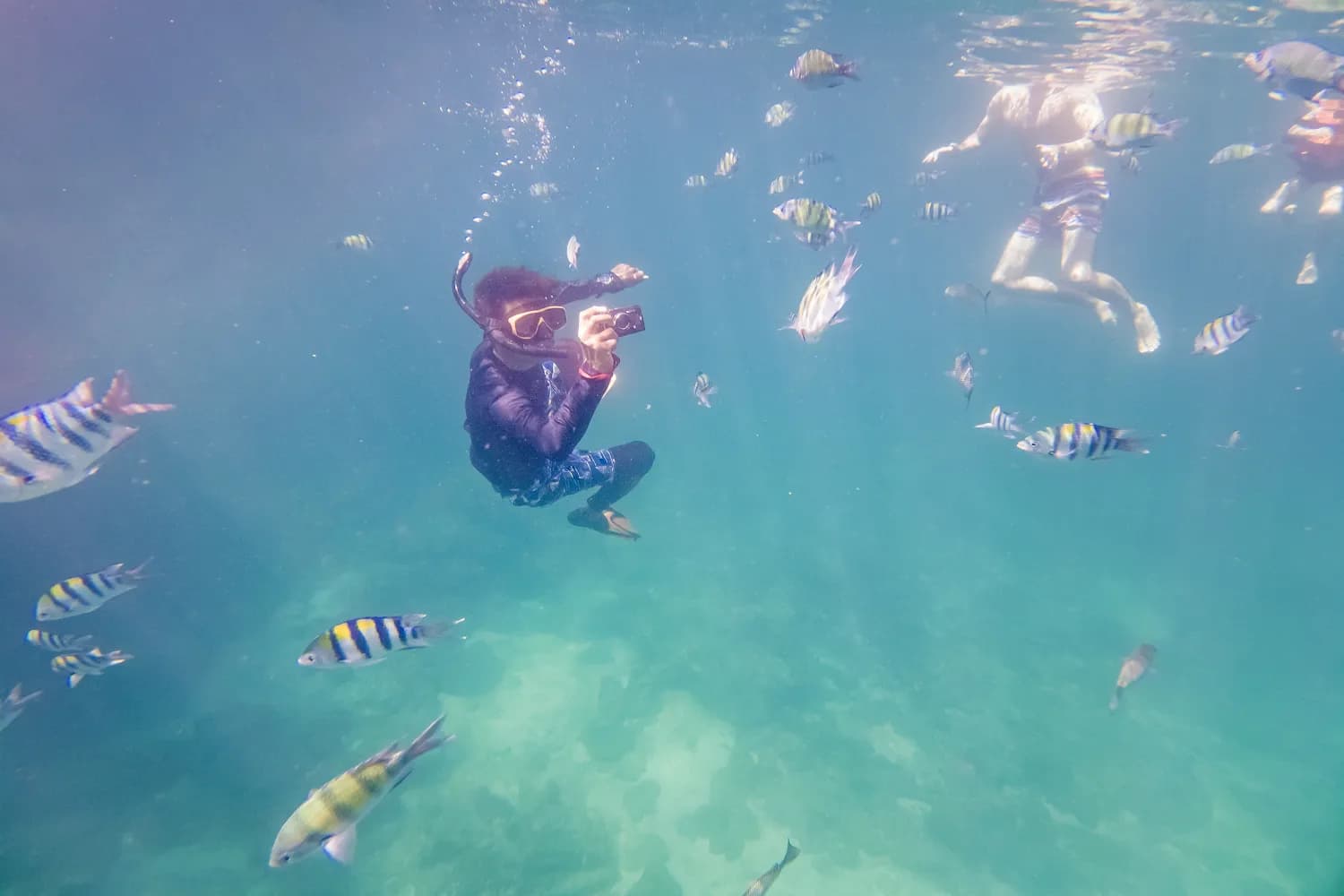
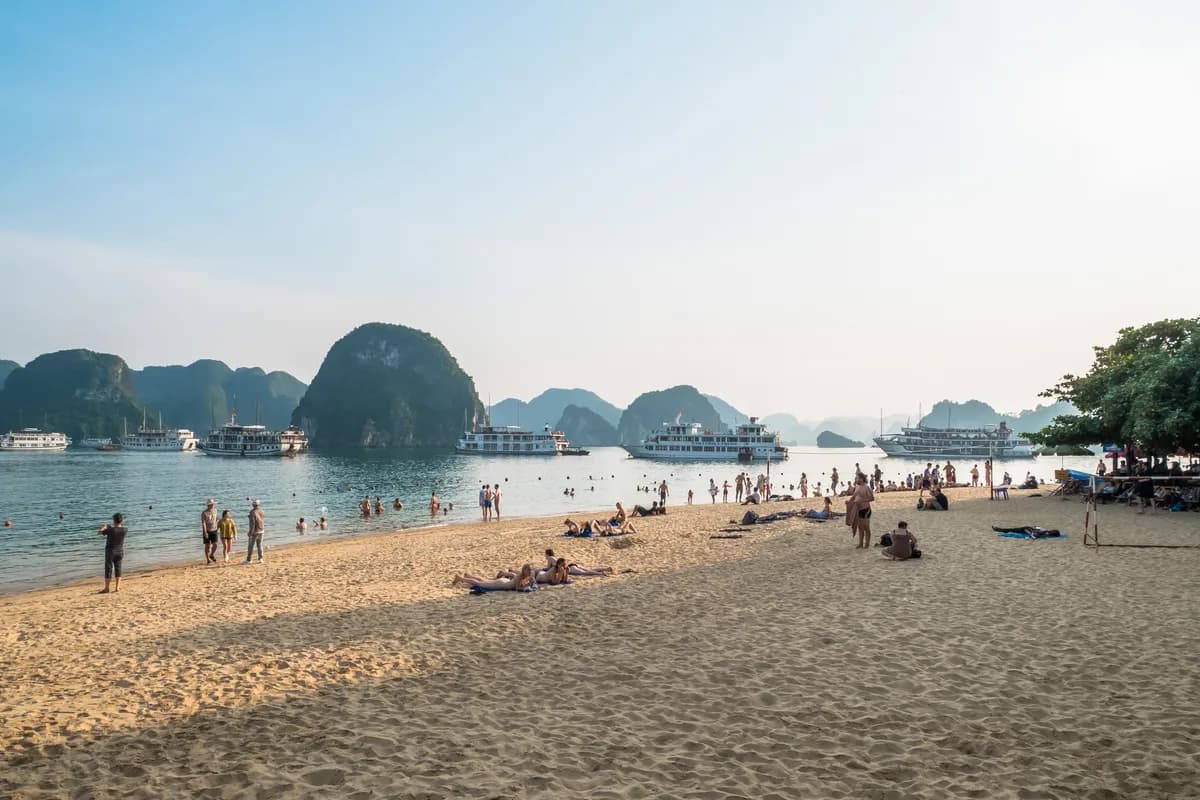
Snorkeling around the Cham Islands near Hoi An, kitesurfing in Mui Ne, or just kayaking the lagoons near Nha Trang. The water is warm, and the gear rental is cheap compared to Indian beach destinations.
5. Street Food Tours in Hanoi and Ho Chi Minh City
Pho, banh mi, bun cha, com tam, and fresh spring rolls. The best ones are found on small plastic stools on the sidewalk, not in tourist restaurants. Guided evening food tours cost around ₹600 to ₹1,200 and are genuinely worth every rupee.
6. Cultural and Heritage Experiences
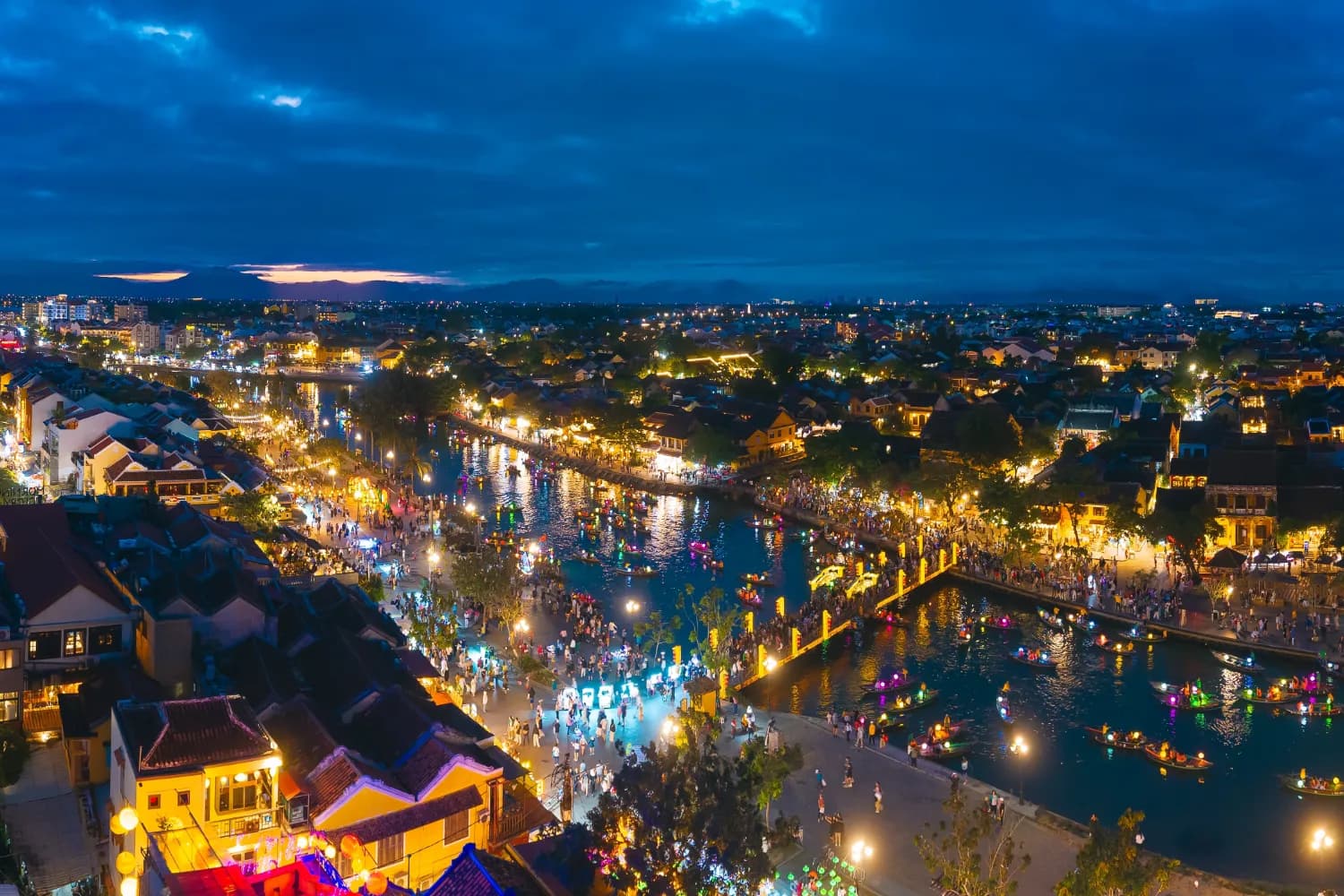
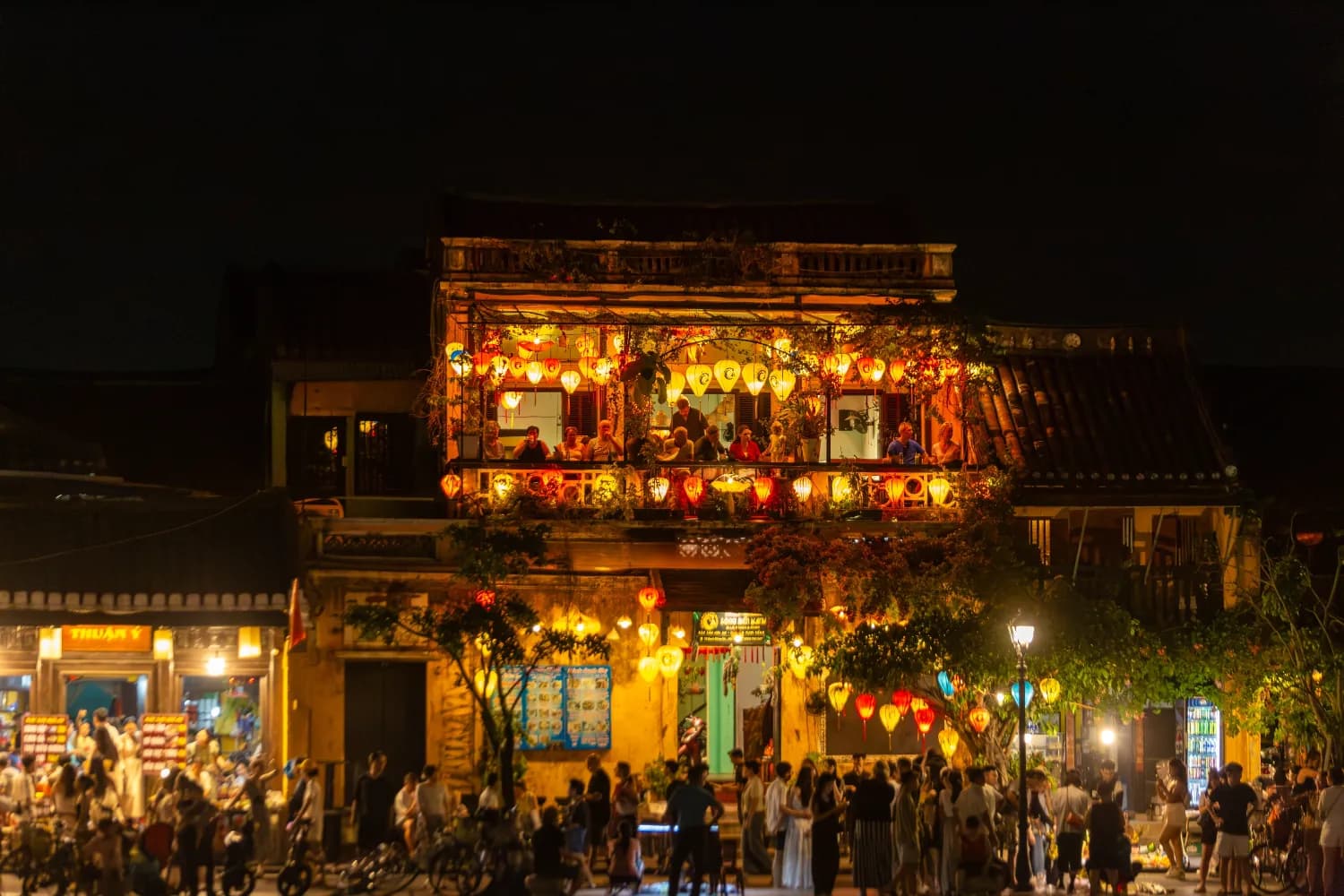
The ancient town of Hoi An, with its lantern-lit streets and well-preserved merchant houses, is a UNESCO site that still functions as a real town and is part of Vietnam Tour Packages. Hue's Imperial Citadel, modeled on China's Forbidden City, is often overlooked in favor of beach destinations. Don’t skip either.
7. Walk the Golden Bridge at Ba Na Hills
That famous photo with two giant stone hands holding a gold bridge above the clouds? That is Ba Na Hills, near Da Nang. It is a theme park on a mountain, and it is far more surreal in person than it looks in photos. Cable car ride included.
8. Boat Ride in the Mekong Delta
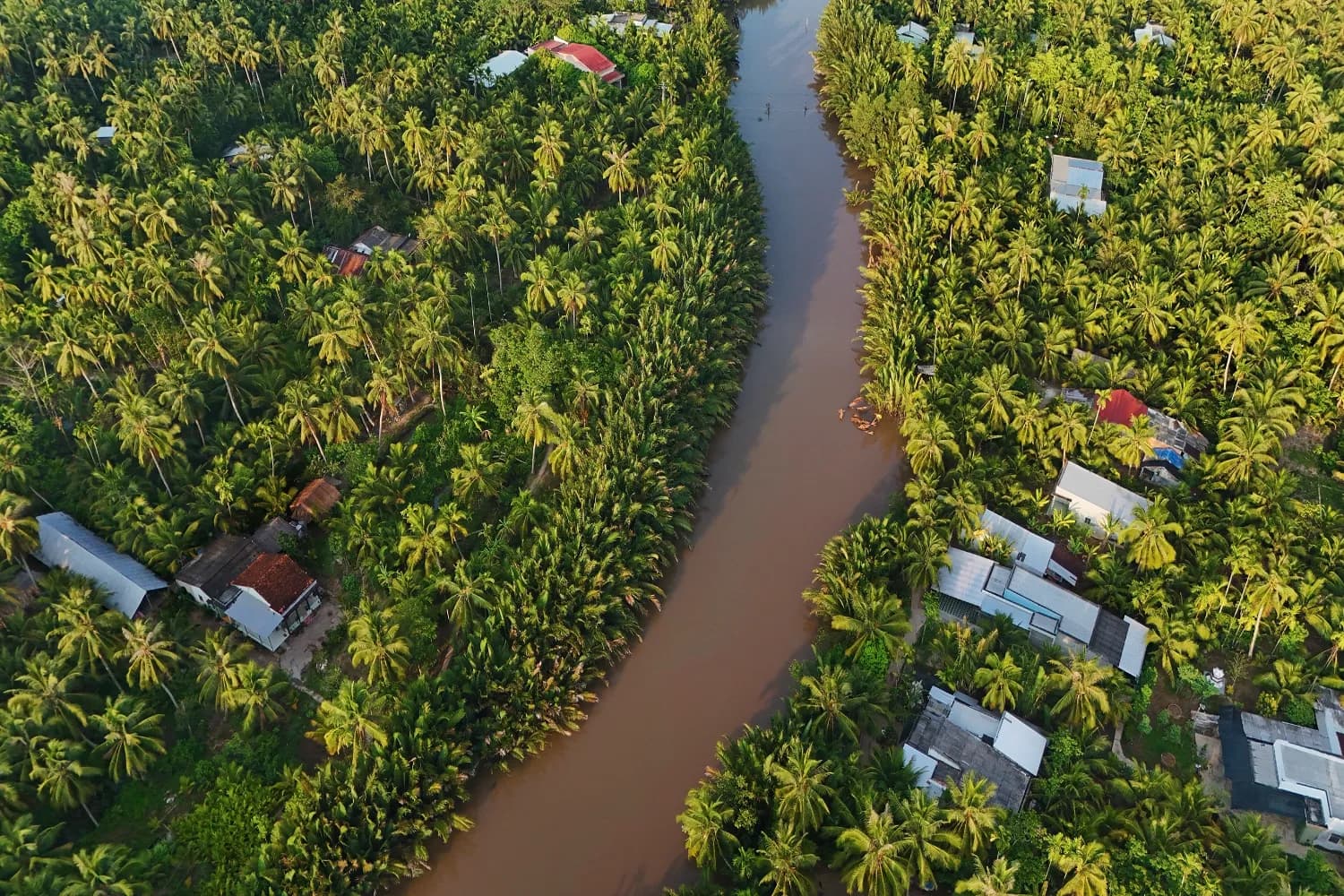
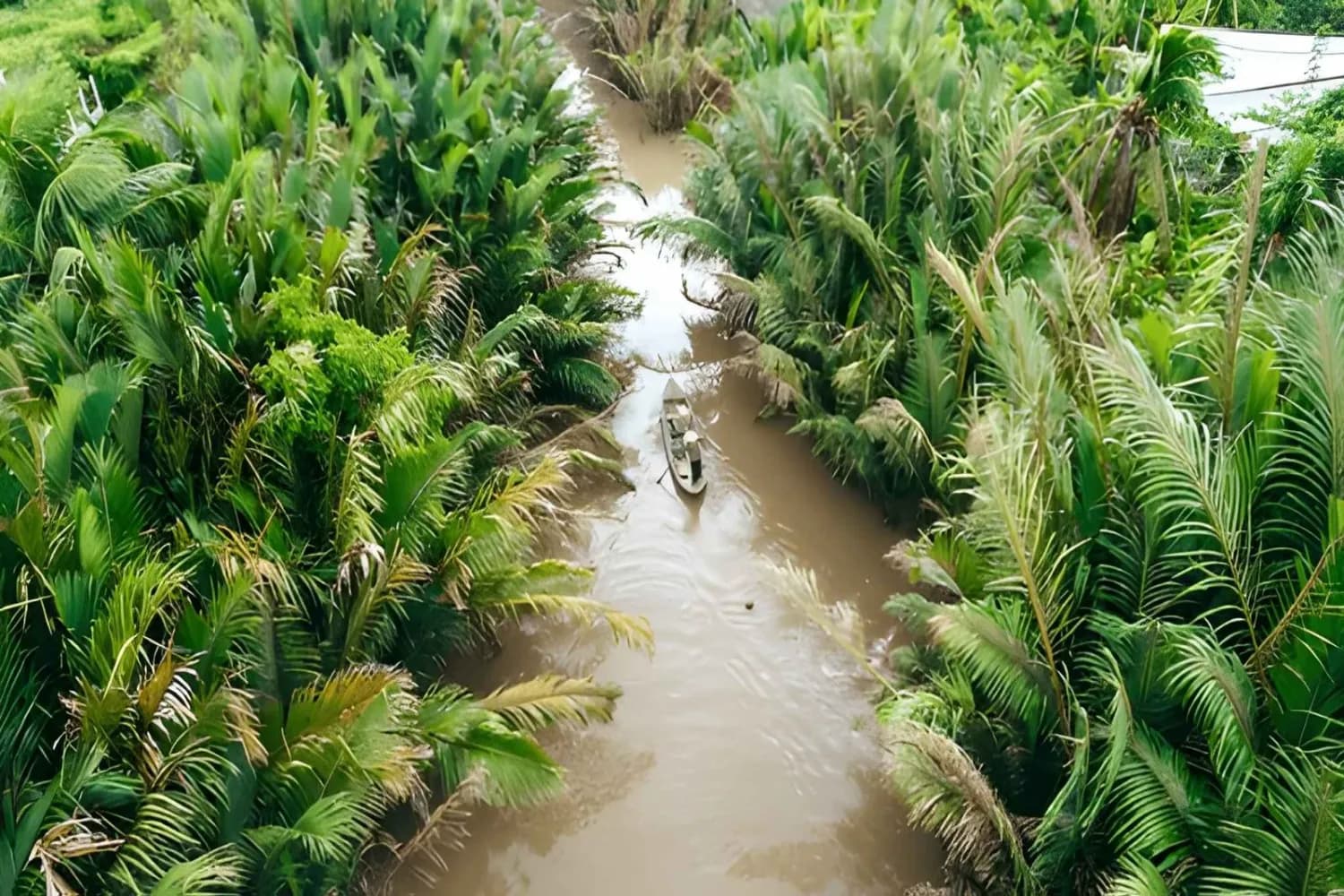
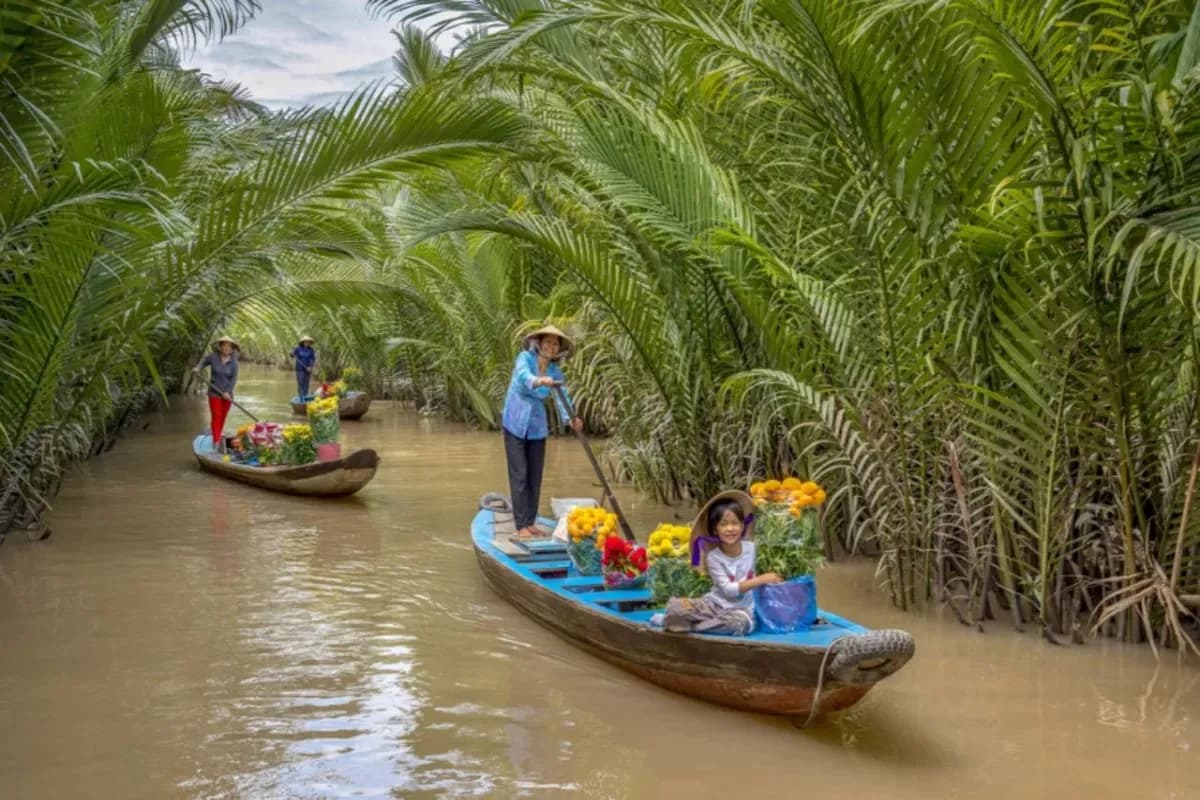
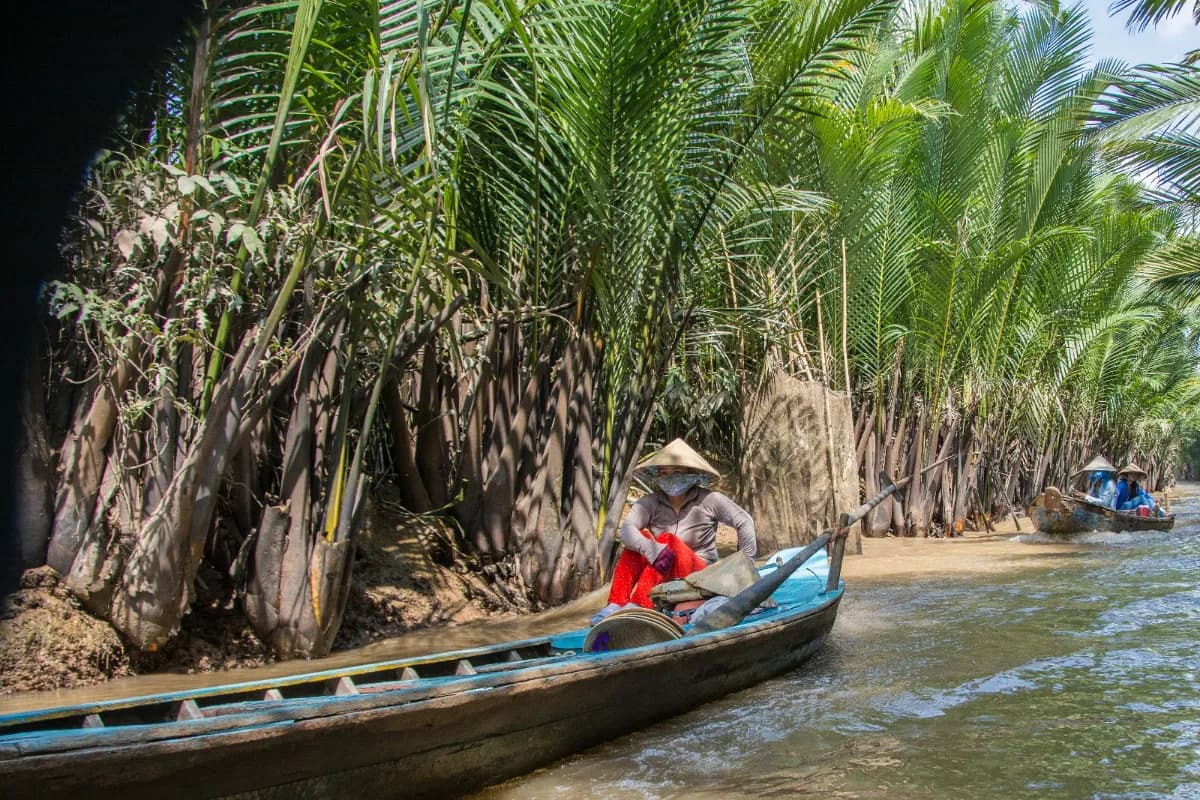
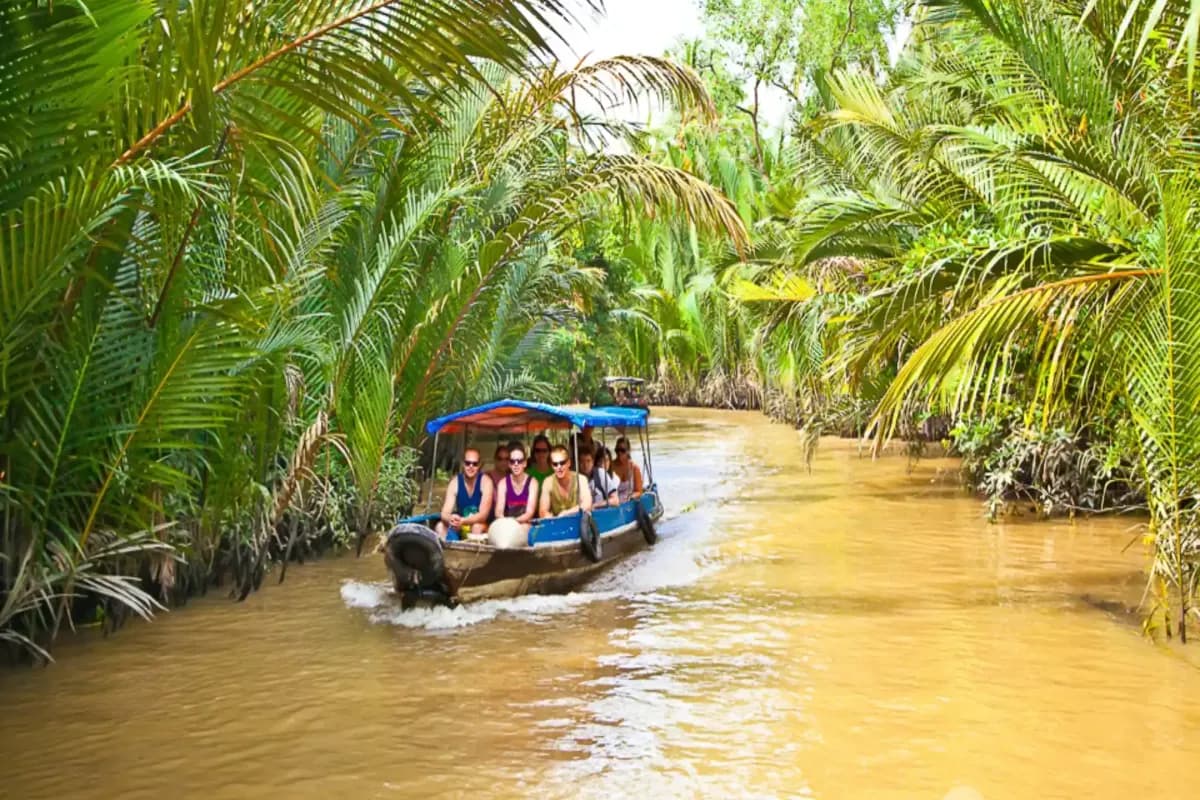
Narrow channels, floating markets, coconut candy factories, and rice paddies that stretch to the horizon. Day trips from Ho Chi Minh City run around ₹1,500 to ₹2,500 per person. Go early; the floating markets shut down by mid-morning.
9. Cable Car Rides and Scenic Viewpoints
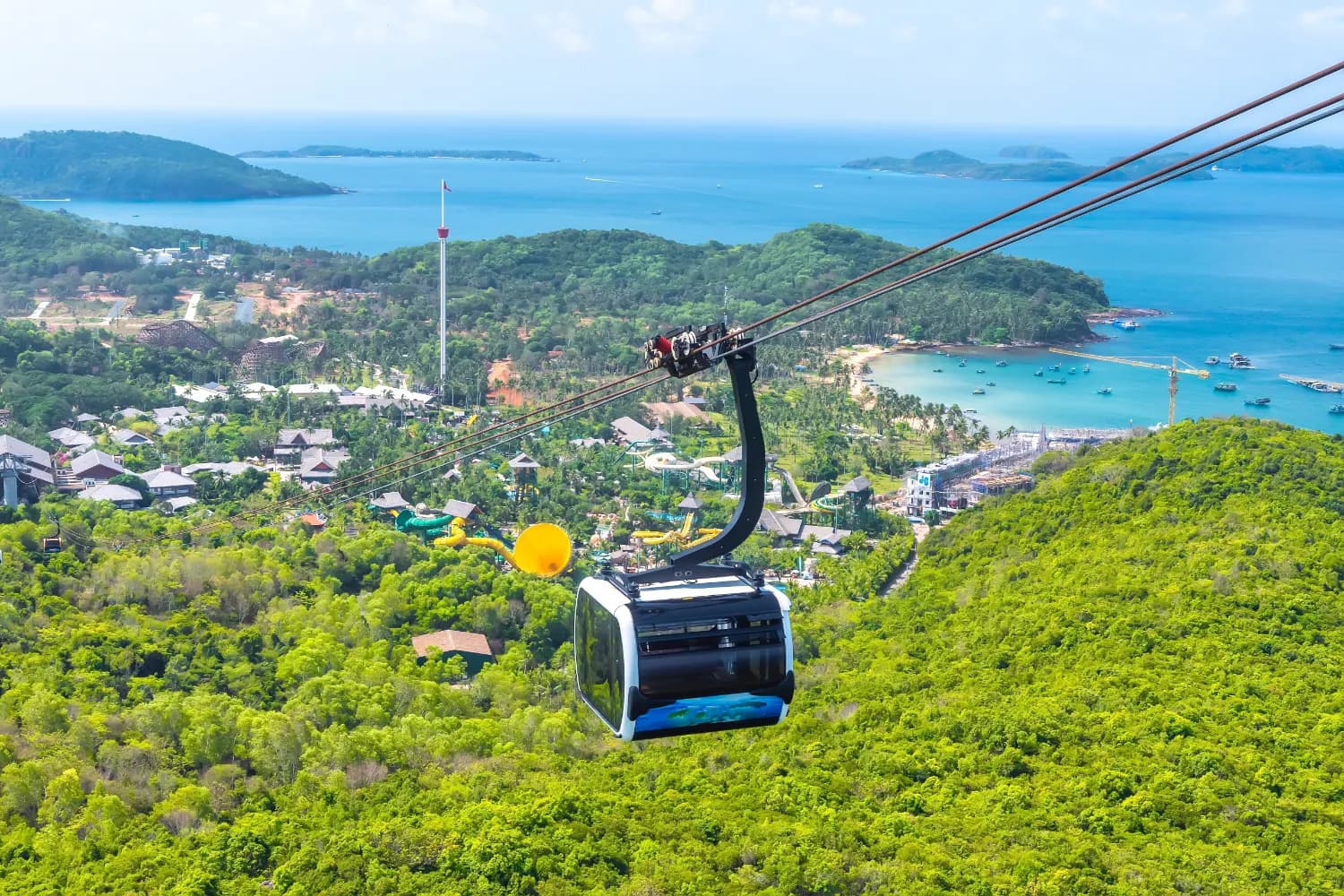
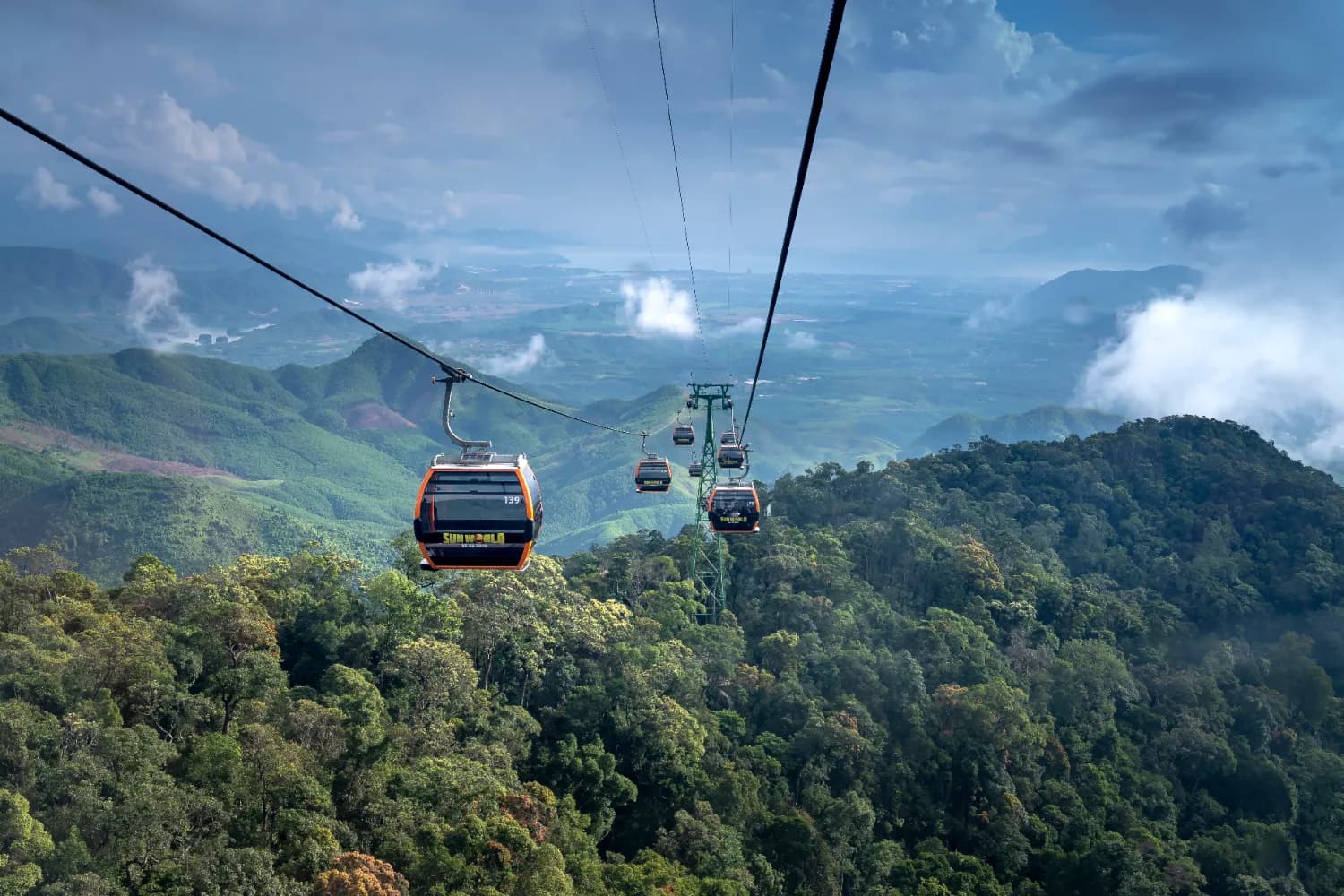
Fansipan in Sapa, Ba Na Hills in Da Nang, and Sun World Hon Thom in Phu Quoc all offer cable car rides with views that are hard to believe are real. The Fansipan cable car, at 6,292 m long, is one of the longest in the world, and these experiences fit perfectly into a Vietnam Trip itinerary.
10. Shopping and Nightlife
Hoi An's lantern market and tailored clothing, Ho Chi Minh City's Ben Thanh Night Market, and Hanoi's Weekend Night Market on Hang Dao Street. Bargaining is expected and enjoyable. For nightlife, Ho Chi Minh City's Bui Vien Street is the most concentrated party area in Southeast Asia.
Best Time to Visit Vietnam
Vietnam is long and thin. The weather in the north and south is completely different in the seasons. Planning without knowing this is how you end up in Hanoi in November rain or Da Nang during a typhoon warning.
Spring: March to April
The best window for most of Vietnam. North and Central regions have warm, dry days without extreme heat. South Vietnam is coming off its cool season. Fewer tourists, better hotel rates, and a more manageable Vietnam Travel Budget with comfortable conditions for outdoor activities..
- Travel Tip: Book Ha Long Bay cruises in March. The bay is calmer and clearer before summer humidity sets in.
Summer: May to August
Hot and humid across most of the country, with temperatures hitting 35°C or above in the south. Northern highland areas like Sapa and Ha Giang are actually at their greenest and most photogenic. Central beaches like Da Nang and Nha Trang are in peak season.
- Travel Tip: Avoid Central Vietnam's coastal areas from September onwards. Typhoon season peaks then and can disrupt plans significantly.
Autumn: September to November
North Vietnam cools down and becomes ideal for trekking and city exploration. Hoi An hosts its lantern festival in late October. The south stays warm and manageable. Central Vietnam gets rain, but Hanoi and Ho Chi Minh City are lovely.
- Travel Tip: Ha Giang's rice terrace harvest season falls in September to October. If you can add two extra days, it is worth it.
Winter: December to February
North Vietnam gets genuinely cold, around 10°C to 22°C in Hanoi, something you’ll notice while exploring through Vietnam Tour Packages. Sapa can drop to near zero. But South Vietnam and beaches like Phu Quoc and Nha Trang are in their prime dry season. Great time for beach trips and Ho Chi Minh City exploration.
- Travel Tip: Avoid Tet (Vietnamese Lunar New Year, usually late January or early February). Businesses close, transport is packed, and prices spike. If you must travel during Tet, book everything months in advance.
How to Reach Vietnam from India
Recently, one of our customers shared his experience, saying, " If you want to go to Vietnam. Either search on Google for how to reach Vietnam, or just book Vietnam tour packages from India.”
By Air
- Prime Departure Cities: Delhi, Mumbai, Bangalore
- Departure Airports:
- Indira Gandhi International Airport, Delhi (DEL)
- Chhatrapati Shivaji Maharaj International Airport, Mumbai (BOM)
- Kempegowda International Airport, Bangalore (BLR)
- Arrival Cities: Hanoi, Ho Chi Minh City
- Arrival Airports:
- Noi Bai International Airport (HAN) in Hanoi
- Tan Son Nhat International Airport (SGN)
- Airlines: IndiGo, Air India, Vietnam Airlines, and VietJet
- Connecting Flights: Singapore, Bangkok, Kuala Lumpur
- Tickets: ₹18,000 to ₹35,000 round trip
- Time: 4 to 10 hours(including layovers)
Visa Information for Indian Travelers
Indian passport holders need a visa to enter Vietnam, and this is commonly handled as part of Vietnam Packages. Two options are available:
- E-Visa: Applied online at the official Vietnam Immigration portal. Processing takes 3 to 5 business days. Cost is approximately ₹2,100. Valid for 90 days, single or multiple entries. This is the easiest and most recommended option.
- Visa on Arrival: Requires a pre-approved letter arranged through a travel agent before you fly. The letter is used at the airport on arrival to collect your visa sticker. Slightly more paperwork, but it works well for last-minute bookings.
Viacation handles the e-Visa application as part of the package, making Vietnam Travel smoother. You don't need to figure out government portals on your own.
Check Out Vietnam Tour Packages
Package Name
Price Per Adult
₹34,999
per person
₹57,999
per person
₹59,999
per person
Popular Packages
Family Tours










Attractions
Luxury Tours
Why Book Packages with Viacation?

Trusted by 1,00,000+ travellers

Dedicated experts to plan your trips

Secure bookings, clear cancellations
10,000+ unique trips to choose from
More Vietnam Packages
Frequently Asked Questions About Vietnam
These are the places to stay in Vietnam:
- Vinpearl Resort Nha Trang – One of the finest Vietnam beach resorts, offering beachfront villas, an amusement park, and a private cable car ride to the island.
- InterContinental Hanoi Westlake – A premium choice among Vietnam hotels, set on the serene waters of West Lake, offering luxury rooms and fine dining.
- Fusion Resort Phu Quoc – Among the best resorts in Vietnam, known for its spa-inclusive services, private beach, and eco-friendly villas.
- The Reverie Saigon – A luxury hotel in Vietnam located in Ho Chi Minh City, boasting opulent interiors, rooftop views, and Michelin-star dining.
- Premier Village Danang Resort – A perfect blend of comfort and nature, offering private beachfront villas with pools and world-class services.
These are the best water sports in Vietnam:
- Scuba Diving in Nha Trang – Nha Trang’s waters are packed with colorful coral reefs and marine life, making it a great spot for diving enthusiasts.
- Kayaking in Halong Bay – Paddling through Halong Bay’s limestone caves and calm waters is a peaceful yet adventurous experience.
- Surfing in Da Nang – With gentle to high waves, Da Nang’s My Khe Beach is perfect for both beginners and pro surfers.
- Snorkeling in Phu Quoc – The clear waters around Phu Quoc are home to vibrant coral reefs, making it an excellent place for snorkeling.
- Jet Skiing in Mui Ne – If you love speed, racing over the waves at Mui Ne Beach on a jet ski is pure fun
Here are the best things to buy in Vietnam:
- Silk and Ao Dai – High-quality Vietnamese silk and the traditional Ao Dai dress are elegant souvenirs that reflect the country’s rich culture.
- Vietnamese Coffee – Known for its strong flavor, Vietnamese coffee, especially weasel coffee and egg coffee mix, is a must-buy for coffee lovers.
- Handmade Lacquerware – Beautifully crafted lacquerware, including bowls, trays, and paintings, makes for unique home décor items.
- Conical Hats (Non-La) – The iconic Vietnamese conical hat is a lightweight, practical souvenir that also makes for great travel photos.
- Dried Fruits and Cashew Nuts – Vietnam is famous for its tropical dried fruits and top-quality cashew nuts, perfect for gifting or snacking.
The following are the best things to do in Hoi An Vietnam:
- Explore the Ancient Town – Walking through Hoi An’s UNESCO-listed Ancient Town, with its lantern-lit streets and historic buildings, is a must.
- Take a Boat Ride on the Thu Bon River – Enjoy a peaceful sunset ride along the river, soaking in the charm of Hoi An’s old-world beauty.
- Visit the Japanese Covered Bridge – One of the most famous landmarks in Hoi An, this 18th-century bridge reflects the town’s multicultural heritage.
- Hot Springs of Binh Chau: Experience the soothing warmth of the natural hot springs, located in an environment for ultimate relaxation.
- Shop at Hoi An Night Market – shopping tops the list of things to do in Hoi An Vietnam. From handmade lanterns to tailor-made clothes.
Best Adventure Activities in Vietnam:
- Trekking in Sapa – One of the best adventure activities in Vietnam, Sapa’s lush mountains and rice terraces offer breathtaking trekking trails.
- Caving in Phong Nha – Explore the world’s largest cave, Son Doong, or opt for the thrilling caves of Phong Nha-Ke Bang National Park.
- Motorbiking the Ha Giang Loop – Ride through winding mountain roads, stunning landscapes, and remote villages for a true adventure.
- Kitesurfing in Mui Ne – With strong winds and perfect waves, Mui Ne is Vietnam’s top destination for kitesurfing enthusiasts.
- White-Water Rafting in Dalat – Experience the thrill of navigating fast rapids and scenic rivers in Vietnam’s adventure capital, Dalat.
Vietnam in December is a great time to visit, with cool and dry weather in the north, pleasant temperatures in central regions, and warm sunshine in the south. It’s the best time for Vietnam Travel Packages for exploring cities, trekking in Sapa, or relaxing on Phu Quoc’s beaches. However, it’s also peak tourist season.
Best Things to Do in Vietnam in June:
- Explore Phong Nha-Ke Bang National Park: Enjoy visiting caves, including Son Doong, the world’s largest cave, and enjoy jungle treks through this UNESCO-listed paradise.
- Visit My Son Sanctuary: Walk through the ancient Hindu temple ruins of the Champa Kingdom, surrounded by lush greenery and rich history.
- Relax on Phu Quoc’s Beaches: Enjoy clear skies and warm waters on this tropical island, perfect for a summer escape.
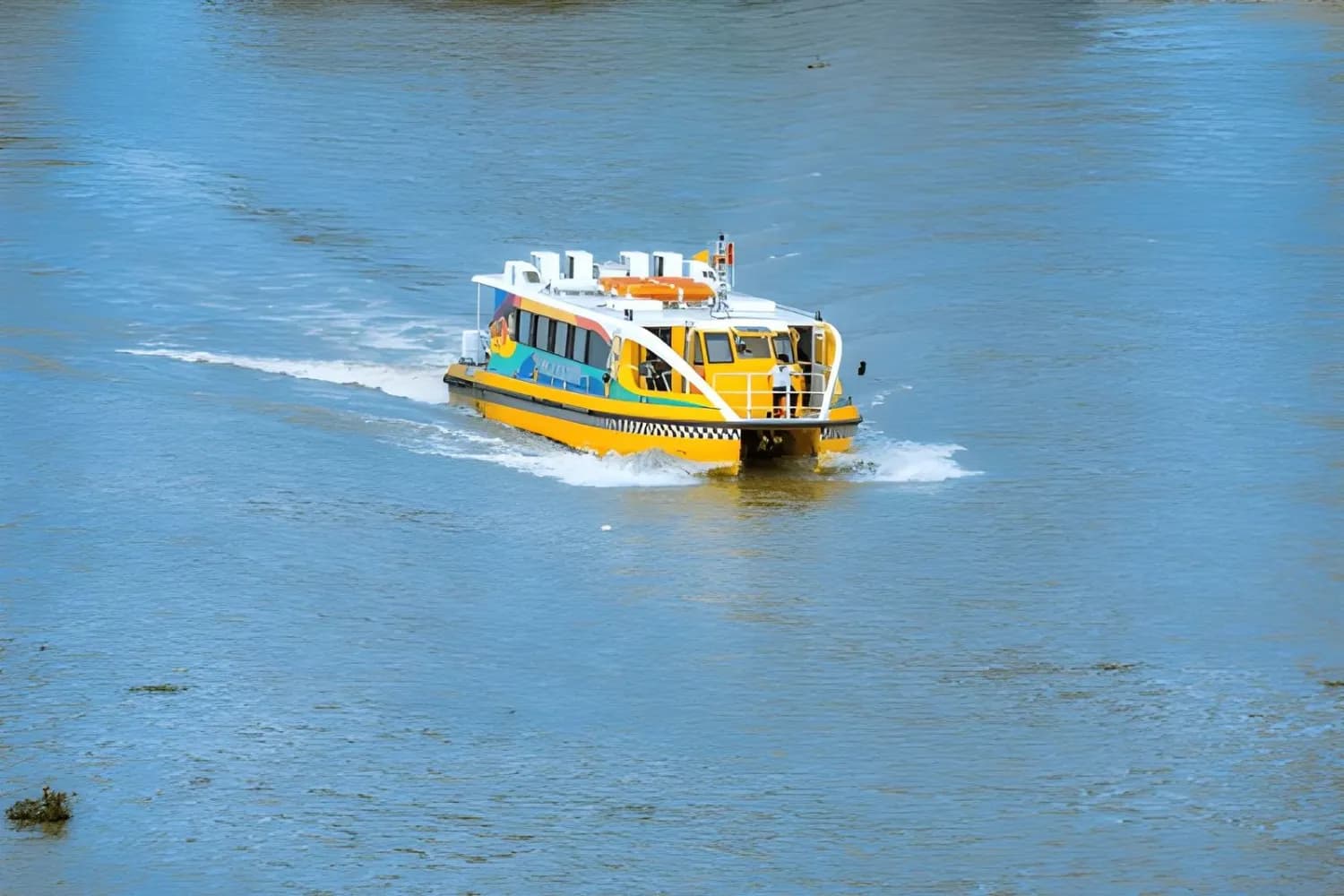
- Cruise Along the Saigon River: Take a scenic boat ride in Ho Chi Minh City, enjoying stunning skyline views and riverside dining experiences.
- Try Water Sports in Da Nang: Experience surfing, jet skiing, and parasailing along the beautiful sandy coastline of Da Nang.
Best Places to Visit in Vietnam in July:
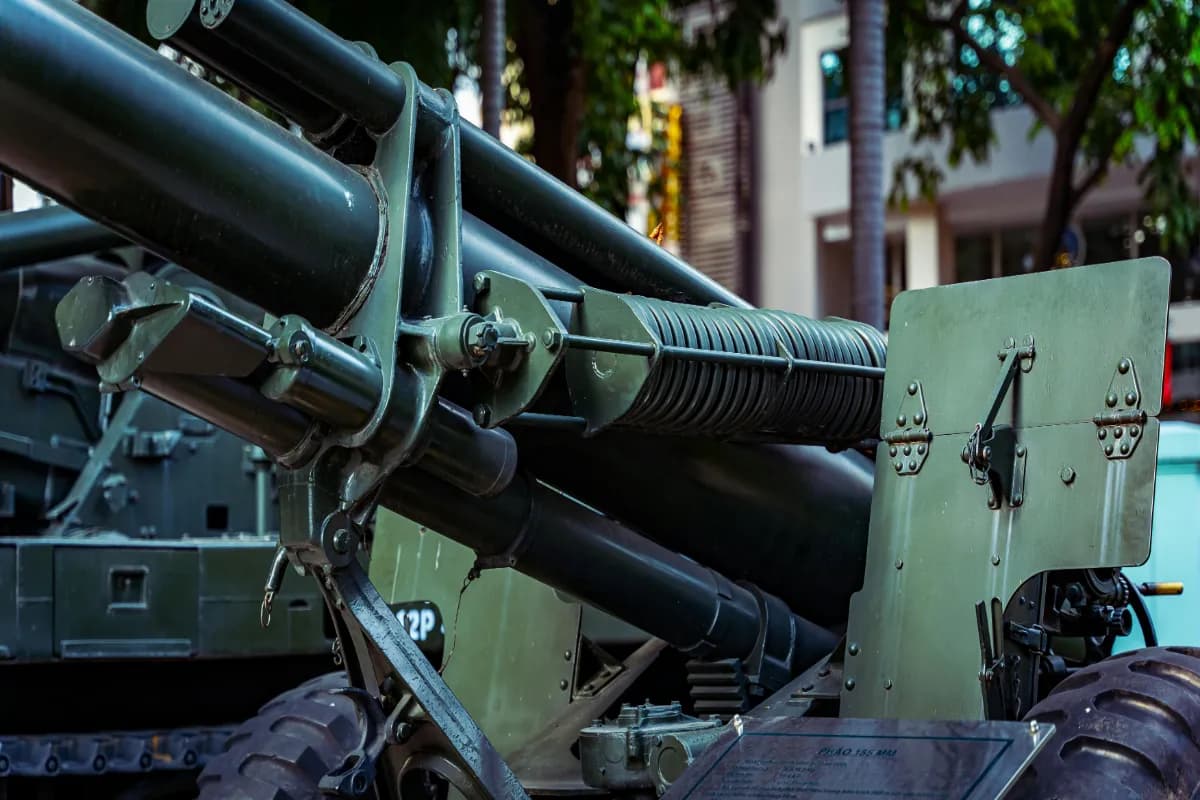
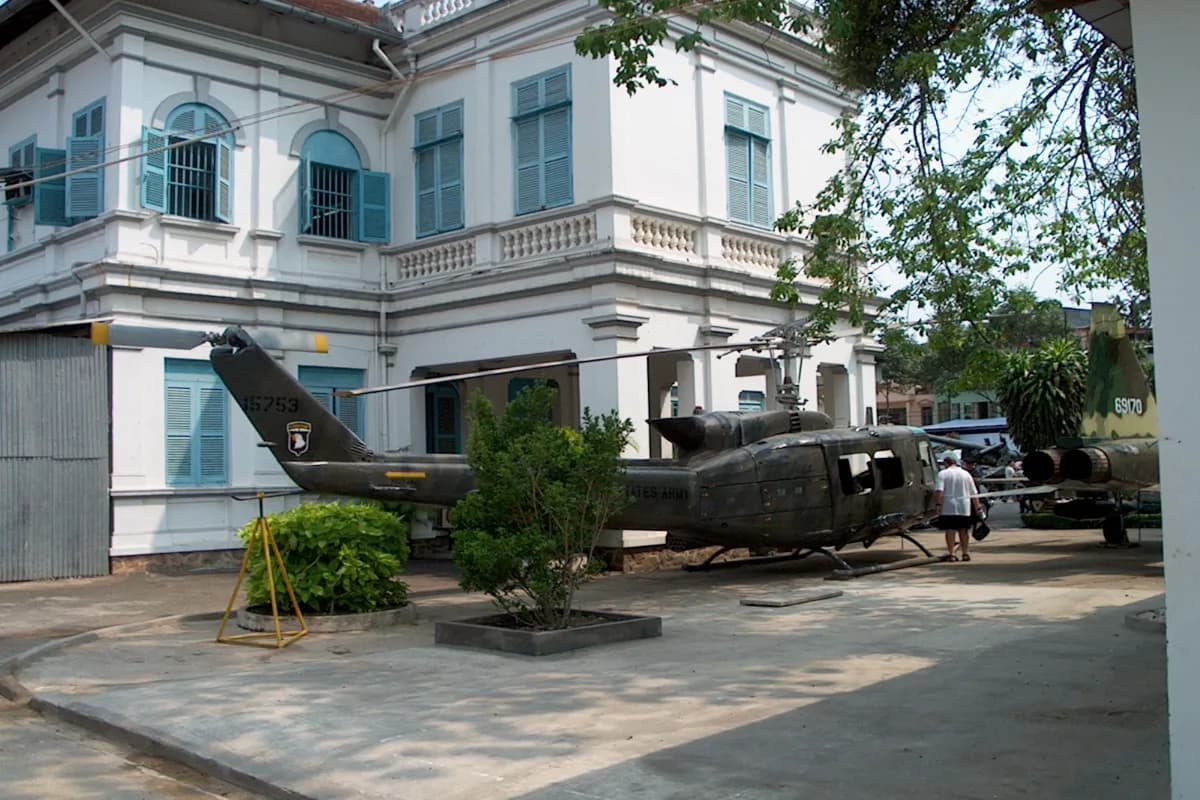
- Vietnam Military History Museum: A must-visit in Hanoi, showcasing Vietnam’s wartime history with tanks, fighter jets, and the iconic MiG-21 aircraft..
- Da Nang: This coastal city offers beautiful beaches, the Golden Bridge, and exciting water activities.
- Perfume Pagoda: Take a scenic boat ride and hike to this sacred Buddhist temple complex located in limestone mountains.
- Phu Quoc Island: With warm waters and fewer crowds, this island is perfect for a beach vacation.
- Hoi An: The Ancient Town remains charming, with colorful lanterns and a rich cultural experience.
The Vietnam trip cost from India for a 6-day tour ranges from ₹60,000 to ₹80,000 per person, including round-trip flights, 3-star hotels, meals, sightseeing, and local transport. Budget trips may cost around ₹50,000, while luxury packages with 5-star stays and private tours can go beyond ₹1,00,000.
Ha Long Bay, ancient temples, the Cu Chi Tunnels, rice terraces in Sapa, French colonial architecture, and a street food culture that is genuinely world-class. Also, for being far more affordable than most international destinations.
The official currency of Vietnam is the Vietnamese Dong (VND). It comes in high denominations, with notes ranging from 1,000 to 500,000 VND. While cash is widely used, major cities accept credit cards. Currency exchange is available at airports, banks, and authorized exchange centers.
Yes, a Vietnam itinerary 7 days is enough to explore key destinations. You can visit Hanoi, Halong Bay, Da Nang, and Ho Chi Minh City, and also Cat Ba Island, covering cultural sites, beaches, and historical landmarks. However, a longer trip allows for a more relaxed and immersive experience.
Must Read: Vietnam Itinerary 7 Days
Best Recommended apps for Vietnam Trip:
- Grab: Popular ride-hailing app for taxis and bikes.
- Coc Coc Map: An app to avail the latest and detailed information about various places in Vietnam
- MoMo: A widely accepted mobile payment app.
- Google Translate: Helps with Vietnamese language translation.
- Mai Linh Taxi: Transportation app – an alternative to Grab to hail a taxi.
- Foody – Find and order food from local restaurants.
The Vietnam itinerary 5 days package costs ₹45,000 to ₹70,000 per person, including round-trip flights, 3-star hotels, meals, sightseeing, and local transport. Budget options start from ₹40,000, and luxury packages with 5-star stays can go beyond ₹90,000.
Must Read: Vietnam Itinerary 5 Days
The cheapest time to fly from Vietnam is September or October, especially if you’re Vietnam trip from India. These months fall in the off-season, leading to lower flight and hotel prices. Fewer tourists mean better deals on accommodations and tours, making it a budget-friendly time to explore Vietnam comfortably.
No, the Indian Rupee (INR) is not accepted in Vietnam. Transactions are done in Vietnamese Dong (VND), and some places accept US Dollars. It’s best to exchange INR for VND at airports, banks, or exchange centers. Credit cards are accepted in major hotels and restaurants.
Here is how Vietnam feels throughout the year:
Yes, Indian nationals need a visa. Apply for an e-Visa online at the official Vietnam Immigration portal, at least 5 days before travel. Cost is approximately ₹2,100. It is valid for 90 days.
The Vietnamese Dong (VND) is the local currency. Exchange at airport counters or authorized banks in city centers. Avoid street money changers. Some hotels and tourist shops accept USD. ATMs are widely available in cities.
Within cities, Grab (Southeast Asia's Uber) works well and is affordable, which helps keep the Vietnam Cost of Travel manageable. For intercity travel, sleeper buses and domestic flights are the most practical. Trains are available between major cities and are a comfortable option for the Hanoi to Ho Chi Minh City route.
Ben Thanh Market and Saigon Square in Ho Chi Minh City, Dong Xuan Market in Hanoi, Hoi An's Night Market for lanterns and custom-made clothing. Bargain hard everywhere except fixed-price stores.
Pho (rice noodle soup), banh mi (Vietnamese baguette sandwich), bun cha (grilled pork with noodles), fresh spring rolls, com tam (broken rice with pork), and ca phe trung (egg coffee in Hanoi). All of these are available for under ₹200 at street stalls.
Fansipan summit in Sapa (cable car or 3-day trek), Cat Cat Village trail, Hoang Lien National Park routes, and the Phong Nha cave trekking circuits in Quang Binh province.
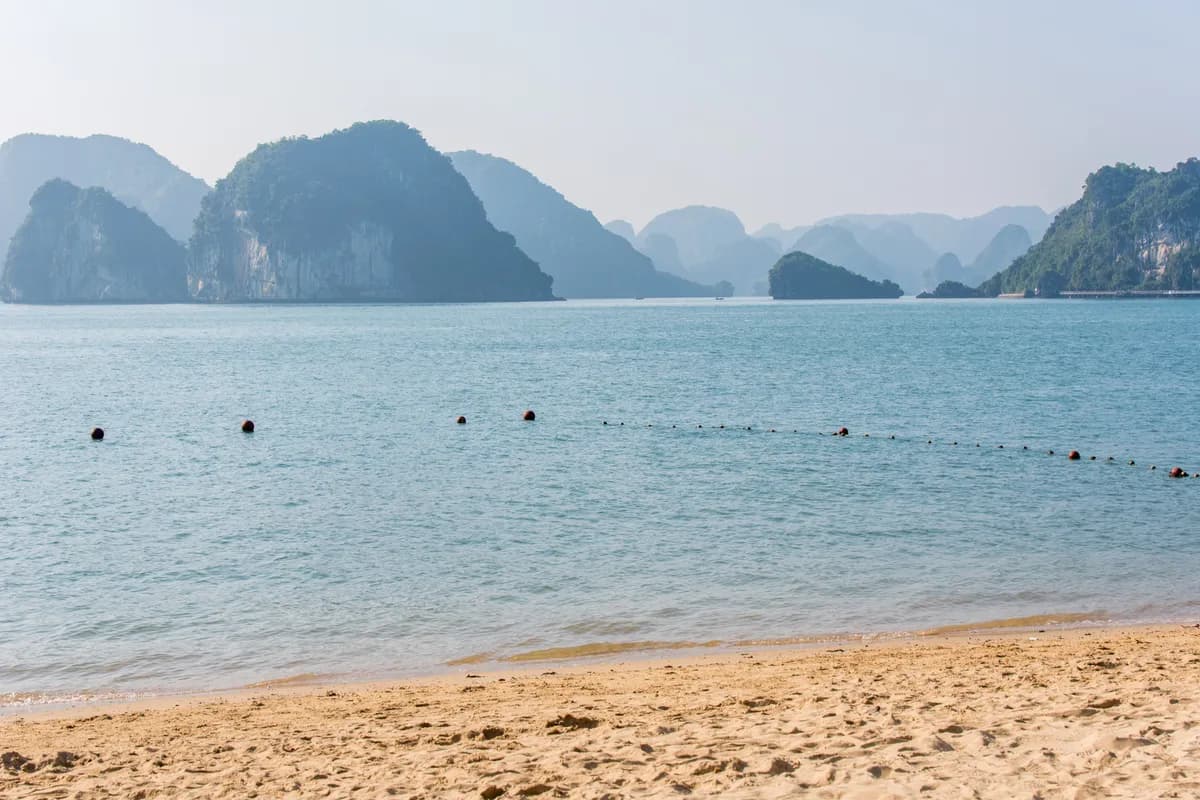
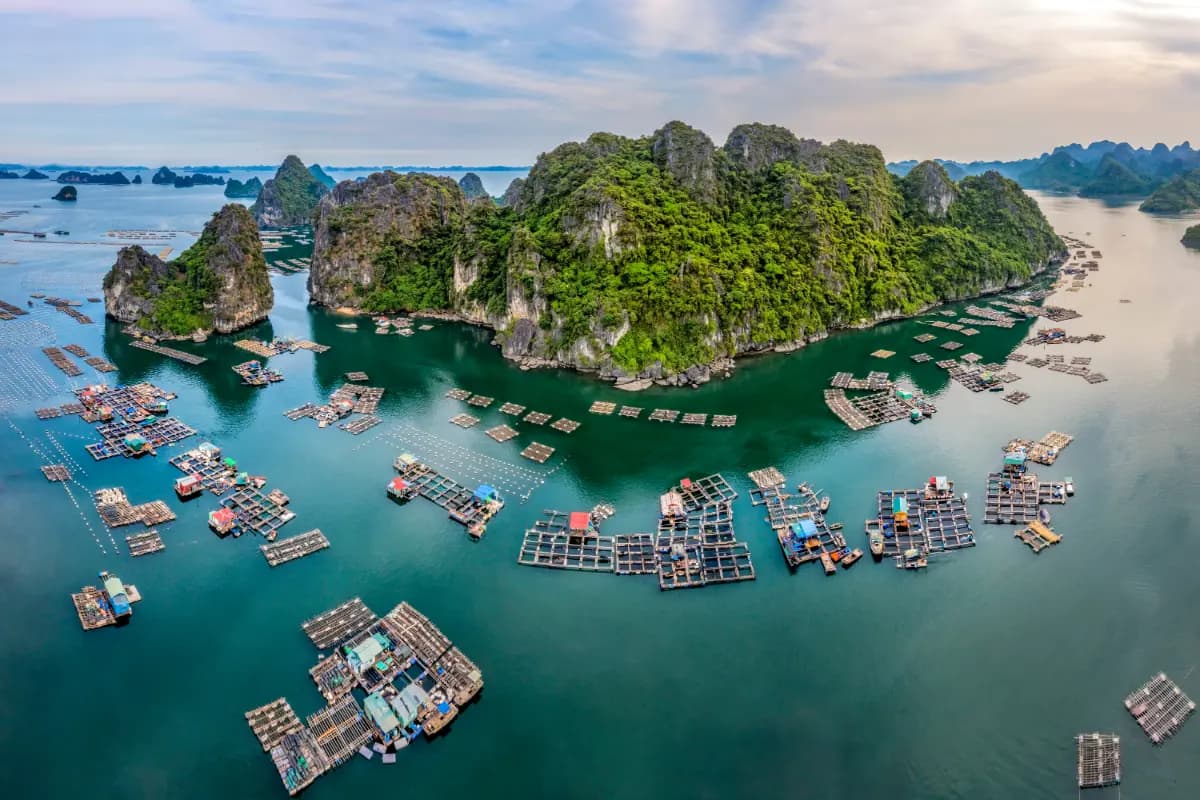
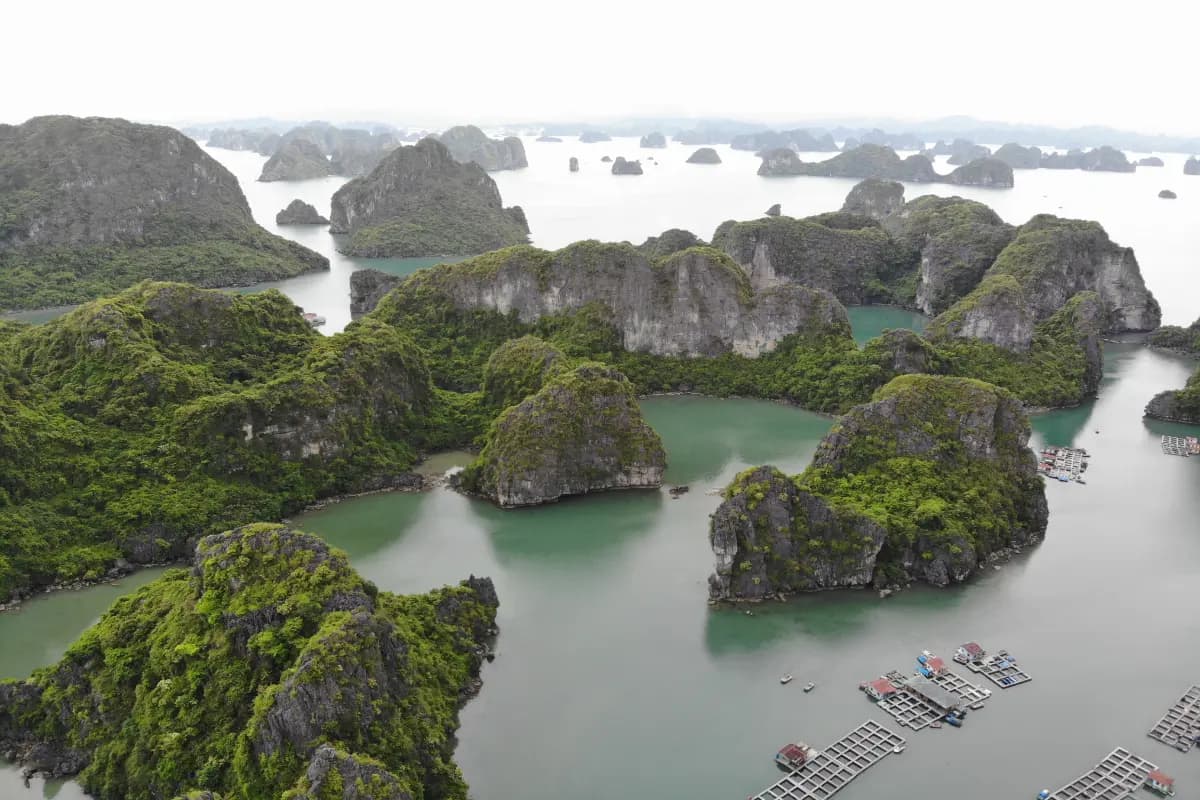
Ha Long Bay is the most famous. Lan Ha Bay, adjacent to Ha Long and less crowded, is also excellent. Bai Tu Long Bay is the least touristy of the three and worth considering if you want more quiet.
Phong Nha-Ke Bang National Park in Quang Binh province. Son Doong (the world's largest cave), Paradise Cave, Phong Nha Cave, and Dark Cave are all here. Dark Cave includes a zip line over a river, which is not something you expect inside a mountain.
Absolutely. The currency exchange rate strongly favors Indian travelers. A full meal costs ₹100 to ₹200. Hotel rooms in mid-range properties run ₹1,500 to ₹3,000 per night. And the variety of experiences, beaches, mountains, cities, history, and food far exceeds what similar money buys domestically.
No. Vietnam is one of the most budget-friendly international destinations. Day-to-day expenses, food, transport, and local activities are all significantly cheaper than in Indian metro cities. The main cost is the flight.
Very much so. Phu Quoc, Nha Trang, Da Nang, Hoi An, and Mui Ne all have distinct beach personalities. Phu Quoc is closest to a Maldives-style luxury beach. Mui Ne is the kite surfing capital. Nha Trang is for those who want nightlife with their beach time.
Hoi An gets the consistent praise from every visitors. It is walkable, beautiful at night, historically rich, and has excellent food. Ho Chi Minh City wins for energy and efficiency. Hanoi wins for culture and history. Ideally, plan time in at least two.
Vietnam Blogs
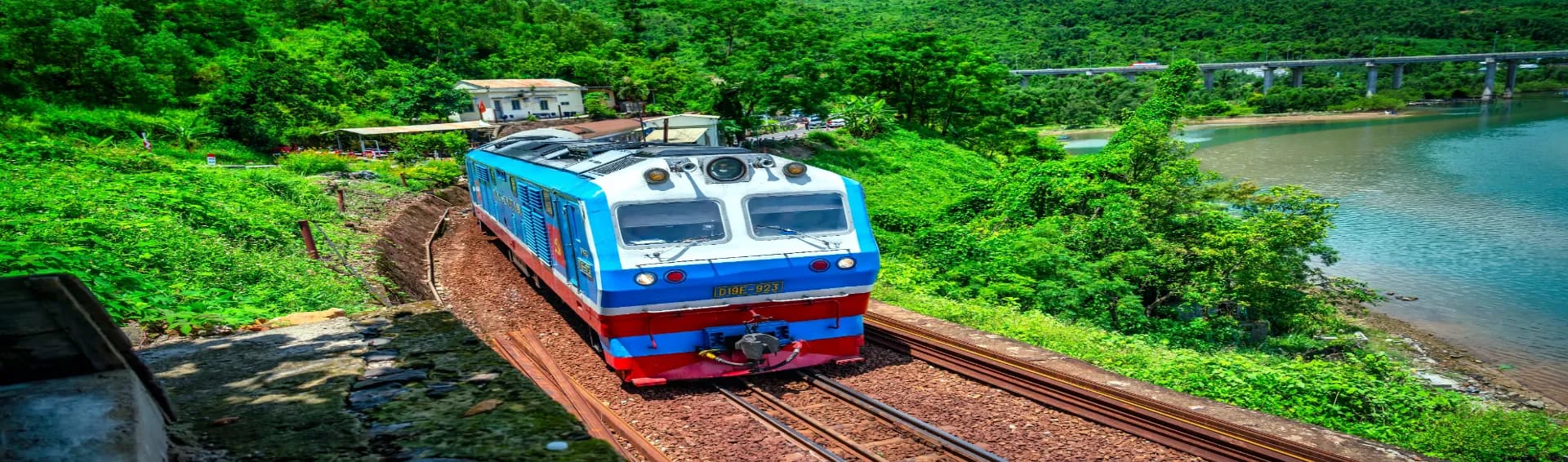
Why Train Journeys in Vietnam Are Becoming Every Traveler’s Favorite Experience
Most people fly between Vietnamese cities. Ninety minutes, done. But thousands of travelers are deliberately skipping that flight, choosing a 16-hour ...
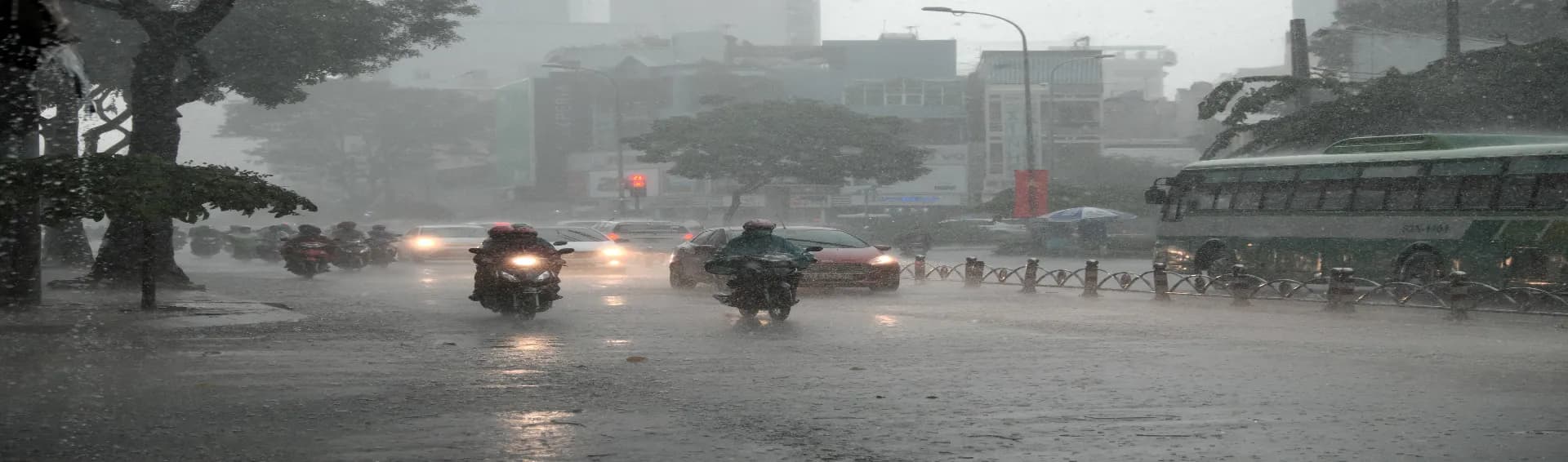
Rainy Season in Vietnam: Unexpected Experiences Travelers Actually Enjoy
A sudden tropical shower in Vietnam can completely change the mood of a place. Streets glow under lantern lights, mountain valleys disappear behind dr...
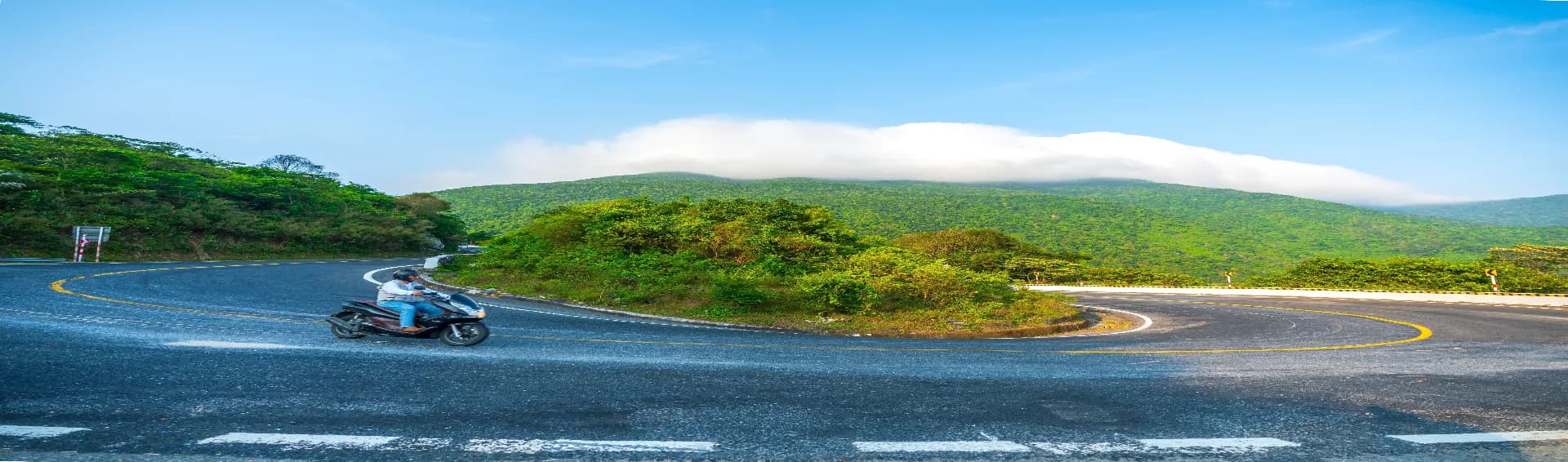
Best Scenic Motorbike Routes Across Vietnam for Adventure Travelers
Vietnam does not stay the same for long when you are riding through it on two wheels. One hour, you are crossing misty mountain roads with clouds floa...
