
 12 Minutes
Most people fly between Vietnamese cities. Ninety minutes, done. But thousands of travelers are deliberately skipping that flight, choosing a 16-hour train ride instead. And they are coming back saying it was the best part of the whole trip.
That is not nostalgia. That is a real shift happening right now in 2026.
₹124,999
per person
₹74,999
per person
₹34,999
per person
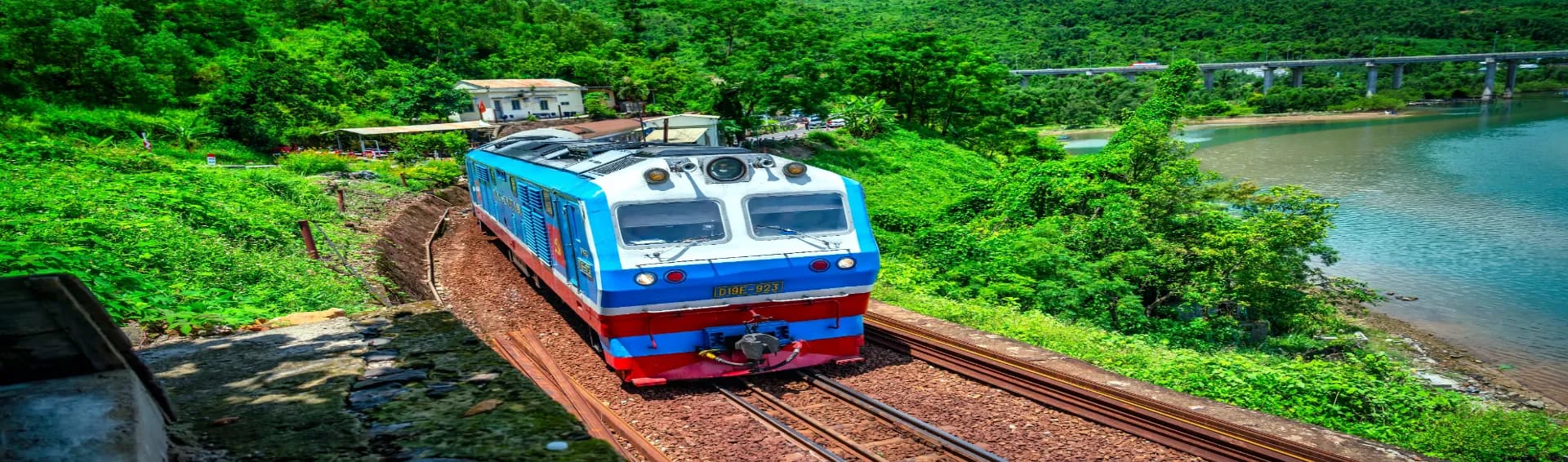
Vietnam's north-south train network, running from Hanoi to Ho Chi Minh City, covers 1,726 km through coastlines, mountains, and rice fields. Tickets start from around ₹2,900 for a soft seat. The Hue-to-Da Nang stretch is the most scenic two-and-a-half hours in Southeast Asia. You can book it online before landing or can be included in your Vietnam tour package. The whole experience costs a fraction of flying and gives you views no flight window ever will.
A flight from Hanoi to Da Nang takes about 90 minutes. A train takes 16 hours. So why are people choosing the train?
Because what happens in those 16 hours is the actual Vietnam. Villages, fishermen, rice paddies, mountains, and coastline. All of it rolling past your window while you sit with a cup of coffee and nowhere to be. Lonely Planet ranked Vietnam's Thong Nhat Express among the world's top train journeys for 2026. That is not a small thing.
The slow travel trend is real. And Vietnam's railway is benefiting directly from it.
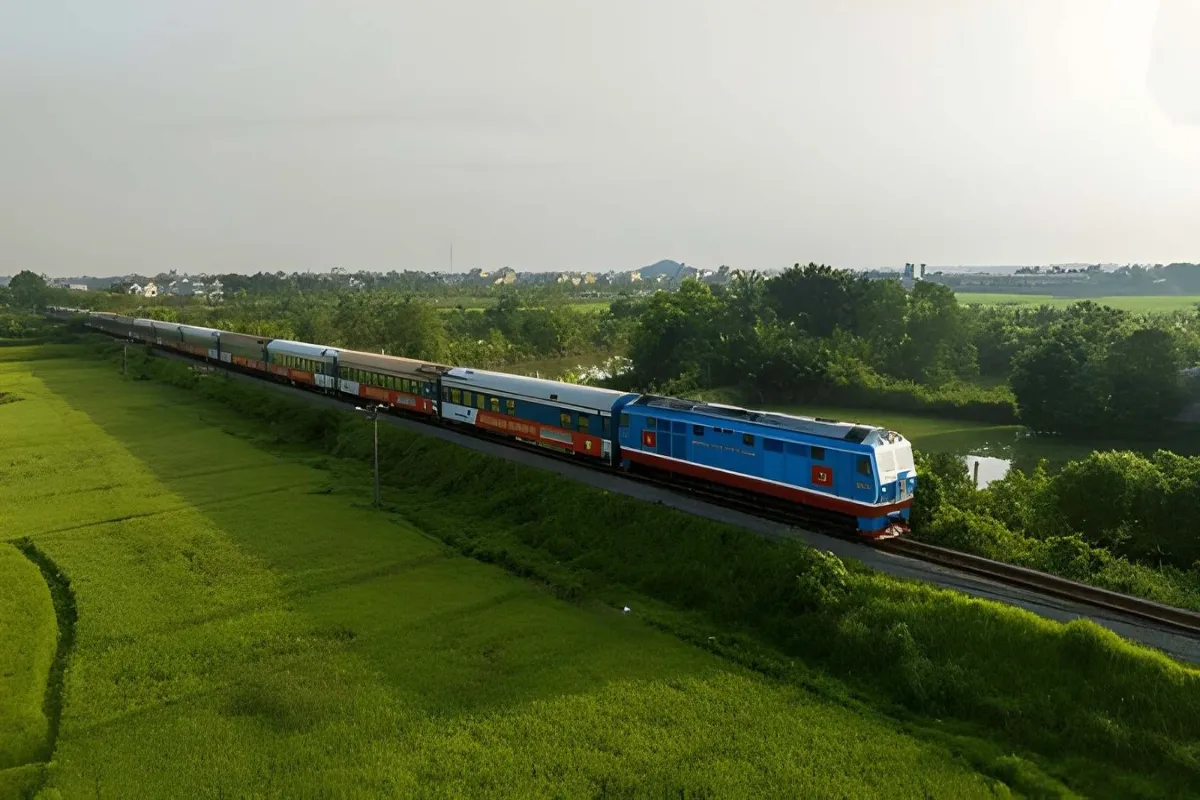
The train connecting Hanoi and Ho Chi Minh City is informally called the Reunification Express. No single train does the full journey under one name, but the route is continuous and runs daily with multiple departures.
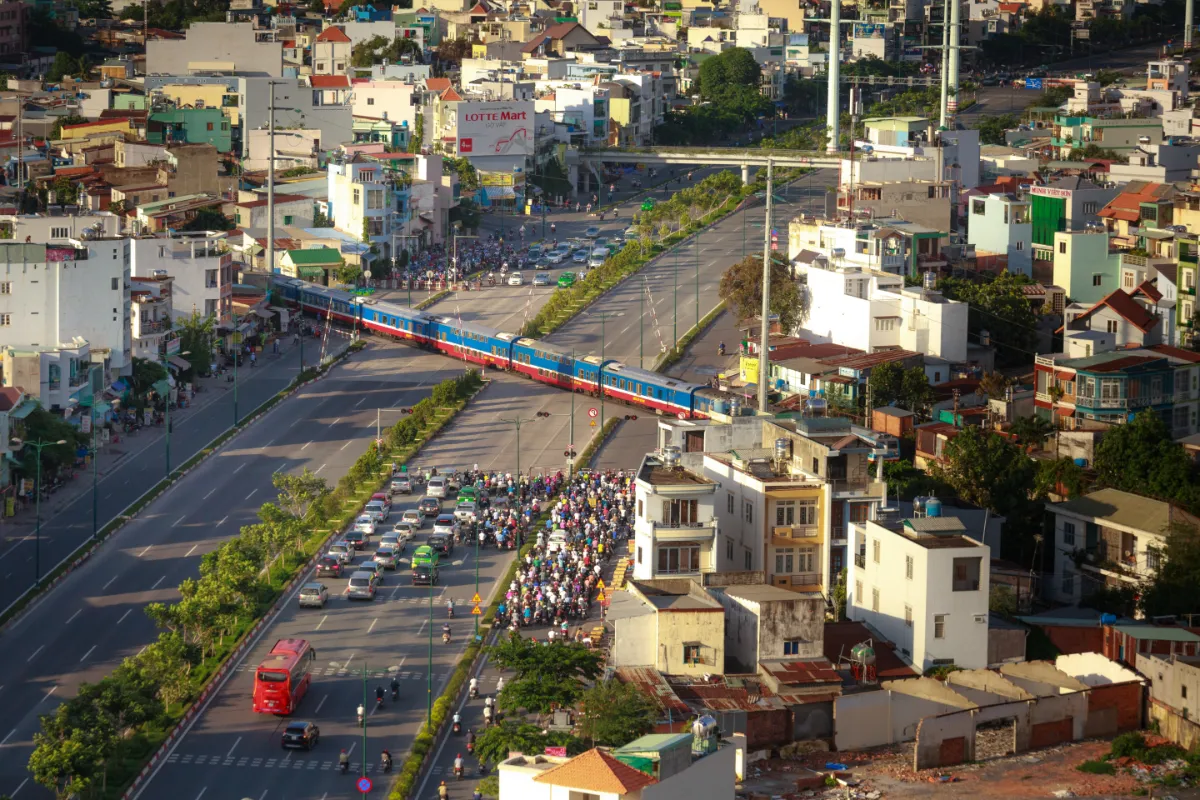
The full trip takes 32 to 37 hours, depending on the train. That sounds long, and it is. But overnight sleeper cabins solve most of that problem. You board in the evening, sleep, wake up somewhere in Central Vietnam watching the sun hit the ocean, and arrive the next day rested and with a full story to tell.
Vietnam Railways expanded its summer 2026 timetable with additional services between Hanoi, Da Nang, Nha Trang, and Ho Chi Minh City to meet rising demand.
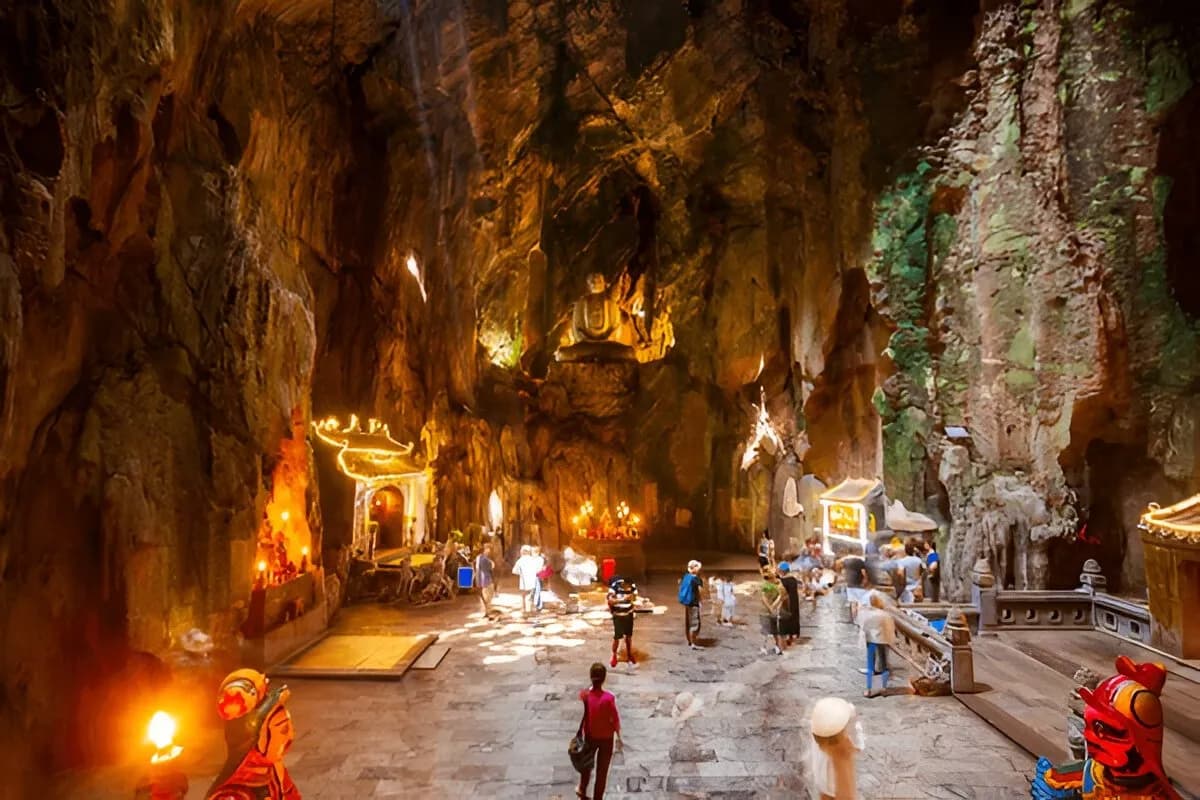
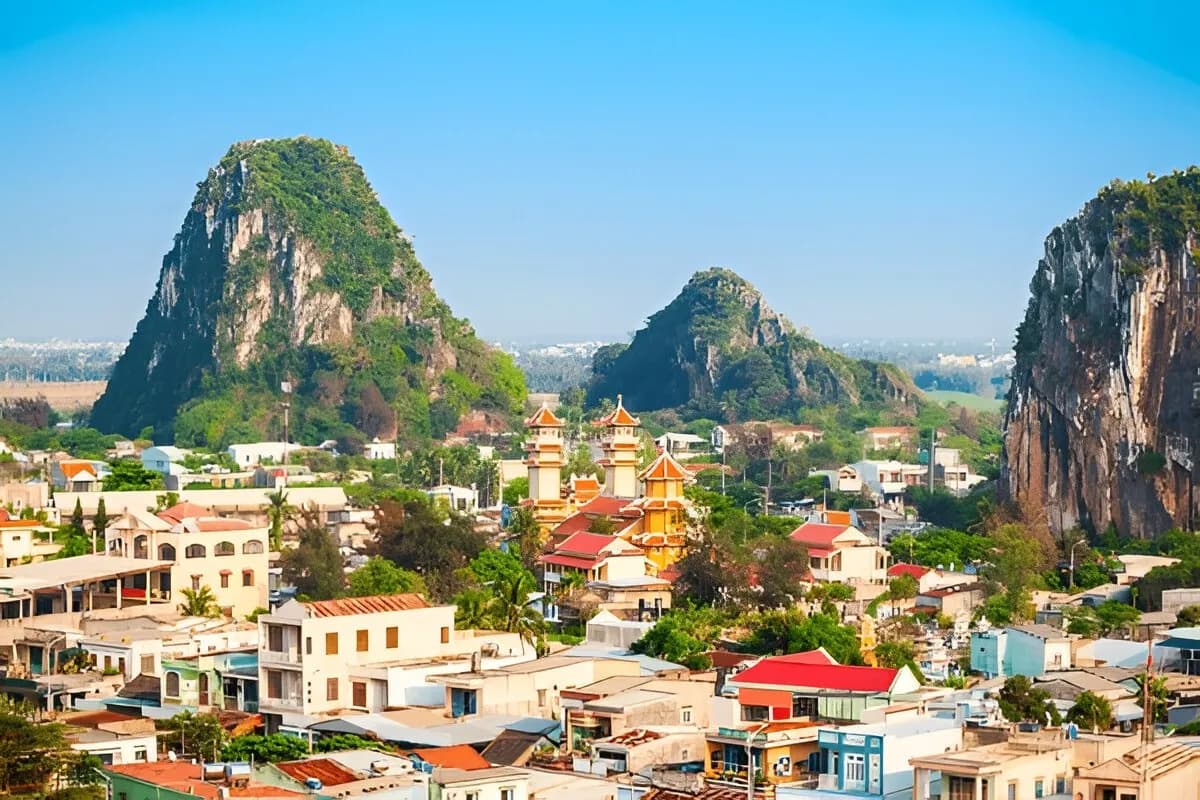
Three stops stand out clearly. Hue, Vietnam's former imperial capital, deserves at least two days. Da Nang works as a base for the famous marble mountains and nearby Hoi An. Nha Trang is the beach stop. All three are on the main line, so you buy separate tickets for each leg and move at your own pace.
Here is the actual price breakdown for Indian travelers, converted to INR at current rates.
Hanoi to Ho Chi Minh City (full route):
Hue to Da Nang (the scenic stretch):
Overnight sleepers on long routes make real financial sense. You skip one night's hotel bill, so the train ticket effectively pays for itself.
Yes, and you should. Two platforms work well for international travelers: 12Go Asia and Baolau. Both accept international cards and give you an e-ticket you can show on your phone. The official Vietnam Railways site (dsvn.vn) also works, but navigating it in English can be frustrating.
Book through these platforms exactly as you would a flight. Name on the ticket must match your passport.
For the Hue to Da Nang segment, book at least two weeks ahead in the June to August window. Window seats on the sea-facing side sell out fast. For the full Hanoi to Ho Chi Minh City route, three to four weeks ahead is safer during peak season. Last-minute tickets exist but you will lose the good seats.
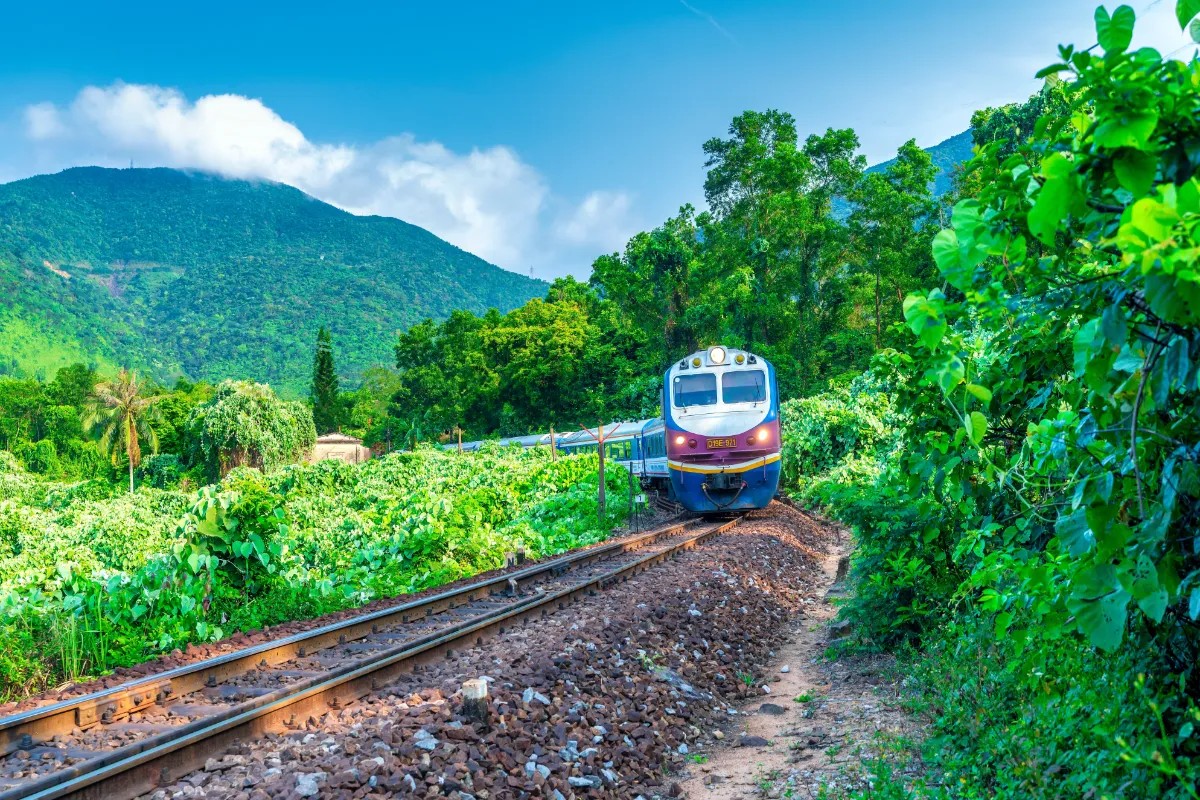
This specific leg is the one everyone is posting about. And it earns it.
About 40 minutes after leaving Da Nang, the train begins climbing Hai Van Pass at around 496 metres above sea level. The track literally hugs the cliff face. On one side, a thick jungle. On the other hand, the East Sea is crashing far below. For about 20 minutes. You are inside something that feels edited.
Seat selection is everything here. Traveling from Hue to Da Nang, sit on the right side of the train for ocean views. Going from Da Nang to Hue, sit on the left side. Skip sleeper cabins for this leg. The windows in soft-seat carriages are bigger, and that matters.
One more thing. Take a daytime train. A night train through Hai Van Pass means you paid for a view and got darkness.
Four things catch people off guard every time.
Food: There are food carts and small counters on board, but the options are basic. Bring snacks from a convenience store before boarding. A bag of banh mi and some instant noodles goes a long way on a 16-hour trip.
Luggage: There is no official luggage check. Keep bags with you or directly overhead. Cabins are small, so pack smart. A soft duffel fits better than a rigid suitcase.
SIM connectivity: Postpaid SIMs from India do not reliably work in Vietnam. Buy a local Viettel or Vietnamobile SIM at the airport. You will want it for Grab, maps, and booking.
Cabin etiquette: You will share a 4-berth or 6-berth cabin with strangers. Keep noise low after 10 PM. It is not a rule anyone enforces, but locals follow it, and they will appreciate you doing the same.
Yes. Vietnam Railways is considered safe for solo travelers, including women traveling alone. Sleeper cabins are shared but generally well-managed. Keep valuables close, and you will be fine.
Around 14 to 16 hours, depending on the train. The SE19 train is widely recommended for this route because it times the Hai Van Pass crossing during morning daylight.
For anything above 4 hours, yes. Buses in Vietnam are faster on some routes but offer no scenery and considerably less comfort. The train wins on long-distance trips every time.
Yes. Most express trains on the Hanoi to Ho Chi Minh City route have air-conditioned soft sleeper cabins with 4 berths per compartment. Bedding is provided, though bringing a light travel sheet is a smart move.
Right side of the train heading from Hue to Da Nang. The left side is heading in the opposite direction. Always a soft seat, not a sleeper cabin, for this particular route.
May 27, 2026
May 26, 2026

May 26, 2026

May 26, 2026

May 13, 2026