
 13 Minutes
Vietnam does not stay the same for long when you are riding through it on two wheels. One hour, you are crossing misty mountain roads with clouds floating beside you, and the next, you are riding along a coastal highway with villages and endless sea views.
That constant change is what makes motorcycle travel here unforgettable. After organizing so many Vietnam trips through our Vietnam tour packages, we have seen why adventure seekers rank Vietnam among Asia’s top riding destinations. This blog covers the most scenic routes, riding distances, road conditions, and practical tips that make these journeys worth planning.
₹124,999
per person
₹74,999
per person
₹34,999
per person
Few countries match the variety Vietnam offers riders in a single trip. It offers mountain passes, rice terraces, coastal roads, dense forests, and quiet countryside highways, all of which exist within riding distance of each other. Because of this variety, the journey feels adventurous.
Another reason travelers love Vietnam road trips is affordability. Fuel, local food, homestays, and bike rentals cost far less compared to many other adventure destinations. Riders can comfortably travel longer without burning through their budget in just a few days.
Vietnam also has a strong backpacker and riding culture. You will regularly meet solo travelers, bike groups, and local riders. That community makes riding easier, especially for first-time visitors exploring the country by motorcycle.
The best overall time for a country-wide motorcycle travel across Vietnam is from December to March, when rainfall is at its lowest nationwide. However, because of the country’s long, narrow geography, different regions experience entirely distinct climate patterns.
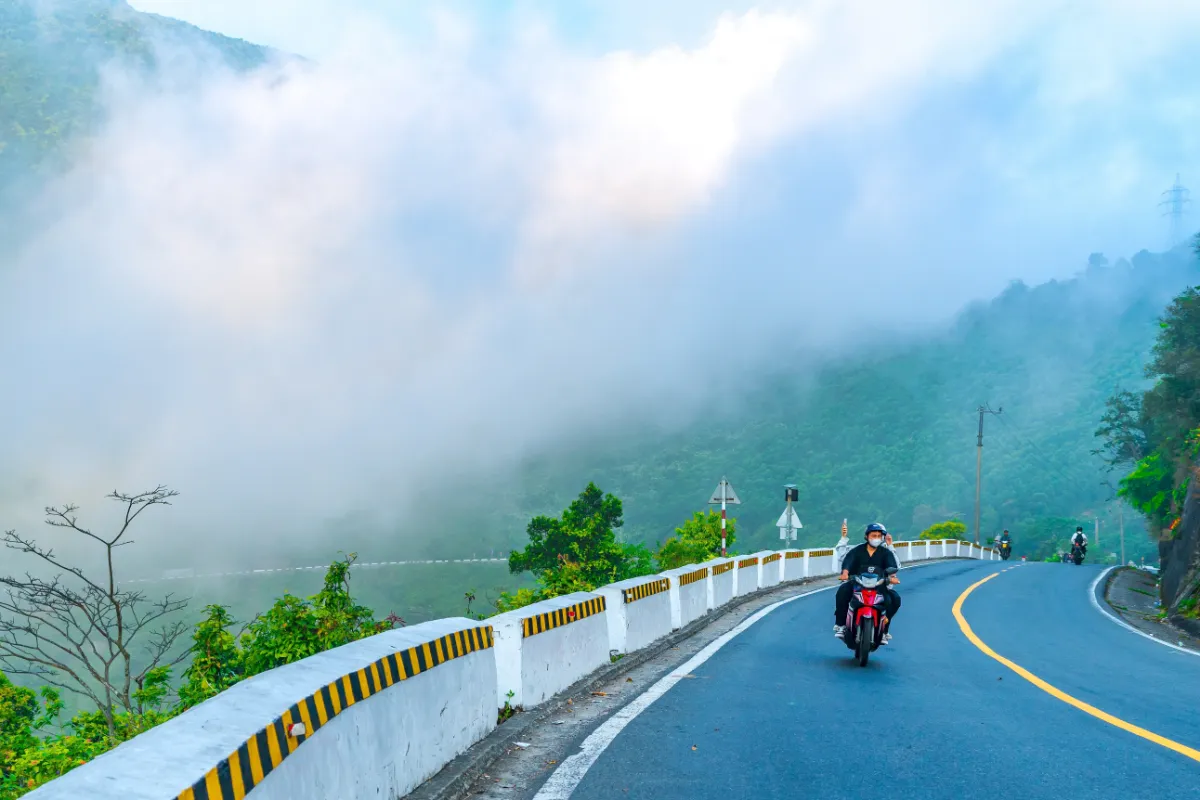
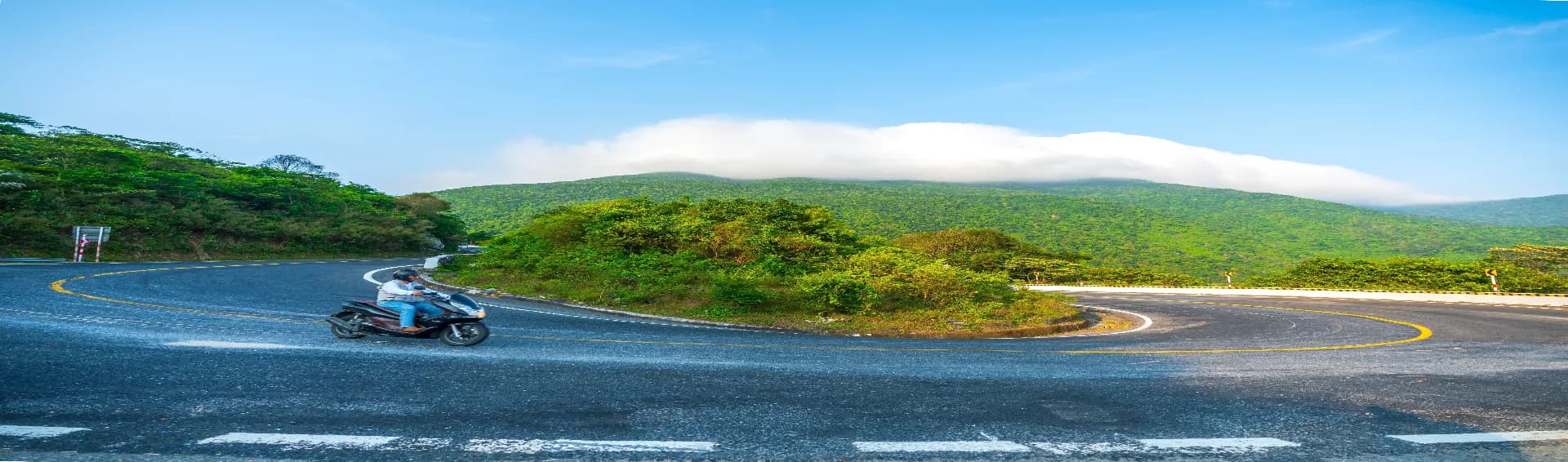
The Hai Van Pass remains one of the most famous motorcycle rides in Vietnam, and unlike many tourist-heavy attractions, it actually deserves the hype. The road curves along the mountains while opening coastal views almost every few minutes.
Riders must begin from Da Nang and continue toward Hue while stopping at scenic viewpoints along the pass. What catches many travelers off guard is the weather. Fog can reduce visibility quickly, especially during rainy months. Road surfaces also become slippery after sudden rain showers.
Distance: Around 120 km, depending on your starting point
Key highlights:
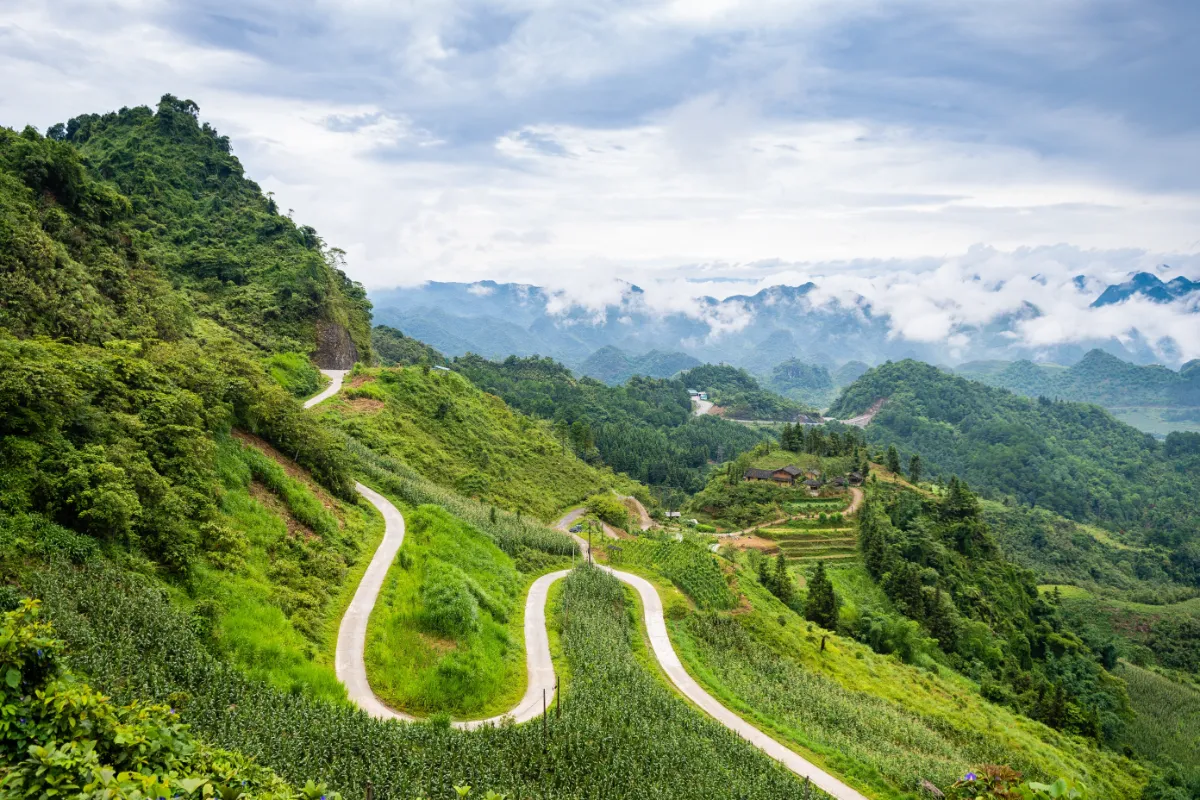
The Ha Giang Loop is easily one of the most challenging yet rewarding motorbiking routes in Vietnam. This route suits confident riders better than beginners, as some roads remain steep, uneven, and unpredictable.
Fuel stations also become less frequent in remote areas, so planning ahead matters.
Travelers often underestimate how physically tiring the loop can become. Riding six to seven hours daily through mountain terrain demands focus and stamina.
Distance: Roughly 350 km for the complete loop
Key highlights:
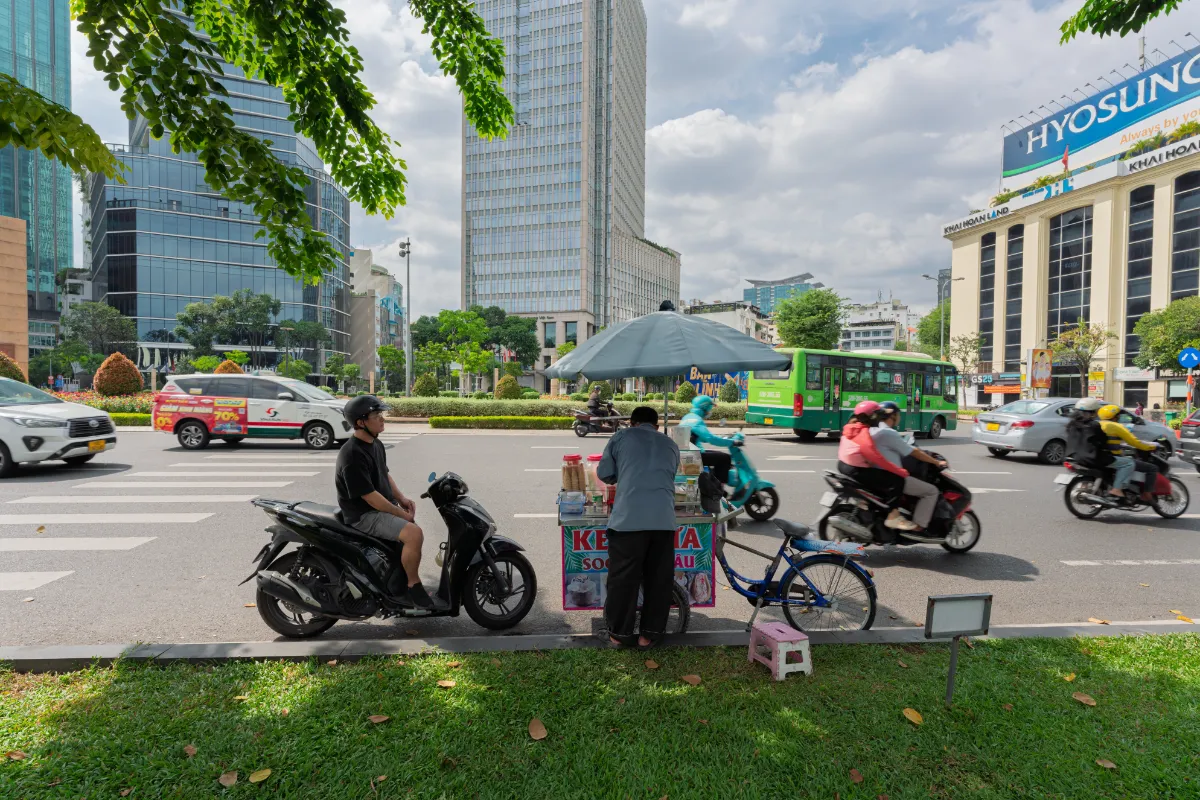
The Ho Chi Minh Road gives riders a very different side of Vietnam. Instead of crowded tourist hubs, this route passes through quiet towns, forests, coffee plantations, and peaceful rural landscapes.
Long-distance riders often prefer this highway because traffic stays lighter compared to the busy coastal routes. The road also carries historical importance due to its connection with wartime supply routes.
Among all Vietnam road trips, this route is the most immersive because riders can spend more time interacting with local communities rather than hopping between tourist hotspots.
Distance: Over 1,800 km if covered fully
Key highlights:
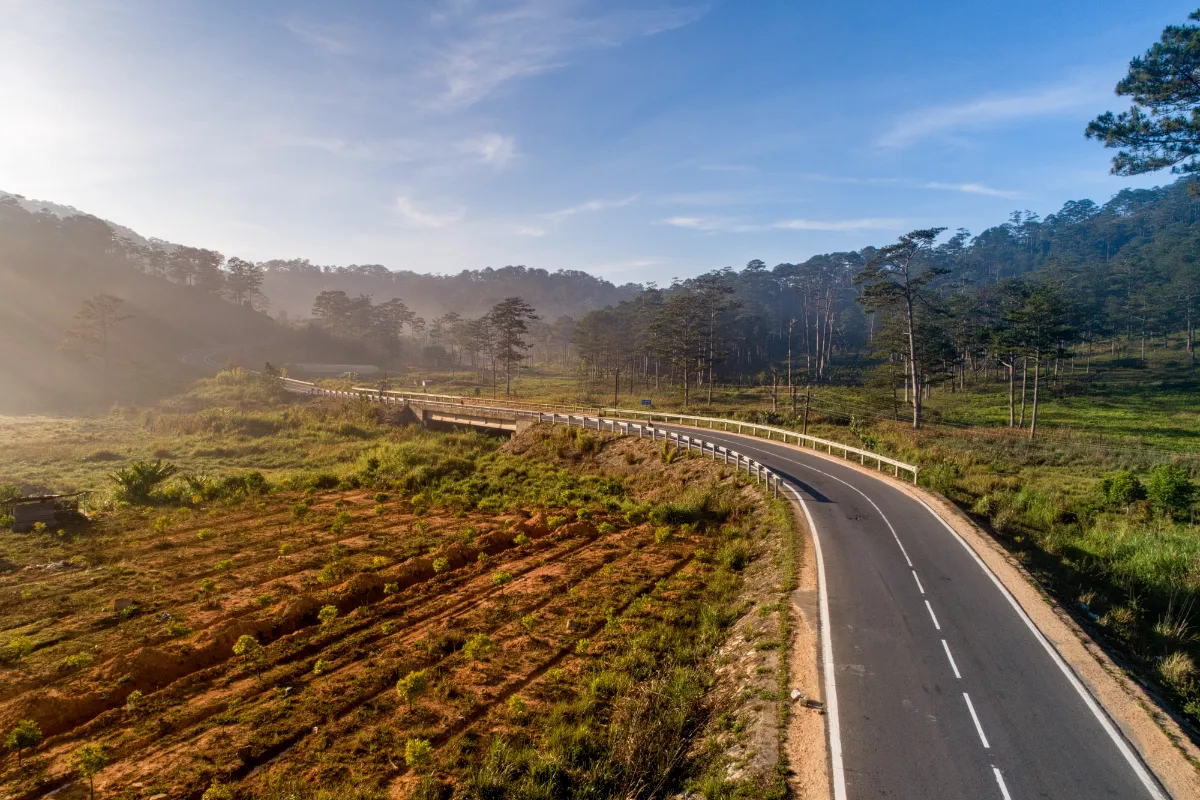
This ride delivers constant landscape changes within just a few hours. Da Lat begins with cool mountain weather, pine forests, and winding roads before the route slowly descends toward the warmer coastal region near Nha Trang.
The elevation changes make this route visually impressive. Riders pass waterfalls, forest sections, and open roads with sweeping valley views before eventually reaching the coastline.
This is the most beginner-friendly route on the list. Adventure travelers love this stretch because it balances scenic beauty with manageable riding difficulty.
Distance: Around 135 km
Key highlights:
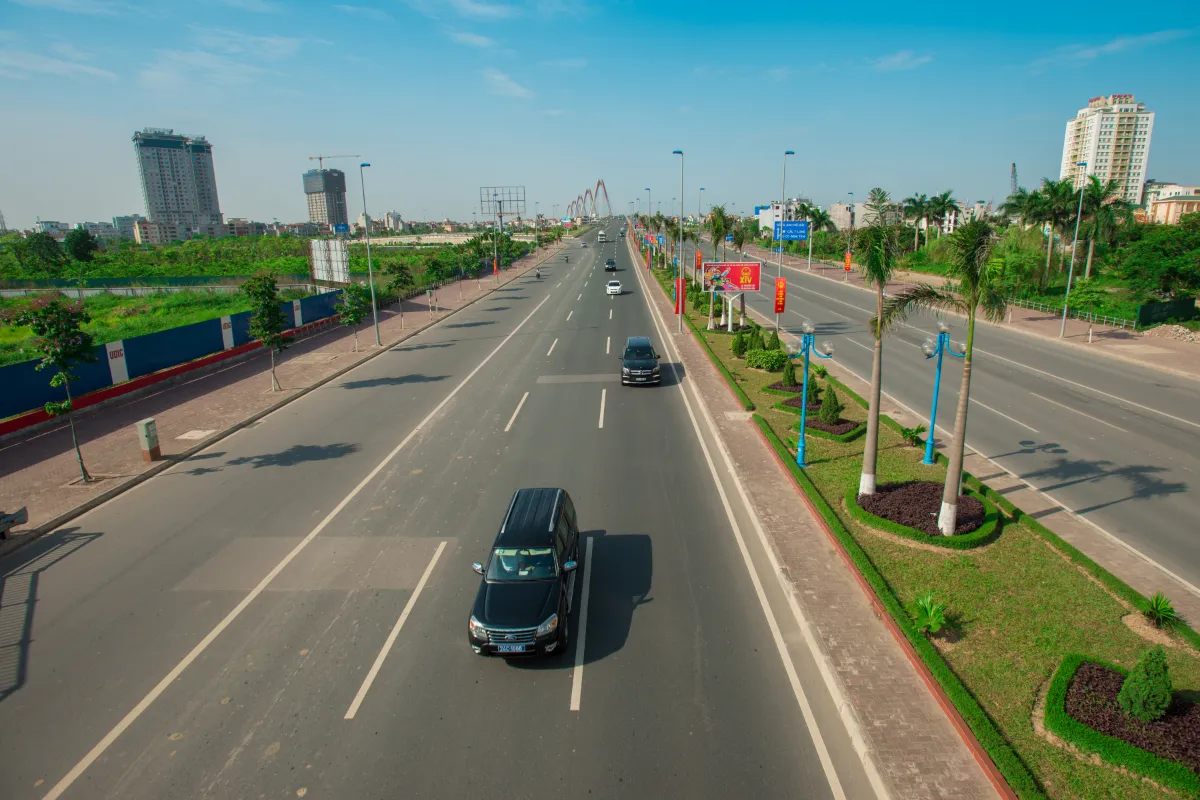
Many experienced riders consider this among the most underrated motorbiking routes in Vietnam because the scenery feels authentic. This route remains less crowded compared to Vietnam’s famous riding circuits, which makes it ideal for travelers searching for peaceful experiences. The journey toward Cao Bang gives riders access to Ban Gioc Waterfall, one of the country’s most beautiful natural attractions.
The roads also pass through rivers, villages, forests, and mountain regions without heavy tourist traffic interrupting the ride.
Distance: Around 280–300 km
Key highlights:
Many travelers planning Vietnam road trips also forget how exhausting back-to-back riding days can become. Rest days become really important, especially on mountain-heavy routes like Ha Giang.
From winding mountain passes to breathtaking seaside highways, Vietnam offers unforgettable road trip experiences for adventure travelers. Along with these scenic rides, don’t miss the best Places to Visit in Vietnam and the most exciting Things to Do in Vietnam for a complete travel experience.
Yes, riding in Vietnam is manageable for confident riders. Traffic feels chaotic in cities initially, but mountain and countryside routes are calmer, scenic, and better suited for adventure travelers.
The Ha Giang Loop and Hai Van Pass rank among the best routes due to mountain scenery, sharp curves, coastal views, and unforgettable riding experiences across northern and central Vietnam.
Guided tours help riders avoid navigation problems, unsafe roads, rental scams, and planning stress. They work especially well for first-time visitors exploring remote Vietnamese mountain regions.
The Da Lat to Nha Trang route suits beginners because roads stay smoother, distances remain manageable, and traffic feels less stressful compared to northern mountain riding circuits.
Riding during the heavy monsoon months is risky because roads turn slippery and landslides occasionally block mountain routes. Travelers should always monitor regional weather forecasts before departure.
May 27, 2026
May 27, 2026
May 26, 2026

May 26, 2026

May 13, 2026