

 11 Minutes
Vietnam is split into three main regions – the North, the Center, and the South. Weather, climate, and culture differ depending on the area. Mainly, the problem lies in the fact that travelers lack the necessary information regarding the geographical aspect of the destination. Hence, their travels are not properly organized, resulting in failure.
They decide on how to fly to Vietnam through Instagram videos, going to Hanoi or Ho Chi Minh City. In this case, the traveler spends about half of the time in confusion about what he/she might miss. North and South Vietnam seem to be two distinct worlds rather than two separate parts of the country. The one you are supposed to visit depends exclusively on your type of tourist. To escape from all the trouble and stress, purchase Vietnam tour packages to keep everything under control.
₹124,999
per person
₹74,999
per person
₹34,999
per person
Hence, here is a sincere answer. Let's start with North Vietnam vs South Vietnam
North Vietnam is where you should go when you need to feel the country, not merely capture images of it.

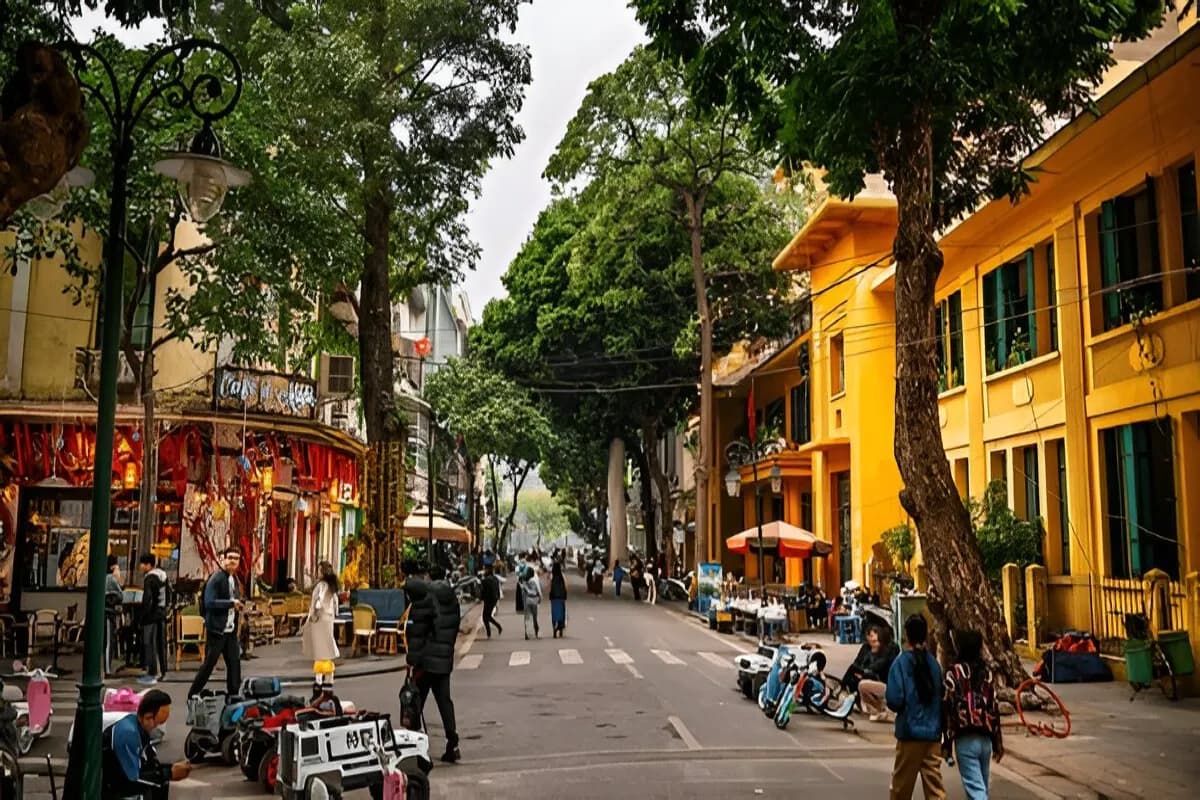
There is something about Hanoi that sets it apart from any other Southeast Asian metropolis. The streets are narrower. The cuisine is more authentic. Witness the hustle and bustle surrounding Hoan Kiem Lake early in the morning; see old ladies practicing tai chi alongside young children biking to school.

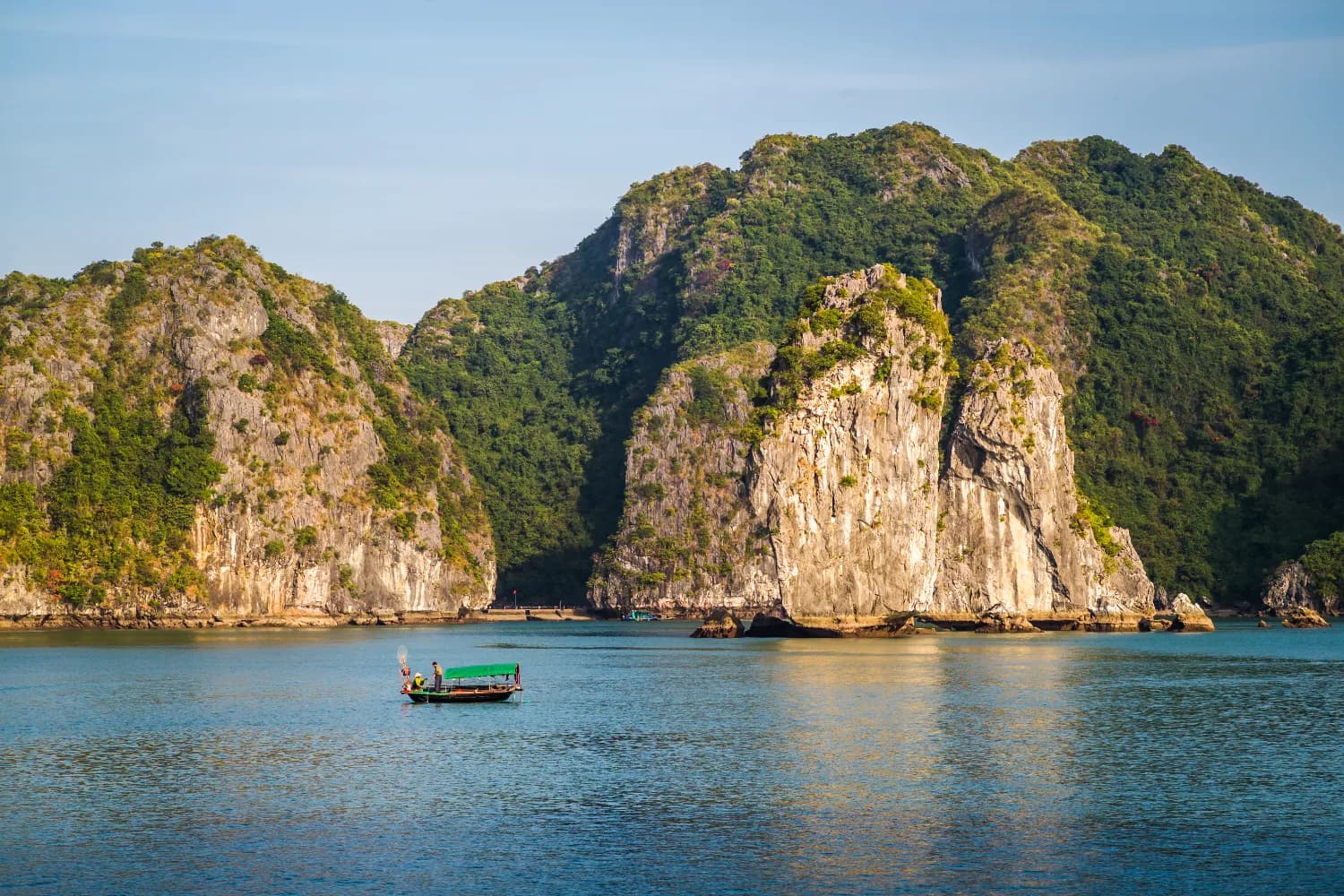
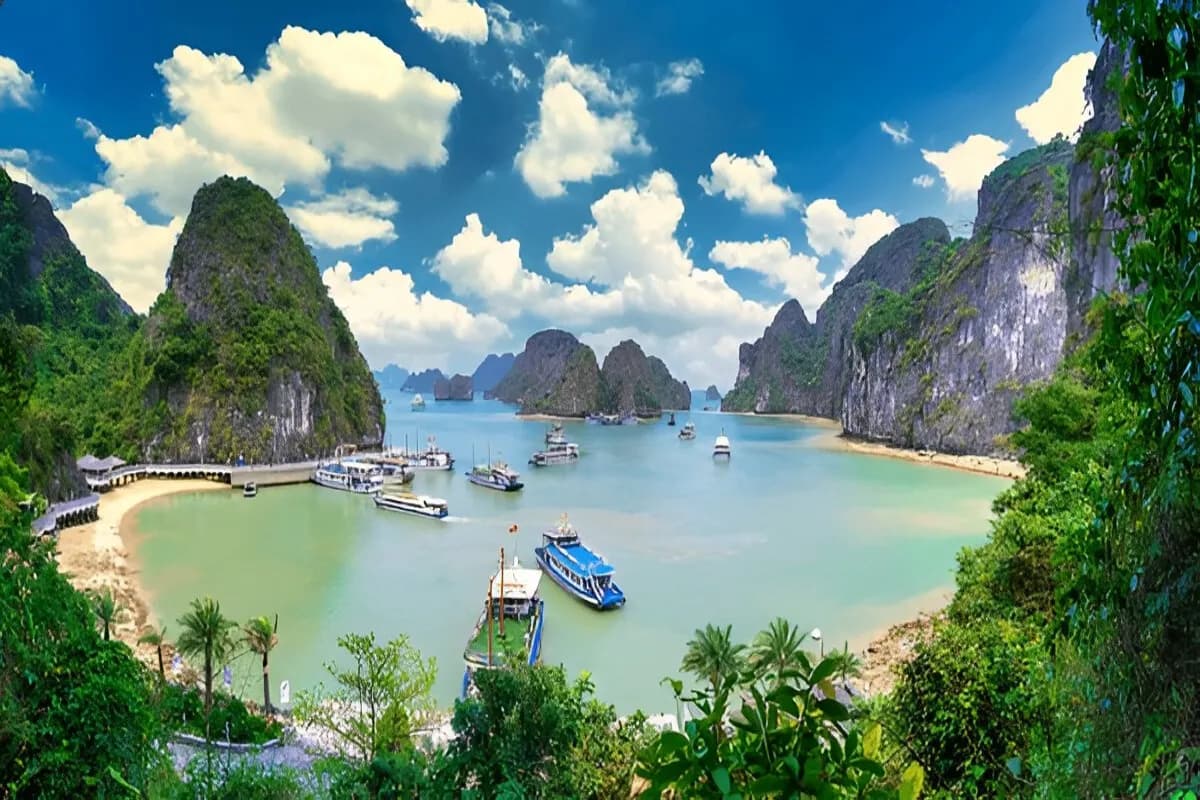
While Halong Bay is a given, the limestone peaks protruding from the green water are genuinely mesmerizing. But honestly, when comparing travel experiences across North and South Vietnam, Ninh Binh quietly stands out even more. It gives you a calmer experience without huge tourist crowds and far less hassle. A two-day trip to Ninh Binh can cost anywhere between ₹3,000 to ₹6,000 per day, depending on your style, but the wooden rowboat ride through the caves of Trang An is something you genuinely remember later.
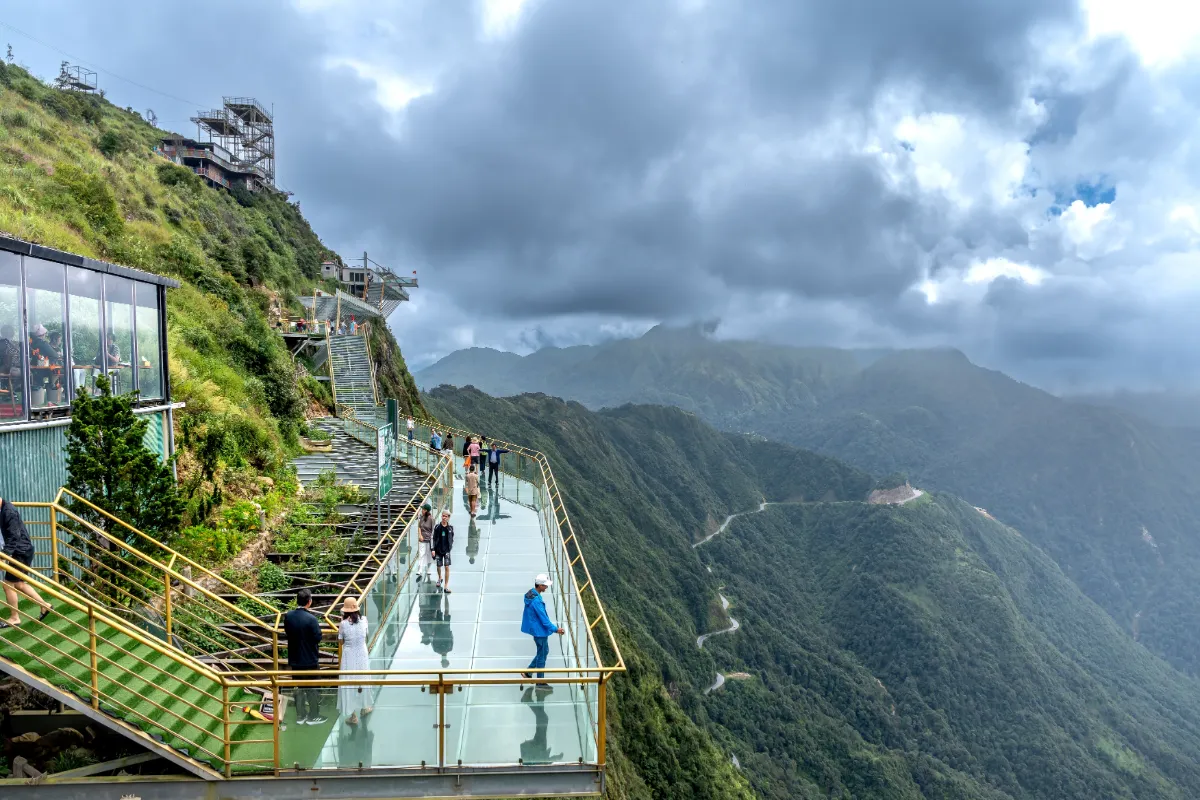
In Sapa, you must witness the terraced rice paddies and the hilltribe villages. However, it would help if you kept in mind that visiting Sapa during its most touristy times (October, March) may ruin the atmosphere. Visit Sapa a bit off-peak and prepare yourself to be mesmerized.
Climate reminder: North Vietnam will get chilly between December and February. Hanoi can get as low as 12 to 15 degrees centigrade. Bring warm clothing. No one ever tells you that in travel videos.
In between North Vietnam vs South Vietnam, South Vietnam also has many amazing cities and places. Let's explore them one by one

Life never sleeps in Ho Chi Minh City. Whether it be midnight or a Tuesday, the vibe here just keeps on going, and if you love cities with an edge, then you'll love living in Ho Chi Minh. The food alone is worth the flight. A bowl of hu tieu at a street stall in District 5 costs around ₹80 to ₹150 and is, without exaggeration, one of the best things you will eat in Southeast Asia

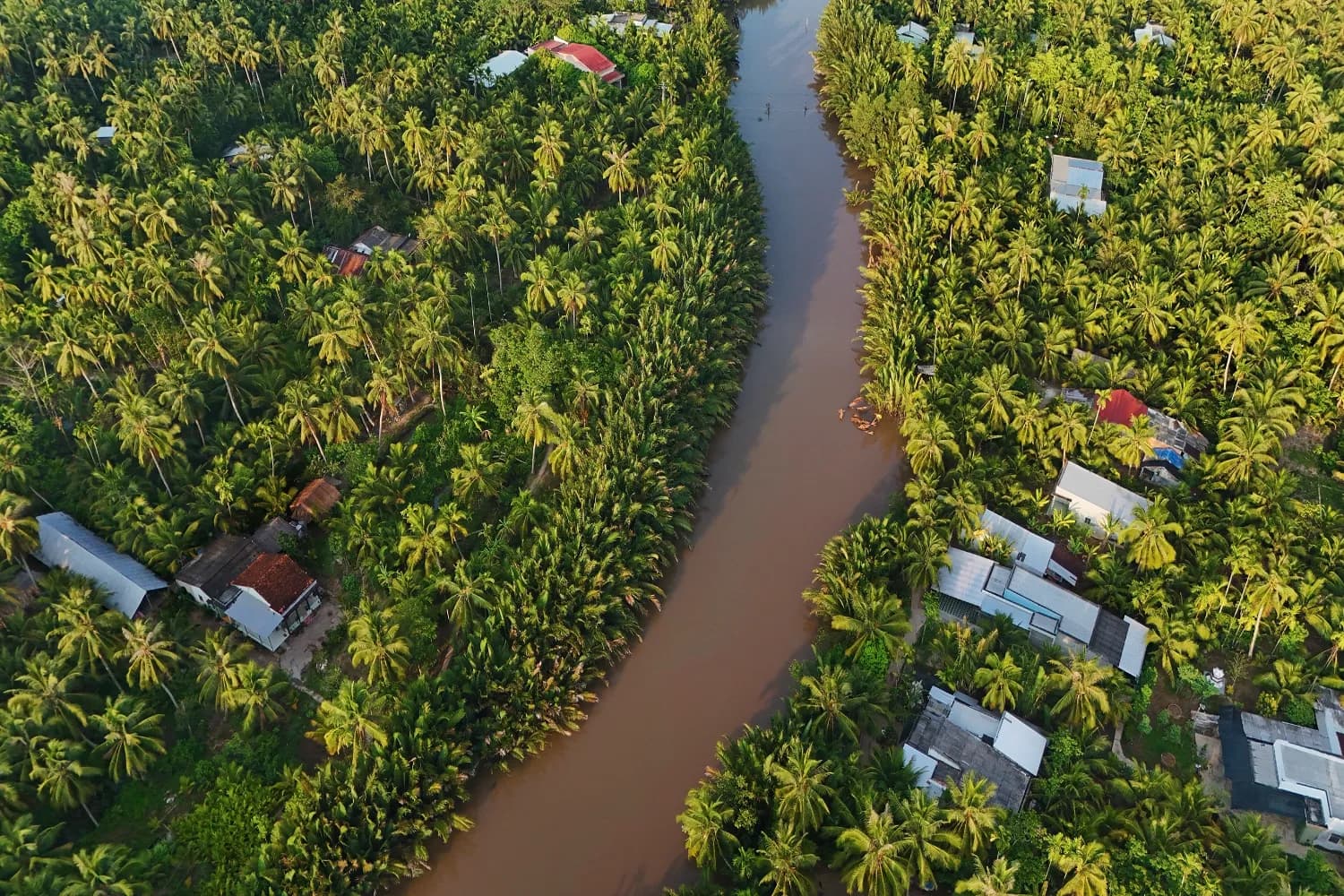
It doesn't matter how far into the south of Vietnam you go, but you definitely won't regret a visit to the Mekong Delta region. This includes floating markets, village communities that rely solely on water travel, and fruit farms that span miles upon miles. Expect to pay somewhere between ₹2,500 and ₹4,500 for a day-long trip from Ho Chi Minh City to Can Tho (return).

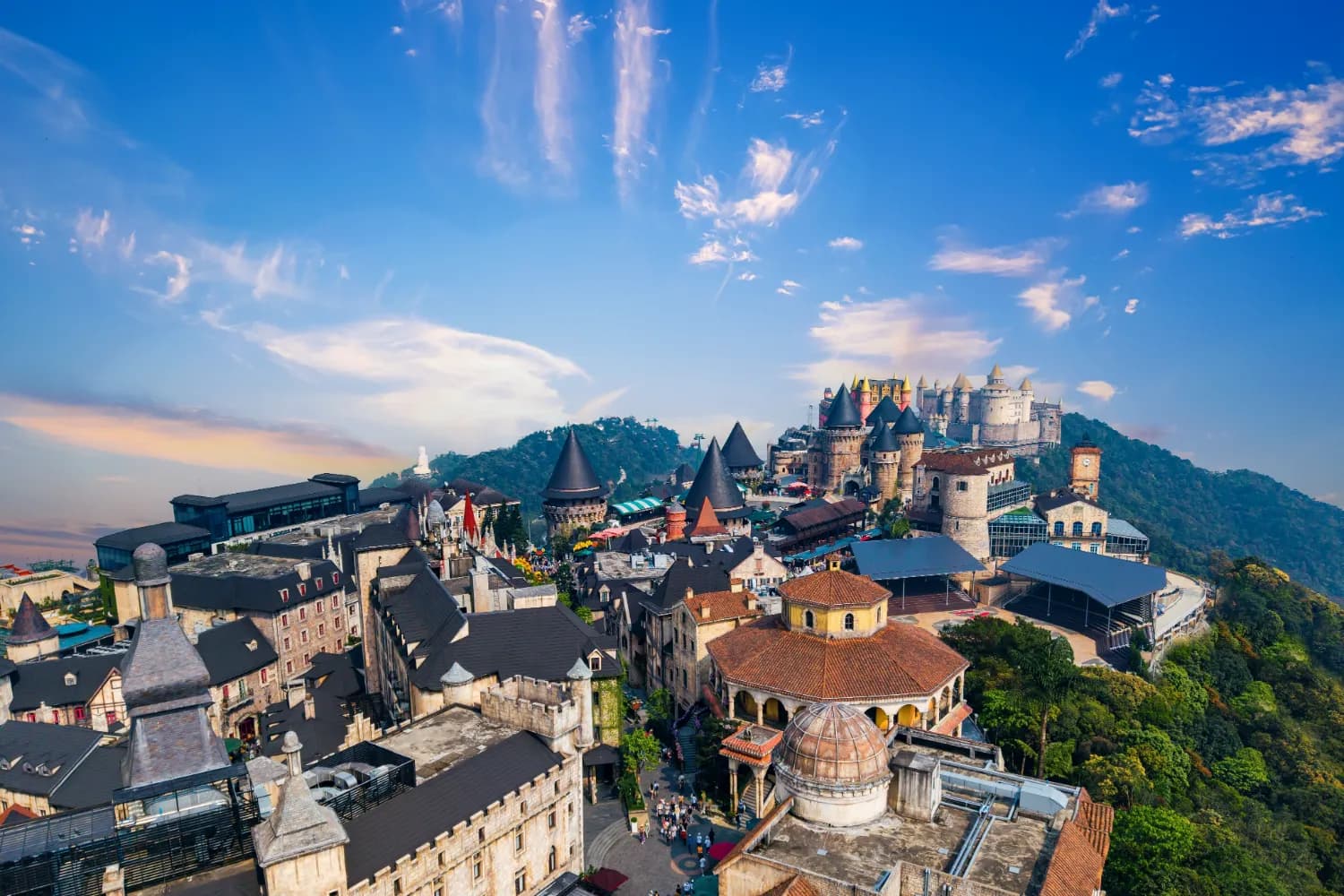
There is no such thing as being too far away from the beach when you're in the south of Vietnam. Da Lat is a French colonial-era hill station set within pine forests and strawberry farms, and it is nothing like other places along the coast. Accommodation costs here will run you approximately ₹1,500 per night.

The Con Dao Islands are a great getaway spot. Beaches are pristine, tourist numbers are relatively low, and there is even some eerie historic value in the colonial-era prison facilities.
Still fighting over North Vietnam vs South Vietnam, which should visit first. Here is the practical answer.
If you are coming from October to March. The weather in the north is moody but manageable, and Halong Bay, Ninh Binh, and Sapa are at their clearest. The south stays hot and humid year-round, so you can always save it for later.
If you are pressed for time or on a tighter budget. Getting around Ho Chi Minh City is cheaper and more efficient. Flights within India to Ho Chi Minh City (direct or one-stop via Bangkok or Singapore) often start around ₹18,000 to ₹28,000 return, depending on how early you book. Hanoi is slightly pricier to reach from most Indian cities.
And if someone tells you to "do all of Vietnam in 7 days," smile politely and ignore them. You need at least 5 to 6 days per region to actually experience it rather than just transit through it.
The divide between North and South Vietnam is not just geographical. Food, accents, attitudes toward time, even how people drink their coffee, everything shifts noticeably once you cross the middle. Central Vietnam (Hue, Da Nang, Hoi An) sits between them and deserves its own separate trip entirely.
Start with one region. Do it properly. Then come back for the other. That is how you actually get Vietnam.
If you’re confused between exploring North or South Vietnam first, the best approach is to choose based on the experiences you enjoy most nature, culture, nightlife, or beaches. You can also explore our recommended Places to Visit in Vietnam and must-try Things to Do in Vietnam to plan a memorable and well-balanced itinerary.
Starting in the North is often preferred for a "cultural crescendo." Beginning in historic Hanoi and moving toward the modern energy of Ho Chi Minh City provides a classic, well-paced travel narrative.
North Vietnam is the ideal starting point. It offers the country’s most iconic heritage sites, including the capital city, the ancient terraced fields of Sapa, and the majestic Ha Long Bay.
North Vietnam is widely considered the most scenic. It features the dramatic limestone karsts of Ha Long Bay and the towering, emerald-green mountain passes of the Ha Giang Loop and Sapa.
Yes, 10 days is a perfect duration for the North. This allows for a 3-day Hanoi stay, a 2-night Ha Long cruise, and a 4-day trip to Sapa or Ha Giang.
South Vietnam is consistently hot and tropical year-round. The North experiences four distinct seasons, including surprisingly chilly winters (December–February) where temperatures in the mountains can drop near freezing.

May 27, 2026
May 27, 2026

May 26, 2026

May 26, 2026

May 26, 2026