
 12 Minutes
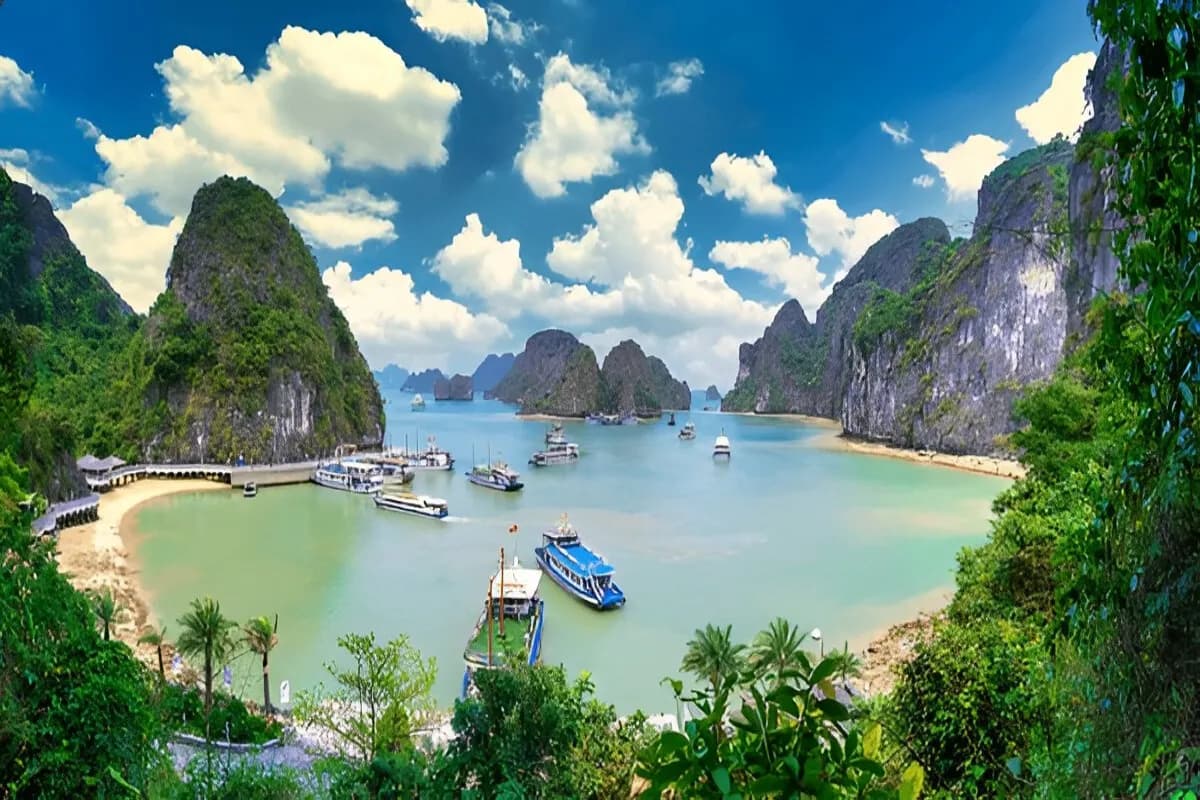
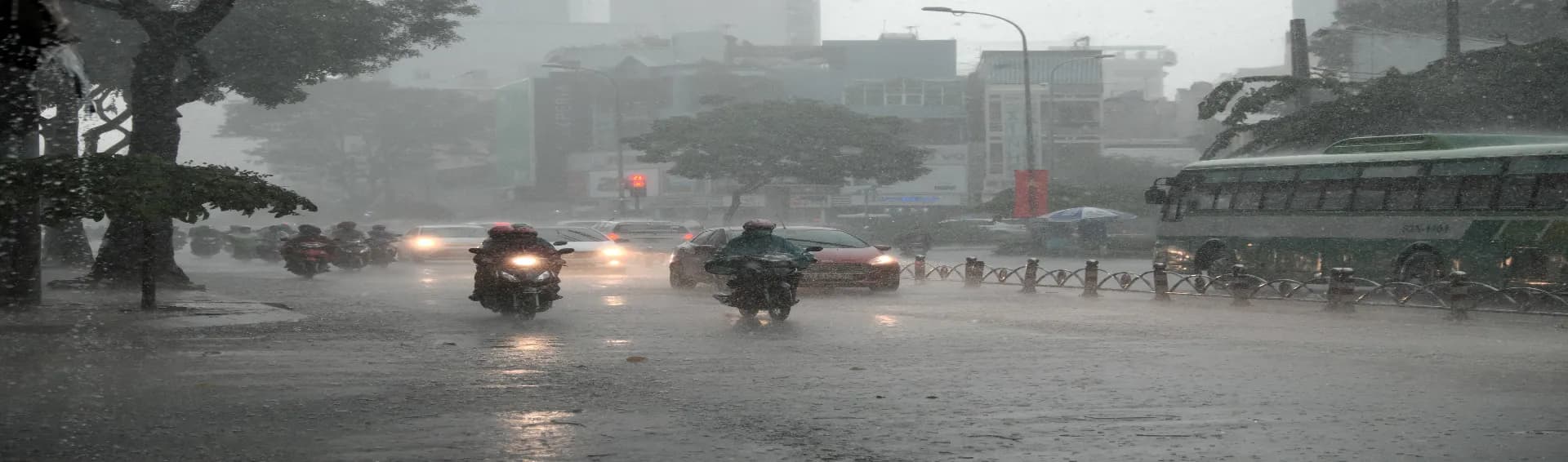
A sudden tropical shower in Vietnam can completely change the mood of a place. Streets glow under lantern lights, mountain valleys disappear behind drifting clouds, and roadside cafés suddenly feel warmer and more inviting. People avoid the rainy season in Vietnam, expecting endless downpours and ruined plans. The reality is very different once you are there.
Our experience in exploring Vietnam across changing seasons has shown that rain often brings out the country’s most memorable side. We have booked many Vietnam tour packages in almost every season, and because of that, this blog will tell you the real Vietnam weather in monsoon, the best rainy-season attractions, and experiences that travelers surprisingly end up loving during the monsoon in Vietnam.
₹124,999
per person
₹74,999
per person
₹34,999
per person
The Vietnam weather in monsoon stays warm and comfortable for travel in most regions, with the Vietnam monsoon temperature ranging between 24°C to 32°C depending on the location. Northern mountain areas feel cooler and misty, while southern cities often receive predictable afternoon rain followed by clearer evenings.
Many travelers actually enjoy this season because hotel prices drop, attractions feel less crowded, and places like Sapa, Ha Giang, and Hoi An look far more dramatic during the rainy season in Vietnam.
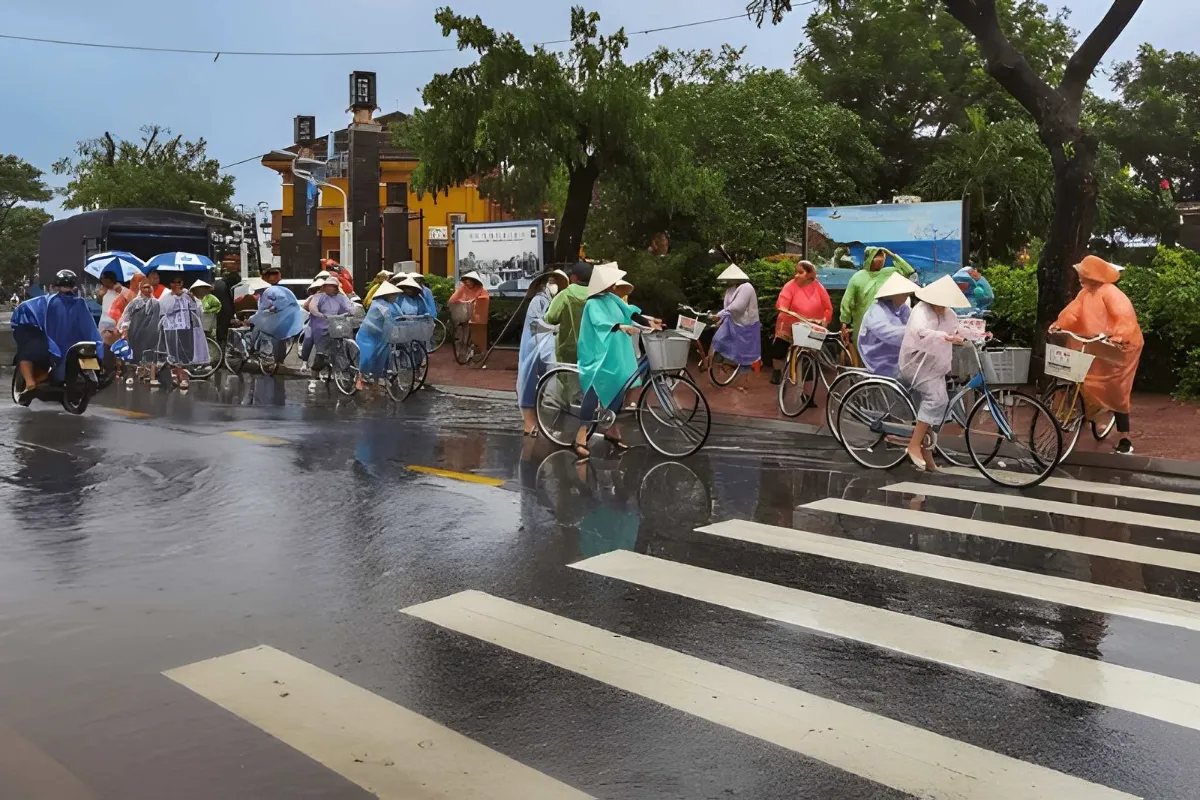
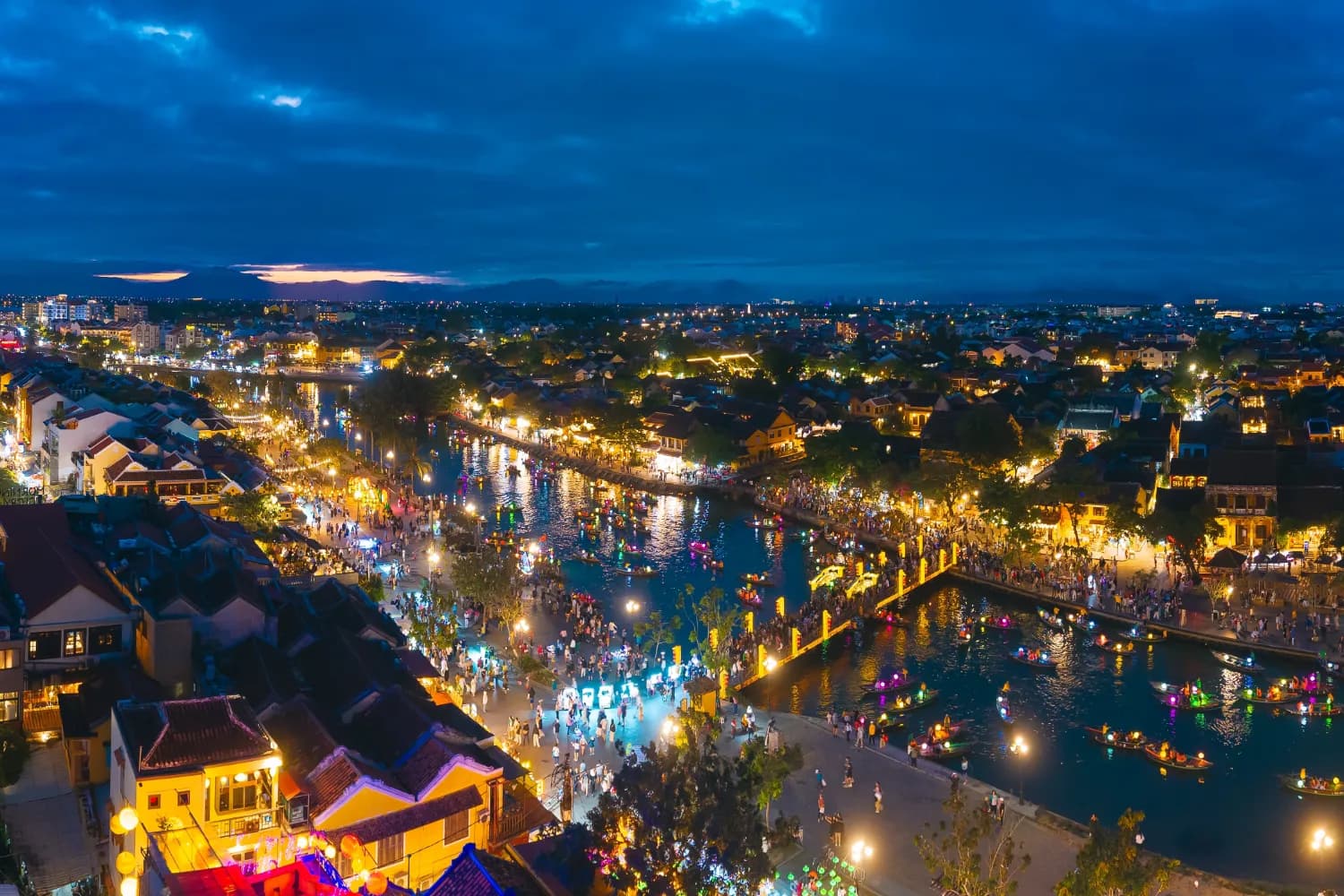
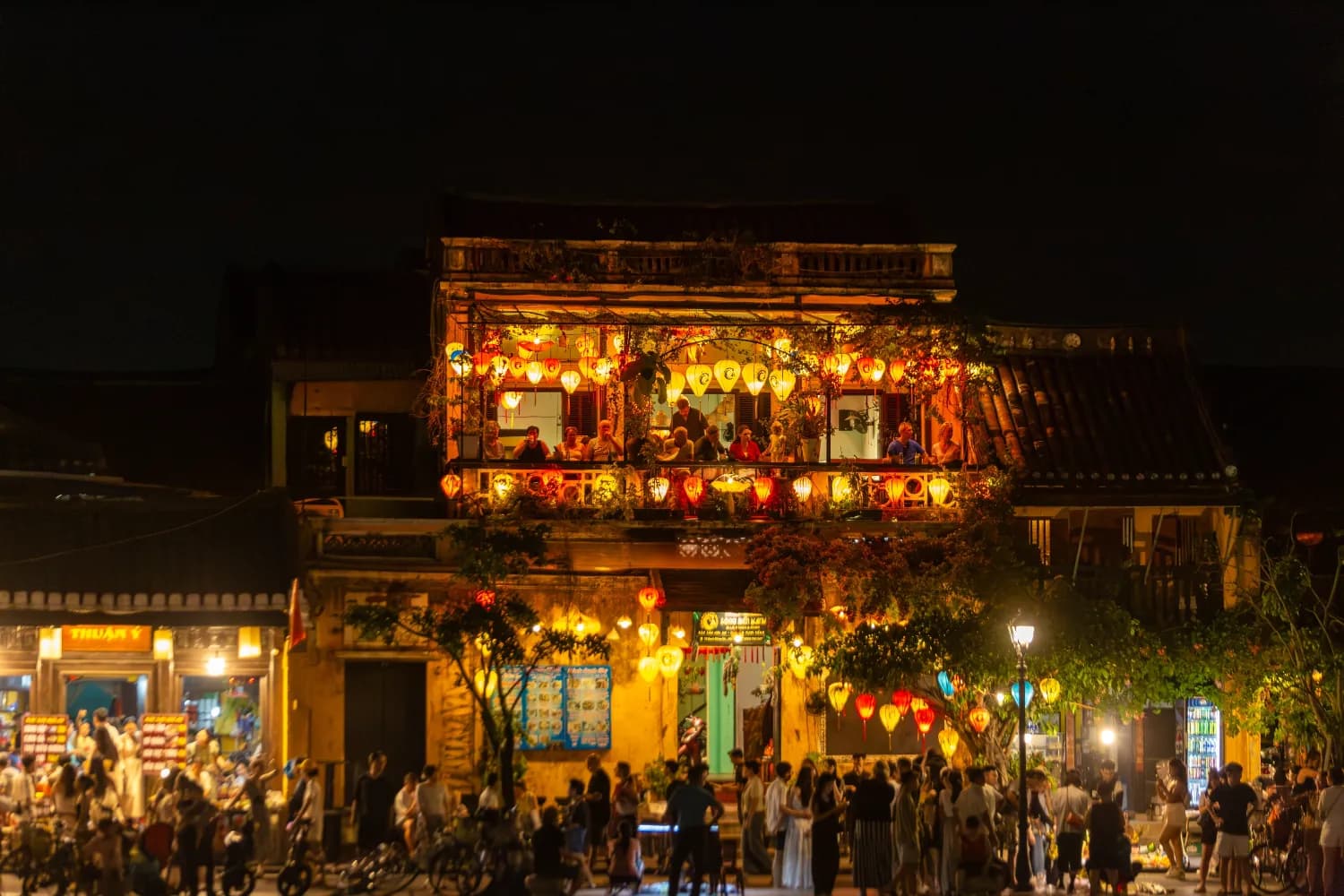
Rain completely changes Hoi An’s atmosphere. Lantern lights reflect beautifully across wet streets, riverside cafés feel more peaceful, and the old yellow buildings look richer after evening showers. It also becomes more photogenic during light rain than on crowded sunny days. This is one of the rare places where gloomy weather actually improves the experience.
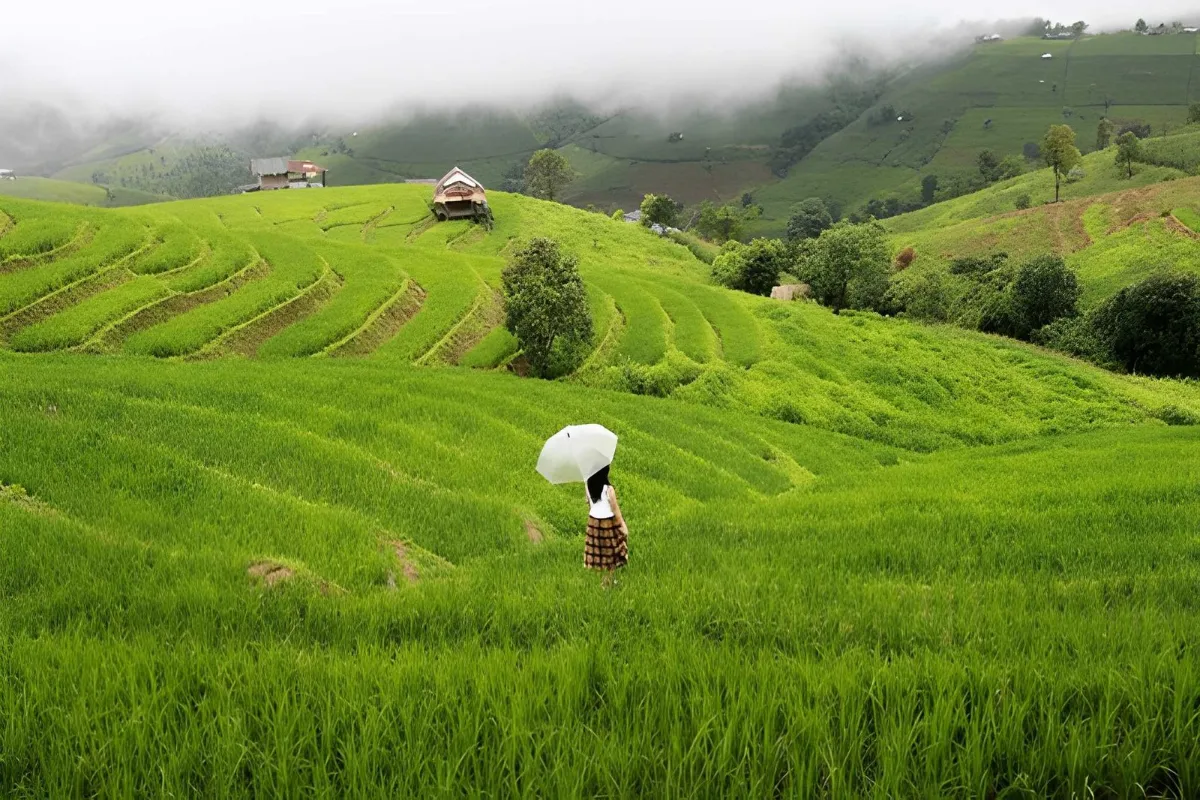
The terraces near Fansipan become intensely green during the monsoon in Vietnam. Low clouds drift across the mountains while rainwater fills the rice fields, creating mirror-like reflections. The cooler climate also makes trekking easier compared to hotter months. Sapa feels quieter and more atmospheric during rainy periods.
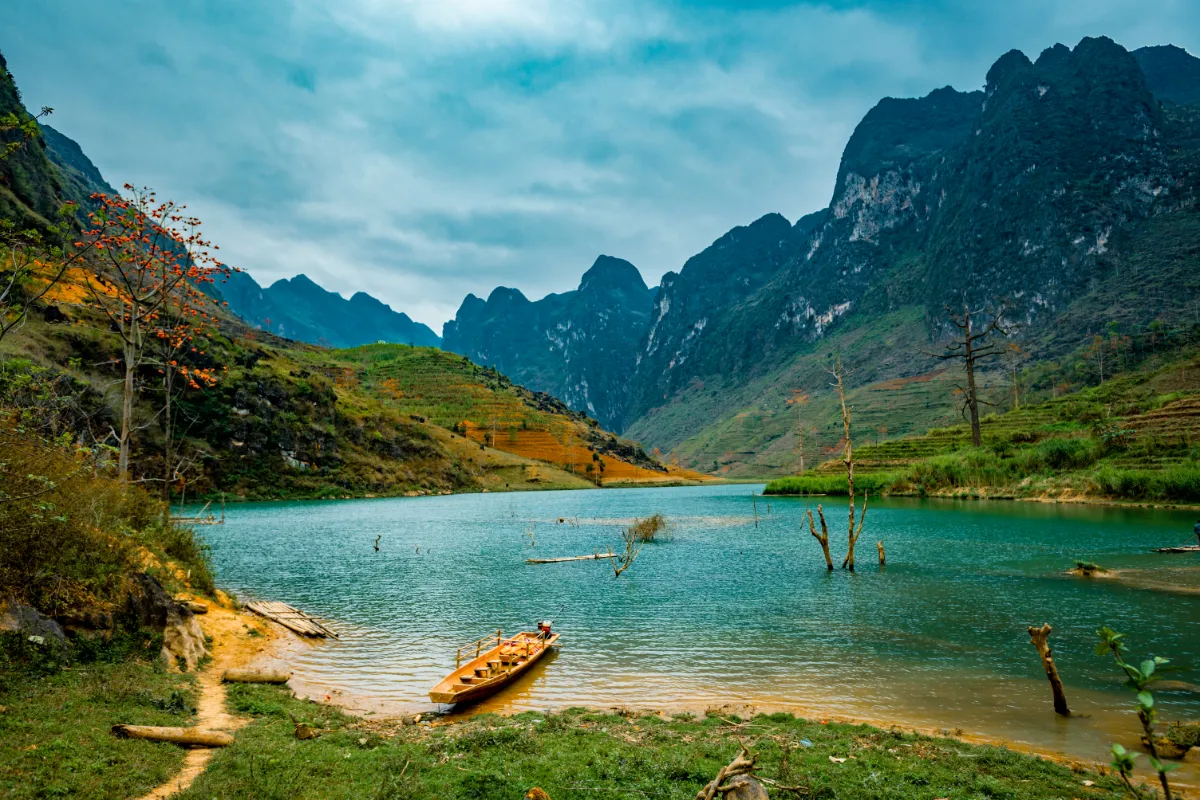
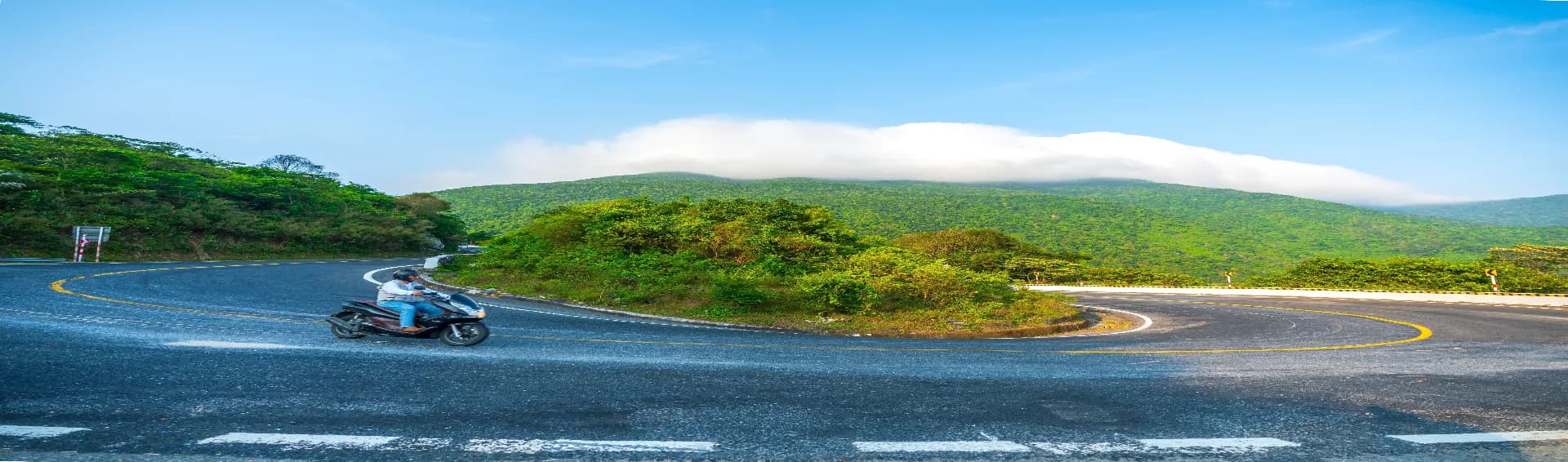
This mountain pass becomes surprisingly beautiful during rainy weather. Fog rolls across the cliffs, waterfalls grow stronger, and the roads feel cinematic during light mist. Adventure travelers can enjoy this season and this place because the landscapes look more raw and powerful. Early morning drives through cloud-covered valleys become unforgettable here.
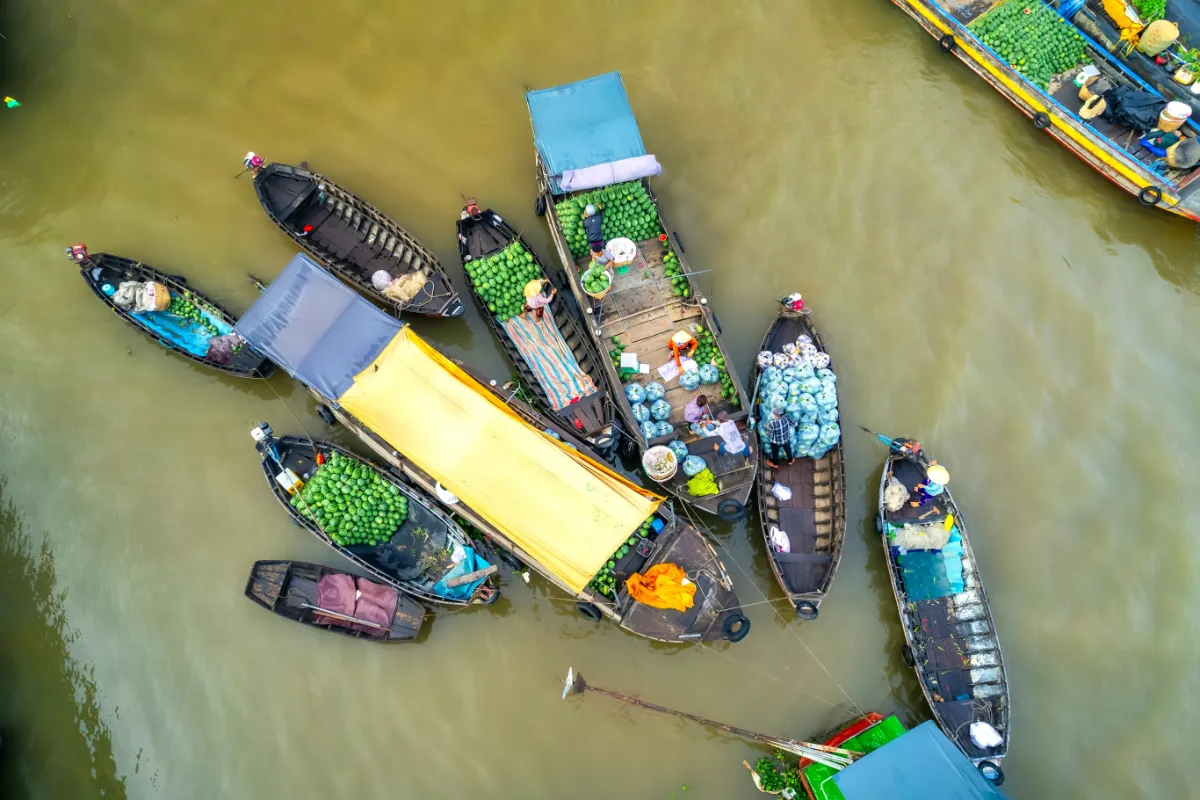
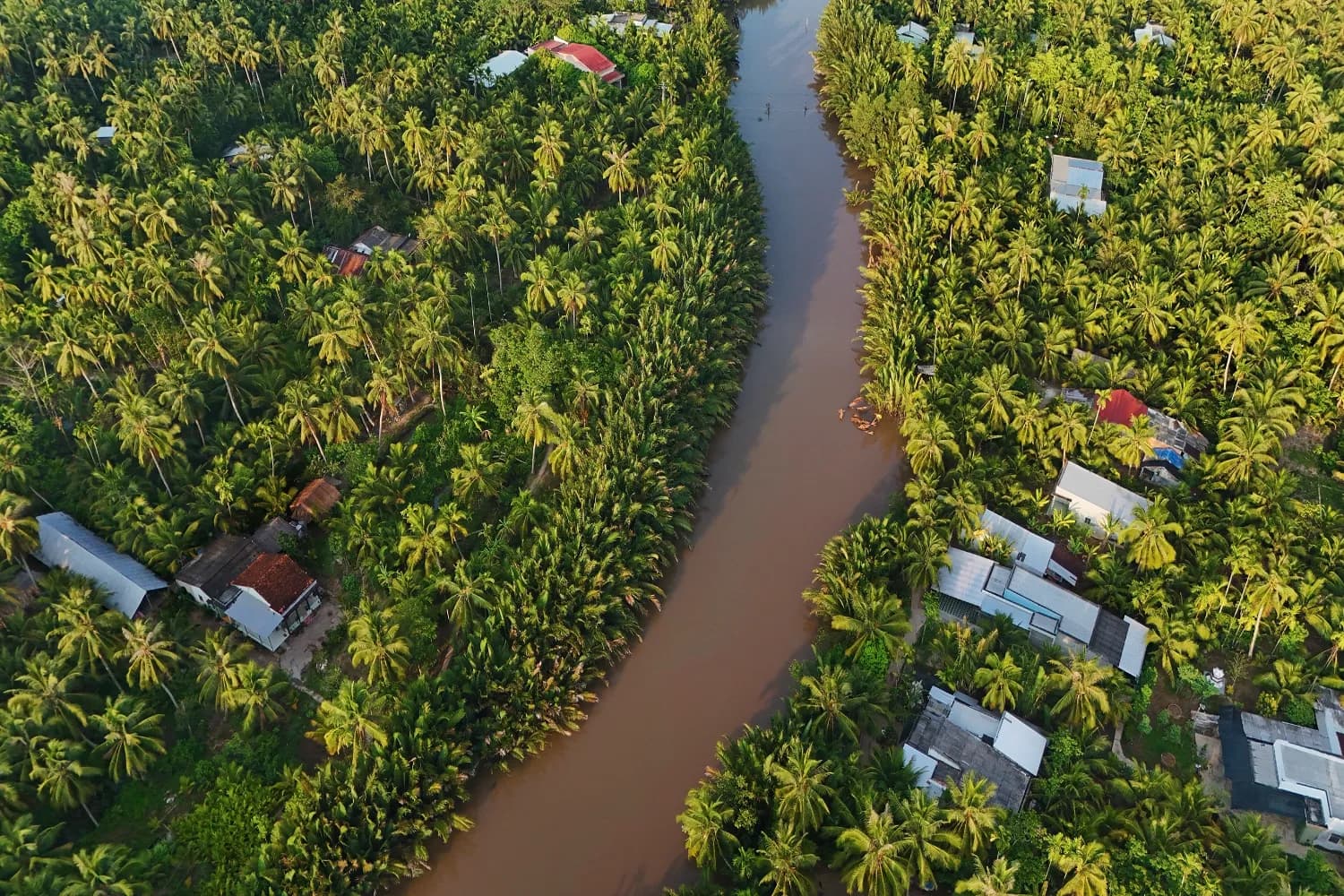
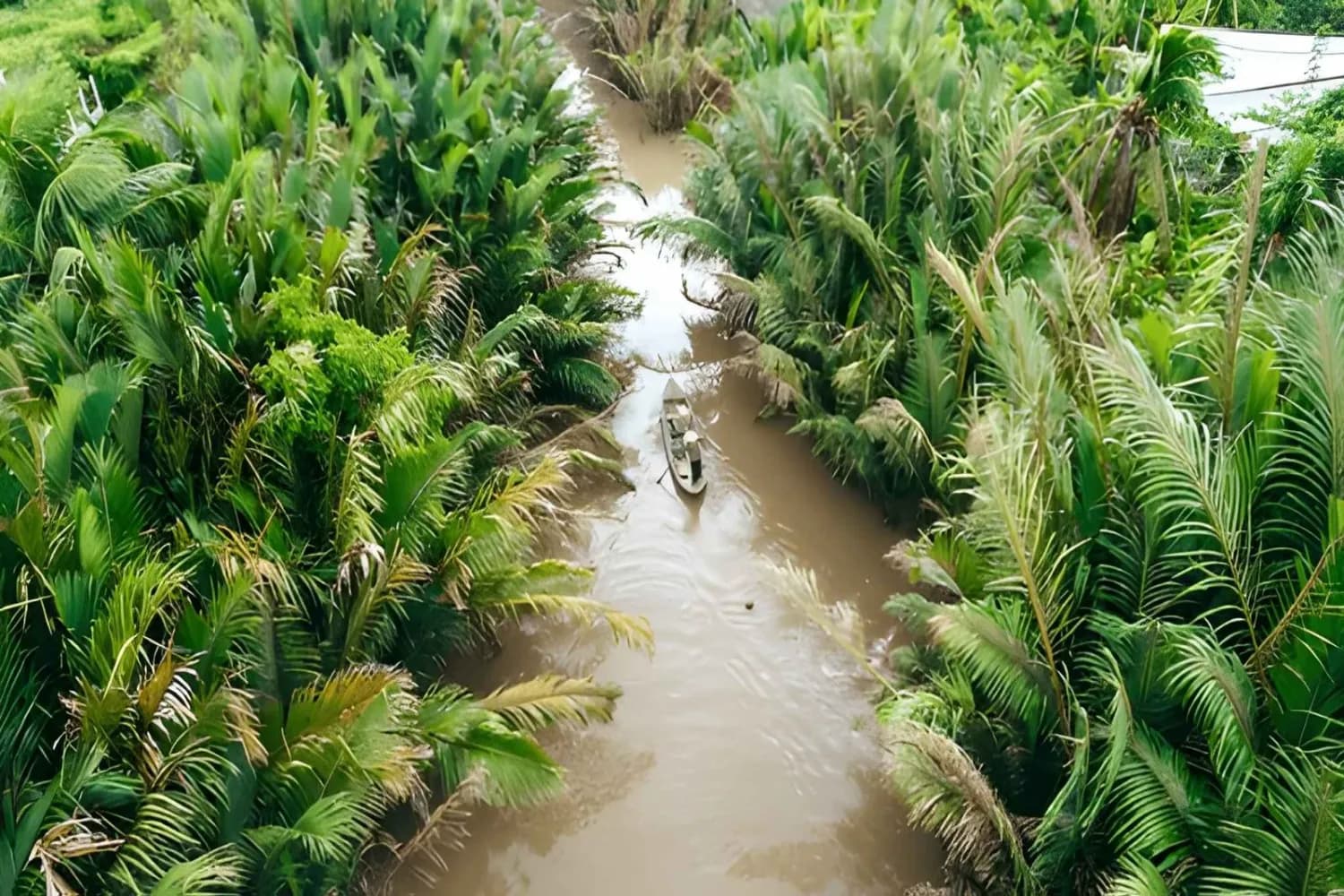
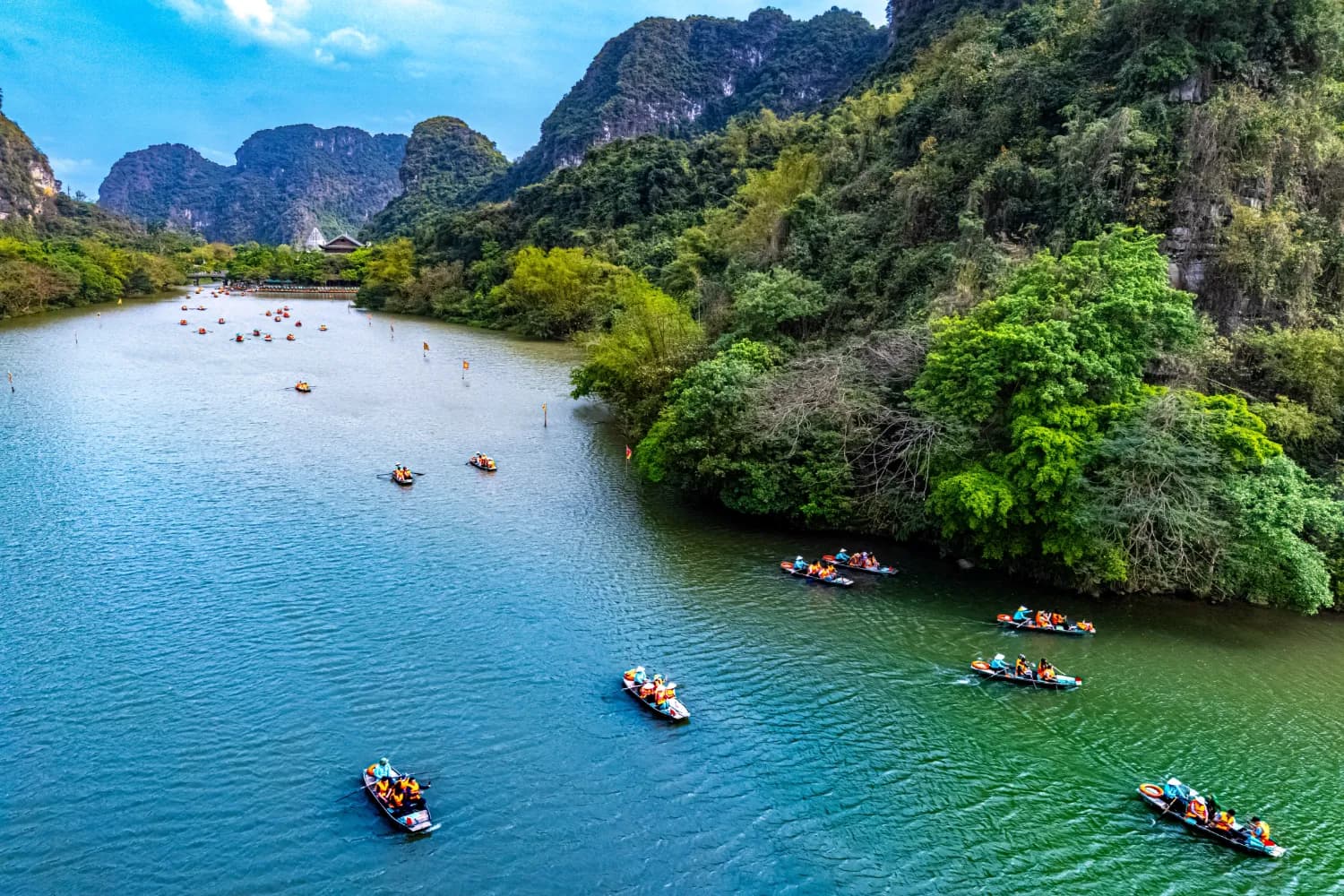
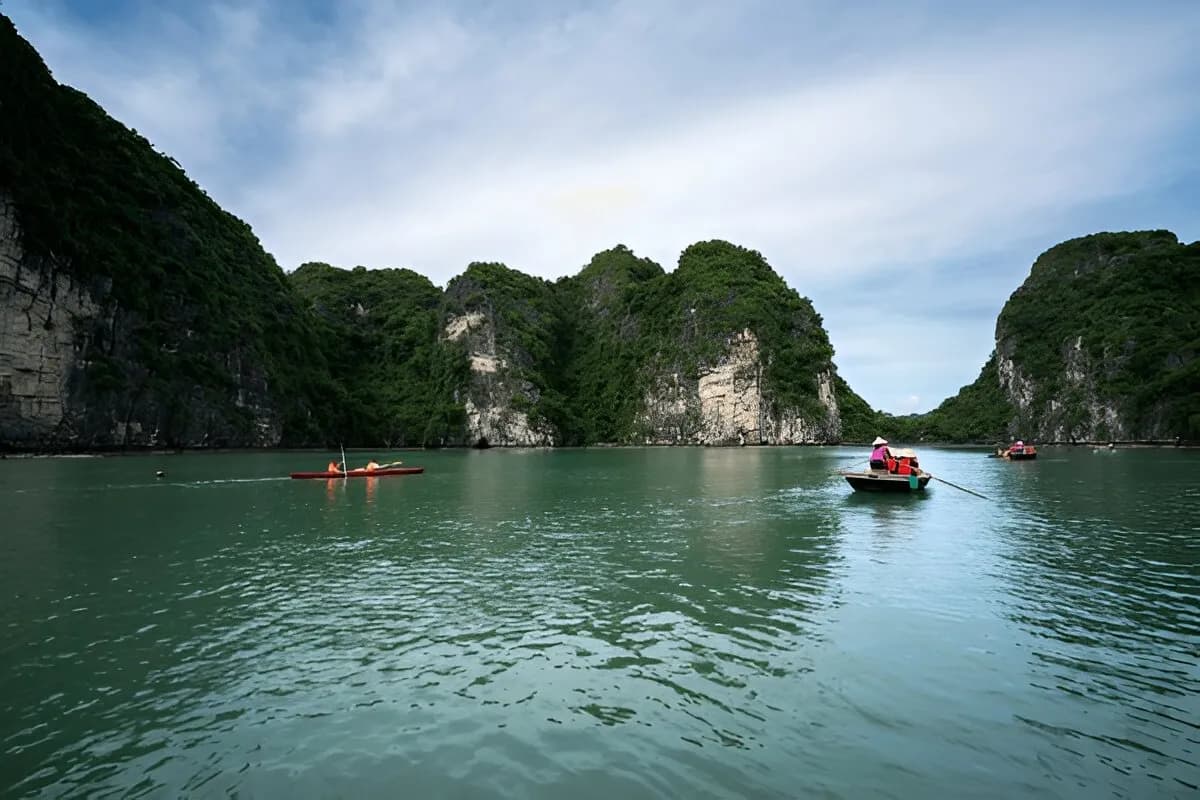
Rain gives the Mekong Delta a different rhythm. Boats move through cooler waterways while local vendors continue trading fresh fruits, coffee, and breakfast dishes directly on the river. Morning visits are less exhausting compared to hotter months, and the floating market atmosphere becomes more authentic during light rain.
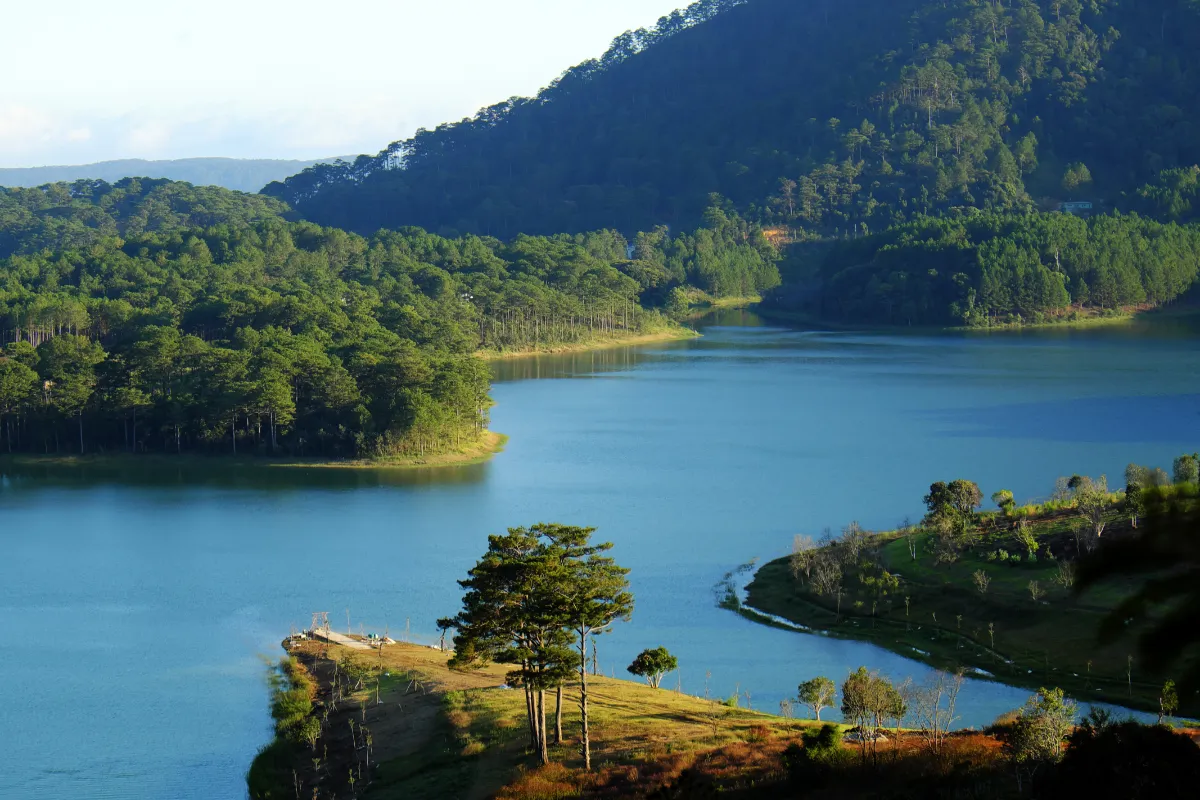
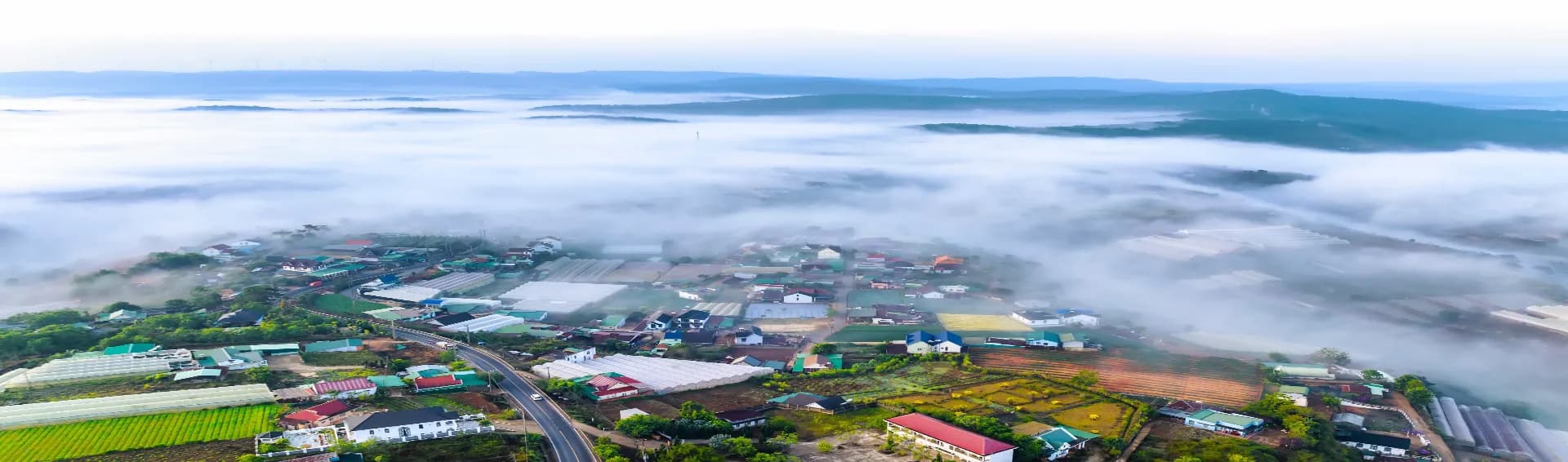
Da Lat already feels cooler than most Vietnamese cities, but rainy weather makes it even more peaceful. Pine forests around the lake disappear into fog while soft rain creates a calm, almost European atmosphere. Travelers who enjoy quiet nature, scenic cafés, and slow travel usually love Da Lat during the rainy months.
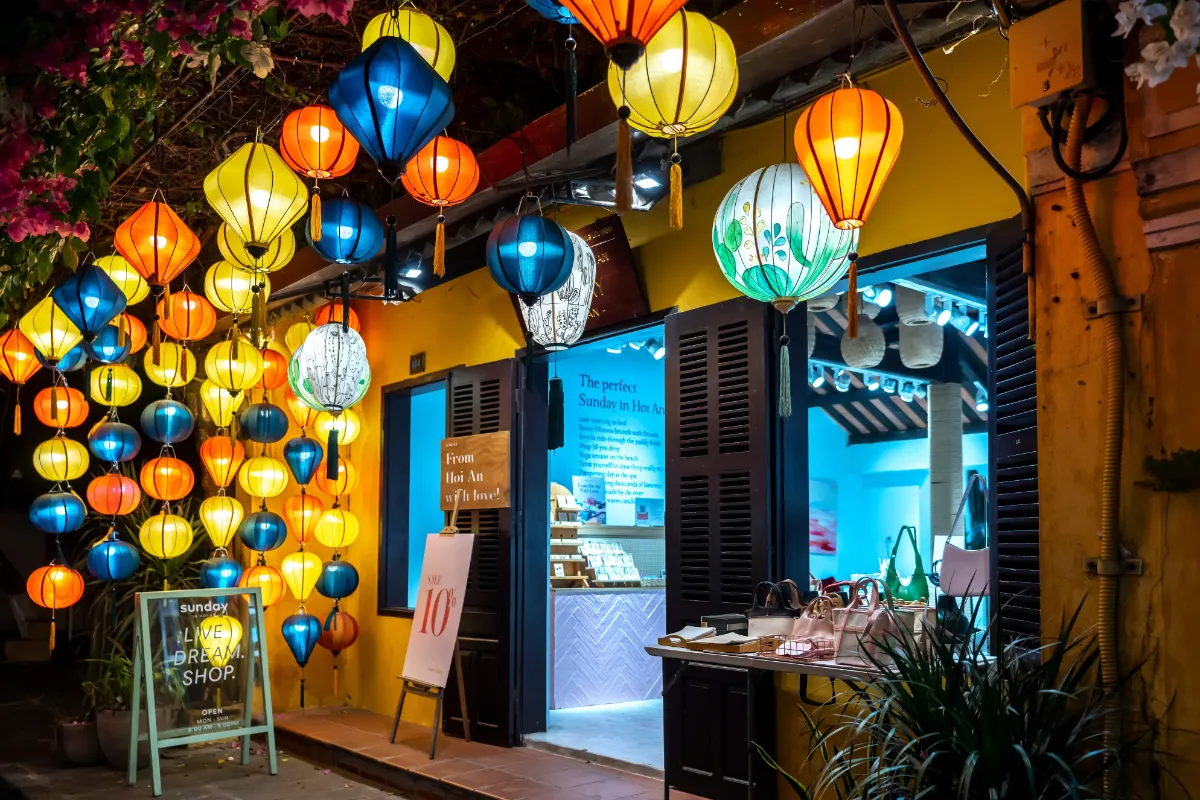
After evening rain, the streets of Hoi An turn into glowing reflections of colorful lanterns. Photographers wait specifically for this moment because the wet roads create stunning visuals that dry-season travelers rarely experience.

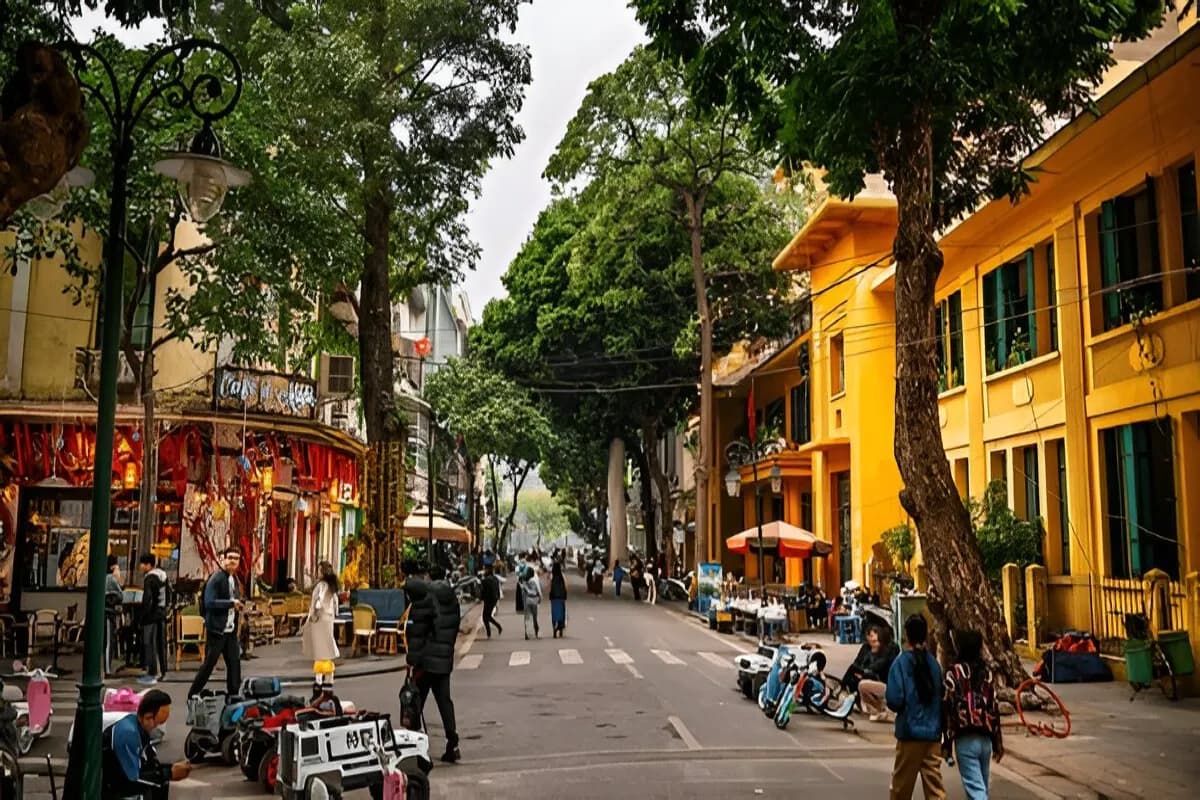
Heavy rain outside and hot egg coffee inside a small café is a surprisingly comforting experience. Egg coffee is traditionally prepared with egg yolks, sugar, condensed milk, and robusta coffee. Many local cafés become crowded during showers, creating a cozy atmosphere that travelers rarely expect from busy Hanoi streets.
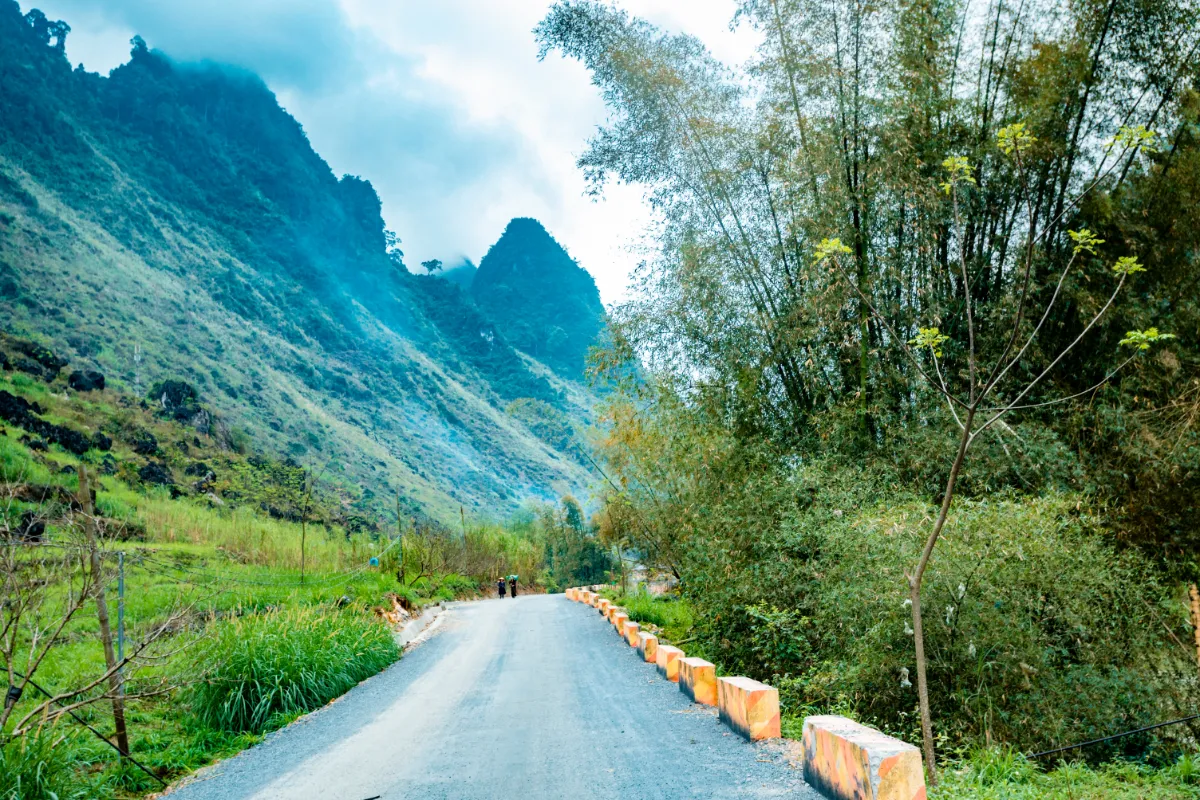
The mountains around Ha Giang look far more dramatic during the monsoon period. Thick clouds move across valleys, visibility changes every few minutes, and the roads feel adventurous without needing extreme weather conditions.
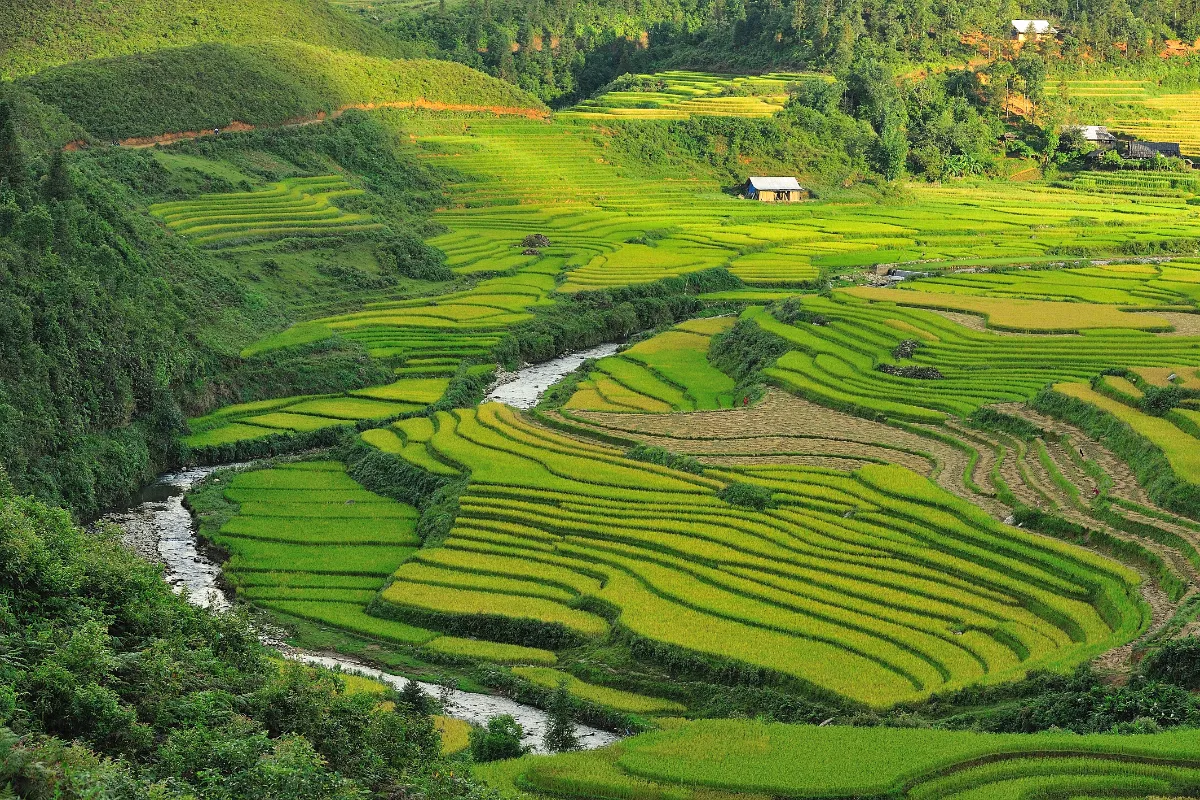
Rainwater transforms Sapa’s rice terraces into layered reflective pools stretching across entire hillsides. The scenery changes almost daily depending on rainfall and fog movement, making every visit feel different. You can just sit somewhere at a height, enjoy some food, and just gaze at the terraces; it's refreshing and soothing.
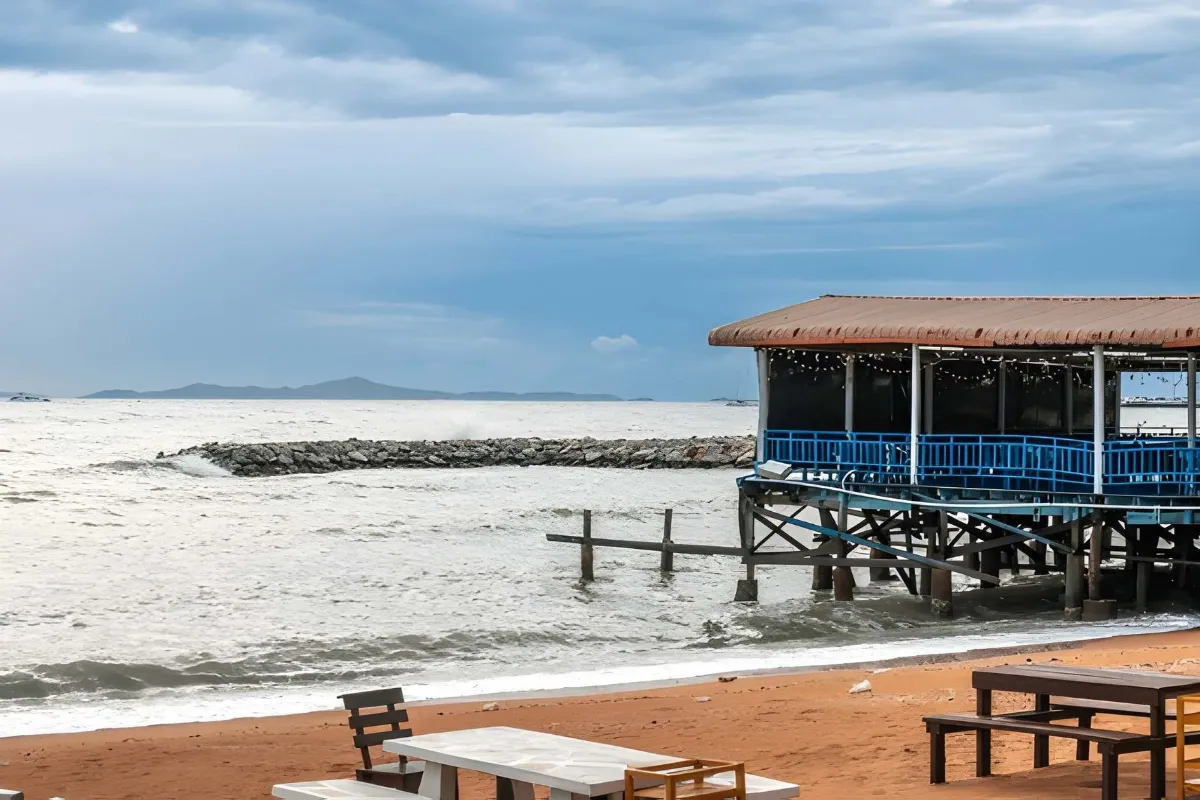
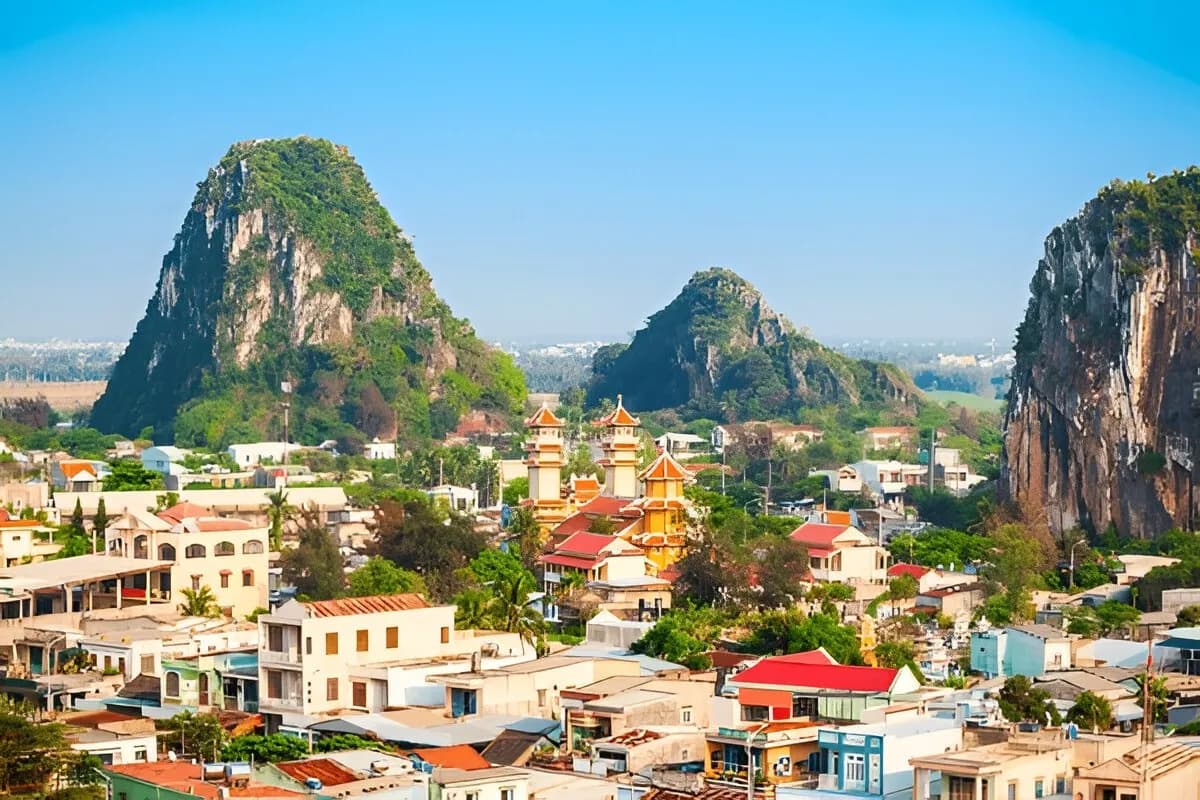
Many travelers stay indoors during coastal storms, but beach cafés in Da Nang create an unexpectedly relaxing atmosphere during rainy evenings. Da Nang has many beach cafes with open terraces and even big windows, so that people can actually enjoy the outside weather. Watching dark clouds roll across the ocean while enjoying Vietnamese coffee becomes a memorable part of the trip for many visitors. You can go to any beach cafe, order food of your choice, and enjoy nature while eating.
Whether you love nature, photography, or peaceful travel moments, visiting Vietnam during the rainy season can be surprisingly rewarding. You can also explore famous Places to Visit in Vietnam and enjoy amazing Things to Do in Vietnam to make your vacation more adventurous and enjoyable.
October is usually the rainiest month in central Vietnam, especially around Hoi An and Da Nang. Northern and southern regions receive heavier rainfall between July and September.
March and April are usually considered the best months to visit Vietnam because the weather stays pleasant, rainfall remains low, and most regions are comfortable for sightseeing.
October can feel difficult for travelers visiting central Vietnam due to heavy rainfall, flooding risks, rough seas, and frequent weather disruptions in coastal regions.
Yes, many travelers enjoy Vietnam during the monsoon because landscapes become greener, tourist crowds reduce, hotel prices drop significantly, and mountain regions look more dramatic after rainfall.
No, most places receive short tropical showers instead of nonstop rain. Many regions experience sunny or clear periods between afternoon and evening rainfall.
May 27, 2026
May 26, 2026
May 26, 2026
May 26, 2026
May 13, 2026