Author page hero image

About Author

Sudip Sahoo

Sudip Sahoo

Author

Sudip’s Work

Why Train Journeys in Vietnam Are Becoming Every Traveler’s Favorite Experience
May 27, 202612 Minutes
Why Train Journeys in Vietnam Are Becoming Every Traveler’s Favorite Experience
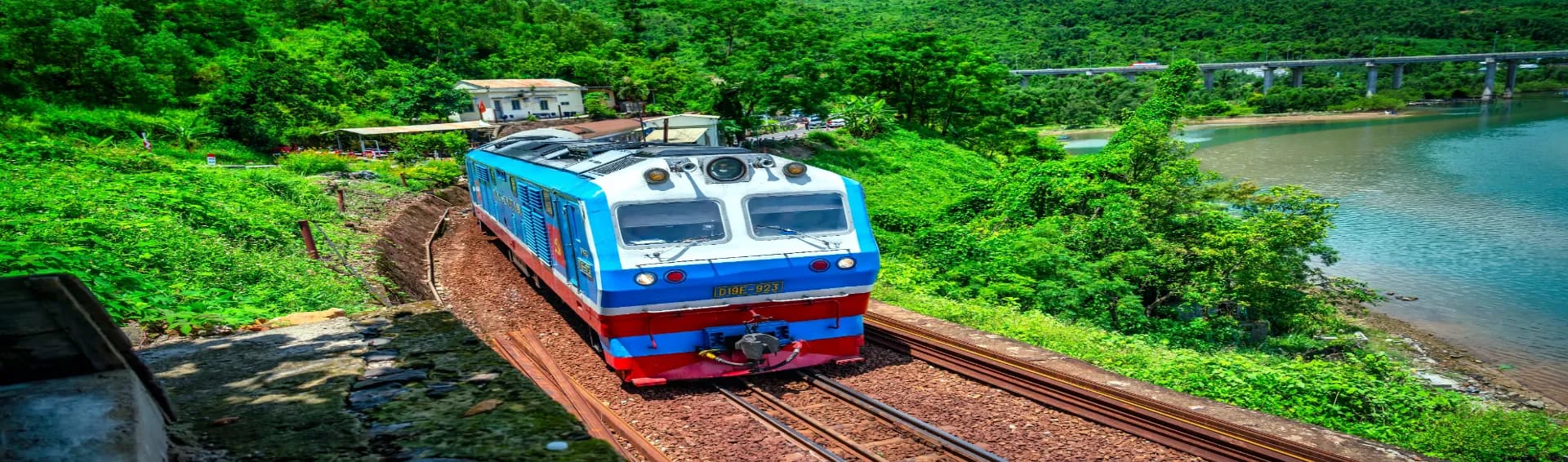
Most people fly between Vietnamese cities. Ninety minutes, done. But thousands of travelers are deliberately skipping that flight, choosing a 16-hour train ride instead. And they are coming back saying it was the best part of the whole trip.That is not nostalgia. That is a real shift happening right now in 2026.Vietnam's north-south train network, running from Hanoi to Ho Chi Minh City, covers 1,726 km through coastlines, mountains, and rice fields. Tickets start from around ₹2,900 for a soft seat. The Hue-to-Da Nang stretch is the most scenic two-and-a-half hours in Southeast Asia. You can book it online before landing or can be included in your Vietnam tour package. The whole experience costs a fraction of flying and gives you views no flight window ever will.The Train or The Plane? Most Travelers Are Switching SidesA flight from Hanoi to Da Nang takes about 90 minutes. A train takes 16 hours. So why are people choosing the train?Because what happens in those 16 hours is the actual Vietnam. Villages, fishermen, rice paddies, mountains, and coastline. All of it rolling past your window while you sit with a cup of coffee and nowhere to be. Lonely Planet ranked Vietnam's Thong Nhat Express among the world's top train journeys for 2026. That is not a small thing.The slow travel trend is real. And Vietnam's railway is benefiting directly from it.The Reunification Express: One Train, 1,726 Kilometers of VietnamThe train connecting Hanoi and Ho Chi Minh City is informally called the Reunification Express. No single train does the full journey under one name, but the route is continuous and runs daily with multiple departures.What Does the Full Hanoi to Ho Chi Minh City Train Journey Actually Look Like?The full trip takes 32 to 37 hours, depending on the train. That sounds long, and it is. But overnight sleeper cabins solve most of that problem. You board in the evening, sleep, wake up somewhere in Central Vietnam watching the sun hit the ocean, and arrive the next day rested and with a full story to tell.Vietnam Railways expanded its summer 2026 timetable with additional services between Hanoi, Da Nang, Nha Trang, and Ho Chi Minh City to meet rising demand.Which Stops Are Worth Getting Off At?Three stops stand out clearly. Hue, Vietnam's former imperial capital, deserves at least two days. Da Nang works as a base for the famous marble mountains and nearby Hoi An. Nha Trang is the beach stop. All three are on the main line, so you buy separate tickets for each leg and move at your own pace.How Much Does a Vietnam Train Ticket Cost in 2026?Here is the actual price breakdown for Indian travelers, converted to INR at current rates.Hanoi to Ho Chi Minh City (full route):Soft seat: around ₹2,900 per personSoft sleeper (4-berth cabin): around ₹3,750 per personLuxury tourist cabin: ₹8,000 and aboveHue to Da Nang (the scenic stretch):Soft seat: ₹500 to ₹1,000 per personOvernight sleepers on long routes make real financial sense. You skip one night's hotel bill, so the train ticket effectively pays for itself.Can You Book Online Before You Land in Vietnam?Yes, and you should. Two platforms work well for international travelers: 12Go Asia and Baolau. Both accept international cards and give you an e-ticket you can show on your phone. The official Vietnam Railways site (dsvn.vn) also works, but navigating it in English can be frustrating.Book through these platforms exactly as you would a flight. Name on the ticket must match your passport.How Far in Advance Should You Book?For the Hue to Da Nang segment, book at least two weeks ahead in the June to August window. Window seats on the sea-facing side sell out fast. For the full Hanoi to Ho Chi Minh City route, three to four weeks ahead is safer during peak season. Last-minute tickets exist but you will lose the good seats.The Hue to Da Nang Stretch: The 2.5 Hours That Break the InternetThis specific leg is the one everyone is posting about. And it earns it.About 40 minutes after leaving Da Nang, the train begins climbing Hai Van Pass at around 496 metres above sea level. The track literally hugs the cliff face. On one side, a thick jungle. On the other hand, the East Sea is crashing far below. For about 20 minutes. You are inside something that feels edited.Seat selection is everything here. Traveling from Hue to Da Nang, sit on the right side of the train for ocean views. Going from Da Nang to Hue, sit on the left side. Skip sleeper cabins for this leg. The windows in soft-seat carriages are bigger, and that matters.One more thing. Take a daytime train. A night train through Hai Van Pass means you paid for a view and got darkness.What First-Time Train Travelers in Vietnam Usually Get WrongFour things catch people off guard every time.Food: There are food carts and small counters on board, but the options are basic. Bring snacks from a convenience store before boarding. A bag of banh mi and some instant noodles goes a long way on a 16-hour trip.Luggage: There is no official luggage check. Keep bags with you or directly overhead. Cabins are small, so pack smart. A soft duffel fits better than a rigid suitcase.SIM connectivity: Postpaid SIMs from India do not reliably work in Vietnam. Buy a local Viettel or Vietnamobile SIM at the airport. You will want it for Grab, maps, and booking.Cabin etiquette: You will share a 4-berth or 6-berth cabin with strangers. Keep noise low after 10 PM. It is not a rule anyone enforces, but locals follow it, and they will appreciate you doing the same.

Read More

Rainy Season in Vietnam: Unexpected Experiences Travelers Actually Enjoy
May 27, 202612 Minutes
Rainy Season in Vietnam: Unexpected Experiences Travelers Actually Enjoy
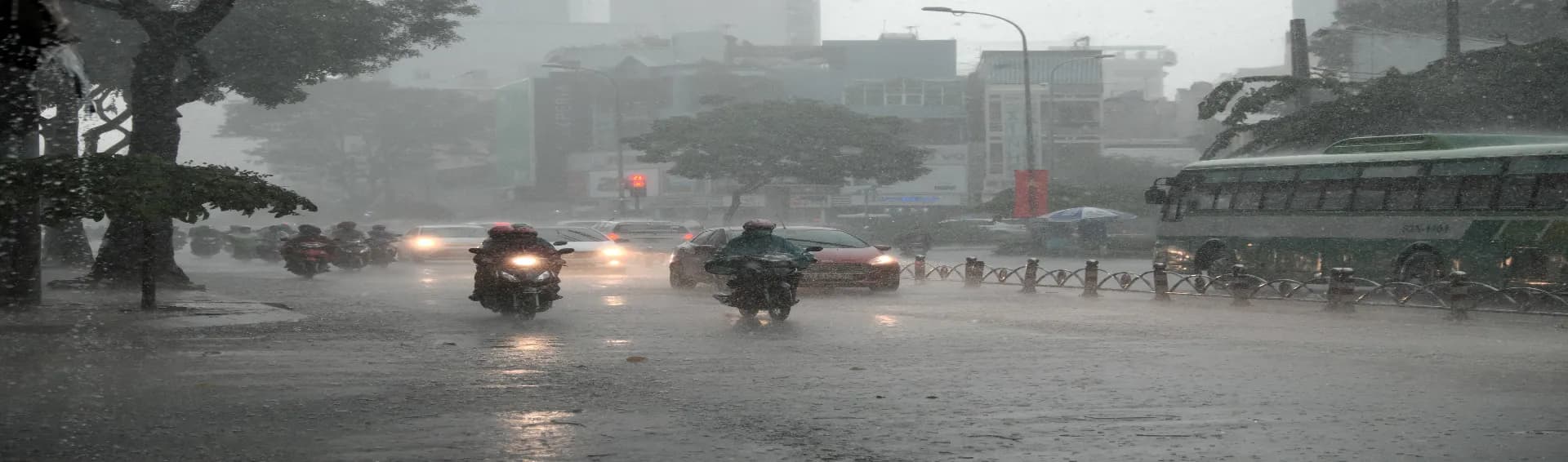
A sudden tropical shower in Vietnam can completely change the mood of a place. Streets glow under lantern lights, mountain valleys disappear behind drifting clouds, and roadside cafés suddenly feel warmer and more inviting. People avoid the rainy season in Vietnam, expecting endless downpours and ruined plans. The reality is very different once you are there. Our experience in exploring Vietnam across changing seasons has shown that rain often brings out the country’s most memorable side. We have booked many Vietnam tour packages in almost every season, and because of that, this blog will tell you the real Vietnam weather in monsoon, the best rainy-season attractions, and experiences that travelers surprisingly end up loving during the monsoon in Vietnam.Vietnam Weather in MonsoonThe Vietnam weather in monsoon stays warm and comfortable for travel in most regions, with the Vietnam monsoon temperature ranging between 24°C to 32°C depending on the location. Northern mountain areas feel cooler and misty, while southern cities often receive predictable afternoon rain followed by clearer evenings. Many travelers actually enjoy this season because hotel prices drop, attractions feel less crowded, and places like Sapa, Ha Giang, and Hoi An look far more dramatic during the rainy season in Vietnam.Places to Visit in Vietnam During the Rainy Season1. Ancient Town of Hoi AnRain completely changes Hoi An’s atmosphere. Lantern lights reflect beautifully across wet streets, riverside cafés feel more peaceful, and the old yellow buildings look richer after evening showers. It also becomes more photogenic during light rain than on crowded sunny days. This is one of the rare places where gloomy weather actually improves the experience.2. Fansipan Rice TerracesThe terraces near Fansipan become intensely green during the monsoon in Vietnam. Low clouds drift across the mountains while rainwater fills the rice fields, creating mirror-like reflections. The cooler climate also makes trekking easier compared to hotter months. Sapa feels quieter and more atmospheric during rainy periods.3. Ma Pi Leng PassThis mountain pass becomes surprisingly beautiful during rainy weather. Fog rolls across the cliffs, waterfalls grow stronger, and the roads feel cinematic during light mist. Adventure travelers can enjoy this season and this place because the landscapes look more raw and powerful. Early morning drives through cloud-covered valleys become unforgettable here.4. Cai Rang Floating MarketRain gives the Mekong Delta a different rhythm. Boats move through cooler waterways while local vendors continue trading fresh fruits, coffee, and breakfast dishes directly on the river. Morning visits are less exhausting compared to hotter months, and the floating market atmosphere becomes more authentic during light rain.5. Tuyen Lam LakeDa Lat already feels cooler than most Vietnamese cities, but rainy weather makes it even more peaceful. Pine forests around the lake disappear into fog while soft rain creates a calm, almost European atmosphere. Travelers who enjoy quiet nature, scenic cafés, and slow travel usually love Da Lat during the rainy months.Unique Experiences During Vietnam’s Rainy Season1. Watching Lantern Reflections in Hoi AnAfter evening rain, the streets of Hoi An turn into glowing reflections of colorful lanterns. Photographers wait specifically for this moment because the wet roads create stunning visuals that dry-season travelers rarely experience.2. Drinking Egg Coffee During Tropical Rain in HanoiHeavy rain outside and hot egg coffee inside a small café is a surprisingly comforting experience. Egg coffee is traditionally prepared with egg yolks, sugar, condensed milk, and robusta coffee. Many local cafés become crowded during showers, creating a cozy atmosphere that travelers rarely expect from busy Hanoi streets.3. Riding Through Cloudy Mountain Roads in Ha GiangThe mountains around Ha Giang look far more dramatic during the monsoon period. Thick clouds move across valleys, visibility changes every few minutes, and the roads feel adventurous without needing extreme weather conditions.4. Seeing Overflowing Rice Terraces in SapaRainwater transforms Sapa’s rice terraces into layered reflective pools stretching across entire hillsides. The scenery changes almost daily depending on rainfall and fog movement, making every visit feel different. You can just sit somewhere at a height, enjoy some food, and just gaze at the terraces; it's refreshing and soothing.5. Storm Watching from Beach Cafés in Da NangMany travelers stay indoors during coastal storms, but beach cafés in Da Nang create an unexpectedly relaxing atmosphere during rainy evenings. Da Nang has many beach cafes with open terraces and even big windows, so that people can actually enjoy the outside weather. Watching dark clouds roll across the ocean while enjoying Vietnamese coffee becomes a memorable part of the trip for many visitors. You can go to any beach cafe, order food of your choice, and enjoy nature while eating.Whether you love nature, photography, or peaceful travel moments, visiting Vietnam during the rainy season can be surprisingly rewarding. You can also explore famous Places to Visit in Vietnam and enjoy amazing Things to Do in Vietnam to make your vacation more adventurous and enjoyable.

Read More

Best Scenic Motorbike Routes Across Vietnam for Adventure Travelers
May 26, 202613 Minutes
Best Scenic Motorbike Routes Across Vietnam for Adventure Travelers
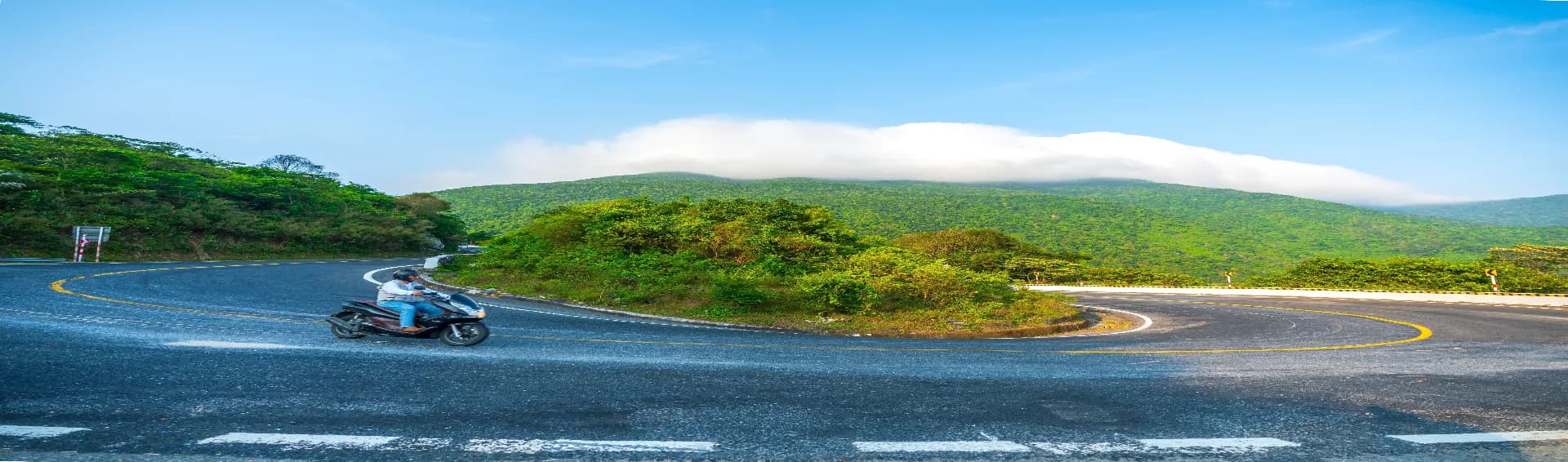
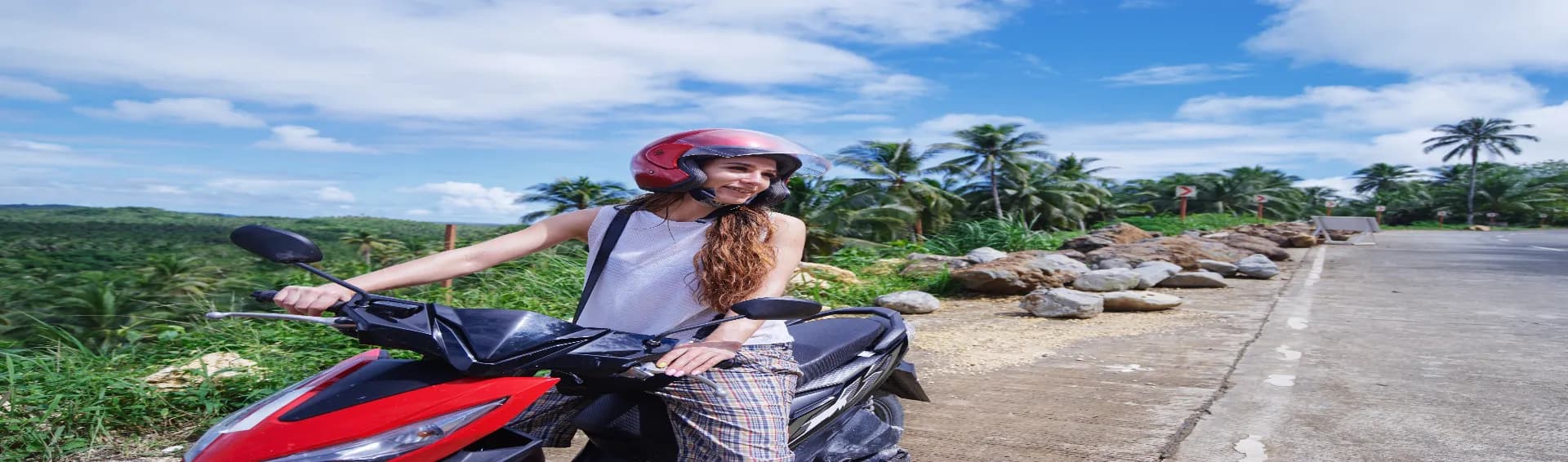
Vietnam does not stay the same for long when you are riding through it on two wheels. One hour, you are crossing misty mountain roads with clouds floating beside you, and the next, you are riding along a coastal highway with villages and endless sea views. That constant change is what makes motorcycle travel here unforgettable. After organizing so many Vietnam trips through our Vietnam tour packages, we have seen why adventure seekers rank Vietnam among Asia’s top riding destinations. This blog covers the most scenic routes, riding distances, road conditions, and practical tips that make these journeys worth planning.Why Vietnam Is Perfect for Long-Distance Motorcycle AdventuresFew countries match the variety Vietnam offers riders in a single trip. It offers mountain passes, rice terraces, coastal roads, dense forests, and quiet countryside highways, all of which exist within riding distance of each other. Because of this variety, the journey feels adventurous.Another reason travelers love Vietnam road trips is affordability. Fuel, local food, homestays, and bike rentals cost far less compared to many other adventure destinations. Riders can comfortably travel longer without burning through their budget in just a few days.Vietnam also has a strong backpacker and riding culture. You will regularly meet solo travelers, bike groups, and local riders. That community makes riding easier, especially for first-time visitors exploring the country by motorcycle.Best Time for Riding in VietnamThe best overall time for a country-wide motorcycle travel across Vietnam is from December to March, when rainfall is at its lowest nationwide. However, because of the country’s long, narrow geography, different regions experience entirely distinct climate patterns.Best Scenic Motorbike Routes in Vietnam1. Hai Van Pass to HueThe Hai Van Pass remains one of the most famous motorcycle rides in Vietnam, and unlike many tourist-heavy attractions, it actually deserves the hype. The road curves along the mountains while opening coastal views almost every few minutes.Riders must begin from Da Nang and continue toward Hue while stopping at scenic viewpoints along the pass. What catches many travelers off guard is the weather. Fog can reduce visibility quickly, especially during rainy months. Road surfaces also become slippery after sudden rain showers.Distance: Around 120 km, depending on your starting pointKey highlights:Sharp mountain bends with sea viewsOld French and wartime structuresQuiet café stops overlooking the coastlineCooler temperatures near the top of the pass2. Ha Giang LoopThe Ha Giang Loop is easily one of the most challenging yet rewarding motorbiking routes in Vietnam. This route suits confident riders better than beginners, as some roads remain steep, uneven, and unpredictable. Fuel stations also become less frequent in remote areas, so planning ahead matters.Travelers often underestimate how physically tiring the loop can become. Riding six to seven hours daily through mountain terrain demands focus and stamina.Distance: Roughly 350 km for the complete loopKey highlights:Dong Van Karst Plateau viewsRemote ethnic villagesDramatic mountain passesDeep canyon viewpoints near Ma Pi Leng Pass3. Ho Chi Minh RoadThe Ho Chi Minh Road gives riders a very different side of Vietnam. Instead of crowded tourist hubs, this route passes through quiet towns, forests, coffee plantations, and peaceful rural landscapes.Long-distance riders often prefer this highway because traffic stays lighter compared to the busy coastal routes. The road also carries historical importance due to its connection with wartime supply routes.Among all Vietnam road trips, this route is the most immersive because riders can spend more time interacting with local communities rather than hopping between tourist hotspots.Distance: Over 1,800 km if covered fullyKey highlights:Less tourist trafficLong smooth riding stretchesRural food stops with local dishesMountain scenery across Central Vietnam4. Da Lat to Nha Trang Coastal RideThis ride delivers constant landscape changes within just a few hours. Da Lat begins with cool mountain weather, pine forests, and winding roads before the route slowly descends toward the warmer coastal region near Nha Trang.The elevation changes make this route visually impressive. Riders pass waterfalls, forest sections, and open roads with sweeping valley views before eventually reaching the coastline.This is the most beginner-friendly route on the list. Adventure travelers love this stretch because it balances scenic beauty with manageable riding difficulty.Distance: Around 135 kmKey highlights:Curvy downhill mountain roadsCooler temperatures in Da LatWaterfall viewpointsSmooth transition into coastal scenery5. Northern Coastal Route, Hanoi to Cao BangMany experienced riders consider this among the most underrated motorbiking routes in Vietnam because the scenery feels authentic. This route remains less crowded compared to Vietnam’s famous riding circuits, which makes it ideal for travelers searching for peaceful experiences. The journey toward Cao Bang gives riders access to Ban Gioc Waterfall, one of the country’s most beautiful natural attractions.The roads also pass through rivers, villages, forests, and mountain regions without heavy tourist traffic interrupting the ride.Distance: Around 280–300 kmKey highlights:Peaceful countryside ridingLimestone mountain landscapesFewer tourist crowdsAccess to Ban Gioc WaterfallThings Riders Should KnowWeather changes happen fast, especially in mountain regionsSome rental bikes look good outside, but perform badly on long ridesOffline maps matter because signal drops in remote areasFuel stations become less frequent in northern mountain regionsPolice checks occasionally happen near tourist-heavy routesAvoid riding after dark becomes risky on unfamiliar roadsMany travelers planning Vietnam road trips also forget how exhausting back-to-back riding days can become. Rest days become really important, especially on mountain-heavy routes like Ha Giang.From winding mountain passes to breathtaking seaside highways, Vietnam offers unforgettable road trip experiences for adventure travelers. Along with these scenic rides, don’t miss the best Places to Visit in Vietnam and the most exciting Things to Do in Vietnam for a complete travel experience.

Read More

Most Peaceful Villages in Vietnam
May 26, 202612 Minutes
Most Peaceful Villages in Vietnam
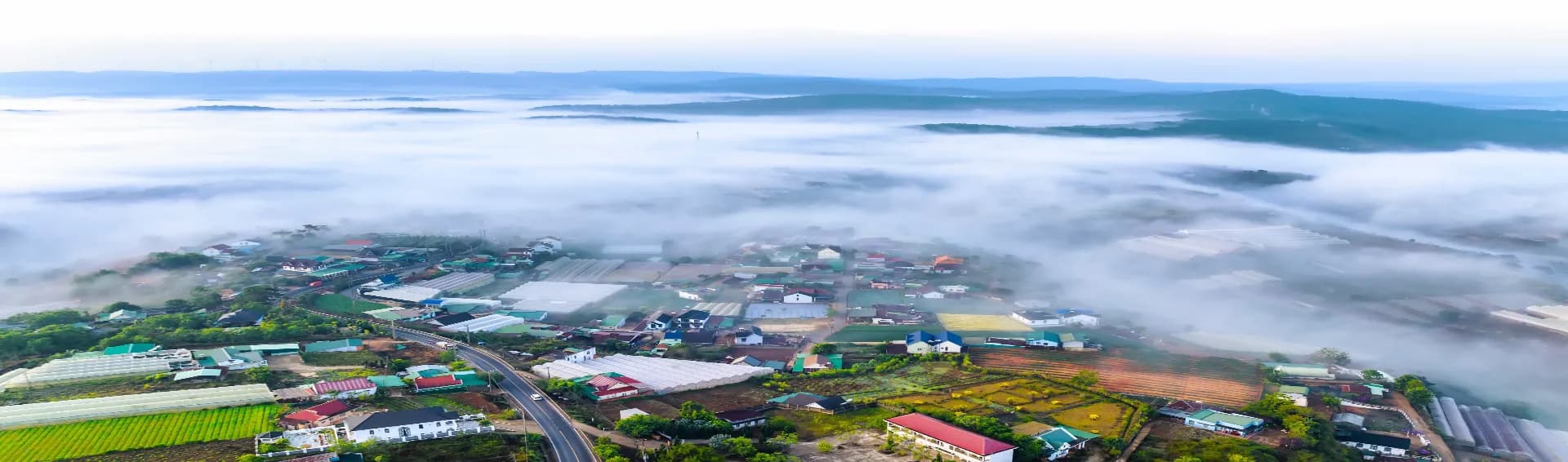
When your mind is restless, with daily work. You feel you are in a loop, doing the same thing every day. You're eating the same food, travelling the same destinations in cities. You want refreshment, you want something that gives peace to your mind and body. You need to go for a trip where there are mountains, green rice fields, and raw village culture. Vietnam is famous for its peaceful Villages. Even you don't add these villages to your Vietnam tour packages. Still, you can see green rice fields, farmers working in the fields, while travelling from one destination to another. The view you can get from your taxi or car window. You don't even need to step out of your car. Find Your Peach in Vietnam VillagesThe tendency to go back to the forest is pure. Our ancestors lived there, and preyed there to eat. Now we are in cities doing 9-to-5 jobs. We should also move to the villages. To find the peace we have lost. The peaceful villages in Vietnam will provide what you and we looking for. Mai Chau (Hoa Binh)Imagine waking up to a valley completely wrapped in rice fields. That is Mai Chau. The White Thai ethnic community here still lives in traditional wooden stilt houses, weaves colorful fabric by hand, and genuinely welcomes visitors into their homes. No crowded bazaars. No honking. Just chickens, mountains, and incredibly good food.Location: Hoa Binh Province, about 135 km southwest of Hanoi, roughly a 3-hour drive.USP: One of the closest peaceful escapes from Hanoi. Stilt house homestays let you live with local families, not just near them. Cycling through the valley floor between rice paddies is an experience that no guided tour can replicate.Best time to visit: October to April. The rice harvest in September and October is especially stunning, and the post-harvest fields glow gold. Avoid July and August if you dislike rain.Cat Cat VillageThis one will catch you off guard. Cat Cat sits in a deep valley just below Sapa town, and getting there means walking down a stone path surrounded by terraced fields and waterfalls. The Black Hmong people here still wear traditional embroidered clothing daily, not for show.Location: 5 km from Sapa town, Lao Cai Province. A 40-minute walk down from the town center.Best time to visit: March to May and September to November. Avoid the heavy Sapa rain months of June and July if you want clear views.Ham Ninh Fishing VillagePhu Quoc Island gets a lot of attention. Ham Ninh does not, which is exactly why it belongs on this list. This small fishing village on the east coast of the island operates exactly the way it always has. Wooden fishing boats. Nets drying in the sun. Men sorting catches by hand.Location: East coast of Phu Quoc Island, Kien Giang Province. About 25 km from Phu Quoc town.USP: The seafood here is pulled out of the water the same morning you eat it. Grilled clams, fresh crab, sea urchin, you can eat all of it sitting at wooden tables right on the pier. The prices are a fraction of what beachside restaurants charge. And the view is the actual ocean, not a pool.Best time to visit: November to April. The dry season gives calm seas and clearer skies.Duong Lam Ancient VillageThis one is different. Duong Lam is the kind of village that makes historians go quiet. It is the first village in Vietnam to receive the title of National Cultural Heritage. Stone walls built from laterite over 400 years ago still stand here, and the banyan trees at the village gate are older than most countries.Location: Son Tay District, Hanoi. Just 50 km from Hanoi city center, making it a very doable day trip.USP: You are walking through living history. Some families have lived in the same house for 10 to 20 generations. There is a very particular silence here, not lonely, just old.Best time to visit: October to April. Spring festivals (around Tet) make it especially alive.Bat Trang Pottery VillageCeramics have been made here since the 14th century. Not a rough estimate. The 14th century. Today, Bat Trang is a full working village where you can watch potters shape clay, paint traditional blue and white patterns, and fire pieces in wood kilns. Many workshops also let you try it yourself.Location: Gia Lam District, about 13 km from Hanoi's Old Quarter. Accessible by boat or bus.USP: You are not watching a craft demo for tourists. You are standing inside a community where pottery is how everyone earns a living.Best time to visit: Year-round, but March to May and September to November give the most pleasant weather for browsing outdoor markets.Dong Ho Painting VillageThis village is on a different kind of quiet. Dong Ho was once famous across all of Vietnam for its woodblock paintings, printed on a special paper made from the bark of the Do tree, colored with natural pigments like indigo and rust. These paintings are still made by hand today, by the few families who kept the tradition alive when it nearly disappeared.Location: Thuan Thanh District, Bac Ninh Province. About 35 km from Hanoi.USP: The Dong Ho painting style is recognized by UNESCO as intangible cultural heritage. Watching a craftsman apply indigo to a carved woodblock is quietly mesmerizing.Best time to visit: Year-round. The annual Dong Ho Village Festival takes place on the first and second days of the first lunar month.From lush rice fields and traditional homes to serene mountain valleys, rural Vietnam showcases a different side of the country’s beauty. Along with visiting these hidden gems, don’t miss the best Places to Visit in Vietnam and the most exciting Things to Do in Vietnam for a complete travel experience.

Read More

Best Adventure Activities in Vietnam for Thrill Seekers
May 26, 202612 Minutes
Best Adventure Activities in Vietnam for Thrill Seekers
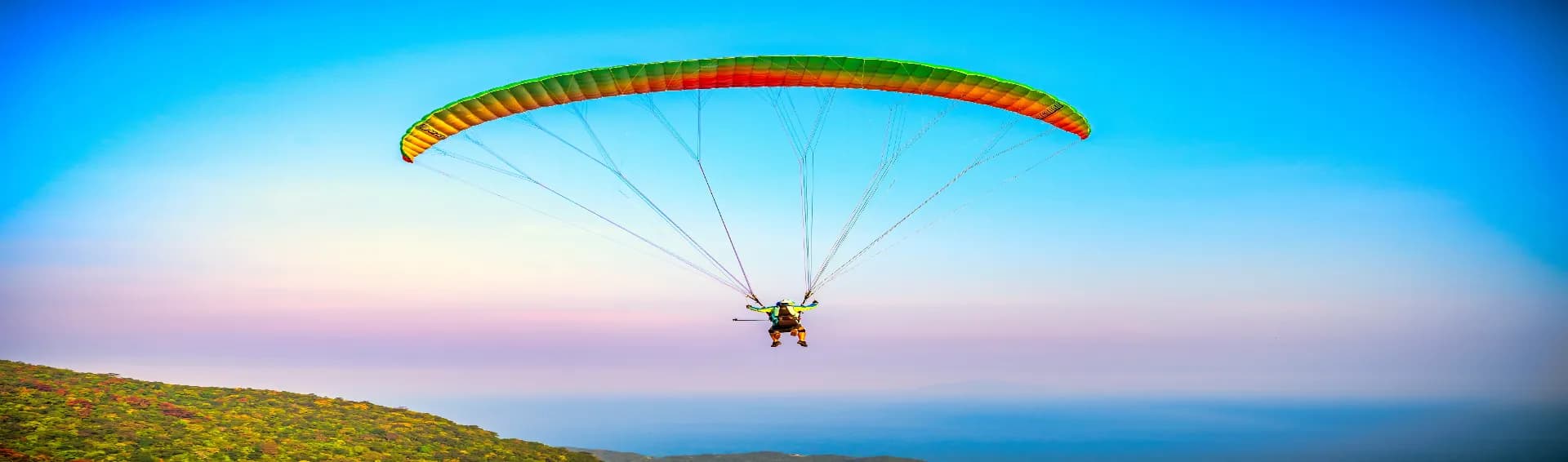
Vietnam surprises people. You land expecting postcard beaches and street food, and then someone tells you about kayaking through glowing water at midnight or sliding down a waterfall inside a jungle. If you are actually looking for the best adventure activities in Vietnam, that gap between what people expect and what this country delivers is exactly why this guide exists.Quick answer: Vietnam's best adventure activities include night kayaking in Cat Ba, canyoning in Da Lat, cave exploration in Phong Nha, and the Ha Giang Loop motorbike tour. Costs range from ₹400 to ₹19,000 depending on what you pick. Most travelers book these as part of their Vietnam tour packages to avoid last-minute planning stress. Top 8 Thrilling Activities To Do in Vietnam1. Night Kayaking in Cat BaCat Ba Island does not get half the attention it deserves. Most people rush to Halong Bay, take a boat cruise, and call it done. But stay on Cat Ba after dark, and you get something completely different.Bioluminescent plankton. The water glows around your paddle. Genuinely. It is not a light show someone set up; it is just what happens when you disturb these tiny organisms at night. The effect is quietly stunning, the kind of thing you photograph badly and then give up and just watch.The kayaking itself is easy. No experience needed. Couples love it. So do solo travelers who want something calm but memorable. Go between May and September for the best plankton activity.Cost: ₹2,500 to ₹5,000 per person. Worth every rupee.2. Extreme Canyoning in Da LatDa Lat feels like a hill station until you sign up for canyoning. Then it stops feeling gentle very quickly.You rappel down live waterfalls. Jump off cliffs into deep pools. Slide down natural rock chutes that the water has smoothed over the years. Trek through the jungle where everything is wet and nothing is flat. Sessions run 5 to 7 hours, and by the end, your legs will remind you about it.This is genuinely one of Vietnam's most physically demanding experiences. Not dangerous if you go with a proper operator, but exhausting in the best way. First-timers always say the waterfall rappel was the part they almost backed out of. And the part they talk about most afterward.Cost: ₹4,500 to ₹8,000 per person.3. Dark Cave and Paradise Cave Adventure in Phong NhaPhong Nha-Ke Bang is UNESCO-listed, which usually means crowds and barriers and "please do not touch." The cave system here is different. Parts of it you actually get inside.Dark Cave starts with a zipline over the Chay River. You land at the cave mouth, wade through water, and eventually hit the mud bath section. Thick, grey, mineral-rich mud. You float in it. It sounds odd. It is odd. Also genuinely fun in a way that is hard to explain until you are chest-deep in a cave covered in mud and laughing.Paradise Cave nearby is the visual payoff. The chambers are enormous. Some formations look like frozen waterfalls. It is the kind of scale that makes you feel small in a good way.Tickets: ₹1,500 to ₹2,000.Full tour with transfers and guide: ₹5,000 to ₹7,000.4. Lan Ha Bay Cruise AdventureHalong Bay is famous. Lan Ha Bay is better. Fewer boats, cleaner water, and lagoons that most tourists simply never find because they did not look past the brochure.You kayak through limestone cave passages that open into hidden pools. Swim in water that is actually emerald, not just called that for marketing. Join boat cruises that stop at spots with nobody else around. Families do well here. Groups too. The risk level is low, but the scenery is not.Cost: ₹3,500 to ₹8,000 per person, depending on the package length.5. Cu Chi Tunnels and Gun Shooting ExperienceSeventy kilometers from Ho Chi Minh City, the Cu Chi Tunnels sit quietly in the ground and hold a lot of history. The Viet Cong built over 250 km of underground passages here during the war. You crawl through a widened tourist section and still feel claustrophobic. That reaction is not accidental.The shooting range next door offers AK-47s, M16s, and a few other weapons from the same era. Not subtle. But if military history genuinely interests you, firing the actual rifles from that conflict puts the whole visit in a different context.Entry: ₹400 to ₹600.Shooting: ₹1,500 to ₹4,000 depending on how many rounds you buy.6. Ha Giang Loop Motorbike TourHa Giang is the one that people come back from and immediately start telling others about. A 3 to 4 day motorbike loop through Vietnam's northernmost mountain provinces. Passes that drop hundreds of meters on both sides. Villages where life looks nothing like the cities. Landscapes that genuinely change every thirty minutes of riding.Not comfortable on a bike? The Easy Rider option puts you in the back with a local driver. You stop worrying about the road and start actually seeing the mountains.Cost: ₹11,000 to ₹19,000 for full packages. Best windows: September to November and March to May.7. Quad Bike Adventure in Mui NeMui Ne has dunes. Real ones. Red and white, depending on which side you go, and large enough that you genuinely feel like you left Vietnam for twenty minutes. The best way across them is on a quad bike.Sunrise rides are popular because the light hits the dunes at an angle that makes everything look dramatic. Sunset works too. Midday is just hot and flat and not worth it.Cost: ₹2,000 to ₹5,000 for guided tours.Short ATV rental: ₹1,500 to ₹3,000.8. Paragliding in SapaSapa's rice terraces look incredible from the ground. From the air, they look like something a careful artist spent centuries drawing into the hillside. Tandem paragliding here gives you that view for real, not in a photo someone else took.Flights go from a ridge above the valley. You are in the air for 10 to 30 minutes, depending on conditions. Some packages include pickup from Sapa town. The pilots are certified and experienced, and the September to November window gives the clearest skies after the monsoon clears out.Cost: ₹7,000 to ₹12,000 per person.Which Adventure Activity in Vietnam Is Best for You?Thrill seekers: Da Lat canyoning or Sapa paragliding. Beginners: Lan Ha Bay kayaking.Groups: Hoi An ATV rides with BBQ.Nature lovers: Phong Nha caves or Sapa terraces. Road trip fans: Ha Giang Loop, no second thoughts.Pick your type. Vietnam has it covered.Adventure lovers visiting Vietnam can make their journey even more exciting by exploring the most scenic Places to Visit in Vietnam and experiencing thrilling Things to Do in Vietnam, from trekking and kayaking to cave exploration and water sports.

Read More

10 Real Experiences in Bali That Indians Are Skipping
May 26, 202612 Minutes
10 Real Experiences in Bali That Indians Are Skipping
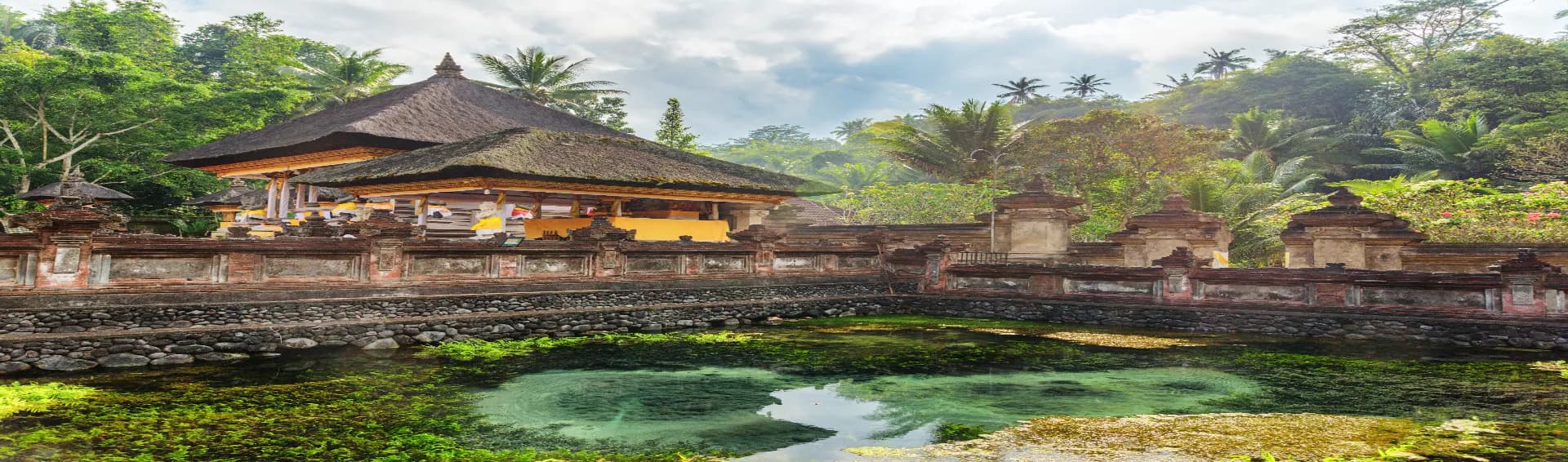
Bali has completely changed in the last 5 - 6 years because of tourism. Most of the popular experiences for which Bali is famous have now become very crowded, and this is the reason why travellers are now looking for more real and authentic experiences rather than just doing the same party and beach things.Travellers who visit Bali return with the same beach club photos, the same café videos, and the same rushed itinerary. Very few know that the island has a completely different side that many people miss, and it feels nothing like the Bali flooding Instagram feeds every day. After exploring different corners of the island closely with our Bali tour packages, one thing is obvious: the best memories usually come from the real and slower experiences in Bali that most tourists skip.Why Most Tourists Experience Only One Side of BaliA large number of travellers spend most of their trip around Seminyak, Canggu, and Kuta. These places are exciting, but they only show one side of the island. Bali is much bigger, calmer, and culturally richer.Social media has changed the way people plan trips. Many people now build itineraries around trending cafés, viral photo spots, and places they have already seen hundreds of times online. That is why many travellers return feeling tired instead of refreshed.The tourists who truly enjoy Bali usually slow down, explore different regions, and balance sightseeing with meaningful experiences in Bali instead of trying to cover everything in four days.10 Real Bali Experiences Indians Are Missing1. Watching Sunrise Above the Clouds at Mount BaturMost tourists wake up late in Bali because they party a lot. The ones climbing Mount Batur start their day at 2 AM. The trek is not extremely difficult, but it does require decent fitness and warm clothes because the weather becomes cold before sunrise. Once you reach the top, the entire view changes with clouds below you, and sunlight spreads slowly across the volcanoes and surrounding lakes.This experience feels completely different from the busy beach clubs in South Bali. There is no loud music, no traffic, and no rush. 2. Staying in a Traditional Balinese Village Instead of a ResortLuxury resorts are everywhere in Bali, but village stays will give you something resorts cannot. Places around Sidemen and North Bali allow travellers to stay with local families, eat home-cooked food, and experience daily Balinese life closely. You wake up to rice fields instead of traffic noise. Observing small things like morning temple offerings, local farming routines, and traditional architecture makes the stay feel more real and authentic.3. Taking a Balinese Cooking Class With Local FamiliesYes, Bali’s food is popular, but how about learning how to actually cook it the real way? Balinese food has far more depth than most tourists realise. Cooking classes teach you that, and it usually begins with a local market visit where families explain spices, herbs, vegetables, and traditional ingredients used in daily meals. After that, travellers learn how dishes are prepared inside traditional kitchens.It also becomes a break from expensive cafés and repetitive tourist restaurants. Think about it, you return home with something more valuable than photos.4. Visiting Sidemen Valley Before It Gets OvercrowdedUbud is already crowded during peak season while sidemen is still peaceful. The valley has green rice terraces, mountain views, village roads, and slow-paced local life that many travellers imagine Bali would feel like before tourism exploded. Cycling through the area feels refreshing because traffic is minimal and the surroundings remain untouched compared to South Bali.Travellers looking for peaceful experiences in Bali should definitely visit Sidemen. This area is especially good for couples and travellers who are on workation or want a slow and peaceful vacation instead of constant sightseeing pressure.5. Exploring Hidden Waterfalls Beyond Instagram SpotsMost tourists visit waterfalls only for quick photos and leave within minutes. The better waterfalls in Bali require effort. Places like Sekumpul waterfall and Banyumala waterfall involve short hikes and early morning travel. That effort keeps large crowds away.The experience also changes depending on the season. Waterfalls become more powerful during the monsoon months, while dry months make hiking easier.6. Experiencing a Balinese Purification Ritual at Tirta EmpulPura Tirta Empul Temple is already a popular attraction, and it would be unfair if you skip it. But, let’s experience this temple by its rituals. It is an active spiritual site where locals participate in purification rituals using holy spring water. Visitors are allowed to join respectfully, but travellers must wear proper temple clothing, follow instructions carefully, and avoid treating the ritual like a social media activity. The experience becomes meaningful only when approached with respect.7. Taking a Road Trip Through North BaliNorth Bali feels completely different from the southern party zones. The roads pass through mountains, lakes, coffee plantations, and quiet villages. Popular places include Ulun Danu Beratan Temple, Gitgit Waterfall, and Lovina.The biggest difference is the pace. South Bali often is crowded and commercial. North Bali feels calmer, cooler, and less chaotic. Travellers searching for authentic experiences in Bali usually appreciate North Bali more because it feels less tourist-driven and more natural.8. Learning to Surf in Kuta Instead of Just Partying ThereKuta gets criticised heavily online, but beginners still love it for surfing. The waves are beginner-friendly, instructors are easily available, and lessons remain affordable compared to many other international surfing destinations.Even first-timers with zero experience can learn basic techniques within a few sessions. It also adds adventure to the trip without making the itinerary exhausting.9. Watching a Kecak Fire Dance at Uluwatu TempleThe Kecak Fire Dance is one of the famous cultural things to see in Bali, and it feels different because of the environment if offers. The performance takes place near the cliffs of Uluwatu Temple during sunset. The chanting, fire sequences, and Ramayana storytelling create a engaging atmosphere once darkness begins settling around the temple.This is one of those rare cultural experiences in Bali that still feels powerful even after becoming popular with tourists.10. Spending a Day on Nusa PenidaNusa Penida looks beautiful online, but many travellers arrive with unrealistic expectations. It’s roads are rough, travel time is long, and day trips often become exhausting because tourists try to cover too many spots in a few hours. The better approach is slower exploration.Instead of rushing only for Kelingking Beach photos, travellers should spend time snorkeling, visiting Crystal Bay, or exploring quieter parts of the island. This destination becomes far more enjoyable once expectations match reality.

Read More

Nusa Penida Complete Guide for Indians 2026: Boats, Beaches & Budget
May 26, 202612 Minutes
Nusa Penida Complete Guide for Indians 2026: Boats, Beaches & Budget
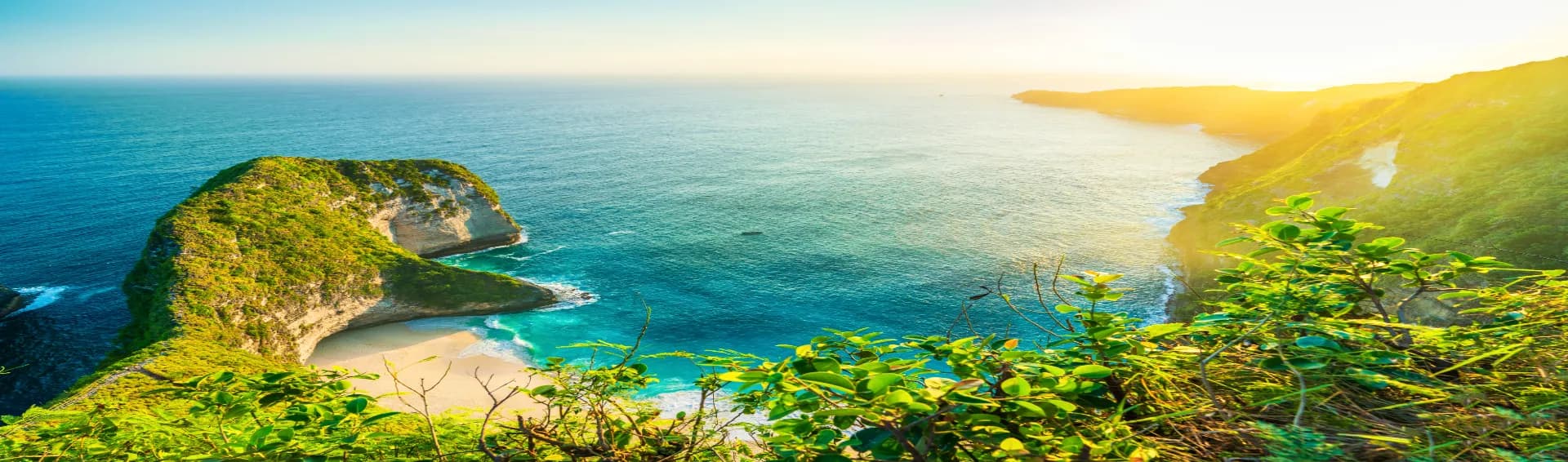
Nobody warns you about the roads. You have seen the photos, the T. rex cliff, the blue water, and the dramatic viewpoints. What nobody mentions is that getting to those spots involves 45 minutes on potholed mountain roads with no barriers between you and a very long drop.That is Nusa Penida. Beautiful, raw, and slightly inconvenient in the best way. Most Indians add it as a day trip while booking their Bali tour packages and end up wishing they had planned two days instead.This guide covers everything an Indian traveler actually needs: visa process, ferry details, costs in INR, food options, and honest advice on what is worth your time and what is not.Do Indians Need a Visa for Nusa Penida?Nusa Penida is part of Indonesia, so the same visa rules apply as in Bali.Indian passport holders get a Visa on Arrival at Bali's Ngurah Rai Airport. Cost is USD 35, roughly ₹2,900. You can also apply for an e-VOA online before travel at molina.imigrasi.go.id, which saves time at the airport counter.On arrival at Nusa Penida's port, there is a separate island entry fee of IDR 25,000, about ₹130. Small amount, but carry cash because card machines are not reliable there.How You Can Get To Nusa Penida from BaliThe fast boat from Sanur Harbour is the standard route. The journey takes 30 to 45 minutes. Over 90 boats depart daily, so you are rarely stuck waiting.Cost in INR:Fast boat one way: ₹800 to ₹2,100Return ticket: ₹1,600 to ₹3,400Book online in advance, especially during peak months like July, August, and December. Boats fill up fast, and last-minute tickets at the port cost more.The public ferry from Padang Bai is cheaper but takes 90 minutes and is mainly used for vehicles. Not worth it for tourists.Best Places to Visit in Nusa Penida1. Kelingking BeachThe T-Rex shaped cliff. You have seen it in every Bali reel. In person, it is bigger and steeper than photos suggest. The viewpoint at the top is free. Hiking down to the actual beach takes 45 minutes each way on near-vertical steps. Do it only if you are physically fit and carry enough water.2. Angel's Billabong and Broken BeachBoth are on the west coast, five minutes apart. Angel's Billabong is a natural rock pool that fills with ocean water. The colour is genuinely that turquoise. Swimming is sometimes restricted during high tide due to wave surge risk. Broken Beach next door is a circular cove with a natural rock arch. No swimming there, but the view is worth the stop.3. Diamond BeachEast coast. Less crowded than the West. Long staircase down to the beach, but manageable. The sand is white, and the water is calm enough to swim. If you are staying overnight, this is worth the extra travel time.4. Crystal Bay and Manta PointCrystal Bay has calm water and a reef you can snorkel from shore. Manta Point, about 20 minutes by boat, is where you swim with manta rays. Most organised tours include this. Sightings are almost guaranteed between July and October.Day Trip or Overnight Stay?One day is enough for the west coast circuit: Kelingking Beach, Angel's Billabong, Broken Beach, and Crystal Bay. But you will be rushing. Roads are rough, and distances take longer than Google Maps suggests.Two days lets you cover the East Coast too, go snorkeling properly, and actually sit at a beach instead of photographing it and leaving.For families with kids, overnight is the better call. Less stress, better experience, similar cost when you factor in what you actually see.Getting Around Nusa PenidaThere are three options:Scooter rental: ₹200 to ₹1,400 per day. Only do this if you are genuinely comfortable on a bike. The roads have potholes, steep gradients, and no barriers on cliff edges. Not the place to learn.Private driver: ₹1,500 to ₹2,500 for a full day. Best option for families and first-timers. The driver knows the roads, handles timing, and waits at each spot while you explore.Organised tour: ₹2,500 to ₹5,000 per person, including ferry. Good value if you are traveling solo or as a couple and do not want to plan logistics yourself.Where to Stay in Nusa Penida Budget guesthouses in Toyapakeh and Ped area run between ₹800 and ₹1,800 per night. Toyapakeh is the most practical base, close to the ferry port, and has the most food options around.Mid-range hotels near Jungeut Batu cost ₹2,500 to ₹5,000 per night. Good balance of comfort and location.Cliff-view resorts on the west coast start from ₹6,000 and go higher. Stunning views, but isolated. Go there for the experience, not the convenience.Total Budget for Indians: Cost BreakdownFast boat return: ₹2,400 to ₹4,200Island entry fee: ₹130Private driver (full day): ₹1,500 to ₹2,500Meals per day: ₹600 to ₹1,200Accommodation per night: ₹800 to ₹5,000Activities and snorkeling: ₹800 to ₹2,000Day trip total: ₹5,000 to ₹10,000 per personTwo-day trip total: ₹9,000 to ₹18,000 per personBest Time to Visit from IndiaApril to October is the dry season. Seas are calm, boat crossings are smooth, and snorkeling visibility is good. July and August are peak months, meaning more crowds at viewpoints but reliable weather.November to March brings rougher seas and some boat cancellations. Not impossible, but riskier. If you are traveling during Christmas or New Year, book ferries and accommodation at least a month in advance. Prices go up, and availability drops fast.Indians traveling during Diwali (October) hit the sweet spot: good weather, slightly fewer international tourists, and manageable prices.Food: What Indians Should KnowLeh town, this is not. Vegetarian options exist, but you need to look for them. Most warungs (local eateries) serve grilled fish, noodles, and rice dishes. Dal and roti are not common outside tourist restaurants.A few places in Toyapakeh and near Crystal Bay serve basic Indian-style vegetarian food. Expect to pay ₹300 to ₹600 per meal. Carry some snacks from Bali if you are a strict vegetarian, especially if you are heading to remote spots on the east coast.Points to be considered: UPI does not work in Indonesia. Carry IDR cash or use a zero-forex debit card.Should Indians Visit Nusa Penida?Yes, and sooner rather than later. The island is getting more popular every year and the quieter East Coast beaches will not stay quiet forever. Go for two days, hire a driver, and keep at least one morning free with no plan. That is usually when the best moments happen.

Read More

Bali Transport Guide 2026: How to Get Around Safely
May 26, 202612 Minutes
Bali Transport Guide 2026: How to Get Around Safely
First-timers land in Bali with a rough plan: see the rice terraces, catch a sunset in Uluwatu, eat something good in Seminyak. What nobody warns you about is the 45-minute traffic jam between Kuta and Canggu that eats your entire afternoon. Or the airport taxi that charges three times the fair price because you did not know better. Getting around Bali is not complicated. But it does require a plan.The best ways to get around Bali in 2026 are scooter rentals for short, flexible rides, Grab or Gojek for quick, convenient trips, and private drivers for full-day sightseeing. Public transport is minimal. An International Driving Permit is legally required to ride or drive. Most travelers booking Bali tour packages get transport sorted in advance, and honestly, that is the smarter way to do it.How to Get Around Bali: All Transport Options at a GlanceScooter Rental: Best for solo and budget travelers.Grab or Gojek: Best for short, convenient rides. Private Driver: Best for full-day tours and families. Shuttle Service: Best for airport transfers and groups.Public Bus: Best for fixed routes on a tight budget.Car Rental: Best for long road trips.Scooter Rental in Bali: Cost, Rules, and What Nobody Tells YouScooters are everywhere in Bali. They are cheap, easy to park, and genuinely the fastest way to move through narrow roads and traffic. Most budget travelers swear by them.But here is what rental shops will not tell you: Bali traffic is chaotic in a way that feels manageable until it suddenly is not. Potholed side roads, dogs crossing highways, and trucks with no lights at night are real situations. If you are not comfortable on two wheels back home, Bali is not the place to learn.How Much Does a Scooter Cost in Bali?Daily rental rates sit between IDR 60,000 and IDR 1,80,000, which works out to roughly ₹300 to ₹900 per day. Weekly rates come cheaper. Fuel costs almost nothing extra.Do You Need an International Driving Permit in Bali?Yes. This is non-negotiable in 2026. Bali authorities have tightened checks on tourists, especially around Kuta and Seminyak. You need a valid International Driving Permit (IDP) along with your original Indian license. Getting caught without one means fines or being asked to pay on the spot, and neither is a good start to a holiday.Apply for your IDP through the RAC or AAI in India before you travel. It is a straightforward process.Safety Tips Before You RideAlways wear a helmet, even for five-minute rides. Avoid riding after dark in areas outside the main tourist zones. Roads in less-visited parts of Bali are poorly lit. Download offline Google Maps before heading out because mobile data drops in hilly regions around Ubud and Kintamani.Grab and Gojek in Bali: Does It Actually Work Everywhere?Short answer, yes, in most places. In a long answer, it depends on where you are trying to be picked up.Both Grab and Gojek work reliably across southern Bali, including Seminyak, Kuta, Canggu, Sanur, and Denpasar. Ubud has restrictions in certain areas because local transport unions have pushed back on ride-hailing pickups. The workaround most travelers use is walking a few minutes away from the main market area before requesting a ride. Drop-offs are usually fine.Where These Apps Work and Where They Do NotReliable areas: Kuta, Seminyak, Canggu, Sanur, Nusa Dua, Denpasar, and most of Ubud, with the workaround mentioned above.Limited or unavailable: Remote villages, Sidemen, Amed, and Lovina in the north. In these areas, you will need a private driver or scooter.Grab vs Gojek: Which One to Use?Both are solid. Grab tends to have slightly better car availability. Gojek has more motorbike options and is marginally cheaper for short rides. Download both before you land and use whichever has a shorter wait time in the moment. Pricing is transparent on both apps, which is the main advantage over flagging down a street taxi.Hiring a Private Driver in Bali: Cost, How to Book, and Is It Worth It?For most Indian travelers, especially families and couples, a private driver is the single best transport decision you can make in Bali. You get a comfortable air-conditioned car, someone who knows the roads, and the flexibility to stop wherever you want.Local drivers often double as informal guides. They know which temple has the shortest queue in the morning, which viewpoint is worth the detour, and where to eat without paying tourist prices. That local knowledge is genuinely useful.Full-Day vs Half-Day Driver Rates in INRA full day with a private driver, roughly 8 to 10 hours, costs between ₹2,200 and ₹4,000 depending on the vehicle size and route. A half-day of around 4 to 5 hours runs ₹1,200 to ₹2,000. For longer inter-island routes or drives to North Bali, rates go higher.How to Find a Trustworthy DriverBook through your hotel or a reputable travel portal rather than accepting offers from strangers at the airport or near tourist sites. Ask for the driver's name, contact number, and vehicle registration before confirming. Trusted drivers on platforms like Klook or GetYourGuide have reviews you can check.Bali Airport Transfer Guide: Ngurah Rai to Your HotelNgurah Rai International Airport sits in the south of the island, near Kuta. The moment you step out of arrivals, you will be approached by drivers offering rides. Some are legitimate. Many are not.Do not accept random offers. Use the official taxi counter inside the terminal where rates are fixed and printed. Or better, pre-book your airport transfer before landing so a driver is already waiting with your name on a board.Official Taxi vs Pre-Booked Transfer: Which Is Cheaper?Official metered taxis from the airport counter are reliable but not always the cheapest. A transfer from the airport to Seminyak costs roughly ₹700 to ₹900. Ubud runs ₹1,500 to ₹2,000. Pre-booked private transfers via hotel or travel portal are often in the same range but come with the added comfort of confirmation and tracking.How to Use Grab at Bali AirportGrab pickups are available at Ngurah Rai, but from a designated zone outside the terminal. Follow airport signage to the ride-hailing pickup area. Staff are usually present to help direct you. This is often cheaper than the official taxi counter, but wait times can vary.Getting Between Seminyak, Ubud, Canggu, and Kuta: What to ExpectDistances in Bali look short on a map and feel long in traffic. Seminyak to Ubud is about 31 km, but it can take 1.5 to 2 hours during peak hours. Canggu to Kuta looks close, but it regularly takes 45 minutes due to bottlenecks near Legian.Here are approximate private driver or Grab costs between major areas:Kuta to Seminyak: ₹250 to ₹400Seminyak to Canggu: ₹350 to ₹500Kuta to Ubud: ₹700 to ₹1,000Ubud to Nusa Dua: ₹900 to ₹1,300Seminyak to Uluwatu: ₹600 to ₹900Plan around traffic. 8 to 10 AM and 4 to 6 PM are the worst windows, especially through Denpasar and Kuta.Public Transport in Bali: Bemo, Trans Metro Dewata, and Kura-Kura BusPublic transport in Bali is minimal. That is the honest reality. It has been improving slowly, but for tourists with a real itinerary, buses are more of a backup than a reliable option.Kura-Kura Bus connects Kuta, Seminyak, Sanur, and Ubud on fixed routes. Fares start around ₹110. It is air-conditioned and tourist-friendly, but runs on a fixed timetable that may not match your plans.Trans Metro Dewata (Teman Bus) is Bali's newer public bus initiative, primarily designed for local commuters between Denpasar and surrounding areas. It uses a prepaid card system and covers limited tourist routes.Bemos are traditional shared minivans still found in local areas. Very cheap, no fixed schedule, and leave only when full. They were essentially Bali's version of a tuk-tuk, but tuk-tuks as you know them from Bangkok or Delhi do not exist in Bali. Bemos are fine for adventurous travelers with no time pressure, but not practical for a structured holiday.Renting a Car in Bali: When It Makes Sense and When It Does NotSelf-driving in Bali has real appeal if you want total freedom. You set your own pace, stop at viewpoints spontaneously, and are not dependent on anyone's schedule.But Bali roads are genuinely challenging. Traffic in Denpasar and Ubud is dense. Roads narrow sharply once you leave the main tourist corridors. Street signage is inconsistent. Parking near popular attractions can be frustrating.Car rental costs ₹1,600 to ₹2,700 per day, depending on the model. You need an IDP. If you are not comfortable driving in Southeast Asian traffic conditions, the wiser call is hiring a driver. Same comfort, less stress.Getting Beyond Bali: Ferries, Speedboats, and Domestic FlightsBali is a base for exploring the rest of Indonesia. The three main options for island-hopping:Ferries depart from Padang Bai and connect to Nusa Penida, Lombok, and the Gili Islands. Budget-friendly and slow. Good if you are not in a hurry.Speedboats from Sanur or Padang Bai cut travel time significantly. Bali to Nusa Penida takes about 45 minutes. Bali to the Gili Islands takes 1.5 to 2 hours. Costs range from ₹500 to ₹1,800 per person, depending on the operator and destination.Domestic flights connect Bali to Lombok, Flores, Labuan Bajo (for Komodo), Sulawesi, and beyond. Garuda Indonesia and Lion Air run frequent routes. Good option if you are combining Bali with a Komodo or Raja Ampat extension.Bali Transport Tips for Indian Travelers SpecificallyBuy an Indonesian SIM card at the airport first.Telkomsel and XL Axiata work best across all of Bali.Grab and Gojek need active mobile data to function.Never bargain too hard; drivers will cut corners fast.Unofficial airport drivers often add surprise charges at the destination.Official prepaid taxi counters sit inside the terminal; use them.Always confirm the driver's name and rate before starting your ride.


Read More

Spiti Valley’s 500 Million Year Secret - Spiti Valley History
May 25, 20267 Minutes
Spiti Valley’s 500 Million Year Secret - Spiti Valley History
There’s a strange moment that almost every traveler experiences in Spiti. You’re standing somewhere near Langza, surrounded by silent brown mountains at nearly 14,000 feet, when someone casually points at a fossil lying on the ground. A real marine fossil. In the middle of a cold desert. Together, let’s uncover the Spiti Valley history, so next time when you visit Spiti, you know the story of it.Today, travelers searching for the best places to visit in Spiti Valley usually come for the road trips, monasteries, and mountain views. But very few realize they are driving across what was once the floor of an ancient ocean.That is Spiti’s biggest secret. Long before Kaza became a tourist destination, before bikers filled the roads, before monasteries appeared on cliffs, this land was underwater. Not hundreds or thousands of years ago, but millions of years ago.And honestly, once you know the story behind Spiti, the mountains stop looking like normal mountains. You will know the exact reasons why Spiti Valley Packages are so popular.Chapter One: When Spiti Was Under the Tethys SeaAround 500 million years ago, the region we now call the Spiti Valley was submerged under the ancient Tethys Sea. It is difficult to imagine today because the landscape now looks dry, rocky, and almost alien, but this entire region was once underwater.That’s why marine fossils still appear across here, and that’s how Langza became the fossil village. Fossilized shells and tiny sea organisms became trapped inside rocks over millions of years. Even today, travelers walking through parts of Spiti can spot spiral fossils lying near mountain trails. Your brain struggles to connect the two realities.This happened because of tectonic movement over millions of years. Slowly, layers of sediments from the seabed hardened into rocks. That’s also why many Spiti mountains look layered and folded, almost like giant sheets of paper stacked over each other.In recent years, fossil tourism has become increasingly popular in Spiti. Locals sometimes sell fossils to travelers, although responsible tourism groups in 2026 are encouraging people not to remove important geological remains from the region.Chapter Two: The Himalayan Collision That Changed EverythingThe reason Spiti no longer sits underwater is that one of the biggest geological collisions in Earth’s history changed everything.Millions of years ago, the Indian tectonic plate slowly crashed into the Eurasian plate. The collision pushed the seabed upward over time, eventually forming the Himalayan range. That process is still technically happening today.According to the Spiti Valley history, it rose from the ancient ocean floor and transformed into a high-altitude cold desert. Unlike places such as Manali or Shimla, Spiti receives very little rainfall because the Himalayas block most monsoon clouds.That’s why the mountains here look harsher, rougher, and far less green. In many ways, Spiti is still helping scientists understand Earth’s ancient history.The internet won’t show you everything. These lesser-known Places to Visit in Spiti Valley are where the real magic is.Chapter Three: The First Humans (1st–15th Century CE)Long before tourism existed, survival in Spiti itself was an achievement. Early settlers learned to adapt to freezing winters, limited farming seasons, and complete isolation for months at a time. Villages slowly developed near rivers because water meant survival.Mud houses became the smartest solution against the cold. Even today, many old homes in villages like Dhankar and Tabo feel frozen in time.One detail travelers immediately notice is how unusually small many traditional doors are. They were intentionally designed that way to trap heat inside homes during brutal winters.Spiti also became an important part of the old Indo-Tibet trade routes. Traders moved salt, wool, barley, and livestock across these dangerous mountain paths for centuries.Back then, roads did not exist the way they do today. Journeys often took weeks through high mountain passes that now tourists cross in a few hours.And honestly, when you see the terrain in person, it becomes difficult not to respect the people who survived here hundreds of years ago.Chapter Four: Buddhism Arrives (10th Century CE Onwards)Over time, Tibetan Buddhism deeply shaped Spiti’s identity. Monasteries became centers of learning, shelter, culture, food storage, and survival. The famous Tabo Monastery, often called the “Ajanta of the Himalayas,” was founded more than a thousand years ago and still remains one of the most important Buddhist centers for Spiti Valley history and religious importance.Key Monastery later became another spiritual and cultural landmark above the Spiti River. The influence of Tibet slowly entered every part of Spitian life like food, clothing, language, festivals, architecture, and daily routines.Even today, Spiti is culturally different from most parts of Himachal Pradesh.During harsh winters and periods of political instability, monks protected ancient scriptures and manuscripts inside monasteries.Chapter Five: Spiti Before Tourism (Before 1990s)Before the tourism boom, Spiti was one of the most isolated regions in India. Until the 1990s, roads remained extremely limited and dangerous. Heavy snowfall would cut off entire villages for months. Electricity was unreliable, communication was difficult, and many families depended almost entirely on local resources.Older locals still talk about the “silent Spiti” they grew up in, a time before internet cafés, bike convoys, and social media tourism. Some elders in remote villages even today describe distance in walking hours instead of kilometers because roads arrived relatively recently in their lifetime.And while tourism has improved income opportunities today, many locals admit that the old Spiti was way calmer and more connected to nature.Chapter Six: The Spiti We See Today (2000s–2026)The moments in the Spiti Valley history have shaped the Spiti Valley we see today, and it is changing rapidly. Social media, biking culture, travel vlogs, and remote work trends transformed the valley over the last decade. Villages once known only to researchers and trekkers are now appearing regularly on travel reels and bucket lists.Kaza today has cafés, internet connections, boutique homestays, co-working spaces, and travelers from around the world. Places like Langza became globally famous not just for mountain views but also for fossils and ancient geological history. Ironically, many popular things to do in Spiti Valley today are directly connected to its ancient past.From fossil hunting to monastery stays and village walks, travelers are unknowingly exploring pieces of Earth’s geological timeline. Road connectivity through both the Shimla and Manali routes has also improved accessibility significantly in 2026. That convenience has increased tourism numbers massively.But there’s also a growing concern.Spiti’s ecosystem is fragile. Water shortages, waste management issues, reckless off-roading, and overcrowding during peak months are becoming serious problems.The valley may look endless and empty, but its environment is surprisingly delicate.And that creates an important question for travelers: Can Spiti remain authentic while becoming more popular every year?Final ReflectionThe reason Spiti feels ancient is that it truly is ancient. Every fossil, monastery, mountain layer, and village road carries part of a timeline far older than human civilization itself.This is not just another mountain destination where people come for pretty views.But Spiti tells a story - one that began under an ocean hundreds of millions of years ago and continues evolving even today.If you’re planning a 2026 Spiti trip, Viacation’s curated Spiti tours help travelers experience not just the scenery, but also the stories, villages, monasteries, local culture, and Spiti Valley history hidden behind these mountains. Explore responsibly, travel slowly, and give yourself enough time to truly understand Spiti beyond the road trip photos.Every traveler does Spiti differently, make yours count with these Things to do in Spiti Valley.

Read More

Meghalaya Honeymoon Guide: Most Romantic Spots, Stays & Experiences for Couples
May 25, 202618 Minutes
Meghalaya Honeymoon Guide: Most Romantic Spots, Stays & Experiences for Couples
Hidden in the scenic hills of Northeast India, Meghalaya is a perfect destination for couples looking for a nature-filled honeymoon. In this guide, we’ll cover the best experiences, places, and tips for your romantic honeymoon in Meghalaya.For couples planning a peaceful escape, Meghalaya honeymoon trips are becoming popular for one simple reason: it still feels raw and untouched compared to crowded tourist destinations. Instead of noisy beach clubs and packed tourist markets, you get quiet cafés in the hills, hidden waterfalls, cozy stays, and long drives through mist-covered roads of Meghalaya with our Meghalaya tour packages, which is a well-planned route that saves time and helps you experience more without unnecessary stress.If you’re planning a romantic getaway and want something more meaningful than just hotel photos, this updated guide covers everything you actually need to know before booking your trip.What Makes Meghalaya a Perfect Honeymoon Destination?Not every couple wants a honeymoon filled with crowded tourist spots, rushed sightseeing, and expensive luxury hotels that all look the same. Meghalaya is one of the few honeymoon destinations in India that is still peaceful and uncrowded. Instead of traffic, overpacked markets, and commercial sightseeing, couples get misty hills, hidden waterfalls, quiet cafés, and scenic road trips. That’s what makes a Meghalaya honeymoon feel more personal and relaxing.What makes a honeymoon in Meghalaya special is the balance between adventure and calmness.Here’s what couples genuinely love about Meghalaya:Less commercial compared to Manali or Shimla.The weather stays pleasant for most of the year.Scenic road trips feel naturally romantic.Unique stays with mountain and valley views.Perfect mix of waterfalls, caves, cafés, and forests.Local Khasi culture makes the experience feel different from mainstream hill stations.A practical thing most blogs don’t mention: Meghalaya is not a luxury-heavy destination like the Maldives or Bali. It’s more about experiences. Couples who enjoy nature, long conversations, drives, and peaceful surroundings usually enjoy Meghalaya much more.How to Reach Meghalaya?The easiest way to reach Meghalaya is through Guwahati in Assam.By FlightReaching Meghalaya by air is easiest by flying into Guwahati Airport (GAU), which is well-connected to major Indian cities. Alternatively, you can fly directly to Shillong (Umroi) Airport (SHL), though flights here are more limited. From Guwahati, Shillong is around 3–4 hours by road.By TrainTo reach Meghalaya by train, you must book your ticket to Guwahati Railway Station (GHY) in Assam, which serves as the primary rail gateway to the region. Then you can take taxis to Meghalaya. While Meghalaya has one small station of its own (Mendipathar Railway Station), it only serves local regional trains and is not connected directly to major Indian hubs. The train is not ideal, as there are very few direct trains available to Guwahati, and because of that, you have to go for connecting trains, which is more exhausting. By RoadTo reach Meghalaya by road, you will almost certainly pass through Guwahati (Assam), which serves as the primary gateway. From Guwahati, a scenic, well-maintained 100 km drive via NH-6 takes about 3 to 4 hours to reach the capital city of Shillong. Most couples hire a private cab from Guwahati because it makes the trip smoother and more comfortable. Shared taxis are cheaper but not ideal for honeymoon travel.Real traveler tip: Avoid reaching Guwahati late at night if you’re directly driving to Shillong. Hill driving after dark becomes tiring, especially during foggy weather. You don't even get a taxi at night.What Is the Best Time to Visit Meghalaya for Honeymoon?The best time to visit Meghalaya for a honeymoon is between October and April. During this post-monsoon and winter window, the weather is cool and dry, the skies are clear, and the famous, crystal-clear waters of the Dawki River become perfectly transparent for boating.However, the best time for a Meghalaya honeymoon depends on what kind of experience you want.October to April – Best Overall SeasonThis is the most comfortable period for couples. December and January can get cold during mornings and nights, especially in Cherrapunji.Pleasant weatherClear viewsIdeal for sightseeingComfortable road tripsPerfect café weather in ShillongJune to September – For Monsoon LoversThis is when Meghalaya looks unreal. Waterfalls become massive, forests turn deep green, and clouds cover entire valleys. But heavy rains can sometimes affect road conditions, and your itinerary as well.If you love dramatic landscapes and don’t mind rain, monsoon season offers a completely different version of honeymoon in Meghalaya.How Much Does a Meghalaya Honeymoon Cost?The budget depends mainly on hotels, transport type, and trip duration.Average 5N/6D Meghalaya HoneymoonBudget Trip: ₹25,000–₹35,000Mid-Range Trip: ₹45,000–₹70,000Luxury Trip: ₹90,000+This usually includes:HotelsLocal transportSightseeingMeals (partially)One mistake many couples make is underestimating travel time. Meghalaya looks small on maps, but mountain roads slow things down. A rushed itinerary ruins the experience.Key Places to Visit in Meghalaya on a Honeymoon1. ShillongShillong is among the very first places to visit in Meghalaya, and it is where most couples start their trip. The city has a calm vibe with cafés, viewpoints, local markets, and beautiful roads surrounded by pine trees. Police Bazaar is busy, but places like Laitlum Canyon and Ward’s Lake feel peaceful during mornings.Couples usually enjoy:Café hoppingEvening walksLocal music sceneScenic drives nearbyFamous Attractions:Ward’s LakeLaitlum CanyonShillong PeakElephant Falls2. CherrapunjiCherrapunji is wonderful, it is the reason why honeymoon in Meghalaya became so popular. Massive waterfalls, fog-covered cliffs, caves, and endless greenery make it one of the most romantic places in Meghalaya. Most travelers underestimate how beautiful sunrise and sunset moments become here because clouds constantly move across the valleys, making sunrise and sunset both very unique to experience.Famous Attractions:Nohkalikai FallsSeven Sisters FallsMawsmai CaveEco Park3. DawkiDawki became famous because of the crystal-clear Umngot River. Its water is so clear that a boat seems to be floating. And this is why boat rides are so popular here. Boat rides early in the morning are worth it because the water becomes incredibly transparent before tourist crowds arrive. Couples planning honeymoon in Meghalaya can combine Dawki with Mawlynnong, which is widely celebrated as “Cleanest Village in Asia”.Famous Attractions:Umngot RiverDawki BridgeRiverside camping spots4. MawlynnongMawlynnong is a picturesque village in the East Khasi Hills of Meghalaya, widely celebrated as “Asia's Cleanest Village”. Located near the India-Bangladesh border, it is famous for its spotless streets, lush greenery, and eco-friendly practices, making it a tranquil getaway for nature lovers. It’s ideal for couples who prefer peaceful experiences over packed itineraries.Famous Attractions:Double Decker Living Root BridgeSky View PointVillage WalksNearby waterfalls5. Laitlum CanyonThis place is still underrated compared to other Meghalaya attractions. Couples who enjoy photography or quiet viewpoints usually love this spot. Laitlum Canyon is a breathtaking natural viewpoint situated perched high in the East Khasi Hills of Meghalaya, India, roughly 25 kilometres south of Shillong. In the local Khasi language, the name literally translates to "End of the Hills", a fitting title for the view it offers. What to Experience:Canyon viewpointsTrekking trailsSunrise viewsLocal Khasi villages nearbyRomantic Things to Do in Meghalaya1. Stay in a Cliffside Resort in CherrapunjiSome stays in Cherrapunji literally open to valley views covered with clouds during mornings. Waking up here feels far more memorable than luxury city hotels.Book these resorts early during peak season because the best stays sell out quickly.2. Take a Boat Ride in DawkiOf course, you will. This sounds touristy until you actually do it. The river becomes incredibly calm during mornings, and the silence around the water makes the experience surprisingly romantic.3. Go Café Hopping in ShillongShillong has one of the best café cultures in Northeast India. Couples often spend hours in cozy cafés with live music, coffee, and mountain weather outside.4. Experience a Road Trip During MonsoonThis is probably Meghalaya’s most underrated romantic experience. The roads between Shillong and Cherrapunji become unbelievably scenic during rains, with waterfalls appearing directly beside highways.5. Walk Through a Living Root Bridge TogetherThe trek can get tiring, but the experience feels unique because these bridges are naturally formed over decades using tree roots. It’s one of those rare travel experiences that actually stays in memory long after the trip ends.Final RecommendationIf you want a honeymoon that feels peaceful, scenic, and genuinely different from mainstream destinations, Meghalaya is one of the smartest choices for a honeymoon. The combination of waterfalls, cozy stays, road trips, and quiet moments makes it ideal for couples who value experiences over flashy luxury.At Viacation, we help couples plan customized Meghalaya trips with comfortable stays and practical itineraries. And if mountain adventures excite you, you can also check our Spiti tours and bike trip guides for your next couple escape. Send an inquiry now and plan your honeymoon before the best stays get sold out.Meghalaya is a dream honeymoon destination where couples can explore breathtaking Places to Visit in Meghalaya like Shillong, Cherrapunji, and Dawki while enjoying romantic Things to do in Meghalaya such as waterfall visits, boating on crystal-clear rivers, cave exploration, and cozy stays amidst the misty hills.

Read More

10 Authentic Food in Spiti Valley Every Traveler Must Try
May 25, 20265 Minutes
10 Authentic Food in Spiti Valley Every Traveler Must Try
Spiti is not the kind of place where you come expecting fancy food streets. Spiti is a remote region, and its isolation has shaped its food culture. Food in Spiti exists because survival here is difficult. The weather is brutal for half the year, farming is limited, and ingredients are not easily available. That is exactly why local meals feel honest, warm, and surprisingly comforting after long drives at 14,000 feet.If you are planning to explore local culture through food, these authentic foods in Spiti Valley deserve a place in your Spiti Valley Packages. Let’s discuss the list of 10 real and authentic foods that are consumed by locals throughout the year.How Spiti’s Food Culture Is Different From the Rest of HimachalFirst of all, do you know why Spiti Valley’s food is very different from places like Manali, Kasol, or Shimla? Here, Tibetan influence dominates local kitchens, which is why meals are simpler, warmer, and designed for harsh Spiti Valley weather rather than restaurant-style presentation.The growing season is extremely short, so locals depend heavily on barley, potatoes, peas, yak dairy, preserved vegetables, and meat. You will notice fewer spices and almost no oily gravies compared to North Indian food.Locals’ eating habits change at high altitude. Suddenly, soups, steamed breads, and butter tea start making more sense than heavy restaurant meals.Food in Spiti Valley: What People Really Eat in Spiti1. Thukpa – Spiti’s Lifesaver in Cold WeatherThukpa is probably the first local dish most travelers try in Spiti, and for good reason. This hot noodle soup comes loaded with vegetables, herbs, and sometimes chicken or meat. Roadside dhabas between Kaza and Tabo serve some surprisingly good versions. The broth here tastes lighter and cleaner than the heavily spiced restaurant versions found in cities.A lot of travelers underestimate how tiring altitude becomes until they sit down with steaming Thukpa after crossing Kunzum Pass. It remains the most searched comfort food in Spiti Valley.2. Tingmo – The Soft Tibetan Bread You’ll End Up Ordering AgainTingmo is a soft steamed Tibetan bread usually served alongside curries, soups, or vegetable dishes. It's light, airy, and spongy. It has a mild, slightly sweet taste that makes it highly versatile. It looks basic, but it works perfectly in Spiti’s cold climate because it feels light and filling at the same time.Many monasteries and homestays still prepare Tingmo traditionally by hand. Unlike fried breads, it sits comfortably on the stomach even at high altitude.Interestingly, some cafés in Kaza have started serving it with mushroom gravy and local herb sauces for tourists. But honestly, the homemade versions still taste better. You can find it in your homestay in Spiti Valley.3. Butter Tea – The Drink That Confuses Everyone FirstButter tea is the most misunderstood drink in Spiti. It is salty, buttery, and completely different from normal Indian chai. Most tourists take one sip and immediately look confused.But after cold mornings in Langza or Hikkim, people slowly understand why locals drink it constantly. The yak butter provides warmth and energy during freezing temperatures.You may not love it instantly, but it becomes part of the experience. And unlike tourist café beverages, butter tea tells you something real about life in Spiti.4. Momo – But Not the Delhi VersionSpiti-style momos are very different from the overloaded street-style versions found in cities. The outer layer is usually thicker, the fillings are simpler, and the chutney tastes more homemade than commercial. Here, you will notice that you have been eating the wrong chutney for years, until you taste the same chutney here.You will find both vegetarian and meat options across Kaza, Tabo, and small village cafés. The best ones are often served inside family-run kitchens rather than trendy tourist cafés.One noticeable difference is the lack of excessive oil or masala. The flavors stay clean and comforting, which works better in high-altitude weather.5. Chhang – The Traditional Local Drink of SpitiChhang is a traditional, mildly alcoholic fermented barley-based drink commonly consumed in Spiti villages during festivals and social gatherings. It has deep cultural importance and is often offered to guests as a gesture of hospitality.The flavor can feel unfamiliar initially, especially for first-time travelers, but locals consider it an important part of mountain culture. In remote villages, sharing Chhang is less about drinking and more about community conversations during cold evenings.This is where Spiti reveals itself slowly, explore the most unforgettable Places to Visit in Spiti Valley.6. Skyu – The Most Underrated Comfort Food in SpitiSkyu is one of those dishes most tourists accidentally miss because it rarely appears on café menus. It is made using handmade wheat dough pieces cooked slowly with vegetables and sometimes meat.Trekkers and bikers absolutely love it after exhausting travel days because it feels heavy, warm, and filling without being overly spicy. Honestly, the best Skyu is usually served inside homestays. Travelers rushing through Spiti often focus only on viewpoints and completely miss authentic local dishes like this.7. Sea Buckthorn Juice – Spiti’s Natural Energy DrinkThis food in Spiti grows naturally in the cold desert terrain of Spiti and has become an increasingly popular fruit among travelers. The juice tastes slightly sour and sharp, which surprises many people initially.Locals talk about its health benefits and energy-boosting properties. This is their replacement for sugary packaged drinks; this actually feels refreshing. Many bikers who know about this carry bottled Sea Buckthorn juice during long rides through remote routes.8. Yak Cheese & Local Dairy ProductsAs cows are uncommon in high-altitude places like Spiti, yaks are the common source of dairy products. In higher villages near Kibber and Komic, travelers sometimes get the chance to try local yak cheese and dairy products. The texture is stronger and firmer compared to regular cheese.However, its availability depends heavily on the season, so not everyone gets lucky enough to try authentic versions. What makes these products special is not luxury, but the effort required to produce dairy in such extreme weather conditions.9. Madra – Himachali Influence in Spiti Food CultureMadra is a traditional Himachali dish made using chickpeas and yogurt-based gravy. While it is more common in lower Himachal regions, you still find versions of it in parts of Spiti.This dish reflects the cultural crossover between Tibetan and Himachali food traditions. The flavors are richer compared to most Spitian dishes but still less spicy than standard North Indian curries. It is one of the few dishes that shows how Spiti’s food culture slowly changes as you move across different regions.10. Apricot Jam & Local Bakery ItemsMany travelers do not expect Spiti to have good bakery culture, but cafés in Kaza have evolved rapidly in recent years. There, you can find homemade apricot jam which is one of the most loved local specialties among tourists.The flavor tastes fresher and far less sugary than packaged market jams. Homestays often serve it with toast, pancakes, or local bread during breakfast.Final RecommendationThe food in Spiti is not luxurious, and honestly, that is exactly why people remember it. You remember the hot soup because the weather was freezing. You remember the butter tea because there was nothing else around for miles. And you remember the people serving the food because hospitality in the mountains feels genuine.If you are planning a Spiti Valley trip, Viacation can help you explore local stays, authentic food experiences, and updated itineraries that go beyond regular tourist stops.The same place feels completely different in different months, choose the best time to visit Spiti Valley.

Read More

Hidden Villages of Spiti Valley - The Places Beyond Kaza (2026 Updated)
May 25, 20265 Minutes
Hidden Villages of Spiti Valley - The Places Beyond Kaza (2026 Updated)
Most people visit Spiti Valley in the exact same way. Reach Kaza, visit Key Monastery, click photos at Chicham Bridge, eat at a café, and move on. That version of Spiti is only scratching the surface.The real Spiti still exists in villages hidden deep in the establishments where mobile signals disappear for hours. These places are quieter, slower, and honestly, far more memorable than crowded tourist stops.Things are changing quickly. Better roads, viral reels, and rising tourism are slowly pushing even remote villages into mainstream travel circuits. That is exactly why now is the right time to explore the hidden villages of Spiti before it becomes another overexposed mountain destination.If you are planning a Spiti valley tour or looking at Spiti Tour Packages, skip the rushed checklist itinerary for once. These villages are where Spiti actually feels alive.Langza - The Fossil VillageSituated high above Kaza, Langza looks unreal the first time you see it. The giant Buddha statue facing snow-covered mountains almost feels staged for photographs, but the village itself is much more interesting than the famous viewpoint.Langza is famous for marine fossils, especially ammonite and shell fossils, which are millions of years old. What makes this shocking is that Langza sits high in the Himalayas today. Scientists believe this region was once underwater as part of the ancient Tethys Sea before the Indian and Eurasian tectonic plates collided and pushed the seabed upward, eventually forming the Himalayas. Even today, locals sometimes find fossils after rainfall or small landslides around the village.Did you know that Langza becomes unreachable every year for almost 6 months? It's because of heavy snowfall, and the roads become blocked. Locals work 6 hard months so save food and survival items, so that they can live those 6 months without problems.Demul - An Unfiltered VillageFor travellers searching for offbeat Spiti Tour experiences or hidden Spiti Valley Villages, Demul is easily one of the most underrated stops in Spiti Valley. Located about 32 km from Kaza, it is globally celebrated for its sustainable, community-run homestay network. A genuinely peaceful village away from the noise of Kaza. That is exactly why it stands out. Evenings here become strangely quiet after sunset. No loud music, no traffic, no crowd noise. Just cold winds and occasional conversations near traditional mud homes. Many locals still follow old farming routines, and homestays serve simple meals made from barley, potatoes, and local vegetables.What makes Demul special is authenticity. It is like a real Himalayan village, not a tourist product designed for social media.Dhankar Village - The Side Most Tourists Never SeeMost people know Dhankar because of the monastery. Very few actually explore the village behind it. And honestly, that is where the real experience begins.The narrow mud lanes, old cliffside homes, and valley views make Dhankar feel timeless. One underrated part of staying here overnight is the atmosphere after tourists leave. The monastery becomes quieter, the mountains turn golden during sunset, and the valley suddenly feels much larger and emptier.You can also go for a short trek to Dhankar Lake; the trek is roughly 3 to 6 km round-trip, which is worth the effort. The altitude hits hard, but the lake surrounded by barren mountains feels almost surreal.Network issues still happen frequently here. Carry cash, download offline maps, and do not expect luxury stays.Komic - World’s Highest Motorable VillageKomic is famous for being one of the world’s highest motorable villages, but the altitude here is no joke. Even people who feel perfectly fine in Kaza sometimes struggle here.Walking fast feels exhausting, breathing becomes heavier, and the weather changes aggressively. Sunshine can suddenly turn into snowfall or freezing winds within minutes. But that harshness is also what makes Komic unforgettable.It has the world’s highest restaurant at the top which serves local authentic Himlachali dishes like momo, thukpa, butter tea, etc. Most tourists visit Komic during daytime and rush back to Kaza before evening. That means nights here remain incredibly peaceful. If you can handle the altitude, staying overnight completely changes the experience. For travellers planning a proper Spiti Valley road trip, Komic deserves more than a rushed photo stop.Planning blindly is risky here, understand the best time to visit Spiti Valley before committing.Kakti - The Tiny HamletKakti is not the kind of place that appears on every Spiti itinerary. In fact, many travellers crossing Spiti have never even heard its name. That alone says a lot.Kakti is officially recognized as India's smallest village, distinguished by the fact that it contains exactly one traditional house. Located in the sub-divisional Kaza region of the Spiti Valley, Himachal Pradesh, this unique high-altitude settlement sits at an elevation of roughly 3,800 metres (12,460 feet).The interesting thing about Kakti is that infrastructure is slowly improving. Roads are getting better, and tourism will eventually increase here too. But right now, it’s raw and untouched compared to mainstream Spiti destinations.Honestly, villages like Kakti divide travellers into two categories. Some get bored within an hour. Others suddenly realise this is exactly what they came to Spiti searching for.Gue - Home to India’s Mysterious Monk MummyLocated close to the Indo-Tibet border region, Located in the remote Spiti Valley of Himachal Pradesh, Gue is a tiny, border-sensitive village famous for housing the 500-year-old naturally preserved mummy of a Buddhist monk named Sangha Tenzin.But beyond the mummy, Gue itself deserves attention. There are almost no tourist crowds, very few cafés, and limited accommodation options. That isolation is exactly what gives the village its charm. Nights here feel incredibly silent, with almost no artificial light around.One thing to remember, travellers visiting Gue should fuel up properly before entering this side of Spiti because petrol pumps are limited.Mud Village — The End of the RoadMud Village (or Mudh), located at an altitude of 3,810 meters in Himachal Pradesh's remote Pin Valley, is literally where the motorable road ends. It serves as the gateway to the Pin Valley National Park and the legendary Pin-Parvati and Pin-Bhabha trekking passes.Trekkers know this place well because it acts as the gateway to the famous Pin Parvati Pass trek. But regular tourists often skip it because reaching here takes extra time.That is unfortunate because Mud Village offers one of the most memorable overnight experiences in the Spiti Valley.This tiny hamlet consists of roughly 30 to 40 houses, but offers a profoundly peaceful and ruggedly beautiful mountain experience.Want your trip to actually feel worth the effort? Start with these Places to Visit in Spiti Valley.Final RecommendationIf you are planning a Spiti Valley Tour in 2026, avoid treating Spiti like a checklist destination. The real magic is not only in famous monasteries or bridges — it is hidden inside villages where life still moves slowly. Places like Langza, Kakti, Demul, and Mud Village offer the side of Spiti most travellers completely miss. And honestly, that window may not stay open for long. Travellers looking for offbeat routes and customised experiences can also explore hidden Himalayan itineraries with Viacation.This is where your trip stops being a checklist and becomes an experience. Try these Things to do in Spiti Valley.

Read More

Bali with Kids: Complete Family Trip Guide for Indian Parents 2026
May 25, 202612 Minutes
Bali with Kids: Complete Family Trip Guide for Indian Parents 2026
Bali with kids is not as complicated as most Indian parents imagine. Yes, it is international, yes, the language is different, but this island is genuinely one of the most child-friendly places in Southeast Asia. Calm beaches, animal parks, water parks, and family resorts that actually understand what "family-friendly" means, it checks every box.And here is the part that surprises most families: Bali costs far less than other international destinations like Europe or Australia. You get beaches that rival the Maldives, food that works for Indian stomachs, and no visa stress for Indian passport holders. A well-planned Bali tour package with kids can fit any budget, whether you are travelling with a toddler or a twelve-year-old.Is There a Best Time to Visit Bali With Kids?Timing your Bali trip well saves you from a lot of heat, rain, and crowded attractions. Here is how the year splits up:April to October (Dry Season: Best Overall)The weather stays sunny and pleasant, with temperatures between 26°C to 32°COutdoor activities like beach days, safari visits, and water parks are fully accessibleRoads are drivable, and most attractions are openIdeal for first-time family travellersApril to May and September to October (Sweet Spot Within Dry Season)Crowds are thinner compared to peak summer monthsHotel prices are more affordableYou get all the good weather with fewer tourist queuesBest months if you want a calm, relaxed trip with kidsNovember to March (Rainy Season: Approach with Caution)Heavy afternoon showers are common, especially in December and JanuarySome beach activities get cancelled due to rough waterCertain waterfalls and roads can get floodedPrices drop significantly, so budget travellers accept the trade-offBest Stay Options for Families and Kids in BaliYour hotel choice matters more than most parents realise. A bad pick means kids sharing a tiny room, no pool, and zero in-house activities. These three properties consistently deliver for Indian families:1. Grand Hyatt Bali, Nusa DuaGrand Hyatt sits in Nusa Dua, which is the safest, most family-oriented part of Bali. The resort has expansive lagoon-style pools, a dedicated Kids Club with fun and educational activities, and a calm, reef-protected beach that is ideal for children.Approximate cost: ₹18,000 to ₹30,000 per night.2. The Westin Resort Nusa DuaThe Westin has a dedicated freshwater kids-only pool with a 12-metre water slide, plus canoeing and kayaking options for older children. The Westin Family Kids Club keeps little ones busy while parents actually get to relax. Approximate cost: ₹15,000 to ₹25,000 per night.3. Padma Resort LegianPadma is famous among families for its multi-level pool complex with water slides, shallow pools, and a lazy river. The children's centre runs a full daily activity programme. It is slightly less resort-corporate than Nusa Dua, with beach access in a calmer stretch of Legian.Approximate cost: ₹12,000 to ₹20,000 per night.What Is There for the Kids in Bali?Kids do not run out of things to do here. Bali has built an entire ecosystem of child-friendly experiences, and three places stand out above the rest:1. Waterbom Bali, KutaAsia's top-rated water park. Slides, wave pools, and splash zones across 3.8 hectares of lush grounds. Go early; the crowds build up fast after 11 AM.Activities: Water slides for all ages, lazy river, splash zone for toddlers, FlowRider surf simulatorEntry fee: Approx ₹3,000 to ₹3,500 per adult, ₹2,000 to ₹2,500 per child (under 12)Timings: 9 AM to 6 PM daily2. The Amazing Taman Safari Bali, GianyarKids watch animals from safari-style vehicles and can get close to elephants, lions, and Komodo dragons through interactive exhibits. One of the most memorable Bali experiences for children between the ages of 5 and 14.Activities: Safari rides, elephant rides, animal shows, marine park section with fish and raysEntry fee: Approx ₹4,000 to ₹5,500 per adult, ₹3,000 to ₹4,000 per childTimings: 9 AM to 6 PM daily3. Ubud Monkey Forest, UbudMore than 700 long-tailed macaques roam freely in a lush jungle sanctuary. Kids absolutely lose their minds here in the best possible way. Just keep food in bags and do not make direct eye contact with the bigger ones.Activities: Guided forest walks, monkey interaction, and ancient temple explorationEntry fee: Approx ₹300 to ₹550 per personTimings: 9 AM to 5 PM dailyBest Itineraries for Families: 3-Day, 5-Day, and 7-Day Plans3-Day Itinerary (Short but Sweet)Day 1: Arrival and Beach TimeCheck into your hotel. Head to Nusa Dua beach in the afternoon. Let the kids splash around in the calm water. Keep the evening low-key with dinner at the hotel.Day 2: Waterbom Bali + Kuta ExploreFull day at Waterbom Bali. Arrive by 9 AM. After the water park, stroll through Kuta's beachside area. Buy some souvenirs at the night market.Day 3: Ubud Day TripMonkey Forest in the morning. Tegallalang Rice Terraces for photos and a quick walk. Lunch at a local Ubud restaurant. Head back to base and fly home the next morning.5-Day Itinerary (Balanced and Comfortable)Day 1: Arrive, check in, rest. Evening beach walk.Day 2: Waterbom Bali (full day). Evening at Seminyak beach.Day 3: Bali Safari and Marine Park. Kids spend 4 to 5 hours here easily.Day 4: Ubud -Monkey Forest, Tegallalang Rice Terraces, local craft market.Day 5: Leisure morning at the hotel pool. Shopping. Evening departure or beach dinner.7-Day Itinerary (Full Bali Experience)Day 1: Arrival. Hotel check-in. Rest.Day 2: Waterbom Bali. Kuta beach evening.Day 3: Bali Safari and Marine Park, Gianyar.Day 4: Ubud- Monkey Forest, Tegallalang, Ubud Palace, local food tour.Day 5: Nusa Dua- calm beach, water sports (kayaking, banana boat), resort pool.Day 6: Uluwatu Temple and Kecak Fire Dance at sunset. Seafood dinner at Jimbaran Beach.Day 7: Morning leisure. Last-minute shopping at Seminyak or Sukawati market. Departure.The Cost for a Bali Trip With FamilyHere is a practical cost breakdown for an Indian family of 4 (2 adults, 2 kids) for a 7-day trip:Round-Trip Flights (per person): ₹15,000 to ₹30,000Stay Cost (per night): Budget (3-star hotels): ₹4,000 to ₹6,000Mid-range (4-star resorts): ₹8,000 to ₹15,000 Premium (5-star): ₹18,000 to ₹30,000Other CostsVisa on Arrival + Tourist Levy: approx ₹14,000 to ₹15,000 for family of 4Daily food budget per person: ₹800 to ₹2,000 depending on restaurant typeActivity costs (Waterbom, Safari, Ubud): approx ₹20,000 to ₹30,000 for the familyPrivate car with driver (full day): approx ₹3,000 to ₹4,500 per dayThings to Carry for Kids in BaliHigh SPF sunscreen, reapply every two hoursOral rehydration salts for heat or stomach issuesKids' insect repellent with DEET for eveningsWaterproof sandals are good for the beach and poolsA small first aid kit with basic medicinesPortable power bank, kids can drain phones fast

Read More

Local Markets and Street Food in Shillong: What to Eat, Buy, and Spend
May 25, 202617 Minutes
Local Markets and Street Food in Shillong: What to Eat, Buy, and Spend
Shillong does not have a dedicated food street. Nobody told the city it needed one. The local markets in Shillong do that job, and honestly, they do it better. You shop, you eat, you talk to the vendor frying eggs two feet away, and somehow, two hours disappear.The best local markets in Shillong are Police Bazaar, Lewduh (Bara Bazaar), and Laitumkhrah Market. Each one doubles as a street food stop. Budget ₹200 to ₹500 per person for a full market food walk. Most Meghalaya tour packages keep Shillong as the base, which means you have time to do this properly without rushing.Why Shillong's Markets Are the Real Food DestinationMost hill stations separate their shopping from their eating. Shillong does not bother. The woman selling smoked pork at Lewduh is standing two stalls away from the man selling handwoven shawls. The kebab stall at Police Bazaar sets up right where the fruit sellers packed up an hour earlier.This overlap is not accidental. It is how the Khasi market culture works. Khasi cuisine is built on smoked meats, fermented condiments, rice-based meals, and minimal spice, and the markets are where you experience all of it without sitting down at a restaurant. Food is not an afterthought between shops. It is the reason people come, stay longer, and come back the next day.If you're visiting Meghalaya, keep one full morning free for a market walk. Not a quick stop between sightseeing. A proper, unhurried morning.Ok, enough talking lets explore those marketsPolice Bazaar: Shillong's Busiest Market and Street Food HubPolice Bazaar is where everything happens. The market sits in the heart of Shillong, surrounded by shops, and the food scene here shifts completely between morning and evening.Here, mornings belong to breakfast. A small stall near the main crossing was frying eggs when visited, smeared thick with red chilli powder. Asked the vendor how long he had been here. "Twenty years," he said, not looking up from the pan. The eggs cost ₹25. They were worth every rupee.Police Bazaar is the most visited local market in Shillong for a reason. Everything is within walking distance, and the food options change by the hour.Street food to eat at Police Bazaar:Puris with potato curry (breakfast): ₹30 to ₹50 per plateDesi fried noodles with chopped onions: ₹20 to ₹50Fried eggs with red chilli powder: ₹20 to ₹30Jadoh with pork (from nearby mess restaurants): ₹80 to ₹150 per plateGrilled chicken and meat kebabs (evening stalls only): ₹60 to ₹120 per portionBy evening, the same stretch turns into a kebab row. People huddle around fire ovens. The smoke hits you before the stalls come into view. This is not a tourist show. These are locals grabbing dinner on the way home.What else can you buy at Police Bazaar:Fresh local fruits: oranges, strawberries, pineapples, bananas: ₹30 to ₹80 per kg (seasonal)Meghalaya forest honey: ₹150 to ₹300 per bottleHandmade bamboo and cane products: ₹100 to ₹500Khasi shawls and fabrics: ₹300 to ₹1,500Daily essentials, cheap electronics, and clothingDelhi Mishtan Bhandar is also here, and it has been frying jalebis since 1930. Hot, crisp, and dangerously easy to finish before you reach the next stall. A plate costs around ₹30 to ₹50.Lewduh (Bara Bazaar): Shillong's Oldest MarketLewduh Bara Bazaar is older, louder, and better. Of all the local markets in Shillong, this one feels the most alive. It is the largest traditional market in the city, mostly run by Khasi women, and the range of things on sale goes from smoked meats to handloom textiles to fermented condiments you will not find anywhere else in India.The food here is more local and less filtered for tourists. Stopped at a stall selling Doh Kleih, which is steamed pork tossed with onion and green chilli. The vendor, a woman who looked completely unbothered by the crowd around her, scooped a small portion for tasting without being asked. "Try first," she said. It tasted like a salad that decided to be serious about itself.Street food to eat at Lewduh:Doh Kleih (steamed pork salad): ₹80 to ₹120 per plateTungtap paste with rice (dried fish chutney): ₹50 to ₹100Pukhlein (deep-fried rice flour snack, slightly sweet): ₹10 to ₹20 per pieceSteamed momos: ₹40 to ₹80 per plateSakin Gata (sticky sesame rice cake): ₹15 to ₹30What else can you buy at Lewduh:Smoked meats and dried fish: ₹100 to ₹300 depending on quantityFermented soybean (Tungrymbai), sold loose by weight: ₹50 to ₹100 per 100gBlack sesame seeds and local spices: ₹30 to ₹80 per packTraditional Khasi jewellery and beadwork: ₹200 to ₹2,000Handloom textiles, cheaper than tourist shops: ₹400 to ₹2,500Woven baskets and traditional bamboo craft: ₹150 to ₹800Lewduh is also the best place to buy souvenirs that are not made in a factory three states away. The woven products here are genuinely local.Laitumkhrah Market: Where Locals Actually EatLaitumkhrah is quieter. Less chaotic. Among the local markets in Shillong, this one is the most neighbourhood-facing and least touristy, which is exactly why the food here tends to be better priced and more honest.This area is popular with students and daily office workers. The mess-style restaurants here serve Jadoh for ₹60 to ₹100, which is noticeably cheaper than in the Police Bazaar area. One small eatery near Don Bosco Museum had a handwritten board outside with three items on the menu. Sat down, ordered Jadoh. It arrived with a small bowl of Tungtap paste on the side, unprompted. Asked the owner why he did not put it on the board. He shrugged. "Everyone knows it comes with it."Street food to eat at Laitumkhrah:Jadoh at student mess restaurants: ₹60 to ₹100 per plateAloo muri (puffed rice with potato and raw cabbage): ₹20 to ₹30Sakin Gata (sesame sticky rice cake): ₹15 to ₹30Fresh local bakery bread and pastries: ₹30 to ₹80What else can you buy here:Fresh vegetables from Khasi farmersBudget clothing and daily goodsLocal bakery items and packaged snacksDylan's Cafe is also in this area, a few minutes off the main road. Old Bob Dylan records hang from the ceiling as lampshades. The apple pie is good. The atmosphere is better. Budget around ₹150 to ₹500 per person for coffee and a snack.Note: The market is now under reconstruction so it is closed for sometimes.Exploring the local markets and street food in Shillong is one of the best Things to do in Meghalaya, where bustling bazaars, spicy momos, Jadoh, and authentic Khasi snacks give travelers a true taste of the culture while discovering the most vibrant Places to Visit in Meghalaya.

Read More

Life in Spiti: How Locals Survive Extreme Winters, Isolation & Life Above 4,000m
May 25, 20265 Minutes
Life in Spiti: How Locals Survive Extreme Winters, Isolation & Life Above 4,000m
Spiti does not ease you in. You cross a pass, the trees disappear, and suddenly you are looking at a landscape that feels like someone removed everything unnecessary and left only rock, sky, and silence. No crowds. No noise. Just a valley sitting quietly at over 4,000 metres, going about life the way it has for centuries. Most people who visit Spiti come for the views. But the ones who stay a little longer realise the real story is not the mountains. It is the people living inside them.Life in Spiti Valley runs on a rhythm that outsiders rarely expect. No alarms, no traffic, no rush. Mornings begin before sunrise, livestock needs tending, butter tea goes on the fire, and the day moves at the pace the altitude allows. Buddhism is not something practised here occasionally. It is the daily structure that holds everything together, across every season, in every village. The prayer flags outside every home are not a decoration. The butter lamps burning in monasteries before dawn are not tourist attractions. They are just Tuesday morning in Spiti.This valley has been Buddhist for over a thousand years, and the Tibetan connection runs deeper than most visitors realise. The language, the food, the festivals, the architecture, all of it traces back to a time when Spiti was part of the ancient Tibetan kingdom. That history did not disappear. It just got quieter. Travellers who book Spiti Valley Packages expecting only landscapes often leave surprised by how much the culture stays with them long after the trip ends. The mountains are unforgettable. But it is usually a conversation over butter tea in a homestay that people remember most.What Is Daily Life Like in Spiti Valley?Two people per square kilometre. That number tells you almost everything. Spiti is not sparsely populated; it is barely populated. Small clusters of mud homes sit between massive mountains, and each village runs like its own small world. Mornings start early. Livestock need feeding before the cold gets worse. Tea, usually butter tea, comes before anything else. The day moves slowly and deliberately, because at this altitude, moving fast is not an option your body allows.Buddhism is not practised here on weekends or special occasions. It is the daily structure. Monks from the Key or Tabo monastery are not just religious figures; they are community anchors. Festivals like Losar, the Tibetan New Year, bring entire villages together in a way that no other event does.How Cold Does Spiti Valley Actually Get in Winter?Brutally cold. Night temperatures regularly drop to -30°C and in some higher villages, closer to -40°C. During the day, sunshine gives an illusion of warmth, but step into the shade and the temperature difference hits immediately. Locals do not describe cold in degrees. They describe it by what freezes overnight. Water pipes. Stored vegetables. Sometimes, the inside walls of older homes.December and January are the hardest months. February starts showing the first signs of the cold loosening, but only slightly.These are not just stops, they’re moments. Discover meaningful Places to Visit in Spiti Valley.What Do Spiti Locals Eat When Roads Are Blocked for Months?Summer is not just warmer in Spiti. It is the only window to stock up for the rest of the year. Barley is the oldest staple, ground into flour and used in almost every meal. Dried vegetables, lentils, and dry fruits get stored in large quantities before October. Sea buckthorn, a thorny orange berry that grows across the valley, becomes a winter essential. Locals use it in drinks, jams, and traditional medicine. It is high in Vitamin C, which matters when fresh produce is completely unavailable for months.Butter tea is consumed all day. It sounds unusual to outsiders, but at altitude, the fat and salt serve a real physical purpose. It keeps the body warm and provides energy when food options are limited.How Does Isolation Actually Affect Life in Spiti Valley?Kunzum Pass closes around October and does not reopen until May or June. The Shimla route stays partially accessible but is unreliable during heavy snowfall. What that means practically: no fresh supply runs, no quick medical access, no reliable electricity, and power cuts that can last several days after a storm.Network and Internet in Spiti ValleyThis is the question every traveller searches for before visiting, and the answer is straightforward. Network in Spiti Valley is limited to BSNL postpaid, which is the only connection that works with any consistency. Airtel and Jio are unreliable at best, nonexistent in most villages. The internet in Spiti Valley is 2G in Kaza on a good day. Remote villages like Langza, Hikkim, and Kibber have almost no connectivity. Download your offline maps, music, and reading material before you enter the valley. Do not plan to work remotely from Spiti. It will not go well.How Do People in Spiti Valley Earn Money?Tourism changed Spiti economically, but only for five months a year. Between May and September, homestays fill up, local guides get work, and small cafes in Kaza stay busy. Outside that window, those income sources vanish completely.Off-season earnings come from government jobs, handicraft sales, and, in some cases, monastic support systems that have existed for generations. Spiti sits between Lahaul, known for farming, and Kinnaur, known for dry fruit cultivation. Spiti has neither advantage. The land is too high and too dry for most crops. Barley grows because nothing else reliably does. That agricultural reality is why tourism income, despite being seasonal, matters so much to local families.Which Villages in Spiti Valley Are Cut Off Completely in Winter?Most of them, to varying degrees. A few worth knowing:Hikkim sits at over 4,400 metres and holds the world's highest post office, which stays operational year-round. The village itself gets completely snow-locked.Langza is the fossil village. Eight-hundred-year-old marine fossils sit in the ground here, a reminder that this entire region was once underwater. In winter, it becomes one of the most isolated places in India.Kibber and Chicham are snow leopard territory in winter. The big cats come down to lower altitudes when prey is scarce higher up. Local trackers run small wildlife tours here during this period.Komic is among the highest motorable villages in the world. In winter, motorable is a generous description.Do Spiti Locals Ever Leave During Winter?Some do. Younger residents with jobs or education in Shimla, Manali, or bigger cities often leave before the passes close and return in spring. What remains is a smaller, older, more rooted population, the people who have always stayed, the ones who know how to read the weather and manage six months of near-complete isolation without panic.The concern is that this pattern is becoming permanent for younger generations. Many are not returning after education or city jobs. The population of several villages has been quietly shrinking for years.Spiti Valley Travel Tips Every Visitor Should KnowCarry cash; ATMs in Spiti rarely workBook homestays early; hotels shut in winterOnly postpaid SIM cards work in SpitiRest for 48 hours before exploring high passesPack layers, temperatures drop sharply after sunsetCarry personal medicines, as pharmacies are nearly nonexistentCheck road conditions daily, routes close without warningComfort is overrated here, experience these raw Things to do in Spiti Valley instead.

Read More

Bike Rental vs Bringing Your Own Bike to Ladakh – Which Is Smarter?
May 25, 202610 Minutes
Bike Rental vs Bringing Your Own Bike to Ladakh – Which Is Smarter?
The first time you see those endless Ladakh roads cutting through mountains, your brain says only one thing: “I need to ride here at least once in my life.” Then the confusion starts. Should you bring your own bike or go for a Leh Ladakh bike rental after reaching Leh? One wrong decision can turn an exciting ride into a stressful trip filled with breakdowns, permit confusion, and unnecessary expenses. After planning so many bike trips, speaking with riders, and understanding how Leh Ladakh Tour packages actually work, we have seen both sides closely. This blog clears the confusion and will help you choose the smarter option for your Ladakh adventure.Can You Take Your Own Bike to Ladakh?Yes, you can absolutely take your own bike to Ladakh. Thousands of riders travel from Delhi, Chandigarh, Manali, and Srinagar every year on their personal motorcycles.But your bike should be in excellent condition before entering Ladakh. High altitude, rough patches, water crossings, and long fuel gaps can expose even small mechanical issues. A bike that runs perfectly in city traffic may struggle badly on mountain roads.You should also:Service your bike properly before the tripCarry spare clutch cable, tubes, and engine oilCheck brakes and tyres carefullyBe comfortable riding for long hours continuouslyPrepare for altitude and weather changesAnother important thing, bikes rented outside Leh are not allowed for local sightseeing in many areas of Ladakh. Riders coming from Manali or Srinagar on rented bikes often face restrictions at checkpoints because outside rented bikes are not allowed in Leh. That is why many travelers prefer a local Leh Ladakh bike rental instead of taking outside rental bikes.Why Renting a Bike is Better for Ladakh?For many travelers, renting a bike in Leh turns out to be the smarter and less stressful choice.You avoid riding 1000+ kilometers before even reaching LadakhLocal rental bikes are already suited for the Ladakh terrainRepairs and service support are easier in LehYou save tyre wear, engine stress, and maintenance costs on your personal bikeRental shops provide backup support during breakdownsLocal bikes help avoid permit and union-related issues in sightseeing areasA good Leh Ladakh bike rental also gives flexibility. You can fly directly to Leh, rest for acclimatization, and start your ride fresh instead of arriving exhausted after multiple highway days.Where Can You Rent Bikes in Ladakh?You can rent bikes only in Leh for unrestricted Ladakh sightseeing. This is extremely important because many travelers do not know this rule beforehand. Bikes rented from Manali, Srinagar, or Delhi are not allowed for inner Ladakh sightseeing routes, like:Nubra ValleyPangong LakeTso MoririLocal taxi and bike unions in Leh strictly monitor this. Outside rental bikes may still enter Leh town, but travelers often need to hire local bikes again for sightseeing routes.That is why experienced riders usually choose a local Ladakh bike rental after reaching Leh instead of risking last-minute problems.Best Bikes for Ladakh Trip?Choosing the best bike for Ladakh trip depends on comfort, reliability, and road handling.Here are the most preferred and common options:Royal Enfield Himalayan has excellent stability and comfort on rough roadsKTM Adventure 390, strong performance and better highway handlingRoyal Enfield Classic 350 is comfortable for relaxed ridersIf you are a beginner, the Himalayan usually feels more confidence-building in the Ladakh terrain.What is the Cost of Bike Rental in Ladakh?Bike rental prices in Ladakh usually change slightly every season based on demand, bike condition, and tourist rush. But these are the common 2025–2026 rates you will find in Leh:Royal Enfield Himalayan 411 → ₹2,000 per dayRoyal Enfield Himalayan 450 → ₹2,200 per dayKTM Adventure 390 → ₹3,000 to ₹3,500 per dayRoyal Enfield Classic 350 → ₹1,400 per dayThese rates are based on local Leh rental operators and union-regulated pricing.Documents Required for Bike RentalCarry both physical and digital copies whenever possible.Valid driving licenseAadhaar Card or PassportSecurity deposit amount (usually ₹5,000 - 7,000)Hotel booking details in some casesSome rental shops also ask riders to sign responsibility agreements before handing over the bike.Important Rental TipsBefore finalizing your bike, do not rush just because the bike “looks fine.”Check brakes, clutch, horn, and lights properlyTake photos or videos of existing scratches before pickupAsk clearly about breakdown support and extra chargesConfirm daily kilometer limits if applicableTest ride the bike inside Leh before starting the tripStart your Ladakh ride only after proper acclimatizationMany travelers ignore acclimatization and begin riding immediately after landing in Leh. That mistake alone can ruin the entire trip faster than bad roads.A smart rider does not just choose a powerful bike. A smart rider chooses the safer, more practical option for the terrain, weather, and route conditions.If you are planning to visit Ladakh, then Read These best Places to visit in Ladakh & Things to do in Ladakh.

Read More

Leh Ladakh Group Tour vs Self-Planned Trip – Which One Is Better in 2026?
May 25, 202610 Minutes
Leh Ladakh Group Tour vs Self-Planned Trip – Which One Is Better in 2026?
Answering the biggest confusion: Should you book a Leh Ladakh Group Tour or manage everything yourself?This question matters more in 2026 because Ladakh is getting busier every season. Hotel prices are rising faster during peak months, permits keep changing, and popular routes now get crowded earlier than before. Many travelers still think Ladakh is a “just ride and explore” destination, but the mountains are much more than that, and demand really good planning.With Viacation’s Leh Ladakh tour packages, travelers planning Ladakh group tours often ask the same question: Is freedom worth the extra stress, or is a planned group tour the smarter choice?And we always say: the answer depends on what kind of traveler you are.Advantages of a Group Tour to Leh Ladakh in 2026A proper Leh Ladakh Group Tour is less about “touristy travel” and more about removing the exhausting parts of mountain travel. Your permits, stays, transport, route planning, and backup support are usually already handled. That becomes important in Ladakh because distances look short on Maps but feel very different in reality.For example, the stretch from Pangong to Hanle may look manageable online, but road conditions, army checkpoints, water crossings, and altitude slow everything down. In some areas, mobile networks disappear completely for hours.This is where group tours genuinely help.Tour leaders already know:Where fuel is availableWhich cafés are reliableWhere altitude sickness starts affecting travelersWhich routes become risky after eveningGroup tours reduce those risks heavily.The Reality of a Self-Planned Ladakh Trip in 2026A Self-Planned Ladakh Trip gives you something group tours can never fully provide: freedom to stop at any random cafés, spend extra time near Pangong Lake, explore villages like Turtuk properly, or change routes without asking anyone. For photographers and slow travelers, this flexibility is valuable.But self-planned trips also come with problems that social media rarely talks about.Fuel management becomes stressful outside Leh town. Some routes have extremely limited fuel access.Carrying backup fuel becomes necessary. Bike breakdowns are another reality. Another issue is timing.Google Maps badly misjudges mountain travel. A 120 km route in Ladakh can easily take 5–6 hours because of rough terrain, army traffic, weather, and water crossings.In 2026, peak-season accommodation prices are also becoming unpredictable. Travelers who book late often end up paying premium rates for average stays.Weather remains another major factor.A clear morning near Khardung La can suddenly turn windy, cold, or snowy within hours. The same applies to routes connected to Manali. Mountain travel rewards flexibility, but comes with a lot of backdrops.That is why many experienced travelers still prefer a well-structured Ladakh Road Trip instead of completely improvising everything.Budget Comparison of Ladakh Group Tour Vs Self PlannedMost travelers assume self-planned trips are cheaper. That is not always true. A group tour splits costs across multiple travelers, and because of bulk bookings, tour packages cost much less. Meanwhile, self-planned travelers usually pay higher individual rates, especially during peak season (June to September).In 2026, rising fuel costs are already impacting long mountain circuits. Even bike rentals, taxi prices, and backup vehicle charges are increasing during peak season.A Budget Ladakh Trip can quickly stop being “budget” after:Emergency hotel bookingsRoute changesBike repairsMedical issuesExpensive local taxisAnother hidden reality is exhaustion spending.Many travelers initially plan aggressive riding schedules but later start hiring taxis or upgrading stays simply because they are too tired to continue rough travel daily.Which Option Is Better for Different Types of Travelers?First-Time TravelersA group tour is usually the smarter choice. You focus on enjoying Ladakh instead of constantly managing logistics, routes, permits, and altitude-related issues.Solo TravelersSolo travel sounds exciting, but Ladakh is physically tiring. A solo Ladakh trip through a group departure gives better safety, shared transport support, and easier social interaction during long travel days.Hardcore RidersExperienced riders should prefer self-planned trips because flexibility matters to them more than comfort. But even experienced bikers underestimate how exhausting consecutive high-altitude riding days can become, so a good planning is very necessary for them.CouplesThis depends on priorities. Couples wanting comfort and smoother planning should prefer group tours. Couples wanting slower travel and offbeat stays may enjoy self-planned routes more. Just make sure to book your stays in advance, and don’t skip any travel planning for the last minute.Photographers & Content CreatorsSelf-planned travel works better because sunrise and sunset timings matter heavily in Ladakh. Group itineraries rarely wait for “perfect lighting conditions.”One thing many travelers realize too late:The hardest part of Ladakh is not the roads. It is the exhaustion after multiple days at high altitude.Headaches, dehydration, sleep issues, and fatigue affect even fit travelers. Many people create unrealistic itineraries and end up skipping places entirely. It's a good idea to consult an experienced traveller or even a travel consultant like Viacation, who helps you plan your trips.Which Option Gives a Better Experience in 2026?Group tours are better for:ConvenienceSafetyFaster coordinationFirst-time visitorsShorter vacationsSelf-planned trips are better for:FlexibilitySlow travelPhotographyOffbeat explorationExperienced mountain travelersThe important thing is being honest about your travel style. Many people say they want “freedom,” but they actually want comfort with a little adventure. Others think group tours are restrictive until they realize how stressful mountain logistics can become.The best experience usually comes from matching the trip style to your actual personality, not your Instagram expectations.Biggest Mistakes Travelers Still Make in Ladakh in 2026Reaching high altitude too quicklyIgnoring acclimatizationOverpacking unnecessary winter gearRiding continuously without proper restDepending completely on the Maps timingsBooking stays too late during peak seasonNot carrying cash in remote regionsOne of the biggest mistakes is underestimating hydration. Ladakh’s dry climate drains energy faster than most travelers realize.Another common issue is poor itinerary pacing. Many people try covering Leh, Nubra, Pangong, Hanle, and Tso Moriri too quickly, which turns the trip into a tiring checklist instead of an experience.Also Read: 10 Mistakes to Avoid on Your First Ladakh Trip (Most People Regret #5)Final RecommendationIf this is your first Ladakh journey in 2026, a properly planned Leh Ladakh Group Tour is the smarter option. You spend less time solving logistical problems and more time actually experiencing the mountains. Self-planned trips work better for experienced riders, photographers, and travelers comfortable handling uncertainty. Either way, do not delay planning because peak-season prices and availability change fast now. If you are confused about routes, permits, or bike planning, we can help you pick the right trip before the 2026 rush gets expensive.If you are planning to visit Ladakh, then Read These best Places to visit in Ladakh & Things to do in Ladakh.

Read More

Getting Around Meghalaya: Complete Local Transport Guide — Cabs, Buses & Shared Taxis
May 25, 202616 Minutes
Getting Around Meghalaya: Complete Local Transport Guide — Cabs, Buses & Shared Taxis
After reaching Meghalaya by flight or Train. The big question comes to you, now, “How should I continue my journey?” “Should I choose private or local transport?” “ Is someone not charging more?” The questions are very obvious and legitimate. Every Traveller should be aware of these, whoever is planning to visit here. So, nobody could scam you.Are you not a reader? Don't want to read 1000 words of a blog to know the answer to the above questions. Then you should book Meghalaya tour packages, just click and connect. No need to know other stuff. Whoever wants to read, please continueThe blog is going to answer all these questions in a detailed and interesting way.The Types of Transport Available in MeghlayaMeghalaya, out of 100% area, 76% is covered with forests, and 100% area is mountainous. Since it is a hill state, there are no other options for travel. Almost all the travelling is done by Road. So road travel is your only real option. And honestly, once you accept that, planning becomes much simpler.A quick note on trains: A small rail section exists near Mendipathar in North Garo Hills, but it is not useful for tourist travel. Do not factor it into your plans. Now, here is what actually works:1. Local Taxi or Private CabThe most common way tourists get around. You hire the cab for the day or for a one-way trip. The driver stays with you. Simple.Fare cost:Shillong city local drop: ₹200 to ₹400Shillong to Cherrapunji (one way): ₹1,500 to ₹6,000Shillong to Dawki: ₹2,000 to ₹5,500Full-day cab hire within Shillong: ₹1,200 to ₹4,800Shillong to Mawlynnong: ₹1,800 to ₹2,200Always fix the price before you sit down. Once the car is moving, negotiation is over.2. Sumo (Shared SUV Taxi)This is how locals actually travel between towns. A Tata Sumo or similar SUV fills up with passengers going the same direction, and everyone splits the fare. It is cheap, a bit cramped, and honestly quite an experience.You will find Sumo stands near Police Bazaar in Shillong and at most district town centers.Fare cost:Shillong to Cherrapunji (shared): ₹120 to ₹160 per personShillong to Nongstoin: ₹150 to ₹200 per personShillong to Tura (Garo Hills): ₹500 to ₹700 per person (long route)Shillong to Jowai: ₹100 to ₹150 per personSpecial Point: Sumos leave when full, not on a fixed schedule. Go early in the morning if you want to avoid waiting.3. Local Buses (MSTC)The Meghalaya State Transport Corporation runs buses across major routes. These are the cheapest options available. Do not expect AC or cushioned seats. But if you are on a tight budget and have time, buses work fine.Fare cost:Shillong city bus (within town): ₹10 to ₹20Shillong to Cherrapunji: ₹60 to ₹90Shillong to Nongpoh: ₹50 to ₹70Shillong to Jowai: ₹80 to ₹100Buses are slower because they stop frequently. For remote spots like Mawlynnong or Dawki, buses either do not go or go rarely. Plan accordingly.4. Bazaar Buses (Mini Buses)These are privately run minibuses that operate on specific in-town and short intercity routes, mostly in Shillong. They are slightly faster than MSTC buses and connect market areas and residential neighborhoods.\Fare cost:Short city routes: ₹15 to ₹30Shillong to nearby towns like Mairang or Nongpoh: ₹40 to ₹80Bazaar buses follow no printed timetable. You learn the routes by asking locals or by watching which bus shouts your destination. Locals are usually helpful if you ask politely.5. App-Based Taxis (Rapido, Ola, Uber)Here is where it gets tricky, and most travel blogs do not warn you properly.Uber works in Shillong, but it is limited. Coverage is inconsistent, surge pricing happens often, and availability drops sharply once you go outside the main city area. Rapido has also entered Shillong and works for bike taxis in some zones.Fare cost (approx.):Rapido bike (short Shillong drop): Starts from ₹50 to ₹120Ola/Uber within Shillong: Starts from ₹150 to ₹350 depending on distanceThere is an important tension to know about. App-based cabs have faced opposition from local taxi unions in Meghalaya. This is an ongoing issue. There have been incidents of conflict between app drivers and local operators. Some days, everything works smoothly. Other days, drivers cancel rides near certain stands to avoid trouble. It is not dangerous for you as a tourist, but it can mean your cab simply does not show up when you need it. For reliability, local taxis and Sumos still win in Meghalaya.A Few Things Nobody Tells You Before You GoAlways know fair rates before bargaining with drivers.Research local taxi fares before reaching the stand.Group of four? Then hire a private cab, it saves more money.App rides add up faster than you think.Nongriat, Dawki, and Mawsmai need only private cabs.No app or bus reaches these remote spots.Book your taxi the night before, not the morning.Getting around Meghalaya is an adventure in itself, with scenic road trips connecting stunning waterfalls, charming hill towns, and popular Places to Visit in Meghalaya, while also giving travelers endless opportunities to enjoy exciting Things to do in Meghalaya like trekking, cave exploration, boating, and local food hopping.

Read More

13 Reasons Why Travellers Keep Falling in Love With Ladakh
May 25, 202610 Minutes
13 Reasons Why Travellers Keep Falling in Love With Ladakh
"This place changes you. This place reminds you of how small and insignificant you are in the scope of things." - Farhan Akhtar on Ladakh.Farhan did not say this for Instagram. He meant every word.Have you ever wondered why certain places have a pull that never fades? People visit Ladakh once and start counting the days until the next trip. Not weeks, not months. Days. There is something about this union territory that gets under your skin and stays there.So if you are still on the fence, here are 13 honest reasons to book Leh-Ladakh tour packages and go.First Reason: The Beauty Of This Union TerritoryNo filter makes Ladakh look better than it already does. Brown mountains, blue skies so clear they hurt your eyes, roads that seem to go on forever. There is no green, no trees competing for attention. Just raw, honest landscape. And somehow, that rawness is what stays with you long after you are back home, stuck in traffic.Second Reason: Ladakh Bike TripsRiding through Khardung La at 17,582 ft with cold wind hitting your face and not a single signal bar on your phone. That is freedom most people talk about but never actually feel. Ladakh bike trips are a full category of their own. Thousands of riders take the Manali-Leh or Srinagar-Leh highway every year, and not one of them says it was "just okay." If you ride, this is the trip. Full stop.Third Reason: Heaven for Trekking and CampingMarkha Valley Trek, Stok Kangri, and Chadar Trek in winter. Ladakh has trails that range from "challenging but doable" to "only if you are seriously prepared." Camping here is a different experience, too. You sleep under a sky so full of stars it genuinely looks fake. Hanle, India's first Dark Sky Reserve, sits at 14,700 ft with zero light pollution. You see the Milky Way with your naked eye. That is not marketing copy; that is just the sky there.Fourth Reason: Gompas Are EverywhereLadakh has over 40 monasteries, locally called Gompas. The most famous is Hemis Monastery (Hemis Gompa), celebrating the Hemis Festival every June with music, mask dances, and centuries of tradition. Thiksey Gompa looks like a mini Potala Palace perched on a hill. Diskit Gompa in Nubra Valley has a 32-metre Maitreya Buddha statue watching over the valley. These are not tourist stops. These are living, breathing places where monks still study, pray, and carry forward a culture most of the world forgot.Fifth Reason: The Wild WildlifeSnow Leopard. You have a real shot at spotting one in Ladakh during winter, especially around Hemis National Park. It is one of the highest densities of Snow Leopards on Earth. Outside winter, you can spot Kiang (Tibetan wild ass), Himalayan Blue Sheep (Bharal), and Bar-headed Geese flying over passes. Wildlife here does not perform for you. You have to earn the sighting. And that makes it so much better.Sixth Reason: Peaceful LakesHave you seen the film Lootera? In a famous scene, Ranveer Singh's character talks about his last wish: "I want to see Chandratal before I die." That level of longing. That is exactly what Pangong Tso, Tso Moriri, and Tso Kar do to people. Pangong sits at 14,270 ft and changes colour throughout the day, blue to green to silver, depending on how the light falls. No photograph has ever fully caught it. You have to see it yourself to understand why people cry at a lake.Seventh Reason: Double-Humped Camel RideHunder's cold desert in Nubra Valley is where you find Bactrian camels, the ones with two humps, left behind from the old Silk Route trade. Riding one across that sand with snow-capped mountains in the background is a combination you will not find anywhere else on Earth. Not in Rajasthan, not in Jaisalmer. Only here.Eighth Reason: Magnetic HillMagnetic Hill is about 30 km from Leh on the Kargil highway, there is a stretch of road where your vehicle appears to roll uphill on its own. It is an optical illusion created by the surrounding terrain and slope angles. But knowing the science does not make the moment any less interesting. Park your car, turn off the engine, and watch. You will still pull out your phone and film it.Ninth Reason: White Water RaftingThe Indus River near Leh offers Level 1 to 2 rapids, perfect for first-timers. The Zanskar River, about 35 km from Leh, is where experienced rafters go for a real challenge. Season runs from June to September. The water is cold, the guides are trained, and the adrenaline is real. Good Ladakh tour packages include this with proper gear, which matters more than people realise.Tenth Reason: Disconnect From The WorldCity life is relentless. You are never fully away from your phone, your notifications, your reels. Ladakh forces a disconnect. Not gently either. Signals vanish. Plans change because the mountain decided so. And in that silence, most people rediscover what it actually feels like to sit with their own thoughts. No performance, no audience. Just you and the altitude.Eleventh Reason: Who Loves Maggi And ThukpasAt 15,000 ft, after hours of riding or trekking, a bowl of hot Thukpa (Tibetan noodle soup) feels like the best thing you have ever eaten. Ladakh's food culture is simple and honest. Maggi at a mountain dhaba. Butter tea that divides opinions but warms you instantly. Momos that cost ₹30 and taste like they should cost more. Leh town also has proper restaurants with vegetarian meals and familiar dal-chawal for anyone who needs something from home.Twelfth Reason: Losar Festival (Tibetan New Year)Losar Festival falls in February or March, depending on the Tibetan lunar calendar. It is the Tibetan New Year, celebrated with butter lamps, traditional dress, folk dances, and thangka displays at Gompas across Ladakh. Most tourists miss it completely because they only plan summer trips. If you can handle the cold (and yes, it gets brutal), Losar gives you access to a Ladakh that very few outsiders ever see.The Last Reason: Ladakhi PeopleNo exaggeration here. The people of Ladakh are genuinely, unreservedly warm. They wave at strangers from across a valley. They invite you in for butter tea without knowing your name. When bikers are leaving after a stay, locals stand outside and wave until you turn the corner, full hearts, no performance. There is no other way to say it. The people make the trip unforgettable in a way that no lake or mountain can.If you are planning to visit Ladakh, read these best Places to visit in Ladakh & Things to do in Ladakh.

Read More

Bali Beyond the Crowd: 7 Off-Beat Areas Indians Are Discovering in 2026
May 25, 202611 Minutes
Bali Beyond the Crowd: 7 Off-Beat Areas Indians Are Discovering in 2026
Bali keeps showing up on every Indian travel group. And honestly, it deserves the hype. But here is the thing nobody tells you before you land, Kuta smells like sunscreen and exhaust, Seminyak costs more than a weekend in Goa, and Ubud's famous rice terraces now have a ticketing system with selfie zones. So the question is simple. Is there a real Bali left? Yes. You just have to know where to look.Indians figured this out fast. Travelers who once booked standard Bali tour packages are now asking their agents for places that are not already on Instagram Reels. And 2026 is the year that the shift became impossible to ignore.Why Travelers Are Moving Beyond Seminyak and KutaKuta used to be a vibe. Now it is a crowd management problem. Every peak season, hotels raise prices, beaches fill up by 8 AM, and the sunsets you came for are half-blocked by drone operators. Seminyak is better, but "better" now means spending around ₹15,000 to ₹25,000 per night for a villa that used to cost half that three years ago.Social media did something interesting here. It made the hidden spots visible, but it also made the hidden spots crowded. So travelers are now chasing the next wave, the places that are one step ahead of the algorithm. And Bali has plenty of those. Here are some offbeat places to visit in Bali1. Sidemen: The Bali Most Tourists Still MissSidemen sits in East Bali, about 90 minutes from the airport. No one is fighting for a rice terrace photo here. The terraces are wider, quieter, and surrounded by a view of Gunung Agung on a clear morning that genuinely stops you mid-step.Local warung meals cost around ₹150 to ₹300. Villas with mountain views run between ₹2,500 and ₹6,000 per night, which is a remarkable value. Slow mornings, long breakfasts, and absolutely zero club music at midnight. Couples and solo travelers are making Sidemen their base for 3 to 4 days, not just a day trip.2. Munduk: Waterfalls, Coffee Farms, and Cold WeatherBali is mostly warm and humid. Munduk is not. This hill town in North Bali sits at around 1,000 metres above sea level, and the temperature drops enough that you will actually want a jacket at night. That alone surprises most Indian travelers exploring offbeat places to visit in Bali, especially those who pack only shorts.The waterfalls near Munduk, especially Melanting and Banyumala, are a 20 to 45 minute trek from the road and still see very little foot traffic outside peak months. Coffee plantation walks here cost around ₹300 to ₹600 and include a tasting session. Couples particularly love Munduk because it feels like a hill station that nobody else has discovered yet.3. Amed: The Calm Side of Bali's CoastlineAmed is everything Kuta is not. Black sand beaches, fishing boats lined up at dawn, and a coastline so quiet you can hear the water without someone's Bluetooth speaker interrupting. The snorkeling is excellent, and the Japanese shipwreck dive site nearby is one of Southeast Asia's best-kept secrets for divers.Cafes here serve fresh catch for under ₹400 a plate. Sunset points along Amed's coast stay surprisingly peaceful even in July, which is why it’s becoming one of the offbeat places to visit in Bali. If you are done with the party beach scene, Amed delivers the exact opposite without making you feel like you gave something up.4. Nusa Penida Beyond the Instagram SpotsKelingking Beach. Angel's Billabong. Diamond Beach. You know these names. Everybody does. And everybody shows up between 7 AM and 2 PM in the same wave of day-trip boats. Here is what most visitors skip: stay overnight in Nusa Penida. The entire dynamic changes after 4 PM. Tourists leave, the light gets golden, and the cliffs are yours.5. Pemuteran: Bali Before Tourism Took OverPemuteran is a small coastal village in Northwest Bali. The whole town feels like what Bali must have felt like 30 years ago, before resort chains arrived. The reef restoration project here, Biorock, is internationally known among divers, but the village itself stays calm year-round.Stays in Pemuteran average ₹3,500 to ₹8,000 per night. The best time to visit is between April and October, when visibility underwater is clearest. Conversations with locals here are easy and genuine, not rehearsed for tourists.6. Seseh: The New Favorite for Quiet LuxurySeseh is where Canggu was five years ago, before Canggu became a yoga-and-coffee influencer neighbourhood. It sits just north of Canggu, has the same black sand beach, but none of the scooter traffic or smoothie bowl queues. That’s exactly why it’s becoming one of the offbeat places to visit in Bali. Boutique villas here are increasingly popular with digital nomads from India who work remotely and want a peaceful base.Many travelers now prefer exploring hidden gems over crowded tourist spots, which is why lesser-known Places to Visit in Bali are becoming more popular. While mainstream areas like Kuta and Seminyak offer nightlife and luxury stays, offbeat destinations provide peaceful scenery, local culture, and a more relaxing experience.Is Offbeat Bali Better Than Mainstream Bali?Depends entirely on who you are. If this is your first Bali trip and you want the pool villa, beach clubs, and Bali swing photos, mainstream Bali delivers that perfectly well. No shame in it.But if you have done the standard circuit once, or if you just want something quieter from the start, the offbeat version is sharper. The food costs less. The views compete. And you come back with stories that do not sound like everybody else's trip. Bali still has real corners to find. You just have to be willing to skip the obvious ones.The choice also depends on the type of Things to Do in Bali travelers enjoy. Mainstream Bali is perfect for beach clubs and shopping, while offbeat Bali offers hidden waterfalls, village tours, and nature experiences away from heavy crowds.

Read More

Bali Solo Female Travel Guide for Indians: Safety, Areas & Tips 2026
May 25, 202612 Minutes
Bali Solo Female Travel Guide for Indians: Safety, Areas & Tips 2026
Bali has this funny effect on people. You tell your family you are going alone, and they look at you like you just said something dangerous. Then you come back and spend the next month telling everyone they need to go. That gap, between the fear before and the reality after, is what this guide is trying to close.Bali is genuinely one of the easier first international solo trips for Indian women. English works everywhere, locals are used to solo female travelers, and the risks are mostly the boring, practical kind. Most travelers book Bali tour packages starting at ₹60,000 to ₹1,00,000 for 7 nights from India, covering flights, stay, and key activities.Is Bali Safe for Indian Solo Female Travelers in 2026?Yes. Bali is consistently ranked one of the safest destinations in Southeast Asia for women traveling alone, and violent crime against tourists is extremely rare.The real risks are practical. Unlicensed taxis, scam tour operators, and overpriced money changers are more common than any physical threat. Use Grab or Gojek for all transport and stick to authorized money changers only.One warning most guides skip: avoid cheap Arak shots at beach bars. Methanol poisoning from low-quality Arak is rare but documented. Stick to sealed bottles, and never leave your drink unattended, even in Canggu.Best Areas to Stay in Bali for Solo Female TravelersUbud: Ubud is the safest and most welcoming area for solo female travelers. Strong spiritual vibe, wellness culture, and a high number of other solo women passing through. Very walkable during the day.Seminyak: Seminyak suits travelers who want comfort, good restaurants, and beach clubs without full resort isolation. Well-lit streets and a high concentration of tourists make it feel secure.Canggu: Canggu is the spot for digital nomads and younger crowds. Strong social scene, cafes everywhere, and a vibe where solo travel feels completely normal.Sanur: Sanur is calmer and more local. Good base for day trips to Nusa Lembongan or Uluwatu if you prefer a quieter pace.How to Reach Bali from IndiaDirect flights to Bali operate from Delhi, Mumbai, and Bengaluru via Air India and IndiGo. Flight duration: Bengaluru takes around 6 hours 50 minutes, Delhi around 7 hours 30 minutes to 8 hours, and Mumbai around 8 to 8 hours 30 minutes.Connecting flights through Singapore or Kuala Lumpur add 3 to 8 hours, depending on the layover.Round-trip direct flight costs: Delhi ₹36,000 to ₹48,000, Mumbai ₹34,000 to ₹46,000. Budget connecting flights booked early can come in around ₹22,000 to ₹30,000. Book 6 to 8 weeks in advance. Avoid July, August, and December for lower prices.Bali Visa Rules for Indian Passport Holders in 2026Indian passport holders need a Visa on Arrival (VOA) for Bali, valid for 30 days. The visa costs ₹3,000 to ₹3,500 (IDR 500,000), payable online via e-VOA or at the airport. A separate Bali Tourist Levy of around ₹750 to ₹850 is mandatory on top of the visa fee.Requirements: Passport valid for at least 6 months, return ticket, and proof of accommodation. The VOA is extendable for 30 more days. Carry printed copies of your hotel booking and return flight at immigration.Important: Indonesia requires proof of funds of USD 100 per day of stay. For a 7-day trip, that is roughly ₹58,000. Keep a bank statement or a forex card screenshot on your phone.How Much Does a Solo Trip to Bali Cost from India?A 7-night Bali trip from India costs ₹60,000 to ₹1,00,000 for most Indian solo female travelers.Breakdown: Flights ₹22,000 to ₹48,000 return, accommodation ₹3,000 to ₹6,000 per night, food ₹500 to ₹1,500 per day, activities and transport ₹8,000 to ₹15,000 for the week. Comfort travelers with private transfers should budget ₹1,20,000 to ₹1,50,000.Getting Around Bali Alone: Transport Options and CostsGrab and Gojek are the safest and most reliable options. Prices are fixed before you confirm. Short rides of 3 to 5 km cost ₹125 to ₹250. Airport to Seminyak runs ₹670 to ₹1,000. Seminyak to Ubud goes up to ₹1,250 to ₹2,100. Both apps have a share-ride feature; use it to send your live location to someone back home.Note: Apps do not work in all areas. Parts of Ubud and Uluwatu have local taxi restrictions, so walk to a nearby pickup point or hire a driver directly.Scooter rentals cost IDR 70,000 to IDR 100,000 per day (₹350 to ₹500). But in 2026, Bali police are running strict daily checkpoints. Tourists without a valid International Driving Permit endorsed for motorcycles are fined on the spot. If you do not have an IDP and real riding experience, skip it entirely.Private driver for a full day costs ₹2,500 to ₹4,000 and is the smartest option for temple circuits or multi-area days.Safety Tips Every Indian Female Traveler Must KnowSave your accommodation number in your contacts before you land. Not in notes. Contacts.Tell someone back home your daily plan every morning.Grab or Gojek only. Never get into an unmarked taxi.Leave expensive jewellery at home. Markets are crowded, and chains disappear fast.Photocopy your passport and keep it somewhere separate from the original.No isolated beaches after dark. No exceptions.Drinks stay in your hand at bars. Put it down and order a fresh one.Best Time to Visit Bali for Indian TravelersThe best time to visit Bali for Indian travelers is April to June and September to October. These months offer dry weather, manageable crowds, and flight prices below peak season levels. July and August are busy and expensive. December spikes due to Christmas and New Year demand. Book at least 2 months ahead if traveling during Indian school holidays.

Read More

Login ModalPost Login FormTalk with trip expertAccount Scheduled for Deletion