
 12 Minutes
First-timers land in Bali with a rough plan: see the rice terraces, catch a sunset in Uluwatu, eat something good in Seminyak. What nobody warns you about is the 45-minute traffic jam between Kuta and Canggu that eats your entire afternoon. Or the airport taxi that charges three times the fair price because you did not know better. Getting around Bali is not complicated. But it does require a plan.
The best ways to get around Bali in 2026 are scooter rentals for short, flexible rides, Grab or Gojek for quick, convenient trips, and private drivers for full-day sightseeing. Public transport is minimal. An International Driving Permit is legally required to ride or drive. Most travelers booking Bali tour packages get transport sorted in advance, and honestly, that is the smarter way to do it.
₹32,999
per person
₹24,999
per person
₹44,999
per person
₹40,999
per person
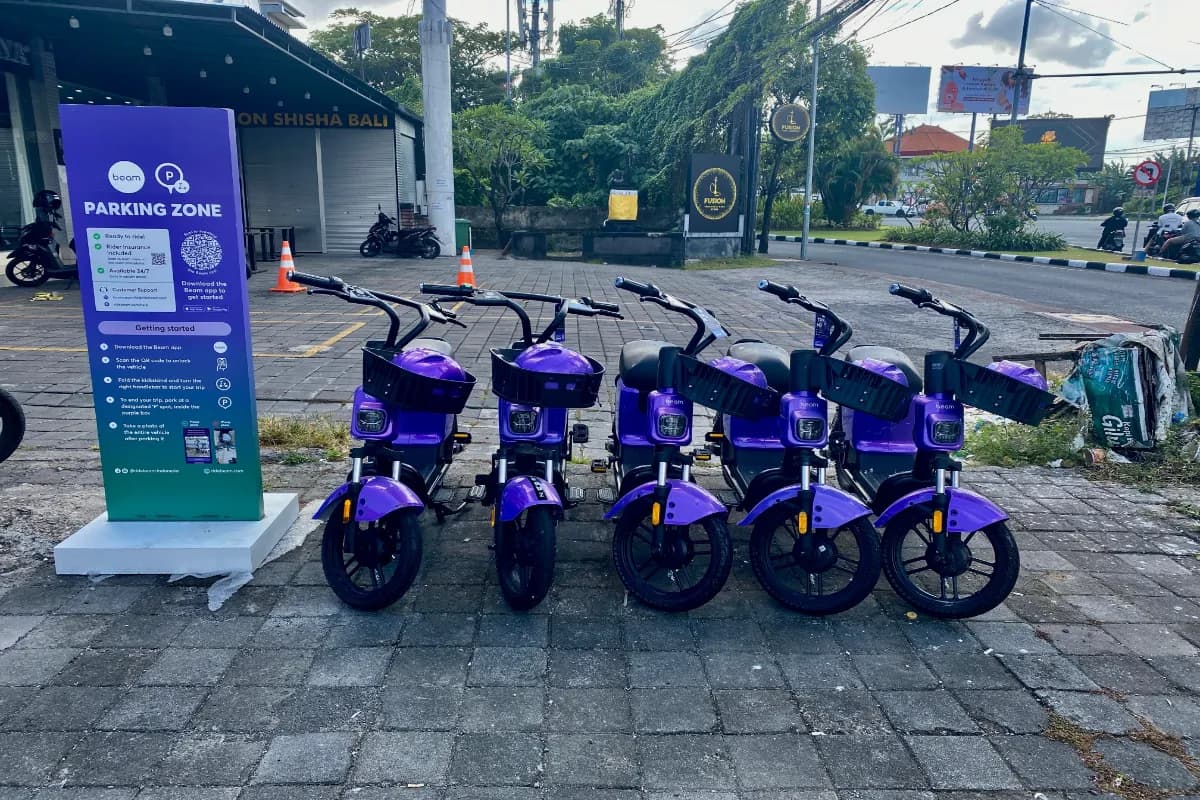
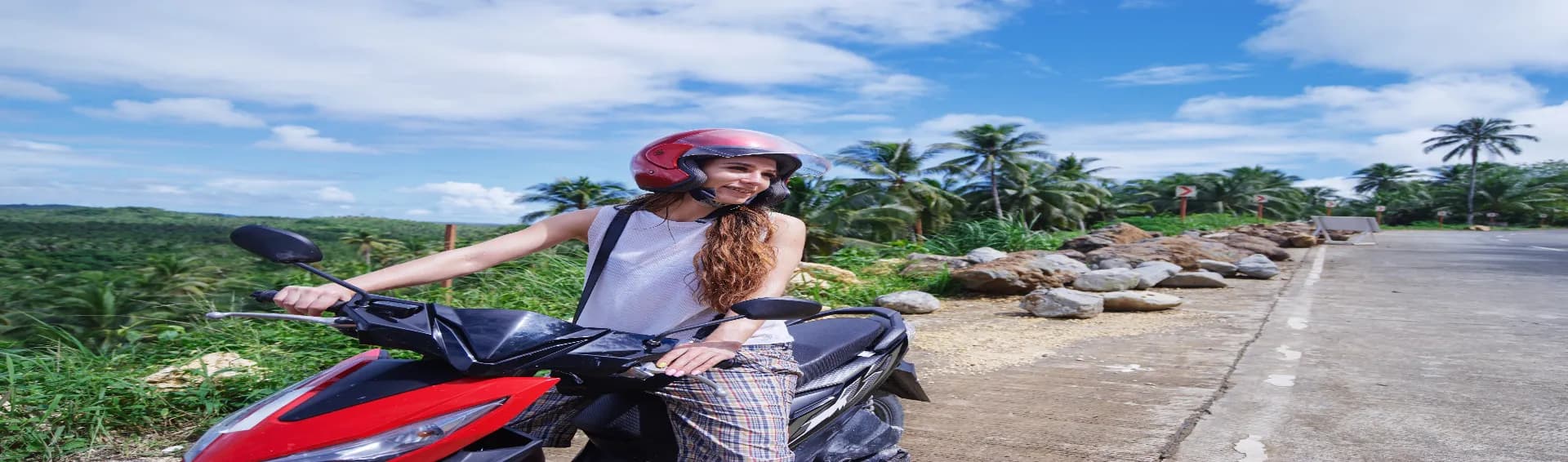
Scooters are everywhere in Bali. They are cheap, easy to park, and genuinely the fastest way to move through narrow roads and traffic. Most budget travelers swear by them.
But here is what rental shops will not tell you: Bali traffic is chaotic in a way that feels manageable until it suddenly is not. Potholed side roads, dogs crossing highways, and trucks with no lights at night are real situations. If you are not comfortable on two wheels back home, Bali is not the place to learn.
Daily rental rates sit between IDR 60,000 and IDR 1,80,000, which works out to roughly ₹300 to ₹900 per day. Weekly rates come cheaper. Fuel costs almost nothing extra.
Yes. This is non-negotiable in 2026. Bali authorities have tightened checks on tourists, especially around Kuta and Seminyak. You need a valid International Driving Permit (IDP) along with your original Indian license. Getting caught without one means fines or being asked to pay on the spot, and neither is a good start to a holiday.
Apply for your IDP through the RAC or AAI in India before you travel. It is a straightforward process.
Always wear a helmet, even for five-minute rides. Avoid riding after dark in areas outside the main tourist zones. Roads in less-visited parts of Bali are poorly lit. Download offline Google Maps before heading out because mobile data drops in hilly regions around Ubud and Kintamani.
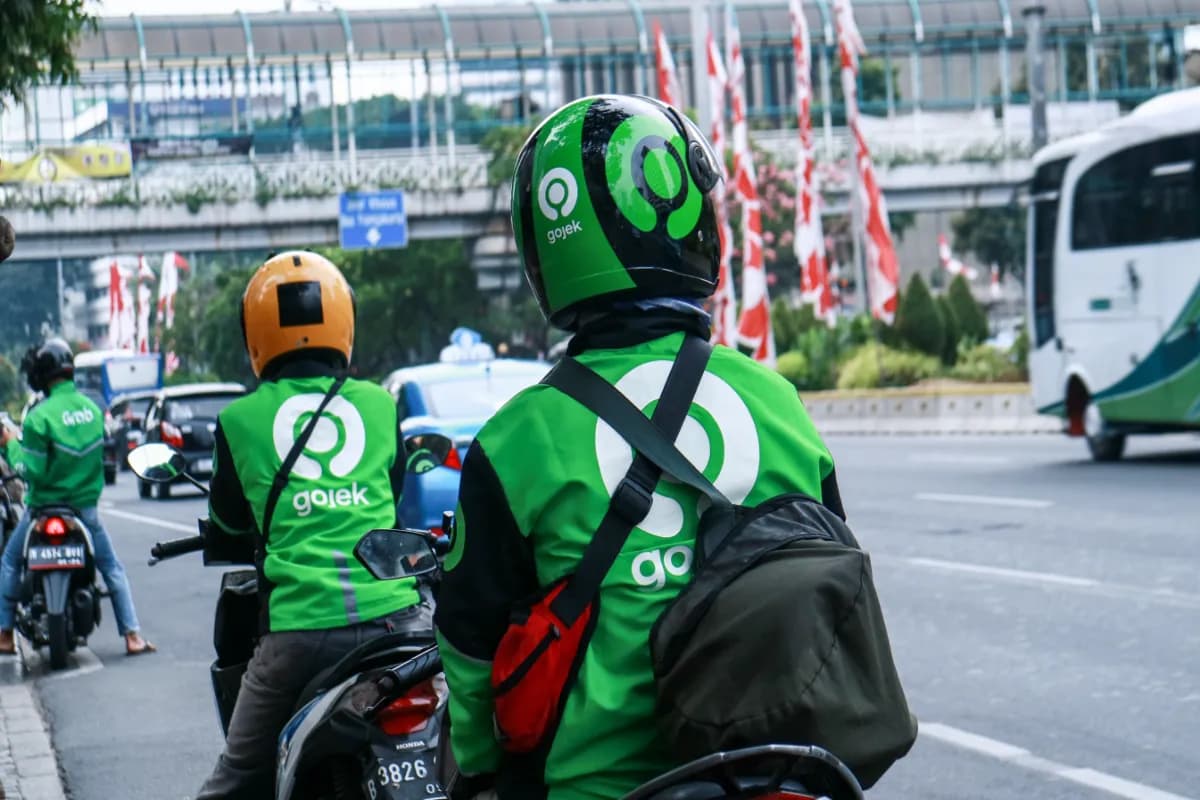
Short answer, yes, in most places. In a long answer, it depends on where you are trying to be picked up.
Both Grab and Gojek work reliably across southern Bali, including Seminyak, Kuta, Canggu, Sanur, and Denpasar. Ubud has restrictions in certain areas because local transport unions have pushed back on ride-hailing pickups. The workaround most travelers use is walking a few minutes away from the main market area before requesting a ride. Drop-offs are usually fine.
Both are solid. Grab tends to have slightly better car availability. Gojek has more motorbike options and is marginally cheaper for short rides. Download both before you land and use whichever has a shorter wait time in the moment. Pricing is transparent on both apps, which is the main advantage over flagging down a street taxi.
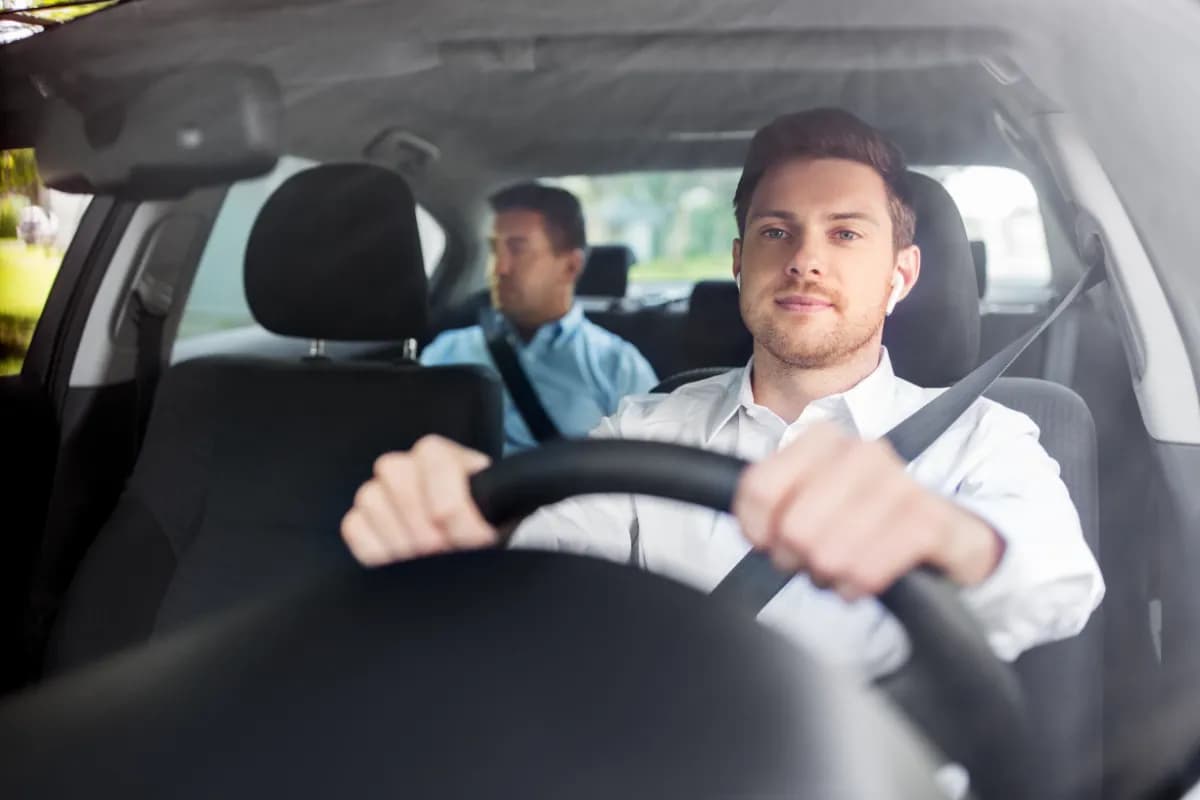
For most Indian travelers, especially families and couples, a private driver is the single best transport decision you can make in Bali. You get a comfortable air-conditioned car, someone who knows the roads, and the flexibility to stop wherever you want.
Local drivers often double as informal guides. They know which temple has the shortest queue in the morning, which viewpoint is worth the detour, and where to eat without paying tourist prices. That local knowledge is genuinely useful.
A full day with a private driver, roughly 8 to 10 hours, costs between ₹2,200 and ₹4,000 depending on the vehicle size and route. A half-day of around 4 to 5 hours runs ₹1,200 to ₹2,000. For longer inter-island routes or drives to North Bali, rates go higher.
Book through your hotel or a reputable travel portal rather than accepting offers from strangers at the airport or near tourist sites. Ask for the driver's name, contact number, and vehicle registration before confirming. Trusted drivers on platforms like Klook or GetYourGuide have reviews you can check.
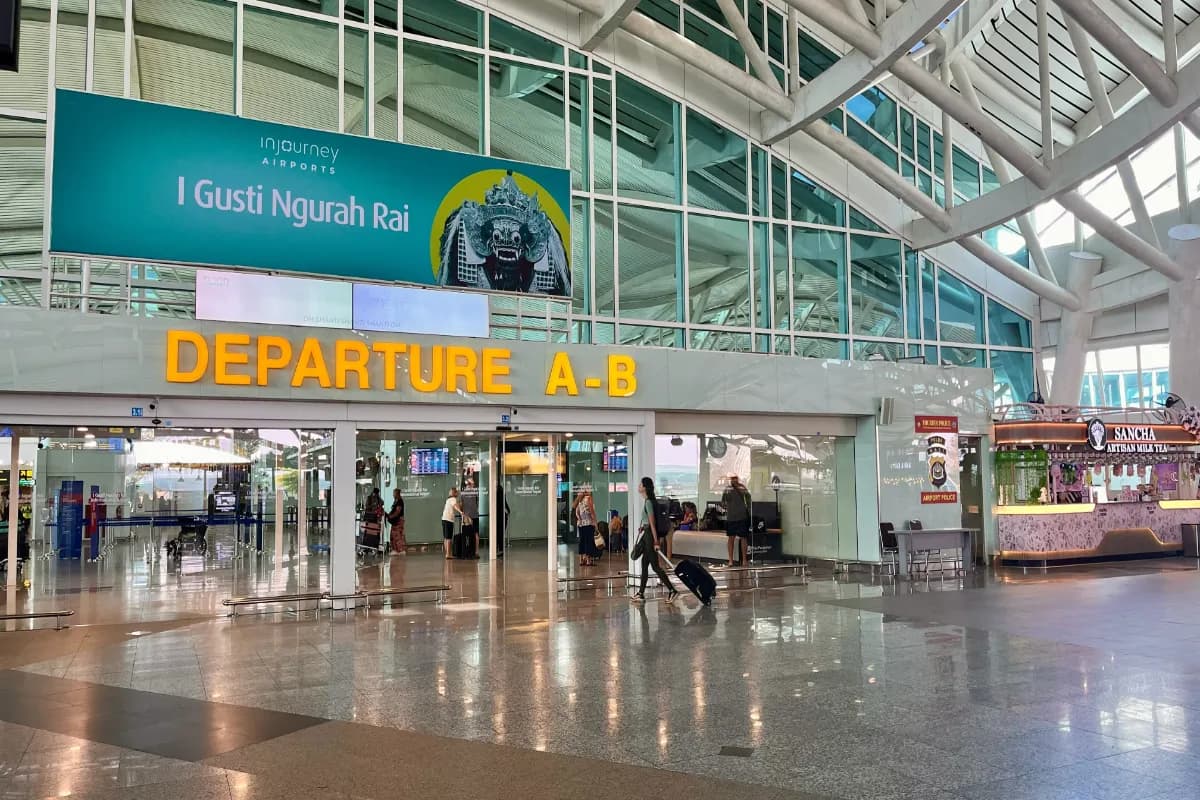
Ngurah Rai International Airport sits in the south of the island, near Kuta. The moment you step out of arrivals, you will be approached by drivers offering rides. Some are legitimate. Many are not.
Do not accept random offers. Use the official taxi counter inside the terminal where rates are fixed and printed. Or better, pre-book your airport transfer before landing so a driver is already waiting with your name on a board.
Official metered taxis from the airport counter are reliable but not always the cheapest. A transfer from the airport to Seminyak costs roughly ₹700 to ₹900. Ubud runs ₹1,500 to ₹2,000. Pre-booked private transfers via hotel or travel portal are often in the same range but come with the added comfort of confirmation and tracking.
Grab pickups are available at Ngurah Rai, but from a designated zone outside the terminal. Follow airport signage to the ride-hailing pickup area. Staff are usually present to help direct you. This is often cheaper than the official taxi counter, but wait times can vary.
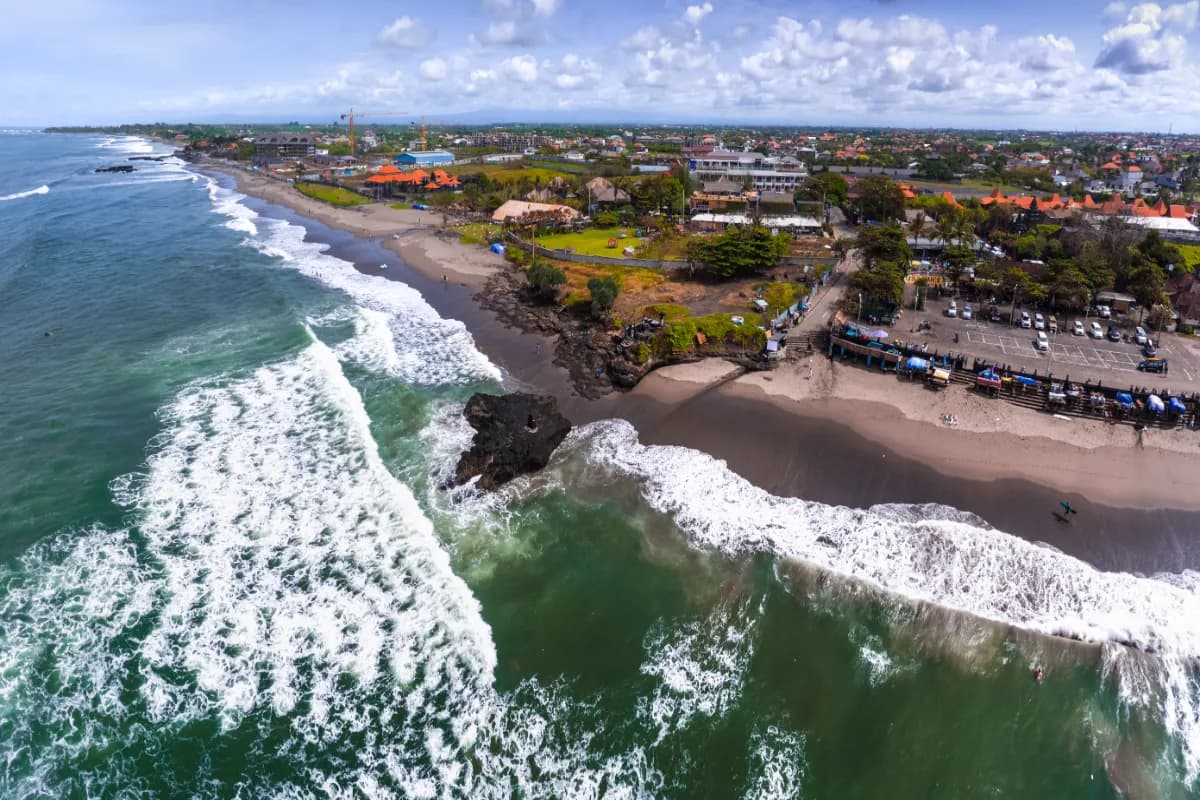
Distances in Bali look short on a map and feel long in traffic. Seminyak to Ubud is about 31 km, but it can take 1.5 to 2 hours during peak hours. Canggu to Kuta looks close, but it regularly takes 45 minutes due to bottlenecks near Legian.
Here are approximate private driver or Grab costs between major areas:
Plan around traffic. 8 to 10 AM and 4 to 6 PM are the worst windows, especially through Denpasar and Kuta.
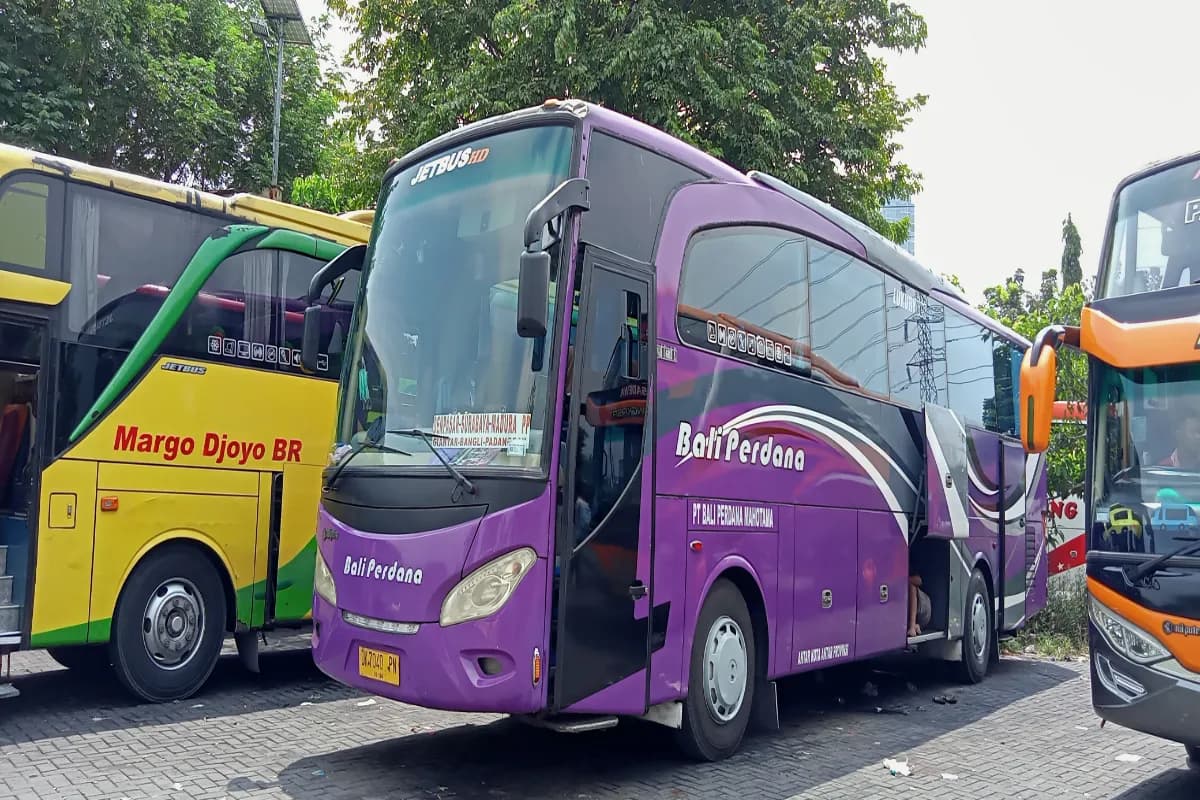
Public transport in Bali is minimal. That is the honest reality. It has been improving slowly, but for tourists with a real itinerary, buses are more of a backup than a reliable option.
Self-driving in Bali has real appeal if you want total freedom. You set your own pace, stop at viewpoints spontaneously, and are not dependent on anyone's schedule.
But Bali roads are genuinely challenging. Traffic in Denpasar and Ubud is dense. Roads narrow sharply once you leave the main tourist corridors. Street signage is inconsistent. Parking near popular attractions can be frustrating.
Car rental costs ₹1,600 to ₹2,700 per day, depending on the model. You need an IDP. If you are not comfortable driving in Southeast Asian traffic conditions, the wiser call is hiring a driver. Same comfort, less stress.
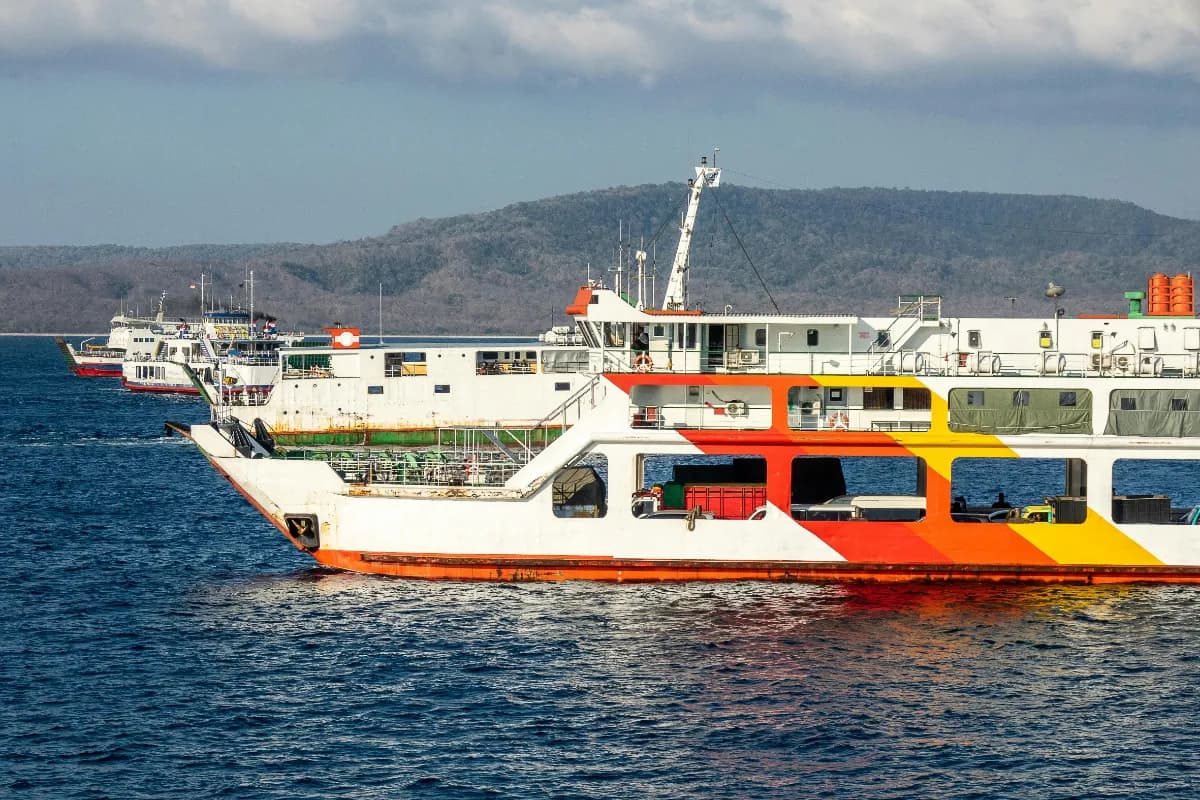
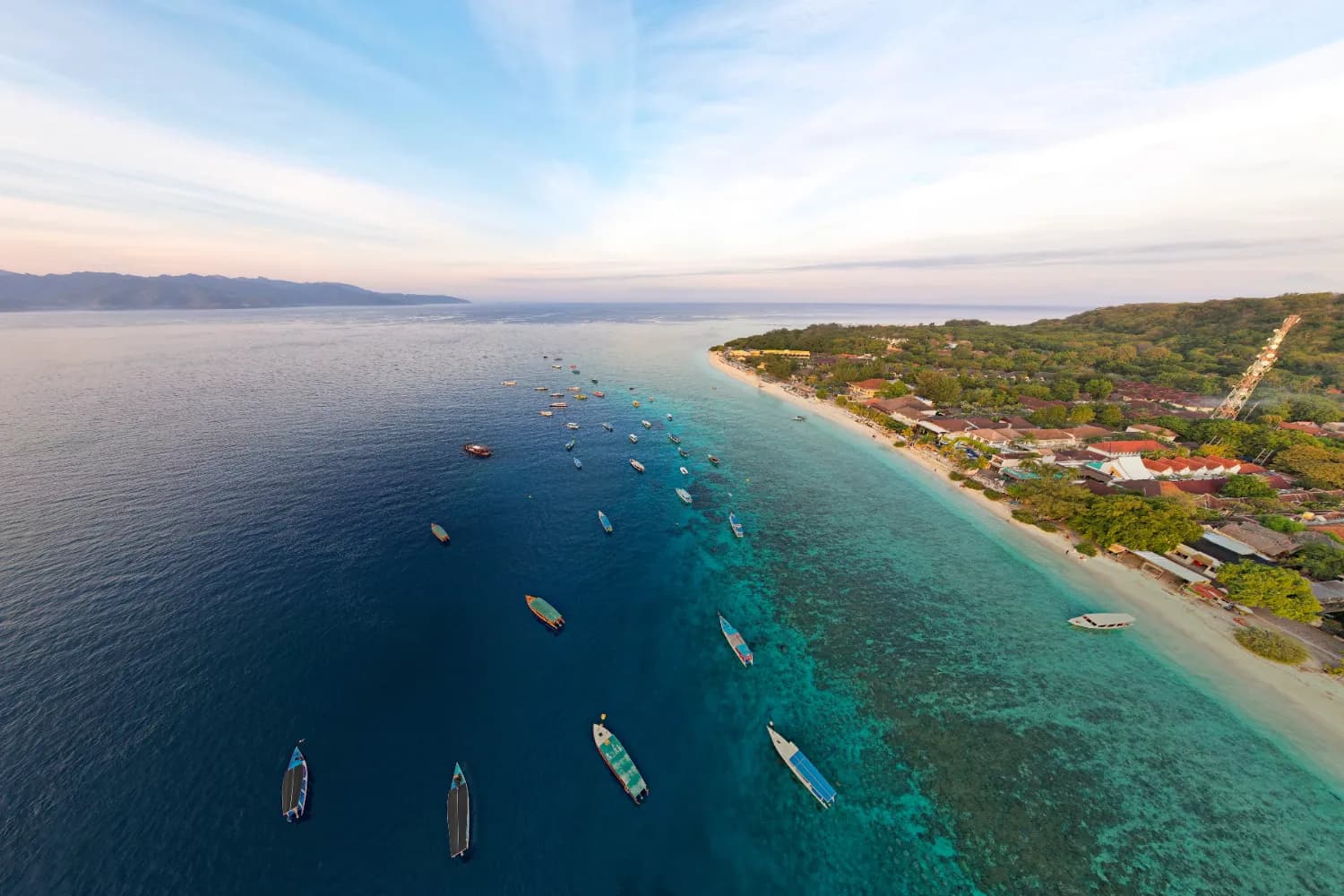
Bali is a base for exploring the rest of Indonesia. The three main options for island-hopping:
Scooter rental at ₹300 to ₹900 per day is the cheapest option for independent travelers with an IDP. For those without a license, Gojek motorbike rides are the next most affordable choice for short distances.
It depends on your experience level. If you ride confidently back home, Bali is manageable with caution. If you are a beginner, the traffic and road conditions here are not a good place to practice. Use Grab or hire a private driver instead.
No. Uber exited Southeast Asia in 2018. Grab and Gojek are the two ride-hailing platforms operating in Bali. Both work well in southern Bali and Ubud.
A full-day private driver costs between ₹2,200 and ₹4,000, depending on the vehicle and route. This covers roughly 8 to 10 hours and multiple stops. For families and groups splitting the cost, it is an excellent value.
Yes. An IDP paired with your original Indian license is legally required to rent a scooter or car in Bali. Authorities check regularly in tourist areas. Apply through RAC or AAI in India before your trip.
Pre-book a private transfer. The drive takes about 1 to 1.5 hours, depending on traffic. Costs run ₹1,500 to ₹2,000. This is more reliable than negotiating at the airport and removes the stress of arrival day entirely.
Tuk-tuks are not a common transport option in Bali. They were popular decades ago but have almost completely disappeared. Bemos, the traditional shared minivans, were the closest equivalent, but even those are now rare in tourist areas. Grab, Gojek, and private drivers have replaced them entirely.

May 26, 2026

May 26, 2026

May 25, 2026
May 25, 2026
May 25, 2026