
 11 Minutes
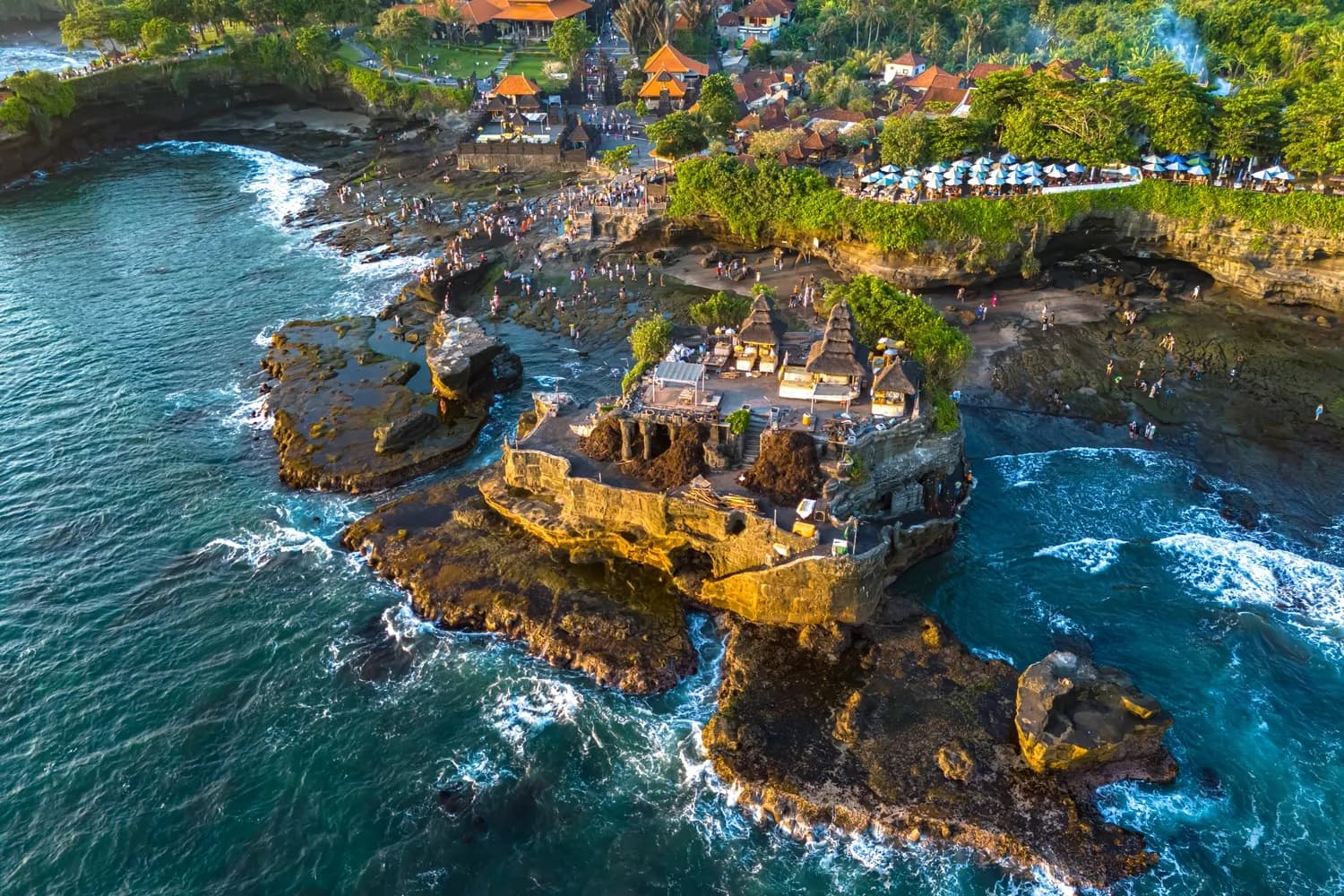
Bali keeps showing up on every Indian travel group. And honestly, it deserves the hype. But here is the thing nobody tells you before you land, Kuta smells like sunscreen and exhaust, Seminyak costs more than a weekend in Goa, and Ubud's famous rice terraces now have a ticketing system with selfie zones. So the question is simple. Is there a real Bali left? Yes. You just have to know where to look.
Indians figured this out fast. Travelers who once booked standard Bali tour packages are now asking their agents for places that are not already on Instagram Reels. And 2026 is the year that the shift became impossible to ignore.
₹32,999
per person
₹24,999
per person
₹44,999
per person
₹40,999
per person
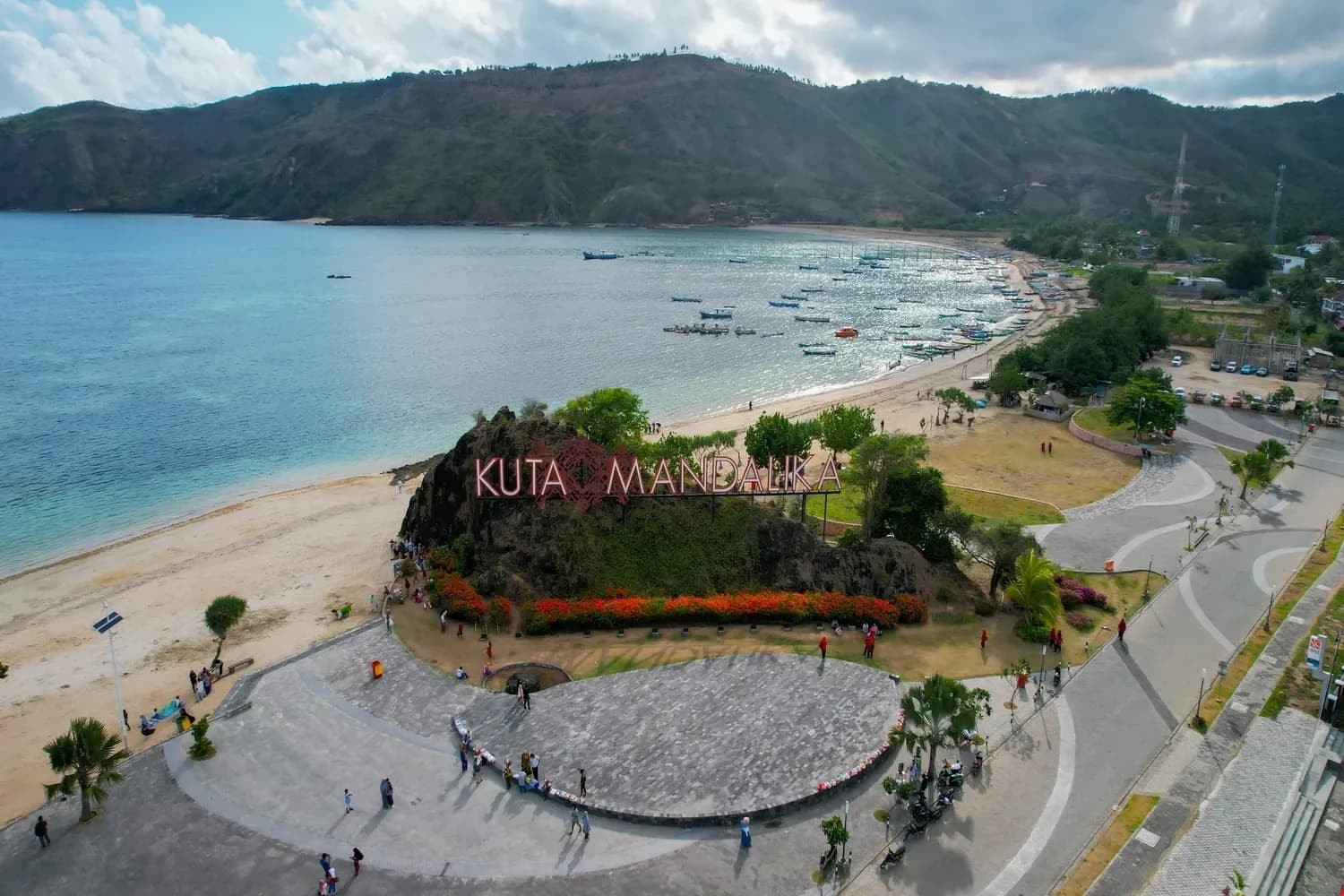
Kuta used to be a vibe. Now it is a crowd management problem. Every peak season, hotels raise prices, beaches fill up by 8 AM, and the sunsets you came for are half-blocked by drone operators. Seminyak is better, but "better" now means spending around ₹15,000 to ₹25,000 per night for a villa that used to cost half that three years ago.
Social media did something interesting here. It made the hidden spots visible, but it also made the hidden spots crowded. So travelers are now chasing the next wave, the places that are one step ahead of the algorithm. And Bali has plenty of those.
Here are some offbeat places to visit in Bali
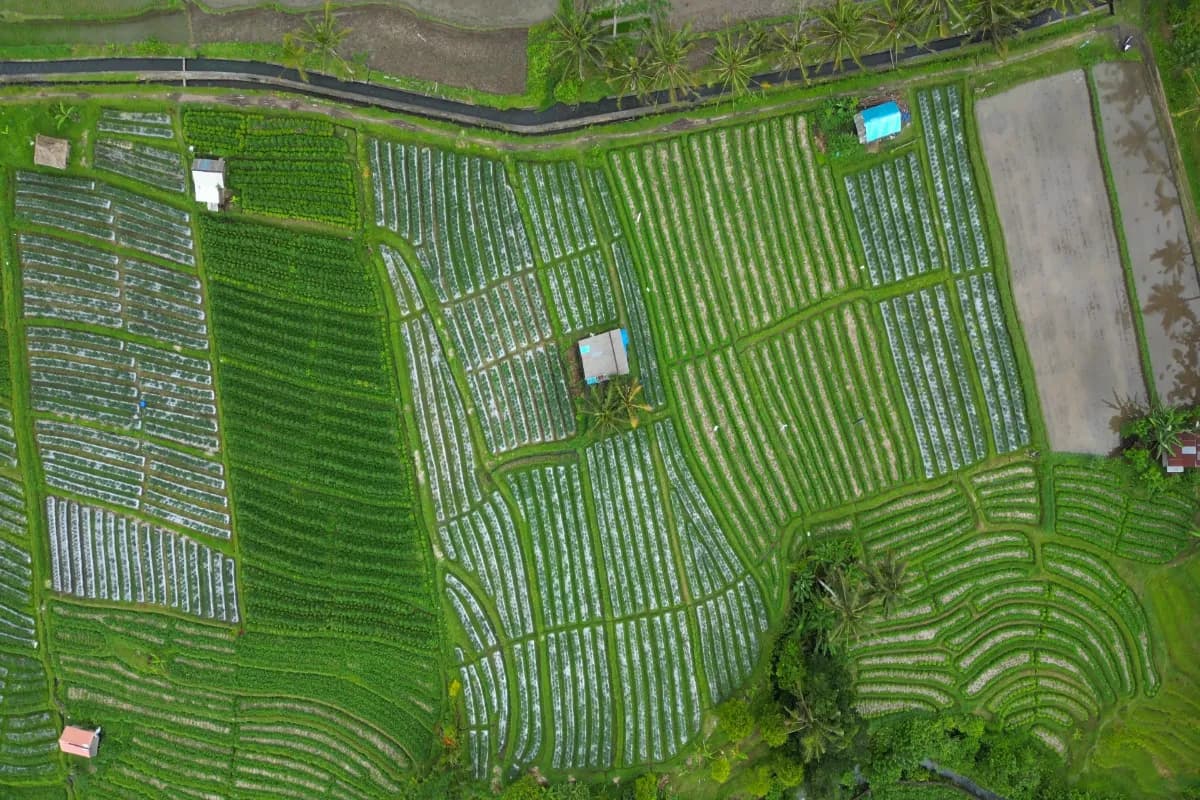
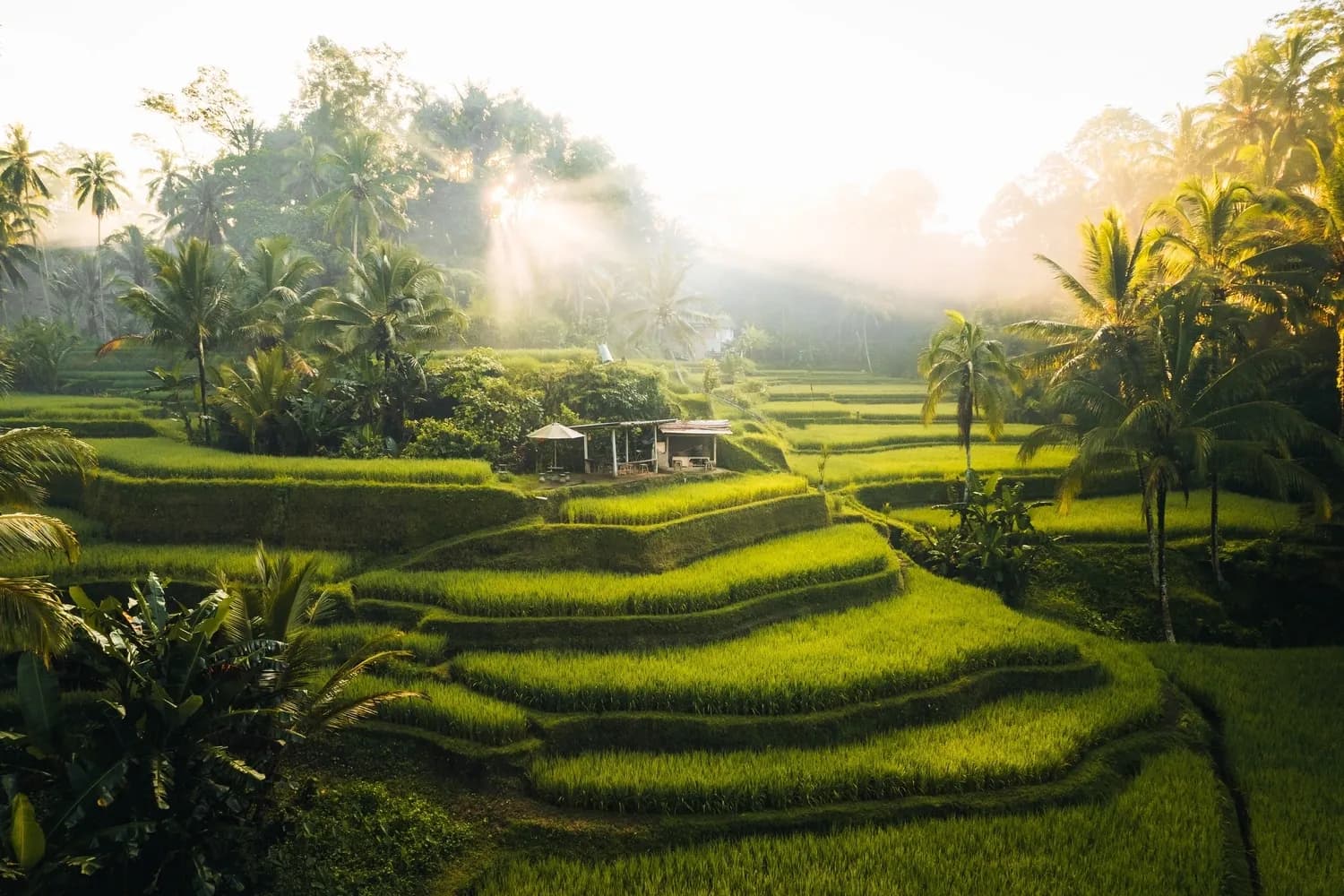
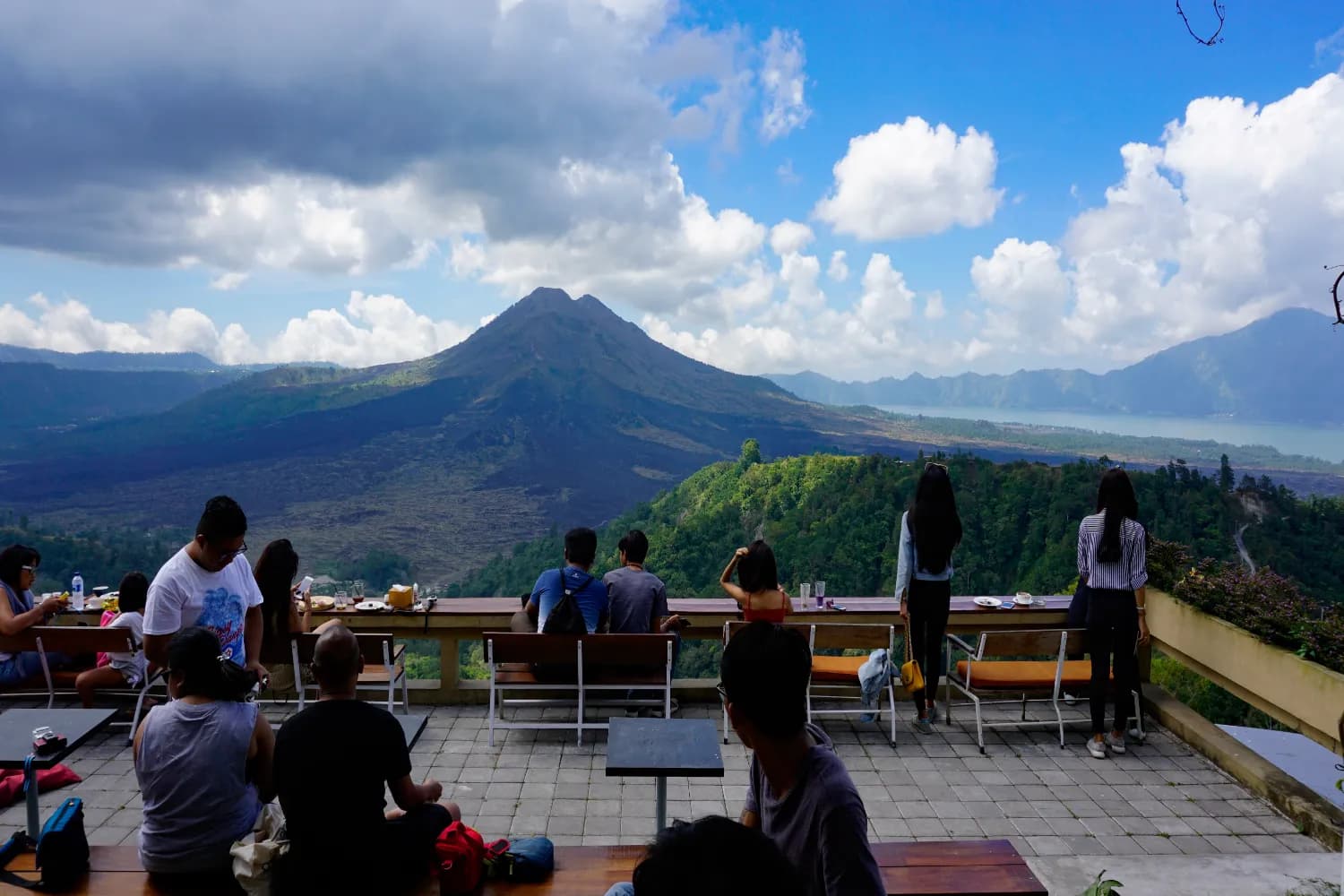
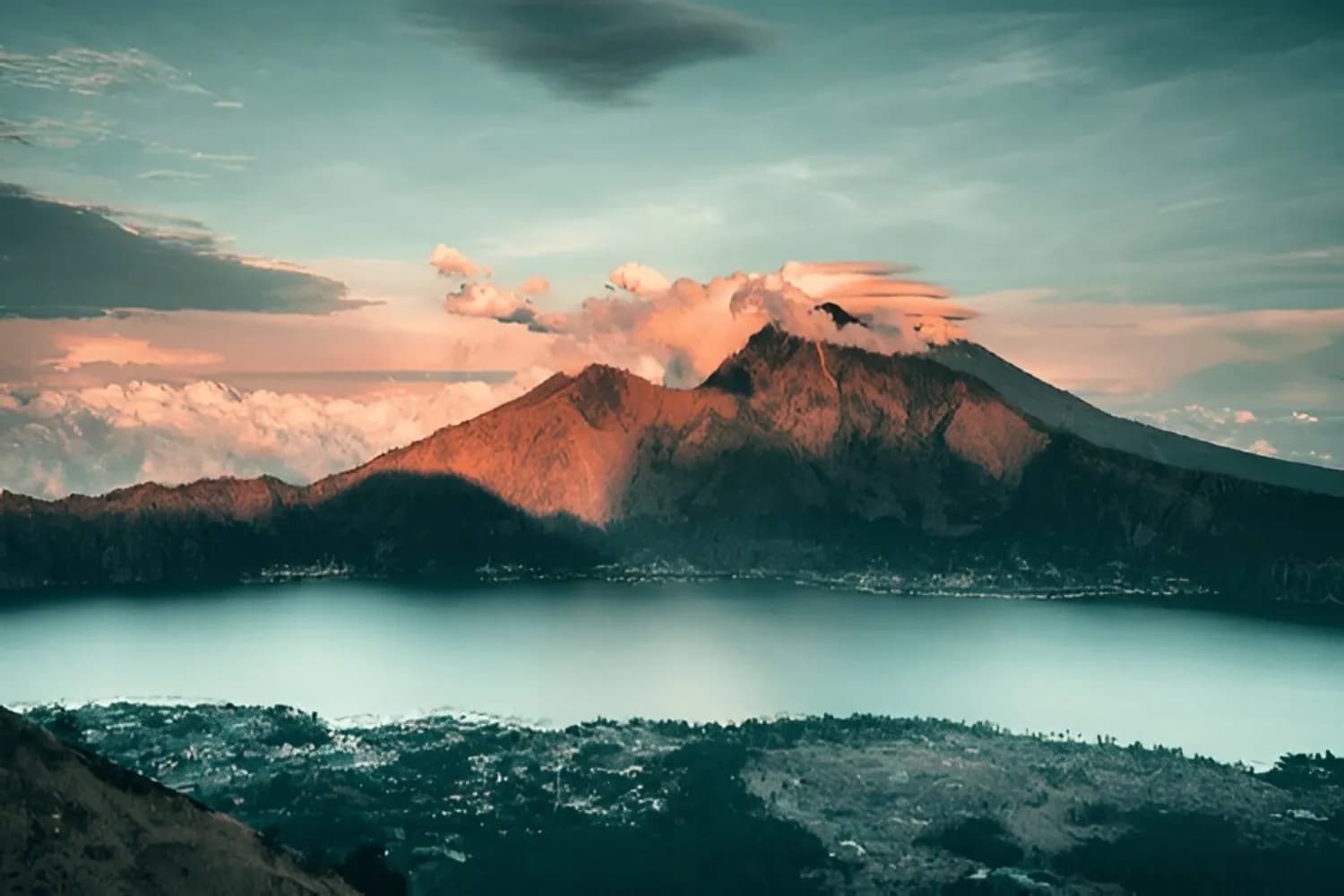
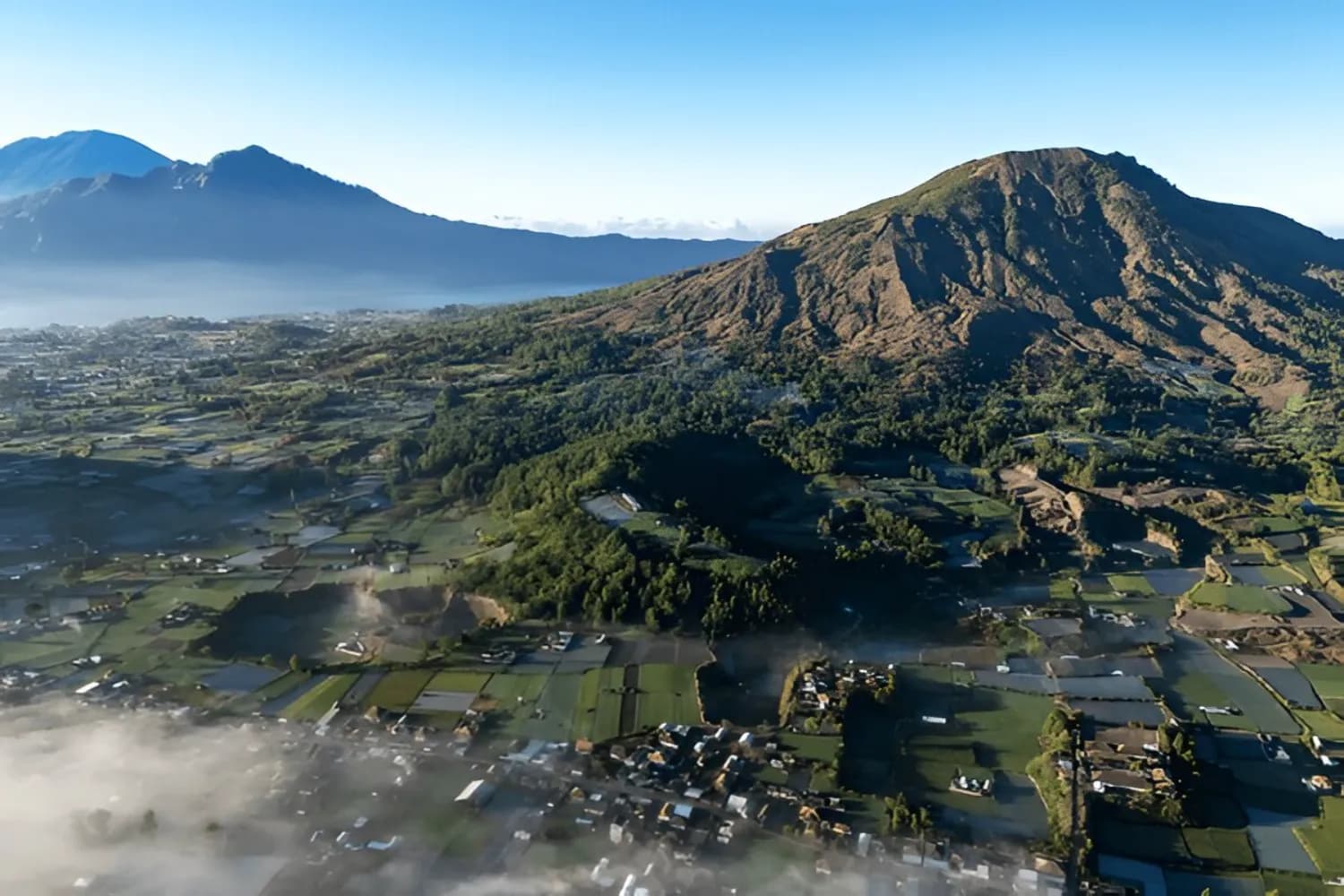
Sidemen sits in East Bali, about 90 minutes from the airport. No one is fighting for a rice terrace photo here. The terraces are wider, quieter, and surrounded by a view of Gunung Agung on a clear morning that genuinely stops you mid-step.
Local warung meals cost around ₹150 to ₹300. Villas with mountain views run between ₹2,500 and ₹6,000 per night, which is a remarkable value. Slow mornings, long breakfasts, and absolutely zero club music at midnight. Couples and solo travelers are making Sidemen their base for 3 to 4 days, not just a day trip.
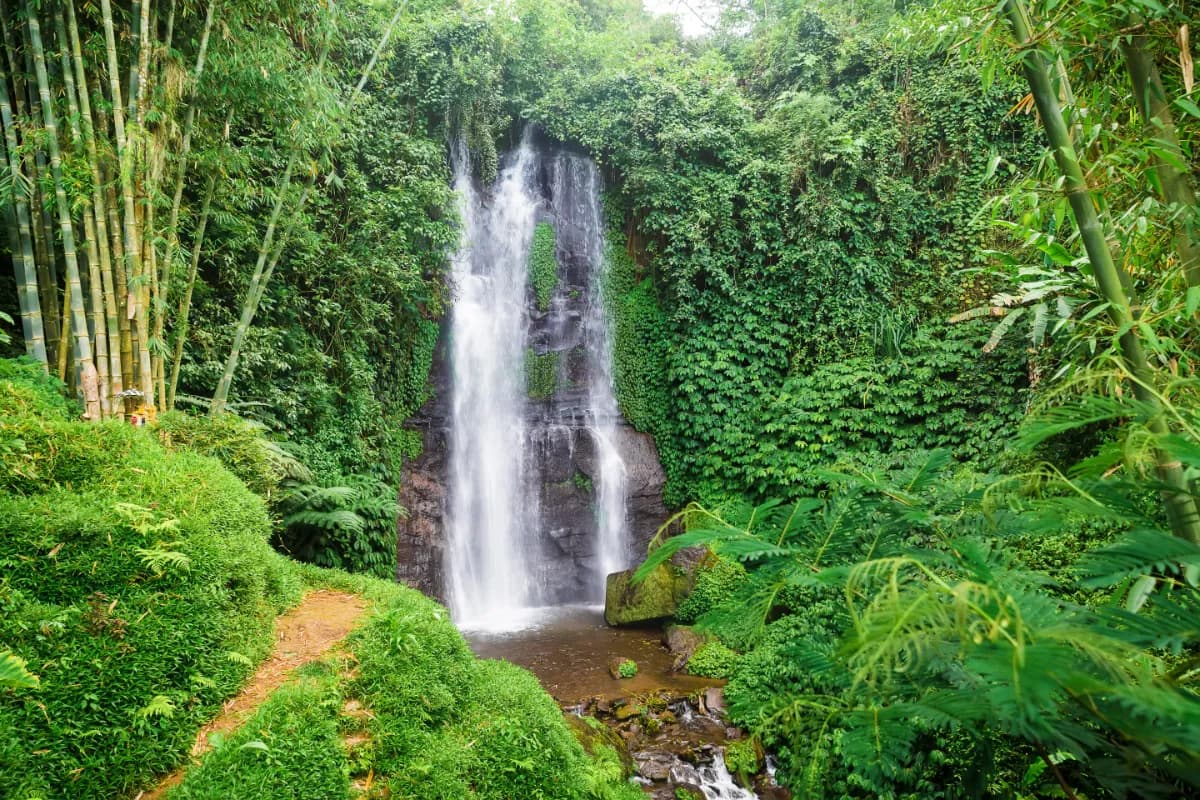
Bali is mostly warm and humid. Munduk is not. This hill town in North Bali sits at around 1,000 metres above sea level, and the temperature drops enough that you will actually want a jacket at night. That alone surprises most Indian travelers exploring offbeat places to visit in Bali, especially those who pack only shorts.
The waterfalls near Munduk, especially Melanting and Banyumala, are a 20 to 45 minute trek from the road and still see very little foot traffic outside peak months. Coffee plantation walks here cost around ₹300 to ₹600 and include a tasting session. Couples particularly love Munduk because it feels like a hill station that nobody else has discovered yet.
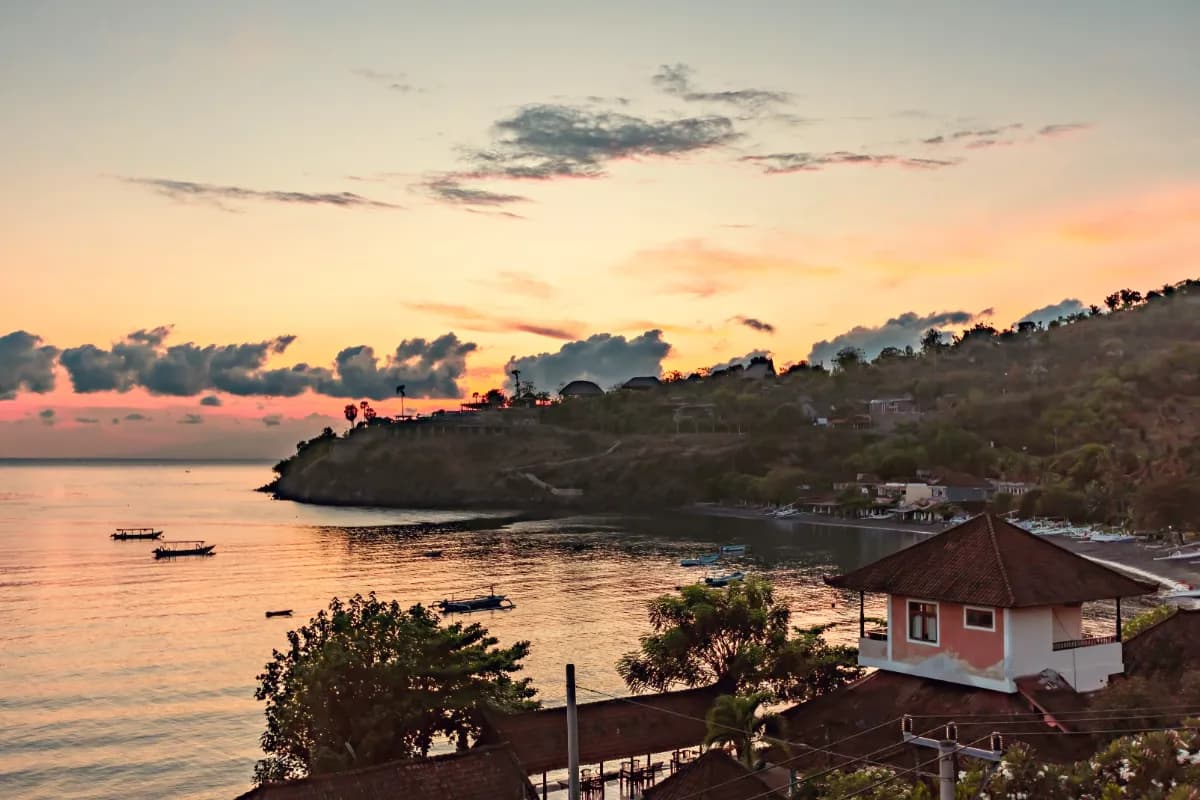
Amed is everything Kuta is not. Black sand beaches, fishing boats lined up at dawn, and a coastline so quiet you can hear the water without someone's Bluetooth speaker interrupting. The snorkeling is excellent, and the Japanese shipwreck dive site nearby is one of Southeast Asia's best-kept secrets for divers.
Cafes here serve fresh catch for under ₹400 a plate. Sunset points along Amed's coast stay surprisingly peaceful even in July, which is why it’s becoming one of the offbeat places to visit in Bali. If you are done with the party beach scene, Amed delivers the exact opposite without making you feel like you gave something up.
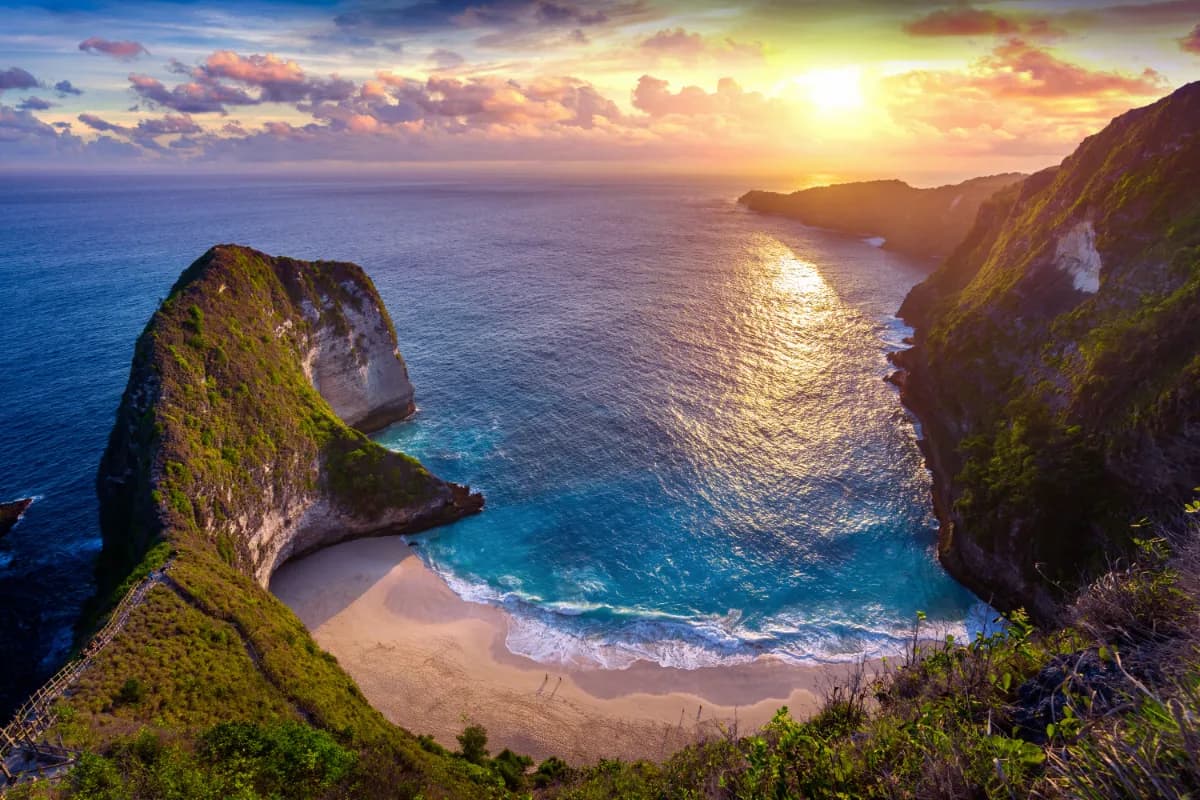
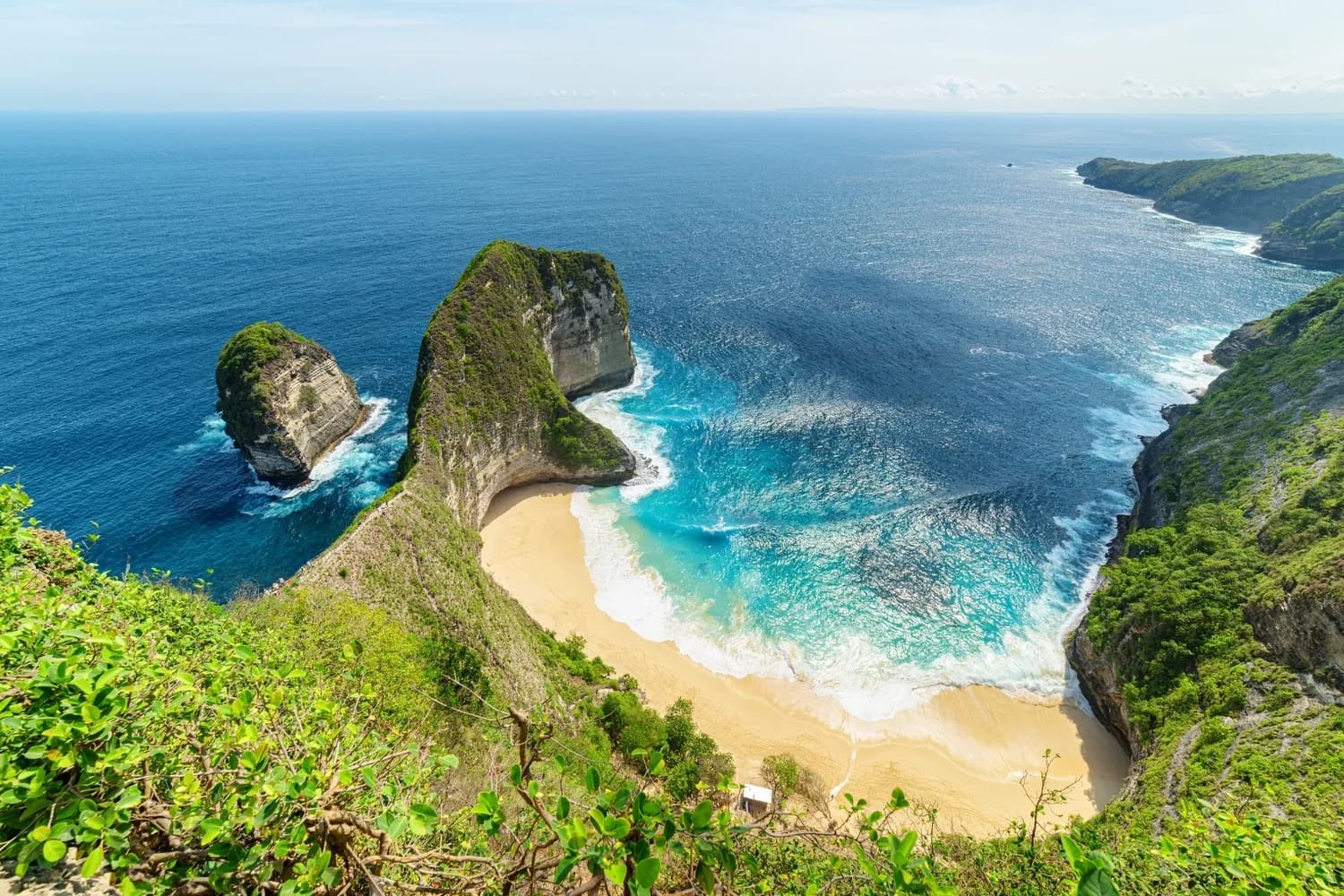
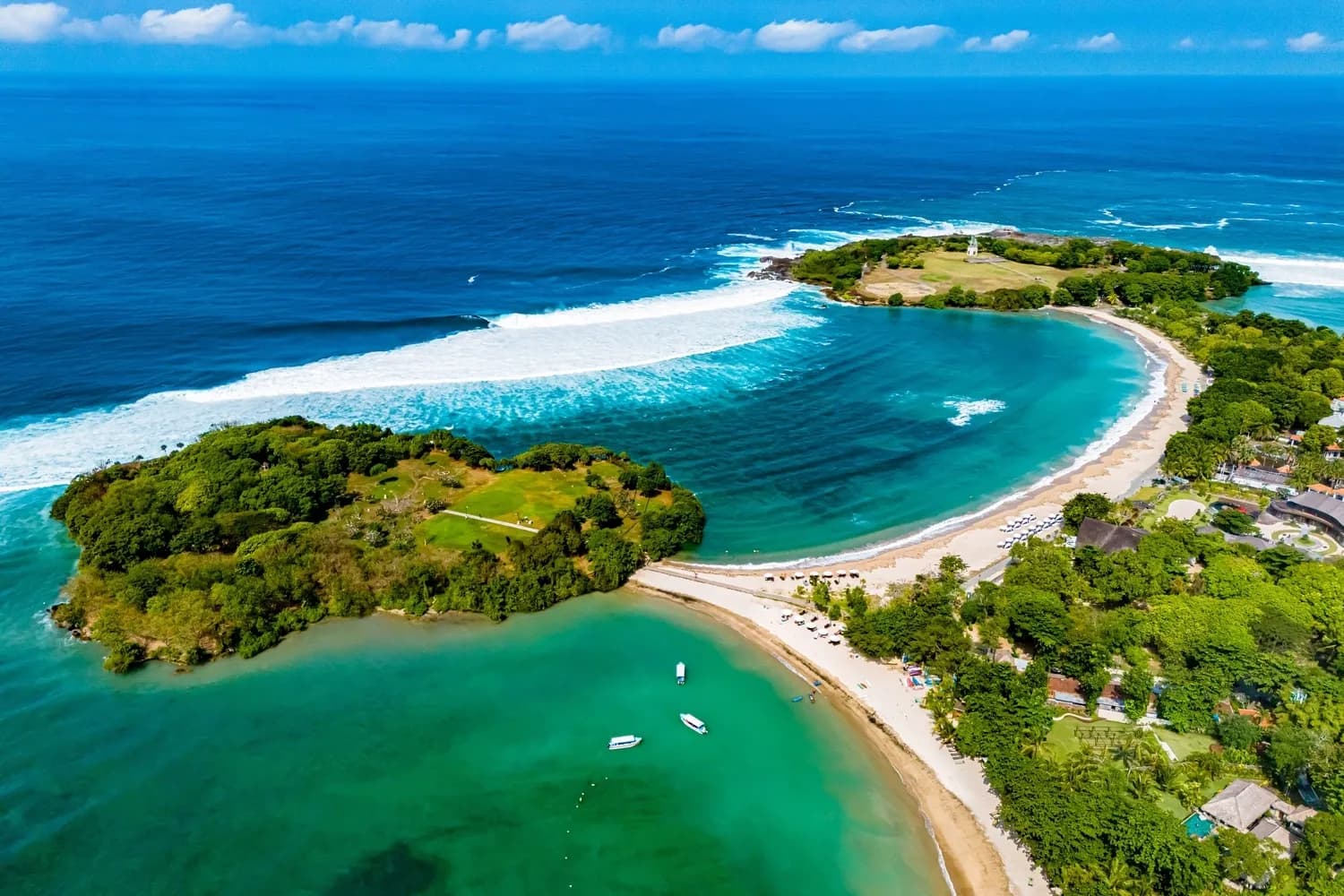
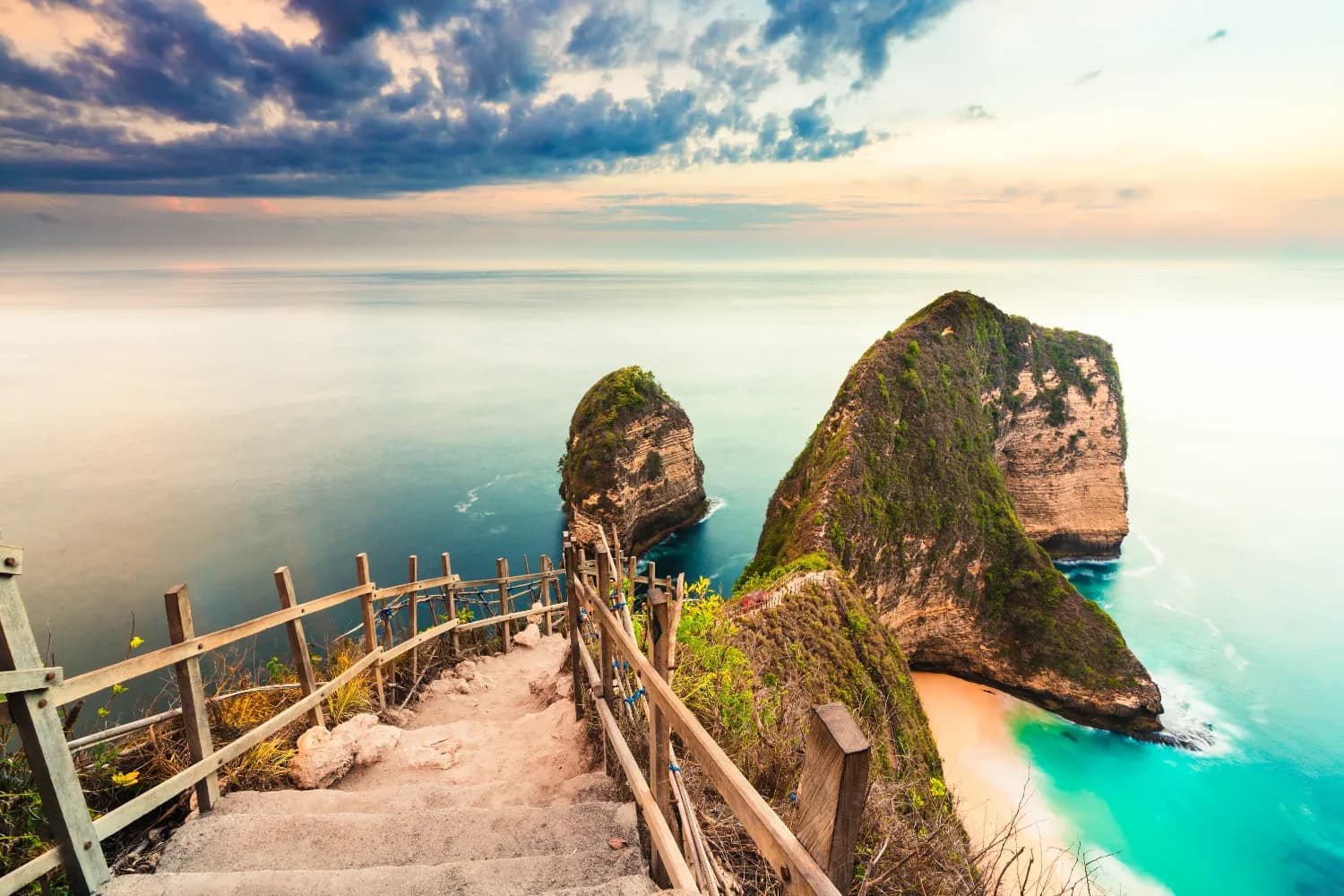
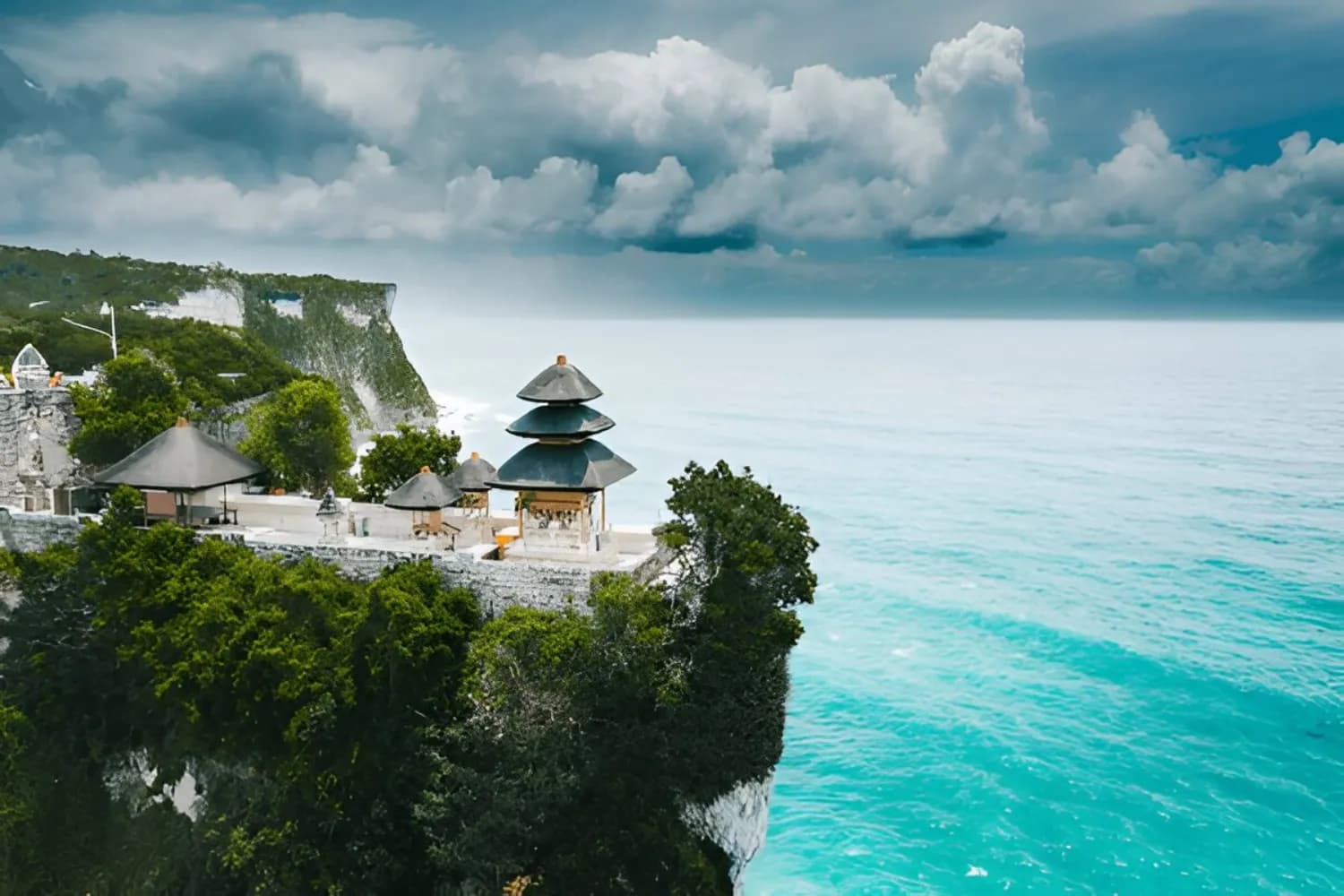
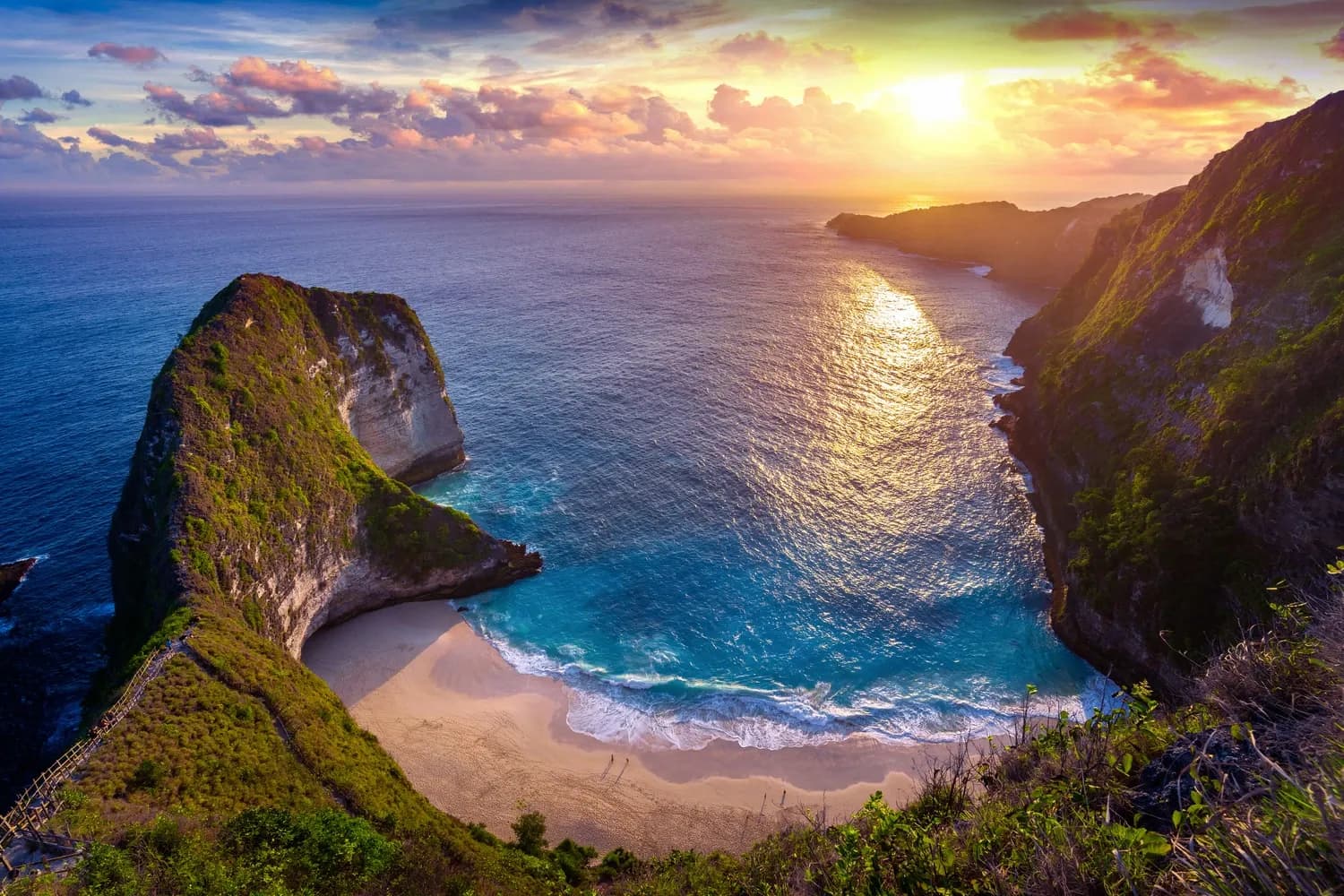
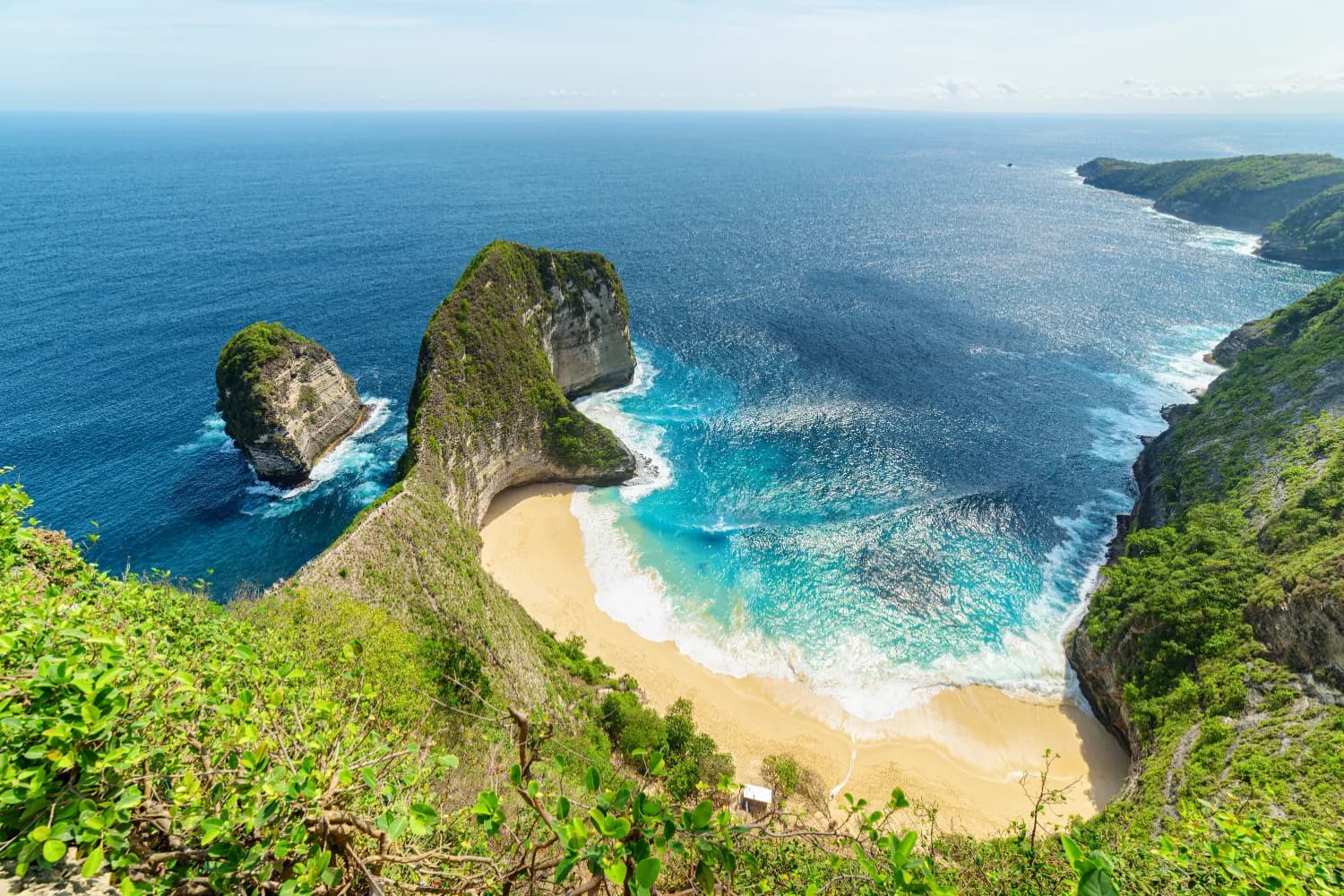
Kelingking Beach. Angel's Billabong. Diamond Beach. You know these names. Everybody does. And everybody shows up between 7 AM and 2 PM in the same wave of day-trip boats. Here is what most visitors skip: stay overnight in Nusa Penida. The entire dynamic changes after 4 PM. Tourists leave, the light gets golden, and the cliffs are yours.
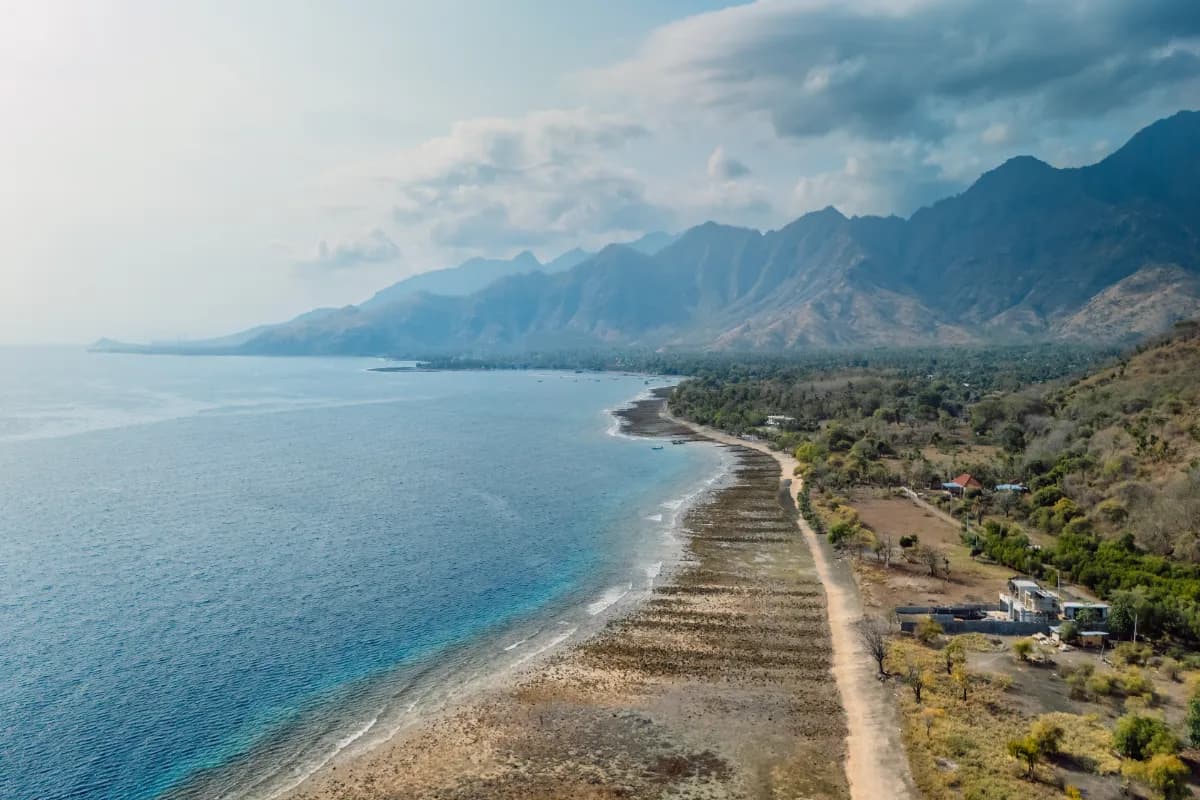
Pemuteran is a small coastal village in Northwest Bali. The whole town feels like what Bali must have felt like 30 years ago, before resort chains arrived. The reef restoration project here, Biorock, is internationally known among divers, but the village itself stays calm year-round.
Stays in Pemuteran average ₹3,500 to ₹8,000 per night. The best time to visit is between April and October, when visibility underwater is clearest. Conversations with locals here are easy and genuine, not rehearsed for tourists.
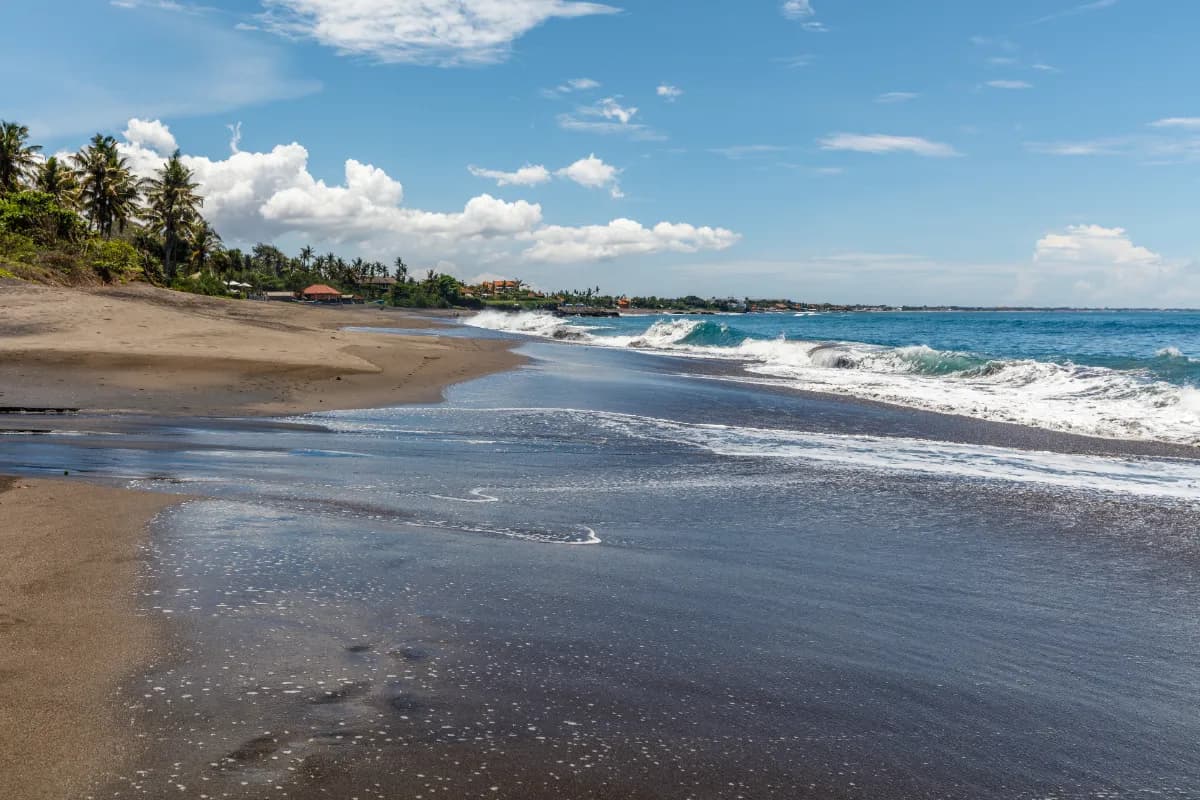
Seseh is where Canggu was five years ago, before Canggu became a yoga-and-coffee influencer neighbourhood. It sits just north of Canggu, has the same black sand beach, but none of the scooter traffic or smoothie bowl queues. That’s exactly why it’s becoming one of the offbeat places to visit in Bali. Boutique villas here are increasingly popular with digital nomads from India who work remotely and want a peaceful base.
Many travelers now prefer exploring hidden gems over crowded tourist spots, which is why lesser-known Places to Visit in Bali are becoming more popular. While mainstream areas like Kuta and Seminyak offer nightlife and luxury stays, offbeat destinations provide peaceful scenery, local culture, and a more relaxing experience.
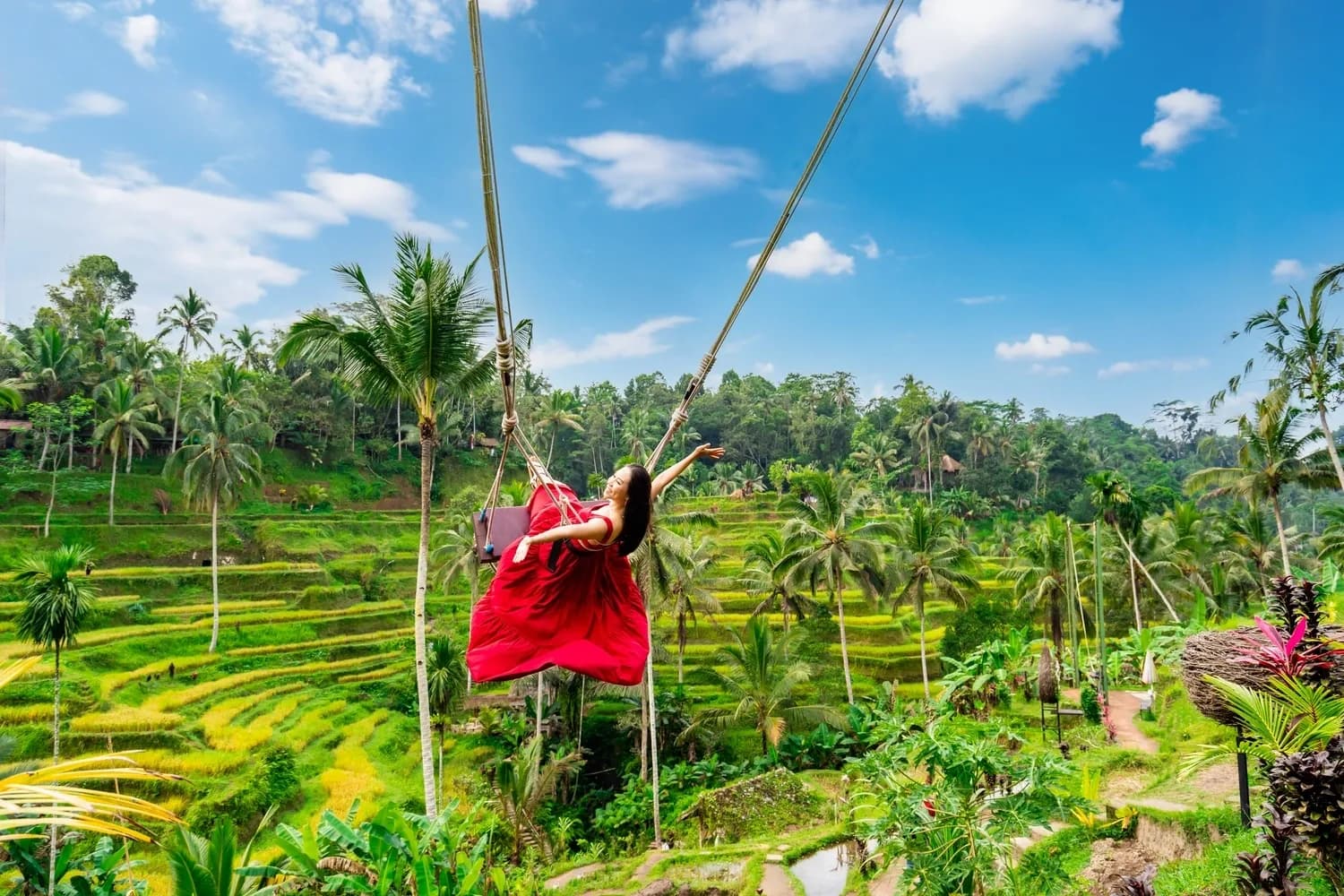
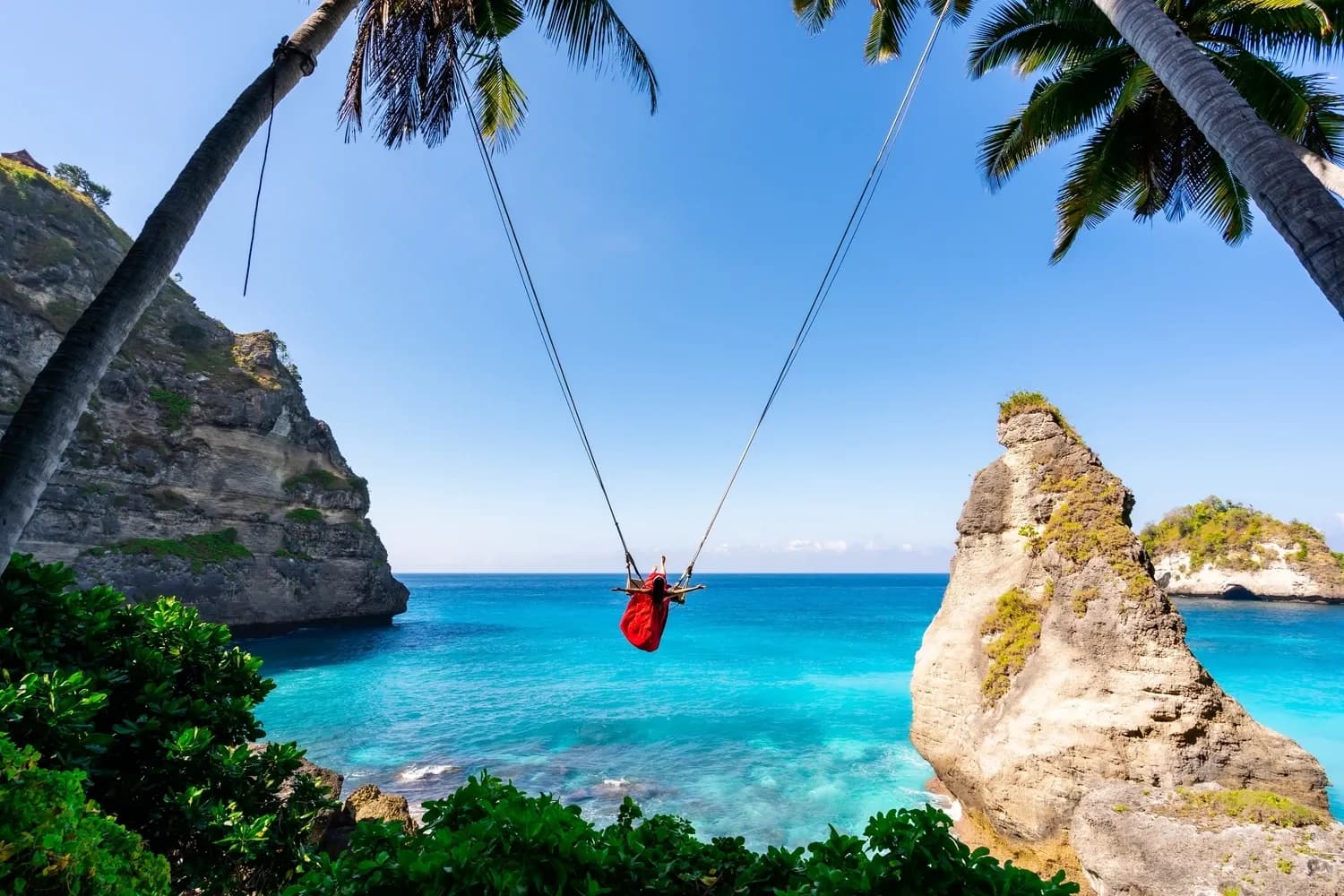
Depends entirely on who you are. If this is your first Bali trip and you want the pool villa, beach clubs, and Bali swing photos, mainstream Bali delivers that perfectly well. No shame in it.
But if you have done the standard circuit once, or if you just want something quieter from the start, the offbeat version is sharper. The food costs less. The views compete. And you come back with stories that do not sound like everybody else's trip. Bali still has real corners to find. You just have to be willing to skip the obvious ones.
The choice also depends on the type of Things to Do in Bali travelers enjoy. Mainstream Bali is perfect for beach clubs and shopping, while offbeat Bali offers hidden waterfalls, village tours, and nature experiences away from heavy crowds.
Yes, absolutely. Bali still offers great value for Indian travelers, stunning landscapes, rich culture, and affordable food. Just avoid Kuta during peak season and plan around the crowds. The experience easily justifies the trip.
January and February are the cheapest. Flights drop to around ₹16,000 return, hotels cut rates heavily, and crowds thin out. Expect some afternoon rain, but mornings stay clear and usable for sightseeing.
Just about, for 5 to 6 days. Flights alone cost ₹18,000 to ₹25,000. The remaining budget covers budget stays, local food, and transport. Skip beach clubs and rooftop bars to make it work comfortably.
Do not leave without trying Nasi Campur, Sate Lilit, and fresh Balinese coffee from a plantation. Vegetarian options are widely available. Local warung meals cost ₹200 to ₹400 and beat any tourist restaurant easily.
Late December through early January. Hotels double their rates, beaches overflow, and airport queues stretch long. Mid-July to mid-August follows close behind. These windows cost significantly more with a noticeably worse experience overall.
Air India now operates direct flights from Delhi to Bali, covering the route in about 7 hours 30 minutes. IndiGo also offers non-stop options from select Indian cities. Travelers from Mumbai, Bengaluru, or other cities still connect via Kuala Lumpur or Singapore, adding 2 to 4 hours. Return fares from India start around ₹16,000 and go up depending on season and city. Book 6 to 8 weeks ahead for better prices
May 26, 2026
May 26, 2026
May 26, 2026
May 25, 2026
May 25, 2026