 Bali
Bali outdoors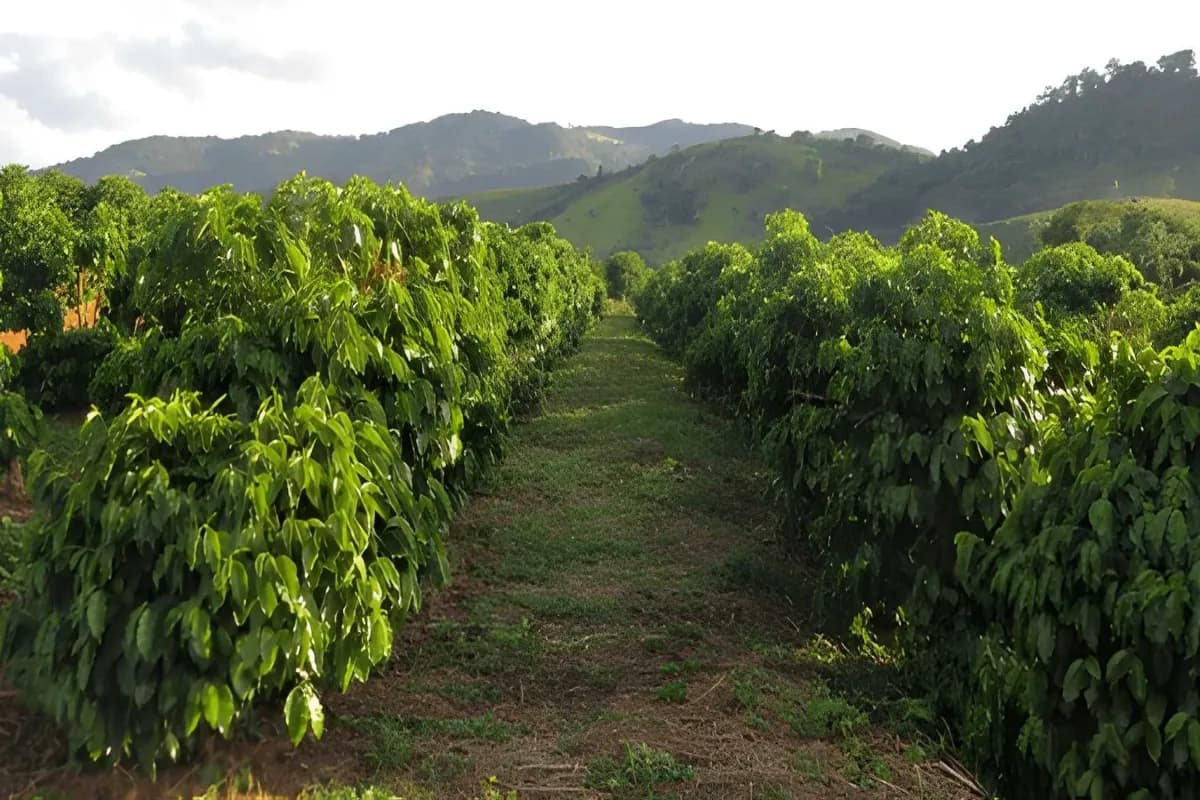
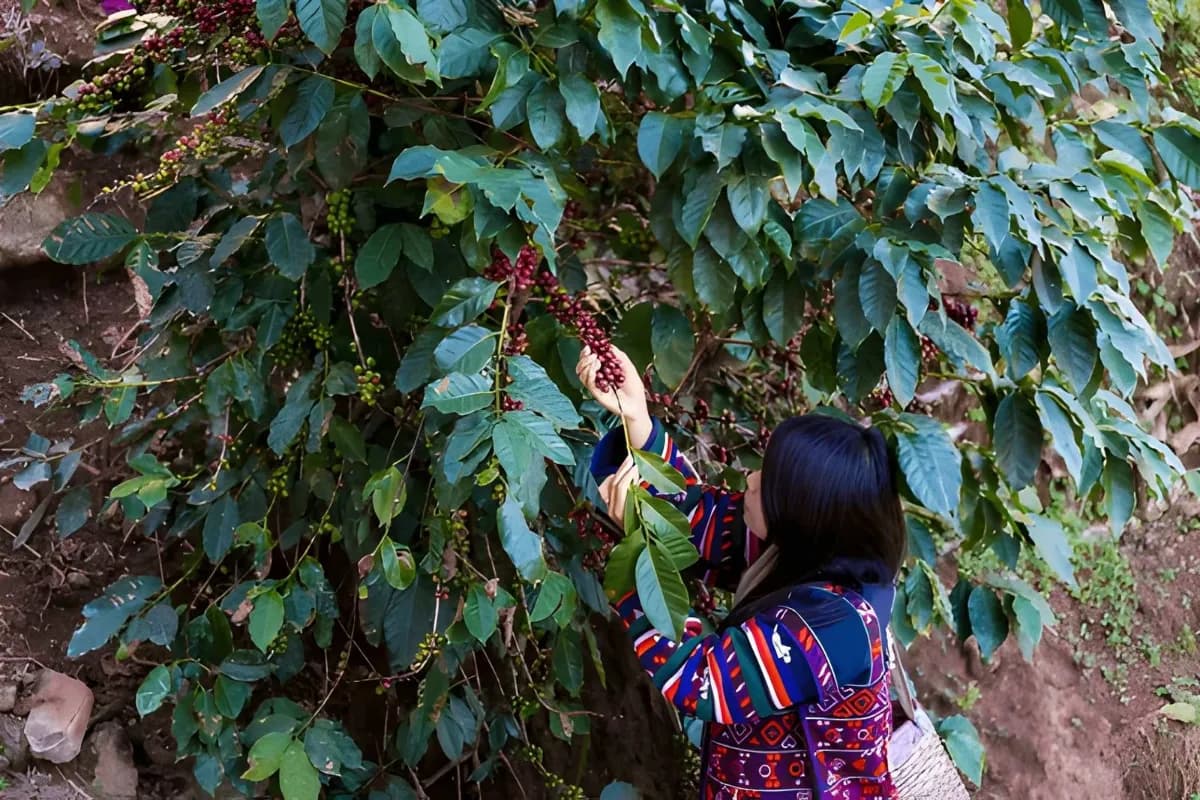
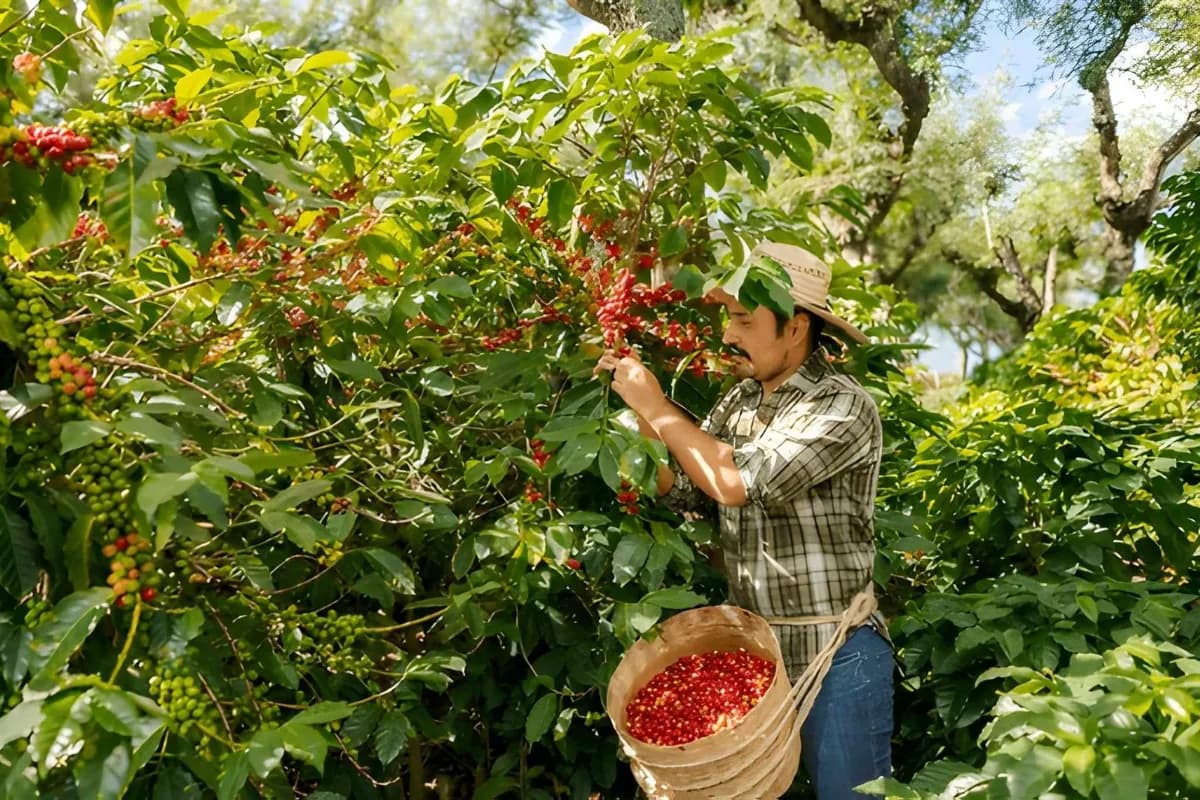
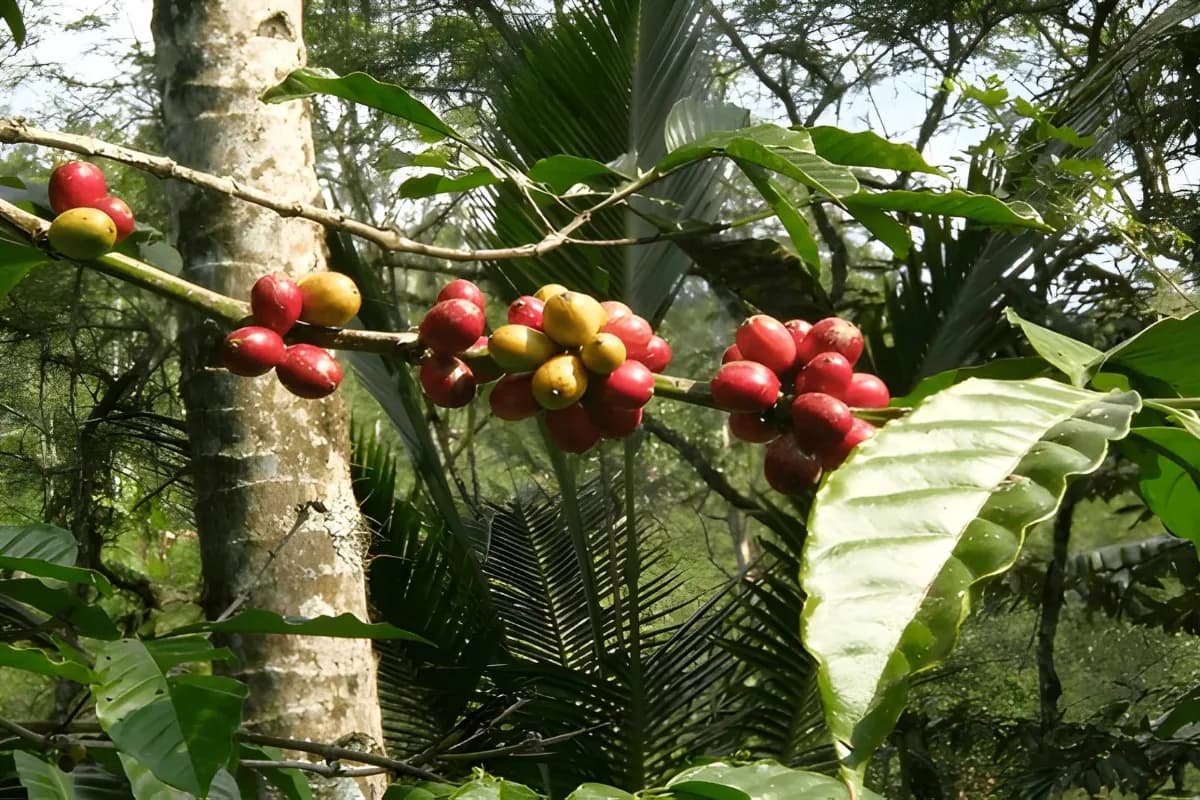
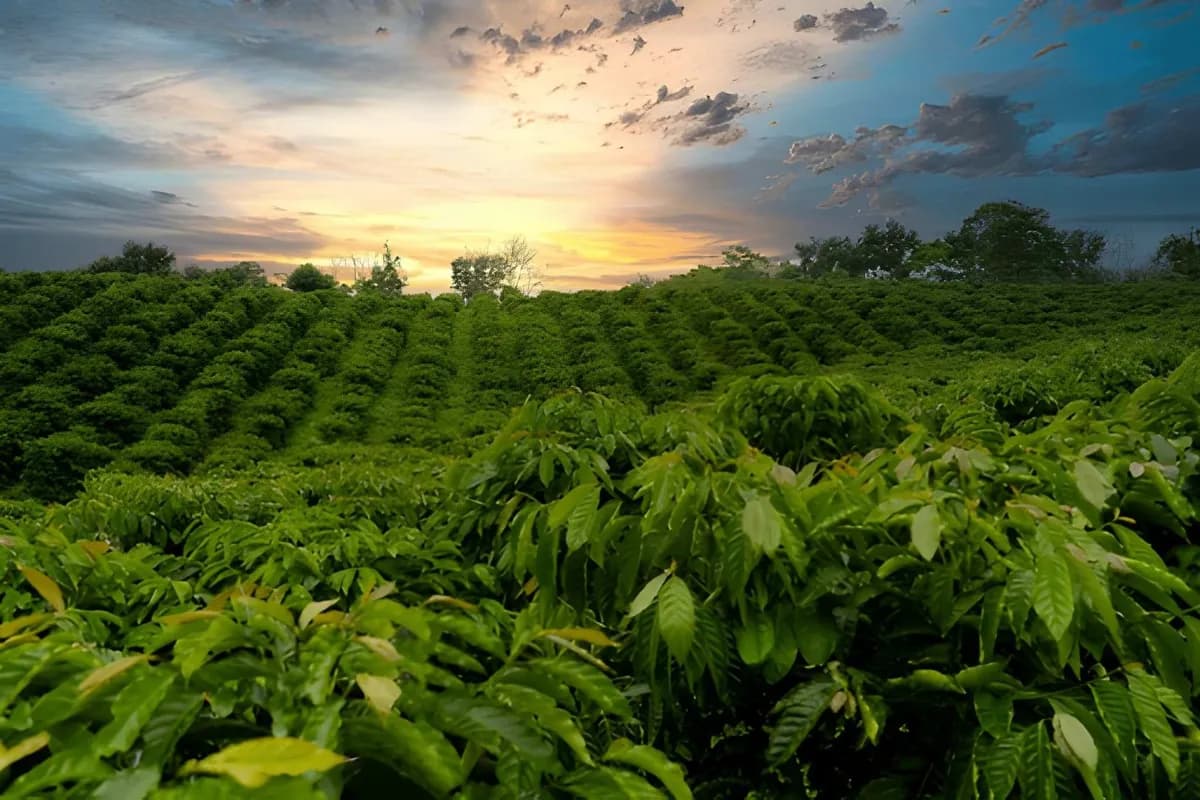
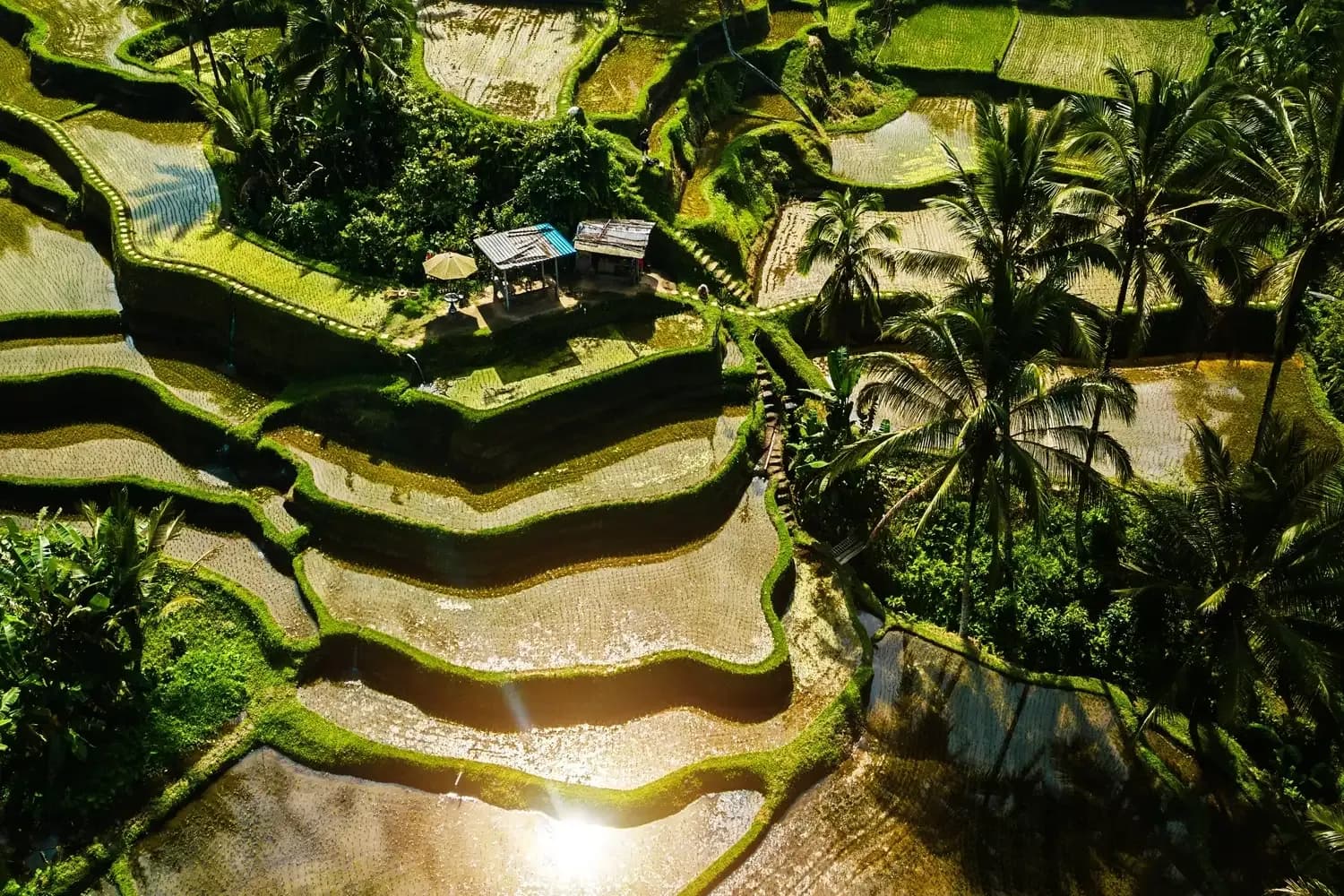
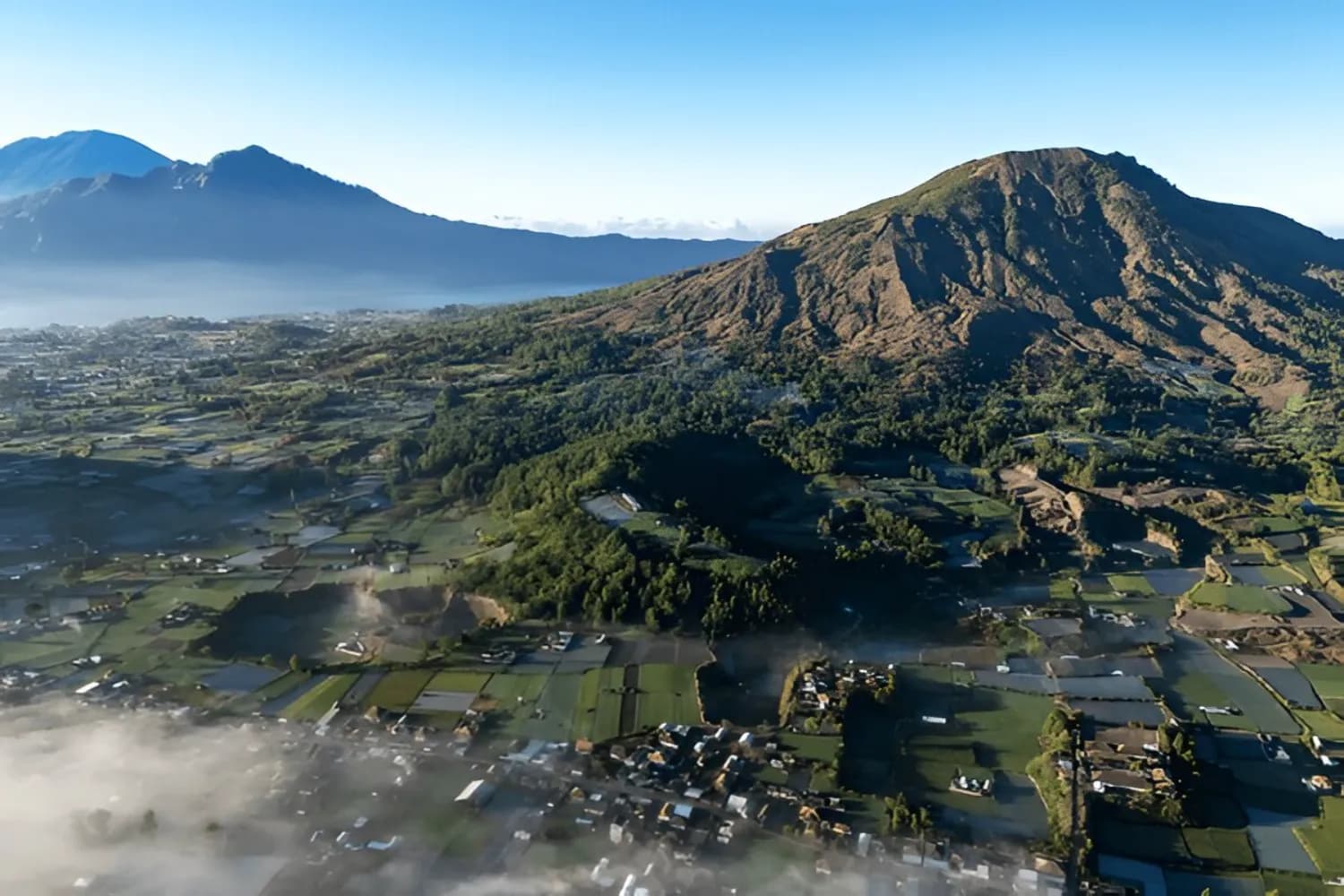
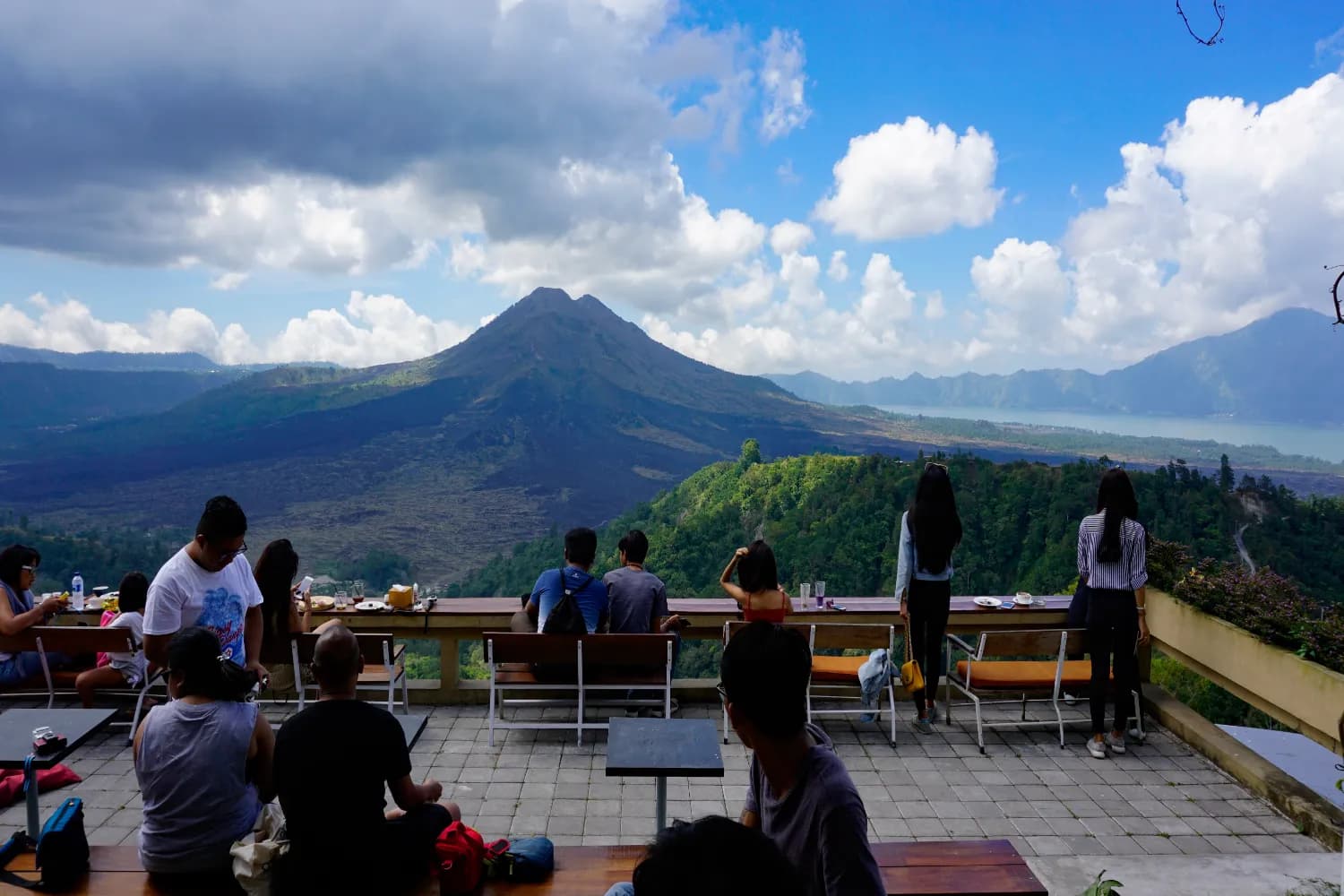
Scattered across Bali's volcanic highlands between Ubud, Kintamani, and the hills of North Bali, Coffee Plantation in Bali produces some of Indonesia's most respected Arabica beans, and most of them are open to walk-in visitors for free. Visiting a coffee plantation in Bali offers an immersive look into traditional agriculture, complete with lush jungle views, interactive processing demonstrations, and flight-style tastings of local brews. Most agrotourism farms are scattered around the cooler highlands of Central Bali, particularly north of Ubud and towards Kintamani.
If you are planning a Bali tour via Bali tour packages, visiting at least one coffee farm or plantation tour will definitely enhance your overall experience, and if you are a coffee lover, then it's the cherry on top. You can buy some authentic coffee directly from the organic shops.
Importance of Coffee Plantation in Bali
Coffee plantations in Bali are vital pillars of the island's economy, ecology, and cultural heritage. They drive rural employment, sustain the island’s tourism sector through agritourism, and preserve ancient, sustainable agricultural practices within the nutrient-rich volcanic highlands. Bali's coffee-growing centre is Kintamani, and over 90 percent of Bali's coffee comes from this region.
The citrus cross-pollination gives Kintamani Arabica its signature flavour. In 2008, Kintamani Arabica became Indonesia's first coffee variety to receive a Geographical Indication certificate, protecting its origin and setting quality standards for export.
History of Coffee Plantation in Bali
Coffee reached Indonesia through the Dutch colonial administration in 1696, and was first planted in Java before spreading across the archipelago. Bali was a relatively late addition; Dutch influence expanded into the island's highlands in the early 19th century, and coffee took root in the Kintamani region, where volcanic soil and altitude made conditions ideal.
By the late 20th century, Bali's agro-tourism model began converting working farms into visitor destinations, and the plantation tour became common in Bali tours.
Best Time to Visit Coffee Plantation in Bali
April through October is the best time to visit, when dry season conditions keep roads open and plantation paths clear. July to September is harvest season, the point at which coffee cherries reach peak ripeness and farm activity is highest. Visit between 8:00 AM and 11:00 AM to arrive before tour-group traffic and in cooler temperatures.
Entry Fee & Timings
How to Reach Coffee Plantation in Bali
The main plantation cluster near Tegallalang is 10 km from central Ubud (25–30 min). From Kuta or Seminyak, allow 35–40 km (1–1.5 hrs). A private taxi from Ubud costs ₹1,500–₹2,000 for a full highland day. Scooter rental from Ubud is ₹450–₹550; Grab rides from central Ubud cost ₹150 - 300.
Stays Near Coffee Plantation in Bali
1. Bambootel Sawah View
Price: ₹15,680 per night
Location: Jl. Raya Bilukan, Tegallalang, 2.1 km from Bali Pulina Plantation
2. Puri Sebatu Resort
Price: ₹3,320 per night
Location: Jl. Raya Banjar Jati, Sebatu, Tegallalang, 5.5 km from Bali Pulina Plantation
3. Kabinawa Ubud Villas
Price: ₹6,650 per night
Location: Jl. Duur Bingin, Tegallalang, 4.8 km from Bali Pulina Plantation
Day Wise Timings
Maps & Location
banjar temen, Jl. Raya Kintamani, Manukaya, Kec. Tampaksiring, Kabupaten Gianyar, Bali 80552, Indonesia
Essential Information
Point of Interest for Coffee Plantation in Bali
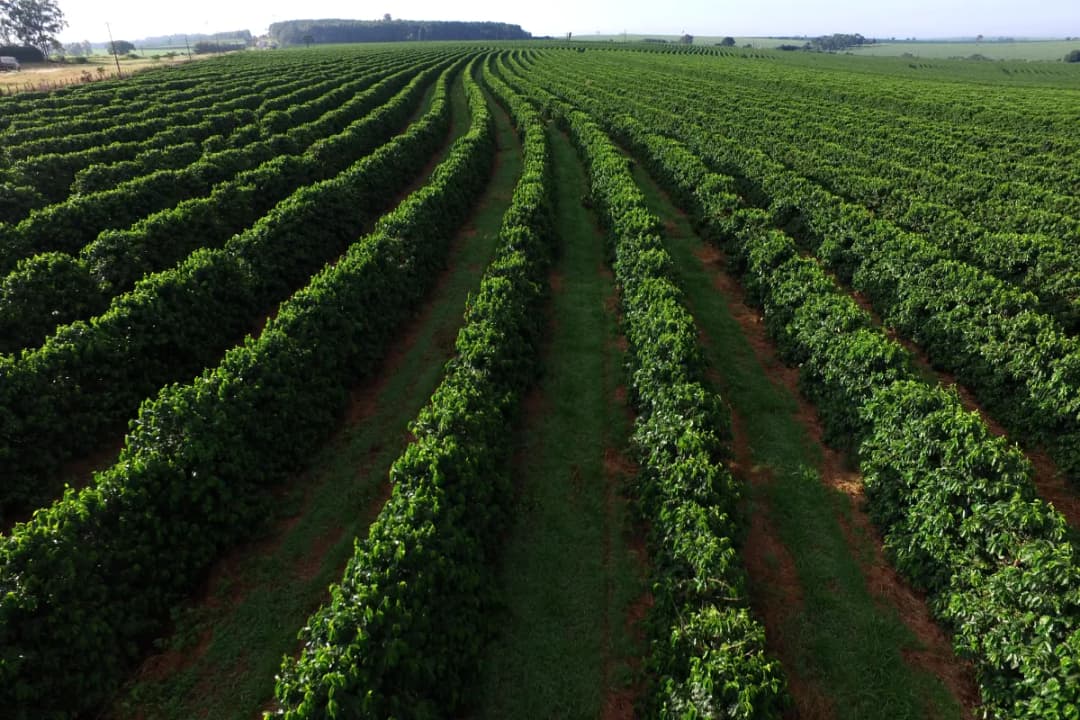
Bali Pulina Coffee Plantation
One of the most accessible plantations in Bali, located 10 km north of Ubud.
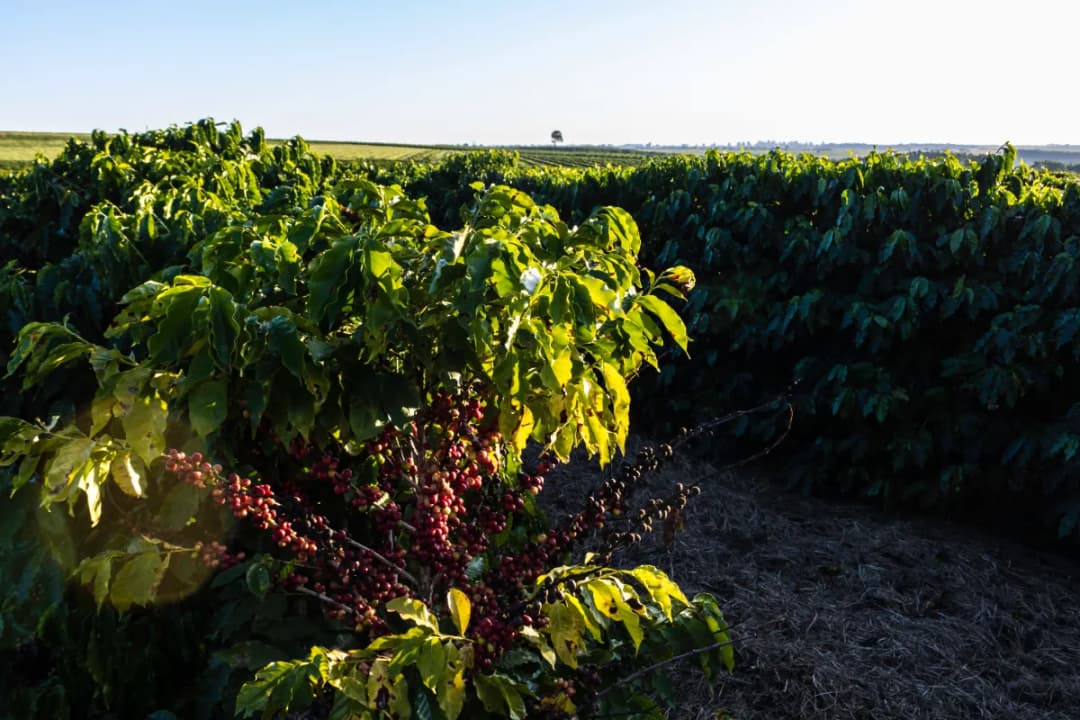
Segara Windhu Coffee Plantation
Located near Tegallalang, this plantation charges no entry fee and offers free tasting of 12–14 coffee and tea varieties.
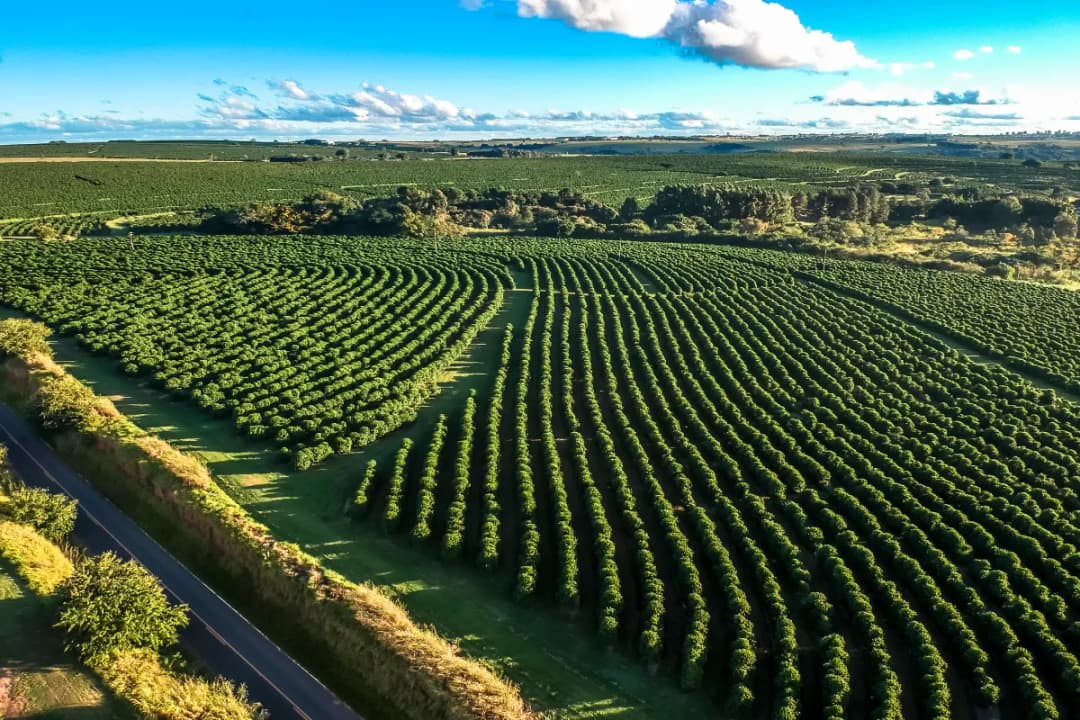
Munduk Moding Plantation
Situated in Gobleg village, 60 km north of Ubud, it grows Arabica harvested from July to September.
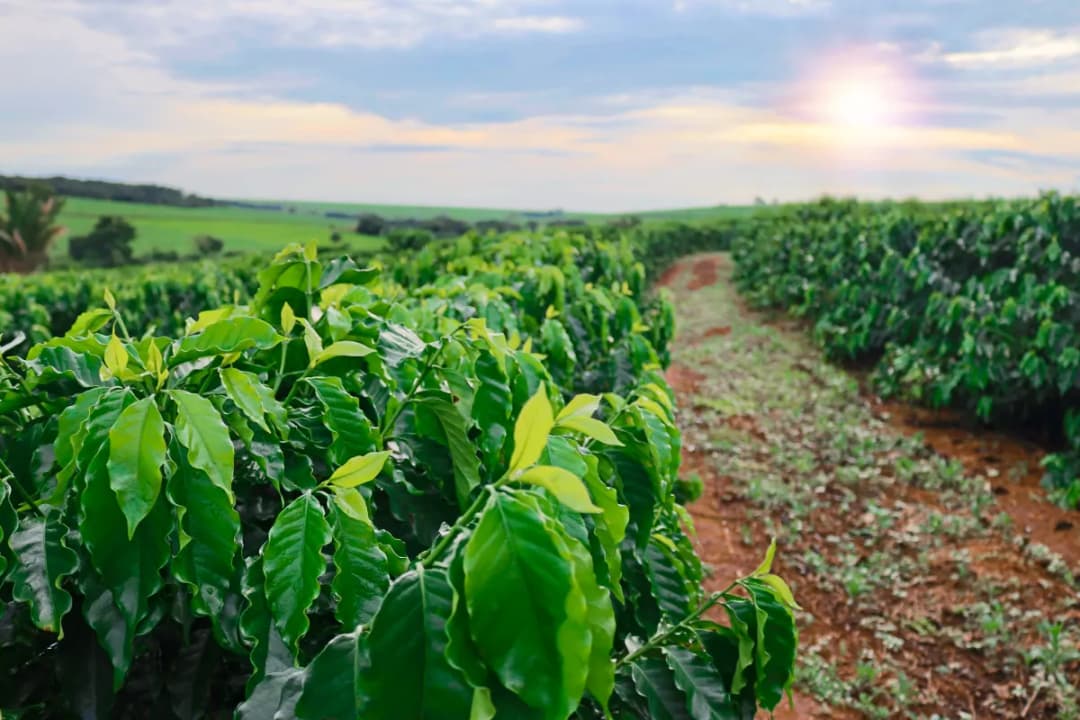
Wanagiri Coffee Plantation
Located in Wanagiri village near Bedugul, it is a family-run farm in North Bali above Danau Buyan lake.

Yes, most coffee plantation visits (agrotourism) in Bali feature completely free entry and complimentary tastings of up to 15 varieties of coffee and tea. While the tour and basic samples are free, you will only pay if you request the premium Luwak (civet) coffee or purchase items from their gift shop
Kopi Luwak (civet coffee) is a rare delicacy made from coffee beans that have been eaten and excreted by the Asian palm civet. Digestive enzymes alter the beans, resulting in an exceptionally smooth, low-bitterness cup of coffee.
Bali Pulina suits first-time visitors near Ubud; Segara Windhu is quieter with a free tasting. Munduk Moding is the best option for quality and ethics. The right choice depends on your route and available time.
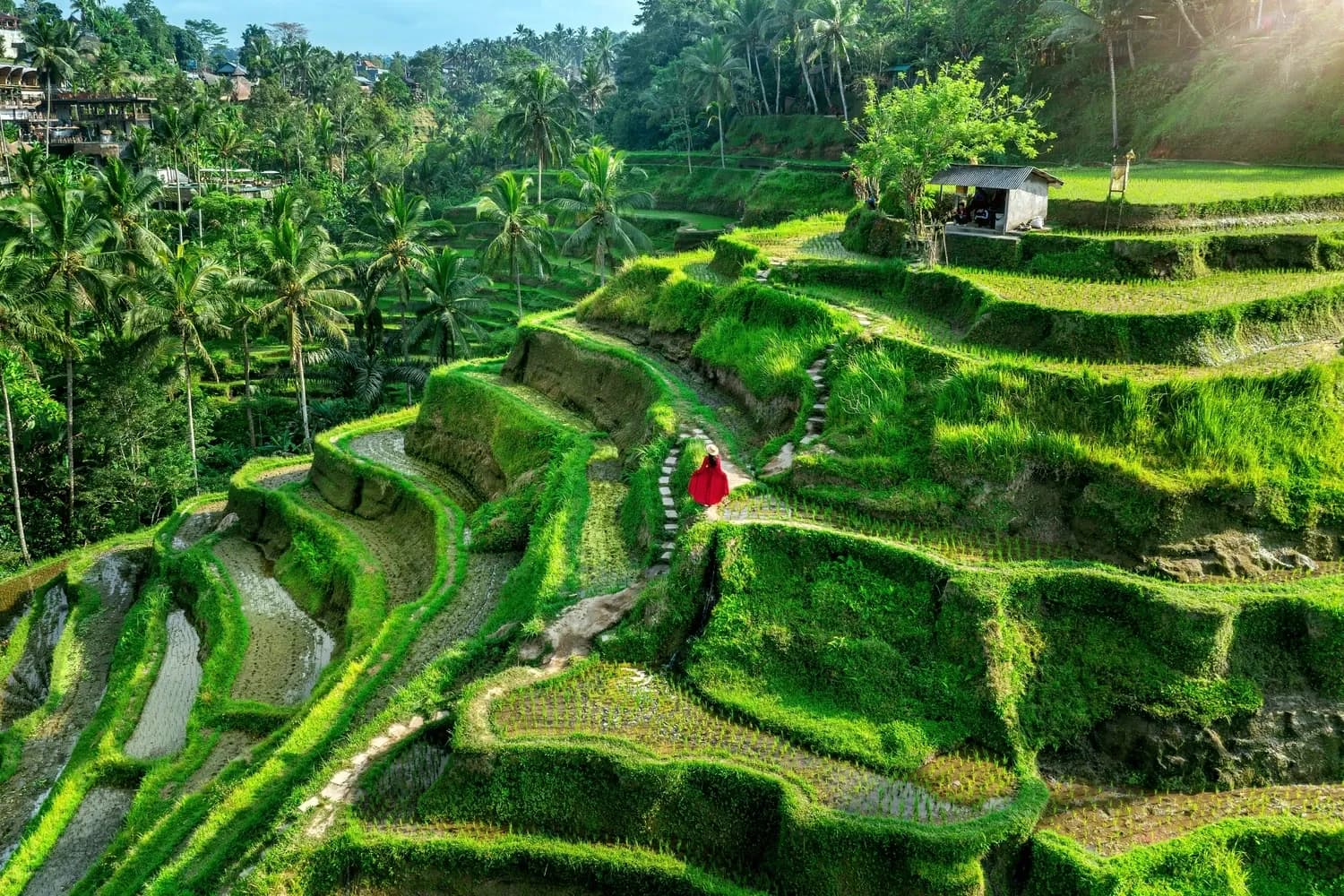
Yes, especially when combined with the Tegallalang Rice Terraces or Kintamani. Free tastings, highland scenery, and the Kopi Luwak experience make it a reliable stop that adds variety without much extra cost or planning.
Most visits run 30–45 minutes, covering the garden path and tasting. Adding a Kopi Luwak session or shopping brings the total to about one hour. Munduk Moding suits a longer half-day visit, given its distance from Ubud.
Yes, coffee is grown in Bali. Cultivation is centered in the cool, high-altitude Kintamani Highlands, where the island’s rich volcanic soil and tropical climate produce distinctive beans.

Trusted by 1,00,000+ travellers

Dedicated experts to plan your trips

Secure bookings, clear cancellations

10,000+ unique trips to choose from

4.9

Tanvi Mehta
Reviewed: Dec 20, 2025Mohit Arora
Reviewed: Nov 19, 2025