
 10 Minutes
"This place changes you. This place reminds you of how small and insignificant you are in the scope of things." - Farhan Akhtar on Ladakh.
Farhan did not say this for Instagram. He meant every word.
₹39,999
per person
₹20,999
per person
₹39,990
per person
₹25,999
per person
Have you ever wondered why certain places have a pull that never fades? People visit Ladakh once and start counting the days until the next trip. Not weeks, not months. Days. There is something about this union territory that gets under your skin and stays there.
So if you are still on the fence, here are 13 honest reasons to book Leh-Ladakh tour packages and go.
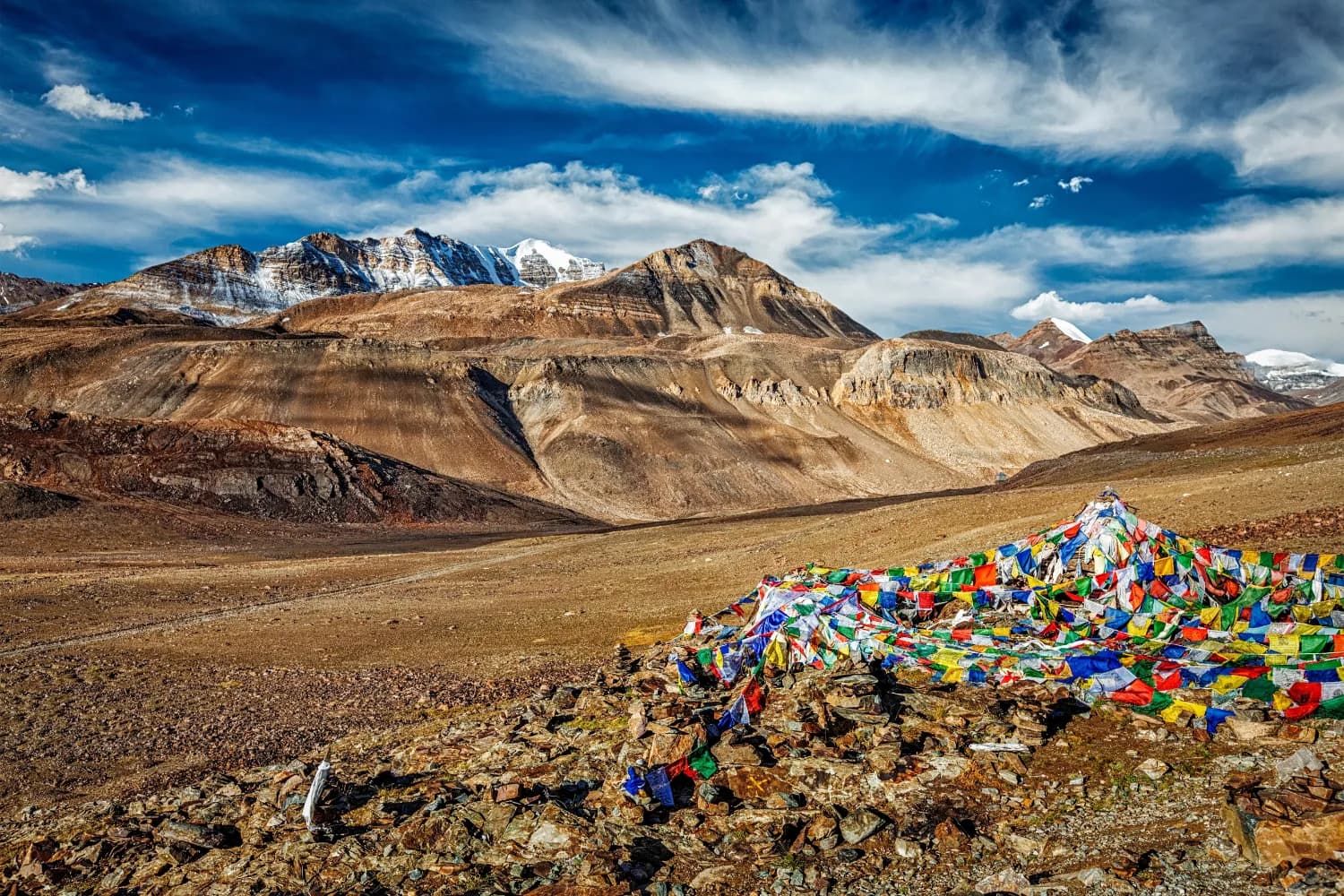
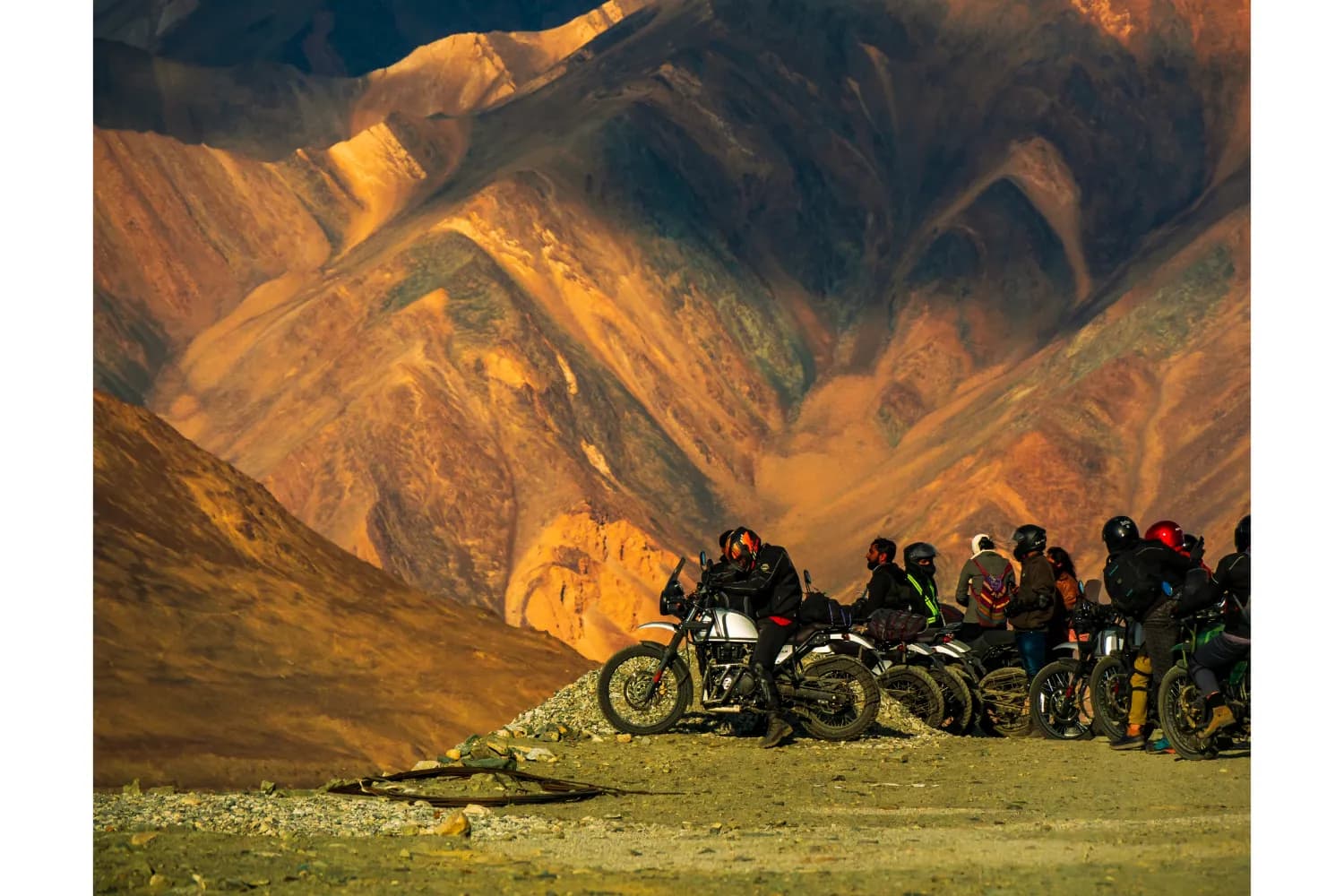
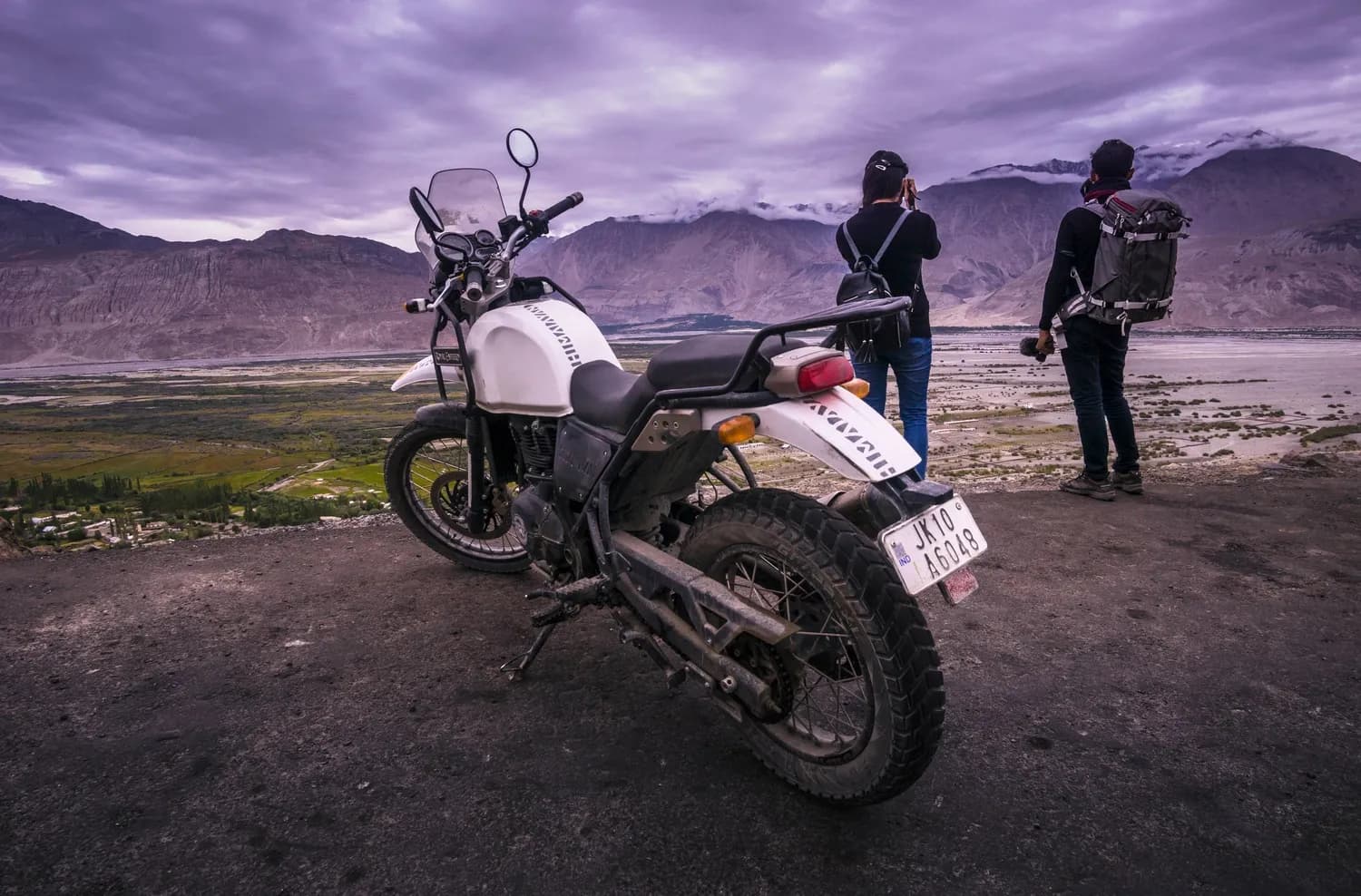
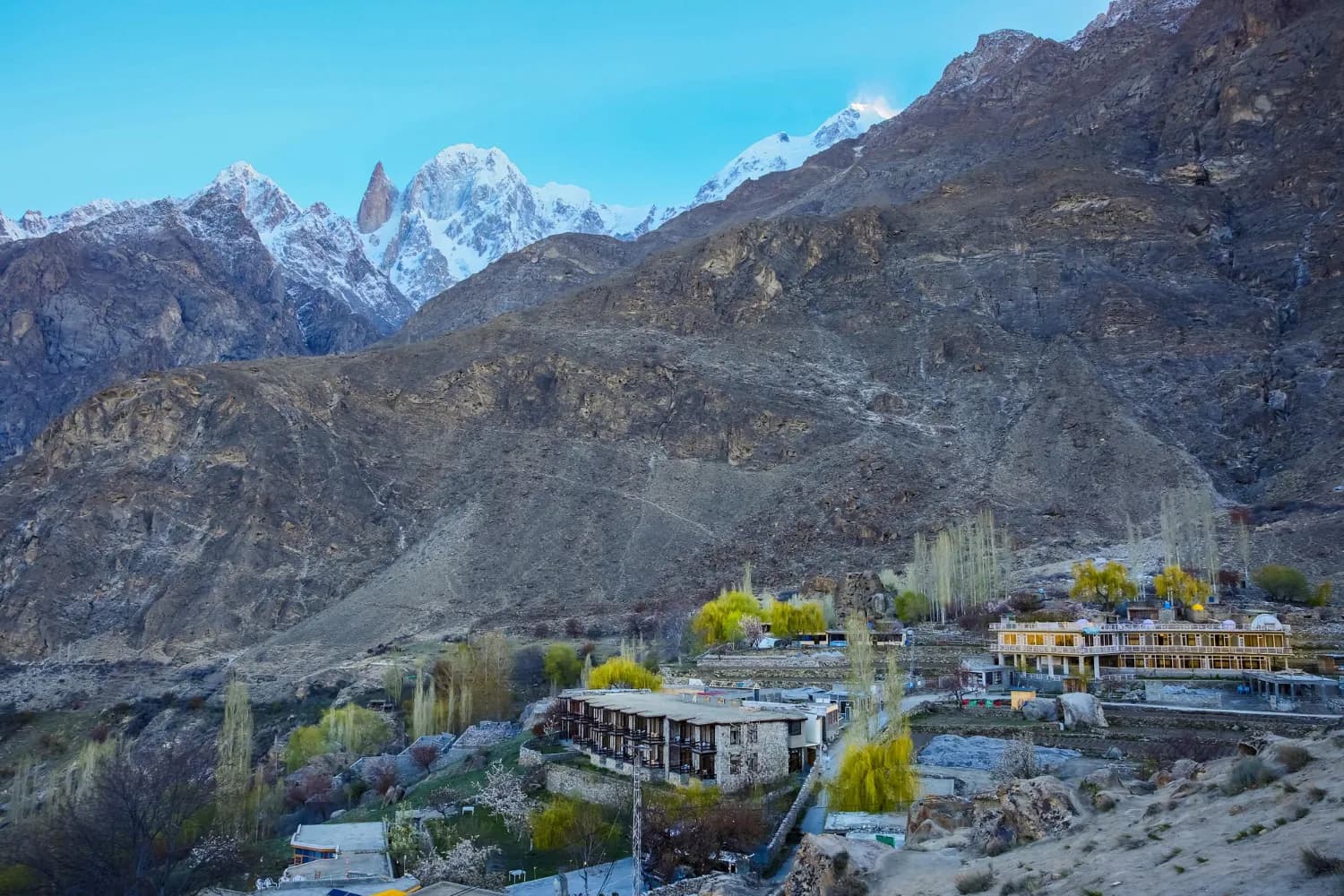
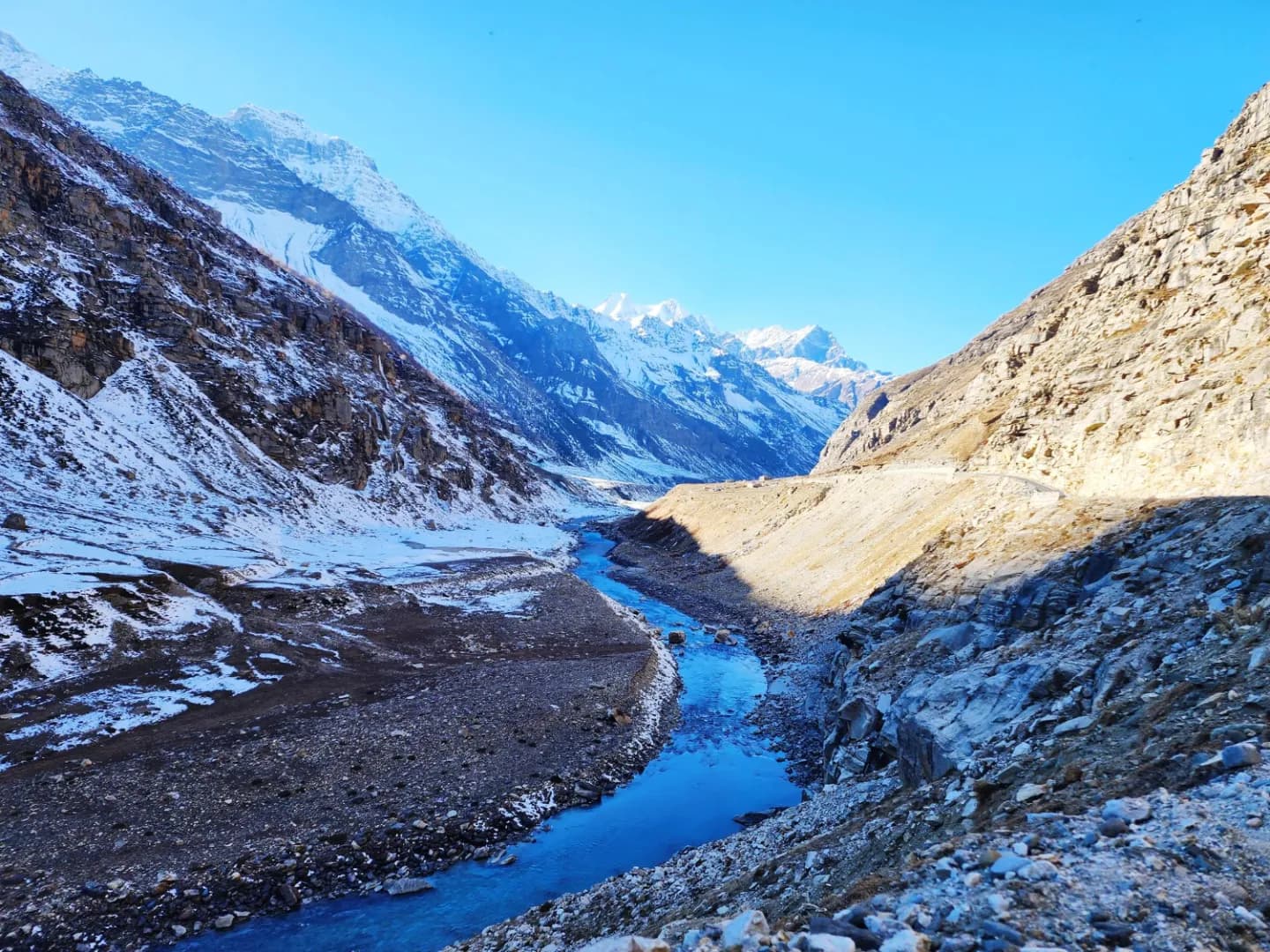
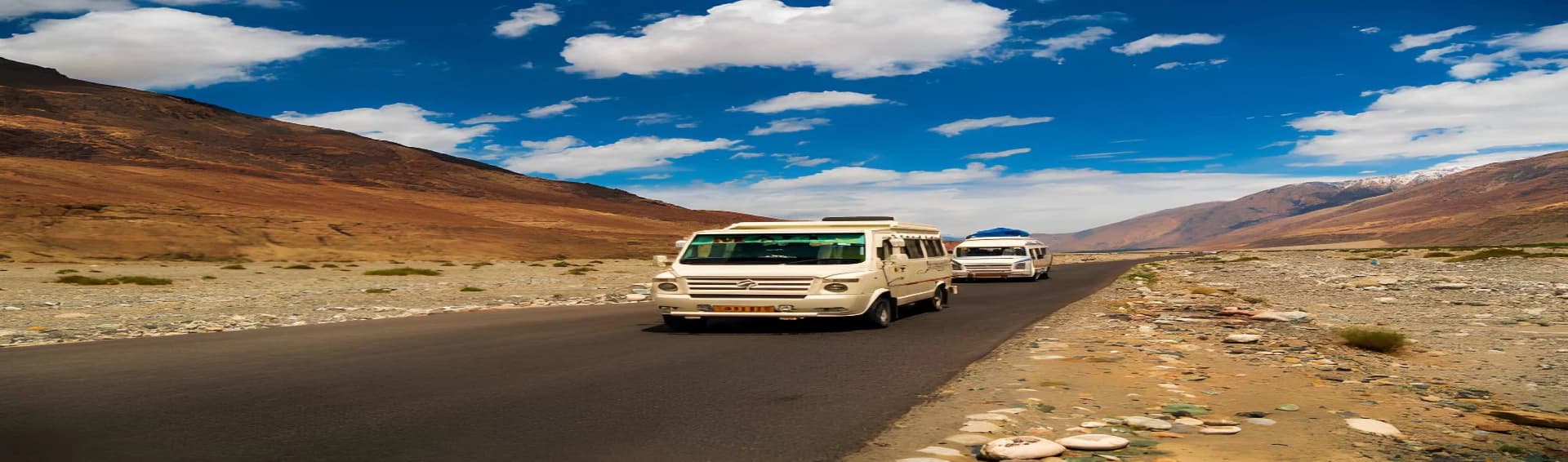
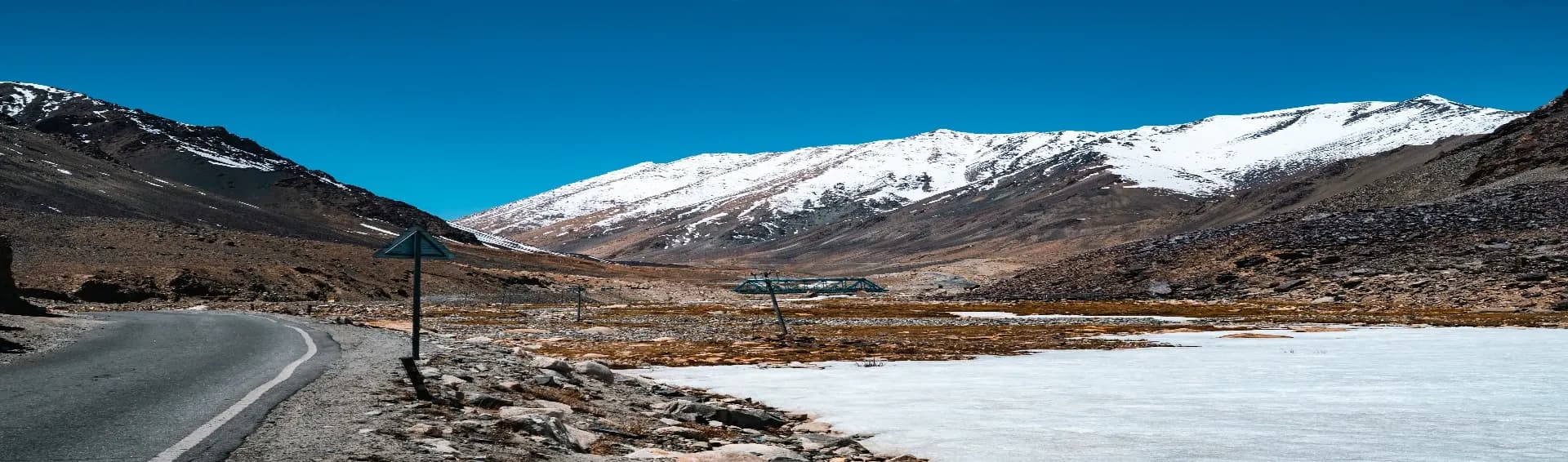
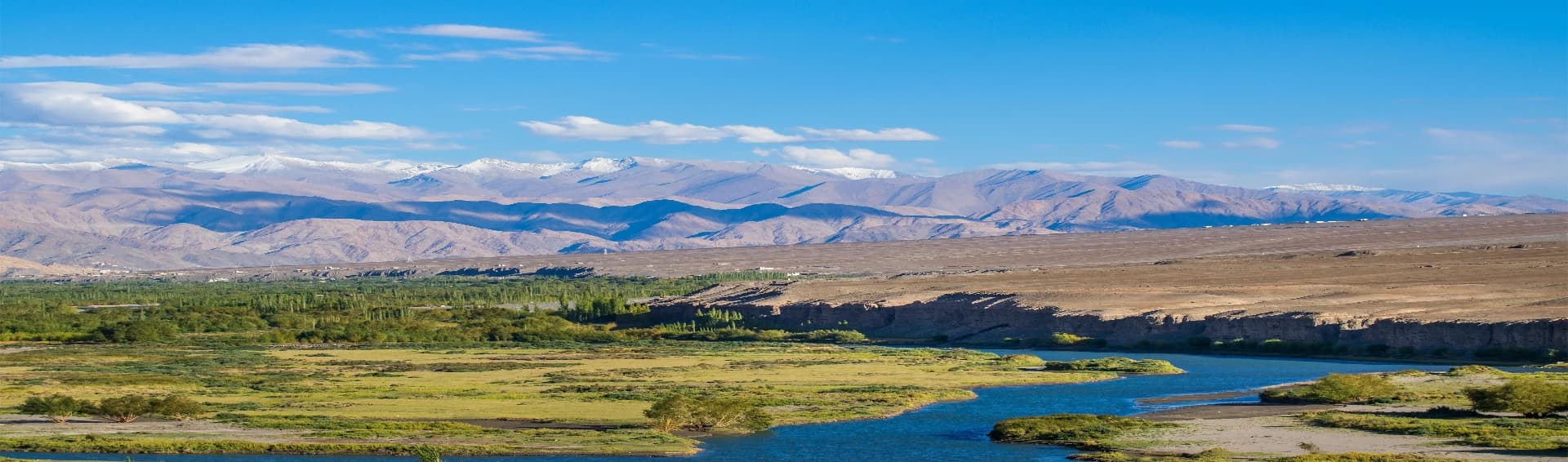
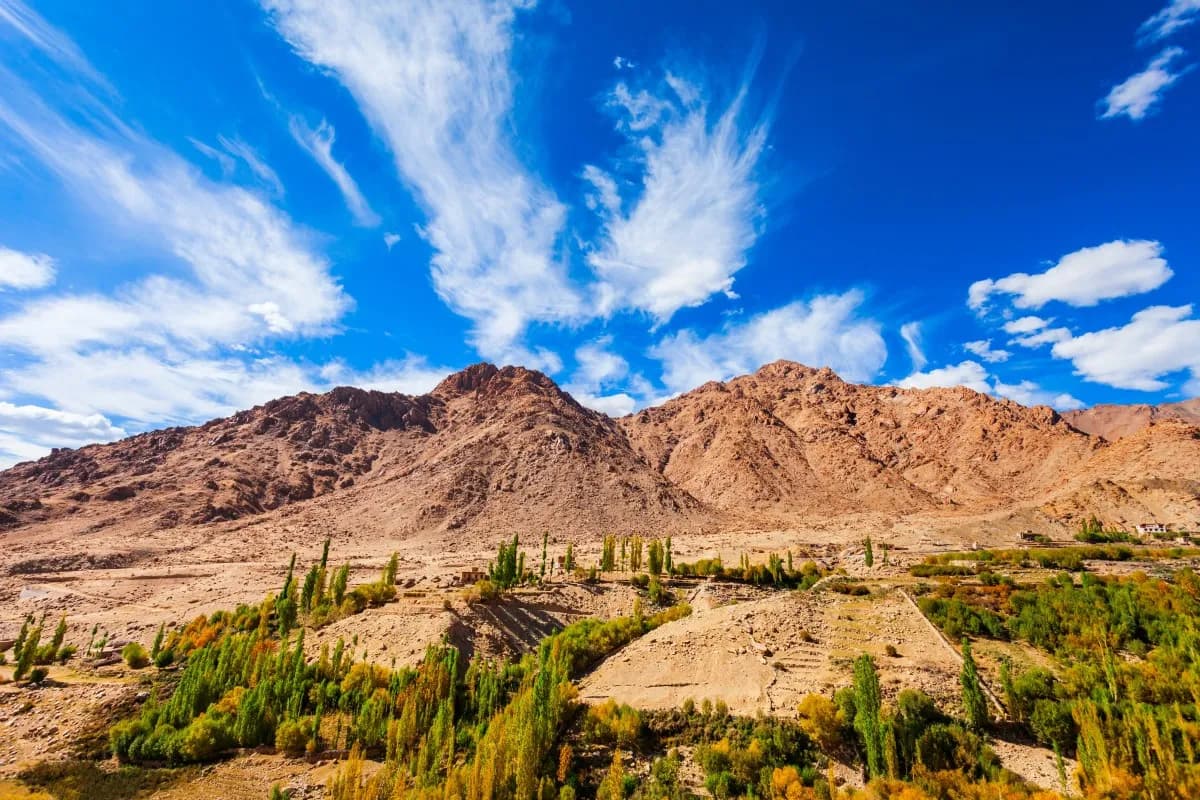 No filter makes Ladakh look better than it already does. Brown mountains, blue skies so clear they hurt your eyes, roads that seem to go on forever. There is no green, no trees competing for attention. Just raw, honest landscape. And somehow, that rawness is what stays with you long after you are back home, stuck in traffic.
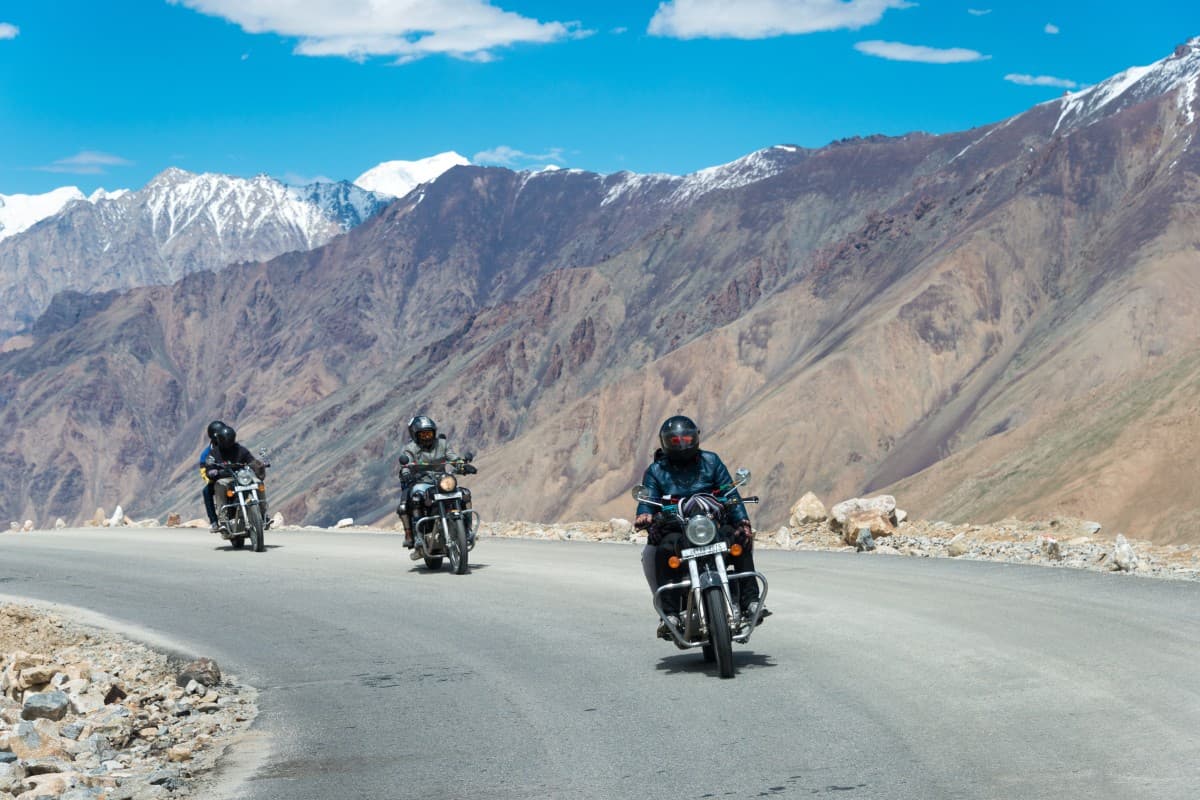
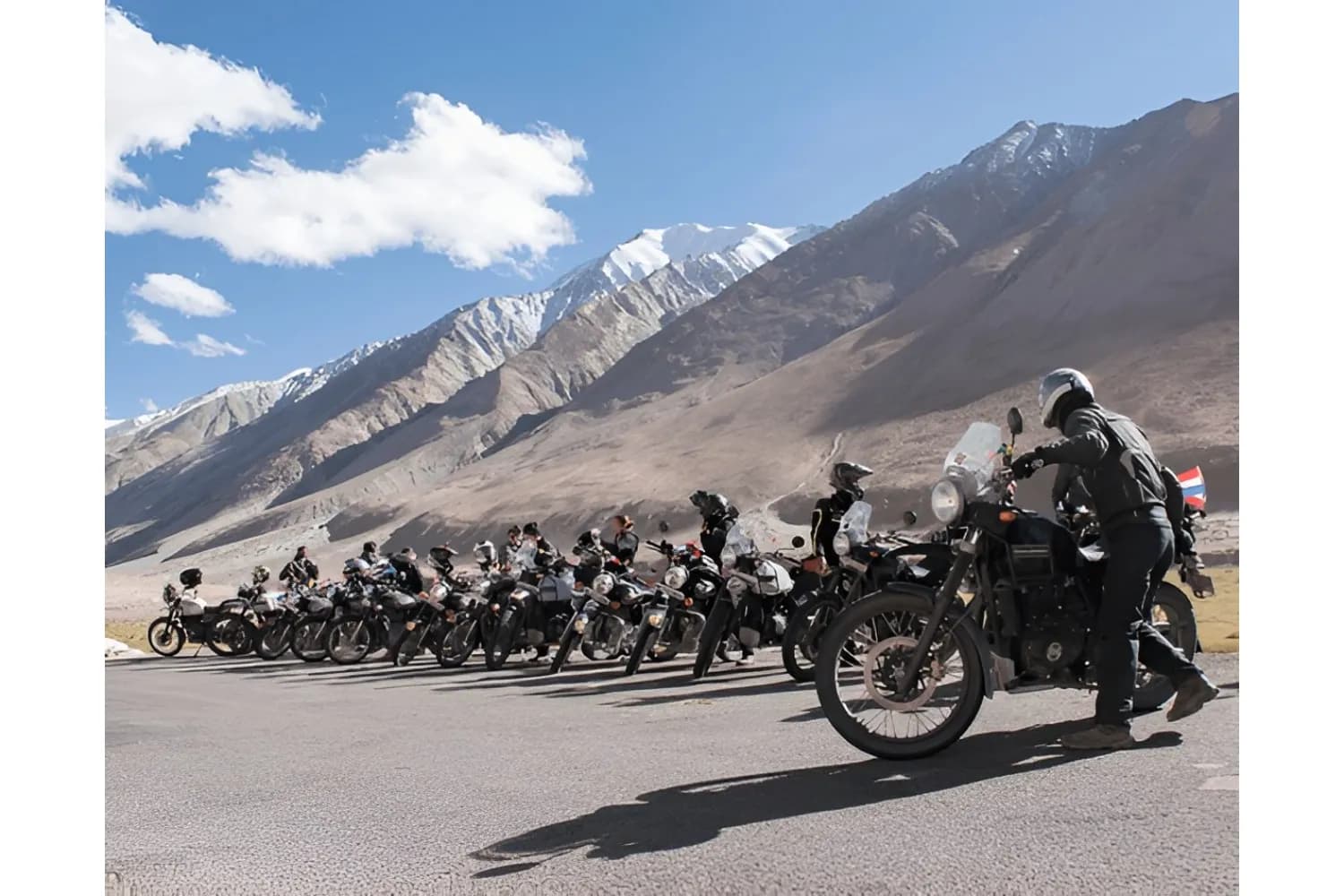
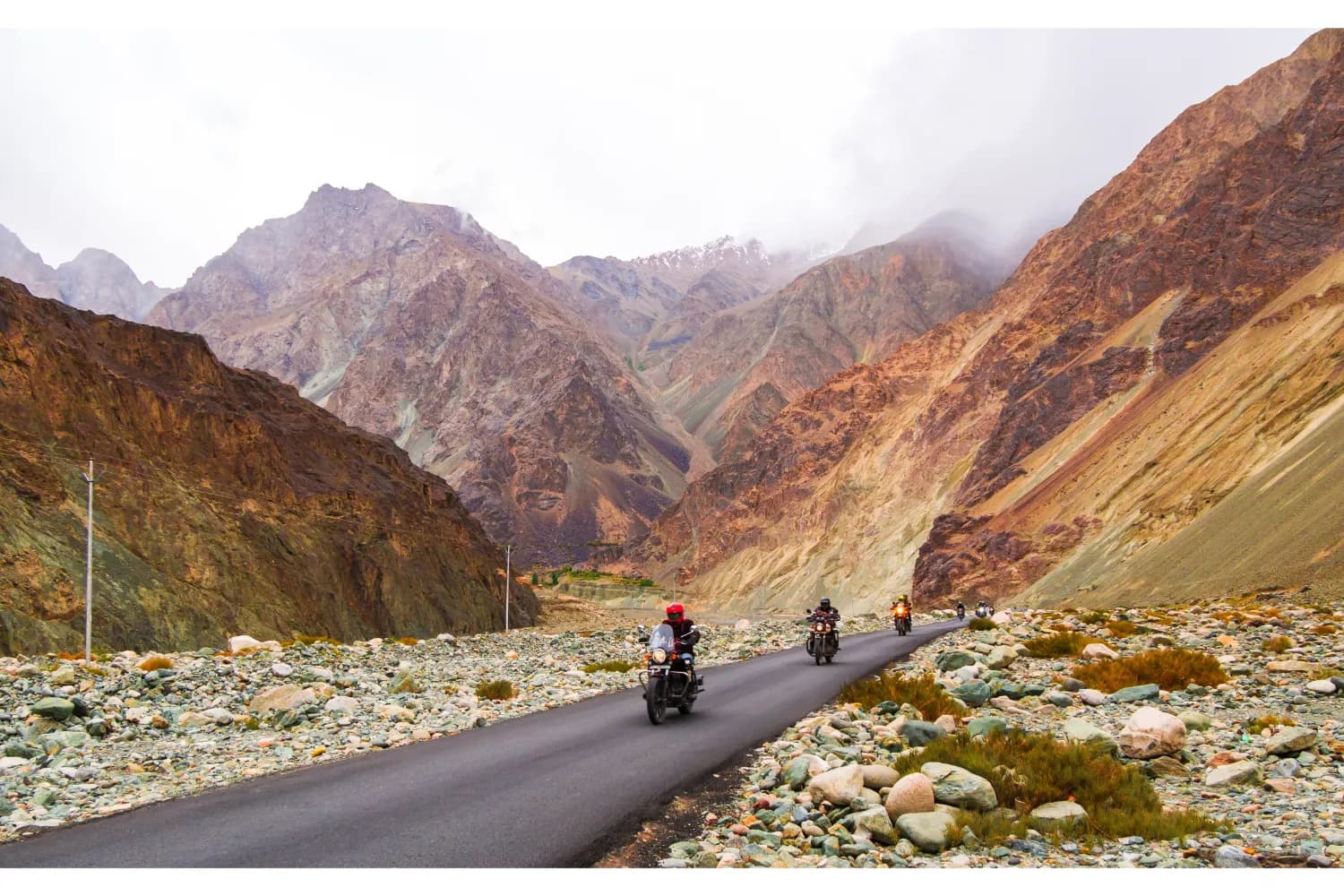
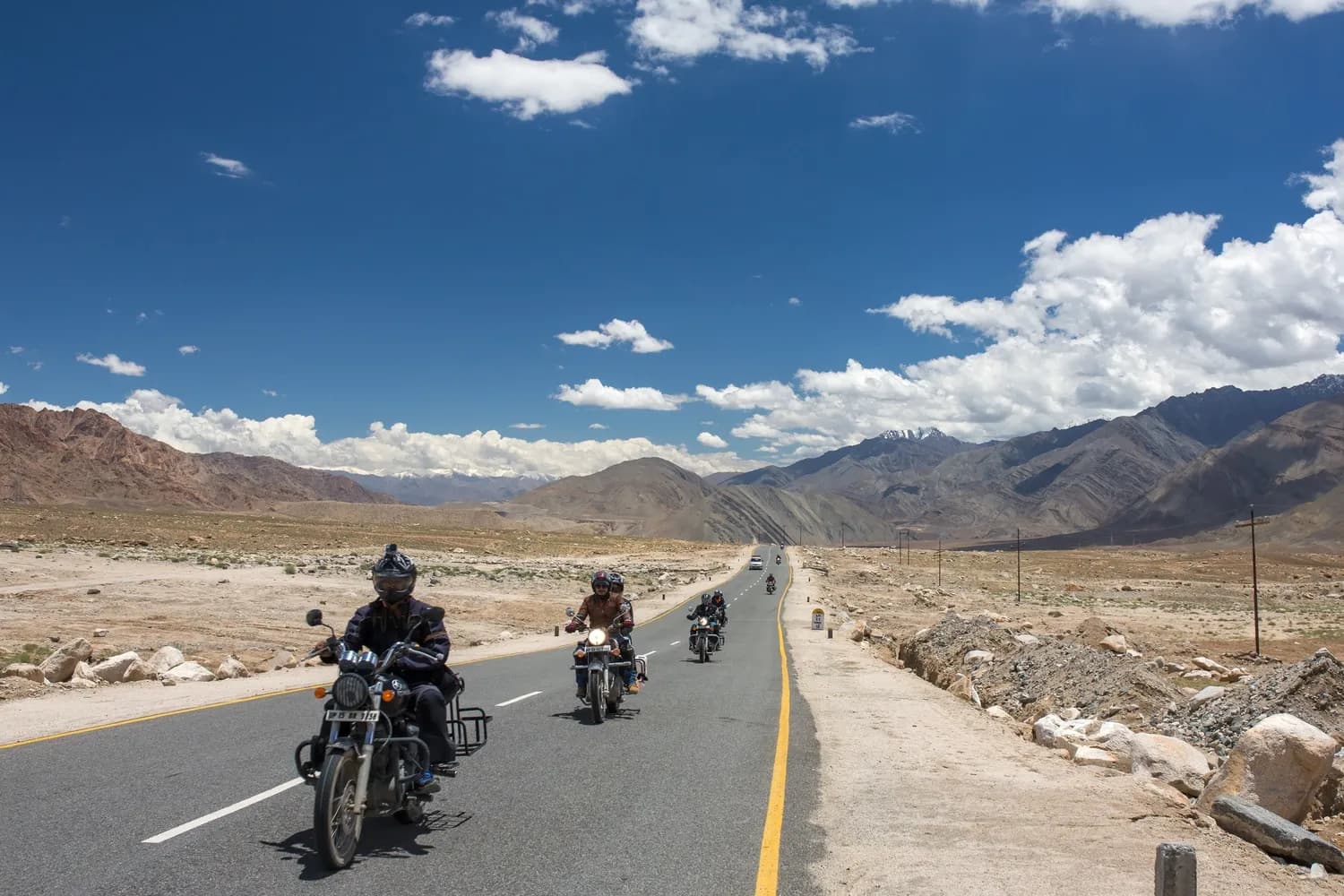
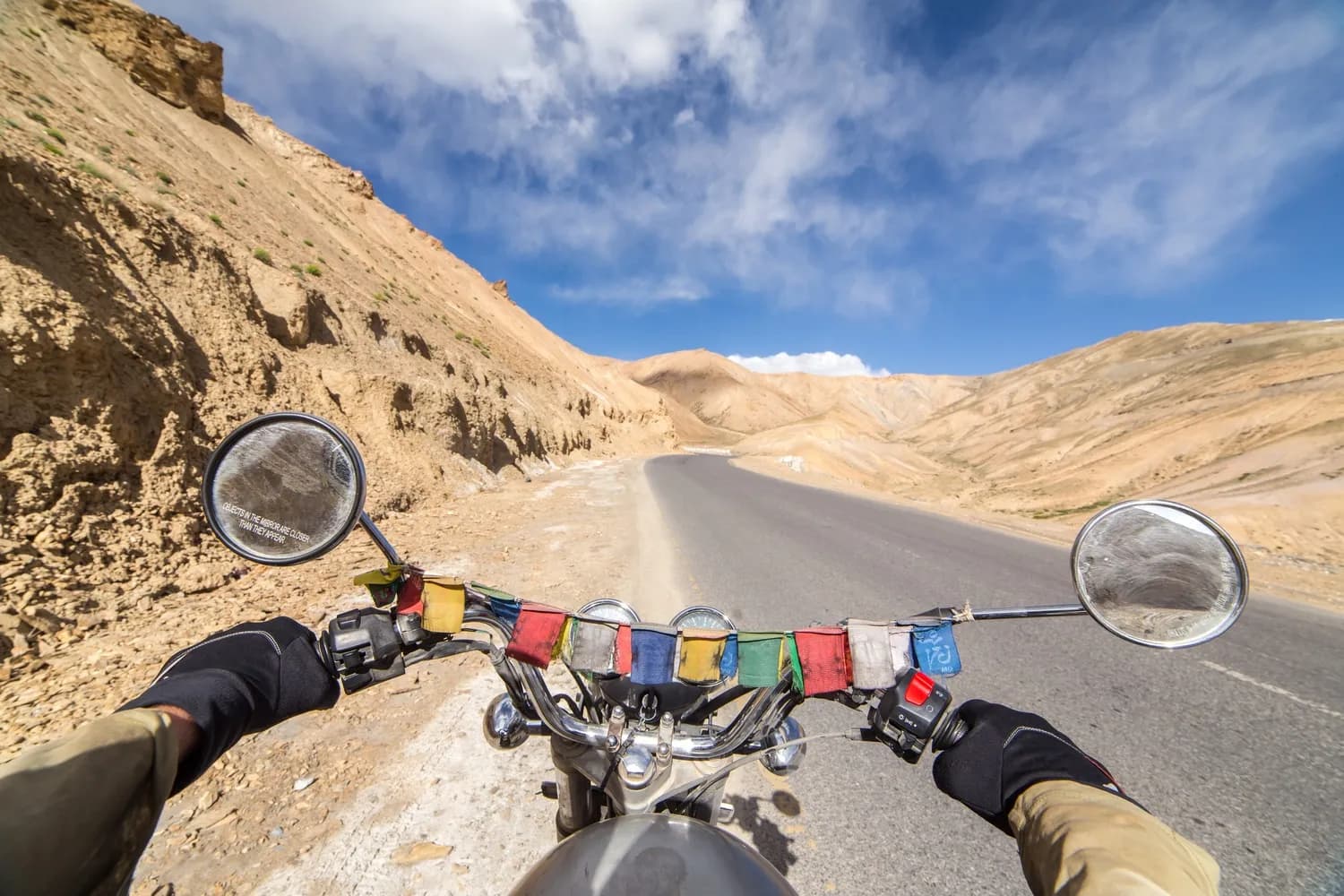
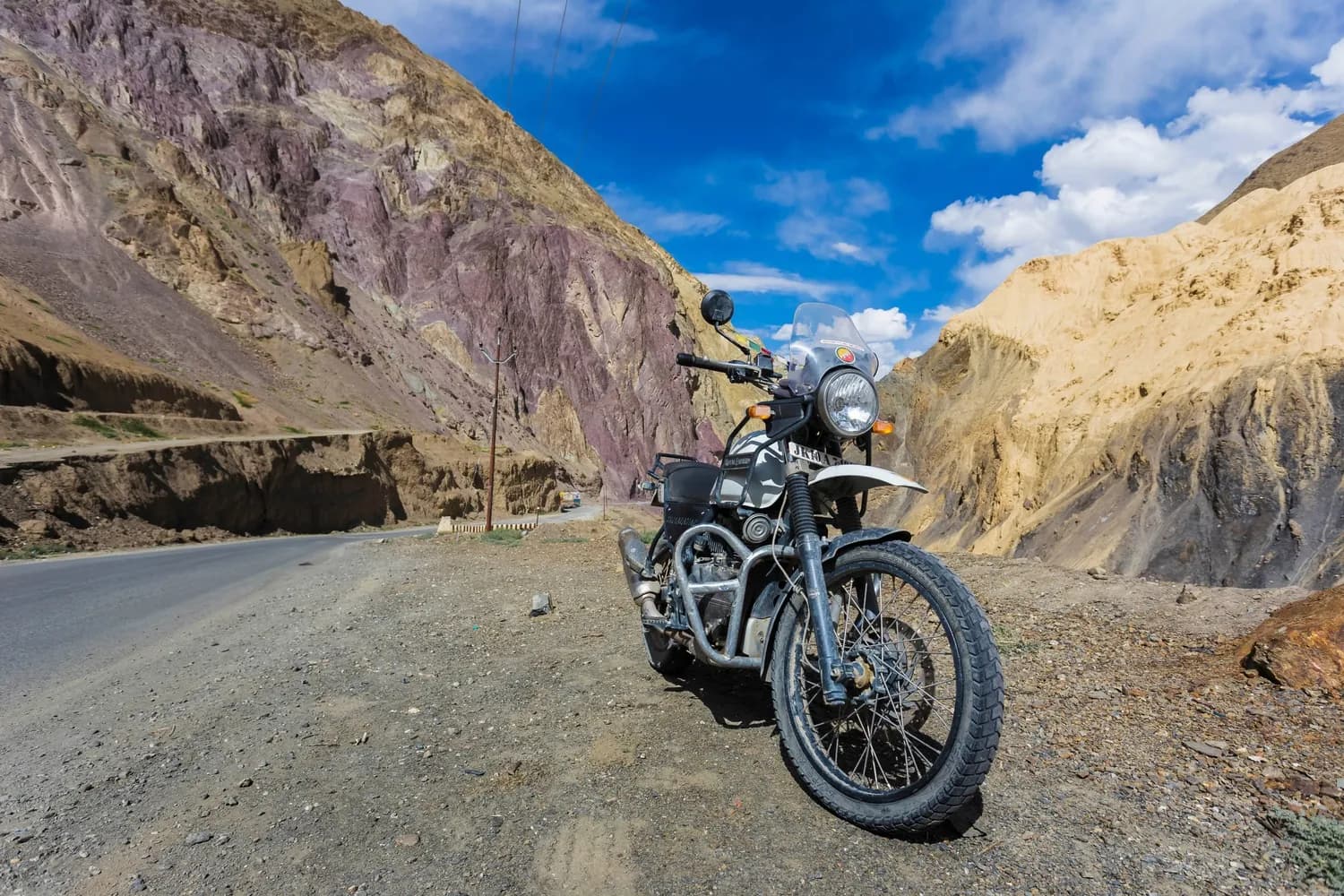
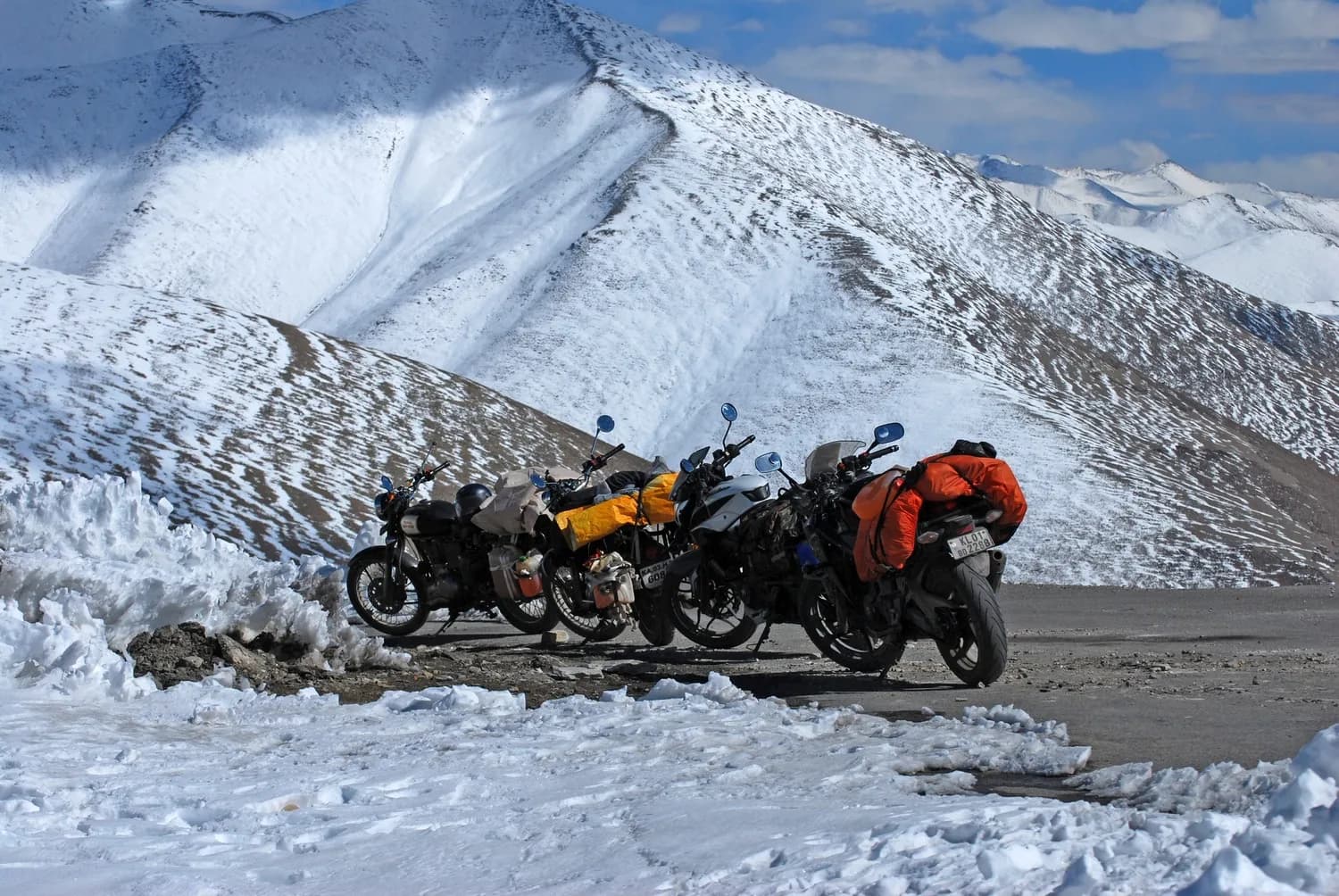
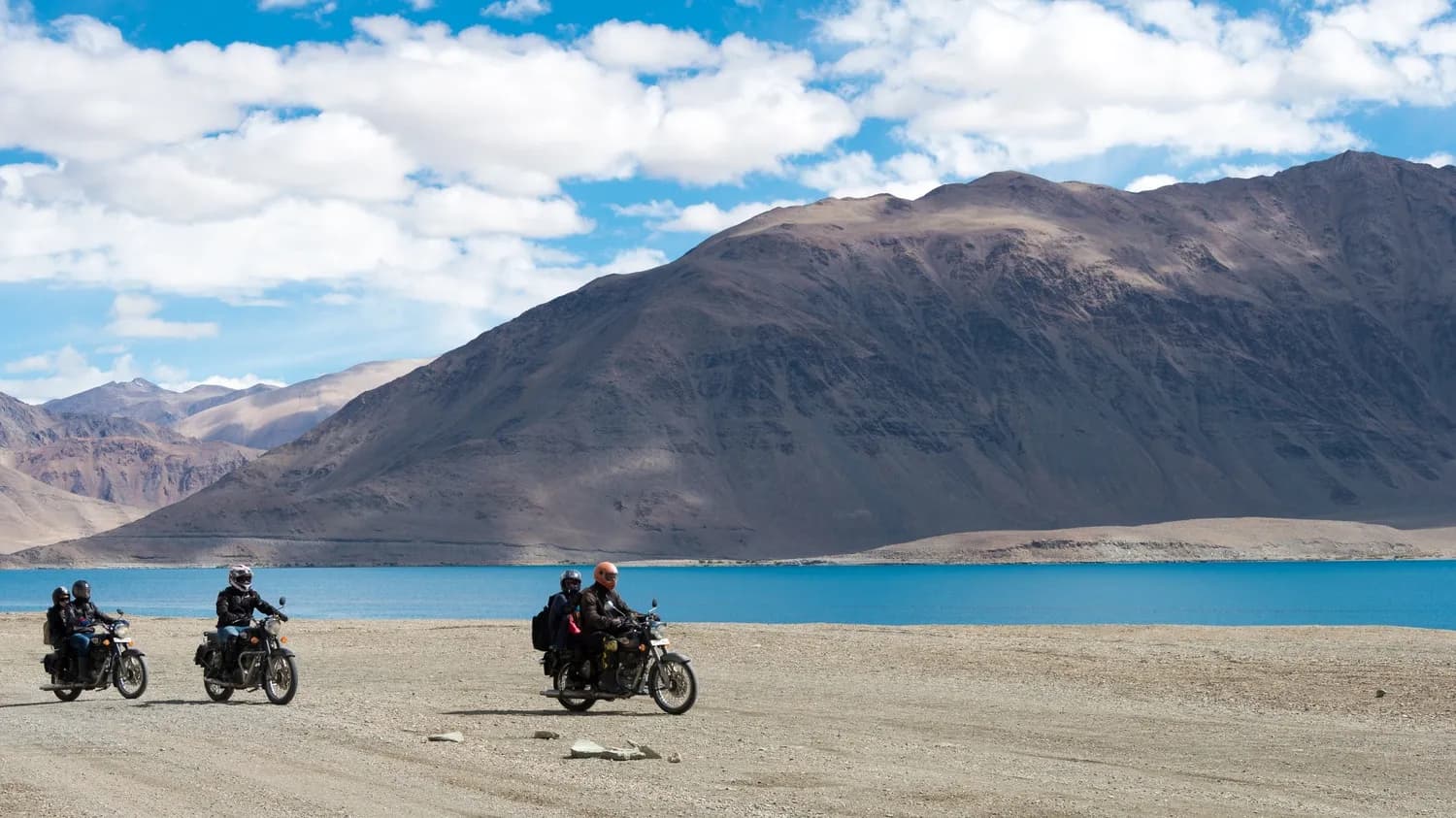
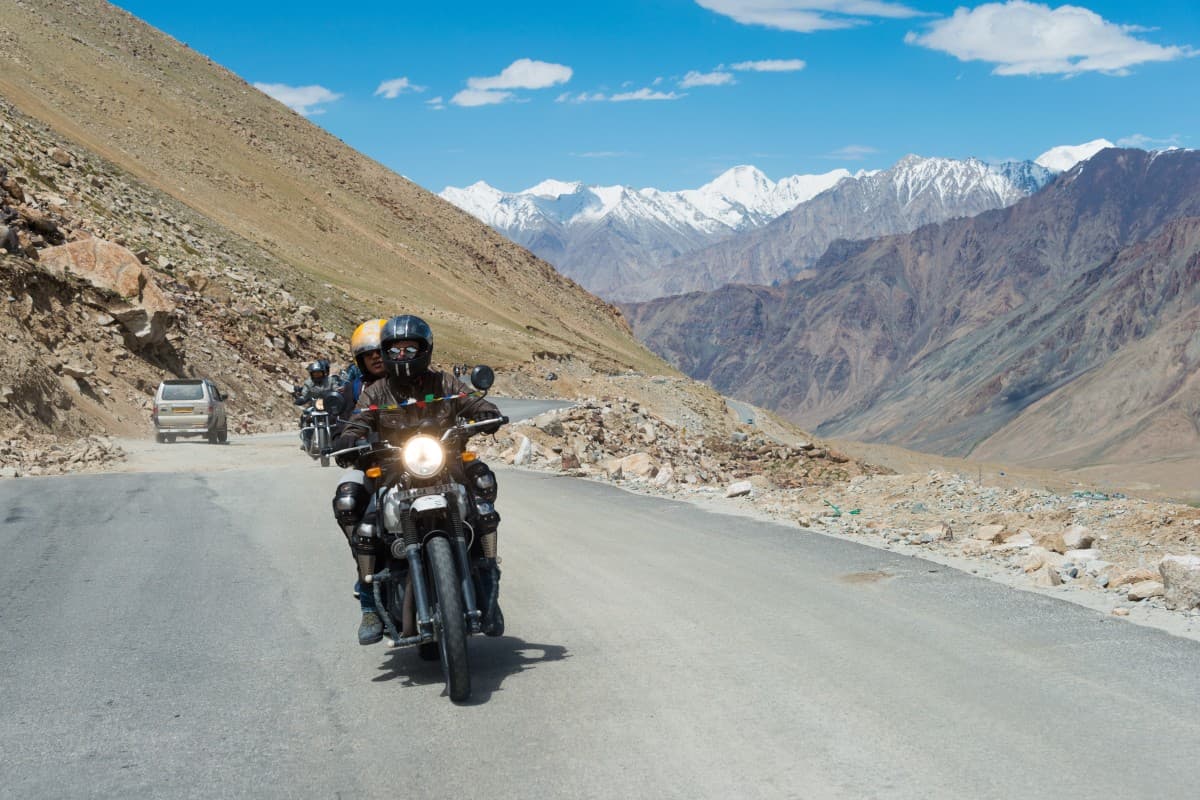
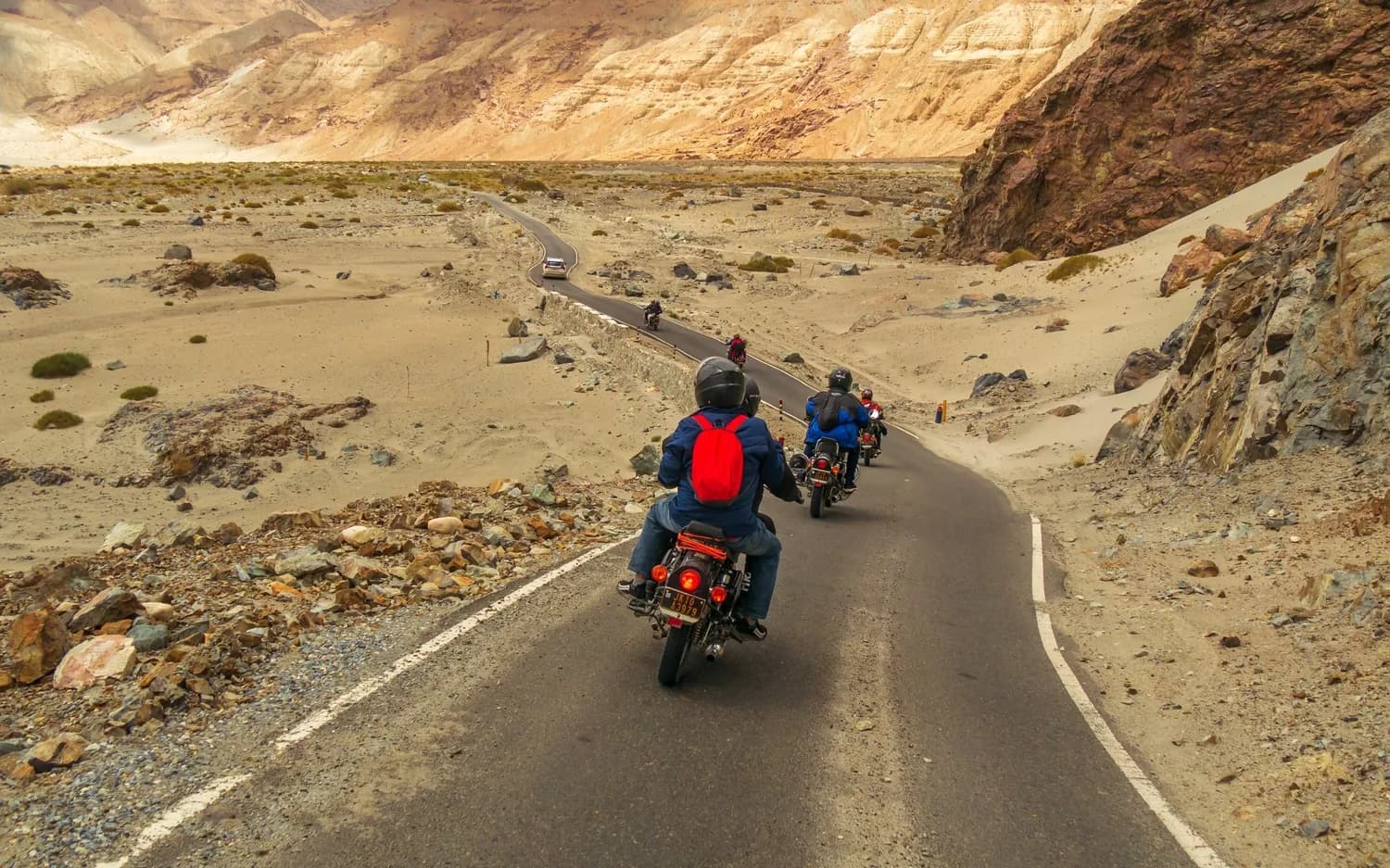
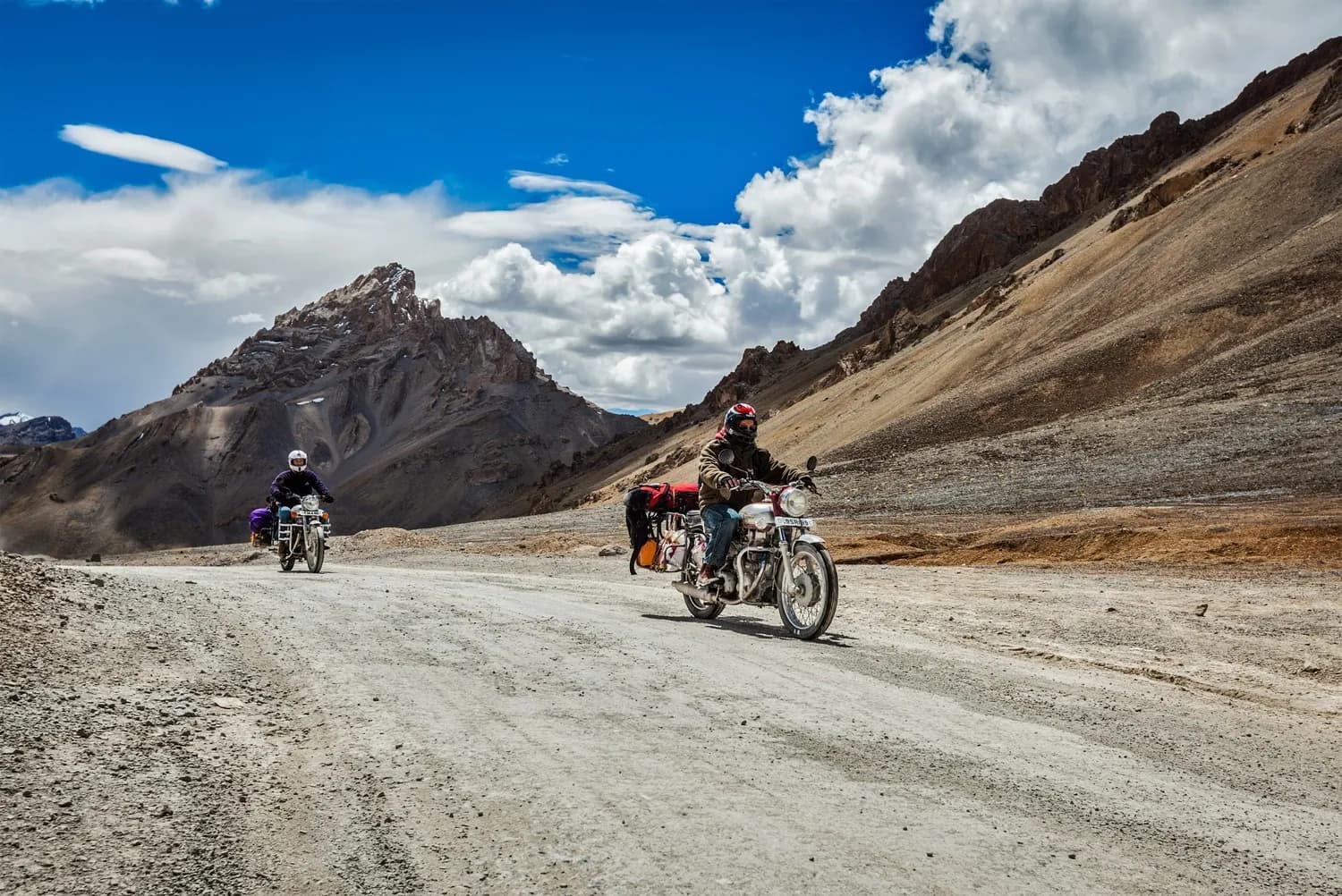
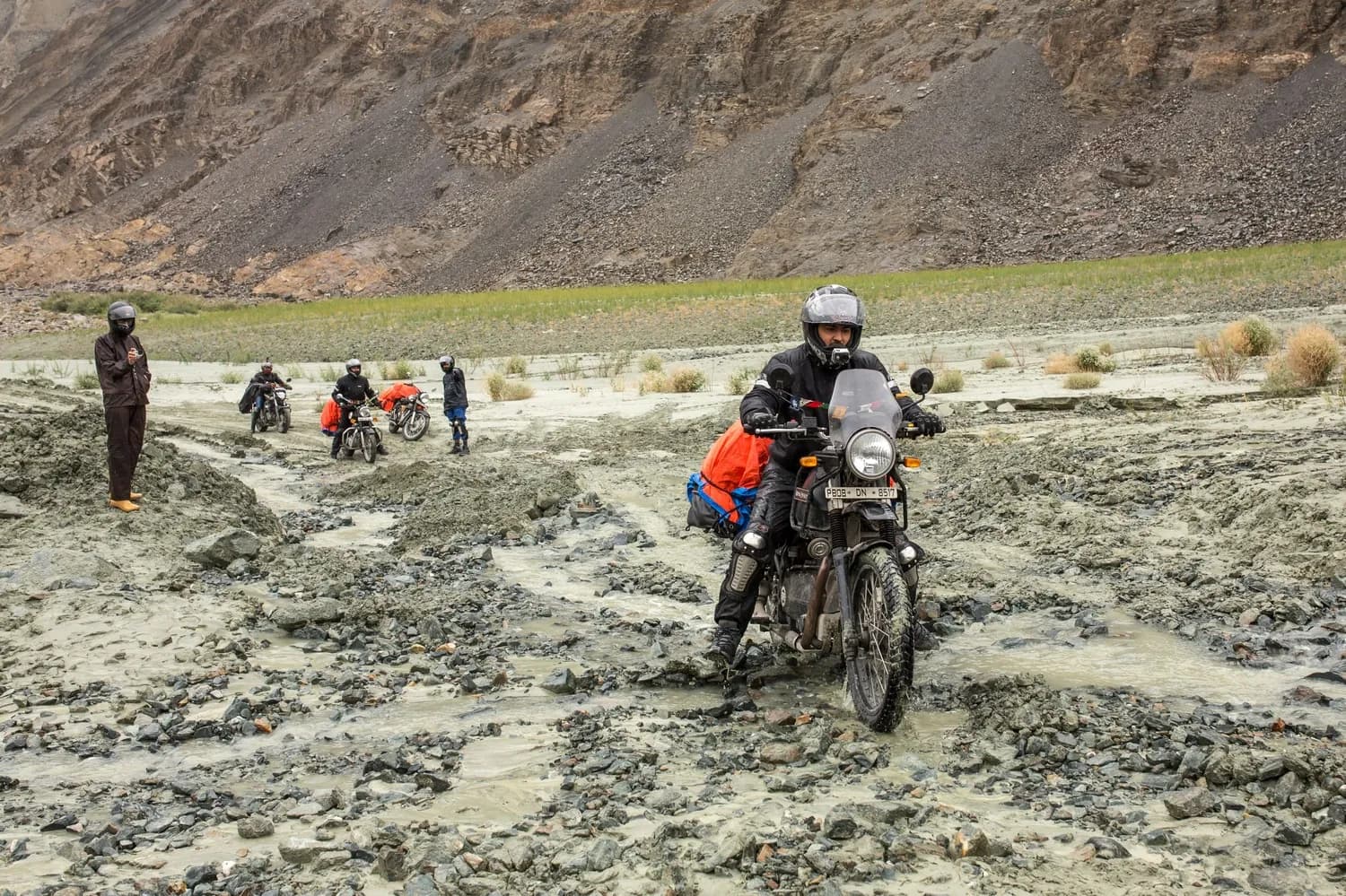
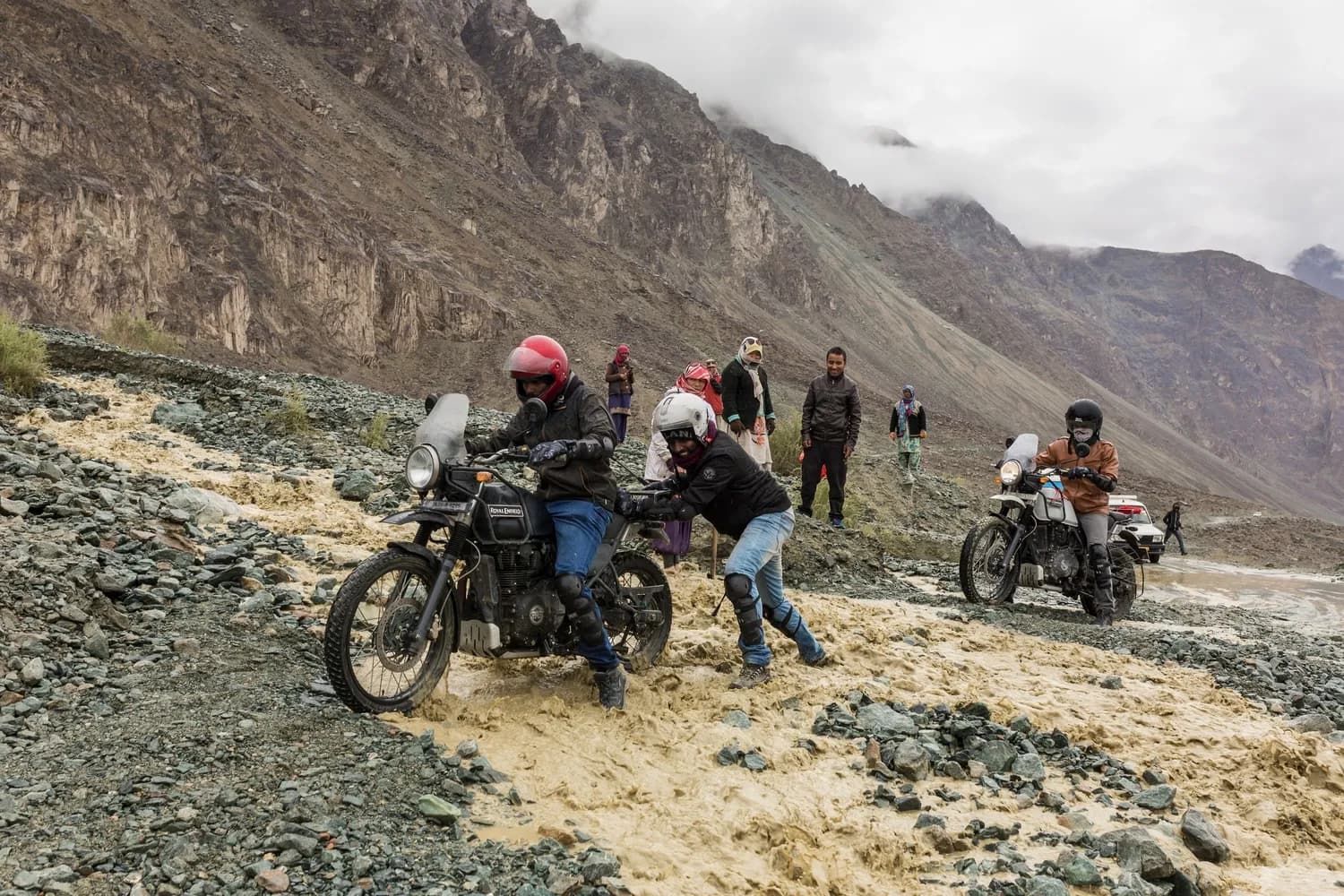
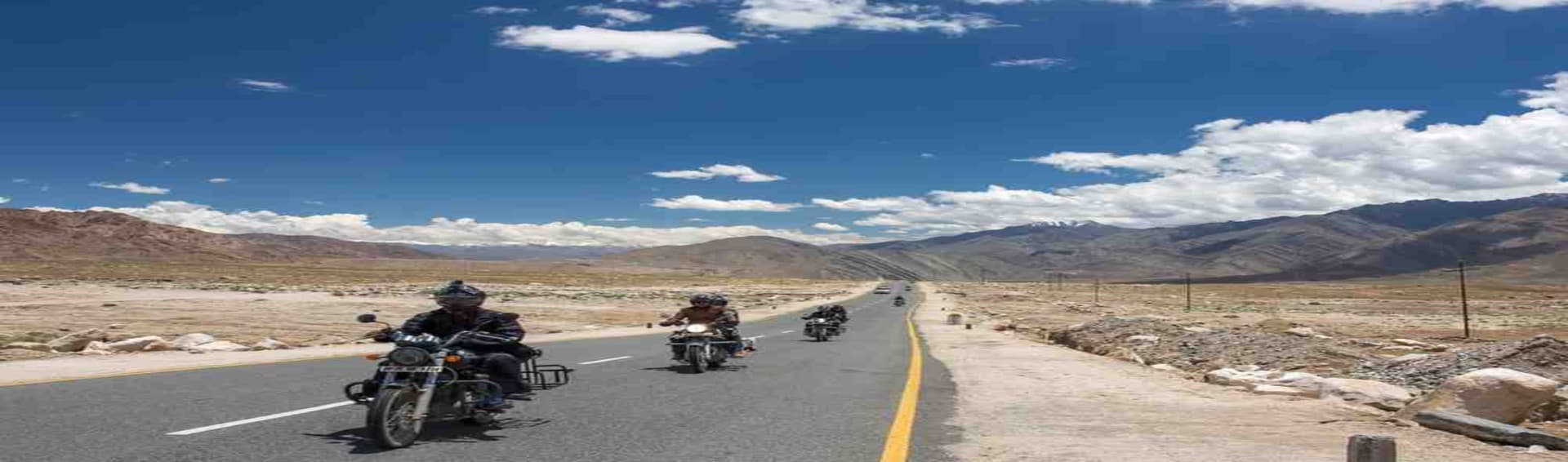
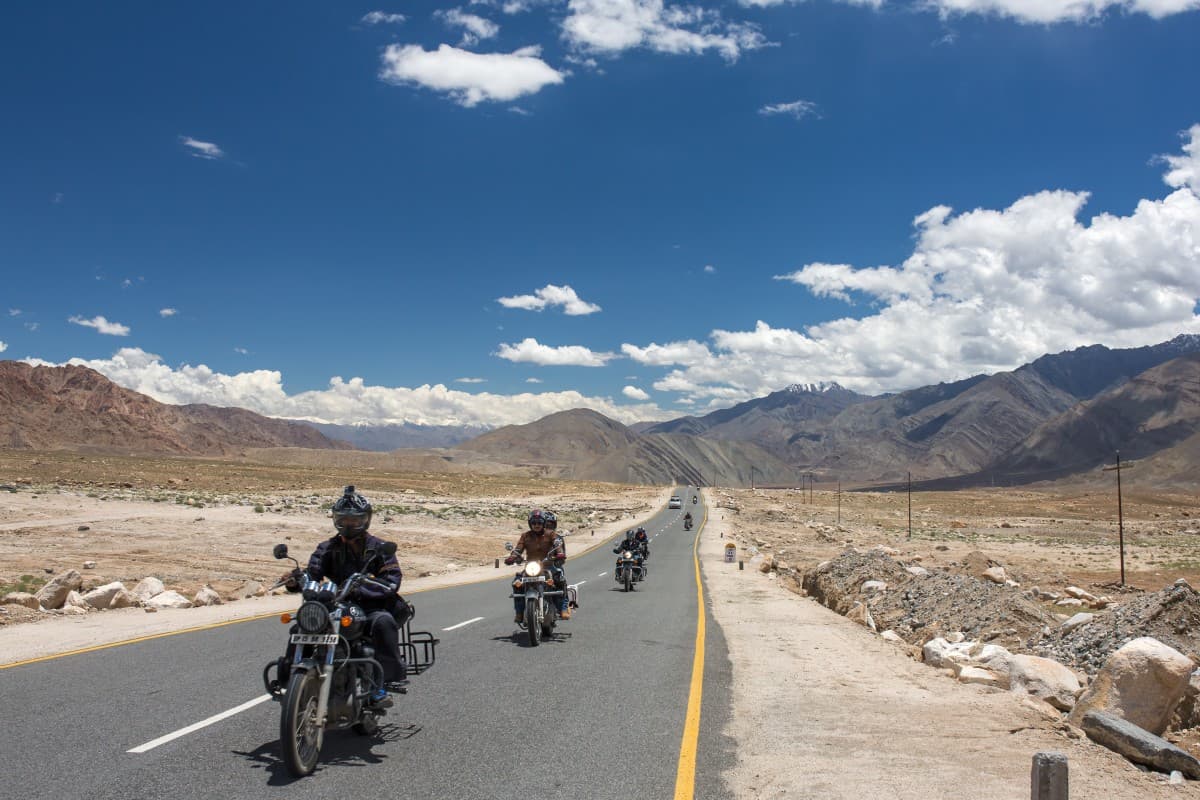 Riding through Khardung La at 17,582 ft with cold wind hitting your face and not a single signal bar on your phone. That is freedom most people talk about but never actually feel. Ladakh bike trips are a full category of their own. Thousands of riders take the Manali-Leh or Srinagar-Leh highway every year, and not one of them says it was "just okay." If you ride, this is the trip. Full stop.
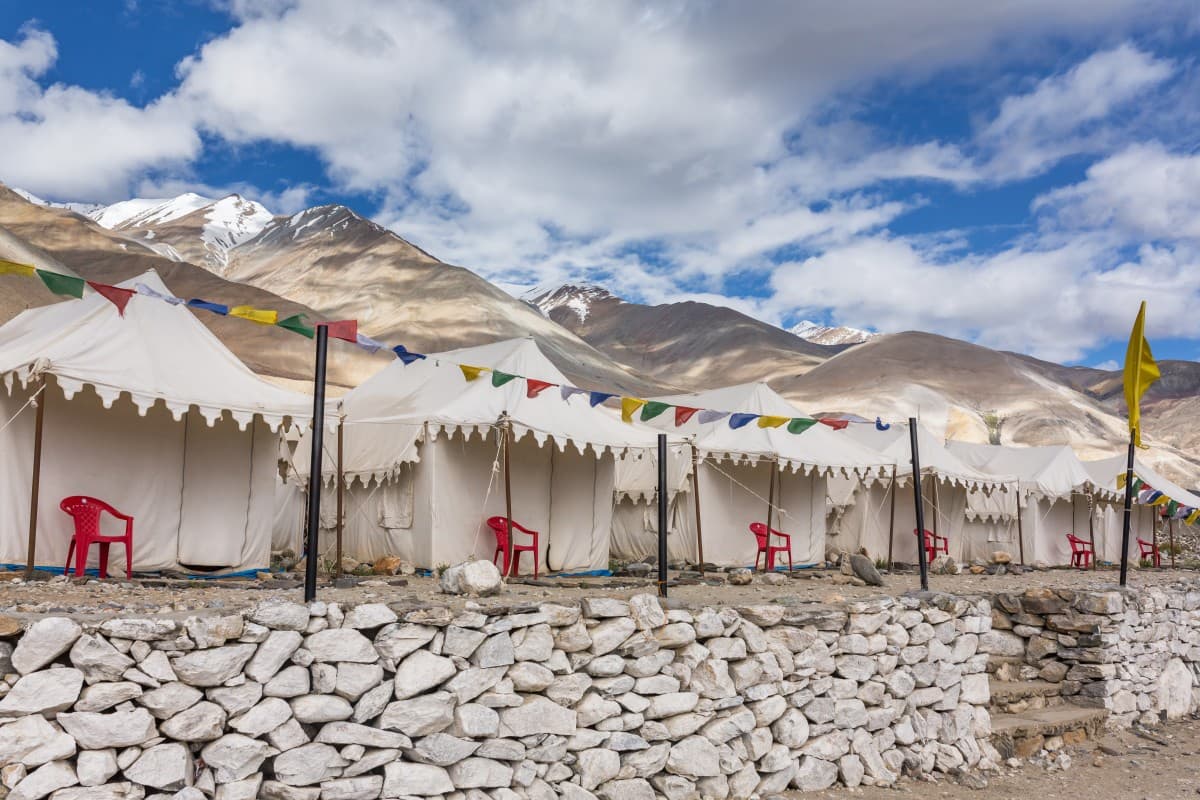 Markha Valley Trek, Stok Kangri, and Chadar Trek in winter. Ladakh has trails that range from "challenging but doable" to "only if you are seriously prepared." Camping here is a different experience, too. You sleep under a sky so full of stars it genuinely looks fake. Hanle, India's first Dark Sky Reserve, sits at 14,700 ft with zero light pollution. You see the Milky Way with your naked eye. That is not marketing copy; that is just the sky there.
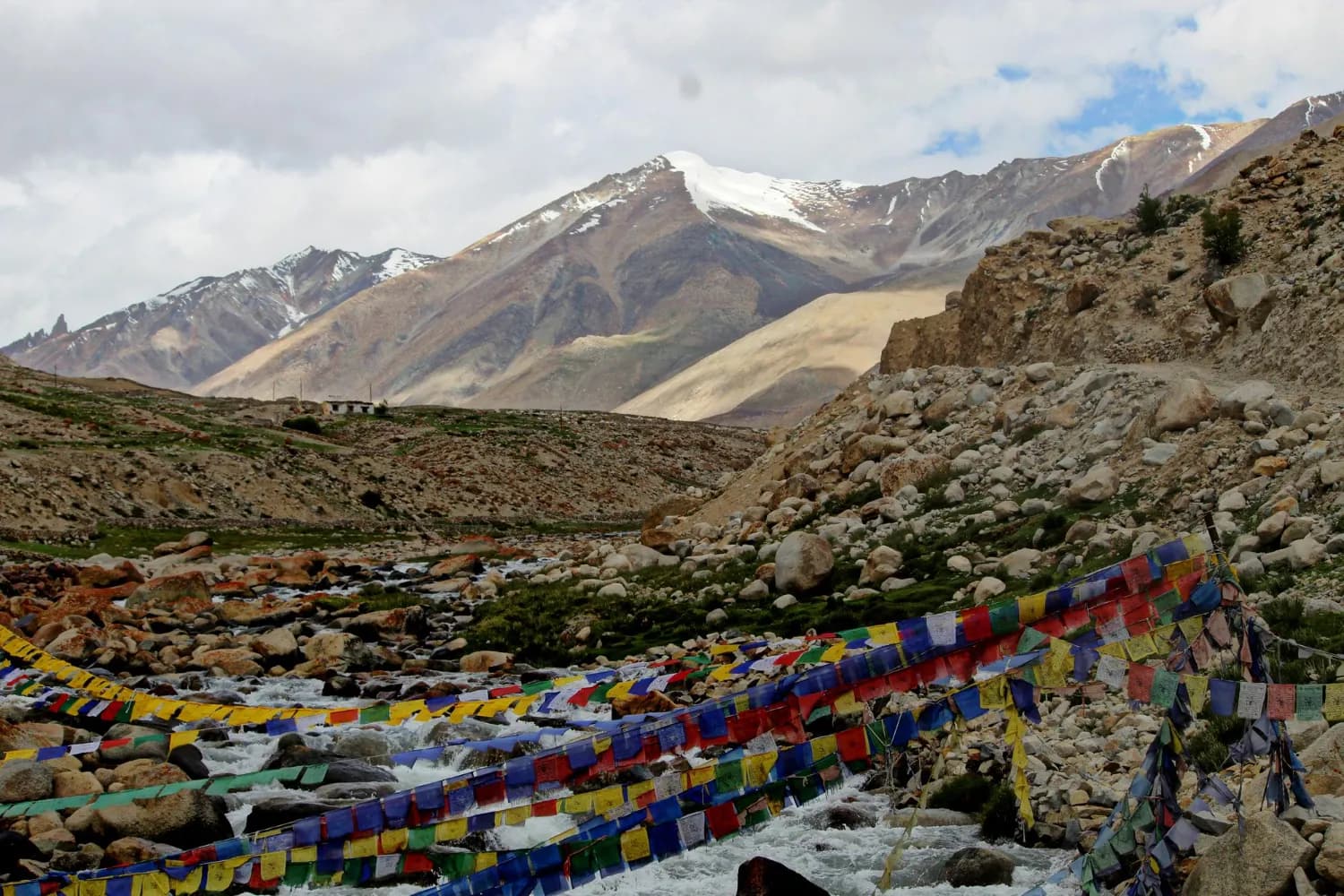
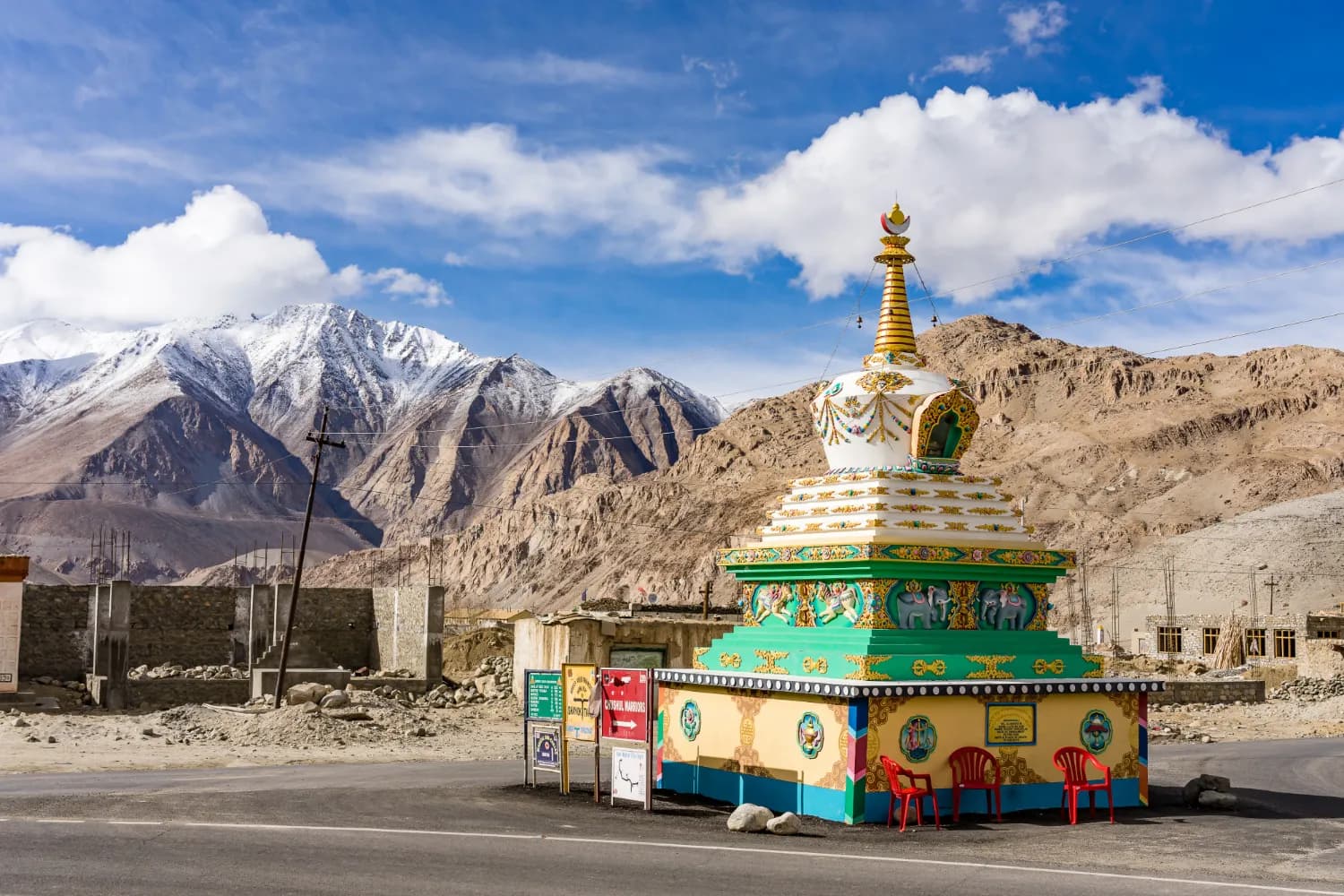
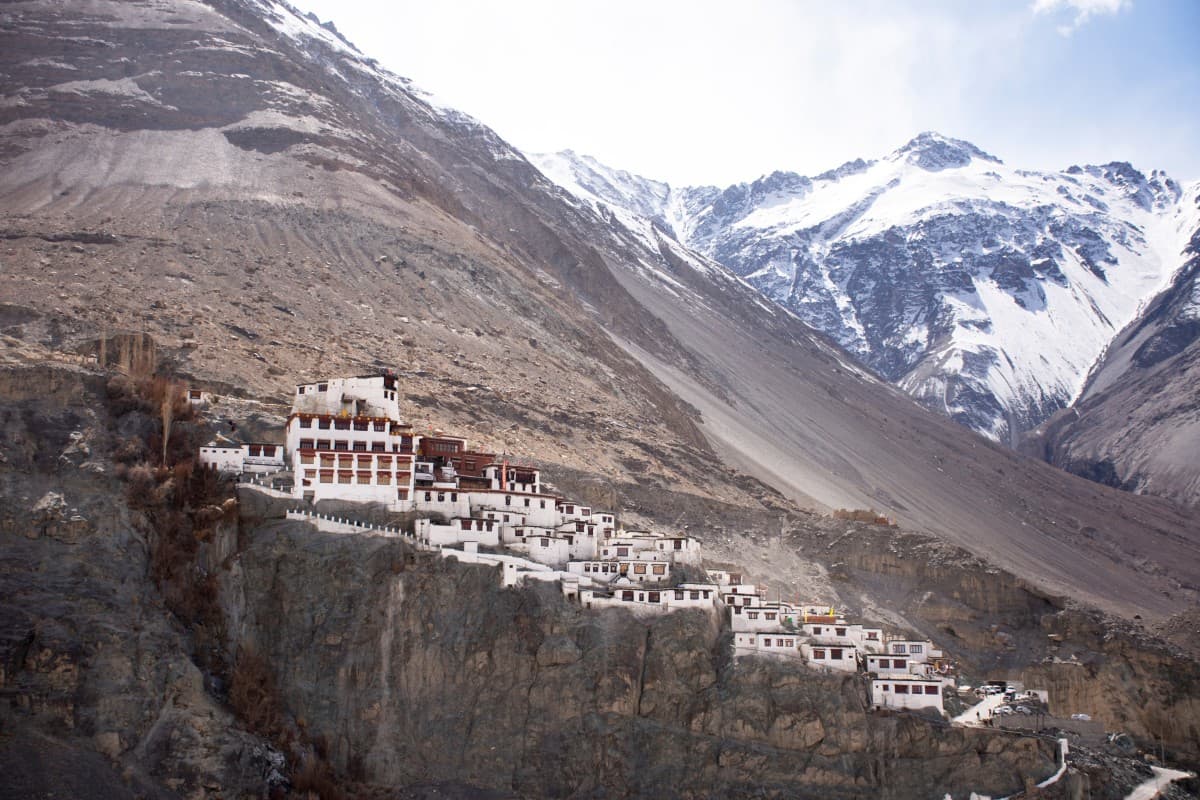 Ladakh has over 40 monasteries, locally called Gompas. The most famous is Hemis Monastery (Hemis Gompa), celebrating the Hemis Festival every June with music, mask dances, and centuries of tradition. Thiksey Gompa looks like a mini Potala Palace perched on a hill. Diskit Gompa in Nubra Valley has a 32-metre Maitreya Buddha statue watching over the valley. These are not tourist stops. These are living, breathing places where monks still study, pray, and carry forward a culture most of the world forgot.
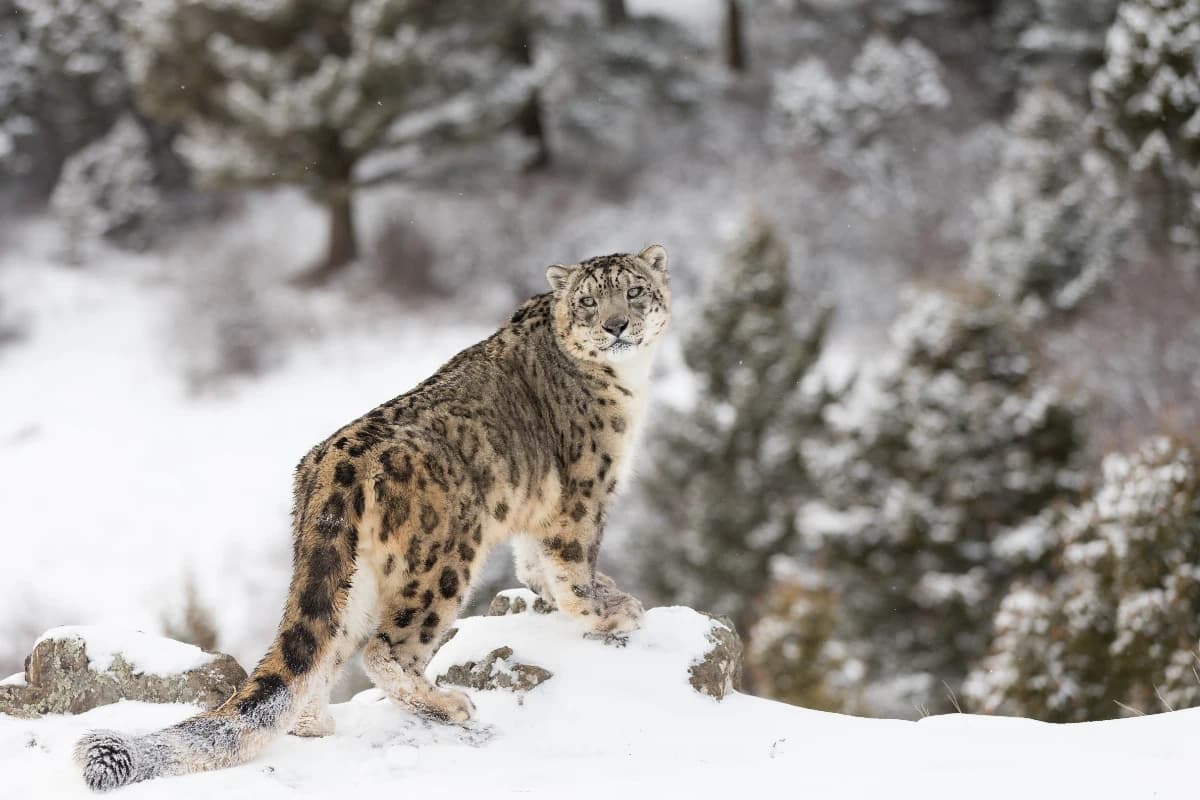 Snow Leopard. You have a real shot at spotting one in Ladakh during winter, especially around Hemis National Park. It is one of the highest densities of Snow Leopards on Earth. Outside winter, you can spot Kiang (Tibetan wild ass), Himalayan Blue Sheep (Bharal), and Bar-headed Geese flying over passes. Wildlife here does not perform for you. You have to earn the sighting. And that makes it so much better.
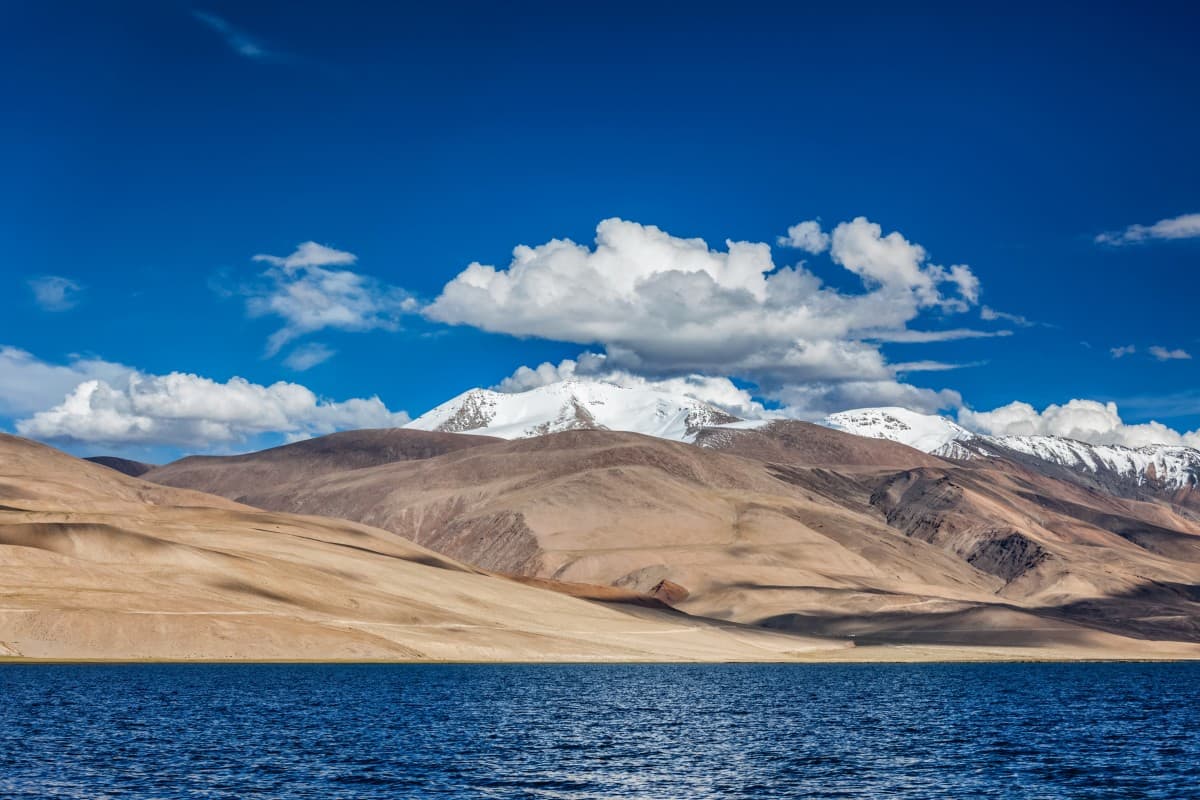 Have you seen the film Lootera? In a famous scene, Ranveer Singh's character talks about his last wish: "I want to see Chandratal before I die." That level of longing. That is exactly what Pangong Tso, Tso Moriri, and Tso Kar do to people. Pangong sits at 14,270 ft and changes colour throughout the day, blue to green to silver, depending on how the light falls. No photograph has ever fully caught it. You have to see it yourself to understand why people cry at a lake.
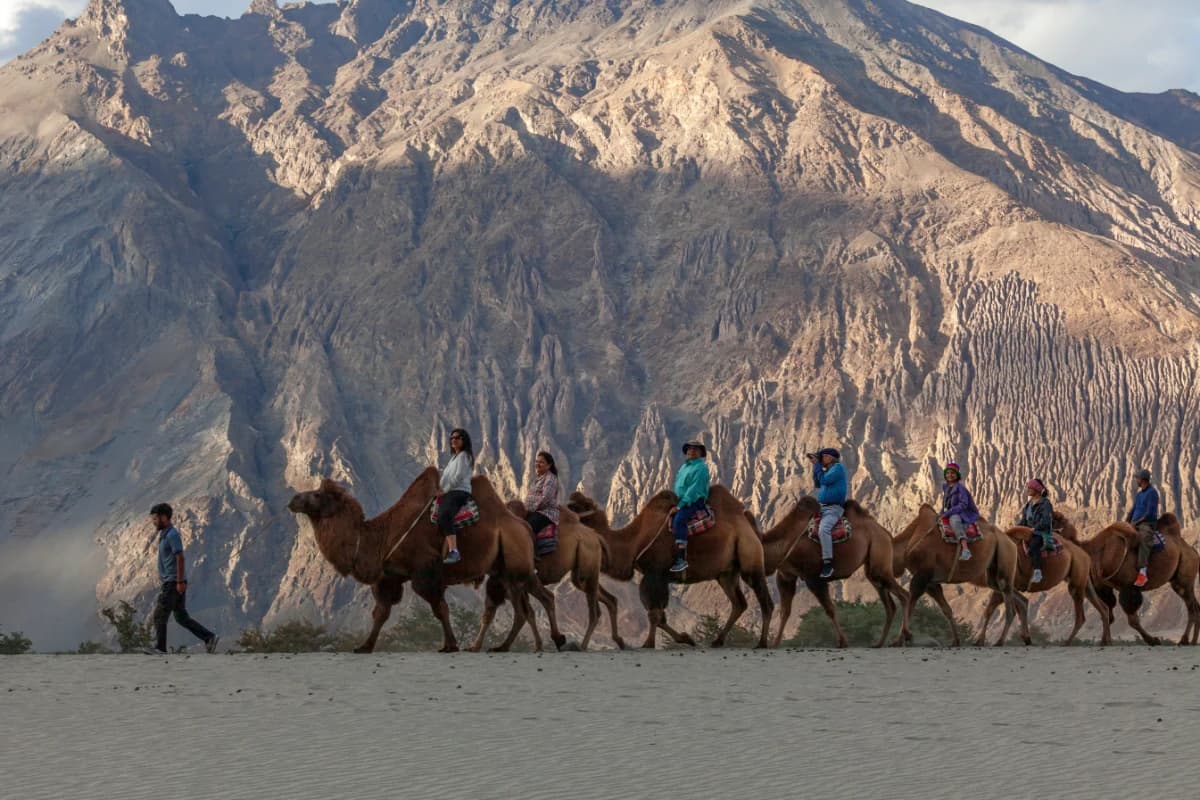 Hunder's cold desert in Nubra Valley is where you find Bactrian camels, the ones with two humps, left behind from the old Silk Route trade. Riding one across that sand with snow-capped mountains in the background is a combination you will not find anywhere else on Earth. Not in Rajasthan, not in Jaisalmer. Only here.
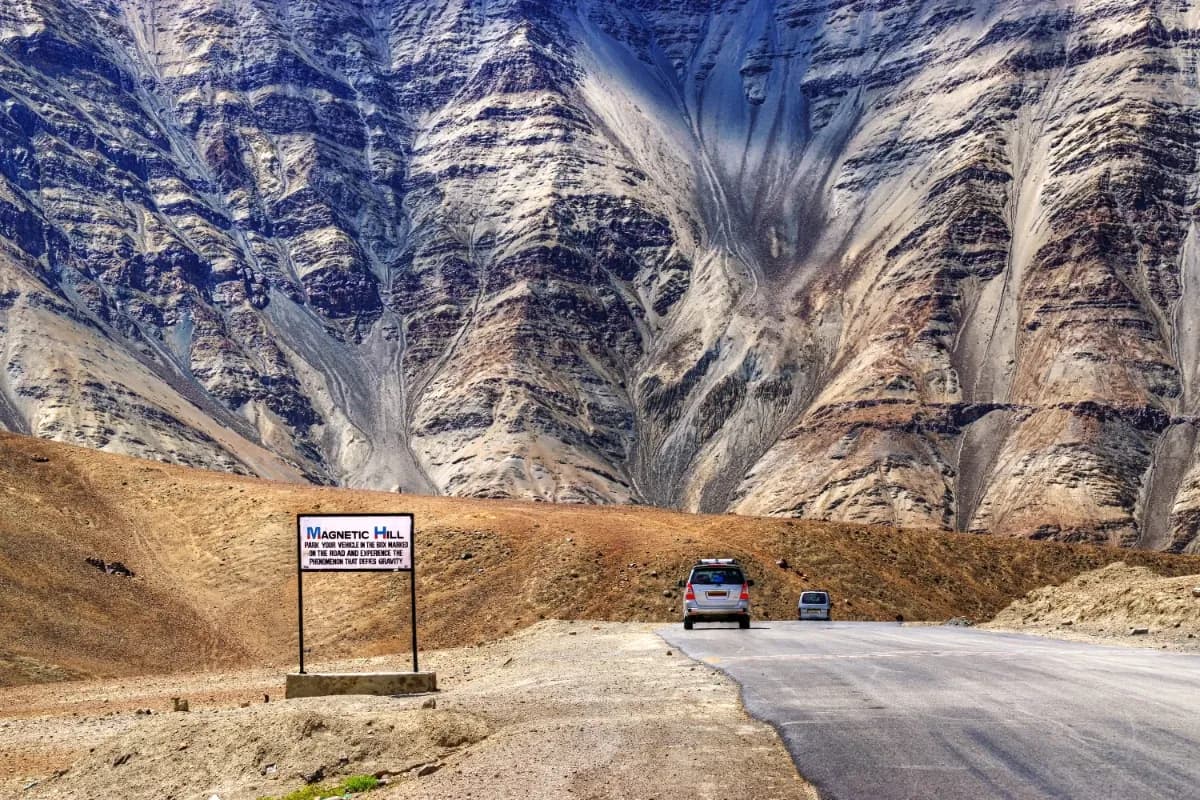 Magnetic Hill is about 30 km from Leh on the Kargil highway, there is a stretch of road where your vehicle appears to roll uphill on its own. It is an optical illusion created by the surrounding terrain and slope angles. But knowing the science does not make the moment any less interesting. Park your car, turn off the engine, and watch. You will still pull out your phone and film it.
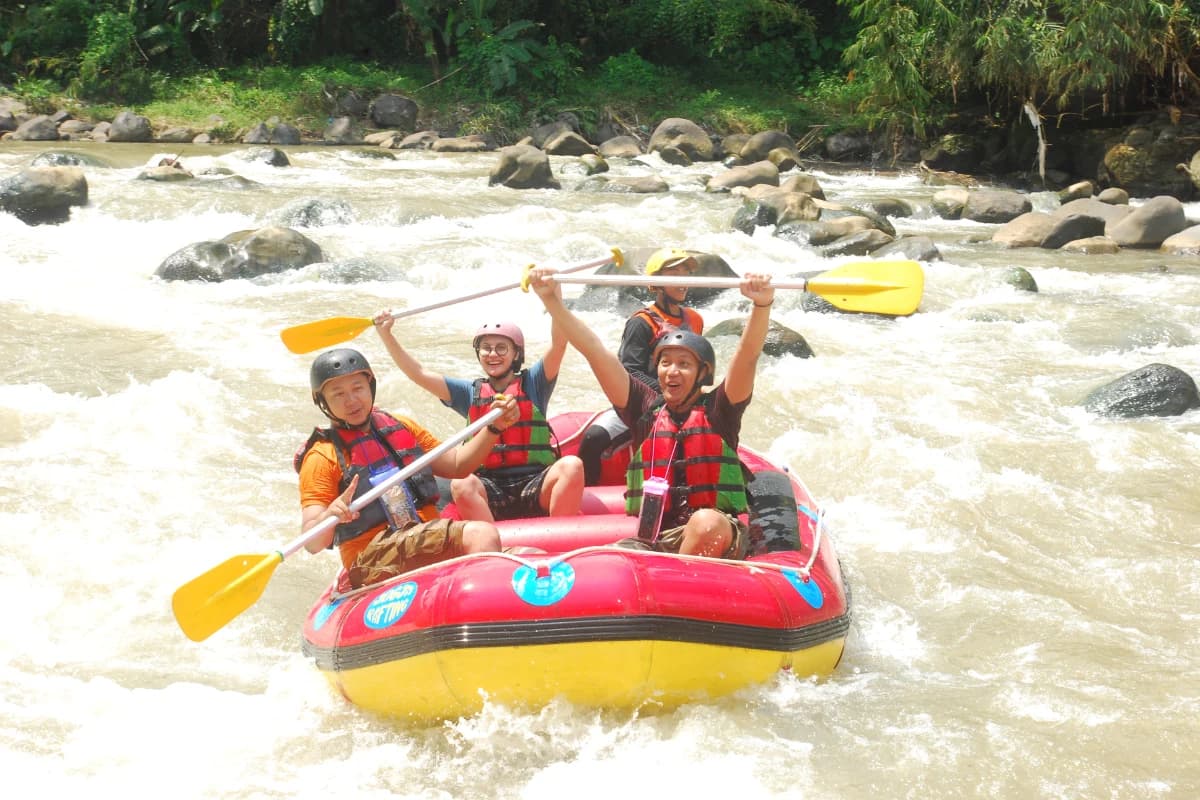 The Indus River near Leh offers Level 1 to 2 rapids, perfect for first-timers. The Zanskar River, about 35 km from Leh, is where experienced rafters go for a real challenge. Season runs from June to September. The water is cold, the guides are trained, and the adrenaline is real. Good Ladakh tour packages include this with proper gear, which matters more than people realise.
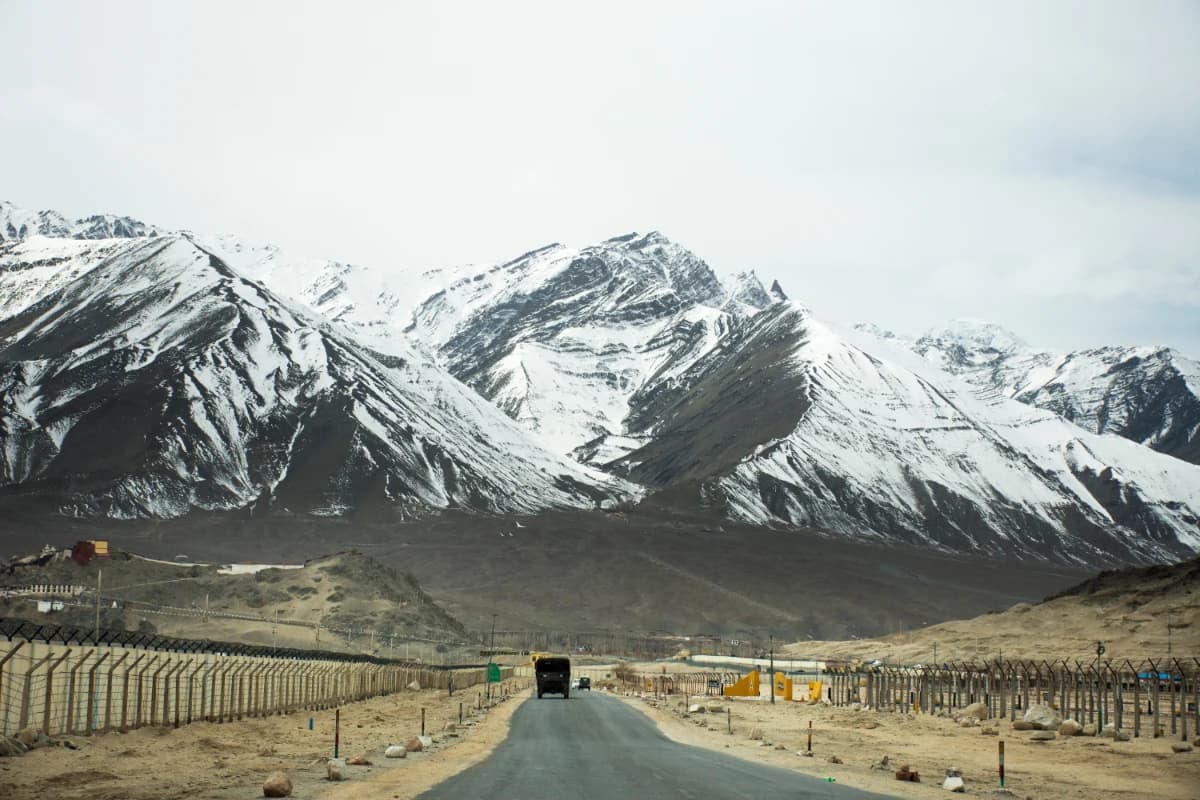 City life is relentless. You are never fully away from your phone, your notifications, your reels. Ladakh forces a disconnect. Not gently either. Signals vanish. Plans change because the mountain decided so. And in that silence, most people rediscover what it actually feels like to sit with their own thoughts. No performance, no audience. Just you and the altitude.
 At 15,000 ft, after hours of riding or trekking, a bowl of hot Thukpa (Tibetan noodle soup) feels like the best thing you have ever eaten. Ladakh's food culture is simple and honest. Maggi at a mountain dhaba. Butter tea that divides opinions but warms you instantly. Momos that cost ₹30 and taste like they should cost more. Leh town also has proper restaurants with vegetarian meals and familiar dal-chawal for anyone who needs something from home.
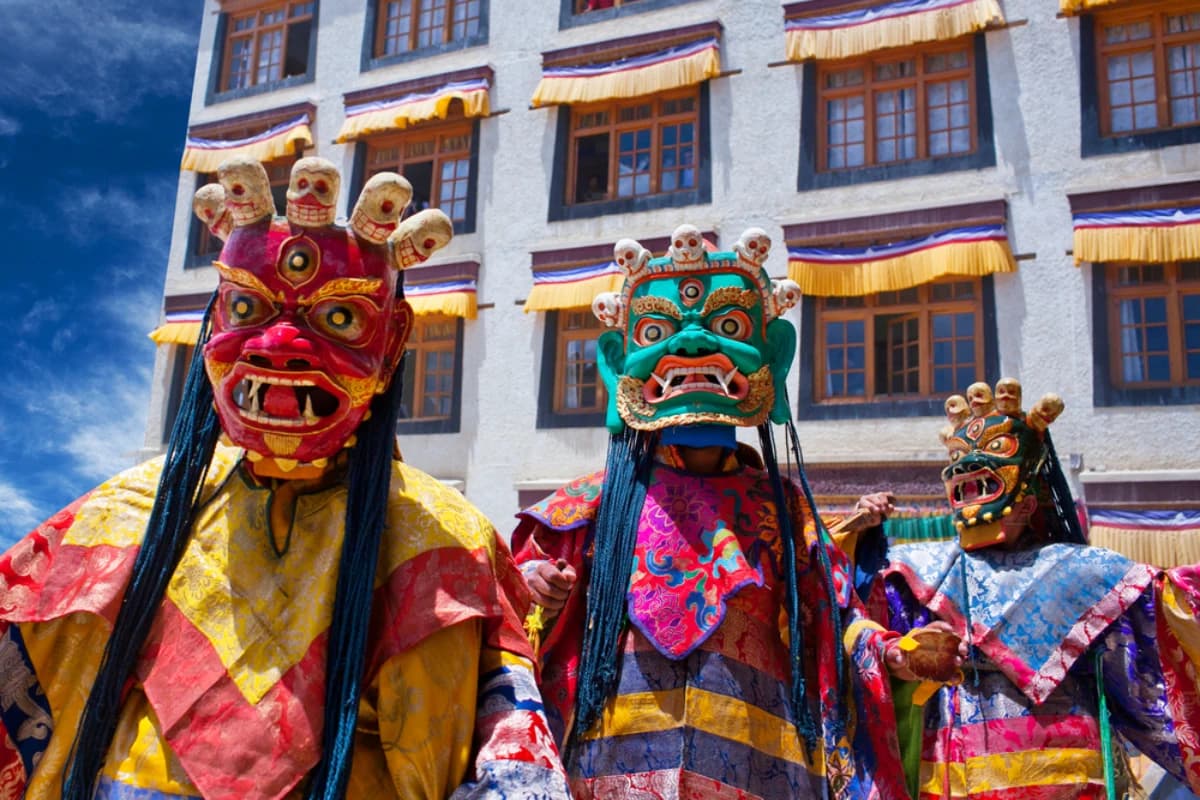 Losar Festival falls in February or March, depending on the Tibetan lunar calendar. It is the Tibetan New Year, celebrated with butter lamps, traditional dress, folk dances, and thangka displays at Gompas across Ladakh. Most tourists miss it completely because they only plan summer trips. If you can handle the cold (and yes, it gets brutal), Losar gives you access to a Ladakh that very few outsiders ever see.
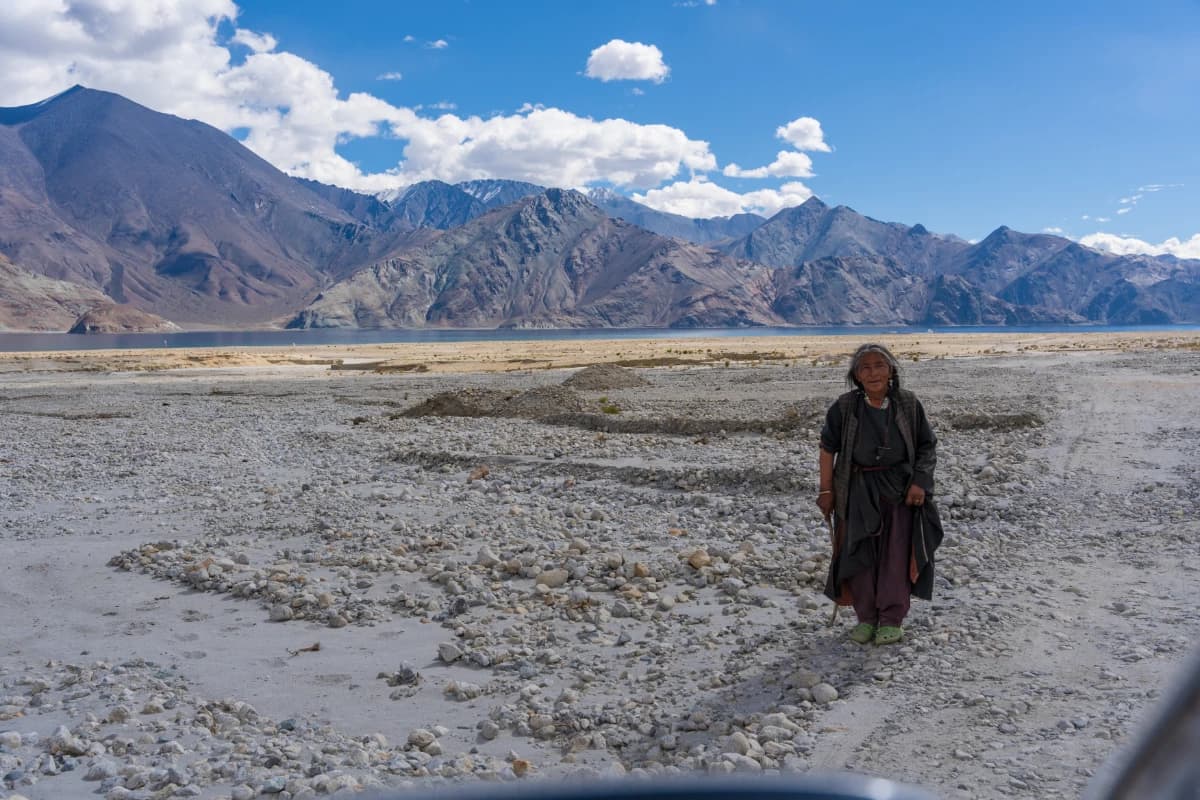 No exaggeration here. The people of Ladakh are genuinely, unreservedly warm. They wave at strangers from across a valley. They invite you in for butter tea without knowing your name. When bikers are leaving after a stay, locals stand outside and wave until you turn the corner, full hearts, no performance. There is no other way to say it. The people make the trip unforgettable in a way that no lake or mountain can.
If you are planning to visit Ladakh, read these best Places to visit in Ladakh & Things to do in Ladakh.
Ladakh is neither. Since August 2019, Ladakh has been a Union Territory of India, separate from Jammu and Kashmir. It has two districts, Leh and Kargil, and is administered directly by the central government.
Everything in Ladakh costs more because almost everything is transported over high mountain passes. Fuel, food, building materials, all of it comes in by road. Add to that the limited tourist season, high demand for permits and guides, and the cost of maintaining heated accommodation at altitude, and the prices make sense. Budget trips start around ₹20,000 per person for 6 nights and 7 days, while premium packages go up to ₹45,000 or more.
Three things: the landscape, the altitude, and the culture. Ladakh sits at the highest habitable altitudes in India, with passes crossing 17,000 ft. The combination of Buddhist monasteries (Gompas), surreal lakes like Pangong Tso, and roads like Manali-Leh and Srinagar-Leh has made it one of India's most sought-after destinations.
Yes, but not in the way people expect. It is not green or lush. It is stark and dramatic. Brown mountains against blue skies, frozen rivers in winter, lakes that change colour hour by hour. That contrast is what people find beautiful and keep coming back for.
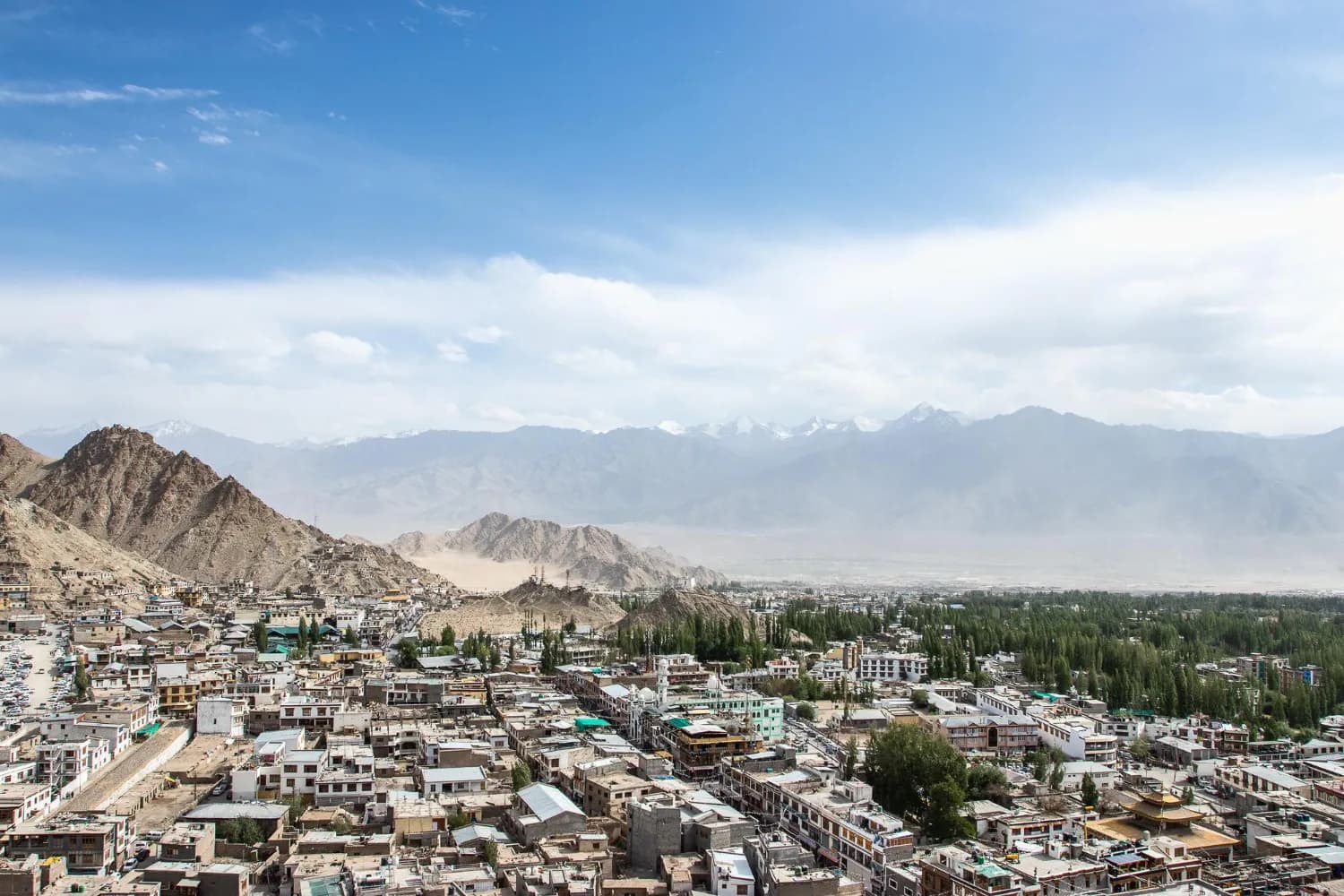
Leh is the base for most Ladakh trips and the capital of Leh district. It sits at 11,562 ft and has Leh Palace, Shanti Stupa, and a proper market street. Most good Ladakh tour packages build in a 48-hour rest period in Leh to help travellers acclimatise before heading to higher-altitude spots like Khardung La or Pangong.
May 25, 2026
May 25, 2026
May 25, 2026
May 25, 2026
May 19, 2026