
 10 Minutes
Someone books a Ladakh trip, spends three weekends researching hotels, obsesses over the packing list, and then just... picks dates randomly. June because a friend went in June. Or December, because the photos looked nice. That is honestly how most Ladakh trips get planned, and it is also why so many people come back saying "it was okay, but not what I expected."
Here is the thing. Ladakh in summer and Ladakh in winter are not the same place. Not even close. And if you pick the wrong season for what you actually want, no amount of good Leh Ladakh tour packages will save the experience. So let's talk about both, honestly, without the usual travel blog cheerfulness.
₹39,999
per person
₹20,999
per person
₹39,990
per person
₹25,999
per person
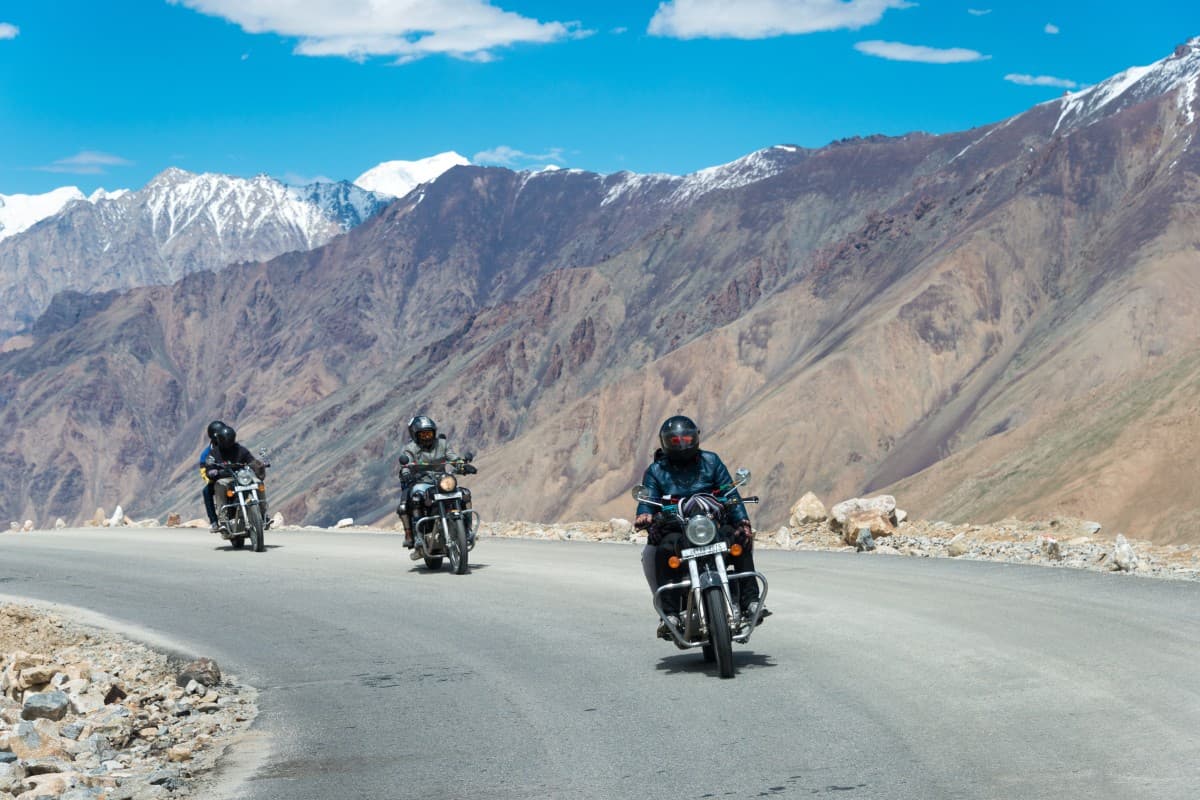
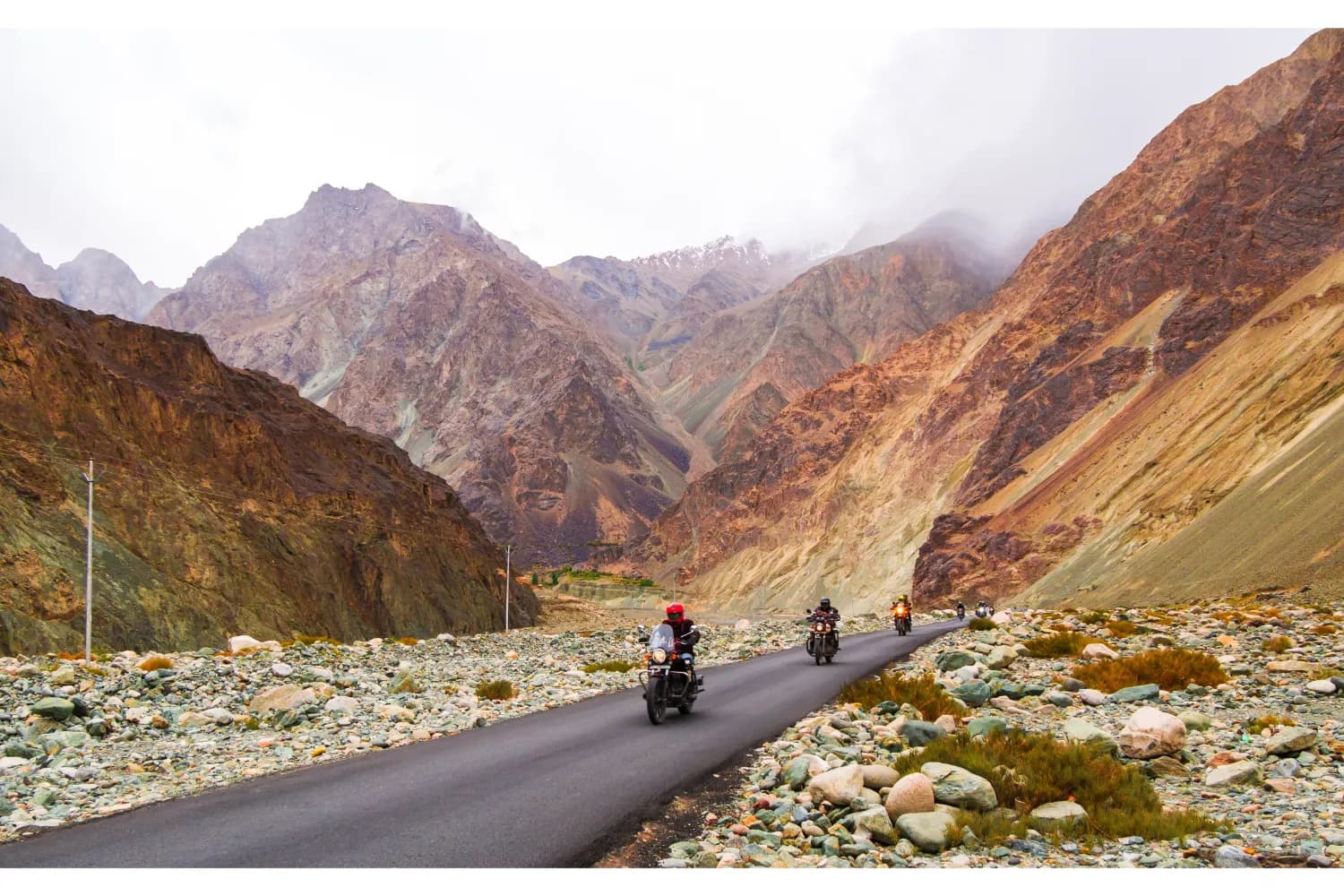
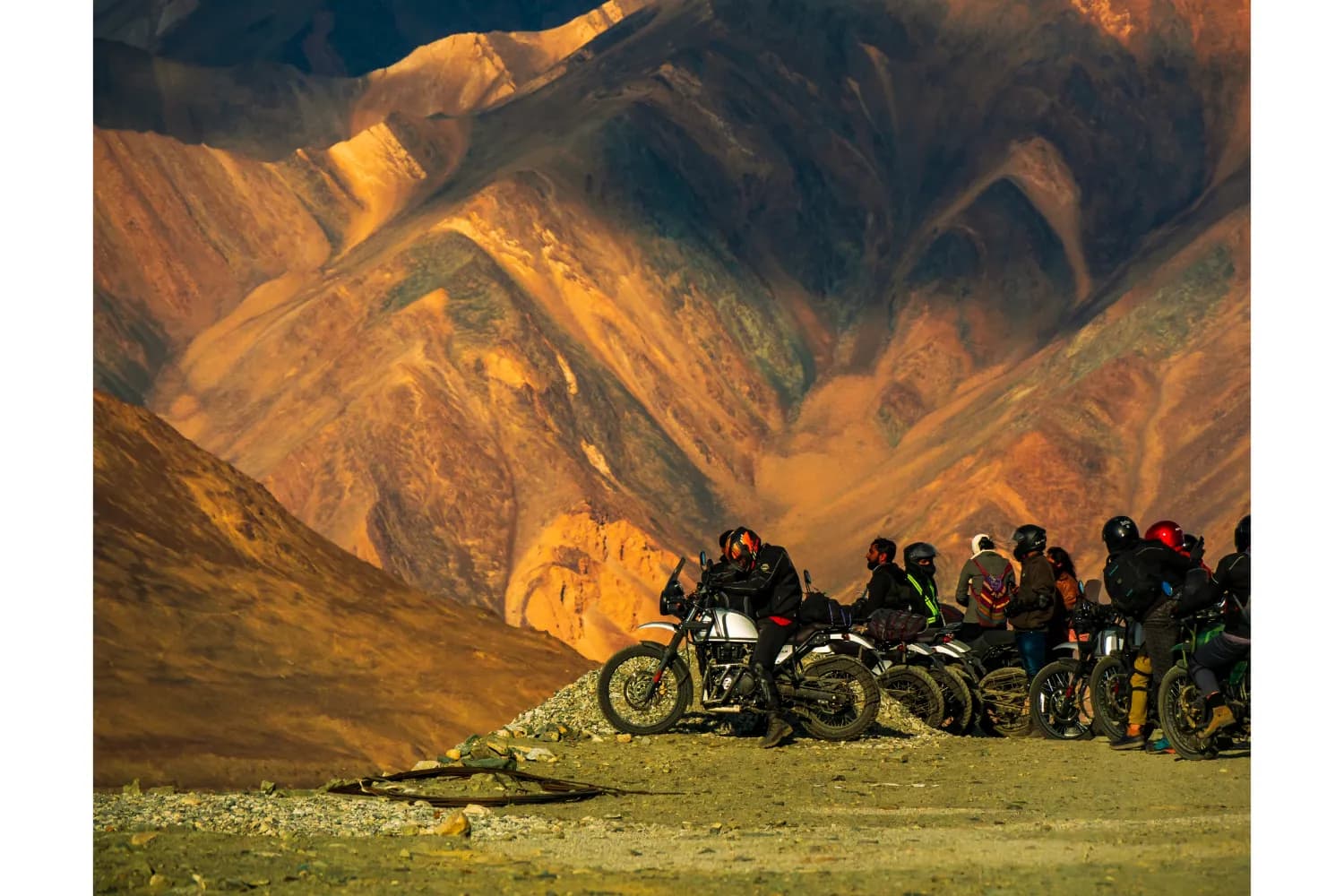
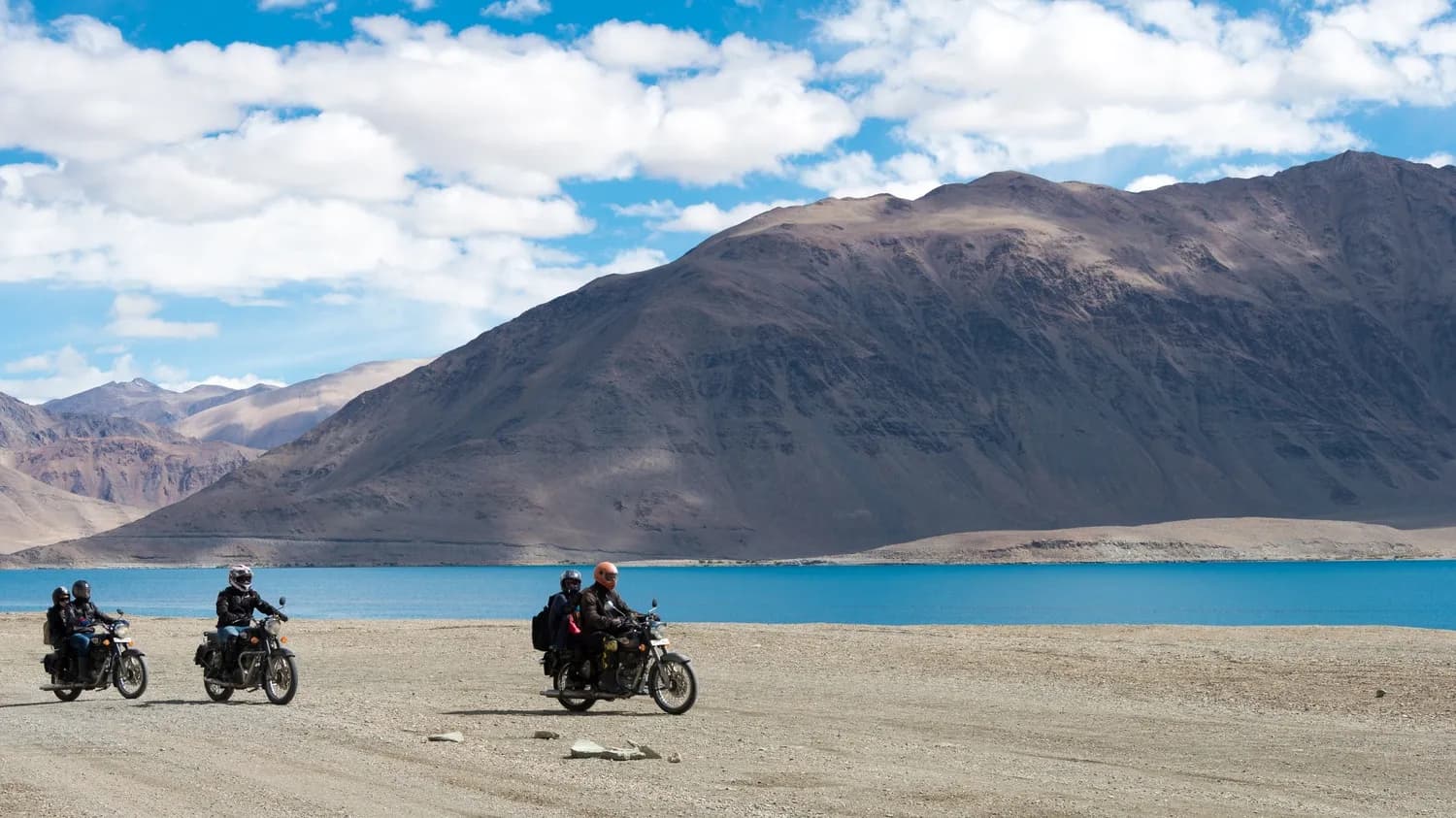
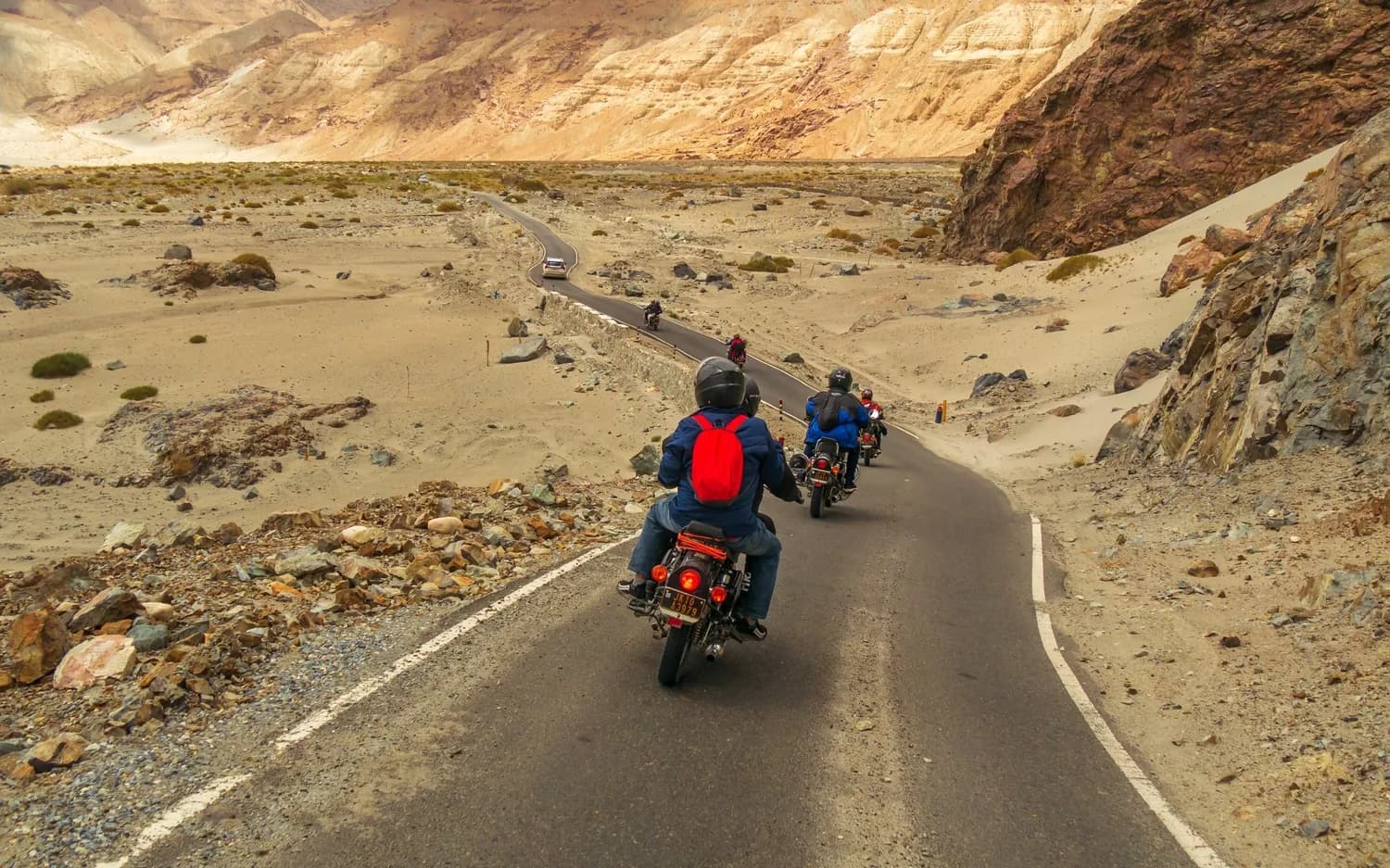
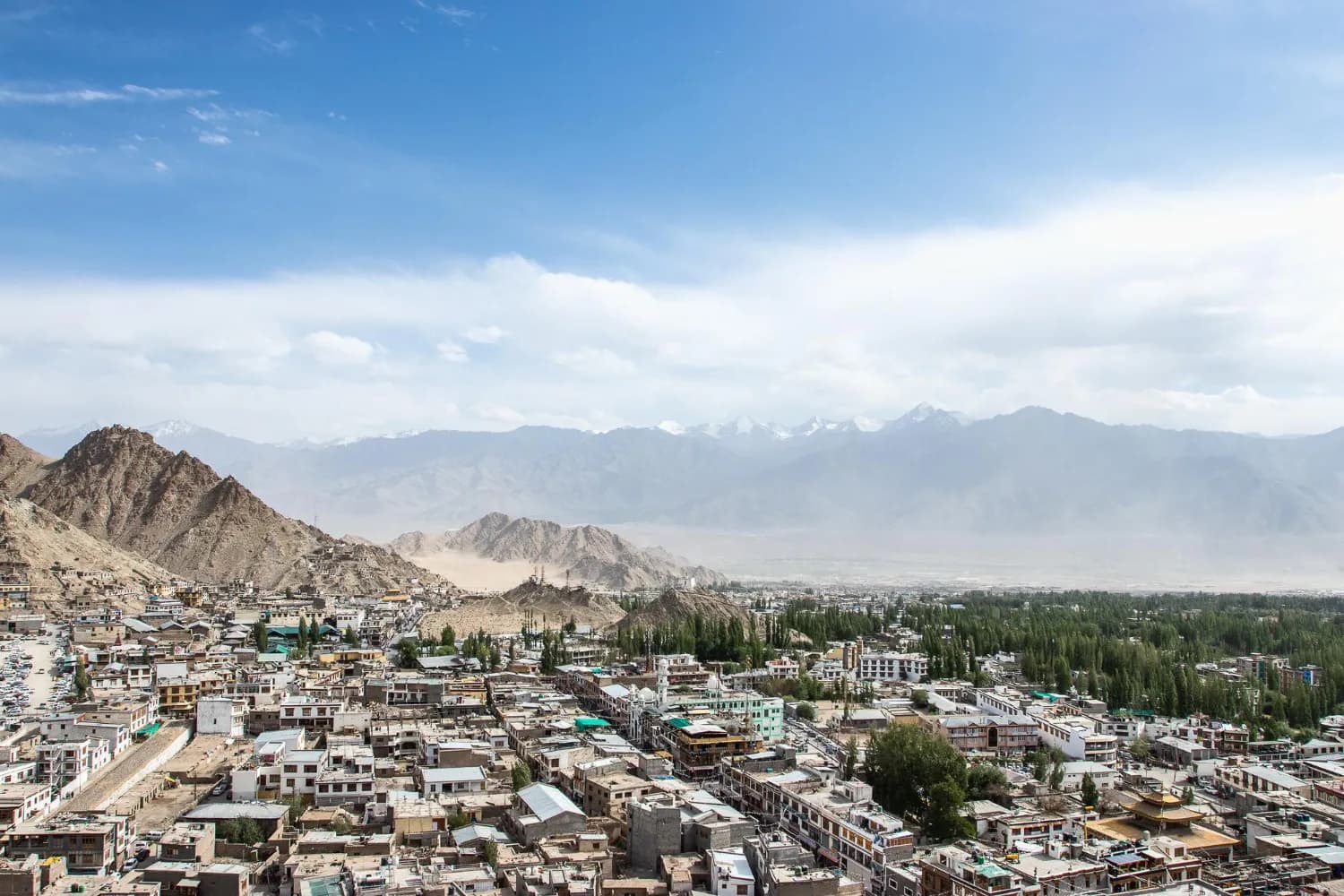
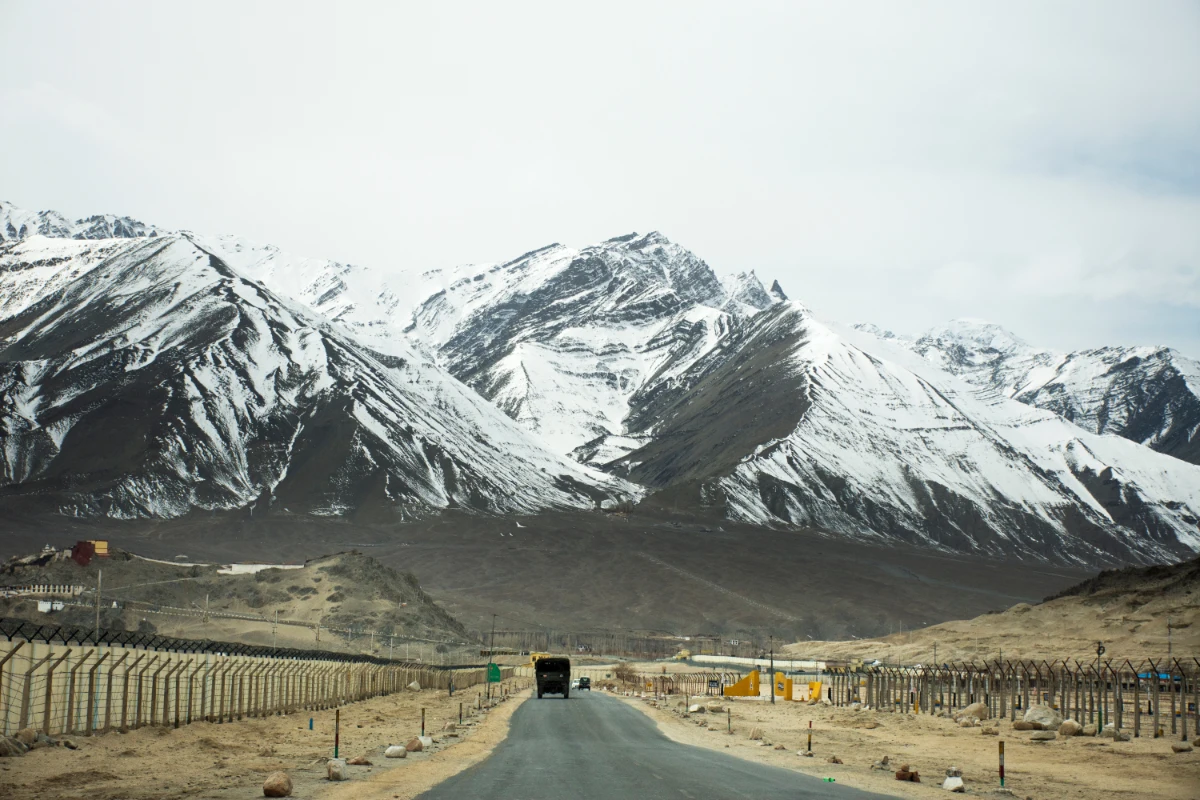
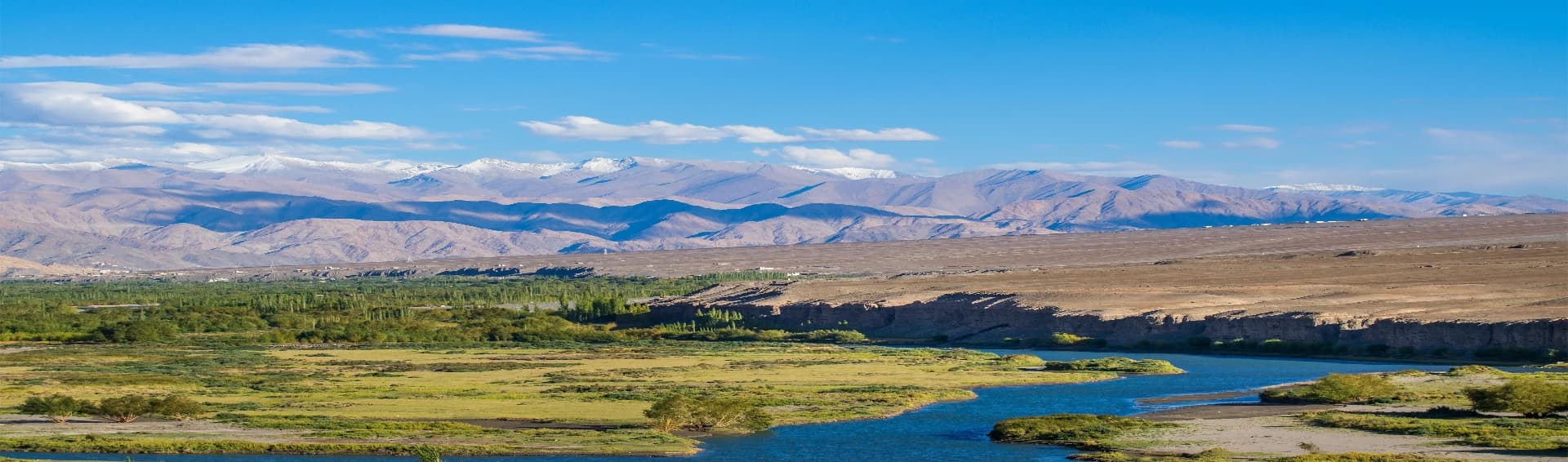
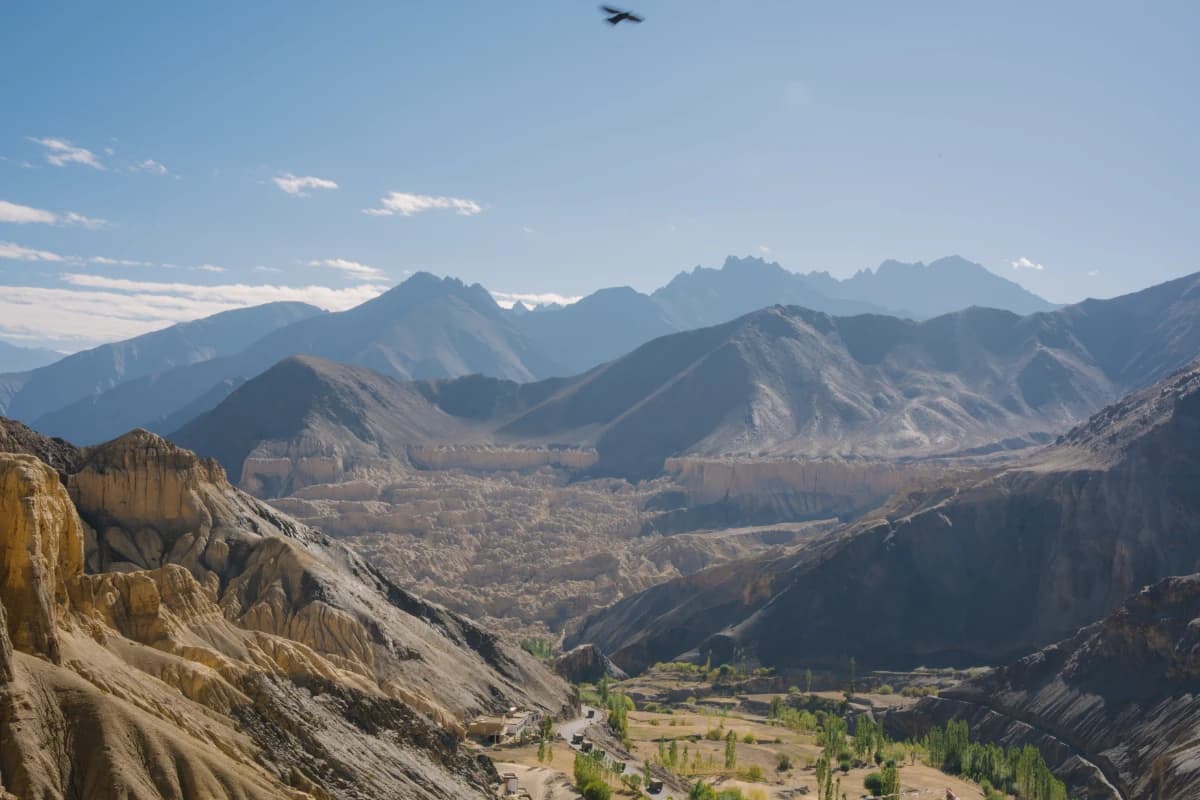 May, June, July, August, September. These five months are when Ladakh becomes the version you see in every photo. Pangong Tso actually looks blue (in winter, it's a frozen white slab). Nubra Valley has those weird double-humped camels walking around like it's perfectly normal. The roads are open. Monasteries have people in them. Dhabas are serving hot food by 7 am.
There is a certain energy to summer Ladakh that is hard to describe without sounding cliché. Villages that were completely shut for five months suddenly wake up. Guesthouses fill. Local kids are out. The mountains don't change, but everything around them does.
Daytime sits between 15°C and 25°C across most of the region. Sounds perfect, and it mostly is. But nights are a different story. Even in July, once the sun goes down, temperatures can drop to 8°C or lower. Pack a proper jacket regardless of what month you go. The sun is also deceptively strong at this altitude, carry sunscreen you would not normally bother with at home.
July and August are technically monsoon months for the rest of India. Ladakh doesn't care. The Himalayas block most of that moisture from reaching here, so the region stays dry while everything south of it is soaked. You'll see maybe one or two brief showers across a week-long trip. Nothing trip-ruining. The sky stays clear enough that you'll genuinely wonder if clouds exist.
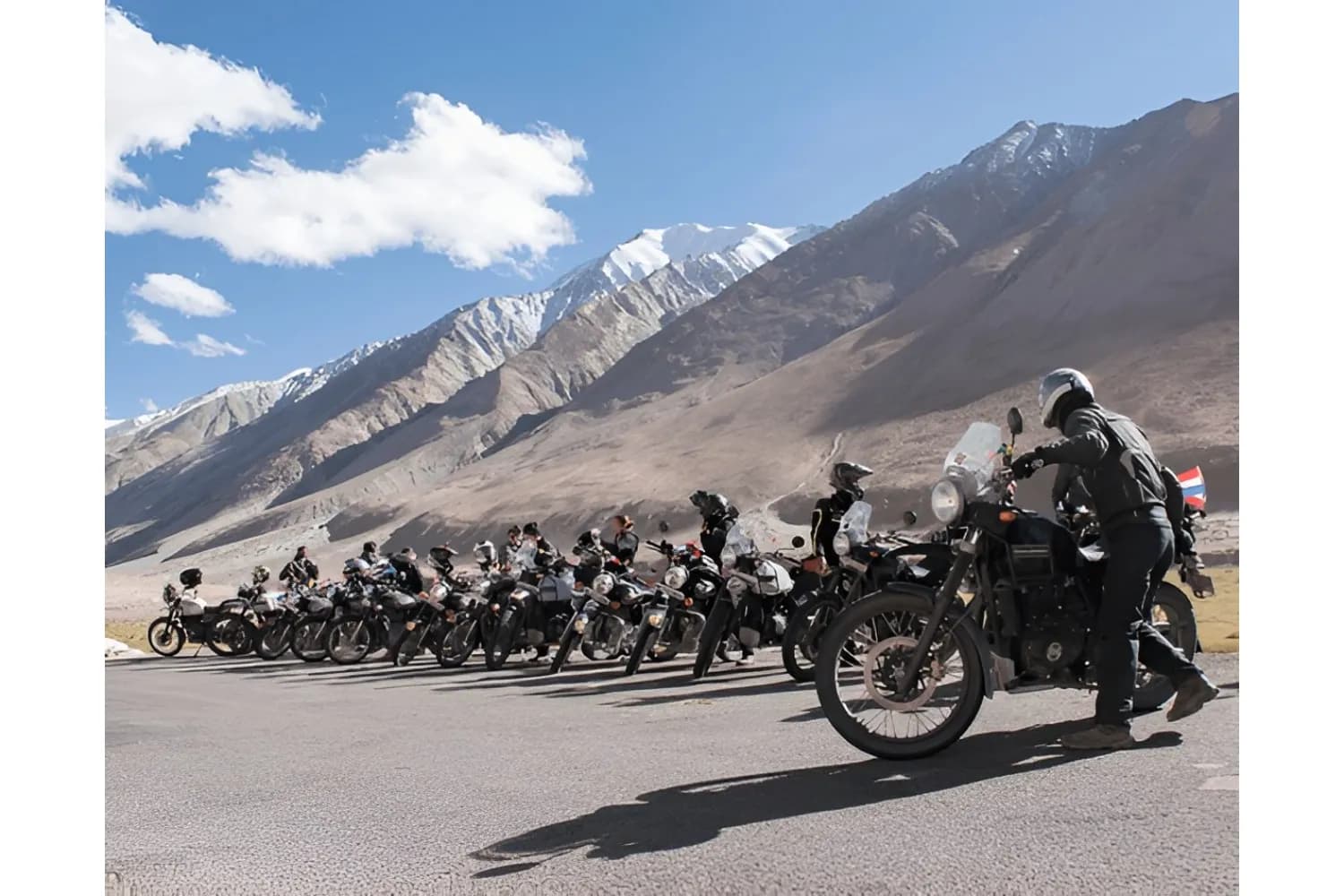
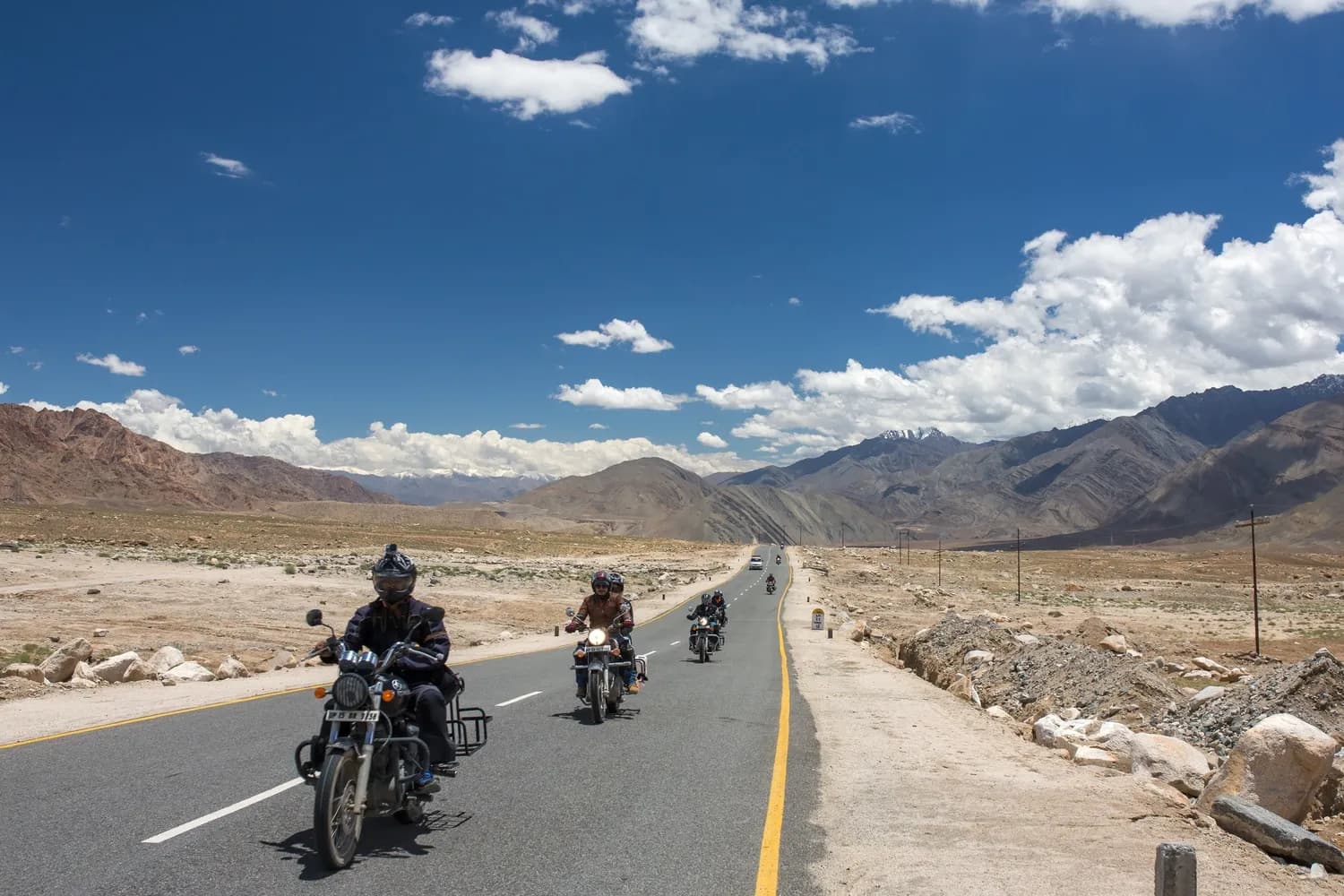
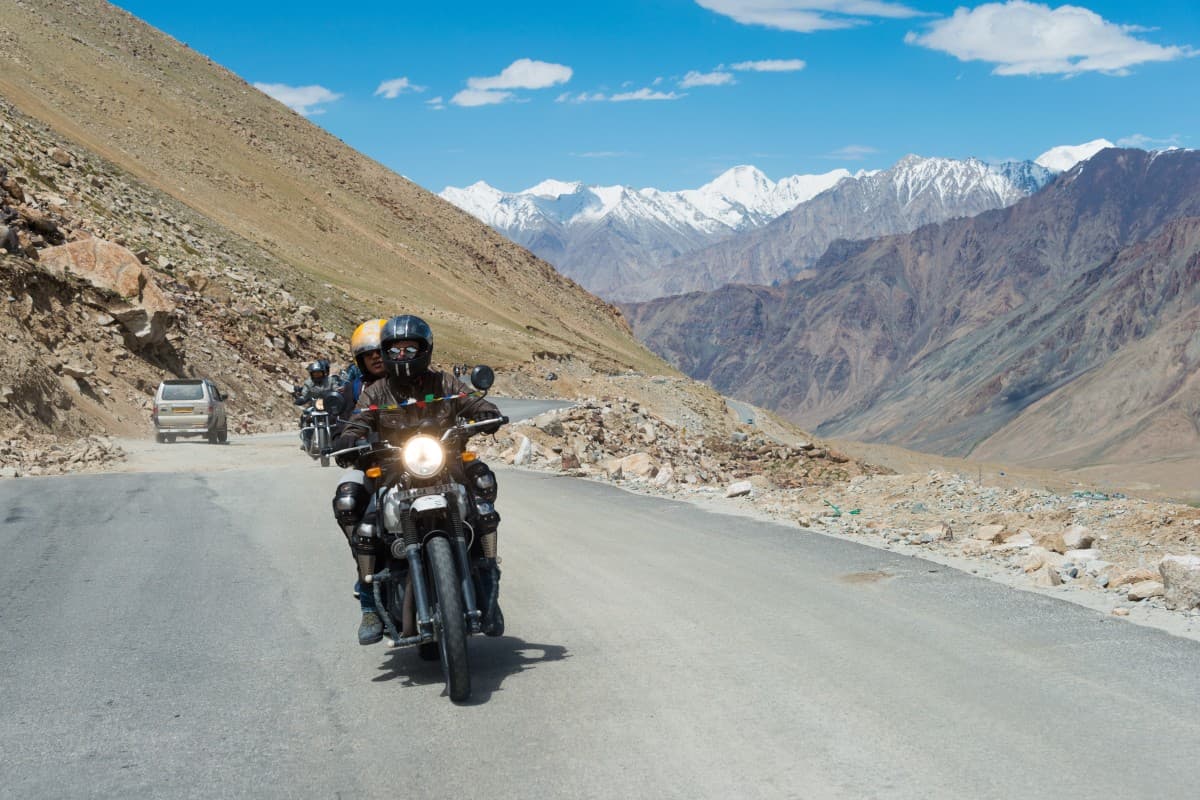
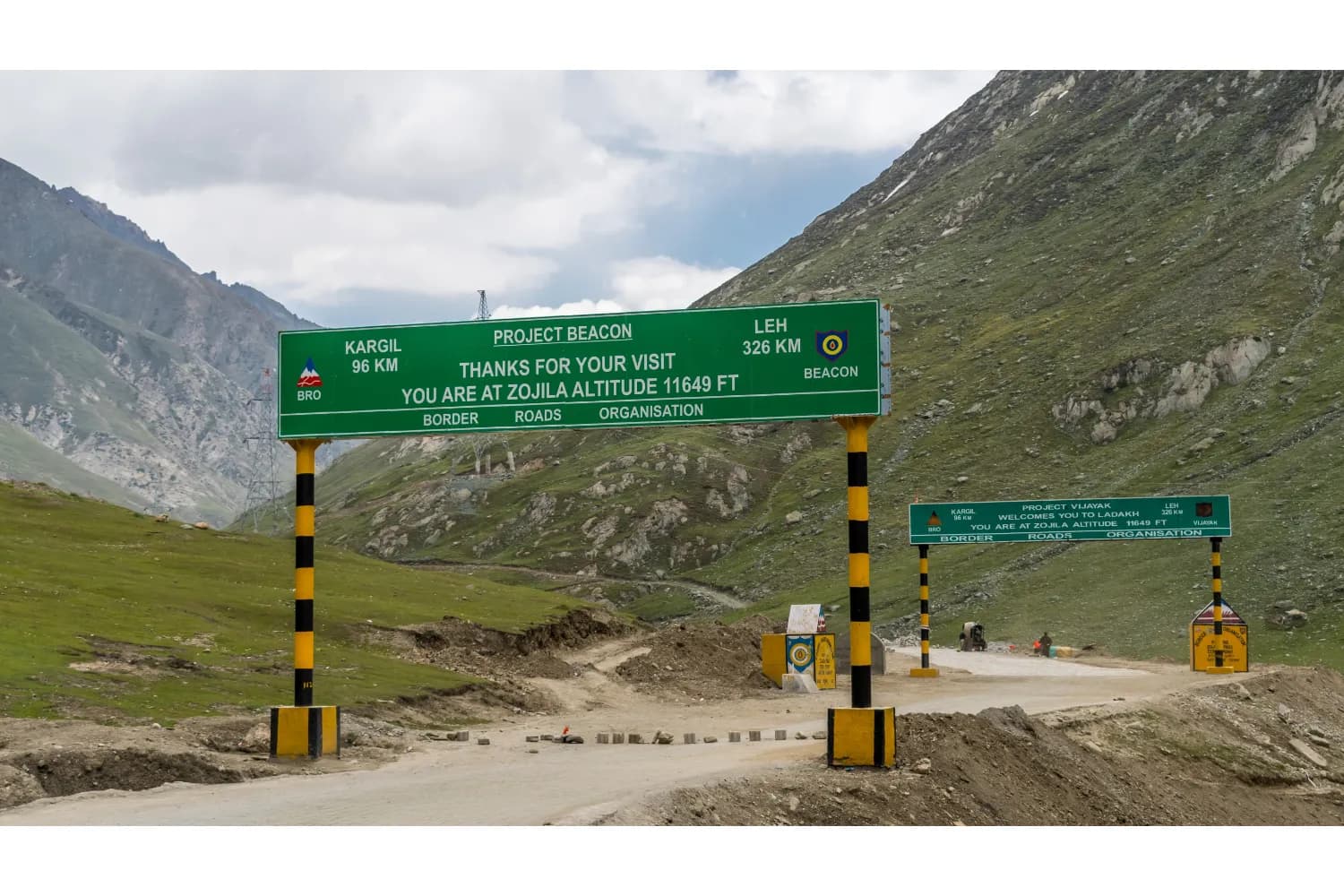
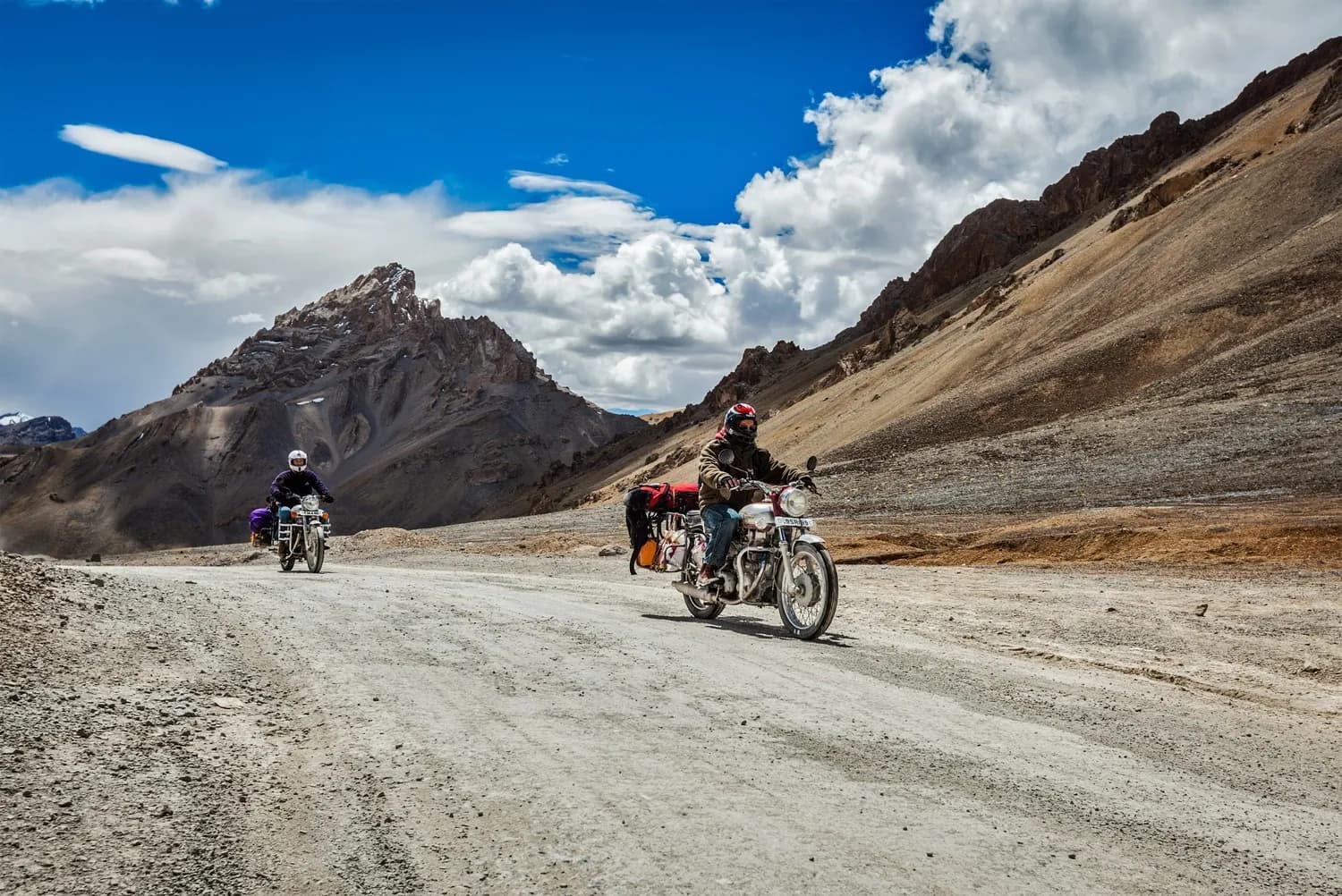
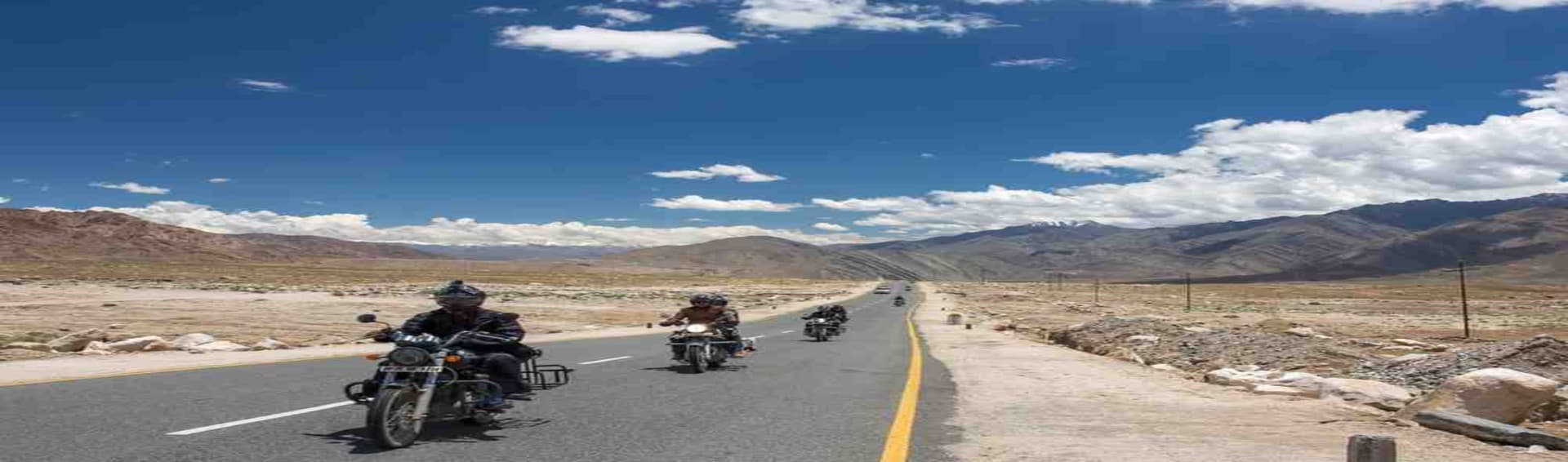
The Manali-Leh Highway opens around late May, sometimes early June, depending on snowmelt. The Srinagar-Leh Highway runs through most of the summer and is generally reliable. Both stay open well into September, sometimes early October. This matters enormously. In Ladakh, a road being "closed" doesn't mean you take a longer route. It means that the place simply doesn't exist for you that day. No Pangong. No Nubra. You sit in Leh and stare at the walls.
Also Read: Manali vs Srinagar Route – Which is Better for Ladakh Trip?
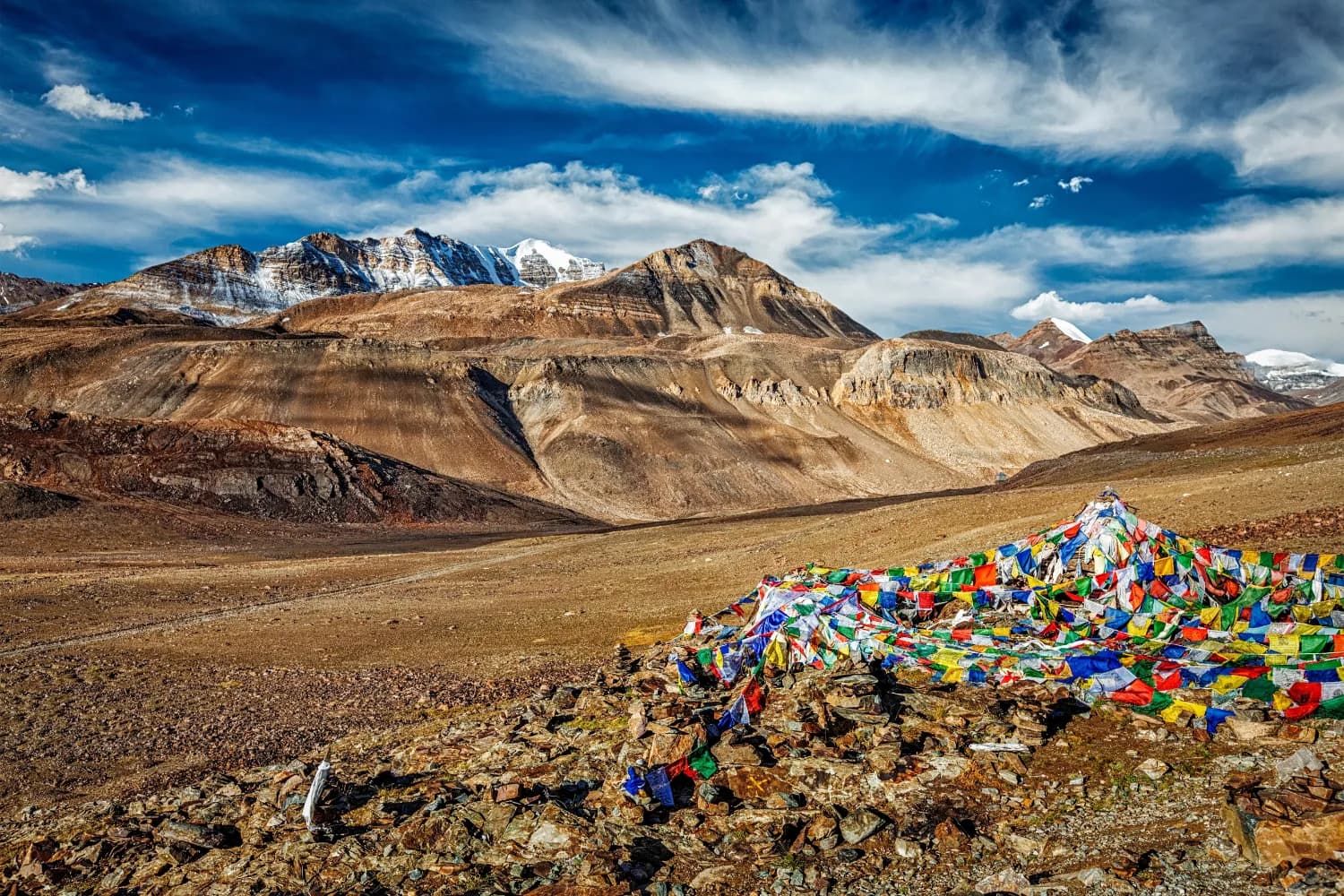
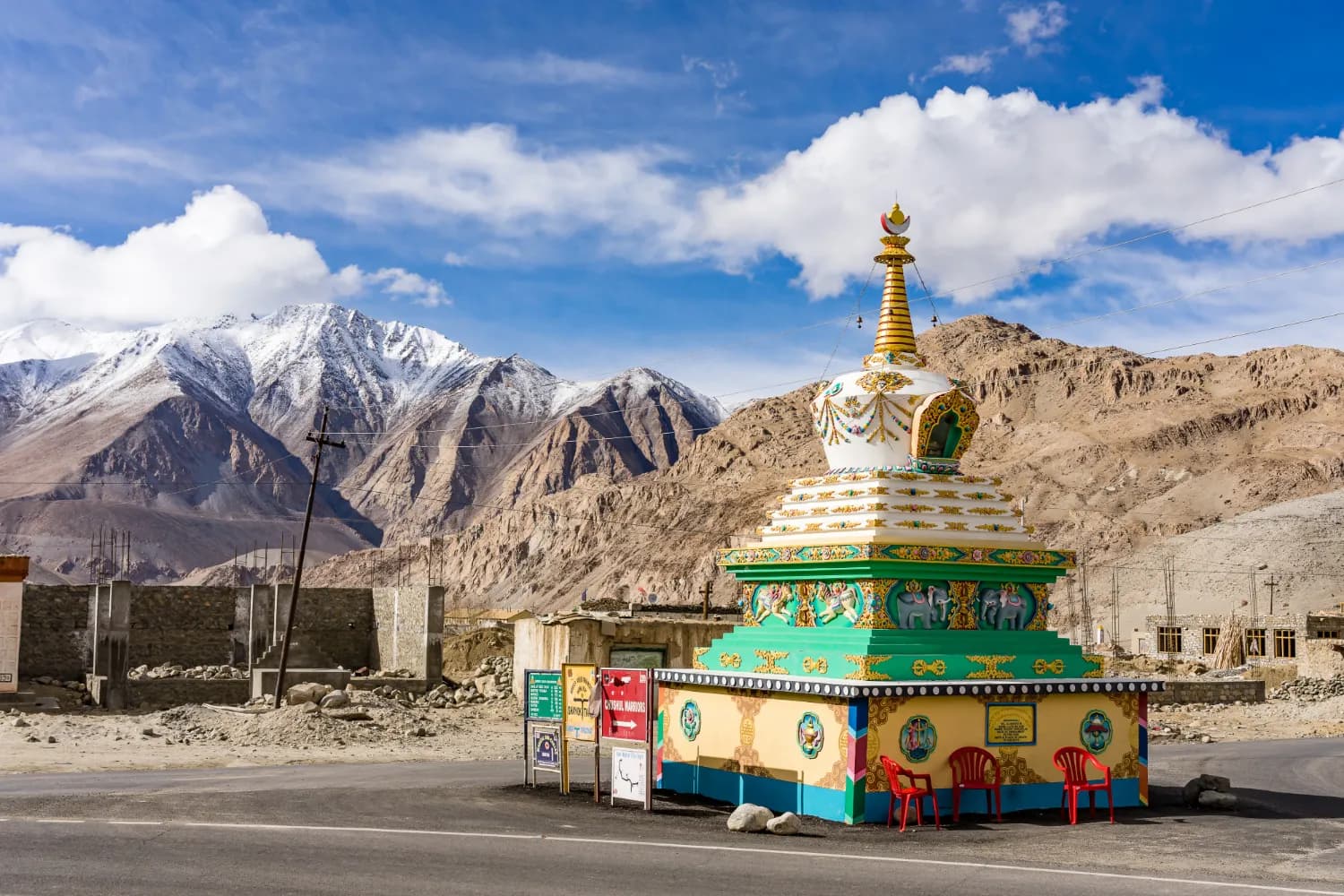
Hemis Festival in June or July is the one worth planning around. Held at Hemis Monastery, it is the largest monastic festival in Ladakh, with masked dances, traditional music, and an atmosphere that doesn't feel performed for tourists. It feels real because it is real. The Sindhu Darshan Festival in June celebrates the Indus River and brings a certain festive chaos to Leh. Come August and September, the Ladakh Festival spreads across Leh with polo matches, archery, and folk performances. If cultural experiences are part of why you want to go, summer is the only season that actually delivers them.
 Winter in Ladakh covers October through March. Let's be straight about this. Winter Ladakh is not a more peaceful version of summer Ladakh. It is an entirely different trip that suits an entirely different kind of traveler.
By November, the tourist shops are shuttered. By December, the roads out of Leh are gone. The silence is something people either find deeply moving or deeply inconvenient, depending on what they came for.
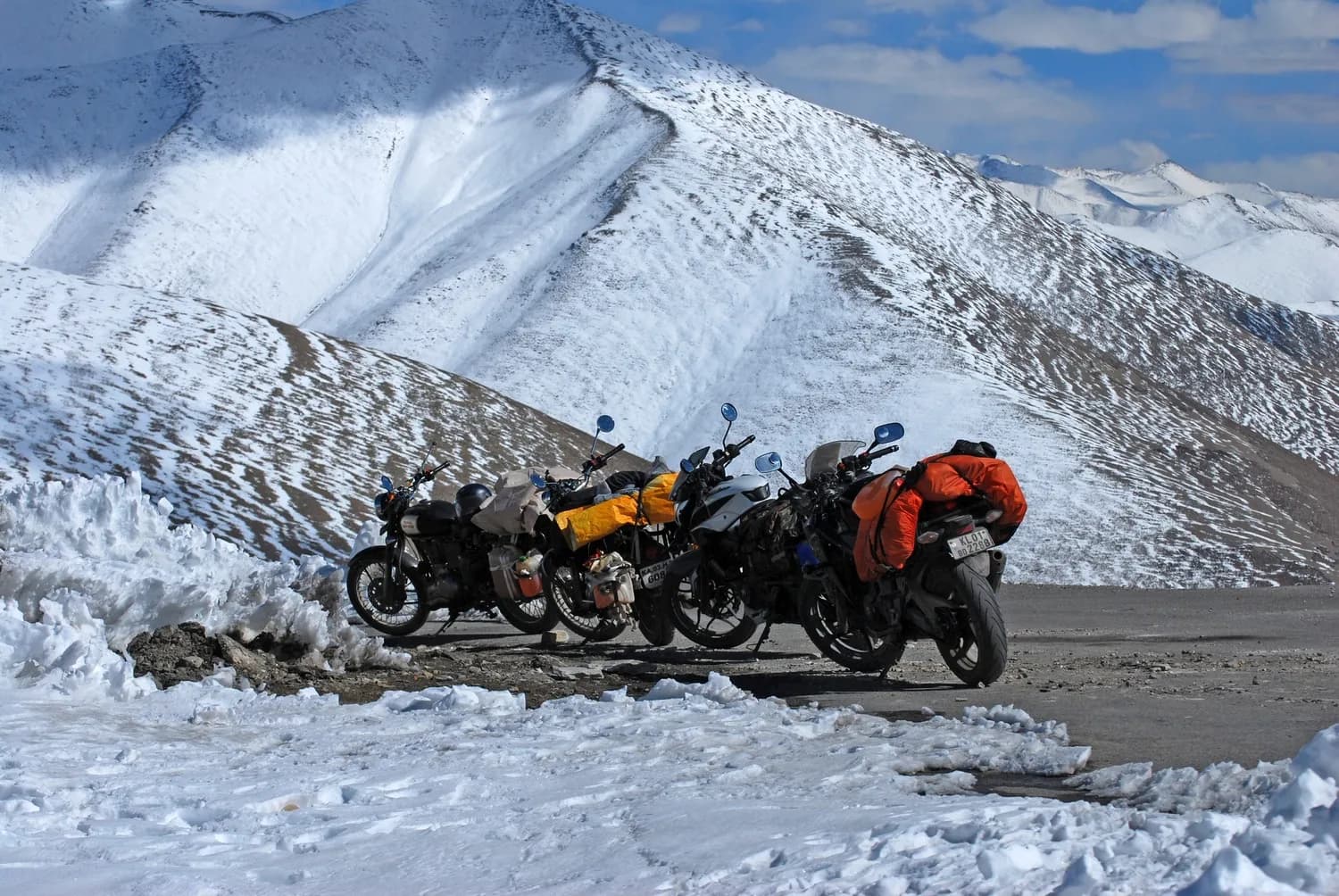
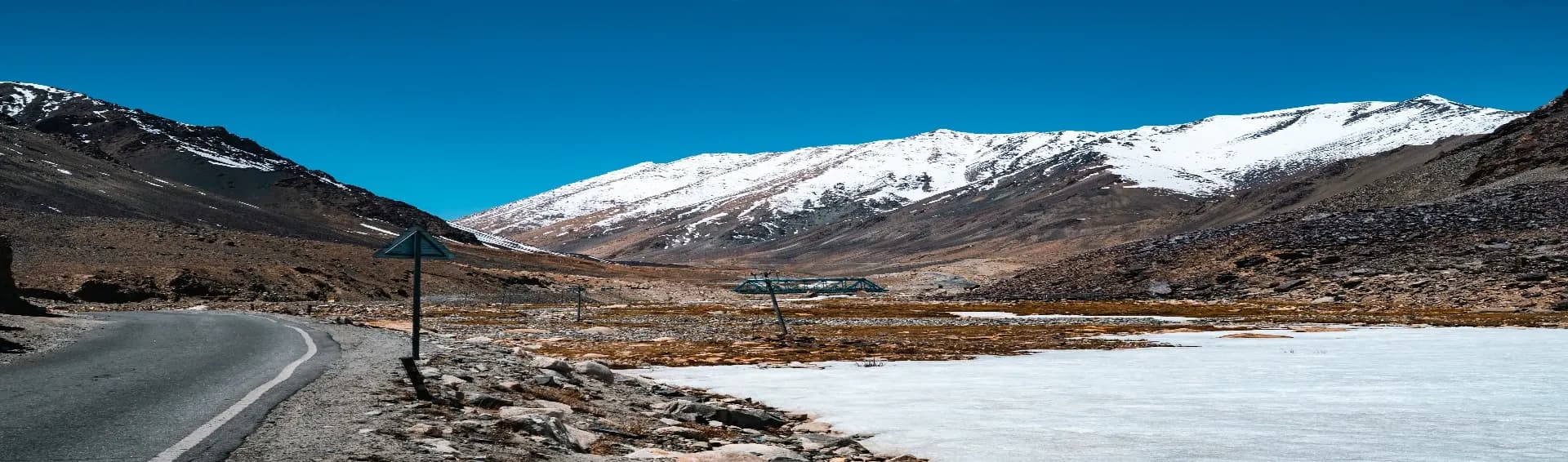
October starts around -5°C to -10°C, and that's the mild part. January and February regularly see -20°C to -30°C in Leh. Not "cold, wear a puffer" cold. The kind of cold where your phone dies in twenty minutes outside, water freezes in your hotel room overnight if the heating fails, and stepping out without proper gear is genuinely dangerous. Pangong Tso turns completely solid. You can walk on it, which is surreal, but you're also standing at 14,000 feet in -25°C, so surreal has a cost.
Heavy snowfall runs from December through February. Visibility on the roads that are still open (mostly within Leh town) can drop badly. The sun does come out on clear days, and it is beautiful in a stark, almost violent way. But you cannot plan around it. Cloud cover can sit for days. AMS is still very much a risk in winter, which surprises a lot of first-time winter visitors. Cold does not protect you from altitude. Your body still needs time to adjust, and it is working harder in the cold on top of that.
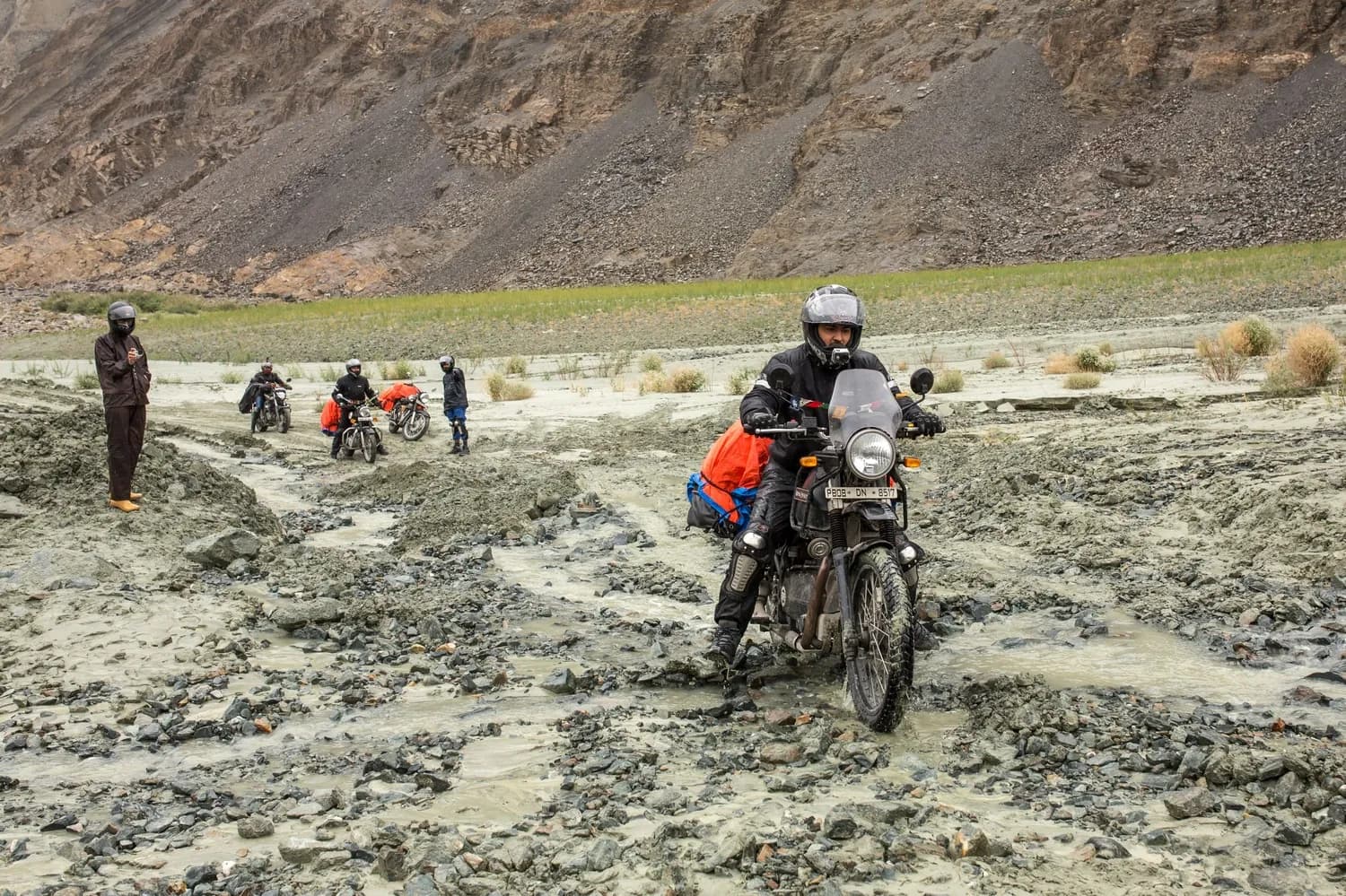
The Manali-Leh Highway closes by late October or November. The Srinagar-Leh Highway goes around the same time. Flying into Leh is your only real option from November to April. And once you are in Leh, where you can go is sharply limited. Pangong is technically reachable on some days but it takes serious planning and the right vehicle. Nubra becomes very difficult. Your world shrinks to Leh town and a few nearby monasteries.
Chadar Trek from January to February is the headline act. Trekkers walk the frozen Zanskar River for several days, camping on the ice at night. It is one of those trips people talk about for years. But it is not for people who have never trekked before. The physical and mental demands are real. The Losar Festival (Ladakhi New Year) falls in January or February and is celebrated quietly within local communities. Worth witnessing if you can access it, but don't expect the open-air spectacle of summer festivals.
Summer. And here is why that answer is not even close.
Roads are open. You can get to Pangong, Nubra, Khardung La, and Zanskar. You can actually do the things people go to Ladakh for. Camel safari in Hunder. Rafting on the Indus. Watching the Hemis festival in a monastery courtyard. Stargazing in Hanle. None of that is properly accessible in winter.
Your body handles the altitude better, too. At -25°C, you are dealing with altitude and extreme cold at the same time. That is two things hitting you simultaneously, and it makes acclimatisation harder, not easier.
Budget-wise, summer Ladakh tour packages start at around ₹20,000 per person for a decent 6 to 7-night trip and go up to ₹45,000 for more comfortable options with flights and internal travel included. That range gives you real flexibility.
Winter is worth doing. But only with a specific reason. Chadar Trek. Snow Leopard. Frozen lake photography. If you don't have a clear purpose that only winter serves, you are making the trip harder than it needs to be. Closed roads, limited food, extreme cold, and a town that is essentially half asleep is not a holiday. It is an expedition.
Go in the summer. See Ladakh first. Then, if you want to come back for winter, you'll know exactly what you are signing up for.
If you are planning to visit Ladakh, read these best Places to visit in Ladakh & Things to do in Ladakh.
For most travelers, yes. May to September gives open roads, accessible attractions, good weather, and actual things to do. Pangong looks the way it does in photos. Festivals are running. Guesthouses are open. It is the version of Ladakh that delivers on the promise.
You can, but go in knowing what you are getting into. Flights to Leh run through winter, but road access to most places shuts from November to April. Temperatures go below -20°C. It suits experienced travelers with a specific experience in mind, like the Chadar Trek or Snow Leopard safari. Not ideal as a first Ladakh trip.
January and February have the lowest prices; hotels and flights both drop. But cheap doesn't mean easy. Mobility is very limited, most businesses are closed, and the cold is not casual. If budget is the concern, but you still want a real experience, early May or late September hits a better balance of lower cost and full access.
Summer, June to September, covers nearly all the major treks, including Markha Valley, Stok Kangri, and the Lamayuru to Padum route. Winter trekking in Ladakh is basically just one thing: the Chadar Trek on the frozen Zanskar. That is a specific, demanding experience, not a general trekking recommendation.
Not fully. Flights still run, and the town itself stays open. But most guesthouses reduce operations or shut down, tourist services become limited, and almost everything outside Leh is inaccessible due to snow and road closures. December is quiet in a way some solo travelers enjoy, but don't arrive expecting the full Ladakh experience.
May 25, 2026
May 25, 2026
May 25, 2026
May 25, 2026
May 19, 2026