
 7 Minutes
Rivers in Ladakh are not just water bodies flowing quietly through the mountains. The rivers here are the backbone of the region. They shape villages, fuel ancient trade routes, support local life, and create some of the most unreal landscapes you will ever see. For travelers planning for Ladakh tour packages, understanding every major Ladakh river adds a completely different layer to the journey.
Having guided expeditions across this Himalayan terrain, we've witnessed how Ladakh rivers tell a story of survival, spirituality, and spectacular natural engineering. They’re the arteries sustaining one of Earth's most extreme inhabited landscapes, fed by glaciers older than recorded history. Every famous valley, monastery, camping site, and mountain pass somehow connects back to a powerful Leh Ladakh River system that keeps this high-altitude land alive.
₹39,999
per person
₹20,999
per person
₹39,990
per person
₹25,999
per person
Life in Ladakh would struggle without its rivers. Agriculture, drinking water, transportation routes, and tourism activities all depend heavily on these glacial rivers flowing through the mountains. Since Ladakh receives very little rainfall, most villages survive because snow-fed rivers continue supplying fresh water even during harsh conditions.
The rivers also shape Ladakh’s tourism identity. River rafting in Zanskar, camping beside the Shyok, all attract travelers searching for raw Himalayan beauty.
Another interesting part is the spiritual connection. Locals consider several rivers sacred, especially the Indus River, which holds deep historical and cultural significance in Indian civilization. Many Ladakh Monasteries and ancient settlements were built near these rivers centuries ago because water meant survival.
Every major river in Leh Ladakh tells a different story. Some carry legends, some create adventure, and some simply leave people speechless with their scenery.
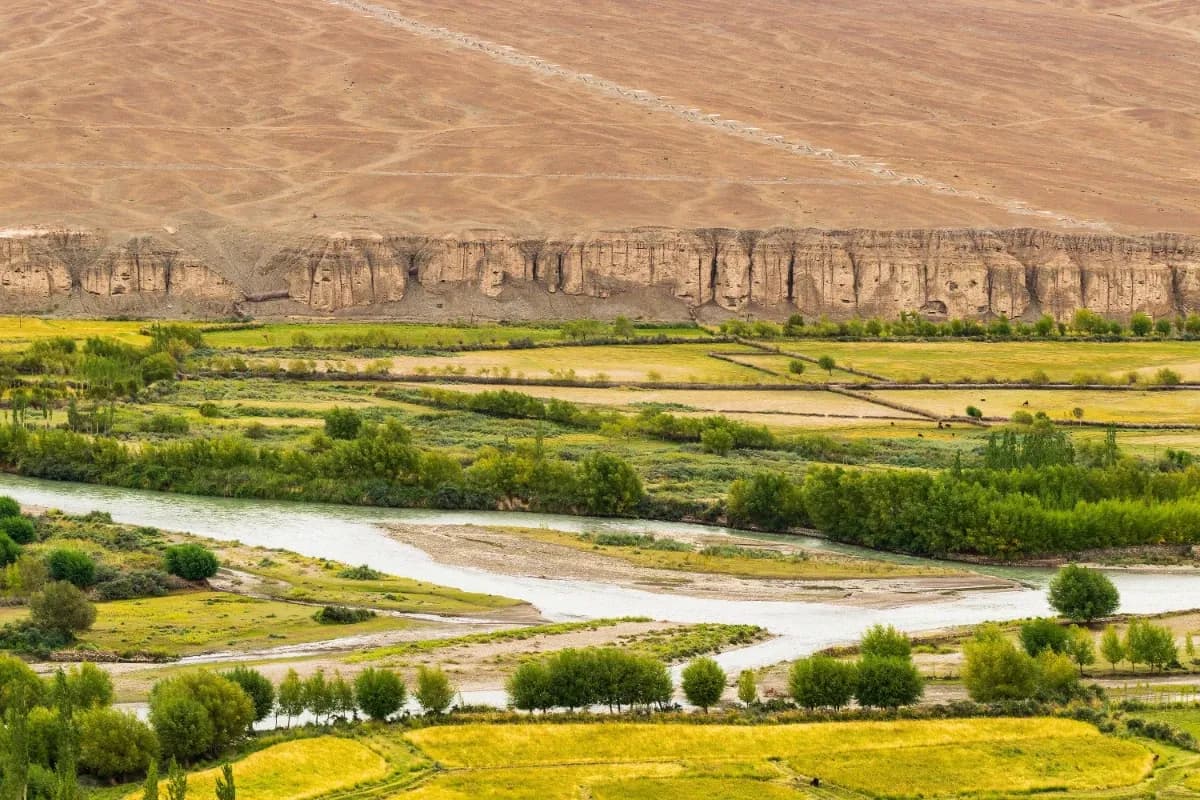 The Indus River is the heart of Ladakh’s geography and history. Originating near Mount Kailash in Tibet, this mighty river enters Ladakh and flows across valleys before continuing toward Pakistan. At 3,180 kilometers, it's one of Asia's longest rivers, sustaining the Indus Valley Civilization millennia ago. Ancient civilizations grew around the Indus, and many historians believe India got its name from this river.
Several monasteries and villages in Ladakh still stand close to its banks. During summer, the contrast of clean water against barren brown mountains creates one of the most iconic views of any Ladakh river landscape.
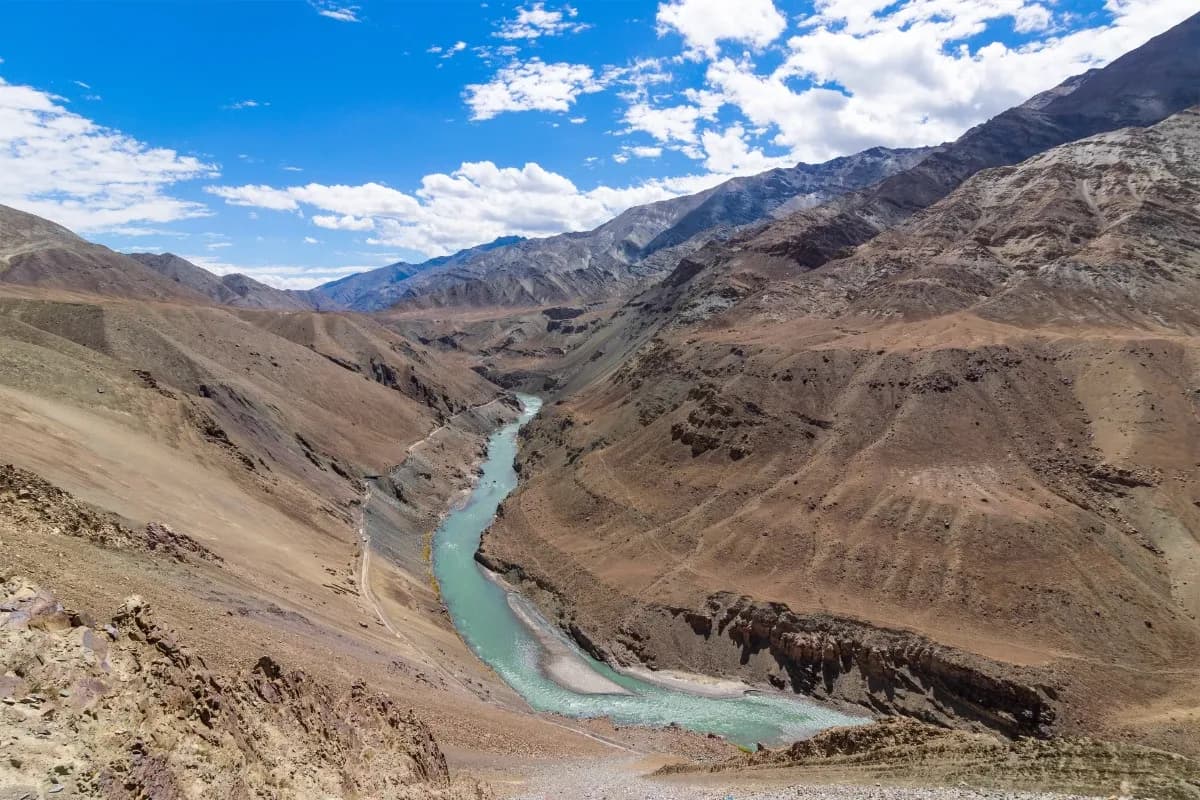 Few rivers in India shift personality so dramatically across seasons. Adventure lovers usually know the Zanskar River before they even visit Ladakh. Famous for the Chadar Trek during winter, this river freezes into a sheet of ice that people walk across when temperatures crash below zero. In warmer months, it transforms into a fast-flowing rafting destination packed with thrilling rapids.
Summer brings Grade IV-V rapids, attracting extreme kayakers worldwide. The Zanskar Valley remains snow-isolated for seven months annually, and only flows in summers, and it makes the river even more unique.
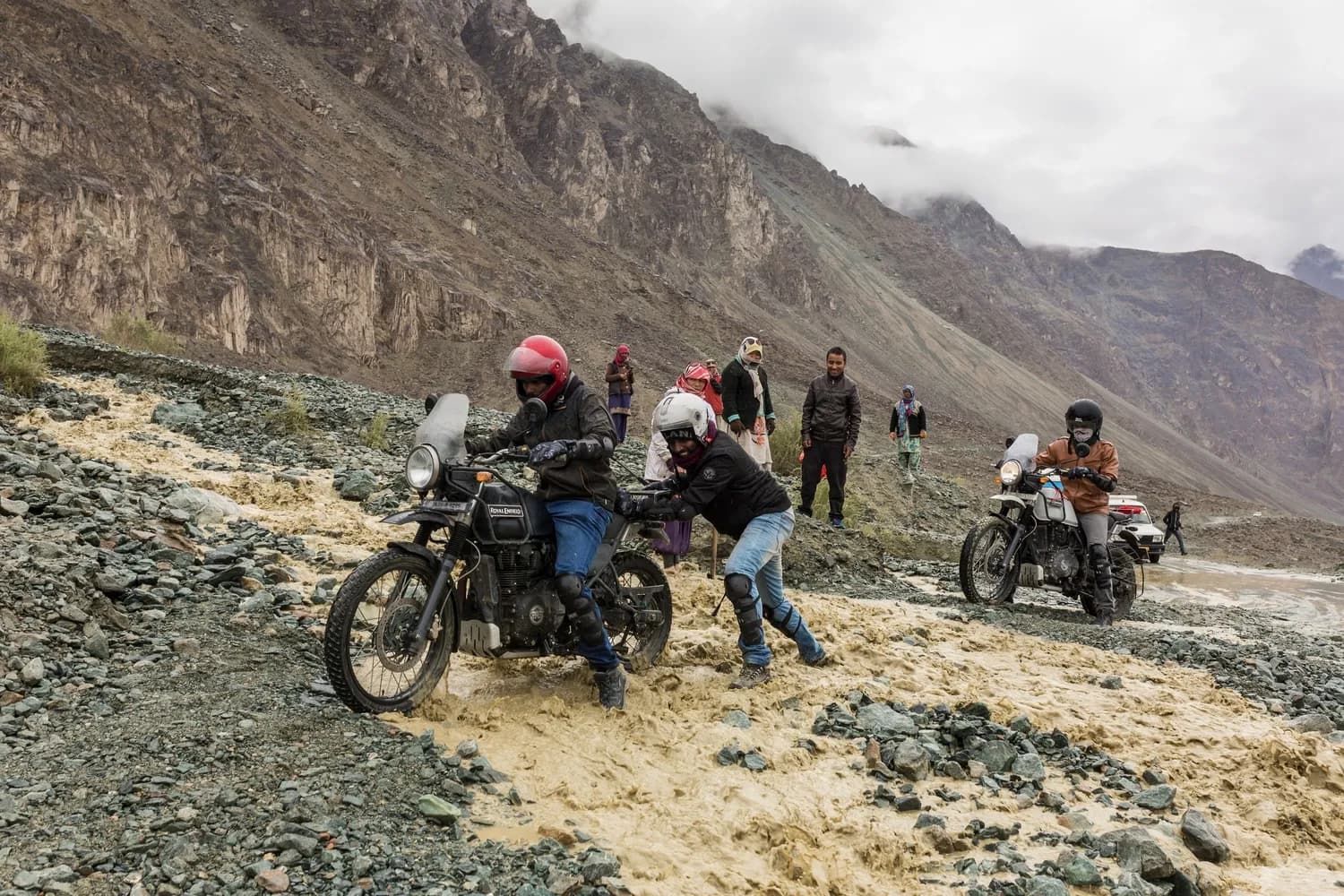
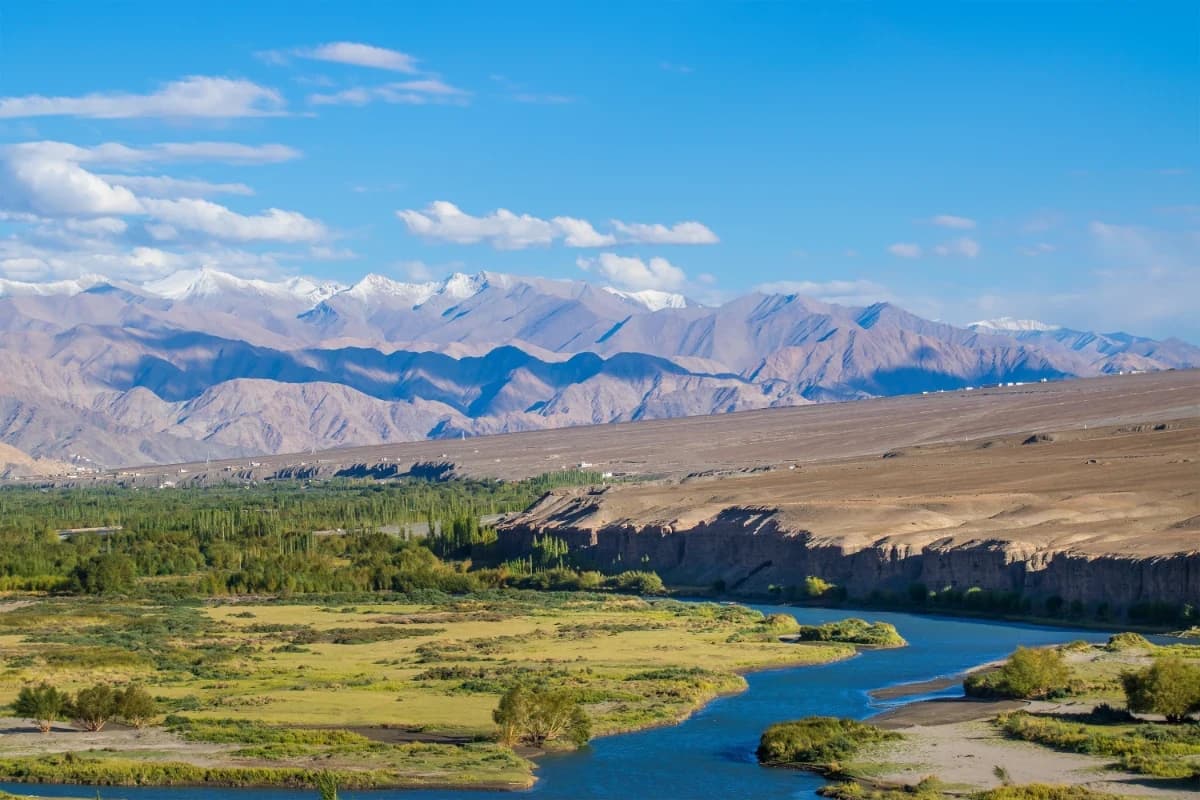 "River of Death" in local dialect, the Shyok earned its terrifying name from unpredictable flash floods that historically caused major problems for travelers and settlements. Despite the intimidating name, the river creates stunning scenery along the Nubra Valley route. Many travelers driving toward Turtuk or Diskit Monastery spend hours here, stopping for photographs along this beautiful Leh Ladakh River stretch. It flows through Nubra Valley before joining the Indus near Skardu (Pakistan). Wide riverbeds, sandy landscapes, and snow-covered peaks together create views that almost feel unreal.
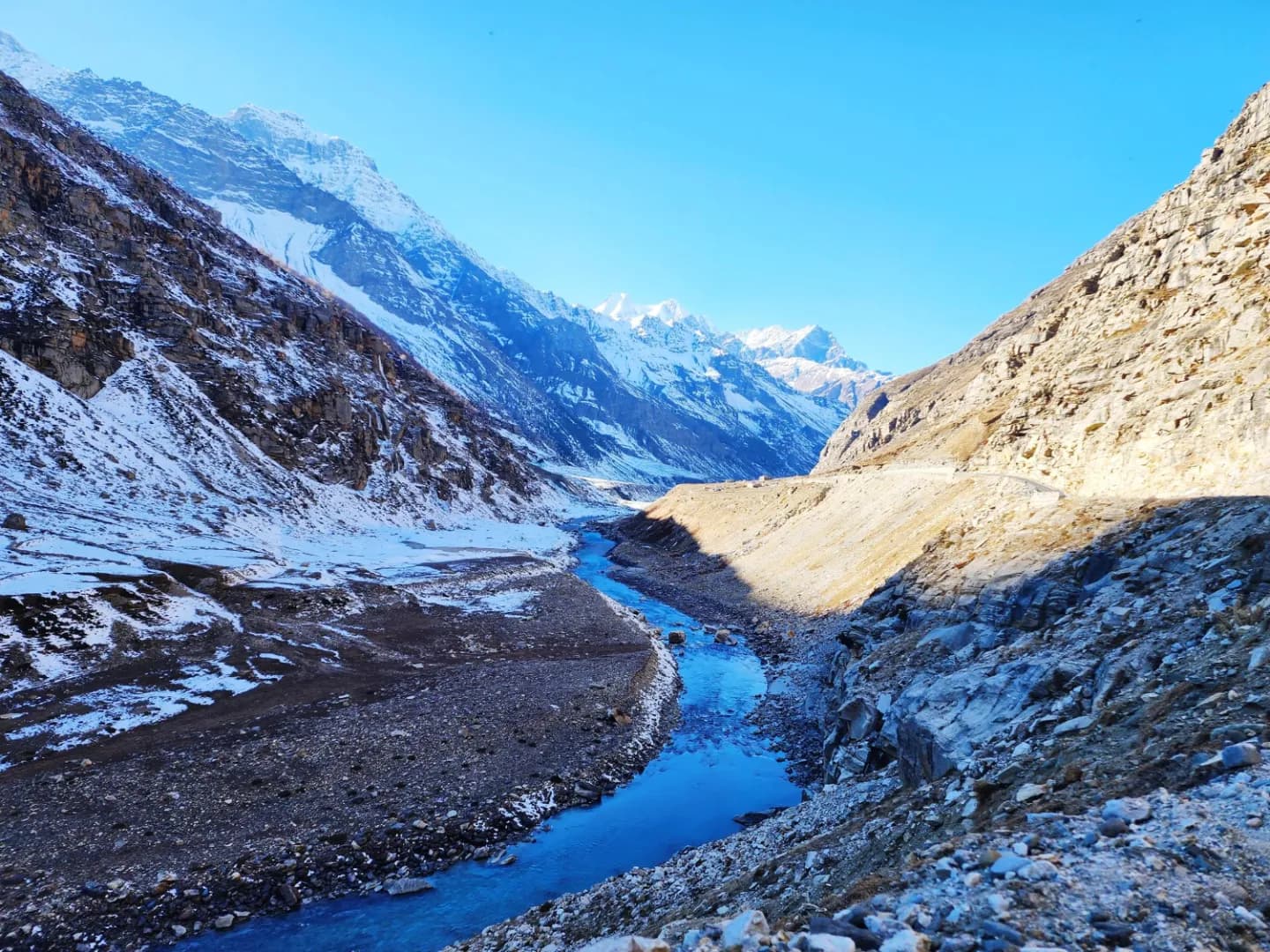
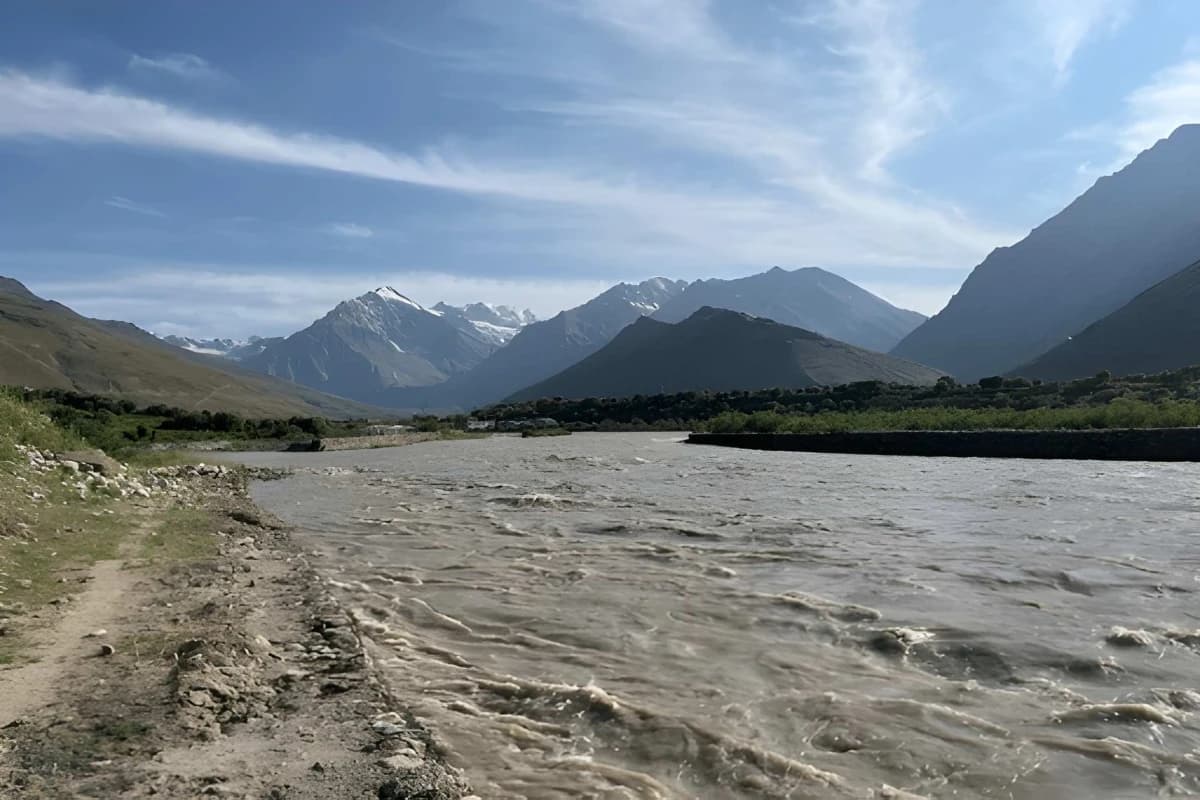 Flowing through the Suru Valley in the Kargil district, the Suru River brings a softer and greener side of Ladakh that surprises many visitors. Unlike the cold desert appearance common in Leh, this valley features farms, villages, and mountain fields nourished by the river. The Suru River originates from the Panzella Glacier and supports local agriculture throughout the region.
Travelers heading toward Rangdum often describe this route as one of Ladakh’s most peaceful drives because the river stays beside the road for long stretches.
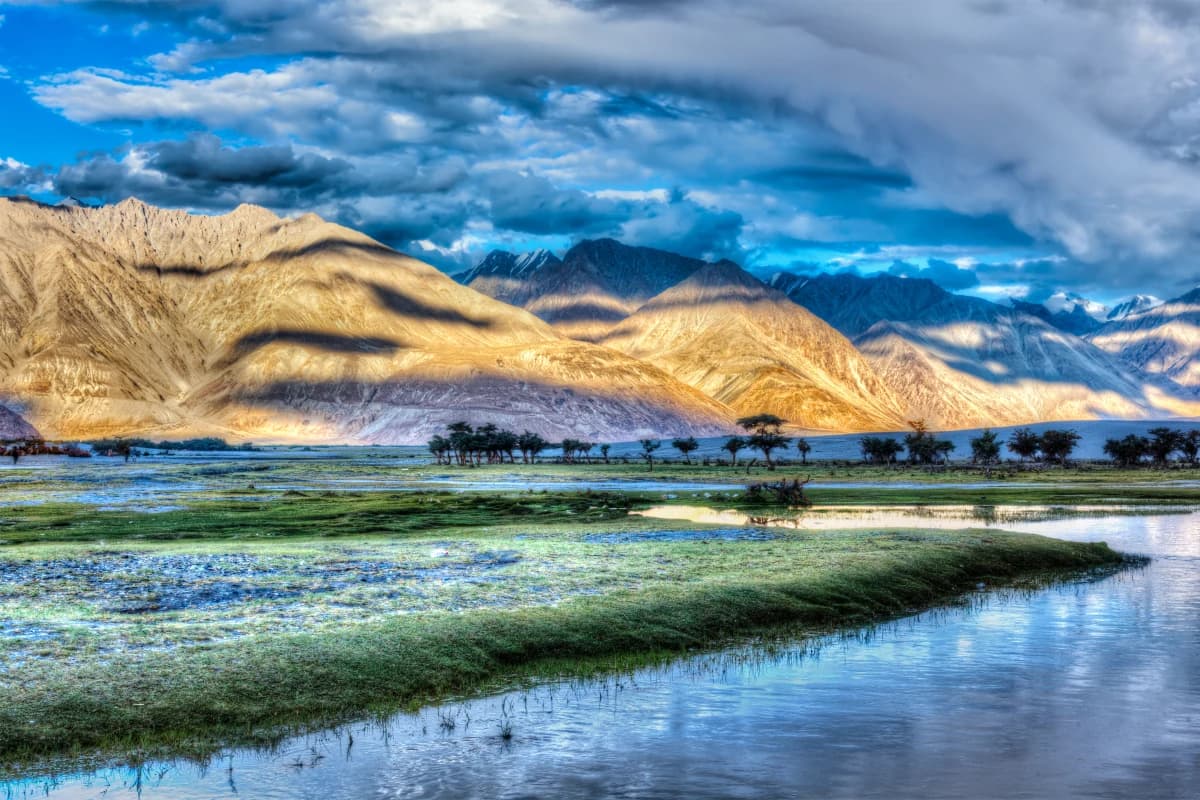 The Nubra River quietly shapes the famous Nubra Valley, one of the most visited regions in Ladakh. Formed by glacier melt from the Siachen area, this river supports villages surrounded by sand dunes and high-altitude mountains. The unusual mix of cold desert terrain and flowing water gives Nubra Valley its unique character.
Double-humped Bactrian camels found here also exist because old trade routes once passed near this Ladakh river valley connecting Central Asia and Ladakh through ancient caravan networks, and these camels are the proof for that, as they are not native to Ladakh.
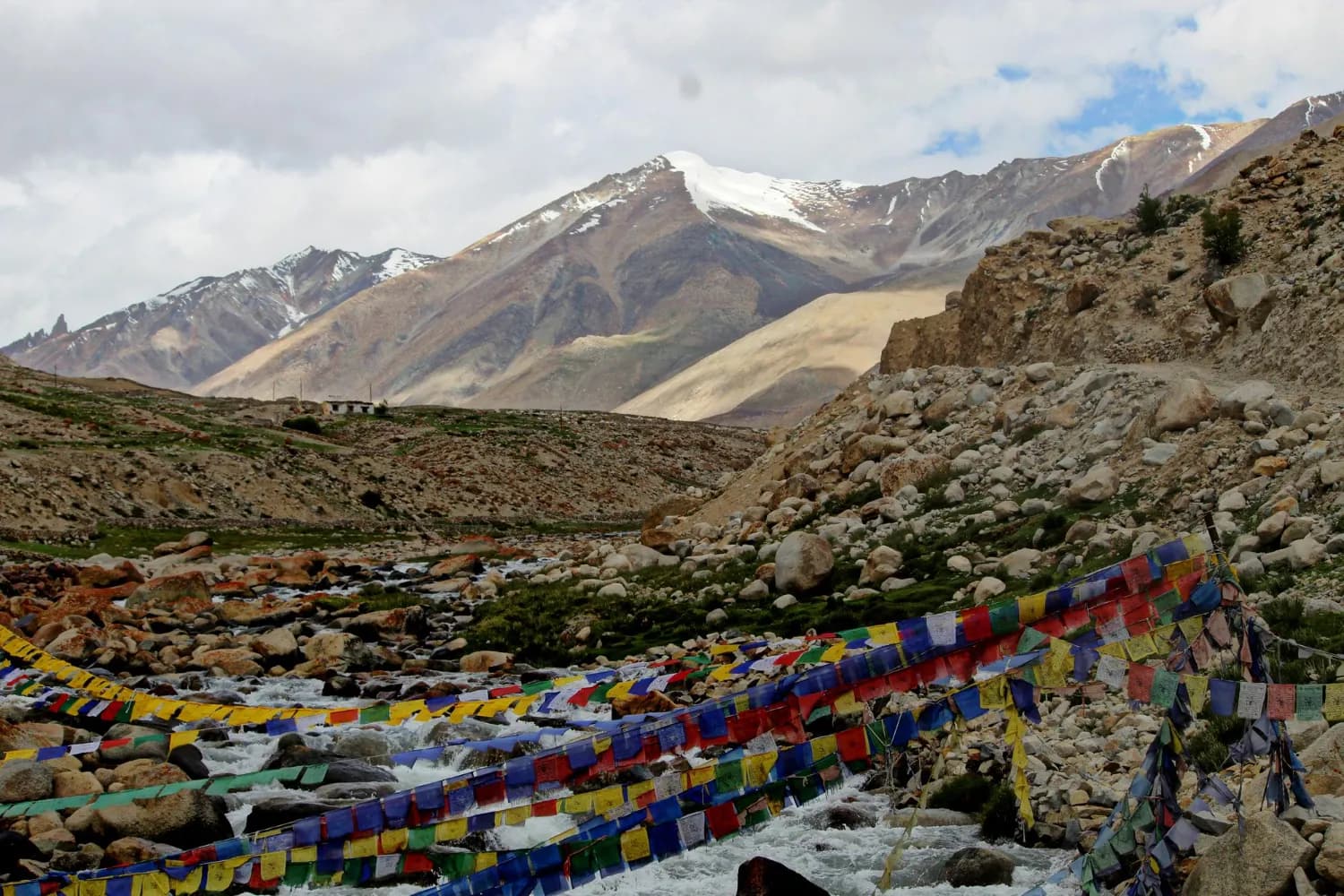
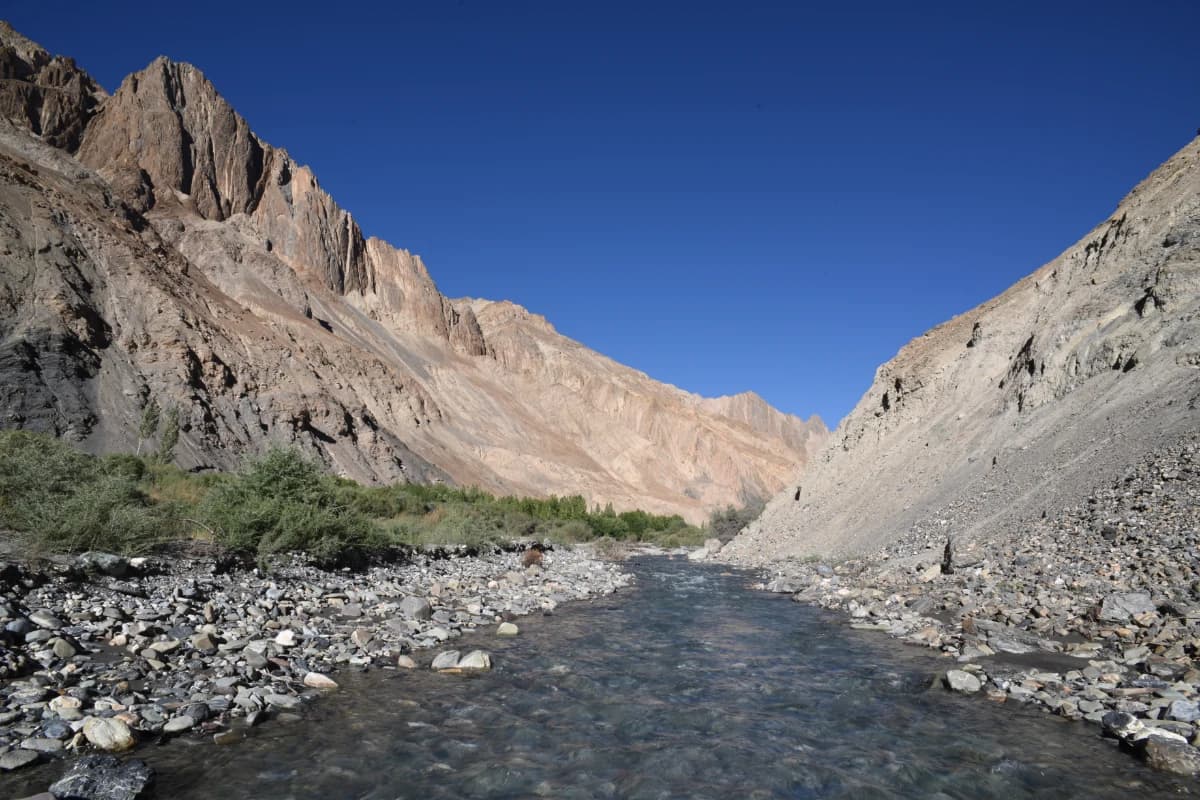 The Markha River is closely linked with trekking culture in Ladakh. People attempting the popular Markha Valley Trek cross this river on foot multiple times while walking through remote villages and mountain trails. Unlike larger rivers, Markha is more intimate and raw, surrounded by cliffs and hidden settlements.
his tributary of the Zanskar begins in Nimaling's high pastures and flows through a cultural tapestry of remote villages like Skiu, Markha, and Hankar, where traditional Ladakhi life persists unchanged. Trekkers often camp beside the river after exhausting hiking days. During summer, the valley around the river becomes one of the best examples of untouched Himalayan beauty, and blue sheep and Himalayan marmots frequent the riverbanks, while the occasional snow leopard pug mark reminds trekkers they're in predator territory.
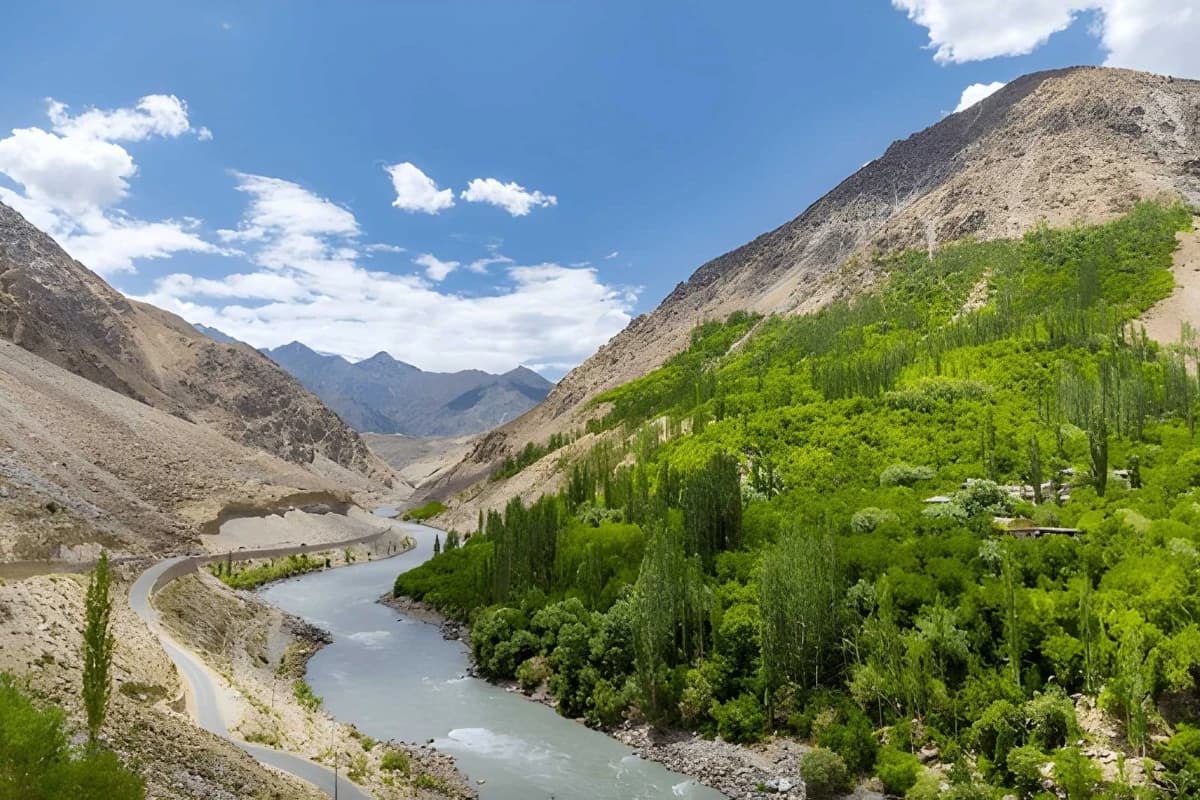 The Drass River flows through one of the coldest inhabited regions in the world, the town of Drass at 3,230 meters. Fed by glacier systems in the Himalayas, this river eventually joins the Suru River near Kargil. Fed by surrounding glaciers, the Drass River flows through the war-scarred Drass Valley where the 1999 Kargil War raged. Winter temperatures here regularly hit -45°C, freezing the river solid for six months. When summer arrives, the river in Ladakh becomes a raging torrent carrying glacial sediment that enriches valley farmlands, enabling short-season crops.
Today, travelers passing through Drass often stop to admire the river flowing quietly between harsh mountain terrain. The peaceful scenery around it feels very different from the intense history connected to this area.
If you are planning to visit Ladakh, read these best Places to visit in Ladakh & Things to do in Ladakh.
The Indus River is the main river flowing through Leh, Ladakh. It passes near major monasteries, villages, and scenic viewpoints, making it one of the region’s most historically important rivers.
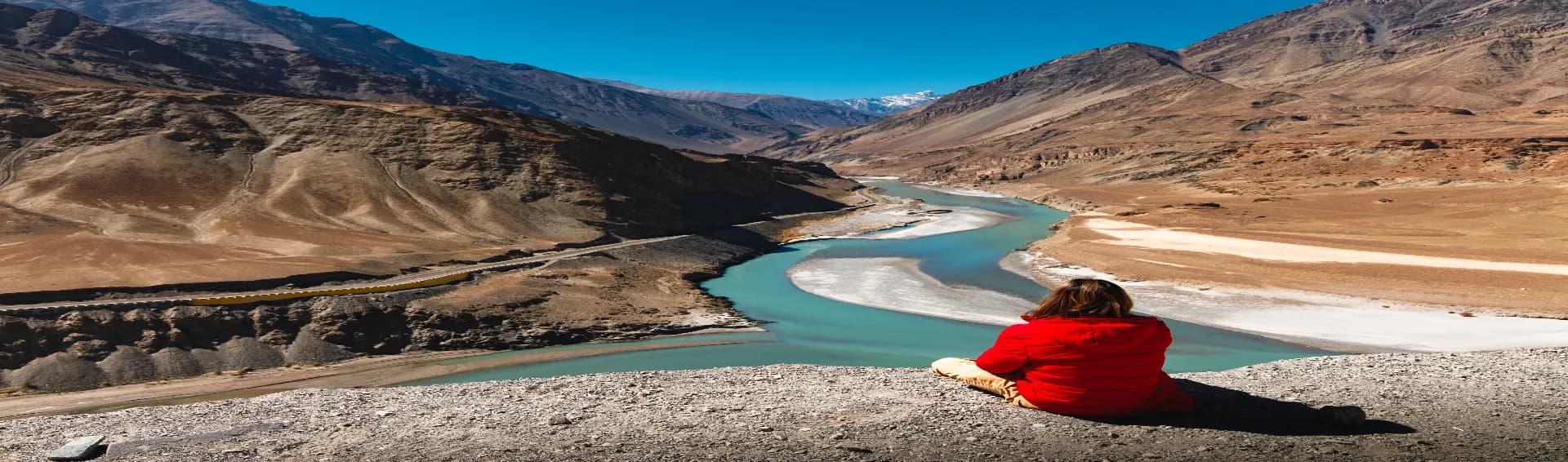
The Indus River and Zanskar River meet near Nimmu village in Ladakh. This famous confluence attracts tourists because of the visible color difference between the two rivers during the summer months.
The Indus River is the most famous river in Ladakh due to its historical importance, stunning landscapes, and cultural connection with ancient Indian civilization and Himalayan trade routes.
Ladakh has 11 major named rivers, and others are their tributaries. Geographic mapping data shows 2,559 rivers and waterways flowing through Ladakh. Ladakh has several important rivers, including the Indus, Zanskar, Shyok, Suru, Nubra, Markha, and Drass rivers. Most rivers here originate from glaciers and snow-fed mountain systems.
The Zanskar River is famous for the Chadar Trek in winter and river rafting in summer. Its frozen trail and dramatic mountain gorges attract adventure travelers from across the world.

May 25, 2026
May 25, 2026
May 25, 2026
May 25, 2026
May 19, 2026