
 5 Minutes
"I have been in Ladakh in May, in June, and in July. I personally experienced it was amazing. The weather was cold, yet it was summer season. The air was pollution-free. If I can bring it, I will keep it in my pocket and bring it to my city." - Neelam Sharma
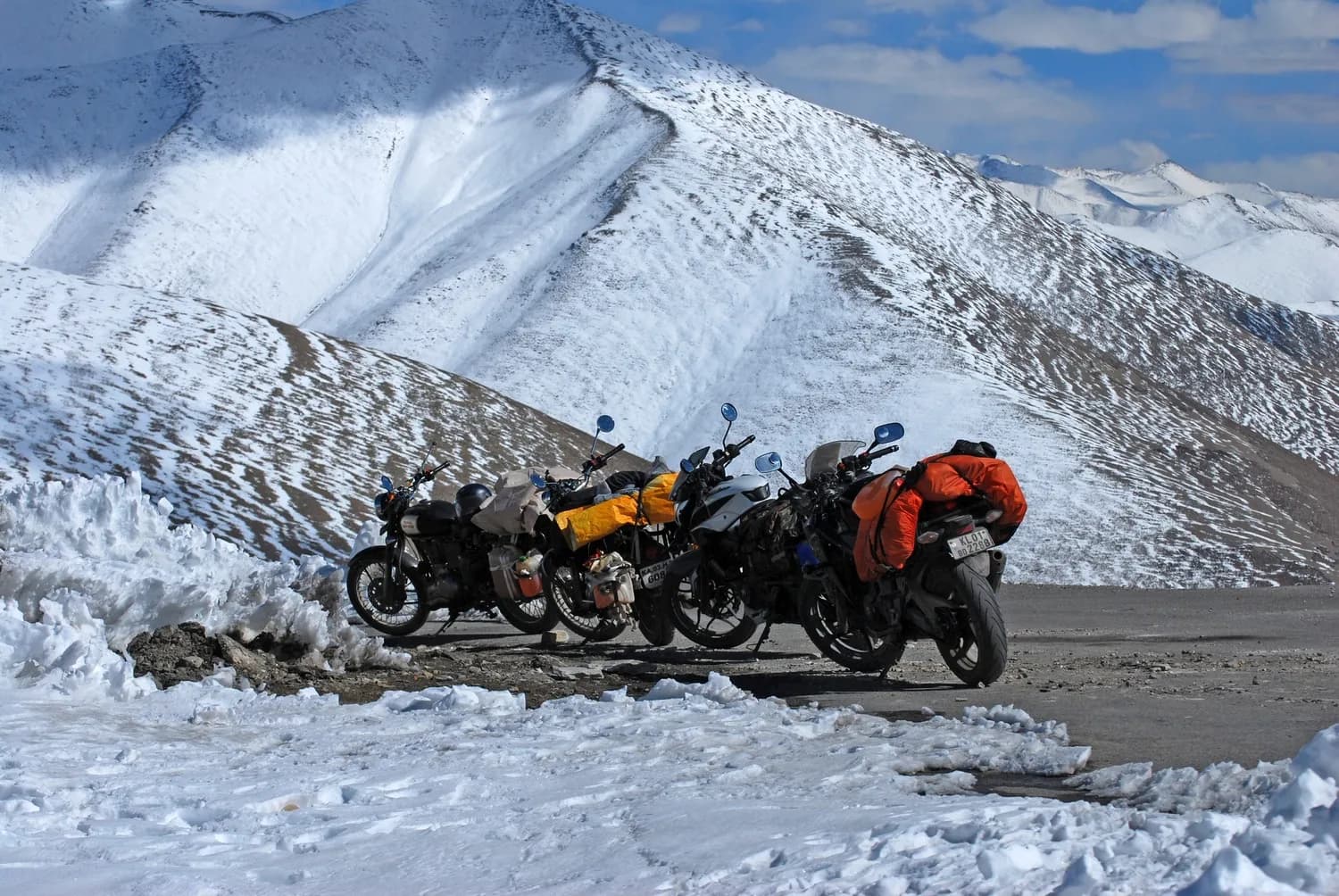
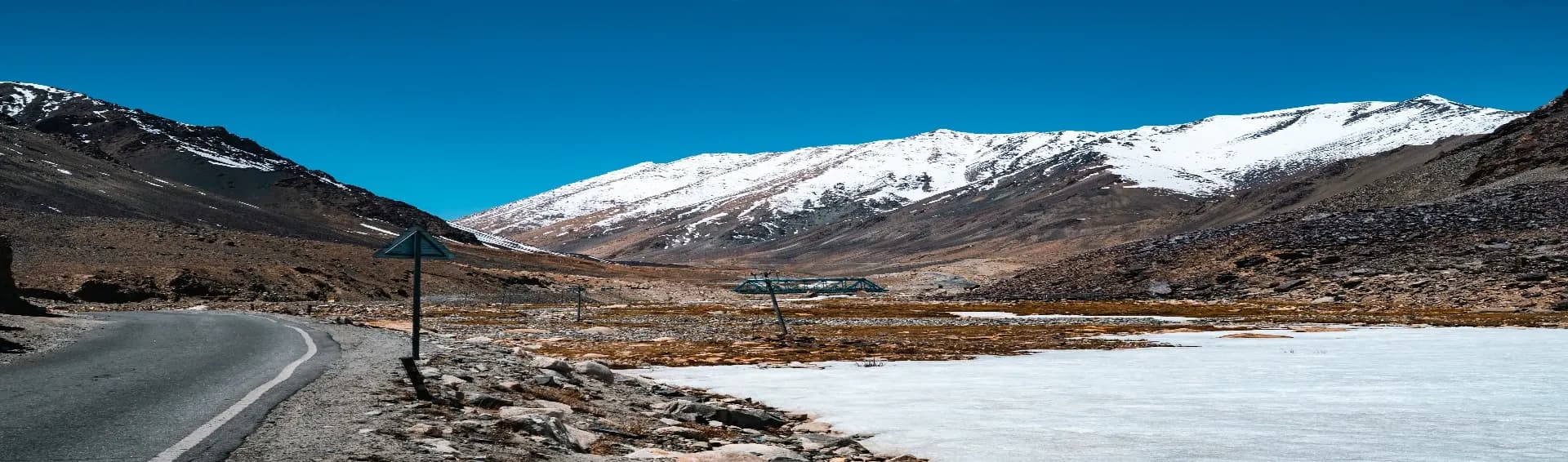
It feels awesome, right? Yes, that's why Ladakh is very famous as a travel destination. People come here all over the month. Even when roads are closed due to heavy snowfall. They come here by flight and enjoy the fresh and cold snowfall. But May, June, and July have a different aura. Roads are without snow, the sky without clouds, and the temperature that gives you relaxation. But you are going for the snow! Don't worry, you can still see snowfall at very high altitudes like Khardung La and Chang La.
₹39,999
per person
₹20,999
per person
₹39,990
per person
₹25,999
per person
So if you are planning a Leh Ladakh package from Delhi or anywhere in India. Read this before you book anything. The blog will clear all your doubts,
May is Ladakh waking up. Literally. After months of snow and silence, the roads start reopening, the guesthouses dust off their rooms, and the first batch of travelers arrive.
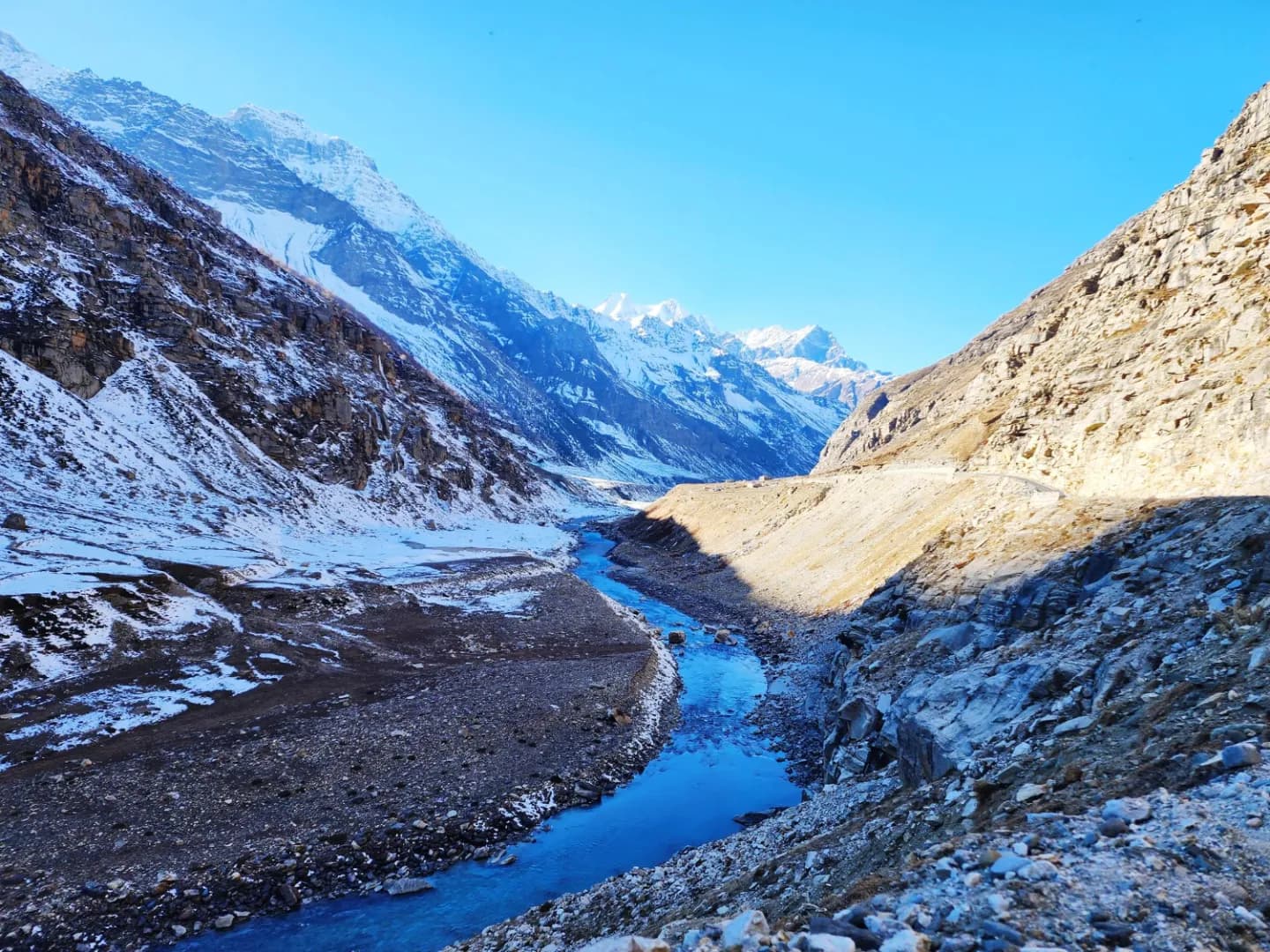
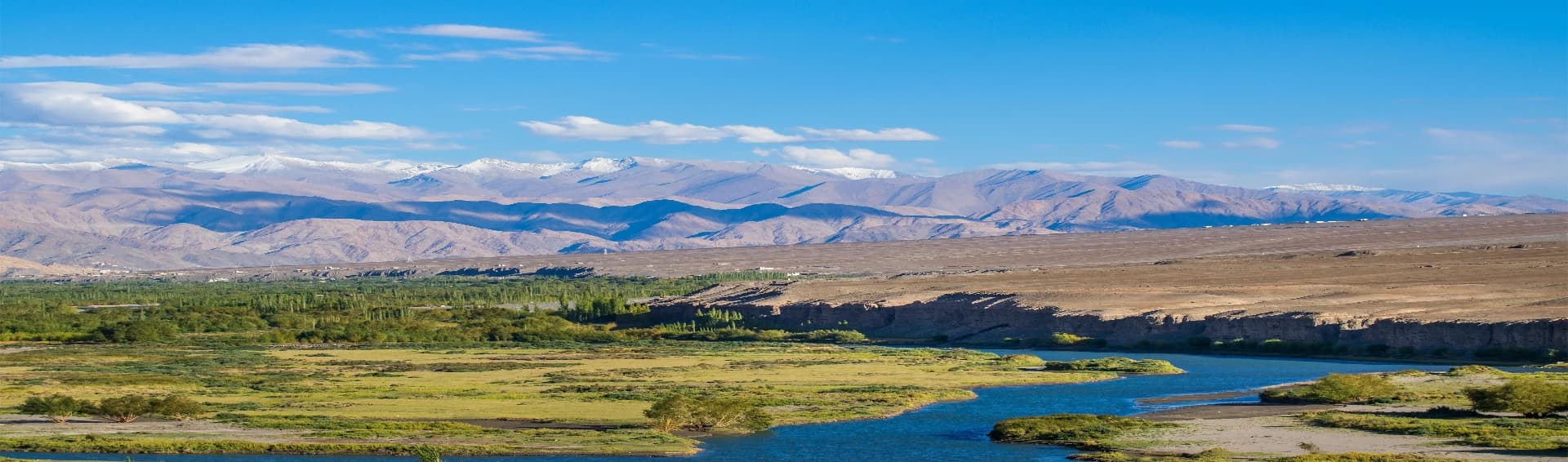
Mostly clear skies and dry air. Snow is still sitting on the mountain peaks, which makes the views stunning. Occasional dusty winds pass through Leh, but rain is rare. Overall, May gives you clean weather days with crisp Himalayan light.
The Manali-Leh Highway usually reopens in early to mid-May, sometimes the last week of April if snowfall has been light that year. The Srinagar-Leh Highway opens slightly earlier, around the end. Khardung La and Chang La passes open for vehicles in May, though they can still have icy patches in early May mornings.
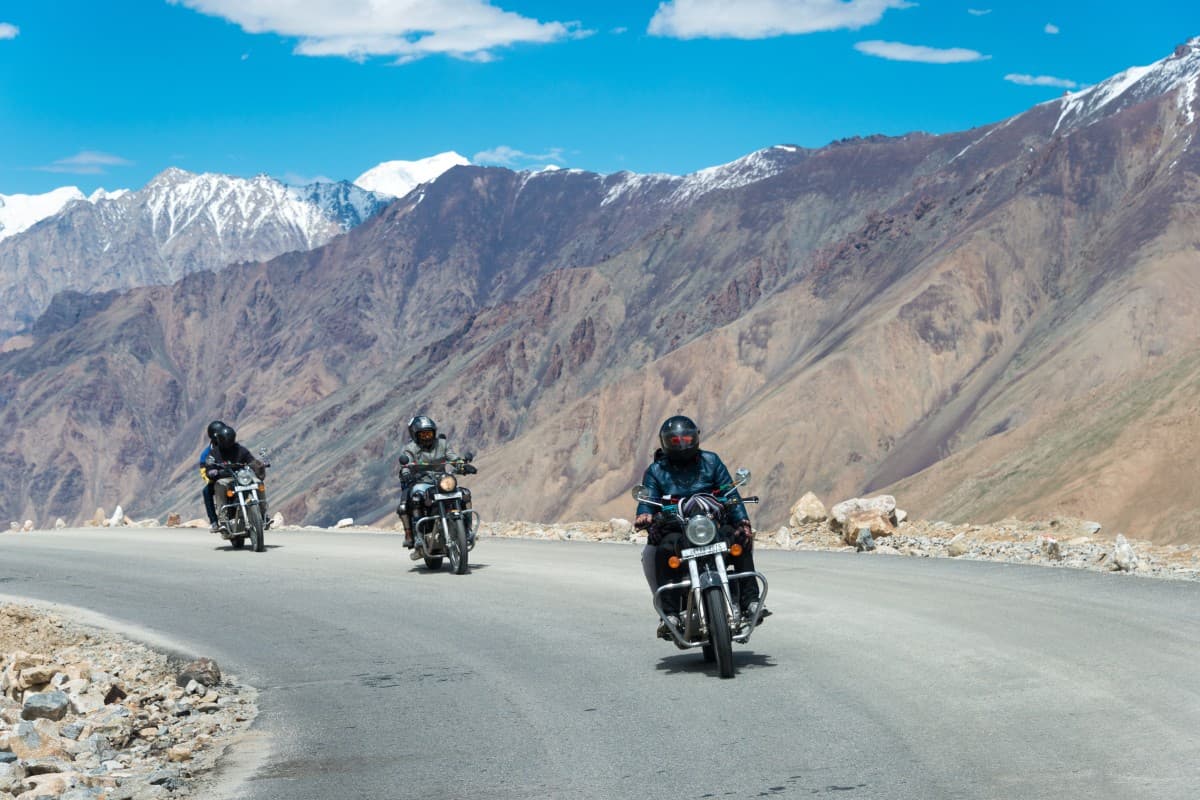
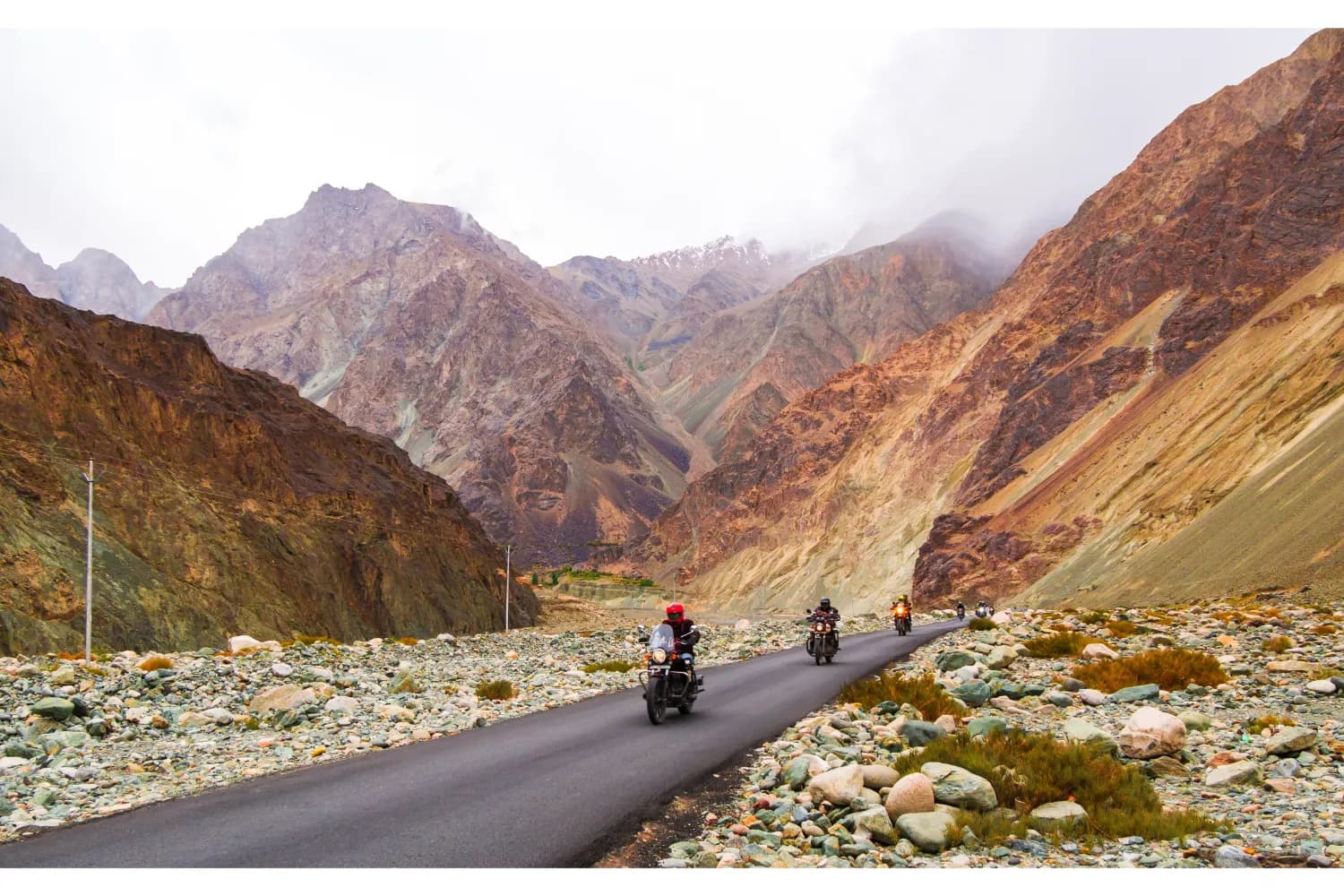
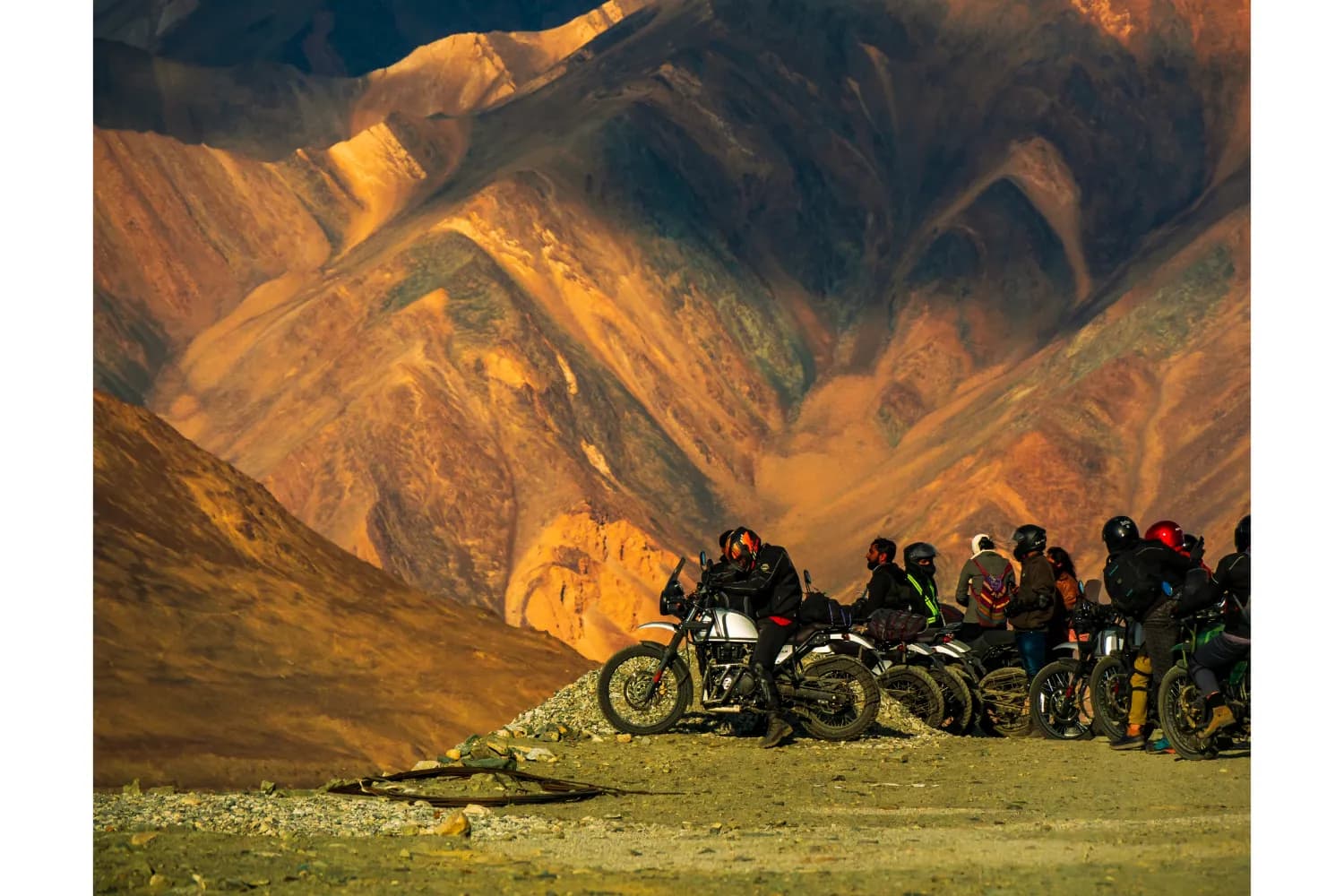
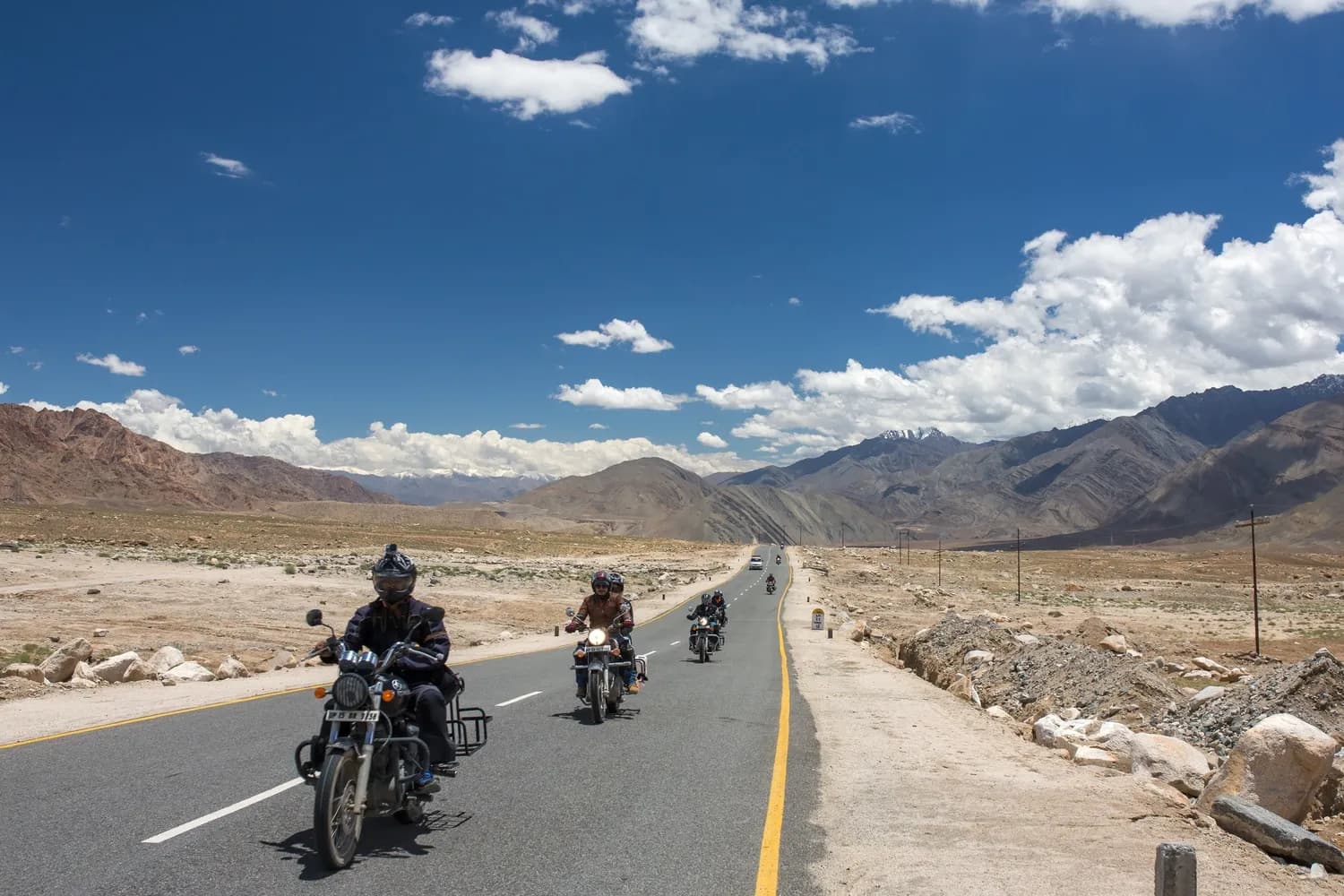
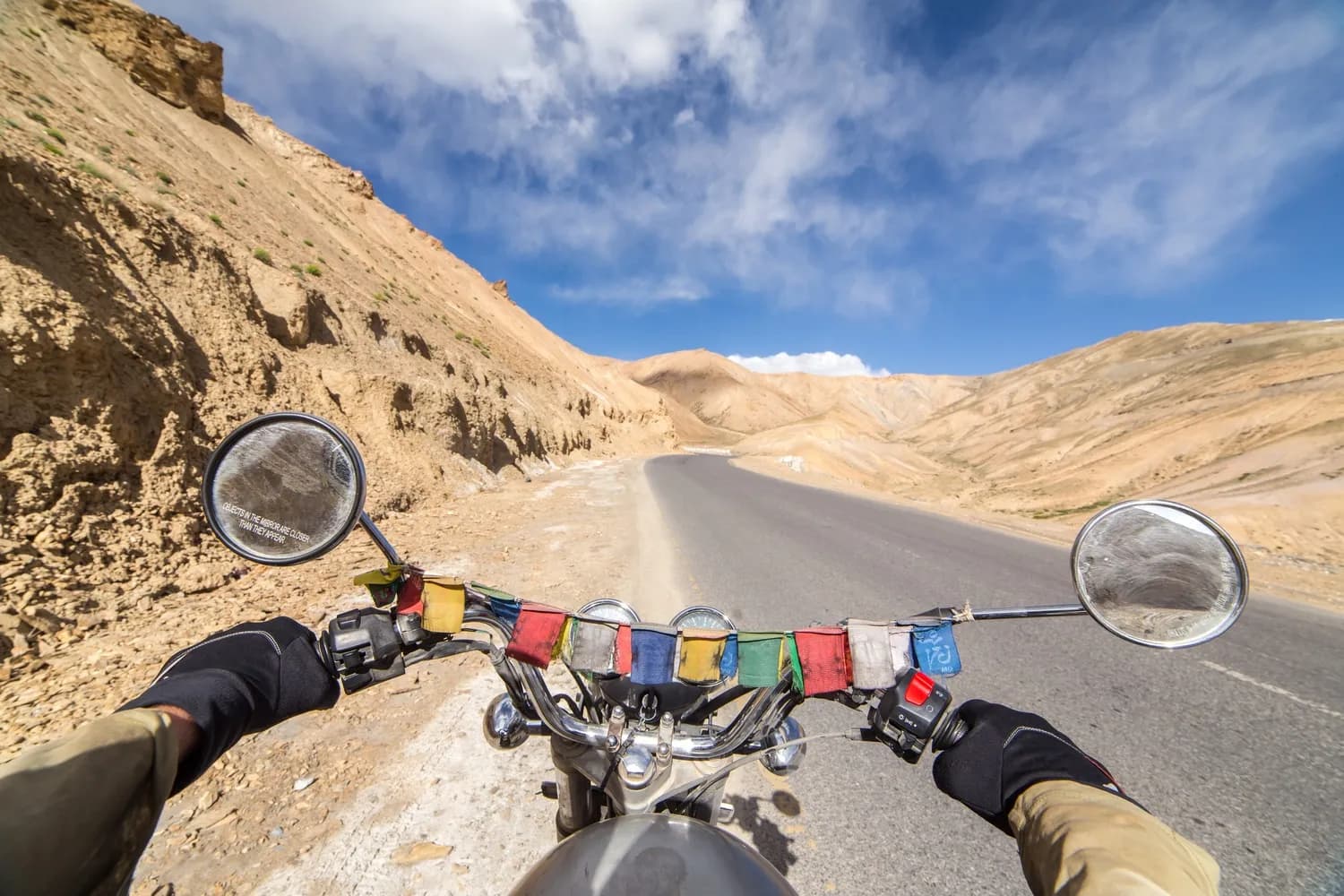
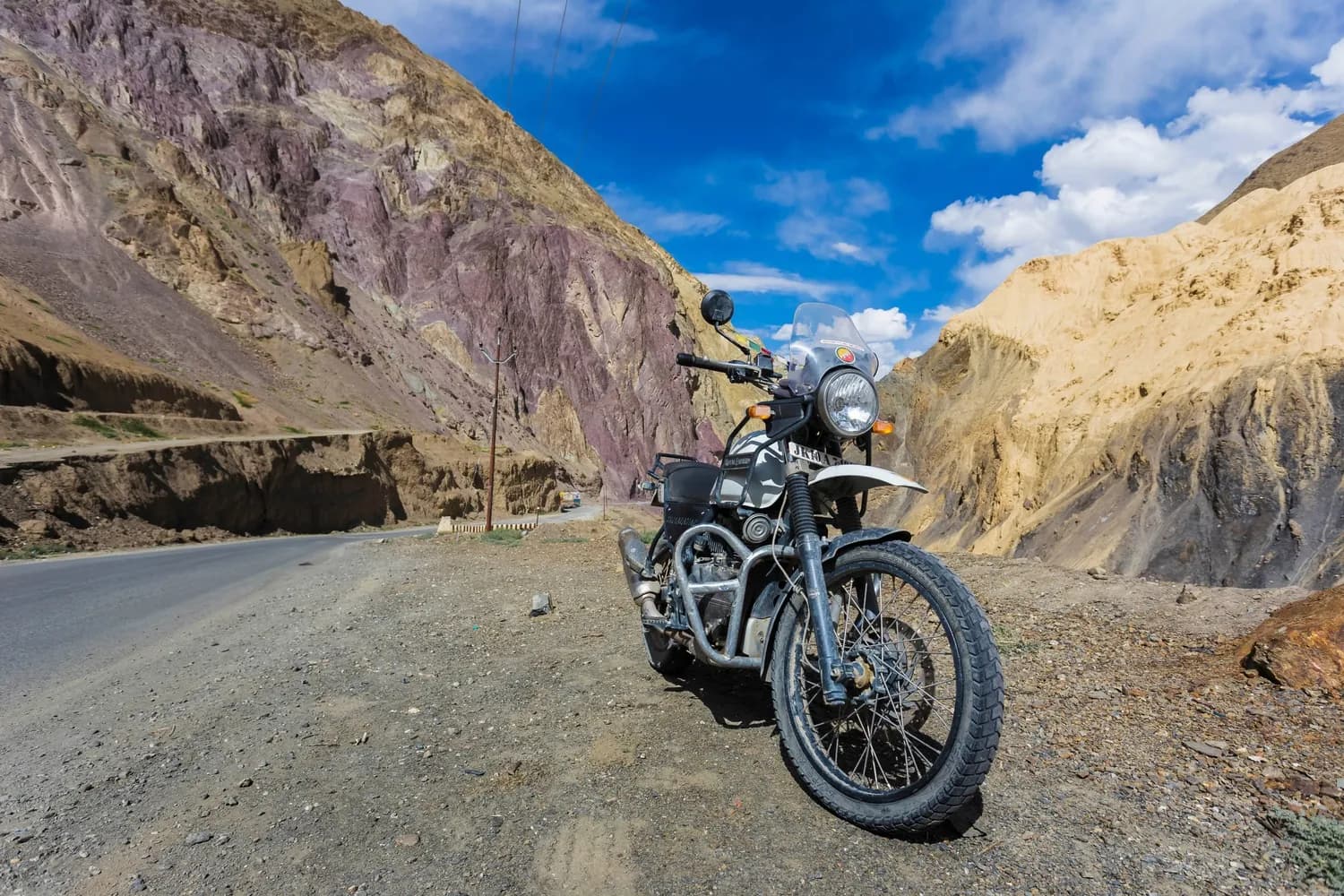
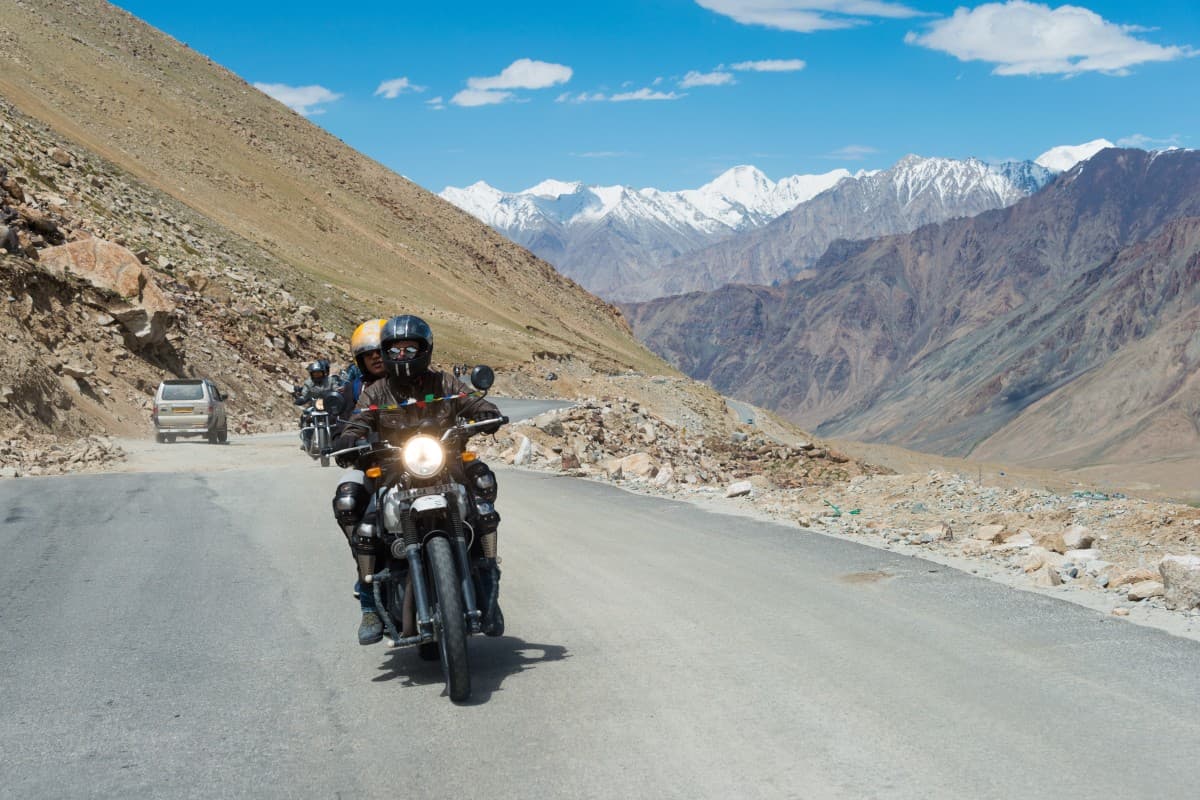
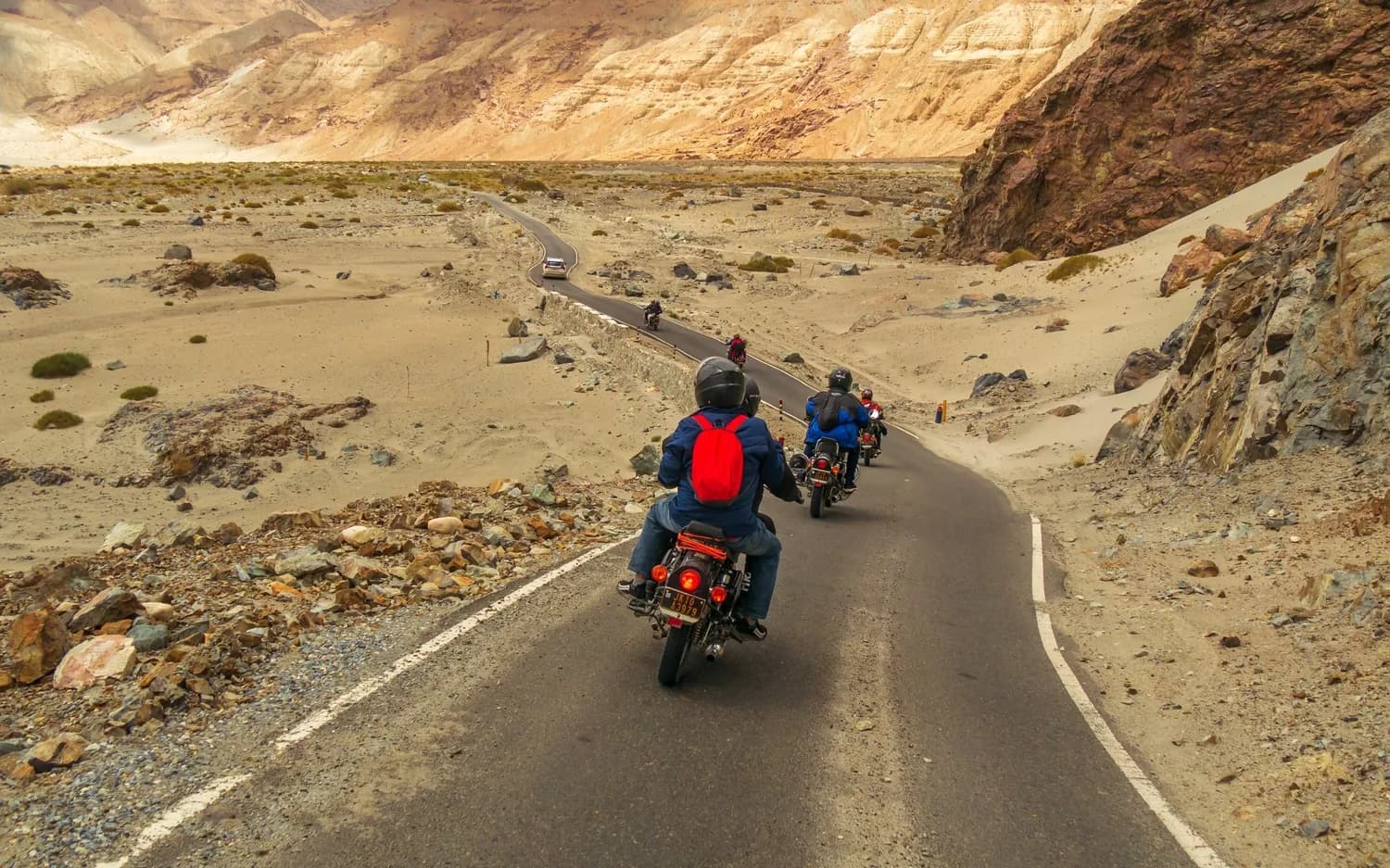
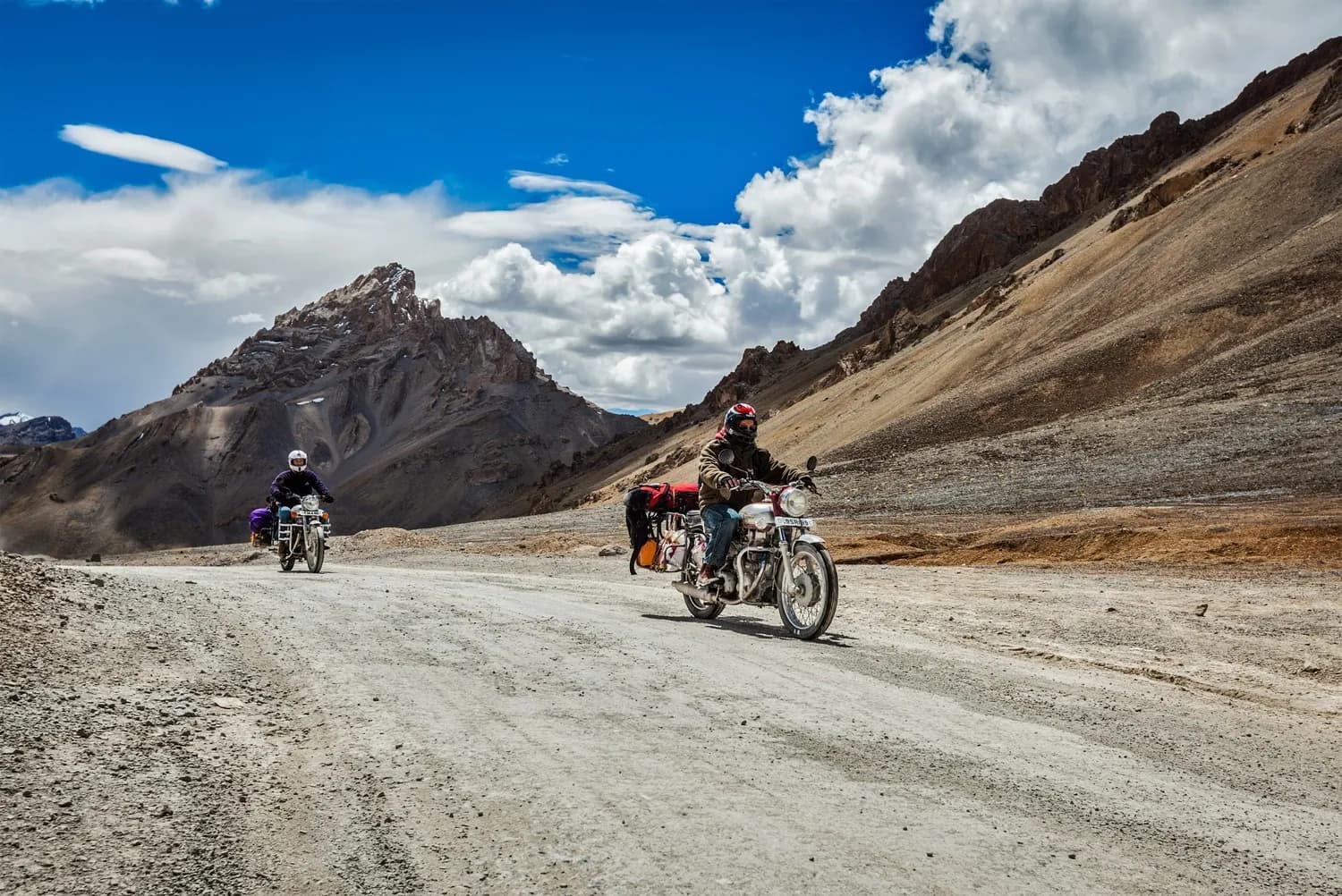
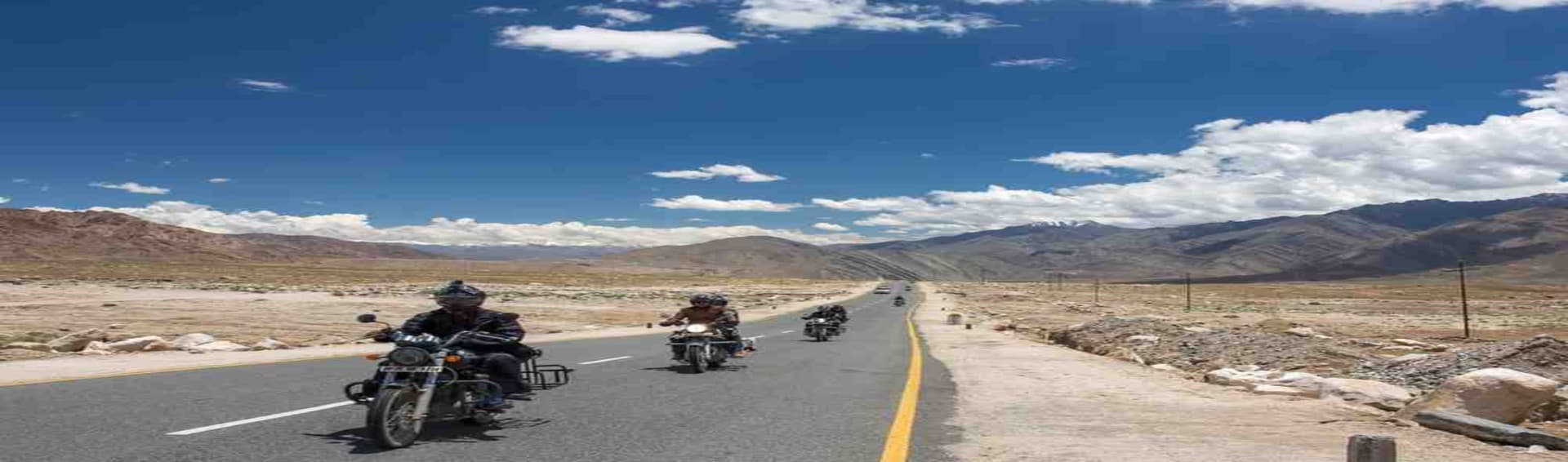
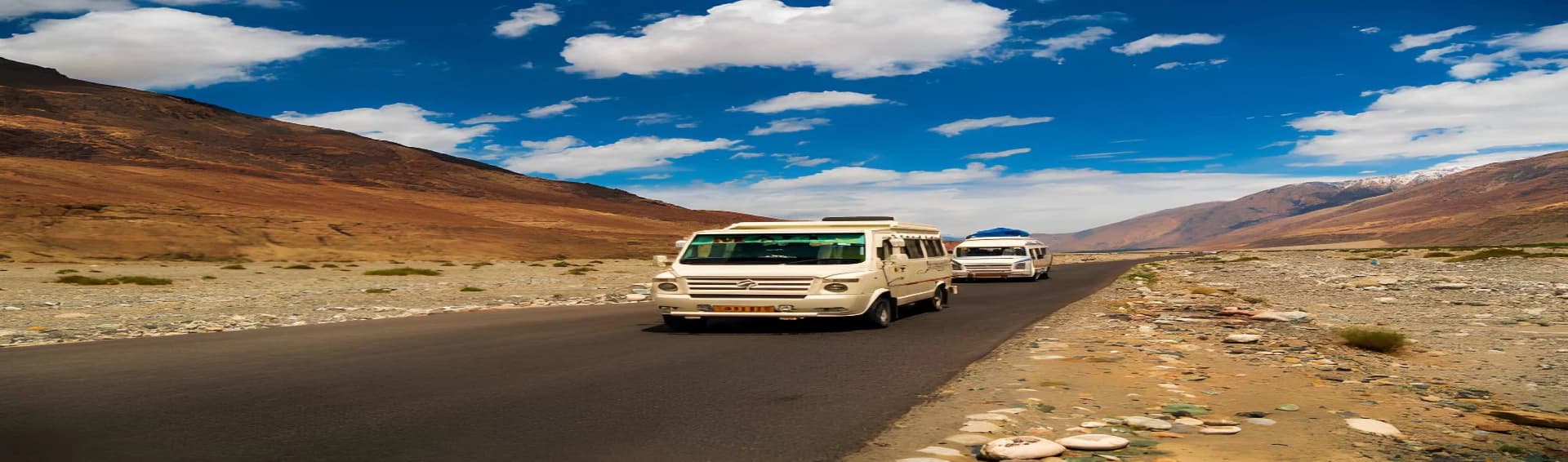
Road trips are actually a big draw in May. People coming from Delhi choose the Manali-Leh route as it is just opening, meaning fresh roads with almost no traffic. No jam at Rohtang. No convoy. Just you, your bike or SUV, and the mountains. This is exactly what makes Ladakh in May such a thrilling experience for road trip lovers.
Low to moderate. May is before the school summer vacation season, so families are still waiting. Most visitors in May are solo travelers, couples, and early-bird bikers. Hotels are available without pre-booking stress. Prices are lower. You get Ladakh more or less to yourself.
If crowd-free is your priority, May is your answer.
June is when Ladakh shifts gears. Hard.
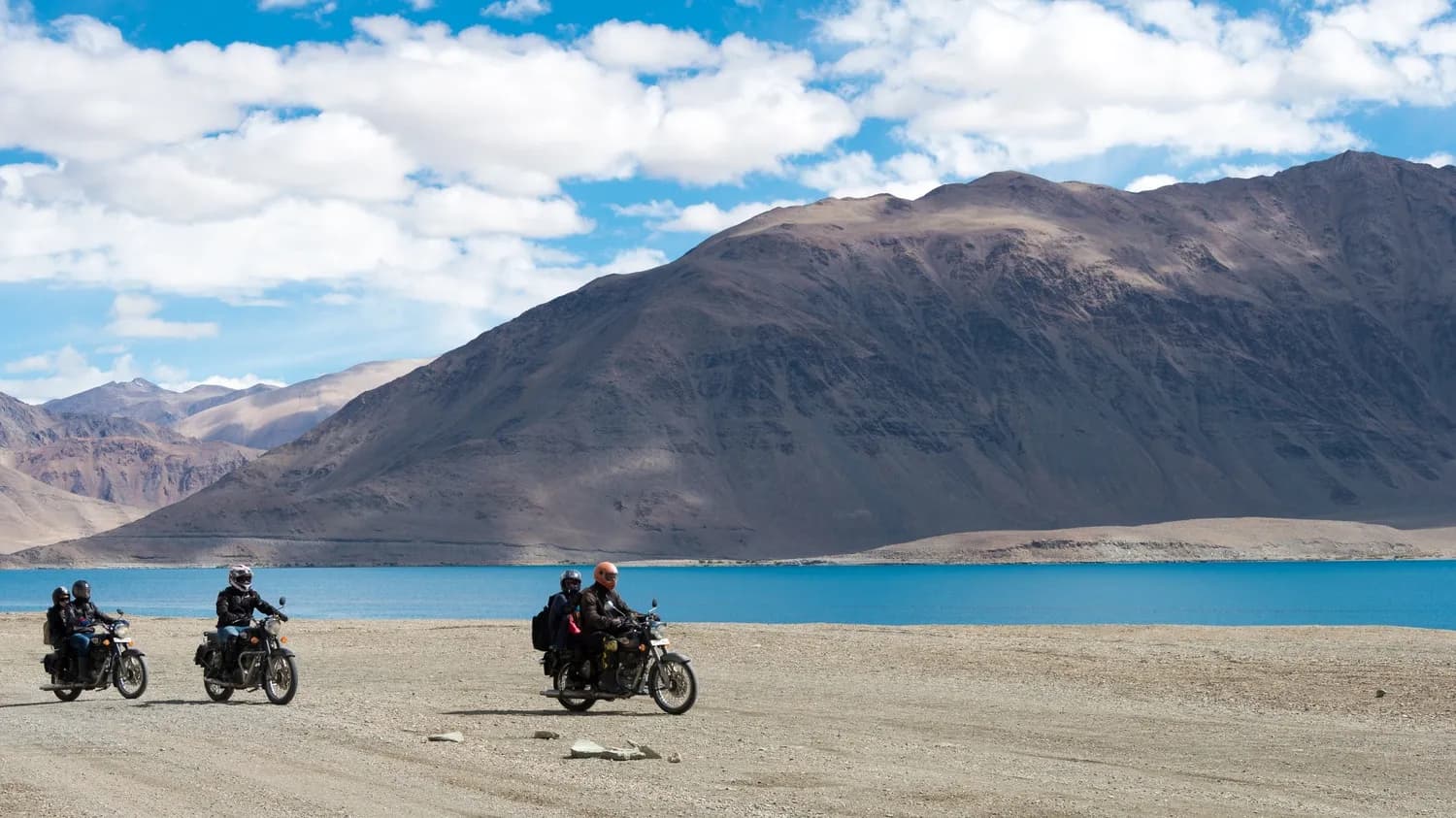
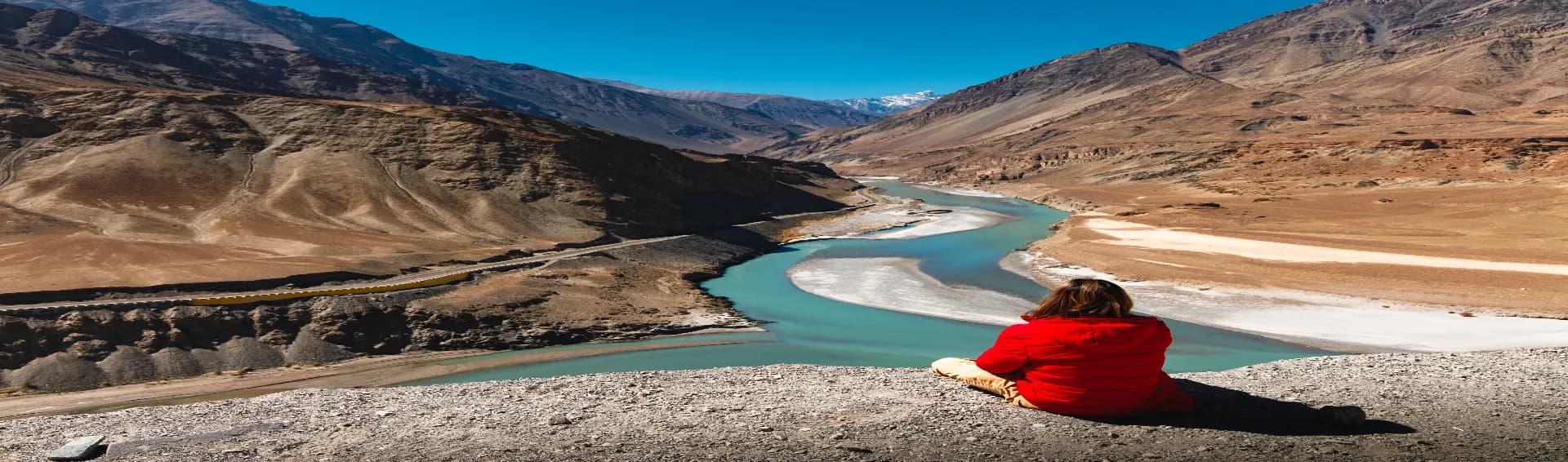
June is stable and mostly sunny. It is probably the most photogenic month for Ladakh because the snow has not fully melted yet, the rivers are full from the melt, and the sky stays blue most of the time. Pangong Tso shows that famous turquoise blue shade in June because the ice has cleared.
Both the Manali-Leh and Srinagar-Leh Highways are fully open and in good condition in June. Khardung La, Baralacha La, and Chang La are all accessible. Road-trippers can take either route without worrying about closures. Internal roads to Nubra Valley, Turtuk, and Hanle are also accessible.
Yes. And the reason is simple: school summer vacations begin in most Indian states by late May or the first week of June. Families who were waiting come in now. Add to that long weekend rush, corporate group tours, and a wave of bikers who plan their Manali-Leh ride every June, and you get the peak crowd situation in Ladakh in June.
Hotels in Leh see 80 to 100 percent occupancy in June. Pre-booking is not optional; it is survival. Pangong Lake campsites fill up fast. Even taxis need booking.
But, and this is important, the crowd in Ladakh never feels like a Goa beach crowd. The landscape is so vast that you rarely feel suffocated. You might wait 20 minutes extra at Khardung La for a photo, but the drive there will still feel empty.
July is for the bold ones. The riders, the adventure seekers, the people who do not mind a little unpredictability.
Mostly dry. But July brings what locals call "Ladakhi summer rain," which are short, sudden showers that come and go in an hour. Not the kind of monsoon that drenches you all day. Ladakh sits in a rain shadow zone, so the main Indian monsoon mostly skips it.
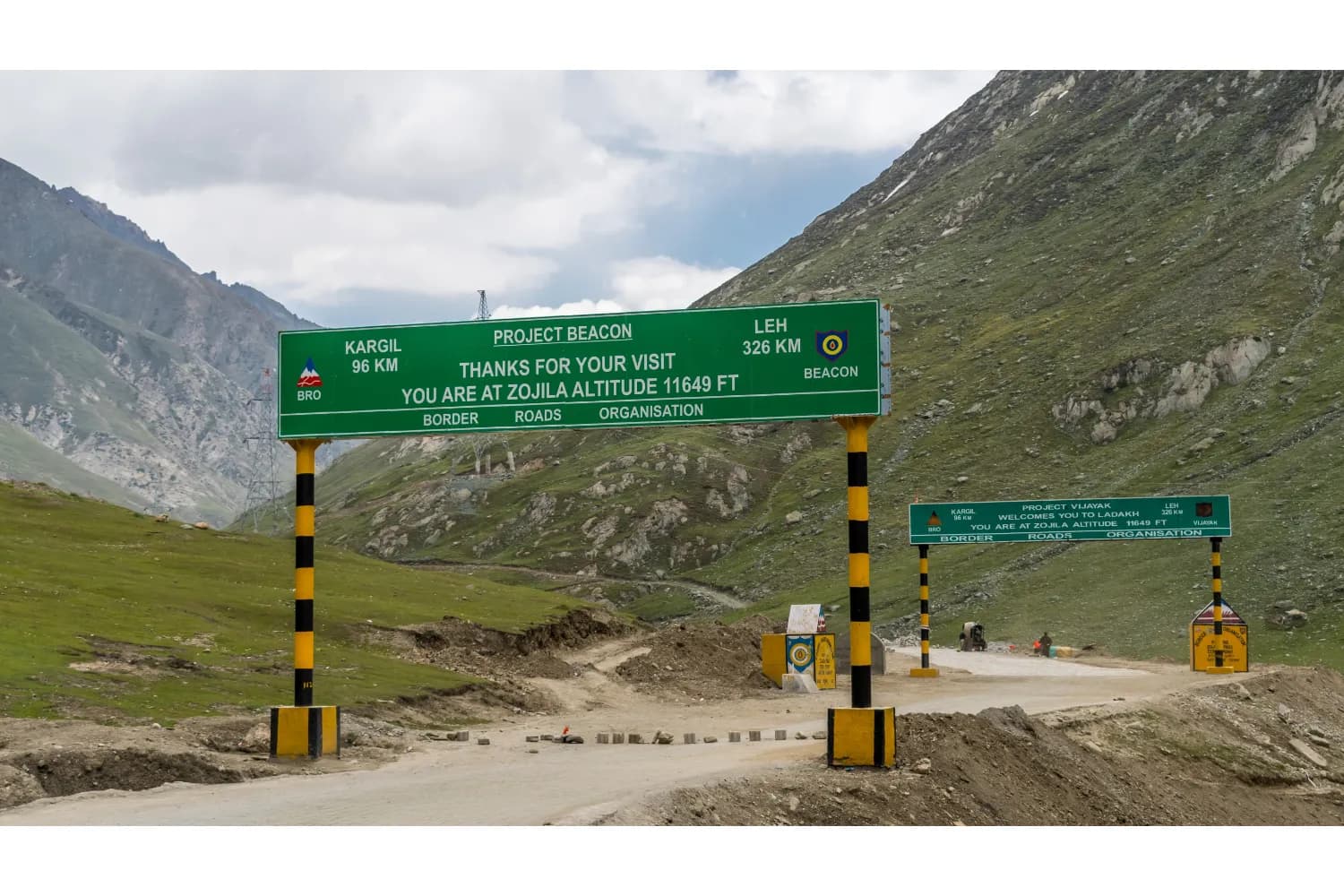
No, not in the traditional sense. Ladakh receives very little rainfall annually, around 100 mm per year, because the Himalayas block most of the monsoon moisture. Ladakh in July can bring brief afternoon showers and sometimes cause minor landslides on mountain roads, particularly near the Zoji La pass on the Srinagar-Leh route. But it does not rain continuously. Most days are dry and bright.
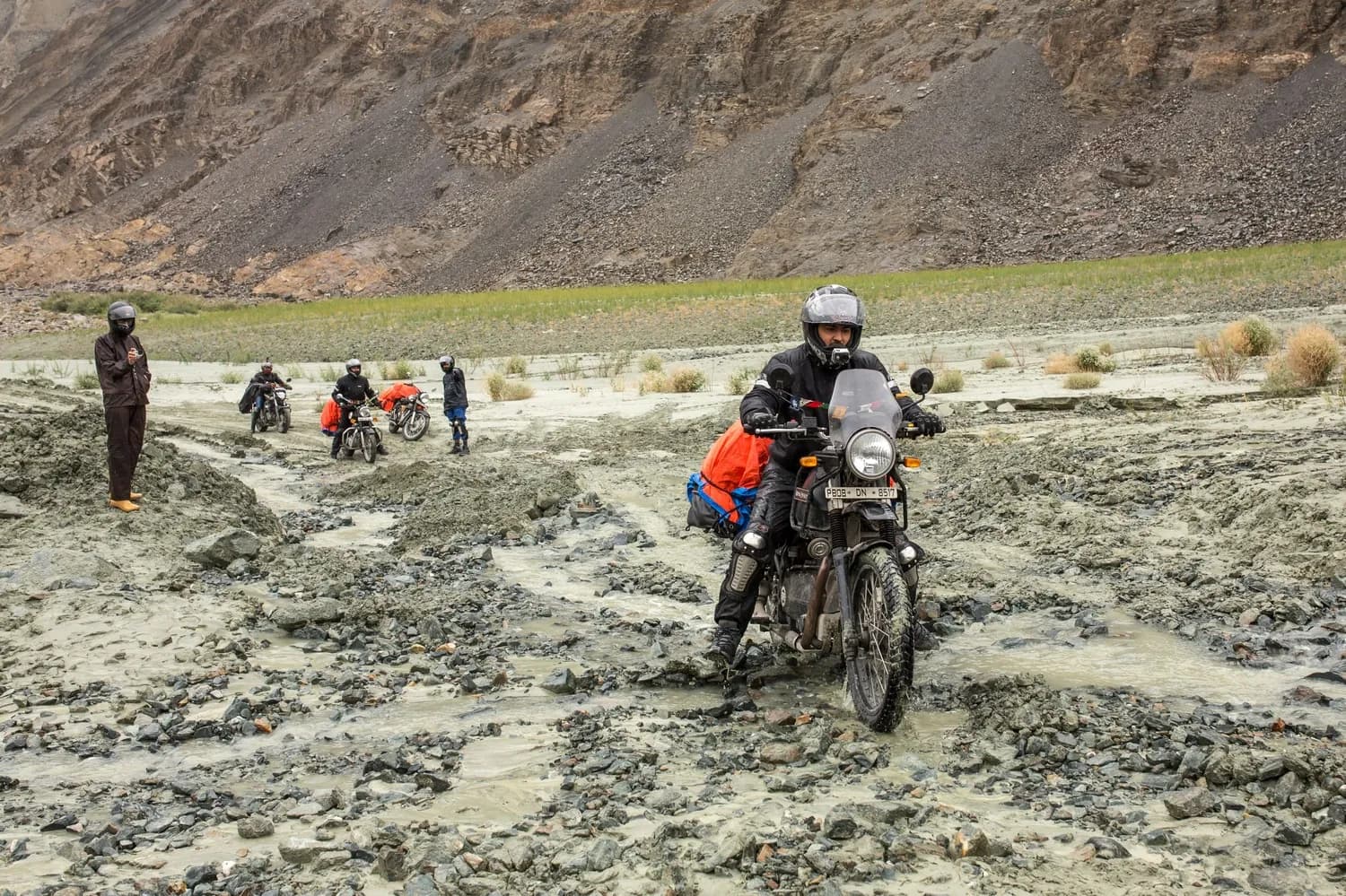
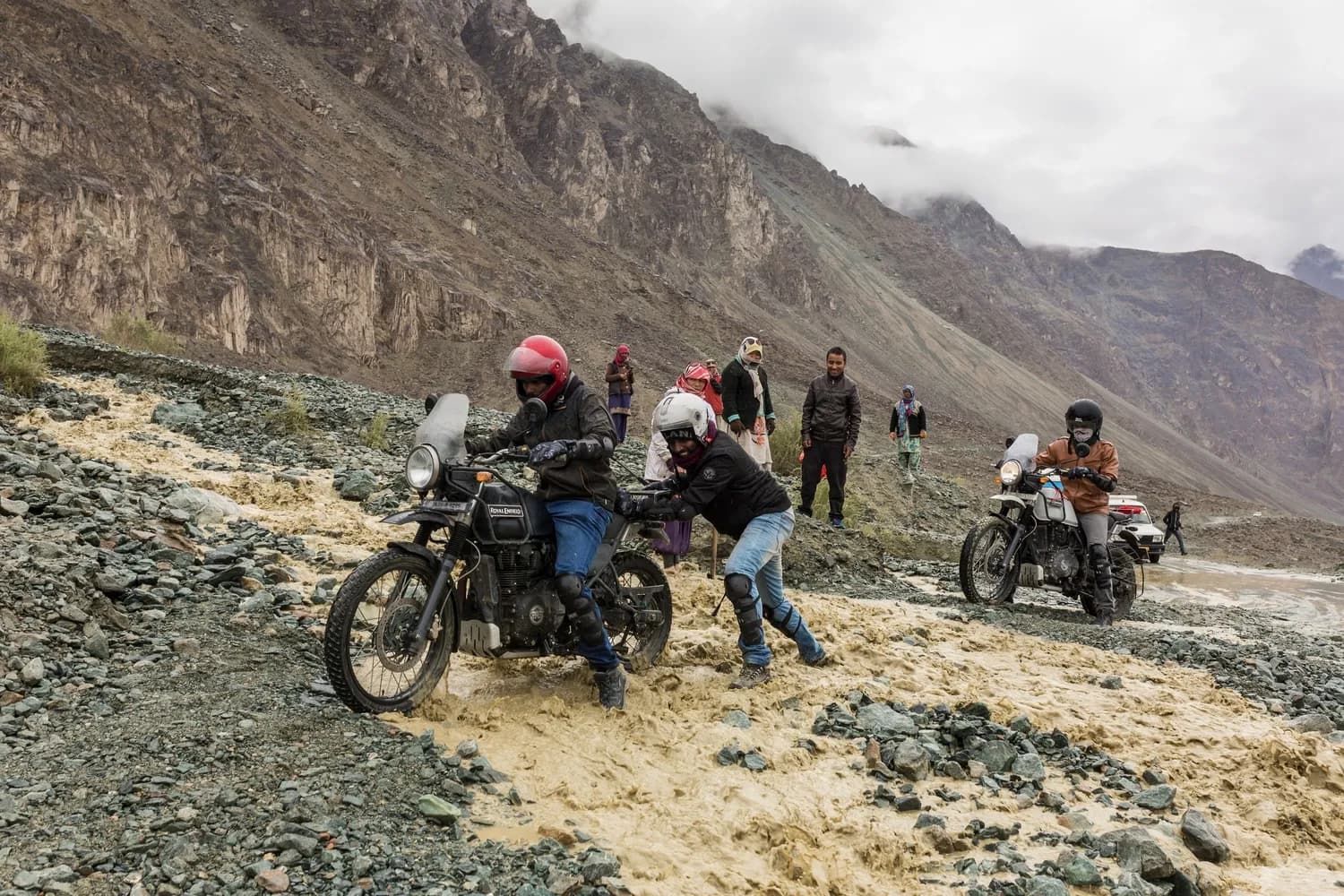
The bigger concern in July is road blockages due to flash floods or landslides on specific sections, particularly around Sarchu on the Manali-Leh route. Check current road conditions before heading out.
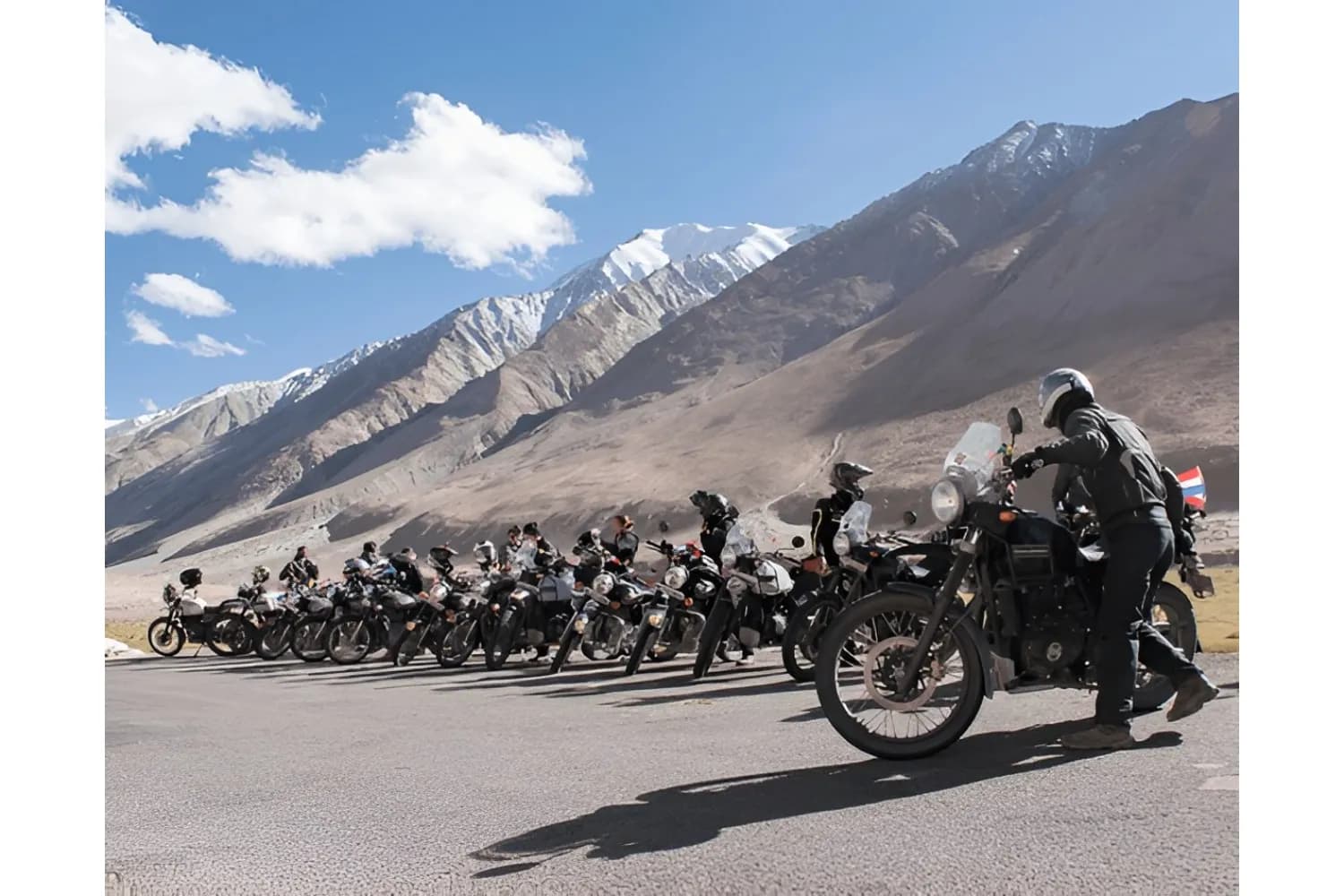
Still high, but slightly less than June. The first week of summer vacation rush has settled. However, bikers peak in July because the road conditions are the most reliable and the weather is the warmest. Royal Enfield groups, cross-country riders, and adventure tourists make July feel energetic on the roads.
The most affordable month is May. Flights cost less, hotels have more rooms available, and you are not competing with school-holiday crowds for everything. If your budget is the deciding factor, May wins outright.
If you are planning to visit Ladakh, then Read These best Places to visit in Ladakh & Things to do in Ladakh.
June is considered the overall best month because all roads are open, the weather is stable, and temperatures are comfortable during the day. But May is better for budget travelers, and July suits bikers and adventure seekers.
Yes. May is one of the most underrated months. Roads have just opened, crowds are low, prices are lower, and the snow-capped peaks look brilliant against clear skies. Cold mornings are the only real trade-off.
Absolutely. June is peak season for a reason. Perfect weather, all passes open, Pangong Lake at its most colorful, and maximum activities available. Just book flights and hotels well in advance.
Yes, especially for road trips and bike tours. The weather is the warmest of the three months. Brief showers occur but rarely disrupt a full day. Monitor road conditions near Zoji La and Sarchu before driving.
January to March is extremely challenging, with temperatures below -20°C in some areas and most roads closed. Only experienced trekkers or Snow Leopard-spotting enthusiasts attempt this period.
May 25, 2026
May 25, 2026
May 25, 2026
May 25, 2026
May 25, 2026