
 5 Minutes
Make a picture of this in your mind. You land in Leh-Ladakh after a short flight, step out of the airport, breathe in that crisp mountain air, and feel absolutely fine. So you check into the hotel and immediately plan to leave for Pangong Tso the next morning.
It is a wrong move. That is exactly how hundreds of first-time travelers every season end up flat on a hotel bed. With a splitting headache, vomiting, and zero energy to enjoy the trip, they spent months planning Ladakh tour packages and saving for it. Acute mountain sickness in Ladakh is not a myth. And it does not care how fit you are.
₹39,999
per person
₹20,999
per person
₹39,990
per person
₹25,999
per person
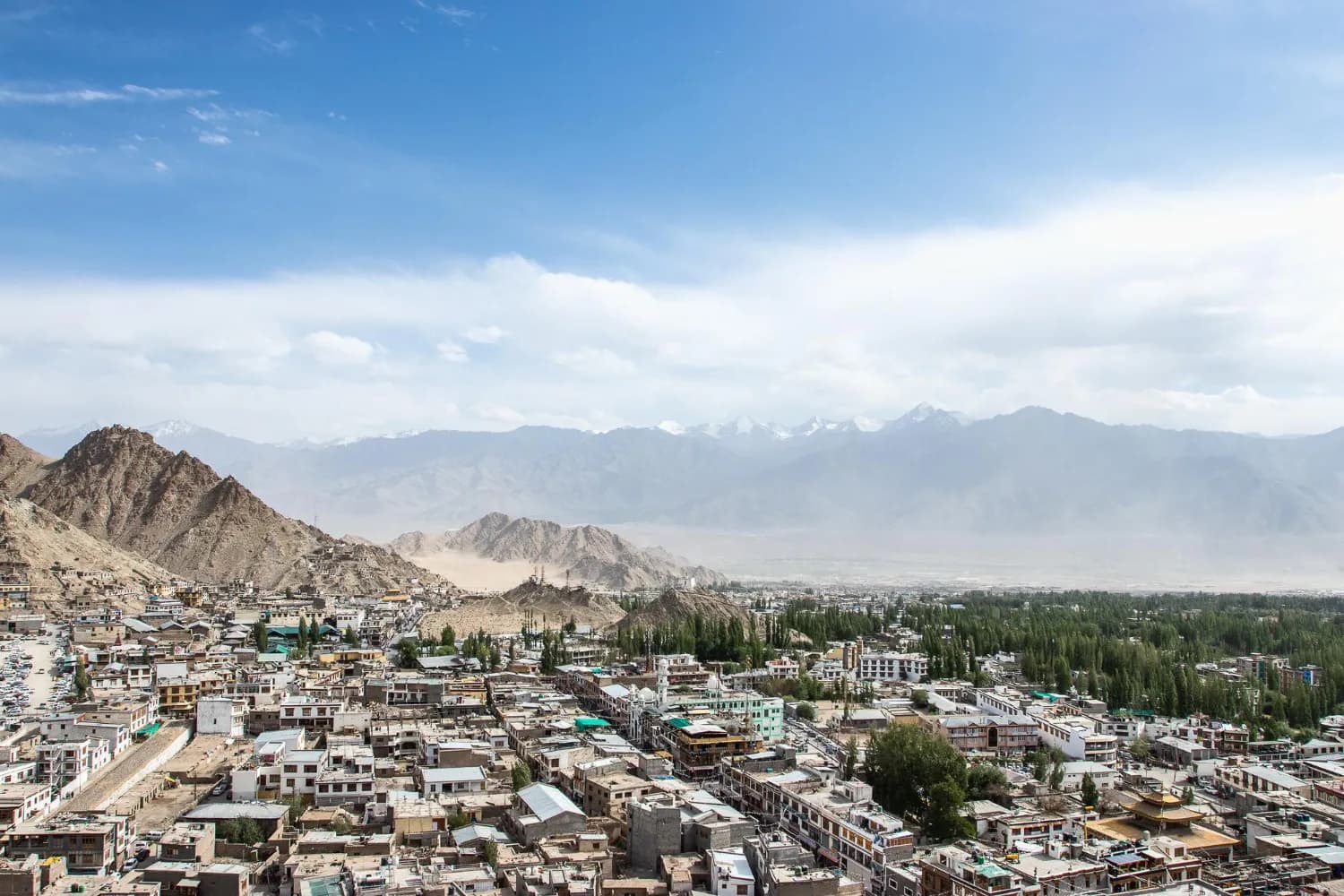
Leh is located at roughly 3,500 metres, about 11,500 feet above sea level. When you arrive in Leh directly by flight. Your body jumps from near sea level to 3,500 metres almost instantly. Even healthy and physically fit people can develop Acute Mountain Sickness. If the body does not get enough time to adjust.
At over 3,000 metres, 75% of people will experience at least mild AMS symptoms. Including headache, nausea, dizziness, loss of appetite, fatigue, shortness of breath, and disturbed sleep. These symptoms usually show up 6 to 24 hours after arrival, not immediately on landing. So that false sense of "I feel completely fine" right after stepping off the plane? Do not trust it at all.
If you think acute mountain sickness in Ladakh hits everyone in the same way, it does not.
It feels like you have a hangover after consuming alcohol. Some people feel it's like having flu
Time to Recover: 24 to 48 hours
Let's see what the symptoms are when you are suffering from mild AMS
Time to Recover: 24 to 72 hours
Severe AMS is a medical emergency. No debate, no waiting. The only real answer at that stage is getting down to a lower altitude immediately.
Severe AMS leads to
Time to Recover: Days to Weeks
Most people get this wrong because they confuse physical fitness with altitude readiness. A marathon runner from Bengaluru is just as likely to get Acute mountain sickness in Ladakh as someone who has never jogged a single day. Altitude simply does not care about your gym records or your daily step count.
Physical fitness does not protect against altitude sickness. Even healthy and athletic travelers can develop AMS if they ascend too fast.
And the second mistake? Skipping the 48-hour rest window in Leh. People fly in, feel okay for a few hours, and immediately rush toward Nubra Valley or Khardung La. Then Day 2 hits like a wall.
Suggested Read: 10 Mistakes to Avoid on Your First Ladakh Trip (Most People Regret #5)
Rest. Full stop.
Take it slow. Give your body time to adjust. Stay at lower altitudes like Leh town for 1 to 2 days before heading to higher places like Nubra, Pangong, or Khardung La.
On Day 1, do nothing adventurous. No long monastery walks, no market hopping, no excited late-night trip planning sessions. Eat something light, drink water slowly and steadily throughout the day, and sleep early. Your body is working overtime trying to adjust to thin air. Let it do its job without adding more load.
Hydration matters far more than most travelers expect. Aim for 3 to 4 litres of water daily while in Ladakh. And avoid alcohol completely for at least the first two days. Alcohol makes oxygen absorption harder, which is the last thing your body needs at 11,500 feet.
Diamox (acetazolamide) is one of the most commonly recommended preventive medicines for AMS. It helps the body acclimatize faster. Start taking it one day before reaching Leh, only after consulting a doctor.
Side effects include tingling in toes and fingers, numbness, vomiting, nausea, and frequent urination. Not everyone needs it, and not everyone tolerates it well. A quick conversation with your doctor before your trip, whether you are traveling from Mumbai, Chennai, Delhi, or Kolkata, costs very little and can save you enormous pain at 14,000 feet.
Natural options also help. Ginger water works well for nausea. Locals in Leh often recommend garlic for blood circulation at altitude. These are not miracle cures, but they genuinely help manage mild discomfort during the first two days of acclimatization.
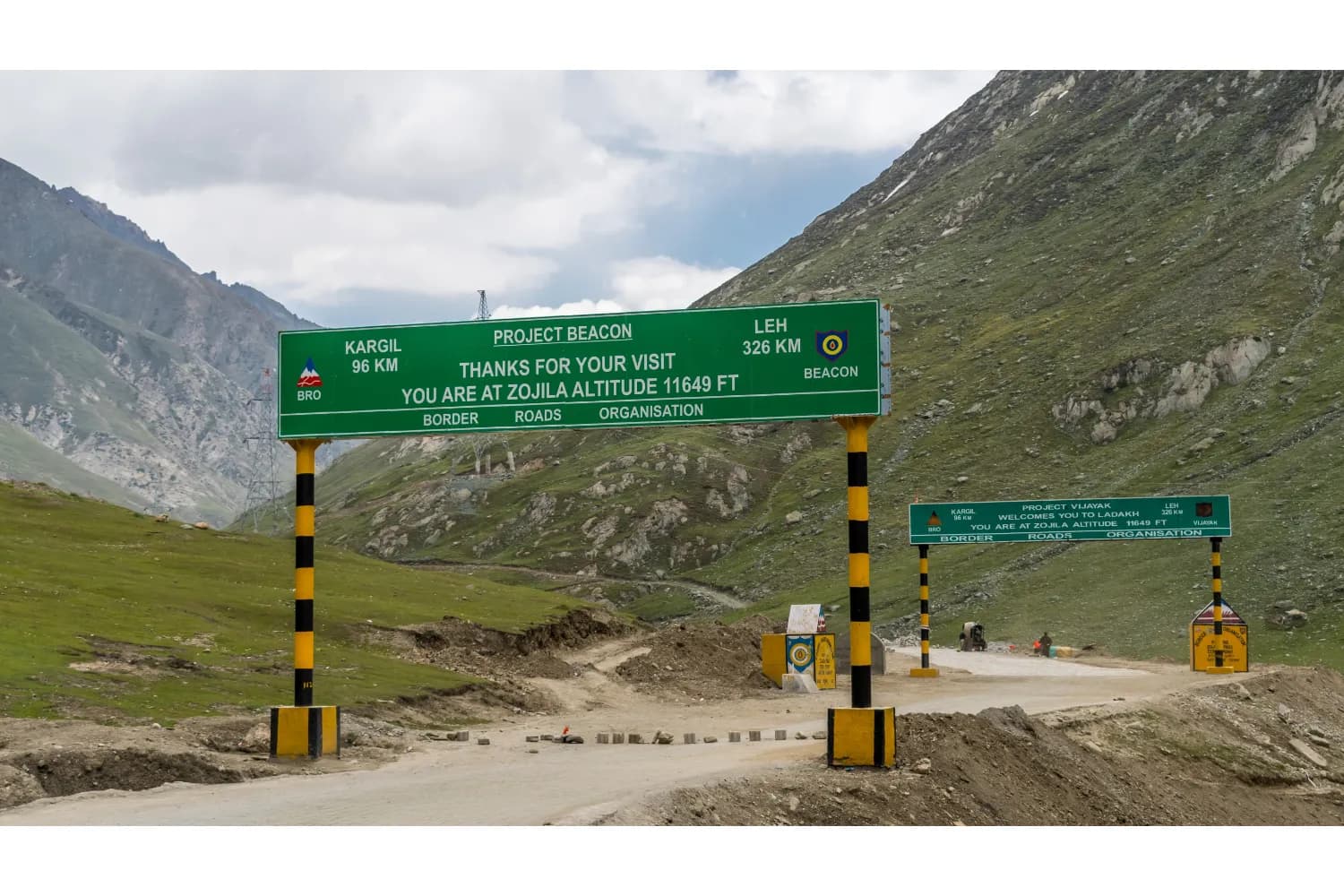
Pangong Tso sits at 14,270 feet. Khardung La is at 17,582 feet. Hanle sits at 14,700 feet. Even if you feel perfectly fine in Leh town, these destinations will hit differently. The risk of acute mountain sickness in Ladakh increases when travelers ascend rapidly to high-altitude spots like Pangong Lake, Nubra Valley, or Tso Moriri without taking proper rest days in between.
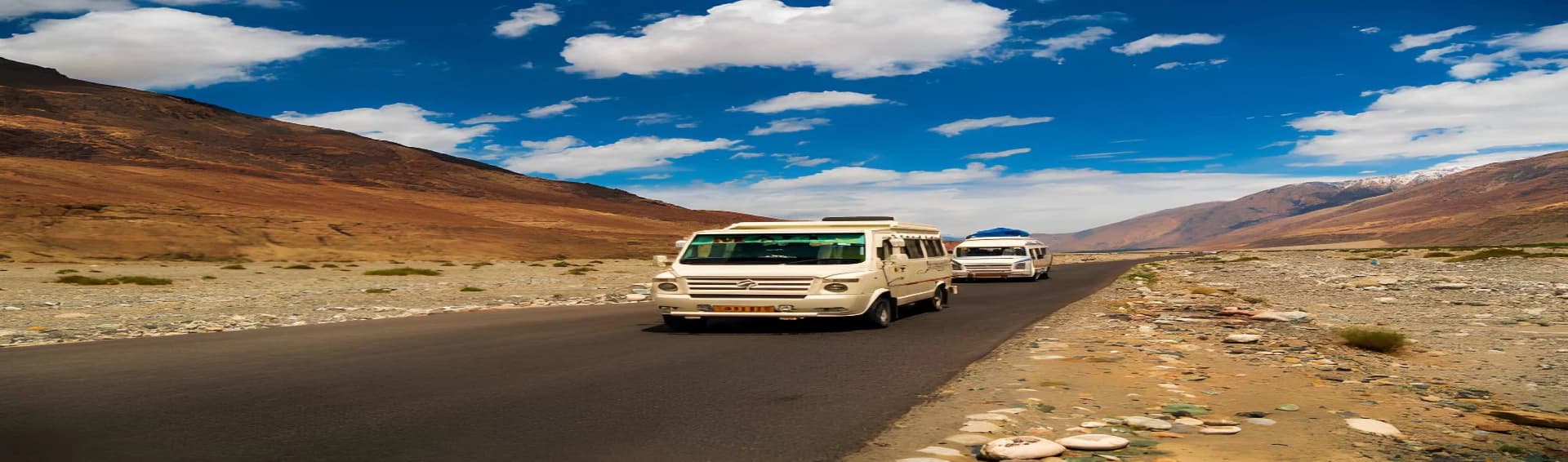
A properly designed itinerary spaces out high-altitude days. Vehicles should carry oxygen cylinders. Drivers familiar with Ladakh roads know when to stop, slow down, and when to turn back. If your package does not include these basics, reconsider the package.
Also Read: Why Ladakh Trips Fail for Many Travelers (And How to Plan It Right)
If anyone in your group shows these signs, do not wait and do not hope it passes:
Confusion or disorientation. Inability to walk in a straight line. Breathlessness while simply sitting still. Persistent vomiting that rest cannot fix. These can indicate High Altitude Cerebral Oedema or High Altitude Pulmonary Oedema, both of which are serious, life-threatening emergencies.
Descend at least 300 to 500 metres immediately and head to SNM Hospital in Leh, which is well-equipped for altitude-related cases.
Travelers who fly into Leh face the steepest challenge because the altitude gain is sudden and total. There is no gradual adjustment like a road trip from Manali or Srinagar offers. The body goes from plains to 11,500 feet in two hours.
So the 48-hour acclimatization window in Leh is non-negotiable. Not a suggestion. Not something to shorten if you feel fine. Your EDF (Environmental Development Fee) receipt, required for visiting restricted high-altitude areas, also becomes valid only after 48 hours in Leh. So even the rules agree with the doctors on this one.
Ladakh is worth every rupee. But only if your body actually gets to experience it, instead of spending three days fighting through it from a hotel bed.
If you are planning to visit Ladakh, read these best Places to visit in Ladakh & Things to do in Ladakh.
Altitude sickness, or Acute Mountain Sickness (AMS), is a physical distress caused by low oxygen levels at high elevations. It commonly occurs when travelers ascend to Ladakh's high altitude too quickly.
Yes, it is very common. Roughly 75% of visitors experience mild symptoms like headaches or nausea because Leh is situated at over 11,000 feet, where the air is significantly thinner.
Current government guidelines require a mandatory 48-hour acclimatization period in Leh before traveling to higher areas. This rest allows your body to adjust to the reduced oxygen levels safely.
Breathing can feel heavy or rapid because there is less oxygen per breath. Most people experience shortness of breath during physical exertion, which usually improves after a few days of rest.
While not strictly mandatory, many doctors recommend Diamox (Acetazolamide) to speed up acclimatization. It helps your body breathe faster, but it should only be taken after consulting a medical professional.

May 25, 2026
May 25, 2026
May 25, 2026
May 25, 2026
May 25, 2026