
 7 Minutes
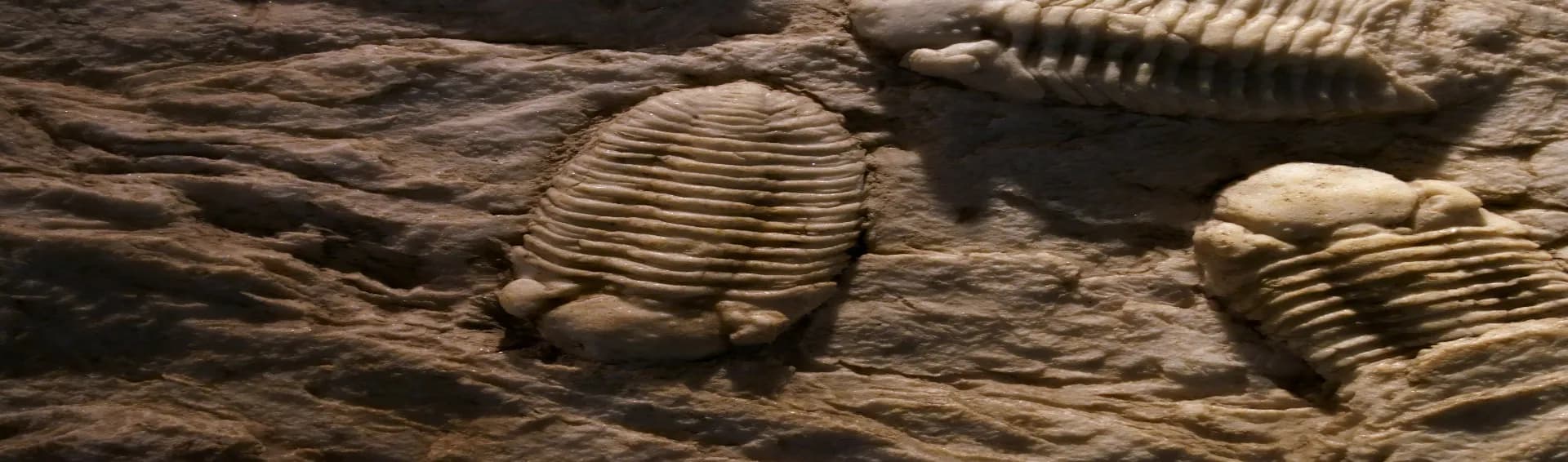
There’s a strange moment that almost every traveler experiences in Spiti. You’re standing somewhere near Langza, surrounded by silent brown mountains at nearly 14,000 feet, when someone casually points at a fossil lying on the ground. A real marine fossil. In the middle of a cold desert. Together, let’s uncover the Spiti Valley history, so next time when you visit Spiti, you know the story of it.
Today, travelers searching for the best places to visit in Spiti Valley usually come for the road trips, monasteries, and mountain views. But very few realize they are driving across what was once the floor of an ancient ocean.
₹20,999
per person
That is Spiti’s biggest secret. Long before Kaza became a tourist destination, before bikers filled the roads, before monasteries appeared on cliffs, this land was underwater. Not hundreds or thousands of years ago, but millions of years ago.
And honestly, once you know the story behind Spiti, the mountains stop looking like normal mountains. You will know the exact reasons why Spiti Valley Packages are so popular.
Around 500 million years ago, the region we now call the Spiti Valley was submerged under the ancient Tethys Sea. It is difficult to imagine today because the landscape now looks dry, rocky, and almost alien, but this entire region was once underwater.
That’s why marine fossils still appear across here, and that’s how Langza became the fossil village. Fossilized shells and tiny sea organisms became trapped inside rocks over millions of years. Even today, travelers walking through parts of Spiti can spot spiral fossils lying near mountain trails. Your brain struggles to connect the two realities.
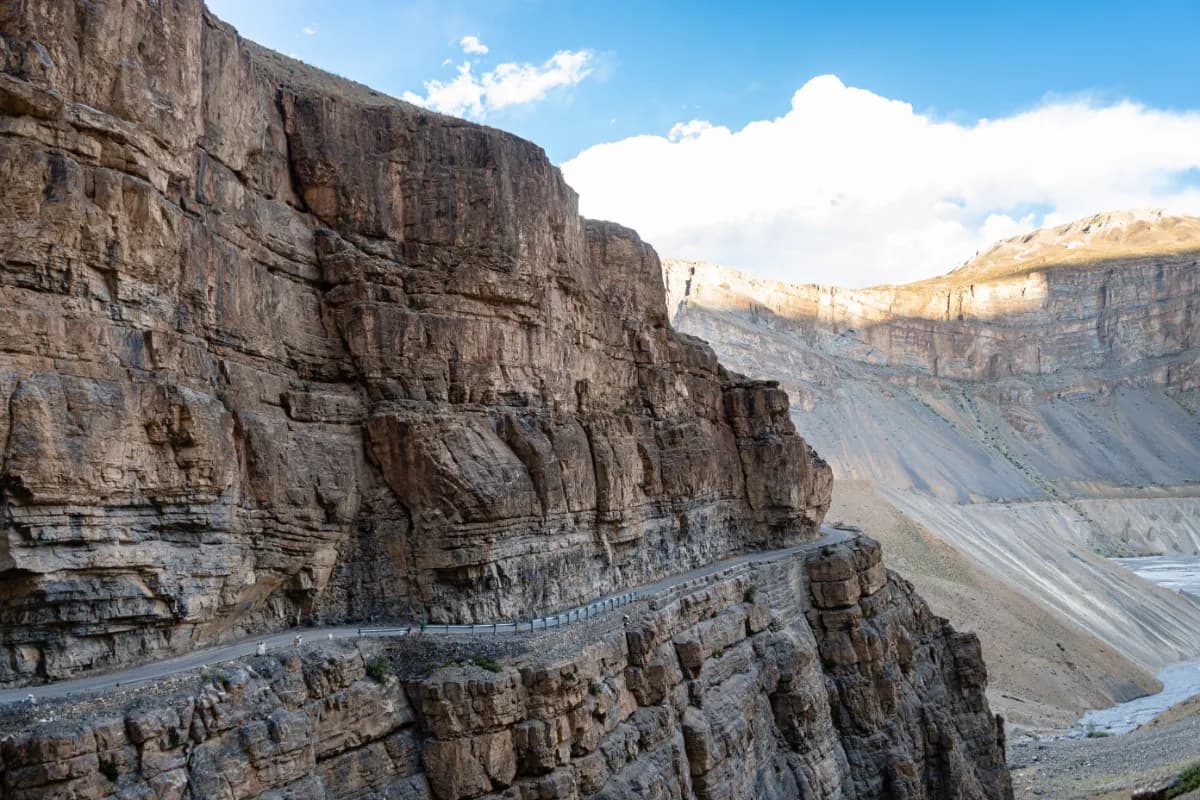
This happened because of tectonic movement over millions of years. Slowly, layers of sediments from the seabed hardened into rocks. That’s also why many Spiti mountains look layered and folded, almost like giant sheets of paper stacked over each other.
In recent years, fossil tourism has become increasingly popular in Spiti. Locals sometimes sell fossils to travelers, although responsible tourism groups in 2026 are encouraging people not to remove important geological remains from the region.
The reason Spiti no longer sits underwater is that one of the biggest geological collisions in Earth’s history changed everything.
Millions of years ago, the Indian tectonic plate slowly crashed into the Eurasian plate. The collision pushed the seabed upward over time, eventually forming the Himalayan range. That process is still technically happening today.
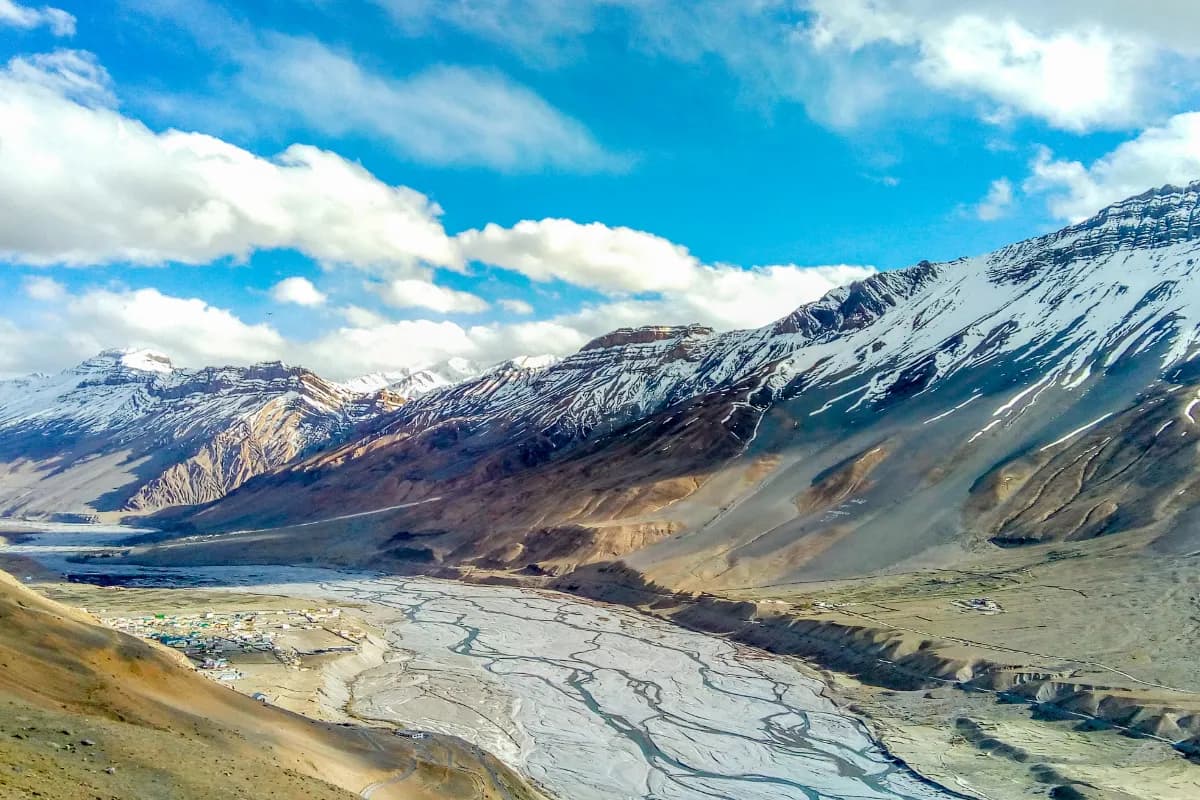
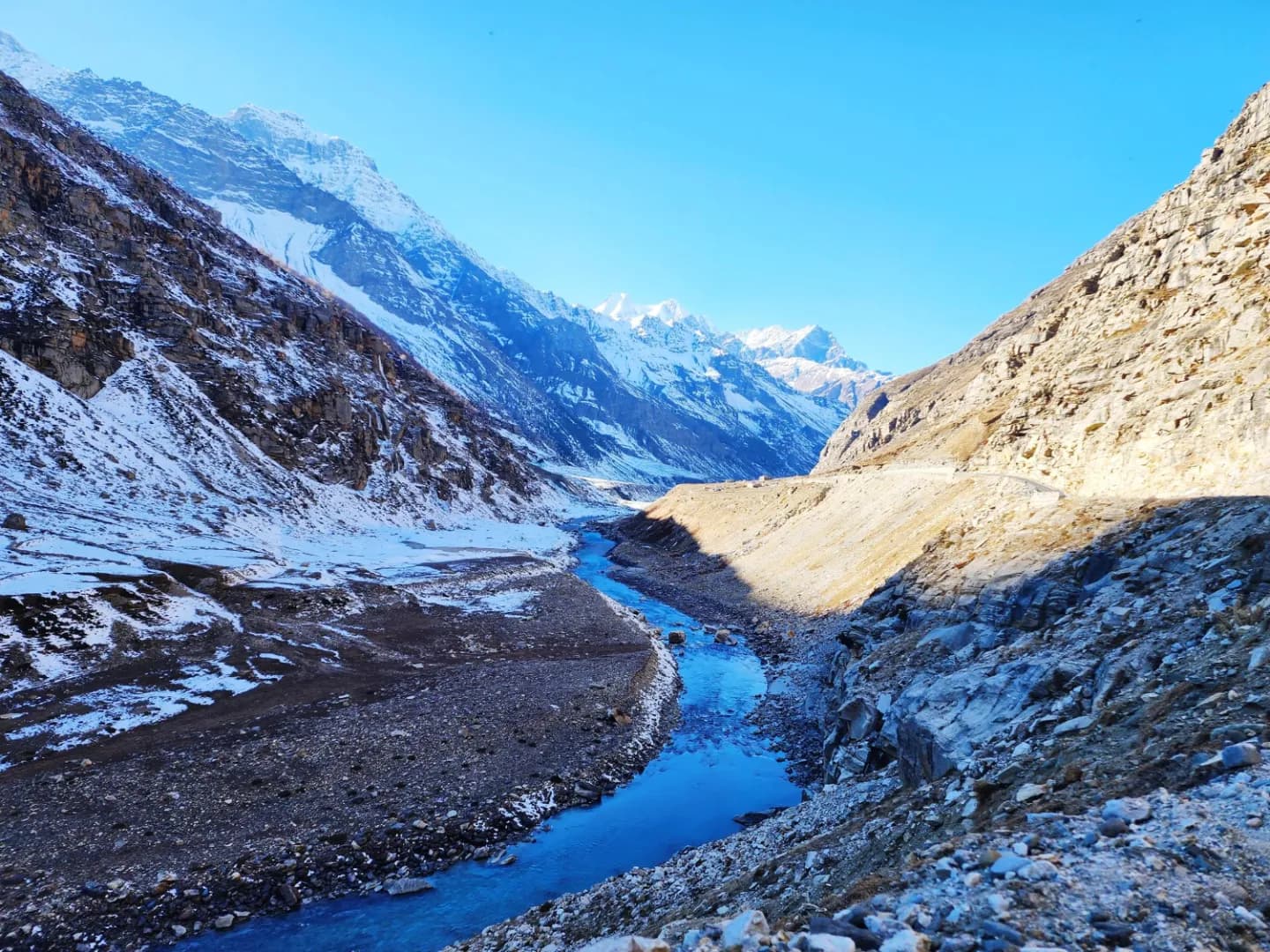
According to the Spiti Valley history, it rose from the ancient ocean floor and transformed into a high-altitude cold desert. Unlike places such as Manali or Shimla, Spiti receives very little rainfall because the Himalayas block most monsoon clouds.
That’s why the mountains here look harsher, rougher, and far less green. In many ways, Spiti is still helping scientists understand Earth’s ancient history.
The internet won’t show you everything. These lesser-known Places to Visit in Spiti Valley are where the real magic is.
Long before tourism existed, survival in Spiti itself was an achievement. Early settlers learned to adapt to freezing winters, limited farming seasons, and complete isolation for months at a time. Villages slowly developed near rivers because water meant survival.
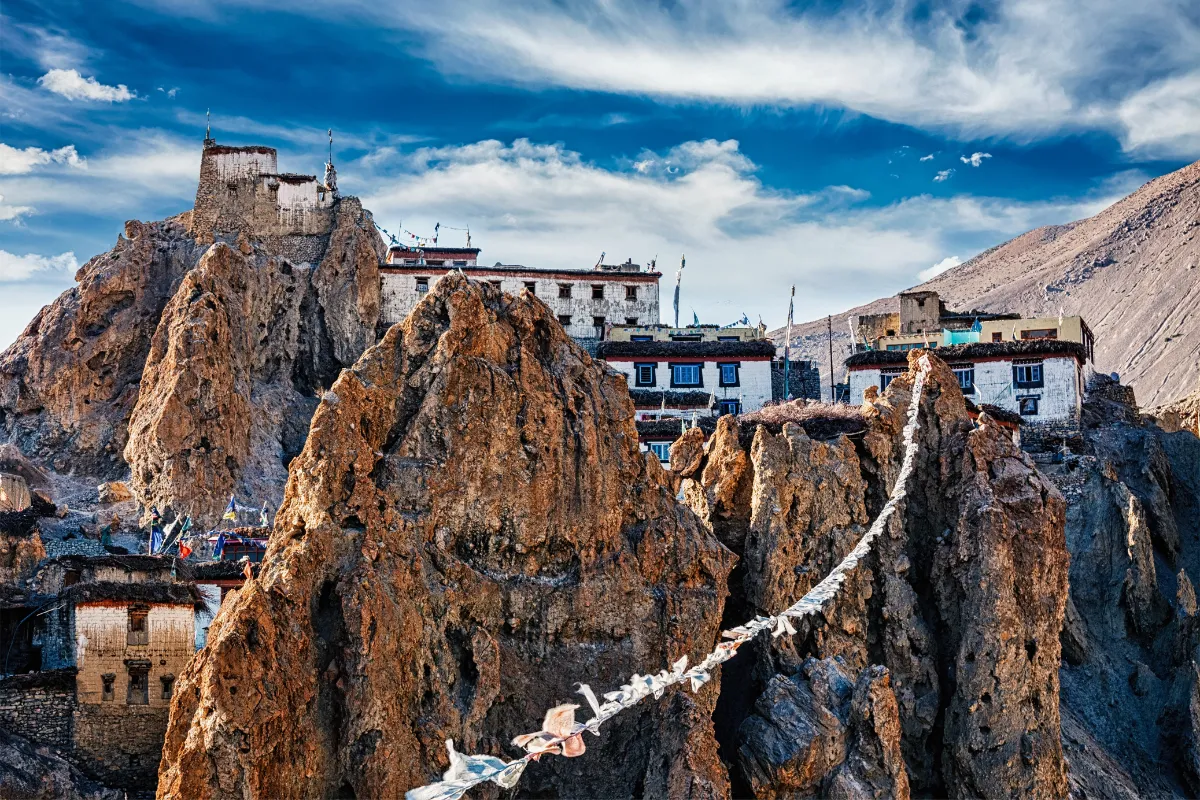
Mud houses became the smartest solution against the cold. Even today, many old homes in villages like Dhankar and Tabo feel frozen in time.
One detail travelers immediately notice is how unusually small many traditional doors are. They were intentionally designed that way to trap heat inside homes during brutal winters.
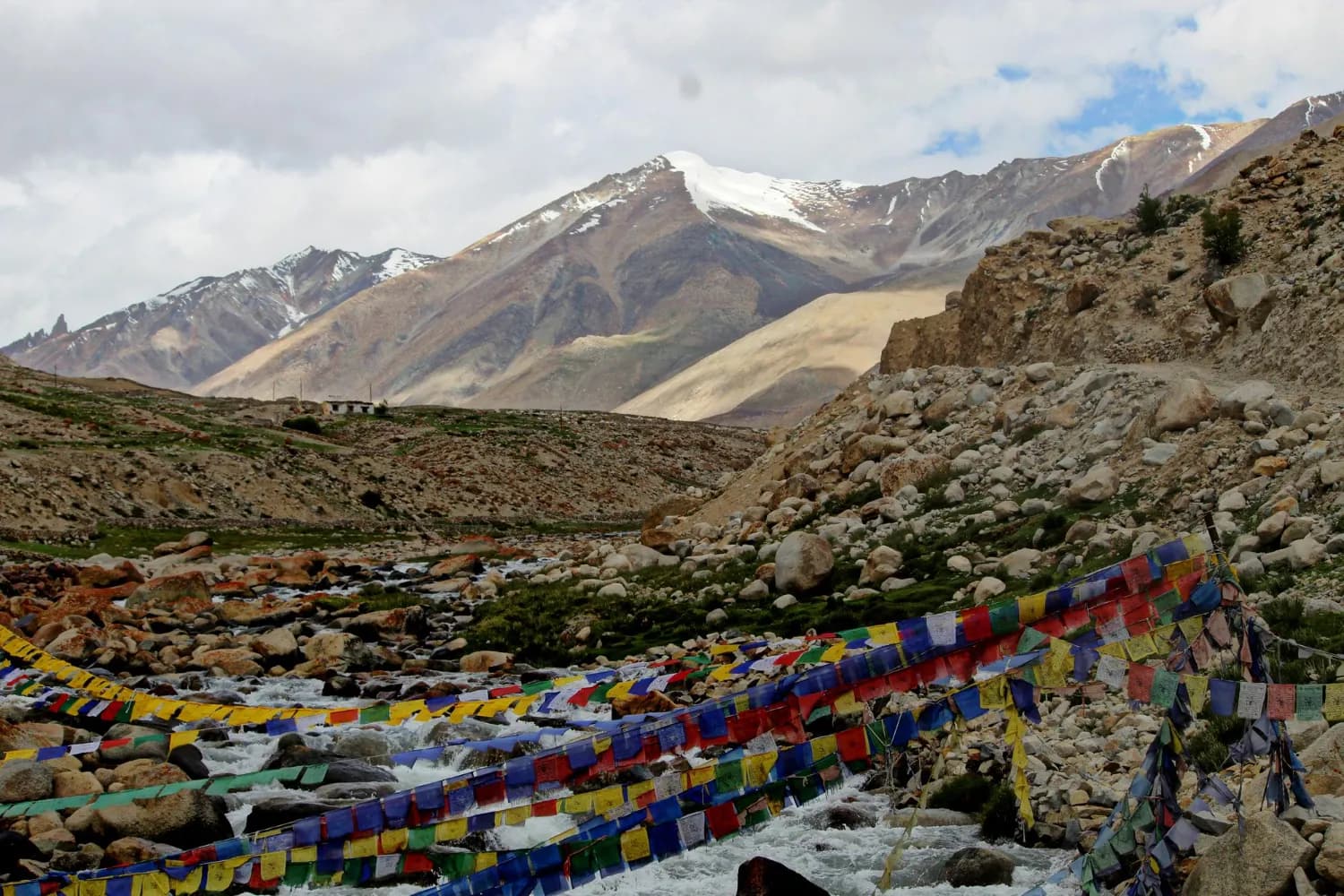
Spiti also became an important part of the old Indo-Tibet trade routes. Traders moved salt, wool, barley, and livestock across these dangerous mountain paths for centuries.
Back then, roads did not exist the way they do today. Journeys often took weeks through high mountain passes that now tourists cross in a few hours.
And honestly, when you see the terrain in person, it becomes difficult not to respect the people who survived here hundreds of years ago.
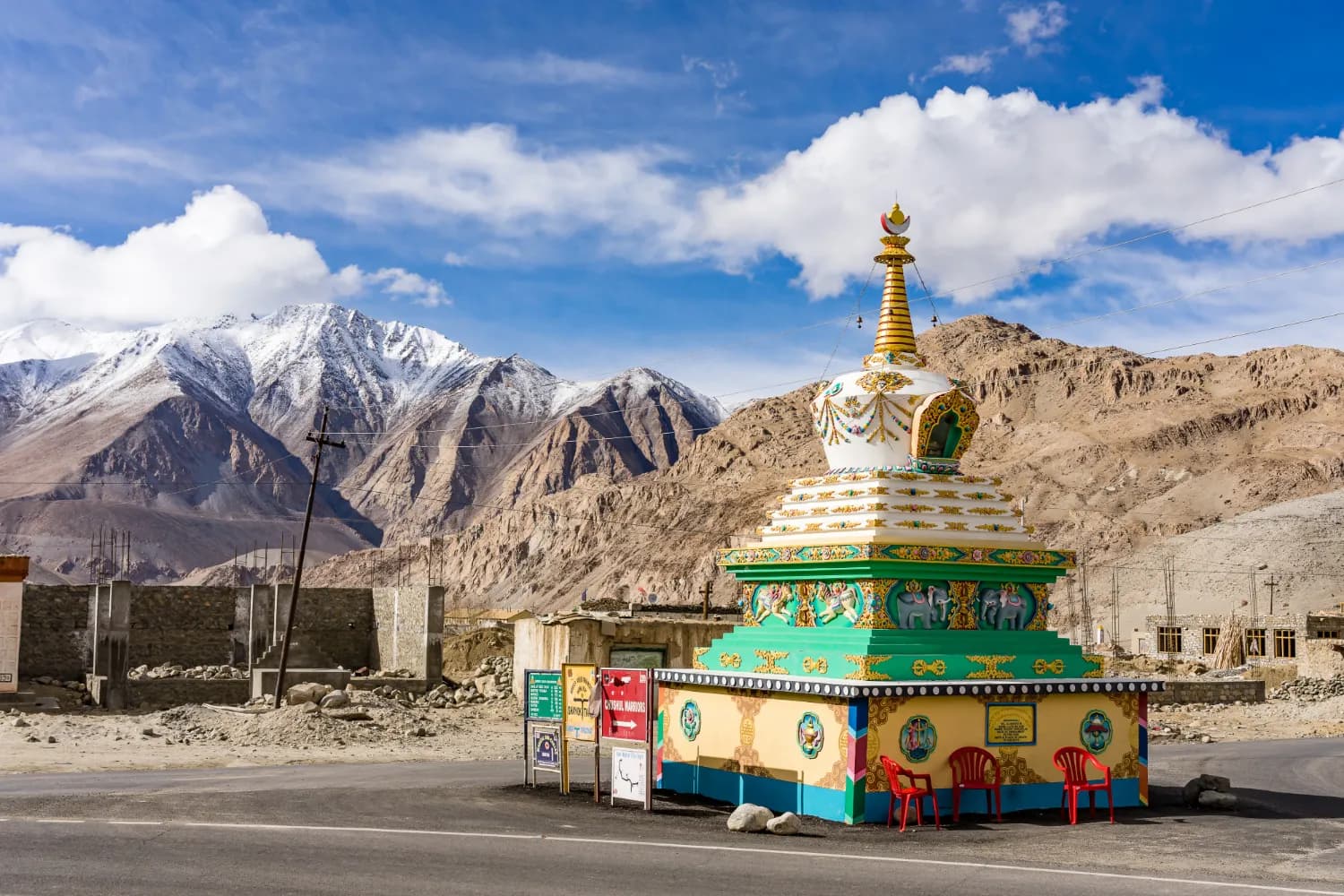
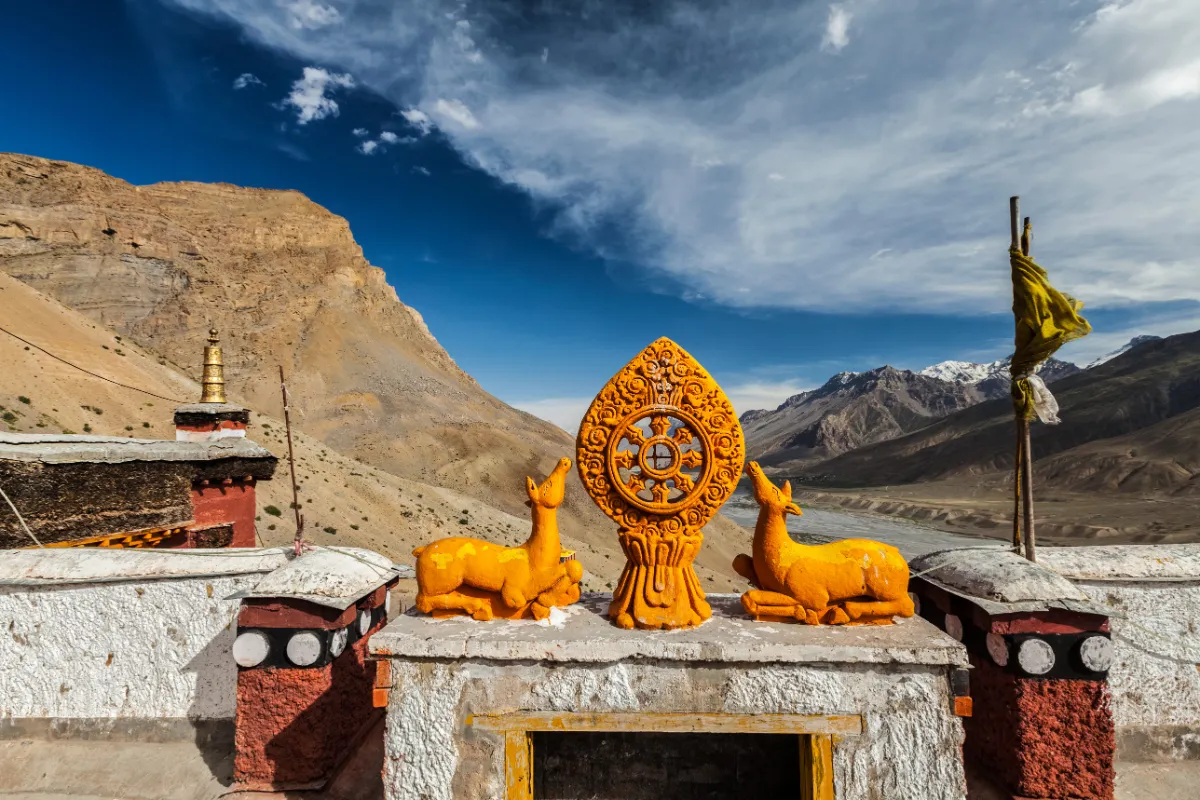
Over time, Tibetan Buddhism deeply shaped Spiti’s identity. Monasteries became centers of learning, shelter, culture, food storage, and survival. The famous Tabo Monastery, often called the “Ajanta of the Himalayas,” was founded more than a thousand years ago and still remains one of the most important Buddhist centers for Spiti Valley history and religious importance.
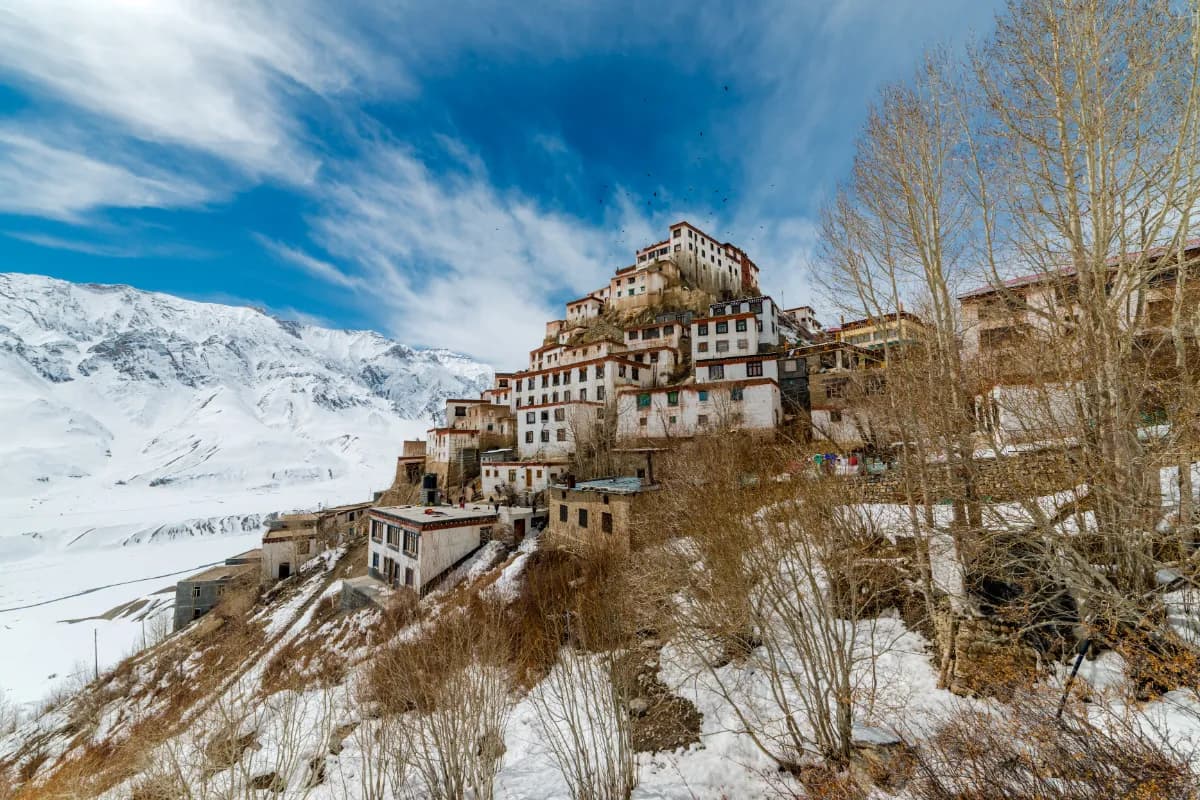
Key Monastery later became another spiritual and cultural landmark above the Spiti River. The influence of Tibet slowly entered every part of Spitian life like food, clothing, language, festivals, architecture, and daily routines.
Even today, Spiti is culturally different from most parts of Himachal Pradesh.
During harsh winters and periods of political instability, monks protected ancient scriptures and manuscripts inside monasteries.
Before the tourism boom, Spiti was one of the most isolated regions in India. Until the 1990s, roads remained extremely limited and dangerous. Heavy snowfall would cut off entire villages for months. Electricity was unreliable, communication was difficult, and many families depended almost entirely on local resources.
Older locals still talk about the “silent Spiti” they grew up in, a time before internet cafés, bike convoys, and social media tourism. Some elders in remote villages even today describe distance in walking hours instead of kilometers because roads arrived relatively recently in their lifetime.
And while tourism has improved income opportunities today, many locals admit that the old Spiti was way calmer and more connected to nature.
The moments in the Spiti Valley history have shaped the Spiti Valley we see today, and it is changing rapidly. Social media, biking culture, travel vlogs, and remote work trends transformed the valley over the last decade. Villages once known only to researchers and trekkers are now appearing regularly on travel reels and bucket lists.
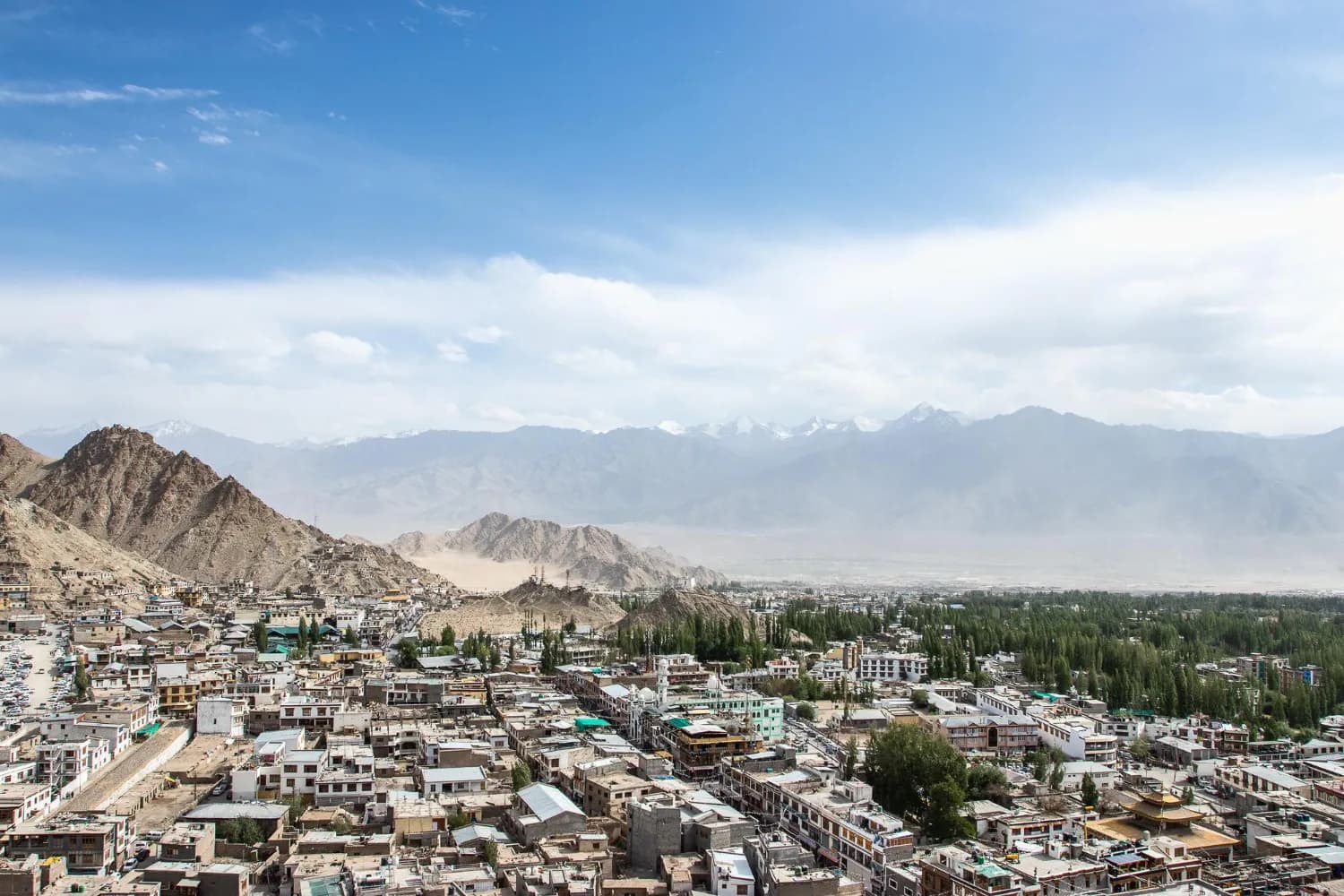
Kaza today has cafés, internet connections, boutique homestays, co-working spaces, and travelers from around the world. Places like Langza became globally famous not just for mountain views but also for fossils and ancient geological history. Ironically, many popular things to do in Spiti Valley today are directly connected to its ancient past.
From fossil hunting to monastery stays and village walks, travelers are unknowingly exploring pieces of Earth’s geological timeline. Road connectivity through both the Shimla and Manali routes has also improved accessibility significantly in 2026. That convenience has increased tourism numbers massively.
But there’s also a growing concern.
Spiti’s ecosystem is fragile. Water shortages, waste management issues, reckless off-roading, and overcrowding during peak months are becoming serious problems.
The valley may look endless and empty, but its environment is surprisingly delicate.
And that creates an important question for travelers: Can Spiti remain authentic while becoming more popular every year?
The reason Spiti feels ancient is that it truly is ancient. Every fossil, monastery, mountain layer, and village road carries part of a timeline far older than human civilization itself.
This is not just another mountain destination where people come for pretty views.
But Spiti tells a story - one that began under an ocean hundreds of millions of years ago and continues evolving even today.
If you’re planning a 2026 Spiti trip, Viacation’s curated Spiti tours help travelers experience not just the scenery, but also the stories, villages, monasteries, local culture, and Spiti Valley history hidden behind these mountains. Explore responsibly, travel slowly, and give yourself enough time to truly understand Spiti beyond the road trip photos.
Every traveler does Spiti differently, make yours count with these Things to do in Spiti Valley.
Spiti Valley was once part of the ancient Tethys Sea nearly 500 million years ago. Geological shifts later lifted it into a high-altitude cold desert surrounded by the Himalayas.
Marine fossils are found in Spiti because the region was underwater millions of years ago. Fossilized sea organisms remained trapped in rocks after the Himalayas formed through tectonic movement.
Spiti receives very little rainfall because the Himalayas block monsoon clouds. This creates dry weather, barren mountains, freezing winters, and desert-like conditions at high altitude.
Key Monastery and Tabo Monastery are the most famous monasteries in Spiti Valley. Both are historically important centers of Tibetan Buddhism, culture, education, and ancient Himalayan history.
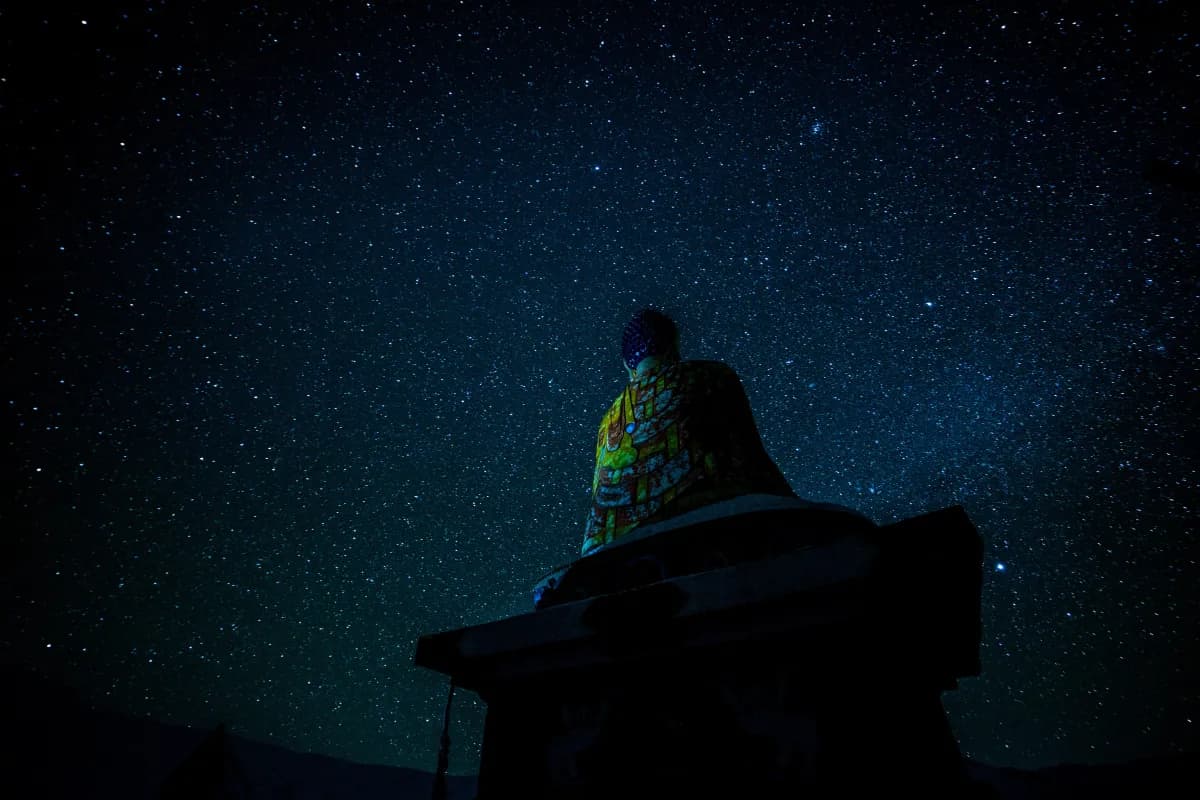
Popular things to do in Spiti Valley in 2026 include monastery visits, fossil hunting, village stays, stargazing, café hopping, high-altitude road trips, and exploring ancient Himalayan landscapes.
May 25, 2026
May 25, 2026

May 25, 2026
May 23, 2026
May 23, 2026