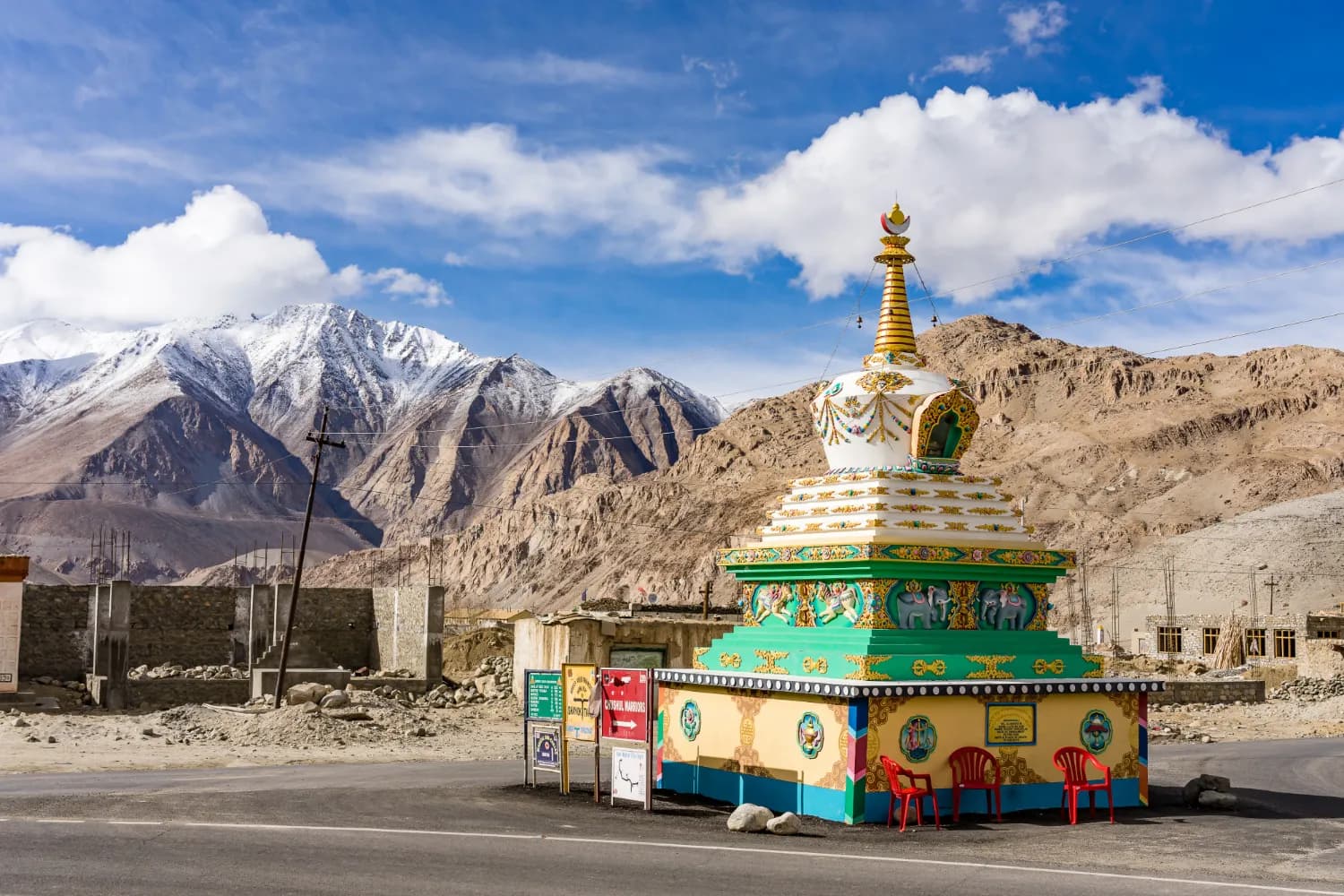

 5 Minutes
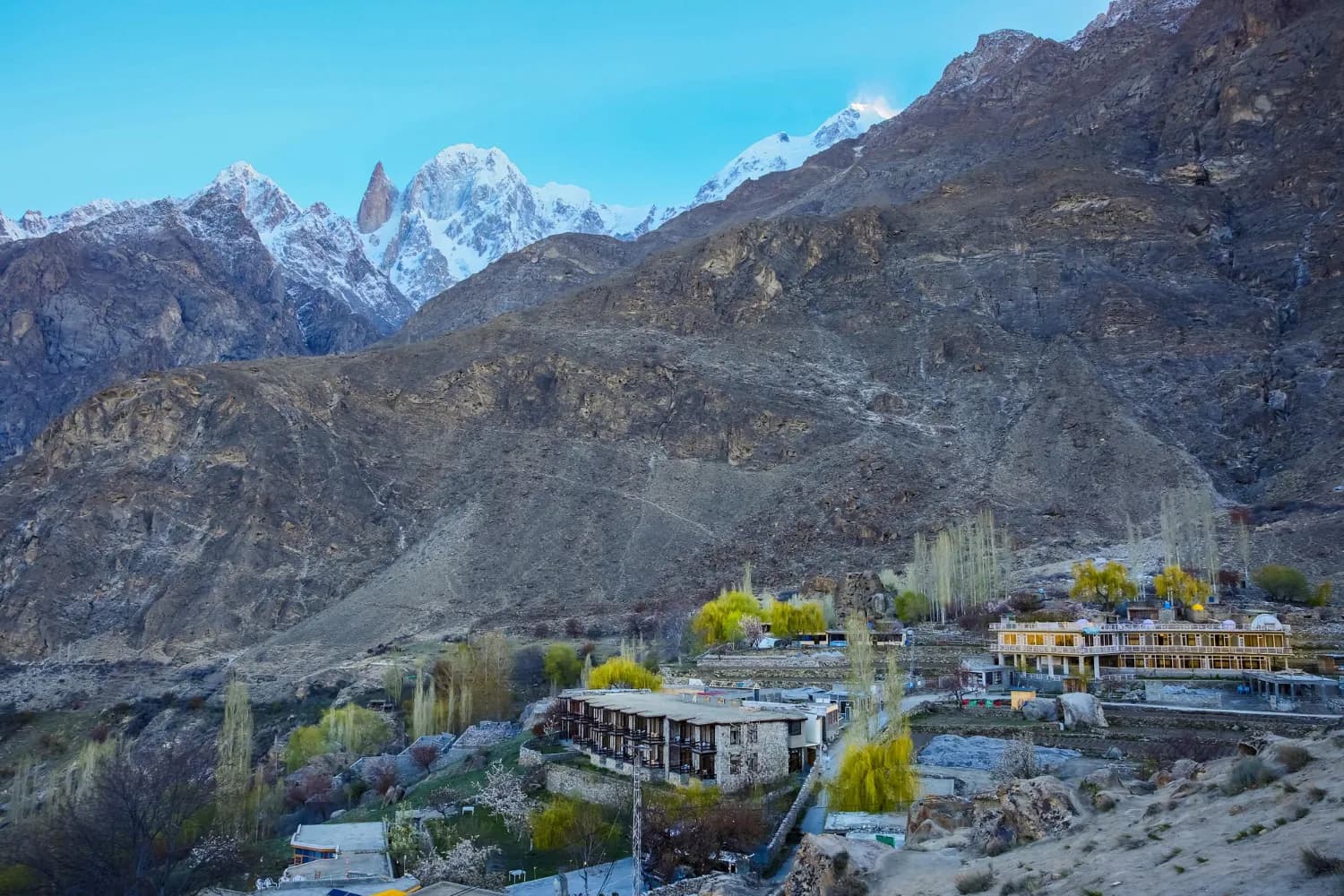
Every year, travelers book Spiti Valley packages, thinking the toughest challenge will be the bad roads. In reality, the bigger challenge is the Spiti Valley's height and altitude, and how your body reacts above 10,000 feet. Even experienced bikers and fit gym-goers struggle in Spiti because oxygen levels drop significantly at high altitude.
And honestly, AMS is not something you should “figure out on the trip.” In 2026, despite better roads and more tourism, altitude sickness is still the number one reason why travelers cut short their Spiti plans.
₹20,999
per person
AMS in Spiti Valley stands for Acute Mountain Sickness, commonly known as altitude sickness. It is a physical condition that occurs when your body is exposed to a sudden drop in air pressure and oxygen levels due to ascending to high altitudes too rapidly.
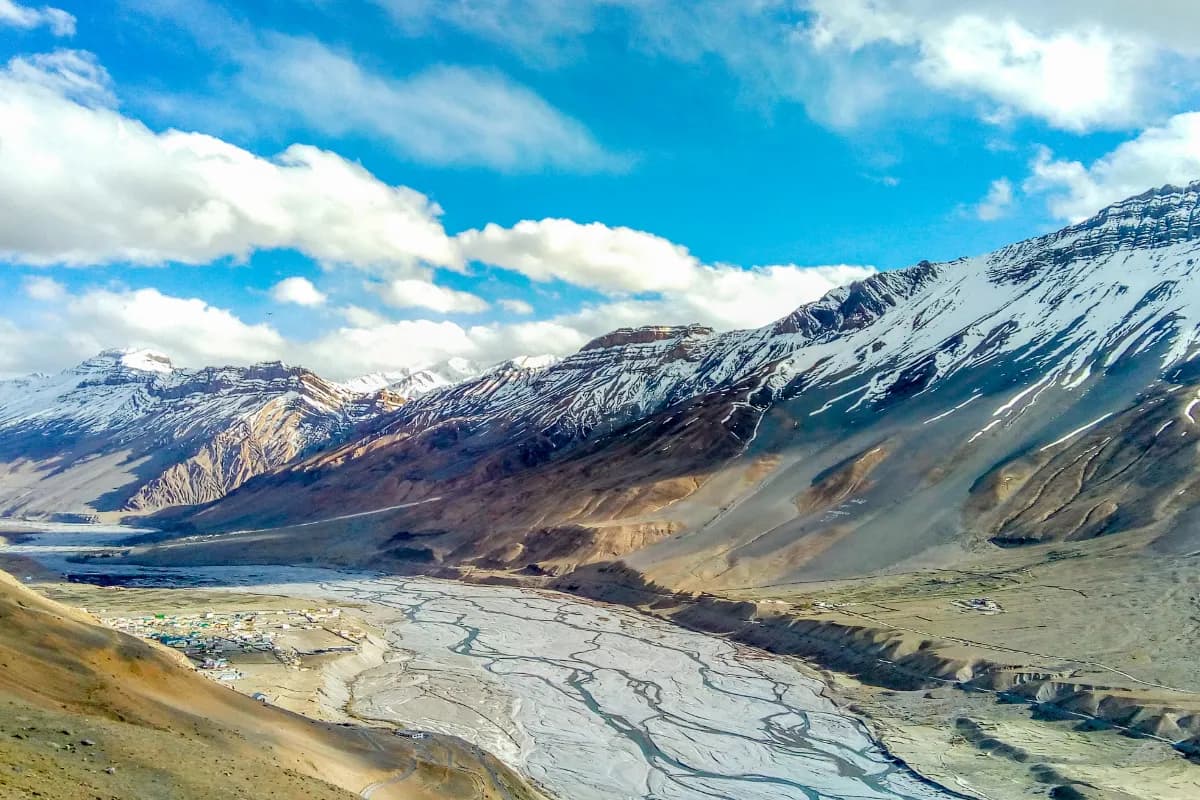
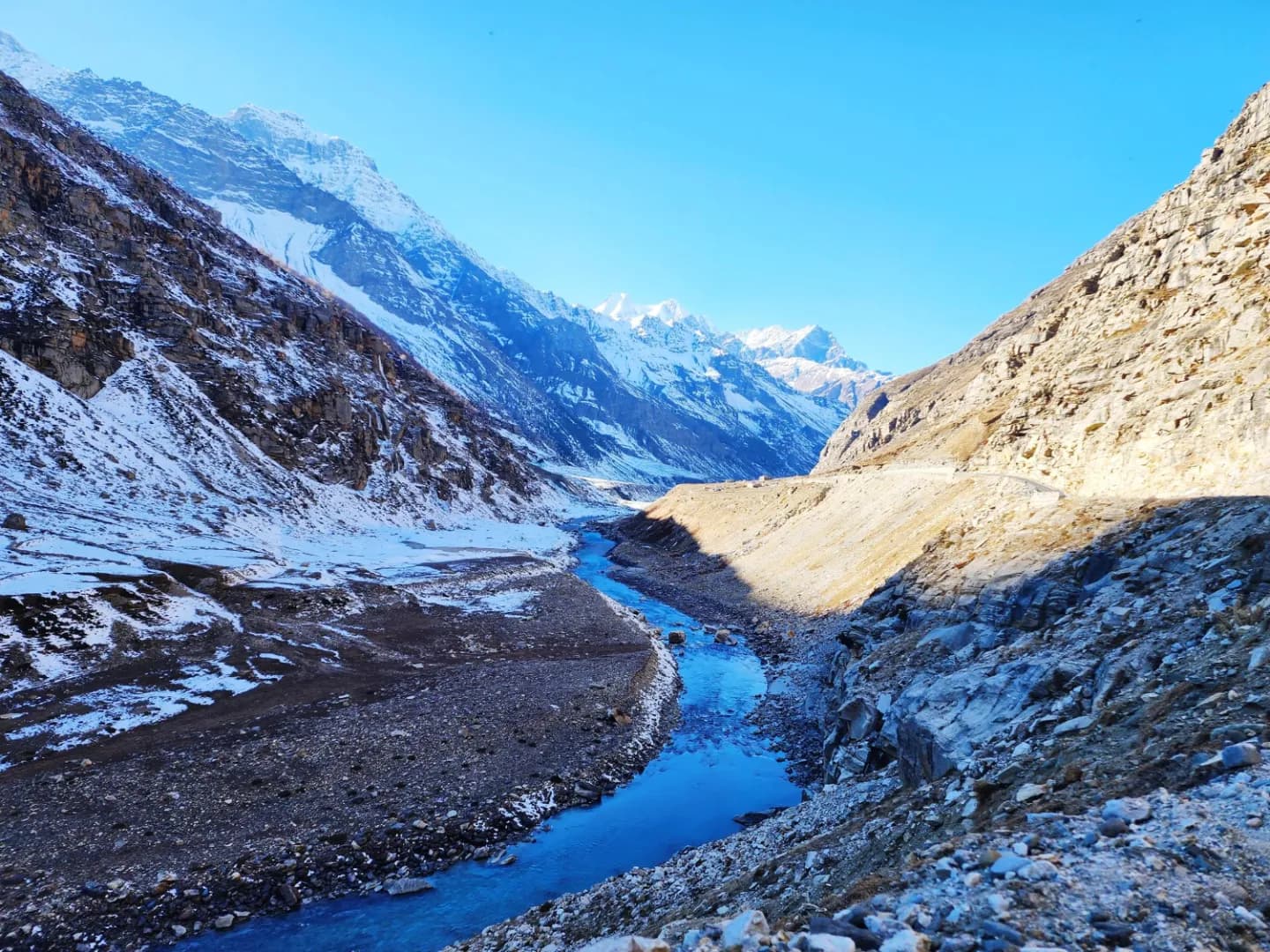
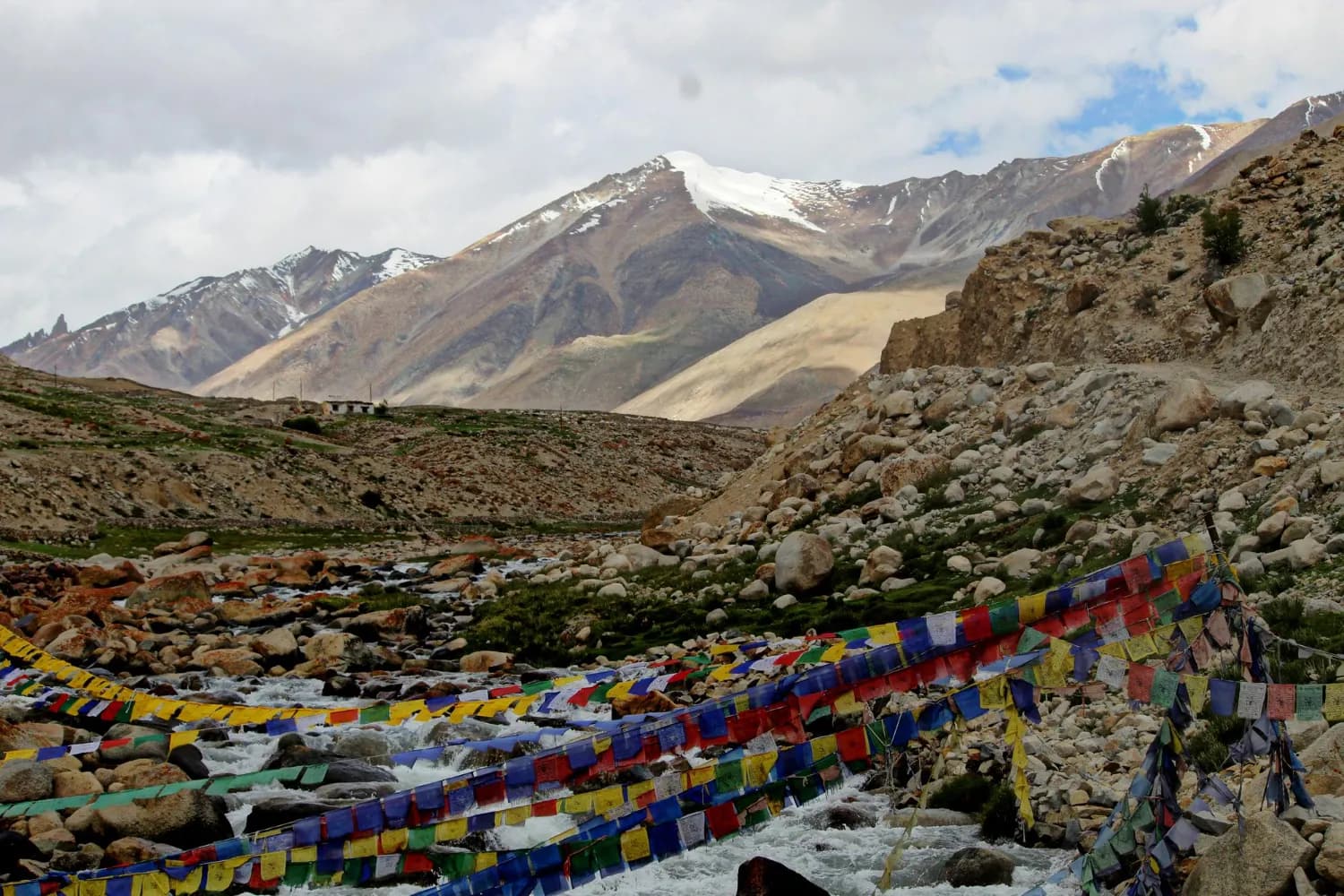
Because Spiti Valley sits at a massive elevation averaging between 10,000 to 15,000 feet (3,000 to 4,500+ meters), AMS is a very real health risk for travelers coming from lower-altitude regions.
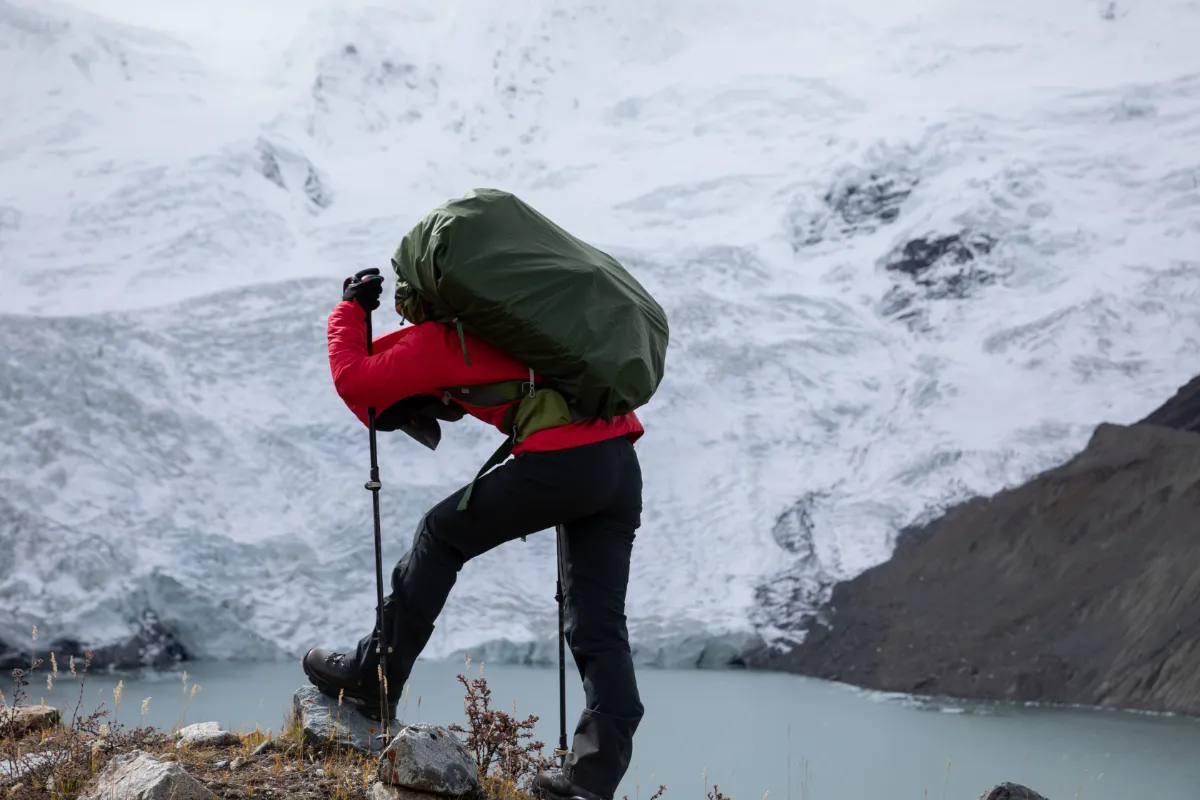
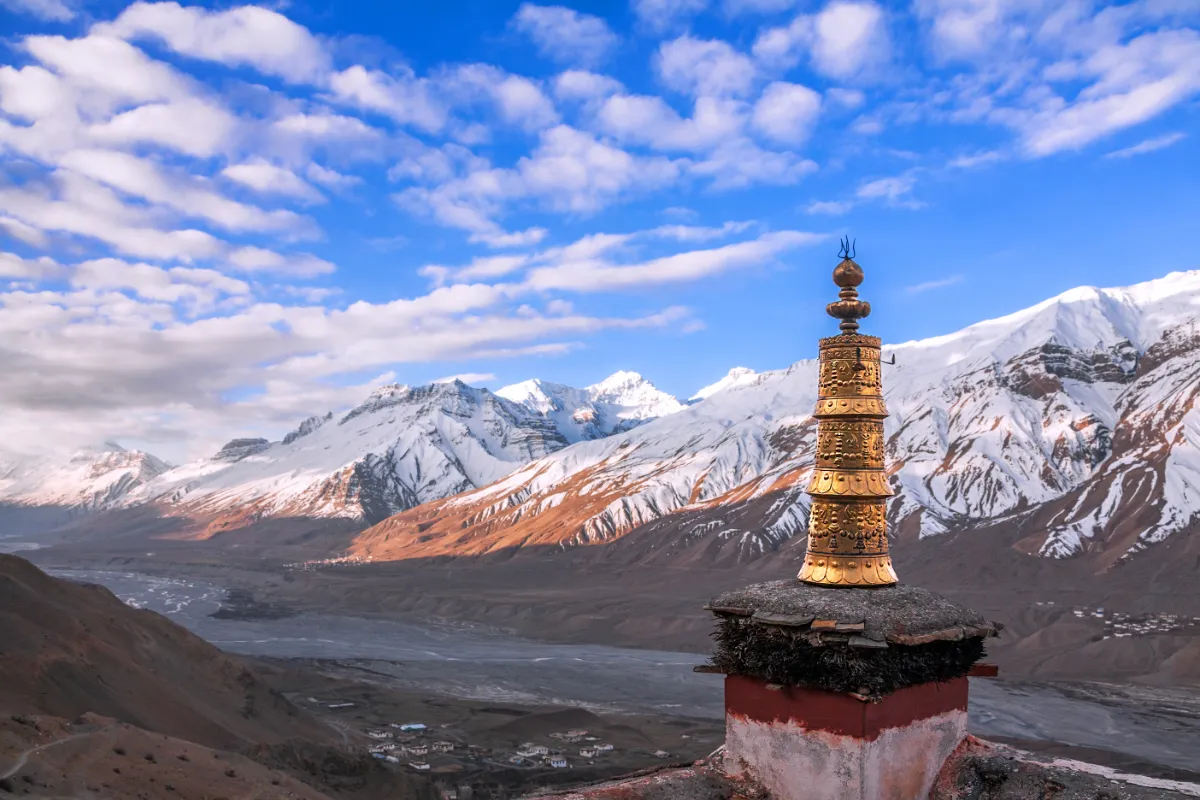
As you climb higher in Spiti, the air becomes thinner, meaning your body gets less oxygen with every breath. Places like Kaza, Kibber, Langza, and Hikkim are located at very high altitudes, and your body needs time to adjust.
The problem is that most travelers reach too quickly. This is why people coming from the Manali side often feel symptoms faster compared to travelers entering via Shimla and Kalpa. Your body simply doesn’t get enough time to acclimate gradually.
Even updated 2026 travel advisories continue warning travelers about fast ascents in the Spiti Valley.
Altitude sickness rarely starts dramatically. It begins quietly.
The most common early signs include:
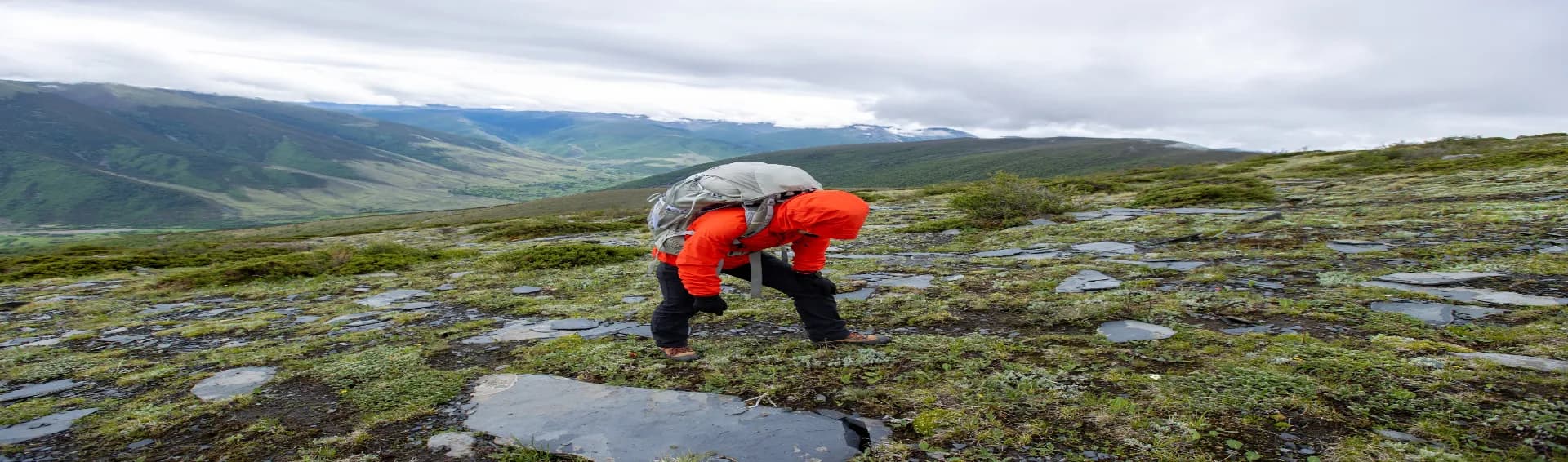
A very real Spiti moment people talk about later is this: climbing a few hotel stairs in Kaza suddenly feels exhausting. That’s usually when travelers realize something is wrong.
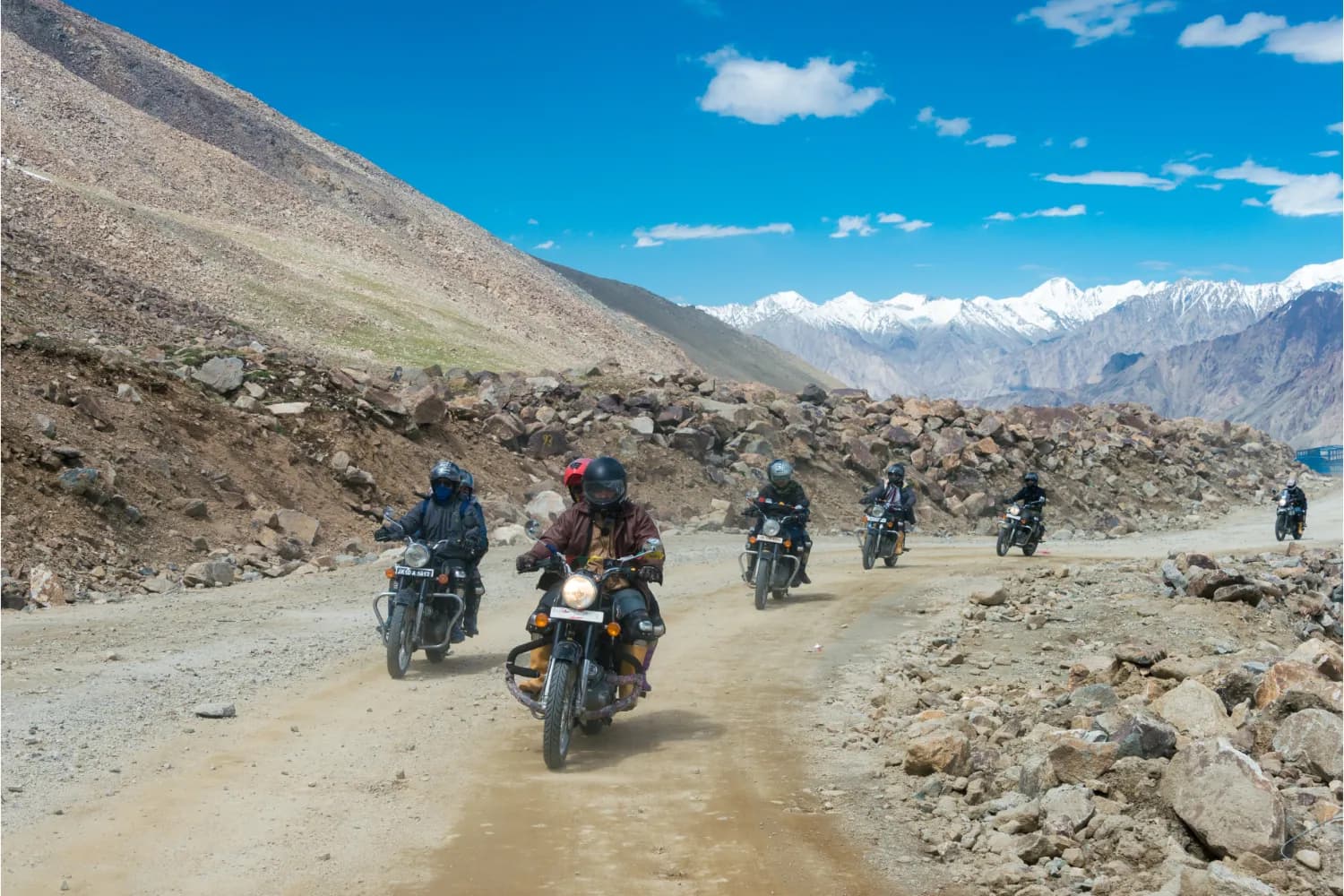
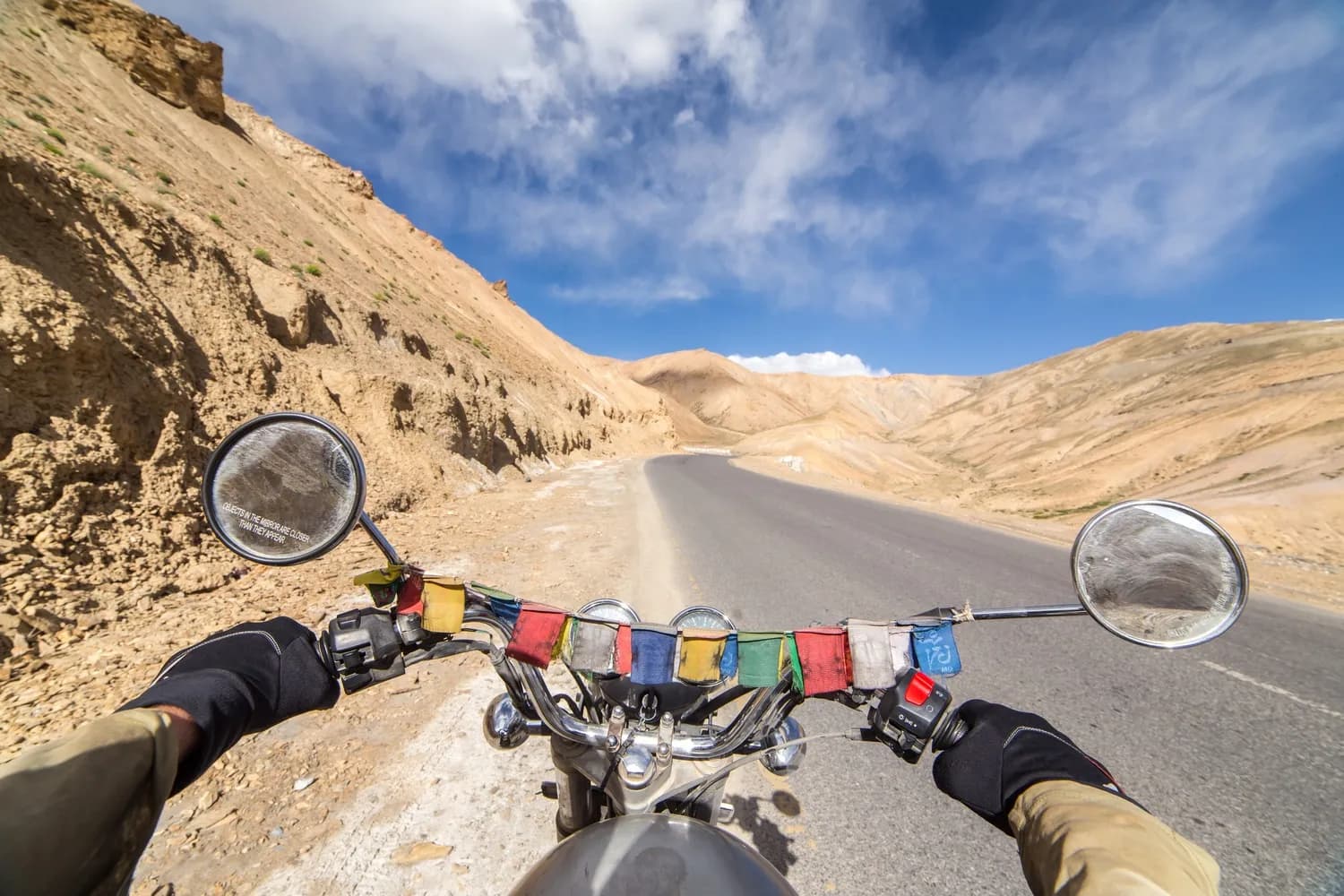
Bike riders especially make one mistake: they confuse AMS with road fatigue. After long hours of riding rough roads, they assume the headache and tiredness are normal. Sometimes it is. Sometimes it’s not.
And that confusion becomes dangerous.
Mild AMS can become severe overnight if ignored completely.
There’s a point where “resting for some time” is no longer enough. If someone experiences these symptoms, immediate descent is important:
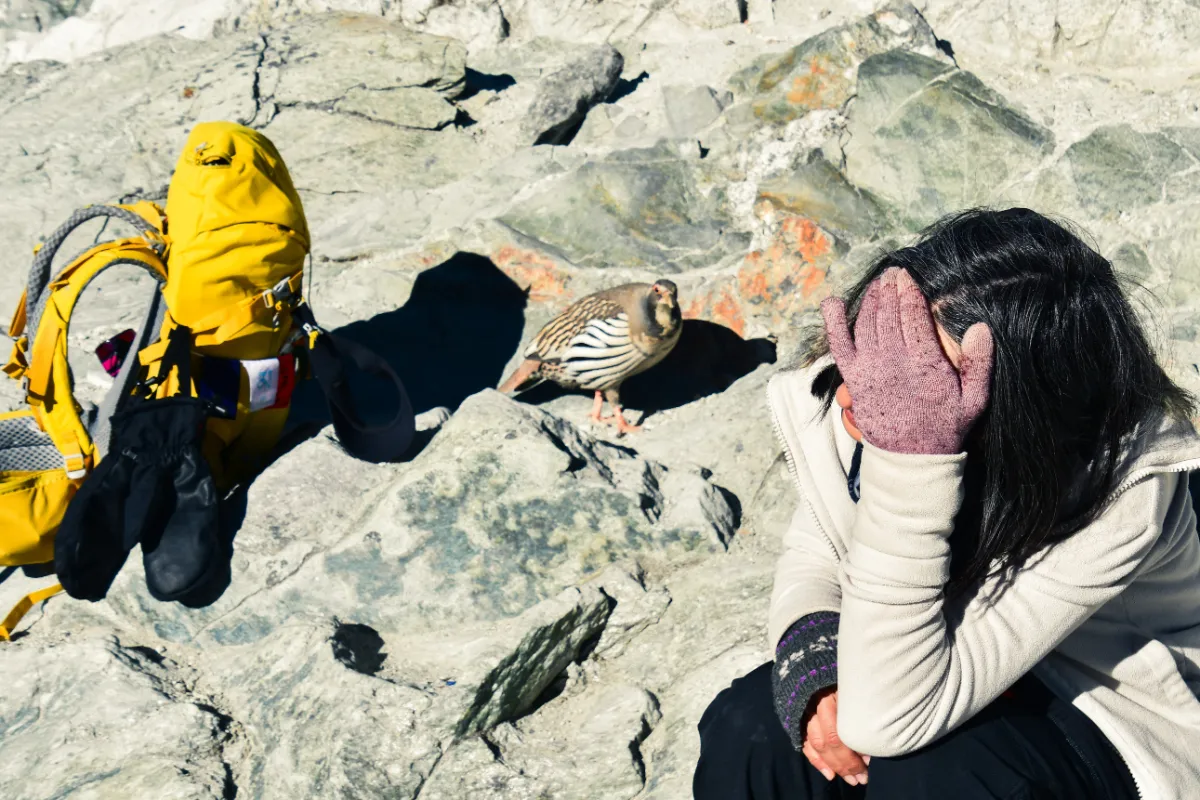
The internet is full of random AMS advice. Some useful, some completely useless.
Here’s what genuinely helps in Spiti:
Don’t go to Spiti via the Atal Tunnel; the [Shimla → Kalpa → Tabo → Kaza or Manali → Jibhi → Kinnaur → Kaza] route works better for acclimatization because altitude increases gradually. It may feel slower, but your body handles it much better.
Most travelers drink less water because of the cold weather. Bad idea. Dehydration makes AMS symptoms worse. Carry water constantly, especially during road trips. Interestingly, people who stop every 10 minutes for photos often forget to hydrate properly.
Your first 48 hours at high altitude matter a lot. Alcohol affects oxygen absorption and dehydration levels. Skipping drinks initially genuinely helps.
Slow travel works better in Spiti. Spend proper time resting instead of constantly chasing the next location. This is why many experienced travelers now prefer balanced itineraries instead of aggressive road-trip schedules.
Viacation’s updated 2026 Spiti bike trip and group tours usually focus on gradual altitude gain, which actually helps first-time travelers avoid unnecessary health issues.
People underestimate sleep in Spiti. Overnight drives from Delhi, followed by immediate riding, is honestly one of the worst ways to start the trip. Fatigue makes AMS worse.
The most commonly used medicine for AMS is Diamox, but it should only be taken after proper medical advice. And no, oxygen cans are not magical solutions.
They may help temporarily, but they don’t replace acclimatization. Many travelers carry them mainly for confidence. Also, internet myths like “garlic soup cures AMS instantly” are exaggerated. Warm food helps comfort levels, but no soup can magically fix altitude sickness.
The things that actually work are boring but effective:
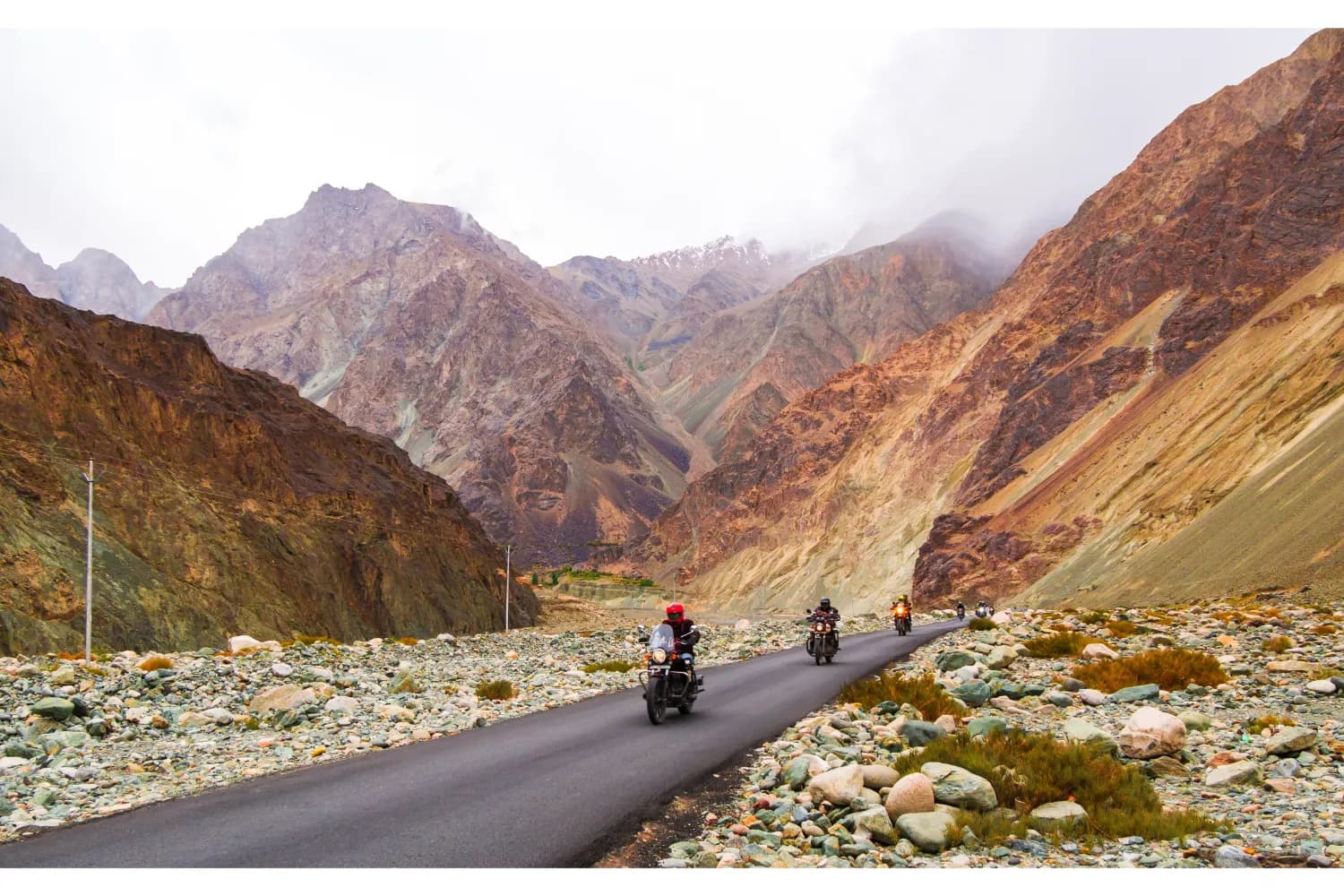
Honestly, both face different problems. Bike riders deal with cold winds, exhaustion, dehydration, and physical fatigue. Long riding hours increase stress on the body. Car travelers often make the opposite mistake; they ascend too quickly without giving their bodies time to adapt.
People doing aggressive Delhi-to-Kaza schedules are usually the first ones struggling badly. Spiti is not a race. Your body will remind you of that very quickly.
Before leaving for Spiti, remember these basics:
Altitude sickness in Spiti Valley is manageable if you respect the mountains and plan smartly. Fitness alone does not guarantee safety at high altitude. Slow travel, proper acclimatization, hydration, and realistic itineraries make a massive difference.
If you’re planning a Spiti trip in 2026, Viacation can help with practical route planning, safer itineraries, and useful bike travel guidance that actually works in real mountain conditions.
Altitude sickness is very common in the Spiti Valley because many travelers gain altitude too quickly. Symptoms usually appear above 10,000 feet, especially near Kaza, Kibber, and Chandratal.
Early AMS symptoms include headache, dizziness, nausea, tiredness, shortness of breath, and difficulty sleeping. These signs usually appear within 24 hours after reaching high-altitude areas in Spiti Valley.
The Shimla to Kaza route is better for acclimatization because the altitude increases gradually. Travelers entering through Manali often experience AMS faster due to sudden altitude gain.
Diamox may help prevent altitude sickness in Spiti Valley, but travelers should only take it after consulting a doctor. Hydration and gradual acclimatization remain more important than medicines.
To avoid AMS in Spiti Valley, stay hydrated, sleep properly, avoid alcohol initially, ascend slowly, and avoid overexertion during the first two days at high altitude.
May 25, 2026
May 25, 2026
May 25, 2026

May 25, 2026
May 23, 2026