

 5 Minutes
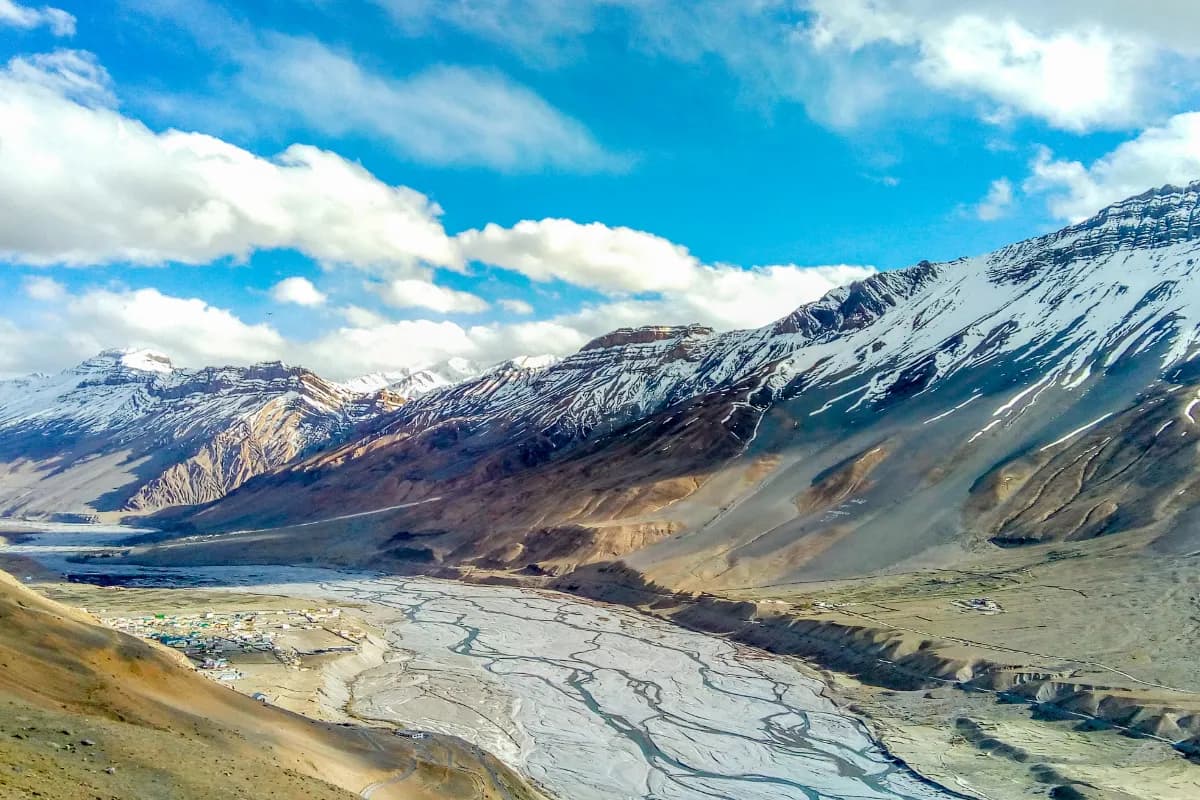
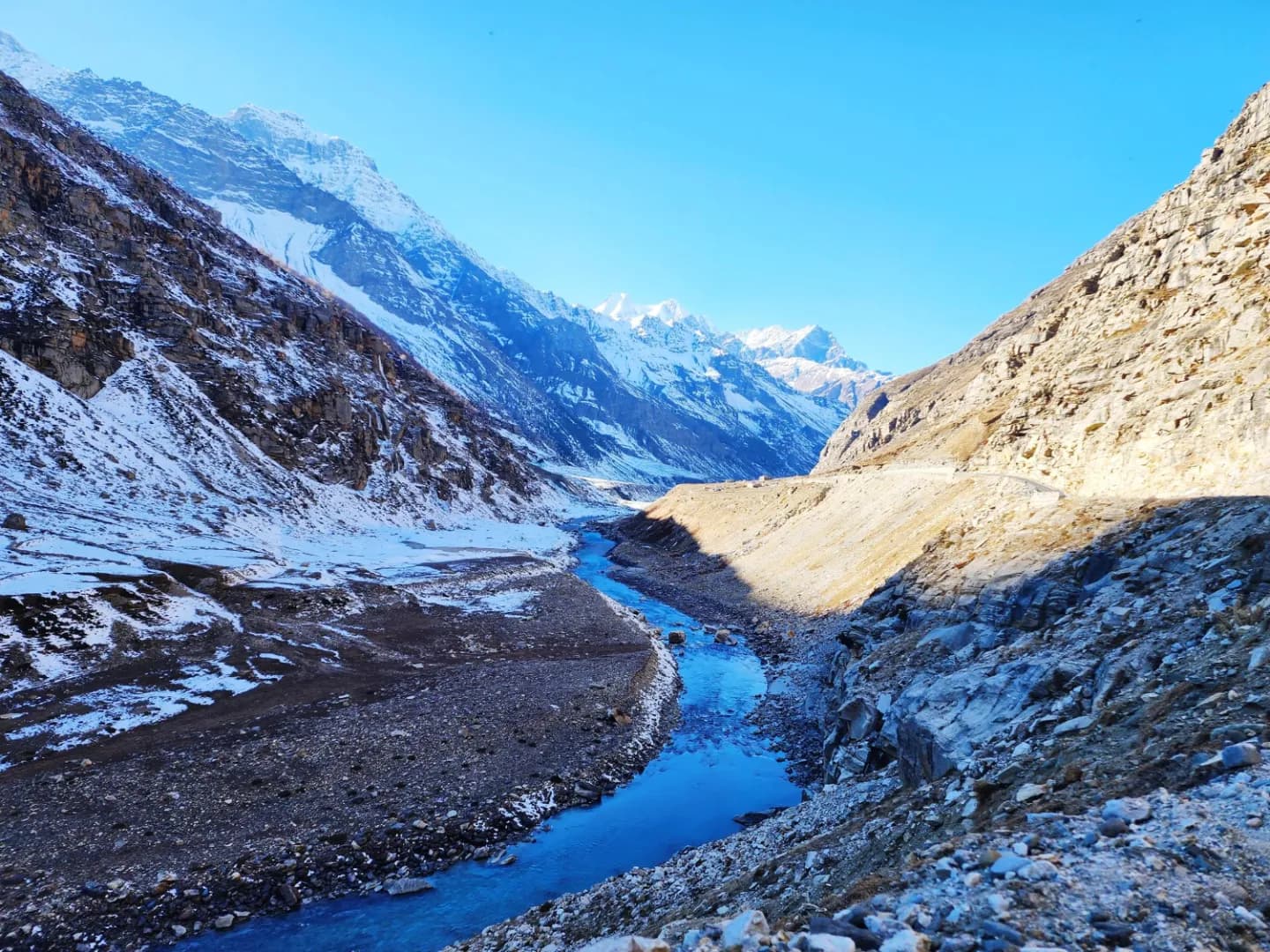
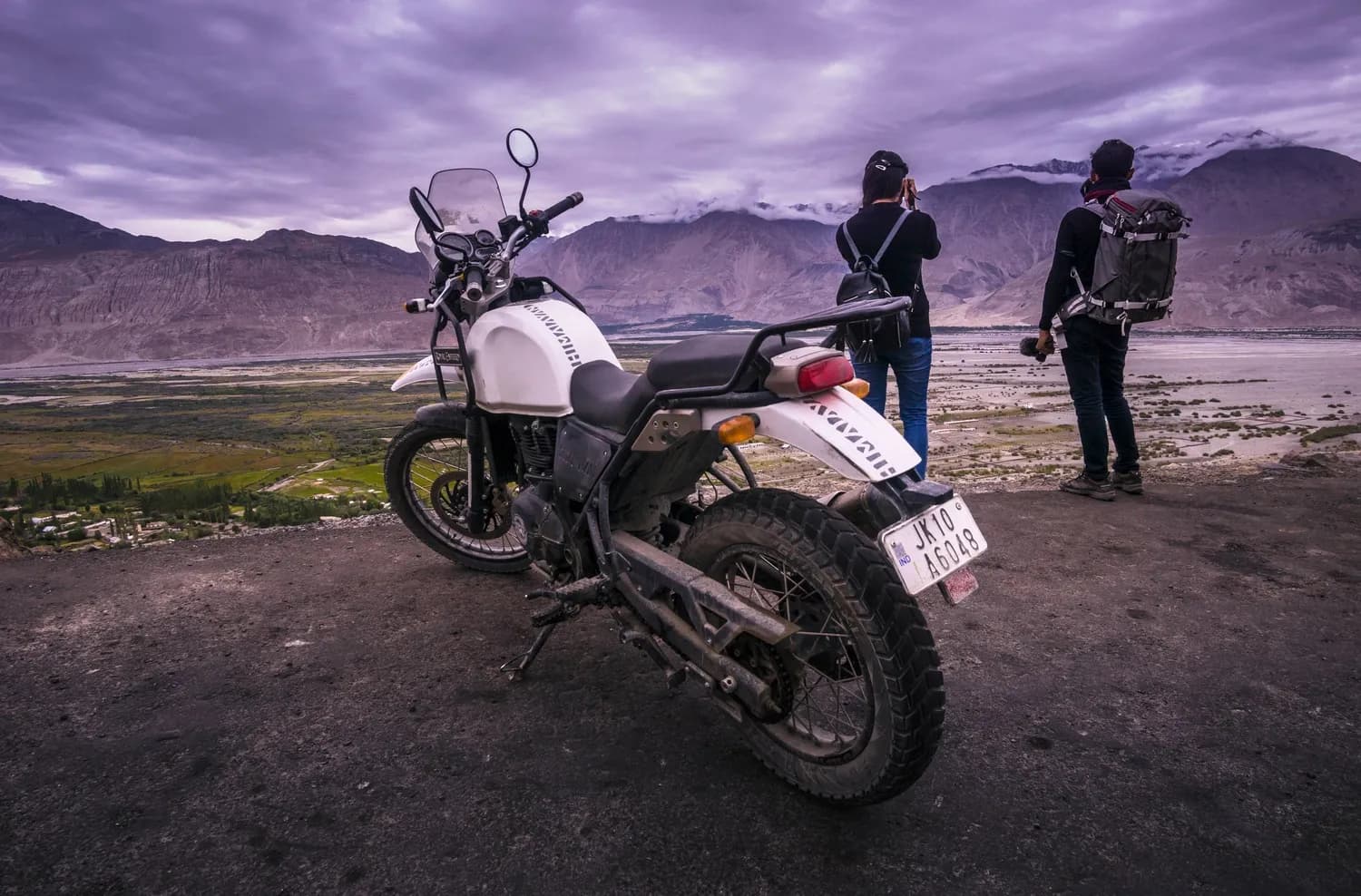
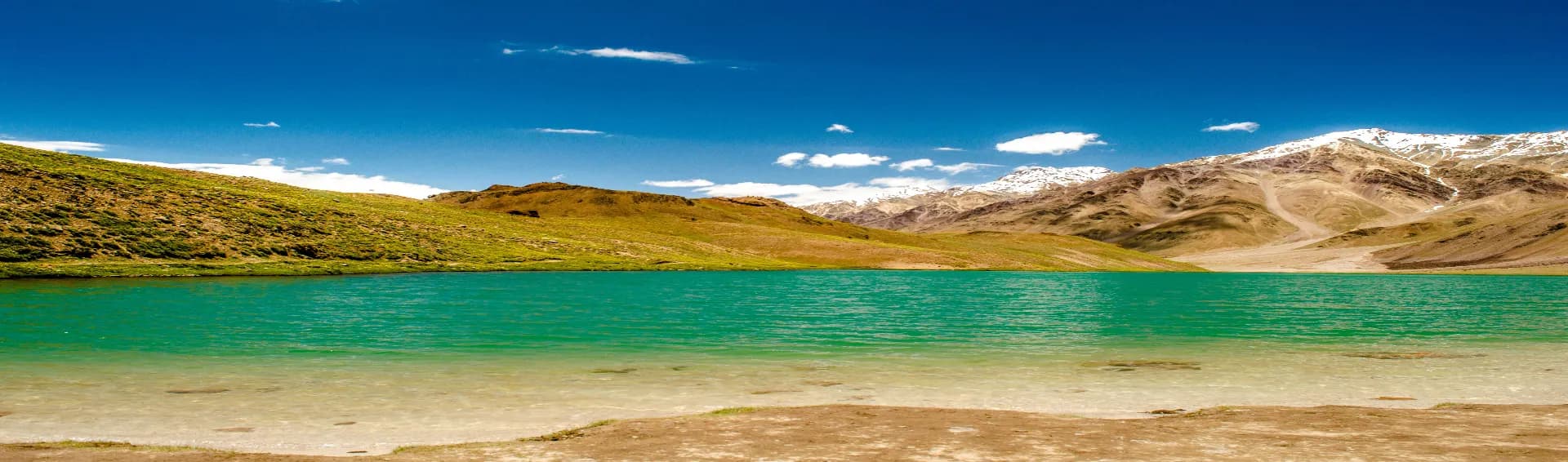
Spiti does not ease you in. You cross a pass, the trees disappear, and suddenly you are looking at a landscape that feels like someone removed everything unnecessary and left only rock, sky, and silence. No crowds. No noise. Just a valley sitting quietly at over 4,000 metres, going about life the way it has for centuries. Most people who visit Spiti come for the views. But the ones who stay a little longer realise the real story is not the mountains. It is the people living inside them.
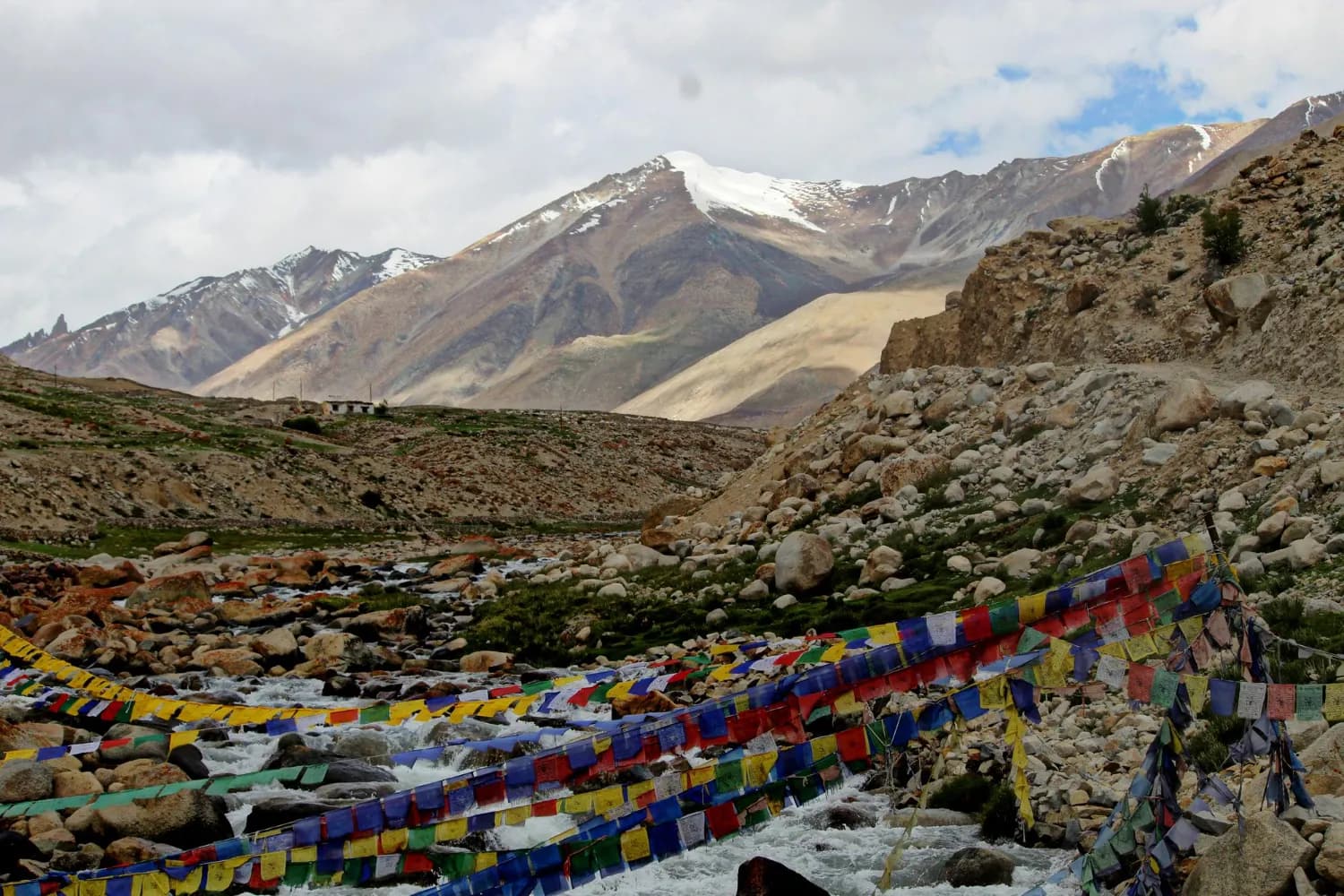
Life in Spiti Valley runs on a rhythm that outsiders rarely expect. No alarms, no traffic, no rush. Mornings begin before sunrise, livestock needs tending, butter tea goes on the fire, and the day moves at the pace the altitude allows. Buddhism is not something practised here occasionally. It is the daily structure that holds everything together, across every season, in every village. The prayer flags outside every home are not a decoration. The butter lamps burning in monasteries before dawn are not tourist attractions. They are just Tuesday morning in Spiti.
₹20,999
per person
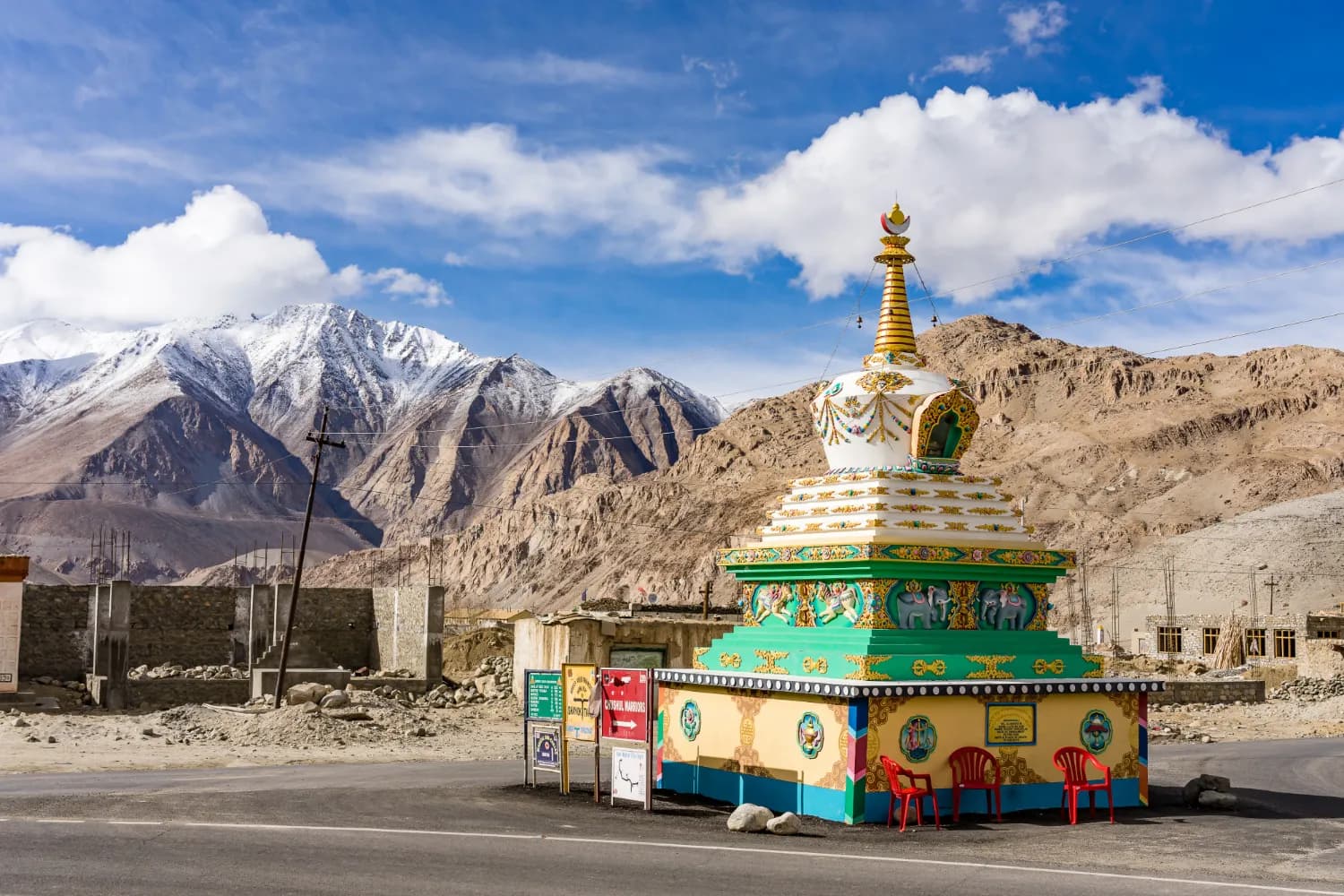
This valley has been Buddhist for over a thousand years, and the Tibetan connection runs deeper than most visitors realise. The language, the food, the festivals, the architecture, all of it traces back to a time when Spiti was part of the ancient Tibetan kingdom. That history did not disappear. It just got quieter. Travellers who book Spiti Valley Packages expecting only landscapes often leave surprised by how much the culture stays with them long after the trip ends. The mountains are unforgettable. But it is usually a conversation over butter tea in a homestay that people remember most.
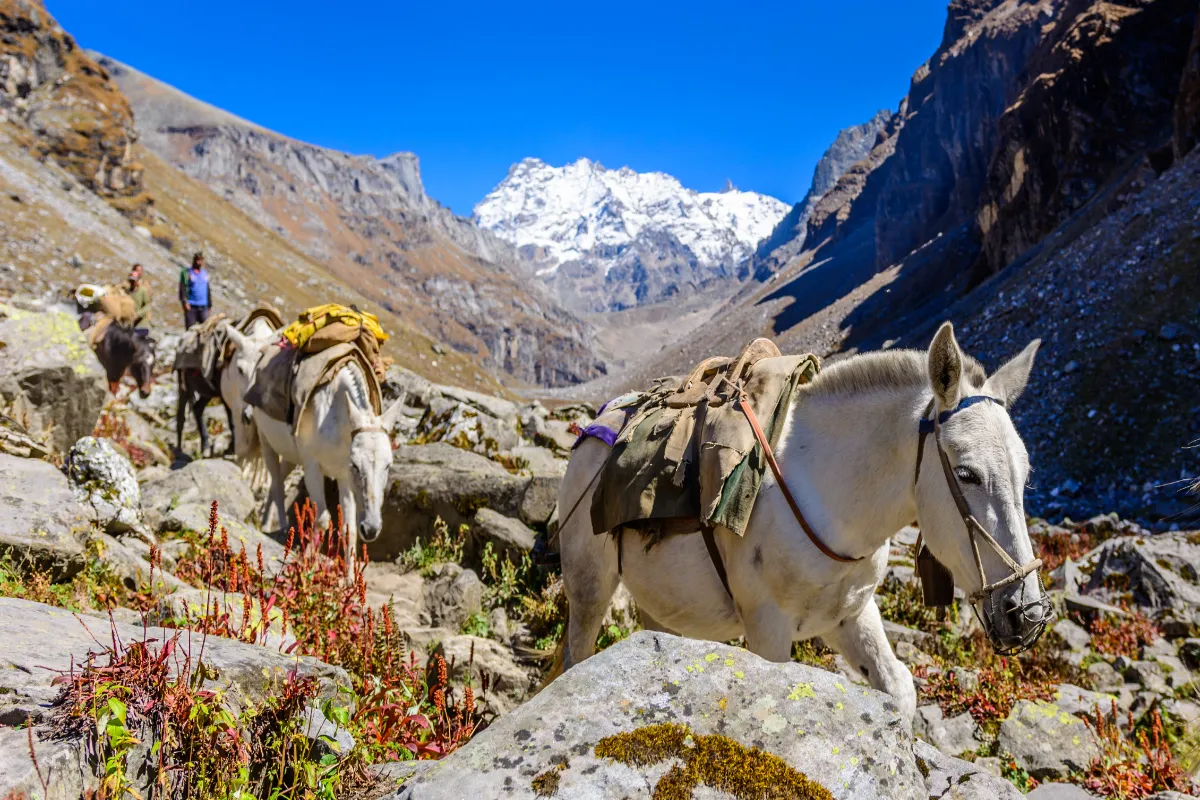
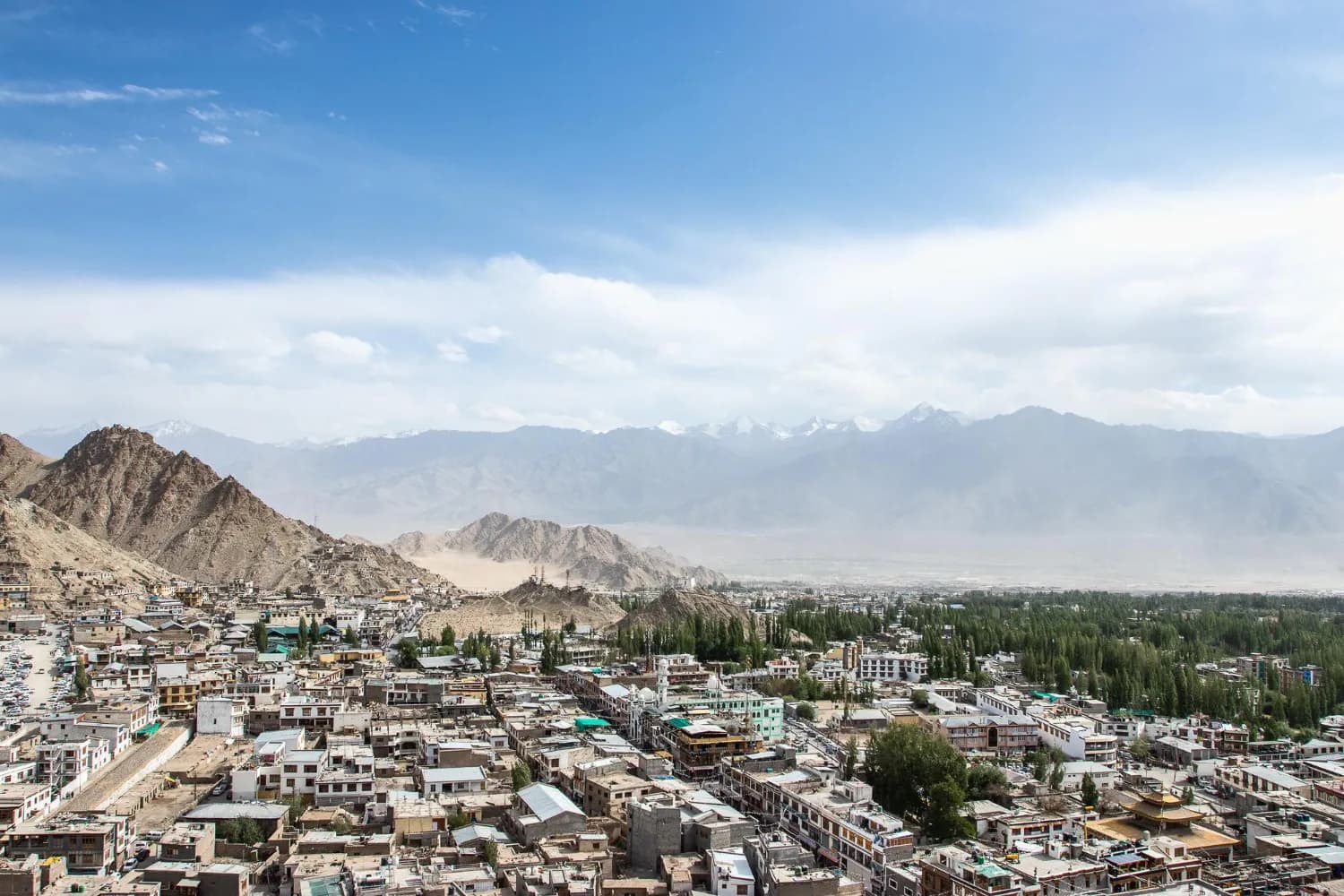
Two people per square kilometre. That number tells you almost everything. Spiti is not sparsely populated; it is barely populated. Small clusters of mud homes sit between massive mountains, and each village runs like its own small world. Mornings start early. Livestock need feeding before the cold gets worse. Tea, usually butter tea, comes before anything else. The day moves slowly and deliberately, because at this altitude, moving fast is not an option your body allows.
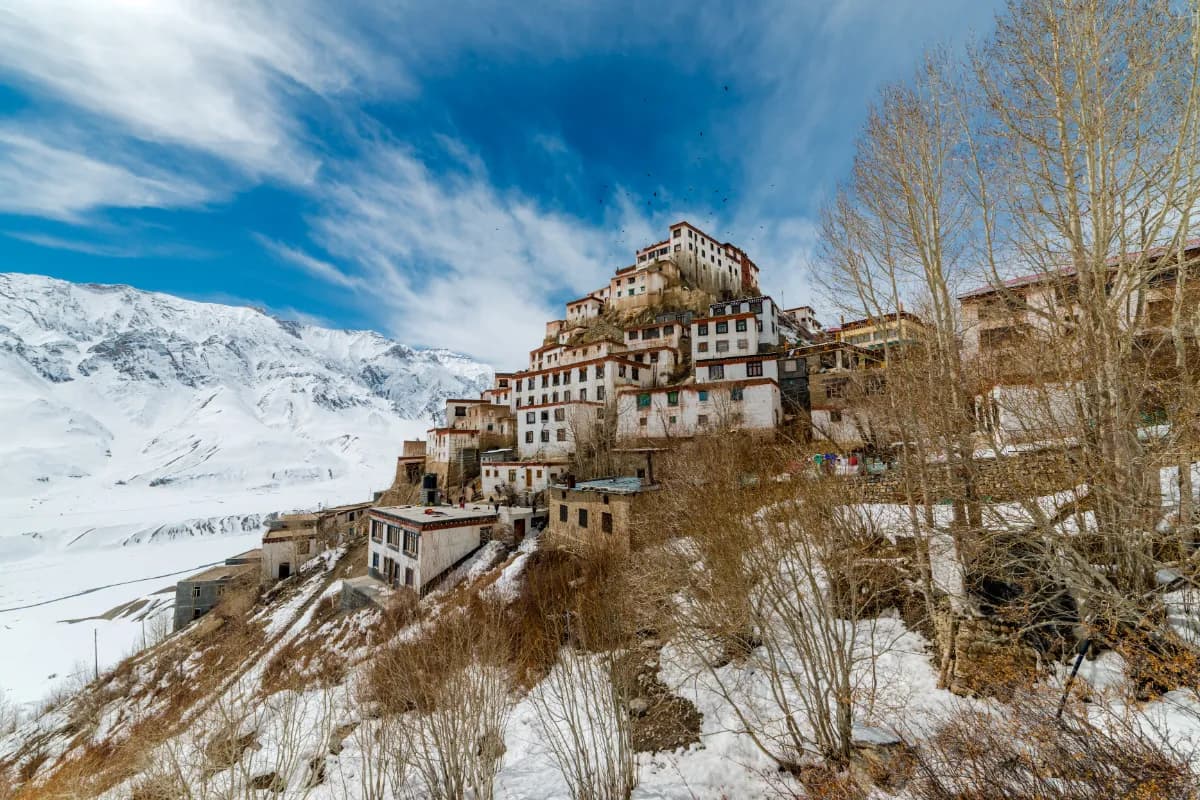
Buddhism is not practised here on weekends or special occasions. It is the daily structure. Monks from the Key or Tabo monastery are not just religious figures; they are community anchors. Festivals like Losar, the Tibetan New Year, bring entire villages together in a way that no other event does.
Brutally cold. Night temperatures regularly drop to -30°C and in some higher villages, closer to -40°C. During the day, sunshine gives an illusion of warmth, but step into the shade and the temperature difference hits immediately. Locals do not describe cold in degrees. They describe it by what freezes overnight. Water pipes. Stored vegetables. Sometimes, the inside walls of older homes.
December and January are the hardest months. February starts showing the first signs of the cold loosening, but only slightly.
These are not just stops, they’re moments. Discover meaningful Places to Visit in Spiti Valley.
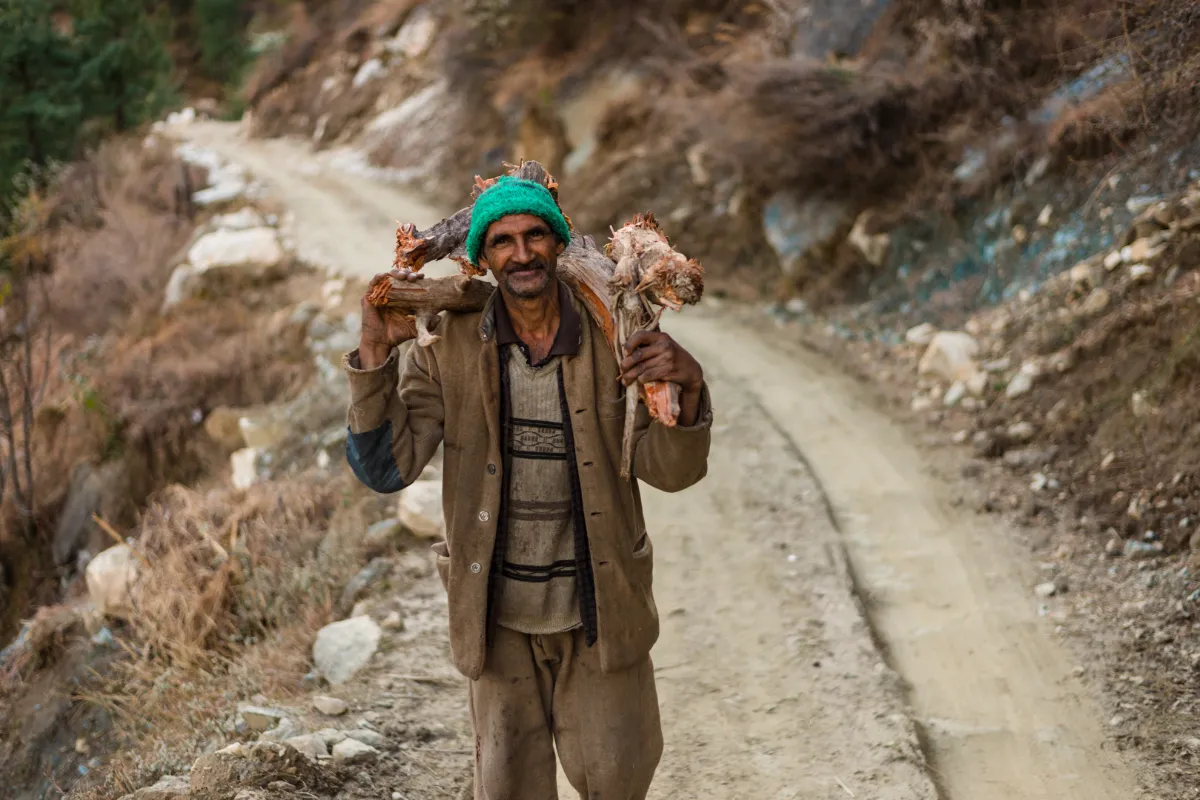
Summer is not just warmer in Spiti. It is the only window to stock up for the rest of the year. Barley is the oldest staple, ground into flour and used in almost every meal. Dried vegetables, lentils, and dry fruits get stored in large quantities before October. Sea buckthorn, a thorny orange berry that grows across the valley, becomes a winter essential. Locals use it in drinks, jams, and traditional medicine. It is high in Vitamin C, which matters when fresh produce is completely unavailable for months.
Butter tea is consumed all day. It sounds unusual to outsiders, but at altitude, the fat and salt serve a real physical purpose. It keeps the body warm and provides energy when food options are limited.
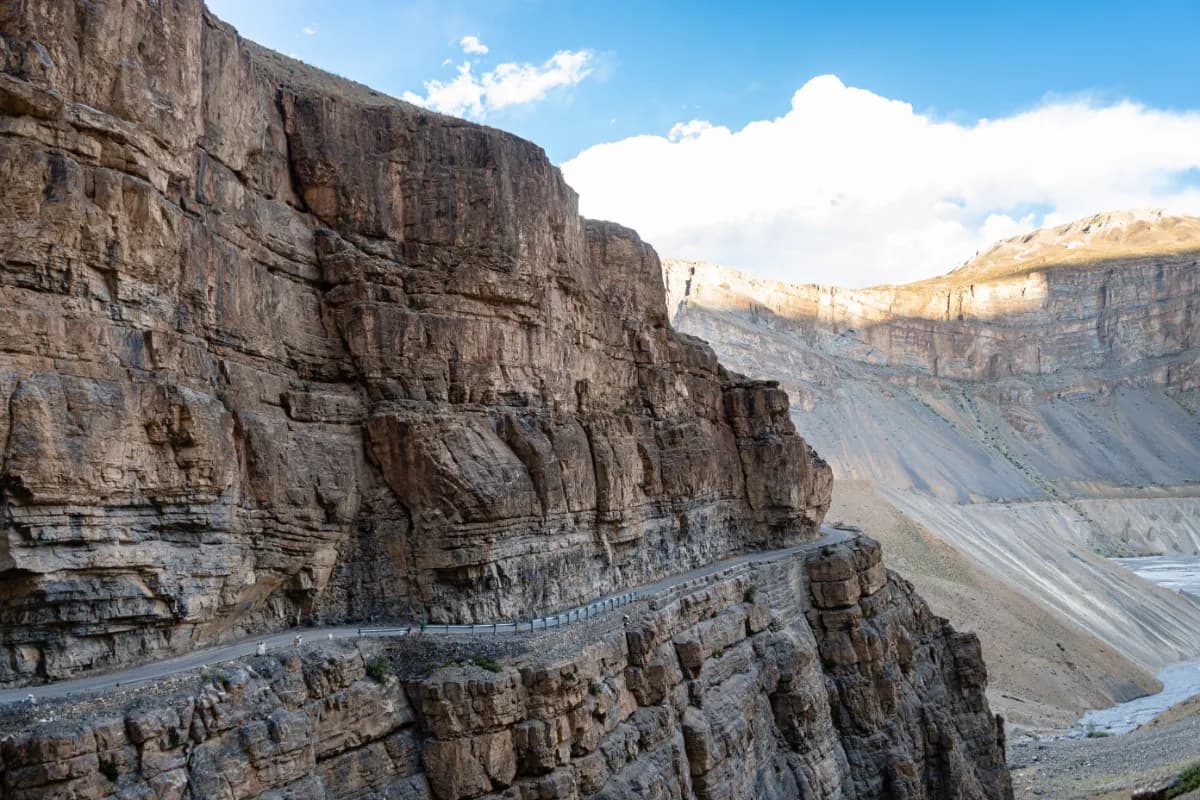
Kunzum Pass closes around October and does not reopen until May or June. The Shimla route stays partially accessible but is unreliable during heavy snowfall. What that means practically: no fresh supply runs, no quick medical access, no reliable electricity, and power cuts that can last several days after a storm.
This is the question every traveller searches for before visiting, and the answer is straightforward. Network in Spiti Valley is limited to BSNL postpaid, which is the only connection that works with any consistency. Airtel and Jio are unreliable at best, nonexistent in most villages. The internet in Spiti Valley is 2G in Kaza on a good day. Remote villages like Langza, Hikkim, and Kibber have almost no connectivity. Download your offline maps, music, and reading material before you enter the valley. Do not plan to work remotely from Spiti. It will not go well.
Tourism changed Spiti economically, but only for five months a year. Between May and September, homestays fill up, local guides get work, and small cafes in Kaza stay busy. Outside that window, those income sources vanish completely.
Off-season earnings come from government jobs, handicraft sales, and, in some cases, monastic support systems that have existed for generations. Spiti sits between Lahaul, known for farming, and Kinnaur, known for dry fruit cultivation. Spiti has neither advantage. The land is too high and too dry for most crops. Barley grows because nothing else reliably does. That agricultural reality is why tourism income, despite being seasonal, matters so much to local families.
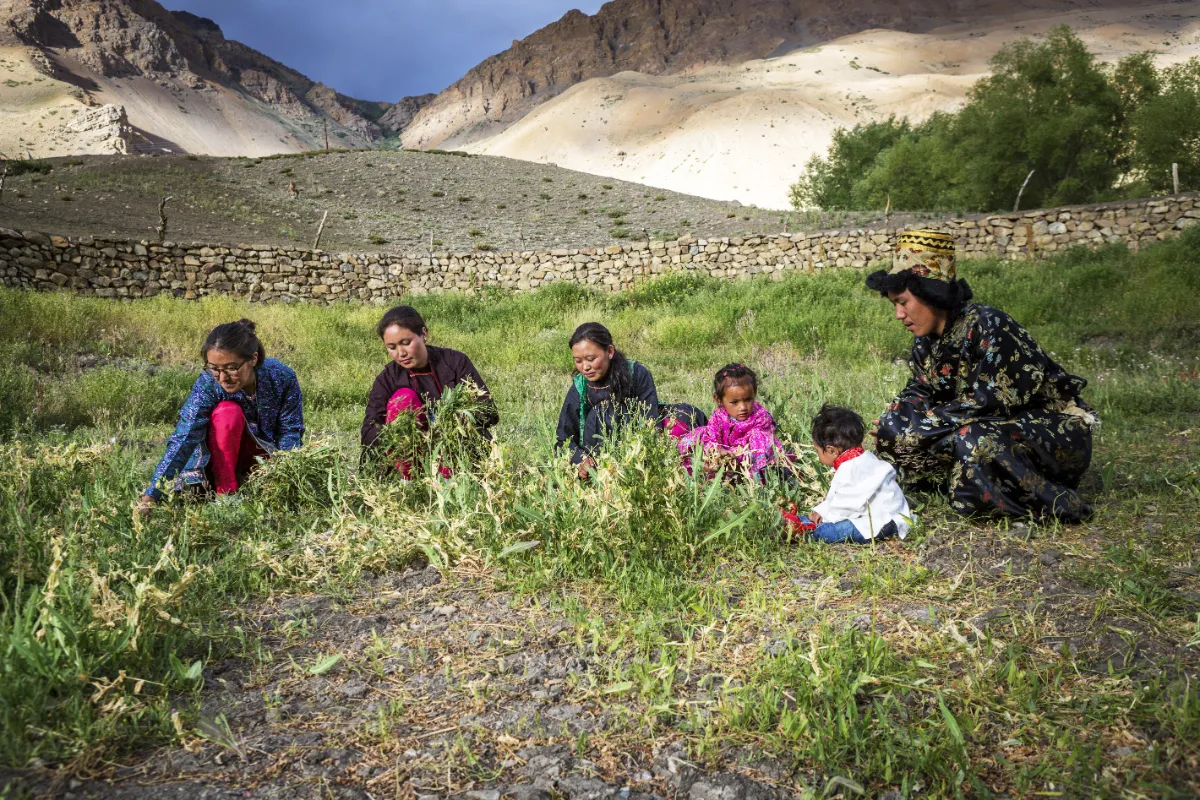
Most of them, to varying degrees. A few worth knowing:
Some do. Younger residents with jobs or education in Shimla, Manali, or bigger cities often leave before the passes close and return in spring. What remains is a smaller, older, more rooted population, the people who have always stayed, the ones who know how to read the weather and manage six months of near-complete isolation without panic.
The concern is that this pattern is becoming permanent for younger generations. Many are not returning after education or city jobs. The population of several villages has been quietly shrinking for years.
Comfort is overrated here, experience these raw Things to do in Spiti Valley instead.
Spiti Valley has a population of roughly 15,000 to 18,000 people spread across a large geographic area. The density is around 2 people per square kilometre, making it one of the least populated regions in India.
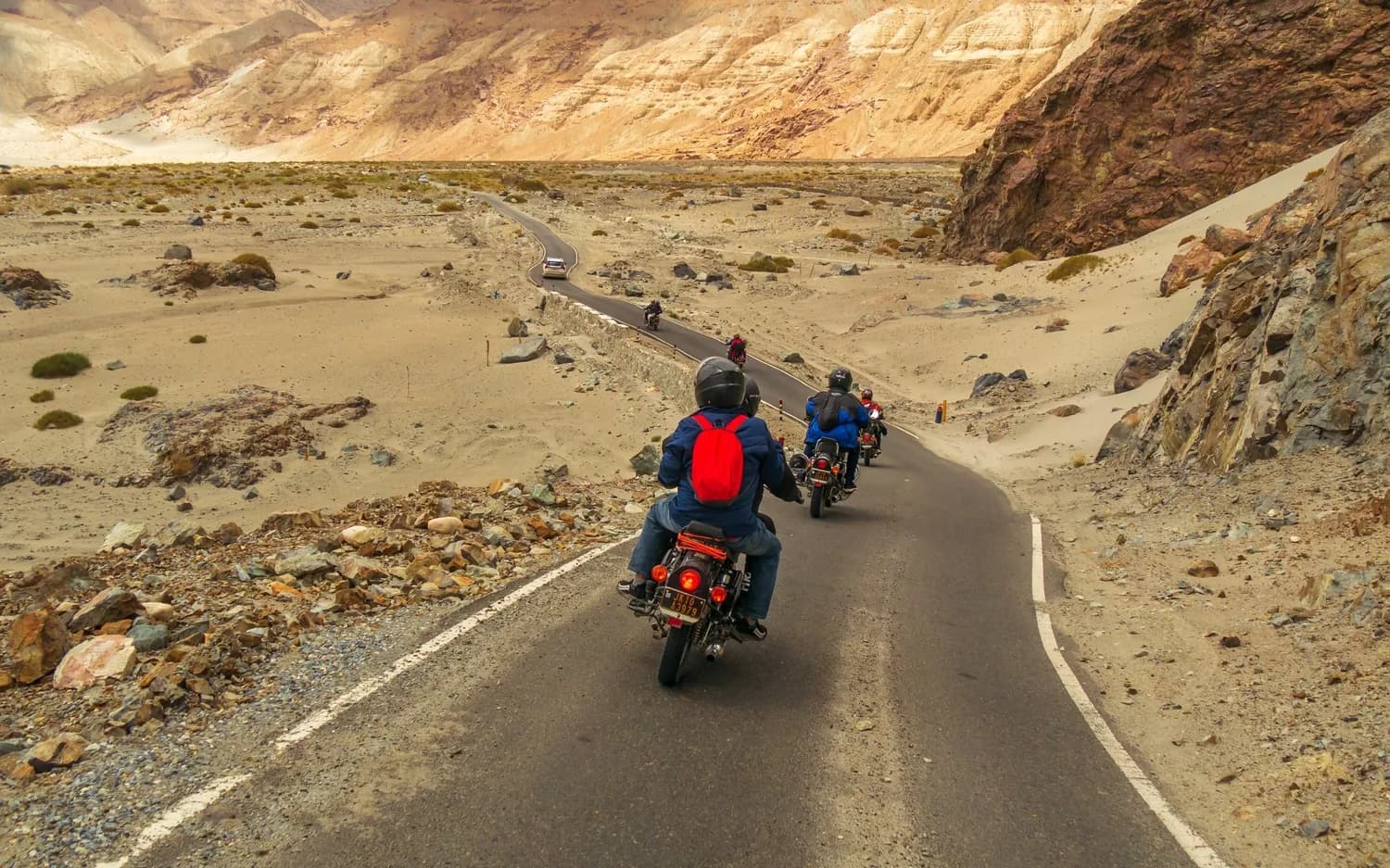
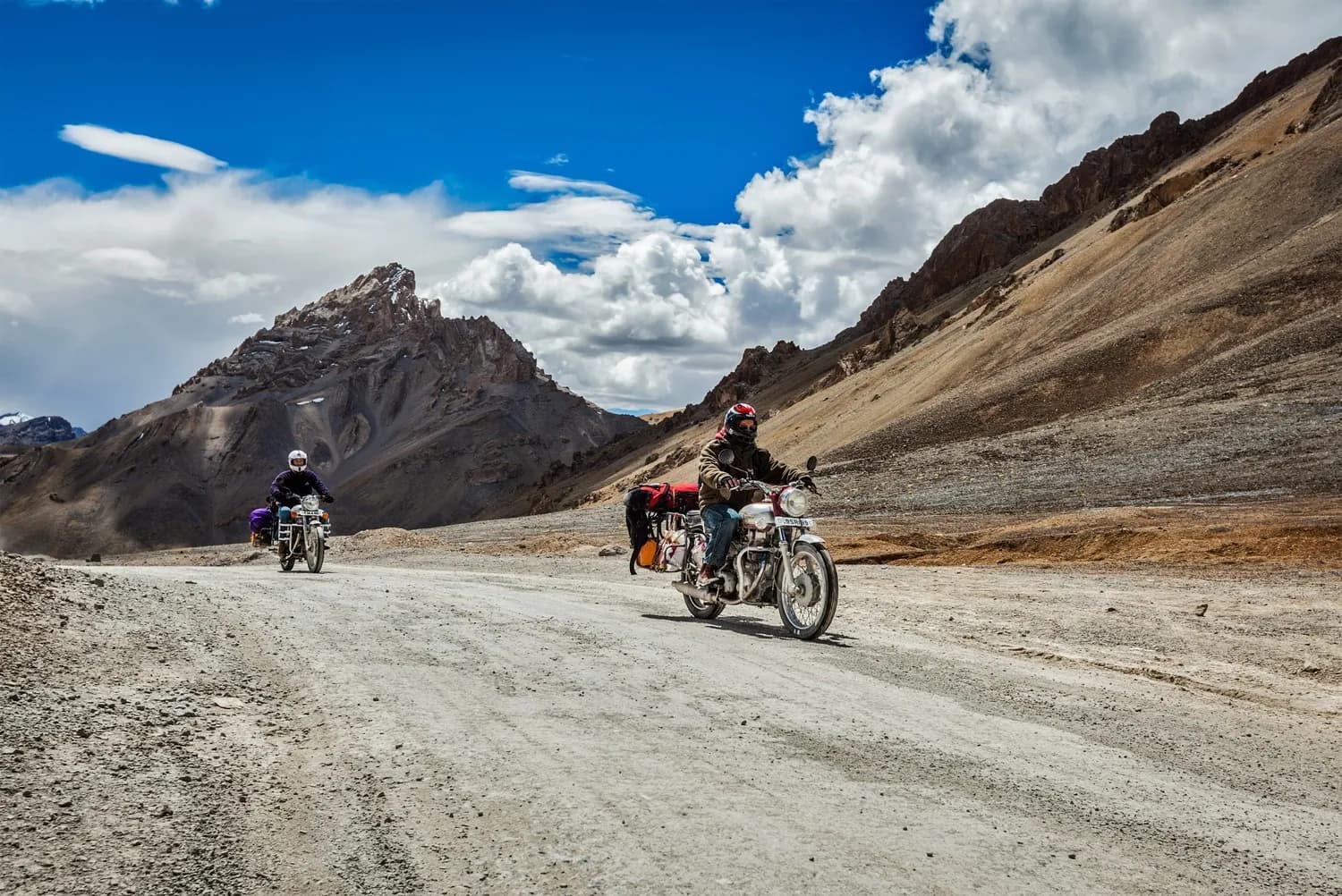
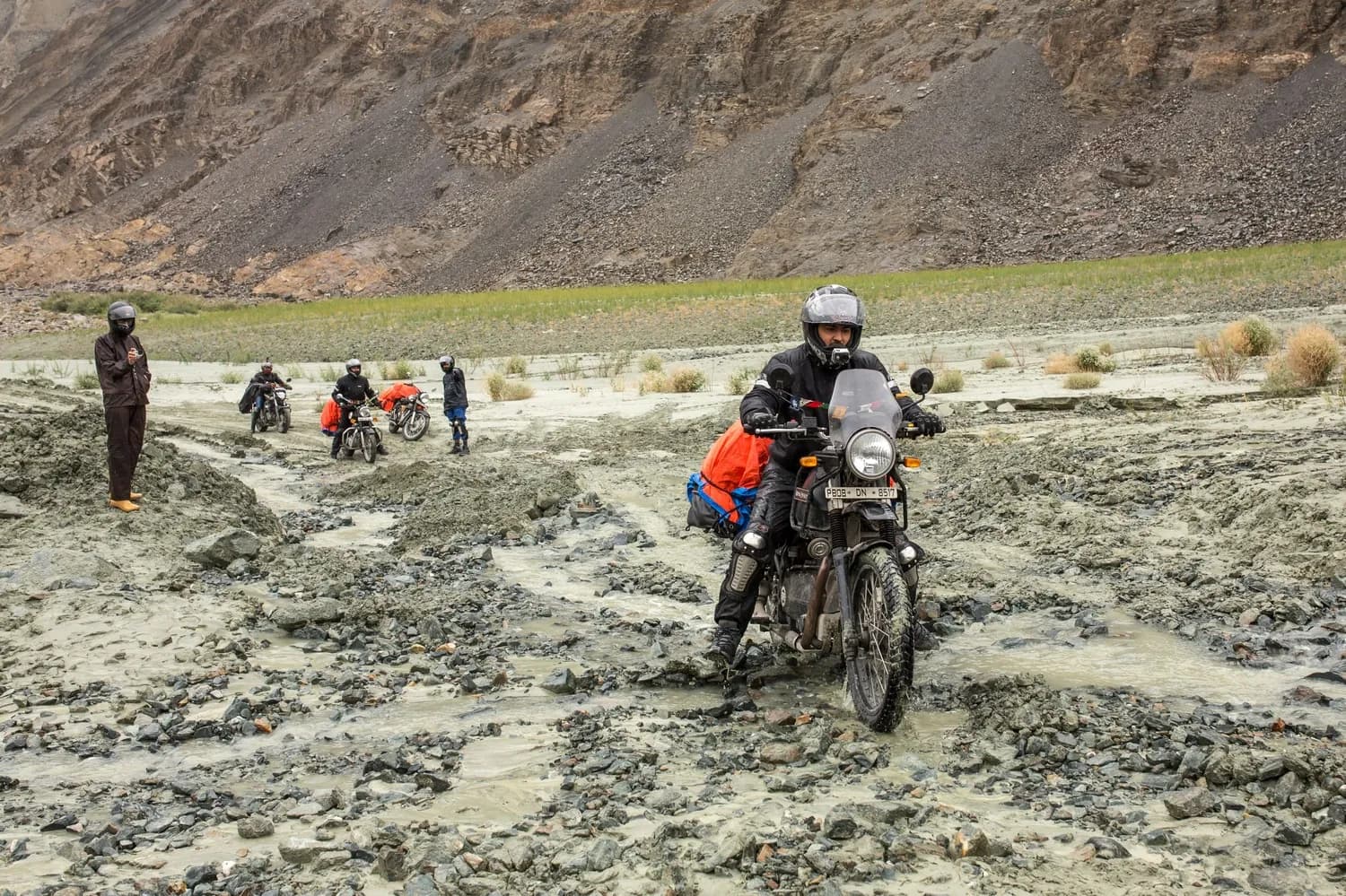
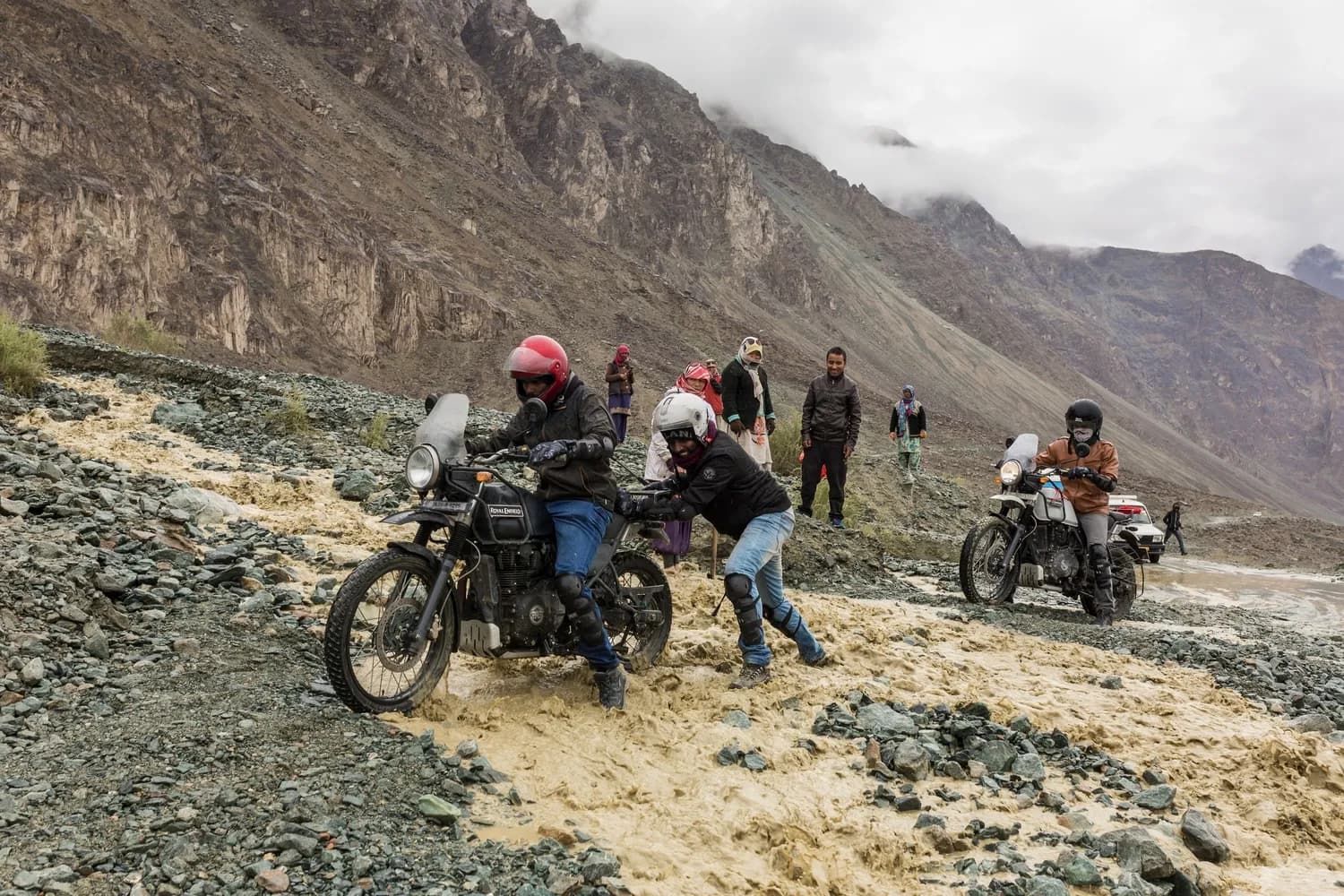
Partially. The Shimla to Kaza route stays open with difficulty. Kunzum Pass closes completely. Road conditions are unpredictable, and snowfall can block routes for days without warning.
The local language is Spiti, a Tibetan dialect. Hindi is understood in Kaza and larger villages. English is spoken by younger residents and those working in tourism.
The BSNL network in Spiti Valley is the only reliable option. Postpaid BSNL gives you the best chance of staying connected, especially in Kaza and nearby villages. Other networks either drop completely or give such weak signals that calls do not go through. Get a BSNL postpaid SIM before entering the valley. Do not assume your current SIM will work.
The Jio network in Spiti Valley is largely unreliable. In Kaza, you might catch a weak Jio signal occasionally, but do not count on it for calls or data. In villages like Langza, Kibber, or Hikkim, Jio stops working completely. If Jio is your only SIM, pick up a BSNL postpaid connection before the trip.

May 25, 2026
May 25, 2026
May 25, 2026
May 23, 2026
May 23, 2026