

 5 Minutes
Spiti is not the kind of place where you come expecting fancy food streets. Spiti is a remote region, and its isolation has shaped its food culture. Food in Spiti exists because survival here is difficult. The weather is brutal for half the year, farming is limited, and ingredients are not easily available. That is exactly why local meals feel honest, warm, and surprisingly comforting after long drives at 14,000 feet.
If you are planning to explore local culture through food, these authentic foods in Spiti Valley deserve a place in your Spiti Valley Packages. Let’s discuss the list of 10 real and authentic foods that are consumed by locals throughout the year.
₹20,999
per person
First of all, do you know why Spiti Valley’s food is very different from places like Manali, Kasol, or Shimla? Here, Tibetan influence dominates local kitchens, which is why meals are simpler, warmer, and designed for harsh Spiti Valley weather rather than restaurant-style presentation.
The growing season is extremely short, so locals depend heavily on barley, potatoes, peas, yak dairy, preserved vegetables, and meat. You will notice fewer spices and almost no oily gravies compared to North Indian food.
Locals’ eating habits change at high altitude. Suddenly, soups, steamed breads, and butter tea start making more sense than heavy restaurant meals.
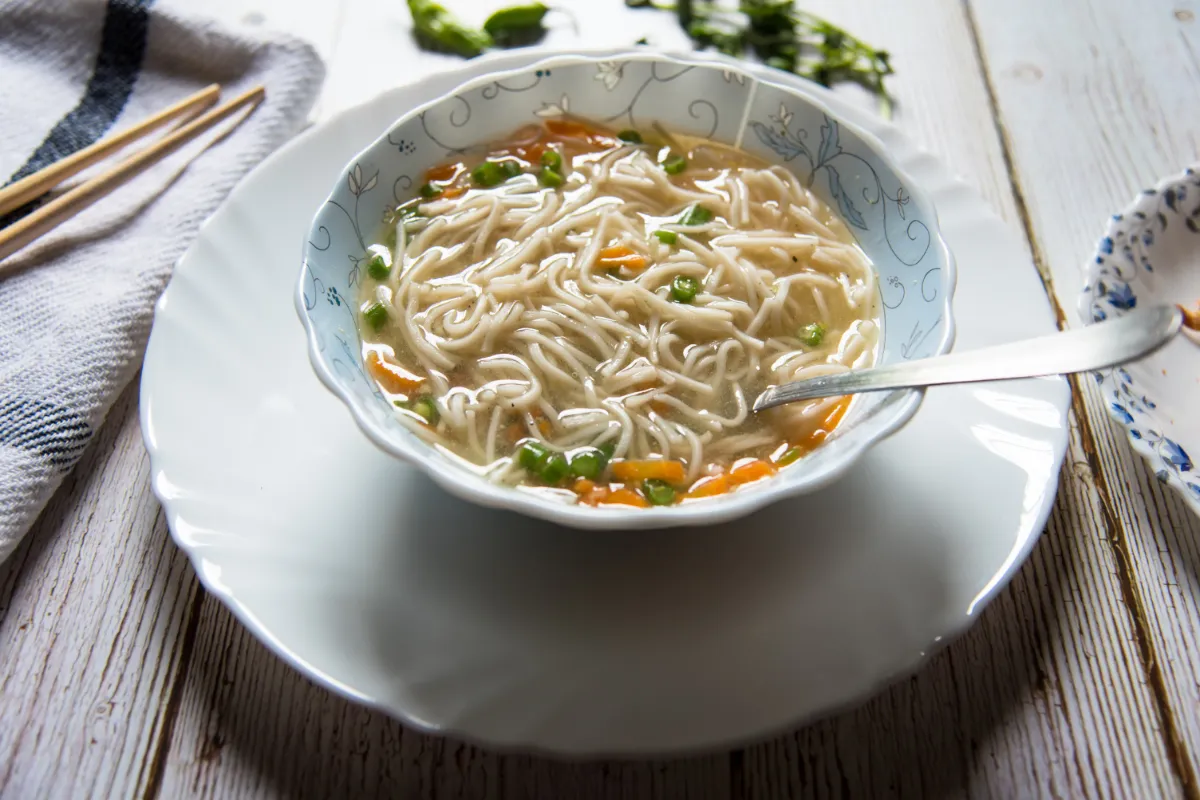
Thukpa is probably the first local dish most travelers try in Spiti, and for good reason. This hot noodle soup comes loaded with vegetables, herbs, and sometimes chicken or meat.
Roadside dhabas between Kaza and Tabo serve some surprisingly good versions. The broth here tastes lighter and cleaner than the heavily spiced restaurant versions found in cities.
A lot of travelers underestimate how tiring altitude becomes until they sit down with steaming Thukpa after crossing Kunzum Pass. It remains the most searched comfort food in Spiti Valley.
Tingmo is a soft steamed Tibetan bread usually served alongside curries, soups, or vegetable dishes. It's light, airy, and spongy. It has a mild, slightly sweet taste that makes it highly versatile. It looks basic, but it works perfectly in Spiti’s cold climate because it feels light and filling at the same time.
Many monasteries and homestays still prepare Tingmo traditionally by hand. Unlike fried breads, it sits comfortably on the stomach even at high altitude.
Interestingly, some cafés in Kaza have started serving it with mushroom gravy and local herb sauces for tourists. But honestly, the homemade versions still taste better. You can find it in your homestay in Spiti Valley.
Butter tea is the most misunderstood drink in Spiti. It is salty, buttery, and completely different from normal Indian chai. Most tourists take one sip and immediately look confused.
But after cold mornings in Langza or Hikkim, people slowly understand why locals drink it constantly. The yak butter provides warmth and energy during freezing temperatures.
You may not love it instantly, but it becomes part of the experience. And unlike tourist café beverages, butter tea tells you something real about life in Spiti.
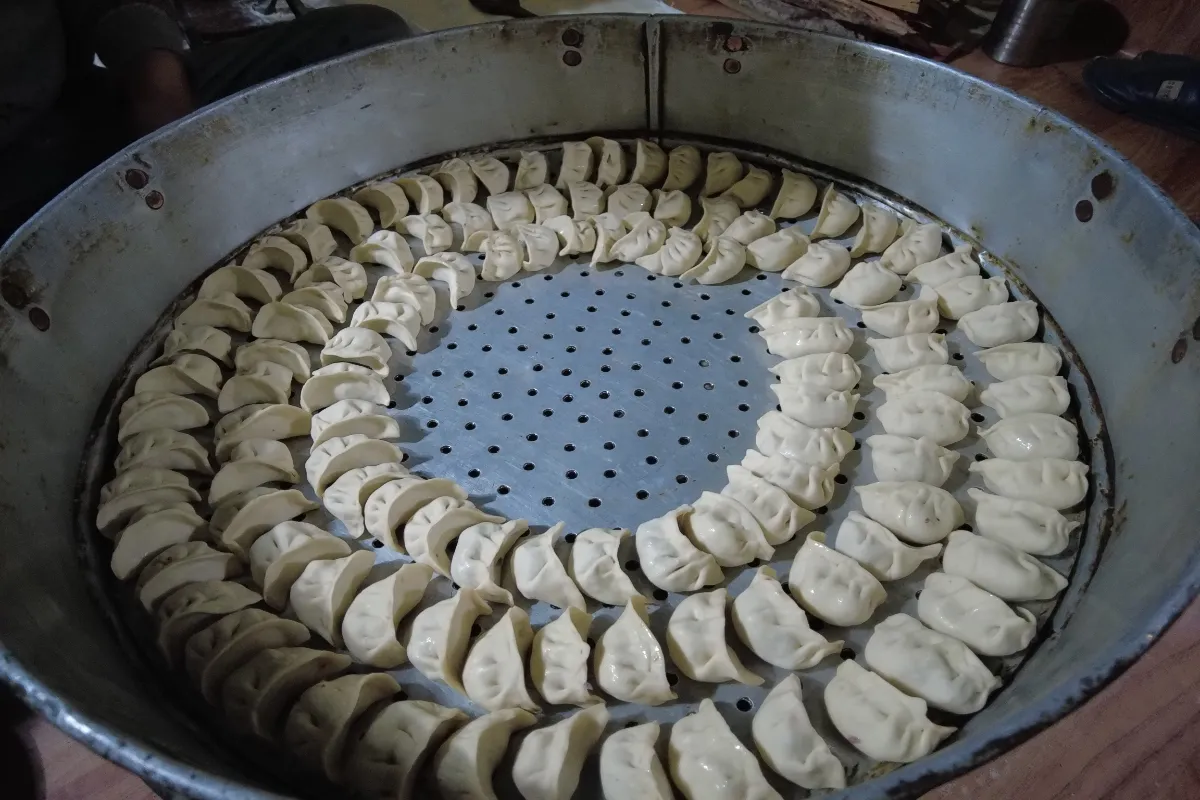
Spiti-style momos are very different from the overloaded street-style versions found in cities. The outer layer is usually thicker, the fillings are simpler, and the chutney tastes more homemade than commercial. Here, you will notice that you have been eating the wrong chutney for years, until you taste the same chutney here.
You will find both vegetarian and meat options across Kaza, Tabo, and small village cafés. The best ones are often served inside family-run kitchens rather than trendy tourist cafés.
One noticeable difference is the lack of excessive oil or masala. The flavors stay clean and comforting, which works better in high-altitude weather.
Chhang is a traditional, mildly alcoholic fermented barley-based drink commonly consumed in Spiti villages during festivals and social gatherings. It has deep cultural importance and is often offered to guests as a gesture of hospitality.
The flavor can feel unfamiliar initially, especially for first-time travelers, but locals consider it an important part of mountain culture. In remote villages, sharing Chhang is less about drinking and more about community conversations during cold evenings.
This is where Spiti reveals itself slowly, explore the most unforgettable Places to Visit in Spiti Valley.
Skyu is one of those dishes most tourists accidentally miss because it rarely appears on café menus. It is made using handmade wheat dough pieces cooked slowly with vegetables and sometimes meat.
Trekkers and bikers absolutely love it after exhausting travel days because it feels heavy, warm, and filling without being overly spicy. Honestly, the best Skyu is usually served inside homestays. Travelers rushing through Spiti often focus only on viewpoints and completely miss authentic local dishes like this.
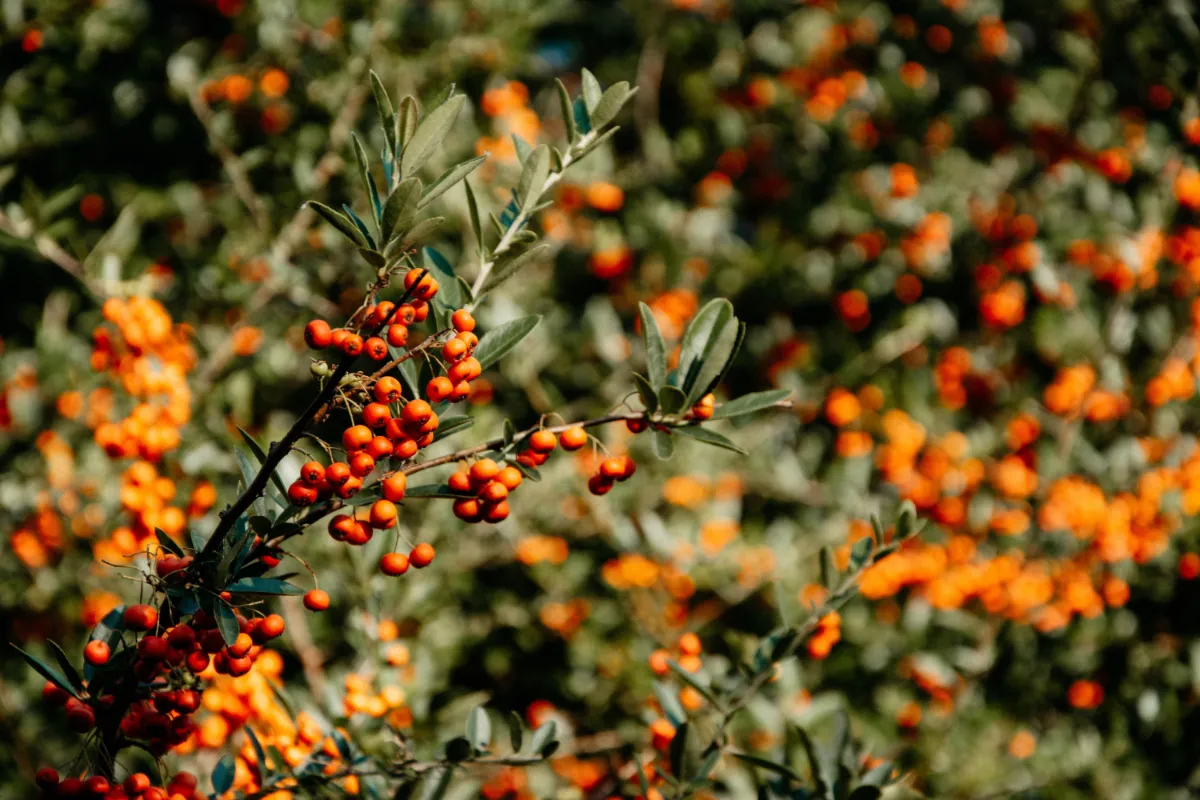
This food in Spiti grows naturally in the cold desert terrain of Spiti and has become an increasingly popular fruit among travelers. The juice tastes slightly sour and sharp, which surprises many people initially.
Locals talk about its health benefits and energy-boosting properties. This is their replacement for sugary packaged drinks; this actually feels refreshing. Many bikers who know about this carry bottled Sea Buckthorn juice during long rides through remote routes.
As cows are uncommon in high-altitude places like Spiti, yaks are the common source of dairy products. In higher villages near Kibber and Komic, travelers sometimes get the chance to try local yak cheese and dairy products. The texture is stronger and firmer compared to regular cheese.
However, its availability depends heavily on the season, so not everyone gets lucky enough to try authentic versions. What makes these products special is not luxury, but the effort required to produce dairy in such extreme weather conditions.
Madra is a traditional Himachali dish made using chickpeas and yogurt-based gravy. While it is more common in lower Himachal regions, you still find versions of it in parts of Spiti.
This dish reflects the cultural crossover between Tibetan and Himachali food traditions. The flavors are richer compared to most Spitian dishes but still less spicy than standard North Indian curries. It is one of the few dishes that shows how Spiti’s food culture slowly changes as you move across different regions.
Many travelers do not expect Spiti to have good bakery culture, but cafés in Kaza have evolved rapidly in recent years. There, you can find homemade apricot jam which is one of the most loved local specialties among tourists.
The flavor tastes fresher and far less sugary than packaged market jams. Homestays often serve it with toast, pancakes, or local bread during breakfast.
The food in Spiti is not luxurious, and honestly, that is exactly why people remember it. You remember the hot soup because the weather was freezing. You remember the butter tea because there was nothing else around for miles. And you remember the people serving the food because hospitality in the mountains feels genuine.
If you are planning a Spiti Valley trip, Viacation can help you explore local stays, authentic food experiences, and updated itineraries that go beyond regular tourist stops.
The same place feels completely different in different months, choose the best time to visit Spiti Valley.
Thukpa and momos are among the most famous local dishes in Spiti Valley. Travelers also love Skyu, butter tea, and Sea Buckthorn juice for authentic mountain food experiences.
Yes, vegetarian food is widely available across Spiti. Most cafés, homestays, and local kitchens serve vegetable-based soups, noodles, momos, breads, and potato dishes.
Butter tea and Sea Buckthorn juice are two of the most famous drinks in Spiti Valley. Chhang is also a traditional local beverage popular during festivals and gatherings.
Café prices in Spiti have increased slightly in 2026 due to growing tourism and transportation costs. However, local homestays still offer affordable and authentic meals.
Yes, many homestays and village guesthouses allow travelers to try homemade local food. In fact, some of the best authentic meals in Spiti are served inside family kitchens rather than tourist cafés.

May 25, 2026
May 25, 2026

May 25, 2026
May 23, 2026
May 23, 2026