

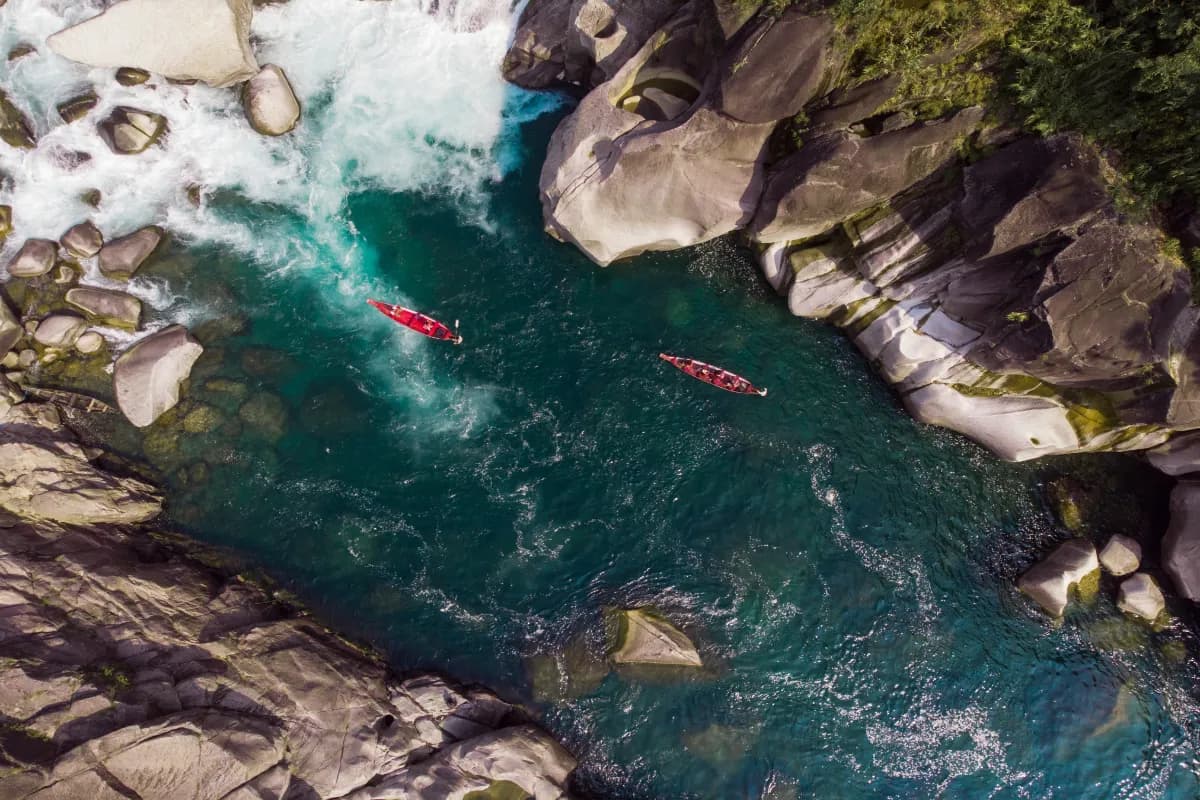
Spiti Valley Package from Pune
Pune has always produced a different kind of traveller. Someone who has already done Goa and Coorg, knows Himachal from the usual circuit, and is now looking for something that actually demands something back. Spiti Valley is exactly that place.
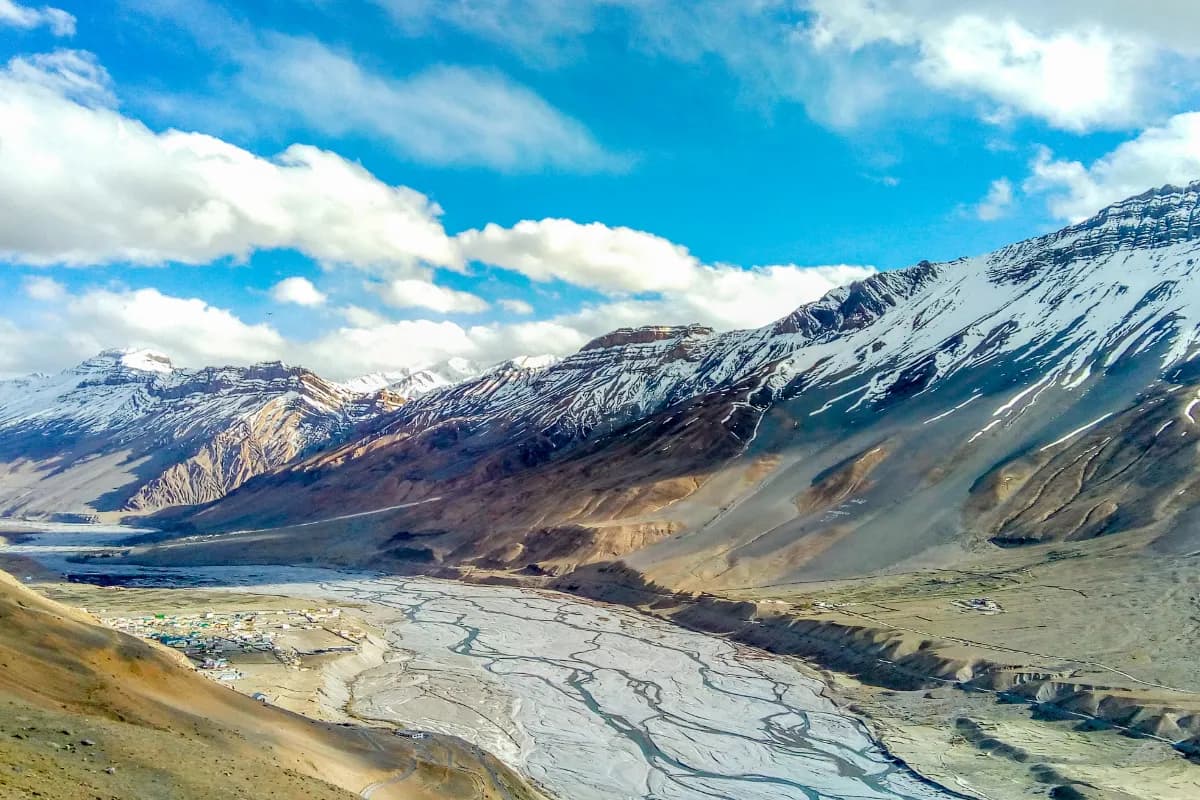
At over 12,500 feet above sea level, deep inside Himachal Pradesh, Spiti is a cold desert that looks like it belongs to a different planet. Brown mountains, turquoise rivers, ancient monasteries, and villages so high that the world below them genuinely disappears. It is the kind of place people in Pune spend months researching, half-planning, and then finally committing to when they are ready for the real thing.
A Spiti Valley package from Pune with Viacation takes all the complexity out of that commitment. Our Spiti Valley packages are built for real travellers, not generic tour groups. Customised itineraries, verified mountain transport, experienced local guides, and 24x7 ground support from the moment you land in Delhi or Chandigarh. Our packages start at ₹18,000 per person and are transparent on pricing with no add-on surprises.
This summer, Spiti is fully open and the valley is at its most accessible. If this is the trip you have been putting off, it is time to stop doing that.
Pune to Spiti: Better Connected Than You Think
Most Pune travellers assume Spiti is a logistics nightmare to reach from the Deccan plateau. The reality is more straightforward. A 2 to 2.5 hour direct flight from Pune International Airport gets you to Delhi or Chandigarh. From there, the road to Kaza follows two well-established routes. IndiGo, Air India, and IndiGo operate daily direct flights from Pune to Delhi on this corridor.
Other operators offer fixed departure group tours on standard dates. Viacation's Spiti Valley package from Pune is built around your schedule. You choose your departure date, your travel style, and how much or how little is packed into each day. We handle the rest from your Delhi or Chandigarh arrival onward.
Book your Spiti Valley package from Pune now and get the best deals with a fully customised itinerary.
Quick Facts About Spiti Valley
- Location: Lahaul and Spiti District, Himachal Pradesh
- Altitude: 12,500 ft (Kaza) to 15,059 ft (Kunzum Pass)
- Distance from Delhi to Kaza: Approx. 730 km via Manali / 650 km via Shimla
- Flight from Pune to Delhi: 2 to 2.5 hours
- Language: Spitian, Hindi
- Mobile Network: BSNL works in most areas, other networks unreliable
- Best Season: June to October
- ATMs: Available in Kaza, carry cash from Delhi or Chandigarh
- Permit: Indians do not need a permit. Foreign nationals need a Protected Area Permit (PAP)
Best Time to Visit Spiti from Pune
The Shimla route into Spiti is open throughout the year, while the Manali route runs from mid-June to mid-October. Pune travellers flying into Delhi or Chandigarh can plan around either window.
Summer (June to September) — The Best Season for Spiti
Both routes are fully open, all major attractions are accessible, and the spiti valley in summer experience is the most complete version of what the valley offers. Days are clear and warm, nights are cold, and the roads are at their most stable. First-time visitors should plan their Spiti Valley package from Pune around this window.
- Temperature: 10°C to 25°C (day) / 2°C to 8°C (night)
- Ideal for: First-time visitors, road trips, spiti valley trekking, Chandratal camping, monastery circuits, spiti in july and spiti in august travel
Autumn (October to November) — Quieter, Sharper, More Personal
Tourist numbers drop after September, the valley turns golden, and the visibility across the mountain ranges is extraordinary. The Manali route starts closing by mid-October but the Shimla side stays passable. Ideal for photographers and travellers who want Spiti without the summer crowd.
- Temperature: 0°C to 15°C (day) / -5°C to 2°C (night)
- Ideal for: Photography, slow travel, Dhankar Lake trek, spiti in october and spiti in november trips
Winter (December to March) — Extreme but Extraordinary
Only the Shimla route stays open in winter and conditions are genuinely harsh. Temperatures drop below -20°C at night, most guesthouses close, and the valley operates at a fraction of its summer capacity. For experienced travellers who come specifically for snow leopard sightings around Kibber Village and want Spiti entirely to themselves, spiti valley in winter delivers something no other season can.
- Temperature: -10°C to 5°C (day) / -20°C and below (night)
- Ideal for: Snow leopard expeditions, extreme adventure, experienced high-altitude travellers
How to Reach Spiti Valley from Pune
Spiti has no airport or railway station of its own. All roads into the valley eventually lead through Manali or Shimla. From Pune, the journey combines a short flight with a scenic and unforgettable road trip.
By Air
Fly from Pune International Airport (PNQ) to Indira Gandhi International Airport, Delhi (DEL) or Chandigarh Airport (IXC). IndiGo, Air India, and Vistara operate regular direct flights on both routes with a flight time of around 2 to 2.5 hours. Delhi is the more common transit hub as it has better connectivity onward to Manali and Shimla.
From Delhi, you can take a connecting flight to Bhuntar Airport (KUU) near Kullu, which is roughly 245 km from Kaza. However, Bhuntar has very limited and weather-dependent operations. Most travellers prefer flying into Delhi and continuing by road via Manali or Shimla.
By Road
There are no direct road options from Pune to Spiti. After flying into Delhi or Chandigarh, the onward road journey begins. Overnight Volvo buses from Delhi to Manali (13 to 14 hours) and Delhi to Shimla (10 to 11 hours) are the most practical options. Tempo travellers are available for group bookings from both cities onward into the valley.
- Route 1 (via Manali): Pune to Delhi (flight) to Manali to Atal Tunnel to Kunzum Pass to Kaza
- Route 2 (via Shimla): Pune to Delhi (flight) to Shimla to Kinnaur to Nako to Tabo to Kaza
- Ideal for: Groups and independent travellers comfortable with long-distance overnight bus journeys
By Train
From Pune, trains like the Pune-Delhi Rajdhani Express (12263) and the Duronto Express connect to Delhi in around 24 to 26 hours. From Delhi, the standard onward route by road applies. The train option is popular with budget-conscious travellers or those who prefer a slower, more gradual travel pace before reaching the mountains.
All Viacation Spiti Valley packages from Pune include mountain transport and an experienced driver from your Delhi or Chandigarh arrival point, so the transition from city to high-altitude terrain is completely organised on our end.
Manali or Shimla — Which Route Should Pune Travellers Choose?
Your experience of Spiti depends entirely on the route you take. Most Pune travellers fly into Delhi first, and from there the two routes into Spiti offer very different journeys. Choosing between them depends on your travel dates, how adventurous you want the road section to feel, and how much of Kinnaur you want to see.
Pune to Spiti via Delhi, Manali and Kunzum Pass
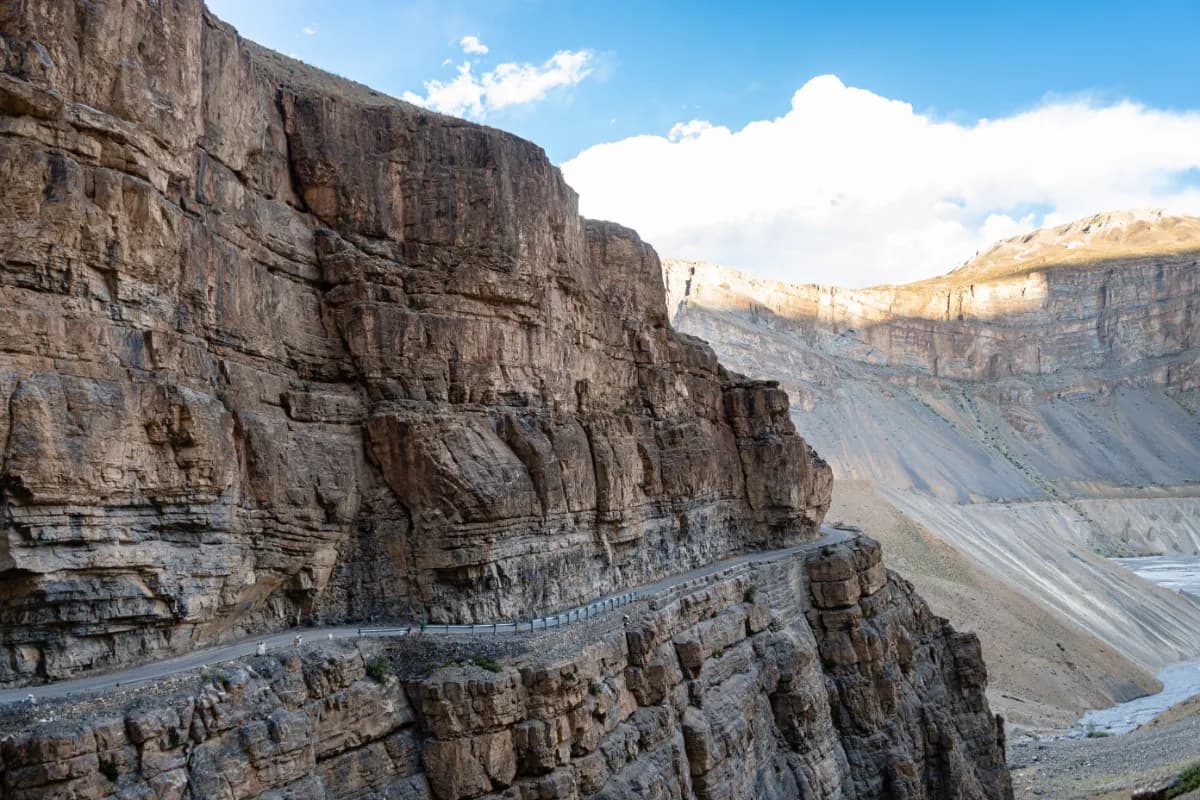
This is the shorter, more dramatic option. After flying into Delhi and taking an overnight bus to Manali, you pass through the Atal Tunnel into Lahaul and climb to Kunzum Pass at 15,059 feet before descending into Spiti. The landscape shifts from lush Himalayan green to a cold desert within a few hours. The sense of arrival into Kaza from this side is something most travellers describe as genuinely unlike anything else in India.
1. Best Time: Mid-June to mid-October
2. Total Distance: Approx. 1,840 km (Pune to Kaza via Delhi and Manali)
3. Travel Time: 3 days including flight and road journey
4. Difficulty: High (water crossings, Kunzum Pass climb, loose terrain)
5. Full Route: Pune to Delhi to Chandigarh to Manali to Atal Tunnel to Gramphu to Kunzum Pass to Losar to Kaza
6. Route Highlights:
- Atal Tunnel, the world's longest highway tunnel above 10,000 ft
- Kunzum Pass at 15,059 ft with sweeping views of Lahaul and Spiti
- Chandra Taal Lake as an optional overnight camping stop before Kaza
- Chacha Chachi Dhaba at Batal, a beloved stop for every road tripper on this route
Pune to Spiti via Delhi, Shimla and Kinnaur
This route is longer but open through the year and far gentler in altitude gain. It takes you through the Kinnaur Valley, past Chitkul Village (the last Indian village before Tibet), Kalpa with Kinner Kailash views, Nako Lake, Gue Monastery, and Tabo Monastery before the terrain shifts into Spiti's cold desert. The best option for first-time Spiti travellers, families, or those travelling between October and May.
1. Best Time: Open year-round, best from April to November
2. Total Distance: Approx. 1,900 km (Pune to Kaza via Delhi and Shimla)
3. Travel Time: 3 to 4 days including flight and road journey
4. Difficulty: Moderate (well-surfaced roads, occasional landslide-prone sections during monsoon)
5. Full Route: Pune to Delhi to Shimla to Narkanda to Rampur to Sangla to Kalpa to Nako to Tabo to Kaza
6. Route Highlights:
- Chitkul Village and the Hindustan Ka Akhri Dhaba
- Kalpa with direct views of Kinner Kailash at sunrise
- Nako Lake, a quiet high-altitude lake in Kinnaur
- Gue Monastery and its 500-year-old preserved mummy
- Tabo Monastery, 1,000 years of continuous Buddhist practice
Things to Know Before You Enter Spiti
Spiti is not a place that tolerates under-preparation. No matter how experienced a traveller you are, the altitude, remoteness, and lack of connectivity catch most people off guard on their first visit.
Travel Tips
- Carry sufficient cash from Delhi or Chandigarh. ATMs in Kaza run out frequently and there are none beyond the town.
- BSNL is the only mobile network inside Spiti. Download offline maps before entering the valley.
- Acclimatise properly. A rest day in Manali or Shimla makes a significant difference to how you feel in Kaza.
- Carry Diamox and consult a doctor before the trip if you have any respiratory or cardiac concerns.
- A new SADA toll of ₹500 applies to four-wheel-drive vehicles entering Spiti via the Sumdo checkpost. Carry cash specifically for this.
- Start each driving day early. High-altitude afternoons can bring sudden cloud cover and wind.
- Keep your fuel tank full at every opportunity. Petrol pumps are very limited inside the valley.
Things to Pack
- Heavy woollens and thermals (nights are cold even in June and July at altitude)
- Windproof and waterproof outer jacket
- Comfortable trekking shoes with ankle support
- Sunscreen SPF 50+ and UV-protection sunglasses
- Lip balm and moisturiser
- Power bank and extra charging cables
- Offline maps downloaded for Himachal Pradesh
- Valid government photo ID (Aadhar card)
- Sufficient cash in smaller denominations
- Personal medication, Diamox, and a basic first aid kit
Best Places to Visit on Your Spiti Valley Trip from Pune
Pune travellers tend to be curious, well-researched, and keen on going beyond the obvious stops. Here are the places to visit in Spiti that justify the journey from the Deccan.
Key Monastery
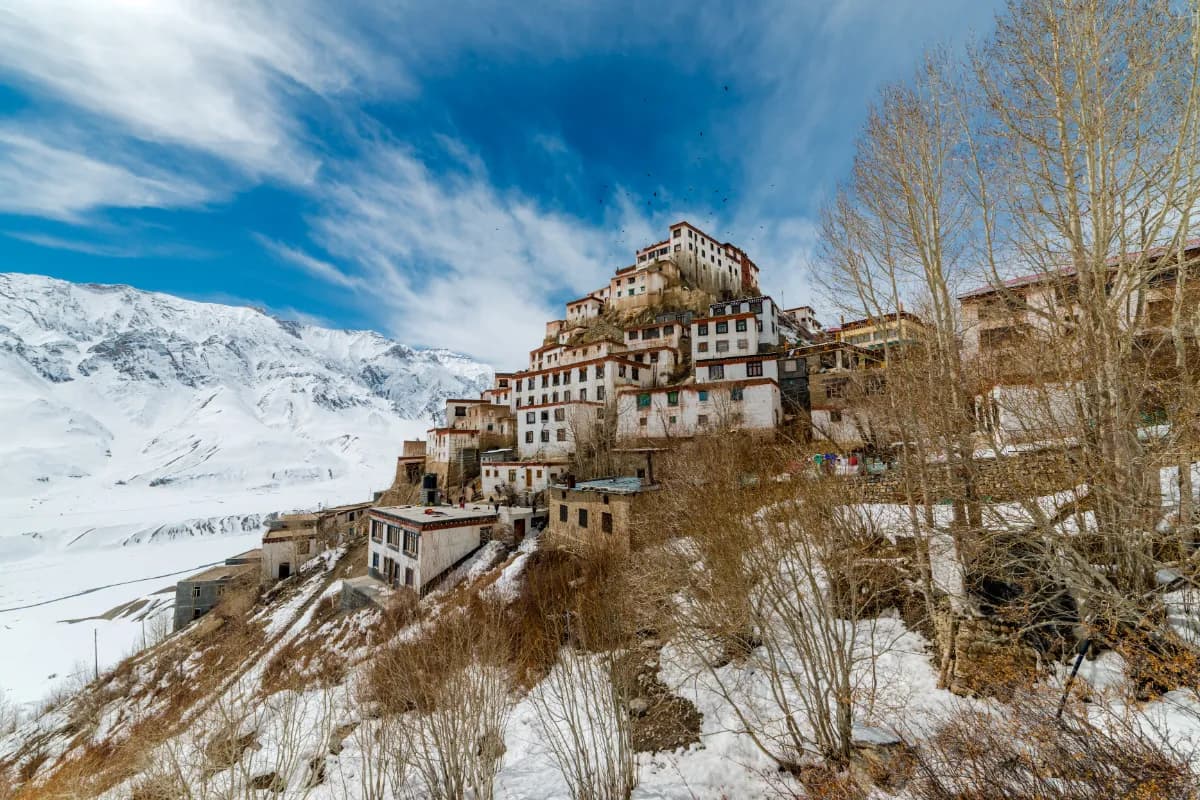
The largest monastery in Spiti sits on a rocky hilltop at 4,166 metres overlooking the Spiti River. It dates back to the 11th century, houses over 300 monks, and holds rare manuscripts, ancient murals, and a history of surviving Mongol invasions and earthquakes. An early morning visit gets you there before the tour groups and gives you a chance to watch the monks at prayer. The view of the Spiti River below is exceptional.
Chandratal Lake
At 4,300 metres, this crescent-shaped lake has water that shifts between deep blue and turquoise depending on the hour. Camping at Chandratal is the experience most Spiti travellers describe as the highlight of their entire trip. The night sky above the lake on a clear evening is extraordinary. Book your campsite well in advance during peak season.
Hikkim, Komic, and Langza Circuit
Three extraordinary villages done in a single day from Kaza. Hikkim Village has the world's highest post office. Komic Village at 4,587 metres is among the highest motorable villages on the planet. Langza Village sits beside a giant Buddha statue with marine fossils visible in the hills around it, evidence that this entire landscape was once an ocean floor.
Tabo Monastery
One of the oldest active Buddhist monasteries in the world, Tabo has been in continuous operation for over 1,000 years. The mud-structured complex holds ancient murals, statues, and meditation caves used by monks to this day. The Dalai Lama has described it as the Ajanta of the Himalayas. For Pune travellers with an interest in history or culture, this is one of the most significant stops on the entire route.
Pin Valley National Park
Pin Valley is the wilder, quieter counterpart to the more-visited parts of Spiti. The drive in takes you past barley fields and small stone villages before opening into a wide valley with snow peaks on every side. Mud Village at the end of the road is one of the most photogenic spots in the region. Kungri Monastery inside the park is one of the oldest Nyingma monasteries in Spiti and almost never crowded.
9-Day Spiti Valley Itinerary from Pune (Summer Circuit)
Day 1: Pune to Delhi
Fly from Pune to Delhi. Use the evening to rest, stock up on cash, and board an overnight Volvo bus to Manali or Shimla depending on your route choice.
Day 2: Arrive Manali — Acclimatise
Reach Manali by morning. Check in and spend the day resting. A slow evening walk through Old Manali is enough activity for today. Your body needs this buffer before the altitude starts climbing.
Day 3: Manali to Kaza via Atal Tunnel and Kunzum Pass
Early start. Drive through the Atal Tunnel, cross the Chandra River valley, stop at the Chacha Chachi Dhaba in Batal, and climb to Kunzum Pass at 15,059 feet. Descend into Spiti, pass through Losar, and reach Kaza by evening. Check into your hotel or homestay in Spiti Valley. Overnight in Kaza.
Day 4: Kaza — Key Monastery, Hikkim, Komic, and Langza
Morning at Key Monastery before the crowds arrive. Head out to Hikkim Village, Komic Village, and Langza Village. Return to Kaza by evening. Browse the Kaza Market before dinner. Overnight in Kaza.
Day 5: Kaza — Dhankar Monastery and Dhankar Lake
Drive to Dhankar Monastery perched on a cliff above the Spiti and Pin river confluence. Trek to Dhankar Lake, roughly 45 minutes each way. The lake is a place most travellers spend longer than planned. Return to Kaza. Overnight in Kaza.
Day 6: Kaza — Pin Valley and Kibber
Morning drive into Pin Valley National Park. Visit Mud Village and Kungri Monastery. Return and drive to Kibber Village in the afternoon. Walk toward Chicham Bridge for views of the gorge below. Overnight in Kaza.
Day 7: Kaza to Tabo
Drive from Kaza to Tabo. Spend the afternoon inside Tabo Monastery and exploring the meditation caves above the complex. This is the slowest, most culturally rich day of the trip. Overnight in Tabo.
Day 8: Tabo to Chandratal Lake
Drive from Tabo back toward Kaza and continue toward Chandratal via Losar and Batal. Reach Chandratal by afternoon. Set up camp and spend the evening at the lake. Stargazing at Spiti from this campsite is the kind of experience that makes everything before it feel like a warm-up. Overnight at campsite near Chandratal.
Day 9: Chandratal to Manali and Onward to Pune
Early morning at the lake before departure. Drive back to Manali via Rohtang Pass. Reach Manali by evening. Take an overnight bus to Delhi and fly back to Pune the following morning.
All Packages

Why Book Packages with Viacation?

Trusted by 1,00,000+ travellers

Dedicated experts to plan your trips

Secure bookings, clear cancellations

10,000+ unique trips to choose from
A minimum of 9 to 10 days is ideal. This accounts for travel days on both ends and gives you 6 to 7 full days inside the valley to cover Key Monastery, Chandratal, the village circuit, Tabo, and Pin Valley without rushing. A 12-day spiti valley itinerary covering both the Shimla entry and Manali exit is the most complete version of the trip and is worth planning if you have the leave.
A complete 9 to 10-day Spiti Valley package from Pune including return flights, all ground transport, accommodation, and guided sightseeing typically costs between ₹40,000 and ₹65,000 per person. Viacation's on-ground packages for Spiti start at ₹18,000 per person excluding flights. The final cost varies based on group size, accommodation category, and the number of days inside the valley.
Both work well from Pune. The Manali route is the more dramatic option, shorter on distance, best experienced in summer (June to October), and the preferred choice for road trippers and bikers. The Shimla route is open throughout the year, more gradual on altitude, and takes you through Kinnaur which is a destination in itself. For first-timers, the Shimla route provides better acclimatisation. Most experienced Spiti travellers do a circuit covering both, entering from one side and exiting through the other.
Yes, Spiti is safe for solo travellers. The local communities are welcoming, the spiti route is well-travelled in summer months, and most guesthouses and homestays are accustomed to solo guests. The primary risks are altitude sickness, which is manageable with proper acclimatisation, and road conditions, which are best handled with an experienced local driver. Booking through Viacation ensures both are covered.
Accommodation in Spiti ranges from basic guesthouses to comfortable hotels in Kaza and a growing number of well-run homestays in smaller villages. A homestay in Spiti Valley in villages like Kibber, Langza, or Komic gives you direct access to local life, home-cooked Spitian food, and an experience that no hotel can replicate. Luxury hotels in Spiti Valley are limited but options have improved significantly in Kaza over the last few years. Viacation selects stays based on cleanliness, location, and quality of the stay experience, not just star ratings.
