

Spiti Package from Shimla
If you are planning a trip to one of India's most dramatic landscapes, starting from Shimla gives you an advantage most travellers overlook. The Shimla route into Spiti is the only road that stays open through the year. It takes you through the lush Kinnaur Valley, past apple orchards, ancient monasteries, and deep river gorges before the terrain gradually shifts into the cold desert you came for. It is not just a route. It is a journey within a journey.
A Spiti package from Shimla with Viacation is built around this experience. Our Spiti Valley packages are designed to give you the right pace, the right stops, and none of the logistical stress that comes with planning a high-altitude trip on your own. From the moment you leave Shimla to your last night in Kaza, everything is taken care of. Verified mountain vehicles, handpicked stays, experienced local guides, and 24x7 support on ground. No hidden charges, no last-minute changes. Our spiti valley tour packages from shimla start at ₹14,000 per person and are fully customisable based on your group size, travel dates, and comfort preference.
This summer, the Kinnaur route is open, the valley is at its most accessible, and Spiti is waiting.
Why Shimla Is the Best Gateway to Spiti Valley
Shimla is not just a starting point. It is a natural acclimatisation base before you climb into higher altitudes. At 2,200 metres, spending a night here before heading into Kinnaur gives your body a proper head start. The road from Shimla to Kaza via Kinnaur is more forgiving than the Manali route, better suited for families, first-time high-altitude travellers, and those who want the journey to feel as rewarding as the destination.
Our spiti package from shimla includes a dedicated Shimla pickup, so there is no need to arrange your own transport to a starting point. We handle the entire on-ground experience from Day 1. Most other operators pick up from Chandigarh or Delhi, which means you are already spending a day just getting to the real starting line.
Book your Spiti package from Shimla now and get the best deals with a fully customised itinerary.
Quick Facts About Spiti Valley
- Location: Lahaul and Spiti District, Himachal Pradesh
- Altitude: 12,500 ft (Kaza) to 15,000+ ft (Kunzum Pass)
- Headquarters: Kaza
- Distance from Shimla to Kaza: Approx. 416 km
- Language: Spitian, Hindi
- Mobile Network: BSNL works in most areas
- Best Season: June to October (Shimla route open year-round)
- Permit: Indians require no permit. Foreign nationals need a Protected Area Permit (PAP)
- ATMs: Available in Kaza but limited. Carry cash from Shimla
When Should You Leave Shimla for Spiti?
The Shimla route into Spiti remains open throughout the year, unlike the Manali route which closes from mid-October to mid-June. This makes it the more flexible option regardless of when you plan to travel. That said, each season brings a very different Spiti.
Summer (June to September) — The Best Time to Go
Both the Shimla and Manali routes are fully open, giving you access to every corner of Spiti. The weather is stable, roads are at their best condition, and you can cover the complete Kinnaur-Spiti circuit without restrictions. Days are warm and clear, nights are cold but manageable. If it is your first time, start here.
- Temperature: 10°C to 25°C (day) / 2°C to 8°C (night)
- Ideal for: First-time travellers, families, road trips, spiti valley in summer, Chandratal camping, village circuits
Autumn (October to November) — Golden, Quiet, and Underrated
The Manali route closes by mid-October, but the Shimla road stays accessible. The valley turns amber and gold, the tourist crowd drops significantly, and the mountain air gets sharper and cleaner. This is the best season for photography and for experiencing Spiti at a slower, more personal pace.
- Temperature: 0°C to 15°C (day) / -5°C to 2°C (night)
- Ideal for: Photography, solitude, offbeat travel, Dhankar Lake trek, spiti in october and spiti in november travellers
Winter (December to March) — Remote, Extreme, Unforgettable
Only the Shimla route stays open in winter, and even that requires experience, preparation, and ideally a local guide. The valley transforms completely. Snow leopards move closer to the villages around Kibber, frozen rivers cut through barren landscapes, and Spiti becomes one of the most isolated places you can legally reach on a road. For travellers who know what they are getting into, spiti valley in winter is extraordinary.
- Temperature: -10°C to 5°C (day) / -20°C and below (night)
- Ideal for: Snow leopard expeditions, extreme winter photography, experienced mountain travellers
How to Reach Spiti Valley from Shimla
Shimla is well-connected by road, rail, and air, making it one of the easiest places in North India to reach before starting the Spiti journey.
By Road
1. By Bus: HRTC and private operators run regular bus services from Delhi, Chandigarh, and other North Indian cities to Shimla. From Shimla's Rivoli Bus Stand, HRTC buses operate to Reckong Peo and Kaza on specific days. The Shimla to Kaza bus journey takes roughly 12 to 14 hours with stops. Tempo travellers are available for group bookings from Shimla onward into Kinnaur and Spiti.
- Route: Shimla to Narkanda to Rampur to Karcham to Sangla to Kalpa to Nako to Tabo to Kaza
- Ideal for: Budget travellers and those comfortable with long road stretches
2. By Own Car or Tempo Traveller: Driving your own vehicle or hiring a tempo traveller from Shimla is the most popular choice for groups. The Shimla route is manageable for most high-clearance vehicles and even standard SUVs, unlike the more demanding Manali side. An experienced mountain driver is strongly recommended.
- Ideal for: Groups, families, road trip enthusiasts
By Air
The nearest airport to Shimla is Shimla Airport (Jubbarhatti), which has limited and seasonal flight operations from Delhi. The more reliable option is flying into Chandigarh Airport and driving to Shimla (around 110 km, 3 hours). From Shimla, your road journey into Spiti begins.
By Rail
Kalka Railway Station is the nearest broad-gauge railhead. From here, you can take the iconic Kalka-Shimla Toy Train (a UNESCO World Heritage railway) up to Shimla, or hire a taxi for a quicker road transfer. Trains like the Kalka Shatabdi (12005) from Delhi connect well to Kalka.
All Viacation lahaul spiti tour packages from shimla include dedicated mountain vehicles with experienced drivers from your Shimla pickup point, so the transition from arrival to adventure is completely smooth.
The Shimla to Spiti Route: What to Expect on the Road
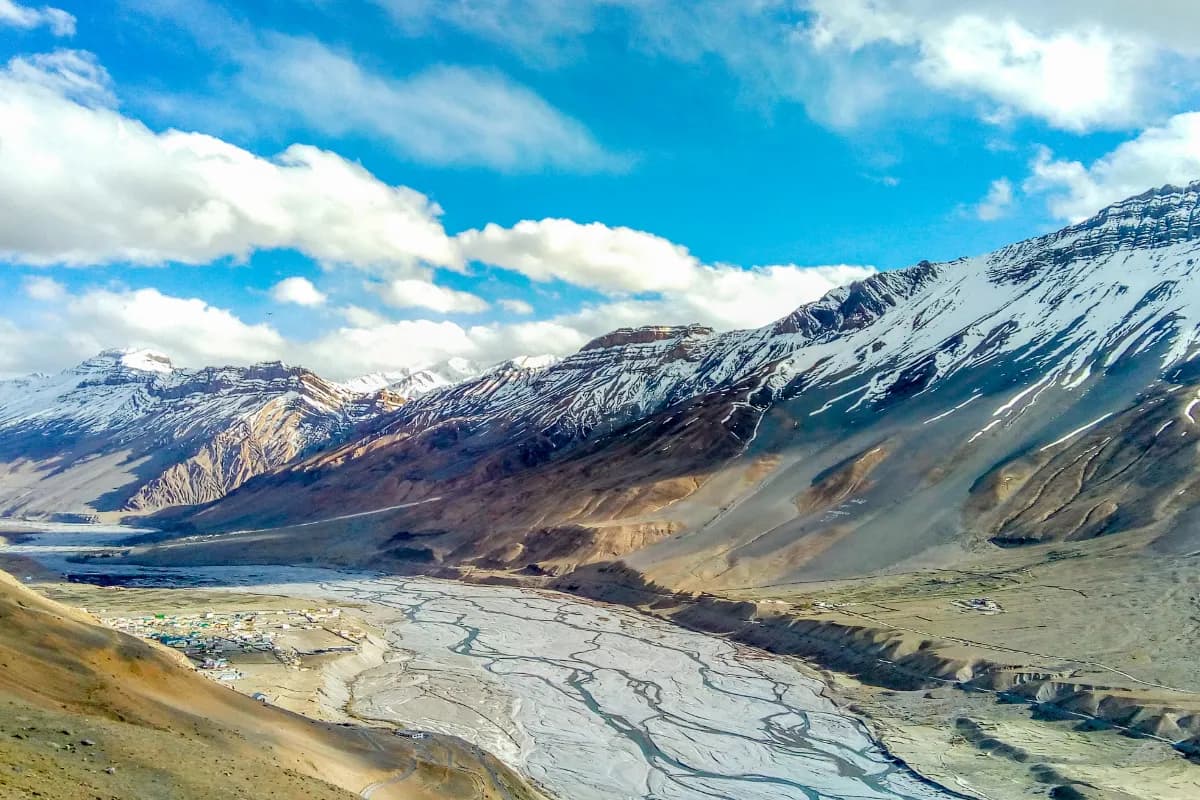
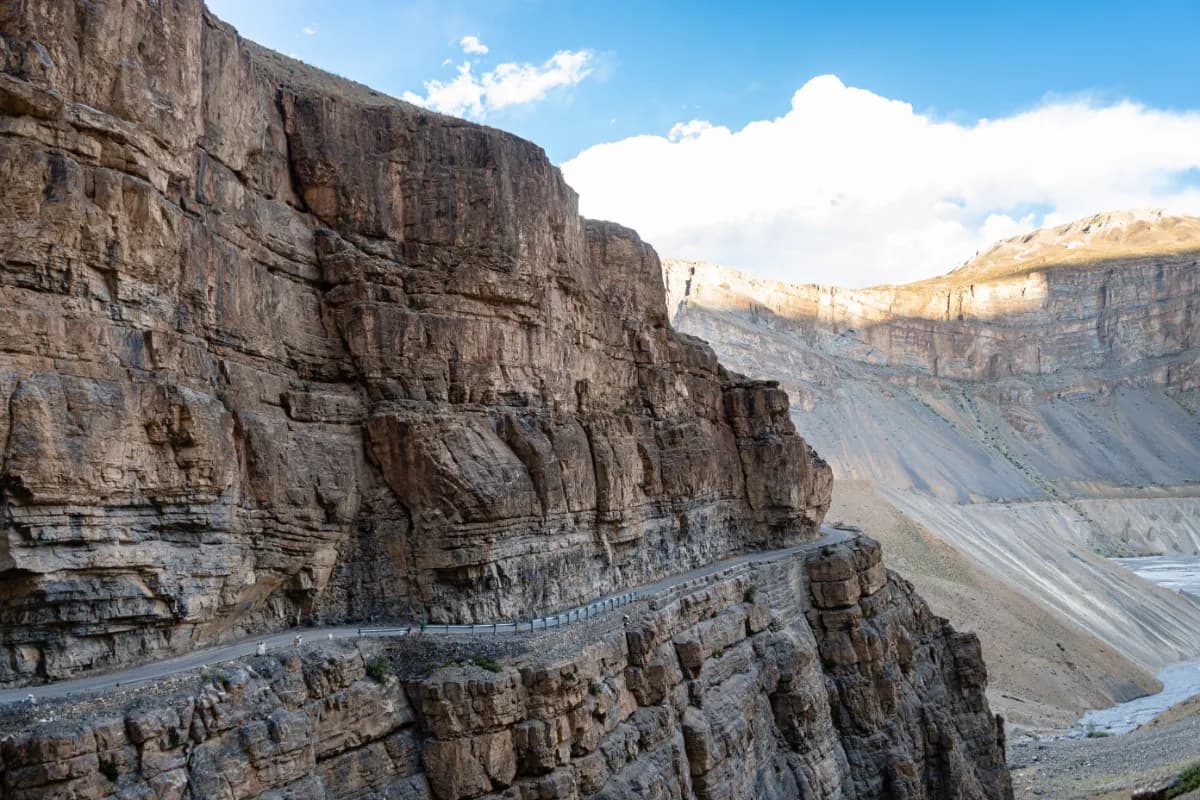
The route from Shimla to Kaza is not just a means to reach Spiti. It is arguably the most scenic approach to any destination in Himachal Pradesh. You will pass through pine forests, apple orchards, deep gorges cut by the Sutlej and Baspa rivers, tribal villages with ancient temples, and landscapes that change dramatically every few hours.
Shimla to Kaza via Kinnaur Valley
This is the classic spiti valley tour packages from shimla route and the recommended approach for most travellers. The road follows the Hindustan-Tibet Highway (NH5) along the Sutlej River before climbing into the Kinnaur Valley and eventually transitioning into the cold desert terrain of Spiti.
1. Best Time: Open year-round, best from April to November
2. Total Distance: Approx. 416 km (Shimla to Kaza)
3. Travel Time: 2 to 3 days with recommended overnight halts
4. Difficulty: Moderate (good roads in most sections, occasional landslide-prone stretches during monsoon)
5. Full Route: Shimla to Narkanda to Rampur Bushahr to Sarahan to Karcham to Sangla to Chitkul to Kalpa to Nako to Tabo to Kaza
6. Route Highlights:
- Sarahan and the Bhimakali Temple, a blend of Hindu and Buddhist architecture
- Chitkul Village, the last inhabited village before the Indo-China border, and the famous Hindustan Ka Akhri Dhaba
- Kalpa with unobstructed views of Kinner Kailash and its iconic silver peak
- Khab Bridge where the Spiti and Sutlej rivers meet in a dramatic confluence
- Nako Lake, a serene high-altitude lake surrounded by willow trees
- Gue Monastery with its remarkably preserved 500-year-old mummy
- Tabo Monastery, one of the oldest continuously functioning monasteries in the Himalayas
Hidden Gems You Will Discover Only on the Shimla Route
Most Spiti itineraries rush through Kinnaur. The right spiti package from shimla does not. The Kinnaur Valley stretch before Spiti is as rich in experience as the valley itself, and most travellers who take the Manali route never get to see it.
Sangla Valley sits inside a wide green pocket of the mountains and feels almost impossible to believe given how barren the terrain becomes just hours later. The Baspa River flows through it, fields of buckwheat and peas stretch across the valley floor, and the views of Raldang peak above are spectacular.
Chitkul Village at the end of the Sangla Valley road is the last village in India before the Tibetan border. It sits quiet, photogenic, and almost completely untouched. The Hindustan Ka Akhri Dhaba here is as famous among road trippers as any monastery in Spiti.
Kalpa gives you some of the most direct views of the Kinner Kailash massif in all of Kinnaur. Watching the peak turn gold at sunset from your guesthouse window is the kind of evening that makes you glad you took this route.
Essential Things to Know Before You Enter Spiti
Spiti is remote and the Shimla route, while more gradual, still takes you into serious mountain terrain. Preparation makes a significant difference to how the trip feels from Day 1.
Travel Tips
- Carry enough cash before leaving Shimla. ATMs exist in Kaza but run out of cash frequently and there are none beyond the town.
- BSNL is the only network that works inside Spiti. Get a BSNL SIM or download offline maps before leaving Shimla.
- Altitude sickness can affect anyone regardless of fitness level. Do not skip the acclimatisation night in Shimla or Kalpa.
- Start each driving day early. Afternoons at higher altitudes can bring sudden cloud cover and reduced road visibility.
- A new SADA entry fee of ₹500 is charged on four-wheel-drive vehicles entering Spiti through the Sumdo checkpost. Keep cash ready.
- Carry Diamox and consult a doctor before the trip if you have any respiratory concerns.
Things to Pack
- Heavy woollens and thermal innerwear (nights are cold even in July)
- Windproof and waterproof outer jacket
- Comfortable trekking shoes with ankle support
- Sunscreen SPF 50+ and UV-protection sunglasses
- Lip balm and moisturiser
- Power bank and extra charging cables
- Offline maps for Himachal Pradesh
- Valid government photo ID
- Sufficient cash in smaller denominations
- Personal medication, Diamox, and a basic first aid kit
7-Day Spiti Itinerary Starting from Shimla
Day 1: Shimla to Kalpa
Depart Shimla early morning. Drive along the Hindustan-Tibet Highway following the Sutlej River through Narkanda and Rampur Bushahr. Stop at Sarahan to visit the Bhimakali Temple before continuing to Kalpa. Reach Kalpa by late afternoon. The evening view of Kinner Kailash from here, especially at sunset, is one of the best introductions to the mountains you will find on this route. Overnight in Kalpa.
Day 2: Kalpa to Nako via Chitkul
Start early and drive down to Karcham, then take the road up into Sangla Valley toward Chitkul Village. Spend the morning in Chitkul, the last Indian village before Tibet. Visit the Hindustan Ka Akhri Dhaba, walk around the village, and take in the Baspa River views before heading back. Continue toward Nako via Pooh. Reach Nako by evening. Visit Nako Lake for a short walk before dinner. Overnight in Nako.
Day 3: Nako to Tabo
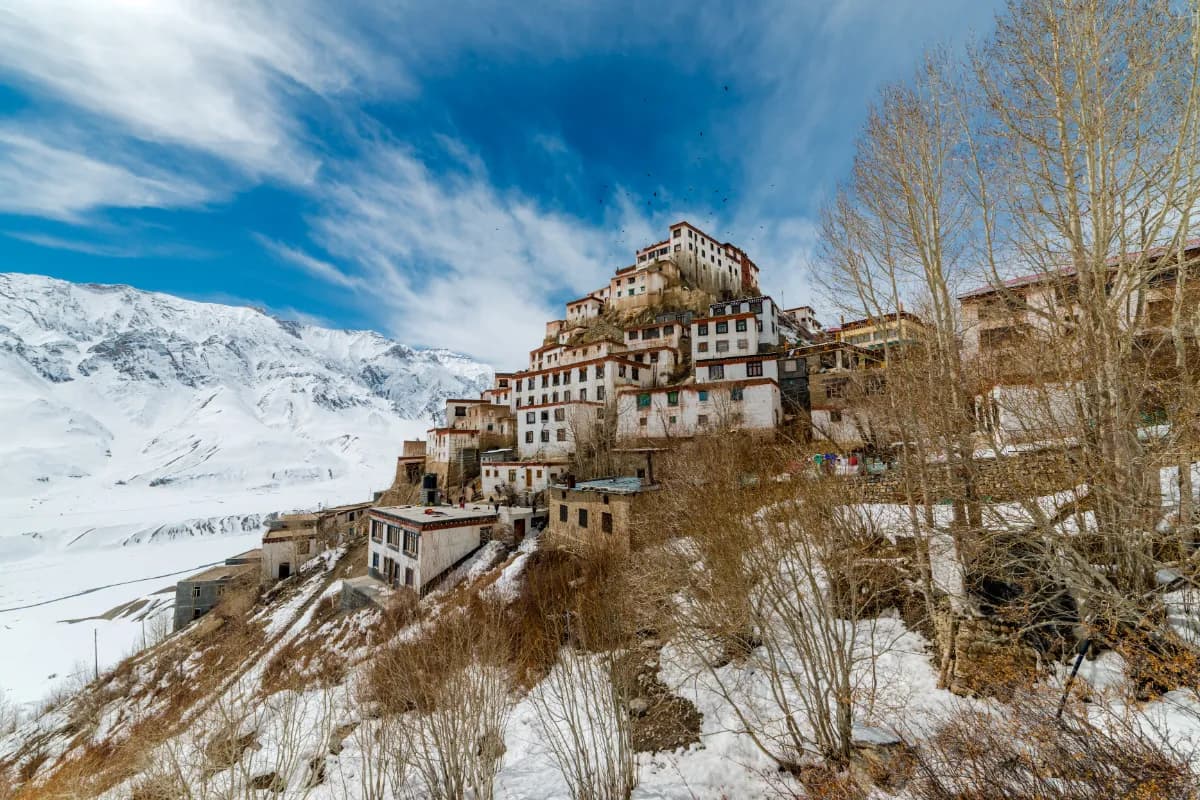
A shorter driving day by Spiti standards. En route to Tabo, stop at Gue Monastery to see the famous mummy of a Buddhist monk preserved for over 500 years. Reach Tabo by afternoon. Spend the evening exploring Tabo Monastery, one of the oldest active monasteries in the Himalayas with 1,000 years of uninterrupted religious practice. The cave monasteries above the complex are worth the short climb. Overnight in Tabo.
Day 4: Tabo to Kaza via Dhankar
Drive from Tabo toward Dhankar. Stop at Dhankar Monastery perched dramatically on a cliff edge above the confluence of the Spiti and Pin rivers. If time and energy allow, trek to Dhankar Lake from the monastery, roughly a 45-minute walk each way. Continue to Kaza, the district headquarters of Spiti and your base for the next two days. Check into your homestay in Spiti Valley or hotel. Overnight in Kaza.
Day 5: Kaza — Key Monastery, Hikkim, Komic, and Langza
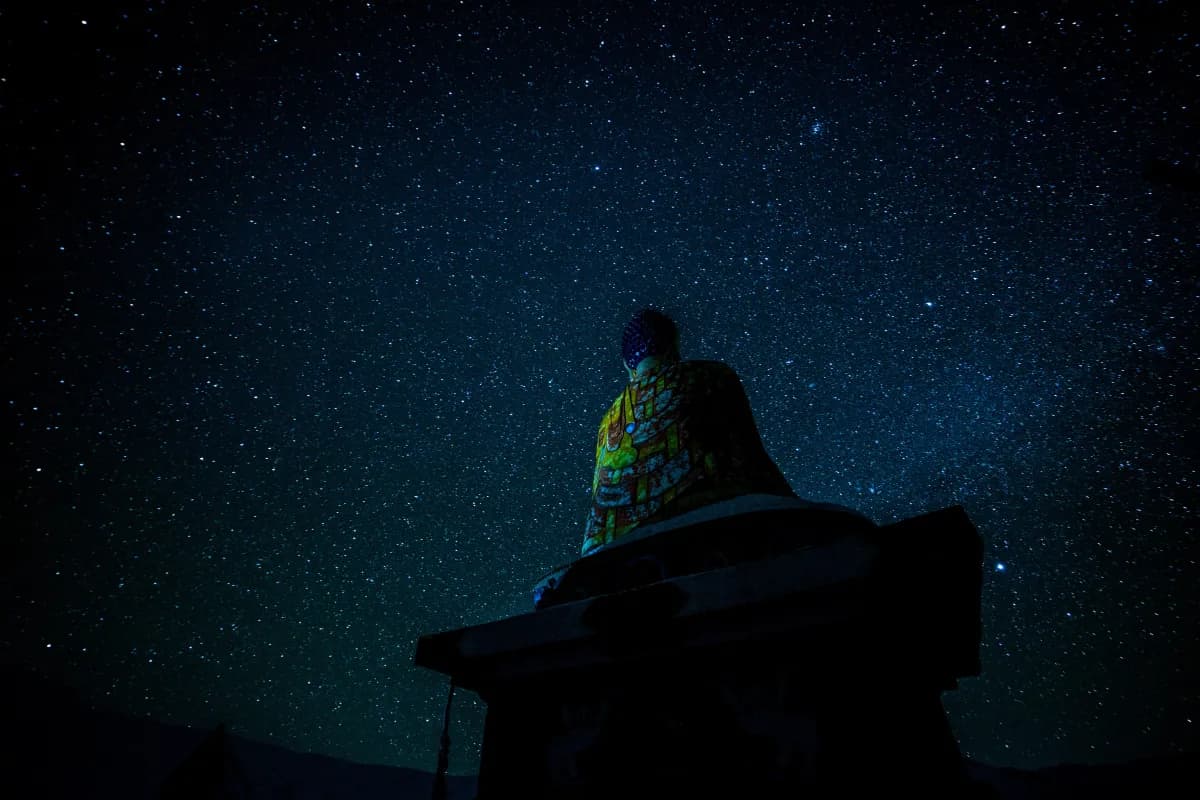
Begin at Key Monastery before the morning tour groups arrive. Head out from Kaza toward Hikkim Village and the world's highest post office, then drive up to Komic Village, one of the highest motorable villages in the world. Continue to Langza Village for the giant Buddha statue and the fossil-studded hillsides. Return to Kaza by evening and explore the Kaza Market for local handicrafts and woolens. Overnight in Kaza.
Day 6: Kaza — Pin Valley and Kibber
Drive into Pin Valley National Park in the morning. Visit Mud Village and Kungri Monastery inside the park before heading back. In the afternoon, drive to Kibber Village for panoramic views of the surrounding mountains and a short walk toward Chicham Bridge, one of Asia's highest bridges spanning a dramatic gorge. Return to Kaza for the night. Overnight in Kaza.
Day 7: Kaza to Shimla (or via Chandratal and Manali for circuit travellers)
For those returning the same way, depart Kaza early and drive back toward Shimla via the Kinnaur route over two days with an overnight halt in Kalpa or Nako. For circuit travellers, head toward Chandratal Lake for a final night of camping under the stars before exiting via the Manali route the following morning.
All Packages
Why Book Packages with Viacation?

Trusted by 1,00,000+ travellers

Dedicated experts to plan your trips

Secure bookings, clear cancellations

10,000+ unique trips to choose from
Yes. The Shimla route via Kinnaur is the only road into Spiti that stays open through the year. The Manali route closes from mid-October to mid-June due to snow at Rohtang Pass and Kunzum Pass. Winter travel on the Shimla route is possible but requires preparation and ideally an experienced local driver.
It takes 2 to 3 days to reach Kaza from Shimla comfortably. Most travellers overnight at Kalpa or Sangla on the first night, then at Tabo on the second before reaching Kaza on the third day. Rushing this route is not recommended as the gradual altitude gain is actually good for your body.
Both routes offer very different experiences. The Shimla route is more gradual, open year-round, better for acclimatisation, and passes through the rich Kinnaur Valley with additional stops at Chitkul, Kalpa, and Nako. The Manali route is shorter and more dramatic but closed for most of the year. Many travellers combine both by entering from Shimla and exiting through Manali for the complete circuit.
Viacation's lahaul spiti tour package from shimla starts at ₹14,000 per person for an on-ground package covering transport, accommodation, and guided sightseeing. A 7 to 9-day package with comfortable hotel stays and all-inclusive transport typically costs between ₹18,000 and ₹30,000 per person depending on group size and accommodation preference.
Indian nationals do not need any permit for the Shimla to Spiti route. A valid government-issued photo ID such as an Aadhar card is sufficient at checkpoints. Foreign nationals need a Protected Area Permit (PAP) for restricted areas including Tabo, Kaza, and Nako. This can be arranged through a registered travel agent at Shimla or Reckong Peo.
