
 16 Minutes
There are trips you enjoy, and then there are places that stay in your head long after you return home. Meghalaya belongs in the second category. Meghalaya is not just another Northeast state; it’s raw, it's untouched. Let’s say you are willing to visit Meghalaya in the coming time, but still confused about whether it will be worth it.
After exploring Meghalaya closely and understanding how travelers actually experience Meghalaya tour packages, one thing is true: this is not a place you visit only for sightseeing. You come here for experiences you genuinely cannot recreate anywhere else in India. This blog mentions 10 big reasons to visit Meghalaya, so when you visit, you know exactly what to do, where to go, and how to make the most of your trip.
₹13,699
per person
₹18,999
per person
₹23,999
per person
₹18,999
per person
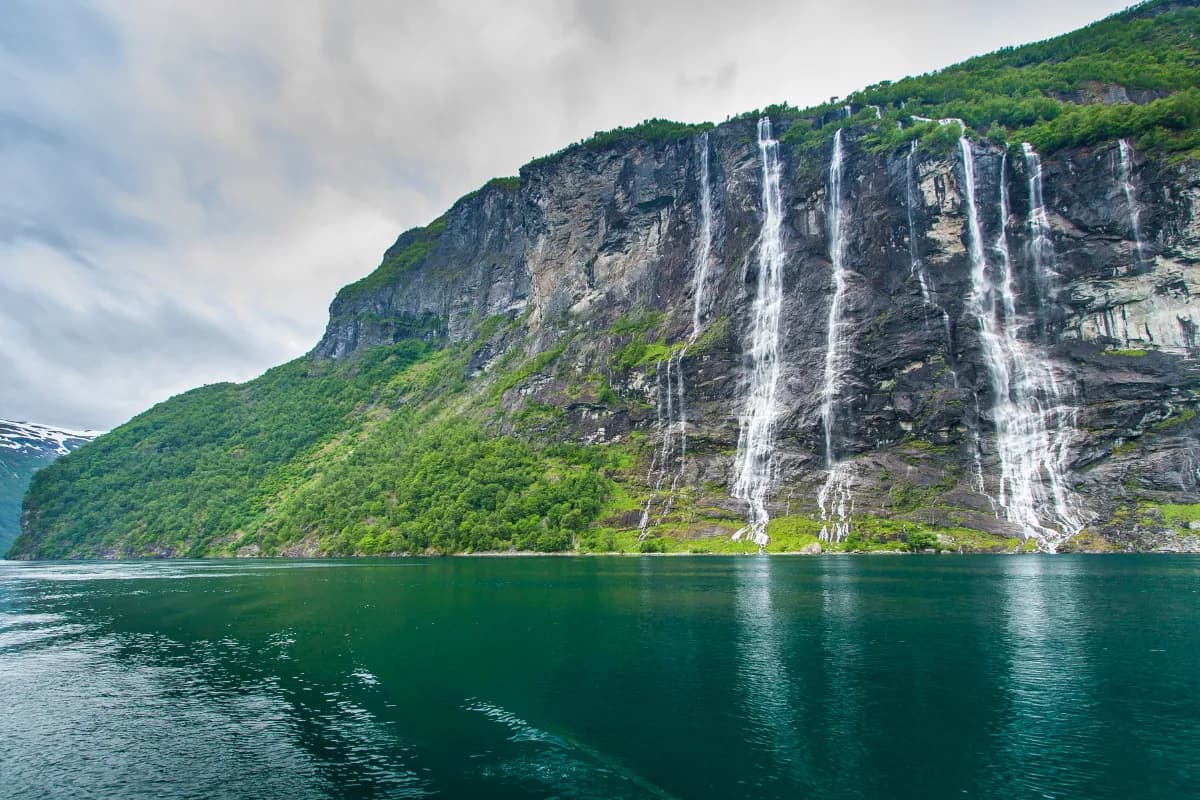
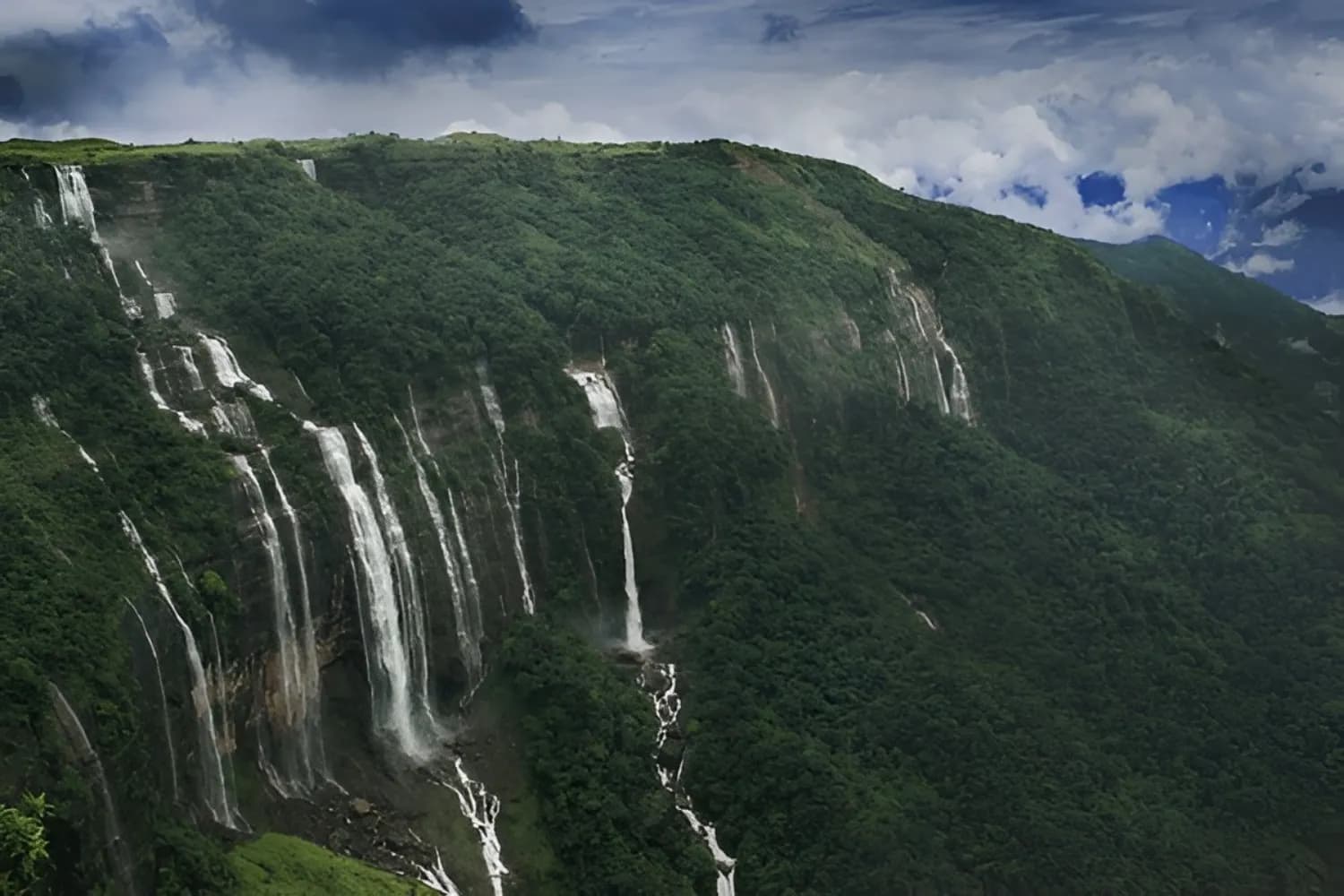
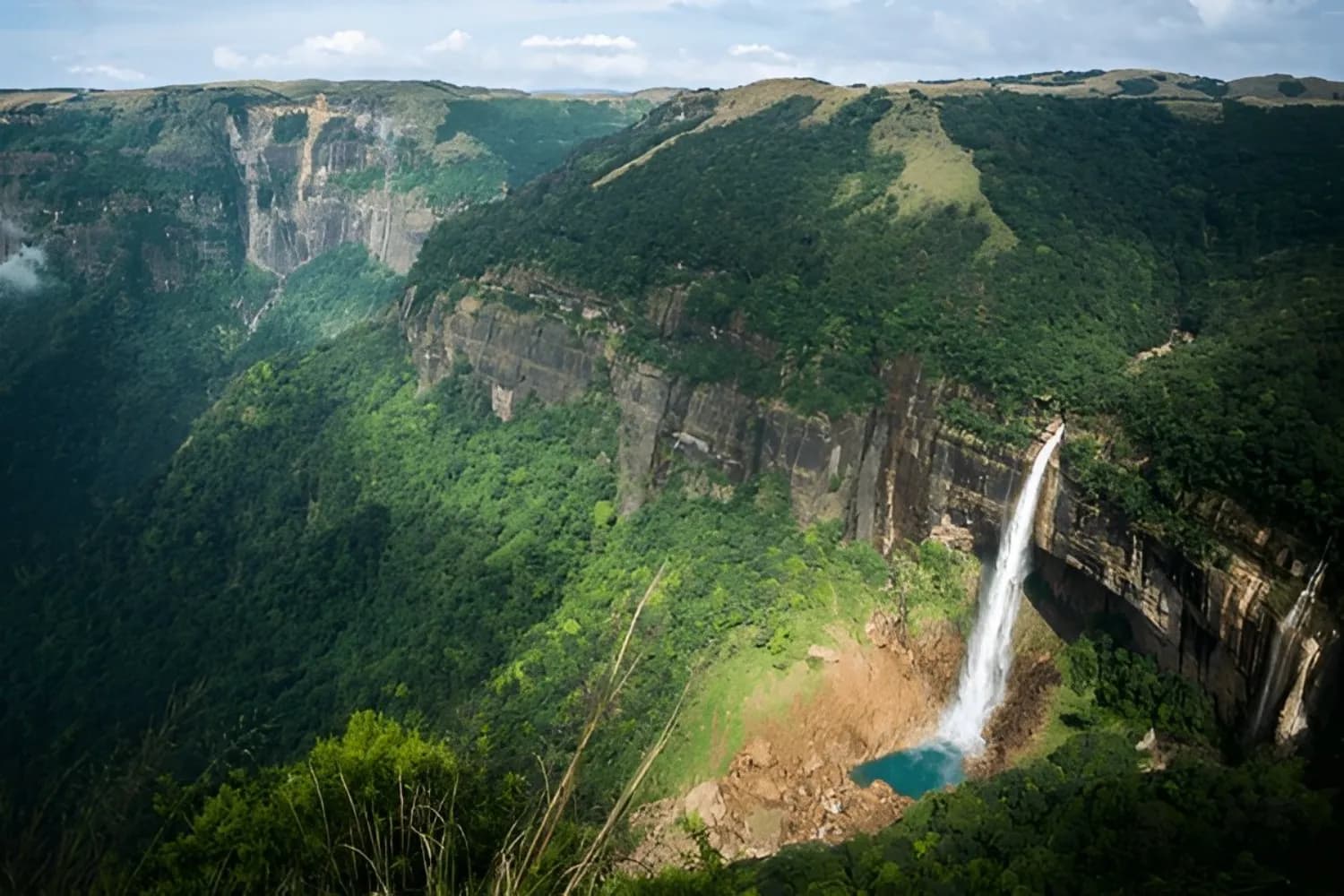
Standing in front of Seven Sister Falls is an unreal experience during the monsoon season. It is the union of seven waterfalls where seven separate streams crash down a massive cliff at the same time, creating one of the most beautiful sights in Northeast India.
Falling from nearly 1,000 feet, this waterfall is one of the tallest in India. Its huge drop and beautiful surroundings make it a place you should not miss during your Meghalaya trip.
The waterfall gets its name from the seven northeastern states it symbolically represents. Mist covers the valley, clouds drift across the cliffs, and the roar of water echoes through Sohra. Sunset views here are especially stunning when the golden light hits the falls after heavy rain.
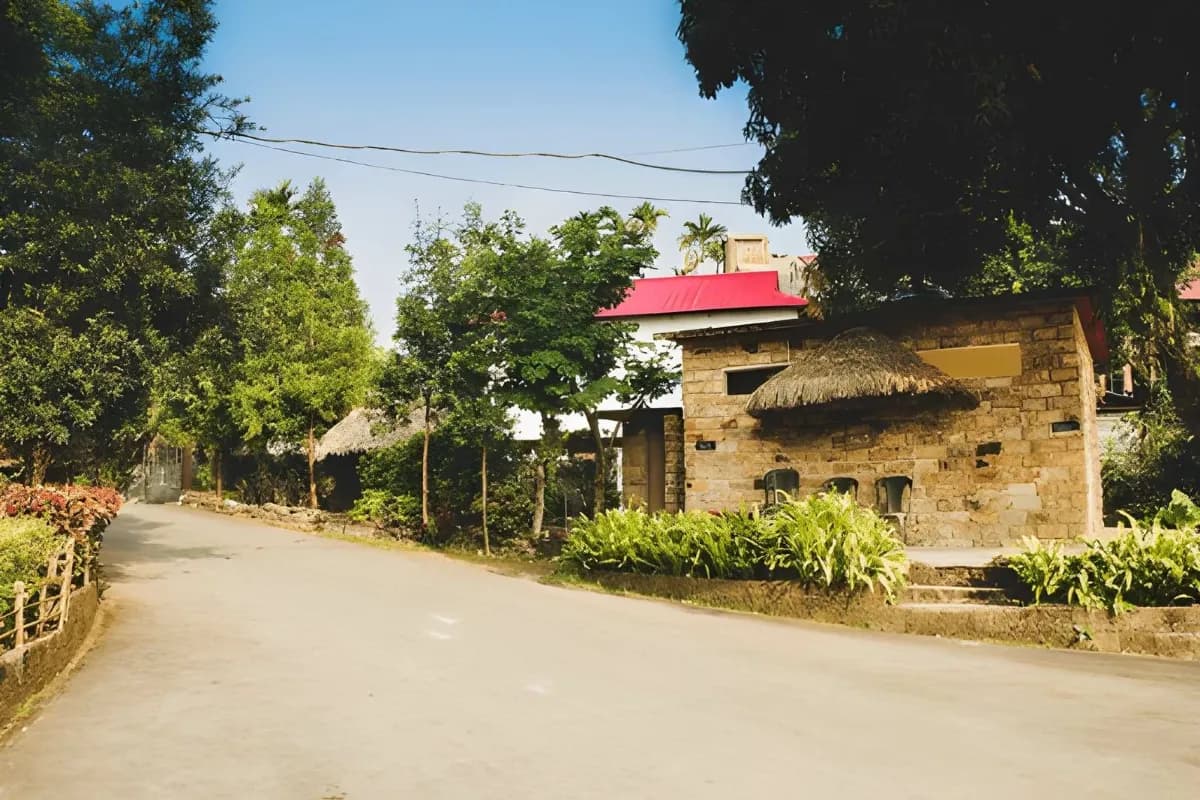
Welcome to the Cleanest Village of Asia, Mawlynnong. Most villages become tourist spots after getting famous. Mawlynnong managed to stay peaceful even after becoming widely known as Asia’s cleanest village.
You will see bamboo dustbins lining the pathways, flowers blooming outside almost every house, and locals maintaining cleanliness with serious discipline. The villagers are very conscious about plastic use, rainwater harvesting, and community participation keeps the village spotless.
The surprising part is that this cleanliness does not look forced. It feels natural to the way people live here, which is very rare to see. This discipline and cleanliness are what make Mawlynnong special.
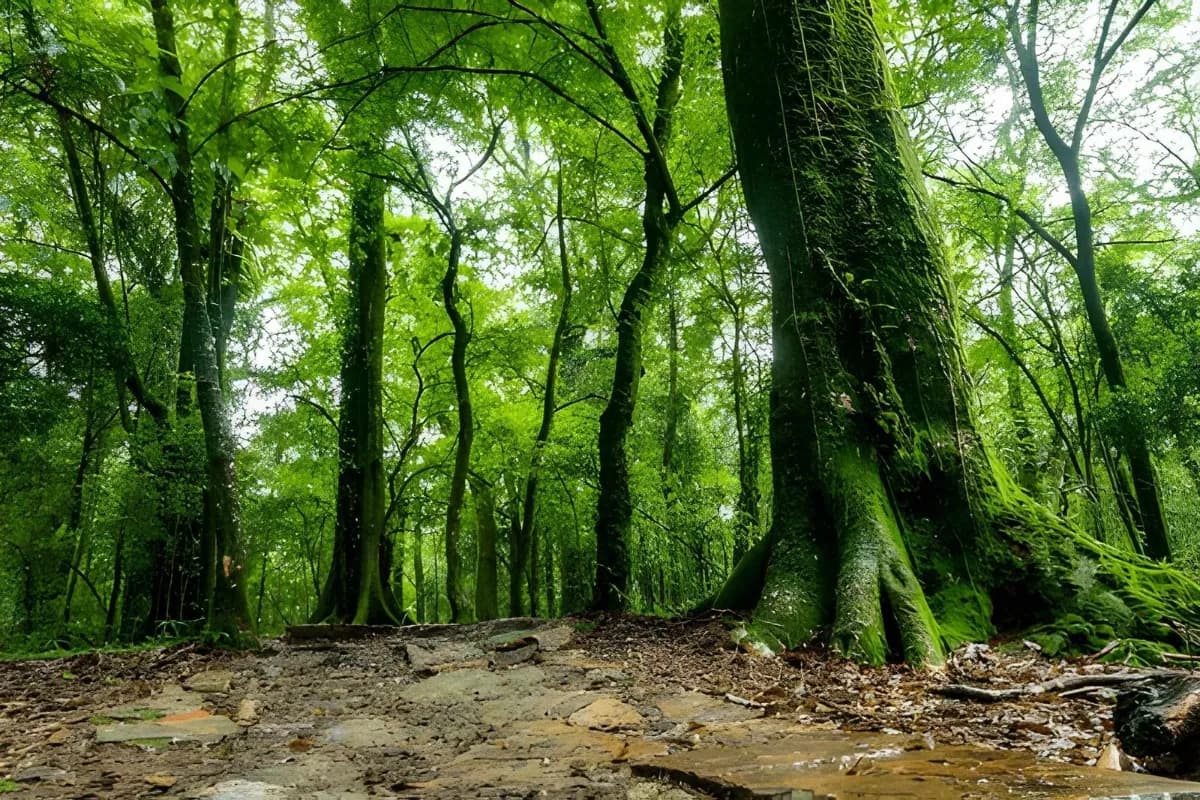
The Mawphlang Sacred Forest is said to be sacred because it is believed that the forest is spiritually protected by a local deity, Labasa. The forest carries stories, beliefs, and traditions that locals have protected for centuries. Ancient trees, thick roots, moss-covered stones, and unusual silence make the forest feel mysterious from the moment you enter.
Local beliefs say that Labasa does not allow anyone to take anything away from the forest, not even a flower or a small stone. People believe those who break this rule face serious consequences.
Visitors are also warned not to remove even a leaf from the area. Unlike regular forests, where people mainly visit for photography, Mawphlang gives you a very unique reason to visit Meghalaya - a strange feeling of stepping into a place that nature still fully controls.
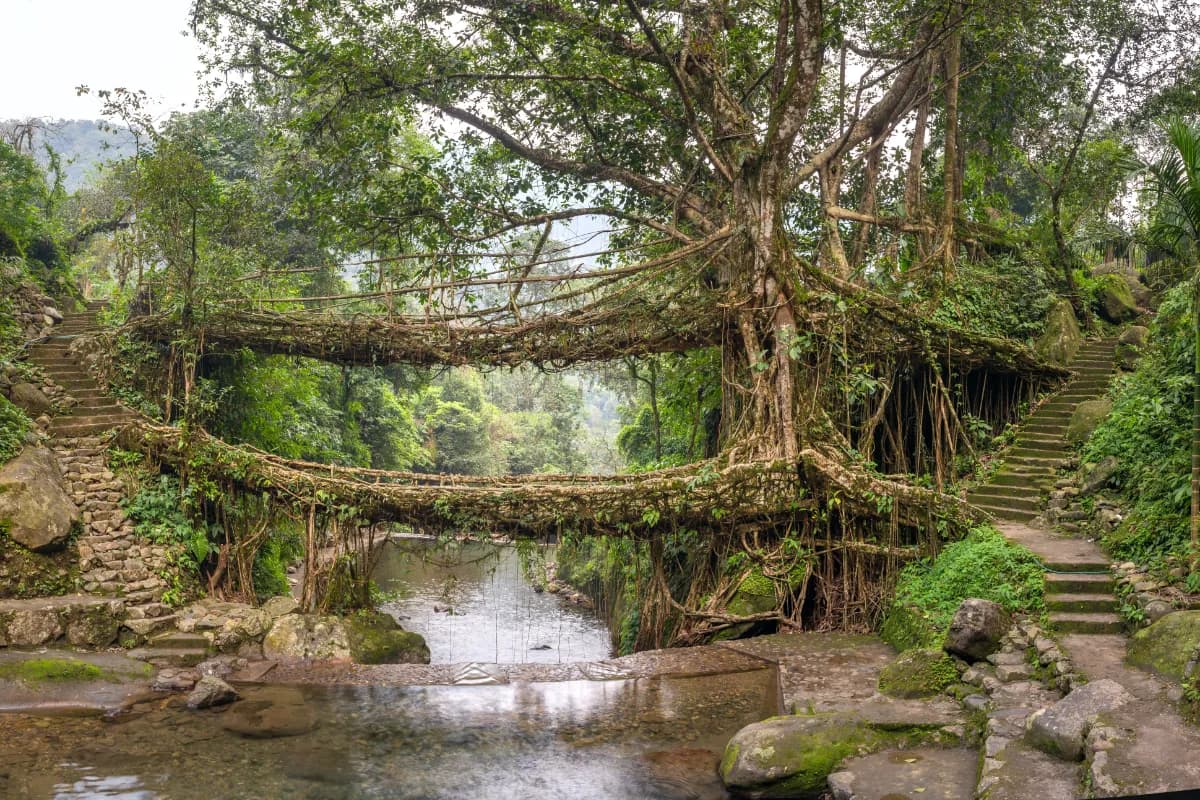
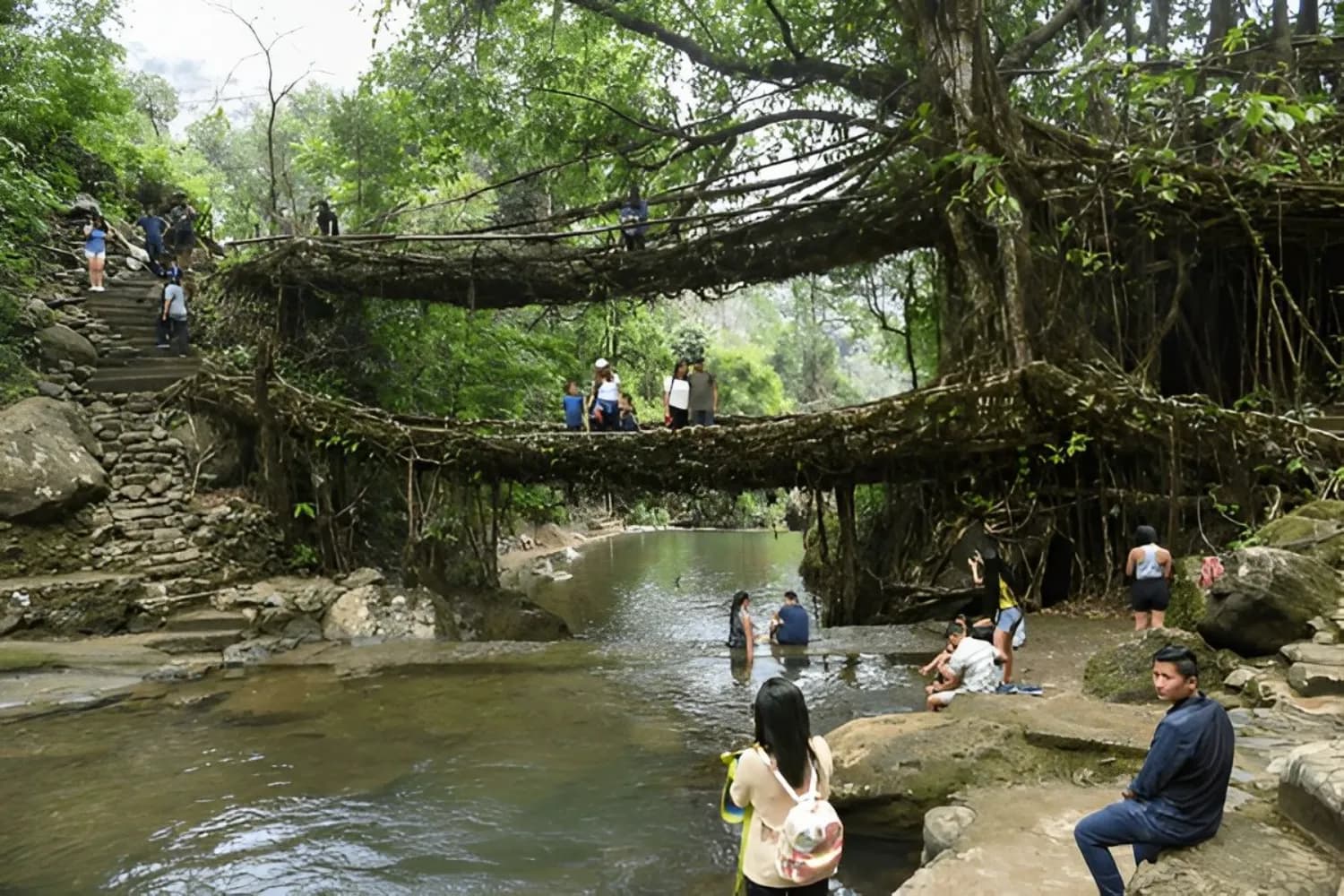
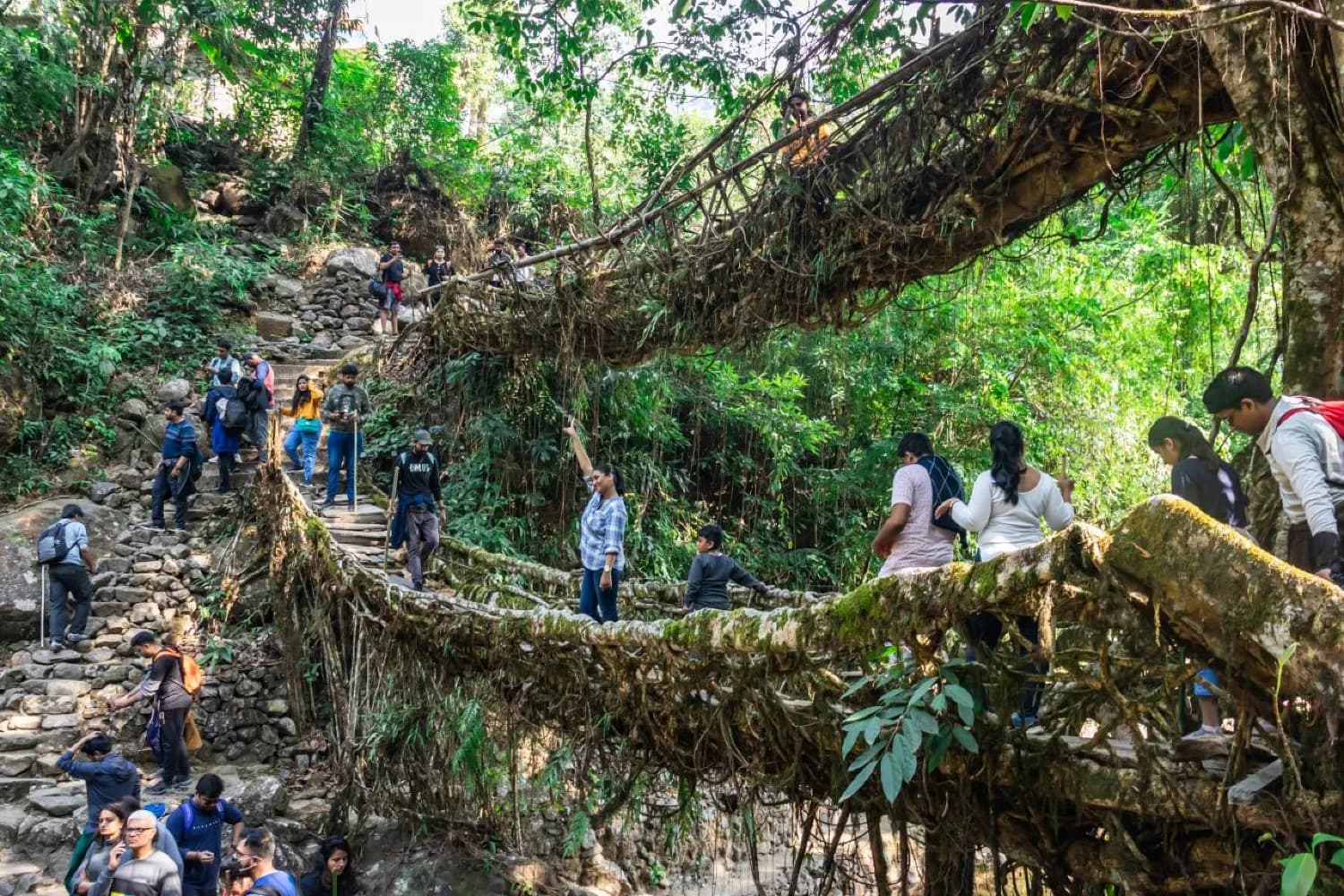
Located in Nongriat, Doube Decker Living Root Bridges are unique because local tribes grow them naturally using tree roots instead of building with concrete or wood. These bridges become stronger with time and last for generations.
Some are more than a hundred years old and still strong enough to handle daily use. The trek is nearly 3,000 stone steps through forests, streams, and small Khasi villages. It takes around 4 to 6 hours in total. And the moment you stand on those living roots surrounded by jungle sounds, the exhaustion disappears quickly.
Make sure to wear comfortable shoes, and good stamina is important because the return climb can feel challenging.
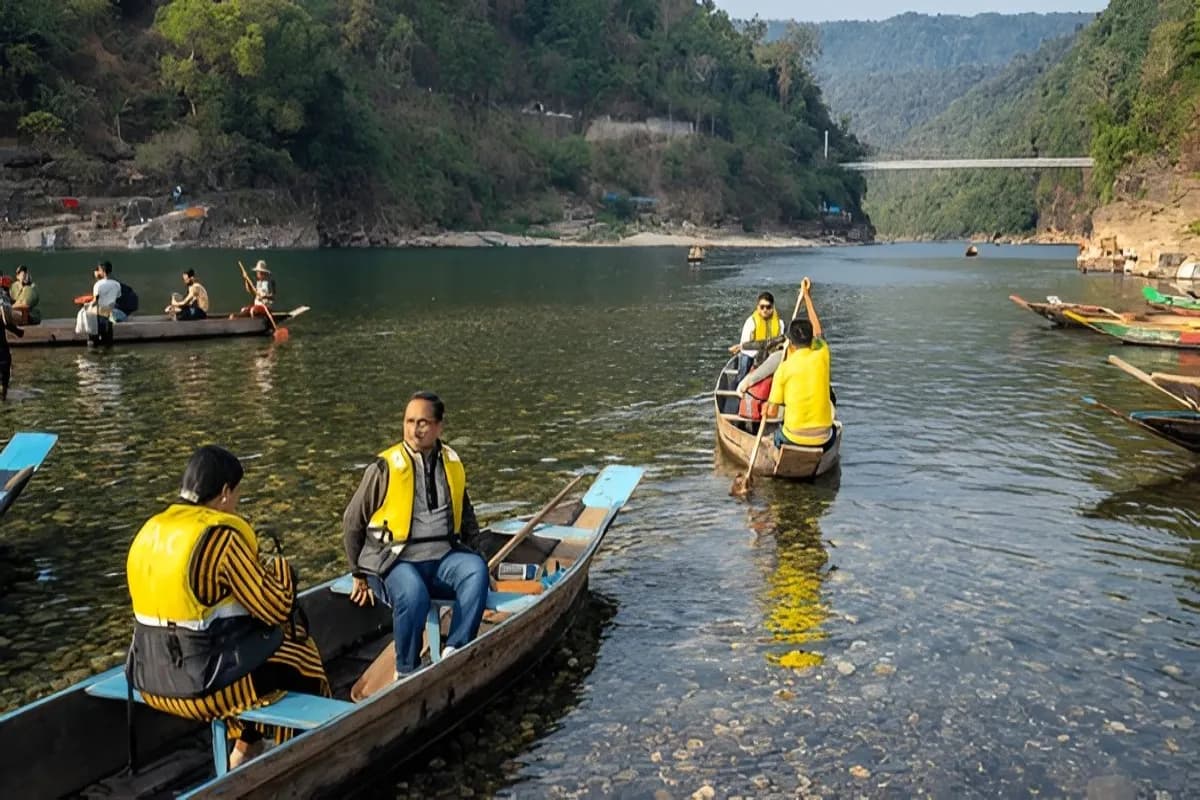
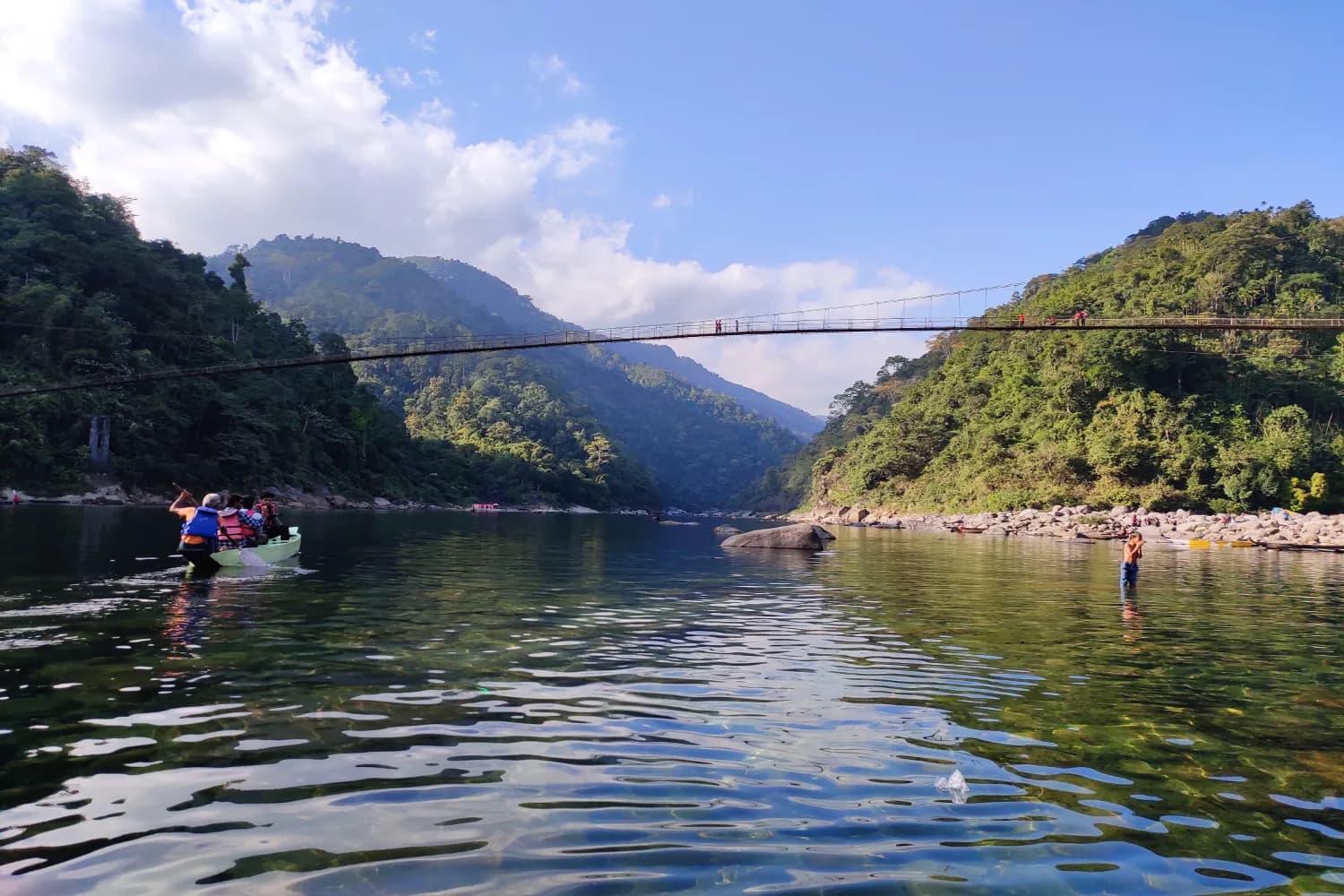
The Umngot River in Dawki became famous online for a reason. During winter, the water turns so transparent that boats appear to float in the air. You can clearly see stones resting deep below the river surface. Early morning is the best time because the water stays calm and reflections become sharper.
Apart from boating, snorkeling, rafting, and fishing in the Dawki River are some top reasons to visit Meghalaya. What makes the experience memorable is not only the clarity but also the peaceful atmosphere around the river. No loud crowds, no massive commercial setup, only clean water, hills, and silence.
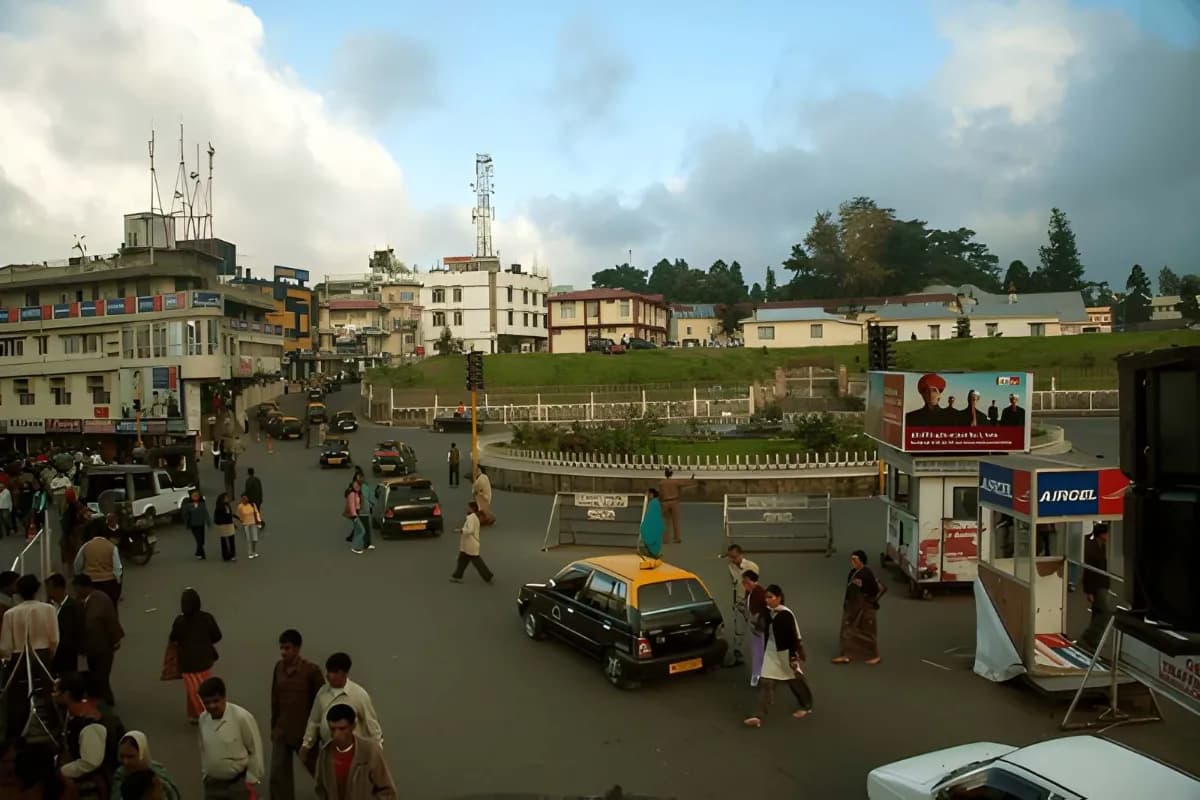
Shillong is considered the “Rock Music Capital of India.” It has a music culture that surprises everyone. Small cafés, roadside bars, and local venues regularly host live performances, and many talented musicians here grow up listening to rock, blues, and western music from an early age.
The recently famed Rapper, Reble, is one of the greatest examples of how Shillong treats music. She gave many songs in recent times that got millions of views. It is because music is deeply connected to the local lifestyle rather than being treated as occasional entertainment.
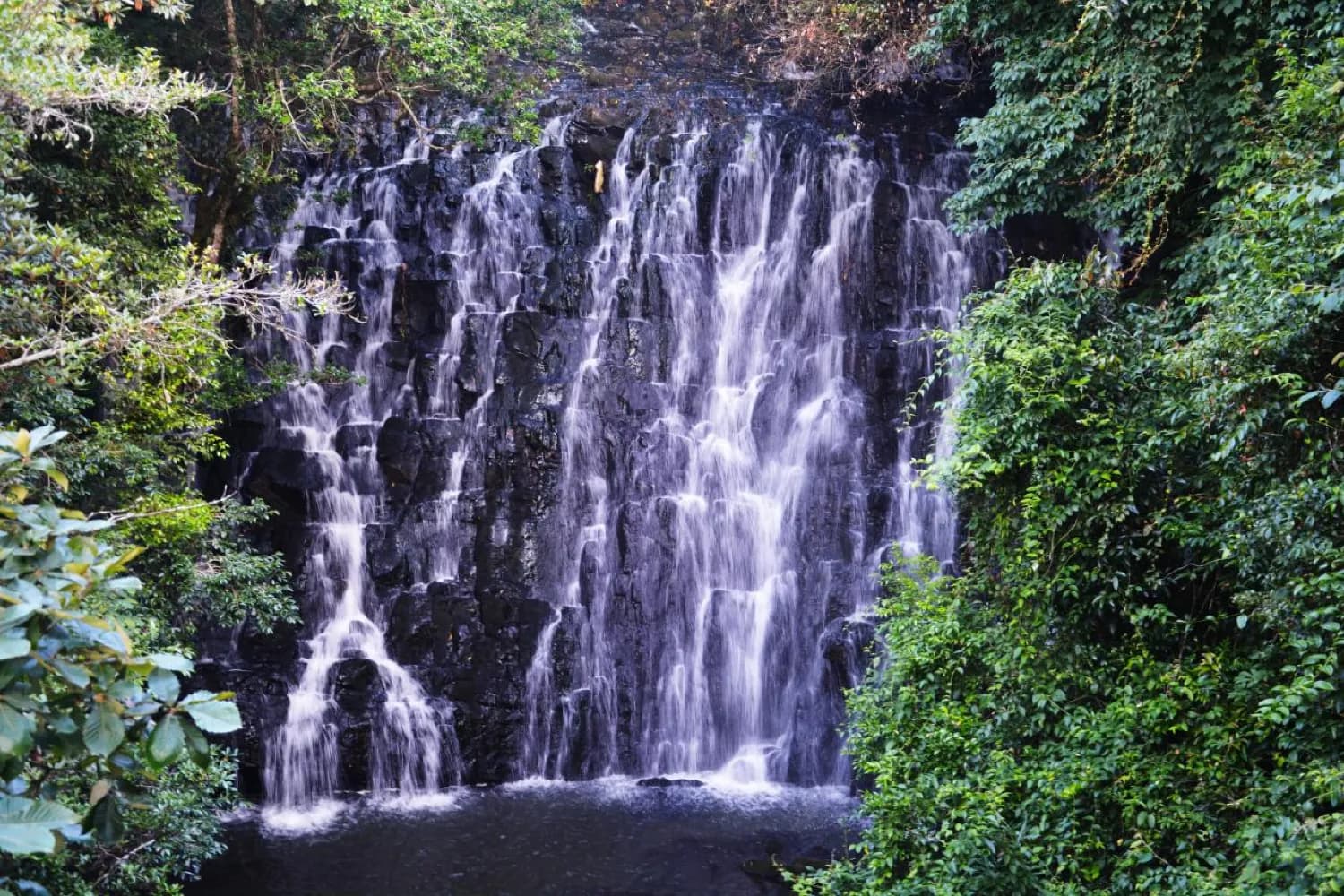
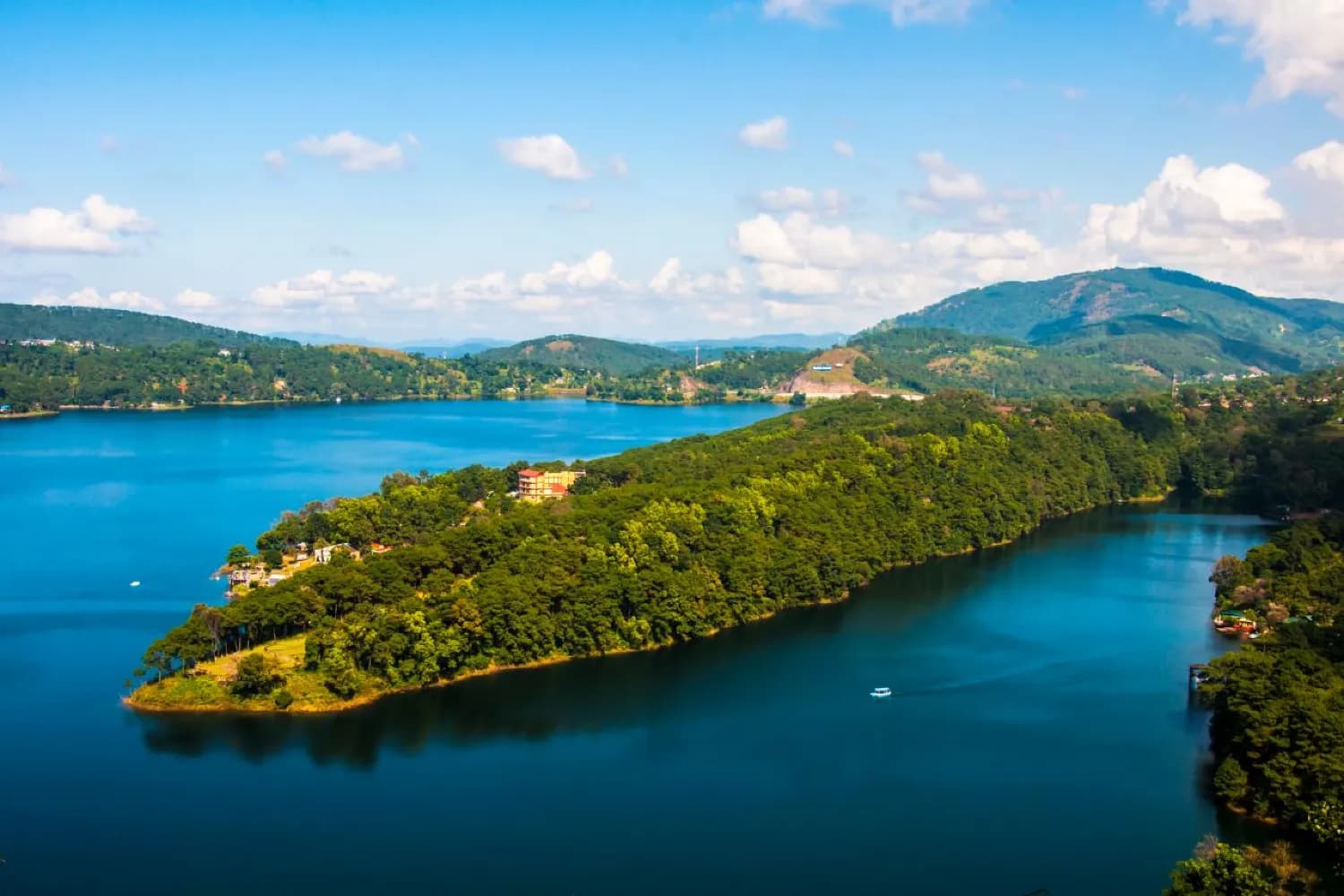
Places to visit in Meghalaya will surely start with Shillong, because Meghalaya is one of the most famous hill stations in India. It must be visited not just because of its music culture, but also because of its wonderful attractions like Elephant Falls, Laitlum Canyon, and Umiam Lake.
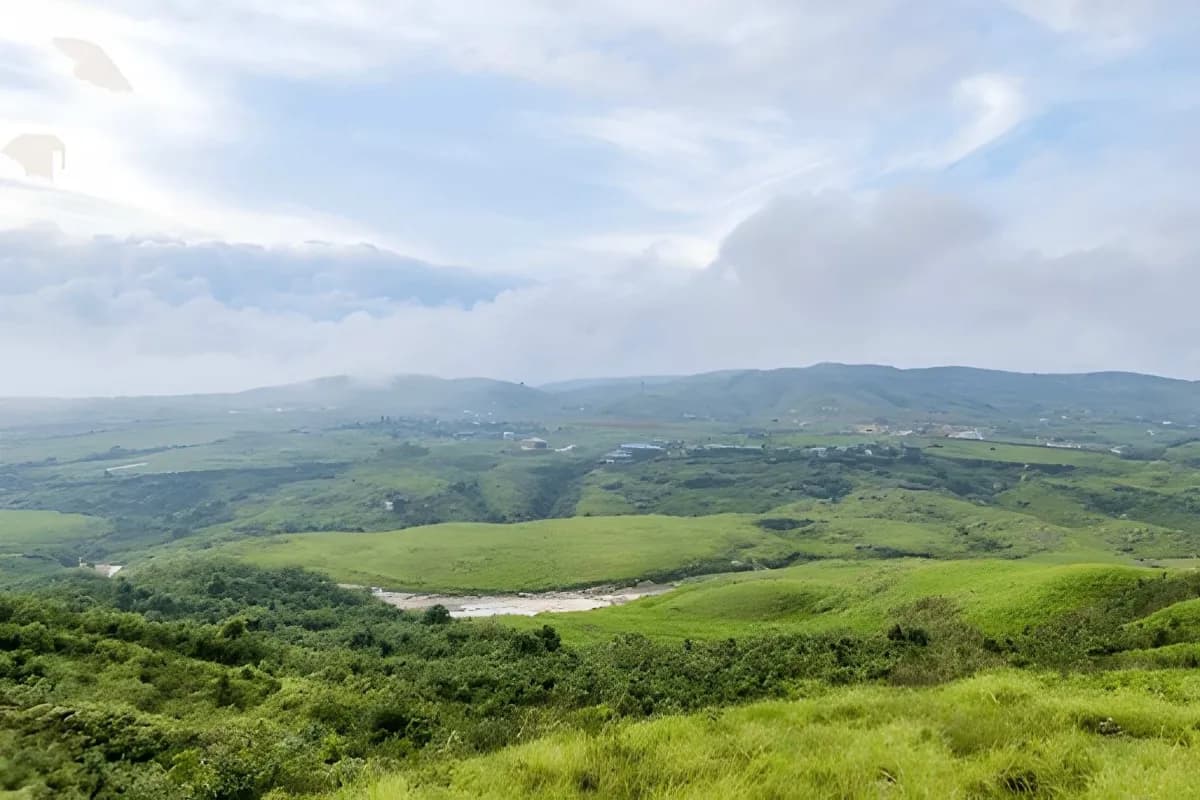
Many travelers do not realize Meghalaya follows one of the few surviving matrilineal systems in the world. In Khasi and Garo communities, property often passes to daughters, especially the youngest daughter of the family. Women play a central role in family structure and household inheritance.
For visitors coming from other parts of India, this cultural difference becomes one of the most fascinating reasons to visit Meghalaya. It changes how you observe local traditions, markets, and daily life.
You can experience Meghalaya’s matrilineal culture mainly in the Khasi and Garo communities, especially in places like Shillong, Mawlynnong, and villages around Cherrapunji.
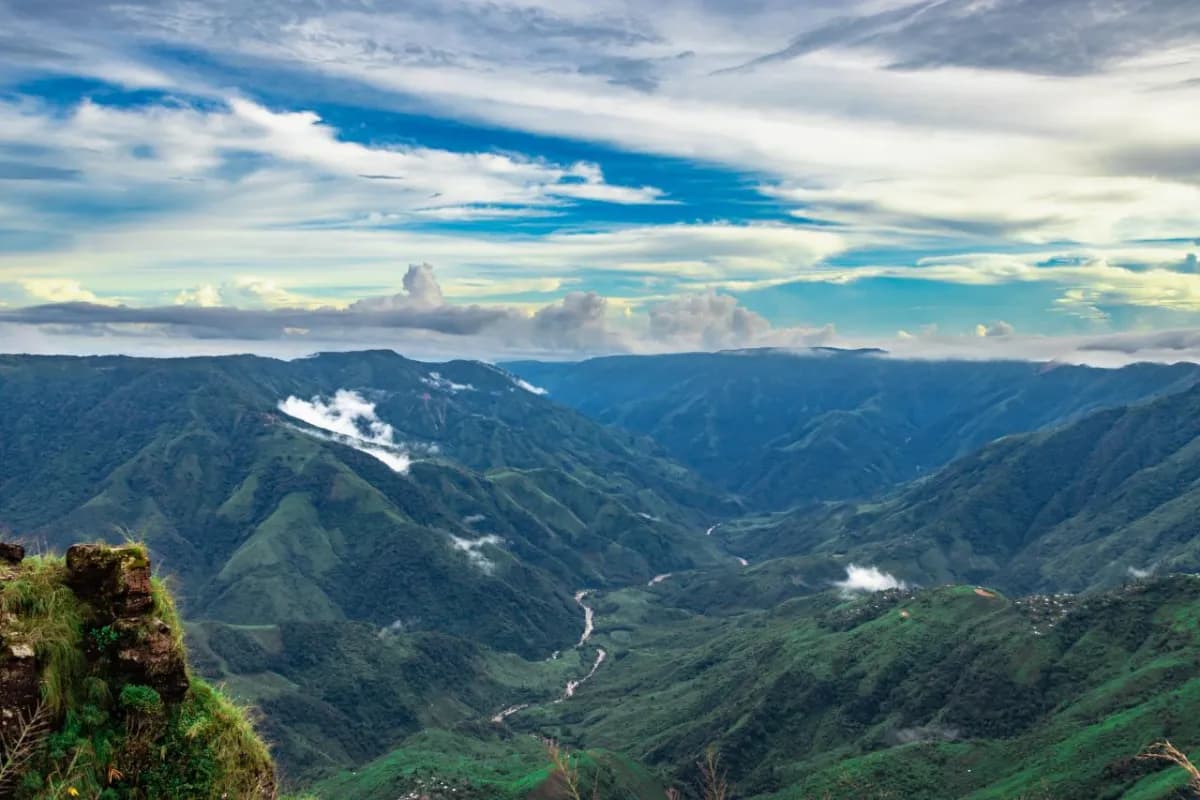
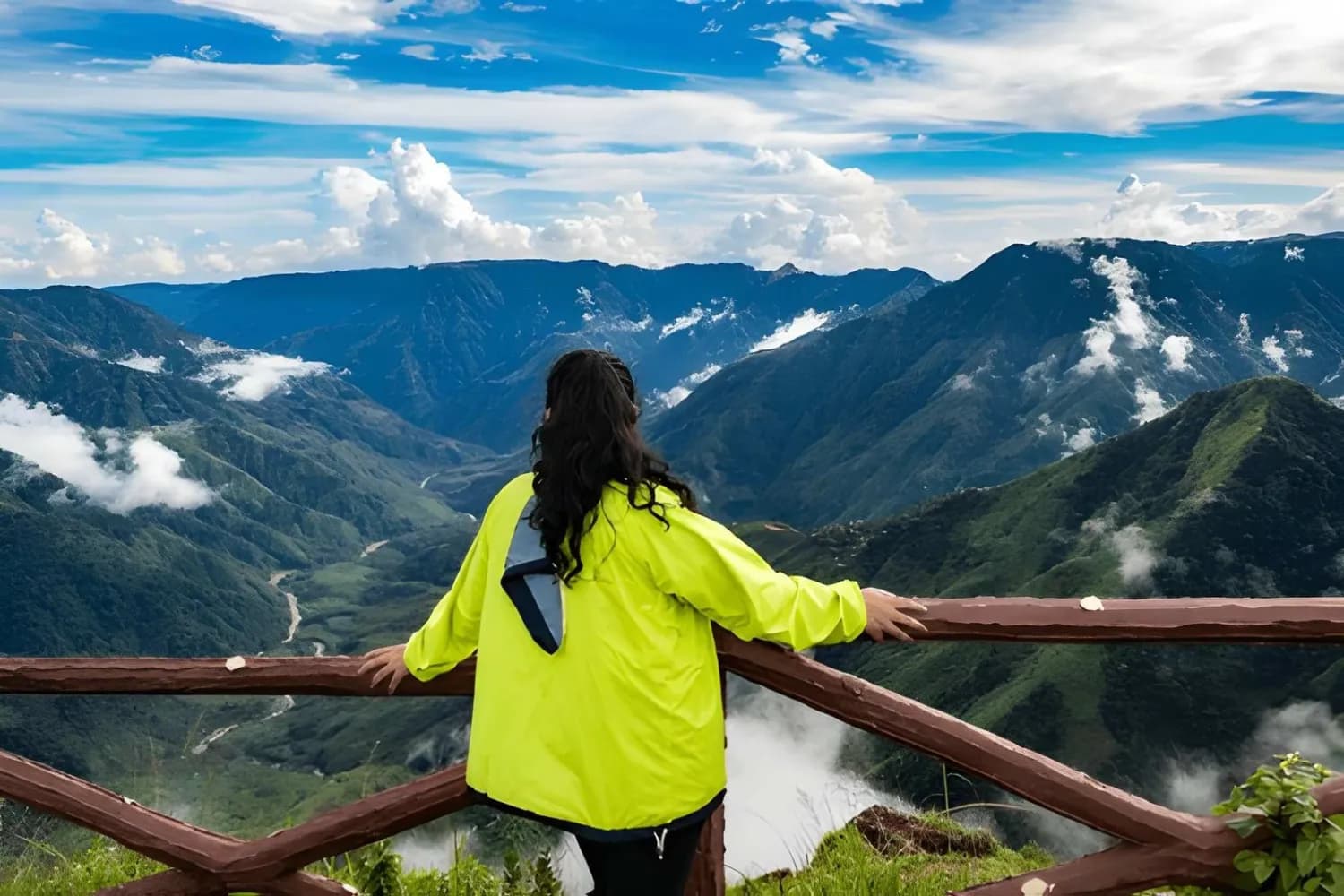
Located 22 Km from Shillong, Laitlum Canyon is the kind of place where people stop talking for a few minutes after reaching the viewpoint. Endless green valleys stretch far into the distance, clouds drift through the cliffs, and tiny village trails disappear into the hills below.
The trek itself is not extremely technical, but the steep descent can feel challenging. The trek is 2 to 4 kilometers, depending on the route you take. The trail includes steep steps, narrow paths, and beautiful valley views. Most travelers complete the trek in 1.5 to 3 hours while stopping for photos and short breaks.
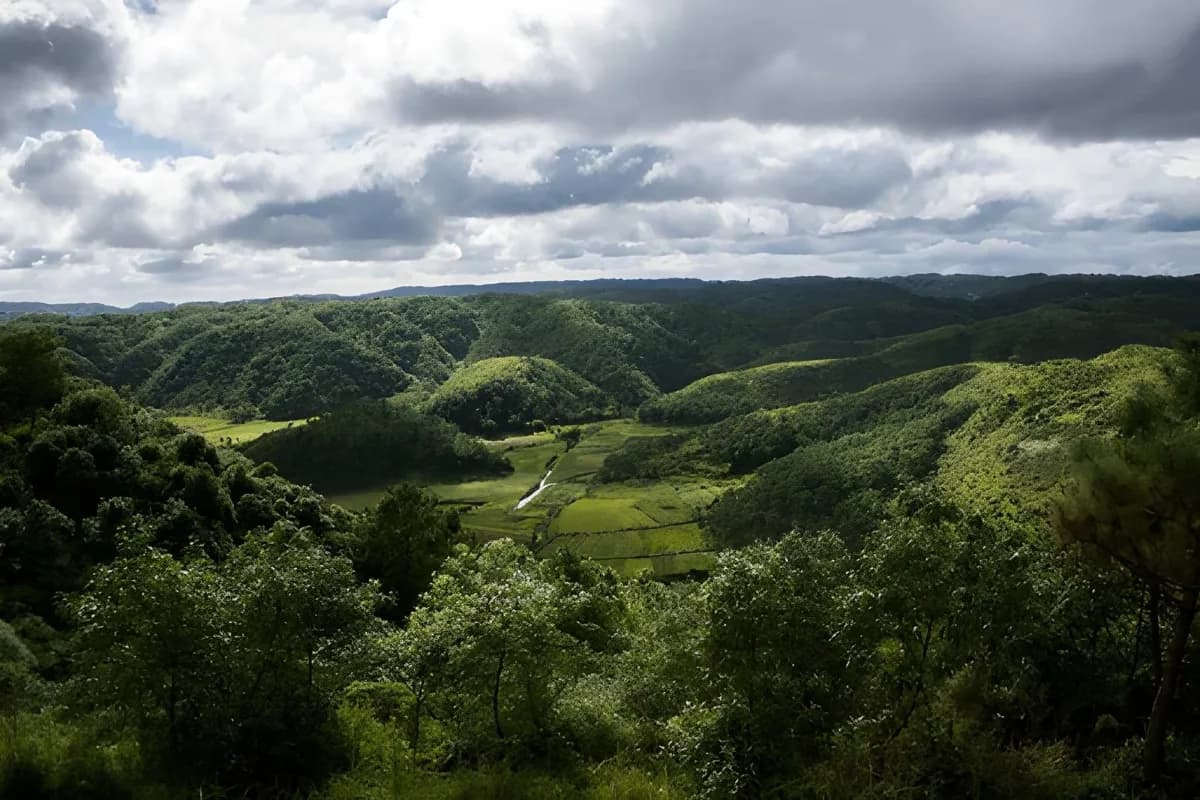
Yes, Meghalaya is popular as a monsoon destination, but this rain has made Mawsynram a popular tourist attraction. Rain is not just weather in Mawsynram; it shapes daily life.
This small village in the East Khasi Hills of Meghalaya receives some of the highest annual rainfall on Earth. Houses are designed to handle constant downpours, waterfalls appear almost everywhere during the monsoon, and clouds often cover entire roads within minutes.
Visiting Mawsynram during heavy rain feels dramatic and chaotic in the best possible way. Even the sound of nonstop rainfall becomes part of the experience, making it one of the biggest reasons to visit Meghalaya at least once in your lifetime.
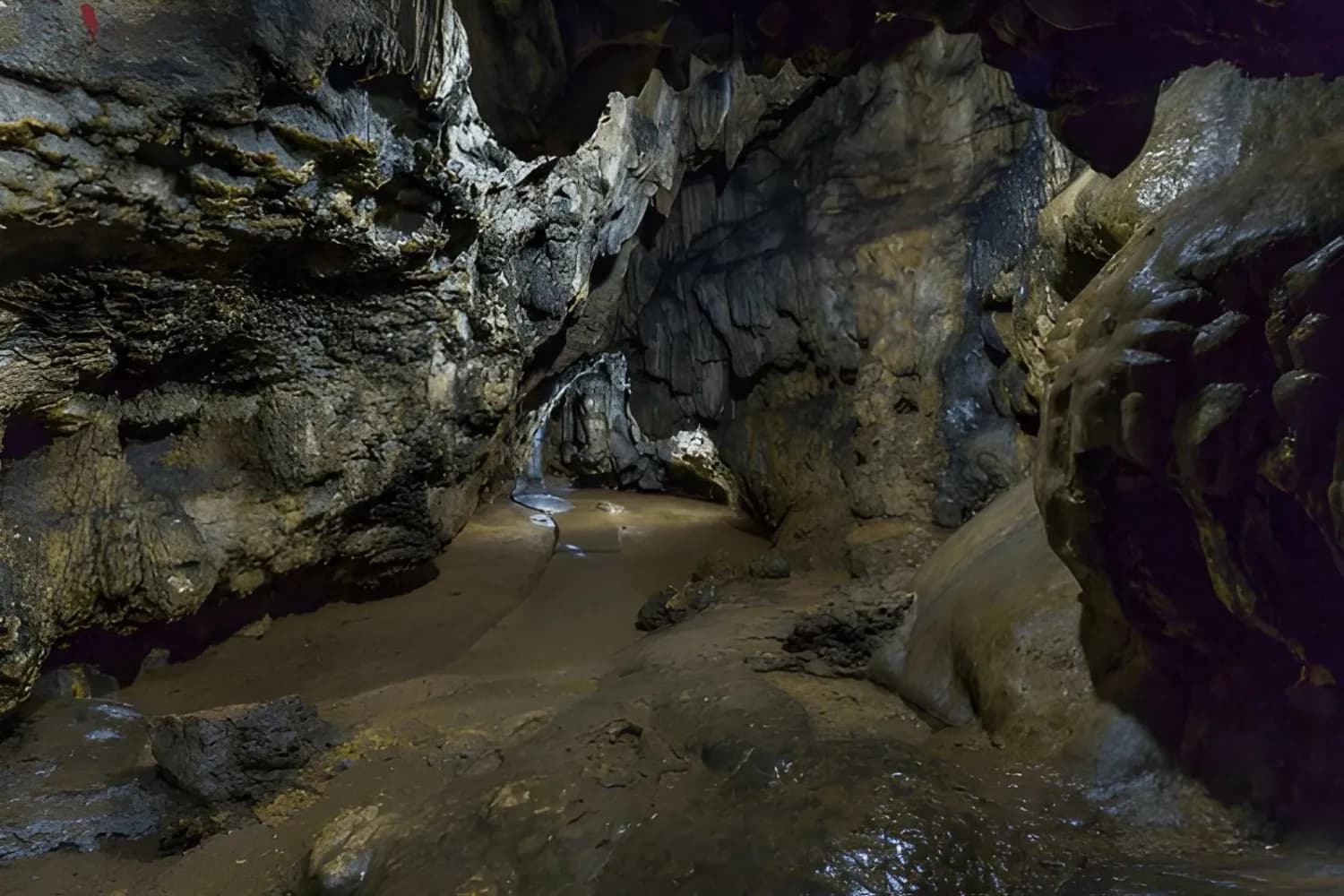
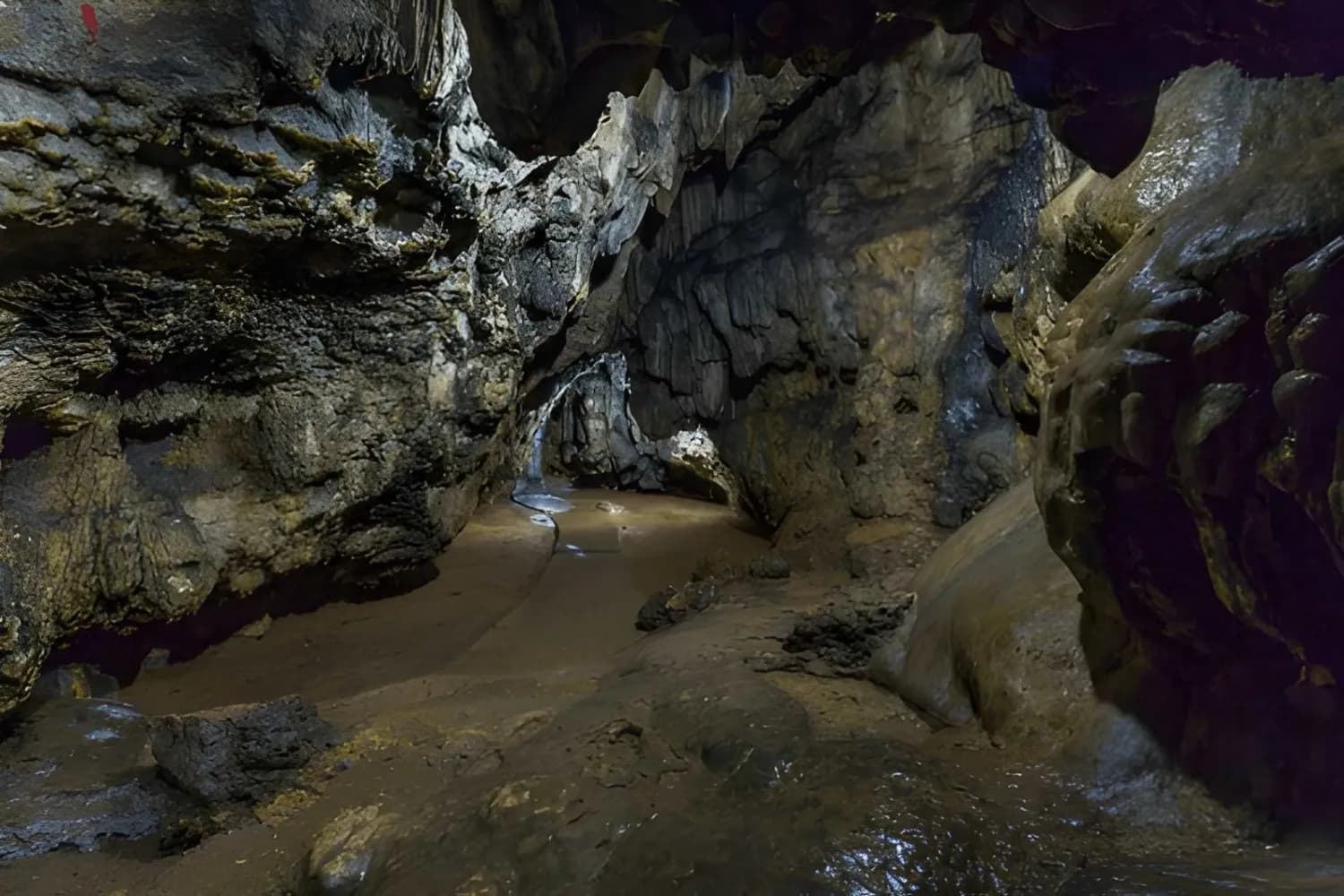
Meghalaya hides some of the most fascinating cave systems in India. Places like Mawsmai Cave attract travelers who want more than regular sightseeing. Inside, narrow passages, limestone formations, natural chambers, and dripping cave walls create a completely different environment from the forests outside.
Popular caves in Meghalaya are Mawsmai Cave, Arwah Cave, and Krem Puri. Some caves are easy for beginners, while others require serious exploration skills. The excitement comes from the unpredictability because every turn inside the cave feels darker, quieter, and more mysterious than the last.
Discover 10 Reasons to Visit Meghalaya with its breathtaking waterfalls, living root bridges, scenic hills, and vibrant culture, making it one of the best destinations for travelers seeking unforgettable Reasons to Visit Meghalaya, amazing Places to Visit in Meghalaya, and exciting Things to do in Meghalaya.
Meghalaya offers living root bridges, crystal-clear rivers, massive waterfalls, sacred forests, caves, and a rich tribal culture. It feels less commercial and more authentic than many crowded hill destinations.
Meghalaya is famous for its living root bridges, matrilineal tribal society, transparent rivers like Dawki, heavy monsoon landscapes, and unique Khasi, Garo, and Jaintia cultural traditions.
Meghalaya suits travelers seeking waterfalls, caves, tribal culture, and budget-friendly road trips. Bhutan feels calmer and spiritually focused, but it usually costs more due to tourism regulations and permits.
Some parts of Meghalaya follow a rare matrilineal tradition where family lineage and property pass through women, especially the youngest daughter, making it culturally unique within India.
The Khasi and Jaintia tribes grow these bridges using tree roots over decades. They become stronger with time and represent sustainable engineering connected deeply with nature.
Yes, monsoon transforms Meghalaya completely. Waterfalls become powerful, hills turn intensely green, clouds move across roads, and the entire landscape feels dramatic and cinematic for travelers.
May 19, 2026
May 12, 2026
April 23, 2026
April 23, 2026
April 23, 2026