 North East
 outdoors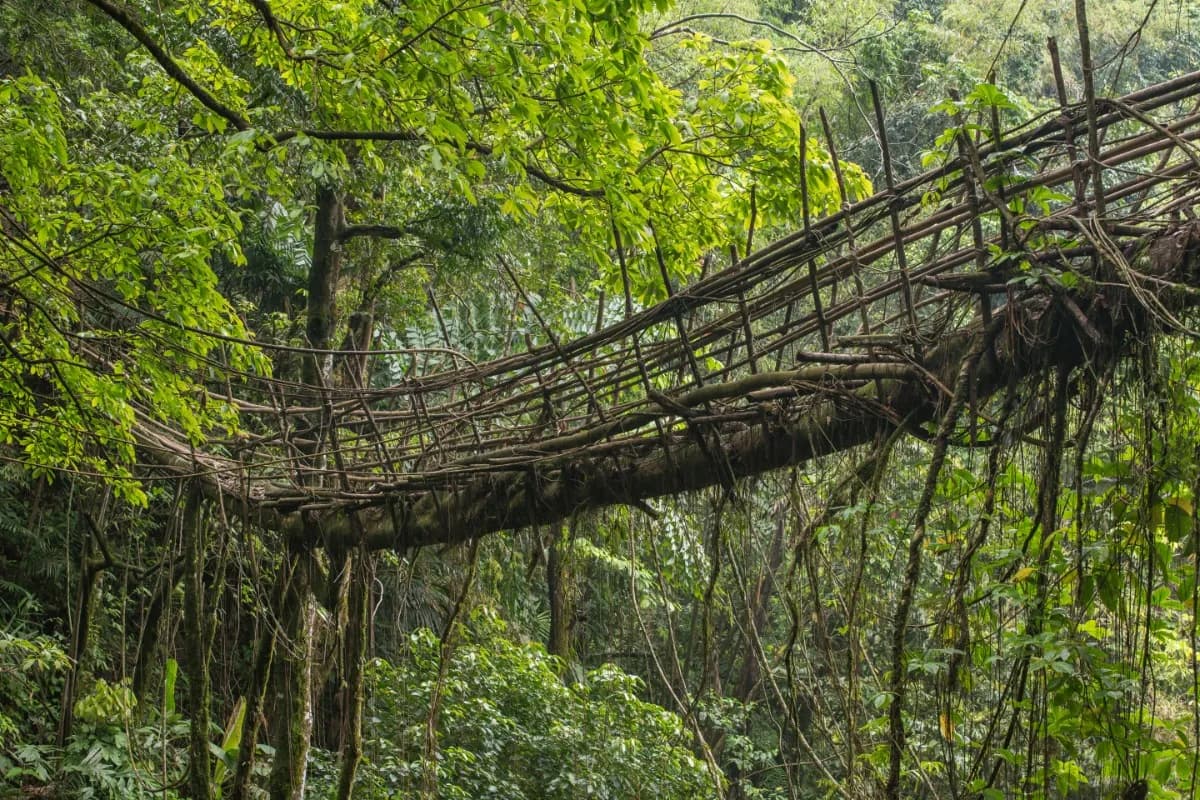
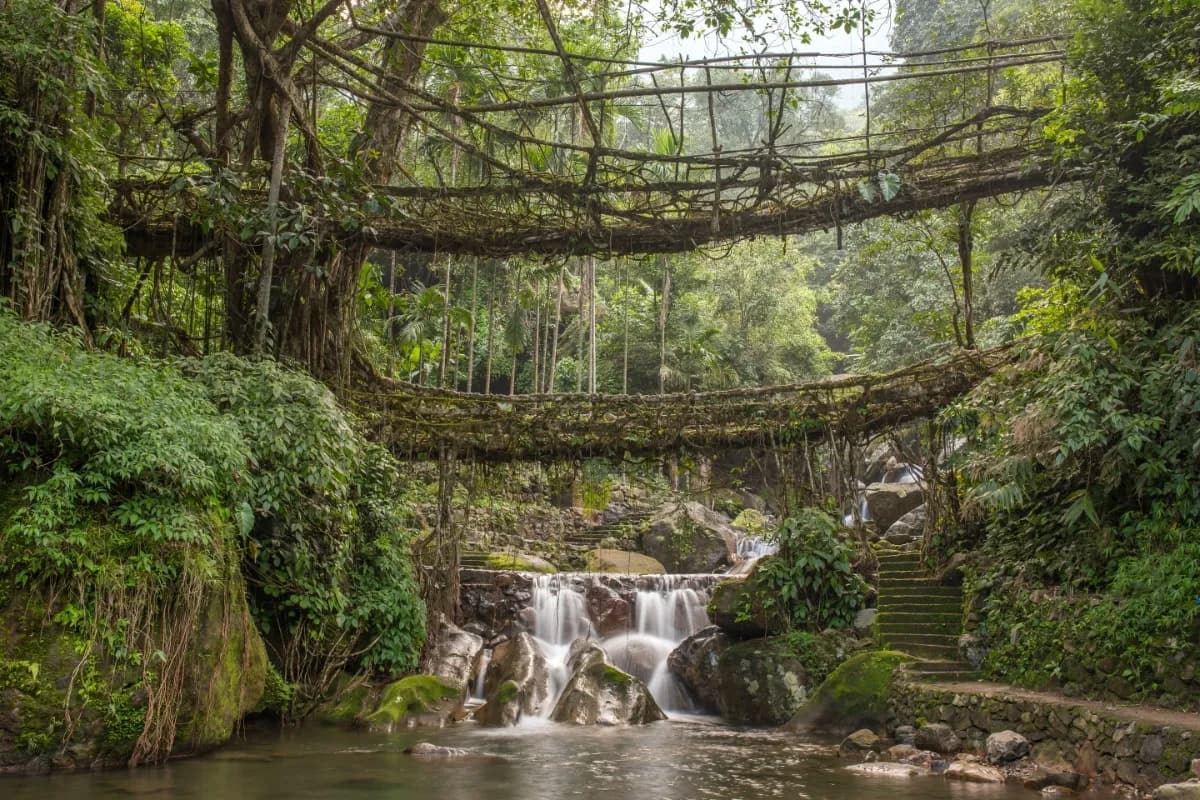
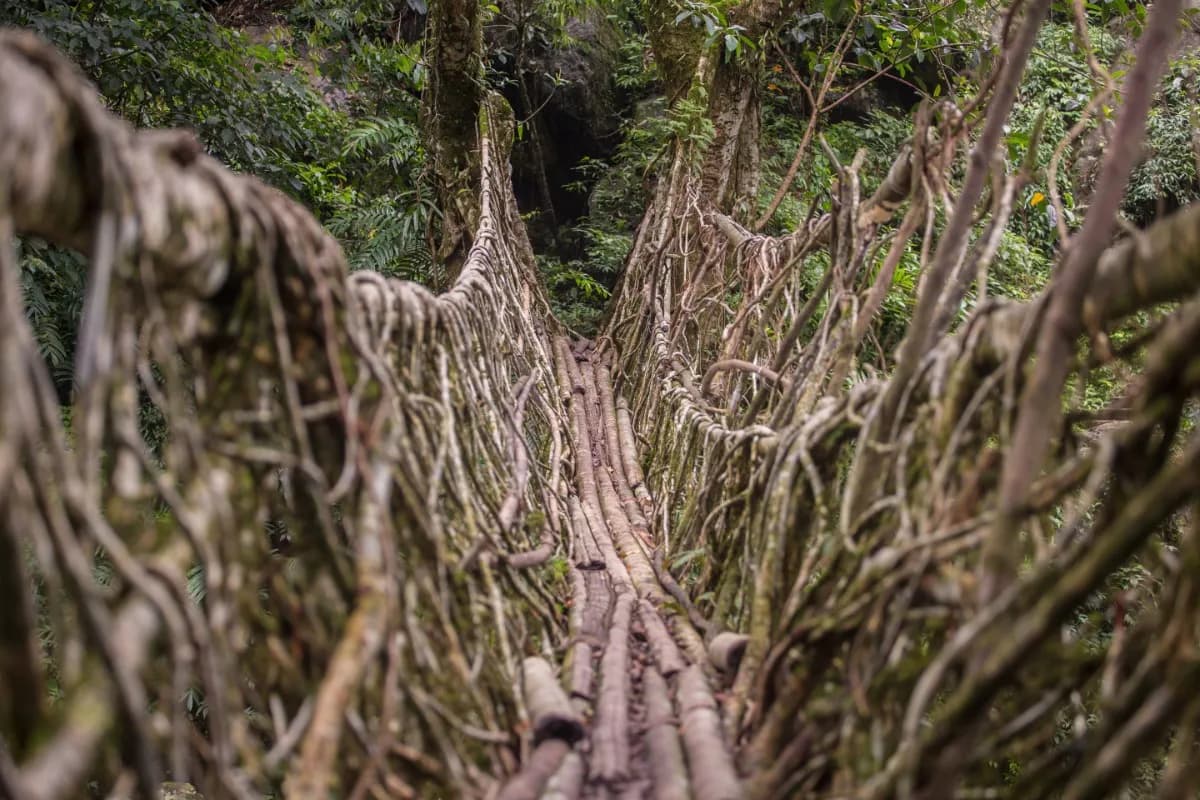
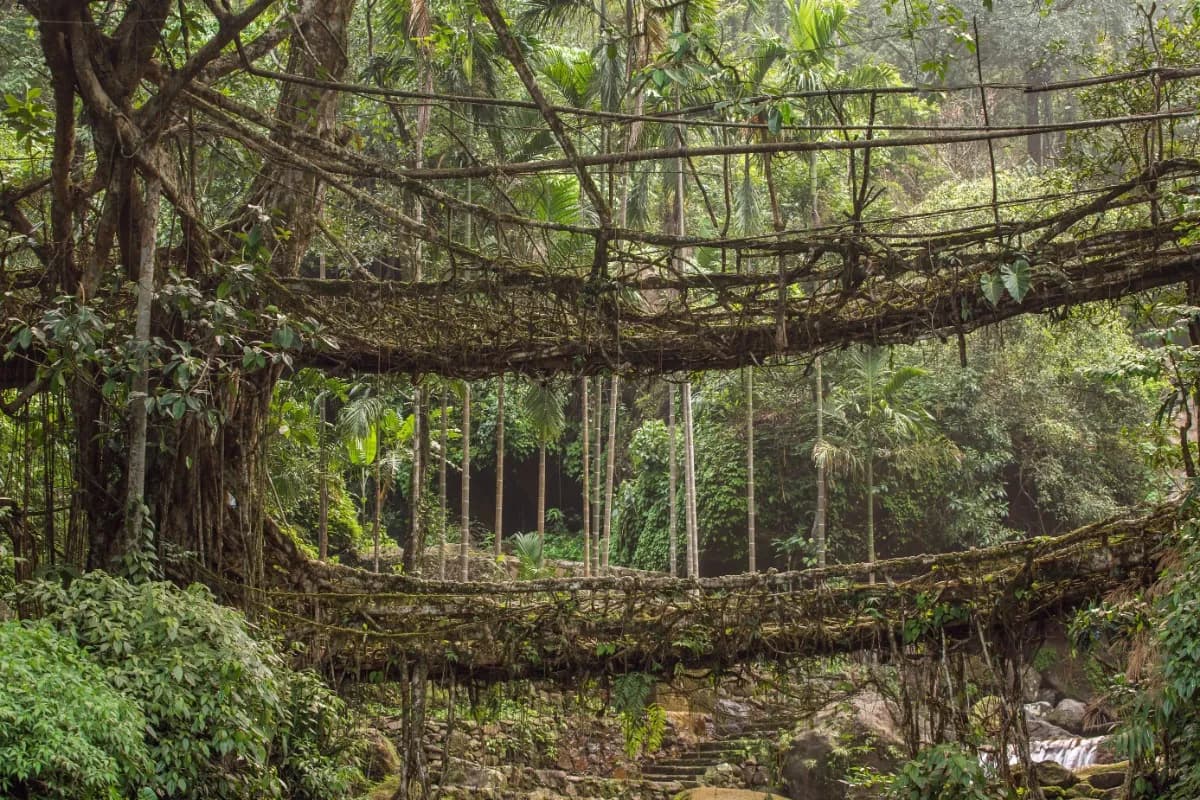
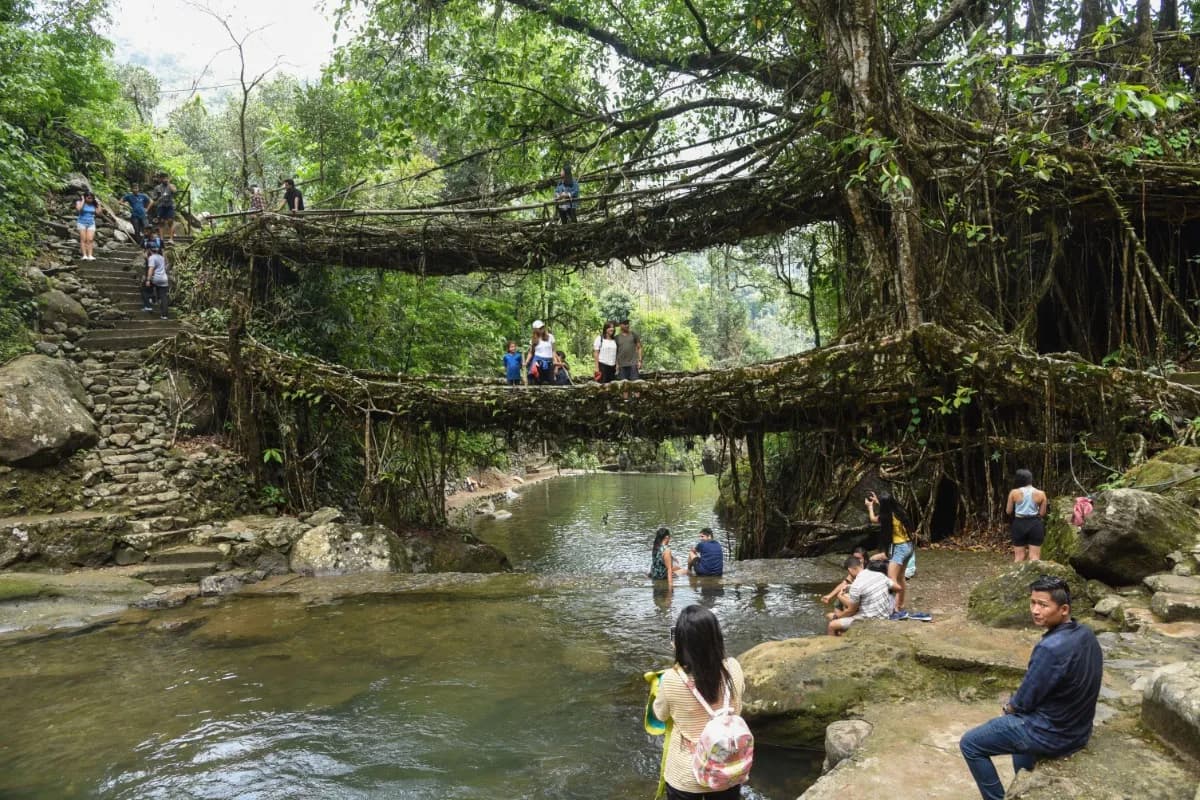
The Double Decker Living Root Bridge is a natural root bridge. It was formed by guiding tree roots across a stream over many years. It is located in Nongriat village and is reached by a long stair trek from Tyrna Village. The structure has two levels, built using living roots.
Part of most Meghalaya tour packages, this bridge is usually covered as a trekking activity rather than a quick visit. To reach here, travellers walk down 3,500 steps, cross smaller bridges, and pass through lush green forest. And spend some time at the site before climbing back the same day or staying overnight nearby.
The bridge is created by the Khasi tribe using rubber tree roots. Instead of cutting trees, they guide roots across streams using bamboo frames. Over time, the roots grow stronger and form a stable, natural bridge.
The double-decker structure makes it unique, as most root bridges have only one level. It shows how local communities adapted to heavy rainfall and flowing streams using natural methods that last for decades.
Visit between October and April. The temperature stays around 10–25°C with less rain. Monsoon (June to September) makes steps slippery and streams strong, though greenery is at its peak during this time. It is best to start early in the morning so you can return before being dark. The early morning crowd is thin and easy to operate.
If you are reaching from Shillong and Guwahati. First reach Cherrapunji(about 65 km), then travel 15 km to Tyrna. From there, trek 3 km down with around 3,500 steps. The full journey takes 4–6 hours one way. The cost can be 800 to 4,500, depending on the convenience and quality.
Entry Fee: ₹20–₹50 per person
Timings:
Closed on: Sundays
Day Wise Timings
Maps & Location
7M2C+GQ5, Nongriat, Meghalaya 793108
Essential Information
Point of Interest for Double Decker Living Root Bridge
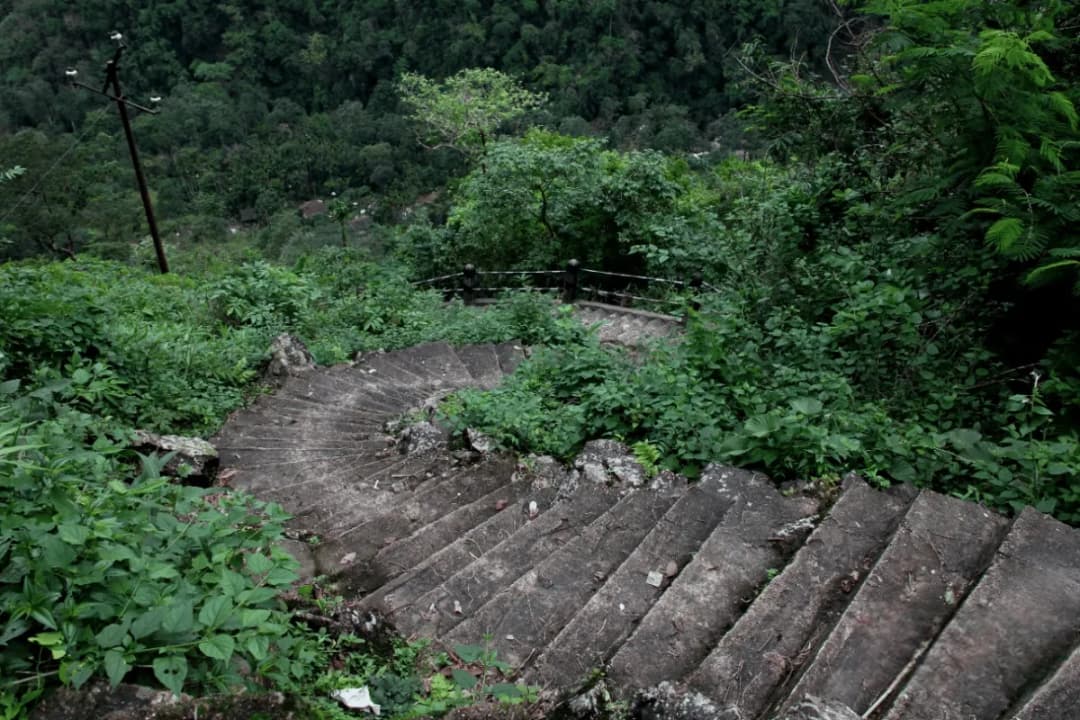
Long stair trek route
Around 3,500 steps through the forest, villages, and bridges
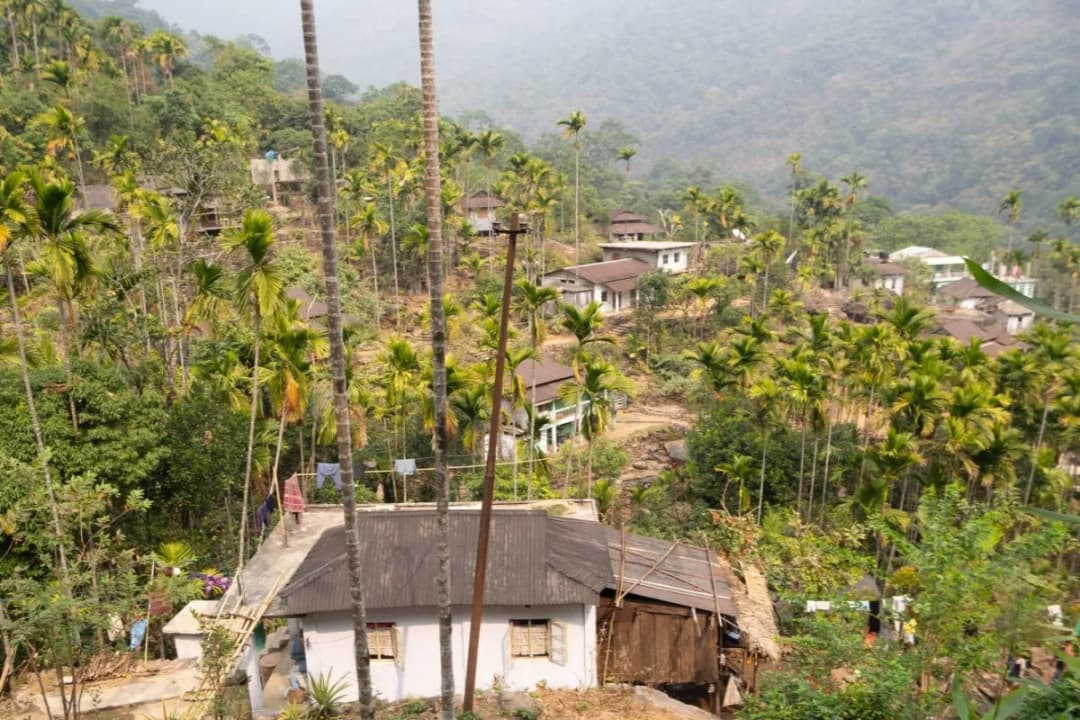
Nongriat village stay
Basic homestays with simple food and local experience.
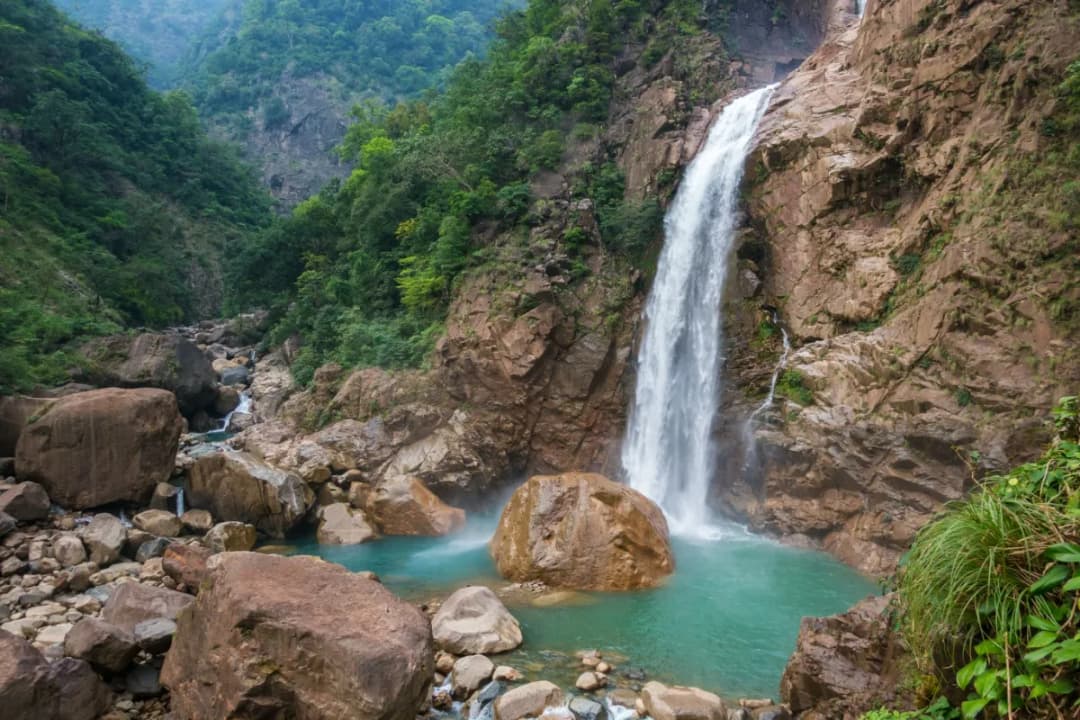
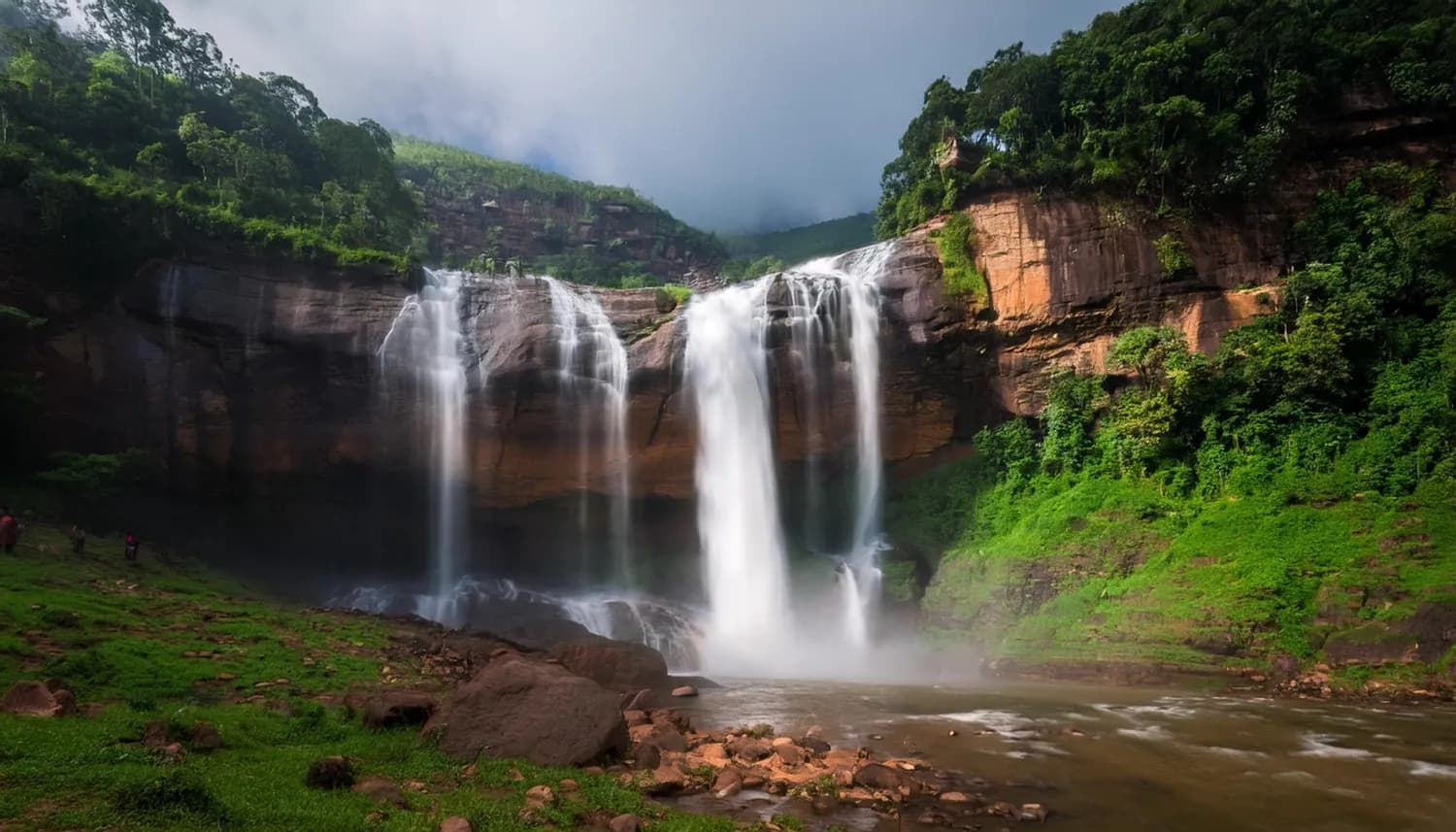
Rainbow Falls nearby
A short trek ahead leads to a clear blue natural pool.
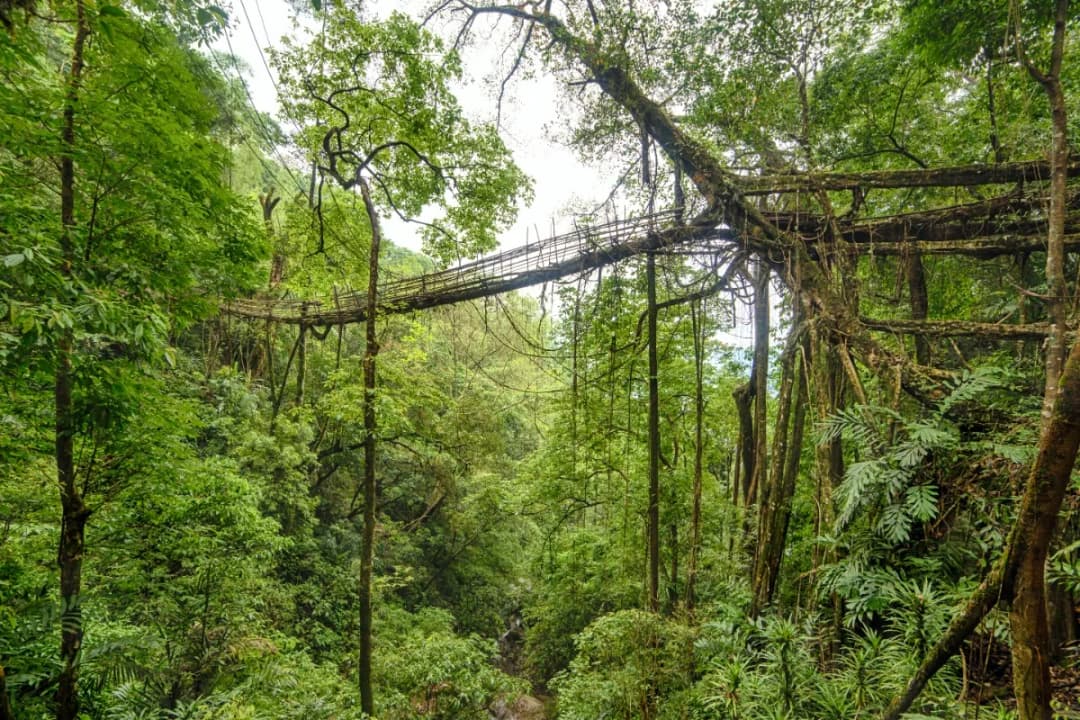
Hanging bridges on the trail
Multiple suspension bridges across streams during the trek.
The Double Decker Living Root Bridge is located in Nongriat village, near Cherrapunjee (Sohra) in Meghalaya, about 60 km from Shillong.
The entry fee is around ₹100 per person, and hiring a local guide for ₹200–₹300 is recommended for safety and guidance.
The trek involves descending and climbing over 3,000 steps through steep terrain, making it moderately challenging but rewarding for nature lovers.
The ideal time to visit is between October and April, when the trails are less slippery and the weather is cool and clear.
This unique two-level bridge is made entirely from living tree roots, symbolizing the sustainable lifestyle and ingenuity of Meghalaya’s Khasi tribe. It’s one of the most iconic natural landmarks in India.

Trusted by 1,00,000+ travellers

Dedicated experts to plan your trips

Secure bookings, clear cancellations

10,000+ unique trips to choose from

4.8

Shaurya Manger
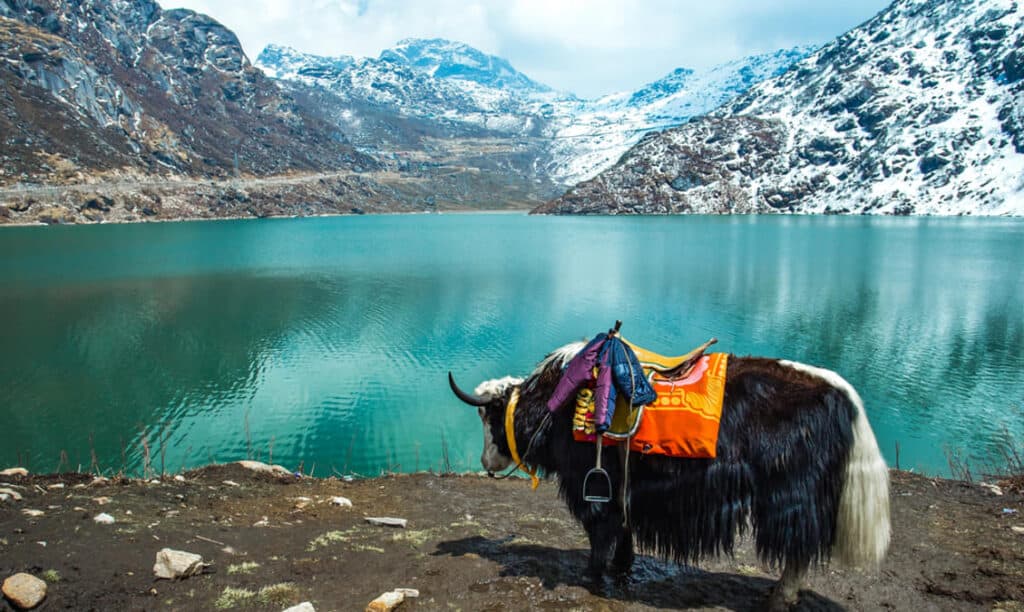
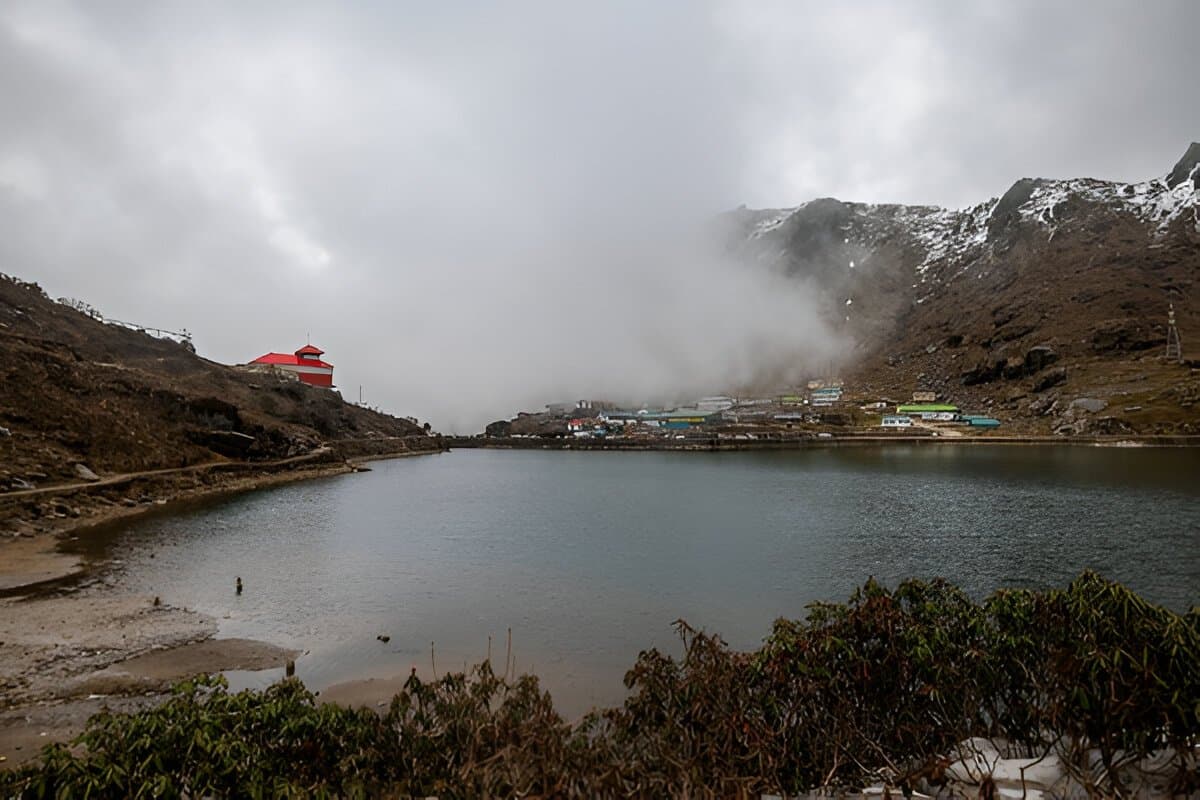
Reviewed: Nov 30, 2025Sikkim trip with Viacation ekdum unforgettable tha! Tsomgo Lake ka beauty dil jeet liya.
Sikkim trip with Viacation ekdum unforgettable tha! Tsomgo Lake ka beauty dil jeet liya.
Aarohi Thami
Reviewed: Dec 28, 2025Loved this Sikkim trip with Viacation. The complimentary lake visit was a highlight.
Loved this Sikkim trip with Viacation. The complimentary lake visit was a highlight.