₹33,999
4 days
5 days
6 days
8 days
Day 1Bagdogra to Darjeeling
Transfer
Transfer to Hotel
Day 2Darjeeling Sightseeing
Day 3Darjeeling to Gangtok
Day 4Gangtok Sightseeing
Day 5Gangtok to Kalimpong
Day 6Kalimpong to Bagdogra / NJP
End of the Trip
Trusted by 1,00,000+ travellers

Dedicated experts to plan your trips

Secure bookings, clear cancellations

10,000+ unique trips to choose from

Additional Info
Refund Policy
Cancellation Policy
Umiam Lake, nestled in the serene hills of Meghalaya near Shillong, is a picturesque man-made reservoir surrounded by lush green pine forests. Created in the early 1960s as part of a hydroelectric project, this tranquil lake spans over 220 square kilometers and is a popular destination for nature lovers and adventure seekers alike. Its crystal-clear waters reflect the sky, offering breathtaking views at sunrise and sunset. Umiam Lake is not only ideal for peaceful boat rides and picnics but also hosts water sports like kayaking, water skiing, and paddle boating. The area around the lake is rich in flora and fauna, making it perfect for nature walks and photography. With its cool climate and scenic charm, Umiam Lake is a must-visit spot when exploring Meghalaya’s natural beauty.
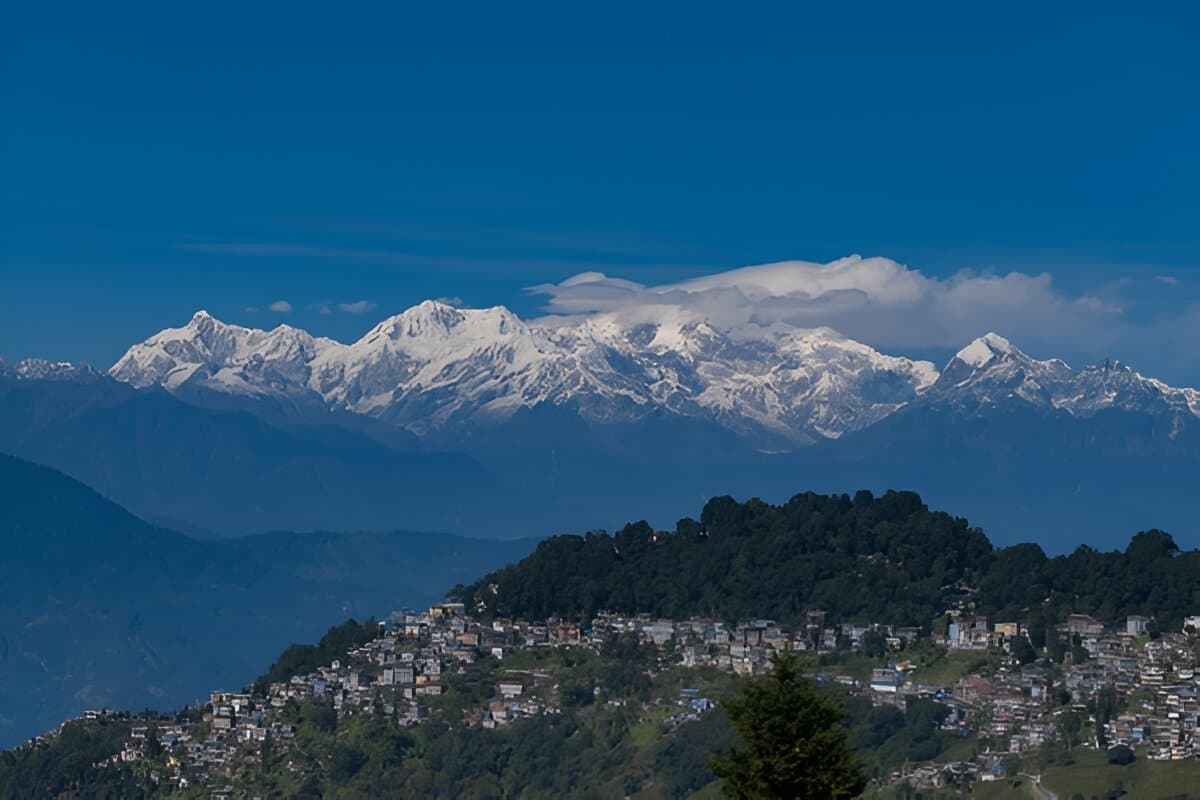
Tashi View Point, located near Gangtok in Sikkim, offers stunning panoramic views of the majestic Kanchenjunga mountain range and its snow-clad peaks. A popular tourist spot, it is especially known for its breathtaking sunrise and sunset vistas. On clear days, visitors can also see the Phodong and Labrang monasteries nestled in the hills. Surrounded by lush greenery, the viewpoint is ideal for photography and peaceful contemplation. Basic amenities, including telescopes and snack stalls, are available, making it a convenient stop for travelers. Tashi View Point is a must-visit for nature lovers and those seeking serenity in the Himalayas.
Ganesh Tok is a small yet picturesque temple located near Gangtok, Sikkim, perched at an altitude of 6,500 feet. Dedicated to Lord Ganesha, the temple is a popular stop for both devotees and tourists. Its compact size allows only one person to enter at a time, adding a unique charm. The real highlight, however, is the breathtaking panoramic view it offers of the snow-capped Kanchenjunga range and the lush valleys below. Surrounded by prayer flags and vibrant flora, Ganesh Tok is not just a spiritual retreat but also a perfect viewpoint for photography and peaceful contemplation in serene surroundings.
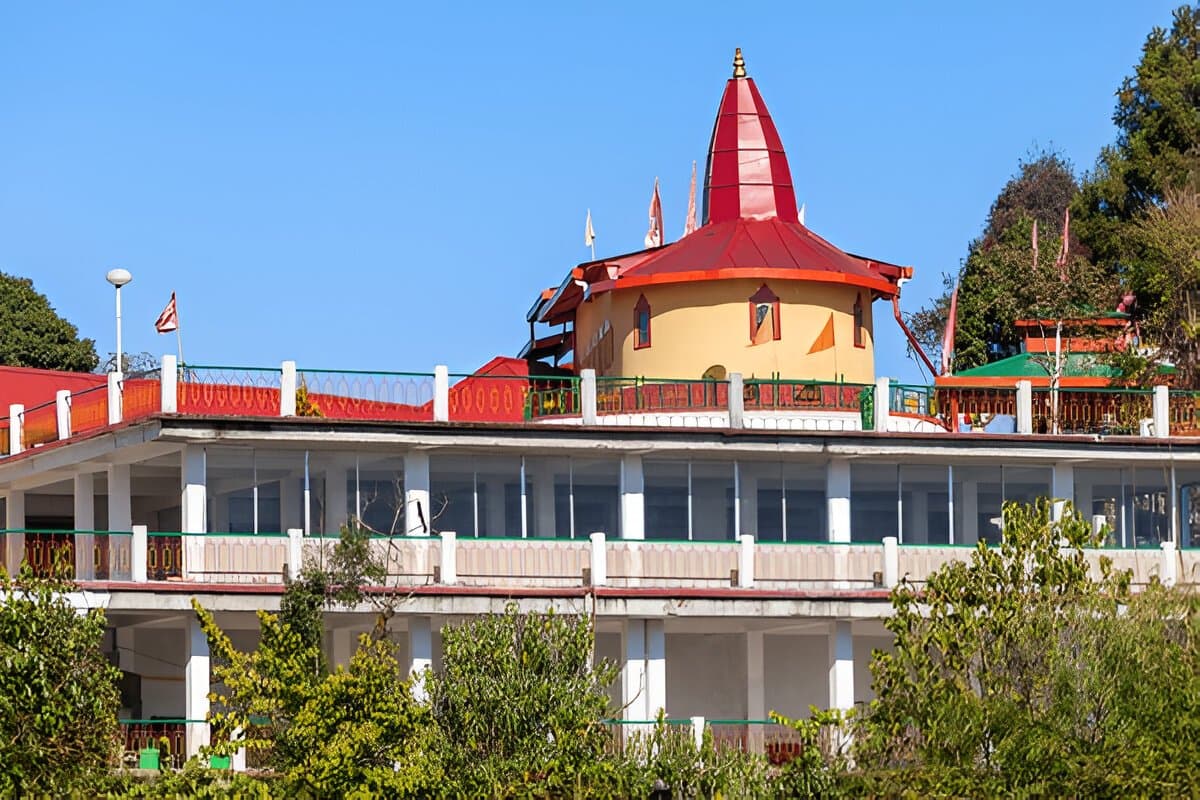
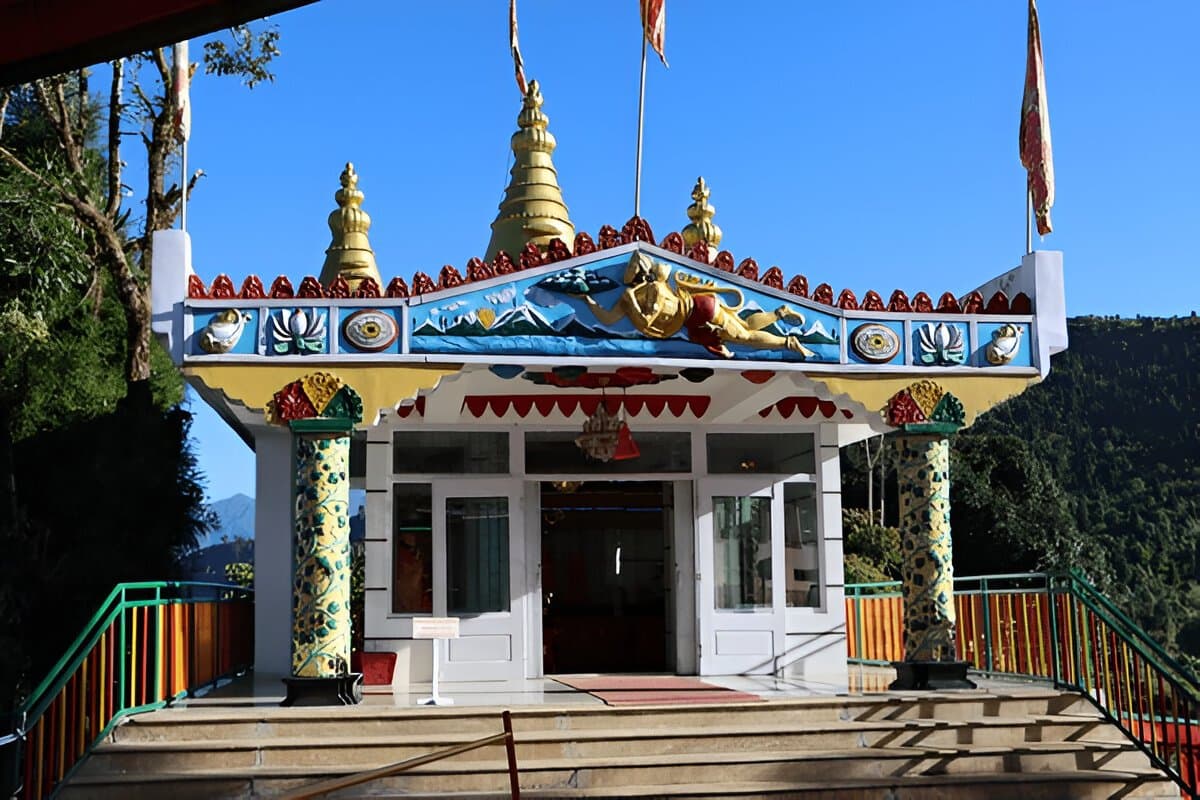
Hanuman Tok is a serene and revered Hindu temple located in Gangtok, Sikkim, dedicated to Lord Hanuman. Perched at an altitude of 7,200 feet, it offers breathtaking panoramic views of the surrounding hills and the majestic Kanchenjunga range. Maintained by the Indian Army, the temple is known for its peaceful ambiance and spiritual significance. According to legend, Lord Hanuman rested here while flying to Lanka with the Sanjeevani herb. The well-maintained premises, prayer hall, and the tranquil environment make it a must-visit spot for devotees and tourists alike seeking peace, spirituality, and stunning natural beauty in the heart of Sikkim.
The Flower Exhibition Centre at Ridge Park in Gangtok, Sikkim, is a vibrant showcase of the region's rich floral diversity. Situated near the White Memorial Hall and just a short walk from MG Marg, this greenhouse-style venue displays a stunning array of indigenous and exotic flowers, including orchids, rhododendrons, and seasonal blooms. The center is especially renowned for its annual flower show held between March and June, when the gardens burst into a riot of colors and fragrances. Visitors can stroll through landscaped paths, relax in the traditional Sikkimese gazebo, and enjoy the serene ambiance, making it a must-visit for nature enthusiasts and photographers alike.
The Directorate of Handicrafts & Handloom is a government body dedicated to preserving, promoting, and developing traditional arts, crafts, and handloom industries. It plays a vital role in supporting artisans and weavers by providing skill development, financial assistance, marketing support, and access to national and international platforms. The Directorate works to revive dying crafts, enhance product quality, and ensure sustainable livelihoods for craftspeople. Through exhibitions, training programs, and collaborations, it fosters cultural heritage and economic growth. Its initiatives aim to empower artisans while keeping the rich legacy of indigenous craftsmanship alive for future generations.
The Namgyal Institute of Tibetology, located in Gangtok, Sikkim, is a premier center for research on Tibetan culture, history, religion, and language. Established in 1958, the institute is named after the 11th Chogyal of Sikkim, Tashi Namgyal. It houses one of the largest collections of Tibetan manuscripts, rare thangkas, statues, and ancient Buddhist relics outside Tibet. The museum and library within the institute attract scholars and visitors from around the world. With its traditional architecture and serene surroundings, the Namgyal Institute offers a profound insight into the spiritual and cultural heritage of the Tibetan and Himalayan region.
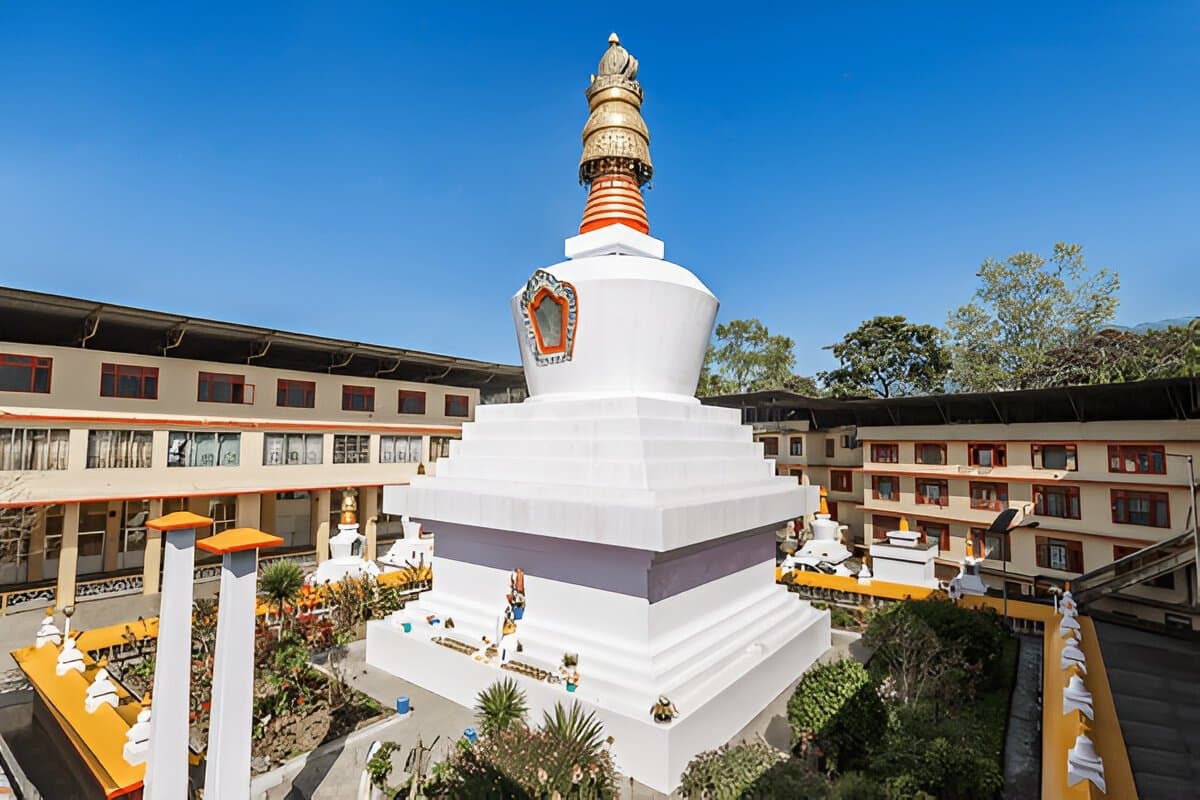
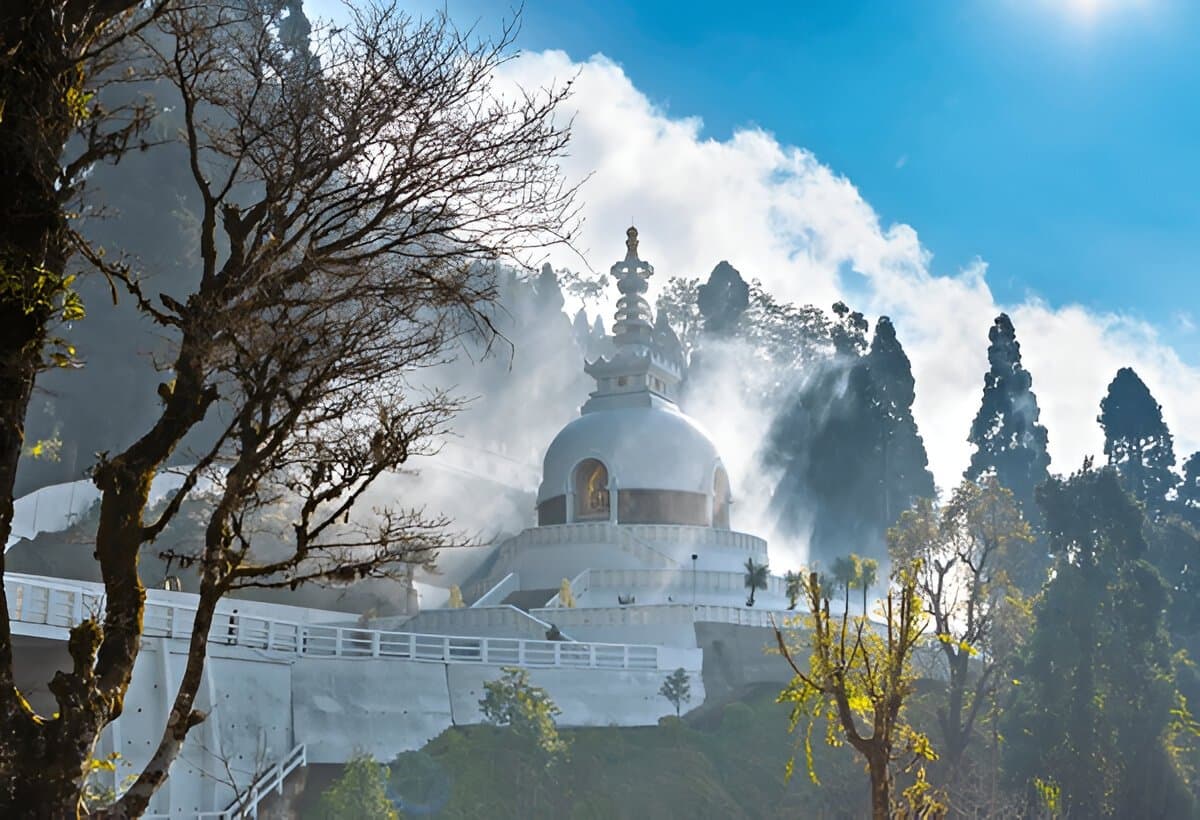
Do Drul Chorten is one of the most important and revered stupas in Sikkim, located near Gangtok. Built in 1945 by Trulshik Rinpoche, a prominent Tibetan lama, the stupa enshrines sacred relics, prayer wheels, and spiritual texts of the Nyingma sect of Tibetan Buddhism. Surrounded by 108 prayer wheels, devotees spin them while chanting mantras for blessings and good karma. The peaceful atmosphere and intricate architecture attract both pilgrims and tourists alike. Do Drul Chorten stands as a symbol of spiritual heritage and serenity, offering visitors a profound glimpse into the region’s Buddhist traditions and meditative culture.
Navagraha Mandir in Guwahati is a revered temple dedicated to the nine celestial planets (Navagrahas) of Hindu astrology. Located amidst serene surroundings, this temple attracts devotees seeking blessings for health, prosperity, and success by appeasing planetary influences. Each of the nine deities—Sun, Moon, Mars, Mercury, Jupiter, Venus, Saturn, Rahu, and Ketu—is worshipped here with elaborate rituals. The temple’s tranquil ambiance, combined with its spiritual significance, makes it a popular destination for pilgrims and tourists alike. Visitors often come to perform Navagraha puja, hoping to mitigate astrological troubles and enhance positive energies. The architecture is simple yet spiritually uplifting, reflecting the deep-rooted faith in cosmic forces. Navagraha Mandir stands as a peaceful retreat where devotees connect with the cosmic rhythm and seek divine grace.
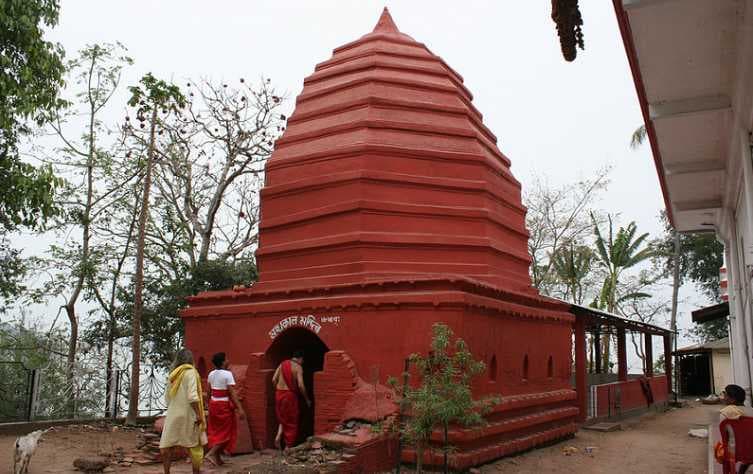
Umananda Temple, nestled on Peacock Island in the Brahmaputra River, is one of Guwahati’s most revered and scenic spiritual sites. Dedicated to Lord Shiva, the temple’s name means “bliss of Shiva” and is rooted in ancient legends, including the tale of Kamadeva being incinerated by Shiva’s third eye. Built in 1694 by the Ahom King Gadadhar Singha, the temple showcases intricate rock-cut sculptures and is a blend of historical and mythological charm. Accessible by a short ferry ride, the journey itself offers serene river views and glimpses of the city’s skyline. The temple comes alive during Maha Shivratri, drawing devotees and tourists alike. Surrounded by nature and serenity, Umananda Temple offers a perfect blend of spiritual peace and natural beauty in the heart of Assam.