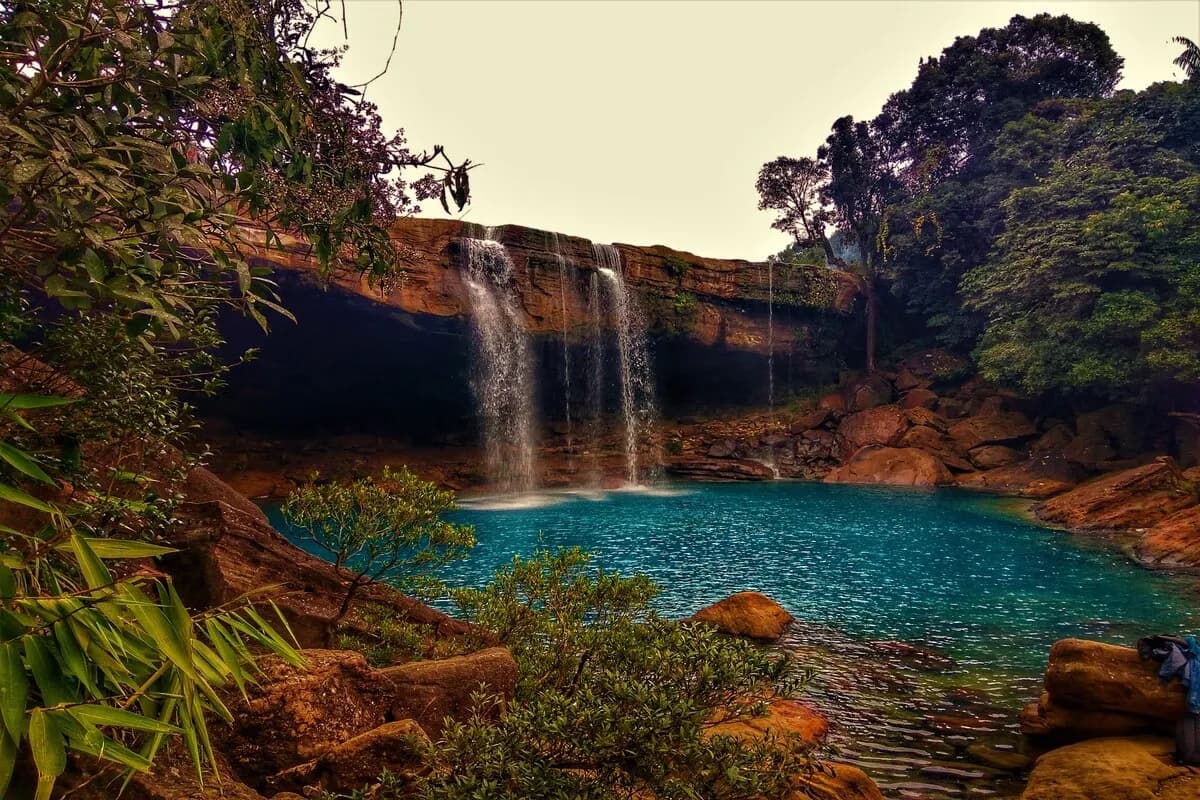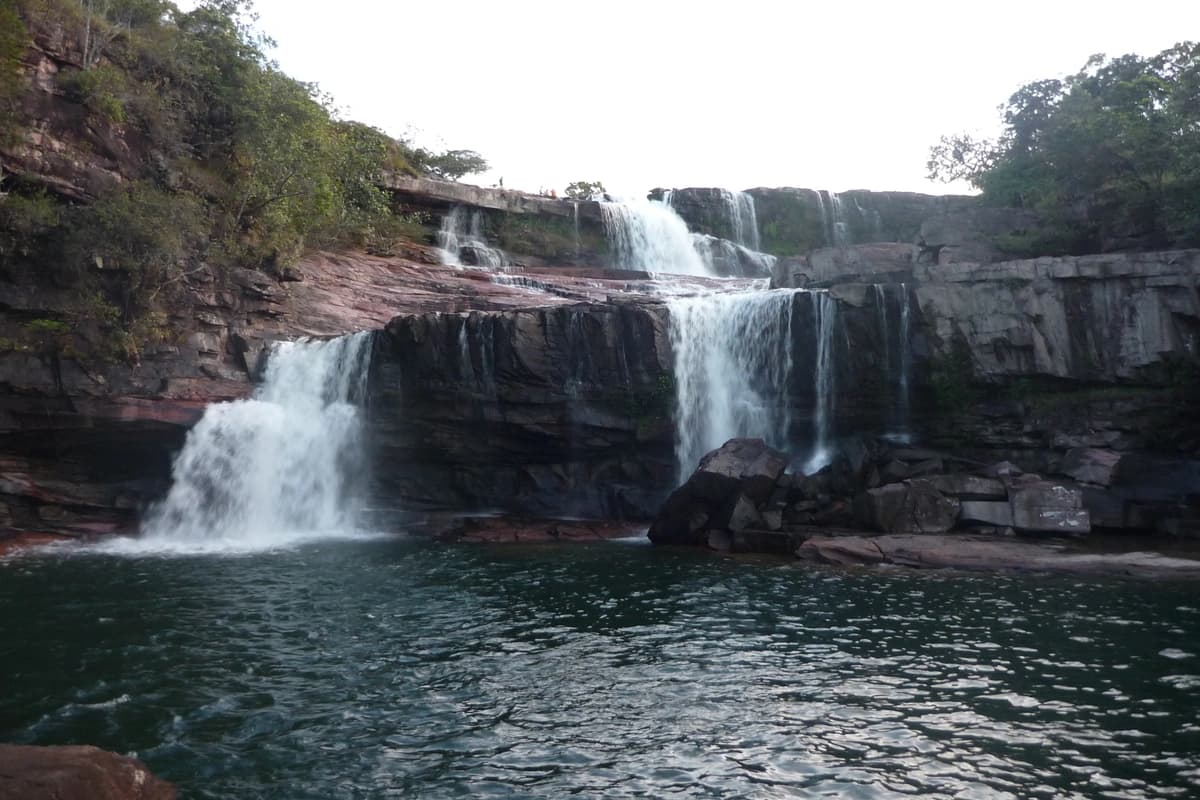
Meghalaya

Every journey leaves you with a story

About Meghalaya

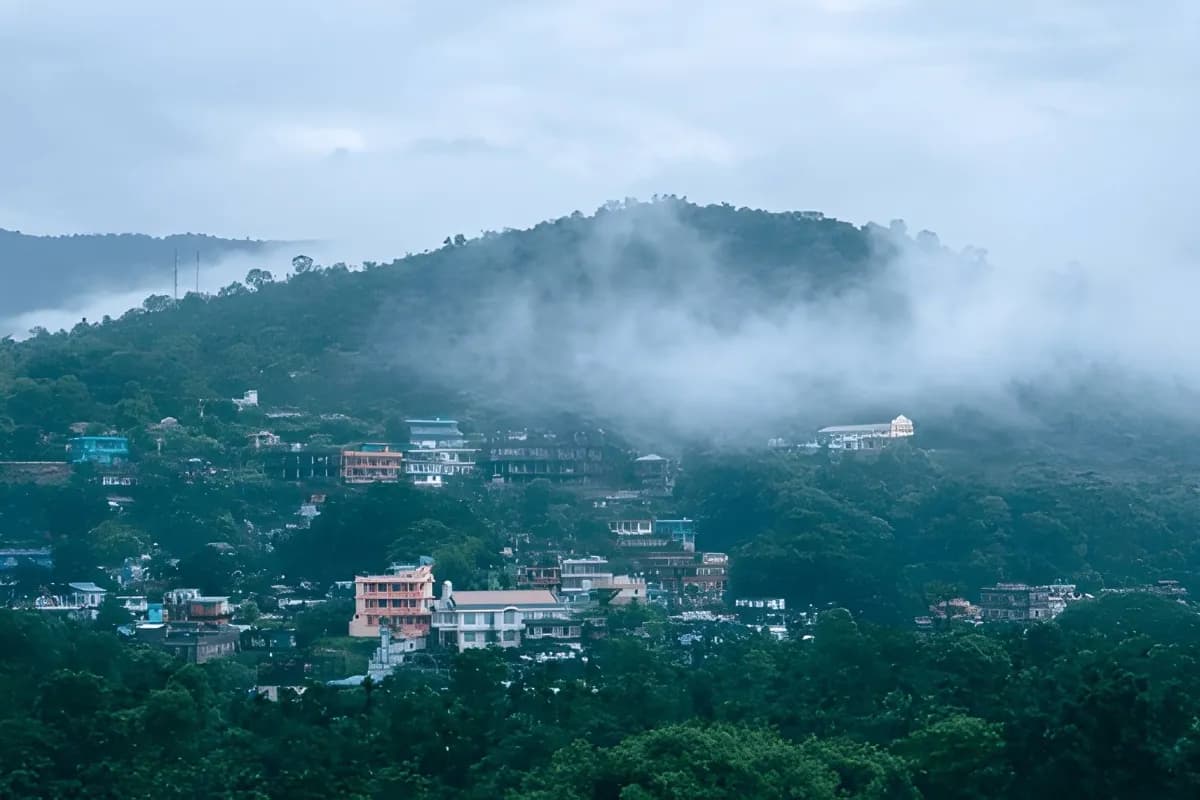
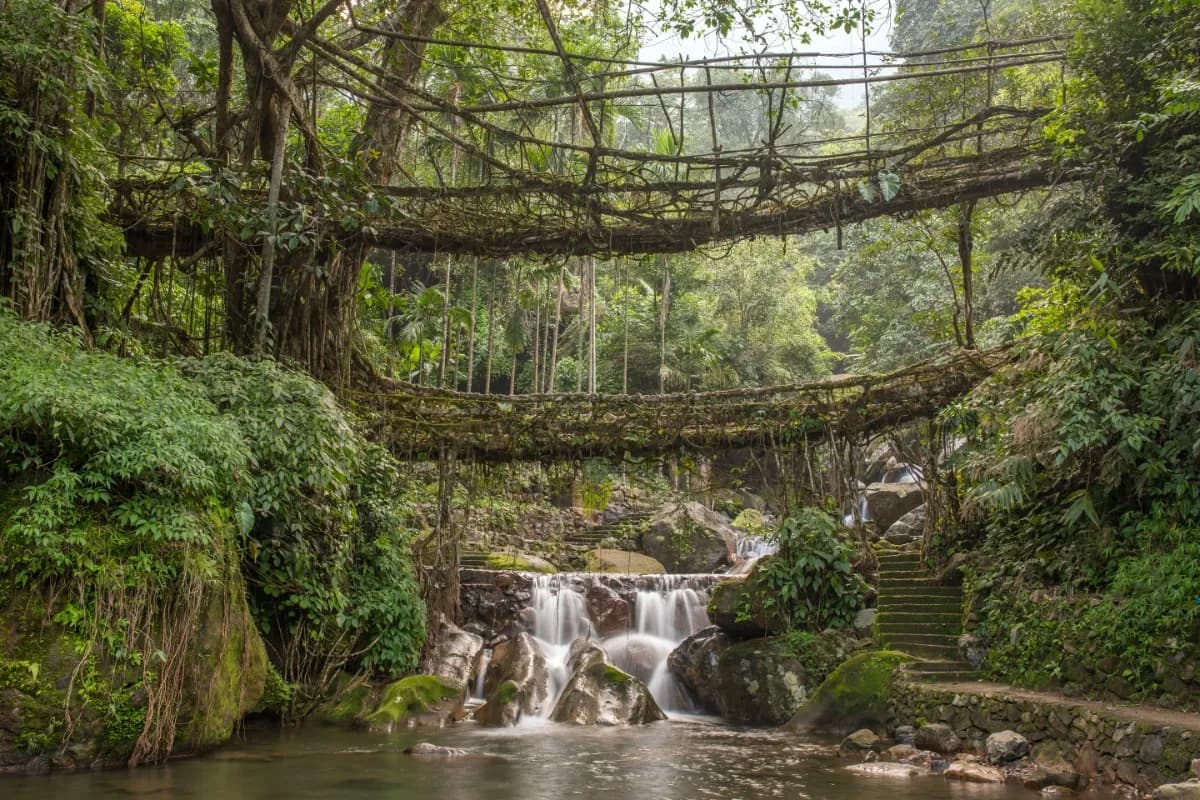
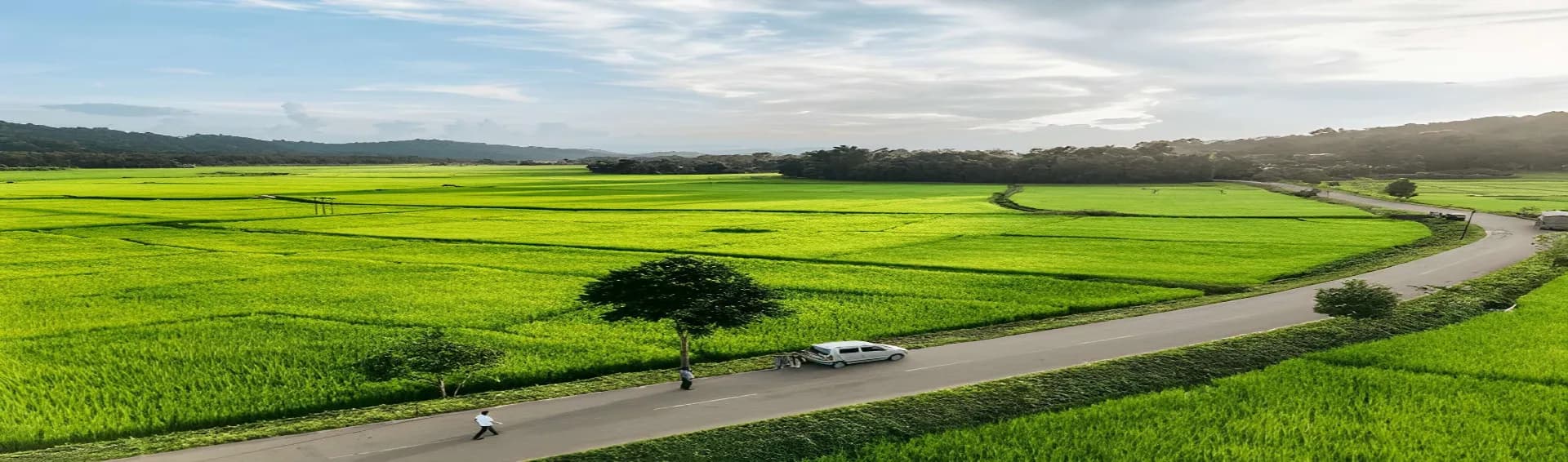
Meghalaya, meaning “the abode of clouds,” is one of the most beautiful states in Northeast India. It is known for its rolling hills, waterfalls, caves, and a different type of living root bridges. The capital city, Shillong, sometimes called the “Scotland of the East,” is full of music, markets, and natural beauty. Tourists also enjoy local food, festivals, and friendly hospitality, making it a wonderful place for both relaxation and adventure experiences in nature.


This state is also home to some of the wettest places on Earth, like Cherrapunji and Mawsynram, where rain creates beautiful green landscapes and countless waterfalls. With Meghalaya Tour Packages, travellers can explore all these attractions easily. With its friendly people, rich tribal culture, and breathtaking views, Meghalaya is a paradise for nature and adventure lovers. Visitors can also explore sacred forests, crystal-clear rivers, and unique caves that make every trip memorable and filled with exciting discoveries.


Best Time to Visit Meghalaya:

The best time to visit Meghalaya is from October to April, when the weather is cool and pleasant for sightseeing, trekking, and outdoor activities. Winter (December-February) is perfect for exploring caves, lakes, and waterfalls.


The monsoon season (May-September) brings heavy rains, which make the valleys and waterfalls look stunning but may not be ideal for long road trips.


How to Reach Meghalaya:

By Air:

Direct Flight:

  1. Departure City: Guwahati (nearest major city with airport)
  2. Arrival City & Airport: Lokpriya Gopinath Bordoloi International Airport, Guwahati
  3. Time Taken: Around 1–2 hours (depending on departure city)
  4. Airlines: IndiGo, Air India, SpiceJet

Connecting Flight:

  1. Departure City: Delhi, Mumbai, Bengaluru, Kolkata
  2. Arrival City & Airport: Lokpriya Gopinath Bordoloi International Airport, Guwahati
  3. Layover Cities: Usually Kolkata, Delhi, or Bengaluru
  4. Time Taken: 3–6 hours (including layover)
  5. Airlines: IndiGo, Air India, GoAir

By Train:

Meghalaya does not have a major railway station. The nearest one is Guwahati Railway Station, about 100 km from Shillong. From there, taxis and buses are available.

By Road:

Meghalaya is well-connected by road to Assam. Buses, shared cabs, and private taxis regularly run from Guwahati to Shillong and other parts of the state. The road journey offers beautiful hill views.


Places to Visit Meghalaya:

The home of clouds, Meghalaya, is full of rain, green hills and village living. Let's explore the best places to visit in Meghalaya.


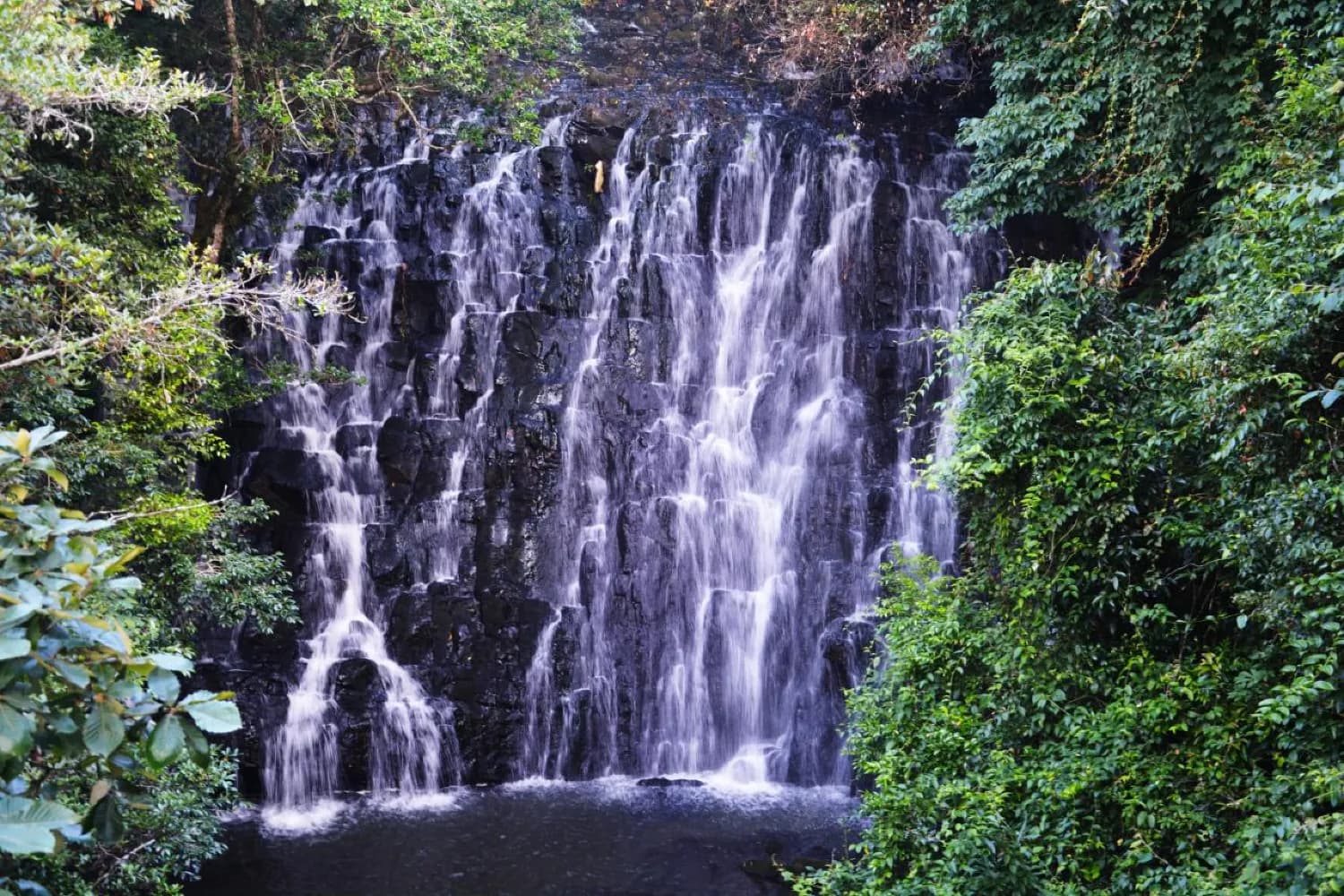
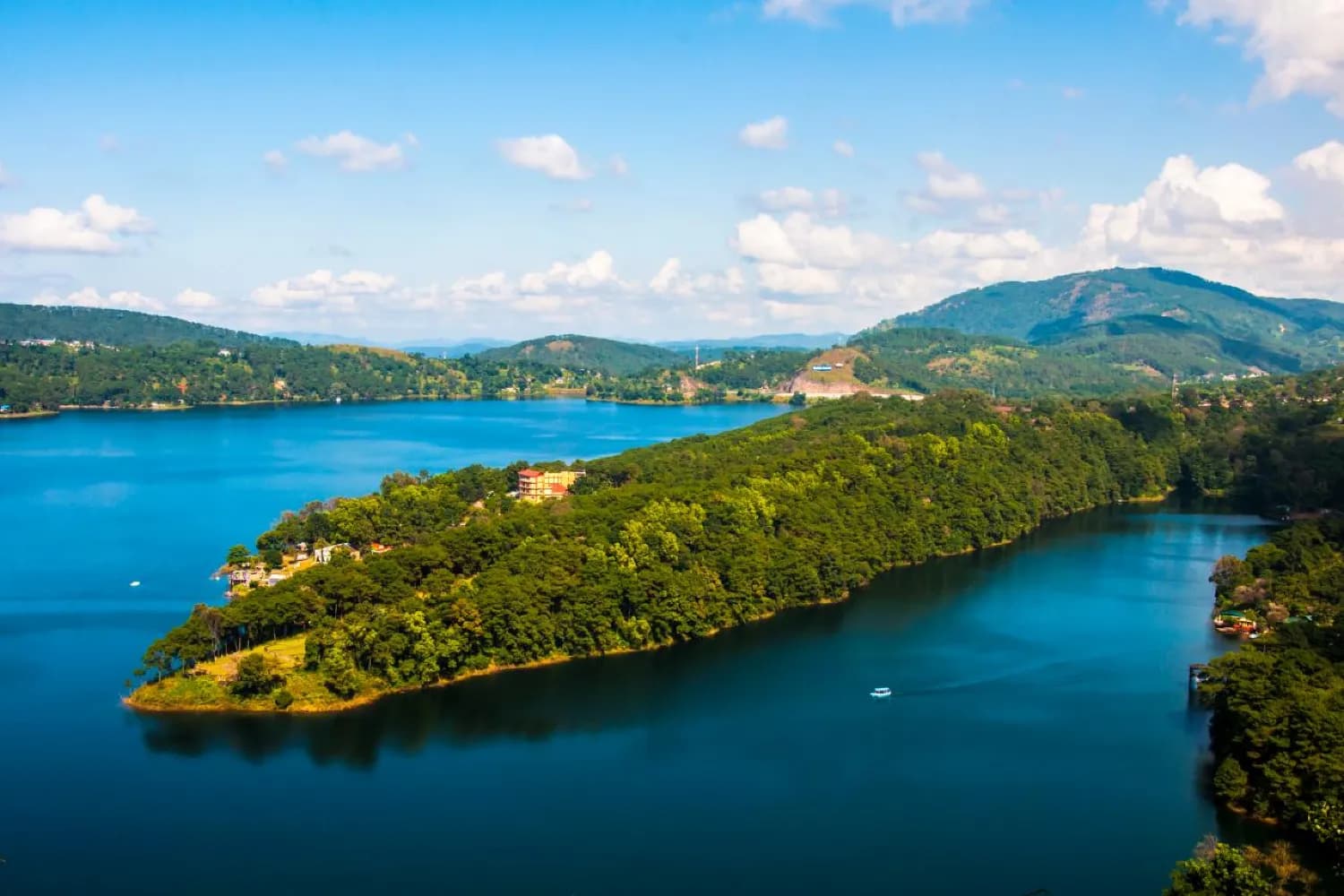
  1. Shillong: The capital city, known for Umiam Lake, Ward’s Lake, Elephant Falls, and its lively music culture. It is also a hub for shopping and local Khasi food. The pleasant climate here makes it a favourite hill station in Northeast India.
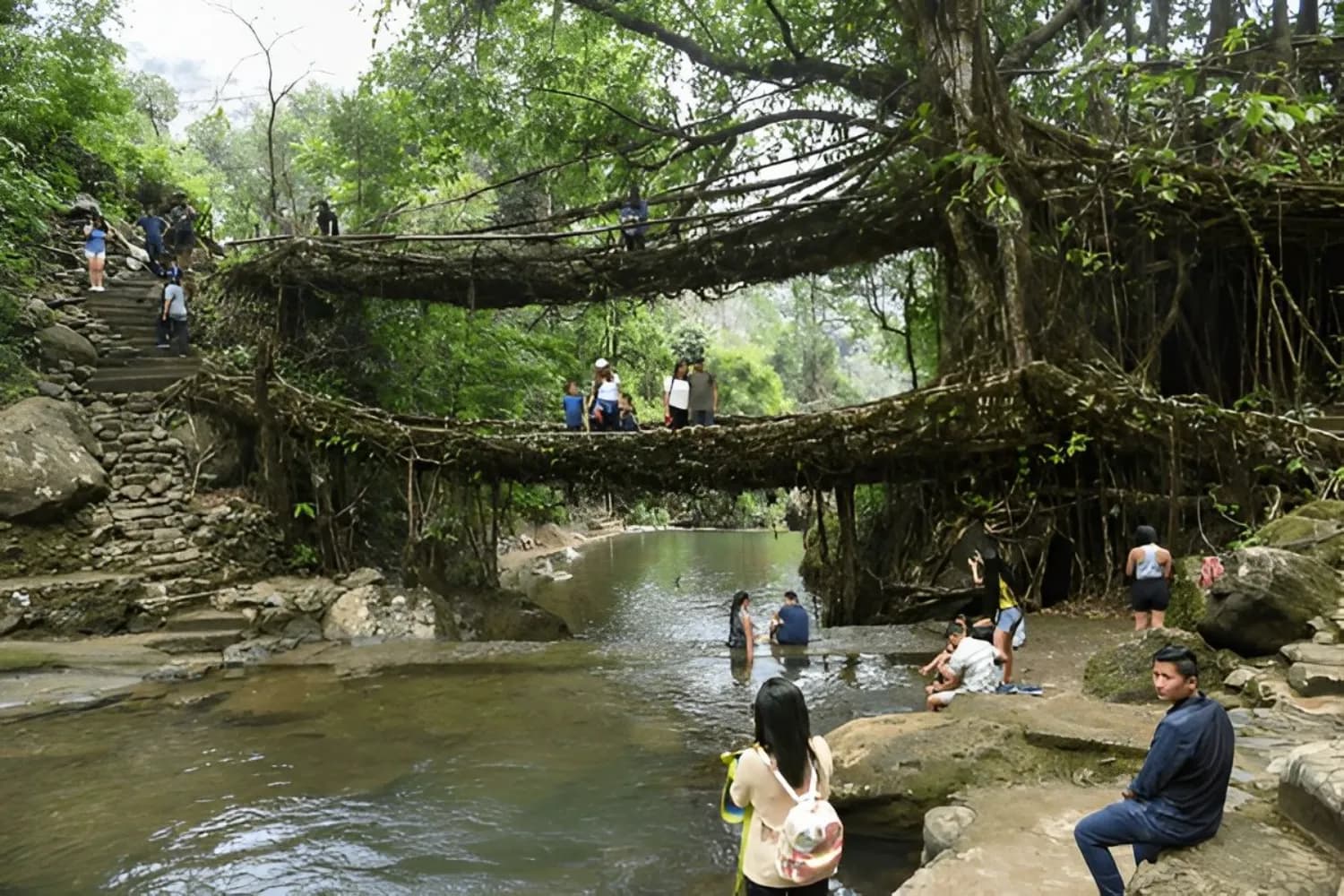
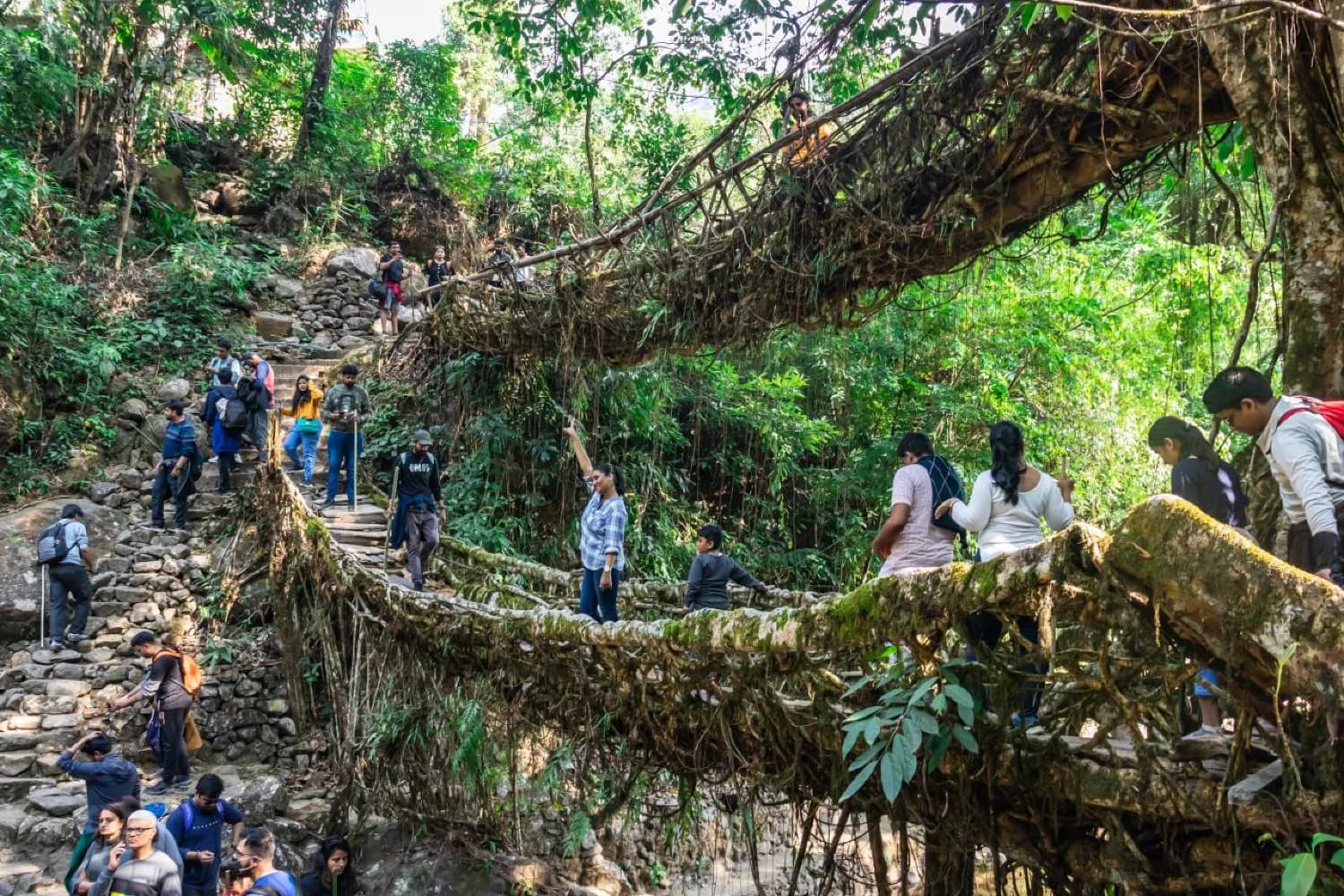
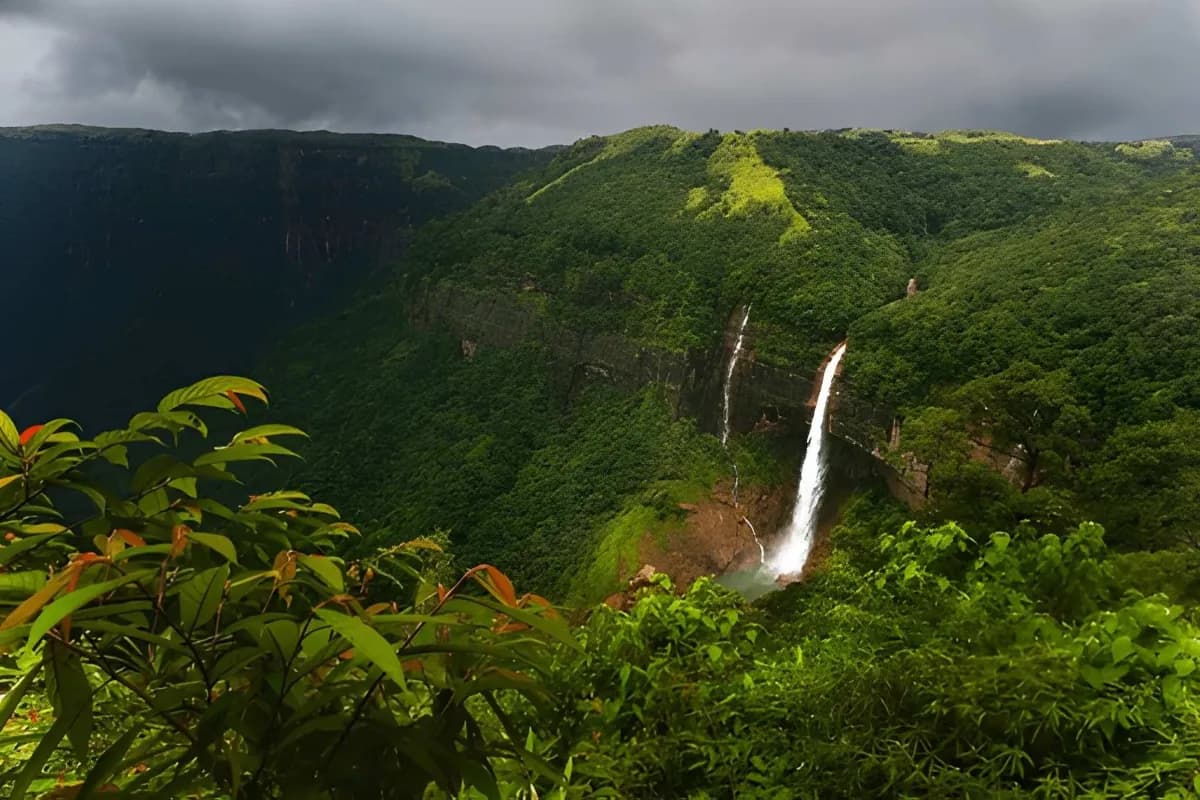
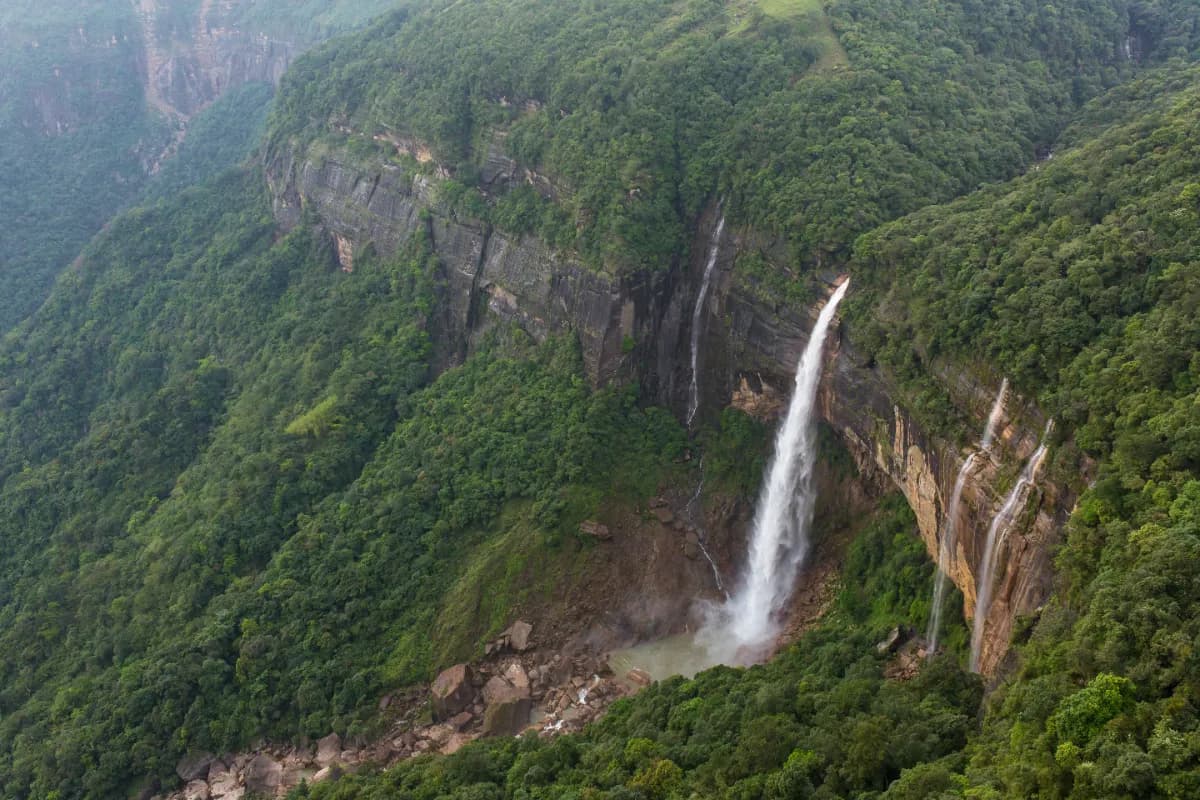
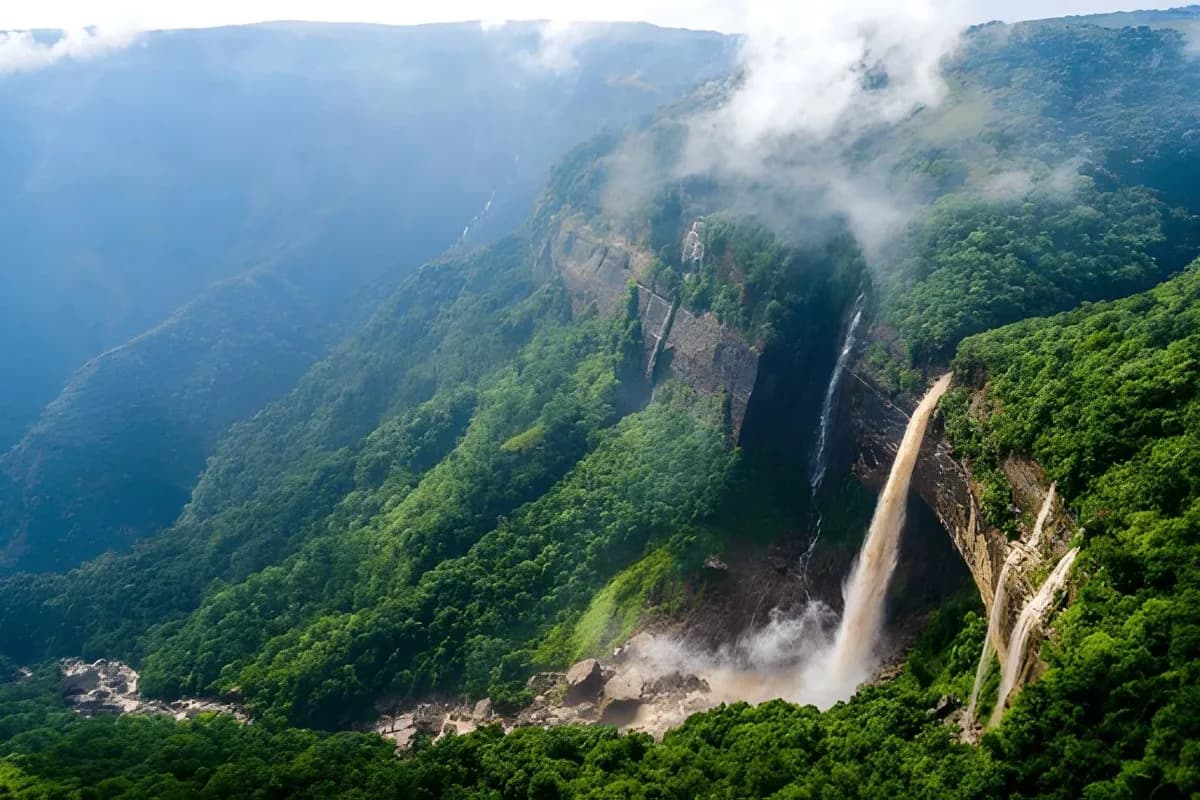
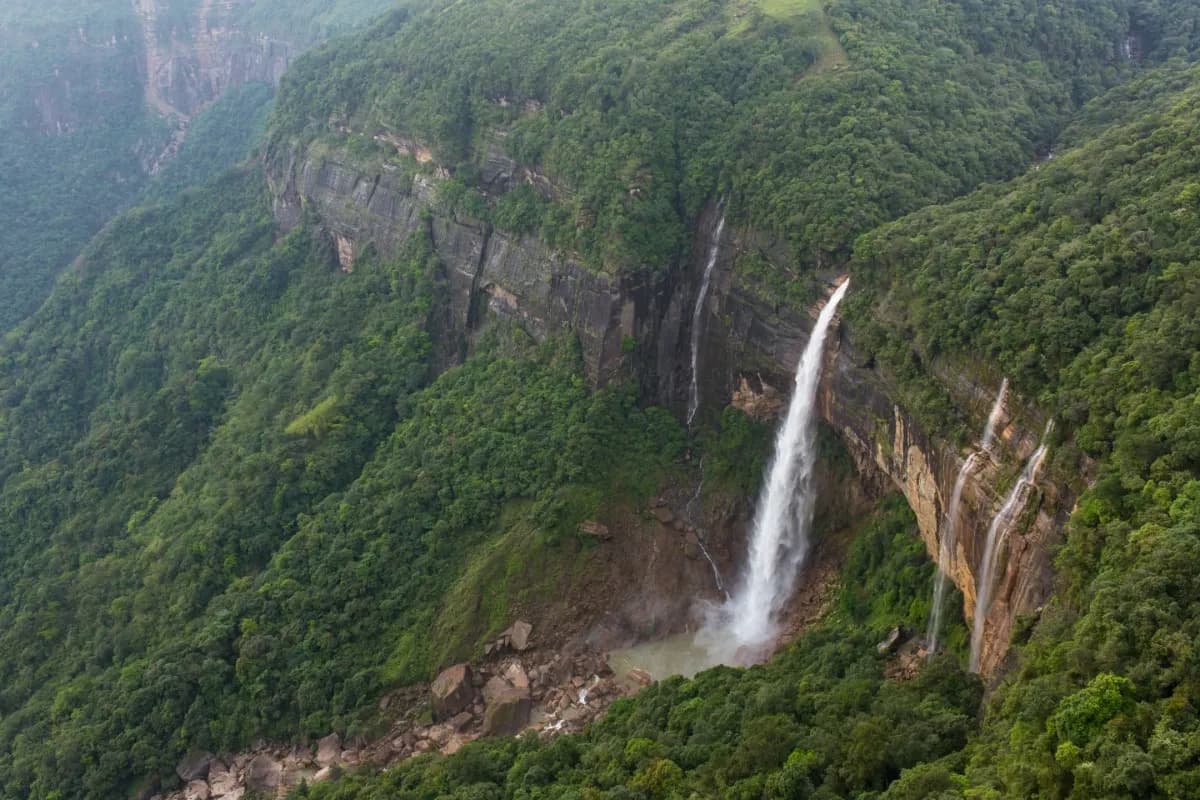
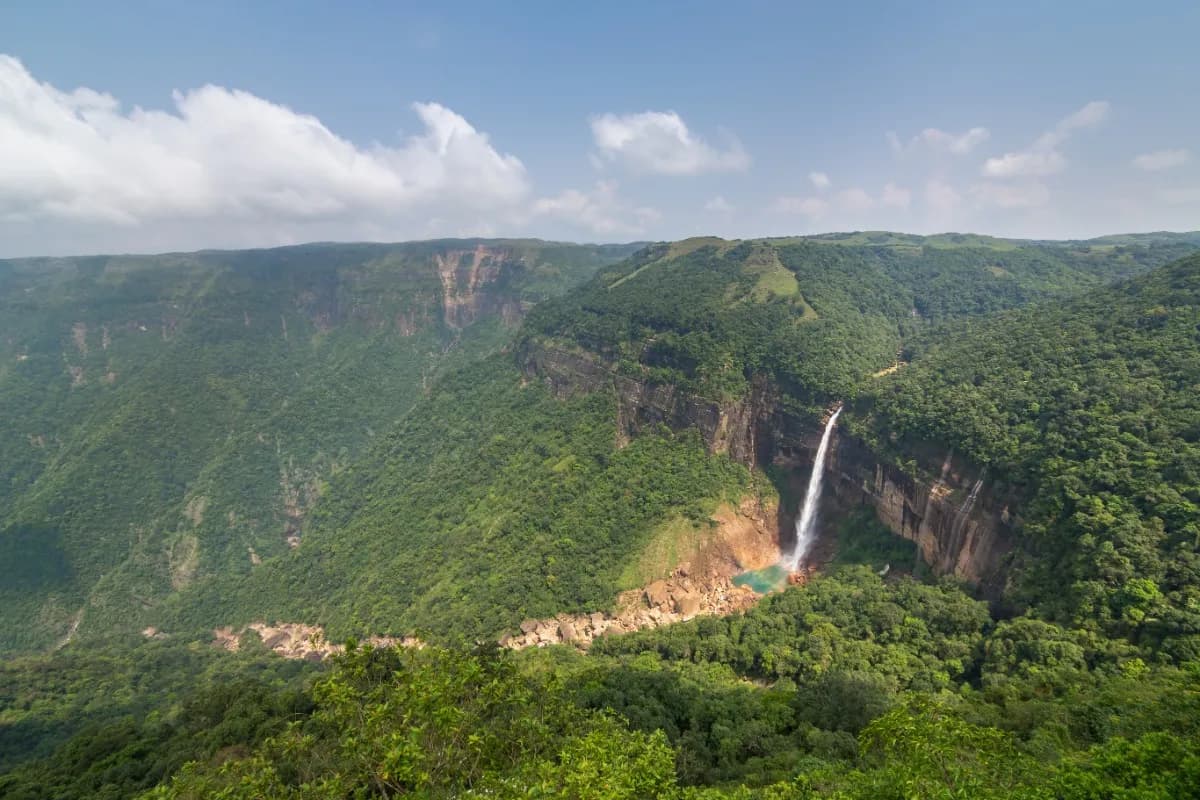
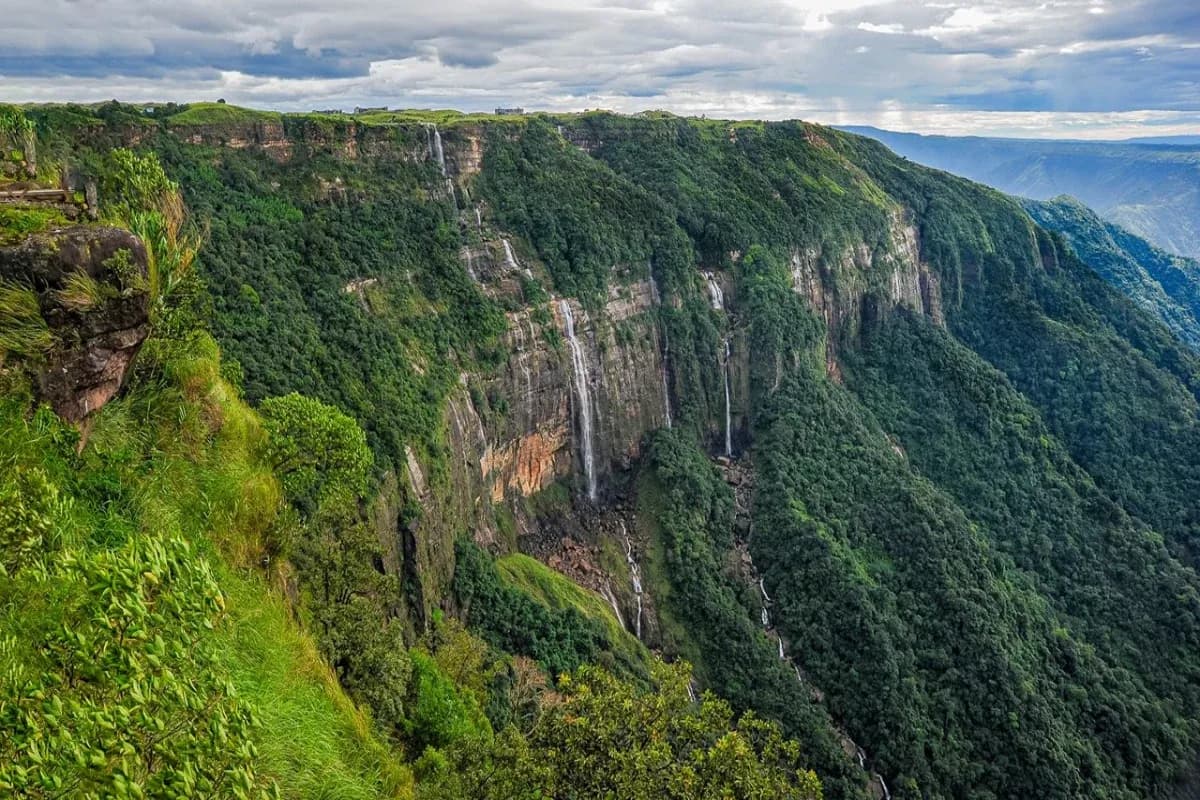
  2. Cherrapunji (Sohra): Famous for heavy rainfall, stunning waterfalls like Nohkalikai Falls, and double decker living root bridges. It is a must-visit for nature lovers. The misty hills and deep valleys add to its magical charm.
  3. Mawsynram: The wettest place on Earth, surrounded by endless greenery and caves. A peaceful destination for monsoon lovers. Its unique weather makes it a paradise for rain and nature photography.
  4. Mawlynnong Village: Known as the “Cleanest Village in Asia,” it offers bamboo walkways, root bridges, and eco-friendly living. The village also provides homestays where visitors can experience local Khasi culture.
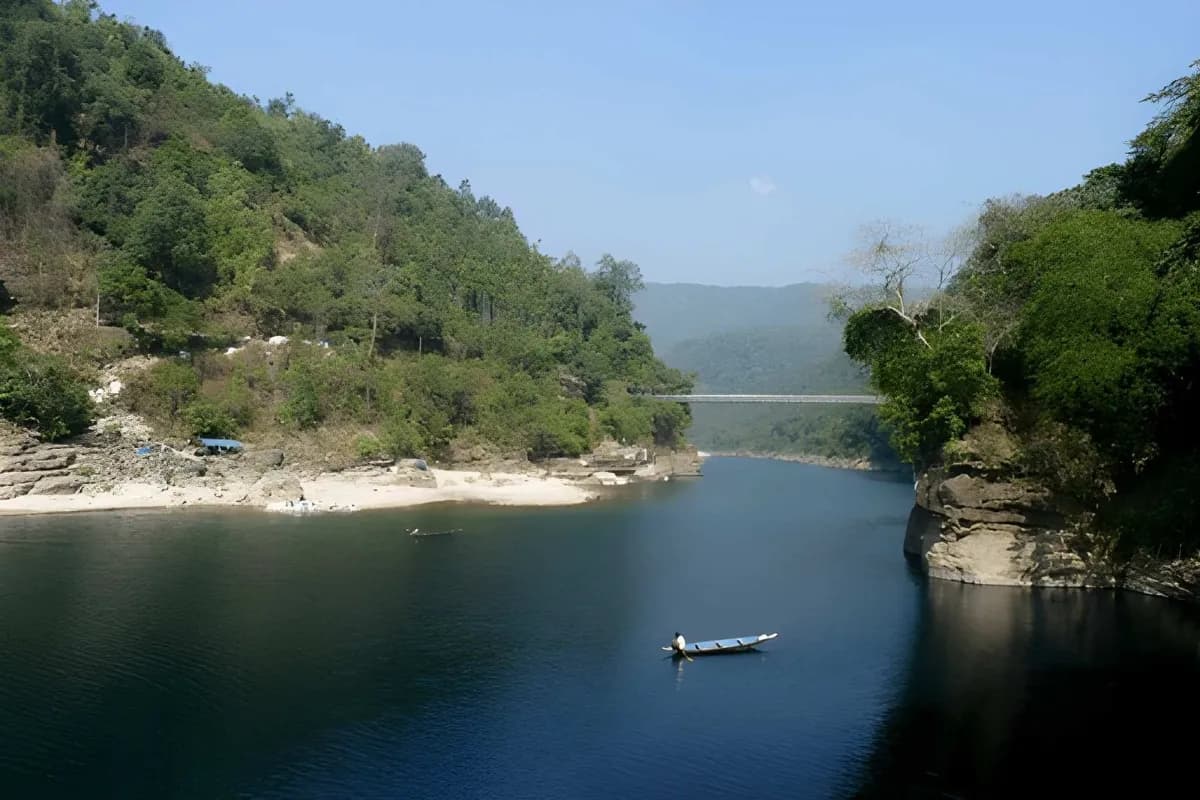
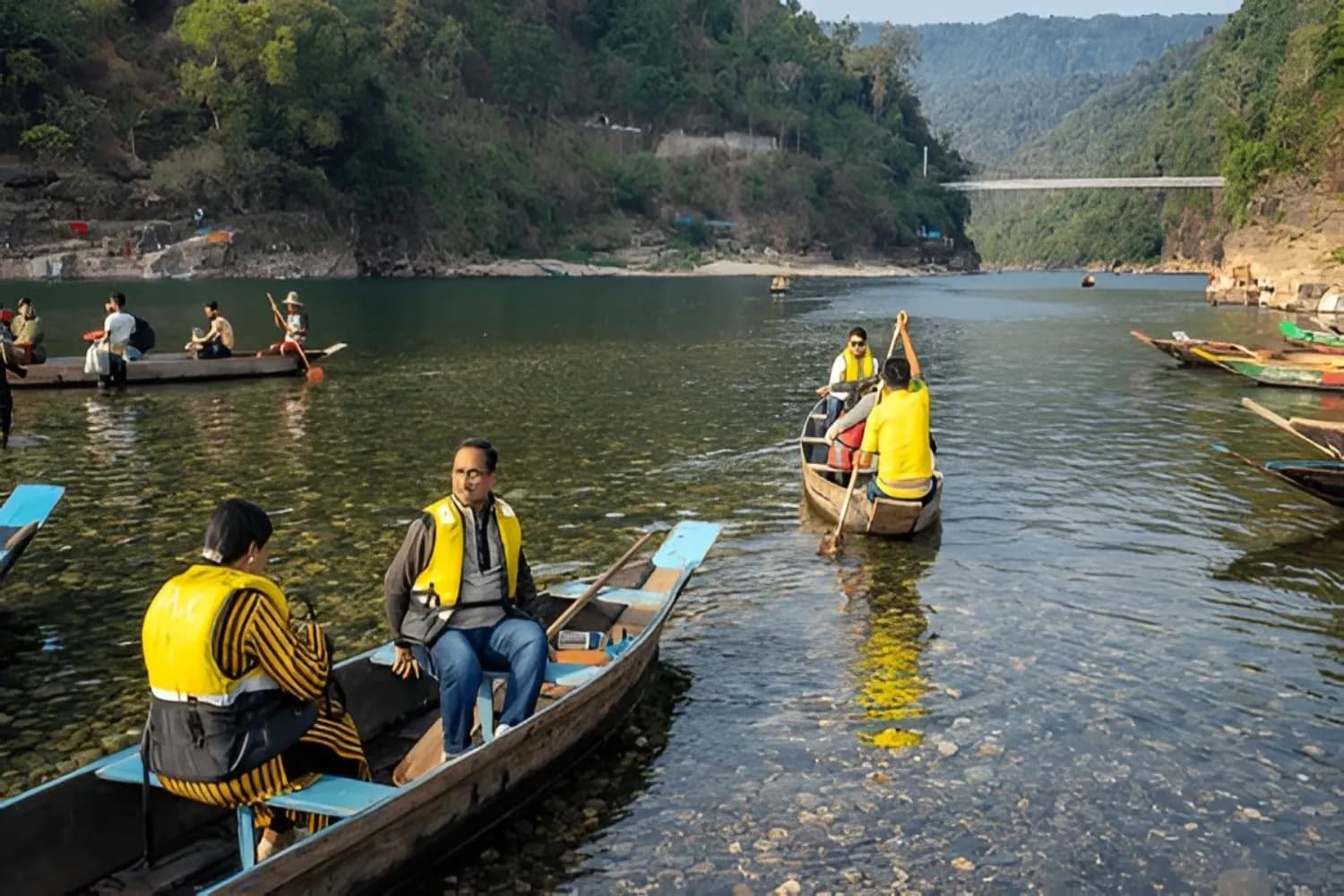
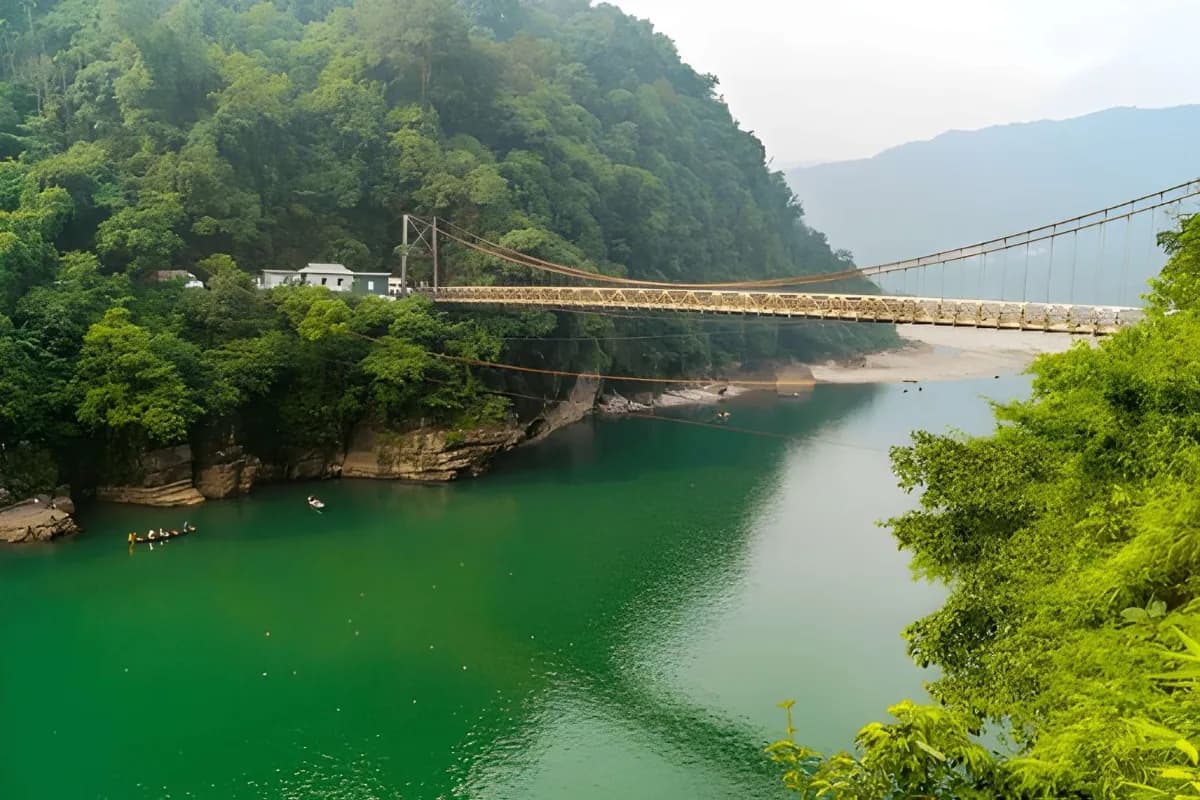
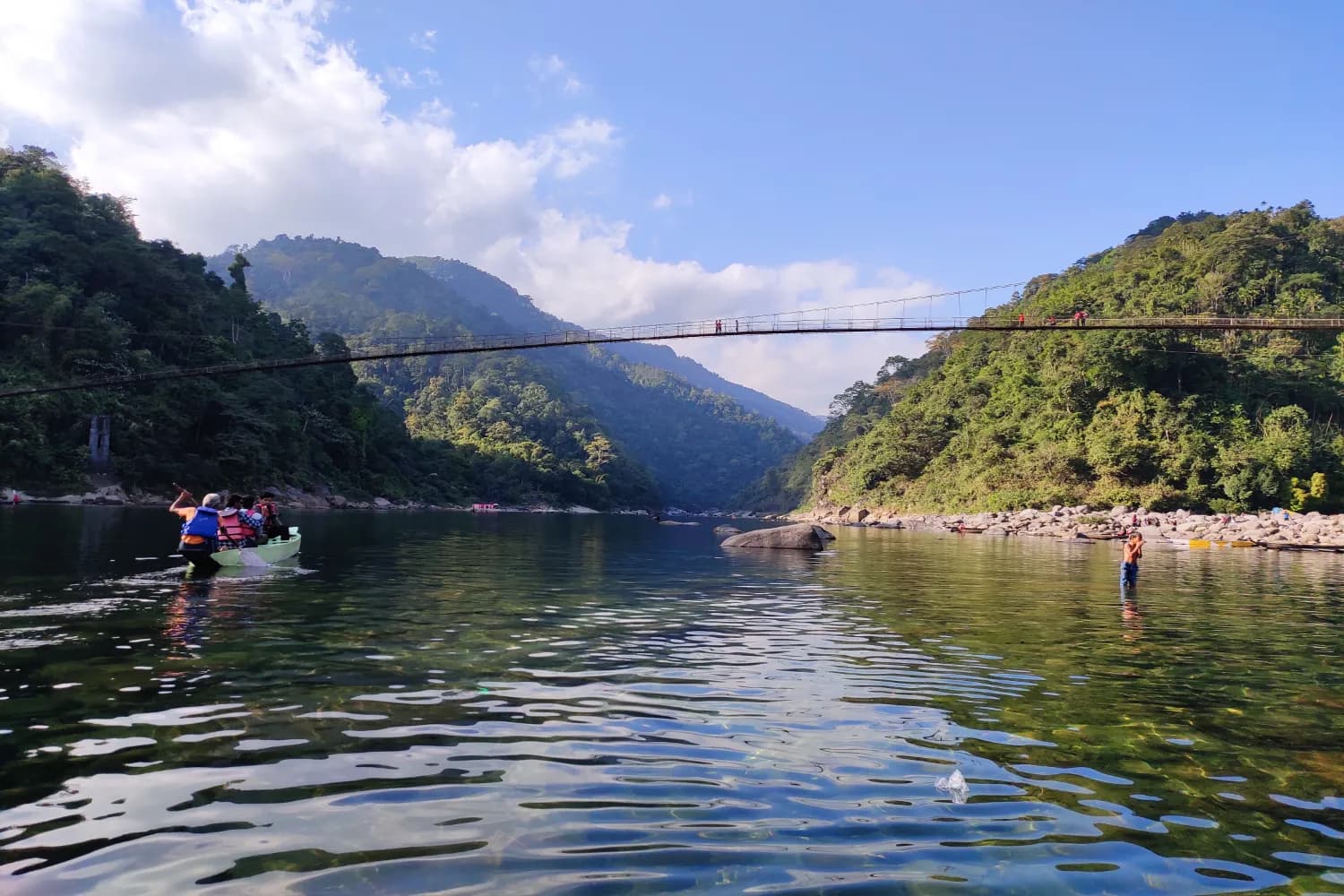
  5. Dawki: Famous for its crystal-clear Umngot River, where boating feels like floating in the air. It is also close to the Bangladesh border. The suspension bridge over the river gives an amazing view of the surroundings.


Discover the beauty of Meghalaya with stunning waterfalls, living root bridges, and scenic hills while exploring the best Places to Visit in Meghalaya and enjoying exciting Things to do in Meghalaya like trekking, cave exploration, boating, and local sightseeing.
Attractions

View from Shillong Peak
A view from Shillong peak
Top of the shillong peak shillong
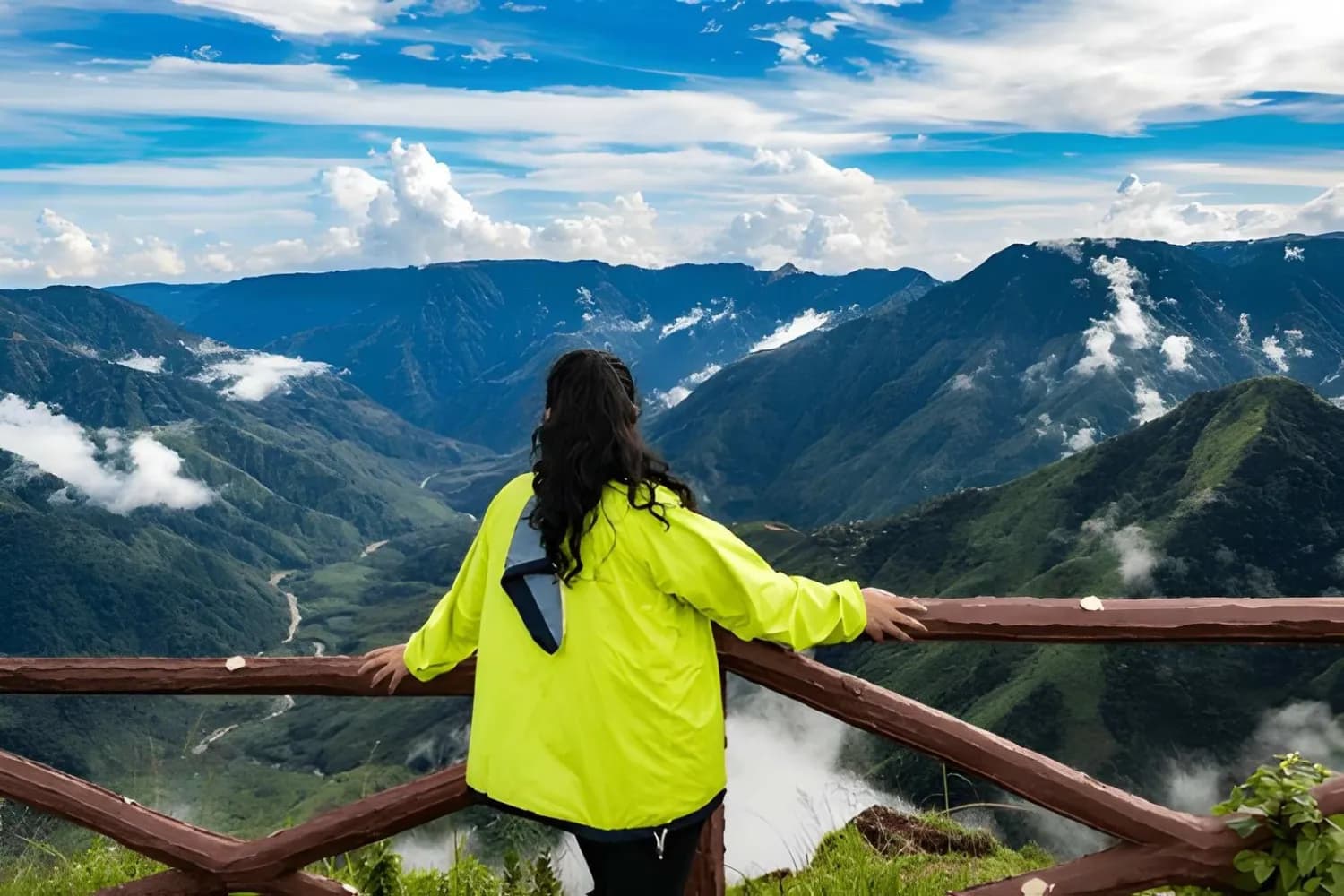
girl watching the beautiful mountain range from shillong Peak
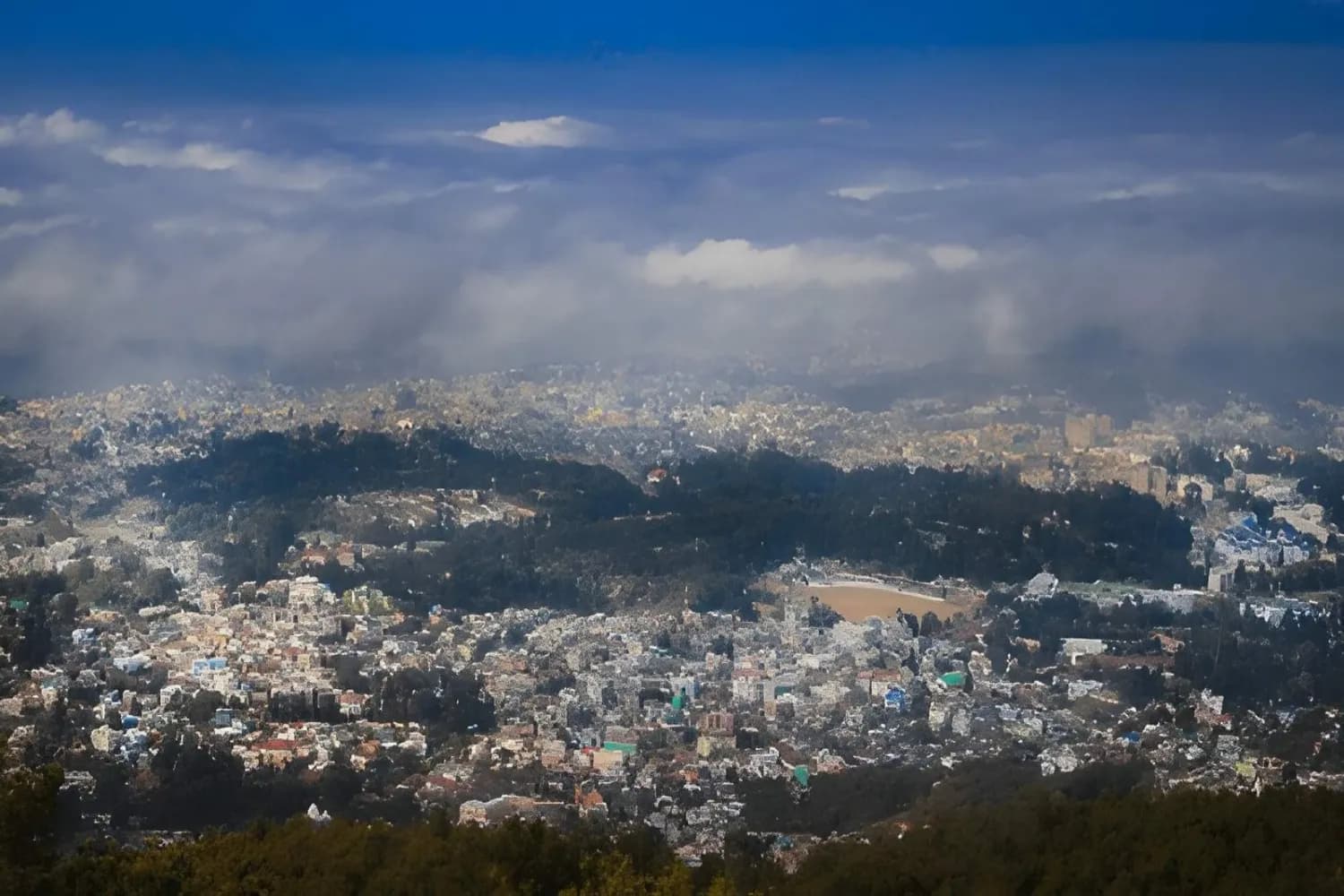
Aerial view of Shillong town from Shillong Peak

Shillong Peak

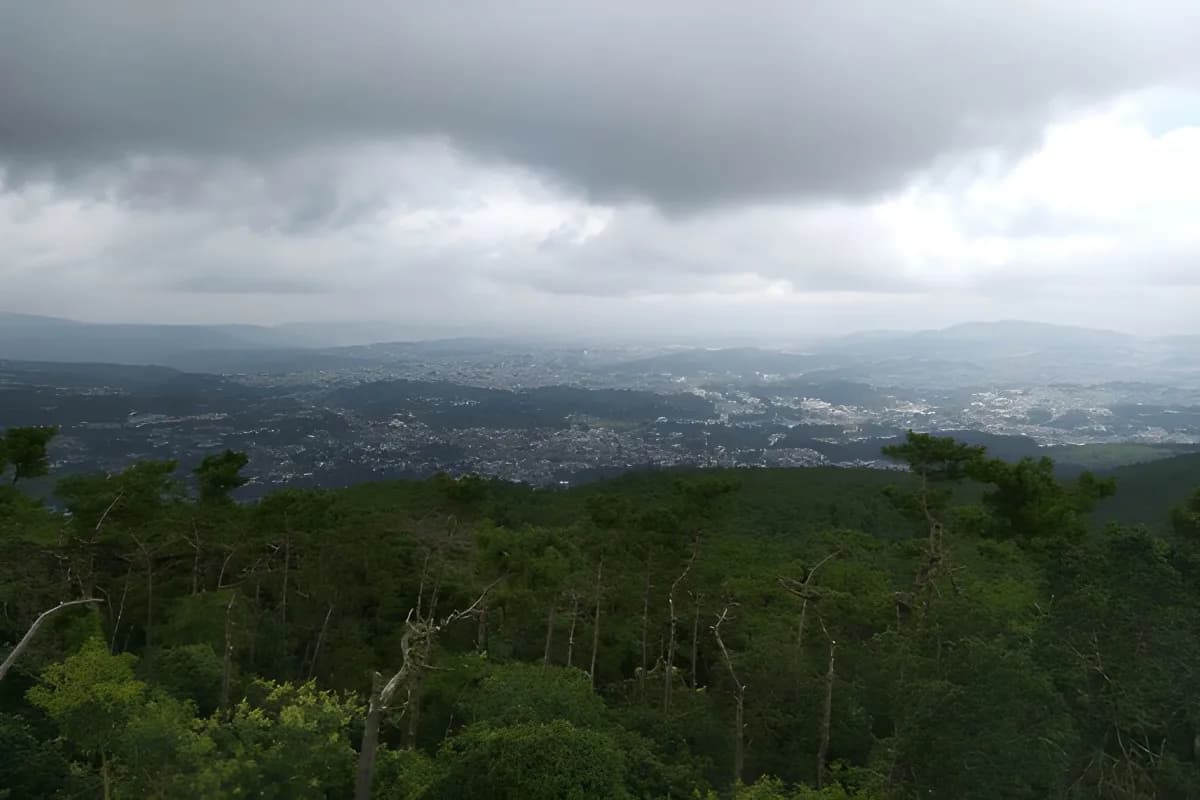
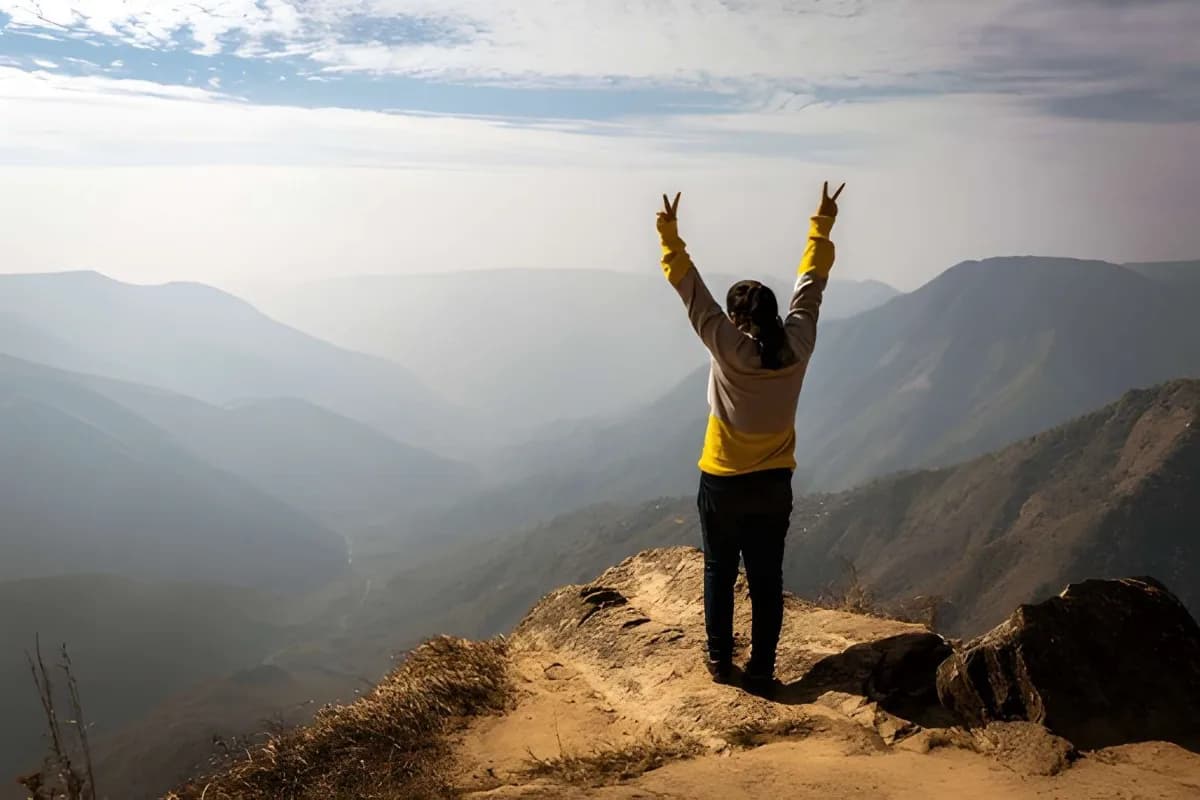
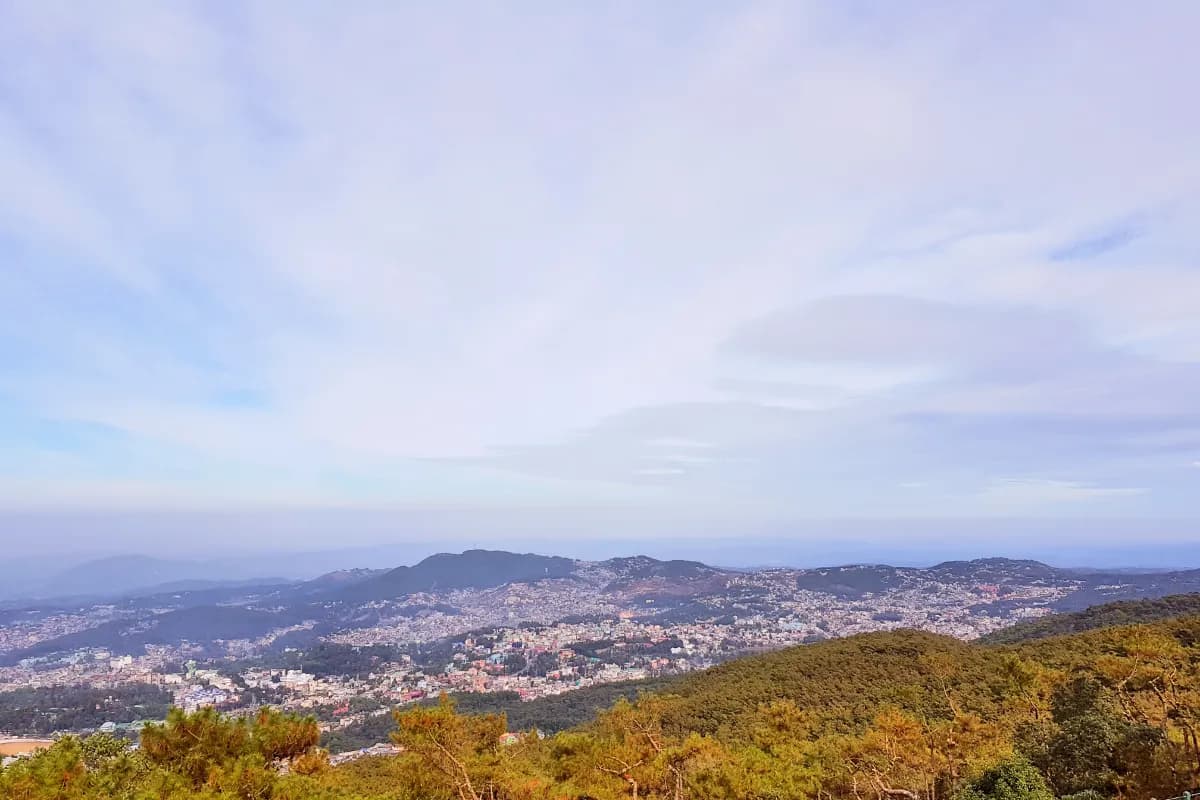
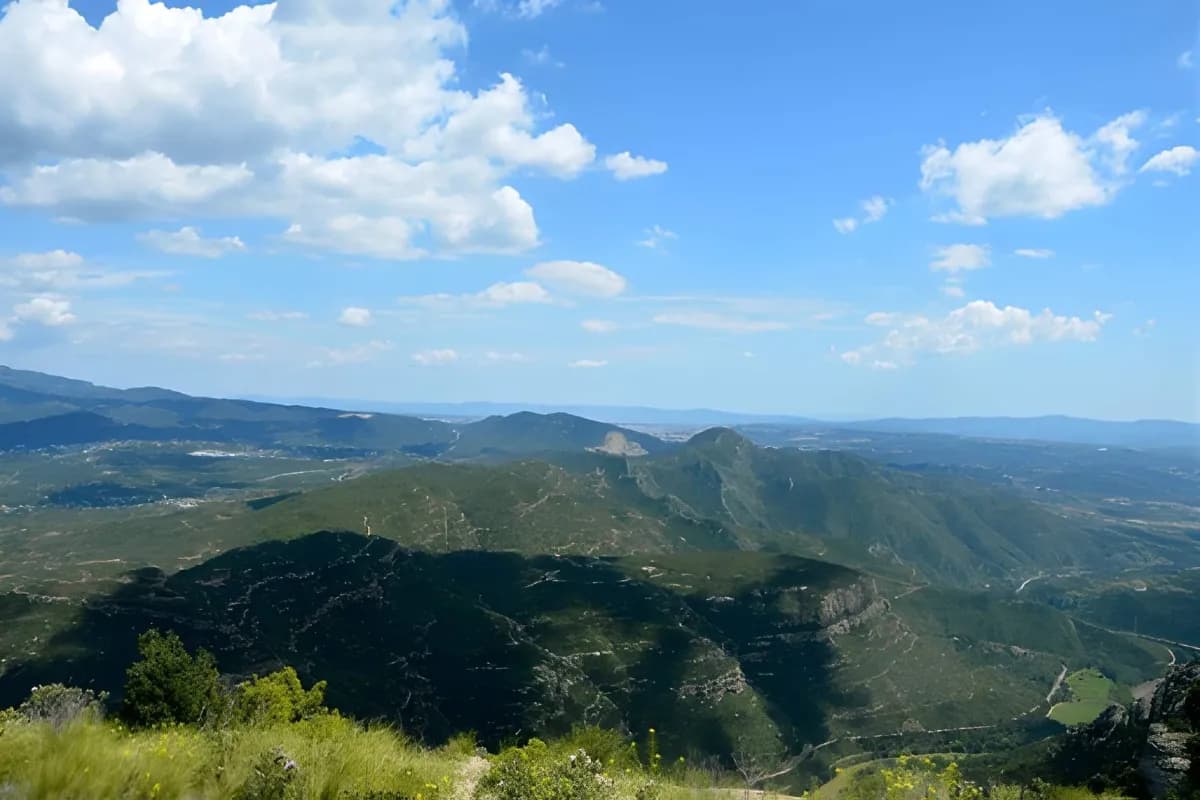
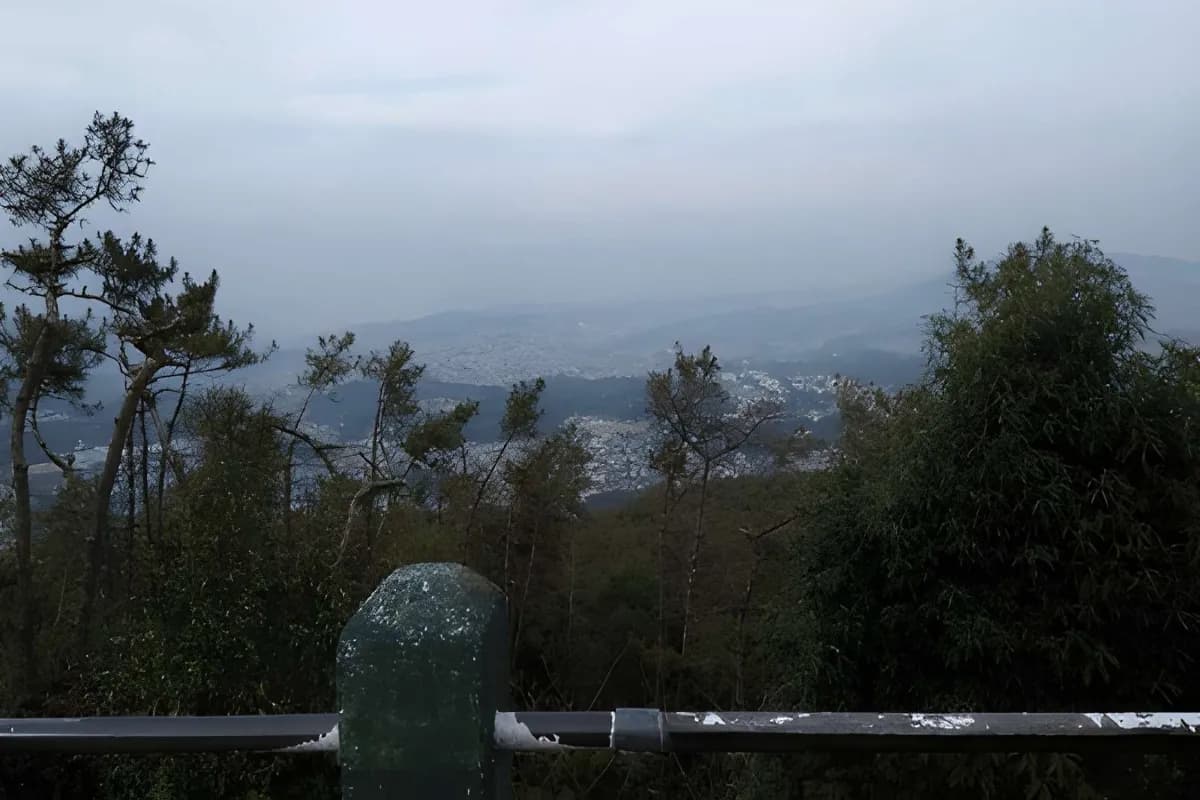
Shillong Peak is the highest point in Meghalaya, standing at an altitude of approximately 1,965 metres (6,447 feet) above sea level. Located about 10 km south of Shillong city, it provides a breathtaking 360-degree panoramic view of the entire city, the rolling Khasi Hills, and the distant plains of Bangladesh. The peak sits within a restricted zone managed by the Indian Air Force, but remains accessible to visitors with basic entry checks.In most Meghalaya tour packages, Shillong Peak is positioned as a short stop rather than a long visit, usually combined with nearby attractions on the same route. The experience is straightforward; you just have to reach the viewpoint, spend time observing the landscape, and move ahead without requiring extensive planning.Significance of Shillong PeakShillong Peak holds geographical importance as the highest accessible point in the region, offering a natural observation deck over the Khasi Hills. Beyond its elevation, it carries cultural value among local communities, where it is associated with traditional beliefs and considered a sacred site linked to protective deities of the land.From a tourism perspective, its significance lies in providing a quick but elevated perspective of Shillong’s layout, helping visitors understand how the city sits within a wider hilly terrain rather than as an isolated settlement.Best Time to Visit Shillong PeakThe best time to visit Shillong Peak is from October to March; early morning or late afternoon visits are ideal for sharper views and softer light. During monsoon months (June to September), fog often reduces visibility, limiting the overall experience.How to Reach Shillong PeakShillong Peak is located about 10 kilometres from the Shillong city centre and takes 30 to 40 minutes by taxi. Local taxis from Police Bazaar charge around ₹300 – ₹600 for a round trip. Private vehicles are allowed but require ID verification at the entry checkpoint, as the area falls under Air Force control.Entry Fee & TimingsEntry Fee: ₹50 – ₹75 per person (varies by season)Timings: 9:00 AM to 5:00 PM daily, closed on Wednesdays.

The beauty of the Nohkalikai falls
Sunset at Nohkalikai Falls
Elevated view across the Khasi hills with view of Nohkalikai waterfalls
Nohkalikai Falls, Near Cherrapunji Meghalaya
Magnificent View of Nohkalikai Falls,Meghalaya

Nohkalikai Falls

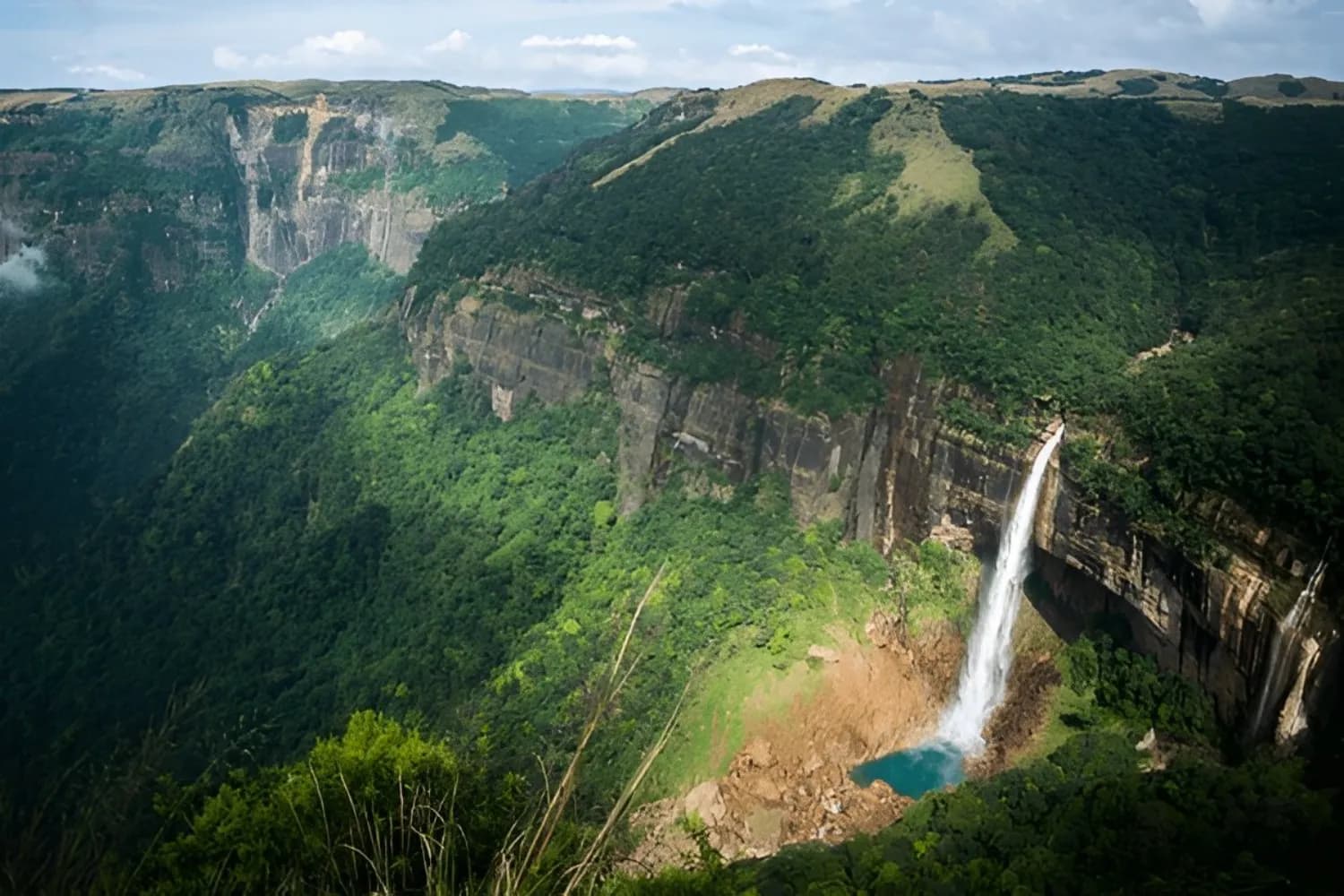
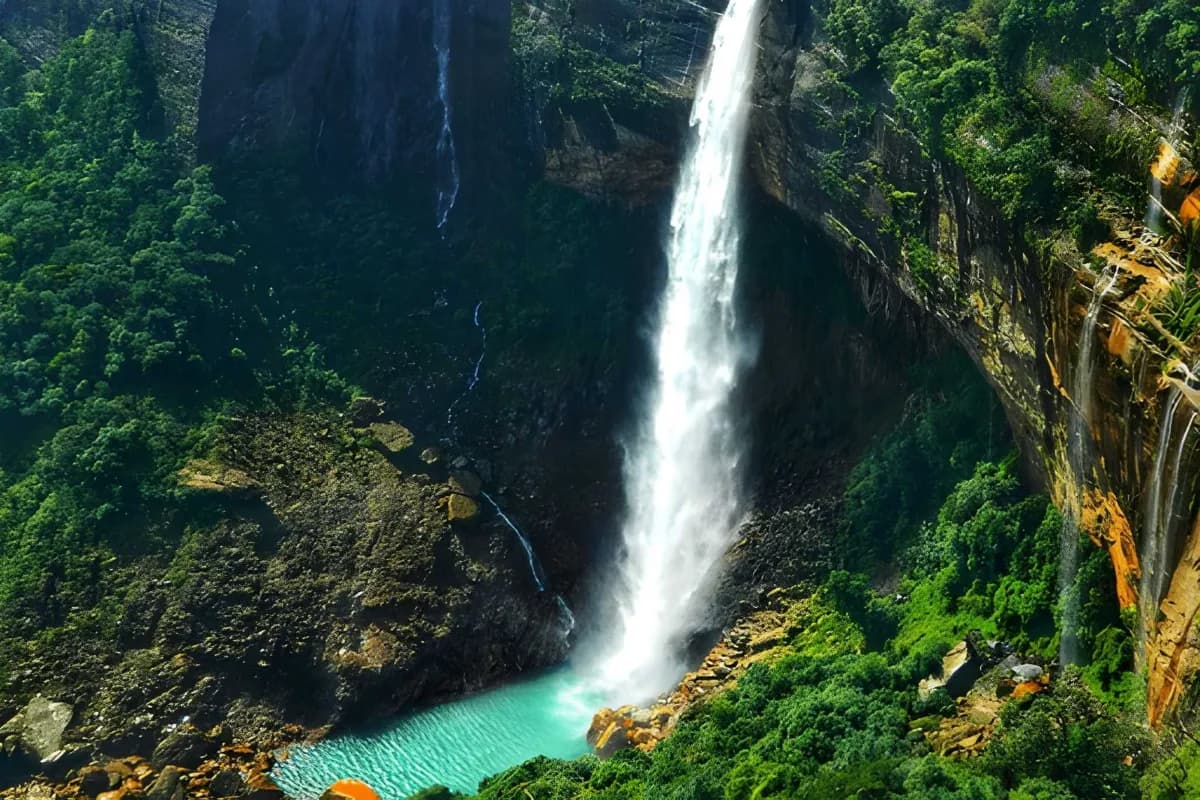
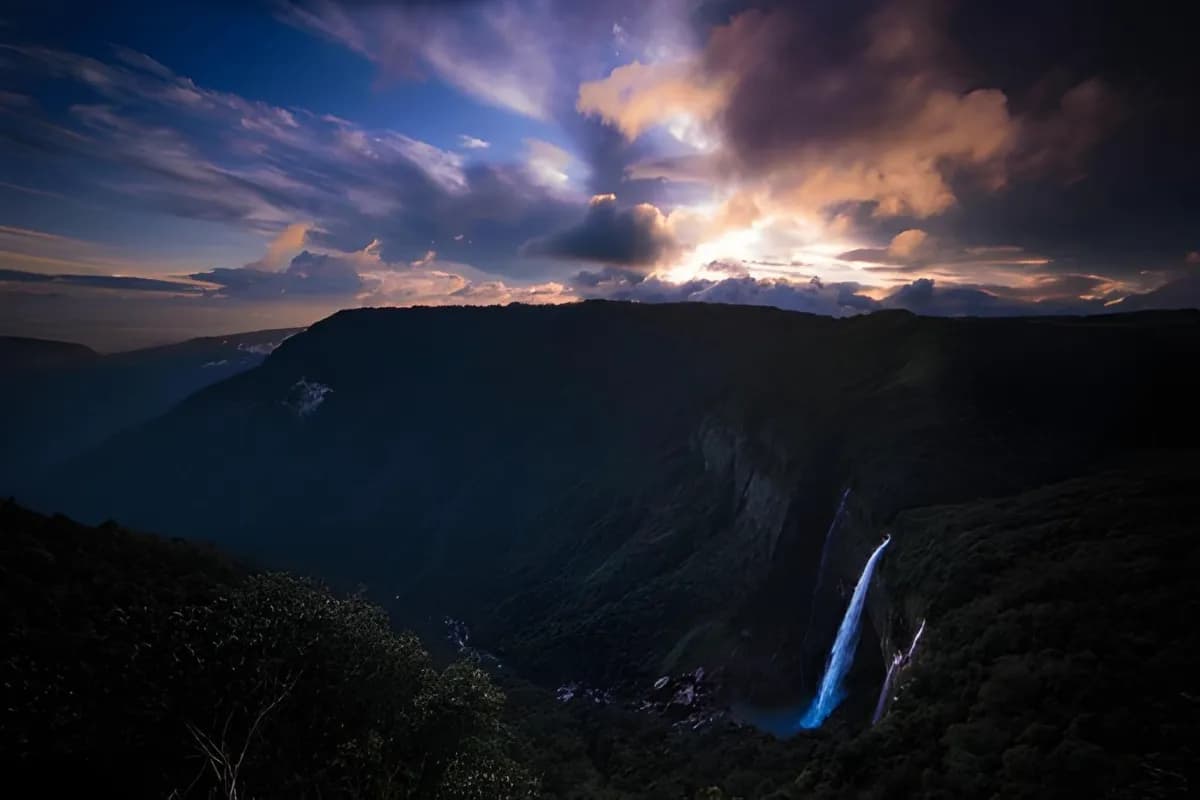
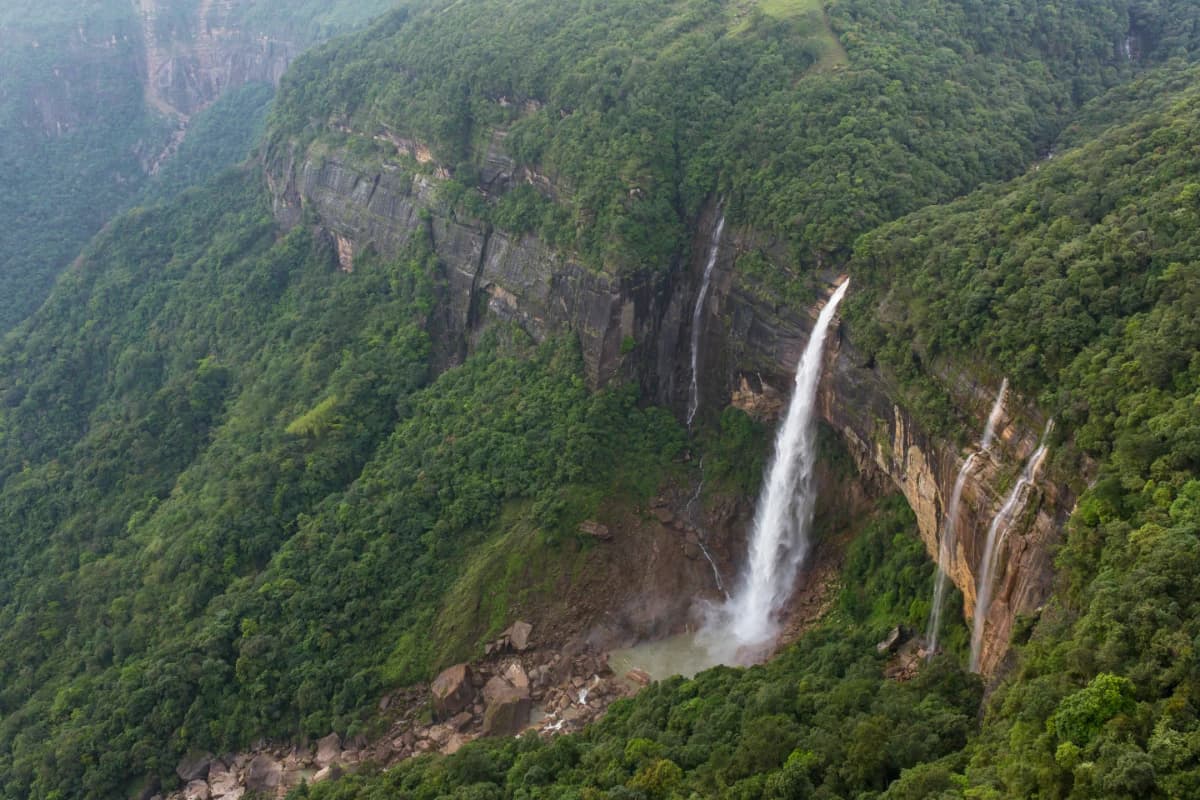
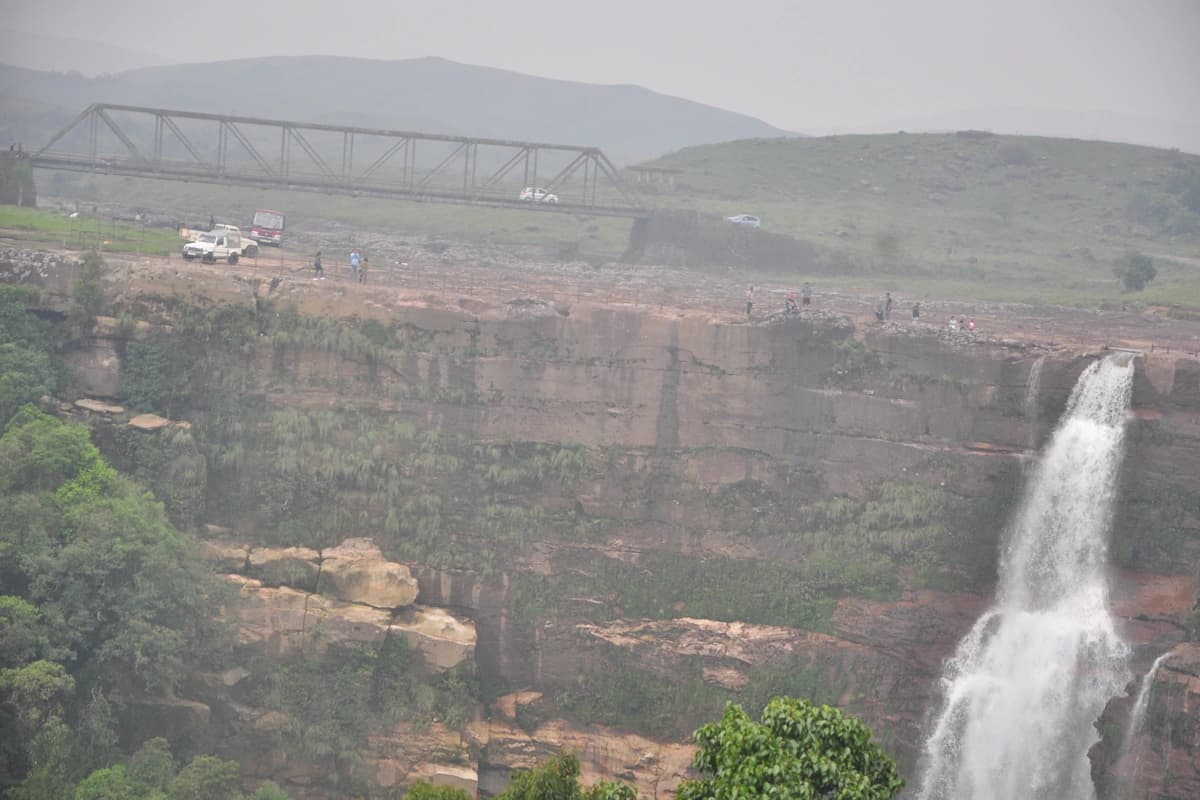
Nohkalikai Falls is a vertical waterfall located near Cherrapunji. It drops from a height of about 340 metres into a pool below. The site has a fixed viewpoint area with railings, parking, and small stalls nearby for short visits.Travellers usually cover Nohkalikai Falls along with nearby caves and viewpoints in Cherrapunji, as part of Meghalaya tour packages, stopping briefly at the main viewpoint before continuing the route. A traveller after visiting the falls."I didn’t stay long, maybe 20 minutes, but that view stayed with me. The height, the silence, it felt different from other waterfalls I’ve seen," Significance of Nohkalikai FallsNohkalikai Falls is known as one of the tallest plunge waterfalls in India. The water falls straight down without touching the rocks in between, which makes its drop clearly visible from the viewpoint.There is also a local story behind its name. “Noh Ka Likai” means “jump of Likai.” It refers to a woman who, according to local belief, jumped from the cliff due to a tragic personal incident.Best Time to VisitVisit between October and May. Water flow is steady, and visibility is clear. Monsoon (June to September) increases water volume but brings heavy rain, fog, and low visibility from the viewpoint.How to Reach Nohkalikai FallsFrom Shillong, drive 54 kilometers to Cherrapunji first. From Cherrapunji, Nohkalikai Falls are just 5 kilometers away. Shared cabs from Shillong cost ₹150 per seat. Private cab charges ₹1,200 to ₹1,500. No direct bus runs to the falls.Pricing and TimingsEntry Fee: ₹20–₹50 per personCamera Charges: Approx. ₹20Parking Fees: Around ₹10–₹50 for per vehicleTimings:Opening Time: 9:00 AMClosing Time: 5:00 PMClosed on: Open all days

View of Dawki town
Dawki West Jaintia Hills District
Boating in the Crystal Clear Dawki River
Dawki River View
Dawki City View

Dawki

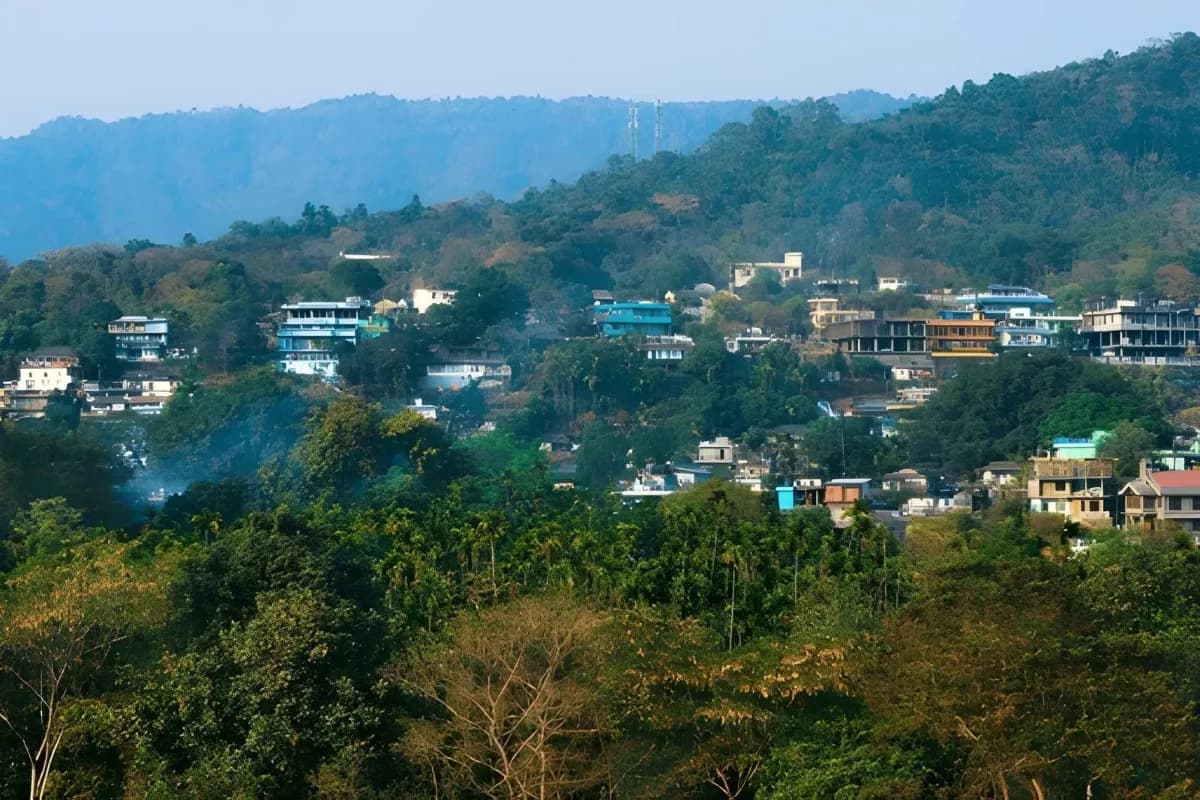
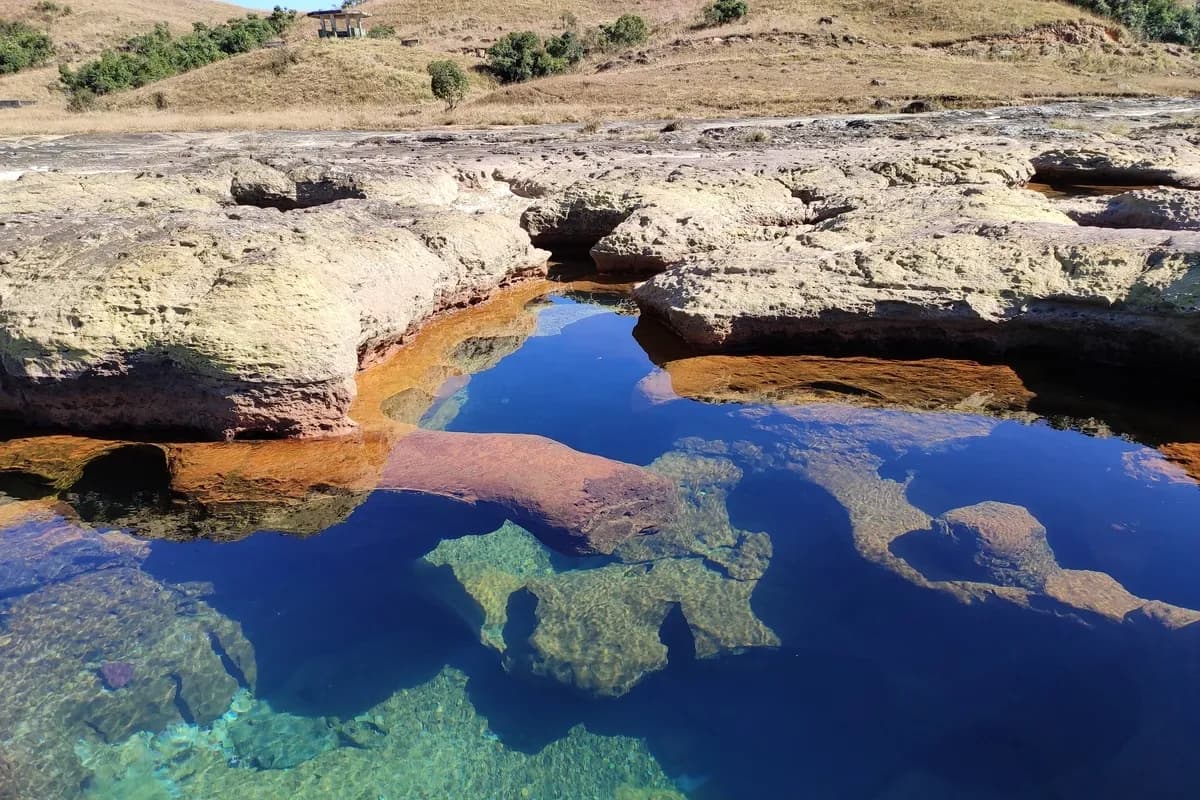
Dawki is a small but iconic border town in the West Jaintia Hills district of Meghalaya, India. It is world-renowned for the Umngot River, often described as having the cleanest water in India.Dawki Town holds a very strong reason to get included in Meghalaya tour packages. Apart from the Umngot River and the town itself, there are nearby villages like Mawlynnong and Shnongpdeng, and these locations can be covered efficiently within the same travel circuit. Apart from boating, Dawki also functions as an important trade route between India and Bangladesh, giving the town a mix of tourism and border activity.Significance of DawkiDawki holds economic and tourism significance in Meghalaya due to its location near the India-Bangladesh border. The town operates as a functional trade checkpoint while also attracting travellers because of the Umngot River’s unusual water clarity. Unlike many destinations that rely mainly on constructed attractions, Dawki’s appeal depends almost entirely on seasonal natural conditions.At the same time, Dawki represents how tourism can rapidly change small border towns, bringing both economic opportunities and pressure on environmental management.Best Time to Visit DawkiThe best time to visit Dawki to see the famously crystal-clear waters of the Umngot River is from November to April, when the Umngot River remains clearest, and boating conditions stay stable. Visit before 12 PM for the best visibility.How to Reach DawkiDawki is around 80–85 kilometres from Shillong, taking nearly 3 hours by road. Shared taxis from Shillong cost around ₹400–₹600 per person, while private cabs may charge ₹3,000–₹4,500 depending on vehicle size. For the best budget option, buses do run from Shillong to Dawki, primarily as conducted tours operated by the Meghalaya Tourism Development Corporation(MTDC). It will cost around 100 - 200 per person.Entry Fee & TimingsEntry Fee: No entry fee; boating charges start from around ₹800 per boat for a 45-60 minute rideTimings: No timings to visit the town; boating activities usually operate between 8:00 AM and 4:30 PM

Waterfall View
noh sngithiang falls cherrapunjee View
Waterfall in Mountain View
Seven Sisters Falls View
Double Decker Living Root Bridge

Cherrapunji

Cherrapunji, locally known as Sohra, in Meghalaya, India, is famous as one of the wettest places on Earth, holding records for maximum rainfall in a year and month. Located in the East Khasi Hills at ~4,690 ft, it is renowned for dramatic landscapes, including living root bridges, plunging waterfalls (like Seven Sisters), lush valleys, and limestone caves. The landscape here is shaped by constant moisture, creating deep valleys, dense greenery, and seasonal waterfalls that appear and disappear with changing weather.Travellers typically move between viewpoints, waterfalls, and short treks, making it less about staying in one place and more about exploring the surrounding terrain. We at Viacation, make multiple Meghalaya tour packages, placing Cherrapunji as a core stop because it connects multiple natural attractions within short driving distances. Significance of Cherrapunji:Cherrapunji holds environmental and cultural importance due to its extreme rainfall patterns and indigenous engineering practices. It was once recorded as one of the wettest places on Earth, shaping both the ecology and lifestyle of the region. The continuous rainfall has influenced soil, vegetation, and water systems in ways rarely seen elsewhere.Its most significant contribution is the creation of living root bridges by the Khasi tribes. Instead of building with concrete, they guide tree roots over the years to form a functional bridge, making Cherrapunji an example of sustainable interaction between humans and nature.Best Time to Visit Cherrapunji:The best time to visit Cherrapunji is from October to May, when rainfall is lower, roads are accessible, and viewpoints remain clear. Early mornings offer better visibility across valleys, while afternoons can get cloudy. Monsoon months from June to September bring heavy rain, which enhances waterfalls but limits movement and visibility.How to Reach Cherrapunji:Cherrapunji is around 55 kilometres from Shillong, taking 1.5 to 2 hours by taxi or shared cab, costing approximately ₹2,500 – ₹3,500 for a private vehicle(one-way). Shared cabs rarely run, but it's an affordable way. It's always better to group up with other travellers.Entry Fee & Timings for Cherrapunji:Entry Fee: Cherrapunji is free to enter; some sites, like root bridges or caves, charge ₹20 – ₹50Timings: Open throughout the day; individual attractions usually accessible from morning to evening.
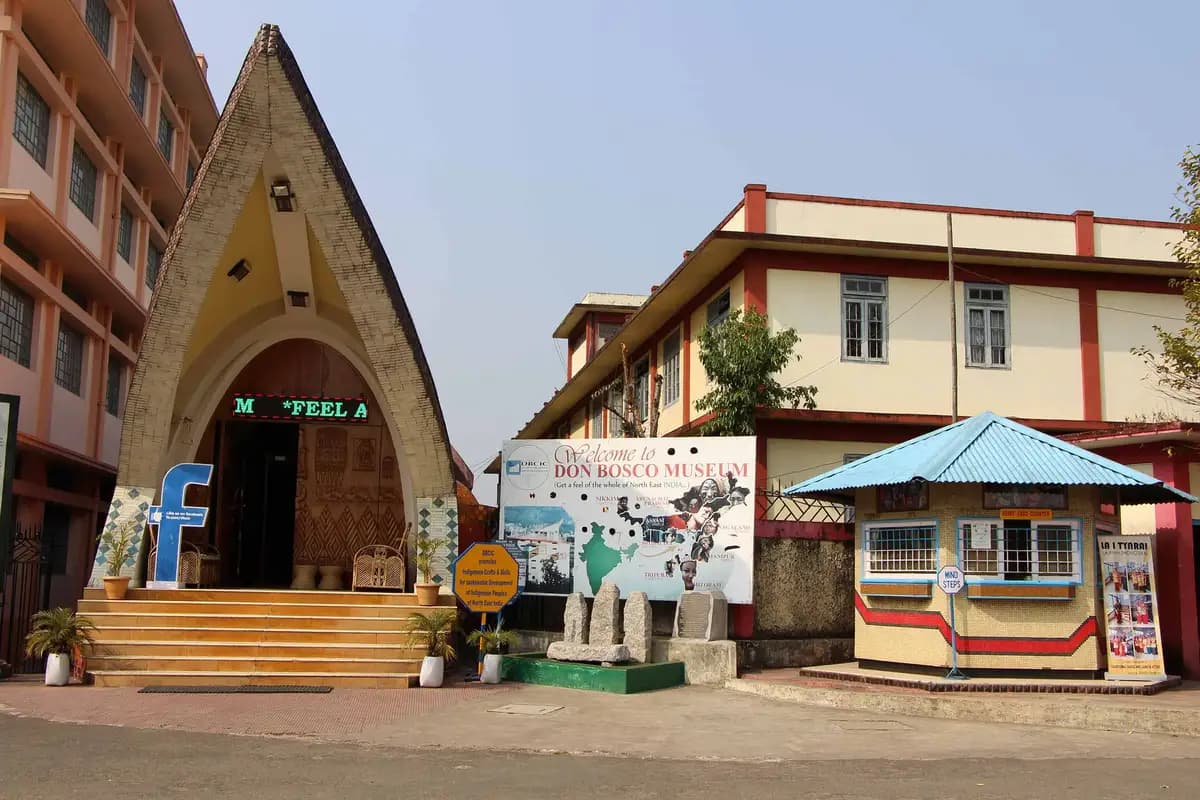
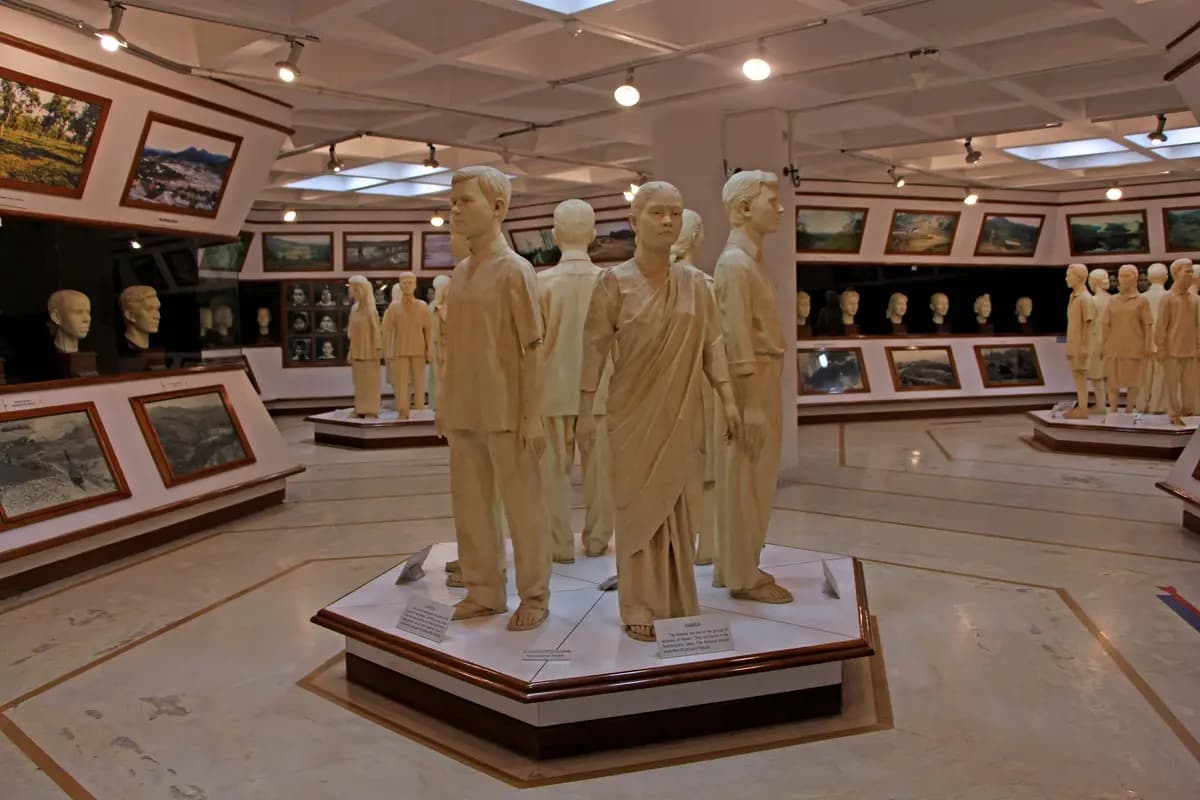
Don Bosco Museum
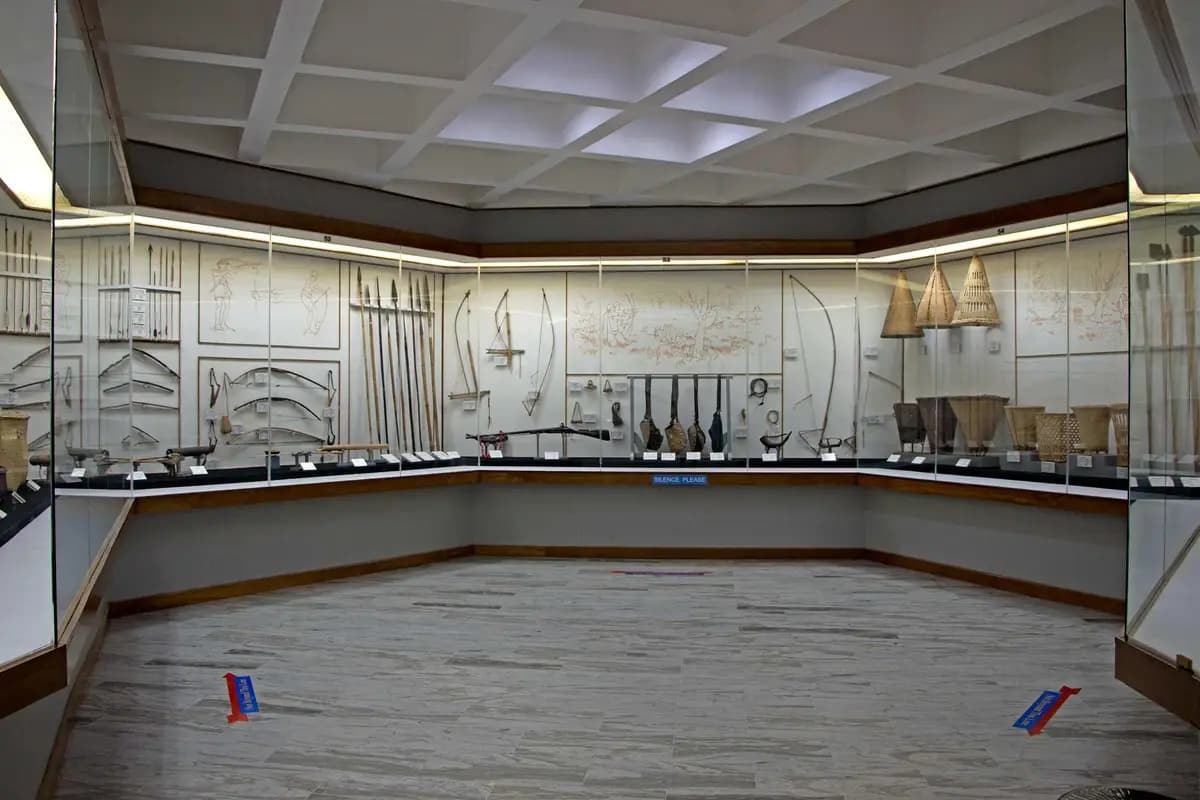
Hunting weapons inside the Museum
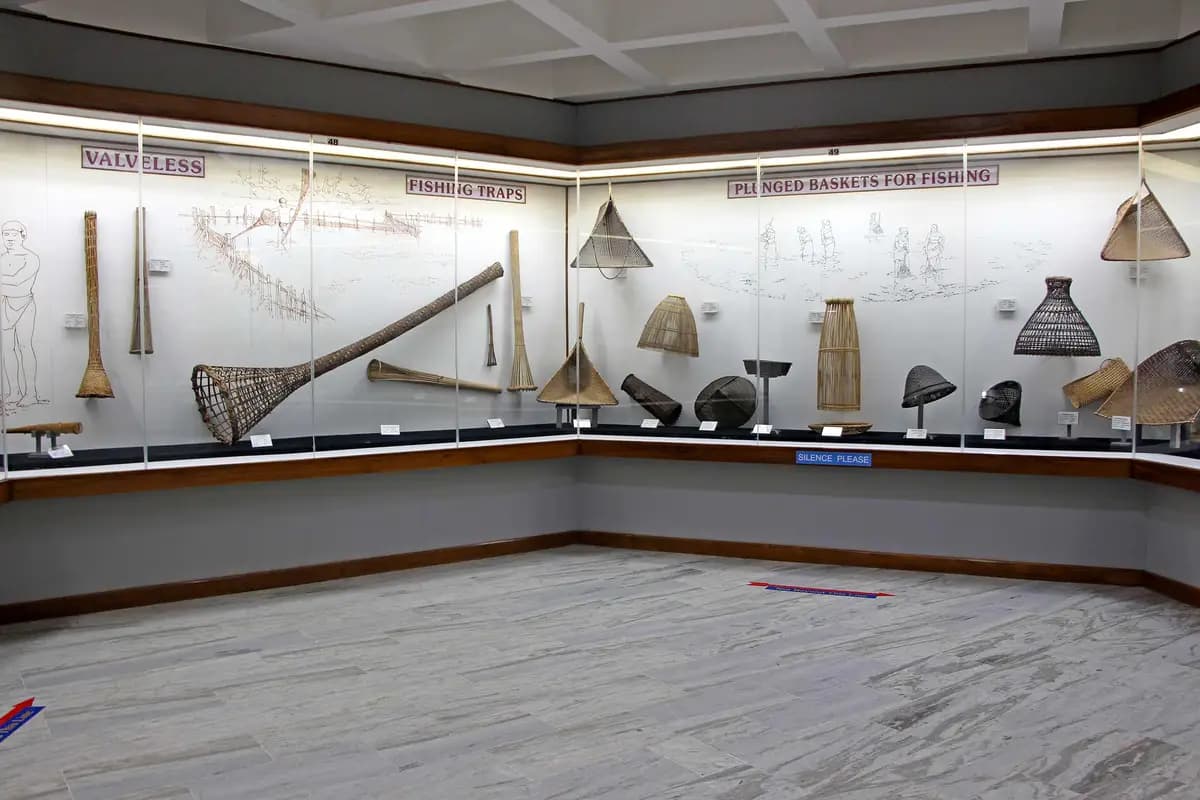
Fishing Traps and Baskets
Dummy People inside Museum
Dummy of Tribel inside Museum

Don Bosco Museum

Don Bosco Museum, located in Shillong, is a multi-storey cultural museum focused on the indigenous tribes of Northeast India. Spread across seven floors, it presents artefacts, tools, clothing, and lifestyle exhibits that explain how different communities across the region have lived, adapted, and preserved their traditions over time. The layout is structured, with each floor focusing on a specific theme, making it easier to navigate without feeling overwhelming.This Museum works well in any Meghalaya tour packages, helping travellers understand local culture before exploring villages, waterfalls, and landscapes.Significance of Don Bosco MuseumDon Bosco Museum is significant for its role in documenting and presenting the cultural diversity of Northeast India under one roof. The region consists of multiple tribes with distinct languages, traditions, and social structures, which are often difficult to understand without context. This museum brings those differences together in a structured and accessible format. The museum helps bridge the gap between travellers and local communities by offering background knowledge that is rarely available during regular sightseeing.Best Time to Visit Don Bosco MuseumThe best time to visit Don Bosco Museum is from October to April, when Shillong’s weather remains cooler and comfortable for indoor and outdoor exploration. Visiting between 10:00 AM and 1:00 PM works well, as the museum is less crowded and you have enough time to explore all floors without rushing.How to Reach Don Bosco MuseumDon Bosco Museum is about 3 - 4 kilometres away from central Shillong, and can be reached in 10 - 15 minutes by taxi or local cab from Police Bazaar or Shillong city centre, costing around ₹150 - ₹300. If arriving from Guwahati, it is a 3-hour drive (100 km approx) to Shillong, followed by a short local commute to the museum.Entry Fee & TimingsEntry Fee:100 per Adult (Indians)200 per Adult (Foreigners)50 per student (Indians)Timings: 9:30 AM to 5:30 PM (closed on Sundays)

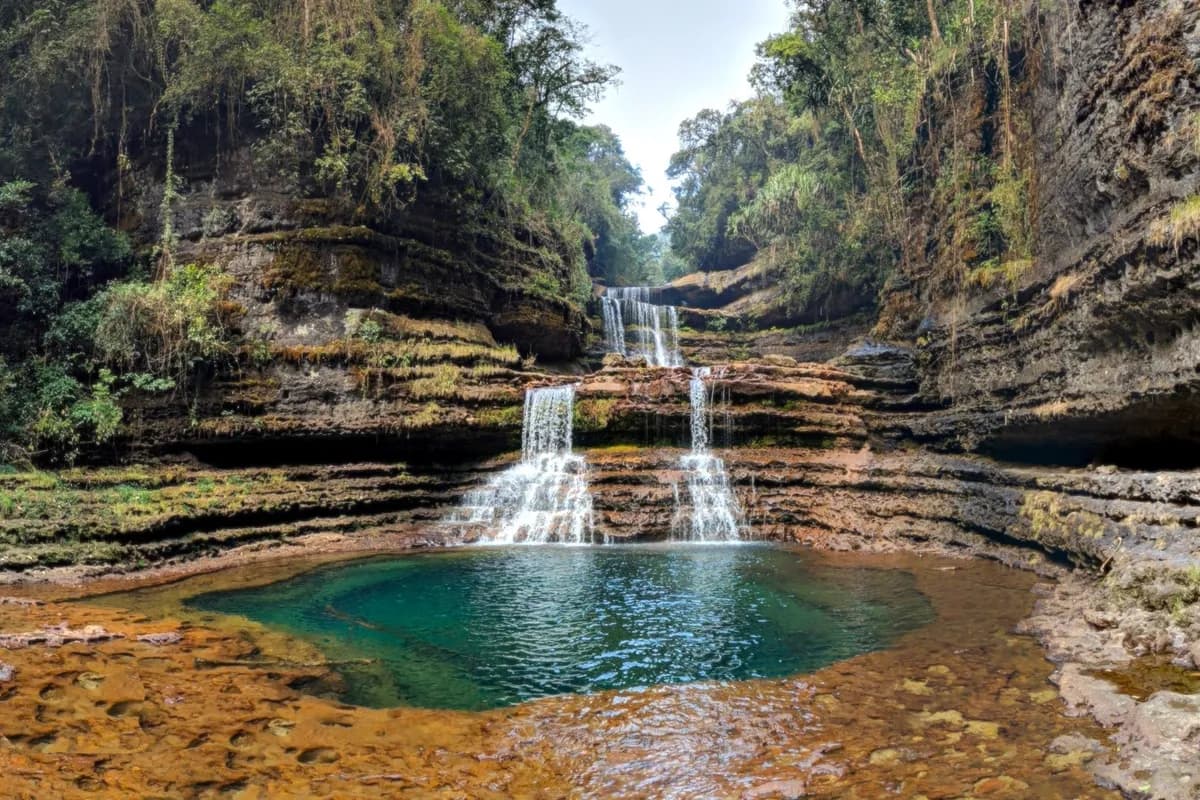
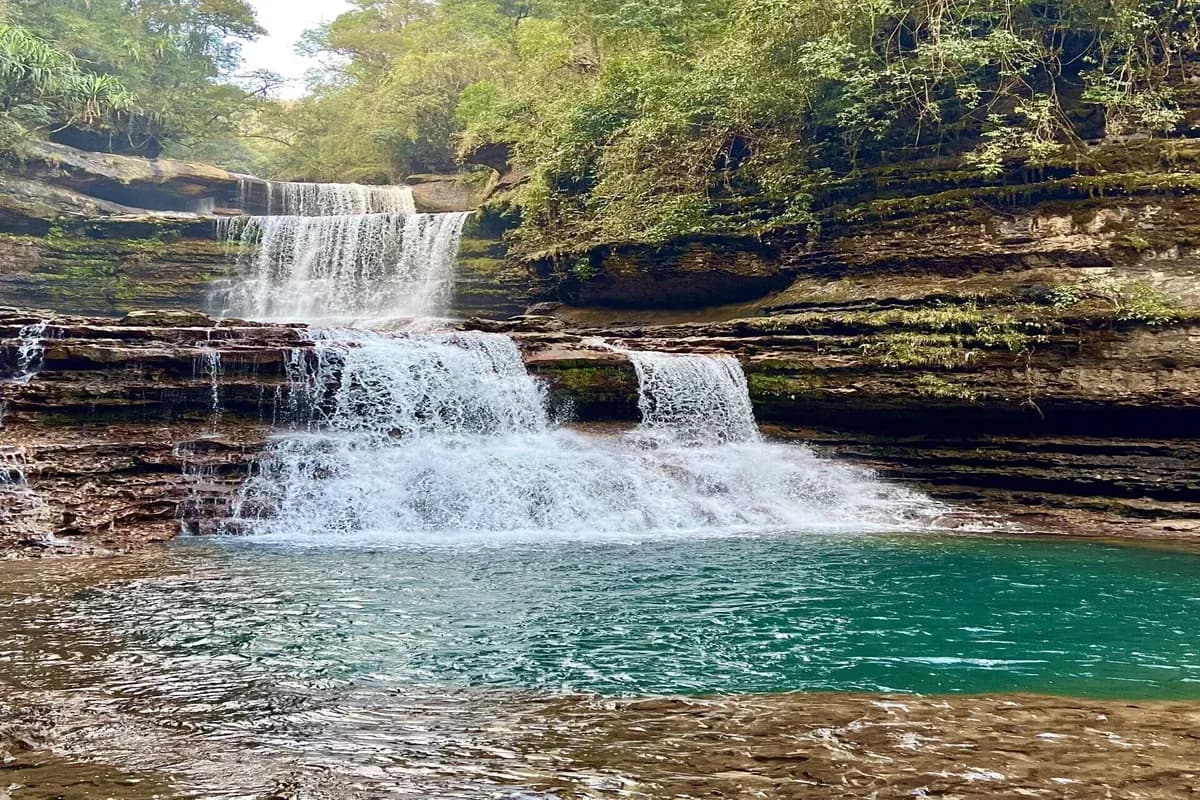
Wei Sawdong Falls
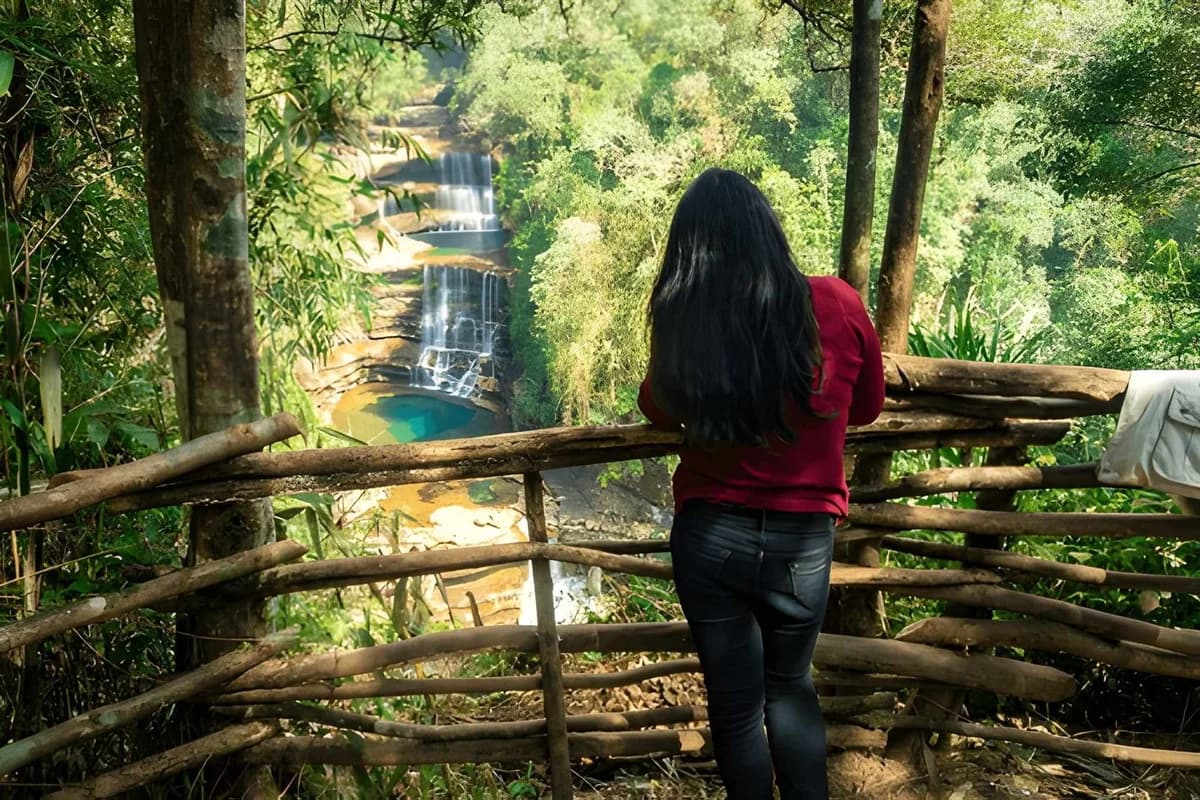
young girl watching wei sawdong waterfall
Wei Sawdong Falls Cherrapuji
Tuorist enjoying the view in front of wei sawdong waterfall
Tourist went to the Wei Sawdong Falls

Wei Sawdong Falls

There are many waterfalls in Meghalaya, and Wei Sawdong Falls is one of them. It is a well-known and unique waterfall, famous for its triple-tiered structure. If you remove the water, it looks like a giant staircase. The flow of water is continuous, and it collects in a pond where you can take a bath, but keep in mind that it can be deep.It is located in the East Khasi Hills district and is just half an hour away from Cherrapunji (Sohra) Sub-District. Unlike roadside waterfalls, this one needs a little effort to reach, which is why many travellers remember it differently in Meghalaya tour packages. People usually spend more time here, sitting near the rocks, taking photos of the layered falls, and watching the changing water colour under the sunlight.Section B: Significance of Wei Sawdong FallsWei Sawdong Falls became popular because of its unusual three-step waterfall structure. The water flows down naturally formed rock layers, creating separate pools at different levels.The name “Wei Sawdong” roughly translates to “square-shaped water” in the local Khasi language. Over time, social media and travel photography helped the falls gain attention, especially among younger travellers visiting Meghalaya.Section C: Best Time to VisitVisit between October and April for clear water and safer trekking conditions. Monsoon months bring strong flow and slippery paths, making the route risky and visibility lower around the waterfall. According to travellers, visiting early in the morning means it will be crowd-free and easy to trek.Section D: How to Reach Wei Sawdong FallsA 53 km drive from Shillong to Cherrapunji takes about 2 hours. Then, Sohra to the parking area is about 25 minutes away. Now, from the parking area, a steep 20–30-minute downhill trek leads to the waterfall viewpoint. The total cost of travelling will be around 800 to 4000, depending on the commute. Section E: Pricing and TimingsEntry Fee: ₹20–₹50 per personParking Charges: ₹20–₹50(best to check the rates with local)Timings: open 24/7, but the best visiting hours are theseOpening Time: 8:00 AMClosing Time: 5 PM

Seven Sister Fall cherrapunjee meghalaya
Seven Sisters-Falls View
Seven Sister View Lanscape View
Best View of Seven Sister View
Seven Sister Waterfall View at top

Seven Sisters Falls

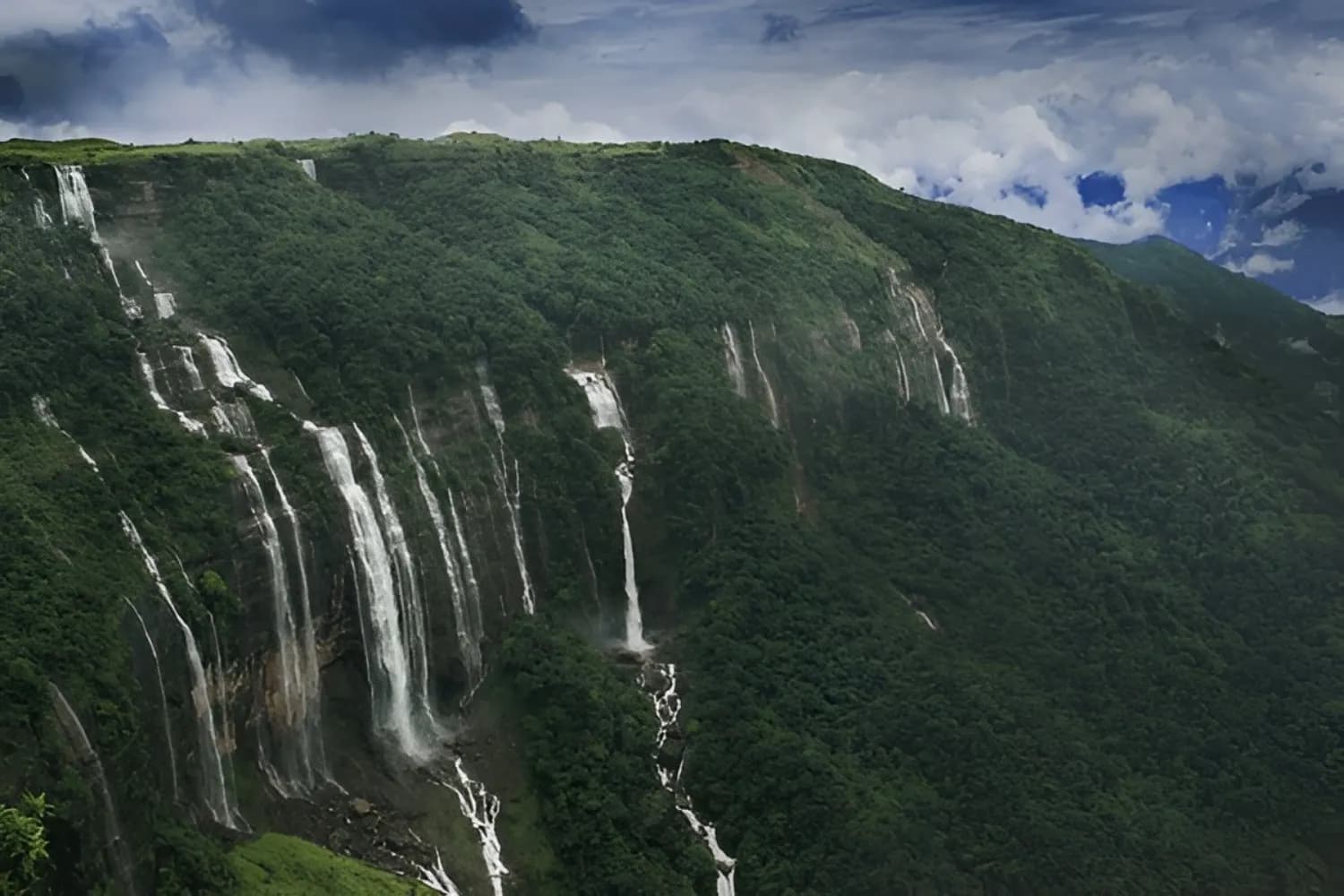
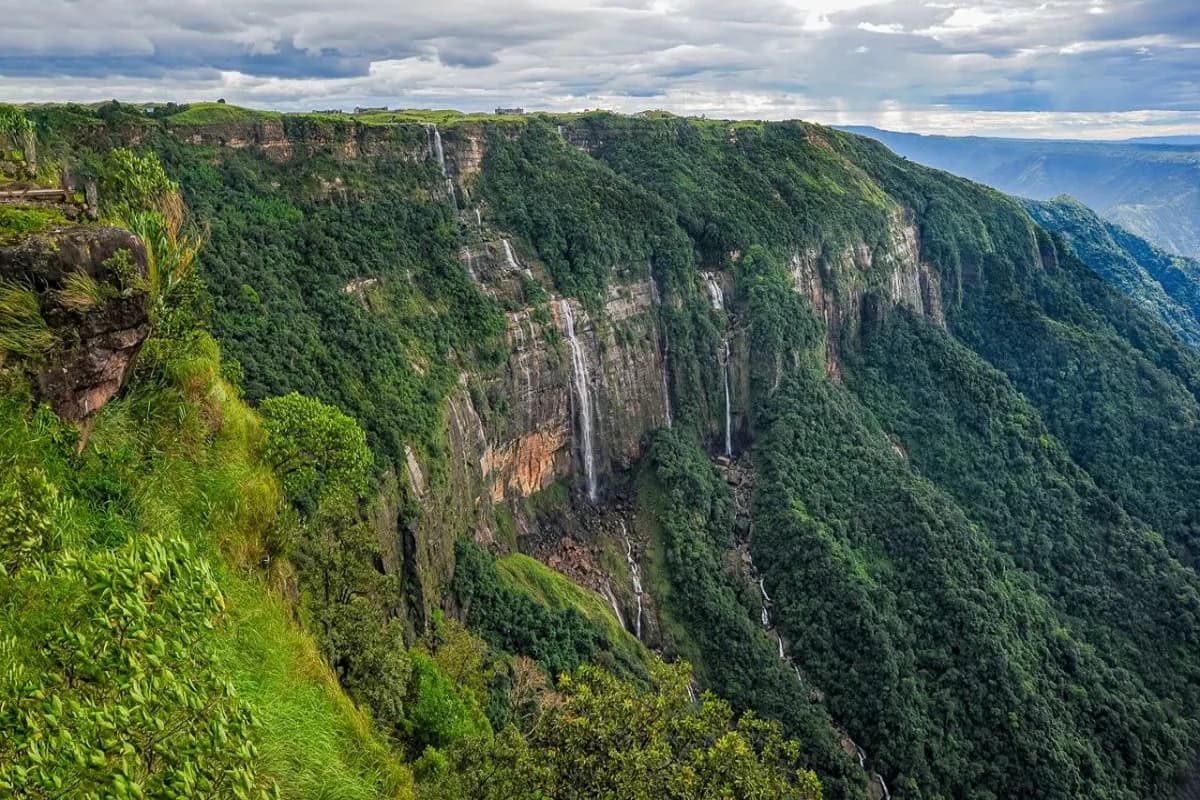
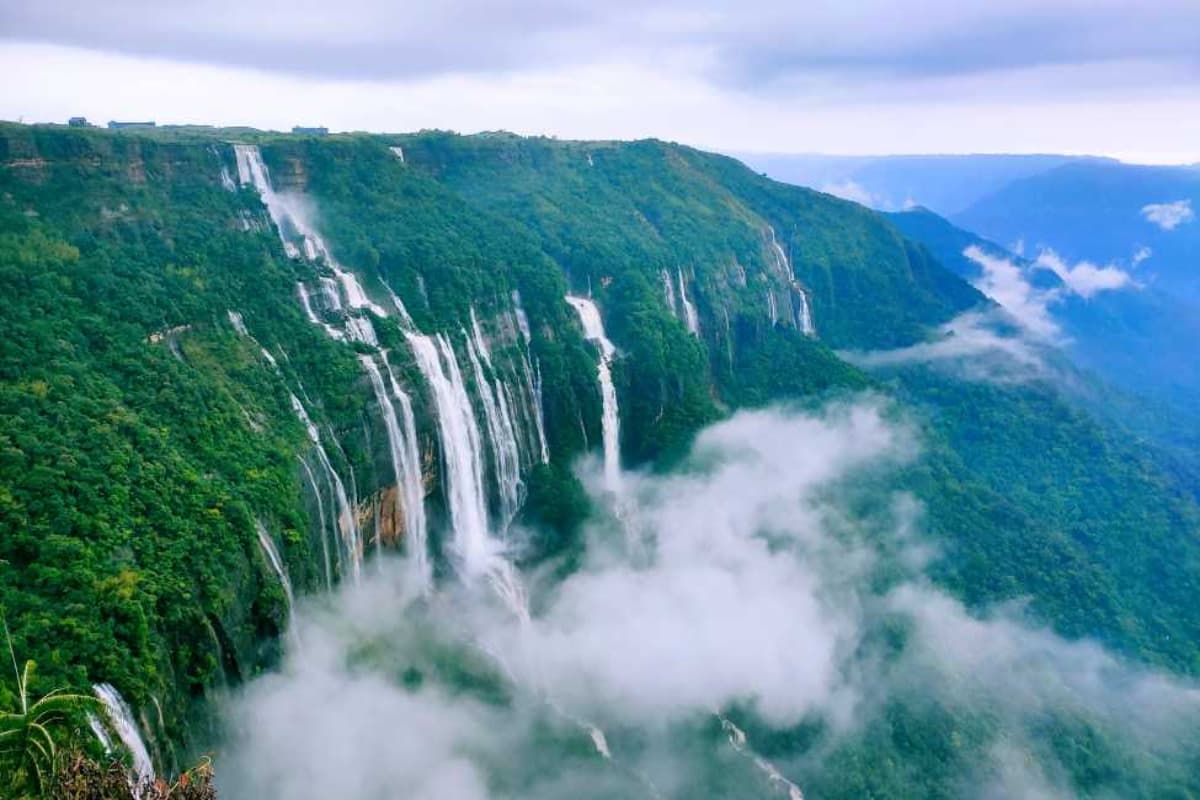
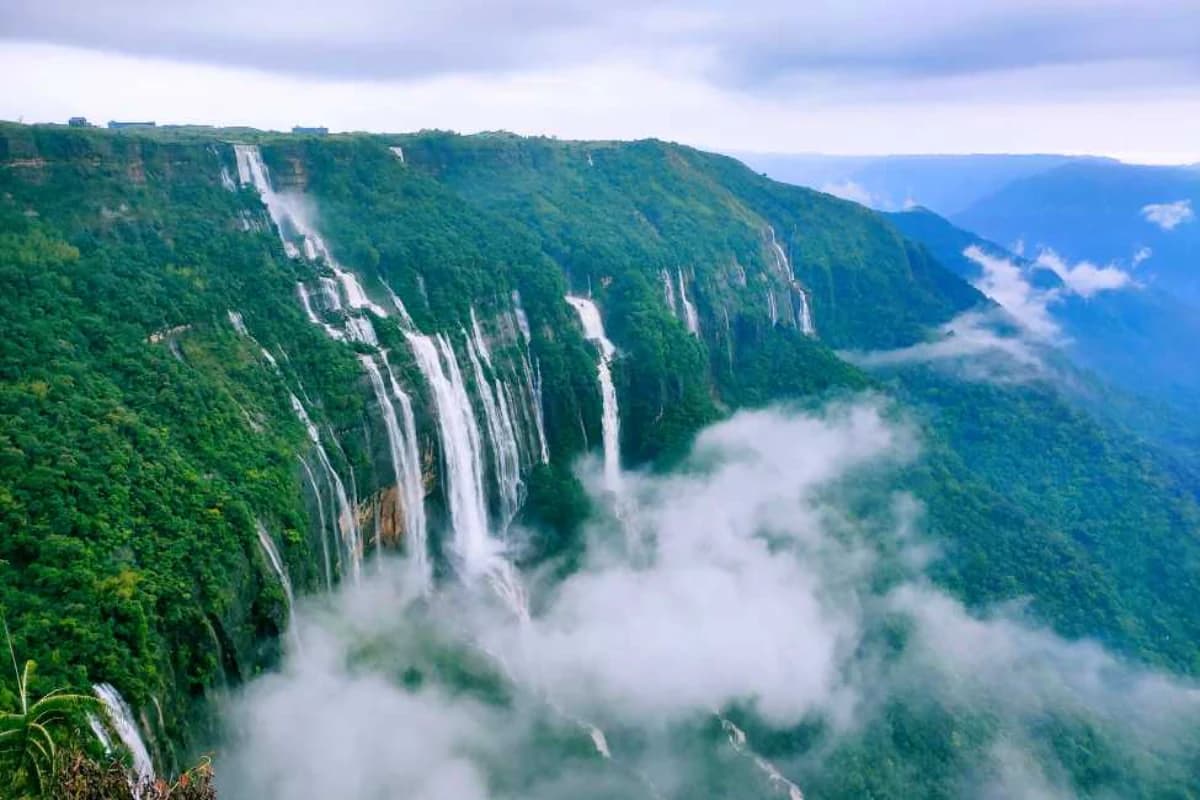
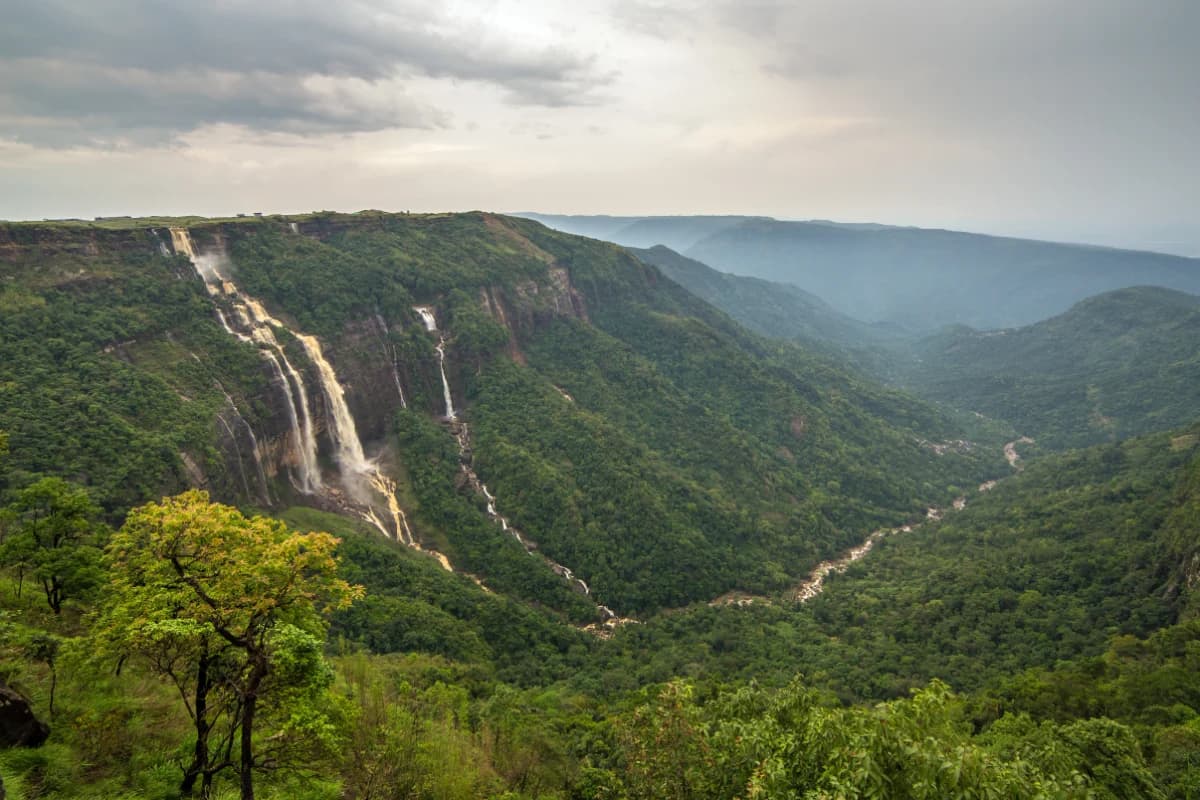
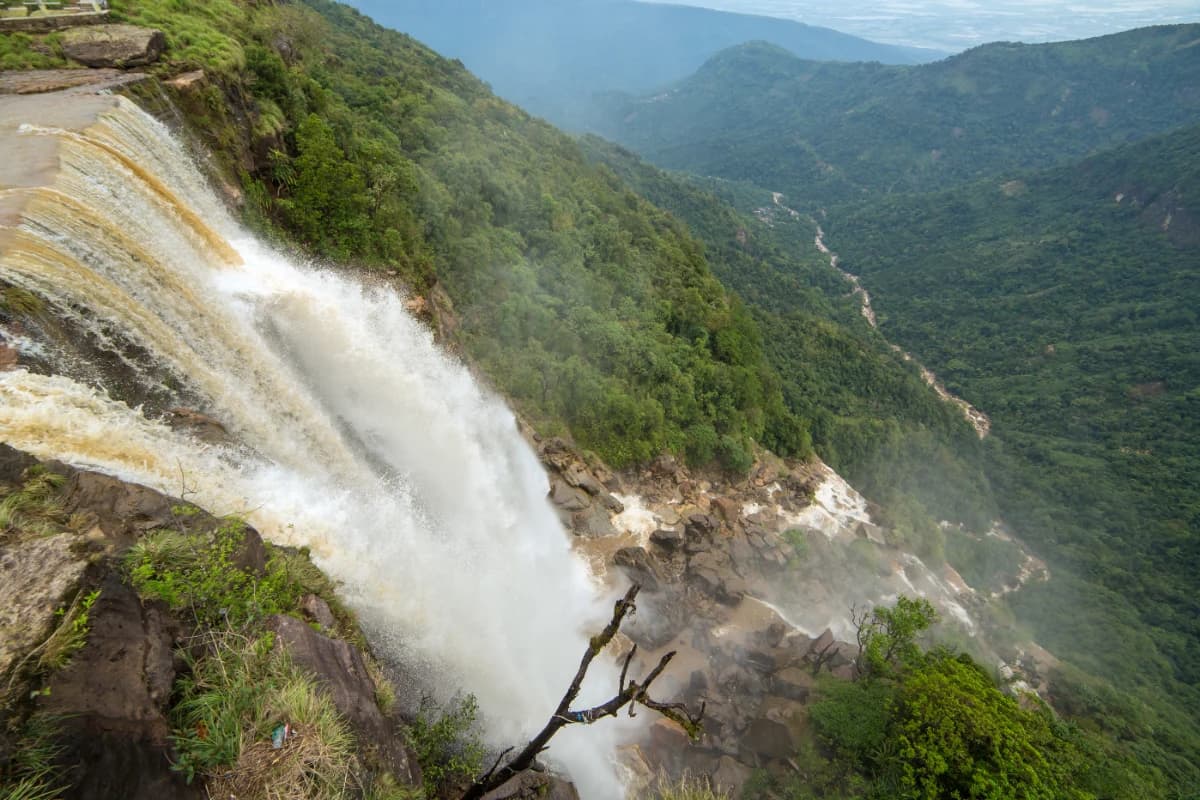
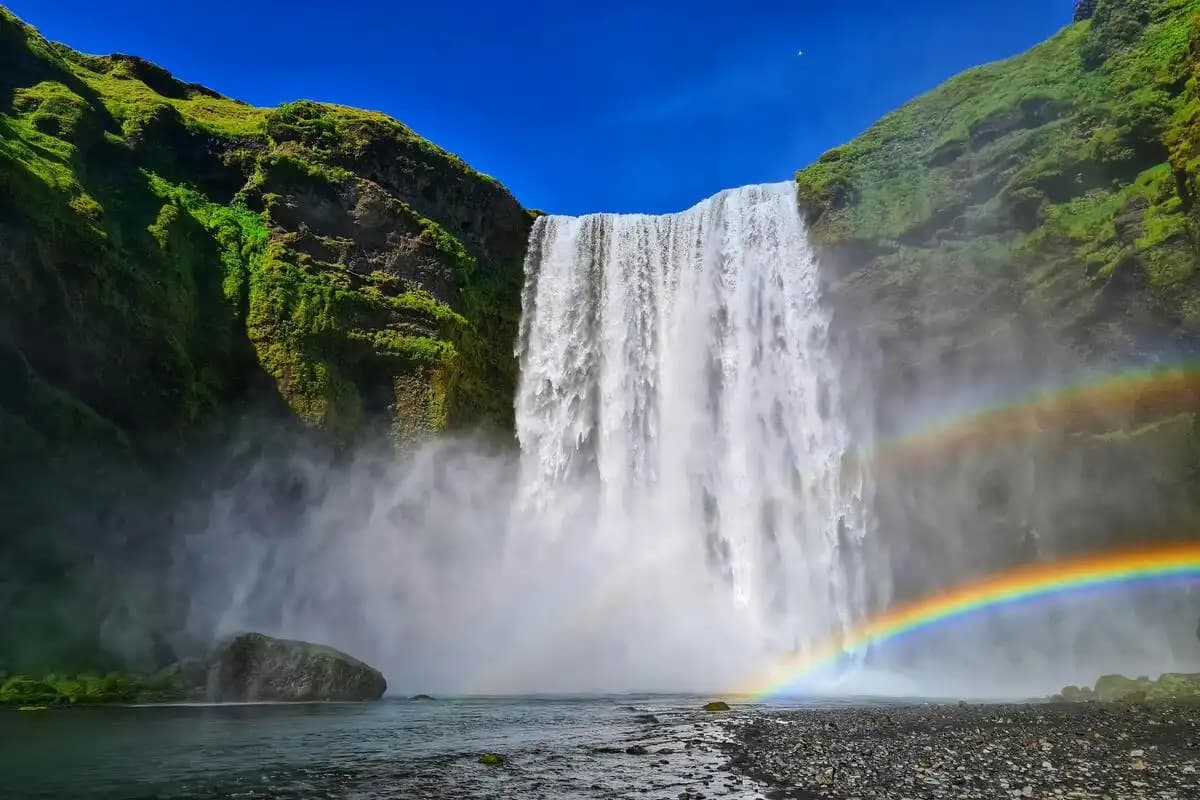
Seven Sisters Falls, locally called Nohsngithiang Falls, is located in Cherrapunji, Meghalaya. It drops 315 meters in seven separate streams across a wide cliff face. It is among the tallest plunge waterfalls in India. The falls are at full flow only during the monsoon season, which runs from June to September.Cherrapunji is 55 kilometers from Shillong by road. The drive takes around two hours. Travelers booking Meghalaya tour packages will find this waterfall included in most standard itineraries alongside Nohkalikai Falls and Mawsmai Cave. No direct bus connects Shillong to the falls. A private cab or shared taxi from Shillong is the practical way to get here.Significance of Seven Sisters Falls:Seven Sisters Falls is named after the seven northeastern states of India. The waterfall splits into multiple streams during the monsoon, creating the “seven” appearance across the cliff.According to local Stroy, the Khasi people believe the seven streams represent seven sisters who were turned into water by a divine force to protect the land. Locals still consider the falls sacred and perform traditional rituals near the site during certain seasons.Best Time to Visit Seven Sister Falls:Visit between June and September during the monsoon. All seven streams flow at full capacity during this period. The view is amazing, and the falls are at their widest. Outside the monsoon, the streams thin out or dry up completely. The best time to visit is between 6 am and 9 pm.How to Reach Seven Sisters Falls:A 55 km drive from Shillong to Cherrapunji takes about 2 to 2.5 hours, with cab fares around ₹1,500–₹3,000. The Seven Sisters Falls viewpoint sits along the main road, with parking available close to the entrance.

Beautiful-waterfall-with-rainbow-and-green-mountains-under-clear-blue-sky
Top-View-of-Rainbow-Waterfall-in-meghalaya
Side-view-of-rainbow-Waterfall
Rainbow-Waterfall-with-rocky-cliffs
Breathtaking-view-of-Rainbow-Waterfall

Rainbow Falls

Rainbow Falls is a natural pool and waterfall located beyond the Double Decker Living Root Bridge trek route. It sits deeper inside the forest and requires an extended walk after reaching Nongriat village. The water here appears blue-green, especially under direct sunlight.Travellers usually add this stop to their plan while doing the root bridge trek in Meghalaya tour packages, continuing further for about 1.5 to 2 hours. It is not a quick visit, but those who go till the end often spend time resting near the pool before returning.Significance of Rainbow FallsRainbow Falls has been part of the Khasi hills for centuries. The Khasi people of Nongriat village have lived around this forest long before it became a tourist spot. They built the famous living root bridges nearby using fig tree roots. A tradition passed down through generations. The waterfall was their backyard, not a destination.Outside travelers discovered Rainbow Falls only after 2010. Travel bloggers and backpackers started sharing the trek online, and word spread fast. By 2015, it was on every Northeast India travel list. Local families then started homestays to welcome the growing number of visitors coming in every season.Best Time to VisitVisit between October and April. Water stays clear and safe. Monsoon (June to September) increases flow but makes the trail slippery and risky, with stronger currents near the pool.How to Reach Rainbow FallsFrom Shillong, drive 19 kilometers to Tyrna village. The drive takes around 45 minutes, and a private cab costs ₹800 to ₹1,000. From Tyrna, trek down 3,500 steps to Nongriat village and continue to Rainbow Falls. The full trek takes four to five hours one way.Entry Fee and TimingsEntry Fee: There is no official feeTimings:Opening Time: 7:00 AMClosing Time: 5:00 PMClosed on: Sundays

A beautiful View of Krang Suri Falls
Krang Suri Falls in meghalaya
Crystal-clear view of Krang Suri Falls in Meghalaya
Scenic Krang Suri Falls with turquoise blue water
Krang Suri Falls Surrounded by forest

Krang Suri Falls

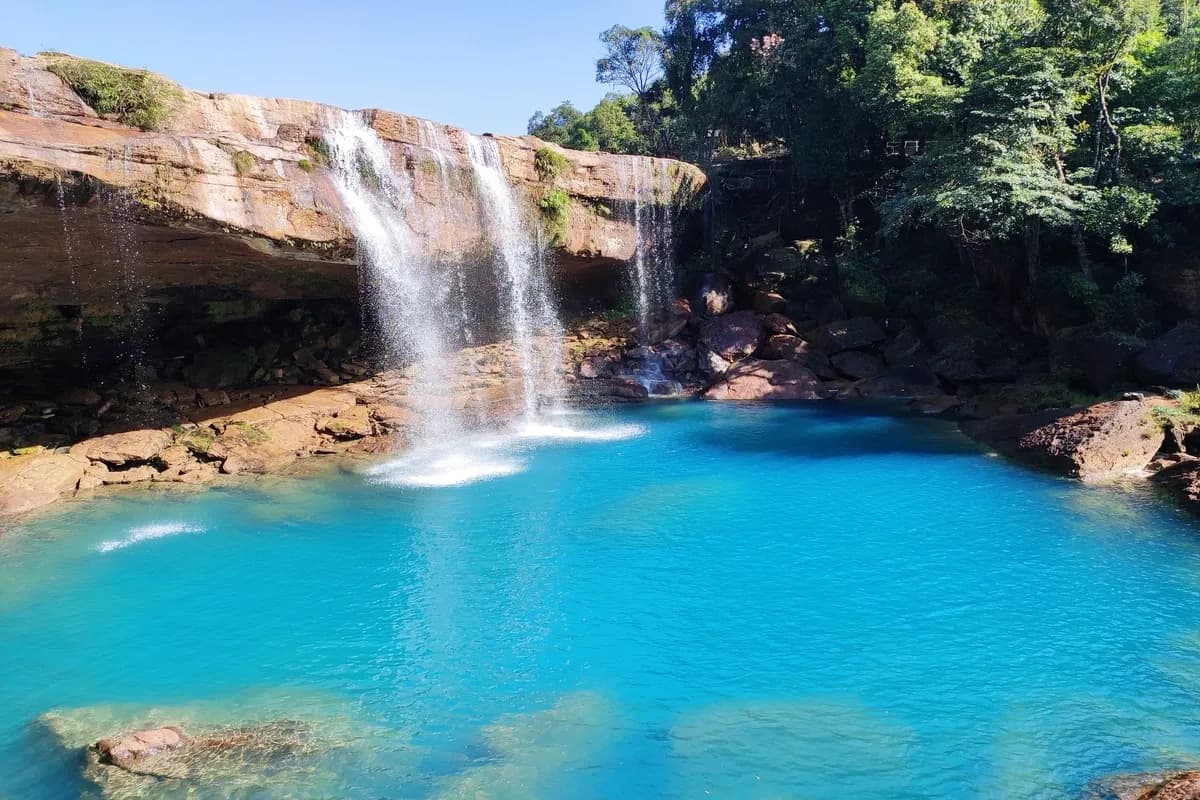
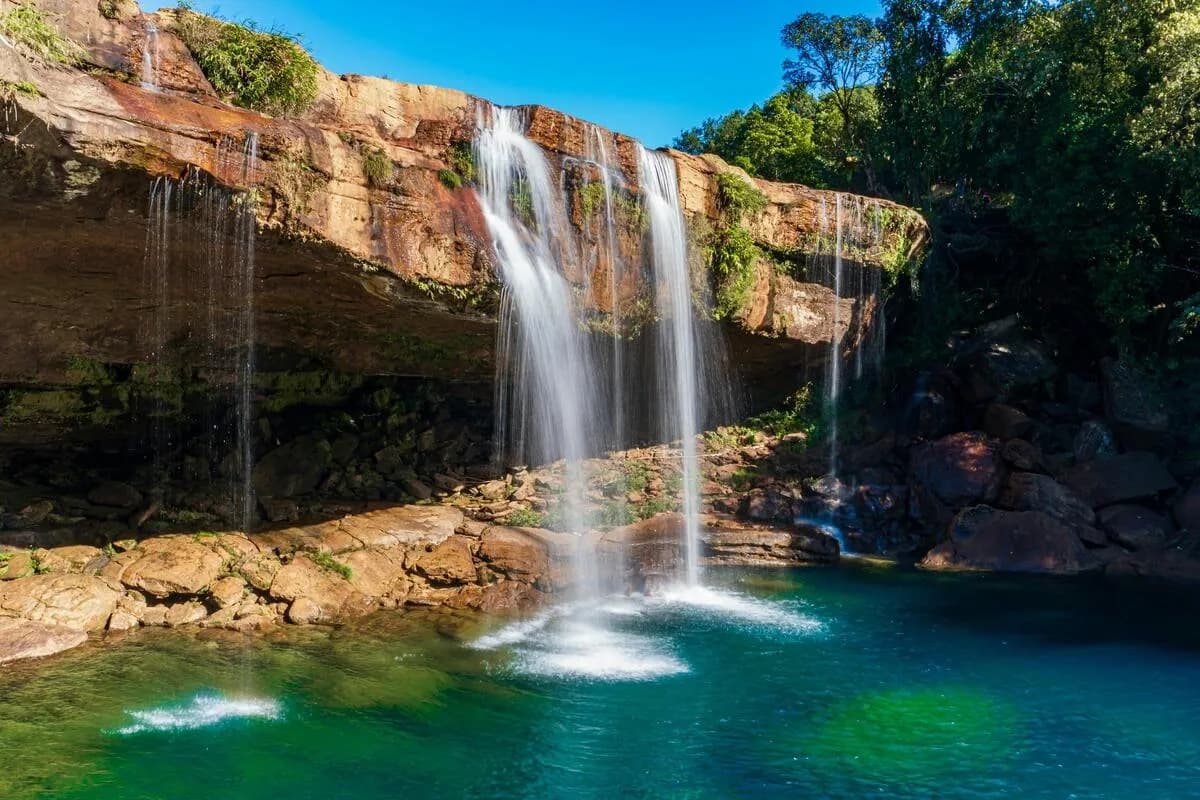
You have probably seen that blue-green water on Instagram. That is Krang Suri Falls. It sits in the Jaintia Hills of Meghalaya. The turquoise pool at the base is what draws people here. It is one of the clearest natural pools in Northeast India. The color is real. No filter needed.Krang Suri is 94 kilometers from Shillong. The drive takes around two and a half hours. Most travelers hire a private cab from Shillong. It costs ₹2,000 to ₹2,500 for the full trip. Meghalaya tour packages now include Krang Suri as a regular day trip from Shillong.Significance of Krang Suri FallsKrang Suri Falls is situated in the Jaintia Hills. This region was historically ruled by the Jaintia kingdom. The Pnar people have lived here for centuries. For them, this waterfall was never a tourist spot. It was simply part of the land they farmed and walked through daily.The outside world found out much later. Travel blogs started mentioning it around 2013. Then, photographs of the blue-green pool went viral after 2016. Before that, barely anyone outside the district knew it existed. Local families now run food stalls near the entrance. The state government has also developed basic visitor infrastructure at the site.Best Time to VisitVisit between October and April. Water stays clear and safe for swimming. Monsoon (June to September) increases flow but makes the water rough and unsafe, with restricted access at times.How to Reach Krang Suri FallsA 90 km drive from Shillong to Jowai takes around 3 to 4 hours (₹3,000–₹5,000). From Jowai, travel another 30 km to reach the falls. A short stair walk leads to the main pool.Pricing and TimingsEntry Fee: ₹50–₹100 per personSwimming Charges: ₹50–₹100 (life jacket included)Camera Charges: ₹50Timings: There are no fixed hours. Generally, you can visit between these hoursOpening Time: 7:00 AMClosing Time: 5:00 PMClosed on: Open all days
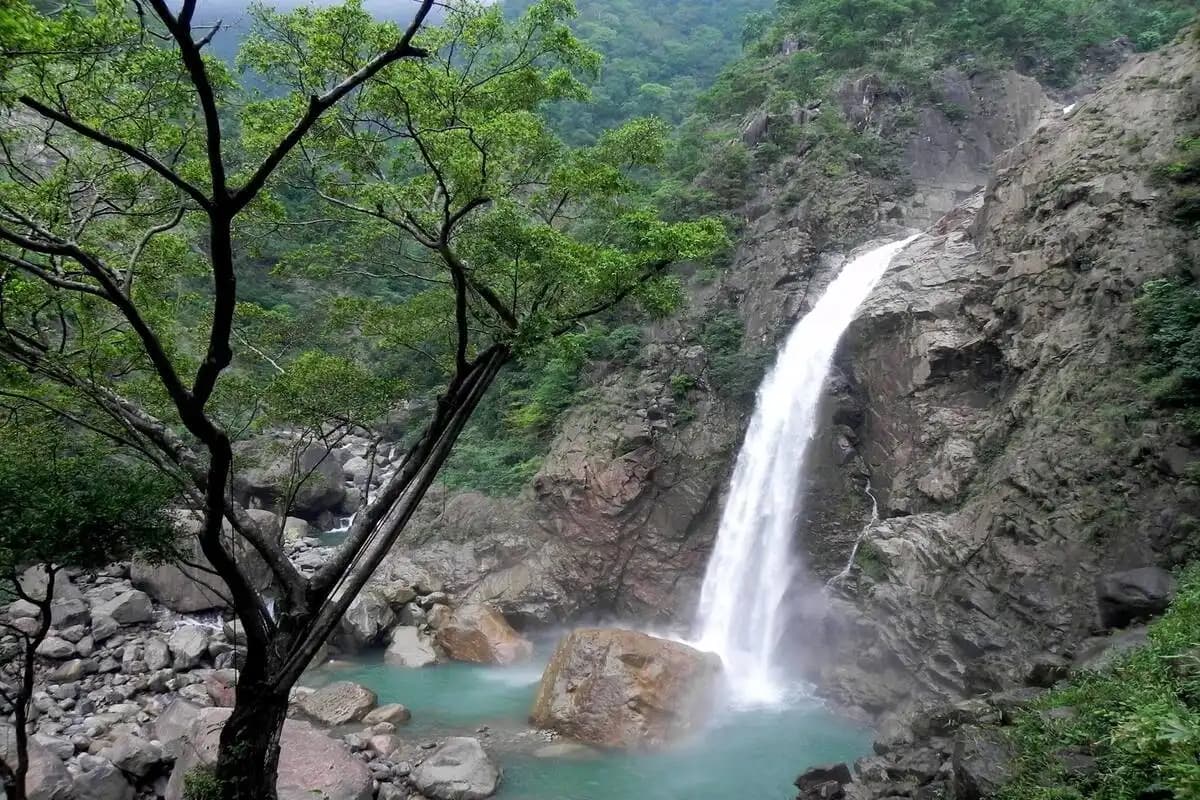
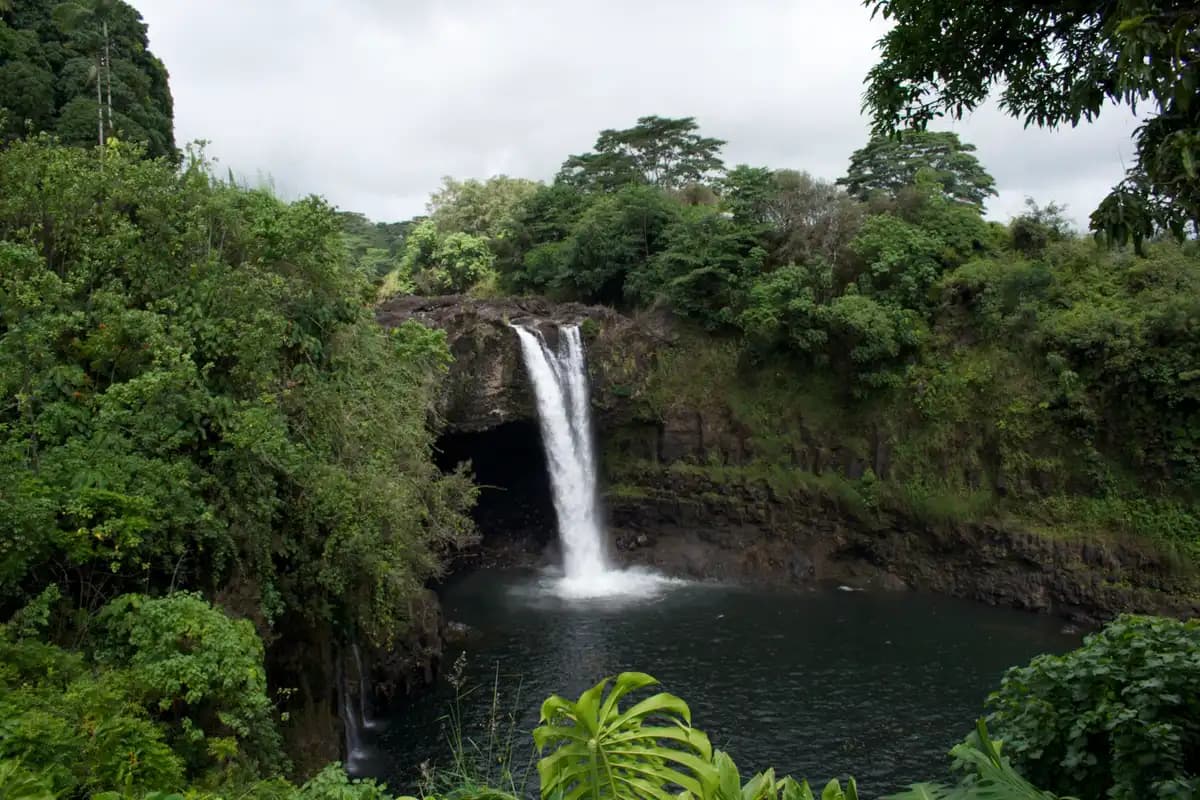
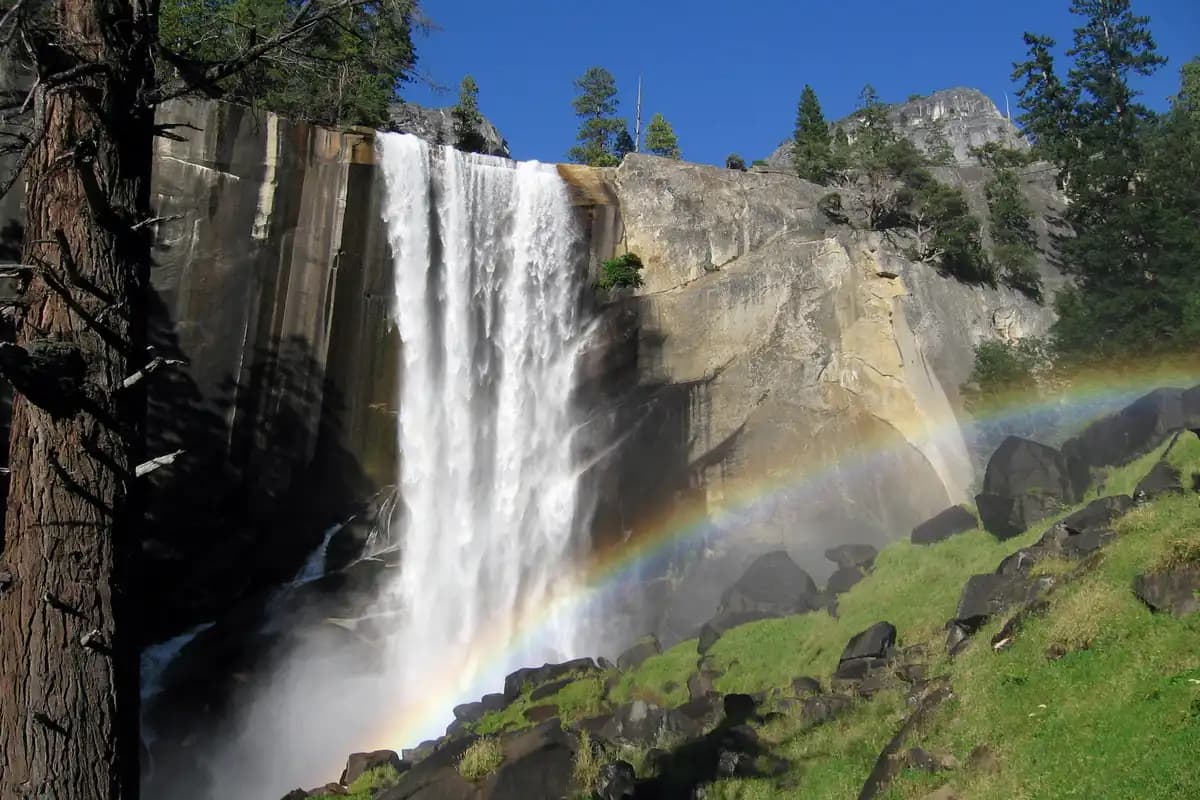
Beautiful Dainthlen Falls surrounded by scenic landscapes
Dainthlen Falls Starting Point
A bridge near dainthlen falls
View of Dainthlen falls surrounded by rocks
Tourists enjoying the Dainthlen Falls

Dainthlen Falls

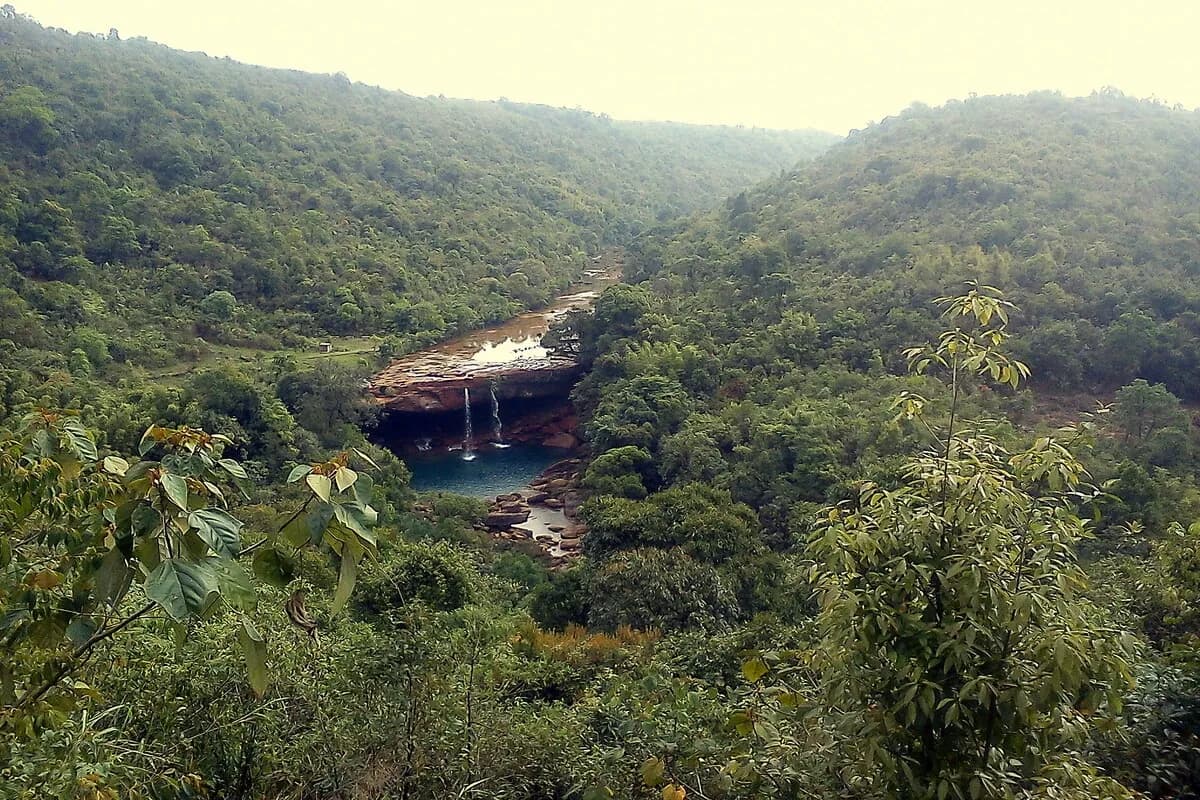
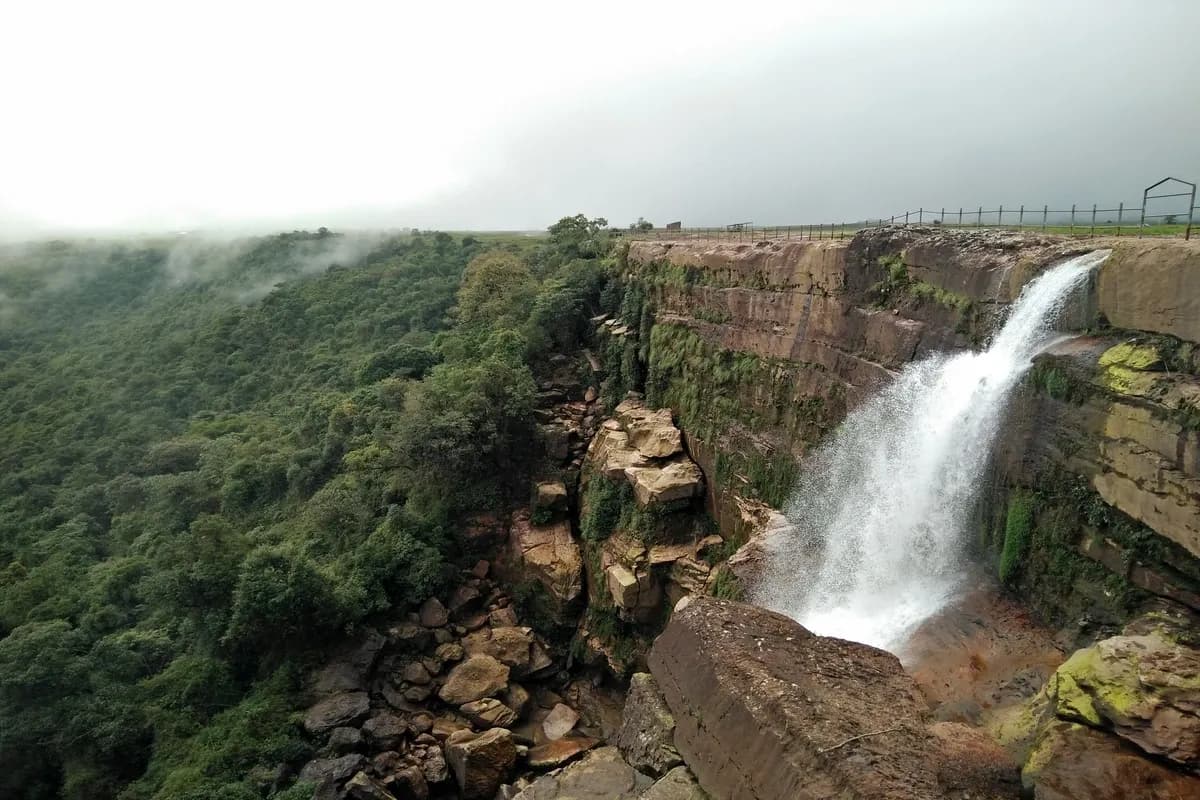
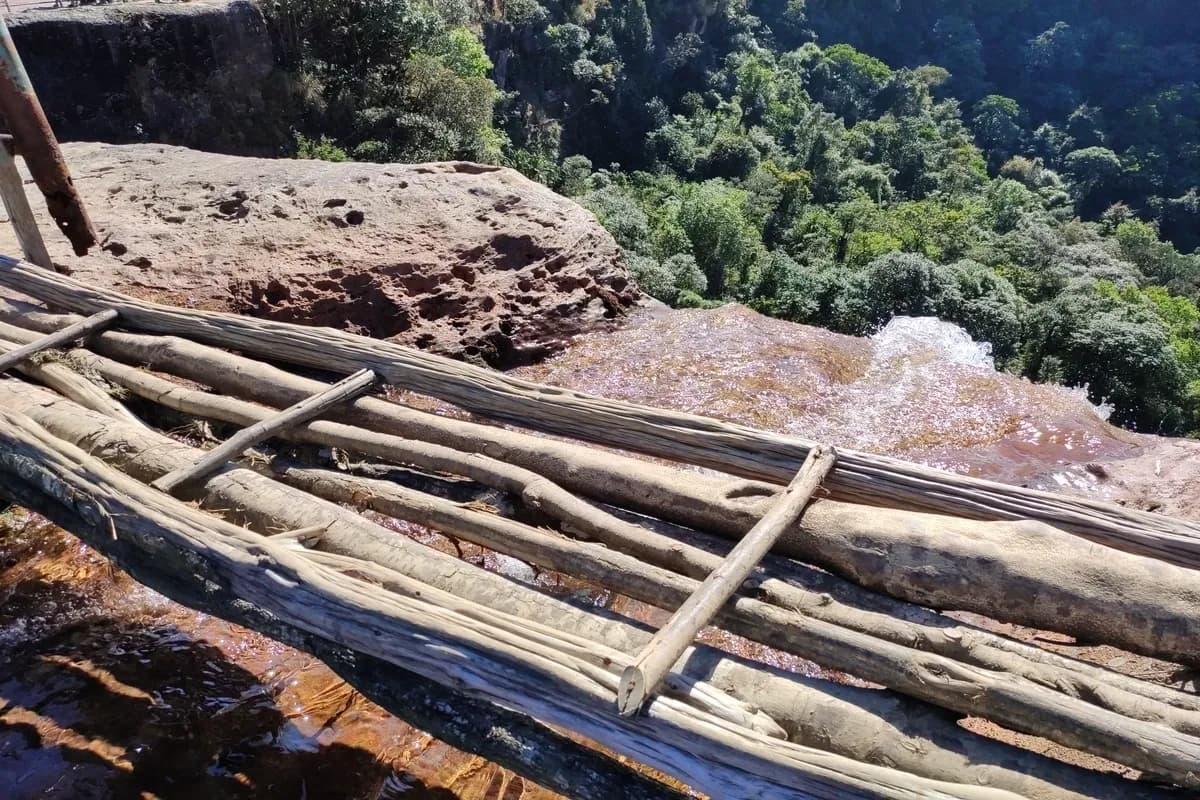
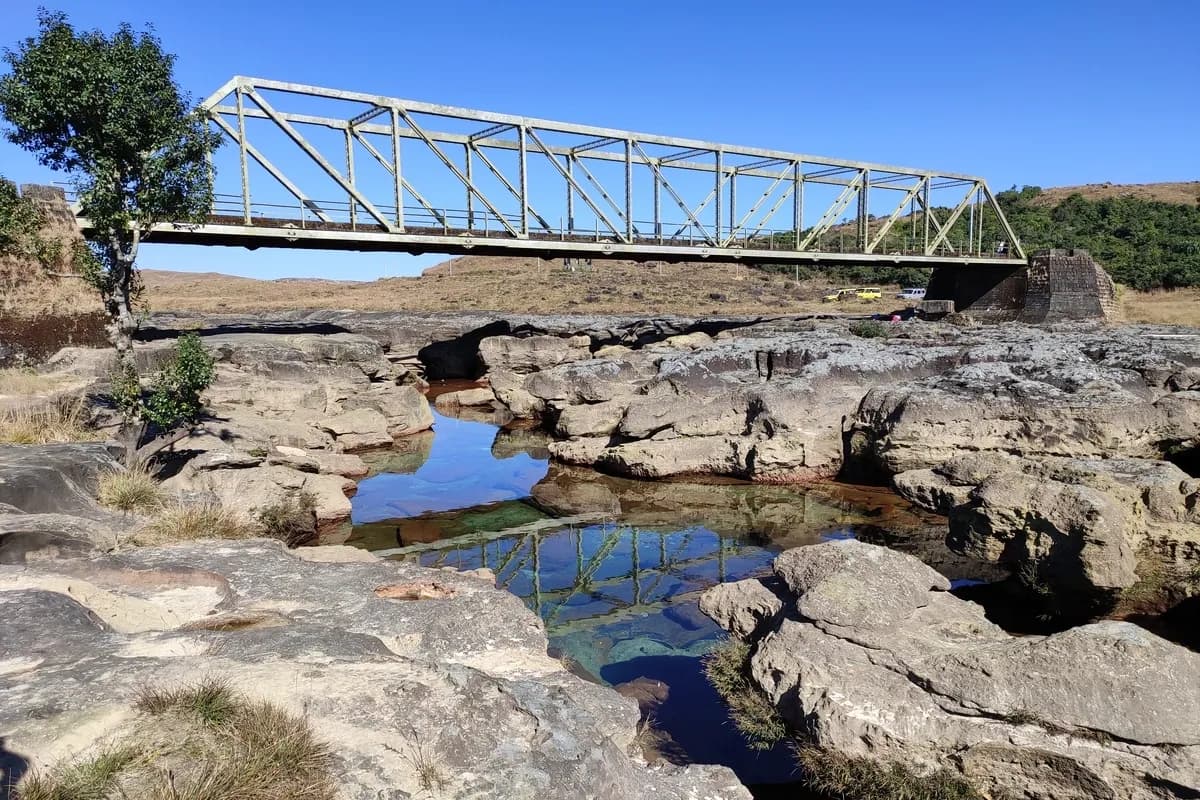
Dainthlen Falls is a wide waterfall located near Sohra in Meghalaya. Unlike vertical plunge waterfalls. The water here spreads across flat rocks before dropping into a gorge. The site includes open viewpoints, walking paths, and fenced viewing sections close to the edge.Travellers often stop here while exploring nearby waterfalls and caves in Meghalaya tour packages, as the location is easy to access by road and does not require trekking. Many spend time near the viewpoint before continuing towards other attractions around Cherrapunji.Significance of Dainthlen FallsAccording to Khasi folklore, a giant serpent called Thlen lived near this area and troubled local villagers. People later trapped and killed the serpent to protect the community. The place then became known as Dainthlen, which means “the place where Thlen was killed.” The story is still shared by locals today.Apart from the legend, the waterfall is known for its wide rock surface and open valley views. Unlike steep plunge waterfalls, the water spreads across flat rocks before dropping into a deep gorge below.Best Time to VisitVisit between October and April for clearer skies and safer walking conditions. Monsoon months bring stronger water flow, but slippery rocks and fog. Early morning to noon is the best time to visit, as visibility is usually better before clouds build up later in the day.How to Reach Dainthlen FallsTravel around 53 km from Shillong to Cherrapunji, which takes about 1 to 2 hours by cab. From Cherrapunji, Dainthlen Falls is located nearly 10 km away and can be reached by road in 20–30 minutes. A short walk from the parking area leads to the main viewpoint. Total travel cost by cab usually ranges between ₹2,000 and ₹4,000 for the round trip.Entry Fee and TimingsEntry Fee: FreeParking Fee: ₹20–₹50Timings: Opening Time: 6:00 AMClosing Time: 5:00 PMClosed on: Open all days

Why Book Packages with Viacation?

Trusted by travelers

Trusted by 1,00,000+ travellers

Dedicated travel experts

Dedicated experts to plan your trips

Secure bookings

Secure bookings, clear cancellations

Unique travel options

10,000+ unique trips to choose from

Meghalaya Blogs

Login ModalPost Login FormTalk with trip expertAccount Scheduled for Deletion