
 15 Minutes
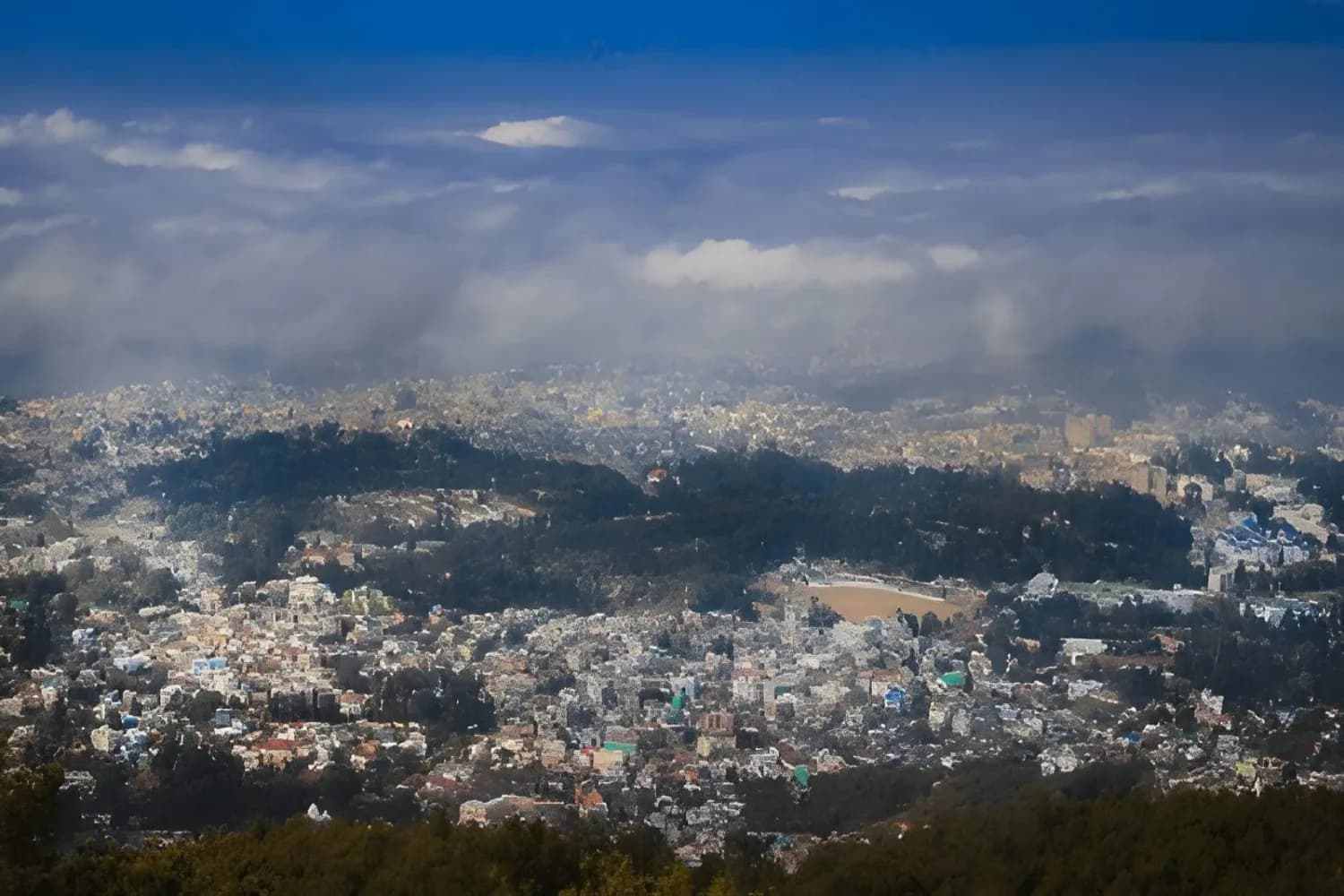
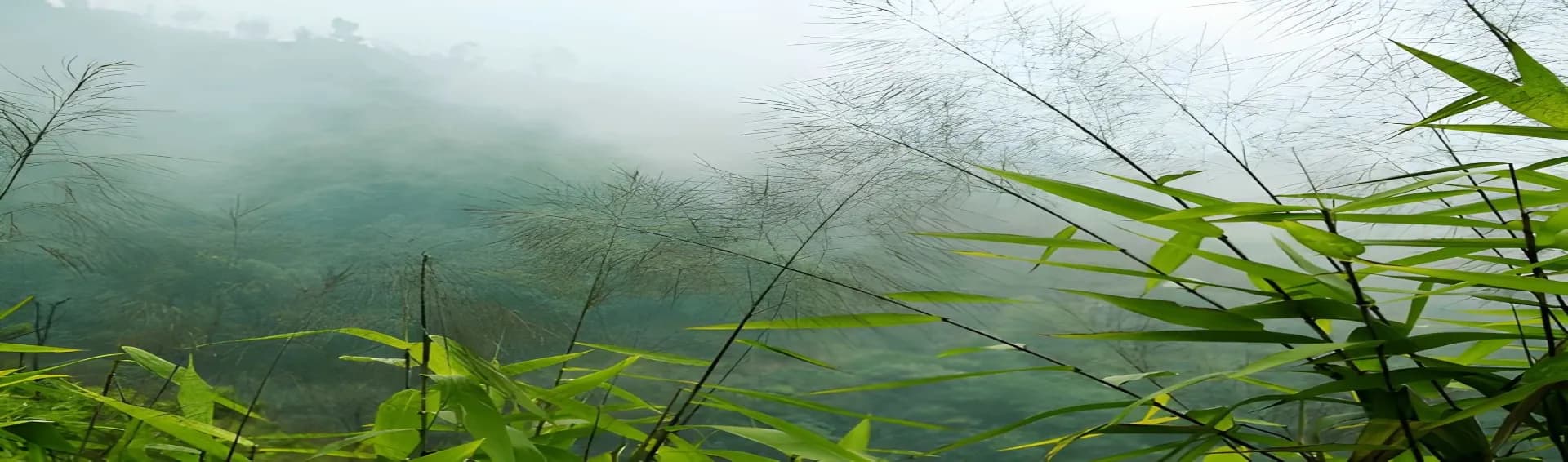
Meghalaya in winter is not what most people picture. No snowfall, no frozen lakes, no ski resorts. But what you do get is fog so thick you cannot see ten feet ahead, waterfalls at their calm best, and a chill that catches you completely off guard, especially if you are coming from the plains. People from Delhi, Kolkata, or any part of India often land in Shillong thinking it will be a light jacket situation. It is not.
So here is an honest look at what Meghalaya actually feels like, what to do, what to eat, and what to pack. If you have more doubts, then you can explore Meghalaya tour packages. It will give you the exact idea of what places should be in your itinerary.
₹13,699
per person
₹18,999
per person
₹23,999
per person
₹18,999
per person
Meghalaya in winter stays cool and misty, with temperatures ranging from 4°C to 15°C in December and January. Mornings are cold, afternoons slightly warmer, and nights drop sharply. Rainfall is rare, but fog is constant. It is the kind of cold that sneaks up on you.
Weather and Temperature by Month
December is the coldest stretch. Shillong, sitting at about 1,500 metres above sea level, drops to around 4°C to 6°C at night. During the day, it goes up to maybe 14°C or 15°C. But do not count on sunshine for long. Fog rolls in fast.
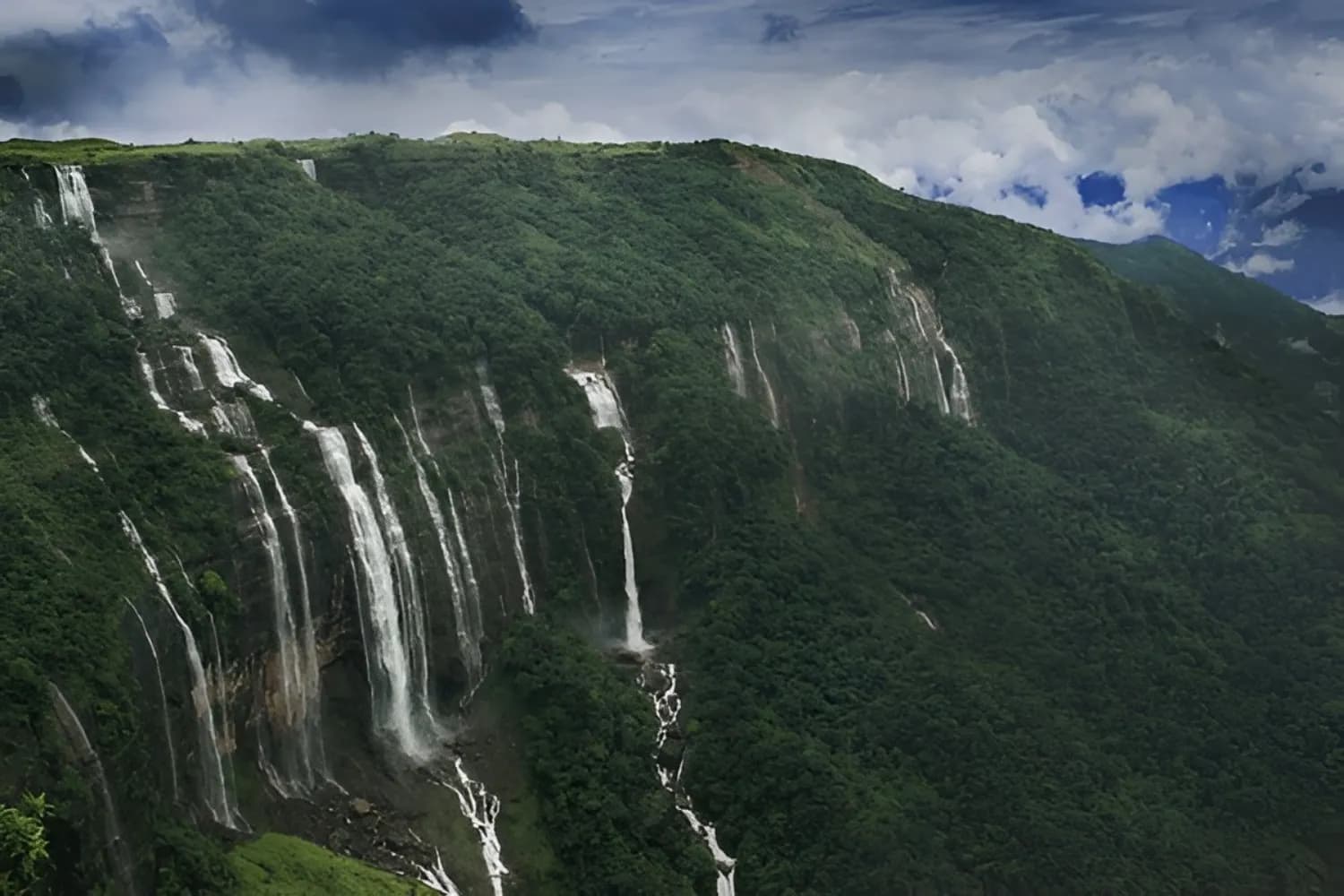
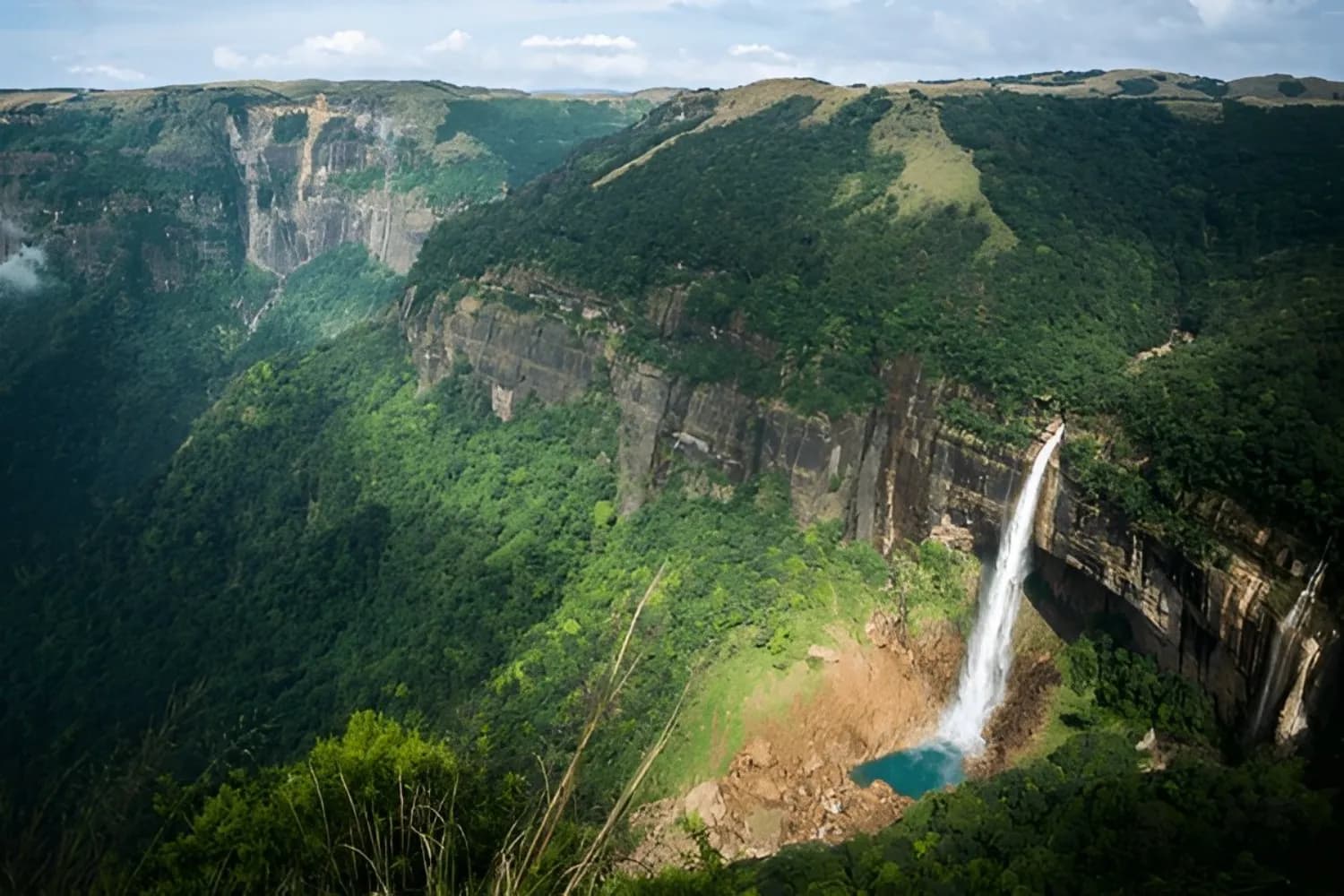
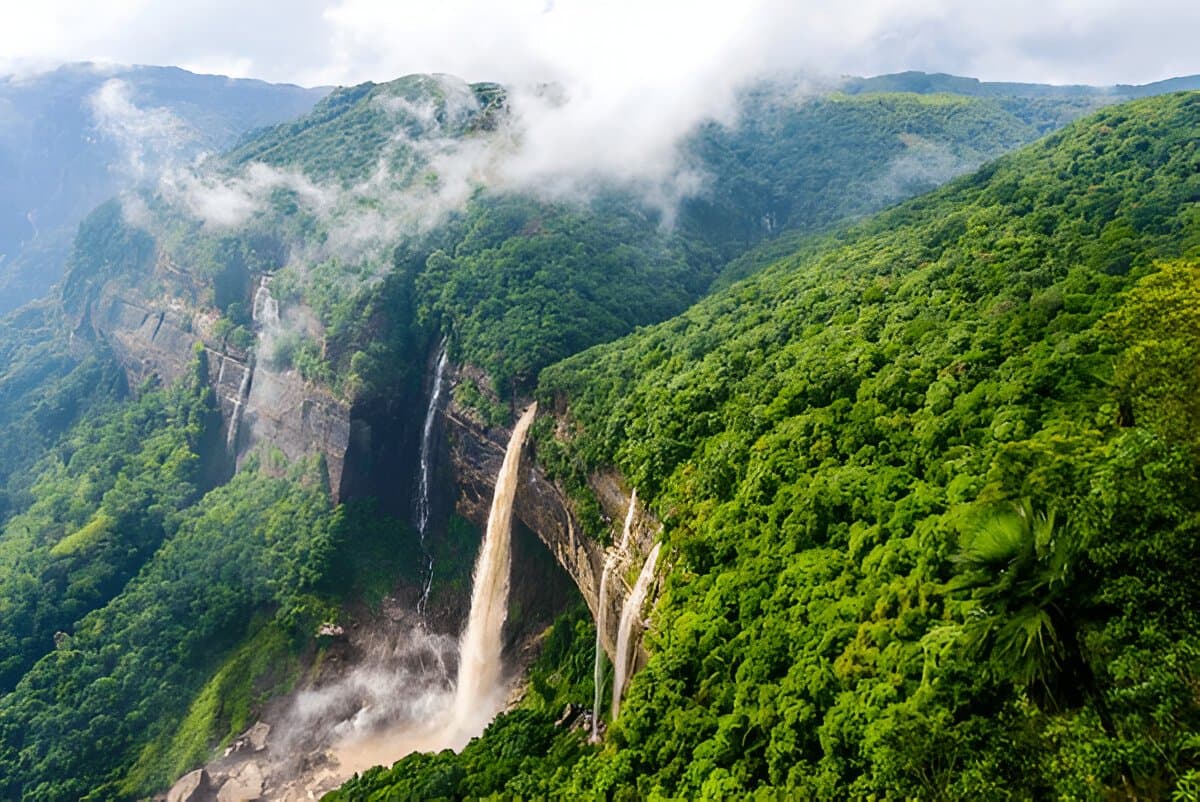
January is similar. Roads to Cherrapunji or Mawsynram get misty, and the viewpoints at Nohkalikai Falls look dramatic, wrapped in clouds. Some travelers love this. Others find it frustrating because visibility is low.
February starts getting gentler. Temperatures inch upward, mornings get less harsh, and the landscape starts looking fresher. This is honestly the sweet spot of Meghalaya winter travel.
The eastern districts, like Tura or parts of Garo Hills, stay slightly warmer than Shillong, so if the cold is a concern, factor that in.
Winter in Meghalaya is not just cold weather and misty hills. There is real cultural life happening, and missing the festivals means missing half the point of visiting.
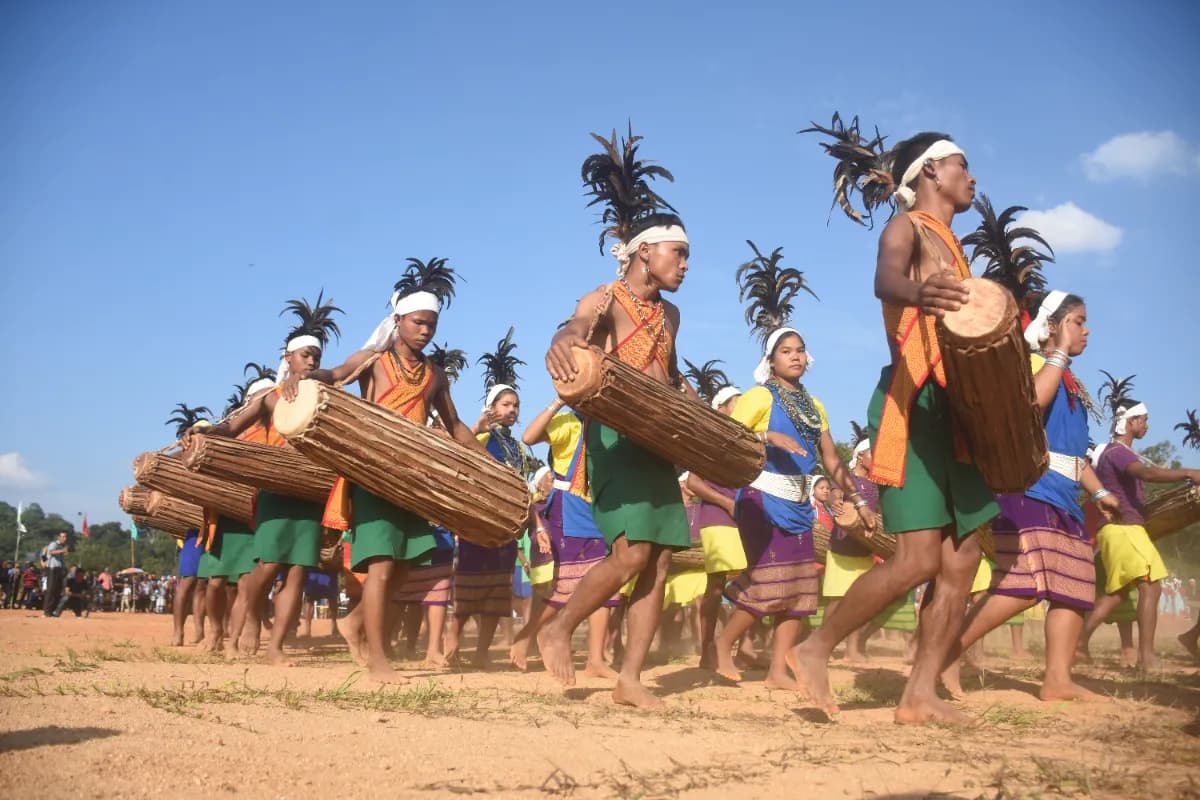
Wangala is the harvest festival of the Garo tribe. It typically falls in November, but celebrations often stretch into early December in some villages. Drums, traditional dance, and community feasting are the highlights. It is one of the most visually rich cultural events in Northeast India.
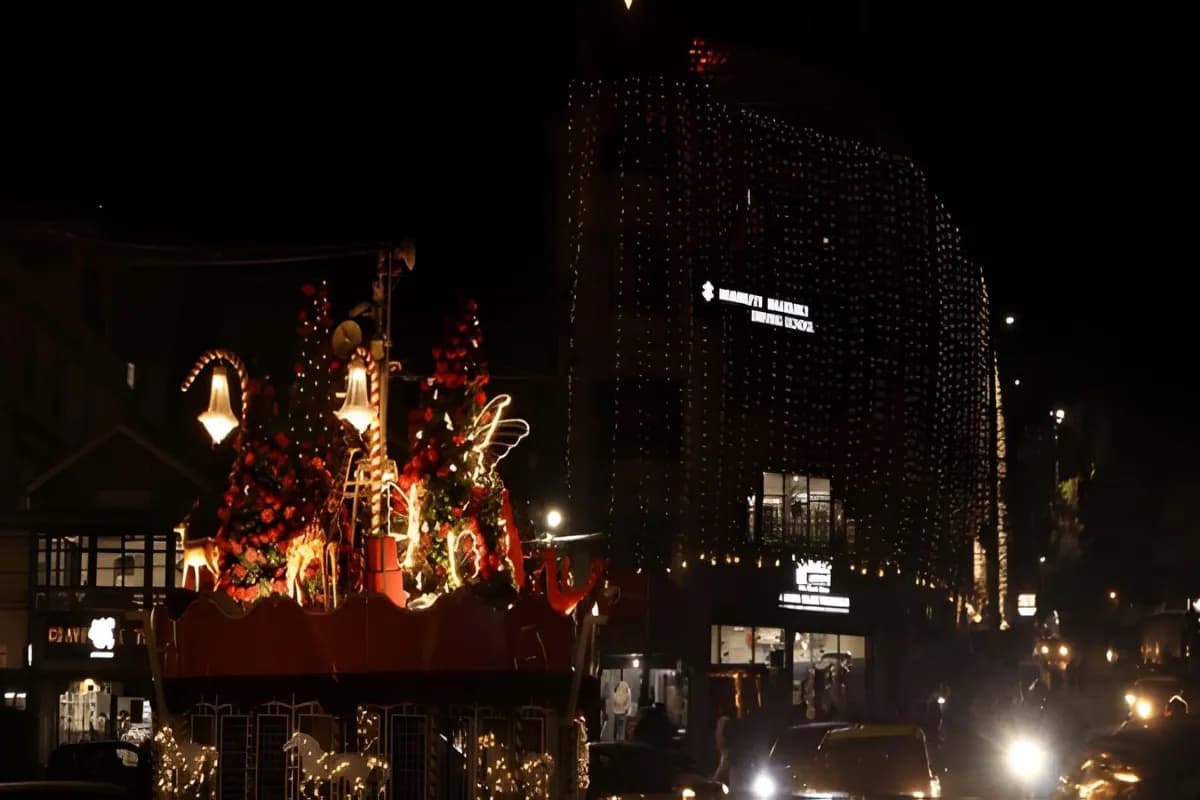
Meghalaya has one of the highest Christian populations in India, around 74.59%, according to the 2011 Census. So Christmas here is genuinely celebrated, not just decorative. Shillong's Police Bazaar lights up, churches hold midnight mass, and the air actually feels festive. If you are visiting in late December, this alone is worth planning around. The Cathedral of Mary Help of Christians near Laitumkhrah is a good place to experience the celebration up close.
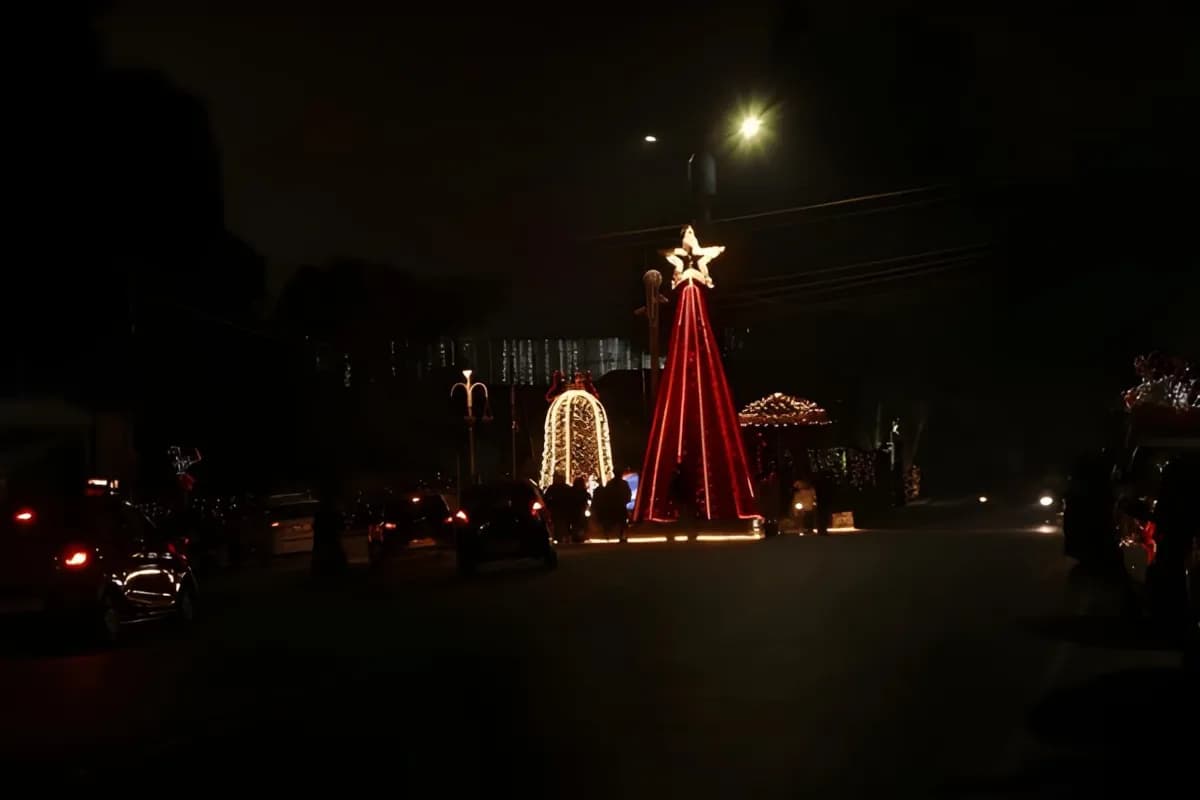
The city hosts live music events, street food gatherings, and small cultural programs around New Year's Eve. It is not Times Square, but it has its own local charm that does not feel manufactured.
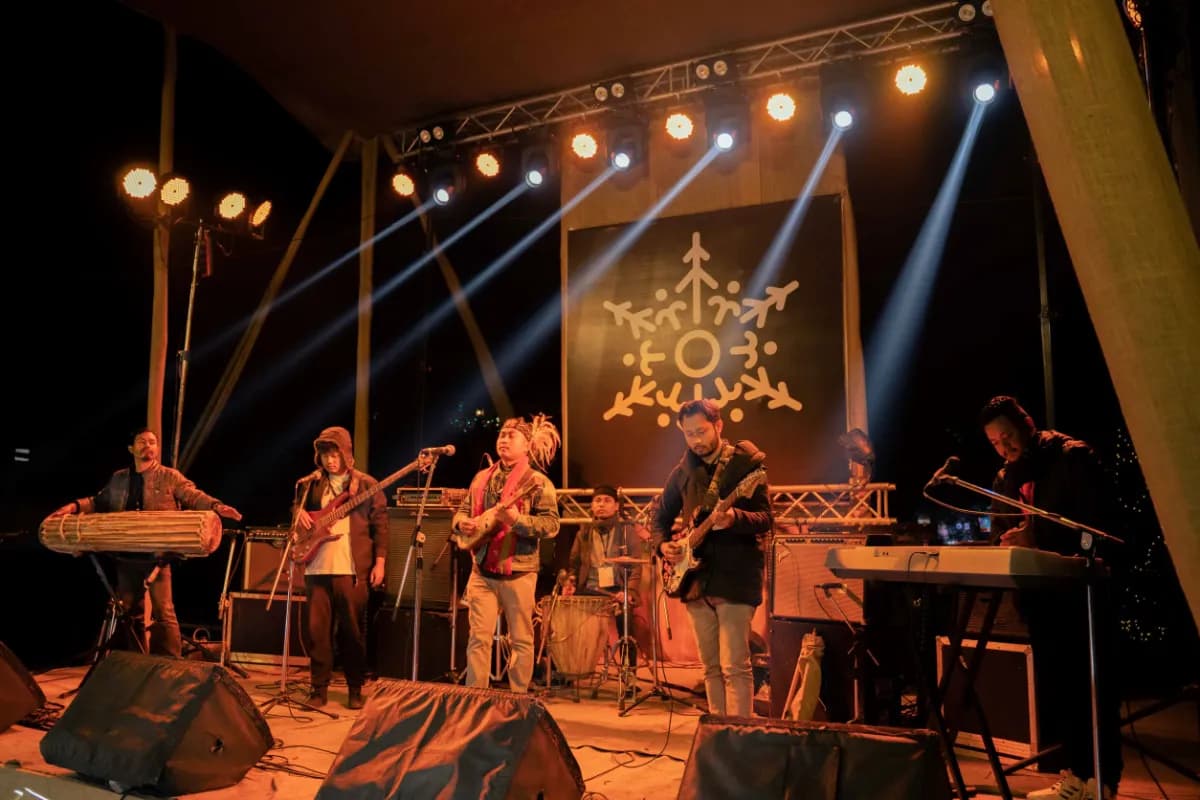
This is a newer addition, usually held in December. It combines music, food stalls, local crafts, and cultural performances. The venue tends to be open-ground spaces near the city center. Dates shift year to year, so check the Meghalaya Tourism website before you book.
Short answer: yes. But you need to know what you are getting into.
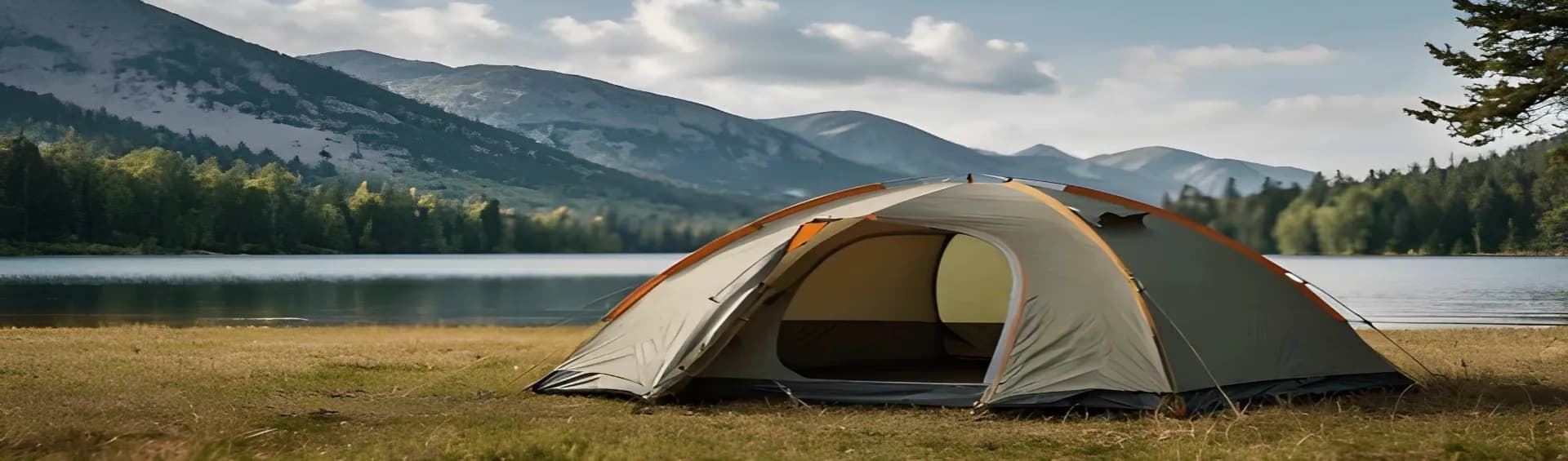
Camping in winter in Meghalaya means cold nights, sometimes touching 3°C to 5°C near Cherrapunji or the living root bridge trails. A good sleeping bag rated for sub-zero temperatures is not optional; it is necessary. The good news is that leeches, which are a real problem during monsoon treks, are completely absent in winter. That alone makes many experienced trekkers prefer this season.
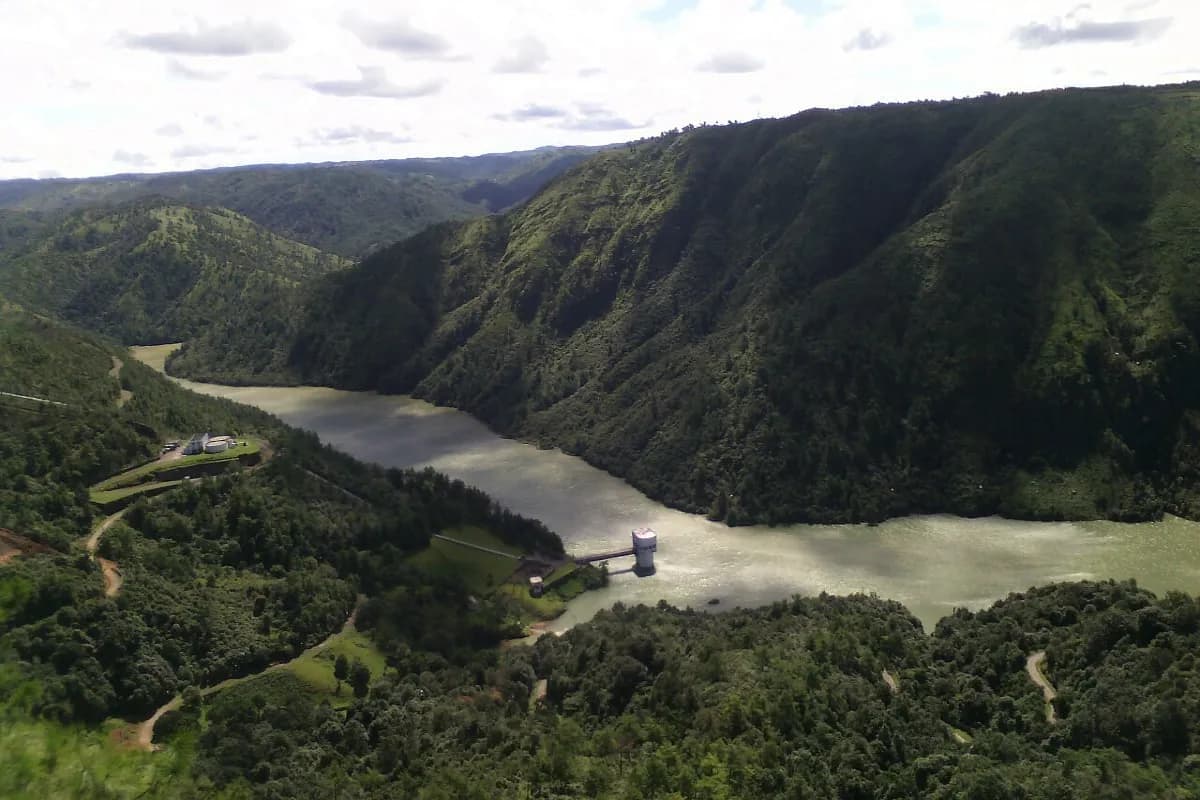
David Scott Trail is one of the most popular treks in Meghalaya, around 16 km long, connecting Mawphlang to Ladmawphlang. In winter, the trail is dry, clear, and manageable. The landscape looks stark but beautiful. Trek time is roughly 5 to 6 hours. Carry warm layers because the wind picks up in exposed sections.
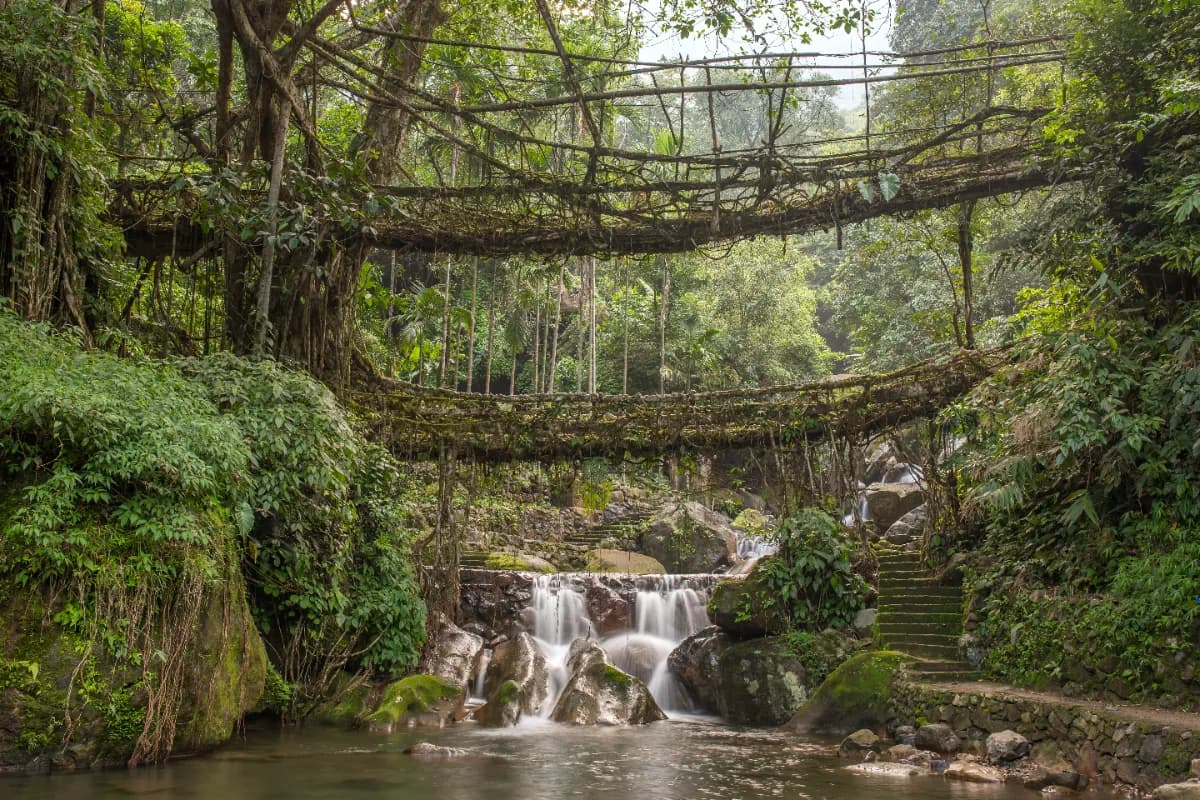
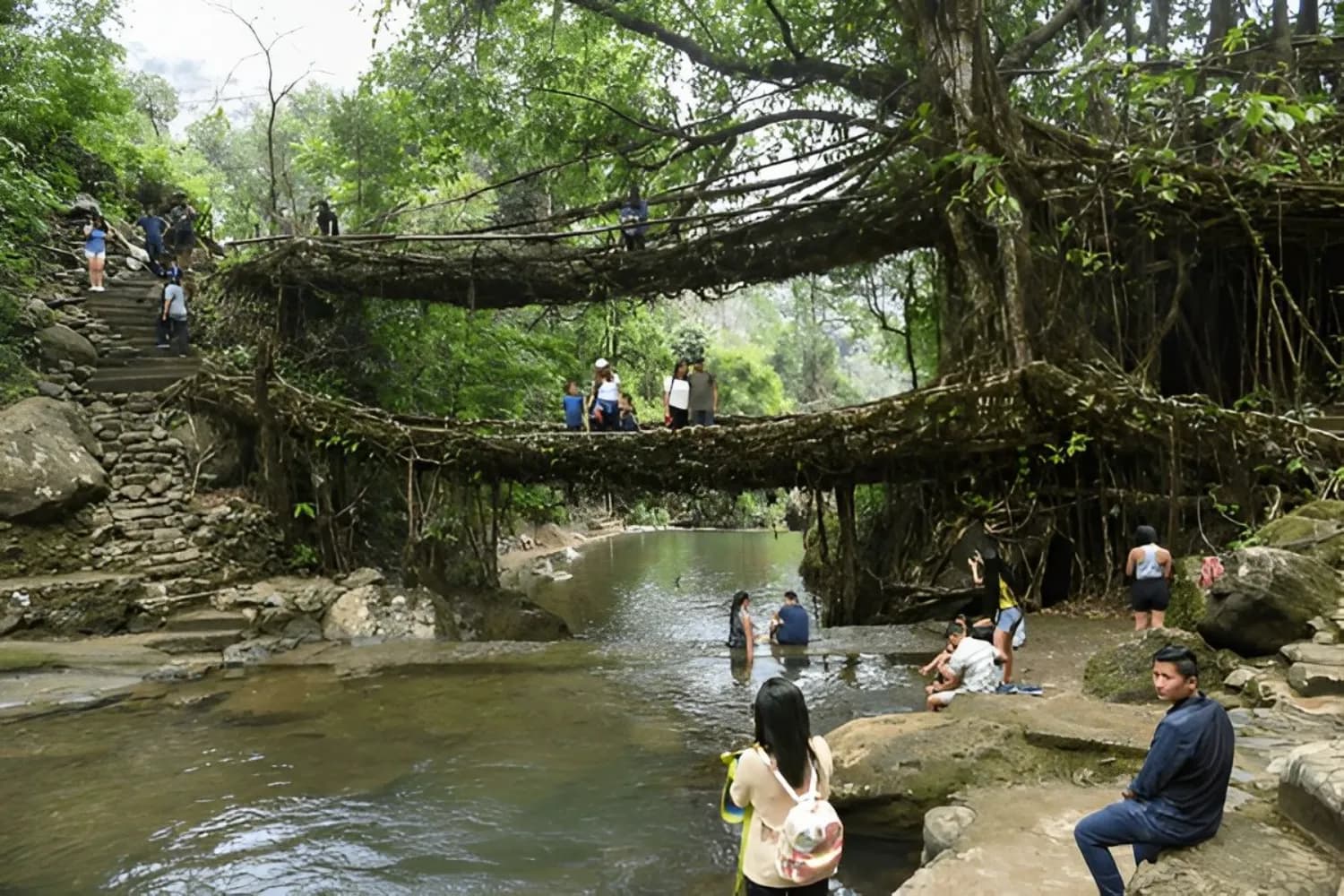
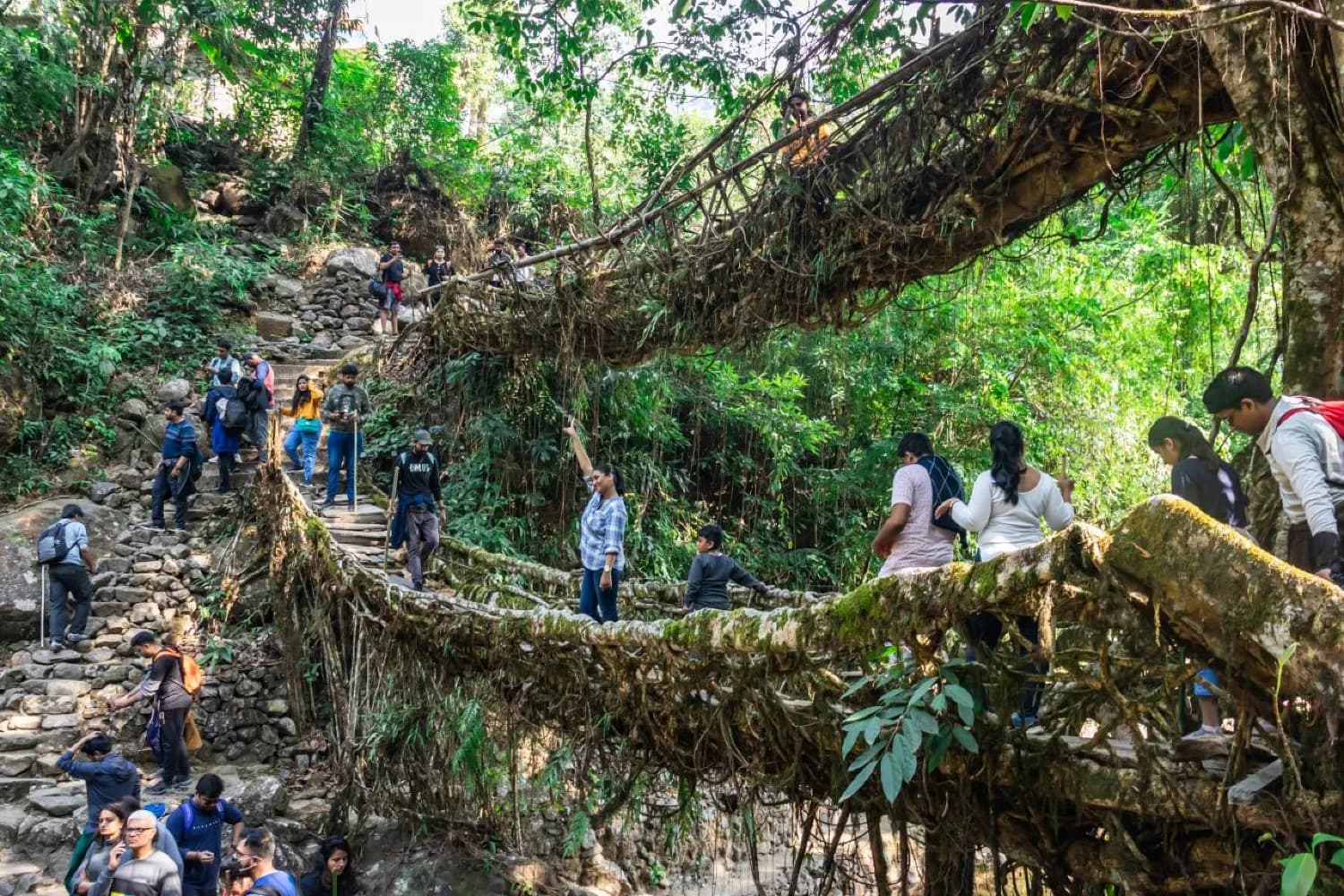
The double-decker living root bridge near Nongriat involves a descent of about 3,500 steps. Winter makes the stone steps less slippery compared to the monsoon, so footing is better. The trail still takes 3 to 4 hours one way. Start early, and carry a windproof jacket for the lower valley sections where cold air pools.
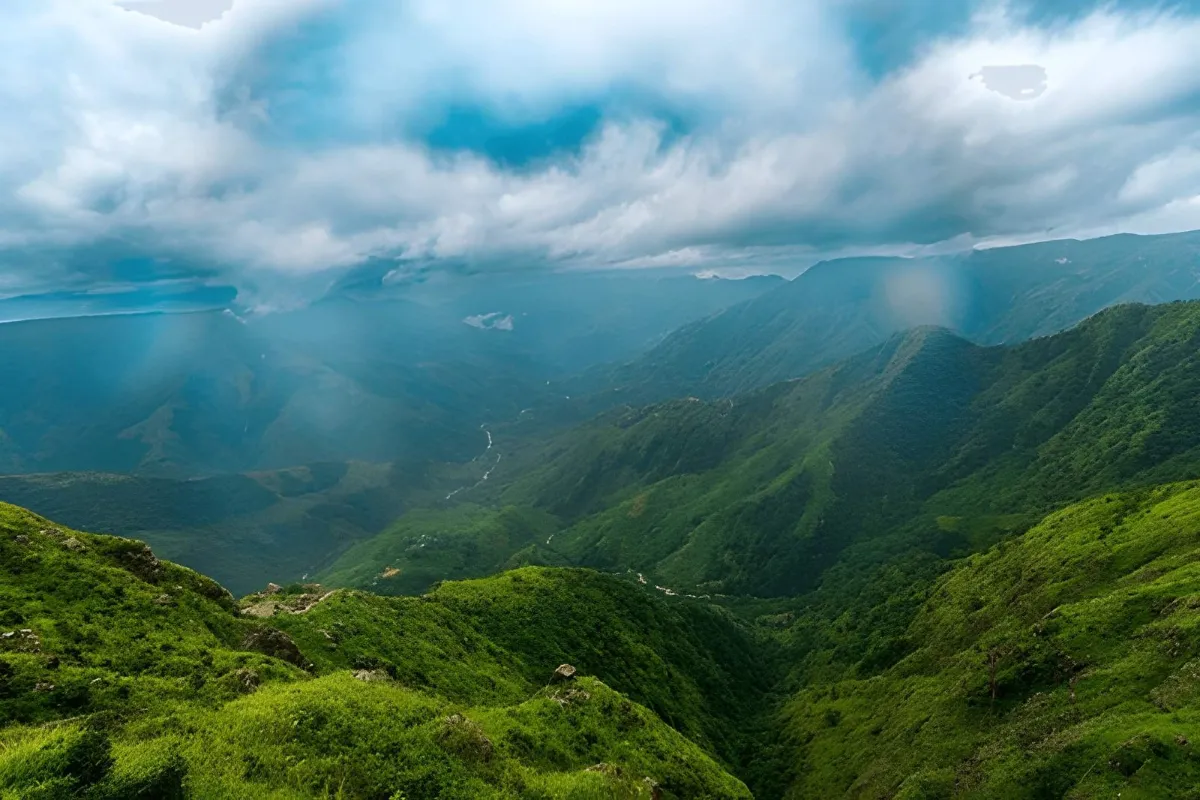
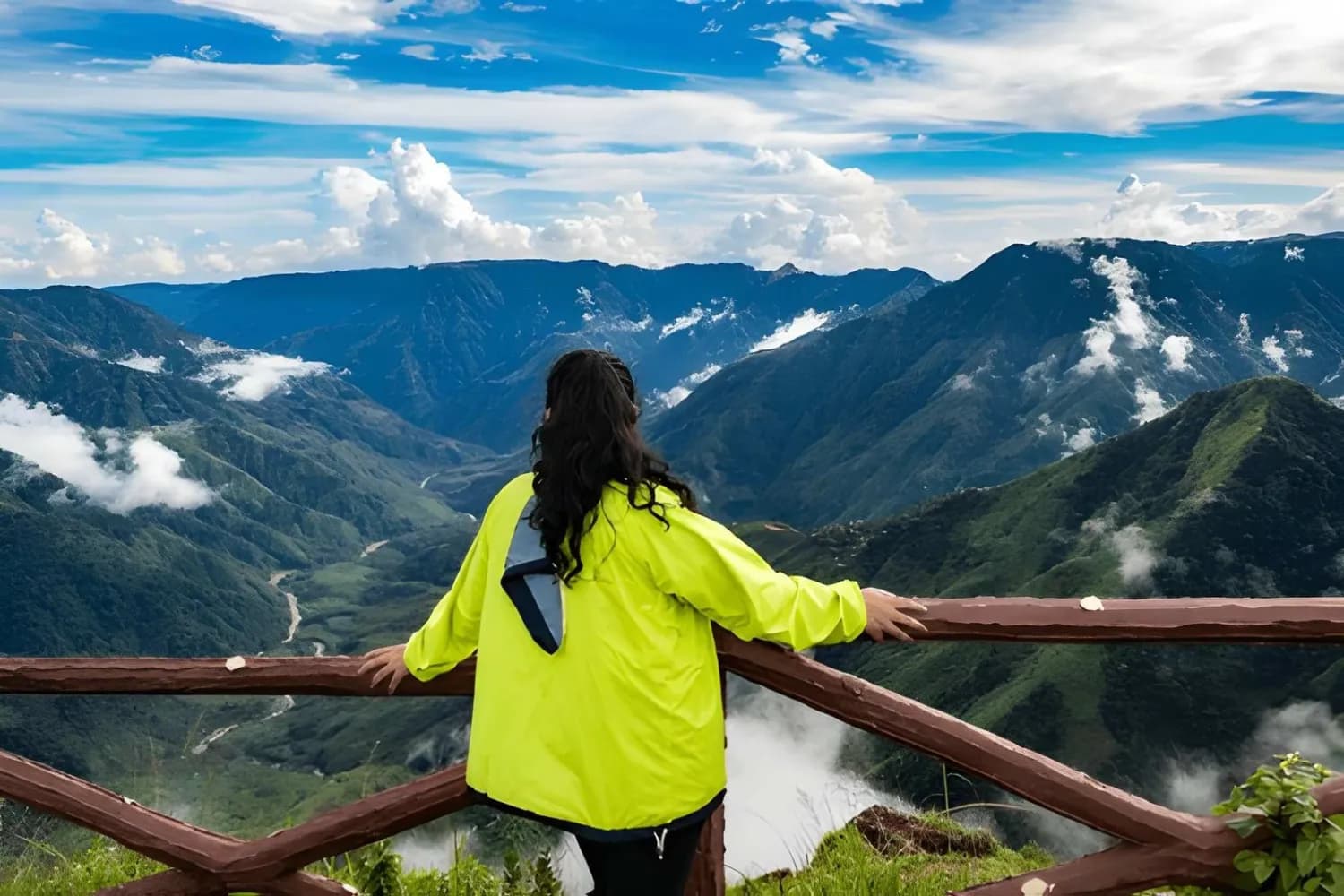
Laitlum Canyons is not a strenuous trek, more of a scenic walk. But in winter, the canyon fills with fog in the morning hours, creating a view that looks almost unreal. Many visitors just sit at the edge and stare. That counts as a trek here.
Camping near Cherrapunji or Sohra is possible through organized operators. Expect to pay around ₹1,500 to ₹3,500 per night for a proper camping setup with meals, depending on the operator and facilities.
Winter in Meghalaya brings a short but good window for local produce. Mandarin oranges, grown extensively in the Ri Bhoi district, are at their juicy peak in December and January. You will find them at roadside stalls for around ₹40 to ₹80 per dozen. Also look for local plums and wild berries sold by village vendors near Cherrapunji.
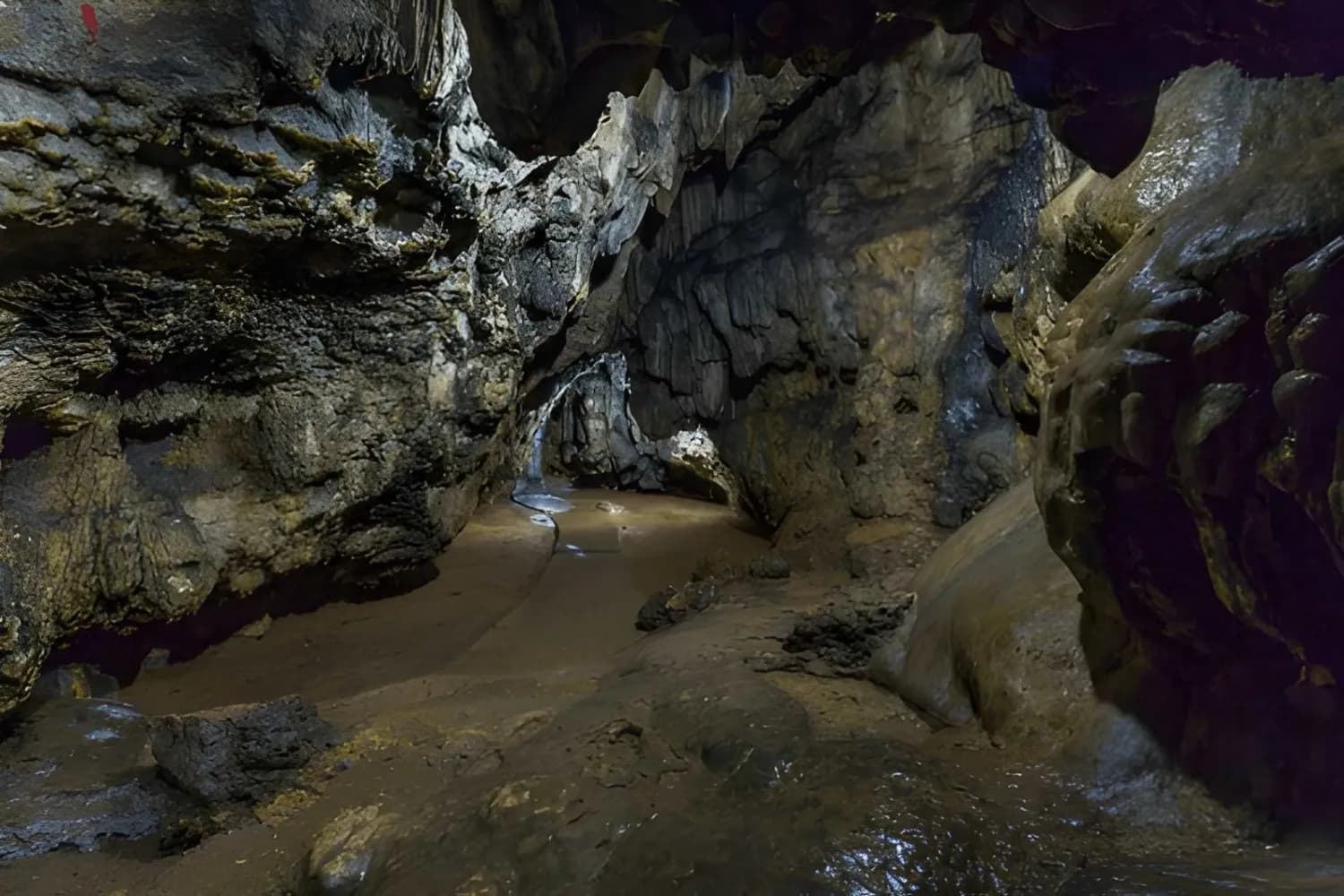
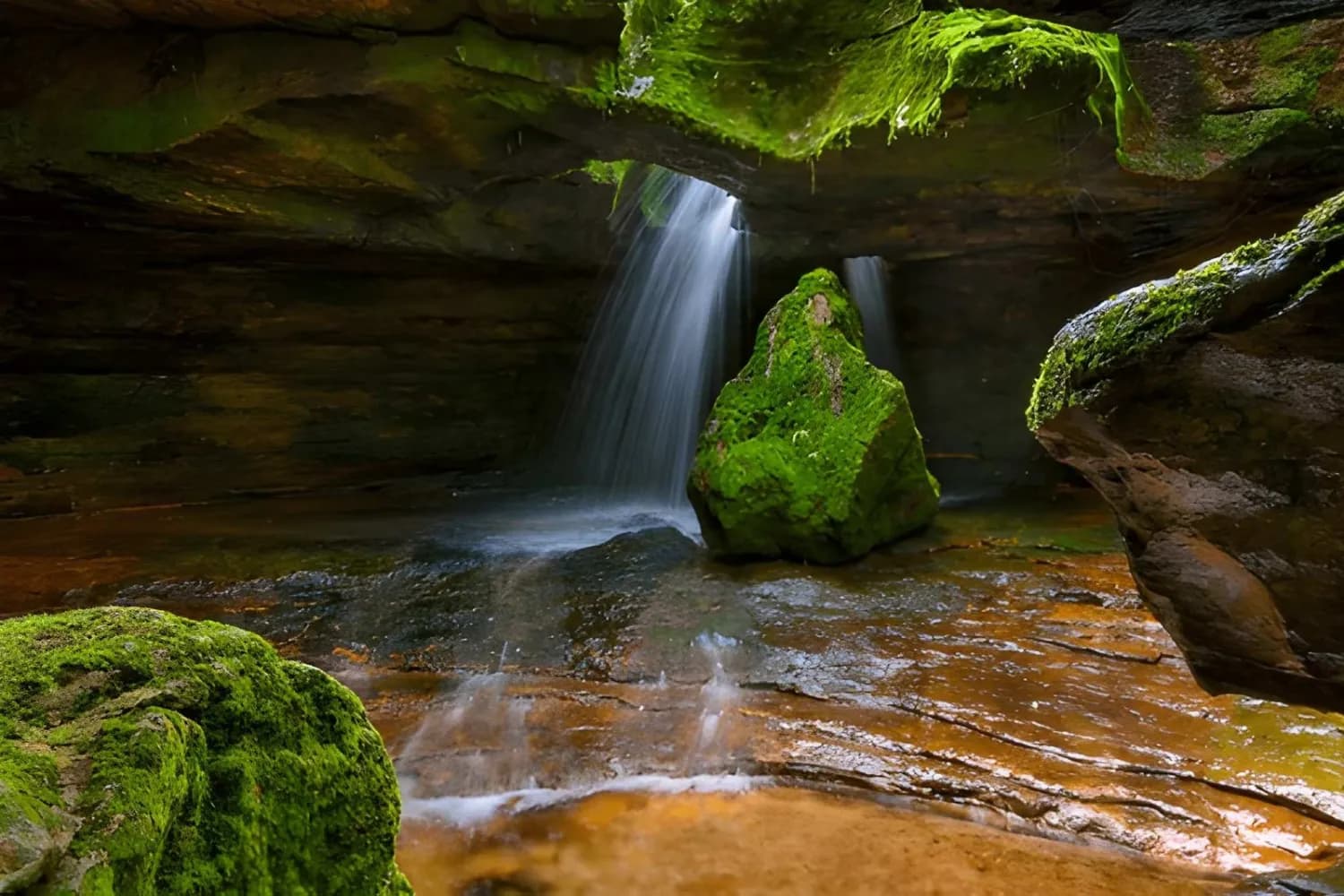
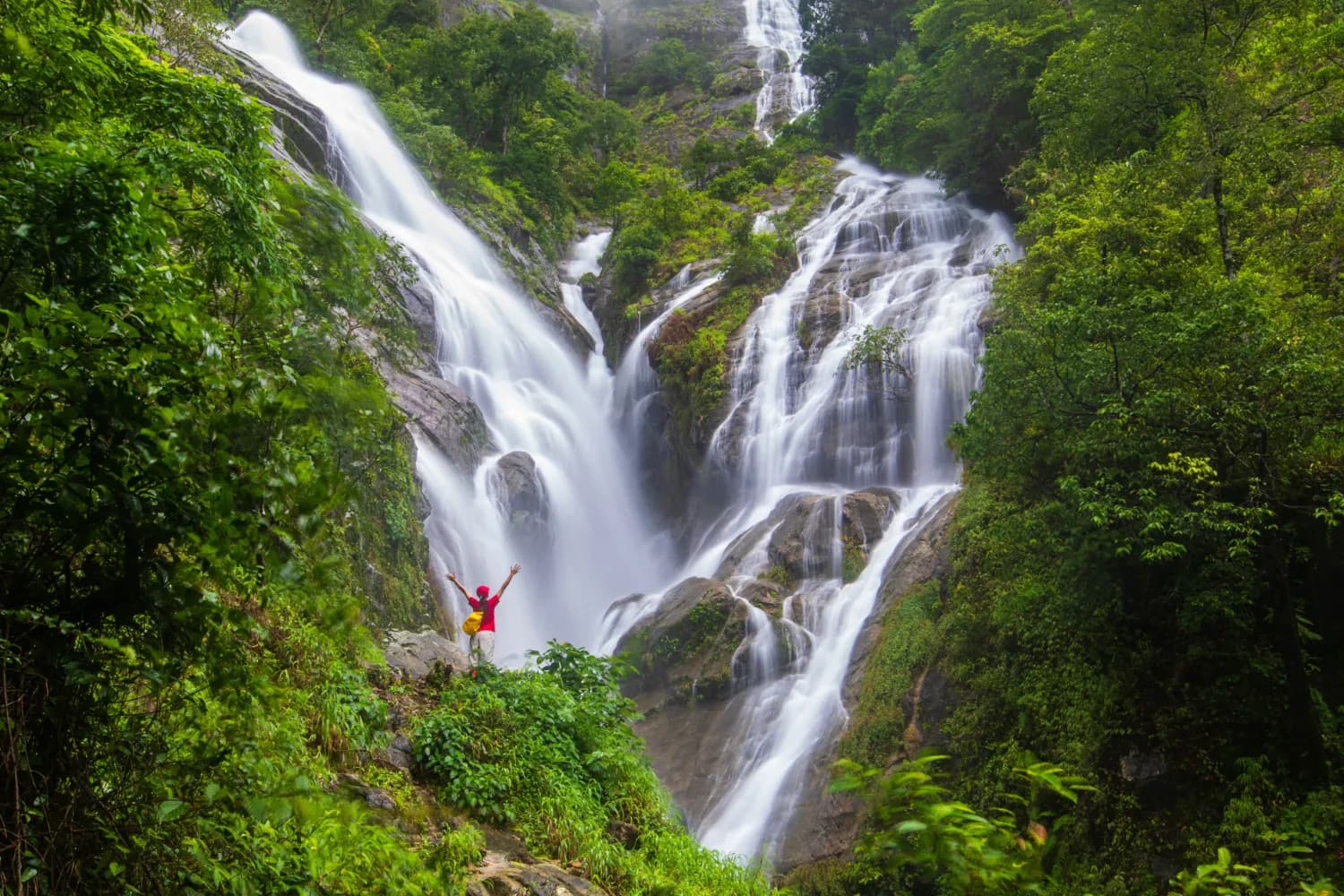
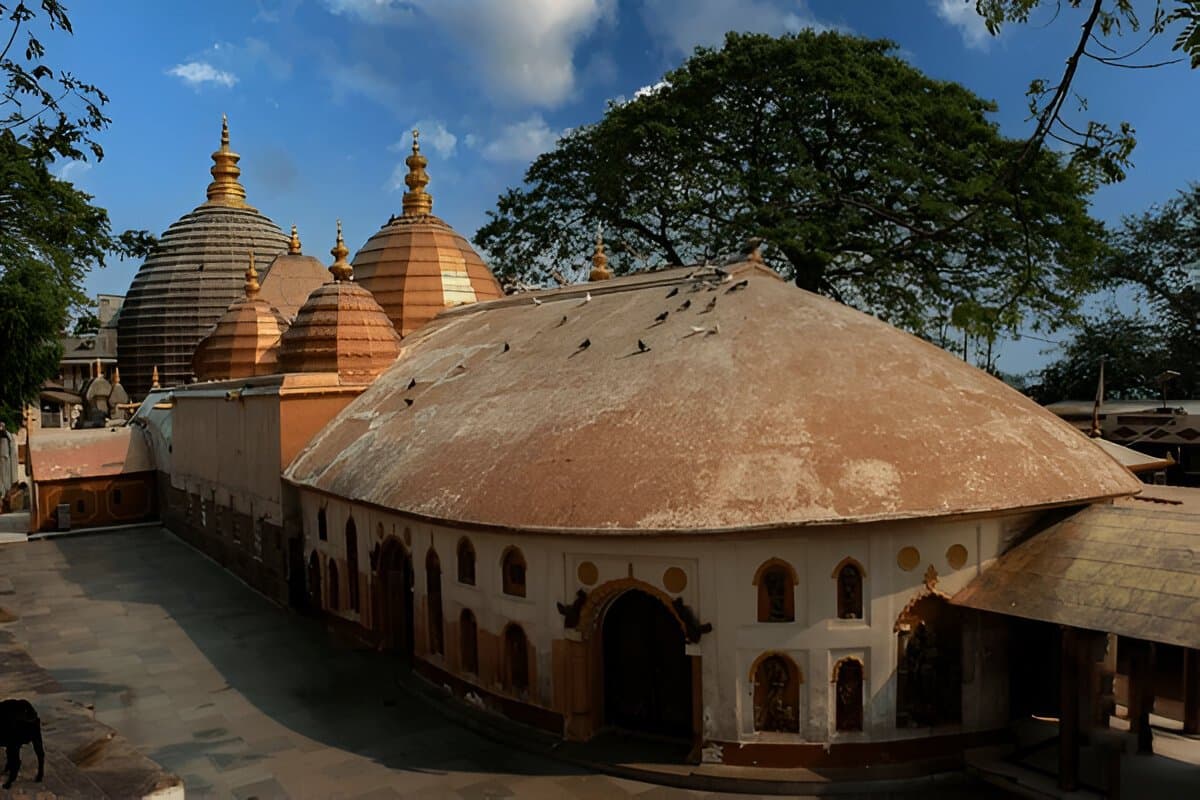
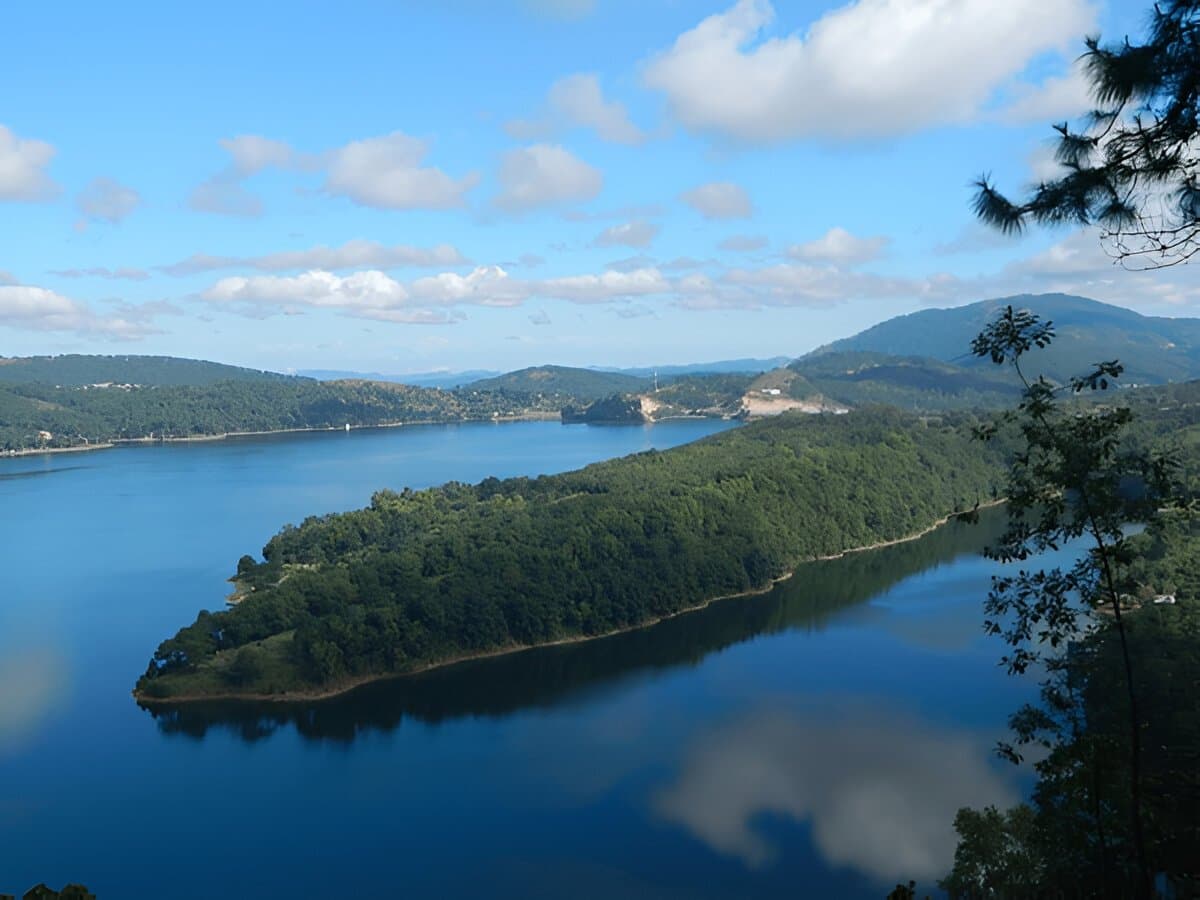
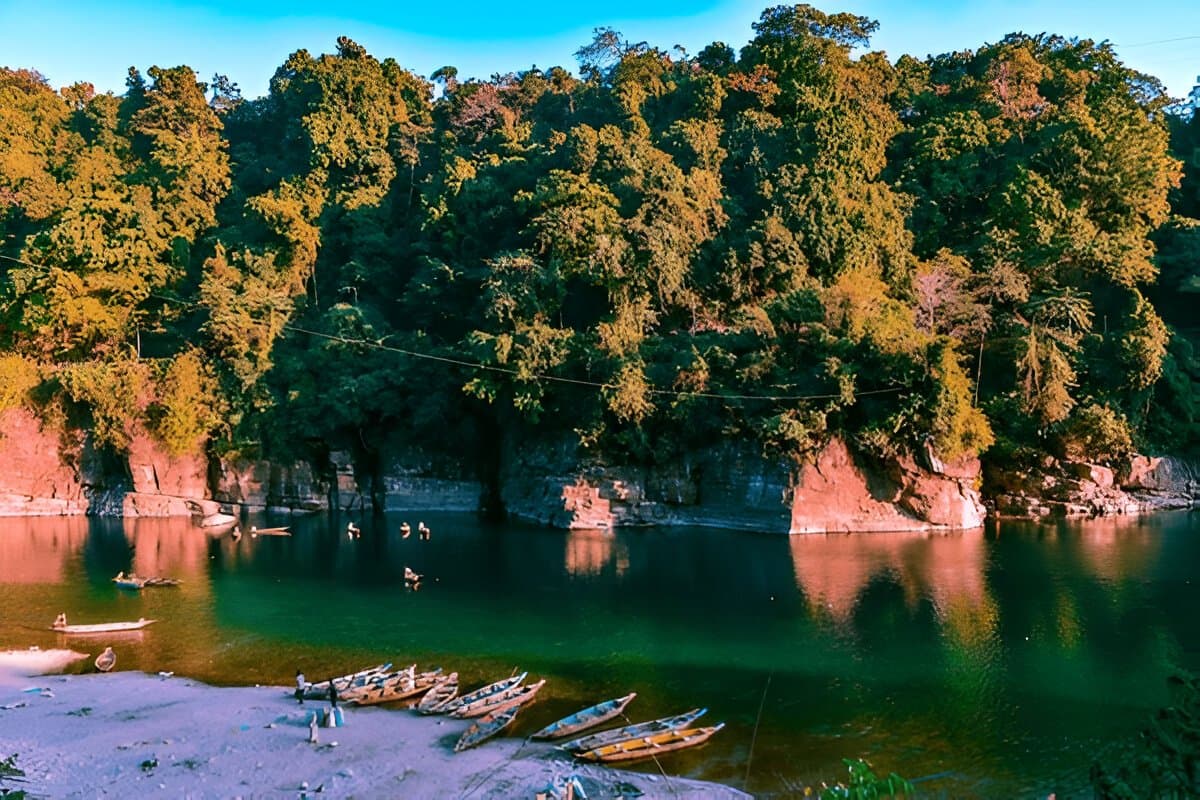
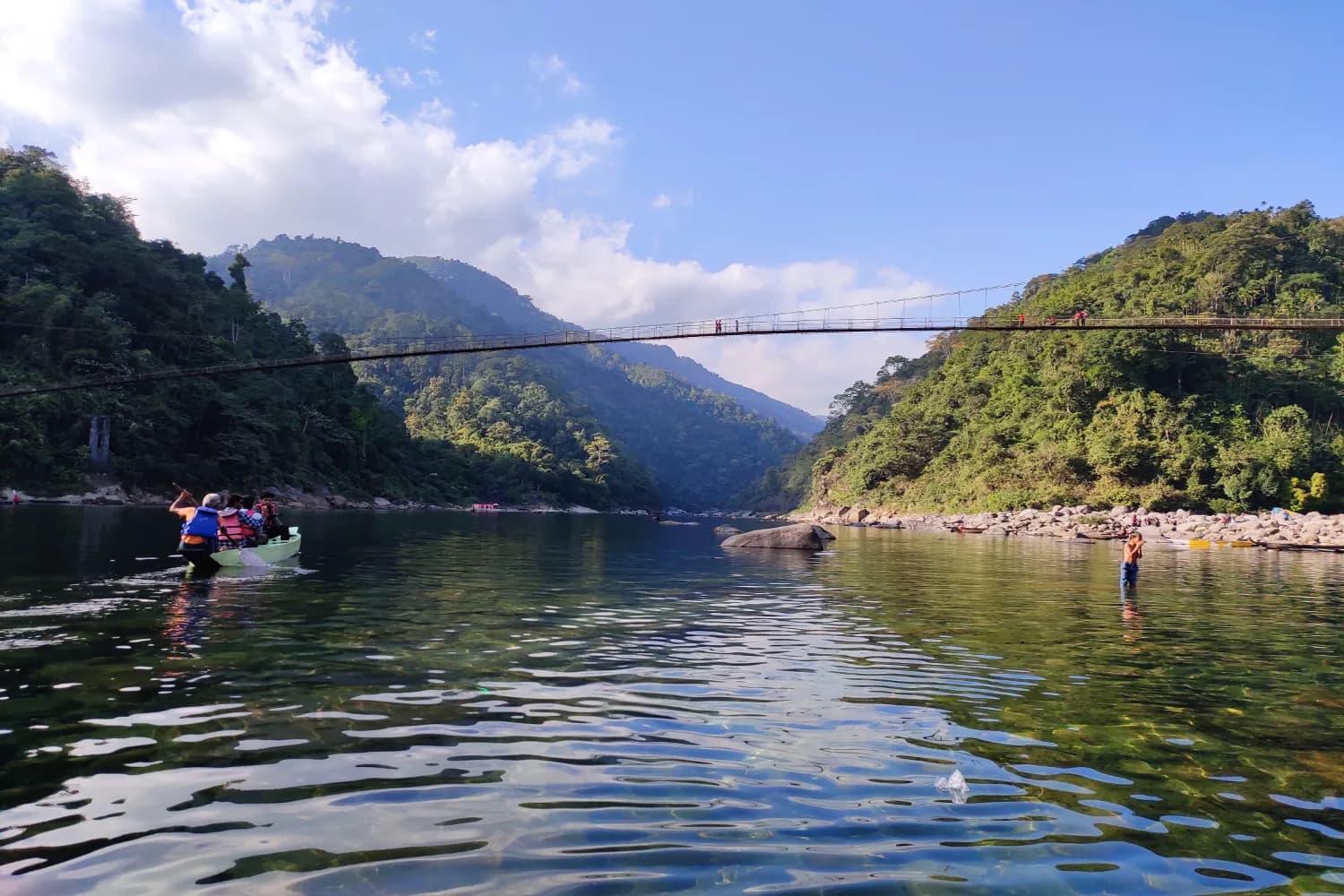
Winter in Meghalaya turns the hills into a misty paradise, making it the perfect season to explore the best Places to Visit in Meghalaya like Shillong, Cherrapunji, and Dawki while enjoying exciting Things to do in Meghalaya such as camping, waterfall sightseeing, boating, and cave exploration.
January is the coldest month. Temperatures in Shillong can drop to around 3°C to 5°C at night. Cherrapunji and higher altitude areas get even colder. If you are sensitive to cold, plan around late February when conditions are milder but still pleasant.
Yes, and many experienced travelers say winter is one of the better times to visit. There is no rain, no leeches on the trek trails, fewer crowds at viewpoints, and the festival calendar in December makes it culturally rich. Just pack correctly and you will be fine.
A single sweater is not enough. Carry thermal inners, a warm mid-layer, and a windproof outer jacket. Night temperatures regularly fall below 6°C in December and January. People who pack light for Shillong winter almost always regret it by the second evening.
Layer up. Thermal base layer, a fleece or woolen mid-layer, and a windproof jacket on top. Warm socks and waterproof shoes help because morning dew makes surfaces wet. A scarf and gloves are useful for early morning outings, especially if you are heading to viewpoints or outdoor sites before 9 AM.
Yes, it is noticeably cold. Daytime temperatures hover around 12°C to 15°C, but nights drop sharply. The fog adds to the chill factor. People from coastal cities like Mumbai or Chennai often underestimate how cold it actually feels. Shillong's elevation means the cold bites differently than it does in the plains.
May 19, 2026
May 12, 2026
April 23, 2026
April 23, 2026
April 23, 2026