

Ladakh Tour Packages From Kasol
Kasol is where a certain kind of Indian traveller comes to find mountains, rivers, and the particular freedom that the Parvati Valley offers. It's a village, not a city — the Parvati river, the narrow paths, the Israeli cafes, the trails to Kheerganga and Tosh. It attracts travellers who want altitude and landscape without the polish of a tourist resort. Ladakh is the natural next step for that traveller — more remote, more extreme, more demanding, and more rewarding.
Kasol's position in the Parvati Valley, Kullu district, makes it one of the best-placed points in India for a road trip to Ladakh. Manali — the gateway to the Manali–Leh highway — is just 75 km from Kasol. Bhuntar Airport (KUU), the nearest airfield, is 30 km away. No departure city in India has a shorter drive to the Manali–Leh road trip start. Travellers searching for Leh Ladakh Tour Packages often prefer Kasol as their starting point because it combines mountain culture with easy access to the iconic highway journey into Ladakh. Viacation has planned 100+ unique Ladakh itineraries for 2000+ travellers and works regularly with Kasol and Parvati Valley travellers on road-first itineraries.
How Kasol Travellers Reach Leh — The Easiest Road Trip Access in India
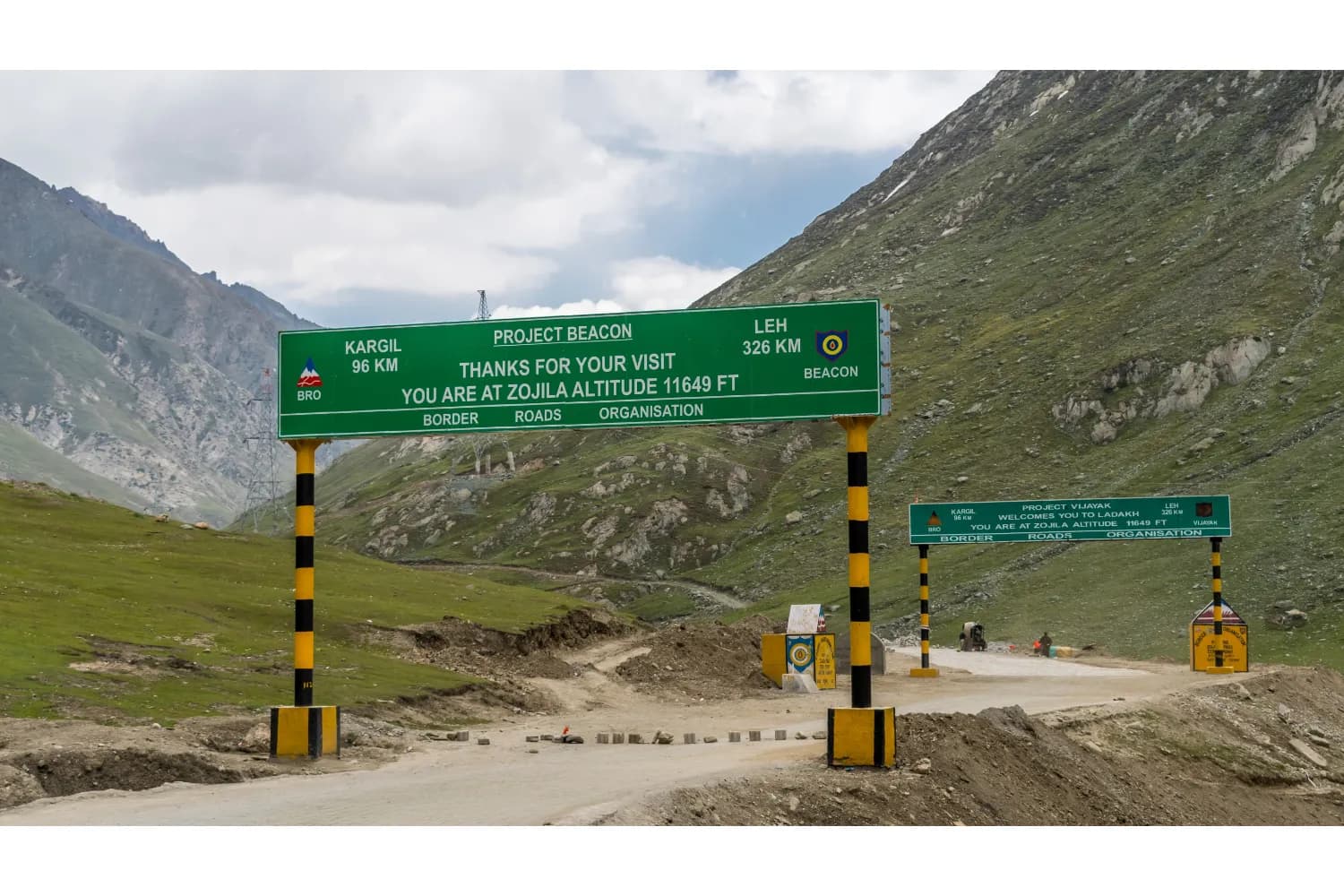
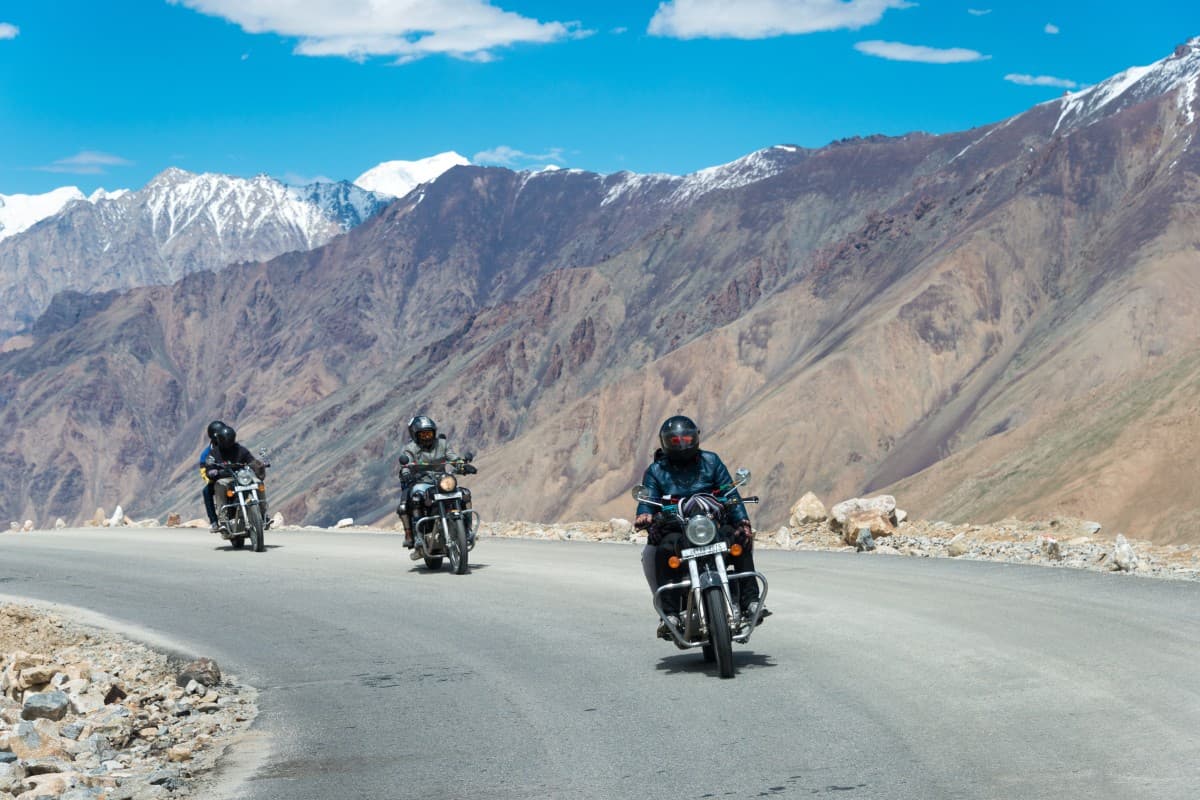
Road Trip via Manali (Best Option from Kasol): Kasol to Manali is 75 km — a 2-hour drive through the Beas Valley. From Manali, the Manali–Leh highway is a 2-day drive to Leh crossing Rohtang Pass, Baralacha La, Nakee La, Lachulung La, and Tanglang La. Total road time from Kasol to Leh: less than 3 days — shorter than any other departure city for the road trip. For Kasol travellers who are already mountain-oriented and comfortable with long drives, this is the definitive route.
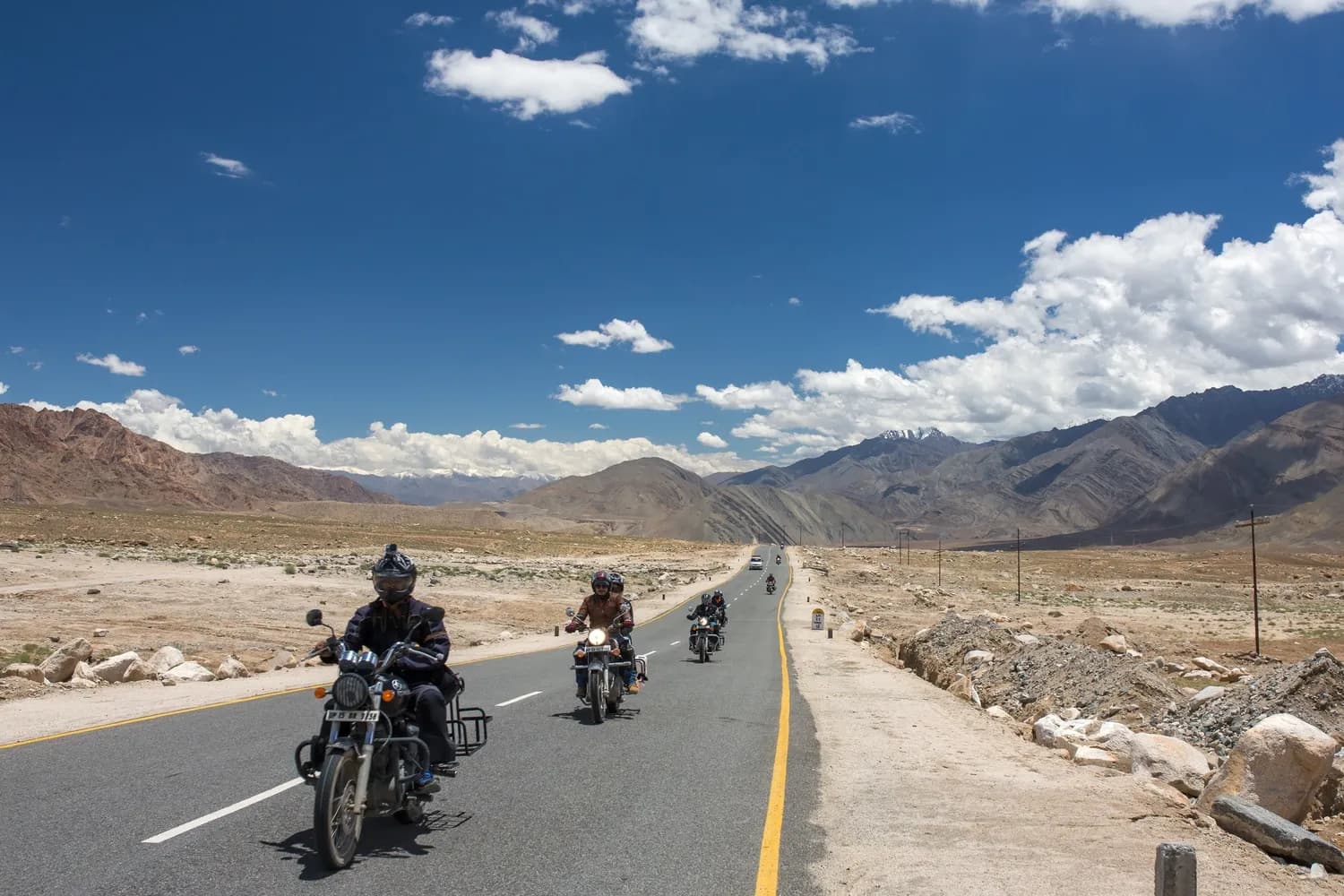
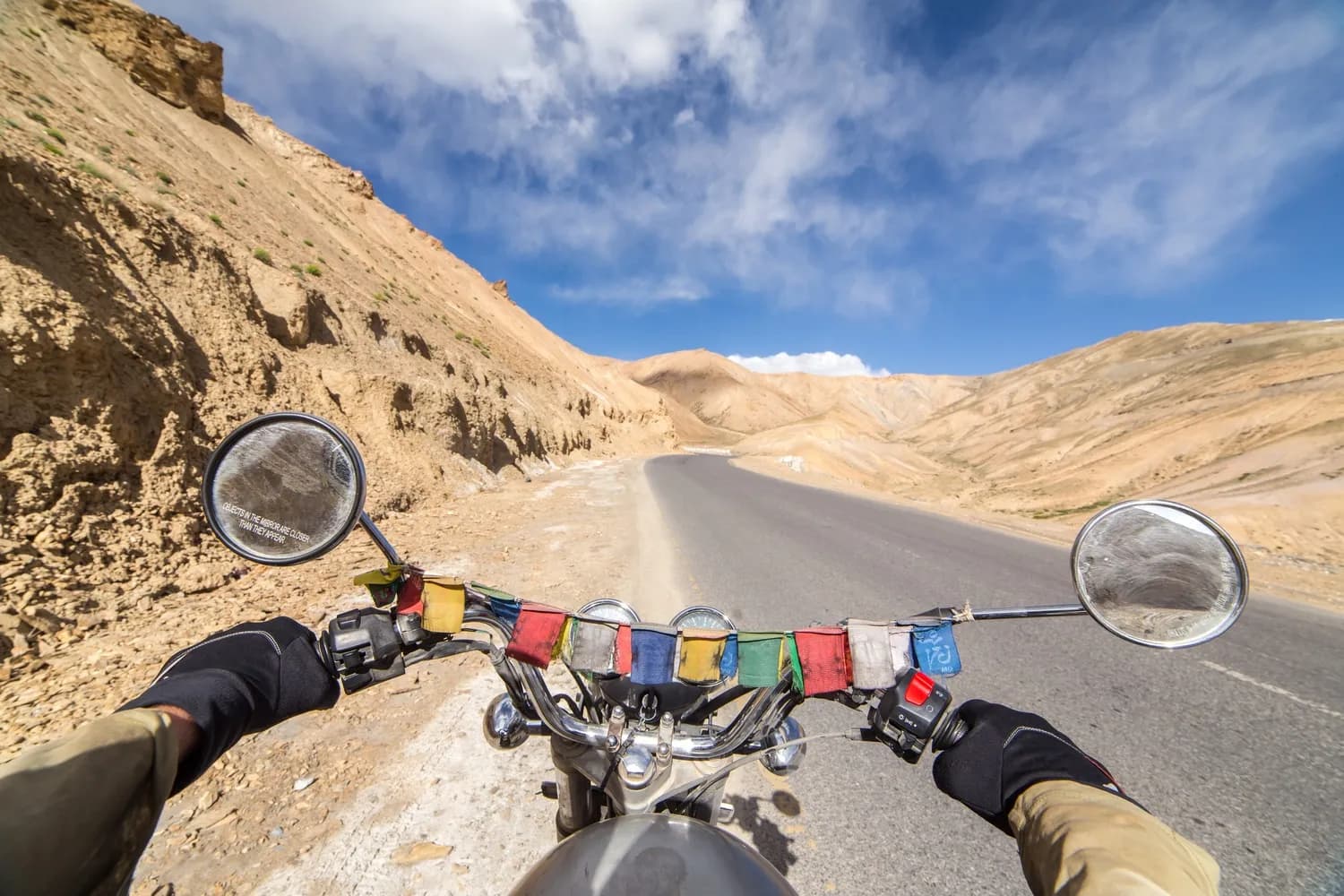
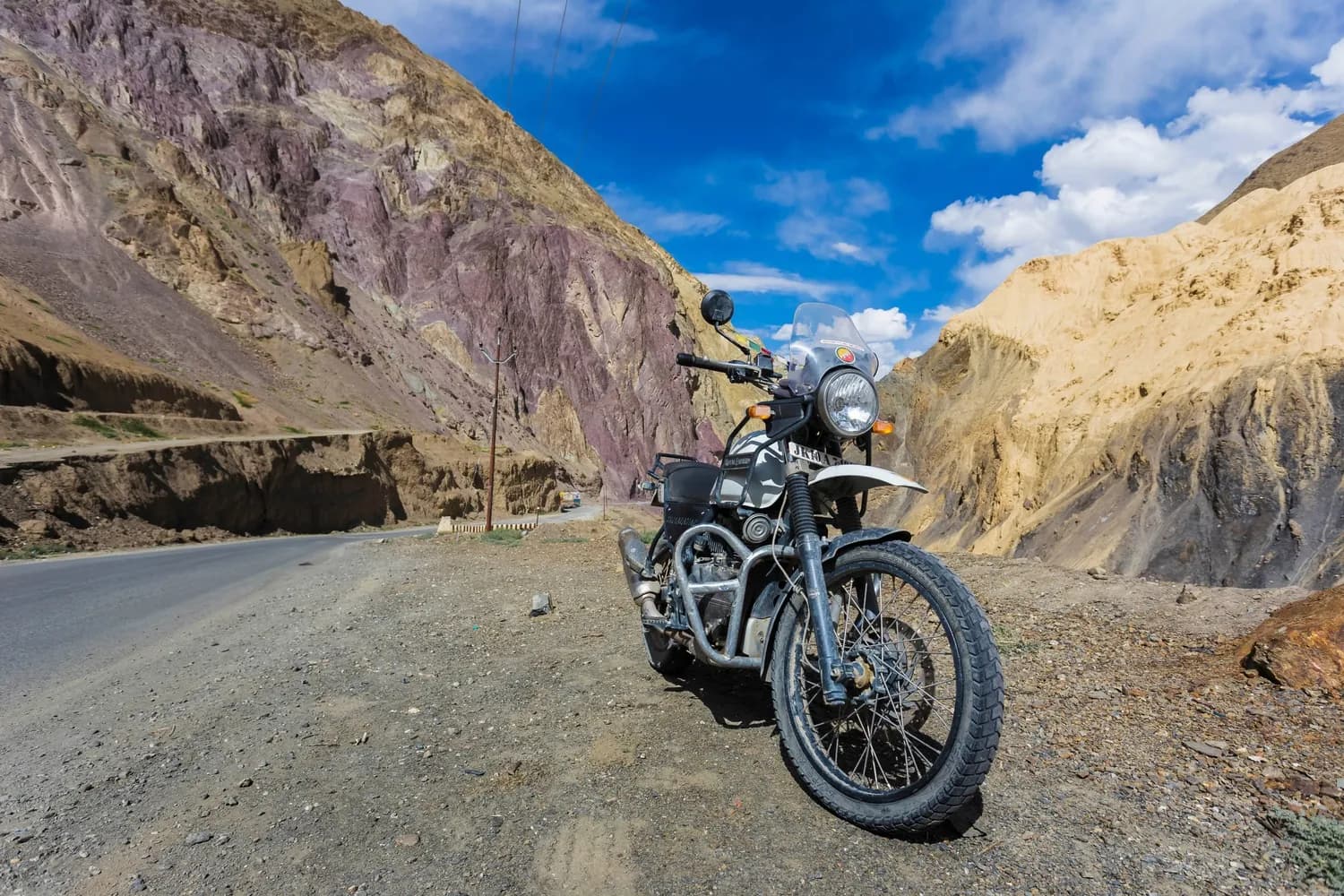
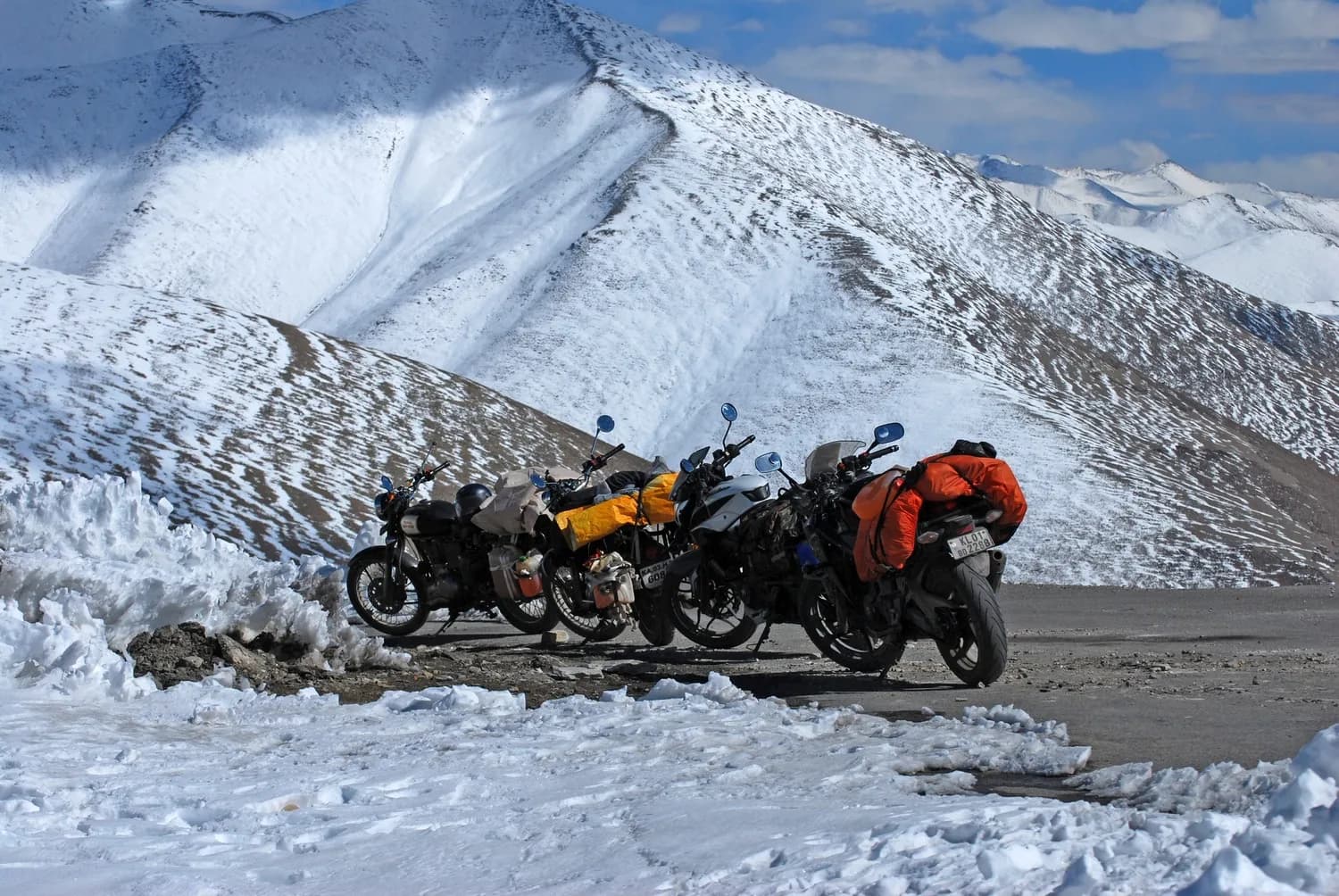
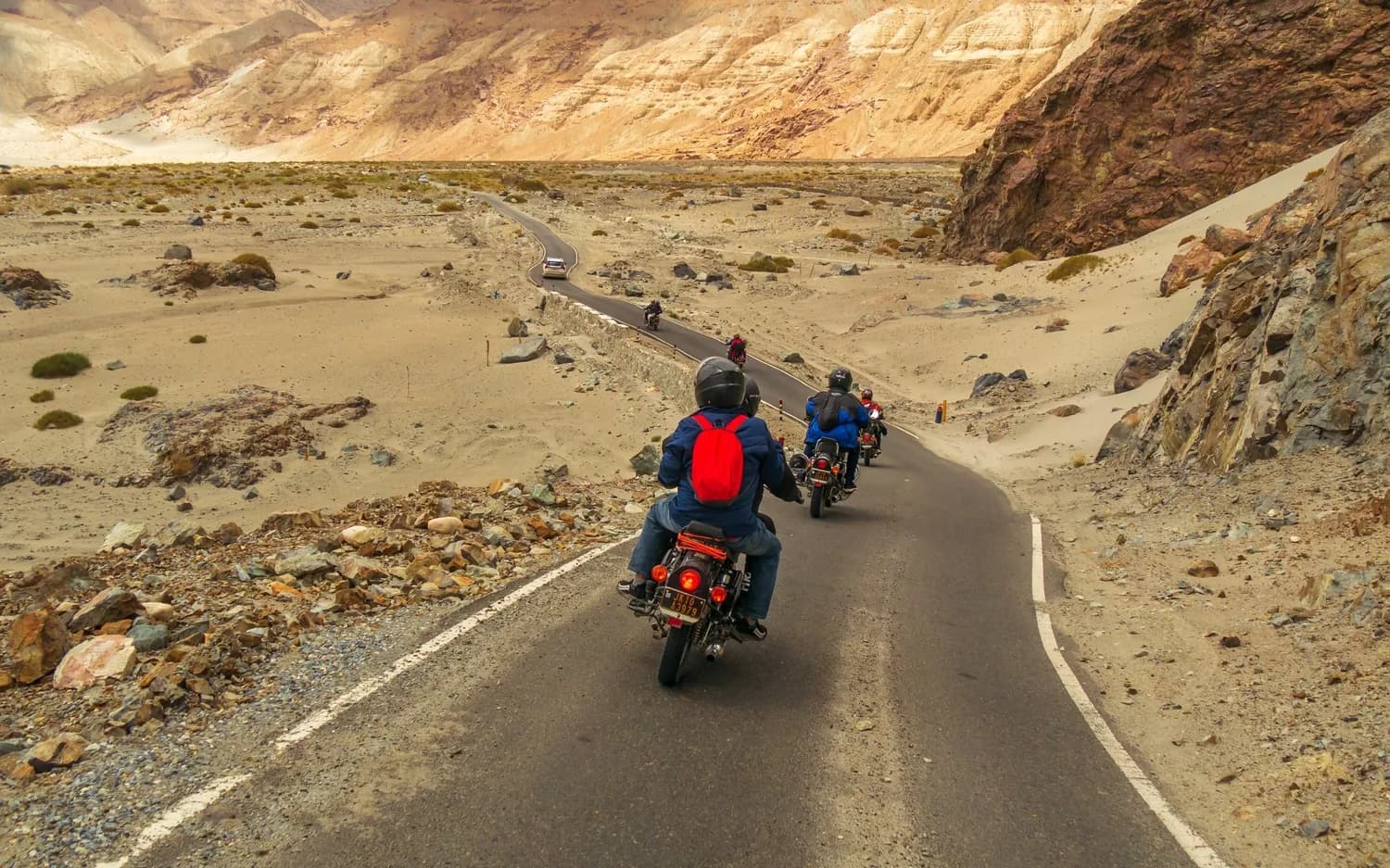
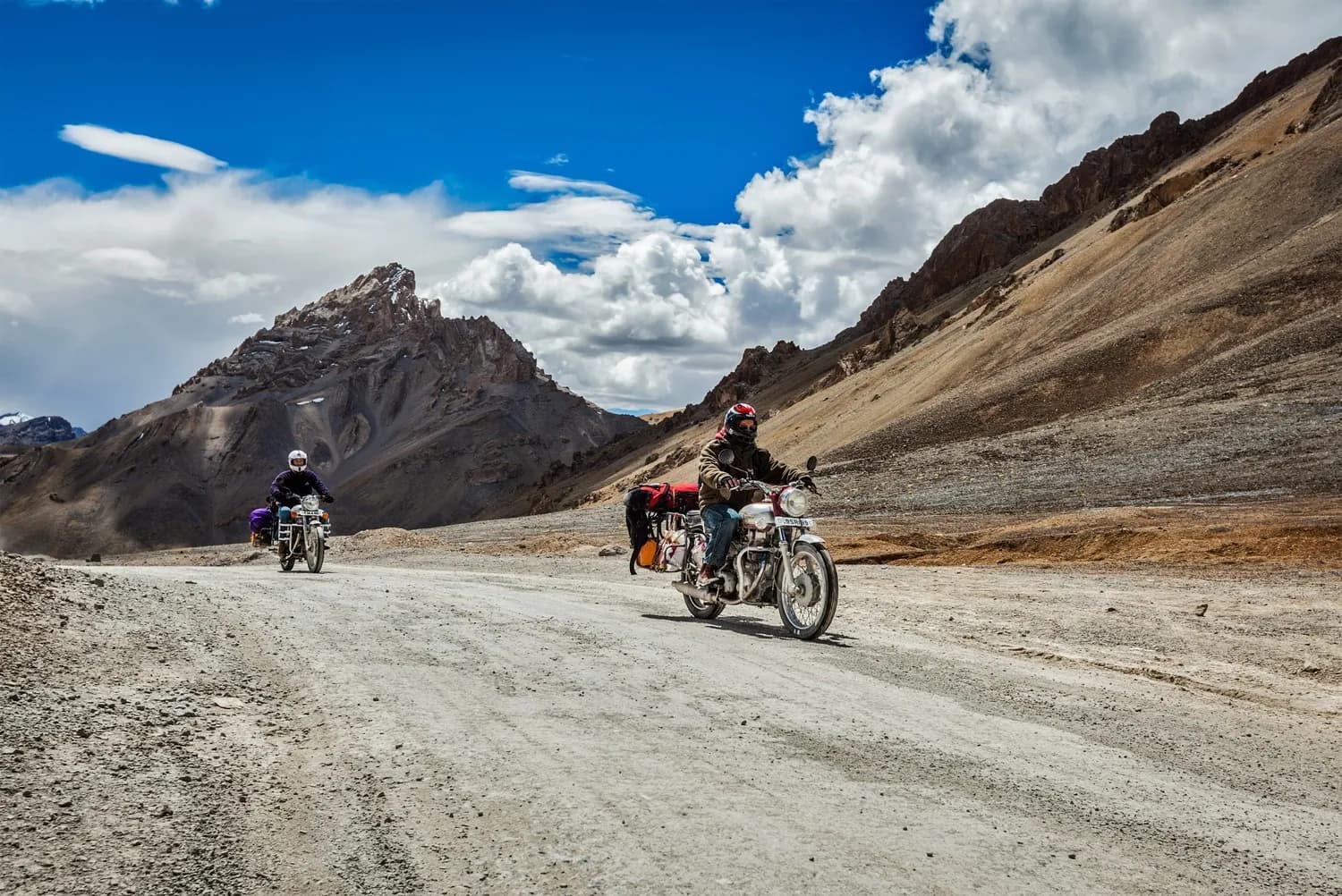
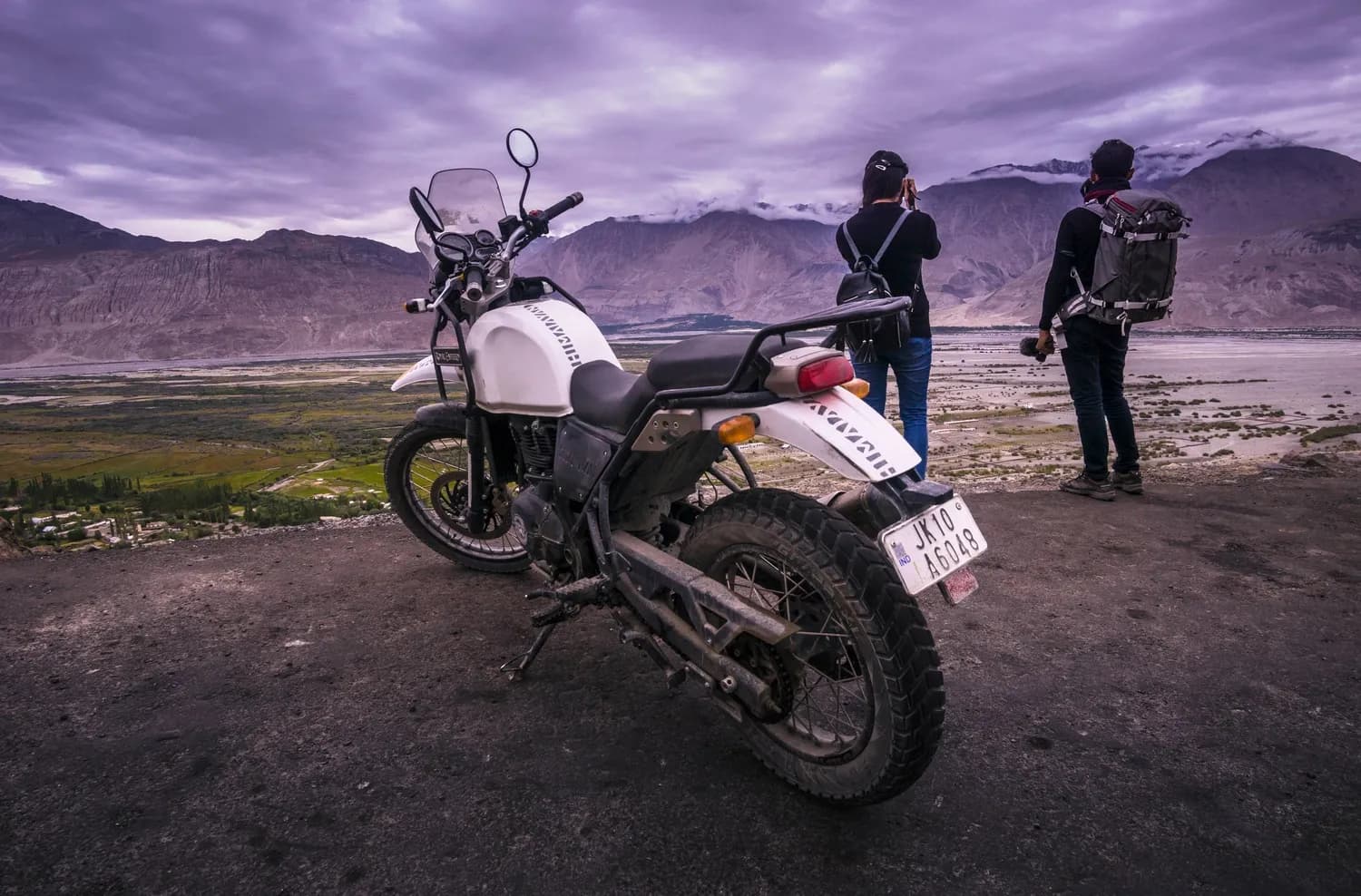
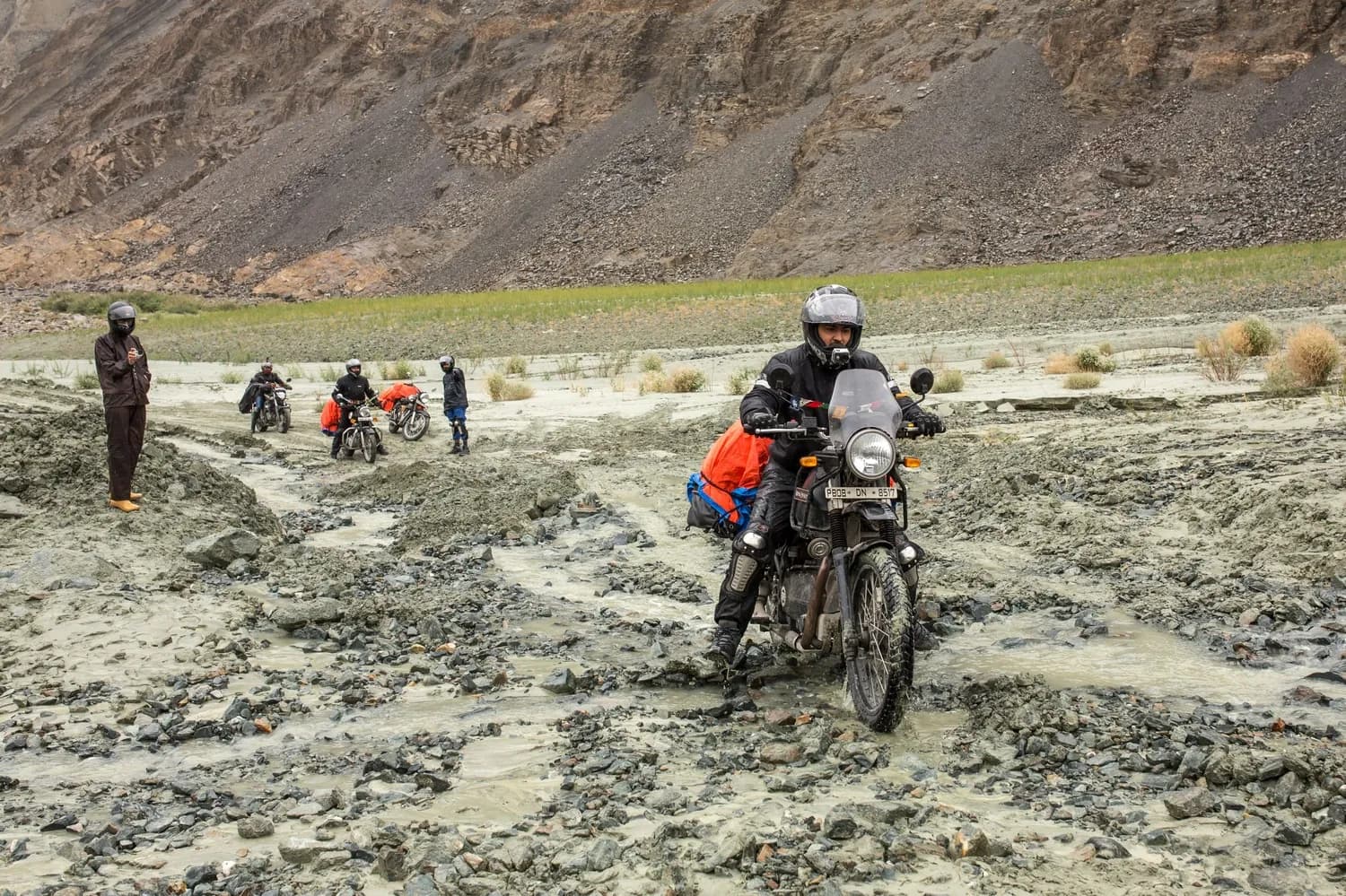
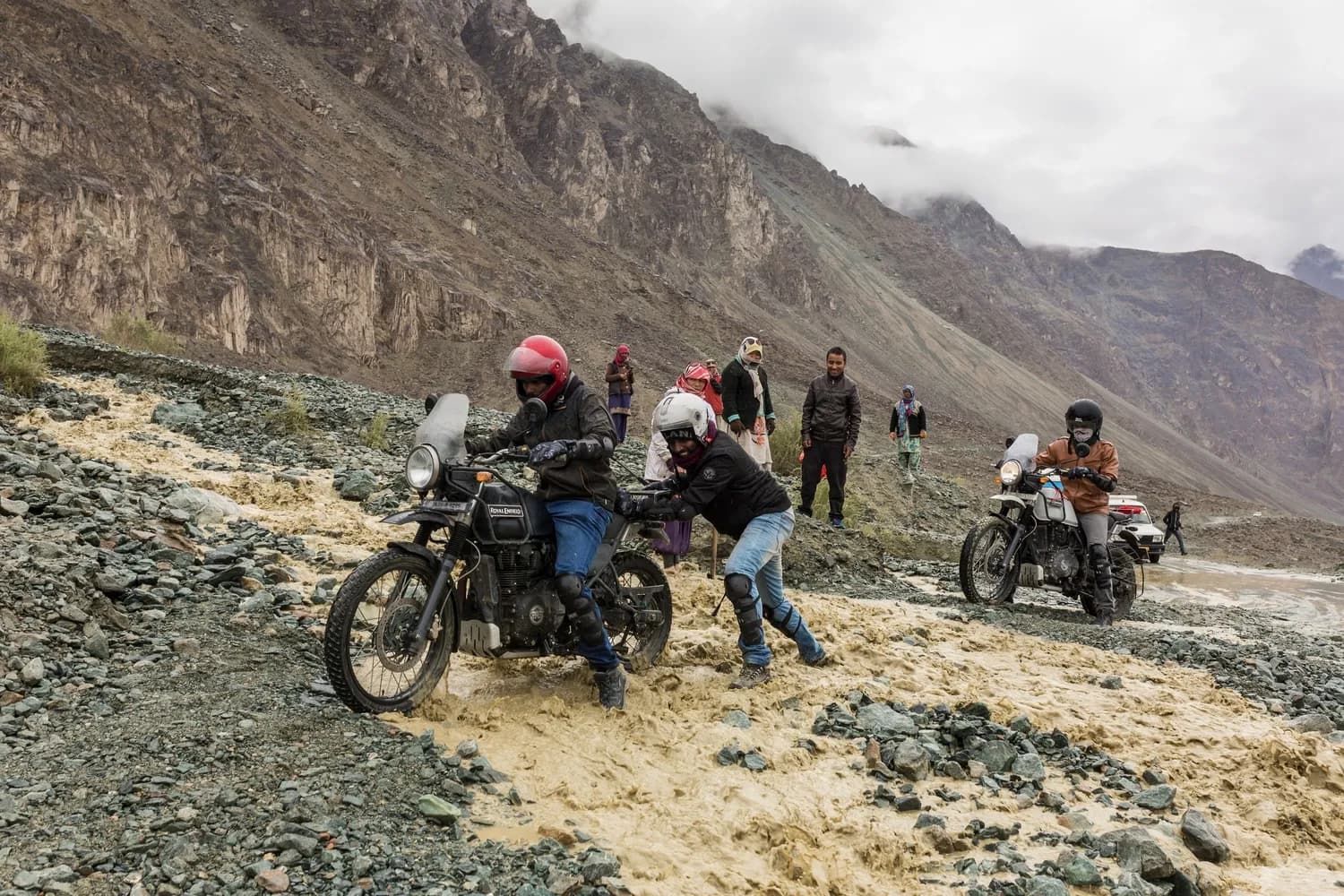
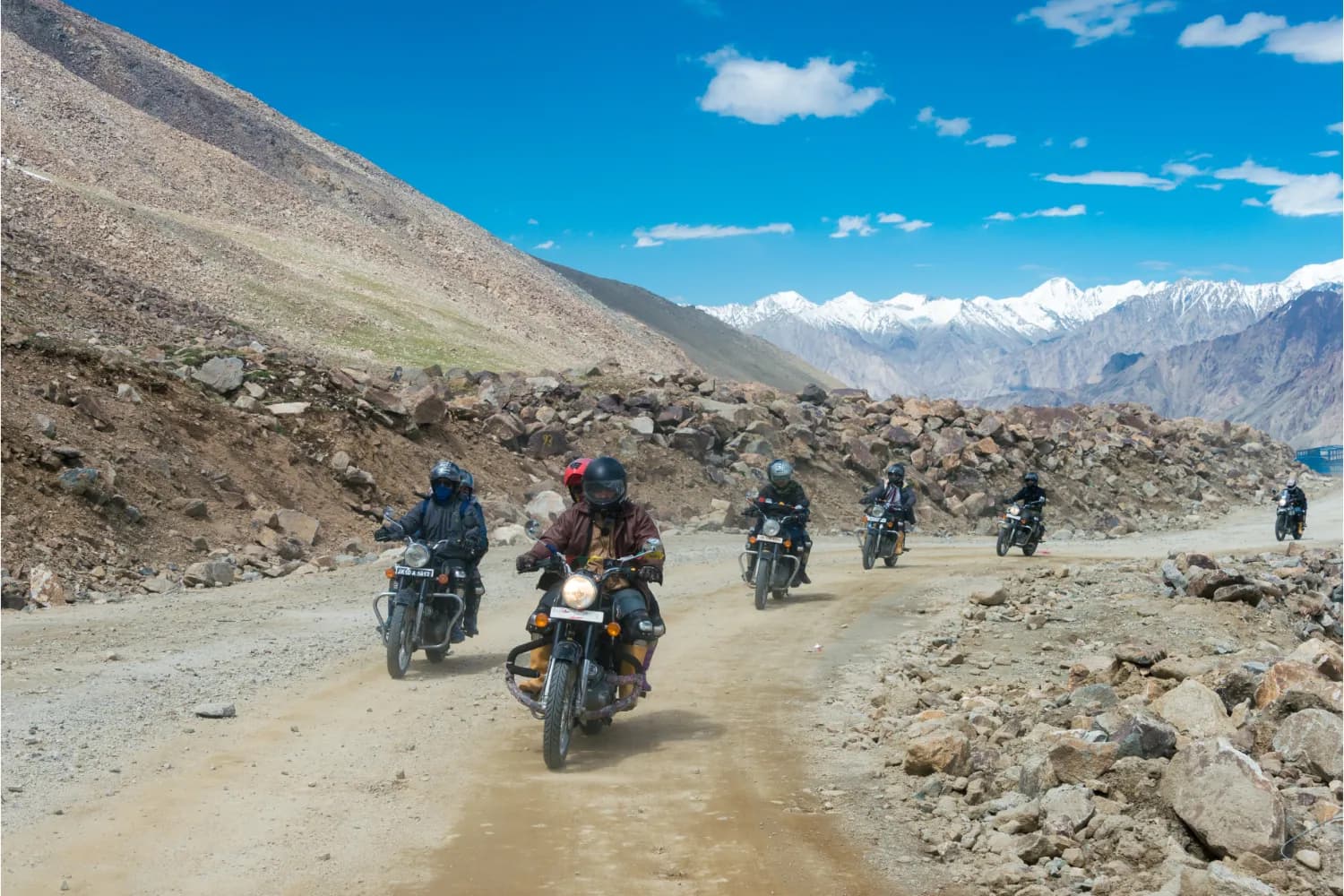
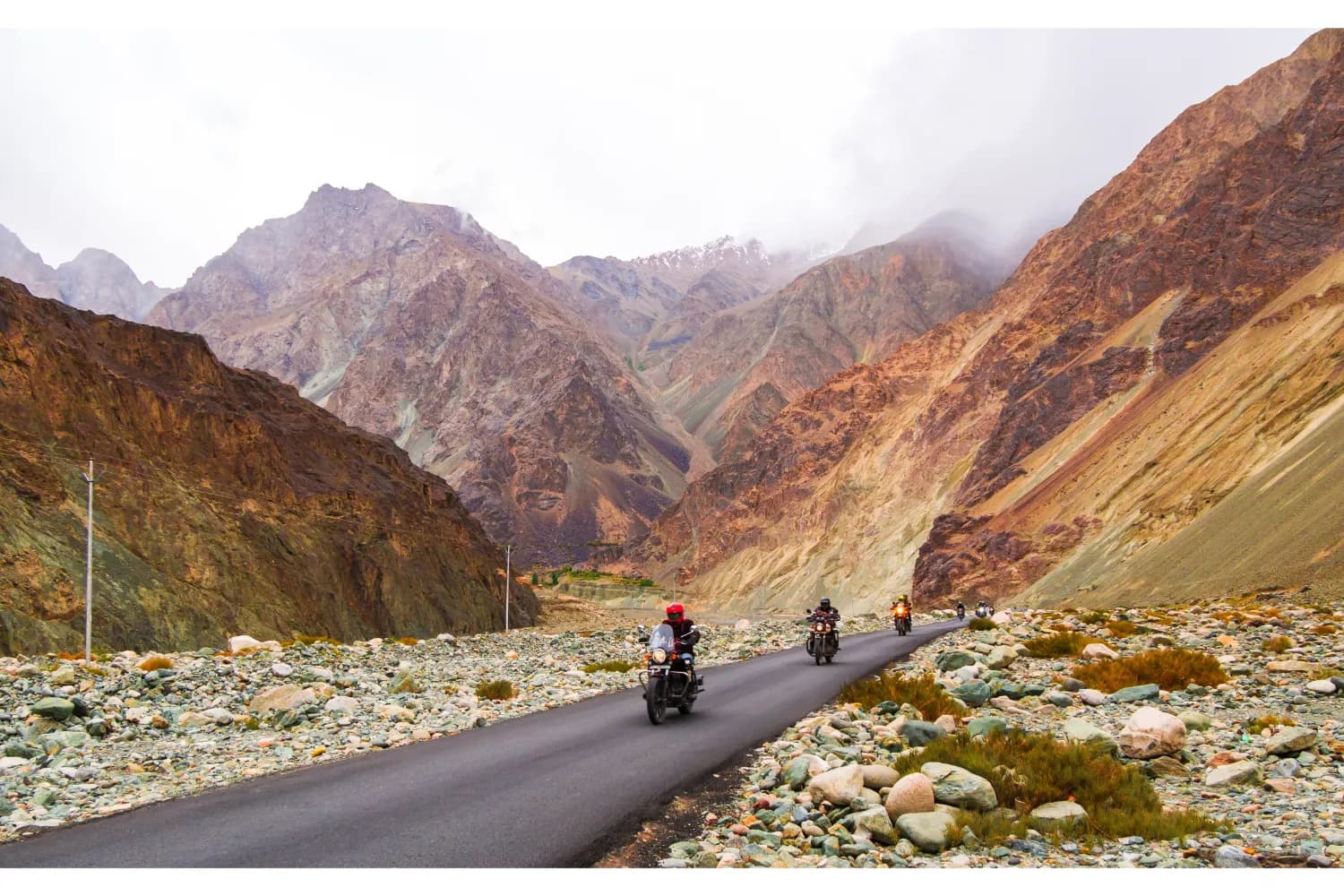
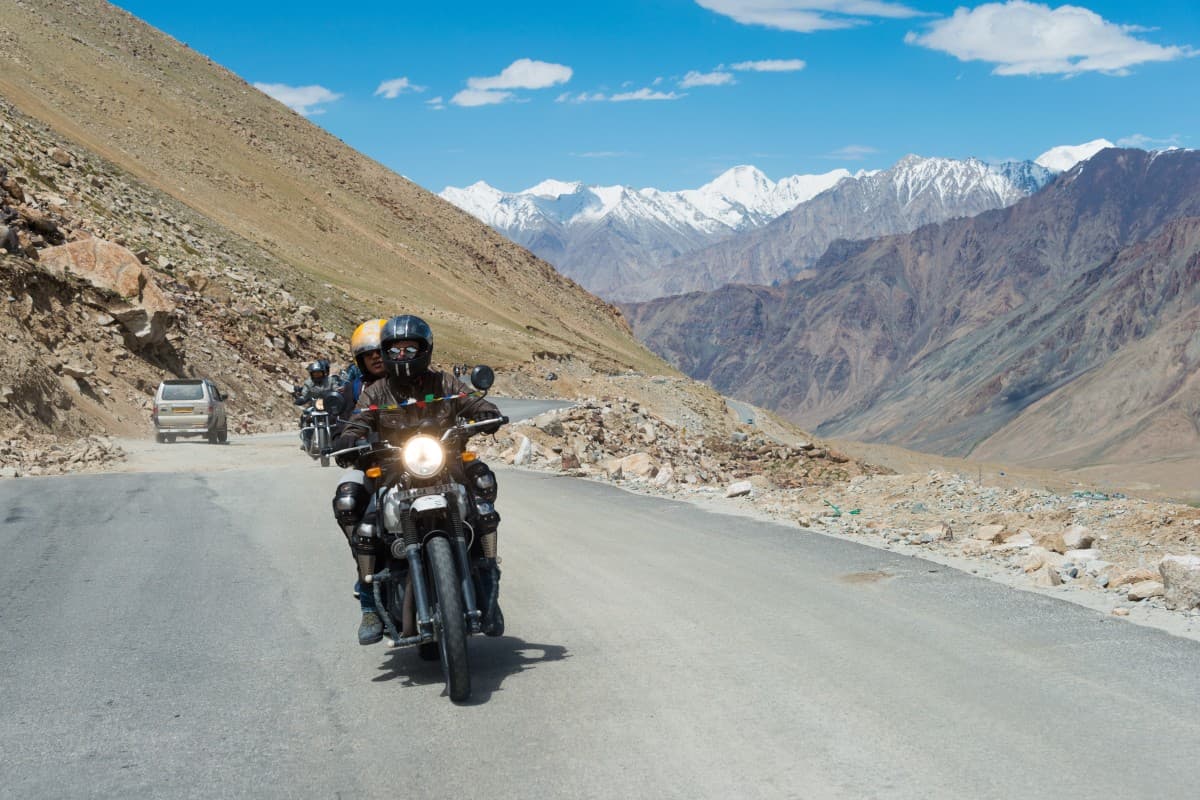
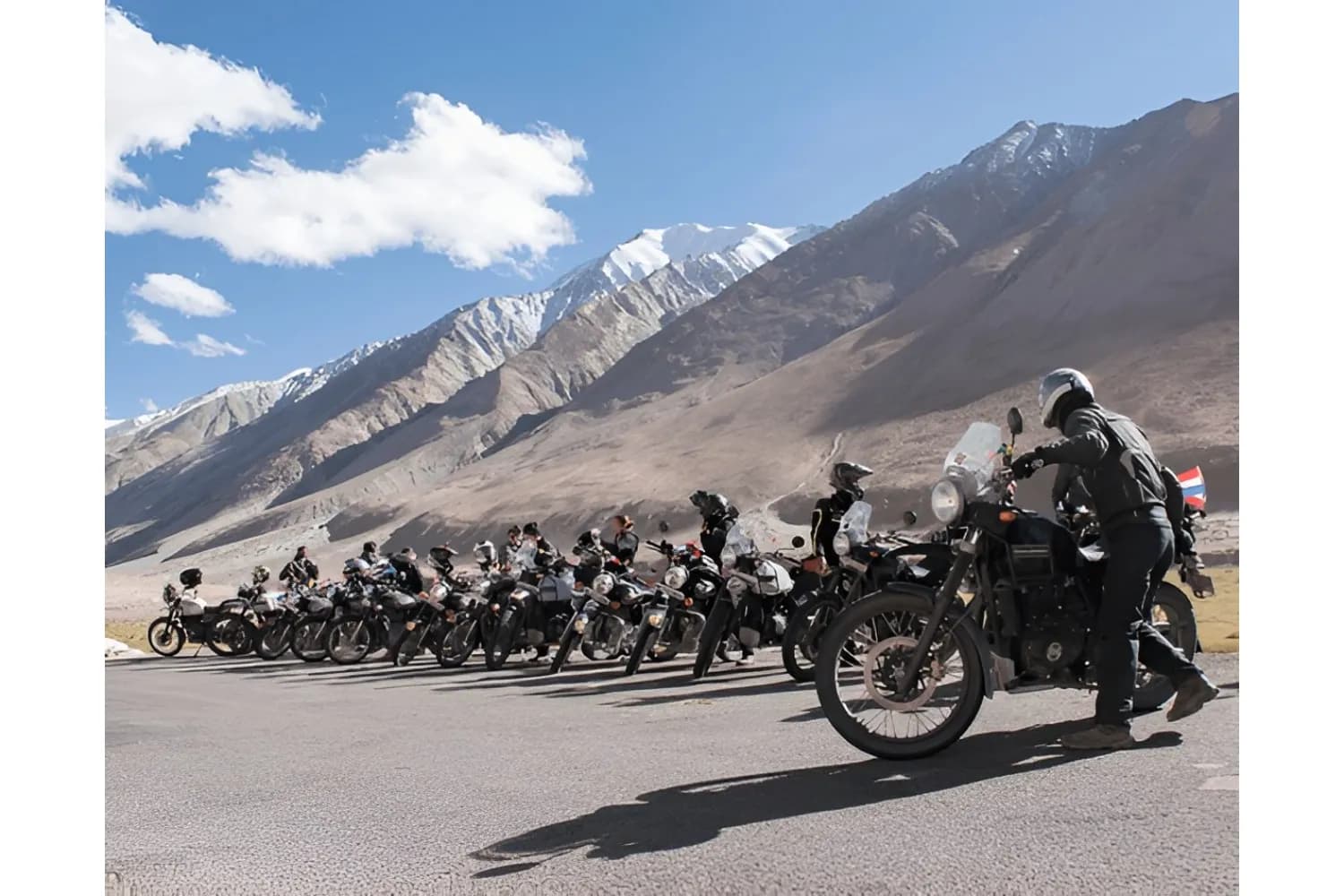
This is also where the Leh Ladakh Bike Trip makes exceptional sense. The Kasol–Manali–Leh route on a Royal Enfield is one of the best motorcycle routes in Asia, and Kasol's traveller community has strong bike culture. Viacation plans bike trips from Kasol with all logistics sorted.
Fly from Bhuntar: Kullu–Manali Airport (KUU) at Bhuntar is 30 km from Kasol. KUU has Delhi connections, and Delhi–Leh is 1 hour. This option is for travellers who want Ladakh without the road trip. Total travel time from Kasol to Leh: approximately 5–6 hours.
What Your Ladakh Package From Kasol Covers
Every Viacation package is built from your inputs:
- Transport from Kasol (vehicle for road trip start, or Bhuntar Airport cab for fly option)
- Return flights from KUU via Delhi to Leh, if flying
- Accommodation in Leh, Nubra Valley, and Pangong Tso
- Inner Line Permits for all restricted zones — handled before departure
- Private cab and driver for the complete Ladakh sightseeing circuit
- Acclimatisation day in Leh — Kasol at ~1,580m helps, but Leh at 3,500m still needs a dedicated adjustment day
- Sightseeing per the agreed itinerary
Duration: Road trip option — 10–11 days total (Kasol to Leh in 3 days leaves 7–8 days for Ladakh). Fly option — 7 nights/8 days. Extended options with Zanskar Valley available for 12–14 days.
What Kasol Travellers Experience in Ladakh
Kasol travellers tend to be independent, outdoors-oriented, and looking for depth rather than comfort. Ladakh rewards exactly this.
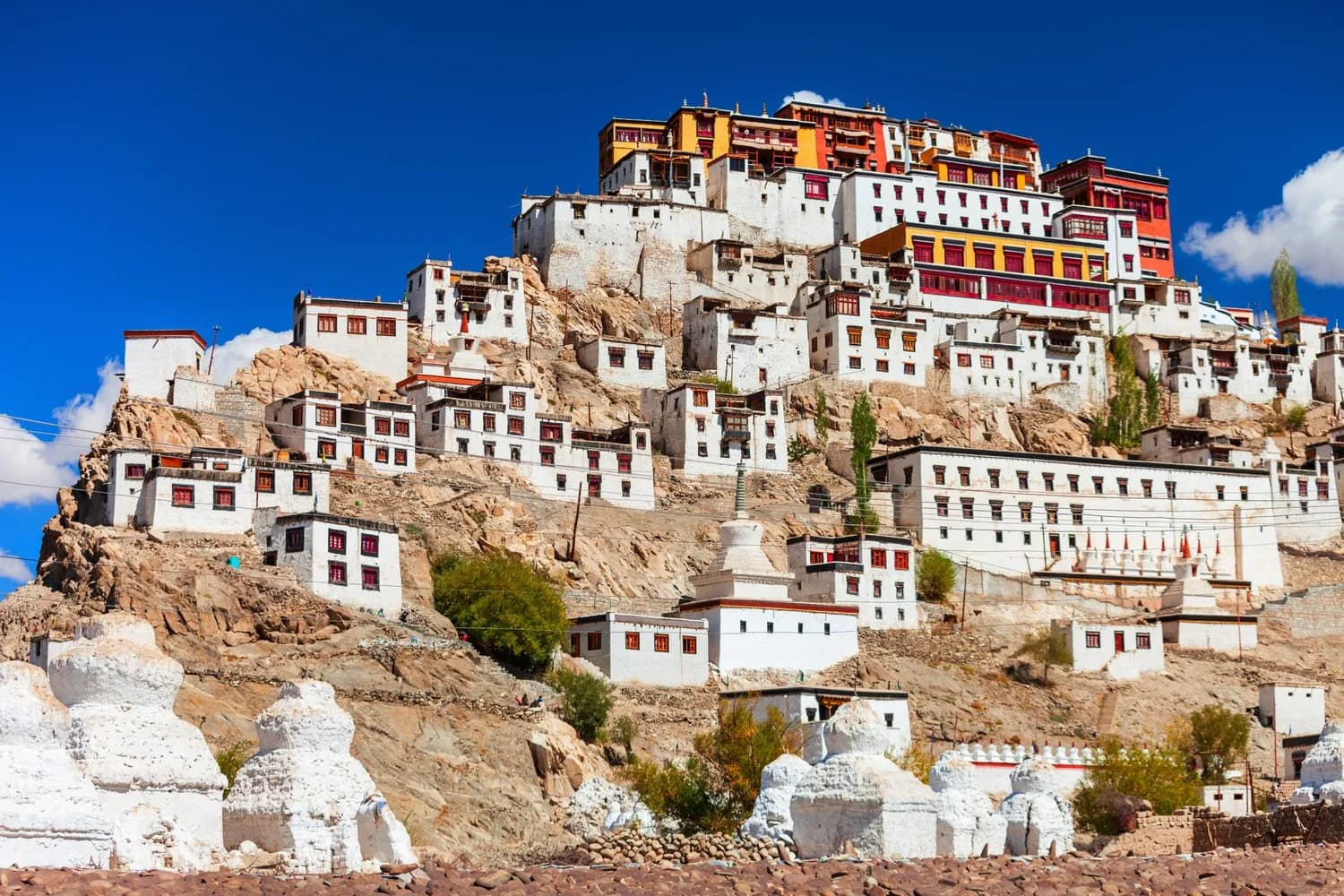
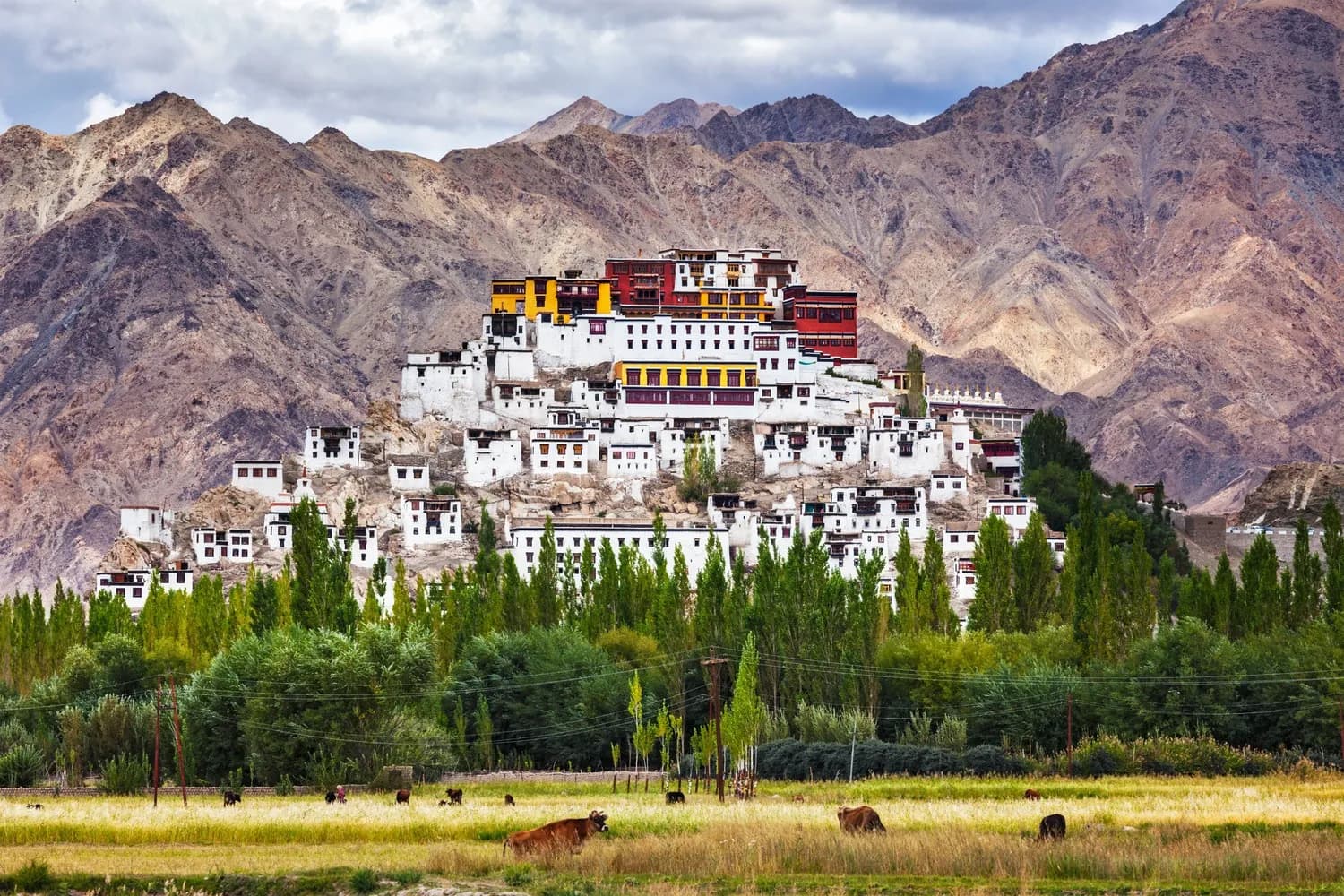
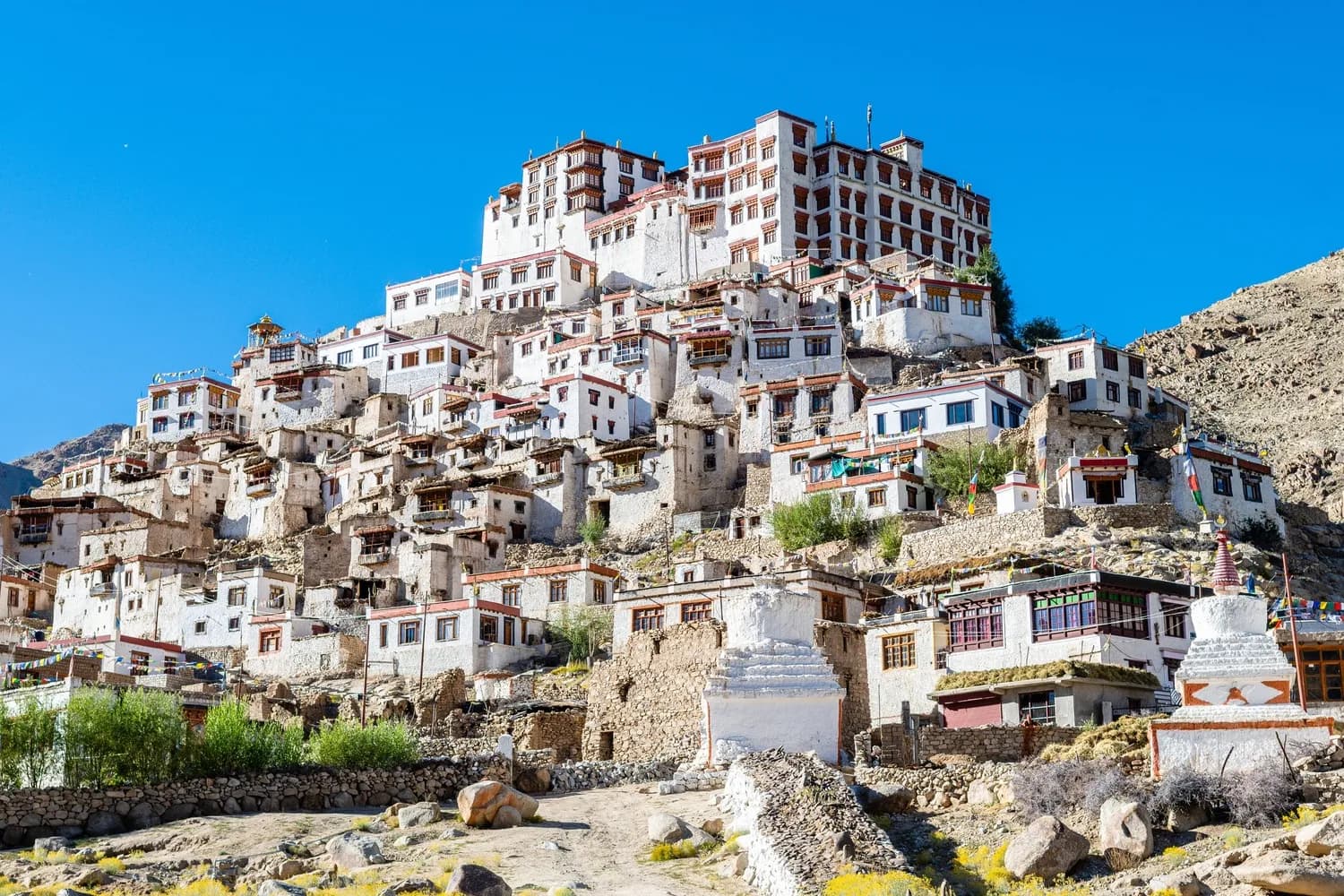
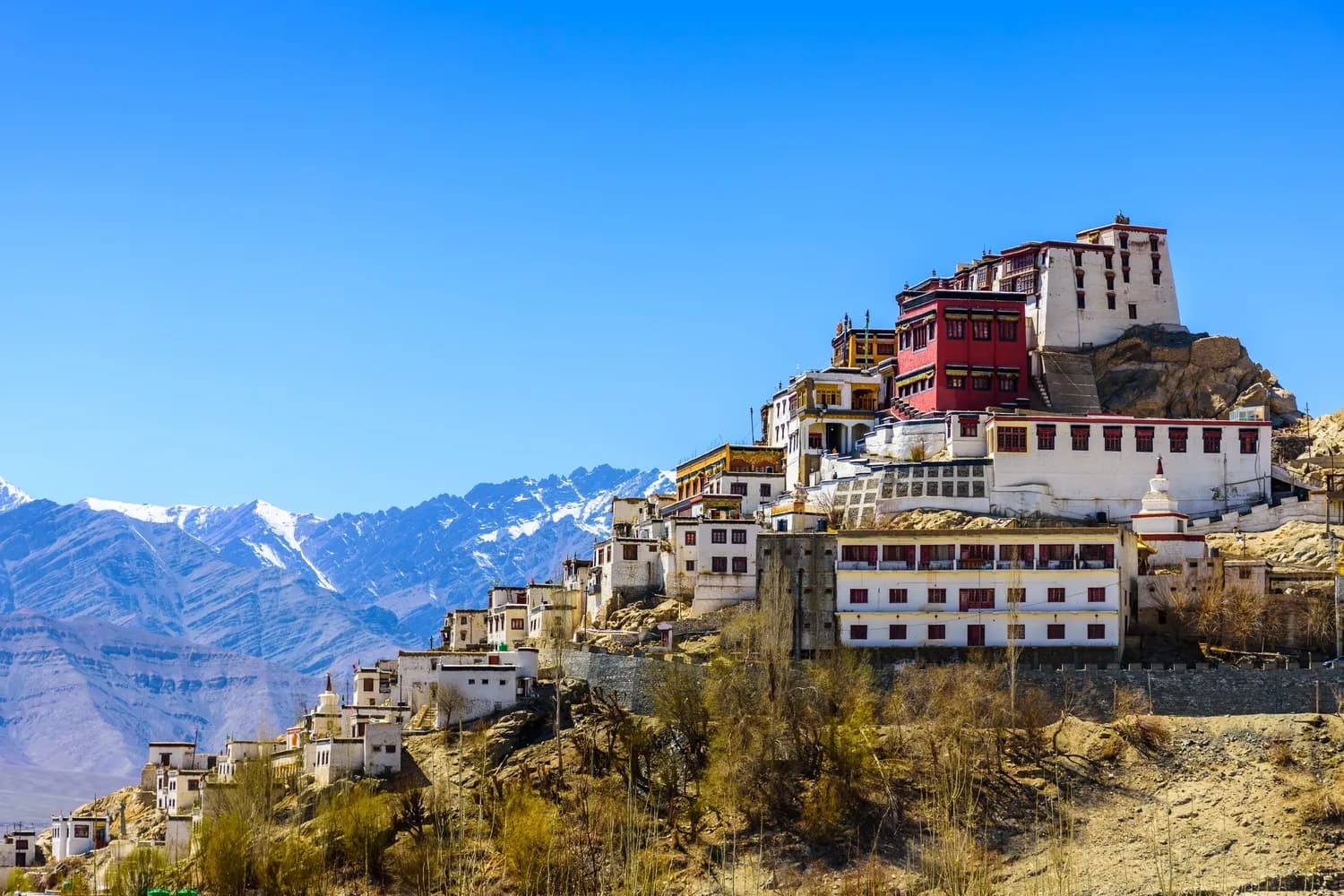
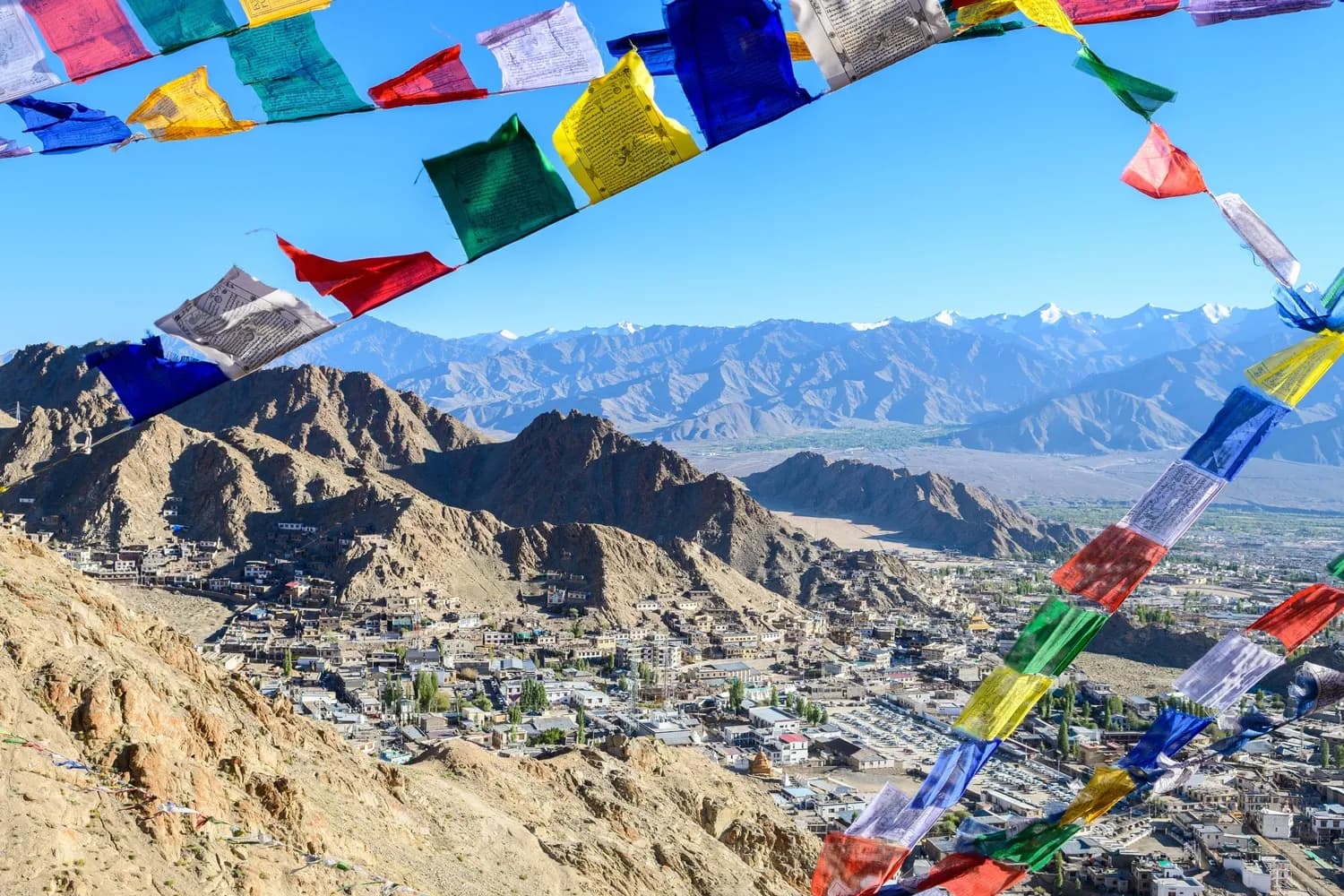
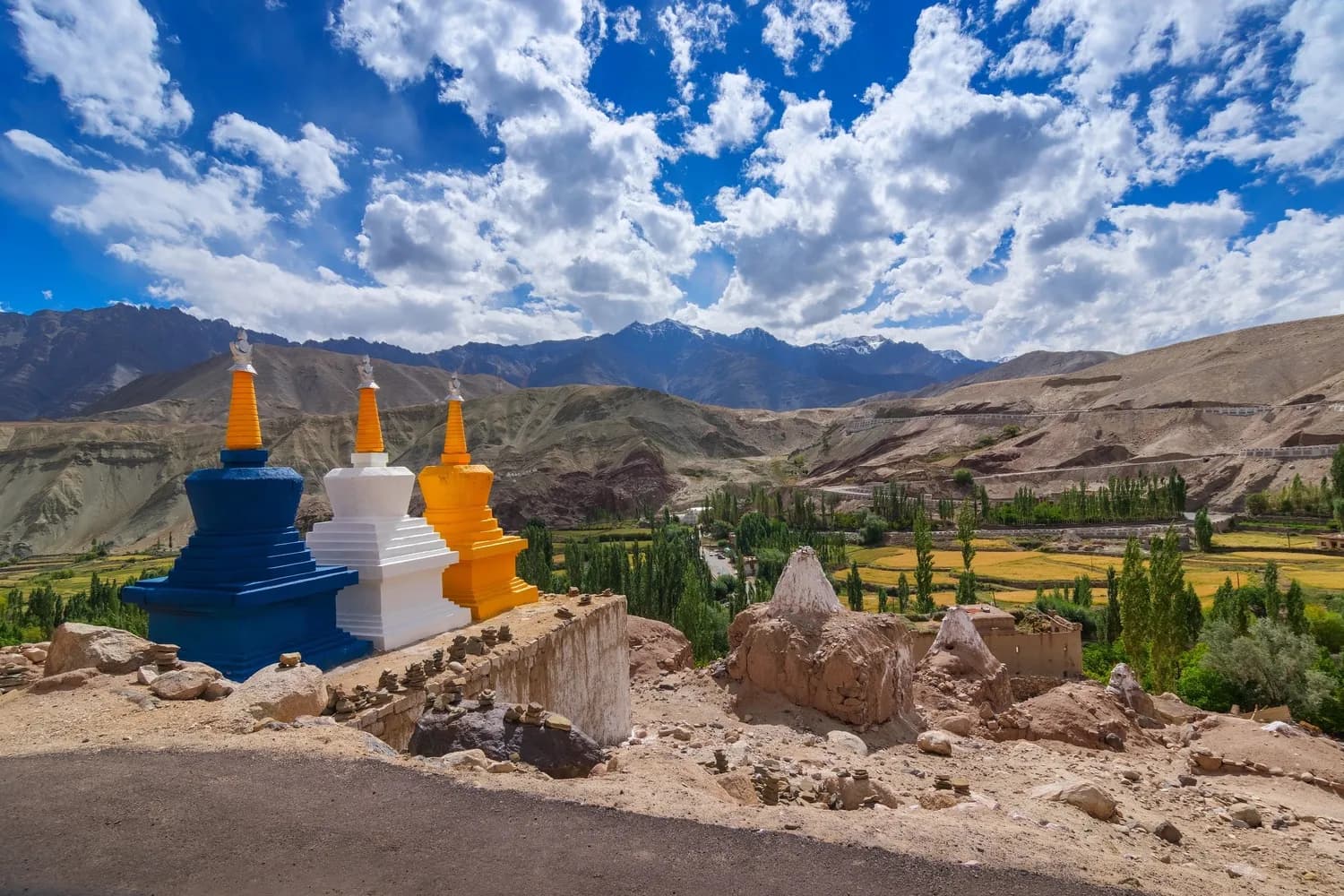
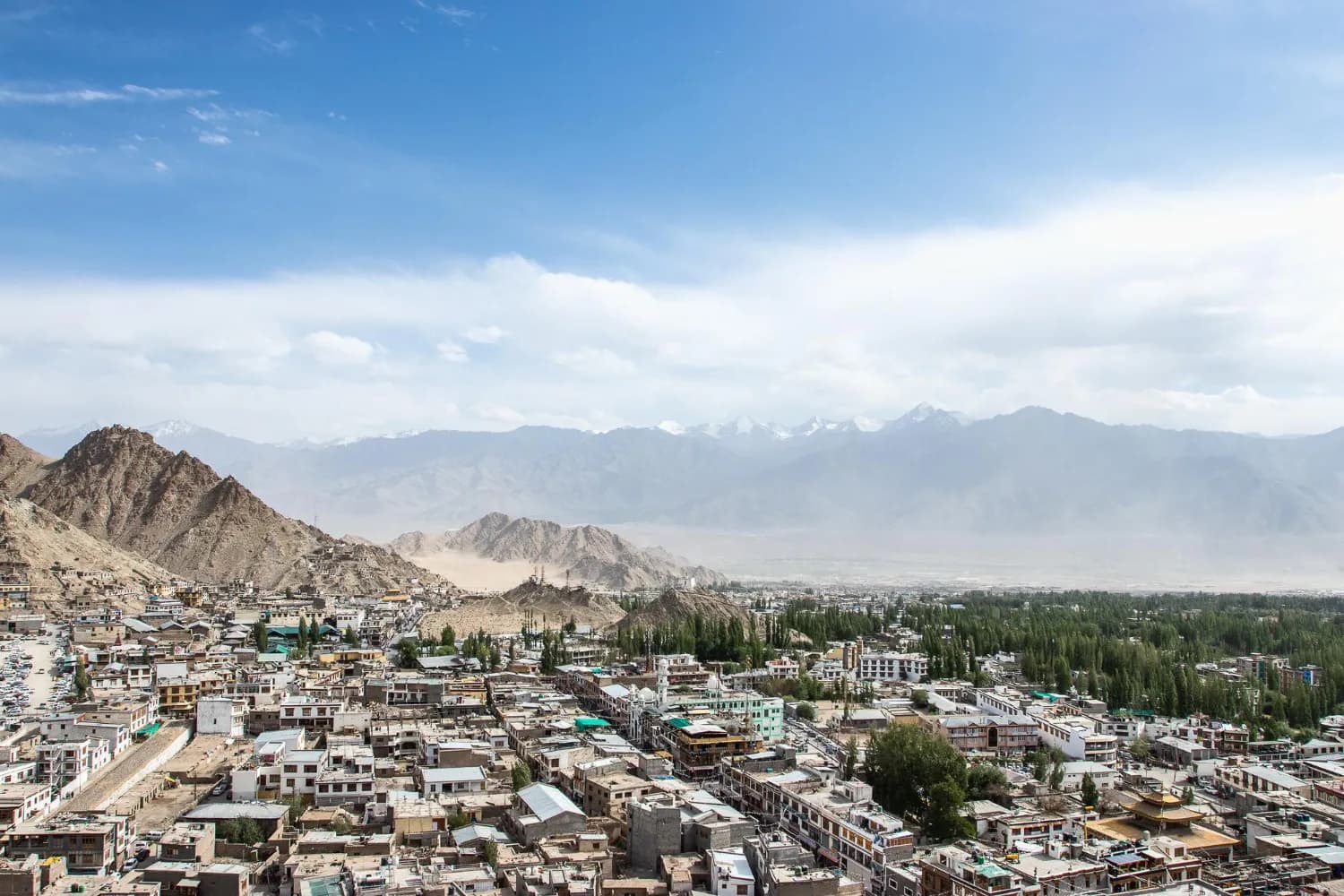
- Leh Town — the first two days. Leh Palace, Shanti Stupa, Hemis Monastery, and Thiksey Monastery. The old bazaar in Leh is compact and walkable — similar in feel to Kasol's village lanes but at 3,500m. Hemis Gompa, Stok Palace Heritage, and Hall of Fame are nearby.
- The Confluence of the Indus and Zanskar Rivers is a stop that resonates with Kasol's river-valley orientation — two major Himalayan rivers meeting in open desert landscape.
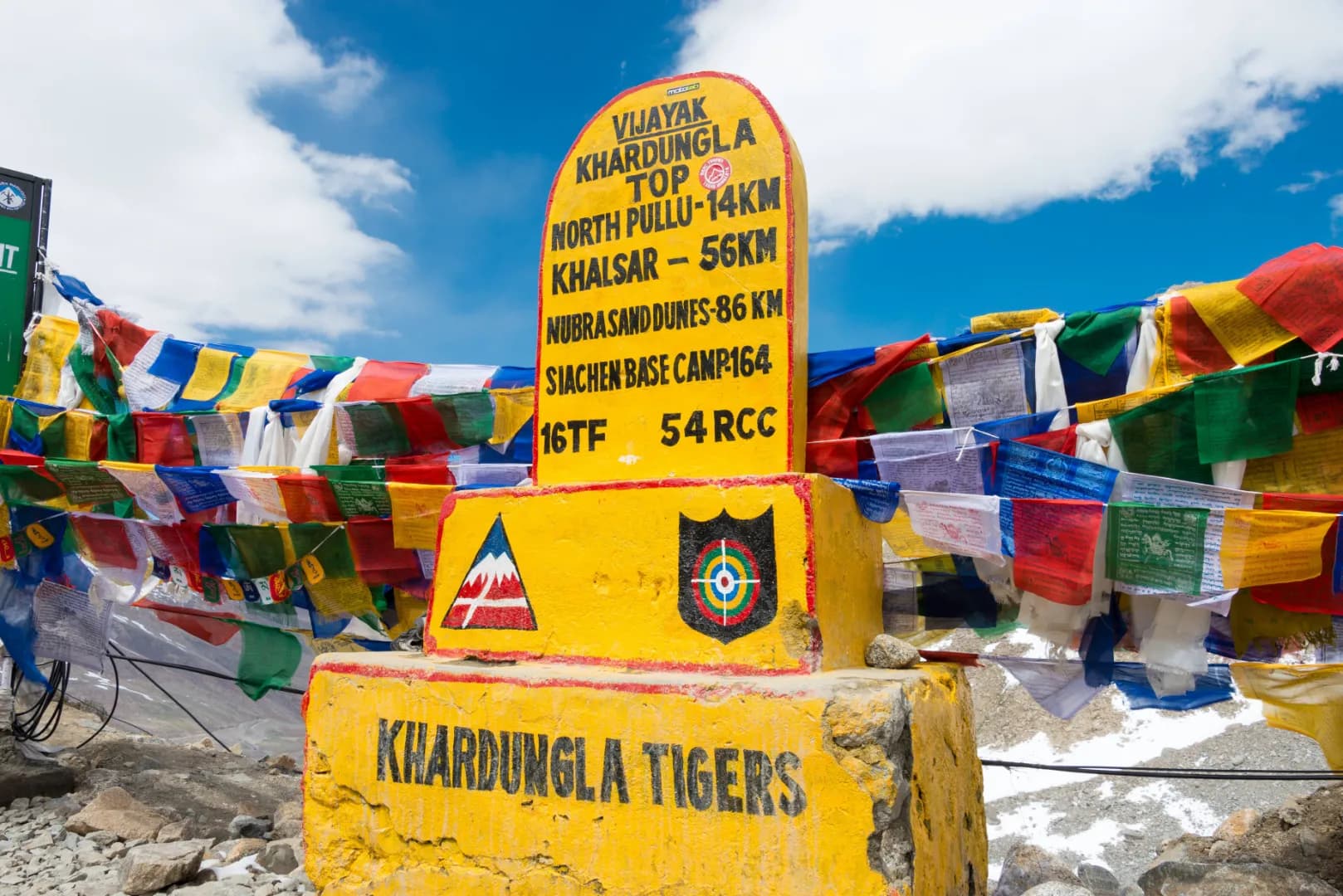
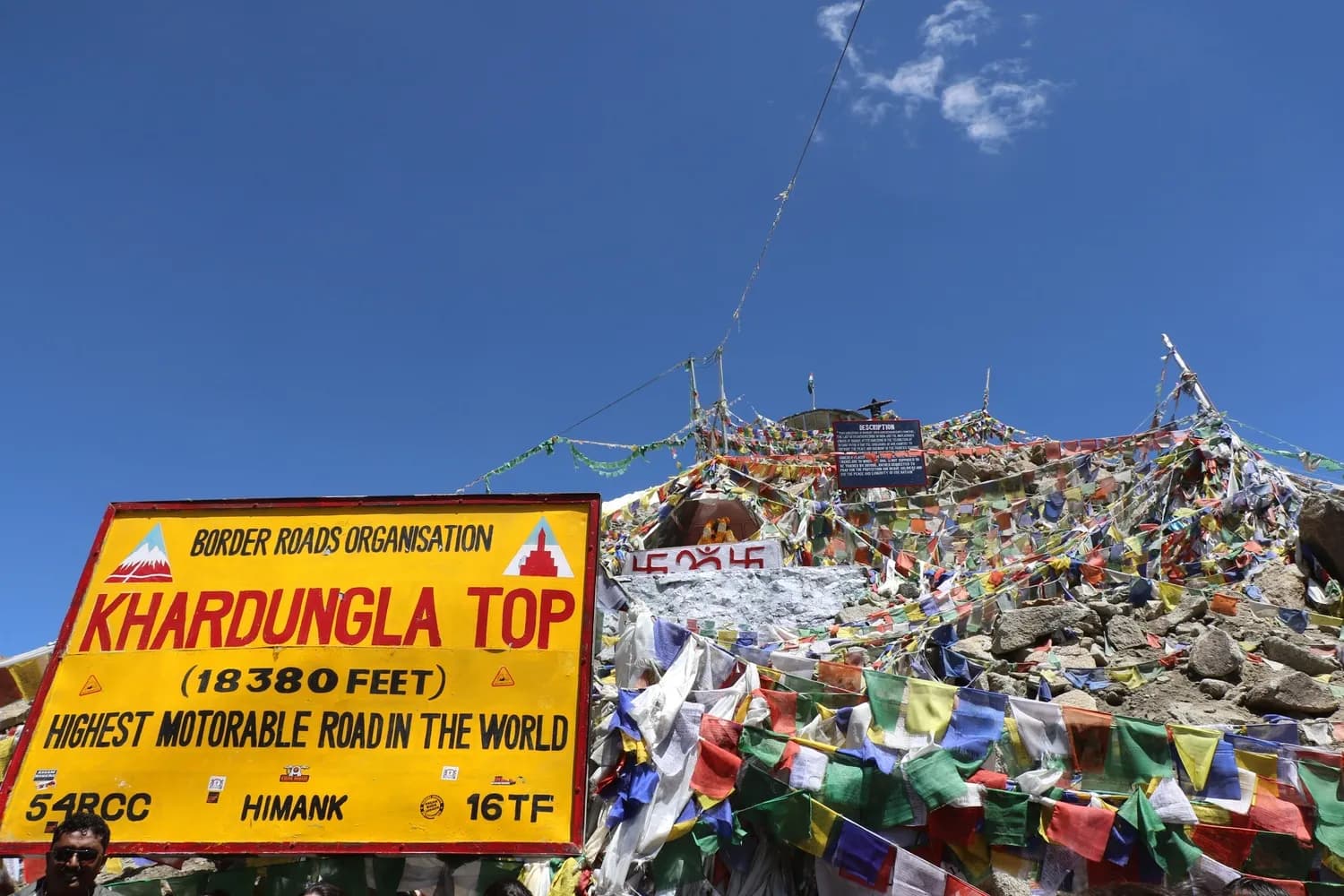
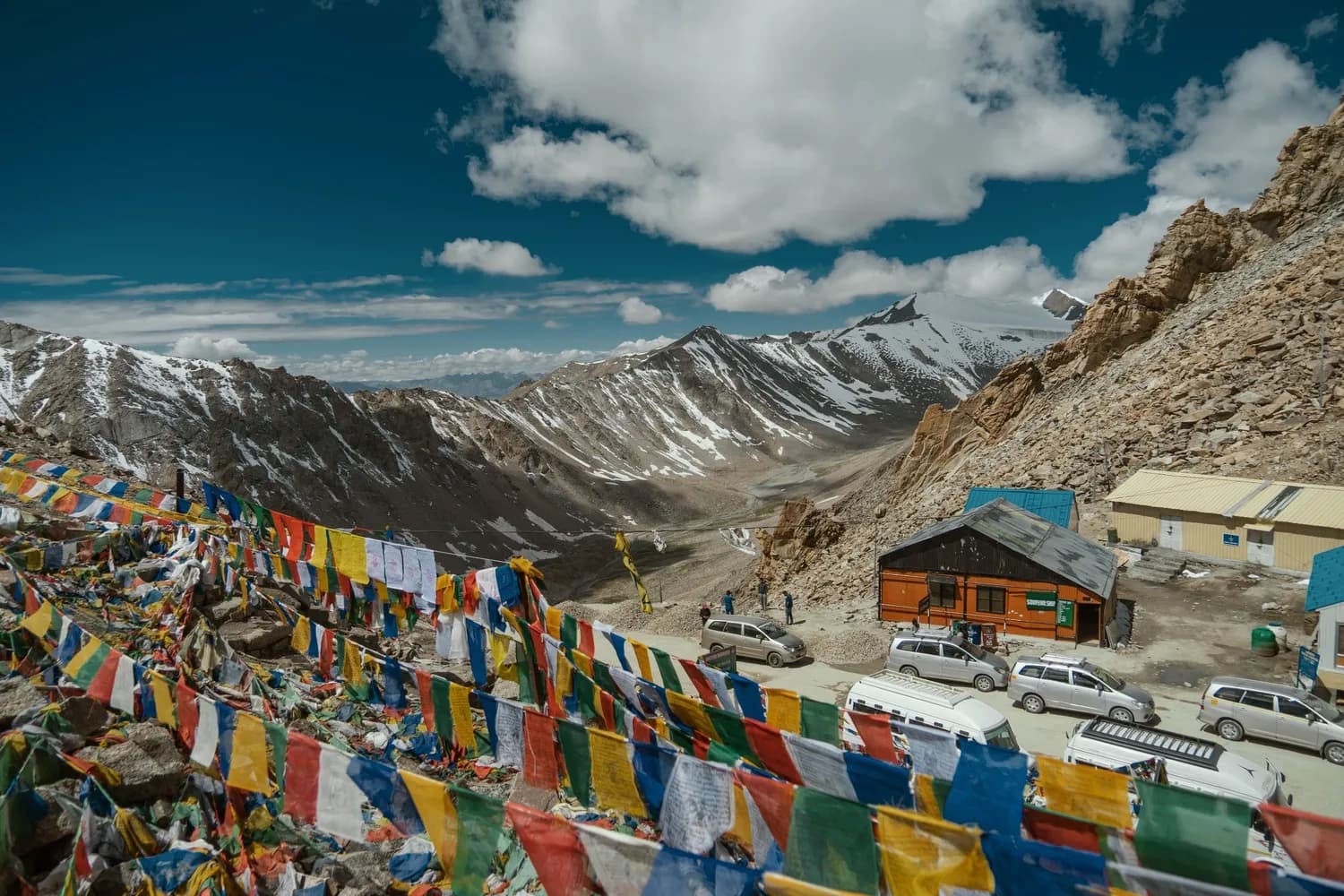
- Nubra Valley — over Khardung La at 5,359m. Kasol travellers who've done Kheerganga (3,050m) or Hampta Pass (4,270m) will find Khardung La a familiar altitude concept, but the motorable road aspect is its own thing. Hunder, Diskit Gompa, overnight camp in Nubra.
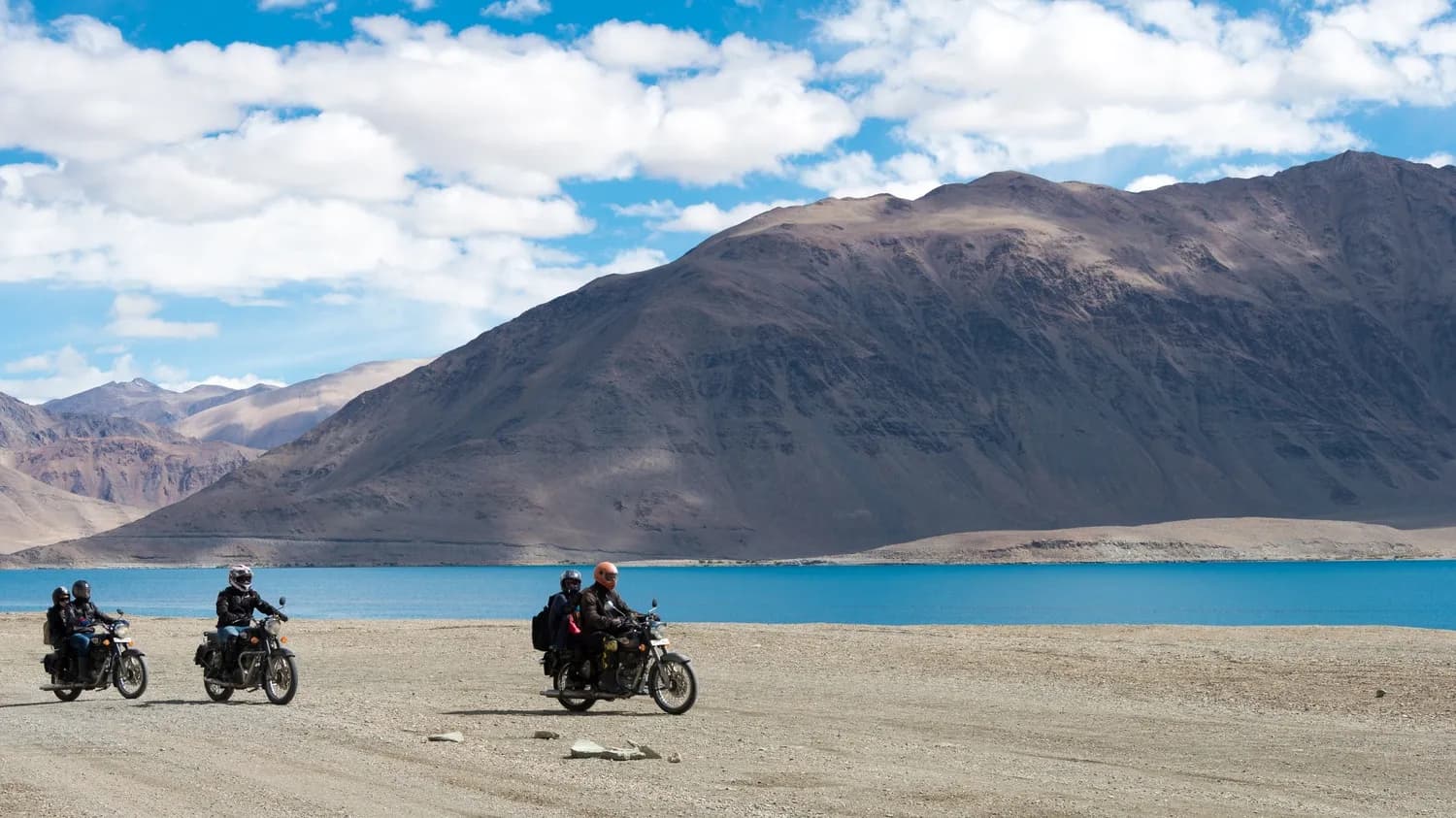
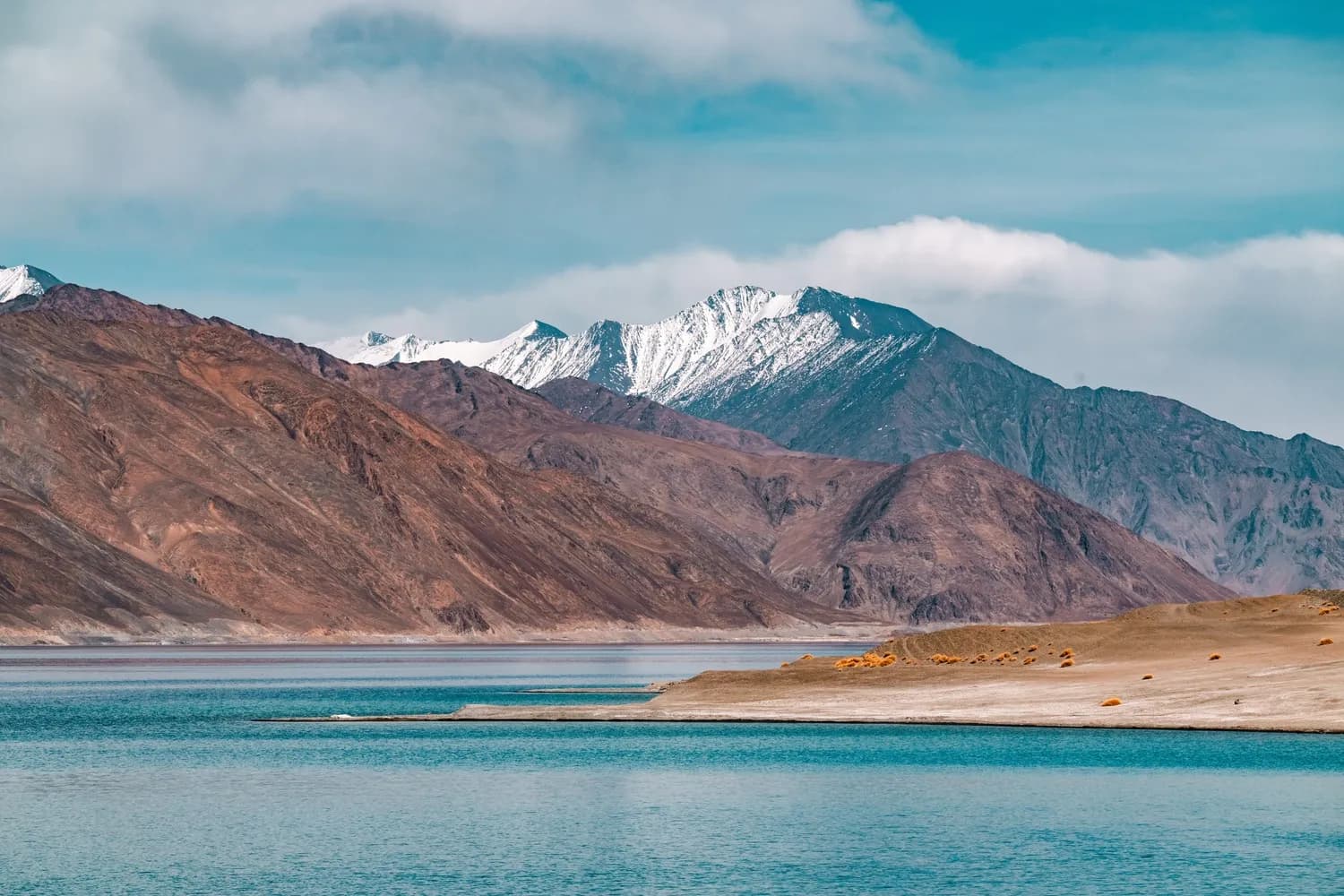
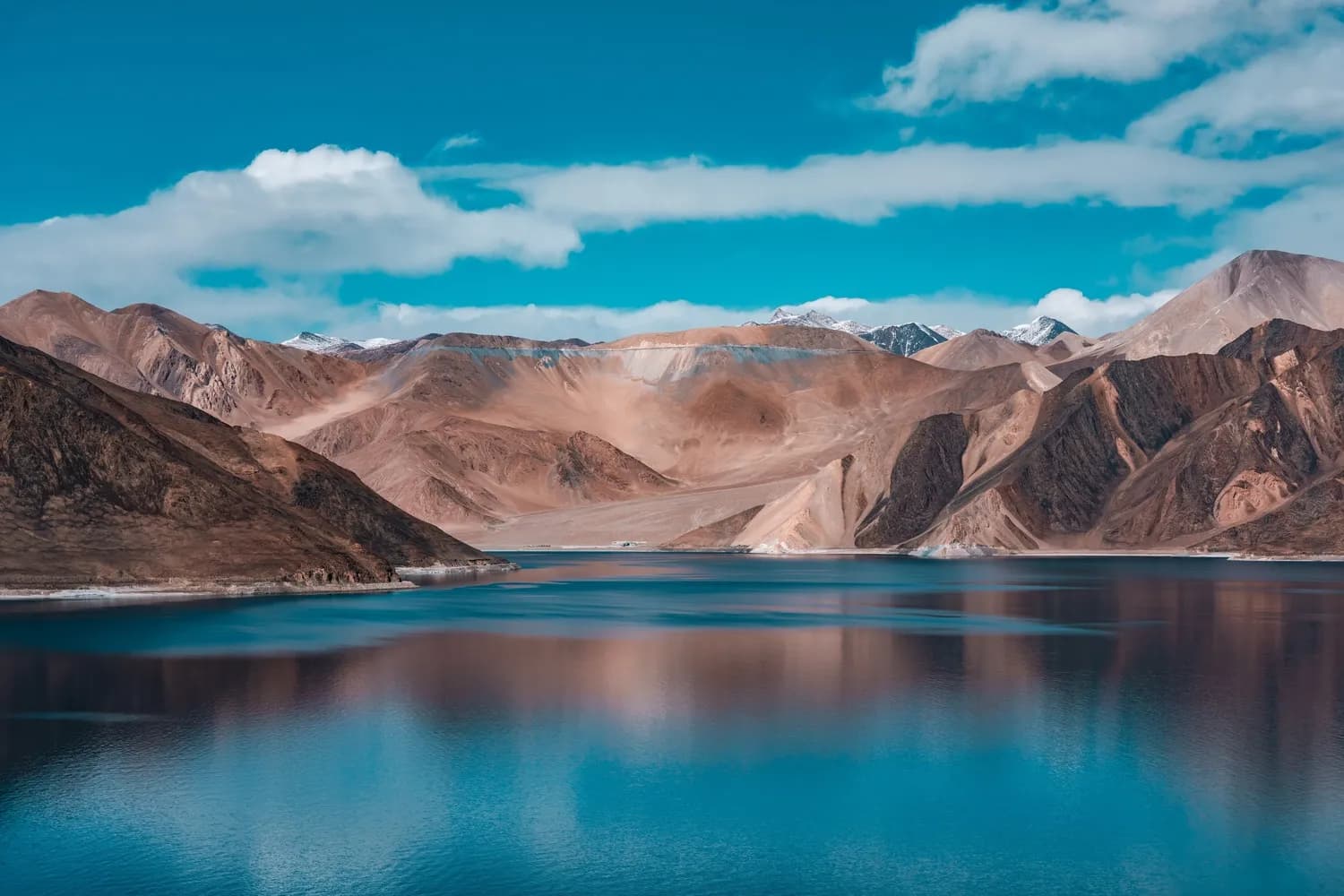
- Pangong Tso — via Chang La Pass. The lake needs no description to anyone who's spent nights by Parvati river or Kheerganga's hot springs — but its scale and colour are genuinely beyond those references.
- Adventure options built for Kasol-type travellers: River Rafting in Ladakh on the Zanskar River (Grade III–IV), Chadar Trek (January–February on the frozen Zanskar), Sham Valley trekking, and the full Leh Ladakh Bike Trip from Kasol via Manali.
Best Time to Travel From Kasol to Ladakh
May to September. Kasol's own peak is in May, September, and October — and the Ladakh travel season overlaps well.
- May: Manali–Leh road opens late May. Kasol in May is already good — add Ladakh after Kasol for a combined Himachal-Ladakh trip.
- June–July: Both destinations at peak. Hemis Festival in July.
- August: Parvati Valley's monsoon can be heavy — Ladakh is dry and excellent.
- September: Ideal. Kasol is post-monsoon, Ladakh is clear and uncrowded. September is the sweet spot for Kasol-to-Ladakh travellers.
Full guide: Best Time to Visit Leh Ladakh.
All Packages


Why Book Packages with Viacation?

Trusted by 1,00,000+ travellers

Dedicated experts to plan your trips

Secure bookings, clear cancellations
10,000+ unique trips to choose from
All Packages
Yes, with proper planning. Gradual ascent, adequate rest, hydration, and not overexerting on initial days reduce discomfort. We always suggest listening to your body and keeping plans flexible.
Yes, most travellers require inner line permits or similar documents to visit these areas. We help you arrange them in advance or at Leh, depending on current local rules.
Both routes work. Road travel offers gradual altitude gain and scenery, while flights save time. We usually recommend road for adventure seekers and flights for tighter schedules.
You can choose hotels, guesthouses, homestays, and seasonal camps. We prioritise verified properties with reliable heating, clean washrooms, and clear meal inclusions suited to high altitude conditions.
For a Ladakh tour package from Kasol, seven to ten days work well for most travellers, allowing acclimatisation, Leh sightseeing, Nubra Valley, and Pangong. Longer trips help include remote areas with more buffer days.
