

Leh Ladakh Tour Packages From Mumbai
You already know how Mumbai feels. Sticky air, traffic that tests patience, and monsoon skies that turn everything into one shade of grey. Now compare that with Ladakh, where the air is thin, the roads cut through raw mountains, and silence is not rare. That shift is not just travel, it is a reset that your routine does not give you.
If you are starting from Mumbai, logistics can get messy fast. Flights, transfers, and altitude timing all need to align. Well-designed Ladakh tour packages from Mumbai fix this with airport transfers, paced itineraries, and routes planned specifically for people coming from sea-level cities.
The biggest gap people underestimate is altitude. You are moving from sea level to over 11,000 ft in a matter of hours. That is exactly where most trips fail. Poor planning, rushed itineraries, and no acclimatization ruin what should have been a once-in-a-lifetime experience. This is where structured Leh Ladakh Tour Packages start making sense, not as luxury, but as your best escape option.
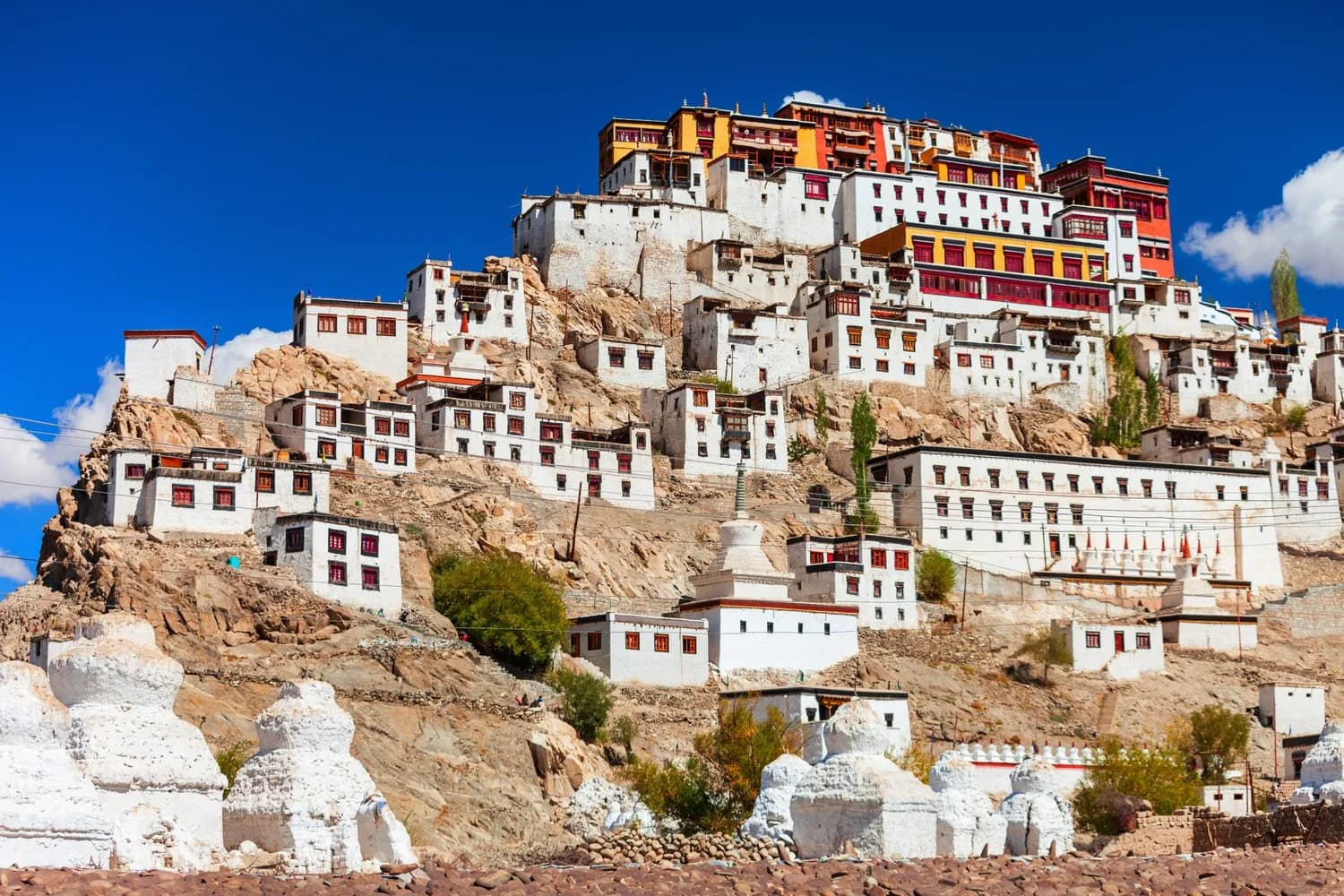
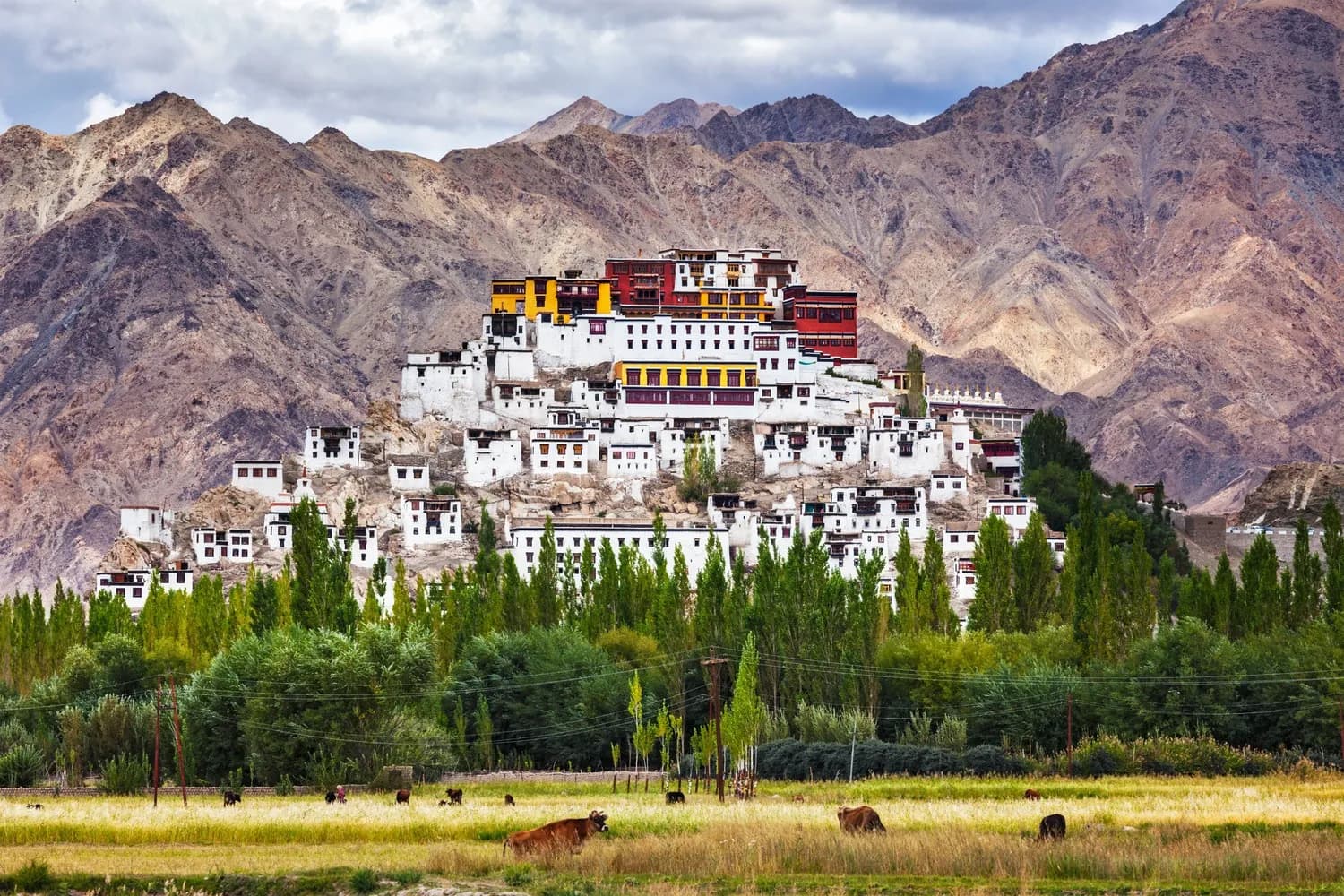
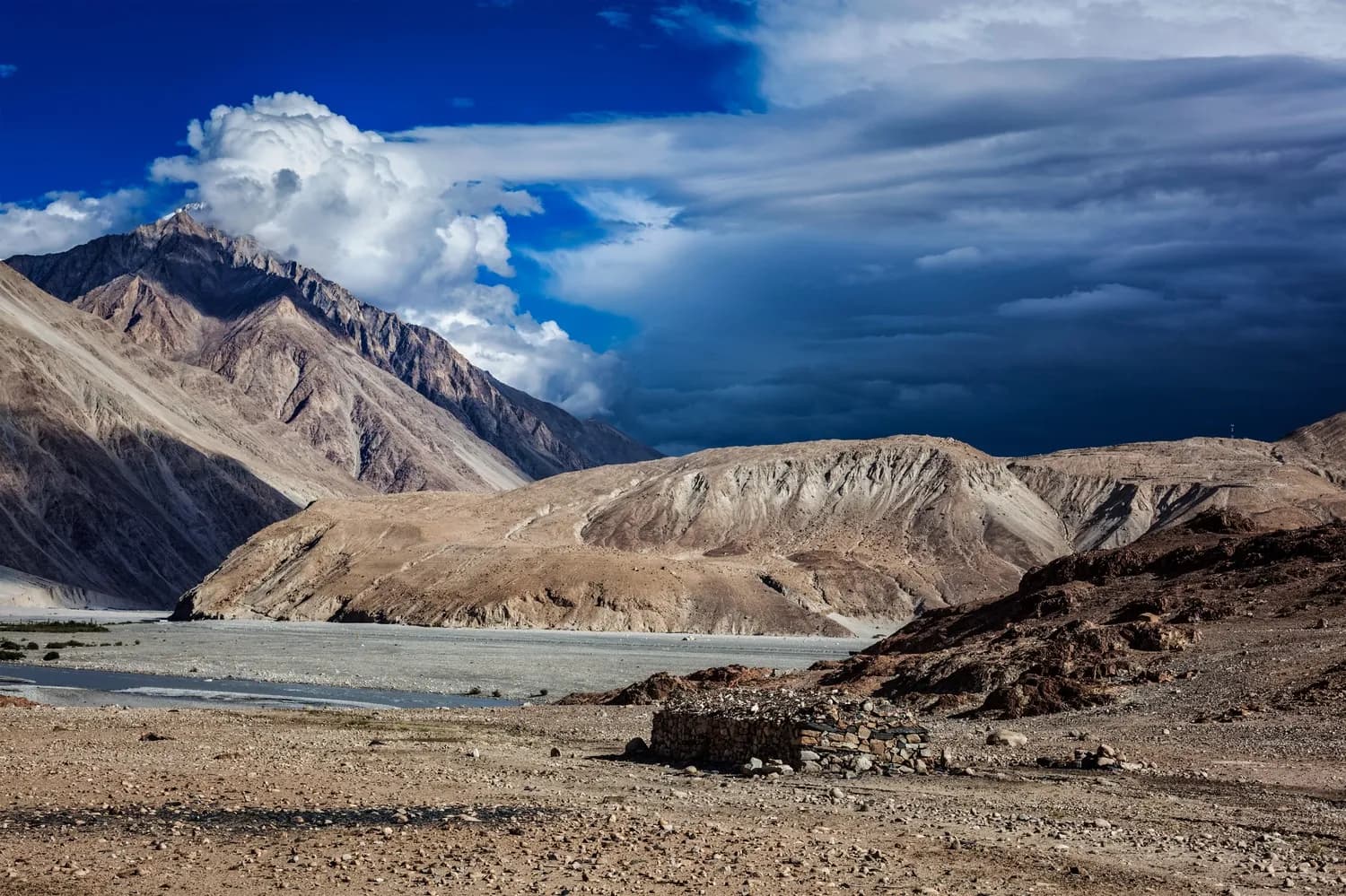
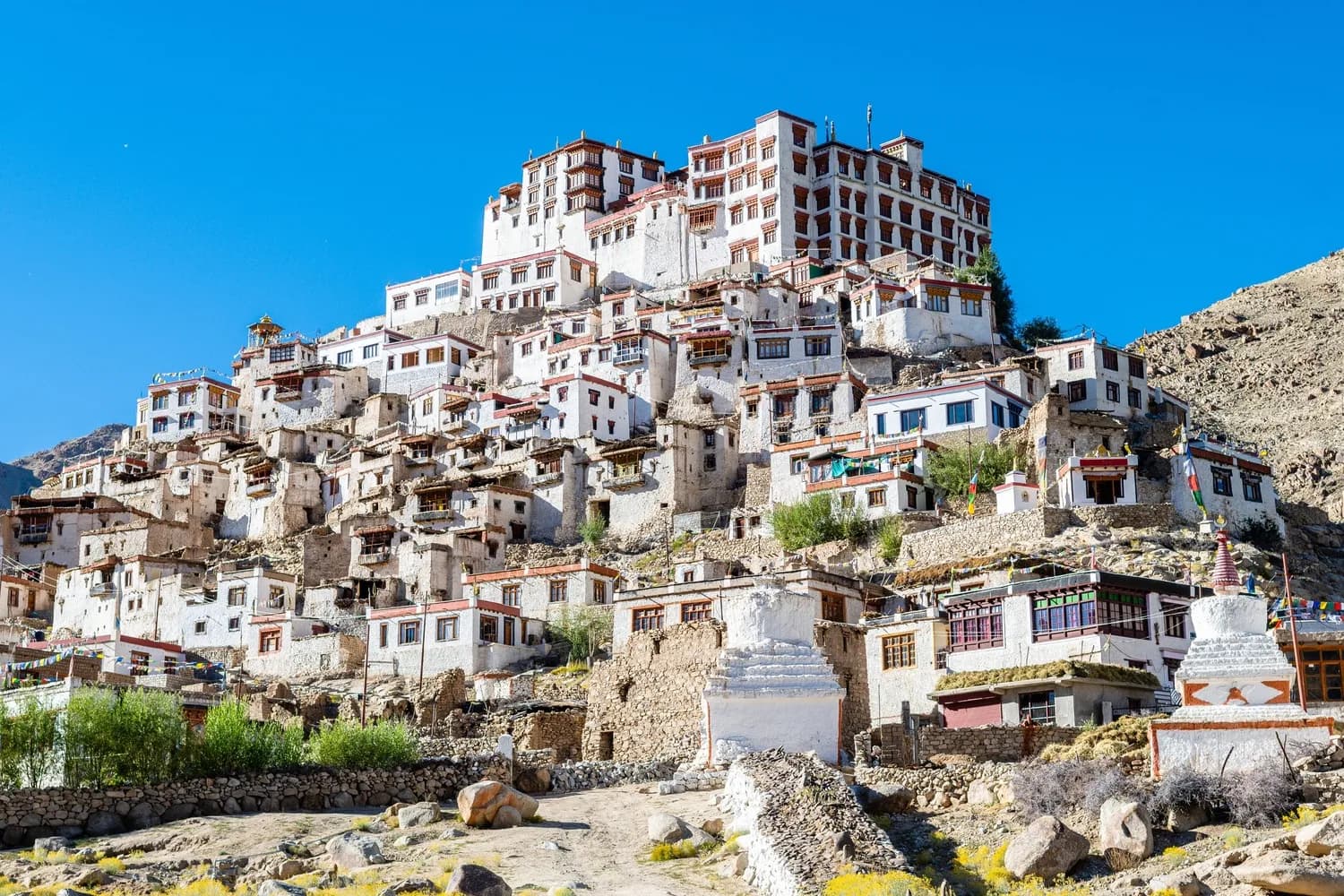
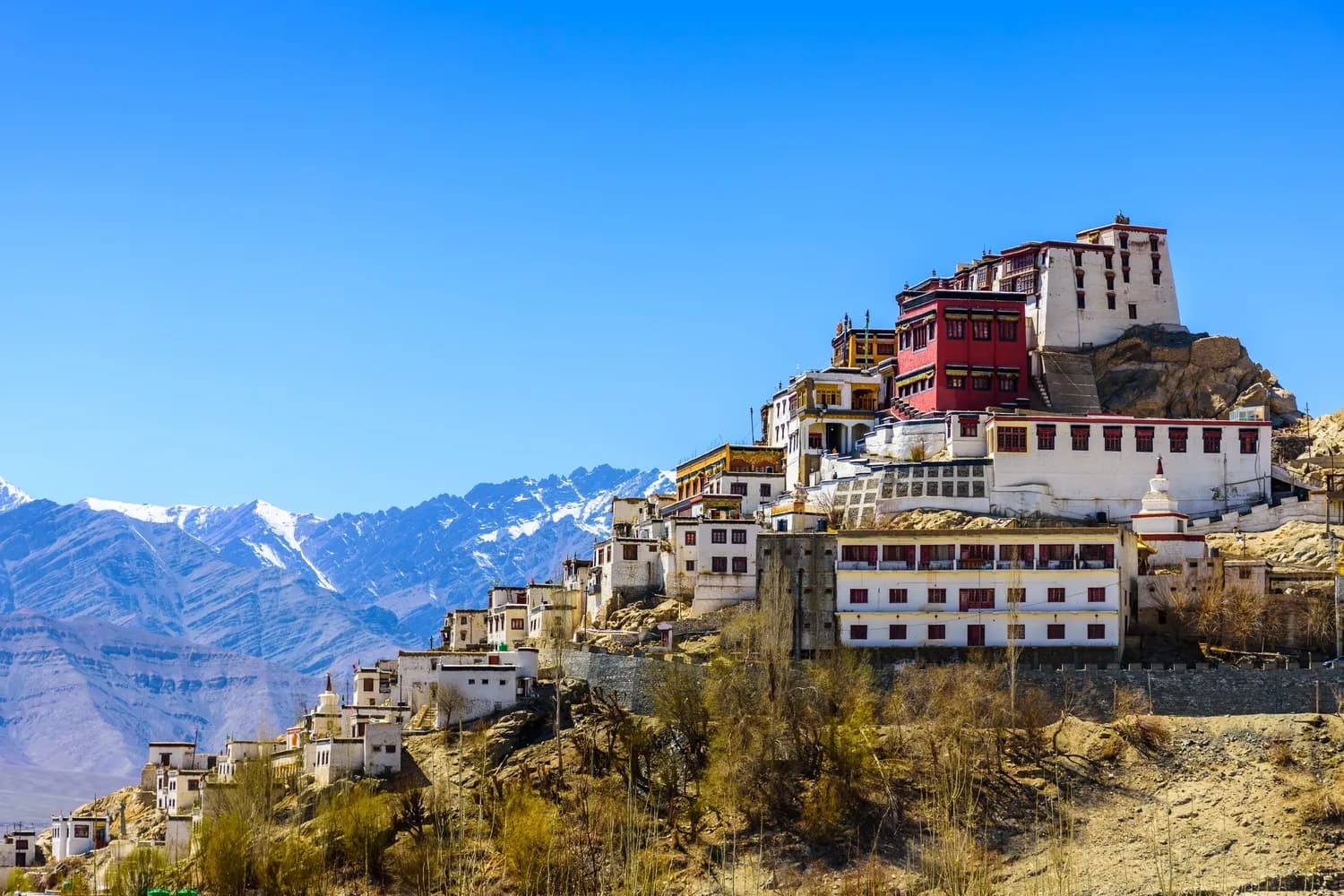
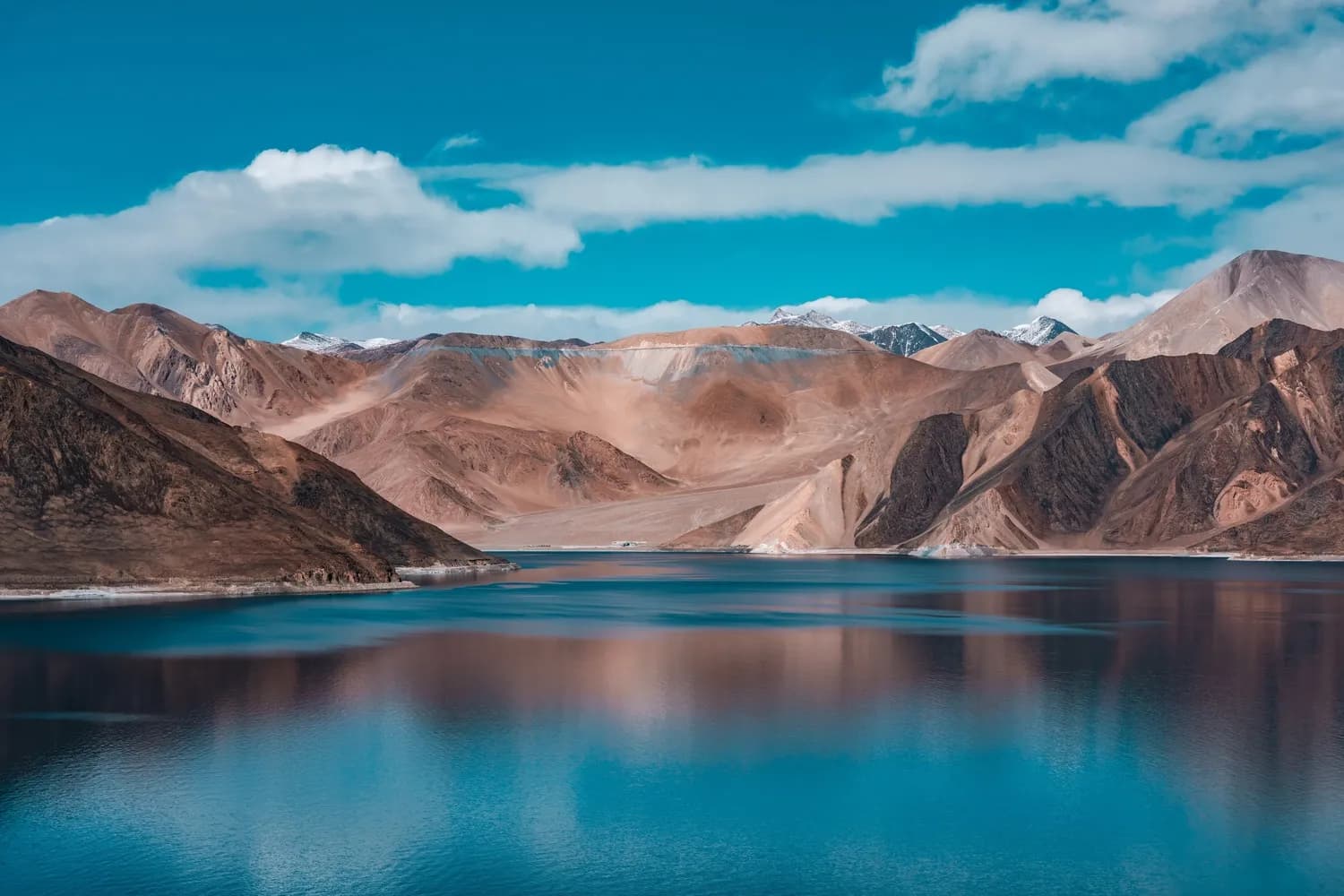
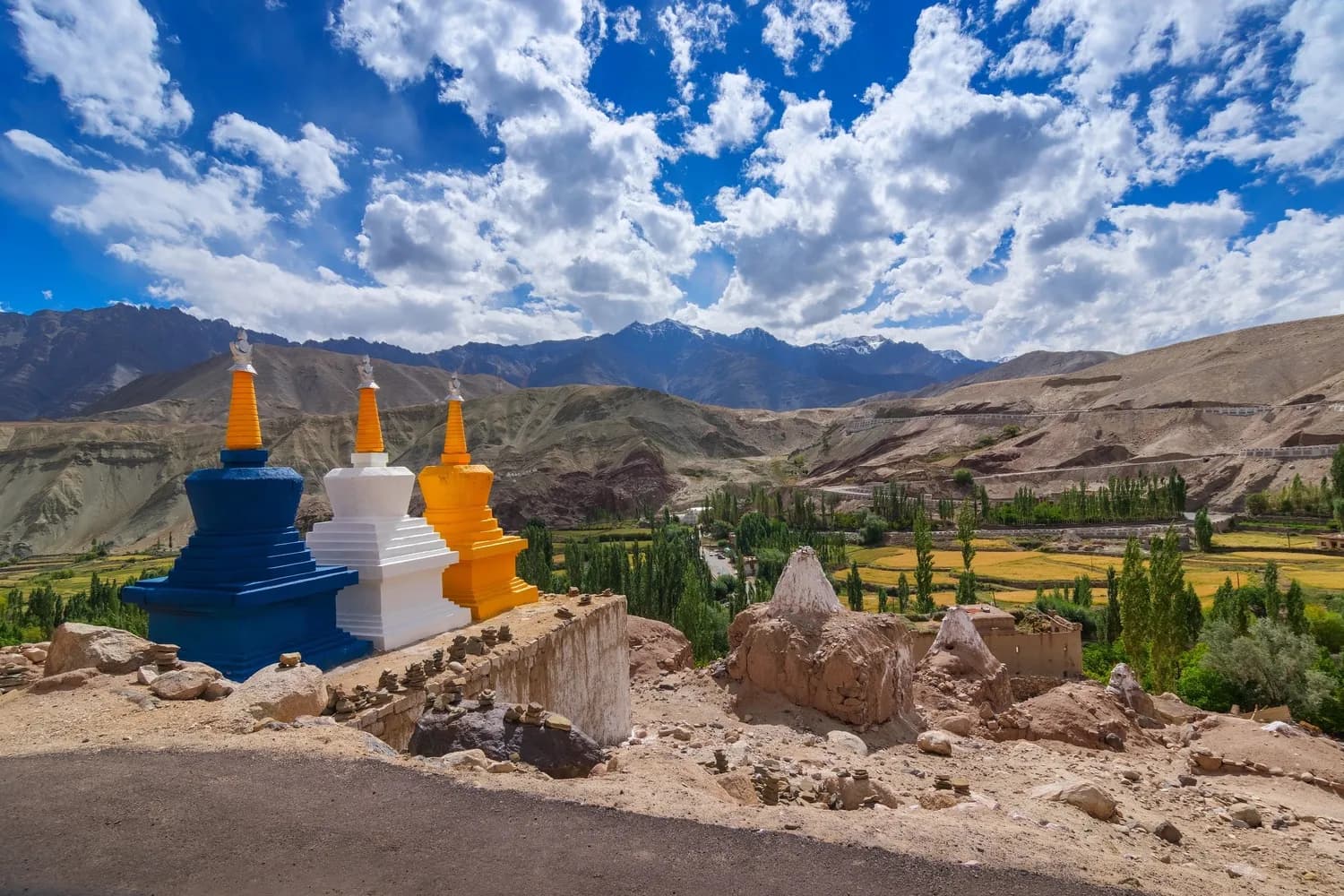
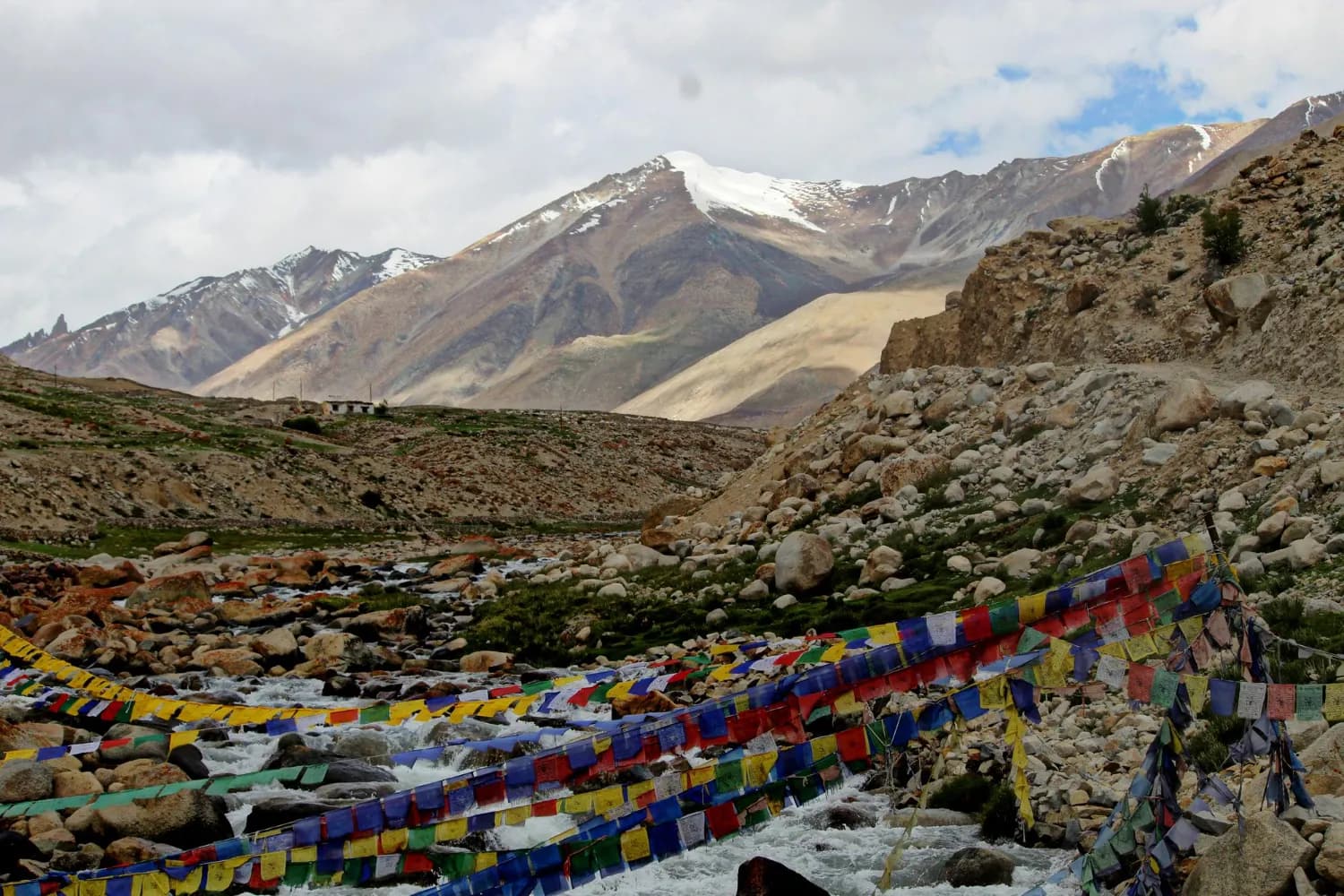
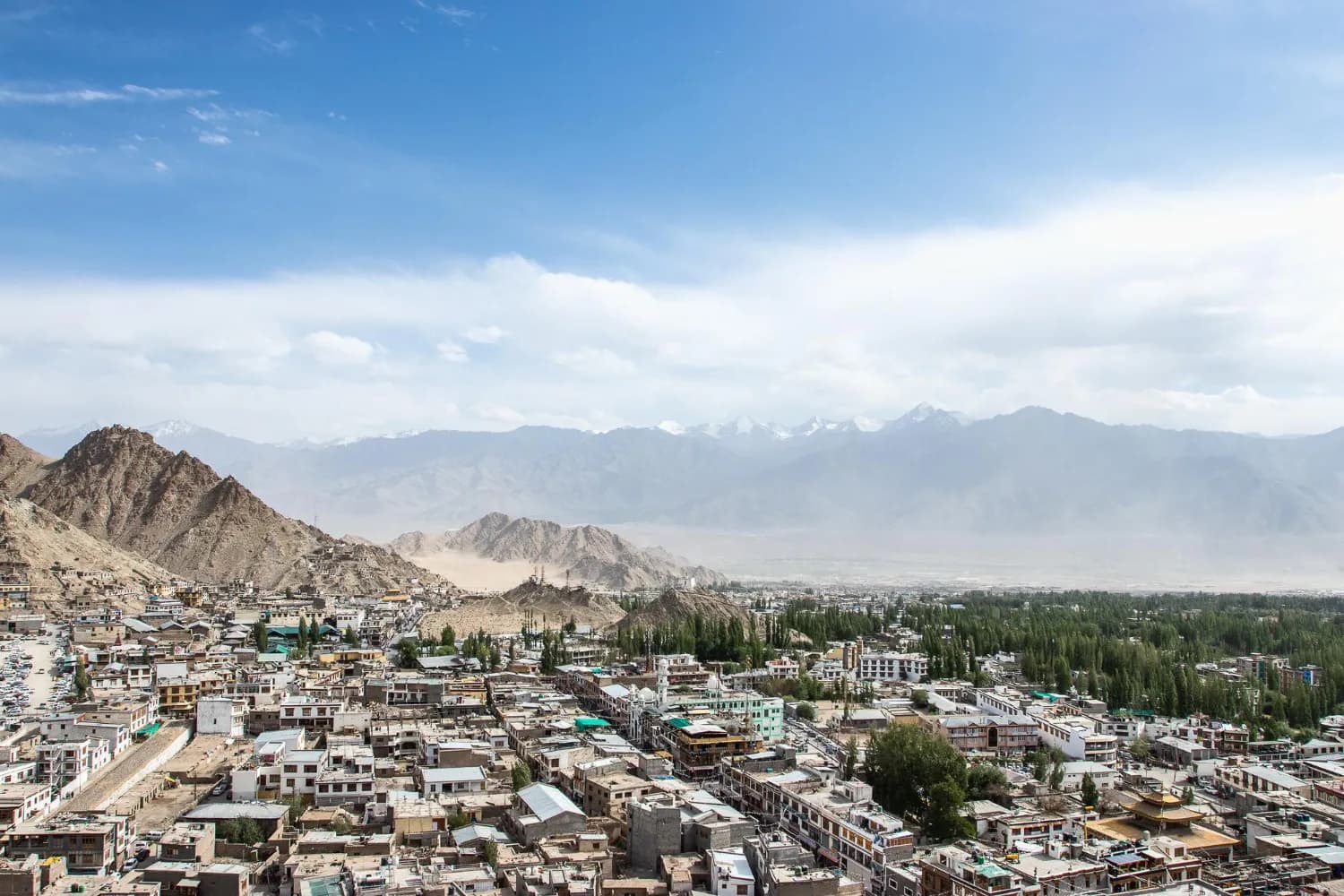
The visual contrast of a Ladakh trip from Mumbai is hard to ignore. You leave behind the Arabian Sea and land in front of Pangong Tso, where the water turns unreal shades of blue depending on the sunlight. Even a morning at Thiksey Monastery feels different, slower, quieter, and strangely grounding.
You are not just changing destinations. You are changing how your body, mind, and time behave. That difference is the whole point.
Why Should You Book Your Mumbai to Ladakh Trip With Us?
Mumbai to Ladakh is not a simple vacation; it is a shift from sea level chaos to thin mountain air. Most travelers underestimate this jump and end up dealing with fatigue, poor planning, or uncomfortable stays. As travellers from Mumbai seek a fully organised adventure with some luxury, we at Viacation organise Ladakh trips every year, and with years of experience comes years of expertise, which is why our Ladakh tour packages from Mumbai stand apart. We design the journey in a way that your body, time, and expectations stay aligned.
- Sea-Level to 11,000ft Specialist: Smart buffer days help your body adjust, reducing altitude sickness risk.
- The Corporate Escape Kit: For corporate travellers, we offer reliable Wi-Fi zones and structured plans to ensure stress-free work disconnect.
- Verified Local Stays: Premium stays with 24/7 hot water, heating, and consistent comfort standards—Major Mumbaikar concern.
When is the Best Time to Visit Ladakh from Mumbai?
While the best time to visit Ladakh is during the summer season (May - July), timing this trip to Ladakh from Mumbai is really important, as it can affect your overall plan. If you are planning from Mumbai, you need to match Ladakh’s conditions with your travel goal, not just pick random dates that look convenient. Here’s a seasonal overview of Ladakh for Mumbaikars:
- April to June: If you are sitting in Mumbai's heat, April to June feels like punishment. Ladakh fixes that. Roads start opening, snow walls still stand tall, and you get that “Great Meltdown” when all the snow melts due to rising heat. This is where most travellers get their first real high-altitude experience without struggling too much.
- July to September: For Ladakh tour packages from Mumbai, July to September is the best time. During this time, Mumbai deals with heavy rain, traffic chaos, and delays, and still Ladakh stays dry because it lies in a rain-shadow zone. Clear skies, stable roads, and better visibility make it the most practical time. If your goal is smooth travel, this window beats everything.
- October to March: This is an extreme travel season for Ladakh. Temperatures drop hard. This phase is for people chasing the Chadar Trek or spotting the Snow Leopard. Fewer tourists, extreme conditions, and high cost. If you are not prepared, this trip can backfire quickly.
How to Reach Ladakh From Mumbai? (The Logistics Hub)
Planning the route to Ladakh from Mumbai is where most people get stuck. You either overspend, take the wrong route, or underestimate travel fatigue. Here is the practical breakdown so you avoid that:
1. By Air (The Preferred Route):
The fastest and least exhausting way is booking flights from Mumbai to Leh. There are fewer direct flights running for Ladakh tour packages from Mumbai, so travelers choose a connecting flight with a layover at Delhi.
- Departure: Chhatrapati Shivaji Maharaj International Airport
- Arrival: Kushok Bakula Rimpochee Airport
- Layover: Delhi or Srinagar
2. By Road:
When going to Ladakh by road, the most popular routes are
- Delhi—Manali—Sarchu—Leh
- Delhi—Srinagar—Leh
Both cover almost 1,000 km total, but calling it simple would be misleading. Mumbai to Leh is a long, multi-day drive crossing states, weather zones, and rough terrain. Most travelers drop this idea midway or rush it badly. A smarter approach is reaching Delhi first, then continuing the road journey with a structured plan or a guided trip.
3. By Train:
There is no direct rail connectivity to Leh. If you are considering a Mumbai to Leh train, the realistic routes are Mumbai to Delhi or Mumbai to Jammu, followed by a road journey. It is slower, requires multiple transfers, and can drain your energy before the actual trip begins.
4. By Bike:
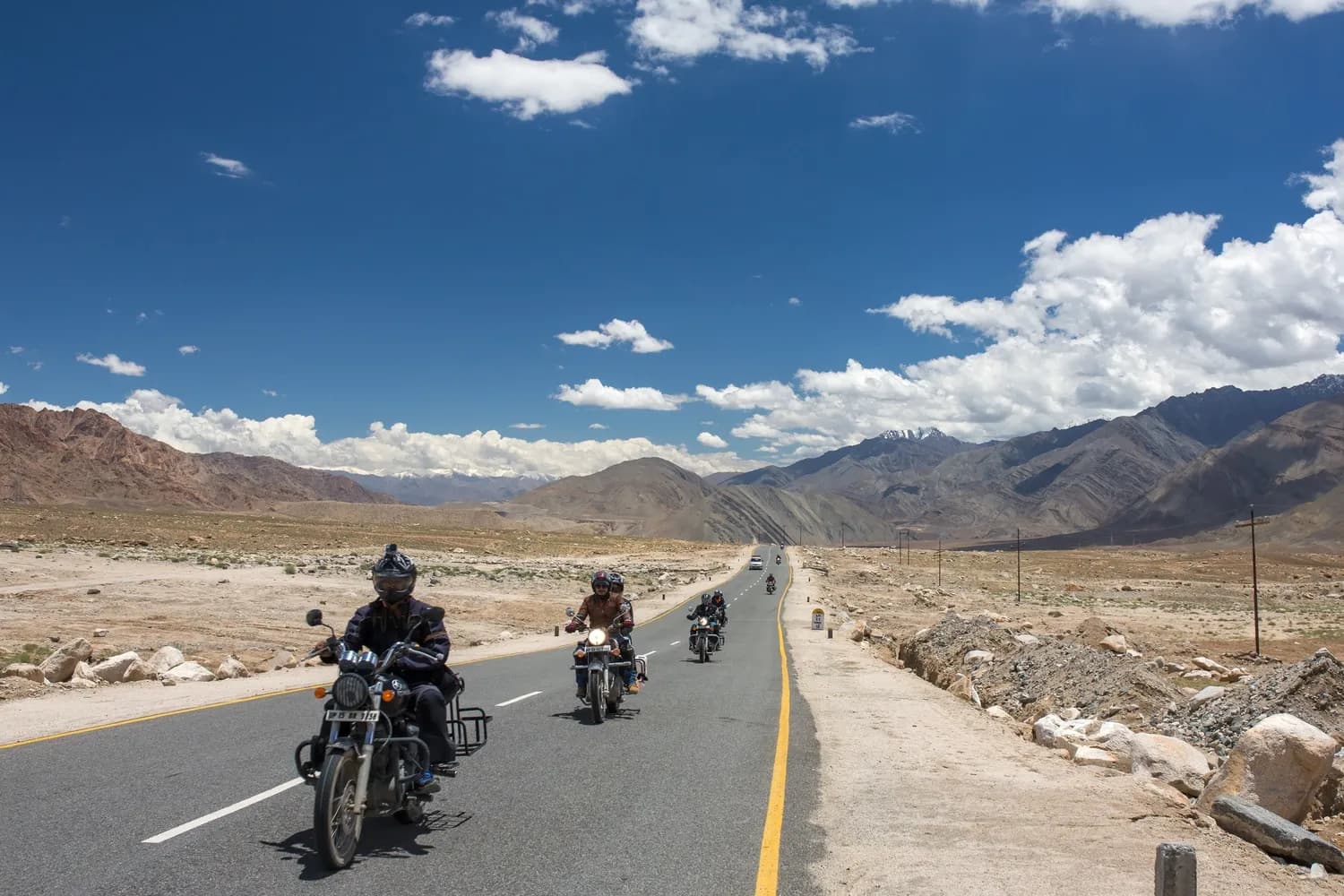
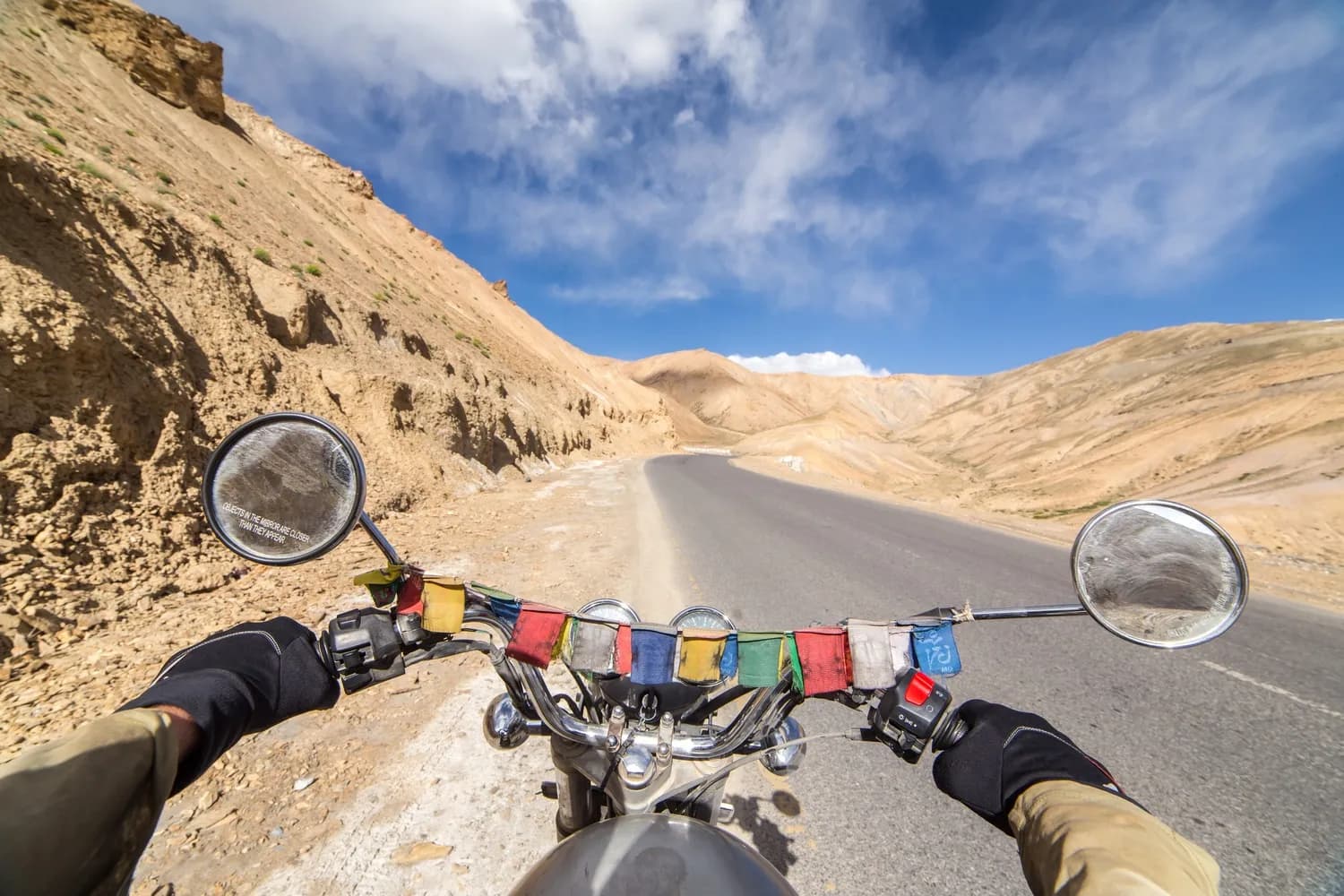
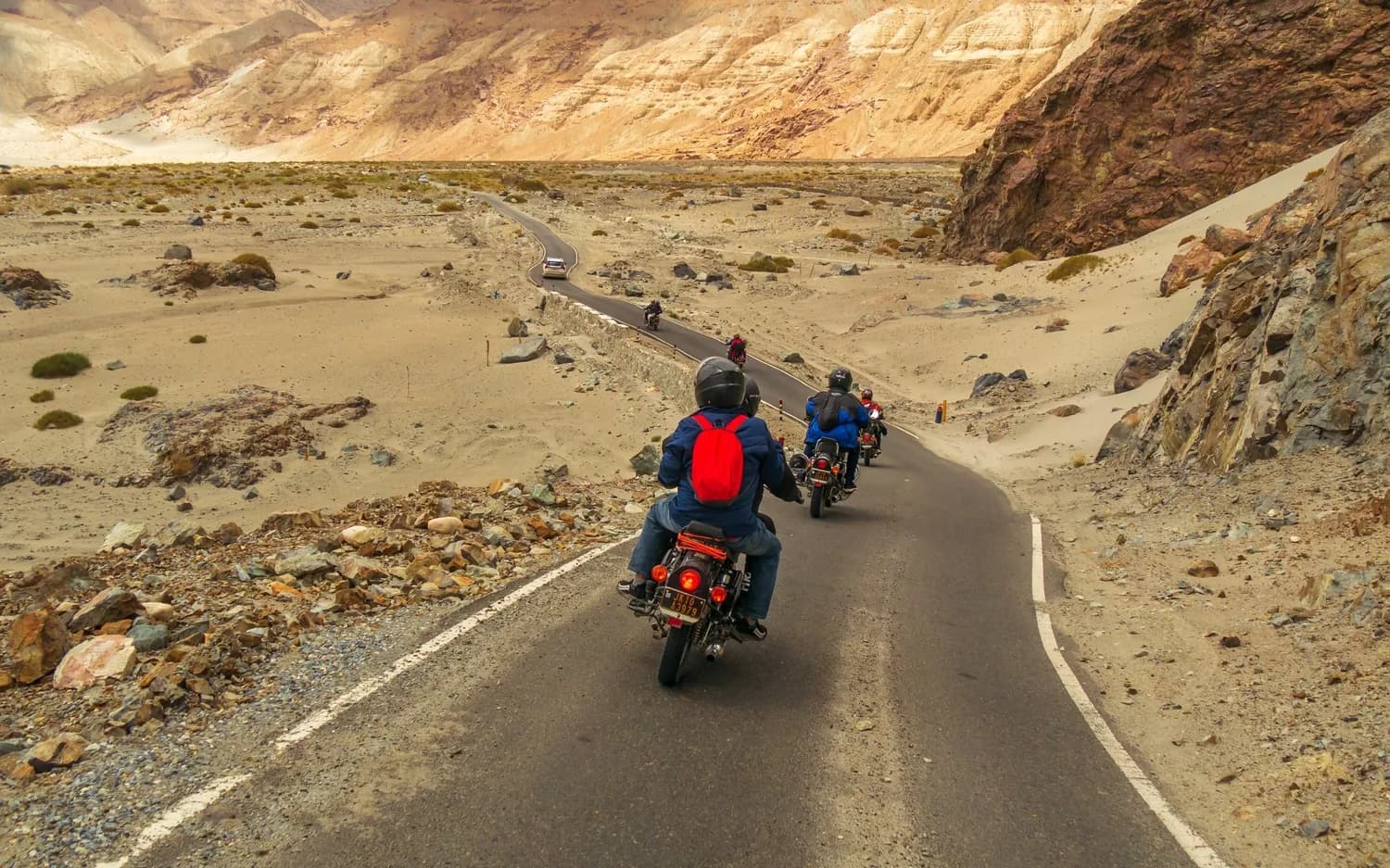
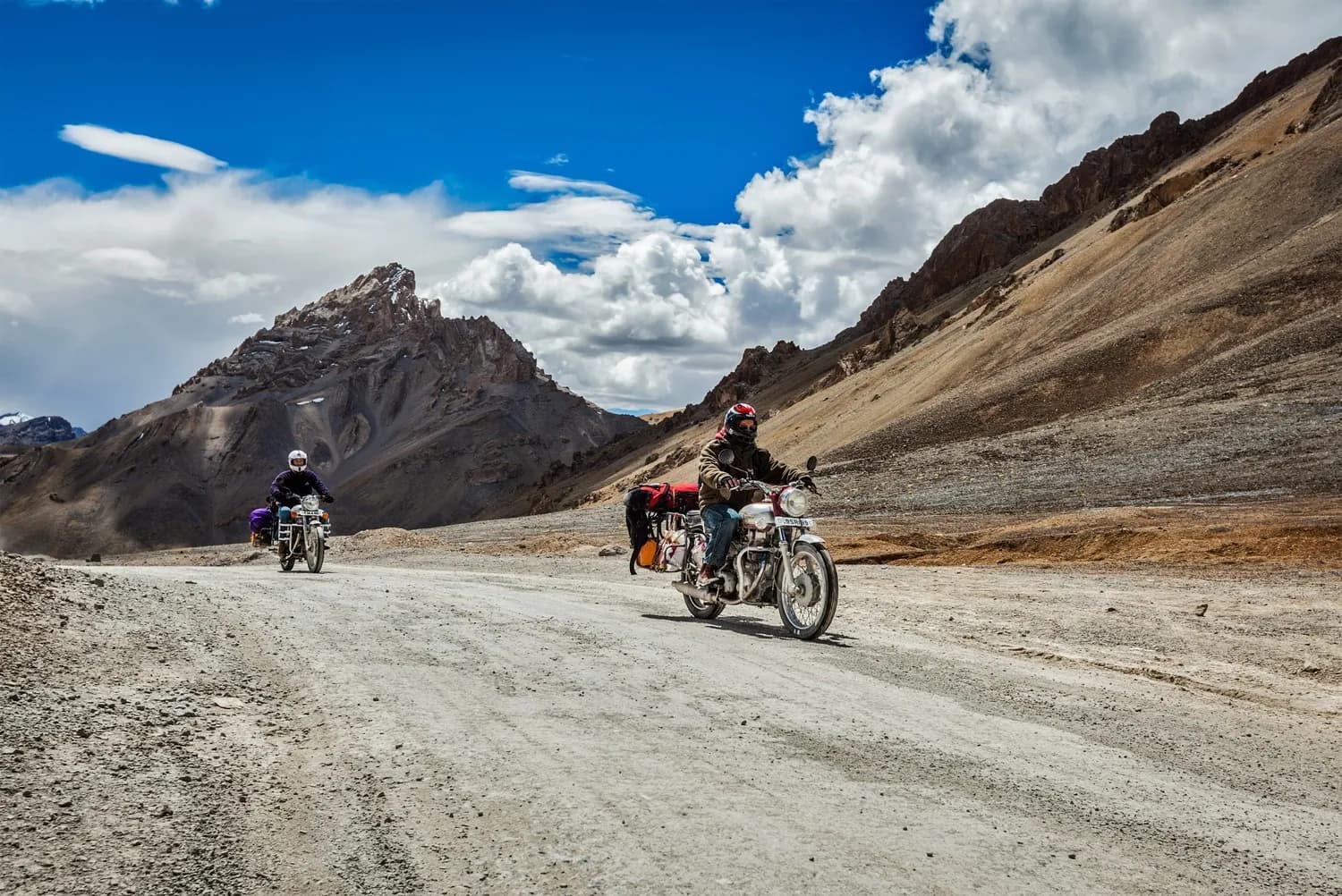
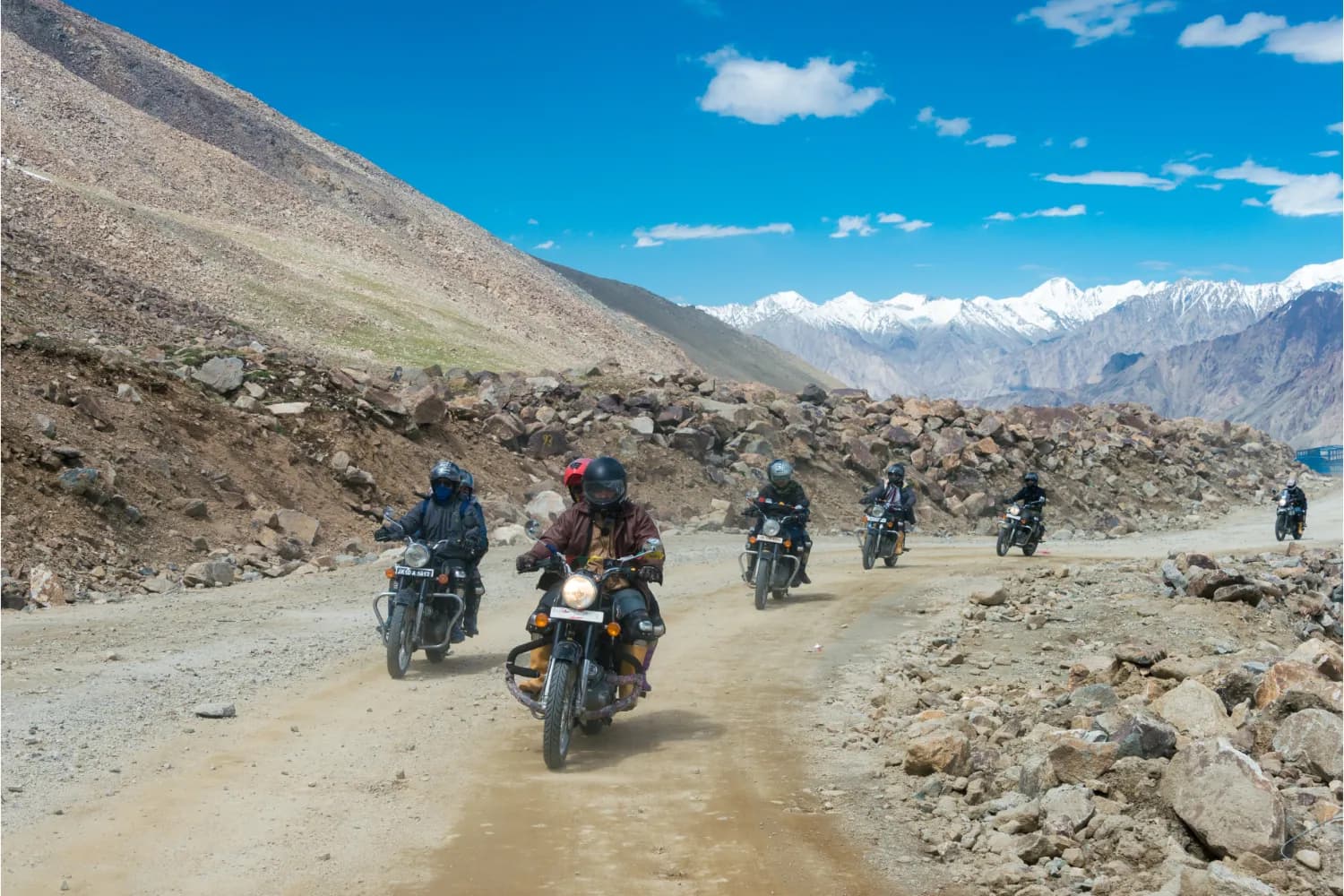
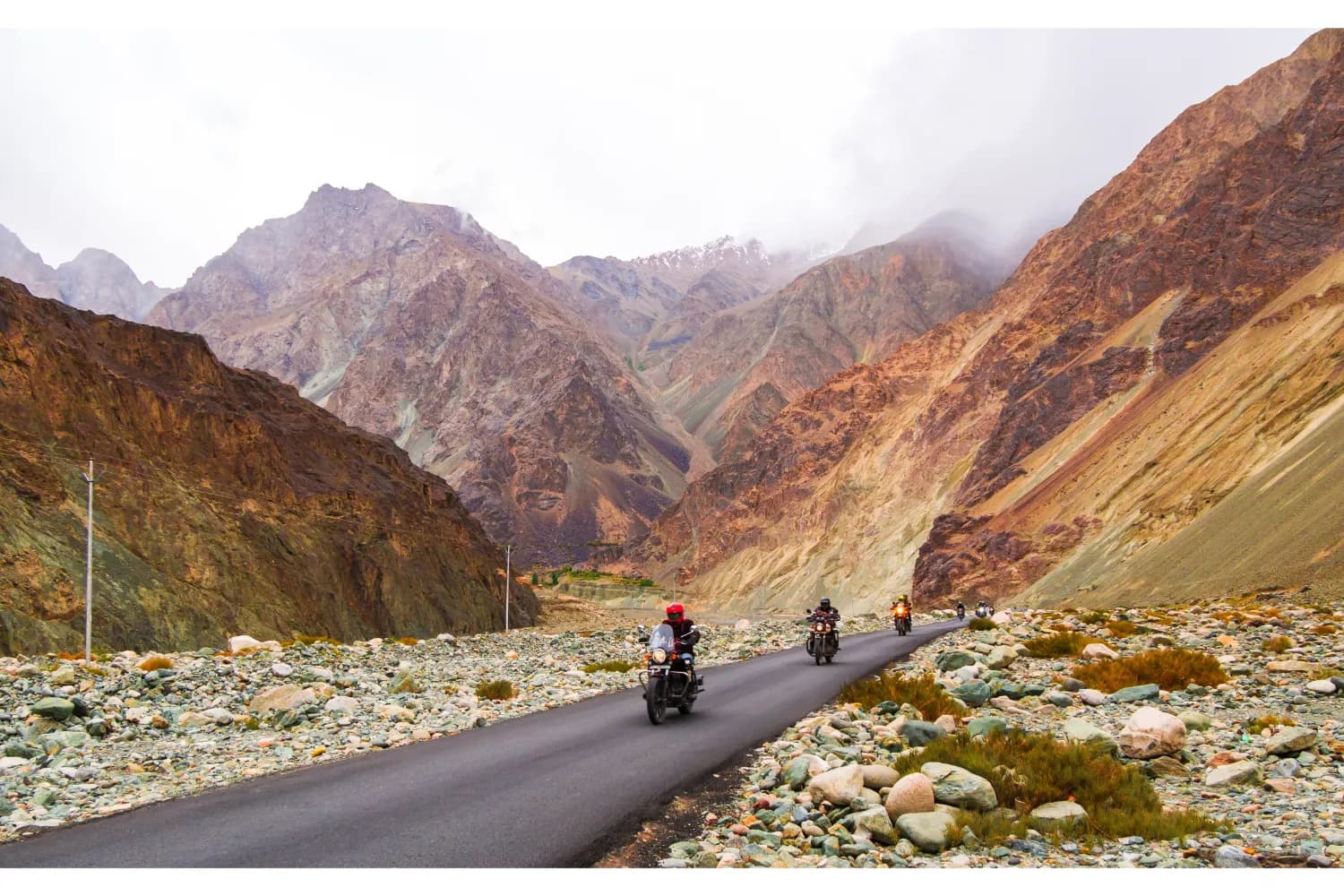
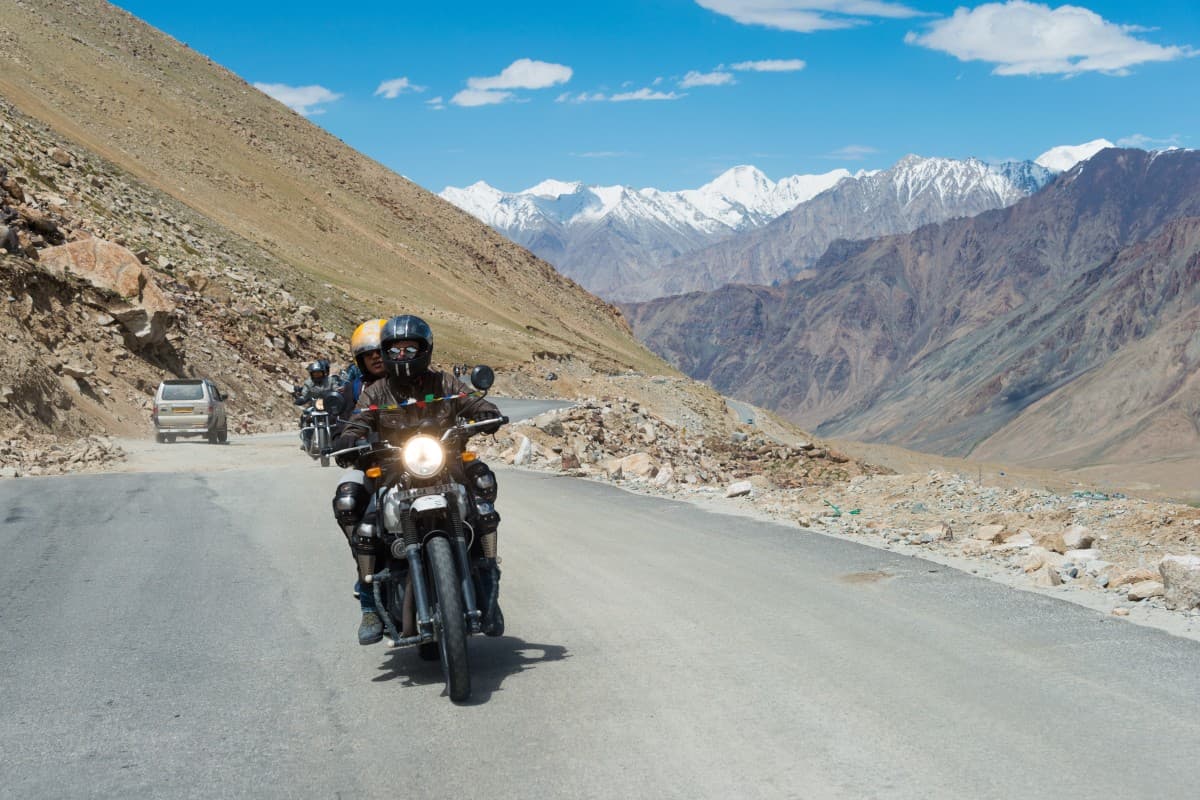
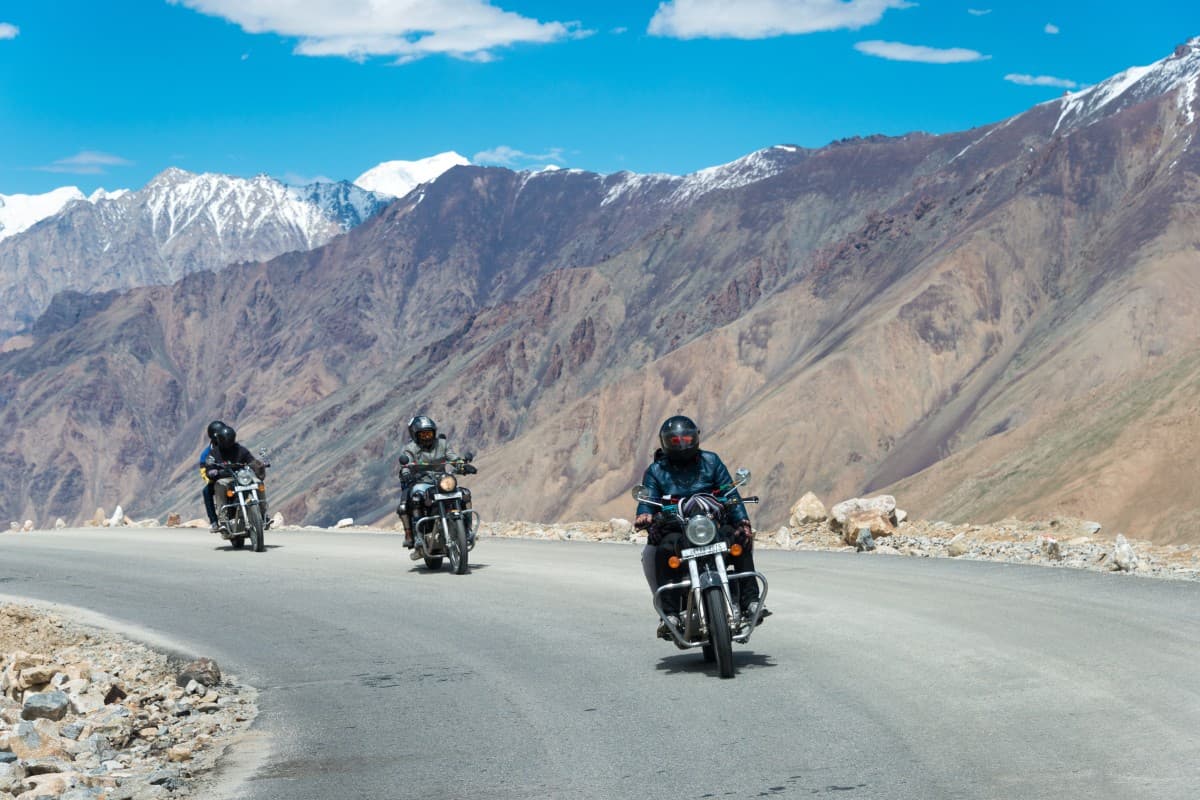
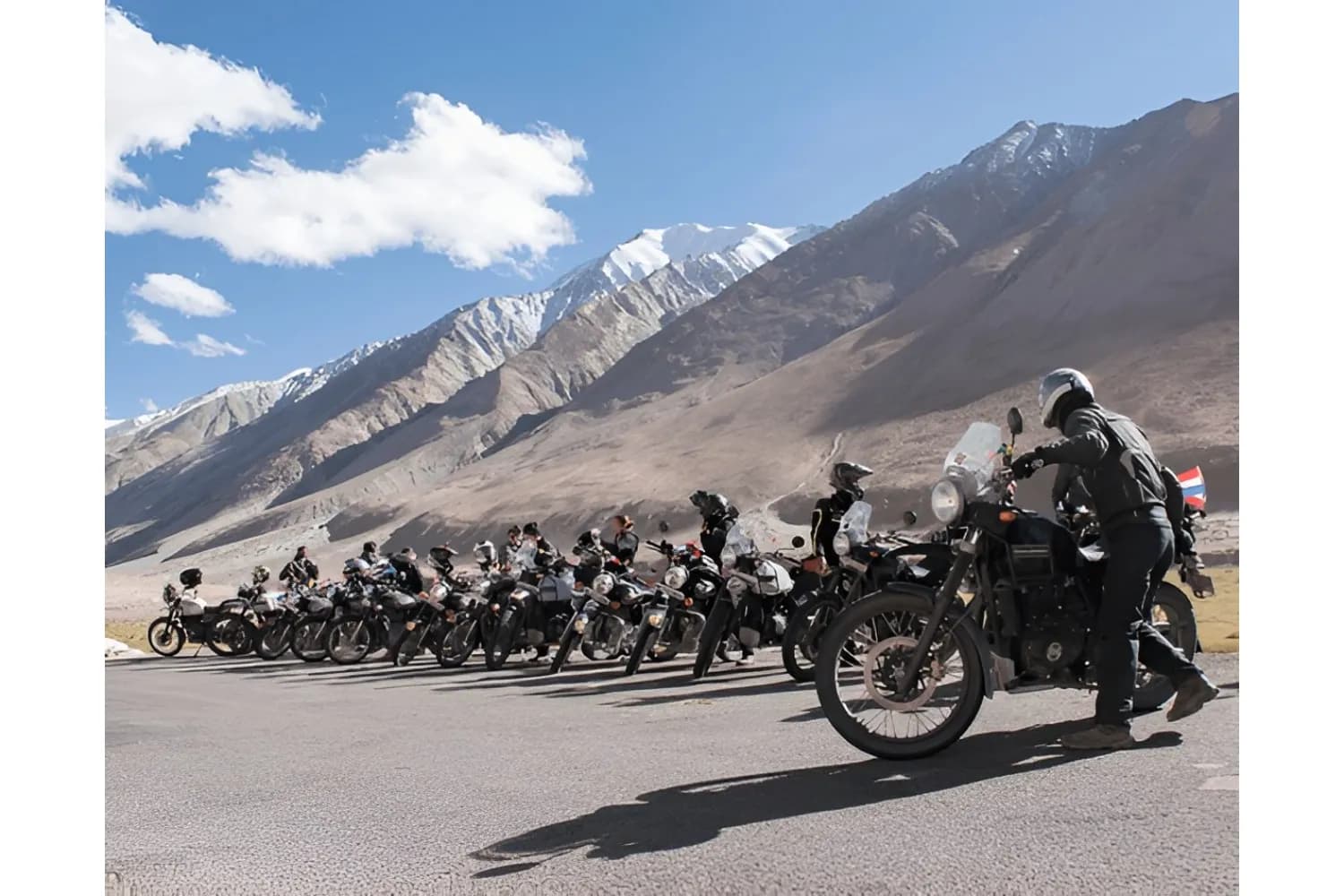
A full ride from Mumbai sounds exciting, but it is not efficient. Most experienced riders transport their bike to Delhi and start from there. A planned Ladakh bike trip gives you better road conditions, proper acclimatization, and fewer breakdown risks. This is the best route for a bike trip from Delhi to Leh:
Delhi → Manali → Leh → Delhi (circuit route)
- Delhi to Manali: 540 km
- Manali to Jispa: 140 km
- Jispa to Sarchu: 90 km
- Sarchu to Leh: 250 km
Total (Delhi to Leh): Approx. 1,020 km
What are the Must-Visit Places From Mumbai to Ladakh?
Most travelers reach Ladakh but miss its real highlights due to poor planning and rushed itineraries. Each place here offers a different experience, but only if you approach it the right way. These are moments that define your trip:
- Pangong Tso: You already know this lake, even if you have never been here. Thanks to 3 Idiots, Pangong Tso has become an emotional checkpoint for many travelers. But the reality is not just about photos. The cold hits harder, oxygen drops, and the journey is long. Most people underestimate this and rush their visit. A well-planned route inside your package ensures proper acclimatization, so you enjoy the lake instead of struggling to breathe.
- Nubra Valley: Nubra Valley confuses first-time travelers. One moment you are surrounded by cold desert mountains, next you are standing on sand dunes in Hunder. If you have seen Alibaug beaches, this feels like a strange version of that, minus the sea. The problem is that reaching here requires crossing tough terrain, and poor planning leads to fatigue. That is why most Ladakh packages from Mumbai include buffer time here, so you do not rush through one of the most visually confusing yet beautiful regions.
- Zanskar Valley: Zanskar Valley is not for casual tourists. Roads are tougher, the network is unreliable, and comfort is limited. But that is exactly why people who have already visited Ladakh once are now choosing Zanskar. It feels raw and untouched. The mistake most travelers make is adding it casually to their itinerary. Without proper logistics, this part can go wrong quickly. A structured plan is necessary if you want the experience without unnecessary risk.
- Hall of Fame: The Hall of Fame brings you face-to-face with stories from the Kargil War. Many travelers walk in casually and walk out with a completely different mindset. It adds context to everything you see in Ladakh, the roads, the army presence, and the harsh conditions.
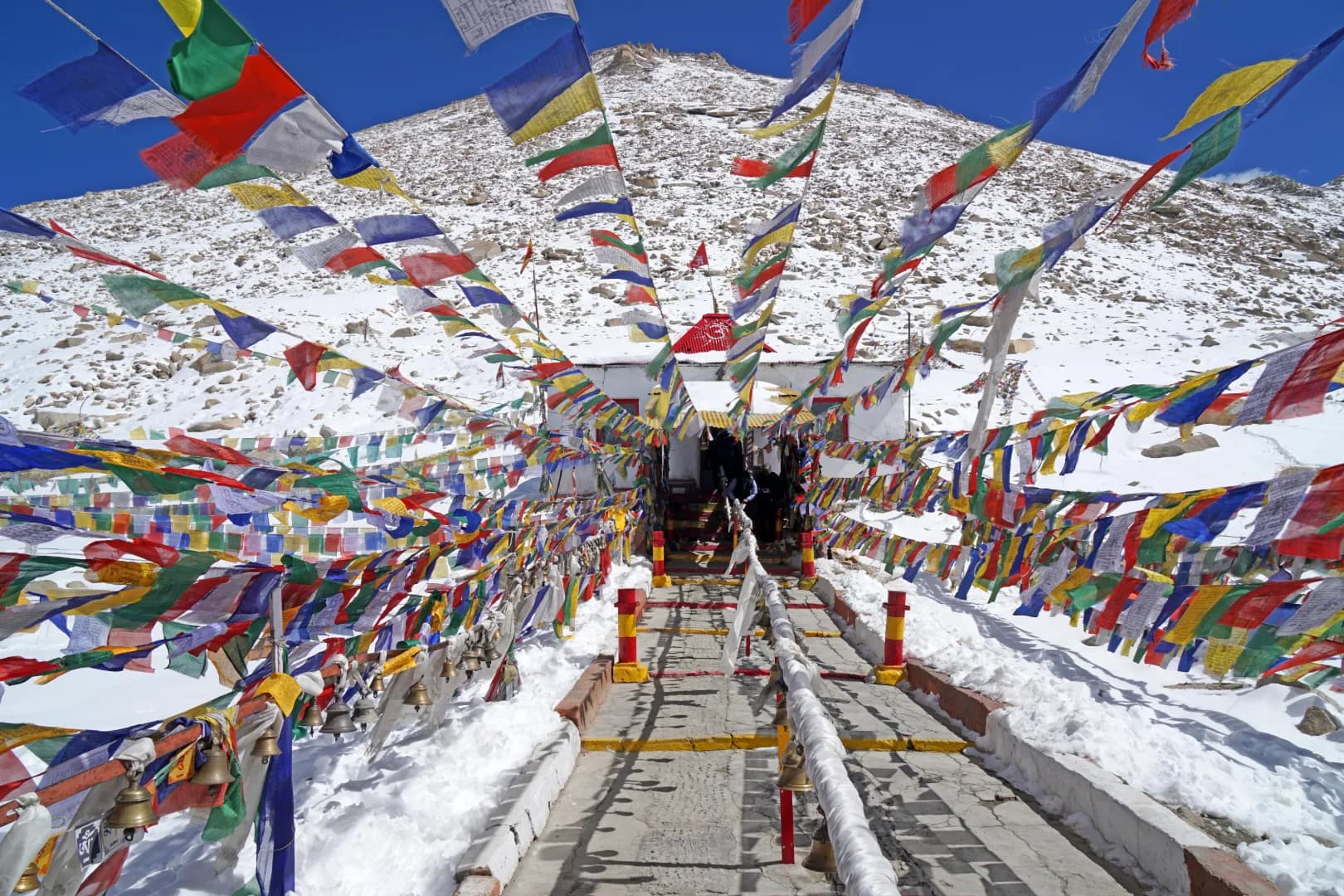
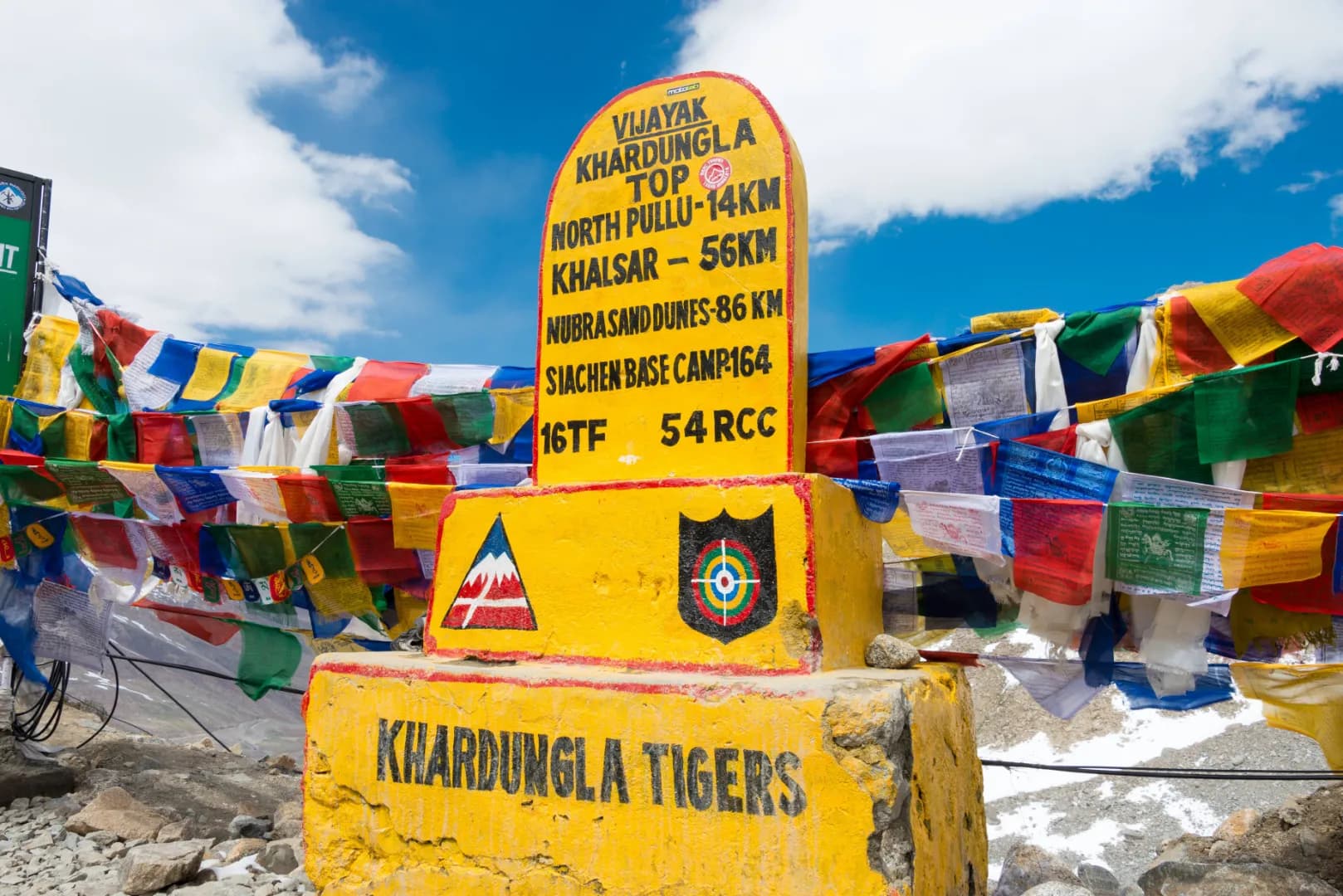
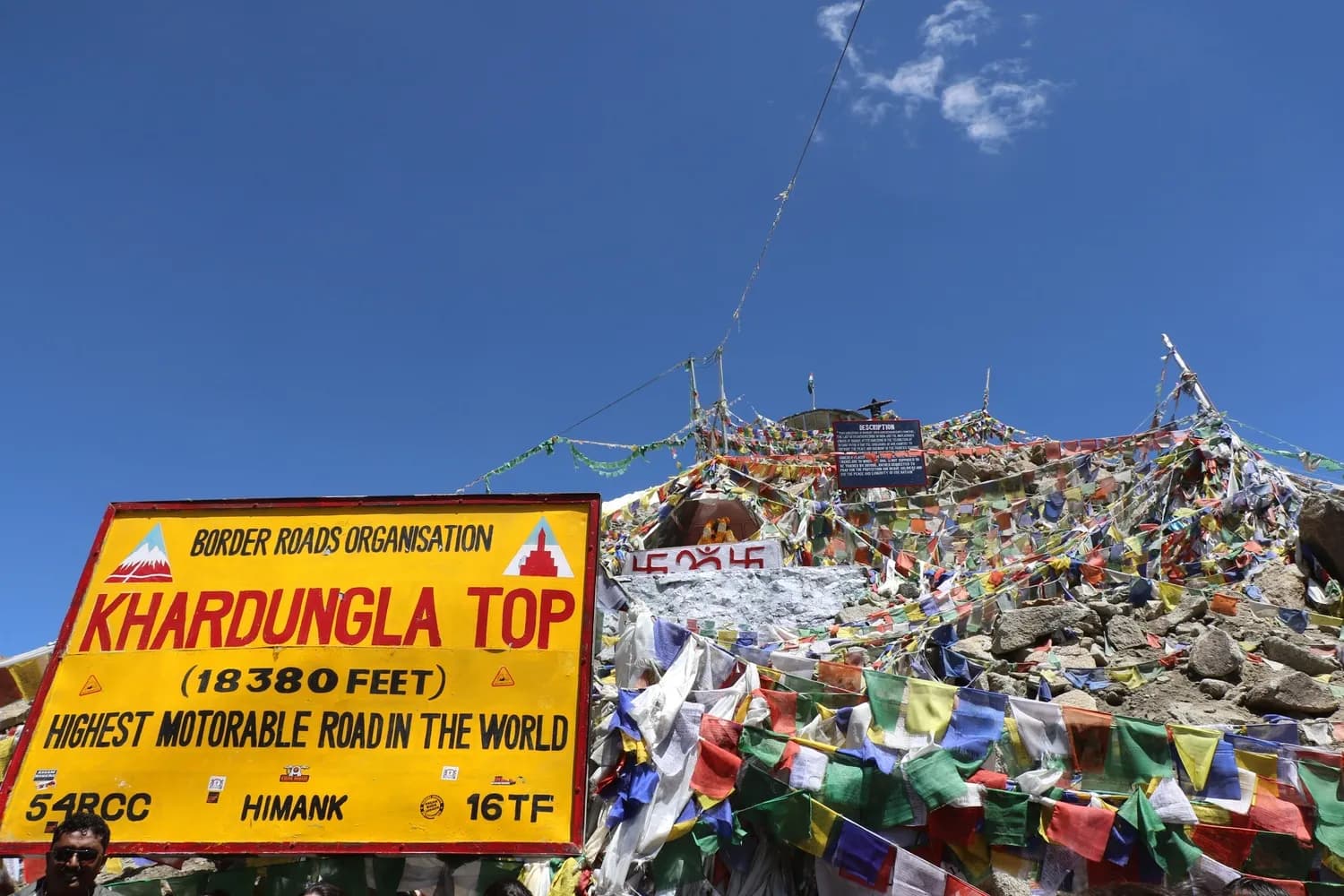
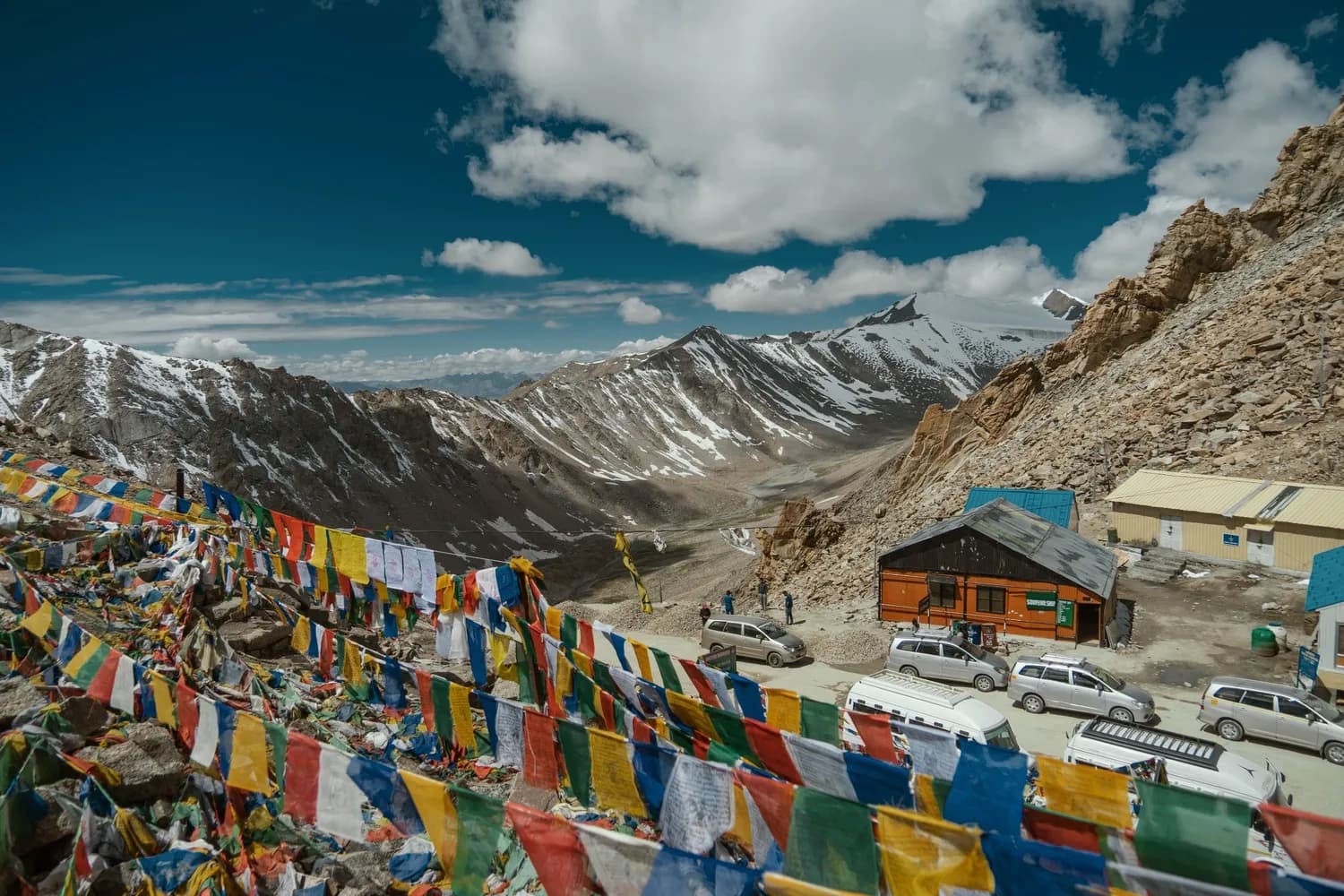
- Khardung La: Khardung La is the reason why adventure lovers from Mumbai choose a Leh Ladakh trip from Mumbai. Standing at Khardung La is not just about clicking a picture at 17,582 ft. Your body feels the altitude instantly. Headaches, breathlessness, and fatigue are common if you are not prepared.
The "Mumbaikar’s Guide" to Surviving & Thriving
Mumbaikars struggle not because Ladakh is difficult, but because they are unprepared. These are the exact problems you are likely to face, and how to handle them smartly.
The Altitude Shock (AMS) Blueprint: Mumbai’s sea-level lifestyle does not prepare your body for Leh’s 11,500 ft altitude. Many Mumbaikars land and immediately feel breathless, dizzy, or anxious, even while walking slowly. The sudden oxygen drop creates panic because people assume something serious is happening. Poor sleep and headaches make it worse. Most travelers make the mistake of rushing into sightseeing, which increases discomfort and often ruins the entire trip experience within the first two days.
- Solution: We handle this with a strict 48-hour rest policy, oxygen cylinders in every car, and 24/7 medical support. This controlled start helps your body adjust properly and avoids unnecessary health risks.
The "What to Wear" Layering System: Most Mumbaikars do not own winter gear, so packing becomes guesswork. People either carry too many heavy clothes or bring jackets that do not actually protect against Ladakh’s cold winds. The confusion around “layering” leads to discomfort throughout the trip.
- Solution: The correct method is simple: thermals, fleece, and a down jacket. Our Ladakh tour packages from Mumbai guide you clearly, and we recommend renting gear in Leh to save space.
The Connectivity Reality Check: Connectivity is one of the biggest surprises for Mumbaikars. Prepaid SIM cards usually stop working after arrival. Travelers worry about staying in touch with family or managing urgent work. In remote areas like Nubra Valley or Pangong Lake, signals are weak or completely unavailable. This lack of clarity leads to frustration, especially for those expecting regular internet and calls during the trip.
- Solution: Only postpaid SIMs work reliably here, especially Airtel and Jio in Leh. We brief you in advance so you plan accordingly and avoid unnecessary stress during your journey.
Food & Comfort: Many Mumbaikars assume food in Ladakh is limited to basic meals, which creates hesitation before booking. There is concern about taste, hygiene, and lack of variety over several days. This perception often comes from outdated information or poorly planned trips where food quality was not prioritized.
- Solution: Our Ladakh packages from Mumbai include North Indian buffets and local home-cooked meal options, so that it feels like home. You get variety, proper hygiene, and comfortable dining throughout the trip without compromise.
Also Read: Why Ladakh Trips Fail for Many Travelers (And How to Plan It Right)
Latest Permit Requirement for Ladakh Tour in 2026?
Ladakh permit requirement has changed. Now you don’t need an Inner Line permit to visit Ladakh. It has be replaced with EDF - Environmental Development Fee, which costs approx. ₹400 per person, plus a ₹20 daily wildlife fee and a ₹50 optional Red Cross fee.
Who needs a permit?
Indian travelers need an Inner Line Permit for restricted areas. Foreign nationals need a
Protected Area Permit.
Where is it required?
Mandatory for Nubra Valley, Pangong Lake, Tso Moriri, Hanle, and other border areas.
Where can you get it?
- Online via the Ladakh administration portal
- Offline in Leh DC Office
Most travelers avoid the hassle by booking through tour operators
What is the cost of Ladakh permit?
Approx ₹400 per person, including environment and red cross fees plus a ₹20 daily wildlife fee.
Documents required
- Valid ID proof (Aadhaar, PAN, Voter ID, Driver's License, or Passport) for Indian & passport for foreigners & travel itinerary
Validity
Usually 5–7 days, extendable if needed
Book through a package where permits are pre-arranged, so you avoid last-minute issues and entry denials.
If you are planning to visit Ladakh, read these best Places to visit in Ladakh & Things to do in Ladakh.
All Packages


Why Book Packages with Viacation?

Trusted by 1,00,000+ travellers

Dedicated experts to plan your trips

Secure bookings, clear cancellations
10,000+ unique trips to choose from
All Packages
For a Ladakh tour package from Mumbai 7 - 9 days work well for most travellers, allowing acclimatisation in Leh, visits to Nubra and Pangong, and some buffer time for weather or road related changes.
Ladakh is generally considered safe, with friendly locals and a strong tourist presence. Choosing verified stays, reliable transport, and clear itineraries further improves safety and comfort for solo travellers.
Yes, most Indian travellers require inner line permits for certain areas. We help arrange these through verified channels, ensuring documentation is correct and timelines are respected.
Ladakh offers a mix of simple guesthouses, boutique stays, and mid range hotels. In remote areas, facilities stay basic, so we prioritise cleanliness, warm hospitality, and transparent expectations.
Yes, but only with careful planning, medical advice, and slower itineraries. We design low exertion routes, add acclimatisation days, and arrange comfortable vehicles to keep older travellers relaxed and safe.
Direct flights from Mumbai to Leh operate mainly during peak season, May to September. For the rest of the year, most routes connect via Delhi with daily availability.
A 7–9 day plan works best for travelers starting from Mumbai. This allows proper acclimatization in Leh and covers Nubra Valley, Pangong Lake, and key high-altitude experiences comfortably.
A typical cost of Ladakh tour packages from Mumbai ranges ₹22,000–₹40,000, excluding flights. Airfare to Leh can add ₹8,000–₹20,000 depending on season, making flights the biggest cost factor.
Yes, you can take a motorcycle from Mumbai, but it should be registered on your name or any close family member. Also, you can ride your bike for the entire trip, but it cannot be a commercial/rented bike from outside Ladakh. Ensure you have original RC, insurance, PUC, and DL, along with necessary Inner Line Permits.
For families from Mumbai, Ladakh is more accessible via flights and offers better infrastructure in Leh, while Spiti Valley involves longer, tougher road journeys.
Yes, numerous vegetarian and vegan food options are available in Leh. Cafes and hotels serve Indian foods, making it comfortable for travelers from Mumbai.
