

Ladakh Tour Packages From Gwalior
Gwalior is defined by its fort — one of India's most formidable, rising from a flat-topped sandstone hill with views that have directed battles for centuries. Ladakh is also defined by its fortresses and palace complexes, but here the scale is different: peaks at 6,000m and passes at 5,000m replace the plateaus, and the landscape makes Gwalior's countryside look like a tabletop. For travellers who appreciate history in stone and dramatic terrain, Leh Ladakh Tour Packages make Ladakh a logical next step.
How to Reach Leh From Gwalior
Gwalior Airport (GWL) connects to Delhi with multiple daily flights on IndiGo and Air India. The Gwalior–Delhi sector takes about an hour. From Delhi, the morning Delhi–Leh flight (1 hour) arrives in Leh by early afternoon — optimal for your arrival and acclimatisation rest.
A smooth routing: early morning GWL–Delhi flight, arriving by 7–8 AM, followed by the 9–10 AM Delhi–Leh connection. You're in Leh by noon, rested by evening. Viacation handles the full flight coordination from GWL as part of your package, including matching layover times so you're not spending hours in Delhi unnecessarily.
Gwalior–Delhi flights are short and frequent. Book Leh connections 60–75 days ahead for peak season to secure both availability and pricing.
Package Components: What Viacation Plans for Gwalior Travellers
- Return flights from Gwalior (GWL) via Delhi to Leh (IXL)
- Airport pickup and drop in Leh
- Accommodation in Leh, Nubra Valley, and Pangong Tso — camps, guesthouses, or hotels
- Inner Line Permits for all restricted areas (Nubra, Pangong, Tso Moriri) — arranged in advance
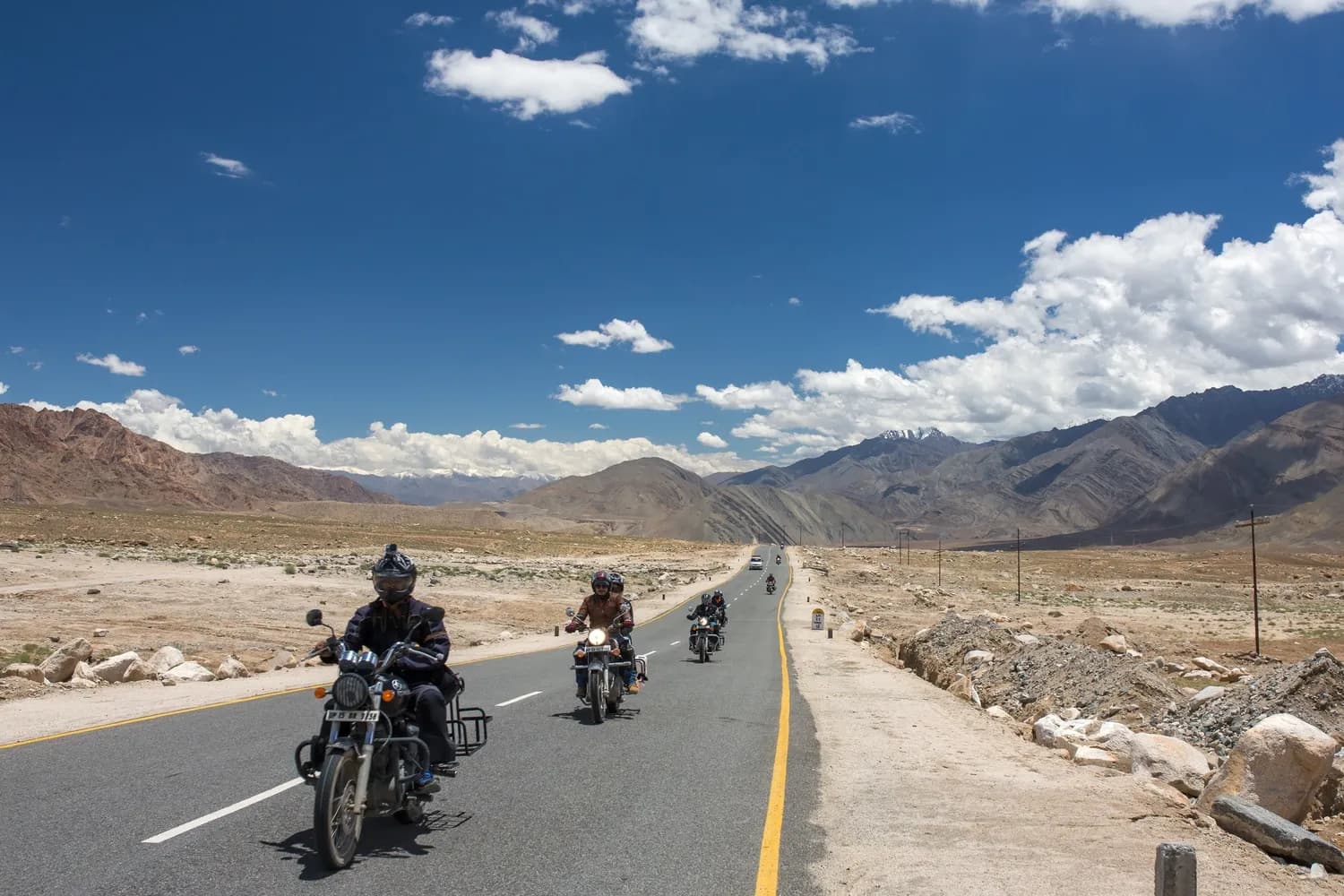
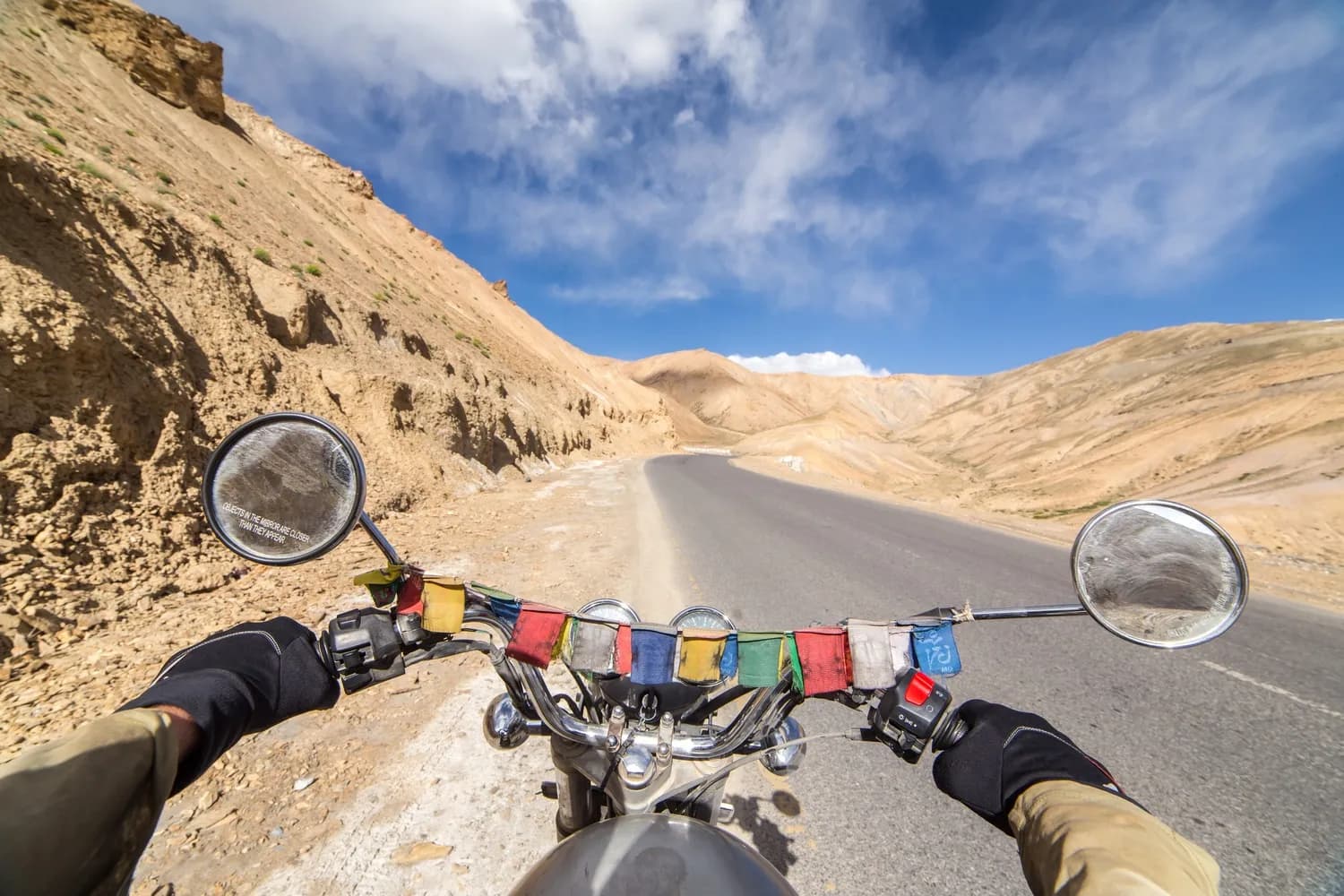
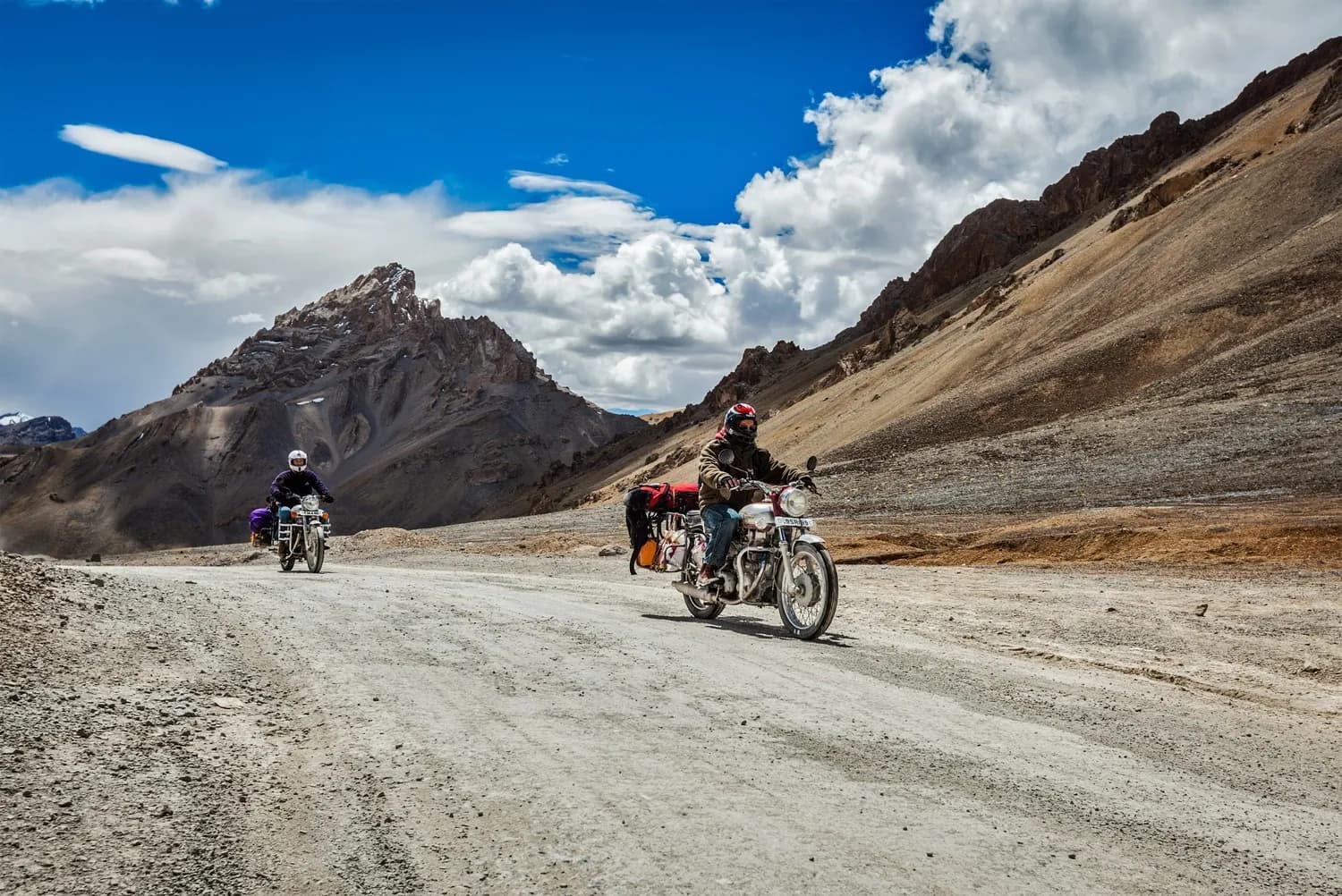
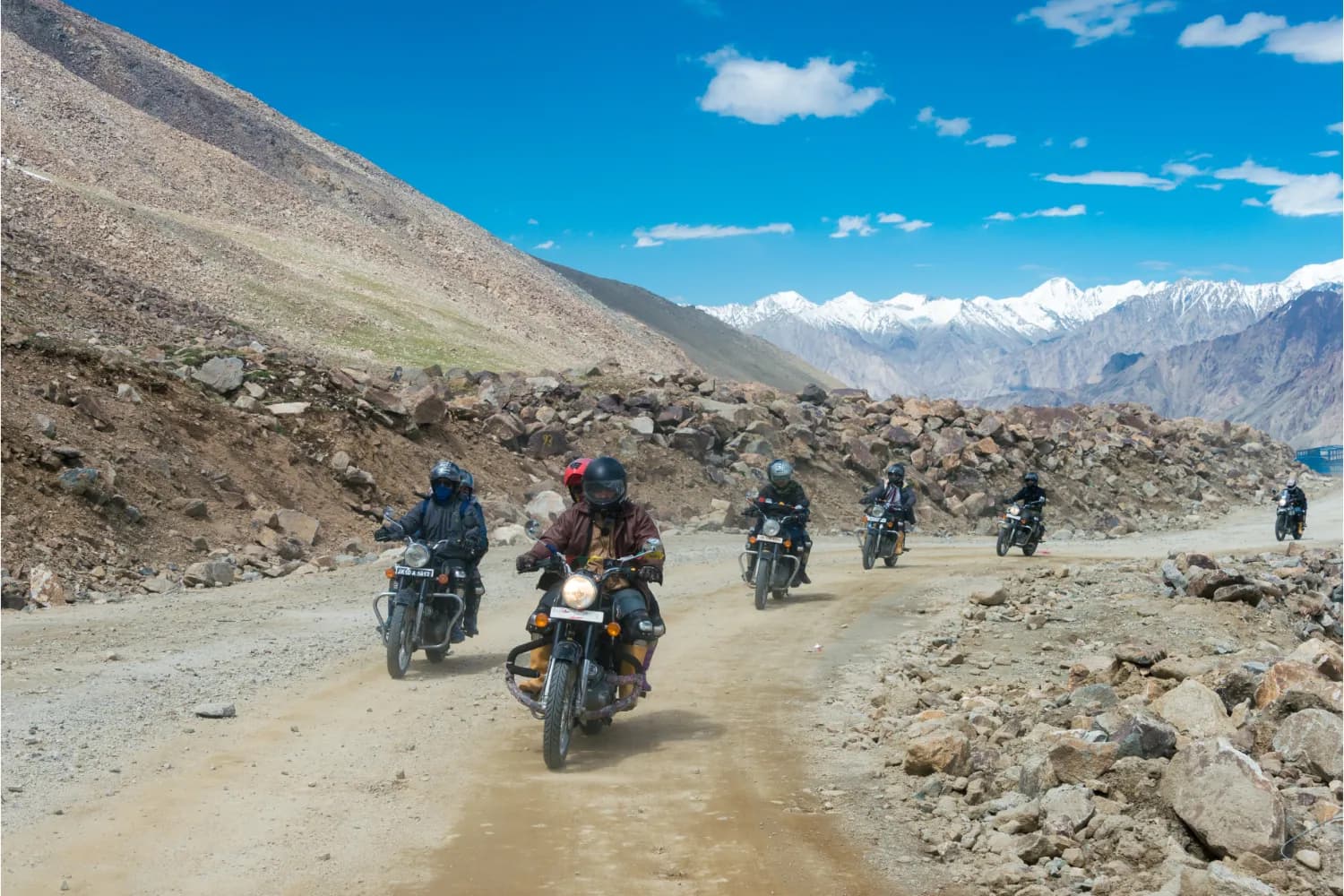
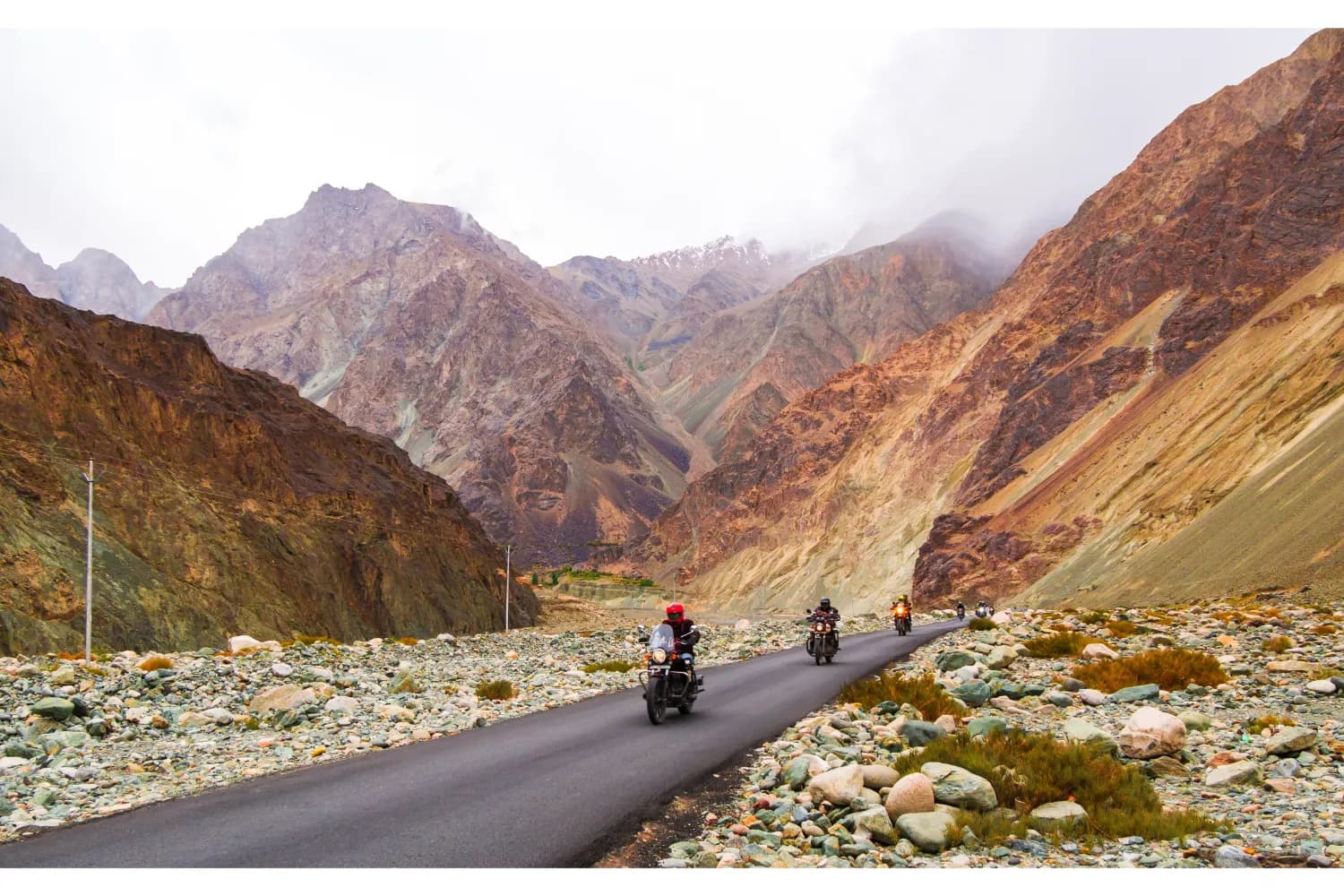
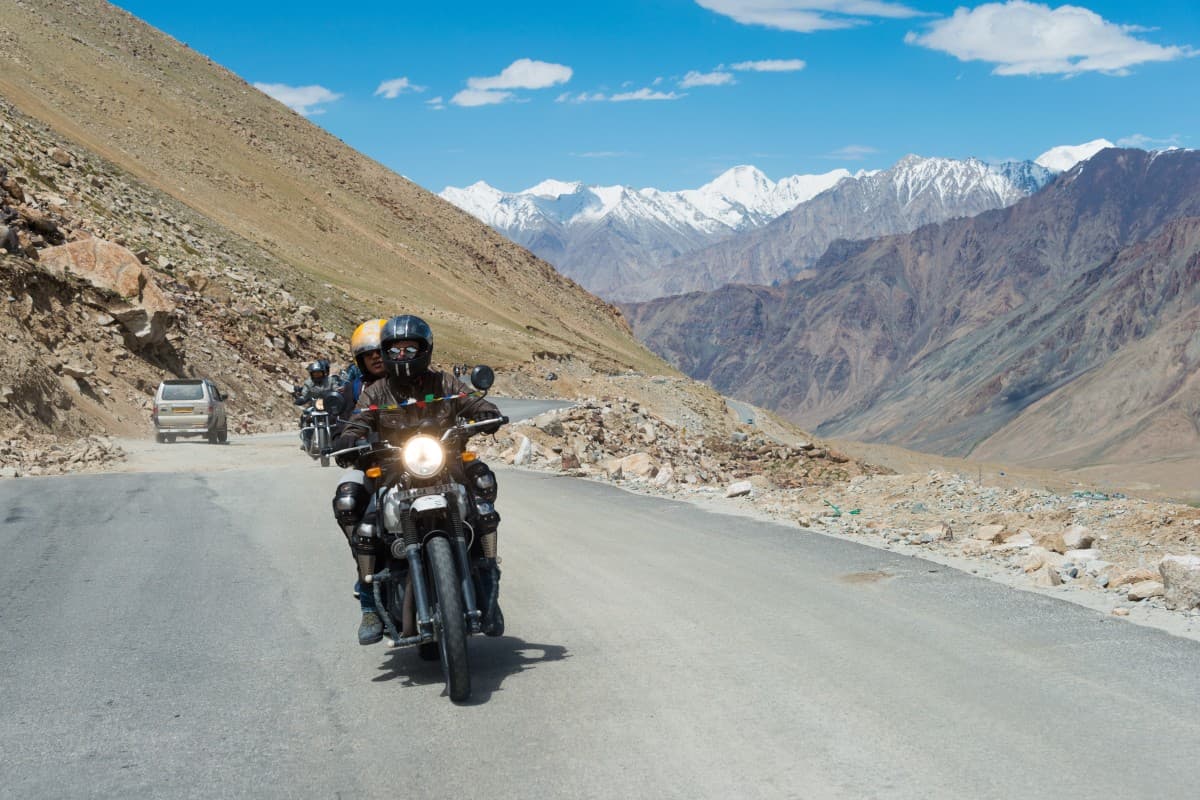
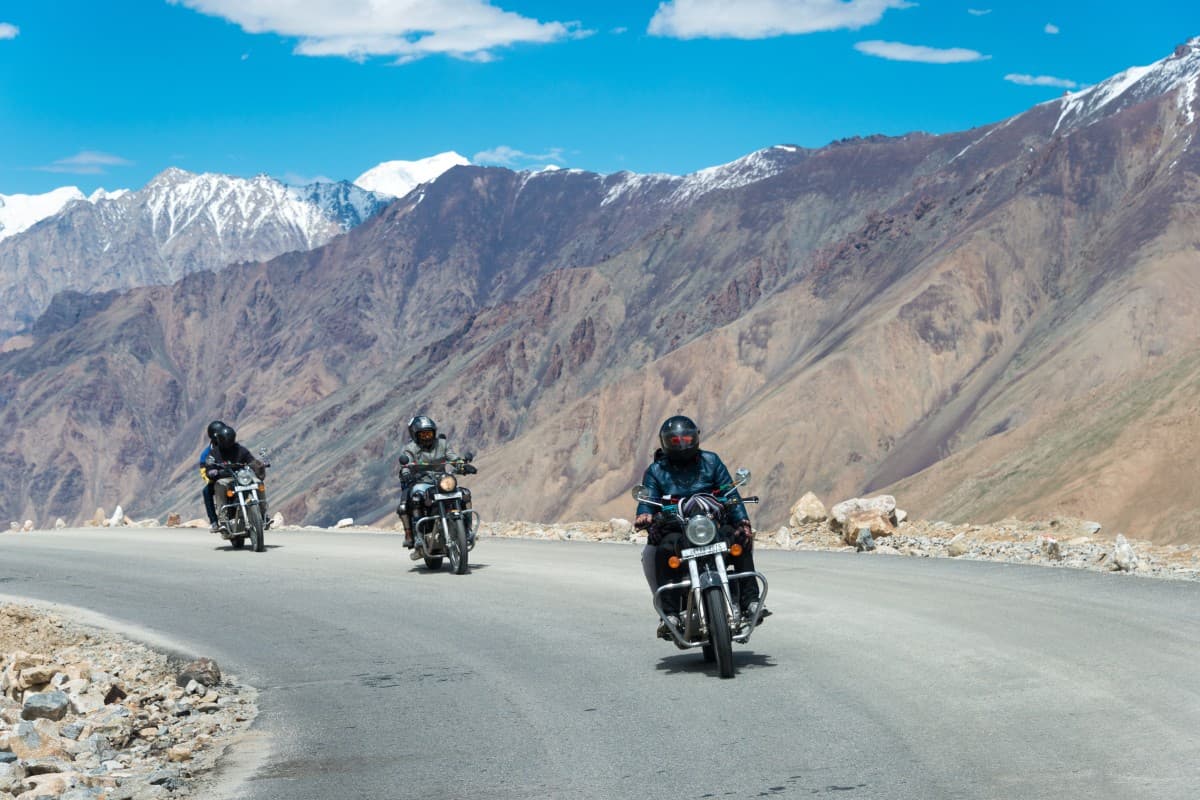
- Private cab with driver for the Ladakh road circuit
- Mandatory acclimatisation day in Leh — always Day 1, always included
- Sightseeing as per your agreed route
Duration: 7 nights/8 days for a comprehensive first visit. For travellers wanting to extend into Zanskar Valley or Sham Valley, 9–10 nights is the right call.
The Heritage Parallel: Gwalior Travellers in Ladakh
This is worth addressing directly. Gwalior's fort complex — Man Singh Palace, Teli Ka Mandir, the Sas Bahu temples — represents some of medieval India's finest architectural achievement. Travellers who know Gwalior well have a trained eye for old stone and historical layering. Ladakh rewards that instinct.
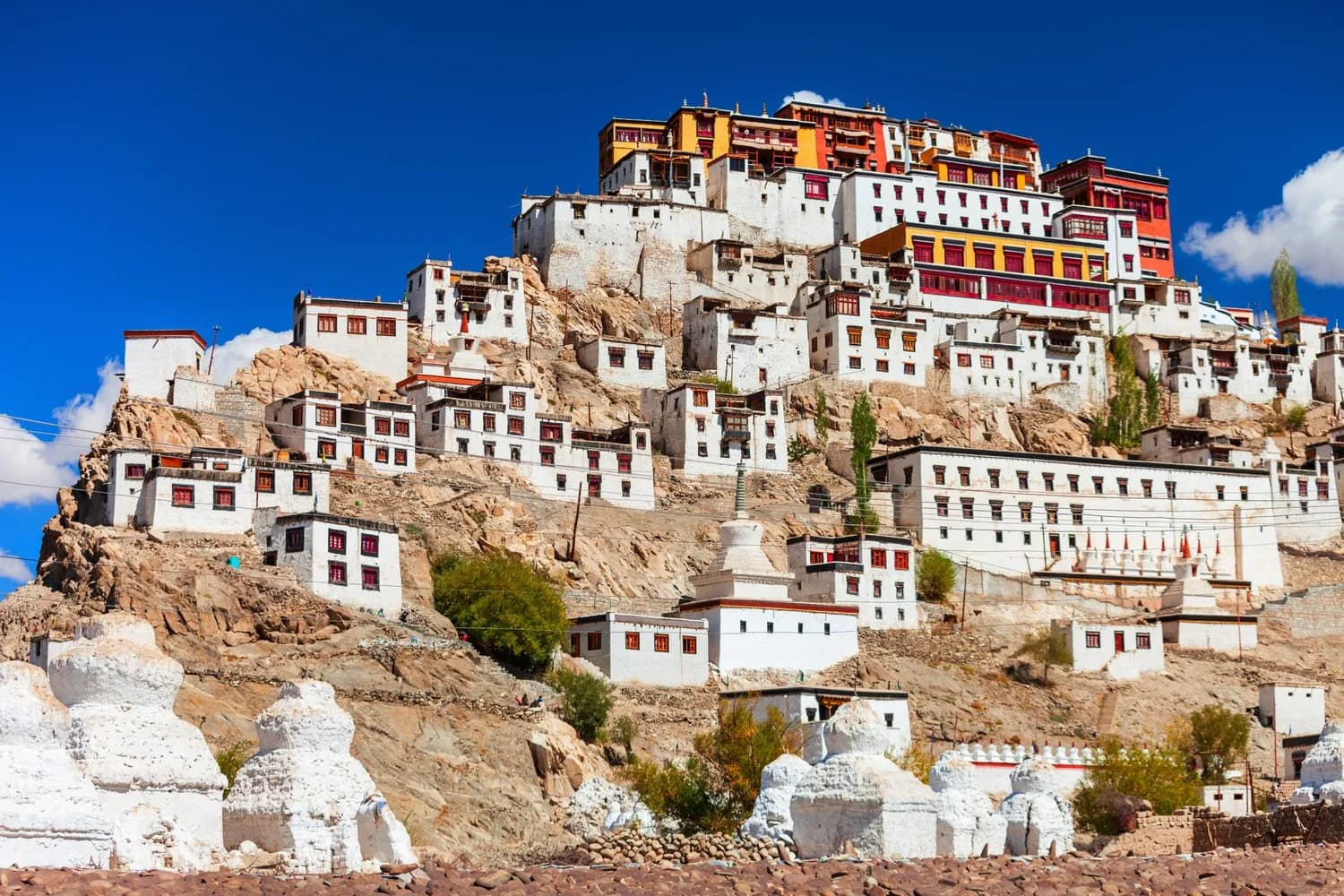
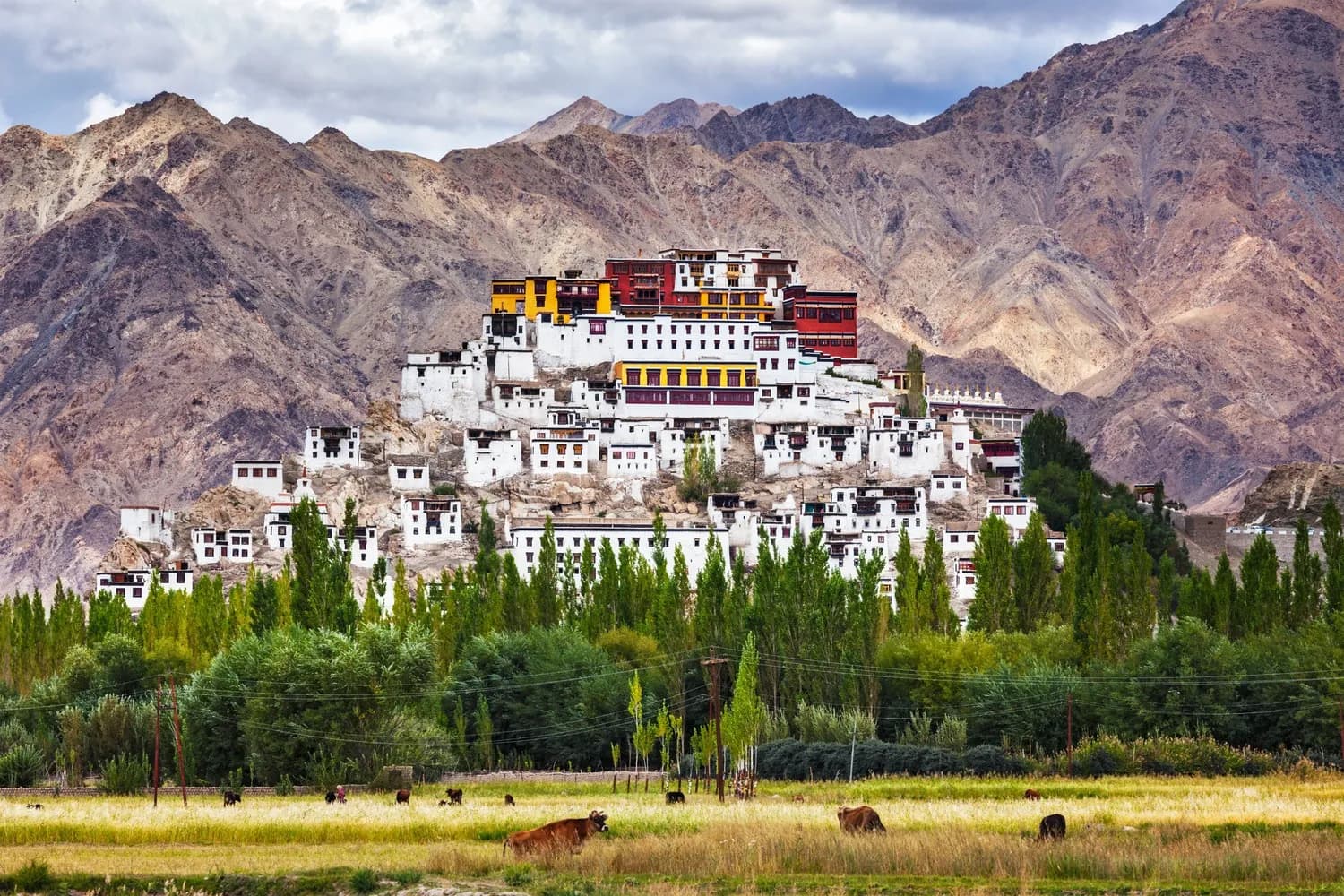
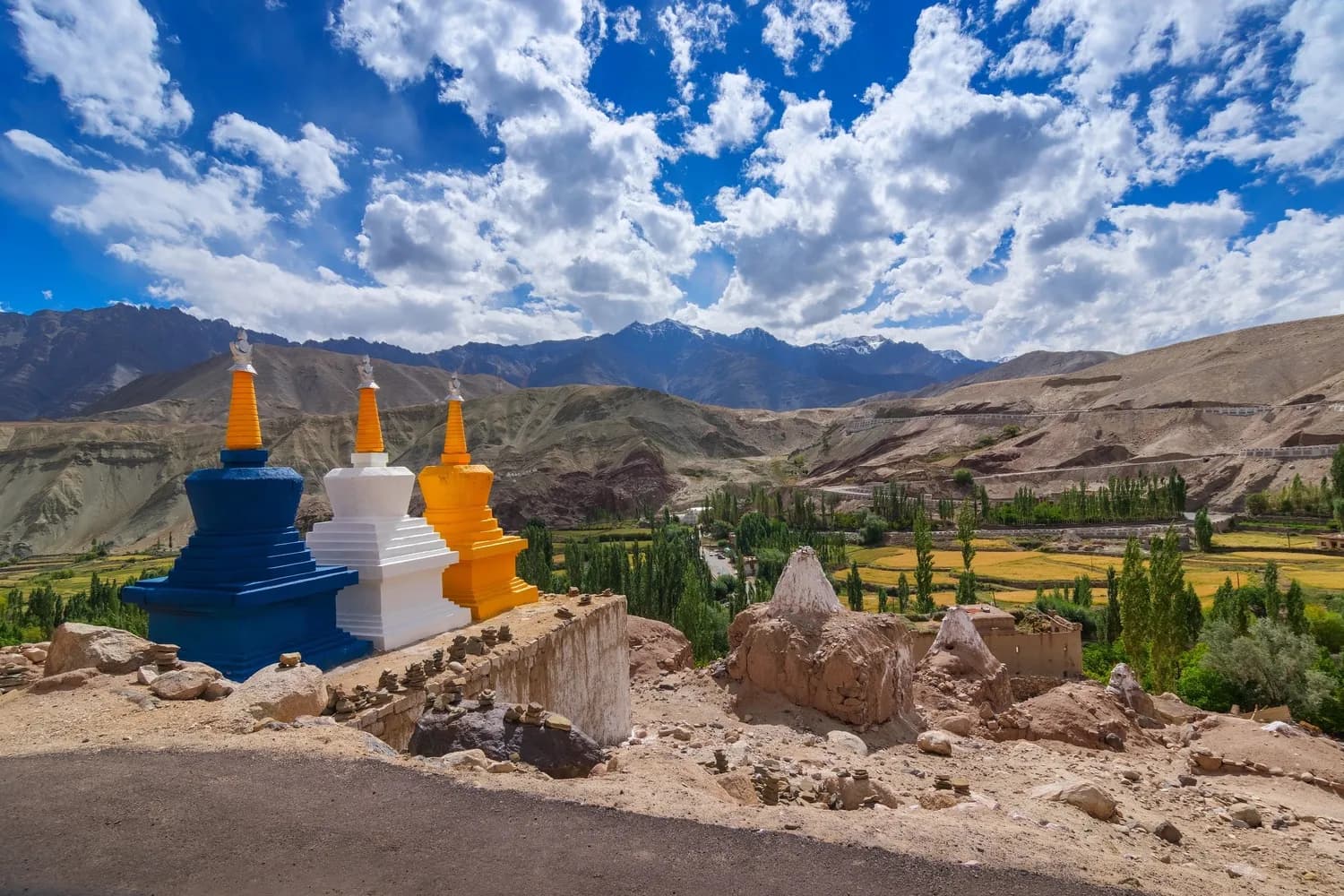
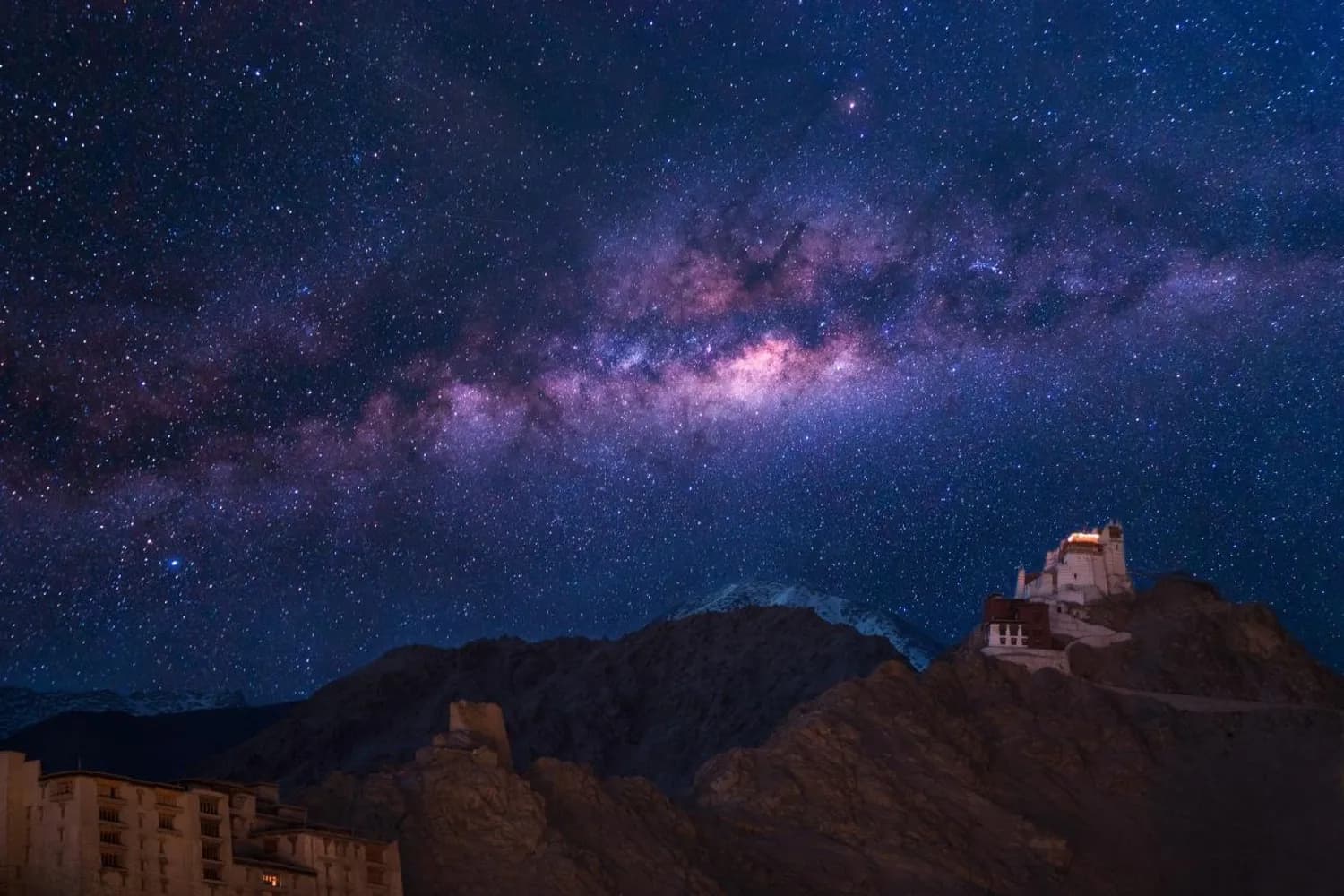
Leh Palace was built by King Sengge Namgyal in the 17th century — nine storeys of mud-brick and timber on a rocky ridge above the town. The structural logic is different from anything in central India, but the ambition is comparable: a palace that commands its landscape. Shey Palace and Stok Palace Heritage are also worth dedicated time. Hemis Monastery holds a significant collection of thangka paintings and artefacts — a cultural inventory that rivals major museum collections. The Losar Festival and the Hemis Festival are among Ladakh's most significant annual cultural events.
For travellers who want to specifically focus the itinerary around Ladakh's historic monuments, our Top 10 Historic Monuments in Ladakh blog is useful pre-trip reading. And see our full Gompas in Ladakh guide for monastery specifics.
Where You'll Go: The Standard Ladakh Circuit
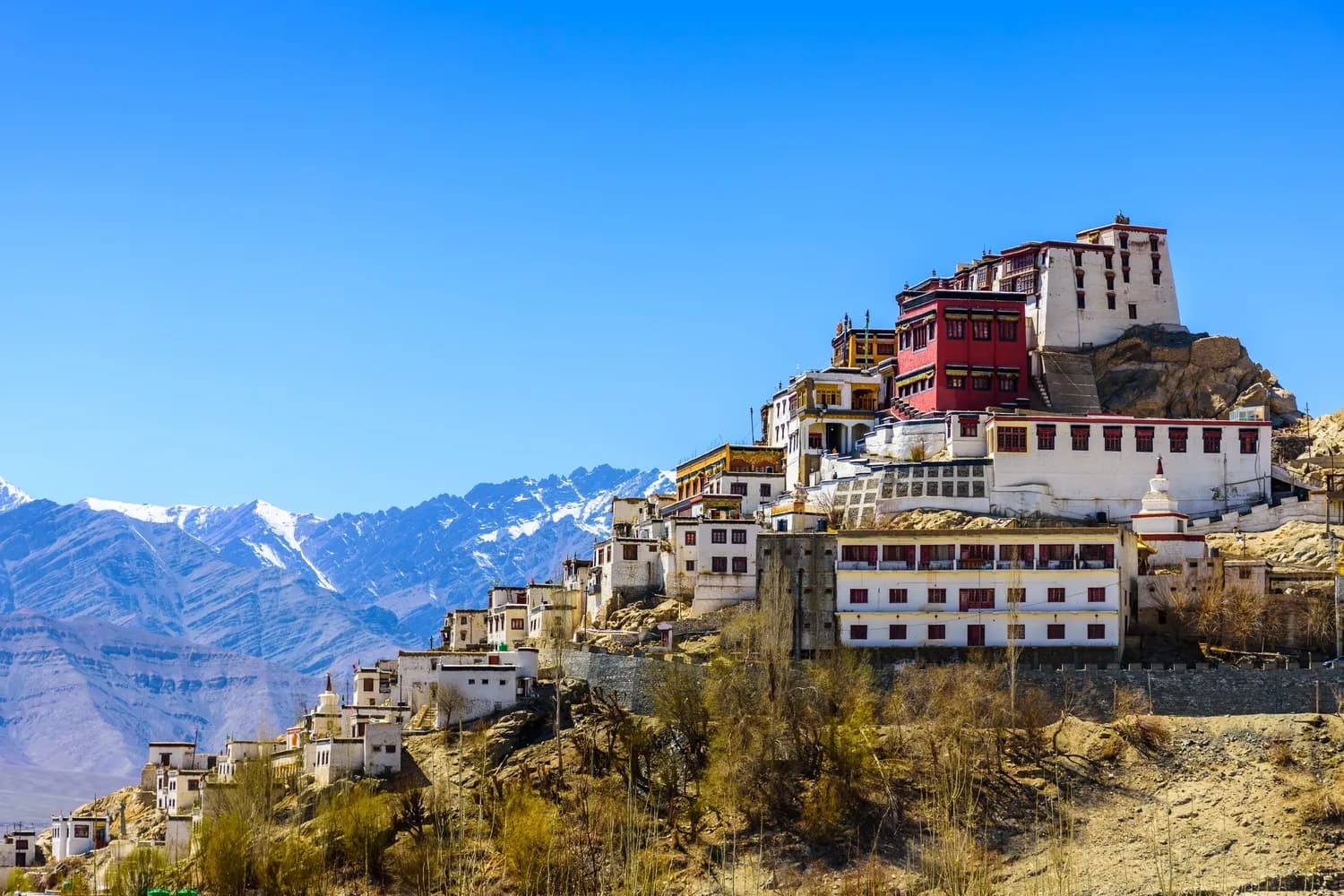
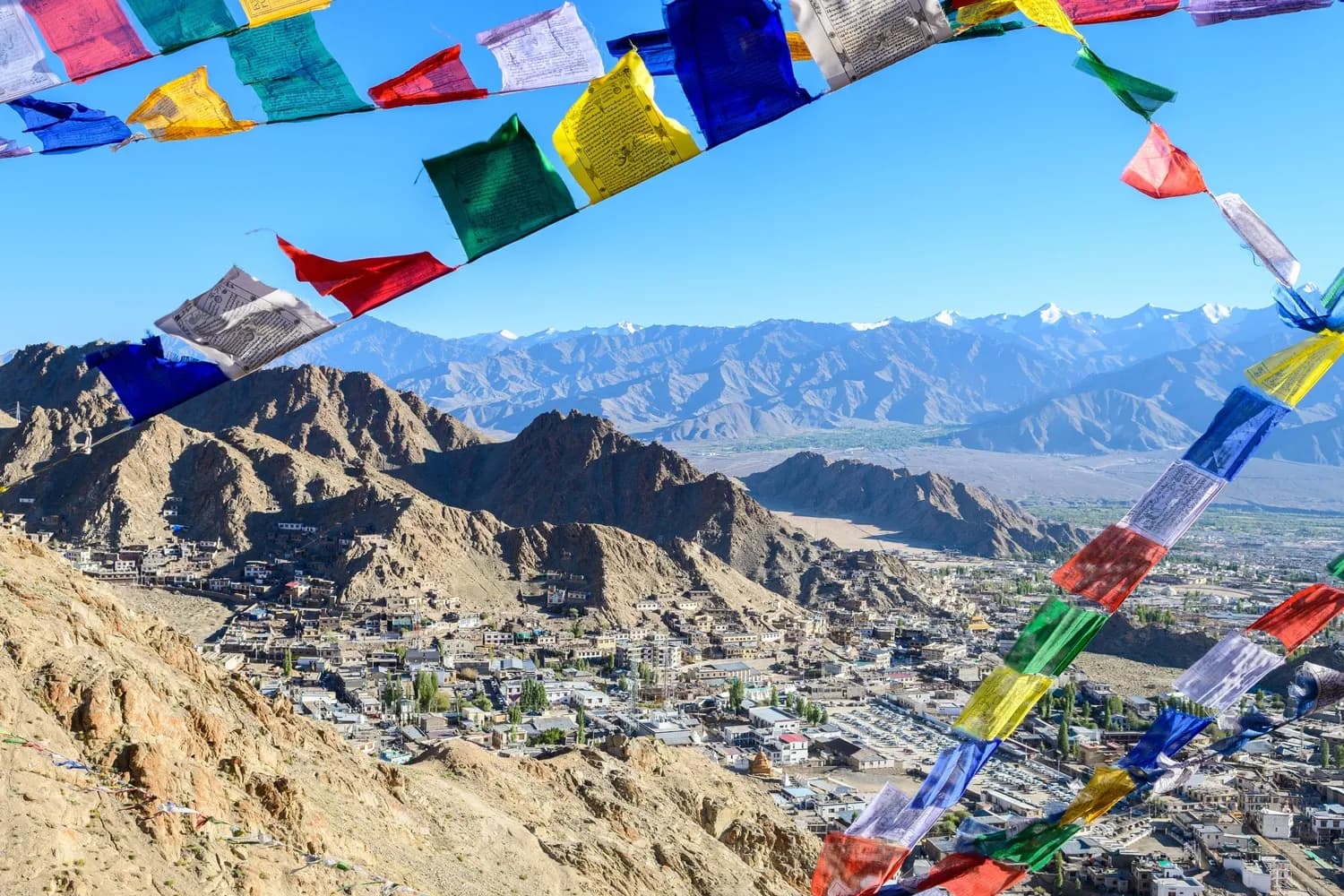
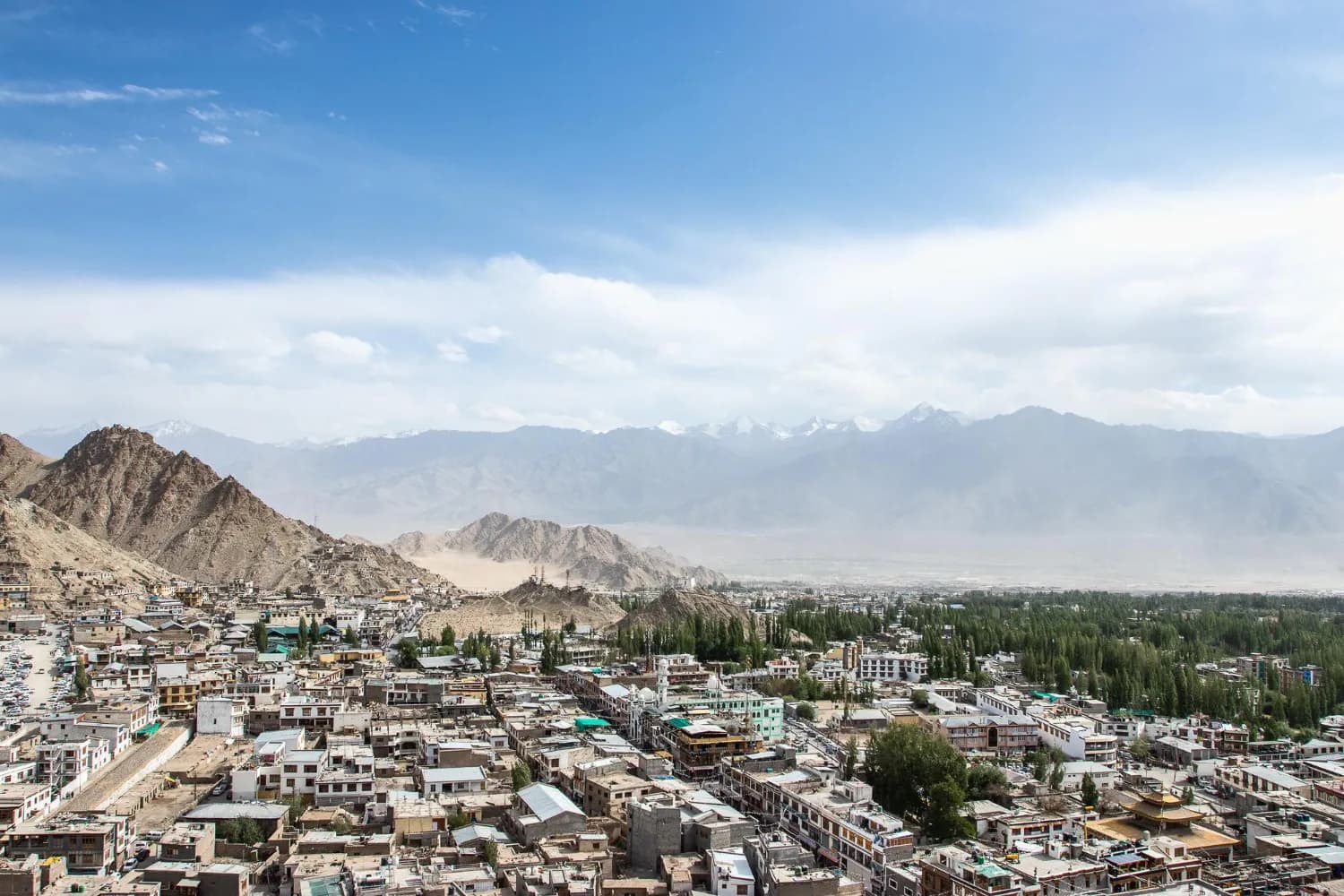
- Leh Town is the base. Rest on Day 1. Day 2 opens the Leh circuit: Leh Palace, Shanti Stupa, Thiksey Monastery, Hemis Monastery, Hall of Fame, and the Confluence of Indus and Zanskar. Magnetic Hill is a quick curiosity stop on the way to Nubra.
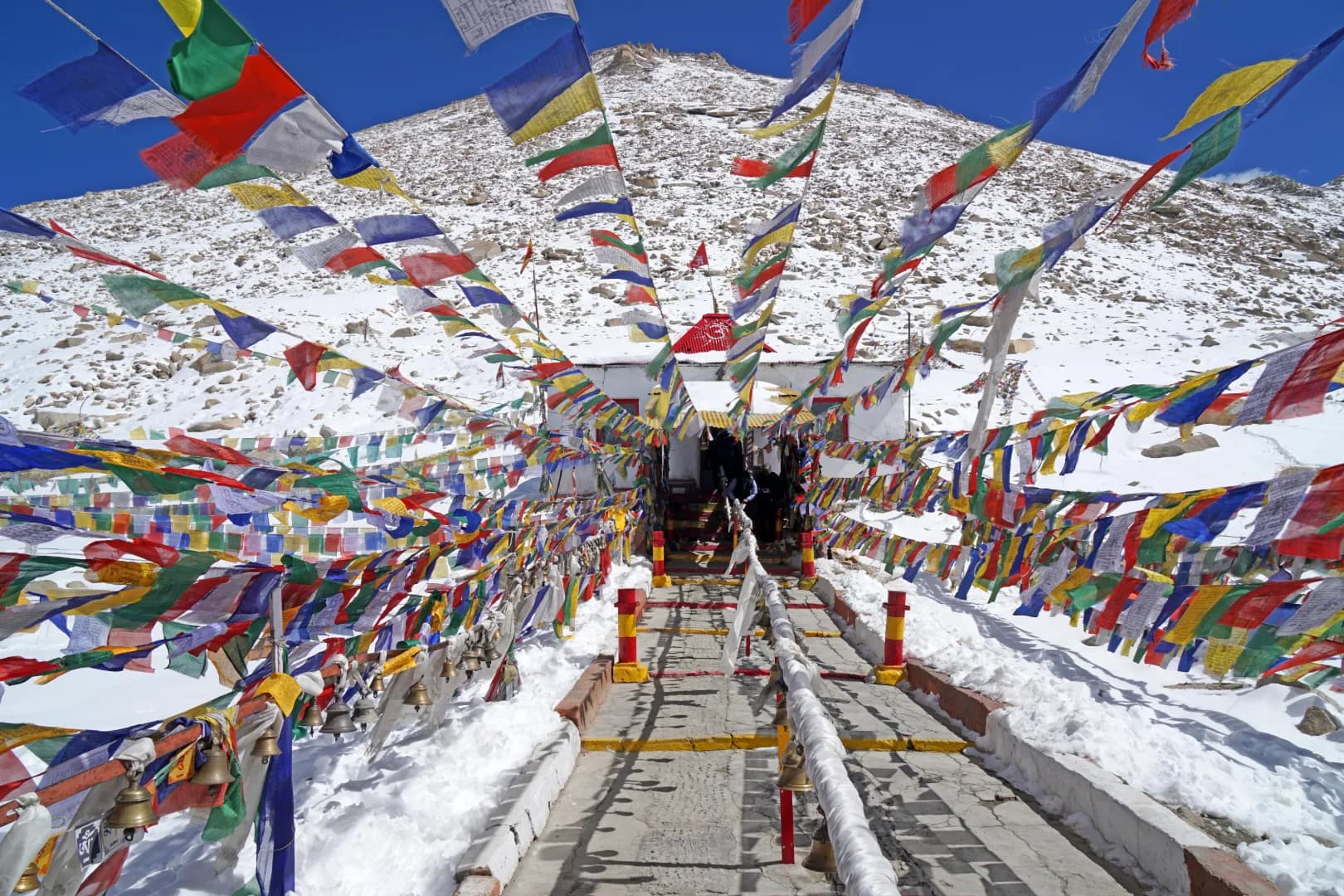
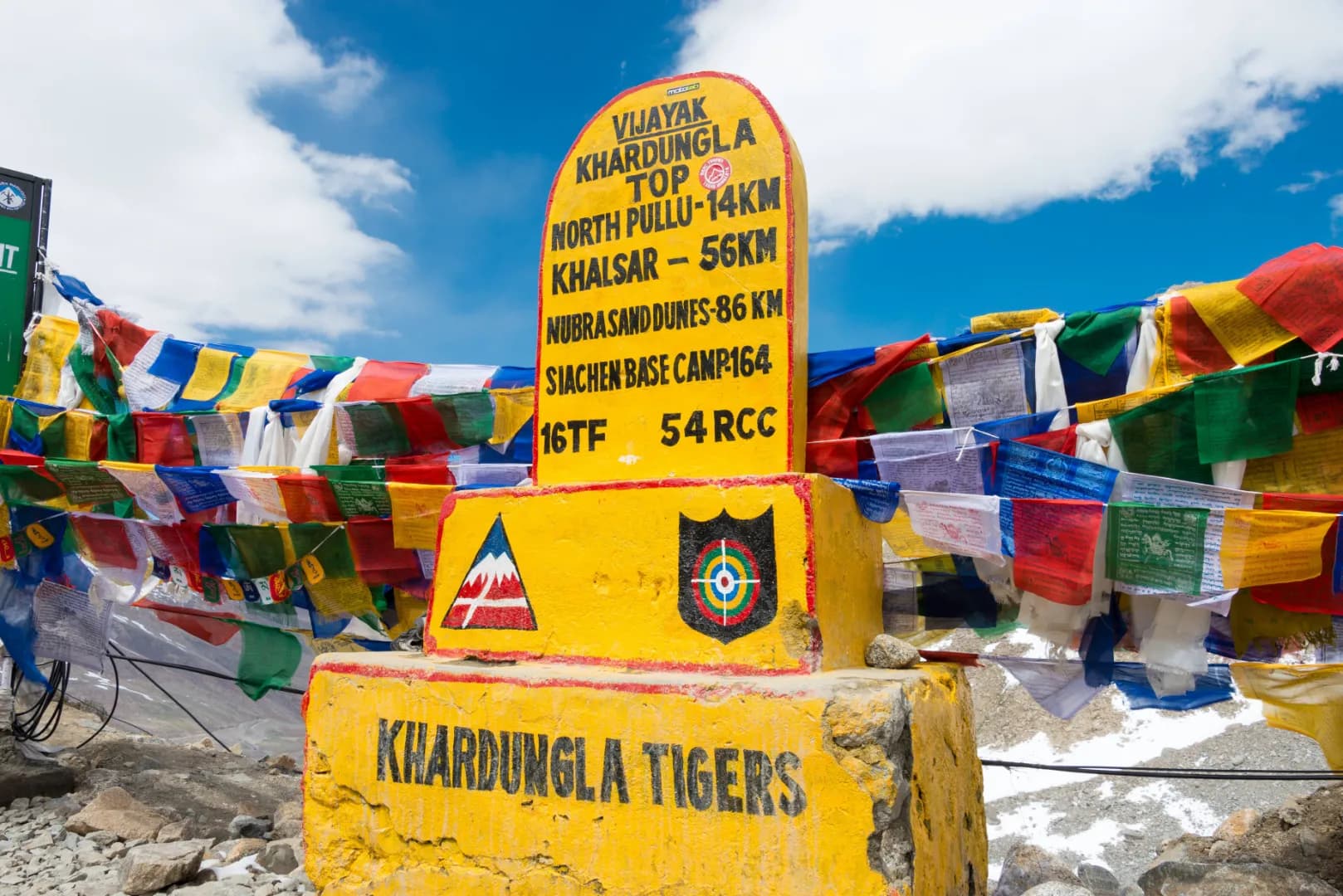
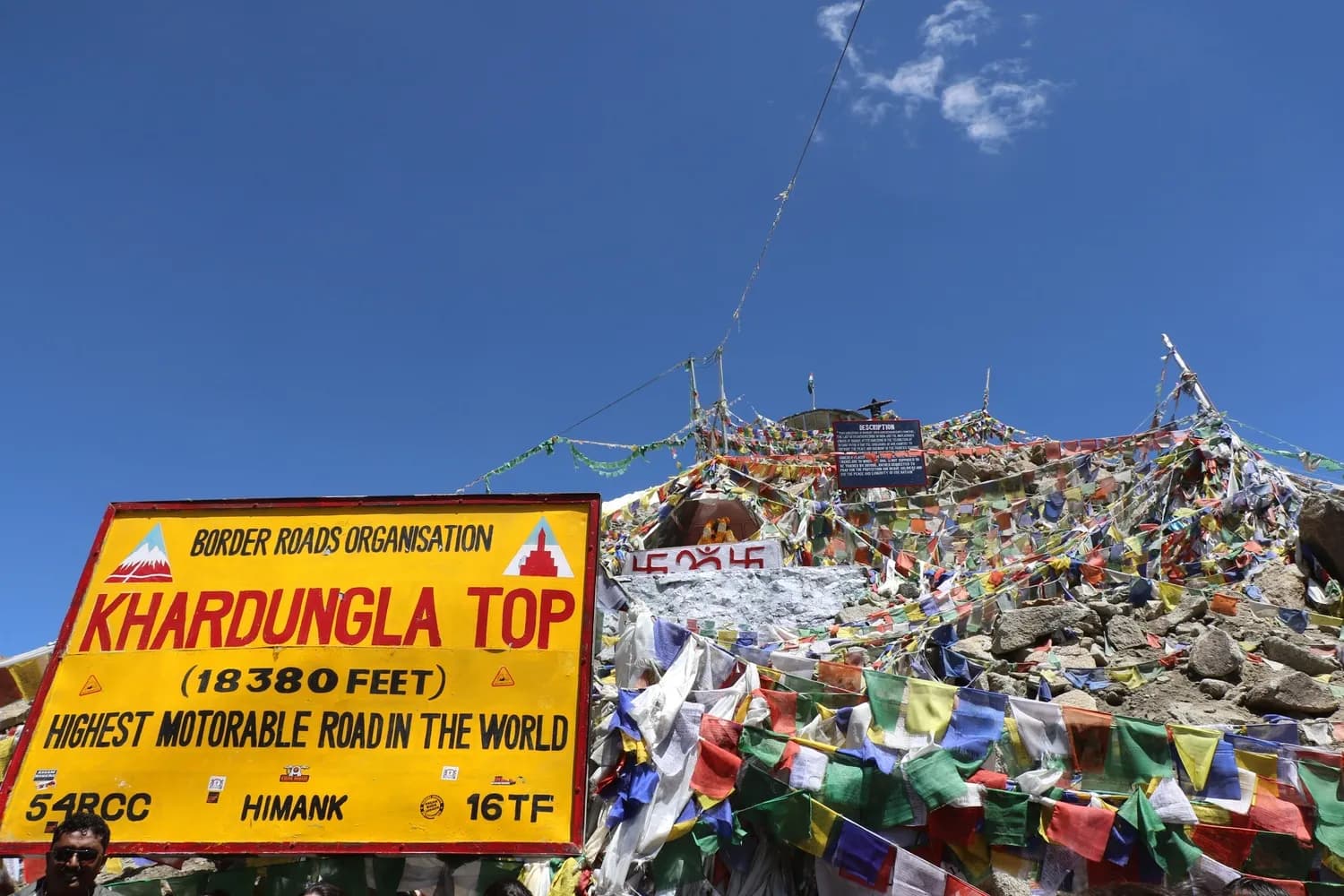
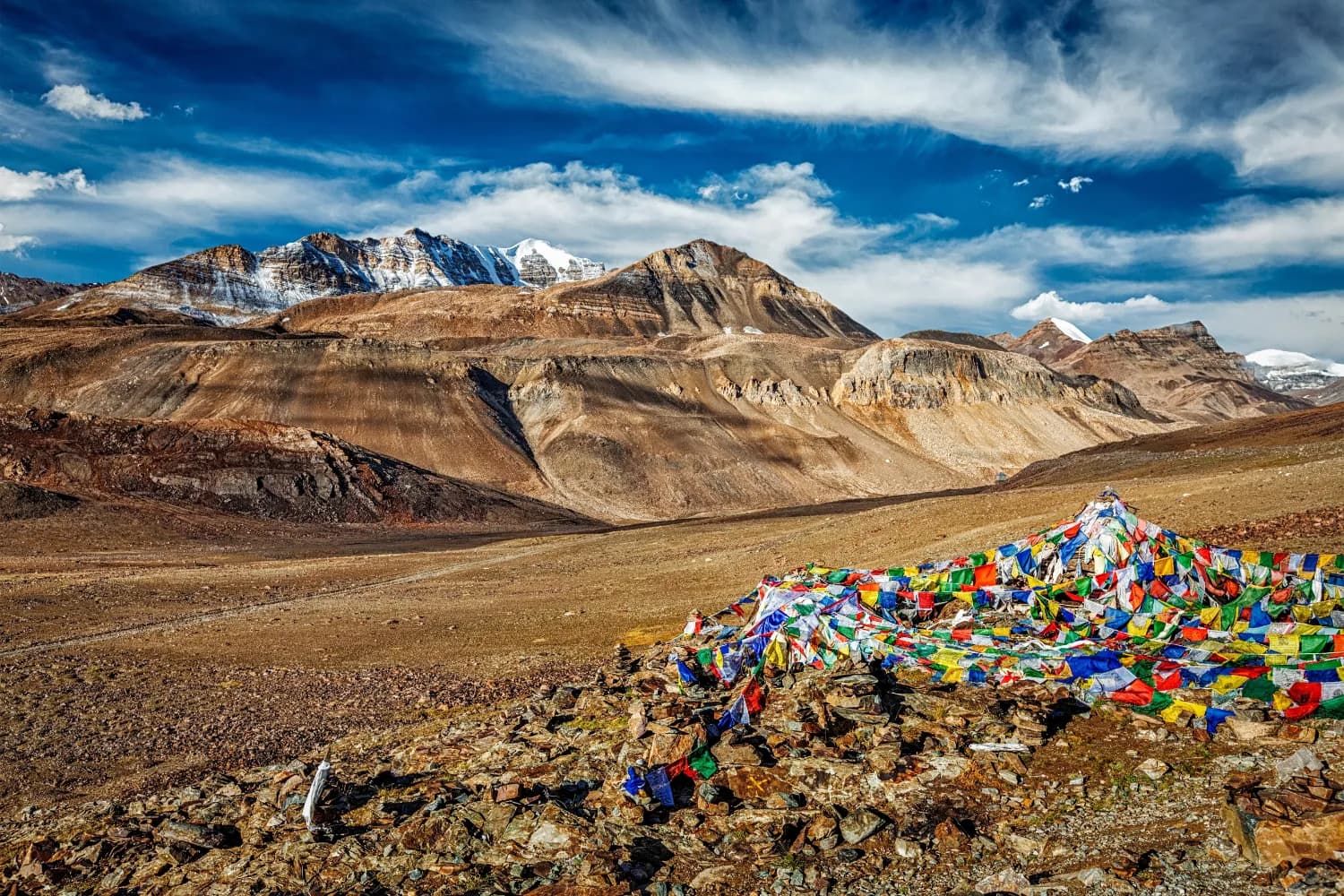
- Nubra Valley — accessed over Khardung La (5,359m) — is the first major excursion. The valley is a warm, low-altitude desert with white sand dunes, Bactrian camels, and Diskit Gompa. Hunder is the overnight base.
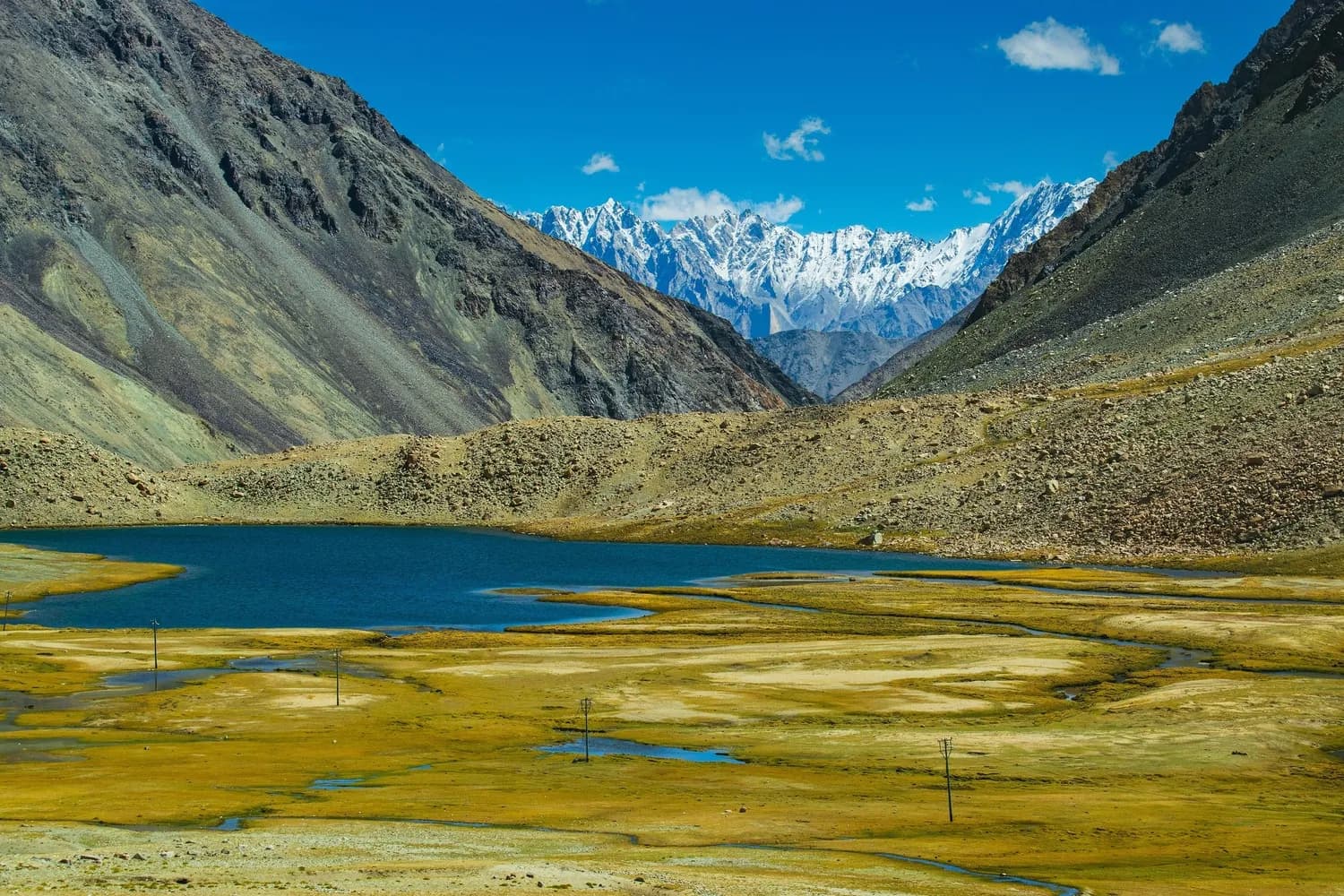
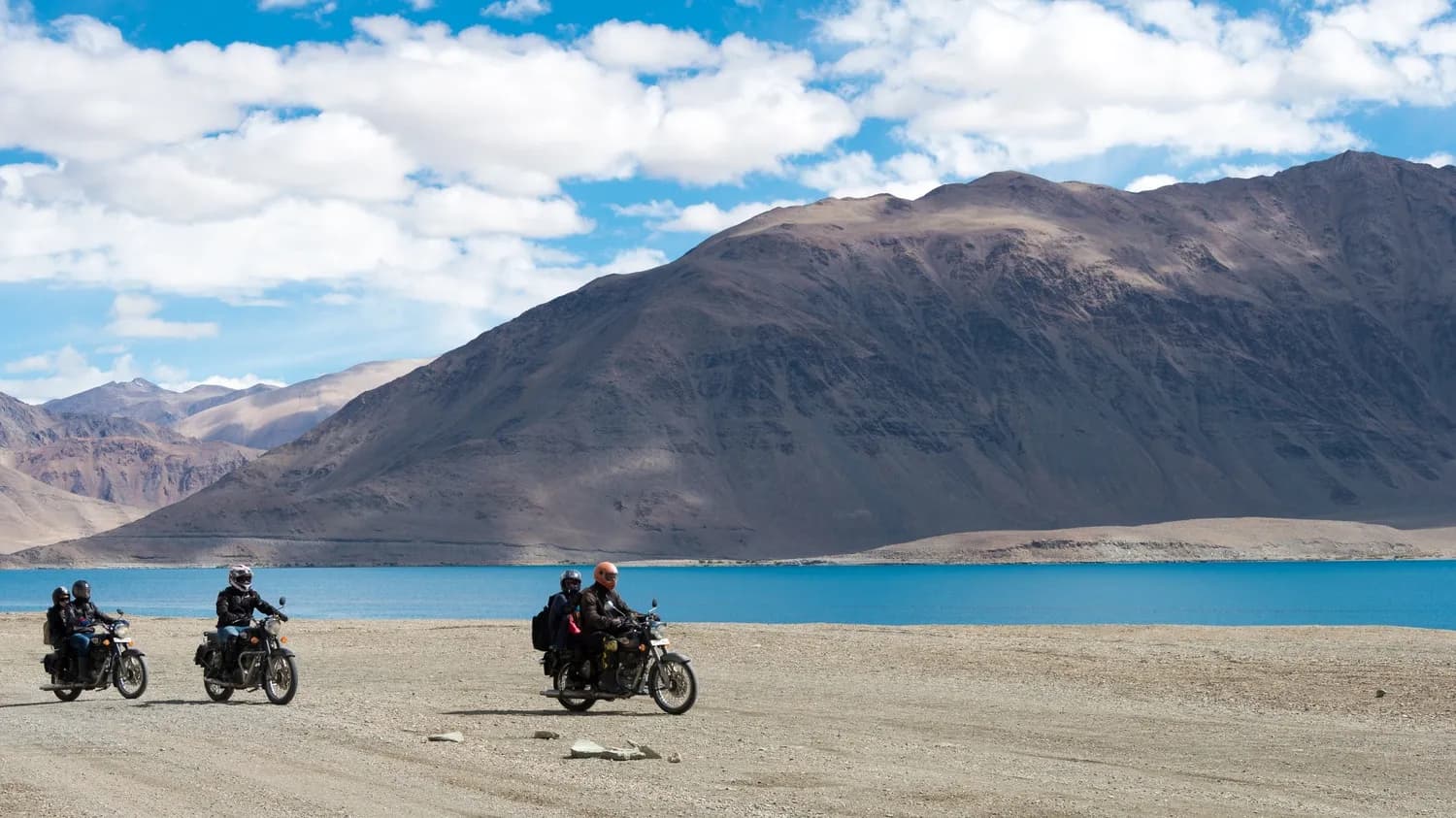
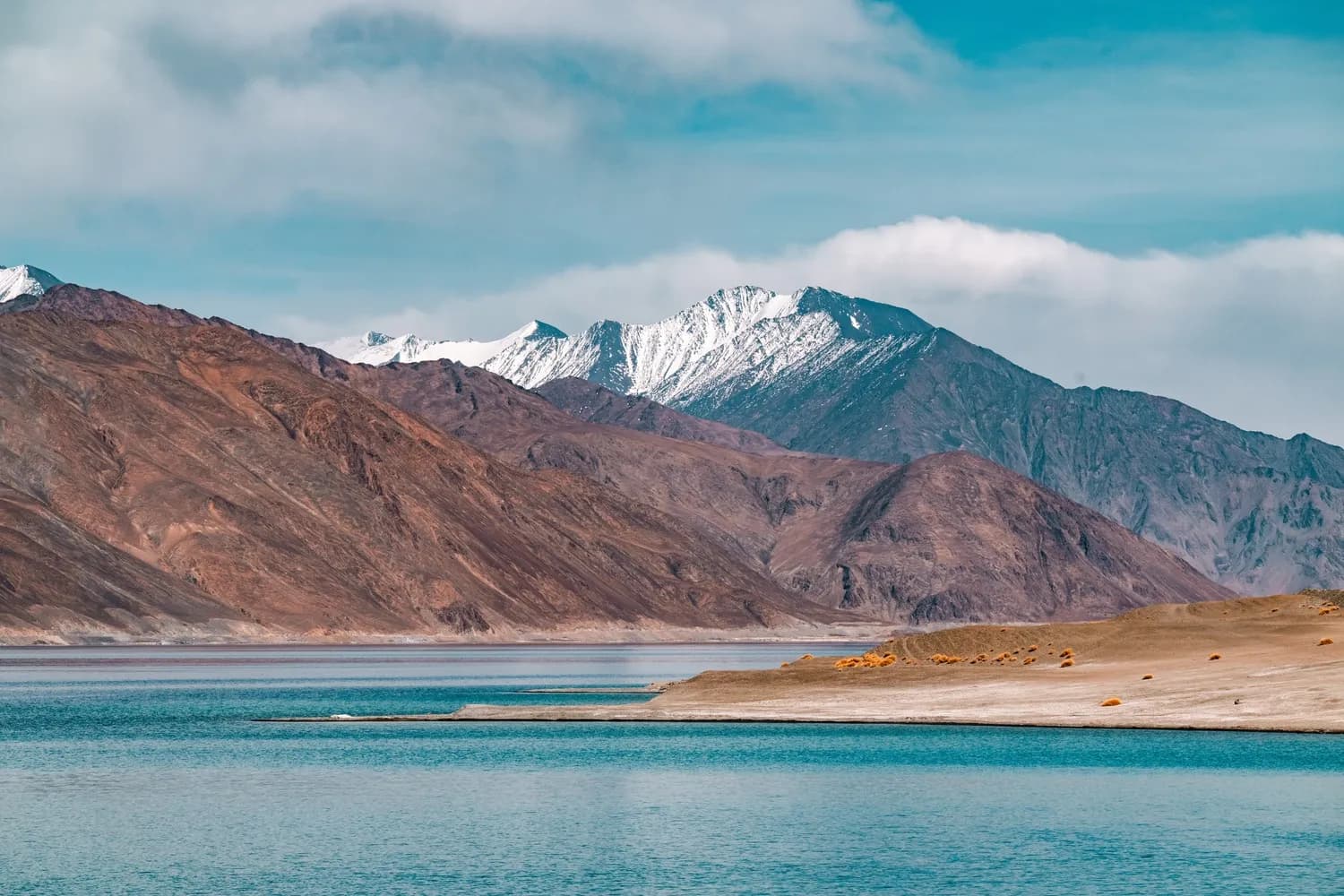
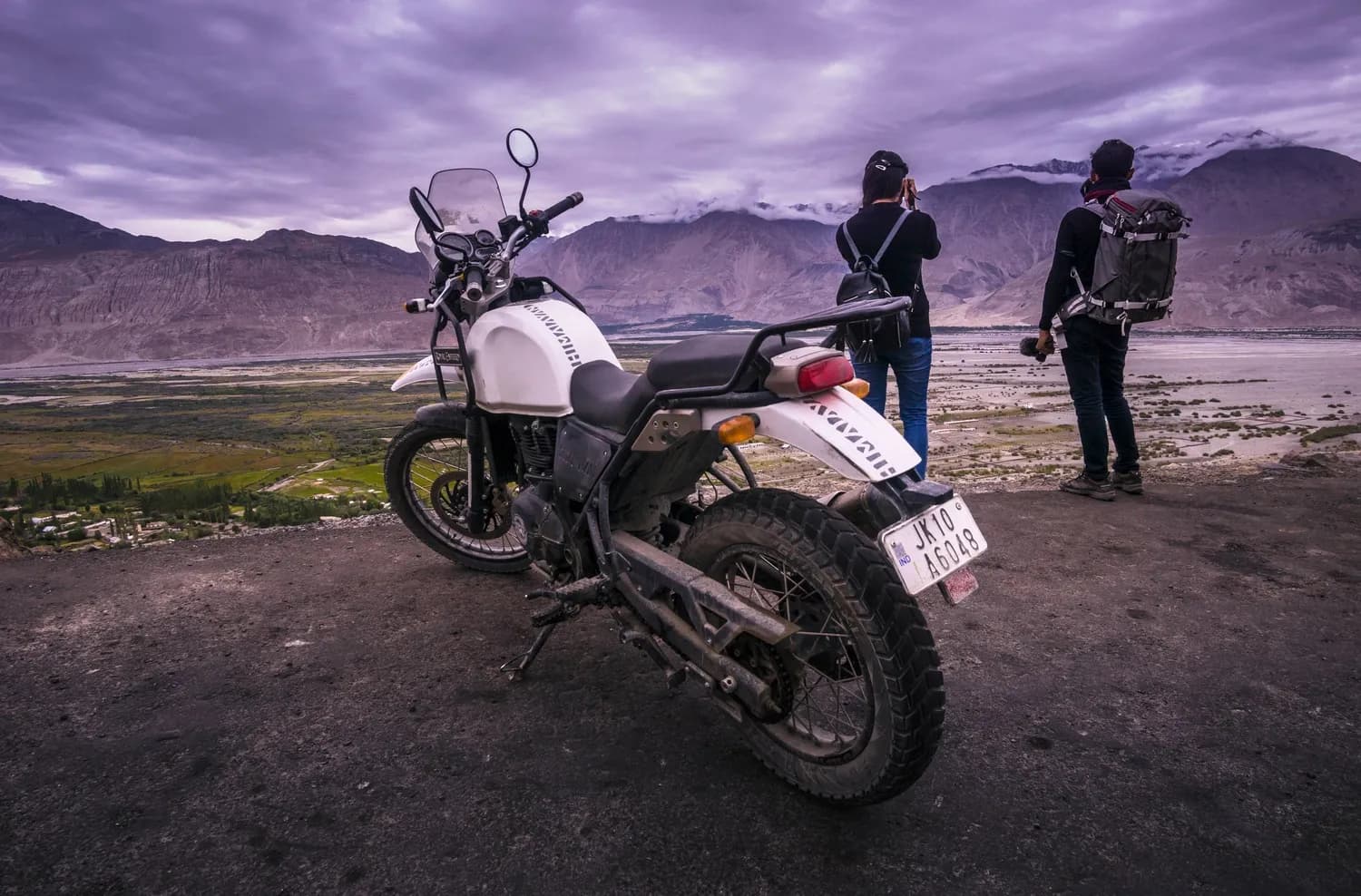
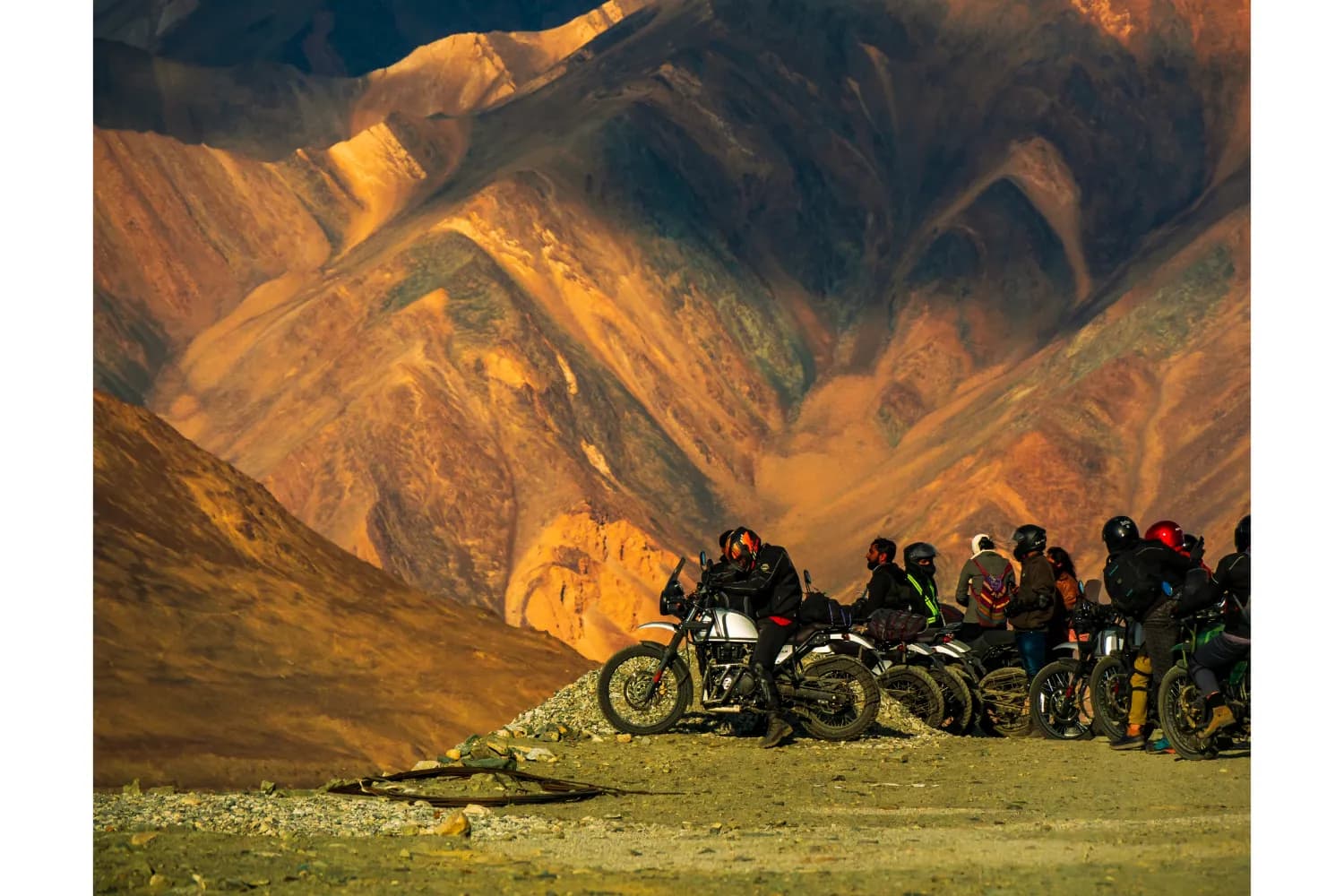
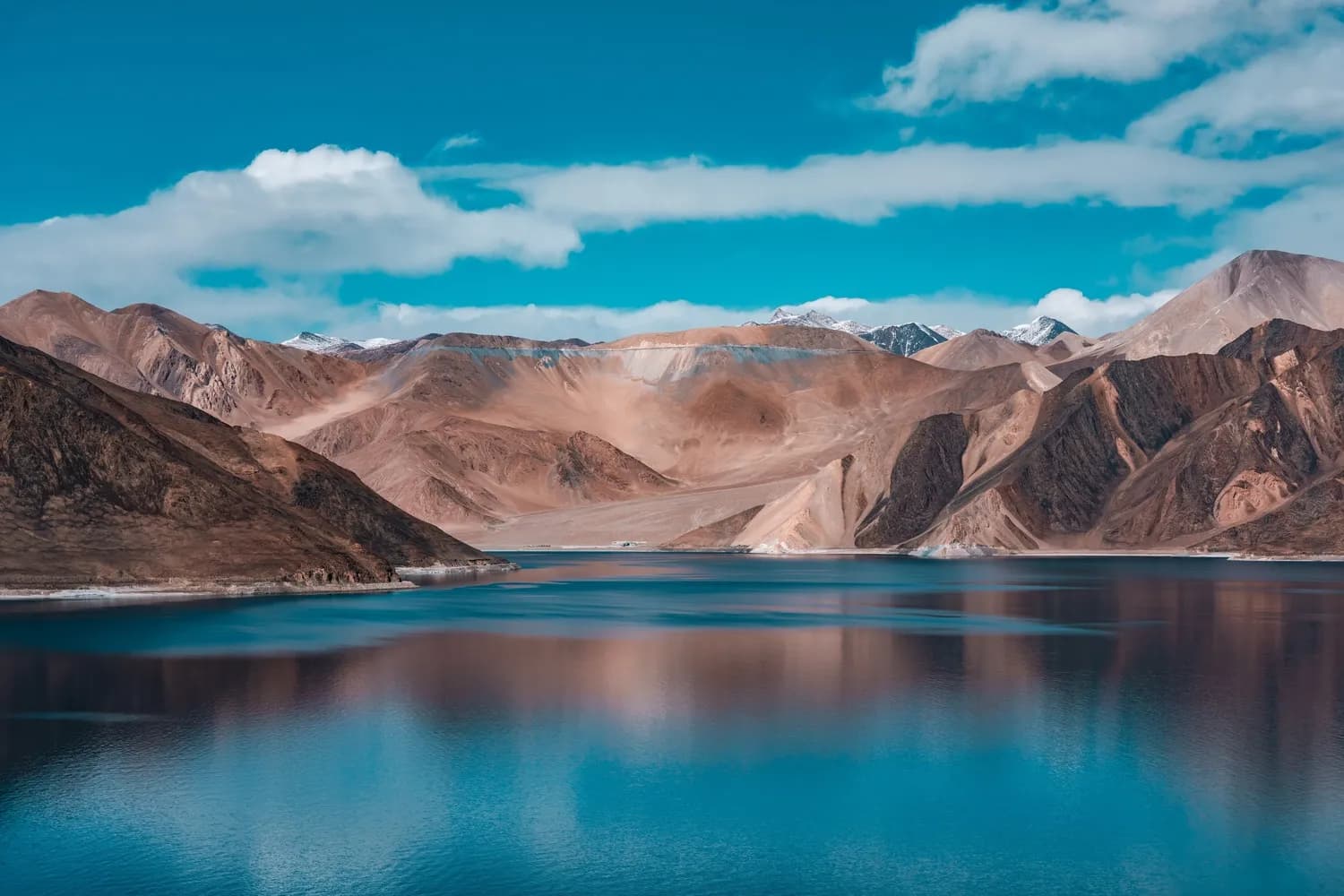
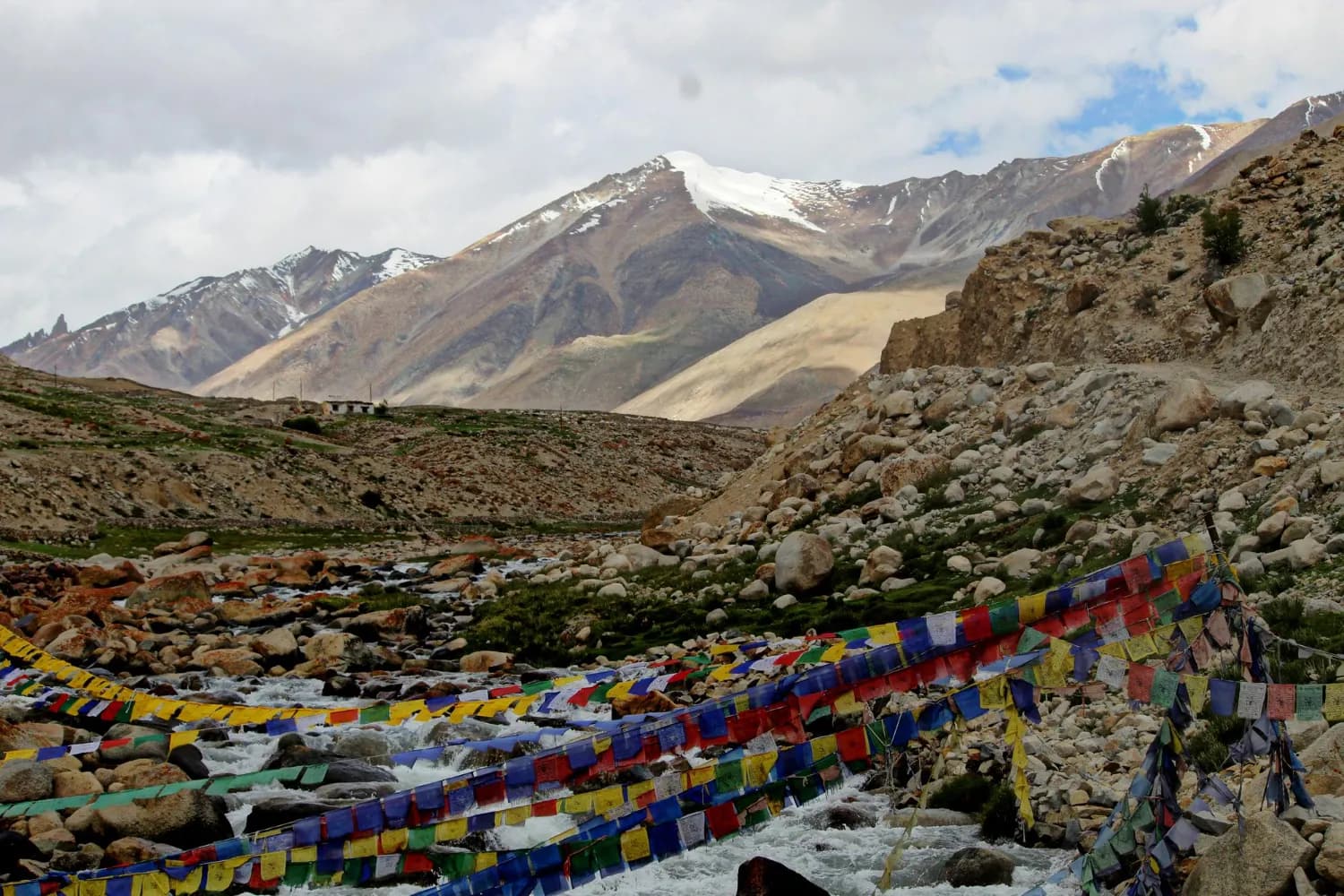
- Pangong Tso at 4,350m. 134 km long, colour-shifting, and photographically unresolvable — the lake looks different every hour. The drive via Chang La Pass includes some of Ladakh's finest mountain scenery. One night at the lakeside camp is standard in a 7-day itinerary. For Gwalior travellers accustomed to the flat, dry plains of Madhya Pradesh, the lake's elevation and surrounding peaks register as unlike anything in their travel experience.
Best Time to Visit Ladakh From Gwalior
May to September is the season. Gwalior summers are intensely hot (40°C+ from May to June), which makes June a psychologically easy time to plan a Ladakh trip — the 20°C differential between Gwalior and Leh is its own motivation.
- May: First window; passes open, quiet
- June: Excellent. Hemis Festival in late June/early July. Escape Gwalior's peak heat
- July–August: Peak season. All Ladakh routes open and operational
- September: Best conditions for photography and first-timers — cool, clear, uncrowded
Full guide: Best Time to Visit Leh Ladakh.
All Packages


Why Book Packages with Viacation?

Trusted by 1,00,000+ travellers

Dedicated experts to plan your trips

Secure bookings, clear cancellations
10,000+ unique trips to choose from
All Packages
Ladakh can be safe for families and seniors if itineraries remain relaxed, medical conditions are considered, and acclimatisation days are included. We avoid aggressive schedules and monitor altitude exposure.
Indian travellers usually require inner line permits for certain areas. We assist with paperwork through trusted local partners and ensure permits align with your final itinerary and travel dates.
You find a mix of basic guesthouses, mid-range hotels, boutique stays, and seasonal camps. We prioritise clean rooms, reliable water supply, and genuine reviews instead of only flashy photos.
We use transparent invoices, clear inclusion lists, and secure payment channels. Advance amounts, cancellation rules, and refund timelines are shared in writing, reducing the risk of confusion or disputes.
Plan a Ladakh tour package from Gwalior for at least 7 - 9 days, including travel from Gwalior, acclimatisation in Leh, and visits to Pangong and Nubra, so the pace stays comfortable and safer for altitude.
