Blog hero image
Top Travel Stories

Explore our latest blogs and travel with us

North East Itinerary 5 days
May 30, 20255 Minutes
North East Itinerary 5 days
The North East of India is a peaceful and scenic part of the country that feels untouched and full of charm. With its lush green hills, misty mountains, and calm rivers, this region is perfect for those who enjoy a quieter travel experience. If you’re looking for a short break, this North East itinerary 5 days will guide you through a relaxing and memorable journey.Whether you’re planning with friends, family, or even going solo, this trip will take you through some of the most beautiful corners of Assam and Meghalaya. With several North East tour packages available, your travel can be both easy and affordable. This plan keeps your days light, giving you time to explore and enjoy, without feeling rushed.Day 1: Arrival in GuwahatiYour journey begins in Guwahati, the largest city in Assam. Once you land, take some time to rest and get settled. Visit the famous Kamakhya Temple, one of the oldest and most respected temples in the region. If you arrive early, you can take a sunset cruise on the Brahmaputra River – it’s a simple yet magical experience. Guwahati is a good mix of culture, nature, and city life. Spend the night here before heading deeper into the hills the next day.Day 2: Drive to ShillongAfter breakfast, start your drive to Shillong, the capital of Meghalaya. Your North East itinerary 5 days has only just begun, and Shillong sets a gentle pace for the days ahead. It’s around a 3-4 hour drive, filled with green valleys and winding roads. On the way, stop at Umiam Lake, also known as Barapani. It’s a beautiful lake where you can stretch your legs or enjoy a peaceful boat ride.Once in Shillong, walk around the local markets or visit the Don Bosco Museum for a look into the local tribal culture. End your day with a quiet dinner at a hill-view café. Day 3: CherrapunjiGet ready for a full-day trip to Cherrapunji, known for being one of the rainiest places on Earth. But don’t worry, whether it’s raining or not, this place is full of charm. Visit the Nohkalikai Falls, one of the tallest waterfalls in India, and then explore the Mawsmai Caves, which are small but fun to walk through.You’ll also pass through beautiful foggy landscapes and small villages along the way. Stop for a cup of tea at a local stall and just take in the silence of the hills. Return to Shillong by evening.Day 4: Dawki and MawlynnongThis day is one of the highlights of your North East itinerary 5 days. Start early and head towards Dawki, a small village near the Bangladesh border. The Umngot River here is so clear that you can see the boat’s shadow on the riverbed.After spending some time in Dawki, visit Mawlynnong, often called the cleanest village in Asia. Walk through the narrow lanes, chat with the friendly locals, and enjoy a simple lunch at a local kitchen. It’s a quiet, feel-good experience. Head back to Shillong for the night.Day 5: Return to Guwahati – A Calm End to the JourneyAs your trip comes to an end, begin your drive back to Guwahati after breakfast. It’s a scenic route, and the journey takes around 3–4 hours, so leave with enough time in hand. Enjoy the views one last time, the rolling hills, the pine trees, and the cool breeze that’s stayed with you throughout this North East itinerary 5 days.Once you reach Guwahati, if your schedule allows, you can stop by the Assam State Museum or take a walk around the local markets for some last-minute shopping. You’ll find local tea, handmade crafts, and woven items that make for lovely keepsakes. If you missed the Brahmaputra river cruise on Day 1, this could be your chance to enjoy it now before you leave. Have a warm meal at a local restaurant and take in the flavours of Assam one last time. Also Read– Places To Visit in North EastMust Checkout– Things To do in North East

Read More

Switzerland in May
May 30, 20256 Minutes
Switzerland in May
May is a beautiful time to visit Switzerland. The snow is melting in the lower regions, meadows are turning green, flowers are blooming, and the air smells fresh. The high mountains still have snow, but cities and villages start to feel alive again. It’s that sweet spot between winter and summer.The best part about travelling to Switzerland in May is that it’s not too crowded. You get to enjoy the views, lakes, and charming towns without the summer rush. The weather is pleasant, and it is a great time for scenic train rides, boat cruises, and easy hikes. You’ll also find great options in various Europe Tour Packages that are tailored for spring travel.If you’re looking for a peaceful yet active holiday, Switzerland in May is a great choice. Whether you’re a first-time traveller or someone returning for another dose of the Alps, this month will not disappoint.Switzerland Weather in MayThe weather in Switzerland in May can feel like a little bit of everything. In lower areas like Zurich, Lucerne, and Geneva, daytime temperatures usually range from 15°C to 22°C. Mornings and evenings can still be cool, around 8°C to 12°C.In higher altitudes like Zermatt or Interlaken, the temperatures are lower, and there may still be snow on the peaks. The best part? The days are getting longer, and the skies are often clear, which makes it perfect for sightseeing and photography.Occasional rain showers are common in May, so it’s smart to pack a light waterproof jacket. You won’t need full winter gear, but layering is key.It’s that perfect in-between weather—not too cold, not too hot. Just enough for you to enjoy both the snow-capped mountains in the distance and the fresh green valleys below.Also Check: Best time to Visit in SwitzerlandSpecial Activities in Switzerland in MayThere’s no shortage of things to do in Switzerland in May, and the beauty of it all is that everything feels more personal and relaxed.1. Scenic Train RidesThe Glacier Express and Bernina Express are iconic. In May, the snow is still visible on the mountains, which makes the train rides breathtaking. The routes pass through mountain passes, valleys, and charming villages.2. Hiking and Nature WalksMany mid-level hiking trails reopen in May. One popular choice is the walk from Lauterbrunnen to Mürren—lush, green, and full of waterfalls. You can also explore Lake Lucerne’s shores or take light forest walks around Interlaken.3. Lake CruisesThe lakes—Lucerne, Geneva, and Thun—are calm and beautiful. Hop on a boat and enjoy the views from the water. In May, the weather is mild enough to sit outside and enjoy the breeze.4. Local FestivalsMany towns hold spring fairs and cultural festivals in May. It’s a great time to see the local side of Switzerland and enjoy some traditional music and food.5. Visit Mountain VillagesTowns like Grindelwald, Wengen, and Zermatt are starting to open up more in May. The views are stunning, and it’s a great time to relax in mountain lodges with fewer tourists.Must Check: Cities in SwitzerlandEssential Travel Tips for Switzerland in MayHere are the following small tips that will go a long way in making your trip to Switzerland in May smooth and enjoyable:Layer Up: The weather can change during the day, especially in the mountains. Bring layers so you can adjust easily.Check Transport Schedules: Some mountain trains or cable cars start later in May. Check schedules in advance.Book Early: While May isn’t peak season, popular stays in towns like Interlaken or Lucerne can still fill up quickly.Swiss Travel Pass: Consider getting one if you plan to move around a lot. It covers trains, buses, and even boats.Carry Euros and CHF: While Switzerland uses Swiss Francs (CHF), some border towns accept Euros. Still, CHF is better.Suggested Read: Interesting Facts About SwitzerlandChallenges of Visiting Switzerland in MayWhile May is beautiful, it’s important to know a few things that could affect your trip.Unpredictable Weather: You might get sunshine in the morning and a sudden shower in the afternoon. It’s not extreme, but it helps to stay flexible with plans.Some Trails Still Closed: Higher-altitude hiking trails or mountain passes might still be snow-covered or under maintenance. Always check before heading out.Not All Summer Activities Are Available: If you’re planning to swim in lakes or do high-altitude paragliding, it may be a bit early.Shoulder Season Feel: Some hotels or cable cars in very snowy areas might still be on a reduced schedule after winter.Should You Visit Switzerland in May?Absolutely. If you love peaceful views, blooming landscapes, and a mix of snow and spring, Switzerland in May is a beautiful time to go. You skip the crowds, enjoy lower rates, and still get a full taste of what this incredible country offers—calm, beauty, and unforgettable nature.Also Read: Places to Visit in SwitzerlandMust Read: Things to do in Switzerland

Read More

North East India in November
May 30, 20255 Minutes
North East India in November
If you’re planning a trip that’s away from noise, full of nature, and light on crowds, then North East India in November is one of the best options. The monsoon is over, the skies are blue, and the air feels fresh. Everything looks washed clean, the hills are green, rivers are clear, and the towns are calm.This is also the time when local life gets active again. People are out, festivals begin, and small towns feel warm and welcoming. It’s a great time to enjoy walks in the hills, simple homestays, and quiet days.Whether you’re going solo or with loved ones, North East India tour packages often include peaceful towns in Sikkim, the tea gardens of Assam, and the rich cultural vibes of Nagaland and Meghalaya. There’s something very grounding about being in this region during this season.North East India Weather in NovemberThe weather is one of the best things about this time. In most parts of North East India in November, the days are cool and clear, while the nights can get chilly, especially in the hills.In places like Gangtok, Shillong, and Tawang, daytime temperatures are between 10°C to 20°C. In Assam, it’s a bit warmer, usually 20°C to 25°C during the day. In the evenings, you’ll need a light sweater or jacket.Rain is rare during this month, so roads stay open and safe. It’s a good time for road trips, local hikes, and long walks. The skies stay bright all day, which is great for sightseeing and photography too.Whether you’re into mountain views or just want a calm trip, the weather in North East India in November helps make your journey smooth and enjoyable.Special Activities in North East India in NovemberThere’s a lot you can enjoy here this month, no matter your travel style. From nature walks to cultural events, it’s a great time to get to know the region better.1. Local FestivalsNovember is festival time in many places. In Nagaland, people start preparing for the Hornbill Festival, which begins in early December, but pre-events start in late November. In Meghalaya, you can enjoy the Shillong Autumn Festival with live music and food.2. Living Root BridgesThe famous living root bridges in Cherrapunji and Mawlynnong are a must-see. With dry paths and fresh air, November is a great time for short hikes to these spots.3. Tea Garden WalksAssam’s tea gardens look their best right now. You can visit places like Jorhat or Dibrugarh, walk through the green fields, and even stay at an old tea bungalow.4. Scenic Drives to TawangIf you enjoy road trips, the drive to Tawang is worth doing. The weather is good, and views of mountains, rivers, and tiny villages along the way are amazing.5. Village HomestaysStay in small village homes in places like Ziro (Arunachal) or Dzongu Valley (Sikkim). You’ll eat local food, talk to locals, and enjoy the quiet. This is where North East India in November feels the most real.Essential Travel Tips for North East India in November These simple tips are going to help you enjoy North East India in November without stress and make your trip smoother and safer:Pack smart: Days are pleasant, but nights can be cold. Carry warm layers, a jacket, and closed shoes.Book early: Around festival time, local stays and transport can get booked fast.Keep cash: In remote towns, cards or UPI may not work. Always carry enough local currency.Get permits: Some states, like Arunachal Pradesh and Nagaland, need permits. These are easy to apply for online—just don’t leave it for the last minute.Travel slow: Distances may look short, but mountain roads take time. Keep your schedule light.Challenges of Visiting North East India in NovemberEven though this is a great month to visit, a few small things need attention while travelling:Remote routes: Some areas still have limited transport. Buses don’t run often, so private cabs or shared jeeps are more reliable.Cold nights: In higher regions like Tawang or Ziro, the temperature can drop at night. Some guesthouses may not have heaters.Phone and internet issues: Not all areas have strong signals. Download your maps and bookings in advance.Permit delays: If not done early, your permits for Arunachal or Nagaland might take a couple of days.Should You Visit North East India in November?If you like nature, peace, and local culture, then yes, this is the right time. With fresh air, open skies, and friendly people, your trip through North East India in November will be relaxing and memorable, without the chaos of big tourist crowds or bad weather.Also Read– Places To Visit in North EastMust Checkout– Things To do in North East

Read More

Nude Beach, Thailand
May 30, 20253 Minutes
Nude Beach, Thailand
Overview of Nude Beach, Thailand Let’s talk about another side of Thailand that not many talk about—nude beaches of Thailand. Yes, you read that right! Nude beaches are a unique kind of beach where people are allowed to be without clothes. It’s all about freedom, comfort, tanning and being close to nature. While this idea might be new or surprising to many Indians, nude beaches are quite popular around the world, especially among tourists from Europe and America. For many, it’s about enjoying the sun and sea without any clothing. People who visit these beaches believe it helps them feel relaxed, free, and more confident. It’s not about showing off, but rather being natural. These beaches are usually peaceful, clean, and far from crowds. In Thailand, a few hidden spots have quietly become popular among people looking for this kind of experience. And if you’re planning to explore something new on your trip, you can book our Thailand tour packages that are budget-friendly and include the best beaches and cultural experiences. Top Nude Beaches in Thailand 1. Nui Beach, Phuket This hidden beach is located in Phuket and is known for its calm environment. It is one of the best nude beaches in Thailand, and many travelers know it as a quiet spot where going nude is not a problem. Visitors here often go nude during the early morning or late evening hours when the beach is not crowded. Entry Price: Free of cost. 2. Secret Beach, Phuket Situated away from the main tourist spots, this beach is not well-known to locals, but foreigners looking for privacy often visit it. Surrounded by trees and rocks, it is one of the famous nude beaches in Thailand, and this beach gives you a private feeling. Many people sunbathe nude without being disturbed. Entry Price: Free of cost. 3. Haad Yuan Beach, Ko Pha Ngan This beach is not an official nude beach, but it’s known for being very chill and open-minded. People come here to enjoy yoga, meditation, and sometimes, nude sunbathing. It’s especially loved by international tourists who want a peaceful, spiritual vibe. Entry Price: Free of cost. 4. Leela Beach, Ko Pha Ngan One of the most beautiful beaches in Ko Pha Ngan. It’s quiet and often less crowded than other beaches in the area. Some travelers sunbathe nude at one corner of the beach, and it’s mostly accepted as long as it’s done respectfully. Entry Price: Free of cost. 5. Phra Nang Cave Beach, Krabi Though this beach is not officially nude-friendly, a few secluded corners make it a spot where nudity is normal. Famous for its cave shrine and rock formations, this beach offers both beauty and calmness. Entry Price: Free of cost. Tips for Visiting Nude Beaches, Thailand Respect the Culture: Thailand is a traditional country. Nude beaches are rare and mostly unofficial. Always be respectful and discreet. Go Early or Late: If you want privacy, visit these beaches early in the morning or late afternoon. Bring a Towel: Always sit on a towel. It’s a common rule at nude beaches for hygiene. Avoid Taking Photos: Never click pictures of others. Privacy is a big part of nude beach culture. Stay Calm and Confident: It’s okay to feel shy at first. Most people are just there to relax and enjoy the beach.Also Read: Places to Visit in ThailandMust Checkout: Things to do in Thailand

Read More

Kerala in June – A Quiet Green Escape
May 30, 20255 Minutes
Kerala in June – A Quiet Green Escape
If you enjoy nature, fresh air, and don’t mind a little rain, then Kerala in June is a beautiful experience. The monsoon begins this month, and the entire state turns lush green. Trees look brighter, the backwaters fill up, waterfalls flow stronger, and the smell of wet earth is everywhere.Tourists are fewer during this time, so if you’re someone who enjoys peaceful travel, this month is perfect. You’ll find lower hotel prices, calm beaches, and a relaxed atmosphere. Also, Kerala tour packages in June often come with off-season rates, giving you more value for your stay. From misty hill towns to rainy backwater rides, June in Kerala is a quiet escape that brings you close to nature.Kerala Weather in JuneJune is the start of the southwest monsoon in Kerala. It rains often, especially in the afternoons and evenings. But the mornings are usually calm, with cloudy skies and soft light—great for slow walks, nature photography, and boat rides.Temperatures stay between 24°C to 30°C. It doesn’t get too hot, thanks to the rain. Humidity can be high, but the fresh greenery and cool breeze balance it out.Places like Wayanad, Munnar, and Thekkady look their best this time—green, misty, and full of life. If you’re near the coast, expect more rainfall, but it doesn’t last all day. So, pack light rain gear and enjoy the refreshing vibe of Kerala in June.Special Experiences in Kerala in June1. Monsoon in the HillsMunnar and Wayanad are peaceful and foggy in June. The tea gardens shine bright green, and the waterfalls are full. It’s a good time for slow treks, scenic drives, and warm cups of local tea.2. Ayurvedic TreatmentsThe monsoon season is considered ideal for Ayurveda. Many locals believe treatments work better in this weather. You can book a short stay at an Ayurvedic centre in places like Kumarakom or Palakkad.3. Backwater RidesAlleppey and Kumarakom are beautiful in the rains. The water levels are high, and the surroundings look magical. Houseboat rides feel extra peaceful when it rains lightly outside. Just choose boats with proper roofing.4. Waterfalls & NatureVisit places like Athirappilly Falls and Meenmutty Falls to see the full power of nature. They’re at their best during this season, but always check for safety before visiting during heavy rains.5. Off-season CalmThere are no major crowds in Kerala in June, so you can enjoy famous spots without the rush. Restaurants and resorts give better service, and you have more time to explore quietly.Whether you’re planning a nature retreat or just a peaceful break, June lets you see Kerala’s raw, green beauty at its peak.Essential Travel Tips for Kerala in JuneCarry light rain gear: An umbrella or poncho is a must.Wear non-slip shoes: Roads and paths can get slippery.Plan outdoor trips in the morning: It usually rains in the afternoon.Keep some snacks and cash: In case shops close early during heavy rain.Choose stays with good reviews: Make sure they’re safe and dry during the monsoon.Travelling in Kerala in June is smooth if you stay prepared and flexible. Enjoy what nature offers, and don’t rush the experience.Challenges of Visiting Kerala in JuneThere are a few things to keep in mind before booking your trip:Sudden rain showers: While beautiful, the rain can delay plans or make some treks harder.Fewer beach activities: Due to rough sea conditions, swimming and boating at some beaches may not be allowed.Leeches on forest walks: Especially in places like Wayanad or Thekkady, carry salt or sprays for protection.Local transport delays: Auto-rickshaws or buses may take longer due to rain or waterlogging.Should You Visit Kerala in June?If you want a quiet, green getaway and don’t mind the rain, then yes, Kerala in June is a great idea. You’ll avoid crowds, enjoy monsoon beauty, and experience the local side of Kerala in a calm, personal way.Also Read: Places to visit in KeralaMust Read: Things to do in Kerala

Read More

Singapore in July
May 30, 20257 Minutes
Singapore in July
Singapore is a dream destination for many travellers. It’s clean, modern, and packed with fun experiences. If you’re planning to visit Singapore in July, you’re in for a unique tropical adventure. July is warm and lively here. With colourful festivals, shopping sales, and fewer tourists compared to peak season, it’s a great time to explore.Now, you might be wondering: Is July the right time to visit? The answer depends on what you like. If you enjoy shopping, indoor activities, and occasional rain, then July is perfect. Also, flights and hotels are often more affordable than in peak tourist months.So, if you’re searching for Singapore tour packages, July could be a smart choice for a budget-friendly and enjoyable trip. In this blog, we’ll break down the Singapore weather in July, must-visit places, and fun activities to try this month. Singapore Weather in JulySingapore climate in July is warm and humid, like most months in the country. But it’s still manageable and enjoyable if you’re prepared.The average Singapore temperature in July ranges between 26°C to 32°C. So, yes, it’s hot, but that’s expected in this tropical country. You can expect short rain showers, usually in the afternoon or evening. These rains cool the city down and don’t usually last long. In July, Singapore is not extreme, but the humidity can be high. So wear light clothes, carry a water bottle, and wear sunscreen. Consider Reading Best Time to Visit Singapore to time your visit to Singapore.Places to Visit in Singapore in JulyNow that you know about the weather, let’s look at some of the top places to explore Singapore in July.1. Orchard Road – Great Singapore SaleIf you’re a shopping lover, Orchard Road is your paradise. July marks the Great Singapore Sale, with big discounts on clothes, gadgets, and more. Malls like ION Orchard and Ngee Ann City are filled with deals. It’s the perfect time to buy branded items at low prices.2. Gardens by the BayLocated near Marina Bay, Gardens by the Bay is one of the best places to visit in Singapore. You can walk inside the Flower Dome, the largest glass greenhouse in the world, and experience spring-like weather even in humid July. The Cloud Forest has a man-made indoor waterfall that cools the place and amazes everyone. And in the evening, don’t miss the free light and music show at Supertree Grove.3. Marina Bay Sands SkyParkVisit the SkyPark on top of the Marina Bay Sands hotel. From this observation deck, you can see the skyline, the bay, and even parts of Indonesia on a clear day. July sunsets from here are truly beautiful. The cool breeze up high gives relief from the humid Singapore climate in July, and you can also enjoy snacks or drinks while relaxing with a panoramic view of the city.4. Sentosa IslandSentosa is a whole world of fun packed into one island. It’s home to beaches, adventure parks, museums, and family-friendly attractions. You can relax at Siloso or Palawan Beach, explore marine life at the S.E.A. Aquarium, or enjoy indoor attractions like Trick Eye Museum and Madame Tussauds. Sentosa is well-connected by monorail and cable car, which themselves are fun to ride. In Singapore in July, the island is less crowded, making it easier to explore without long lines or heavy tourist rush.5. National Gallery SingaporeArt lovers should not miss this place. Located in the former Supreme Court and City Hall buildings, the National Gallery houses the largest public collection of modern Southeast Asian art. The galleries are beautifully designed and fully air-conditioned — a perfect escape when the Singapore temperature in July feels too hot. It’s quiet, peaceful, and gives a nice cultural break from the more commercial attractions.Special Activities to Do in Singapore in JulyHere’s what makes Singapore in July fun — exciting festivals, events, and indoor activities to beat the heat.1. Join the Singapore Food FestivalIf you love food, the Singapore Food Festival in July is a must-visit. Try dishes like Hainanese chicken rice, chilli crab, laksa, and more. The festival also has cooking classes and food tours. It’s perfect for Indian tourists who enjoy spicy and flavourful meals. 2. Enjoy Indoor Fun at Universal StudiosUniversal Studios on Sentosa Island is perfect for families and thrill-seekers. In July, the queues are shorter than in the holiday season. Most rides are indoors or shaded, so it’s great even if it rains.Suggested Read: Things To Do in Singapore3. Explore Museums and Science CentresFor travellers who love learning and art, the ArtScience Museum and Science Centre Singapore are must-visits. The ArtScience Museum features interactive art exhibits, digital rooms, and light shows. The Science Centre has hands-on displays, a snow chamber, and a planetarium. Both are fully air-conditioned, so they’re great options when the Singapore temperature in July rises. 4. Relax at Indoor Gardens and CafesSingapore is known for its trendy indoor cafes, perfect for beating the heat. Places like The Glasshouse or The Social Space offer refreshing drinks, air-conditioned comfort, and peaceful vibes. Many cafes are built with greenery and nature themes, giving you a calm space to relax. 5. River Cruise on the Singapore RiverThe Singapore River Cruise is a peaceful way to explore the city’s iconic landmarks like Marina Bay Sands, Merlion Park, and Clarke Quay. When the sun sets, the city lights reflect beautifully on the water, offering a perfect setting for evening relaxation. It’s a slow, scenic activity that suits couples, families, and solo travellers visiting Singapore in July. The cooler evening breeze makes the ride even better, especially after a warm day. So now you know all about Singapore in July from Singapore temperature to festivals, and everything in between. Whether it’s your first time or a return trip, July can be surprisingly enjoyable if you know where to go and what to do.

Read More

Malaysia Itinerary 5 Days: Slow Travel & Big Views That You'll Enjoy
May 30, 20255 Minutes
Malaysia Itinerary 5 Days: Slow Travel & Big Views That You'll Enjoy
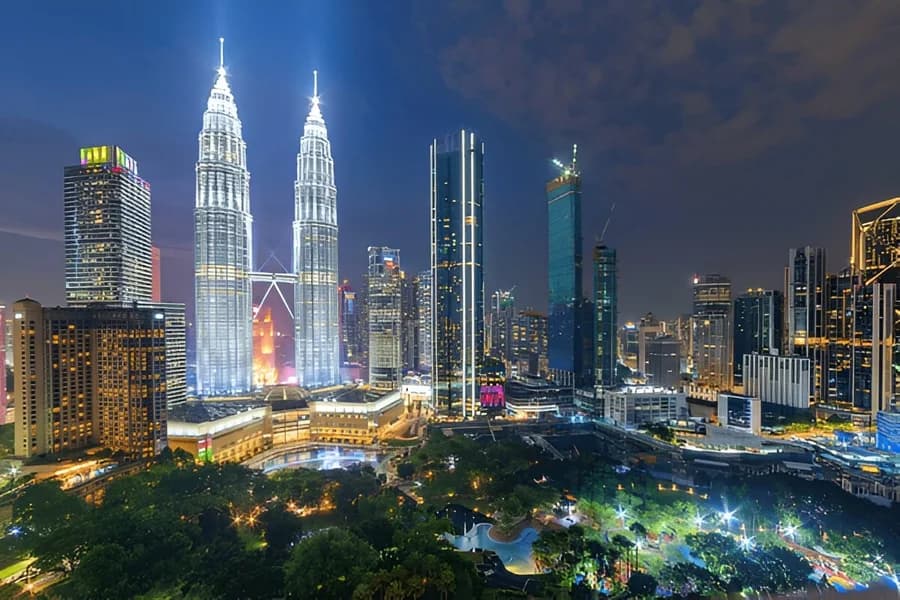
Malaysia is a beautiful destination that offers a perfect blend of nature, modern cities, and cultural charm. It’s ideal for those who love variety in a single trip. If you’re planning a short holiday but still want to experience the highlights, this Malaysia itinerary 5 days is here to guide you. With a warm tropical climate and welcoming people, Malaysia has become a favourite among tourists. You’ll also find many Malaysia tour packages that can make your trip easier by including travel, stays, and sightseeing.This 5-day travel plan is designed for those who want to enjoy both the city and the beach without feeling rushed. It offers a balance of discovery and relaxation so you can enjoy every day of your trip.Best Day-wise Malaysia itinerary 5 daysDay 1: Arrival in Kuala LumpurThe journey begins in Kuala Lumpur, Malaysia’s energetic capital. This day sets the tone for your Malaysia itinerary 5 days, giving you a soft and comfortable start. Once you land and settle into your hotel, it’s time to explore. The city has a unique feel — tall towers, bustling streets, and green parks all blend. On your first day, walk around the city centre, visit the iconic Petronas Twin Towers, and enjoy the views of the skyline. In the evening, you can stroll through Jalan Alor, a street filled with local food stalls offering delicious Malaysian flavours. Day 2: Day Trip to Batu Caves and Genting HighlandsThe next morning, begin your day with a visit to Batu Caves. It’s a calm place with large limestone caves and colourful steps leading up to the temple. This day adds a perfect mix of culture and fun to your Malaysia itinerary 5 days. It feels peaceful and connected to the local culture. After that, head towards Genting Highlands. The journey there is scenic and relaxing. Once you reach the top, you’ll find cooler air, beautiful views, and some attractions. There are indoor theme parks, shopping areas, and cafés where you can spend the afternoon. After a fulfilling day, return to Kuala Lumpur for a quiet night. Day 3: Flight to Langkawi and a Relaxed EveningStart your third day early with a flight to Langkawi, one of Malaysia’s most loved islands. This is where your Malaysia itinerary 5 days starts to feel more like a beach holiday. As soon as you arrive, the pace of life slows down. The blue waters, palm trees, and clean beaches welcome you most calmly. This day is not about sightseeing but simply about enjoying the beach, eating fresh seafood, and letting yourself slow down. Take a walk along the shoreline in the evening and watch the sun dip below the horizon. Day 4: Explore Langkawi’s BeautyOn the fourth day, explore the natural side of Langkawi. This day is a slower one but adds depth to your Malaysia itinerary 5 days, especially if you enjoy natural beauty and open spaces. The island is full of green hills, beautiful viewpoints, and calm nature spots. You can take a ride to the top of a hill where the views of the sea and forest stretch far and wide. There are walking bridges with incredible sights, and quiet places where you can sit and simply enjoy the surroundings. The island also has mangroves and parks that offer peaceful experiences for nature lovers. Day 5: Return to Kuala Lumpur and Head Back HomeOn your final day, take a morning flight back to Kuala Lumpur. This final stretch of your Malaysia itinerary 5 days is all about wrapping things up at a gentle pace, giving you space to reflect on your journey. Depending on your flight time, you may have a few hours to do some light shopping or enjoy a relaxed breakfast in the city. Many travellers like visiting Central Market or simply sitting in a local café to take in the last few hours of their trip.Also Checkout – Places To Visit in MalaysiaMust Read – Things To Do in Malaysia

Read More

Bakuriani, Georgia
May 30, 20253 Minutes
Bakuriani, Georgia
Overview of Bakuriani, GeorgiaBakuriani is a small mountain town located in the Lesser Caucasus region of Georgia. Known for its peaceful surroundings and fresh mountain air, it’s a great place for travellers who enjoy nature and outdoor activities. In winter, Bakuriani turns into a snowy escape where people come to ski and enjoy the quiet charm of the hills. The town has a calm and friendly feel, making it ideal for both families and solo visitors. Many travellers now include Bakuriani in their Georgia tour packages because it offers both adventure and relaxation in one peaceful setting.Bakuriani Georgia is also home to ski resorts that are less crowded than bigger destinations, but just as scenic. In the warmer months, the area is full of green trails perfect for hiking and cycling. The clean air, beautiful landscapes, and slower pace of life make it a refreshing break from busy cities.What are the Key Highlights of Bakuriani, GeorgiaDidveli Ski Resort – This is the most popular ski area in Bakuriani, with modern cable cars, long slopes, and stunning views. Great for both beginners and experienced skiers.Kokhta-Mitarbi Ski Resort – A recently renovated ski area with peaceful surroundings and fewer crowds. A perfect spot for a quiet ski day.Bakuriani Park – A central green space with walking paths, a play area, and spots to relax. Families with kids love spending time here.Horseback Riding – Explore the snowy trails or green forests on horseback—a unique and peaceful experience.Snowmobiling Adventures – For thrill-seekers, snowmobiling through Bakuriani’s trails adds excitement to the trip.Toboggan Rides – Great fun for families and children, especially in the snow-covered months.Hiking & Biking Trails – In summer, the hills and pine forests offer fresh air and beautiful hiking paths.Borjomi Nearby – Just 30 minutes away, you can explore mineral springs, parks, and spas in Borjomi.Best Time to Visit Bakuriani, GeorgiaFor winter sports like skiing and snowboarding, December to March is ideal. The snow is reliable, and the slopes are ready. If you prefer green landscapes, mild weather, and outdoor walks, visit from May to September. Each season in Bakuriani shows a different side of its beauty.Travel Tips / Essential Information for Bakuriani, GeorgiaHow to Reach: From Tbilisi, you can take a private car, minibus (marshrutka), or even a scenic train ride to Bakuriani. It takes around 3.5–4 hours.Accommodation: The town has everything from budget-friendly guesthouses to cosy family hotels and mountain resorts.Transport: Local taxis are available, but the town is small enough to walk around. Some hotels offer shuttle services to ski areas.What to Pack: Warm clothes, snow boots, and gloves for winter. Comfortable shoes and light jackets for summer.Food & Cafes: Enjoy hearty Georgian food like khachapuri, khinkali, and mountain honey. Most restaurants are family-run and welcoming.Connectivity: Free Wi-Fi is available in most hotels and cafes, though speed may vary.Language: Georgian is spoken, but hotel staff usually understand basic English.Essentials: Carry some local cash (GEL), especially for smaller shops and taxis.Also Checkout – Things To Do in GeorgiaMust Read – Places To Visit in Georgia

Read More

Best Time to Visit Georgia
May 30, 20256 Minutes
Best Time to Visit Georgia
Georgia, a small yet stunning country between Europe and Asia, is a place where you can see snow-capped mountains, green valleys, ancient churches, and warm beaches—all in one trip. Now, that’s not something you find every day.But here’s the thing, some regions of Georgia are dry and sunny, others are rainy and green. So, picking the best time to visit Georgia is super important if you want to enjoy the country the right way.Before you plan your Georgia trip, take a moment to understand the seasons. Especially if you’re checking out Georgia Tour Packages, because prices, views, and your overall experience depend on when you are visiting. This guide will help you figure out the best time to visit Georgia based on your interests and travel style.1. Peak Season (June – August)June to August is the peak season of Georgia, and the best time to visit Georgia if you love lively streets, summer festivals, and sunny mountain views. These are the busiest and most happening months.The weather stays nice and warm with Georgia Temperature ranges from 20°C to 30°C in cities and slightly cooler in the mountains. Since it’s the peak time, expect big crowds, fully booked hotels, and increased costs.2. Shoulder Season (April – May & September – October)April – May & September – October are the shoulder seasons of Georgia. Georgia Temperature ranges between 10°C and 25°C. It’s the time when places like Tbilisi and Kakheti look like movie sets. If you want a bit of everything—good weather, fewer crowds, and better deals—then this is your golden window. Spring (April-May) and Autumn (September-October) are peaceful, colorful, and budget-friendly as well.During spring, everything blooms. It’s perfect for long walks, outdoor cafés, and sightseeing. The trees turn golden, grapes are ready to be picked, and the whole country smells like fresh bread and wine. For many, this is the georgia best time to visit—a sweet spot between good weather and good prices.3. Waning Season (November – March)November to March is the waning season in Georgia. If you love winter vibes and snow-covered villages, then winter in Georgia is for you. From November to March, temperatures can go really low, especially in the mountains. In cities like Tbilisi, it stays around 2°C to 8°C.Not everyone considers this the best time to visit Georgia, but for ski lovers and snow chasers, this season is pure joy. Gudauri and Bakuriani are popular ski resorts with proper slopes and cozy cabins. Some remote places might be harder to reach due to snowfall. So, if you’re planning a trip during this time, do your research and consider our Georgia Travel Guide.Seasonal Guide of GeorgiaGeorgia in Summer (June – August)Temperature: Around 20°C to 30°C in most partsImportant Things to Know: This is full tourist season. Everything’s open—cafes, museums, hikes, and festivals. Great time for beach towns like Batumi and mountain spots like Stepantsminda.Unique Experience:Street festivals in TbilisiHikes in green valleysLate evening strolls with ice creamTips:Book flights and hotels at least 2 months in advanceCarry sunscreen and light cotton clothesTry Georgian lemonade and churchkhela (local snack)Georgia in Autumn (September – October)Temperature: Cool and comfortable, 10°C to 20°CImportant Things to Know: This is the georgia best time to visit for wine lovers. It’s harvest season and you can join grape-picking in Kakheti. Nature puts on a full color show.Unique Experience:Wine tasting events and grape stompingGorgeous fall colors in the forestsFewer tourists means a peaceful trip Tips:Carry light woolens for eveningsRent a car for countryside explorationAttend a village supra (traditional feast)Georgia in Winter (November – March)Temperature: Freezing cold in the mountains, 2°C to 8°C in citiesImportant Things to Know: Snow sports, Christmas markets, and cozy fireplace dinners define winter in Georgia. Budget-friendly and magical.Unique Experience:Skiing in GudauriCable car rides in the snowChristmas lights in TbilisiTips:Pack warm jackets, gloves, and bootsStay in heated hotels or guesthousesTry khinkali and hot wine to stay warmGeorgia in Spring (April – May)Temperature: Between 10°C and 25°CImportant Things to Know: It’s fresh, green, and full of flowers. Great time to explore gardens, lakes, and open-air cafes. Spring also brings new menus in restaurants.Unique Experience:Botanical gardens in full bloomHiking without summer crowdsLocal spring festivalsTips:Carry a light jacket for eveningsBook countryside tours for real Georgian village lifeTry lobio (bean stew) and spring saladsThis was the guide to the best time to visit Georgia, covering weather tips and a seasonal guide for every month.Highlights That’ll Make You Pack Your Bags Right NowRide a cable car across Tbilisi’s old town (₹200-300)Taste 8000-year-old traditional wine made in clay potsVisit ancient caves at Uplistsikhe (₹500 entry)Ski or snowboard at Gudauri with PINE forests in viewJoin a supra (Georgian feast) with local familiesShop handmade wool and spices at Dry Bridge MarketTake Instagram-worthy pictures at Gergeti Trinity ChurchChill by the Black Sea beaches in Batumi with seafood plattersEnjoy folk dances and music at public squares in summerAlso Checkout – Things To Do in GeorgiaMust Read – Places To Visit in Georgia

Read More

South Georgia
May 30, 20256 Minutes
South Georgia
South Georgia is a remote island located in the South Atlantic Ocean, far away from busy cities and tourist crowds. It’s part of a British Overseas Territory and is famous for its untouched natural beauty and wildlife. With snow-covered mountains, icy waters, and vast beaches filled with seals and penguins.South Georgia is perfect for those who love nature, animals, and adventure. It’s not a common tourist destination, which makes it so special. If you want to explore something different and wild, this place is for you. Consider your options early under Georgia tour packages that cover this remote island experience.Best Time to Visit South GeorgiaThe best time to visit South Georgia is during the southern summer, from October to March. This is when the weather is less harsh and wildlife is most active.October–November: This is the start of the season. You’ll see elephant seals fighting for space on the beaches and thousands of penguins returning to breed. It’s also the best time for photographers.December–January: Warmest months. This is when king penguin chicks hatch and baby seals are born. Great time for family groups and wildlife lovers.February–March: This is ideal for whale watching as they migrate through the region. The crowds are smaller, and the weather is still manageable.Avoid April to September due to freezing temperatures, icy seas, and almost no cruise activity.How to Reach South GeorgiaThere are no direct flights to South Georgia. To get there, you need to travel through South America, either from Chile or Argentina. Most travelers fly to cities like Ushuaia in Argentina or Punta Arenas in Chile. From there, you can take a cruise ship or a research vessel that travels to South Georgia. For travellers from India, there are no direct flights to South Georgia. First, fly to South America—most people take international flights from Delhi or Mumbai to Buenos Aires (Argentina) or Santiago (Chile) with layovers in Europe or the Middle East.From there, fly to a southern port city like Ushuaia (Argentina) or Punta Arenas (Chile). These cities are gateways to Antarctica and nearby islands. Since you can’t travel independently, you must join a guided tour that includes permits, safety gear, and naturalist guides.Places to Visit in South Georgia1. Grytviken Whaling StationGrytviken is the most famous spot in South Georgia. It used to be a whaling station but is now a historical site open to visitors. You’ll find an old church, rusted ships, and a small museum reflecting the island’s past. The place is also known as the final resting spot of Sir Ernest Shackleton, the famous explorer. His grave is located here, and many visitors pay their respects. Grytviken offers a mix of history, culture, and peaceful surroundings.2. Salisbury PlainSalisbury Plain is one of the best places to see wildlife in South Georgia. It’s home to one of the largest king penguin colonies in the world. When you step onto the beach, you’ll be surrounded by thousands of penguins, all busy with their daily life. You can also spot fur seals and giant petrels(birds). Photographers and wildlife lovers consider this a dream spot. The sight and sound of so many penguins together is something you won’t forget.3. St. Andrews BayIf you want to see nature at its best, visit St. Andrews Bay in South Georgia. It has a huge number of king penguins, elephant seals, and seabirds. The beach is long and wide, giving amazing views of the ocean and nearby mountains. Watching the animals move freely in their natural habitat is a real treat. Many cruises stop here for landings, giving tourists a chance to walk among the wildlife. The scenery is simply breathtaking, especially with glaciers in the background.4. Fortuna BayFortuna Bay is a place full of natural beauty and historical value in South Georgia. This bay is part of the route taken by Sir Ernest Shackleton during his famous survival journey. Today, it’s a great spot for trekking and hiking. You can follow parts of Shackleton’s path and enjoy beautiful views of snow-covered mountains and wildlife. Consider reading our Georgia Travel Guide to learn more about other hidden places of Georgia. 5. Gold HarbourGold Harbour is a beautiful bay on the coast of South Georgia, known for its golden cliffs that glow in the morning sun. It’s a favorite spot for photographers due to its dramatic landscapes. You can also find hundreds of nesting birds, including albatrosses and skuas, as well as colonies of king penguins and elephant seals. The bay is surrounded by glaciers, adding to its scenic beauty. If you visit early in the day, the light makes everything look magical, especially during sunrise.Travel Tips for Visiting South GeorgiaHere are some helpful tips for your trip to South Georgia:Carry waterproof jackets, gloves, and warm layered clothingHigh-quality boots are a must for wet landings and treksBring binoculars and a camera with extra batteriesBook cruises or tours well in advance (limited spots available)Get travel insurance that covers emergency evacuationCarry seasickness medicine, especially for long sea journeysGuided tours are necessary—independent travel isn’t allowedAlways follow your guide’s instructions for safetyRespect wildlife and keep a safe distanceCarry copies of permits and travel documentsAlso Checkout – Things To Do in GeorgiaMust Read – Places To Visit in Georgia

Read More

Places to Visit Near Spiti Valley
May 30, 20256 Minutes
Places to Visit Near Spiti Valley
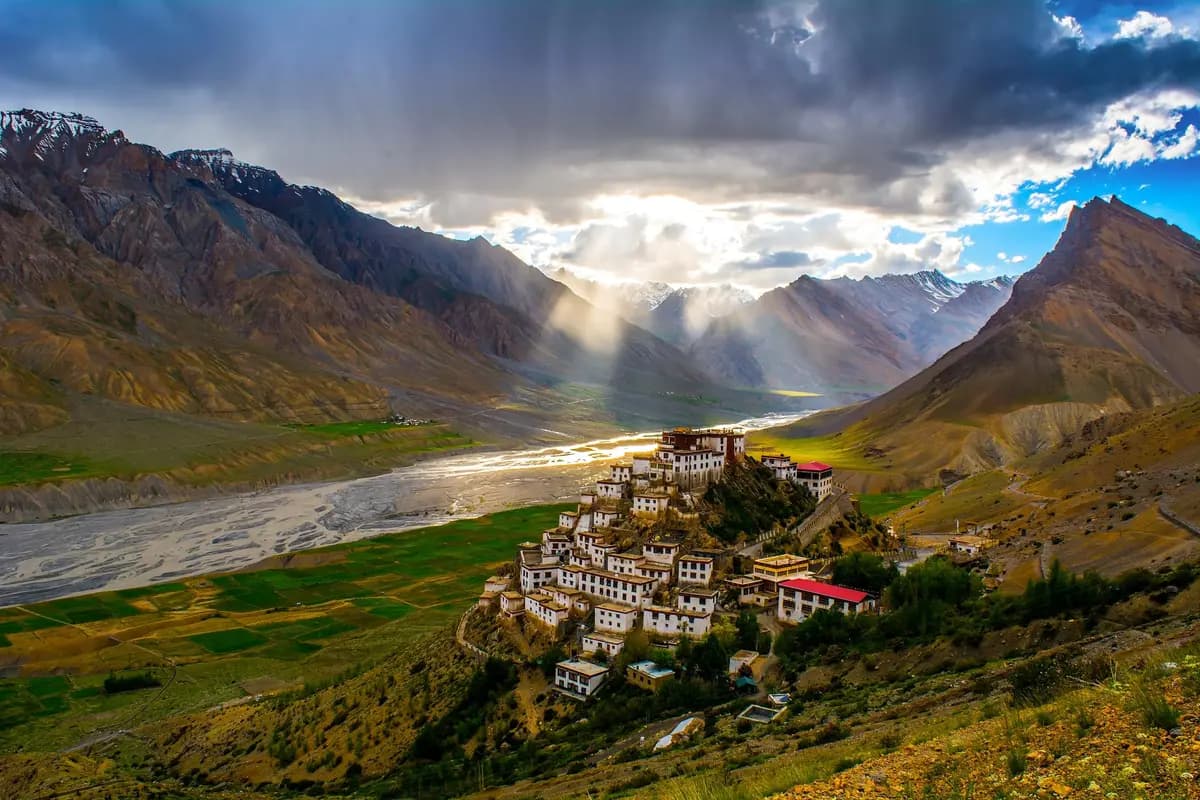
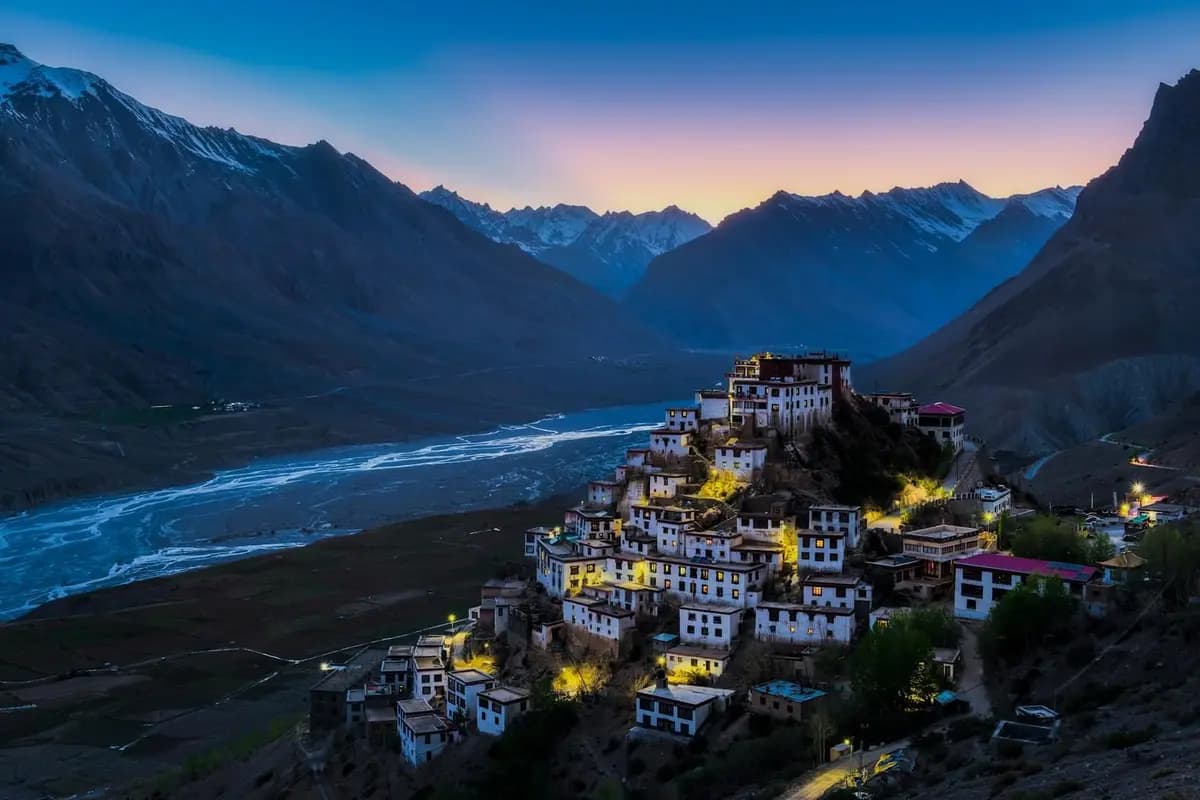
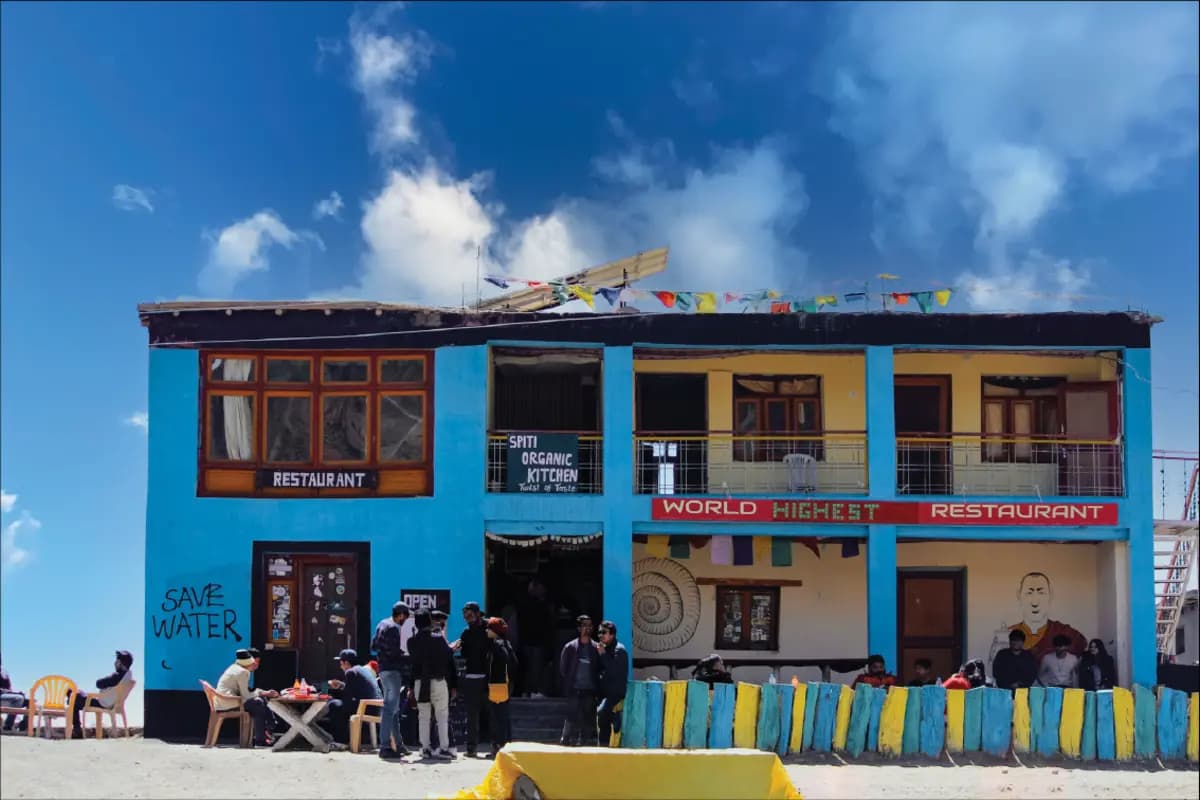
Most travellers who go to Spiti Valley are completely mesmerised by its beauty. They explore the popular villages like Kaza, Key, Tabo, and Dhankar. These places are magical and truly give the flavour of the Spiti experience. But here’s something interesting – while everyone is busy covering the places to visit in Spiti valley, they often skip the lesser-known Spiti valley nearby places that are equally stunning and worth visiting. These hidden places are peaceful, raw, and untouched. They offer something different from the usual touristy feel.If you’re planning your trip, don’t just stick to the basics. Explore beyond. You’ll thank yourself later. And if you need help with planning, check out the best Spiti Valley Tour Packages to make the most of your time in the region.Hidden Spiti Valley Nearby PlacesHere are 5 amazing Spiti valley nearby places that deserve a spot on your itinerary.1. Lahaul ValleyLahaul and Spiti are actually part of the same district, but most people only focus on Spiti. Lahaul is less crowded, greener, and full of surprises. After the opening of the Atal Tunnel, reaching Lahaul has become much easier and quicker. Key places in Lahaul are Sissu, Keylong, and Udaipur. Sissu is especially beautiful with a waterfall, a lake, and the Chenab river running by.If you’re already in Spiti, Lahaul is one of the easiest Spiti valley nearby places to explore. The vibe is different – calm villages, apple orchards, and monasteries without any crowd.2. Pin ValleyPin Valley is one of the most magical places to visit near Spiti Valley. It’s a lush green area in the middle of rocky mountains. You’ll find pine trees, colourful flowers, and even wildlife like snow leopards.Mud Village is the most famous spot in Pin Valley. It’s a small, peaceful village where you can stay in homestays and enjoy simple Spitian food. To get here, you just need to take a short detour from the road between Kaza and Tabo. The landscapes here are completely different and feel almost like a secret.Suggested Read: Spiti Travel Guide3. Chitkul – The Last Village on the Indo-Tibet BorderThough Chitkul is in Himachal’s Kinnaur district, it’s one of the best places to visit near Spiti valley if you’re coming from or going to Shimla. It’s the last village before the Indo-Tibet border and is known for its untouched beauty and wooden houses. The Baspa River runs through the village, and the surrounding snow-capped peaks are a sight to behold.You can reach Chitkul from Kalpa or Sangla, both of which are on the way from Shimla to Spiti. There’s no rush, no crowd, just nature and silence. You can even meet the kind locals and hear stories about the border and their lives.4. Gue Village – Home to a 500-Year-Old MummyGue is a small village near the Indo-Tibet border, around 40 km from Tabo. It’s one of those Spiti valley nearby places that feels straight out of a history book. The highlight here is the mummy of a Buddhist monk, which is over 500 years old and still preserved.It’s kept in a glass chamber and can be visited by tourists. Unlike Egypt’s mummies, this one is naturally preserved due to the cold climate and the monk’s meditation practices. Gue is quiet, remote, and not many people visit it, which makes it all the more interesting. The village also has stunning mountain views and is perfect if you’re looking for something different.5. Nako – A Tiny Lake Village on the Way to SpitiNako is in the Kinnaur region and lies on the way to Spiti from Shimla. It’s one of those peaceful places to visit near Spiti valley where you can stop for a day or two and relax. The main attraction is Nako Lake, a small but beautiful lake surrounded by willows and poplar trees.The village also has old monasteries and a calm, spiritual feel. You can sit by the lake, talk to the villagers, and enjoy a simple, slow life for a while. Nako is also a good place to stop if you want to acclimatise before heading to higher altitudes in Spiti. It’s peaceful, scenic, and makes for a perfect break.These were some of the Spiti valley nearby places that are not usually in the spotlight, but they truly add depth to your trip. They’re not touristy, which means you get to see the real, raw beauty of the region.Also Read– Places To Visit in Spiti ValleyMust Checkout– Things To Do in Spiti Valley

Read More

Sri Lanka in October
May 30, 20255 Minutes
Sri Lanka in October
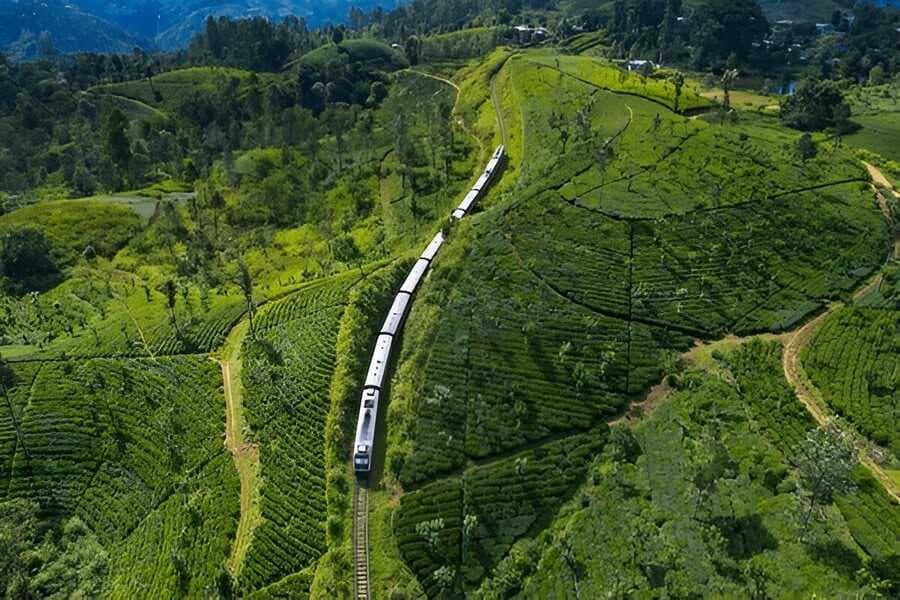
If you’re someone who enjoys less touristy places, green views, and a bit of unpredictability, then Sri Lanka in October can be a great time to visit. This is the shoulder season, right between the heavy rains of the southwest monsoon and the beginning of rains in the northeast. It’s also the perfect time to find good Sri Lanka tour packages, since prices are lower and places are less crowded. Yes, it can rain—but not all the time. Mornings are often clear, and showers usually come in short bursts. That means you still get time to explore, especially in the central and eastern parts of the country.Whether it’s the beaches of Trincomalee, the hills of Ella, or quiet moments in Anuradhapura, Sri Lanka in October offers a slower, more relaxed version of this stunning island nation. For nature lovers, budget travellers, or couples looking for calm, October is a hidden gem.Sri Lanka Weather in OctoberThe weather in Sri Lanka in October is a little mixed. Some parts get rain, while others stay dry and sunny. The southwest (like Galle and Colombo) sees a bit more rain this time, while areas like the Cultural Triangle (Anuradhapura, Polonnaruwa, Sigiriya) and the east coast are drier.Temperatures stay between 25°C to 31°C, which means it’s still warm and tropical. Rain usually comes in short bursts, mostly in the afternoons or evenings. So if you plan your activities in the first half of the day, you can avoid most of the rain.Humidity can be high, especially near the coast. Still, the green landscapes, waterfalls, and rice fields look beautiful after the rain. The air feels fresh, and the countryside is vibrant.Special Activities in Sri Lanka in OctoberTravelling in Sri Lanka in October gives you the chance to enjoy some unique and peaceful experiences. Here are some top things to do:1. Explore the Cultural TriangleVisit Sigiriya Rock Fortress, Dambulla Cave Temple, and ancient cities like Polonnaruwa and Anuradhapura. These areas are drier in October and perfect for sightseeing with fewer tourists around.2. Take a Scenic Train RideThe famous train from Kandy to Ella is a must. Lush greenery, misty hills, and waterfalls are even more beautiful in October. Since it’s off-season, you might even get a window seat without a crowd.3. Relax on the East CoastPlaces like Trincomalee and Pasikuda have nice weather during this time. Calm beaches, soft waves, and warm waters make it ideal for relaxing, especially if you want a peaceful seaside break.4. Visit Tea EstatesOctober is a lovely time to tour tea plantations in Nuwara Eliya and Ella. Watch the fog roll in over the hills, sip fresh tea, and enjoy the cool mountain air.5. Wildlife SafarisYala and Minneriya National Parks are still open. You can spot elephants, birds, and even leopards during this time. The greenery makes it look like a nature postcard.October is a great month for people who enjoy local life, nature, and slow travel. Many Sri Lanka tour packages offer good deals around this time because it’s considered off-season.Also Read: Temples in Sri LankaEssential Travel Tips for Sri Lanka in OctoberPack light rain gear: An umbrella or a poncho will come in handy.Plan outdoor activities early: Mornings are usually drier and more comfortable.Bug spray is a must: After the rains, mosquitoes can be more active.Stay flexible: Have backup plans in case of sudden showers.Keep some cash: Not every small town accepts cards.Travelling in Sri Lanka in October is easy if you’re prepared for occasional rain and don’t mind taking things slow. The country is green, less busy, and more welcoming than during peak season.Challenges of Visiting Sri Lanka in OctoberWhile the weather isn’t bad, there are some things you should be aware of:Unpredictable rain: Some days are dry, while others may see heavy showers. It’s important to keep an eye on local weather updates.Closed sea in some parts: Rough seas in the south and west mean fewer beach activities there. Swim on the East Coast instead.Transport delays: Rain can slow down local buses or tuk-tuks.Limited events: There aren’t many festivals in October, so nightlife or cultural events might feel quiet.Should You Visit Sri Lanka in October?If you’re looking for quiet beaches, green hills, and a calm travel pace, then yes—Sri Lanka in October is a great choice. It’s not the driest month, but it gives you space, scenery, and value. Perfect for offbeat travelers who enjoy nature and fewer crowds.Also Read: Places to Visit in SrilankaMust Read: Things to do in Srilanka

Read More

Andaman Itinerary for 4 days
May 30, 20256 Minutes
Andaman Itinerary for 4 days
The Andaman Islands are one of those places where time seems to slow down. Surrounded by crystal-clear waters and lush greenery, this peaceful destination is perfect for anyone who loves nature, calm beaches, and a relaxed pace of life. Whether you’re looking for a short break or just want to experience a tropical escape, the Andaman offers something special in every corner. From historical landmarks to water adventures and picture-perfect beaches, there’s plenty to see and do here. If you’re planning a quick trip, this Andaman itinerary for 4 days will guide you through the main attractions without feeling rushed. The islands offer a good balance of exploration and relaxation, making them ideal for solo travellers, couples, or families. Many Andaman tour packages are also available to help you travel more comfortably, with planned routes and ferry bookings included. With a little planning, even four days can give you a beautiful glimpse into Andaman’s charm.Day 1: Reach Port Blair and Explore Local SightsMost travellers begin their trip by flying into Port Blair, the capital of the Andaman Islands. Once you arrive, head to your hotel and relax for a while after your journey. The first day is kept light so you can adjust to the new place and climate. It is a thoughtful way to start your Andaman itinerary for 4 days, giving you a deeper connection to the place.In the afternoon, visit the famous Cellular Jail. This site is an important part of India’s history, as it was once used to imprison freedom fighters during British rule. The structure is now a national memorial, and walking through its corridors helps you understand the past.Later in the evening, stay for the light and sound show held inside the jail premises. The show uses lights and background narration to tell the story of the prisoners and the freedom movement. Day 2: Travel to Havelock Island and Visit Radhanagar BeachStart your day early and take a ferry from Port Blair to Havelock Island. The ferry ride usually takes around 90 minutes to 2 hours, depending on the service. Ferries are safe and well-managed, and seats are available in different categories, like economy or premium. This part of your Andaman itinerary for 4 days allows you to experience the quiet and natural beauty that the islands are known for.Once you reach Havelock, check into your resort or hotel. After a short break, head to Radhanagar Beach. This beach is one of the most popular in India because of its clean sand and calm waves. It has also been listed among the best beaches in Asia.Spending time here is relaxing. You can take a walk along the shore, enjoy the sunset, or simply sit by the sea. There are basic facilities nearby and a few food stalls for snacks or coconut water.Day 3: Water Activities and Beach Time at Elephanta BeachOn the third day, plan a visit to Elephant Beach. You can reach this beach by a short boat ride from Havelock. It’s known for its water activities and clear shallow waters that are good for beginners. Including Elephanta Beach in your Andaman itinerary for 4 days adds a little adventure to your trip without making it too tiring.Snorkelling is one of the most popular activities here. It gives you a chance to see colourful fish, corals, and underwater life. You don’t need to be a swimmer—guides are available to help first-timers. If you’re interested, you can also try other activities like sea walking, jet skiing, or banana boat rides.After spending a few hours at Elephanta Beach, return to your hotel or resort. In the evening, you can explore nearby cafes or take a quiet walk along the coastline.Day 4: Return to Port Blair and Visit Local SpotsOn the final day of your trip, take the morning ferry back to Port Blair. Depending on your flight timing, you may have a few hours to explore the city before heading to the airport.This easy end to your Andaman itinerary for 4 days keeps the mood light and gives you time to relax before your return journey.One easy option is to visit Corbyn’s Cove Beach, which is located close to the city. It’s not very crowded and is suitable for a short visit. You can sit by the water or enjoy a light snack from the small stalls nearby.If you have more time, you can stop by the local markets in Port Blair to pick up souvenirs. Items like shell jewellery, wooden crafts, and handmade soaps are common. They make good gifts or reminders of your trip.Travel Tips for a Smooth TripBook ferries in advance: Especially during tourist season, ferry tickets can get full. Booking online or through your hotel in advance is helpful.Carry sunscreen and light clothes: The sun can be strong during the day, so light cotton clothes, a hat, and sunscreen are important.Keep cash handy: While digital payments are common in cities, some smaller places might still prefer cash.Respect local rules and nature: Avoid littering beaches or touching marine life during water activities.Also Read: Places to Visit in AndamanMust Read: Things to Do in Andaman

Read More

Bali in June
May 30, 20256 Minutes
Bali in June
Bali is a gorgeous island in Indonesia, famous for its stunning landscapes, authentic culture, and rich history. When we consider Bali in June, it’s all about sunny skies, pleasant temperatures, and an atmosphere. June is one of the best months to visit, as it falls in the dry season, meaning fewer rains and more outdoor adventures. By June, Bali experiences great weather, making it an ideal time for beach lovers, nature enthusiasts, and culture seekers.If you’re planning to visit, make sure to check out Bali tour packages for the best deals and tips. This blog will guide you through Bali’s weather in June, special places to visit, activities to try, and some travel tips to make your experience unforgettable. If you’re curious about the best time to visit Bali, keep reading for a comprehensive guide.Bali Weather in JuneThe Bali temperature in June ranges between 26°C and 30°C. It’s generally warm during the day but cools down slightly in the evenings, making it perfect for outdoor activities. Humidity is low, and rainfall is rare, which makes June one of the best months to enjoy Bali’s tropical beauty.Whether you’re lounging at a beach resort or trekking through lush forests, the weather is ideal for all kinds of adventures. You’ll enjoy the warmth without the overpowering humidity that some destinations experience.Special Places to Visit in Bali in June1. Uluwatu TempleLocated on a cliff overlooking the ocean, Uluwatu Temple is one of Bali’s most iconic landmarks. In June, the weather is perfect to explore the temple and enjoy the stunning sunset views. You can also watch the famous Kecak Fire Dance performance, which takes place in the evening. This temple offers spiritual vibes and breathtaking ocean views, making it a must-visit during your trip.2. Sacred Monkey Forest SanctuaryThe Sacred Monkey Forest Sanctuary in Ubud is home to over 600 long-tailed macaques. This lush jungle provides a tranquil atmosphere where visitors can walk through ancient stone temples and admire beautiful statues. The weather in June is ideal for walking around the forest as the paths are less slippery and more enjoyable to explore.3. Seminyak BeachIf you love beach life, Seminyak Beach is perfect for lounging under the sun, swimming, and even surfing. The clear skies and mild temperature of Bali in June make it the best time to visit the beach. Bali temperature in June also ensures that you won’t be sweating in the sun. You can enjoy a beach day with refreshing drinks and local seafood at one of the many beachside cafes.4. Tegallalang Rice TerracesThe Tegallalang Rice Terraces in Ubud are famous for their heavenly landscapes. These rice paddies are a sight to behold, especially when the lush greenery is complemented by the sunny weather in June. You can take a leisurely walk around the terraces or even try your hand at rice planting. The cool breeze and clear skies create the perfect environment for exploring these stunning natural wonders.5. Besakih TempleKnown as Bali’s Mother Temple, Besakih Temple is perched on the majestic Mount Agung. The temple is a spiritual center for the Balinese people and offers breathtaking panoramic views. The dry and sunny weather in June ensures that you can visit this sacred place comfortably, explore its various shrines, and experience the serene atmosphere without worrying about rain.Special Activities to Do in Bali in June1. Surfing in KutaJune is a fantastic time to surf in Kuta. Known for its consistent waves and surf schools, it’s a hotspot for both beginners and seasoned surfers. Bali temperature in June makes the water warm enough for long surfing sessions without getting cold. If you’ve never surfed before, this is the perfect place to take a lesson and ride the waves.2. Hiking Mount BaturFor adventure lovers, hiking Mount Batur is a must-do activity. The hike is relatively easy and leads to a stunning sunrise view. Starting early in the morning, you’ll reach the summit to watch the sun rise over the island. The weather in June makes this activity even more enjoyable as the cool morning temperatures keep you refreshed throughout the trek.3. Snorkeling in AmedAmed is famous for its clear waters and coral reefs, making it a prime spot for snorkeling. In June, the visibility underwater is excellent due to the calm seas, allowing you to see a wide variety of marine life. Whether you’re a beginner or an experienced snorkeler, Amed offers a unique opportunity to explore Bali’s underwater world.4. Traditional Balinese Cooking ClassTo truly immerse yourself in Bali’s culture, try a traditional Balinese cooking class. You’ll visit local markets to pick up fresh ingredients, then learn to prepare authentic dishes from Balinese chefs. This hands-on experience gives you a taste of local cuisine and allows you to connect with the culture in a meaningful way. June’s pleasant temperatures make it perfect for spending time outdoors and in the kitchen.5. Bali WaterbomFor a fun family activity, head over to Waterbom Bali, an exciting water park in Kuta. It has thrilling water slides or lazy river rides. The sunny days of June mean the water park is busy, so be ready for a day full of fun and excitement under the Bali sun.Travel Tips for Visiting Bali in JuneBook your accommodation in advance: June is a peak season in Bali, so make sure to book your hotels or resorts early.Pack light clothing: With the Bali temperature in June and June being warm, lightweight clothes are your best option.Stay hydrated: The sun can be quite intense, so keep a water bottle handy.Wear sunscreen: Protect your skin from the strong Bali sun by applying sunscreen regularly.Respect the culture: Bali has many sacred sites, so dress modestly when visiting temples and other religious sites.Also Read: Places to Visit in BaliMust Read: Things to do in Bali

Read More

10 Most Beautiful Malaysia Islands for Your Next Trip
May 30, 20251 Minute
10 Most Beautiful Malaysia Islands for Your Next Trip
When people plan a trip to Malaysia, they often stick to the usual – Kuala Lumpur, Genting Highlands, and maybe a quick stop in Langkawi. But Malaysia has much more to offer, especially for beach lovers. The country is filled with breathtaking Malaysia islands, many of which remain unexplored and untouched by mass tourism. So if you’re someone who likes exploring hidden islands of Malaysia, these 10 destinations are perfect for your next trip.If you’re the kind of traveler who enjoys calm beaches, clear water, and fewer crowds, check out our Malaysia Tour Packages, you’ll love these offbeat and peaceful destinations. Let’s explore the top 10 islands to visit in Malaysia that you probably haven’t heard about.Top 10 Malaysia Islands to Visit1. Perhentian Islands:The Perhentian Islands are located in the northeast part of Malaysia and are made up of two main islands – Perhentian Kecil (smaller and cheaper) and Perhentian Besar (larger and more family-friendly). These islands are surrounded by soft sandy beaches and clear waters. The atmosphere is laid-back, with beach cafes, budget chalets, and plenty of palm trees.Famous for: Snorkeling, diving, and relaxed beach stays.2. Redang Island:Redang is one of the larger Malaysia islands, famous for its luxury resorts and crystal-clear waters. Unlike Perhentian, Redang is more upscale and suited for travelers looking for comfort. The island is covered in tropical jungle and has long beaches with clean white sand.Famous for: High-end resorts, snorkeling tours, and underwater photography.3. Tioman Island:Tioman Island is located off the east coast and is covered with thick rainforest, waterfalls, and hiking trails. It’s not just for beach lovers—it’s also great for trekkers and adventure seekers. Coral reefs surround the island, making it ideal for underwater activities. Despite its beauty, it’s still one of the more hidden islands of Malaysia, often missed by casual tourists.Famous for: Scuba diving, jungle trekking, and wildlife spotting.4. Kapas Island:Kapas Island is a small, quiet island off the coast of Terengganu. It’s simple, uncrowded, and has no big hotels or tourist traps. The beach is just a few steps from most stays, and the vibe here is slow and peaceful. If you’re looking to disconnect and enjoy nature, this is one of the best Malaysia islands for that.Famous for: Peaceful beaches, coral reefs, and budget-friendly stays.5. Rawa Island:Rawa Island is a private island owned by the royal family of Johor. But you can still visit! The island has just a few resorts and is known for its cleanliness and calm surroundings. The water is shallow and safe, making it perfect for families with kids or couples looking for a peaceful holiday.Famous for: White sandy beaches, coral gardens, and relaxing getaways.6. Lang Tengah Island:Lang Tengah sits between Redang and Perhentian but doesn’t get as much attention. That’s what makes it special. The island has only a few resorts, so you’ll often have the beach to yourself. It’s quiet, clean, and surrounded by greenery. It feels like your own private island.Famous for: Seclusion, snorkelling, and turtle watching.7. Pom Pom Island:Pom Pom is a tiny island in Sabah and one of the most beautiful hidden islands of Malaysia. You can walk around the entire island in just 30 minutes. It’s peaceful, scenic, and perfect for people looking for privacy. The beach sand is white, and the sea is calm and crystal clear. It’s a top choice for honeymooners.Famous for: Romantic atmosphere, marine life, and quiet beach walks.8. Mantanani Islands:Located off the coast of Kota Belud in Sabah, the Mantanani Islands are a group of three islands. They are not as popular among foreign tourists, so they still feel natural and raw. These islands are especially known for diving, where you might spot a dugong, a rare sea animal.Famous for: Scuba diving, island hopping, and spotting sea creatures.9. Layang-Layang Island:Layang-Layang is one of the most remote Malaysia islands in the South China Sea. It was built by reclaiming land and is mostly visited by hardcore divers. You won’t find beaches here, but the underwater life is truly unique. If you’re into deep-sea diving, this place is like a hidden paradise.Famous for: Hammerhead sharks, deep-sea dives, and rare marine life.10. Sibu Island:Sibu Island is near the east coast of Johor and can be reached easily by boat. Despite its easy access, it’s still quiet and peaceful. The island has small bays and coves, making it perfect for kayaking or just sitting by the water. The resorts are eco-friendly and not too crowded, so it gives you a very relaxed vibe.Famous for: Kayaking, coral reefs, and quiet beach stays.Many of these Malaysia islands are not on regular travel itineraries. That’s why they remain peaceful, clean, and mostly natural. These are ideal for people who want to escape the usual tourist spots and enjoy some quiet time in nature.Also Read – Places To Visit in MalaysiaMust Checkout – Things To Do in Malaysia

Read More

Things to Buy in Thailand
May 30, 20258 Minutes
Things to Buy in Thailand
Thailand is a fun place to visit, not just for beaches and temples, but also for shopping. Everywhere you go, there’s something new to see and buy—colourful markets, small shops, and local crafts that show off the culture. From tasty snacks and handmade bags to comfy clothes and natural beauty products, there’s always something special to take home. Many Thailand tour packages even include stops at markets and shopping spots, so you can enjoy it all while exploring.If you’re planning your trip, don’t forget to check out what to buy. This blog will guide you through the best and most interesting things to buy in Thailand. These items make great souvenirs for yourself or gifts for family and friends. Plus, they’re a nice way to remember your time in the country.Let’s take a look at what you can shop for when visiting this beautiful and lively country.Top 10 Things to Buy in Thailand:1. Thai Silk and Cotton:Thai silk is soft, shiny, and full of colour. It’s one of the most well-known things to buy in Thailand. You’ll see scarves, shirts, dresses, and cushion covers made with this lovely fabric. Thai cotton is also very popular, especially in villages where locals still weave it by hand.You can find these in local markets, big shopping streets, or small village shops. They make wonderful gifts and are easy to carry in your suitcase.2. Traditional Handicrafts:If you enjoy buying items that have a story behind them, Thai handicrafts are a perfect choice. These include carved wooden items, painted paper umbrellas, handmade bags, and bamboo products. The details and colours in these items reflect the culture and traditions of Thailand.These are some of the most meaningful things to buy in Thailand, especially if you want something handmade. Local markets in Chiang Mai and small shops across Bangkok are great places to explore.3. Snacks and Spices:Thailand is known for its tasty food, and luckily, you can take a little of that flavour home with you. Local snacks like dried mango, coconut chips, and spicy peanuts are fun to try. You can also find curry pastes, tom yum soup mix, and Thai spices in easy-to-carry packs.These are perfect gifts for food lovers and a fun way to remember your trip. Markets and stores across Thailand are full of options to choose from.4. Herbal and Coconut Products:One of the best Thailand famous things is the wide range of coconut and herbal products. From soaps and shampoos to oils and balms, these items are natural, fragrant, and useful. Many people buy them as gifts or souvenirs for loved ones.Coconut oil is often used for both beauty and cooking, and herbal balms help with aches and colds. You’ll find these items in markets, local beauty stores, and even convenience shops.5. Thai Fashion and Clothes:Thailand is a great place for picking up light, colourful clothes. You’ll see elephant pants, beach dresses, handmade bags, and cute t-shirts almost everywhere. The style is relaxed, perfect for travel, and easy to wear.This is one of the easiest and most fun things to buy in Thailand, especially if you want to dress like a local or just enjoy cool, affordable fashion. Shops in Bangkok and Chiang Mai are full of options for every taste.6. Jewellery and Accessories:If you’re into accessories, Thailand has some lovely silver jewellery, beads, and gemstone pieces. Many are handmade, giving each item a personal touch. From small rings and earrings to bold necklaces and bracelets, you’ll find lots of variety.Markets in Chiang Mai and street vendors in tourist areas often sell these. They make great gifts and are easy to carry home in your bag.7. Ceramics and Pottery:Thai ceramics are beautiful and often painted by hand. Bowls, plates, mugs, and jars come in many colours and designs. The famous Benjarong style, with detailed patterns and gold lining, is especially popular.These are good things to buy in Thailand if you enjoy unique home items. Just be careful while packing them—they’re delicate but worth it.8. Herbal Tea and Natural Remedies:If you’re into health and wellness, Thai herbal teas are worth a try. Butterfly pea tea, lemongrass tea, and ginger blends are not only tasty but also known for their health benefits. You can also find herbal compress balls and natural oils used in traditional Thai massages.These make peaceful, thoughtful gifts and help you bring a bit of that relaxing Thai spa vibe back home.9. Buddhist Amulets and Lucky Charms:Buddhist amulets are small charms often blessed by monks and believed to bring luck, love, or protection. Many locals wear them or keep them in their homes or cars. As a visitor, these can be meaningful souvenirs that hold spiritual value.You can find these at amulet markets, temples, or special shops around Thailand. They’re simple but powerful reminders of Thai beliefs and traditions.10. Muay Thai Souvenirs:Muay Thai, the famous Thai boxing sport, is a big part of the local culture. If you’ve watched a fight or trained at a gym, you might want to take home some Muay Thai gear. Gloves, shorts, or even t-shirts with gym logos are popular picks.These are special things to buy in Thailand for sports lovers or those who enjoy martial arts. It’s a great way to remember a unique experience from your trip.Final Tips for Shopping in Thailand:Thailand is filled with colorful markets, friendly vendors, and shops that are fun to explore. Here are a few tips to help:Try bargaining at local markets—do it kindly and with a smile.Always check if your items are handmade or mass-produced.Pack breakables carefully if you’re buying anything fragile.Keep some space in your suitcase—you’ll probably end up buying more than planned!Also Read: Places to Visit in Thailand

Read More

Deserts in Europe
May 30, 20259 Minutes
Deserts in Europe
When you think of Europe, what usually comes to mind? Beautiful cities, snowy mountains, green countryside, and cosy villages, right? But here is something most travellers don’t expect, deserts in Europe. Yes, real deserts with dry lands, dunes, and wide, open spaces. While Europe isn’t known for extreme heat like Africa or the Middle East, it still has a few unique deserts that surprise visitors with their strange beauty. If you plan your next adventure, some of these places might be worth adding to your Europe tour packages for a truly offbeat experience.These deserts aren’t always sandy like the Sahara. Some are rocky, some are dry grasslands, and others feel more like dry moonscapes. But each one offers a completely different travel experience. Whether you love photography, quiet walks, or exploring rare landscapes, visiting these deserts in Europe could be something different for your travel bucket list. Top Deserts in Europe:Here are 8 fascinating deserts in Europe you can visit, along with their location and best visiting time.1. Tabernas Desert – Spain:The Tabernas Desert in southern Spain is Europe’s largest desert in Europe. It receives less than 250 mm of rainfall per year, which makes it the only true semi-arid desert in continental Europe. What makes Tabernas truly special is its resemblance to the landscapes of the American Southwest.Many classic Spaghetti Westerns were filmed here in the 1960s and 70s, including famous titles like The Good, The Bad and The Ugly. Today, you can even visit old film sets that have been turned into mini theme parks with cowboy shows and saloons. The rock formations, dry riverbeds, and open plains make it perfect for walking trails, nature tours, or simply soaking in the wild silence.Location: Almería, Andalusia, SpainBest time to visit: October to April (cooler temperatures and less intense sun)2. Błędów Desert – Poland:The Błędów Desert might be one of the most unexpected places in Poland. Located in the Silesian region, this desert covers about 32 square kilometres and is often called “Poland’s Sahara.” It was created during the Ice Age, and human activities like deforestation later caused more sand to spread, giving it a desert-like appearance.In the past, it was used for military exercises and even by the German army during World War II. Today, it’s a peaceful area where tourists can take walking trails through dunes, enjoy guided tours, and learn about its unique history. It’s a reminder that not all deserts in Europe are natural—some come with stories.Location: Silesian Voivodeship, southern PolandBest time to visit: May to September3. Oltenian Sahara – Romania:The Oltenian Desert, also called the Romanian Sahara, is one of Europe’s strangest deserts. It wasn’t always a desert—it formed over time because of overgrazing, deforestation, and climate change. What remains now is an 80-square-kilometre patch of sandy land in Dolj County.It has very little vegetation and strong winds that blow the sand across nearby villages. Some locals have even built fences to stop the sand from covering roads. This desert is growing slowly every year, which raises concerns about desertification in Europe. For travellers, it offers a surreal, dry landscape and a glimpse of how nature can change when not cared for.Location: Dolj County, southern RomaniaBest time to visit: April to June or early autumn4. Highlands of Iceland – Iceland:You won’t find dunes in Iceland, but the Highlands of Iceland are considered a kind of cold desert. These volcanic deserts are made up of black sand, ash, lava rocks, and almost no plant life. The weather is unpredictable, and strong winds blow across the barren land, giving it a very harsh, otherworldly look.Because most of the highland roads are only open in summer, you can only visit during a short window each year. Driving through this area feels like being on another planet, with landscapes shaped by volcanoes and glaciers. It’s a must-see for adventurous travellers looking for something far from the usual stops in Europe.Location: Central IcelandBest time to visit: June to August5. Deliblato Sands – Serbia:The Deliblato Sands is one of the largest sandy areas in Europe, often nicknamed the “European Sahara.” Unlike other deserts in Europe, this one is made up of dunes, steppe-like grasslands, and even forests. The area is also a special nature reserve, home to many rare species of birds, butterflies, and plants.It stretches across about 300 square kilometers and offers excellent opportunities for hiking, birdwatching, and nature photography. While it doesn’t feel as dry as the Tabernas or Błędów deserts, it still counts due to its sandy soil and semi-arid environment.Location: Vojvodina, northeastern SerbiaBest time to visit: May to October6. Accona Desert – Italy:Tuscany is usually known for rolling green hills and vineyards, but the Accona Desert shows a completely different side of the region. This desert is also called the “Crete Senesi,” known for its white clay soil, deep gullies, and barren hills. It looks dry and cracked, especially in summer, giving it a desert-like vibe.Even though there’s no sand, the dryness, erosion, and sparse vegetation make it feel like a true desert. The area is quiet, peaceful, and great for walking tours. You can also explore nearby monasteries, historic villages, and scenic roads that make the visit even more interesting.Location: Near Siena, Tuscany, ItalyBest time to visit: April to June and September to October7. Las Bardenas Reales – Spain:The Las Bardenas Reales is a stunning semi-desert natural region located in Navarra, northern Spain. Covering over 42,000 hectares, this desert features clay, chalk, and sandstone landscapes shaped by centuries of wind and rain. You’ll see dramatic plateaus, dry canyons, and oddly shaped hills that look straight out of a sci-fi movie.It’s not a desert by temperature, but by its dry, eroded look. Many parts of this desert were used as filming locations for shows like Game of Thrones. Visitors can hike, bike, or drive through it (by designated routes), and it’s also a protected UNESCO Biosphere Reserve.If you’re looking to explore unique deserts in Europe, Las Bardenas Reales offers both raw beauty and easy accessibility, making it a great addition to any adventure.Location: Navarra, northern SpainBest time to visit: March to June or September to October8. Monegros Desert – Spain:The Monegros Desert is located between Zaragoza and Huesca in northeastern Spain. It’s a semi-arid region with dry plains, strange rock formations, and a warm climate. This desert gets around 350 mm of rainfall annually and is one of the hottest and driest places in Spain after Tabernas. It’s also considered one of the biggest deserts in Europe in terms of area and landscape variety.It’s popular for hiking and photography due to its quiet beauty and dramatic landscapes. Every summer, it also hosts the Monegros Desert Festival, a huge electronic music event that brings people from around the world. So you can enjoy both nature and culture in one place.Location: Aragón, SpainBest time to visit: March to May or SeptemberAlso Read: Places to Visit in EuropeMust Read: Things to do in Europe

Read More

Kerala
May 30, 20253 Minutes
Kerala
Overview of Kerala: Kerala, often called “God’s Own Country,” is where nature truly shows off. With its lush green landscapes, peaceful backwaters, sun-kissed beaches, and mist-covered hills, Kerala is perfect for anyone looking to slow down and reconnect with nature, with culture, or with themselves. Whether you’re cruising through Alleppey’s backwaters, sipping tea in Munnar’s plantations, or spotting elephants in Thekkady, every part of Kerala has something unique to offer. The charm isn’t just in the places—it’s in the little things: the warmth of the locals, the rhythm of Kathakali, the aroma of spices, and the healing touch of Ayurveda. That’s why Kerala is a must-have in many South India tour packages. It’s not just about sightseeing; it’s about feeling present, relaxed, and a little more alive. Few places in India blend natural beauty and local culture as effortlessly as Kerala does. What are the Key Highlights of Kerala: Cruise the Backwaters of Alleppey: Float along palm-lined canals in a traditional houseboat and watch village life unfold along the water’s edge. It’s peaceful, scenic, and unforgettable. Explore the Tea Gardens of Munnar: Munnar’s rolling hills covered in tea plantations feel like a green dream. You can also visit tea museums and enjoy fresh mountain air. Wildlife Adventures in Thekkady: Head to Periyar Wildlife Sanctuary for jungle treks and boat rides. You might spot elephants, bison, and exotic birds in their natural habitat. Sunsets at Kovalam & Varkala Beaches: Whether you prefer laid-back Varkala or the more lively Kovalam, Kerala’s beaches offer stunning sunsets and a relaxing vibe by the Arabian Sea. Experience Local Culture in Kochi: From colonial-era streets to art cafés and Kathakali dance shows, Kochi beautifully blends old and new, making it one of Kerala’s most vibrant cities. Timings & Entry Fees for Kerala: Kerala’s major attractions usually open between 9:00 AM and 5:00 PM. Entry fees vary: houseboat cruises start around ₹1,000 per hour, Periyar Wildlife Sanctuary charges ₹50–₹500 depending on activity, and the tea museum entry in Munnar is around ₹75. It’s best to check local listings for exact timings. Travel Tips / Essential Information For Kerala: Best Time to Visit: October to March is ideal, with cool and pleasant weather across most destinations. Stay Options: From eco-resorts to heritage homestays, Kerala offers a wide range of stays—houseboats included! Local Transport: Auto-rickshaws, private taxis, and local buses work well. For longer distances, trains are reliable. What to Pack: Carry light cotton clothes, sunscreen, an umbrella (just in case), and comfortable walking shoes. Health & Safety: Stick to bottled water. Try local food, but be mindful if you’re not used to spices. Cultural Etiquette: Dress modestly, especially in temples and rural areas. Always remove footwear before entering temples. Language Tips: Malayalam is the local language, but English is widely spoken in tourist areas. Unique Experiences: Try an Ayurvedic massage, watch a Kathakali performance, and don’t miss eating a traditional Kerala sadya served on a banana leaf. Also Read: Places to visit in KeralaMust Read: Things to do in Kerala

Read More

10 Famous Waterfalls in Kerala
May 30, 20258 Minutes
10 Famous Waterfalls in Kerala
Kerala is pretty green heaven of South India, and when people talk about Kerala, it’s usually about backwaters, Asyurveda, houseboats, or Munnar. While these are lovely experiences, many travelers miss out on something equally beautiful — waterfalls in Kerala. These natural wonders are tucked away in the forests, along mountain paths, or near quiet villages.Most tourists stick to the main sightseeing points and skip exploring these waterfalls. But believe it or not, some of the best waterfalls in Kerala are not only gorgeous but also perfect for photography, trekking, and a peaceful picnic with family. Consider our best Kerala tour packages to make sure at least a couple of waterfalls are on your list.The sound of water crashing down rocks, surrounded by thick green forests and cool mist, creates a magical vibe. Some falls are big and famous, while others are smaller and lesser-known — but each one has its charm. Let’s take a look at 10 of the most popular waterfalls in Kerala that you must explore on your next trip.Most Popular Waterfalls in Kerala1. Athirappilly Waterfalls:Called the famous waterfall in Kerala, Athirappilly is often compared to Niagara Falls. Surrounded by Sholayar forests, the falls drop from 80 feet, creating a thunderous sound and mist. You can view it from above or walk down to see the entire stretch. Monsoon is the best time when the falls are in full force, and the greenery around is breathtaking.Location: Thrissur district (around 70 km from Kochi)Timings: 8 am – 6 pmEntry Fee: ₹30 for adults, ₹10 for children2. Meenmutty Waterfalls:This is the second-highest waterfall in Kerala, falling from 300 feet in three stages. Reaching the falls involves a 2 km trek through Wayanad’s dense forest. It’s an adventure-lovers’ paradise and a great escape for those looking to enjoy Kerala’s raw beauty. Make sure to wear good shoes and carry water for the trek.Location: Wayanad districtTimings: 9 am – 5 pmEntry Fee: Free3. Soochipara Waterfalls:Also called Sentinel Rock Falls, this is one of the most famous waterfalls in Kerala for families and couples. The drive to the falls is scenic, with tea estates on both sides. After a short 15-minute walk from the parking, you reach the fall. There’s a natural pool below, perfect for a dip if the water flow isn’t too strong.Location: Vellarimala, WayanadTimings: 8 am – 5 pmEntry Fee: ₹50 per person4. Vazhachal Waterfalls:Not far from Athirappilly, Vazhachal is more about calm beauty. The water here flows gently over wide rocks, making it ideal for quiet relaxation. It’s a good place for kids and elderly visitors who want to enjoy a scenic spot without much walking. If you’re visiting Kerala in June, the rain enhances the greenery and beauty of this place.Location: Thrissur districtTimings: 8 am – 6 pmEntry Fee: ₹50 per person5. Thommankuthu Waterfalls:This one’s a true nature lover’s delight — a chain of seven waterfalls located deep inside the forest. It’s a bit of a trek, but worth every step. The sound of the water and chirping birds gives a peaceful jungle feel. Among all waterfalls in Kerala, this one stands out for its unique structure and adventure vibes.Location: Idukki districtTimings: 8 am – 4 pmEntry Fee: ₹30 per person6. Palaruvi Waterfalls:“Palaruvi” means “stream of milk” — and that’s exactly how the water looks as it drops from 300 feet. This is one of the best waterfalls in Kerala for families because there are separate safe bathing areas for men and women. Surrounded by thick forest, it’s peaceful, clean, and refreshing.Location: Aryankavu, Kollam districtTimings: 8 am – 4 pmEntry Fee: ₹25 per person7. Cheeyappara Waterfalls:On your way to Munnar, you’ll find Cheeyappara Falls right beside the road. It’s a great spot to stretch your legs and click a few pictures. The fall has multiple steps flowing down large rocks. In monsoon, it gets heavy and mighty. This is one of the easily accessible water falls in Kerala that requires no trekking.Location: Between Neriamangalam and Adimali, IdukkiTimings: 24 hrs openEntry Fee: Free8. Valara Waterfalls:Very close to Cheeyappara, Valara is another roadside beauty. It drops down into a thick forest, and though you can’t go close to it, the view from the road is beautiful. It is a hidden gem, often overlooked but definitely worth a stop while exploring the Places to visit in Kerala.Location: Near Adimali, IdukkiTimings: 24 hrs openEntry Fee: Free9. Perunthenaruvi Waterfalls:Less crowded and more raw, this waterfall offers natural beauty in its purest form. Located in a remote village, it’s one of the few water falls in Kerala that hasn’t been overly commercialized. The water here is wide rather than tall, flowing over large rock slabs and creating mini pools along the way.Location: Pathanamthitta districtTimings: 9:30 – 5 pm (Tuesday & Thursday Closed)Entry Fee: ₹30 per person10. Kombaikani Waterfalls:Located inside the Peppara Wildlife Sanctuary, this is one of the secret but famous waterfalls in Kerala. The journey involves a scenic drive and a small trek through the forest. You need permission to enter the sanctuary, but the mix of greenery, wildlife, and water makes it a complete nature trip.Location: Thiruvananthapuram districtTimings: 9:30 – 5 pmEntry Fee: ₹2900 per person for a 5 km guided trek of 1 day(includes wildlife entry fee)Suggested Read: Best time to visit KeralaAlso Checkout: Things to do in KeralaMust Read: Places To Visit in Kerala

Read More

Singapore in June
May 30, 20256 Minutes
Singapore in June
June marks the middle of Singapore’s dry season, making it one of the popular months for tourists to explore this beautiful island nation. Singapore in June brings warm temperatures with occasional light showers, creating perfect conditions for both indoor and outdoor activities.The Singapore temperature in june usually stays between 26°C to 31°C, which feels comfortable for most travelers coming from India. This month attracts families, couples, and solo travelers who want to book Singapore Tour packages without the heavy monsoon rains.What attracts most visitors to Singapore during June is the perfect balance of sunny days and cool evenings. Most of the Indian travelers prefer this time because the weather feels similar to a pleasant Indian summer. Let’s know more about this, and what exactly Singapore in June is:Singapore Weather in JuneSingapore in June offers some of the most pleasant weather conditions throughout the year. This makes it perfect for all kinds of activities, from morning walks in the gardens to late-night shopping at Orchard Road.The Singapore temperature in June remains steady and comfortable, with daytime temperatures reaching around 30°C and nighttime temperatures dropping to a cool 25°C. The humidity levels stay around 70-80%, which might feel a bit sticky at first, but most Indian travelers adapt quickly since we’re used to similar conditions back home. Rain showers are brief and usually happen in the late afternoon or evening.June falls during Singapore’s dry season, so you won’t face the heavy downpours that come during monsoon months. The Singapore weather in June is ideal for outdoor sightseeing, theme park visits, and beach activities. The afternoons can get warm, but the frequent sea breeze helps keep things comfortable. Consider reading the best time to visit Singapore to know about Singapore’s weather patterns.Special Activities in Singapore in JuneSingapore in june brings several unique activities and events that make your visit extra special. Here are the main attractions and activities you shouldn’t miss:Great Singapore Sale: This massive shopping festival runs through June, offering huge discounts at malls, boutiques, and local stores. You can find everything from electronics to fashion at amazing prices. Dragon Boat Festival: This traditional Chinese festival usually falls in June, featuring exciting dragon boat races at Marina Bay. You can watch the colorful boats compete while enjoying traditional foods like rice dumplings.Outdoor Cinema Events: Many parks and venues host outdoor movie screenings during June evenings. Fort Canning Park and other locations set up big screens where you can watch movies under the stars. It’s a romantic and fun way to spend your evening.Night Safari Special Programs: The famous Night Safari introduces special June programs with extended hours and unique animal presentations.Marina Bay Light Shows: The evening light displays at Marina Bay Sands become more spectacular in June with special themes and longer duration shows. Beach Activities: Sentosa Island beaches are perfect in June weather. You can enjoy water sports, beach volleyball, and seaside dining without the intense heat or rain interruptions that other months might bring.Places to Visit in Singapore in June:Here are the places to visit in Singapore in June:Gardens by the Bay: The iconic Supertree Grove and Cloud Forest are spectacular in June weather. The outdoor gardens are comfortable to walk through, and the indoor conservatories provide cool relief when needed. Evening visits are magical with the light shows.Marina Bay Sands: The infinity pool and observation deck offer stunning views, especially during June’s clear weather days. Sentosa Island: All beach activities and theme parks like Universal Studios are enjoyable in June. The cable car rides offer beautiful views, and the beaches are perfect for relaxation. Water activities are comfortable without being too hot.Singapore Zoo and River Safari: Morning visits are ideal when temperatures are cooler. The animals are more active, and you can enjoy the walking trails comfortably. The River Safari boat rides are refreshing during the warm afternoons.Chinatown and Little India: These cultural districts are perfect for exploring when planning your Singapore Itinerary 5 days. The covered markets and air-conditioned shops provide comfort, while street food tastes amazing in the pleasant evening weather.Singapore Botanic Gardens: The UNESCO World Heritage site is beautiful in June with blooming flowers and lush greenery. Early morning or late afternoon visits are most comfortable for walking the extensive trails.Travel Tips for Visiting Singapore in JunePack light, breathable cotton clothes and comfortable walking shoes for exploring in the warm weather.Carry a light raincoat or small umbrella for occasional afternoon showers, though they’re usually brief.Include plenty of things to do in Singapore that offer both indoor and outdoor options for weather flexibility.Plan outdoor activities for early morning or late afternoon when temperatures are more comfortable.Use sunscreen regularly, even on cloudy days, as UV rays remain strong throughout June.Take advantage of Singapore’s excellent public transport system, which is air-conditioned and efficient.

Read More

Things to Buy in Dubai
May 30, 20257 Minutes
Things to Buy in Dubai
Dubai isn’t just about tall buildings and fancy hotels—it’s a place where shopping feels like an adventure. Whether you’re on your first visit or coming back for more, the city always has something exciting to offer. You’ll find traditional markets packed with handmade goods, spices, and gold, and modern malls filled with big brands, gadgets, and more. Some of the best things to buy in Dubai are unique to the city, like camel milk chocolates, Arabian perfumes, or even a bit of gold if you’re feeling fancy. It’s fun to just walk around, explore, and pick up cool things along the way. And if you’re coming with one of the many Dubai tour packages, make sure you keep a little extra space in your bag—you’ll need it! Whether you’re shopping for yourself or bringing home gifts, Dubai is full of surprises that you won’t find anywhere else.Top 10 Things to Buy in Dubai:1. Gold Jewellery:Gold jewellery is one of the most popular things to buy in Dubai. The quality is top-notch, and prices are often better than in many other countries. From simple chains to heavy bridal sets, there’s something for every budget. The Gold Souk in Deira is a must-visit, and even malls like Dubai Mall have luxury options.Tip: Check the live gold rate before buying.Where: Gold Souk, Dubai Mall, Mall of the Emirates2. Perfumes & Oudh:If you love fragrances, you’ll find some of the best things to buy in Dubai in the form of perfumes. Arabic perfumes are rich, strong, and long-lasting. Oudh, made from agarwood, is very famous here and gives a unique scent you won’t easily forget. Non-alcoholic options are also available, perfect as gifts.Tip: Always test the perfume on your skin first.Where: Arabian Oud, Ajmal Perfumes, Perfume Souk (Deira)3. Spices:A colourful and aromatic treat, the Spice Souk is full of traditional items. Saffron, sumac, cardamom, dried roses—these are just a few examples. It’s one of the more traditional things to buy in Dubai if you want a taste of local culture. Spices are not just affordable but also make easy-to-carry gifts. Tip: Always bargain and buy from trusted shops.Where: Deira Spice Souk, Carrefour (for packed ones)4. Dates & Sweets:Dates are healthy, delicious, and very popular in the UAE. From plain dates to stuffed ones, there’s a wide variety available. Chocolates made from camel milk or dates are also quite famous. These are among the good things to buy in Dubai, especially if you’re picking souvenirs for loved ones back home.Tip: Try chocolate-covered dates or pistachio-stuffed ones.Where: Bateel stores, Carrefour, Airport Duty-Free5. Pashmina Shawls:Lightweight and elegant, pashmina shawls are a wonderful buy for travellers. You’ll find all sorts of colours and designs, from plain to embroidered. Be careful, though—not all shawls sold as pashmina are real. The real ones are super soft and a bit expensive, but worth it.Tip: Real pashmina is made from cashmere and is warm but light.Where: Textile Souk, Meena Bazaar6. Camel Milk Chocolate:This is a fun and different product that surprises most tourists. Al Nassma makes delicious camel milk chocolates, available in bars or beautifully packed boxes. If you’re wondering about unique things to buy in Dubai, this one is a must.Tip: Keep it cool during your travel—it melts quickly!Where: Al Nassma counters, Duty-Free shops7. Traditional Handicrafts:Arabic coffee pots, decorative lanterns, wooden carvings, and handmade carpets—these are some of the best things to buy in Dubai if you want to take home a piece of culture. These make great gifts or even beautiful home decor items.Tip: Look for handmade items in Global Village or Al Seef.Where: Karama Market, Al Fahidi, Global Village8. Electronics:Electronics in Dubai are often tax-free, which means lower prices compared to other countries. Phones, tablets, cameras, and more—there’s plenty to explore. Just make sure you’re getting an international warranty, especially if you’re not from the UAE.Tip: Compare prices across stores before you decide.Where: Sharaf DG, Jumbo Electronics, Carrefour9. Arabic Coffee & Tea Sets:Arabic coffee sets come with lovely designs, often in gold or silver colors. Pair them with some traditional coffee or tea for a complete gift. These are elegant and very “Dubai” in style, and definitely stand out as one of the more unique things to buy in Dubai.Tip: Buy matching cups and a traditional coffee pot (Dallah) together.Where: Dragon Mart, Souk Madinat, Deira markets10. Fun Souvenirs:You’ll never run out of fun little souvenirs in Dubai. From sand art bottles and fridge magnets to camel-shaped toys and Burj Khalifa miniatures, you’ll find plenty of options. These small items are cheap, cute, and remind you of your trip.Tip: You can get better deals in street markets than malls.Where: Karama Market, Global Village, Airport Souvenir Shops.Also Read: Places to Visit in Dubai

Read More

Login ModalPost Login FormTalk with trip expert