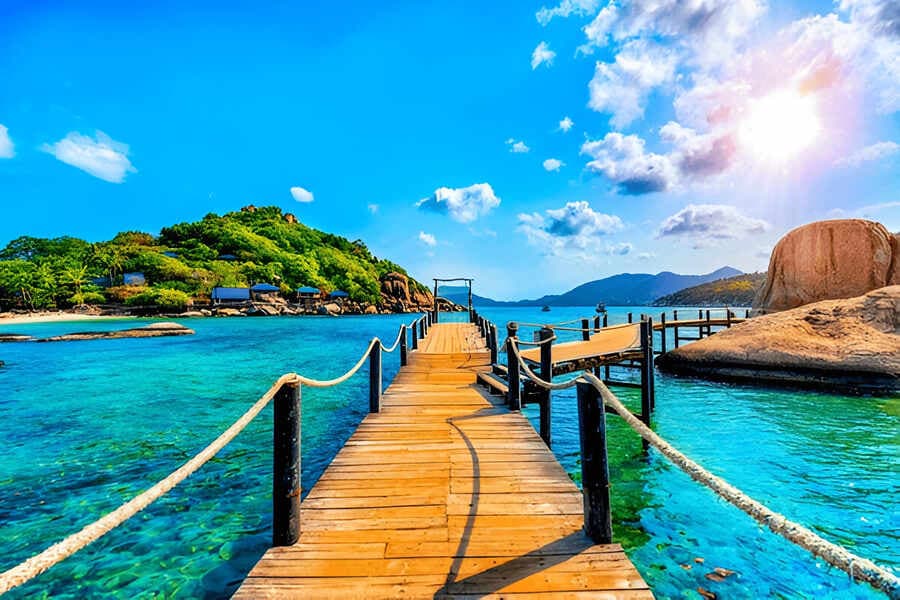
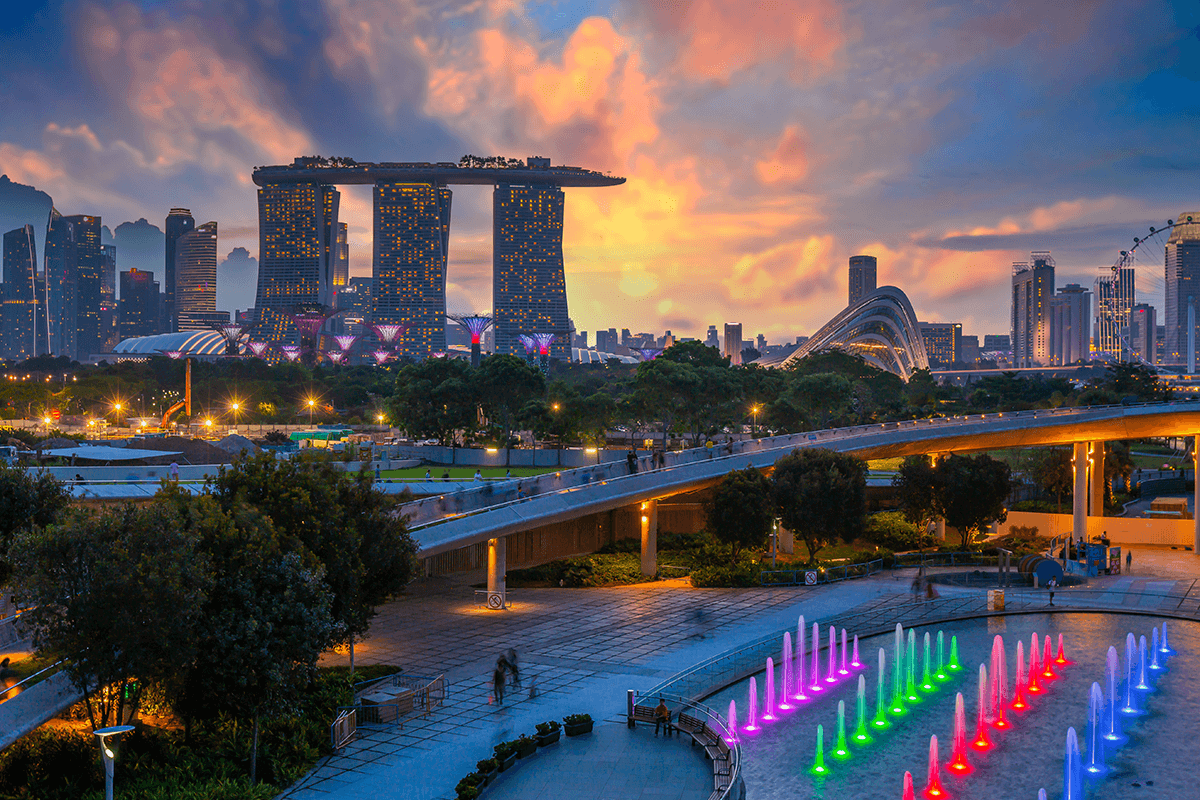
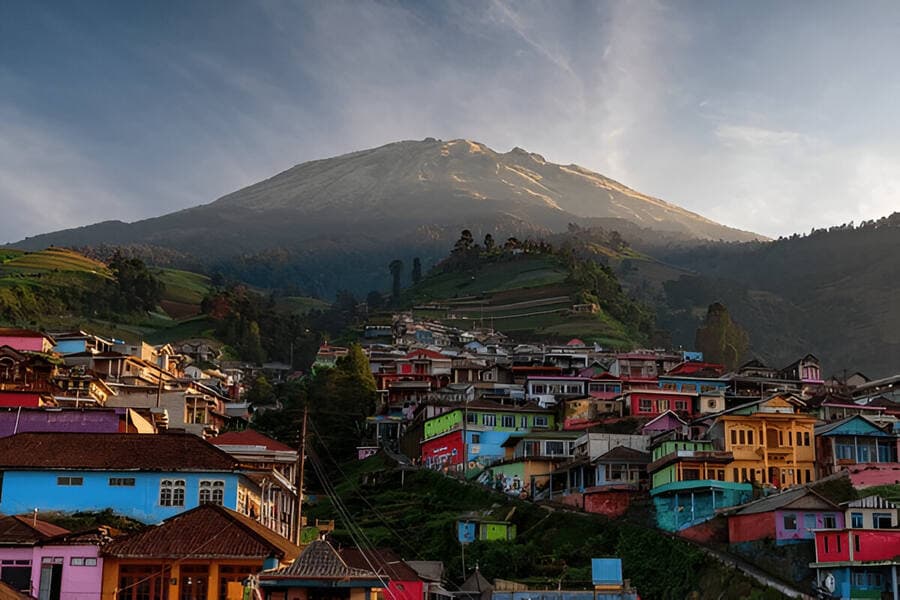
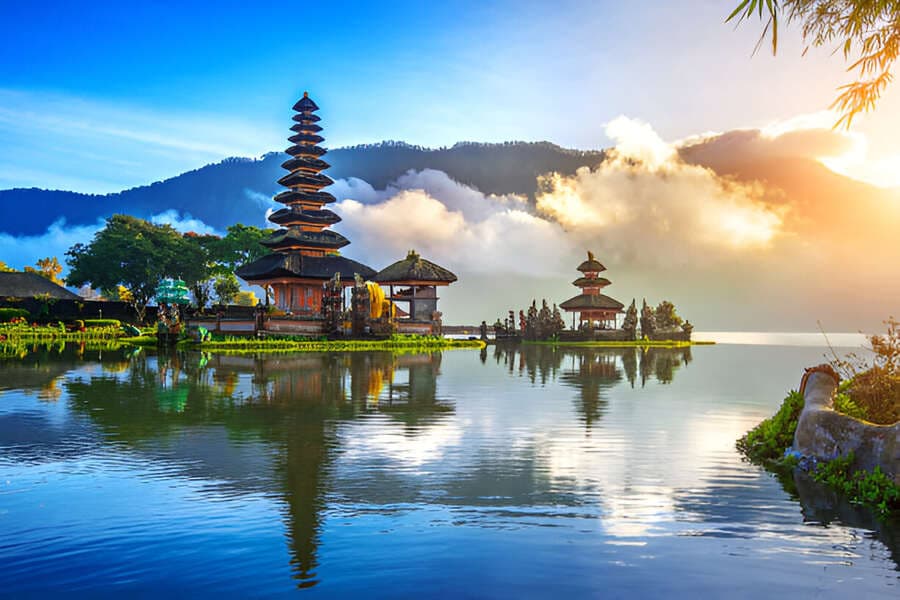
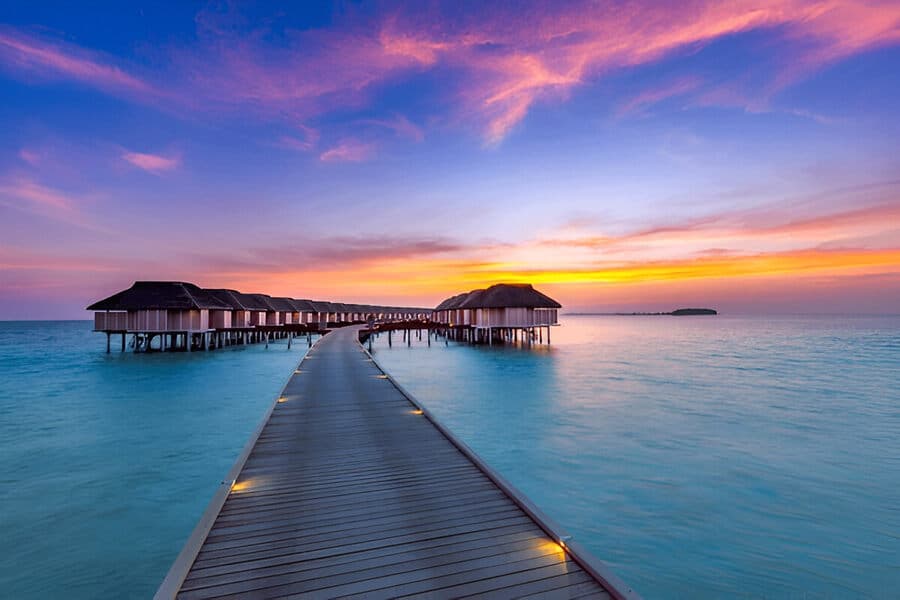
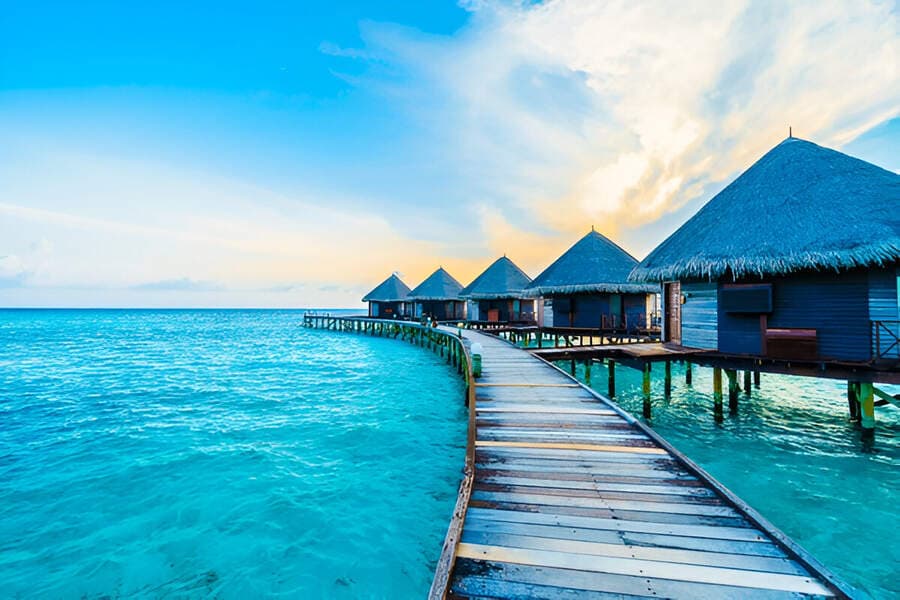
Thailand Summer Special With Flights @ ₹38999

Blog hero image
Top Travel Stories

Explore our latest blogs and travel with us

Things to Do in Char Dham Yatra
May 30, 202512 Minutes
Things to Do in Char Dham Yatra
The Char Dham Yatra is one of the most sacred pilgrimages in India, covering four revered sites—Yamunotri, Gangotri, Kedarnath, and Badrinath. Nestled in the breathtaking Himalayas of Uttarakhand, this spiritual journey attracts thousands of devotees every year who seek blessings and inner peace.There are several things to do in Char Dham apart from visiting the temples. Pilgrims start their journey at Yamunotri, where they can take a dip in the holy Yamuna River and visit the Surya Kund, a hot water spring. At Gangotri, the origin of the Ganges, people perform rituals by the river and visit the stunning Pandava Gufa. Kedarnath, home to one of the twelve Jyotirlingas, is known for its mesmerising trek and serene ambience. Finally, Badrinath, dedicated to Lord Vishnu, offers religious significance and scenic beauty, with places like Tapt Kund and Mana Village.Beyond the religious aspect, the Char Dham Yatra Packages offers you the chance to explore the natural wonders of the Himalayas. The peaceful surroundings, snow-capped peaks, and flowing rivers make this journey a once-in-a-lifetime experience. It’s not just about devotion—it’s also about reconnecting with nature and oneself.Best Things to do in Char Dham Yatra:1. Char Dham Temple VisitsOne of the best things to do in Char Dham Yatra is visit the four sacred temples—Yamunotri, Gangotri, Kedarnath, and Badrinath. Each of these temples holds deep religious significance and offers a unique spiritual experience. Yamunotri, dedicated to Goddess Yamuna, is known for its natural hot springs and the Divya Shila. Gangotri, the source of the Ganges, is a peaceful place where devotees perform pujas on the riverbanks. Kedarnath, dedicated to Lord Shiva, requires a challenging yet rewarding trek, offering stunning views of snow-clad peaks. Lastly, Badrinath, the temple of Lord Vishnu, is surrounded by breathtaking landscapes and sacred sites like Tapt Kund and Mana Village. Visiting these temples is not just a pilgrimage but also a soul-refreshing journey through the beauty of the Himalayas.2. Ganga Aarti in Rishikesh:The Ganga Aarti in Rishikesh is a captivating experience that attracts both devotees and travellers. Taking place every evening at Triveni Ghat and Parmarth Niketan, this spiritual ceremony features priests chanting Vedic hymns while offering prayers to the sacred Ganges. The sight of oil lamps floating on the river, coupled with the rhythmic sounds of bells and devotional songs, creates a deeply peaceful atmosphere. Many pilgrims on the Char Dham Yatra stop at Rishikesh to witness this divine spectacle and feel the sacred energy of the Ganges. It is not just a religious ritual but a moment of reflection, devotion, and connection with nature. Sitting by the river and absorbing the spiritual vibrations of the aarti makes for an unforgettable experience, leaving one with a sense of inner peace and devotion.3. Valley of Flowers Trek:This is located near Badrinath, this UNESCO World Heritage Site is a paradise of colourful alpine flowers, cascading waterfalls, and rich biodiversity. One of the most breathtaking things to do in Char Dham Yatra is exploring the Valley of Flowers. The trek to the valley is around 14 km from Govindghat and offers stunning views of snow-capped peaks and lush meadows. The best time to visit is during the monsoon season (July to September) when the valley is in full bloom. Along the way, trekkers might spot rare Himalayan wildlife, including the blue sheep and snow leopards. Many pilgrims combine this trek with their spiritual journey, finding both natural beauty and spiritual rejuvenation in a serene environment. Walking through this heavenly landscape truly feels like stepping into a divine garden, making it a must-do experience.4. Chopta Chandrashila Tungnath Trek:The Chopta Chandrashila Tungnath Trek is a must-experience adventure for nature lovers and trekkers visiting Uttarakhand. It is one of the most scenic things to do in Char Dham, offering breathtaking views of the Himalayan peaks, including Nanda Devi and Trishul. The trek begins from Chopta, also known as the “Mini Switzerland of India,” and takes you through lush meadows, dense forests, and rhododendron-filled trails. Tungnath, the highest Shiva temple in the world, is a major attraction along this route. The final stretch leads to Chandrashila Peak, from where you can witness a panoramic sunrise that is simply magical. This trek is not just about adventure but also about soaking in the divine energy of the region, making it a perfect blend of spirituality and natural beauty.5. Visit Gomukh Glacier:It is located in the Gangotri National Park, this trek offers mesmerizing views of towering Himalayan peaks and pristine landscapes. Trekking to Gomukh Glacier, the source of the Ganges River, is among the best things to do in Char Dham Yatra for both pilgrims and adventure seekers. The journey starts from Gangotri and covers around 18 km through scenic trails, passing through forests, rocky terrain, and stunning valleys. Upon reaching Gomukh, visitors witness the spectacular sight of the Bhagirathi River emerging from the glacier, an experience that feels truly divine. Many pilgrims consider this place sacred and perform rituals by the river. The combination of spiritual significance and breathtaking natural beauty makes this trek a memorable part of the Char Dham experience.6. Explore Hanuman Chatti:It is located near Yamunotri, this serene spot is known for its picturesque surroundings and spiritual significance. For those looking to explore beyond the temples, visiting Hanuman Chatti is one of the most rewarding things to do in Char Dham. Hanuman Chatti is believed to be the place where Lord Hanuman met Bhima during the Mahabharata era, making it an important site for devotees. The area is also popular among trekkers, as it serves as the base for the trek to Yamunotri. Surrounded by dense forests and gushing rivers, it provides a peaceful retreat for travellers looking to unwind in nature. Whether you are on a pilgrimage or simply exploring the region, Hanuman Chatti offers a perfect mix of spirituality, adventure, and scenic beauty.7. Do River Rafting in Rishikesh:For adventure seekers,river rafting in Rishikesh is one of the most thrilling things to do in Char Dham Yatra. The Ganges River, flowing through Rishikesh, offers an exhilarating rafting experience with rapids ranging from easy to challenging levels. Whether you’re a beginner or an experienced rafter, the adventure is unmatched. Popular stretches include Shivpuri to Rishikesh and Marine Drive to Rishikesh, providing an adrenaline rush while surrounded by breathtaking landscapes. Rafting here is not just about adventure—it’s also a spiritual experience, as the holy river holds immense significance in Hinduism. Many pilgrims include rafting in their itinerary before or after their Char Dham Yatra to add a touch of excitement to their journey. The combination of sacred vibes and thrilling waters makes it an unforgettable experience.8. Visit Tehri Lake:Tehri Lake is one of the most stunning and serene destinations in Uttarakhand, perfect for relaxation and adventure. Formed by the Tehri Dam, this massive lake offers a peaceful escape amid the Himalayas. Visitors can enjoy various water sports such as jet skiing, kayaking, and banana boat rides, making it an ideal spot for adventure lovers. For those looking for a quiet retreat, the lake’s calm waters and breathtaking surroundings provide the perfect setting to unwind. Boating at sunrise or sunset is a must-do experience, as the reflections of the mountains on the water create a mesmerizing view. Located near the Char Dham route, Tehri Lake is an excellent place to take a break from the pilgrimage and immerse in the beauty of nature.9. Explore Kartik Swami Temple:Among the hidden gems of Uttarakhand, visiting Kartik Swami Temple is one of the unique things to do in Char Dham Yatra. Dedicated to Lord Kartikeya, the temple is perched at an altitude of 3,050 meters and offers breathtaking panoramic views of the Himalayas. To reach the temple, one must undertake a 3 km trek from Kanakchauri, passing through lush forests and scenic trails. The temple is known for its peaceful atmosphere and the spiritual energy that surrounds it. Pilgrims and travellers often visit this temple to meditate and seek blessings. Apart from its religious significance, the location is a paradise for nature lovers and photographers, as the sunrise and sunset views from here are magical. A visit to Kartik Swami Temple adds a mystical touch to the Char Dham journey.10. Explore Harsil Village:This place is nestled in the Bhagirathi Valley, this picturesque hamlet is surrounded by snow-capped peaks, dense deodar forests, and apple orchards. A hidden gem near Gangotri, Harsil Village is one of the most scenic things to do in Char Dham Yatra for travellers who love nature and tranquillity. It is an ideal spot to relax and soak in the beauty of the Himalayas. Harsil is also known for its mythological significance, as it is believed to be the meditation site of many sages. Visitors can take peaceful walks along the riverbanks, explore nearby temples, and interact with the local Himalayan communities. Unlike the crowded temple towns, Harsil offers a serene escape, making it a must-visit destination for those seeking a blend of spirituality and nature during their Char Dham Yatra.Also Read: Places to Visit in Char Dham Yatra

Read More

Tayul Monastery
May 30, 20254 Minutes
Tayul Monastery
Overview of Tayul MonasteryTayul Monastery is a hidden gem in Spiti Valley, sitting high at an altitude of around 4,000 meters. The monastery dates back to the 14th century and was founded by Lama Chodak. It is dedicated to Guru Padmasambhava, an important figure in Tibetan Buddhism. Located near the small village of Mani, the monastery offers stunning views of the surrounding snow-capped mountains and valleys. So, if you’re planning your next adventure, make sure to add this hidden gem to your Spiti Valley packages for a memorable and peaceful experience.What makes Tayul special is the peaceful atmosphere. The moment you step inside, you feel a sense of calm that’s perfect for reflection and meditation. The traditional Tibetan architecture and vibrant murals inside tell stories of Buddhist teachings. It’s a wonderful place to experience the spirituality of the region, and it’s also a great spot to take in the natural beauty of the Spiti Valley.If you’re planning a trip to Spiti Valley, visiting Tayul Monastery should be on your list. It’s a serene and spiritual retreat that offers more than just breathtaking views – it offers a chance to experience the culture and history of this remote area.What are the Key Highlights of Tayul Monastery:Stunning Views: From the monastery, you can enjoy beautiful views of the Spiti Valley and the surrounding mountains. It’s a perfect place for nature lovers and photographers.Rich History: Tayul Monastery has been around for centuries. It was founded in the 14th century and is an important site for the locals and pilgrims. Its historical significance adds to its charm.Tibetan Buddhist Art: You’ll see amazing Tibetan murals and paintings Inside the monastery. These works of art are not just beautiful; they also tell important Buddhist stories.Peaceful Atmosphere: Tayul Monastery is a quiet, peaceful place. Whether you want to meditate, relax, or just enjoy the surroundings, it’s the perfect spot to escape and recharge.Cultural Experience: Visiting Tayul gives you a chance to learn about Tibetan Buddhism and the local culture. It’s a great opportunity to see how the monks live and experience their way of life.Timings & Entry Fees of Tayul Monastery:Timings: Tayul Monastery is open every day of the year, but the best time to visit is between May and October. During these months, the weather is more pleasant, and the roads are easier to travel on.Entry Fee: There is no entry fee to visit the monastery. However, you are welcome to donate to support the monastery and its activities.Travel Tips/ Essential Information for Tayul Monastery:Altitude Awareness: Tayul Monastery is located at a high altitude, so it’s important to give your body time to adjust. Drink plenty of water and take it easy to avoid altitude sickness.Best Time to Visit: The best months to visit are from May to October. During the winter, heavy snowfall can make travel difficult, so it’s better to visit when the weather is milder.Respect the Monastery: Tayul Monastery is a religious site, so be respectful. Dress modestly by covering your shoulders and knees. Keep noise to a minimum to maintain a peaceful atmosphere.Bring Warm Clothes: Even in summer, temperatures in the mountains can be chilly, especially in the evenings. Be sure to pack warm clothing to stay comfortable.Stay Respectful: Be mindful of the monks and their daily routines. Keep your distance during prayers and avoid interrupting their activities.Nearby Attractions: While in Spiti, be sure to visit other nearby monasteries like Key Monastery and Shashur Monastery. Both are also culturally rich and provide a deeper understanding of the area.Tayul Monastery is a must-see spot for anyone visiting Spiti Valley. Its stunning location, historical significance, and peaceful atmosphere make it a perfect place for relaxation and spiritual reflection. Whether you’re interested in history, and culture, or simply need a quiet retreat, Tayul Monastery offers it all. Also Read– Places To Visit in Spiti ValleyMust Read – Things To Do in Spiti Valley

Read More

Spiti’s Organic Kitchen
May 30, 20253 Minutes
Spiti’s Organic Kitchen
Overview of Spiti’s Organic Kitchen:Located at a height of 15,027 feet, Spiti’s Organic Kitchen in Komic Village holds the distinctive title of being the world’s highest restaurant. This hidden gem in the remote Spiti Valley serves almost all typical Himachali dishes– it’s an experience that combines stunning mountain views with authentic local flavors. The restaurant is run by local families and serves traditional Spitian dishes made from organic ingredients grown in their own fields.All Spiti Valley Packages includes Komic because it is the world’s highest motorable village, has the world’s highest restaurant, and also the surrounding wonders of the valley just mesmerize you. What makes this place truly special is its location in Komic, one of the highest villages in the world where people live year-round. The restaurant’s warm interiors, decorated with traditional Spitian artwork and prayer flags, provide a cozy shelter from the chilly mountain air.What are the Key Highlights of Spiti’s Organic Kitchen:Mountain-Top Dining Experience: Enjoy your meal at 15,027 feet while surrounded by panoramic views of the Spiti Valley. Perfect for unique Instagram shots and creating lasting memories.Traditional Spitian Cuisine: Savor authentic dishes like Thukpa, Thenthuk, and Skyu, all made from locally grown organic ingredients. The special butter tea here is a must-try.Local Cultural Immersion: Watch local women prepare traditional dishes in the open kitchen, sharing stories and cooking techniques passed down through generations.Sustainable Practices: Experience farm-to-table dining at its finest, with ingredients sourced from nearby fields.Monastery Views: Enjoy clear views of the ancient Tangyud Monastery while dining, adding a spiritual touch to your meal.Stargazing Opportunities: There are no stays near the restaurant, but there’s a monastery nearby, so if you’re a solo or nomad explorer, you can ask for a night stay to experience Stargazing. Wildlife Spotting: Keep your eyes peeled for rare Himalayan wildlife like blue sheep and snow leopard paw prints around the restaurant area.Timings & Entry Fees of Spiti’s Organic Kitchen:Open daily from 8 am to 8 pmNo entry fee requiredAverage snacks cost: INR 200-400 per personSpecial meal experiences: INR 800-1000 per personNOTE: Closed during extreme winter months (December-February)Travel Tips/ Essential information for Spiti’s Organic Kitchen:Altitude Acclimatization: Take it slow and spend at least 2-3 days in the lower regions of Spiti before visiting Komic. Carry necessary medication for altitude sickness.Weather Preparation: Pack warm clothes regardless of season. Temperature can drop suddenly, even during summer months. Carry a good quality windproof jacket.Best Time to Visit: Plan your visit between May to October when roads are accessible and the weather is relatively stable. Morning hours offer the clearest mountain views.Transport Arrangements: Book a reliable local taxi or driver as the road to Komic is challenging. Regular vehicles might not be suitable for the terrain.Cash Requirements: Carry enough cash as there are no ATMs nearby. Cards or UPI payments are not accepted at the restaurant, as there’s no network.Also Read– Places To Visit in Spiti ValleyMust Read – Things To Do in Spiti Valley

Read More

Shree Kashi Vishwanath Temple, Uttarkashi
May 30, 20253 Minutes
Shree Kashi Vishwanath Temple, Uttarkashi
Overview of Shree Kashi Vishwanath Temple:Vishwanath Temple, located in Uttarkashi, is one of the most revered temples dedicated to Lord Shiva. It is an essential stop for devotees embarking on the Chardham Yatra. Parashurama, it is believed, built the temple, which was later renovated by Maharani Khaneti of Tehri State. The towering shivling inside the temple is said to be self-manifested and attracts thousands of pilgrims every year. Whether you are seeking divine blessings, exploring the rich history, or simply soaking in the spiritual vibes, Vishwanath Temple is a must-visit during your Chardham Yatra packages journey.The temple complex is serene, offering an atmosphere of devotion and tranquillity. Devotees perform abhishekam (ritual bathing) of the shivling with holy water from the Bhagirathi River, which flows nearby. The temple also houses a shrine dedicated to Goddess Parvati, making it a place of deep spiritual energy.What are the Key Highlights of Shree Kashi Vishwanath Temple:Ancient Shiva Temple: Vishwanath Temple is believed to have existed for centuries, making it a historic and spiritual landmark in Uttarkashi.Massive Shivling: The temple enshrines a naturally formed shivling, attracting devotees seeking Lord Shiva’s blessings.Goddess Parvati Shrine: A separate shrine dedicated to Goddess Parvati within the temple premises enhances its spiritual significance.Chardham Pilgrimage Stop: As part of the Chardham Yatra, this temple is a crucial stop for devotees heading to Gangotri and beyond.Religious Rituals: Visitors can participate in special poojas and abhishekam ceremonies that create a deeply immersive spiritual experience.Sacred Location: It is situated on the banks of the Bhagirathi River, the temple’s location adds to its divine aura.Beautiful Architecture: The temple features classic Himalayan architectural elements with intricate carvings and a peaceful courtyard.Timings & Entry Fees for Shree Kashi Vishwanath Temple:1. Temple Timings: Open daily from 6:00 AM to 8:00 PM.2. Aarti Timings: Morning aarti at 6:30 AM and evening aarti at 7:00 PM.3. Entry Fee: No entry fee; donations are welcome.4. Best Time to Visit: April to June and September to November.Travel Tips & Essential Information for Shree Kashi Vishwanath Temple:Best Time to Visit: Summer and post-monsoon months are ideal, as the weather is pleasant for pilgrimage.Dress Code: It is recommended to wear modest attire and to cover your head prior to entering the temple.Footwear Rule: Shoes must be removed before entering the temple premises.How to Reach: Uttarkashi is well-connected by road; the nearest airport is Jolly Grant Airport, Dehradun.Local Transport: Taxis and buses are available from Haridwar, Rishikesh, and Dehradun.Accommodation: Plenty of dharamshalas and budget hotels are available nearby.Photography: Not allowed inside the temple but permitted outside the premises.Important Rituals: Participate in abhishekam and aarti for a complete spiritual experience.Carry Essentials: Keep a water bottle, warm clothes (depending on the season), and a torch if visiting early morning or late evening.Safety Tip: The temple can get crowded during peak pilgrimage seasons, so plan your visit accordingly.A trip to Vishwanath Temple is not just about devotion, it’s a journey filled with peace, faith, and divine energy.Also Read: Places to Visit in Chardham YatraMust Read: Things to do in Chardham Yatra

Read More

Charan Paduka Temple
May 30, 20253 Minutes
Charan Paduka Temple
Overview of Charan Paduka Temple:Charan Paduka, located near the serene town of Yamunotri, holds deep religious significance for devotees of the Chardham Yatra Packages. The site is renowned for its large stone imprint, believed to be the divine footprint of Lord Vishnu. Nestled amidst the majestic Himalayan peaks, this peaceful location invites pilgrims to reflect and connect with their spirituality. It is an integral stop for those on their journey to Yamunotri and the larger Chardham pilgrimage. The tranquil surroundings and the divine essence of the place make it a must-visit destination for seekers of peace and enlightenment. Many believe that visiting Charan Paduka offers divine blessings, helping to purify the soul and pave the way for a blessed journey ahead.What are the Key Highlights of Charan Paduka Temple:Sacred Footprint: The divine footmark of Lord Vishnu, an essential religious symbol for Hindus.Location: Situated in the picturesque Yamunotri region, adding to its serene and spiritual appeal.Historical Significance: A revered site for pilgrims on the Chardham Yatra, attracting devotees for centuries.Divine Blessings: Believed to purify the soul and ensure blessings from the gods.Stunning Views: Offers mesmerising views of the surrounding Himalayan range.Pilgrim Destination: An essential stop on the spiritual journey, elevating the experience of the Chardham Yatra.Timings & Entry Fees of Charan Paduka Temple:Timings: Open throughout the year; ideal for visits early morning or late afternoon.Entry Fees: No entry fee is required.Travel Tips / Essential Information for Charan Paduka Temple:Best Time to Visit: The ideal time to visit Charan Paduka is during the Chardham Yatra season, typically from May to October. The weather is pleasant, making the journey more comfortable.Travel Route: You can reach Charan Paduka via a 4-5 km trek from the Yamunotri temple. It’s recommended to take a local guide for the trek, as the path can be challenging in places.Weather: The weather in Yamunotri is often cold, especially during early mornings and evenings. Carry warm clothes, especially if you are visiting during the winter months.Trekking Tips: The trek can be physically demanding, so it’s advisable to maintain good physical fitness before undertaking the journey. Comfortable trekking shoes, along with basic trekking gear, are essential.Stay and Accommodation: Basic accommodation options are available around the Yamunotri temple and Charan Paduka area. It’s best to book in advance during peak seasons to secure a place.Health Precautions: Altitude sickness is a common issue at high altitudes, so it’s recommended to stay hydrated and acclimatise gradually. Carry necessary medicines for altitude sickness, as well as first aid.Pilgrimage Etiquette: Respect the spiritual ambience of the place by maintaining silence and refraining from unnecessary noise. Pilgrims often engage in prayers and meditation at the site, contributing to its serene atmosphere.Donations: Charan Paduka, as part of the larger pilgrimage, welcomes donations for maintenance and spiritual activities. Make sure to donate according to your ability, but with a pure heart.By including Charan Paduka in your Chardham Yatra packages, you will not only embark on a spiritual journey but also experience the deep serenity and divine energy that this place offers. Make your visit memorable by being prepared and embracing the spiritual ambience of the location.Also Read: Places to Visit in Chardham YatraMust Read: Things to do in Chardham Yatra

Read More

Lakshadweep National Parks: India’s Best-Kept Secret You Need to Explore Now
May 30, 20254 Minutes
Lakshadweep National Parks: India’s Best-Kept Secret You Need to Explore Now
Overview of National Parks in Lakshadweep:Lakshadweep, a group of 36 coral atolls and islands, is not just famous for its pristine beaches and turquoise waters but also its rich marine biodiversity. Among its natural treasures, the Pitti Bird Sanctuary and Marine National Park stand out as a paradise for wildlife lovers and nature enthusiasts. This national park, located on the uninhabited Pitti Island, is home to a diverse range of marine species, coral reefs, and migratory birds. Plan your trip carefully and embrace the breathtaking beauty with the Lakshadweep Tour Packages.This protected area is a haven for sea turtles, colourful fish, and exotic seabirds like terns and noddies. The national park also boasts stunning coral formations, making it a popular spot for snorkelling and diving. Since Lakshadweep is one of India’s least disturbed marine ecosystems, the park offers a rare glimpse into an untouched underwater world.For travellers looking to experience nature in its purest form, a visit to this national park is a must. It provides an educational and adventurous experience, allowing visitors to witness the delicate balance of marine life in this tropical paradise.What are the Key Highlights of National Parks in Lakshadweep:Pitti Bird Sanctuary – A nesting site for seabirds like bridled terns, sooty terns, and brown noddies.Rich Coral Reefs – The park has vibrant coral gardens, making it ideal for marine exploration.Diverse Marine Life – Spot reef sharks, sea turtles, butterflyfish, parrotfish, and manta rays.Snorkelling & Diving – Visitors ca n explore the underwater world through guided snorkelling and scuba diving.Eco-Tourism Destination – The national park is protected to preserve its biodiversity, offering an untouched experience.Ideal for Birdwatching – A paradise for bird lovers, especially during the migratory season.Best Time to Visit – From October to March, when the weather is pleasant and marine visibility is high.Limited Accessibility – Pitti Island is uninhabited, and visitors require special permission to explore the area.Great Photography Spot – Capture breathtaking shots of seabirds, marine creatures, and coral formations.Perfect for Nature Enthusiasts – Experience a rare marine habitat that remains largely undisturbed by human activities.Timings & Entry Fees for National Parks in Lakshadweep:Visiting Hours: Since it is a protected area, visits are allowed only through guided tours.Entry Fee: No standard fee, but visitors must book a tour package through Lakshadweep Tourism.Best Time to Visit: October to March for the best wildlife sightings and clear waters for snorkelling.Permit Requirement: Foreign and domestic tourists need an entry permit to visit Lakshadweep.Travel Tips / Essential Information for National Parks in Lakshadweep:Pre-Book Your Tour – Entry to Pitti Marine National Park is restricted, so book guided tours in advance.Respect Marine Life – Avoid touching or disturbing corals, fish, and nesting birds while exploring the area.Pack Essentials – Carry sunscreen, water, light clothing, and snorkelling gear for a comfortable visit.Best Time for Marine Life – Visit between November and February for peak bird migration and clear waters.Stay at Nearby Islands – Since Pitti is uninhabited, book accommodations on Agatti, Kavaratti, or Bangaram islands.Follow Eco-Tourism Guidelines – Littering is strictly prohibited to preserve the fragile ecosystem.Snorkeling & Diving – If you are interested in underwater activities, opt for certified dive operators.Limited Facilities – There are no shops or restaurants on Pitti Island, so carry snacks and essentials.Travel Permits – All tourists need special permits to visit Lakshadweep, which can be arranged through tour operators.Ideal for Nature Enthusiasts – If you love wildlife, marine biodiversity, and photography, this national park is a must-visit.A visit to the Marine National Park in Lakshadweep is an unforgettable experience, offering a chance to witness nature in its most pristine form. Whether you’re fascinated by vibrant coral reefs, diverse marine life, or rare seabirds, this national park is a true paradise. As a protected area, it plays a vital role in conserving marine biodiversity.Also Read: Places to Visit in LakshadweepMust Read: Things to Do in Lakshadweep

Read More

Lakshadweep in June? Here’s What No One Tells You Before You Go!
May 30, 20256 Minutes
Lakshadweep in June? Here’s What No One Tells You Before You Go!
Lakshadweep, India’s smallest Union Territory, is a beautiful collection of 36 coral islands, atolls, and reefs. While winter is the popular season, Lakshadweep in June has its charm. The islands turn greener, the crowds disappear, and the peaceful vibe makes it perfect for relaxation. If you love nature and adventure, this is a great time to visit.The monsoon brings refreshing rains, making the landscapes even more stunning. Though some water activities may be limited, you can still enjoy the beauty of the islands. To make your trip easy and comfortable, Lakshadweep packages are available, covering travel, stay, and sightseeing. If you’re wondering whether June is the right time, let’s explore what makes it special!Lakshadweep weather in June​:Lakshadweep in June experiences the monsoon season, making it a refreshing and lush destination. Lakshadweep weather in June is mostly cloudy and rainy. Lakshadweep temperature in June​ experiences pleasant temperatures ranging between 25°C to 30°C, offering a warm yet comfortable climate.The islands receive moderate to heavy rainfall, bringing cool breezes and a fresh, green atmosphere. However, due to frequent showers, humidity levels remain high, around 75-85%. The Arabian Sea can be rough, which may cause travel restrictions for boats and ferries, making it essential to check weather updates before planning your trip.Despite these conditions, the monsoon adds a unique charm to the islands, making them lush and peaceful. If you love rainy getaways with stunning natural beauty, June is a great time to visit. However, keep in mind that certain water activities might be restricted due to strong tides.Special Activities in Lakshadweep:Despite the rainy season, there’s still plenty to do in Lakshadweep in June. The islands turn into a lush paradise, offering nature lovers and adventure seekers a peaceful retreat. If you don’t mind occasional showers, here are some incredible experiences you can enjoy in Lakshadweep during June:1. Monsoon Beach Walks – A Dreamy Coastal EscapeWhile swimming and water sports might not be the best options due to rough seas, the beaches of Lakshadweep still offer a mesmerising experience. Take a peaceful stroll along the pristine shores of Agatti or Kavaratti Island, where you can witness the magical sight of rain meeting the ocean. The cool monsoon breeze, the rhythmic sound of the waves, and the scent of wet sand create an unforgettable atmosphere for those who love tranquil coastal moments.2. Exploring Local Culture – A Glimpse into Island LifeJune is a fantastic time to immerse yourself in the rich culture and traditions of Lakshadweep. Visit small fishing villages, interact with the friendly islanders, and get a glimpse of their daily life. Indulge in the local cuisine, which is heavily influenced by Malabar flavours, and enjoy freshly prepared seafood dishes like tuna curry, fried mussels, and coconut-based delicacies. Engaging with the locals will give you a deeper appreciation of the island’s heritage and way of life.3. Indoor Activities & Luxurious Resort StaysSince outdoor adventures may be limited due to unpredictable weather, resorts in Lakshadweep offer a variety of indoor experiences to make your stay enjoyable. Pamper yourself with a rejuvenating Ayurvedic spa treatment, participate in traditional dance or music performances, or enjoy indoor games like chess, table tennis, and carrom. Many resorts also offer cultural programs where you can learn about the island’s history and traditions while staying in a cosy, tropical retreat.4. Rainy Day Photography – Capturing Nature’s MagicThe monsoon transforms Lakshadweep into a breathtaking wonderland, making it a paradise for photography enthusiasts. Capture the sight of lush green coconut groves swaying in the rain, dramatic monsoon clouds over the ocean, and the mist-covered beaches that look straight out of a dream. The contrast of the turquoise waters, golden sands, and rain-washed landscapes creates some of the most picturesque views you’ll ever see.5. Birdwatching & Nature Trails – A Refreshing Escape into the WildThe rainy season brings out the best of Lakshadweep’s flora and fauna, making it a great time for nature walks and birdwatching. The islands are home to a variety of exotic birds, including white terns, herons, and frigatebirds. Walk through lush coconut plantations and mangrove forests, enjoying the fresh scent of rain-soaked earth. If you’re lucky, you might even spot rare migratory birds that find refuge in Lakshadweep during this season.Travel Tips for Visiting Lakshadweep in June:Travelling to Lakshadweep in June requires some planning due to monsoon conditions. Here are a few essential tips to ensure a smooth trip:Check the Weather Forecast – Since June is monsoon season, plan accordingly for unpredictable rains and rough seas.Choose Flights Over Boats – If ferries get cancelled due to rough weather, flights to Agatti Island are the best way to reach Lakshadweep.Pack Smartly – Bring light cotton clothes, a raincoat, waterproof footwear, and extra plastic covers to protect your belongings from moisture.Book Accommodations in Advance – There are many best resorts in Lakshwadeep may have limited availability due to off-season conditions.Be Flexible with Plans – Certain activities like scuba diving in Lakwadeep and snorkelling in Lakshwadeep may not be available due to sea conditions, so plan alternative experiences.Lastly, the Best time to visit Lakshadweep is a unique experience, offering serene beaches, vibrant greenery, and a peaceful escape from crowds. If you don’t mind the rains and prefer a relaxing vacation with beautiful views, this is a great time to go for the Lakshadweep Tour in June. However, if you’re looking for water sports and clear skies, it’s best to visit during the dry season.Must Read – Places To Visit in LakshadweepAlso Read – Things to Do in Lakshadweep

Read More

Temples in Lakshadweep: Hidden Sacred Spots No One Talks About
May 30, 20255 Minutes
Temples in Lakshadweep: Hidden Sacred Spots No One Talks About
Despite having a predominantly Muslim population, Temples in Lakshadweep remain significant cultural and spiritual landmarks. These temples are a way to learn and explore the religious diversity of Lakshadweep, showcasing the island’s historical connections with Hinduism even though it is an Islamic-dominant union territory. While Lakshadweep is widely visited and known for its beaches and marine life, it also has hidden spiritual gems worth exploring.Travellers can visit these temples as part of Lakshadweep packages. These sacred sites give peace, making them ideal spots for peace, spiritual, and even history lovers. If you plan to explore the islands beyond their popular attractions, these temples will add a meaningful dimension to your journey.4 Best Temples in Lakshadweep1. Shree Shiva Kshethram, KavarattiOne of the most well-known Lakshadweep temples, Shree Shiva Kshethram in Kavaratti, is a place of worship for Lord Shiva devotees. The temple conducted prayers regularly. Locals and tourists visit this temple to seek blessings and immerse themselves in its peaceful ambience.Temple Timings: Open daily for morning and evening prayers. The best time to visit is during festivals like Maha Shivaratri when the temple becomes a hub of religious activities.How to Reach: It is accessible via ferries and flights from Kochi. Regular boat services operate between nearby islands, making it easy for visitors to reach the temple.2. Shree Krishna Temple, MinicoyDedicated to Lord Krishna, this temple is located in Minicoy. The temple is famous for its traditional architectural style and spiritual atmosphere. This is among the few temples in Lakshadweep, that is a place of deep devotion.While exploring things to do in Lakshadweep, visiting these temples is a must.Temple Timings: The temple remains open during early mornings and evenings for darshan. Special pujas are conducted on Janmashtami.How to Reach: Minicoy is accessible via ferries. Visitors can travel by boat from other islands within Lakshadweep.3. Shiva Temple, Near Police StationLocated near the police station in Kavaratti, this small yet historically significant Shiva temple is one of the lesser-known religious sites in the region. Because of its huge size, this famous temple of Lakshadweep has great cultural importance and is frequently visited by locals for daily prayers and rituals.Temple Timings: Open throughout the day, with special rituals conducted in the morning and evening. The temple sees an increase in visitors during Hindu festivals.How to Reach: The temple is easily accessible within Kavaratti town. Tourists staying in nearby accommodations can reach the temple on foot.4. Hanuman Mandir, AminiLocated in Amini, this temple is dedicated to Lord Hanuman and is one of the most spiritually significant temples in Lakshadweep for Hindu devotees. The temple is known for its prayers and aarti ceremonies, creating an atmosphere of devotion and faith.Temple Timings: The temple is open during early morning and evening prayer sessions, with special rituals conducted on Hanuman Jayanti.How to Reach: Amini is well-connected via ferries from Kavaratti and Agatti. Visitors can also explore nearby islands while visiting the temple.Travel Tips for Visiting These TemplesPlan Your Visit During the Best Time – The best time to visit the Lakshadweep temples is between October and March. Avoid monsoon months, as ferry services may be disrupted.Respect Local Customs – Although Lakshadweep has a predominantly Muslim population, Hindu temples hold significance. Dress modestly and follow temple etiquette when visiting.Check Temple Timings in Advance – Most temples of Lakshadweep are open from morning to sunset with no closing in the afternoon. Plan your visits accordingly to avoid disappointment.Pack Light and Carry Essentials – Due to limited transport options, carry essentials like comfortable footwear, light clothing, and sunscreen for a hassle-free trip.Try Local Cuisine – Along with temple visits, explore the island’s seafood and coconut-based delicacies for an authentic overall experience.Carry Sufficient Cash – ATMs are limited, so bring enough cash for temple donations, transport, and shopping.The Lakshadweep temple are a great option to explore unique spiritual experiences apart from the beach beauty of the islands. From Shiva and Krishna temples to Hanuman Mandirs, these sacred sites add cultural richness to your trip.Plan your trip during the best time to visit Lakshadweep to make the most of your journey.Also Read: Places to Visit in Lakshadweep

Read More

Top 10 Lakshadweep Beach with Unique Experiences
May 30, 20258 Minutes
Top 10 Lakshadweep Beach with Unique Experiences
Lakshadweep is an archipelago of 36 islands off the coast of India, it has many beaches, and to find the best one can be tough. Well, all the Lakshadweep Beaches are really great with white sandy beaches and water so clear you can see your toes wiggling in the sand below.Lakshadweep packages make it super easy to plan your trip without the usual travel headaches. Trust me, these beaches will make your Goa pictures look faded. Whether you’re a beach bum looking to relax or an adventure junkie ready to dive in, Lakshadweep’s beaches have something special waiting for you. Let’s check out the top best beaches.10 Best Beaches in Lakshadweep1. Agatti Beach:Agatti is the most popular beach in Lakshadweep. This Lakshadweep Beach is the perfect screensaver to come to life. It is famous for its white sand and clear waters. This beach in Agatti Island is perfect for water sports like snorkelling and scuba diving and is also famous for its sunset views.Unique Things to Experience:Snorkel with fish who seem as curious about you as you are about themTry scuba diving (even if you’re a first-timer!)Watch sunsets that’ll make your Instagram followers think you’ve used filtersLocal tip: Chat with fishermen for the best spots to see sea turtlesEntry fee: None2. Bangaram Beach:Bangaram Beach is pretty much your private beach. Just a boat ride from Agatti, this Beach is what dreams are made of. No crowds, no noise – just you and nature showing off its best work. The beach offers a unique experience with bioluminescent plankton that glow at night, creating a magical ambiance.Unique Things to Experience:Watch the water glow blue at night (thanks to some fancy plankton)Stay in Lakshadweep beach Resort cottages that make Lakshadweep hotels look boringSpot dolphins playing in the distanceGo on midnight beach walks (totally safe and totally magical)Try traditional Lakshadweep cuisine right on the beachEntry fee: None, but resort booking required3. Kavaratti Beach:Welcome to the capital’s crown jewel! Kavaratti Beach is where the action happens. Think of it as the Times Square of Lakshadweep but with way more coconut trees and zero traffic! Kayaking in Lakshadweep and glass-bottom boat rides are really famous here.Unique Things to Experience:Ride glass-bottom boatsVisit the marine aquarium – perfect for those who want to see fish without getting wetTry kayaking. Kavaratti Beach is a best destination for the Kayaking.Take selfies with the beautiful mosque in the background4. Cheriyam Beach:Located on Bitra Island, Cheriyam Beach is a secluded spot that can be reached by boat. This beach is less crowded, making it an ideal destination for travelers seeking solitude and serenity away from the most popular, crowded, and best beaches in Lakshadweep.Unique Things to Experience:Cheriyam Beach offers an opportunity for fishing, where you can engage with local fishermen. The beach also provides amazing sunset views, perfect for spending evening time.5. Minicoy Beach:The southernmost Lakshadweep Beach is shaped like a smile. This crescent-shaped beauty comes with its own lighthouse. You can experience traditional lava dance performances and enjoy tuna fishing, an iconic activity in Minicoy Island. The beach’s cultural significance makes it a must-see for those seeking local heritage.Unique Things to Experience:Watch local lava dance performances (way cooler than your regular dance shows)Learn how tuna fishing is done the traditional wayClimb up the lighthouse for views that’ll make your jaw dropTry local tuna dishes that’ll make your taste buds danceEntry fee: Lighthouse entry: ₹50 per person6. Kalpeni Beach:Among all the Lakshadweep Beach, Kalpeni Beach is famous for swimming, and boating The waters are so shallow and calm, that even your non-swimming friends can enjoy a dip. Swimming, reef walking, and snorkelling allow you to explore the underwater beauty of the beach and its surroundings.Unique Things to Experience:Go reef walking (yes, that’s a thing!)Spot colourful corals without even diving deepTry stand-up paddling in the calm lagoonWatch local kids perform impressive swimming tricksJoin a coral conservation talk (and become a marine life expert)Entry fee: None7. Kadmat Beach:Looking for a beach with the perfect mix of adventure and chill vibes? This Lakshadweep Beach hits the sweet spot! Situated on Kadmat Island, accessible via ferry from Agatti. Kadmat Beach is a top destination for adventure seekers. Besides scuba diving, you can enjoy dolphin watching and relax at the Lakshadweep Beach resorts.Unique Things to Experience:Watch dolphins show off their acrobaticsStay in beachside rooms that let you wake up to wave soundsGo night diving to see different marine lifeJoin local fishing trips (and maybe catch your dinner!)Take a beach yoga class with the sunriseEntry fee: None8. Thinnakara Beach:Close to Bangaram Island, can be reached via speedboat. Thinnakara Beach, this Lakshadweep Beach is best for couples, or someone on a honeymoon! Camping, kayaking, and bioluminescent nights make this beach even more exciting.Unique Things to Experience:Camp under stars brighter than your phone’s flashlightWatch the water glow at night (nature’s own light show!)Go kayaking in crystal clear watersTry beach camping with all modern comfortsLearn coconut tree climbing from localsCamping fees start from ₹2000 per night9. Suheli Par Beach:Famous for its untouched beaches, Suheli Par is a peaceful place for nature lovers. Here you can enjoy deep-sea fishing and turtle spotting as you explore the calm waters and stunning marine ecosystem. It is a secret gem that most travelers don’t visit because not many people know about it, but those who do can’t stop talking about it! This is the only Lakshadweep Beach which is a bit tricky to reach as it is a remote beach, and is visited via special boat tours.Unique Things to Experience:Go deep-sea fishingSpot sea turtles in their natural habitatExplore untouched coral reefsJoin local conservation effortsTry traditional fishing methodsEntry fee: Special permit required (arranged through tour operators)10. Pitti Beach:Pitti Beach is a small islet near Kalpeni, accessible by boat. Famous for its untouched beauty, this beach is a sanctuary for nature lovers and an ideal spot for those looking to explore the quiet side of Lakshadweep.Unique Things to Experience:This is one of the best beaches in Lakshadweep and is home to a bird sanctuary, making it an excellent destination for birdwatching enthusiasts. The surrounding coral reefs are perfect for snorkeling and underwater exploration.Must Read – Places To Visit in LakshadweepAlso Read – Things to Do in Lakshadweep

Read More

The Untold History of Lakshadweep Islands That Will Surprise You
May 30, 20255 Minutes
The Untold History of Lakshadweep Islands That Will Surprise You
Hey there, Explorers! We know you’re also eager to know about the history of Lakshadweep. Well, grab a cup of tea because we’re diving deep into Lakshadweep’s history, it’s an incredible chain of islands that’s been making waves for centuries. Some amazing Lakshadweep Packages help you explore this tropical paradise, but not many make you understand its fascinating history. But don’t worry, this page is all about that history part. We’ll make you understand its history from its roots to till date.Some key Highlights:The islands were formed by coral reefs that took thousands of years to develop. It’s India’s smallest union territory but has the largest share of territorial waters. Every island has its own unique story about how it was discovered. The islands switched hands between rulers many times which we’ll discuss.The Mystery of Early SettlersWe all wonder who first discovered these stunning islands! The history of Lakshadweep is filled with interesting theories about its first inhabitants. Some say it was fishermen who accidentally stumbled upon these islands during a storm, while others believe it was those smart Greek traders who first set up here.Lakshadweep’s history dates back to ancient times, with records from the 1st century CE mentioning the islands as an important source of tortoise shells for Greek sailors. Its strategic position in the Arabian Sea made it a key destination for seafaring traders, including the Phoenicians, Arabs, and Romans.These Arab traders saw these islands as perfect pit stops during their long sea journeys. So it became a resting hub for them. They brought with them their culture, their traditions, and of course, their trading skills.Arrival of Cholas and Islamic RulersMoving into medieval times, the history of Lakshadweep Island gets even more interesting. The Cholas and Cheras (powerful South Indian dynasties) decided they wanted a piece of this island. These rulers weren’t just interested in adding more land to their kingdoms – they saw these islands as important strategic locations.But the biggest game-changer was when Islam arrived on the shores. The introduction of Islam changed everything – from the way people lived to what they ate and how they dressed. Arab Sufi Ubaidullah brought Islam to Lakshadweep. Soon, Lakshadweep became deeply intertwined with Islamic culture. And even today most of Lakshadweep’s population practice Islam.Enter the EuropeansJust when everyone thought they had things figured out, the Portuguese with their massive ships and fancy guns entered. Then, the history of Lakshadweep took another turn as these European sailors started controlling the islands. The Portuguese and Dutch established a foothold in the nearby coastal areas, but their direct involvement in governing the islands remained limited.Later, the British took over. Under their rule, the islands saw some major changes. They introduced new administrative systems, built lighthouses, and started keeping proper records of imports, exports, and trading.The Independence EraWhen India gained independence, the history of Lakshadweep entered a new chapter. The islands became part of India, and things changed! The government started focusing on development – building schools, and hospitals, and improving transportation.Today, these islands are a perfect blend of tradition and modernity. While you’ll find modern amenities, the history is still alive in its people’s customs, festivals, and daily life. The government has been working hard to preserve this unique heritage while making sure the islands keep up with the times.Concluding the HistoryAs we wrap up our journey through the history of Lakshadweep, it’s amazing to think how these tiny islands have gone through so much! From simple coral formations to becoming a tourism hub, from ancient traders to modern tourists, these islands have quite a story to fascinate everyone.Whether you’re a history lover, a beach lover, or just someone looking to escape the city chaos, Learning and exploring Lakshadweep’s rich history is a great choice; it adds an extra layer of magic to your island adventure. The islands remind us that sometimes the smallest places have the biggest stories.Must Read – Places To Visit in LakshadweepAlso, check out– Things to Do in Lakshadweep

Read More

Lakshadweep in December: Why This Hidden Paradise Feels Unreal
May 30, 20255 Minutes
Lakshadweep in December: Why This Hidden Paradise Feels Unreal
December is definitely the travel season for almost every Indian destination. And Lakshadweep in December is undoubtedly refreshing. December is one of the best times to visit Lakshadweep. The weather in Lakshadweep in December is cool, and has clear skies and calm sea conditions, making it an ideal time to explore the islands.Choosing the right season for Lakshadweep Packages is essential, and December is just the right balance of great weather, fewer rains, and beautiful natural scenery. Unlike the monsoon season, when the islands might be a bit soggy, December’s dry days allow you to enjoy beaches, boat rides, and all water sports. Lakshadweep temperature in December is cold, and so is the water.Lakshadweep Weather in DecemberThe weather in Lakshadweep in December is just fabulous – cool temperatures, sunny skies, and the sea so calm. December is the peak tourist season of Lakshadweep, and there are reasons behind that.The weather is comfortable, making it the best time to engage in water activities like snorkeling, scuba diving, and kayaking. December also brings festivals and cultural events that give you a taste of the local traditions. Think of it as an all-inclusive experience of fun and learning!Special Activities in Lakshadweep in DecemberDecember in Lakshadweep isn’t just famous for sunbathing and beach walks (although those are awesome too). There’s so much more to do, and December is the perfect time for these activities.1. Scuba Diving & Snorkeling:The water is so clear you can see fish even from boats. Seriously! The coral reefs and diverse marine life are waiting for you to dive right in. Whether you’re a beginner or a pro, these underwater adventures are unmissable.2. Kayaking & Canoeing:If you like the idea of paddling through calm waters while enjoying the peace around you, you should try kayaking and canoeing. It’s a peaceful, relaxing way to explore the best places to visit in Lakshadweep.3. Beach Camping & Bonfires:The best winter activity in December in Lakshadweep. Can you think of anything better than sitting by a bonfire with the waves crashing softly nearby, gazing at the stars? Beach camping in Lakshadweep in December is like living in a dream.4. Fishing & Deep-Sea Excursions:Get your hands on some sustainable fishing while exploring the depths of the ocean. And no, it’s not just about catching fish; it’s about catching memories.5. Exploring Local Culture:Take a walk through traditional villages and get a taste of the island lifestyle. It’s a cultural feast you won’t forget!6. Wildlife & Birdwatching:If you’re into birdwatching, you can observe exotic marine species and colorful birds, you’ll find plenty to admire. Pitti Bird Sanctuary on Pitti Island is the best place for that.7. Sunset Cruises:There’s nothing like a relaxing boat ride while watching the sun dip below the horizon. Perfect for a peaceful end to your day.Travel Tips for Visiting Lakshadweep in DecemberBefore you pack your bags and race to the nearest airport, here are a few tips to make sure your December in Lakshadweep goes off without a hitch.Plan in Advance: Since December is peak season, booking early is a must. You don’t want to miss out on the best resorts and activities!Pack Wisely: Even in December, light clothing is ideal with a jacket, but don’t forget your sunscreen and waterproof gear. You’ll be in and out of the water, so you’ll need them.Respect Local Culture: Be aware of local traditions and rules. Lakshadweep has a peaceful vibe, and it’s best to respect the island’s culture.Permits Required: Some islands require entry permits. Check ahead, so you don’t end up doing the walk of shame (back to the port).Check Weather Conditions: While weather in Lakshadweep in December​ is generally perfect, it’s always a good idea to keep an eye on the forecast. There could be an occasional shower, but it won’t ruin your trip.Carry Cash: Not all islands have ATMs, so it’s a good idea to carry enough cash for your trip.Choose Eco-Friendly Travel: Lakshadweep is all about nature, so travel responsibly. Avoid plastic and opt for eco-friendly travel options.All in all, Lakshadweep in December is a dream come true with a little bit of planning and responsible travel!Must Read – Places To Visit in LakshadweepAlso Read – Things to Do in Lakshadweep

Read More

Best Time to Visit Lakshadweep: The Secret Months No One Tells You About
May 30, 20256 Minutes
Best Time to Visit Lakshadweep: The Secret Months No One Tells You About
Lakshadweep, India’s smallest Union Territory, is a tropical paradise and its climate remains warm and humid throughout the year, influenced by monsoons and sea breezes.These gorgeous islands off India’s west coast are surely like a paradise that can be easily compared to foreign coastal islands. But hold on – before you pack those swimsuits and sunscreen, let’s figure out the best time to visit Lakshadweep. Trust me, timing can make or break your island adventure! While checking out Lakshadweep Packages, you’ll notice prices vary with seasons, so let’s break it down month by month.Peak Season (October – March):October to March is the best time to visit​ Lakshadweep. This is the peak season of Lakshadweep, where the island has crystal-clear waters, perfect sunny days, and weather that makes you want to live on the beach forever! The water is so clear, you can spot colourful fish from the beach itself!But here’s the thing – everyone wants to visit during these months. It’s like Mumbai local trains during rush hour. So during this time, just remember to book way ahead – these islands are really popular during its peak season.Shoulder Season (April – Early May):April to early May can be the best time to visit Lakshadweep! The crowds thin out, prices drop a bit, and you still get plenty of sunshine. Yes, it’s a bit hotter but you can still enjoy most activities and you don’t have to wait in long queues for the ferry rides. It’s perfect for budget travellers who don’t mind a little extra sweat to save some money.Waning Season (Mid-May – September):Best time to visit Lakshadweep islands? Definitely not in the monsoon for first-timers!​, the monsoon hits hard in Lakshadweep and the sea gets as moody. Most water sports take a break, and some islands become harder to reach. The islands turn incredibly green, and if you’re lucky, you might catch some amazing thunderstorms over the ocean.Seasonal Guide of Lakshadweep1. Lakshadweep in Summer (April – May):Temperature: Temperatures dance between 30°C to 35°C, with humidity playing its own little game.Important Things to Know: April and May are the Lakshadweep best time to visit for water activities, it’s perfect for budget travellers. You’ll find fewer tourists, which means better deals on Lakshadweep hotels and more personal attention from guides. Water sports are at their peak.Unique Experience: The underwater visibility is amazing during summer! The water’s warmer but clearer, making it one of the best times for diving. Plus, you’ll get more chances to hang out with locals and learn about their daily life – try their special summer drink called ‘Coconut Palm Juice’ (₹40 per glass).Tips:Start your island hopping before 7 am (trust me on this!)Pack light cotton clothes and plenty of sunscreenCarry a big water bottle everywhereTake afternoon siestas like the locals doBook evening water sports sessions when it’s cooler2. Lakshadweep in Winter (October – March):Temperature: A perfect 20°C to 30°C, with cool breezes making it the best time to visit Lakshadweep.Important Things to Know: October and March are peak tourist season for a reason in Lakshadweep! The weather’s perfect, the sea’s calm, and every possible activity is up and running. But remember – everybody knows this is the best time, so book way ahead.Unique Experience:Dolphins playing near your boat during sunrise cruisesCrystal clear water with 20+ meter visibilityPerfect conditions for first-time snorkelersSpecial winter festivals on different islandsNighttime phosphorescent plankton shows (seriously, it’s like underwater stars!)Tips:Book accommodation at least 3 months in advancePre-book popular activities like scuba divingCarry a light jacket for evening boat ridesTry the special winter catch – grilled yellowfin tuna (₹200-300 per plate)Join the local winter fishing festivals3. Laskadweep in Monsoon (June – September):Temperature: Expect romantic rain showers with temperatures between 25°C to 28°C. While this isn’t the best time to visit Lakshadweep, it has its own beauty!Important Things to Know: Most water activities in Lakshadweep are closed, and ferry services also operate in fewer numbers. But his time is crazy for good photography and super cheap hotel rates!Unique Experience:Cloudy skies perfect for photographyEmpty beaches all to yourselfLush green landscapes everywhereTraditional indoor activities with localsSpecial monsoon dishes like spiced hot tea and local frittersTips:Keep plans flexible – weather changes quicklyBook refundable ticketsPack rain gear and waterproof camerasStay on larger islands with more indoor activitiesTry local monsoon specialties like hot ‘Sulaimani’ tea (₹20)Highlights That’ll Make You Pack Your Bags Right Now:Glass-bottom boat rides showcasing vibrant coral reefs (₹500 per person)Scuba diving in Lakshadweep with PADI-certified instructors (₹3500-6000 per dive)Traditional ‘dhoni’ sunset cruises with local snacks (₹1000 per person)Fresh coconut water straight from the tree (₹30-50)Private beaches where you can spot baby sharksKayaking in Lakshadweep through lagoons (₹300 per hour)Banana boat rides (₹400 per person)Night fishing trips with locals (₹1500 per person)Coral reef walking tours (₹800 per person)Photography tours during golden hour (₹1200)Also Read – Things to Do in Lakshadweep

Read More

Lakshadweep Travel Guide: Places, Permit & Best Time 2026
May 30, 20259 Minutes
Lakshadweep Travel Guide: Places, Permit & Best Time 2026
Welcome to Lakshadweep, India’s beach paradise in the Arabian Sea. This group of 36 islands, atolls, and reefs has grown into one of the most desired destinations for beach lovers and adventure lovers. This is a Lakshadweep Travel Guide to help you learn about the destination. Its beaches, waters, and coral reefs all together never fail to attract travellers.In recent years, tourism in Lakshadweep has been steadily growing, attracting visitors with its isolated beauty and thrilling water activities. If you’re planning a trip, our Lakshadweep Packages will help you navigate the best experiences, places, and tips to make the most of your journey. Get ready to explore India’s most exotic island destination!Best Time to Visit LakshadweepOctober to March are the best times to visit Lakshadweep. So, when should you visit this island? Lakshadweep is a year-round destination, so the best time to visit Lakshadweep depends on what you seek. During these months, the weather is good, with cool breezes and moderate temperatures ranging from 25°C to 30°C.Lakshadweep Climate:1. Summer in Lakshadweep:Lakshadweep experiences a tropical climate, with summers lasting from March to May. During this time, the temperatures soar between 30°C and 35°C, making the days hot and humid.The heat is slightly tempered by cool sea breezes, but it can still feel quite warm. Summer is an ideal time for water-based activities such as snorkelling, diving, and beach lounging, as the clear waters and calm seas make the islands particularly inviting. However, it’s crucial to stay hydrated and wear sun protection when exploring.2. Monsoon in Lakshadweep:June to September is the monsoon season in Lakshadweep. During this period, the islands experience heavy rainfall and strong winds, which can lead to rough seas. The temperature during this time is around 28°C to 32°C, but the humidity increases significantly. While the monsoon brings a refreshing change to the climate, it’s not the best time for outdoor activities or water sports. A Lakshadweep travel guide might advise against traveling during this season due to unpredictable weather conditions.3. Winters in Lakshadweep:Winter in Lakshadweep, from October to February, is the most pleasant time to visit. The temperature ranges between 23°C to 30°C, offering a cooler and more comfortable climate. The clear skies, calm seas, and pleasant weather make it perfect for outdoor activities and exploring the beautiful coral reefs.How to Reach LakshadweepThere are two ways to reach Lakshadweep:- Air and Sea. You can travel by air or sea, depending on your preference.1. By Air: Flights operate from Kochi to Agatti Airport, the only airport in Lakshadweep. Air India runs regular services, and the flight takes about 90 minutes. From Agatti, speedboats and helicopters connect visitors to other islands.2. By Sea: Another way is a passenger ship from Kochi. Ships like MV Kavaratti, MV Minicoy, and MV Lakshadweep Sea operate trips that take about 14-20 hours.No matter how you travel, this Lakshadweep travel guide will help you to know everything about the region.Places to Visit in LakshadweepLakshadweep isn’t just one island—it’s a collection of stunning atolls, reefs, and lagoons. Here are the top Places to Visit in Lakshadweep that you must visit:1. Agatti Island:The only island with an airport, Agatti Island, is your first stop. Think of it as your personal welcome committee, featuring beautiful beaches and waters. And the sunsets here are really amazing.2. Bangaram Island:If your idea of a vacation is to do absolutely nothing except sip coconut water and stare at the sea, Bangaram Island is perfect. No stress, no crowds—just you and the ocean.3. Kavaratti:The heart of Lakshadweep, Kavaratti, is one of the best places to visit in Lakshadweep, and has beautiful mosques, a marine aquarium, and some of the best seafood you’ll ever taste. Don’t miss the Ujra Mosque, a masterpiece of architecture.4. Minicoy:Home to the region’s tallest lighthouse, Minicoy is a mix of Maldivian vibes and rich Lakshadweep culture. The dance performances here are a must-watch—don’t be surprised if you find yourself grooving too!5. Kalpeni:Kalpeni is all about picture-perfect lagoons and vibrant coral reefs. It’s a paradise for water babies, with snorkeling and kayaking opportunities aplenty.A Lakshadweep travel guide is incomplete without these gems, so make sure to add them to your itinerary!Top Things to Do in Lakshadweep:Apart from lazing around on the beach, there’s no doubt that Lakshadweep has some of the best things to do in Lakshadweep. Here’s what you can do to make your trip unforgettable:Island hopping: Each island has its own charm. Take a boat and explore as many as you can!Exploring cultural and heritage sites: Visit traditional homes, mosques, and lighthouses to learn about Lakshadweep’s rich history.Snorkelling and scuba diving: The underwater world here is magical, so if you love water sports, scuba and snorkelling are a must-try.Trying local seafood: Fresh fish, coconut curries, and delicious tuna dishes—foodies, rejoice!Attending traditional dance performances: The folk dances of Lakshadweep are a treat to watch.Sunset cruises: Nothing beats the view of the sun dipping into the Arabian Sea while you relax on a boat.Strolling on bioluminescent beaches: Some beaches here glow at night (yes, like in the movies!).A Lakshadweep travel guide would be incomplete without these experiences, so be sure to tick them off your list!Water Activities in Lakshadweep:Lakshadweep has become a top hotspot for water sports in India, attracting adventure lovers from all over. Among all the Lakshadweep Travel Guide, watersports is one common inclusion. With the growing number of tourists, the islands have seen significant improvements in infrastructure and facilities.The government has actively worked to position Lakshadweep as a premier water sports destination, not just in India but globally. However, to safeguard the delicate ecosystem, only eco-friendly activities are promoted. As a result, high-impact sports like water scooters and speed boats are not available.For adventure lovers, Lakshadweep offers plenty of water sports:Scuba diving and snorkelling – The coral reefs here are vibrant and full of marine life, making for an unforgettable dive experience.Kayaking and jet skiing – Paddle through the calm lagoons or zoom across the waves for an adrenaline rush.Deep-sea fishing – Try your luck at catching some big fish. Who knows, you might even reel in your dinner!Glass-bottom boat rides – Perfect for those who want to admire the underwater beauty without getting wet.If you love water sports, check out Water Activities in Lakshadweep to learn more.Follow this Lakshadweep tour guide, and you’ll have an unforgettable experience!Facts About Lakshadweep:India’s Smallest Union Territory: Lakshadweep is the tiniest Union Territory of India, with only 32 sq km of land spread across 36 coral islands. If you ever wanted to visit a place where everyone knows everyone—this is it!Only 10 Inhabited Islands: Out of 36 islands, only 10 have people living on them. The rest? Just stunning lagoons, coral reefs, and a whole lot of fish having a vacation of their own.No Private Beaches Here! Every beach in Lakshadweep is open to everyone. So, no need to burn a hole in your pocket to experience pristine sands and crystal-clear waters.Importance of Coconut: The entire economy thrives on coconut cultivation. Expect coconut in your food, drinks, and maybe even in your dreams!A Diver’s Paradise: The islands boast one of the richest marine biodiversity in India, making it perfect for snorkeling and scuba diving. Say hello to colorful corals and playful fish!No Alcohol Allowed: Except on Bangaram Island, alcohol is banned here. So, if you were hoping for a beachside cocktail, you might have to settle for fresh coconut water instead.Unique Culture: The people of Lakshadweep follow a mix of Malayali and Islamic traditions. You’ll find some of the tastiest Malabar-style seafood here!Consider this – Facts about Lakshadweep to learn more about this untouched gem.Travel Tips for a Lakshadweep Trip:Entry Permits Are a Must: Indians need an entry permit from the Lakshadweep administration, and foreigners are allowed only on select islands. So, sort this out well in advance.Pack Smart: Think light and breezy! Cotton clothes, sunglasses, flip-flops, and loads of sunscreen (trust me, the sun doesn’t take a break here). Also, don’t forget waterproof bags for your gadgets.Carry enough Cash: ATMs are rare, and card payments might not always work. Bring enough cash.Respect Local Customs: Lakshadweep follows Islamic traditions, so dressing modestly is recommended, especially in public places.No Plastic Please! The islands are eco-sensitive, so avoid bringing plastic. Carry a reusable water bottle and help keep paradise clean.Limited Network, Unlimited Peace: Mobile connectivity is weak, and WiFi is rare. Take this as a golden chance for a digital detox!Seafood Lovers Rejoice! Lakshadweep serves up some of the freshest seafood with Kerala-style flavors.This sums up your Lakshadweep Tour Guide. This is an informative travel guide for all travelers who are planning to visit Lakshadweep. This will help you plan you itinerary, and choose your preferences according to you so that you enjoy the most of your trip.What are the best monthly travel guides for visiting Lakshadweep?Here are the best monthly guide to visit in Lakshadweep:1. Lakshadweep in January2. Lakshadweep in May3. Lakshadweep in June4. Lakshadweep in July5. Lakshadweep in August6. Lakshadweep in September7. Lakshadweep in October8. Lakshadweep in December

Read More

9 Mind-Blowing Facts About Lakshadweep That Feel Almost Unreal
May 30, 20258 Minutes
9 Mind-Blowing Facts About Lakshadweep That Feel Almost Unreal
Lakshadweep is one of the most beautiful yet least explored destinations in India. This stunning group of 36 coral islands lies in the Arabian Sea, offering crystal-clear waters, white sandy beaches, and vibrant marine life. But beyond its beauty, Lakshadweep Packages offers travellers a chance to discover many surprising and rare things about this tropical paradise.Beyond its breathtaking landscapes, Lakshadweep has a rich cultural heritage, rare biodiversity, and fascinating history that many people are unaware of. From its unique ecosystem to its restricted access for visitors, there are many intriguing facts about this tropical wonder.In this blog, we’ll share 10 amazing facts about Lakshadweep that most people don’t know. If you love learning about unique places, this one’s for you. Whether you’re a nature lover, an adventure enthusiast, or just someone curious about rare destinations, this is a must-read!1. Only 10 Out of 36 Islands Are Inhabited:Even though Lakshadweep has 36 islands, only 10 have people living on them. The rest are either too small, uninhabitable, or protected for marine life conservation.The most important islands where people live are Kavaratti (the capital), Agatti, Minicoy, and Amini. Since these islands are small and fragile, the government strictly controls tourism to protect them. This is one of the main reasons why Lakshadweep remains untouched and beautiful compared to other tourist spots in India.2. Lakshadweep Has India’s Only True Coral Atolls:One of the most unique facts about Lakshadweep is that it is the only place in India with genuine coral atolls and reefs. Unlike the Andaman & Nicobar Islands, which are volcanic, Lakshadweep is made entirely of coral deposits.These atolls were formed over millions of years by tiny coral polyps, making Lakshadweep one of the most delicate ecosystems in the world. Since the islands are made of coral and sand, they are very vulnerable to rising sea levels.3. You Need Special Permission to Visit:Unlike most places in India, you cannot visit Lakshadweep freely. Even Indian citizens need a special permit from the government to enter. It is one of the most interesting facts About lakshadweep.Why? The reason is simple—to protect the islands. Since they are small and ecologically fragile, the government controls the number of tourists allowed each year. Foreigners face even stricter rules. They can only visit select islands like Bangaram and Agatti, while most other islands are off-limits to them.4. Minicoy Island Speaks a Different Language!:A very surprising fact about Lakshadweep is that one island known as Minicoy Island speaks a completely different language from the rest.While most people in Lakshadweep speak Malayalam, the people of Minicoy Island speak Mahl, which is the same language spoken in the Maldives! This is because Minicoy has strong historical and cultural ties with the Maldives. Many traditions, food habits, and even the way houses are built on Minicoy resemble Maldivian culture rather than Indian culture.5. Lakshadweep’s Coral Lagoons Are Older Than the Himalayas!:One of the most fascinating facts about Lakshadweep is that its coral reefs are older than the Himalayas!These reefs started forming over 60 million years ago, long before the Himalayas even existed. Over time, these reefs developed into atolls and lagoons, creating the islands we see today.Since these formations took millions of years to develop, they are extremely sensitive to environmental changes and must be carefully protected.6. No Rivers, No Mountains, and Almost No Soil!:Lakshadweep is very different from mainland India. It has no rivers, no mountains, and almost no natural soil. It is the most interesting fact about Lakshadweep.Since these islands are made from coral and sand, there are no large freshwater sources. This is why rainwater harvesting is very important, and people depend on desalination plants to convert seawater into drinking water. Also, farming is extremely limited—coconuts are the only major crop, and most food supplies come from the mainland.7. Lakshadweep Has Glowing Beaches at Night!:A magical fact about Lakshadweep is that some of its beaches glow in the dark at night!This natural phenomenon, called bioluminescence, happens because of tiny organisms called phytoplankton. When disturbed by waves or movement, these organisms emit a beautiful blue glow in the water called Glowing Beach. The best places to witness this stunning sight are Agatti, Bangaram, and Kadmat islands, especially on new moon nights when the sky is dark.8. Lakshadweep Has the Lowest Crime Rate in India:If you’re looking for a safe place to travel, Lakshadweep is one of the safest places in India! It has an extremely low crime rate, and major crimes like theft and violence are almost nonexistent.One reason for this is that the communities are small and close-knit, so everyone knows each other. Also, since the islands are isolated, it’s hard for outsiders to enter without permission. This makes Lakshadweep a peaceful and stress-free travel destination.9. The Only Place in India Where Alcohol is Completely Banned:A surprising fact about Lakshadweep is that alcohol is completely banned on all islands except one—Bangaram Island. The reason for this is cultural and religious. Since most of the population follows Islam, alcohol has been prohibited for decades.If you visit Lakshadweep, don’t expect beachside cocktails like in Goa or the Andamans! Instead, enjoy fresh coconut water and other local drinks while taking in the beauty of this paradise.Final Words:Lakshadweep is a place filled with hidden wonders, from glowing beaches and ancient coral reefs to a unique language and culture. But it is also a fragile paradise, facing serious threats from climate change and rising sea levels.We hope these facts about Lakshadweep helped you learn more about this incredible yet lesser-known destination. If you ever get a chance to visit, remember to respect its beauty and ecosystem!Must Read – Places To Visit in LakshadweepAlso Read – Things to Do in Lakshadweep

Read More

Top Water Activities in Lakshadweep That Will Blow Your Mind
May 30, 20258 Minutes
Top Water Activities in Lakshadweep That Will Blow Your Mind
Lakshadweep is a beautiful archipelago in the Arabian Sea and is known for its stunning islands, pristine beaches, and vibrant marine life. If you’re a fan of water activities, then Lakshadweep Packages are for you. Experience the thrill of scuba diving, snorkelling, kayaking, windsurfing, jet skiing, fishing, parasailing, stand-up paddleboarding and dolphin watching as you explore the breathtaking underwater world. Swim alongside colourful coral reefs, discover exotic marine species, and soak in the serenity of the ocean. So, pack your sense of adventure and dive into the crystal-clear waters of Lakshadweep for an experience like no other!In this blog, we’ll take you through the best water activities in Lakshadweep that will leave you awestruck by its natural beauty and thrill you with incredible adventures.1. Scuba Diving – Explore the Underwater World:One of the most popular water activities in Lakshadweep is scuba diving. The coral reefs surrounding the islands offer a stunning underwater landscape full of colourful fish, sea turtles, and even dolphins. The crystal-clear water allows for excellent visibility, making it ideal for diving enthusiasts of all skill levels.The best places for scuba diving in Lakshadweep are Agatti Island, Bangaram Island, and Kadmat Island. These spots are known for their vibrant coral reefs, home to an amazing variety of marine life. Whether you’re a beginner or an experienced diver, there are scuba diving schools and instructors available to guide you.2. Snorkeling – Discover the Colorful Coral Reefs:If scuba diving feels a bit too intense, snorkelling is another fantastic option to explore the vibrant underwater life of Lakshadweep. Snorkelling in Lakshadweep offers the chance to swim over coral reefs, get up close with tropical fish, and even spot sea turtles. It’s a relatively easy activity to try, even for beginners, making it one of the most accessible water activities in Lakshadweep.Agatti, Bangaram, and Minicoy Island are some of the top islands for snorkelling. The shallow lagoons and clear water make it perfect for snorkelers to enjoy the spectacular marine biodiversity.3. Kayaking – Paddle Through the Crystal-clear Waters:For those who prefer a more relaxing water activity, kayaking in Lakshadweep is an ideal choice. You can glide through the calm lagoons and take in the stunning views of the surrounding islands. Kayaking in Lakshadweep offers a peaceful way to enjoy the tranquillity of the sea, with the bonus of exploring some secluded beaches that are only accessible by boat.Some of the best spots for kayaking include Agatti Island, Kadmat Island, and Kavaratti Island. Whether you’re alone or with a partner, kayaking offers the perfect balance of adventure and relaxation.4. Windsurfing – Ride the Waves Like a Pro:If you’re looking for an adrenaline rush, windsurfing is one of the most exciting water activities in Lakshadweep. The coastal winds and gentle waves create the perfect conditions for windsurfing enthusiasts. Whether you’re a beginner or an expert, you can easily find lessons and equipment on the islands.Kadmat Island and Agatti Island are some of the top locations for windsurfing. You can glide over the waves, feeling the wind in your hair, while surrounded by the stunning beauty of the Indian Ocean.5. Jet Skiing – Speed Across the Water:For those who crave speed and thrill, jet skiing in Lakshadweep is a must-try activity. Imagine zooming across the water, feeling the cool breeze and waves splashing all around you. Jet skiing is an exhilarating experience that offers a high-octane adventure while exploring the coastal beauty of the islands.You’ll find jet skiing operators on most of the popular islands like Agatti, Kadmat, and Minicoy, where you can rent a jet ski and enjoy the waves. It’s an unforgettable way to experience the beauty of Lakshadweep’s waters.6. Fishing – A Relaxing Water Adventure:If you enjoy fishing and want to try something more relaxing, fishing in Lakshadweep is a peaceful yet rewarding activity. It’s one of the more tranquil water activities in Lakshadweep, perfect for those who want to connect with nature. The islands are known for their rich marine life, and you can go on a fishing trip to catch a variety of fish species. Whether you prefer deep-sea fishing or shoreline fishing, you’re sure to find a spot that suits your needs.Local fishermen often offer guided fishing tours, where you can learn about traditional fishing methods and even cook your catch.7. Parasailing – Soar Above the Islands:For an activity that combines both thrill and breathtaking views, parasailing is one of the most exciting water activities in Lakshadweep. As you glide above the islands, you get a bird’s-eye view of the turquoise waters, coral reefs, and lush greenery. The wind in your face and the sense of freedom make parasailing an unforgettable experience.You can try parasailing at several islands like Agatti Island and Kadmat Beach, where trained instructors ensure a safe and fun experience. This is a perfect activity for those looking to combine adventure with amazing views.8. Stand-up Paddleboarding – A Fun and Challenging Activity:For those looking for a more challenging water sport, stand-up paddleboarding (SUP) is a great option. SUP involves standing on a large board and using a paddle to navigate across the water. It’s a fun way to enjoy the calm lagoons of Lakshadweep, while also getting a full-body workout.Kadmat Island and Agatti Island are popular spots for stand-up paddleboarding, where the gentle waters make it easy to balance. Whether you’re a beginner or an experienced paddleboarder, it’s a great way to enjoy the peaceful beauty of the islands.9. Dolphin Watching – A Unique Water Activity:While not a traditional water sport, dolphin watching is a unique water experience in Lakshadweep. The warm waters of the Arabian Sea are home to spotted dolphins, and you can often see these playful creatures jumping and swimming alongside boats. It’s one of the more relaxed water activities in Lakshadweep, perfect for nature lovers.Kadmat Island and Agatti Island are great places for dolphin watching. Taking a boat ride to spot dolphins in their natural habitat is a peaceful and memorable experience.Final Thoughts – A Paradise for Water Lovers:Lakshadweep offers some of the best water activities in India. If you’re planning a trip to this idyllic location, make sure to try these exciting water activities in Lakshadweep for an unforgettable experience. Whether you’re looking to explore the depths of the ocean through scuba diving, feel the wind in your hair while windsurfing, or just relax with some kayaking, this archipelago has something for everyone.With its crystal-clear waters, rich marine life, and beautiful coral reefs, Lakshadweep is truly a water lover’s paradise.Must Read – Places To Visit in LakshadweepAlso, check out– Things to Do in Lakshadweep

Read More

July in Lakshadweep: Risky Trip or Hidden Paradise? Let’s Be Real
May 30, 20255 Minutes
July in Lakshadweep: Risky Trip or Hidden Paradise? Let’s Be Real
If you’re also planning for Lakshadweep in July. As a traveller, you should know that July makes these tiny islands green. The monsoon brings a whole new personality to Lakshadweep. If you’re looking to experience something unique, several Lakshadweep Packages offer special monsoon deals that let you see a side of the islands most visitors miss. You won’t find crowded beaches or long queues – just you, the rain, and the beauty of nature unleashed.Lakshadweep weather in JulyLakshadweep weather in July is mostly Cloudy and yes, it rains a lot. Lakshadweep in July means preparing for daily rain, with temperatures around 27-30°C and humidity is also there. The sea gets rough, with strong winds. But here’s the thing – this weather becomes magical you simply can’t experience during peak season. The islands feel more alive somehow with the rhythm of the monsoon.Special Activities in Lakshadweep in July1. Glowing Beaches at Night:One of the most magical experiences in Lakshadweep in July is witnessing bioluminescent plankton. The monsoon season triggers these tiny organisms to light up the shoreline at night, creating a Glowing Beach.Go to Kavaratti or Agatti beaches around 9 pm, especially during new moon nights. Walk along the wet sand and watch as your footprints glow blue for a few seconds. It’s a light show that happens right under your toes!2. Join the Fishing Community:July is when traditional fishing comes alive in Lakshadweep. The locals will tell you that Lakshadweep in July brings different fish varieties closer to shore. You can join the fishermen of Minicoy Island as they catch fish during the monsoon.For about ₹500 per person, you can hop onto a traditional fishing boat (with safety gear) and learn how to cast nets the island way. They’ll cook your catch right on the beach, island-style!3. Watch Boat Races:In the monsoon season, Lakshadweep organizes boat competitions. Lakshadweep in July means it’s time for the famous ‘Jahadhoni’ races in Kavaratti. These boat races happen every Sunday in July (weather permitting) and showcase the incredible skill of locals.The energy is electric – locals cheering, drums beating, and boats cutting through rough waters. It doesn’t cost anything to watch from the shore but arrive early (around 3 pm) to get the best viewing spots.4. Capture Moody Photographs:Photographers will tell you that in July, Lakshadweep has the most moody skies and seascapes. The constantly changing weather gives perfect lighting conditions for photos. Grab your camera (with a waterproof cover) and go to the western shores of Kadmat Island around 5:30 pm.The combination of dark clouds, silver light breaking through, and waves make for amazing shots. You can capture the intense greenery that only appears during this wet season.5. Indoor Cultural Immersion:When the rain gets too heavy outside, Lakshadweep in July offers plenty of indoor cultural experiences. Visit the Ujra Mosque in Kavaratti where locals can show you the unique water filtration system built hundreds of years ago.Many homestays (starting at ₹2,000 per night) organize evening programs where you can learn traditional ‘Lava’ dance. The islanders are more relaxed during the off-season, giving you a chance to really connect with their way of life.Travel Tips for Visiting Lakshadweep in JulyPacking Tips: Bring quick-dry clothes, waterproof phone cases, and anti-fungal powder (trust me on this one). Don’t bother with fancy shoes – rubber slippers work best.Travel Arrangements: Flights to Agatti Island operate only 3-4 days a week during monsoon. Book at least 45 days in advance. Ferry services between islands can be unpredictable – always have a Plan B for your itinerary.Safety First: Don’t attempt swimming in the open sea during this season. Stick to protected lagoon areas with lifeguards. Always check with locals before planning water activities.Stay Comfortable: Book rooms with good ventilation and backup power as humidity can irritate you. Resort rooms with sea-facing verandas (around ₹3,500-5,000 per night) let you enjoy the monsoon while staying dry.ConclusionSo, is Lakshadweep in July worth it? Absolutely! If you’re tired of busy beaches and want to experience the raw power and beauty of these islands, monsoon season is your time. You’ll see fewer tourists, and more wildlife, and experience island culture in its most authentic form.Must Read – Places To Visit in LakshadweepAlso Read – Things to Do in Lakshadweep

Read More

Best Time to Visit Switzerland
May 30, 20256 Minutes
Best Time to Visit Switzerland
Switzerland doesn’t really have a bad time to visit – just different experiences waiting for you throughout the year. It changes its colors throughout the year, which is why sometimes it becomes difficult to choose when to plan your visit. Switzerland offers different experiences with each season. So, it’s really important to plan the best time to visit Switzerland.Your dream Swiss holiday depends on what you want to do – hiking, skiing, sightseeing, or just want to enjoy mountain views. Understanding each season helps you pick the perfect time for your trip. If you’re about to book Europe Tour Packages, knowing when to visit can help you get the best value and experience.Best Time to Visit Switzerland From India1. Peak SeasonJune to August (Summer)June to August is the peak season in Switzerland. Summer is when Switzerland’s weather is warm (typically 20-25°C), the skies are clear, and even the highest mountain passes are open for travel. Summer is also the best time to visit Switzerland for summer activities.Why visit in summer:All hiking trails are open and in perfect conditionMountain cable cars and funiculars run on full schedulesSwimming in the lakes is refreshingLonger daylight hours (up to 16 hours) give you more sightseeing timeThe reality check:This is when Switzerland is most crowded and expensive. Hotel prices jump up by 30-40%, and popular spots like Interlaken and Lucerne get packed with tourists. You’ll need to book accommodations 2-3 months in advance.2. Shoulder SeasonApril-May (Spring) & September–October (Autumn)April to May and September to October are the shoulder seasons of Switzerland and a perfect balance of good weather and smaller crowds. Travelers agree this is the best time to visit Switzerland if you want to avoid tourist hordes while still enjoying good weather.What to expect:Hotels cost 20-30% less than during peak seasonYou can often book just 2-3 weeks in advancePopular attractions have shorter queuesThe weather is still pleasant (10-20°C) for most activities3. Waning SeasonDecember to February ( Winter Season)December to February is the best time to visit Switzerland for winter sports enthusiasts, characterized by cold temperatures, heavy snow, and a magical winter beauty. It gets cold (-5 to 5°C), and daylight hours shrink to just 8-9 hours. While it is a peak time for winter sports enthusiasts, it is considered an off-peak season for general tourism.What to Expect:Significant discounts on flights and hotels (except ski resorts).Fewer tourists in major cities and cultural sites.Cold temperatures (-2°C to 7°C), with heavy snowfall in alpine regions.Festive vibes with Christmas markets and New Year celebrations.Best for winter sports, scenic train rides, and mountain stays.Switzerland in Spring (March to May)As winter loosens its grip, Switzerland starts showing its softer side.Spring benefits:Wildflowers begin carpeting lower meadowsWaterfalls reach maximum flow as snow meltsFewer tourists at major attractionsTemperatures gradually warm from 5°C to 18°CMany hiking trails at lower elevations become accessible by late April, though high mountain paths often remain snow-covered until June.Spring travelers should pack layers – weather can change quickly, with warm sunny days suddenly turning to chilly rain. The best time to visit Switzerland in spring is May when most facilities have reopened after winter.Switzerland in Summer (June to August)Summer brings Switzerland’s most reliable weather and the fullest range of activities.Summer experiences:Open-air festivals in cities like Montreux and LocarnoSwimming in Alpine lakes (though the water stays refreshingly cool)Farm-to-table dining with fresh local produceHiking to mountain huts and dining with viewsFor hiking and mountain exploration, mid-June to mid-July is the best time to visit Switzerland.Suggested Read: Interesting Facts About SwitzerlandSwitzerland in Autumn (September to November)As summer crowds head home, Switzerland takes on golden and russet hues. September often feels like summer, while October brings cooler temperatures and changing colors. By November, higher elevations may see the first snowfalls.Autumn advantages:Spectacular fall foliage, especially in forested regionsWine harvesting festivals in regions like LavauxClear, crisp air offering the best long-distance viewsHiking trails still open but much less crowdedFor budget travelers, the best time to visit Switzerland is October-November when you’ll find hotel deals at 30-40% off peak prices while still enjoying good traveling conditions.Also Read: Switzerland in MaySwitzerland in Winter (December to February)In December, Switzerland hits the off-season. It becomes heavily snow-loaded, so fewer people travel during this time. The best time for Switzerland for winter magic in the budget is mid-January, after holiday crowds leave but when snow conditions are excellent.Train travel remains remarkably reliable even in snowy conditions, but rental cars can be challenging for those not used to winter driving.Winter wonders:Skiing and snowboarding at over 200 resortsCross-country skiing on hundreds of kilometers of prepared trailsChristmas markets in Zürich, Basel, and MontreuxFondue and raclette are eaten in cozy mountain restaurantsMust Check: Cities in SwitzerlandThe best time to visit Switzerland ultimately depends on what you want to experience. The beauty of Switzerland is that each season offers something unique and memorable.No matter when you choose to visit, Switzerland’s landscapes, efficient transport, and hospitality remain constant throughout the year. The best time to visit Switzerland is simply when your schedule and budget allow – this beautiful country will reward you with unforgettable experiences in any season.Must Read – Places To Visit in SwitzerlandAlso Read – Things to Do in Switzerland

Read More

Best Time to Visit Manali
May 30, 20256 Minutes
Best Time to Visit Manali
Manali, this hill station in Himachal Pradesh is awesome to hang out almost any time of the year. Manali experiences different weather in different seasons like snow all around in winter and a refreshing summer breeze also in summers, Manali has something special in every season. The best time to visit Manali really depends on what you’re looking for. Let us help you find out out perfect time to visit ManaliIf you’re confused about planning your trip, don’t worry! There are plenty of Manali Tour Packages available that take care of everything from hotels to sightseeing. Now, let’s dive into when you should pack your bags for your Manali trip!Best Time to Visit Kullu ManaliPeak Season:Summer months (March-June) are when Manali is buzzing with tourists like bees around honey! And honestly, you can’t blame them. This is the best time to visit Manali. The weather is perfect – not too hot, not too cold, just right for almost everything, visiting attractions, small hikes, and adventure activities as well.Hotels during this time are usually packed, so prices shoot up faster than a paraglider! But you get to enjoy amazing festivals like the Hadimba Devi Festival, and pretty much every adventure activity is open. Pro tip: Book your stay at least 2-3 months in advance. Shoulder Season:September-November and February-March are the months like half-empty restaurants with great food – fewer people but all the good stuff! The weather is nice most of the time, and hotel rates won’t make your wallet cry.You can still enjoy most activities and the best part is that you don’t have to wait in long queues! The best time to visit Kullu Manali is actually during these months if you want to explore both places without the crazy crowds.Waning Season:July-August is when Manali experiences monsoon tears. The mountains look super green and pretty, but this is also the time when landslides often happen. Many adventure activities shut down, and because of landslides, roads might also be closed.But if you’re the kind who loves rainy weather and doesn’t mind indoor activities, you can get really amazing hotel deals during this time.Best Months to Visit in Manali:Manali in Summers (March – June):Temperature in Summer: 15°C to 30°C – perfect t-shirt weather during the day but keep a light jacket handy for evenings!Important Things to Know: Being the best time to visit Manali with family, hotels are usually fully booked, especially on weekends. You’ll bump into tourists everywhere, from Mall Road to the smallest cafes. Don’t miss the Summer Festival (Doongri Forest Festival) in May – it’s like a mountain carnival with local music and dance!Unique Experiences in Summer: Go crazy with paragliding in Solang Valley (starting ₹2,000), try river rafting in Beas (₹1,000 per person), or trek to nearby camps. The Rohtang Pass opens up, and the views you get from there are really great.Tips for Visiting in Summer: Pack light clothes but don’t forget a warm jacket, and sunscreen. Mall Road gets super crowded in the evenings – hit it up during early mornings for a peaceful shopping experience.Manali in Winters (October – February):Temperature in Winter: Temperatures drop to below 0°C The best time to visit Manali, especially for snowfall is from December end to January end– perfect for making snowmen!Important Things to Know: Many budget hotels shut down, but the open ones often have heaters and hot water 24/7. Roads might be blocked after heavy snowfall, so keep your plans flexible.Unique Experiences in Winter: Hit the slopes for skiing in Solang Valley (equipment rental: ₹800-1,000), try your hand at snowboarding, or just enjoy a snowball fight! The hot springs at Vasishtha Temple are also a great option in this weather.Tips for Visiting in Winter: This is the chilliest time in Manali, so if you love snowfall, this is the best time to visit Manali for snowfall. As this is the coldest time, wear thermals, heavy jackets, gloves, and boots. Carry some dry snacks – you might not find many open restaurants during snowfall.Manali in Monsoon (July – September):Temperature in Monsoon: Expect 10°C to 25°C with frequent rainfall. Humidity makes it feel warmer than it is.Important Things to Know: Monsoon is probably not the best time to visit Manali. Keep checking weather updates like you check your phone! Landslides become common, so roads can be tricky, but hotel prices drop by 40-50%. Most tourist spots remain open unless there’s heavy rainfall in the region.Unique Experiences in Monsoon: The waterfalls go from pretty to spectacular! Places like Jana Falls, and Jogini Waterfalls become mini-Niagara. The whole valley turns into a green paradise – perfect for nature photographers.Tips for Visiting in Monsoon: Carry rain gear and waterproof bags. Avoid remote areas and stick to main tourist spots. It’s best to avoid Manali in the Monsoon because it can mess with your travel plans because of landslides, and frequent rainfall.Must Read – Places To Visit in ManaliAlso Read – Things to do in Manali

Read More

Visit Kullu Manali in December to Experience this Beauty at its Peak
May 30, 20256 Minutes
Visit Kullu Manali in December to Experience this Beauty at its Peak
Hey there, fellow travelers! If you’re dreaming of snow-covered mountains and cozy evenings by the fireplace, then visiting Kullu Manali in December is just what you need. Kullu becomes a magical destination in winter and transforms into a winter paradise. With various Manali tour packages available for winter travelers, planning your trip has never been easier. Weather and ClimateWhen it comes to Manali in December, prepare for the chill! Temperatures range from -1°C to 10°C, with evenings getting properly cold. Mid-December might have light snowfall, but if you’re after that picture-perfect white wonderland, plan your visit in the second half of the month. That’s when the real magic happens!Packing for a Manali trip in December means bringing all your winter wear – thermals, heavy jackets, gloves, mufflers, caps, and waterproof boots. Don’t forget your sunglasses too – the snow glare is real! And pack some moisturizer because the cold mountain air can leave your skin drier.Top Places to Visit in Kullu Manali in December1. Solang Valley:This winter wonderland becomes flooded with snow lovers! Just 14 km from Manali, Solang Valley is mostly famous for skiing and snowboarding. Even if you’ve never tried these activities before, instructors are available (₹300-500 for basic lessons). The valley gets fully covered in white snow which is also really great for photography. 2. Rohtang Pass:While Rohtang Pass closes during heavy snowfall (usually by December 15th), you can enjoy the snow-covered areas near the Gulaba check post, or else, visit before its closing. The views are absolutely breathtaking. The permit costs around ₹550 per vehicle, and it’s totally worth it.3. Mall Road & Old Manali:Mall Road is the tourist hub located in Manali. If you’re visiting Kullu Manali in December! The cafes and shops along this stretch look extra charming with fairy lights against the white snow. Old Manali’s cafes become super cozy, and you’ll find yourself ordering “just one more” hot butter tea (₹50-100) to extend your stay.4. Hadimba Temple:Hadimba Temple is the most famous temple and attraction of Manali. This ancient wooden temple surrounded by cedar forest gets a magical transformation when covered in snow. No entry fees, just pure cultural vibes!5. Manikaran & Kasol:The hot springs at Manikaran (entry-free) feel even more amazing when it’s freezing outside! Nothing beats dipping your feet in natural hot water while snow falls around you. In Kasol, the riverside cafes offer the perfect spot to enjoy a steaming cup of hot chocolate with gorgeous snow-capped mountain views.Activities to Do in Kullu Manali in December1. Skiing and Snowboarding:Beginners, don’t worry! Solang Valley has gentle slopes where you can learn without breaking any bones. Equipment rental costs around ₹500-1000, and trust me, falling on snow is way more fun than it sounds! The instructors are super friendly – they’ll help you from the very start until you actually learn to slide down.2. Paragliding:Paragliding is what Kullu is most famous for. Especially, if you’re visiting Kullu Manali in December, the experience is going to be insane. It costs between ₹1500-2500 depending on the duration, and the views of snow-clad peaks will make you feel like you’re in a movie. 3. River Rafting:Early December is a unique opportunity for rafting in chilly waters (₹600-1000 per person). The combination of cold water splashes and the warm winter sun is an experience that’s both refreshing and scary. Just be prepared for the splashes of icy cold waters.4. Snow Trekking & Camping:The Beas Kund trek gets a complete makeover in winter. The frozen streams and snow-covered paths make it challenging but incredibly rewarding. Camping in the snow (₹1500-2500 per night including meals) sounds crazy until you experience sitting around a bonfire with hot Maggi while surrounded by white mountains under a star-filled sky! If you’re coming to Kullu Manali in December, then snow trekking and camping in the hidden places here is one of the most unique experiences to have.5. Local Cuisine:Nothing beats Manali’s steaming siddu (stuffed bread) with ghee on a cold December evening! Visit Johnson’s Cafe or Drifters’ Inn for their special winter menu including trout fish and hot apple cider (₹200-500). Kullu Manali in December is a must to experience. From skiing down slopes to simply making snow angels, there’s something magical about experiencing winter in its full glory here. Book your trip early and pack extra thermals. What are the Key Highlights of Manali in December:Wake up early to get the amazing views Experience the thrill of skiing down a slope for the first time (and the pride of standing up after falling a dozen times!)Enjoy a steaming cup of masala chai that tastes 10 times better when your nose is red from the coldBuild your first snowman and engage in epic snowball fights that bring out the kid in everyoneWatch your breath form little clouds in the air (it never gets old, trust me!)Must Read – Places To Visit in ManaliAlso Read – Things to do in Manali

Read More

Cities in Switzerland
May 30, 20251 Minute
Cities in Switzerland
Switzerland is not just famous for its mountains and lakes, all its cities are equally diverse and charming. You’ll find places that feel like they belong in a medieval times, while others cities with modern hubs filled with tall buildings and luxury stores. No matter where you go, there’s always a breathtaking view!Each city has its own personality—Zurich is all about business and nightlife, and Geneva is an international powerhouse. If you’re planning a trip, consider looking into Europe Tour Packages to make the most of your visit.Top 10 Cities in Switzerland:1. Zurich:Zurich is Switzerland’s largest city and its financial hub. But don’t let that fool you—this city have fun options too! With a buzzing nightlife, Old Town, and scenic lakeside views, Zurich is a perfect mix of business and pleasure.Places to Visit in Zurich:Walk along the Bahnhofstrasse (one of the world’s most expensive shopping streets)Take a boat ride on Lake ZurichExplore the Swiss National Museum2. Geneva:Often called the “Capital of Peace” (thanks to all the international organizations here), Geneva is all about diplomacy, luxury, and a touch of French charm. Geneva is known for its fancy watches—Rolex and Patek Philippe were born here!Places to Visit in Geneva:Jet d’Eau (the famous water fountain)United Nations Headquarters)High-end watch boutiques (because, Switzerland!).3. Lucerne:If there were a competition for Switzerland’s prettiest city, Lucerne would be among the top cities in Switzerland. It’s a mix of medieval or ancient charm and stunning lakeside beauty. The Chapel Bridge is one of the oldest covered bridges in Europe, dating back to the 14th century.Places to Visit in Lucerne:Chapel Bridge (Switzerland’s most photographed bridge)Mount Pilatus for breathtaking viewsLake Lucerne for a peaceful boat ride.4. Interlaken:Named after its location between two lakes, Interlaken is Switzerland’s adventure capital! If you love rushing-pumping activities, this is your place. Located between two lakes and surrounded by mountains, Interlaken is a great place for thrill-seekers. Interlaken is one of the best places for skydiving.Places to Visit in Interlaken:Take a train to Jungfraujoch (the “Top of Europe”)Go skydivingSit by the lake and enjoy the scenic beauty of the Jungfrau Region5. Lausanne:Lausanne is Switzerland’s Olympic capital and a paradise for sports lovers. It’s also famous for its lakeside beauty and vineyards. Talking about the best cities in Switzerland, Lausanne is built on three hills, so be ready for some uphill walking.Places to Visit in Lausanne:Olympic MuseumLavaux VineyardsOuchy Promenade.Suggested Read: Interesting Facts About Switzerland6. Zermatt:If you’ve seen a picture of Switzerland’s Matterhorn (the Toblerone mountain!), chances are it was taken in Zermatt. It is one of the most photographed mountains in the world, and the town is a heaven for skiers and hikers.Places to Visit in Zermatt:Gornergrat Railway for stunning Matterhorn viewsMatterhorn MuseumSki slopes for Skiing7. Bern:Switzerland’s capital, Bern, is a UNESCO-listed city with medieval charm and an adorable bear park (yes, real bears!). It is one of the ancient cities in Switzerland. Fun Fact: Albert Einstein lived in Bern while developing his Theory of Relativity!Places to Visit in Bern:Zytglogge (Clock Tower)Bear ParkAlso Check: Switzerland in May8. Basel:Basel is Switzerland’s cultural hub, packed with museums, art galleries, and theaters. It’s also a gateway to France and Germany! Basel hosts the world-famous Art Basel fair, attracting artists and collectors from around the globe.Places to Visit in Basel:Kunstmuseum (Art Museum)Basel MinsterRiverside walkway9. Lugano:Lugano is Switzerland’s most Italian city. If you love a mix of Swiss precision and Italian flair, Lugano is your city. It’s warm, relaxed, and absolutely beautiful. You can enjoy authentic Italian gelato here—without crossing the border!Places to Visit in Lugano:Lake LuganoParco CianiGandria VillageAlso Check: Switzerland in December10. Montreux:Montreux is a scenic town on Lake Geneva, famous for its annual jazz festival and stunning castle views. Apart from that, Montreux is a great place to just explore the real peace as there are many viewpoints and hikes.Places to Visit in Montreux:Chillon CastleQueen’s recording studioLake promenades.Best Time to Visit Switzerland:Switzerland is a year-round destination, but the best time to go depends on what you want to do. If you’re a winter sports fan, visit between December and February for skiing and snowboarding.Summer (June to August) is great for hiking and outdoor activities. Spring and autumn offer mild weather and fewer crowds, making them the Best time to visit Switzerland if you want a quieter, more relaxed experience.If you’re planning your next trip, this Switzerland Travel Guide will help you choose the perfect destinations to explore. So, what are you waiting for? Time to tick this dreamy country off your travel bucket list! Whether you’re traveling solo or looking for Europe tour packages, Switzerland is a must-visit! So, what are you waiting for? Time to tick this dreamy country off your travel bucket list!Must Read – Places To Visit in SwitzerlandAlso Read – Things to Do in Switzerland

Read More

Water Sports in Goa
May 30, 20257 Minutes
Water Sports in Goa
Goa’s beaches are something else! With over 100 kilometers of coastline, it’s like nature made this place specially for water sports in Goa. You don’t need to worry about safety at all. Every beach has trained instructors who know their stuff inside out. Plus, the equipment is top-notch and regularly checked.Want to know what makes Goa super special? The water is warm all year round, the waves are perfect (not too crazy, not too calm), and guess what – it’s way cheaper than most international beach destinations! This is why Goa Tour Packages come with the attachment of watersports. Most water activities are available between October and May when the weather is just perfect.Top Water Activities in Goa1. Scuba Diving:Scuba diving in Goa will blow your mind! Grande Island is the go-to spot for doing scuba diving where you can see amazing coral reefs and maybe even spot dolphins as they often come around. The best part here is that you don’t need to know swimming – the instructors will teach you everything in a 30-minute training session.Cost: Starting from ₹3,000 per personBest place to enjoy: Grande Island2. Snorkeling:If you’re not ready for scuba diving, start with snorkeling! Grande Island again is perfect for trying snorkeling and spotting colorful fish, coral, and maybe even sea turtles. The water is crystal clear, and it’s super easy to learn.Cost: ₹1,000-1,500 per personDuration: 2-3 hours including a boat ride3. Jet Skiing:Want to feel like James Bond? Hop on a jet ski! Zoom and ride across the waves at Baga, Calangute, or Candolim Beach. The best water sports in Goa definitely include this adrenaline rush. Just remember to hold on tight. A single round of jet ski takes up to 3, 10, and 15 minutes with an instructor. Jet Ski rides are available on North Goa beaches, including Calangute, Candolim, Baga, Vagator, and Anjuna, with options also offered on beaches in South Goa.Cost: ₹800-1,000 for 15 minutesPro tip: Go during the early morning hours for calmer waters4. Parasailing:Just imagine you are flying 250 feet above the ocean, getting a bird’s eye view of Goa’s stunning coastline. That’s how parasailing in Goa feels! You’re tied with a parachute from behind and from a boat to the front, and to try this, head to Calangute or Baga Beach for the best experience. They even offer tandem rides if you’re feeling a bit nervous about going solo. So, you can also go with an instructor. Remember, they also provide you with a high-quality video of you enjoying this, but charge extra.Cost: ₹1,200-2,500 per personBest place to enjoy: Baga Beach, Candolim Beach, and Calangute Beach.5. Banana Boat Rides:Here’s something fun to do with your gang – bounce around on a giant inflatable banana! You’ll laugh, you’ll scream, and you’ll probably fall into the water (that’s half the fun!). Available at almost every major beach in Goa. this is one of the best things to do with your groups, families, and friends.Cost: ₹400-500 per personGroup size: 4-6 people6. Kayaking in Goa:Want to explore Goa’s secret spots? Grab a kayak and paddle through the peaceful backwaters of Chapora River or Mandovi River. This is among the most unique and peaceful water activities in Goa. You might spot some birds and maybe even a crocodile (from a safe distance, of course!). Ordinary clothing can hinder your performance, so opting for a protective suit is highly recommended if available. These essential items are crucial and should be used every time you engage in the sport.Cost: ₹500-700 per hourBest Places: Sal Backwaters, Chopdem River7. Windsurfing:Feel like learning something new? Try windsurfing! It’s like surfing but with a sail. Donna Paula and Bogmalo Beach are perfect for beginners. Once you get the hang of it, you’ll feel like you’re dancing with the wind and waves.Cost: ₹1,500-2,000 per hour (including basic training)Best time: November to February8. Paddleboarding:Here’s a chill way to spend your morning – stand-up paddleboarding! It’s easier than surfing and gives you an awesome workout too. Basically, it is a large surfboard that the rider propels either while standing or kneeling. Basic guidance is offered, making it suitable for people of all ages. Try it at Mandrem or Morjim Beach when the waters are calm.Cost: ₹600-800 per hourBest time: Early morning or sunset9. Flyboarding:Get ready for something totally crazy, flyboarding, among the most adventurous and the best water sports in Goa. This will make you feel like Iron Man! You’re basically hovering above water using jet propulsion. It looks tough but trust me, most people get the hang of it in 15-20 minutes.Cost: ₹3,000-4,000 for 30 minutesAvailable at: Calangute and Baga Beach10. Wakeboarding in Goa:Think waterskiing meets snowboarding – that’s wakeboarding for you! It’s super fun once you learn to balance. Wakeboarding combines the thrill of water skiing, snowboarding, and surfing into one exhilarating experience. This surface water sport involves gliding over the water on a wakeboard, which is pulled by a motorboat traveling at speeds of 30-40 km/h. The speed can vary based on factors like the rider’s weight, the size of the wakeboard, and the type of tricks the rider plans to perform.Cost: ₹2,000-2,500 for 30 minutesPro tip: Book early morning sessions for better dealsRemember to carry sunscreen, wear comfortable swimwear, and don’t forget to have fun! These water sports in Goa are going to give you stories to tell for years to come.Must Checkout– Things To Do in Goa​Also Read – Places to Visit in Goa

Read More

Login ModalPost Login FormTalk with trip expertAccount Scheduled for Deletion