Blog hero image
Top Travel Stories

Explore our latest blogs and travel with us

Best Time to Visit North East
May 30, 20257 Minutes
Best Time to Visit North East
The Northeast of India is one of the country’s most underrated yet breathtaking parts. From the peaceful monasteries of Sikkim to the rolling hills of Meghalaya, from the green tea gardens of Assam to the tribal richness of Nagaland, the Northeast is a paradise for travellers. But as beautiful as the Northeast is, the climate varies across states and months, so it’s important to choose the right Northeast tour packages.Knowing the best time to visit North East helps you experience its beauty most comfortably and enjoyably. Since most of the region lies in hilly terrain, the weather plays a huge role in how your trip unfolds. In this blog, we’ll explore the best time to visit North East India, give you a clear idea of the seasons, and offer useful tips for every kind of traveler.Monthly Best Time to Visit in North East:1. Peak Season – October to April:The months from October to April are generally considered the best time to visit North East India. This is when the skies are clear, the air is crisp, and the natural beauty of the region is at its absolute best.During these months, you can explore places like Tawang in Arunachal Pradesh, Shillong in Meghalaya, and Gangtok in Sikkim without worrying about extreme weather or road conditions. The cool temperature and dry climate make sightseeing more comfortable, especially if you plan on doing treks or long drives through the hills.In places like Assam, this is also the time for cultural celebrations. Festivals like Bihu in Assam, the Hornbill Festival in Nagaland (December), and the Ziro Music Festival in Arunachal Pradesh (September-end to early October) fall in this season and add cultural richness to your travel experience.The winter season is also the best time to visit North East if you love photography or want to experience snow in parts of Sikkim and Arunachal Pradesh. It’s a good time for families, couples, and solo travelers alike.2. Shoulder Season – April to June:The shoulder season marks the slow transition from spring to summer. April to June can be warm in the plains like Assam, but the higher-altitude destinations remain pleasant and less crowded.If you’re someone who loves greenery and peace, this period is still considered one of the best times to visit North East. The valleys begin to bloom with wildflowers, and regions like Meghalaya become even more beautiful. Rhododendrons cover the slopes in parts of Sikkim and Arunachal Pradesh during April, and waterfalls are full of life after light pre-monsoon showers.This season also gives you the chance to visit Kaziranga National Park before they close for the monsoon. While not always listed as the best season to visit North East, the shoulder months are peaceful, less commercial, and offer nature at its finest. Birdwatching, river cruises, and jungle safaris are all still available until early May.If you are looking for a slightly budget-friendly time without compromising too much on the weather, this is a smart choice. 3. Waning Season – July to September:Monsoon in North East India brings a different kind of magic. The entire region turns lush green, rivers swell, and the landscape feels alive with sound and movement. However, this season comes with its own set of challenges.Between July and September, rainfall is heavy, especially in places like Cherrapunji and Mawsynram, which are among the wettest places on Earth. Landslides and blocked roads are common in hilly areas. For this reason, it’s not typically recommended as the best time to travel North East India unless you are fully prepared and know what to expect.That being said, if you love slow travel and are okay with changes in plans, you might find this season extremely peaceful. Fewer tourists, quiet nature spots, and misty mornings give the Northeast a dreamy feel. The root bridges of Meghalaya, especially the double-decker bridge in Nongriat, look even more magical during monsoon. Waterfalls are full, forests are thick, and the green landscapes are a sight you won’t forget.Still, this is not the best season to visit North East if you have limited travel time or want to cover a lot of places. Travel delays are frequent, and some national parks and remote villages become inaccessible.Season-Wise Best Time to Visit in North East India:1. Northeast in Summer:Summer in the North East (April to June) is far more pleasant than in most parts of India. While the plains get warmer, the hilly areas remain comfortably cool. Places like Sikkim, Nagaland, and Meghalaya become wonderful escapes from the heat of mainland cities.Temperature: Ranges between 18°C and 30°C, depending on the altitude.Important Things to Know:You may experience short pre-monsoon showers by the end of May.Some roads in remote areas may still be recovering from winter weather damage, so always check local updates.Unique Experience:Flower-filled landscapes, especially in the Yumthang Valley (Sikkim) and parts of Arunachal Pradesh.Calm and clear river views in Dawki, Meghalaya.Tips:Carry sunscreen, light cotton clothes for the day, and a light jacket for the evening.Booking stays in advance is smart, as some areas see tourist spikes around May.2. Northeast in Winter:If you’re after snowy peaks, fresh mountain air, and traditional festivals, winter is your season. From October to February, the entire region becomes lively with cultural events and natural beauty.Temperature: Can range from 5°C to 20°C. In higher altitudes like Tawang, it can drop below freezing.Important Things to Know:Many festivals happen during this time.Roads in very high-altitude areas may be blocked after heavy snowfall, so check before heading out.Unique Experience:Witnessing snowfall in Sikkim or Arunachal Pradesh.Experiencing the Hornbill Festival in Nagaland (December) or Bihu in Assam.Tips:Pack warm clothes and good trekking shoes.Start your day early, as the sun sets around 4:30–5:00 pm in many areas.3. Northeast in Monsoon:Though not usually a tourist-favorite, monsoon paints the region in the richest shades of green. For photographers, writers, or travelers looking for solitude, the rains offer a different kind of experience.Temperature: Usually ranges between 20°C and 26°C.Important Things to Know:Travel can be slow due to rain. Always have backup plans.Some activities like safaris or treks may be unavailable.Unique Experience:Waterfalls in full force, especially in Meghalaya.Misty mountains and hidden trails in Mizoram and Nagaland.Tips:Pack waterproof clothing and anti-leech socks if trekking.Carry medicines for travel sickness and always keep extra time in your itinerary.Highlights That’ll Make You Pack Your Bags Right NowRide a traditional boat over the crystal-clear waters of Dawki in Meghalaya.Attend local music and cultural festivals like Hornbill and Ziro.Trek through rhododendron-filled valleys in Sikkim during spring.Spot a wild one-horned rhino at Kaziranga National Park.Explore untouched villages and interact with friendly locals who’ll welcome you like family.From natural wonders to vibrant traditions, there’s no denying that the Northeast is a traveler’s dream. Choosing the best time to visit North East simply helps you enjoy it in full.Also Read – Places To Visit in North EastMust Read – Things To Do in North East

Read More

Best Time to Visit Kashmir
May 30, 20256 Minutes
Best Time to Visit Kashmir
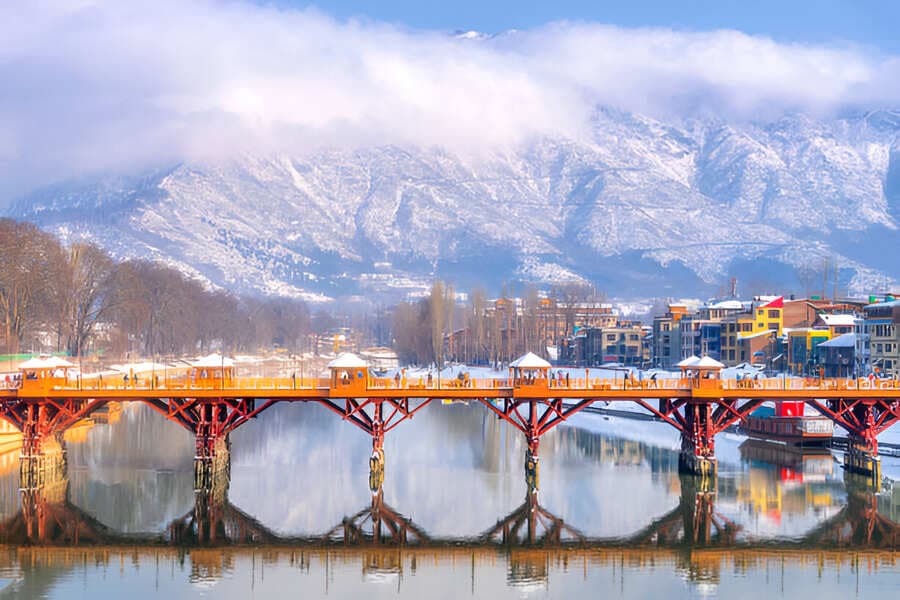
If there’s one place in India that is truly a heaven, it’s Kashmir. With snow-covered mountains, peaceful lakes, and valleys so green, this place is truly magical. But there’s one small thing, Kashmir’s beauty depends a lot on when you go. That’s why choosing the best time to visit Kashmir is super important.Whether you’re dreaming of playing in snow, strolling in gardens, or just sipping hot Kahwa on a houseboat, your experience depends on timing. Picking the best month to visit Kashmir will make sure you enjoy the real beauty of this place. You must check our amazing Kashmir Tour Packages to make planning even easier.Month Wise Best Time to Visit in Kashmir:1. Peak Season (March to May):March to May is the peak season of Kashmir. During this season, temperatures range from 15°C to 30°C, just the right mix of pleasant days and cool nights. Spring and early summer are the most popular times to visit Kashmir. But, it’s also the busiest, so book early to avoid sky-high prices and fully booked hotels. It is the ideal time to explore all the places to visit in Kashmir.No wonder it’s considered the best time to visit Kashmir by most travelers. The snow starts melting in higher areas like Gulmarg, the famous Tulip Garden in Srinagar opens up, and the Mughal Gardens burst into colors. Whether it’s boating in Dal Lake, visiting apple gardens, or enjoying fresh Kashmiri food in the open air, this season shares it all.2. Shoulder Season (September to November):September to November is the shoulder season of Kashmir. This is when Kashmir gives a golden glow. Autumn is peaceful, less crowded, and absolutely stunning. The temperature stays between 10°C and 23°C, making it very comfortable to travel. Chinar trees turn red and orange, the skies stay clear, and the entire valley looks like it’s glowing.It’s also harvest time, so you’ll see fresh apples, walnuts, and saffron farms. For many, October is the best month to visit Kashmir, especially if you want scenic beauty without tourist rush. Plus, hotel rates go down, and you get a more relaxed experience.3. Waning Season (June to August):June to August is the off-season or waning season of Kashmir. While the rain isn’t very heavy here, it does bring some challenges like roadblocks and landslides in hilly areas. The temperature ranges between 13°C and 17°C, and the valleys look lush and fresh.This isn’t the peak tourist season, which means fewer crowds and better deals. If you’re on a budget or looking for peaceful vibes, this could still be the best time to go to Kashmir. However, do keep an eye on weather updates and pack smart.Seasonal Guide of Kashmir:1. Kashmir in Summer:Temperature: 15°C to 30°C, great for outdoor adventures and sightseeing.Important Things to Know: Everything is open, from gardens to gondolas. It’s a very active season with lots of tourists, so expect crowds at famous places like Pahalgam, Gulmarg, and Sonmarg.Unique Experience: During summer, you can enjoy a stroll through the blooming Tulip Garden, ride a shikara on Dal Lake under sunny skies, and stay on a traditional houseboat with clear views. You can even find snow in Sonmarg and Gulmarg in early summer, which makes it a double delight.Tips:Carry light woollens for chilly eveningsBook hotels and flights earlyTry street food like Kebabs and seekh tikkas in SrinagarVisit early morning to popular places to avoid crowdsSuggested Read: Kashmir in Summer2. Kashmir in Winter (December to February):Temperature: As low as -8°C to 10°C, The snow kingdom.Important Things to Know: Many parts of Kashmir are covered in snow. It’s the best time for skiing, snowboarding, and snow fights. Among the best time to visit Kashmir for someone who loves snow. Places like Gulmarg become snow-covered. Just be prepared for some transport delays due to heavy snowfall.Unique Experience: Winter in Kashmir is a magical affair. The Dal Lake sometimes freezes, giving you the rare chance to walk on ice. Snow covers everything, from gardens to rooftops, and gives the entire valley a peaceful silence that’s hard to find at other times.Tips:Pack thermal wear, gloves, and good shoesBook hotels with heating systemsAlways check road and weather conditionsDon’t forget to drink hot Kahwa every few hours, it’s practically medicine here3. Kashmir in Monsoon (June to August):Temperature: 13°C to 17°C, pleasant but unpredictable.Important Things to Know: While this is not the best time to go to Kashmir for everyone, it has its own quiet beauty. Tourism drops, so you get great deals on hotels and local experiences. But some areas may face transport issues due to rain.Unique Experience: The valleys are greener than ever with the misty mountains. It’s the perfect time for photography lovers. The cloudy skies, empty gardens, and peaceful streets make the atmosphere romantic and relaxed.Check out our Kashmir Travel Guide for more help on routes, stays, and travel tips.Tips:Keep your travel plans flexibleAlways carry a raincoat and waterproof footwearStick to Srinagar and nearby areas to avoid hilly road issuesTry hot local dishes like Rogan Josh and enjoy steaming cups of Sulaimani teaHighlights That’ll Make You Pack Your Bags Right NowCatch the Tulip Garden in full bloomGo for a dreamy shikara ride on Dal LakeWatch Chinar trees turn golden in autumnEnjoy skiing and snowboarding in GulmargStay in a cozy houseboat with mountain viewsTry Wazwan, a royal Kashmiri feastShop for authentic Pashmina and saffronClick dreamy photos in every seasonVisit apple orchards and taste fresh fruitSo, when is the best time to visit Kashmir? The honest answer is, whenever you want a slice of beauty. If you want flowers and fresh air, go in summer. If you want peace and golden leaves, visit in autumn. And if you want snow and silence, visit in winter.Also Checkout– Things To Do in Kashmir

Read More

Best Time to Visit Kerala
May 30, 20256 Minutes
Best Time to Visit Kerala
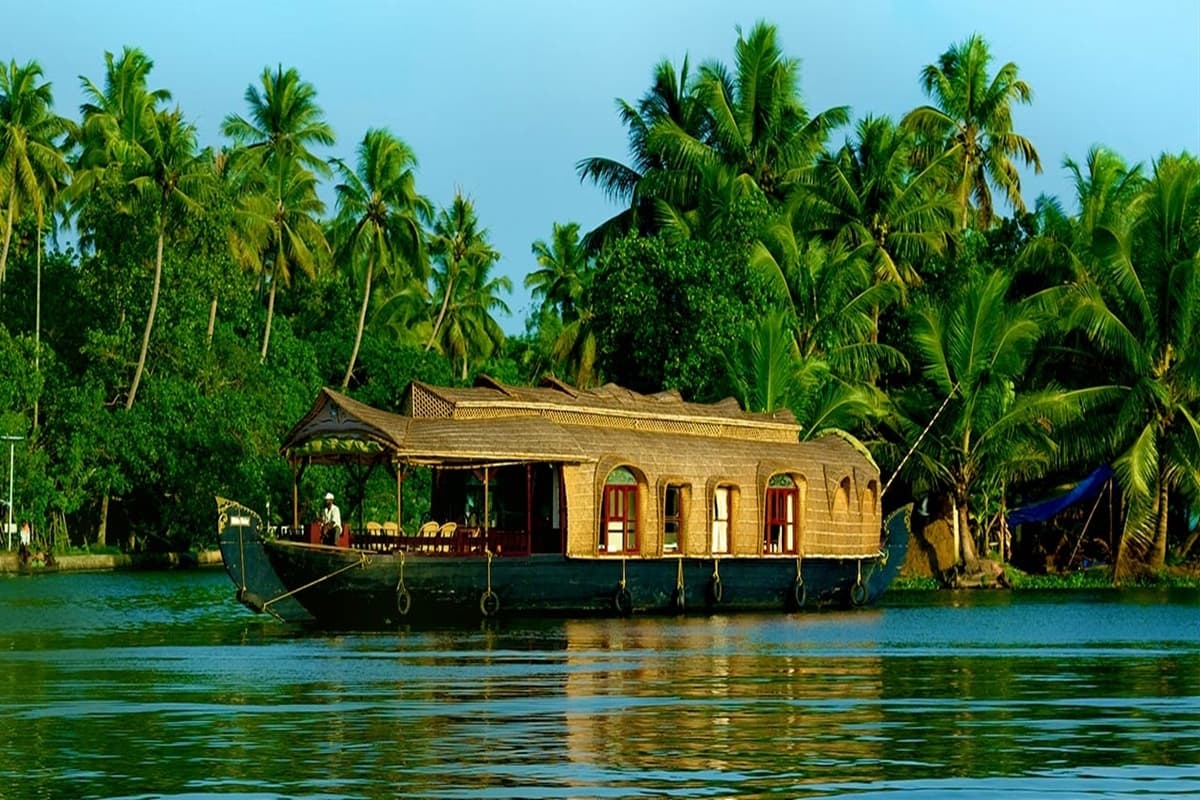
Kerala – the land of backwaters, green hills, spicy food, and tall coconut trees. But here’s the thing – while Kerala is a beauty all year round, and picking the best time to visit Kerala can seriously level up your travel experience.The weather in Kerala is tropical and humid because of its coastline and the Western Ghats. But that’s also what makes it so unique. Whether you’re cruising the backwaters of Alleppey, visiting Munnar, the time of year can really change how your trip feels. If you’re already dreaming of your trip, check out Viacation’s amazing Kerala Tour Packages available for every kind of traveler.So, choosing the best time for Kerala is essential for a smooth and fun trip. Let’s break it down for you.Month Wise Best Time to Visit in Kerala:1. Peak Season (December to February):December to February is the peak season of Kerala, and this is without a doubt the best time to visit Kerala. The temperature stays between 22°C to 32°C, so it’s perfect for outdoor adventures, backwater cruises, hill station visits, and beach lounging. You’ll find the skies clear, the breeze gentle, and the festive spirit in full swing.Since it’s also the most popular time, it’s also the crowded time, which means higher hotel prices and busier tourist spots. So, if you’re planning a winter Kerala trip, book your stays and tickets in advance. This is also the best season for honeymooners, families, and first-timers. No doubt, it’s the best time to go to Kerala if you’re looking for a well-rounded experience.2. Shoulder Season (March to May):March to May is the shoulder season of Kerala. The temperatures usually range between 30°C to 38°C, especially in coastal and lowland areas, which can feel quite hot and humid. But this is the off-season, so you’ll find fewer crowds and more attractive, this is the best time for Kerala for mid-budget travelers.Hill stations like Munnar, Wayanad, and Thekkady offer a much cooler escape with misty mornings and peaceful vibes. It’s also the time for some traditional temple festivals, complete with elephants and firecrackers, giving you a taste of Kerala’s cultural richness. Because the afternoons can get sweaty, plan your activities early in the morning or late in the evening to beat the heat.3. Waning Season (June to September):June to September is the waning or the off-season of Kerala. The temperature hovers between 25°C to 28°C, and rain showers bring life to the forests, waterfalls, and tea gardens. This time of year isn’t considered the best time to travel to Kerala for beach bumming or outdoor sports, but it has its own beauty. You’ll find peace, empty beaches, and the most photogenic landscapes ever.On the flip side, water sports and ferries may operate less frequently, and some days may be too wet for sightseeing. But if you’re someone who loves cozy weather and green views for days, monsoon could be the best time to visit Kerala for you.Seasonal Guide of Kerala:1. Kerala in Summer (March to May):Temperature: Ranges between 30°C to 38°C. Hill stations like Munnar and Thekkady are cooler and more comfortable.Important Things to Know: Summer is the off-season in Kerala. You’ll get great discounts on hotels and flights. But avoid peak noon hours if you’re exploring lowlands or cities.Unique Experience:-Go to Munnar for misty mornings and tea gardens-Visit Periyar Wildlife Sanctuary – less crowded.-Summer temple festivals with elephants and fireworksTips:-Carry light cotton clothes and sunscreen-Plan sightseeing in the early mornings or evenings-Stay hydrated – coconut water is your best friend-Choose hill stations over coastal towns2. Kerala in Winter (December to February):Temperature: Between 22°C to 32°C – super pleasant and perfect for travel.Important Things to Know: This is the best time to travel to Kerala. The weather is ideal for all activities – beaches, hills, forests, and backwaters.Unique Experience:-Houseboat rides in Alleppey or Kumarakom-Kathakali shows and local cultural festivals-Beach vibes in Varkala and Kovalam-Trekking in Wayanad or VagamonTips:-Book your hotels early – peak season gets packed fast-Carry light layers for cool evenings in the hills-Don’t miss the traditional Sadya (feast) if you visit during local festivals-Try an Ayurvedic massage3. Kerala in Monsoon (June to September):Temperature: Expect romantic rain showers with temperatures between 25°C to 28°C.While this isn’t the best time to visit Kerala for outdoor activities.Important Things to Know: Some beaches and water sports might be closed. But this is the best time for spa therapies and Ayurvedic treatments.Unique Experience:-Cloudy skies are perfect for photography-Empty beaches all to yourself-Lush green landscapes everywhere-Traditional indoor activities with locals-Special monsoon dishes like spiced hot tea and local frittersTips:-Keep plans flexible – weather changes quickly-Book refundable tickets-Pack rain gear and waterproof cameras-Stay in places with good indoor activitiesHighlights That’ll Make You Pack Your Bags Right NowHouseboat cruise in winter – romantic and relaxingMunnar’s cool tea gardens in summer – capture beautiful spots everywhereAyurvedic massages during monsoon – budget-friendly and refreshingWatching a Kathakali performance – dramatic and colorfulFewer crowds and more peace in the off-season monthsTrying Kerala food in different seasons – spicy, sweet, and everything in betweenSnake boat races during monsoon – energetic and funEnjoying the backwaters with less humidity in winterTea tasting tours in the hillsAlso Read: One Day Trip Places in KeralaMust Read: Best Beaches in Kerala

Read More

National Parks in Kerala
May 30, 20257 Minutes
National Parks in Kerala
Overview of National Parks in Kerala:Kerala is not only about scenic backwaters and Ayurveda; it’s also a lush green paradise filled with rich biodiversity. Nature here is wild, alive, and truly unforgettable. For travelers who want more than a beach holiday, exploring the national parks is the perfect way to discover Kerala’s natural soul.Most people don’t realize that Kerala has some of the most protected and unique ecosystems in India. These national parks in Kerala are home to elephants, tigers, exotic birds, and plants that you won’t find anywhere else.Many Kerala tour packages now include visits to these beautiful parks, making it easier for travelers to experience this side of the state. Whether it’s trekking through high-altitude shola forests or spotting wildlife on a boat safari, these parks are worth every moment.Let’s take a closer look at the top national parks in Kerala:Top 7 National Parks in Kerala You Must Visit:1. Mathikettan Shola National Park:Among the national parks in Kerala, Mathikettan Shola stands out for its unique biodiversity and peaceful forest landscape. Located between Munnar and Thekkady, this park is known for its dense shola forests and its importance in conserving the Western Ghats’ climate and water systems. It’s home to rare species like the Nilgiri marten and several medicinal plants.If you enjoy quiet nature walks, birdwatching, and serene green surroundings, Mathikettan Shola offers a refreshing and meaningful escape into nature.Timings: 6:00 AM to 6:00 PMEntry Fee: ₹50 per person2. Eravikulam National Park:Located in the Idukki district near Munnar, Eravikulam National Park is famous for the endangered Nilgiri Tahr. It’s also the place where you can see the rare blooming of the Neelakurinji flower (which blooms once every 12 years). With rolling hills and grasslands, it’s a photographer’s dream and a must-visit for first-timers in Kerala.Trekking to the Anamudi Peak, the highest point in South India, adds thrill to your visit here.Timings: 7:00 AM to 4:00 PM (closed during Feb-Mar for calving season)Entry Fee: ₹200 for adults; ₹90 for children3. Silent Valley National Park:One of the most untouched and pristine national parks in Kerala, Silent Valley lies in the Nilgiri Hills of Palakkad. Located in the Nilgiri Hills of Palakkad, this park is home to the endangered Lion-tailed macaque, tigers, leopards, and hundreds of species of butterflies and birds.It’s also known for its rich tribal history and the Kunthi River flowing through it. Eco-tourists love it for its raw beauty and unfiltered jungle experience.Timings: 8:00 AM to 1:00 PM (entry by special permit only)Entry Fee: ₹50 for Indians; ₹150 for foreigners4. Periyar National Park:Probably the most famous national park in Kerala, Periyar is known for its scenic lake and elephant sightings. Located in Thekkady, this park offers both boat safaris and guided forest treks. Tigers, leopards, sambar deer, and even wild boars roam these forests.Periyar is well-organized for tourists, with plenty of eco-lodges and adventure options like bamboo rafting and night treks.Timings: 6:00 AM to 7:00 PMEntry Fee: ₹45 for Indians; ₹500 for foreigners5. Mukurthi National Park:Though it lies partly in Tamil Nadu, Mukurthi is often included in Kerala wildlife tours because of its proximity to Nilgiri biosphere. It’s a high-altitude shola forest and grassland ecosystem. The park is a UNESCO World Heritage Site and home to the Nilgiri Tahr, Asian elephants, and even elusive tigers.Ideal for serious nature lovers and trekkers, Mukurthi is part of a rich biodiversity corridor.Timings: 9:00 AM to 5:30 PM (only with prior permission)Entry Fee: ₹20 per person6. Bandipur National Park:Just at the border between Kerala and Karnataka, Bandipur is often visited by travelers from Wayanad and nearby regions. It’s a great extension to your trip after exploring the national parks in Kerala. This tiger reserve is one of the best managed in India and offers great chances of spotting big cats, elephants, and a huge variety of birds.It’s also known for its jeep safaris and eco-tourism efforts, making it a great destination for wildlife photography.Timings: 6:30 AM to 9:30 AM and 3:30 PM to 6:30 PMEntry Fee: ₹300 per person (jeep safari cost extra)7. Aanamalai Tiger Reserve:Also called the Indira Gandhi Wildlife Sanctuary, Aanamalai sits right at the Kerala-Tamil Nadu border and is sometimes part of extended Kerala wildlife trips. It’s one of the most beautiful tiger reserves in South India, with thick forests, waterfalls, and plenty of wildlife including Indian bison (gaur), langurs, and of course, tigers.If you’re serious about wildlife spotting and birdwatching, this place is a hidden treasure.Timings: 7:00 AM to 4:00 PMEntry Fee: ₹30 per personExploring these national parks in Kerala is a fantastic way to experience Kerala beyond the typical tourist attractions. Each park has its own unique ecosystem and charm—from misty mountains to deep rainforests, from peaceful treks to thrilling safaris.Whether you’re a solo traveler, nature photographer, or family vacationer, these parks offer something unforgettable.Also Read: Best Beaches in KeralaMust Read: Best Time to Visit in Kerala

Read More

Beach Resorts in Kerala
May 30, 20257 Minutes
Beach Resorts in Kerala
Overview of Beach Resorts in Kerala:Kerala, also known as “God’s Own Country,” is home to many natural wonders—calm backwaters, green hills, and peaceful beaches. While many tourists visit for the backwaters or Ayurveda experiences, Kerala’s coastline is just as beautiful and perfect for a quiet vacation.If you enjoy being close to the sea, Kerala tour packages can help you choose the right resort. In this guide, we have listed some of the trusted beach resorts in Kerala. These resorts not only offer comfortable stays but also beautiful views, direct access to the beach, and the peaceful sounds of the sea.From popular tourist beaches to quieter and hidden shores, these resorts are spread across various parts of the state. Let’s take a look at what each has to offer.Top 8 Best Beach Resorts in Kerala:1. Niraamaya Retreats Surya Samudra – Kovalam:Location: Thiruvananthapuram (Kovalam)Approximate Price: ₹15,000 per nightNiraamaya Retreats is one of the most scenic and peaceful beach resorts in Kerala. Located on a cliff near Kovalam Beach, it offers wide views of the Arabian Sea. The resort is designed with traditional Kerala architecture, including tiled-roof cottages and open-air bathrooms. Guests can enjoy an infinity pool, spa therapies, yoga, and private access to a quiet beach. It’s ideal for those looking to relax in a peaceful natural setting with high-quality service.2. The Leela Kovalam, A Raviz Hotel – Kovalam:Location: Thiruvananthapuram (Kovalam)Approximate Price: ₹20,000 per nightThe Leela is a five-star property located on a cliff overlooking Kovalam Beach. It’s one of the most luxurious beach side resorts in Kerala. The rooms and suites have large windows that open to the sea, and the property has multiple dining options, an Ayurvedic spa, and a long stretch of private beach. The mix of natural beauty and comfort makes it a popular choice for honeymooners and families looking for something special.3. Marari Beach Resort – Mararikulam:Location: Alappuzha (Mararikulam)Approximate Price: ₹13,000 per nightThis resort is located in the quiet village of Mararikulam and is surrounded by palm trees and open spaces. It is one of the best beach resorts in Kerala for people who want to enjoy nature and peace away from busy tourist areas. Marari Beach Resort follows a sustainable, eco-friendly design, with cottages made from natural materials. Guests can walk directly to the beach or enjoy traditional Kerala cuisine made from fresh, local ingredients.4. Turtle on the Beach – Kovalam:Location: Thiruvananthapuram (Kovalam)Approximate Price: ₹8,000 per nightTurtle on the Beach is a modern and comfortable resort just steps away from Kovalam Beach. It’s also one of the more affordable options among high-quality beach resorts in Kerala. It offers spacious rooms with balconies, a lovely swimming pool, and a full-service spa. The resort’s friendly staff and calm environment make it ideal for couples and families alike.5. The Gateway Hotel – Varkala:Location: VarkalaApproximate Price: ₹9,000 per nightThis property, formerly part of the Taj Group, is located on the Varkala cliff, overlooking the beautiful Arabian Sea. It’s one of the most scenic beach side resorts in Kerala with great value and location. The resort offers comfortable rooms, an Ayurvedic wellness centre, and easy access to th e beach below. Guests can walk along the cliff, enjoy local cafes, and explore nearby temples.6. Bethsaida Hermitage – Poovar:Location: Near Poovar, South of KovalamApproximate Price: ₹7,000 per nightBethsaida Hermitage is a peaceful resort built on a hill that gently slopes down to the beach. It is known for its Ayurvedic treatments and natural setting. Its quiet location makes it one of the most restful beach resorts in Kerala. The cottages and rooms offer sea views and calm surroundings. The resort is a good place for people who want to combine beach relaxation with traditional healing and wellness practices.7. Palm Tree Heritage – Varkala:Location: VarkalaApproximate Price: ₹6,500 per nightLocated right by the beach, Palm Tree Heritage is a small and peaceful resort with comfortable cottages facing the sea. It is a great example of homely beach resorts in Kerala with great ocean views. It is perfect for travellers looking for a simple, clean, and relaxing place to stay. The staff is helpful, and the location is perfect for evening walks, sunsets, and enjoying local seafood.8. Abad Harmonia Ayurveda Beach Resort – Chowara:Location: Chowara Beach, near KovalamApproximate Price: ₹5,000 per nightAbad Harmonia is a value-for-money beach resort offering Ayurvedic treatments and wellness programs. This resort is both peaceful and affordable, making it a popular option among travellers exploring beach resorts in Kerala. Located near the peaceful Chowara Beach, it offers a clean, well-maintained environment with garden views and walkable beach access. It’s a good choice for those who want a relaxing retreat without spending too much.Kerala’s coastline is full of beauty, calm, and a strong connection to nature. Whether you’re looking for luxury, a simple stay, or a peaceful wellness experience, there’s a resort by the sea for every type of traveller. These beach resorts in Kerala are chosen for their quality, location, and the kind of relaxing stay they offer.Also Read: Best Beaches in KeralaMust Read: Best Time to Visit Kerala

Read More

Hotels in Manali Mall Road
May 30, 20258 Minutes
Hotels in Manali Mall Road
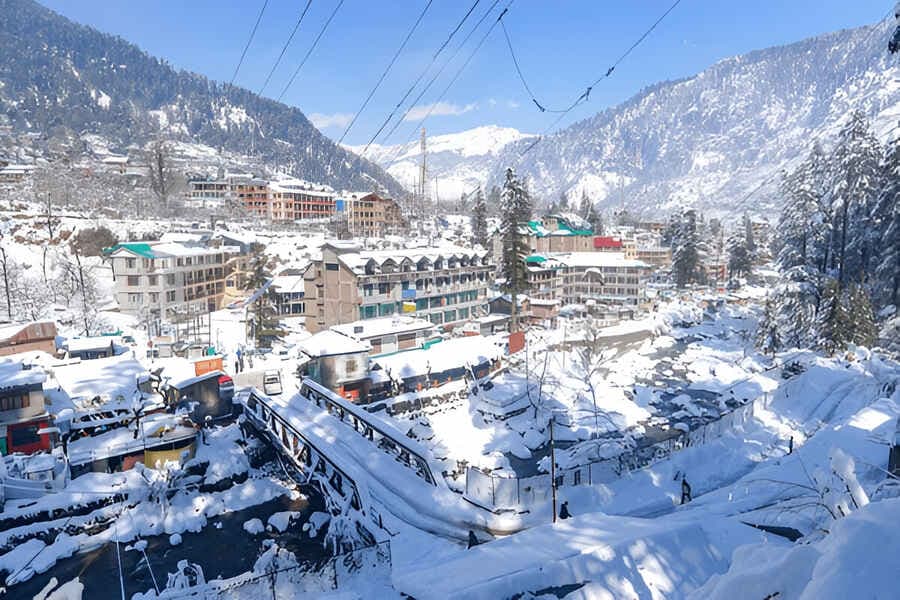
If you’re planning a trip to Manali, there’s a high chance that Mall Road is already on your itinerary. It’s at the centre of the town – filled with cafes, shops, and those mountain vibes. And what’s better than staying right at the center of all this? So, in this blog, we’ll be talking about the best hotels in Manali Mall Road.For every type of traveler, we’ve listed the top 10 hotels in Manali near Mall Road – all with comfy rooms, scenic views, and easy access to everything you need.Check out Manali tour packages and bookmark some must-see places to visit in Manali while you’re at it!Top 10 Hotels in Manali Near Mall Road1. Hotel Silverland – Manali:This hotel is your perfect snow-mountain dream with budget-friendly rates. Hotel Silverland gives you cozy rooms, wooden interiors, and a peaceful vibe – great for families, friends, or couples. It has in-house dining and staff who’ll make sure your stay is smooth. You’ll get mountain views from your window too.– Price: Starts from ₹2,500 per night– Star: 3 Star– Location: Just 3 km from Mall Road – quick 2-minute walk to shops & cafes.Have a look at this detailed Manali Travel Guide for tips on food, shopping, and sightseeing.2. Hotel Jubilant Manali:Hotel Jubilant Manali is comfort plus convenience. Spacious rooms, good service, and a homely feel make it a go-to spot for many travelers. It is among the many best hotels in Manali near Mall road, perfect if you’re visiting with family or just want a peaceful escape with all amenities nearby.– Price: Starts from ₹2,500 per night– Star: 3 Star– Location: Only 950 meters from Mall Road.3. Hotel Snow View Manali:Snow View gives exactly what it promises – a scenic snow-capped mountain view right from your balcony. It’s a great pick for those looking for affordable yet scenic hotels in Manali Mall Road. The rooms are clean, well-maintained, and warm, perfect for chilly evenings. Check out the Best time to visit Manali to avoid peak crowds or snowfall surprises.– Price: Starts from ₹2,300 per night– Star: 3 Star– Location: 750 meters from Mall Road – easily walkable.4. Hotel Meadows:One of the top 10 hotels in Manali near Mall Road for budget travelers. Hotel Meadows is a beautiful little escape with clean rooms and friendly staff. It’s got a peaceful vibe, and the rooms have all the essentials for a comfy stay. It’s ideal for couples and solo travelers who want to stay near the main market but not in the middle of all the noise.– Price: Starts from ₹1,300 per night– Star: 2 Star– Location: Just 1 km from Mall Road5. Mountain Top Hotel In Manali:Mountain Top Hotel offers a beautiful view of the valley and snow-clad peaks. It’s a great choice if you want both scenic beauty and market convenience, as it is easily accessible. With a rooftop restaurant and spacious rooms, it’s definitely one of the best hotels in Manali near Mall Road.– Price: Starts from ₹2,900 per night– Star: 3 Star– Location: 2.7 km from Mall Road6. Hotel Grand Plaza Manali:A comfy hotel with large rooms, warm hospitality, and everything you need for a great stay. It is among the unique hotels in Manali Mall Road with free Wi-Fi, hot water (a big deal in winters), and quick service. It’s a great pick if you want a mix of comfort and budget.– Price: ₹2,300 per night– Star: 3 Star– Location: 1.5 km from Mall Road – everything is just around the corner.7. Hotel Hilltop at Mall Road Manali:This one’s right in the action. Hotel Hilltop is located directly on Mall Road, so if you love being in the middle of the buzz, this is it. Rooms are cozy, views are stunning, and the staff is super helpful. It’s among the top 10 hotels in Manali near Mall Road because of its prime location.– Price: ₹3,200 per night– Star: 2 Star– Location: 1 km from Mall Road – step out and you’re in the market!8. Hotel Samiru Manali:A hidden gem among hotels in Manali Mall Road, Hotel Samiru is a cozy and clean place that’s popular among couples and solo travelers. The rooms are spacious, and the staff is always ready to help. Plus, it’s super affordable without compromising on comfort.– Price: Starts from ₹1,500 per night– Star: 2 Star– Location: 1 km from Mall Road – peaceful and close enough.9. Apple Field House – Hotel in Old Manali:This one is a bit off the Mall Road, but the views are worth it. Searching for budget hotels in Manali Mall Road, then this is your best bet. Apple Field House gives you that old-Manali magic, with wooden interiors and apple orchards around. Great for people who want a peaceful stay but can still reach the market easily.– Price: Starts from ₹1,000 per night– Star: 3 Star– Location: 2 km from Mall Road10. Manali Grand:Manali Grand is perfect for families and large groups. The rooms are big, the ambiance is lively, and the location is convenient. It has all the essentials – warm rooms, tasty food, and friendly service. Definitely one of the top 10 hotels in Manali near Mall Road if you want a mix of comfort and location.– Price: Starts from ₹3,300 per night– Star: 3 Star– Location: Just 2 km from Mall Road – quick drive or a breezy walk.Just make sure you book your stay in one of these best hotels in Manali near Mall Road for a trip you’ll always remember.Also Checkout – Things To Do in ManaliMust Read – Places to Visit in Manali

Read More

Best Time to Visit Bali
May 30, 20256 Minutes
Best Time to Visit Bali
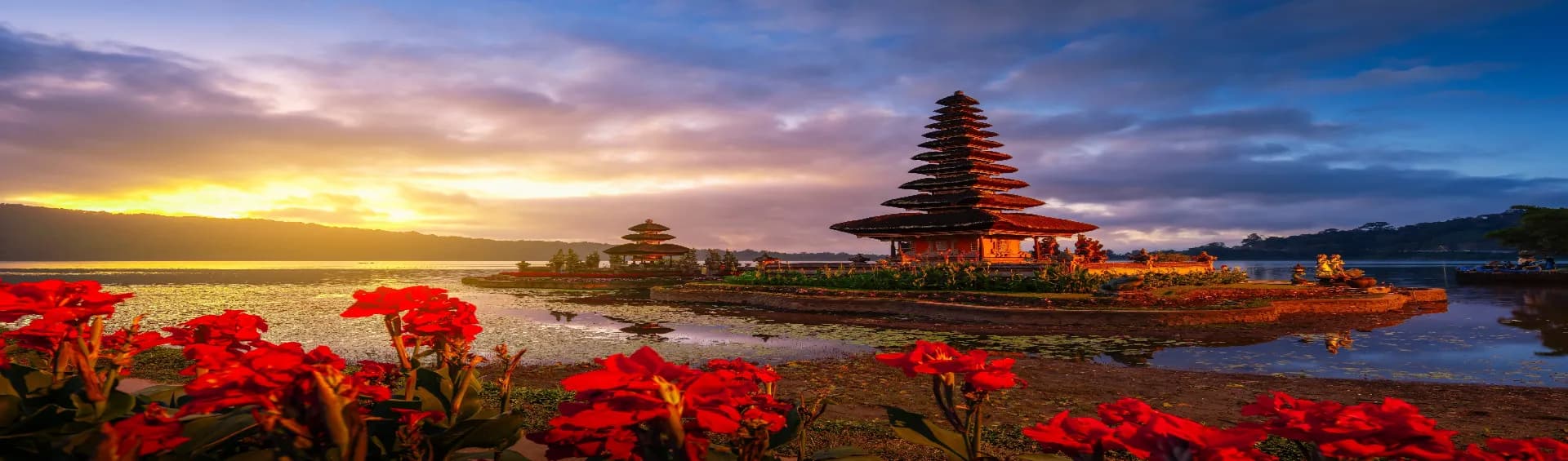
Bali – the island that lives in every travel lover’s bucket list. From stunning beaches and lush green rice fields to ancient temples and nightlife, this tropical paradise has it all. But Bali’s weather can be a little moody, and picking the best time to visit Bali can turn your trip into something magical.So, the best time to visit Bali totally depends on your vibe. Whether you want perfect weather, fewer crowds, or budget-friendly deals, this guide will help you decide the best time to go to Bali based on your travel style. If you’re already getting travel FOMO, do check out our amazing Bali Tour Packages that will sort out your whole trip.Peak Season (July to August)July to August is the peak season of Bali. If you’re someone who doesn’t mind crowds and just wants sunshine. This is the best time to visit Bali, this season runs from July to August, and also includes December (especially around Christmas and New Year).The weather is mostly dry, sunny, and postcard-perfect. Expect temperatures between 27°C to 32°C, and skies as clear as your weekend plans. The beaches are buzzing, the cafes are lively, and the island is full of travelers.Shoulder Season (June and September)June and September are the shoulder season of Bali (April to June and September to early October) is probably the best time to go to Bali. The temperature hovers around 26°C to 31°C, and while there might be a short rain here or there, it’s usually just a passing shower. You’ll still enjoy sunny beach days and dry evenings without elbowing your way through every Instagram spot. Plus, hotels and flights are often cheaper than in peak season. This season is a favorite among regular travelers and also the best time to visit Bali from India if you’re looking for good weather and reasonable pricesWaning Season (November to March)November to March waning season of Bali. This might just be the best time to visit Bali from India if you’re looking to escape the crowds and save money. Temperatures range from 25°C to 30°C, but yes, it does rain often. Still, the rains are mostly heavy but short, and you’ll find the island fresh, green, and beautiful. It’s perfect for budget travelers, nature lovers, or digital nomads who want a peaceful corner of paradise. Seasonal Guide of BaliBali in Summer (June – August)– Temperature: 27°C to 32°C– Important Things to Know: Summer is the busiest and sunniest time. Beaches are full, parties are on, and the island is super lively. It’s great for beach lovers, surfers, and photographers.– Unique Experience:Clear blue skies for amazing beach photosBig cultural festivals like the Bali Arts FestivalGreat time for surfing in Uluwatu and KutaPerfect weather for exploring places to visit in Bali– Tips: Book flights and hotels at least 2-3 months in advanceCarry sunscreen and beachwearExpect a crowd, so start your sightseeing earlyTry local summer treats like coconut water and tropical fruitsBali in Winter (December – February)– Temperature: 25°C to 30°C– Important Things to Know: It’s cooler but wetter. December is super busy due to the New Year and Christmas, but January and February are quieter and cheaper, and probably the best time to visit Bali as compared to all other seasons.– Unique Experience:Christmas celebrations with a tropical twistBeautiful rainy landscapes are perfect for nature photographyRomantic weather for couplesSpa and wellness retreats in Ubud– Tips:Keep your plans flexible due to occasional rainsPack both summer clothes and a light jacketGreat time to enjoy indoor activities like cooking classes or yogaDon’t miss hot Balinese coffee on a rainy dayBali in Monsoon (October – March)– Temperature: 25°C to 29°C– Important Things to Know: This is the true rainy season. You’ll see fewer tourists, lower prices, and a more peaceful side of Bali.– Unique Experience:Waterfalls in full gloryFresh green rice fields in UbudTraditional dance performances indoorsSpa days and long cafe sessions– Tips:Book refundable hotels or ticketsPack waterproof shoes and bagsExplore indoor attractions like temples and museumsTry hearty Balinese dishes like Nasi Goreng and hot ginger teaTo get the perfect idea about Bali’s attractions and timings, consider this Bali Travel Guide. What are the Travel Essentials for your Bali Trip:Bali has warm weather almost all year round – you’ll never need a sweater.Even in the monsoon, it’s stunning and green like KeralaGreat for every kind of traveler – honeymooners, solo trippers, families, even remote workersFlights from India are frequent and affordableYou’ll find delicious veg and Indian food all aroundAmazing local experiences – like Balinese massages, water temples, and volcano trekkingBudget-friendly options even during peak monthsThe island is super InstagrammablePicking the best time to visit Bali makes your experience 10x better. So check your calendar and get ready to fall in love with Bali.

Read More

Top 15 Places to Visit in North Goa
May 30, 202511 Minutes
Top 15 Places to Visit in North Goa
North Goa has got a vibe with beach hopping, street shopping, clubbing till sunrise, or just chilling with a coconut in hand, North Goa is a party hub of Goa. Now, before we dive into the places to visit in North Goa, let’s clear up something important. Goa is divided into two parts: North and South. South Goa is calm, peaceful, and all about luxury and peace. Basically, South Goa is for people who want to “find themselves.” on the other hand, North Goa is where you lose yourself.Mostly young travellers choose North Goa over South, college groups, honeymooners looking for some thrill, solo backpackers, and anyone who wants to make the most of every single moment. One of the main reasons people flock to North Goa is that all North Goa places to visit are close. You can wake up at Anjuna, lunch at Calangute, watch sunset from Chapora Fort, and party at Baga – all in one day.Also, North Goa fits every budget. You’ll find fancy restaurants next to roadside stalls, beach huts beside resorts, and high-end clubs just a few steps away from peaceful sunset spots. You get everything in one place – and that’s why it never goes out of trend. Check out our Goa tour packages for a budget-friendly, well-planned Goa trip that covers all the fun.Best Places to Visit in North Goa1. Baga Beach:Baga Beach is like the Times Square of North Goa – always buzzing. From banana boat rides to beach shacks serving butter garlic prawns, this place has it all. In the evening, the whole beach turns into one big party scene. You’ll find music, lights, and dance happening everywhere. If you like crowds, colors, and chaos in the best way, Baga is your go-to. You can even get a tattoo or a massage here. Among the most happening places to visit in North Goa, Baga Beach sets the perfect tone for your Goan adventure.2. Calangute Beach:Calangute is often called the “Queen of Beaches” – and it totally lives up to the title. It’s one of the best places to visit in North Goa for water sports lovers. Parasailing, jet skiing, and banana rides – all in one stretch. There are beach huts where you can chill with coconut water and watch the sunset. The local shops nearby sell beachwear and wooden artefacts. If you’re into crowd-watching and people-watching, Calangute is full of life and perfect for selfies, stories, and sunny vibes.3. Fort Aguada:Fort Aguada tells the tales of pirates, guards, and the colonial era. This Portuguese fort sits proudly with its old lighthouse, watching over the Arabian Sea. It’s perfect for slow travelers and photographers. The view from the top is stunning and peaceful – a nice break from the beach chaos. It’s also one of those north Goa places to visit where you can explore history without needing a guide. 4. Anjuna Beach & Flea Market:Anjuna is all about chill vibes and hippie feels. It’s definitely one of the most unique places to visit in Goa, especially if you love shopping with a beachside breeze.The beach is rocky and cool for evening walks, but the real attraction is the flea market. Every Wednesday, it turns into a colorful world of clothes, jewelry, spices, dreamcatchers, and whatnot. The beach itself is quieter than Baga or Calangute, so perfect if you want a peaceful tan session.5. Chapora Fort:You’ve probably seen Chapora Fort in Bollywood’s “Dil Chahta Hai” – yes, that iconic scene. Located on a hill, this fort gives you a worthy view of Vagator Beach and the Arabian Sea. It’s a bit of a climb, but absolutely worth it for the pictures and breeze. The place has no entry fee and no shops, so carry water and snacks. A must on your list of north Goa places to visit, especially if you’re a movie lover or a sunset lover. Knowing the Best time to visit Goa can help you choose the right time to visit every attraction in Goa including Chopara Fort.6. Vagator Beach:Vagator Beach is quieter, cooler, and full of beauty. The beach is divided into two parts – Big Vagator and Little Vagator. It’s surrounded by black rocks and palm trees, giving it a very chill vibe. There are cafes nearby with amazing views and food. You can just lie back, read a book, or watch people. It’s one of the best places to visit in North Goa when you want peace without going too far off the map. 7. Candolim Beach:Candolim is clean, peaceful, and not too crowded – a rare combination in Goa. The beach is long, and it has a lot of space. It’s great for long walks, beach volleyball, or just sipping fresh lime soda and doing nothing. The nightlife is nearby, but the beach itself stays calm. It’s one of those places to visit in North Goa when you want beach time without the madness, and it’s perfect for families, couples, or solo travelers who want a chill spot.8. Mapusa Market:If your idea of a fun day includes shopping, eating, and exploring local life, Mapusa Market is a jackpot. It’s noisy, colorful, and full of energy. You’ll find everything – Goan sausages, spices, handicrafts, clothes, and those famous cashew packets your relatives will ask for. It’s not a beach, but it’s definitely one of the liveliest north Goa places to visit. Fridays are the best time to go, when the whole market comes alive. 9. Reis Magos Fort:This hidden fort is small but packed with history. Recently restored, it offers lovely views of the Mandovi River and Panjim city. If you’re into forts but don’t like crowds, this is one of the underrated places to visit in North Goa that you shouldn’t miss. It’s quieter than Fort Aguada but just as beautiful. You can learn about Goa’s Portuguese past, take nice pictures, and enjoy a peaceful walk. 10. Arambol Beach:Arambol is the land of barefoot travellers and drum circles. If you’re someone who likes offbeat experiences, this is among the best places to visit in North Goa. It’s less commercial and more relaxed. The beach has a bohemian vibe, with yoga classes, live music, and quirky cafes. The walk to the sweet water lake nearby is peaceful and totally worth it. Arambol attracts the artistic and free-spirited souls. 11. SinQ Nightclub:Your Goa trip is incomplete without dancing your heart out, and SinQ is one of the best places for that. It has a stylish outdoor area, indoor club space, poolside lounge, and awesome music. Whether you’re a dancer or just a vibe-checker, SinQ has a spot for you. Drinks, food, music, everything’s top-notch. If you’re shortlisting north Goa places to visit for nightlife, this should be right up there. Consider reading our Goa Travel Guide—it covers everything from packing tips, best beaches, and clubs.Pro tip: Go early on weekends – it gets crowded fast.12. Ashwem Beach:Ashwem is Goa’s best hidden gem—clean, calm, and perfect for a quiet day by the sea. Not many tourists, not many hawkers – just peace and palm trees. The beach has some lovely shacks and boutique resorts. If your idea of fun includes sipping smoothies, doing yoga, and writing poetry, Ashwem is the best place. It’s one of the more peaceful places to visit in North Goa, especially great for couples and solo travellers who like slow travel. And just so you don’t miss anything on your trip, check out our Goa Travel Guide – it covers tips, food spots, travel hacks, and hidden gems.13. Saturday Night Market (Arpora):This is not your usual market. It’s a full-on festival.. The Saturday Night Market is full of lights, live music, food stalls, shopping, and happy vibes. For shopping, it’s among the top places to visit in North Goa after dark. It’s where you shop, eat, and groove – all at once. From handmade jewelry to clothes, spices, and funky home décor, it’s all here. 14. Basilica of Bom Jesus:The Basilica is a UNESCO World Heritage site and home to the remains of St. Francis Xavier. It’s old, beautiful, and peaceful. Even if you’re not very religious, the art and architecture are worth checking out. It’s a nice break from all the beach buzz. Among all the best places to visit in North Goa, this one gives a deep dive into the region’s spiritual and cultural history.15. Casino Pride:Among all the entertaining places to visit in North Goa, Casino Pride gives a different kind of thrill. Head over to Casino Pride, one of the floating casinos on the Mandovi River. You’ll find card games, roulette, slot machines, entertainment shows, and buffet meals. It’s not just about gambling – it’s about the glitz and experience. Go for the fun, not just the win, and don’t forget to carry your ID – entry rules are strict.Also Read: Things to do in Goa

Read More

Beach Hotels in Goa
May 30, 20257 Minutes
Beach Hotels in Goa
Goa is one of the most loved beach destinations in India, attracting travellers from all over the world. Whether you’re planning a calm getaway or a fun trip with friends, Goa has something for everyone. From golden sands to peaceful sunsets, the beach experience here is truly relaxing. To enjoy your holiday even more, choosing the right hotel by the beach can make a big difference. A good hotel not only offers comfort but also keeps you close to nature and the sea. Whether you’re travelling with your partner, family, or even solo, the right place to stay adds to the charm of your trip. Many people also look for Goa tour packages that include stays at these lovely beach hotels for a smooth and worry-free vacation.Top Beach Hotels in Goa:1. Taj Exotica Resort & Spa – Benaulim Beach:Taj Exotica is one of the finest beach hotels in Goa, offering a peaceful luxury stay. If you want comfort, calm surroundings, and excellent service, this is a great choice. Surrounded by green gardens and tall palm trees, this resort gives a private and quiet beach experience. The rooms are spacious, beautifully designed, and many come with sea views. It also has a relaxing spa, large pool, and several restaurants with tasty food.Location: Benaulim Beach, South GoaApproximate Price: ₹15,000 – ₹20,000 per night2. Beleza by the Beach – Colva Beach:This charming resort is set among coconut trees and greenery, just a few steps from Colva Beach. Beleza is one of the best beach hotels in Goa for those who want to relax in a natural, green setting. It has large, clean rooms with modern interiors. There’s a lovely pool, a nice restaurant, and a small spa too. The beach here is not crowded, making it perfect for peaceful walks and sunbathing.Location: Colva Beach, South GoaApproximate Price: ₹7,000 – ₹10,000 per night3. Santana Beach Resort – Candolim Beach:A favorite for repeat visitors, this small and cozy hotel is just a 2-minute walk from Candolim Beach. This resort is simple and affordable, making it one of the most homely beach hotels in Goa. The resort has cottage-style rooms, a lovely garden, and a quiet swimming pool. The beach area nearby is clean, and you can easily visit nearby shops and cafes.Location: Candolim Beach, North GoaApproximate Price: ₹4,000 – ₹6,000 per night4. Caravela Beach Resort – Varca Beach:Caravela is a beautiful beach resort with direct access to the wide and clean Varca Beach. This is one of the beach side resorts in Goa, ideal for couples and families looking for peace and privacy. It offers a peaceful stay with spacious rooms, tropical gardens, a big pool, and an on-site golf course. The private beach space means you get to enjoy quiet time by the sea without crowds.Location: Varca Beach, South GoaApproximate Price: ₹9,000 – ₹13,000 per night5. Estrela Do Mar Beach Resort – Calangute Beach:This resort is in a great spot—just a few meters from the busy and fun Calangute Beach. Perfect for people who enjoy energy, music, and food, this is one of the most lively beach hotels in Goa. The rooms are comfortable, and the resort has a restaurant, bar, and outdoor seating area. It’s a great pick if you want to enjoy beach fun during the day and come back to a cosy space at night.Location: Calangute Beach, North GoaApproximate Price: ₹5,000 – ₹7,000 per night6. The LaLiT Golf & Spa Resort – Palolem Beach:Set across a large property, this resort is surrounded by green hills and a quiet beach. This is one of the best beach hotels in Goa if you’re looking for space, privacy, and top service. It has a golf course, spa, multiple restaurants, and a big pool. The rooms are luxurious and some even offer sea views. The beach nearby is calm, clean, and great for long walks or quiet swims.Location: Palolem Beach, South GoaApproximate Price: ₹12,000 – ₹18,000 per night7. Acron Waterfront Resort – Baga Beach Area:Though not right on the beach, Acron is located by the Baga River and is a short walk from Baga Beach. Good for travellers who want the beach nearby but prefer staying in a calm space. The resort is quiet and peaceful despite being close to the busy part of North Goa. It has stylish rooms, a small pool, and helpful staff.Location: Baga Area, North GoaApproximate Price: ₹6,000 – ₹8,000 per night8. Fairfield by Marriott – Benaulim Beach:A trusted hotel brand, Fairfield by Marriott is clean, modern, and close to Benaulim Beach. It is one of the beach side resorts in Goa that’s easy to recommend for peaceful and neat stays. The rooms are simple yet very comfortable. The restaurant serves good meals and the staff is polite and welcoming. It’s also close to shops and beach cafes.Location: Benaulim Beach, South GoaApproximate Price: ₹6,000 – ₹8,000 per nightSo, there is no shortage of options when it comes to beach hotels in Goa. Whether you want luxury, comfort, or budget stays, there’s something for every traveller. The hotels listed here offer great beach access, friendly service, and beautiful surroundings. No matter which one you choose, you’ll get to enjoy Goa’s calm beaches and sunny charm.Also Read –Places To Visit in GoaMust Read – Things to do in Goa

Read More

Top 10 Forts in Goa
May 30, 20259 Minutes
Top 10 Forts in Goa
Most of us, when we think of Goa, the first images that come to mind are probably its sun beaches, nightlife, and seafood. Goa Forts are another side to Goa that’s equally captivating. These Goa Forts are silent storytellers of Goa’s history and colonial legacies. In this blog, we’ll explore the top must-visit forts of Goa.Over the years, many of these forts have transformed from military bastions to popular tourist attractions. Their panoramic views, historical significance, and cinematic appearances make them a must-visit for anyone exploring Goa. Apart from beaches, nowadays all Goa Tour Packages are designed keeping these forts in the Goa itinerary to cover the historical marvels of Goa.10 Goa Forts You Shouldn’t Miss1. Fort Aguada:Built in 1612 by the Portuguese to guard against Dutch and Maratha invasions, Fort Aguada is one of the most famous forts in Goa. Its name, derived from the Portuguese word for water, reflects its role in providing freshwater to ships. The fort also houses a four-story lighthouse, one of the oldest of its kind in Asia.Location: Sinquerim Beach, near Candolim.Nearby Attractions: Sinquerim Beach, Candolim Beach, and the Church of St. Lawrence.2. Chapora Fort:Situated at the top of a hill, Chapora Fort gives its visitors a spectacular view experience of the whole the Vagator Beach and the Arabian Sea. While it gained popularity after featuring in “Dil Chahta Hai,” its history dates back to 1717. The fort has witnessed numerous battles and has changed hands multiple times. This fort, originally built by Adil Shah and later revamped by the Portuguese in 1717, The red laterite stone structure is mostly in ruins now, but the vibe is strong—sunsets here are absolutely magical. It’s one of those Goa Forts where silence speaks volumes.Location: Chapora, near Vagator Beach.Nearby Attractions: Vagator Beach, Anjuna Beach, and the Chapora River.3. Reis Magos Fort:Reis Magos is not as crowded as another popular fort of Goa, and that’s what makes it charming. Built in 1551, this fort was previously a military post, a prison, and is now as a cultural center. Lovingly restored, it showcases Goan history through art and artifacts. The structure has a unique Indo-Portuguese vibe, and its high bastions offer gorgeous views of the Mandovi River. It’s a peaceful place to explore, learn a bit, and enjoy the breeze. Consider our Goa Travel Guide to learn about all the attractions of Goa and what are the must-visit places, must-have foods, and things to do in goa.Location: Reis Magos, BardezNearby attractions: Miramar Beach, Panjim city, Reis Magos Church4. Fort Tiracol:Fort Tiracol sits majestically at the northern tip of Goa, overlooking the sea. Built in the 17th century by the Maharaja of Sawantwadi and later captured by the Portuguese, the fort has a rich military history. Today, it has been converted into a heritage hotel—but you don’t have to stay overnight to explore it. With a whitewashed church inside the compound and beautiful views of the Arabian Sea, this Goa Fort is as peaceful as it is scenic.Location: Tiracol, accessible via ferry from Querim BeachNearby attractions: Querim Beach, Arambol Beach, Tiracol River5. Corjuem Fort:Corjuem Fort is one of the smaller but more charming Goa Forts, located away near Aldona village. Built in the 18th century, this fort was one of the few inland forts made of laterite stone. What makes Corjuem stand out is its peaceful countryside environment. The view from the top is all green fields and winding rivers—a refreshing break from the beach crowd.Location: Aldona, near MapusaNearby attractions: Mapusa Market, Aldona Church, Mae de Deus Chapel6. Cabo de Rama Fort:Cabo de Rama is among the most famous forts in Goa, especially if you’re considering South Goa. Locals believe Lord Rama stayed here during his exile, hence the name. Later, the Portuguese rebuilt it into a stronghold. It’s one of the oldest Goa Forts, with crumbling walls and seaside views. While some parts are in ruins, the atmosphere is truly raw and untamed. Bring your camera—sunsets here are out of this world.Location: Canacona, South GoaNearby attractions: Cabo de Rama Beach, Cola Beach, Agonda Beach7. Mormugao Fort:Once upon a time, Mormugao Fort guarded one of the most important harbors on India’s west coast. Built in 1624, it was the Portuguese’s frontline defense for the Mormugao Port. Though now in ruins, its historic significance still looms. The thick walls and worn-down bastions are a reminder of Goa’s importance during colonial times. It’s not very touristy,so if you want to visit a hidden gem this is your place. It’s a lesser-known but equally popular fort of Goa for history lovers.Location: Vasco da GamaNearby attractions: Mormugao Port, Baina Beach, Naval Aviation Museum8. Rachol Fort:It may not be on the list of the most famous forts in Goa, but it surely deserves one. Rachol Fort may not be flashy, but it’s got old-school charm. Built by the Portuguese on the ruins of an earlier Muslim fort, it once played a role in defending the current administrative unit in South Goa. While only parts of the fort remain today, it’s still worth a visit, especially for history enthusiasts. Location: Rachol, near MargaoNearby attractions: Rachol Seminary, Margao city, Zuari River9. Betul Fort:Situated where the Sal River meets the sea, Betul Fort is an underrated gem only the locals know about. This Goa Fort was built by the Portuguese in the 17th century, this fort was a key point for watching incoming ships from the Arabian Sea. Although much of it is in ruins, its riverside location makes it super photogenic. The view of the confluence is peaceful, and the surrounding coconut groves only add to the beauty. It’s not a crowded spot, making it perfect for those who like history.Location: Betul, near Mobor BeachNearby attractions: Mobor Beach, Sal River, Cavelossim Beach10. Cabo Raj Niwas (Raj Bhavan):One of the more unusual entries among Goa Forts, but definitely a royal experience if you can get in. Cabo Raj Niwas is not just a fort—it’s also the official residence of the Governor of Goa. Situated on a picturesque cape in Dona Paula, this fort-palace combo was once a convent before becoming a residence. The colonial architecture, manicured gardens, and clifftop views make it a unique entry among places to visit in Goa. Cabo Raj Niwas access is restricted but guided tours can be arranged with prior permission. Location: Dona PaulaNearby attractions: Dona Paula Viewpoint, Miramar Beach, National Institute of OceanographyAlso Checkout: Things to do in GoaAlso Read: Places to visit in Goa

Read More

Singapore in May
May 30, 20256 Minutes
Singapore in May
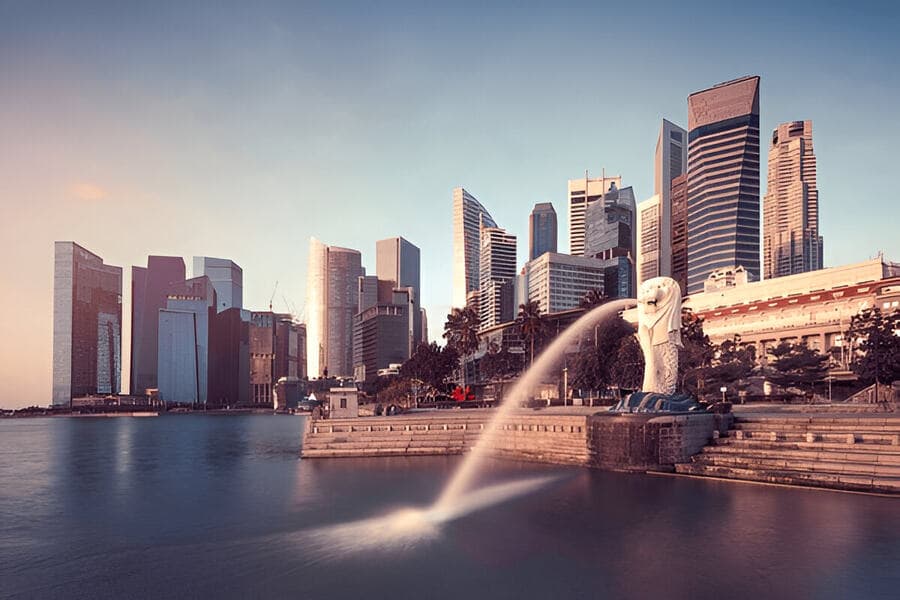
Singapore is a year-round destination and never really takes a break. No matter when you plan your trip, Singapore is always buzzing with energy. But in this blog, we’ll talk about Singapore in May. When it comes to the Best time to visit Singapore, most travellers and locals would say between December to June is the best. That’s when the weather is pleasant and perfect for exploring.Now, if you’re considering visiting in May, good news, Singapore weather in May is consistent and manageable. And, it’s not as crowded as the peak season months. You can enjoy the best of the city without too much hustle. And if you haven’t already, check out our Singapore Tour Packages to make your planning easier and smoother.Singapore Weather in MayMay is a part of the inter-monsoon period in Singapore, which means you can expect both sunshine and occasional rain. The humidity levels are quite high, but if you’re used to Indian summers, you’ll manage just fine.The Singapore temperature in May ranges between 26°C to 32°C. It can feel a little sticky at times, but the city is designed to keep you cool. Most malls, public transport, and even outdoor attractions have plenty of shaded spots and cooling systems.One of the great things about Singapore weather in May is that it doesn’t interrupt your travel plans. A short rain here and there is common, but it rarely ruins your day. In fact, many people enjoy the occasional rain as it cools things down.Even though Singapore in May can be warm, the city doesn’t slow down. You can easily explore the famous Places to visit in Singapore and beyond.Special Activities in Singapore in MaySingapore International Festival of Arts (SIFA): A fantastic mix of music, dance, theatre, and visual arts.Vesak Day Celebrations: This Buddhist festival celebrates the enlightenment of Siddhartha Gautama (Buddha), and it is celebrated with light displays, rituals, and peaceful processions and parades.Night Safari: Singapore Night Safari is a cool and unique experience, especially fun during warm nights. This amazing place lets you watch animals in their natural nighttime behaviour.Hawker Food Tour: With the Singapore temperature in May, exploring food under shady hawker centres is perfect. Hawker Food refers to a wide variety of affordable street food dishes served at hawker centres, open-air food courts, and street stalls.Orchard Road Shopping: one of the most popular shopping streets of Singapore. Great for catching seasonal sales in air-conditioned comfort.Indoor Attractions: Universal Studios, SEA Aquarium, and Marina Bay Sands SkyPark are all must-visit.Places to Visit in Singapore in MayHere are the best picks to make the most of Singapore weather in May:Gardens by the Bay: Beautiful blooms and a stunning Cloud Forest.Sentosa Island: Beaches, adventure parks, and relaxing resorts.Singapore Zoo: Perfect for families, with shaded walkways and tram rides.Adventure Cove Waterpark: Beat the heat with some water fun.Universal Studios Singapore: World-class rides and shows, great even on warm days.Kampong Glam & Little India: Rich culture, colourful streets, and great food.Chinatown Street Market: Cheap souvenirs and refreshing drinks.Marina Bay Sands SkyPark: Cool breeze and amazing views of the skyline.Each of these spots pairs well with the Singapore temperature in May, so its a good balance of indoor and outdoor fun.Travel Tips for Visiting Singapore in MayStay Hydrated: Carry a water bottle; the humidity is high during this time.Carry an Umbrella: Not just for rain, but also for shade.Wear Light Clothes: wear cotton clothes, its more comfortable.Use Sunscreen and Hats: Sun can get harsh during mid-day.Book Accommodation Early: May has decent prices, but early booking is always better.Use Public Transport: MRT and buses are cool, clean, and convenient.Plan Outdoor Activities Early Morning or Late Afternoon: Avoid the mid-day heat.Explore Malls and Indoor Attractions Midday: Cool and comfortable.Try Local Cold Desserts: Ice Kachang and Chendol are must-haves in this weather.Keep a Power Bank: You’ll click lots of photos, and your battery will drain fast.Following these easy tips can make your trip smoother and more enjoyable, even with the Singapore temperature in May being a little high.So Is May the Best Time to Visit Singapore?It depends on what kind of traveller you are. If you’re someone who enjoys fewer crowds, and easier bookings, then yes, May is a fantastic time to visit Singapore. The Singapore in May may be humid, but it’s still manageable, and the rain doesn’t usually interfere much with plans.And if you need a little help planning, don’t forget to check out our Singapore Travel Guide for more information, and to make your vacation stress-free and memorable.Also Checkout: Things to do in Singapore

Read More

Best Time to Visit Nepal
May 30, 20256 Minutes
Best Time to Visit Nepal
Nepal, when this country comes to your mind, you probably imagine the Himalayas, monasteries, yaks, and wooden lodges. But here’s the catch—Nepal’s weather is something that a traveler should be worrying about. From snowy mountain chills to unexpected summer rains, the climate here changes faster in Nepal, which is why it’s really important. To choose the right and best time to visit Nepal.Whether you’re planning to trek to Everest Base Camp or a relaxed vacation just by Pokhara’s lakeside, timing can make or break your trip. Let’s break down the seasons to help you pick the best time to visit Nepal. Now, you can easily crack the crowd by choosing our Nepal Tour Packages, but don’t skip checking Nepal best time to visit before locking those dates.Peak Season (March to May & October to November)March to May & October to November is the peak season of Nepal tourism. Temperature ranges between 15°C to 25°C in the cities and gets cooler in the mountains. Practically, September to November is the best time to visit Nepal to explore the all the best places to visit in Nepal.The days are warm and pleasant, while nights are cool enough for a light jacket. Because of the peak season, flights and hotels are pricey, and popular trekking trails like Annapurna and Everest are really crowded.Spring (March to May) in Nepal brings blooming rhododendrons (flowers native to tropical regions of the Northern Hemisphere), while autumn (October to November) offers spectacular views of the Himalayas with zero haze. It’s the most photogenic time.Shoulder Season (December to February)December to February is the shoulder season of Nepal, and the temperature drops to as low as 2°C in places like Kathmandu and goes sub-zero in the mountains. Days are still sunny, especially in lower altitudes. This time is peaceful. Fewer tourists mean better deals and more personal space. Snowfall adds a magical touch to places like Nagarkot and Mustang. You might not be able to do high-altitude treks, but it’s great for cultural sightseeing.If you’re not scared of a little chill and love the snow and mountain view, this is Nepal best time to visit for you.Waning Season (June to September)June to September is the waning or offseason of Nepal. This is monsoon time, and if you’re someone who finds joy in cloudy skies, this is probably the best time to visit Nepal for you. Temperature ranges between 23°C to 30°C. Warm and humid, but the rain cools things down every now and then.Trekkers should avoid visiting Nepal during June to September, as this season has slippery trails and frequent landslides. But the country turns unbelievably green.Seasonal Guide of NepalNepal in Summer– Temperature: Around 28°C to 30°C in the lowlands, cooler in the mountains.– Important Things to Know: It’s off-season due to heat and humidity. But that also means fewer tourists and great discounts. Some regions like Upper Mustang lie in the rain shadow and are still good for trekking.– Unique Experience:Quiet temples without long queuesBudget-friendly hotels and flightsLush views after early monsoon rainsMangoes, litchis, and all things juicy!– Tips:Carry a hat, sunscreen, and water bottlesStick to higher altitudes for cooler weatherTravel early morning to avoid midday heatUse this time for cultural exploration instead of adventureNepal in Winter– Temperature: Drops to 2°C in Kathmandu and can go below -10°C in highlands.– Important Things to Know: Most trekking routes at high altitudes are closed due to snow, but you can still enjoy shorter hikes and beautiful cultural cities.– Unique Experience:Places like Bandipur and Namche Bazaar get snow-coveredTraditional winter foods like Thukpa and SekuwaFewer tourists, perfect for peaceful travelClear skies for mountain views– Tips:Pack thermals, gloves, and warm socksStick to lower regions like Chitwan and PokharaTry local winter delicacies and enjoy cozy homestaysTravel with a hot water bag if you’re staying in colder areasNepal in Monsoon– Temperature: Expect romantic rain showers with temperatures between 25°C to 28°C. While this isn’t the best time to visit Nepal, it has its own beauty.– Important Things to Know: Most water activities are closed, and ferry services also operate in fewer numbers. But this time is crazy for good photography and super cheap hotel rates.– Unique Experience:Cloudy skies, perfect for photographyEmpty trekking routesLush green landscapes everywhere– Tips:Keep plans flexible – weather changes quicklyBook refundable ticketsPack rain gear and waterproof covers for camerasExplore Kathmandu’s cultural sites and museumsWhat are the Travel Essentials for your Nepal Trip:Breathtaking views of Mount Everest on clear daysStreet food like Gundruk (consisting of fermented and dried leafy green vegetables, primarily mustard or radish greens, then these are used to make different dishes from it) and Sel Roti (a traditional Nepali fried sweet rice flour dough)Warm, smiling locals ready to helpWorld-class trekking trails for every skill levelBeautiful lakes, rivers, and valleysBudget-friendly travel for Indian touristsThe best time to visit Nepal depends on what you want to experience—peaceful winters, springs, or lush monsoons. Just remember: Even if you pick a random month, Nepal’s beauty won’t disappoint. Use this Nepal Travel Guide to plan smart and enjoy smarter. And once you’re done choosing the Nepal best time to visit, you can start planning your vacation without worrying about timing.

Read More

Best Time to Visit Thailand
May 30, 20258 Minutes
Best Time to Visit Thailand
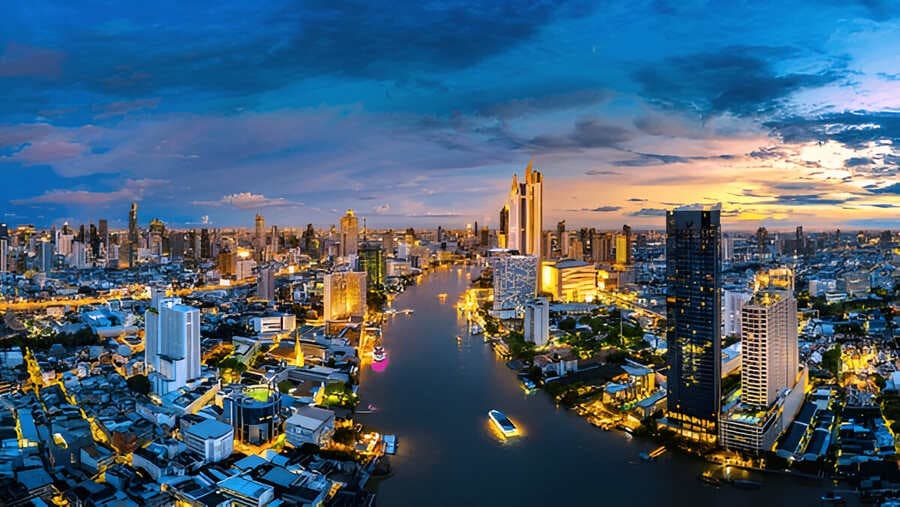
Thailand is one of the most visited countries in Southeast Asia, and for good reason. This beautiful destination is known for its tropical beaches, lush jungles, beautiful temples, and delicious food. Thailand offers something for every kind of traveller. But before you start planning your adventure, one of the most important questions to ask is: What is the best time to visit Thailand?Since Thailand has a tropical climate, the weather varies from region to region and season to season. Some parts are perfect during the dry season, while others offer magical moments during the cooler months. Understanding when to go will help you avoid heavy rains and make the most of your trip.Whether you are travelling for a relaxing beach vacation, a cultural experience, or food adventures, the season you choose will shape your entire journey. This is especially important if you’re considering one of the Thailand tour packages, as the timing can affect everything from prices to local experiences.Let’s explore everything you need to know about Thailand’s travel seasons so you can pick the perfect time for your trip.Peak SeasonThe peak season in Thailand runs from November to February. During this time, the weather is cooler and less humid, making it ideal for sightseeing and outdoor activities. Popular tourist spots like Bangkok, Chiang Mai, and Phuket are buzzing with activity.This is considered the best time to visit Thailand for first-time visitors, families, and honeymooners. However, since it’s the most popular period, expect crowds and higher prices for flights and accommodations. Booking in advance is highly recommended during this season.The vibrant festivals, such as Loy Krathong and New Year celebrations, add to the charm of travelling during this time.Shoulder SeasonThe shoulder season falls between March to early May and late September to October. It is a great time for budget travelers looking for fewer crowds and better deals on hotels and activities. For those wondering about the best month to visit Thailand on a budget, shoulder season offers a sweet spot to explore more for less.While March to May can get quite hot, you’ll still find plenty to enjoy, especially in the islands. The September to October stretch is slightly rainy but not as wet as the full monsoon. This period gives you a balance between affordability and decent weather. Waning SeasonThe waning season in Thailand is typically the monsoon period from June to August. This is the least popular time due to heavy rains and unpredictable weather, especially in the southern regions. This is not the best time to visit Thailand from India if you want dry, sunny days. But it could be ideal for travellers seeking a quiet escape with lush nature, especially in the north.However, it is also when the country looks its greenest and most vibrant. If you’re willing to dodge the occasional downpour, you’ll find serene landscapes and peaceful attractions without the crowds.Seasonal Guide of ThailandLet’s break down how each season in Thailand feels like and what experiences you can enjoy.1. Thailand in Summer– Temperature: Ranges between 30°C to 40°C (86°F to 104°F). The hottest months are March to May.– Important Things to Know: This time can be quite hot and humid, especially in Bangkok and central Thailand. But it’s a good period for travellers who love beach time and water festivals.One of the most exciting events is Songkran, the Thai New Year festival held in April. Expect city-wide water fights and fun celebrations everywhere.– Unique Experience: Visit the coastal towns like Krabi and Pattaya, where sea breezes make the heat more bearable. The islands in the Gulf of Thailand, such as Koh Samui are great during this period.– Tips:Stay hydrated and wear sunscreenPlan outdoor activities in the early morning or late eveningUse this season to explore beaches, islands, and water parksConsider indoor attractions like malls, museums, and aquariums during peak heat hours2. Thailand in Winter– Temperature: Ranges from 20°C to 30°C (68°F to 86°F), cooler in northern regions like Chiang Mai.– Important Things to Know: Winter runs from November to February, and it’s widely considered the best time to visit Thailand. The air is dry, the skies are clear, and the humidity is low. This is the most comfortable weather for all kinds of activities—beach visits, trekking, cultural tours, and more.– Unique Experience: Attend the Yi Peng Lantern Festival in Chiang Mai and Loy Krathong across the country. These are stunning, magical events that you’ll remember forever.– Tips:Book accommodations early—it’s peak season!Explore outdoor sites like temples, national parks, and floating marketsGreat time for island-hopping and visiting historical sites3. Thailand in Monsoon– Temperature: Varies from 25°C to 33°C (77°F to 91°F). The monsoon hits different regions at different times, generally June to October.– Important Things to Know: Rainfall can be unpredictable, with short but intense downpours. However, it doesn’t usually rain all day. Northern Thailand, like Chiang Mai and Pai, can still be explored with the right planning.This season is not the best time to go to Thailand for outdoor island activities but it’s a beautiful time for nature lovers.– Unique Experience: Explore the lush green forests, waterfalls, and rice paddies. This is also a wonderful time for wellness retreats, spa getaways, and cooking classes.– Tips:Pack an umbrella or raincoatFocus on indoor activities or cultural experiencesTravel with flexibility in case plans need to change due to weatherNorthern Thailand often receives less rain than the southWhat are the Travel Essentials for your Thailand Trip:There is something magical about Thailand, no matter the time of year. But depending on your interests, one season might suit you better than another. If you’re planning your dream holiday and wondering about the best time to visit Thailand from India, here are some highlights to consider:Beaches & Islands: If you love beaches, head to Phuket or Koh Lanta between November and April for sunshine and clear waters.Cultural Adventures: Winter is perfect for visiting grand temples in Bangkok and attending festivals in Chiang Mai.Local Markets & Food Tours: Thailand’s street food scene is vibrant year-round, but the dry season makes night markets more enjoyable.Adventure Activities: Ziplining, jungle trekking, and scuba diving are best done in cooler, drier weather.Green Escapes: Monsoon season makes the landscape lush and ideal for relaxing, wellness trips, or photography.Wondering about the best month to visit Thailand with family or friends? December and January strike the perfect balance with pleasant weather, fun activities, and festive cheer.No matter when you go, Thailand will surprise you with its beauty, warmth, and diversity. From spiritual temples and street food to beaches and vibrant festivals, the right season just adds more magic.

Read More

Maldives in June
May 30, 20256 Minutes
Maldives in June
The Maldives is known for its postcard-perfect beaches, turquoise waters, and luxurious resorts. While most travelers prefer visiting during the dry season from November to April, there’s a lesser-known charm to experiencing the Maldives in June. It’s the start of the monsoon season, and with it comes a different kind of beauty — one that’s quieter, more refreshing, and often more affordable. Many Maldives tour packages in June offer budget-friendly deals, making it perfect for travelers looking for a serene island experience without the usual tourist crowds. If you’re looking for a peaceful island getaway and don’t mind a bit of tropical rain, June could offer a surprisingly beautiful time to explore the Maldives.What to Expect from the Weather in JuneJune marks the beginning of the Southwest Monsoon, which means the Maldives sees more frequent showers and cloud cover. But that doesn’t mean you’ll be stuck indoors for your whole trip.Temperature: Daytime Maldives temperature in june usually ranges between 29°C to 31°C, which feels warm and pleasant. Evenings remain mild and comfortable.Rainfall: June typically brings more rainy days — about 14 to 18 days of the month — but most rain showers are short and often occur in the evening or at night.Humidity: Humidity levels are higher this time of year, but with sea breezes and the relaxed pace of island life, it doesn’t feel overwhelming.Sea Conditions: The ocean remains warm and inviting, although certain days may bring stronger winds and slightly rougher seas.In short, you’ll still get plenty of sunshine, with the added bonus of cooler moments and a more lush, green landscape.Best Things to Do in the Maldives in JuneRainy season or not, the Maldives in June offers a wide range of activities, especially for those who enjoy nature, water sports, and a more tranquil vibe.1. Surfing the Monsoon SwellsJune is one of the best months for surfing in the Maldives. The Southwest Monsoon brings in great swells, particularly to spots like the North and South Male Atolls. Whether you’re a beginner or a seasoned surfer, there are surf breaks and surf schools to match every level.2. Whale and Dolphin WatchingJune is an excellent time to spot dolphins and even pilot whales. Early morning boat tours often catch glimpses of these playful creatures swimming alongside the atolls. Areas around Baa Atoll and Ari Atoll are particularly known for frequent sightings.3. Snorkeling and DivingVisibility under the water may be slightly lower than during the dry season, but marine life is still thriving. The reefs are vibrant, and despite the Maldives weather June brings, encounters with manta rays and even whale sharks are still very much possible. Plus, with fewer tourists around, the experience feels more personal and less crowded.4. Spa and Wellness ExperiencesWith the occasional rain showers, this is the perfect time to indulge in a spa treatment. Many resorts offer world-class spas where you can enjoy massages, body treatments, and wellness programs in peaceful surroundings.5. Local Island VisitsExploring local islands like Maafushi or Thulusdhoo gives you a chance to see another side of the Maldives. From cultural experiences to authentic Maldivian cuisine, it’s a refreshing break from the luxury resort atmosphere.Advantages of Visiting Maldives in JuneWhile June isn’t the most popular month to visit the Maldives, it comes with its own set of benefits.Lower Prices: Since June is considered off-season, many resorts offer discounted rates. You can enjoy luxury accommodations at much more affordable prices.Fewer Tourists: The islands are less crowded, which means more privacy, better availability of excursions, and a more laid-back atmosphere.Beautiful Scenery: The occasional rain brings out rich greenery and enhances the already stunning landscape.Travel Tips for June VisitorsHere are a few practical tips to help you make the most of your trip to the Maldives in June:Pack for the Weather: Lightweight clothing, breathable fabrics, a rain jacket, and waterproof bags will come in handy.Plan Activities Wisely: Some outdoor excursions may be postponed or rescheduled due to the unpredictable Maldives weather June often brings, so it’s good to stay flexible.Choose the Right Resort: Look for resorts that offer indoor activities like spa services, cooking classes, or cultural shows to keep you entertained no matter the weather.Consider Travel Insurance: Given the possibility of delays or weather-related changes, having insurance that covers such scenarios can provide peace of mind.Is June a Good Time to Visit the Maldives?The answer depends on what kind of experience you’re looking for. If you want clear skies every day and endless sunbathing, the dry season might suit you better. But if you’re open to a bit of rain in exchange for peace, fewer tourists, and lower prices, then June offers a wonderfully serene and romantic setting.It’s a great time for honeymooners seeking solitude, surfers looking for good waves, and travelers who want to enjoy the Maldives without the crowds.Visiting the Maldives in June offers a different, quieter experience. The mix of sunshine and tropical rain creates a unique mood that many travelers fall in love with. Add to that the affordability, peaceful resorts, and vibrant marine life — and you’ve got the perfect backdrop for a truly relaxing escape.Also Read: Places To Visit in MaldivesMust Explore: Things To Do in Maldives

Read More

Thailand Nightlife
May 30, 20259 Minutes
Thailand Nightlife
Thailand nightlife is not just about late-night parties; it’s a whole different vibe that you must experience at least once in your life. Thailand nightlife is an adventure, once the sun goes down, that’s when the real party begins.From lively beach parties to nightclubs and songs in the rooftop bars, the nights here are just as exciting as the days—sometimes even more to make your Thailand Tour Packages nightlife experience even more memorable. Whether you’re traveling with friends, a partner, or solo, Thailand nightlife is a must to experience once.In this blog, we’ll know about the places that offer the best nightlife in Thailand for every kind of traveler.10 Best Places to Visit in Thailand at Night:1. Bangkok – The Ultimate Nightlife Capital:Bangkok is the heartbeat of Thailand nightlife. The city has everything – crazy nightclubs, rooftop bars with skyline views, night markets, and party streets that never sleep. Khao San Road is full of young travelers dancing in the street, while Sukhumvit has classy clubs and pubs. If you’re into cocktails and high views, head to Sky Bar or Vertigo. Bangkok is perfect if you want non-stop energy, loud music, and late-night snacks at every corner. The party starts late and ends in the morning.Why go: It’s wild, loud, and full of energy2. Pattaya – Nightlife with a Twist:Pattaya’s Walking Street is world-famous and absolutely buzzing after dark. Neon signs, thumping bass, street performances, beach clubs, and go-go bars—it’s all here. It’s loud, flashy, and a little wild – a perfect place for those looking to experience the bold side of Thailand nightlife. The crowd is a mix of locals, tourists, and party animals. You can sip a drink while watching live music or dive into the craziness of its nightclubs. Pattaya also has beach bars where you can chill with your feet in the sand.Why go: If you like your nights colorful and a little over-the-top, this place is a jackpot3. Phuket – Party by the Beach:Definitely one of the best nightlife in Thailand destinations. Phuket is where the beach meets the beats. The center of nightlife here is Bangla Road at Patong Beach. As night falls, this street fills up with bars, street dancers, food stalls, and music pouring from every corner. You can hop from one club to another, enjoy fire shows, or grab a chilled beer and watch the action.The beach clubs like Paradise Beach Club take the party to the sands. It’s the kind of place where you lose track of time. It can be open and indoor parties, so consider the Best time to visit Thailand so that rain cannot ruin your parties.Why go: Dance in your flip-flops and enjoy cocktails with your feet in the sand4. Koh Samui – Chilled-Out Vibes:If you’re looking for a more relaxed version of Thailand nightlife, Koh Samui is ideal. The nightlife is lively but not too wild. Head to Chaweng Beach for beachside bars with bean bags, cocktails, and live DJs. There are also pubs and reggae bars playing chilled music where you can unwind after a long day. The island also hosts themed nights, including fire shows and beach parties. It’s great for couples and families who want to enjoy the night without too much noise or crowd. Just good music and better views.Why go: Perfect for couples or those who want fun without the full-blown chaos5. Koh Phangan – The Legendary Full Moon Party:Koh Phangan is wild, energetic, and unforgettable – definitely one of the best nightlife in Thailand spots for party lovers. This island is home to the world-famous Full Moon Party, where thousands of people gather on Haad Rin Beach every full moon. Dressed in neon paint and glowing accessories, travelers dance all night to electronic, trance, and reggae music under the stars. It’s a once-in-a-lifetime experience. If you miss the full moon, no worries – there are half-moon and black-moon parties too.Why go: wild, crazy, and unforgettable6. Chiang Mai – Nightlife with a Northern Twist:If you’re into more relaxed, artsy vibes, Chiang Mai is your perfect Thailand nightlife destination. Chiang Mai may look peaceful, but the night brings a new energy. The city has its own style of nightlife—laid-back, musical, and creative. Nimmanhaemin Road is where the cool crowd hangs out, enjoying jazz bars, acoustic music lounges, and cocktail spots.There are night markets for foodies, and bars where locals and tourists share travel stories. It’s not as crazy as Bangkok or Pattaya, but it has its beauty. If you’re still wondering where to start, a good Thailand Travel Guide can help you pick the right destinations.Why go: Calm and classy parties– less noise but full enjoyment7. Krabi – Understated and Scenic:Krabi nightlife is not about big crowds or loud parties—it’s about relaxed fun by the beach. Ao Nang Beach has great bars with sea views, and the live music here adds to the chill vibe. It’s a perfect place for couples or solo travelers who want to sip a drink, listen to music, and watch the sunset. The bars are friendly, the food is delicious, and the pace is just right. You won’t find mega clubs here, but for a scenic night out, Krabi shines.Why go: It’s like sipping chai while watching the sunset – peaceful but enjoyable8. Koh Tao – Dive by Day, Dance by Night:It’s casual, fun, and just the right amount of crazy – a hidden gem in the best nightlife in Thailand. Koh Tao is famous for diving, but it knows how to party too. After a day of swimming with fish, Sairee Beach comes alive with fire shows, beach bars, and loud music. The crowd is mostly young travelers who love a good mix of beach and beats. The bars have great views and even better drinks. You can dance barefoot in the sand or sit by a bonfire with new friends.Why go: By day, you swim with fishes. By night, you dance like one.9. Hua Hin – Elegant Nightlife:Hua Hin offers a more mature and stylish version of Thailand nightlife. You’ll find rooftop lounges, beach bars with live jazz, and cool cafes that stay open late. The Cicada Night Market also adds to the charm, with art, food, and live performances. It’s not too crowded, not too loud – perfect for travelers who prefer a slower pace and a touch of elegance. Great seafood, cozy vibes, and friendly people make Hua Hin a peaceful yet enjoyable night destination.Why go: If you like classy nights with a side of seafood, this is the best place.10. Pai – A Hippie Heaven:Pai is a small town in northern Thailand that attracts artists, backpackers, and free spirits. The nightlife here is super chill – think acoustic music, fairy lights, hammocks, and a cup of chai (or a mojito). The bars are small, creative, and full of good vibes. You won’t find flashy clubs here, but if you enjoy meaningful conversations, good music, and meeting interesting people, Pai is perfect. It feels like a peaceful party in the hills – a unique experience in the best nightlife in Thailand scene.Also Read: Places to Visit in ThailandMust Read: Things to do in Thailand

Read More

Homestays in Spiti Valley
May 30, 20257 Minutes
Homestays in Spiti Valley
Spiti Valley, a remote Himalayan desert located in Himachal Pradesh, is a dream destination for many Indian travelers. Its rugged landscapes, ancient monasteries, and starry skies are truly mesmerizing. But when it comes to finding a homestay in Spiti Valley, things can get a bit tricky. In this blog, we’ll explore the top homstays in Spiti Valley.Although Spiti has seen a rise in guesthouses and hotels, many travelers still prefer the warmth and authenticity of a homestay in Spiti Valley. Plus, homestays often provide home-cooked meals, cozy rooms, and insights into the local way of life that commercial accommodations simply can’t match.If you’re planning your trip, consider exploring Spiti Valley Tour Packages that include homestay experiences. They offer a blend of adventure and cultural immersion, making your journey even more memorable.10 Homestays in Spiti Valley1. Tara Homestay – Mudh Village, Pin Valley:Tara Homestay is located in the scenic Mudh village, surrounded by snow-capped peaks and wild silence. It’s a family-run place where the hosts treat guests like one of their own. You get spacious, clean rooms, local food, and a fantastic view of the valley. It’s perfect for those heading to or from Pin Valley National Park. A cozy homestay in Spiti Valley like this is what makes travelers return year after year.Price Range: ₹2,200 – ₹2,500 per night2. Sakya Abode – Kibber:For people who love unique stays and mountain silence, this is a gem. It deserves to be on any list of top homestays in Spiti Valley. Located high in Kibber, Sakya Abode is a delightful mix of tradition and comfort. The walls are decorated with Buddhist thangkas, and the wooden interiors scream Himalayan charm. The hosts are knowledgeable and often help guests plan treks and monastery visits. Price Range: ₹1,800 – ₹2,200 per night3. Norling Homestay – Kibber:Norling Homestay offers a simple, peaceful vibe — perfect after a long drive through Spiti’s crazy roads. The rooms are clean, the beds are warm, and the food? Oh, you’ll ask for second servings! The host family loves to chat and share stories over chai. It’s one of those budget homestays in Spiti Valley that feels like a five-star experience.Price Range: ₹1,500 – ₹2,000 per night4. Lara's Homestay, Langza:Looking for a true homestay in Spiti Valley experience? This is it. In the fossil village of Langza, this guest house stands tall among yaks and mud homes. It’s basic, yes, but the views and vibes make up for it. The food is locally sourced, and the hosts often accompany guests on fossil hunts or star-gazing sessions. Consider checking out Best time to visit Spiti so that you don’y miss out on these stays during peak season.Price Range: ₹1,000 – ₹1,500 per night5. Nomad’s Cottage – Chicham:Definitely one of the top homestays in Spiti Valley, especially for couples and solo wanderers. This one is for travelers who like their nature raw and real. Nomad’s Cottage in Chicham offers premium comfort and spectacular views. With cozy interiors, traditional design, and even a reading corner, it’s a great pick for a peaceful getaway. Price Range: ₹2,000 – ₹2,500 per night6. Palkit Homestay – Tabo:This warm little homestay near the Tabo Monastery is a hidden gem. Run by a friendly family, it offers tidy rooms and food that tastes like home. You’ll wake up to birds, not alarms. It’s one of those budget homestays in Spiti Valley that feels too good for the price. And it is also great for exploring places to visit in Spiti Valley.Price Range: ₹1,000 – ₹1,500 per night7. Deshek Homestay – Kibber:Deshek Homestay gives you the whole Spiti village vibe. You’ll live like the locals do — eat their food, join their conversations, and if you’re lucky, be invited for a traditional celebration. The rooms are basic but neat. It’s a homestay in Spiti Valley that feels like home.Price Range: ₹1,200 – ₹1,800 per night8. Gounther’s Homestay – Kaza:Located in the heart of Kaza, this homestay gives you the best of both worlds — local hospitality and easy access to cafes, monasteries, and shops. Without a doubt, one of the top homestays in Spiti Valley. The host, Gounther, is known for his travel stories and excellent chai. It’s a perfect stay for those who want to chill and explore at the same time. Price Range: ₹1,500 – ₹2,000 per night9. Highland Homestay – Nako:It’s one of the quieter, more peaceful budget homestays in Spiti Valley. Near the Nako Lake, this homestay gives you views that belong on wallpaper. The rooms are clean and traditional, and the food is warm and satisfying. There’s something about this place that makes you want to extend your trip. Price Range: ₹1,800 – ₹2,200 per night10. True Smile Homestay – NakoWith a name like that, expectations are high — and this homestay delivers. The hosts are warm, and their smiles truly are contagious. Rooms come with beautiful mountain views, and the food includes everything from dal-chawal to thukpa. It’s perfect for those who like comfort with a personal touch. Easily one of the most heartwarming homestay in Spiti Valley options around.Price Range: ₹2,000 – ₹2,500 per nightBefore you pack, don’t forget to check out our detailed Spiti Valley Travel Guide for tips on how to get around, what to pack, and what not to miss. The is between May and October, when the roads are open, and the valley is at its prettiest.Also Read: Places to Visit in Spiti ValleyMust Checkout: Things to do in Spiti Valley

Read More

Best Beaches in Sri Lanka
May 30, 20258 Minutes
Best Beaches in Sri Lanka
Sri Lanka beaches will make you believe that this country has more than just greenery and wildlife. So, if your soul starts dancing at the thought of sandy toes, salty air, and coconut trees moving with the breeze, then welcome, beach lovers. You’ve just unlocked the treasure chest of Sri Lanka beaches. This island in the Indian Ocean has got some of the most gorgeous beaches in the world. Whether you’re into surfing, chilling, or swimming, visiting Sri Lanka beaches will cater to all your interests. In this blog, we’ll take you through the 10 best beaches in Sri Lanka, so that while booking Sri Lanka Tour Packages, you don’t miss out on these must-visit beaches.10 best beaches in Sri Lanka1. Unawatuna Beach:Located near the city of Galle on Sri Lanka’s southern coast, Unawatuna Beach is one of the most vibrant and tourist-friendly Sri Lanka beaches. With golden sand, blue-green waters, and a calm bay ideal for swimming, it’s a beach that never disappoints. Cafes, bars, and friendly locals make it even more lively. Whether you’re looking to snorkel, swim, or simply sunbathe, this beach offers the full coastal experience without being too crowded.Famous for: Safe swimming, coral reefs, beach parties, and romantic sunsets.Nearby Attractions: Galle Fort, Japanese Peace Pagoda, and Jungle Beach.2. Mirissa Beach:Mirissa is a tropical paradise situated along the southern coast. With its crescent shape and soft sand, it’s one of the best beaches in Sri Lanka for both relaxation and fun. The beach has a laid-back vibe, and it’s famous for its calm and beautiful sunsets. Whether you want to chill under a palm tree or try your hand at surfing, Mirissa’s got you covered.Famous for: Whale watching, surfing, and that iconic palm tree swing.Nearby Attractions: Coconut Tree Hill, Parrot Rock Bridge, and Secret Beach.3. Bentota Beach:Bentota Beach is one of the most well-maintained and upscale Sri Lanka beaches, making it perfect for families and honeymooners. The beach has soft sand, calm waters, and a lot of water sports to try. The sunsets here are seriously underrated, and the beach is lined with luxury resorts that make you feel like royalty (without needing a royal budget).Famous for: Jet skiing, banana boat rides, and river safaris.Nearby Attractions: Brief Garden, Bentota River, and Kande Viharaya Temple.4. Arugam Bay:This is the surfing capital of Sri Lanka, and every year surfers from around the world land here chasing the perfect wave. Arugam Bay is a crescent-shaped beach on the east coast and is known for its colorful yet peaceful atmosphere. Besides the surf scene, the beach also attracts yoga lovers, digital nomads, and budget travelers.Famous for: Surfing, beach bars, and chilled-out vibes.Nearby Attractions: Muhudu Maha Viharaya, Kumana National Park, and Pottuvil Lagoon.5. Hikkaduwa Beach:Hikkaduwa is not just a beach—it’s an experience. Located on the southwest coast, this lively beach is perfect for those who want a mix of adventure and comfort. It has a fantastic coral reef just a few meters from the shore, making it ideal for snorkeling. You can also spot sea turtles casually swimming around, or even walk with them if you’re lucky.Famous for: Coral reefs, turtle spotting, and seafood joints.Nearby Attractions: Tsunami Museum, Hikkaduwa Lake, and Seenigama Vihara Temple.To get the best idea to explore Sri Lanka, consider our Sri Lanka Travel Guide and make your trip even more memorable.6. Nilaveli Beach:If peace had a physical form, it would probably look like Nilaveli Beach. Located near Trincomalee in northeast Sri Lanka, this beach is among the best beaches in Sri Lanka for those who love peace and want to enjoy away from the touristy crowd. It stretches endlessly, with powdery white sand and calm, crystal-clear waters. It’s a top pick for couples or solo travelers looking for quiet and simplicity.Famous for: Peace, crystal-clear water, and fewer crowds.Nearby Attractions: Pigeon Island, Kanniya Hot Springs, and Fort Frederick.7. Tangalle Beach:Tangalle offers that perfect “secret beach” vibe. It’s less crowded, more peaceful, and absolutely beautiful for your photos. The wide sandy shore and lush palm trees make it one of the hidden gems among Sri Lanka beaches. This is the place for people who want to read a book, take long walks, or just nap under a tree.Famous for: Romantic getaways, peaceful sunbathing, and turquoise waves.Nearby Attractions: Mulkirigala Rock Temple, Rekawa Lagoon, and Turtle Conservation Project.8. Weligama Beach:Weligama, which literally means “sandy village,” is a great combo experience of laid-back vibe and adventure. Ideal for beginner surfers, the beach has shallow water and gentle waves. There’s a small island nearby (Taprobane Island) that adds a pinch of mystery and royalty to your beach photos. Great food and budget-friendly stays make it a backpacker favorite.Famous for: Surf lessons, fishing boats, and relaxed beach walks.Nearby Attractions: Taprobane Island, Kushtarajagala Statue, and Snake Farm.9. Kalpitiya Beach:Kalpitiya is a beach that hasn’t yet made it to everyone’s bucket list—and that’s exactly why you should go! Located in the northwest, this beach offers raw beauty, fewer tourists, and unforgettable marine life. It’s ideal for adventure seekers who want more than just sand and sea. Plus, it’s a great place for kite surfing and dolphin watching.Famous for: Dolphin watching, kite surfing, and eco-tourism.Nearby Attractions: Wilpattu National Park, Dutch Fort, and salt pans.10. Uppuveli Beach:Uppuveli Beach is another calm and quiet beach near Trincomalee. It’s slowly gaining popularity among travelers who are tired of the usual tourist trails. The beach has soft golden sand, cool sea breeze, and enough charm to make you want to extend your vacation. It’s also one of the best beaches in Sri Lanka with budget stays nearby.Famous for: Scuba diving, yoga retreats, and budget-friendly stays.Nearby Attractions: Pathirakali Amman Temple, Trincomalee War Cemetery, and Marble Beach.Also Read: Places to Visit in Sri LankaMust Read: Things to do in Sri Lanka

Read More

Spiti Valley in June
May 30, 20256 Minutes
Spiti Valley in June
Spiti Valley is a Himalayan location that provides the ideal getaway from the stress of everyday life with its clear mountain air, breathtaking scenery, and tranquil monasteries. This is the time when travellers slowly start coming in, some looking for adventure, and others just wanting to enjoy nature and quiet time in the mountains. Many people look for Spiti Valley packages in June to make their travel smooth and comfortable, especially since this is when the valley truly starts shining again.You will see small patches of green in the dry mountains, and the famous monasteries like Key and Tabo open their doors again. Locals welcome guests with a smile, and homestays get ready to host travellers from across the country. It is not too cold either, which makes it easy to explore without too much hassle. If you are planning a peaceful and beautiful trip, this is one of the best months to visit. Spiti Weather in June:In Spiti Valley in June, the weather is mostly pleasant, especially compared to the chilly months before. During the day, temperatures can range from 10°C to 20°C, which is quite comfortable for sightseeing, photography, and trekking. However, mornings and evenings can still be quite cold, sometimes dropping to 5°C or below.If you are someone who enjoys scenic drives, remote locations, and cool weather, Spiti in June offers an ideal combination.The sun shines bright and strong during the daytime, so don’t forget your sunscreen. Snow may still be seen in higher regions and passes like Kunzum Pass, making the drive breathtaking. There is little to no rain in June, which makes road conditions a bit more manageable, though occasional landslides can still happen due to melting snow.Special Activities in Spiti in June:June opens up a lot of exciting things to do in Spiti. While winter keeps the region closed off, June is like a green light for adventurers. Here is what you can look forward to:1. Visit Iconic Monasteries:Monasteries like Key Monastery, Tabo Monastery, and Dhankar Monastery are open and active. You can attend morning prayers, interact with monks, and soak in the peace that surrounds these ancient spiritual places.2. Explore Local Villages:Villages like Langza, Komic, and Hikkim are accessible in June. You can experience the slow pace of mountain life, stay in cozy homestays, and try delicious local food like thukpa and momos. These villages offer some of the most beautiful sunsets you’ll ever see.3. Trekking & Nature Walks:If you enjoy trekking, Spiti in June is a great time for short treks like the one to Dhankar Lake. The weather is stable, and the trails are mostly snow-free. You’ll get to walk through high-altitude meadows, catch glimpses of rare Himalayan birds, and maybe even spot a blue sheep.4. Photography Heaven:Clear skies, tall mountains and colorful prayer flags make Spiti Valley in June perfect for photography. Whether you’re shooting landscapes or capturing everyday life, there’s beauty everywhere.5. Cross Kunzum Pass:One of the most thrilling parts of your journey will be crossing Kunzum Pass, which usually opens in early to mid-June. The drive is unforgettable, with snow-covered peaks on one side and deep valleys on the other. It’s an adventure all by itself.So if you are wondering whether there is enough to do in Spiti in June, the answer is a big yes. There is beauty, culture and adventure which is all wrapped in one stunning valley.Essential Travel Tips for Spiti Valley in June:Here are the simple tips below that will make your trip to Spiti Valley in June more comfortable and safe.Book Early: June is when tourists start returning, so accommodations, especially in places like Kaza or Tabo, can fill up fast.Acclimatize Slowly: Spiti sits at a high altitude. Give your body time to adjust, especially if you are coming by road from Manali.Carry Cash: ATMs are rare and often do not work. Carry enough cash for your entire trip.Pack Right: Layered clothing is a must. Warm jackets for the evenings, sunglasses, sunscreen, and a good pair of trekking shoes are essentials.Travel Insurance: It is a good idea to have travel insurance that covers high-altitude travel and emergencies.Challenges of Visiting Spiti Valley in June:While June is a beautiful time, traveling to Spiti Valley in June does come with a few challenges:Rough Roads: The roads especially from Manali to Kaza can be very rough and full of water crossings. A strong vehicle and an experienced driver are musts.Limited Facilities: Even in June, Spiti is still remote. Medical facilities are basic, and phone networks are patchy at best.Altitude Sickness: At elevations of 10,000 feet and above, altitude sickness is common. Drink lots of water, rest well, and avoid alcohol.Sudden Weather Changes: Even in June, the weather can surprise you. It may suddenly get windy or snowy at higher points like Kunzum Pass.But for many travellers, these challenges are part of the charm. Being prepared is the key to enjoying your Spiti in June experience fully.Should You Visit Spiti Valley in June?If you love mountain adventures, peaceful monasteries, and nature at its rawest, then yes, June is a perfect time. With roads opening up and landscapes transforming, Spiti Valley in June feels like a reward for every traveller who makes the journey.Also Read– Places To Visit in Spiti ValleyMust Read – Things To Do in Spiti Valley

Read More

Rivers in Kerala
May 30, 202511 Minutes
Rivers in Kerala
What makes Kerala God’s Own Country? It’s because of its lush greenery, coconut trees, and rivers that complement its beauty. A big part of its divine vibe flows—quite literally—through its rivers. Today, in this blog, we’ll talk about the 15 best rivers in Kerala.These rivers have played a vital role in the state’s development, from ancient trade routes to religious pilgrimages. Nothing beats the peace of a houseboat floating down a calm river, especially when it’s part of your Kerala tour packages. That’s where the magic of the major rivers in Kerala comes alive, offering not just utility but an experience.Let’s dive into 15 of these rivers that you definitely need to add to your bucket list.Popular River in Kerala1. Periyar RiverThe Periyar River is the longest and arguably the most important among the important rivers in Kerala. Originating from the Sivagiri Hills of the Western Ghats, it travels 244 km before draining into the Arabian Sea. This river supports countless people through agriculture and hydroelectric power. Historically, it’s been a lifeline for central Kerala. Today, it’s a hotspot for eco-tourism, wildlife sanctuaries, and religious harmony.2. Bharathapuzha RiverBharathapuzha, lovingly called Nila, is Kerala’s second-longest river. It begins in the Anaimalai Hills of Tamil Nadu and winds down 209 km to the Arabian Sea. The river is a cultural icon—poets, musicians, and philosophers have all drawn inspiration from its banks. Flowing through Palakkad and Malappuram, it touches lives in more ways than one. Once a crucial trade route, now it’s ideal for a scenic sunset walk. You can also consider our Kerala Travel Guide to learn about Kerala’s weather and the best time to explore Kerala.3. Pamba RiverAmong the major rivers in Kerala, Pamba uniquely blends divinity and natural beauty. The sacred Pamba River is often dubbed the “Dakshina Ganga” and flows 176 km through the heart of Kerala. It originates from Pulachimala and ends its journey in the Vembanad Lake. This river is deeply connected to the spiritual essence of Kerala, being the gateway to Sabarimala Temple. Devotees take a holy dip before heading uphill. But it’s not just for the faithful; nature lovers will adore its peaceful vibe.4. Chaliyar RiverChaliyar River, originating from the Elampalleri Hills in the Nilgiris, flows 169 km into the Arabian Sea. Passing through Malappuram and Kozhikode, it has a special place in Kerala’s environmental history. Among the most iconic rivers in Kerala, it was once heavily polluted due to industrial waste, but has made a strong comeback. Now clean and beautiful, it’s a favorite for fishing and riverside picnics.5. Chalakudy RiverThis 145 km river originates from the Anamalai Hills and merges with the Periyar River. It’s home to the Athirappilly Waterfalls—yes, the one from the movie—Bahubali. Flowing through Thrissur and Ernakulam, the Chalakudy River supports agriculture and tourism alike. It’s a go-to spot if you’re keen on waterfalls, rapids, and forest treks. No list of major rivers in Kerala would be complete without this stunning, thunderous beauty.6. Kadalundi RiverStarting from the Silent Valley in the Western Ghats, the Kadalundi River travels about 130 km to meet the Arabian Sea. For those looking for a peaceful place to relax and chill, this is your offbeat gem among the rivers in Kerala. Apart from being peaceful, it’s also a birder’s paradise. The Kadalundi Bird Sanctuary is home to hundreds of migratory birds. The river also supports local fishermen and eco-tourism.7. Achankovil RiverOriginating from the Devar Mala hills, the Achankovil River flows 128 km and joins the Pamba. What sets it apart is its religious significance. The Achankovil Sastha temples on its banks is visited by many local devotees. It’s also a lifeline for paddy fields and coconut groves. Spirituality and greenery blend perfectly here, making it a favorite among the major rivers in Kerala, especially if you’re the kind who finds peace in prayers.8. Kallada RiverIt’s one of the most important rivers in Kerala. Starting from the Kulathupuzha hills, the Kallada River stretches 121 km to the Ashtamudi Lake. This river is famous for the Kallada Boat Race held during Onam. The banks of Kallada are buzzing with tradition and festivity. Add to that its role in irrigation and drinking water supply, and you’ve got a true multitasker.9. Muvattupuzha RiverA mix of three rivers—Thodupuzha, Kaliyar, and Kothamangalam—this river flows 121 km before meeting Vembanad Lake. Running through Idukki and Ernakulam, it’s known for its calm demeanor and scenic beauty. The surrounding villages thrive on its waters, and weekend anglers swear by it. It may not be the flashiest among the major rivers in Kerala, but it surely is one of the most dependable.10. Valapattanam RiverValapattanam adds a calm, coastal charm to this list of rivers in Kerala. Originating in the Western Ghats, this 110 km river flows through Kannur before meeting the Arabian Sea. It’s the longest river in North Kerala and key to inland navigation and fisheries. The riverbank markets and ferries give a charming, old-world vibe. Including it in your list of places to visit in Kerala will not disappoint.11. Meenachil RiverAmong the major rivers in Kerala, Meenachil is one that effortlessly combines natural beauty with literary charm. The Meenachil River flows 78 km from the Western Ghats through Kottayam and empties into the Vembanad Lake. This river became world-famous thanks to the Booker Prize-winning novel The God of Small Things by Arundhati Roy. But for locals, Meenachil has always been special. It waters paddy fields, sustains rubber plantations, and nourishes villages on its banks. The river supports religious centers and age-old traditions that make this area culturally rich.12. Manimala RiverFlowing about 90 km through the districts of Kottayam, Pathanamthitta, and Alappuzha, the Manimala River is a blend of history, tradition, and greenery. Originating from the Muthavara Hills of the Western Ghats, it eventually joins the Pamba River and then flows into the Vembanad Lake. In earlier times, this river served as an important waterway for transporting goods and people. Today, it’s quieter but still vital for local agriculture. The river also plays a part in traditional festivals like boat races. It may not be the loudest name among major rivers in Kerala, but it holds its own in elegance and importance.13. Kabini RiverIn the list of rivers in Kerala, Kabini is the wild child. The Kabini River, though mostly associated with Karnataka, plays a small but significant role in Kerala’s ecosystem. It flows through the lush forests of Wayanad, contributing to one of the most scenic and wildlife-rich zones in South India. Its origin lies in the confluence of the Panamaram and Mananthavady rivers in Kerala, eventually joining the larger Kaveri River system. Wildlife lovers flock to Kabini for its famous elephant sightings, making it a star in eco-tourism.14. Kunthi RiverThe Kunthi River is a pristine gem tucked away inside the Silent Valley National Park. Originating from the Nilgiri Hills, it flows 48 km through dense forests before merging with the Bharathapuzha. What makes Kunthi unique is its untouched, pollution-free existence. No dams, no encroachments—just pure, wild nature. For trekkers and adventure seekers, Kunthi offers an offbeat experience that’s hard to find elsewhere.15. Neyyar RiverThe Neyyar River originates from Agasthyakoodam, one of the tallest peaks in the Western Ghats, and flows 56 km into the Arabian Sea near Poovar. Along its course, it feeds the Neyyar Dam and nourishes the Neyyar Wildlife Sanctuary—a favorite among nature lovers. The dam area is perfect for boating, relaxing, and spotting crocodiles.Flowing through Thiruvananthapuram, the river supports thousands of people through irrigation and drinking water. If you’re planning around the Best time to visit Kerala, Neyyar is perfect during the monsoon and post-monsoon seasons when the landscapes turn magical. It’s definitely one of the major rivers in Kerala worth visiting.Also Checkout – Things To Do In KeralaMust Read – Places to Visit in Kerala

Read More

Ladakh
May 30, 20257 Minutes
Ladakh
Ladakh is that one dream destination which sits at the top of every travel junkie’s list. High altitudes, harsh terrain, and cold winds are for the adventurers and risk takers. Only a few conquer this beauty, but those who do return with stories and soul-touching views. A cold desert in North India, Leh Ladakh is nothing short of magical. From the snow-capped mountains to the beautiful lakes and moon-like landscapes, it feels like another planet. Leh is the main town – the entry point, thanks to its airport. It’s where most travelers land, rest, and soak in the thin air before heading out. It’s also the cultural heart of Ladakh. Because of its popularity as an adventurous and biker’s dream destination, Vacation’s Leh Ladakh Packages are the best way to experience this beauty. Top Places to Visit in Ladakh The following are the must-visit places to visit in Ladakh: Pangong Lake: You’ve seen it in 3 Idiots and countless Instagram reels. Its color-changing magic is real. Just sit by the lake and let nature flex. Khardung La: Khardung La is famous for being one of the highest motorable roads in the world, situated at an altitude of 5,359 meters (17,582 feet). Nubra Valley: In Nubra, there are sand dunes in the middle of mountains where you can ride a two-humped camel. Turtuk Village: A hidden gem near the India-Pakistan border, known for its unique Balti culture, apricot orchards, and warm-hearted locals. Leh Palace: A 17th-century royal palace with panoramic views of Leh and surrounding mountains; great for history buffs and photo lovers. Tso Moriri: Like Pangong, but quieter. It’s perfect for those who prefer peaceful vibes over crowd selfies. Lamayuru Monastery: Surrounded by moon-like landscapes, this monastery is one of the oldest in Ladakh. Great for photography and peaceful exploration. Shanti Stupa: Surrounding by rugged terrain, a white-domed stupa with stunning sunset views, built for peace and offering spectacular views of Ladakh. Magnetic Hill: A popular attraction that defies gravity, park your vehicle in neutral and watch it move uphill. Sangam Point: Where the Zanskar and Indus rivers meet. Watch the color contrast and enjoy rafting or scenic views from the bank. Zanskar Valley: Wild, untouched, and breathtaking. Adventure lovers, this is your paradise. With each place, Ladakh shows a different shade of its beauty. Whether you’re a biker, a photographer, or someone who just wants to chill. Things to Do in Ladakh These are must-do things in Ladakh: Take a Bike Trip: Rent a Royal Enfield and ride through Ladakh’s rugged terrain—experience the reason why Ladakh is a biker’s dream destination. Biking through Khardung La: One of the highest motorable roads in the world. Your bike, cold wind, and endless mountains. Cross Chang La Pass: Another high-altitude pass offering breathtaking views and snow-covered roads, en route to Pangong Lake from Leh. Camping by high-altitude lakes: Pangong and Tso Moriri are two great places for camping in Ladakh. River rafting in Zanskar: Feel the cold water, rapids, and that adrenaline rush. Proper guidance is provided before the ride. Shop at Leh Market: Explore local handicrafts, woolens, and jewelry at Leh market. Perfect for shopping and experiencing local Ladakhi culture Monastery circuit: Visit Hemis, Thiksey, and Diskit monastery, and learn about the monk culture and practices. Visit the Hall of Fame: A museum dedicated to the Indian Army, showcasing artifacts, weapons, and historical moments of Ladakh’s military history. Taste Local Ladakhi Food: Try thukpa, momos, butter tea, and skyu. Ladakhi food is simple, warming, and perfect for the chilly weather. Stargazing in Hanle: With one of the clearest skies in India, Hanle is where you wish upon all the stars. Wanna know more about Ladakh, consider our Ladakh Travel Guide for a deep knowledge about the destination. How to Reach Ladakh By Air: The easiest and fastest way is to fly to Leh. Direct flights operate from Delhi, Mumbai, and a few other cities. By Road: If you want an unforgettable road trip, take the Manali-Leh or Srinagar-Leh highways. Expect stunning views, dhaba food, and lots of stops for photos. Important tip: No matter how you reach, give your body time to adjust. High altitudes mean thinner air, so you need proper acclimatization. Ladakh routes are open mostly between May to October, depending on snowfall. So, plan well and double-check road conditions. For a detailed travel plan, check out our Leh Ladakh Packages for guided options. Best Time to Visit Ladakh May and September is the best time to visit Ladakh– the skies are clear, roads are open, and the views are unbeatable. May–June: Fresh snow melts, flowers bloom, and the lakes start to shine. July–August: Perfect for biking and road trips. Occasional rains, but nothing too heavy. September: Fewer tourists, peaceful vibes, and golden landscapes. Still confused? Here’s a detailed Best time to visit Ladakh guide to help you plan your Ladakh trip at the best time of the year. Culture and People of Ladakh Beyond the mountains and lakes, what makes Leh Ladakh special is its people. The region is deeply influenced by Tibetan Buddhism – you’ll feel it in the prayer wheels, the flags fluttering across villages, and the calm chants echoing in monasteries. Festivals here are a colorful affair. The Ladakh Festivals, like the Hemis Festival, are full of dance, drama, and dazzling costumes. Losar, the Tibetan New Year, is equally vibrant. The monasteries – especially the old ones like Hemis and Alchi – are not just religious sites. They’re treasure troves of ancient art and peaceful vibes.To truly understand Ladakh Monasteries, you’ve got to sit in one and just breathe. It’s an experience in itself. Travel Tips for Visiting Ladakh To enjoy Ladakh fully, follow these tips: Acclimatize properly: Don’t rush. Rest for at least 2 days before exploring. AMS is real: Stay hydrated, avoid alcohol initially, and don’t ignore headaches. Permits needed: Carry ID and apply for permits if you’re heading to places like Pangong or Tso Moriri. Pack smart: Mobile networks are limited, only the postpaid network works, so keep offline maps, medicines, power banks, and cash handy. Frequently Asked Questions About Leh Ladakh 1. Why is Ladakh famous for? A. Ladakh is a dream destination for many and is famous for its beautiful mountains, clear blue lakes, adventure activities like biking and trekking, and monasteries. It’s also known for its unique culture and cold desert landscape that looks very different from the rest of India. 2. Which food is famous in Ladakh? A. Thukpa (noodle soup), momos (dumplings), skyu (local pasta dish), and butter tea are popular foods in Ladakh. The food is warm, simple, and perfect for the cold weather. Most dishes are influenced by Tibetan and local Ladakhi flavors. 3. What is the difference between Leh and Ladakh? A. Ladakh is the entire region, while Leh is the main town in Ladakh. Leh is where most tourists arrive and stay. It has the airport, markets, and many hotels, making it the travel base for exploring Ladakh. 4. How far is Ladakh from Kashmir? A. The distance between Srinagar (Kashmir) and Leh (Ladakh) is about 420 km by road. It takes around 10 to 12 hours to drive, depending on the weather and road conditions, especially through the Srinagar-Leh highway. 5. What language is spoken in Leh, Ladakh? A. Ladakhi is the main language spoken in Leh and nearby areas. People also understand Hindi and English, especially in tourist spots. Some locals also speak Tibetan, as the culture is strongly influenced by Tibetan traditions. 6. Is Leh Ladakh better than Kashmir? A. Both are beautiful in their own way. Leh Ladakh is best for adventure and mountain views, while Kashmir is greener and known for gardens and houseboats. It depends on what kind of experience you’re looking for. Also Read – Places To Visit in LadakhMust Checkout – Things To Do in Ladakh

Read More

Best Time to Visit Australia
May 30, 20256 Minutes
Best Time to Visit Australia
As a traveler, you should know what is the best time to visit Australia. There are different types of travelers with different preferences, so choosing the right time to visit Australia becomes really important. Australia has weather patterns completely opposite to India because of being in the Southern Hemisphere, and it doesn’t follow the same summer-winter script. That’s why figuring out the best time to visit Australia is super important.Picking the right season changes the whole vibe. And when you’re looking at options for Australia Tour Packages, timing becomes even more crucial. Whether you’re into beach parties, road trips, or cozy mountain getaways, the season you visit can make or break your Australia vacation.Month-wise Best Time to Visit in Australia:1. Peak Season (December to February):December to February is the peak season of Australia with 25°C to 35°C depending on the region. It’s beach weather all day, every day. If you’re looking for some really great pictures of Australia’s summer, December to February is the jackpot. This is peak tourist season, and it’s also the summer break. Expect clear skies, long days, and buzzing beaches.Tourist hotspots like Sydney, Melbourne, and the Great Barrier Reef are bursting with activity. This is definitely the best time to visit Australia if you want the full summer vibe. It’s perfect for surfing, snorkeling, festivals, and open-air concerts. But yes, hotels and flights will be on the higher side, so book early.2. Shoulder Season (March to May & September to November):March to May and September to November is the shoulder season of Australia. During this time, it has fewer crowds, lovely weather, and more relaxed vibes, which means a perfect sweet spot with temperatures between 17°C to 25°C—comfortable, cozy, and just right for sightseeing. This is the Australia best time to visit, and an ideal pick if you’re looking for balance—good weather, fewer tourists, and reasonable prices. Some say Spring (September to November) in Australia is all about blooming gardens and whale watching. You’ll still get to enjoy top destinations without the tourist chaos. Plus, hotels and flights are generally cheaper than peak season. You can also check out our Australia Travel Guide to get the right idea of Australia’s weather, attractions, and best places.3. Waning Season (June to August):June to August in the waning season of Australia. This is winter in Australia with temperatures ranging between 5°C to 20°C depending on where you are. Tasmania and the Snowy Mountains even get snowfall.If you want to travel smart and don’t mind the chill, this might be your personal best time to visit Australia. Great time for skiing, snowboarding, and cozy getaways. Sydney and Melbourne are cooler but still lively. And, this is the off-season for most beach destinations, which means big discounts and fewer tourists.Suggested Read: Australia in SummerSeasonal Guide of Australia1. Australia in Summer (December to February):Temperature: 25°C to 35°C. Think hot days and warm nights—perfect for the beach!Important Things to Know: It’s the holiday season, so expect large crowds, especially around Christmas and New Year. Book in advance.Unique Experience:-Celebrate New Year’s Eve at Sydney Harbour-Watch cricket at the MCG-Snorkel at the Great Barrier Reef-Road trip along the Great Ocean Road-Dive into outdoor festivals and marketsTips:-Always carry sunscreen and a water bottle-Try mangoes and Aussie BBQs—they’re summer legends.-Book early—it’s a busy season-Explore outdoor attractions early in the morning or late afternoon to avoid peak heat2. Australia in Winter (June to August):Temperature: 5°C to 20°C, depending on the city. Canberra and Tasmania can get chilly, while Brisbane stays mild.Important Things to Know: It’s snow time in the mountains and calm time in the cities. Beaches will be quieter, and prices drop—so budget travelers, rejoice!Unique Experience:-Snow sports in the Snowy Mountains-Whale watching on the East Coast-Explore wineries in the Barossa Valley-Visit museums and indoor attractions without crowds-Enjoy truffle festivals and winter food eventsTips:-Pack layers—days are cool, but nights are really cold-Perfect time for spa retreats and wine tours-Carry moisturiser (dry air alert!)-Plan indoor backups in case the weather plays spoilsport3. Australia in Monsoon (June to August in Northern Australia):Temperature: Expect romantic rain showers with temperatures between 25°C and 28 °C. While this isn’t the best time to visit Australia, it has its own beauty.Important Things to Know: Most water activities are closed, and ferry services also operate in fewer numbers. But this time is crazy for good photography and super cheap hotel rates.Unique Experience:-Cloudy skies are perfect for photography-Empty beaches all to yourself-Lush green landscapes everywhere-Traditional indoor activities with locals-Special monsoon dishes like spiced hot tea and local frittersTips:-Keep plans flexible – weather changes quickly-Book refundable tickets-Pack rain gear and waterproof cameras-Stay on larger islands with more indoor activities-Try local monsoon specialties like hot ‘Sulaimani’ tea (₹20)Suggested Read: Australia in WinterHighlights That’ll Make You Pack Your Bags Right NowNew Year’s celebrations at Sydney Harbour are world-famousThe Great Barrier Reef is stunning in summer and springSkiing in JulyOff-season means big discounts and peaceful vibesYou can witness both desert and rainforest in one tripMonsoon in the Top End (like Darwin) = dramatic skies and crocodile safarisFlowers bloom in spring—ideal for romantic tripsWhale watching from June to NovemberAussie summer BBQs and fresh fruits are a foodie’s dreamEvery region offers something unique year-round—just pick your style!Also Read – Places To Visit in AustraliaMust Read – Things To Do in Australia

Read More

Login ModalPost Login FormTalk with trip expert