Blog hero image
Top Travel Stories

Explore our latest blogs and travel with us

Anuradhapura
May 30, 20253 Minutes
Anuradhapura
Overview of Anuradhapura: Anuradhapura, an ancient city in Sri Lanka, takes you back to a time when kings ruled and Buddhism first took root on this island. Dating back to the 4th century BC, this UNESCO World Heritage site was Sri Lanka’s first capital and remained so for nearly 1,400 years. Walking through its ruins today is a historical tour – massive stupas, ancient pools where thousands of monks once bathed, and temples that still stand strong after centuries. What makes Anuradhapura special is its living heritage. While other ancient cities are just ruins, here you’ll find Buddhist monks still praying at the Sri Maha Bodhi tree, believed to be grown from a branch of the original tree under which Buddha gained enlightenment. Check out Sri Lanka Tour Packages that include this magical city – where else can you find eight UNESCO World Heritage sites in one place? Fun fact: The Jetavanarama stupa was once the third-tallest structure in the ancient world, after the pyramids of Giza! What are the key Highlights of Anuradhapura: Sacred Sri Maha Bodhi: The world’s oldest documented tree, planted in 288 BC, continues to be worshipped by thousands of pilgrims daily, creating a peaceful and spiritual atmosphere. Ruwanwelisaya Stupa: This massive white dome reaching 338 feet is an engineering marvel from 140 BC, where even today the original mirror wall creates stunning light effects at sunset. Abhayagiri Monastery Complex: Once home to 5,000 monks, these ruins showcase incredible moonstones, guard stones, and swimming pools that tell stories of ancient engineering. Pottery and Craft Shopping: Local artisans still create traditional terracotta items using age-old techniques, offering unique souvenirs to take home. Cycling Through History: Rent a bike to explore the vast archaeological park, stopping at ancient pools and meditation spots hidden among flowering trees. Traditional Healing Experience: Try authentic Ayurvedic treatments at local centers using recipes passed down through generations. Best Time to Visit Anuradhapura: Visit between December and March when the weather is dry and pleasant with temperatures around 25-30°C. Avoid May to September as heavy rains can make exploring difficult. Early mornings and late afternoons are ideal for sightseeing to escape the midday heat. Travel Tips/Essential Information for Anuradhapura: Entry Fees: INR 2,500 per person for the Archaeological Park (valid for 24 hours). Getting There: Direct flights from major Indian cities to Colombo, followed by a 4-hour drive. Regular buses from Colombo to Anuradhapura (6 hours, INR 400-600). Private taxis from Colombo costs around INR 6,000-7,000. Stay Options: Guest houses near the ancient city start at INR 2,000 per night, mid-range hotels with pools: INR 4,000-6,000, and luxury resorts: INR 8,000 upwards. Essential Tips: Dress modestly for temple visits – shoulders and knees must be covered. Packing: Carry plenty of water and wear comfortable walking shoes. Timings: Start early to avoid crowds at popular sites. Cash: Keep small denominations handy for temple donations. Also Read: Places to Visit in SrilankaMust Read: Things to do in Srilanka

Read More

Ao Nang
May 30, 20254 Minutes
Ao Nang
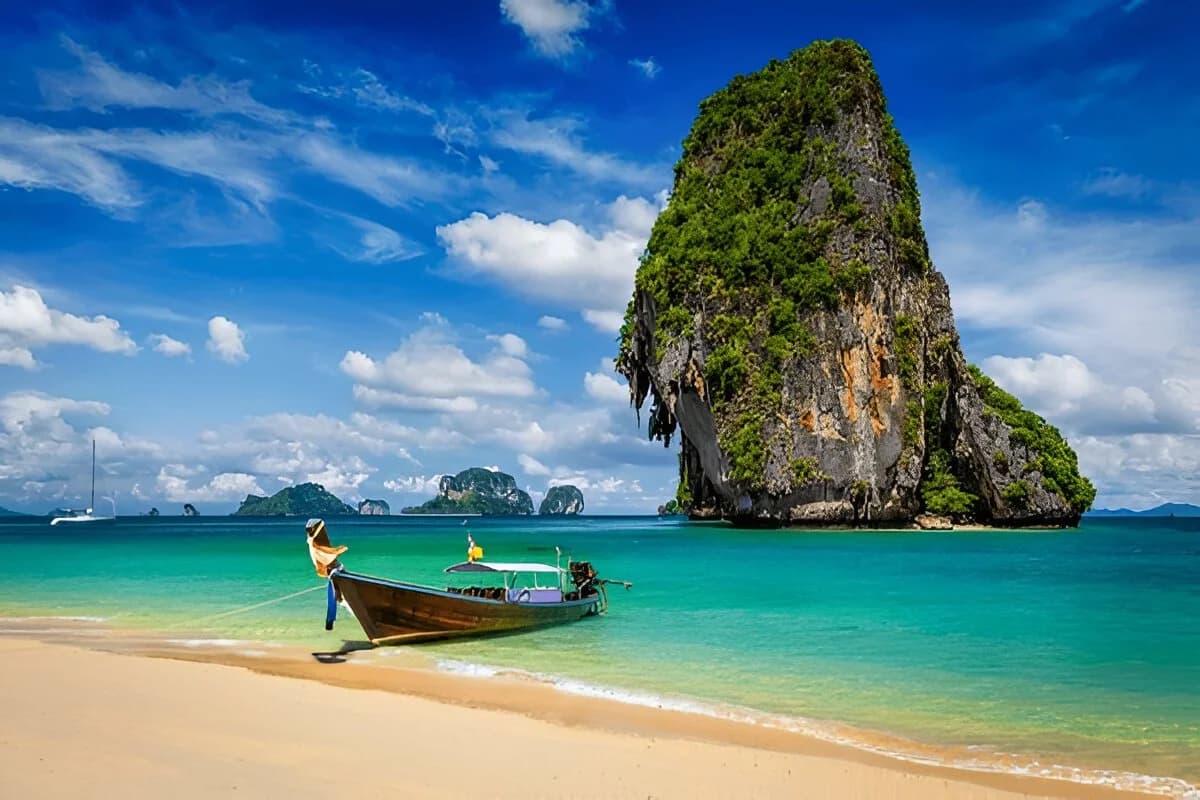
Overview of Ao Nang: Ao Nang is located in Krabi, Thailand. It is a small yet vibrant beach town that offers a mix of relaxation, adventure, and natural beauty. Surrounded by towering limestone cliffs, turquoise waters, and golden sandy beaches, it’s no surprise that Ao Nang is a favourite among travellers on a Thailand trip. Ao Nang is truly a must-visit destination, making it an important part of many Thailand holiday packages. This charming town is also a gateway to some of the most famous islands and beaches in Thailand, such as the Phi Phi Islands and Railay Beach. Whether you want to unwind on a quiet beach, explore hidden caves, or dive into the underwater world, Ao Nang has something for everyone. The streets are lively with shops, cafes, and markets, where you can enjoy delicious local food and shop for unique souvenirs.  What are the Key Highlights of the Ao Nang: 1. Top Places to Visit in Ao Nang: Railay Beach: One of the most beautiful beaches in Thailand, Railay is surrounded by stunning cliffs and is only accessible by boat. It’s perfect for relaxing, swimming, and rock climbing. Phi Phi Islands: Known for their breathtaking beauty, these islands feature crystal-clear waters, coral reefs, and sandy beaches, making them perfect for snorkelling and diving. Ao Nang Night Market: It is a great spot to explore local Thai culture. Try delicious street food, shop for souvenirs, and enjoy the lively atmosphere. Emerald Pool: A natural spring surrounded by lush greenery, the Emerald Pool offers a refreshing dip in its clear, cool water. 2. Exciting Activities in Ao Nang Island: Hopping Tours: Visit nearby islands like Koh Poda, Chicken Island, and Bamboo Island, each offering unique beauty and charm. Snorkelling and Diving: Ao Nang is a paradise for underwater explorers, with colourful coral reefs and marine life waiting to be discovered. Kayaking: Paddle through calm waters to explore caves, mangroves, and hidden lagoons. Rock Climbing: For adventure seekers, the limestone cliffs around Ao Nang and Railay Beach provide some of the best climbing spots in the region. Thai Cooking Classes: Learn to make authentic Thai dishes and bring home new cooking skills to impress your friends and family. Best Time to Visit Ao Nang: The ideal time to visit Ao Nang is between November and March, during the dry season. The weather is sunny and pleasant, perfect for enjoying the beaches and outdoor activities. Avoid the rainy season from May to October, as heavy rains can disrupt travel plans and outdoor excursions. Travel Tips and Essential Information for Ao Nang: 1. How to Reach Ao Nang By Air: The closest airport is Krabi International Airport, which is about a 30-minute drive from Ao Nang. You can take a taxi or a shuttle bus from the airport to reach the town. By Road: Buses and private taxis connect Ao Nang to nearby towns like Krabi Town and Phuket. The journey is smooth and convenient. By Boat: Ao Nang is easily accessible by ferry from nearby islands such as Koh Phi Phi, Phuket, and Koh Lanta. 2. Useful Tips for Ao Nang: Pack Light: Lightweight clothing, sunscreen, and a hat are essential for the tropical weather. Carry Cash: Most small shops and markets prefer cash over cards, so keep some Thai Baht handy. Book Tours Early: Popular activities like island-hopping and snorkelling tours can fill up quickly, so it’s best to book in advance. Respect Local Culture: Dress modestly when visiting temples or cultural sites, and follow local customs. Choose Eco-Friendly Options: Opt for tours and activities that are environmentally conscious to help preserve the natural beauty of Ao Nang. Ao Nang is a perfect blend of relaxation and adventure, making it a highlight of any trip to Thailand. Its stunning landscapes, exciting activities, and warm hospitality make it an unforgettable destination. Whether you’re travelling solo, with family, or as a couple, Ao Nang is sure to leave you with cherished memories. Also Read: Places to Visit in ThailandMust Read: Things to do in Thailand

Read More

Jaffna
May 30, 20253 Minutes
Jaffna
Overview of Jaffna: Jaffna, the cultural hub of Sri Lanka’s Tamil community, sits at the northernmost tip of the island. This historic city carries stories from ancient times when Tamil kings ruled these lands. The streets here hum with a mix of old-world charm and rebuilding energy. You’ll spot beautiful Hindu temples with intricate carvings, colonial buildings from Portuguese and Dutch times, and bustling markets filled with fresh Palmyra fruits and local snacks. Did you know the Nallur Kandaswamy Temple here hosts one of South Asia’s longest festivals, running for 25 days? The city is also famous for its unique mangoes – the Karuthakolumban variety is found only in this region! Many travellers come here through Sri Lanka Tour Packages to taste authentic Tamil cuisine, especially the Jaffna crab curry that’s made with a secret spice mix passed down through generations. The streets are lined with ancient wells that still provide fresh water, some dating back over 400 years. What are the key Highlights of Jaffna: Nallur Kandaswamy Temple: Marvel at the golden-towered temple, where centuries-old rituals continue daily and the air fills with the scent of camphor and jasmine. Jaffna Fort: Walk through Asia’s second-largest Dutch fort, with walls that tell tales from the 1600s. Jaffna Public Library: Visit this stunning white building that rose from ashes to house over 95,000 books. Jaffna Market Adventure: Dive into the colorful chaos of fresh produce, handwoven palmyrah products, and local spices. Cooking Classes: Learn to make famous Jaffna crab curry from local home chefs. Casuarina Beach: Relax under rare casuarina trees on pristine white sands. Kayak Adventures: Paddle through the scenic Jaffna lagoon at sunset. Traditional Music Shows: Experience parai drums and local folk music performances. Temple Festivals: Join vibrant temple processions during festival seasons. Best Time to Visit Jaffna: Visit Jaffna between May to September when the weather is dry and pleasant. The temperature stays around 27-30°C, perfect for exploring. Avoid December to February as it gets heavy rains. If you want to catch the grand Nallur festival, plan your trip in August. Travel Tips / Essential Information for Jaffna: Getting There: Take the scenic train from Colombo to Jaffna (6-7 hours, ₹800-1500). Bus Travel: Regular AC buses run from Colombo (8 hours, ₹600-900). Domestic flights are available from Colombo (1 hour, ₹4000-6000). Stay Smart: Book hotels near the Nallur Temple area for easy access to the main attractions. Budget rooms start from ₹2000, and mid-range hotels cost ₹4000-6000. Local Transport: Auto-rickshaws are the best way to explore (start from ₹150). Rent bikes for ₹500 per day to discover hidden lanes. Must-Know Tips:– Carry modest clothing for temple visits (shoulders and knees covered).– Local markets accept cash only – carry Sri Lankan Rupees.– Try palmyra juice from roadside stalls for an authentic taste.– Download offline maps as the internet can be patchy.– Most places close by 8 PM, plan accordingly. Also Read: Places to Visit in SrilankaMust Checkout: Things to do in Srilanka

Read More

Florence
May 30, 20253 Minutes
Florence
Overview of Florence: Florence, the birthplace of European history saw a revival of art, architecture, and learning. It’s not a city, it’s an open-air museum. Walking through its cobblestone streets, you’ll find yourself surrounded by stunning architecture, world-famous art, and a rich history that goes back centuries. Back in the 15th century, the powerful Medici family turned Florence into one of Europe’s most important cities by supporting artists like Michelangelo and Leonardo da Vinci. With about 16 million tourists visiting Florence each year, it remains one of Italy’s most loved cities. While you can admire Michelangelo’s David at the Accademia Gallery, you can also enjoy modern Italian fashion at trendy boutiques. The city’s heart beats around the magnificent Duomo cathedral, with its huge red-tiled dome that you can spot from almost anywhere. Our Europe Tour Packages include Florence as a must-visit destination, and for good reason – the city offers everything from world-class museums to amazing Tuscan food.  What are the Key Highlights of Florance: Magnificent Duomo: Climb 463 steps to the top of this cathedral for breathtaking city views and explore its stunning frescoed dome painted by Vasari. David at Accademia: Stand face-to-face with Michelangelo’s perfect marble masterpiece, the 17-foot tall statue of David, housed in a special gallery. Uffizi Gallery Experience: Visit the world’s finest collection of Italian Renaissance art, including Botticelli’s “Birth of Venus” and works by Leonardo da Vinci. Ponte Vecchio Magic: Shop at historic jewelry stores on this medieval bridge, or simply enjoy sunset views over the Arno River. Food Adventures: Join cooking classes to learn authentic Tuscan recipes or try local specialties like Bistecca alla Fiorentina (INR 3,500-4,500 per person). Leather Market Shopping: Hunt for genuine Italian leather bags and jackets at San Lorenzo Market at better prices than branded stores. Piazzale Michelangelo Sunset: Watch the sunset over Florence’s skyline from this amazing viewpoint while enjoying street music. Best Time to Visit Florance: Florence is best between April to May or September to October. You’ll get pleasant weather with temperatures around 20-25°C, smaller crowds, and better hotel rates. Avoid July and August as they’re extremely hot and crowded. Winter is really cold but offers the lowest tourist numbers and best deals. Travel Tips / Essential Information for Florance: How to Reach: Florence’s Amerigo Vespucci Airport connects with major European cities. From India, fly to Rome or Milan, then take a high-speed train to Florence (1.5-3 hours). Stay Smart: Book accommodations near the historic center (Duomo area) for easy walking access to main attractions. Budget Planning: Entry fees for main museums range from INR 1,500-2,500. Buy a Firenze Card (INR 7,000) for 72-hour access to major attractions. Local Transport: Florence’s historic center is walkable. Use local buses (INR 200 per ticket) for longer distances. Dining Tips: Avoid tourist trap restaurants near major attractions. Look for places where locals eat in the Santa Croce area. Safety First: Watch out for pickpockets in crowded tourist areas and always keep valuables secure. Booking Must: Reserve major museums online in advance, especially Uffizi and Accademia, to avoid long queues. Also Checkout: Things to do in EuropeMust Read: Places to Visit in Europe

Read More

Koh Nang Yuan
May 30, 20253 Minutes
Koh Nang Yuan
Overview of Koh Nang Yuan: Koh Nang Yuan is a stunning little island near Koh Tao in the Gulf of Thailand. Known for its clear blue water, white sandy beaches, and peaceful vibe, it’s a perfect place to relax and explore nature. What makes this island special is its unique sandbars that connect three small islets, creating a breathtaking view that feels like paradise. This destination is often featured in Thailand holiday packages for its natural beauty and charm. It’s a popular spot for snorkelling and diving, thanks to its colourful coral reefs and marine life. Whether you’re looking for adventure or a quiet escape, Koh Nang Yuan has something for everyone. It’s a must-visit destination for anyone planning a trip. What are the Key Highlights of the Koh Nang Yuan: 1. Top Attractions on Koh Nang Yuan Viewpoint: A short hike will take you to the top of the island, where you can enjoy a stunning view of the sandbars and the crystal-clear ocean. It’s perfect for taking photos. Sandbars: The sandbars connecting the three islands are a great place to relax, sunbathe, or simply enjoy the peaceful surroundings. Snorkelling Spots: The coral reefs around the island are full of colourful fish, making it one of the best places for snorkelling. 2. Things to Do on Koh Nang Yuan Snorkeling: The water is calm and clear, making it easy to spot fish and coral up close. Scuba Diving: For diving enthusiasts, Koh Nang Yuan offers amazing underwater experiences at spots like the Japanese Gardens. Relaxing on the Beach: Lay back on the soft sand and enjoy the sound of the waves. It’s the perfect way to unwind. Swimming: The shallow and calm waters are ideal for a refreshing swim. 3. Best Time to Visit Koh Nang Yuan The best time to visit Koh Nang Yuan is from December to April when the weather is sunny and dry. This is the perfect season for beach activities and exploring the island. Avoid the rainy season (September to November), as heavy rain can affect your experience. Travel Tips and Useful Information for Koh Nang Yuan: 1. How to Get to Koh Nang Yuan By Boat: The only way to reach Koh Nang Yuan is by boat. You can take a short boat ride from Koh Tao (around 15 minutes). Many tours from Koh Samui or Koh Phangan also include Koh Nang Yuan as part of their itinerary. 2. Things to Keep in Mind Entrance Fee: You’ll need to pay a small fee to enter the island, so have some cash with you. No Plastic Policy: Koh Nang Yuan is very eco-friendly. Avoid bringing plastic bottles and help keep the island clean. Visit Early or Late: The island can get crowded during midday. To enjoy a quieter experience, visit early in the morning or later in the afternoon. Snorkelling Gear: If you have snorkelling gear, bring it along, or you can rent it on the island. Barefoot Walks: You’re not allowed to wear shoes on the sandbars to protect the delicate environment. Koh Nang Yuan is a little paradise that feels like it’s straight out of a postcard. Whether you’re into snorkelling, hiking, or simply relaxing by the beach, this island has it all. If you’re planning a trip to Thailand, make sure to include Koh Nang Yuan in your plans. It’s a place where you can connect with nature, unwind, and make unforgettable memories.Also Read: Places to Visit in ThailandMust Read: Things to do in Thailand

Read More

Sri Jayawardenepura Kotte
May 30, 20253 Minutes
Sri Jayawardenepura Kotte
Overview of Sri Jayawardenepura Kotte: Sri Jayawardenepura, also known as Kotte, is the official administrative capital of Sri Lanka. This bustling city has transformed from a 14th-century fortress capital to a modern urban center while keeping its historical charm alive. Walking through its streets, you’ll spot ancient ruins sitting next to modern government buildings – it’s like watching history blend with the present right before your eyes! The city got its big break in 1982 when it was named Sri Lanka’s new administrative capital, taking over from Colombo. What’s really cool is that the Parliament building here sits on an artificial island in the middle of Diyawanna Lake – talk about a unique office location! The lake area has become a favourite hangout spot for locals and tourists alike, especially in the evenings when families come out for walks and street food. For those planning Sri Lanka Tour Packages, Sri Jayawardenepura offers a perfect mix of culture and modern life. The city is home to some amazing Buddhist temples, including the historic Kotte Raja Maha Vihara, which dates back to 1415. You can often catch monks going about their daily routines or joining locals during festival celebrations as well. What are the Key Highlights of Sri Jayawardenepura Kotte: Parliament Complex: A stunning building on an artificial island, surrounded by Diyawanna Lake. Perfect for evening walks and amazing sunset photos. Kotte Raja Maha Vihara: An ancient Buddhist temple from 1415 with beautiful wall paintings and a peaceful atmosphere. Entry fee: INR 200 Diyawanna Oya: A picturesque lake area where you can enjoy boat rides and watch birds. Boat ride cost: INR 500 per person Evening Food Walk: Try local Sri Lankan street food at Diyawanna Oya food street. Must-try dishes include kottu roti and fresh seafood. Bird Watching: Spot over 50 species of birds around Diyawanna Lake during early morning hours. Cultural Shows: Watch traditional dance performances at the Parliament grounds (happens every Saturday). Entry fee: INR 800 Best Time to Visit Sri Jayawardenepura Kotte: The best time to visit is between December and March when the weather is pleasant with temperatures around 25-30°C. Avoid May to September as it gets quite rainy. Early mornings and evenings are perfect for outdoor activities, especially around the lake area. Travel Tips/Essential Information for Sri Jayawardenepura Kotte: Airport Connection: The nearest airport is Bandaranaike International Airport, 35 km away. Taxi costs around INR 2500. Local Transport: Tuk-tuks are readily available and start at INR 100 for short distances. Bus Service: Regular buses run from Colombo, and tickets cost INR 150-200. Accommodation Options: Stay near the Diyawanna Lake area for the best experiences. Hotels range from INR 3000-8000 per night. Language Help: Most locals understand basic English, but learning a few Sinhala phrases helps. Safety First: The area is generally safe, but keep your belongings secure in crowded places. Carry Cash: Cards are accepted at major places, but carry cash for local shops and tuk-tuks. Also Read: Places to Visit in SrilankaMust Read: Things to do in Srilanka

Read More

Things to do in Sri Lanka
May 30, 202515 Minutes
Things to do in Sri Lanka
Sri Lanka is a stunning island country with natural beauty, a rich history, and peaceful relaxing places. It is called the “Pearl of the Indian Ocean” because of its beautiful beaches, green hills, and amazing wildlife. Whether you love nature, and culture, or just want a calm vacation, Sri Lanka has something for everyone. You can visit historic cities like Kandy, enjoy the cool tea plantations in Nuwara Eliya, or explore the busy streets of Colombo. For beach lovers, places like Bentota and Mirissa are perfect with their soft sand and clear water. Yala National Park is a great spot to see elephants, leopards, and colourful birds if you enjoy wildlife. History fans can explore ancient sites like Sigiriya and Anuradhapura. With many Sri Lanka tour packages available, planning your trip is simple. These packages include top attractions and fun activities so you can enjoy the best of Sri Lanka. Sri Lanka is a wonderful destination for families, couples, or solo travellers. Whether you want adventure, relaxation, or cultural experiences, it will leave you with unforgettable memories. Best Things to do in Sri Lanka 1. Climb Sigiriya – A Must-See Adventure If you’re planning your trip, climbing Sigiriya should be at the top of your list of the best things to do in Sri Lanka. Sigiriya, also called the “Lion Rock,” is a giant rock fortress that rises high above the surrounding jungle. This UNESCO World Heritage Site was once a royal palace and offers stunning views from the top. As you climb, you’ll pass ancient frescoes, well-preserved gardens, and the famous Lion’s Gate. The journey to the top might be a little challenging, but the reward is breathtaking—a panoramic view of lush green forests and distant hills. Sigiriya is not just a place to admire nature but also a window into Sri Lanka’s rich history and culture. It’s a must-visit spot for anyone travelling to the island, offering both adventure and beauty in one place. 2. Get Up Close to Wild Elephants in a National Park Watching elephants roam freely in their natural habitat is among the best things to do in Sri Lanka. The country is home to many national parks where you can spot these majestic animals roaming freely. Parks like Minneriya, Udawalawe, and Yala are famous for their large elephant herds. Minneriya National Park is especially known for “The Gathering,” where hundreds of elephants gather near the reservoir during the dry season. A safari through these parks allows you to see elephants bathing, playing, and even interacting with each other. You can also spot other wildlife, such as leopards, deer, and exotic birds, during your visit. Watching elephants in the wild is a heartwarming and unforgettable experience, making it a must-do activity for nature and animal lovers. 3. Explore Ancient Wonders in Anuradhapura Exploring the ruins of Anuradhapura is truly one of the best things to do in Sri Lanka for those who love history and culture. This historic site is a UNESCO World Heritage Site and was once a thriving capital of the island. It is filled with ancient ruins, temples, and stupas that reflect the country’s Buddhist heritage. The city is home to the sacred Bodhi Tree, said to be the oldest tree in the world planted by humans, which holds great spiritual significance. You can also explore massive stupas like Ruwanwelisaya and Abhayagiri, as well as intricate stone carvings and ancient pools. Walking through Anuradhapura feels like stepping back in time, offering a glimpse into Sri Lanka’s rich history and culture. It’s a peaceful and fascinating place that you shouldn’t miss during your trip. 4. Visit a Tea Empire in Nuwara Eliya Exploring the lush tea plantations of Nuwara Eliya is one of the most refreshing and best things to do in Sri Lanka. Known as “Little England,” this charming town is surrounded by green hills and tea plantations. It is the heart of Sri Lanka’s tea industry and offers visitors a chance to see how world-famous Ceylon tea is made. You can visit tea factories to learn about the tea-making process, from picking fresh leaves to packaging the final product. The scenic views of endless tea estates are a treat for the eyes, and the cool weather makes it even more enjoyable. Don’t forget to sip a freshly brewed cup of tea while enjoying the beautiful surroundings. A visit to Nuwara Eliya is not just relaxing but also a great way to experience an important part of Sri Lanka’s culture. 5. Ride the Rails to Ella Taking the train ride to Ella is one of the most scenic journeys you can experience in Sri Lanka. This trip offers breathtaking views of lush green tea plantations, misty mountains, and charming villages along the way. The train ride, especially from Kandy to Ella, is often considered one of the most beautiful in the world. It’s a slow journey, giving you plenty of time to soak in the stunning landscapes and enjoy the cool breeze. As you pass through tunnels and over bridges, the scenery keeps getting better. Ella itself is a small, peaceful town surrounded by hills and waterfalls, making it a perfect spot to relax after your journey. Whether you’re a nature lover or just looking for a unique experience, riding the train to Ella is a must-do during your trip to Sri Lanka. 6. Relax on the Beaches of Arugam Bay Arugam Bay is a paradise for beach lovers and surfers alike. This laid-back coastal town on Sri Lanka’s east coast is known for its soft sandy beaches and clear blue waters. The relaxed vibe here makes it a perfect spot to unwind, whether you want to sunbathe, swim, or simply enjoy the beauty of the ocean. For surfers, Arugam Bay offers some of the best waves in the country, attracting enthusiasts from all over the world. There are also cosy cafes and beach huts where you can enjoy fresh seafood or a refreshing drink. The area is surrounded by palm trees, giving it a tropical charm. Whether you’re seeking adventure on the waves or a peaceful escape, Arugam Bay is the ideal destination for a memorable beach experience. 7. Spot Leopards in Sri Lanka’s National Parks If you love wildlife, spotting leopards in Sri Lanka’s national parks is one of the top things to do in Sri Lanka. Yala National Park is especially famous for having one of the highest leopard populations in the world. A safari here gives you a great chance to see these elusive big cats in their natural habitat. Apart from leopards, you can also spot elephants, crocodiles, deer, and a variety of colourful birds. Udawalawe and Wilpattu National Parks are also great options for wildlife safaris. The open jeeps used for the tours allow you to enjoy the sights of the lush landscapes and the incredible animals up close. Seeing a leopard in the wild is an unforgettable experience and a highlight for anyone visiting Sri Lanka’s amazing national parks. 8. Whale Watching at Mirissa Fishery Port Whale watching at Mirissa Fishery Port is one of the top things to do in Sri Lanka for nature and marine life enthusiasts. Mirissa is one of the best places in the world to see blue whales, the largest animals on the planet, as well as sperm whales and playful dolphins. Early morning boat tours take you out to the deep sea, where you can spot these majestic creatures swimming in their natural environment. The sight of a giant whale breaking the surface of the water is truly breathtaking. The boats are operated by experienced crews who ensure the safety of both the passengers and the marine life. Along with whales, you might also see flying fish and turtles. Whale watching in Mirissa is a magical experience that will leave you with memories to cherish forever. 9. Take Time to Explore the City of Kandy Kandy is a city that feels like the heart of Sri Lanka. It’s calm yet buzzing with culture and history. The Temple of the Sacred Tooth Relic is its most famous landmark, and people from all over the world come here to visit this holy place. The peaceful Kandy Lake sits right in the middle of the city, giving you a quiet spot to relax and take in the scenery. The streets of Kandy are alive with local markets, small shops, and friendly faces, all adding to its charm. If you’re lucky to visit during the Esala Perahera festival, you’ll witness a colourful parade filled with traditional dancers and elephants. Kandy is also surrounded by beautiful green hills and tea plantations, making it a wonderful mix of nature and culture. 10. Succumb to Galle’s Colonial Charms Galle is a place where history and charm come together, making it one of the most unforgettable things to do in Sri Lanka. The Galle Fort is the highlight of this seaside city, with its old cobblestone streets and colonial-style buildings. Walking around here feels like stepping back in time, yet you’ll also find modern cafes and little boutique shops tucked into its corners. The fort walls give you amazing views of the ocean, especially if you catch the sunset. Beyond the fort, there are quiet beaches where you can relax and enjoy the sound of the waves. The slow pace of life in Galle is part of its magic, letting you unwind while you explore its rich history and unique atmosphere. 11. Scuba Diving at Hikkaduwa If you’ve ever wanted to dive into a colourful underwater world, Hikkaduwa is the perfect place. This lively beach town is famous for its coral reefs and sea life. You can go scuba diving here to see vibrant fish, sea turtles, and even shipwrecks hidden beneath the waves. For beginners, there are diving schools to help you get started, while experienced divers will love exploring the deeper spots. The Hikkaduwa National Park is a must-visit for snorkelling and diving—it’s like swimming through an underwater garden. After your adventure, you can relax at one of the many beach cafes with a fresh coconut in hand. Scuba diving at Hikkaduwa isn’t just a fun activity—it’s a chance to connect with the beauty of Sri Lanka’s oceans. 12. Visit Nine Arch Bridge in Ella The Nine Arch Bridge in Ella is a place that feels like it’s straight out of a postcard. Surrounded by green hills and tea fields, this beautiful stone bridge is a sight to remember. What makes it even more special is that it was built without using steel—it’s all stone and cement, a true engineering marvel from the colonial era. One of the best moments to visit is when the train slowly crosses the bridge, creating a magical scene against the lush backdrop. You can take a short walk through tea plantations to get a closer view of the bridge or just sit and enjoy the peaceful surroundings. For anyone visiting Ella, seeing the Nine Arch Bridge is not just about the photo opportunity, it is about experiencing the natural beauty and charm of the area. 13. Pray at Gangaramaya Temple The Gangaramaya Temple is one of the most peaceful and spiritual things to do in Sri Lanka. Located in Colombo, this beautiful temple is a mix of traditional and modern architecture. It’s not just a place of worship but also a centre for learning and cultural activities. The temple is filled with intricate statues, ancient artefacts, and a tranquil atmosphere that instantly calms your mind. One of its most stunning features is the Seema Malaka, a floating temple on Beira Lake, which is perfect for quiet reflection. Visitors often come here to light candles, say prayers, and admire the beauty of the surroundings. Whether you’re seeking a spiritual experience or simply want to see a unique landmark, the Gangaramaya Temple is a must-visit during your trip to Sri Lanka. 14. Visit a Casino in Colombo If you’re looking for a fun and exciting way to spend your evening, visiting a casino in Colombo is one of the liveliest things to do in Sri Lanka. The city has several casinos that offer a mix of games like poker, roulette, and blackjack, along with live entertainment. These places are not just for seasoned gamblers; they welcome everyone with a friendly atmosphere and lots of excitement. Many casinos also provide complimentary snacks and drinks, making your experience even more enjoyable. Whether you’re trying your luck at the tables or just soaking in the lively vibe, the casinos in Colombo are a great way to add some thrill to your trip. It’s a different side of Sri Lanka that blends modern entertainment with a touch of glamour. 15. Visit a Turtle Hatchery at Bentota A visit to a turtle hatchery in Bentota is one of the most heartwarming things to do in Sri Lanka. These hatcheries work to protect endangered sea turtles by rescuing eggs, caring for baby turtles, and releasing them safely into the ocean. When you visit, you can see these adorable creatures up close and learn about the important conservation work being done. Many hatcheries also care for injured turtles, giving them a safe place to recover. It’s a wonderful experience for families, especially kids, as they can interact with the turtles safely and responsibly. Visiting a turtle hatchery is not just a fun activity, it’s also a chance to support efforts to protect Sri Lanka’s marine life and learn more about these amazing animals. Frequently Asked Questions About Top Things to do in Sri Lanka:1. Is 7 days enough in Sri Lanka? A. Yes, 7 days is enough to explore some of the best parts of Sri Lanka. You can visit cultural gems like Sigiriya and Kandy, relax on the beautiful beaches in Bentota or Mirissa, and enjoy the scenic views of Ella and Nuwara Eliya. It’s a short but fulfilling trip to see the highlights. 2. What is the famous thing of Sri Lanka? A. Sri Lanka is known for its incredible beaches, rich history, and amazing wildlife. The country’s most famous landmarks include the Sigiriya Rock Fortress and the Temple of the Sacred Tooth Relic in Kandy. Sri Lanka is also famous for its tea plantations, stunning landscapes, and delicious food. 3. Do Indians need a visa for Sri Lanka? A. Yes, Indian citizens need a visa to visit Sri Lanka. You can easily apply for an Electronic Travel Authorization (ETA) online before your trip. The process is simple and quick, and you can get your visa approved in just a few days. 4. Do Indian cards work in Sri Lanka? A. Yes, Indian credit and debit cards generally work in Sri Lanka at most hotels, restaurants, and shops that accept international cards. It’s always a good idea to inform your bank about your travel plans to avoid any issues with card usage during your trip. 5. What is worth buying in Sri Lanka? A. Sri Lanka is great for shopping! You can buy souvenirs like Ceylon tea, handwoven textiles, wooden handicrafts, and traditional masks. Jewellery made with Sri Lankan gems like sapphires and topaz is also a popular choice for tourists. These unique items make perfect gifts or keepsakes from your trip. 6. What is famous in Sri Lanka to eat? A. Sri Lanka is famous for its delicious food, especially its curries. Rice and curry, served with spicy sambals, is a staple. Don’t miss trying hoppers (a type of pancake), kottu (a stir-fry dish), and fresh seafood like prawns and fish, which are often served with coconut-based sauces. 7. What is the best time to visit Sri Lanka? A. The best time to visit Sri Lanka depends on which part of the island you’re travelling to. The west and south coasts are perfect from December to March, while the cultural triangle and central highlands are best visited from April to September. Sri Lanka offers pleasant weather year-round.Also Read: Places to Visit in Sri Lanka

Read More

Arambol Beach
May 30, 20253 Minutes
Arambol Beach
Arambol Beach is one of North Goa’s most loved beaches, known for its chilled-out vibe and beautiful scenery. This 16-kilometer stretch of golden sand offers something special that you won’t find at other Goan beaches. The beach has two parts – the main beach area with shacks and cafes, and a quieter northern stretch perfect for those wanting some peace. If you’re planning to explore Goa and looking for Goa tour packages, make sure to include Arambol in your itinerary. What makes this beach different is its bohemian atmosphere – you’ll find people practicing yoga on the beach, musicians playing guitars, and artists selling their crafts. The sunset views here are amazing, and the waves are perfect for both swimming and surfing. The beach is lined with small restaurants serving everything from local Goan fish curry to pizza, making it a food lover’s paradise. What are the Key Highlights of Arambol Beach: 1. Sweet Water Lake: A freshwater lake just a short walk from the beach – perfect for a swim in calm waters.2. Drum Circle at Sunset: Join the daily gathering where travelers play drums and dance together.3. Dolphin Spotting: Take an early morning boat ride to spot dolphins jumping in the Arabian Sea.4. Paragliding: Get an amazing bird’s eye view of the coastline from above.5. Shopping at Flea Market: Arambol Beach in Goa is also famous for its Friday market. Buy unique clothes, jewelry, and handicrafts at affordable prices, early morning to 6 pm.6. Musical Nights: Enjoy live music at beach cafes where travelers often join in with their instruments.7. Mud Bath at Banyan Tree: Try the famous mud bath near the ancient Banyan tree.8. Beach Sports: Join volleyball games or try slacklining between palm trees.9. Yoga and Meditation: Many free sessions happen right on the beach.10. Fresh Seafood: Enjoy just-caught fish at local beach shacks during the early morning. Timings & Entry Fees: The beach is open 24×7 and there’s no entry fee. Most beach shacks and shops operate from 8 am to 10 pm. Water sports activities run from 9 am to 6 pm. For safety reasons, swimming is not advised after sunset. Lifeguards are on duty from 8 am to 6 pm. Travel Tips For Arambol Beach: The best time to visit is from November to March when the weather is perfect Carry cash as many small shops don’t accept cards Book accommodation in advance during peak season (December-January) Rent a scooter for easy travel – costs around ₹300-400 per day Bargain at the flea market – start with half the quoted price Wear sunscreen and carry a hat – the sun can be strong Try local buses for budget travel – they’re cheap and regular Keep valuables safe while swimming – theft can happen Download offline maps as the internet can be spotty Carry a water bottle – you can refill it at most restaurants Stay hydrated and watch out for sun exposure Book water sports through registered operators only Evening walks are best to avoid the hot sun Learn basic local prices to avoid tourist rates Must Checkout – Things To Do in Goa​                              Places to Visit in Goa

Read More

Galle
May 30, 20253 Minutes
Galle
Overview of Galle: Galle, a beautiful coastal city in southern Sri Lanka, is a perfect blend of old-world charm and modern beach vibes. The star attraction here is the Galle Fort, a UNESCO World Heritage site built by the Portuguese in the 16th century and later strengthened by the Dutch. Walking through its historic streets with colonial buildings, ancient mosques, and grand mansions tells ancient stories. What makes Galle super interesting is how it survived the devastating 2004 tsunami, thanks to its strong fort walls. Today, these same streets are home to cafes, art galleries, and jewelry shops. You’ll find locals and tourists alike enjoying fresh seafood at streetside restaurants or shopping for handmade jewelry, a craft that’s been practiced here for centuries. With Sri Lanka Tour Packages becoming increasingly popular among Indian travelers, Galle stands out as a must-visit spot where you can experience both history and beachside relaxation in one place. What are the key highlights of Galle: Historical Fort Experience: Get lost in the narrow lanes of Galle Fort, where every corner has Dutch-colonial buildings, ancient churches, and beautiful ocean views. Sunset at Flag Rock: Watch locals dive from this famous spot while enjoying breathtaking sunset views over the Indian Ocean. Maritime Museum Adventure: Learn about Sri Lanka’s fascinating sea trading history and see artifacts from ancient shipwrecks. Beach Hopping: Visit nearby Unawatuna and Jungle beaches for crystal-clear waters and amazing snorkeling spots. Traditional Mask Shopping: Buy colorful traditional masks and handicrafts from local artisans at surprisingly good prices. Stilt Fishing Experience: Watch local fishermen practice this unique traditional fishing method (INR 500-1000 for photo sessions). Turtle Hatchery Visits: See baby turtles and learn about conservation efforts (Entry fee: INR 800). Food Walking Tours: Try local delicacies like fresh crab curry and hoppers (INR 2000-3000 per person). Best Time to Visit Galle: Visit Galle between December and April when the weather is perfect with minimal rain. The temperature stays around 30°C, ideal for both sightseeing and beach activities. Avoid May to September as it gets quite rainy. December is the peak tourist season, so book accommodations in advance. Travel Tips/Essential Information for Goa: How to Reach – – Closest Airport: Colombo International Airport (148 km)– Train: Direct trains from Colombo Fort Station (2.5 hours, INR 100-500)– Bus: Regular buses from Colombo (4 hours, INR 200-400) Stay Options – – Budget Hotels: INR 2,000-4,000 per night– Mid-range Hotels: INR 5,000-10,000 per night– Luxury Options: INR 15,000+ per night Local Transport – – Tuk-tuks within the fort area: INR 200-400 per ride– Bike rentals: INR 800-1,000 per day Important Tips:– Carry cash as many small shops don’t accept cards– Download offline Google Maps for the fort area– Bargain at local markets – start at 50% of the quoted price– Carry sunscreen and a hat – it gets very sunny– Best to hire a local guide for the fort tour (INR 1,500-2,000)– Keep emergency numbers handy: Tourist Police – 1912 Also Checkout: Things to do in Sri LankaMust Read: Places To Visit in Sri Lanka

Read More

Nuwara Eliya
May 30, 20251 Minute
Nuwara Eliya
Overview of Nuwara Eliya: Nuwara Eliya, often called “Little England,” sits prettily at 6,128 feet in Sri Lanka’s central highlands. During British colonial times in the 1800s, this charming town became their favorite summer retreat because its cool climate reminded them of home. The British left their mark everywhere – you’ll spot colonial bungalows with rose gardens, a golf course, and even a post office that looks like it’s been plucked straight from a British village. The story goes that Sir Samuel Baker discovered this place in 1847 while on a hunting trip. He was so blown away by its beauty that he decided to make it his home. Today, this little piece of paradise has grown into one of Sri Lanka’s busiest tourist spots. Whether you’re looking at the huge tea gardens stretching as far as your eyes can see, or taking a walk around Gregory Lake, there’s something magical about this place. Many tour operators include Nuwara Eliya in their Sri Lanka Tour Packages because it offers such a unique mix of British charm and Sri Lankan warmth. What are the Key Highlights of Nuwara Eliya: Gregory Lake: A peaceful spot where you can go boating or have a nice picnic while watching the sunset. Entry fee: INR 200 Horton Plains National Park: Home to the famous World’s End cliff with its jaw-dropping 4,000-foot drop. Entry fee: INR 3000 Victoria Park: A beautiful garden filled with rare birds and flowers. Perfect for morning walks. Entry fee: INR 400 Tea Estate Tours: Visit famous tea factories to see how Ceylon tea is made and taste some fresh cups Golf at the Nuwara Eliya Golf Club: Play a round at one of Asia’s oldest golf courses. Day pass: INR 5000 Train Journey: Take the scenic train ride from Kandy to Nuwara Eliya – it’s known as one of the most beautiful rail routes in the world Horse Riding: Enjoy horse riding near Gregory Lake. Cost: INR 1500 for 30 minutes Best Time to Visit Nuwara Eliya: The best time to visit is from March to May when the weather is perfect with temperatures between 15-20°C. April is extra special as the town celebrates the Sinhalese New Year with fun events and horse racing. Avoid December to February as it can get quite cold and rainy. Travel Tips/Essential Information for Nuwara Eliya: Getting There:– Train: Take the scenic train from Colombo or Kandy (most popular and recommended)– Bus: Regular buses run from Colombo (6-7 hours)– Car: Hire a taxi or self-drive (5-6 hours from Colombo) Essential Tips:– Carry Warm Clothes: Evenings can get chilly, pack a jacket and some warm clothes.– Book in Advance: Hotels get full during peak season (March-May)– Local Transport: Tuk-tuks are readily available for local travel. Always fix a price before the ride.– Currency: Keep small Sri Lankan currency notes handy.– Language: English is widely understood, but learning basic Sinhala phrases helps.– Food Options: Try both local Sri Lankan food and British-style high tea.– Stay Duration: At least 2-3 days are recommended to explore properly. Also Read: Places to Visit in SrilankaMust Checkout: Things to do in Srilanka

Read More

Ella, Sri lanka
May 30, 20253 Minutes
Ella, Sri lanka
Overview of Ella: Ella, a small mountain village in Sri Lanka, is where magic happens at 1,041 meters above sea level. What makes this place special is its interesting connection to the Ramayana – locals believe this was where Ravana hid Sita in the Ravana Caves. The name “Ella” actually means “waterfall” in Sinhala, and true to its name, you’ll find beautiful waterfalls scattered all around the area. This sleepy village transformed into a traveller’s hotspot after photos of the famous Nine Arch Bridge started appearing all over social media. Now, it’s one of the most photographed spots in Sri Lanka. The best part about Ella is how it mixes adventure with relaxation. Many Sri Lanka Tour Packages include Ella because it offers something for everyone – from tough hikes with amazing views to lazy afternoons at cute cafes. The air is always fresh, the mountains are always green, and there’s always the sound of a waterfall somewhere in the distance. What are the Key Highlights of Ella: Nine Arch Bridge: Walk on this amazing 100-year-old bridge built entirely without steel. The view of trains passing through misty mountains is absolutely Instagram-worthy. Entry: Free Ella Rock Trek: A challenging 4-hour hike that rewards you with the most spectacular sunrise views over the Ella Gap. Guide fee: INR 2000 Little Adam’s Peak: An easy 45-minute climb perfect for beginners. The view from the top shows three waterfalls and tea plantations. Entry: Free Ravana Cave: Explore the cave where Ravana supposedly kept Sita hidden. Entry fee: INR 100 Train Journey: Take the famous blue train from Kandy to Ella through tea plantations and mountains. Ticket: INR 500-1500 Tea Factory Tours: Learn how Ceylon tea is made and taste fresh tea. Entry: INR 500 Waterfall Visits: Cool off at Ravana Falls or Diyaluma Falls. Entry: Free Zip-lining: Fly over the tea estates. Cost: INR 3000 per person Best Time to Visit Ella: Visit between January and March when the weather is perfect with minimal rain. The temperature stays around 23°C during the day and becomes pleasantly cool at night. Avoid October-November as heavy rains can make hiking trails slippery and dangerous. Travel Tips/Essential Information for Ella: How to Reach:– Train Travel: The scenic train ride from Kandy or Colombo is a must-do experience– Bus Connection: Regular buses from Colombo and Kandy– Taxi Service: Private taxis available from major cities Hiking Safety: Always start early morning hikes to avoid afternoon rain Photography Tips: Carry your camera gear, every corner is picture-perfect Train Tickets: Book train tickets at least 2-3 months in advance Stay Duration: Minimum 2 nights recommended Food Scene: Try the famous Ella roti at local restaurants Mobile Network: Download offline maps as network can be patchy Accommodation: Book ahead during peak season Local Transport: Tuk-tuks are the best way to explore nearby places Also Read: Places to Visit in SrilankaMust Read: Things to do in Srilanka

Read More

Sigiriya
May 30, 20253 Minutes
Sigiriya
Overview of Sigiriya: Sigiriya, the “Lion Rock,” is one of Sri Lanka’s most amazing sights. This massive rock fortress rises 200 meters straight up from the ground and has a really interesting story behind it. Back in the 5th century, King Kashyapa built his palace on top of this rock after taking the throne from his father – he actually walled his father alive! He was scared his brother would come back for revenge, so he created this incredible fortress with gardens, pools, and beautiful frescoes. According to mythology, it is also believed to be where King Ravana’s palace, known as Alakamandawa, once stood. Most tourists who come to Sri Lanka make sure to include Sigiriya in their travel plans, and it’s easy to see why. Almost all the best Sri Lanka Tour Packages feature this UNESCO World Heritage site as a must-visit spot. The entrance to the fortress is through a massive lion’s mouth – well, at least it used to be. Today, only the giant paws remain, but they’re still super impressive. The ancient water gardens are actually still working after 1,500 years, and those mirror walls with ancient graffiti give us a peek into what people thought about this place centuries ago. What are the Key Highlights of Sigiriya: Lion Gateway: The huge stone lion paws at the entrance are what’s left of a huge lion statue that once guarded the final stairway. Entry fee: INR 4,500 Ancient Frescoes: Beautiful paintings of women on the rock wall have survived for 1,500 years. The colors are still bright and vivid. Mirror Wall: A wall so polished it once reflected like a mirror, covered in ancient visitor graffiti from the 8th century. Water Gardens: Check out the clever ancient water systems that still work today, with fountains that run just using water pressure. Boulder Gardens: Huge rocks with ancient caves and meditation spots used by Buddhist monks. Summit Views: After climbing 1,200 steps, enjoy amazing 360-degree views of the jungle and surrounding mountains. Best Time to Visit Sigiriya: The best months are January to March when it’s dry and not too hot. Avoid May to September as it gets really rainy. Try to start your climb early morning (around 7 AM) before it gets too hot. The whole experience takes about 3-4 hours. Travel Tips/Essential Information for Sigiriya: Getting There:– Bus Route: Regular buses from Colombo to Dambulla, then a local bus to Sigiriya– Train Option: Take train to Habarana, then a tuk-tuk to Sigiriya– Private Taxi: Direct from Colombo (4-5 hours) Climbing Tips:– Early Start: Begin before 8 AM to avoid heat and crowds– Water Needs: Carry at least 2 liters of water per person– Comfortable Shoes: Wear good grip shoes for the steep climb– Photo Rules: Separate ticket needed for camera (INR 200) Essential Information:– Entry Cost: INR 4,500 per person– Guides: Available at the entrance (INR 2,000-3,000)– Duration: 3-4 hours for full experience– Dress Code: Wear clothes that cover knees and shoulders– Rest Points: Multiple resting spots available during the climb– Food Options: Small shops near entrance, but pack some snacks Safety Tips:– Stay Hydrated: The climb can be tiring– Follow Signs: Stick to marked paths– Weather Watch: Avoid climbing if it’s raining Also Read: Places to Visit in SrilankaMust Read: Things to do in Srilanka

Read More

Trincomalee
May 30, 20253 Minutes
Trincomalee
Overview of Trincomalee: Trincomalee, sitting on Sri Lanka’s northeast coast, is a hidden gem with one of the world’s finest natural harbors. The Portuguese, Dutch, and British all fought over this port city because of its perfect location. There’s an interesting story about how the famous Koneswaram Temple was built here – legend says that after Lord Rama worshipped Lord Shiva at this spot, they built the temple to honor the event. Another cool fact is that during World War II, the British used this harbor as their main naval base in the East. Today, Trincomalee (or ‘Trinco’ as locals lovingly call it) is famous for its beaches, colorful coral reefs, and crystal-clear waters. It’s a place where you can spot blue whales jumping out of the water or watch hundreds of dolphins playing in the waves. Many Sri Lanka Tour Packages now include Trincomalee because it offers such a perfect mix of beach life, history, and marine adventures. The best part? Unlike the more crowded beaches in the south, Trinco’s beaches still have that untouched, peaceful vibe. What are the Key Highlights of Trincomalee: Uppuveli Beach: A 6km stretch of golden sand where you can swim safely year-round. Perfect for watching stunning sunrises. Entry: Free Nilaveli Beach: Crystal clear waters with white sand. Launch point for Pigeon Island trips. Entry: Free Dutch Bay: Local fishing boats dot this scenic bay, great for evening walks and photography. Entry: Free Whale Watching: Get up close with blue whales and sperm whales. Cost: INR 5000 per person Snorkeling at Pigeon Island: Swim with reef sharks and colorful fish in clear waters. Entry fee: INR 3000 Fishing Village Visits: Watch traditional fishing methods and buy fresh seafood / Fort Frederick Walks: Explore a historic fort with wild deer roaming around. Entry: Free Koneswaram Temple: An ancient temple perched on a cliff with breathtaking ocean views. Entry: Free Maritime Museum: Learn about naval history and see wartime artifacts. Entry fee: INR 500 Best Time to Visit Trincomalee: Visit between April to October when the sea is calm and perfect for swimming and whale watching. The weather stays sunny with temperatures around 30°C. Travel Tips/Essential Information for Trincomalee: How to Reach:– Train: Daily trains from Colombo (6-7 hours)– Bus: Regular AC buses from Colombo (7-8 hours)– Flight: Domestic flights to China Bay Airport (1 hour from Colombo) Essential Information– Accommodation Options: Book beachfront hotels in advance during peak season– Local Transport: Tuk-tuks are best for short distances. Always negotiate prices– Water Activities: Book through the hotel or licensed operators only– Food Scene: Try local seafood restaurants for fresh catches– Mobile Coverage: Good network connectivity in main areas– Safety: Beaches are safe, but swim in designated areas only– Currency Exchange: Limited facilities, carry cash from Colombo– Language: Basic English works well with locals Also Read: Places to Visit in SrilankaMust Read: Things to do in Srilanka

Read More

Zurich
May 30, 20253 Minutes
Zurich
Overview of Zurich: Zurich, the largest city in Switzerland, is a perfect blend of history, culture, and modernity. It’s not only a financial hub but also a vibrant city with picturesque landscapes, charming streets, and a rich cultural scene. With its stunning location by Lake Zurich and a backdrop of the Alps, Zurich is an essential part of any Switzerland package. The city offers something for everyone—from exploring the historic Old Town (Altstadt) to shopping at Bahnhofstrasse, one of the world’s most exclusive shopping streets. It’s a must-see destination on any Switzerland trip package.  For art and history enthusiasts, Zurich has numerous museums and galleries, while nature lovers can enjoy serene lake cruises and nearby mountain trails. Whether you’re travelling for a relaxing getaway or looking to explore Swiss culture, Zurich is a highlight of any Switzerland trip. What are the Key Highlights of Zurich: Famous Places to Visit in Zurich Old Town (Altstadt): Stroll through cobblestone streets filled with medieval architecture, quaint cafes, and historic landmarks like the Grossmünster and Fraumünster churches. Lake Zurich: Enjoy a peaceful walk along the lake or take a boat cruise to admire the city’s stunning views. Bahnhofstrasse: Shop for luxury brands and Swiss specialities on this famous shopping street. Zurich Zoo: Perfect for families, the zoo is home to over 300 species and includes a tropical rainforest area. Uetliberg Mountain: Hike or take a train to the top for panoramic views of Zurich and the Alps. Things to Do in Zurich Museum Visits: Explore the Swiss National Museum for insights into the country’s history and culture. Lake Cruises: Take a relaxing boat ride on Lake Zurich and enjoy the beautiful scenery. Indulge in Swiss Chocolate: Visit local chocolatiers to taste some of the finest Swiss chocolate. Art Galleries: Check out the Kunsthaus Zurich, one of Switzerland’s most renowned art museums. Cycling: Rent a bike and explore the city’s scenic routes at your own pace. Best Time to Visit Zurich: The best time to visit Zurich is from April to October, when the weather is mild, and outdoor activities are at their best. For winter enthusiasts, December to February is perfect for experiencing festive Christmas markets and nearby ski resorts. Travel Tips and Essential Information For Zurich: How to Reach Zurich By Air: Zurich Airport is the main international gateway to the city, with excellent connections from major global destinations. By Train: Switzerland has a well-connected rail network. Zurich is easily accessible by train from other cities like Geneva, Lucerne, and Bern. By Road: Zurich is well-connected by highways, making it convenient to reach by car or bus. Helpful Tips for Your Zurich Visit Public Transport: Zurich has an efficient transport system, including trams, buses, and trains. Buy a Zurich Card for unlimited travel and discounts at major attractions. Language: While German is the primary language, English is widely spoken, especially in tourist areas. Currency: The currency is the Swiss Franc (CHF), so carry some cash for smaller purchases. Local Delicacies: Try traditional Swiss dishes like fondue and rösti at local restaurants. Weather Preparation: Pack layers, as the weather can change quickly, especially in spring and fall. Zurich is a city that effortlessly combines tradition and modernity, offering visitors an unforgettable experience. Whether you’re exploring historic landmarks, indulging in Swiss treats, or enjoying scenic beauty, Zurich is a key highlight of any Switzerland trip package and deserves a spot on your travel list!Also Read: Places to Visit in SwitzerlandMust Checkout: Things to do in Switzerland

Read More

Lucerne
May 30, 20253 Minutes
Lucerne
Overview of Lucerne: Located in the central part of Switzerland, Lucerne is another beautiful gem that is more of a secret destination. Lucerne, the city is surrounded by the stunning Lake Lucerne, with snow-clad mountains. The old town, with its colourful and ancient buildings, is as old as the 13th century. The wooden Chapel Bridge, built in 1333, is the main attraction of Lucerne and is famous as Europe’s oldest covered bridge. While walking through the cobblestone streets, you’ll see medieval buildings and stand next to modern cafes and shops. The city got its name from an ancient church, whose lights were used by travellers as a signal, and it got its name – “place of lights.” Today, Lucerne is a must-visit spot in many Switzerland Tour Packages, attracting visitors with its mix of history, culture, and nature. From boat rides on the crystal-clear lake to exploring ancient streets, Lucerne offers countless memories waiting to be made. What are the Key Highlights of Lucerne: Iconic Chapel Bridge: Walk on Europe’s oldest wooden bridge, decorated with beautiful paintings telling Lucerne’s history – a perfect spot for those Instagram-worthy photos. Lake Lucerne Cruise: Sail on the crystal-clear waters surrounded by mountains, offering breathtaking views that will make your friends back home jealous. Mount Pilatus Adventure: Take the world’s steepest cogwheel train up to 2,132 meters for views that will leave you speechless. Old Town Beauty: Explore thin lanes filled with painted buildings, cafes, and hidden squares that feel like a movie set. Lion Monument: Visit the famous “dying lion” carved into the rock – a memorial so moving that Mark Twain called it the saddest stone in the world. Swiss Museum of Transport: Explore Switzerland’s biggest museum with cool trains, planes, and cars – perfect for both kids and adults. Shopping: Browse through watch shops, chocolate stores, and Swiss boutiques for perfect takeaway gifts. Best Time to Visit Lucerne: Lucerne is best visited between June and September when the weather is perfect for outdoor activities. The temperature stays between 20-25°C, ideal for lake cruises and mountain trips. But if you love snow and winter sports, December to March is magical with Christmas markets and ski opportunities. Travel Tips and Essential Information For Lucerne: Getting There: Take a direct flight to Zurich Airport, then a 1-hour train ride to Lucerne. Train tickets cost around INR 2,000. Time-Saving Hack: Buy attraction tickets online to avoid long queues, especially in peak season. Smart Money Moves: Get a Swiss Travel Pass (starting INR 15,000) for unlimited travel on trains, buses, and boats. Stay Smart: Book hotels near the train station or old town for easy access. Mid-range hotels cost INR 15,000-20,000 per night. Language Tips: English works well, but learning “Grüezi” (hello) and “Danke” (thanks) helps break the ice. Must-Pack Items: Comfortable walking shoes, power adapter, and camera for those picture-perfect moments. Budget Planning: Keep aside INR 8,000-10,000 per day for meals and activities. Weather: Pack layers as mountain weather can change quickly, even in summer.Also Read: Places to Visit in SwitzerlandMust Read: Things to do in Switzerland

Read More

Geneva
May 30, 20253 Minutes
Geneva
Overview of Geneva: Geneva, located pretty between the Alps and the Jura mountains, is Switzerland’s second-largest city and a global hub of modern vibrancy. The city wraps around the famous Lake Geneva, where the famous Jet d’Eau fountain shoots water 140 meters into the sky – that’s as tall as a 40-story building! Beyond its amazing pictorial views, Geneva has a really interesting story. This is where the Red Cross was born in 1863, and today, it hosts the UN’s European headquarters. You might be surprised to know that the World Wide Web was invented right here at CERN in 1989! The city is also known as the “Capital of Peace” because so many world-changing treaties were signed here. If you’re planning to explore Switzerland, you’ll find our Switzerland Tour Packages perfect as they include Geneva in their itinerary. The city is a fantastic base to start your Swiss trip.  What are the Key Highlights of Geneva: Jet d’Eau Magic: This massive water fountain shoots up from Lake Geneva, creating perfect photo opportunities, especially when it catches the sunset light. Old Towns: Explore cobblestone streets lined with cafes, boutiques, and historical buildings that tell tales from the 12th century. CERN Universe: The World’s largest particle physics laboratory where scientists unlock the mysteries of our universe – and yes, you can actually visit! Chocolate Heaven: Join chocolate-making workshops at local chocolatiers and learn why Swiss chocolate is world-famous. Watch Valley Experience: Visit luxury watch boutiques and even try to learn basic watchmaking in specialized workshops. Lake Activities: Take boat cruises, try paddleboarding, or simply relax on the beach with Mont Blanc views. United Nations Tour: Walk through the halls where global decisions are made and snap photos in the famous Assembly Hall. Best Time to Visit Geneva: Visit Geneva between June and August for perfect weather and outdoor activities. If you’re on a budget, March to May or September to October are great – fewer tourists, lower prices, and the weather is also good. Winter (December-February) is magical because of Christmas markets and nearby skiing, but pack warm clothes! Travel Tips/Essential Information for Geneva: Airport Convenience: Geneva Airport is just 4 km from the city center. Free 80-minute public transport tickets are available at the airport. Free Transport Card: Hotels provide free public transport cards for your entire stay – a huge money saver! Tour of Geneva: Connected by efficient trams, buses, and water taxis. Walking and cycling are popular too. Currency Matters: The Swiss Franc (CHF) is primary, but Euros are accepted in many places. Current rate: 1 CHF = INR 93. Budget Planning: Budget hotels: INR 8,000-12,000/night Mid-range meals: INR 1,500-2,500 Public transport day pass: INR 800 Language Help: French is common, but English is widely understood in tourist areas. Smart Savings: Purchase a Geneva Pass for free entry to 40+ attractions. Peak Season Alert: Book accommodations 2-3 months ahead for summer visits. Cell Coverage: Local SIM cards are available at airport.Also Read: Places to Visit in SwitzerlandMust Checkout: Things to do in Switzerland

Read More

Zermatt
May 30, 20253 Minutes
Zermatt
Overview of Zermatt: Located in and surrounded by the Swiss Alps, Zermatt is a small, pretty, and car-free village that sits at the foot of the iconic Matterhorn mountain. This dreamy destination started as a simple farming village but now it is a world-famous resort town after the first ascent of the Matterhorn in 1865. Sadly, this historic climb ended in tragedy when four of the seven climbers lost their lives during descent, making the mountain even more legendary. Today, Zermatt welcomes visitors with its magical blend of traditional Swiss chalets, modern hotels, and breathtaking mountain views. The town’s dedication to staying car-free since 1961 just makes it more unique – only electric vehicles and horse-drawn carriages run on the streets. When you’re looking at Switzerland Tour Packages, Zermatt stands out as a must-visit destination. The village is alive in both summer and winter and offers experiences like skiing, hiking, mountain biking, and wellness experiences.  What are the Key Highlights of Zermatt: Mighty Matterhorn Views: Wake up to stunning views of the pyramid-shaped Matterhorn mountain – perfect for those Instagram-worthy shots from numerous viewpoints around town. Gornergrat Railway Journey: Ride Europe’s highest open-air railway for breathtaking panoramic views of 29 peaks above 4,000 meters. Glacier Experience: Visit Europe’s highest cable car station at 3,883 meters, featuring a glacier palace with ice sculptures. World-Class Skiing: Access to 360 kilometers of slopes across three ski areas, suitable for both beginners and pros. Luxury Shopping: Browse through high-end Swiss watches, designer clothing, and authentic Swiss chocolates on Bahnhofstrasse. Mountain Biking Adventures: Explore over 100 kilometers of marked trails with varying difficulty levels. Authentic Swiss Dining: Taste traditional Swiss fondue and raclette at cozy mountain restaurants. Zermatlantis Museum: Discover the village’s fascinating history and mountain culture through interactive exhibits. Best Time to Visit Zermatt: The best time to visit Zermatt is between June to September for hiking and mountain biking, or December to April for skiing. July-August brings perfect weather for outdoor activities, while December-February offers magical snow experiences. For fewer crowds and better deals, consider visiting during shoulder seasons (May or October-November). Travel Tips / Essential Information for Zermatt: How to Reach: Take a train to Zermatt from major Swiss cities. The nearest airport is Zurich (4 hours by train) or Geneva (4.5 hours by train). From Delhi, flights to Zurich cost around INR 45,000-70,000. Accommodation Planning: Book hotels 3-4 months in advance, especially during peak seasons. Room rates range from INR 15,000 to INR 50,000 per night. Language Helps: English is widely spoken, but learning basic German phrases helps. Local Transport: Electric buses and taxis are available within Zermatt. Walking is the best way to explore the village. Money Issue: Carry Swiss Francs or credit cards. Most places accept cards, but some mountain huts prefer cash. Altitude Awareness: Take time to acclimatize as Zermatt sits at 1,620 meters. Drink plenty of water. Packing Essentials: Bring layers, sunscreen, and good walking shoes. Winter visitors need proper snow gear.Also Read: Places to Visit in SwitzerlandMust Checkout: Things to do in Switzerland

Read More

Montreux
May 30, 20253 Minutes
Montreux
Overview of Montreux: Montreux is a Swiss town located beside Lake Geneva and surrounded by the high Alps. This peaceful paradise became famous when rock band Queen recorded several albums here in the 1970s. The town’s magical location and surroundings even inspired their hit song “Lake Geneva”. Every July, music lovers from around the world flock here for the Montreux Jazz Festival, one of the world’s biggest music festivals that has hosted legends like Miles Davis and Nina Simone. The beautiful Chillon Castle, sitting right on the lake’s edge, tells stories from the 13th century and inspired Lord Byron’s famous poem “The Prisoner of Chillon”. Beyond its cultural beauty, Montreux’s mild climate has made it a favorite spot for many Switzerland Tour Packages. The palm trees and flower-lined promenades along Lake Geneva create a Mediterranean feel that’s really rare to find in Switzerland. What are the Key Highlights of Montreux: Chillon Castle Experience: Walk through Switzerland’s most visited castle with 1000 years of history, dungeons, and impressive lake views that inspired famous writers and artists. Lake Geneva Cruise: Take a boat ride on crystal-clear waters while enjoying breathtaking views of snow-capped Alps and vineyards. Freddie Mercury Trail: Follow the footsteps of Queen’s legendary singer who lived here, including his iconic statue on the lakefront. Queen: The Studio Experience: Visit Mountain Studios where Queen recorded their last albums, now turned into an interactive museum. Rochers-de-Naye Mountain: Take a cogwheel train up to 2,042 meters for panoramic views and sample Swiss chocolate at the chocolate workshop. Lavaux Vineyards: Walk through UNESCO-listed terraced vineyards dating back to the 11th century, offering wine-tasting experiences. Montreux Jazz Festival: Experience world-class performances during July in a private environment by the lake. Best Time to Visit Montreux: Best time to visit Montreux is between June and September for perfect weather and outdoor activities. July is ideal for music lovers during the Jazz Festival. December brings the magical Christmas Market. Spring (April-May) offers mild weather and fewer tourists, perfect for exploring the castle and vineyards. Travel Tips / Essential Information For Montreux: Reaching Convenience: Fly to Geneva International Airport. From there, take a direct train to Montreux (1 hour, INR 2,500). Stay Options: Hotels near Lake Geneva offer the best views, ranging from INR 15,000 to INR 40,000 per night. Food Budget: Restaurants cost around INR 2,000-4,000 per meal. Try local cafes for better deals. Public Transport: Get a Swiss Travel Pass (INR 25,000 for 8 days) for unlimited train and bus travel. Local Movement: Most attractions are walkable along the lakeside promenade. Language Support: English is widely spoken, though basic French phrases help. Transaction Ease: Cards are accepted everywhere but keep some Swiss Francs handy. What to Pack: Comfortable walking shoes, and warm clothes even in summer for mountain visits. Safety First: One of Switzerland’s safest towns, but keep valuables secure in crowded festival areas.Also Read: Places to Visit in SwitzerlandMust Checkout: Things to do in Switzerland

Read More

Bern
May 30, 20253 Minutes
Bern
Overview of Bern: Bern, the capital city, is one of the major attractions of Switzerland. With its medieval old town, beautiful rose gardens, and of course beautiful views of the Alps, Bern offers a perfect mix of history and natural beauty. The city got its name from the first animal (bear) that was hunted here by its founder Duke Berthold V of Zahringen in the 12th century. Even today, you can spot bears at the famous Bear Park along the River Aare! Walking through Bern’s UNESCO World Heritage-listed old town, you’ll find yourself surrounded by 6 kilometers of covered shopping arcades, colorful fountains, and historic clock towers. The most famous is the Zytglogge, a 13th-century tower with moving puppets. You know the best part is that Bern is compact and easy to explore on foot. Many Switzerland Tour Packages include Bern as a must-visit destination, and for good reason – the city’s relaxed vibe, clean streets, and friendly locals make it a delightful stop for any traveler. What are the Key Highlights of Bern: Historic Old Town Magic: Walk through Europe’s longest-covered shopping promenade with medieval buildings, fountains, and flags that transport you back in time. Einstein’s Home-turned-Museum: Visit the apartment where Albert Einstein developed his Theory of Relativity, now transformed into a fascinating museum. Bear Park Experience: Watch Bern’s symbol – the bears – play and swim in their natural-style habitat along the beautiful River Aare. Rose Garden: Relax in a park with over 200 rose varieties and get the most Instagram-worthy views of the entire city. Zytglogge Show: Witness the medieval astronomical clock’s puppet show that’s been entertaining people since the 16th century. River Aare Swimming: Join locals in summer for a unique city experience – floating down the crystal-clear River Aare. Parliament Building Tours: Take free guided tours of Switzerland’s parliament building and climb up to its green dome for city views. Best Time to Visit Bern: Visit Bern between June and September when temperatures are comparably pleasant (20-25°C). Summer is perfect for outdoor activities and river swimming. If you love fewer crowds and lower prices, April-May or September-October are great. Winter (November-February) is cold but fully happening. Travel Tips / Essential Information Bern: Airport Access: Fly to Bern Airport or Zurich Airport (better connected). Regular trains run from Zurich to Bern in 1 hour. Local Transport: Get a Bern Ticket free with your hotel stay – unlimited public transport access within the city. Budget Planning: Carry sufficient cash – average daily budget ₹12,000-15,000 per person for mid-range travel. Language Support: Most locals speak English, but learning basic German phrases helps. City Navigation: Download the BernCity app for offline maps and tourist information. Card Benefits: Buy the Bern Card (₹2,500 for 24 hours) for free museum entry and public transport. Accommodation Tips: Book hotels near the Old Town for easy access to major attractions. Food Savings: Try the daily lunch menus (Tagesmenu) at restaurants for better value. Time Management: Most shops close by 6:30 PM and remain closed on Sundays.Also Read: Places to Visit in SwitzerlandMust Read: Things to do in Switzerland

Read More

Grindelwald
May 30, 20253 Minutes
Grindelwald
Overview of Grindelwald: Located in Switzerland’s Bernese Alps, Grindelwald is a without any doubt picture-perfect village. With its wooden chalets, greenery, and beautiful background of the infamous Eiger North Face, this mountain paradise has been attracting visitors for over 200 years. Fun fact – before becoming a tourist hotspot, Grindelwald was actually a mining village in the 18th century, where locals extracted silver and crystals from the mountains! What makes Grindelwald truly special is its perfect blend of adventure and relaxation. The village sits at the foot of three mighty mountains – Eiger, Mönch, and Jungfrau, and has endless opportunities for outdoor activities. Many Switzerland Tour Packages include Grindelwald as a must-visit destination, and for good reason! The village gained worldwide fame after featuring in the famous Bollywood movie – DDLJ, making it a favorite among Indian travelers who come here to experience the magic of the Swiss Alps firsthand. What are the Key Highlights of Grindelwald: Beautiful Views: The Eiger Express takes you to Europe’s highest railway station, Jungfraujoch, offering breathtaking views of snow-capped peaks and glaciers at 3,454 meters. First Cliff Walk: Walk on a suspended walkway attached to the mountain face, with glass floors giving you thrilling views of the valley below. Bachalpsee Lake Trek: An easy 3-hour hike leads you to a mirror-like mountain lake where the Eiger reflects perfectly – a photographer’s dream! Snow Sports: Experience skiing, snowboarding, and sledding on perfectly groomed slopes suitable for both beginners and experts. Mountain Biking Adventures: Rent an e-bike and explore over 160 km of marked trails through beautiful Alpine landscapes. Traditional Swiss Experience: Visit local cheese factories, try fondue in cozy restaurants, and stay in authentic Swiss chalets for the complete Alpine experience. Best Time to Visit Grindelwald: It is best to visit Grindelwald between June to September for hiking and outdoor activities with pleasant temperatures around 20°C. For snow sports, December to March is perfect with reliable snowfall. October-November offers lower prices and fewer tourists, but some attractions might be closed for maintenance. Travel Tips/Essential Information For Grindelwald: Getting There: Take a train from Zurich Airport to Interlaken (2.5 hours), then change to the scenic train to Grindelwald (30 minutes). Direct buses also run from major Swiss cities. Accommodation Options: Book hotels at least 3 months in advance. Budget: ₹8,000-12,000/night, Luxury: ₹20,000+/night. Save Money: Buy a Swiss Travel Pass for unlimited train travel. Book accommodation in nearby Interlaken for better rates. Essential Gear: Comfortable walking shoes, warm layers, and rain protection are must-haves year-round. Language: English is widely spoken, making communication easy for Indian travelers. Currency: Swiss Franc (CHF). 1 CHF = approximately ₹93. Cards are accepted everywhere. Dining Tips: Restaurant meals cost ₹1,500-2,500 per person. Save money by shopping at local supermarkets. Mobile Connectivity: Buy a local SIM card or use international roaming for better coverage in mountain areas.Also Read: Places to Visit in SwitzerlandMust Checkout: Things to do in Switzerland

Read More

St. Moritz
May 30, 20253 Minutes
St. Moritz
Overview of St. Moritz: St. Moritz is a shining gem that has been attracting the world’s elite for over 150 years. This luxury mountain resort town is located at an elevation of 1,800 meters in the Engadin Valley, surrounded by lakes and mountains. What many don’t know is that St. Moritz actually pioneered winter tourism back in 1864 when hotelier Johannes Badrutt made a bold bet with his British summer guests – he promised them sunny winter days and refunded their stay if they didn’t enjoy it. The guests stayed from Christmas until Easter, and winter tourism was born! The town has since hosted two Winter Olympics (1928 and 1948) and continues to be a playground for celebrities, royalty, and adventure lovers. Beyond its glamorous reputation, St. Moritz also offers world-class skiing to natural springs that have been used since the Bronze Age. Today, it’s one of the most sought-after destinations in Switzerland Tour Packages, combining luxury shopping and outdoor adventures in a setting that gets 300 days of sunshine yearly, making it truly special. What are the Key Highlights of St. Moritz: Lake St. Moritz Magic: Watch horse racing on the frozen lake in winter, or enjoy paddleboarding and sailing in summer – this lake transforms with seasons to offer unique experiences. Glacier Express Journey: Hop aboard this iconic red train for what’s called the slowest express ride through the Alps, with beautiful mountain views. Olympic Bob Run: Feel your heart race as you experience the world’s oldest and only natural ice bob run, reaching speeds of up to 130 km/h. Segantini Museum: Discover the largest collection of works by Giovanni Segantini, housed in a stunning dome-shaped building with panoramic mountain views. Luxury Shopping: Walk down Via Serlas, nicknamed the mini Fifth Avenue, packed with high-end boutiques like Gucci, Cartier, and Louis Vuitton. Muottas Muragl: Take a funicular ride for the best sunset views over the Engadin Valley and enjoy dinner at the mountain restaurant. Best Time to Visit St. Moritz: Visit from December to March for perfect skiing conditions and winter sports. For summer activities and hiking, July to September offers pleasant weather with temperatures around 20°C. The shoulder seasons (October-November and April-May) are quieter but some attractions might be closed. Travel Tips / Essential Information for St. Moritz: How to Reach: Fly to Zurich International Airport and take a scenic 3.5-hour train ride to St. Moritz. Direct trains run regularly from Zurich Main Station (INR 15,000-20,000 round trip). Accommodation Costs: Hotels range from INR 15,000 to INR 100,000 per night, with luxury options going higher. Local Transport: Free bus service with your hotel guest card. Cable cars and funiculars need separate tickets (INR 1,000-2,000 per ride). Keep Cash: Keep cash handy – while cards are accepted widely, some mountain restaurants prefer cash. Language Tips: English is widely spoken, but learning basic German phrases helps. Weather: Pack layers even in summer – mountain weather can change quickly. Safety First: Get travel insurance that covers winter sports if planning adventure activities.Also Read: Places to Visit in SwitzerlandMust Read: Things to do in Switzerland

Read More

Login ModalPost Login FormTalk with trip expert