
 5 Minutes
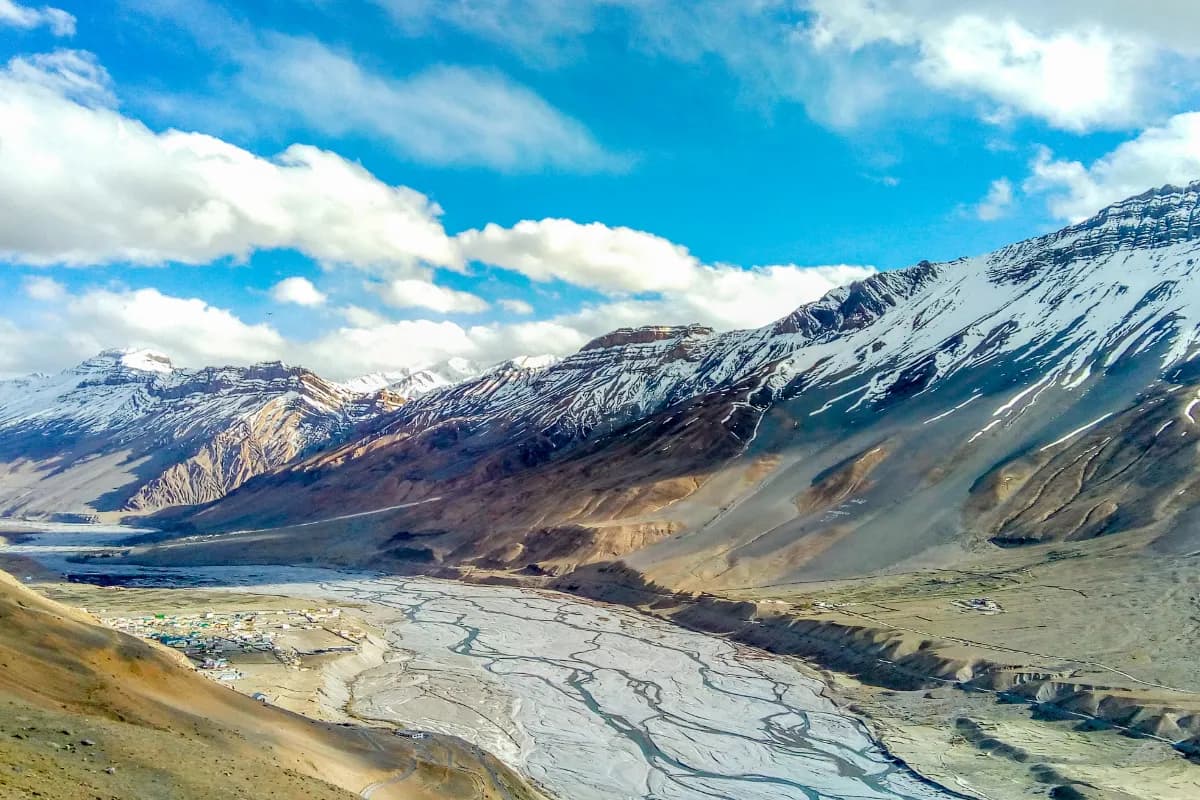
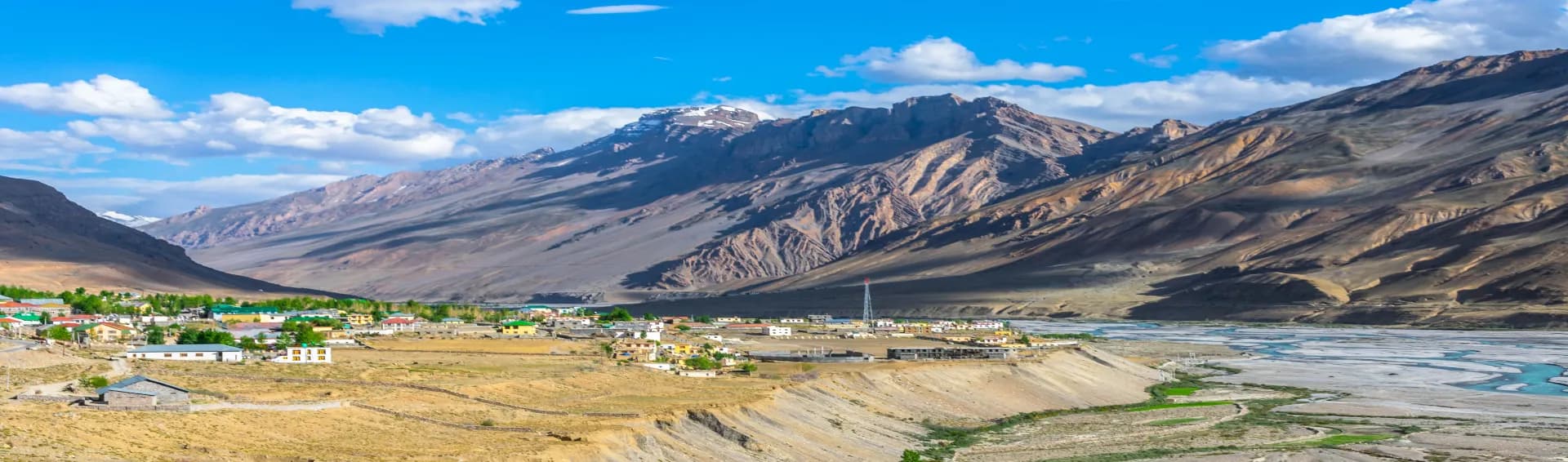
Kaza is the main hub for travelers exploring monasteries, high-altitude villages, and remote Himalayan roads. Kaza is the largest commercial town and the administrative headquarters of the remote Spiti Valley in the Lahaul and Spiti district of Himachal Pradesh, India. Situated at a high altitude of roughly 3,650 metres (11,980 feet) above sea level along the Spiti River, it functions as the central hub and base camp for travellers exploring this high-altitude cold desert.
The town features a distinct landscape and Tibetan Buddhist culture closely resembling neighbouring Ladakh and Tibet.
₹20,999
per person
This Kaza travel guide covers everything you need to know before planning your Spiti Valley packages, including routes, weather, nearby attractions, and practical travel tips.
Kaza is the main town where travelers rest, refuel, acclimatize, and prepare for the tougher parts of the journey. Almost every road trip through the Kaza valley passes through this town. You will find the region’s main fuel station, cafés, ATMs, bike repair shops, hotels, and local markets here. That becomes important because many nearby villages have limited facilities and weak connectivity.
Kaza is also divided into two parts, Old Kaza and New Kaza. Old Kaza feels quieter and more traditional, while New Kaza has cafés, homestays, and small restaurants filled with travelers discussing road conditions and altitude headaches over hot tea.
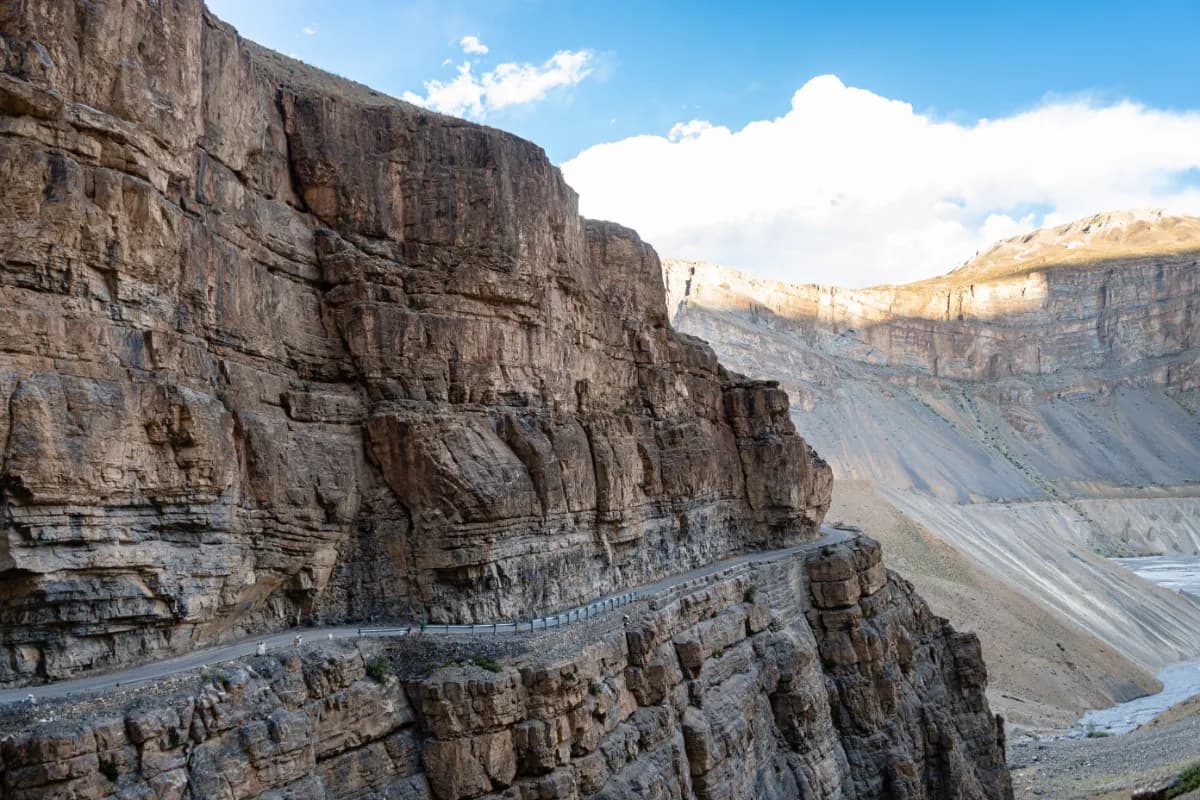
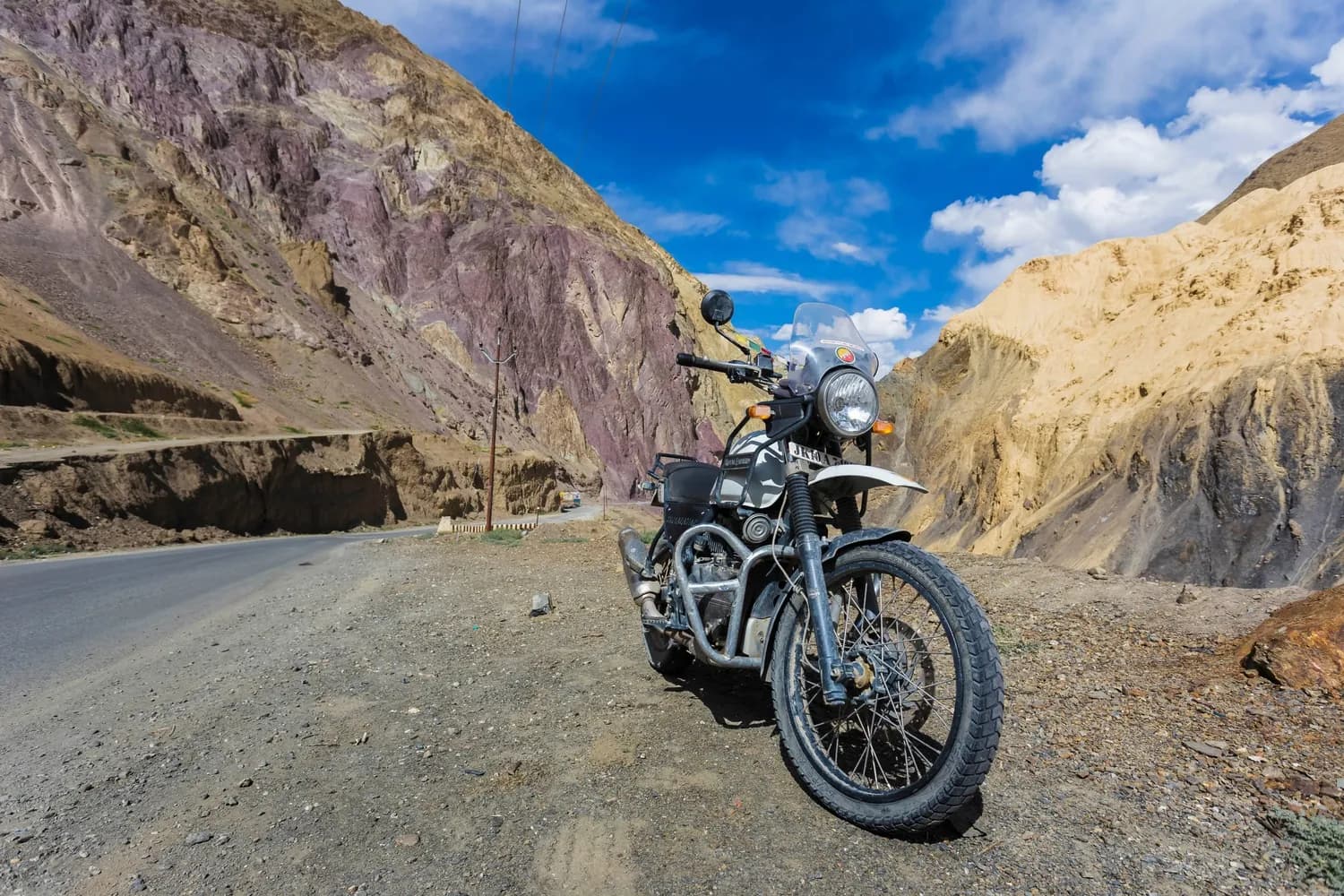
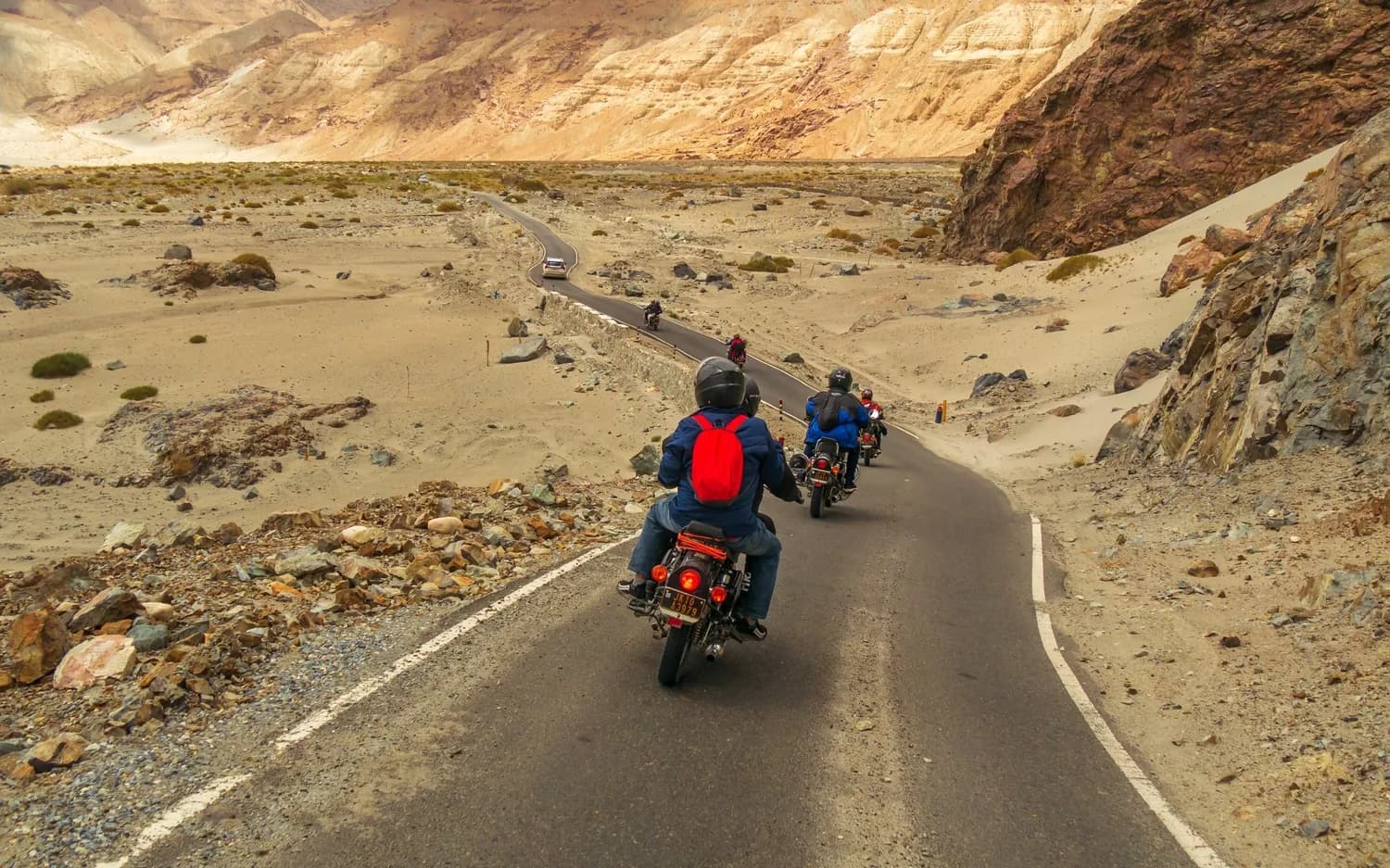
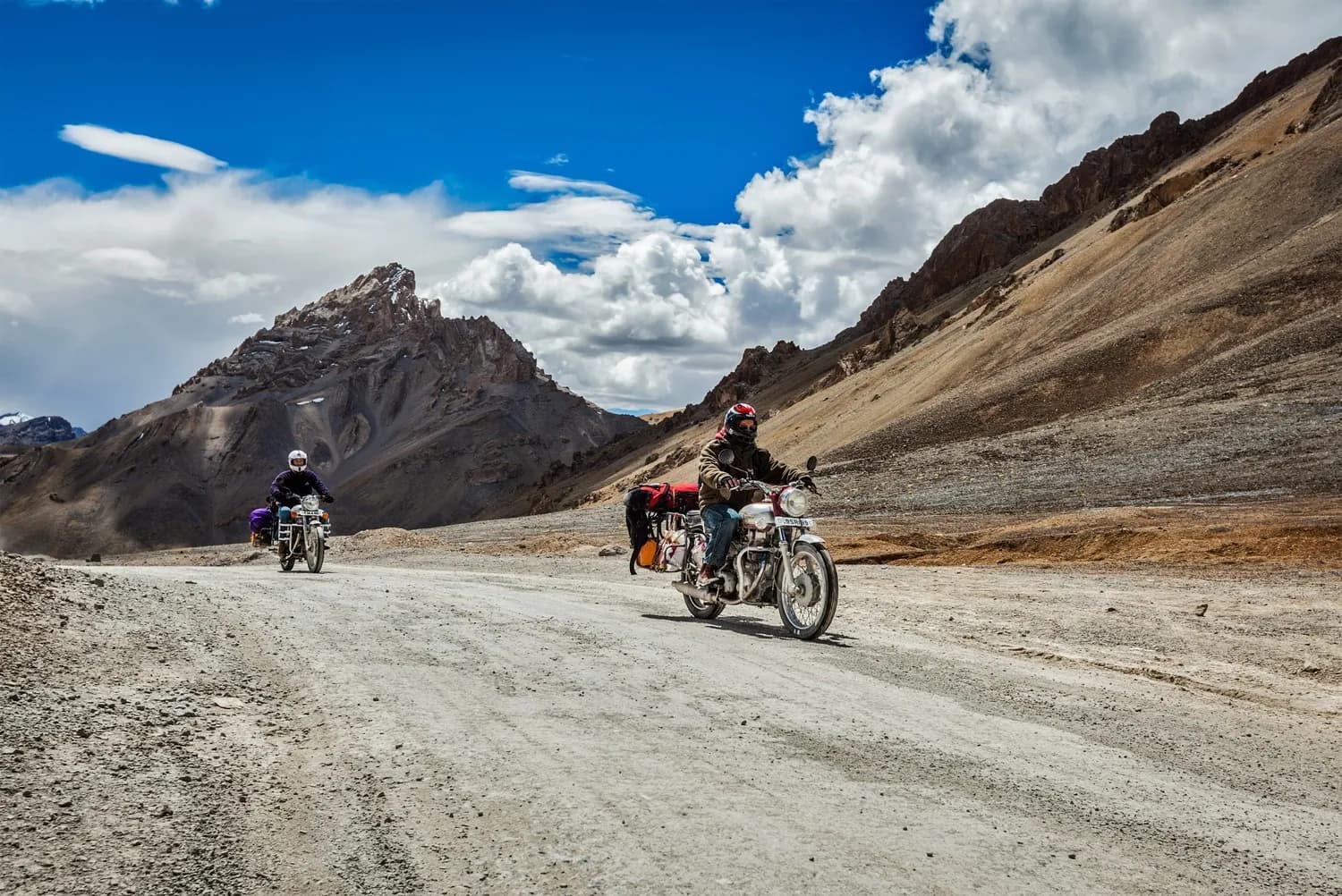
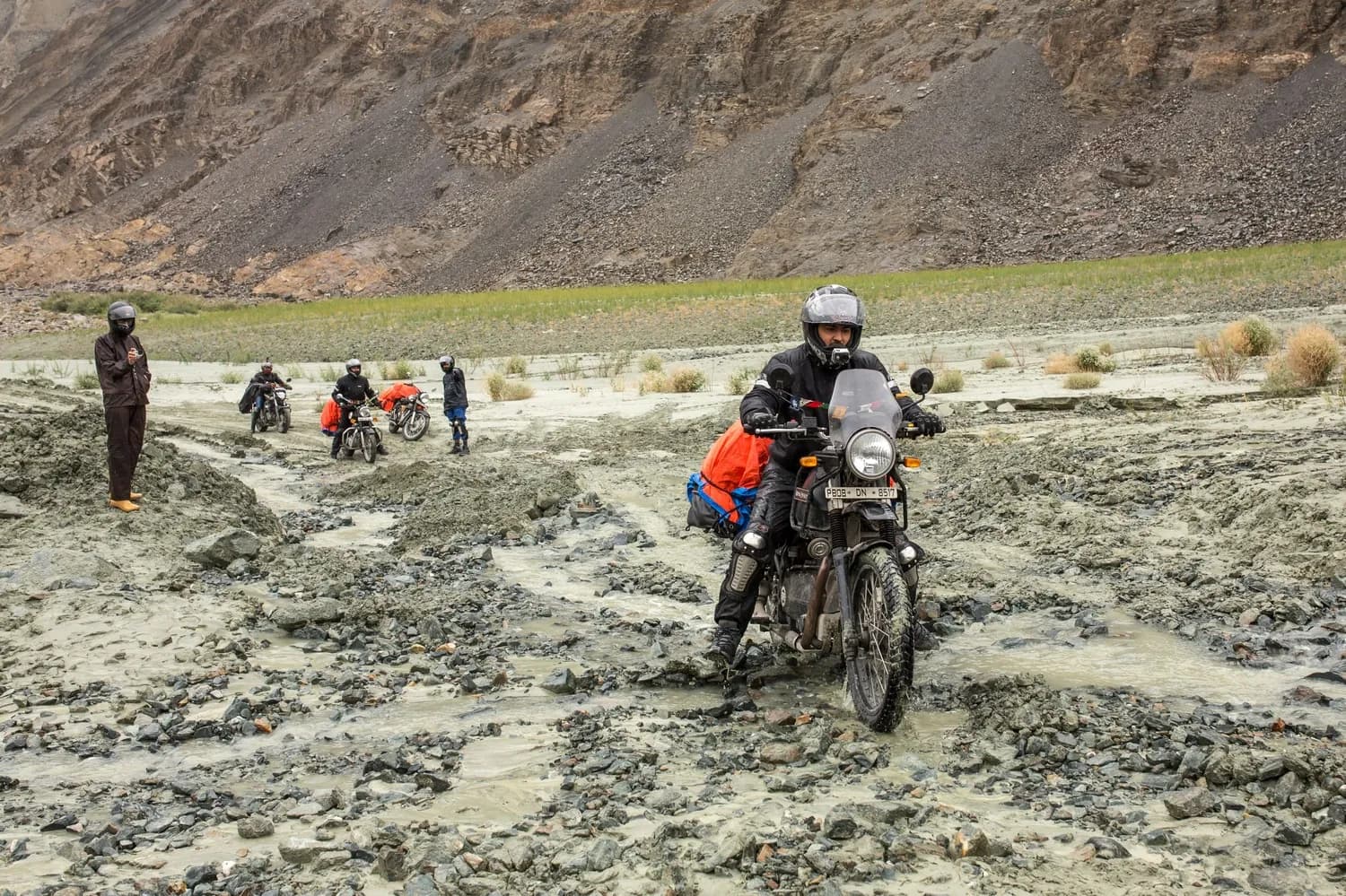
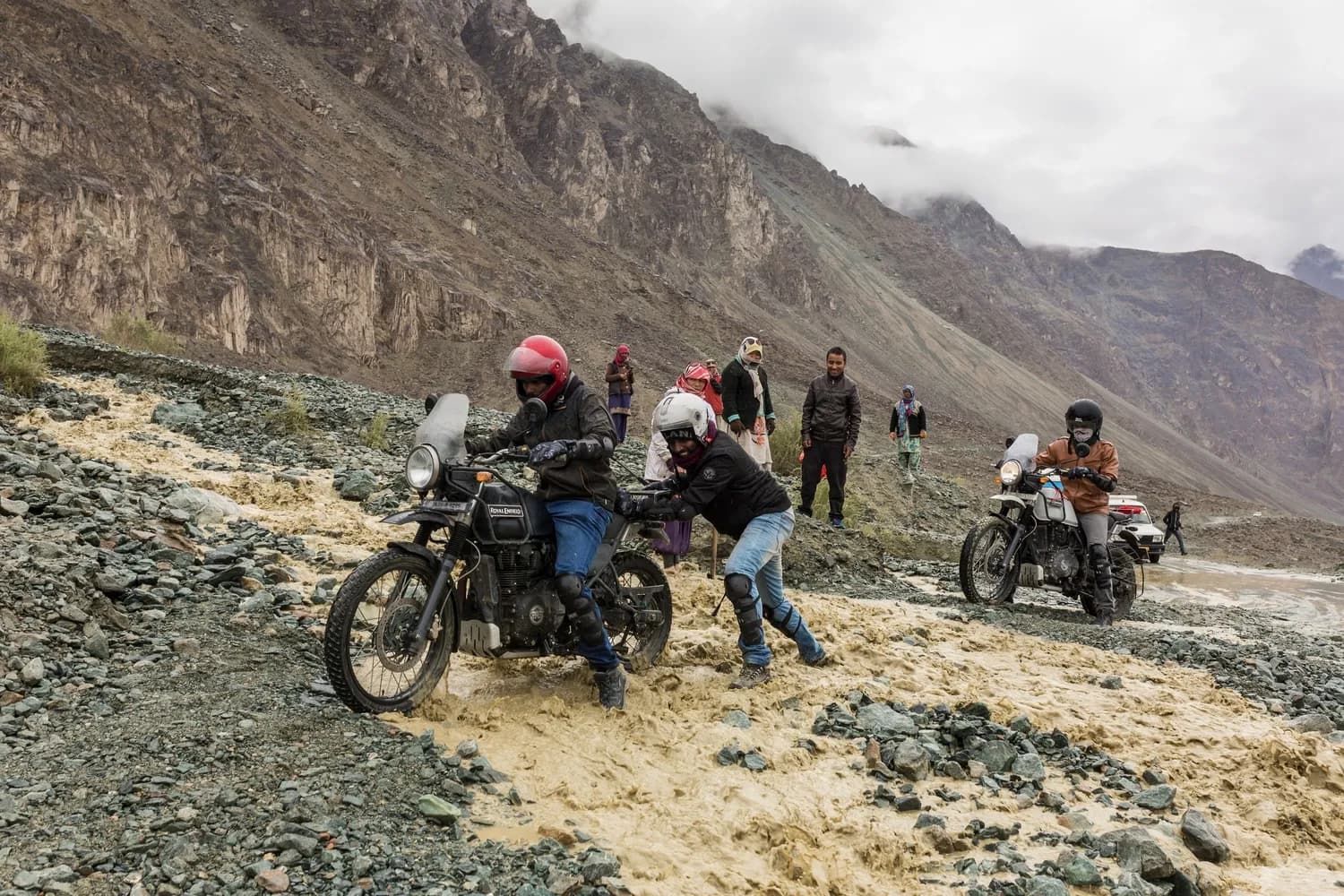
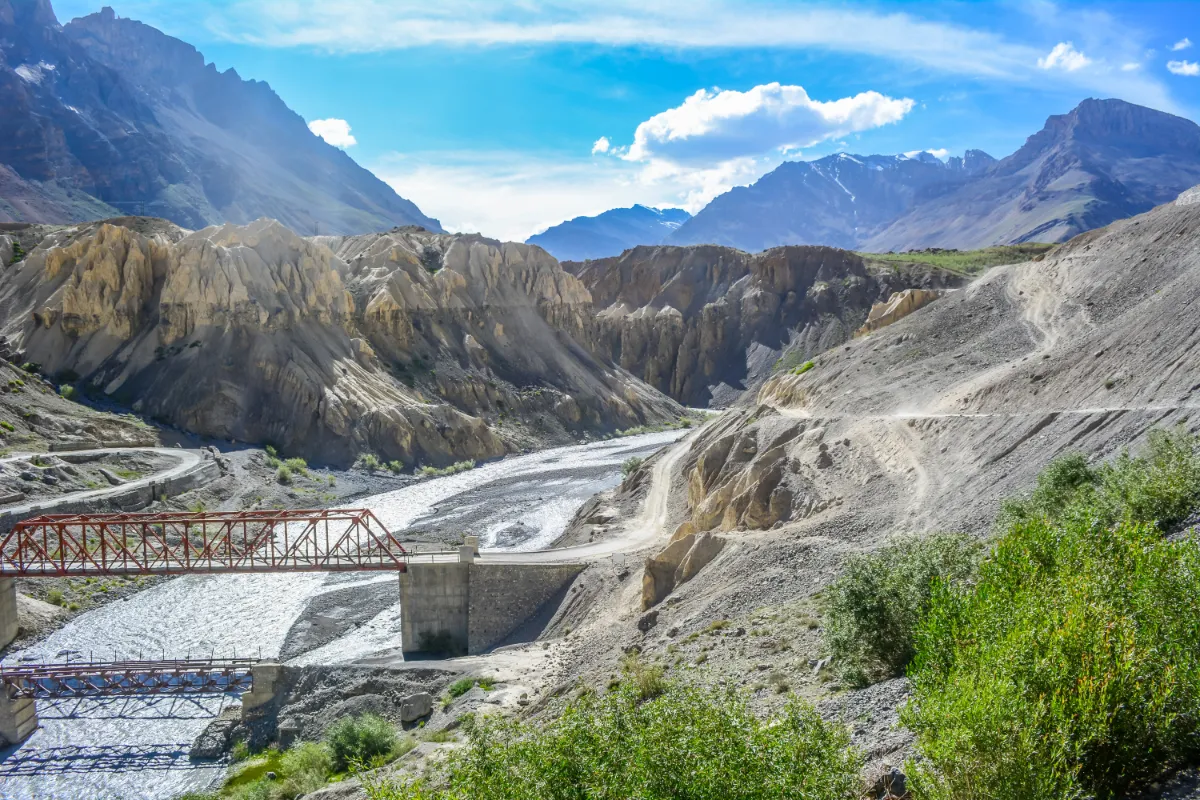
The Manali to Kaza route is shorter but far more challenging. The distance is around 180 kilometers, but the journey usually takes 8 to 10 hours because road conditions change constantly. After crossing the Atal Tunnel, the roads become rough in several patches, especially near Gramphu, Batal, and Kunzum Pass.
The route generally opens between June and October. Heavy snowfall shuts this road during winter.
Travel options include:
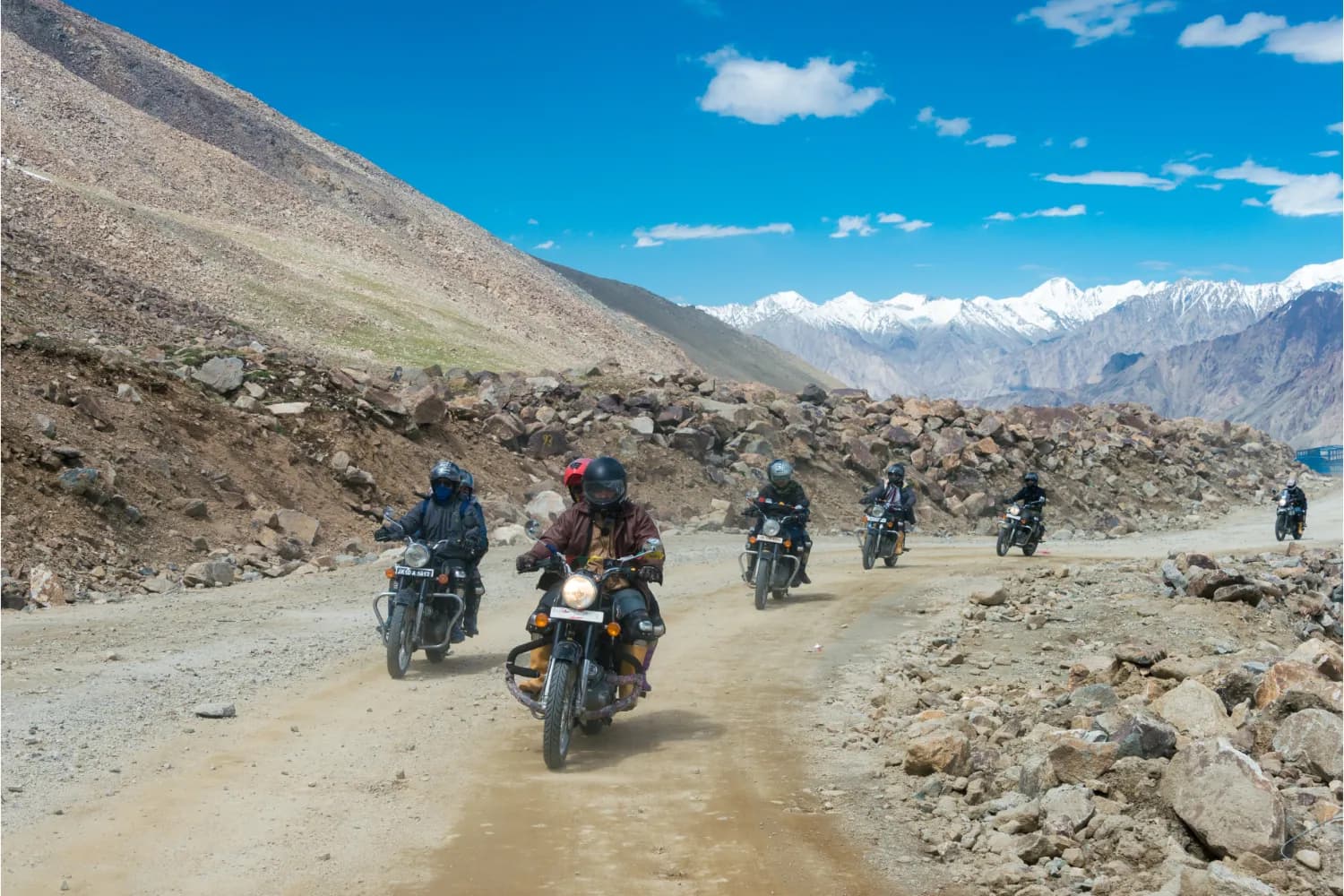
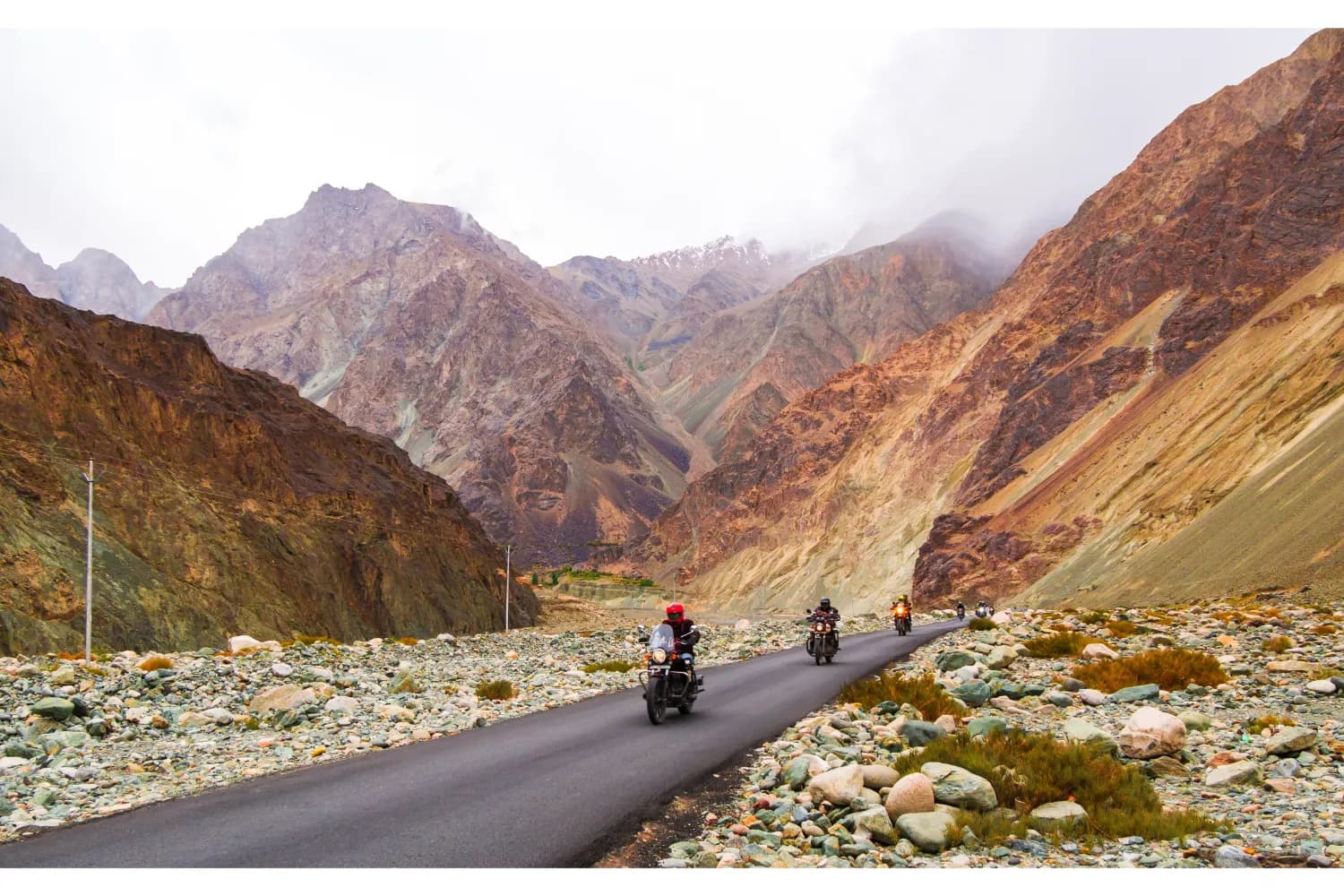
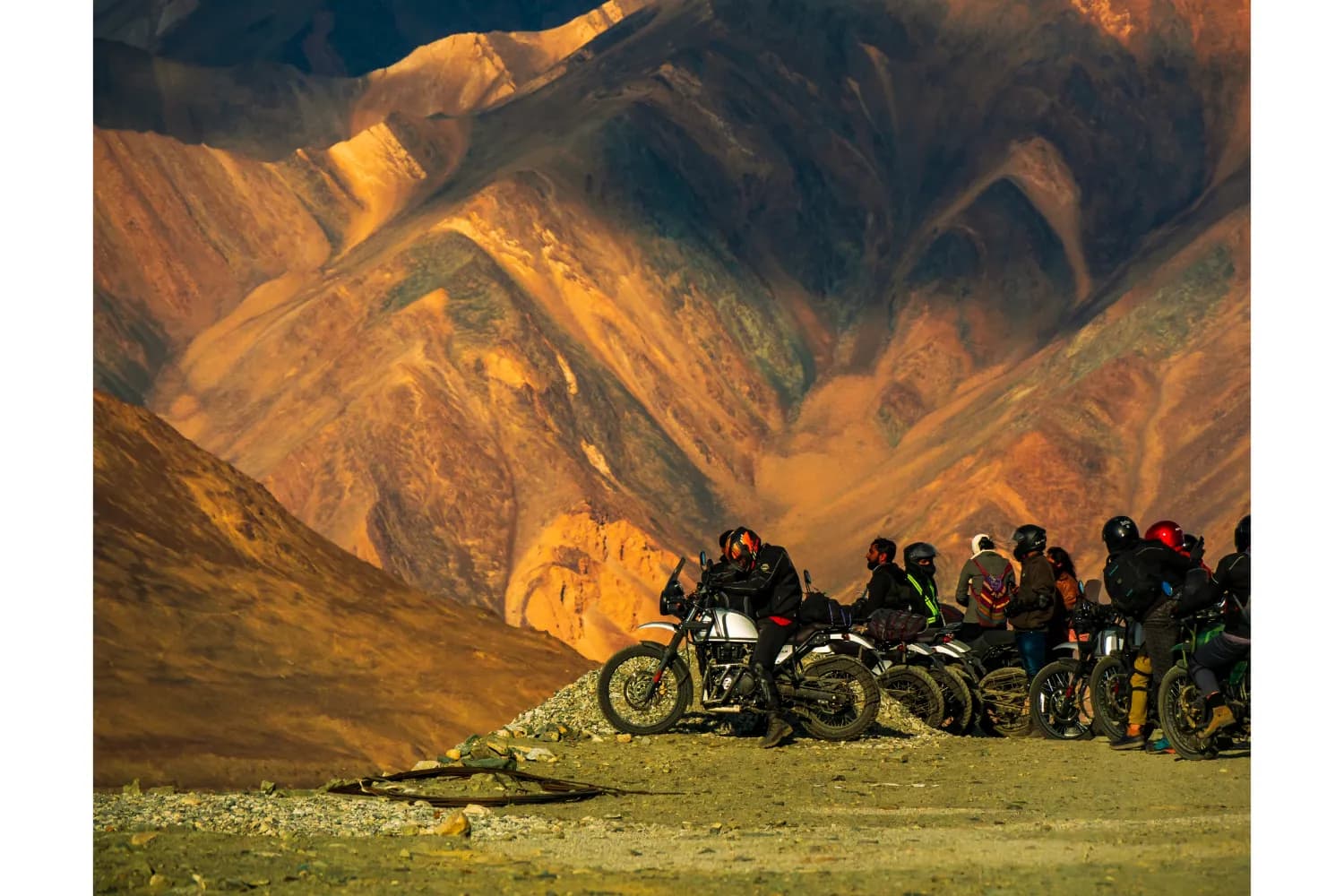
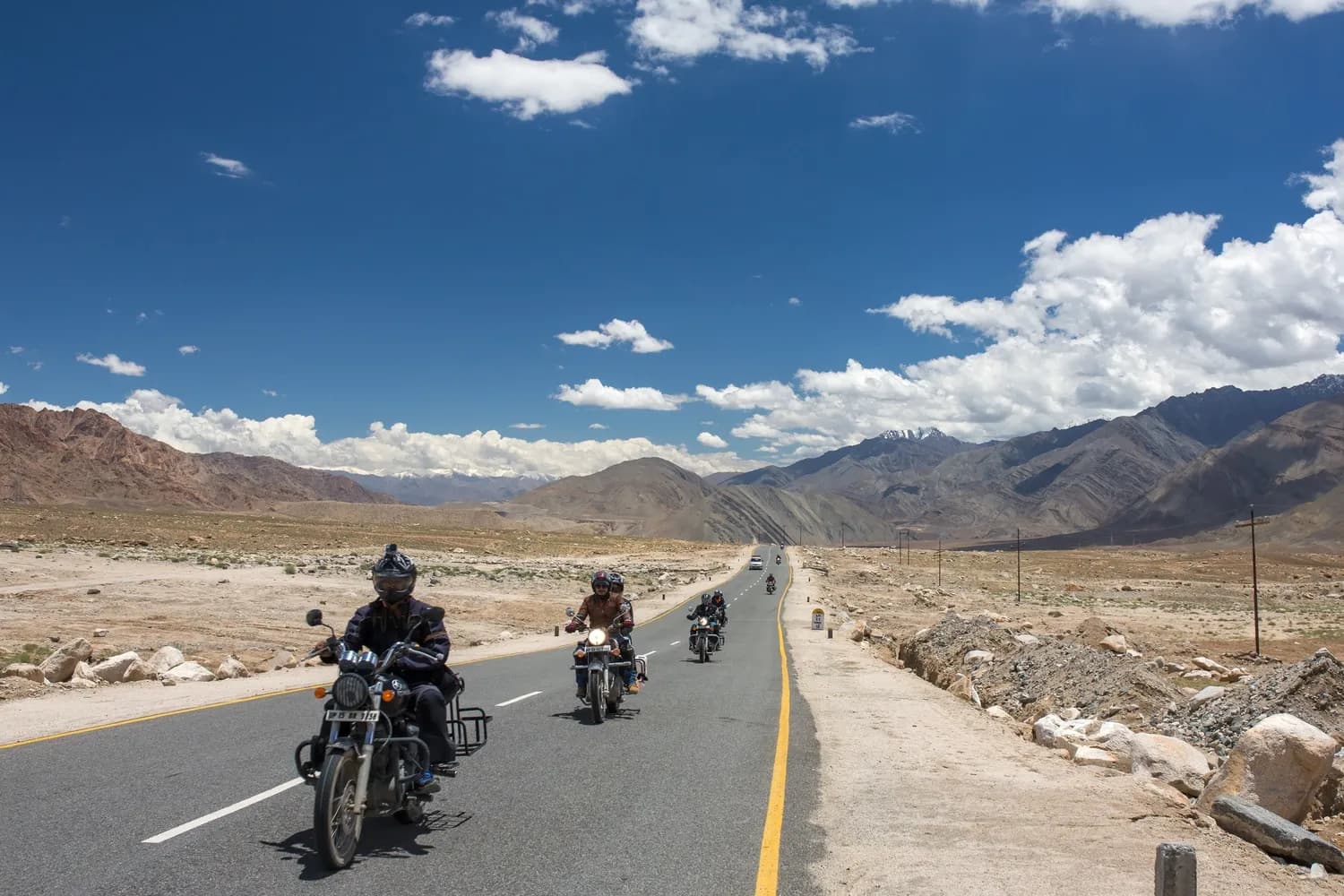
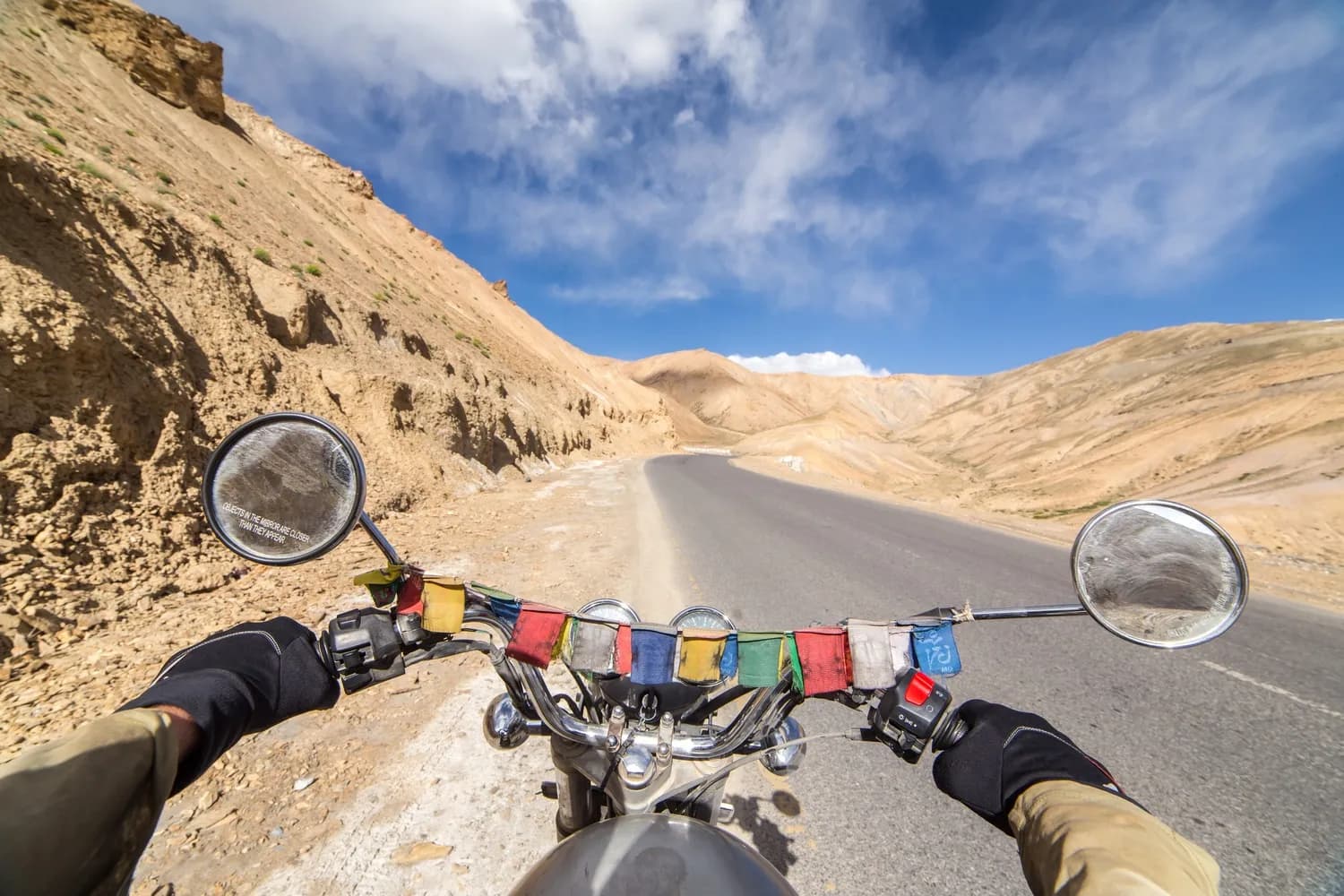
Many riders prefer a Spiti bike trip style adventure through this route because the terrain feels wild and unpredictable. Water crossings become stronger in the afternoons, so starting early from Manali is always safer.
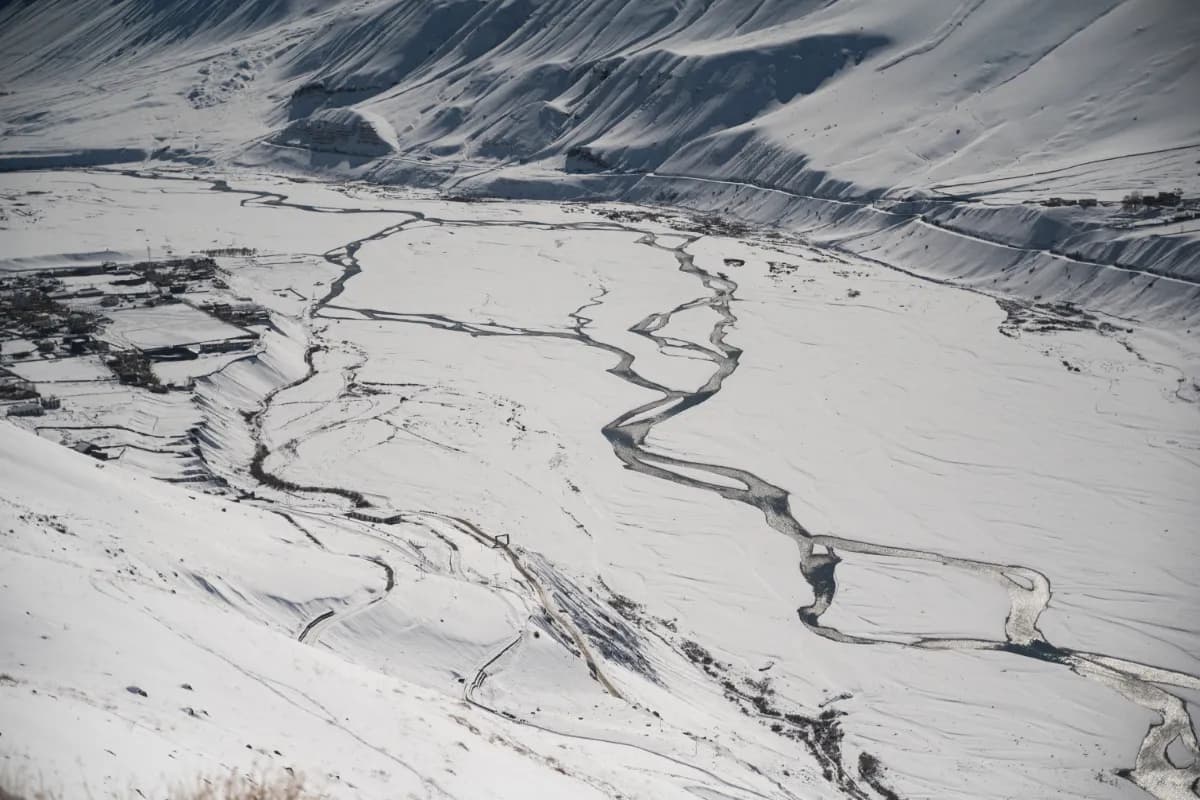
The Shimla route is longer but safer and smoother. The total distance from Shimla to Kaza is around 400 kilometers, usually covered in 2 days with stops at Kalpa, Nako, or Tabo.
This route remains open almost throughout the year unless landslides block certain sections temporarily. The gradual climb also reduces the risk of Acute Mountain Sickness, which becomes a serious issue for some travelers entering directly from Manali.
Transport options:
Road conditions stay comparatively stable because the route follows the Hindustan-Tibet Highway for a large stretch.
If this is your first high-altitude Himalayan road trip, the Shimla side is usually the smarter choice in this Kaza travel guide.
June to September is the best time to visit Kaza. Roads remain accessible, the weather stays manageable, and most tourist attractions operate normally during these months. Day temperatures usually range between 15°C and 20°C.
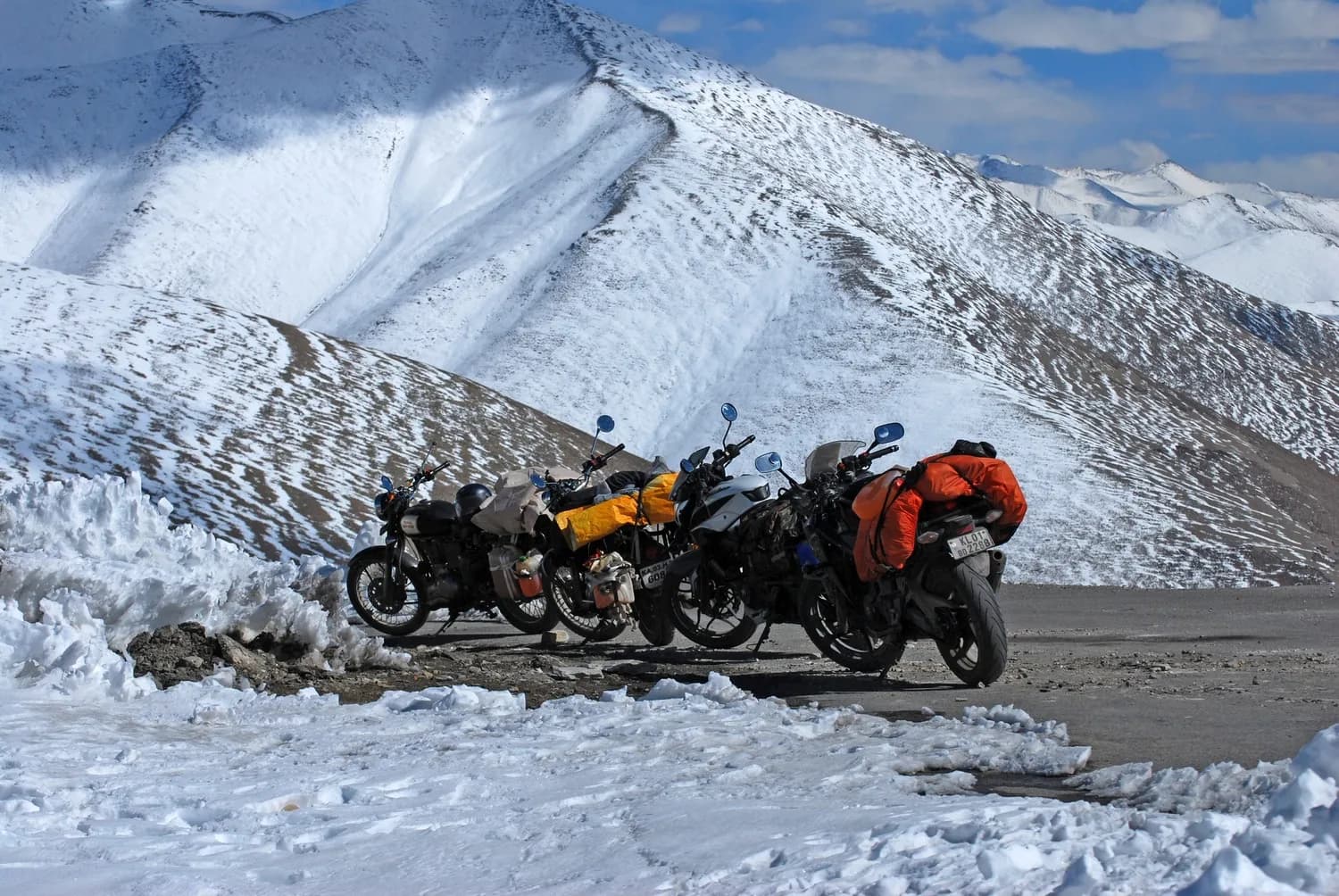
October brings colder nights and fewer tourists, which many photographers prefer. Winter, from November to March, turns Kaza into a snow-covered cold desert. Temperatures can fall below -20°C, and the Manali route stays closed. Winter suits experienced travelers looking for snow landscapes and isolation, not casual tourists. If you are visiting for road trips, sightseeing, and village exploration, summer remains the most practical season.
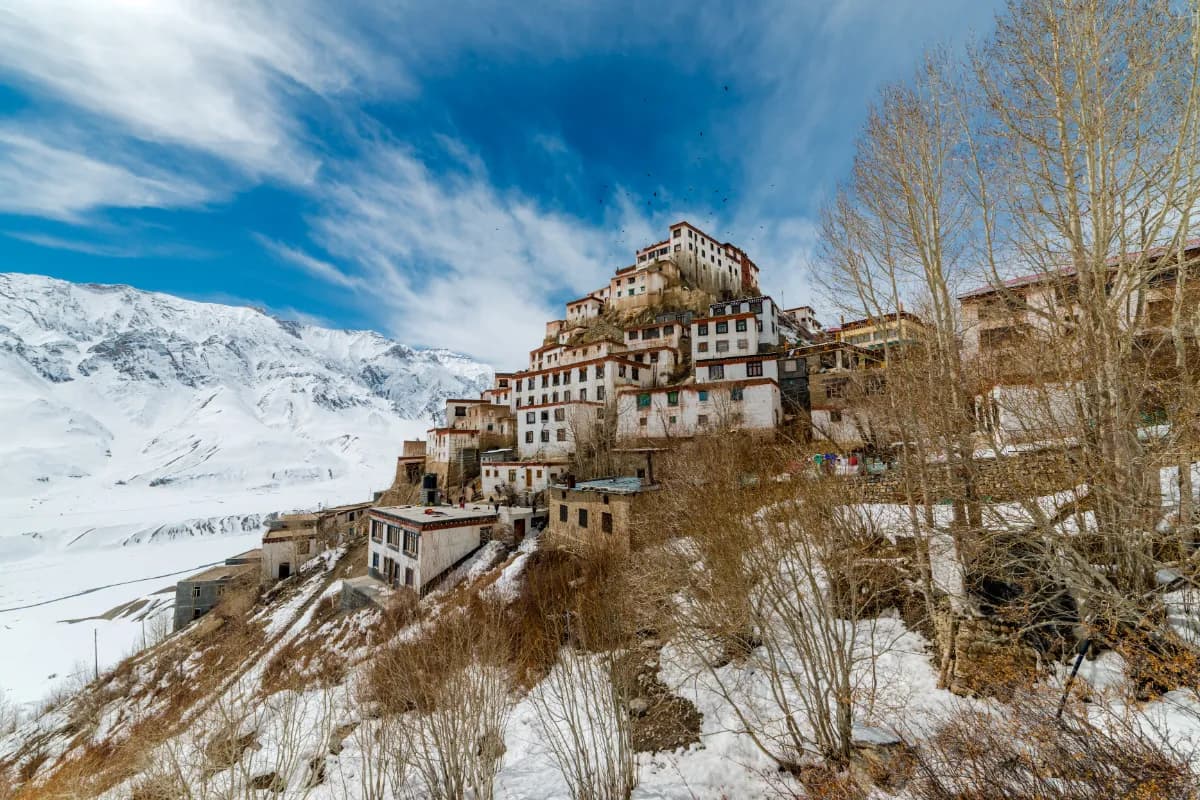
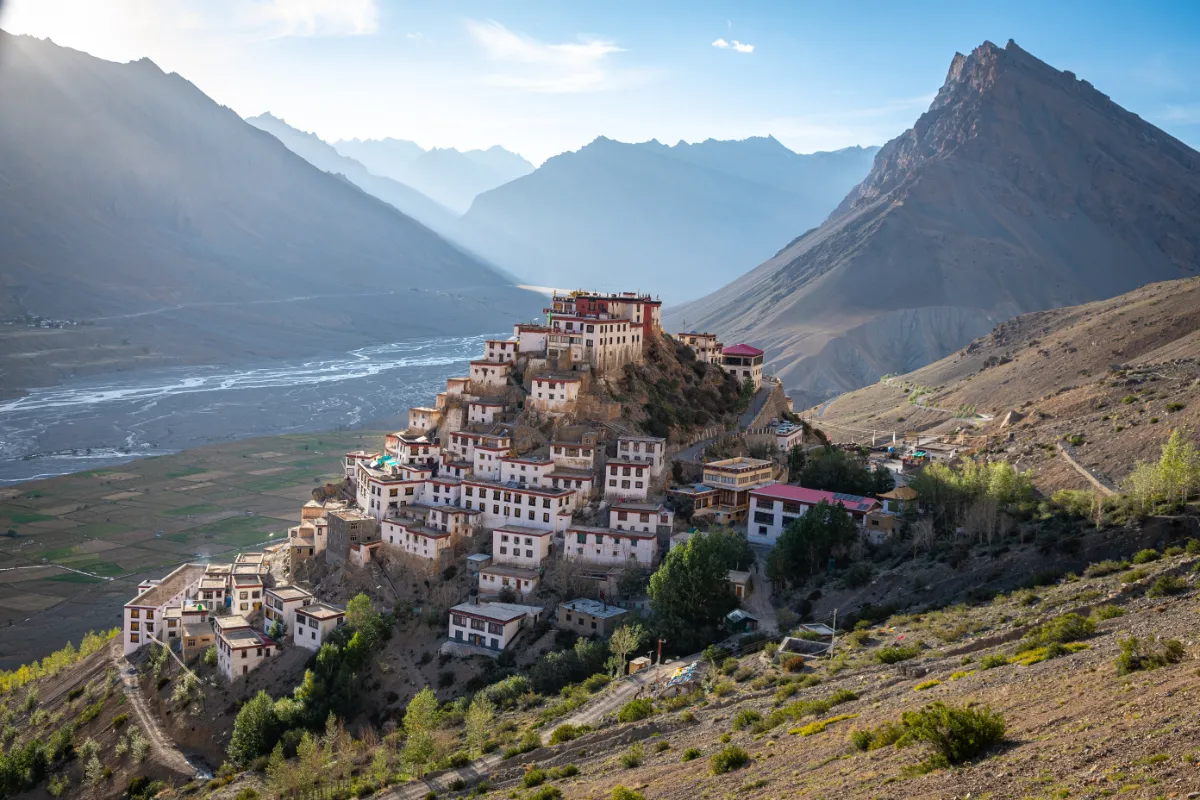
Key Monastery, or Kye Gompa, is the largest and oldest Tibetan Buddhist monastery in Spiti Valley, Himachal Pradesh. Perched on a 4,166-meter (13,668 ft) conical hill, this 11th-century fortress-style complex serves as a major religious training center for lamas and houses ancient murals, rare manuscripts, and a 14-meter Maitreya Buddha statue. Inside, you will find prayer halls, ancient murals, and rooms filled with old manuscripts. Morning prayers create a completely different atmosphere here. Most travelers visiting the Kaza valley stop here early in the morning for better weather and fewer crowds.
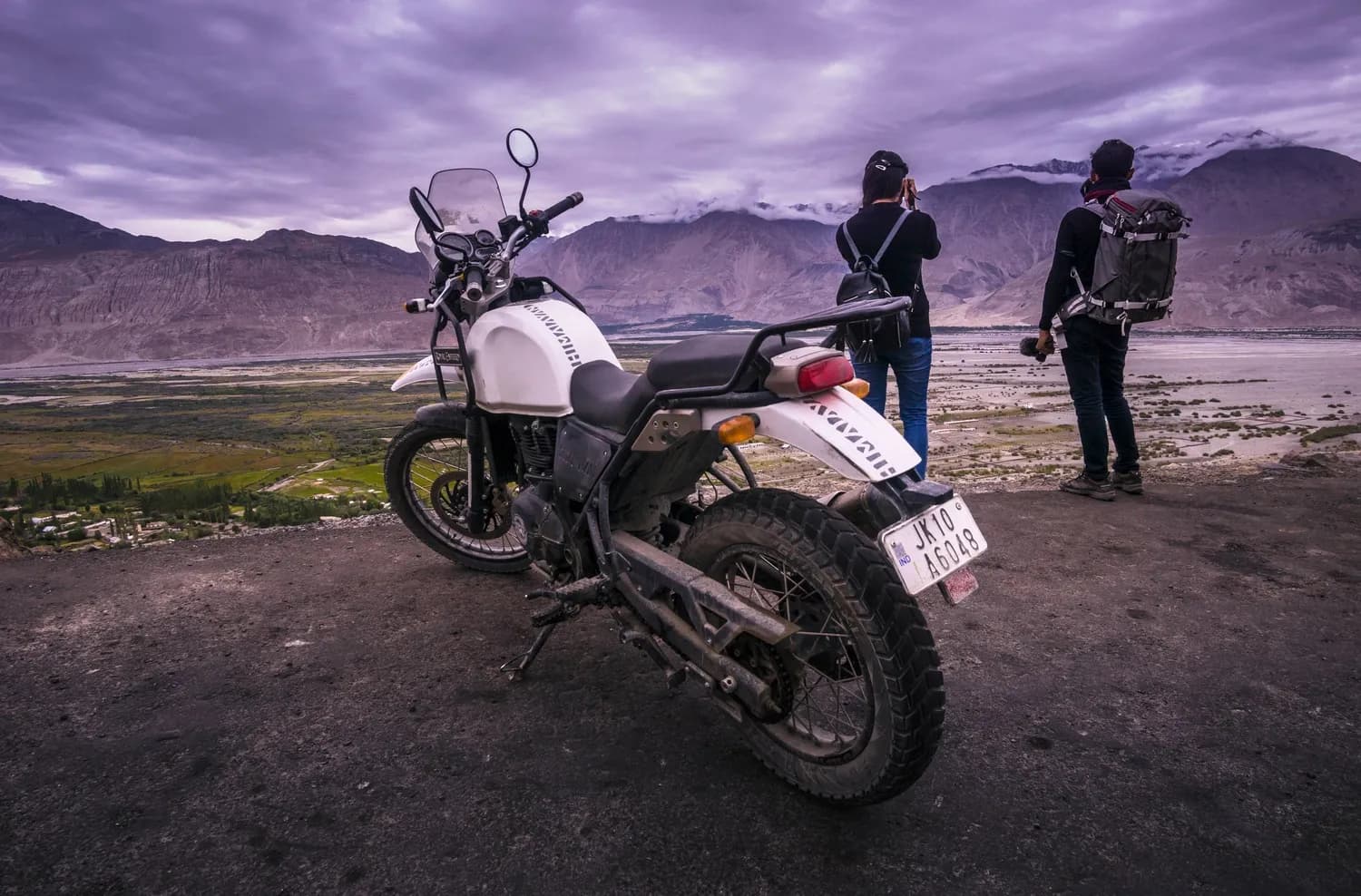
Chicham Bridge is one of the highest suspension bridges in Asia, hanging roughly 13,000 feet above sea level. The bridge connects Chicham Village with Kibber and dramatically cuts travel time between the two areas. Standing in the middle of the bridge feels intimidating because of the deep gorge below. Strong winds are common here, especially in the evenings, so plan in or before the afternoon. The road leading to the bridge is narrow but offers some of the sharpest mountain views around Kaza.
Kibber Village is a high-altitude settlement in the Spiti Valley of Himachal Pradesh, India, renowned for its striking Tibetan architecture, dramatic barren landscapes, and its status as one of the highest inhabited villages connected by a motorable road. Perched at an elevation of 4,270 metres (14,010 feet) on a limestone plateau, this remote village serves as a major hub for high-altitude trekking, stargazing, and wildlife photography. It houses a tight-knit community of around 366 residents living in uniformly built stone houses, maintaining an old-world charm where traditional Tibetan Buddhist culture still thrives.
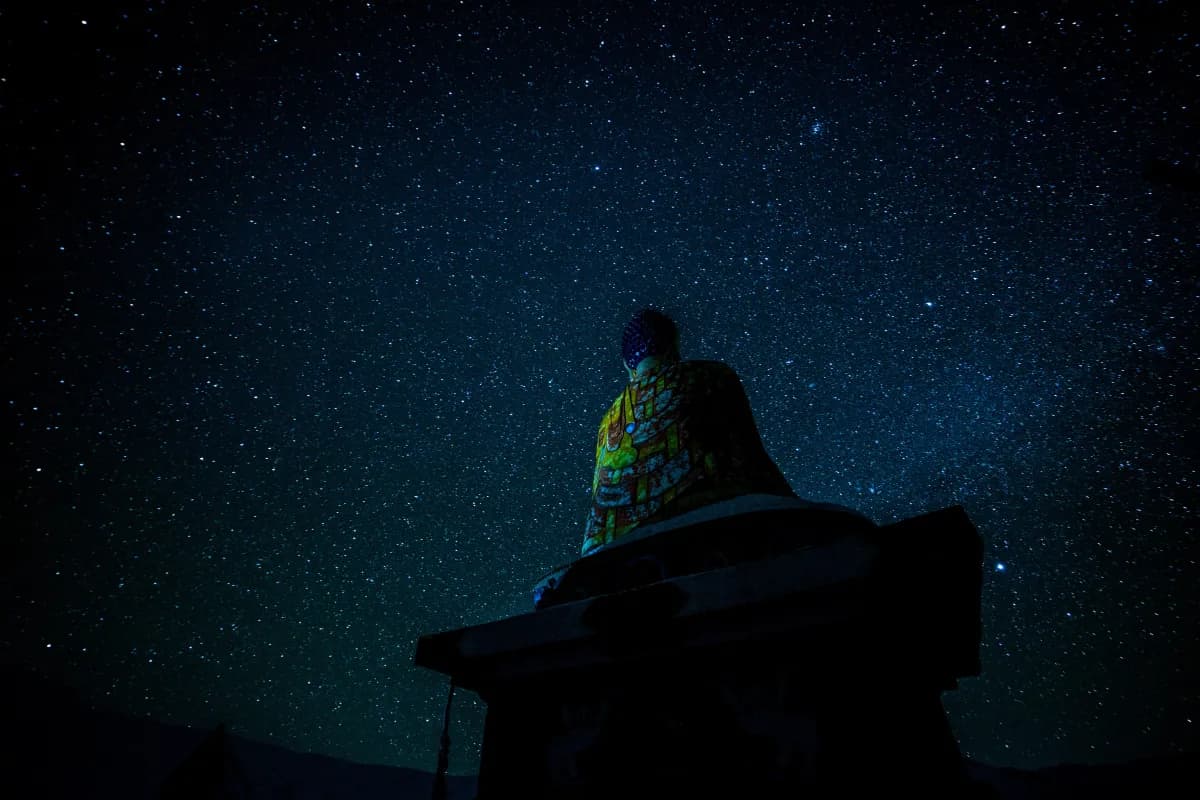
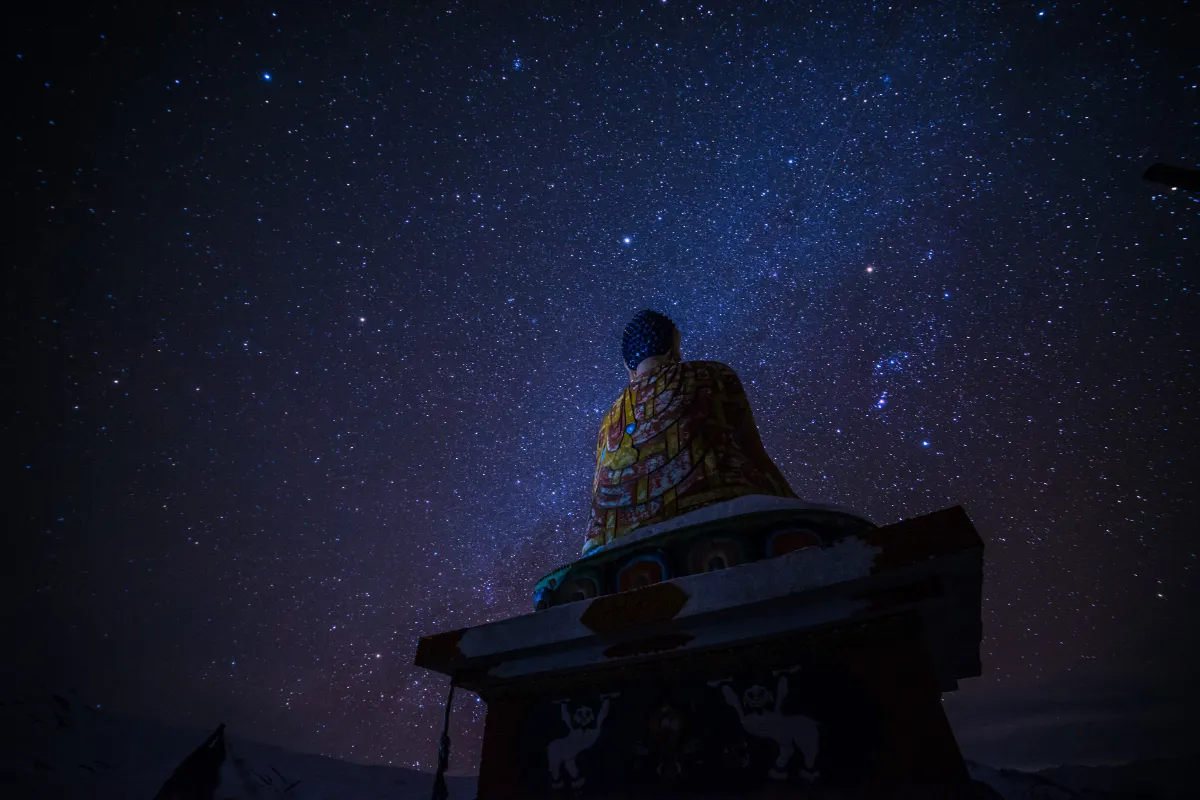
The iconic Buddha statue near Kaza is located in Langza Village, about 16 km (a 30-45 minute drive) from Kaza in Spiti Valley, Himachal Pradesh. This majestic 35-foot, brightly colored statue sits atop a hill at 14,500 feet, overlooking the valley, and is believed to guard the local villagers from harsh weather and evil spirits. Travelers stop here while covering Langza, Hikkim, and Komic together. The views during sunset look particularly dramatic because the mountains turn golden for a brief period. The road to the statue is steep in certain sections, so careful driving is important.
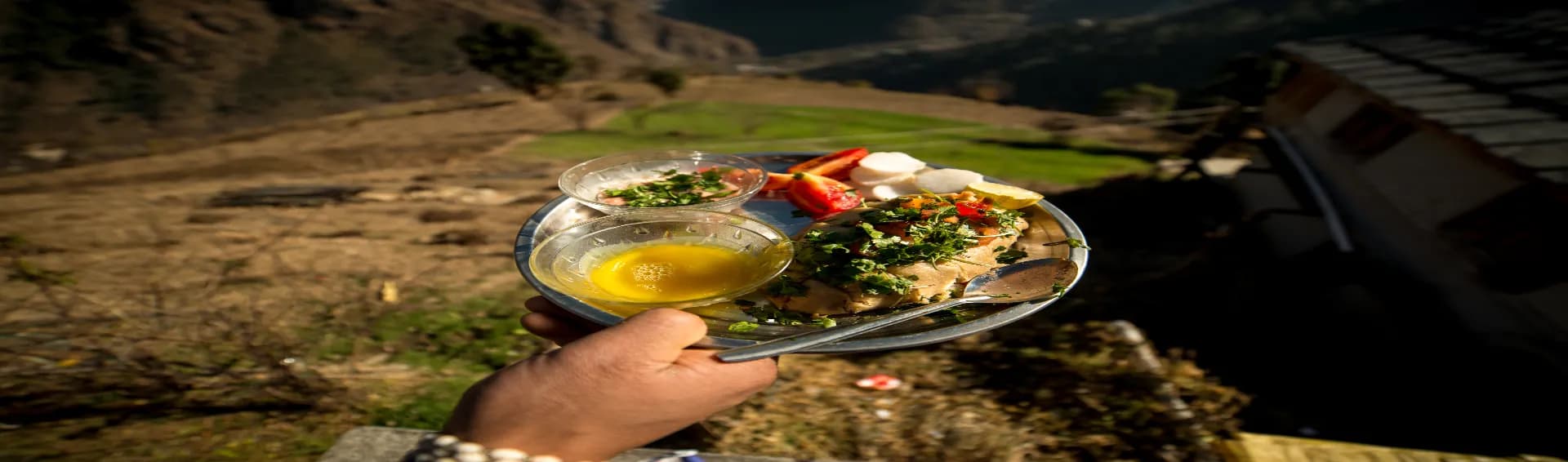
Kaza Market acts as the town’s social center. You will find cafés, local woolen shops, bike rental stores, bakeries, and small restaurants serving Tibetan and North Indian food. Travelers usually gather here in the evenings after long drives around Spiti. The market is also one of the few places where mobile connectivity and ATM access work somewhat reliably. If you forgot medicines, gloves, or cash, this is your best place to sort things out before heading deeper into Spiti.
Hikkim, Komic, and Langza, together, these three villages create one of the most popular day circuits near Kaza.
Hikkim is famous for having one of the world’s highest post offices. Travelers often send postcards from here because the postmark itself becomes a souvenir. The road to Hikkim is steep and dusty, but the surrounding mountain views make the drive memorable.
Komic is known as one of the world’s highest motorable villages. At over 4,500 meters, the oxygen level drops noticeably here. The village has a small monastery and offers a raw, isolated Himalayan experience that many tourists are not prepared for mentally or physically.
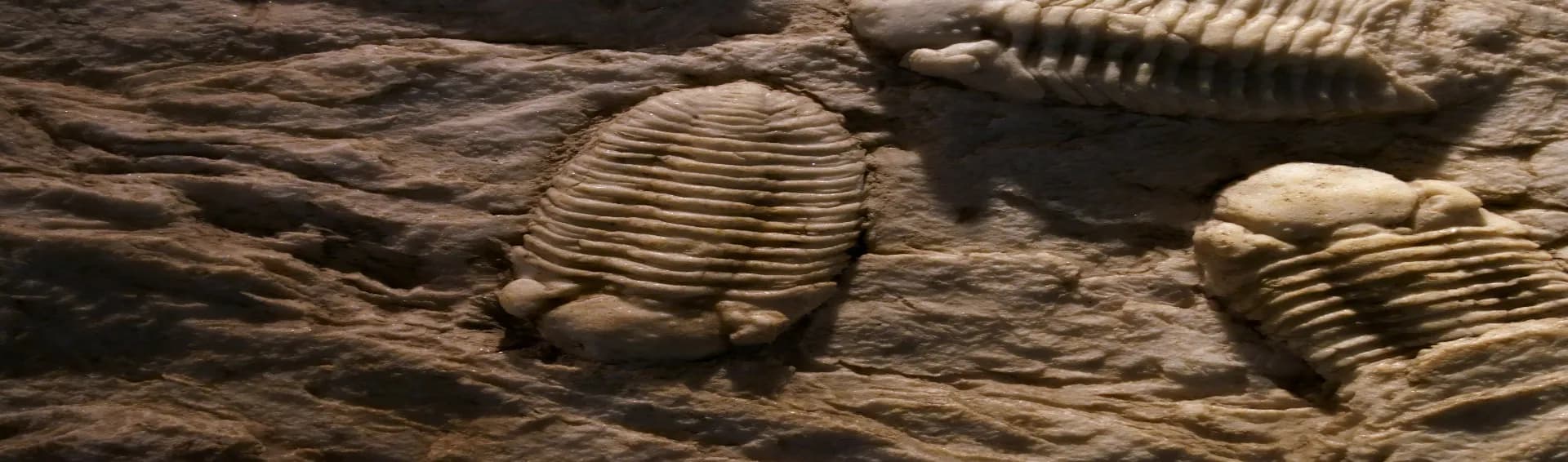
Langza is the fossil village of Spiti with a giant Buddha statue and peaceful homestays. Locals still find marine fossils here because this region was once underwater millions of years ago. The village feels calmer than Kaza and gives a more traditional Spitian atmosphere.
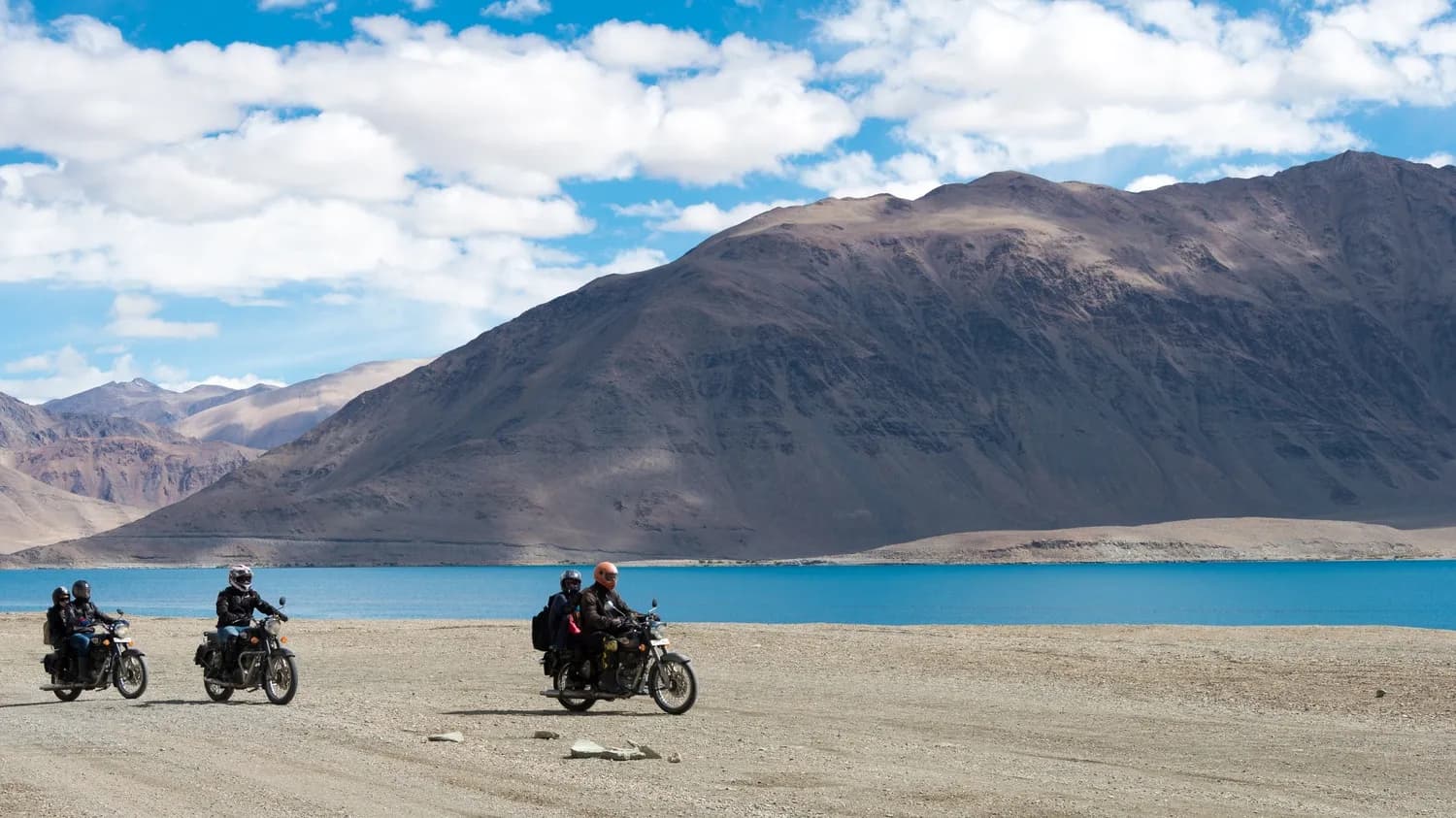
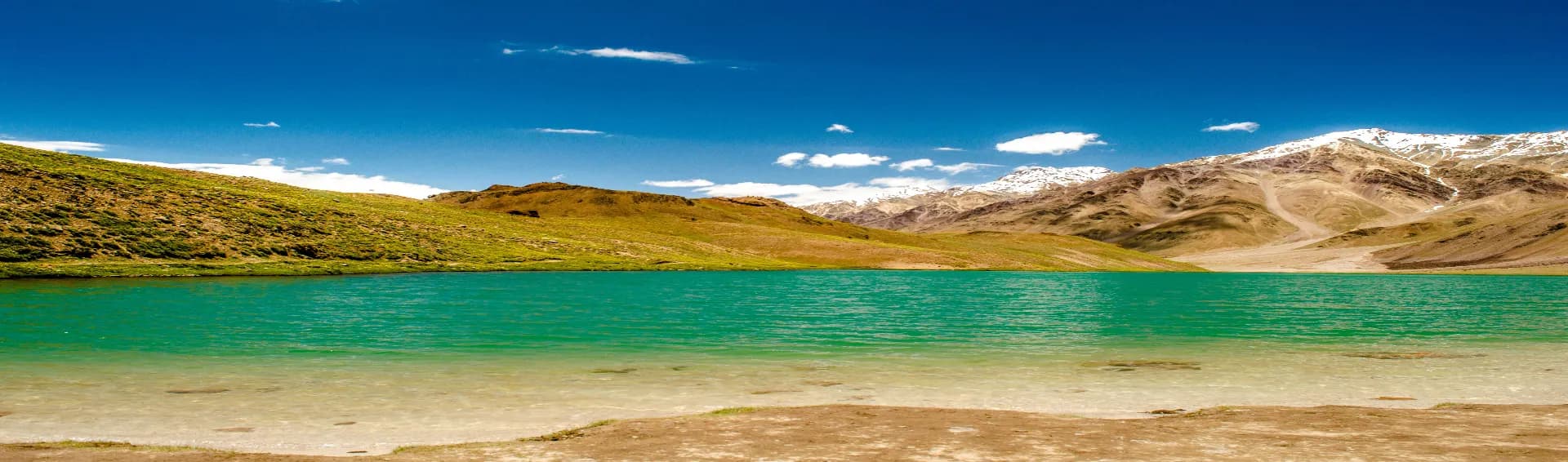
Apart from these attractions, Kaza is the main getaway to Chandratal, and most travelers heading toward Chandratal Lake use Kaza as their final major stop before entering rougher terrain. The distance from Kaza to Chandratal is around 110 kilometers, but the drive can easily take 5 to 6 hours because of broken roads and water crossings near Batal. Chandratal remains accessible mainly between June and October. Camping near the lake has strict restrictions now, so most camps stay a few kilometers away from the lake itself. Carry enough cash, fuel, and warm clothing before leaving Kaza because facilities become extremely limited after Losar.
Kaza is famous for being the main town of Spiti Valley, known for monasteries, high-altitude villages, rugged mountain roads, café culture, and access to places like Key Monastery and Chandratal.
Manali is the closest major tourist city to Kaza, around 200 kilometers away. Reckong Peo and Shimla are other important access points for reaching the Spiti Valley.
Yes, Kaza offers excellent Milky Way visibility because of high altitude, low pollution, and clear skies. Summer and autumn nights are usually best for stargazing photography.
June is considered one of the best months to visit Kaza because roads open properly, the weather stays pleasant, and most attractions become accessible after heavy winter snowfall.
Yes, snowfall is common in Kaza during winter, mainly from December to February. Nearby villages and mountain passes also remain covered in snow during this period.
May 25, 2026
May 25, 2026
May 25, 2026

May 25, 2026
May 23, 2026