
The Rivers in North East India are more than just water bodies; they are the lifelines that nurture their culture, forests, and communities. Flowing through snow-capped mountains, lush valleys, and deep gorges, these rivers shape the region’s unique landscape. From the mighty Brahmaputra in Assam to the emerald Teesta in Sikkim, each river carries stories of faith, beauty, and survival. Many travellers explore these waterways for rafting, photography, and tranquil escapes into nature. With North East India Tourism steadily gaining attention, several curated North East Tour Packages now include riverfront stays, eco-camps, and adventure activities. Let’s discover the most stunning and significant rivers that define this enchanting region, each with its own rhythm and charm.
Below are the 10 Majestic Rivers of North East India:
₹49,999
per person
₹26,999
per person
₹46,999
per person
₹33,999
per person
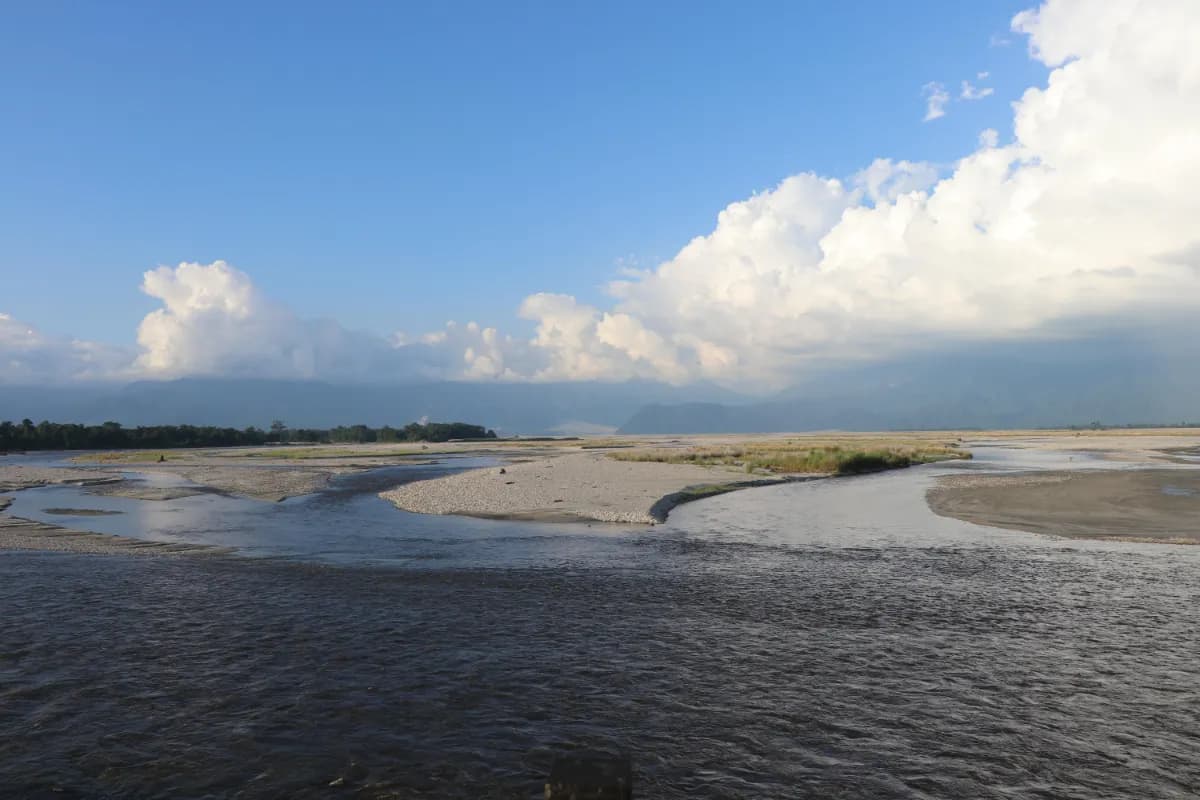
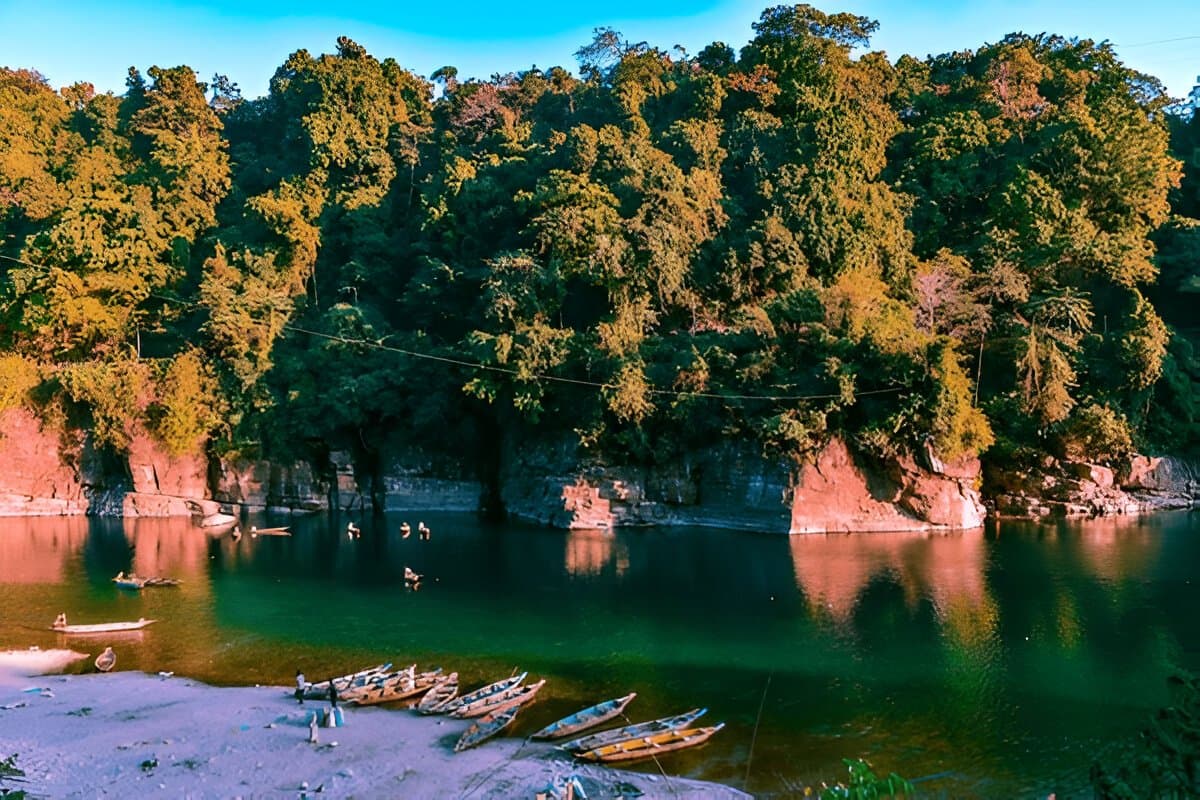
The Dibang River, also known as Talo, originates from the Mishmi Hills in Arunachal Pradesh. As a major tributary of the Brahmaputra, it carves through deep valleys and thick forests, creating dramatic landscapes. Its turquoise waters are perfect for rafting and trekking routes nearby. Among the lesser-explored North East River systems, Dibang remains a pristine paradise for nature enthusiasts who crave solitude and raw beauty.
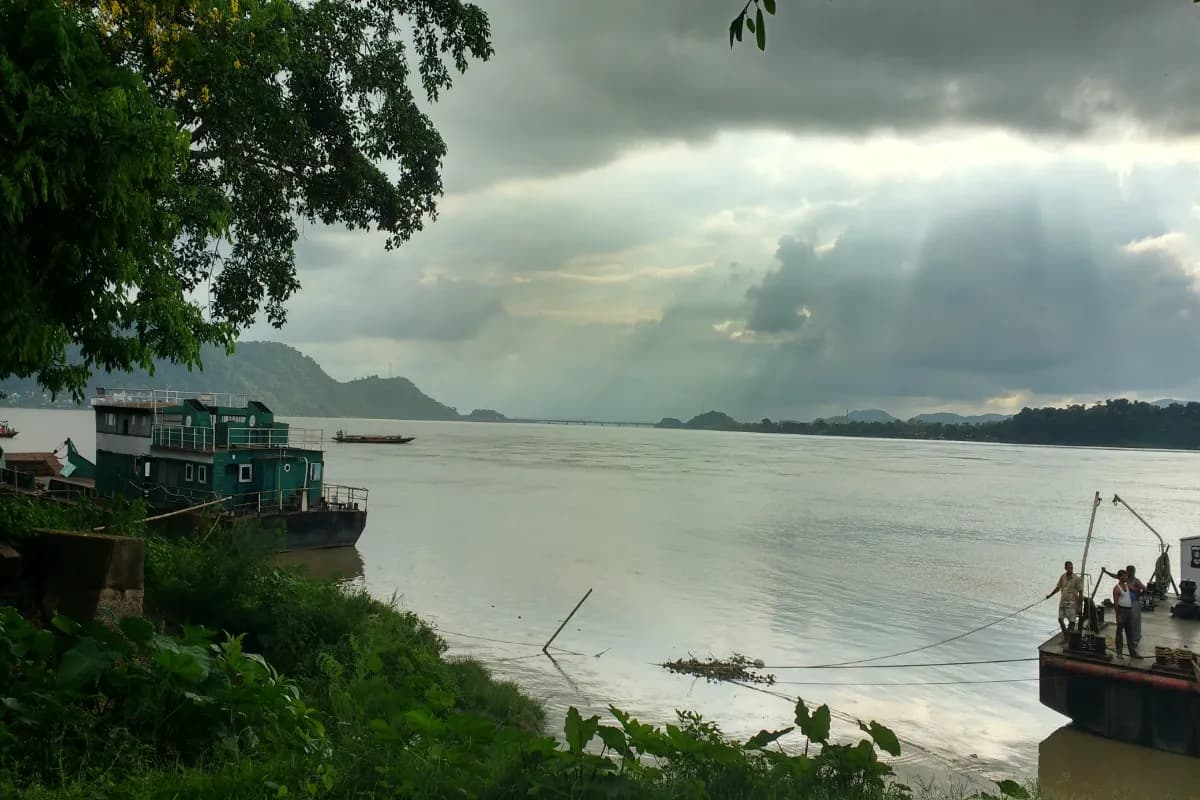
The Brahmaputra River is one of the most powerful and sacred rivers in North East India, originating from the Angsi Glacier in Tibet, where it is called the Yarlung Tsangpo. Flowing through Arunachal Pradesh and Assam before entering Bangladesh, it nourishes countless towns and villages along its course. Locally known as the Luit in Assamese, it supports fertile plains and diverse ecosystems. The river is also a hub for adventure lovers, offering scenic cruises, river island stays in Majuli, and wildlife experiences around Kaziranga.
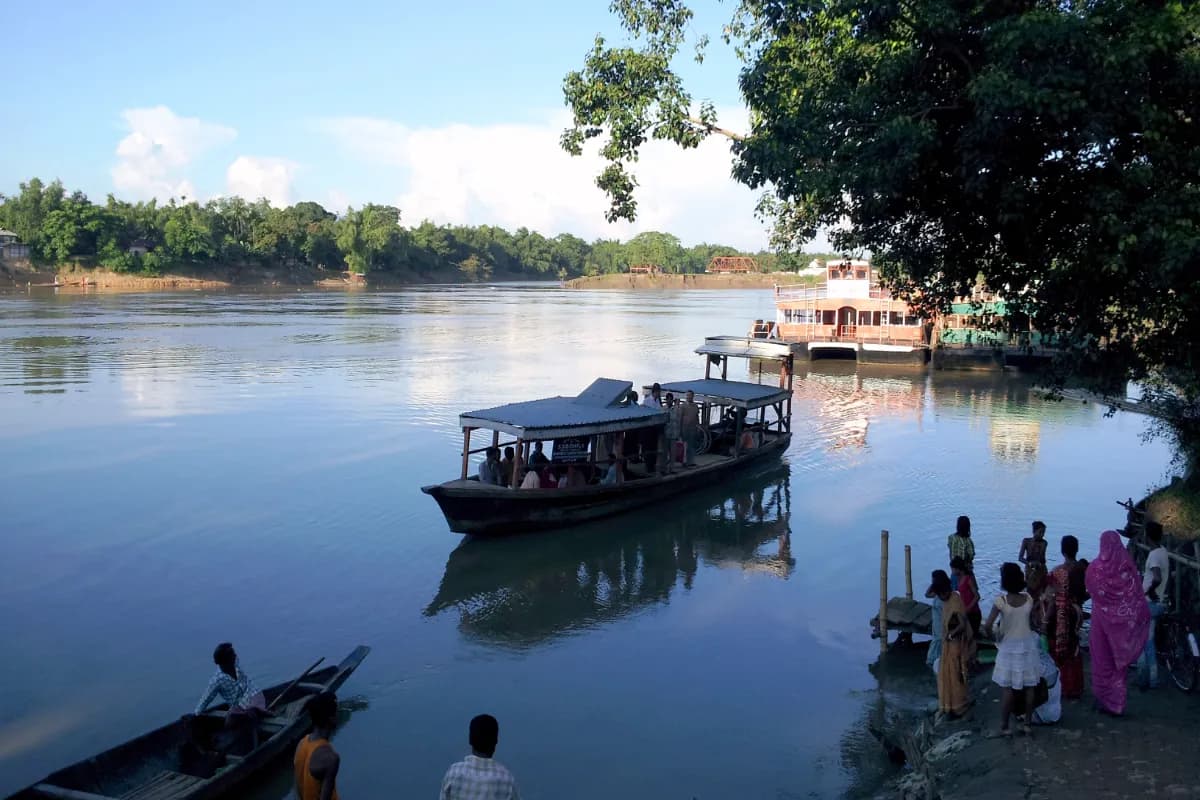
Originating in the hills of Manipur, the Barak River flows southwest through Mizoram and eventually into Bangladesh, where it joins the Meghna River. It supports agriculture, fisheries, and the daily life of several ethnic communities. The Barak’s calm stretches and green surroundings make it ideal for scenic drives and countryside exploration. It’s one of the most vital water systems sustaining the biodiversity of southern North East India.
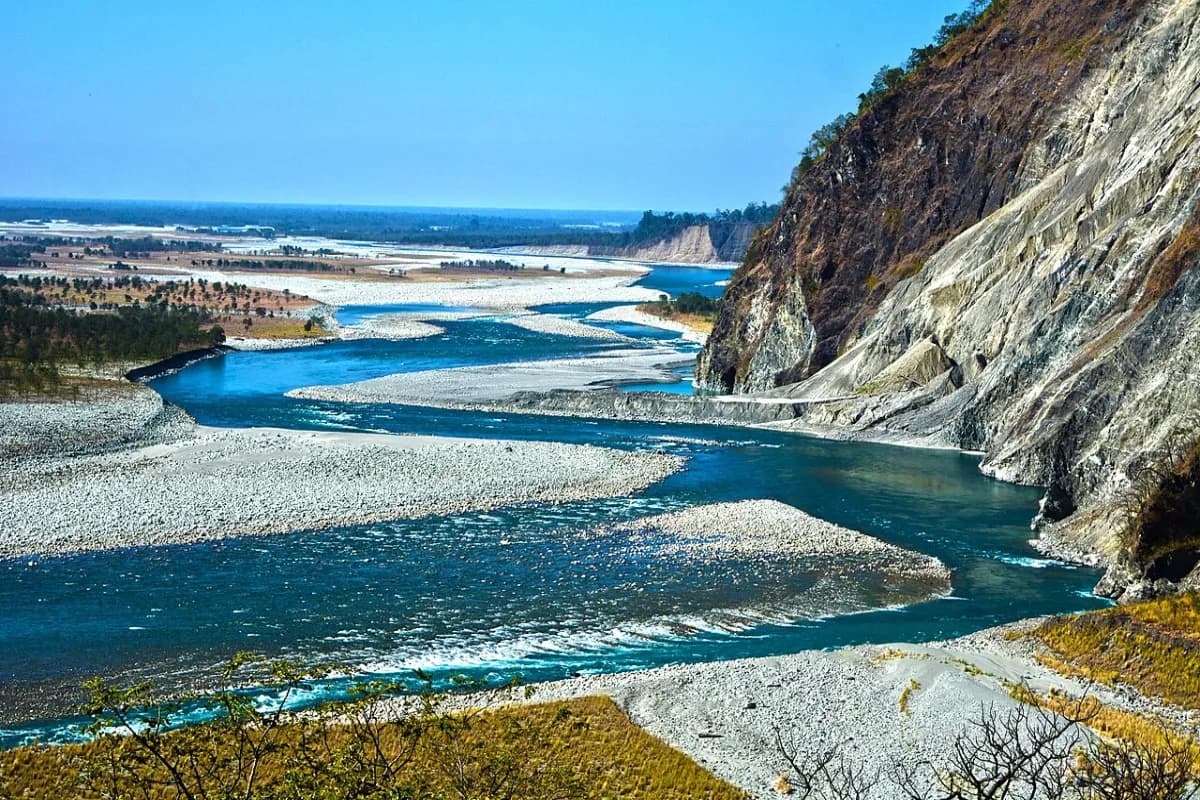
The Lohit River flows from the eastern Tibet region and enters India through Arunachal Pradesh before merging with the Brahmaputra in Assam. Its name, derived from the Assamese word “Lohit”, meaning “blood,” reflects the reddish hue of its waters. Flowing past tribal villages, monasteries, and dense forests, Lohit offers picturesque views and thrilling rafting experiences. The river’s confluence near Sadiya is a breathtaking sight for travellers exploring the Rivers in North East India.
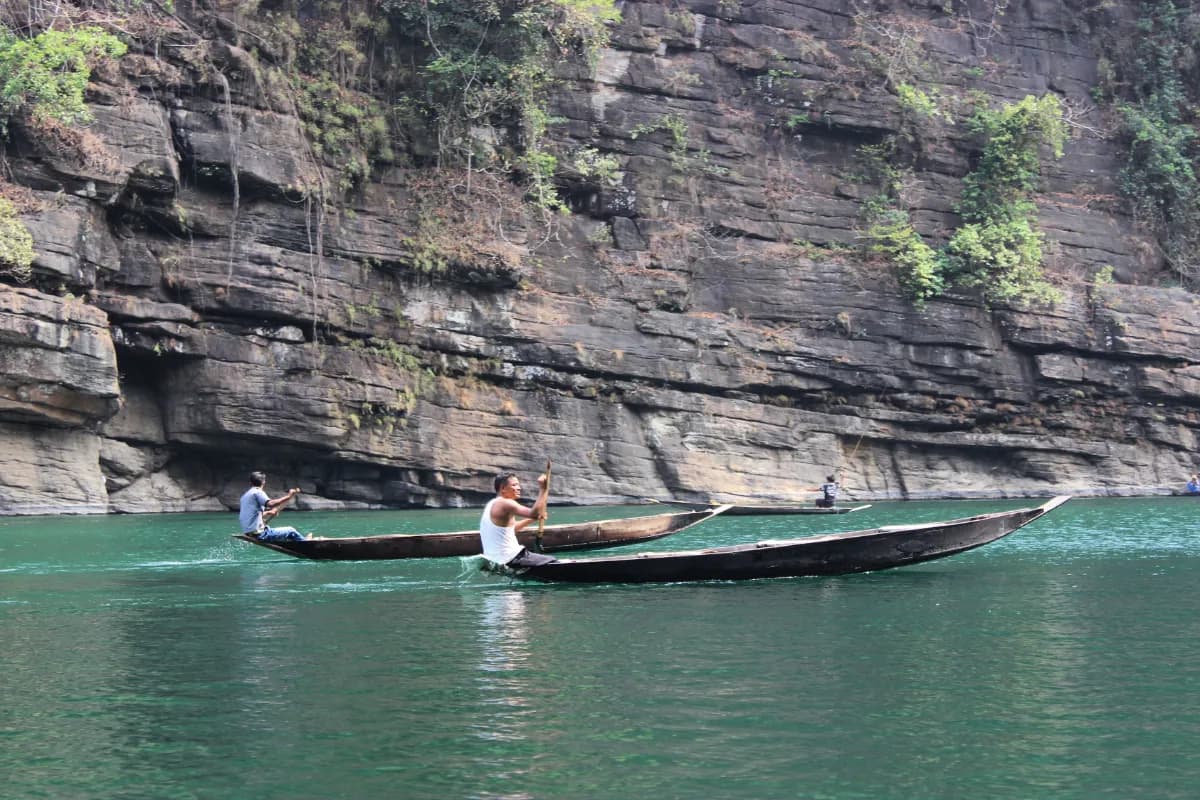
The Myntdu River flows through Jowai in Meghalaya’s West Jaintia Hills district. Known for its crystal-clear water, it sustains the local paddy fields and is vital for the Jaintia tribes. The riverbanks are a favourite spot for picnics and photography. During the monsoon, mist-covered hills and lush greenery enhance its charm, making it a serene retreat for travellers who love untouched corners of the Northeast.
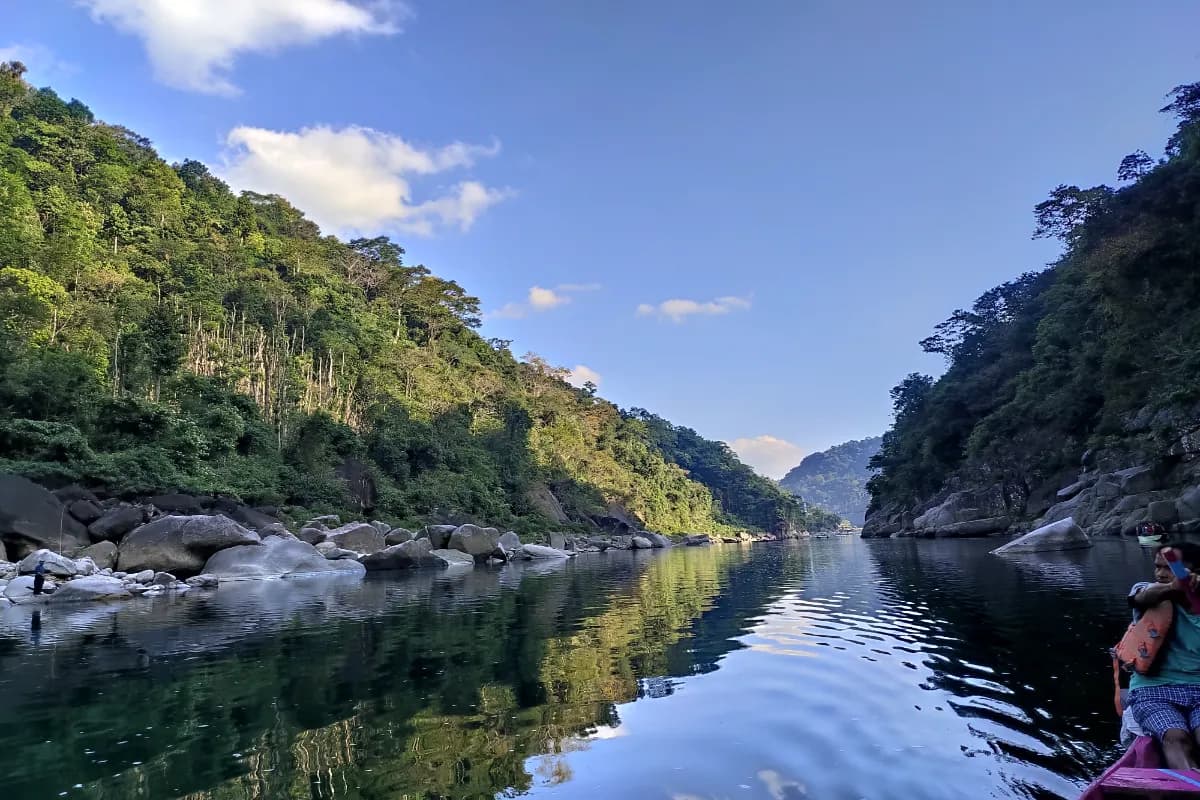
The Tiau River forms the natural boundary between Mizoram in India and Myanmar. It’s not just a border, it’s a bond between cultures. Small villages along both banks maintain friendly exchanges and shared traditions. The Tiau’s clean waters and forested surroundings make it ideal for quiet exploration and cultural immersion. It’s one of the lesser-known Rivers in North East India, but holds great significance in local folklore.
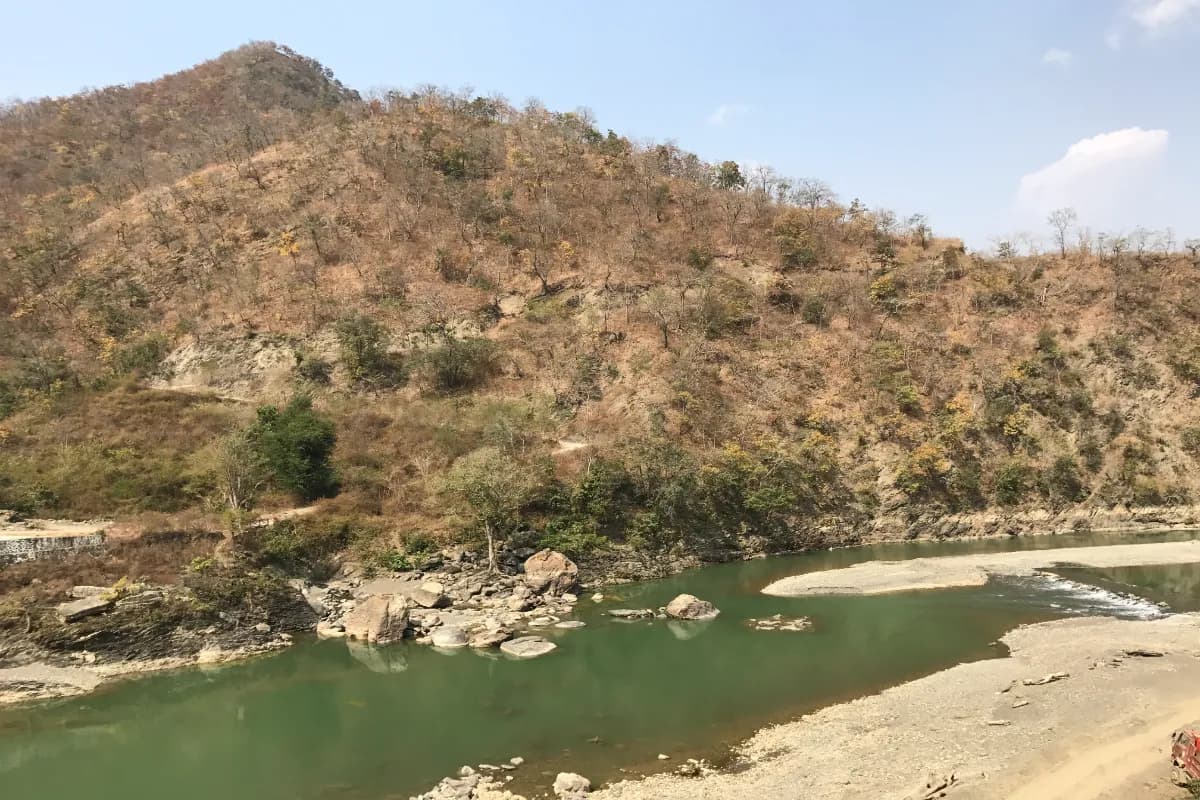
Flowing through the state of Manipur, this river system forms part of the larger Barak basin. The Manipur River nourishes fertile valleys and connects several smaller tributaries. Along its banks, traditional fishing villages and cultural festivals bring life to the region. The calm flow of this river mirrors the harmony between people and nature, a hallmark of North East India’s way of living.
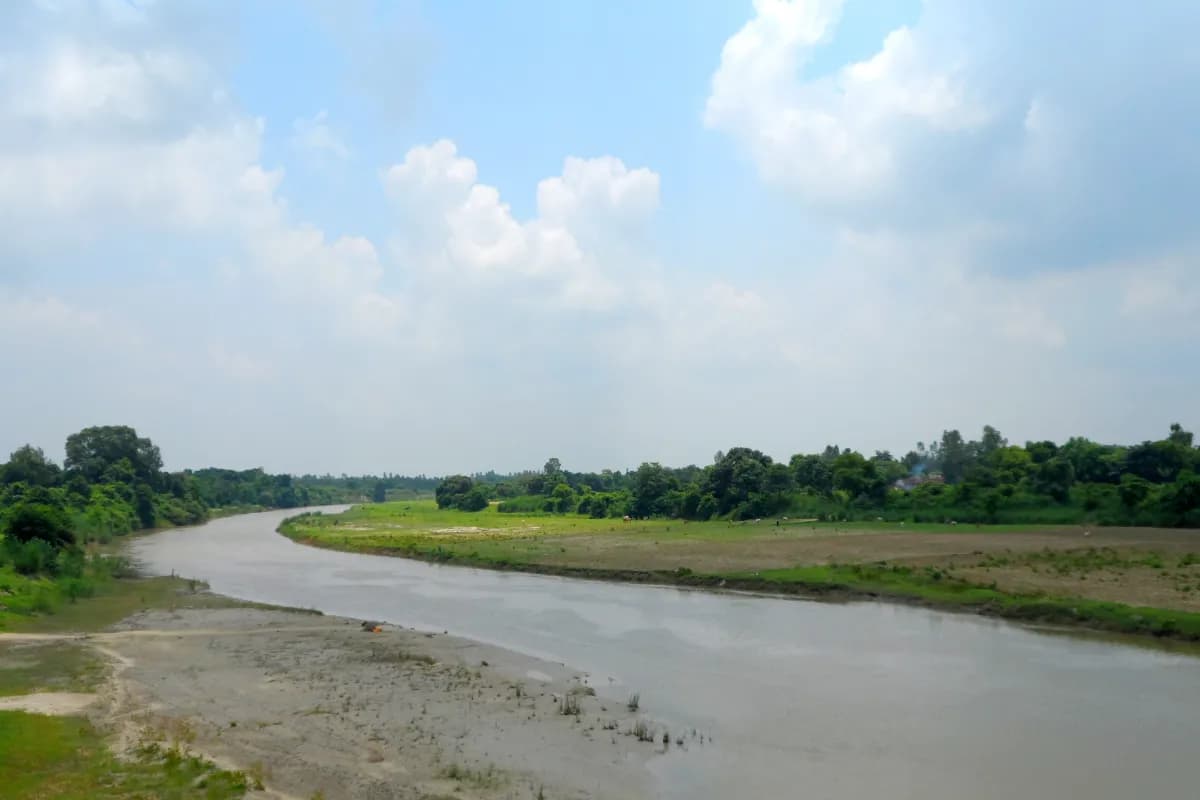
The Gomati River is Tripura’s principal river and a sacred stream in Hindu mythology. Originating from the Debtamura Hills, it flows through Udaipur town, which is famous for the Tripura Sundari Temple along its banks. Pilgrims and travellers alike are drawn to its peaceful setting and spiritual aura. It may not be the longest North East River, but Gomati’s cultural and ecological importance make it an inseparable part of Tripura’s heritage.
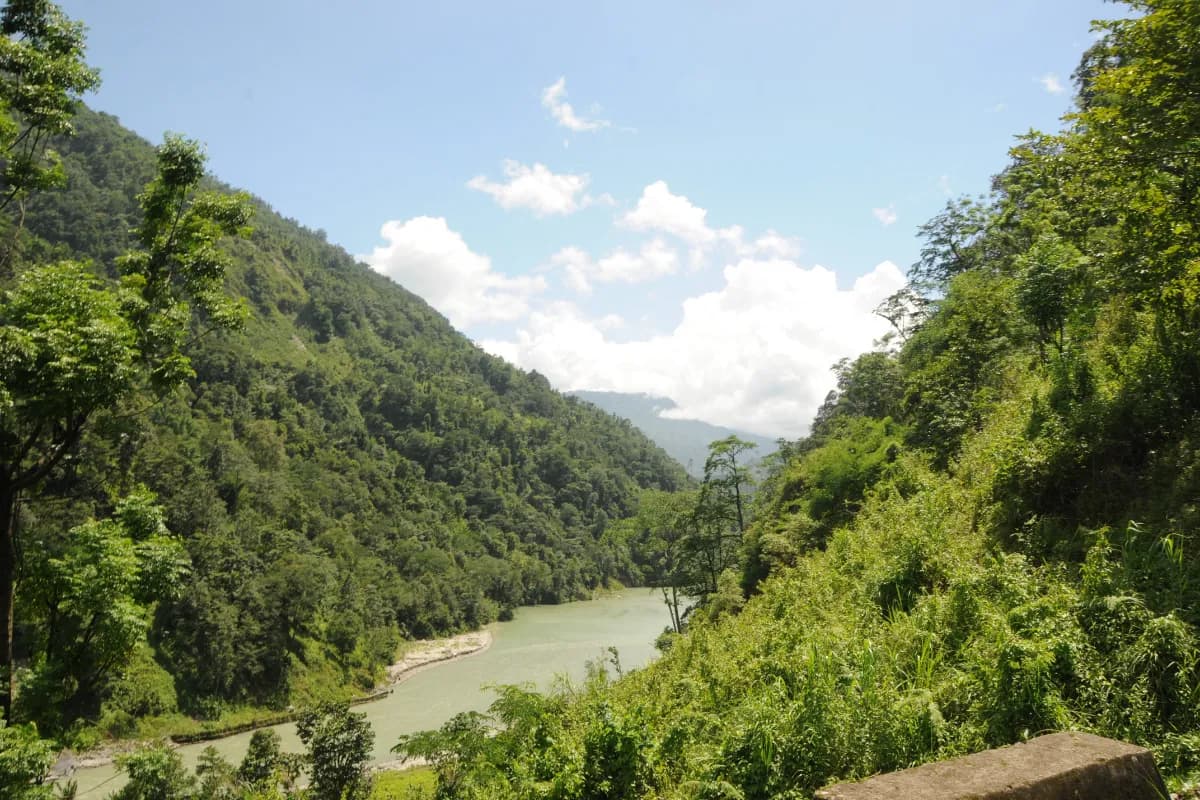
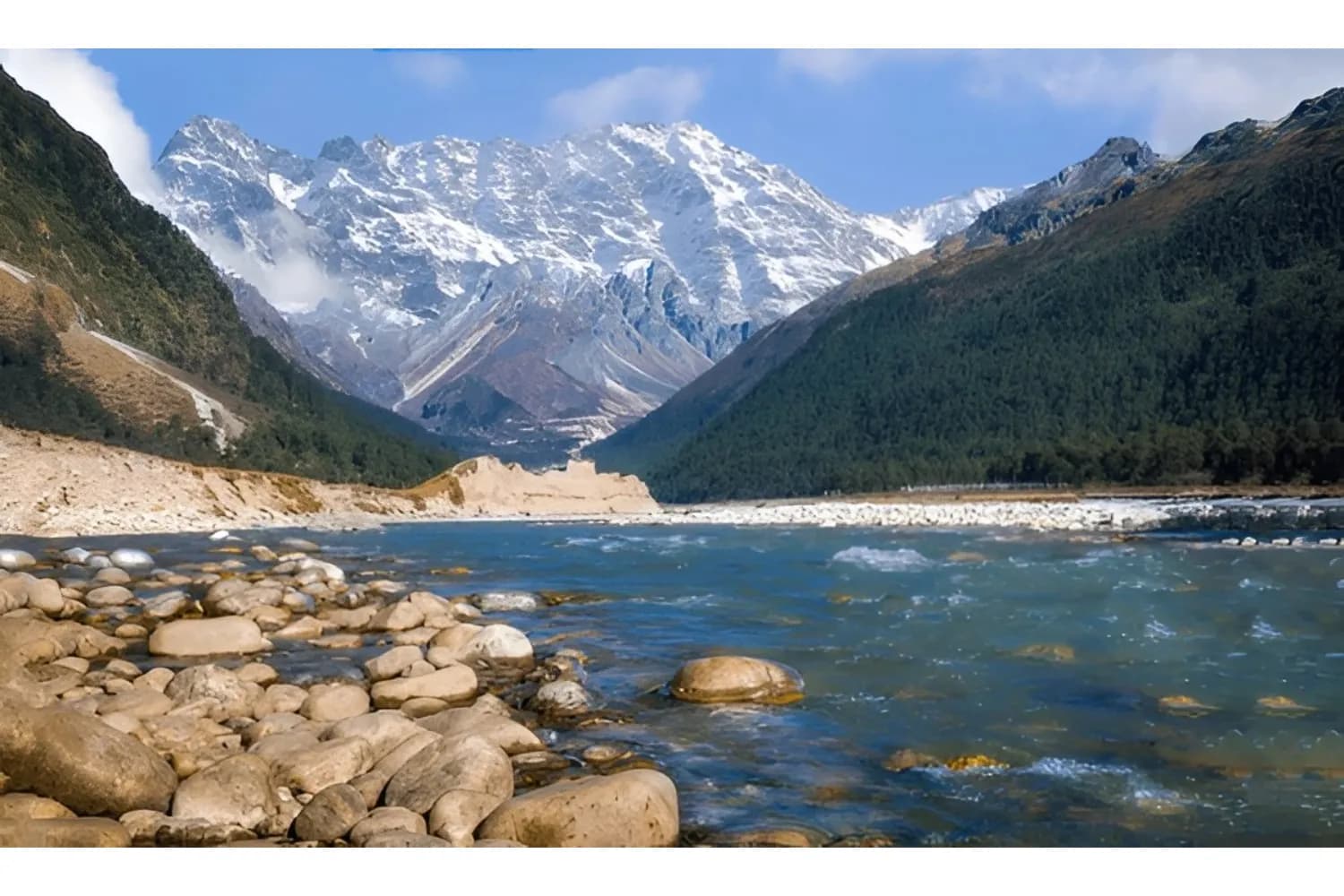
The Rangeet River, or Rangit, originates from the Himalayan glaciers in West Sikkim. As a major tributary of the Teesta, it flows through breathtaking valleys and gorges, forming a natural boundary between Sikkim and Darjeeling. The river is popular for white-water rafting and hiking trails. Its confluence with the Teesta near Melli is one of the most photogenic spots in the region, a true gem for those exploring the waterways of North East India.
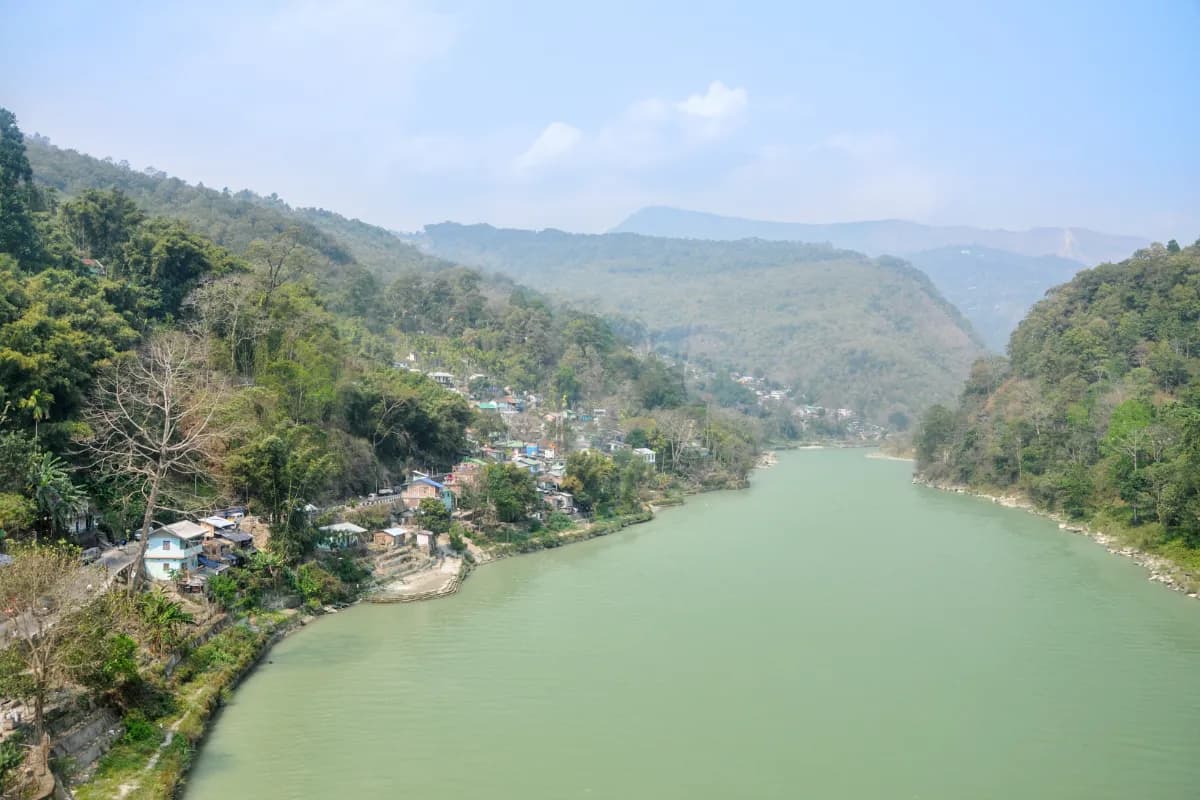
The Teesta River, often called the “lifeline of Sikkim,” originates from the Tso Lhamo Lake in the Himalayas. Its emerald-green waters wind through deep valleys and gorges, dividing Sikkim and West Bengal. The river is famous for white-water rafting and riverside viewpoints like Teesta Bazaar. Flowing alongside tea gardens and pine forests, it’s one of the most scenic Rivers in North East India and a must-see for adventure seekers and nature lovers.
Also Read- Places to Visit in North East India
Must Read- Things to do North East
March 20, 2026
March 20, 2026
March 19, 2026
March 19, 2026
March 19, 2026
The Brahmaputra River flows through Tibet (as Yarlung Tsangpo), Arunachal Pradesh, Assam, and Bangladesh, nurturing millions of lives, fertile plains, and diverse ecosystems throughout its remarkable journey.