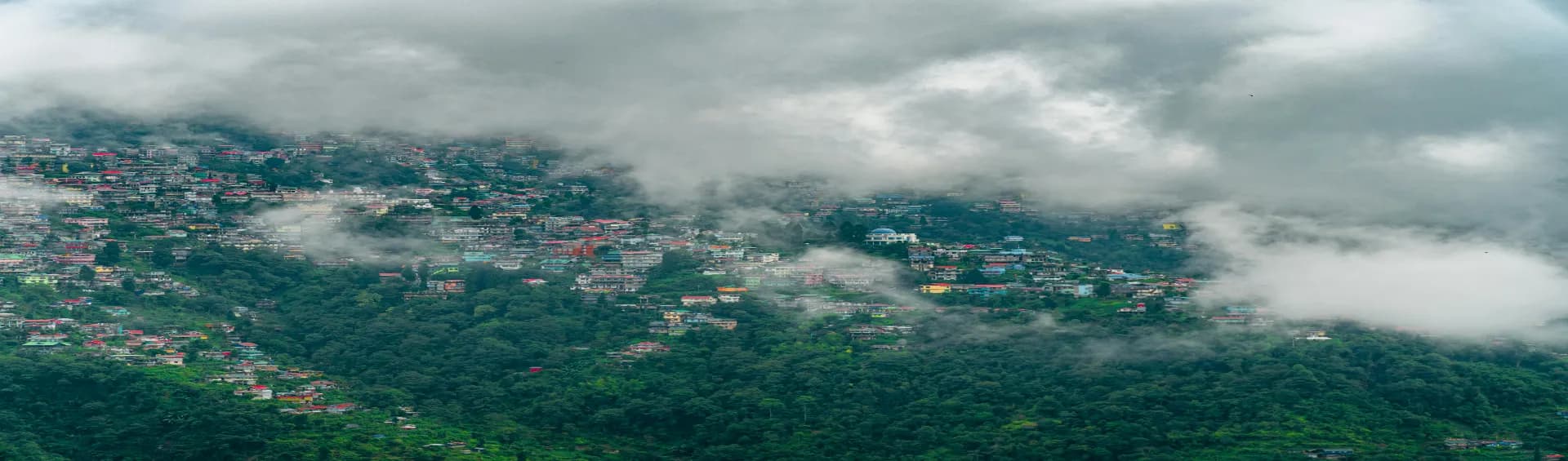

The North East Monsoon in India, also called the Retreating Monsoon, is an important weather phenomenon affecting mainly the southern and southeastern parts of the country. It brings rainfall from October to December, influencing states like Tamil Nadu, Puducherry, Kerala, Andhra Pradesh, and Karnataka.
While the South West Monsoon covers most of India between June and September, the North East Monsoon is unique because it provides nearly 50–60% of Tamil Nadu’s annual rainfall. This period plays a vital role in supporting agriculture, filling reservoirs, and bringing relief after the long summer months.
₹49,999
per person
₹26,999
per person
₹46,999
per person
₹33,999
per person
If you are planning to explore South India during this time, you should go there with the North East Tour Packages. You’ll witness clear skies after rain, lush fields, and cooler weather, though it’s wise to stay prepared for occasional storms and heavy showers. The perfect destination for solo traveling or with family trip.
The North East Monsoon in India marks the retreat of the South West Monsoon, as winds reverse direction and blow from the northeast to the southwest. These winds carry moisture from the Bay of Bengal, bringing rainfall to the southeastern coast and playing a key role in determining the best time to visit north east. Here’s what you can expect during this season:
While the rainfall helps agriculture and water storage, it can also cause temporary disruptions like flooding and road blockages in some regions.
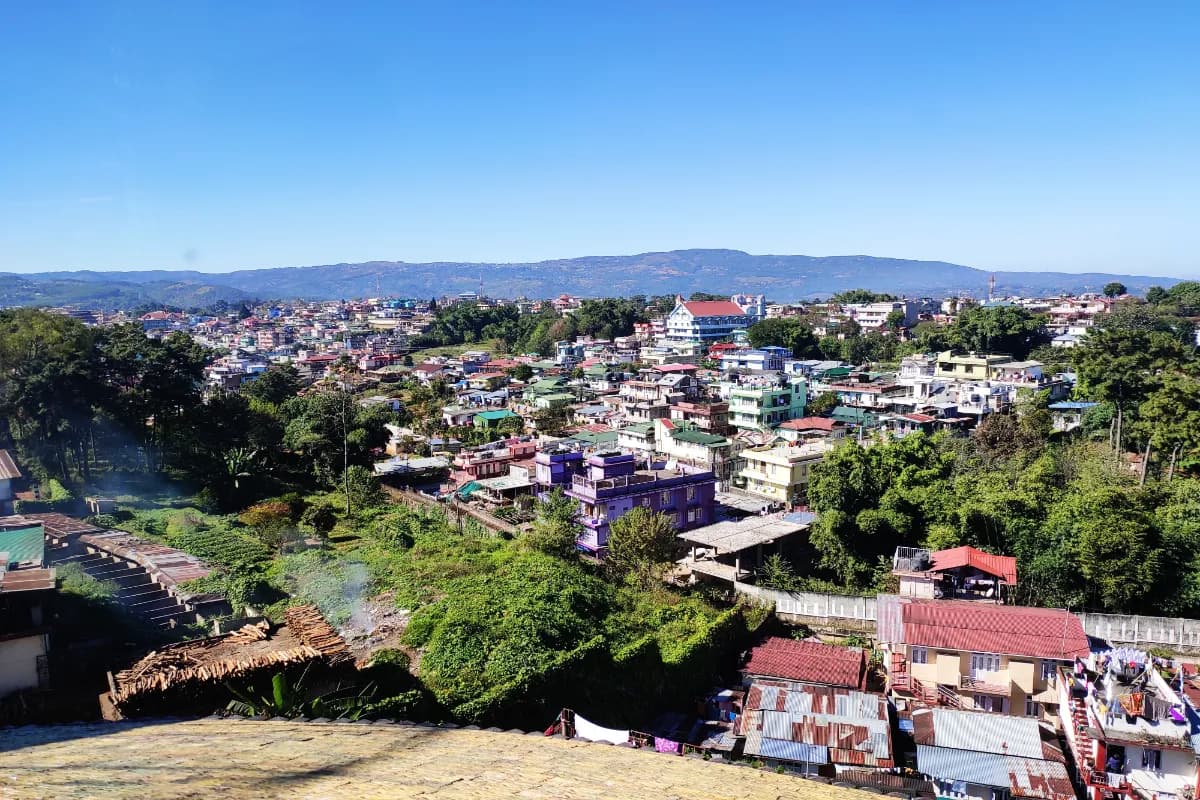
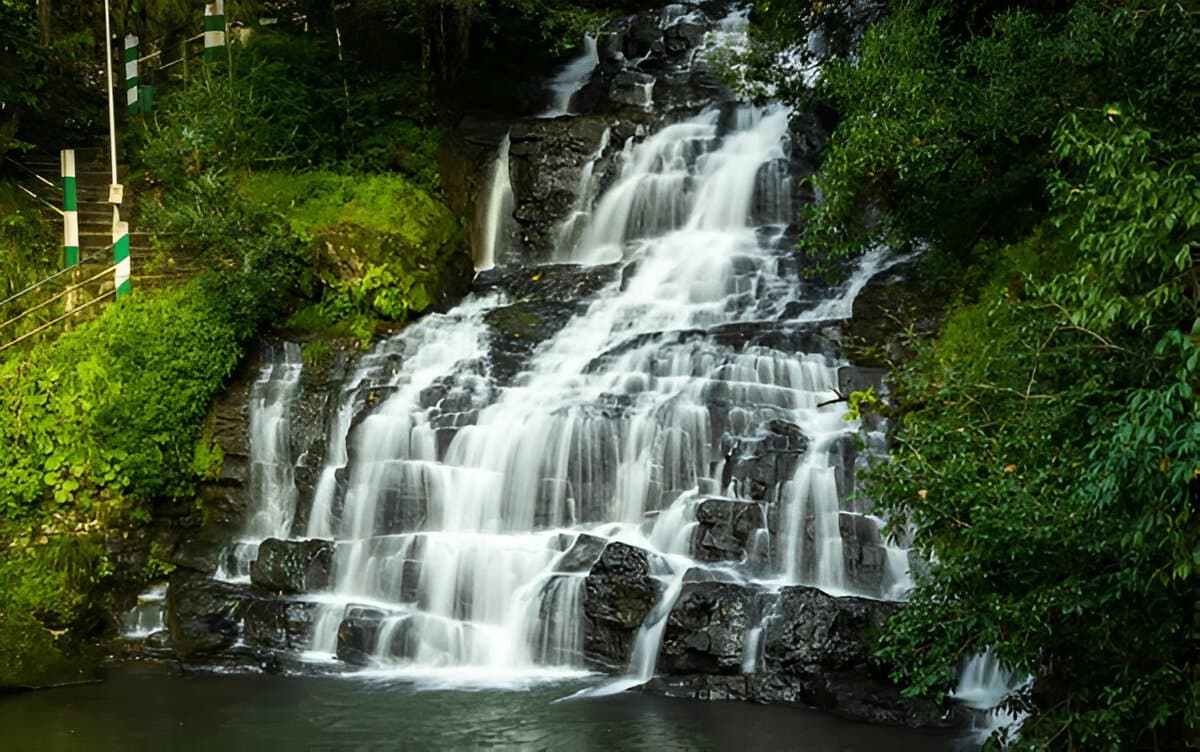
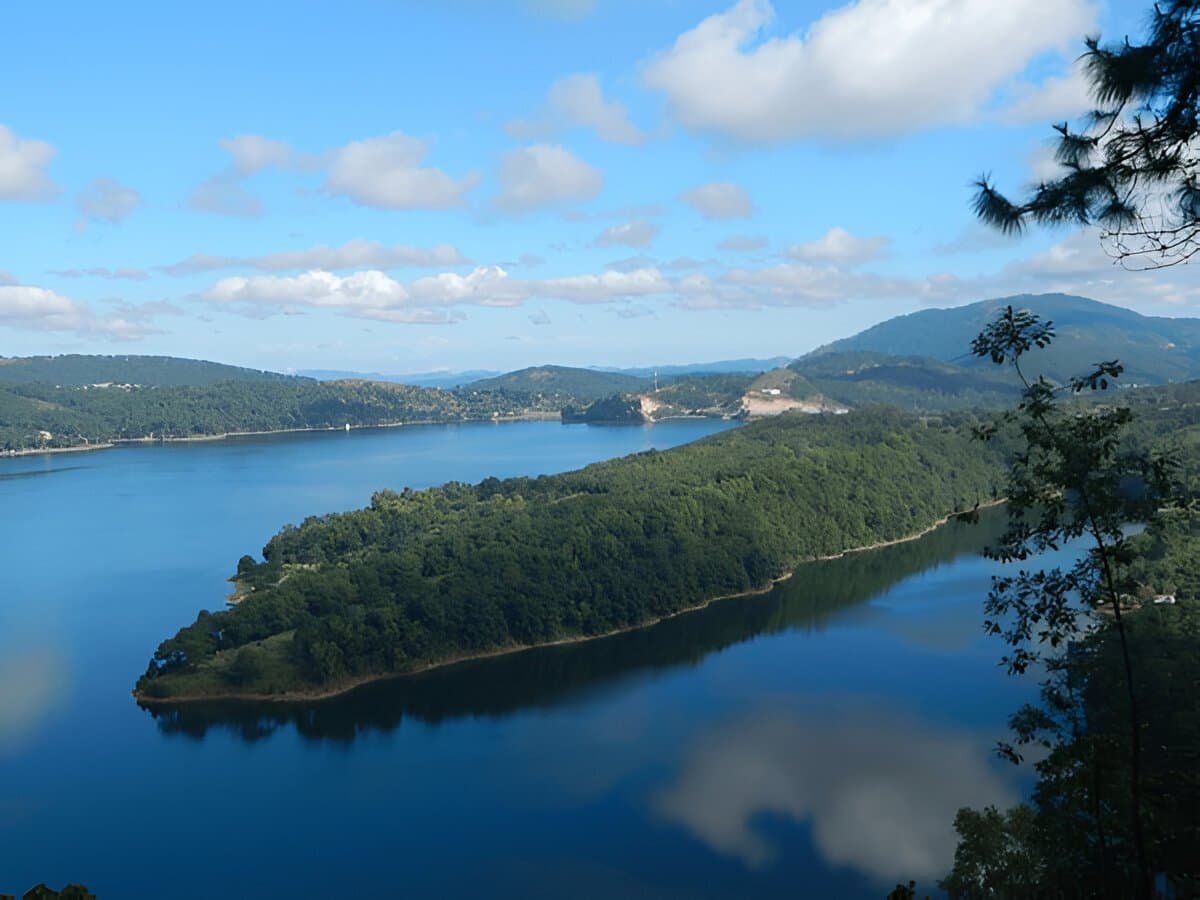
Known as the “Scotland of the East,” Shillong looks magical during the North East Monsoon in India. Lush green hills, misty valleys, and cascading waterfalls like Elephant Falls and Bishop Falls make it a paradise for nature lovers. The light rain adds charm to the pine-covered slopes, and the cool weather makes sightseeing very pleasant.
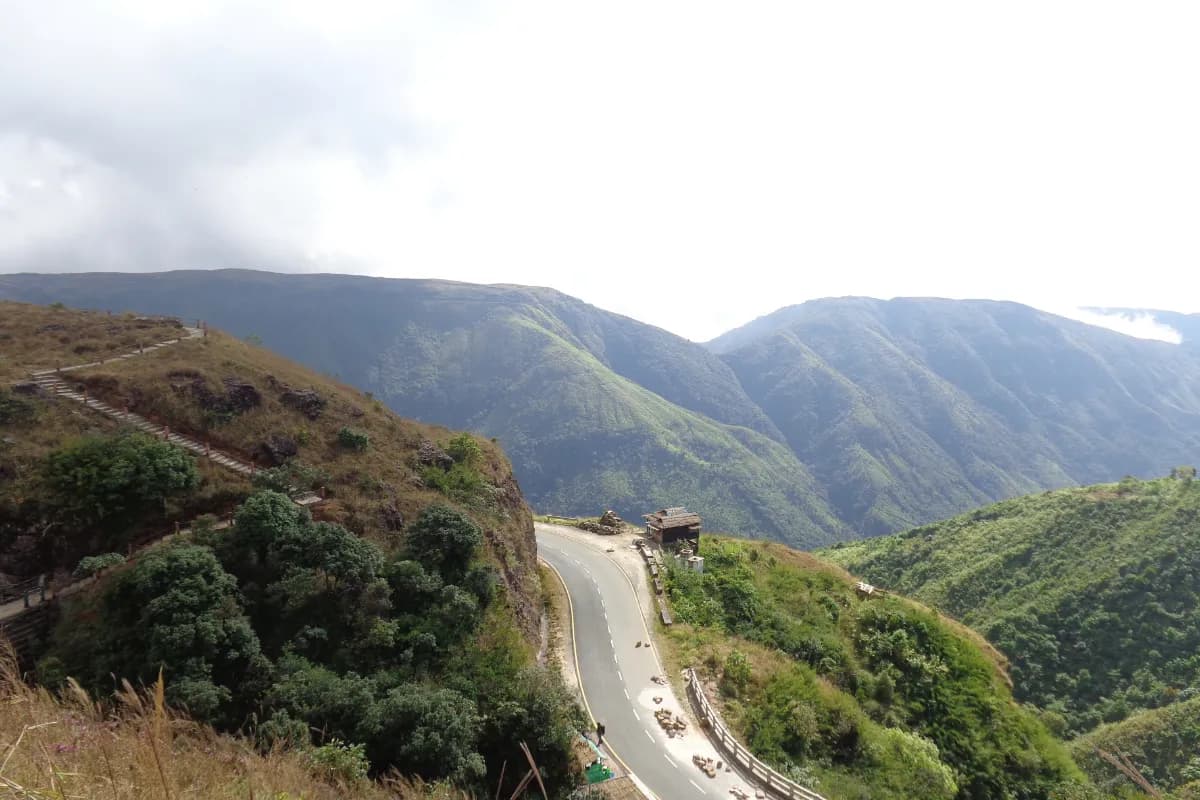
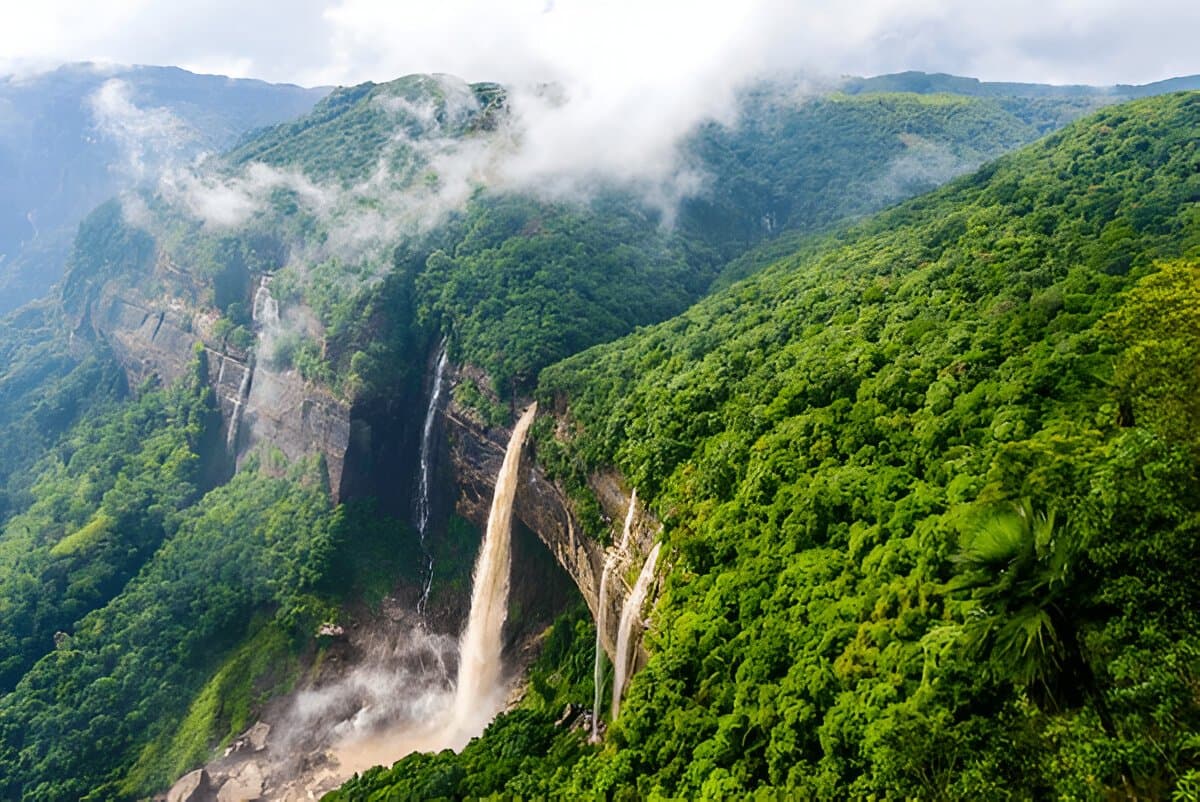
Famous for being one of the wettest places on Earth, Cherrapunji is a must-visit during the monsoon. The region turns into a green wonderland with powerful waterfalls like Nohkalikai Falls and Seven Sisters Falls. You can explore the unique living root bridges, caves, and enjoy breathtaking views of clouds and valleys.
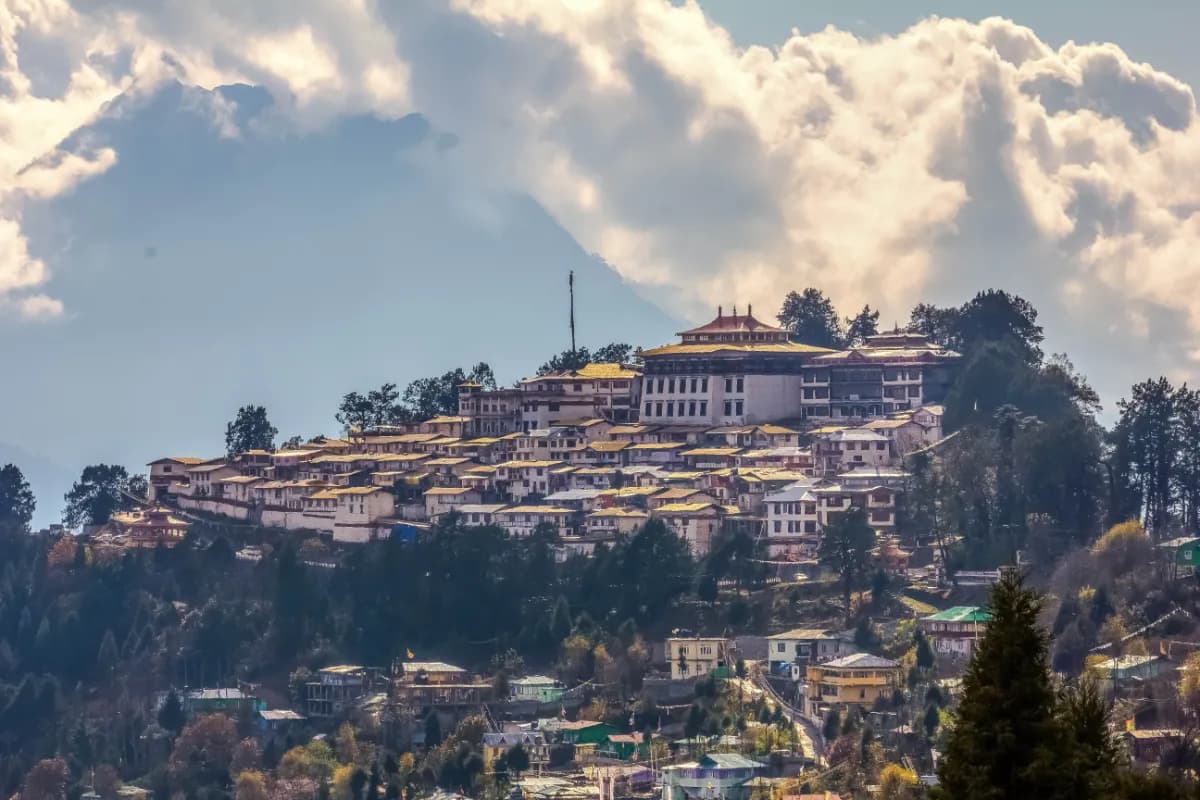
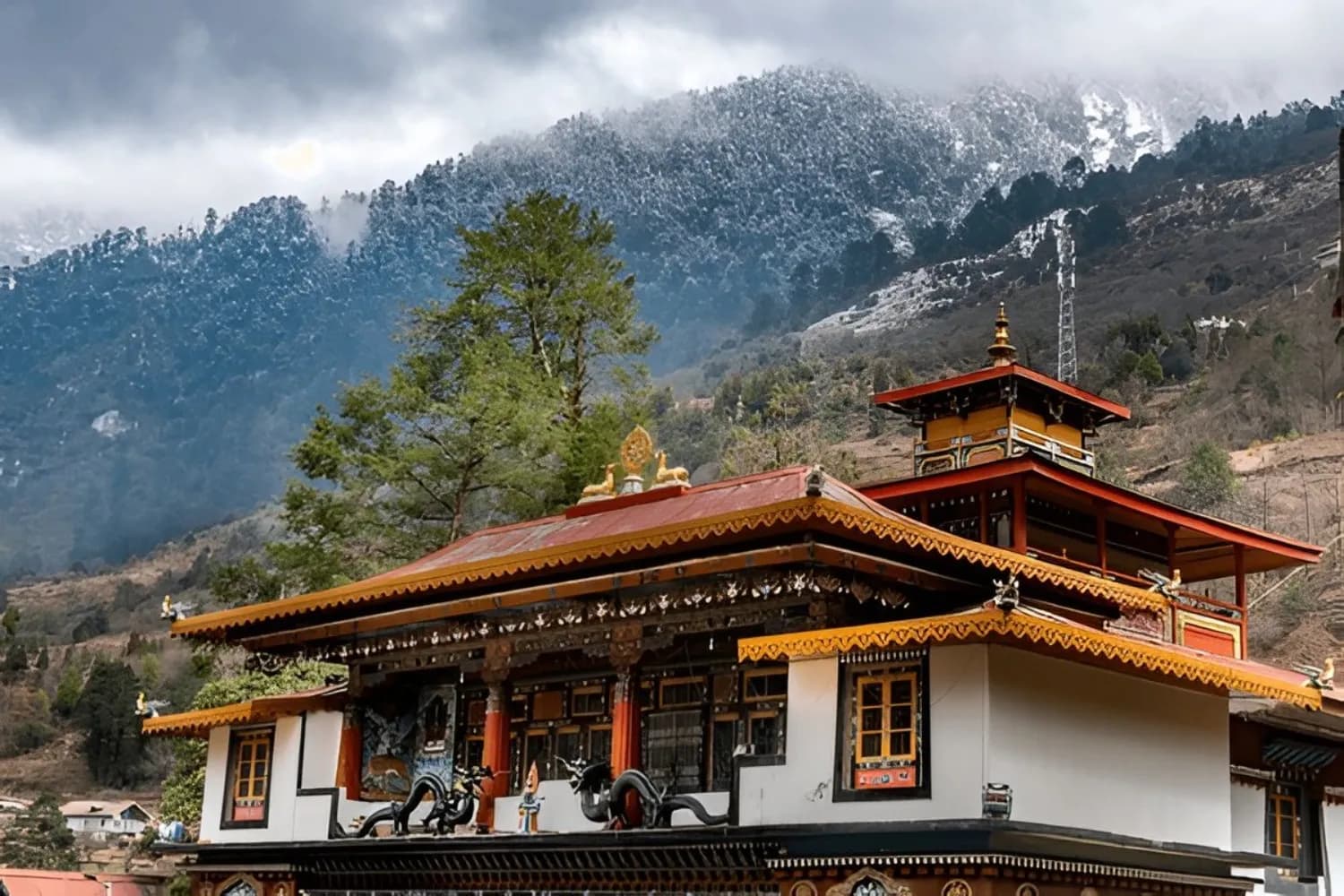
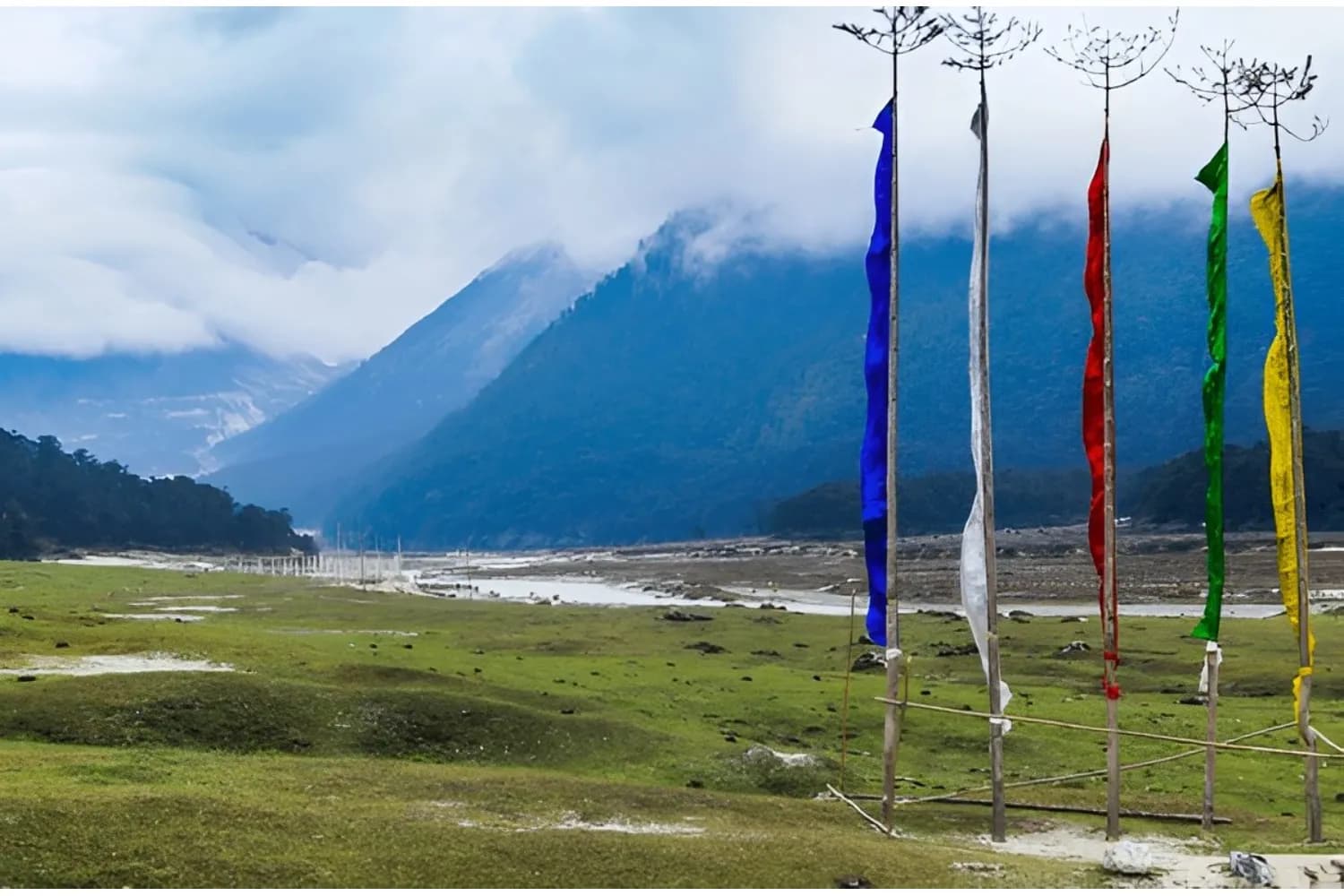
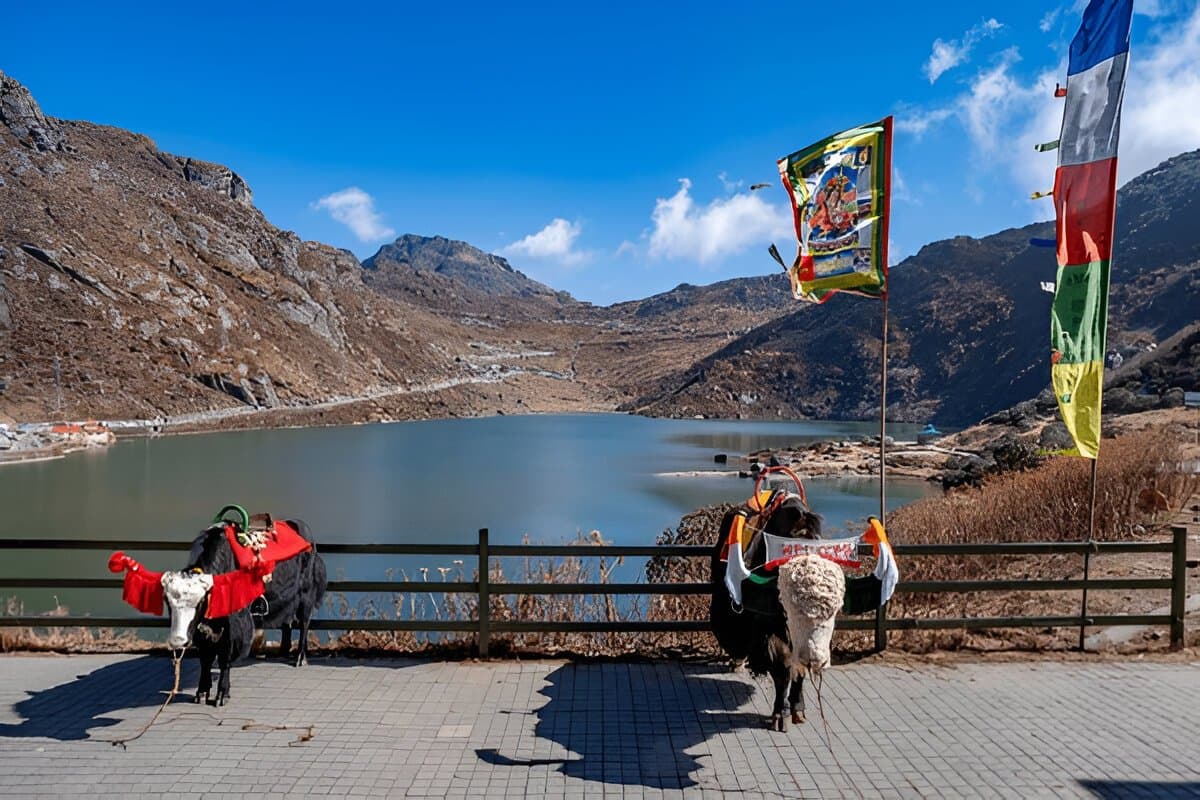
Tawang becomes a peaceful and scenic destination during the North East Monsoon in India. The mountains turn lush green, and small streams flow alongside the roads. The Tawang Monastery, one of the largest in India, looks even more beautiful in the mist. Though rain is frequent, it makes the landscape feel calm and pure.
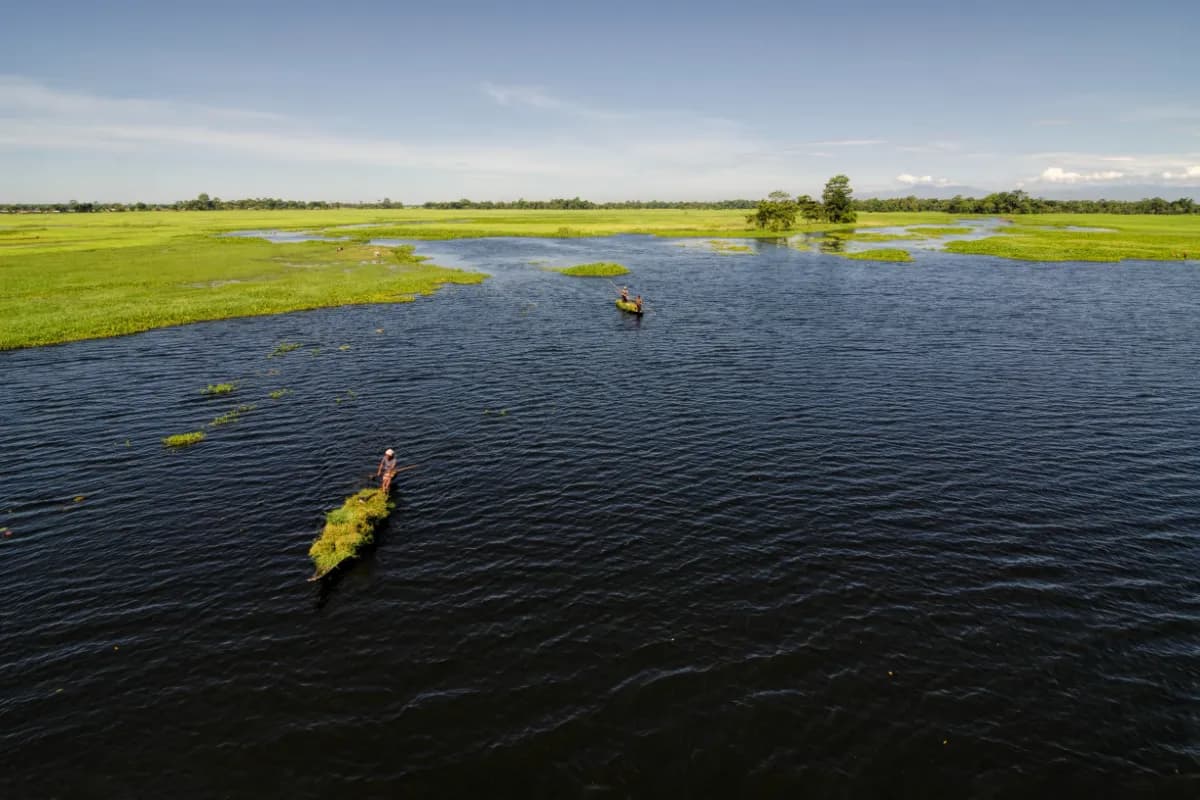
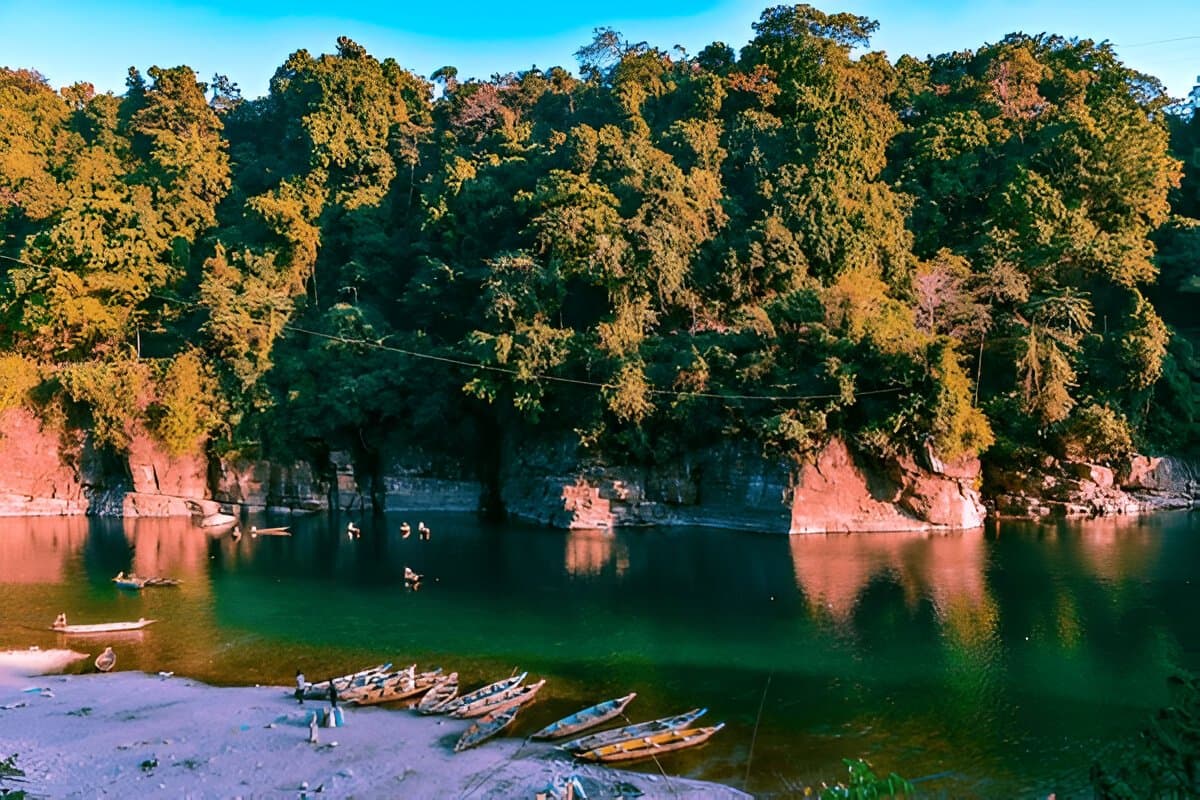
Majuli, the world’s largest river island, is a charming place to visit in the rainy season. Located on the Brahmaputra River, it becomes alive with green fields, village festivals, and traditional dance performances. Tourists can enjoy ferry rides, visit ancient monasteries, and experience Assamese culture up close.
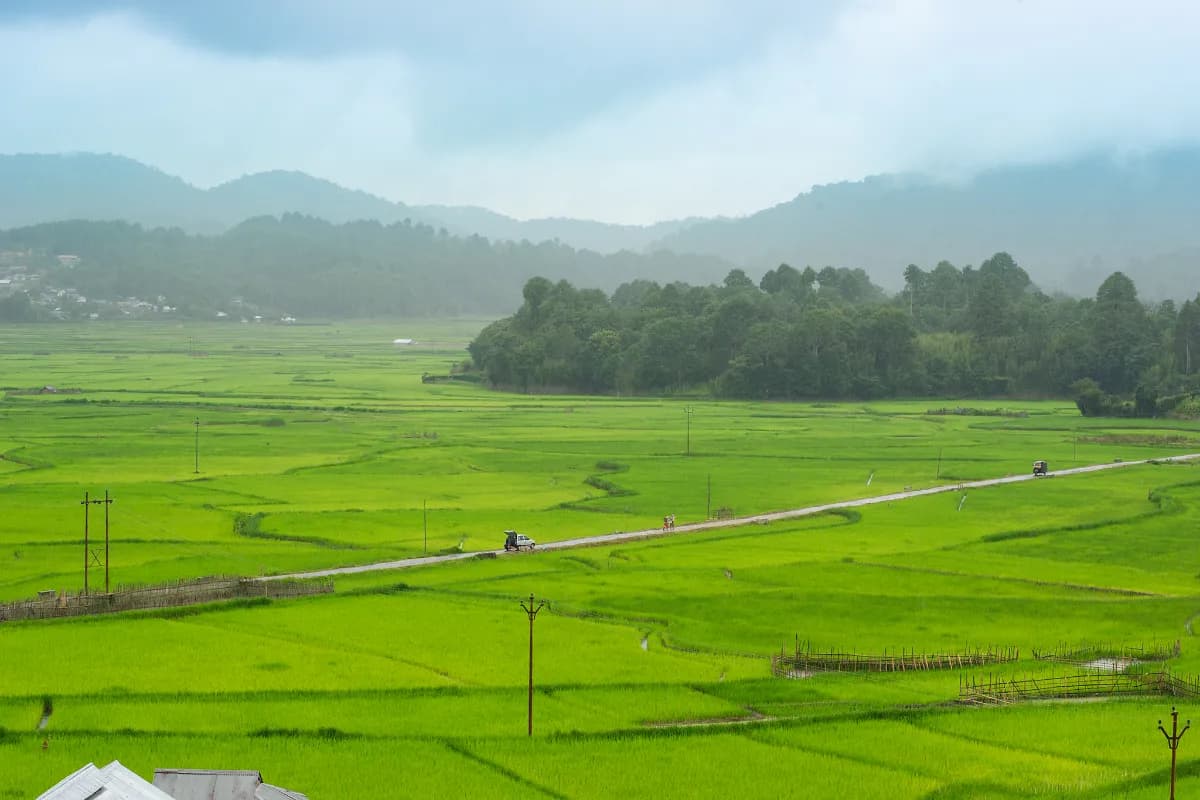
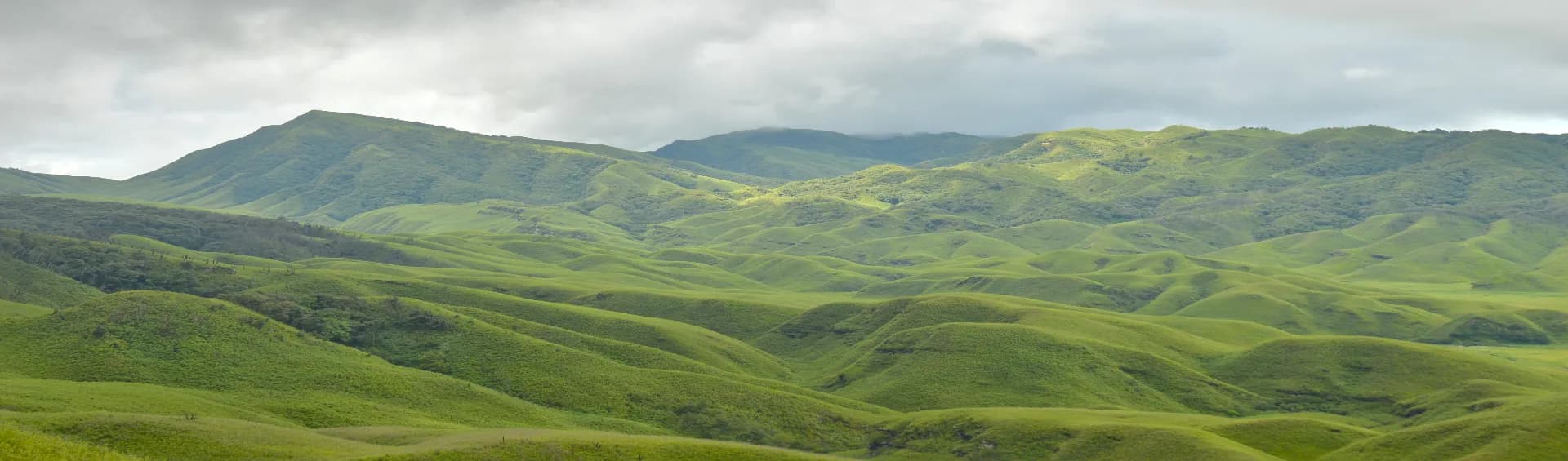
Ziro Valley is known for its rolling green fields and pine-covered hills, especially during the North East Monsoon in India. The valley shines with beauty and peace, and it’s home to the Apatani tribe, famous for their unique culture and traditional lifestyle. The gentle rain creates a perfect setting for photography and quiet nature walks.

Though partly closed during heavy rains, Kaziranga National Park remains one of the most beautiful spots in Assam. The monsoon brings new life to the grasslands and wetlands. You can still see wild elephants, deer, and colorful birds around the edges of the park. The lush scenery and calm rivers are perfect for nature lovers.
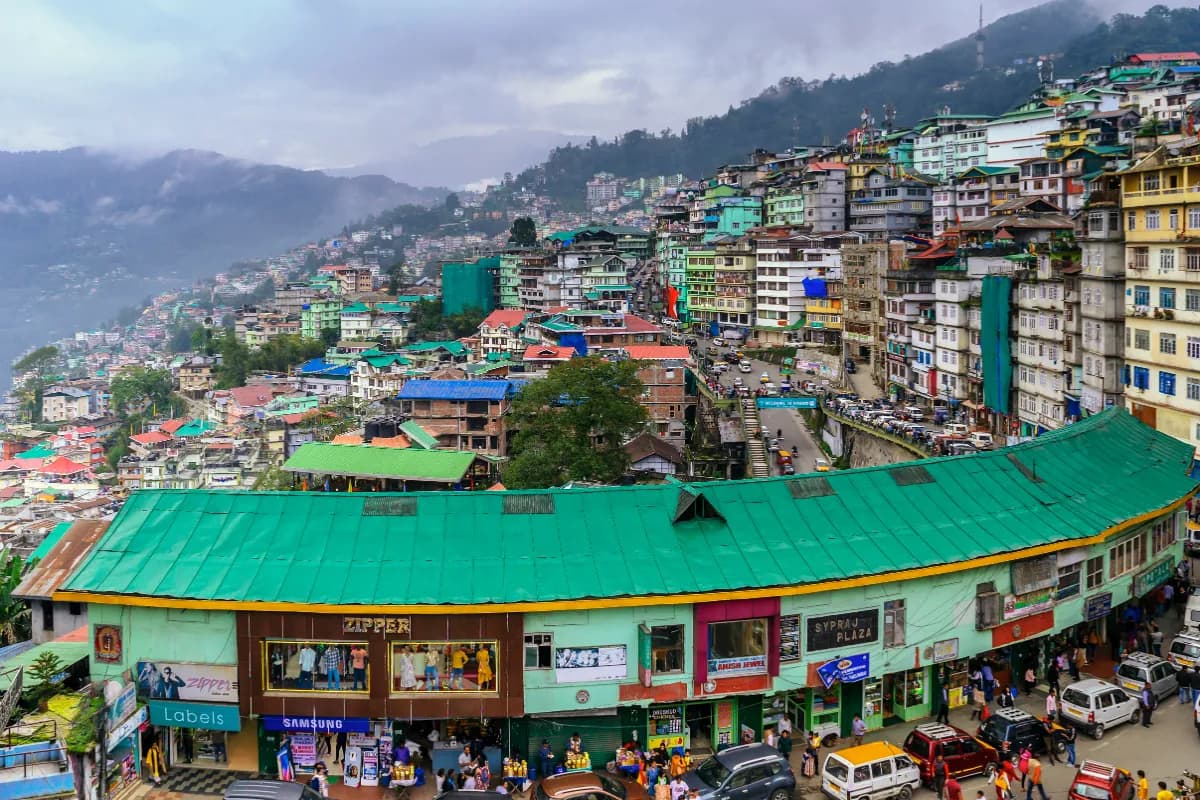
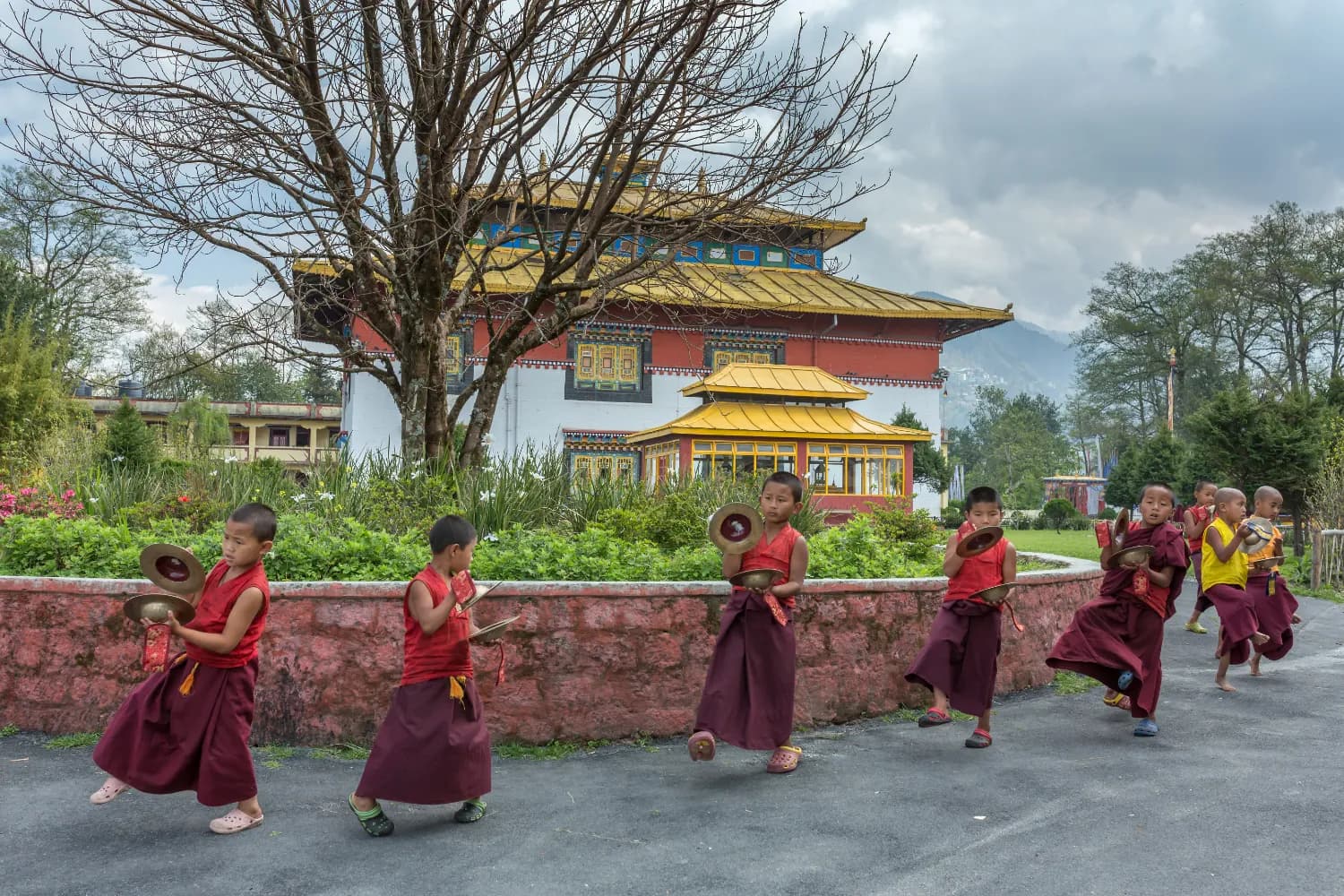
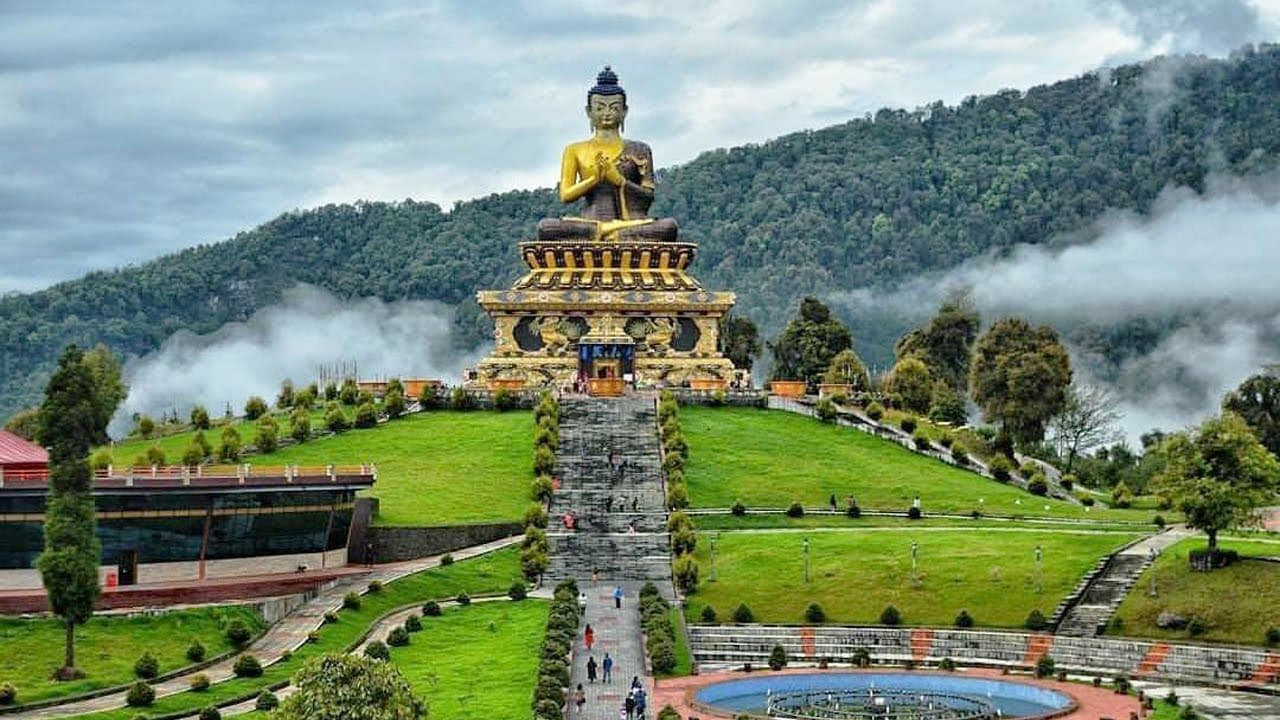
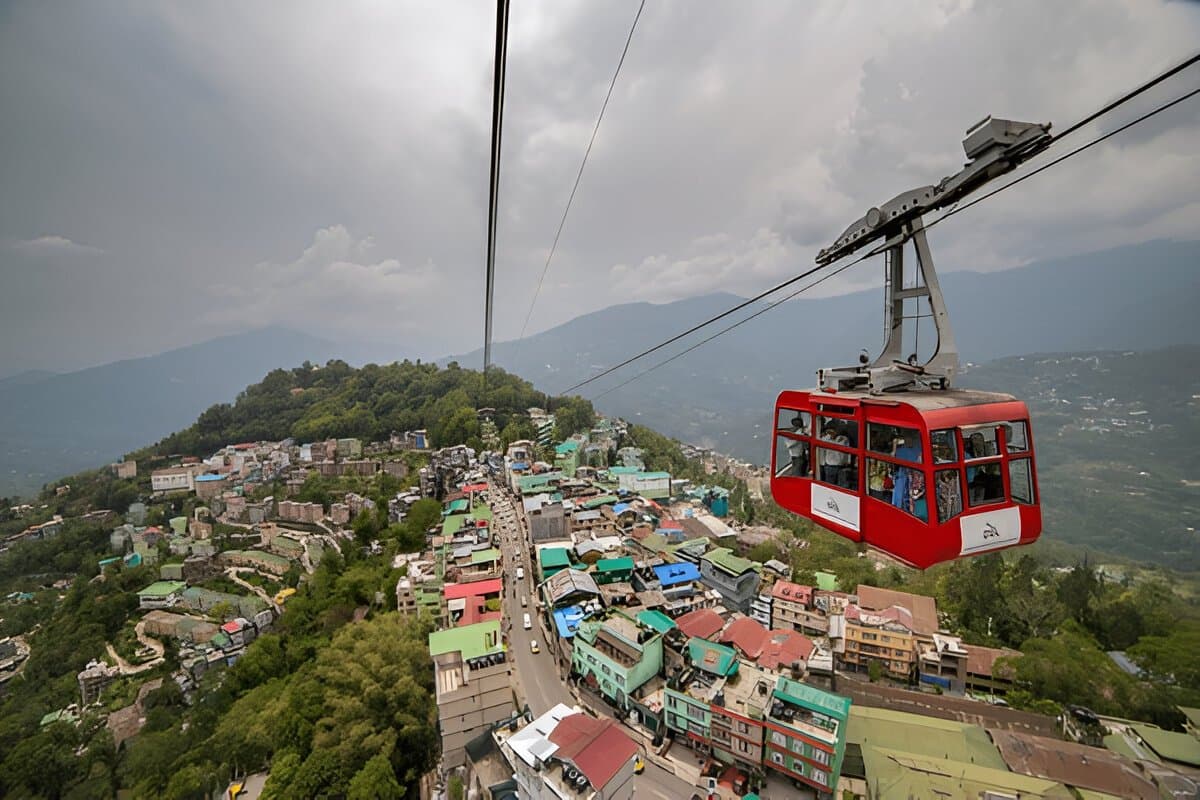
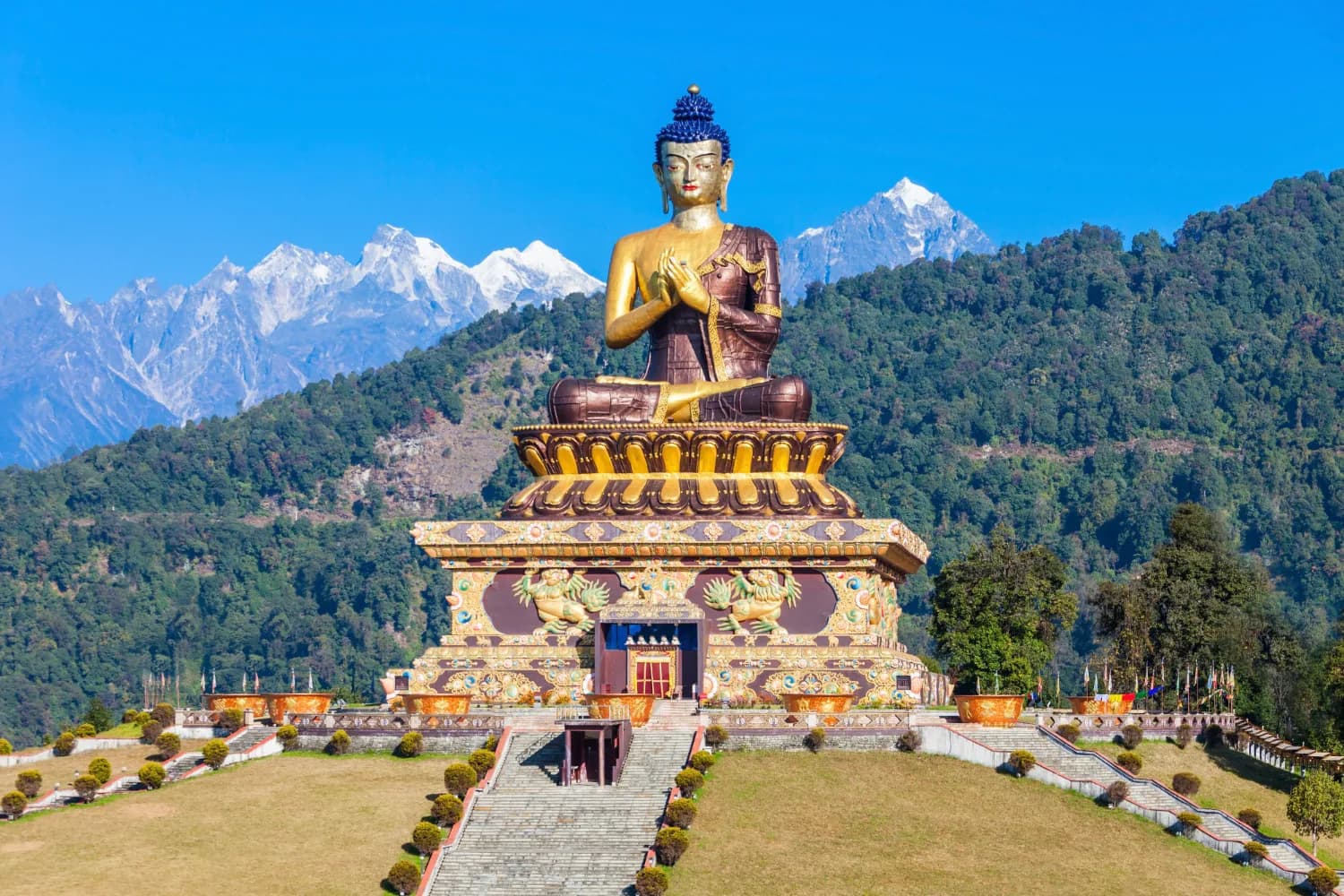
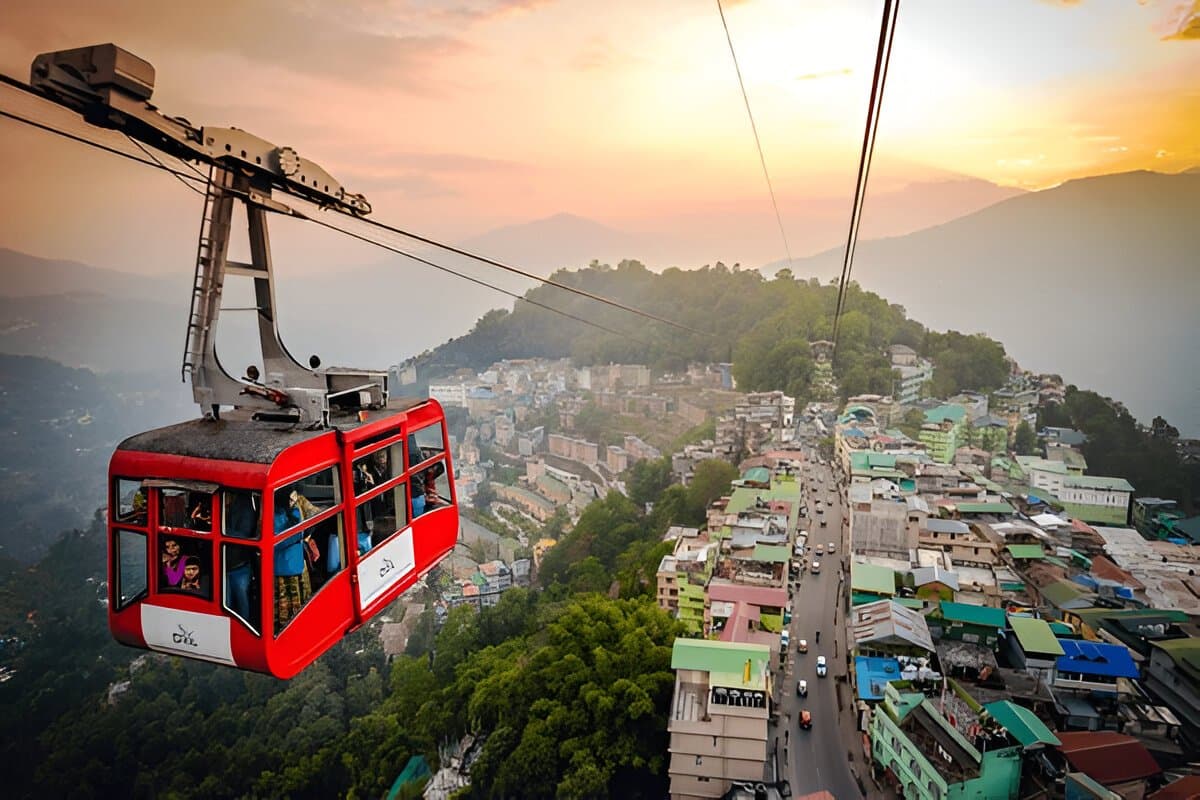
Gangtok, the capital of Sikkim, looks stunning during the North East Monsoon in India. The city’s hills turn lush green, and the misty atmosphere adds a romantic touch. You can visit monasteries like Rumtek, enjoy tea at cozy cafes, and watch waterfalls flowing along the roads. The rain makes the city calm and peaceful.
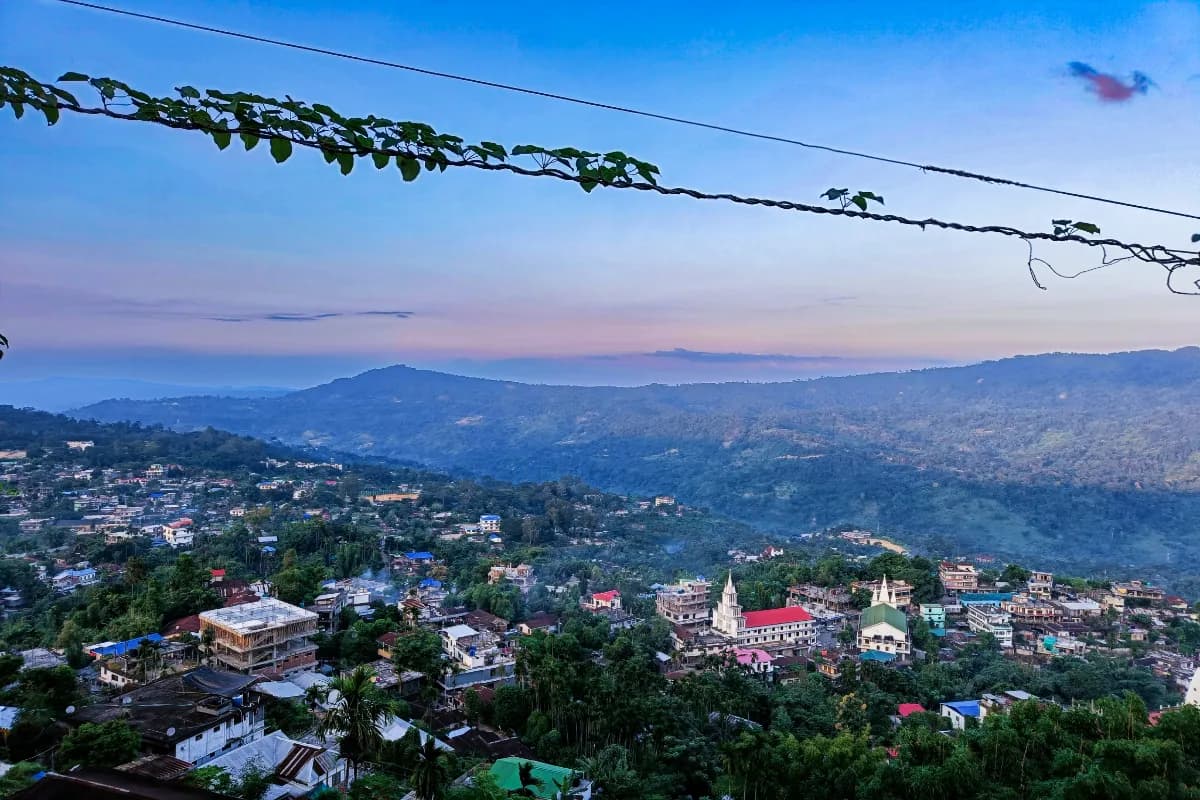
Haflong, known as the “Switzerland of the East,” is the only hill station in Assam. During the monsoon, its hills turn bright green, and the Haflong Lake becomes crystal clear. Tourists can go boating, enjoy local food, and relax in the quiet surroundings. The cool breeze and light rain make it soothing.
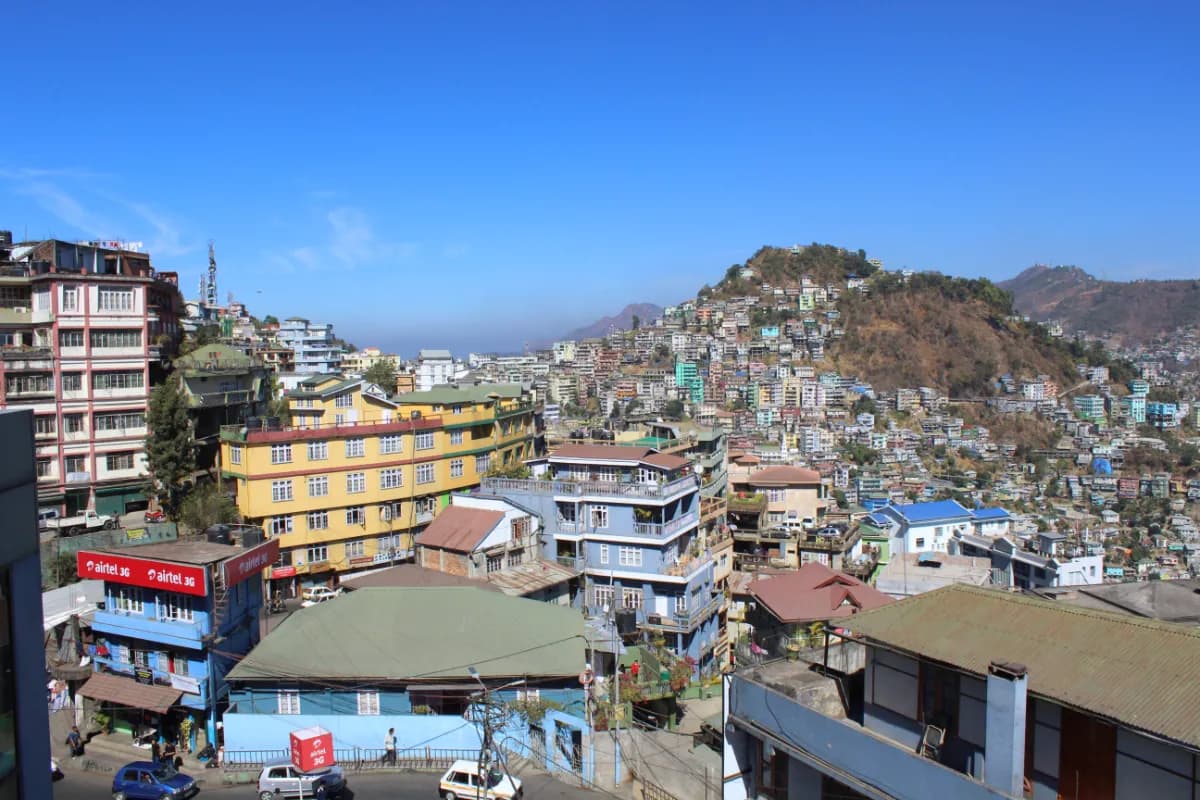
Aizawl offers a wonderful mix of culture and nature, especially during the North East Monsoon in India. The hills around the city turn misty and green, while colorful houses and local markets add charm. Visitors can explore nearby waterfalls, taste Mizo cuisine, and enjoy a peaceful escape from busy city life.
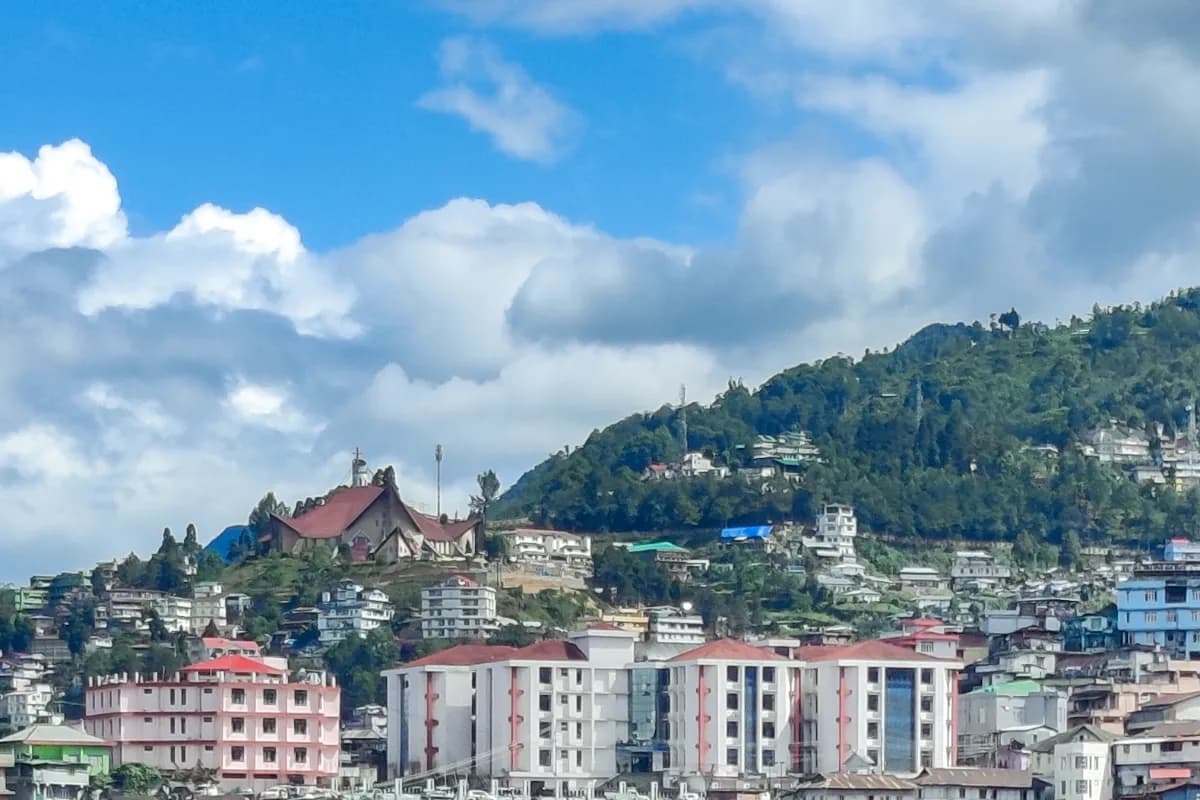
Kohima, surrounded by forested hills, looks beautiful in the rainy season. The monsoon refreshes the green landscape and fills rivers and streams with fresh water. Tourists can visit war memorials, explore Naga villages, and experience the simple mountain lifestyle. The misty mornings make it a perfect spot for photography and relaxation.
If you plan to travel during this season, here are a few safety measures and tips to ensure a comfortable journey:
Also Read- Places to Visit in North East India
Must Read- Things to do North East
The North East monsoon in India occurs between October and December. During this time, cool, dry winds blow from the northeast direction and bring rainfall mainly to the southern parts of the country, especially along the east coast.
The state of Tamil Nadu receives the maximum rainfall from the Northeast monsoon. Other states like Andhra Pradesh, Kerala, and Karnataka also get some rain during this season, but Tamil Nadu depends on it the most.
The Northeast monsoon is also known as the Retreating Monsoon or Winter Monsoon. It is called so because it occurs when the southwest monsoon withdraws from most parts of India.
There are two types of monsoon in India, the Southwest Monsoon (June to September) and the Northeast Monsoon (October to December). Both play an important role in India’s climate and agriculture.
The Northeast monsoon is caused when the high-pressure area develops over the cold Asian landmass, pushing dry winds toward the low-pressure area over the Bay of Bengal. These winds pick up moisture and bring rain to southern India.
March 20, 2026
March 20, 2026
March 19, 2026
March 19, 2026
March 19, 2026