

Bhutan Tour Packages From Rajkot
A Bhutan tour package from Rajkot helps you move from vague plans to a clear, organised holiday in the Himalayas. I am here to help you with flights, Bhutan permits, hotel selection, airport transfers, and tours across key cities like Thimphu, Paro, and Punakha. You get structured itineraries, transparent pricing, and written inclusions, so there are no surprise costs on arrival. Many travellers worry about hidden charges, fake itineraries, last minute cancellations, and poor hotel standards. I address these by using verified local partners, documented confirmations, and step by step trip plans that you can review in advance.
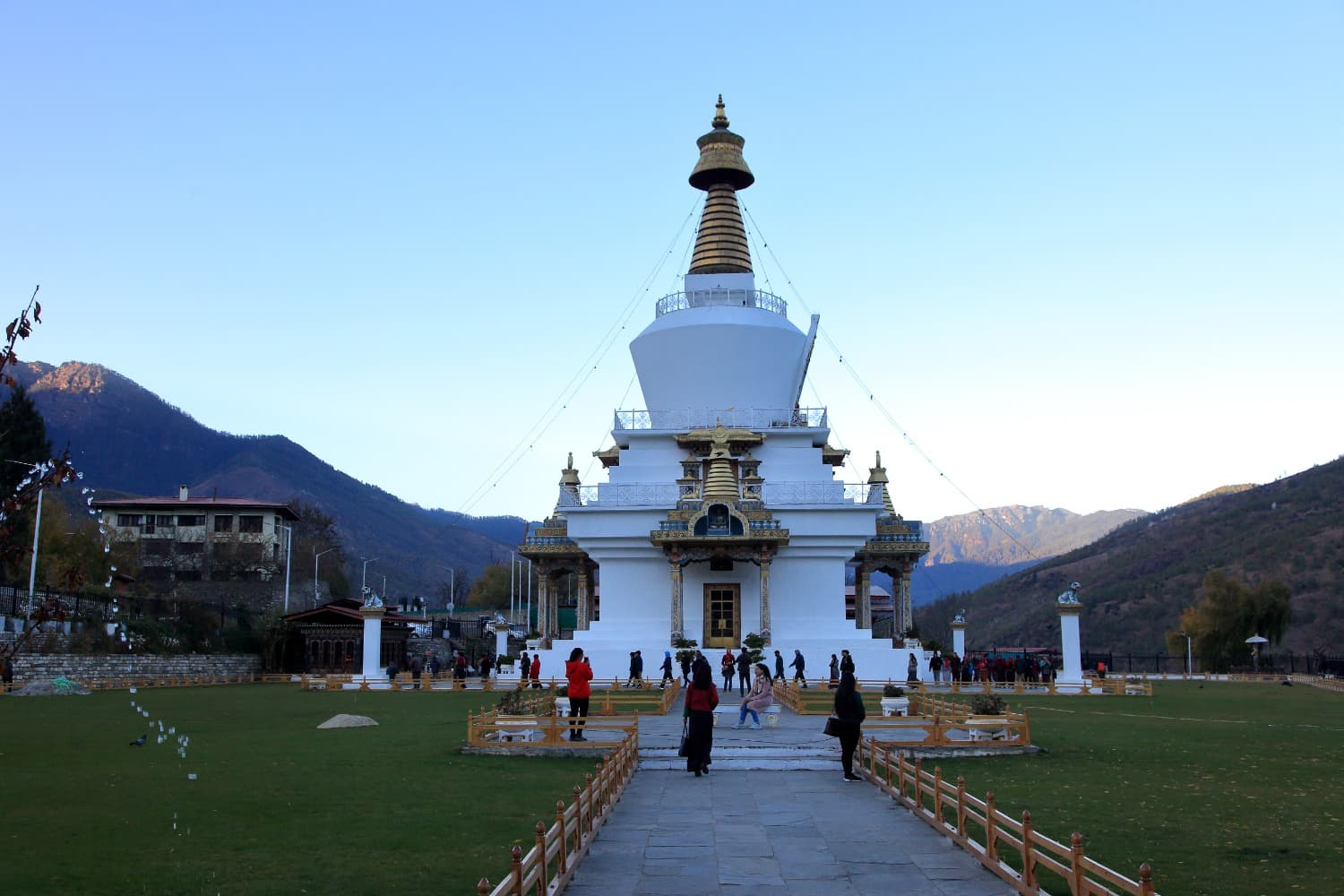
Bhutan attracts professionals, families, and couples who want culture, calm landscapes, and a digital detox without chaos. The country offers monasteries, forested valleys, rivers, and traditional villages. Major attractions include Tiger’s Nest Monastery, Buddha Dordenma, Punakha Dzong, and scenic mountain viewpoints. I help you balance sightseeing and free time, so the trip feels relaxed, not rushed. Secure online payment options, clear refund rules, and on-trip assistance reduce stress and build trust. You focus on experiences while I take responsibility for logistics and local coordination.
Best Time To Visit Bhutan
The Best Time to Visit Bhutan is usually from March to May and September to November. These months offer pleasant weather that is suitable for city walks, monastery visits, and valley views. Spring brings blooming landscapes and clearer skies, while autumn often has crisp air and comfortable temperatures. Winter can be cold, especially in higher regions, and the monsoon months may see clouds and rain, which can limit views and outdoor experiences.
- Peak Season: Spring and autumn months, popular for clear views, festivals, and comfortable weather. Advance booking is advisable because hotels and flights see higher demand.
- Shoulder Season: Late winter and early monsoon, suitable for value seekers who want fewer crowds and flexible plans, while still enjoying key cultural sights.
- Waning Season: Mid monsoon and the coldest winter weeks, best for budget travellers who accept limited views, possible weather disruptions, and fewer daily activities.
How to Reach Bhutan
Reaching Bhutan from Rajkot typically involves a combination of air and road travel. There is no direct international flight from Rajkot to Bhutan, so travellers usually fly to a major Indian city first, then connect onward. Most travellers choose flight plus private vehicle or shared transport inside Bhutan, which I arrange in advance as part of a structured plan, similar to a Bhutan tour package from Rajkot.
By Air: You can first fly from Rajkot to hubs like Delhi, Kolkata, Mumbai, or Guwahati, depending on available schedules. From selected Indian airports, airlines operate flights to Paro International Airport, the main entry point to Bhutan by air. Seats can fill quickly during peak months, so early booking is wise. I help you coordinate connections, baggage rules, and layover timings, so you do not feel rushed between flights.
By Train: There is no railway station inside Bhutan, so you travel by train to a bordering Indian town, then shift to road transport. Nearby Indian junctions, commonly used by travellers, lie in states close to Bhutan. From there, I arrange taxis or private vehicles to the nearest land border and onward to cities like Phuentsholing, Thimphu, or Paro. This option suits travellers who prefer gradual overland journeys and want to manage costs carefully.
By Bus: Direct international bus connectivity to Bhutan is limited and may not operate from Rajkot. However, regional buses often run between Indian cities and towns near the Bhutan border. Travellers usually combine train or flight with these regional buses, then enter Bhutan by road. Because bus conditions, schedules, and comfort levels vary, I guide you on realistic routes and help arrange safer private transfers once you reach closer to the border region.
Places to Visit in Bhutan
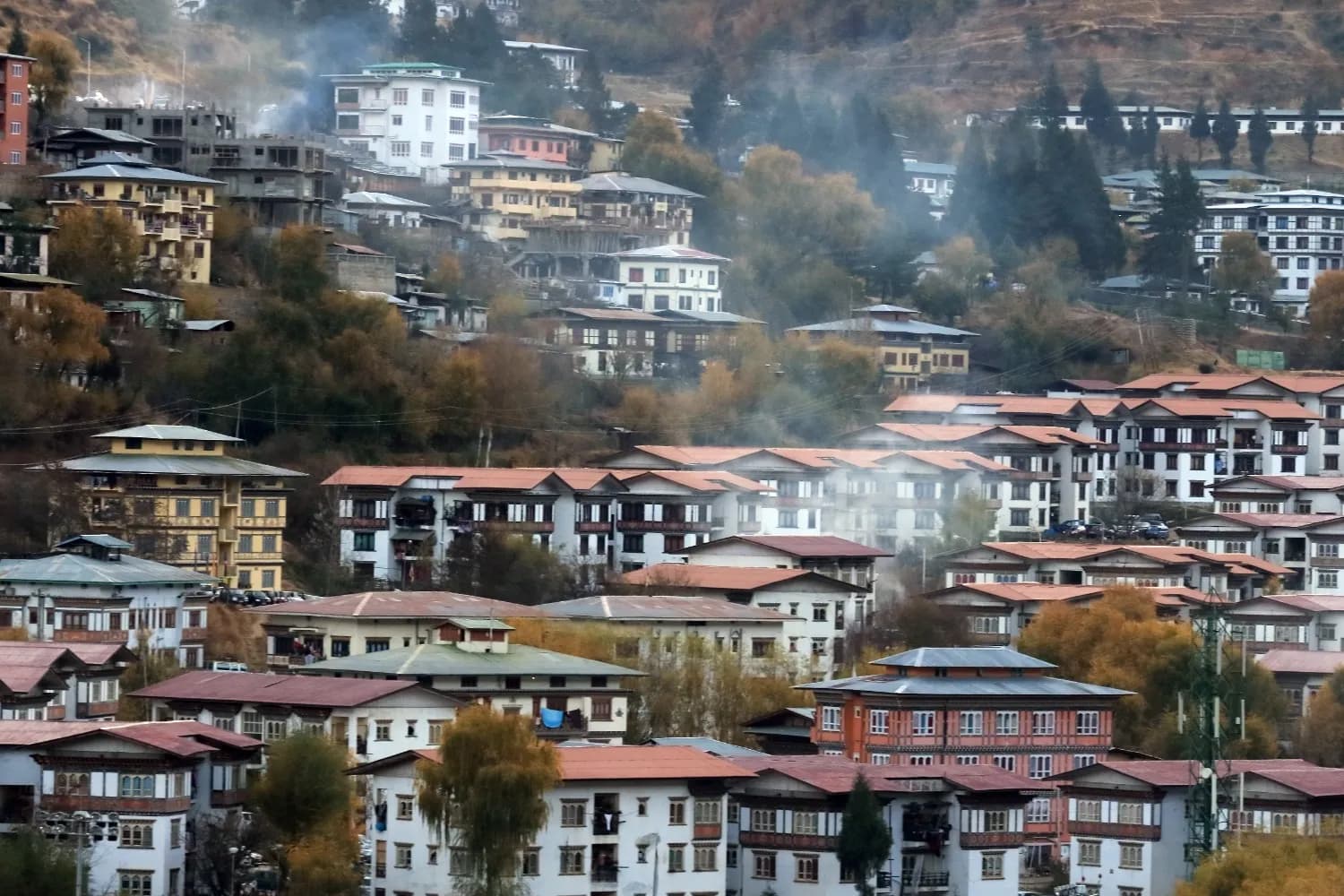
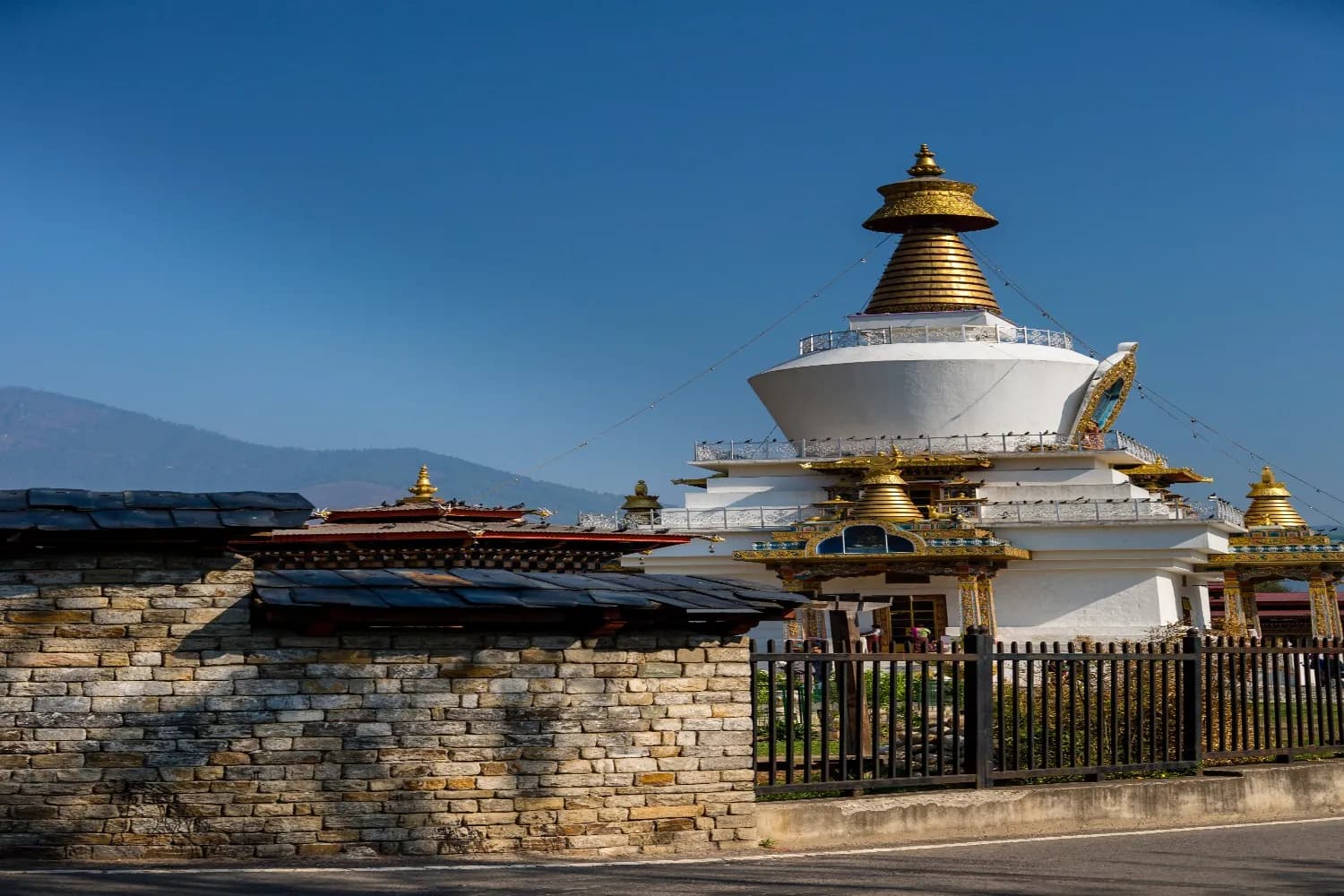
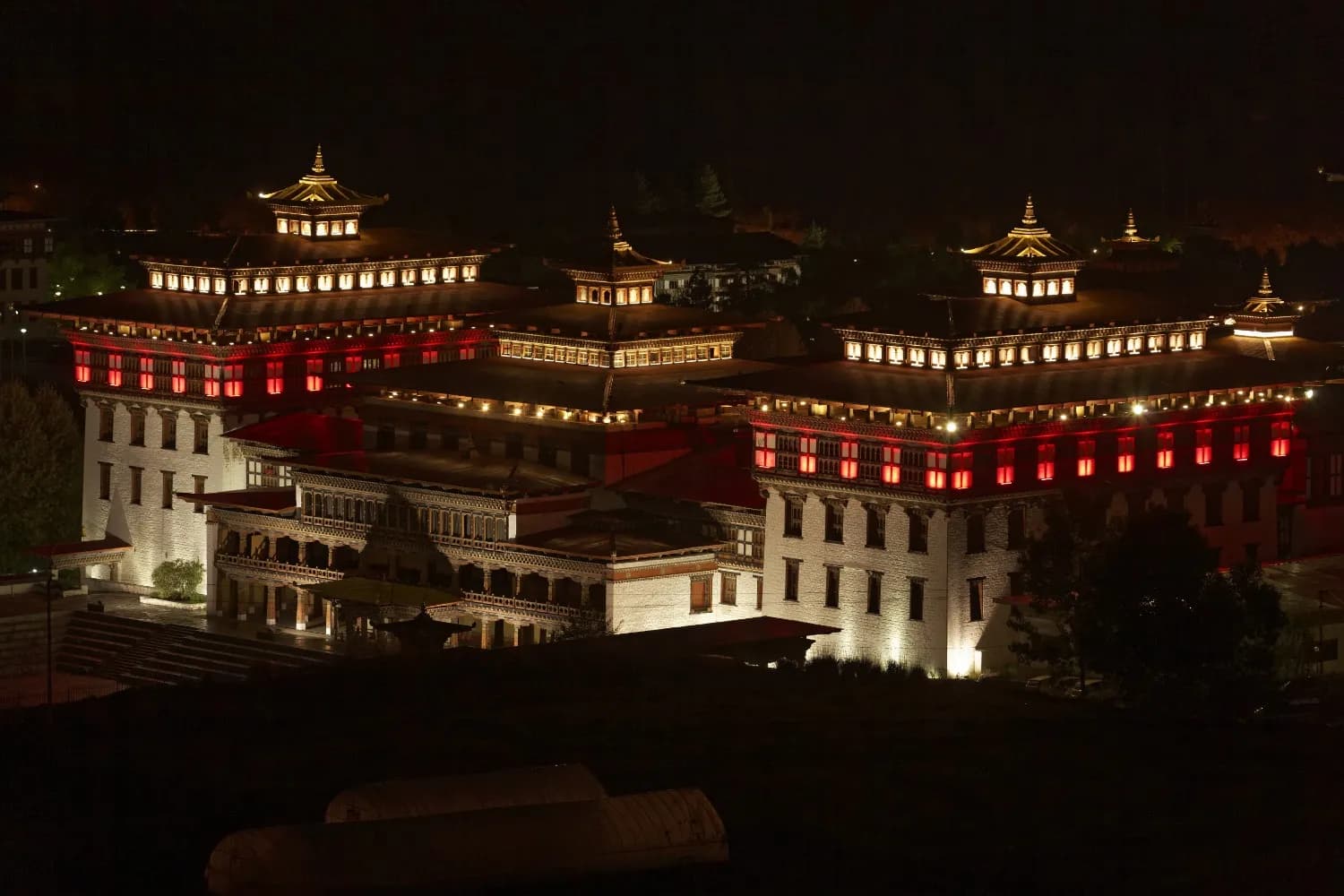
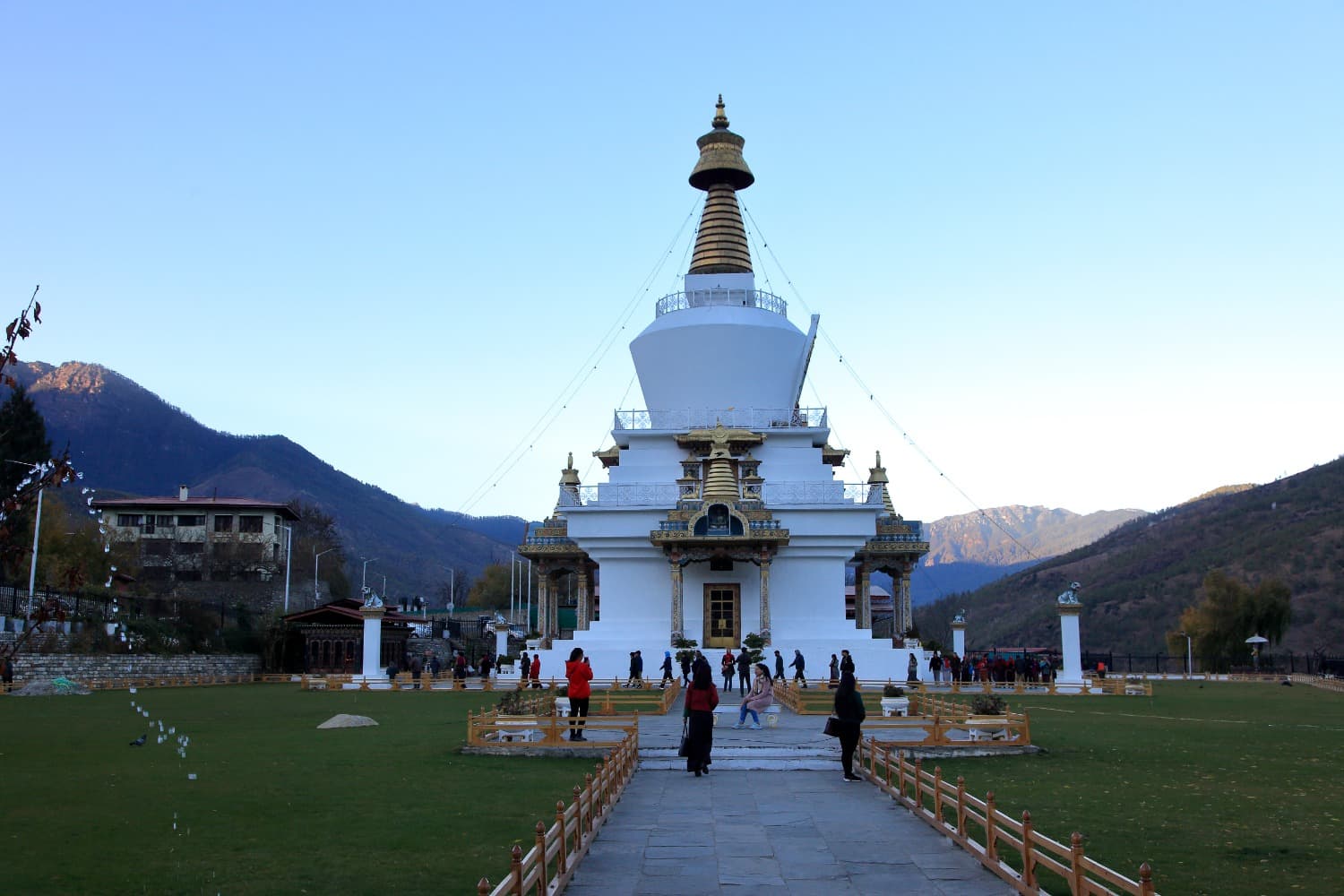
Thimphu: Bhutan’s capital blends traditional values with modern life. You can visit the Buddha Dordenma statue, Tashichho Dzong, local markets, and craft shops. The city offers cafes, museums, and quiet walks, ideal for first time visitors who want a soft cultural introduction without intense altitude or long drives.
Paro: Paro is home to the iconic Tiger’s Nest Monastery, perched high above the valley. The town also features Paro Dzong, riverside views, and traditional houses. Many travellers choose to stay in Paro for its scenic setting and easy access to day hikes. I help you plan acclimatisation and timing, so your trek to Tiger’s Nest feels safe and manageable.
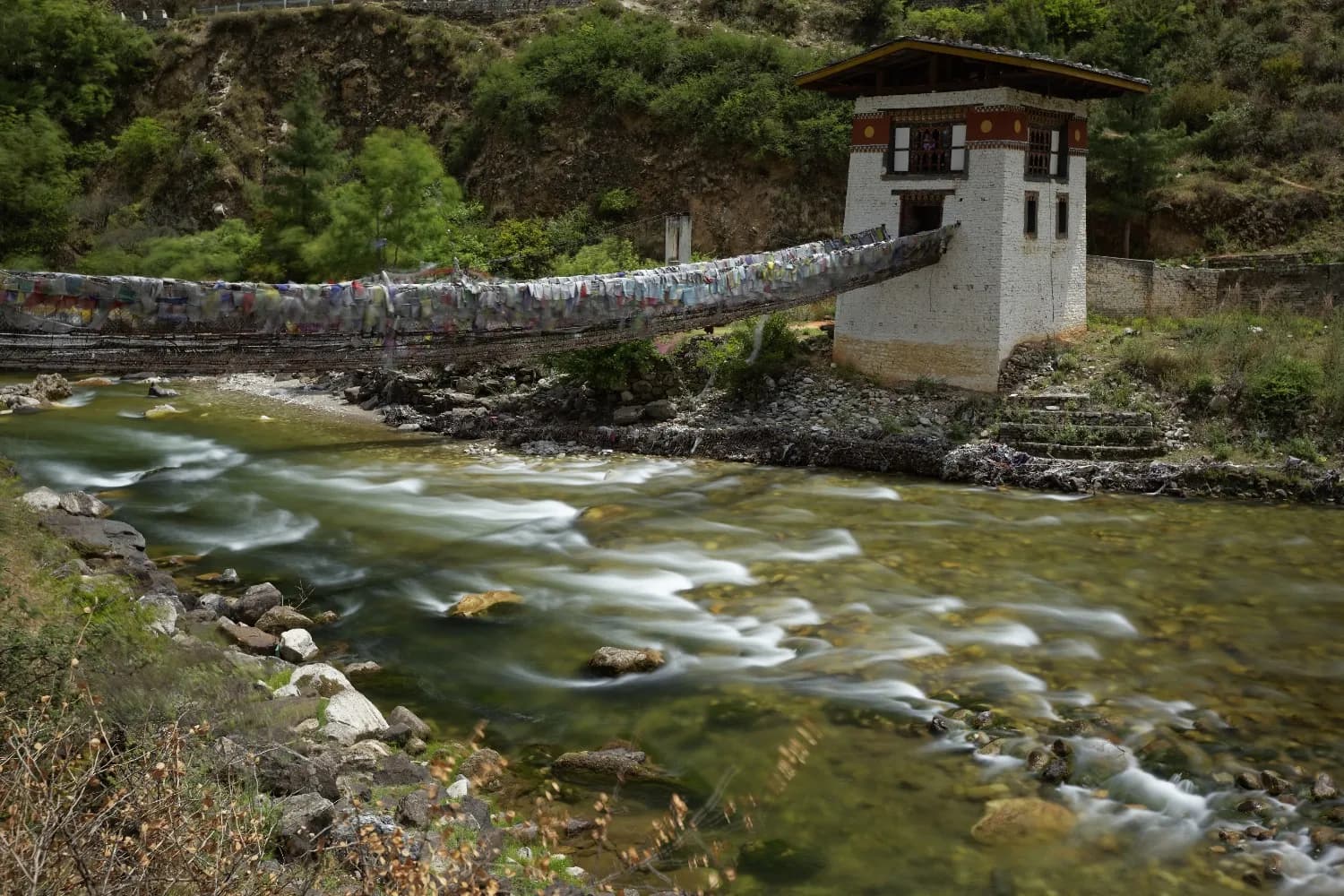
Punakha: Punakha impresses visitors with its beautiful dzong at the confluence of two rivers and surrounding terraced fields. The region sits at a lower elevation, so it often feels milder and greener. You can walk across suspension bridges, explore village paths, and enjoy relaxed valley drives. I usually recommend at least one night here for a slower, countryside feel.
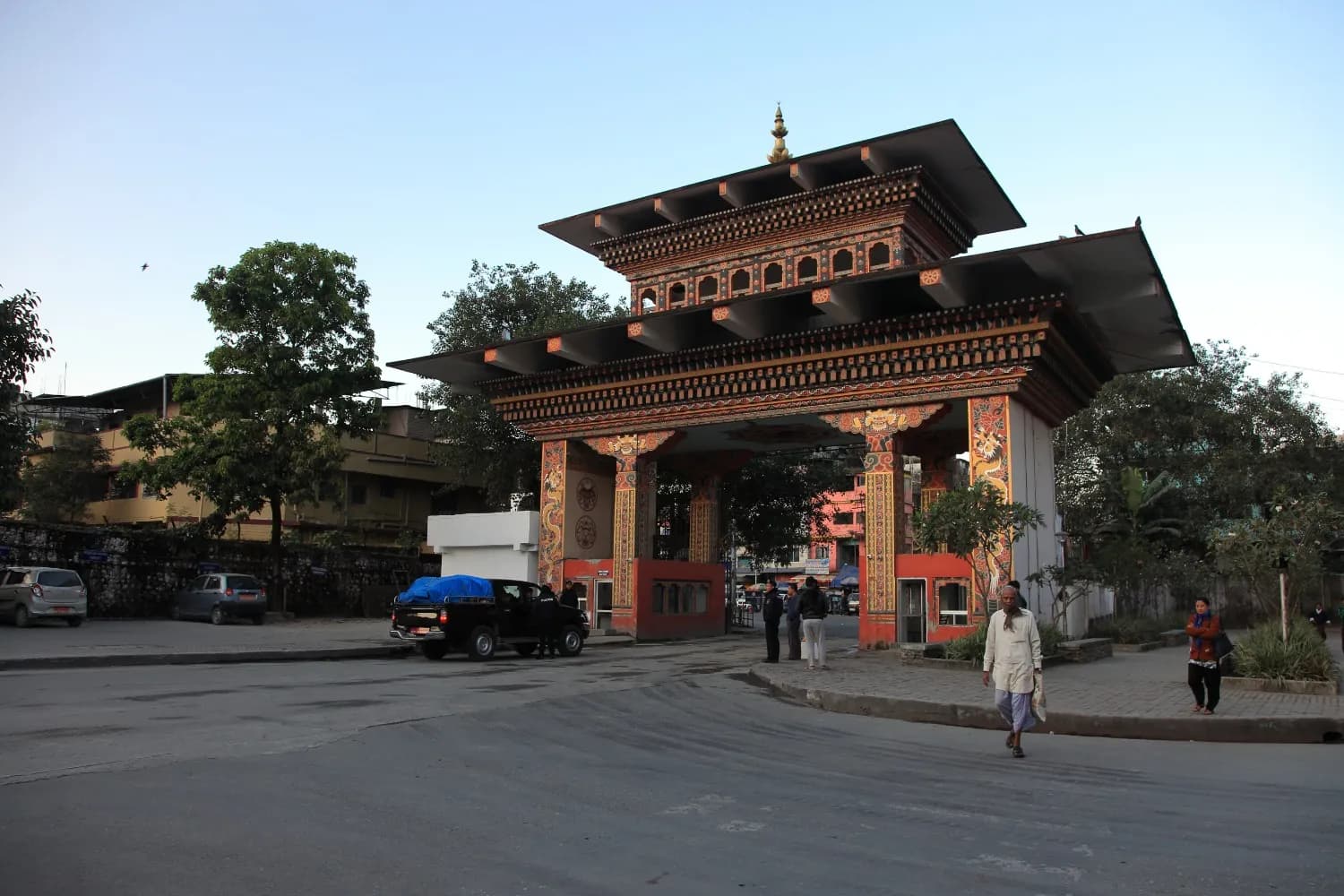
Phuentsholing: Phuentsholing is a key border town and common entry point for travellers arriving by road from India. It gives a first taste of Bhutanese culture with monasteries, local markets, and viewpoints. Many itineraries include a night halt here for permits and rest before heading deeper into Bhutan. I coordinate permit formalities and hotel stays, so your transition across the border remains smooth.
Bumthang Region: The Bumthang valley area is known for its monasteries, wide valleys, and traditional villages. It usually attracts travellers who want deeper cultural immersion and longer stays. Road journeys here can be long, but they offer rewarding landscapes and quieter towns. I suggest this region to repeat visitors or guests who have more days and prefer slow, meaningful travel instead of rushed checklists.
Things to Do in Bhutan
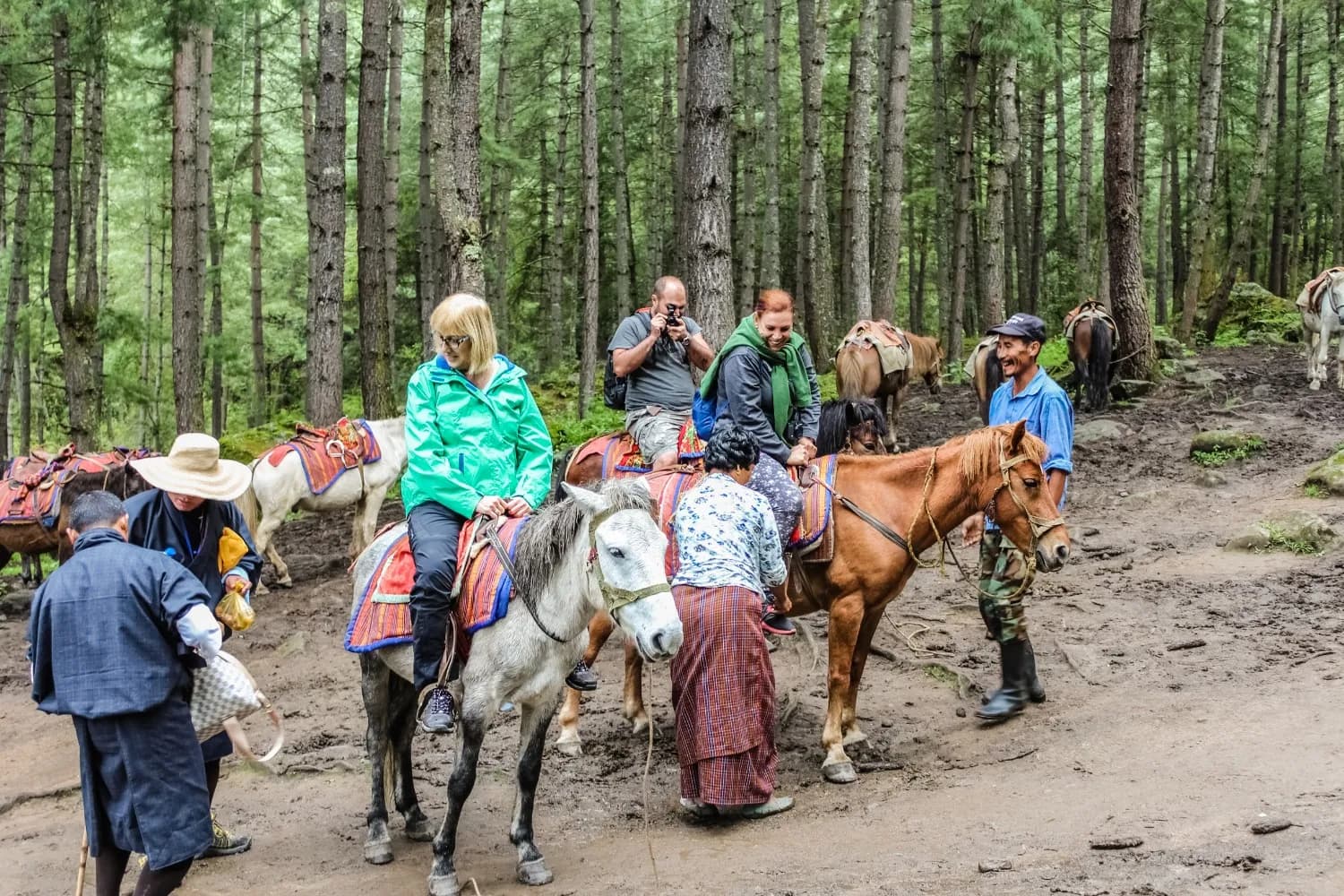
Hike to Tiger’s Nest Monastery: One of the most memorable experiences is the hike to Tiger’s Nest above Paro valley. The trail demands moderate fitness and steady pacing. I help you with timing, local guides, and refreshment stops, so you enjoy the journey as much as the views. Reaching the monastery feels like a personal achievement, not just another sightseeing stop.
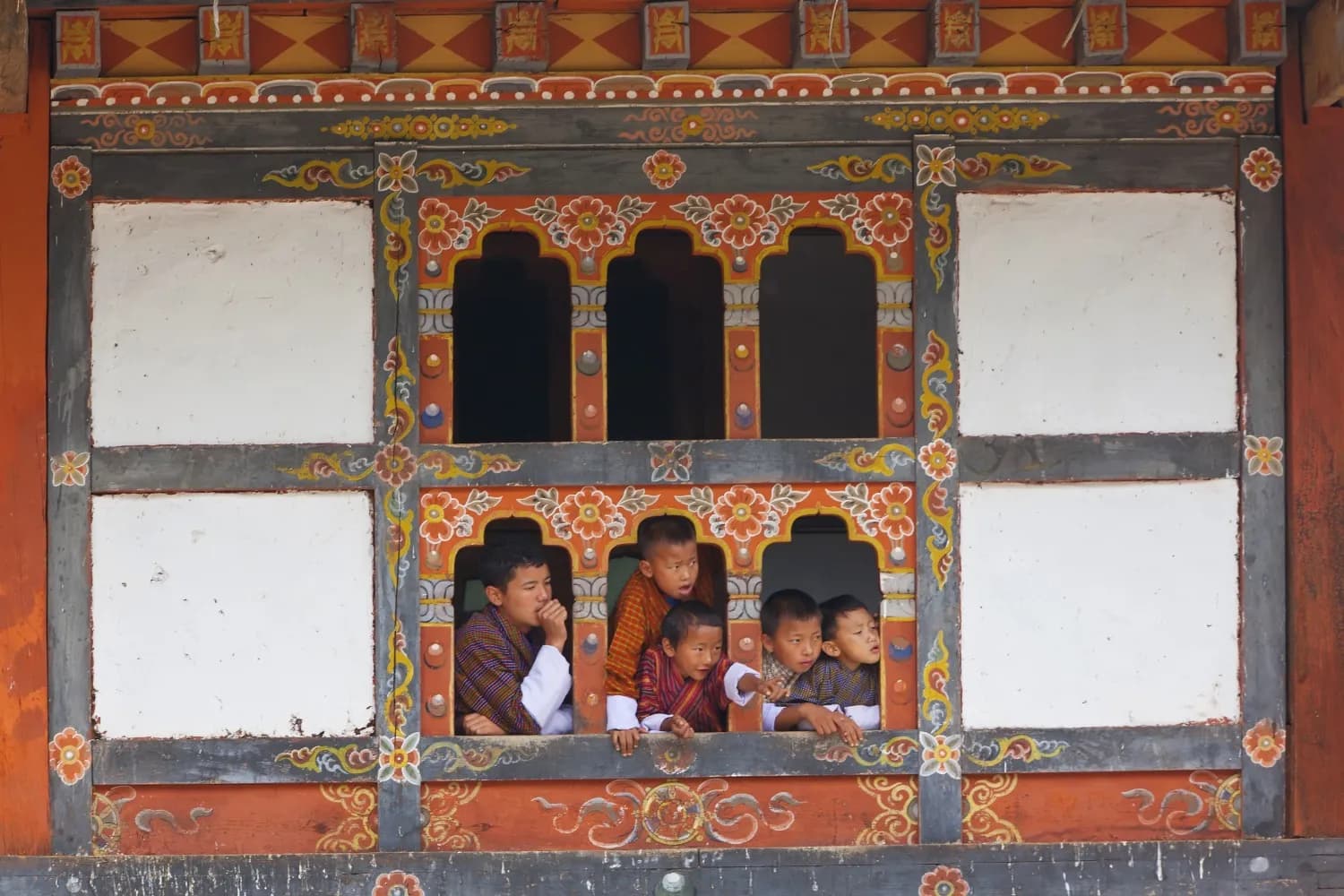
Explore Dzongs and Monasteries: Bhutan’s dzongs combine administrative roles with spiritual life. Visiting structures like Punakha Dzong and Tashichho Dzong gives you insight into local governance, art, and rituals. Monasteries offer calm courtyards, prayer flags, and soft chanting. I schedule visits to avoid rush hours where possible, giving you more space and time to actually observe, not just click photos.
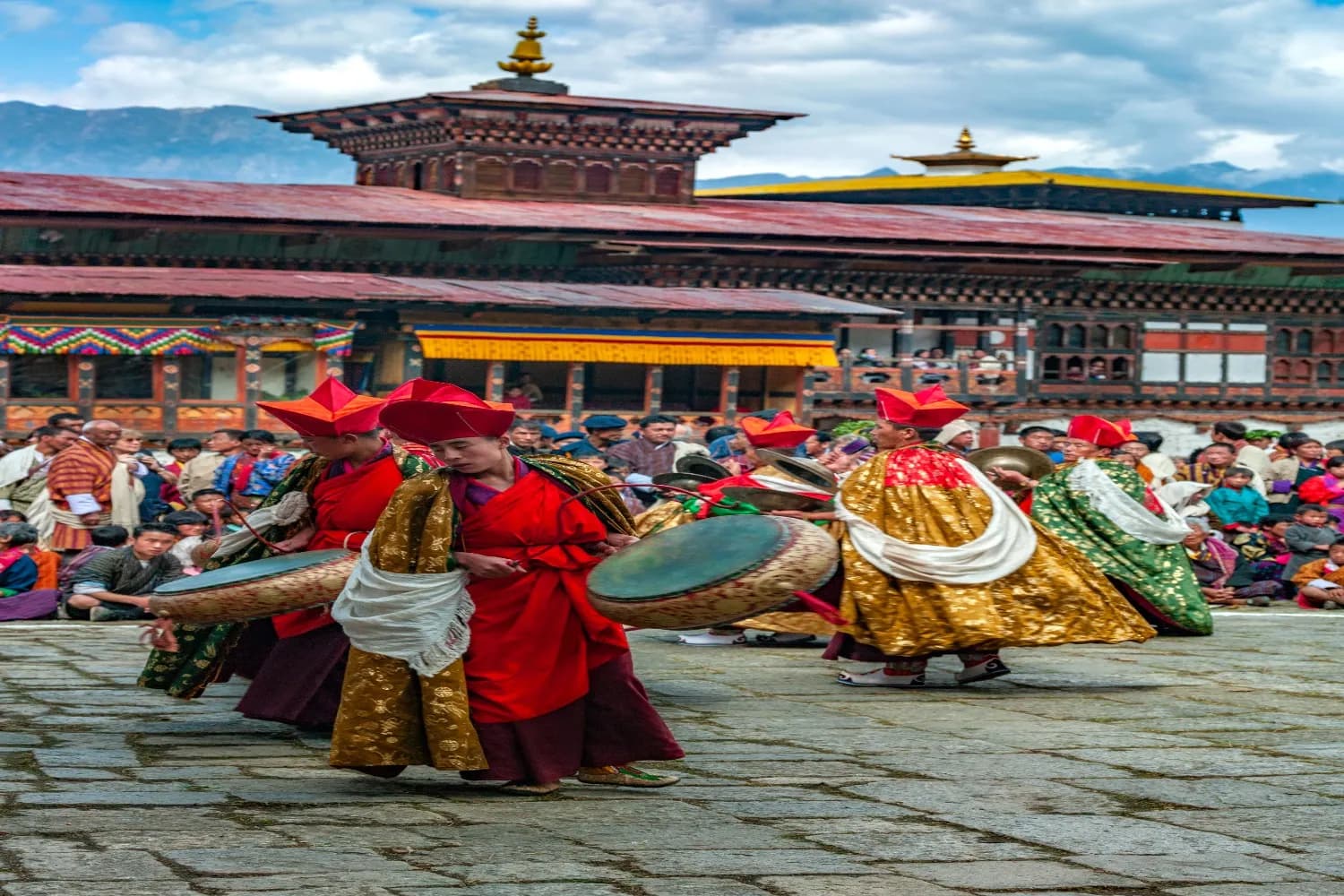
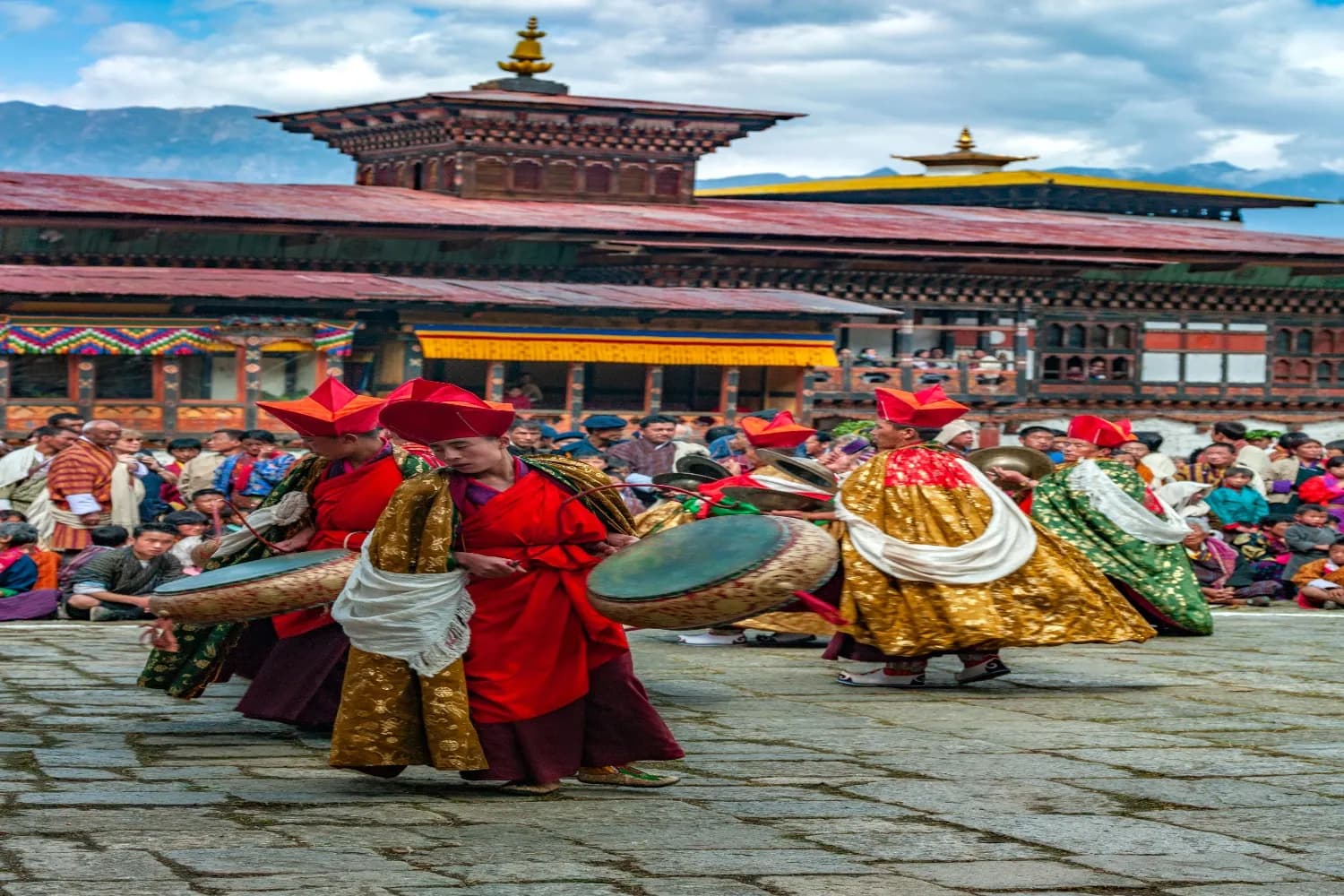
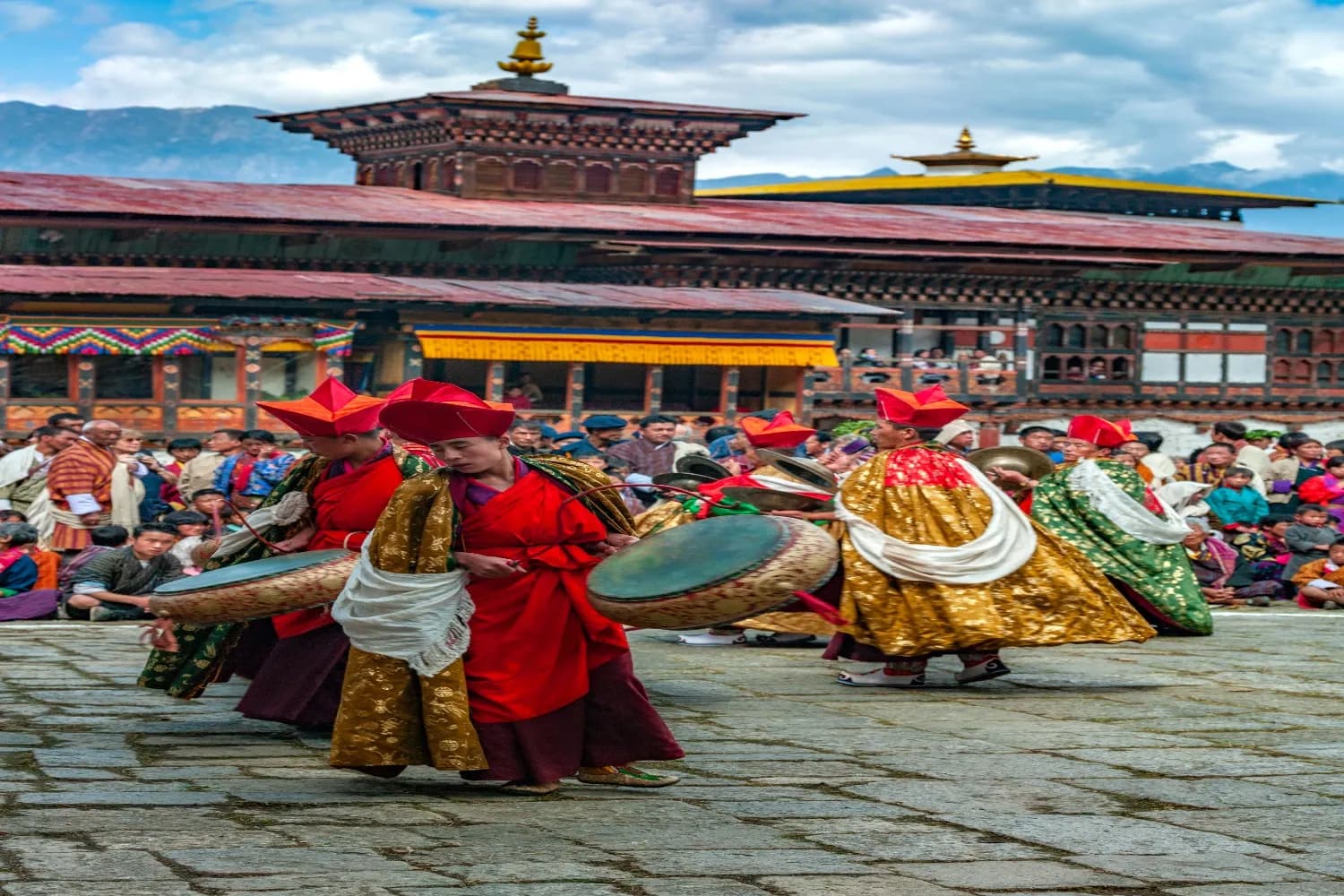
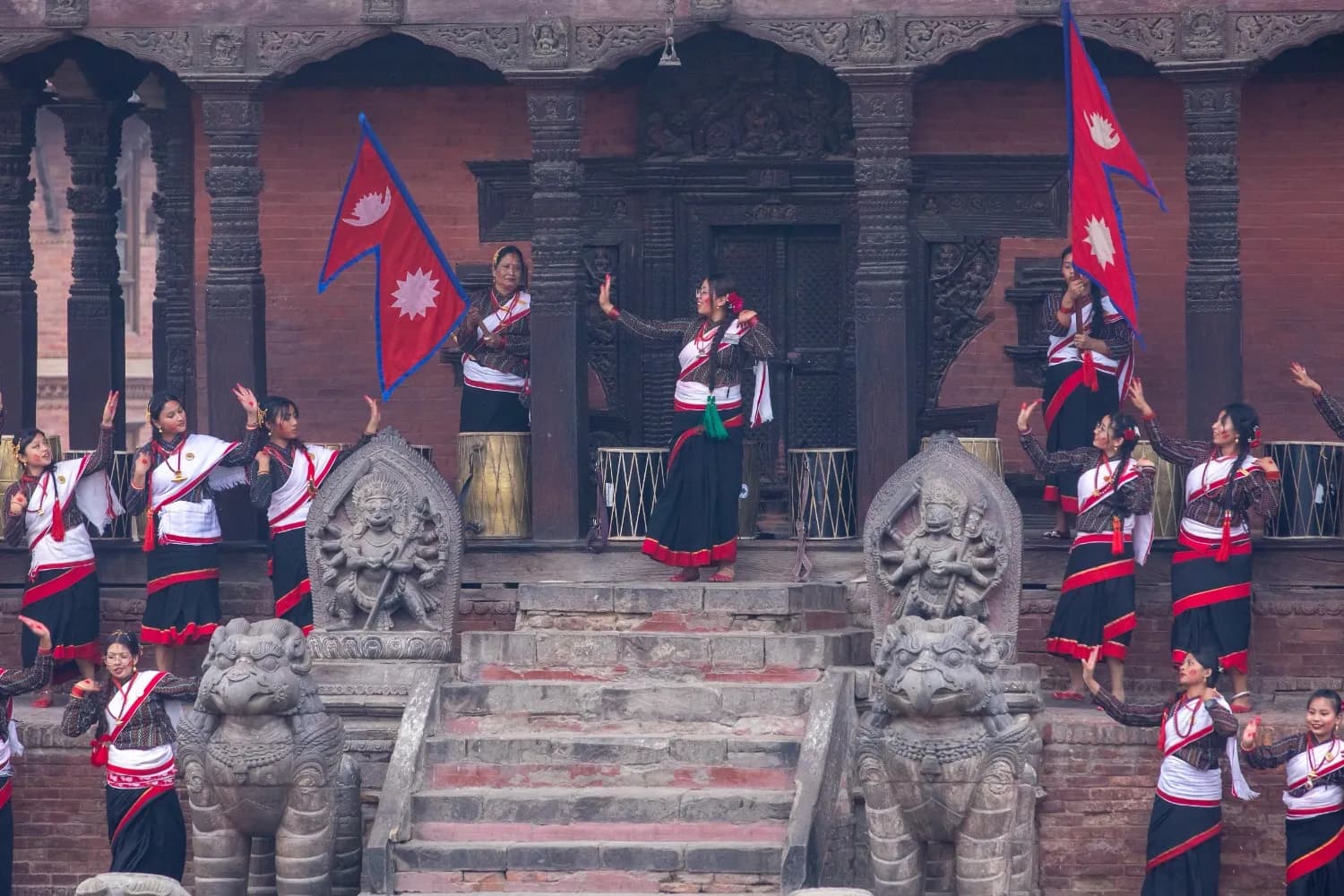
Attend Local Festivals: If your dates match major tshechu festivals, you can watch masked dances, traditional costumes, and community gatherings. These events reveal Bhutan’s deep connection between culture and spirituality. Seats and viewpoints may be limited, so early planning helps. I help align your itinerary with festival dates, while keeping expectations realistic about crowds and possible last minute schedule tweaks.
Try Bhutanese Cuisine and Tea Houses: From red rice and ema datshi, the famous chilli and cheese dish, to local dumplings and hearty soups, Bhutanese food feels comforting in mountain weather. Small cafes and tea houses serve butter tea and snacks with valley views. I guide you toward hygienic, well reviewed eateries that respect dietary preferences and spice tolerance, especially important for families and senior travellers.
Nature Walks and Soft Adventure: Bhutan offers gentle hikes, river valley walks, and scenic drives that suit most fitness levels. You can enjoy short trails near towns, farm visits, and countryside photo stops. For slightly more active travellers, options like rafting on suitable stretches or longer day hikes are possible. I match activities with your energy levels and time, so the trip feels refreshing rather than exhausting.
Frequently Asked Questions
How many days are ideal for a Bhutan trip from Rajkot?
Five to eight days usually work well to cover Thimphu, Paro, and Punakha at a relaxed pace. Extra days allow deeper exploration of valleys, monasteries, and longer drives.
Do Indian travellers need a visa for Bhutan?
Indian citizens currently do not need a traditional visa but must carry valid identification and follow updated entry rules. I assist with permits, forms, and recent guideline checks before travel.
Are Bhutan tour packages from Rajkot all inclusive?
Inclusions vary by package. Generally, hotels, breakfast, transfers, sightseeing, and permits are covered. Flights, lunches, dinners, and optional activities may cost extra, clearly listed before you confirm.
Is Bhutan safe for solo travellers and families?
Bhutan is widely regarded as safe for visitors. I book verified hotels, reliable drivers, and trusted guides, which further reduces risk, confusion, and last minute coordination worries.
What type of hotels are available in Bhutan?
Bhutan offers standard, mid range, and upscale properties, along with a few luxury resorts. I suggest verified stays with clear photos, guest feedback, and transparent policies tailored to your comfort.
All Packages
Why Book Packages with Viacation?

Trusted by 1,00,000+ travellers

Dedicated experts to plan your trips

Secure bookings, clear cancellations
10,000+ unique trips to choose from
