

Bhutan Tour Packages From Chennai
A Bhutan tour package from Chennai focuses on making international travel simple, predictable, and safe for working professionals, families, and small groups. I help you with flights, permits, hotel selection, airport transfers, and curated sightseeing in Thimphu, Paro, and Punakha. Clear inclusions, written itineraries, and documented payment schedules reduce anxiety about hidden charges, fake itineraries, and last minute cancellations. You know exactly what you are paying for and what you will receive on ground.
Bhutan attracts travellers who want fresh mountain air, quiet monasteries, and meaningful cultural experiences instead of crowded party streets. Tiger’s Nest Monastery, Dochu La Pass, Punakha Dzong, local markets, and riverside walks create a slow, soothing pace. Many travellers worry about hotel quality, surprise upgrades, or payment fraud. I work only with verified, reviewed properties and trusted local partners, share confirmations upfront, and keep communication transparent. This approach builds confidence for first time international travellers. Whether you plan a short break or a deeper cultural trip, thoughtful planning turns Bhutan into a calm, hassle free escape that still feels adventurous.
Best Time To Visit Bhutan
The Best Time to Visit Bhutan is usually from March to May and from late September to November. These months offer pleasant weather, clearer mountain views, and good conditions for sightseeing and gentle hikes. Spring brings blooming landscapes, while autumn offers crisp air and bright skies, which many photographers love.
- Peak Season: March to May and late September to November, popular for clear views, festivals, and comfortable temperatures. Hotels and flights fill quickly, so early planning works in your favour.
- Shoulder Season: Late February and early December offer fewer crowds and relatively good weather. You may find better flexibility on hotels and more relaxed sightseeing.
- Waning Season: June to August and mid-winter months see higher rainfall or colder conditions. Suitable for budget focused travellers who prefer quiet trips and do not mind some weather disruptions.
How to Reach Bhutan
Reaching Bhutan from Chennai usually starts with a flight to an Indian gateway city such as Delhi, Kolkata, or Guwahati, then a connection to Bhutan. A well designed itinerary aligns flights and ground transfers so you do not juggle multiple bookings alone. Many travellers choose a Bhutan tour package from Chennai that includes air tickets, to avoid sudden fare spikes and confusion about suitable flight timings.
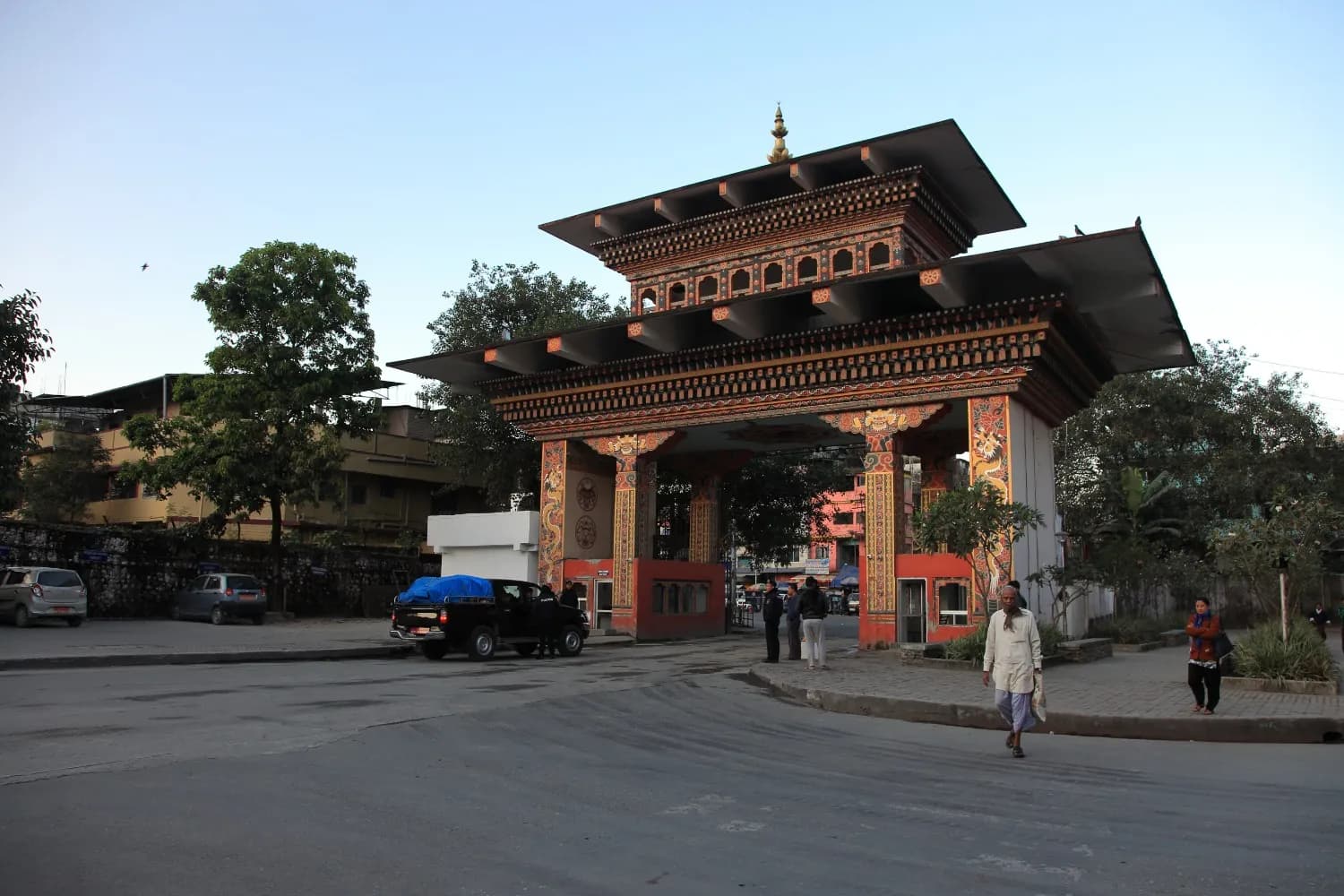
By Air: Bhutan’s main international airport is in Paro. There are limited international connections, so most travellers fly from Chennai to Kolkata or Delhi, then onward to Paro on specific carriers. Flight schedules can change, so I always suggest buffer time between connections. Airport to hotel transfers in Paro or Thimphu are normally pre-arranged in the package, which avoids taxi negotiations in an unfamiliar country.
By Train: There is no direct train to Bhutan. You can travel by train from Chennai to railway stations in eastern India that lie close to the Bhutan border, such as stations in West Bengal or Assam. From there, you continue by road into Bhutan. This option demands more time, multiple bookings, and some comfort with long journeys, so it suits slow travellers rather than short leave plans.
By Bus: There is no direct bus from Chennai to Bhutan. However, domestic buses in India operate between nearby Indian towns and border points. Travellers usually combine train or flight within India, then take a bus or private vehicle from an Indian border town to Bhutan. I recommend this route only if you enjoy overland travel and have flexible dates, as weather and road conditions can affect timings.
Places to Visit in Bhutan
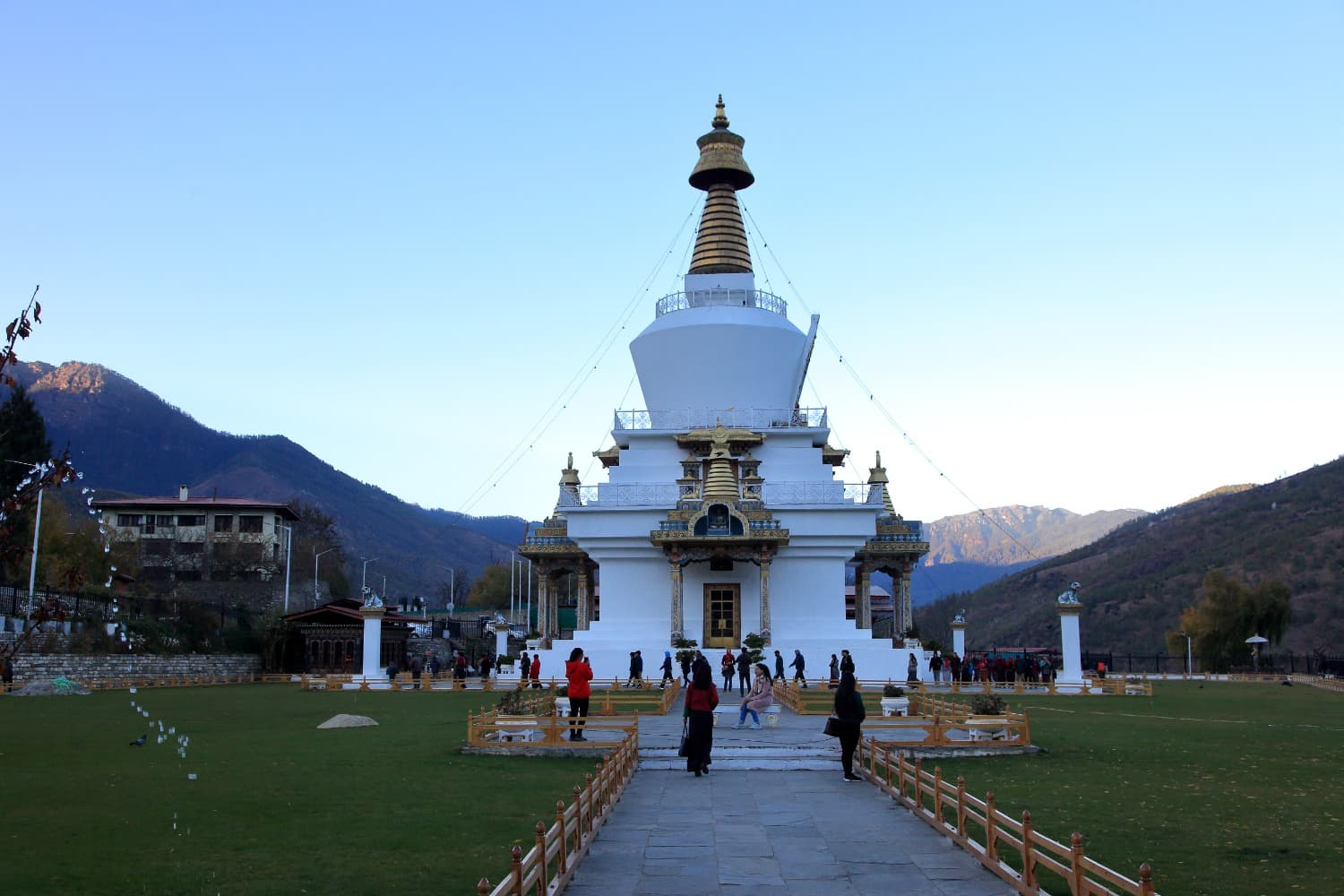
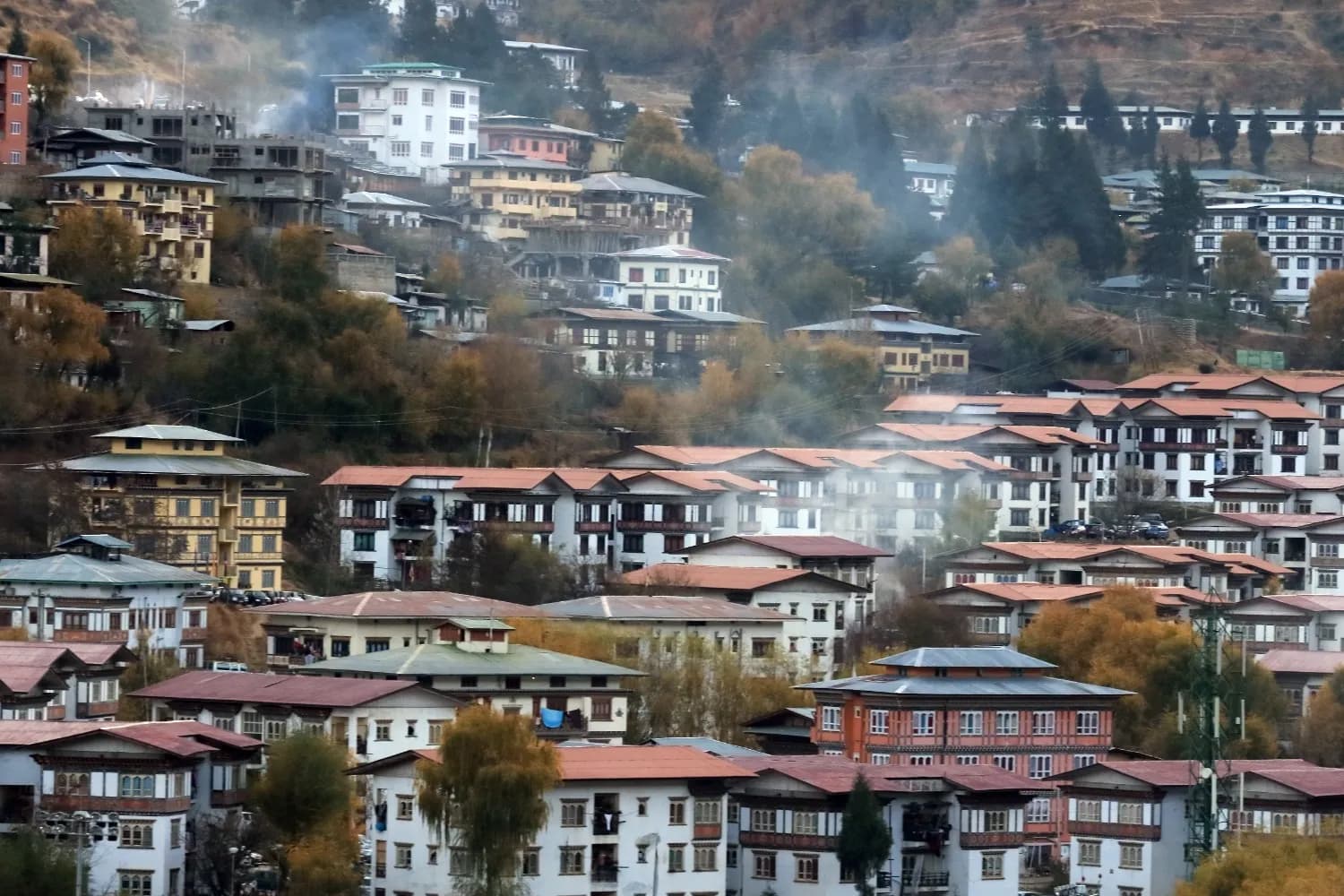
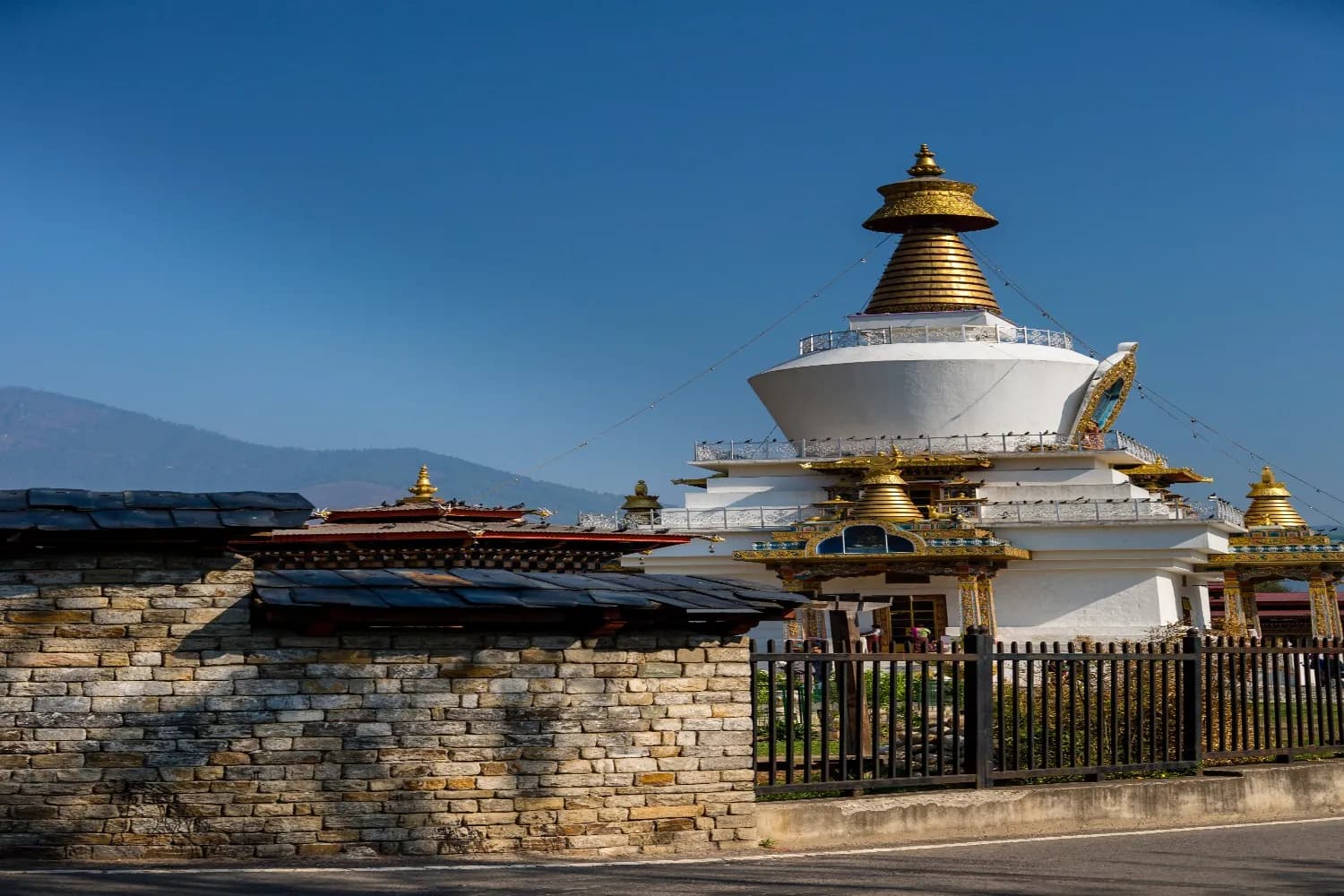
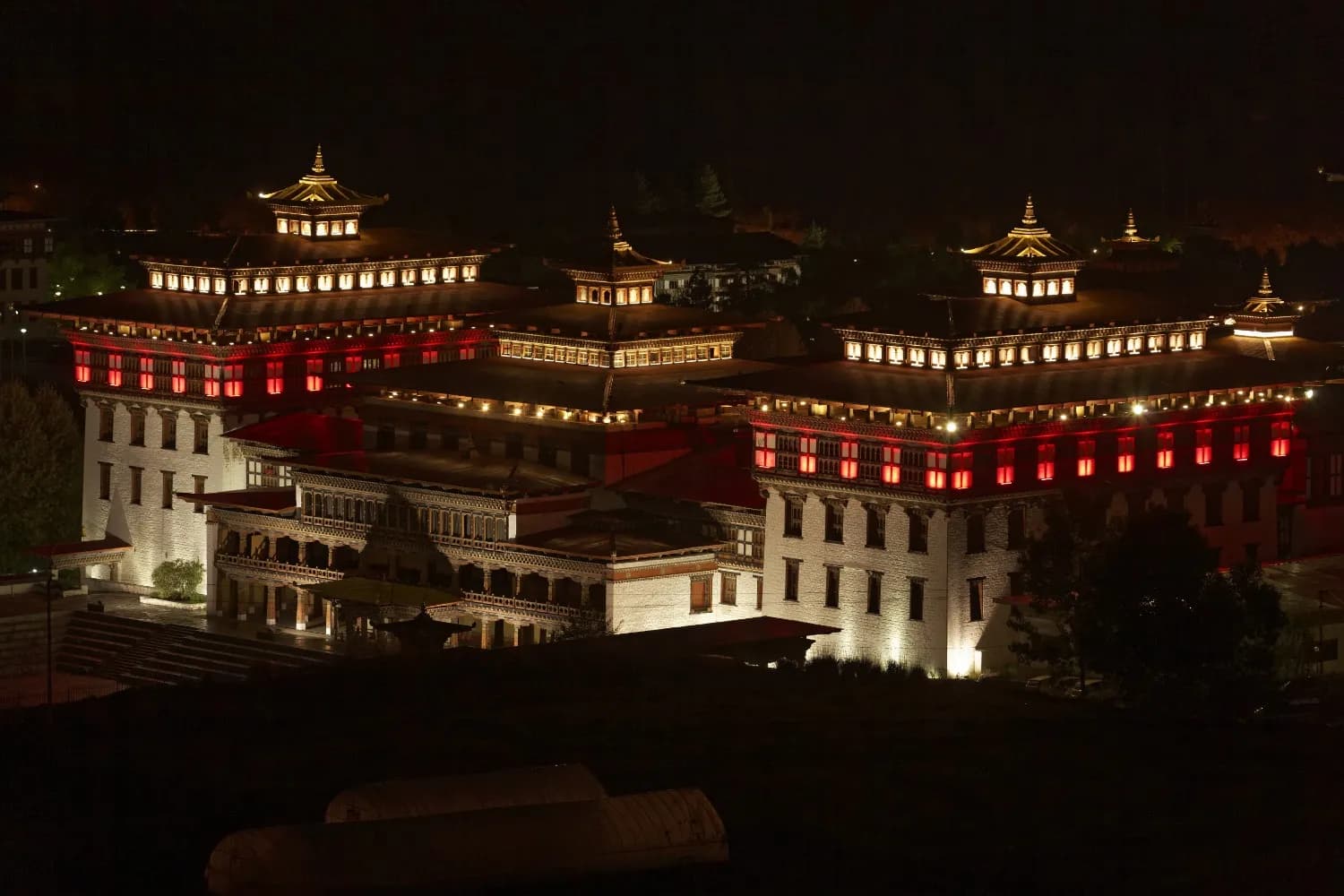
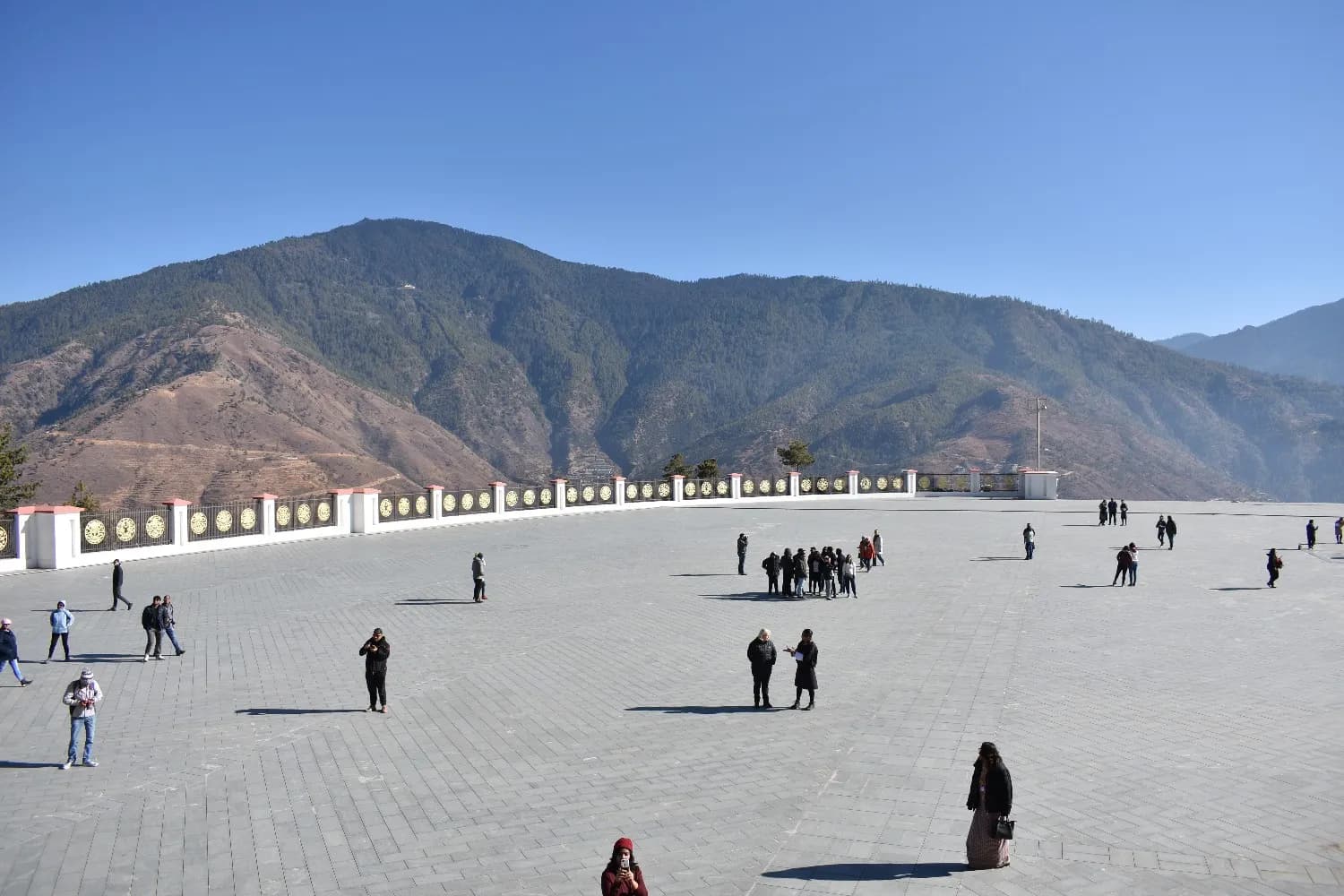
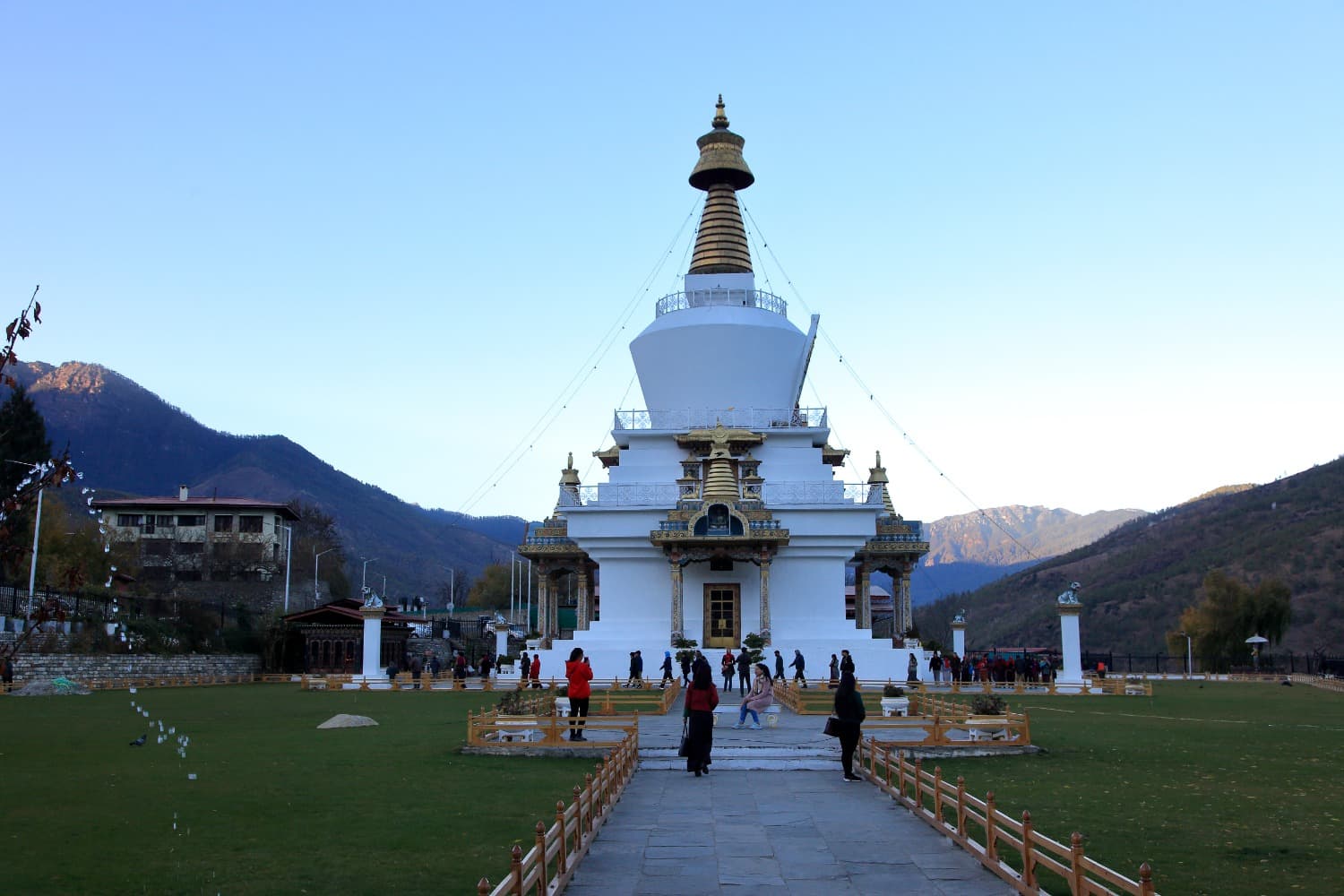
Thimphu: The capital city blends traditional charm with a modern, easygoing vibe. You can visit the Buddha Dordenma statue, Tashichho Dzong, local markets, and small cafes. Evenings feel relaxed, with soft city lights against mountain silhouettes. Thimphu works well as your first stop, to adjust to the altitude and settle into Bhutan’s slower rhythm.
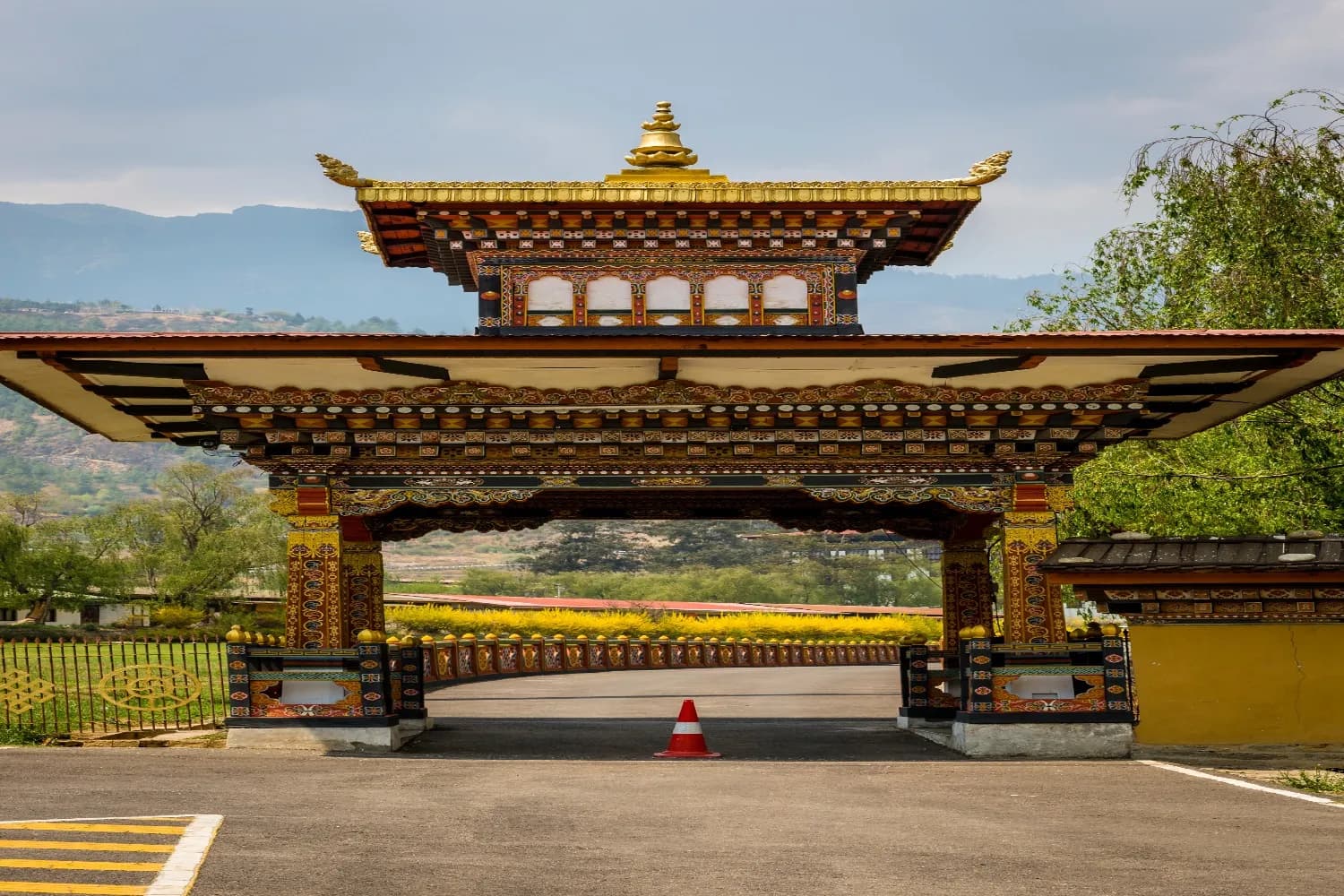
Paro: Paro is known for scenic valleys, riverside views, and of course the legendary Tiger’s Nest Monastery perched on a cliff. The town offers museums, dzongs, and quiet lanes for evening walks. Most travellers spend at least two nights here to comfortably fit the hike, explore local eateries, and enjoy peaceful mornings with mountain views from their hotels.
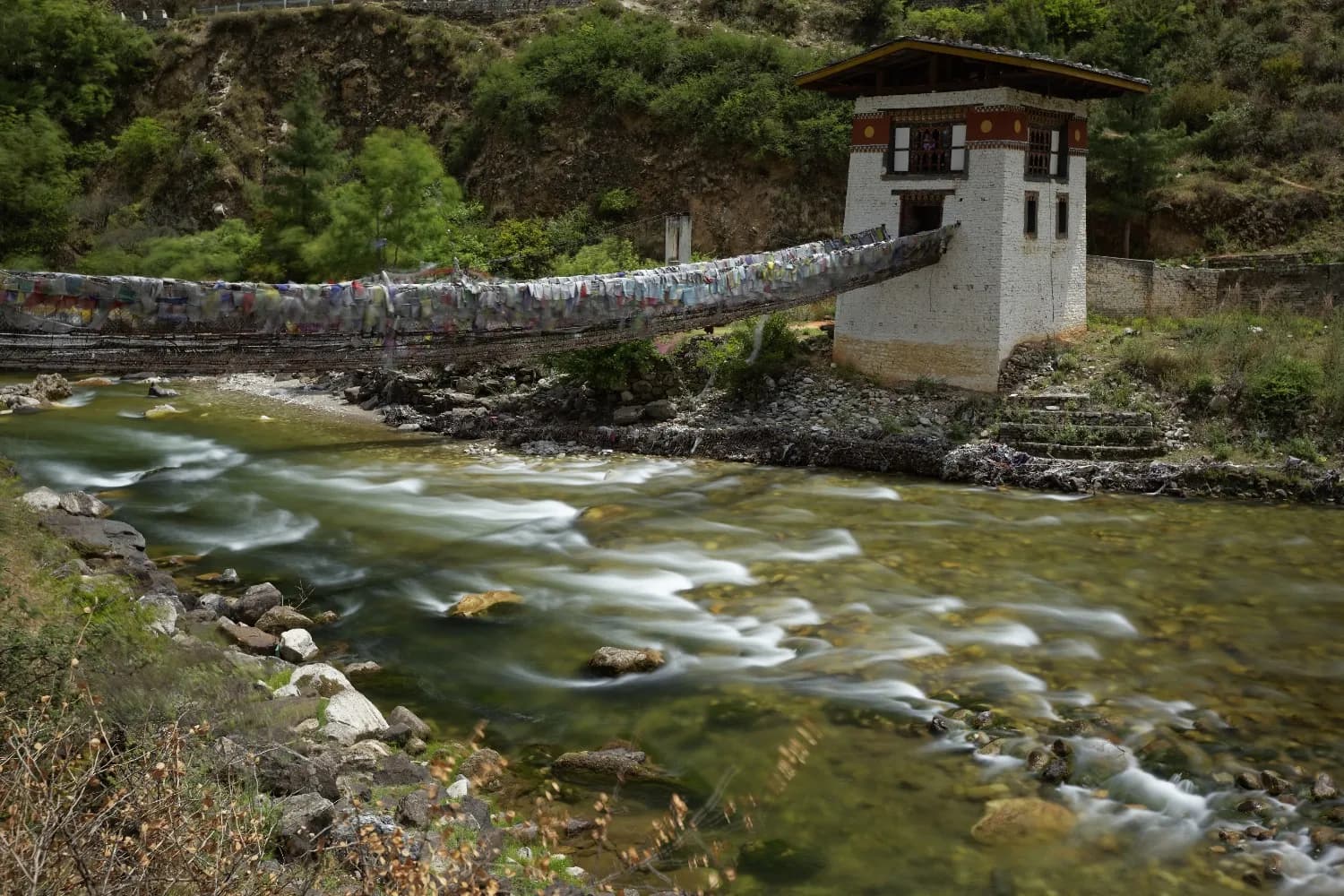
Punakha: Punakha feels warmer and greener, with beautiful river valleys and terraced fields. Punakha Dzong sits where two rivers meet, creating postcard worthy frames. The suspension bridge nearby offers gentle thrill and great photos. Many itineraries include a day or two here to enjoy countryside drives, short walks, and a different side of Bhutanese life beyond the main cities.
Phobjikha Valley: This broad glacial valley appeals to travellers who love quiet landscapes, simple village stays, and nature walks. During certain months, black-necked cranes migrate here, which adds to its charm. Even without wildlife sightings, misty mornings, farmhouses, and slow evenings make Phobjikha a favourite for those who prefer calm over busy sightseeing schedules.
Bumthang Region: For deeper cultural exploration, some travellers extend their trip to the Bumthang area. It has important monasteries, old temples, and traditional houses spread across wide valleys. The drives are longer, yet rewarding if you enjoy immersive travel. This part of Bhutan suits repeat visitors or those with extra days who wish to experience the country beyond the standard circuit.
Things to Do in Bhutan
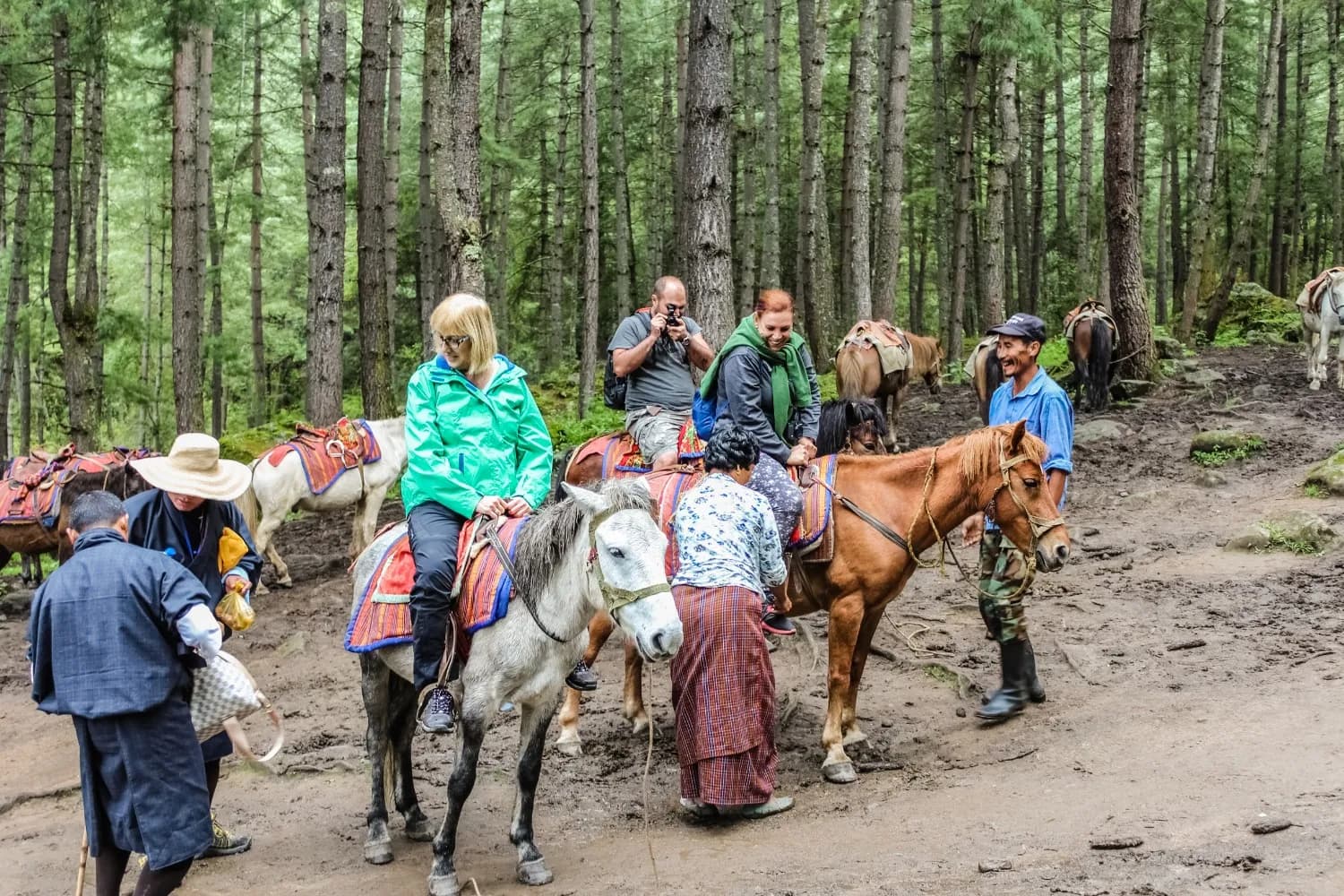
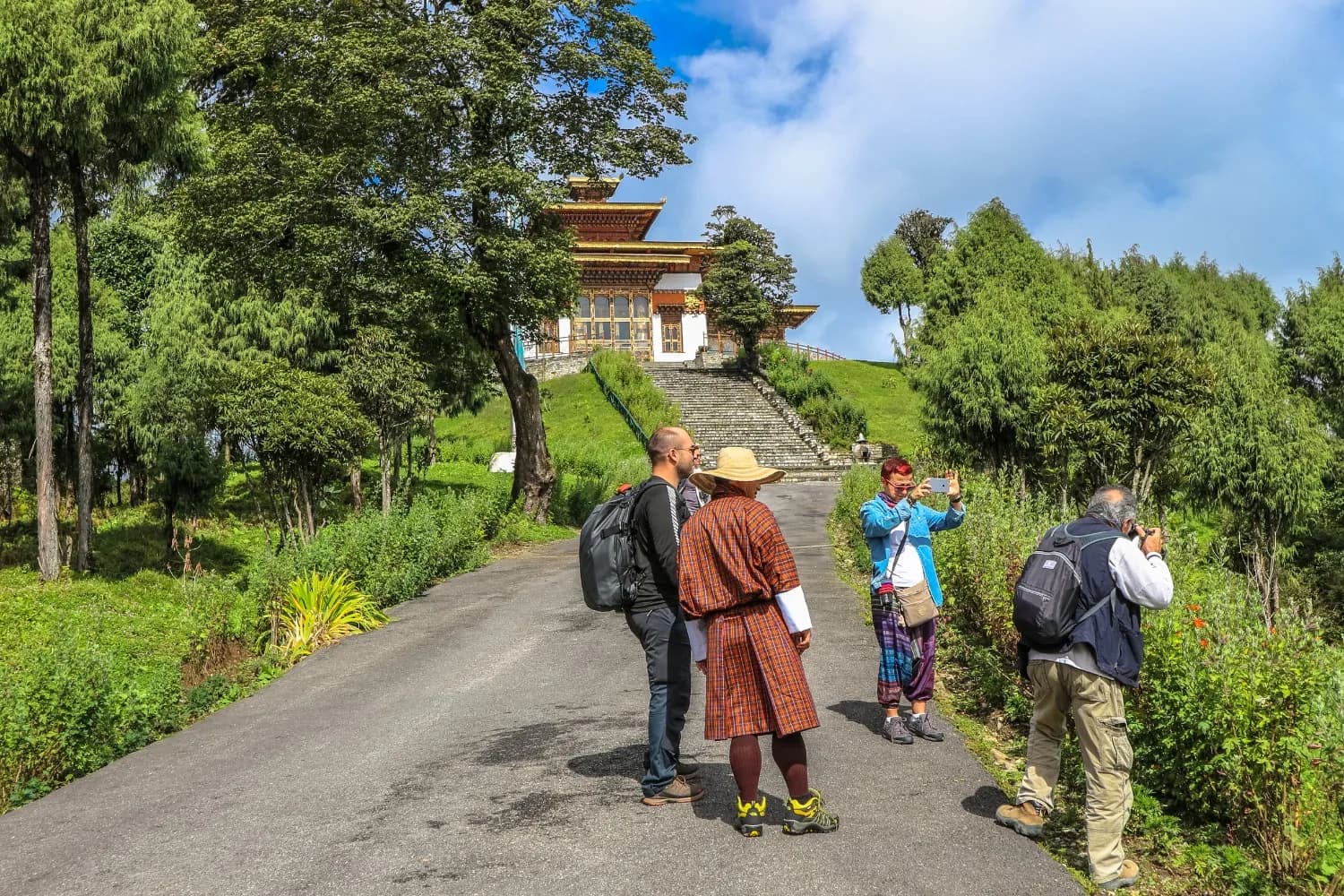
Hike to Tiger’s Nest Monastery: The hike to Paro Taktsang, commonly called Tiger’s Nest, is usually the highlight of many trips. The trail climbs steadily, with viewpoints and a small cafeteria en route. You set your own pace, take breaks, and reach the monastery overlooking dramatic valleys. Good walking shoes, water, and patience turn this into a meaningful, memorable experience.
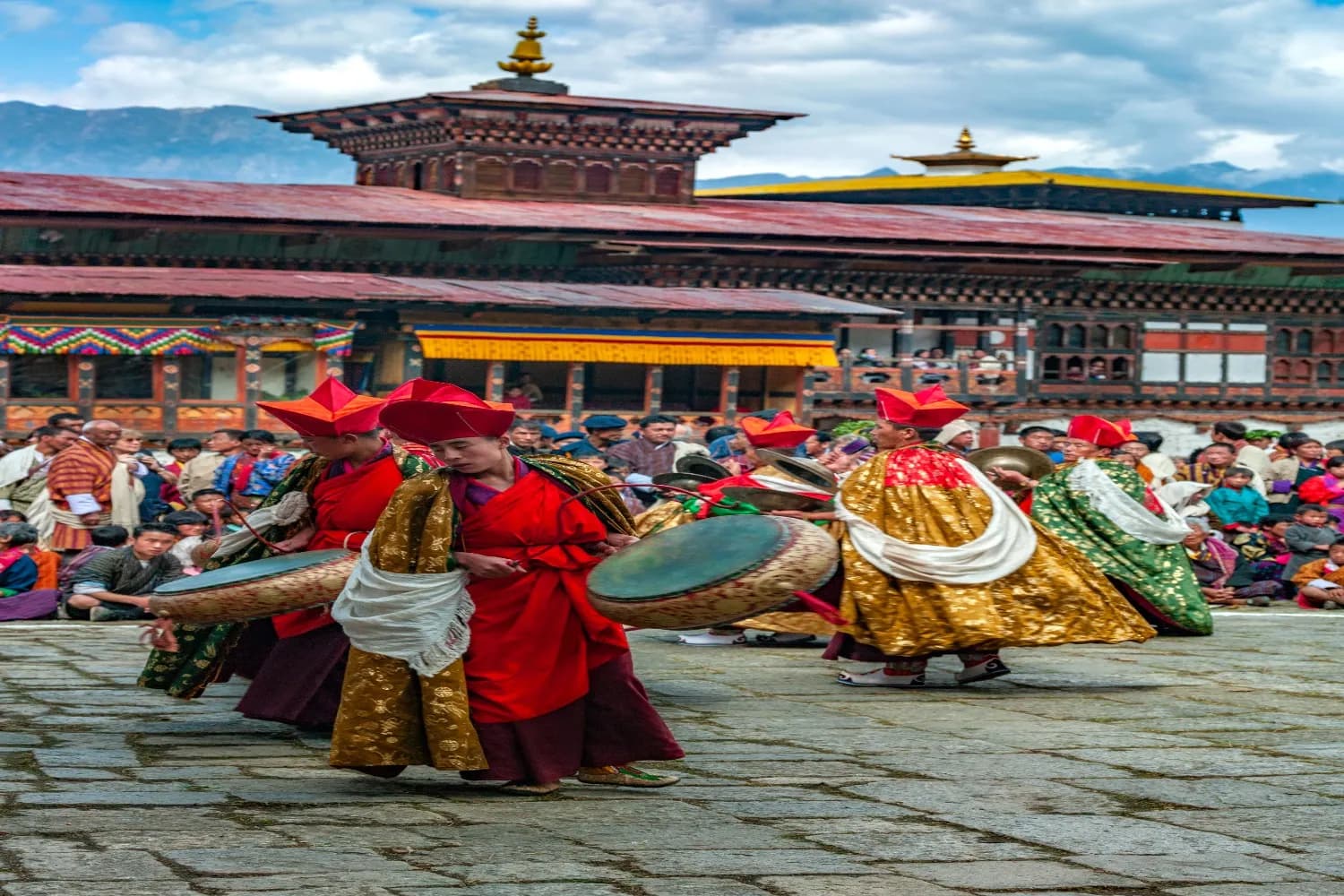
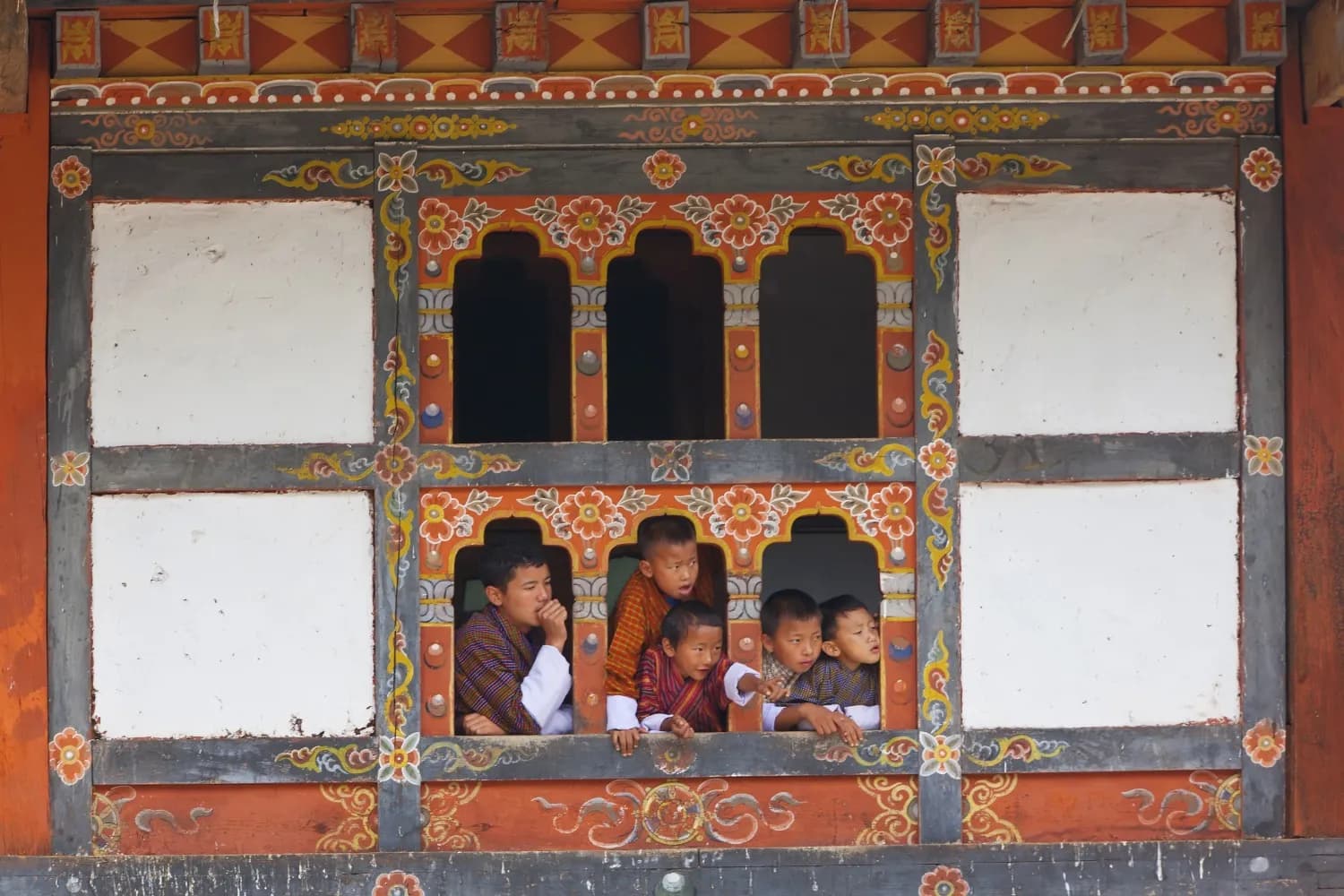
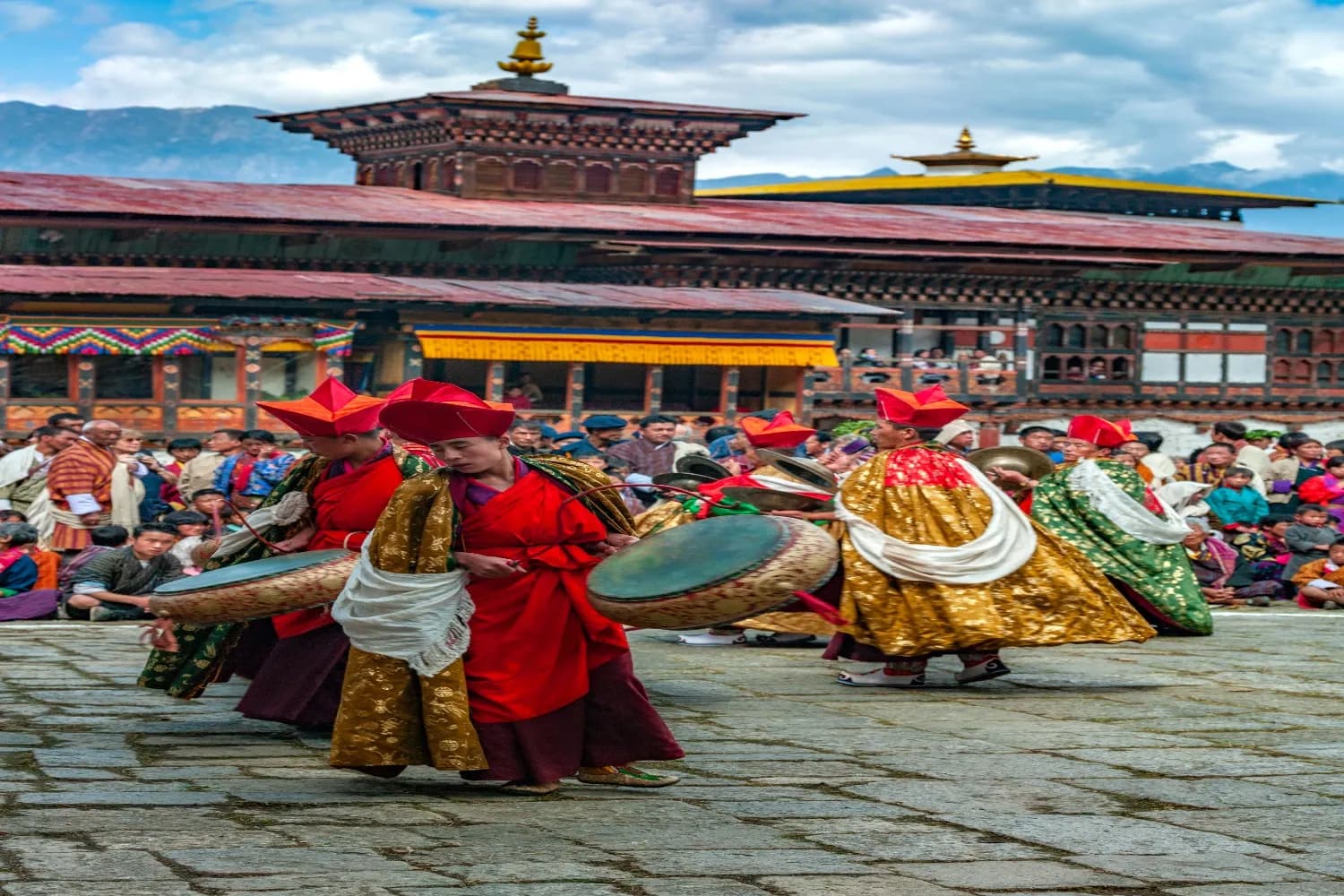
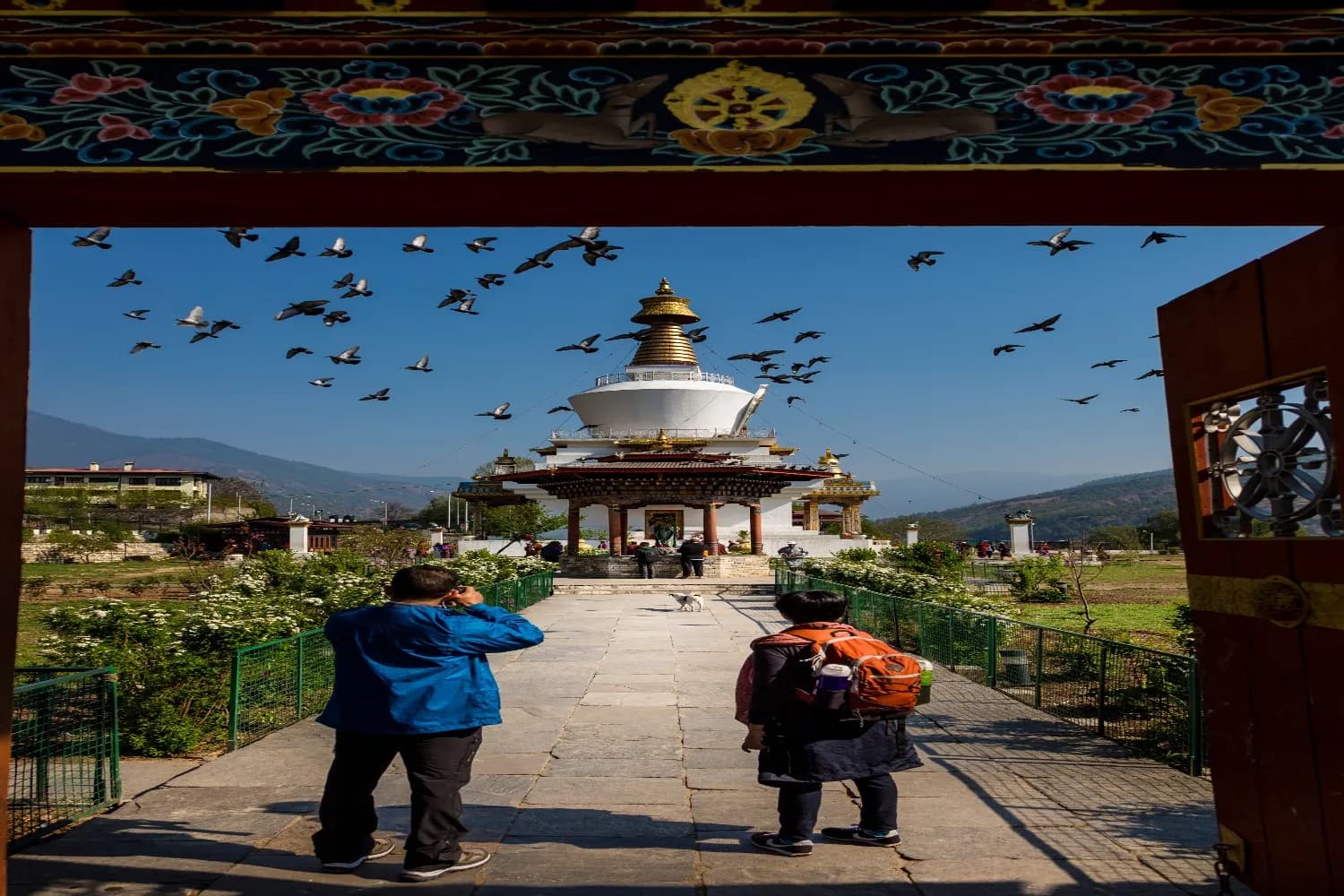
Explore Dzongs and Monasteries: Visiting dzongs in Thimphu, Paro, and Punakha gives you a closer look at Bhutan’s mix of governance and spirituality. Courtyards, prayer halls, and murals tell stories of the kingdom’s past. Guided visits help you understand basic etiquette, photography rules, and cultural context. These stops feel calm, not rushed, which many corporate travellers truly appreciate.
Try Gentle River Experiences: Certain regions of Bhutan offer mild rafting or riverside walks, depending on season and water levels. These are not extreme adventure sports, more relaxed experiences that bring you closer to nature. Floating past forests and fields, watching village life on the banks, and ending with hot tea by the river create a refreshing break from city routines.
Walk Local Markets and Craft Shops: Thimphu and Paro have small markets where you find handicrafts, textiles, handmade soaps, and simple souvenirs. I suggest visiting with a clear idea of what you want, so you avoid impulse purchases. Fixed price shops and transparent billing help you feel comfortable about authenticity and cost, especially if you plan corporate gifts or personal mementos.
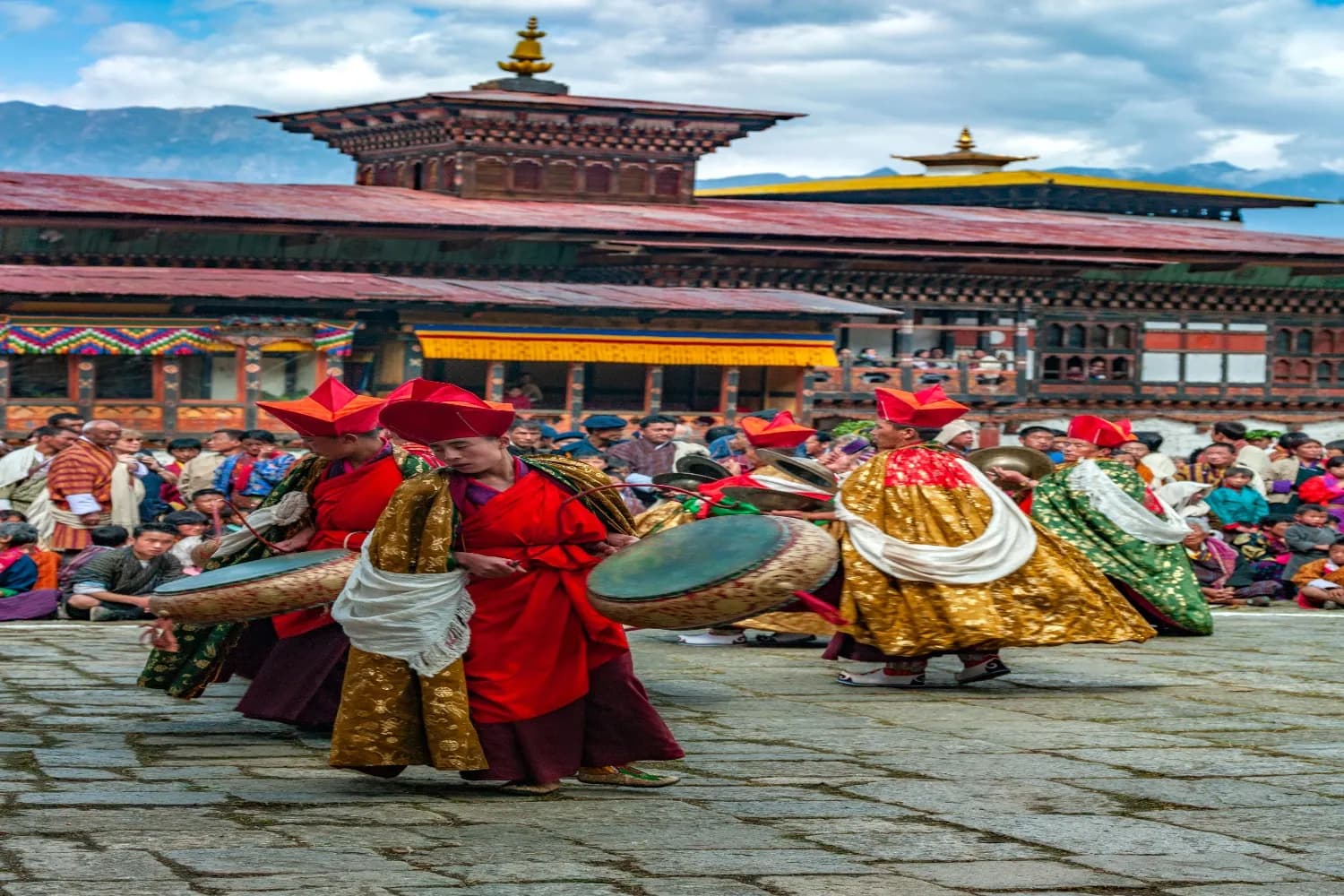
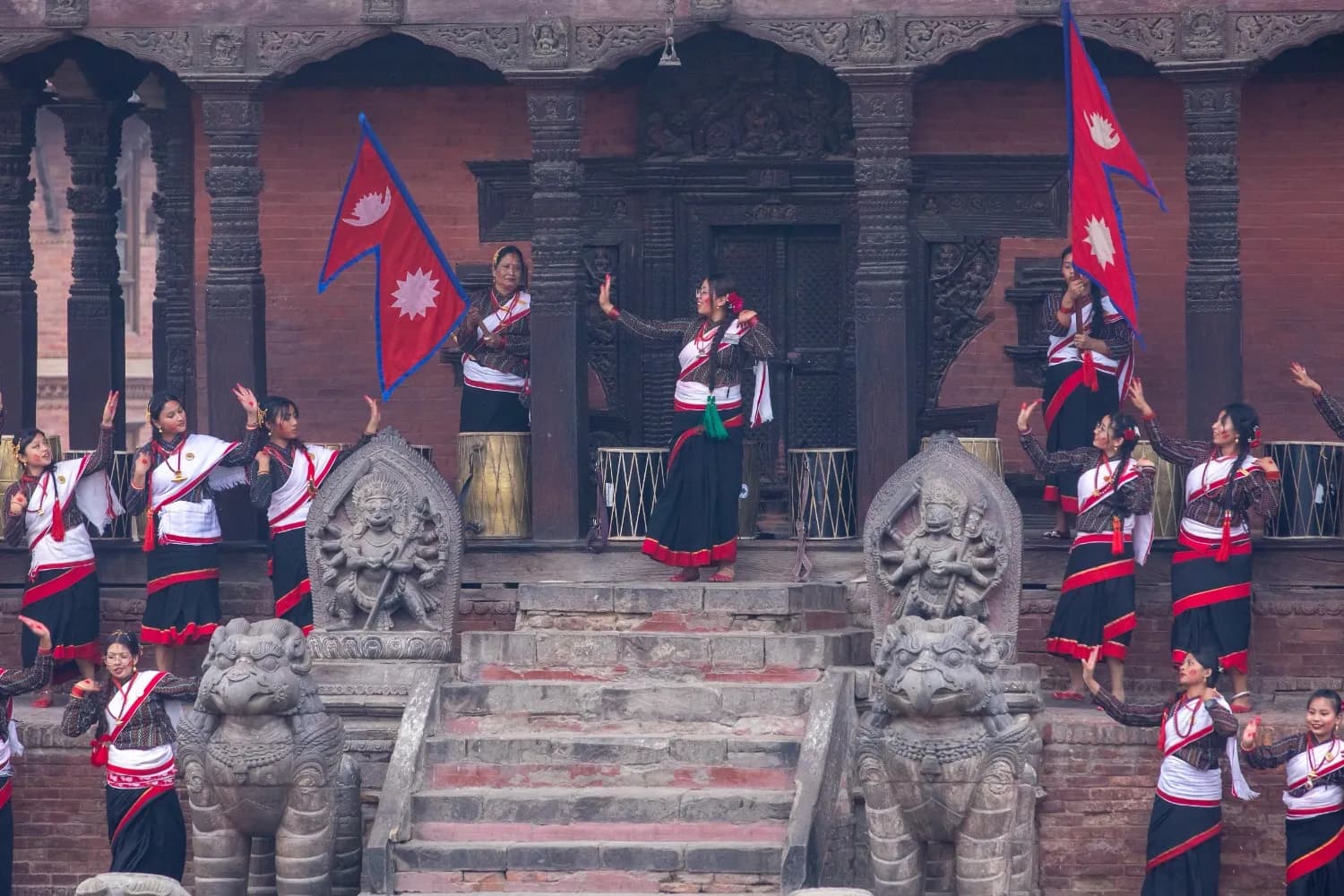
Join Cultural Evenings and Food Experiences: On some evenings, you can attend traditional dance shows, try local food, and learn about Bhutanese customs. These are usually small scale, intimate experiences rather than large commercial events. A curated Bhutan tour package from Chennai often includes at least one such evening, so you get a taste of the culture without struggling to find reliable options on your own.
Frequently Asked Questions
What documents do I need for a Bhutan trip from Chennai?
You generally need a valid passport, confirmed itinerary, permits arranged through an authorised operator, and recent photographs. Requirements can change, so I always reconfirm before finalising your booking.
How many days are ideal for a Bhutan tour?
Five to eight days suit most travellers, covering Thimphu, Paro, and Punakha at a relaxed pace. If you want Phobjikha or Bumthang, plan a slightly longer itinerary for comfort.
Is Bhutan expensive for Indian travellers?
Costs depend on hotel category, transport type, and activities. With careful planning and transparent pricing, Bhutan can feel fairly priced, especially for those prioritising calm experiences over luxury shopping.
Is Bhutan safe for solo and women travellers?
Bhutan is generally considered safe, with polite locals and a calm environment. Choosing verified hotels, pre-booked transfers, and a structured itinerary further improves safety and peace of mind.
Can I find vegetarian or Indian food easily in Bhutan?
Yes, many hotels and restaurants provide vegetarian and basic Indian-style dishes. Menus may be simpler than major metros, so I align meal expectations and suggest flexible travellers for smoother experiences.
All Packages
Why Book Packages with Viacation?

Trusted by 1,00,000+ travellers

Dedicated experts to plan your trips

Secure bookings, clear cancellations
10,000+ unique trips to choose from
