Thailand Summer Special With Flights @ ₹38999
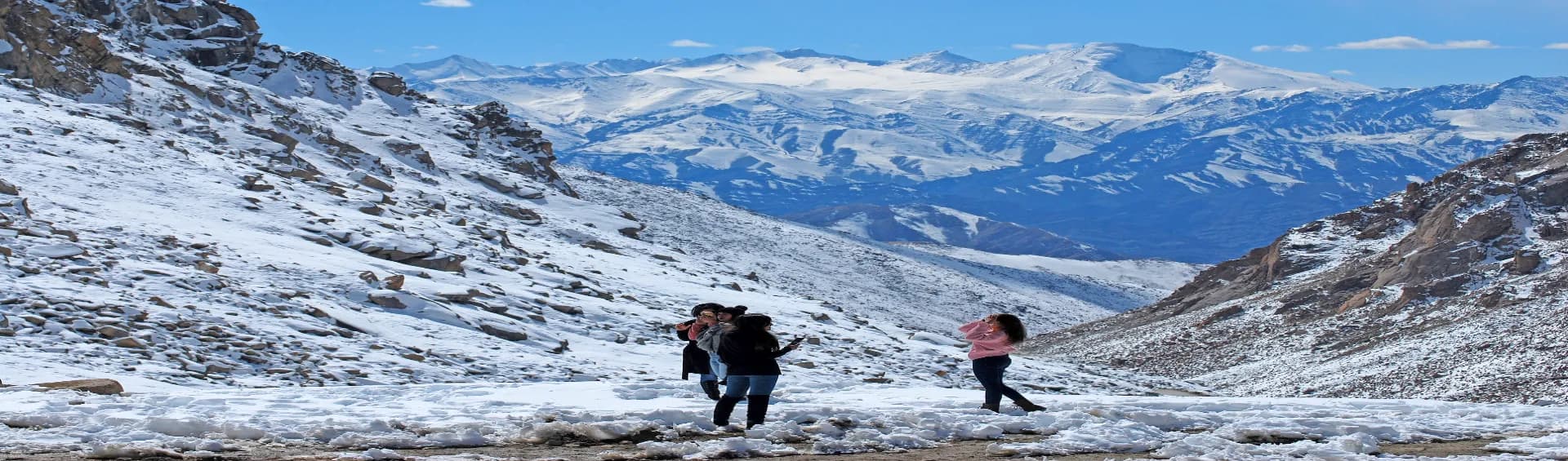

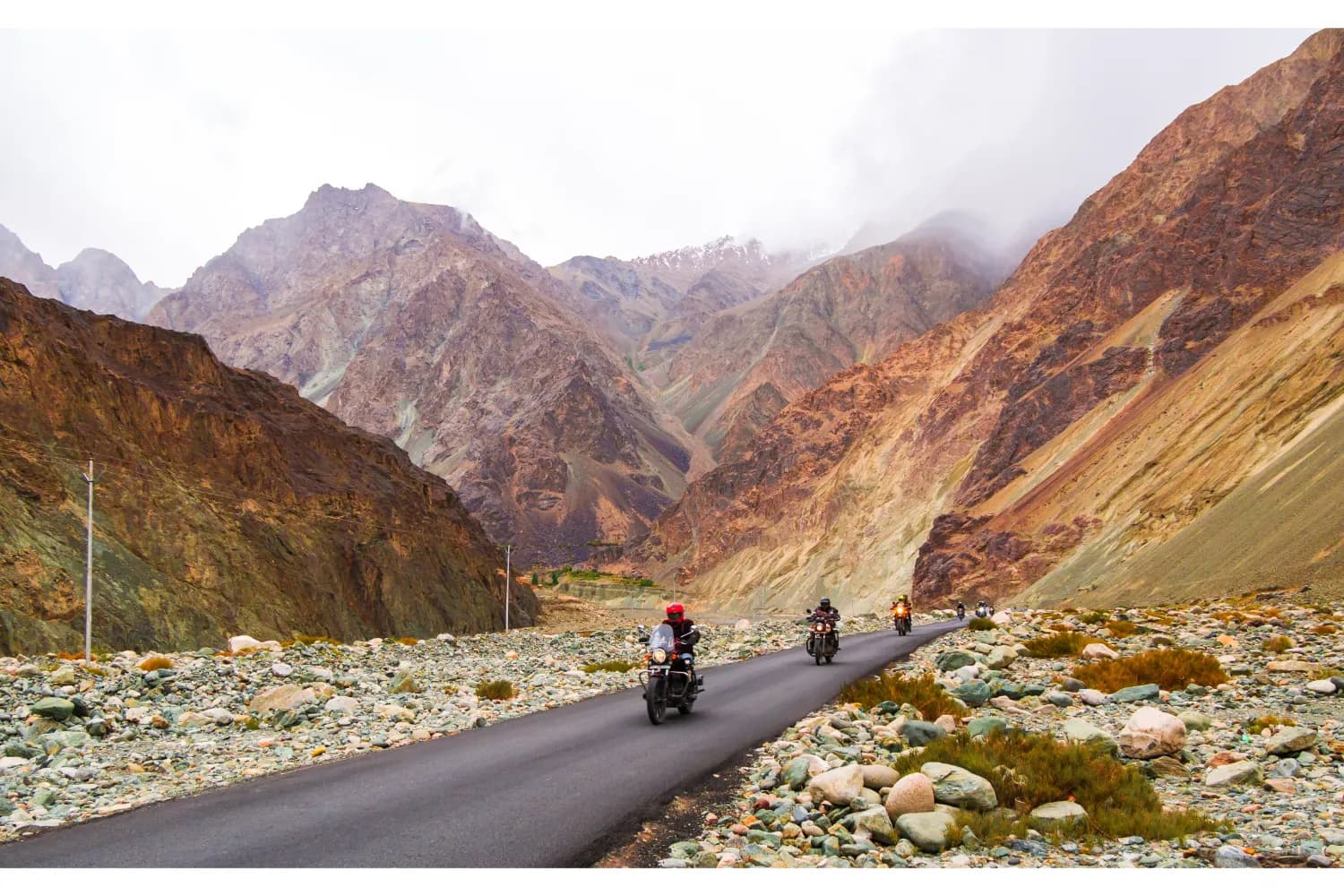
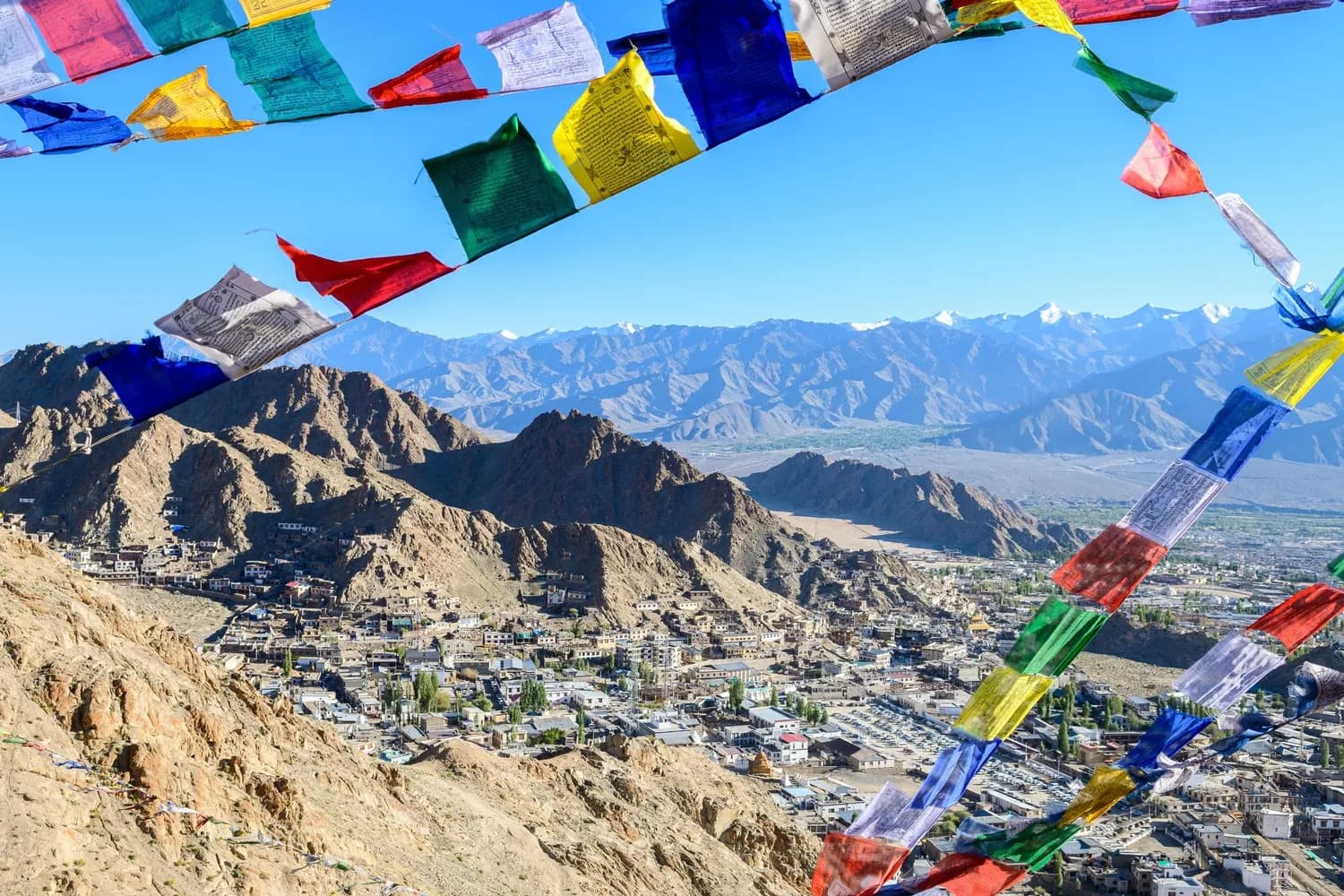
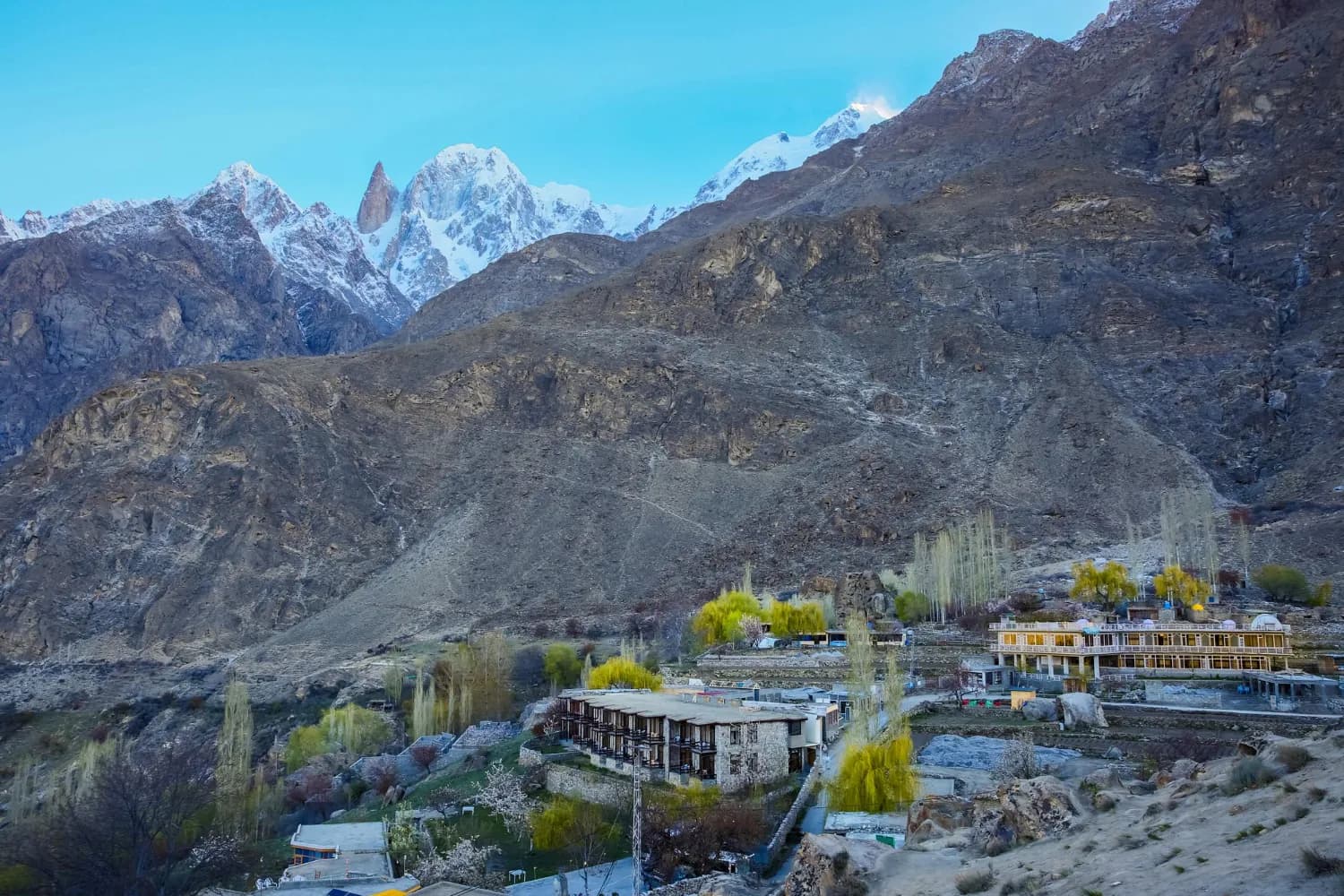
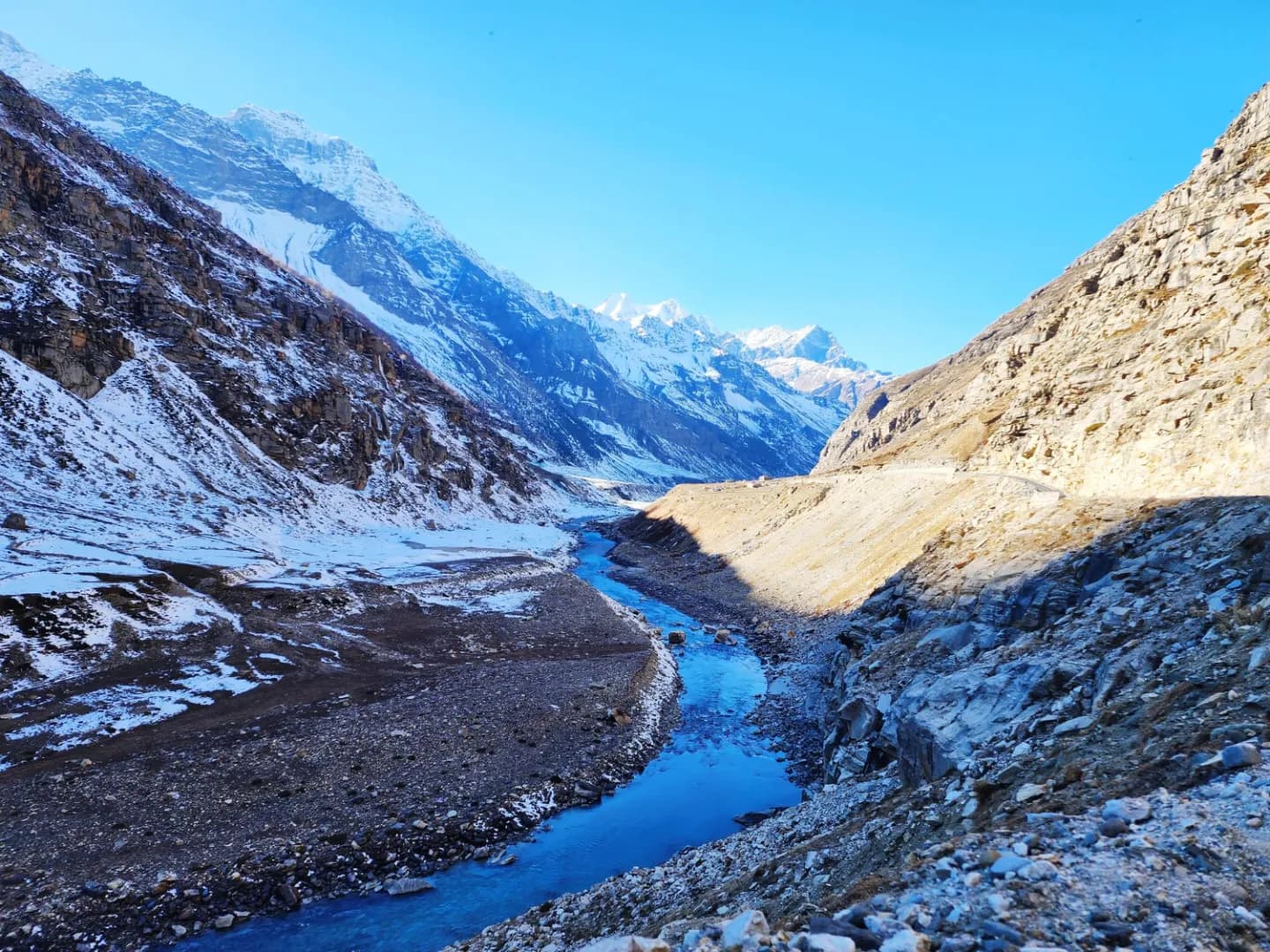
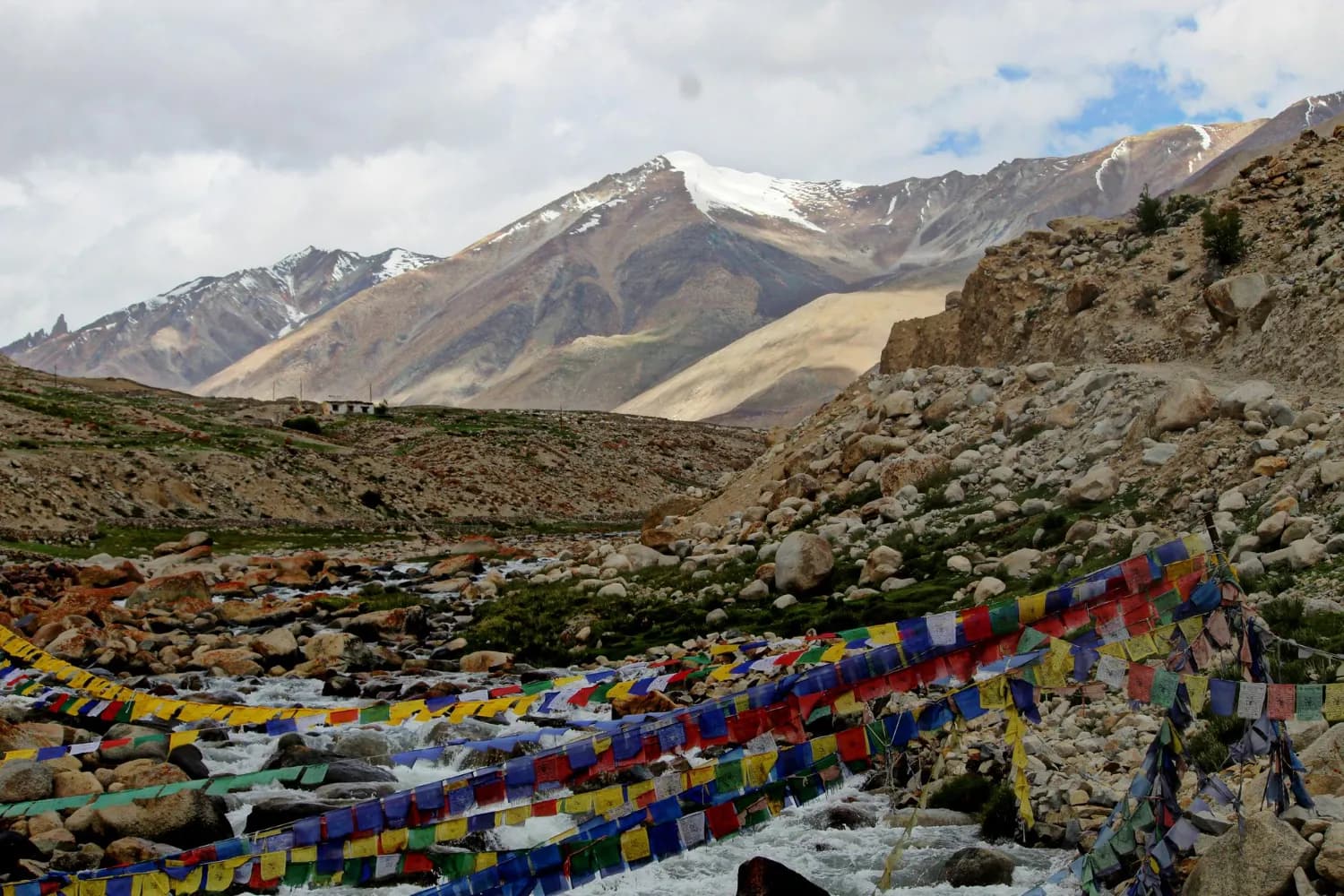
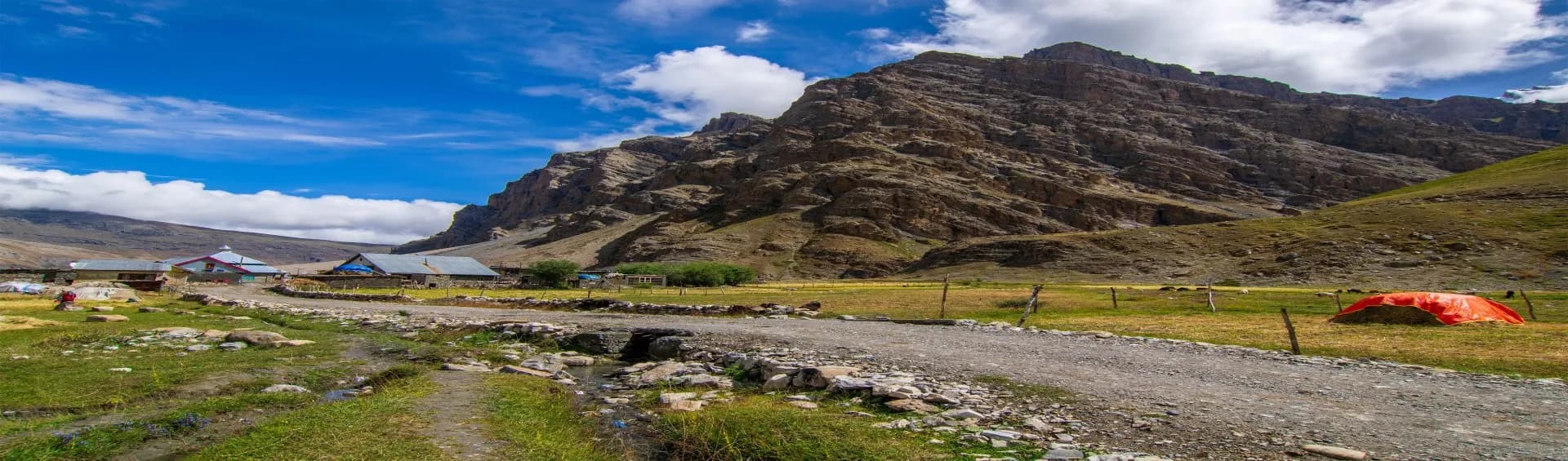
Nestled high in the Himalayas, Cold Desert Ladakh is a land of surreal contrasts rugged mountains, shimmering lakes, and ancient monasteries standing in stark harmony. Known as the “Land of High Passes,” it’s one of the world’s highest inhabited regions, where snow peaks rise above golden dunes and turquoise lakes reflect endless skies. Despite its barren terrain, this cold desert is alive with color, culture, and adventure.
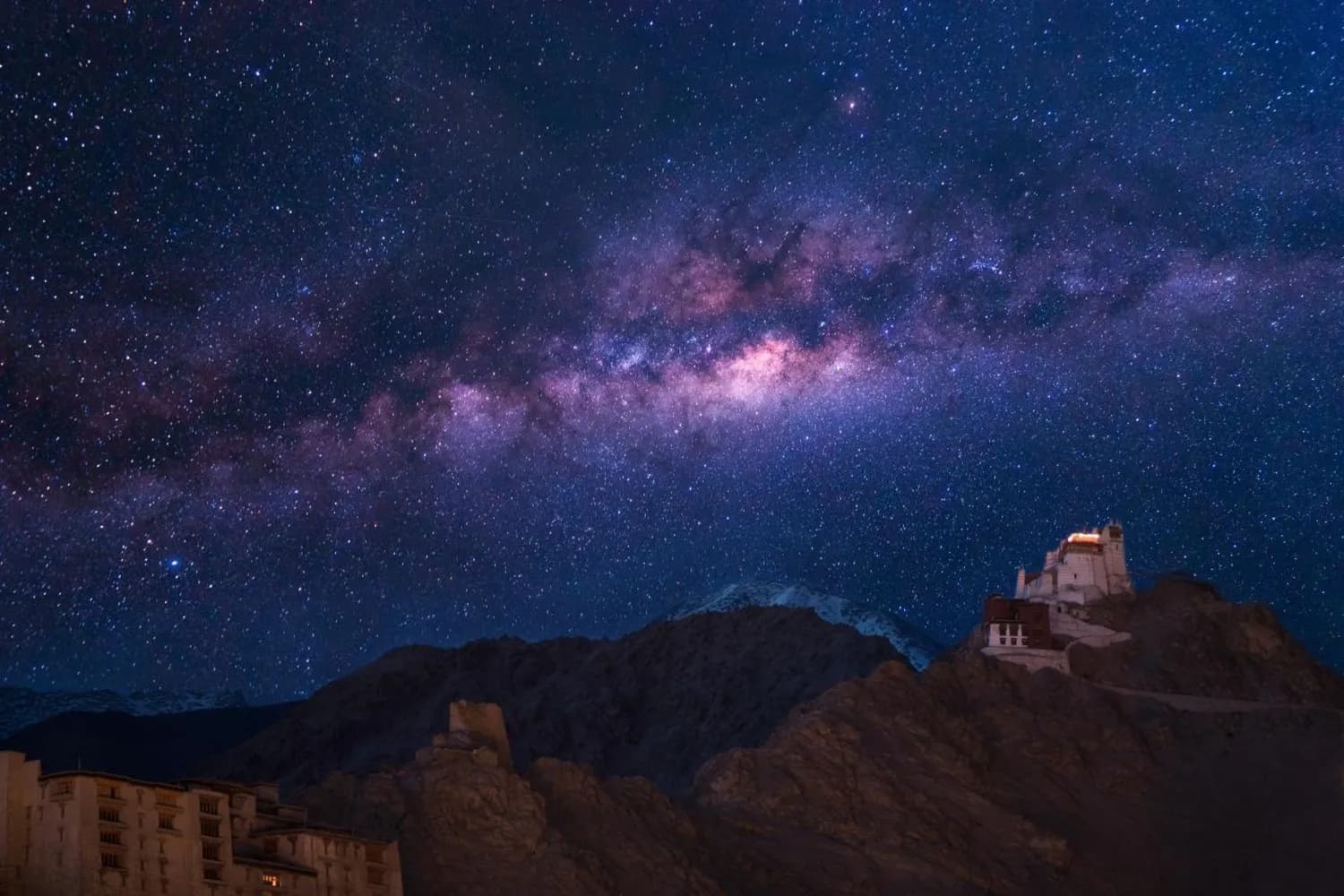
Many travelers choose Ladakh tour packages to explore its monasteries, scenic valleys, and glacial lakes with ease. Whether you’re trekking across high passes, meditating in centuries-old gompas, or stargazing under crystal-clear skies, Cold Desert Ladakh promises an experience that’s raw, peaceful, and unforgettable.
₹39,999
per person
₹21,000
per person
₹20,999
per person
₹39,990
per person
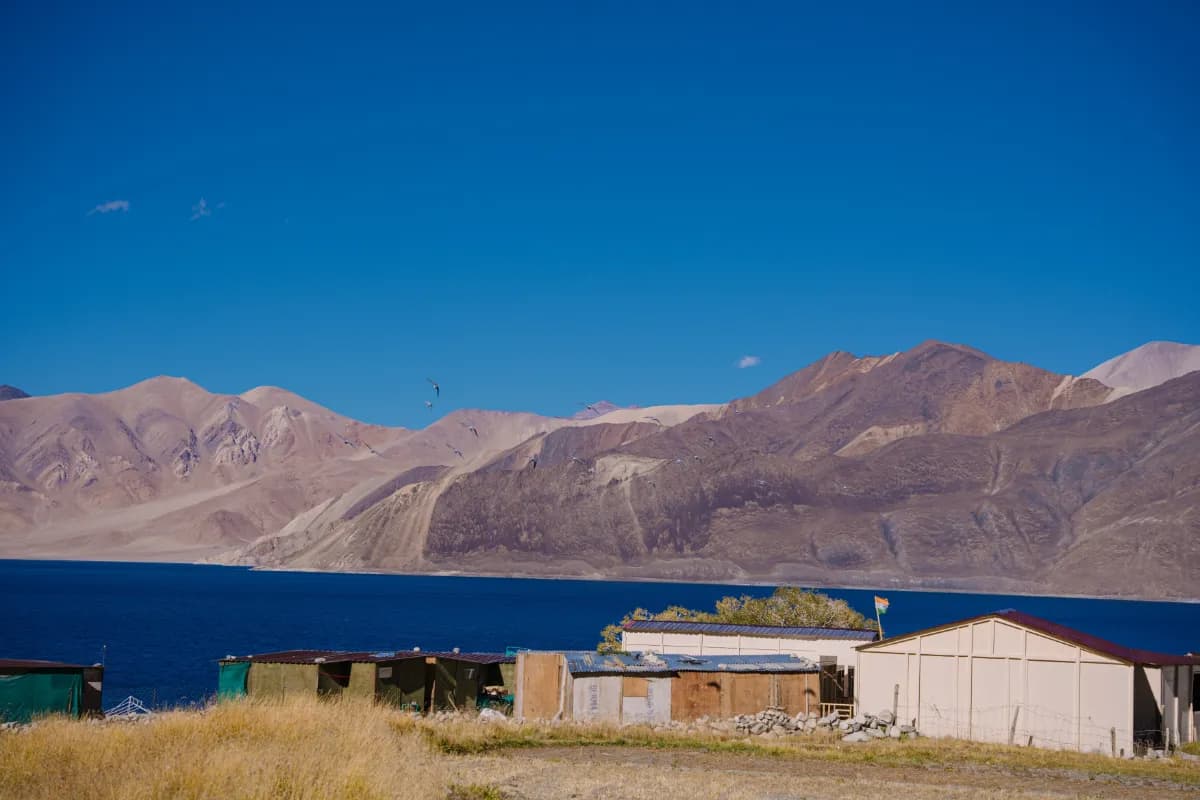
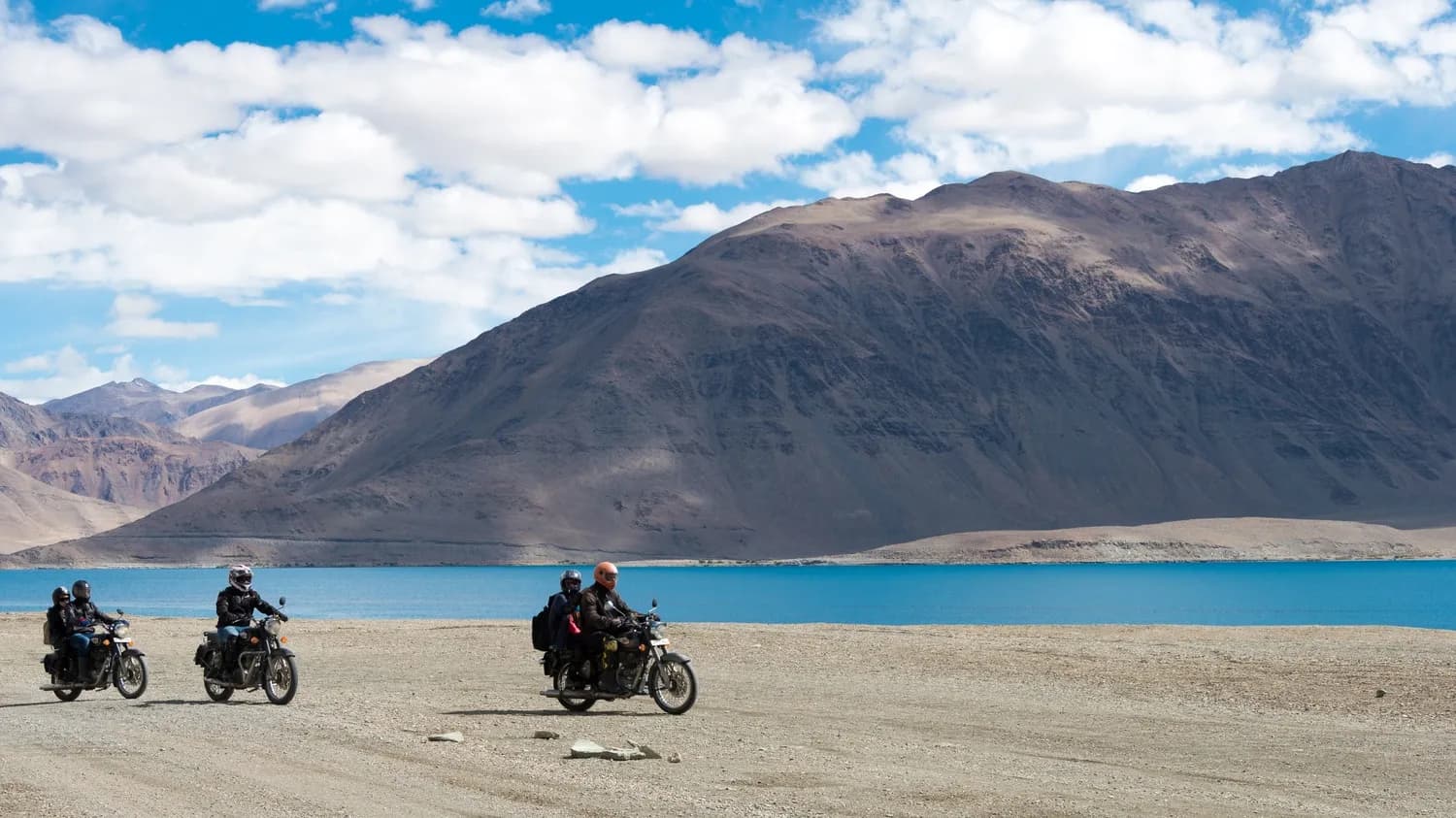
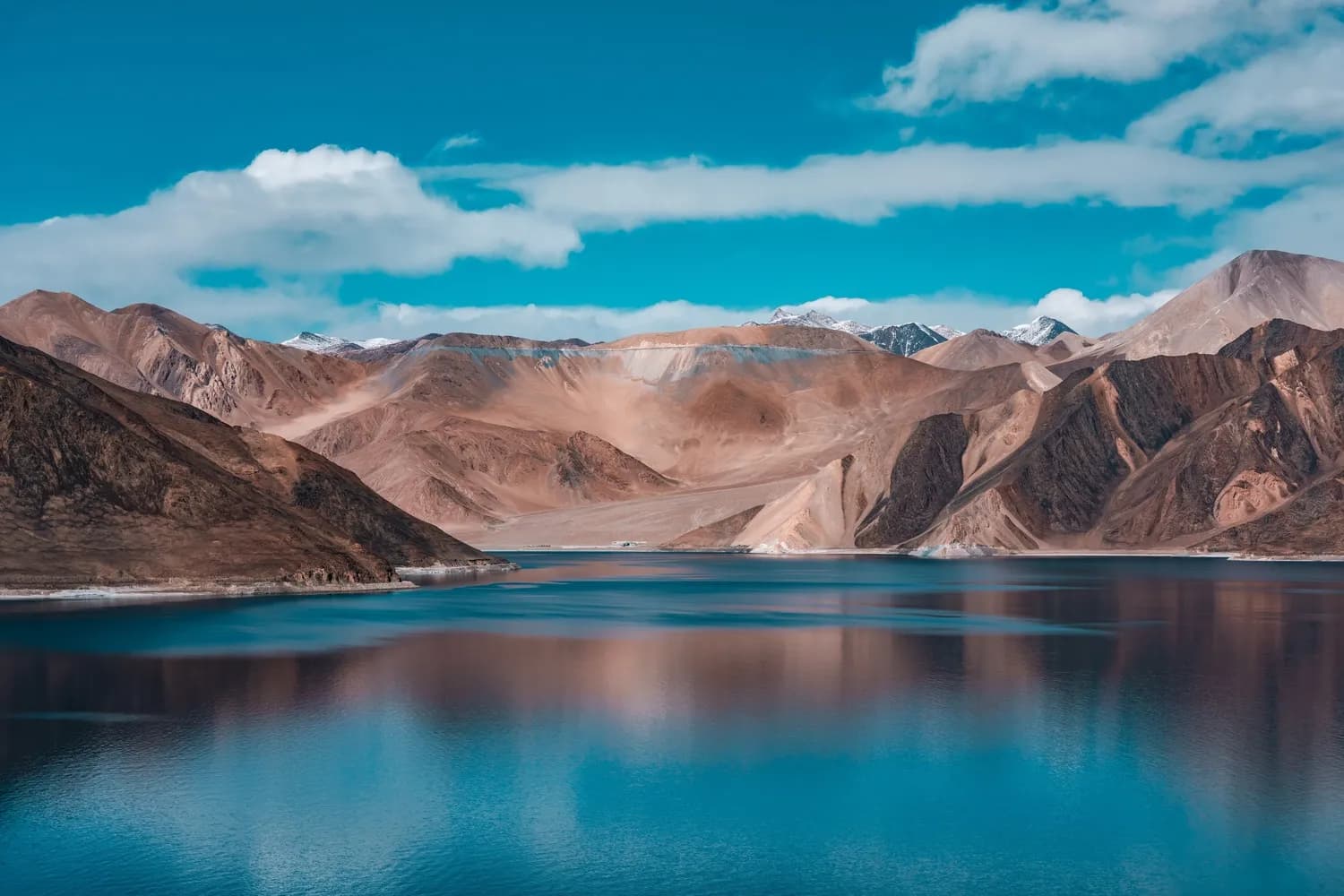
One of the most breathtaking sights in Cold Desert Ladakh, Pangong Lake is famous for its ever-changing hues shifting from deep blue to emerald and turquoise as the sun moves across the sky. Stretching across India and China, this high-altitude lake is a photographer’s paradise and a symbol of Ladakh’s ethereal beauty. The serene surroundings and clear reflections of the Himalayas make it a must-visit.
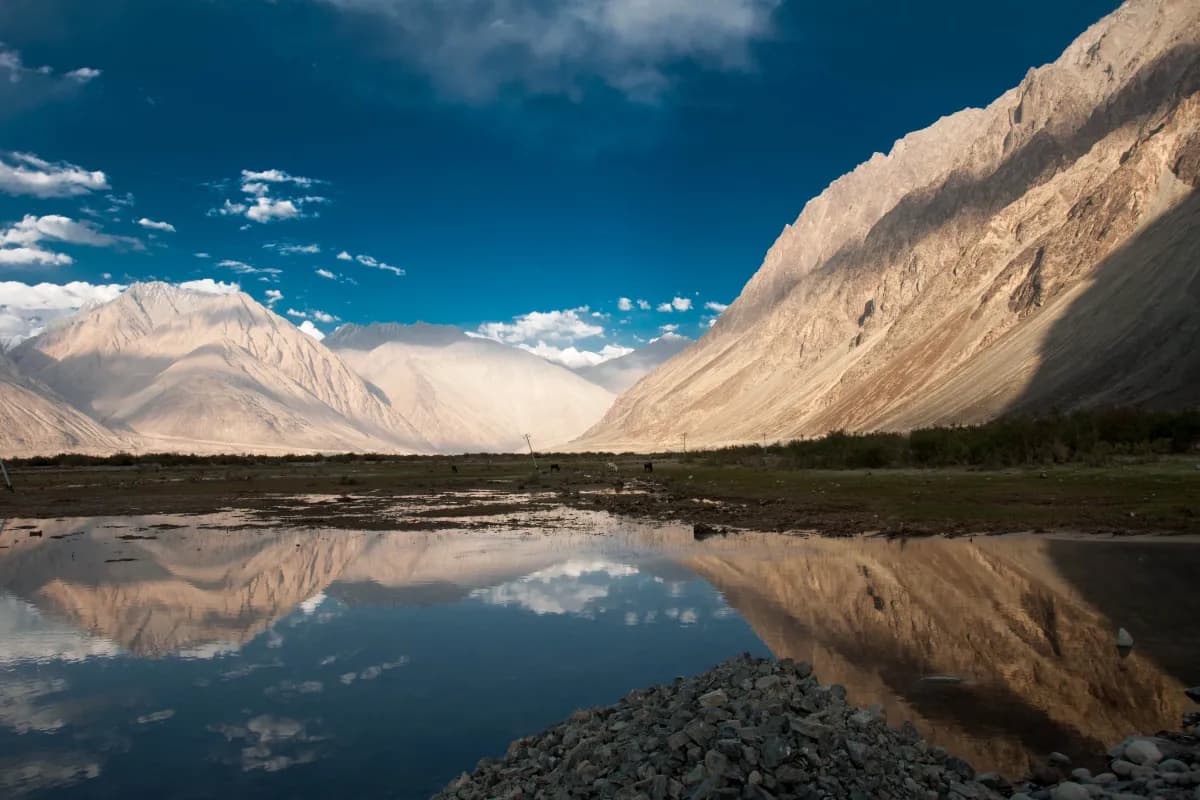
Known for its striking cold desert landscape, Nubra Valley is a gem of Cold Desert Ladakh. Between the Karakoram and Ladakh ranges, the valley features golden sand dunes, charming villages, and ancient monasteries. Its most iconic residents the double-humped Bactrian camels make it a unique experience unlike anywhere else in India. The blend of stark desert and lush riverbeds gives Nubra its surreal charm.
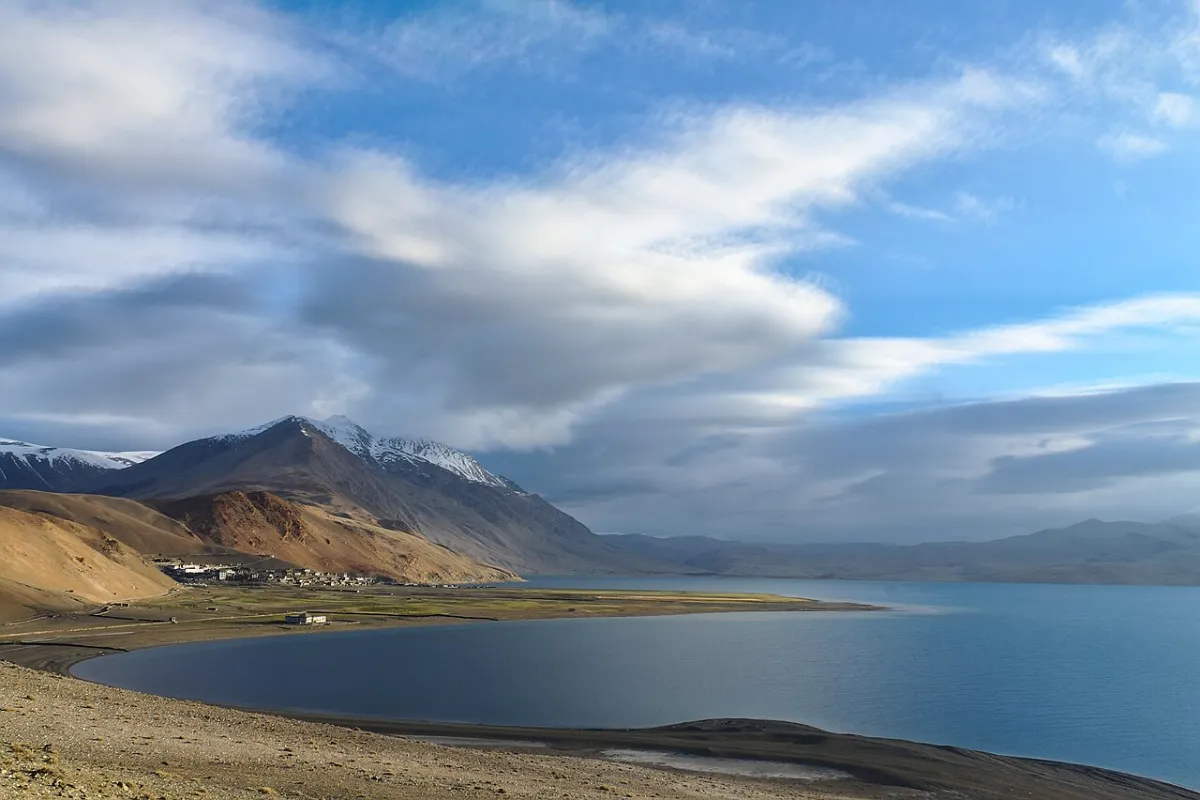
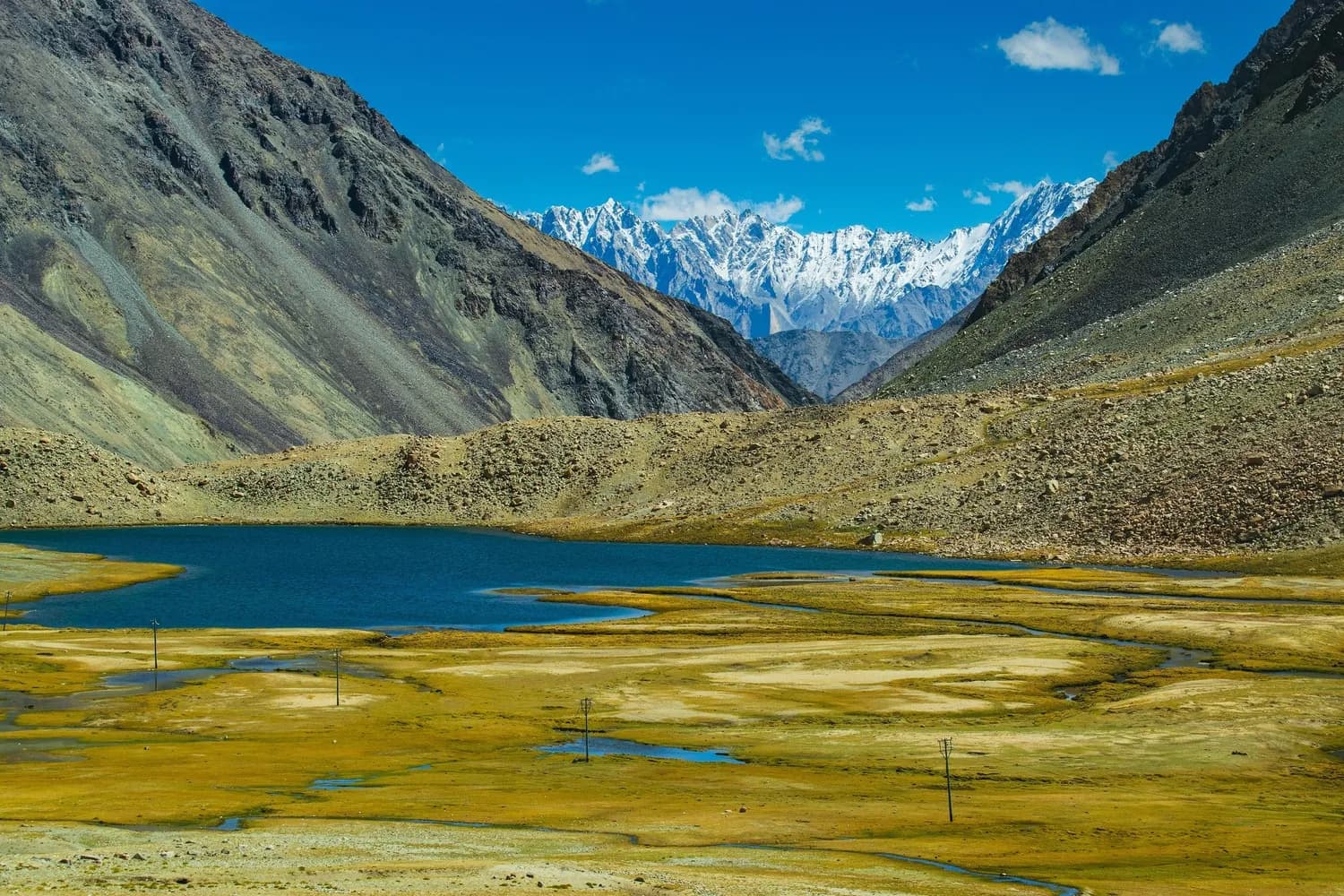
Set at a stunning altitude of over 15,000 feet, Tso Moriri Lake is a tranquil and lesser-known jewel of Cold Desert Ladakh. The lake’s mirror-like waters reflect snow-capped peaks and shifting skies, creating a picture-perfect panorama. It’s also home to rare migratory birds, including the black-necked crane. Unlike Pangong, it offers solitude and raw, untouched beauty that’s perfect for peaceful retreats.
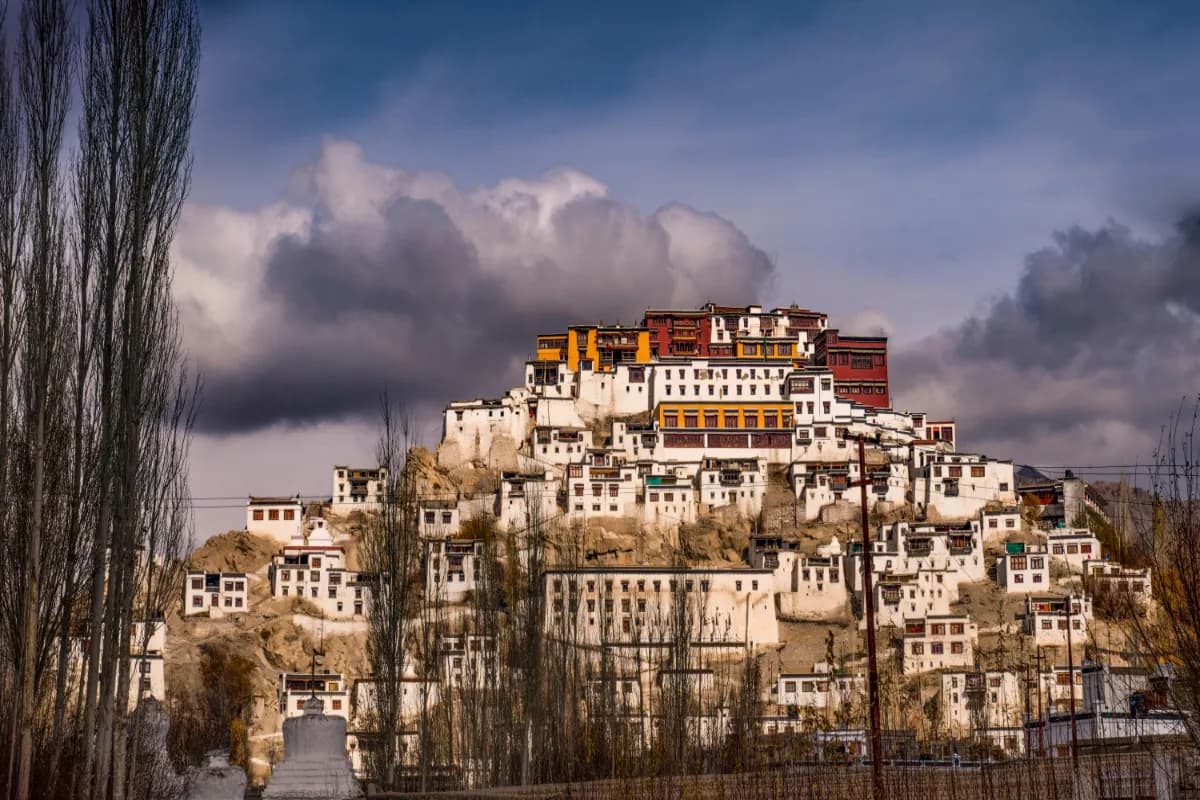
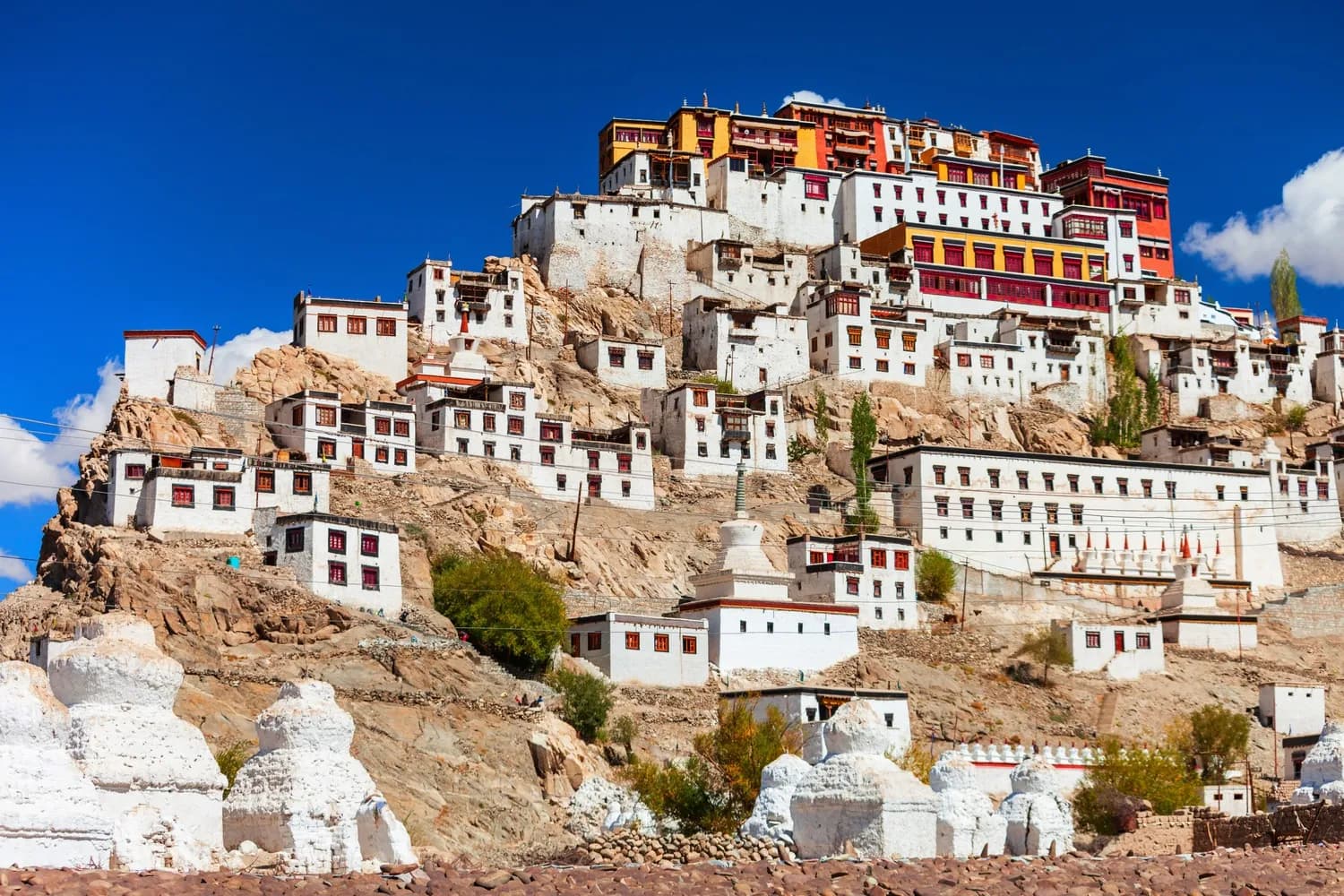
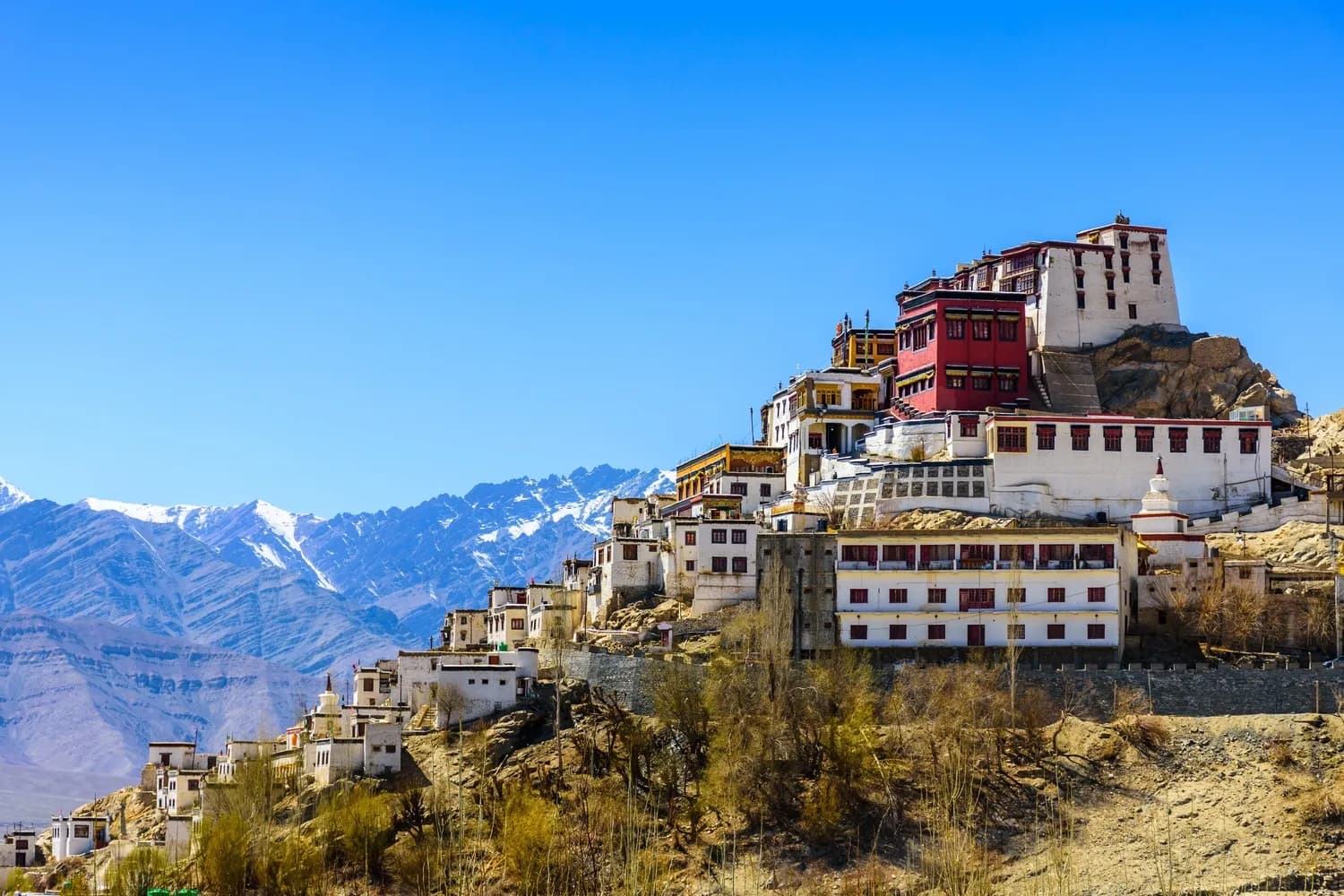
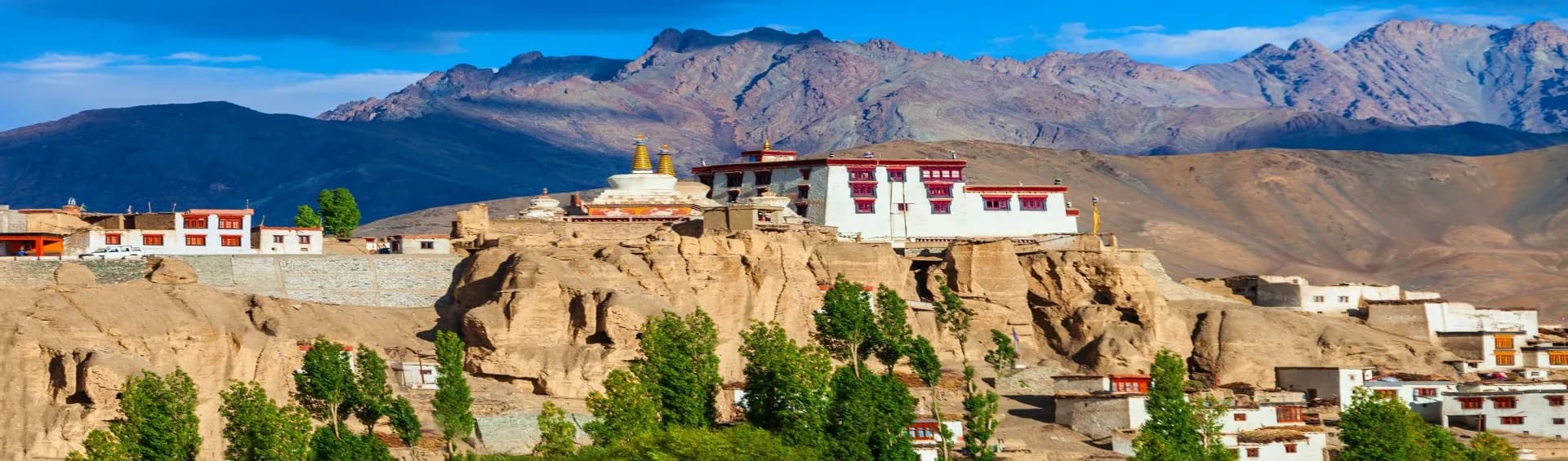
Perched majestically on a hill overlooking the Indus Valley, Thiksey Monastery is one of the most iconic spiritual sites in Cold Desert Ladakh. Resembling Tibet’s Potala Palace, this monastery is famous for its 49-foot statue of Maitreya Buddha and its peaceful prayer halls. The early morning prayer ceremony here is a soul-stirring experience.
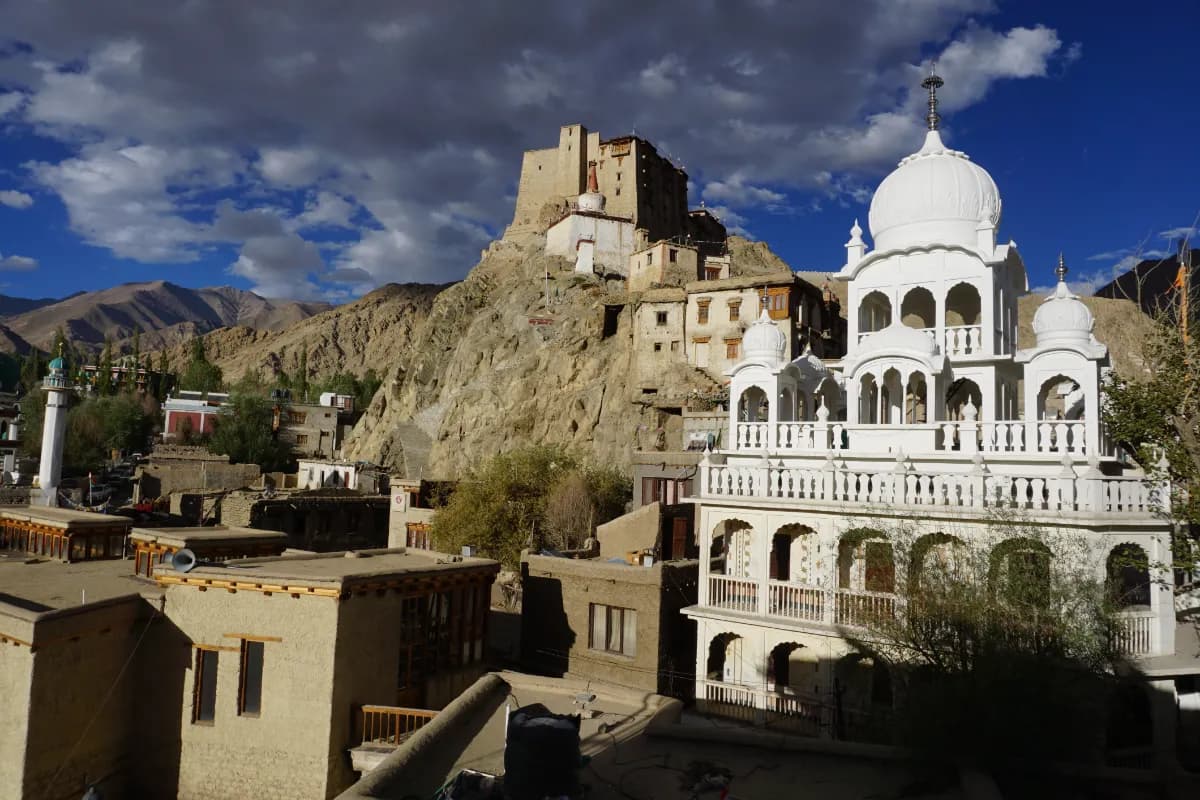
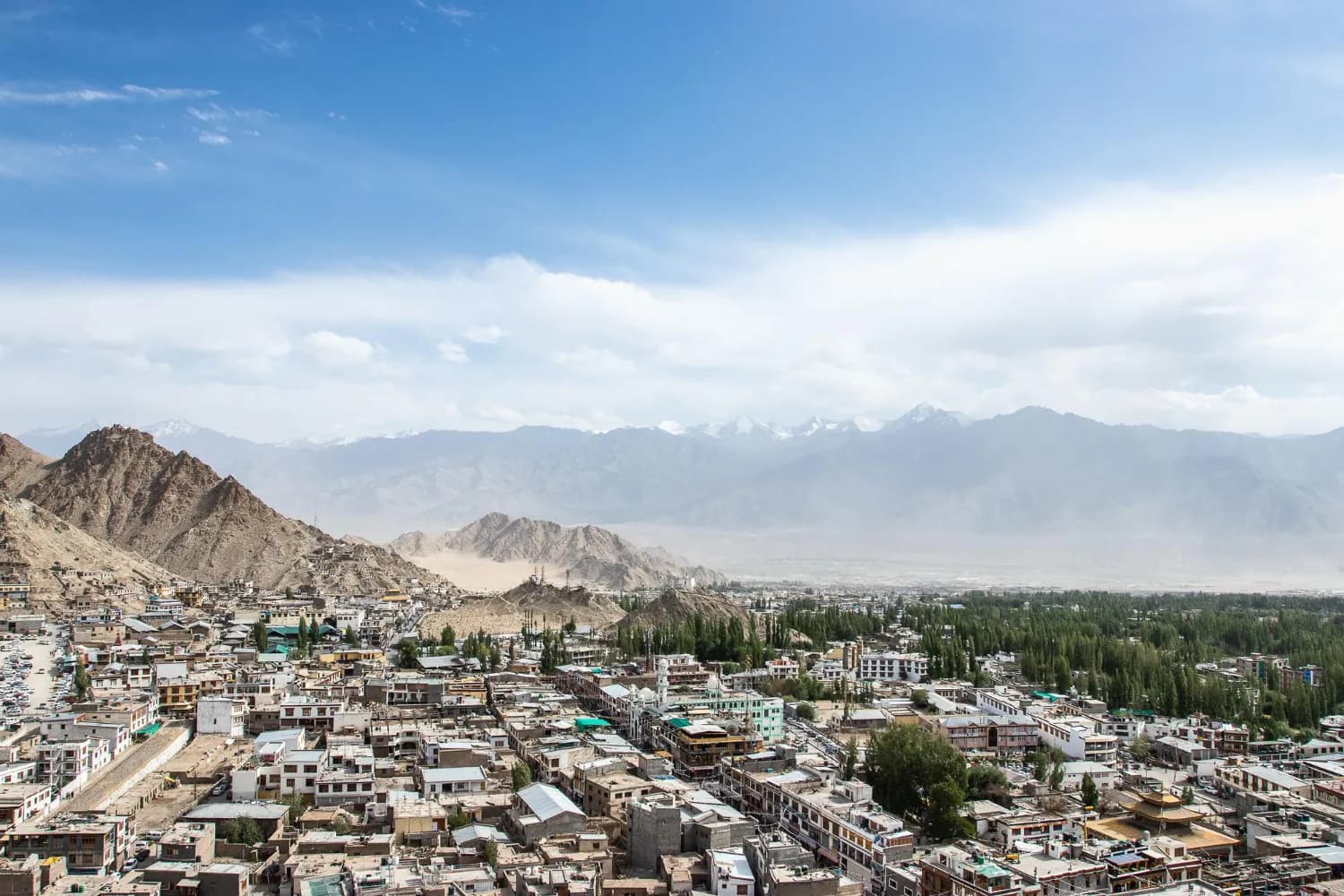
A stunning remnant of Ladakh’s royal heritage, Leh Palace was built in the 17th century by King Sengge Namgyal. Overlooking Leh town, this nine-story palace offers panoramic views of the cold desert landscape and the distant Stok Kangri peaks. Inside, you’ll find a museum displaying ancient jewelry, thangkas, and royal artifacts that tell tales of Ladakh’s regal past.
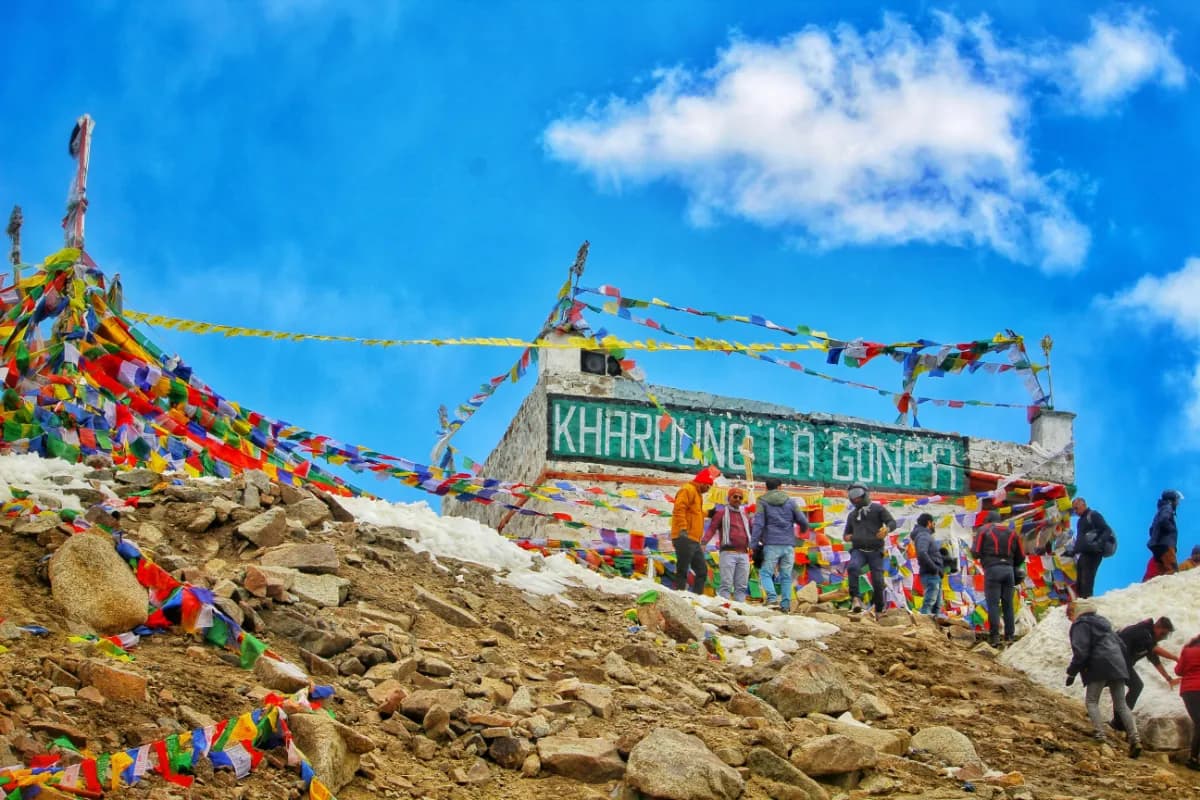
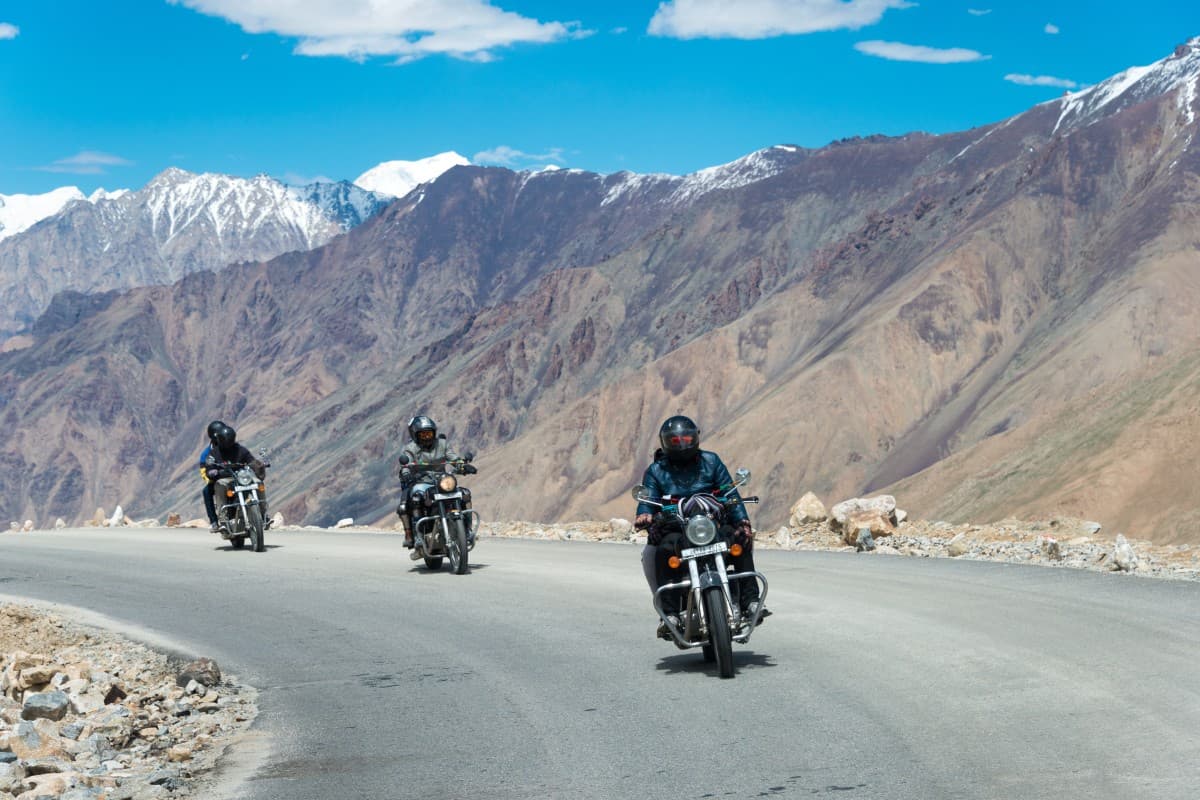
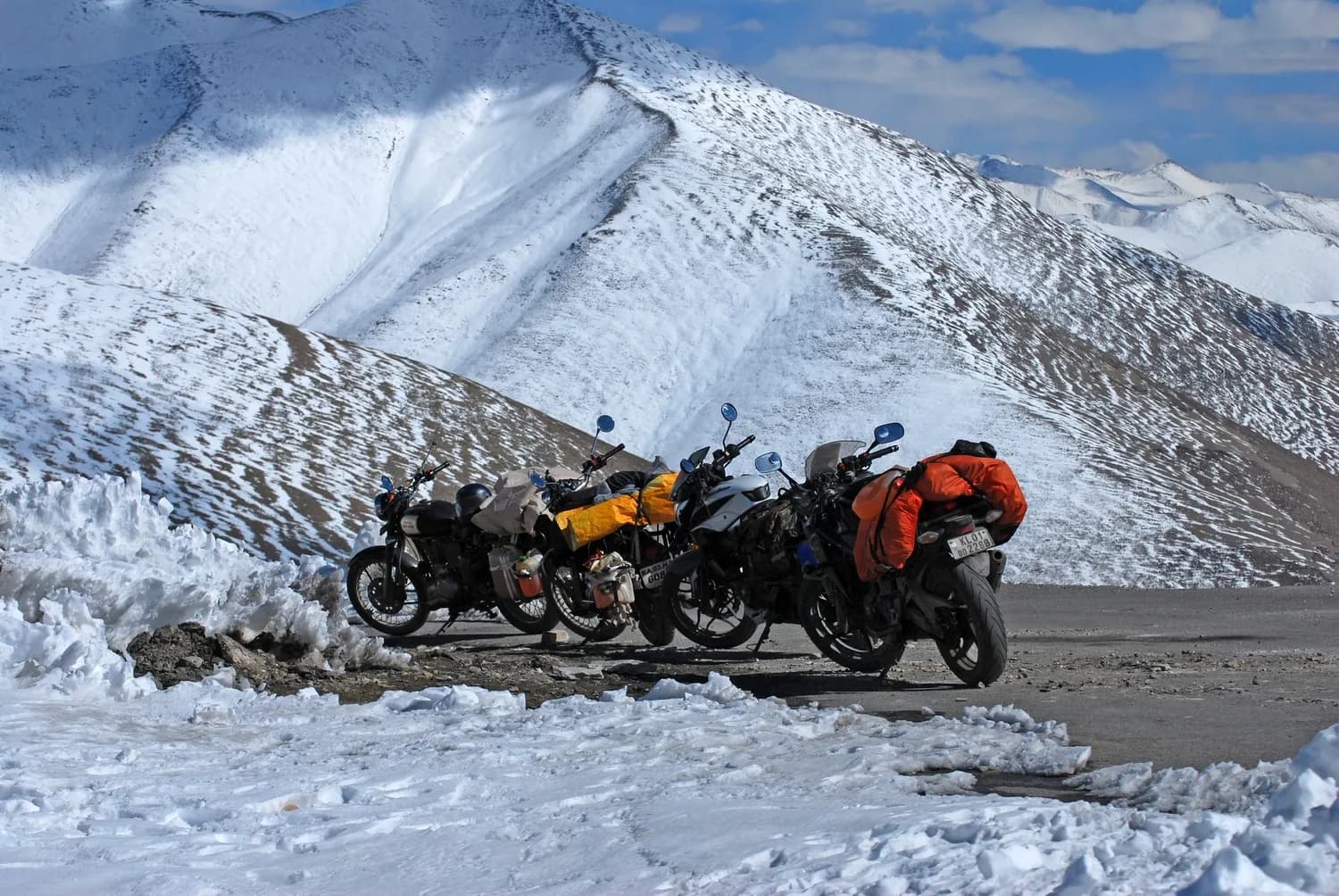
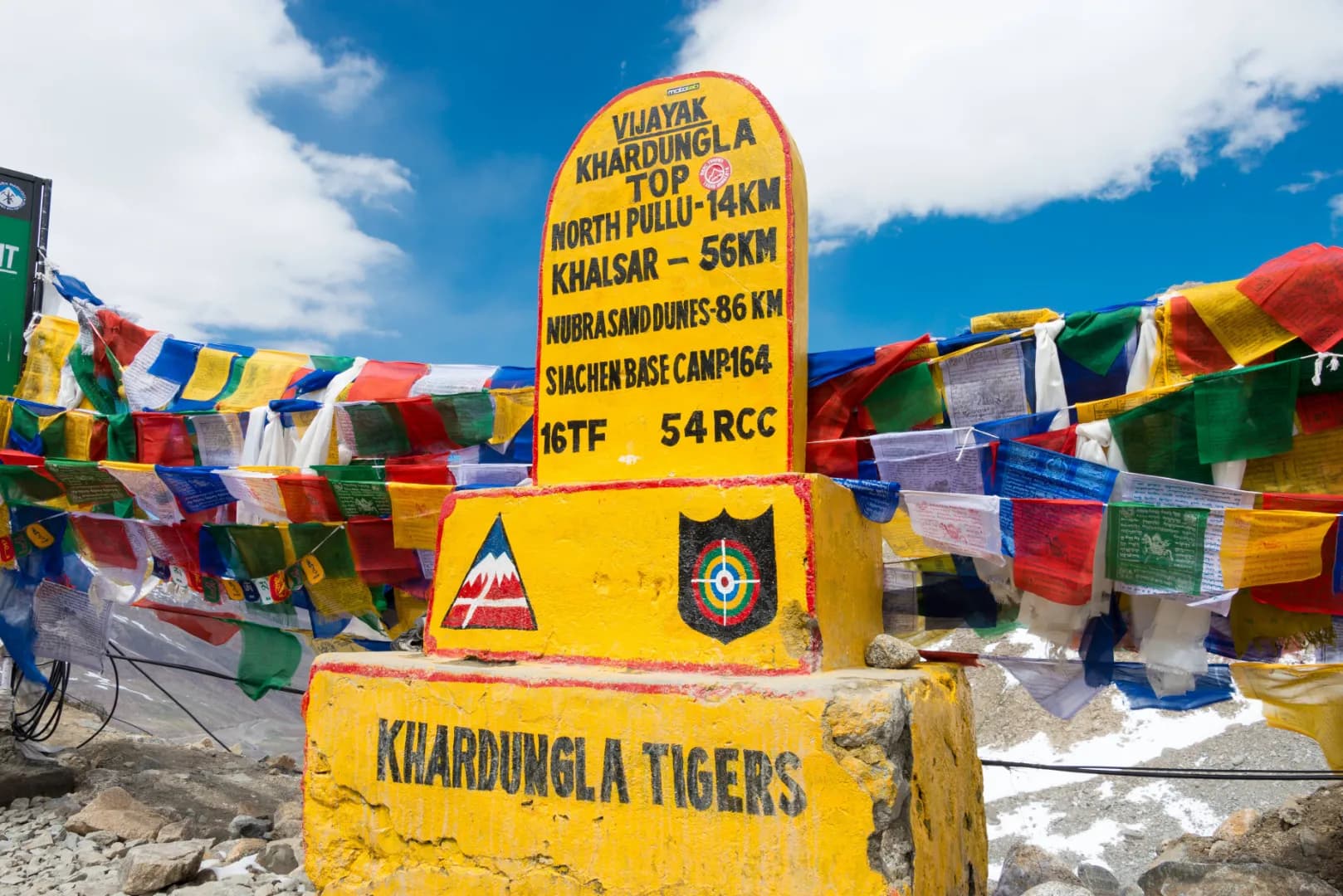
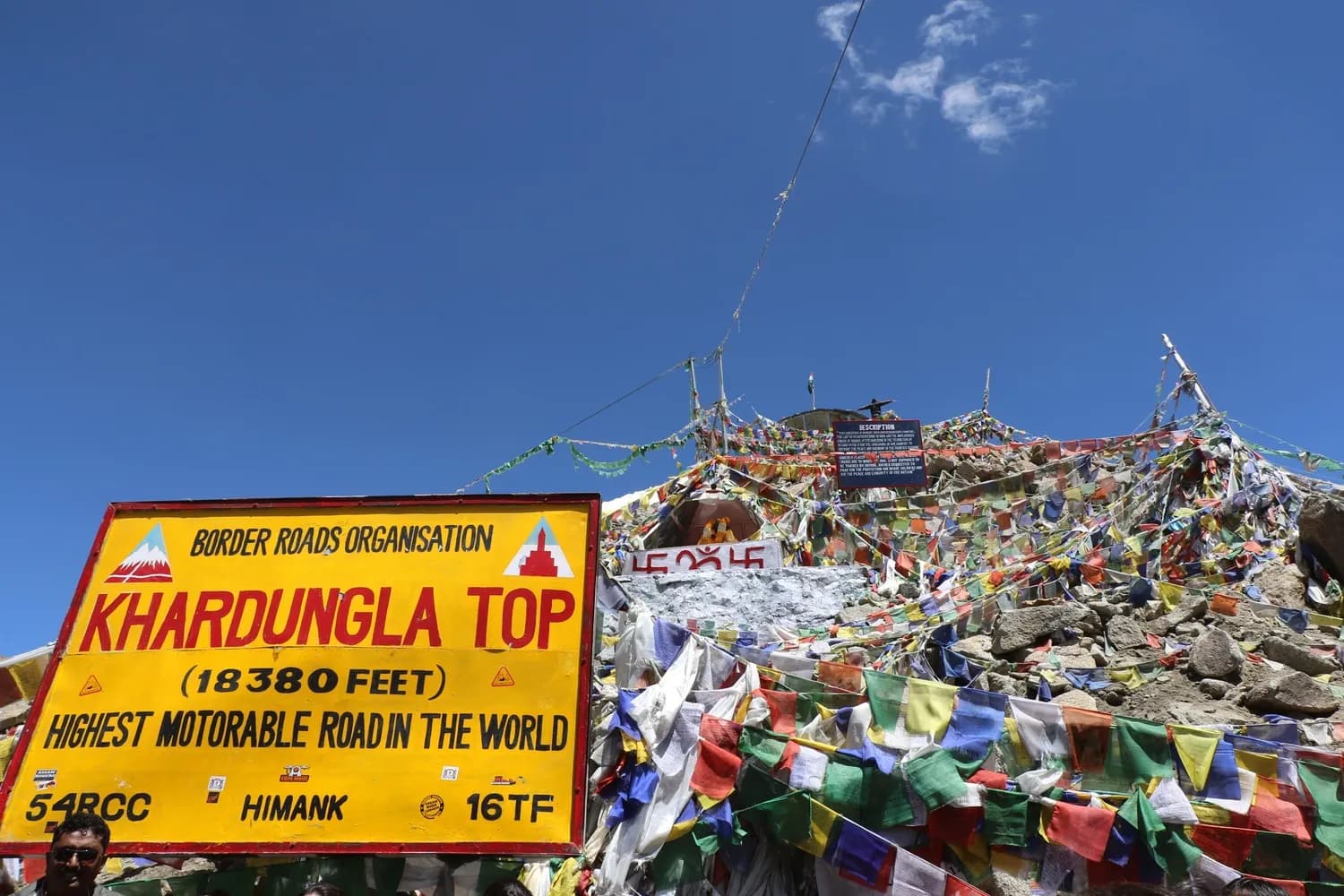
At over 18,000 feet above sea level, Khardung La Pass is among the world’s highest motorable roads and a thrill-seeker’s paradise. This iconic gateway connects Leh with Nubra Valley and offers stunning vistas of snow-capped mountains and winding trails. A hot cup of tea at the top, surrounded by icy winds and panoramic views, is a true Ladakh experience.
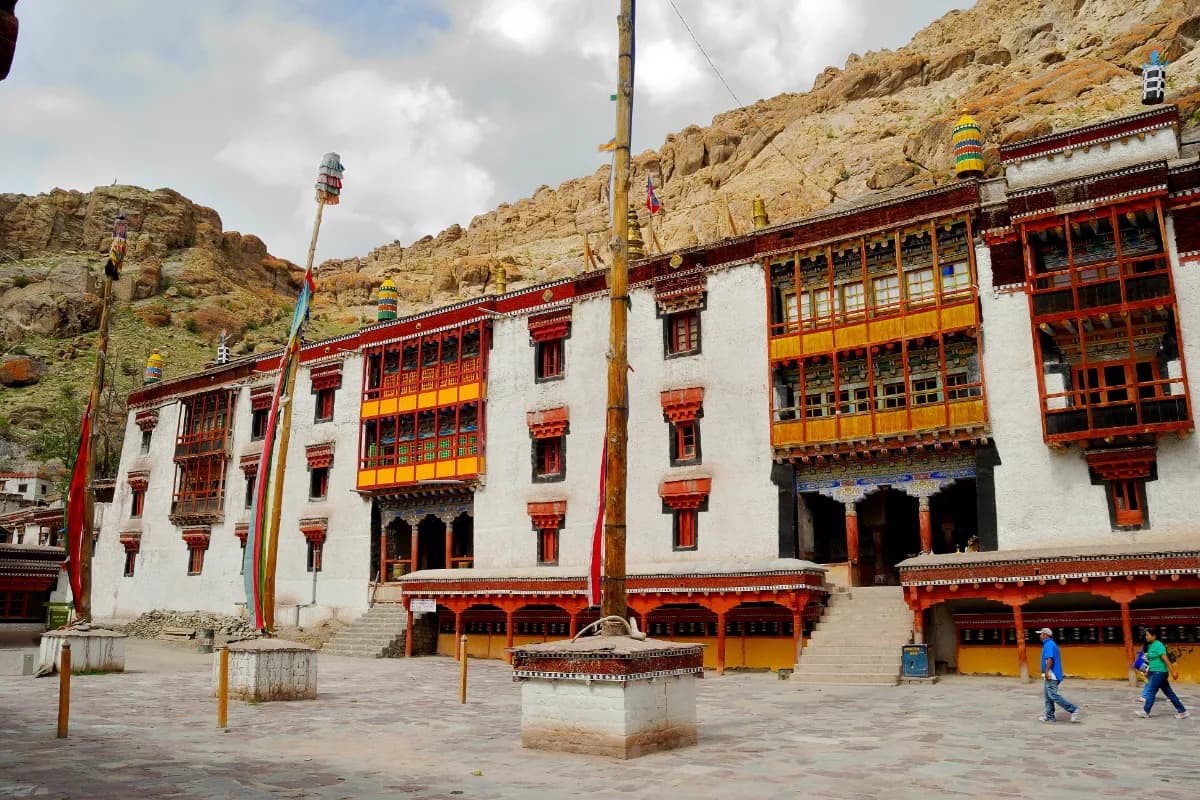
The largest and wealthiest monastery in Cold Desert Ladakh, Hemis Monastery is renowned for its grand annual Hemis Festival held in honor of Guru Padmasambhava. The monastery is a treasure of Buddhist art and architecture, adorned with colorful murals and intricate statues. During the festival, the courtyard comes alive with masked dances, chants, and music, celebrating centuries-old traditions.
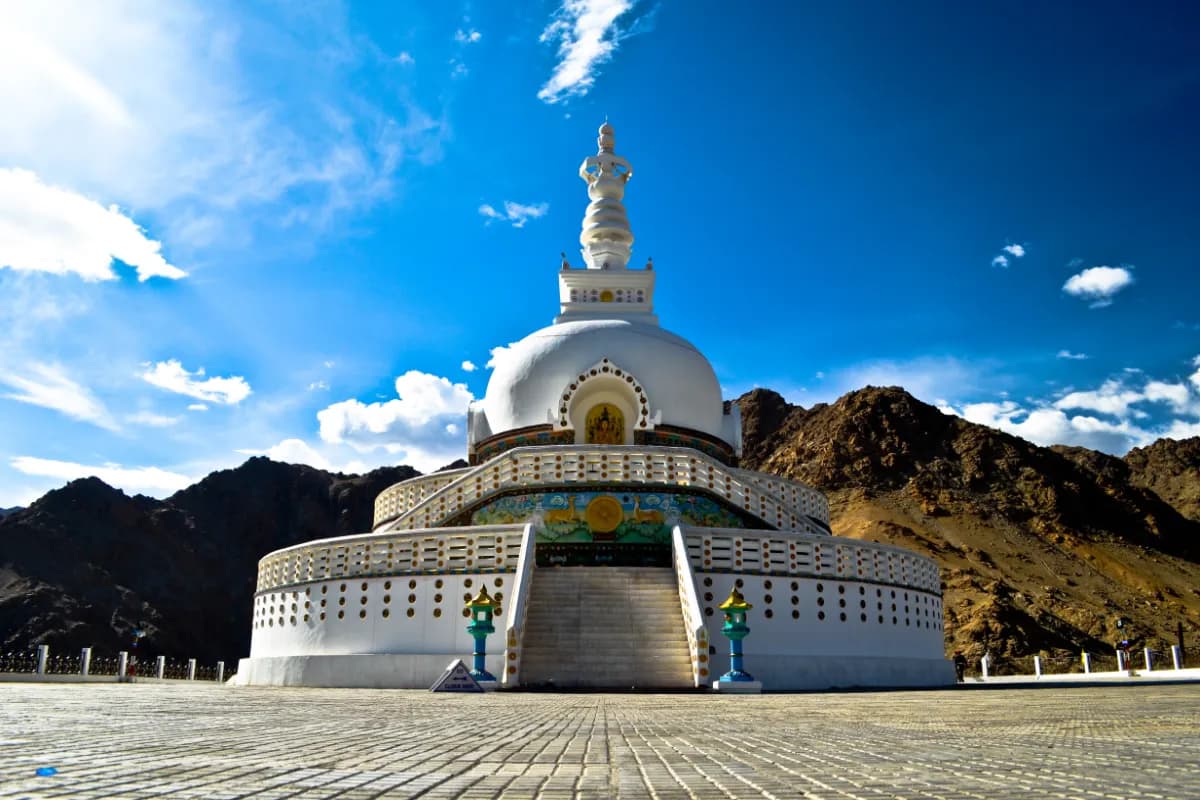
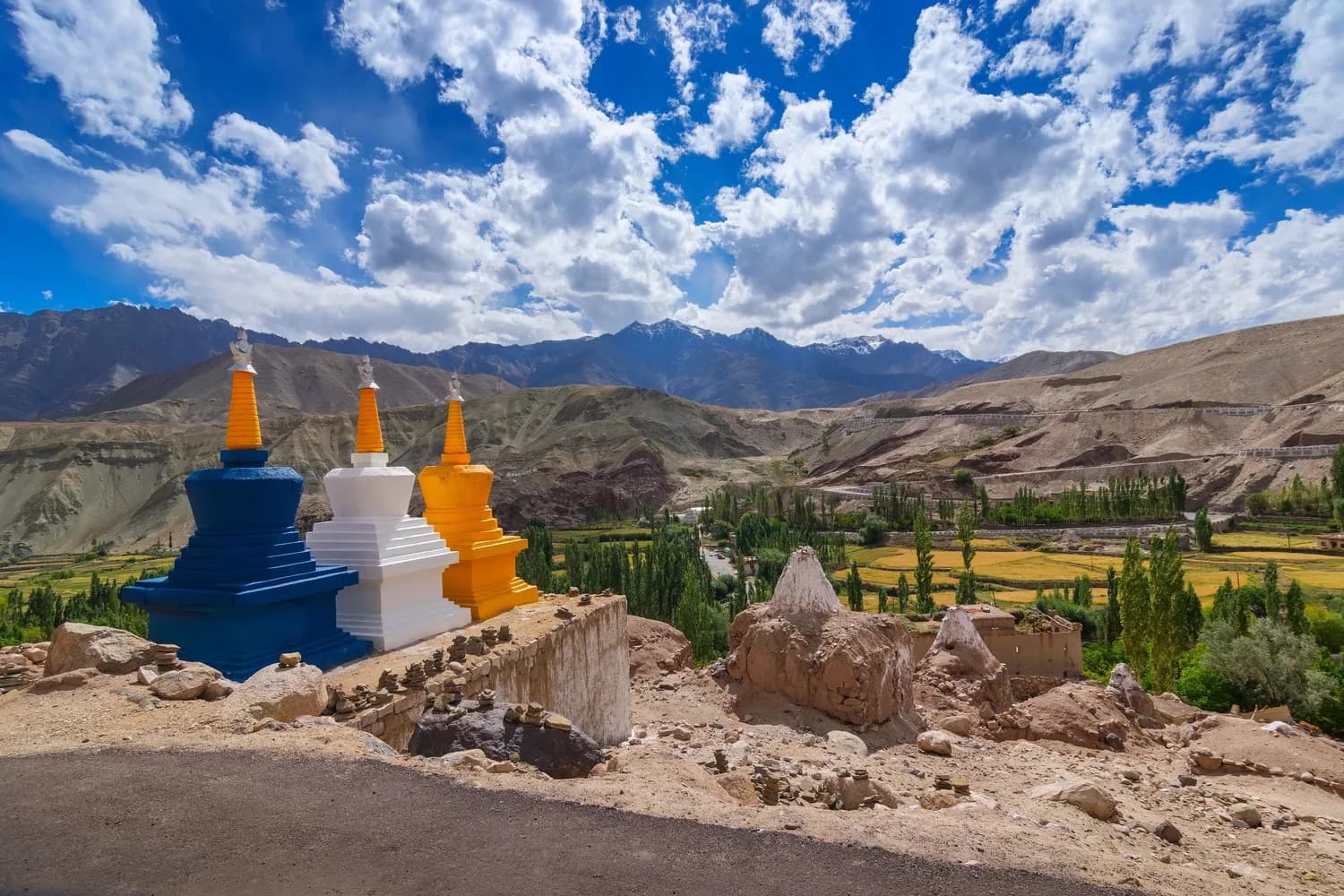
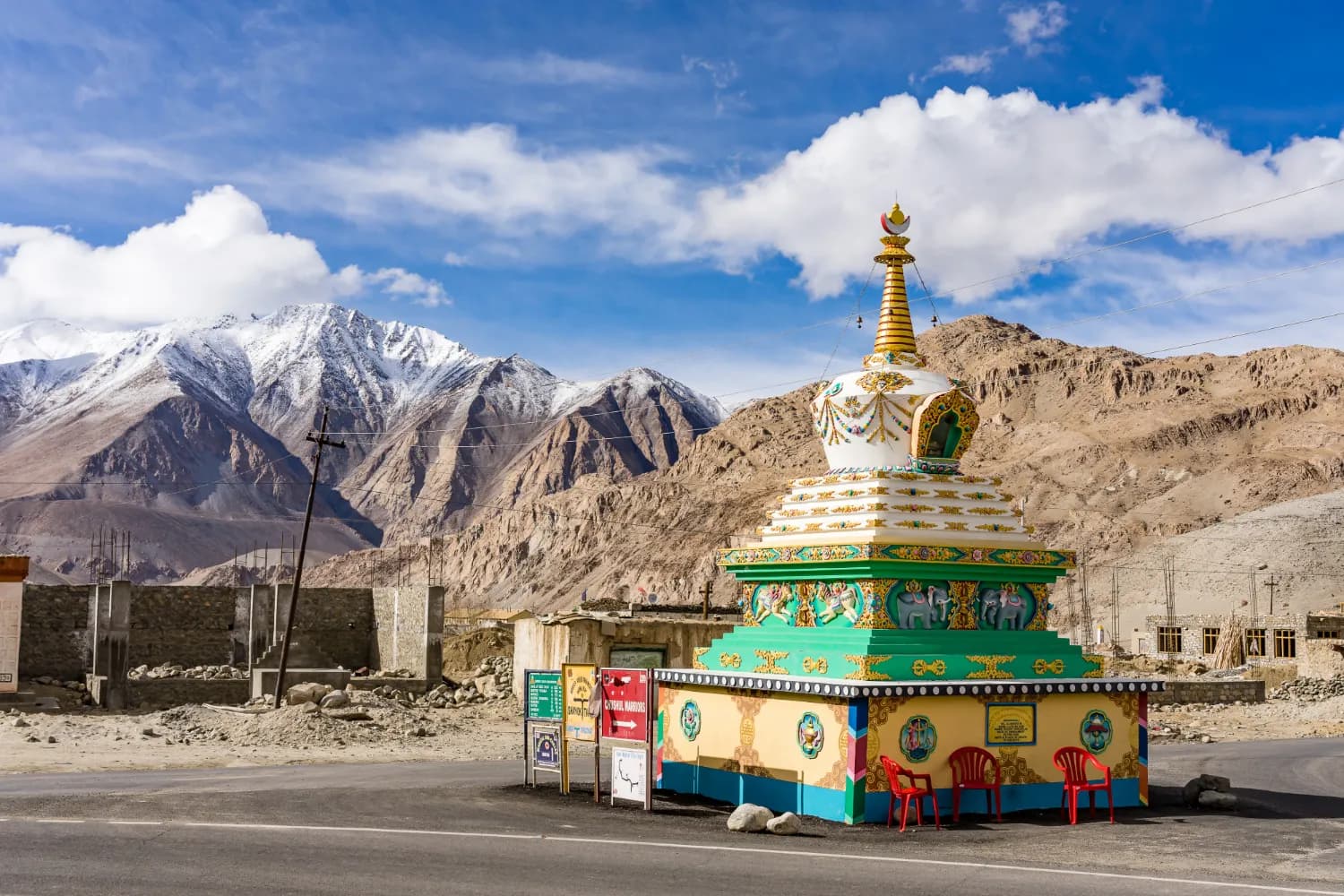
A gleaming white-domed monument, Shanti Stupa stands tall atop a hill overlooking Leh, symbolizing peace and harmony. Built by Japanese monks, it offers spectacular panoramic views of the city and the surrounding mountains. At sunrise and sunset, the stupa glows in golden hues, creating a magical atmosphere for visitors seeking tranquility.
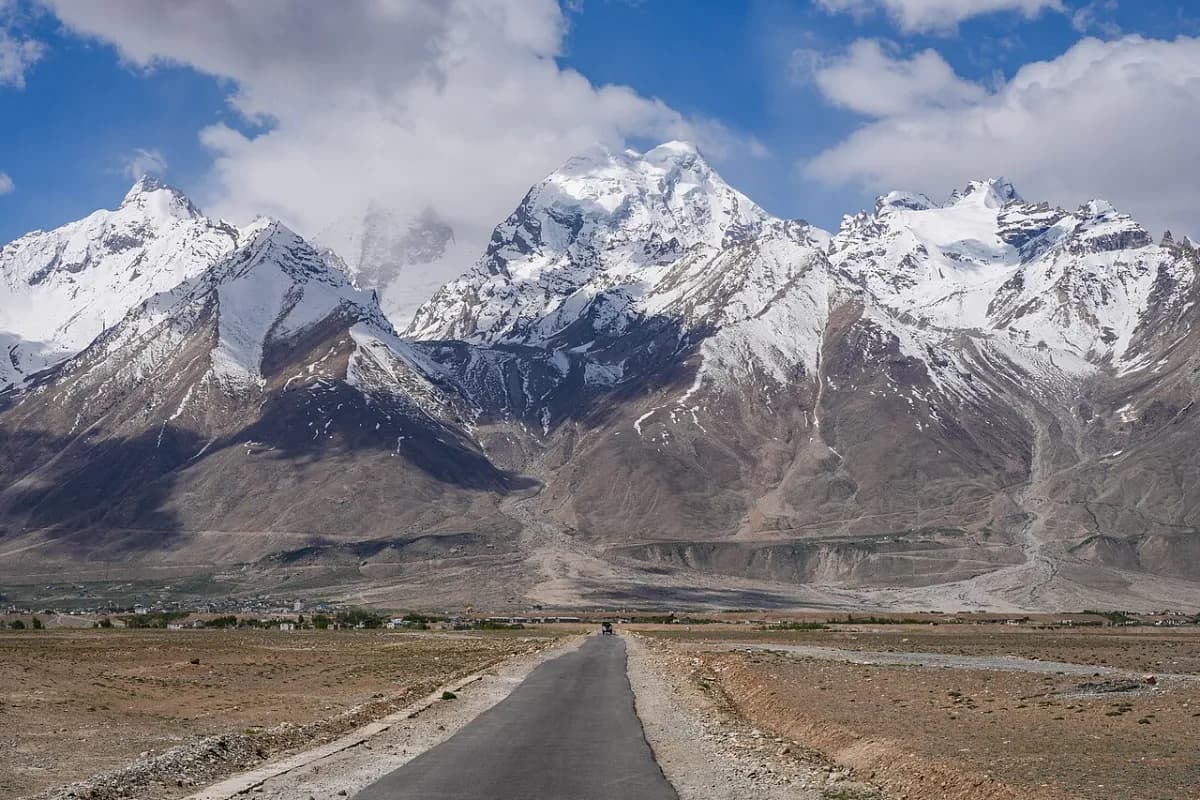
Remote, wild, and breathtakingly beautiful, Zanskar Valley is the crown jewel of Cold Desert Ladakh. Known for its dramatic gorges, turquoise rivers, and ancient monasteries, it’s a paradise for adventure seekers. In winter, the valley transforms into a frozen wonderland, attracting trekkers for the legendary Chadar Trek across the icy Zanskar River.
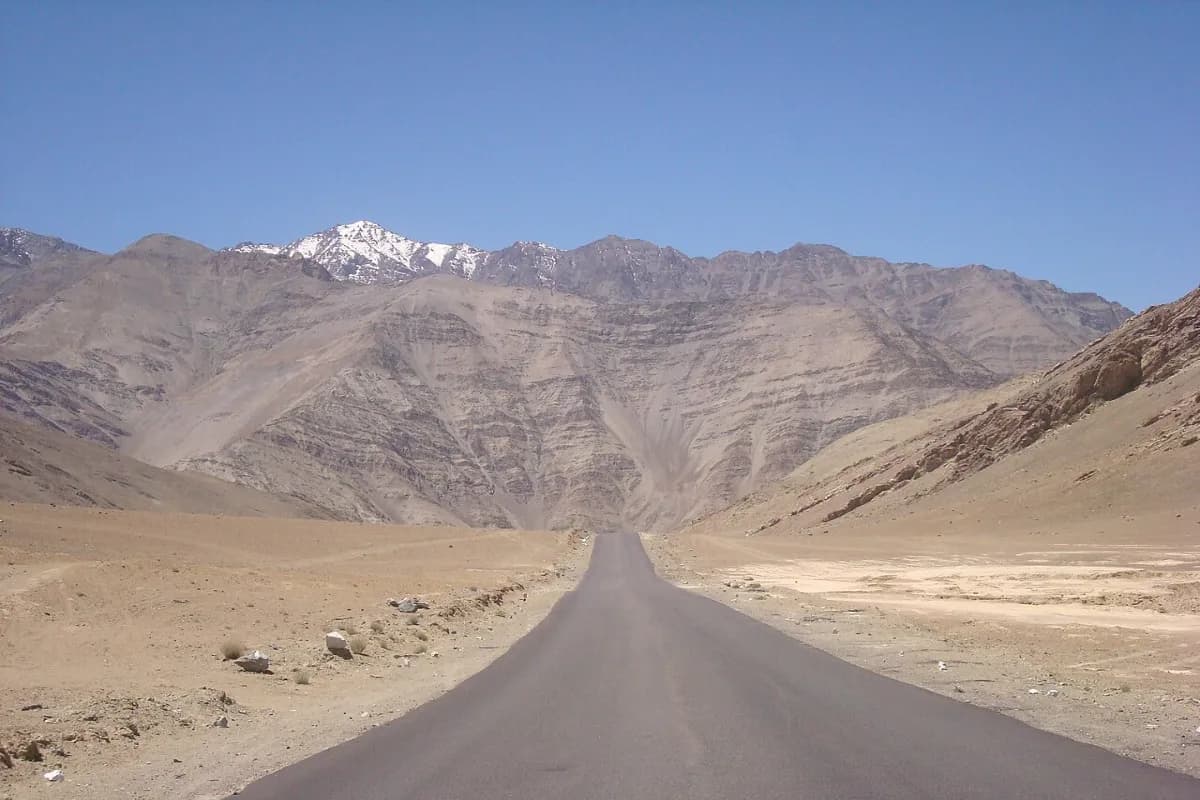
Located about 30 km from Leh, Magnetic Hill is one of the most intriguing natural wonders in Cold Desert Ladakh. This gravity-defying spot creates an optical illusion that makes vehicles appear to roll uphill on their own. Surrounded by scenic hills and the Indus River, it’s a fun and fascinating stop for travelers exploring the region.
Also Read - Places to visit in Leh ladakh
Must Read- Things to do in Leh ladakh
April 24, 2026
April 22, 2026
April 22, 2026
April 21, 2026
April 21, 2026
Ladakh is called a cold desert Ladakh because it receives very little rainfall and experiences extreme cold temperatures due to its high altitude. The surrounding mountains block monsoon clouds, resulting in a dry climate with barren landscapes. Despite its harsh conditions, the region’s beauty lies in its stark contrast of snow-capped peaks, blue lakes, and sandy dunes.