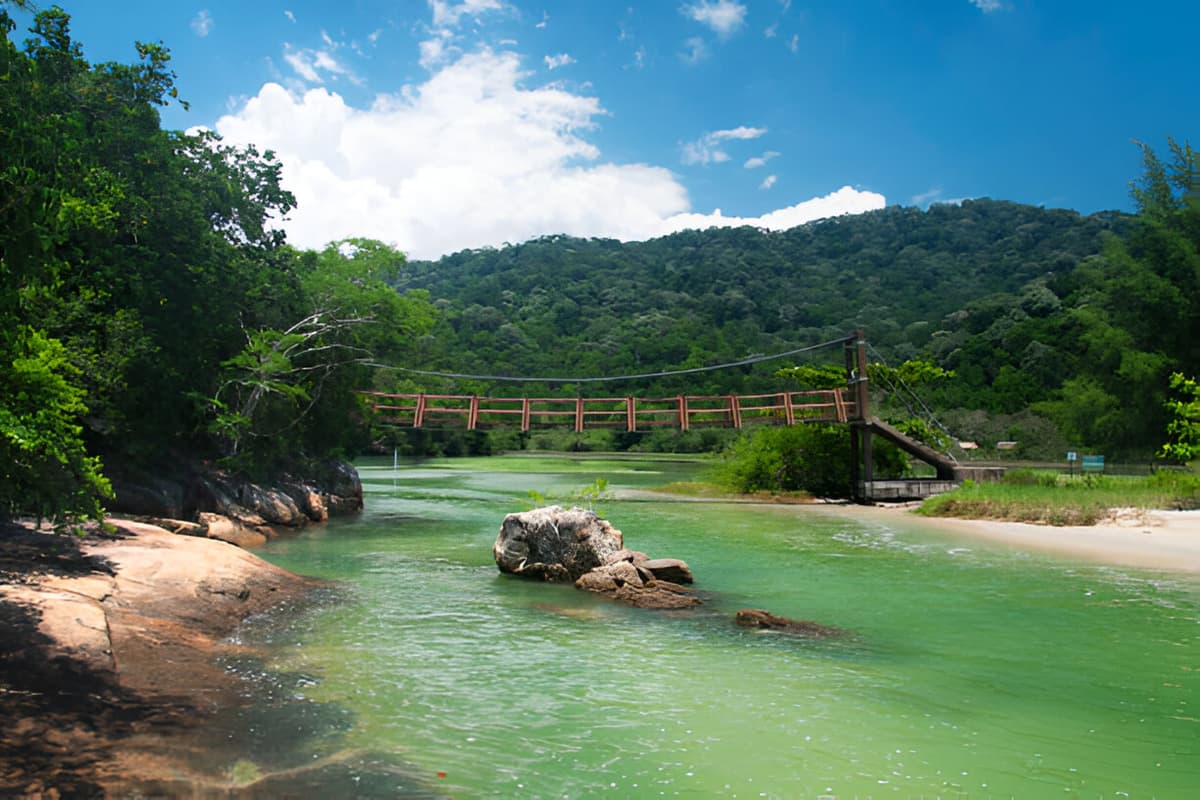
Blog hero image
Top Travel Stories

Explore our latest blogs and travel with us

Komik
May 30, 20253 Minutes
Komik
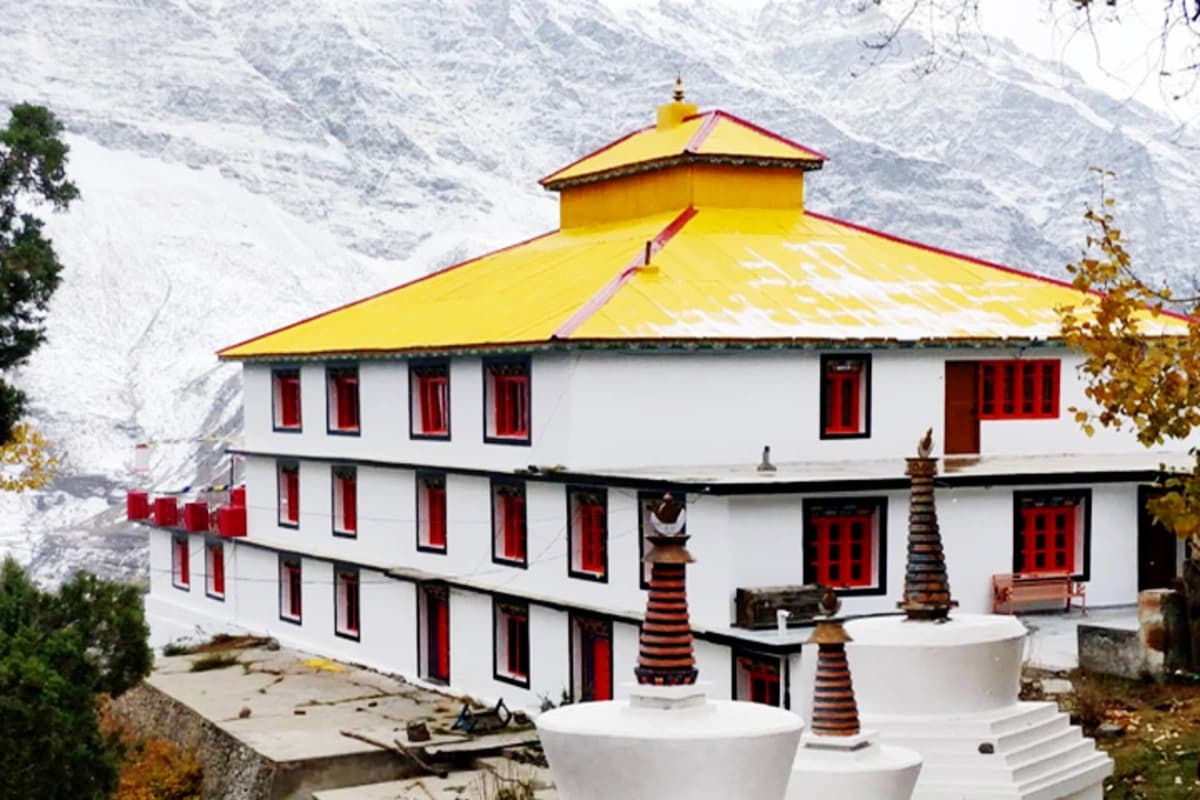
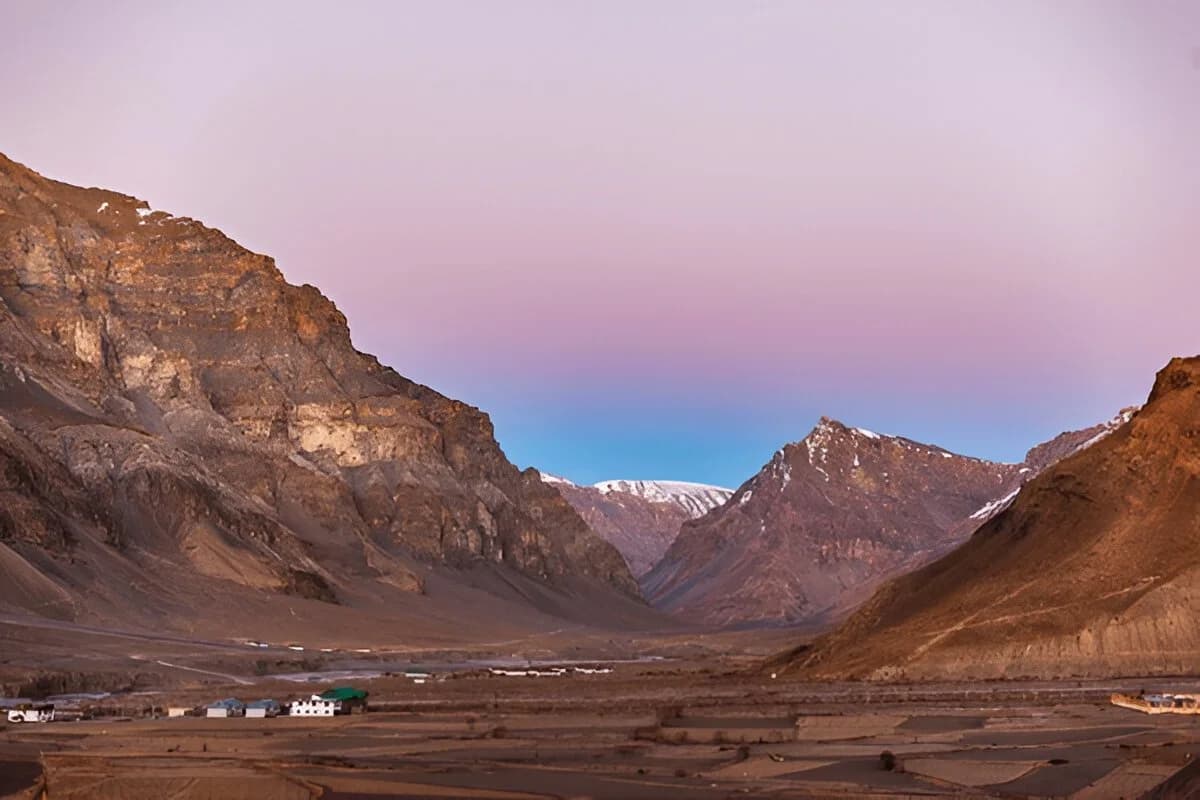
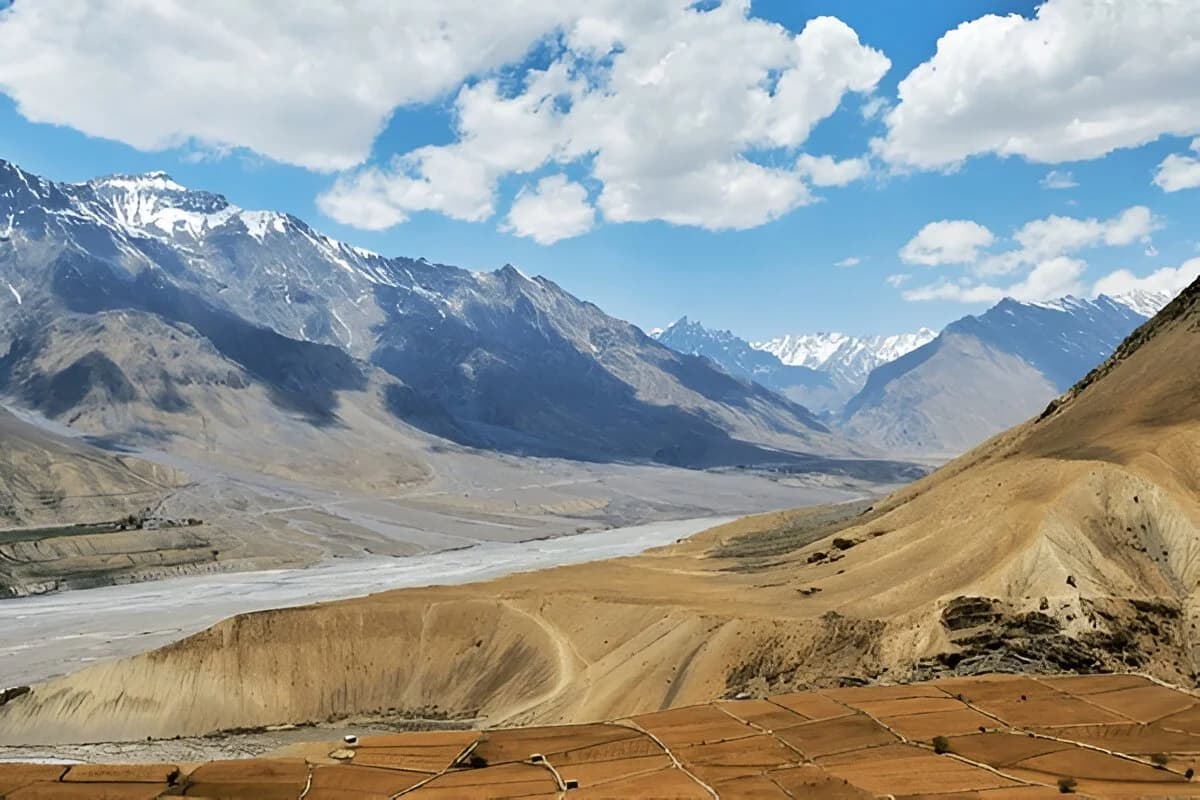
Overview of Komik: If you’ve ever dreamed of visiting a place where nature, peace, and culture come together, Komik is that hidden treasure. Tucked away in Spiti Valley, this village sits at 4,587 meters, making it the highest motorable village in Asia. But it’s not just about the height—it’s about the feeling you get when you’re here. The crisp mountain air, the endless blue skies, and the quiet way of life make Komik a place that instantly feels special. If you’re looking at Spiti Valley packages, don’t just pass through Komik is a place to slow down, breathe, and truly experience the Himalayas. The Tangyud Monastery, standing tall against the mountains, adds to the charm. It’s one of India’s highest monasteries and holds centuries of Buddhist traditions. The locals, living in harmony with nature, welcome travellers with warm smiles and simple stories of their land. What are the Key Highlights of Komik: Tangyud Monastery: One of the highest Buddhist monasteries in India, known for its ancient scriptures, stunning architecture, and peaceful surroundings. Breathtaking Views: Being the highest motorable village in Asia, Komik offers surreal views of the Spiti Valley and surrounding snow-capped mountains. Remote & Peaceful: With only a few houses and a small local population, Komik provides an escape from the modern world, offering serenity and isolation. Wildlife Spotting: The region around Komik is home to rare Himalayan wildlife, including the elusive snow leopard, blue sheep, and Himalayan ibex. Trekking Opportunities: Komik serves as a base for several high-altitude treks, including trails connecting to Hikkim and Langza. Cultural Experience: Visitors can interact with the warm and hospitable locals, who offer insights into their traditional way of life, deeply influenced by Tibetan Buddhism. Timings & Entry Fees of Komik: Komik village is accessible year-round, but the best time to visit is between May and October when the roads are open and the weather is favourable. There is no entry fee to visit the village or Tangyud Monastery, though donations to the monastery are appreciated to support its upkeep. Travel Tips / Essential Information For Komik: Acclimatization is Key: At 4,587 meters, altitude sickness is a real concern. Take time to acclimatize before visiting. Best Time to Visit: Plan your trip between May and October, as winter months bring heavy snowfall, making travel difficult. Limited Accommodation: Basic homestays are available, offering an authentic experience of local life, but book in advance as options are limited. Food & Supplies: Carry essential food items and water, as Komik has minimal eateries and shops. Respect Local Culture: Follow monastery guidelines, dress modestly, and seek permission before photographing locals or religious sites. Connectivity Issues: There is little to no mobile network coverage in Komik, so inform family and friends before travelling. Pack Warm Clothing: Even in summer, temperatures drop significantly, so layered clothing, gloves, and sturdy footwear are necessary. Also Read: Places to Visit in Spiti ValleyMust Checkout: Things to do in Spiti Valley

Read More

Shashur Monastery
May 30, 20254 Minutes
Shashur Monastery
Overview of Shashur Monastery: Shashur Monastery, located at a height of around 4,050 meters, is one of the region’s oldest Buddhist monasteries, founded in the 8th century by Rinchen Zangpo, a well-known scholar and translator. The monastery is devoted to Buddha Shakyamuni and is a part of the Gelugpa branch of Tibetan Buddhism. In addition to its religious significance, the monastery is well-known for its breathtaking setting and exquisite architecture. If you’re exploring Spiti, make sure to include this monastery in your Spiti Valley packages for a memorable and spiritual journey. The monastery provides breathtaking views of the Spiti Valley and the neighbouring Himalayan ranges. The serene surroundings welcome guests, and the tranquil ambiance and clean mountain air make it the ideal place for meditation or introspection. The region’s rich spiritual legacy is reflected in the monastery’s impressive architecture, which features elaborate woodwork and frescoes that depict the life of Buddha. What are the Key Highlights of Shashur Monastery: Breathtaking Views: The monastery is perched on a hill, providing panoramic views of the Spiti Valley and surrounding snow-capped peaks. This unique location makes it an ideal spot for photography and enjoying the valley’s natural beauty. Beautiful Buddhist Art: Shashur Monastery is known for its colourful frescoes and intricate artwork. The murals depict various Buddhist themes and teachings, showcasing the rich cultural and spiritual history of Tibetan Buddhism in Spiti. Spiritual Importance: The monastery is an active centre of Buddhist learning and meditation. It holds significant religious importance for the locals and visitors alike. The peaceful ambiance makes it a perfect place for quiet contemplation. Peaceful Atmosphere: The calm and serene environment at the monastery provides an ideal setting for meditation, prayer, or simply soaking in the tranquillity of the Himalayas. Timings & Entry Fees of Shashur Monastery: Timings: Shashur Monastery is open to visitors throughout the year, although the best time to visit is from May to October, when the weather is more pleasant, and the roads are accessible. The monastery can be visited during daylight hours. Entry Fee: There is no official entry fee for the monastery. However, visitors are encouraged to make a small donation to support the monastery’s upkeep and religious activities. Travel Tips/ Essential Information for Shashur Monastery Altitude Adjustment: As the monastery is located at a high altitude, it’s important to allow your body to adjust to the thinner air. Take it slow, stay hydrated, and rest if needed to avoid altitude sickness. Best Time to Visit: The ideal months to visit are from May to October. During this period, the weather is more favourable, and access to the monastery is easier. Avoid visiting during the harsh winter months when heavy snowfall may block the roads. What to Wear: Dress modestly when visiting the monastery. It’s important to cover your shoulders and knees as a sign of respect. Even in the summer, bring a light jacket, as temperatures can drop unexpectedly in the mountains. Respect Local Customs: Be respectful of the monks and their rituals. It’s advisable not to disturb them during prayers or religious activities. Visitors should speak softly and maintain a peaceful atmosphere. Combine with Other Attractions: While in the area, don’t miss a visit to Key Monastery, another significant spiritual site in Spiti Valley. Both monasteries offer rich cultural insights and are located close to each other. A visit to Shashur Monastery is an opportunity to experience the spiritual and natural beauty of Spiti Valley. Its stunning location, peaceful ambiance, and rich Tibetan Buddhist heritage make it a must-visit destination for travellers. Whether you are looking to connect with nature, learn about Buddhism, or simply enjoy a quiet retreat, Shashur Monastery offers something for everyone. Make sure to include this serene gem in your Spiti Valley packages for an unforgettable experience.Also Read– Places To Visit in Spiti ValleyMust Read – Things To Do in Spiti Valley

Read More

Lhalung Monastery
May 30, 20253 Minutes
Lhalung Monastery
Overview of Lhalung Monastery: Lhalung Monastery, also known as the Golden Temple, is situated peacefully at an altitude of 12,000 feet in Spiti Valley, Himachal Pradesh. This ancient Buddhist monastery, dating back to the 10th century, is one of the oldest and most sacred monasteries in the region. The name Lhalung means ‘land of the gods,’ and true to its name, the monastery feels like a divine sanctuary amidst the stark mountain landscape. The main prayer hall has beautiful murals and ancient artifacts that have survived centuries, so it’s a Buddhist art and culture. Many popular Spiti Valley Packages don’t include Lhalung Monastery in their itinerary because of its location in the remote region. The local people say that the monastery was built in just one night, and while that might be a legend, the spiritual energy of this place certainly makes you believe in miracles. What are the Key Highlights Lhalung Monastery: Ancient Prayer Wheels: Spin the century-old prayer wheels, the soft humming sound of mantras creates a peaceful atmosphere that instantly calms your mind. Stunning Wall Paintings: Gaze and admire the incredibly detailed murals depicting Buddhist deities and stories. Some of these artworks are over 900 years old and still maintain their vibrant colors. Traditional Architecture: Explore the unique mud and stone structure built in the traditional Spitian style. The monastery’s design helps it stay warm in winter and cool in summer. Local Village Life: Walk through Langza village and interact with friendly locals. You might catch them working in their fields or crafting traditional items. Spectacular Mountain Views: Enjoy panoramic views of the Spiti Valley and surrounding peaks. Perfect spot for photography, especially during sunrise and sunset. Timings & Entry Fees for Lhalung Monastery: Open daily from 6 am to 7 pm Entry fee: INR 50 per person Camera fee: INR 50 (still camera), INR 100 (video camera) (Special permission is needed for photography inside the main temple) Travel Tips/ Essential information for Lhalung Monastery: Best Time to Visit: Plan your trip between June to September when the weather is pleasant and the roads are accessible. Winters are extremely harsh with heavy snowfall. Altitude Preparation: Take proper rest before visiting as the high altitude can cause breathing issues. Carry basic medicines and stay hydrated. Local Etiquette: Remove shoes before entering the temple. Dress modestly and ask permission before taking photos of people or inside the temple. Accessibility Note: The monastery is a 30-minute uphill walk from the main road. Wear comfortable shoes and carry water. Stay Options: Basic homestays are available in Langza village. Book in advance during peak season as options are limited. Mobile Network: Only BSNL works in this area, and postpaid sims also work. Transport Tips: Hire a local taxi from Kaza or join a shared taxi. Roads can be rough, so prepare for a bumpy ride. Also Read: Places to Visit in Spiti ValleyMust Read: Things to do in Spiti Valley

Read More

Perak
May 30, 20253 Minutes
Perak
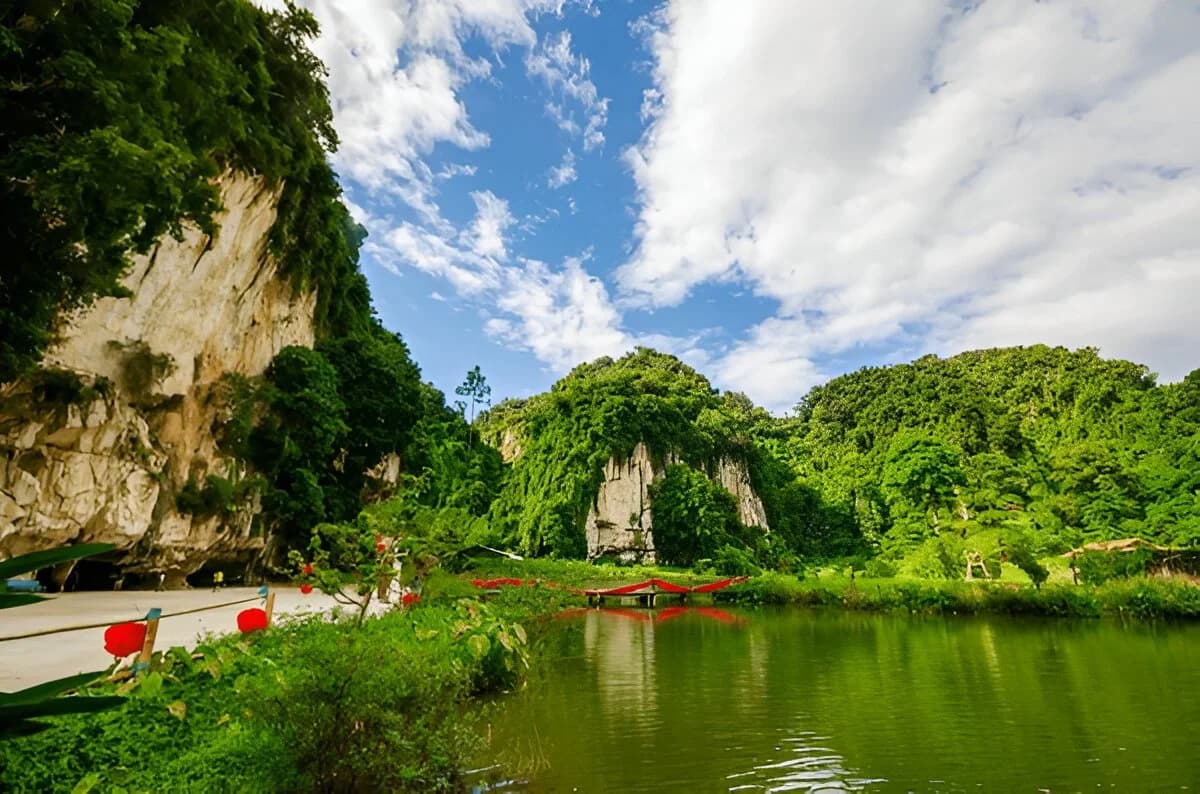
Overview of Perak: Perak is one of those hidden gems in Malaysia that’ll make you wonder why you didn’t visit sooner. This beautiful state, located between Penang and Kuala Lumpur, is packed with natural wonders, historic towns, and amazing food that’ll make your mouth water. What makes Perak super special is its rich tin mining history – it was once the world’s largest tin producer, which is why it is also called a nickname “Silver State.” You’ll definitely want to add Perak to your Malaysia Tour Packages. The state’s most famous spot is Ipoh, the capital city, which is famous for its fantastic local food (trust me, the bean sprout chicken and white coffee are worth the trip alone!). But that’s not all – Perak is home to amazing limestone caves, and peaceful temples built right into cliffs. It’s still not as crowded as other Malaysian tourist spots, so you can explore everything peacefully. What are the Key Highlights of Perak: Historic Ipoh Old Town: The town with streets filled with street art, colonial buildings, and amazing coffee shops. The town is also famous for Ipoh white coffee. Stunning Kellie’s Castle: Check out this unfinished mansion that looks like something from a fairy tale. It’s got secret passages and hidden rooms, and some people say it’s haunted! Great for history buffs and photography lovers. Cave Temple Adventures: Visit Perak Tong Cave Temple with its colorful Buddha statues and amazing view from the top. Climb 450 steps for a view that’ll make your jaw drop. Lost World of Tambun: Enjoy this theme park that’s got everything – water slides, hot springs, a petting zoo, and even a night jungle adventure. Perfect for families and adventure seekers. Tasty Food Hunt: Try Ipoh’s famous dishes like hor fun (rice noodles), salt-baked chicken, and bean sprouts chicken. Royal Town of Kuala Kangsar: Visit the stunning Ubudiah Mosque with its golden domes and explore the Royal Museum. Great for learning about Perak’s royal heritage. Timings & Entry Fees of Perak: 1. Timings: Most attractions are open from 9 am to 6 pm daily.2. Entry fees: Lost World of Tambun: INR 2,000 per adult Kellie’s Castle: INR 400 per person Cave Temples: Free (donations welcome) Royal Museum: INR 250 per person Heritage buildings and old town areas: Free to explore Travel Tips & Essential Information for Perak: Best Time to Visit: Plan your trip between March to September when the weather’s good. Avoid December as it gets really rainy. Getting Around Smart: Rent a car or book a reliable taxi service as public transport is limited. Most attractions are spread out, so having your own transport helps. Budget-Friendly Stay Options: Stay in the Ipoh city center where you’ll find lots of affordable hotels and easy access to food spots. Most 3-star hotels cost around INR 2,500-3,500 per night. Local Food Must-Try: Don’t miss the breakfast culture here. Most famous restaurants open early and close in the afternoon. Go early to avoid long queues. Safety First: Perak is generally safe, but keep your belongings secure and avoid walking alone at night in quiet areas. Weather Ready: Carry an umbrella as sudden short showers are common. Light cotton clothes and comfortable walking shoes are perfect for exploring. Also Checkout – Places To Visit in MalaysiaMust Read – Things To Do in Malaysia

Read More

Gandhola Monastery
May 30, 20253 Minutes
Gandhola Monastery
Overview of Gandhola Monastery: Gandhola Monastery is situated in the breathtaking landscapes of Spiti Valleys and is a centuries-old spiritual retreat that beautifully blends history, culture, and Tibetan Buddhist traditions. Its rich history, stunning location, and cultural significance make it a must-visit destination on your Spiti Valley Packages itinerary. It is located near Tandi village, about 18 km from Keylong in Himachal Pradesh, this monastery was founded in the 8th century by Guru Padmasambhava, making it one of the oldest monasteries in the Lahaul-Spiti region. Unlike other monasteries in Spiti, Gandhola Gompa is unique for its wooden architecture, a rare sight in a region where most monasteries are built from stone. It belongs to the Drukpa sect of Tibetan Buddhism and holds a collection of ancient murals, statues, and sacred scriptures. It is surrounded by snow-capped peaks and overlooking the meeting point of the Chandra and Bhaga rivers, the monastery is a peaceful retreat for those seeking calm and spirituality. Its rich history, beautiful location, and cultural importance make it a must-visit on any Spiti travel itinerary. What are the Key Highlights of Gandhola Monastery: Ancient Heritage: Established in the 8th century, it is one of the oldest monasteries in the region. Unique Architecture: Unlike other monasteries in Spiti, Gandhola Monastery is made of wood and mud, showcasing a rare architectural style. Sacred Relics: Houses priceless Buddhist scriptures, murals, and sculptures, including an idol of Bodhisattva Avalokiteshvara. Spectacular Location: Overlooks the breathtaking Chandra-Bhaga confluence, offering mesmerising views. Spiritual Experience: A significant site for the Drukpa sect of Tibetan Buddhism, drawing monks and devotees from all over. Festivals & Rituals: Witness the monastery’s annual festivals, during which monks perform masked dances and rituals, adding to the cultural charm. Offbeat Destination: Unlike the more famous monasteries of Spiti, Gandhola Gompa remains less crowded, allowing for a peaceful and immersive experience. Timings & Entry Fees of Gandhola Monastery: Timings: Open daily from 6:00 AM to 5:00 PM (subject to seasonal variations). Entry Fees: No entry fee, but donations are welcomed for monastery maintenance. Best Time to Visit: June to September, when the roads are accessible and weather conditions are favourable. Travel Tips & Essential Information for Gandhola Monastery: Best Way to Reach: The monastery is 18 km from Keylong, and the best way to visit is by hiring a private vehicle or taking a local taxi. Road Conditions: The terrain is rugged, so a 4×4 vehicle is recommended, especially during monsoon and winter. Accommodation: Stay options are available in Keylong, ranging from budget guesthouses to homestays offering authentic local hospitality. Food Availability: Limited food stalls are available nearby, so carrying some snacks and water is advisable. Altitude Precaution: At an elevation of over 3,000 meters, acclimatize properly to avoid altitude sickness. Photography Tip: Capture the monastery with the backdrop of the Himalayas during sunrise or sunset for breathtaking shots. Respect the Monastery: Follow the no photography rule inside, maintain silence, and dress modestly when visiting. Local Culture: Interact with the monks to learn about the monastery’s history and Tibetan Buddhist teachings. Adding Gandhola Monastery to your itinerary ensures a mix of history, spirituality, and stunning landscapes, making your journey truly unforgettable. Must Read: Places To Visit in Himachal PradeshAlso Checkout: Things To Do in Himachal Pradesh

Read More

Suraj Tal
May 30, 20254 Minutes
Suraj Tal
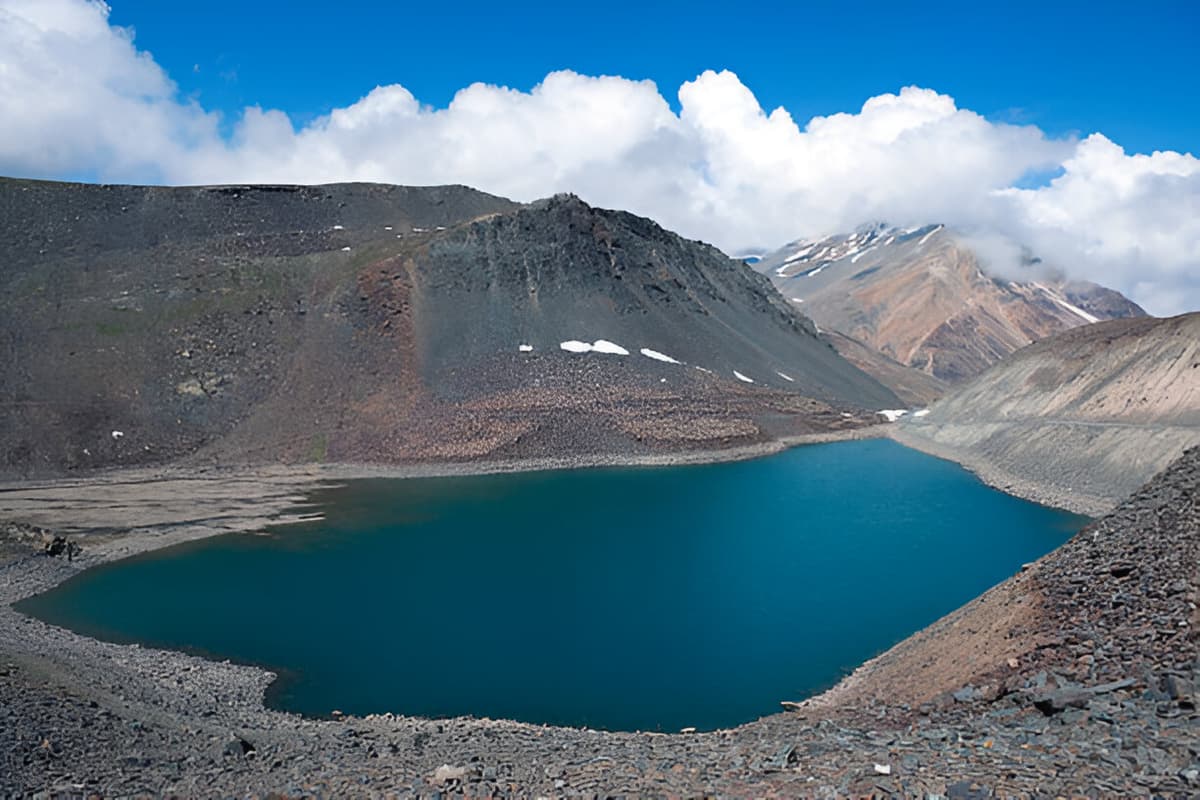
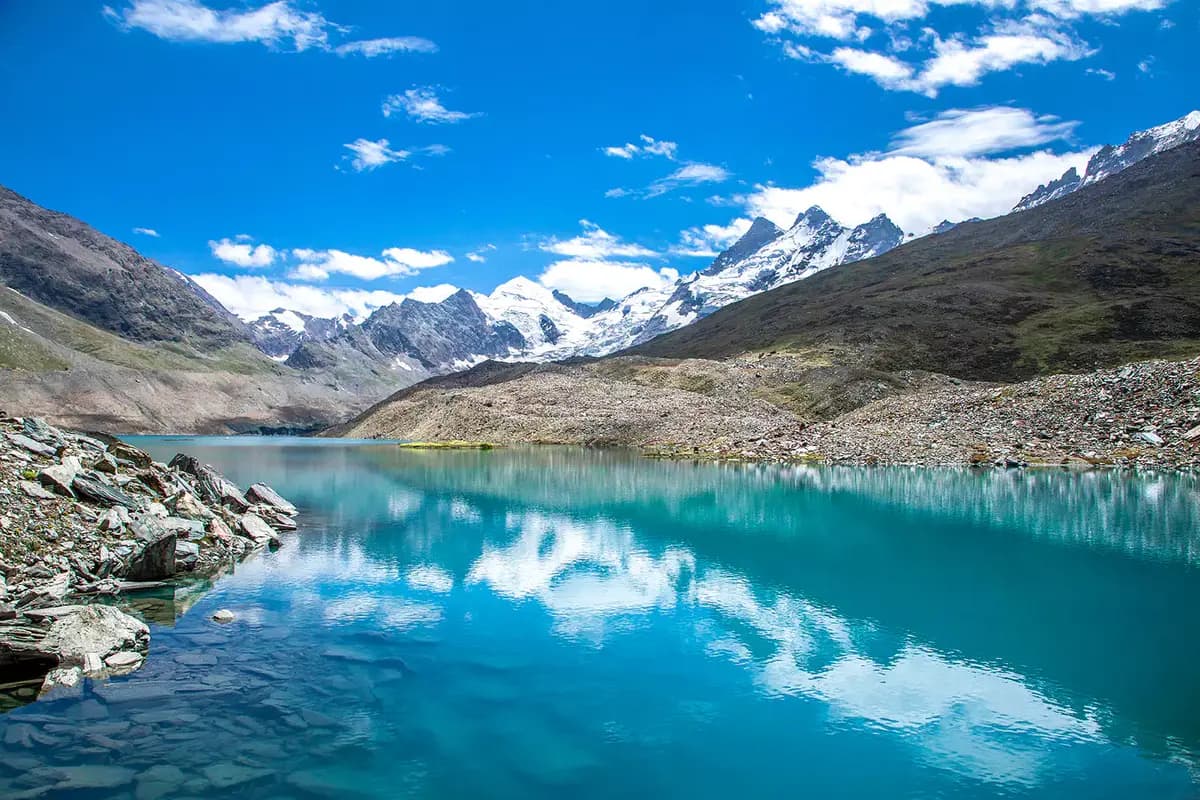
Overview of Suraj Tal: Suraj Tal, located in the heart of Spiti Valley, is one of India’s highest and most stunning high-altitude lakes. Situated at an elevation of approximately 4,800 meters (15,750 feet), it is the third-highest lake in the country, nestled amid snow-capped peaks and rugged terrain. The lake is famous for its crystal-clear, turquoise waters, which reflect the surrounding mountains, creating a breathtakingly beautiful sight. Its name, “Suraj Tal,” translates to the “Lake of the Sun God,” reflecting its spiritual importance to the locals, who believe that the lake is the home of Lord Surya, the Sun God. The serene atmosphere and remote location make Suraj Tal a peaceful retreat, offering visitors a chance to disconnect from the noise of everyday life. Whether you’re embarking on Spiti Valley Packages, Suraj Tal is a perfect spot for those looking to experience nature’s tranquillity at its finest. It lies just below the Rohtang Pass, adding to its allure as a must-visit destination during a trip to Himachal Pradesh, especially for nature enthusiasts and adventure lovers. What are the Key Highlights Of Suraj Tal: High Altitude Beauty: At 4,800 meters, Suraj Tal is one of the highest lakes in India. It offers unparalleled views of snow-capped peaks, alpine meadows, and pristine waters. Spiritual Significance: The lake is considered sacred by locals, who revere it as the home of Lord Surya, making it an important religious site in the region. Adventure Opportunities: Suraj Tal is not only a peaceful getaway but also a base for trekkers and adventure enthusiasts, with hiking routes that offer stunning views of the valley. Seclusion and Serenity: Its remote location ensures fewer crowds, making it a serene escape for anyone seeking solitude and peace. Perfect for Honeymooners: The peaceful surroundings, combined with the beauty of the lake, create an ideal atmosphere for couples on their honeymoon in Spiti Valley or honeymooners seeking a serene and remote destination. Proximity to Rohtang Pass: Suraj Tal is easily accessible for travellers crossing the famous Rohtang Pass, making it a popular stop for those on their way to Leh or exploring the Spiti Valley. Timings & Entry Fees for Suraj Tal: Timings: Suraj Tal is accessible year-round, but the best time to visit is between May and October when the weather is more stable and the roads are clear. During the winter months, snow can block access to the lake, making travel difficult. Entry Fees: There are no entry fees for visiting Suraj Tal, making it an affordable and accessible destination for all travellers. Travel Tips / Essential Information for Suraj Tal: Best Time to Visit: The best time to visit Suraj Tal is from May to October when the weather is relatively pleasant, and the roads are accessible. Winter months (November to April) are harsh, with heavy snow and road closures. Prepare for High Altitude: Suraj Tal is located at a high altitude, and visitors should take necessary precautions to avoid altitude sickness. It’s advisable to spend a day acclimatizing in the area before visiting the lake. Weather Conditions: The weather in the region can change abruptly, with snowstorms and chilly temperatures even in the summer months, so pack accordingly with warm clothing, especially if visiting during the cooler months. Limited Amenities: There are no major accommodation facilities near the lake, so travellers should plan their stays. Staying in nearby towns like Keylong or Manali is recommended. Transportation: Suraj Tal is reachable by road, but the journey involves navigating mountainous terrain. It’s essential to use a sturdy vehicle, especially if travelling during the monsoon or winter months when the roads can be slippery or damaged. Carry Essentials: Carry enough water, snacks, and a first-aid kit, as the remote location has few facilities. Ensure you’re well-prepared for the journey with extra fuel if travelling by road. Also Read: Places to Visit in Spiti ValleyMust Read: Things to do in Spiti Valley

Read More

Dhankar Lake
May 30, 20253 Minutes
Dhankar Lake
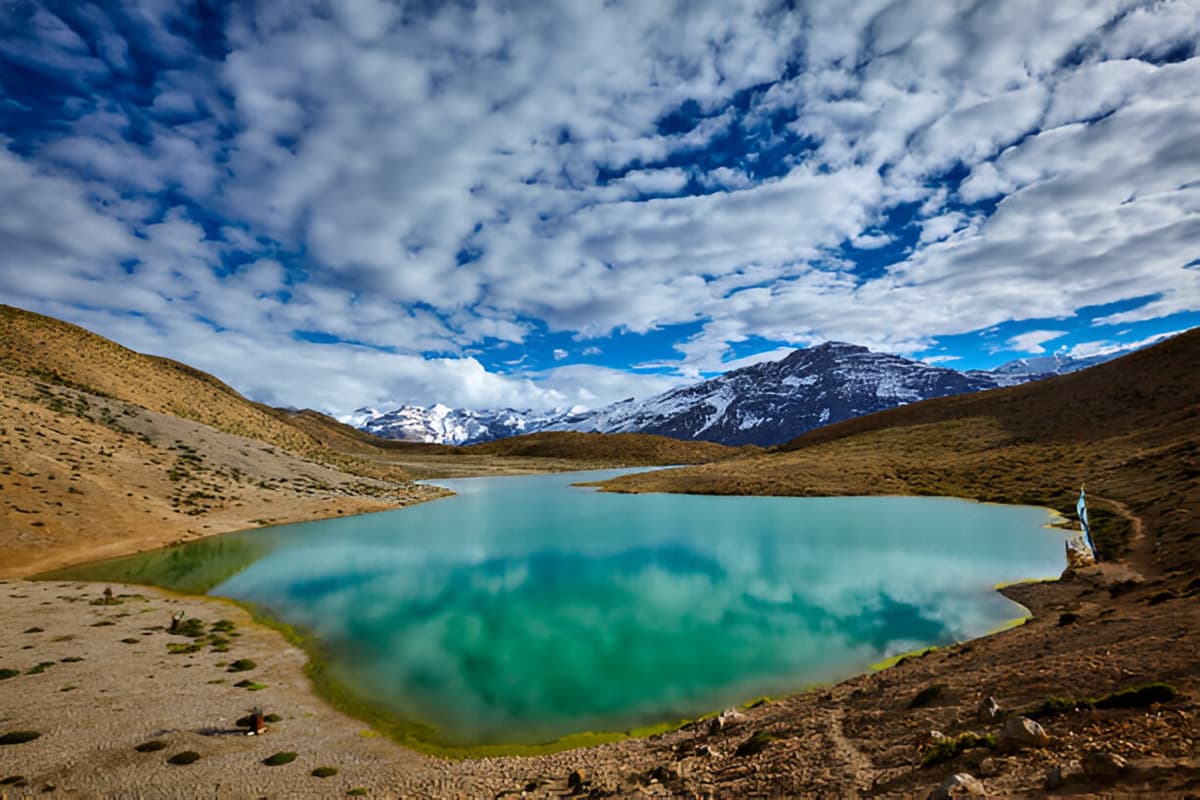
Overview of Dhankar Lake: If you’re searching for a peaceful nature retreat, Dhankar Lake in Spiti Valley is the perfect destination. Located at 4,270 meters, this stunning high-altitude lake is surrounded by towering cliffs and snow-capped mountains, offering breathtaking views. The lake is situated near the Dhankar Monastery, adding to its spiritual significance and importance for locals and Buddhists alike. While getting to Dhankar Lake involves a moderate trek, the effort is more than worth it. The crystal-clear waters and serene atmosphere create a tranquil environment perfect for nature lovers, trekkers, and those seeking solitude. If you’re planning your trip, consider exploring Spiti Valley packages that include this hidden gem. Whether you’re looking for adventure, spiritual reflection, or simply a quiet escape, Dhankar Lake offers an unforgettable and peaceful experience in the heart of the Spiti Valley. What are the Key Highlights of Dhankar Lake: High Altitude Adventure: Located at 4,270 meters, Dhankar Lake offers an adventurous trek with awe-inspiring views of the Spiti Valley. Cultural Significance: The lake is revered by locals and is associated with the nearby Dhankar Monastery, a historical and spiritual site. Pristine Beauty: The crystal-clear waters of Dhankar Lake reflect the surrounding mountains and offer a peaceful, tranquil atmosphere. Great for Trekking: The hike to the lake is both challenging and rewarding, passing through stunning landscapes and offering breathtaking panoramic views of the valley. Peaceful Retreat: Far from the hustle and bustle of popular tourist spots, Dhankar Lake provides an ideal location for those seeking solitude and a connection with nature. Timings & Entry Fees Dhankar Lake: Timings: Dhankar Lake is accessible throughout the year, though the best time to visit is between May and October when the weather is more stable and trekking conditions are favourable. Entry Fees: There are no entry fees to visit Dhankar Lake. Travel Tips / Essential Information for Dhankar Lake: Best Time to Visit: The best time to visit Dhankar Lake is during the summer months, from May to October when the weather is pleasant and trekking conditions are favourable. Trekking: The trek to Dhankar Lake is moderately challenging, requiring good physical fitness. Make sure to get used to the high altitude before starting the hike. Altitude Sickness: Due to the high altitude, it’s essential to take precautions against altitude sickness. Make sure to hydrate well and take it slow. Carry Essentials: There are no shops or facilities near the lake, so ensure you carry enough water, snacks, and basic supplies for the trek. Weather Conditions: The weather can change rapidly, with sudden snowstorms and chilly temperatures even in summer, so pack warm clothing and be prepared for weather shifts. Limited Accommodation: While there is accommodation in the nearby Dhankar Monastery area, it’s advisable to book in advance, especially during peak tourist season. Dhankar Lake is a must-visit for anyone exploring the Spiti Valley, offering a perfect mix of adventure, spirituality, and natural beauty. Whether you’re trekking through the rugged landscapes or seeking a moment of peace by the lake, this hidden gem will undoubtedly leave you in awe. Also Read: Places to Visit in Spiti ValleyMust Read: Things to do in Spiti Valley

Read More

Genting Skyway Cable Car
May 30, 20253 Minutes
Genting Skyway Cable Car
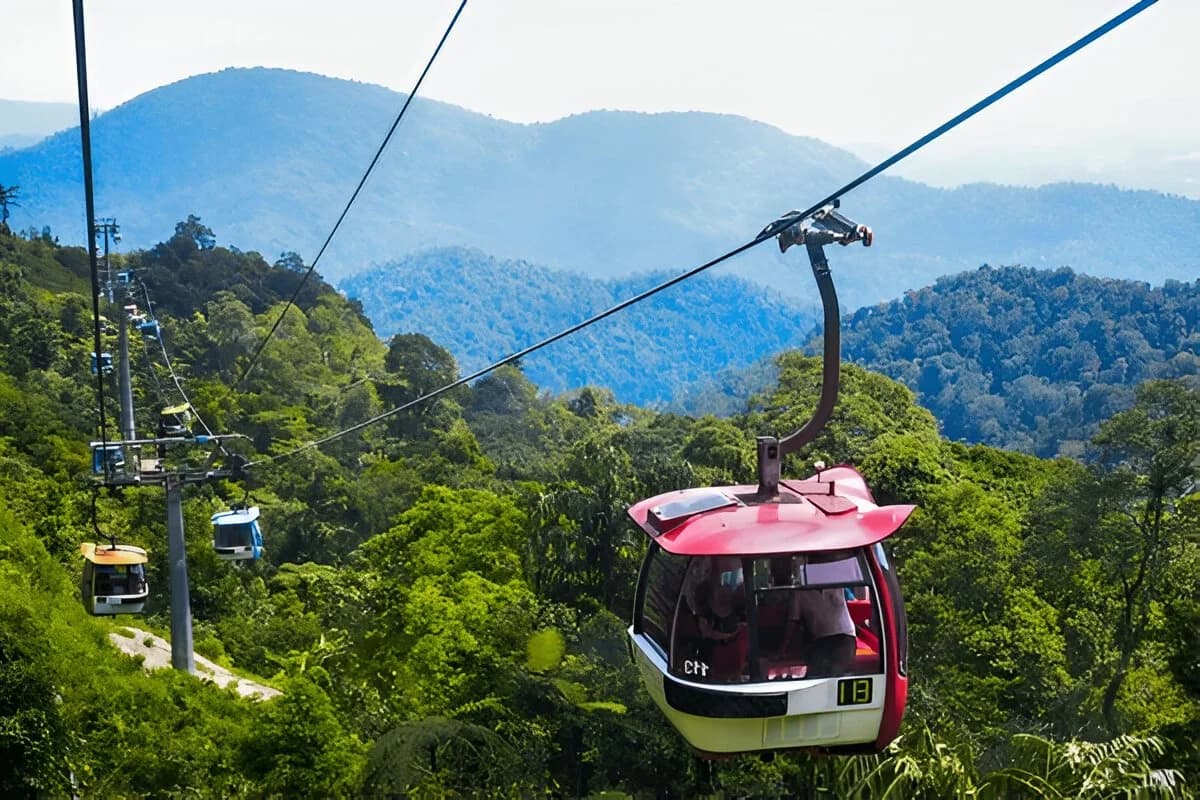
Overview of Genting Skyway Cable Car: The Genting Skyway Cable Car is one of Southeast Asia’s most exciting aerial adventures, giving you an amazing bird’s-eye view of Malaysia’s lush rainforests. This 3.38-kilometer cable car ride takes you from Gohtong Jaya to the peak of Genting Highlands, climbing more than 1,000 meters through misty mountains. Apart from that it was the world’s fastest cable car system when it first opened in 1997. So, if you really want to add some real adventure to your Malaysia Tour Packages—The Genting Skyway should definitely be on your list! As you glide above the clouds in a comfortable gondola, you’ll see incredible views of the thick jungle below and, on clear days, you can even spot Kuala Lumpur’s skyline in the distance. The ride is super smooth and takes about 15 minutes one way. It’s not just about getting from point A to B – it has become famous as the most exciting way to reach Resorts World Genting. What are the Key Highlights of Genting Skyway Cable Car: Breathtaking Forest Views: Soar above century-old rainforests and spot different shades of green stretching as far as your eyes can see. Perfect for nature lovers and photographers. Weather Experience: Feel the temperature drop as you climb higher, with cool mountain air and occasional mist making the ride even more magical. Don’t forget to carry a light jacket! Glass-Bottom Gondolas: Book special glass-floor cabins for an extra thrill. Watch the forest canopy pass right under your feet – definitely not for the faint-hearted! Sunset Rides: Take an evening ride to catch stunning sunsets over the mountains. The golden hour views are absolutely Instagram-worthy. Modern Safety Features: Each gondola comes with emergency phones and is super stable, making it safe even for small kids and elderly people. Resort World Access: The cable car drops you right at Resorts World Genting, where you can enjoy indoor theme parks, restaurants, and shopping. Timings & Entry Fees of Genting Skyway Cable Car: 1. Operating Hours: 7:00 am to 12:00 am daily2. Entry Fees: One-way ticket: INR 400 (RM 20) Return ticket: INR 800 (RM 40) Glass-floor gondola: Additional INR 200 (RM 10) Children below 3 years: Free Travel Tips & Essential Information for Genting Skyway Cable Car: Best Timing: Visit early morning (7-9 AM) or late evening (after 6 PM) to avoid crowds and get better views. Morning rides often have clearer skies. Weather Check: Cable car service might stop during heavy rain or strong winds. Check the weather forecast before planning your visit. Ticket Savings: Buy combo tickets that include theme park entry for better deals. Many Malaysia tour packages include cable car rides at discounted rates. Photography Tips: Keep your camera ready before boarding. The ride moves continuously, so you’ll want to capture views quickly. The best shots are usually in the first 5 minutes. Motion Sickness: If you get motion sick easily, take the window seat and focus on distant views. The ride is generally smooth but can swing slightly on windy days. Local Transport: Regular buses run from KL Sentral to Genting. Book return tickets in advance during weekends and holidays. Dress Code: Temperature at the peak is usually 10°C cooler than ground level. Carry a light jacket or sweater, especially for evening rides. Also Checkout – Things to do in MalaysiaMust Read – Places To Visit in Malaysia

Read More

Losar Village
May 30, 20253 Minutes
Losar Village
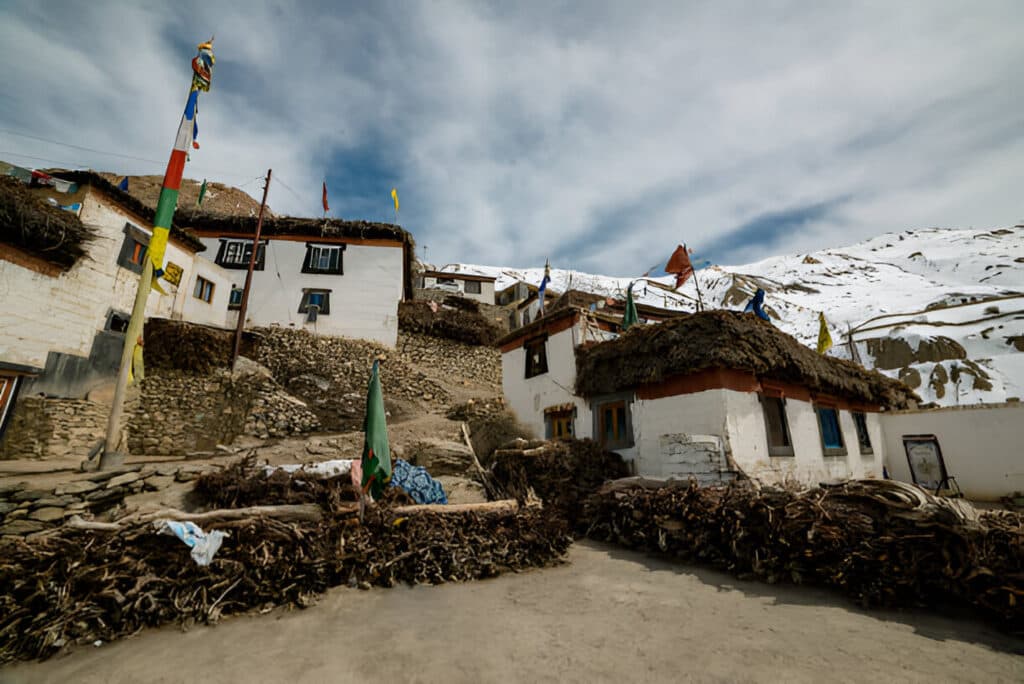
Overview of Losar Village in Spiti Valley: Losar is a remote village nestled in the Spiti Valley, located in the northern region of Himachal Pradesh. This place is ideal for those exploring Spiti Valley packages because this destination offers breathtaking landscapes, ancient monasteries, and trekking adventures. This serene destination is known for its breathtaking landscapes, rich Buddhist heritage, and traditional Tibetan culture. Often overshadowed by more famous spots in Spiti, Losar offers travellers a chance to explore the region’s untouched beauty and tranquil environment. Surrounded by towering mountains and nestled along the Spiti River, the village is home to a small community that follows ancient customs, offering a glimpse into traditional Tibetan life. Losar’s charm lies in its authenticity and peaceful atmosphere, making it a must-visit for those looking to experience the spiritual and cultural richness of the region. Whether it’s exploring the local monasteries, trekking through the rugged terrain, or simply relaxing by the river, Losar promises a truly unique experience in Spiti Valley. What are the Key Highlights of Losar Village in Spiti Valley: Monasteries & Spiritual Sites: Losar is home to several monasteries where travellers can witness the Tibetan Buddhist culture up close, including quiet prayer rituals and ancient Buddhist teachings. Scenic Beauty: Surrounded by the stunning mountains of Spiti Valley, Losar offers panoramic views of the valley, making it a perfect spot for photography and nature lovers. Traditional Tibetan Culture: The village is steeped in tradition, with locals practising time-honoured customs and showcasing authentic Tibetan lifestyles. Trekking Trails: Losar serves as a base for some incredible treks in the Spiti Valley, offering routes that lead to hidden monasteries and remote areas. Spiti River: The village is located along the Spiti River, providing visitors with opportunities for peaceful riverside walks and reflection in a serene natural environment. Local Cuisine: The village offers delicious local Tibetan food, such as momos (dumplings) and thukpa (noodle soup), giving visitors a taste of the region’s culinary culture. Timings & Entry Fees of Losar Village in Spiti Valley: Losar village in Spiti Valley can be visited year-round, though it is best accessed between May and October due to the weather conditions. There is no entry fee for visiting Losar, but some monasteries may accept donations. It’s important to check weather conditions and travel routes before planning your visit. Travel Tips / Essential Information for Losar Village in Spiti Valley: Weather Conditions: Losar experiences extreme temperatures, with winters being harsh and snow-heavy. Summer months from May to October are ideal for visits, offering pleasant weather for trekking and exploration. Local Customs: Respect the local Tibetan culture and traditions when visiting Losar, especially the monasteries. Dress modestly and ask for permission before taking photos. Accommodation: Limited accommodation options are available in Losar, including homestays and guesthouses. For a more authentic experience, staying with local families is highly recommended. Transportation: Losar is accessible by road from Kaza, which is the nearest town. Roads may be treacherous in winter, so ensure your vehicle is well-equipped for high-altitude travel. Health and Safety: Given the high altitude of Spiti Valley, travelers should acclimatize before venturing into Losar. Stay hydrated and be mindful of symptoms of altitude sickness. Connectivity: Losar is a remote location, so internet and phone networks may be limited. Plan to disconnect and enjoy the peaceful surroundings. Also Read: Places to Visit in Spiti ValleyMust Read: Things to do in Spiti Valley
Read More

Sepilok Orangutan Rehabilitation Centre
May 30, 20253 Minutes
Sepilok Orangutan Rehabilitation Centre
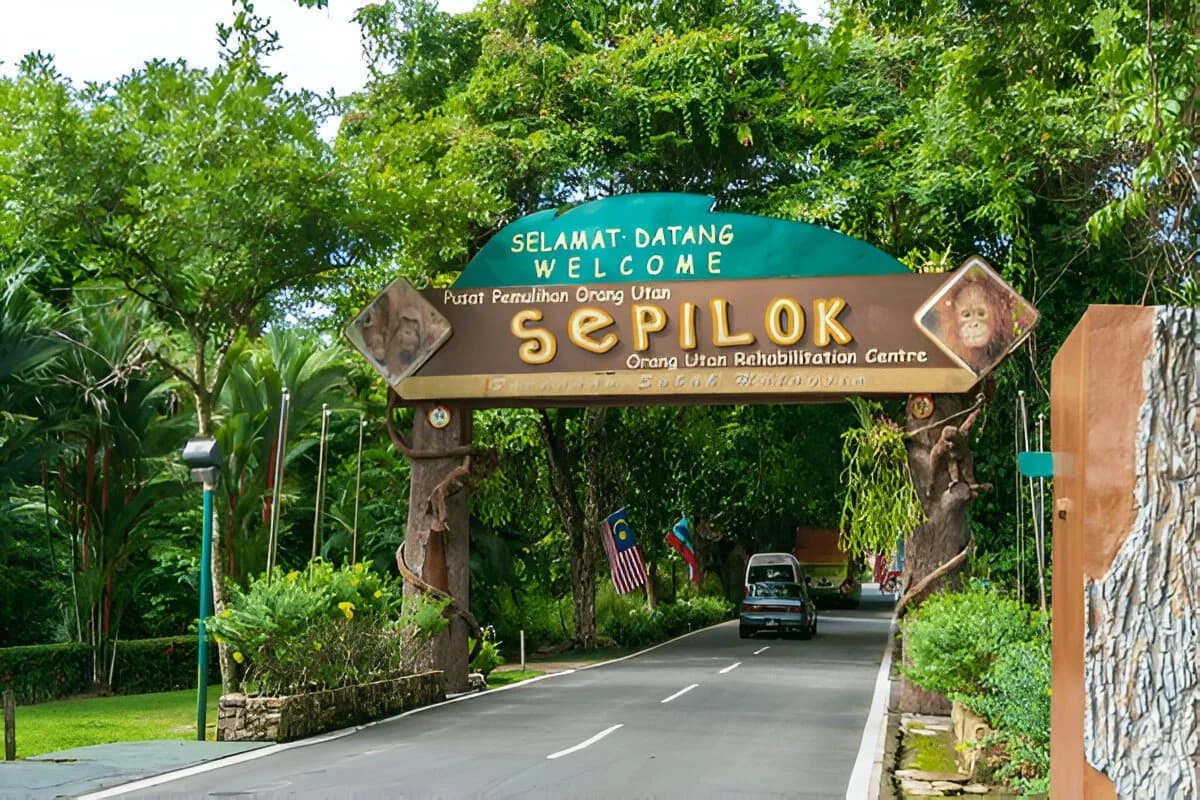
Overview of Sepilok Orangutan Rehabilitation Centre: Sepilok Orangutan Rehabilitation Centre in Sabah, Malaysian Borneo, stands as one of the world’s most successful and oldest orangutan sanctuaries. Since 1964, this 43-square-kilometer sanctuary has been giving orphaned and injured orangutans a second chance at life. Here, these incredible red-haired apes learn essential survival skills before being released back into the wild. The sanctuary’s natural rainforest setting provides the perfect training ground for these endangered creatures. Check out our Malaysia Tour Packages which offers amazing wildlife experiences where you can watch orangutans swinging freely through the trees during feeding times. The sanctuary also helps other wildlife like sun bears, gibbons, and various bird species. You’re not just visiting a tourist spot; you’re supporting a real conservation effort that’s been protecting these amazing creatures for nearly 60 years. What are the Key Highlights of Sepilok Orangutan Rehabilitation Centre: Feeding Platform Experience: Watch orangutans swing down from trees during feeding sessions. Perfect time to take photos and see these incredible creatures up close. Sessions happen twice daily. Baby Orangutan Nursery: Peek through special viewing windows to see orphaned baby orangutans learning climbing skills. Watch them play and train for life in the wild. Jungle Walking Trails: Take easy walks through the rainforest on wooden boardwalks. Spot wild orangutans, macaques, and countless tropical birds in their natural home. Sun Bear Conservation Center: Visit the world’s only sun bear conservation center right next door. Watch these cute bears climb trees and dig for treats. Outdoor Nursery: See young orangutans practice their climbing skills on ropes and trees. Great spot for watching their playful behavior. Exhibition Hall and Video Room: Learn about orangutan conservation through interesting displays and videos. A perfect way to understand these amazing animals better. Timings & Entry Fees of Sepilok Orangutan Rehabilitation Centre: 1. Timings: Open daily: 9 am – 12 pm to 2 pm – 4 pm2. Feeding times: 10 am and 3 pm3. Entry fee: INR 1,200 (RM 60) for adults4. Camera fee: INR 200 (RM 10)5. Children under 12: Half price Travel Tips & Essential Information for Sepilok Orangutan Rehabilitation Centre: How to Reach: Located 23 km from Sandakan. Take a taxi or join a tour group from Sandakan City. Most hotels arrange transportation. Best Visiting Time: Plan your visit during morning feeding sessions. Animals are more active and the weather is cooler. Arrive 30 minutes before feeding time to get good viewing spots. What to Wear: Light clothes and comfortable walking shoes are must-haves. Bring a raincoat or umbrella as sudden showers are common. Wear neutral-colored clothing to blend with your surroundings. Photography Tips: Bring a camera with a good zoom lens. Flash photography isn’t allowed. Morning light is best for photos. Health Precautions: Apply mosquito repellent before entering. Carry a water bottle to stay hydrated. Don’t visit if you’re feeling unwell to protect the orangutans. Important Rules: No feeding to animals. Keep quiet during viewing sessions. Stay on marked paths. No smoking in the sanctuary. Food Options: A small cafe at the entrance serves basic meals and drinks. Consider bringing snacks for long visits. Also Checkout – Places To Visit in MalaysiaMust Read – Things To Do in Malaysia

Read More

Selangor
May 30, 20253 Minutes
Selangor
Overview of Selangor: Selangor, Malaysia’s wealthiest and most developed state, is a mix of urban life and natural wonders right next to Kuala Lumpur. It’s where you’ll find the country’s biggest airport, KLIA, welcoming millions of visitors each year. The state has grown from a small mining town into a bustling hub of shopping, entertainment, and culture. Start with Selangor! When you book Malaysia Tour Packages, you’ll discover this state offers everything from massive shopping malls to hidden nature spots. What makes Selangor really special is how it mixes old and new – you can shop at a modern mall in the morning and visit a traditional village house in the afternoon. It’s famous for the Blue Mosque in Shah Alam, one of Southeast Asia’s largest mosques, and the Batu Caves, where hundreds of monkeys welcome visitors climbing those colorful stairs. What are the Key Highlights of Selangor: Iconic Blue Mosque Experience: Visit Sultan Salahuddin Abdul Aziz Shah Mosque with its massive blue dome and towering minarets. Great for photos, especially during sunset when the blue dome glows against the sky. Batu Caves Adventure: Climb the famous 272 rainbow-colored steps while watching friendly monkeys play around. Inside, explore massive limestone caves with Hindu temples. Perfect for morning visits and Instagram-worthy shots. Sunway Lagoon Fun: Splash around in one of Asia’s biggest theme parks with 6 different zones. Try the world’s largest water ride or hang out with friendly animals at the wildlife park. Natural Firefly Show: Take an evening boat ride at Kuala Selangor to see thousands of fireflies lighting up mangrove trees like natural Christmas lights. Shopping: Hit Sunway Pyramid Mall with its unique Egyptian architecture or One Utama, one of the world’s largest malls. Great for budget shopping and local food courts. Timings & Entry Fees of Selangor: Attractions: Blue Mosque: Free entry, Open daily 10 am – 6 pm (Closed during prayer times) Batu Caves: Free entry, Open 7 am – 8 pm Sunway Lagoon: INR 3,500 per adult, INR 2,800 per child Firefly Tour: INR 1,200 per person Most shopping malls: 10 am – 10 pm daily Travel Tips & Essential Information for Selangor: Best Time to Visit: Plan your trip between May to July for perfect weather. Avoid November to March as it’s usually rainy. Smart Transport Tips: Get a Touch ‘n Go card from any station. Works on trains, buses, and even some shops. Saves money and time standing in queues. Local Food Must-tries: Don’t miss Klang’s famous Bak Kut Teh (pork rib soup) and Kajang’s special satay. Street food around the SS2 area is super cheap and tasty. Culture Smart: Dress modestly when visiting mosques. Ladies need to cover their heads, and free robes are available at entrances. Stay options: Book hotels in Petaling Jaya or Shah Alam areas. They’re cheaper than KL but well-connected by train. Language Help: Most locals understand basic English, but learning simple words like “Terima kasih” (thank you) helps a lot. Weather Ready: Always carry a small umbrella. Weather can change quickly, and afternoon showers are common. Also Checkout – Places To Visit in MalaysiaMust Read – Things To Do in Malaysia

Read More

Kunzum Pass
May 30, 20253 Minutes
Kunzum Pass
Overview of Kunzum Pass: Kunzum Pass, located at a height of 4,551 meters, is one of the highest mountain passes in India that connects the beautiful Kullu and Lahaul valleys to the magical Spiti Valley. What makes it super special is the stunning 360-degree view of the Himalayas it offers – you can see the massive Bara Shigri Glacier and the snow-covered peaks that look like they’re touching the sky. This place is a favorite among bikers and adventure lovers who come here between June and October when the roads are clear of snow. If you’re planning to explore this incredible place, our Spiti Valley packages include a stop at Kunzum Pass. The pass is also famous because of a small temple dedicated to Goddess Kunzum Mata, where travelers stop to seek blessings for a safe journey. Local drivers always honk their horns three times and circle the temple – it’s like a good luck ritual that everyone follows! What are the Key Highlights of Kunzum Pass: Temple of Protection: Visit the famous Kunzum Mata temple where travelers tie colorful prayer flags and seek blessings. Local belief says the goddess protects all travelers crossing the pass. Snow all Around: Experience walking on snow even in summer months! The surrounding peaks stay snow-covered throughout the year, making it perfect for snow pictures and fun moments. Bike Rider’s Dream: Join the countless bikers who consider this pass a must-do on their bucket list. The challenging roads and stunning views make it an ultimate adventure spot. Glacier Views: Get amazed by the massive Bara Shigri Glacier – it’s the second-largest glacier in Himachal! Perfect spot for nature photographers. Sunset: Catch the most beautiful sunset views where the sun plays hide and seek with the mountain peaks. Great for those Instagram-worthy shots! Timings & Entry Fees of Kunzum Pass: No entry fee is required. The pass is usually open from June to early October, depending on weather conditions. The best time to visit is between 8 am to 5 pm. Always check road conditions before planning your trip as the weather can be unpredictable. Travel Tips / Essential Information for Kunzum Pass: Altitude Sickness Alert: Take it slow and easy. Carry basic medicines and give your body time to adjust to the high altitude. Drink lots of water and avoid heavy meals. Weather: Pack warm clothes even in summer – temperatures can drop suddenly. Carry a raincoat, waterproof shoes, and extra warm layers. Vehicle Check: Make sure your vehicle is in top condition. Carry basic repair tools and extra fuel as there are no fuel stations nearby. Network Issues: There’s no mobile network at the pass. Time Management: Start early in the day. Roads can be tricky and the weather usually gets bad in the afternoons. Stay Duration: Plan to spend about 30-45 minutes at the pass. This gives enough time for temple visits and photography without risking altitude sickness. Also Read– Places To Visit in Spiti ValleyMust Read – Things To Do in Spiti Valley

Read More

Tayul Monastery
May 30, 20254 Minutes
Tayul Monastery
Overview of Tayul Monastery Tayul Monastery is a hidden gem in Spiti Valley, sitting high at an altitude of around 4,000 meters. The monastery dates back to the 14th century and was founded by Lama Chodak. It is dedicated to Guru Padmasambhava, an important figure in Tibetan Buddhism. Located near the small village of Mani, the monastery offers stunning views of the surrounding snow-capped mountains and valleys. So, if you’re planning your next adventure, make sure to add this hidden gem to your Spiti Valley packages for a memorable and peaceful experience. What makes Tayul special is the peaceful atmosphere. The moment you step inside, you feel a sense of calm that’s perfect for reflection and meditation. The traditional Tibetan architecture and vibrant murals inside tell stories of Buddhist teachings. It’s a wonderful place to experience the spirituality of the region, and it’s also a great spot to take in the natural beauty of the Spiti Valley. If you’re planning a trip to Spiti Valley, visiting Tayul Monastery should be on your list. It’s a serene and spiritual retreat that offers more than just breathtaking views – it offers a chance to experience the culture and history of this remote area. What are the Key Highlights of Tayul Monastery: Stunning Views: From the monastery, you can enjoy beautiful views of the Spiti Valley and the surrounding mountains. It’s a perfect place for nature lovers and photographers. Rich History: Tayul Monastery has been around for centuries. It was founded in the 14th century and is an important site for the locals and pilgrims. Its historical significance adds to its charm. Tibetan Buddhist Art: You’ll see amazing Tibetan murals and paintings Inside the monastery. These works of art are not just beautiful; they also tell important Buddhist stories. Peaceful Atmosphere: Tayul Monastery is a quiet, peaceful place. Whether you want to meditate, relax, or just enjoy the surroundings, it’s the perfect spot to escape and recharge. Cultural Experience: Visiting Tayul gives you a chance to learn about Tibetan Buddhism and the local culture. It’s a great opportunity to see how the monks live and experience their way of life. Timings & Entry Fees of Tayul Monastery: Timings: Tayul Monastery is open every day of the year, but the best time to visit is between May and October. During these months, the weather is more pleasant, and the roads are easier to travel on. Entry Fee: There is no entry fee to visit the monastery. However, you are welcome to donate to support the monastery and its activities. Travel Tips/ Essential Information for Tayul Monastery: Altitude Awareness: Tayul Monastery is located at a high altitude, so it’s important to give your body time to adjust. Drink plenty of water and take it easy to avoid altitude sickness. Best Time to Visit: The best months to visit are from May to October. During the winter, heavy snowfall can make travel difficult, so it’s better to visit when the weather is milder. Respect the Monastery: Tayul Monastery is a religious site, so be respectful. Dress modestly by covering your shoulders and knees. Keep noise to a minimum to maintain a peaceful atmosphere. Bring Warm Clothes: Even in summer, temperatures in the mountains can be chilly, especially in the evenings. Be sure to pack warm clothing to stay comfortable. Stay Respectful: Be mindful of the monks and their daily routines. Keep your distance during prayers and avoid interrupting their activities. Nearby Attractions: While in Spiti, be sure to visit other nearby monasteries like Key Monastery and Shashur Monastery. Both are also culturally rich and provide a deeper understanding of the area. Tayul Monastery is a must-see spot for anyone visiting Spiti Valley. Its stunning location, historical significance, and peaceful atmosphere make it a perfect place for relaxation and spiritual reflection. Whether you’re interested in history, and culture, or simply need a quiet retreat, Tayul Monastery offers it all. Also Read– Places To Visit in Spiti ValleyMust Read – Things To Do in Spiti Valley

Read More

Kardang Monastery
May 30, 20254 Minutes
Kardang Monastery
Overview of Kardang Monastery Kardang Monastery is a beautiful and ancient Tibetan Buddhist monastery located in the Spiti Valley. It stands as one of the largest and most significant monasteries in the region, dating back to around the 12th century. The monastery is situated in the village of Kardang, which is about 10 km from Kaza and offers stunning panoramic views of the surrounding mountains. It’s a must-visit for those exploring Spiti Valley packages. The monastery is known for its peaceful atmosphere, making it a perfect spot for travellers who seek both spiritual enrichment and natural beauty. It is home to several monks who practice Tibetan Buddhism, and visitors often experience the serenity and calm that the monastery exudes. Kardang Monastery is famous for its prayer halls, ancient manuscripts, and beautiful murals. The monastery also houses many relics and statues of Buddha that are highly revered by the locals. As you step inside, you will be surrounded by colourful Tibetan artwork, and the air will be filled with the sound of monks chanting, which adds to the spiritual experience of the place. The monastery provides a unique opportunity to witness the daily life of the monks and experience the peaceful Tibetan culture firsthand. What are the Key Highlights of Kardang Monastery: Rich History: Dating back to the 12th century, Kardang Monastery has a rich history. It is one of the oldest monasteries in Spiti Valley, making it an important site for Buddhists. Beautiful Location: Situated in the village of Kardang, the monastery is surrounded by the stunning Spiti Valley landscape, offering breathtaking views of snow-capped mountains and the lush green valley below. Ancient Murals and Artwork: Inside the monastery, you will find vibrant murals, thangkas (Tibetan scroll paintings), and other artistic expressions depicting Buddhist teachings and culture. Spiritual Atmosphere: The peaceful setting of Kardang Monastery, with its monks and visitors practising Buddhist rituals, creates an atmosphere that is perfect for reflection, prayer, or meditation. Tibetan Buddhist Culture: Visiting Kardang Monastery gives travellers a chance to immerse themselves in Tibetan Buddhist culture, from the teachings to the way of life practised by the monks. Relics and Statues: The monastery houses several important relics and statues of Buddha that are of great spiritual significance to the local community. Timings & Entry Fees of Kardang Monastery: Timings: Kardang Monastery is generally open throughout the year, but the best time to visit is during the summer months, from May to October when the weather is favourable for travel. Entry Fee: There is no entry fee for visiting the monastery. However, visitors are encouraged to make a small donation to support the upkeep of the monastery. Travel Tips/ Essential Information for Kardang Monastery Altitude Consideration: Kardang Monastery is located at a high altitude, so it’s important to acclimatize properly before visiting. Take it slow, drink plenty of water, and avoid any sudden exertion. Best Time to Visit: The most comfortable time to visit is from May to October. Winter months can be harsh due to the cold and heavy snowfall, which can make travel difficult. Respect the Monks and Culture: Kardang Monastery is a sacred place, so always be respectful of the monks and their practices. Dress modestly (covering shoulders and knees), and keep noise to a minimum. Bring Warm Clothing: Even in the warmer months, the temperature can drop in the evenings, so it’s wise to pack warm clothes and layers to stay comfortable. Carry Cash for Donations: While entry is free, it’s good to carry some cash if you wish to donate. Your donations go a long way in maintaining the monastery. Nearby Attractions: While you’re in Spiti Valley, don’t miss other monasteries like Key Monastery, Tayul Monastery, and the Pin Valley National Park, all of which are close by and offer a similar spiritual experience. Kardang Monastery is an essential stop for anyone visiting Spiti Valley. Its peaceful atmosphere, historical significance, and beautiful surroundings make it a unique place to explore. Also Read– Places To Visit in Spiti ValleyMust Checkout – Things To Do in Spiti Valley

Read More

Kaza
May 30, 20253 Minutes
Kaza
Overview of Kaza: Kaza, the magical capital of Spiti Valley, is located at a height of 12,500 feet. This little town has become a hotspot for travelers who want to escape the usual tourist crowds and find something real and raw. At night, Kaza transforms into a stargazer’s dream world—Here stars are so bright and clear, that you feel you can almost touch them! The zero light pollution makes it perfect for spotting constellations, and on most nights, the Milky Way shows up like a silver river in the sky. In all the Spiti Valley packages, Kaza is the place where most travelers base themselves for at least 2 to 3 days. It’s not just a stopover but the heart of all Spiti adventures. From here, you can easily reach all the popular attractions of Spiti like Komic, Hikkim, Lagza, and Kibber. Plus, the warm smiles of the local Spitian people make you feel right at home, even when you’re literally on top of the world. What are the Key Highlights of Kaza: Key Monastery Wonder: Visit this 1000-year-old monastery located at 13,668 feet. Amazing spot for sunrise photos and a chance to chat with friendly monks over butter tea. Langza Fossil Village: Hunt for marine fossils right on the ground in this 500-year-old village sitting at 14,500 feet. Great place to buy local handicrafts and click photos with the giant Buddha statue. Hikkim Post Office: Send postcards from the world’s highest post office at 14,567 feet. Super cool Instagram spot and a unique story to tell back home. Chicham Bridge: Walk on Asia’s highest bridge at 13,596 feet. Perfect for thrill-seekers and photographers – the view of the deep gorge below is mind-blowing! Local Food Experience: Try authentic Spitian dishes like Thukpa and Thenthuk at the local cafes. Don’t miss the yak cheese momos – they’re absolutely delicious! Star Gazing Sessions: Join night sky viewing sessions with local guides. Perfect for photography enthusiasts and space lovers – you might even catch shooting stars! Timings & Entry Fees of Kaza: Most monasteries open from 8 am to 6 pm. Most attractions like Chicham Bridge, Key Monastery, and Gue Monastery are free to visit. Photography is usually not allowed inside the monastery, so ask before clicking pictures. Travel Tips / Essential Information for Kaza: Best Time to Visit: May to October is perfect. Skip monsoon months (July-August) as landslides are common. Altitude Sickness Alert: Take it slow on the first 24 hours. Drink lots of water and carry basic medicines. Local sea buckthorn juice helps with acclimatization. Stay Options: Book homestays for the real Spitian experience. Most charge between INR 800-1500 per night including meals. Power Backup: Carry power banks! Electricity can be sketchy. Most homestays have solar backups that help for a few hours. Warm Clothes: Pack layers! Even summers can be chilly. Night temperatures can drop to 5°C even in peak season. ATM Availability: Only one ATM in Kaza, often runs dry. Carry enough cash for your entire trip. Permit Requirements: An inner Line Permit is needed for some villages. Get it made at the SDM office in Kaza for INR 550. Local Transport: Share taxis available from the main market. Book a full-day taxi for INR 3500-4000 to cover nearby villages and attractions. Also Read– Places To Visit in Spiti ValleyMust Read – Things To Do in Spiti Valley

Read More

Ghepan Lake
May 30, 20254 Minutes
Ghepan Lake
Overview of Ghepan Lake Ghepan Lake is a pristine alpine lake nestled in the heart of the Spiti Valley. Situated at an altitude of approximately 4,430 meters (14,534 feet), the lake is surrounded by towering peaks, making it a truly captivating sight. The lake’s deep blue waters reflect the surrounding mountain landscape, creating a picturesque scene that leaves visitors in awe.  If you’re up for an adventure, make sure to include Ghepan Lake in your Spiti Valley packages and enjoy one of the most peaceful and awe-inspiring landscapes the Himalayas have to offer. The lake is located near the village of Tibet, within the Pin Valley National Park. It holds both natural beauty and spiritual significance for the locals, who believe the lake to be sacred. The surrounding area is home to a variety of wildlife, including snow leopards, Himalayan ibex, and many species of birds. The trek to Ghepan Lake is challenging but rewarding, attracting adventure enthusiasts from around the world who are eager to experience the untouched wilderness of the Himalayas. Although it’s not one of the most visited destinations in Spiti, Ghepan Lake remains a hidden gem for those seeking peace, isolation, and a connection with nature. The lake is accessible only via a strenuous trek that takes several days to complete, making it ideal for experienced trekkers looking for an off-the-beaten-path adventure. What are the Key Highlights of Ghepan Lake: Breathtaking Natural Beauty: Surrounded by snow-capped mountains and lush greenery, Ghepan Lake offers a breathtaking view, with its deep blue waters perfectly reflecting the landscape. Wildlife Spotting: The area around the lake is a haven for wildlife, including rare species like snow leopards, Himalayan ibex, and Himalayan griffon vultures. Spiritual Significance: The locals regard the lake as sacred, and it is believed to be a holy place by the Spiti Valley community. The peaceful surroundings make it an ideal location for meditation or reflection. Challenging Trek: The trek to Ghepan Lake is not for the faint-hearted. It is a challenging route that takes trekkers through rugged terrain, dense forests, and scenic valleys, offering an adventure-filled experience. Off-the-Beaten-Path Location: Unlike many other tourist spots in Spiti, Ghepan Lake remains relatively untouched by mass tourism, providing a more serene and isolated experience. Timings & Entry Fees of Ghepan Lake: Timings: The best time to visit Ghepan Lake is during the summer months, from May to October. During the winter months, the area is often covered in snow, making it difficult to reach. Entry Fee: There is no entry fee for Ghepan Lake. However, you may need to hire a local guide or take part in a guided trek to reach the lake safely. This helps support the local economy and ensures that visitors are aware of the area’s environmental importance. Travel Tips/ Essential Information For Ghepan Lake: Trekking Experience: The trek to Ghepan Lake is difficult and requires prior trekking experience. If you’re new to trekking, consider hiring an experienced guide. Pack Light but Smart: Since the trek to the lake is physically demanding, pack only essential items, such as warm clothes, good trekking shoes, and a first-aid kit. Best Time to Visit: May to October is the best time to visit as the weather is relatively warmer and snow is not as heavy, making the trek manageable. Respect the Environment: This area is ecologically sensitive. Make sure to carry your trash back, follow local guidelines, and respect the wildlife around the lake. Local Support: It’s a good idea to hire a local guide for the trek, as they not only ensure your safety but also help you understand the cultural and spiritual significance of the lake. Prepare for Cold Weather: Even in summer, the temperatures near Ghepan Lake can drop drastically at night. Bring layers of clothing, including warm jackets and gloves.Must Read: Places To Visit in Himachal PradeshAlso Checkout: Things To Do in Himachal Pradesh

Read More

Biking Spiti
May 30, 20253 Minutes
Biking Spiti
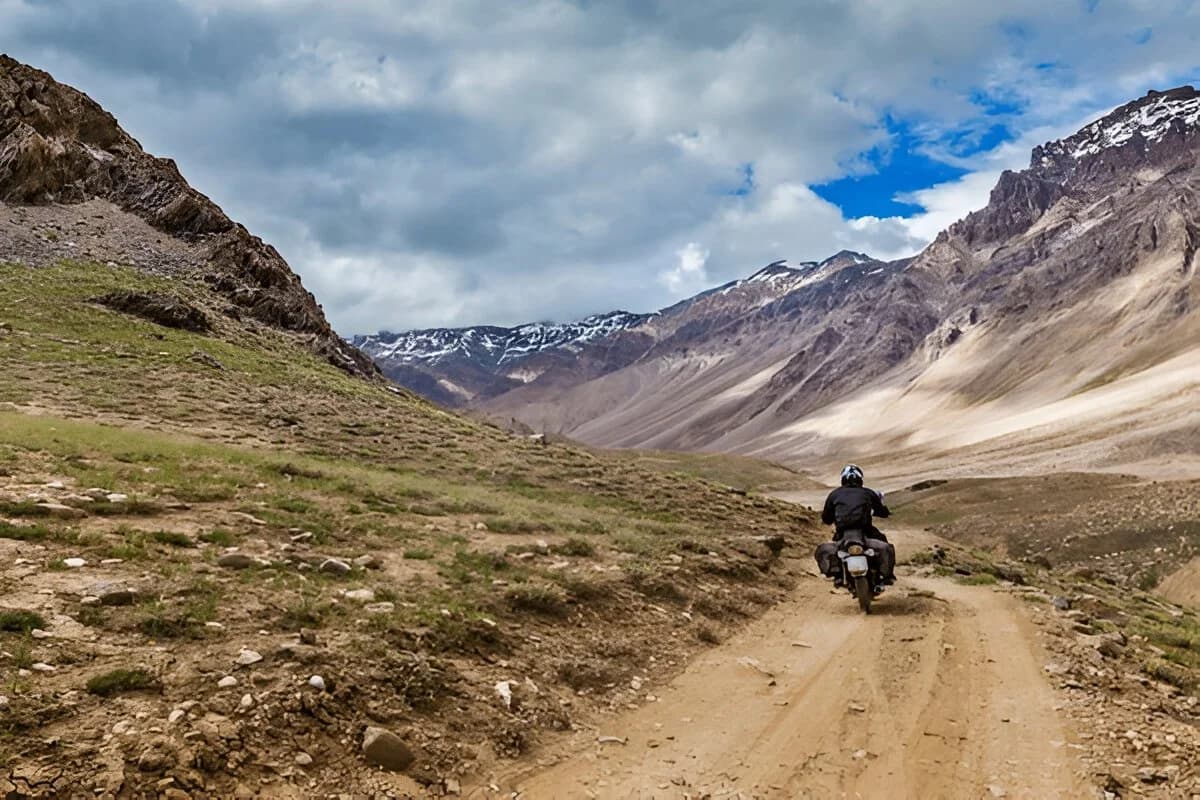
Overview of Biking Spiti: The rugged beauty of Spiti Valley is what excites all adventurers and bikers. This high-altitude desert in Himachal Pradesh is there is almost everyone’s bucket list. The twisting roads and hairpin bends make Spiti perfect for biking – you can stop anywhere enjoy the views, interact with locals, or simply breathe in the pure mountain air. Unlike cars, bikes let you feel every turn, and every altitude change, and connect deeply with the landscape. The ancient monasteries perched on hilltops and stark landscapes create an otherworldly experience. As the sun sets, the valley transforms into a stargazer’s dream – the night sky bursts into life with millions of twinkling stars, the Milky Way stretches across like a silver ribbon, and shooting stars become your regular companions. All the Spiti Valley Packages offer everything from budget homestays to premium camping experiences. What makes Spiti special is its untouched beauty – think snow-capped peaks, clear mountain streams, and lakes reflecting the blue sky. The local culture, deeply rooted in Tibetan Buddhism, adds a spiritual touch to your journey, with every stop along the way becoming a story to tell. What are the Key Highlights of Biking Spiti: Remote Mountain: Experience one of the world’s highest inhabited villages, Komik, sitting pretty at 15,050 feet. Perfect for those Instagram stories that’ll make everyone back home jealous. Ancient Monasteries: Visit the 1000-year-old Key Monastery, perched dramatically on a hilltop. The morning prayers and butter tea with monks are experiences you won’t forget. Fossil Village of Langza: Hunt for marine fossils millions of years old. Yes, you read that right – ancient sea creatures in the mountains! Chandratal Lake: Camp beside the moon lake (Chandratal) surrounded by mountains. The sunrise here will make even non-morning people wake up early. Timings & Entry Fees for Biking Spiti: Best visited from June to September when mountain passes are open. Most monasteries are open from 8 am to 6 pm. Some villages have a small green fee of INR 50 per person. Travel Tips/ Essential Tips for Biking Spiti: High-Altitude Preparation: Take at least 1 to 2 days for acclimatization. Drink lots of water and carry basic medicines. AMS is real, and you need to respect the altitude. Bike Maintenance Must-haves: Carry spare tubes, tool kit, and basic repairs. The nearest mechanic might be hours away, so being prepared is crucial. Stay Connected (Or Not): The network is patchy. Download offline maps and inform your family about your rough itinerary before heading out. Pack Smart: Layer your clothes – mornings are cold, afternoons are sunny. Don’t forget sunscreen and good-quality riding gear. Cash: ATMs are available in the Kaza market. Carry enough cash for your entire trip, including emergencies. Documentation: Keep multiple copies of your ID proof and bike papers. Inner Line Permits are needed for certain areas, so arrange them beforehand. Also Read– Places To Visit in Spiti ValleyMust Read – Things To Do in Spiti Valley

Read More

Gue Mummy Stupa
May 30, 20254 Minutes
Gue Mummy Stupa
Overview of Gue Mummy Stupa The Gue Mummy Stupa is located in a remote village called Gue, situated about 40 kilometres from Kaza, the main town of Spiti Valley. This stupa is famous for housing the mummified remains of a Buddhist Lama who lived and passed away around 500 years ago. The mummy is remarkably well-preserved, thanks to the dry and cold climate of the region, which naturally preserved the body over time.  It offers visitors an intriguing blend of spirituality, culture, and history while exploring Spiti Valley packages. The Gue Mummy is displayed inside a small monastery, which was built around the stupa to protect and honour the sacred remains. This mummified monk is believed to have been a lama from Tibet who travelled to the Spiti Valley, where he passed away. Local legends suggest that he was a revered monk, and his body was intentionally preserved to continue his spiritual influence after death. Over the years, this site has attracted many pilgrims, tourists, and historians, all drawn to its cultural and spiritual significance. Despite being a remote location, the Gue Mummy Stupa has become one of the must-visit sites in Spiti Valley, offering a unique and eerie glimpse into the spiritual traditions of the region. What are the Key Highlights of Gue Mummy Stupa: Historical Significance: The Gue Mummy is over 500 years old, making it a remarkable site for history lovers and anyone interested in the ancient traditions of Buddhism. Well-Preserved Mummy: The mummified body of the monk is preserved in a way that visitors can still see the figure, providing a truly unusual and fascinating experience. Spiritual Importance: The Gue Mummy is not just a tourist attraction but a significant religious site for Buddhists, particularly those in the Tibetan tradition. Scenic Location: Gue is nestled in the heart of Spiti Valley, offering stunning views of the surrounding mountains and landscapes, making it a perfect stop for nature lovers. Cultural Heritage: The site provides insight into the rich culture and spirituality of the region, with nearby monasteries and villages adding to the overall experience of Spiti’s unique traditions. Timings & Entry Fees of Gue Mummy Stupa: Timings: The Gue Mummy Stupa is open to visitors daily from 6 AM to 6 PM. The best time to visit is during the summer months, from May to September when the weather is favourable for travel. Entry Fee: There is no entry fee to visit the Gue Mummy Stupa. However, if you wish to have a guide or participate in a pilgrimage, it is recommended to make a small donation to the local monastery. Travel Tips/ Essential Information for Gue Mummy Stupa Accessibility: Gue is located in a remote area, so visitors need to plan their journey carefully. The road can be rough, and it’s advisable to travel in a 4×4 vehicle for a smoother experience. Best Time to Visit: The ideal time to visit Gue is during the summer months (May to September), when the roads are more accessible, and the weather is conducive to travel. Respect the Sacred Site: While visiting the Gue Mummy Stupa, it is important to be respectful of the religious and cultural significance of the site. Dress modestly and observe local customs. Stay Hydrated and Bring Snacks: The journey to Gue can be long and tiring, so be sure to bring enough water and snacks to stay energized during your trip. Local Guide: Hiring a local guide can enrich your visit, as they can provide deeper insights into the history, legends, and cultural context of the Gue Mummy and the surrounding areas. Altitude Awareness: Gue is situated at a high altitude, so it’s essential to acclimatize properly before your visit to avoid altitude sickness. The Gue Mummy Stupa is a fascinating and unique destination in Spiti Valley that combines history, culture, and spirituality.Also Read: Places to Visit in Spiti ValleyMust Checkout: Things to do in Spiti Valley
Read More

Kaza Market
May 30, 20253 Minutes
Kaza Market
Overview of Kaza Market: Kaza Market is located in Kaza, Spiti Valley, and hands down it is one of the authentic markets where you can shop for all those typical Himachali items. It is also a trading hub that perfectly captures the essence of local Himalayan life. This marketplace is at an elevation of 3,800 meters. Walking through its lanes, you’ll find everything from traditional handicrafts and woolen clothes to essential supplies and local street food. All the Spiti Valley packages include an evening exploration of Kaza Market as it’s the perfect place to experience local life and shop for unique things. The market is especially famous for its authentic Spitian jewelry, prayer wheels, and traditional musical instruments. It serves as a meeting point for locals from nearby villages who come here to trade goods and share stories. The aroma of fresh momos and thukpa fills the air, while friendly shopkeepers are always ready for a chat about their culture and traditions. What are the Key Highlights of Kaza Market: Local Food Experience: Try authentic Spitian dishes at small family-run eateries. The steaming hot thukpa and butter tea are must-tries, especially during cold evenings. Traditional Craft Shops: Explore the stores selling authentic Tibetan jewelry, prayer flags, and handmade woolen items. Perfect for picking up unique souvenirs that tell a story. Monastery Artifacts: Find spiritual items like prayer wheels, Buddhist paintings, and ceremonial objects. Many shops offer genuine pieces with interesting historical backgrounds. Cultural Exchange Hub: Meet locals from remote villages who come here to trade goods. Great chance to learn about their lifestyle and maybe pick up some Spitian phrases. Ancient Architecture: Notice the traditional mud-brick buildings around the market, some over 100 years old. They showcase typical Spitian architecture. Local Produce Section: There’s a particular section selling fresh local vegetables, dried fruits, and unique Himalayan herbs. Many items are organically grown in nearby villages. Timings & Entry Fees of Kaza Market: Market opens daily from 8 am to 11 pm Summer timing (April-October): Shops stay open till 11 pm Winter timing (November-March): Shops close by 10 pm Weekly holiday: Sunday (some shops remain open) Travel Tips/ Essential Information for Kaza Market: Best Time to Visit: Plan your market visit between 10 am to 4 pm when all shops are open and the weather is pleasant. Mornings are perfect for photography. Carry Cash: Carry enough cash as most shops don’t accept cards. UPI payments are acceptable at most shops. There’s also an ATM in the Kaza Market. Weather: Carry a warm jacket even in summer as temperatures can drop suddenly. Market lanes aren’t covered, so keep an umbrella handy. Bargaining Tips: Friendly negotiation is acceptable but remember this is a local market. Prices are generally reasonable, so bargain respectfully. Altitude Tips: Take it slow while walking around as the high altitude can make you breathless. Drink plenty of water and take regular breaks. Medical Needs: There’s a medical store in the market, but carry basic medicines. The nearest hospital is 1 km away in Kaza town.Also Read– Places To Visit in Spiti ValleyMust Read – Things To Do in Spiti Valley
Read More

Penang National Park
May 30, 20253 Minutes
Penang National Park
Overview of Penang National Park: Penang National Park, located on Penang Island in Malaysia, is one of the world’s smallest national parks, covering just 2,562 hectares. Despite its size, it offers an incredible range of biodiversity, making it a must-visit destination for nature lovers. Established in 2003, the park is home to a variety of ecosystems, including rainforests, mangroves, and coral reefs. Visitors can explore several trails that take them through lush greenery, pristine beaches, and diverse wildlife. Don’t miss this beautiful natural haven on your Malaysia tour package. The park is a sanctuary for both floral and faunal diversity. Its unique setting makes it a haven for birdwatching, trekking, and eco-tourism. You can enjoy the serene atmosphere, listen to the sounds of nature, and spot rare species such as the green sea turtle and the dusky leaf monkey. Penang National Park is perfect for those seeking adventure in nature while exploring Malaysia’s natural beauty. What are the Key Highlights of Penang National Park: Trekking Trails – Penang National Park features a range of scenic trails suitable for all levels of trekkers. Popular trails include the Pantai Kerachut Trail and the Teluk Duyung Trail, offering breathtaking views of the rainforest and coastal areas. Pantai Kerachut – A beautiful beach that’s only accessible by a trek through the jungle, famous for its green sea turtles nesting on the shores. Teluk Bahang Forest Reserve – A lush area of rainforest, home to diverse wildlife and the starting point for several trails. Wildlife Watching – Spot rare animals like monkeys, lizards, and a wide variety of bird species. Coral Reefs – The park also has one of the most vibrant coral reefs in Malaysia, making it a great destination for snorkelling and scuba diving. Lighthouse at Cape Rachado – An old lighthouse offering panoramic views of the surrounding coastline and the Andaman Sea. Timings & Entry Fees of Penang National Park: Timings: Penang National Park is open from 9:00 AM to 5:00 PM daily. It’s best to visit during the day when you can fully enjoy the park’s natural beauty and wildlife. Entry Fee:Malaysians: Free entryForeign Visitors: MYR 10 (approximately ₹180) for adults.Children: MYR 5 (approximately ₹90).Additional fees may apply for specific activities like boat rides or guides. Travel Tips / Essential Information for Penang National Park: Best Time to Visit: The ideal time to visit the park is during the dry season from December to February when the weather is more comfortable for outdoor activities. Dress Appropriately: Wear comfortable clothing and sturdy shoes suitable for trekking through the park’s trails. Carry Water & Snacks: It can get hot during your hike, so make sure to bring water and some snacks to keep hydrated and energized. Hire a Guide: Consider hiring a local guide to enhance your experience. They can provide interesting information about the wildlife and plants you encounter along the way. Stay on Trails: Stick to designated trails to avoid getting lost and to protect the park’s delicate ecosystem. Snorkelling and Diving: If you’re interested in snorkelling or diving, make sure to check the weather conditions beforehand. The coral reefs are best explored on calm days. Respect Nature: Be mindful of the environment. Avoid littering and refrain from disturbing wildlife. Whether you’re exploring the rainforest, relaxing on the beaches, or discovering marine life, Penang National Park offers a memorable experience for everyone. Also Read– Places To Visit in MalaysiaMust Read – Things To Do in Malaysia

Read More

Spiti’s Organic Kitchen
May 30, 20253 Minutes
Spiti’s Organic Kitchen
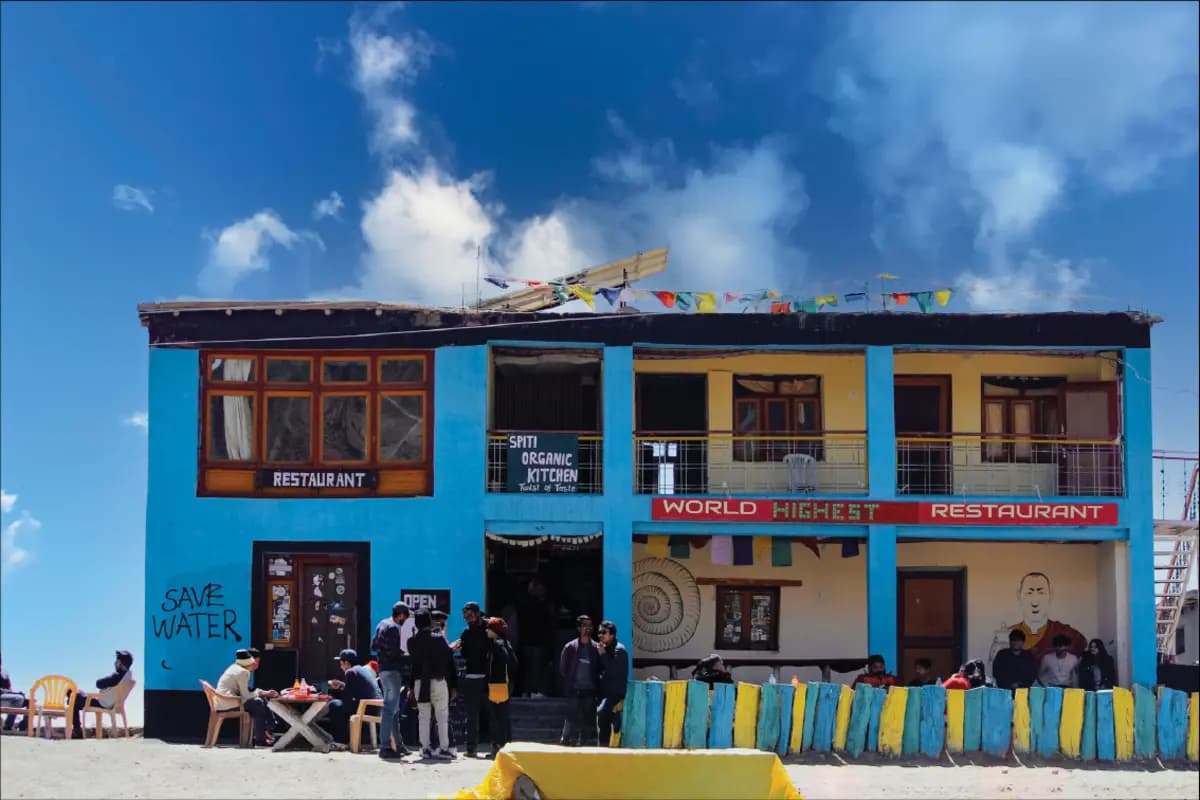
Overview of Spiti’s Organic Kitchen: Located at a height of 15,027 feet, Spiti’s Organic Kitchen in Komic Village holds the distinctive title of being the world’s highest restaurant. This hidden gem in the remote Spiti Valley serves almost all typical Himachali dishes– it’s an experience that combines stunning mountain views with authentic local flavors. The restaurant is run by local families and serves traditional Spitian dishes made from organic ingredients grown in their own fields. All Spiti Valley Packages includes Komic because it is the world’s highest motorable village, has the world’s highest restaurant, and also the surrounding wonders of the valley just mesmerize you. What makes this place truly special is its location in Komic, one of the highest villages in the world where people live year-round. The restaurant’s warm interiors, decorated with traditional Spitian artwork and prayer flags, provide a cozy shelter from the chilly mountain air. What are the Key Highlights of Spiti’s Organic Kitchen: Mountain-Top Dining Experience: Enjoy your meal at 15,027 feet while surrounded by panoramic views of the Spiti Valley. Perfect for unique Instagram shots and creating lasting memories. Traditional Spitian Cuisine: Savor authentic dishes like Thukpa, Thenthuk, and Skyu, all made from locally grown organic ingredients. The special butter tea here is a must-try. Local Cultural Immersion: Watch local women prepare traditional dishes in the open kitchen, sharing stories and cooking techniques passed down through generations. Sustainable Practices: Experience farm-to-table dining at its finest, with ingredients sourced from nearby fields. Monastery Views: Enjoy clear views of the ancient Tangyud Monastery while dining, adding a spiritual touch to your meal. Stargazing Opportunities: There are no stays near the restaurant, but there’s a monastery nearby, so if you’re a solo or nomad explorer, you can ask for a night stay to experience Stargazing. Wildlife Spotting: Keep your eyes peeled for rare Himalayan wildlife like blue sheep and snow leopard paw prints around the restaurant area. Timings & Entry Fees of Spiti’s Organic Kitchen: Open daily from 8 am to 8 pm No entry fee required Average snacks cost: INR 200-400 per person Special meal experiences: INR 800-1000 per person NOTE: Closed during extreme winter months (December-February) Travel Tips/ Essential information for Spiti’s Organic Kitchen: Altitude Acclimatization: Take it slow and spend at least 2-3 days in the lower regions of Spiti before visiting Komic. Carry necessary medication for altitude sickness. Weather Preparation: Pack warm clothes regardless of season. Temperature can drop suddenly, even during summer months. Carry a good quality windproof jacket. Best Time to Visit: Plan your visit between May to October when roads are accessible and the weather is relatively stable. Morning hours offer the clearest mountain views. Transport Arrangements: Book a reliable local taxi or driver as the road to Komic is challenging. Regular vehicles might not be suitable for the terrain. Cash Requirements: Carry enough cash as there are no ATMs nearby. Cards or UPI payments are not accepted at the restaurant, as there’s no network. Also Read– Places To Visit in Spiti ValleyMust Read – Things To Do in Spiti Valley

Read More

Login ModalPost Login FormTalk with trip expert