Blog hero image
Top Travel Stories

Explore our latest blogs and travel with us

Chandra River
May 30, 20254 Minutes
Chandra River
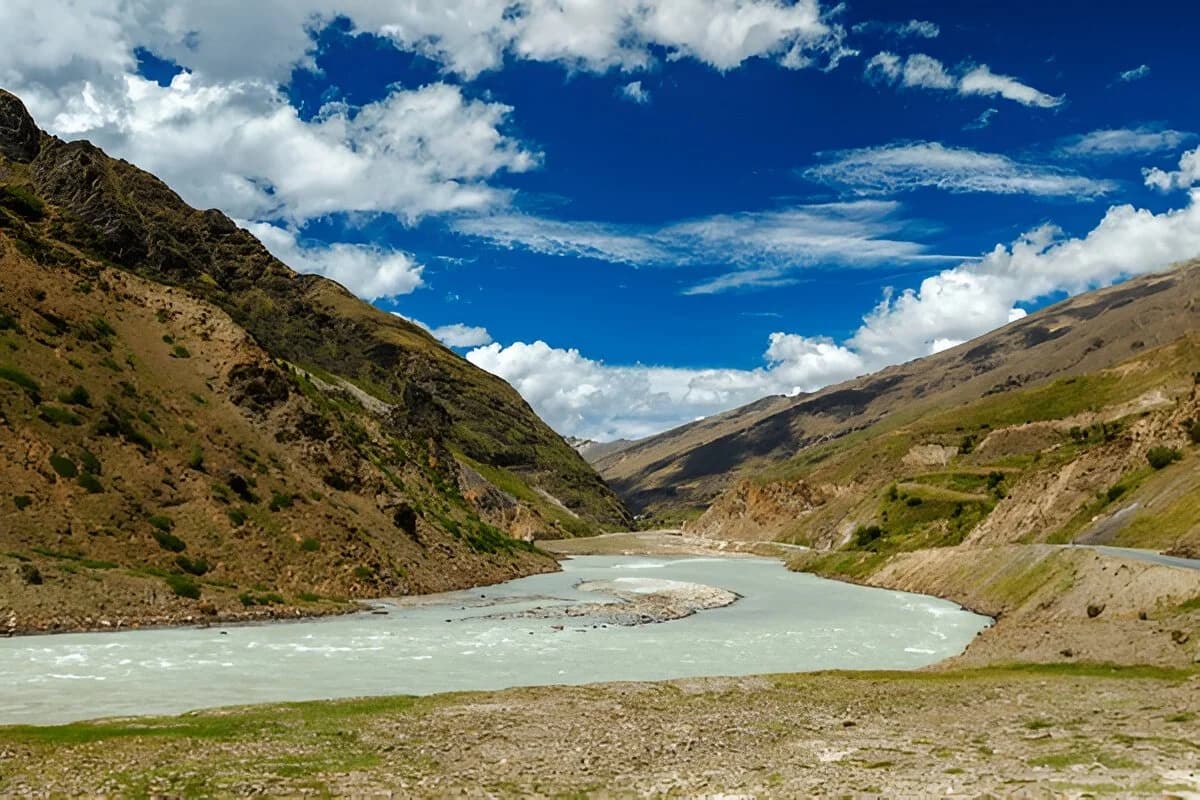
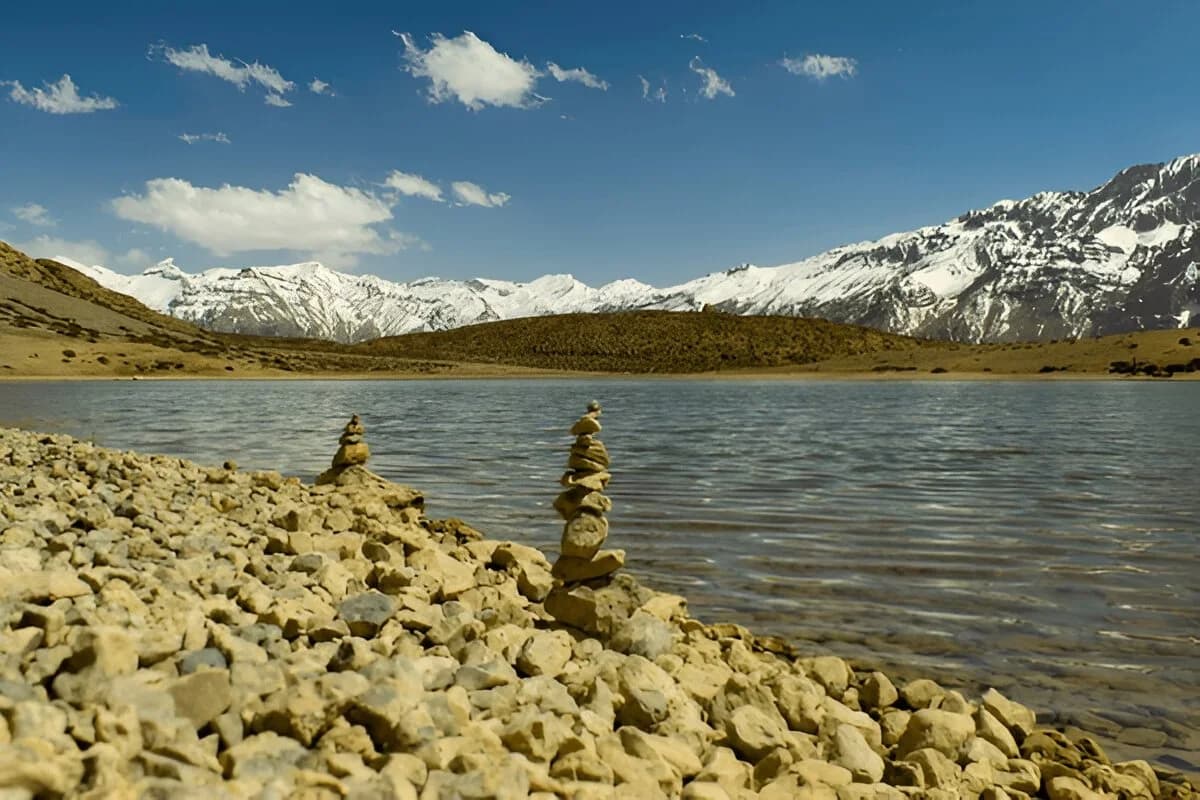
Overview of Chandra River: The Chandra River is one of the primary rivers in the Spiti Valley and a major tributary of the Chenab River. Originating from the Chandra Tal Lake (also known as the Moon Lake) in the Himalayas, the river flows through the Lahaul and Spiti regions before merging with the Bhaga River to form the Chenab River. Many Spiti Valley packages include stops along the river, as it is one of the most captivating natural features of the region. The Chandra River is famous for its crystal-clear waters, which reflect the surrounding snow-capped mountains, creating stunning views. Its serene environment and picturesque setting make it a popular destination for travellers, photographers, and nature enthusiasts. The river is an essential source of water for the agricultural land in the valley, which relies on the irrigation it provides in this otherwise dry landscape. Along its course, the Chandra River flows past lush green meadows, remote villages, and monasteries, offering travellers a chance to witness the traditional rural life of Spiti. What are the Key Highlights of Chandra River: Breathtaking Scenic Views: The Chandra River flows through some of the most scenic and untouched landscapes in the Himalayas, making it a prime spot for photography and nature walks. Chandra Tal Lake: The river originates from Chandra Tal Lake, one of the most stunning high-altitude lakes in India, famous for its crescent moon shape. The lake’s reflection in the Chandra River adds to the tranquil beauty of the region. Adventure Opportunities: The river offers opportunities for adventure activities such as camping along its banks, trekking, and photography. For those looking for a serene escape, the peaceful surroundings of the Chandra River are perfect. Serene Atmosphere: The river flows through remote and peaceful valleys, providing a calm and refreshing atmosphere, perfect for those seeking to escape the hustle and bustle of city life. Cultural Significance: The river is not only a natural wonder but also an important water source for local communities in Spiti. The river’s banks are home to several villages and monasteries, contributing to the cultural richness of the valley. Timings & Entry Fees Timings: The Chandra River can be visited throughout the year, but the best time to explore the river is between May and October when the weather is milder and the roads are accessible. During the winter, heavy snowfall can make the area inaccessible. Entry Fees: There are no entry fees to visit the Chandra River itself. However, if you are visiting Chandra Tal Lake or other nearby attractions like monasteries, there may be small entry charges or donations. Travel Tips & Essential Information Acclimatization: Spiti is located at high altitudes, so travellers should spend time acclimatizing in places like Kaza before venturing further along the Chandra River. This helps avoid altitude sickness. Best Season: The best time to visit the Chandra River is during the summer months (May to September) when the weather is pleasant. During winter, snowfall often blocks routes, and temperatures can drop significantly. Essentials to Carry: Bring essential items such as water, snacks, sunscreen, and warm clothing, as temperatures can drop quickly, even in summer. Also, pack comfortable shoes for trekking around the river. Respect Local Culture: The Chandra River flows through remote villages with a strong Buddhist cultural influence. Be respectful of the locals and their traditions when visiting the area. Safety: Be cautious while walking near the river’s edge, especially during the monsoon, when the river’s flow is stronger. Ensure you are equipped with proper footwear for trekking in rocky and uneven terrains. Nearby Attractions: While visiting the Chandra River, explore nearby attractions like Chandra Tal Lake, Lahaul Valley, and Key Monastery, which offer unique experiences and views of the river’s surroundings. The Chandra River is not just a beautiful natural feature, but an essential part of the Spiti Valley landscape. It offers travellers a serene escape, perfect for relaxation and adventure. Also Read: Places to Visit in Spiti ValleyMust Read: Things to do in Spiti Valley

Read More

Semenggoh Nature Reserve
May 30, 20253 Minutes
Semenggoh Nature Reserve
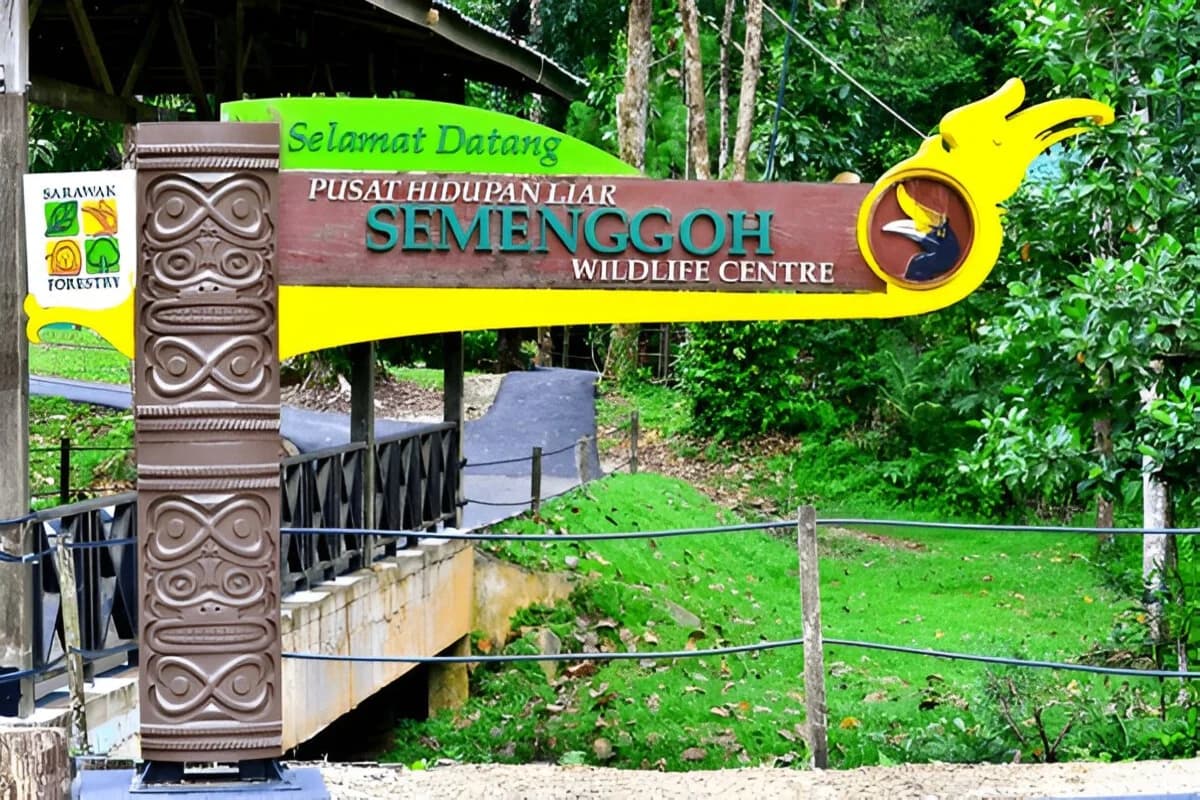
Overview of Semenggoh Nature Reserve: The Semenggoh Nature Reserve, located just outside Kuching in Sarawak, Malaysia, is a renowned wildlife sanctuary and rehabilitation centre for endangered species, primarily orangutans. Spanning 1,000 hectares, this reserve plays a crucial role in the conservation and rehabilitation of orangutans rescued from captivity or unsafe environments. For travellers exploring Malaysia tour packages, Semenggoh offers a rare opportunity to witness these magnificent creatures in a semi-wild habitat as they are gradually reintroduced to nature. Beyond orangutans, the reserve is home to diverse wildlife and lush flora, making it a paradise for nature lovers and conservation enthusiasts. With educational programs and guided tours, visitors can gain valuable insights into Malaysia’s wildlife conservation efforts. The highlight of visiting is observing orangutans during feeding times when they descend from the trees to collect food provided by the reserve staff. It’s an unforgettable experience that allows visitors to connect with nature in a meaningful way. What are the Key Highlights of Semenggoh Nature Reserve: Orangutan Rehabilitation: The main attraction is the orangutan rehabilitation program, where injured, orphaned, and displaced orangutans are trained to live independently in the wild. Feeding Sessions: Watch orangutans come down from the trees during scheduled feeding times. It’s a thrilling experience to see them interact and forage for food in their natural habitat. Diverse Wildlife: In addition to orangutans, the reserve is home to a variety of species including gibbons, proboscis monkeys, and exotic bird species such as hornbills. Guided Nature Walks: Explore the lush tropical forest through guided walks, where knowledgeable guides share information about the flora, fauna, and conservation efforts in the reserve. Conservation Education: Learn about wildlife protection through the reserve’s educational programs and exhibits, which highlight the importance of preserving Malaysia’s unique ecosystems. Timings & Entry Fees of Semenggoh Nature Reserve: Timings: The reserve is open daily from 8:00 AM to 12:00 PM and 2:00 PM to 4:00 PM. Entry fees for adults are approximately INR 180, while entry for children is around INR 90. Additional fees may apply for guided tours or special programs. Travel Tips / Essential Information of Semenggoh Nature Reserve: Plan Your Visit During Feeding Times: The best time to visit is during the scheduled feeding sessions (10 AM and 3 PM) for a chance to see the orangutans. Wear Comfortable Footwear: The terrain can be uneven and muddy, so it’s advisable to wear sturdy, comfortable shoes. Respect Wildlife: Always maintain a safe distance from the orangutans and other animals. Avoid feeding or interacting with them directly. Carry Insect Repellent: The reserve is surrounded by jungle, so be prepared for mosquitoes and other insects by bringing repellent. Guided Tours are Recommended: For a deeper understanding of the wildlife and conservation efforts, opt for a guided tour, which can enhance your experience. Weather Considerations: Malaysia’s weather can be unpredictable, so it’s best to bring a raincoat or umbrella, especially during the monsoon season (from November to February).Also Checkout – Places To Visit in MalaysiaMust Read – Things To Do in Malaysia

Read More

Turtle Sanctuary Beach
May 30, 20253 Minutes
Turtle Sanctuary Beach
Overview of Turtle Sanctuary Beach: Turtle Sanctuary Beach, located on Pulau Selingan, an island off the coast of Sabah in Borneo, Malaysia, is a sanctuary dedicated to the conservation of sea turtles. As part of the Turtle Islands Park, this beach plays a critical role in the protection of Green Sea Turtles and Hawksbill Turtles. The sanctuary offers a one-of-a-kind experience for those booking Malaysia tour packages focused on nature and wildlife. It is an excellent spot for travellers seeking to learn about turtle conservation while immersing themselves in the natural beauty of Malaysia. Visitors can observe turtles coming ashore to nest and, during certain seasons, witness baby turtles hatching and making their way to the sea. The sanctuary ensures that the turtles’ nests are carefully protected, providing a safe environment for their eggs and the newly hatched turtles. Turtle Sanctuary Beach offers a blend of ecological awareness and breathtaking natural surroundings, making it a must-visit for eco-conscious travellers. What are the Key Highlights of Turtle Sanctuary Beach: Turtle Nesting and Hatching: The highlight of visiting Turtle Sanctuary Beach is witnessing sea turtles coming ashore to lay their eggs. During the right season, guests can also see baby turtles hatching and heading toward the ocean, making for a heartwarming experience. Turtle Conservation Efforts: The sanctuary is dedicated to protecting turtle species, educating visitors on the importance of conservation, and monitoring turtle populations to ensure their survival. Guided Night Tours: Special tours are available at night when turtles typically come ashore to nest. Guides provide informative commentary on turtle species, their nesting behaviours, and conservation efforts. Pristine Beaches: The beach itself is a natural paradise with crystal-clear waters, white sandy shores, and tropical surroundings, perfect for relaxation and enjoying nature. Marine Life Viewing: Apart from turtles, visitors may also spot other marine life in the surrounding waters, including fish, coral reefs, and occasionally dugongs. Timings & Entry Fees of Turtle Sanctuary Beach: Timings: Turtle Sanctuary Beach is accessible to visitors from 9:00 AM to 4:00 PM daily. However, the most popular times are during the night tours when turtles come to lay their eggs. Entry Fees: Entry fees for adults are around INR 540, with children’s fees at INR 270. Special tour fees may apply. Travel Tips / Essential Information of Turtle Sanctuary Beach: Book in Advance: Due to limited accommodation on Pulau Selingan, it’s advisable to book your trip in advance, especially during peak turtle nesting seasons (May to September). Night Tours Are Key: To see turtles nesting or hatching, plan your visit to include a night tour. These tours are guided and offer the best opportunity to experience turtle conservation efforts. Respect the Sanctuary: Visitors are urged to follow the rules of the sanctuary, including not disturbing nesting turtles and avoiding the use of flash photography, which can harm the turtles. Bring Sunscreen and Light Clothing: The island is hot and sunny during the day, so be sure to bring sunscreen, a hat, and light, breathable clothing. Stay Overnight: For a more immersive experience, consider staying overnight in one of the available chalets on Pulau Selingan to enjoy the full turtle-watching experience. Marine Protection: Remember, the island is a protected marine park, so it’s important to follow all guidelines to help preserve the environment for future generations.Also Checkout – Places To Visit in MalaysiaMust Read – Things To Do in Malaysia

Read More

KeK Lok Tong Cave Temple
May 30, 20253 Minutes
KeK Lok Tong Cave Temple
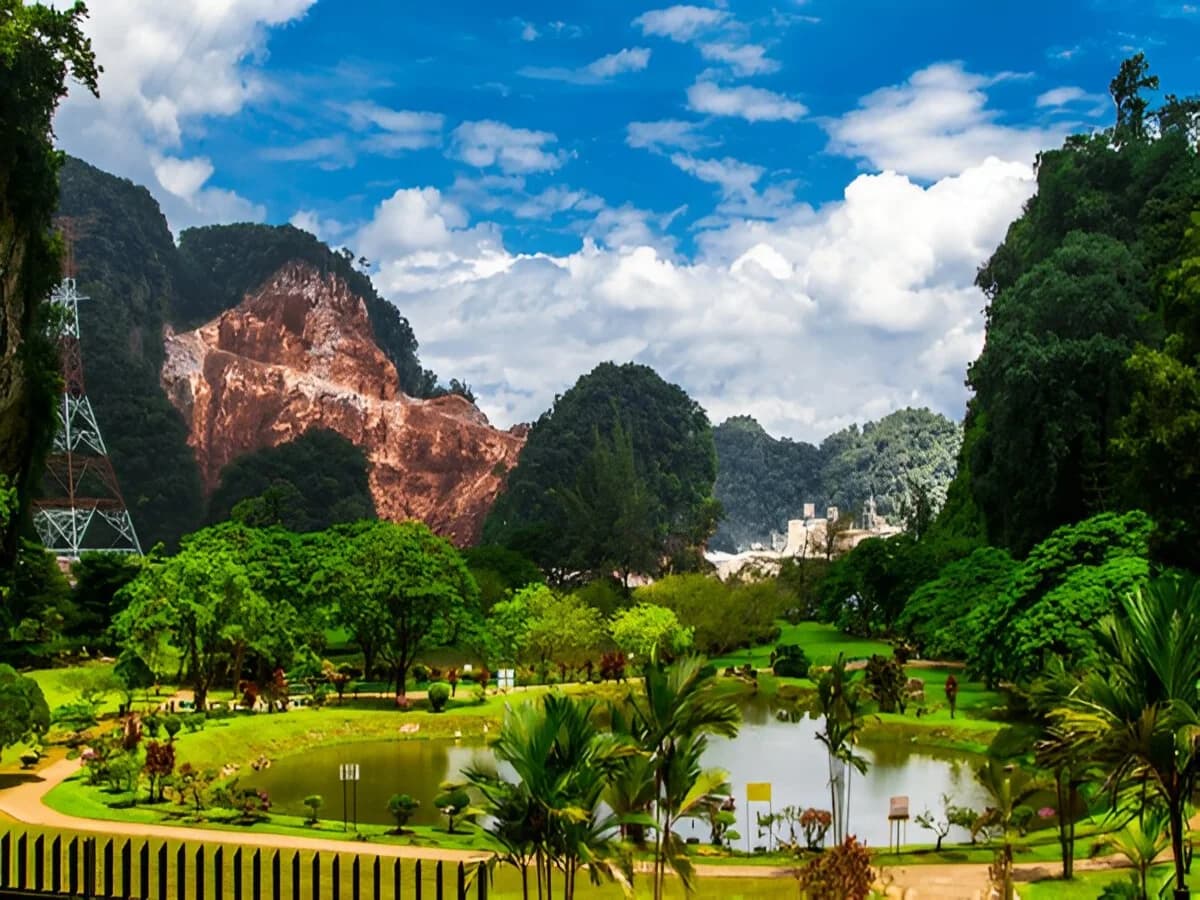
Overview of Kek Lok Tong Cave Temple: Kek Lok Tong Cave Temple, located in Ipoh, Malaysia, is a remarkable religious site set within a limestone cave. Known for its peaceful ambience, the temple has been a place of worship since the 1920s and was later developed into a spiritual and tourist destination. The cave features massive stalactites and stalagmites, creating a mystical atmosphere that attracts both devotees and travellers exploring Malaysia tour packages. Inside, visitors will find golden Buddhist statues and intricate carvings that reflect Chinese and Buddhist influences. Beyond the temple, a beautiful Zen-inspired garden awaits, complete with a lake, jogging paths, and pavilions, offering a serene retreat from the city’s hustle. Kek Lok Tong is not just a religious landmark but also a geological wonder, making it a must-visit for those interested in nature, history, and culture. It’s an ideal stop for anyone seeking tranquillity amidst breathtaking natural beauty. What are the Key Highlights of Kek Lok Tong Cave Temple: Majestic Cave Interior – Walk through the awe-inspiring limestone cavern, adorned with towering stalactites and stalagmites, creating a surreal setting. Buddhist and Taoist Shrines – Admire the golden Buddha statues and deities, reflecting deep religious and cultural heritage. Scenic Zen Garden – Step outside the cave into a peaceful garden with a lake, lush greenery, and pavilions, perfect for relaxation. Panoramic Views – The temple is set within Ipoh’s famous limestone hills, offering breathtaking views of the surrounding landscape. Peaceful Atmosphere – Unlike more crowded temples, Kek Lok Tong provides a tranquil environment, ideal for meditation and reflection. Jogging and Cycling Paths – The temple grounds feature walking and cycling tracks, making it a unique blend of spirituality and outdoor activity. Timings & Entry Fees of Kek Lok Tong Cave Temple: Timings: Open daily from 7:00 AM to 5:30 PM. Entry Fees: Free entry for all visitors. However, donations for temple maintenance are appreciated. Travel Tips / Essential Information For Kek Lok Tong Cave Temple: Best Time to Visit: Early morning or late afternoon for a peaceful experience and cooler weather. Dress Modestly: As it is a place of worship, visitors should wear respectful attire. Bring a Camera: The cave formations and gardens provide stunning photo opportunities. Wear Comfortable Shoes: Exploring the cave and gardens involves some walking on uneven surfaces. Respect the Environment: Avoid touching rock formations to preserve their natural beauty. Visit Nearby Attractions: Combine your trip with other Ipoh attractions like Perak Cave Temple and Sam Poh Tong. Stay Hydrated: The cave can be humid, so carrying water is recommended.Also Checkout – Places To Visit in MalaysiaMust Read – Things To Do in Malaysia

Read More

Spiti River
May 30, 20254 Minutes
Spiti River
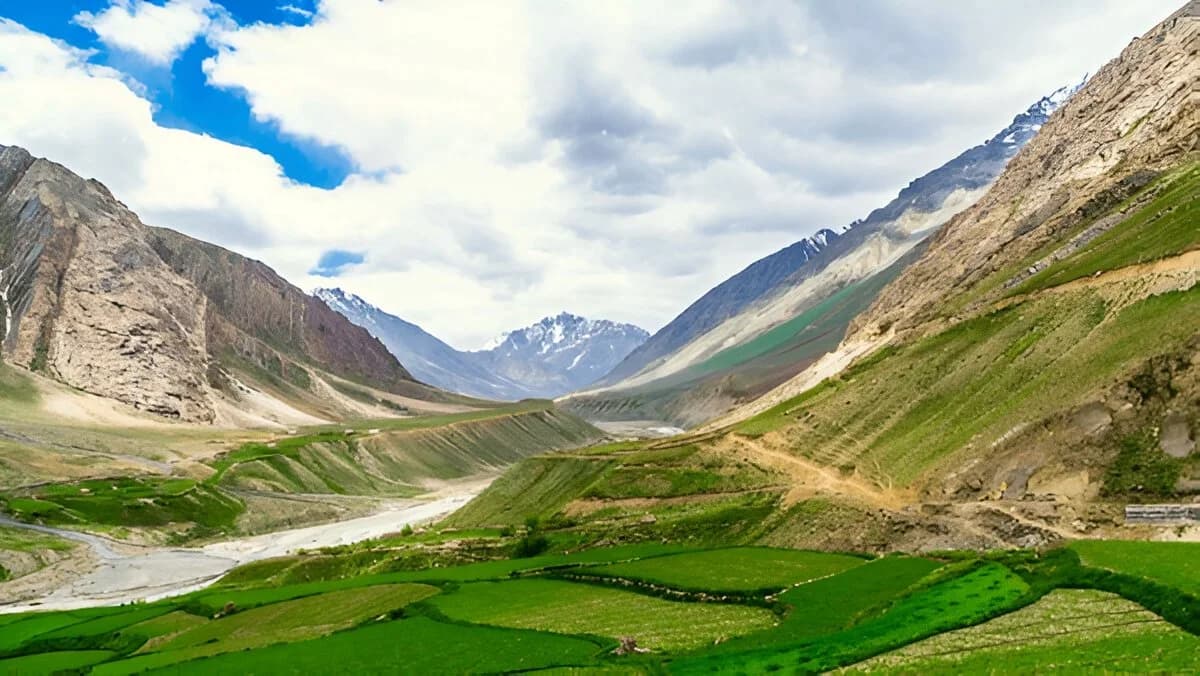
Overview of Spiti River: The Spiti River is one of the primary rivers in the Himalayan region, flowing through the remote and awe-inspiring Spiti Valley in Himachal Pradesh. It originates from the Tibetan Plateau, near the Manasarovar Lake, and flows across the Spiti Valley, ultimately merging with the Sutlej River. The river cuts through deep gorges and rocky terrains, forming dramatic landscapes that have become an iconic symbol of the Spiti Valley. The Spiti River is vital not only for the region’s ecology but also for the life of the people who inhabit the valley. It irrigates the fields and provides the region with water, which is scarce in this otherwise dry and cold desert-like environment. This river is famous for its vivid colour — a mix of deep blue and green — which stands out against the stark, arid landscape of Spiti. The river’s banks are dotted with charming villages, ancient monasteries, and towering mountain ranges, making it a key part of any Spiti Valley packages. Whether you’re a nature lover, an adventure seeker, or someone looking to immerse themselves in the local culture, the Spiti River is a highlight of the Spiti Valley experience. What are the Key Highlights of Spiti River: Stunning Scenic Views: The Spiti River offers some of the most breathtaking views in the valley. The lush green and turquoise river contrasts against the barren desert-like mountains, creating a perfect picture for photographers and nature lovers. Cultural Significance: The river is an important part of local culture and is central to the livelihoods of the villagers who live along its banks. Many monasteries and spiritual sites are located close to the river, making it a symbol of spiritual life in Spiti. River Activities: Although the Spiti River is not suitable for traditional water sports due to its strong currents, its stunning landscapes make it a popular spot for trekking, photography, and exploring nearby villages. Confluence with Sutlej River: The Spiti River eventually joins the Sutlej River, which is another important river in the region, creating an iconic confluence that is a popular spot for visitors travelling through Spiti. Frozen River: During the winter months, the Spiti River freezes, creating surreal ice formations and providing trekkers and adventurers with unique opportunities for winter treks and explorations. Timings & Entry Fees of Spiti River: Timings: The Spiti River can be visited year-round, but the best time to visit is from May to October when the weather is more temperate, and the trekking routes are accessible. Winter months bring snowfall, which causes many routes to be blocked due to heavy snowfall. Entry Fees: There are no specific entry fees to visit the Spiti River itself. However, if you’re visiting certain monasteries or cultural sites along the river’s path, there may be small charges for entry or donations. Travel Tips & Essential Information for Spiti River: Acclimatization: As Spiti is situated at high altitudes, it’s essential to take time for acclimatization before exploring the valley. Spend a day or two in Kaza or Dhankar before heading further along the river to avoid altitude sickness. Best Season: The summer months (May to September) are ideal for visiting the Spiti River, as the weather is pleasant and the river is at its fullest. During winter, the valley experiences extremely cold temperatures, with heavy snow and freezing river conditions. Carry Essentials: While travelling along the Spiti River, it’s important to carry enough water, snacks, and sunscreen, as the high altitude and dry weather can be quite taxing. Warm clothing is essential, even during summer months, as temperatures can drop significantly. Local Culture: The river flows through remote villages with strong Buddhist cultural influences. Be respectful of the locals, their traditions, and the monasteries you visit along the river’s route. Safety: The Spiti River, with its fast-flowing waters, can be dangerous in certain spots. Avoid venturing too close to the water’s edge, especially during the monsoon or winter when the river is at its peak. Nearby Attractions: If you are visiting the Spiti River, consider exploring nearby sites like Pin Valley, Tabo Monastery, and Dhankar Monastery, which offer incredible views and cultural experiences along the river’s course. Also Read: Places to Visit in Spiti ValleyMust Read: Things to do in Spiti Valley

Read More

Dhankar Lake Trek
May 30, 20254 Minutes
Dhankar Lake Trek
Overview of Dhankar Lake Trek: The Dhankar Lake Trek is a relatively moderate yet rewarding trekking route located in the Spiti Valley of Himachal Pradesh. The trek takes you to Dhankar Lake, which holds significant cultural and spiritual importance to the locals. Situated at a height of about 4,270 meters (14,010 feet), the lake lies amidst the breathtaking Himalayan landscape and offers a chance to witness Spiti’s pristine wilderness. For those seeking an off-the-beaten-path adventure in their Spiti Valley packages, the Dhankar Lake Trek is a must-try. This trek is about 10 to 12 kilometres long, and it typically takes about 5 to 6 hours to reach the lake from Dhankar Village. The trek involves a steady climb through a combination of rocky paths, alpine meadows, and narrow ridges. Along the way, trekkers are treated to stunning views of the surrounding mountains, the Dhankar Monastery, and the turquoise-coloured lake shimmering against the backdrop of snow-capped peaks. The lake is considered sacred by the local people, and it is often associated with a sense of tranquillity and spiritual energy. The Dhankar Lake Trek is an excellent choice for trekkers who wish to experience a blend of adventure, nature, and spirituality in the Spiti Valley. What are the Key Highlights of Dhankar Lake Trek: Stunning Views: The trek offers panoramic views of the Spiti Valley, including the Pin River, Dhankar Village, and the towering Himalayan Peaks. The sight of Dhankar Lake nestled amidst snow-capped mountains is truly breathtaking. Sacred Lake: Dhankar Lake is considered a holy site by the locals. The lake is surrounded by legends and beliefs, adding a sense of mysticism to your trek. Diverse Terrain: The trek takes you through a variety of terrains, from steep climbs to lush meadows, offering a rich experience of Spiti’s natural beauty. The ever-changing landscape adds to the charm of the journey. Dhankar Monastery: While on the trek, you’ll pass by the Dhankar Monastery, perched dramatically on a cliff. The monastery offers cultural insights and provides a peaceful stop before continuing the trek. Remote & Peaceful: Unlike more crowded trekking routes, the Dhankar Lake Trek allows you to experience the untouched beauty of Spiti in solitude, far from the typical tourist crowds. Timings & Entry Fees for Dhankar Lake Trek: Timings: The best time to embark on the Dhankar Lake Trek is during the summer months (June to September), when the weather is pleasant, and the trekking conditions are ideal. Winter treks can be dangerous due to heavy snowfall and harsh weather. Entry Fees: There is no entry fee to access Dhankar Lake itself. However, since the trek passes through certain protected areas, trekkers may need a permit from local authorities to enter the area. A special permit is usually required for trekkers visiting Spiti Valley. Travel Tips & Essential Information Physical Fitness: While the Dhankar Lake Trek is not extremely challenging, it still requires moderate fitness and some experience in trekking at higher altitudes. Be prepared for steep sections and high-altitude conditions. Acclimatization: The trek takes you to high altitudes, so it’s important to spend a day or two in Dhankar Village or Kaza for acclimatization. This will help prevent altitude sickness. Guide and Permits: It’s advisable to go with an experienced guide who knows the route well. A local guide can also offer valuable cultural insights along the way. Permits are required for the trek, which can be obtained at Kaza or Dhankar Village. What to Carry: Ensure you carry warm clothes, a rain jacket, sturdy trekking shoes, and a first-aid kit. Also, pack snacks, water, and sunscreen as you’ll be exposed to the sun during the day. Accommodation: There are basic accommodation options in Dhankar Village and Kaza, where you can stay before and after the trek. There are no accommodation facilities near Dhankar Lake, so trekkers usually return to Dhankar or Kaza after completing the trek. Respect Local Culture: The trek passes through a region with strong Buddhist traditions, so be respectful of the local people and their customs. Always ask for permission before taking photographs, especially near sacred sites. Nearby Attractions: While in Spiti, don’t miss visiting the Tabo Monastery, Dhankar Monastery, and Pin Valley National Park, which are all nearby and offer a deep dive into the region’s culture and natural beauty. The Dhankar Lake Trek is a hidden gem in the Spiti Valley, offering trekkers a chance to experience pristine landscapes, spiritual tranquillity, and a sense of adventure. The journey to Dhankar Lake is filled with breathtaking views, sacred sites, and unique terrains. Also Read: Places to Visit in Spiti ValleyMust Read: Things to do in Spiti Valley

Read More

Pin Parvati Pass
May 30, 20254 Minutes
Pin Parvati Pass
Overview of Pin Parvati Pass: The Pin Parvati Pass is a renowned trekking route that serves as a link between the lush Kullu Valley and the arid, rugged Spiti Valley. Located at an elevation of 5,319 meters (17,450 feet), it is considered one of the most difficult treks in India, attracting seasoned trekkers and adventure seekers from around the world. For those seeking adventure through Spiti Valley packages, the Pin Parvati Pass trek is a must-do. The trek spans approximately 110 kilometres and takes about 10 to 12 days to complete. It is known for its diverse landscapes, from dense forests and lush meadows to barren, rocky terrains. As you trek, you will cross rivers, climb steep ascents, and camp at high-altitude sites, all while being treated to spectacular views of the majestic Himalayas. One of the unique aspects of the Pin Parvati Pass trek is the contrast between the landscapes of Kullu and Spiti. Kullu is lush and green, while Spiti is a high-altitude desert with stark, dramatic mountains and remote villages. The trek allows trekkers to experience both extremes of the Himalayan region in one go. What are the Key Highlights of Pin Parvati Pass: Breathtaking Views: The trek offers panoramic views of towering snow-capped peaks, glaciers, rivers, and alpine meadows, making it a photographer’s paradise. Diverse Landscapes: From lush green forests in Kullu to barren deserts in Spiti, the trek showcases the vast contrasts of the Himalayas. Adventure Challenge: The trek is challenging, requiring stamina and experience, especially at high altitudes. It’s perfect for seasoned trekkers looking to push their limits. Unique Flora and Fauna: The region is home to diverse wildlife, including snow leopards, marmots, and various bird species. You’ll also witness the striking variety of alpine flora along the way. Cultural Exploration: Trekking through remote villages in Spiti and Kullu gives you a glimpse into the traditional lifestyle of the local people and their vibrant Buddhist culture. Timings & Entry Fees of Pin Parvati Pass: Timings: The best time to embark on the Pin Parvati Pass trek is between May and October, when the weather is relatively warm, and the snow on the pass has melted, making the trail accessible. However, the weather conditions can be unpredictable, so it’s essential to check forecasts before setting out. Entry Fees: There are no specific entry fees to access the Pin Parvati Pass. However, permits are required to trek in this area, as the route passes through protected forests. A special Inner Line Permit (ILP) is needed to enter Spiti Valley, which can be obtained through local authorities. Travel Tips & Essential Information for Pin Parvati Pass: Physical Preparation: The Pin Parvati Pass trek is difficult and should only be attempted by experienced trekkers. It’s important to train and acclimatize to the altitude to avoid altitude sickness. Guide and Permits: A local guide is highly recommended due to the challenging terrain. Additionally, you’ll need to obtain permits for trekking through protected areas. Accommodation: The trek involves camping in remote locations, so it’s essential to bring your camping gear. There are also a few basic guesthouses in Kullu and Spiti where you can stay before and after the trek. Carry Proper Gear: Due to the high-altitude terrain, it’s crucial to carry proper trekking equipment, including warm clothing, waterproof gear, and sturdy shoes. Make sure to pack enough food, a first-aid kit, and water purification tablets. Weather Conditions: The weather can change rapidly in the mountains. Carry warm clothes, a good sleeping bag, and weather-resistant jackets. Be prepared for sudden snowfall or rain, even in summer months. Safety: Trekking in the high Himalayas can be risky, so always prioritize safety. Ensure you are physically prepared, stay hydrated, and follow the instructions of your guide. It’s also essential to respect the local environment and wildlife. Nearby Attractions: If you’re in Spiti Valley, don’t miss visiting Tabo Monastery, Dhankar Monastery, and Kungri Monastery. These ancient monasteries offer a deep insight into Tibetan Buddhist culture and are an excellent addition to your trekking itinerary. The Pin Parvati Pass trek is one of the most exciting adventures in the Indian Himalayas, offering unparalleled beauty, diverse landscapes, and a challenging yet rewarding experience for trekkers. It connects two of the most distinct regions of the Himalayas — the lush, green Kullu Valley and the stark, desert-like Spiti Valley. Also Read: Places to Visit in Spiti ValleyMust Read: Things to do in Spiti Valley

Read More

Kungri Monastery
May 30, 20254 Minutes
Kungri Monastery
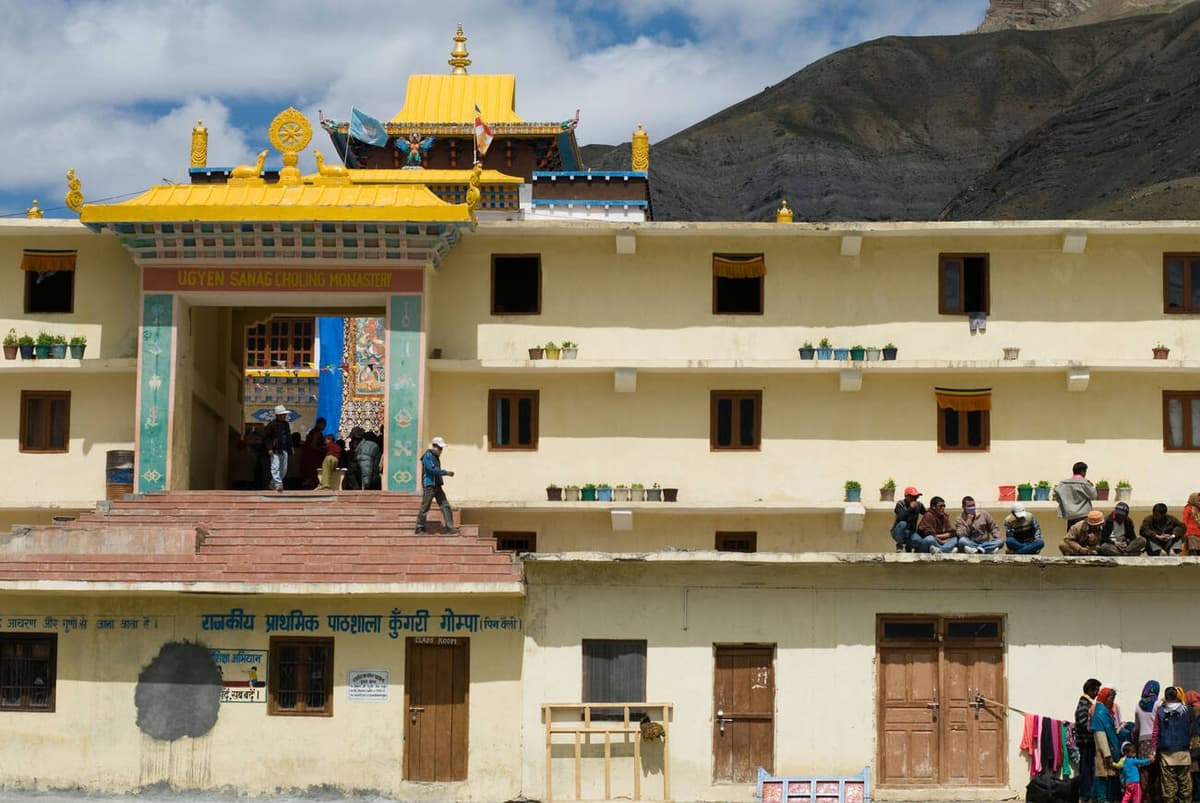
Overview of Kungri Monastery: Kungri Monastery, also known as Kungri Gompa, is one of the oldest and most prominent monasteries in the Spiti Valley. Located at an altitude of about 12,000 feet, it is situated in the Pin Valley, surrounded by majestic mountains and picturesque landscapes. The monastery is believed to have been founded around the 13th century and has remained an important spiritual centre for the region’s Buddhist community.  This 1,000-year-old monastery is a must-visit for those seeking a unique experience while exploring Spiti Valley packages.  The architecture of Kungri Monastery reflects the traditional Tibetan Buddhist style. It is known for its unique chorten (stupa) and prayer wheels, which are important symbols in Tibetan Buddhism. The monastery is home to a small but dedicated group of monks who continue to practice and preserve the Buddhist traditions in the region. The peaceful surroundings and the calm atmosphere of the monastery make it an ideal place for those looking to meditate or reflect. Visitors can experience the simplicity and serenity of rural Spiti life while connecting with the region’s spiritual heritage. What are the Key Highlights of Kungri Monastery: Historical Significance: Kungri Monastery has been an important Buddhist centre for over 700 years, offering a glimpse into the ancient spiritual traditions of the region. Unique Architecture: The monastery features traditional Tibetan Buddhist architecture, with colourful prayer flags, intricately painted murals, and a prominent chorten. Beautiful Location: Set in the quiet and scenic Pin Valley, the monastery offers incredible views of the surrounding mountains and valleys, providing a serene environment for visitors. Buddhist Art and Statues: The monastery houses sacred Buddhist statues, prayer wheels, and colourful murals that depict the life of the Buddha and various Tibetan deities. Monastic Life: Visitors can interact with the monks and learn about their spiritual practices and daily routines, gaining insight into the Buddhist way of life in this remote part of the world. Timings & Entry Fees of Kungri Monastery: Timings: The monastery is open to visitors from 6:00 AM to 6:00 PM daily. It is best to visit during the day to enjoy the beautiful surroundings and peaceful ambience. Entry Fees: There is no entry fee to visit Kungri Monastery, though donations are welcomed to support its upkeep and the monastic community. Travel Tips & Essential Information for Kungri Monastery: Best Time to Visit: The best time to visit Kungri Monastery is between May and October, as the weather is relatively mild, and the roads to the monastery are accessible. Winters can bring heavy snowfall, which makes travel difficult. How to Reach: Kungri Monastery is located around 22 km from Kaza, the main town in Spiti Valley. You can reach the monastery by jeep or car, but due to rough roads, it is recommended to travel in a 4×4 vehicle. Acclimatization: The monastery is located at a high altitude, so it is important to acclimatize before visiting. Spend a couple of days in Kaza to get used to the altitude and prevent altitude sickness. Respect Local Culture: As with all monasteries, it’s important to be respectful while visiting. Dress modestly, avoid loud talking, and ask for permission before taking photographs, especially in sacred areas. Nearby Attractions: While in the Spiti Valley, you can also explore other famous places like Pin Valley National Park, Dhankar Monastery, and Tabo Monastery. These places offer a mix of nature, culture, and spirituality, making them great additions to your itinerary. Accommodation: While there are no accommodations directly at Kungri Monastery, the town of Kaza offers various guesthouses, hotels, and homestays. You can also find basic accommodation in Pin Valley if you prefer to stay closer to the monastery. Kungri Monastery is a peaceful and historic destination nestled in the heart of the Spiti Valley. With its rich cultural heritage, stunning location, and tranquil atmosphere, it offers visitors a chance to experience the spiritual essence of the region. Also Read: Places to Visit in Spiti ValleyMust Read: Things to do in Spiti Valley

Read More

Tabo Monastery
May 30, 20254 Minutes
Tabo Monastery
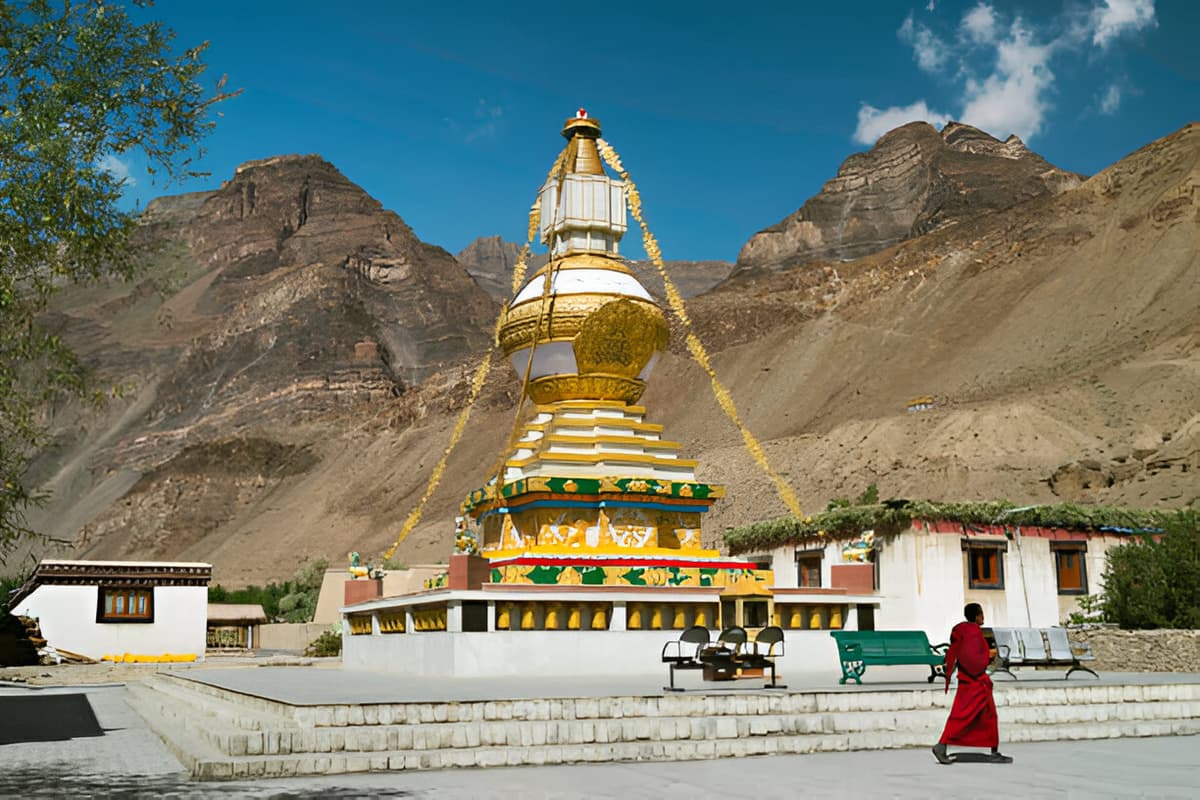
Overview of Tabo Monastery: It is a spiritual centre of great importance for Tibetan Buddhists, known for its rich history and stunning artwork. Nestled at an altitude of 10,000 feet in the Spiti Valley, Tabo Monastery is a 1,000-year-old Buddhist monastery founded in 996 AD. Located in the heart of the Spiti Valley, this ancient monastery is a must-visit for those exploring Spiti Valley packages. Tabo Monastery is famous for its ancient murals and sculptures that cover the walls of the temples, showcasing the rich Buddhist culture and spiritual life in the Himalayas. The monastery complex consists of multiple shrines, prayer halls, and temples. The main temple, Du-Khang, houses some of the most beautiful and well-preserved murals depicting scenes from Buddha’s life and various Tibetan Buddhist deities. Tabo is also known for its meditation caves, where monks and visitors can meditate in peace, surrounded by the beauty of the valley. Tabo Monastery is a UNESCO World Heritage Site and is considered a living example of traditional Tibetan architecture and religious life. Its tranquil atmosphere, beautiful setting, and spiritual significance make it a must-visit destination for those interested in history, culture, and Buddhism. What are the Key Highlights of Tabo Monastery: Historical Significance: Tabo Monastery is over 1,000 years old, making it one of the oldest and most important Buddhist monasteries in India. Stunning Murals and Artworks: The monastery is known for its beautiful murals, paintings, and sculptures. These works of art are considered masterpieces of Tibetan Buddhist art. Ancient Temples and Shrines: The monastery complex consists of several temples, shrines, and prayer halls that offer visitors a chance to explore the rich spiritual heritage of the region. Meditation Caves: Tabo has caves that are used by monks for meditation. These peaceful spots are perfect for visitors looking for some quiet time to connect with nature and spirituality. UNESCO World Heritage Site: Tabo Monastery is recognized as a UNESCO World Heritage Site due to its historical and cultural importance in the Buddhist world. Timings & Entry Fees of Tabo Monastery: Timings: Tabo Monastery is open from 6:00 AM to 6:00 PM daily. Early morning visits are especially peaceful and allow you to experience the monastery at its serene best. Entry Fees: There is no entry fee to visit the monastery, but donations for its maintenance are encouraged. Visitors can also purchase small Buddhist artefacts or souvenirs from the monastery’s shop. Travel Tips & Essential Information for Tabo Monastery: Best Time to Visit: The best time to visit Tabo Monastery is between May and October, when the weather is warmer, and the roads are more accessible. Winters can be harsh, with snow blocking access to the region. How to Reach: Tabo Monastery is located in the village of Tabo, about 45 km from Kaza. You can reach Tabo by car or jeep from Kaza, though the road conditions can be rough. It’s best to travel in a 4×4 vehicle. Acclimatization: Tabo is at a relatively high altitude, so it’s important to acclimatize properly. Spend a couple of days in Kaza to adjust to the altitude before heading to Tabo to avoid altitude sickness. Respect for Local Culture: While visiting the monastery, be respectful of the local culture. Dress modestly, avoid loud talking, and ask for permission before taking photographs, especially in sacred areas. Nearby Attractions: While in the Spiti Valley, you can also visit other attractions like Dhankar Monastery, Pin Valley National Park, and the beautiful Spiti River. The town of Kaza is a great base for exploring the valley. Accommodation: The nearby town of Kaza offers guesthouses, hotels, and homestays. Tabo Village also has basic accommodations for travellers looking to stay closer to the monastery. Tabo Monastery is an essential stop for anyone exploring the spiritual and cultural landscape of the Spiti Valley. Its ancient history, stunning artwork, and peaceful atmosphere make it a must-visit destination for travellers seeking to experience the region’s Buddhist heritage. Also Read: Places to Visit in Spiti ValleyMust Read: Things to do in Spiti Valley

Read More

Dhankar Monastery
May 30, 20253 Minutes
Dhankar Monastery
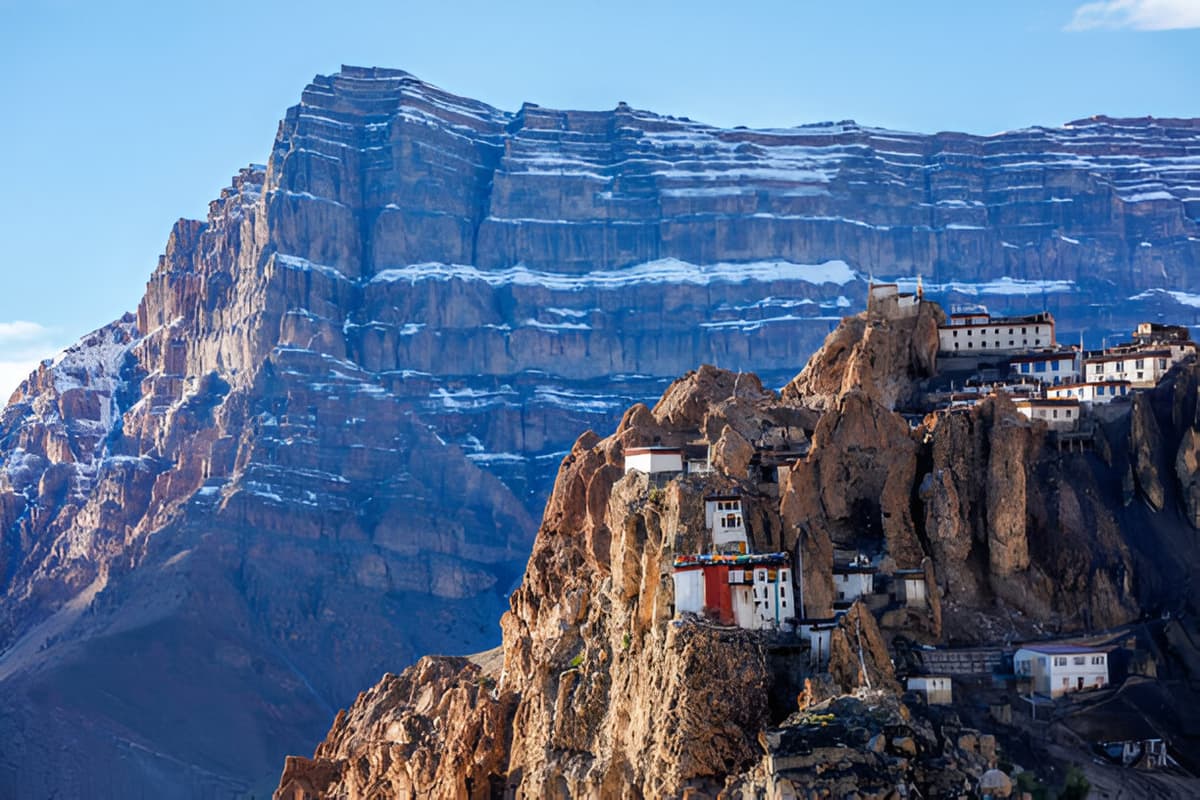
Overview of Dhankar Monastery: Dhankar Monastery is one of the most famous monasteries in the Spiti Valley, sitting at a height of 12,774 feet above sea level. This ancient monastery is perched on a cliff between the Spiti and Pin rivers, offering breathtaking views of the valley below. Built more than a thousand years ago, it holds a special place in the hearts of the local Buddhist community. This ancient monastery is a must-visit spot for those exploring Spiti Valley packages. The monastery is home to beautiful Buddhist statues, old murals, and sacred scriptures. One of the most important statues is of Maitreya Buddha, which is located in the main temple. The monastery also serves as the seat of the Dhankar Lama, the spiritual leader of the region. It’s a peaceful and spiritual place where visitors can learn about the region’s Buddhist traditions while enjoying the serene surroundings. What are the Key Highlights of Dhankar Monastery: Incredible Location: Dhankar Monastery is located on a cliff at 12,774 feet above sea level, providing visitors with panoramic views of the surrounding mountains and valleys. Historical Importance: The monastery has been around for over a thousand years and continues to be an important spiritual site for the people of the Spiti Valley. Sacred Artifacts: The monastery features sacred Buddhist statues and ancient murals that tell the story of Buddhist teachings and culture. Monk Interaction: Visitors can talk to the monks and learn about their practices, spiritual life, and the monastery’s significance in the Buddhist faith. Trekking Spot: Dhankar Monastery is also a popular stop for trekkers. The valley around the monastery offers great hiking opportunities for those who love adventure. Timings & Entry Fees of Dhankar Monastery: Timings: The monastery is open from 6:00 AM to 6:00 PM every day. It is best to visit during the day to enjoy the views and the peaceful atmosphere. Entry Fees: There is no fee to enter the monastery. However, visitors can make voluntary donations to help with the upkeep of the monastery. Travel Tips & Essential Information for Dhankar Monastery: Best Time to Visit: The best time to visit is between May and October, when the weather is milder, and the roads are more accessible. Winter can be very cold, and snow may make the journey difficult. How to Get There: Dhankar Monastery is about 30 km from Kaza, the main town in Spiti Valley. You can travel by car or jeep, though the roads can be rough, so it’s best to use a 4×4 vehicle. Acclimatization: Since the monastery is at a high altitude, takes some time to acclimatize to avoid altitude sickness. Spend a couple of days in Kaza first, drink plenty of water, and take it easy during your first days in the area. Respect Local Customs: Dress modestly and behave respectfully while visiting the monastery. Always ask for permission before taking photos, especially of the monks or sacred areas. Nearby Attractions: If you’re in the area, don’t miss Dhankar Lake, a beautiful and calm spot for nature lovers. The village of Dhankar also offers great views and a chance to experience local culture. Accommodation: There are guesthouses and homestays in Kaza for visitors. Dhankar village has a few simple places to stay if you prefer to be close to the monastery. Dhankar Monastery is a peaceful and historic place that offers more than just beautiful views. It’s a spiritual hub where visitors can learn about the region’s Buddhist traditions and enjoy the serene beauty of the Spiti Valley. Also Read: Places to Visit in Spiti ValleyMust Read: Things to do in Spiti Valley
Read More

Gue Monastery
May 30, 20254 Minutes
Gue Monastery
Overview of Gue Monastery: Nestled in the remote Spiti Valley, Gue Monastery stands as one of the most mysterious and sacred sites in the region. What makes this monastery truly unique is that it houses the mummified body of a Lama, which has been remarkably well-preserved. The monastery itself dates back centuries, though its exact origins remain shrouded in mystery. The presence of the mummy, which is thought to have been preserved due to the arid, cold climate of Spiti, makes this site a fascinating blend of spirituality and historical intrigue.  The picturesque surroundings, combined with the spiritual significance, make Gue Monastery an essential stop on any Spiti Valley Packages. Gue Monastery offers a rare chance to explore the spiritual and cultural essence of the region. Unlike other monasteries, Gue is relatively untouched by modern tourism, maintaining its authenticity and charm. It’s an ideal spot for travellers seeking to dive deeper into the history and traditions of Spiti. The monastery’s location is equally breathtaking. Surrounded by towering mountains and sparse, rugged landscapes, it feels almost otherworldly, offering a sense of serenity that is hard to find in more crowded tourist spots. What are the Key Highlights of Gue Monastery: Mummified Lama: The most notable feature of Gue Monastery is the mummified remains of a Lama. The preservation of the body is remarkable, and it’s considered one of the few mummies of its kind in the world. It’s believed that the Lama meditated until his death, and his body was preserved due to the natural conditions of the valley. Ancient Architecture: The monastery is built in the traditional Tibetan style, featuring intricate woodwork and colourful murals that depict Buddhist teachings. The structure itself exudes a calm, peaceful vibe, adding to the overall spiritual experience of the visit. Scenic Views: Gue Monastery is located in a remote area, surrounded by rugged mountains and a desert-like terrain. The view from the monastery is breathtaking, offering a peaceful environment perfect for meditation and introspection. Spiritual Hub: While lesser-known, Gue Monastery is an important spiritual centre for locals. It continues to serve as a place of worship and reflection, offering visitors the chance to connect with the peaceful atmosphere that surrounds it. Cultural Significance: Visiting Gue offers a rare opportunity to experience a part of Spiti’s rich Buddhist culture. The monastery remains largely untouched by commercial tourism, preserving the authentic culture of the Spiti Valley. Timings & Entry Fees of Gue Monastery: Timings: The Gue Monastery is typically open from 6:00 AM to 6:00 PM every day. It’s best to visit during daylight hours to fully appreciate the serene atmosphere and breathtaking views. Entry Fees: There are no entry fees for visiting the monastery, making it a welcoming site for all travellers. However, donations for the upkeep of the monastery are always appreciated by the monks and caretakers. Travel Tips & Essential Information for Gue Monastery: Best Time to Visit: The best time to visit Gue Monastery is during the warmer months from May to October when the weather is more favourable, and the roads are more accessible. Winters in Spiti can be harsh, with heavy snowfall and freezing temperatures, which can make travel challenging. Getting There: Gue Monastery is located approximately 40 kilometres from Kaza, the main town in the Spiti Valley. The roads leading to the monastery are rugged and not very well-maintained, so travelling by a 4×4 vehicle is highly recommended. Acclimatization: Due to the high altitude of Spiti Valley, it’s crucial to take proper precautions for altitude sickness. Travelers should spend a few days in Kaza to acclimatize before heading to the monastery. Drink plenty of water and take it easy during the first few days. Respect the Local Culture: The monks and locals of the Spiti Valley maintain a simple and spiritual lifestyle. Visitors should dress modestly, behave respectfully, and avoid disturbing the serene environment of the monastery. Nearby Stay Options: While Gue itself does not have many accommodation options, Kaza offers several guesthouses and homestays. Staying in Kaza will provide easier access to Gue Monastery and other nearby attractions in the Spiti Valley. Photography: While photography is allowed in most parts of the monastery, it’s always respectful to ask the monks or caretakers before taking photos, especially near the mummified Lama. For those travelling to Spiti, Gue Monastery offers a unique and unforgettable experience. The fascinating presence of the mummified Lama, coupled with the monastery’s peaceful environment and stunning location, makes it an essential stop for anyone exploring this incredible region. Also Read: Places to Visit in Spiti ValleyMust Checkout: Things to do in Spiti Valley

Read More

Honey Bee Farm Malaysia
May 30, 20253 Minutes
Honey Bee Farm Malaysia
Overview of Honey Bee Farm Malaysia: Nestled in Malaysia’s lush greenery, Honey Bee Farms offers a unique and educational experience for visitors. Pair this visit with one of Viacation’s Malaysia Tour Packages for a wholesome travel experience. These farms are not just about honey production; they serve as conservation centres where tourists can learn about sustainable beekeeping, pollination, and the vital role of bees in the ecosystem. The fresh air, buzzing bees, and golden honey-filled hives create a mesmerizing atmosphere.Visitors get a chance to observe bees in action, taste pure honey straight from the hive, and even purchase high-quality organic honey products. Many farms also have interactive sessions where experts explain the intricate process of honey-making. Whether you’re a nature enthusiast or just looking for an offbeat experience, a visit to a Honey Bee Farm is a refreshing break from bustling city life. What are the Key Highlights of Honey Bee Farm Malaysia? Live Beekeeping Demonstrations – Watch skilled beekeepers handle hives and extract honey with expert care. Honey Tasting Sessions – Sample different varieties of fresh, organic honey. Educational Tours – Learn about the life cycle of bees, pollination, and their crucial role in nature. Interactive Activities – Try beekeeping suits, observe the queen bee, and engage in hands-on experiences. Organic Honey & Bee Products – Purchase natural honey, royal jelly, bee pollen, and skincare products. Scenic & Relaxing Atmosphere – Enjoy a peaceful environment surrounded by lush greenery. Photography Opportunities – Capture stunning moments of bees in action and vibrant landscapes. Eco-Friendly & Sustainable Farming – Understand the importance of ethical beekeeping practices. Timings & Entry Fees of Honey Bee Farm Malaysia: 1. Timings: Most Honey Bee Farms are open from 9:00 AM – 5:00 PM, but hours may vary depending on the location.2. Entry Fee: Some farms offer free entry, while others charge a small fee of approximately INR 180 – INR 550 per person, including guided tours. Travel Tips for Honey Bee Farm Malaysia: Wear Light & Comfortable Clothing – Opt for breathable fabrics like cotton and avoid bright colours, as they may attract bees and increase the chance of unwanted encounters. Use Minimal Fragrance – Bees are sensitive to strong scents, so it’s best to avoid perfumes, scented lotions, or heavily fragranced products that may disturb them. Follow Safety Guidelines: Always follow the instructions given by beekeepers during interactive sessions. Avoid sudden movements and keep a safe distance from active hives. Best Time to Visit: Morning hours, particularly between 8 AM and 11 AM, are ideal for visiting because bees are more active, and the weather is pleasant for exploration. Allergy Precautions— If you are allergic to bee stings, carry antihistamines or an epinephrine injector and avoid direct contact with bees or hives. Respect the Environment – Refrain from touching or disturbing the hives. Bees play a crucial role in pollination, and unnecessary interference may disrupt their habitat. Buy Authentic Honey – Ensure you purchase honey from verified farm outlets to guarantee its purity and quality. Many farms also offer other bee-derived products like royal jelly and propolis. Combine with Other Attractions – Several Honey Bee Farms are located near beautiful scenic spots, nature trails, or cultural attractions. Plan your visit to include nearby sightseeing opportunities for a more fulfilling travel experience. Also Read– Places To Visit in MalaysiaMust Checkout– Things To Do in Malaysia

Read More

Langza
May 30, 20253 Minutes
Langza
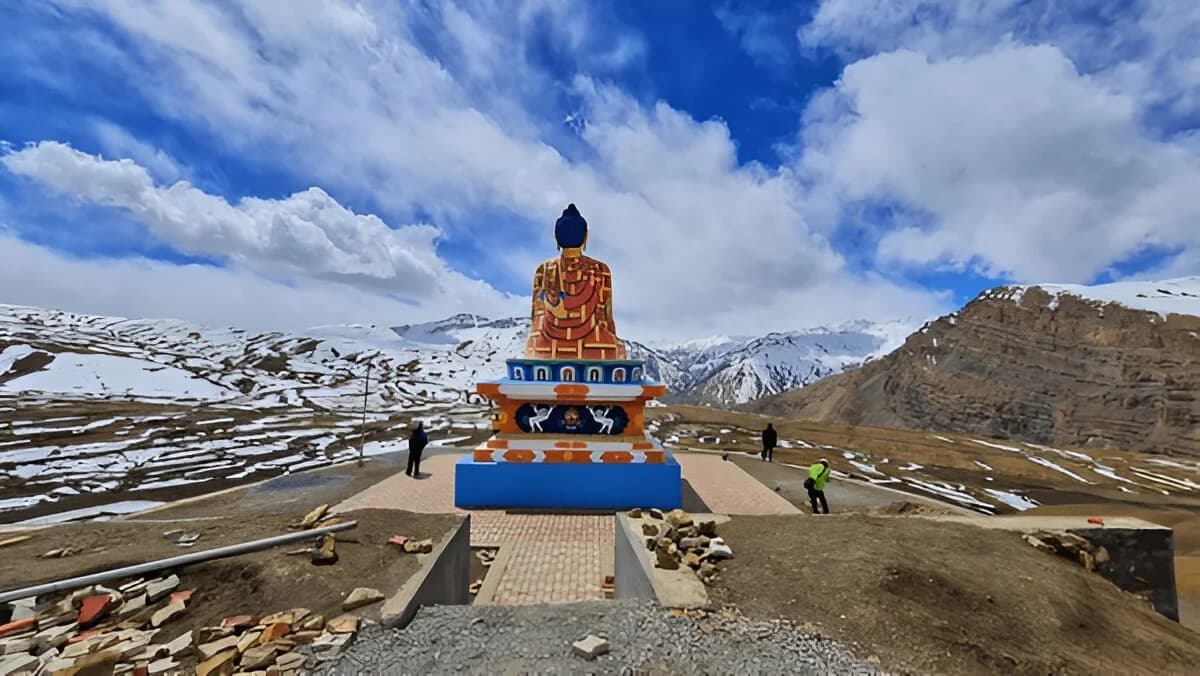
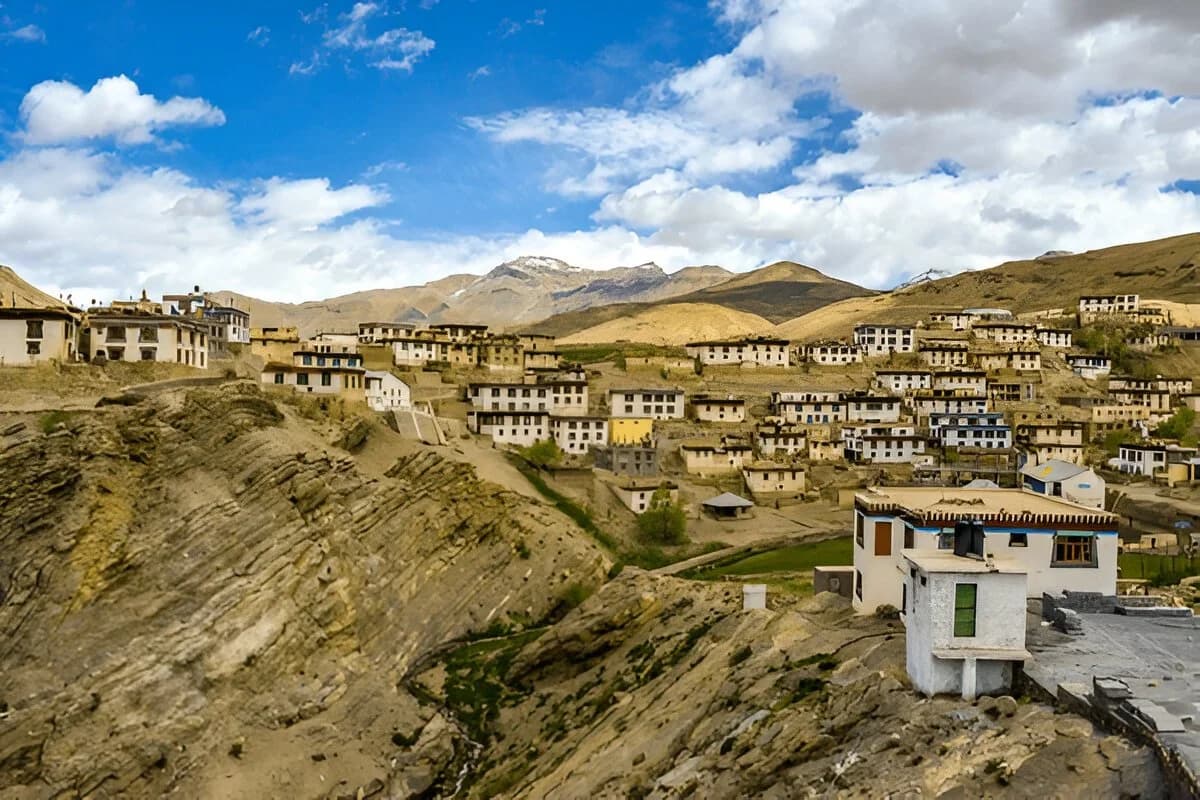
Overview of Langza: Located at a height of 14,500 feet in Spiti Valley, Langza Village is often called the Fossil Village of India. This small hamlet, with just about 150 people, looks like a painting that comes to life with its rugged meadows, peaks, and the massive Buddha statue watching over the village. The huge statue has the background of the Pin Valley making it one of the most photographed spots in Spiti. Langza is included in all Spiti Valley Packages and offers something truly unique. This village sits on what was once an ancient seabed, making it a really important marine fossil dating back millions of years. Kids and adults alike can be seen hunting for these ancient remains scattered across the village grounds. The locals here are mainly farmers who grow green peas and barley, and they’re known for their warm hospitality. The mud houses with their traditional architecture and the simple way of life make Langza a perfect escape from city life. What are the Key Highlights of Langza: Ancient Marine Fossils: Go fossil hunting with local guides who know exactly where to look. These fossils are millions of years old. A perfect activity for both kids and nature lovers. Iconic Buddha Statue: Stand next to the 1000-year-old Buddha statue that’s become the village’s identity. The view of the statue against the mountains makes for incredible sunrise and sunset photos. Traditional Mud Houses: Experience local life by visiting these beautiful homes. Many families welcome visitors for butter tea and offer homestay options where you can learn about Spitian culture firsthand. Local Pottery Making: Watch skilled villagers make traditional black pottery. You can even try your hand at making small items and take them home as souvenirs. Mountain Views: Enjoy clear views of the Chau Chau Kang Nilda peak (20,000 feet). The viewpoint near the village temple offers perfect spots for photography. Timings & Entry Fees of Langza: The village is open throughout the year. No entry fee is required to visit Langza. However, for fossil hunting tours with local guides, charges range from INR 500-1000 per person. Travel Tips & Essential Information for Langza: Best Time to Visit: July to September offers the most comfortable weather. Winter months (October to March) are extremely cold but offer stunning snow views. Altitude Sickness Warning: Take at least one day to acclimatize in Kaza before heading to Langza. Carry necessary medicines and don’t ignore headaches or breathing issues. Stay Options: Book homestays in advance during peak season. Most homes offer basic amenities with authentic Spitian food experiences. Mobile Connectivity: Only the BSNL network works here. Download offline maps before your visit as internet connectivity is very limited. How to Reach: Regularly shared taxis run from Kaza (2 hours drive). Private taxis charge around INR 2000-2500 for a round trip. Pack Essentials: Carry warm clothes even in summer, good walking shoes, sunscreen, and a hat. Don’t forget your camera and power bank. Carry Cash: Carry enough cash as there are no ATMs nearby. The closest ATM is in Kaza. Also Read: Places to Visit in Spiti ValleyMust Read: Things to do in Spiti Valley
Read More

Hikkim
May 30, 20253 Minutes
Hikkim
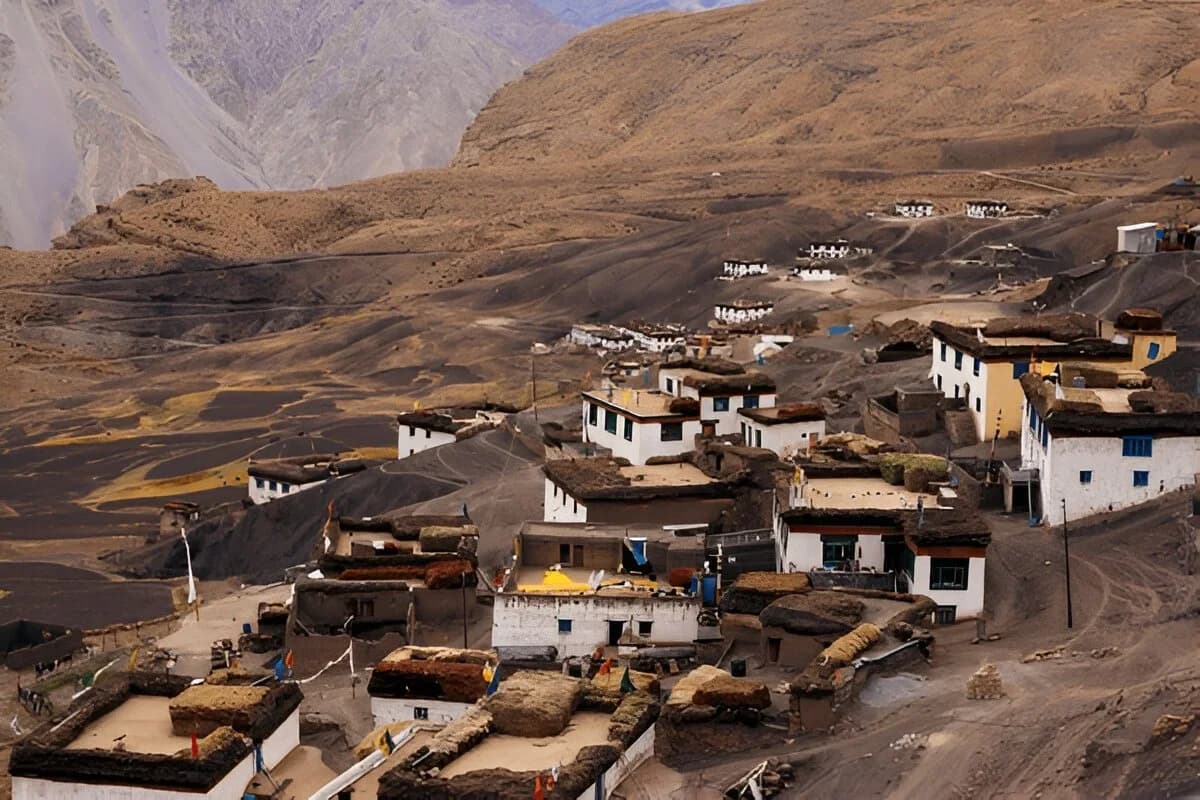
Overview of Hikkim: In the Spiti Valley, Hikkim village holds a unique record that puts it on the world map – it’s home to the world’’ highest post office, situated at a height of 14,567 feet (4,440 meters). This tiny village, with its traditional mud houses and friendly locals, gives you a peek into life in one of the most isolated places on Earth. Hikkim is that offbeat spot that has a special touch to your Spiti Valley Packages. The post office, which has been running since 1983, is still the lifeline for nearby villages, handling everything from letters to pension payments. What makes it even more special is that you can send postcards from here to anywhere in the world – The village itself, with its stunning mountain views and simple way of life, shows you how people have adapted to living in such extreme conditions. What are the Key Highlights of Hikkim: World’s Highest Post Office: Send postcards from 14,567 feet above sea level! The friendly postmaster will help you write addresses and stick stamps. Perfect for making memories and getting that unique postal stamp on your mail. Traditional Spitian Houses: Walk around the village to see authentic mud houses with their small windows and flat roofs. These homes are architectural wonders, built to handle extreme weather. Buddhist Prayer Flags: Watch colorful prayer flags flutter against snow-capped peaks—great spot for photos and understanding local Buddhist culture. Local Way of Life: Chat with villagers working in their small farms, growing green peas and potatoes in one of the world’s highest farming regions. Mountain Views: Enjoy fantastic views of Spiti’s mountain ranges. On clear days, you can spot peaks over 20,000 feet high. Ancient Monastery Visit: Take a short walk to the nearby Ki Monastery, one of the oldest in Spiti Valley, dating back to the 11th century. Timings & Entry Fees of Hikkim: 1. Post Office Timings: Monday to Saturday, 10 am to 4 pm2. Entry Fee: None3. Postcard Cost: INR 5 – 25 per postcard4. Stamp Cost: INR 5 for within India, INR 20 for international delivery (Note: Timings may vary during winter months (November to March) Travel Tips & Essential Information for Hikkim: Best Time to Visit: Plan your trip between June to September when roads are accessible and the weather is pleasant. Avoid winter months as the region experiences heavy snow. Altitude Sickness Alert: Take it easy for the first day. Drink plenty of water and carry basic medicines. The high altitude can affect anyone, so move slowly and rest often. Accommodation Tips: No hotels in Hikkim. Stay at Kaza (25 km away) where you’ll find good guesthouses and hotels. Some local families offer homestays if booked in advance. Phone Network Check: Only BSNL works here, and that too occasionally. Download offline maps before your visit. Carry Cash: No ATMs nearby. Carry enough cash from Kaza for your entire trip. Photography Pointers: Morning light is best for mountain photos—11 am to 3 pm. Basic Essentials: Pack warm clothes, sunscreen, and a hat even in summer. The temperature drops suddenly during sunset, so layer up. Also Read: Places to Visit in Spiti ValleyMust Checkout: Things to do in Spiti Valley

Read More

Nako Lake
May 30, 20253 Minutes
Nako Lake
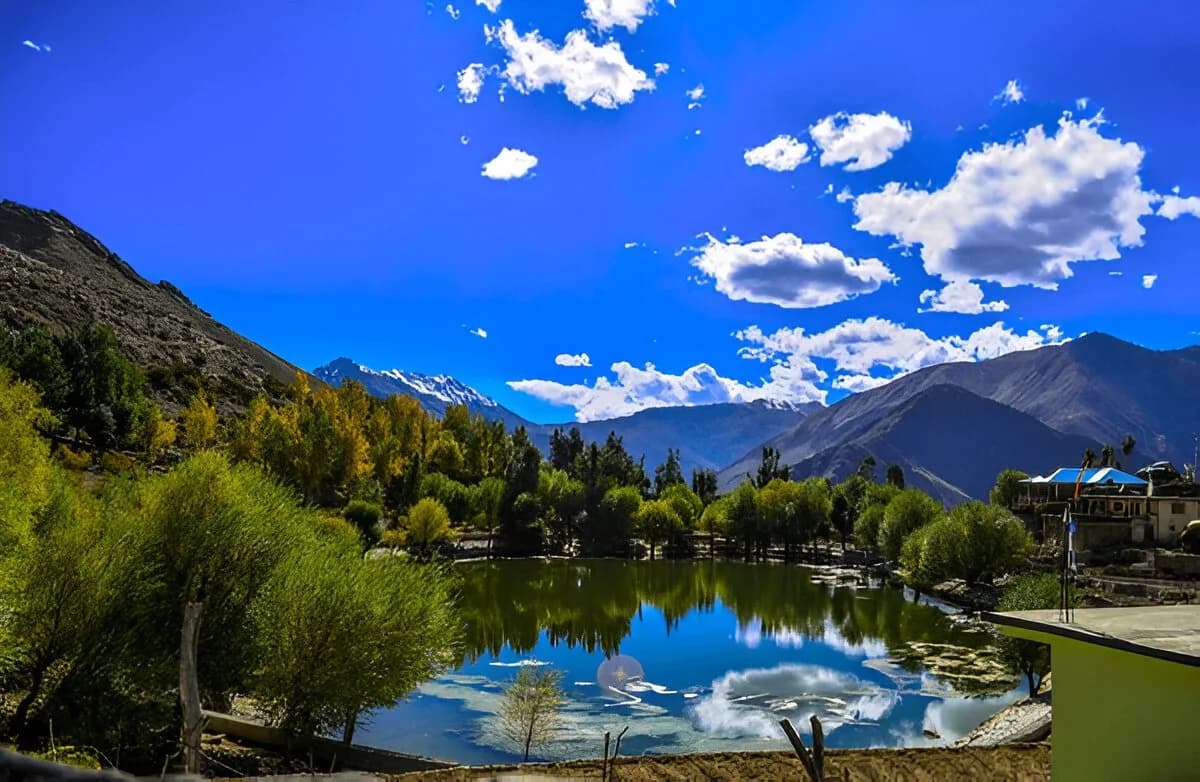
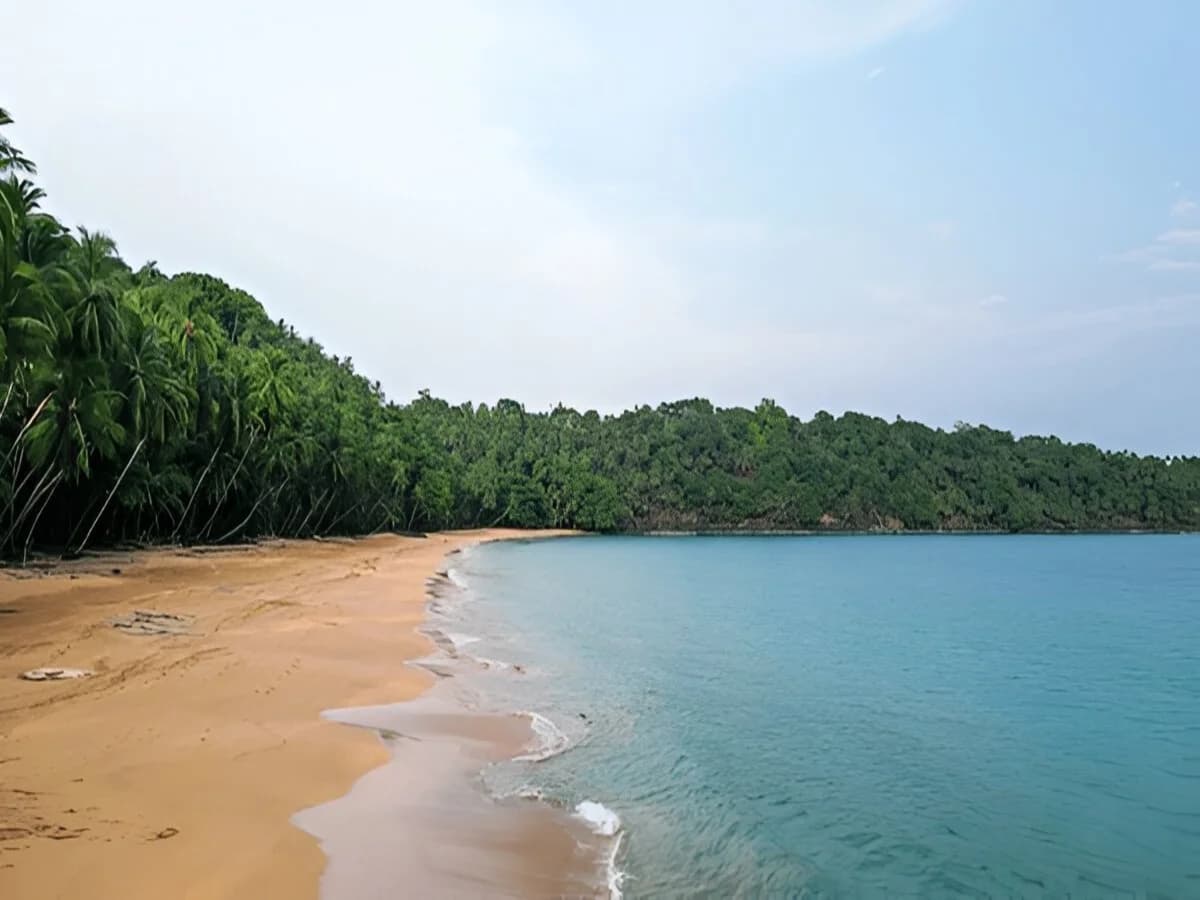
Overview of Nako Lake: Nako Lake is a small hidden, and few-known lake that comes in the Spiti Valley circuit. This lake is located in the Nako village, surrounded by mountains and willow trees. The crystal-clear waters mirror the snow-clad peaks, creating a view that’ll leave you speechless. What makes this lake truly special is its rich Buddhist heritage – the ancient Nako Monastery sitting nearby tells stories from centuries ago. If you’re planning to explore Spiti Valley Packages, adding Nako Lake to your itinerary is a must. The lake isn’t just about pretty views – it’s a place where travelers can experience the raw beauty of the Himalayas away from the usual tourist crowds. During winter, the entire lake freezes over, turning into a natural ice skating rink that locals love. The tiny village of Nako around the lake, with its mud houses and friendly faces, gives you a real taste of mountain life in this remote corner of India. What are the Key Highlights of Nako Lake: Natural Mirror Lake: Watch in awe as the crystal-clear water creates perfect reflections of surrounding mountains. The best time for photos is early morning when the water is completely still. Ancient Nako Monastery: Visit and explore a 1000-year-old monastery filled with stunning Buddhist artwork and ancient scriptures. The prayer wheels and colorful flags add a mystical touch to your visit. Winter Ice Skating Adventure: Experience the thrill of walking on the completely frozen lake during the winter months. Locals often organize small ice skating sessions here. Traditional Kinnauri Village: Wander through narrow lanes of authentic mud houses, meet friendly locals, and spot traditional architecture that’s remained unchanged for centuries. Sunrise Magic Point: Climb up to the village viewpoint for a sunrise view where you can see the first rays hitting the mountains and lake. Perfect for photographers. Timings & Entry Fees of Nako Lake: The lake is open 24/7 with no entry fee. However, for the Nako Monastery, timings are 8 am to 6 pm daily. Travel Tips & Essential Information for Nako Lake: Weather: Pack warm clothes even in summer as temperatures can drop suddenly. Winter visitors need heavy woolens as mercury drops below zero. Altitude Preparation: Take it slow for the first day to avoid altitude sickness. Carry basic medicines and drink plenty of water to help your body adjust. Best Time to Visit: May to October is ideal for regular tourists. Winter months (December-February) are perfect for adventure seekers who want to see the frozen lake. Mobile Connectivity: Only the BSNL network works here. The Postpaid sim works properly. Local Transport: No public transport is available to the lake itself. Hire a taxi from Reckong Peo or include it in your Spiti Valley tour package. Respect Local Culture: Dress modestly, especially while visiting the monastery. Always ask before taking photos of locals or inside religious places. Also Read: Places to Visit in Spiti ValleyMust Read: Things to do in Spiti Valley
Read More

Key Monastery
May 30, 20253 Minutes
Key Monastery
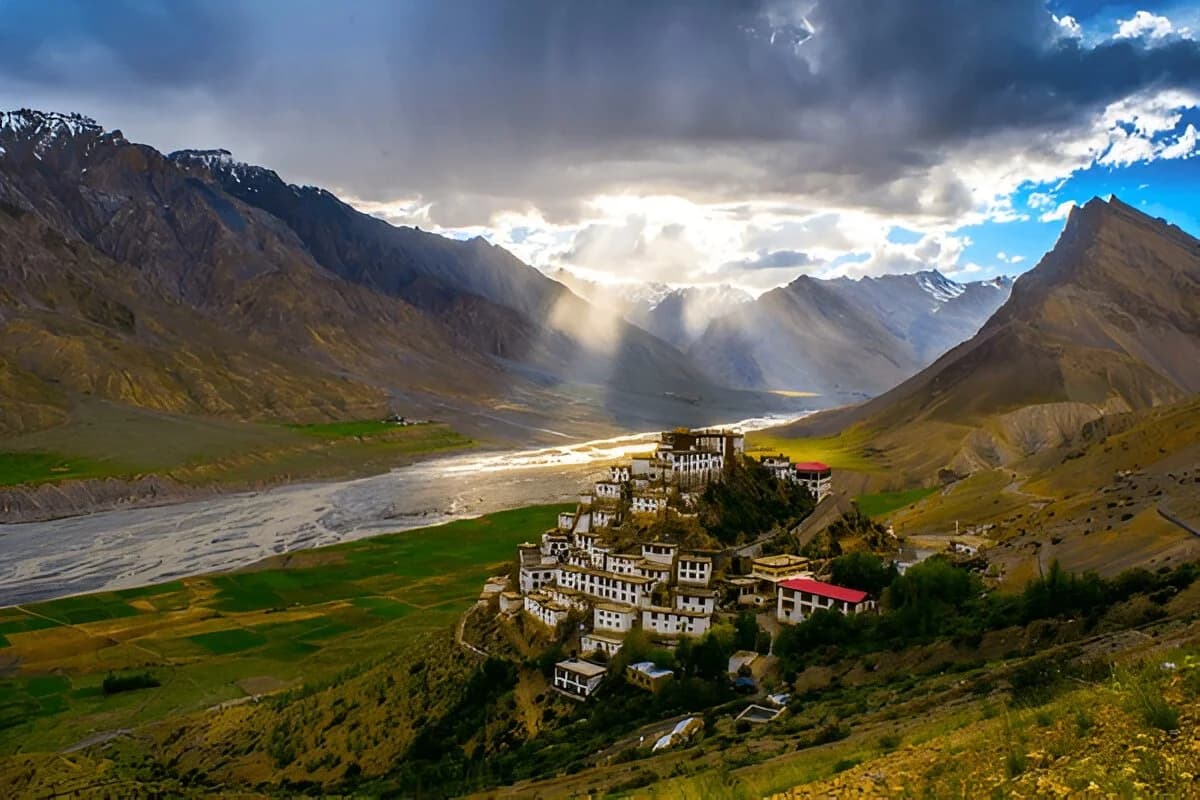
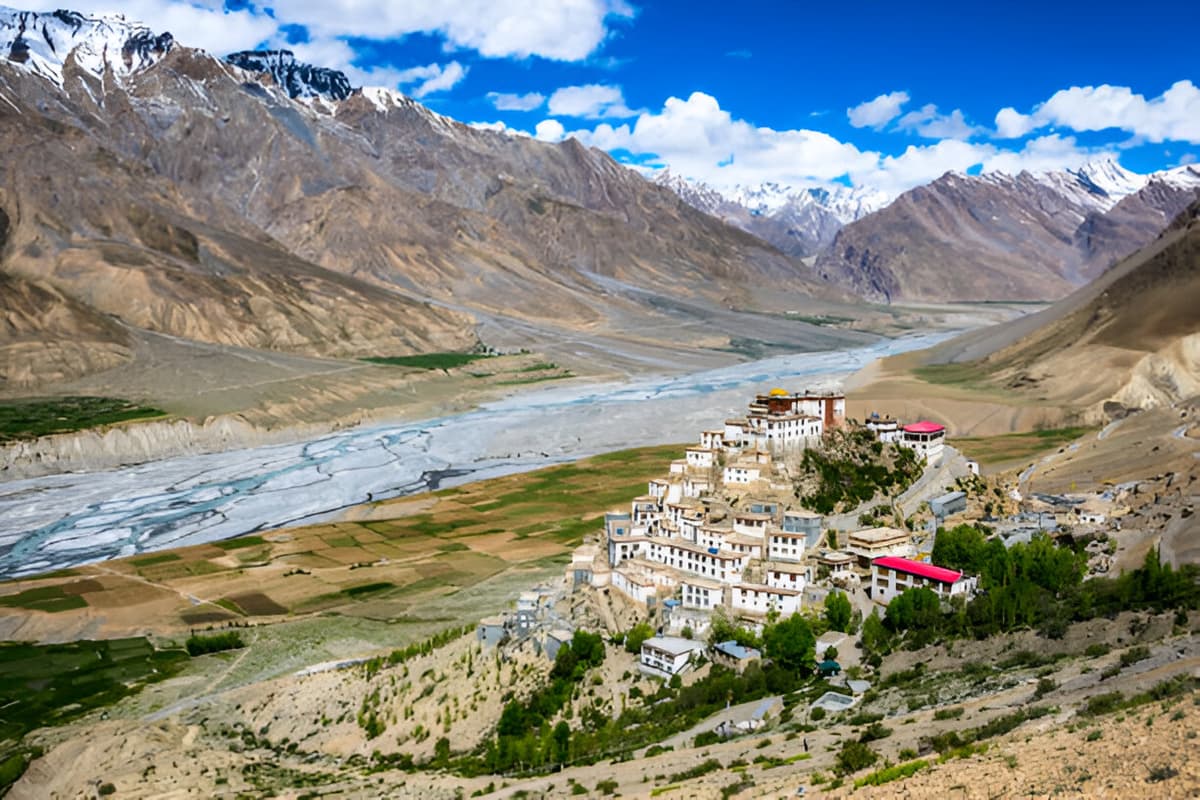
Overview of Key Monastery: Key Monastery, sitting proudly at 13,668 feet in the Spiti Valley, is one of the oldest and biggest Buddhist centers in Himachal Pradesh. Built-in the 11th century, this monastery looks like a collection of boxes stacked on top of each other, making it a unique sight against the barren mountains. This is the icon of the Spiti tour. Looking to explore the spiritual heart of Himachal? Check out our Spiti Valley Packages including a visit to Key Monastery, and it’s easy to see why. This place is famous for its ancient Buddhist paintings called thangkas, old weapons, and rare manuscripts written in the Tibetan language. The monastery is home to about 300 lamas who learn Buddhist practices here. A really beautiful sight here is how it seems to grow out of the mountain itself, with narrow corridors and steep staircases connecting different levels. The prayer room, with its beautiful wall paintings and the smell of butter lamps, gives visitors a real taste of Buddhist and monk culture. What are the Key Highlights of Key Monastery: Ancient Prayer Rooms: Enter dimly lit chambers filled with colorful Buddhist murals, ancient musical instruments, and the peaceful chanting of monks. The main prayer hall’s ceiling is covered in intricate paintings that tell stories from Buddhist mythology. Stunning Sunrise Views: Wake up early to catch the golden light hitting the monastery. The view of the sun rising behind the snow-capped mountains, with the monastery glowing in the morning light, is absolutely magical. Living with Monks: Stay overnight in the monastery guest rooms to experience the simple monk life. Join them for morning prayers and share simple meals in the monastery kitchen. Traditional Buddhist Library: Browse through centuries-old manuscripts and books. Some texts here are so rare that scholars from around the world come to study them. Architectural Beauty: Explore the unique fort-like structure with its whitewashed walls. Every corner has a story – from hidden storage rooms to secret passages used during invasions. Local Festivals Experience: Visit during July for the Key Monastery festival to see masked dances, colorful ceremonies, and local celebrations that have remained unchanged for centuries. Timings & Entry Fees of Key Monastery: 1. Timings: 6 am to 6 pm daily2. Entry Fee: Free3. Photography: Allowed (no flash inside prayer halls)4. Overnight Stay: INR 200 per person (basic accommodation)5. Meals: INR 100 per meal (if eating with monks)6. Prior permission is needed for overnight stays Travel Tips & Essential Information for Key Monastery: Best Time to Visit: July to September when the weather is pleasant and roads are clear. Avoid winter months as temperatures drop below freezing and roads often get blocked. Altitude Preparation: Take it slow for the first day to adjust to the high altitude. Carry basic medicines and drink plenty of water to avoid mountain sickness. Respect Local Customs: Remove shoes before entering prayer halls. Dress modestly – cover your shoulders and knees. Ask permission before taking photos of monks or during prayers. Accommodation Options: Basic rooms are available in a monastery. Better hotels are available in Kaza with prices ranging from INR 1000-3000 per night. Essential Items: Carry warm clothes even in summer, good walking shoes, sunscreen, and a torch for exploring dark corridors. Local Guide Benefits: Hire a local guide (INR 500-700) to understand the monastery’s history and hidden stories. They can also help arrange meetings with senior monks. Also Read: Places to Visit in Spiti ValleyMust Read: Things to do in Spiti Valley
Read More

Kibber
May 30, 20253 Minutes
Kibber
Overview of Kibber: Kibber, a hidden village located at a staggering height of 14,200 feet in the Spiti Valley, holds the distinction of being one of the highest permanently inhabited settlements in the world. This remote village, with its traditional mud-brick houses and narrow winding paths, offers a genuine peek into the simple yet beautiful life of the mountain people. The village is famous for its incredible views of the surrounding peaks, unique wildlife like snow leopards and Himalayan wolves, and the ancient Kibber Monastery that stands as a guardian of Buddhist culture. For those planning their Spiti Valley Packages, Kibber is a must-visit destination. Also, the village’s location makes it an ideal base for spotting rare wildlife and experiencing the raw beauty of the Himalayas. What makes Kibber truly special is how the locals have preserved their age-old traditions while adapting to modern times, giving visitors a chance to experience authentic Spitian culture firsthand. What are the Key Highlights of Kibber: Snow Leopard Heaven: Join wildlife enthusiasts from around the world who come here to spot the elusive snow leopard. Winter months offer the best chances to see these magnificent cats in their natural habitat. Ancient Kibber Monastery: Visit this 800-year-old monastery where young monks learn Buddhist teachings. The colorful prayer flags and ancient murals make for amazing photos. Local Homestay Experience: Stay with friendly Spitian families in traditional homes. Enjoy butter tea, local dishes, and heartwarming stories around the Bukhari (traditional heater). Fossil Village Exploration: Walk through nearby areas rich in marine fossils, reminding us that these mountains were once under the Tethys Sea. Stargazing: Experience crystal-clear night skies perfect for stargazing. On moonless nights, the Milky Way looks close enough to touch. Pasture Walks: Take guided walks to Kibber Wildlife Sanctuary where you can spot unique Himalayan wildlife like blue sheep, red fox, and various mountain birds. Timings & Entry Fees of Kibber: 1. Timings: The village is accessible throughout the year. Best visited from May to October.2. Entry Fees: No entry fee for village3. Camera Fee: None4. Wildlife Sanctuary Entry: INR 100 per person (guide charges extra) Travel Tips & Essential Information for Kibber: Altitude Matters: Take it slow for the first 24 hours. Drink plenty of water and carry basic medicines for altitude sickness. Accommodation Planning: Book homestays in advance during peak season (June-September). Basic guesthouses and homestays are available from INR 800-1500 per night. Power Backup: Carry power banks as electricity can be irregular. Solar charging facilities are available in most homestays. Warm Clothing Essential: Pack heavy woolens even in summer. Temperatures can drop suddenly. Carry good quality sleeping bags if planning winter visits. Network Coverage: Only BSNL works here. Other postpaid networks are available. Carry Cash: No ATMs in Kibber. Carry enough cash from Kaza, the nearest town with banking facilities. Food Options: Limited restaurants available. Most meals served at homestays. Carry some ready-to-eat snacks. Best Photography Times: Early morning and sunset offer the best light for photography. Golden hours make the mountains glow. Also Read: Places to Visit in Spiti ValleyMust Read: Things to do in Spiti Valley
Read More

Pin Valley National Park
May 30, 20253 Minutes
Pin Valley National Park
Overview of Pin Valley National Park: Pin Valley National Park of Spiti is one of the few National parks located in the cold desert of Himachal Pradesh’s Lahaul-Spiti district, is a hidden gem that feels like stepping into another world. This high-altitude wonderland spread across 675 square kilometers, is famous for being home to the rare snow leopard and its prey, the Himalayan ibex. The park gets its name from the Pin River that flows through the valley, creating a stunning landscape of barren mountains painted in shades of brown, rust, and gold. All the Spiti Valley Packages available online now include Pin Valley National Park. What makes this place truly special is how it perfectly combines wildlife viewing with Buddhist culture. The park is surrounded by traditional Spitian villages where locals still live like they did centuries ago. You can even get the chase to spot rare animals like the snow leopard, Himalayan snowcock, and even the red fox which also with a background of snow-capped peaks and clear blue skies. What are the Key Highlights of Pin Valley National Park: Snow Leopard Territory: This is one of the few places in India where you can spot the elusive snow leopard during winter months. Local guides know the best spots for wildlife watching. Ancient Buddhist Monasteries: Visit the 800-year-old Kungri Monastery, Pin Valley’s oldest monastery. Watch monks go about their daily rituals and soak in the peaceful vibes. Traditional Spitian Villages: Walk through Mud and Sagnam villages to see authentic mud houses with prayer flags. Chat with friendly locals and try butter tea in their homes. High-Altitude Desert Landscape: Experience a unique ecosystem where green patches meet barren mountains. Perfect for photography, especially during sunrise and sunset. Pin River Adventures: Try your hand at trout fishing in the crystal-clear Pin River. The riverside spots are perfect for picnics and camping. Rare Wildlife Spotting: Besides snow leopards, watch out for bharal (blue sheep), Himalayan griffon, and golden eagles in their natural habitat. Timings & Entry Fees of Pin Valley National Park: 1. Park Entry Fee: Free2. Camera Fee: INR 50 for a still camera, INR 200 for a video camera3. Timing: 6 am to 6 pm daily4. Best visited: July to October for general tourism, February to March for snow leopard sighting Travel Tips & Essential Information for Pin Valley National Park: High-Altitude Preparation: Take it slow for the first day as the altitude is above 12,000 feet. Carry basic medicines and drink plenty of water to avoid mountain sickness. Local Guide is a Must: Always hire a local guide for wildlife spotting and village visits. They know the terrain and can share amazing local stories. Warm Clothing Essential: Pack warm clothes even in summer as temperatures can drop suddenly. Carry good quality boots for walking on rough terrain. Stay Options: Book homestays in advance during peak season. Many locals offer authentic Spitian food and comfortable beds. Photography Tips: Early morning and evening light is best for landscape shots. Carry extra batteries as charging points are limited. Respect Local Culture: Dress modestly and ask before taking photos of locals or inside monasteries. Remove shoes before entering religious places. Mobile Network Alert: Only BSNL works in some parts. Other than that, only postpaid sims work. Also Read: Places to Visit in Spiti ValleyMust Read: Things to do in Spiti Valley
Read More

Hikkim Post Office
May 30, 20253 Minutes
Hikkim Post Office
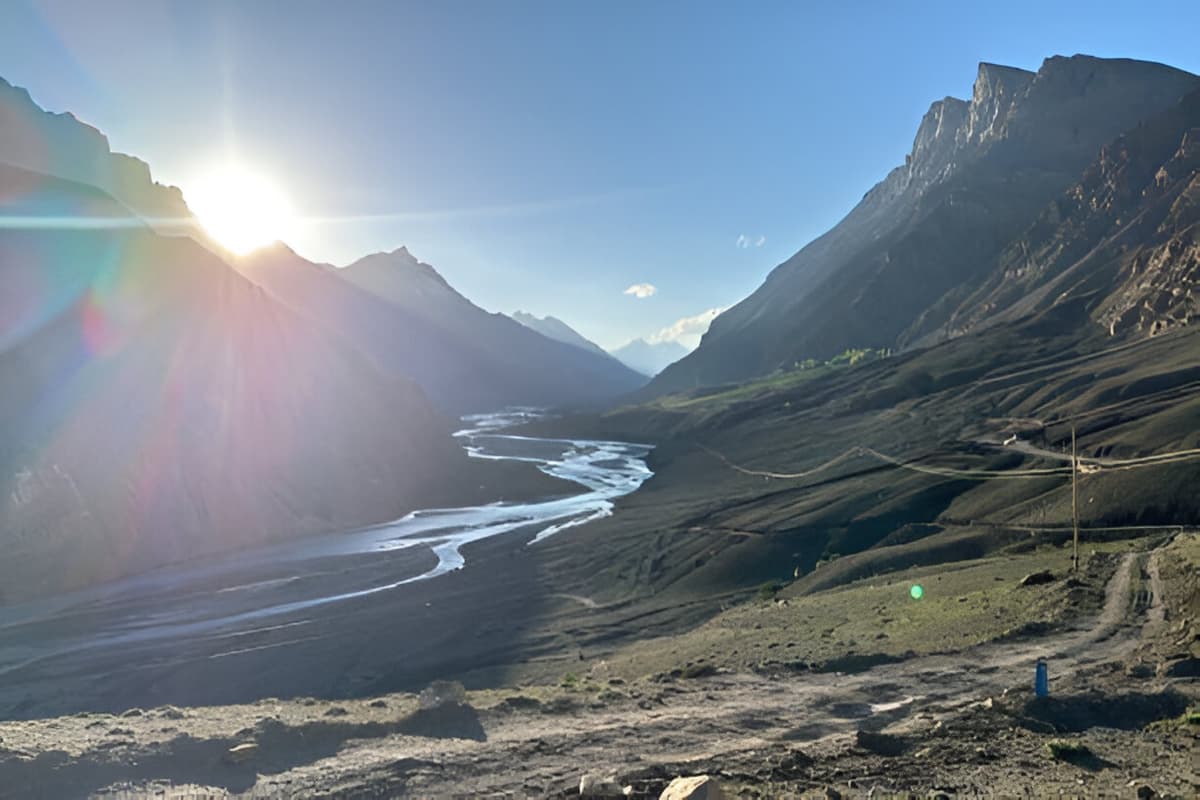
Overview of Hikkim Post Office: The Hikkim Post Office is one of the most unique attractions in the Spiti Valley, situated at an incredible altitude of 14,400 feet. As one of the highest post offices in the world, it offers a rare opportunity for visitors on Spiti Valley packages to send postcards from this remote location. Situated in the small village of Hikkim, this post office has become a symbol of the untouched beauty and isolation of Spiti.Surrounded by rugged mountains, serene landscapes, and traditional Spitian villages, the Hikkim Post Office gives a glimpse of the peaceful lifestyle that the locals follow. The post office itself has been in operation since 1983, serving as an essential lifeline for communication in this otherwise remote region. Whether you’re an adventure enthusiast, a postcard collector, or simply someone looking to experience something extraordinary, a visit to the Hikkim Post Office is sure to be a highlight of your Spiti adventure. What are the Key Highlights of Hikkim Post Office: Highest Post Office in the World: Located at an altitude of 14,400 feet, it is officially one of the highest post offices globally. Unique Postcard Experience: Visitors can send postcards from this remote location, making it a special and memorable part of their Spiti tour. Scenic Surroundings: The post office is set against a backdrop of breathtaking mountains, traditional Spitian homes, and tranquil surroundings, perfect for photography. Historical Significance: Operating since 1983, the post office plays an important role in maintaining communication in the region. Cultural Experience: It offers a unique chance to interact with the local Spitian community, known for its hospitality and simplicity. Timings & Entry Fees of Hikkim Post Office: 1. Timings: The Hikkim Post Office is open from 10 AM to 4 PM, Monday to Saturday.2. Entry Fees: There are no entry fees required to visit the post office. Travel Tips & Essential Information for Hikkim Post Office: Best Time to Visit: The best time to visit is between May and October when the weather is more favourable, and roads are accessible. Road Accessibility: The roads leading to Hikkim can be tough, so it’s advisable to travel in a 4×4 vehicle to navigate the rough terrain comfortably. Nearby Stay Options: While Hikkim itself offers very limited accommodation, nearby towns like Kaza or Langza are excellent options for a comfortable stay. Sending a Postcard: Don’t forget to bring a postcard to mail from this iconic spot. It makes for a unique souvenir of your Spiti journey. Altitude Precautions: Due to the high altitude, visitors should be cautious about altitude sickness. It’s important to stay hydrated and take it slow as you acclimatize. Respect Local Culture: The local community is deeply connected to their traditions and culture. Respecting their customs and maintaining a friendly attitude is appreciated by the Spiti people. Also Read: Places to Visit in Spiti ValleyMust Read: Things to do in Spiti Valley
Read More

Camping at Chandratal
May 30, 20253 Minutes
Camping at Chandratal
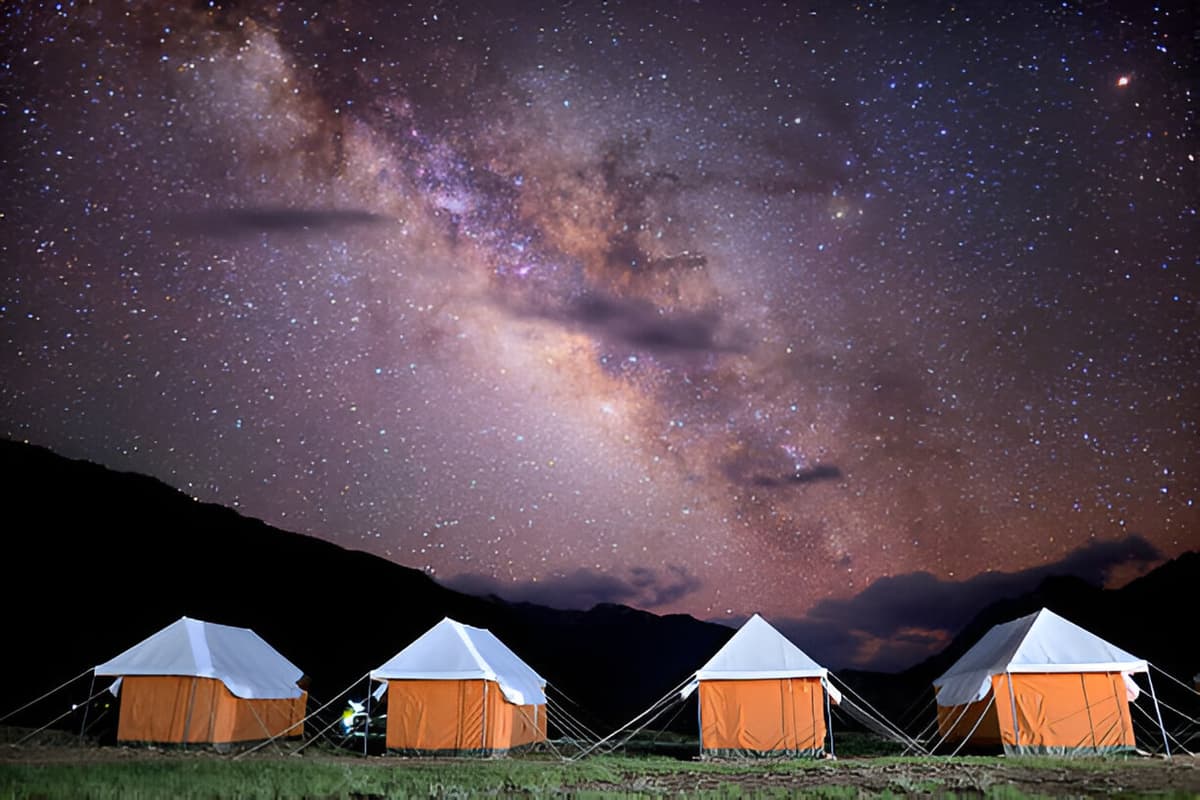
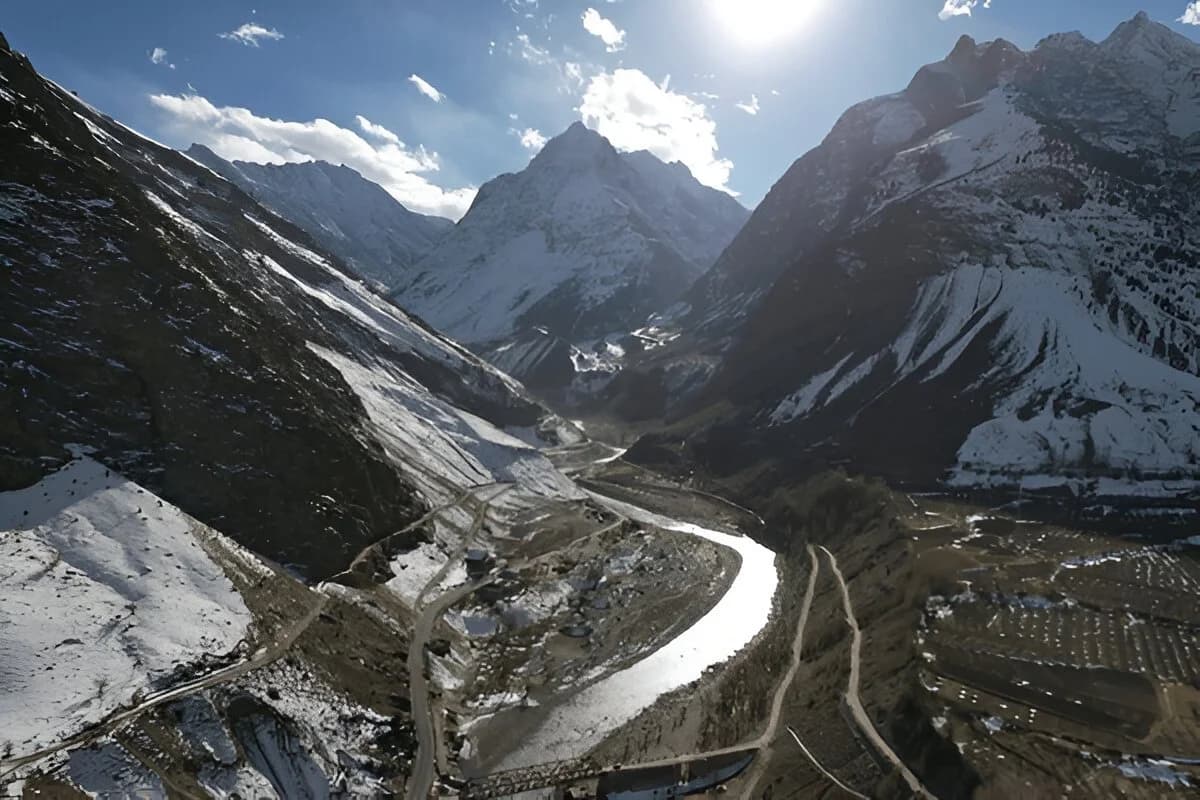
Overview of Camping at Chandratal: Camping under the stars at Chandratal Lake is what travelers dream of. It’s an experience that will stay with you forever. When you wake up at Chandratal, you wake up surrounded by snow-capped mountains with countless shades of blue. At night, the sky transforms into a glittering canvas of stars, making you feel like you’re floating in space. You can spot shooting stars while sipping hot coffee around a campfire, and sharing stories with fellow travelers. The silence here is magical – broken only by the gentle mountain breeze and occasional whispers of fellow campers. Chandratal, often called the Moon Lake, is the crown jewel of Spiti Valley. Those looking for Spiti Valley Packages often make this lake their main stop and for good reason. Located at a height of 14,100 feet, this crescent-shaped lake changes colors throughout the day. Its location is far from civilization, making it one of the few places in India where you can still see the Milky Way with the naked eye.  What are the Key Highlights of Camping at Chandratal: Moonlit Reflections: Watch the full moon create perfect reflections on the lake’s surface. The mountains and stars mirrored in the still waters, creating nature’s own light show. Sunrise: Wake up early to catch the first rays hitting the lake. The golden light creates a stunning play of colors that photographers dream about. High-Altitude Meadows: SUrrounding area at Chandratal is filled with tiny mountain flowers and spots rare Himalayan marmots playing around. Stargazing: One of the darkest spots in India for watching stars. Spot constellations, planets, and even the International Space Station on clear nights. Local Stories & Legends: Chat with local shepherds who share fascinating stories about the lake’s mysteries and ancient beliefs. Timings & Entry Fees for Camping at Chandratal: Chandratal is best visited from June to September. No entry fee for the lake, but camping costs range from INR 1,000-2,500 per night including basic tents and sleeping bags. Camps also provide simple meals. Travel Tips/ Essential Tips for Camping at Chandratal: High-Altitude Preparation: Spend at least one day in Kaza or Manali before heading to Chandratal. Helps your body adjust to the thin air and prevents altitude sickness. Warm Clothing Essential: Nights are freezing even in summer. Pack thermal wear, thick jackets, gloves, and caps. Temperature can drop below 0°C at night. Basic Facilities Only: There are no permanent structures near the lake. Camps provide basic toilet facilities. Carry necessary medicines, toilet paper, and essential items. Weather: Check weather forecasts before planning. Conditions change quickly in the mountains. Keep extra days in hand for weather delays. Power Backup: No electricity at camps. Carry power banks and extra batteries for cameras. Most camps use solar power for basic lighting. Food & Water: Carry sufficient water and some dry snacks. Most camps provide simple vegetarian meals, but options are limited. Mobile Network: No network at the lake. The last connectivity point is Losar, about 40 km away. Also Read– Places To Visit in Spiti ValleyMust Read – Things To Do in Spiti Valley
Read More

Bhaga River
May 30, 20253 Minutes
Bhaga River
Overview of Bhaga River: The Bhaga River which flows through the Lahaul Valley is a not-so-famous river with a stunning mountain backdrop. This River in Himachal Pradesh isn’t just another camping spot. The riverside campsites offer the clearest views of the night sky, which is why all stargazers love this place. You can spend hours watching shooting stars while warming up around a bonfire. The best part is that the river’s rapids are perfect spots for activities like river rafting and fishing, giving you that adrenaline rush you’ve been craving. What makes it super special is how it joins the Chandra River at Tandi to form the mighty Chenab. If you’re planning your Spiti Valley Packages, including a stop at Bhaga River is a must. The river stretches through some of the most beautiful villages, with snow-capped peaks reflecting in its waters. During summer, the green meadows along its banks become perfect picnic spots, while winter transforms the area into a snow-covered wonderland. What are the Key Highlights of Bhaga River: Riverside Camping Experience: Several campsites offer bonfire and BBQ options. Or bring your tent and camp it near the lake. Wake up to mountain views and river sounds. Adventure Sports Hub: Try your hand at river rafting during the summer months. The rapids range from easy to moderate, making it suitable for beginners and experienced rafters alike. Stargazing: One of the clearest night skies you’ll ever see. Zero light pollution means perfect conditions for watching constellations and meteor showers. Photography Heaven: Capture stunning shots of the river meeting mountains. Dawn and dusk offer magical lighting for perfect Instagram moments. Ancient Monasteries Nearby: Visit the centuries-old Kardang Monastery, just a short drive away. Get blessed and learn about local Buddhist culture. Timings & Entry Fees of Bhaga River: The river area is accessible 24/7. Camping sites charge between INR 1,000-2,500 per night including basic facilities. Some premium camps with better amenities cost up to INR 4,000 per night. River rafting costs start from INR 1,500 per person. Travel Tips / Essential Information for Bhaga River: Best Time to Visit: May to September offers perfect weather for camping and outdoor activities. Avoid monsoon season (July-August) due to landslide risks. Altitude Warning: The area is at high altitude (around 10,000 feet). Take it easy for the first day to avoid mountain sickness. Carry basic medicines. Camping Essentials: Pack warm clothes even in summer – nights get cold. Carry sleeping bags, a torch, power banks, and enough water. Most camps provide tents and basic gear. Network Connectivity: Limited mobile network available. BSNL works best in this area. Permits Required: Indian tourists don’t need permits. Foreign tourists need an Inner Line Permit available from the DC Office in Keylong or Manali. Also Read– Places To Visit in Spiti ValleyMust Read – Things To Do in Spiti Valley

Read More

Login ModalPost Login FormTalk with trip expert