Blog hero image
Top Travel Stories

Explore our latest blogs and travel with us

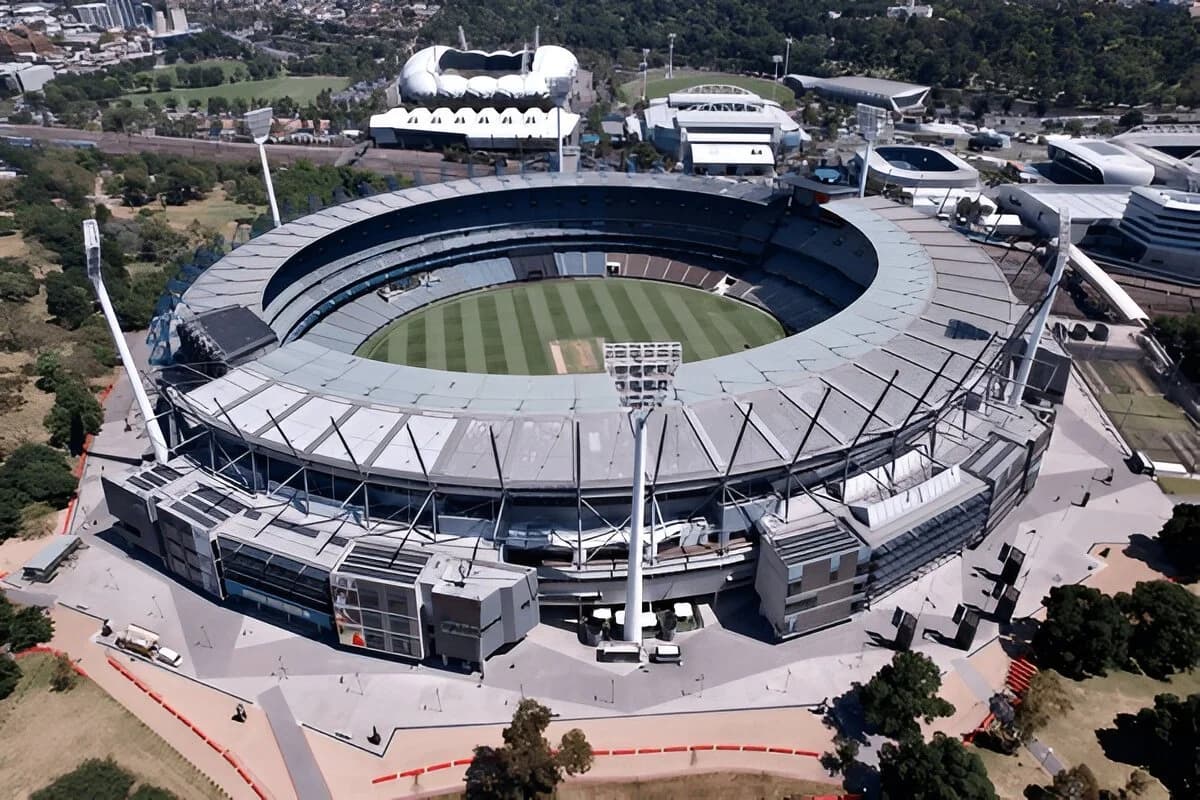
Melbourne Cricket Ground
May 30, 20253 Minutes
Melbourne Cricket Ground
Overview of Melbourne Cricket Ground: The Melbourne Cricket Ground (MCG) is one of the most renowned sports venues in the world, located in the heart of Melbourne. Known for its rich history and as the birthplace of Australian sport, the MCG holds a special place in the hearts of sports enthusiasts. It is home to cricket, Australian Rules Football (AFL), and major international events. The ground has hosted numerous historical events, including the 1956 Olympic Games and the 2006 Commonwealth Games, as well as numerous cricket and football finals. As part of many Australia tour packages, the MCG is not only a venue for top-tier sports but also offers tourists an exciting opportunity to explore its vast history through guided tours, the National Sports Museum, and the iconic arena itself. Whether you’re a sports fan or just a lover of history, a visit to the MCG is an unforgettable experience that captures the essence of Australia’s sporting culture. What are the Key Highlights of Melbourne Cricket Ground: MCG Tours: Take a guided tour around the stadium, which includes the locker rooms, players’ areas, and more. National Sports Museum: Explore a vast collection of memorabilia and exhibits that celebrate Australia’s sporting heritage. The Great Southern Stand: One of the largest stands at the MCG, offering fantastic views of the playing field. Live Matches: Experience the excitement of an AFL game or a cricket match at one of the most prestigious sports grounds in the world. History of the MCG: Learn about the stadium’s history, which dates back to 1853, and how it has evolved into a world-class venue. The MCG Roof: Enjoy panoramic views of Melbourne from the stadium’s rooftop tours, offering a unique perspective of the city. Legends and Icons: Discover the stories of Australian sports legends who have played at the MCG. Timings & Entry Fees of Melbourne Cricket Ground: Opening Hours: Typically, the MCG is open for tours daily from 10:00 AM to 5:00 PM. However, hours may vary on match days. Entry Fee: The approximate entry fee for a stadium tour is INR 2,000 for adults and INR 1,000 for children. Special event tickets vary. Travel Tips / Essential Information for Melbourne Cricket Ground: Check Match Schedules: If you’re planning to catch a live match, check the MCG’s schedule ahead of time for AFL, cricket, and other events. Arrive Early: On match days, arrive early to avoid traffic and enjoy the pre-match atmosphere. Wear Comfortable Shoes: The MCG is a large stadium, so be prepared to walk a lot during your tour or event. Book Tickets in Advance: For tours and major events, it’s recommended to book tickets in advance to ensure availability and avoid long queues. Public Transport Access: The MCG is easily accessible via public transport, including trains and trams, so make use of Melbourne’s extensive public transport system. Weather Considerations: Melbourne weather can be unpredictable, so check the forecast and dress accordingly for your visit. Also Read – Places To Visit in AustraliaMust Checkout– Things To Do in Australia

Read More

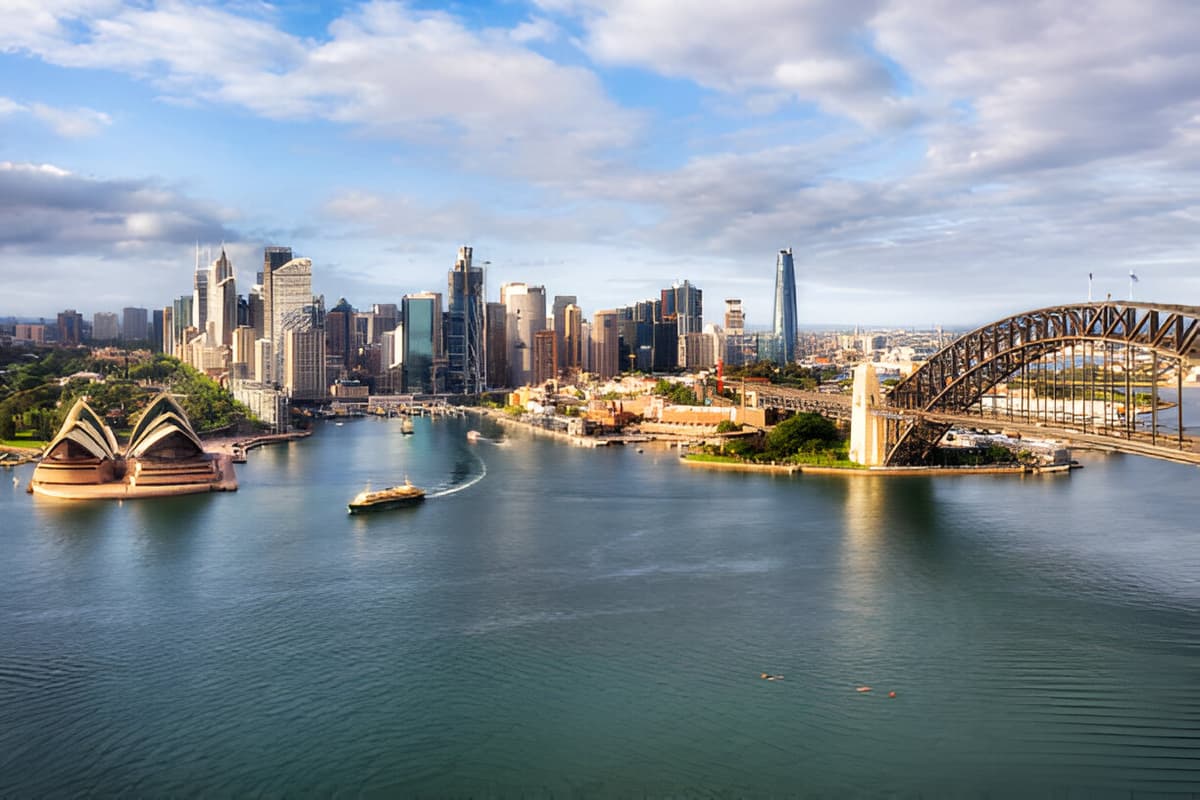
Circular Quay
May 30, 20253 Minutes
Circular Quay
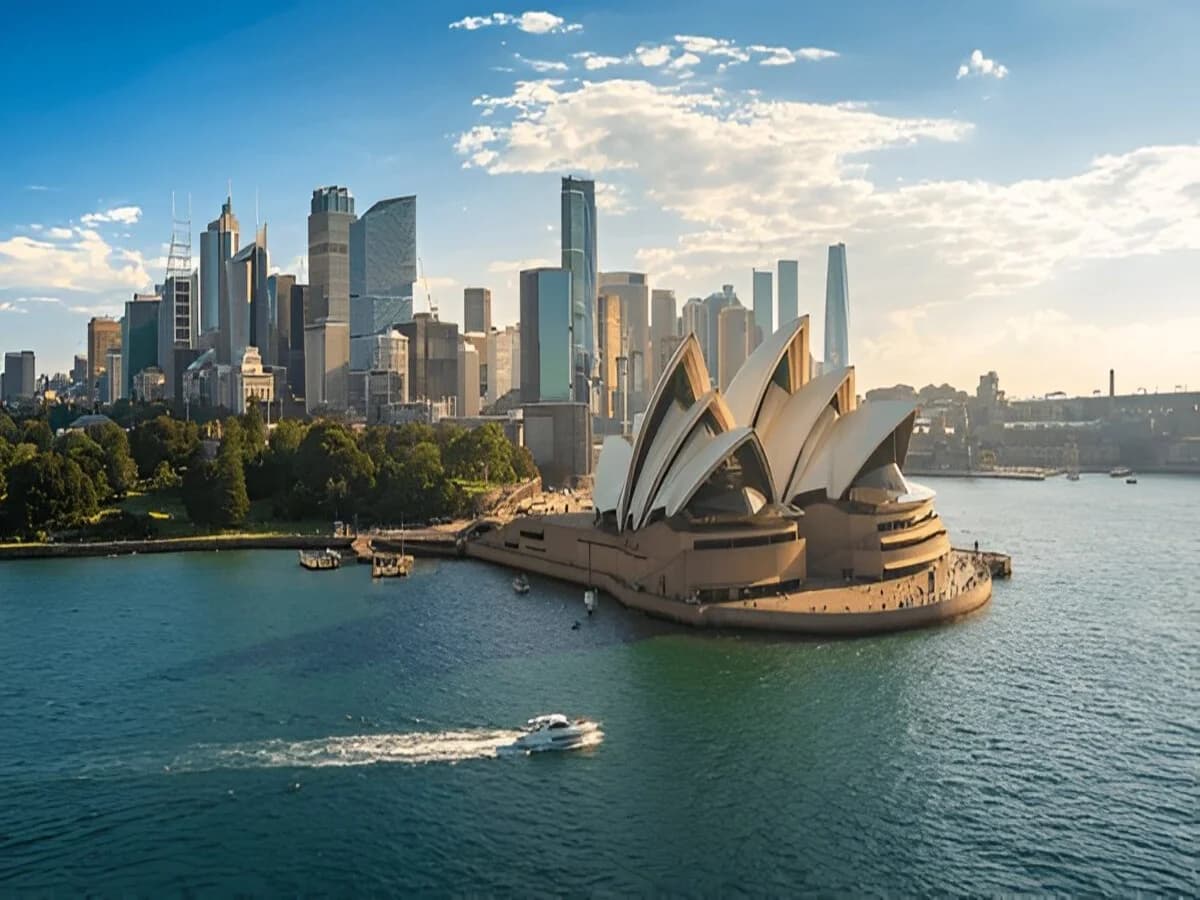
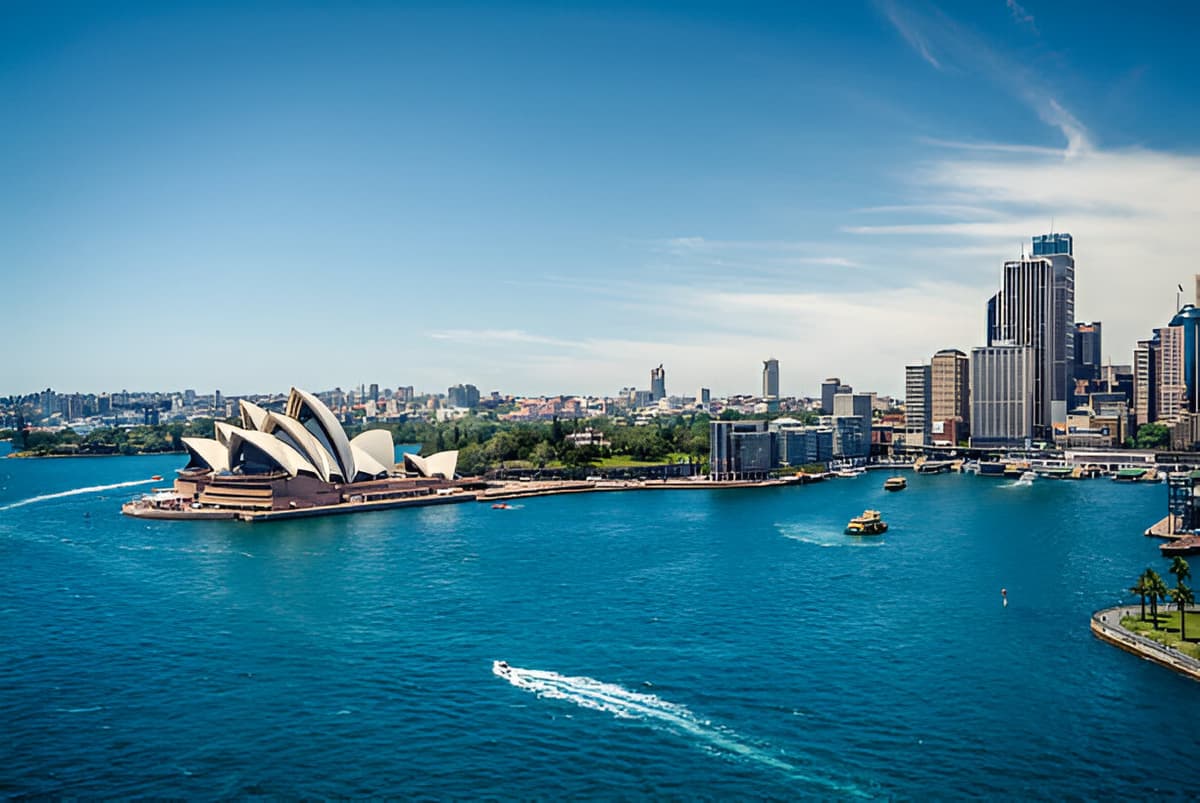
Overview of Circular Quay: Circular Quay is one of Sydney’s most iconic waterfront destinations, serving as the gateway to some of Australia’s most famous landmarks. Located between the Sydney Opera House and the Harbour Bridge, this bustling hub is a blend of history, culture, and modern city life. Circular Quay is home to ferry terminals, lively restaurants, historic sites, and breathtaking harbour views, making it a must-visit for travellers exploring Sydney.Whether you’re admiring the Sydney skyline, enjoying a sunset cruise, or exploring the vibrant streets, Circular Quay offers an unforgettable experience as part of any Australia tour package. Visitors can stroll along the scenic promenade, dine at waterfront cafes, or take a ferry ride to destinations like Manly Beach and Taronga Zoo. The area also boasts cultural attractions like the Museum of Contemporary Art and The Rocks, a historic neighbourhood filled with cobblestone streets and colonial-era pubs. What are the Key Highlights of Circular Quay? Sydney Opera House – One of the world’s most famous landmarks, offering stunning architecture and world-class performances. Sydney Harbour Bridge – Enjoy spectacular views or take the BridgeClimb for an adventurous experience. Ferry Rides – Catch a ferry from Circular Quay to destinations like Manly Beach, Watsons Bay, and Taronga Zoo. The Rocks – A historic district nearby with charming streets, markets, and heritage pubs. Harbour Cruises – Enjoy sightseeing or sunset cruises offering breathtaking views of Sydney Harbour. Museum of Contemporary Art – Showcasing modern Australian and international art. Royal Botanic Garden – A peaceful escape with stunning waterfront views and lush greenery. Street Performers & Entertainment – Circular Quay is known for its vibrant street performers and live entertainment. Timings & Entry Fees of Circular Quay: 1. Opening Hours: Circular Quay is open 24/7, though specific attractions and ferry services have their schedules.2. Entry Fee: There is no entry fee for Circular Quay itself. However, ferry rides and attractions may have varying ticket prices. Travel Tips for Circular Quay: 1. Best Time to Visit: Early mornings and evenings are perfect for stunning harbour views and fewer crowds.2. Use Public Transport: Circular Quay is well-connected via trains, buses, and ferries, making it easy to reach.3. Wear Comfortable Shoes: The area is best explored on foot, so be prepared for plenty of walking.4. Try Local Food: Don’t miss dining at one of the many waterfront restaurants offering fresh seafood and local delicacies.5. Photography Spots: The Sydney Opera House and Harbour Bridge provide some of the best photography opportunities in the city.6. Book Cruises in Advance: If planning a harbour cruise, book tickets early to secure the best seats and prices.7. Check for Events: Circular Quay often hosts live performances, street markets, and cultural festivals throughout the year. Also Read – Places To Visit in AustraliaMust Read – Things To Do in Australia

Read More

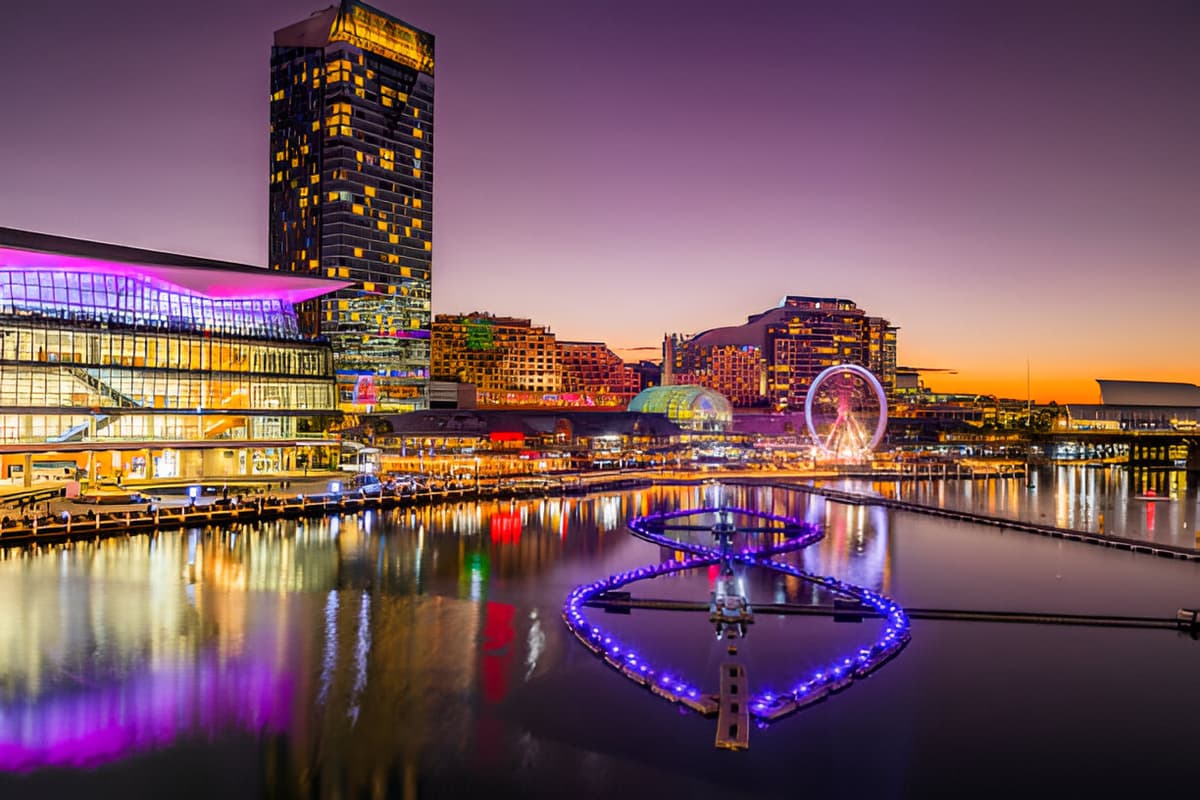
Darling Harbour
May 30, 20252 Minutes
Darling Harbour
Overview of Darling Harbour: It is situated in the heart of Sydney and is one of the city’s most vibrant waterfront destinations. Darling Harbour is packed with attractions, dining spots, and entertainment options, making it a perfect place for families, couples, and solo travellers alike. Whether you’re exploring world-class museums, enjoying a cruise, or simply taking in the stunning harbour views, there’s something for everyone here.If you’re planning a trip as part of an Australia tour package, Darling Harbour is a must-visit destination where you can experience the best of Sydney’s beauty and culture. Home to the famous SEA LIFE Sydney Aquarium, Wild Life Sydney Zoo, and Madame Tussauds, Darling Harbour is a hub of fun and adventure. Visitors can take a relaxing stroll along the waterfront, dine at top-notch restaurants, or watch breathtaking fireworks displays. What are the Key Highlights of Darling Harbour? SEA LIFE Sydney Aquarium – Explore incredible marine life, including sharks, rays, and the famous dugong. Wild Life Sydney Zoo – Get up close with Australian animals like koalas, kangaroos, and crocodiles. Madame Tussauds Sydney – Meet lifelike wax figures of celebrities, sports stars, and world leaders. Harbourside Shopping Centre – A great place for shopping, dining, and entertainment. Australian National Maritime Museum – Discover Australia’s maritime history through fascinating exhibits. Darling Harbour Cruises – Enjoy a scenic boat ride for stunning views of the city skyline. Tumbalong Park – A relaxing green space perfect for picnics and family outings. Fireworks Displays – On select nights, the harbour lights up with spectacular fireworks shows. Timings & Entry Fees of Darling Harbour: 1. Opening Hours: Open 24/7, but individual attractions have specific operating hours.2. Entry Fee: Darling Harbour itself is free to visit, but attractions like the aquarium, zoo, and museums have separate ticket prices. Travel Tips for Darling Harbour: Best Time to Visit: Evenings are great for dining, entertainment, and enjoying the city lights. Getting There: The area is well-connected by trains, buses, and ferries, with easy access from Sydney’s CBD. Dining Options: Try waterfront restaurants and cafés for delicious seafood and local cuisine. Ideal for Families: Kid-friendly attractions make this a great spot for a family day out. Photography Spots: The harbour, skyline, and attractions provide fantastic photo opportunities. Check Event Schedules: Look for special events, live performances, and weekend fireworks. Also Read – Places To Visit in AustraliaMust Read – Things To Do in Australia

Read More

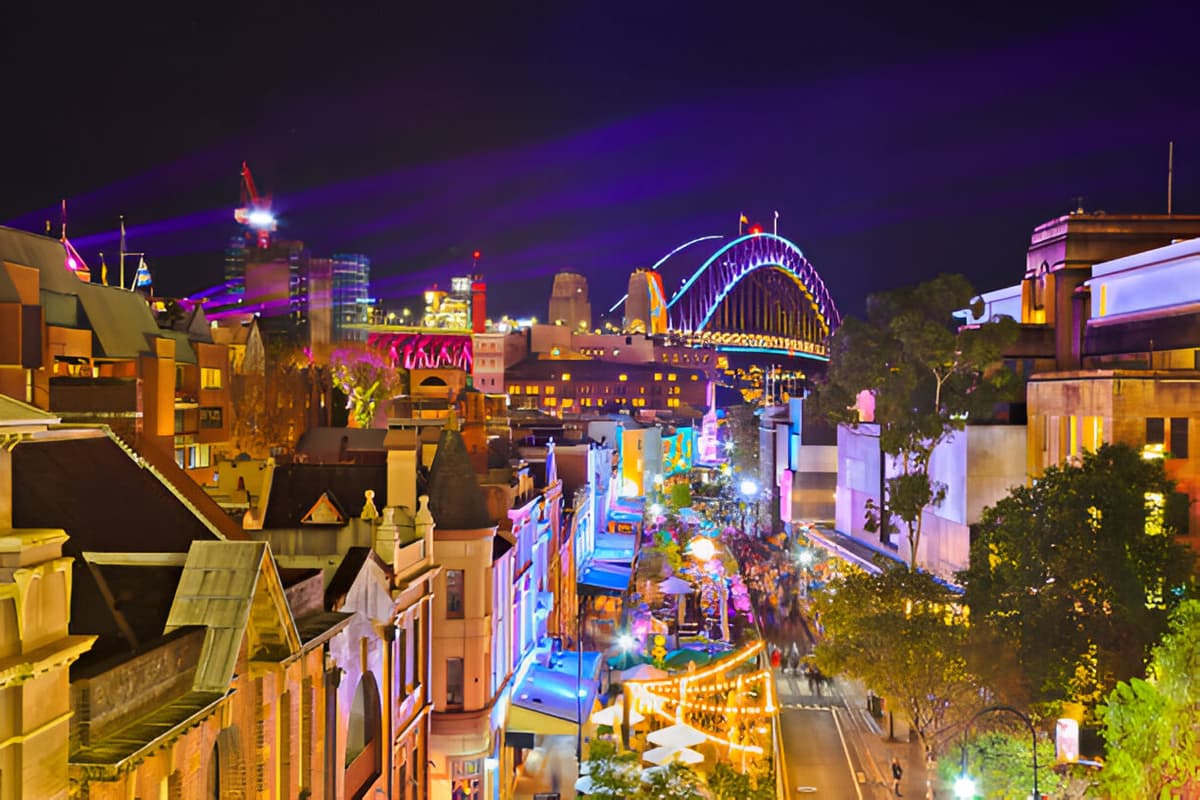
George Street, Sydney
May 30, 20252 Minutes
George Street, Sydney
Overview of George Street: It is situated in the heart of Sydney and is one of the city’s most historic and vibrant streets. George Street runs through the Central Business District (CBD), connecting major attractions, shopping centers, and cultural landmarks. As Sydney’s oldest street, it has transformed into a bustling hub lined with modern skyscrapers, heritage buildings, and high-end retail stores. A key highlight of many Australia tour packages, George Street offers something for everyone—whether it’s exploring the stunning Queen Victoria Building (QVB), shopping at Pitt Street Mall, or admiring the architecture of Sydney Town Hall. The street is also well connected by the Sydney Light Rail, making it a convenient spot for travellers looking to experience Sydney’s urban charm. From luxury shopping to historic landmarks, George Street provides the perfect blend of old and new Sydney. What are the Key Highlights of George Street? Queen Victoria Building (QVB) – A beautifully restored shopping arcade with designer boutiques and cafés. Pitt Street Mall – A bustling pedestrian shopping strip featuring top international and Australian brands. Sydney Town Hall – A grand historic building known for its architecture and cultural significance. The Strand Arcade – A charming Victorian-style shopping arcade with local and luxury fashion brands. Wynyard & Circular Quay – Convenient transport hubs for easy access to other parts of Sydney. Sydney Light Rail – Runs through George Street, making it easy to explore the area. Heritage Architecture – Several buildings showcase the city’s rich colonial and modern history. Timings & Entry Fees of George Street: 1. Opening Hours: Open 24/7, but individual stores and attractions have specific timings.2. Entry Fee: Free to explore; shopping and dining costs vary by location. Travel Tips for George Street: Best Time to Visit: Afternoons and evenings are ideal for shopping, dining, and exploring. Getting There: Accessible via train, bus, and the Sydney Light Rail, with multiple stops along the street. Ideal for Shopping: From luxury brands to local markets, there’s something for every budget. Dining Options: Enjoy a mix of fine dining, cafés, and street food along the street. Walking-Friendly: Best explored on foot to take in the sights and enjoy the lively atmosphere. Check for Events: Look out for seasonal festivals, street performances, and shopping discounts. Also Read – Places To Visit in AustraliaMust Checkout– Things To Do in Australia

Read More

Museum of Contemporary Art Australia
May 30, 20253 Minutes
Museum of Contemporary Art Australia
The Museum of Contemporary is situated in the heart of Sydney’s Circular Quay, right by the Harbour. The Museum of Contemporary Art (MCA) is one of the coolest places to visit if you love art or just want to see something unique and creative. It’s home to some of the best modern and contemporary art from Australia and around the world. You’ll find everything from paintings and sculptures to photography, video installations, and interactive exhibits. If you’re exploring Sydney as part of an Australia tour package, make sure to add MCA to your itinerary. The best part? It’s completely free to enter! This makes it a great spot for students, budget travellers, or anyone who wants to explore art without spending money. Whether you’re an art lover or just looking for a cool place to visit in Sydney, MCA has something for everyone. They also have changing exhibitions, workshops, and live talks, so every visit feels different. Plus, there’s a rooftop café with an amazing view of the Sydney Opera House and Harbour Bridge. It’s a fun and relaxing place where you can enjoy creative art, learn something new, and even take some great photos for your Instagram! What are the Key Highlights of Museum of Contemporary Art Australia? Diverse Art Collection – MCA features contemporary works from Australian and international artists. Indigenous Art – A major section is dedicated to First Nations art, showcasing the history and culture of Aboriginal and Torres Strait Islander artists. Interactive Exhibitions – Some galleries allow visitors to experience art through digital and hands-on activities. Free Entry – The museum’s general exhibitions are completely free, though some special exhibitions may require a ticket. Workshops & Events – The museum hosts artist talks, live performances, and creative workshops throughout the year. Rooftop Café – A great place to relax with a coffee while enjoying a breathtaking view of Sydney Harbour. Gift Shop – Perfect for finding unique souvenirs, art prints, and books. Timings & Entry Fees of Museum of Contemporary Art Australia: 1. Opening Hours: 10:00 AM – 5:00 PM (Closed on Mondays)2. Entry Fee:– General exhibitions – Free– Special exhibitions – INR 500–1000 (depending on the event) Travel Tips for Museum of Contemporary Art Australia: Best Time to Visit: Weekdays are usually quieter, making it easier to enjoy the artwork without crowds. Getting There: The museum is right next to Circular Quay, making it easy to reach by train, bus, or ferry. Perfect for Students & Budget Travelers: Since general admission is free, it’s an ideal place to explore without spending much. Photography Allowed: You can take pictures of most artworks, but flash photography is not permitted. Check for Events: Visit MCA’s website to see upcoming exhibitions, artist talks, and live performances. Rainy Day Activity: If the weather isn’t great for outdoor sightseeing, MCA is an awesome indoor spot to visit. Visit the Rooftop Café: Even if you’re not into art, the Harbour views from the café make it worth the visit! Also Read – Places To Visit in AustraliaMust Read – Things To Do in Australia

Read More

Currumbin Wildlife Sanctuary
May 30, 20253 Minutes
Currumbin Wildlife Sanctuary
Overview of Currumbin Wildlife Sanctuary: Currumbin Wildlife Sanctuary is situated in Currumbin, on the Gold Coast, and is one of Australia’s top wildlife attractions. The Currumbin Wildlife Sanctuary is a fantastic place where you can see a wide range of native Australian animals in their natural habitats. Whether you’re a nature lover, a family on vacation, or a student exploring Australia as part of an Australia tour package, this sanctuary should be on your list.The sanctuary is home to more than 1,000 animals, including koalas, kangaroos, crocodiles, emús, and even the rare Tasmanian devils. One of the main highlights here is the chance to hold a koala and get your picture taken with this cute, cuddly creature. But it’s not just about looking at animals – the sanctuary is also focused on animal care and conservation. They run a wildlife hospital and have many educational programs about protecting wildlife. What are the Key Highlights of Currumbin Wildlife Sanctuary? Koala Photos – Take a memorable photo with a koala and learn about their conservation efforts. Wildlife Hospital – Visit the hospital where injured and sick wildlife are treated and learn about wildlife rescue. Crocodile Show – Watch the crocodile feeding show and learn about these amazing creatures. Kangaroo Feeding – Feed kangaroos in a safe, interactive environment and get up close with these iconic Australian animals. Rainbow Lorikeet Feeding – Experience the excitement of feeding a flock of rainbow lorikeets, where the birds fly directly to you! TreeTop Challenge – An adventure park with ziplines and obstacle courses high above the ground for adrenaline lovers. Segway Safari – Explore the park on a Segway and get a unique view of the wildlife sanctuary. Timings & Entry Fees of Currumbin Wildlife Sanctuary: 1. Opening Hours: 9:00 AM – 4:00 PM every day2. Entry Fee: Adults: INR 3,000 (Approx. AUD 55) Children (3–14 years): INR 2,000 (Approx. AUD 39) Children under 3: Free Special experiences like the koala photos and Segway safari have additional charges. Travel Tips for Currumbin Wildlife Sanctuary: Best Time to Visit: The best time to visit is in the morning when the animals are most active and the crowds are smaller. Getting There: The sanctuary is easily accessible from Gold Coast and Brisbane by car, bus, or taxi. What to Bring: Wear comfortable walking shoes as there’s a lot to explore. Also, don’t forget sunscreen, a hat, and a bottle of water. Photography: You can take photos of most animals, but for koala photos, there is a small fee. It’s a great souvenir! Family-Friendly: This is a perfect destination for families. There are plenty of interactive activities for kids, like feeding kangaroos and holding birds. Plan for a Full Day: The sanctuary has so much to offer, from animal encounters to shows and adventure activities. Plan to spend at least 3–4 hours here. Look for Discounts: If you’re booking in advance, check for online discounts or combo passes that offer savings. Also Read – Places to Visit in AustraliaMust Read – Things To Do in Australia

Read More

SEA LIFE Melbourne Aquarium
May 30, 20253 Minutes
SEA LIFE Melbourne Aquarium
Overview of SEA LIFE Melbourne Aquarium: Located in the heart of Melbourne, the Sea Life Melbourne Aquarium offers an exciting and educational journey through the ocean’s depths. It’s a perfect place to explore for anyone interested in marine life, whether you’re travelling as part of an Australia tour package or just visiting Melbourne for the day. The aquarium is home to thousands of marine animals, including sharks, stingrays, penguins, and even seahorses.What makes Sea Life Melbourne stand out is its interactive experience. Visitors can get up close with creatures from the deep blue sea, and learn about their ecosystems, behaviors, and conservation efforts. The aquarium’s design includes a series of themed exhibits, such as the Oceanarium, where you can walk through tunnels surrounded by fish, and the Penguin Playground, where you can see adorable penguins swimming in their icy habitat. Whether you’re traveling with friends, or family, or on your own, the aquarium is an amazing way to explore ocean life. What are the Key Highlights of SEA LIFE Melbourne Aquarium? Oceanarium Tunnel – Walk through a glass tunnel and watch sharks, stingrays, and fish swim around you! Penguin Playground – Get up close with Adélie penguins and Gentoo penguins in a cold, snowy habitat. Shark Encounter – Watch the huge sharks swim right in front of you as you explore the aquarium’s famous shark tank. Coral Atoll – Discover the colourful world of coral reefs, home to vibrant clownfish, sea turtles, and beautiful coral species. Seahorse Sanctuary – Learn about the mysterious world of seahorses and their fascinating reproductive habits. Interactive Experiences – Engage with hands-on exhibits, like the touch pools, where you can touch starfish and sea cucumbers. Conservation and Education – Sea Life Melbourne places a strong emphasis on marine conservation and educating visitors about protecting the oceans and its inhabitants. Timings & Entry Fees of SEA LIFE Melbourne Aquarium: 1. Opening Hours: 9:30 AM – 6:00 PM daily2. Entry Fee:– Adults: INR 2,500 (Approx. AUD 45)– Children (3-15 years): INR 1,500 (Approx. AUD 27)– Children under 3: Free– Additional fees apply for special experiences, like feeding sessions and behind-the-scenes tours. Travel Tips for SEA LIFE Melbourne Aquarium: Best Time to Visit: The best time to visit is during the early hours when the aquarium is less crowded, giving you a more peaceful experience. Getting There: Located near the Yarra River, Sea Life Melbourne is easy to reach by tram, bus, or walking from major Melbourne landmarks like Federation Square. What to Bring: Wear comfortable clothing and footwear for walking around. Don’t forget to bring your camera to capture the amazing animals. Photography Allowed: You’re welcome to take photos throughout the aquarium, but please refrain from using flash as it can disturb the animals. Interactive Experiences: Look out for special activities, like penguin feeding sessions and the shark dive experience, which need to be booked in advance. Perfect for Families: With its interactive exhibits, educational programs, and fun marine-themed shows, Sea Life Melbourne is ideal for a family day out. Plan for a Few Hours: Plan to spend around 2 to 3 hours exploring the aquarium, especially if you want to see the shows and take part in activities. Also Read – Places To Visit in AustraliaMust Read – Things To Do in Australia

Read More

Whitsunday Islands
May 30, 20253 Minutes
Whitsunday Islands
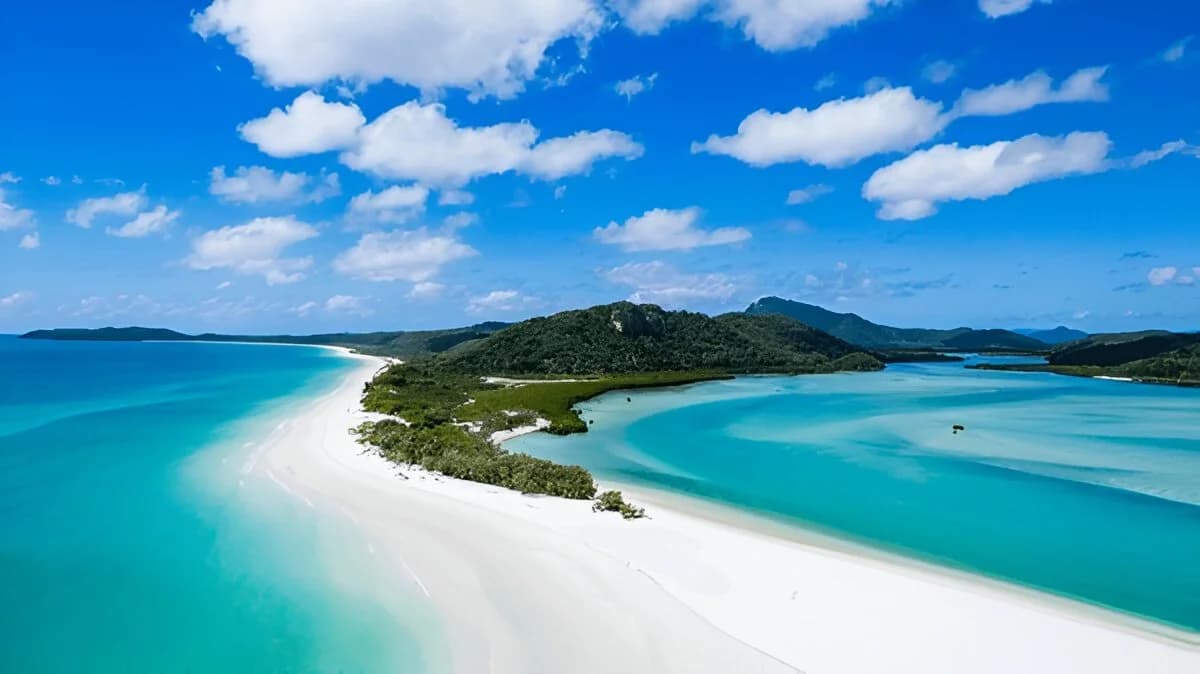
Overview of Whitsunday Islands: The Whitsunday Islands are a group of 74 stunning islands off the coast of Queensland, Australia. With their crystal-clear waters, powdery white sand beaches, and vibrant marine life, they are a dream destination for travelers. The islands are part of the Great Barrier Reef and are perfect for snorkeling and diving. One of the biggest highlights is Whitehaven Beach, known for its pure silica sand and breathtaking views. And if you’re planning a perfect getaway, many Australia Tour packages include the Whitsundays as a must-visit destination. Sailing trips, island-hopping tours, and scenic flights over Heart Reef make exploring the Whitsundays even more magical. What are the Key Highlights of Whitsunday Islands? Whitehaven Beach: Soft, white silica sand and blue-green waters make this one of the most beautiful beaches in the world. Heart Reef: A naturally formed, heart-shaped coral formation seen best from a scenic flight. Great Barrier Reef Snorkeling: Swim among colorful corals, sea turtles, and tropical fish in the world’s largest coral reef system. Luxury Island Resorts: Stay at Hamilton Island or Hayman Island for a lavish retreat with ocean views. Sailing & Catamaran Tours: Explore the islands aboard a luxury yacht, with sunset views over the horizon. Scenic Seaplane Rides: A bird’s-eye view of the Whitsundays and the Great Barrier Reef is unforgettable. Hill Inlet Lookout: Hike up to see the breathtaking swirls of white sand meeting the blue sea. Water Adventures: Try jet skiing, kayaking, or stand-up paddleboarding in the calm, tropical waters. Timings & Entry Fees of Whitsunday Islands: The Whitsundays are accessible year-round, with peak travel seasons from May to October. There is no entry fee to visit the islands, but tours and activities vary in price. Day trips to Whitehaven Beach start at ₹5,000, while scenic flights over Heart Reef cost around ₹12,000 per person. Travel Tips for Whitsunday Islands: Best Time to Visit: Plan your trip between May and October for sunny days and calm waters. How to Reach: Fly to Hamilton Island or Proserpine Airport, then take a ferry or seaplane to the islands. Packing Essentials: Carry sunscreen, swimsuits, light clothes, and a waterproof bag for island activities. Accommodation Choices: Stay at budget-friendly hostels in Airlie Beach or luxury resorts on Hamilton Island. Island-Hopping Tips: Book a sailing tour to explore multiple islands in a single trip. Snorkelling & Diving Gear: Most tours provide gear, but bringing your own mask ensures better comfort. Wildlife Encounters: Look out for dolphins, sea turtles, and even humpback whales (July to September). Food & Dining: Pack snacks or enjoy fresh seafood at beachfront restaurants. Also Read – Places To Visit in AustraliaMust Checkout– Things To Do in Australia

Read More

Ghan Train Australia
May 30, 20253 Minutes
Ghan Train Australia
Overview of Ghan Train Australia: The Ghan Train is one of the world’s most iconic railway journeys, stretching 2,979 kilometers from Adelaide to Darwin. This legendary train ride takes you through the heart and soul of Australia, offering stunning landscapes, from the lush countryside of South Australia to the vast Outback and the tropical north. It’s a journey through time, culture, and scenery you won’t forget. Onboard, travelers experience top-notch hospitality, with dining, luxurious cabins, and panoramic windows to enjoy the views. Whether you choose the Gold or Platinum class, every moment feels special. The train also stops at fascinating locations like Alice Springs and Katherine, where you can explore Aboriginal culture and stunning natural wonders. For those who love scenic journeys and luxury, this is an unforgettable experience. This journey should be on your bucket list. Many Australia Tour packages often include this train journey, making it easier to plan a grand adventure. What are the Key Highlights of Ghan Train Australia? Spectacular Landscapes: Travel through Australia’s breathtaking Outback, lush green plains, and tropical regions—all in one journey. Luxury On Wheels: The Ghan offers private cabins, fine dining, and all-inclusive drinks, ensuring a premium experience throughout the ride. Historic Significance: Named after Afghan cameleers who helped explore Australia’s interior, this train is a tribute to history and resilience. Panoramic Viewing Windows: Enjoy uninterrupted views of the stunning landscapes from the comfort of your seat or the dedicated viewing lounge. Exciting Off-Train Excursions: Stop at places like Alice Springs and Katherine to explore Indigenous culture, scenic gorges, and historic sites. Gourmet Dining Experience: The onboard restaurant serves Australian delicacies like barramundi, kangaroo, and premium wines. Comfortable Sleeping Cabins: Rest in cozy, well-equipped cabins with en-suite facilities, ensuring a peaceful night’s sleep. A Photographer’s Dream: Capture stunning sunsets over the Outback, dramatic mountain ranges, and endless desert vistas. Timings & Entry Fees of Ghan Train Australia: The Ghan operates twice weekly from Adelaide to Darwin and vice versa. The journey takes 3 days and 2 nights. Ticket prices vary based on the class and season, starting from Rs. 1 Lakh per person. Prices include meals, drinks, and off-train excursions. Advance booking is highly recommended. Travel Tips for Ghan Train Australia: Book in Advance: The Ghan is a popular luxury train, and tickets sell out quickly, especially in peak season. Choose Your Class Wisely: Gold Class offers comfort, while Platinum Class provides a more exclusive experience with extra space and premium services. Pack Smartly: Bring comfortable clothing, a camera, and light layers to adjust to changing temperatures. Enjoy the Excursions: The off-train experiences in Alice Springs and Katherine are worth exploring, so don’t skip them. Stay Hydrated: The Outback can be dry, so drink plenty of water, especially during stopovers. No Wi-Fi Onboard: Disconnect and enjoy the scenic beauty instead of relying on the internet. Best Time to Travel: The ideal time for The Ghan journey is between May and September when the weather is pleasant. Special Deals Available: Look for seasonal offers and early-bird discounts for the best prices. Must Read: Places To Visit in AustraliaAlso Checkout: Things To Do in Australia

Read More

Kimberley
May 30, 20253 Minutes
Kimberley
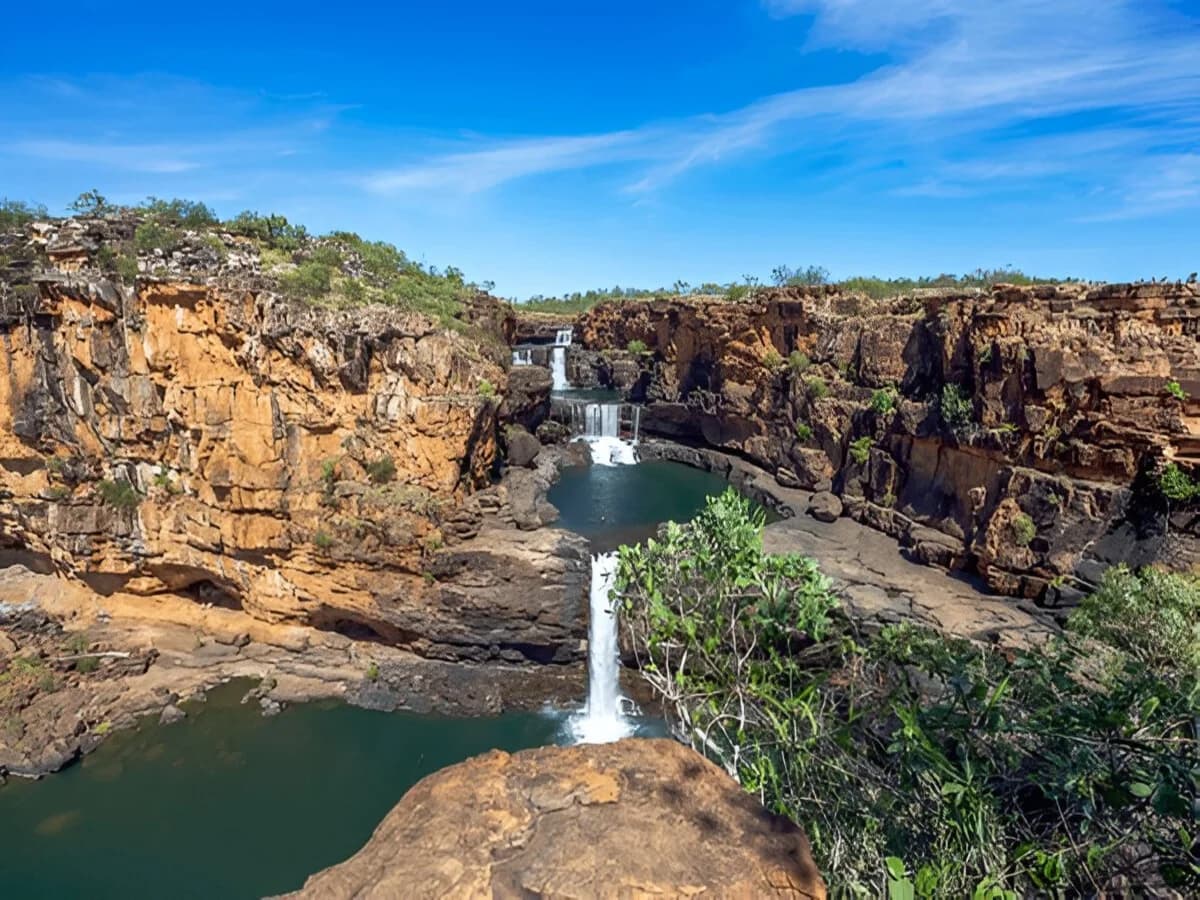
Overview of Kimberley: Kimberley, in the northwestern corner of Australia, is a land of rugged beauty, ancient landscapes, and breathtaking wilderness. Known for its small valleys, vast savannahs, and stunning coastline, it offers an escape into nature. Kimberley is home to iconic attractions such as the Bungle Bungle Range in Purnululu National Park, Horizontal Falls, and the stunning Mitchell Falls. With red cliffs, turquoise waters, and cascading waterfalls, Kimberley is a paradise for adventure lovers and nature enthusiasts. Apart from its natural wonders, Kimberley is deeply connected to Aboriginal culture, with rock art sites dating back thousands of years.  If you’re planning a trip to Australia, be sure to check out Australia tour packages that include this incredible destination. Whether you want to cruise along the rivers, take a scenic flight over its canyons, or explore its ancient caves, visit Kimberley and its gonna be a unique cultural experience. What are the Key Highlights of Kimberley: Bungle Bungle Range: These beehive-shaped rock formations in Purnululu National Park are a geological marvel and a UNESCO World Heritage Site. Horizontal Falls: A rare natural phenomenon where tidal waves create powerful horizontal waterfalls—best explored on a jet boat ride. Mitchell Falls: A four-tiered waterfall surrounded by lush greenery, offering one of the most scenic views in Kimberley. Gibb River Road Adventure: A legendary outback journey with rugged trails, hidden gorges, and remote camping spots. Cable Beach Sunset: Ride a camel along the soft white sand as the sun sets over the Indian Ocean. King George Falls: Witness twin waterfalls plunging 80 meters down sandstone cliffs, best seen from a cruise or helicopter ride. Aboriginal Rock Art: Discover ancient rock paintings that depict the history, myths, and stories of the local Indigenous people. Timings & Entry Fees of Kimberley: Most attractions in Kimberley, including national parks and waterfalls, are open year-round, but the best time to visit is during the dry season (April to October). Entry fees vary: Purnululu National Park charges INR 1,000 per vehicle. Travel Tips / Essential Information For Kimberley: Best Time to Visit: The dry season (April to October) offers pleasant weather, clear skies, and accessible roads. Packing Essentials: Carry sunscreen, insect repellent, a hat, sturdy shoes, and plenty of water for outdoor adventures. 4WD is a Must: Many of Kimberley’s best spots, like Gibb River Road and Mitchell Falls, require a 4WD vehicle. Book Tours in Advance: Scenic flights, cruises, and guided tours fill up quickly, especially in peak season. Respect Indigenous Culture: Many sites have cultural significance—always follow guidelines and respect sacred locations. Beware of Crocodiles: Kimberley is home to saltwater crocodiles; only swim in designated safe areas. Fuel and Supplies: Towns are far apart—always carry extra fuel, food, and emergency supplies when traveling. Internet & Network: Mobile reception is limited in remote areas; consider carrying a satellite phone if going off-grid.Also Read – Places to Visit in AustraliaMust Read – Things To Do in Australia

Read More

Uluru’s Field Of Light
May 30, 20253 Minutes
Uluru’s Field Of Light
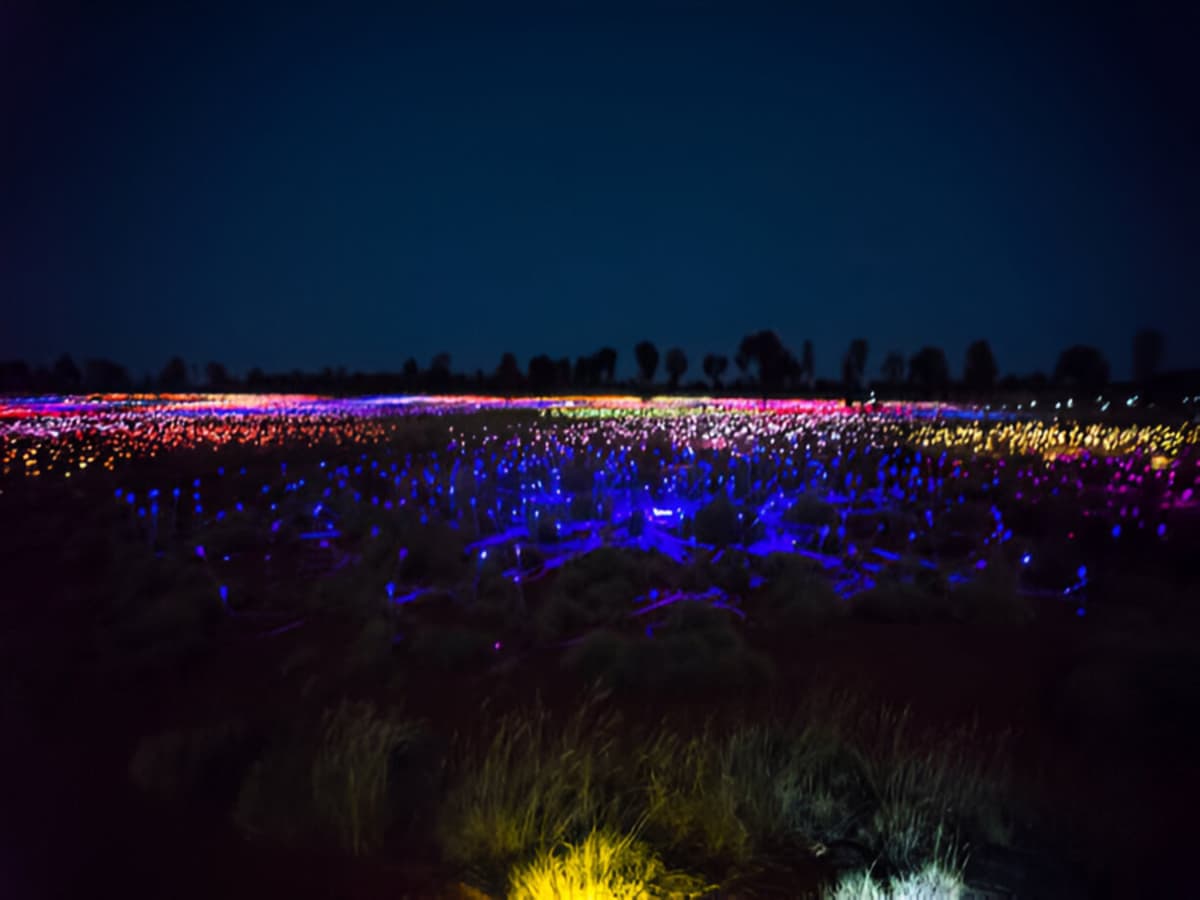
Overview of Uluru’s Field Of Light: Uluru’s Field of Light is one of the most beautiful experiences you can do in Australia. Here, you are surrounded by 50,000 glowing lights stretching as far as the eye can see. Uluru’s Field of Light is an art installation by Bruce Munro, that transforms the rugged landscape into a glowing dreamland. This unique light show, known as Tili Wiru Tjuta Nyakutjaku (meaning “looking at lots of beautiful lights” in the local Pitjantjatjara language), is one of Australia’s most sacred and stunning landmarks. As the sun sets, the desert gradually comes to life with soft, colorful lights that shift and glow under the night sky. Walking around it, visitors feel immersed in an unreal and peaceful experience. The installation has drawn travelers from across the world and has become a must-visit for those exploring the Australian Outback. Many Australia tour packages now include this magical experience, making it even more accessible for visitors. What are the Key Highlights of Uluru’s Field Of Light: Magical Desert Glow: 50,000 hand-crafted glass spheres illuminate the dark desert, creating a dreamlike atmosphere that changes as the night deepens. 360-Degree Panorama: Visitors can walk along the winding pathways, completely surrounded by shimmering lights, with the grand silhouette of Uluru in the distance. Interactive Experience: Unlike traditional light shows, here you walk through the glowing field, making it feel like you are part of the artwork itself. Starry Night Symphony: The lights synchronize beautifully with the starlit Outback sky, so the photo opportunity is surely amazing. Limited-Time Wonder: Originally planned as a temporary exhibit, the overwhelming response led to its extension, but it won’t last forever—making it a must-visit while it remains open. Exclusive Sunrise & Sunset Tours: Choose a sunrise tour to see the lights fade into the golden desert morning or a sunset tour for a breathtaking transition from day to night. Timings & Entry Fees of Uluru’s Field Of Light: Timings: Field of Light operates daily from sunset to late at night. Entry times depend on the season, with tours usually starting from 6:00 PM. Entry Fees: Prices vary based on the tour. A standard entry starts at approx. INR 2,500, while premium tours, including dinner or camel rides, cost more. Advance booking is recommended. Travel Tips & Essential Information of Uluru’s Field Of Light: Book in Advance: Limited slots fill up quickly, so reserve tickets online before your trip to avoid disappointment. Ideal Visit Timing: The best experience is during sunset or early evening when the lights contrast beautifully with the fading sky. Dress for the Desert: Nights can be chilly, even in summer. Wear warm layers and comfortable walking shoes. Photography Tips: Tripods are not allowed, so use a smartphone or a high-ISO camera for the best night shots. Go for the Dinner Tour: For an unforgettable experience, choose the “Sounds of Silence” dinner, which combines fine dining with breathtaking views of Uluru and the light installation. Respect the Land: Uluru is a sacred site for the Anangu people. Follow guidelines and avoid climbing or touching restricted areas.Also Read – Places To Visit in AustraliaMust Read – Things To Do in Australia

Read More

Kata Tjuta
May 30, 20253 Minutes
Kata Tjuta
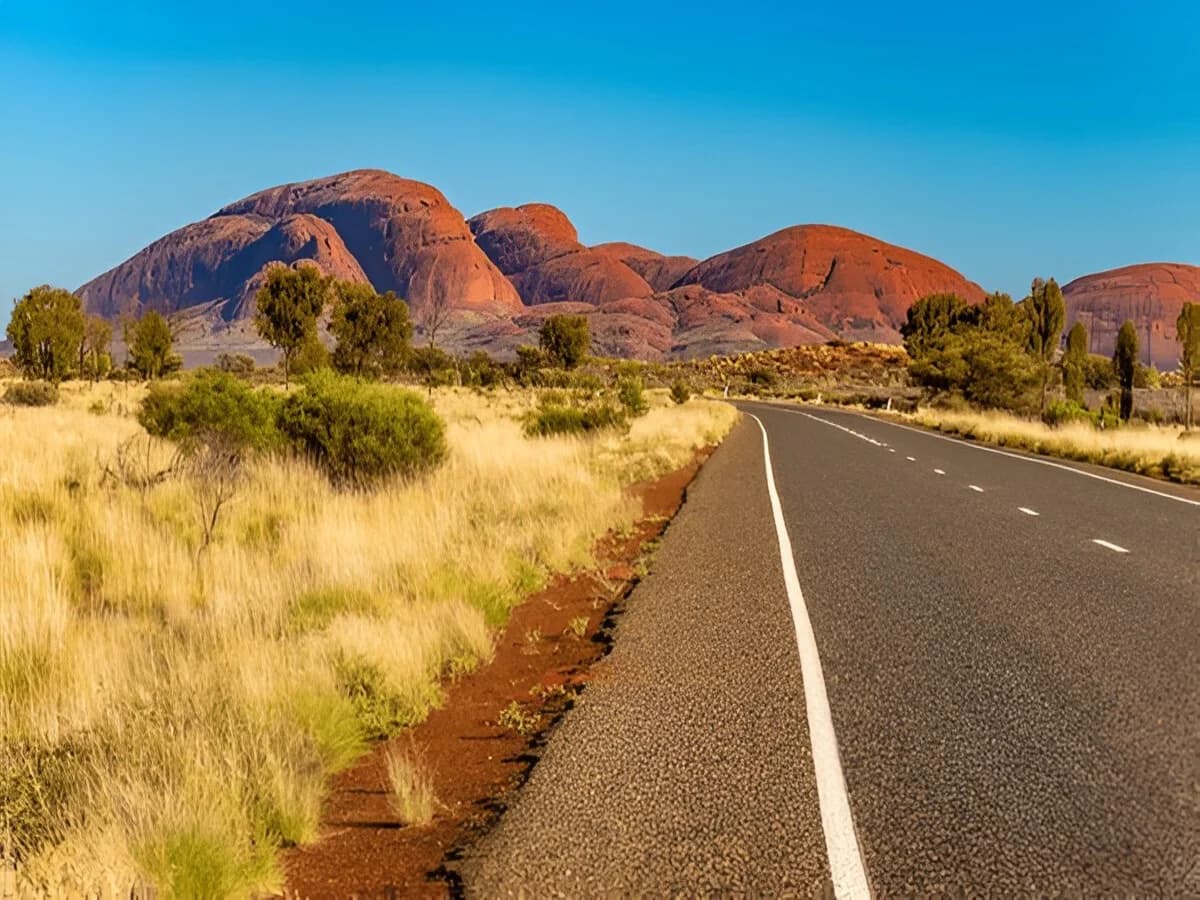
Overview of Kata Tjuta: Kata Tjuta, located in Australia’s Red Centre, is a must-visit natural wonder. It is famous for its unique rock formations and is often considered a counterpart to the famous Uluru. The name “Kata Tjuta” means “many heads,” describing the 36 domed rocks that stand in this Australian desert landscape. These formations are not only a geological marvel but hold deep cultural significance to the local Anangu people, who have inhabited this area for thousands of years. Kata Tjuta is a chance to experience the timeless beauty of nature through its walking trails and stunning viewpoints. The location is often included in Australia tour packages, providing an excellent opportunity for those seeking to explore Australia’s iconic landmarks. Whether you’re a nature enthusiast, a photographer, or someone looking to connect with the spiritual history of the land, Kata Tjuta offers an experience that’s unforgettable. What are the Key Highlights of Kata Tjuta: Spectacular Rock Formations: Kata Tjuta features 36 massive rock domes, creating a unique, surreal landscape. It’s an ideal spot for photographers to capture dramatic desert views. Valley of the Winds: This iconic hiking trail – A challenging but rewarding trek that takes you closer to the domes, surrounded by desert flora and fauna. Cultural Significance: The site holds deep spiritual meaning for the local Anangu people, with stories and traditions passed down through generations. Visitors can learn about the cultural connection through interpretive signage along the trails. Stunning Sunsets: Kata Tjuta offers a perfect view of the setting sun, painting the sky with vibrant hues. The evening light changes the colors of the rock formations, making it a memorable sight. Birdwatching Paradise: The area is home to various bird species, making it a great spot for birdwatching enthusiasts. Keep an eye out for unique desert birds. Timings & Entry Fees of Kata Tjuta: Kata Tjuta is open daily from sunrise to sunset. The entry fee is included in the Uluru-Kata Tjuta National Park pass, which costs around INR 2000 for adults. This pass is valid for 3 days, allowing you to explore both Kata Tjuta and Uluru. Travel Tips / Essential Information of Kata Tjuta: Best Time to Visit: The best time to visit Kata Tjuta is during the cooler months, from May to October, as temperatures can soar in summer. Sunrise and sunset are the most stunning times. Wear Comfortable Footwear: There are several walking trails, including the Valley of the Winds. Comfortable, sturdy shoes are a must for a comfortable and safe experience. Carry Water and Snacks: The desert climate can be hot and dry, so it’s essential to carry plenty of water and snacks, especially if you’re hiking. Respect Local Culture: Kata Tjuta is a sacred site for the Anangu people. Be sure to respect the cultural significance of the place by staying on marked trails and following any guidelines provided.Public Transport: There are limited public transport options, so it’s advisable to rent a car or book a guided tour for convenience.Also Read – Places To Visit in AustraliaMust Checkout – Things To Do in Australia

Read More

Lord Howe Island
May 30, 20253 Minutes
Lord Howe Island
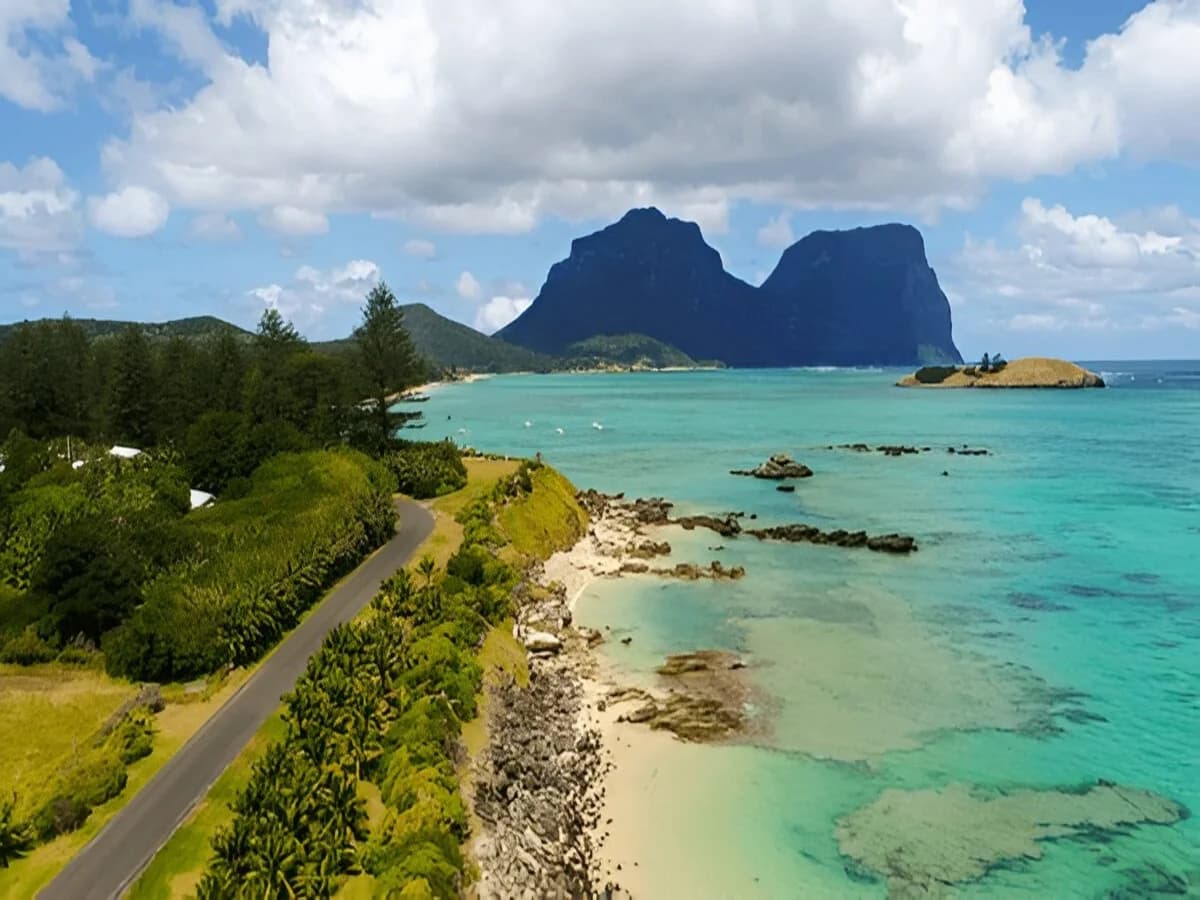
Overview of Lord Howe Island: The Lord Howe Island Group is a remarkable cluster of volcanic oceanic islands, home to a unique variety of plants and animals. It also features the southernmost true coral reef in the world, making it an exceptional natural habitat with rich biodiversity. Famous for its lush green hills, and unique wildlife, this UNESCO World Heritage-listed island is a dream destination for nature lovers. It allows only 400 visitors at a time and it remains unspoiled, offering a peaceful and intimate travel experience. You can explore volcanic peaks, snorkel in the world’s southernmost coral reef, or hike through the island’s diverse ecosystems. For travelers looking to explore this scenic beauty and adventure, Australia tour packages can easily include this hidden gem. The island’s beaches, rare bird species, and stunning marine life make it a must-visit. Its relaxed, eco-friendly lifestyle is a rejuvenating experience. What are the Key Highlights of Lord Howe Island: World-Class Snorkeling: Explore the coral reef, home to 500 fish species and 90 coral varieties, making it a diver’s paradise. Mount Gower Hike: A thrilling 8-hour trek to the island’s highest peak, offering breathtaking views and rare flora and fauna. Ned’s Beach Fish Feeding: Hand-feed-friendly fish right at the shore, an experience perfect for families and kids. Birdwatcher’s Haven: Witness over 130 bird species, including the rare Lord Howe Island Woodhen, in their natural habitat. Scenic Cycling Routes: The island is car-free for visitors, making cycling the best way to explore its beauty at your own pace. Crystal Clear Waters: Swim, kayak, or paddleboard in the calm, turquoise waters of the island’s protected lagoon. Luxury and Eco-Friendly Stays: Stay in boutique lodges and eco-resorts that blend comfort with sustainability. Timings & Entry Fees of Lord Howe Island: There are no official entry fees to visit Lord Howe Island, but accommodations and activities require advance booking due to the visitor limit. The island is accessible via flights from Sydney or Brisbane. Travel Tips / Essential Information For Lord Howe Island: Limited Visitors: Only 400 tourists are allowed at a time, so book your stay well in advance. No Mobile Networks: There’s limited mobile coverage, making it a perfect place to disconnect and enjoy nature. Cycling Culture: Rent a bicycle, as cars are restricted for visitors. It’s the best way to explore the island. Best Snorkeling Spots: Head to Lagoon Beach or Erscott’s Hole for incredible underwater experiences. Eco-Friendly Practices: The island follows strict environmental rules; avoids plastic and respects local conservation efforts. Pack Light: The island has a casual dress code, and you’ll spend most of your time outdoors, so comfortable clothing is best. Weather Considerations: Summers are pleasant, but pack a light jacket as evenings can be cool. Cash or Card: Most places accept cards, but carrying some cash is useful for small local shops.Also Read – Places to Visit in AustraliaMust Read – Things To Do in Australia

Read More

Tiwi Islands
May 30, 20253 Minutes
Tiwi Islands
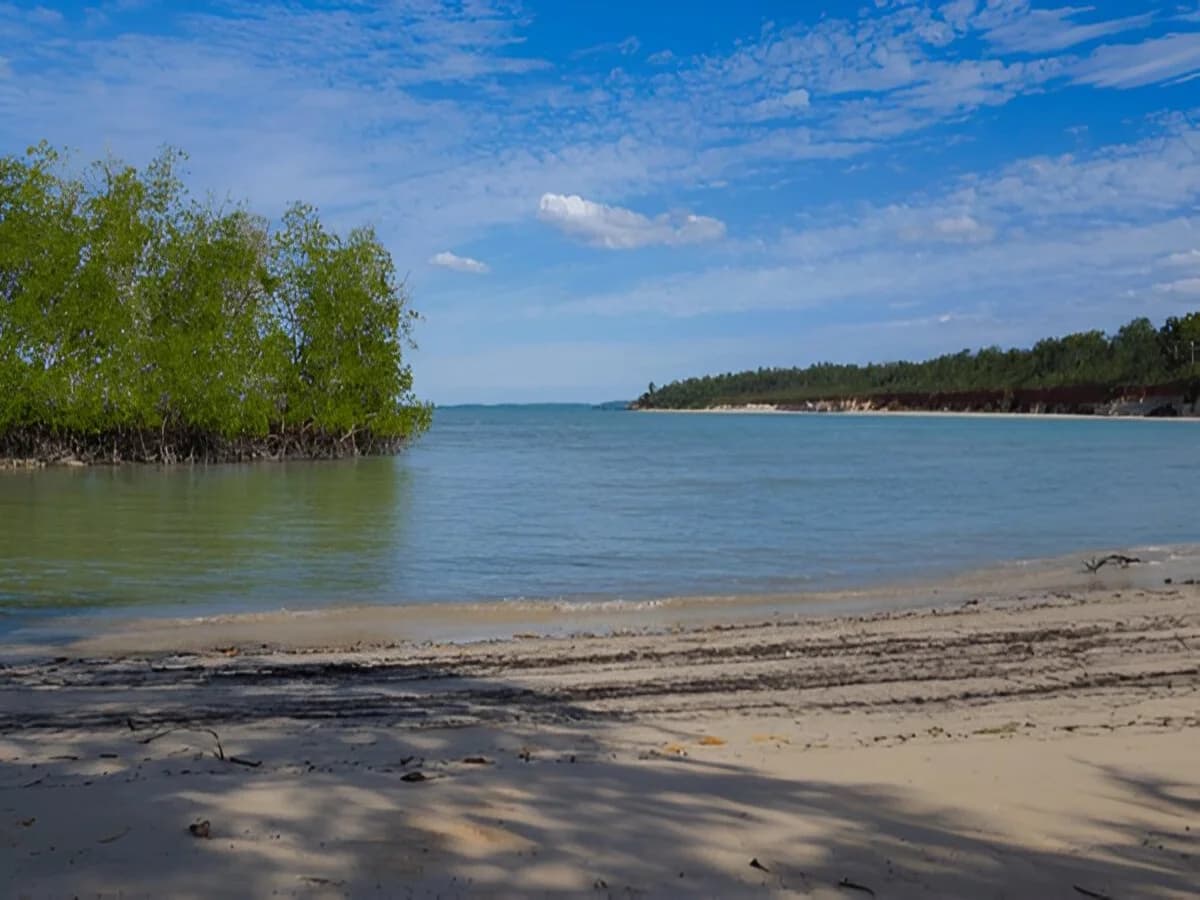
Overview of Tiwi Islands The Tiwi Islands, located 80 km north of Darwin, have a rich Aboriginal culture and stunning unmatched beauty. Made up of Bathurst and Melville Islands, this destination is known for its indigenous art, community, and breathtaking landscapes. The islands offer an immersive cultural experience, unlike any other place in Australia. Visitors can explore traditional art centers, meet local artists, and witness the famous Tiwi football culture. The islands are also home to beautiful beaches, rainforests, and diverse wildlife. The clear blue waters make for great fishing and boating adventures as well.The Tiwi Islands are not just a scenic but also a gateway to understanding the indigenous heritage of Australia. Many Australia tour packages now include visits here, so that travelers have a chance to experience authentic traditions, local festivals, and breathtaking coastal scenery. What are the Key Highlights of Tiwi Islands Tiwi Art and Culture: The islands are famous for their unique art, featuring carvings, paintings, and textiles that showcase indigenous traditions. Tiwi Football Passion: Australian Rules Football is a way of life, with nearly every local participating in the annual Tiwi Grand Final. Spectacular Tiwi Art Sales: Art lovers can purchase original pieces directly from Tiwi artists. Untouched Beaches: The islands have clean waters and secluded beaches perfect for a quiet retreat along the shore. Fishing Paradise: The waters surrounding the Tiwi Islands are home to some of the best fishing spots in Australia, attracting anglers from around the world. Cultural Festivals: The Tiwi Islands host annual festivals where visitors can experience traditional dance, storytelling, and community celebrations. Breathtaking Rainforests: Lush rainforests filled with exotic wildlife and rare bird species make the islands a paradise for nature lovers. Timings & Entry Fees of Tiwi Islands Timings: The Tiwi Islands are accessible year-round, but guided tours are recommended. Ferries from Darwin usually operate early in the morning and return in the evening. Entry Fees: There is no general entry fee, but permits are required for independent travelers. Tours, including cultural experiences, start from approximately INR 16,000 per person. Travel Tips / Essential Information For Tiwi Islands Permit Required: A permit is mandatory for visitors unless traveling with an organized tour, you can apply for permits on Tiwi Land Council. How to Reach: Regular ferry services operate from Darwin, taking about 2.5 hours. Chartered flights are also available for a quicker journey. Cash and ATMs: Limited ATM access means carrying enough cash is advisable, especially for shopping. Respect Local Culture: The Tiwi people have deep cultural traditions. Respecting their customs, seeking permission for photos, and engaging with locals politely are essential. What to Pack: Bring lightweight clothing, sun protection, insect repellent, and comfortable shoes for exploring the terrain. Stay Connected: Mobile coverage is limited in some areas, so informing families about travel plans beforehand is a good idea. Book in Advance: Tours and ferry services fill up quickly, so booking ahead ensures a hassle-free trip.Also Read – Places To Visit in AustraliaMust Read – Things To Do in Australi

Read More

Sydney Harbour
May 30, 20253 Minutes
Sydney Harbour
Overview of Sydney Harbour: Sydney Harbour is one of the most beautiful and lively waterfronts in the world. With its stunning blue waters, iconic landmarks, and vibrant atmosphere, it attracts millions of visitors every year. The harbour is home to world-famous sights like the Sydney Opera House and the Sydney Harbour Bridge, making it a must-visit destination for tourists. The combination of nature and modern architecture creates a breathtaking view that is perfect for sightseeing, photography, and relaxation. A visit to Sydney Harbour offers endless activities, from scenic ferry rides to dining at waterfront restaurants. Our Australia tour packages include Sydney Harbour as a top attraction. Adventure lovers can climb the Sydney Harbour Bridge, while those looking for a laid-back experience can enjoy a sunset cruise. The harbour is also a gateway to stunning beaches and nearby islands. It’s a place that suits everyone.  What are the Key Highlights of Sydney Harbour Iconic Landmarks: The Sydney Opera House and Sydney Harbour Bridge both create one of the world’s most memorable views for you. Harbour Cruises: Take a relaxing cruise to soak in panoramic views of the city, the open sea, and lush islands. Bridge Climb Adventure: Climb the Sydney Harbour Bridge for an unforgettable 360-degree view of the harbour and city. Scenic Ferries: Hop on a ferry to Manly Beach or Taronga Zoo and enjoy Sydney’s best waterfront views. Fireworks Spectacle: The New Year’s Eve fireworks at Sydney Harbour are among the most famous and breathtaking displays in the world. Vibrant Waterfront Dining: Enjoy fresh seafood and world-class dining at waterfront restaurants with stunning harbour views. Lush Gardens & Parks: Walk through the Royal Botanic Garden for a peaceful escape with spectacular views of the harbour. Timings & Entry Fees of Sydney Harbour Sydney Harbour itself is open 24/7, and visitors can enjoy the public spaces for free. However, specific attractions have their own timings and entry fees: Sydney Harbour Bridge Climb: 4:00 am – 10:00 pm, starting from INR 10,000 per person. Harbour Cruises: Prices vary from INR 1500 – 5000, depending on the cruise type. Travel Tips / Essential Information For Sydney Harbour Best Time to Visit: The best time to visit Sydney Harbour is from September to November and March to May when the weather is pleasant. Public Transport: Use an Opal Card to access Sydney’s ferries, buses, and trains for convenient travel. Bridge Climb Booking: Book your Sydney Harbour Bridge climb in advance, as slots fill up quickly, especially during peak seasons. Sunset & Night Views: Visit in the evening for a magical sunset or a night cruise to see the city lights reflecting on the water. Nearby Attractions: Explore Circular Quay, Darling Harbour, and Barangaroo for more sightseeing, dining, and entertainment options. Local Food: Try classic Aussie fish and chips or fresh seafood at waterfront restaurants for an authentic Sydney experience. Safety Tips: While Sydney is very safe, always keep an eye on your belongings in crowded areas and follow water safety rules when near the harbour.Also Read – Places to Visit in AustraliaMust Read – Things To Do in Australia

Read More

Mataranka Hot Springs
May 30, 20253 Minutes
Mataranka Hot Springs
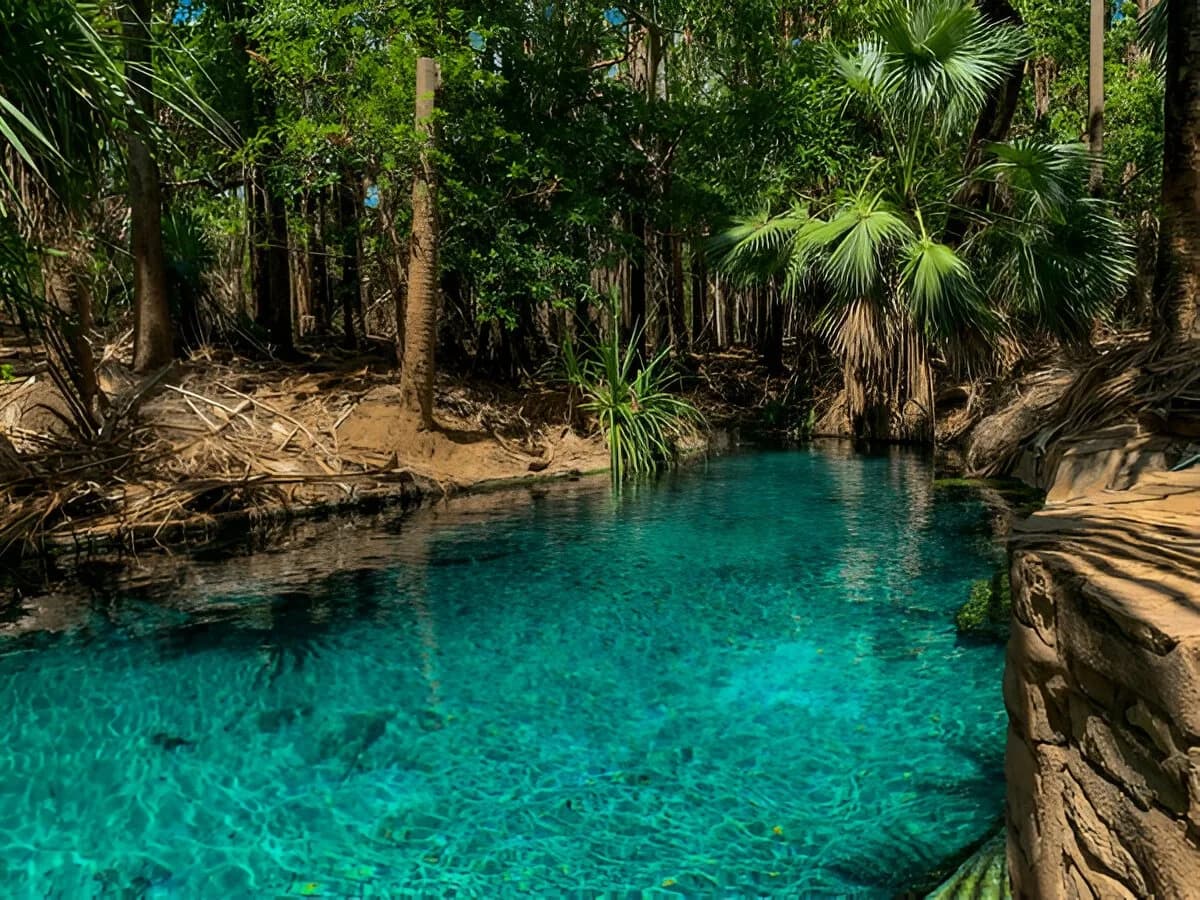
Overview of Mataranka Hot Springs: Mataranka Hot Springs, located in the Northern Territory of Australia, is a natural place that attracts visitors from all over the world. Famous for its warm, mineral-rich waters, it will make all your stresses of daily life go away. Located in Elsey National Park, the springs are surrounded by lush tropical landscapes, providing a peaceful and tranquil environment. The water, which maintains a comfortable temperature of around 34°C (93°F), is ideal for relaxing. For those seeking adventure, the nearby attractions like the Mataranka Falls and the Roper River provide opportunities for exploration. Whether you’re enjoying the medicinal waters or admiring the beauty of the surrounding area, Mataranka Hot Springs is an ideal destination for anyone looking to relax and connect with nature. It’s a must-see stop on Australia tour packages for anyone visiting the Northern Territory. What are the Key Highlights of Mataranka Hot Springs: Thermal Pools: The clear, warm water naturally stays at a comfortable 34°C, perfect for a relaxing soak. Surrounding Beauty: The springs are surrounded by lush palm trees and tropical vegetation, creating a calm and beautiful environment. Historical Significance: Mataranka’s hot springs were discovered by early settlers in the area, giving the location an interesting historical backdrop. Birdwatching Opportunities: The region is home to various bird species, making it a popular spot for nature enthusiasts and birdwatchers. Easily Accessible: The hot springs are easily accessible, with shallow areas that are perfect for visitors of all ages. Nearby Attractions: Apart from the springs, you can explore Mataranka Falls and the Roper River, adding even more adventure to your visit. Timings & Entry Fees of Mataranka Hot Springs: Mataranka Hot Springs is open daily from 9:00 am to 7:00 pm. It’s free to visit. The area is well-maintained, ensuring a comfortable experience for all visitors. Travel Tips / Essential Information For Mataranka Hot Springs: Best Time to Visit: The dry season (May to October) is the most comfortable time to visit, with pleasant temperatures and clear skies. Bring Swimwear: Pack your swimwear, as you’ll definitely want to take a dip in the warm, soothing water. Stay Hydrated: The warm springs can be relaxing, but it’s important to drink plenty of water to stay hydrated. Protect Yourself from the Sun: While soaking in the springs, the sun can be intense, so use sunscreen and wear a hat. Accommodation Nearby: There are various options nearby, including campsites and lodges, offering both budget and comfortable stays. Respect Local Wildlife: While the area is beautiful, always keep in mind the local wildlife and maintain a safe distance from animals. Accessibility: The pools have easy access for all visitors, including those with mobility challenges. Also Read – Places to Visit in AustraliaMust Read – Things To Do in Australia

Read More

Things to Do in Australia
May 30, 202519 Minutes
Things to Do in Australia
Australia has endless adventures, diverse landscapes, and unique experiences. Whether you’re drawn to its stunning beaches, vast deserts, or lush rainforests, there’s something for everyone to enjoy. Exploring the Australia Tour Packages means immersing yourself in a blend of nature, culture, and adventure. The country is known for its outdoor lifestyle, where people love to surf, hike, and explore the great outdoors. Every moment in Australia feels exciting, from thrilling activities like skydiving and snorkelling to more relaxing experiences like scenic drives and wildlife spotting. The local culture is just as fascinating, with a mix of ancient Indigenous traditions and modern influences shaping its identity. Food lovers can enjoy fresh seafood, barbecues, and world-class dining, while history enthusiasts can dive into stories of the land’s rich past. Whether it’s exploring hidden gems or simply soaking in the relaxed Australian way of life, every traveller finds their rhythm here. With its welcoming atmosphere and endless opportunities for adventure, Australia is more than just a travel destination—it’s an experience that leaves lasting memories. Best Things to do in Australia: 1. Exploring the Whitsundays: The Whitsundays offer a tropical paradise with crystal-clear waters, white sandy beaches, and vibrant marine life. Whether you’re sailing across the turquoise sea, snorkelling in the Great Barrier Reef, or simply relaxing on the famous Whitehaven Beach, this destination is a must-visit. The stunning views and peaceful surroundings make it perfect for nature lovers and adventure seekers alike. Many visitors choose to take a scenic flight to witness the breathtaking Heart Reef from above, a truly unforgettable experience. With endless opportunities for water activities and relaxation, the Whitsundays provide the perfect escape into nature, offering a mix of beauty, adventure, and serenity. 2. Aboard The Ghan Train: For a unique way to explore Australia, travelling aboard The Ghan Train is an unforgettable experience. This legendary train journey takes you through the heart of the country, offering breathtaking views of the changing landscapes—from lush green plains to the vast red Outback. It’s one of the best activities to do in Australia, giving travellers a chance to relax while witnessing the country’s raw beauty. Along the way, you can enjoy gourmet dining, luxurious cabins, and guided off-train excursions. Whether you’re looking for adventure or a peaceful escape, The Ghan Train provides a perfect blend of comfort and discovery, making it a truly special way to experience Australia. 3. Spotting Kangaroos in the Wild: Watching kangaroos in their natural habitat is a must for wildlife lovers. These incredible animals can be seen in open plains, forests, and even near beaches, offering a truly special experience. One of the most unique things to do in Australia is observe them during sunrise or sunset when they are most active. Many national parks and conservation areas provide the perfect setting to watch them hop freely or rest in the shade. Unlike zoos, seeing them in the wild allows travellers to witness their natural behaviour. Whether you’re on a guided tour or exploring on your own, spotting kangaroos is an unforgettable part of any Australian adventure. 4. Cruising the Kimberley: A cruise through the Kimberley is a journey through one of Australia’s most breathtaking and remote regions. Towering cliffs, cascading waterfalls, and ancient rock formations create an awe-inspiring landscape. Among the most adventurous things to do in Australia, cruising the Kimberley allows travellers to explore hidden coastal wonders and unique wildlife. The famous Horizontal Falls, created by powerful tidal movements, are a highlight of the trip. Along the way, you may spot dolphins, crocodiles, and rare bird species. Whether you prefer a luxury cruise or a rugged expedition, this experience offers the perfect mix of adventure and relaxation in a truly untouched part of the country. 5. Dive into Australia’s Marine Wonders: Australia is home to some of the most spectacular marine ecosystems in the world. From vibrant coral reefs to crystal-clear waters teeming with marine life, diving and snorkelling here are an unforgettable experience. The underwater world is filled with colourful fish, sea turtles, and even majestic manta rays. Whether you’re a beginner or an experienced diver, there are countless spots to explore, each offering a unique glimpse into Australia’s diverse ocean life. Beyond diving, travellers can also enjoy glass-bottom boat tours or guided snorkelling adventures to witness the beauty beneath the waves. Exploring Australia’s marine wonders is a truly magical way to connect with nature and experience its incredible biodiversity. 6. Experience The Uluru’s Field of Light: Uluru’s Field of Light is a breathtaking art installation that transforms the desert landscape into a glowing masterpiece. As the sun sets, thousands of illuminated spheres light up the night, creating a mesmerizing and dreamlike atmosphere. Among the most magical activities to do in Australia, this experience allows visitors to walk through a field of colours, spectacularly blending nature and art. The ever-changing lights create a peaceful and surreal ambience, making it a must-visit attraction. Whether you choose a guided tour or simply stroll through at your own pace, witnessing the Field of Light at Uluru is a once-in-a-lifetime experience that leaves a lasting impression. 7. Visit the Kata Tjuta: Kata Tjuta, also known as the Olgas, is a breathtaking natural wonder that holds deep cultural significance. This collection of massive rock formations rises dramatically from the desert, offering stunning views and incredible hiking opportunities. The domes change colour throughout the day, creating a mesmerizing sight, especially at sunrise and sunset. Walking through the Valley of the Winds is a must for those who love nature and adventure. The area is rich in Indigenous heritage, and learning about its cultural importance adds to the experience. Whether you’re admiring the scenery or exploring its hidden trails, Kata Tjuta is a destination that leaves visitors in awe. 8. Road Trip Along the Great Ocean Road: A road trip along the Great Ocean Road is one of the most scenic journeys in Australia. Winding along the coastline, this iconic route offers breathtaking ocean views, rugged cliffs, and lush rainforests. Among the most memorable things to do in Australia, this drive is perfect for travellers who love adventure and photography. Along the way, you can stop at hidden beaches, stunning rock formations, and charming seaside towns. Wildlife lovers might even spot koalas resting in the treetops or dolphins playing in the waves. Whether you’re driving the entire route or just a section, the Great Ocean Road promises unforgettable sights and experiences at every turn. 9. Discover Lord Howe Island: Lord Howe Island is a pristine, UNESCO World Heritage-listed destination located in the Tasman Sea, offering visitors a mix of natural beauty, outdoor adventure, and unique wildlife. With only a small number of visitors allowed at any given time, the island remains unspoiled and serene. Popular best activities to do in Australia here include hiking Mount Gower, one of the world’s most challenging hikes, and snorkelling or diving in the surrounding coral reefs. The island is home to over 200 species of birds, including the endangered Lord Howe Island Woodhen. Its clear lagoons and lush forests make it a perfect spot for eco-tourism and nature lovers. 10. Exploring the Tiwi Islands: The Tiwi Islands, located 80 kilometres north of Darwin, is a unique and culturally rich part of Australia’s Northern Territory. Comprising Bathurst and Melville Islands, this archipelago offers visitors a chance to immerse themselves in the traditions of the Tiwi people. A significant part of the things to do in Australia here includes experiencing Tiwi arts and crafts, with local artists creating stunning works such as carvings, paintings, and textiles. The islands also feature beautiful beaches, bushwalking, and birdwatching opportunities. Visitors can learn about traditional Tiwi customs and ceremonies, offering a fascinating insight into Indigenous Australian culture. The Tiwi Islands are a must-see for those interested in cultural experiences. 11. Go on Tasting the Best Wines: Australia is famous for its rich wine culture, and visiting the country’s renowned wine regions is a must for wine enthusiasts. Some of the things to do in Australia involve exploring the country’s top wine-growing areas like the Barossa Valley in South Australia, known for its Shiraz, and the Yarra Valley in Victoria, which produces excellent Pinot Noir and Chardonnay. Visitors can tour picturesque vineyards, taste a wide range of wines, and learn about the winemaking process. Many wineries offer guided tastings, cellar door experiences, and wine-pairing dinners, providing a deeper understanding of Australia’s wine heritage. A wine-tasting tour is a perfect way to enjoy scenic landscapes while indulging in fine wines. 12. Sail on Sydney Harbour: Sailing on Sydney Harbour is a popular and memorable experience for visitors. The harbour is one of the most famous natural harbours in the world and offers breathtaking views of Sydney’s iconic landmarks, including the Sydney Opera House and the Sydney Harbour Bridge. As part of the things to do in Australia, sailing allows you to experience these landmarks from the water while enjoying the stunning waterfront scenery. There are various options for sailing, from private yacht charters to group tours, and you can also enjoy other activities such as dining cruises or sunset sails. With clear blue waters and an amazing skyline, a Sydney Harbour sail is an essential experience for tourists. 13. Meet the Great Eight of the Great Barrier Reef: The Great Barrier Reef is home to an extraordinary range of marine life, including the “Great Eight” — a collection of iconic species that visitors can spot while exploring the reef. These include the humpback whale, dolphin, dugong, and sea turtle, among others. Scuba diving or snorkelling in the reef offers the chance to see these magnificent creatures up close in their natural habitat. For those seeking the best activities to do in Australia, a trip to the Great Barrier Reef is a must. The coral reef is teeming with vibrant marine life, and exploring its waters provides a unique and unforgettable underwater adventure. 14. Discover Swan Valley: Swan Valley, located just outside Perth, is a vibrant region known for its wine, food, and rich cultural experiences. As one of the oldest wine-producing areas in Western Australia, it offers visitors the chance to taste a variety of local wines, often paired with fresh produce from local farms. The best activities to do in Australia in Swan Valley include wine-tasting tours, visiting art galleries, and exploring historical landmarks. Additionally, the valley is home to many restaurants serving delicious, locally inspired dishes, as well as chocolate and cheese-tasting experiences. For anyone visiting Perth, Swan Valley provides a relaxing getaway filled with natural beauty and culinary delights. 15. Waterhole Adventures in the Northern Territory: The Northern Territory is home to some of the most stunning and remote natural landscapes in Australia, and its waterholes are an essential part of the experience. These hidden gems offer crystal-clear waters surrounded by rugged terrain and lush vegetation, perfect for swimming, relaxation, and exploring. Some famous waterholes include Bitter Springs and Mataranka Hot Springs, which are known for their rejuvenating properties. Whether you’re hiking through ancient landscapes or simply cooling off in the refreshing waters, waterhole adventures offer a unique way to experience the natural beauty of the Northern Territory, providing a peaceful escape into the heart of Australia’s wilderness. 16. Exploring the Blue Mountains: The Blue Mountains, located just outside Sydney, is a stunning region filled with dramatic landscapes, including towering cliffs, deep valleys, and lush forests. Things to do in Australia here include hiking through scenic trails, taking a cable car ride over the Jamison Valley, or visiting the famous Three Sisters rock formation. The Blue Mountains is also a haven for outdoor enthusiasts, offering opportunities for rock climbing, abseiling, and canyoning. With its rich biodiversity and breathtaking views, the region is perfect for nature lovers and adventure seekers alike. The Blue Mountains offers a great mix of outdoor adventure and relaxation in a picturesque environment. 17. Wander Through The World’s Largest Lavender Farm: Nestled in the heart of Australia, the world’s largest lavender farm is a must-see for those seeking a peaceful retreat surrounded by beautiful blooms. This expansive farm showcases endless fields of lavender, offering an array of lavender products such as oils, soaps, and teas. Visitors can stroll through rows of vibrant purple flowers, take in the sweet scent, and enjoy the serene atmosphere of the farm. In addition to the stunning lavender fields, the farm offers guided tours that delve into the history and cultivation of lavender. It’s a perfect destination for anyone seeking a relaxing day out in nature, surrounded by the beauty of fragrant flowers. 18. Discovering Kangaroo Island: Kangaroo Island, located off the coast of South Australia, is one of the country’s most iconic wildlife destinations. Known for its pristine beaches, rugged landscapes, and diverse animal life, the island offers an incredible experience for nature enthusiasts. Things to do in Australia on the island include visiting Flinders Chase National Park to see the remarkable Remarkable Rocks and Admiral’s Arch or getting up close with kangaroos, koalas, and sea lions. The island is also home to beautiful hiking trails, scenic drives, and local produce, including fresh seafood and artisan products. Kangaroo Island is an unmissable destination for those looking to connect with nature.Sea World Gold Coast Kangaroo Island, located off the coast of South Australia, is one of the country’s most iconic wildlife destinations. Known for its pristine beaches, rugged landscapes, and diverse animal life, the island offers an incredible experience for nature enthusiasts. Things to do in Australia on the island include visiting Flinders Chase National Park to see the remarkable Remarkable Rocks and Admiral’s Arch or getting up close with kangaroos, koalas, and sea lions. The island is also home to beautiful hiking trails, scenic drives, and local produce, including fresh seafood and artisan products. Kangaroo Island is an unmissable destination for those looking to connect with nature. 19. Visit Royal Botanic Gardens Victoria: Royal Botanic Gardens Victoria, located in Melbourne and Cranbourne, offers an exceptional opportunity to explore Australia’s diverse plant life. These beautiful gardens feature meticulously curated landscapes that showcase both native Australian plants and exotic species from around the world. The Melbourne Garden is known for its tranquil lake and stunning vistas, while the Cranbourne Garden highlights the country’s unique bushland and wildflowers. Visitors can enjoy a peaceful stroll, take part in guided tours, or attend workshops on gardening and sustainability. These gardens are a fantastic place for anyone looking to relax and immerse themselves in the natural beauty and biodiversity that Australia has to offer. 20. Relax at Mataranka Hot Springs: Mataranka Hot Springs, located in the Northern Territory, is a natural oasis known for its warm, crystal-clear waters. The springs are located within Elsey National Park, where visitors can soak in the rejuvenating waters while surrounded by lush tropical vegetation. The constant temperature of the springs, around 34°C, provides a perfect opportunity to relax and unwind after a day of exploring the rugged landscapes of the Northern Territory. Among the things to do in Australia, a visit to Mataranka Hot Springs offers a unique experience of relaxation and natural beauty. In addition to swimming, visitors can enjoy picnicking in the nearby area or take a walk along the surrounding trails. For anyone looking to enjoy the therapeutic benefits of natural hot springs, Mataranka is a must-visit destination. Frequently Asked Questions About Places To Visit In Australia: 1. Is seven days enough for Australia? A. Seven days in Australia is enough to experience the highlights, but it might not be enough to fully explore its vastness. If you’re focusing on a few major cities like Sydney, Melbourne, or Cairns, it’s possible to see key attractions. However, for a more relaxed, thorough experience, more time is ideal. 2. Is Australia Worth Visiting? A. Australia is worth visiting, offering a perfect blend of stunning beaches, diverse wildlife, vibrant cities, and rich cultural experiences. Whether you’re exploring the Great Barrier Reef, hiking in the Outback, or immersing yourself in urban excitement, Australia provides unforgettable adventures for travellers of all interests. 3. Which part of Australia is best to go to? A. The best part of Australia depends on your interests. For city excitement, Sydney and Melbourne are top destinations. For nature lovers, the Great Barrier Reef and the Outback are must-visits. Tasmania offers pristine landscapes, while the coastal regions of Queensland provide beautiful beaches and tropical weather. 4. What are some of the most romantic things to do in Australia? A. Here are some of the most romantic things to do: Sunset cruise on Sydney Harbour: Enjoy a serene evening with stunning views of the Sydney Opera House and Harbour Bridge, making it a perfect romantic experience. Private wine-tasting tour in Barossa Valley: One of the best things to do in Australia, this tour allows couples to sample world-class wines in a picturesque setting, offering a relaxing and intimate atmosphere. Whitsunday Islands beach getaway: A secluded retreat where couples can enjoy white sandy beaches and crystal-clear waters, ideal for romantic moments. Hot air balloon ride over Yarra Valley: Take in panoramic views of vineyards and lush landscapes, an unforgettable experience for any couple seeking adventure and romance. 5. What type of food do they eat in Australia? A. Australia’s cuisine is influenced by its multicultural population. Seafood is abundant, with dishes like barramundi and prawns being popular. Australians enjoy meat pies, sausages, and the iconic Vegemite spread. Other dishes include lamb, kangaroo, and bush tucker ingredients like wattleseed, offering a unique culinary experience. 6. What are the famous hiking trails in Australia? Overland Track, Tasmania: A 6-day trek through stunning alpine landscapes, forests, and lakes. Larapinta Trail, Northern Territory: A rugged, challenging hike through the MacDonnell Ranges offering spectacular views. Grampians Peaks Trail, Victoria: A 13-day trail that takes you through mountain peaks, valleys, and native wildlife. Blue Mountains National Park, New South Wales: A network of shorter trails, offering impressive cliffs, waterfalls, and unique flora. Great Ocean Walk, Victoria: A coastal trail offering breathtaking views of cliffs, beaches, and the Southern Ocean. 7. What are the best outdoor activities in Australia? Snorkelling in the Great Barrier Reef: Dive into the world’s largest coral reef to explore marine life. Surfing in Byron Bay: A popular spot for surfing with great waves and laid-back vibes. Kayaking in the Whitsundays: Paddle across crystal-clear waters and discover hidden coves. One of the top activities to do in Australia, perfect for those seeking adventure and natural beauty Hiking in the Blue Mountains: Trek through beautiful landscapes with waterfalls, valleys, and unique wildlife. Wildlife spotting on Kangaroo Island: Observe kangaroos, koalas, and other native species in their natural habitat. 8. Which are must-try aerial activities in Australia? Hot air balloon ride in Yarra Valley: Get an aerial view of vineyards and lush countryside during sunrise. Helicopter ride over the Great Barrier Reef: Fly over the world’s largest coral reef for a breathtaking view of its turquoise waters. Scenic flight over Uluru: Soar above this iconic landmark to appreciate its full scale and grandeur. Skydiving over Byron Bay: Experience the thrill of freefall with a scenic view of the coastline. Seaplane flight over Whitsunday Islands: Fly over the islands and see the stunning beaches from above, offering a unique perspective. Also Read: Places to Visit in Baku

Read More

Places To Visit in Malaysia
May 30, 202515 Minutes
Places To Visit in Malaysia
Malaysia is a country full of life, culture, and natural beauty. It is known for its rich traditions, modern cities, and warm hospitality. To explore the beauty of this country without any hassle, many people prefer Malaysia Tour Packages. These packages make travelling easier and more enjoyable by offering well-planned trips. The country is home to a mix of Malay, Chinese, and Indian cultures, making it a vibrant and diverse place. This blend is reflected in its festivals, languages, and delicious food. Malaysia has developed rapidly over the years, with strong industries like tourism, technology, and manufacturing. At the same time, it has preserved its cultural heritage and natural landscapes.The people here are friendly and welcoming, which makes visitors feel comfortable and at home. The tropical climate, lush greenery, and rich wildlife attract many travellers. Malaysia offers a mix of experiences, whether it’s enjoying the local traditions, exploring modern developments, or simply relaxing in its natural surroundings. It is a place where you can experience both the past and the future in one trip. Whether you are looking for adventure, cultural experiences, or a peaceful getaway, Malaysia has something for everyone, making it a perfect travel destination. 10 Best Places to Visit in Malaysia​ 1. Petronas Twin Towers: The Petronas Twin Towers are a symbol of Malaysia’s modernity and architectural excellence. Located in the heart of Kuala Lumpur, these iconic towers stand at 452 meters and were once the tallest buildings in the world. They are a major attraction and one of the top things to do in Malaysia for visitors. Tourists can enjoy stunning views of the city from the Skybridge, located 170 meters above the ground, connecting the two towers. The observation deck on the 86th floor offers panoramic views of Kuala Lumpur’s skyline, making it a perfect spot for photography.– Location: Kuala Lumpur City Centre (KLCC), Kuala Lumpur, Malaysia.– Timing & Entry Fee: Open daily from 9:00 AM to 9:00 PM. The entry fee for adults is approximately ₹1,520, and for children, it is around ₹627.– Highlight: The Skybridge and observation deck are the main attractions, providing incredible views of the city, especially at sunset. 2. Langkawi Island: Langkawi is one of Malaysia’s most popular beach destinations, offering a perfect blend of tropical beauty, adventure, and relaxation. Known for its stunning beaches, crystal-clear waters, and lush rainforests, Langkawi is often described as a paradise for nature lovers and those seeking a peaceful getaway. The Langkawi island is also famous for its duty-free shopping, water sports, and unique wildlife. Langkawi has various attractions, including cable car rides, mangrove tours, and peaceful beaches like Pantai Cenang.– Location: Located off the northwest coast of Peninsular Malaysia, in the state of Kedah.– Timing & Entry Fee: Open year-round. Most attractions like beaches and natural parks are free to visit. However, for the Langkawi Sky Cab (cable car), the entry fee is approximately ₹665.– Highlight: Langkawi’s untouched beaches and breathtaking natural beauty, including the Langkawi Sky Bridge and mangrove tours, make it an ideal destination. 3. Langkawi Sky Bridge: The Langkawi Sky Bridge is one of the most remarkable attractions in Malaysia. This 125-meter-long curved bridge is perched 700 meters above sea level, offering an unforgettable panoramic view of Langkawi’s mountains, forests, and surrounding islands. The bridge can be accessed via a cable car ride to the peak of Gunung Mat Cincang, one of the highest points on the island. The Sky Bridge is a must-visit for anyone exploring Langkawi, as it provides breathtaking views of the landscape. It is often included in lists of the 10 best places to visit in Malaysia.– Location: Gunung Mat Cincang, Langkawi, Malaysia.– Timing & Entry Fee: Open daily from 9:00 AM to 5:00 PM. The cost for the cable car ride to reach the Sky Bridge is approximately ₹665 for adults and ₹475 for children.– Highlight: The Sky Bridge’s unique curved design and panoramic views make it a standout attraction for visitors to Langkawi. It’s especially stunning during sunrise and sunset. 4. KL Tower: KL Tower, also known as Menara KL, is one of the tallest communication towers in the world and a must-visit attraction in Kuala Lumpur. It is often listed as one of the most popular famous places to visit in Malaysia for those looking to experience the city from above. Standing at 421 meters, it provides an amazing 360-degree view of the city and its surroundings. Visitors can enjoy a panoramic view from the observation deck, which is located 276 meters above ground. The tower also features a revolving restaurant where you can enjoy a meal while taking in the city’s breathtaking skyline.– Location: Jalan Puncak, Kuala Lumpur, Malaysia.– Timing & Entry Fee: Open daily from 9:00 AM to 10:00 PM. For adults, the entry fee to the observation deck is approximately ₹931, and for children, it is around ₹551.– Highlight: The observation deck and revolving restaurant offer spectacular views of Kuala Lumpur, especially at night when the city lights up. 5. Sunway Lagoon Theme Park: Sunway Lagoon is one of the largest and most exciting theme parks in Malaysia, making it a top choice for family-friendly fun. It is one of the famous places to visit in Malaysia for tourists of all ages. The park is divided into several zones, including a water park, an amusement park, a wildlife park, and an extreme park, offering something for everyone. Visitors can enjoy thrilling rides, water slides, a wave pool, and even interact with animals at the wildlife park.– Location: Bandar Sunway, Petaling Jaya, Selangor, Malaysia.– Timing & Entry Fee: Open daily from 10:00 AM to 6:00 PM. The entry fee for adults is approximately ₹3,192, and for children, it is around ₹2,622, depending on the ticket type and package.– Highlight: The Water Park’s wave pool and the Amusement Park’s thrilling rides are the highlights of the park, making it a perfect place for family fun. 6. Aquaria KLCC: Aquaria KLCC is an impressive oceanarium located in the heart of Kuala Lumpur, offering a fascinating glimpse into marine life. It is one of the top places to visit in Malaysia for anyone interested in marine biology and aquatic ecosystems. Spanning over 60,000 square feet, Aquaria KLCC houses over 5,000 different species of aquatic creatures, including sharks, rays, and various tropical fish. The highlight of the aquarium is its 90-meter-long underwater tunnel, allowing visitors to walk through a massive tank filled with marine life.– Location: KLCC, Kuala Lumpur, Malaysia, underneath the Kuala Lumpur Convention Centre.– Timing & Entry Fee: Open daily from 10:00 AM to 8:00 PM. For adults, the entry fee is approximately ₹931, and for children, it is around ₹741.– Highlight: The underwater tunnel and the interactive exhibits featuring sea creatures make this a must-visit attraction in the city. 7. Lost World of Tambun: Lost World of Tambun is an exciting theme park located in Ipoh, Malaysia. It offers a mix of thrilling water rides, hot springs, an amusement park, and a petting zoo, making it a fun destination for families and adventure enthusiasts. This park is perfect for visitors looking for relaxation and adventure, as it also features a rejuvenating hot spring that is great for unwinding. For those wondering what to do in Malaysia, this is a place to visit.– Location: Tambun, Ipoh, Perak, Malaysia.– Timing & Entry Fee: Open daily from 11:00 AM to 6:00 PM. The entry fee for adults is approximately ₹2,013, and for children, it’s around ₹1,507.– Highlight: The water park, hot springs, and petting zoo are the major highlights, offering a full day of entertainment and relaxation. 8. Batu Caves: Batu Caves is one of the 10 best places to visit in Malaysia, known for its impressive limestone caves and the giant statue of Lord Murugan, standing 42.7 meters tall. Visitors can climb the 272 colourful steps to reach the caves, which house several Hindu shrines. Batu Caves is a perfect blend of natural beauty and spiritual significance. It’s an ideal spot for those interested in history, religion, and stunning architecture.– Location: Gombak, Kuala Lumpur, Malaysia.– Timing & Entry Fee: Open daily from 6:00 AM to 9:00 PM. The entry fee is free for the caves, but special attractions may have an entry fee.– Highlight: The majestic Lord Murugan statue and the breathtaking views from the top make Batu Caves a must-visit attraction. 9. Semenggoh Nature Reserve: Semenggoh Nature Reserve, located in Sarawak, Malaysia, is one of the top 10 places to visit in Malaysia for nature lovers. It is famous for its orangutan rehabilitation centre, where visitors can witness orangutans in their natural habitat. The reserve also offers beautiful trails through the rainforest, making it an excellent spot for eco-tourism. The reserve is a haven for wildlife and offers an educational experience about the conservation of endangered species.– Location: Kuching, Sarawak, Malaysia.– Timing & Entry Fee: Open daily from 8:00 AM to 5:00 PM. The entry fee is approximately ₹475 for adults and ₹380 for children.– Highlight: The opportunity to see orangutans in the wild and explore the beautiful rainforest makes Semenggoh Nature Reserve a unique and unforgettable experience. 10. Turtle Sanctuary Beach: Turtle Sanctuary Beach is one of the most serene and environmentally significant places to visit in Malaysia. Located on the island of Redang, this beach is dedicated to the conservation of sea turtles. Visitors can witness the incredible sight of baby turtles being released into the ocean, making it an educational and heartwarming experience. The beach is surrounded by clear waters and coral reefs, perfect for snorkelling and relaxing. It’s an ideal destination for nature lovers and those wanting to support wildlife conservation efforts.– Location: Redang Island, Terengganu, Malaysia.– Timing & Entry Fee: The sanctuary is open daily from 9:00 AM to 5:00 PM. Entry fees vary based on the package, but generally, it’s around ₹475 for adults and ₹380 for children.– Highlight: Watching baby turtles hatch and being released into the sea is the most memorable experience here. 11. Penang Hill: Penang Hill is a popular spot among tourists seeking to escape the hustle and bustle of the city. As one of the famous places to visit in Malaysia, it offers cool weather, lush greenery, and a beautiful panoramic view of George Town and its surrounding areas. Visitors can reach the summit by taking the funicular train, which is an exciting experience in itself. The hill also offers walking trails, historical buildings, and plenty of opportunities for nature walks.– Location: Air Itam, Penang, Malaysia.– Timing & Entry Fee: Open daily from 6:30 AM to 11:00 PM. The entry fee for the funicular train ride is approximately ₹950 for adults and ₹475 for children.– Highlight: The stunning view from the top of Penang Hill and the cool, fresh air make it a perfect getaway from the heat. 12. Legoland Malaysia: This theme park is the first of its kind in Asia, featuring a variety of Lego-themed attractions, including rides, shows, and interactive experiences. Legoland Malaysia is one of the 10 best places to visit in Malaysia for families and children. The park is divided into different zones like Lego Kingdoms and Lego City, offering fun activities for visitors of all ages. It’s a fantastic destination for families looking for excitement and entertainment.– Location: Nusajaya, Johor, Malaysia.– Timing & Entry Fee: Open daily from 10:00 AM to 6:00 PM. The entry fee is approximately ₹3,664 for adults and ₹3,080 for children, depending on the season and ticket type.– Highlight: The Lego Kingdoms, water park, and interactive Lego models are the park’s most exciting features, making it a must-visit for families with kids. 13. Perdana Botanical Gardens: Perdana Botanical Gardens is one of the top 10 places to visit in Malaysia, offering a peaceful retreat in the heart of Kuala Lumpur. This lush, expansive park is ideal for nature lovers, featuring beautiful landscapes, serene lakes, and walking trails. Visitors can enjoy the diverse plant species, manicured gardens, and various recreational activities, making it a perfect spot for relaxation, picnics, or a stroll. The garden is also home to several attractions, including a butterfly park and a bird park, adding to the experience.– Location: Jalan Kebun Bunga, Kuala Lumpur, Malaysia.– Timing & Entry Fee: Open daily from 7:00 AM to 8:00 PM. Entry is free, but certain attractions within the garden, like the butterfly park, may charge an entrance fee.– Highlight: The tranquil atmosphere and beautiful scenery make it a perfect place to relax amidst nature in the bustling city. 14. Islamic Arts Museum: The Islamic Arts Museum in Kuala Lumpur is a must-visit for anyone interested in art, culture, and history. It is home to an impressive collection of Islamic art from around the world, including textiles, ceramics, jewellery, and calligraphy. This museum is one of the largest in Southeast Asia, and it provides an immersive experience of Islamic history and culture. It’s a fantastic place to explore if you’re looking for a deeper understanding of the artistic and cultural heritage of the Islamic world.– Location: Jalan Lembah, Kuala Lumpur, Malaysia.Timing & Entry Fee: Open daily from 10:00 AM to 6:00 PM. The entry fee is approximately ₹475 for adults and ₹380 for children.Highlight: The museum’s vast collection of art pieces, including intricate calligraphy and beautiful textiles, offers an insightful look into Islamic culture. 15. KeK Lok Tong Cave Temple: KeK Lok Tong Cave Temple, located in Ipoh, Malaysia, is one of the places to visit in Malaysia for those interested in history, architecture, and spiritual sites. Set within a limestone hill, this Buddhist temple is surrounded by stunning natural beauty, featuring impressive cave formations and serene gardens. Visitors can explore the peaceful atmosphere, admire the colourful statues, and enjoy the picturesque surroundings, making it a spiritual and scenic destination.– Location: Gunung Rapat, Ipoh, Perak, Malaysia.– Timing & Entry Fee: Open daily from 7:00 AM to 5:00 PM. The entry fee is free, although donations are encouraged.– Highlight: The combination of breathtaking cave formations, statues, and the surrounding tranquil gardens make KeK Lok Tong a must-see attraction. Frequently Asked Questions About Famous Places to Visit in Malaysia: 1. Which is the most visited place in Malaysia? A. The most visited place in Malaysia is Kuala Lumpur, the capital city. It is home to iconic landmarks like the Petronas Twin Towers, Batu Caves, and vibrant shopping districts. The city offers a blend of modernity, culture, and history, attracting millions of tourists each year for sightseeing and shopping. 2. Which month is best to visit Malaysia? A. The best months to visit Malaysia are from March to October, especially during the dry season. This period offers pleasant weather, ideal for outdoor activities and sightseeing. However, regions like the west coast are better for visiting year-round, while the east coast is most favourable from April to October. 3. How many days in Malaysia is enough? A. A 5 to 7-day trip is typically enough to explore Malaysia’s major attractions. This duration allows time to visit Kuala Lumpur, Penang, Langkawi, and the Cameron Highlands. For a more relaxed experience or a focus on specific regions, a longer stay might be necessary, especially for exploring nature and beaches. 4. Is Malaysia worth visiting? A. Yes, Malaysia is worth visiting. It offers a unique mix of cultural diversity, beautiful landscapes, and modern attractions. Whether you’re interested in exploring its cities, relaxing on pristine beaches, or experiencing wildlife and nature, Malaysia has something for every type of traveller. 5. What is the best time to visit Malaysia? A. The best time to visit Malaysia is during the dry season, typically from March to October. During these months, the weather is warm and sunny, which is perfect for outdoor activities like sightseeing, beach visits, and exploring the country’s natural beauty. The west coast is ideal year-round. Also Checkout – Things to Do in MalaysiaMust Read: Places To Visit in Malaysia

Read More

Things to Do in Spiti Valley
May 30, 202512 Minutes
Things to Do in Spiti Valley
Alright, so you’ve decided to visit Spiti Valley! You’re officially entering a mini Ladakh, the world of jaw-dropping landscapes, winding roads, and zero phone signal (welcome to digital detox). But here’s the real challenge: What on earth do you do once you’re there? First things first—breathe. At 12,500 feet above sea level, even tying your shoelaces can feel like a full-body workout. But trust me, Spiti Valley Tour Packages are worth every huff and puff. The valley is a rugged wonderland of ancient monasteries and unreal but really beautiful villages. And of course, you can’t leave without ticking off the bold and mighty: Things to do in Spiti Valley—trek to Dhankar Lake, explore Key Monastery, or just sip butter tea with locals while pretending to like it (It’s an acquired taste). Head to Langza—a village where a giant Buddha statue watches over a fossil-strewn land. Feeling adventurous? Drive to Kunzum Pass, where the road tests your driving skills (and your will to live). So pack light, charge your camera, and prepare for an adventure that’s as raw as it is breathtaking. Best Things to do in Spiti Valley: 1. Biking: If you haven’t experienced Spiti on two wheels, have you really been to Spiti? Biking is the best way to explore this cold desert. Its rugged terrain, winding roads, and high-altitude passes are a dream for every adventure junkie. The ride from Manali to Kaza via the Kunzum Pass is legendary. Just picture yourself riding through barren landscapes, Buddhist monasteries dotting the hills, and the occasional mountain goat judging your riding skills. The roads are rough, the air is thin, and your stamina will be tested. But, if bikers can conquer Spiti, so can you! 2. Camping at Chandratal Lake – A Night Under a Billion Stars: A shimmering crescent-shaped lake surrounded by snow-clad mountains, the sky bursting with stars, and absolute silence except for the occasional chilly breeze. Welcome to Chandratal Lake, Camping at Chandratal Lake one of the most magical camping spots in India. Spending a night here is one of the best things to do in Spiti. Just be prepared for freezing temperatures—even in summer! No bonfires allowed (sorry, no storytelling sessions), so pack extra layers and don’t forget your camera for some epic night photography. 3. Trek to Dhankar Lake: Dhankar Lake Trek is a hidden gem, located high above the Dhankar Monastery. The trek is short but steep—your legs will complain, but your eyes will thank you. The view from the top of Dhankar Lake is nothing short of mesmerizing, with snow-clad peaks reflecting in the tranquil waters. Acclimatize before attempting this trek, and don’t rush! The altitude can hit hard, and the last thing you want is to be enjoying the view, instead of gasping for air. 4. Visit the 500-Year-Old Mummy in Giu Village: Meet a 500-year-old monk, Giu Village is home to a naturally preserved mummy of a Buddhist monk, believed to be around five centuries old. It is Also known as “Gue Mummy Stupa“. His nails and teeth are still intact. This is one of the craziest things to do in Lahaul Spiti, especially if you’re into history, or mystery, or just want a cool story to tell your friends. The road to Giu is bumpy but totally worth it. The mummy is well preserved and is kept under glass. 5. Shopping in Kaza Market: Kaza, the main town of Spiti, is where you stock up on cool things. Kaza Market provide you traditional woolen shawls and local handicrafts to hand-painted Buddhist flags and yak cheese (yes, that’s a thing), the market is full of treasures. You can definitely do bargaining —respect the local artisans and pay fairly. Also, yak cheese has an acquired taste, so maybe start with a small bite. 6. Fossil Hunting: Spiti was once underwater, which means fossils are scattered all over the place. The tiny village of Langza is a fossil heaven, and if you look closely, you might just find some prehistoric remains. No need to be an archaeologist—just channel your inner Indiana Jones and start digging! This is one of the coolest things to do in Spiti Valley, especially if you’re a history or geology buff. Don’t take fossils home—it’s illegal! But a picture? Totally fine. 7. Eat at the World’s Highest Restaurant: At a mind-blowing altitude of 14,000 feet, Spiti’s Organic Kitchen in Komic Village is officially the highest restaurant in the world. The food is simple, delicious, and made with love. Try the thukpa (Tibetan noodle soup) or the local barley beer. Oxygen is low, but appetite is high. Eat slowly, and don’t forget to brag about this experience later. 8. Send a Postcard from the World’s Highest Post Office: Hikkim, home to the world’s highest Hikkim post office (14,400 feet), lets you send a postcard from the literal top of the world. Forget emails—nothing beats the simplicity of an old-school postcard stamped from such a legendary spot. This is hands down one of the most unique things to do in Spiti—who wouldn’t want to send a message from the clouds? Postcards take weeks to arrive, but the joy of sending one lasts forever. 9. Night Stay at Tabo Monastery: Want to take a break from the modern world? Stay at the 1000-year-old Tabo Monastery and experience true peace. Tabo Monastery, often called the “Ajanta of the Himalayas,” is the oldest mud-built Buddhist monastery in the Himalayan region that has remained largely unchanged and well-preserved over the centuries. Monks here live a simple life, and for a night, you can too. There’s no Wi-Fi, no noise, just peace and the long hum of prayers. Wake up for the early morning prayers—it’s a surreal experience that stays with you long after you leave. 10. Indulge in Stargazing: With zero light pollution, Spiti has become one of the best stargazing spots in India. Just imagine lying under a blanket of stars, spotting constellations, and maybe even catching a meteor shower. This is one of the dreamiest things to do in Lahaul Spiti, especially for photographers and romantics. Bring a telescope if you can, or just enjoy the show with your own two eyes. Either way, it’s unforgettable. 11. Visit Asia’s Highest Bridge – Chicham Bridge: Suspended over a deep gorge at 13,596 feet, Chicham Bridge is not for the faint-hearted. Before the =Bridge was constructed, it was really difficult for locals to reach Chicham Village, and used to take 2-3 hours to reach. It’s the highest bridge in Asia, connecting two remote villages. Standing here, looking down into the gorge, is both thrilling and terrifying. Test your nerves by walking to the middle and looking straight down. If your stomach drops, congratulations, you’re alive! 12. Wildlife Spotting at Pin Valley National Park: If you think Spiti is all about rugged barren landscapes and monasteries, think again! Pin Valley National Park is home to some of the rarest wildlife in the Himalayas. If you’re lucky (or have the patience of a monk), you might spot a snow leopard stealthily moving through the valley. You’ll come across blue sheep, red foxes, and Himalayan ibex. The crisp mountain air and surreal silence make this park an absolute dream for nature lovers. Wildlife spotting here is definitely one of the best things to do in Spiti Valley—just remember to bring binoculars and a lot of luck! 13. Try Local Food: No trip to Spiti is complete without stuffing your face with the local delicacies! The chilly weather practically demands a steaming bowl of thukpa (Tibetan noodle soup) or a plate of momos straight from the steamer. But if you really want to eat like a local, try the chhang, a traditional barley beer. Just be careful—it’s stronger than it looks! Yak cheese, buckwheat pancakes, and butter tea are also must-tries. Trust me, the food in Spiti is an experience. Plus, if you’re looking for unique things to do in Spiti, exploring the local cuisine is one of the best ways to understand the region’s culture—one bite at a time. 14. Exploring the Breathtaking Kunzum Pass in Spiti Valley: Kunzum Pass isn’t just a mountain pass—it’s a gateway to magic. Situated at 4,590 meters, this pass connects Spiti to Lahaul and offers stunning views. Snow-capped peaks, fluttering prayer flags, and the sharp mountain air create an experience that’s nothing short of surreal. The Kunzum Mata Temple here is worth a stop—legend has it that travellers seek the goddess’s blessings before heading further. Whether you’re an adventure lover or just someone who loves enjoying nature’s beauty, Kunzum Pass is a non-negotiable stop in Spiti. Just don’t forget to take a moment to breathe (literally—the altitude is no joke!). 15. Wish with the Wishing Stones: Ever heard of making a wish by stacking stones? In Spiti, it’s a real thing! Locals believe that if you balance a few stones on top of each other and make a wish, the mountains might just grant it. These little stone towers dot the valley, especially near monasteries and passes. Whether you believe in the magic or not, it’s a fun tradition to take part in. Plus, it makes for a great photo op! Among the many things to do in Lahaul Spiti, this simple yet meaningful ritual connects travelers to the spiritual essence of the region. So go ahead, stack those stones—who knows, your wish might just come true! Spiti Valley is an experience that will steal your breath (literally, because of the altitude). These were 15 amazing things to do in Spiti Valley, guaranteed to make your trip unforgettable. Frequently Asked Questions About Famous Places to Visit in Spiti: 1. What is Spiti famous for? A. Spiti is basically famous for its cold desert, rugged landscapes, ancient monasteries, and stunning high-altitude villages. It’s a heaven for adventure lovers, offering everything from trekking to mountain biking. The region is also famous for its unique Tibetan culture, clear night skies, and breathtaking views of the snow-capped Himalayas. If you love road trips and untouched beauty, Spiti is a dream come true! 2. Is 2 days enough for Spiti Valley? A. No, 2 days are not enough to explore Spiti. It is vast and with its high altitude and remote locations. You need at least 5–7 days to explore the monasteries, scenic villages, and thrilling things to do in Spiti Valley without feeling like you’re in a race. If you’re short on time, focus on key spots like Kaza, Key Monastery, and Chandratal Lake, but it will still take at least 4 days. 3. What are the things to carry for a Spiti trip? A. Packing for Spiti isn’t just about stuffing clothes into a bag—it’s about survival! Warm layers (even in summer), a sturdy pair of trekking shoes, sunscreen (the sun here is brutal), a power bank, and essential medicines are a must. Also, carry a reusable water bottle and some snacks because you won’t find stores everywhere. 4. What adventure activities can I do in Spiti Valley? A. In Spiti, you can go high-altitude trekking, river rafting in the Spiti River, or mountain biking on some of the world’s most treacherous roads. There are many other exciting things to do in Spiti! Camping under a sky full of stars at Chandratal Lake is another must-do. 5. Which city is closest to Spiti Valley? A. The nearest city to Spiti is Manali, which serves as the main gateway for travellers. From here, you can take the scenic route via Kunzum Pass to reach Spiti. Another option is Shimla, but the journey is longer. Also Read: Places to Visit in Spiti Valley

Read More

Places To Visit in Spiti Valley
May 30, 202517 Minutes
Places To Visit in Spiti Valley
Spiti is a cold desert located high in the Himalayas. Spiti is about rugged mountains, ancient monasteries, rivers, and roads that test your courage (and your vehicle’s suspension). Dubbed as the “Middle Landa” between India and Tibet, Spiti is a blend of stark landscapes and warm-hearted locals who’ll greet you with endless cups of butter tea. Whether you’re trekking to a hidden monastery, spotting snow leopards in Pin Valley, or just admiring the iconic views at Chandratal, Spiti Valley Tour Packages is all that you need to experience the best Himachal pradesh, especially if you love biking, and cold desert.  It is a high-altitude cold desert, which means it stays freezing throughout the year. However, summer brings some relief, with temperatures climbing to a manageable 0-15°C, making it the best time to visit. Doesn’t matter when you’re visiting, here are the best places to visit in Spiti that will leave you speechless. But fair warning—Spiti isn’t your usual weekend getaway. The high altitude demands acclimatization, the roads can be unpredictable, and WiFi? Well, let’s just say nature gives you all the “connection” you need. But that’s the beauty. It’s raw, it’s real, and it’s absolutely unforgettable. So, pack your bags and load up on snacks, Let’s go for Places to Visit in Spiti. Best Places To Visit In Spiti 1. Key Monastery: Located at 13,668 feet, Key Monastery is the heartbeat of Spiti’s spiritual world. This 1,000-year-old monastery is what Spiti is known for. A stunning sight with its fortress-like structure which is home to hundreds of monks. The walls have beautiful murals, ancient texts, and thangkas. Sitting inside while the monks chant is a moment of pure serenity.– Location & Timings: Located 14 km from Kaza, the monastery is open daily from 6 am – 6 pm. Entry is free, but donations are welcome. Be prepared for a short but steep climb to the entrance.– Highlight: Don’t miss out on seeing the monastery from a particular viewpoint. Also, the butter tea offered by the monks is an experience in itself—an acquired taste, but a warm welcome to the Himalayan culture. 2. Tabo Monastery: Often called the “Ajanta of the Himalayas,” Tabo Monastery is over 1,000 years old and is still an active Buddhist learning centre. Inside, you’ll find ancient frescoes, stucco sculptures, and stunning murals that tell stories of Tibetan Buddhism. It’s a living museum.– Location & Timings: Situated in Tabo village, about 50 km from Kaza, it is open from 6 am – 5 pm. Entry is free, but photography inside the monastery is restricted.– Highlight: The meditation caves near the monastery, where monks have been meditating for centuries, are an absolute must-visit. No wonder it’s one of the famous places to visit in Spiti Valley that history lovers love. 3. Lhalung Monastery: One of Spiti’s lesser-known but incredibly fascinating monasteries, Lhalung Monastery, is believed to change colors with the mood of the mountains. Built by Rinchen Zangpo, it holds centuries of history, stunning murals, and a peaceful atmosphere that makes it worth the visit.– Location & Timings: Located in Lhalung Village, about 40 km from Kaza, it is open from 6 am – 6 pm. Entry is free, and the road leading to it is beautiful in itself.– Highlight: The monastery’s wooden carvings are a masterpiece. If you’re lucky, you might get to witness an ancient Buddhist ritual being performed by the monks. 4. Gandhola Monastery: Unlike Spiti’s other monasteries, Gandhola Monastery has a distinct wooden pagoda-style architecture. Founded in the 8th century, this monastery is a hidden gem known for its ancient relics, intricate paintings, and serene surroundings.– Location & Timings: Located near Tandi in Lahaul Valley, it is about 8 km from Keylong. It is open from 6 am – 6 pm with free entry. The road leading here is rough but scenic.– Highlight: Home to an ancient seven-story wooden tower, this monastery is one of the most historically significant places to visit in Lahaul Spiti. The views from the top are breathtaking! 5. Chandratal: Chandratal, also known as the “Moon Lake,” is one of the most stunning lakes in India. The deep blue water, surrounded by barren mountains, creates a dreamlike landscape. Whether you visit during the day or under a star-lit sky, the view is mesmerizing.– Location & Timings: Situated 40 km from Kunzum Pass, it is accessible from June to October. There is no entry fee to visit Chandratal.– Highlight: Camping at Chandratal is an unforgettable experience, with a sky full of stars above you. No wonder it’s one of the best places to visit in Spiti Valley. 6. Suraj Tal: Situated at a staggering altitude of 16,020 feet, Suraj Tal—meaning “Lake of the Sun”—is a breathtaking sight. This pristine, glacial-fed lake remains frozen for most of the year, but when it melts, it reveals a stunning turquoise hue that perfectly contrasts with the rugged brown mountains. It’s a hidden gem for trekkers, bikers, and nature lovers alike.– Location & Timings: Located near Baralacha La Pass, about 65 km from Keylong, the lake is accessible from June to September. There’s no entry fee, but the cold and high altitude demands proper gear.– Highlight: The reflections of the surrounding peaks on the crystal-clear water create an unreal view. Whether you stop here while biking on the Manali-Leh highway or trek your way up, Suraj Tal is on the way and so becomes a must-visit. 7. Kunzum Pass: Kunzum Pass is no ordinary mountain pass—it’s an adventure in itself! Standing tall at 15,060 feet, this high-altitude gateway connects Lahaul and Spiti, offering some of the most jaw-dropping views of the Himalayas. The road is narrow, the curves are wild, and the landscape is straight out of a dream.– Location & Timings: Situated between Lahaul and Spiti Valley, the pass is open from June to October. Entry is free, but only experienced drivers should attempt the route, as the roads are challenging.– Highlight: One of the top places to visit in Spiti Valley, Kunzum Pass is famous for its 360-degree views of the Bara-Sigri Glacier, one of the largest in Himachal Pradesh. Travelers also stop at the Kunzum Mata Temple to seek blessings. 8. Dhankar Lake: Hidden behind the iconic Dhankar Monastery, Dhankar Lake is a secluded alpine gem that offers peace, solitude, and a stunning panoramic view of Spiti’s surreal landscape. The trek to the lake is a bit of a challenge, but the view at the top makes every step worth it. If you’re looking for a peaceful escape, this is the spot.– Location & Timings: The lake is located about 5 km from Dhankar Village, and reaching it requires a 2-hour trek from Dhankar Monastery. Open all day, with no entry fee.– Highlight: The lake’s serene waters reflect the towering peaks around it, making it an ideal spot for meditation, photography, or just soaking in the tranquility of the mountains. Unlike other attractions, you won’t find crowds here—just you, nature, and the whispering wind. 9. Pin Valley National Park: If you’re a wildlife enthusiast, Pin Valley National Park is the place to be. This cold desert sanctuary is home to some of the rarest Himalayan wildlife, including the elusive snow leopard, ibex, and red fox. With its rugged landscapes and remote villages, the park offers a unique blend of adventure and tranquility.– Location & Timings: Located in Pin Valley, the national park is open throughout the year, though the best time to visit is from May to October. Entry is free, but guided wildlife tours are available for a fee.– Highlight: As one of the best places to visit in Spiti, Pin Valley is a paradise for trekkers and nature lovers. The Pin-Parvati trek, which passes through the park, is a dream for adventure seekers. If you’re lucky, you might just spot a snow leopard prowling in the distance! 10. Kibber: Kibber is one of the highest inhabited villages in the world? Welcome to Kibber, a charming little village known for its whitewashed houses, stunning mountain views, and warm hospitality. At 14,200 feet, Kibber is a surreal mix of Tibetan culture, rugged landscapes, and absolute serenity.– Location & Timings: Located 19 km from Kaza, Kibber is accessible all year round. There’s no entry fee, but staying overnight in a homestay is highly recommended for an authentic experience.– Highlight: Apart from its eye-soothing-perfect beauty, Kibber is also home to the famous Kibber Wildlife Sanctuary, where you can spot Himalayan blue sheep and, if you’re extremely lucky, a snow leopard! The combination of nature, culture, and adventure makes Kibber a must-visit destination in Spiti. 11. Losar: Tucked away at 13,400 ft, Losar is the first village you’ll hit when entering Spiti from Manali. It’s peaceful, scenic, and a great spot to adjust to the high altitude. It’s the last place you’ll get network, after this, you’ll get it back in Manali. For 24 hrs, there will be no network.– Location: 56 km from Kaza, near Kunzum Pass.– Timing & Entry Fee: Open all day, free entry (unless you count the cost of getting here!).– Highlight: The village offers insane views of snow-capped peaks, and if you’re lucky, you might spot a red fox or even a snow leopard. If you’re hunting for places to visit in Spiti Valley, taking a stop at Losar should definitely be on your list. 12. Komik: Komic is the highest motorable village in the world. Yep, Komik is located at a crazy 15,027 ft! It’s tiny, remote, and feels like it’s straight out of a National Geographic cover. At the top, there’s also the world’s highest restaurant where you can enjoy maggie, momo, and some typical Himachali dishes. Also there’s a monastery besides the restaurant.– Location: 20 km from Kaza.– Timing & Entry Fee: Open 24/7 (because you can’t exactly “close” a village), free entry.– Highlight: Home to the Tangyud Monastery, Komik offers spectacular views of Spiti’s rugged terrain. It’s also famous for fossil hunting, so keep an eye out—you might just find a piece of prehistoric history. 13. Shashur Monastery: A lesser-known gem in Lahaul, Shashur Monastery is a peaceful retreat surrounded by cedar trees. Monks here are super friendly and happy to share stories about their way of life. If you’re listing down hidden places to visit in Lahaul Spiti, this one deserves a spot.– Location: Keylong, Lahaul Valley.– Timing & Entry Fee: 6 am – 6 pm, free entry.– Highlight: The monastery is famous for its murals and 15-foot Thangka paintings. The annual Cham dance festival here is a must-see. 14. Tayul Monastery: Hidden away in Lahaul, Tayul Monastery is where you go if you want absolute peace. It’s not as famous as the others, but that’s exactly what makes it so special.The monastery has a full library of 101 Kangyur (religious Tibetan texts in their original form). The main attraction of the Tayul Monastery is the huge prayer wheel which is famous because it rotates on its own on special occasions. – Location: 6 km from Keylong, Lahaul.– Timing & Entry Fee: 6 am – 5 pm, free entry.– Highlight: Home to a massive 12-foot statue of Guru Padmasambhava, this monastery feels frozen in time. The backdrop of snow-covered peaks makes it a photographer’s dream. 15. Kardang Monastery: Kardang Monastery in Gompa is the largest and most important monastery in Lahaul, Kardang is located on a hill with jaw-dropping views of the Bhaga River. It’s over 900 years old! The monastery showcases an extraordinary assortment of murals, paintings, frescoes, Thangka artworks, ancient weapons, and musical instruments such as horns, flutes, and drums.– Location: Near Keylong, Lahaul.– Timing & Entry Fee: 6 am – 6 pm, free entry.– Highlight: The monastery houses ancient murals, weapons, and Buddhist scriptures written in golden ink. If you’re searching for the best places to visit in Spiti Valley, Kardang is an absolute must. 16. Nako Lake: A high-altitude lake so still and serene, it feels like a mirror reflecting the Himalayas. Nako Lake is Situated The tiny village and mountains surrounding it make this even more beautiful. A sacred site for locals, the lake is a gateway to Tibetan culture and breathtaking Himalayan beauty.– Location: Nako Village, Kinnaur.– Timing & Entry Fee: Open all day, free entry.– Highlight: The lake freezes in winter, turning into a natural ice rink. In summer, it’s a picture-perfect picnic spot with monasteries around. Just sit, breathe, and take in the beauty. 17. Dhankar Monastery: Situated on a cliff, Dhankar Monastery looks like it’s defying gravity. Once the capital of Spiti, this place is full of history and legends. Dating back over a thousand years, this ancient monastery was the capital of the Spiti Kingdom. The monastery also offers breathtaking views of the Spiti River and surrounding landscapes.– Location: 32 km from Kaza.– Timing & Entry Fee: 6 am – 5 pm, free entry.– Highlight: The monastery offers breathtaking views of the Spiti River below. Dhankar Lake Trek is even more stunning panorama. If you’re listing down places to visit in Spiti, this one should be high on the list. 18. Langza Village: Langza Village is famous for two things—its gigantic Buddha statue and its prehistoric fossils. It’s like stepping into a time machine. The village is famous for its ancient marine fossils, a reminder of its prehistoric past when the region was submerged under the Tethys Sea.– Location: 16 km from Kaza.– Timing & Entry Fee: Open all day, free entry.– Highlight: Langza is known for its unique mud houses, friendly locals, and unbeatable mountain views. Fossil hunting here is a popular activity, so keep your eyes on the ground! 19. Gue Mummy Stupa: This place has Spiti’s most mysterious attraction in Gue Monastery—a 500-year-old naturally preserved mummy of a Buddhist monk. It is also known as “Gue Mummy Stupa“. No chemicals, no mummification process, just pure Himalayan magic. The stupa is located in the village of Gue near the Indo-Tibetan border, is a significant spiritual and historical site.– Location: Gue Village, near the Indo-Tibet border.– Timing & Entry Fee: 6 am – 6 pm, free entry.– Highlight: The mummy still has hair and teeth intact, making it one of the most well-preserved mummies in the world. If you’re exploring the places to visit in Spiti Valley, this eerie yet fascinating spot should be on your list. 20. Ghepan Lake: One of the bluest, most secluded lakes in Lahaul, Ghepan Lake is a hidden unknown treasure. If you love to explore unknown places, this is one of the hidden places to visit in Lahaul Spiti​. It requires a trek, but the view is so worth it! Due to its remote location, the lake remains untouched and pristine, attracting nature and peace lovers.– Location: Near Sissu, Lahaul Valley.– Timing & Entry Fee: Trekking required, free entry.– Highlight: The lake’s blue water, surrounded by rugged Himalayan peaks makes it more beautiful. It’s still off the typical tourist radar, making it a perfect spot for solitude seekers. Frequently Asked Questions About Top Places to Visit in Spiti Valley: 1. What is the best time to visit Spiti Valley? A. The best time to visit Spiti Valley is between May and September, when the roads are open, and the weather is pleasant. During these months, temperatures range from 0-15°C, making it ideal for road trips, trekking, and sightseeing. Winters are harsh, with sub-zero temperatures and heavy snowfall blocking access. 2. Why is Spiti Valley famous? A. Spiti Valley is a high-altitude cold desert, just like Ladakh, it has ancient monasteries and high-altitude villages. It’s a paradise for adventure lovers, offering trekking, biking, and camping under starry skies. The region is also known for its Tibetan Buddhist culture, fossil-rich terrains, and unique places to visit in Spiti, such as Key Monastery and Chandratal Lake. 3. How many days is enough for Spiti Valley? A. A minimum of 7 to 10 days is recommended to explore Spiti properly. This allows time for acclimatization, visiting monasteries, trekking to hidden lakes, and experiencing village life. 4. Is Spiti better or Ladakh? A. Both are stunning, but Spiti is more secluded and raw, while Ladakh is slightly more commercialized. If you prefer offbeat travel, Spiti is perfect, because of its untouched landscapes and remote villages. However, Ladakh has better roads and infrastructure. Either way, both regions offer spectacular places to visit in Spiti Valley and Ladakh. 5. Which movie was shot in Spiti Valley? A. Several Bollywood films have been shot in Spiti, but the most famous is “Highway” (2014), starring Alia Bhatt and Randeep Hooda. Other movies like “Paap” and “Kailash Kher’s Music Videos” have also been filmed here. 6. Can we see the Milky Way in Spiti Valley? A. Absolutely! Thanks to minimal light pollution, Spiti is one of the best places in India for stargazing. On a clear night, you can witness the Milky Way stretching across the sky. Chandratal, Kaza, and Langza are some of the best places to visit in Spiti for an unforgettable stargazing experience. Also Checkout: Things to Do in Spiti ValleyMust Read: Places To Visit in Spiti

Read More

Places To Visit In Chopta
May 30, 202511 Minutes
Places To Visit In Chopta
Chopta is a hidden gem in Uttarakhand. It is surrounded by tall pine trees, rolling green meadows, and snow-capped mountains. Although it is a small place, its beauty is unreal. The fresh mountain air, peaceful surroundings, and the sound of birds make it feel like a different world.One of the biggest reasons people visit Chopta is the Tungnath Temple, the highest Shiva temple in the world. The trek to Tungnath is short but steep, and if you go a little further, you’ll reach Chandrashila Peak, where the views will leave you speechless. But that’s not all—there are many places to visit in Chopta, like Deoria Tal, a beautiful lake where the mountains reflect perfectly in the water, and Rohini Bugyal, a vast meadow that looks magical at sunrise. To make the most of your trip, you can explore various Chopta tour packages that offer guided treks, camping experiences, and seamless travel arrangements.Chopta is also great for camping under the stars, spotting rare Himalayan birds, and enjoying the peace that city life never offers. Whether you visit in summer to see the greenery or winter to experience snowfall, Chopta always feels like a dream. If you love nature, adventure, or just want a break from everything, this place should be on your list.10 Best Places To Visit In Chopta1. TungnathTungnath is the highest Shiva temple in the world and is believed to be over 1,000 years old. one of the best places to visit in Chopta, known for its spiritual significance and breathtaking natural beauty. Pilgrims and trekkers visit this temple not only for its religious importance but also for the mesmerizing views of the Himalayas. The 3.5 km trek from Chopta to Tungnath is filled with lush greenery, rhododendron forests, and snow-covered trails in winter, making it a paradise for nature lovers.– Location: Tungnath Temple is situated in the Rudraprayag district of Uttarakhand, at an altitude of 3,680 meters, around 3.5 km from Chopta.– Timing & Entry Fee: 6:00 AM – 7:00 PM | Entry Fee: Free– Highlight: Tungnath is the highest Shiva temple in the world, offering a scenic trek with breathtaking Himalayan views.2. Deoria TalDeoria Tal is one of the most beautiful places to visit in Chopta, located about 3.5 km from the main town. This crystal-clear lake is surrounded by dense forests and offers a stunning reflection of the snow-capped mountains. The trek to Deoria Tal is relatively easy, making it a popular spot for nature lovers and beginners. The peaceful atmosphere, combined with panoramic views of the Himalayan peaks, creates a perfect escape for those seeking tranquillity.– Location: Deoria Tal is located around 3.5 km from Chopta, in the Rudraprayag district of Uttarakhand.– Timing & Entry Fee: 6:00 AM – 6:00 PM | Free– Highlight: Deoria Tal offers breathtaking views of the surrounding mountains and is known for its crystal-clear waters, which reflect the majestic peaks of the Himalayas.3. ChandrashilaChandrashila, meaning “Moon Peak,” is a stunning vantage point located at an altitude of 4,000 meters. It is the highest point of the Tungnath trek and provides panoramic views of several Himalayan peaks, including Nanda Devi, Chaukhamba, and Trishul. The short but challenging Chandrashila trek is worth every step, especially during sunrise when the peaks light up in golden hues. It is also a spiritual spot, as it is believed to be where Lord Rama meditated.– Location: Chandrashila is located at the summit of the Tungnath peak, around 1 km from the Tungnath temple.– Timing & Entry Fee: 6:00 AM – 6:00 PM | Free– Highlight: Chandrashila offers one of the most panoramic and stunning views of the Himalayan range, especially during sunrise.4. UkhimathUkhimath is known for its religious and cultural significance. It is one of the best places to visit in Chopta. Situated at an altitude of 1,315 meters, it serves as the winter home for the famous Kedarnath Temple deity. The town is peaceful and scenic, offering a perfect blend of spirituality and natural beauty. Ukhimath is also a base for those heading towards the Madhyamaheshwar Temple and provides stunning views of the surrounding mountains and valleys.– Location: Ukhimath is located about 30 km from Chopta in the Rudraprayag district of Uttarakhand.– Timing & Entry Fee: 6:00 AM – 6:00 PM | Entry Fee: Free– Highlight: Ukhimath is known for its spiritual significance, offering peaceful surroundings and panoramic views of the surrounding mountains.5. Kanchula Korak Musk Deer SanctuaryThe Kanchula Korak Musk Deer Sanctuary is one of the hidden gems and best places to visit in Chopta, especially for wildlife lovers. The sanctuary is home to various species of flora and fauna, including the rare Musk Deer. Located amidst lush green forests, it offers a unique opportunity to experience the rich biodiversity of the region. The sanctuary is a perfect spot for nature walks and birdwatching, providing visitors with an immersive experience in nature.– Location: The Kanchula Korak Musk Deer Sanctuary is located about 5 km from Chopta, nestled in the hills of Uttarakhand.– Timing & Entry Fee: 6:00 AM – 6:00 PM | Free– Highlight: The sanctuary is known for its rare wildlife, including the Musk Deer, and offers a peaceful environment for nature walks and birdwatching.6. Madhyamaheshwar MandirThis ancient temple, dedicated to Lord Shiva, is one of the Panch Kedar temples and holds immense religious importance. Madhyamaheshwar Mandir is another must-visit in the list of best places to visit in Chopta. It is located at a high altitude and is surrounded by pristine natural beauty. The temple is visited by pilgrims who come to seek blessings, and the trek to the temple is equally scenic, passing through lush forests and offering panoramic views of the mountains.– Location: Madhyamaheshwar Mandir is situated around 20 km from Chopta, in the Rudraprayag district of Uttarakhand.– Timing & Entry Fee: 6:00 AM – 7:00 PM | Free– Highlight: The Madhyamaheshwar Mandir is an important pilgrimage site offering serene surroundings and breathtaking views of the Himalayan peaks.7. Rohini BugyalRohini Bugyal is known for its beautiful meadows and panoramic mountain views. It is one of the serene places to visit in Chopta. Situated at an altitude of 2,500 meters, it offers a peaceful environment perfect for nature walks and camping. The lush green meadows are covered with vibrant wildflowers in the summer, making it a perfect destination for trekkers and photography enthusiasts. Rohini Bugyal also provides a clear view of the surrounding peaks of Nanda Devi and Trishul.– Location: Rohini Bugyal is located around 4 km from Chopta, situated in the Uttarakhand region.– Timing & Entry Fee: 6:00 AM – 6:00 PM | Free– Highlight: Rohini Bugyal offers lush meadows and clear views of the majestic Himalayan peaks, making it a perfect spot for trekking and nature lovers.8. DugalbittaDugalbitta is one of the hidden places to visit in Chopta, known for its picturesque landscapes and tranquillity. Located at a higher altitude, it serves as a base for trekkers heading to the Tungnath Temple and Chandrashila Peak. The area is surrounded by dense forests of oak, rhododendrons, and deodar trees. The beautiful vistas of the snow-covered Himalayan ranges and the cool, fresh air make it a perfect getaway for nature lovers.– Location: Dugalbitta is located approximately 5 km from Chopta, in the Rudraprayag district of Uttarakhand.– Timing & Entry Fee: 6:00 AM – 6:00 PM | Entry Fee: Free– Highlight: Dugalbitta offers stunning views of the Himalayan peaks and serves as a peaceful base for trekking enthusiasts heading towards Tungnath and Chandrashila.9. Omkar Ratneshwar MahadevOmkar Ratneshwar Mahadev is a lesser-known yet spiritually significant temple in the Chopta region. Dedicated to Lord Shiva, it is believed to be an important site for devotees who seek peace and spiritual solace. The temple is located in scenic surroundings, providing a serene atmosphere for meditation and worship. The peaceful vibes and panoramic views of the snow-capped peaks make it a must-visit for those on a spiritual journey.– Location: Omkar Ratneshwar Mahadev is located near Chopta, at a distance of around 3 km.– Timing & Entry Fee: 6:00 AM – 6:00 PM | Entry Fee: Free– Highlight: Omkar Ratneshwar Mahadev offers a peaceful environment for meditation and spiritual experiences with magnificent views of the Himalayan range.10. Sari VillageSari Village is the starting point for the trek to Deoria Tal and offers a glimpse into the local lifestyle. This village is one of the most beautiful places to visit in Chopta, known for its scenic beauty and cultural richness. The village The surroundings are filled with lush green fields, traditional houses, and breathtaking views of the Himalayan peaks. Sari Village is an ideal destination for those seeking a quiet retreat in nature, away from the hustle and bustle of city life.– Location: Sari Village is located around 19 km from Chopta, in the Rudraprayag district of Uttarakhand.– Timing & Entry Fee: 6:00 AM – 6:00 PM | Free– Highlight: Sari Village offers a serene environment and beautiful views of the surrounding mountains, making it the perfect starting point for the Deoria Tal trek.Also Checkout: Things To Do in Himachal PradeshMust Read: Places To Visit in Himachal Pradesh

Read More

Login ModalPost Login FormTalk with trip expert