Blog hero image
Top Travel Stories

Explore our latest blogs and travel with us

Spiti Valley
May 30, 20253 Minutes
Spiti Valley
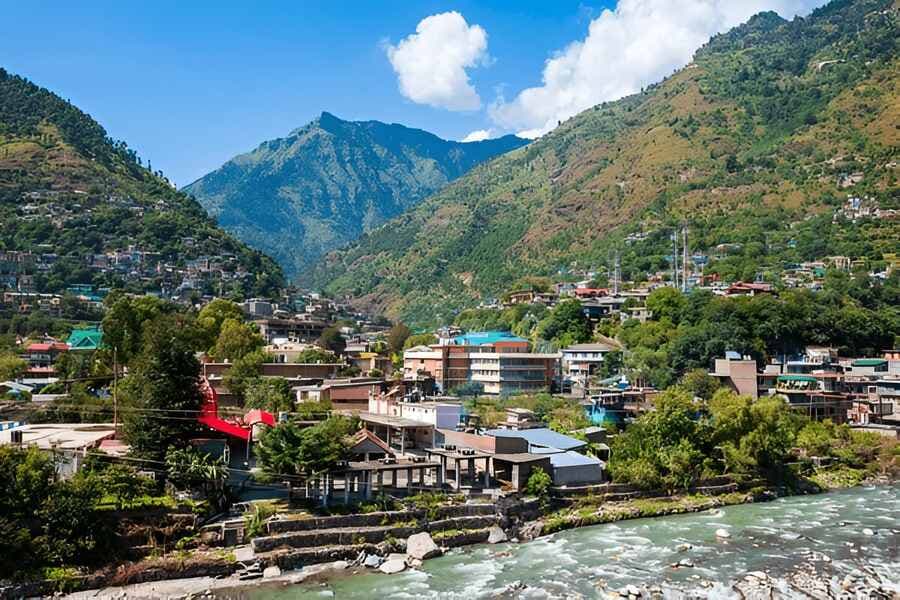
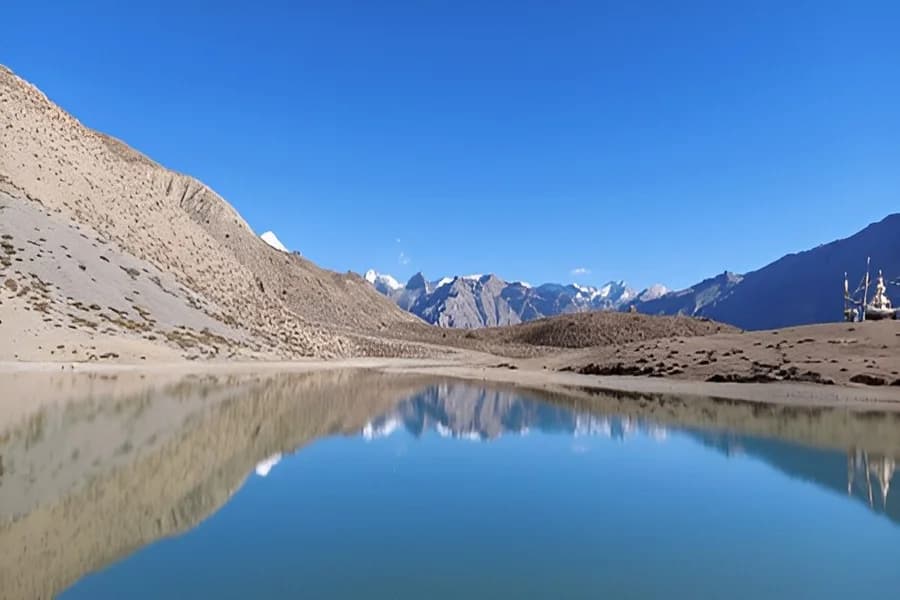
Overview of Spiti Valley: Located in the Himalayas, Spiti Valley is a beautiful cold desert that offers visitors an unforgettable experience. Located in Himachal Pradesh, this remote destination has a cult following for its stunning landscapes, unique culture, and ancient monasteries. With its rugged mountains, clear blue skies, and serene environment, Spiti Valley is a paradise for nature lovers and adventure seekers alike. For those exploring Himachal Pradesh Tour Packages, Spiti Valley stands out as a must-visit destination. It offers a blend of spirituality and adventure, from visiting centuries-old monasteries like Key and Tabo to enjoying thrilling activities like trekking and camping. The valley’s peaceful villages, including Kaza and Dhankar, showcase the region’s rich cultural heritage. Whether you’re seeking solitude or adventure, Spiti Valley is a whole other experience. What are the Key Highlights of Spiti Valley: Key Monastery: Perched on a hilltop, this 1,000-year-old monastery is an architectural marvel and a hub of Buddhist learning. Chandratal Lake: Known as the “Moon Lake,” its pristine blue waters surrounded by towering peaks are perfect for photography and camping. Tabo Monastery: One of the oldest monasteries in the Himalayas, it’s renowned for its ancient murals and stucco sculptures. Pin Valley National Park: A haven for wildlife enthusiasts, this park is home to snow leopards, ibex, and a variety of rare birds. Dhankar Monastery: Located on a cliff, this monastery offers panoramic views of the valley. Hikkim: The World’s highest post office situated at 4,440 meters. Activities to Enjoy: Trekking: Explore scenic trails like the Pin-Parvati Pass and Spiti-Kinnaur trek. Camping: Spend nights under the starry skies at Chandratal Lake or near the Spiti River. Yak Safaris: A unique way to explore the rugged terrain. Local Culture: Experience Spiti’s rich heritage through homestays and traditional festivals. Best Time to Visit Spiti Valley The best time to visit Spiti Valley is from May to September when the weather is pleasant and roads are fully accessible. This period offers clear skies and ideal conditions for trekking, camping, and exploring. Winter Spiti Expedition is also really famous, November to March are harsh but attract those who love snow-covered mountains. Travel Tips / Essential Information For Spiti Valley: How to Reach: Spiti Valley can be accessed via two routes. From Manali, take the route via Rohtang Pass and Kunzum Pass. From Shimla, the longer but scenic route passes through Kinnaur. Permits: Indian nationals don’t need permits, but foreign nationals require an Inner Line Permit for certain areas. Accommodation: Options include budget guesthouses, homestays, and campsites. Advance booking is recommended during peak seasons. Altitude Tips: Spiti is at a high altitude, so acclimatize properly to avoid altitude sickness. Stay hydrated and avoid overexertion. Packing Essentials: Carry warm clothes, sturdy shoes, sunscreen, and medicines for altitude sickness. Power banks and extra batteries are handy as electricity is limited. Local Transport: Public buses are available, but hiring a private vehicle offers more flexibility. Food: Try local delicacies like thukpa, momos, and yak butter tea. However, options are limited, so plan meals accordingly. Mobile Connectivity: Only BSNL and Jio networks work in some areas.Also Read – Places To Visit in Himachal PradeshMust Checkout – Things To Do in Himachal Pradesh

Read More

Khajjiar
May 30, 20253 Minutes
Khajjiar
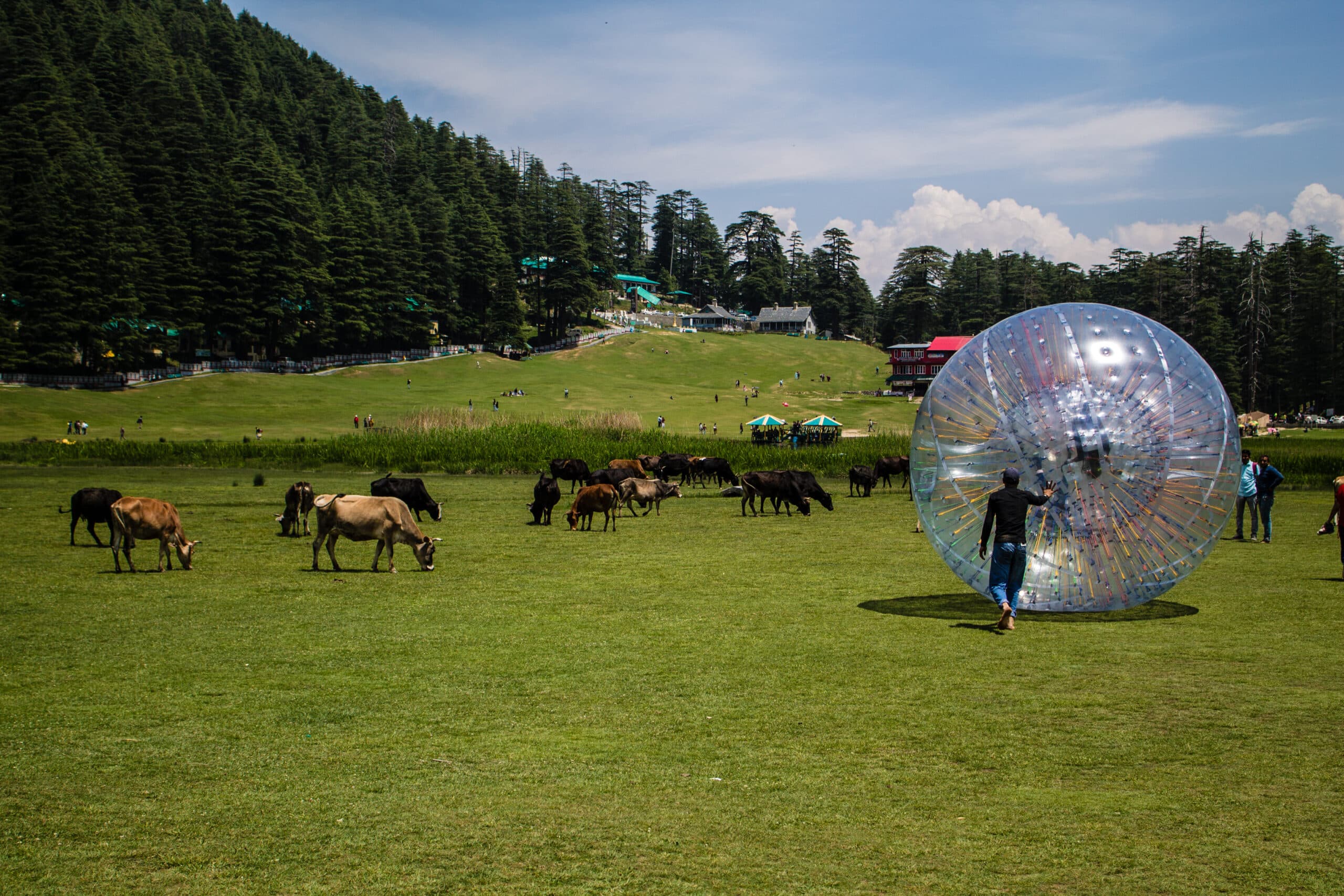
Overview of Khajjiar: Khajjiar is often called the “Mini Switzerland of India” for its lushness, dense forests, and panoramic views of the Himalayas. This hill station is located at an altitude of 6,500 feet and offers visitors a peaceful experience as it is located away from the majority of crowded tourist destinations. The beautiful landscapes, complete with a small lake in the center, make it a favorite destination for nature lovers and families. If you’re exploring Himachal Pradesh tour packages, Khajjiar is a must-visit. It’s not just about the beauty; the place has cultural and historical significance too, with attractions like the Khajji Nag Temple, which dates back to the 12th century. Adventure seekers can enjoy activities like paragliding and trekking, while those seeking peace can relax amidst the serene beauty of the hills. Khajjiar is truly a blend of nature, culture, and adventure. What are the Key Highlights of Khajjiar: Famous Attractions: Khajjiar Lake: This beautiful lake, surrounded by lush green meadows and cedar trees, is perfect for picnics and photography. Khajji Nag Temple: A 12th-century temple dedicated to the serpent god, known for its intricate wood carvings and cultural significance. Kalatop Wildlife Sanctuary: Just a short drive from Khajjiar, this sanctuary is home to rich flora and fauna, including Himalayan black bears and pheasants. Panch Pandav Tree: A fascinating deodar tree with six trunks, tied to the legend of the Pandavas. Activities: Paragliding: Experience the thrill of flying over the breathtaking landscapes of Khajjiar. Trekking: Explore scenic trails leading to Dalhousie and Chamba. Zorbing: Enjoy rolling downhill in a giant inflatable ball, a favorite activity for families. Nature Walks: Stroll through the peaceful meadows and forests, perfect for unwinding. Horse Riding: Take a ride around the lake or through the forest trails for a unique experience. Best Time to Visit Khajjiar The best time to visit Khajjiar is from March to June and September to November when the weather is pleasant and ideal for outdoor activities. Summers are lush and vibrant, while autumn offers clear skies. Winters (December-February) transform Khajjiar into a snowy wonderland, attracting snow lovers. Travel Tips / Essential Information For Khajjiar: How to Reach: By Air: The nearest airport is Gaggal Airport in Dharamshala, about 120 km away. By Train: Pathankot Railway Station, 95 km away, is the closest railhead. By Road: Khajjiar is well-connected by roads to Dalhousie (22 km) and Chamba (24 km). Regular buses and taxis are available. Travel Tips: Clothing: Pack light woolens for summer evenings and heavy woolens if visiting in winter. Altitude Adjustment: At 6,500 feet, some may feel slight altitude sickness. Stay hydrated and take it easy initially. Cash Availability: Carry cash as ATMs may be limited in the area. Photography: Bring a good camera to capture the stunning landscapes. Local Cuisine: Don’t miss trying local Himachali dishes at nearby eateries. Safety: If trekking or paragliding, always go with experienced guides. Stay Options: From budget hotels to cozy cottages, there are accommodations for every budget. Weather Updates: Check the weather before traveling, especially during the monsoon or winter months, as roads can be slippery or blocked. Also Read – Places To Visit in Himachal PradeshMust Checkout – Things To Do in Himachal Pradesh

Read More

Parvati Valley
May 30, 20253 Minutes
Parvati Valley
Overview of Parvati Valley: Parvati Valley is a breathtaking destination that captures the essence of natural beauty and serene landscapes. This picturesque valley is a hidden gem that attracts travelers with its lush green mountains, river, and the atmosphere it offers. Located in the Kullu district, the valley is an escape from the hustle and bustle of city life. Parvati Valley should definitely be on your must-visit list when planning your Himachal Pradesh Tour Packages. The region is famous for its stunning views, vibrant local culture, and incredible trekking opportunities. From the villages of Kasol and Manikaran to the mesmerizing landscapes, Parvati Valley promises an unforgettable experience for nature lovers, adventure enthusiasts, and those looking for a break from everyday life. What are the Key Highlights of Parvati Valley: Kasol: Often called the Mini Israel of India, this village is a backpacker’s paradise with stunning views and a unique blend of cultures. Manikaran Gurudwara: A spiritual hotspot famous for its natural hot springs and religious significance. Kheerganga Trek: A must-do trail that offers jaw-dropping mountain views and relaxing natural hot water springs. Tosh Village: A picture-perfect hamlet with breathtaking mountain scenery and a traditional Himachali lifestyle. Malana: An ancient village known for its mysterious culture and unique social customs. Pin Parvati Pass: A challenging trek that attracts serious adventure seekers and mountain lovers. Cannabis plantations: An interesting agricultural landscape that adds to the region’s unique character. Local cafes: Serving delicious Israeli and local Himachali cuisine. Village hopping: Explore authentic mountain settlements and interact with local communities. Photography opportunities: Capture incredible landscapes and cultural moments that will last a lifetime. Timings & Entry Fees of Parvati Valley: Most attractions in Parvati Valley are free to explore. Trekking routes may require minimal entry fees between ₹50-₹200. Some popular treks might need special permits. Religious sites like Manikaran Gurudwara have no entry charges. Always carry cash for local expenses and unexpected costs. Travel Tips/ Essential Information For Parvati Valley Best time to visit: May to October for comfortable weather and clear mountain views Pack layers of warm clothing, as mountain temperatures can change quickly Bring comfortable, sturdy walking shoes for trekking and exploring villages Expect limited mobile connectivity in remote mountain areas Carry sufficient cash, as ATM facilities are scarce Respect local culture by dressing modestly and being sensitive to traditions Stay hydrated and acclimatize to mountain conditions gradually Book accommodations in advance, especially during peak tourist season Learn a few basic Hindi phrases to connect with local communities Carry a comprehensive first-aid kit and necessary medications Be cautious while trekking and always follow local guide instructions Avoid traveling alone in isolated mountain regions Protect yourself from the sun and unpredictable mountain weather Carry water purification tablets for safe drinking water Try local cuisine but be mindful of street food hygieneAlso Read – Places To Visit in Himachal PradeshMust Checkout – Things To Do in Himachal Pradesh

Read More

Great Himalayan National Park
May 30, 20253 Minutes
Great Himalayan National Park
Overview of Great Himalayan National Park: The Great Himalayan National Park is a breathtaking natural wonder in the Kullu region of Himachal Pradesh. It is a biodiversity hotspot and a true gem for nature lovers and wildlife enthusiasts. Spread across an impressive area of approximately 754 square kilometers, the park is a sanctuary of incredible ecological diversity. When planning your Himachal Pradesh Tour Packages, the Great Himalayan National Park is a must-visit destination that offers an unmatched glimpse into the region’s rich biodiversity. The park is home to numerous endangered species, including the elusive snow leopard, Himalayan brown bear, and musk deer. Its dense forests, cascading streams, and towering mountain ranges create a mesmerizing landscape that captures the raw beauty of the Himalayan ecosystem. What are the Key Highlights of Great Himalayan National Park: Wildlife Wonderland: Discover over 375 fauna species, including the rare snow leopard and Himalayan tahr. A paradise for wildlife enthusiasts and nature photographers seeking unique animal encounters. Trekking Trails of Wonder: Explore multiple hiking routes ranging from easy walks to challenging mountain paths. Traverse through lush alpine meadows and dense forests, with breathtaking views of snow-capped Himalayan peaks at every turn. UNESCO’s Natural Treasure: Recognized as a World Heritage Site, this park boasts 832 plant species and represents four distinct forest zones. A living museum of Himalayan biodiversity and ecological preservation. Cultural Ecological Experience: Connect with local Himalayan communities and learn about traditional forest conservation practices. Witness how indigenous knowledge preserves this incredible ecosystem. Conservation Champion: See first-hand how dedicated conservation efforts protect endangered species and maintain the delicate Himalayan mountain ecosystem. Timings & Entry Fees of Great Himalayan National Park: The park is typically open from April to November. Entry fee Indian nationals: INR 200 per person per day Foreign visitors: INR 800 per person per day Indian students: INR 100 per person International students: INR 500 per student Additional fees Tents: INR 100 per tent per day Video cameras for non-commercial use: INR 150 per day for Indians and INR 300 per day for foreigners Video for commercial use: Permission required from the Park Director at Shamshi Permits A permit is required to enter the park. Permits for the core zone can be obtained from the head office in Shamshi and the range offices in Shairopa and Ropa. Travel Tips/ Essential Information For Great Himalayan National Park: Perfect Timing Strategy: Visit between April to June for pleasant weather and clear skies. September to November offers crystal-clear mountain views. Pro tip: Avoid the monsoon season from July to August when trails become slippery and difficult. Packing Like a Pro: Bring layered warm clothing that adapts to changing mountain temperatures. Pack comfortable trekking shoes with good grip, waterproof rain gear, a comprehensive first aid kit, and plenty of water and energy snacks. Permit and Preparation: Secure all necessary permits well in advance. Always hire a local guide who knows the terrain inside out. Carry valid ID proof and ensure you’re physically fit for mountain trekking. Eco-Traveler Essentials: Bring binoculars for wildlife spotting. Practice strict eco-friendly habits. Remember the traveler’s golden rule: take only photographs, leave no trace. Respect the local environment and indigenous culture.Must Read: Places To Visit in Himachal PradeshAlso Checkout: Things To Do in Himachal Pradesh

Read More

Mall Road, Shimla
May 30, 20253 Minutes
Mall Road, Shimla
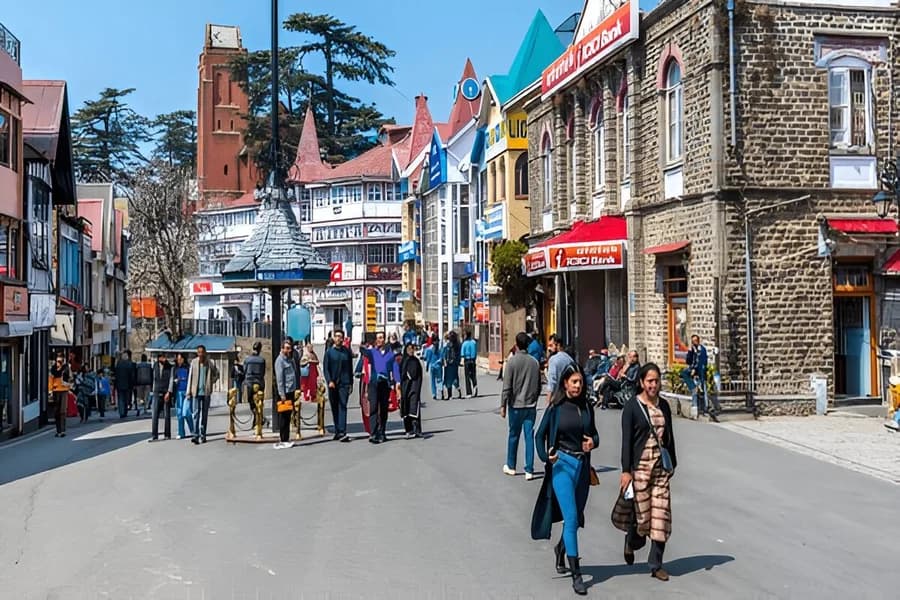
Overview of Mall Road Mall Road, located in the charming hill station of Shimla, is one of the most famous streets in Himachal Pradesh. It stretches along the ridge of Shimla, offering a stunning view of the surrounding mountains and lush greenery. This bustling street is the heart of Shimla, filled with shops, restaurants, cafés, and colonial-era buildings, providing visitors with a unique blend of modern amenities and historical charm. When exploring Himachal Pradesh tour packages, a visit to Mall Road is often a highlight. It’s the perfect place to enjoy leisurely walks, indulge in local shopping, and savour delicious treats. Whether you’re here for a relaxed stroll, shopping for souvenirs, or simply soaking in the scenic views, Mall Road offers something for everyone. It also features historical landmarks, such as the Christ Church and the old Victorian-style buildings that give Shimla its distinct character. What are the Key Highlights of Mall Road Shopping Paradise: Mall Road is lined with shops selling local handicrafts, woollen clothes, jewellery, and souvenirs. Scenic Views: The street offers spectacular views of the surrounding mountains, valleys, and Shimla’s colonial architecture. Christ Church: This iconic church, located on Mall Road, is a must-see for its beautiful architecture and peaceful atmosphere. Restaurants and Cafés: Enjoy local Himachali cuisine and other delicacies in the cosy cafés and restaurants along the road. Historical Significance: Mall Road is home to old colonial buildings, giving visitors a glimpse into Shimla’s British-era history. Evening Walks: The road is especially beautiful during the evenings when it’s lit up, making it perfect for a relaxing stroll. Timings & Entry Fees of Mall Road: Timings: Mall Road is open throughout the day, and it’s a great place to visit from early morning until late evening. Entry Fees: There are no entry fees to walk along Mall Road. However, shops and attractions may charge for services. Travel Tips / Essential Information For Mall Road Best Time to Visit: The best time to visit Mall Road is during the summer months (March to June) or winter (November to February), as the weather is pleasant and ideal for walks. Wear Comfortable Shoes: Since the road is hilly and often crowded, it’s best to wear comfortable walking shoes for a more enjoyable experience. Parking: Finding parking near Mall Road can be difficult, so it’s advisable to park in designated areas and walk to the street. Weather Considerations: If visiting during winter, be prepared for cold temperatures and possible snowfall. Carry warm clothes and gloves. Local Cuisine: Don’t miss trying the local Himachali food, such as Chana Madra, Dham, and the popular Sidu at the restaurants along the road. Explore Nearby: After visiting Mall Road, explore nearby attractions like Jakhoo Temple, Shimla Ridge, and the Shimla State Museum. Avoid Peak Hours: Mall Road tends to get crowded, especially during peak tourist seasons. To avoid crowds, visit early in the morning or after sunset. Mall Road offers a mix of shopping, history, culture, and natural beauty, making it a great place for visitors to experience the charm of Shimla. Whether you’re seeking relaxation, adventure, or cultural exploration, Mall Road has it all!Also Read – Places To Visit in Himachal PradeshMust Checkout – Things To Do in Himachal Pradesh

Read More

Beeji’s Park
May 30, 20253 Minutes
Beeji’s Park
Overview of Beeji’s Park: Located in the mountains of Himachal Pradesh, Beeji’s Park is a hidden gem most people don’t know about. This park offers a refreshing escape from the bustle of city life. The lush green surroundings and peaceful atmosphere make it a perfect spot for families, couples, and solo travelers looking to just relax and connect with nature. When planning your Himachal Pradesh Tour Packages, make sure to include this serene destination in your itinerary. The park showcases the natural beauty of the region, with tall pine trees, colorful flowers, and stunning mountain views that will take your breath away. Whether you want to enjoy a quiet picnic, take a relaxing walk, or simply sit and enjoy the peaceful environment, Beeji’sPark is a memorable experience for visitors of all ages. What are the Key Highlights of Beeji’s Park: Natural Beauty Extravaganza: Explore the stunning landscape with towering pine trees, vibrant wildflowers, and panoramic mountain views that will leave you speechless. Photography Paradise: Capture breathtaking shots of the Himalayan scenery, perfect for Instagram-worthy memories and professional nature photography. Picnic Spot Extraordinary: Spread out a blanket on the lush green grass, enjoy local snacks, and spend quality time with family and friends in a serene setting. Kids’ Playground Area: Let children burn off energy in the safe, well-maintained play area surrounded by beautiful natural landscapes. Walking Trails: Take leisurely walks on well-marked trails that wind through the park, offering gentle exercise and stunning views at every turn. Fresh Mountain Air Experience: Breathe in the crisp, clean mountain air that rejuvenates your body and soul, providing a natural detox from pollution. Timings & Entry Fees of Beeji’s Park: Typically open from sunrise to sunset. Open 24 hours, entry is usually free for most visitors. Travel Tips / Essential Information For Beeji’s Park: Best Time to Visit: Plan your trip between March and June for pleasant weather and blooming flowers, or September to November for stunning autumn colors. Comfortable Clothing: Pack light woolen, comfortable walking shoes, and layers that can be easily added or removed as mountain temperatures change quickly. Carry Essentials: Bring water bottles, light snacks, sunscreen, sunglasses, and a light raincoat or umbrella, just in case. Accessibility Tips: The park has relatively easy walking paths, making it suitable for most age groups and fitness levels. However, some areas might have slight inclines. Photography Permissions: Most areas allow photography, but always respect the natural environment and avoid disturbing wildlife. Nearby Attractions: Combine your park visit with other Dalhousie attractions like St. John’s Church, Subhash Baoli, and Gandhi Chowk for a complete experience. Local Transport: Easily accessible by local taxis or private vehicles. Consider hiring a local guide who knows the area well. Safety First: Stay on marked paths, keep the park clean, and maintain a safe distance from any wildlife you might encounter.Also Read – Places To Visit in Himachal PradeshMust Checkout – Things To Do in Himachal Pradesh

Read More

Himachal Pradesh Cricket Association
May 30, 20253 Minutes
Himachal Pradesh Cricket Association
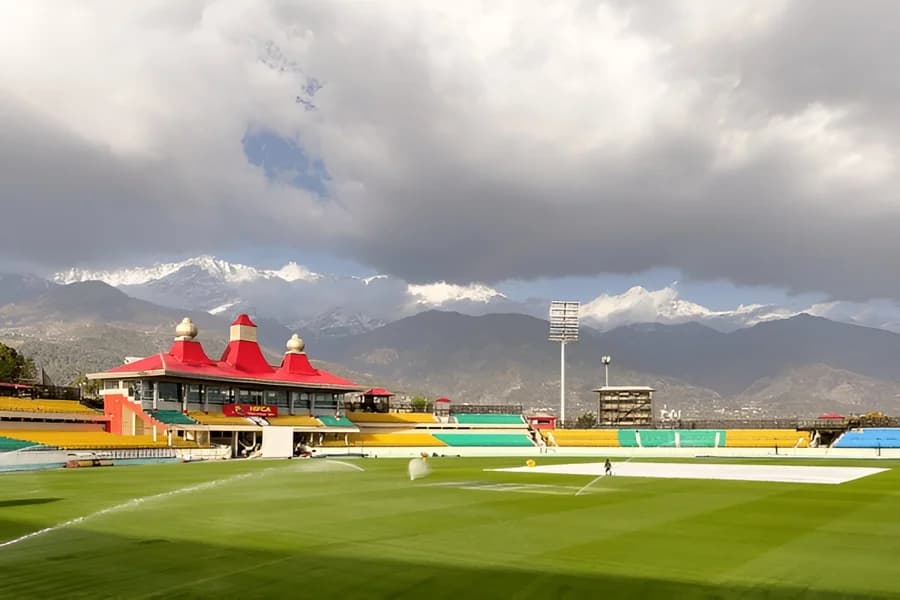
Overview of Himachal Pradesh Cricket Association Himachal Pradesh Cricket Association (HPCA) Stadium stands as a breathtaking sporting venue that captures the imagination of cricket lovers. Situated among the stunning backdrop of the snow-capped Dhauladhar mountains, this stadium is the world’s highest international cricket stadium, and a visual marvel that combines sporting excellence with natural beauty. The stadium has gained international recognition for its unique location and spectacular views, making it one of the most photogenic cricket venues in the world. When planning your Himachal Pradesh Tour Packages, cricket enthusiasts and nature lovers alike will find this destination irresistible. The ground’s elevation and surrounding mountains create an atmosphere that transforms every match into an unforgettable experience. What are the Key Highlights of Himachal Pradesh Cricket Association Mountain Views: Enjoy unparalleled panoramic views of the Dhauladhar mountain range while watching cricket matches. The stadium offers a visual feast that goes beyond the game. Cricket Destination: Hosted multiple international and IPL matches, putting Dharamshala on the global cricket map. Kings XI Punjab (now Punjab Kings) used this stadium as their home ground. Beauty: A state-of-the-art stadium with a seating capacity of around 23,000 spectators, designed to blend seamlessly with the natural mountain landscape. Photography: This is the perfect spot for capturing stunning sports and landscape photographs. The combination of cricket action and mountain backdrop creates incredible visual memories. Unique Sporting Experience: One of the highest cricket stadiums in the world, situated at an altitude of approximately 1,457 meters above sea level. The altitude and environment create a unique playing and viewing experience. Cultural Significance: More than just a cricket stadium – a symbol of Himachal Pradesh’s sporting passion and natural beauty. Timings & Entry Fees of Himachal Pradesh Cricket Association Match day tickets range from INR 300 to INR 2,000 depending on the event and seating category. No entry fee to just visit. Stadium tours are typically available when no matches are scheduled, with entry fees of around INR 100 per person. Always check current schedules and prices before visiting. Travel Tips / Essential Information For Himachal Pradesh Cricket Association Best Time to Visit: Plan your trip between September and March for the most comfortable weather and cricket events. Accessibility: Located in upper Dharamshala, easily accessible from McLeod Ganj. Regular buses and taxis connect the stadium to major towns. Clothing Essentials: Pack layers! Mountain weather can be unpredictable. Carry warm clothes, good walking shoes, and rain gear. Altitude Preparation: The stadium’s high elevation might cause slight breathlessness. Stay hydrated and take it easy if you’re not used to mountain conditions. Budget Planning: Tickets are reasonably priced. Local food and accommodations are affordable, making it a budget-friendly destination for cricket and nature lovers. Booking Advice: During peak cricket seasons, book match tickets and accommodations in advance to avoid last-minute hassles.Also Read – Places To Visit in Himachal PradeshMust Checkout – Things To Do in Himachal Pradesh
Read More

Church of St. John
May 30, 20253 Minutes
Church of St. John
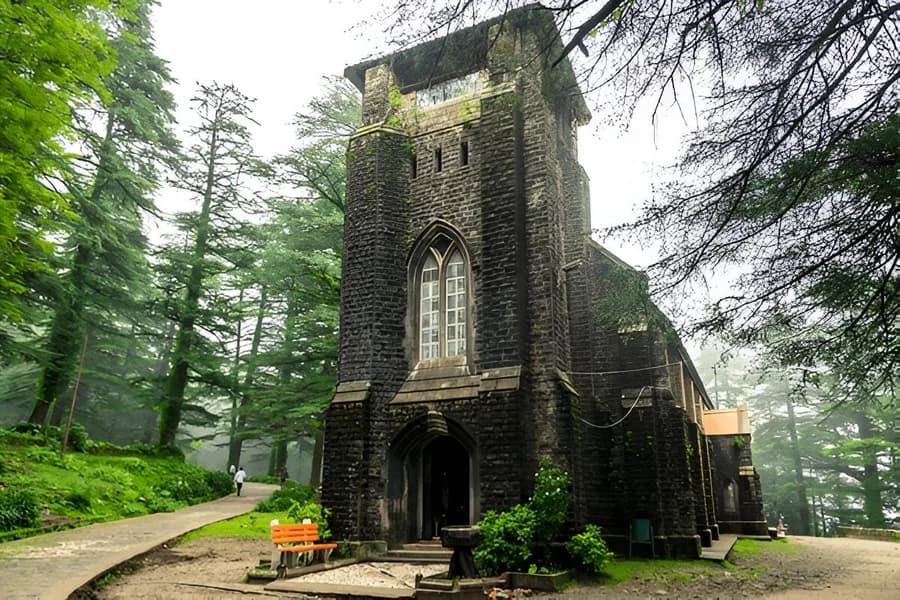
Overview of Church of St. John Located hills of Mcleodganj, the Church of St. John in the Wilderness stands as a beautiful testament to colonial-era architecture and spiritual heritage. Built-in 1852, this Anglican church is surrounded by stunning deodar forests, creating a serene and peaceful atmosphere that captivates visitors. The church is dedicated to John the Baptist and features remarkable Neo-Gothic architectural elements that transport you back in time. Its stone structure and stained glass windows tell stories of the region’s rich historical past. If you’re planning a trip to this magical destination, the church is a must-visit spot in your Himachal Pradesh tour packages. The surrounding landscape just adds another layer of beauty to it, with lush green forests and mountain views that make this church more than just a religious site – it’s a piece of living history. What are the Key Highlights of Church of St. John: Historical Architecture Gem: Discover a stunning Neo-Gothic church built in 1852, showcasing remarkable British colonial architectural design with intricate stonework and beautiful stained glass windows. Peaceful Forest: Experience tranquility amidst dense deodar forests, offering a perfect escape from crowded tourist spots and providing stunning natural surroundings. Memorial to Lord Elgin: Visit the churchyard where James Bruce, the 8th Earl of Elgin and Governor-General of Canada, is buried. His memorial adds historical significance to the site. Photography: Capture some amazing shots of the church against the backdrop of majestic Himalayan mountains, creating picture-perfect memories for your travel album. Spiritual Serenity: Enjoy the calm and peaceful environment, ideal for meditation, reflection, and experiencing the spiritual essence of the mountains. Architectural Details: Admire the church’s unique stone structure, beautiful wooden interiors, and preserved colonial-era artifacts that tell stories of a bygone era. Timings & Entry Fees of Church St. John: Entry to the church is free. Visiting hours are from 7 am to 6 pm. However, visitors are expected to maintain silence and respect the religious environment. Photography inside the church is not allowed. Travel Tips / Essential Information For Church St. John: Best Time to Visit: Plan your trip between March and June or September and November for pleasant weather and clear mountain views. Clothing Advice: Carry warm layers even during summer, as mountain temperatures can drop quickly. Comfortable walking shoes are a must for exploring the church and surrounding areas. Accessibility Details: Located near McLeodganj town, the church is easily accessible by road. Short walking distance from the main town center makes it convenient for tourists. Photography Etiquette: Always ask permission before clicking photos inside the church. Maintain a respectful volume and dress modestly when visiting this religious site. Nearby Attractions: Combine your church visit with exploring Tibetan culture in McLeodganj, visiting the Dalai Lama’s temple, and exploring local markets for handicrafts. Local Transportation: Easily reachable by local taxis or buses from McLeodganj. Shared cabs are an affordable option for budget travelers. Budget Planning: Minimal expenses are required. Consider keeping around INR 500-1000 for local transportation, food, and small souvenirs.Also Read – Places To Visit in Himachal PradeshMust Checkout – Things To Do in Himachal Pradesh
Read More

Tosh Village
May 30, 20253 Minutes
Tosh Village
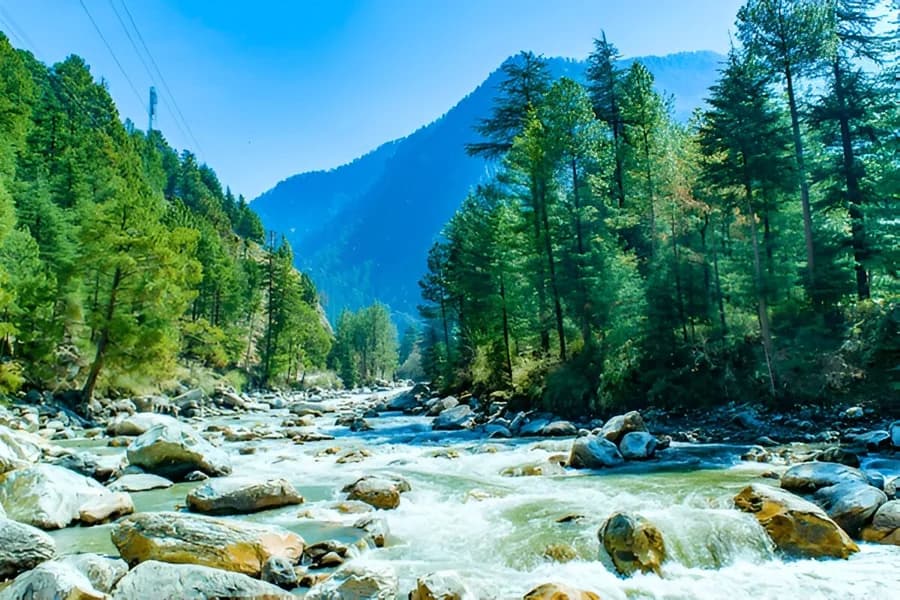
Overview of Tosh Village: Tosh Village is a small, charming spot hidden in the stunning Parvati Valley of Himachal Pradesh. It’s a perfect getaway for travellers who want to escape the chaos of city life and enjoy nature at its best. Located at an altitude of about 7,874 feet, Tosh is surrounded by snow-covered peaks, green valleys, and a flowing river that adds to its magical vibe. This peaceful village is a favourite stop for many exploring Himachal Pradesh tour packages. You’ll find scenic walking trails, cosy cafes with mountain views, and locals who welcome visitors with warm smiles. Tosh is also the starting point for treks to popular destinations like Kheerganga and Malana. Whether you’re looking for adventure or just a relaxing time in the mountains, Tosh offers an experience that’s both calming and memorable. What are the Key Highlights of Tosh Village: Breathtaking Views: Everywhere you turn, you’ll see beautiful snow-capped mountains, lush green landscapes, and rivers. Trekking Paradise: Tosh is a great starting point for famous treks like Kheerganga and Malana. These treks offer mesmerising views and a chance to connect with nature. Relaxing Cafes: The village is home to cosy little cafes where you can enjoy delicious food, sip on hot tea, and take in the scenic views around you. Peaceful Atmosphere: Tosh is ideal for those who want to take a break and unwind in a quiet, serene environment. Springtime Beauty: If you visit during spring, you’ll see colourful wildflowers blooming all around the village. Photography Heaven: The natural beauty of Tosh makes it a dream location for photographers and nature lovers. Local Culture: You’ll get to see the simple way of life of the locals, who are always welcoming and kind. Timings & Entry Fees of Tosh Village: Best Time to Visit: Tosh is open all year, but the best time to visit is from March to June and September to November when the weather is pleasant. Entry Fees: Good news—there’s no entry fee for visiting Tosh Village. It’s free for everyone to explore and enjoy. Travel Tips / Essential Information for Tosh Village Carry Cash: ATMs are hard to find in Tosh, so bring enough cash for your trip. Pack Warm Clothes: Even in summer, it can get chilly in the evenings and early mornings. Bring layers to stay comfortable. Wear Comfortable Shoes: Trekking and walking around the village require sturdy footwear. Stay Light: The roads and trails in Tosh are steep, so it’s better to pack light for an easier experience. Respect Nature: Help keep the village clean by avoiding littering and respecting the natural beauty around you. Phone Signal Issues: Mobile networks are weak or unavailable, so inform your family beforehand. Try Local Food: The cafes serve delicious local and international dishes. Don’t miss out on trying the food here! Plan Ahead for Treks: If you’re planning to trek, check the weather and carry essentials like water, snacks, and a flashlight. Tosh Village is a peaceful escape where you can relax, explore, and reconnect with nature. Its beauty and charm will leave you refreshed and longing to return.Also Read – Places To Visit in Himachal PradeshMust Checkout – Things To Do in Himachal Pradesh
Read More

Nathula Pass
May 30, 20253 Minutes
Nathula Pass
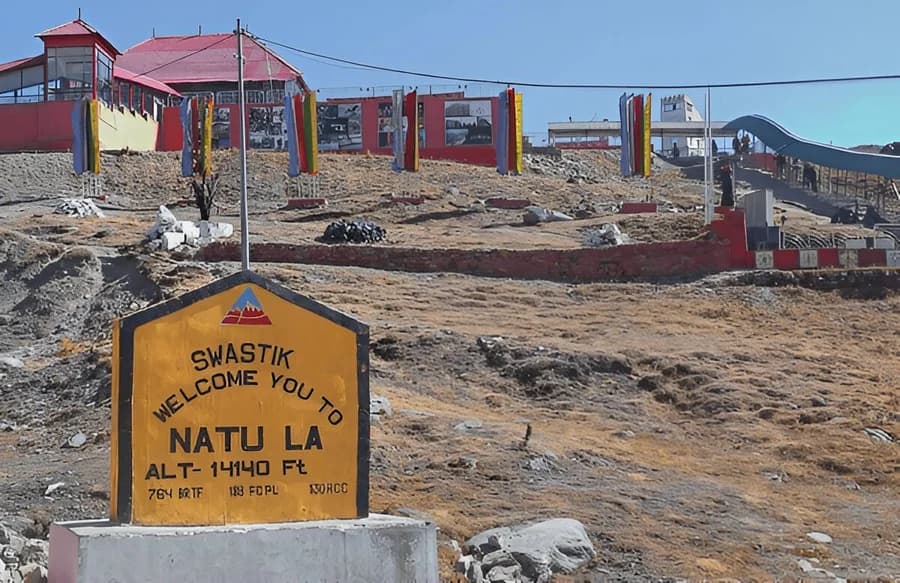
Overview of Nathula Pass: Nathula Pass, located at an elevation of 14,140 feet, is a mesmerizing destination in the Eastern Himalayas. Known for its stunning snowy landscapes, Nathula is a part of the ancient Silk Route that once connected India and Tibet. This historical significance adds a unique charm to the place, making it a must-visit for travellers exploring Sikkim. Nathula Pass offers a perfect mix of nature, history, and adventure, making it a standout attraction in North East tour packages.The breathtaking views of snow-clad mountains, the crisp mountain air, and the serene environment make Nathula Pass an unforgettable experience. The Indo-China border at Nathula is another highlight, where visitors can witness Indian soldiers standing guard. The sight is both awe-inspiring and humbling. Whether you’re a history buff, a nature lover, or simply looking for a peaceful getaway, Nathula Pass won’t disappoint. What are the Key Highlights of Nathula Pass? Stunning Mountain Views: The pass is surrounded by towering snow-covered peaks, offering picture-perfect scenery. Historical Significance: Once part of the ancient Silk Route, Nathula Pass connects India and Tibet, carrying centuries of history. Border Experience: The India-China border here is a unique spot where you can see Indian soldiers on duty. Winter Wonderland: During winters, the entire region is covered in snow, creating a magical atmosphere. Peaceful Ambiance: Away from the hustle and bustle, the serene environment is perfect for relaxation. Timings & Entry Fees for Nathula Pass: 1. Timings: Nathula Pass is open from Wednesday to Sunday, 9:00 AM to 3:30 PM.2. Entry Fees: A special permit is required to visit Nathula Pass. Permits can be arranged through registered travel agents in Sikkim. Travel Tips for Nathula Pass: Dress Warmly: The temperature at Nathula Pass is very low, so carry heavy woollens, gloves, and caps. Plan for Permits: You must have a permit to visit Nathula Pass. These are available through local travel agents, so plan. Altitude Precautions: As the pass is high, staying hydrated and avoiding overexertion is important to prevent altitude sickness. Best Time to Visit: The summer months (May to October) are ideal for visiting Nathula Pass as the roads are more accessible. Limited Amenities: Very few food or restroom options are near Nathula Pass, so carry snacks and water with you. Weather Preparedness: Be flexible with your plans, as the weather can change rapidly, sometimes causing delays or road closures. Add Nathula Pass to your itinerary and let its beauty leave you spellbound. Book your adventure with Viacation’s expertly crafted packages and explore the magic of Sikkim! Also Checkout – Places To Visit in North EastMust Read – Things To do in North East

Read More

Kaziranga National Park
May 30, 20253 Minutes
Kaziranga National Park
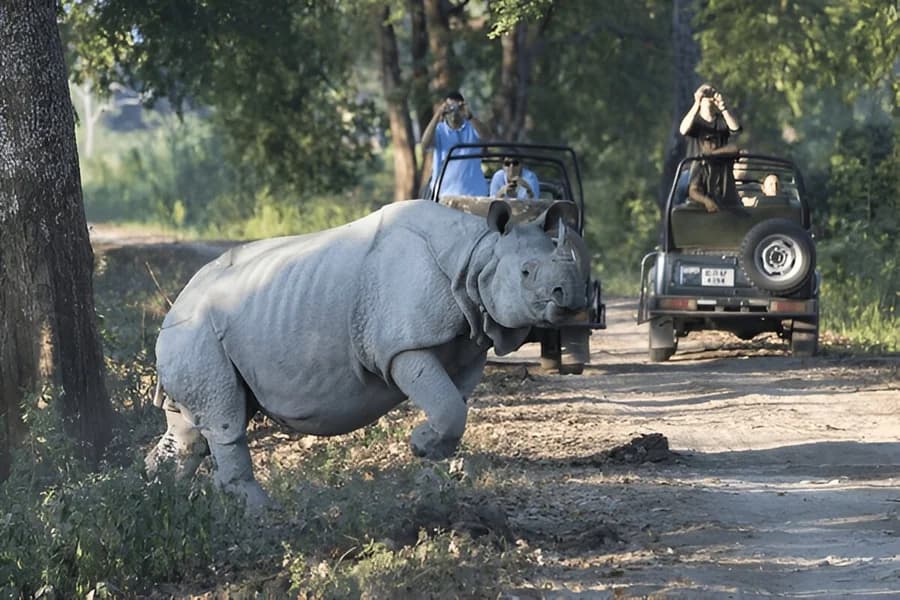
Kaziranga National Park, located in Assam, is one of India’s most famous wildlife sanctuaries. Known for its incredible biodiversity, the park is home to the majestic one-horned rhinoceros, which attracts nature lovers from around the world. If you’re exploring North East tour packages, Kaziranga is a destination you simply cannot miss. Spread across the floodplains of the Brahmaputra River, this UNESCO World Heritage Site is a haven for wildlife enthusiasts, bird watchers, and adventure seekers. Apart from rhinos, the park boasts elephants, tigers, wild buffaloes, deer, and a variety of birds, making it a paradise for animal lovers. The scenic landscapes, open grasslands, and serene water bodies add to the beauty of this park, making it a perfect getaway for nature lovers. What are the Key Highlights of Kaziranga National Park Spot the One-Horned Rhinoceros: Kaziranga is best known for its one-horned rhino population, which is the largest in the world. Spotting these magnificent creatures in their natural habitat is a once-in-a-lifetime experience. Wildlife Diversity: The park is home to Bengal tigers, Asiatic elephants, swamp deer, wild buffaloes, and many more fascinating animals. It’s also one of the few places where you can witness so much biodiversity in one location. Bird Watching: Kaziranga is a bird watcher’s paradise, with over 450 species of birds, including pelicans, storks, and migratory species. Winter is the best time to see these birds. Jeep Safaris: The best way to explore the park is through a thrilling jeep safari. It’s a great way to get up close to nature and spot animals roaming freely. Scenic Beauty: Apart from wildlife, the park offers stunning views of lush green grasslands, shimmering water bodies, and dense forests. Best Time to Visit Kaziranga The park is open from November to April, which is the best time to visit. The weather during these months is pleasant, and animals are more active, increasing your chances of sightings. Avoid visiting during the monsoon season (June to September) as the park remains closed due to heavy rainfall and flooding. Entry Fees and Safari Timings Entry Fees: For Indian tourists: ₹100 per person For foreign tourists: ₹650 per person Camera fees and vehicle charges may apply additionally. Safari Timings:Morning Safari: 7:30 AM – 9:30 AMEvening Safari: 3:00 PM – 4:30 PM It’s recommended to book safaris in advance to secure your spot. Travel Tips / Essential Information For Kaziranga National Park Carry Binoculars: They are a must for spotting birds and animals from a distance. Wear Comfortable Clothes: Opt for light, neutral-coloured clothes to blend in with the surroundings. Avoid bright colours. Pack Essentials: Bring sunscreen, hats, water bottles, and insect repellent for a comfortable visit. Follow Rules: Respect the park’s rules and avoid feeding or disturbing the animals. Choose the Right Zone: The park has four zones (Central, Western, Eastern, and Burapahar). Each offers unique experiences, so research or ask for recommendations. Stay Nearby: There are several resorts and lodges near the park for an overnight stay. Choose one that fits your budget and comfort. Plan for Extra Time: Include nearby attractions like tea gardens and cultural sites to make the most of your visit to Assam. Kaziranga National Park is not just a wildlife destination; it’s a journey into nature’s untouched beauty. Whether you’re a wildlife enthusiast or someone looking to relax amidst serene landscapes, this park has something for everyone.Also Read – Places To Visit in North EastMust Checkout – Things To Do in North East

Read More

Nohkalikai Falls
May 30, 20253 Minutes
Nohkalikai Falls
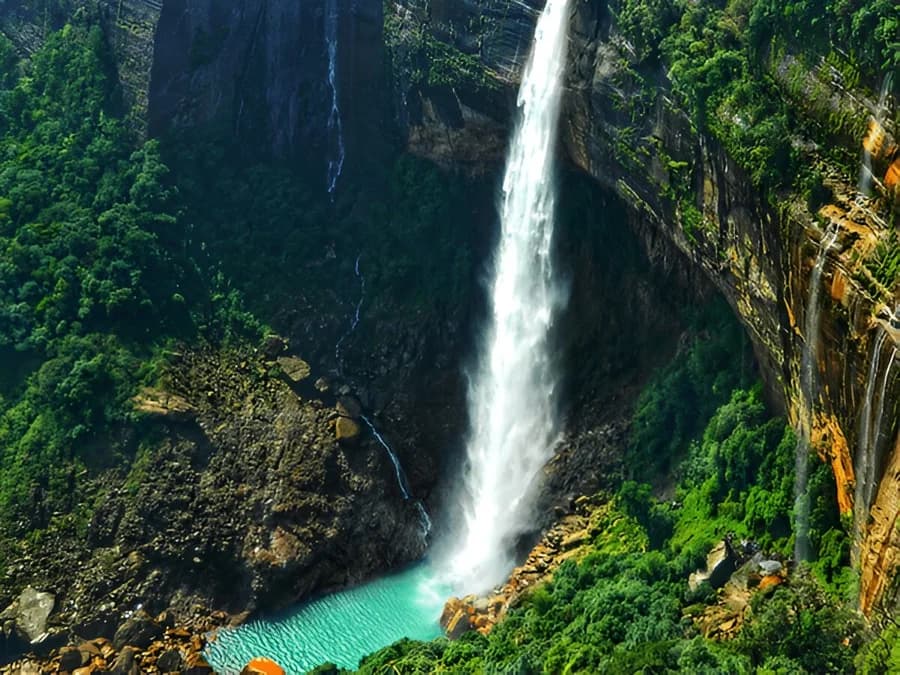
Overview of Nohkalikai Falls: Nohkalikai Falls, located near Cherrapunji in Meghalaya, is one of the tallest waterfalls in India, standing at an impressive height of 340 meters. The name “Nohkalikai” comes from a local legend that adds a bit of mystery and intrigue to this stunning place. The waterfall is surrounded by lush green hills, dense forests, and misty clouds, creating a peaceful and scenic atmosphere. During the monsoon season, the water flows powerfully, making the waterfall even more beautiful and majestic.After the monsoon, the water level lowers, giving visitors a clearer view of the turquoise pool below. If you’re planning a trip to Meghalaya with North East tour packages, make sure Nohkalikai Falls is on your list. It’s a must-visit for anyone who loves nature, and photography, or simply wants to enjoy a peaceful and unforgettable experience. The area is calm, serene, and perfect for relaxing or taking amazing photos of the breathtaking scenery. What are the Key Highlights of Nohkalikai Falls? Tallest Plunge Waterfall in India: Nohkalikai Falls stands at an impressive height of 340 meters, making it the tallest plunge waterfall in the country. Breathtaking Scenery: Surrounded by mist-covered hills, dense forests, and dramatic cliffs, the waterfall offers stunning views that are perfect for photography. Turquoise Plunge Pool: At the base of the falls, you’ll find a striking blue-green pool, adding to the charm of the location. Legend of Nohkalikai: The waterfall is named after a tragic local legend about a woman named Likai, whose story is both heartbreaking and fascinating. Seasonal Beauty: While the monsoon enhances the volume and intensity of the waterfall, the post-monsoon season offers crystal-clear views of the surroundings. Cherrapunji Connection: The waterfall is located near Cherrapunji, one of the wettest places on Earth, making it an ideal stop on your Meghalaya trip. Timings & Entry Fees Of Nohkalikai Falls: 1. Timings: Nohkalikai Falls is open to visitors from 8:00 AM to 5:00 PM daily.2. Entry Fees: A small entry fee of ₹50 per person is charged. Parking fees may apply for vehicles. Timings & Entry Fees for Nohkalikai Falls: Best Time to Visit: The ideal time to visit Nohkalikai Falls is between October and February. During this time, the weather is pleasant, and the waterfall offers clear views. If you want to witness the waterfall in its full glory, visit during the monsoon (June to September), but expect heavy rains and mist. How to Reach: The waterfall is about 7 km from Cherrapunji and can be reached by car or taxi. The drive itself offers stunning views of Meghalaya’s landscapes. Carry Essentials: Bring comfortable footwear, as you might need to walk a bit to reach the best viewing points. Don’t forget your camera, sunscreen, and water bottles. Stay Nearby: Cherrapunji has several cosy homestays and guesthouses where you can stay while exploring the area. Shillong, located around 55 km away, also offers excellent accommodations. Safety Tips: Avoid getting too close to the edges of the viewing points, as the cliffs are steep and can be slippery, especially during the rainy season. Combine with Other Attractions: While visiting Nohkalikai Falls, consider exploring other nearby attractions like Seven Sisters Falls, Mawsmai Caves, and the Living Root Bridges. Respect the Environment: Keep the area clean by not littering. Help preserve the natural beauty of this stunning location for future visitors. Visiting Nohkalikai Falls is an experience that stays with you forever. From the powerful cascade to the serene surroundings, every moment of this natural wonder is magical. Also Read– Places To Visit in North EastMust Checkout– Things To do in North East

Read More

Tsomgo Lake
May 30, 20254 Minutes
Tsomgo Lake
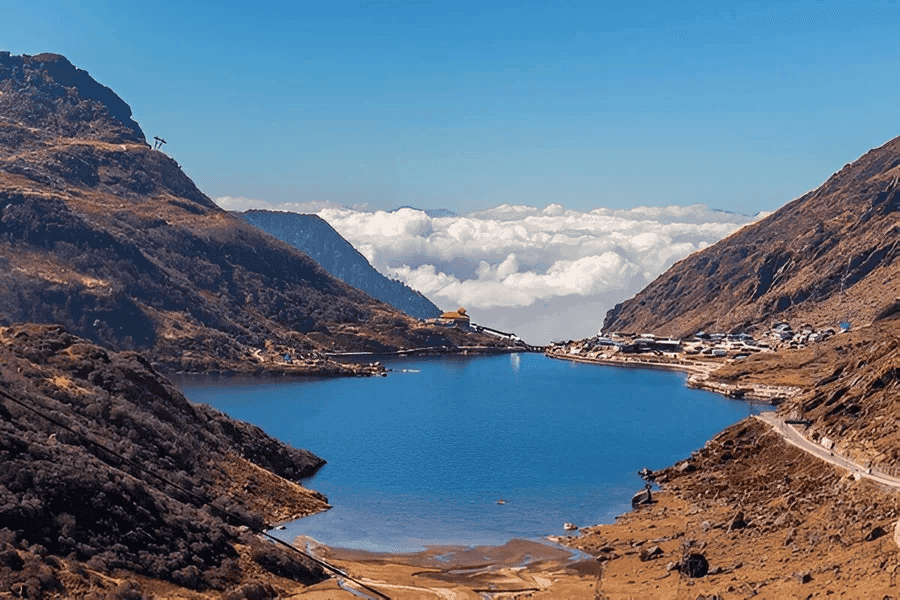
Overview of Tsomgo Lake Tsomgo Lake also known as Changu Lake, is one of the most stunning attractions in Sikkim. Situated at an altitude of 12,310 feet, this glacial lake is surrounded by snow-covered mountains and offers breathtaking views that leave every traveller in awe. It is located just 40 km from Gangtok, making it a must-visit spot for anyone exploring North East tour packages. This serene lake changes its appearance with the seasons. During summer, the blue waters reflect the clear skies, while in winter, the lake freezes completely, creating a magical white wonderland. Tsomgo Lake is not just a place of natural beauty; it also holds cultural significance. The local people consider it sacred, and during special occasions, prayers and rituals are performed here. Let’s explore more about this beautiful destination and why it’s a highlight of any trip to Sikkim. What are the Key Highlights of Tsomgo Lake Scenic Beauty: The calm, turquoise waters of the lake are surrounded by rugged mountains, making it a picture-perfect spot. Snow in Winter: During the colder months, the lake and its surroundings are covered in snow, offering a dreamy landscape. Yak Rides: Enjoy a fun yak ride around the lake, which is a unique and memorable experience. Nearby Attractions: Just a short distance from the lake, you can visit a small Shiva temple and enjoy local food at nearby stalls. Seasonal Flowers: In spring, the area around the lake is dotted with blooming rhododendrons and other colourful flowers. Photography Paradise: Tsomgo Lake is a favourite among photographers for its stunning views and ever-changing beauty. Cultural Significance: The lake is considered holy by the locals, and its spiritual vibes add to its charm. Timings and Entry Fees for Tsomgo Lake Timings: Tsomgo Lake is open to visitors from 8:00 AM to 3:00 PM. It is best to start early in the day to make the most of your visit and avoid late-afternoon traffic. Entry Fees: There is no specific entry fee for visiting Tsomgo Lake. However, you’ll need to hire a vehicle to reach the lake, as personal vehicles are not allowed beyond certain points. The vehicle charges may vary, starting from ₹3,500 to ₹5,000 for a round trip from Gangtok. Additionally, a permit fee of ₹200–₹300 per person is applicable, as Tsomgo Lake is located in a restricted area near the Indo-China border. Pro Tip: Your travel agency or hotel can assist you in arranging the permits and transportation for a hassle-free visit. Make sure to carry valid ID proof and passport-sized photos for the permit application. Travel Tips / Essential Information For Tsomgo Lake Carry Warm Clothes: Even in summer, the weather can be chilly, so pack jackets, gloves, and scarves to stay comfortable. Start Early: It’s best to leave for the lake in the morning to avoid traffic and enjoy the views before the crowd arrives. Altitude Precaution: Some travellers might feel mild discomfort at such a high altitude. Keep hydrated and take it slow. Camera Ready: Don’t forget your camera or smartphone to capture the stunning beauty of the lake and surrounding landscapes. Local Food: Try the hot momos and noodle soup sold by vendors near the lake—they’re perfect for warming up in the cold weather. Book in Advance: Arrange your vehicle and permits in advance to avoid last-minute hassles. Respect Nature: Keep the area clean by avoiding littering. Tsomgo Lake is a pristine destination, and preserving its beauty is important. Tsomgo Lake is a must-visit for anyone travelling to Sikkim. Its breathtaking scenery, cultural importance, and peaceful ambience make it an unforgettable experience. So, when planning your Sikkim tour, ensure this magical lake is at the top of your itinerary. It’s a destination that promises to stay in your heart forever!Also Read – Places To Visit in AustraliaMust Read – Things To Do in Australia

Read More

Umiam Lake
May 30, 20253 Minutes
Umiam Lake
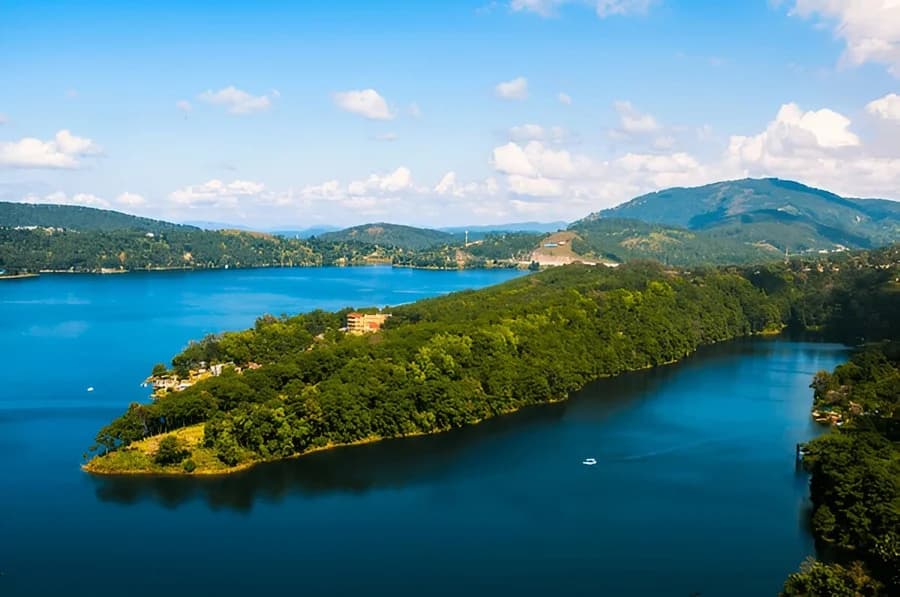
Overview of Umiam Lake: Umiam Lake, also known as Barapani, is one of the most peaceful and scenic places you’ll come across in Meghalaya. It’s located just 15 kilometres from Shillong and was created in the 1960s as part of a hydroelectric project. Over time, this beautiful lake has become a favourite spot for tourists from all over the country. If you’re planning to explore Meghalaya with North East tour packages, don’t miss out on visiting this peaceful and picturesque destination. The lake is surrounded by green hills and pine trees, making it a perfect place to relax and enjoy nature. Its calm, blue waters reflect the sky so beautifully that it feels like you’re looking at a painting.Whether you’re someone who loves to sit by the shore and take in the view or enjoy activities like kayaking, boating, or water cycling, Umiam Lake has something for everyone. More than just a tourist spot, Umiam Lake is also very important for the region. It provides water to nearby towns and is home to many plants and animals. It’s the perfect place to unwind and connect with nature. What are the Key Highlights of Umiam Lake? Scenic Beauty: The lake is surrounded by lush green hills, pine trees, and stunning views that make it a paradise for nature enthusiasts. Boating and Water Sports: Umiam Lake offers exciting activities like kayaking, water cycling, speed boating, and paddle boating, perfect for adventure lovers. Picnic Spot: The lake’s peaceful surroundings and open spaces make it an ideal spot for family picnics and day outings. Photography Haven: With its picturesque views, the lake is a favourite location for photographers to capture the beauty of Meghalaya. Sunrise and Sunset Views: The lake is a magical spot to witness breathtaking sunrise and sunset views, with the sky reflecting beautifully on the water. Eco Park: Located near the lake, this park is a great place to explore, especially for those travelling with kids. Timings & Entry Fees of Umiam Lake: Timings: Umiam Lake is open to visitors from 9:00 AM to 5:00 PM daily. Entry Fees: A nominal entry fee of ₹20-50 is charged for access to the lake premises. Boating and water sports may have separate charges depending on the activity. Travel Tips for Umiam Lake: Best Time to Visit: The best time to visit Umiam Lake is from October to February when the weather is pleasant, and the surroundings are lush green. Summers are also good for water activities. Carry Essentials: Bring sunscreen, sunglasses, and comfortable footwear. Don’t forget your camera to capture the stunning views. Adventure Activities: If you’re interested in water sports, check the timings and availability beforehand. Activities like boating and kayaking are popular but may depend on weather conditions. Nearby Attractions: After visiting Umiam Lake, you can explore nearby attractions like Shillong Peak, Don Bosco Museum, and Elephant Falls, all within a short drive. Food and Refreshments: There are small eateries and food stalls near the lake offering snacks and refreshments, but it’s a good idea to carry some light snacks and water bottles for your trip. Respect the Environment: Help preserve the natural beauty of Umiam Lake by avoiding littering and following eco-friendly practices. Experience the serene charm of Umiam Lake on your next trip to Meghalaya. From peaceful moments by the water to thrilling activities on the lake, this destination is perfect for creating unforgettable memories. Plan your journey today with Viacation and explore the best of Meghalaya! Also Read – Places To Visit in North EastMust Checkout – Things To Do in North East

Read More

Tawang Monastery
May 30, 20253 Minutes
Tawang Monastery
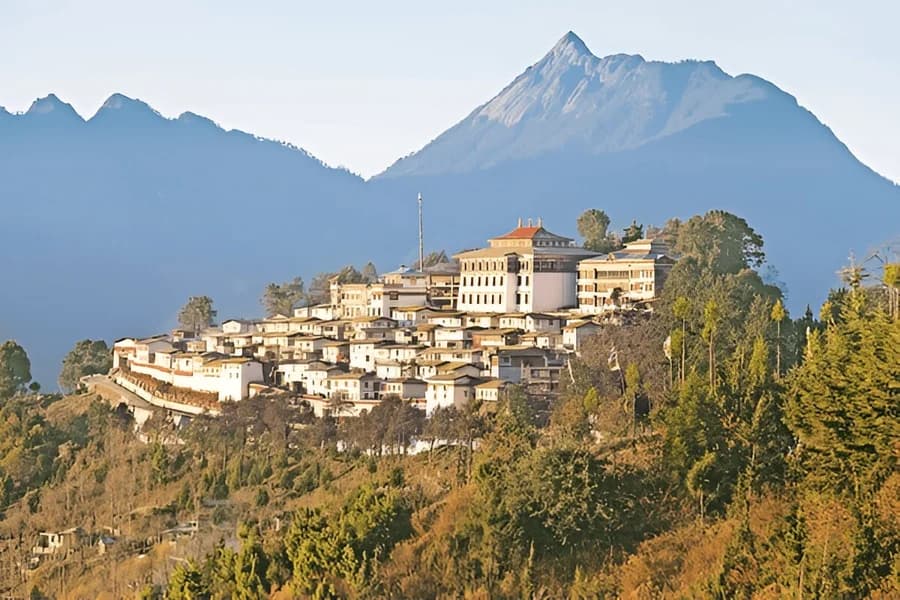
Overview of Tawang Monastery Tawang Monastery, located in the serene hills of Arunachal Pradesh, is a beacon of spirituality and culture. Perched at an altitude of 10,000 feet, this grand monastery is the largest in India and the second-largest in the world. A vital part of North East tour packages, it attracts visitors from across the globe who are mesmerized by its rich history, stunning architecture, and tranquil vibes. The monastery, also known as Galden Namgyal Lhatse, translates to “celestial paradise on a clear night.” It was established in the 17th century by Merak Lama Lodre Gyatso and is an important centre for Mahayana Buddhism. Surrounded by breathtaking landscapes and snow-capped mountains, the monastery offers not just spiritual solace but also a visual treat for travellers. What are the Key Highlights of Tawang Monastery Architectural Grandeur: The monastery is an architectural marvel with its three-story structure, large assembly hall, and intricate murals that depict Buddhist teachings and traditions. The Giant Buddha Statue: Inside the monastery, a stunning 8-meter-tall statue of Lord Buddha sits majestically, blessing the visitors with its serene aura. Sacred Scriptures: The monastery houses ancient Buddhist scriptures, manuscripts, and a collection of rare Thangka paintings. Panoramic Views: The location offers breathtaking views of the Tawang Valley, making it a photographer’s paradise. Losar Festival: The monastery comes alive during the Losar Festival (Tibetan New Year) with vibrant celebrations, dances, and rituals. Peaceful Ambiance: The monastery’s tranquil environment makes it an ideal place for meditation and self-reflection. Best Time to Visit Tawang Monastery The best time to visit Tawang Monastery is from March to June and September to November. During these months, the weather is pleasant, and the stunning surroundings enhance your experience. Winter (December to February) is also a magical time to visit, as the snow-covered mountains add to the monastery’s charm, but the cold can be quite intense. Timings and Entry Fees of Tawang Monastery Timings: Tawang Monastery is open daily from 7:00 AM to 7:00 PM. Entry Fees: There is no entry fee to visit the monastery, making it an accessible destination for all travellers. Note: Donations are welcome and go towards the maintenance of the monastery and supporting the monks. Travel Tips / Essential Information for Visiting Tawang Monastery Carry Warm Clothes: Tawang has a cold climate throughout the year, so pack woollen clothes, especially in winter. Acclimatize to the Altitude: Tawang is at a high altitude, so take it easy on your first day to avoid altitude sickness. Start Early: The monastery is best experienced in the morning when the surroundings are peaceful, and the sunlight adds to the scenic beauty. Respect the Culture: Dress modestly and maintain silence while exploring the monastery. Photography inside the main prayer hall may be restricted, so ask for permission. Explore Nearby Attractions: Combine your visit with other nearby attractions like the Tawang War Memorial and the serene Madhuri Lake. Book Accommodation in Advance: Tawang is a popular destination, so it’s wise to book your stay early, especially during peak seasons. Road Travel: The journey to Tawang involves winding mountain roads. Make sure you hire experienced drivers or travel with a reliable tour operator. Tawang Monastery is not just a destination; it’s an experience that connects you to spirituality, culture, and the raw beauty of nature. Whether you’re a history buff, a peace seeker, or an adventure lover, this iconic monastery is a must-visit. Also Read – Places To Visit in North EastMust Checkout – Things To Do in North East

Read More

Khonoma Green Village
May 30, 20253 Minutes
Khonoma Green Village
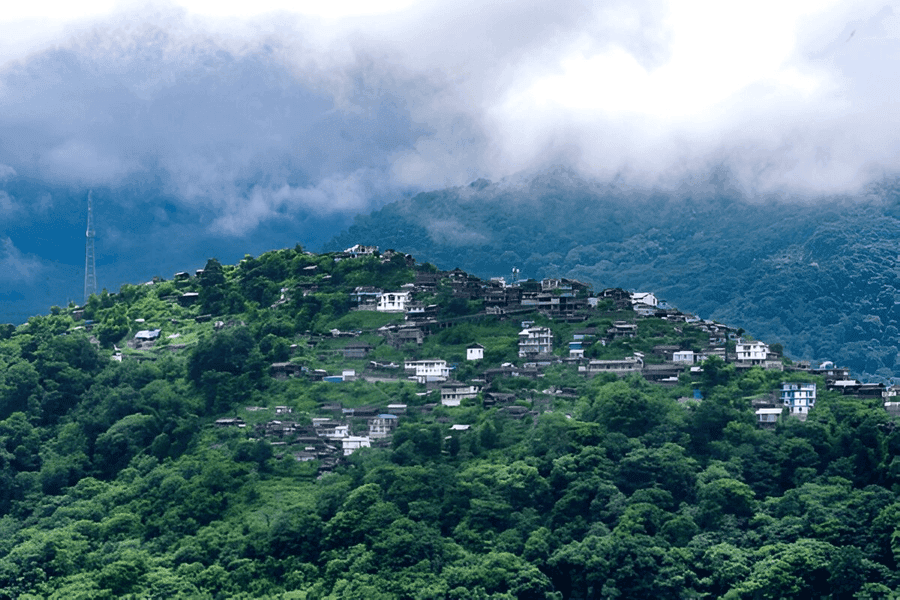
Overview of Khonoma Green Village: Khonoma, a village in Nagaland’s lush landscapes, stands as India’s first green village. It is Asia’s first green village. This remarkable place, about 20 kilometers from Kohima, shows how a community can live in perfect harmony with nature. The Angami Naga tribe calls this village home, and they’ve done something amazing – they’ve completely stopped hunting and logging, turning their home into a conservation success story. If you’re planning your North East Tour Packages, Khonoma deserves a spot on your list. The village is famous for terraced fields that look like green steps climbing up the hills. What makes it special is how the locals farm without using any chemicals – everything’s organic here. Walking through the village, you’ll see traditional homes made of wood and bamboo, colorful flowers everywhere, and friendly faces ready to share stories about their unique way of life. What are the Key Highlights of Khonoma Green Village: Ancient Stone Fortifications: Explore impressive stone gates and walls that tell stories of the village’s brave past. These structures have stood strong for centuries, making you feel like you’ve stepped back in time. Terraced Rice Fields: Watch farmers work in their unique hillside rice fields, shaped like giant green steps. June-July brings the brightest green views when rice plants are young and fresh. Traditional Handicraft Center: Meet local artisans creating beautiful bamboo baskets and traditional jewelry. Perfect place to pick up unique souvenirs and learn about local crafts. Bird Paradise: Spot colorful birds in the protected forest area. Early mornings are best for seeing rare species like Blyth’s Tragopan. Living Culture Experience: Stay in traditional Angami homes to experience their daily life, from cooking local dishes to learning about their customs. Timings & Entry Fees of Khonoma Green Village: The village is free to visit and welcomes visitors throughout the year. Entry fee: INR 50 per person. Homestays start from INR 1,500 per night with meals included. Photography is free but always ask before taking pictures of people or homes. Travel Tips/ Essential Tips For Khonoma Green Village: Perfect Time to Visit: Plan your trip between October and March. The weather’s nice and clear, perfect for exploring. Skip the rainy months from June to September when paths get slippery. The Guide is a Must: Get a local guide (INR 500-1000 daily) to discover hidden spots and understand village stories better. They know all the secret photo spots and the best places to eat. Respect the Culture: Wear clothes that cover your knees and shoulders. Always ask before entering homes or taking photos. Remember to remove shoes before entering houses. Smart Packing Tips: Bring good walking shoes – you’ll need them! Pack a light jacket for cool evenings and basic medicines. Don’t forget your camera and power bank. Stay Hydrated: Carry a water bottle – the village has natural springs where you can refill. Walking uphill can make you thirsty!Also Read – Places To Visit in North EastMust Checkout – Things To Do in North East

Read More

Ujjayanta Palace
May 30, 20253 Minutes
Ujjayanta Palace
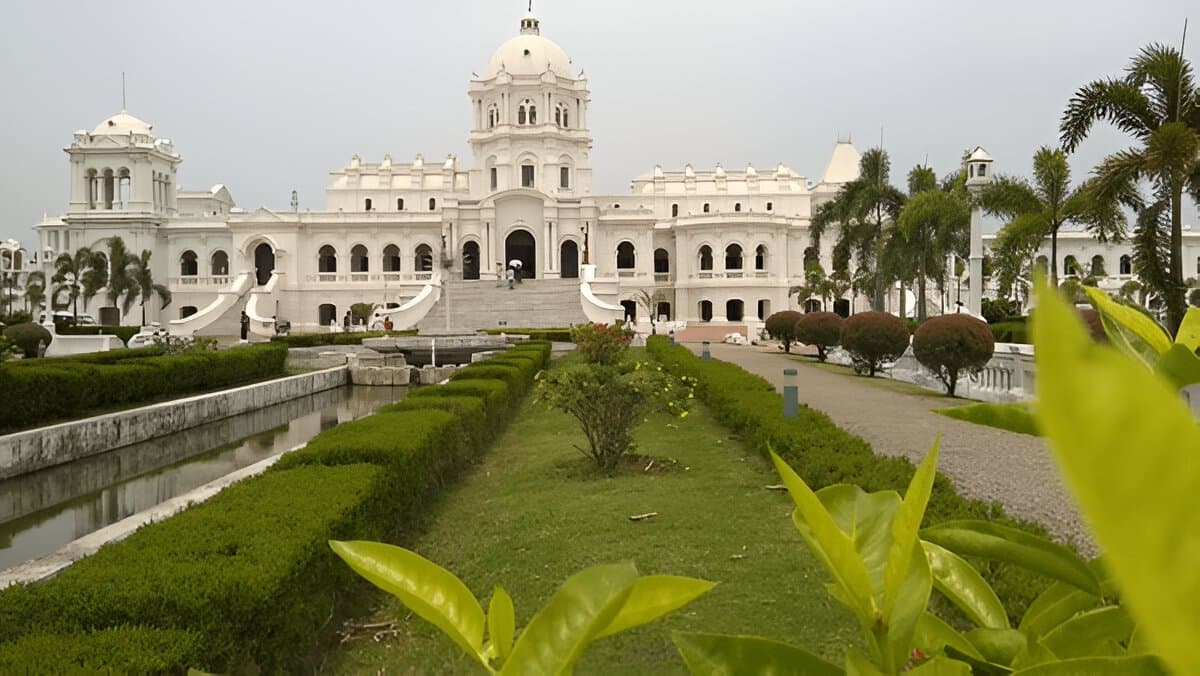
Overview of Ujjayanta Palace Ujjayanta Palace, standing proudly in the heart of Agartala, Tripura, is a stunning example of Indo-Saracenic architecture that showcases the region’s royal heritage. Built-in 1901 by Maharaja Radha Kishore Manikya, this magnificent palace spreads across 800 acres of majestic land filled with serene gardens and peaceful lakes. Today, as home to the Tripura State Museum, it houses an impressive collection of artifacts and royal memorabilia that tell fascinating stories of the past. Check out our North East Tour Packages to experience the palace’s grounds which feature musical fountains that come alive in the evenings, artificial lakes that reflect the grand building, and Mughal-style gardens that provide a peaceful escape. The white facade of the palace, with its distinctive domes and towers, stands as a testament to the architectural brilliance of its time. What are the Key Highlights of Ujjayanta Palace: Royal Architecture Experience: Marvel at the unique blend of Bengali, Muslim, and European architectural styles. The white palace with its domes and grand columns is great for perfect photography opportunities, especially during sunrise and sunset. Musical Fountain Magic: Experience the captivating evening fountain shows where colorful water dances to music. The show has become one of Agartala’s most loved evening attractions. Cultural Treasure House: Explore three floors of fascinating museum exhibits that bring Northeast India’s heritage to life. From tribal artifacts to royal treasures, each item tells a unique story of Tripura’s past. Manikya Dynasty Collection: Explore the private world of Tripura’s royal family through their personal belongings, rare photographs, and elegant furniture pieces. History comes alive through these well-preserved items. Timings & Entry Fees of Ujjayanta Palace: Open Tuesday to Sunday, 10:00 am to 6:00 pm (Closed on Mondays) Entry fee: INR 10 for Indians, INR 100 for foreigners Camera fee: INR 50 Museum entry: INR 20 per person Special guided tours available on weekends Travel Tips / Essential Information For Ujjayanta Palace: Weather-Perfect Timing: Visit between October and March for pleasant weather. Early mornings and late afternoons offer the best experience and perfect lighting for photos. Easy Transportation Access: Auto-rickshaws and taxis are readily available from the city center, charging fixed rates of INR 50-100. Book return trips in advance during peak tourist season. Photography Guidelines: Morning hours offer stunning shots of the palace facade. Evening fountain shows create magical video opportunities. Remember to pay the camera fee at the entrance. Local Guide Benefits: Hire official guides (INR 200-300) for fascinating stories about the palace. They know hidden spots and historical details that guidebooks miss. Food and Refreshments: Try local Tripuri snacks at nearby shops. The palace area has several affordable restaurants serving both local and Indian cuisine. Visitor Comfort Tips: Wear comfortable walking shoes as the palace complex is vast. Carry water bottles and umbrellas depending on the weather. Light cotton clothes are recommended during the summer months.Also Read – Places To Visit in North EastMust Checkout – Things To Do in North East

Read More

Shri Govindji Temple
May 30, 20253 Minutes
Shri Govindji Temple
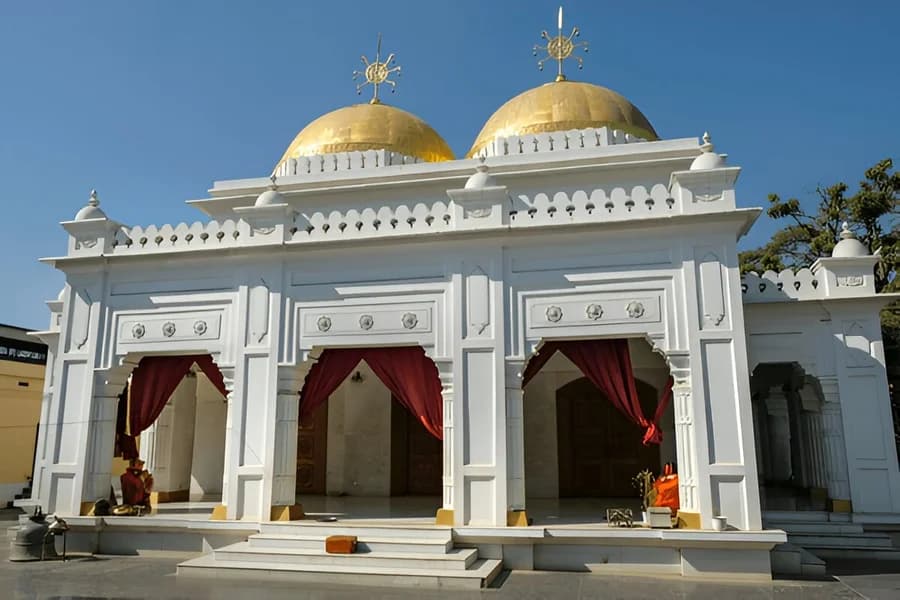
Overview of Shri Govindji Temple: Shri Govindji Temple, located in Imphal, Manipur, is one of the most revered Hindu temples in Northeast India. Dedicated to Lord Krishna, the temple holds immense spiritual and cultural significance. The temple’s peacefulness, along with its grand architecture, makes it a must-visit for devotees and travelers alike. The golden domes, carved pillars, and the idol of Lord Krishna exudes a divine aura that leaves visitors spellbound. Beyond its religious importance, Shri Govindji Temple is a major highlight of North East Tour packages. It attracts visitors with its daily aartis and bhajans that create a soulful experience. The temple premises also host vibrant festivals like Janmashtami and Holi, where devotees gather in large numbers to celebrate.  What are the Key Highlights of Shri Govindji Temple: Mesmerizing Architecture: The temple’s golden domes and intricate carvings showcase traditional Manipuri craftsmanship at its finest. Divine Idol of Krishna: The beautifully adorned idol of Lord Govindji radiates peaceful and spiritual energy, and mesmerizes every visitor. Soulful Aartis: The morning and evening aartis fill the temple with divine chants and rhythmic bell sounds, creating an unforgettable experience. Festive Celebrations: The temple becomes a hub during Janmashtami and Holi, with colorful processions, devotional songs, and cultural performances. Lush Gardens: The well-maintained temple gardens provide a peaceful space for visitors to sit and reflect by being surrounded by nature. Local Devotion: Experience the deep-rooted faith of the local Manipuri community as they offer prayers and perform rituals with great devotion. Timings & Entry Fees of Shri Govindji Temple: Shri Govindji Temple is open daily from 5:00 am to 12:00 pm and 4:00 pm to 8:00 pm. Entry to the temple is free for all visitors. During major festivals, special darshan timings may apply due to increased footfall. Travel Tips / Essential Information For Shri Govindji Temple: Best Time to Visit: Early mornings and evenings offer the most peaceful experience, with fewer crowds and soothing aarti sessions. Footwear Policy: Shoes must be removed before entering the temple, so consider wearing easy-to-remove footwear. Dress Modestly: Wearing traditional or conservative clothing is recommended to show respect for the temple’s religious customs. Photography Rules: While the temple’s exterior can be photographed, inside photography is usually restricted. Always check with temple authorities before clicking pictures. Festival Rush: If visiting during Janmashtami or Holi, arrive early to secure a good spot as the temple gets extremely crowded. Local Markets: Explore the nearby Ima Keithel (Women’s Market) for unique handicrafts and local delicacies after your temple visit. Public Transport: Auto-rickshaws and taxis are the best modes of transport to reach the temple conveniently from any part of Imphal.Also Read – Places To Visit in North EastMust Checkout – Things To Do in North East

Read More

Kalimpong
May 30, 20253 Minutes
Kalimpong
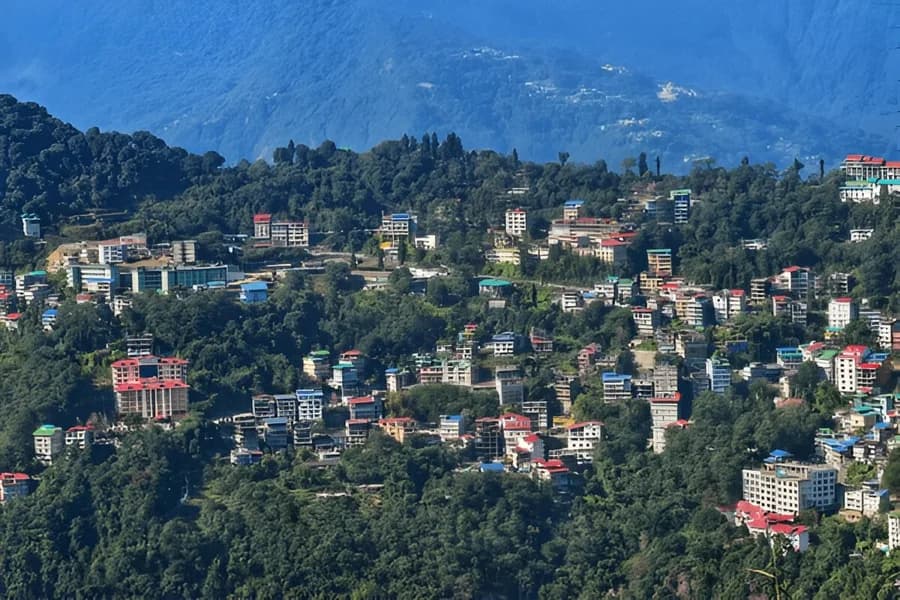
Overview of Kalimpong: Kalimpong is a beautiful hill station nestled in the eastern Himalayas of West Bengal. Known for its mild climate, scenic landscapes, and rich cultural heritage, this town is perfect for a peaceful retreat. It sits at an altitude of 1,250 meters, offering breathtaking views of the Kanchenjunga range. One of Kalimpong’s main attractions is its Buddhist monasteries, such as Zang Dhok Palri Phodang, which houses rare Tibetan scriptures. The town is also famous for its flower nurseries, producing some of India’s best orchids and cacti. Colonial-era buildings, like Dr. Graham’s Home, add a touch of history to the place. If you want to explore this serene town, North East tour packages can make your trip easy and memorable. Kalimpong is also known for its local markets, where you can shop for traditional handicrafts, woollen clothes, and delicious Tibetan food. Whether you’re an adventure seeker, a nature lover, or enjoy a quiet getaway, Kalimpong has something for everyone. What are the Key Highlights of Kalimpong: Scenic Views: Offers stunning panoramas of Kanchenjunga and surrounding valleys. Monasteries: Home to several Buddhist monasteries, including Zang Dhok Palri Phodang. Flora and Fauna: Famous for flower nurseries with a variety of orchids and cacti. Colonial Architecture: Visit historic buildings like Dr. Graham’s Home. Local Markets: Explore shops selling Tibetan handicrafts, woollens, and local delicacies. Adventure Activities: Enjoy trekking, river rafting, and nature walks. Serene Environment: A perfect getaway for those looking for peace and relaxation. Timings & Entry Fees of Kalimpong: Timings: Kalimpong is open to visitors throughout the year. Specific attractions may have their timings. Entry Fees: Most places, like monasteries and viewpoints, are free to visit. Some attractions may charge a small entry fee. Travel Tips / Essential Information For Kalimpong: Best Time to Visit: The ideal time is March to May and September to December when the weather is pleasant. How to Reach: The nearest airport is Bagdogra Airport (about 75 km away), and the closest railway station is New Jalpaiguri (NJP). From there, you can take a taxi or a shared cab. Weather & Clothing: Winters (December-February) can be cold, so pack warm clothes. Summers are mild, and light woollens are enough. Local Transport: Taxis are the main mode of transport. Walking is also a great way to explore. Food & Drinks: Try local dishes like momos, thukpa, and traditional Tibetan bread at local eateries. Respect Local Culture: While visiting monasteries, maintain silence and dress modestly. Accommodation: Kalimpong offers various options, from budget guesthouses to luxury hotels. Kalimpong is a hidden paradise in the northeast, offering a mix of nature, history, and culture. Also Read – Places To Visit in North EastMust Checkout – Things To Do in North East

Read More

Cherrapunji
May 30, 20253 Minutes
Cherrapunji
Overview of Cherrapunji: Cherrapunji, also known as Sohra, is a breathtaking destination in Meghalaya. It is famous for its heavy rainfall and lush green landscapes. Located at an altitude of 1,484 meters, this town offers spectacular views of deep valleys, rolling hills, and cascading waterfalls. One of Cherrapunji’s biggest attractions is its living root bridges, formed by intertwining tree roots over decades. Another highlight is Nohkalikai Falls, India’s tallest plunge waterfall. Other attractions include Mawsmai Caves, Seven Sisters Falls, and Dainthlen Falls. If you’re planning a trip, North East tour packages can help you explore the best of Cherrapunji. Despite the frequent rains, Cherrapunji has a unique charm that attracts adventure seekers, photographers, and those looking to escape into nature. Whether you want to go trekking, explore hidden caves, or simply soak in the breathtaking scenery, Cherrapunji promises an unforgettable experience. What are the Key Highlights of Cherrapunji: Nohkalikai Falls: India’s tallest plunge waterfall with a stunning turquoise pool. Living Root Bridges: Unique natural bridges made from tree roots, a must-visit attraction. Mawsmai Caves: Limestone caves with fascinating stalactites and stalagmites. Seven Sisters Falls: A beautiful multi-tiered waterfall, best seen during the monsoon. Dainthlen Falls: A scenic waterfall surrounded by lush greenery. Laitlum Canyon: Offers breathtaking views of the surrounding valleys and hills. Weather: Cherrapunji receives rainfall almost all year round, making it a lush and green paradise. Timings & Entry Fees Cherrapunji: Timings: Cherrapunji can be visited throughout the year. Specific attractions may have their own timings. Entry Fees: Most waterfalls and caves have a nominal entry fee (₹10 – ₹50 per person). Travel Tips / Essential Information For Cherrapunji: Best Time to Visit: The best time is October to May, when the rain is lighter, and the views are clearer. The monsoon season (June to September) offers the most dramatic landscapes but comes with heavy rain. How to Reach: The nearest airport is Shillong Airport (about 80 km away), and the closest railway station is in Guwahati (about 150 km away). From there, you can hire a taxi. Weather & Clothing: Cherrapunji is cool and rainy, so pack raincoats, umbrellas, and waterproof shoes. Winters can be chilly, so carry warm clothes. Local Transport: Taxis are available for sightseeing, but walking is a great way to explore short distances. Food & Drinks: Try local Khasi cuisine, including Jadoh (rice and meat dish), Tungrymbai (fermented soybean), and Dohneiiong (pork curry). Respect Nature: Avoid littering and follow eco-tourism guidelines to preserve Cherrapunji’s natural beauty. Accommodation: Cherrapunji has homestays, budget lodges, and eco-resorts for different types of travelers. Cherrapunji is a natural wonder, offering everything from adventure to relaxation. If you’re looking to explore this rain-kissed paradise, North East tour packages will help you make the most of your journey.Also Read – Places To Visit in North EastMust Checkout – Things To Do in North East

Read More

Kullu
May 30, 20253 Minutes
Kullu
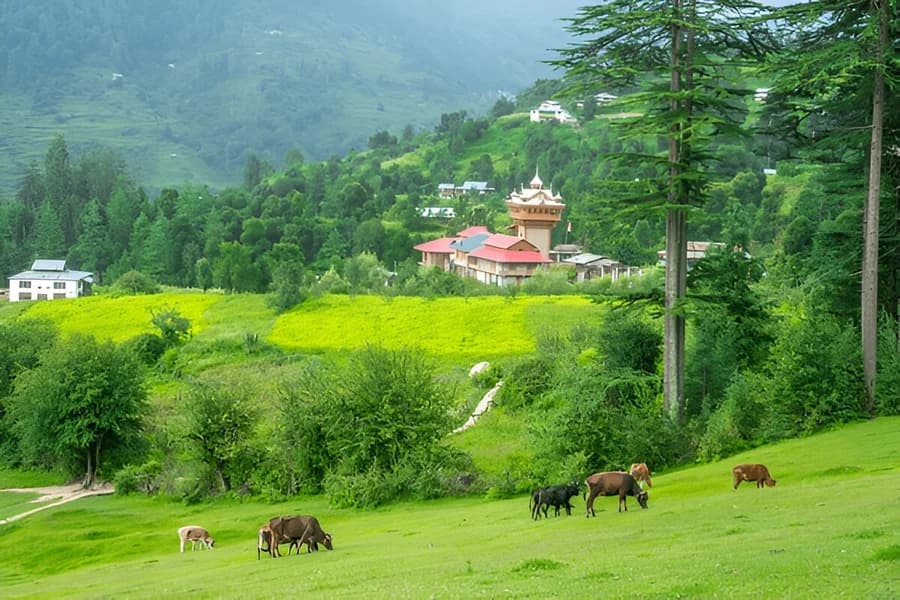
Overview of Kullu: Kullu, a beautiful town that comes just before Manali, is often called the “Valley of Gods.” With the mighty Beas River flowing through its heart and snow-capped peaks standing guard, this place feels like paradise on Earth. The valley comes alive with apple orchards, dense pine forests, and colorful meadows filled with wildflowers.Here are the best Himachal Pradesh tour packages. Kullu should be at the top of your list. The town perfectly is majority famous for adventure sports. From river rafting adventures to peaceful temple visits, Kullu offers something for everyone, making it a favorite among both families and adventure lovers. What are the Key Highlights of Kullu: Manikaran Hot Springs Magic: 42 km from Kullu, take a dip in these natural hot springs which are famous for their healing properties. Watch in wonder as locals cook rice in the boiling spring water. Perfect for those Instagram-worthy moments. Great Himalayan National Park Adventure: Explore this UNESCO World Heritage site filled with rare wildlife and stunning treks. Spot snow leopards and brown bears if you’re lucky. Best for nature lovers and photographers. Bijli Mahadev Temple Experience: Hike up to this ancient temple known for its unique lighting ritual. The 360-degree valley views from the top will leave you speechless. Rafting Thrill on Beas: Experience world-class white water rafting through gorgeous valley landscapes. Perfect for both beginners and experienced rafters. Kullu Dussehra Festival: Join the biggest cultural celebration where hundreds of local deities gather. Think colorful processions, folk music, and amazing local food. Best Time to Visit Kullu: The best time to visit Kullu is from March to June and September to November. Spring and summer offer pleasant weather for sightseeing and adventure sports, while autumn brings clear skies and vibrant landscapes. Avoid monsoons due to heavy rainfall, and winters are ideal for snow lovers and skiing enthusiasts. Travel Tips for Kullu: Best Time to Visit: Plan your trip between March to June or September to November. Avoid monsoon months (July-August) as landslides are common. Stay Smart: Book hotels in advance during the Dussehra festival (October-November). Local guesthouses offer better deals than fancy hotels. Transportation Tips: Take local HRTC buses for budget travel. Shared taxis are available from major spots. Rent a bike for more freedom to explore. Pack Right: Carry warm clothes even in summer as evenings get chilly. Don’t forget good walking shoes and rain protection. Local Food Must-tries: Don’t miss Siddu (local bread), trout fish, and apple products. Local dhabas serve better food than fancy restaurants. Shopping: Buy Kullu shawls directly from local weavers. Always bargain, but respectfully. Sunday market offers the best deals on local products. Safety First: Carry basic medicines, as medical shops are limited in remote areas. Keep emergency numbers handy, especially during treks. Also Read – Places To Visit in Himachal PradeshMust Checkout – Things To Do in Himachal Pradesh
Read More

Login ModalPost Login FormTalk with trip expert