Blog hero image
Top Travel Stories

Explore our latest blogs and travel with us

Lauterbrunnen
May 30, 20256 Minutes
Lauterbrunnen
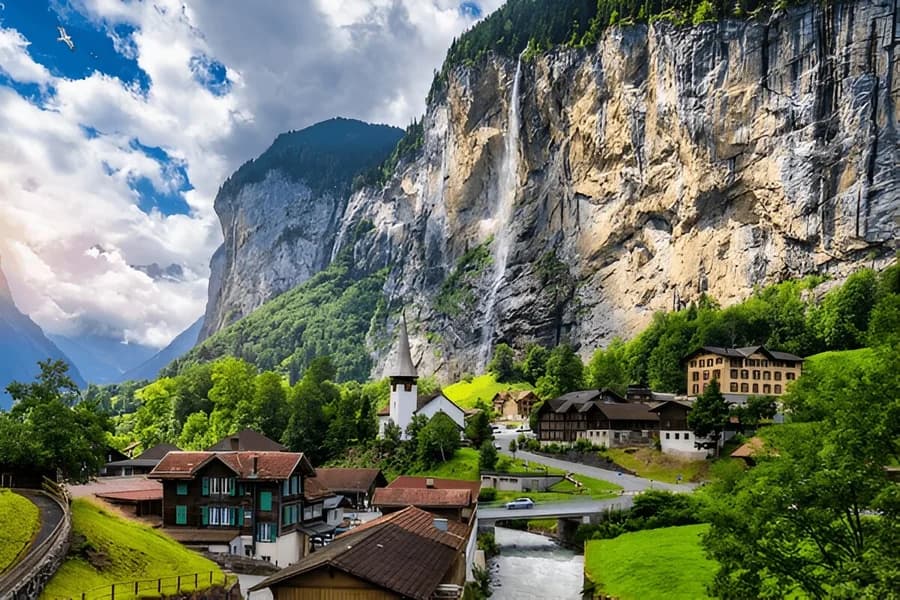
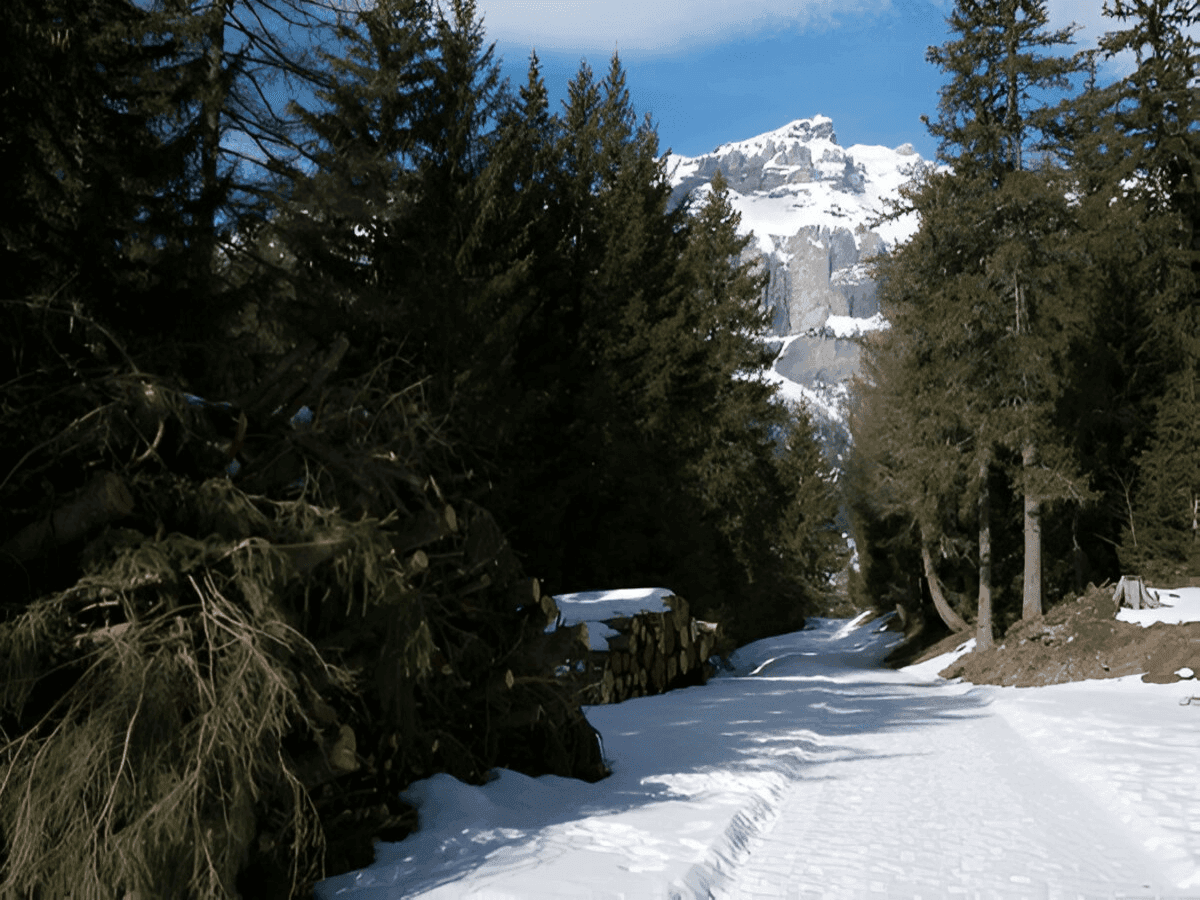
Overview of Lauterbrunnen: Lauterbrunnen Switzerland Village is one of the most popular tourist destinations. Famous by the name of the “Valley of 72 Waterfalls,” this magical place has stunning cliff faces with huge waterfalls. Lauterbrunnen is located at an altitude of 795 meters (2,608 feet) between Swiss mountains in the Bernese Oberland region. It’s easily accessible from major Swiss cities – just a 20-minute train ride from Interlaken or about 2.5 hours from Zurich.  If you’re planning a trip to Europe, including Lauterbrunnen in your Switzerland Tour Packages will be the highlight of your journey. The best time to visit is between May and October when the weather is pleasant, and hiking trails are open. However, if you love winter sports, December to March offers excellent skiing opportunities in nearby areas. What makes Lauterbrunnen Switzerland special and popular among tourists are its waterfalls, freshest mountain air, and the feeling of being surrounded by snow-clad peaks in every direction. The village itself is small and walkable, with traditional Swiss chalets lining the main street. Tourist Places in Lauterbrunnen 1. Staubbach Falls Staubbach Falls is the star attraction, visible right from the village. This 300-meter (984-foot) waterfall is so tall that the water sometimes turns into mist before reaching the ground. You can walk behind it during the summer months (₹10) and feel the cool spray on your face – a real treat on hot days! 2. Trummelbach Falls Trummelbach Falls is something totally different – it’s Europe’s largest underground waterfall system. For around ₹1,000, you can take an elevator inside the mountain and walk along tunnels where glacial water crashes through rock. Wear a raincoat if you don’t want to get wet! 3. Murrenbach Falls Murrenbach Falls, Switzerland’s highest waterfall, drops an incredible 417 meters (1,368 feet) in multiple cascades. You can view it while hiking between villages without any entry fee. Popular Adventure Activities in Lauterbrunnen Lauterbrunnen Switzerland is a great place for adventure lovers. The valley floor is flat and perfect for easy walks, but the real thrill is in the mountains surrounding it. 1. Hiking Hiking to Schilthorn (made famous in James Bond movies) offers stunning 360° views and takes about 5-6 hours. Many Indian travelers find the Jungfraujoch trip (the “Top of Europe”) worth the price (around ₹15,000), but book early morning tickets to avoid crowds and save some money. 2. Paragliding Paragliding is incredibly popular here. For about ₹8,000-10,000, you can glide over the valley with an experienced guide. Just remember to book in advance during peak season as spots fill up quickly. A common problem travelers face is trying to do too much in too little time. Don’t rush – even a simple walk along the valley floor offers spectacular views that are worth slowing down for. Swiss Villages Near Lauterbrunnen The beauty of Lauterbrunnen Switzerland extends to its neighboring villages, each with its own unique character. 1. Murren Murren sits on a cliff 800 meters above Lauterbrunnen. With no cars allowed, this peaceful village offers the most stunning mountain views. The cable car ride up costs around ₹1,500 round-trip, but the panoramic vistas are worth every rupee. 2. Wengen Wengen, accessible only by train, transforms from a hiking base in summer to a bustling ski resort in winter. The journey up provides amazing views of the valley below. 3. Gimmelwald Gimmelwald is the hidden gem most tourists miss. This tiny farming village hasn’t changed much in centuries. You can see locals bringing hay or tending to their cows. It’s the perfect place to experience authentic Swiss rural life. How to Reach Lauterbrunnen Switzerland 1. Train Getting to Lauterbrunnen Switzerland is straightforward but requires some planning. The Swiss train system is extremely reliable but expensive. From Zurich or Geneva airports, take a train to Interlaken, then switch to the mountain railway to Lauterbrunnen. 2. Road Within the region, buses and cable cars connect all villages. Download the SBB mobile app to check timetables – a lifesaver when you’re trying to catch the last cable car down! Money Saving & Travel Tip A money-saving tip that many Indian travelers appreciate: buy a Swiss Travel Pass if you’re staying for at least 3-4 days. Though it costs around ₹20,000 for three days, it covers almost all transportation and offers discounts on mountain excursions. Pack for all weather conditions, even in summer. The temperature can drop dramatically at higher elevations, and rain can appear suddenly. Carrying extra layers and a good raincoat will save you from unexpected chills. Final Thoughts Lauterbrunnen Switzerland isn’t just another pretty destination – it’s a place that stays with you long after you’ve left. The sound of waterfalls, the crisp mountain air, and the peaceful atmosphere will make fall in love with this place. Pack your bags, bring your camera, and prepare to fall in love with one of Switzerland’s most magical valleys. Just don’t be surprised if you start planning your return trip before you’ve even left! Frequently Asked Question for Lauterbrunnen 1. Why is Lauterbrunnen so famous? A. Lauterbrunnen is basically famous for its waterfalls. It has 72 waterfalls and is surrounded by beautiful Swiss villages. It also has great hiking trails, making it a must-visit destination for anyone. 2. What is the most famous valley in Switzerland? A. Lauterbrunnen Valley is the most famous in Switzerland. Surrounded by high cliffs and waterfalls, it is famous for its greenery, spectacular views, villages, and access to popular tourist spots like Jungfraujoch and Schilthorn. 3. Which one is better, Lauterbrunnen or Grindelwald? A. Lauterbrunnen Switzerland is better for waterfalls, nature, and traditional Swiss beauty because of its remote villages which are located nearby. Grindelwald is better for skiing, mountain activities, and adventure sports. 4. How to reach Lauterbrunnen? A. Take a train from Zurich or Geneva to Interlaken Ost, then transfer to a train to Lauterbrunnen. Alternatively, drive from major Swiss cities. The village is well-connected by public transport and easily accessible year-round. Also Read: Places to Visit in SwitzerlandMust Read: Things to do in Switzerland

Read More

Wakeboarding in Thailand
May 30, 20253 Minutes
Wakeboarding in Thailand
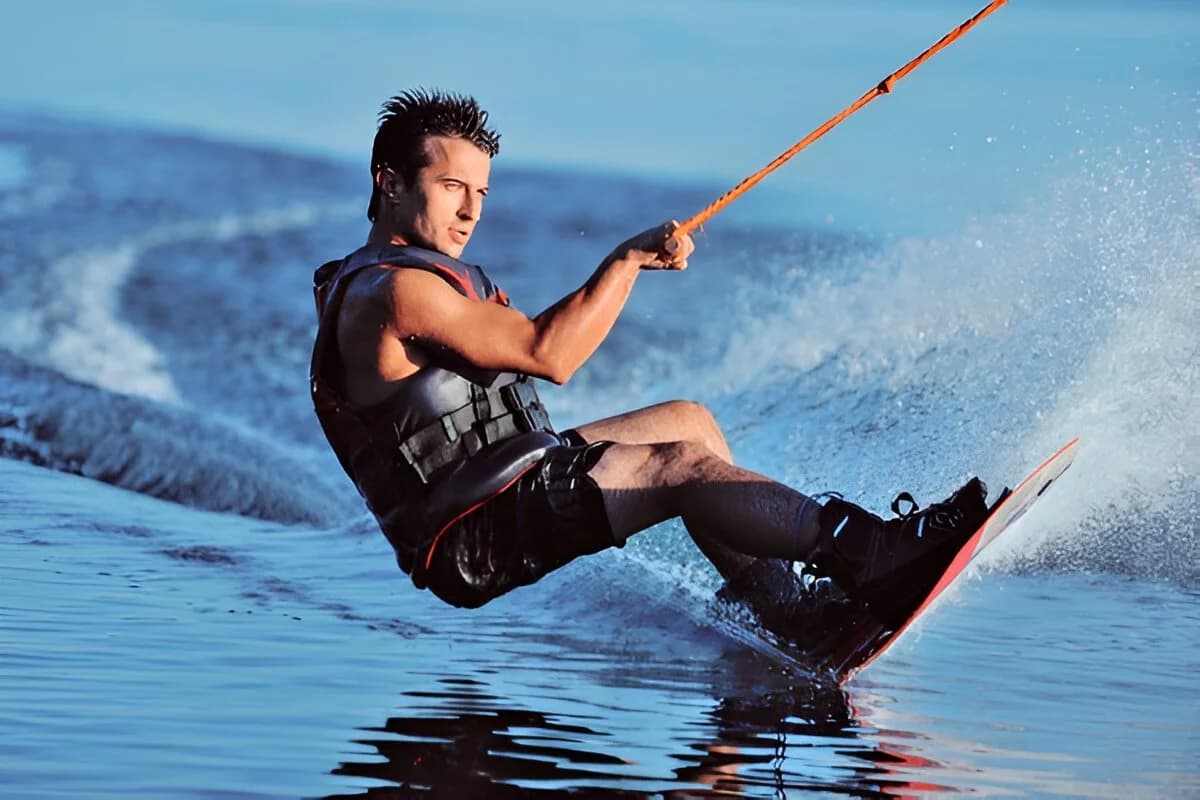
Overview of Wakeboarding in Thailand: Wakeboarding is an exciting water sport where you stand on a board and get pulled by a boat or cable across the water. Think of it as water skiing’s cooler cousin. Thailand is one of the best places to try wakeboarding because of its warm waters, world-class facilities, and affordable rates. You don’t need to be a fitness freak to try it—just some balance and a willingness to get wet! So, you can explore the thrill with Thailand tour packages and make your trip unforgettable.Bangkok and Phuket have some of the most popular wakeboarding parks, where beginners can take lessons and experts can show off their skills. The best part? You don’t need your gear; rental options are available everywhere. Whether you’re looking for a break from temple-hopping or just want to try something new, wakeboarding in Thailand is an experience you won’t forget. What are the Key Highlights of the Wakeboarding in Thailand: Perfect for All Skill Levels – Whether you’re a newbie or a pro, Thailand’s wakeboarding spots cater to everyone. Warm Waters & Great Weather – Unlike other places, Thailand’s tropical climate makes wakeboarding enjoyable all year round. Cable Parks & Natural Lakes – You can wakeboard in specialized parks or out in the open sea. Affordable & Easily Accessible – Thailand offers wakeboarding at reasonable prices, making it a budget-friendly adventure. Trained Instructors Available – First time? No worries! Professional instructors will guide you so you don’t just flop into the water (well, not too much!). Great Workout, But Fun! – Wakeboarding is a full-body workout, but it’s so fun you won’t even realize you’re exercising. Epic Photos Guaranteed – Want that cool Instagram shot? Wakeboarding gives you some of the best action-packed pictures! Timings & Entry Fees for Wakeboarding in Thailand: 1. Timings: Most wakeboarding parks in Thailand operate from 10:00 AM to 7:00 PM.2. Entry Fees: Beginner Lessons: INR 1,500 – 2,500 Hourly Rentals: INR 1,000 – 1,800 Full-Day Pass: INR 3,000 – 4,500 Prices may vary based on location and season. Travel Tips/ Essential Information of Wakeboarding in Thailand: Wear the Right Gear – A swimsuit or quick-dry clothes work best. Avoid loose clothes that might slow you down. Listen to Your Instructor – They know what they’re doing, and they’ll help you avoid unnecessary belly flops! Start with a Cable Park – If you’re a beginner, cable parks are easier than being pulled by a boat. Stay Hydrated – You’ll be in the sun, so drink water (not just the one you accidentally swallow while wakeboarding!). Bring a Waterproof Camera – Capture your epic (or funny) moments! Don’t Be Afraid to Fall – Everyone falls. It’s part of the experience. Just get up and try again! Check Weather Conditions – Avoid wakeboarding in stormy weather for safety reasons. Book in Advance – Popular wakeboarding spots can get busy, so book your session ahead of time. Wakeboarding in Thailand is an adventure worth trying! Ready to ride the waves? Pack your energy and a big smile—because you’re about to have a blast! Also Read: Places to Visit in ThailandMust Read: Things to do in Thailand

Read More

White Water Rafting in Thailand
May 30, 20253 Minutes
White Water Rafting in Thailand
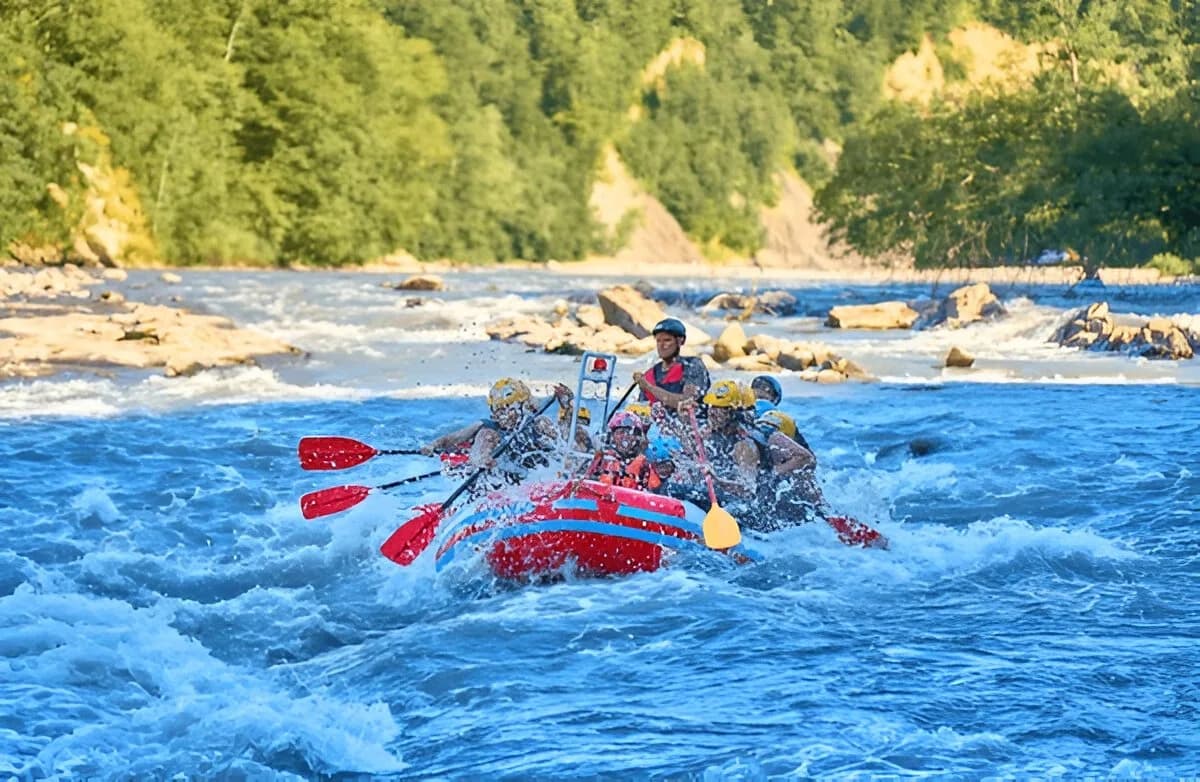
Overview of White Water Rafting in Thailand: When people think of Thailand, they imagine beautiful beaches, temples, and delicious street food. But did you know Thailand is also home to some of the best white water rafting spots in the world? If you’re planning a trip with Thailand tour packages, make sure to add this adventure to your list!The best places for rafting include Phang Nga, Chiang Mai, and Pai, where you’ll paddle through wild rivers, surrounded by lush green jungles and breathtaking mountains. The best time for rafting is during the monsoon season (June to October) when the rapids are at their peak. But don’t worry—even beginners can join in, as there are different levels of difficulty available.Whether you want an extreme adventure or just a fun experience with friends, white water rafting in Thailand promises excitement, laughter, and maybe a few unexpected splashes! What are the Key Highlights of the White Water Rafting in Thailand: Adrenaline Rush: Get ready for a wild ride as the river takes control! Scenic Views: Raft through jungles, cliffs, and waterfalls straight out of a movie. All Skill Levels Welcome: From beginners to experts, there’s a rapid for everyone. Expert Guides: Professionals ensure you don’t end up on an unplanned trip downstream. More Than Just Rafting: Many tours also offer jungle treks, zip-lining, and elephant encounters. Great for Groups: Whether with friends or family, teamwork is key—especially when avoiding falling in! Timings & Entry Fees for White Water Rafting in Thailand: 1. Timings: Most rafting trips start around 9 AM and last for 2-3 hours. Afternoon slots may also be available.2. Entry Fees: Prices vary based on location and package. Expect to pay between ₹2,500 – ₹5,000 per person, including safety gear, guide, and transport from major cities. Travel Tips/ Essential Information of White Water Rafting in Thailand: What to Wear: Quick-dry clothes, sturdy water shoes, and a life jacket—style can wait, safety comes first! Best Time to Go: Monsoon season (June to October) has the most thrilling rapids, while the dry season (November to April) offers gentler waves. Stay Safe: If you’re afraid of water or hate surprises, maybe skip this one and enjoy a peaceful boat ride instead. Listen to Your Guide: They know what they’re doing—ignoring their advice might turn your trip into an unexpected swimming lesson. Keep Valuables Safe: Use a waterproof bag for your phone and wallet, or better yet, leave them behind. Stay Hydrated: Paddling is fun but tiring—drink water before and after your ride. Choose a Trusted Operator: Book with well-reviewed companies to ensure safety and a great experience. So, are you ready to trade shopping sprees for an adventure on Thailand’s wild rivers? Book your Thailand tour package today and add white water rafting to your list of unforgettable experiences! Also Checkout: Things to do in ThailandMust Read: Places to Visit in Thailand

Read More

Best Time to Visit Switzerland
May 30, 20256 Minutes
Best Time to Visit Switzerland
Switzerland doesn’t really have a bad time to visit – just different experiences waiting for you throughout the year. It changes its colors throughout the year, which is why sometimes it becomes difficult to choose when to plan your visit. Switzerland offers different experiences with each season. So, it’s really important to plan the best time to visit Switzerland. Your dream Swiss holiday depends on what you want to do – hiking, skiing, sightseeing, or just want to enjoy mountain views. Understanding each season helps you pick the perfect time for your trip. If you’re about to book Switzerland Tour Packages, knowing when to visit can help you get the best value and experience. Best Time to Visit Switzerland From India 1. Peak Season June to August (Summer) June to August is the peak season in Switzerland. Summer is when Switzerland’s weather is warm (typically 20-25°C), the skies are clear, and even the highest mountain passes are open for travel. Summer is also the best time to visit Switzerland for summer activities. Why visit in summer: All hiking trails are open and in perfect condition Mountain cable cars and funiculars run on full schedules Swimming in the lakes is refreshing Longer daylight hours (up to 16 hours) give you more sightseeing time The reality check: This is when Switzerland is most crowded and expensive. Hotel prices jump up by 30-40%, and popular spots like Interlaken and Lucerne get packed with tourists. You’ll need to book accommodations 2-3 months in advance. 2. Shoulder Season April-May (Spring) & September–October (Autumn) April to May and September to October are the shoulder seasons of Switzerland and a perfect balance of good weather and smaller crowds. Travelers agree this is the best time to visit Switzerland if you want to avoid tourist hordes while still enjoying good weather. What to expect: Hotels cost 20-30% less than during peak season You can often book just 2-3 weeks in advance Popular attractions have shorter queues The weather is still pleasant (10-20°C) for most activities 3. Waning Season December to February ( Winter Season) December to February is the best time to visit Switzerland for winter sports enthusiasts, characterized by cold temperatures, heavy snow, and a magical winter beauty. It gets cold (-5 to 5°C), and daylight hours shrink to just 8-9 hours. While it is a peak time for winter sports enthusiasts, it is considered an off-peak season for general tourism. What to Expect: Significant discounts on flights and hotels (except ski resorts). Fewer tourists in major cities and cultural sites. Cold temperatures (-2°C to 7°C), with heavy snowfall in alpine regions. Festive vibes with Christmas markets and New Year celebrations. Best for winter sports, scenic train rides, and mountain stays. Switzerland in Spring (March to May) As winter loosens its grip, Switzerland starts showing its softer side. Spring benefits: Wildflowers begin carpeting lower meadows Waterfalls reach maximum flow as snow melts Fewer tourists at major attractions Temperatures gradually warm from 5°C to 18°C Many hiking trails at lower elevations become accessible by late April, though high mountain paths often remain snow-covered until June.Spring travelers should pack layers – weather can change quickly, with warm sunny days suddenly turning to chilly rain. The best time to visit Switzerland in spring is May when most facilities have reopened after winter. Switzerland in Summer (June to August) Summer brings Switzerland’s most reliable weather and the fullest range of activities. Summer experiences: Open-air festivals in cities like Montreux and Locarno Swimming in Alpine lakes (though the water stays refreshingly cool) Farm-to-table dining with fresh local produce Hiking to mountain huts and dining with views For hiking and mountain exploration, mid-June to mid-July is the best time to visit Switzerland. Switzerland in Autumn (September to November) As summer crowds head home, Switzerland takes on golden and russet hues. September often feels like summer, while October brings cooler temperatures and changing colors. By November, higher elevations may see the first snowfalls. Autumn advantages: Spectacular fall foliage, especially in forested regions Wine harvesting festivals in regions like Lavaux Clear, crisp air offering the best long-distance views Hiking trails still open but much less crowded For budget travelers, the best time to visit Switzerland is October-November when you’ll find hotel deals at 30-40% off peak prices while still enjoying good traveling conditions. Switzerland in Winter (December to February) In December, Switzerland hits the off-season. It becomes heavily snow-loaded, so fewer people travel during this time. The best time for Switzerland for winter magic in the budget is mid-January, after holiday crowds leave but when snow conditions are excellent. Train travel remains remarkably reliable even in snowy conditions, but rental cars can be challenging for those not used to winter driving. Winter wonders: Skiing and snowboarding at over 200 resorts Cross-country skiing on hundreds of kilometers of prepared trails Christmas markets in Zürich, Basel, and Montreux Fondue and raclette eaten in cozy mountain restaurants The best time to visit Switzerland ultimately depends on what you want to experience. The beauty of Switzerland is that each season offers something unique and memorable. Final Words No matter when you choose to visit, Switzerland’s landscapes, efficient transport, and hospitality remain constant throughout the year. The best time to visit Switzerland is simply when your schedule and budget allow – this beautiful country will reward you with unforgettable experiences in any season. Frequently Asked Questions for Best Time to Visit Switzerland? 1. Which month is best to visit Switzerland? A. The best months to visit Switzerland are June to September for pleasant weather, hiking, and sightseeing. If you prefer snow and winter sports, January and February are best for skiing in the Swiss Alps. 2. What is the cheapest month to visit Switzerland? A. The cheapest months to visit Switzerland are November and April. These are off-season months with lower hotel and flight prices. However, some attractions may be closed, and the weather can be unpredictable. 3. How many days do you need in Switzerland? A. A 7 to 10-day trip is considered best to explore Switzerland’s major cities, mountains, and villages. If visiting only a few locations, 4 to 5 days are also good to cover the highlights like Zurich, Lucerne, and Interlaken. 4. Is there a train from Switzerland to Italy? A. Yes, direct trains run from Switzerland to Italy, including routes like Zurich to Milan and Geneva to Venice. The EuroCity trains are the fastest, taking about 3 to 4 hours. Must Read – Places To Visit in SwitzerlandAlso Read – Things to Do in Switzerland

Read More

Rock Climbing in Thailand
May 30, 20254 Minutes
Rock Climbing in Thailand
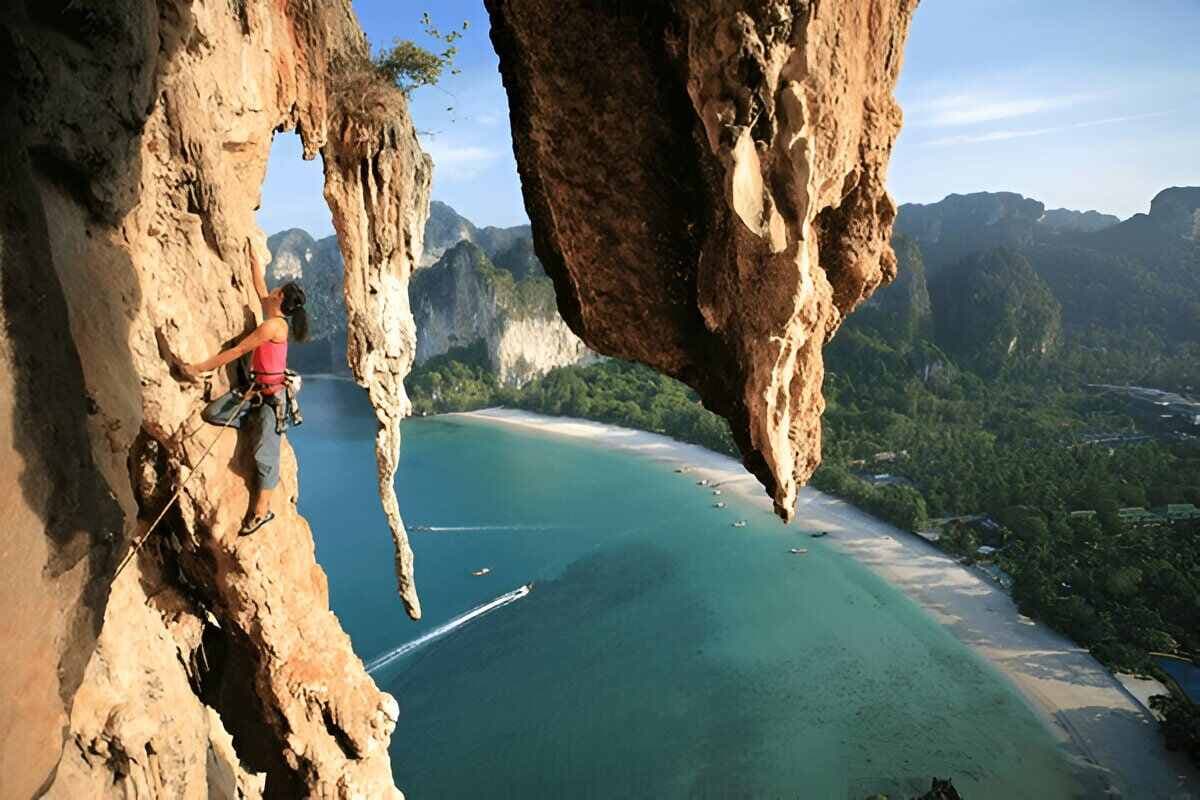
Overview of Rock Climbing in Thailand: Rock climbing in Thailand is a dream for adventure lovers. With stunning limestone cliffs, tropical scenery, and warm weather, it’s one of the best places in the world for climbers. The country offers a mix of breathtaking views, diverse climbing routes, and a fun climbing community that welcomes all skill levels.Thailand is home to some of the most spectacular rock formations, with cliffs rising straight from the ocean, mysterious caves, and lush jungle backdrops. Whether you’re climbing for fun, fitness, or the thrill of pushing your limits, there’s something for everyone. The best part? You don’t need to be a professional. Many climbing schools and expert guides offer training, ensuring a safe and enjoyable experience. Book your Thailand Tour Package with Viacation and conquer new heights!No need to be a pro—there are climbing spots for beginners, experts, and those who just want an Instagram-worthy moment. You can climb over turquoise waters, explore hidden caves, and feel like a superhero. And if you fall? Well, soft sand and friendly guides are there to catch you (or at least laugh with you!).After an intense climbing session, relax on the pristine beaches, enjoy a refreshing coconut drink, and soak in the tropical vibes. With such a perfect blend of adventure and leisure, rock climbing in Thailand is an experience you’ll never forget! What are the Key Highlights of the Rock Climbing in Thailand: Railay Beach: The most famous climbing spot, featuring jaw-dropping limestone cliffs and postcard-worthy views. A must-visit for climbers of all levels. Tonsai Bay: A haven for backpackers and climbing enthusiasts, offering both beginner-friendly and hardcore climbing routes. The area also has a vibrant nightlife to unwind after a climb. Chiang Mai’s Crazy Horse Buttress: No, it’s not about a horse—just a cool name for a fantastic climbing area with well-maintained routes, professional guides, and scenic surroundings. Deep Water Soloing: Experience the ultimate adrenaline rush by climbing without ropes and jumping straight into the crystal-clear sea! A must-try for thrill-seekers. Professional Guides Available: Whether you need a lesson or just moral support, expert climbers and guides are available to help you safely navigate your climb. Breathtaking Views: If the climb doesn’t take your breath away, the stunning ocean views, lush greenery, and dramatic rock formations certainly will! Timings & Entry Fees for Rock Climbing in Thailand: 1. Timings: Rock climbing is available year-round, but the best time to visit is November to April when the weather is dry, making it easier to climb.2. Entry Fees: Most climbing spots do not require an entry fee, but guided climbs and equipment rentals range from INR 2,000–5,000 per session, depending on the location and difficulty. Travel Tips/ Essential Information of Rock Climbing in Thailand: Wear Proper Shoes: Flip-flops won’t help—get climbing shoes or rent them on-site for a better grip and safety. Hydrate Like a Camel: Thailand is hot, and sweating is guaranteed. Bring a reusable water bottle and stay hydrated throughout your climb. Don’t Look Down (If You’re Scared): Keep your eyes on the rocks and focus on your next move. The ground isn’t going anywhere! Choose the Right Climb: If you’re a beginner, start with easy routes. Don’t let overconfidence get you stuck halfway up a cliff. Listen to Your Guide: Experienced climbers and local guides know the best techniques and safety measures. Follow their advice to make your climb more enjoyable and secure. Take a Break: Climbing is physically demanding, so pace yourself. Luckily, Thailand’s beaches are perfect for post-climb relaxation. Capture the Moment: Bring a waterproof action camera or ask a friend to snap pictures of your climb—but maybe take that selfie after you reach the top! Respect Nature: Preserve the beauty of Thailand’s climbing spots by avoiding littering and respecting the local environment. Rock climbing in Thailand is an adventure you won’t forget. Whether you’re scaling breathtaking cliffs, jumping into the ocean, or simply soaking in the views, it’s an experience of a lifetime. Also Read: Places to Visit in ThailandMust Read: Things to do in Thailand

Read More

Kiteboarding in Thailand
May 30, 20253 Minutes
Kiteboarding in Thailand
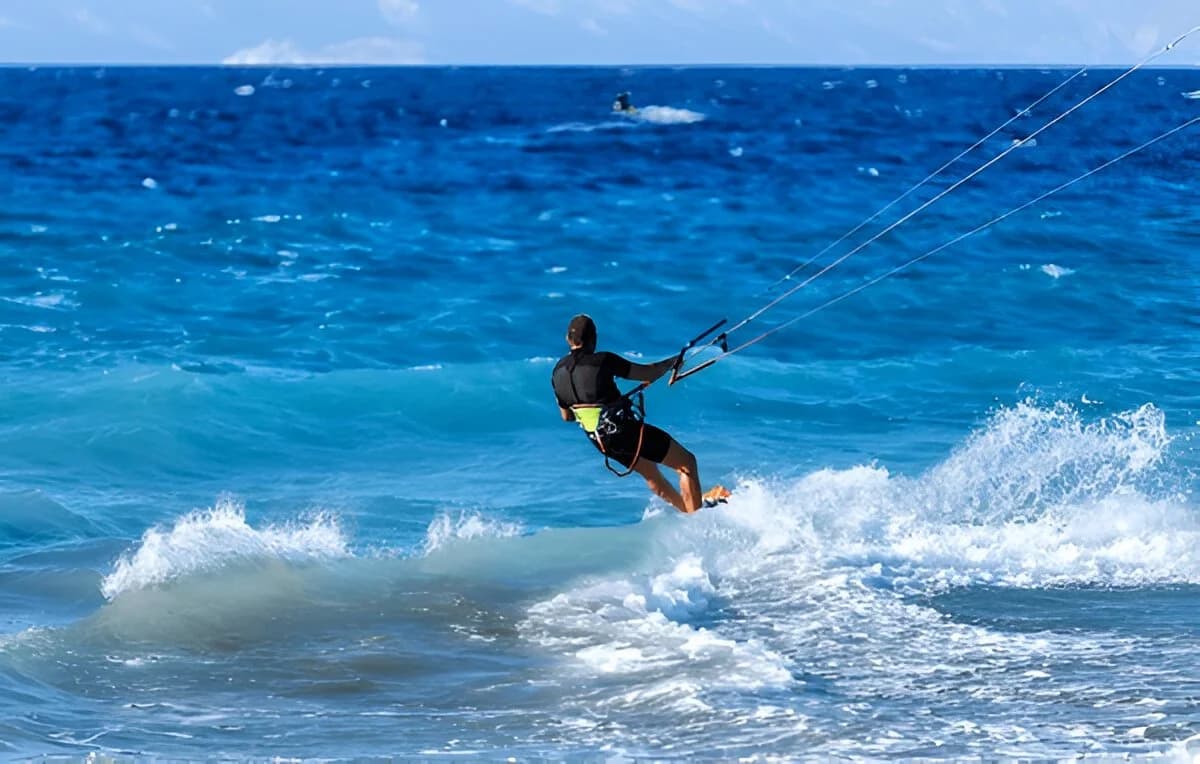
Overview of Kiteboarding in Thailand: Kiteboarding, also known as kitesurfing, is an exciting water sport that combines surfing and flying a kite. It’s like wakeboarding but without the need for a boat. Thailand is a paradise for kiteboarders, with steady winds, warm tropical waters, and breathtaking beaches. Whether you’re a total newbie or an experienced rider, Thailand has something for everyone. Book your Thailand Tour Packages with Viacation and ride the waves like a pro!Some of the best spots for kiteboarding in Thailand include Hua Hin, Pattaya, Phuket, and Koh Samui. These locations offer excellent wind conditions and professional kiteboarding schools that help beginners get started safely.The best time for kiteboarding is from November to April when the wind is steady and the weather is perfect. You don’t need superhuman strength to do it—just some balance, patience, and a love for adventure. And don’t worry, falling into warm tropical water isn’t the worst thing that can happen! What are the Key Highlights of the Kiteboarding in Thailand: Hua Hin: One of the most popular kiteboarding spots, with perfect wind conditions and a lively beach vibe. Pattaya: A great place for beginners with shallow waters and professional kite schools. Phuket: Offers beautiful beaches and strong winds, making it ideal for advanced riders. Koh Samui: A mix of relaxed beach vibes and thrilling kiteboarding experiences. Professional Lessons: Whether you’re a beginner or want to master some tricks, certified instructors are available at major kiteboarding locations. No Boat Needed: Unlike wakeboarding, you only need wind and a kite—making it an eco-friendly adventure! Feel the Adrenaline: The thrill of riding the waves and catching the wind is unbeatable! Timings & Entry Fees for Kiteboarding in Thailand: 1. Timings: Kiteboarding is available year-round, but the best season is November to April when the winds are at their best.2. Entry Fees: Most beaches do not charge an entry fee, but renting equipment or taking lessons can cost between INR 3,000–7,000 per session, depending on the location and instructor. Travel Tips/ Essential Information of Kiteboarding in Thailand: Start with a Lesson: Even if you think you’re a natural, a few lessons will save you from flying away with your kite! Wear a Safety Harness: A good harness keeps you balanced and prevents unnecessary ocean dives. Sunscreen is Your Best Friend: The sun can be harsh—unless you want to look like a fried samosa, apply sunscreen generously! Choose the Right Spot: Beginners should stick to beaches with shallow waters and gentle winds. Stay Hydrated: Kiteboarding is fun, but it’s also a workout. Keep drinking water to stay energized. Watch the Wind Conditions: Too much wind can be risky, and too little means you won’t move much—choose wisely! Secure Your Sunglasses: If they’re not strapped, they’ll become fish accessories in no time. Respect the Locals & Environment: Avoid littering and be mindful of swimmers and other beachgoers. Kiteboarding in Thailand is an adventure you don’t want to miss. Whether you’re here to learn, show off, or just enjoy the experience, it’s a must-try activity. Also Read: Places to Visit in ThailandMust Read: Things to do in Thailand

Read More

Scuba Diving in Thailand
May 30, 20253 Minutes
Scuba Diving in Thailand
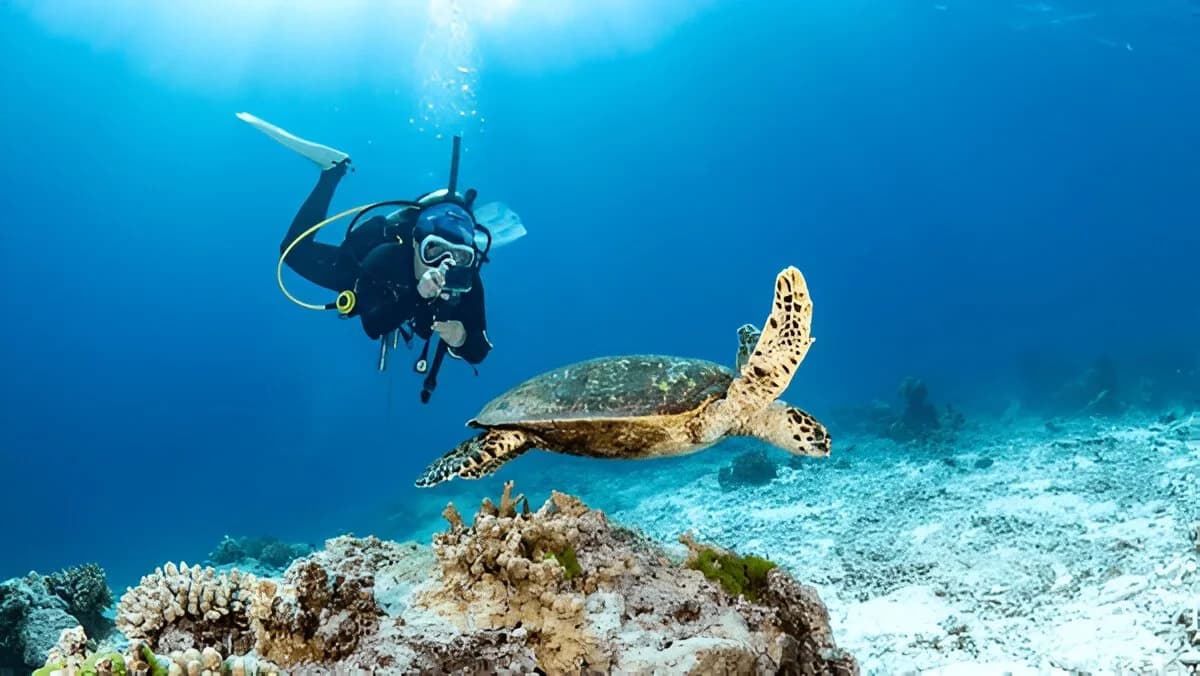
Overview of Scuba Diving in Thailand: Thailand’s scuba diving scene has become a global sensation, and it’s not just because of the clean waters and marine life. Back in the day, only a handful of adventurous souls knew about these underwater treasures. But as word spread—thanks to enthusiastic divers and a few documentaries—the secret was out. Now, Thailand is a hotspot for divers from all corners of the globe. Each dive site provides a unique experience, from shipwrecks to different types of fishes. With a variety of Thailand tour packages available, planning your diving adventure has never been easier. Best Places for Scuba Diving in Thailand: 1. King Cruiser Wreck, Phuket – Phuket Dive Tours Dive and explore the history with this sunken passenger ferry from 1977. Explore coral-covered cabins and encounter scorpionfish, sharks, and if you’re lucky, a resident Hawksbill Turtle.– Depth: 32 meters.– Price: Approximately ₹9,000 for a three-dive day trip, including food and beverages. 2. Chumphon Pinnacle, Koh Tao – Crystal Dive A favorite among experienced divers, this site features granite pinnacles with pink anemones. Keep an eye out for giant groupers and, during certain months, whale sharks.– Depth: 30-40 meters. Provider– Price: Around ₹4,500 for a two-dive trip. 3. HTMS Chang, Ko Chang – Koh Kood Divers Thailand’s largest shipwreck offers different paths and decks to explore, now home to butterflyfish, groupers, and the occasional whale shark.– Depth: 30 meters.– Price: Approximately ₹7,800 for two wreck dives via speedboat; night dives cost around ₹4,200. Timings & Entry Fees for Scuba Diving in Thailand: The best time for Scuba diving is around 7-8 am to make the most of daylight. Entry fees vary by dive site and operator, with prices ranging from ₹4,500 to ₹9,000. It’s best to check with individual providers for exact timings and fees. Travel Tips/ Essential Information of Scuba Diving in Thailand: Certification Matters: Ensure you have the appropriate diving certification if doing alone. If you’re a newbie, many operators offer beginner courses. Best Time to Dive: While Thailand’s waters are generally welcoming year-round, November to April offers optimal conditions in the Andaman Sea, while the Gulf of Thailand shines from May to September. Gear Up Properly: Most dive centers provide equipment, but if you have personal gear, bringing it ensures comfort and familiarity. Health First: Avoid diving if you’re feeling unwell, especially with colds or ear infections. And remember, no flying for at least 18-24 hours post-dive to prevent decompression sickness. Respect Marine Life: Look, but don’t touch. Preserve the beauty of coral reefs and marine creatures for future generations. Currency Check: While many dive centers accept credit cards, it’s handy to carry Thai Baht for small expenses. Stay Hydrated and Sun-Protected: The sun can be harsh. Drink plenty of water and slap on that sunscreen. Local Lingo: Learning a few Thai phrases can go a long way in building connections with locals. Also Read: Places to Visit in ThailandMust Read: Things to do in Thailand

Read More

Albinen
May 30, 20253 Minutes
Albinen
Overview of Albinen: Albinen is a tiny mountain village located in the gorgeous Valais canton of Switzerland. Dating back to the 13th century, this hidden gem sits at an altitude of 1,274 meters overlooking the Rhone Valley. What makes Albinen special is how it has preserved its traditional Swiss charm. The village is famous for its wooden houses built in the typical Valais style, with sun-darkened timber facades. Travelers love to stay in accommodations made in this style, which is also included in many Switzerland Tour Packages. In 2017, Albinen made headlines worldwide when it offered money to families willing to move there to counter population decline – a creative solution for this tiny community of just about 250 residents. What are the Key Highlights of Albinen: Traditional Wooden Houses: Explore centuries-old timber homes with flower-filled balconies that showcase authentic Swiss alpine architecture. Village Church: Visit the beautiful parish church built in 1723, featuring a baroque altar and stunning mountain views from its cemetery. The Infamous Ladders: If you’re brave enough, check out the historic wooden ladders (Leitern) that once served as the only connection between Albinen and Leukerbad – definitely not for those afraid of heights! Panoramic Views: Enjoy breathtaking vistas of the Rhone Valley and surrounding Alps from various viewpoints around the village. Thermal Baths Access: The nearby town of Leukerbad (just 4km away) offers some of Switzerland’s most famous thermal baths, perfect after a day of hiking. Local Cheese Production: Visit a local farm to see how traditional Alpine cheese is made, with opportunities for tasting sessions. Best Time to Visit Albinen: The Best time to visit Albinen is during summer (June to September) when hiking trails are open and the weather is pleasant, with temperatures ranging from 18-25°C. This period offers the best opportunity to explore the surrounding Alpine meadows and enjoy outdoor activities. Winter (December to March) transforms Albinen into a snow-covered wonderland. While the village itself doesn’t have its own ski resort, it’s well-connected to nearby Leukerbad’s ski areas. Be prepared for temperatures that can drop to -5°C or lower. while autumn (October-November) offers beautiful changing colors but with cooler temperatures and fewer tourist facilities open. Travel Tips / Essential Information For Albinen: How to Reach: Take a train to Leuk station, then catch bus #471 (runs every 2 hours) to Albinen. Accommodations: Limited options – book ahead! Try Pension Albinen or rent a vacation apartment (5,000-10,000 INR per night). Food Options: Only 1-2 small restaurants in the village – check opening hours before arrival. Day Trip Option: If accommodation is full which usually happens, stay in Leukerbad and visit Albinen for the day. Grocery Shopping: Buy supplies in larger towns as local shop has limited stock and high prices. Cash is important: Many places don’t accept online payments or cards, so bring Swiss Francs. Mobile Coverage: Can be spotty – download maps offline before arrival. Language: German is mainly spoken, but basic English works in tourist spots. Pack Smart: Weather changes quickly – bring layers even in summer. No ATMs: Get money before arriving in Albinen. Water: Tap water is safe – bring a reusable bottle.Must Read – Places To Visit in SwitzerlandAlso Read – Things to Do in Switzerland

Read More

Basel
May 30, 20253 Minutes
Basel
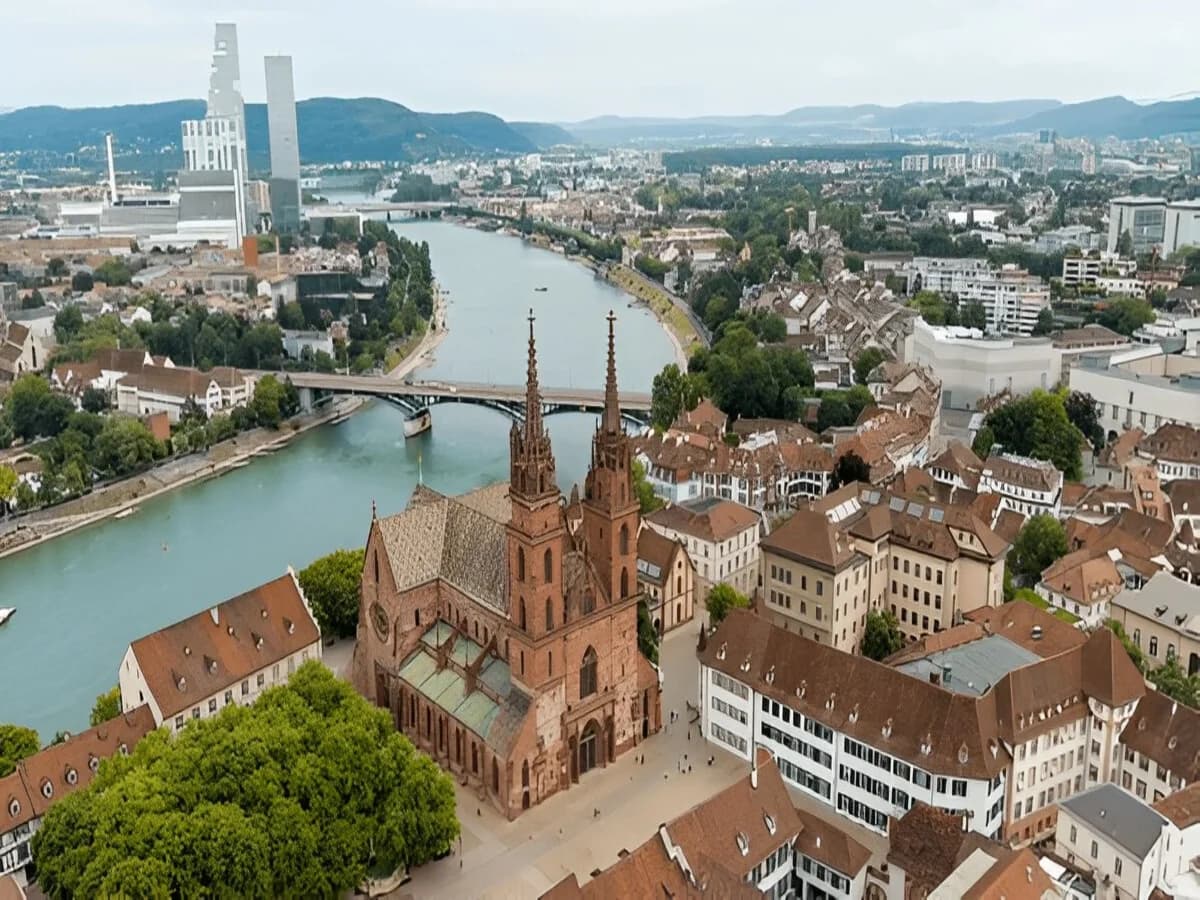
Overview of Basel: Basel is located at the meeting point of Switzerland, France, and Germany, which makes it a truly unique European destination. This charming city traces its roots back over 2000 years, with evidence of Celtic and Roman settlements that evolved into a trade hub. The Rhine River cuts through Basel, dividing it into Grossbasel (Greater Basel) and Kleinbasel (Lesser Basel). The city proudly displays its rich heritage through well-preserved old-town architecture, including the striking red sandstone Munster cathedral dating back to the 12th century. Beyond its historical significance, Basel has reinvented itself as Switzerland’s cultural capital, hosting world-class museums and the internationally popular Art Basel fair. With its blend of tradition and innovation, Switzerland tour packages often highlight Basel as an essential stop for travelers who look for an authentic Swiss experience. What are the Key Highlights of Basel: Basel Munster: This magnificent cathedral offers breathtaking views of the Rhine River from its towers. The intricate carvings on its façade tell stories from centuries past, and the peaceful cloister provides a quiet escape from the bustling city. Rhine River Swimming: During summer months, join locals in the unique tradition of Rhine swimming! Grab a Wickelfisch (a waterproof bag shaped like a fish) to keep your belongings dry while you float downstream with the current. Three Countries Border: Visit the “Dreilandereck” where Switzerland, France, and Germany meet. Stand in three countries within minutes and snap photos at the monument marking this unique geographical point. Fasnacht Festival: If visiting in February/March, witness the spectacular Fasnacht carnival—Switzerland’s largest. The 72-hour celebration features elaborate costumes, haunting music from piccolo players, and artistic lanterns illuminating the pre-dawn streets. Old Town Exploration: Wander through narrow medieval streets to discover hidden fountains, colorful buildings, and charming cafés. The Marktplatz with its vibrant red Town Hall (Rathaus) offers perfect photo opportunities. Best Time to Visit Basel Basel welcomes visitors year-round. Summer (June-August) brings warm temperatures around 25°C, perfect for Rhine swimming and outdoor dining at riverside restaurants. However, this is also peak tourist season. Spring (April-May) offers mild weather, blooming gardens, and fewer crowds. The city comes alive with color, and outdoor cafes begin to fill the squares. Fall (September-October) treats visitors to golden hues throughout the parks and vineyards surrounding the city. The weather remains pleasant, and cultural events resume after the summer break. Winter (November-February) transforms Basel into a festive wonderland, especially during December Christmas festivals and markets attract travelers. Travel Tips / Essential Information For Basel: Currency: Swiss Franc (CHF). Approximately 1 CHF = 83 INR. Many places accept Euros but give change in Francs. Basel Card: All hotel guests receive a free Basel Card that includes unlimited public transport and a 50% discount on museum entries (saving around 830 INR per museum). Language: German is the main language, but English is widely spoken in tourist areas. Budget: Basel is expensive even by Swiss standards. Budget at least 6,600 INR daily for modest expenses. Public Transport: An efficient tram system connects all major attractions. Day passes cost about 830 INR. Border Crossings: Carry your passport when visiting nearby France or Germany. Drinking Water: Tap water is excellent quality and free from public fountains. Shopping Hours: Most shops close early (6-7 pm) and remain closed on Sundays.Must Read – Places To Visit in SwitzerlandAlso Read – Things to Do in Switzerland

Read More

Brienz
May 30, 20253 Minutes
Brienz
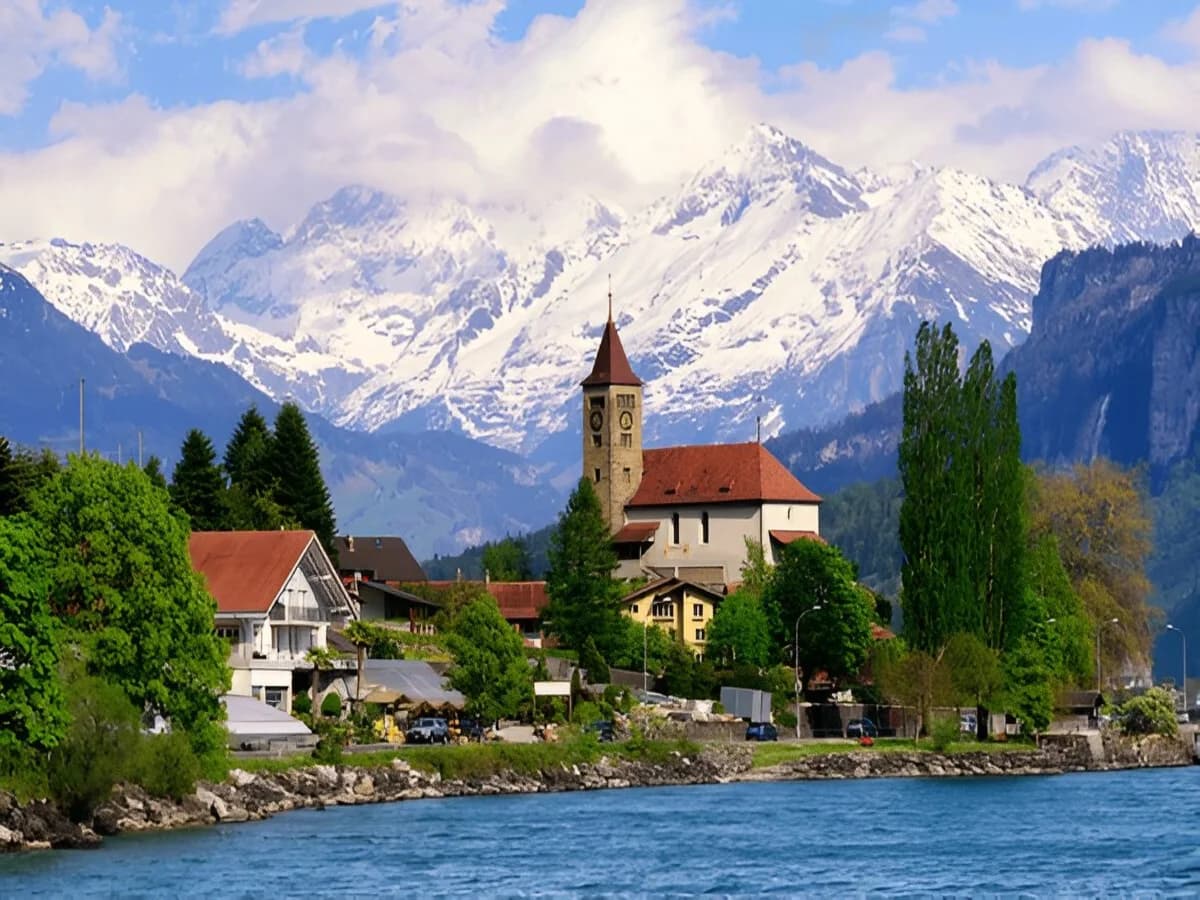
Overview of Brienz: Located on the northeastern shore of Lake Brienz in the Bernese Oberland region, Brienz is a Swiss village that has the essence of traditional mountain life. The village is basically located beside Lake Brienz and the mountains which is why, the village is named Brienz. This town, with its wooden chalets and flowered balconies, has been a center of woodcarving since the 19th century. Originally a fishing and farming community, Brienz transformed when tourism began flourishing in the 1800s. With its rich craftsmanship heritage and a beautiful location for exploring central Switzerland, Brienz makes an excellent addition to Switzerland Tour Packages. The historic Brienz Rothorn Railway, dating back to 1892, remains one of the few steam-powered rack railways still operating in Switzerland.  What are the Key Highlights of Brienz: Brienz Rothorn Railway: This vintage steam train takes you on a breathtaking journey up to Rothorn summit, offering spectacular panoramic views of the Alps and lakes below. Woodcarving Museum: Explore the world-famous Swiss woodcarving tradition through fascinating exhibits showcasing intricate craftsmanship that has defined Brienz for generations. Lake Brienz: The stunning turquoise-blue lake offers boat cruises where you can marvel at the surrounding mountains reflected in its crystal-clear waters. Ballenberg Open-Air Museum: Located just outside Brienz, this living museum features over 100 reconstructed historic buildings from all over Switzerland, demonstrating traditional rural life. Giessbach Falls: These magnificent waterfalls cascade down in 14 stages through forest and meadows before reaching Lake Brienz, accessible by Europe’s oldest funicular railway. Brunngasse: Often called “Switzerland’s most beautiful street,” this narrow lane features perfectly preserved wooden houses dating back to the 18th century, adorned with flower boxes and intricate carvings. Axalp: This small mountain resort above Brienz offers an excellent hiking experience in summer and family-friendly skiing in winter with spectacular views of Lake Brienz. Best Time to Visit Brienz: The best time to visit Brienz is between June and September when the weather is mild and all attractions operating well. The Rothorn Railway runs from June to October. For fewer crowds but still pleasant conditions, try May or late September. Winter (December-February) is also good for snow lovers, especially around Christmas. Travel Tips / Essential Information For Brienz: Transportation: The town is easily accessible by Swiss Federal Railways. Consider purchasing a Swiss Travel Pass (approximately ₹15,000 for 3 days) for unlimited travel on trains, buses, and boats. Accommodation: Book accommodations early during peak summer months as options are limited in this small village. Currency: Swiss Franc (CHF) is used everywhere, though some places accept Euros. ATMs are available in town. Language: German is the main language, but English is widely understood in tourist areas. Rothorn Railway Tickets: Budget around ₹4,500 for a return ticket to the summit. Book in advance during peak season. Packing Essentials: Bring layers even in summer as mountain temperatures can change quickly. Comfortable walking shoes are a must. Food Budget: Restaurants in Brienz are expensive by Indian standards. Budget ₹1,500-2,000 per meal, or save money by shopping at local grocery stores. Boat Cruises: Lake cruises cost approximately ₹2,000 per person and offer the best views of the surrounding landscape.Must Read – Places To Visit in SwitzerlandAlso Read – Things to Do in Switzerland

Read More

Lausanne
May 30, 20253 Minutes
Lausanne
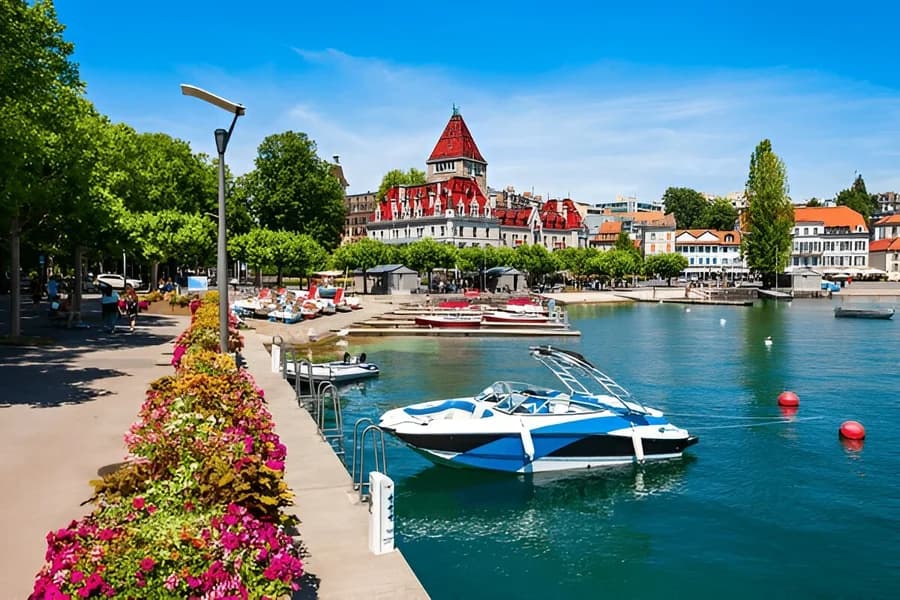
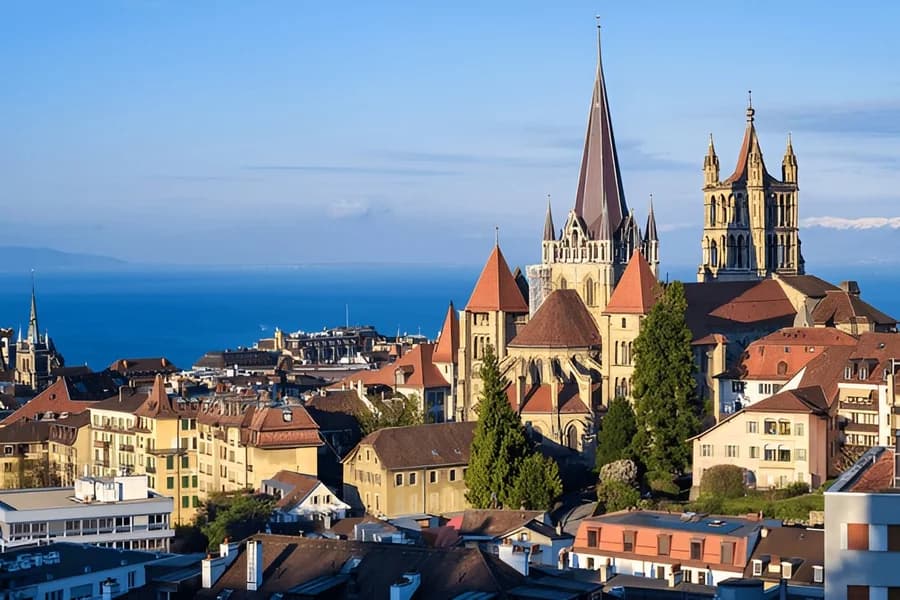
Overview of Lausanne: Lausanne is a beautiful city beside Lake Geneva and as it is a coastal city, it is famous for its amazing scenery, rich history, and cultural experience it offers. This Swiss gem is home to the International Olympic Committee headquarters, making it the Olympic Capital of the world. But that’s not all—the whole city is dotted with cobbled streets and churches. You can explore vineyards in Lavaux (a UNESCO World Heritage site) in the morning and enjoy world-class museums in the afternoon. The city’s hilly terrain offers incredible viewpoints, so the photos you get are definitely going to be insane. Apart from all the tourist hubs, Lausanne is a must-visit in Switzerland Tour packages to have a unique and authentic experience of Swiss Village life. To have an experience out of the box, or for just enjoying the Swiss vibes, consider visiting Lausanne. What are the Key Highlights of Lausanne: Olympic Museum: Explore the history of the Olympics with exhibits, rare memorabilia (momentos), and a chance to see actual Olympic torches. Lausanne Cathedral: A gothic masterpiece with panoramic views of the city from its bell tower—worth the climb! Ouchy Promenade: A scenic lakeside walk with swans, parks, and breathtaking sunset views over Lake Geneva. Lavaux Vineyards: A UNESCO World Heritage site where you can sip Swiss wine while admiring rolling vineyards and the Alps. Collection de l’Art Brut: A museum showcasing unconventional, outsider art–art produced by children or mentally ill people. Flon District: The city’s nightlife and shopping hub, filled with trendy bars, restaurants, and boutiques. Sauvabelin Tower: A wooden tower offering panoramic views of Lausanne, the lake, and the Alps—perfect for photos. Fondue by the Lake: Enjoy Switzerland’s famous cheese fondue with a view, because nothing screams “Swiss experience” more than melted cheese! Timings & Entry Fees of Lausanne: Olympic Museum: Open Tuesday to Sunday, 9 am – 6 pm. Entry fee: Approx. ₹1,700 for adults, ₹800 for students. Lausanne Cathedral: Open daily, 9 am – 5:30 pm. Free entry. Lavaux Vineyards: Open all year round, guided tours start at ₹3,500 per person. Travel Tips / Essential Information For Lausanne: Best Time to Visit: Lausanne is beautiful year-round, but spring (April-June) and autumn (September-November) offer good and mild weather and crowds at its minimum. Currency: Switzerland uses Swiss Francs (CHF), but major credit cards and digital payments are widely accepted. Public Transport: The city has an excellent metro system, buses, and trains—buy a Lausanne Transport Card for unlimited travel. Language: French is the official language, but English is commonly spoken in tourist areas. It’s better to learn a few phases. Budget Tip: Eating out in Switzerland can be expensive, so try local supermarkets for affordable snacks and picnic supplies. Swiss Travel Pass: If you’re exploring beyond Lausanne, consider the Swiss Travel Pass for unlimited train rides across Switzerland. Electric Sockets: Switzerland uses Type J plugs, so carry an adapter or convertor if needed. Indian Food Alert: For all Indian travelers craving Indian dishes, Lausanne has some great Indian restaurants like Laxmi and Restaurant Bollywood Must Read – Places To Visit in SwitzerlandAlso Read – Things to Do in Switzerland

Read More

Locarno
May 30, 20253 Minutes
Locarno
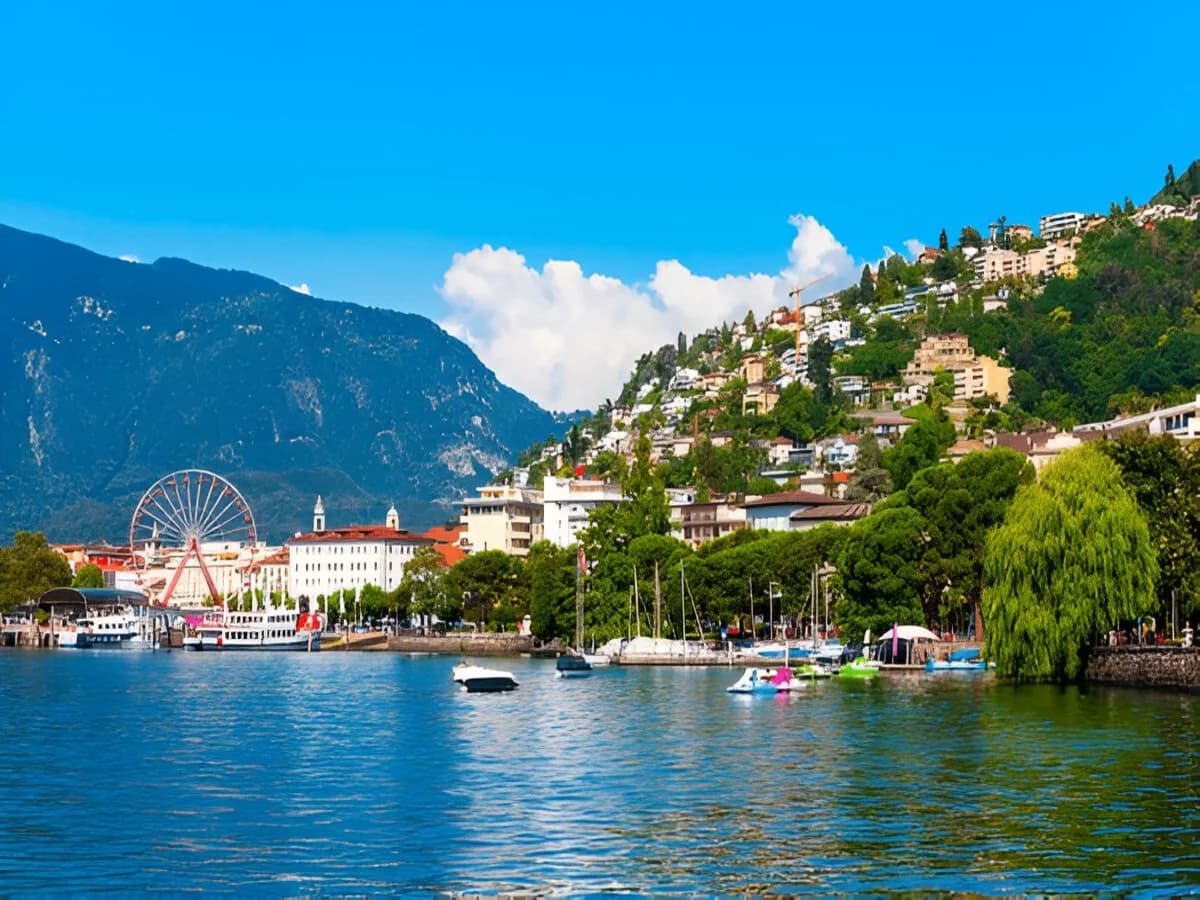
Overview of Locarno: Located along the northern shores of Lake Maggiore, Locarno is a town in southern Switzerland that has captured the hearts of many travelers worldwide. Its rise to fame can be attributed to the annual Locarno Film Festival, one of the oldest and most prestigious in the world attracts cinema enthusiasts every August. Visitors are often enchanted by the seamless fusion of natural beauty and cultural richness, making Locarno a standout destination in many Switzerland tour packages. But it’s not just the silver screen that makes Locarno special. The town has a unique blend of Swiss precision and Italian flair, evident in its Mediterranean climate, palm promenades, and historic architecture.  What are the Key Highlights of Locarno: Piazza Grande: The heart of Locarno, this expansive square is surrounded by cafes and shops and hosts numerous events, including the famed film festival. Castello Visconteo: A 13th-century castle turned museum, which shows insights into Locarno’s past and houses a collection of Roman artifacts. Madonna del Sasso: A stunning sanctuary perched on a hill, providing panoramic views of the town and lake, accessible via a scenic funicular ride. Lake Maggiore: Ideal for boating, swimming, or a leisurely lakeside walk. Valle Verzasca: A nearby valley famous for its green river, perfect for hiking, swimming, and even bungee jumping from the iconic Verzasca Dam. Lido di Locarno: A lakeside beach complex featuring pools, a sandy beach, and various water sports facilities, making it a family favorite during summer. Timings & Entry Fees of Locarno: Castello Visconteo: Open Tuesday to Sunday, 10:00 am to 5:00 pm. Entry fee: approximately ₹800. Madonna del Sasso Funicular: Operates daily from 7:00 am to 10:30 pm. Round-trip fare: around ₹700. Lido di Locarno: Open daily from 9:00 am to 8:00 pm. Admission: approximately ₹1,200 for adults, ₹600 for children. Travel Tips / Essential Information For Locarno: Language: While Italian is the official language, many locals speak English. Learning basic Italian phrases can enhance your experience. Currency: Switzerland uses the Swiss Franc (CHF). It’s handy to carry some cash, though credit cards are widely accepted. Best Time to Visit: August is the best time due to the film festival. For a quieter experience, consider visiting in late spring or early autumn when the weather is pleasant, and crowds are thinner. How to Reach: Locarno is well-connected by trains and buses. The town center is compact, making walking a delightful way to explore. Accommodation: From luxury hotels to cozy bed-and-breakfasts, booking in advance, especially during festival season, ensures better deals and availability. Local Cuisine: Don’t miss out on trying “risotto ai funghi” (mushroom risotto) and “polenta,” traditional dishes that reflect the region’s Italian influence. Safety: Locarno is considered safe for tourists. Standard precautions, like safeguarding personal belongings, are advisable. Charging Problem: Switzerland uses Type J sockets. Carrying a universal adapter will keep your devices charged and ready. Outdoor Activities: Pack comfortable shoes for exploring cobbled streets and hiking trails. A light jacket is also recommended, as evenings are chily.Also Read: Places to Visit in SwitzerlandMust Read: Things to do in Switzerland

Read More

Gimmelwald
May 30, 20253 Minutes
Gimmelwald
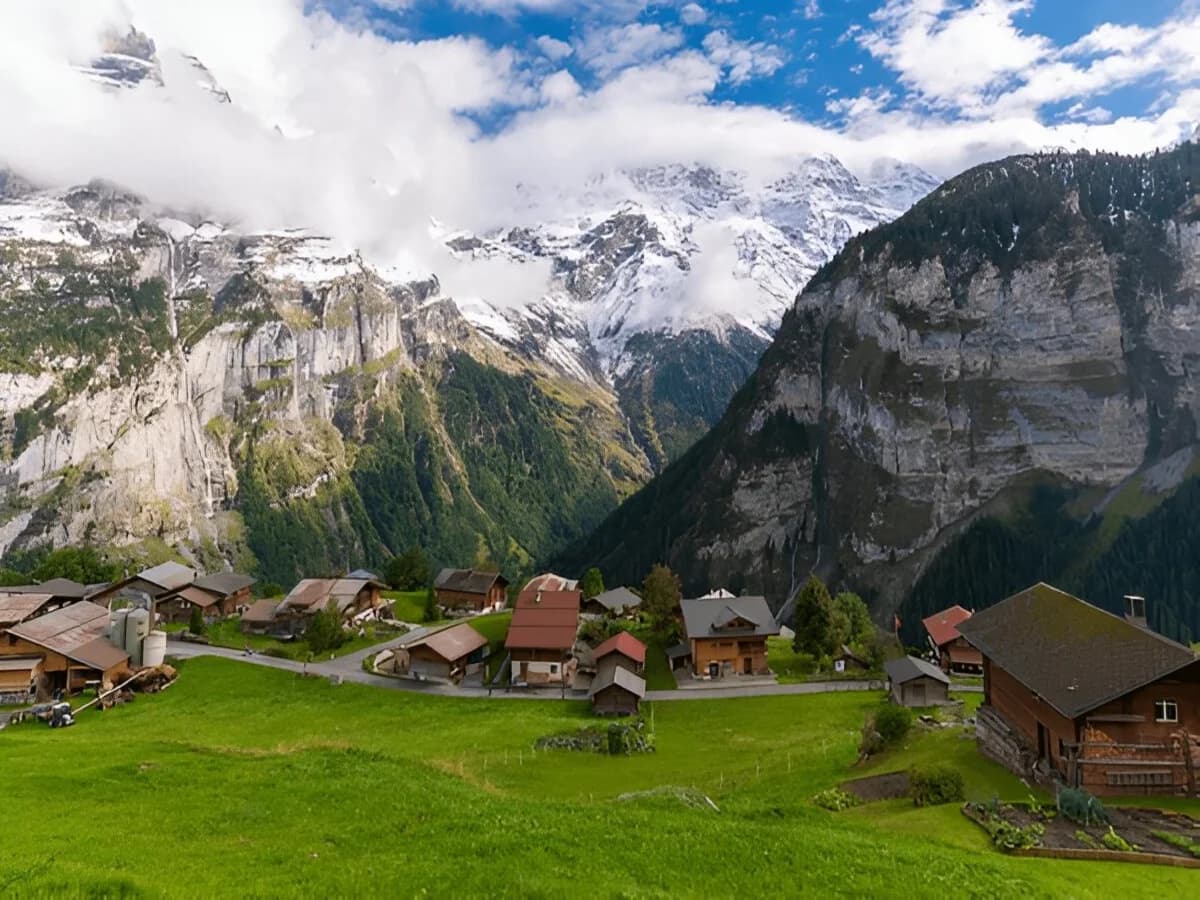
Overview of Gimmelwald: Gimmelwald is a small village in Switzerland, which is also sometimes called a fairy tale village. As compared to its neighbor, Lauterbrunnen, Gimmelwald remains untouched by commercial tourism. No fancy hotels, no luxury cars—just wooden chalets instead, cowbells ringing in the distance, and mountain peaks surrounding you. This offbeat beauty became famous when a few backpackers visited this place and posted photos on social media. Well, it’s one of the last car-free villages in Switzerland! Here, life moves in slow motion. You’ll find hiking trails, panoramic views, and some of the freshest cheese and milk straight from local farmers. It’s a place where your phone signal may betray you, but the scenic beauty never will. If you’re planning your dream Switzerland tour package, make sure this magical little village is on your list, just to experience the remote beauty of Switzerland. What are the Key Highlights of Gimmelwald: Breathtaking Hiking Trails: Whether you’re a seasoned trekker or someone who considers small peaceful walks, Gimmelwald has trails for all fitness levels, but the views you get are worth visiting this village. Schilthorn – James Bond Views: Visit the Schilthorn peak, famous for the James Bond movie – On Her Majesty’s Secret Service. The 360-degree revolving restaurant serves food with a side of insane mountain views. Trummelbach Falls: A short trip away, these are Europe’s only glacier waterfalls inside a mountain. Thundering water, deep caves, and a lot of mist—it’s nature showing off. Local Cheese & Alpine Milk: Try authentic Swiss cheese directly from the farms. It’s so fresh, your taste buds might start yodeling. Car-Free, Stress-Free Living: No traffic, no pollution—just pure mountain beauty. If you’re tired of honking horns and crowded streets, this is a must-visit for you. Timings & Entry Fees of Gimmelwald: Gimmelwald itself has no entry fee—it’s a village. However, reaching here requires a cable car or train ride. Schilthorn Entry Fee: ₹3,800 per adult Trümmelbach Falls Entry Fee: ₹1,200 per adult Cable Car (Stechelberg to Gimmelwald): ₹900 one way Travel Tips / Essential Information For Gimmelwald: Best Time to Visit: Summer (May to September) for hiking and winter (December to February) for a snowy experience. How to Reach: Take a train to Lauterbrunnen, then a bus to Stechelberg, followed by a cable car to Gimmelwald. Budget-Friendly Stays: Unlike the rest of Switzerland, Gimmelwald has affordable hostels and guesthouses. Book in advance. Cash or Card: It’s a remote village with minimum outer interference. It’s better to carry Swiss Francs (CHF) for purchases. What to Pack: Warm clothes, comfy shoes, and a power bank (because you’ll take a million photos), and an umbrella—mountain weather changes really faster. Food Tips: Stock up on snacks in Lauterbrunnen; Gimmelwald has limited restaurant options. Respect the Silence: This is a peaceful village, so keep the village clean, do minimum noise pollution. Also Read: Places to Visit in SwitzerlandMust Checkout: Things to do in Switzerland

Read More

Best Time to Visit Manali
May 30, 20256 Minutes
Best Time to Visit Manali
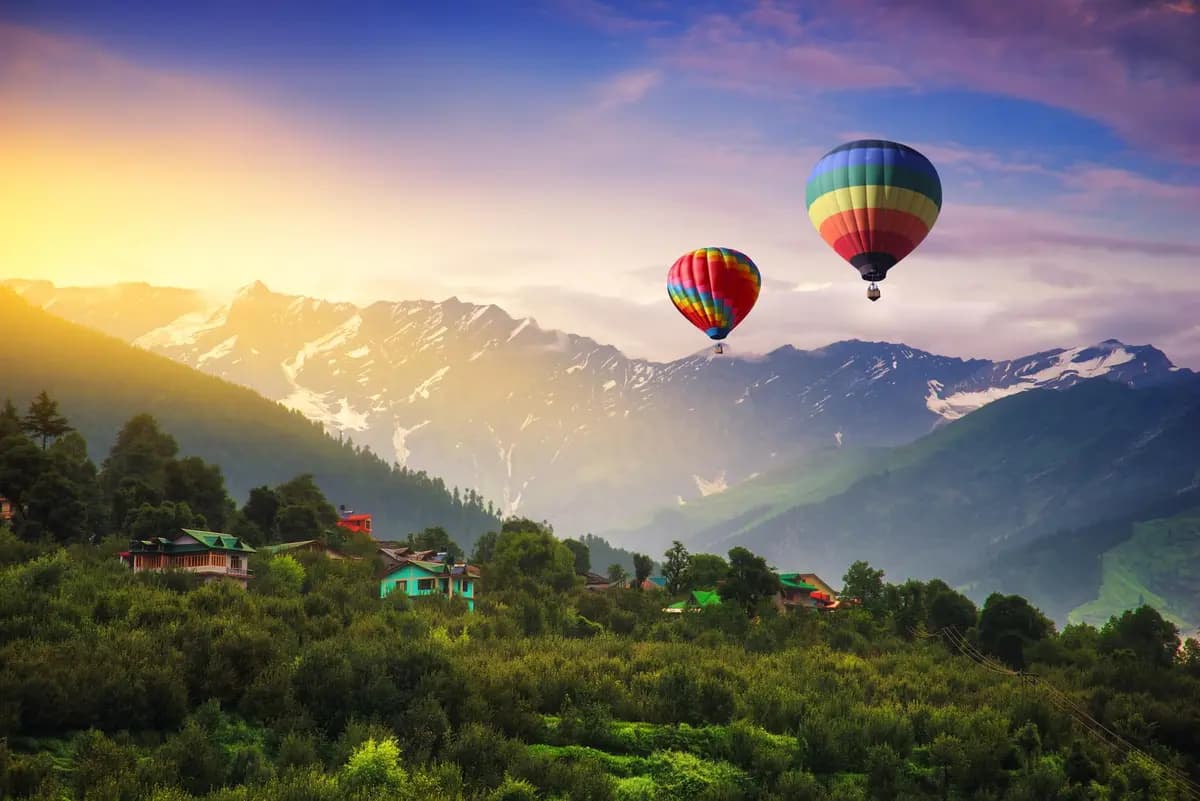
Manali, this hill station in Himachal Pradesh is awesome to hang out almost any time of the year. Manali experiences different weather in different seasons like snow all around in winter and a refreshing summer breeze also in summers, Manali has something special in every season. The best time to visit Manali really depends on what you’re looking for. Let us help you find out out perfect time to visit ManaliIf you’re confused about planning your trip, don’t worry! There are plenty of Manali Tour Packages available that take care of everything from hotels to sightseeing. Now, let’s dive into when you should pack your bags for your Manali trip!Best Time to Visit Kullu ManaliPeak Season:Summer months (March-June) are when Manali is buzzing with tourists like bees around honey! And honestly, you can’t blame them. This is the best time to visit Manali. The weather is perfect – not too hot, not too cold, just right for almost everything, visiting attractions, small hikes, and adventure activities as well.Hotels during this time are usually packed, so prices shoot up faster than a paraglider! But you get to enjoy amazing festivals like the Hadimba Devi Festival, and pretty much every adventure activity is open. Pro tip: Book your stay at least 2-3 months in advance. Shoulder Season:September-November and February-March are the months like half-empty restaurants with great food – fewer people but all the good stuff! The weather is nice most of the time, and hotel rates won’t make your wallet cry.You can still enjoy most activities and the best part is that you don’t have to wait in long queues! The best time to visit Kullu Manali is actually during these months if you want to explore both places without the crazy crowds.Waning Season:July-August is when Manali experiences monsoon tears. The mountains look super green and pretty, but this is also the time when landslides often happen. Many adventure activities shut down, and because of landslides, roads might also be closed.But if you’re the kind who loves rainy weather and doesn’t mind indoor activities, you can get really amazing hotel deals during this time.Best Months to Visit in Manali:Manali in Summers (March – June):Temperature in Summer: 15°C to 30°C – perfect t-shirt weather during the day but keep a light jacket handy for evenings!Important Things to Know: Being the best time to visit Manali with family, hotels are usually fully booked, especially on weekends. You’ll bump into tourists everywhere, from Mall Road to the smallest cafes. Don’t miss the Summer Festival (Doongri Forest Festival) in May – it’s like a mountain carnival with local music and dance!Unique Experiences in Summer: Go crazy with paragliding in Solang Valley (starting ₹2,000), try river rafting in Beas (₹1,000 per person), or trek to nearby camps. The Rohtang Pass opens up, and the views you get from there are really great.Tips for Visiting in Summer: Pack light clothes but don’t forget a warm jacket, and sunscreen. Mall Road gets super crowded in the evenings – hit it up during early mornings for a peaceful shopping experience.Manali in Winters (October – February):Temperature in Winter: Temperatures drop to below 0°C The best time to visit Manali, especially for snowfall is from December end to January end– perfect for making snowmen!Important Things to Know: Many budget hotels shut down, but the open ones often have heaters and hot water 24/7. Roads might be blocked after heavy snowfall, so keep your plans flexible.Unique Experiences in Winter: Hit the slopes for skiing in Solang Valley (equipment rental: ₹800-1,000), try your hand at snowboarding, or just enjoy a snowball fight! The hot springs at Vasishtha Temple are also a great option in this weather.Tips for Visiting in Winter: This is the chilliest time in Manali, so if you love snowfall, this is the best time to visit Manali for snowfall. As this is the coldest time, wear thermals, heavy jackets, gloves, and boots. Carry some dry snacks – you might not find many open restaurants during snowfall.Manali in Monsoon (July – September):Temperature in Monsoon: Expect 10°C to 25°C with frequent rainfall. Humidity makes it feel warmer than it is.Important Things to Know: Monsoon is probably not the best time to visit Manali. Keep checking weather updates like you check your phone! Landslides become common, so roads can be tricky, but hotel prices drop by 40-50%. Most tourist spots remain open unless there’s heavy rainfall in the region.Unique Experiences in Monsoon: The waterfalls go from pretty to spectacular! Places like Jana Falls, and Jogini Waterfalls become mini-Niagara. The whole valley turns into a green paradise – perfect for nature photographers.Tips for Visiting in Monsoon: Carry rain gear and waterproof bags. Avoid remote areas and stick to main tourist spots. It’s best to avoid Manali in the Monsoon because it can mess with your travel plans because of landslides, and frequent rainfall.Must Read – Places To Visit in ManaliAlso Read – Things to do in Manali

Read More

Gstaad
May 30, 20253 Minutes
Gstaad
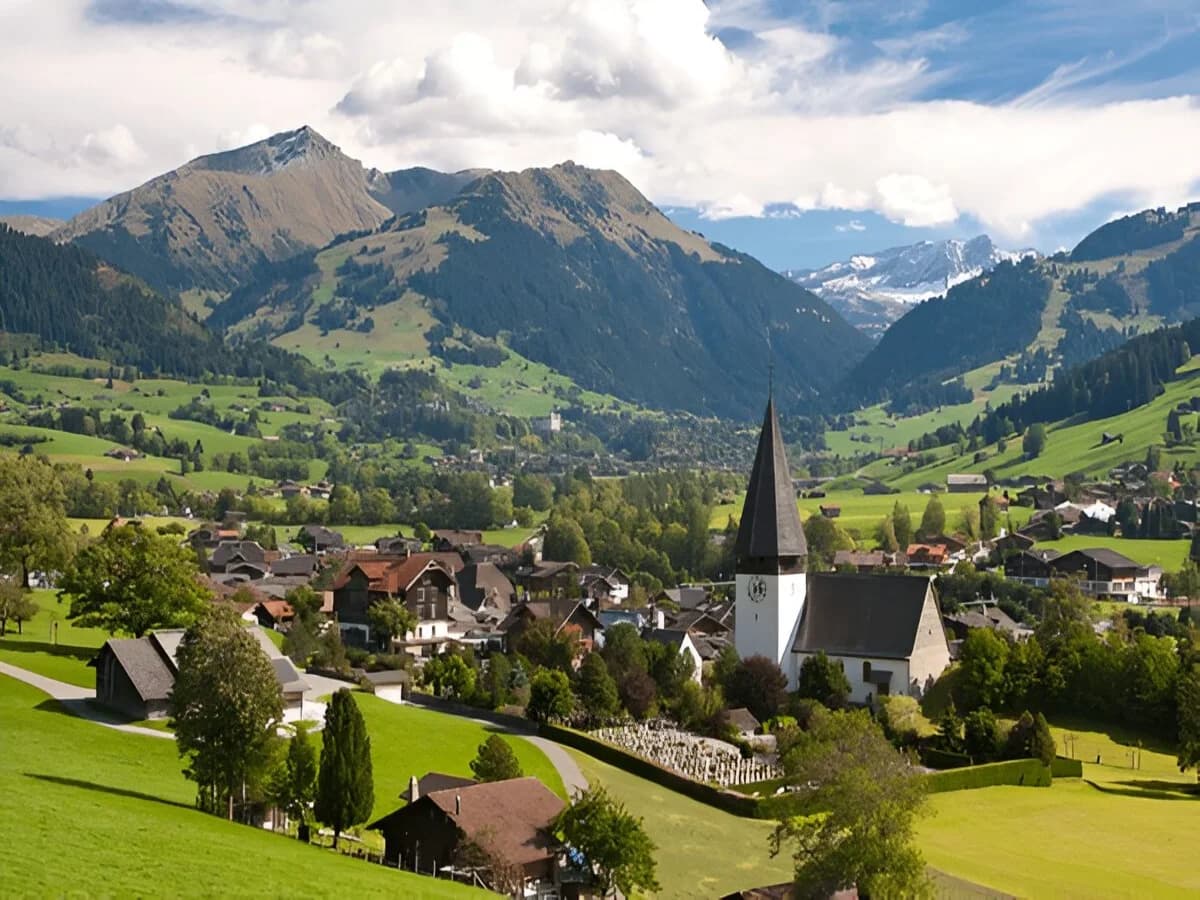
Gstaad is situated in southwestern Switzerland, in the Saanenland region of the Bernese Oberland. Despite its popularity among celebrities, this mountain village has preserved its traditional character and remains a sought-after holiday destination throughout the year.Though small in size, Gstaad is internationally popular as a stylish retreat for the elite. It is approximately a two-hour drive from Geneva or Zurich, positioned at the meeting point of the Bernese Oberland and the Vaud Alps. Gstaad is a car-free village that is famous because of its beautifully preserved wooden chalets scattered across four gentle valleys. It offers a variety of sports and social events throughout the year, making it an appealing destination for all Switzerland Tour Packages. In winter, Gstaad transforms into a premier ski destination with three ski areas, cross-country trails, winter hiking paths, toboggan runs, and an igloo village. After an active day, visitors can relax at cozy mountain restaurants and alpine lodges, enjoying local delicacies like Gstaad mountain cheese. What are the Key Highlights of Gstaad: Ski Slopes for All Levels: Whether you’re a first-timer or an expert skier, Gstaad’s 200 km of slopes cater to every skill level. And yes, there’s even a ‘gentle slope’ for those who just want a good photo. Glacier 3000 Adventure: Ride the cable car up to Glacier 3000 and walk across the Peak Walk—a suspension bridge connecting two mountain peaks at 9,842 feet. Not for the faint-hearted! Designer Shopping: From Louis Vuitton to Hermes, Gstaad’s Promenade is where the rich and famous drop their Swiss francs. Even if you’re only window-shopping, it’s worth the walk. Gstaad Palace: This legendary hotel is a whole experience in itself. Lavish rooms, gourmet restaurants, and a luxurious spa. Hot Air Balloon Rides: See the Swiss Alps from a different perspective by trying hot air ballooning. Traditional Swiss Fondue: Melted cheese and fresh bread, no trip to Switzerland is complete without a proper fondue session. Travel Tips / Essential Information For Gstaad: Best Time to Visit: Winter (December to March) for skiing and cozy chalet vibes; summer (June to September) for hiking and outdoor adventures. Either way, Gstaad doesn’t do ‘off-season.’ How to Reach: Fly to Zurich or Geneva, then take the scenic GoldenPass train to Gstaad. The journey itself is a treat, with stunning alpine views. Budget Considerations: Gstaad isn’t budget-friendly. The stay, food, and activities, are slightly on the higher side. Packing Essentials: In winter, bring layers, thermal wear, and waterproof boots (snow isn’t as beautiful when it’s in your socks). In summer, pack light but keep a jacket handy—Swiss weather loves surprises. Language & Currency: German is the main language, but English is widely spoken. The Swiss Franc (CHF) is the currency, and yes, it is expensive. Must-Try Food: Besides fondue, try Swiss chocolates, rosti (potato dish), and raclette. Fun Fact: Gstaad has more cows than people. Don’t be surprised if your morning alarm is a cowbell instead of your phone.Also Read: Places to Visit in SwitzerlandMust Checkout: Things to do in Switzerland

Read More

Visit Kullu Manali in December to Experience this Beauty at its Peak
May 30, 20256 Minutes
Visit Kullu Manali in December to Experience this Beauty at its Peak
Hey there, fellow travelers! If you’re dreaming of snow-covered mountains and cozy evenings by the fireplace, then visiting Kullu Manali in December is just what you need. Kullu becomes a magical destination in winter and transforms into a winter paradise. With various Manali tour packages available for winter travelers, planning your trip has never been easier. Weather and ClimateWhen it comes to Manali in December, prepare for the chill! Temperatures range from -1°C to 10°C, with evenings getting properly cold. Mid-December might have light snowfall, but if you’re after that picture-perfect white wonderland, plan your visit in the second half of the month. That’s when the real magic happens!Packing for a Manali trip in December means bringing all your winter wear – thermals, heavy jackets, gloves, mufflers, caps, and waterproof boots. Don’t forget your sunglasses too – the snow glare is real! And pack some moisturizer because the cold mountain air can leave your skin drier.Top Places to Visit in Kullu Manali in December1. Solang Valley:This winter wonderland becomes flooded with snow lovers! Just 14 km from Manali, Solang Valley is mostly famous for skiing and snowboarding. Even if you’ve never tried these activities before, instructors are available (₹300-500 for basic lessons). The valley gets fully covered in white snow which is also really great for photography. 2. Rohtang Pass:While Rohtang Pass closes during heavy snowfall (usually by December 15th), you can enjoy the snow-covered areas near the Gulaba check post, or else, visit before its closing. The views are absolutely breathtaking. The permit costs around ₹550 per vehicle, and it’s totally worth it.3. Mall Road & Old Manali:Mall Road is the tourist hub located in Manali. If you’re visiting Kullu Manali in December! The cafes and shops along this stretch look extra charming with fairy lights against the white snow. Old Manali’s cafes become super cozy, and you’ll find yourself ordering “just one more” hot butter tea (₹50-100) to extend your stay.4. Hadimba Temple:Hadimba Temple is the most famous temple and attraction of Manali. This ancient wooden temple surrounded by cedar forest gets a magical transformation when covered in snow. No entry fees, just pure cultural vibes!5. Manikaran & Kasol:The hot springs at Manikaran (entry-free) feel even more amazing when it’s freezing outside! Nothing beats dipping your feet in natural hot water while snow falls around you. In Kasol, the riverside cafes offer the perfect spot to enjoy a steaming cup of hot chocolate with gorgeous snow-capped mountain views.Activities to Do in Kullu Manali in December1. Skiing and Snowboarding:Beginners, don’t worry! Solang Valley has gentle slopes where you can learn without breaking any bones. Equipment rental costs around ₹500-1000, and trust me, falling on snow is way more fun than it sounds! The instructors are super friendly – they’ll help you from the very start until you actually learn to slide down.2. Paragliding:Paragliding is what Kullu is most famous for. Especially, if you’re visiting Kullu Manali in December, the experience is going to be insane. It costs between ₹1500-2500 depending on the duration, and the views of snow-clad peaks will make you feel like you’re in a movie. 3. River Rafting:Early December is a unique opportunity for rafting in chilly waters (₹600-1000 per person). The combination of cold water splashes and the warm winter sun is an experience that’s both refreshing and scary. Just be prepared for the splashes of icy cold waters.4. Snow Trekking & Camping:The Beas Kund trek gets a complete makeover in winter. The frozen streams and snow-covered paths make it challenging but incredibly rewarding. Camping in the snow (₹1500-2500 per night including meals) sounds crazy until you experience sitting around a bonfire with hot Maggi while surrounded by white mountains under a star-filled sky! If you’re coming to Kullu Manali in December, then snow trekking and camping in the hidden places here is one of the most unique experiences to have.5. Local Cuisine:Nothing beats Manali’s steaming siddu (stuffed bread) with ghee on a cold December evening! Visit Johnson’s Cafe or Drifters’ Inn for their special winter menu including trout fish and hot apple cider (₹200-500). Kullu Manali in December is a must to experience. From skiing down slopes to simply making snow angels, there’s something magical about experiencing winter in its full glory here. Book your trip early and pack extra thermals. What are the Key Highlights of Manali in December:Wake up early to get the amazing views Experience the thrill of skiing down a slope for the first time (and the pride of standing up after falling a dozen times!)Enjoy a steaming cup of masala chai that tastes 10 times better when your nose is red from the coldBuild your first snowman and engage in epic snowball fights that bring out the kid in everyoneWatch your breath form little clouds in the air (it never gets old, trust me!)Must Read – Places To Visit in ManaliAlso Read – Things to do in Manali

Read More

Lugano
May 30, 20253 Minutes
Lugano
Overview of Lugano: Lugano, a lakeside city located in the Italian-speaking region of Switzerland, is a hidden gem for all the travelers. With its stunning landscapes, lakeside views, and Mediterranean-like climate, Lugano has attracted travelers for decades. Its historical places, streets, and proximity to both Italy and Switzerland make it a unique blend of two cultures. Over the years, the city has gained fame for its arts scene, luxurious lifestyle, and outdoor activities, making it a prime spot for those looking to explore the best of Switzerland. Switzerland Tour packages often include this city so that tourists can have a chance to enjoy beauty of its lakes, hills, and gardens. What are the Key Highlights of Lugano: Lake Lugano: A shimmering blue gem surrounded by mountains. Take a boat ride or simply stroll along the promenade for breathtaking views. Parco Ciani: A beautiful park offering lush green spaces, ideal for a relaxing afternoon picnic. Monte Bre: For panoramic views of the city and surrounding Alps, hop on the funicular to Monte Brè. It’s a must-do for nature lovers and hikers. Lugano Art and Culture: Visit the Museo d’Arte, which showcases Swiss and Italian art, or the beautiful Teatro Sociale for a taste of local culture. Gandria: A quaint lakeside village perfect for a peaceful stroll through narrow streets and charming houses. Shopping: Head to Via Nassa, where you’ll find high-end boutiques and shops offering Swiss watches, jewelry, and more. Swiss Miniatur: A fun, family-friendly park where you can see Switzerland’s iconic landmarks in miniature form—ideal for kids and adults alike! Travel Tips & Essential Information of Lugano: Currency: Swiss Franc (CHF), but most places accept cards. The exchange rate can be around 1 CHF = ₹93 (approx.). How to Reach: The city is small and walkable, but if you prefer, buses and funiculars are available for easy access to nearby hills and attractions. Best Time to Visit: The summer months (June to August) are perfect for outdoor activities, while the winter (December to February) is ideal for those looking to experience a cozy European winter. Language: Italian is the primary language, but English is widely understood. A few basic Italian phrases can always help. Weather: The climate is mild and Mediterranean. Summers can be warm, and winters are cold, but not as harsh as other Swiss regions. Pack light layers for the summer and a warm jacket for the winter. Skiing: If you love skiing, head to Monte Bre during the winter. It’s ideal for beginners to intermediate skiers. Public Transport: Buses and trains are well-connected. A single-ride ticket costs around ₹200, while a daily pass for unlimited travel in Lugano and surrounding areas is about ₹1,100. Dining: Don’t miss the local dishes like risotto, polenta, and fresh fish from Lake Lugano. Meals in decent restaurants usually cost around ₹1,500–₹3,000 per person. Shopping: Lugano is also famous for luxury shopping. High-end stores like Swiss watches and Italian brands can cost anywhere from ₹10,000 to ₹1,00,000, depending on what you’re buying. Must Read – Places To Visit in SwitzerlandAlso Read – Things To Do in Switzerland

Read More

Cities in Switzerland
May 30, 20251 Minute
Cities in Switzerland
Overview of Switzerland’s Cities: Switzerland is not just famous for its mountains and lakes, all its cities are equally diverse and charming. You’ll find places that feel like they belong in a medieval times, while others cities with modern hubs filled with tall buildings and luxury stores. No matter where you go, there’s always a breathtaking view! Each city has its own personality—Zurich is all about business and nightlife, and Geneva is an international powerhouse. If you’re planning a trip, consider looking into Switzerland Tour Packages to make the most of your visit. Top 10 Cities in Switzerland: 1. Zurich: Zurich is Switzerland’s largest city and its financial hub. But don’t let that fool you—this city have fun options too! With a buzzing nightlife, Old Town, and scenic lakeside views, Zurich is a perfect mix of business and pleasure. Places to Visit in Zurich: Walk along Bahnhofstrasse (one of the world’s most expensive shopping streets) Take a boat ride on Lake Zurich Explore the Swiss National Museum 2. Geneva: Often called the “Capital of Peace” (thanks to all the international organizations here), Geneva is all about diplomacy, luxury, and a touch of French charm. Geneva is known for its fancy watches—Rolex and Patek Philippe were born here! Places to Visit in Geneva: Jet d’Eau (the famous water fountain) United Nations Headquarters) High-end watch boutiques (because, Switzerland!). 3. Lucerne: If there was a competition for Switzerland’s prettiest city, Lucerne would be among the top cities in Switzerland. It’s a mix of medieval or ancient charm and stunning lakeside beauty. The Chapel Bridge is one of the oldest covered bridges in Europe, dating back to the 14th century. Places to Visit in Lucerne: Chapel Bridge (Switzerland’s most photographed bridge) Mount Pilatus for breathtaking views Lake Lucerne for a peaceful boat ride. 4. Interlaken: Named after its location between two lakes, Interlaken is Switzerland’s adventure capital! If you love rushing-pumping activities, this is your place. Located between two lakes and surrounded by mountains, Interlaken is a great place for thrill-seekers. Interlaken is one of the best places for skydiving. Places to Visit in Interlaken: Take a train to Jungfraujoch (the “Top of Europe”) Go skydiving Sit by the lake and enjoy the scenic beauty of the Jungfrau Region 5. Lausanne: Lausanne is Switzerland’s Olympic capital and a paradise for sports lovers. It’s also famous for its lakeside beauty and vineyards. Talking about the best cities in Switzerland, Lausanne is built on three hills, so be ready for some uphill walking. Places to Visit in Lausanne: Olympic Museum Lavaux Vineyards Ouchy Promenade. 6. Zermatt: If you’ve seen a picture of Switzerland’s Matterhorn (the Toblerone mountain!), chances are it was taken in Zermatt. It is one of the most photographed mountains in the world, and the town is a heaven for skiers and hikers. Places to Visit in Zermatt: Gornergrat Railway for stunning Matterhorn views Matterhorn Museum Ski slopes for Skiing 7. Bern: Switzerland’s capital, Bern, is a UNESCO-listed city with medieval charm and an adorable bear park (yes, real bears!). It is one of the ancient cities in Switzerland. Fun Fact: Albert Einstein lived in Bern while developing his Theory of Relativity! Places to Visit in Bern: Zytglogge (Clock Tower) Bear Park 8. Basel: Basel is Switzerland’s cultural hub, packed with museums, art galleries, and theaters. It’s also a gateway to France and Germany! Basel hosts the world-famous Art Basel fair, attracting artists and collectors from around the globe. Places to Visit in Basel: Kunstmuseum (Art Museum) Basel Minster Riverside walkway 9. Lugano: Lugano is Switzerland’s most Italian city. If you love a mix of Swiss precision and Italian flair, Lugano is your city. It’s warm, relaxed, and absolutely beautiful. You can enjoy authentic Italian gelato here—without crossing the border! Places to Visit in Lugano: Lake Lugano Parco Ciani Gandria Village 10. Montreux: Montreux is a scenic town on Lake Geneva, famous for its annual jazz festival and stunning castle views. Apart from that, Montreux is a great place to just explore the real peace as there are many viewpoints and hikes. Places to Visit in Montreux: Chillon Castle Queen’s recording studio Lake promenades. Best Time to Visit Switzerland: Switzerland is a year-round destination, but the best time to go depends on what you want to do. If you’re a winter sports fan, visit between December and February for skiing and snowboarding.Summer (June to August) is great for hiking and outdoor activities. Spring and autumn offer mild weather and fewer crowds, making them the Best time to visit Switzerland if you want a quieter, more relaxed experience.If you’re planning your next trip, this Switzerland Travel Guide will help you choose the perfect destinations to explore. So, what are you waiting for? Time to tick this dreamy country off your travel bucket list! Whether you’re traveling solo or looking for Europe tour packages, Switzerland is a must-visit! So, what are you waiting for? Time to tick this dreamy country off your travel bucket list! Frequently Asked Questions About Best Cities in Switzerland: 1. What is the nicest city in Switzerland? A. Zurich is considered the nicest city in Switzerland because of its lakeside views, nightlife, history, and modern lifestyle. It has world-class museums, excellent shopping, and a high quality of life. 2. What are the 5 largest cities in Switzerland? A. The five largest cities in Switzerland by population are Zurich, Geneva, Basel, Lausanne, and Bern. These cities are major cultural, economic, and political hubs, and each one has stunning natural surroundings. 3. What is Switzerland’s 3 capital? A. Switzerland has only one capital, Bern. However, Zurich is the financial center, and Geneva is an international hub with many global organizations, including the UN. 4. Which city in Switzerland is cheapest? A. Biel/Bienne is one of the cheapest cities in Switzerland with lower rental costs and affordable living compared to Zurich or Geneva. It is one of the best cities in Switzerland for budget travelers, and for those who want a good quality of life at a relatively lower expense. 5. What is the safest city in Switzerland? A. Zurich is often ranked the safest city in Switzerland due to efficient public services, and a high standard of living. The city’s well-maintained infrastructure ensures safety for residents and tourists. Must Read – Places To Visit in SwitzerlandAlso Read – Things to Do in Switzerland

Read More

Mount Rig
May 30, 20253 Minutes
Mount Rig
Overview of Mount Rig: Mount Rigi, often called the “Queen of the Mountains,” is a majestic peak located in the Swiss Alps, offering some of the most stunning views in Switzerland. The mountain has been a popular destination for centuries. Whether you’re a nature lover, photographer, or just a fan of scenic views, Mount Rigi will captivate you. You can enjoy it as part of the Switzerland Tour packages, which provide a seamless experience of Switzerland’s mountains. Mount Rigi is particularly famous for being the birthplace of Swiss tourism, with the first-ever mountain railway built here in 1871. When you reach the summit, you can explore scenic hiking trails and relax at the relaxing Rigi Kaltbad spa. What are the Key Highlights of Mount Rigi: Rigi Kulm: The summit of Mount Rigi offers panoramic views of Lake Lucerne, Lake Zug, and the entire Swiss Alps. The Rigi Railways: Ride on the world’s first mountain railway, built in 1871, for a historic and scenic journey up the mountain. Hiking Trails: There are several hiking routes suitable for all levels, with options to explore alpine meadows, forests, and rock faces. Sunrise and Sunset Views: Watching the sunrise or sunset from the top of Mount Rigi is an experience you’ll never forget. The sky bursts into vibrant colors, making it a perfect moment to cherish. Rigi’s Mineral Springs: The mountain is home to natural mineral springs that have been attracting visitors seeking wellness for centuries. So, don’t just enjoy the view, take a dip for some relaxation! Winter Sports: In winter, Mount Rigi transforms into a paradise for skiing, snowboarding, and even tobogganing. If you’re visiting during the colder months, don’t miss the snow-filled adventures. Rigi’s Wildlife: You might catch glimpses of some wildlife while hiking, including marmots, red deer, and various birds. Travel Tips & Essential Information For Mount Rigi: Best Time to Visit: The best time to visit Mount Rigi is during the summer months (May to September) when the weather is perfect for hiking and sightseeing. However, winter (December to March) is ideal for snow activities. How to Reach: You can take a scenic train ride from Lucerne to the base of the mountain and then board the Rigi Railway to the top. Dress in Layers: The weather on the mountain can change quickly, so make sure you carry layers. Even in summer, it can get chilly at the summit. Tickets and Prices: The cost of a return ticket to Rigi Kulm from Lucerne is approximately INR 3,000 – 4,500, depending on the season. Hiking Tips: Wear comfortable hiking shoes and bring water. Some trails can be a bit steep, but they’re worth every step. Photography: Don’t forget your camera or smartphone because the views from Rigi are nothing short of spectacular. The mountain’s panoramic vistas offer amazing photo opportunities. Food: There are several restaurants and cafes at the summit and along the trails. Try Swiss specialties like fondue or rosti while enjoying the view. Expect prices ranging from INR 500 to 1,500 for a meal. Accommodations: There are some charming hotels and lodges on the mountain for a cozy overnight stay. Prices range from INR 7,000 to 15,000 per night, depending on the season and the level of comfort.Must Read – Places To Visit in SwitzerlandAlso Read – Things to Do in Switzerland

Read More

Trekking in Manali: A Complete Guide for Trekkers
May 30, 20256 Minutes
Trekking in Manali: A Complete Guide for Trekkers
Among all those who visit Manali, very few know Manali also some of the best, beautiful yet adventurous trekking routes. In, this blog, we’ll make you explore those treks. Manali trekking lovers can find numerous trails suited to their experience level. Now, various Manali Tour Packages include these trekking experiences to help visitors understand and explore the natural beauty of the hidden Himalayan. Best Time for Trekking in Manali The perfect time for trekking in Manali depends on what you’re looking for. Summer (May to June) brings clear skies, blooming flowers, and comfortable temperatures between 15-30°C – perfect for most treks! If you’re a snow lover, winter (December to February) offers stunning white landscapes, though you’ll need proper gear and experience. Remember though, monsoon season (July to September) is best avoided due to landslides and slippery trails. Popular Manali Trekking Places 1. Hampta Pass Trek: This beauty takes you through the changing hills of Manali – from lush Kullu Valley to the barren Spiti region. The 4-5 day trek reaches 14,000 feet, where you’ll see the stunning Chandra Tal Lake (nicknamed the “Moon Lake”). Perfect for intermediate trekkers looking for variety! Distance: 35 kmDuration: 4-5 daysMaximum Altitude: 14,100 feet (4,300 meters) 2. Beas Kund Trek: Named after Sage Vyas, who supposedly meditated by this lake, this 3-4 day trek is perfect for beginners. During this Manali trekking, you’ll pass through forests, meadows, and glaciers, with views of peaks like Friendship, Shitidhar, and Hanuman Tibba. The sight of Mt. Indrasen reflecting in the crystal-clear waters might just make you forget how much your legs hurt! Distance: 16 kmDuration: 3-4 daysMaximum Altitude: 12,140 feet (3,700 meters) 3. Bhrigu Lake Trek: Legend says this is where Sage Bhrigu meditated, and honestly, you can see why. This weekend-friendly trek (2-3 days) takes you to a sacred lake at 14,100 feet that changes colors with the seasons! It’s relatively easy, making it popular among first-time trekkers. Distance: 20 kmDuration: 2-3 daysMaximum Altitude: 14,100 feet (4,300 meters) 4. Chandrakhani Pass Trek: For those who want bragging rights, this moderate 4-day trek crosses the 12,000-foot Chandrakhani Pass with spectacular views of Deo Tibba, Pir Panjal, and Parvati mountain ranges. The old forests and traditional villages add cultural charm to this natural adventure. Distance: 22 kmDuration: 4 daysMaximum Altitude: 12,000 feet (3,660 meters) Pack those boots, grab that backpack, and head to the mountains – your next great story is waiting in the trails of Manali Trekking! Difficulty Levels of Manali Trekking Places Easy Treks: If you’re new to trekking or prefer not to gasp for breath every five minutes, try: Solang Valley Trek (1 day) Jogini Waterfall Trek (half-day) Beas Kund Trek (3-4 days) These routes have gradual ascents and well-marked paths – perfect for beginners or families with kids. Moderate Treks For those with some experience or decent fitness levels: Bhrigu Lake Trek (2-3 days) Chandrakhani Pass Trek (4 days) Deo Tibba Base Camp Trek (6 days) These require reasonable stamina and basic trekking knowledge. Difficult Treks For the “no pain, no gain” crowd: Hampta Pass Trek (4-5 days) Pin Parvati Pass Trek (9-10 days) Expect steep climbs, river crossings, and high altitudes. Previous Manali trekking or mountainous regions is recommended. Essential Trekking Tips Packing Essentials: Good trekking shoes (your fancy sneakers won’t help here!) Layered clothing (Himachal weather can be more unpredictable than your ex) Sunscreen, sunglasses, and a hat (mountain sunburn is no joke) First-aid kit with altitude sickness medication Energy bars and water purification tablets Permits and Safety: Most treks need forest permits (₹100-500 per person). Some restricted areas require special permissions – check before you go! Always trek with a guide unless you’re experienced, especially for high-altitude routes. Trust me, Google Maps won’t help when you’re lost in a forest! Acclimatization: Don’t rush to reach higher altitudes – altitude sickness can turn your dream trek into a nightmare. Take a day in Manali (6,400 feet) to adjust before starting your trek. If heading above 10,000 feet, plan rest days and climb gradually. Manali Trekking delivers everything an adventure and trekking lover could want – challenging trails, breathtaking views, and memories that last a lifetime. Whether you’re pulling yourself up a steep path wondering why you didn’t just book a beach vacation or standing at a summit – the experience is unforgettable. Frequently Asked Questions for Trekking in Manali: 1. Which trek is best in Manali? A. Hampta Pass Trek is the best in Manali. It will give you a taste of Himalayan landscapes, river crossings, and high-altitude adventure. It is suitable for beginners and trekkers, so it’s a popular choice. 2. Is Manali Trek difficult? A. The difficulty of Trekking routes in Manali varies. Easy treks like Beas Kund are beginner-friendly, while Hampta Pass and Bhrigu Lake are moderate. Difficult treks like Deo Tibba require experience. Trek difficulty also depends on altitude, weather, and individual fitness. 3. Which month is best for Manali trekking? A. The best time for Manali trekking is May to October. Especially summers are best, while monsoon (July-August) brings greenery, but monsoon is not recommended. Winter treks are possible but require experience due to extreme cold and snow-covered routes. 4. Are permits required for these treks? A. Yes, some trekking routes require permits, especially for restricted areas like Hampta Pass and Rohtang Pass. Permits can be obtained from local authorities or tour operators. Always check requirements before planning your trek to avoid any issues. Must Read – Places To Visit in ManaliAlso Read – Things to do in Manali

Read More

Schilthorn
May 30, 20253 Minutes
Schilthorn
Overview of Schilthorn If you’re a big fan of breathtaking mountain views, thrilling adventures, and a touch of cinematic history, Schilthorn in Switzerland is the place you should visit once! This iconic peak, at 2,970 meters, became famous as the filming location for the James Bond movie On Her Majesty’s Secret Service (1969). Since then, travelers from all over the world have been flocking here to relive Bond’s adventure. Well, the peak’s name is Piz Gloria where the movie was shot. From the top you get a 360 degree view of over 200 snow-capped peaks, including the mighty Eiger, Mönch, and Jungfrau. Add in thrilling cliff walks, skiing opportunities, and the Bond World 007 museum, and you’ve got a perfect adventure-packed day! If you’re planning your dream Swiss holiday, many Switzerland Tour Packages include Schilthorn as a must-visit destination. So, get ready for an unforgettable experience in the heart of the Alps. What are the Key Highlights of Schilthorn: Piz Gloria: The famous revolving restaurant featured in the James Bond movie, offering stunning 360-degree views of the Swiss Alps. Bond World 007: A fun, interactive museum where you can experience scenes from On Her Majesty’s Secret Service and even pose for action shots! Skyline Walk: A thrilling steel pathway along the cliff’s edge, offering breathtaking views and a perfect selfie spot! Thrill Walk: A heart-pounding glass walkway suspended over the mountainside—perfect for those who love an adrenaline rush. Winter Sports Paradise: Skiing, snowboarding, and sledding opportunities for all skill levels in the winter months. Hiking Trails: In summer, enjoy scenic hiking trails with postcard-worthy views of the Alps. View of 200+ Peaks: From Schilthorn, gaze at famous peaks like Eiger, Mönch, and Jungfrau. Schilthorn Cable Car: A scenic ride from Stechelberg or Mürren, providing jaw-dropping aerial views of the Swiss Alps. Snow Sports for All: From beginners to pro skiers, Schilthorn has slopes for every level. Year-Round Snow: Thanks to its high altitude, snow is present even during summer months—so you can have a snowball fight in June! Timings and Entry Fee of Schilthorn: – Timings: First ascent: 7:25 AM Last descent: 5:55 PM (timings may vary in different seasons) – Entry Fees (Round-trip cable car from Stechelberg to Schilthorn): Adults: ₹7,000 – ₹7,500 Children (6-15 years): ₹3,500 – ₹4,000 Travel Tips / Essential Information of Schilthorn: Best Time to Visit: If you love skiing, winter (December to March) is ideal. For hiking and clear views, visit between June and September. How to Reach: Take a train to Lauterbrunnen, then a bus or cable car to Stechelberg, and finally, the Schilthorn cable car to the summit. Food Options: Piz Gloria is the only restaurant at the summit—try their famous James Bond Brunch with a view Clothing: No matter the season, bring a jacket—it’s chilly up there, even in summer. Budget Tip: If you’re traveling across Switzerland, get the Swiss Travel Pass for discounts on transport and attractions. Must-Try Experience: Sip a Martini at Piz Gloria (shaken, not stirred) to channel your inner James Bond. Adventurer’s Alert: The Thrill Walk isn’t for the faint-hearted—but if you dare, it’s totally worth it! Photography Tip: Visit early in the morning for the best lighting and fewer crowds. Local Language: German is widely spoken, but English is understood at tourist spots.Must Read – Places To Visit in SwitzerlandAlso Read – Things to Do in Switzerland

Read More

Login ModalPost Login FormTalk with trip expert