Blog hero image
Top Travel Stories

Explore our latest blogs and travel with us

Water Sports in Goa
May 30, 20257 Minutes
Water Sports in Goa
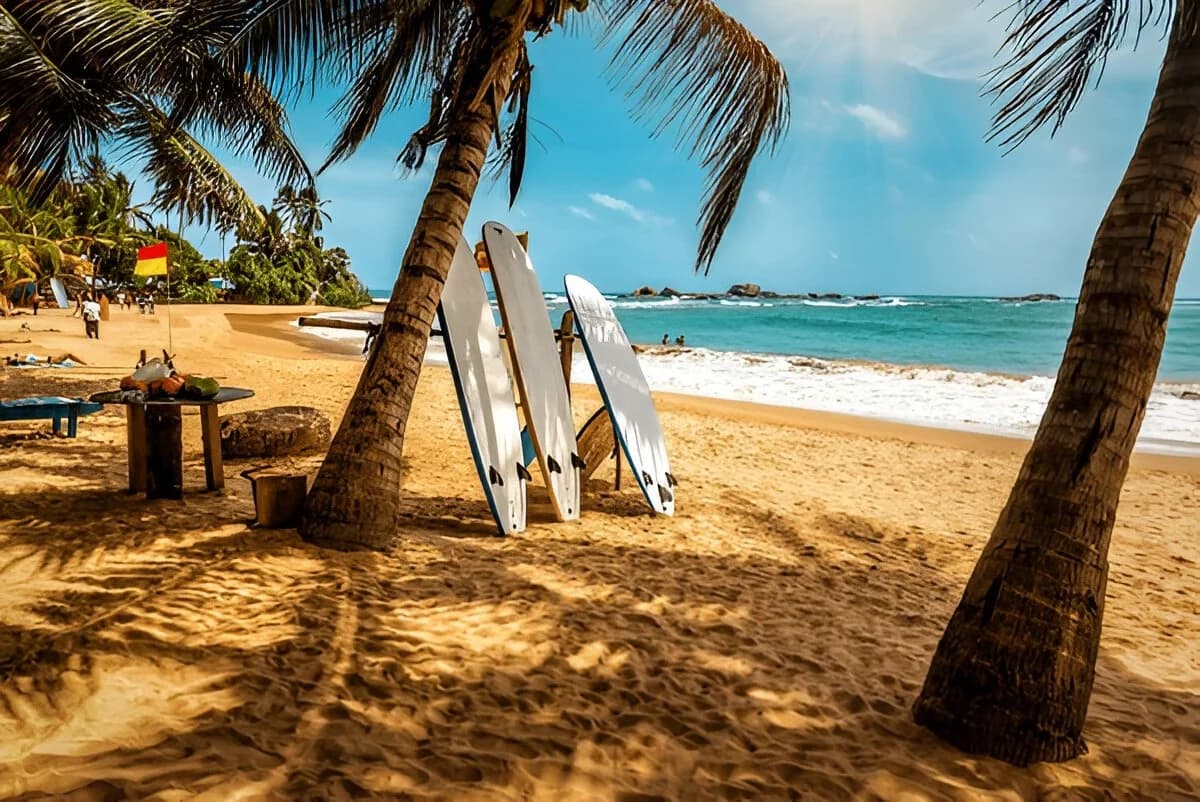
Goa’s beaches are something else! With over 100 kilometers of coastline, it’s like nature made this place specially for water sports in Goa. You don’t need to worry about safety at all. Every beach has trained instructors who know their stuff inside out. Plus, the equipment is top-notch and regularly checked.Want to know what makes Goa super special? The water is warm all year round, the waves are perfect (not too crazy, not too calm), and guess what – it’s way cheaper than most international beach destinations! This is why Goa Tour Packages come with the attachment of watersports. Most water activities are available between October and May when the weather is just perfect. Top Water Activities in Goa 1. Scuba Diving: Scuba diving in Goa will blow your mind! Grande Island is the go-to spot for doing scuba diving where you can see amazing coral reefs and maybe even spot dolphins as they often come around. The best part here is that you don’t need to know swimming – the instructors will teach you everything in a 30-minute training session. Cost: Starting from ₹3,000 per personBest place to enjoy: Grande Island 2. Snorkeling: If you’re not ready for scuba diving, start with snorkeling! Grande Island again is perfect for trying snorkeling and spotting colorful fish, coral, and maybe even sea turtles. The water is crystal clear, and it’s super easy to learn. Cost: ₹1,000-1,500 per personDuration: 2-3 hours including a boat ride 3. Jet Skiing: Want to feel like James Bond? Hop on a jet ski! Zoom and ride across the waves at Baga, Calangute, or Candolim Beach. The best water sports in Goa definitely include this adrenaline rush. Just remember to hold on tight. A single round of jet ski takes up to 3, 10, and 15 minutes with an instructor. Jet Ski rides are available on North Goa beaches, including Calangute, Candolim, Baga, Vagator, and Anjuna, with options also offered on beaches in South Goa. Cost: ₹800-1,000 for 15 minutesPro tip: Go during the early morning hours for calmer waters 4. Parasailing: Just imagine you are flying 250 feet above the ocean, getting a bird’s eye view of Goa’s stunning coastline. That’s how parasailing in Goa feels! You’re tied with a parachute from behind and from a boat to the front, and to try this, head to Calangute or Baga Beach for the best experience. They even offer tandem rides if you’re feeling a bit nervous about going solo. So, you can also go with an instructor. Remember, they also provide you with a high-quality video of you enjoying this, but charge extra. Cost: ₹1,200-2,500 per personBest place to enjoy: Baga Beach, Candolim Beach, and Calangute Beach. 5. Banana Boat Rides: Here’s something fun to do with your gang – bounce around on a giant inflatable banana! You’ll laugh, you’ll scream, and you’ll probably fall into the water (that’s half the fun!). Available at almost every major beach in Goa. this is one of the best things to do with your groups, families, and friends. Cost: ₹400-500 per personGroup size: 4-6 people 6. Kayaking in Goa: Want to explore Goa’s secret spots? Grab a kayak and paddle through the peaceful backwaters of Chapora River or Mandovi River. This is among the most unique and peaceful water activities in Goa. You might spot some birds and maybe even a crocodile (from a safe distance, of course!). Ordinary clothing can hinder your performance, so opting for a protective suit is highly recommended if available. These essential items are crucial and should be used every time you engage in the sport. Cost: ₹500-700 per hourBest Places: Sal Backwaters, Chopdem River 7. Windsurfing: Feel like learning something new? Try windsurfing! It’s like surfing but with a sail. Donna Paula and Bogmalo Beach are perfect for beginners. Once you get the hang of it, you’ll feel like you’re dancing with the wind and waves. Cost: ₹1,500-2,000 per hour (including basic training)Best time: November to February 8. Paddleboarding: Here’s a chill way to spend your morning – stand-up paddleboarding! It’s easier than surfing and gives you an awesome workout too. Basically, it is a large surfboard that the rider propels either while standing or kneeling. Basic guidance is offered, making it suitable for people of all ages. Try it at Mandrem or Morjim Beach when the waters are calm. Cost: ₹600-800 per hourBest time: Early morning or sunset 9. Flyboarding: Get ready for something totally crazy, flyboarding, among the most adventurous and the best water sports in Goa. This will make you feel like Iron Man! You’re basically hovering above water using jet propulsion. It looks tough but trust me, most people get the hang of it in 15-20 minutes. Cost: ₹3,000-4,000 for 30 minutesAvailable at: Calangute and Baga Beach 10. Wakeboarding in Goa: Think waterskiing meets snowboarding – that’s wakeboarding for you! It’s super fun once you learn to balance. Wakeboarding combines the thrill of water skiing, snowboarding, and surfing into one exhilarating experience. This surface water sport involves gliding over the water on a wakeboard, which is pulled by a motorboat traveling at speeds of 30-40 km/h. The speed can vary based on factors like the rider’s weight, the size of the wakeboard, and the type of tricks the rider plans to perform. Cost: ₹2,000-2,500 for 30 minutesPro tip: Book early morning sessions for better deals Remember to carry sunscreen, wear comfortable swimwear, and don’t forget to have fun! These water sports in Goa are going to give you stories to tell for years to come. Must Checkout– Things To Do in Goa​Also Read – Places to Visit in Goa

Read More

Blausee
May 30, 20253 Minutes
Blausee
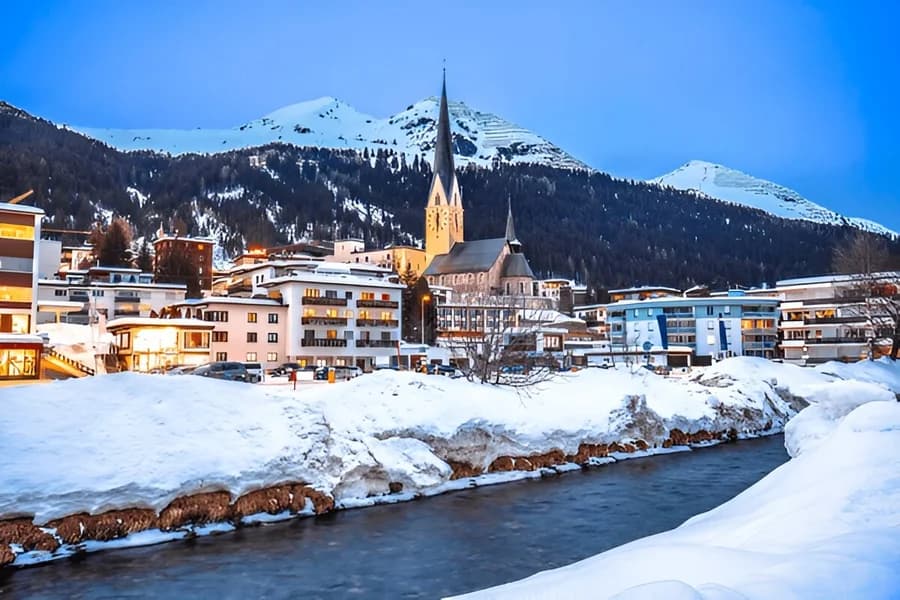
Overview of Blausee: Hidden in the Bernese Oberland region of Switzerland, Blausee is a lake surrounded by dense forests and mountains. What makes it famous? Well, its beauty! It gained popularity because of its clean waters and magical appearance, which remain stunning in every season. No wonder travelers from around the world, especially honeymooners and photographers, are drawn to this paradise. Blausee means “Blue Lake” in German, and true to its name, the water has a mesmerizing deep blue hue, thanks to the minerals and purity of the glacier-fed source. It attracts travelers looking for a peaceful escape. If you’re planning a Swiss getaway, make sure to check out Switzerland Tour packages that include this magical lake—it’s a must-visit for every traveler! What are the Key Highlights of Blausee: Blausee Lake – The star attraction, with its deep blue, crystal-clear waters. A boat ride on this lake feels like floating on glass. Underwater Statue – A mystical statue of a girl at the bottom of the lake makes for a fascinating sight. Blausee Nature Park – There are various trails leading to stunning viewpoints, making it a great spot for hiking enthusiasts. Organic Trout Farm – The lake is home to a trout farm where visitors can see fresh, organically raised trout. Romantic Vibes – Whether it’s the cozy wooden bridges, benches, or foggy morning views, Blausee is a dream destination for couples. Wellness & Spa – A luxury spa near the lake offers relaxing treatments with Alpine views. Winter Wonderland – In winter, the entire landscape transforms into a snowy paradise, making it perfect for Christmas vibes and winter photography. Timings and Entry Fee of Blausee: – Timings : Open daily from 9:00 am to 9:00 pm– Entry Fee :Adults: INR 900 (CHF 10)Children (6-15 years): INR 450 (CHF 5)Kids under 6: FreeBoat Ride: Included in the entry feeWinter Season Entry: Free (but boat rides are unavailable) Travel Tips / Essential Information For Blausee: Best Time to Visit: The lake is beautiful year-round, but the best time is September to November for the fall colors and December to February for a winter wonderland experience. How to Reach: From Interlaken or Bern, take a train to Frutigen, then a short bus ride to Blausee. If driving, parking is available near the entrance. No Swimming Allowed: The lake might look tempting, but swimming is strictly prohibited to maintain its purity. Stay Options: There’s a small hotel near the lake, but staying in nearby towns like Kandersteg or Interlaken offers more choices. Food Scene: The on-site restaurant serves delicious fresh trout dishes. If you’re vegetarian, don’t worry—Swiss cheese and rösti (potato pancakes) will save the day! Budget Tip: While the lake has an entry fee, you can explore the nearby hiking trails for free! Packing Essentials: Carry a jacket (even in summer), good walking shoes, and, of course, your best camera! Winter Visit Alert: If you’re visiting in winter, be prepared for snow-covered paths—wear warm boots to avoid slipping. Ideal for: Couples, photographers, and nature lovers looking for a peaceful escape.Must Read – Places To Visit in SwitzerlandAlso Read – Europe Tour packages

Read More

Lake Thun
May 30, 20254 Minutes
Lake Thun
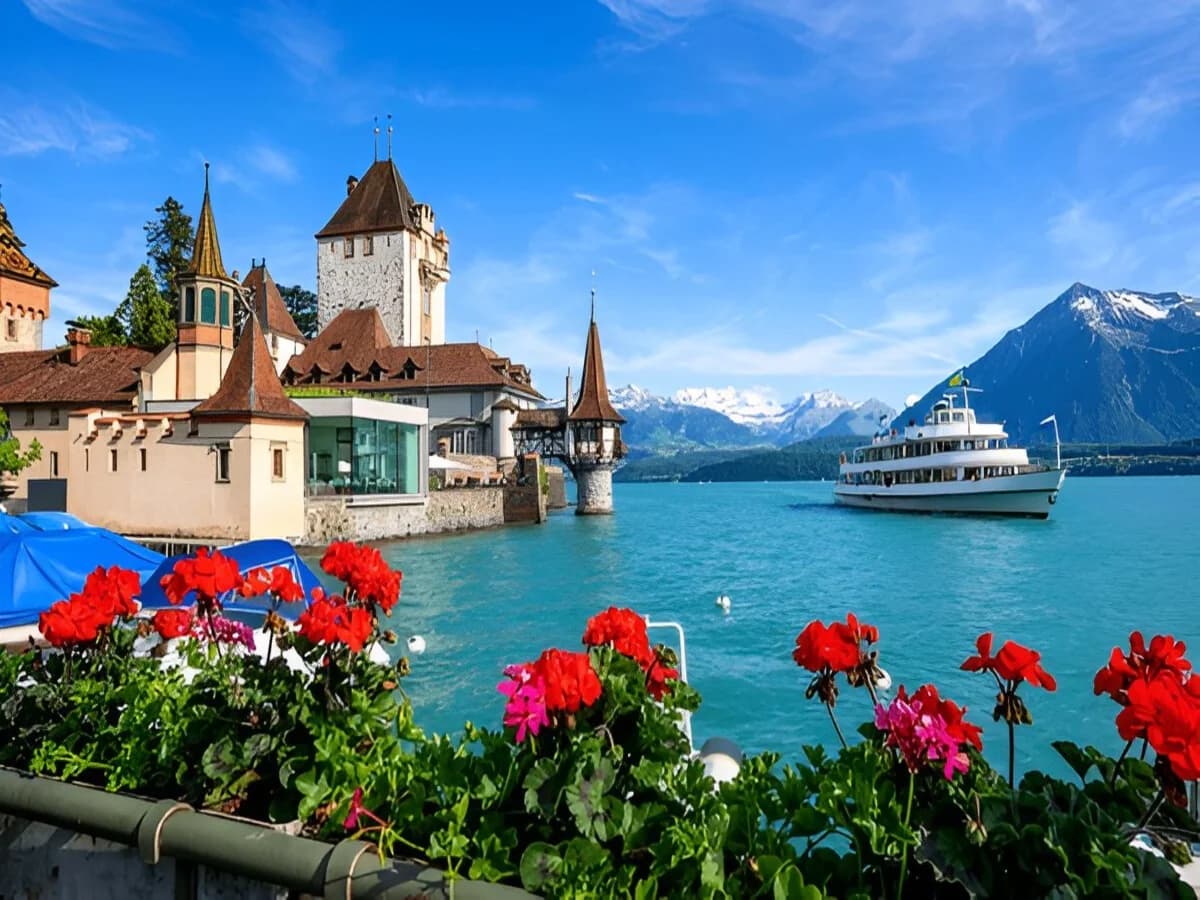
Lake Thun, located in the beautiful Bernese Oberland region of Switzerland, is one of the most beautiful and largest lakes in the country. The deep blue Thun Lake lies in the middle of the Bernese Oberland. Its crystal-clear waters and breathtaking surrounding landscapes have earned it a reputation as a must-see destination. The lake became famous not because it’s beautiful, but also because the towns surrounding the lake are also a great place to experience typical Swiss culture. If you really love photography and boat rides, a visit to Lake Thum is a must.If you’re looking to explore Switzerland in a peaceful yet captivating way, Switzerland Tour packages often include Lake Thun as one of the highlights because of its beauty and variety of activities. What are the Key Highlights of Thun: Thun Castle: There’s a castle near the lake, from this medieval castle, you get great photographic views of the city and the lake. Trummelbach Falls: Located near the lake, these are a series of impressive waterfalls inside a mountain. Nature at its most powerful. Lake Cruises: Enjoy a boat cruise on the lake to experience its beauty from the water. St. Beatus Caves: Legend says that a dragon once lived in these caves. You can explore the caves and take in the stunning lake views from the top. Schwabische Alps: Hiking here offers incredible views of the lake, and if you’re up for a bit of adventure, you can do a bit of cliff climbing too. Ehrenberg Castle: Situated on the hillside, this castle offers views of the surrounding lake and mountains. It’s a lovely spot for a peaceful picnic. Timings and Entry Fee of Thun: Thun Castle: Open daily from 10 am to 5 pm. Entry fee is approximately INR 1,200 for adults and INR 600 for children. Trummelbach Falls: Open from April to November, 9 am to 6 pm. Entry fee is around INR 800 per person. Lake Cruises: Timings vary depending on the season, but generally from 9 am to 6 pm. Prices for a scenic cruise range from INR 1,500 to INR 3,000. St. Beatus Caves: Open from April to October, 9 am to 6 pm. Entry fee is INR 600. Schwabische Alps: Free to visit, though some areas may have additional charges for guided tours or specific activities like cliff diving. Travel Tips/Essential Information For Thun: Weather Preparedness: Weather in Switzerland can change rapidly, so always carry a light jacket or sweater even during summer months. Use Swiss Travel Pass: If you’re planning on exploring a lot of attractions, the Swiss Travel Pass offers unlimited travel on trains, boats, and buses. It’s a great way to save money on transportation and see more in less time. Language: While German is widely spoken in the Thun region, English is commonly understood, especially in tourist areas. Currency: Switzerland uses Swiss Franc (CHF), so make sure to have the currency exchange ready or use a good card for international payments. For easy reference, 1 CHF is roughly equivalent to INR 90. Best Time to Visit: The best months to visit Lake Thun are from May to September when the weather is warmer, and the boat cruises are in full swing. Winter offers a magical snow-covered view, but the cruises are limited. Packing Essentials: Don’t forget sunscreen, especially if you’re planning to hike or take a boat cruise. Sunglasses and a good camera are a must! Be a Slow Traveler: The charm of Lake Thun lies in its tranquility, so don’t rush your visit. Spend some time just gazing at the view and soaking in the peaceful vibes. Public Transportation: The public transport system is excellent, and getting around is super easy. However, if you’re exploring the countryside, renting a bike is a fun way to explore at your own pace. Food to Try: Don’t miss out on Swiss chocolate and cheese. There are many lakeside cafes where you can enjoy these Swiss delicacies while enjoying the view. Also Read: Places to Visit in SwitzerlandMust Read: Things to do in Switzerland

Read More

Switzerland Itinerary 7 Days
May 30, 20256 Minutes
Switzerland Itinerary 7 Days
Switzerland is a dream destination for travellers who love breathtaking landscapes, charming cities, and unforgettable experiences. If you’re planning a trip and wondering how to make the most of your time, this Switzerland itinerary 7 days guide will help you explore the best of this beautiful country. From snow-capped mountains to picturesque villages and crystal-clear lakes, Switzerland has something for everyone. With Switzerland tour packages, your journey becomes even more seamless, allowing you to experience top attractions without any hassle. Whether you want to explore the scenic beauty of the Swiss Alps, take a boat ride on Lake Geneva, or stroll through historic cities like Zurich and Lucerne, this itinerary has it all. Day 1: Arrival in Zurich & Explore the City Your journey begins in Zurich, Switzerland’s largest city. After arriving at Zurich International Airport, check in to your hotel and freshen up. Start your Swiss adventure with a walk around the Old Town (Altstadt), where you can admire medieval buildings, cobbled streets, and historic landmarks. Visit Bahnhofstrasse which is one of the world’s most expensive shopping streets, and explore Lake Zurich, where you can take a relaxing boat ride. In the evening, try traditional Swiss cuisine at a local restaurant – don’t miss cheese fondue or raclette! Day 2: Zurich to Lucerne – Explore the Charming City On the second day of your Switzerland itinerary 7 days, take a short one-hour train ride to Lucerne, a charming city surrounded by mountains and lakes. Start your exploration at the iconic Chapel Bridge (Kapellbrücke), one of Europe’s oldest wooden bridges. Next, visit the Lion Monument, a powerful sculpture dedicated to Swiss soldiers. Stroll along Lake Lucerne and enjoy breathtaking views of the Swiss Alps. If you have time, take the world’s steepest cogwheel train to Mount Pilatus for an unforgettable panoramic view. Day 3: Lucerne to Interlaken – Gateway to the Alps Interlaken Start your day with a scenic train ride from Lucerne to Interlaken, a stunning town nestled between Lake Thun and Lake Brienz. Interlaken is a paradise for adventure seekers and nature lovers. Take a boat cruise on Lake Thun, visit Harder Kulm for a panoramic view of the town, or simply relax in the charming streets. If you’re into adventure, try paragliding over the Swiss Alps for a once-in-a-lifetime experience. Day 4: Day Trip to Jungfraujoch – Top of Europe No Switzerland itinerary 7 days is complete without a visit to Jungfraujoch, the highest railway station in Europe. Take the Jungfrau Railway from Interlaken to Jungfraujoch, where you’ll be greeted by snow-capped peaks, an ice palace, and stunning views of the Aletsch Glacier. Don’t forget to step onto the Sphinx Observation Deck, where you can see the breathtaking Swiss Alps from an altitude of 3,454 meters! Return to Interlaken in the evening and enjoy a relaxing dinner. Day 5: Interlaken to Zermatt – Matterhorn Adventure On day five, head to Zermatt, home to the famous Matterhorn Mountain. The train journey from Interlaken to Zermatt is incredibly scenic, passing through charming Swiss villages and breathtaking landscapes. Once in Zermatt, take the Gornergrat Railway for a spectacular view of the Matterhorn. Explore the Matterhorn Museum, walk around the car-free village, and enjoy the peaceful alpine atmosphere. If you love hiking, there are plenty of beautiful trails to explore. Day 6: Zermatt to Montreux – A Scenic Journey As your Switzerland itinerary 7 days continues, take a scenic train ride to Montreux, a picturesque town on the shores of Lake Geneva. Montreux is known for its mild climate, vineyards, and the famous Montreux Jazz Festival. Visit the stunning Château de Chillon, a medieval castle located on the lake’s edge. Take a relaxing walk along the Montreux promenade and enjoy the breathtaking views of Lake Geneva and the French Alps. If you have time, visit the nearby Lavaux Vineyards, a UNESCO World Heritage Site. Day 7: Montreux to Geneva – Final Day in Switzerland On the last day of your Switzerland itinerary 7 days, travel to Geneva, Switzerland’s international hub. Explore the Jet d’Eau, a giant water fountain that is one of the city’s main attractions. Visit the United Nations Headquarters, explore the Old Town, and take a walk along Lake Geneva. If you love museums, don’t miss the International Red Cross Museum. Spend your final evening enjoying a lakeside dinner before heading to the airport for your flight home. Final Thoughts This Switzerland itinerary 7 days covers the best of Switzerland, from its vibrant cities to its breathtaking mountains and lakes. Whether you love adventure, history, or scenic beauty, Switzerland offers an unforgettable travel experience. If you’re planning a trip, follow this Switzerland itinerary 7 days to make the most of your visit. Have an amazing Swiss adventure! Frequently Asked Questions About Switzerland Itinerary? 1. Is 7 days in Switzerland enough? A. Yes, 7 days in Switzerland is enough to explore the country’s top attractions, including Zurich, Lucerne, Interlaken, Jungfraujoch, Zermatt, and Geneva. With a well-planned itinerary, you can experience the best of Switzerland’s cities, mountains, and lakes within a week. 2. How to plan 7 days in Switzerland? A. To plan a Switzerland itinerary 7 days, start in Zurich, then visit Lucerne, Interlaken, Jungfraujoch, Zermatt, Montreux, and end in Geneva. Use Switzerland’s efficient train system for easy travel between destinations. Make sure to include a mix of sightseeing, adventure, and relaxation. 3. How many days are sufficient for Switzerland? A. A minimum of 5-7 days is recommended to explore Switzerland’s major highlights. However, if you want to visit more regions at a relaxed pace, 10-14 days would be ideal for a comprehensive Swiss experience.Must Read – Places To Visit in SwitzerlandAlso Read – Things to Do in Switzerland

Read More

Interesting Facts About Switzerland
May 30, 20251 Minute
Interesting Facts About Switzerland
Switzerland is known for its breathtaking landscapes, world-class chocolates, and efficient public transport. But beyond these well-known aspects, there are plenty of interesting facts about Switzerland that make it a unique and fascinating country. Whether you’re planning a trip or just curious about this Alp ine paradise, Switzerland tour packages offer a great way to explore its hidden gems. 1. Switzerland Has Four Official Languages: One of the most interesting facts about Switzerland is that it has four official languages: German, French, Italian, and Romansh. Depending on the region, you will hear different languages spoken. German is the most widely spoken (about 62% of the population). French is spoken in the western part of the country. Italian is spoken in the south, near the Italian border. Romansh, a lesser-known language, is spoken by a small percentage in the canton of Graubünden. This linguistic diversity makes Switzerland a culturally rich and fascinating place! 2. Switzerland Is Not Part of the European Union: Despite being located in the heart of Europe, Switzerland is not a member of the European Union (EU). The country has chosen to remain independent while maintaining strong economic and diplomatic relationships with EU nations. However, it is part of the Schengen Area, which allows for border-free travel within most of Europe. 3. Swiss Trains Are Punctual and Efficient: If you ever travel to Switzerland, you will notice how Swiss trains are incredibly punctual and efficient. The country’s public transport system is one of the best in the world, with scenic train routes passing through stunning mountains, lakes, and valleys.One of the most interesting facts about Switzerland is that the Glacier Express, known as the “slowest express train in the world,” takes travellers on a breathtaking journey through the Swiss Alps, covering 291 bridges and 91 tunnels! 4. Switzerland Has the World’s Longest Tunnel: Switzerland is home to the Gotthard Base Tunnel, the longest railway tunnel in the world. It stretches 57.1 kilometres (35.5 miles) and took 17 years to complete. Opened in 2016, this engineering marvel connects northern and southern Europe, significantly reducing travel time. 5. Swiss Chocolate Is Among the Best in the World: Switzerland is famous for its chocolate, and for good reason! Some of the world’s most well-known chocolate brands, like Toblerone, Lindt, and Nestlé, come from Switzerland.One of the interesting facts about Switzerland is that the country consumes more chocolate per capita than any other nation. The Swiss eat an average of 8-10 kg of chocolate per person per year! 6. Switzerland Has More Than 1,500 Lakes: Switzerland is a paradise for nature lovers, with over 1,500 lakes spread across the country. Some of the most famous ones include: Lake Geneva – One of the largest lakes in Europe Lake Lucerne – Surrounded by stunning mountains Lake Zurich – A peaceful escape in the heart of Zurich Lake Thun & Lake Brienz – Known for their crystal-clear blue waters With so many lakes, Switzerland offers countless opportunities for boating, swimming, and scenic picnics! 7. Swiss People Love Cheese: Another one of the interesting facts about Switzerland is that the Swiss take their cheese very seriously! Switzerland produces over 450 different types of cheese, with some of the most famous varieties being Gruyère, Emmental, and Raclette.A traditional Swiss dining experience is the cheese fondue, where melted cheese is served in a pot, and diners dip bread into it. If you visit Switzerland, trying a fondue is a must! 8. The Swiss Have a High Quality of Life: Switzerland consistently ranks among the top countries in the world for quality of life. The country has excellent healthcare, low crime rates, and a strong economy. Cities like Zurich, Geneva, and Bern often appear on global rankings as some of the best places to live.One of the most interesting facts about Switzerland is that despite its small size, it has one of the highest per capita incomes in the world, and Swiss citizens enjoy a very high standard of living. 9. Switzerland Is One of the Most Neutral Countries in the World: Switzerland is known for its neutrality in world conflicts. The country has not been involved in a war since 1815 and remains politically neutral, meaning it does not take sides in international conflicts.As part of its neutrality, Switzerland is home to many international organizations, including the United Nations Office in Geneva and the International Red Cross. 10. The Swiss Have a Direct Democracy: Switzerland has a unique political system known as direct democracy, where citizens vote on major national decisions multiple times a year. Swiss people can challenge laws passed by the government through referendums, making the system one of the most democratic in the world. 11. There Are More Banks Than People in Switzerland: Switzerland is known for its strong banking industry, and one of the most interesting facts about Switzerland is that there are more banks than people per square kilometre in some areas!Swiss banks are famous for their privacy laws, although strict regulations have been put in place to prevent illegal activities. The banking industry plays a major role in the country’s economy. 12. Swiss Watches Are the Best in the World: Switzerland is the birthplace of luxury watches, with brands like Rolex, Omega, and TAG Heuer being world-famous. Swiss watches are known for their precision, craftsmanship, and durability.One of the interesting facts about Switzerland is that the Swiss watch industry produces over 50% of the world’s luxury watches, making it a global leader in timekeeping excellence. Switzerland is a country full of surprises, from its multilingual culture and stunning landscapes to its world-famous chocolates, cheeses, and watches. These interesting facts about Switzerland show why it is one of the most unique and fascinating places to visit or live. Frequently Asked Questions About Interesting Facts About Switzerland: 1. What are 5 facts about Switzerland? A. Switzerland has four official languages (German, French, Italian, and Romansh). It is not part of the EU but belongs to the Schengen Zone. The country is famous for Swiss watches and chocolate. Switzerland has over 1,500 lakes, and its trains are among the most punctual in the world. 2. What are 10 interesting facts? A. Switzerland has the world’s longest tunnel (Gotthard Base Tunnel). It is politically neutral and has a direct democracy. Swiss people consume the most chocolate per capita. The country has 450+ types of cheese, world-famous banking privacy, and a high quality of life. Swiss trains are ultra-punctual, and Glacier Express is breathtaking. 3. What is Switzerland best known for? A. Switzerland is best known for its breathtaking Alps, luxury watches, chocolates, and efficient public transport. It’s home to famous ski resorts and has a strong economy with excellent quality of life. The country is also known for its neutrality in world conflicts and being the headquarters of international organizations. 4. What is unique about Swiss? A. Switzerland’s uniqueness lies in its multilingual culture, direct democracy, and neutrality in global conflicts. It has world-class banking, 450+ cheeses, and precision-made luxury watches. The country boasts efficient trains, 1,500+ lakes, and spectacular mountain scenery, making it a perfect blend of natural beauty, innovation, and cultural diversity. Must Read – Places To Visit in SwitzerlandAlso Checkout– Things to Do in Switzerland

Read More

10 Goa Museums: A Complete Guide for Museum in Goa
May 30, 20258 Minutes
10 Goa Museums: A Complete Guide for Museum in Goa
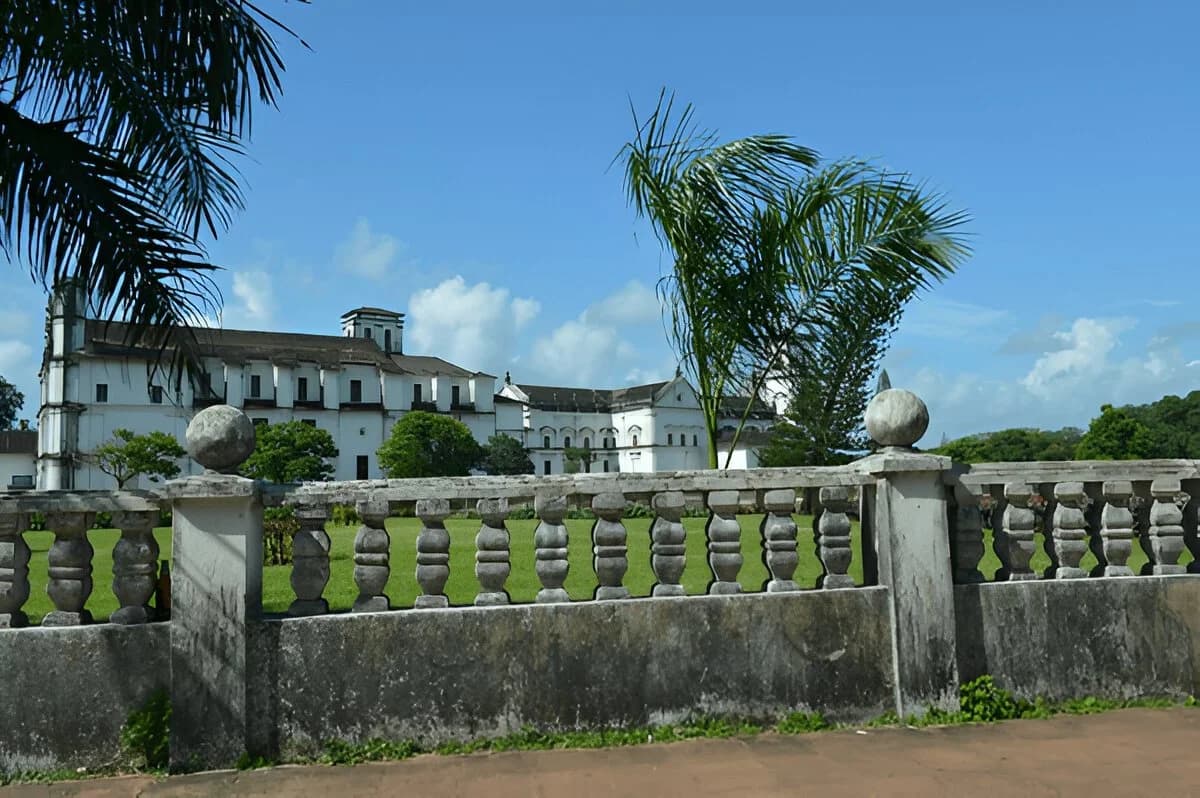
Overview of Museums in Goa: When you visit Goa, don’t just stick to Goa’s beaches, especially if you’re a history and art lover. It has some amazing museum in Goa. From traditional artifacts to modern art, these museums preserve Goa’s unique heritage spanning Portuguese colonization, religious evolution, and local traditions. You can easily include these museums in your Goa Tour Packages for a well-rounded experience that goes beyond the typical beach visits. 10 Fascinating Museum of Goa 1. Goa Chitra Museum This ethnographic gem is the most authentic museum, showcasing the traditional Goan lifestyle through over 4,000 artifacts. From farming tools to kitchen utensils, the collection reflects how local communities lived for centuries. The museum was founded by artist-restorer Victor Hugo Gomes, who spent decades collecting these items. Highlights: Collection of over 4,000 traditional tools and artifacts Organic farm on-premises growing local crops Live demonstrations of traditional crafts on weekends Entry Fee: Adults: ₹300 Children (below 12): ₹150 Location/How to Reach: Located in Benaulim, South Goa. Take a taxi from Margao (7 km) or Colva Beach (5 km). Local buses also stop nearby. 2. Goa State Museum As the largest museum in Goa, this institution houses collections of ancient sculptures, coins, manuscripts, and paintings that trace Goa’s evolution from pre-historic times through Portuguese rule. The museum has 15 galleries, each focusing on different aspects of Goan history and culture. Highlights: Extensive collection of Hindu and Jain sculptures Portuguese-era furniture and decorative items Ancient coins dating back to the 4th century Entry Fee: Adults: ₹20 Students: ₹10 Children (below 7): Free Location/How to Reach: Located in Panjim. Take a local bus to the Goa State Museum stop or a short taxi ride from anywhere in the capital city. 3. Museum of Goa (MOG) This contemporary art museum in Goa was founded in 2015 by artist Subodh Kerkar. It showcases modern Goan artistic expressions through paintings, sculptures, and installations. Also, the museum regularly hosts exhibitions, workshops, and talks by prominent artists. Highlights: Three-story building with changing contemporary art exhibitions Impressive outdoor sculpture garden Regular art workshops for visitors of all ages Entry Fee: ₹150 per person Location/How to Reach: Located in Pilerne Industrial Estate, North Goa. Around 15 minutes by taxi from Calangute or Candolim beaches. 4. Archaeological Museum and Portrait Gallery Housed in a former Franciscan monastery, this historical museum displays artifacts from the Portuguese colonial period. The collection includes stone sculptures, colonial-era portraits, stamps, coins, and religious artifacts that provide insights into Goa’s Portuguese heritage. Highlights: Located in a 16th-century building with period architecture Rare Portuguese coins and currency Gallery of viceroys’ portraits from colonial times Entry Fee Indians: ₹25 Foreigners: ₹300 Location/How to Reach: Located in Old Goa near the Se Cathedral. All buses and taxis to Old Goa stop nearby. 5. Ashvek Vintage World For automobiles and car lovers, this unique museum in Goa has a fascinating collection of vintage cars, motorcycles, and scooters. Most vehicles are restored to working condition, showcasing the evolution of transportation in India during the 20th century. Highlights: Over 20 vintage cars including Chevrolet, Ford, and Mercedes models Classic Indian motorcycles from the 1950s and 60s Interactive display explaining restoration processes Entry Fee: ₹100 Per Person Location/How to Reach: Located in Nuvem, South Goa. Take a taxi from Margao (10 km) or Colva (8 km). 6. Big Foot Museum This open-air museum in Goa recreates a traditional Goan village with life-size sculptures depicting day-to-day activities. It’s built around a massive laterite rock carving of Sant Mirabai. Highlights: Life-size depictions of traditional village activities The famous ‘Big Foot’ dance floor for folk performances Spice garden with local herbs and plants Entry Fee: Adults: ₹50 Children: ₹30 Location/How to Reach: Located in Loutolim, South Goa. Take a taxi from Margao (10 km) or catch a local bus to Loutolim. 7. Museum of Christian Art Housed in a beautifully restored convent, this unique museum houses one of Asia’s most important collections of Indo-Portuguese Christian art. The exhibits include religious sculptures, paintings, and church furnishings that showcase the fusion of Indian and European artistic traditions. Highlights: 16th-century ivory sculptures of Christian figures Gold and silver church artifacts with Indian influences Displays explaining religious symbolism Entry Fee: Adults: ₹100 Children: ₹50 Location/How to Reach: Located in the Convent of Santa Monica, Old Goa. Take any bus or taxi heading to Old Goa. 8. Naval Aviation Museum (India) The only museum in Goa dedicated to military history, this place displays decommissioned aircraft, weapons, and naval equipment. It’s divided into indoor and outdoor sections, with full-sized aircraft displayed in the open air and smaller items, photographs, and documents housed indoors. Highlights: Collection of actual Sea Harrier jets, fighter planes, and helicopters Naval weaponry including missiles and torpedoes Detailed models of aircraft carriers and warships Entry Fee: Adults: ₹30 Children: ₹15 Camera charge: ₹30 Location/How to Reach: Located in Vasco da Gama, near Dabolim Airport. Take a taxi from Vasco (5 km) or catch a bus to the Naval Aviation Museum stop. 9. Wax World Museum Goa A fun and family-friendly museum of Goa with life-sized wax figures depicting scenes from Goan history and Indian culture. While smaller than international wax museums, it offers an entertaining exploration of historical events and cultural traditions through detailed recreations. Highlights: Life-sized wax figures of historical personalities Scenes depicting Goan festivals and traditions Special section on freedom struggle figures Entry Fee: Adults: ₹150 Children: ₹100 Location/How to Reach: Located in Old Goa, near the Basilica of Bom Jesus. All buses and taxis to Old Goa stop nearby. 10. Ancestral Goa Also known as “Bigfoot Cross,” this cultural heritage museum in Goa recreates a traditional village from the 16th century. It includes demonstrations of traditional crafts, cooking methods, and farming techniques, giving visitors a hands-on experience of Goa’s rural past. Highlights: Famous hand-shaped laterite rock carving Live demonstrations of coconut plucking and cashew processing Traditional Goan house with period furniture and utensils Entry Fee: Adults: ₹100 Children: ₹50 Location/How to Reach: Located in Loutolim, South Goa. Easy to combine with a visit to the Big Foot Museum as they are in the same village. Take a taxi from Margao (10 km). When planning your next vacation, consider exploring these fascinating museums in Goa to add cultural depth to your Goa trip. You can easily create your own museum trail based on your interests. Frequently Asked Questions for Goa Museum: 1. What is the entry fee for the Museum of Goa? The entry fee for the Museum of Goa is approximately ₹200 per person. It is a contemporary art museum showcasing modern artworks, sculptures, and installations. 2. What is the entry fee for the Archaeological Museum Goa? The Archaeological Museum in Goa has an entry fee of around ₹20-25 per person. It houses ancient artifacts, sculptures, and Portuguese-era relics. 3. Is the wax museum worth it? The Goa Wax Museum offers lifelike statues of historical figures, celebrities, and cultural icons. While it’s an interesting experience, reviews suggest it’s relatively small compared to its international counterparts. It’s worth visiting if you enjoy wax sculptures and unique attractions. 4. What is the name of the most famous museum? The most famous museum in Goa is the Goa State Museum, which is famous for its collection of artifacts, sculptures, and manuscripts showcasing Goa’s history and culture. Must Read – Things To Do in GoaAlso Read – Places to Visit in Goa

Read More

Buddhist Monastery, Manali
May 30, 20253 Minutes
Buddhist Monastery, Manali
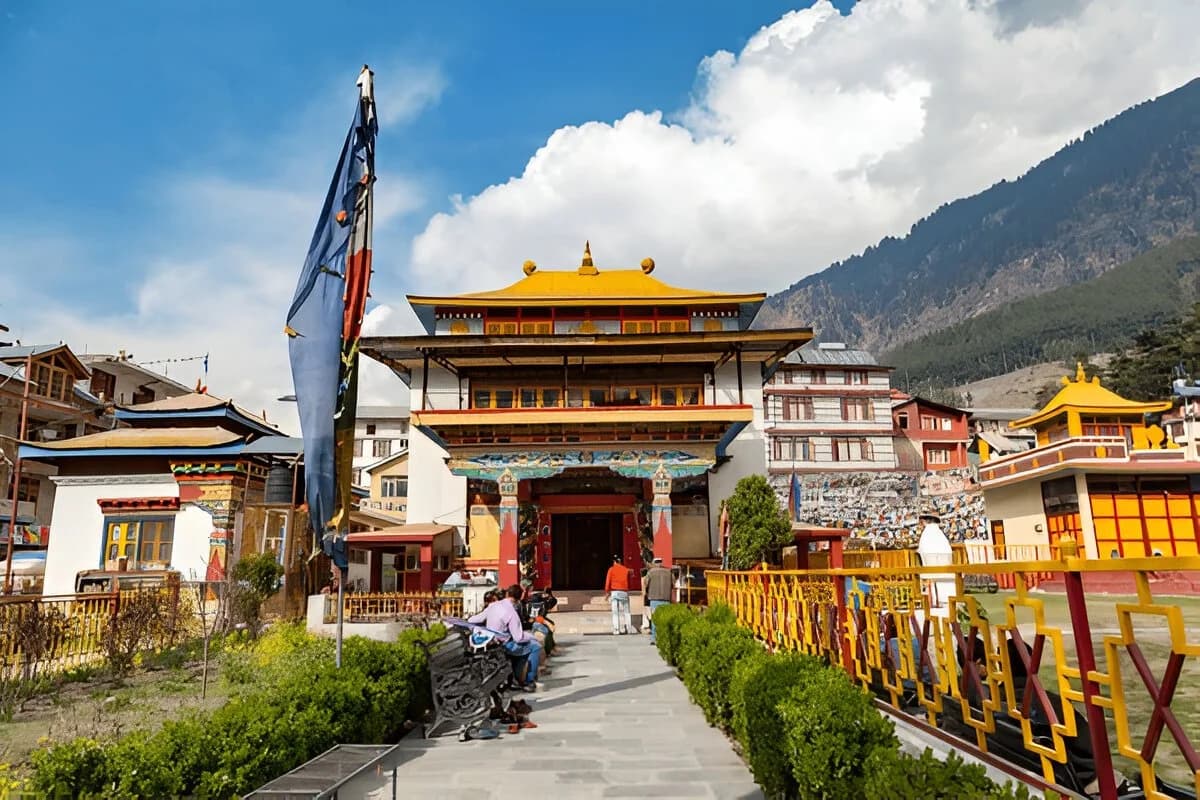
Overview of Buddhist Monastery, Manali: In the mountains of Himachal Pradesh, among the many Tibetan Monastery Manali, there’s a hidden gem – Gadhan Thekchhokling Gompa. Like many other monasteries in the region, this beautiful spiritual center also blends stunning architecture with serene surroundings. Most popular among them is the Gadhan Thekchhokling Gompa, built in the 1960s after Tibetan refugees settled in the area. The colorful prayer flags flutter in the mountain breeze, while the paintings and carved wooden structures showcase traditional Tibetan craftsmanship. Inside, you’ll find monks, prayer wheels, and beautiful Buddha statues. The calm atmosphere immediately makes you feel at peace – a welcome break from hectic city life. Whether you’re spiritually inclined or just curious about Buddhist culture, these monasteries are must-visit spots when planning your Manali tour packages. The monks are friendly and often happy to share insights about their practices with respectful visitors. Highlights of Buddhist Monastery, Manali: Buddha Statues – The main prayer hall houses impressive gold-plated Buddha statues that stand over 6 feet tall, crafted by skilled Tibetan artisans. Prayer Ceremony – Visitors can witness monks performing daily prayer rituals at 6 am and 6 pm, complete with traditional instruments like horns and drums. Meditation Classes – Some monasteries offer short meditation sessions for tourists where monks teach basic breathing techniques (available in English). Panoramic Views – Most monasteries sit on hilltops offering breathtaking views of the Beas River Valley and snow-capped Himalayas. Handicraft Center – There’s usually a small shop selling handmade items like prayer wheels, thangka paintings, and jewelry made by monks. Library of Tibetan Texts – Contains rare Buddhist manuscripts and texts preserved by monks who fled Tibet. Butter Lamp Room – A special chamber where hundreds of butter lamps flicker, creating a magical atmosphere (especially beautiful in the evenings). Community Kitchen – Some monasteries serve simple vegetarian meals to visitors by donation (try the Tibetan bread and butter tea). Timings & Entry Fees of Buddhist Monastery, Manali: Timings: Most monasteries open from 6 am to 8 pm daily. Entry Fee: Free, but donations are appreciated (suggested ₹50-100). Camera Fee: No extra charge for regular cameras, ₹100 for professional equipment. Special ceremonies may have different timings – check locally. Travel Tips & Essential Information of Buddhist Monastery, Manali: Best Season: April to June and September to November have pleasant weather for monastery visits. Avoid January- February unless you enjoy heavy snow. Respectful Attire: Wear modest clothing covering shoulders and knees. Remove shoes before entering prayer halls. Photography Rules: Always ask permission before photographing monks or prayer ceremonies. Flash photography is prohibited inside. Local Transport: Monasteries are 2-3 km from Mall Road. Auto-rickshaws charge ₹150-200 for a round trip or walk if you’re reasonably fit. Local Guide: Hiring a local guide (₹500-700) enhances your experience with stories and explanations of Buddhist symbols. Silent Hours: Maintain silence during meditation sessions and prayer times. English Language Barrier: Most monks understand basic English, but speaking slowly helps communication. Altitude Consideration: Some monasteries sit at 2,500m elevation. Take it slow if you’re not accustomed to high altitudes. Nearby Attractions: You can combine your visit with Hadimba Temple or the Mall Road. Must Read – Things To Do in ManaliAlso Checkout – Places to Visit in Manali

Read More

River Rafting in Manali
May 30, 20253 Minutes
River Rafting in Manali
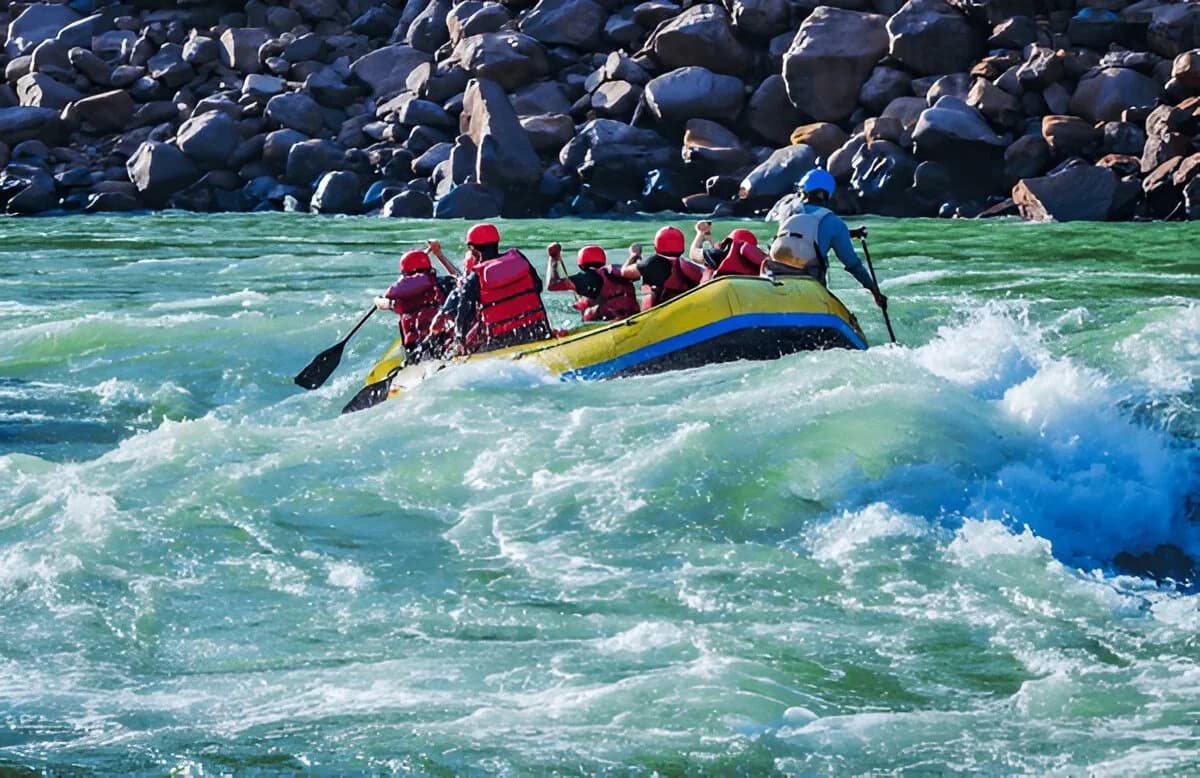
Overview of River Rafting in Manali: River rafting is among many adventures of Manali. The gushing waters of River Beas provide the perfect rapid for thrill-seekers looking to battle mighty rapids while enjoying the mountain scenery. This adventure sport has become one of the most popular activities in Manali. Of course, not the best in India, Rishikesh still holds the record, but rafting in Manali is nothing less. Whether you’re a beginner or an experienced rafter, Manali tour packages often include rafting expeditions suitable for your skill level. The combination of snow-capped peaks, lush greenery, and waters makes this an unforgettable experience. The stretches between Pirdi, Babeli, Katrain, and Kullu are perfect for rafting in Manali with different difficulty levels, making it accessible for everyone. Highlights of River Rafting in Manali: 1. Pirdi to Jhiri Stretch This 7 km stretch is perfect for beginners with mostly Grade I and II rapids. Price: ₹800-1,000 per person for a 1-hour session Location: Starting point at Pirdi, 3 km from Manali Bus Stand 2. Babeli to Katrain The most popular 14 km stretch with Grade II and III rapids. Price: ₹1,200-1,500 per person for a 2-hour session Location: Starting point at Babeli, 10 km from Manali town 3. Katrain to Bhuntar For experienced rafters, this 16 km stretch offers Grade III and IV rapids. Price: ₹1,800-2,200 per person for a 3-hour session Location: Starting point at Katrain, 20 km from Manali town 4. Kullu to Bhuntar This moderate 30 km stretch offers a mix of calm waters and Grade II rapids, perfect for enjoying the scenery. Price: ₹1,500-1,800 per person for a 4-hour session Location: Starting point at Kullu, 40 km from Manali town 5. Brahmaganga to Kullu This lesser-known 12 km stretch is best if you don’t want crowd with Grade II rapids away from tourist crowds. Provider: Himachal Explorers Price: ₹1,300-1,600 per person for a 2.5-hour session Location: Starting point at Brahmaganga, 30 km from Manali town Travel Tips / Essential Information of River Rafting in Manali: Best Season: April to June and September to mid-October are ideal. Avoid monsoon season (July-August) due to dangerous water levels. Booking Options: Book directly at Pirdi/Bhuntar rafting points or through your hotel/travel agent. Advance booking is recommended during peak season, otherwise, you might have to wait. Age & Weight Restrictions: Typically for ages 12-60 years. Weight requirements vary by operator (usually 40-100kg). What to Wear: Quick-dry clothes, shorts/swimwear underneath, sports shoes, or water sandals. Avoid cotton clothing. What to Bring: Change of clothes, towel, sunscreen, waterproof bag for valuables. Leave expensive items/electronics at the hotel. Safety First: Always wear the provided life jacket and helmet. Listen carefully to guide instructions. Physical Requirements: Basic swimming knowledge is helpful but not mandatory. Not recommended for pregnant women or those with heart conditions. Preparation: Avoid heavy meals before rafting. Stay hydrated and apply sunscreen. Also Checkout: Things To Do in Himachal PradeshMust Read: Places To Visit in Himachal Pradesh

Read More

Camping in Manali
May 30, 20253 Minutes
Camping in Manali
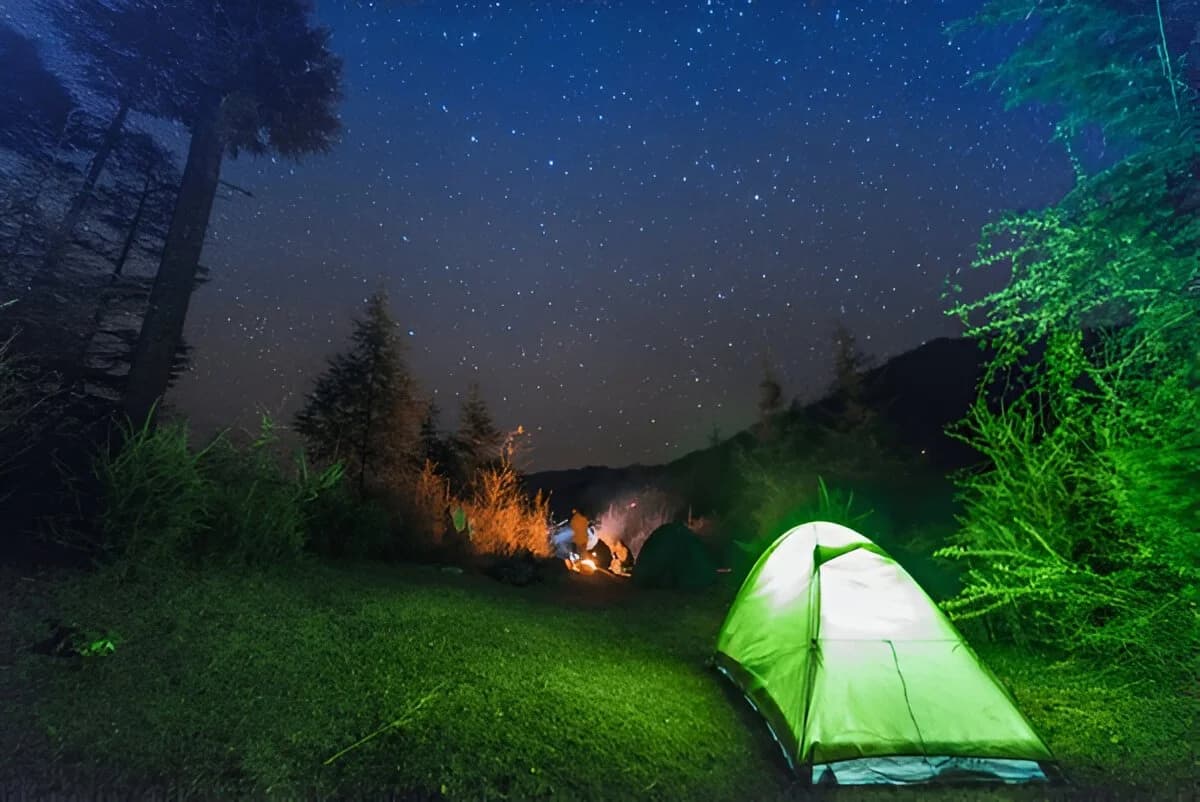
Overview of Camping in Manali: Thinking about an offbeat experience, camping in Manali might be your perfect choice! In Manali, there are some of the most amazing camping spots, most of which are unknown to most travelers. From the banks of River Beas to the deep forest, there’s a perfect spot for every type of camper. Even if you’re a first-timer or an experienced outdoor lover, Manali Tour Packages that include camping options can make your trip. The beauty of camping here is the mix of activities – wake up to misty mountain views, spend your day trekking or rafting, and end with bonfire stories under the stars. You can camp almost year-round, though summers (April-June) and early autumn (September-October) offer the most comfortable weather for tent life. Best Places for Camping in Manali: Solang Valley: Just 14 km from Manali, this valley offers gorgeous meadow camping with mountain views. Special requirement: Book in advance during winter for snow camping experiences. Sethan Valley: Perfect for those seeking peace, this lesser-known spot offers camping among apple orchards and pine forests. Special requirement: 4×4 vehicles are recommended during monsoon season as roads can get slippery. Jobra: Located at the beginning of the Hampta Pass trek, it’s great for beginners. Special requirement: Carry sufficient warm clothing as nights get chilly even in summer. Kothi Village: This village near Rohtang Pass offers riverside camping with stunning views. Special requirement: Obtain inner line permits if planning to trek beyond the campsite. Bhuntar: About 50 km before Manali, this spot is perfect for riverside camping. Special requirement: Choose higher ground during monsoon season to avoid sudden water level rises. Camp Life in Manali: Camping in Manali is all about admiring the unexpected! Mornings start with the gentle sound of birds and the smell of fresh mountain air. Most camps offer basic amenities like sleeping bags, tents, and clean toilets, but remember – this isn’t a five-star hotel! You might need to adjust to limited hot water and patchy mobile networks. Evenings at the campsite are magical – gather around bonfires, share stories with fellow campers, and enjoy the starlit sky that city life rarely offers. Many campsites organize local Himachali food nights where you can taste authentic flavors of Himachal on barbeque. The real challenge is unpredictable mountain weather! You could experience sunshine, rain, and chilly winds all in one day, so layer up smartly. And yes, expect wild encounters – it’s all part of the adventure! Travel Tips / Essential Information of Camping in Manali: Best season: May-June and September-October; avoid monsoon (July-August) unless you’re experienced. Budget: Basic camping packages start from ₹1,500 per night, while luxury glamping can cost ₹5,000+ per night. Safety first: Never camp alone in remote areas; join organized camping tours if you’re a beginner. Pack smart: Carry thermal wear, rainproof gear, first-aid kit, insect repellent, and portable chargers. Weather warning: Mountain weather changes quickly – always check forecasts and be prepared for unexpected rain/cold. Water concerns: Carry enough drinking water or reliable purification methods – stream water isn’t always safe. Campfire regulations: Check local permissions before lighting campfires as some areas restrict them during dry months. Altitude sickness: Give yourself 24 hours to acclimatize before attempting higher altitude camping spots. Must Read – Things To Do in ManaliAlso Checkout – Places to Visit in Manali

Read More

Coral Island, Thailand
May 30, 20253 Minutes
Coral Island, Thailand
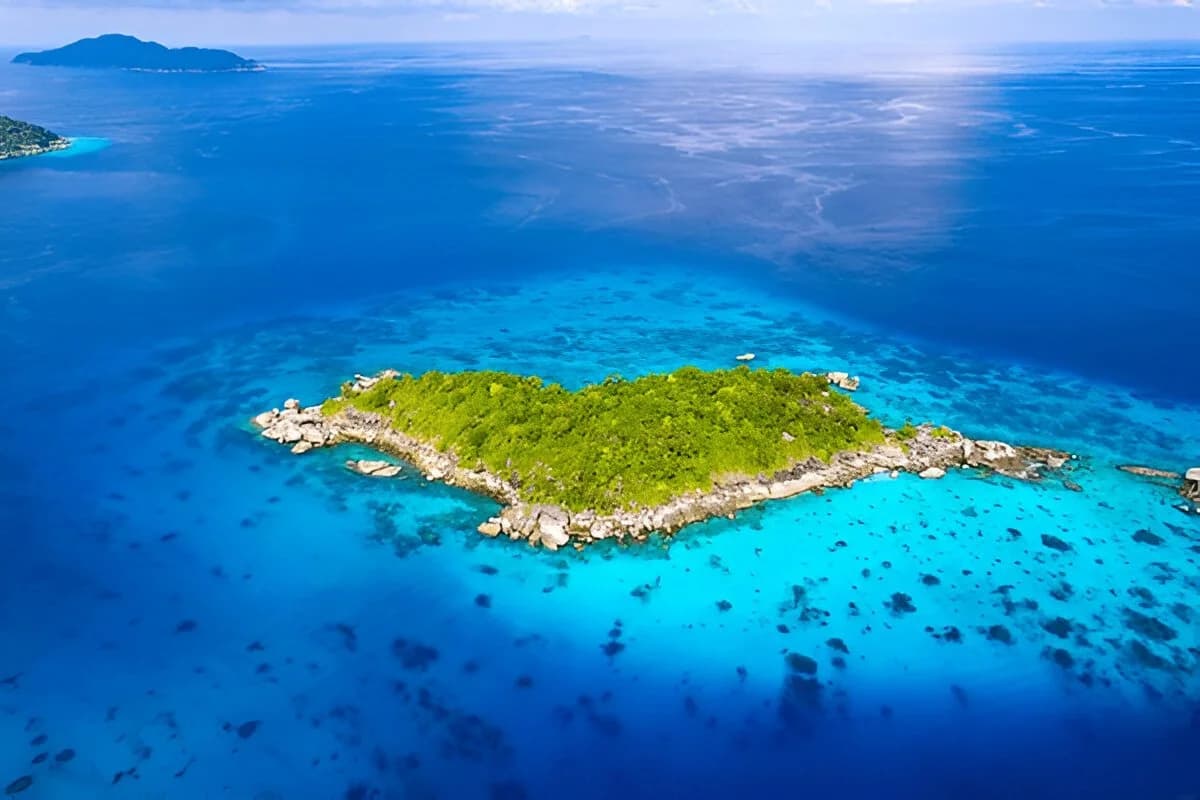
Overview of Coral Island, Thailand: Coral Island, also known as Koh Hae, is one of the most popular islands near Phuket. It is just 15 minutes away by speedboat and is famous for its white sandy beaches, crystal-clear waters, and vibrant coral reefs. The island has two main beaches—Long Beach and Banana Beach. Long Beach is great for water sports, while Banana Beach is quieter and perfect for relaxing. Visitors can go snorkeling, diving, or take a glass-bottom boat ride to see the colorful marine life. For those who prefer a slower pace, the island offers scenic walks and beachside dining with fresh seafood. Many Thailand tour packages include a visit to Coral Island, making it easy for travelers to explore this tropical paradise. Coral Island is perfect for a day trip from Phuket. It provides a refreshing escape from the city’s crowds and offers a mix of adventure and relaxation, making it a must-visit destination for nature lovers and beach enthusiasts. What are the Key Highlights of Coral Island, Thailand: Snorkeling and diving are the main attractions on Coral Island. The waters are full of colorful coral reefs and tropical fish, making it a great spot for underwater exploration. Banana boat rides and parasailing are available for thrill-seekers. These activities let you experience the ocean in a fun and exciting way. Sea walking is a unique activity where visitors can walk on the ocean floor using a special oxygen helmet. It’s a great way to see marine life up close. Banana Beach is the best spot for those who prefer a peaceful atmosphere. It’s less crowded and has beautiful sea views. Beachside dining is another highlight. Visitors can enjoy fresh seafood and traditional Thai dishes while relaxing by the shore. Timings & Entry Fees of Coral Island, Thailand: Timings: Open daily from 9:00 AM to 5:00 PM Entry Fee: No fixed entry fee, but most tours cost around 1,000 THB (approximately ₹2,500 INR) per person. Tour packages usually include boat transfers, snorkeling gear, and lunch. Prices may vary depending on the activities included. Travel Tips & Essential Information for Coral Island, Thailand: The best time to visit Coral Island is from November to April when the weather is sunny and the sea is calm. The monsoon season (May to October) may bring heavy rains and rough waters. Coral Island is easy to reach. Speedboats leave from Chalong Pier in Phuket, and many travel agencies offer day trip packages. Visitors should bring swimwear, sunscreen, sunglasses, a hat, and extra cash for food and activities. For safety, it’s important to wear a life jacket during water sports and stay hydrated, especially under the hot sun. If you enjoy island destinations, things to do in Lakshadweep are quite similar to Coral Island. Lakshadweep offers snorkeling, diving, and peaceful beach experiences, making it another great choice for ocean lovers. Coral Island is an ideal getaway for anyone visiting Thailand. Whether you love adventure or just want to relax, this island has everything you need for a perfect beach day. Also Read: Places to Visit in ThailandMust Read: Things to do in Thailand

Read More

Lantern Festival in Thailand
May 30, 20253 Minutes
Lantern Festival in Thailand
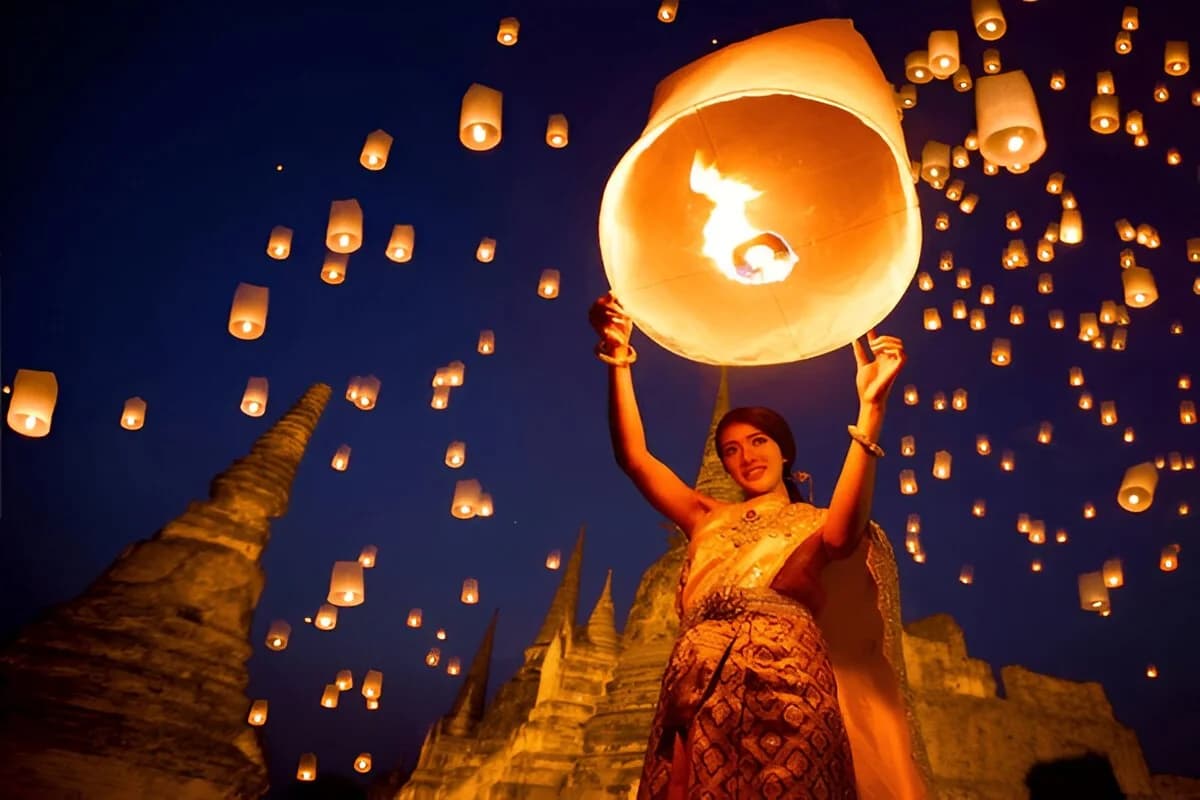
Overview of Lantern Festival in Thailand: The Lantern Festival in Thailand is one of the most beautiful and culturally significant events in the country. It consists of two main celebrations—Loy Krathong and Yi Peng—both of which take place in November during the full moon of the 12th lunar month. Loy Krathong is celebrated all over Thailand, where people float small decorated baskets (krathongs) made of banana leaves, flowers, and candles on rivers and lakes. This tradition is meant to honor the Water Goddess (Phra Mae Khongkha) and symbolize the letting go of bad luck and negativity. Many Thailand tour packages include a visit to the festival, allowing travelers to witness this magical event up close. In Chiang Mai, the festival is even more special with the Yi Peng celebration, where thousands of sky lanterns are released into the night sky. The glowing lanterns create a breathtaking scene, making this festival one of the most photographed events in the world. What are the Key Highlights of the Lantern Festival: Loy Krathong: People gather near rivers, lakes, and canals to float their krathongs. These beautifully decorated baskets often carry candles and incense sticks. It is believed that as they float away, they take with them all worries and bad luck. Yi Peng: This is celebrated mostly in Northern Thailand, especially in Chiang Mai. Thousands of paper lanterns are released into the sky, creating a mesmerizing scene. It is a symbol of making wishes and welcoming good luck into one’s life. Traditional Thai Performances: Various cultural performances, including traditional Thai dance and music shows, take place during the festival, adding to the magical experience. Fireworks and Parades: Cities like Bangkok, Sukhothai, and Chiang Mai organize stunning firework displays and parades with people dressed in traditional Thai costumes. Best Places to Experience the Lantern Festival in Thailand: Chiang Mai – Chiang Mai is the most famous destination for Yi Peng. The main celebrations take place at Tha Phae Gate and the Ping River, where thousands of sky lanterns light up the night. Bangkok – It is the capital city that hosts spectacular Loy Krathong celebrations. The Chao Phraya River is filled with floating krathongs, and visitors can enjoy live music, fireworks, and cultural performances. Sukhothai – This is believed to be the birthplace of Loy Krathong. The celebrations in Sukhothai Historical Park are breathtaking, with hundreds of krathongs floating in the ancient ruins. Phuket – Phuket combines the Lantern Festival with its famous beaches. Patong Beach and Nai Harn Beach are popular spots for floating krathongs and releasing lanterns into the sky. Travel Tips & Essential Information for Lantern Festival in Thailand: Book in Advance: Hotels and flights get fully booked during the festival, especially in Chiang Mai. Plan early to get the best deals. Choose an Official Event: Some locations have organized lantern releases, which are safer and environmentally friendly. Avoid buying lanterns from unauthorized vendors. Respect Thai Culture: The festival is a religious and cultural event. Wear modest clothing, especially if visiting temples. Be Mindful of the Environment: Use biodegradable krathongs and lanterns to reduce pollution. Best Time to Attend: The festival usually falls in November, but the exact date changes each year based on the lunar calendar. Check the dates before planning your trip. The Lantern Festival in Thailand is more than just a beautiful event—it is a spiritual and cultural experience. Whether you want to release a lantern into the sky in Chiang Mai or float a krathong on the Chao Phraya River in Bangkok, this festival offers a truly unforgettable moment. Plan your trip wisely, and don’t miss the chance to witness this magical celebration! Also Read: Places to Visit in ThailandMust Read: Things to do in Thailand

Read More

Songkran Festival in Thailand
May 30, 20253 Minutes
Songkran Festival in Thailand
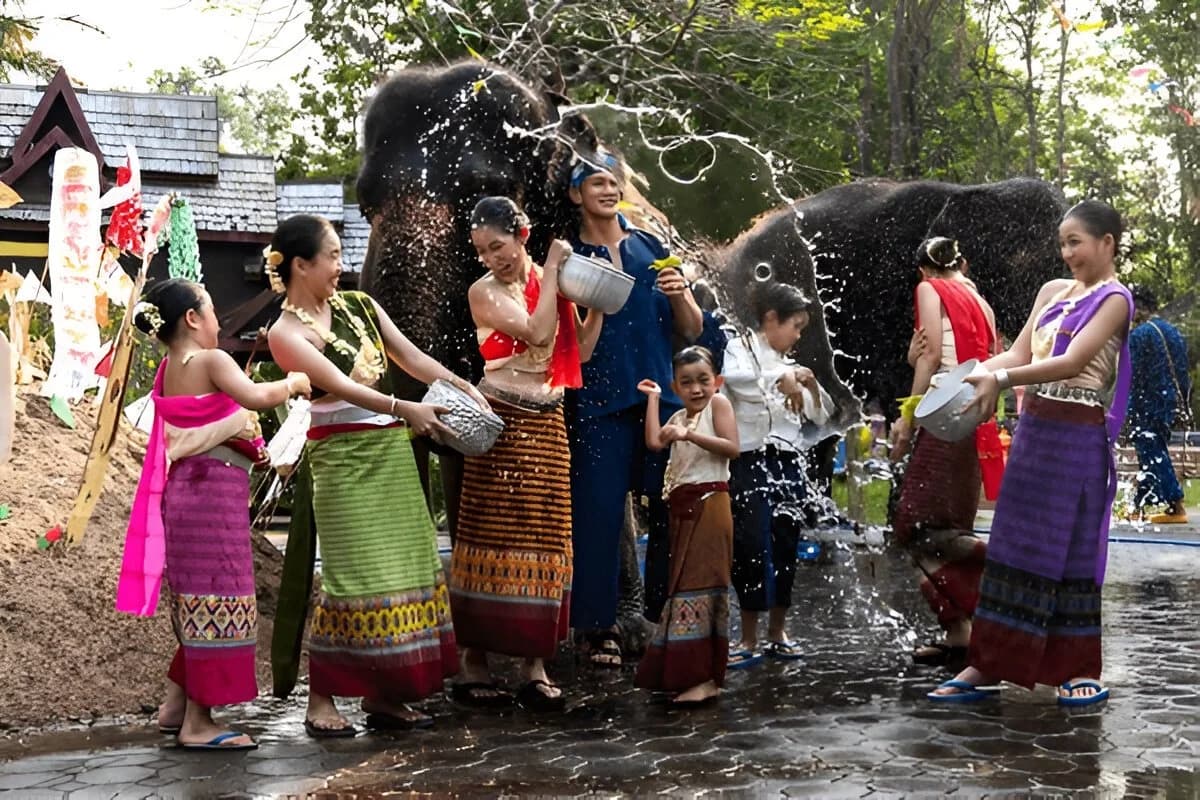
Overview of Songkran Festival in Thailand: Songkran, the Thai New Year festival, is one of Thailand’s most famous and lively celebrations. Held every year from April 13 to 15, the festival is best known for its massive water fights, where people use water guns, buckets, and hoses to drench each other. But Songkran is more than just fun—it is also deeply rooted in tradition. Many Thailand tour packages offer special Songkran experiences, making it easier to enjoy this unique festival. The festival symbolizes cleansing and renewal, with Thais visiting temples, pouring water over Buddha statues, and paying respect to elders. Many also take this time to reunite with their families and make merit by giving food to monks. Major cities like Bangkok, Chiang Mai, Pattaya, and Phuket become lively battle zones, drawing thousands of locals and tourists. If you’re visiting during this time, be prepared to get wet, there’s no escape!  What are the Key Highlights of Songkran Festival: Massive Water Fights – The biggest attraction! Streets turn into giant water playgrounds where everyone, from kids to seniors, joins in the fun. Temple Visits & Traditions – Locals visit temples, pour scented water over Buddha statues, and make merit for good luck. Sandalwood-Scented Water Ritual – A gentle way of showing respect by pouring fragrant water on elders’ hands for blessings. Street Parties & Music – From Bangkok’s Khao San Road to Pattaya Beach, Songkran is filled with dance, music, and celebrations. Food & Local Delicacies – Enjoy Thai street food like mango sticky rice, grilled seafood, and refreshing coconut drinks. Timings & Entry Fees for Songkran Festival in Thailand: The Songkran Festival takes place annually from April 13 to 15, but celebrations in some cities last up to a week. There is no entry fee, as it’s a public festival held on streets and in temples. However, some events and water zones in tourist areas may charge small fees. Travel Tips & Essential Information for Songkran Festival in Thailand: Wear Quick-Dry Clothes – You’ll be drenched all day, so choose light, quick-drying fabrics like cotton or sportswear instead of heavy materials like denim. Protect Your Belongings – Keep phones, wallets, and passports in waterproof bags to prevent water damage during the celebrations. Respect Local Traditions – Songkran is not just a water fight; it’s also a religious festival. Be mindful when visiting temples and dress appropriately. Stay Hydrated – April is extremely hot in Thailand. Drink plenty of water to avoid dehydration while enjoying the festivities. Use Safe Water Sources – Avoid using dirty or ice-cold water for splashing. Many locals use clean or scented water as part of the traditional celebration. Songkran is an unforgettable experience filled with joy, tradition, and endless fun. Whether you’re a first-time visitor or a regular traveler, this festival is a must-see when visiting Thailand! Also Read: Places to Visit in ThailandMust Read: Things to do in Thailand

Read More

Skydiving in Thailand
May 30, 20253 Minutes
Skydiving in Thailand
Overview of Skydiving in Thailand: Skydiving in Thailand is one of the most exciting activities for adventure seekers. You jump from a plane, feel the wind rush past, and then gently float down with a parachute, enjoying the stunning views. Thailand is home to top-rated skydiving centers that provide professional guidance, making it safe even for beginners. Look for Thailand tour packages that include skydiving for a hassle-free experience. One of the best locations for skydiving is Pattaya, offering breathtaking views of the coastline and the Gulf of Thailand. Other popular drop zones include Rayong and Bangkok, where you can enjoy a thrilling jump with experienced instructors. Skydiving is available as a tandem jump, where you are securely harnessed to an expert, ensuring safety and an unforgettable experience. Whether you’re visiting Thailand for adventure or adding excitement to your trip, skydiving is a must-try activity.  What are the Key Highlights of Skydiving in Thailand: Top Locations – The best places for skydiving in Thailand are Pattaya, Rayong, and Bangkok, which offer scenic coastal and countryside views. Thrilling Freefall – Jump from 13,000 feet, experiencing an adrenaline-pumping freefall for about 60 seconds before the parachute opens. Breathtaking Views – Enjoy panoramic views of Thailand’s beaches, islands, and mountains during your parachute descent. Beginner-Friendly – First-time jumpers can opt for tandem skydiving, where a trained instructor controls the parachute while you enjoy the ride. Safety First – Thailand’s skydiving centers follow strict safety guidelines, use high-quality equipment, and have professional instructors. Capture the Moment – Many skydiving centers offer photo and video packages, so you can relive your jump and share it with friends. Timings & Entry Fees for Skydiving in Thailand: Timings – Most skydiving centers operate from 8:00 AM to 5:00 PM, but weather conditions can affect schedules. Entry Fees – Tandem skydives typically cost ฿10,000 to ฿15,000 (INR 23,000 – 35,000). Extras – Video/photo packages cost an additional ฿2,000 – ฿3,000 (INR 4,500 – 7,000). Advance Booking Recommended – Popular skydiving centers get booked quickly, so it’s best to reserve your slot in advance. Travel Tips / Essential Information for Skydiving in Thailand: Book Early – Skydiving spots fill up fast, especially in peak seasons, so reserve your slot in advance. Check the Weather – Skydiving depends on clear skies and low wind conditions. Avoid booking on rainy or stormy days. Wear Comfortable Clothes – Opt for light, breathable clothing and well-fitting sneakers for a safe jump. Follow Safety Instructions – Listen to your instructor carefully for a smooth and secure skydiving experience. Health & Fitness – While most people can skydive, those with heart conditions or severe medical issues should consult a doctor. Stay Hydrated & Eat Light – Drink plenty of water but avoid heavy meals before the jump to prevent discomfort. Capture Your Experience – If budget allows, go for a photo/video package to relive your skydiving adventure. Skydiving in Thailand is a once-in-a-lifetime experience that combines adventure, scenic beauty, and a rush of adrenaline. Whether you choose Pattaya’s coastal views or the countryside near Bangkok, this thrilling activity is worth every second. Also Read: Places to Visit in ThailandMust Read: Things to do in Thailand

Read More

Hiking in Vietnam
May 30, 20253 Minutes
Hiking in Vietnam
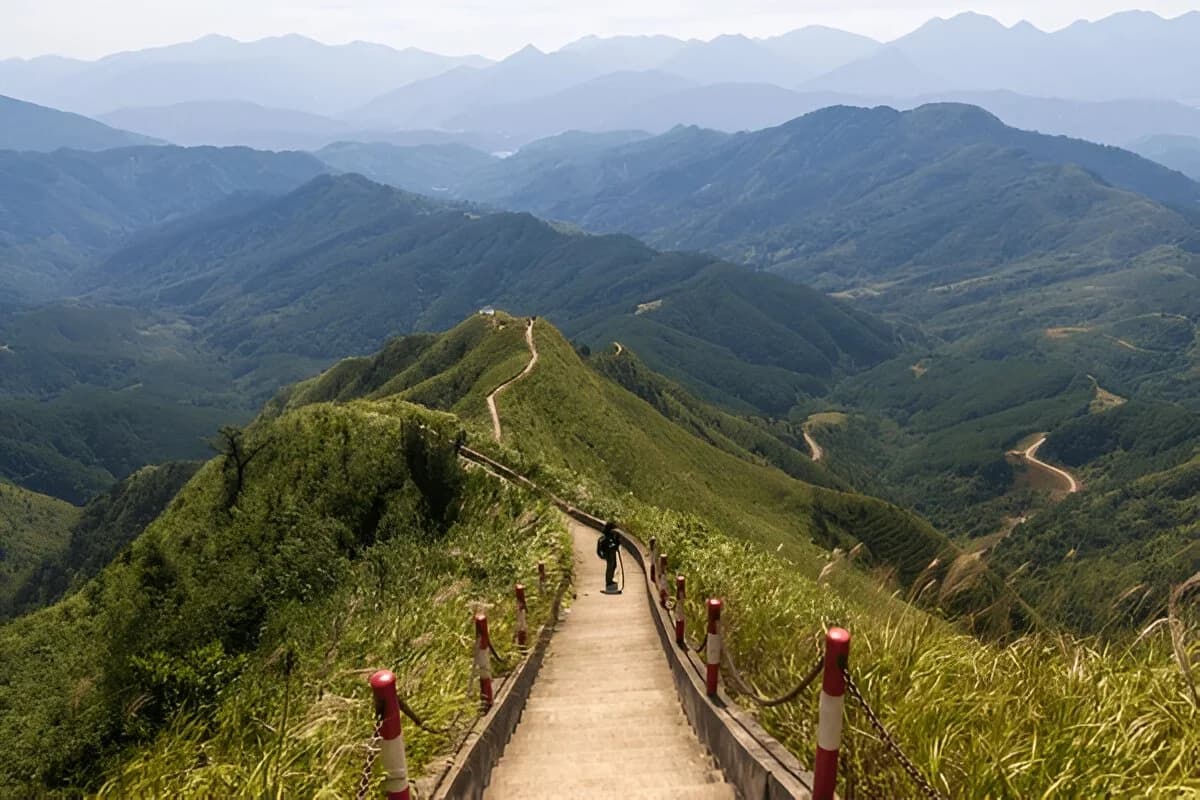
Overview of Hiking in Vietnam: Vietnam is not just about pho, streets, and beaches; it’s also great for hiking enthusiasts. Over the years, hiking in Vietnam has gained immense popularity among adventure lovers due to its stunning landscapes, lush jungles, and mountain ranges. What makes Vietnam unique is its diverse trekking options—from challenging mountain trails to easy and peaceful rice terraces. One of the major reasons travelers are drawn to hiking here is the incredible mix of culture and nature. Vietnam has trails for every fitness level. If you’re planning an adventure, make sure to explore Vietnam tour packages that include guided hikes—perfect for those who love a well-planned trip without the stress of logistics! Best Hiking Places in Vietnam: 1. Fansipan (Sapa): Distance: 11 km (one way) Time Taken: 2-3 days Known as the “Roof of Indochina,” Fansipan is Vietnam’s highest peak. The trek is demanding but rewards hikers with jaw-dropping views of mountain ranges and cloud-kissed landscapes. 2. Ta Nang – Phan Dung Trek: Distance: 55 km Time Taken: 3 days This trek takes you through Vietnam’s most scenic countryside, with rolling green hills, wildflowers, and dreamy sunset views. Perfect for those who want to disconnect from city life. 3. Pu Luong Nature Reserve (Thanh Hoa Province): Distance: Varies (5-15 km trails) Time Taken: 1-2 days A less touristy alternative to Sapa, Pu Luong offers stunning rice terraces and picturesque bamboo forests, making it an ideal spot for a peaceful trek. 4. Lang Biang Mountain (Dalat): Distance: 4 km (one way) Time Taken: 3-4 hours This trek leads to an incredible panoramic view of the Dalat city. The climb is short but steep, so get ready for a leg workout. 5. Cao Bang – Ban Gioc Waterfall Trek: Distance: 10 km Time Taken: 4-6 hours A hidden gem! This trail takes you through ethnic villages, limestone hills, and ends at the stunning Ban Gioc Waterfall—Vietnam’s largest. Travel Tips / Essential Information Hiking in Vietnam: Best Time to Go: Vietnam’s hiking season is from September to April, when the weather is cooler and less humid. Avoid the monsoon season unless you enjoy slipping in mud! Packing Essentials: Sturdy hiking boots, a rain jacket, insect repellent, and a power bank (because no one wants a dead phone when the view is Instagram-worthy!). Local Guides: If you’re not familiar with the trails, hire a local guide. They not only help with navigation but also share fascinating stories about the area. Fitness Level: Some treks are easy, while others require serious stamina. Be honest with yourself—Fansipan isn’t for the faint-hearted! Costs: Guided treks range from INR 2,500 – 7,000 per person, depending on the difficulty and duration. Accommodation: Homestays are a great way to experience Vietnamese hospitality. They cost around INR 800 – 2,500 per night and often include home-cooked meals. Food & Water: Always carry snacks and water, as you won’t find street vendors selling chai halfway up a mountain. Respect Local Culture: Many trekking routes pass through ethnic villages. Dress modestly and greet locals with a friendly “Xin chào”! Also Checkout: Things to do in VietnamMust Read: Places To Visit in Vietnam

Read More

Ha Giang, Vietnam
May 30, 20253 Minutes
Ha Giang, Vietnam
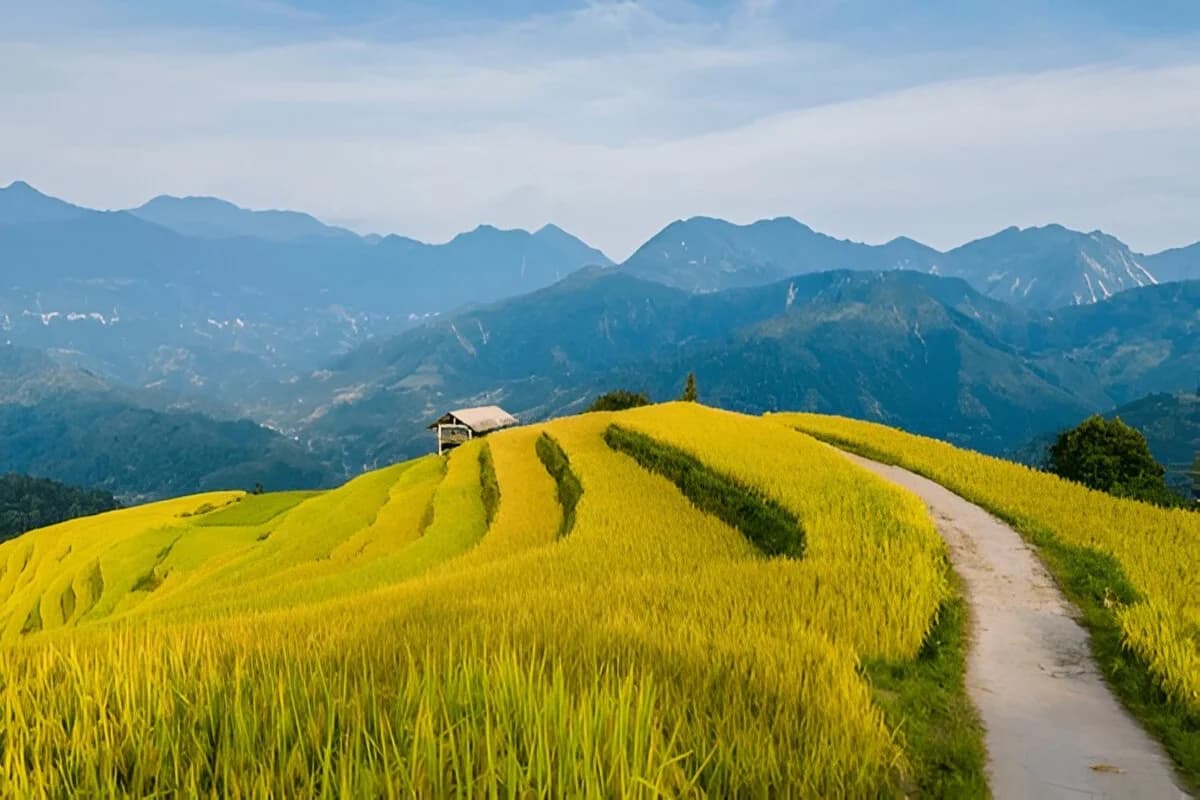
Overview of Ha Giang, Vietnam: Ha Giang is a stunning province in northern Vietnam, known for its majestic mountains, deep valleys, and beautiful rice terraces. It is home to some of the most scenic roads in Vietnam, making it a top destination for motorbike travelers. The Ha Giang Loop, a winding road through the mountains, is one of the most famous routes in Vietnam. Whether you want to ride a motorbike through the mountains, visit local villages, or just enjoy the stunning views, this place is a must-visit destination in any Vietnam tour package. Unlike popular tourist spots like Hanoi or Ho Chi Minh City, Ha Giang remains untouched and peaceful. The local ethnic minority groups, such as the H’Mong, Tay, and Dao people, live in small villages and continue their traditional way of life. Visitors can experience their unique culture, colorful clothing, and delicious food. Ha Giang is perfect for those looking for an authentic and adventurous travel experience. What are the Key Highlights of Ha Giang, Vietnam: Here are some of the top things to see and do in Ha Giang, Vietnam: Ha Giang Loop – A famous motorbike route through mountains, valleys, and small villages. Dong Van Karst Plateau – A UNESCO Global Geopark with unique rock formations and breathtaking landscapes. Ma Pi Leng Pass – One of the most beautiful mountain passes in Vietnam, offering stunning views of deep canyons and rivers. Lung Cu Flag Tower – The northernmost point of Vietnam, where you can see China from the top. Ethnic Minority Villages – Experience the culture of the H’Mong, Tay, and Dao people, who still live in traditional wooden houses. Local Markets – Visit the Dong Van Sunday Market or Meo Vac Market to see locals selling food, clothes, and handmade crafts. Thon Tha Village – A peaceful village surrounded by green fields and traditional stilt houses. Rice Terraces in Hoang Su Phi – Beautiful rice fields that change colors with the seasons. Timings & Entry Fees for Ha Giang, Vietnam: Best Time to Visit: September to November (cool weather, golden rice fields) or March to May (blooming flowers, clear skies). Entry Fees: No general entry fee, but some attractions like Lung Cu Flag Tower may charge around ₹50 – ₹100 per person. Travel Tips / Essential Information for Ha Giang, Vietnam: If you are planning to visit Ha Giang, Vietnam, here are some useful travel tips: Rent a Motorbike – The best way to explore Ha Giang is by riding a motorbike. You can rent one in Ha Giang City for an amazing adventure. Prepare for Cold Weather – In winter, temperatures can drop, so bring warm clothes. Drive Carefully – The mountain roads are narrow and curvy, so drive slowly and be careful. Respect Local Culture – The ethnic minority groups have their customs, so always ask before taking photos. Try Local Food – Don’t miss dishes like thang co (a traditional stew), corn wine, and sticky rice. Book a Homestay – Staying in a local homestay lets you experience the real Ha Giang lifestyle. Ha Giang is one of Vietnam’s most beautiful and untouched destinations. If you love nature, adventure, and authentic culture, this is the perfect place to explore. Add it to your Vietnam tour package and experience the true beauty of northern Vietnam! Also Checkout: Things to do in VietnamMust Read: Places To Visit in Vietnam

Read More

Glass Bridge in Vietnam
May 30, 20253 Minutes
Glass Bridge in Vietnam
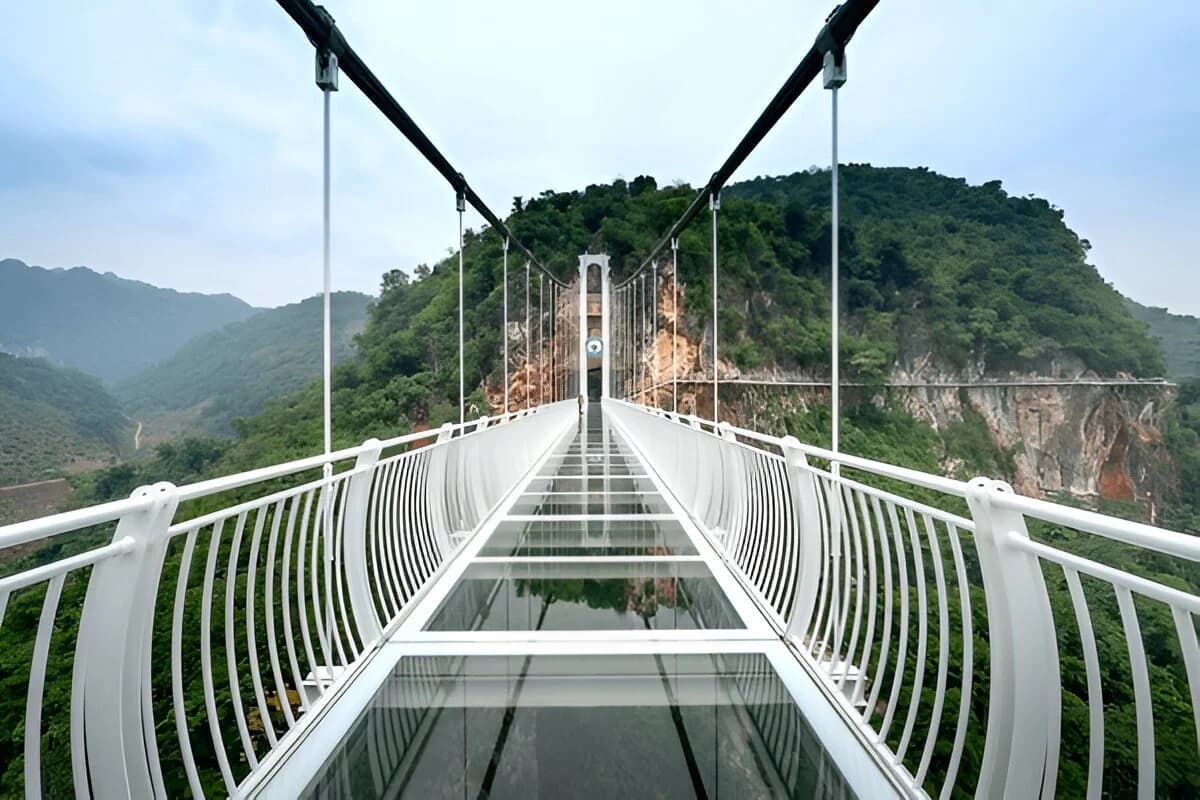
Overview of Glass Bridge in Vietnam: Vietnam is known for its natural beauty, mountains, and rivers, but did you know it also has some amazing glass bridges? These bridges are made with strong glass panels, allowing visitors to see straight down as they walk across. It feels like walking on air! One of the most famous glass bridges in Vietnam is the Bach Long Glass Bridge, located in Son La province. It is the longest glass-bottom bridge in the world, stretching 632 meters (2,073 feet) across a deep valley. Standing 150 meters (492 feet) above the ground, the view from the bridge is stunning. You can see green forests, rocky cliffs, and winding rivers below. This bridge is perfect for adventure lovers and nature enthusiasts. Whether you are visiting Vietnam for the first time or returning for another trip, adding the Glass Bridge experience to your Vietnam tour package will make your journey unforgettable. What are the Key Highlights of Glass Bridge in Vietnam: Here are some of the most exciting things about the Glass Bridge in Vietnam: Bach Long Glass Bridge – The Longest in the World – This bridge holds a world record for its length. Thrilling Experience – Walking on a transparent floor high above the ground is both exciting and scary! Breathtaking Views – Enjoy panoramic views of mountains, forests, and rivers from the bridge. Safe and Strong Design – The glass panels are thick and strong, designed to hold hundreds of people at once. Perfect for Photos – The bridge is a great spot for stunning travel photos and videos. Popular Tourist Attraction – A must-visit spot for anyone traveling to Vietnam. Great for Families and Friends – Whether you’re with family, friends, or a travel group, this bridge is a fun experience for everyone. Timings & Entry Fees for Glass Bridge in Vietnam: Location: Bach Long Glass Bridge, Moc Chau, Son La Province, Vietnam Opening Hours: 7:30 AM – 5:30 PM (Timings may vary) Entry Fee: Around ₹600 – ₹1,000 per person (varies by season and time) Travel Tips / Essential Information for Glass Bridge in Vietnam: If you plan to visit the Glass Bridge in Vietnam, here are some important things to know: Wear Comfortable Shoes – You’ll need good grip while walking on the glass floor. Not for the Faint-Hearted – If you have a fear of heights, you might find it challenging! Check the Weather – Avoid visiting on foggy or rainy days, as the view may not be clear. Follow Safety Rules – Only walk in designated areas, and do not run or jump on the bridge. Best Time to Visit – Morning or late afternoon for the best views and fewer crowds. Photography Allowed – Bring a good camera or phone for breathtaking pictures. Visiting the Glass Bridge in Vietnam is an unforgettable experience. Whether you are looking for adventure, amazing views, or a unique travel memory, this bridge is a must-see attraction! Also Checkout: Things to do in VietnamMust Read: Places to visit in Vietnam

Read More

Vietnam War Remnants Museum
May 30, 20253 Minutes
Vietnam War Remnants Museum
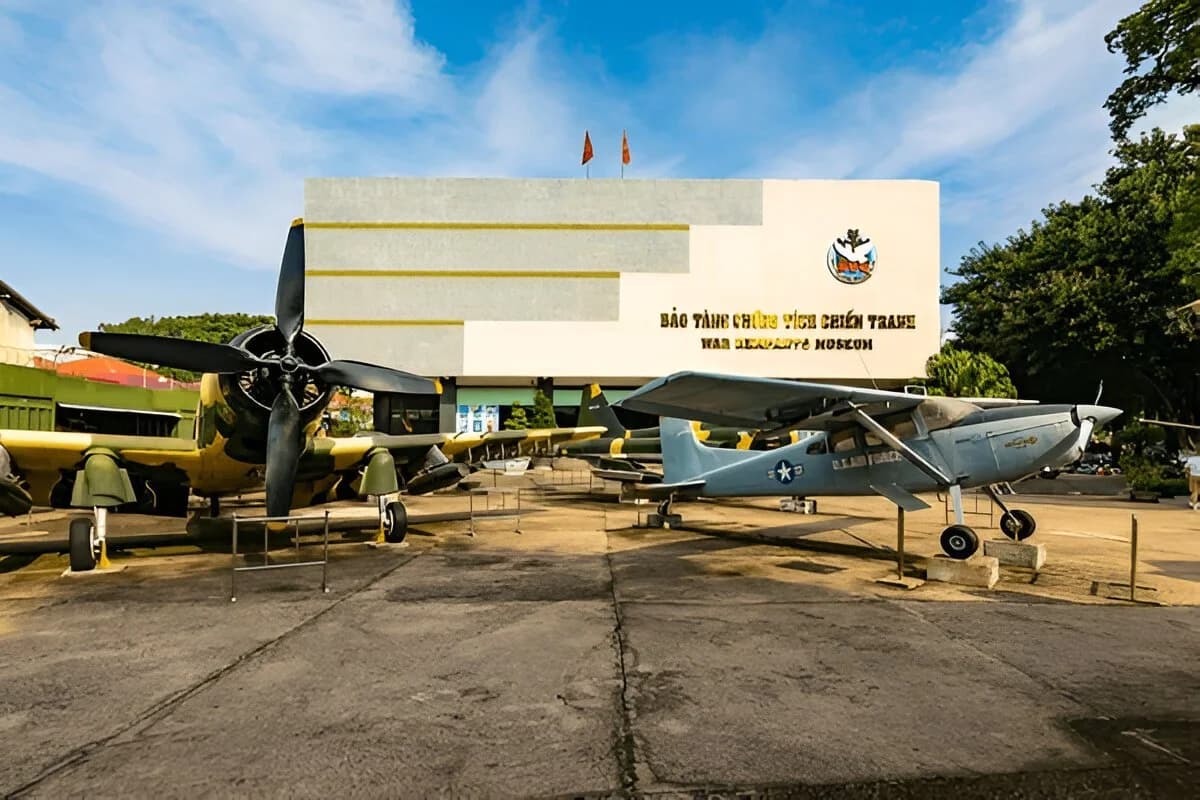
Overview of Vietnam War Remnants Museum: The Vietnam War Memorial is an important site in Vietnam that helps visitors learn about one of the country’s most tragic times. The Vietnam War lasted from 1955 to 1975, causing great suffering and loss. This memorial was built to remember the soldiers and civilians who lost their lives during the war. If you are planning a trip with Vietnam tour packages, adding a visit to one of these memorials can give you a deeper understanding of the country’s past. There are many war memorials across Vietnam, but some of the most famous ones include the War Remnants Museum in Ho Chi Minh City, the Vietnam Veterans Memorial in Hanoi, and the My Lai Massacre Memorial in Quang Ngai. These places help people understand the struggles of war, the effects on local people, and the bravery of those who fought. Visiting the Vietnam War Memorial is a powerful experience. It is not just a place to learn history but also to honor those who sacrificed their lives. What are the Key Highlights of Vietnam War Remnants Museum: Here are some key things to know about the Vietnam War Memorial: War Remnants Museum (Ho Chi Minh City) – One of the most visited places, showcasing war artifacts, photos, and personal stories. Vietnam Veterans Memorial (Hanoi) – A place that remembers the soldiers who fought in the war. My Lai Massacre Memorial (Quang Ngai) – A memorial built in memory of the innocent villagers killed during the war. Truong Son National Cemetery – The largest war cemetery in Vietnam, where many soldiers are buried. Artifacts and Displays – Visitors can see old war tanks, helicopters, and weapons used during the war. Real Stories from the War – The memorials include letters, photos, and personal belongings of those who lived through the war. A Place for Reflection – These sites help visitors understand the impact of war and appreciate peace. Timings & Entry Fees for Vietnam War Remnants Museum: War Remnants Museum (Ho Chi Minh City): Timings: 7:30 AM – 6:00 PM Entry Fee: Around ₹150 per person My Lai Massacre Memorial (Quang Ngai): Timings: 7:00 AM – 5:00 PM Entry Fee: Around ₹100 per person Vietnam Veterans Memorial (Hanoi): Timings: Open all day Entry Fee: Free Travel Tips / Essential Information for Vietnam War Remnants Museum: If you are planning to visit the Vietnam War Memorial, here are some useful tips: Be Respectful – These sites hold painful memories, so visitors should maintain a quiet and respectful attitude. Read the Information – Take time to read the stories and descriptions to understand the full history. Bring a Guide or Use Audio Tours – Some sites offer guided tours or audio guides to help explain the exhibits. Wear Comfortable Shoes – Some memorials, like Truong Son Cemetery, are large and require a lot of walking. Check Opening Hours Before Visiting – Some places may close early, so it’s best to plan your visit. Photography Rules – Some museums allow photos, while others may have restrictions. Always ask before taking pictures. Visit Early to Avoid Crowds – War museums and memorials can get crowded, so visiting early in the day can give you a better experience. A visit to the Vietnam War Memorial is an emotional and educational journey. It helps visitors understand the country’s past and appreciate the peace it has today. Also Read: Places to Visit in VietnamMust Read: Things to do in Vietnam

Read More

Scuba Diving in Vietnam
May 30, 20253 Minutes
Scuba Diving in Vietnam
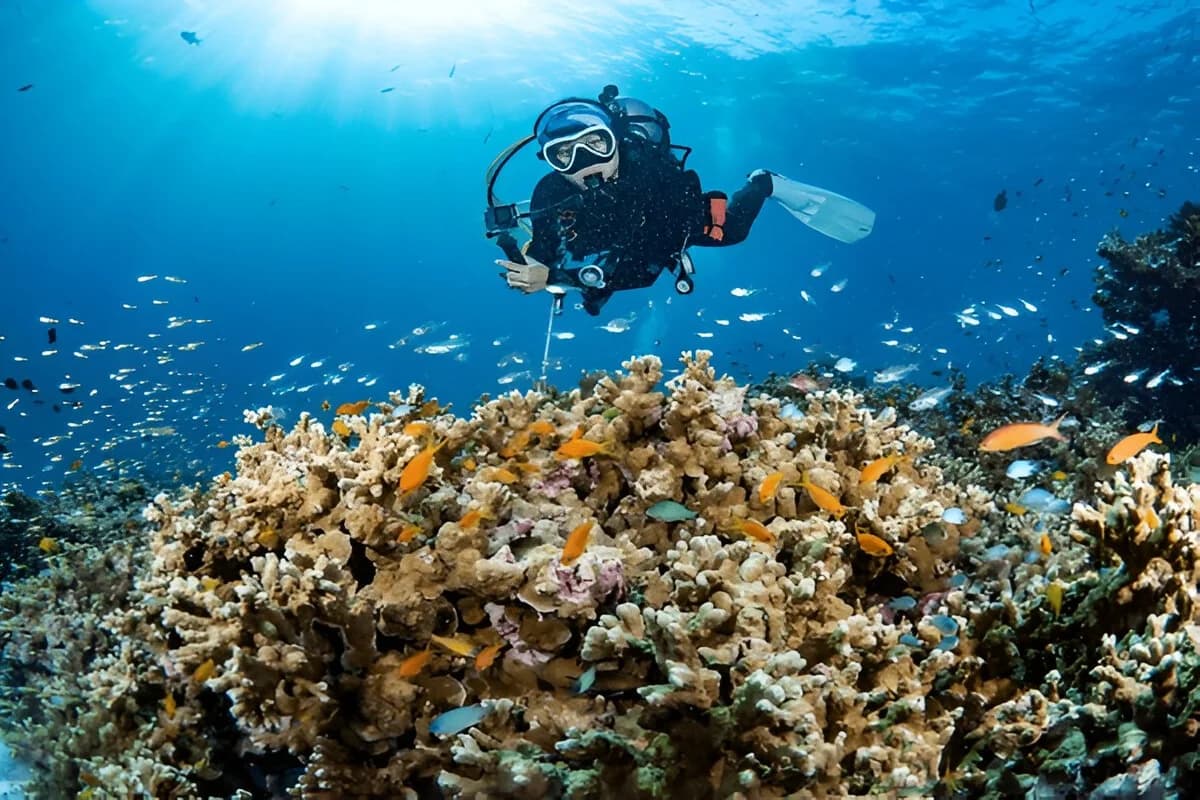
Overview of Scuba Diving in Vietnam: Vietnam is not just about its beautiful landscapes and delicious food; it also has an amazing underwater world waiting to be explored. With a coastline stretching over 3,000 km, Vietnam is home to some of the best scuba diving spots in Southeast Asia. The country offers diverse marine life, stunning coral reefs, and clear blue waters, making it a perfect destination for diving. If you’re planning a Vietnam tour package, consider adding scuba diving to your itinerary. It’s a fantastic way to experience the country’s hidden beauty beneath the waves. Some of the top places for scuba diving in Vietnam include Nha Trang, Phu Quoc, Con Dao, and the Cham Islands. These locations have vibrant coral gardens, underwater caves, and even shipwrecks for adventurous divers. You can swim alongside colorful fish, sea turtles, and even manta rays. Whether you are a beginner or an advanced diver, Vietnam has something to offer for everyone. What are the Key Highlights of Scuba Diving in Vietnam: Here are some of the best things about scuba diving in Vietnam: Nha Trang – The diving capital of Vietnam with clear waters and diverse marine species. Hon Mun Marine Park is a top diving site. Phu Quoc – It is perfect for beginners and experienced divers. Explore Turtle Island and An Thoi Archipelago for colorful coral reefs. Con Dao – It is ideal for deep-sea diving. Discover shipwrecks, manta rays, and even rare dugongs. Cham Islands – A UNESCO Biosphere Reserve known for crystal-clear waters and stunning coral gardens. Affordable Diving Packages – Compared to other countries, scuba diving in Vietnam is budget-friendly. Diverse Marine Life – You can expect to see clownfish, seahorses, moray eels, and even barracudas. Options for All Levels – Whether you’re a beginner, intermediate, or expert, Vietnam has dive sites for every level. Timings & Entry Fees for Scuba Diving in Vietnam: Best Diving Season: April to October – Best for Nha Trang & Cham Islands. November to March – Best for Phu Quoc & Con Dao. Cost of Scuba Diving: Prices start at ₹3,000 – ₹8,000 per dive, depending on location and package. PADI certification courses are available for beginners at an additional cost. Travel Tips / Essential Information for Scuba Diving in Vietnam: To make the most of your scuba diving experience in Vietnam, keep these tips in mind: Choose a Licensed Diving Center – Ensure your dive is safe by booking with a certified diving operator. Check the Weather Conditions – Avoid diving during storms or rough waves for a better experience. Wear Proper Diving Gear – A well-fitted wetsuit, mask, and fins will help you stay comfortable underwater. Follow Safety Instructions – Always dive with a buddy and follow your instructor’s guidance. Respect Marine Life – Avoid touching or disturbing corals and sea creatures. Try Snorkeling if You’re a Beginner – If scuba diving feels too challenging, snorkeling is an easy way to explore Vietnam’s marine beauty. Book Early During Peak Season – Popular dive spots like Nha Trang and Phu Quoc can get crowded, so reserve your dive in advance. Also Read: Things to do in VietnamMust Read: Places To Visit in Vietnam

Read More

Red River, Vietnam
May 30, 20254 Minutes
Red River, Vietnam
Overview of Red River, Vietnam: The Red River (Sông Hồng) is one of the most important rivers in Vietnam. It starts in China’s Yunnan province, flows through northern Vietnam, passes Hanoi, and ends in the Gulf of Tonkin. The river is 1,100 km long and has been important for trade, farming, and culture for centuries. Its reddish-brown colour comes from the silt it carries, making the land around it very fertile. Check out Vietnam tour packages to enjoy this amazing river and its surroundings! The Red River Delta has been home to farmers, fishermen, and traders for a long time. Today, the river is still used for farming, transport, and hydroelectric power. It is also a beautiful place to visit. Many people take boat cruises to see traditional villages, rice fields, temples, and busy riverside markets. If you are in Hanoi or nearby, the Red River is a great place to explore. What are the Key Highlights of the Red River: The Red River is not just a waterway; it’s a symbol of Vietnamese history, economy, and daily life. Here are some reasons why this river is fascinating: Hanoi’s Lifeline – The river flows through Hanoi, playing a significant role in the city’s development. Distinct Red Color – Unlike other rivers, the Red River gets its reddish-brown hue from the rich silt and clay deposits it carries downstream. Fertile Lands & Agriculture – The river provides nutrient-rich soil, essential for growing rice, fruits, and vegetables. The Red River Delta – It is recognized as a UNESCO-listed region, it features lush rice fields, traditional villages, and floating markets. Scenic Boat Cruises – A boat ride along the river lets you enjoy stunning views of countryside landscapes, fishing boats, and historic sites. Historical Importance – The river was once a major trade route, connecting northern Vietnam to China. Famous Bridges – The Long Bien Bridge, built by Gustave Eiffel, is a historical landmark crossing the river in Hanoi. Riverside Markets & Fishing – Locals rely on the river for freshwater fish and seafood, and riverside markets bustle with fresh produce and traditional goods. Cultural Significance – Many ancient temples and pagodas are built along the riverbanks, reflecting Vietnam’s spiritual and religious traditions. Timings & Entry Fees for Red River, Vietnam: Best Time to Visit – The river is scenic all year, but the best time for boat cruises and sightseeing is from September to April when the weather is cooler. Boat Cruise Prices – Prices vary depending on the tour, but most range from 200,000 to 500,000 VND (₹700–₹1,800) per person. No Entry Fee – The river can be viewed freely from various points in Hanoi, such as Long Bien Bridge or West Lake. Travel Tips & Essential Information for Red River, Vietnam: Best Viewing Spots – For a panoramic view of the river, visit Long Bien Bridge or take a walk along the Hanoi riverside. River Cruises Are Worth It – Consider taking a boat tour from Hanoi, which often includes stops at traditional villages, temples, and floating markets. Sunsets Are Magical – The best time for photography is at sunset when the sky reflects beautifully on the reddish waters. Explore the Red River Delta – If you have time, explore the Red River Delta, home to lush rice paddies and peaceful countryside. Be Cautious in the Rainy Season – The Red River can flood during heavy rains, particularly from June to August. Local Markets – Visit riverside markets in Hanoi for fresh seafood, vegetables, and local delicacies. Cultural Sites – Along the riverbanks, you’ll find historic temples, ancient pagodas, and traditional villages showcasing Vietnam’s rich heritage. Try Local River Food – Many restaurants in Hanoi serve delicious dishes made with fresh fish from the Red River—a must-try for seafood lovers! Why Visit the Red River? The Red River is more than just a body of water—it’s a living part of Vietnam’s history and culture. Whether you’re taking a river cruise, visiting ancient temples, or simply watching fishermen at work, the river offers a glimpse into Vietnamese life. The Red River Delta, with its scenic landscapes, rice fields, and floating villages, showcases Vietnam’s agricultural roots. Meanwhile, in Hanoi, the river remains a symbol of growth and connection to the past. If you’re in Vietnam, don’t miss the chance to experience this historic and culturally rich river—it’s a journey through the heart of northern Vietnam. Also Checkout: Things to do in VietnamMust Read: Places To Visit in Vietnam

Read More

Hoi An, Vietnam
May 30, 20253 Minutes
Hoi An, Vietnam
Overview of Hoi An, Vietnam: Hoi An, a UNESCO World Heritage Site, is a charming ancient town in Vietnam known for its well-preserved architecture, lantern-lit streets, and rich cultural heritage. Once a bustling trading port, Hoi An offers a unique blend of Vietnamese, Chinese, and Japanese influences. The town’s picturesque riverside setting, traditional wooden houses, and colourful markets create an enchanting atmosphere. So, you can discover this magical town with the best Vietnam tour packages and immerse yourself in its timeless beauty. Visitors can explore ancient temples, visit the famous Japanese Covered Bridge, and experience the lively night market. Hoi An is also known for its tailor shops, offering custom-made clothing at affordable prices. The town’s serene beaches, like An Bang Beach, provide a perfect escape for relaxation. Whether it’s enjoying local delicacies, taking a lantern-making class, or simply wandering through its charming streets, Hoi An offers an unforgettable experience.  What are the Key Highlights of Hoi An, Vietnam: Japanese Covered Bridge – A 400-year-old bridge and a symbol of Hoi An’s history. Hoi An Night Market – A vibrant marketplace filled with lanterns, souvenirs, and street food. Ancient Town – Well-preserved buildings, temples, and traditional houses showcasing the town’s heritage. An Bang Beach – A serene beach perfect for sunbathing and relaxing. Tailor Shops – Get custom-made clothing from expert tailors at affordable prices. Hoi An Lantern Festival – A monthly festival where the town glows with colourful lanterns. Fujian Assembly Hall – A stunning temple dedicated to the sea goddess, Mazu. Tra Que Vegetable Village – Experience traditional farming and fresh organic food. Boat Ride on Thu Bon River – Enjoy a peaceful sunset boat ride through the town’s waterways. Cooking Classes – Learn to make authentic Vietnamese dishes with local chefs. Timings & Entry Fees for Hoi An Vietnam: Ancient Town Entry Ticket – Open all day, Entry fee: INR 400 (covers major attractions) Japanese Covered Bridge – 7:00 AM – 9:30 PM, Entry included in Ancient Town ticket Hoi An Night Market – 5:00 PM – 10:00 PM, Free entry An Bang Beach – Open all day, Free entry Boat Ride on Thu Bon River – 6:00 AM – 9:00 PM, Approx. INR 300 per person Travel Tips & Essential Information for Hoi An, Vietnam: Best Time to Visit: February to April offers pleasant weather and fewer crowds. Currency: Vietnamese Dong (VND); exchange INR at local banks or exchange centers. Getting Around: Rent a bicycle, walk through the town, or take a boat ride for sightseeing. Local Food to Try: Cao Lau, White Rose Dumplings, and Banh Mi Hoi An. Shopping Tips: Bargaining is common at markets; negotiate for the best prices. Dress Code: Light and breathable clothing is recommended, but dress modestly when visiting temples. Photography: The town is very photogenic, but be respectful when taking pictures of locals. Safety Tips: Hoi An is generally safe, but always keep an eye on your belongings in crowded areas. Cultural Etiquette: Remove shoes before entering temples and be polite to shop owners. Visa Requirements: Check Vietnam’s visa policies before planning your trip. Also Checkout: Things to do in VietnamMust Read: Places To Visit in Vietnam

Read More

Saigon, Vietnam
May 30, 20254 Minutes
Saigon, Vietnam
Overview of Saigon: Saigon which is officially known as Ho Chi Minh City, is Vietnam’s largest and most dynamic metropolis, blending history, culture, and modernity. It was once the capital of South Vietnam, it played a crucial role in the Vietnam War. Today, the city boasts a vibrant energy with its mix of colonial-era architecture, towering skyscrapers, and a rich culinary scene. You can experience the best of Vietnam tour packages and immerse yourself in the charm of this incredible city. Saigon offers visitors an array of experiences, from historical landmarks like the War Remnants Museum and Independence Palace to bustling markets such as Ben Thanh Market. Food lovers can indulge in authentic Vietnamese street food, while nightlife seekers will enjoy the city’s lively bars and rooftop lounges. Whether you’re interested in history, shopping, or cultural exploration, Saigon is a must-visit destination. What are the Key Highlights of Saigon: Independence Palace – A significant historical landmark that served as the presidential residence of South Vietnam during the war. The preserved rooms and exhibits provide insights into the country’s political history. War Remnants Museum – Showcasing war artefacts, photographs, and exhibitions, this museum offers a sobering look at the impact of the Vietnam War. Notre-Dame Cathedral – A stunning example of French colonial architecture built in the late 19th century, featuring beautiful stained-glass windows and a neo-Romanesque design. Ben Thanh Market – One of Saigon’s oldest and most famous markets which offers everything from street food to handicrafts, textiles, and souvenirs. Nguyen Hue Walking Street – A lively pedestrian street filled with cafes, street performers, and a fantastic view of the city’s modern skyline. Cu Chi Tunnels – An extensive underground network used by Vietnamese soldiers during the war, offering an interactive and immersive experience of wartime strategies. Bitexco Financial Tower – It is home to the Saigon Skydeck and this skyscraper offers breathtaking panoramic views of the city’s skyline. Saigon Opera House – A beautifully restored French colonial building that hosts various cultural performances, including traditional Vietnamese music and dance shows. Bui Vien Street – The heart of Saigon’s nightlife, bustling with bars, street food vendors, and live music. Mekong Delta Day Trip – A popular excursion where travellers can experience the lush landscapes, floating markets, and traditional boat rides of the Mekong River region. Timings & Entry Fees for Saigon: Independence Palace – Open 8:00 AM – 4:30 PM, Entry Fee: INR 200 War Remnants Museum – Open 7:30 AM – 5:00 PM, Entry Fee: INR 150 Notre-Dame Cathedral – Open 8:00 AM – 11:00 AM & 3:00 PM – 6:00 PM, Free entry Ben Thanh Market – Open daily, Free entry Cu Chi Tunnels – Open 7:00 AM – 5:00 PM, Entry Fee: INR 350 Bitexco Financial Tower (Skydeck) – Open 9:30 AM – 9:30 PM, Entry Fee: INR 600 Travel Tips & Essential Information for Saigon: Best Time to Visit: December to April offers dry and pleasant weather, ideal for sightseeing and outdoor activities. Currency: The local currency is Vietnamese Dong (VND). Currency exchange is available at airports, banks, and major hotels. Local Transport: Getting around the city is easy with taxis, motorbike rentals, and ride-hailing apps like Grab. Must-Try Food: Don’t miss out on Pho (Vietnamese noodle soup), Banh Mi (Vietnamese sandwich), and fresh spring rolls. Shopping Tip: Bargaining is expected at markets like Ben Thanh, so negotiate for the best prices. Dress Code: Wear light and breathable clothing due to the tropical climate, but dress modestly when visiting religious sites. Safety Tips: Be mindful of pickpockets in crowded areas and keep your belongings secure at all times. Cultural Etiquette: A smile goes a long way in Vietnam! Be polite, avoid public displays of affection, and respect local customs. Photography: Always ask for permission before photographing locals, especially monks and street vendors. Visa Requirements: Check Vietnam’s visa policies before travelling to ensure you have the necessary documentation. Also Read: Things to do in VietnamMust Read: Places To Visit in Vietnam

Read More

Login ModalPost Login FormTalk with trip expert