Blog hero image
Top Travel Stories

Explore our latest blogs and travel with us

Penna River
June 19, 20253 Minutes
Penna River
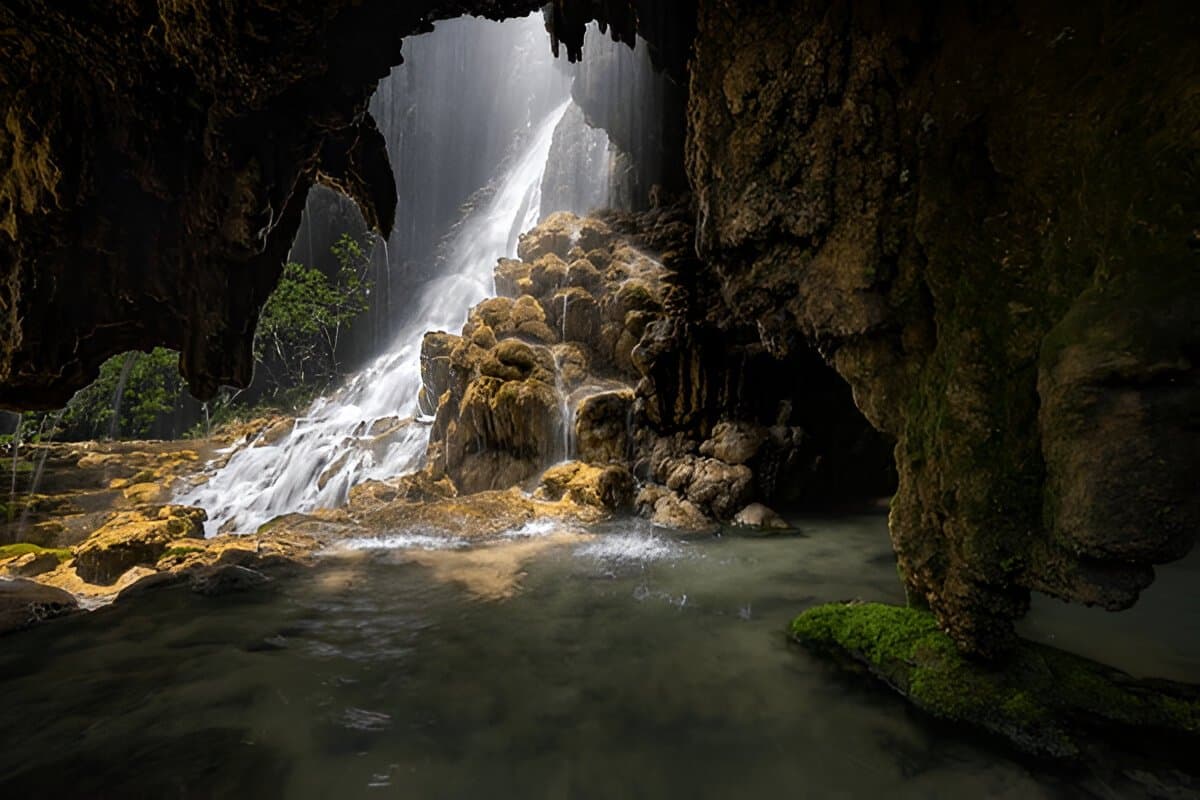
Overview of Penna River: The Pennar River is one of the most important rivers of South India. Flowing through the states of Karnataka and Andhra Pradesh, this river stretches over 597 kilometers before meeting the Bay of Bengal. Its origin lies in the Nandi Hills of Karnataka, a region known for its rich greenery and pleasant weather. As it flows, the Pennar River supports countless villages and towns with its life-giving waters. Tourism around the Pennar River is slowly gaining popularity. Places like Gandikota (known as the Grand Canyon of India), Mylavaram Dam, and Penchalakona temple are located near the river. If you’re planning a relaxed holiday exploring nature and heritage, our South India tour packages are perfect for discovering hidden gems like the Pennar River and much more. Historically, the Pennar River was a crucial part of trade and agriculture in ancient South Indian kingdoms. The Satavahanas, Pallavas, and Cholas all benefited from the river’s fertile basin. Even today, the canals built during the British era are used for irrigation, showing how the river continues to support local farming. What are the Key Highlights of Penna River: Gandikota Gorge: Popularly called the “Grand Canyon of India,” this deep gorge formed by the Pennar River is a treat for the eyes. Penchalakona Temple: A holy site near the river, this temple is dedicated to Lord Narasimha. Surrounded by forests and hills, it offers a spiritual and peaceful atmosphere for visitors and pilgrims. Mylavaram Dam: Located near Kadapa, this dam on the Pennar River provides a lovely spot for picnics and sightseeing. The peaceful waters and green surroundings are ideal for a short family outing. Sangameswaram: This is the point where the Pennar meets a few of its tributaries. It is considered sacred and often visited by devotees during festival times. Chennakesava Temple, Pushpagiri: An ancient temple complex located on the banks of the river. The architecture here reflects the influence of Vijayanagar style, and it’s a must-visit for anyone interested in history. Wildlife and Bird Watching: The Pennar basin is home to various bird species, especially near the wetlands formed around the river. It is a good spot for nature lovers and amateur bird watchers. Travel Tips / Essential Information of Penna River: 1. Best Time to Visit: October to March is the ideal time. The weather is pleasant, and the river flows gently, offering beautiful views and easy access to all nearby attractions. 2. How to Reach: By Air: The nearest airport is in Tirupati or Kadapa, depending on where you’re visiting the river from. By Train: There are regular trains to Anantapur, Kadapa, and Nellore, which are close to different parts of the river. By Road: The region is well-connected by buses and private taxis from major South Indian cities like Bangalore, Chennai, and Hyderabad. 3. Where to Stay: Small lodges, government guesthouses, and budget hotels are available in towns like Kadapa, Anantapur, and Nellore. For a peaceful stay, look for eco-resorts near Gandikota. 4. What to Carry: Light cotton clothes (if you’re going in summer) Comfortable walking shoes for exploring temple areas and rocky gorges Water bottles, caps, and sunscreen Basic medicines and mosquito repellent Also Read: Places to Visit in South IndiaMust Read: Things to do in South India

Read More

Dashashwamedh Ghat
June 19, 20253 Minutes
Dashashwamedh Ghat
Overview of Dashashwamedh Ghat: Dashashwamedh Ghat is the most famous and lively ghat in Varanasi, located near the Kashi Vishwanath Temple on the banks of the sacred River Ganga. According to legend, this ghat was built by Lord Brahma to welcome Lord Shiva, and it gets its name from the ten (das) horses (ashwa) sacrificed (medh) during an ancient ritual.If you’re exploring Varanasi tour packages, this ghat is one of the first places you’ll be taken to — and for good reason. From early morning to late night, the ghat is filled with pilgrims taking a dip in the holy river, priests offering rituals, and travellers soaking in the spiritual atmosphere.Dashashwamedh Ghat is especially known for its evening Ganga Aarti, a grand and moving ceremony where priests perform synchronised rituals with fire lamps and chants, drawing people from all over the world. It’s not just a place — it’s a living experience that reflects the heart and soul of India. What are the Key Highlights of Dashashwamedh Ghat: Evening Ganga Aarti: Held every evening around 6:30 PM, the Aarti is a visual and spiritual treat. Priests dressed in saffron clothes perform rituals with large lamps to the sound of bells and chants. Don’t miss it! Boat Ride on the Ganga: Early morning boat rides from the ghat offer a peaceful view of Varanasi’s ghats bathed in soft sunlight. It’s the best way to witness local life and the city’s timeless charm. Pilgrims and Rituals: Watch or participate in the daily rituals, from holy dips in the river to offerings made for departed souls. It’s a powerful cultural and spiritual sight. Street Vibes and Local Food: The lanes around the ghat are buzzing with street vendors, chai stalls, and small eateries serving famous Banarasi snacks like kachori, jalebi, and lassi. Photographer’s Delight: With sadhus, rituals, boats, and vibrant scenes, the ghat offers countless photo opportunities, especially during sunrise and evening Aarti. Nearby Temples: The famous Kashi Vishwanath Temple is just a few minutes’ walk away, making it easy to combine visits. Cultural Events: During festivals like Dev Deepawali and Kartik Purnima, the ghat lights up with thousands of diyas (oil lamps), creating a magical scene. Timings & Entry Fees of Dashashwamedh Ghat: Timings: The ghat is open all day, every day. Early morning (5:00 AM to 7:00 AM) and evening (around 6:00 PM) are the best times to visit. Entry Fee: Entry to the ghat is free. Boat Ride Charges: ₹150 to ₹500 depending on type and timing. Ganga Aarti Seating: Free to watch from the steps. VIP or boat seating may cost ₹100 to ₹300. Travel Tips / Essential Information of Dashashwamedh Ghat: Best Time to Visit: October to March is the best time due to cooler weather and festival season. How to Reach: The ghat is located in the heart of Varanasi. You can reach it by auto-rickshaw, e-rickshaw, or by walking through the old city lanes. Vehicles go only up to a point. Dress Modestly: Since it’s a religious site, wear respectful clothing, especially during rituals. Stay Hydrated & Carry Essentials: Bring water, sunscreen, and maybe a small towel if you plan to take a dip in the Ganga. Photography: You can take photos freely, but be respectful of people performing rituals or praying. Try a Guided Tour: A local guide or part of your Varanasi tour package can help you understand the deeper stories and traditions of the ghat. Mind the Crowds: The area gets very crowded during Aarti and festivals. Keep an eye on your belongings. Nearby Markets: Don’t miss the chance to explore local shops selling Banarasi silk, handicrafts, incense, and religious items. Also Read: Places to Visit in VaranasiMust Read: Things to do in Varanasi

Read More

Shri Kashi Vishwanath Temple
June 19, 20253 Minutes
Shri Kashi Vishwanath Temple
Overview of Shri Kashi Vishwanath Temple: Kashi Vishwanath Temple is a major spiritual landmark in Varanasi, often called the “City of Temples.” It is dedicated to Lord Shiva, one of the most important deities in Hinduism. The temple stands on the western bank of the holy River Ganga and is considered one of the twelve Jyotirlingas, which are sacred shrines of Shiva in India.For travellers choosing Varanasi tour packages, a visit to Kashi Vishwanath Temple is a must. The temple represents deep religious beliefs and is a symbol of faith and devotion that has lasted for centuries. Its golden dome shines brightly and can be seen from many parts of the city. The temple’s history goes back several centuries and has been rebuilt many times due to invasions and natural wear.Visiting Kashi Vishwanath Temple offers a unique experience to witness rituals, prayers, and the vibrant spiritual life of Varanasi. It is also close to other important sites like Dashashwamedh Ghat and the bustling markets of the old city. What are the Key Highlights of Shri Kashi Vishwanath Temple: Golden Dome: The temple’s dome and spire are plated with pure gold, donated by Maharaja Ranjit Singh in the 19th century, making it a stunning sight. Jyotirlinga Shrine: It is one of the twelve Jyotirlingas, making it a highly revered place for Shiva devotees across India. Daily Rituals and Prayers: Visitors can witness or take part in morning and evening prayers, which are beautifully performed with chants, flowers, and incense. Crowded Pilgrimage Site: The temple sees thousands of devotees daily, especially during festivals like Maha Shivratri. Nearby Markets: Around the temple, vibrant markets sell religious items, souvenirs, silk sarees, and traditional crafts. Close to the Ganga River: Just a short walk from the temple is the holy Ganga River and famous ghats, where pilgrims perform rituals. Spiritual Energy: The temple is known for its powerful atmosphere, believed to bring peace and blessings to those who visit. Timings & Entry Fees of Shri Kashi Vishwanath Temple: Timings: The temple is open from early morning, around 4:00 AM, to late evening, around 10:00 PM. The exact timings can vary, so it’s good to check ahead. Entry Fee: Entry is free for all visitors. Special Entry: Some areas inside the temple may require special permission or tickets, especially during busy times. Travel Tips / Essential Information of Shri Kashi Vishwanath Temple: Best Season: October to March offers pleasant weather for exploring the temple and nearby attractions. How to Reach: The temple is located in the old city of Varanasi. It is easily accessible by auto-rickshaw, taxi, or on foot from major parts of the city. Dress Code: Wear modest and comfortable clothing as the temple is a religious place. Security Checks: Expect security screening at the temple entrance; avoid carrying large bags or restricted items. Respect Local Customs: Follow the temple rules, remove shoes before entering, and be respectful of ongoing prayers. Guided Visits: Joining a guided tour or having a local guide as part of your Varanasi tour packages can enhance your experience with interesting stories and insights. Combine with Nearby Sites: After visiting Kashi Vishwanath, explore nearby ghats, temples, and markets for a full cultural experience.

Read More

Sarnath
June 19, 20253 Minutes
Sarnath
Overview of Sarnath: Sarnath is a small town located about 10 kilometres from Varanasi in Uttar Pradesh. It holds great importance in Buddhism because this is where Lord Buddha delivered his first sermon after attaining enlightenment in Bodh Gaya. The place is calm, green, and full of historical and spiritual charm.Most Varanasi tour packages include a visit to Sarnath because of its peaceful vibe and rich heritage. The site has many Buddhist stupas, temples, monasteries, and a great museum. It’s also an ideal place for travellers who want a break from the busy streets of Varanasi. The quiet gardens, tall monuments, and informative exhibits make it a meaningful stop for families, solo explorers, and spiritual seekers alike. What are the Key Highlights of Sarnath: Dhamek Stupa: This large stone and brick stupa marks the exact spot where Buddha gave his first teaching. It’s tall, ancient, and surrounded by green lawns. Ashoka Pillar (Ruins): Though the original pillar is broken, the base remains and reminds visitors of Emperor Ashoka’s role in spreading Buddhism. Mulagandha Kuti Vihar: A modern Buddhist temple with beautiful murals and a peaceful garden area. It’s a great place to meditate and learn more about Buddhist values. Sarnath Archaeological Museum: This museum houses important artifacts from Sarnath, including the famous Lion Capital of Ashoka, which is now India’s national emblem. Buddha Statues and Monasteries: Various countries like Japan, Thailand, and Tibet have built monasteries and Buddha statues in Sarnath, each with its own style and cultural influence. Peaceful Gardens: The greenery and calm environment make it perfect for a relaxing walk or quiet reflection. Spiritual Atmosphere: Whether you’re religious or not, the peaceful and sacred feeling of Sarnath leaves a strong impression on most visitors. Timings & Entry Fees of Sarnath: 1. Dhamek Stupa & Ruins: Timings: Open from 9:00 AM to 5:00 PM Entry Fee: ₹25 for Indians, ₹300 for foreigners 2. Sarnath Museum: Timings: Open from 10:00 AM to 5:00 PM (Closed on Fridays) Entry Fee: ₹5 for Indians, ₹100 for foreigners 3. Temples and Gardens: Most are open all day with free entry. Travel Tips / Essential Information of Sarnath: Best Time to Visit: October to March is ideal for a visit due to the pleasant weather. How to Reach: Sarnath is just a 30-minute drive from Varanasi. You can take a taxi, rickshaw, or book a tour through local travel agencies. Wear Comfortable Clothes: Light, modest clothing is best, especially if you plan to visit temples. Photography: Allowed in most areas, but avoid flash inside the museum or during prayer times at temples. Local Guides: Hiring a guide can help you understand the rich history and spiritual significance of the site. Combine with Varanasi Exploration: Visit Sarnath during the day and return to Varanasi for the evening Ganga Aarti or explore local markets. Carry Snacks and Water: While there are a few stalls nearby, carrying your own water and snacks is helpful during the visit. Respect the Sacredness: Keep your voice low and be respectful in temple areas. It’s a sacred place for many. Must Read – Places To Visit in VaranasiAlso Read – Things to Do in Varanasi

Read More

Manikarnika Ghat
June 19, 20253 Minutes
Manikarnika Ghat
Overview of Manikarnika Ghat: Manikarnika Ghat, located along the sacred Ganges River in Varanasi, is one of the most important cremation sites in Hindu tradition. According to belief, those who are cremated here achieve moksha, or freedom from the cycle of rebirth. This makes the ghat a deeply spiritual destination, where rituals of life and death take place every day.Many pilgrims and curious travellers include Manikarnika Ghat in their Varanasi tour packages to witness and understand India’s unique cultural and spiritual traditions. The ghat has a powerful presence—it’s not just a cremation ground but a symbol of the spiritual beliefs that shape the identity of Varanasi. What are the Key Highlights of Manikarnika Ghat: Cremation Rituals: Dozens of funeral pyres burn here daily. While emotional, the ceremonies are deeply sacred, showing how death is seen as a spiritual transition, not an end. Manikarnika Kund (Sacred Well): A holy water well near the ghat, believed to have been created by Lord Vishnu’s chakra. It is said Lord Shiva lost an earring (mani) here—hence the name ‘Manikarnika.’ Spiritual Belief in Moksha: Families from across India bring their loved ones here for cremation, believing it ensures peace for the soul. The Doms: This local community performs the cremation rituals and has been doing so for generations. Their role is sacred and respected. Aghori Sadhus: Manikarnika Ghat is also known for sightings of Aghori sadhus, who follow a very unique and intense spiritual path. Aghoris live near cremation grounds and believe in embracing everything the world fears, including death. They meditate by the pyres, cover themselves in ash, and live without material needs. Though mysterious, their practices are based on ancient beliefs of accepting the world without judgment. Tourists might occasionally see them near the ghat, but should always observe from a distance and with respect. Historic Architecture: The ghat is surrounded by old stone steps, temples, and houses that reflect Varanasi’s timeless beauty. View from the Ganges: Many visitors choose to view the ghat respectfully from a boat, especially during early morning or evening. Timings & Entry Fees of Manikarnika Ghat: 1. Open Hours: Manikarnika Ghat is active 24 hours a day. Cremation continues day and night.2. Entry Fee: No entry fee. It is a public space, but respectful behaviour is essential. Note: Photography is strictly discouraged, especially during cremation rituals. Travel Tips / Essential Information of Manikarnika Ghat: Best Time to Visit: From October to March, when the weather is pleasant. Early mornings or sunset times are peaceful and less crowded. How to Reach: Located about 5 km from Varanasi Junction Railway Station. The ghat can be reached by walking through narrow alleys or by boat. Dress Modestly: Wear decent and simple clothes, out of respect for the sacred nature of the place. Observe, Don’t Interfere: This is not a place for typical sightseeing. Stay quiet, don’t disturb rituals, and avoid intrusive behaviour. Boat Ride Option: You can witness the ghat from a boat ride on the Ganges, which many travellers find respectful and easier to handle emotionally. Guided Tour: Hiring a guide can help explain the rituals, stories, and symbolism of the ghat and surrounding temples. Stay Alert to Scams: Be cautious if approached for “donations” related to funerals. It’s best to decline politely. Combine With Nearby Spots: After visiting Manikarnika, explore nearby places like Kashi Vishwanath Temple, Dashashwamedh Ghat, and Sarnath. Must Visit & Explore – Places To Visit in VaranasiMust Checkout – Things To Do in Varanasi

Read More

Assi Ghat Varanasi
June 19, 20253 Minutes
Assi Ghat Varanasi
Overview of Assi Ghat Varanasi: Assi Ghat is one of the most popular and active ghats in Varanasi, located at the southern end of the city where the Assi River joins the Ganges. This ghat offers a perfect mix of spirituality, daily life, and local culture. It’s not just a place for rituals, but also for quiet moments, yoga, music, and watching the river flow peacefully.Many people include Assi Ghat in their Varanasi tour packages because it offers a softer and more relaxed atmosphere compared to the busier cremation ghats. It’s a place where you can begin your morning with soulful chants and end your day with a beautiful Ganga Aarti. From sunrise yoga to boat rides and local food stalls, Assi Ghat gives you a real taste of Varanasi’s everyday spirit. What are the Key Highlights of Assi Ghat Varanasi: Subah-e-Banaras Program: Every morning, the ghat hosts a beautiful event called “Subah-e-Banaras.” It includes chanting, live classical music, and yoga sessions facing the sunrise over the Ganges. It’s peaceful, spiritual, and free for all. Evening Ganga Aarti: The evening Aarti at Assi Ghat is a must-see. It’s slightly smaller than the Dashashwamedh Ghat Aarti but just as powerful, with priests performing rituals with lamps, music, and chants. Boat Rides: You can take a boat ride from Assi Ghat in the early morning or during sunset. The ride gives you stunning views of all the main ghats and the riverbank. Local Cafes and Eateries: The area around the ghat is filled with cosy cafes, tea stalls, and street food vendors. You can enjoy a cup of chai while watching the river or try delicious local snacks. Street Art and Performances: You’ll find walls around the ghat painted with vibrant street art, and sometimes you may even catch live music or poetry events happening near the steps. Meeting Sadhus and Travellers: Assi Ghat attracts spiritual seekers, students, and travellers from around the world. It’s a good place for meaningful conversations and learning about Indian traditions. Shopping Nearby: Walk through the nearby lanes to find small shops selling handicrafts, rudraksha beads, clothes, and souvenirs. Timings & Entry Fees of Assi Ghat Varanasi: Open Hours: Open all day, but best visited during sunrise and sunset. Entry Fee: There is no entry fee. Events like Subah-e-Banaras and the evening Aarti are free and open to all. Travel Tips / Essential Information of Assi Ghat Varanasi: Best Time to Visit: The months from October to March are ideal due to cooler weather. Mornings and evenings are the most pleasant times to visit. How to Reach: Assi Ghat is about 5 km from Varanasi Junction Railway Station. You can take an auto-rickshaw, a cab, or even walk if you’re staying nearby. Arrive Early for Yoga: If you want to join the Subah-e-Banaras yoga session, arrive by 5:00–5:30 AM, especially in winter. Dress Comfortably and Modestly: Light cotton clothes and modest attire are best, especially if you plan to join prayers or yoga. Boat Ride Booking: It’s best to agree on a price with the boatmen before starting your ride. Some hotels also offer bookings. Photography: Photography is allowed, and you’ll get lovely sunrise and river shots. Be respectful if clicking photos of rituals or people. Stay Nearby: Assi Ghat has many budget hotels, guesthouses, and homestays within walking distance, making it a great area to stay in. Combine With Other Attractions: You can walk or take a boat to other nearby ghats or visit Kashi Vishwanath Temple, Manikarnika Ghat, and Sankat Mochan Temple from here.

Read More

Ramnagar Fort
June 19, 20253 Minutes
Ramnagar Fort
Overview of Ramnagar Fort: Ramnagar Fort is located on the eastern bank of the Ganges River, just opposite the popular Tulsi Ghat in Varanasi. It was built in the 18th century by Kashi Naresh Raja Balwant Singh, and it served as the royal residence of the rulers of Banaras. Made from creamy-colored sandstone, the fort has a mix of Mughal and Indian architectural styles.Many travellers now include Ramnagar Fort in their Varanasi tour packages for its unique appeal. Away from the busy ghats and temples, the fort provides a peaceful, historical escape. Inside, you’ll find a museum, ancient temples, courtyards, and beautiful balconies that overlook the river.While the fort may look slightly worn with age, that’s what gives it character. It tells a story of kings, festivals, and traditions that still continue today. What are the Key Highlights of Ramnagar Fort: Royal Museum (Saraswati Bhawan): The museum displays a collection of royal possessions, including vintage cars, swords, guns, old clocks, ivory works, and royal costumes. Durbar Hall: This large hall was used for official royal meetings and events. The throne and decorations show the grand lifestyle of the Maharajas. Vintage Items: See old manuscripts, antique furniture, and a rare collection of astronomical clocks and early scientific tools. Temple Inside the Fort: There’s a temple dedicated to Ved Vyasa, the legendary author of the Mahabharata, which adds a spiritual touch to your visit. Beautiful Views of the Ganges: From the fort’s balconies, you get an excellent view of the Ganges, especially at sunrise or sunset. It’s a peaceful place for photography or just soaking in the vibe. Ramlila Festival: Every year during Dussehra, the fort becomes the main stage for a month-long Ramlila performance, which is one of the oldest in India. The king still takes part in this event, keeping the tradition alive. Timings & Entry Fees of Ramnagar Fort: 1. Opening Hours: Daily from 10:00 AM to 5:00 PM2. Entry Fees: Indian Citizens: ₹50Foreign Tourists: ₹150–₹200(Fees may vary, so it’s good to check at the entrance.) Travel Tips / Essential Information of Ramnagar Fort: Best Time to Visit: October to March is best due to pleasant weather. Avoid peak summer afternoons. How to Reach: You can reach the fort by auto, taxi, or even by boat from the main ghats like Dashashwamedh or Assi. The boat ride offers scenic river views. Wear Comfortable Shoes: The fort has big halls and uneven walkways, so good footwear is a must. Photography Tips: Photography is allowed in many parts of the fort, except inside the museum, where flash may be restricted. Don’t miss sunset shots from the river-facing balconies. Time Required: Plan around 1.5 to 2 hours to explore the museum and relax around the fort. Combine with Other Attractions: You can visit Ramnagar Fort along with Assi Ghat, Kashi Vishwanath Temple, or Sarnath to make the most of your day in Varanasi. Also Checkout: Things To Do in ChardhamMust Read: Places To Visit in Char Dham

Read More

River Rafting on the Ganges
June 19, 20253 Minutes
River Rafting on the Ganges
Overview of River Rafting on the Ganges River rafting on the Ganges has become one of the top adventure activities in India. Every year, thousands of travellers come to Rishikesh to ride the fast-flowing waters of the Ganga River. The experience is not just about the rush—it’s also about being surrounded by the Himalayas, the sound of flowing water, and the calmness of nearby temples and ashrams.The stretch from Shivpuri to Rishikesh is especially popular for rafting. Whether you are a beginner or an experienced rafter, there’s something for everyone. From gentle currents to strong rapids, the Ganges offers a perfect blend of thrill and safety.Rafting in the Ganges is often included in Varanasi tour packages and spiritual journeys, especially for those who want to combine adventure with a deeper connection to nature and faith. What are the Key Highlights of River Rafting on the Ganges: Adventurous Rapids: There are rapids of different grades (I to IV), each offering a unique level of excitement. Famous rapids like “Roller Coaster” and “Golf Course” are popular among thrill-seekers. Scenic Views: While rafting, enjoy beautiful views of forested hills, rocky cliffs, and sometimes even temples on the banks. Safe for Beginners: There are safe and guided options even for first-timers. Most rafting tours include proper safety gear, life jackets, and trained instructors. Camping Along the River: Many travellers choose to stay in riverside camps that offer tents, bonfires, and even yoga sessions. It’s a peaceful way to end a day full of adventure. Spiritual Connection: The Ganges is a holy river in India. Rafting through its waters also gives you a chance to feel its importance in Hindu beliefs, making the experience both exciting and spiritual. Timings & Entry Fees of River Rafting on the Ganges: 1. Best Time to Visit: October to June is the best season for rafting. Avoid monsoon months (July–September) due to high water levels. 2. Rafting Timings: Usually available from 7:00 AM to 3:00 PM, depending on weather. 3. Cost: Prices vary based on the length of the rafting route. Short stretches (around 9 km) start from ₹600–₹800, while longer ones (like 16–24 km) can cost ₹1000–₹1500 per person. Travel Tips / Essential Information of River Rafting on the Ganges: Wear Comfortable Clothes: Choose quick-dry clothes and avoid wearing sandals or flip-flops. Most companies provide proper water shoes. Listen to Your Guide: Safety instructions are important. Always follow the guide’s directions carefully. Carry a Change of Clothes: You will get wet. Keep a dry set of clothes and a towel with you. Avoid Carrying Valuables: Don’t bring phones, wallets, or important items on the raft unless you have a waterproof bag. Book in Advance: During peak season, it’s best to book your rafting slot early to avoid the last-minute rush. Stay Hydrated and Energized: Drink water before the ride and carry light snacks if you’re doing longer stretches.

Read More

Kal Bhairav Temple
June 19, 20253 Minutes
Kal Bhairav Temple
Overview of Kal Bhairav Temple: The Kal Bhairav Temple holds a special place in the spiritual heart of Varanasi. Devotees believe that no one can stay in Varanasi without the permission of Kal Bhairav. That’s why many people visit this temple before exploring the rest of the city.Located in the narrow lanes of the old city, the temple may appear modest, but its spiritual power is deeply felt. Lord Kal Bhairav is considered the protector of Varanasi, and people worship him for safety, strength, and the removal of fear. The deity inside the sanctum is usually covered with a cloth, and only his silver face is visible to the public.When planning your journey with Varanasi tour packages, adding a visit to Kal Bhairav Temple is a must, especially if you want to experience the deep-rooted traditions and powerful local beliefs that define the city. What are the Key Highlights of Kal Bhairav Temple: Powerful Deity: Kal Bhairav is believed to guard Varanasi. Locals say no spiritual journey here is complete without his blessings. Unique Offering – Alcohol: One of the unique traditions at this temple is offering liquor to the deity. Devotees bring sealed bottles, and priests offer them in a ritualistic way. It is then returned as prasad. Traditional Architecture: The temple is simple and traditional in design, with a small courtyard. The air is filled with chants and the smell of incense, giving it a strong spiritual presence. Deep Local Belief: People from Varanasi have great faith in Kal Bhairav. Many begin or end important life events with a visit here for protection and blessings. Spiritual Energy: Even with the crowds and narrow lanes, there is a powerful calmness in the temple. Pilgrims meditate or silently offer prayers, feeling a strong connection with the divine. Timings & Entry Fees of Kal Bhairav Temple: Temple Timings:Opens: 5:00 AMCloses: 1:30 PMReopens: 4:30 PM to 9:30 PM Entry Fee: No entry fee. Special Offerings: Liquor bottles can be purchased outside for ritual offerings. Travel Tips / Essential Information of Kal Bhairav Temple: How to Reach: The temple is located near Vishweshwar Ganj. You can reach it by walking or taking a rickshaw from Godowlia or Dashashwamedh Ghat. Avoid Crowds: Mornings are less crowded. Weekends and festival days can get busy. Footwear Policy: Like most temples, footwear is not allowed inside. You can leave your shoes outside the temple or in nearby paid stalls. Dress Modestly: Wear simple and respectful clothes when visiting. It’s a religious site with deep spiritual value. Be Mindful of Offerings: If you’re not familiar with offering rituals, ask the temple priests. They will help you follow the correct method. Buy Prasad & Souvenirs Nearby: Small shops outside sell religious items, rudraksha beads, and sacred threads Also Checkout: Places to Visit in Char Dham YatraMust Read: Things to Do in Char Dham Yatra

Read More

Vodarevu Beach
June 19, 20253 Minutes
Vodarevu Beach
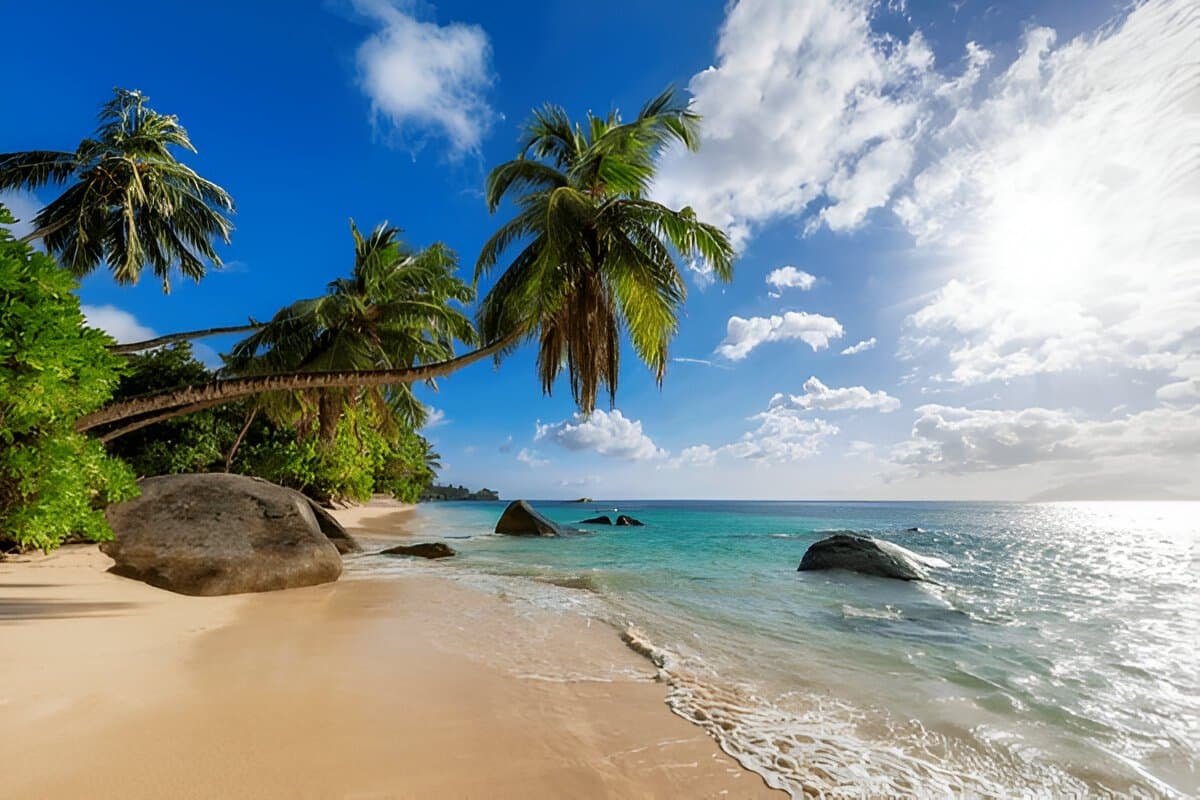
Overview of Vodarevu Beach: Vodarevu Beach, near Chirala town in Andhra Pradesh, is a peaceful and quiet coastal spot, perfect for a short getaway. Unlike crowded tourist beaches, Vodarevu is calm, clean, and surrounded by coconut trees. If you’re planning to explore the coast as part of South India tour packages, Vodarevu Beach is a wonderful offbeat stop that offers both natural beauty and a touch of local culture. The soft sandy shore and gentle waves make it a great place to relax. You’ll often see fishing boats and local fishermen, giving the beach a nice, traditional feel. It’s a favourite weekend escape for people from cities like Hyderabad, Guntur, and Vijayawada. Whether you enjoy sunrises, peaceful beach walks, or just want to sit and listen to the waves, this beach is all about simple joys. It’s great for couples, families, or solo travellers looking for a break from busy life.  What are the Key Highlights of Vodarevu Beach? Clean & Natural Shoreline: The beach stretches across a long area with soft sand and a clean, unspoiled environment. Less Crowded: Perfect for those who prefer peaceful locations over busy tourist hubs. Ideal Weekend Spot: Especially popular among travellers from nearby cities like Hyderabad and Vijayawada. Coconut Tree Lining: The entire beachfront is bordered by tall coconut palms, giving it a tropical look. Local Fishing Life: Watch fishermen return with their catch, giving visitors a peek into everyday coastal traditions. Stunning Sunrises: Early morning visits are worth it — the rising sun over the Bay of Bengal is a beautiful sight. Fresh Seafood Nearby: Local eateries and roadside stalls serve simple, delicious seafood meals. Picnic Friendly: Families often bring food and mats to enjoy a laid-back picnic by the sea. Photography Spots: The beach offers natural scenic views perfect for travel and nature photography. Safe & Calm Waves: The sea here is usually gentle, making it safe for relaxing near the water’s edge. Timings & Entry Fees of Vodarevu Beach: Vodarevu Beach is open to visitors throughout the day, and there are no official entry charges. You can visit at any time, but early mornings and evenings are the most pleasant due to cooler weather and scenic lighting. Since it’s a public beach, access is free for everyone. Travel Tips / Essential Information for Vodarevu Beach: Best Time to Visit: October to February offers the best weather, with cooler mornings and evenings. Getting There: Located just 6 km from Chirala town, which is well-connected by road and train. From Chirala, local autos or taxis can take you to the beach. Pack Essentials: Carry drinking water, snacks, sunglasses, and sunscreen — shops are limited near the shore. Footwear Tip: Wear easy-to-remove sandals or slippers for walking on sand. Stay Options: Several budget hotels and lodges are available in Chirala. Plan your stay on weekends. Mobile Network: Most networks work fine, but data speed may be slower on the beach. Respect the Beach: Help keep the area clean — avoid littering and use trash bins where available. No Water Sports: This is not a commercial beach — swimming and boating are not organised here. Picnic Idea: Bring along a mat, some snacks, and enjoy a peaceful meal by the sea. Local Culture: Vodarevu is a simple fishing village — be respectful and enjoy the authenticity of the place. Also Read: Places to Visit in South IndiaMust Read: Things to do in South India

Read More

Kakinada Beach
June 19, 20253 Minutes
Kakinada Beach
Overview of Kakinada Beach: Kakinada Beach, located in the East Godavari district of Andhra Pradesh, is one of the cleanest and calmest beaches in South India. Popular for its long stretch of golden sand and gentle waves, this beach is a favorite weekend spot for families, couples, and even solo travellers. It is part of the Bay of Bengal coastline and is also called the Suryalanka Beach by some locals. Historically, Kakinada has always been a busy port town. During British rule, it was used for trading items like rice, coconut oil, and textiles. While the port still plays a role in the local economy, the beach has taken on a new identity as a peaceful spot for relaxation and short getaways. If you’re looking for a relaxing break as part of your South India tour packages, then Kakinada Beach is a hidden gem you should definitely explore.  The nearby Coringa Wildlife Sanctuary adds extra charm, offering boat rides and birdwatching experiences. What are the Key Highlights of Kakinada Beach? Golden Sands & Clear Water: The beach is known for its wide stretch of golden sand that remains clean and well-maintained. The waves here are gentle, making it perfect for a relaxing walk or simply sitting down and enjoying the breeze. Sunrise & Sunset Views: Kakinada Beach offers breathtaking sunrise and sunset views. The sky changes colors dramatically, giving you perfect moments for photography or just quiet reflection. Coringa Wildlife Sanctuary: Located just a short drive away, this sanctuary is home to mangroves, rare birds, and saltwater crocodiles. You can take a boat ride through the forest or walk along the wooden bridges built above the marshes. Food Stalls & Local Snacks: Around the beach area, you’ll find several food stalls selling spicy Andhra snacks like murri mixture, bajji, and sweet corn. It’s a nice place to grab a bite while enjoying sea views. Family Picnic Spot: The beach area has open spaces, benches, and even some kids’ play areas. Families often bring picnic baskets and spend the day here. Low Crowds & High Peace: Unlike the overcrowded beaches in other cities, Kakinada Beach is still peaceful and not too commercialized. You can enjoy quiet time without too much noise or chaos. Timings & Entry Fee of Kakinada Beach: Timings: Kakinada Beach is open 24/7. Early mornings and late afternoons are the best times to visit if you want to avoid the sun. Entry Fee: There is no entry fee for Kakinada Beach. It’s open to everyone and perfect for budget-friendly outings. If you plan to visit the nearby Coringa Wildlife Sanctuary, there is a small fee for the boat ride and entry (usually around ₹50 per person), which is totally worth it. Travel Tips & Essential Information for Kakinada Beach: Best Time to Visit: The best time to visit is between October and March. The weather is cooler, and the sea is calm. Avoid the monsoon season, as it can get slippery and windy. How to Reach: Kakinada is well connected by road and rail. The nearest airport is in Rajahmundry, about 65 km away. From Kakinada town, the beach is around 4-5 km and easily reachable by auto or cab. Keep the Beach Clean: Kakinada Beach is known for its cleanliness. Please don’t litter and help keep it beautiful. Use the dustbins provided and avoid carrying plastic bags. Also Read: Places to visit in South IndiaMust Checkout: Things to do in South India

Read More

Yarada Beach
June 19, 20253 Minutes
Yarada Beach
Overview of Yarada Beach: Yarada Beach is one of the most beautiful and lesser-known beaches located in Visakhapatnam, Andhra Pradesh. Surrounded by hills on three sides and the Bay of Bengal on the other, this beach is known for its clean sands, gentle waves, and peaceful vibes. It’s not too crowded like other tourist beaches, which makes it perfect for families, couples, and solo travelers who want a break from city life. Historically, Yarada was a quiet village located near the coast, and it remained untouched by mainstream tourism for many years. Over time, as Visakhapatnam started growing as a coastal city, this beach slowly came into the limelight. Still, even today, it has managed to keep its natural beauty alive. The lighthouse near the beach is another reminder of its history and continues to guide ships at night. Here’s a fun fact: Did you know that Yarada Beach is one of the few beaches in India where you can see both sunrise and sunset due to its unique location? That’s something you don’t get to experience everywhere. If you’re planning a holiday to the south, don’t forget to include this spot in your South India tour packages. It’s peaceful, scenic, and totally worth the visit. What are the Key Highlights of Yarada Beach? Golden Sand Stretch: The soft golden sand of Yarada Beach stretches wide and long, perfect for a morning walk, beach games, or just sitting and relaxing under the open sky. Unbeatable Views: The beach is surrounded by tall green hills that provide a stunning view of the coastline. You can climb up the nearby hill for a panoramic look at the beach and the deep blue sea. Clean and Uncrowded: Unlike many popular beaches, Yarada is clean, quiet, and not flooded with tourists. This makes it a perfect place for a peaceful picnic or quality time with loved ones. Perfect for Photography: With natural backdrops, reflections in the water, and golden hour lighting, Yarada Beach is a dream spot for both professional and mobile photographers. Nearby Lighthouse: Just a short walk away, you’ll find the Dolphin’s Nose Lighthouse, one of the oldest lighthouses in the region. The view from here is truly amazing. Timings & Entry Fee for Yarada Beach: Beach Timings: Yarada Beach is open 24/7. Early mornings and late afternoons are the best times to visit, especially if you love sunrises and sunsets. Entry Fee: There is no entry fee to visit Yarada Beach. However, if you are visiting as part of a tour or with a group, there may be some charges for parking or local guides. Travel Tips / Essential Information for Yarada Beach: How to Reach: Yarada Beach is about 15 km from Visakhapatnam city. You can reach it by car, taxi, or auto-rickshaw. The road leading to the beach passes through hills and offers beautiful views. Best Time to Visit: The best months to visit Yarada Beach are October to March, when the weather is pleasant and the sky is clear. Avoid monsoon months, as the sea can get rough. Limited Facilities: Don’t expect luxury setups here. There are a few small stalls selling coconut water and light snacks, but no big restaurants or shops nearby. Restroom facilities are basic, so plan accordingly. Safety First: There are no lifeguards on duty most of the time. So, while you can dip your feet in the water or enjoy a splash, avoid swimming too far into the sea. Also Read: Places to Visit in South IndiaMust Checkout: Things To Do in South India

Read More

Dharampur, Himachal Pradesh
June 19, 20253 Minutes
Dharampur, Himachal Pradesh
Overview of Dharampur, Himachal Pradesh: Dharampur is a small, peaceful town located in the Solan district of Himachal Pradesh. Surrounded by pine forests and offering fresh mountain air, Dharampur is a perfect stop for travellers looking to relax away from the busy hill stations. It lies on the Kalka-Shimla highway and is known for its quiet charm, scenic views, and pleasant climate all year round. Unlike more commercial hill spots, Dharampur offers a slower pace of life with basic comforts. It’s also home to the popular Sri Aurobindo Ashram, which draws visitors looking for peace and meditation. From here, you can also explore nearby attractions like Kasauli, Barog, and Dagshai. If you’re exploring Himachal Pradesh tour packages, Dharampur can be a relaxing base or stopover on your way to other hill destinations. It’s ideal for family trips, short getaways, or even solo travellers who enjoy nature and calm. What are the Key Highlights of Dharampur, Himachal Pradesh? Sri Aurobindo Ashram: A peaceful retreat centre where people visit for yoga, meditation, and spiritual sessions. Gilbert Trail (near Kasauli): If you enjoy walking, this trail offers beautiful views, forest cover, and birdwatching opportunities. Toy Train Ride (Kalka-Shimla Railway): The railway passes through Dharampur and offers a scenic ride across hills and tunnels. Nature Walks: The surroundings are filled with pine and deodar forests, making them ideal for early morning or evening walks. Fresh Local Food: Simple Himachali meals and fresh snacks are available in small roadside cafes and dhabas. Kasauli Brewery Visit: Located nearby is one of the oldest distilleries in Asia, worth visiting for those interested in history or old-world architecture. Proximity to Barog and Dagshai: These nearby spots are great for half-day trips or sightseeing around Dharampur. Best Time to Visit Dharampur, Himachal Pradesh: The best time to visit Dharampur is from March to June and September to November. The weather is pleasant, and the skies are mostly clear. Summers are mild, and autumn is especially beautiful with golden views. Avoid the monsoon months (July–August) due to heavy rains and slippery roads. Travel Tips / Essential Information for Dharampur, Himachal Pradesh: How to Reach:By Road: Dharampur lies on the Kalka–Shimla highway, around 65 km from Chandigarh. Buses and taxis are available easily.By Train: You can take the Kalka–Shimla Toy Train and get down at Dharampur, Himachal station.By Air: The nearest airport is Chandigarh Airport, about 55 km away. Where to Stay: Dharampur has a few budget hotels and guesthouses. For more comfort and views, consider staying in Kasauli (15 minutes away). What to Carry: Carry light woollens even in summer, as evenings can get chilly. Comfortable shoes help you walk on trails. Local Tips: Mobile networks work fine here. Shops close early, so plan your meals and essentials accordingly. Nearby Destinations: You can also explore Barog (10 km), Dagshai (8 km), and Kasauli (12 km) from Dharampur. Also Read: Places to Visit in HImachalMust Read: Things to do in Himachal

Read More

Simhachalam Temple
June 19, 20253 Minutes
Simhachalam Temple
Overview of Simhachalam Temple: Simhachalam Temple, located near Visakhapatnam in Andhra Pradesh, is one of the most sacred and powerful temples in South India. Dedicated to Lord Varaha Narasimha (a combined form of Lord Vishnu), this temple holds great religious and historical significance. It is believed that the temple has existed since the 11th century and was rebuilt multiple times by the Eastern Ganga kings and the Vijayanagara Empire. Ancient inscriptions found here date back to 1098 AD, making it a site of great cultural value. The temple stands on the Simhachalam Hill, about 800 meters above sea level. Its name literally means “Lion Hill” in Sanskrit—‘Simha’ meaning lion and ‘Achala’ meaning hill. The architecture of Simhachalam Temple is a mix of Chalukya, Kalinga, and Dravidian styles. The main deity is covered in sandalwood paste throughout the year and is revealed only once during the Chandanotsavam festival, a grand celebration that draws lakhs of devotees. For those planning a trip down south, Simhachalam Temple is a must-visit spiritual spot. It’s also a great addition to South Indi a tour packages, especially for people who want to explore religious sites along with scenic beauty and culture. What are the Key Highlights of Simhachalam Temple: Magnificent Architecture: The temple features intricate carvings, a high gopuram, and stunning stone pillars that reflect ancient Indian craftsmanship. Every corner of the temple is beautifully detailed. Sacred Idol: The main idol of Lord Varaha Narasimha is kept hidden under a thick layer of sandalwood paste all year. The only day it’s uncovered is during the Chandanotsavam, making it a truly special occasion. Chandanotsavam Festival: Held annually in April or May, this is the temple’s biggest festival. Devotees gather in huge numbers to get a glimpse of the actual idol. It’s one of the rare occasions when the original form of the deity is visible. Peaceful Surroundings: Set on a hilltop surrounded by greenery, the temple offers a peaceful and spiritual environment. The view from the top is serene and worth the small trek. Free Annadanam: The temple offers free meals to devotees every day. This gesture adds to the spiritual vibe and shows the temple’s commitment to community service. Timings & Entry Fees of Simhachalam Temple: Temple Timings:Morning: 7:00 am to 11:30 amAfternoon Break: 11:30 am to 12:30 pmEvening: 12:30 pm to 8:30 pmNote: Timings may vary slightly on festival days, especially during Chandanotsavam and Ekadasi. Entry Fee:There’s no entry fee required to visit Simhachalam Temple.Tickets for special darshans can be purchased at the temple counter or booked online. Travel Tips / Essential Information of Simhachalam Temple: Easy Accessibility: The temple is just 20 km from Visakhapatnam Railway Station and around 28 km from the airport. Local buses, autos, and cabs are easily available for the uphill ride. Footwear Facility: As with all temples, you must leave your shoes outside. Paid and safe footwear counters are available near the entrance. Dress Code: Wear traditional or modest clothes while visiting. Shorts and sleeveless tops are not allowed inside the temple premises. Best Time to Visit: October to March is the best time, as the weather is pleasant. Avoid summer afternoons if you’re not comfortable with the heat. Elderly-Friendly Services: Battery cars and wheelchairs are available for elderly people and those with mobility issues. Nearby Attractions: After visiting Simhachalam, you can also explore nearby spots like Kailasagiri, Rushikonda Beach, and the Submarine Museum in Visakhapatnam. Also Read – Places To Visit in North EastMust Checkout – Things To Do in North East

Read More

Srikalahasti Temple
June 19, 20253 Minutes
Srikalahasti Temple
Overview of Srikalahasti Temple: Located in the Chittoor district of Andhra Pradesh, Srikalahasti Temple is one of the most famous Shiva temples in South India. It is known for its powerful spiritual energy and centuries-old history. The temple sits by the banks of the River Swarnamukhi and is often called the “Kashi of the South.” The temple is dedicated to Lord Shiva, worshipped here as Vayu Lingam – the wind element among the Pancha Bhoota Sthalams. According to legend, a spider (Sri), a snake (Kala), and an elephant (Hasti) worshipped Lord Shiva at this very place. That’s how the temple got its name – Srikalahasti. Tourists and devotees from across India visit this temple, not just for prayers but also to admire the beautiful architecture. The temple’s main gopuram is 120 feet tall, and the inner sanctum is carved out of a huge rock. If you’re planning a religious trip, check out our South India tour packages that cover Srikalahasti Temple along with other important temples and sightseeing places. It’s a smooth and spiritual journey all in one. What are the Key Highlights of Srikalahasti Temple? Majestic Gopuram: The tall and beautifully carved 120-foot-high gopuram stands as a landmark. It can be seen from far and gives a grand welcome to every visitor. Vayu Lingam: This is the main deity of the temple and represents air. You can actually feel the power of the wind element here, even though the flame near the lingam remains steady – a mystery and a miracle at the same time. Rahu-Ketu Pooja: Many devotees come here to perform Rahu-Ketu pooja to overcome doshas and difficulties in life. It is believed to be very effective if done with faith. Rock-Carved Sanctum: The main sanctum is carved out of a single rock, which is rare and shows the ancient craftsmanship. Peaceful Surroundings: The temple sits next to a river and is surrounded by hills, giving it a calm and peaceful environment perfect for prayer and meditation. No Touching of the Idol: The main idol is not touched by anyone, not even priests, which shows the deep respect and uniqueness of the temple rituals. Timings & Entry Fee of Srikalahasti Temple: Temple Timings:Morning: 5:00 am to 12:00 pmEvening: 4:00 pm to 9:00 pmThe temple is open every day, including weekends and public holidays. Special Pooja Timings:Rahu-Ketu Pooja: 6:30 am to 6:00 pm (available all day in batches) Entry Fee:General entry: FreeTickets for special poojas can be booked at the temple counter. It is recommended to arrive early, as weekends can get very crowded. Travel Tips/Essential Information of Srikalahasti Temple: How to Reach: Srikalahasti is well-connected by road and train. It is just 36 km from Tirupati and takes about an hour by road. Buses, taxis, and auto-rickshaws are easily available. Best Time to Visit: October to March is the best time as the weather is pleasant. Avoid peak summer (April–June) as it gets quite hot. Footwear Instructions: Footwear is not allowed inside the temple. There are paid footwear stands available near the entrance. Language Spoken: Telugu is the local language, but Hindi and English are also understood by many people around the temple. Mobile Phones: Mobile phones are allowed, but photography inside the temple is not permitted. Safety Tips: Carry a water bottle and light snacks, especially during long weekends. Always keep your belongings safe as the temple gets crowded.

Read More

Rushikonda Beach
June 19, 20253 Minutes
Rushikonda Beach
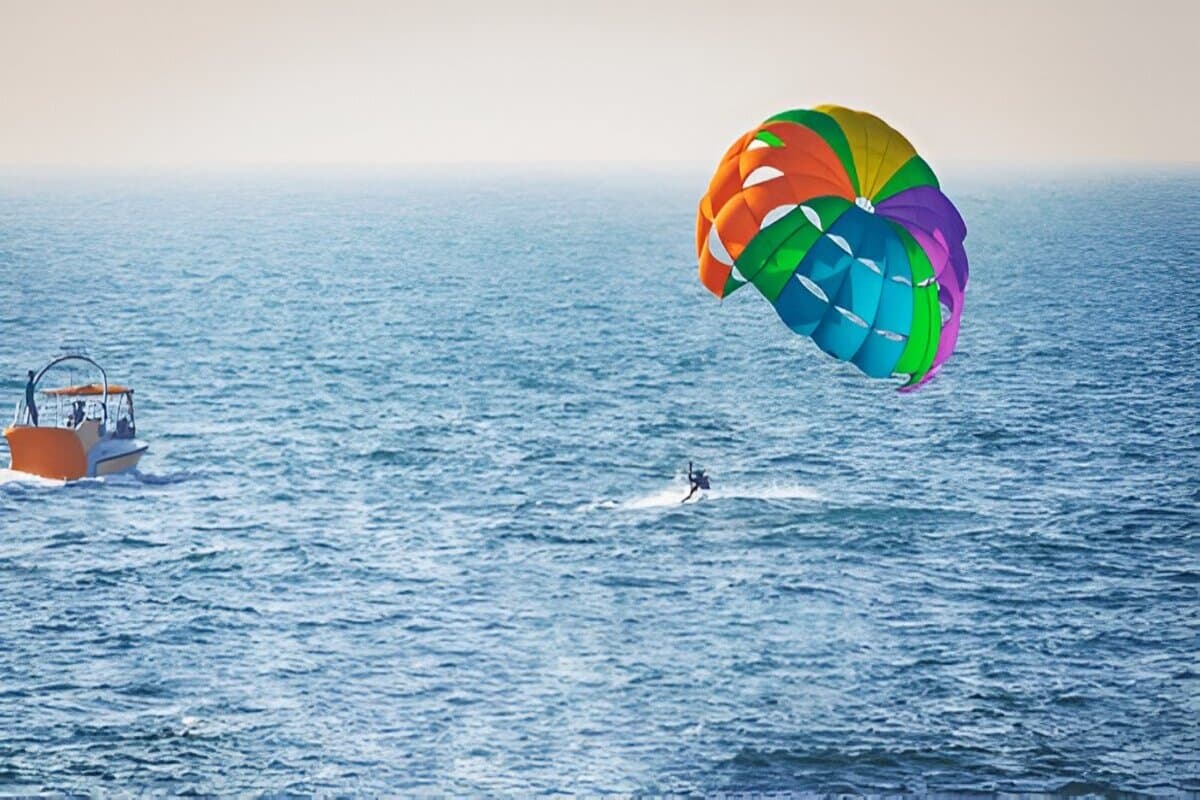
Overview of Rushikonda Beach: Rushikonda Beach is one of the most beautiful beaches on the eastern coast of India. Located in Visakhapatnam, Andhra Pradesh, this beach is known for its golden sands, clear waters, and peaceful surroundings. Historically, the area around Rushikonda has been important since ancient times. It was once part of the Kalinga Kingdom, and you can still find nearby Buddhist sites like Thotlakonda and Bavikonda. These places are just a short drive from the beach and add a historical touch to your beach outing. If you’re planning your coastal holiday, don’t forget to check out our South India tour packages. We’ve included beautiful beaches like Rushikonda, heritage spots, and local experiences in one neat plan just for you. One interesting fact about Rushikonda is that it’s one of the very few beaches in India where you can enjoy water sports without going to Goa. From jet skiing to surfing, there’s something for every adventure lover. What are the Key Highlights of Rushikonda Beach: Golden Sandy Shoreline: The beach has fine, golden sand that’s soft on the feet and perfect for a relaxing walk or building sandcastles with kids. Clean and Safe Water: The waters are not only clean but also safe for swimming. Lifeguards are on duty, which adds to the sense of safety for families. Water Adventures: From speed boating and jet skiing to parasailing and surfing, there are a number of fun activities to enjoy at the beach. Nearby Cafes and Shacks: You’ll find several small food stalls and local cafes where you can grab a chai, coconut water, or hot snacks like samosas and pakoras. Peaceful Evenings: The beach becomes especially beautiful during sunset. It’s a great spot to sit, relax, and watch the sun go down over the Bay of Bengal. Perfect for Photography: Whether it’s selfies, reels, or panoramic shots, Rushikonda offers stunning views that make your pictures pop. Great for Couples and Families: The vibe here is friendly and peaceful. Whether you’re on a honeymoon or a family trip, everyone finds something to enjoy. Timings & Entry Fee Rushikonda Beach: Timings: Rushikonda Beach is open on all days of the week. You can visit any time between 6:00 am to 6:30 pm. Early mornings are quiet and peaceful, while evenings offer lovely sunset views. Entry Fee: There is no entry fee to visit the beach. However, if you plan to try water sports or park in the official parking area, some charges may apply. Water activities generally cost between ₹200 to ₹600 per ride. Travel Tips / Essential Information of Rushikonda Beach: Best Time to Visit: October to March is the best time to visit, when the weather is cooler and pleasant. How to Reach: The beach is around 12 km from Visakhapatnam Railway Station and can be easily reached by auto, cab, or local bus. Clothing Tip: Wear light cotton clothes and carry a change of clothes if you plan to get into the water. Avoid Weekends if Possible: The beach gets crowded on Sundays and public holidays. Weekdays offer a more peaceful experience. No Plastic Zone: The local government promotes eco-tourism, so avoid littering and carry reusable bags and bottles. Stay Options: There are many hotels and resorts near the beach, including budget and luxury options. Some offer sea-facing rooms at reasonable prices. Also Read – Places To Visit in South IndiaMust Checkout – Things To Do in South India

Read More

Bheemunipatnam Beach
June 19, 20253 Minutes
Bheemunipatnam Beach
Overview of Bheemunipatnam Beach: Bheemunipatnam Beach, also known as Bheemili Beach, is one of the oldest and cleanest beaches on the east coast of India. Located about 40 km from Visakhapatnam in Andhra Pradesh, this peaceful beach is where the Gosthani River meets the Bay of Bengal. The town of Bheemunipatnam was once a Dutch settlement in the 17th century. Even today, you can find old Dutch churches and colonial buildings. The beach is named after Bhima, one of the Pandavas from the Mahabharata, and locals believe that he visited this area during his exile. Today, this beach is a perfect weekend getaway for families, couples, and solo travellers looking for a quiet escape. It’s not too crowded like other touristy beaches. And here’s something exciting—if you’re planning a trip to Andhra Pradesh or nearby states, you should check out our South India tour packages. These packages are perfect for those who want to explore hidden gems without worrying about travel plans. What are the Key Highlights of Bheemunipatnam Beach: Peaceful Atmosphere: Unlike commercial beaches, Bheemunipatnam offers a calm and clean environment. You’ll hear only the sound of waves and birds, not honking cars or loud music. Dutch Cemetery: This old and slightly spooky cemetery belongs to the Dutch who once ruled here. It’s a historical site that gives a glimpse into the past and makes a great spot for photography. Bheemili Clock Tower: A landmark structure near the beach, this tower is more than 150 years old and still stands tall. It’s one of the most clicked attractions in the area. River and Sea View: This is one of the few beaches in India where a river meets the sea. The merging point of the Gosthani River and the Bay of Bengal is a peaceful spot to sit and relax. Water Sports (Seasonal): During the tourist season, some vendors offer jet-skiing and banana boat rides. While not very commercial, it adds a little thrill to your visit. Lighthouse Point: A small lighthouse near the beach offers views of the sea and surrounding hills. Great for catching the sunset or just enjoying a panoramic view. Fresh Seafood Stalls: Local vendors near the beach sell simple but tasty seafood snacks like fried prawns and fish pakoras. They’re a hit among locals and visitors alike. Timings & Entry Fee of Bheemunipatnam Beach: Beach Timings: Open 24 hours, but it’s best to visit between 6 am to 6 pm for safety and better views. Entry Fee: No entry fee. It’s a public beach, so you can walk in anytime without paying anything. Travel Tips / Essential Information of Bheemunipatnam Beach: How to Reach: You can take a local bus or an auto from Visakhapatnam. It’s about a one-hour drive, and the roads are in good condition. Carry Snacks and Water: There are only a few stalls nearby. It’s better to carry your own snacks and bottled water, especially if you’re coming with kids or elderly people. Dress Comfortably: The beach can get humid, so wear light cotton clothes, sunglasses, and don’t forget your sunscreen. Avoid Late Evenings: While the beach is safe, avoid staying too late after sunset if you’re not familiar with the area. Camera-Friendly: If you love photography, don’t forget your camera. The beach, clock tower, and Dutch ruins offer amazing photo spots. No ATMs Nearby: Carry cash, as there are no ATMs very close to the beach. Most stalls accept only cash. Plan a Half-Day Visit: Bheemunipatnam Beach is best enjoyed as a half-day trip. You can relax, explore nearby sites, and return to Vizag by evening.

Read More

Kanaka Durga Temple
June 19, 20253 Minutes
Kanaka Durga Temple
Overview of Kanaka Durga Temple: Kanaka Durga Temple is one of the most famous temples in South India. Located on the Indrakeeladri Hill in Vijayawada, Andhra Pradesh, this temple is dedicated to Goddess Durga, who is worshipped here as Kanaka Durga. The temple sits on the banks of the Krishna River, giving it a scenic and peaceful atmosphere. It is believed that Arjuna, one of the Pandavas from the Mahabharata, prayed here and built a shrine for the Goddess. That’s why the place is not only religious but also deeply connected to Indian history and mythology. Many people say that the Goddess appeared in a golden form to bless her devotees, which is why she’s called Kanaka Durga (Kanaka means gold in Sanskrit). The temple is mentioned in ancient texts like the Kaalika Purana and has been a place of worship for centuries. If you are planning a spiritual getaway or want to explore sacred places, this temple is a must-visit. And if you’re interested in exploring more temples and religious places in the region, do check out our South India tour packages—specially curated for temple lovers and heritage enthusiasts. What are the Key Highlights of Kanaka Durga Temple? Divine Vibe: The atmosphere inside the temple is peaceful and full of devotion. You can feel positive energy as soon as you enter. The chants, the bells, and the people all add to the spiritual experience. Hilltop Location: The temple is situated on a hill, giving you a beautiful view of Vijayawada city and the Krishna River. You can reach the temple by car, steps, or even a free ghat road bus service. Vibrant Festivals: Dasara is the biggest festival celebrated here. During the Navratri season, the temple is decorated with lights, and lakhs of devotees come to seek blessings. The Goddess is dressed in different avatars for 10 days. Goddess Idol: The idol of Kanaka Durga is beautiful and powerful. It is in a standing posture, holding weapons in its eight hands, and standing on top of the demon Mahishasura. It’s said to be self-manifested (Swayambhu), making it even more special. Clean Premises: The temple authorities maintain the area well. Clean surroundings, organized queues, and polite staff make your visit smooth and comfortable. Annaprasadam: Free food (prasadam) is served to devotees daily. It’s simple but delicious and feels like a blessing in itself. Timings & Entry Fee of Kanaka Durga Temple: Timings: 5:00 am to 1:00 pm and again from 5:00 pm to 9:00 pm.There are different time slots for darshan, special poojas, and alankarams. Early mornings are less crowded and peaceful. Entry Fee:General Darshan: FreeSpecial Darshan: ₹100VIP Darshan: ₹300 Travel Tips / Essential Information of Kanaka Durga Temple? Best Time to Visit: October to March is the best time to visit the temple. The weather is pleasant, especially during the Dasara festival. Footwear Stand: There’s a clean and managed footwear stand at the base of the hill where you can safely leave your shoes before climbing up. Easy Access: There are steps as well as a ghat road to reach the temple. Free buses are also available from the city for pilgrims. For senior citizens and differently-abled visitors, wheelchairs and elevator services are available. Nearby Attractions: You can also visit Prakasam Barrage, Bhavani Island, and the Undavalli Caves while you’re in Vijayawada. Photography: Photography is not allowed inside the main sanctum, but you can take pictures of the temple surroundings and city views. Also Read: Places to visit in South IndiaMust Checkout: Things to do in South India

Read More

Banaras Hindu University (BHU)
June 19, 20253 Minutes
Banaras Hindu University (BHU)
Overview of Banaras Hindu University (BHU): Banaras Hindu University (BHU) is located in the heart of Varanasi and is one of Asia’s largest residential universities. It was founded in 1916 by Pandit Madan Mohan Malaviya to combine modern education with Indian culture. Today, it remains one of India’s top universities.Many travellers add BHU to their Varanasi tour packages not just for its academic reputation, but also for the peaceful experience it offers. Spread across 1,300 acres, the campus is full of shady trees, old buildings, and wide roads perfect for walking or cycling. It feels like a green oasis in the middle of a very lively city.For tourists, it’s a great place to explore and feel the cultural heartbeat of Varanasi. The famous New Vishwanath Temple inside the BHU campus is a must-visit for its calm atmosphere and stunning design. What are the Key Highlights of Banaras Hindu University (BHU): New Vishwanath Temple: This tall and beautiful temple is made of white marble and is dedicated to Lord Shiva. It’s open to all, and students often come here to pray or relax. Bharat Kala Bhavan Museum: A cultural museum inside the campus that houses paintings, sculptures, rare manuscripts, and artefacts from ancient India. It’s great for history lovers. Lush Green Campus: Walking around the BHU campus feels like a peaceful break from city noise. You’ll see students reading under trees, riding bicycles, or chatting near tea stalls. Central Library: One of the biggest libraries in India, with thousands of books and rare collections. Student Culture and Life: BHU is full of young energy. You can see cultural events, open-air theatres, and small food stalls where students hang out. University Architecture: The old buildings reflect Indo-Gothic and Indian architectural styles. A slow walk around the campus is both relaxing and scenic. Timings & Entry Fees of Banaras Hindu University (BHU): Campus Timings: Open daily. You can enter and walk around during daylight hours. New Vishwanath Temple Timings: 4:00 AM to 12:00 PM and 1:00 PM to 9:00 PM Bharat Kala Bhavan Museum: 10:30 AM to 4:30 PM (Closed on Sundays and university holidays) Entry Fees:Free for general campus walk and temple visit.The museum has a small entry fee (₹20 to ₹50 approx.) Travel Tips / Essential Information of Banaras Hindu University (BHU): Best Time to Visit: October to March for comfortable weather. How to Reach: BHU is about 7 km from the Varanasi railway station. You can reach by auto, taxi, or rickshaw. It’s easy to locate. Dress Comfortably: Casual, modest clothing is fine. Wear good shoes for walking around the large campus. Campus Etiquette: BHU is an educational space. Keep noise low and avoid littering. Respect students’ privacy. Photography: Allowed in most areas. Take photos of the temple, buildings, and gardens, but avoid inside classrooms or the library. Stay Hydrated: Bring a bottle of water. You’ll find small food stalls and canteens inside the campus too. Combine with Nearby Attractions: After BHU, you can visit Assi Ghat, Ramnagar Fort, or the Kashi Vishwanath Temple for a complete day in Varanasi.

Read More

Bharat Mata Temple
June 19, 20253 Minutes
Bharat Mata Temple
Overview of Bharat Mata Temple: Bharat Mata Temple, located in Varanasi, is a one-of-a-kind temple that stands out for its patriotic and spiritual meaning. Unlike most temples, this one doesn’t have any deities. Instead, it honours Bharat Mata, or “Mother India,” as a symbol of unity and love for the country.It was inaugurated by Mahatma Gandhi in 1936, and it holds a special place in the heart of every Indian. Many travellers visiting Varanasi include this in their Varanasi tour packages to experience something unique, where culture, geography, and nationalism blend beautifully.The main attraction is a relief map of undivided India, carved in marble, showing mountains, rivers, and plains with amazing detail. For tourists, this is a fascinating stop that goes beyond spirituality and offers a strong cultural connection. What are the Key Highlights of Bharat Mata Temple: Marble Map of India: The temple houses a massive marble map on the floor showing India’s natural features like rivers, mountains, and plateaus. It’s not just art—it’s accurate and educational. No Idols or Rituals: This temple is purely symbolic. There are no idols or regular pujas. It stands as a place of national pride and unity. Historical Significance: Mahatma Gandhi inaugurated the temple, making it a place of historical and emotional value. Symbol of Unity: The temple represents harmony, showing how all religions, cultures, and people form one great nation. Architecture: The temple is built in a simple yet strong architectural style. Its design reflects the Indian spirit without heavy religious symbols. Peaceful Atmosphere: Unlike many crowded temples, Bharat Mata Temple is peaceful, clean, and perfect for a thoughtful break in your trip. Timings & Entry Fees of Bharat Mata Temple: Temple Timings: Open daily from 9:30 AM to 8:00 PM Entry Fee: Free Travel Tips / Essential Information of Bharat Mata Temple: Best Time to Visit: From October to March, when the weather is pleasant for sightseeing. How to Reach: Located near Mahatma Gandhi Kashi Vidyapith University, it is about 3–4 km from Varanasi railway station. Easily accessible by auto-rickshaw or taxi. Quiet Respect: It’s not a religious temple, but it’s a space of national pride. Be respectful and maintain silence inside. Learn as You Visit: Take a moment to observe the details of the map. Guides may not be available here, so reading a bit beforehand helps understand its depth. Combine with Nearby Spots: You can visit Kashi Vishwanath Temple, Assi Ghat, or Sarnath the same day, as they are all nearby.

Read More

Durga Temple
June 19, 20253 Minutes
Durga Temple
Overview of Durga Temple: Durga Temple, also known as Durga Kund Mandir, is a centuries-old temple located in the city of Varanasi. Built in the 18th century by a Bengali queen, the temple is a famous part of many Varanasi tour packages. It stands near the southern end of the city and is close to the Banaras Hindu University.This temple is dedicated to Goddess Durga, who is worshipped as the powerful protector of the universe. The idol inside the temple is said to have appeared on its own (called “swayambhu”) and is not man-made. The temple is visited by thousands of people, especially during Navratri, when grand celebrations take place.The temple’s bright red colour represents the fierce form of the goddess. A large pond, called Durga Kund, is located next to the temple. The surroundings are peaceful and allow visitors to enjoy a moment of calm in the otherwise busy city. What are the Key Highlights of Durga Temple: Bright Red Temple Structure: The entire temple is painted in deep red, which symbolises the energy and strength of Goddess Durga. This striking colour makes it one of the most visually memorable places in Varanasi. Self-Manifested Idol: The idol of Goddess Durga inside the temple is believed to have appeared on its own. Devotees from all over India come here to seek blessings for protection and well-being. Durga Kund (Sacred Pond): Next to the temple is a large rectangular pond known as Durga Kund. It adds beauty to the site and also plays a role in temple rituals. In earlier times, the pond was connected to the Ganga River and was used for ceremonial purposes. Important During Navratri: The temple becomes especially lively during the Navratri festival, which celebrates the nine forms of the goddess. The entire area is decorated, and special prayers are held. It’s a great time to visit if you want to experience local traditions. Architectural Style: The temple is built in North Indian Nagara style with beautiful carvings and a large central tower (shikhara). Although it’s not a large complex, the structure is detailed and traditional. Peaceful Surroundings: Even though the temple is located in a busy part of the city, the area around Durga Kund provides a peaceful atmosphere. It’s a nice spot to sit and relax after visiting the temple. Timings & Entry Fees of Durga Temple: Opening Hours: Every day from 5:00 AM to 9:00 PM Entry Fee: Free for all visitors Travel Tips / Essential Information of Durga Temple: Best Time to Visit: October to March is ideal due to pleasant weather. Navratri (twice a year) is also a special time. How to Reach: The temple is about 6–7 km from Varanasi Junction. You can take an auto-rickshaw or a taxi. It’s also close to BHU and Assi Ghat. Dress Modestly: As this is an active religious site, it is advisable to wear traditional or modest clothing. Avoid Peak Hours: Morning and evening aarti times are crowded. If you prefer peace, visit in the afternoon. Footwear: Shoes must be removed before entering the temple premises. Combine With Other Sites: You can easily include a visit to Tulsi Manas Temple, Sankat Mochan Temple, and Assi Ghat on the same route. Must Read: Places to Visit in VaranasiAlso Read: Things to do in Varanasi

Read More

Login ModalPost Login FormTalk with trip expert