Blog hero image
Top Travel Stories

Explore our latest blogs and travel with us

Hotels in Kashmir
June 20, 20256 Minutes
Hotels in Kashmir
Kashmir is a place where every turn offers a postcard-perfect view. Known for its breathtaking landscapes, serene lakes, and snow-covered mountains, it has remained a favourite destination for travellers looking for peace, romance, or a refreshing break. Whether you are exploring the valleys of Gulmarg, the green meadows of Pahalgam, or the charm of Srinagar, your accommodation plays a crucial role in defining your experience. When selecting among various Kashmir tour packages, it is important to ensure your stay is comfortable, scenic, and close to nature.Finding the right place to stay in this beautiful region can enhance your travel experience significantly. From luxury resorts with panoramic mountain views to charming houseboats that float quietly on the lake, hotels in Kashmir cater to every kind of traveller. Below are seven thoughtfully chosen options that are known for their service, views, and overall comfort. 1. The Khyber Himalayan Resort and Spa – Gulmarg Located in Gulmarg, this resort is renowned for its unparalleled views of the Affarwat Peaks and its serene setting amidst pine forests. The Khyber Himalayan Resort and Spa offers a luxury experience with spacious rooms, traditional wooden interiors, and warm hospitality. The property also features a heated indoor pool, a relaxing spa, and several dining options offering a variety of local and international cuisine. It is a popular choice among those looking for elegance and serenity. Location: GulmargApproximate Price: ₹20,000 to ₹25,000 per night 2. Taj Dal View, Srinagar Overlooking the famous Dal Lake, Vivanta Dal View by Taj is one of the finest hotels in Kashmir. The hotel offers beautifully designed rooms with modern amenities and wide glass windows that provide stunning views of the surrounding mountains and water bodies. The property is ideal for travellers who want to enjoy luxury in a scenic environment. It is especially recommended for couples and honeymooners. Location: SrinagarApproximate Price: ₹15,000 to ₹20,000 per night 3. WelcomHotel Pine N Peak – Pahalgam WelcomHotel Pine N Peak is perched on a hill in Pahalgam and offers panoramic views of the Lidder River and surrounding mountains. This hotel is among the best hotels in Kashmir for travellers who want a peaceful and private environment. The interiors reflect local aesthetics, and the rooms are both cosy and elegant. Guests can enjoy walks around the beautifully landscaped gardens or explore the nearby valleys and rivers. Location: PahalgamApproximate Price: ₹12,000 to ₹15,000 per night 4. Houseboat New Jacquline Heritage – Srinagar Staying on a houseboat is a unique experience and a significant part of local culture. The New Jacquline Heritage Houseboat on Nigeen Lake is one of the most popular hotels in Kashmir for travellers seeking a traditional stay. The interiors are hand-carved with local woodwork, and each room offers a peaceful lake view. Guests can enjoy Kashmiri meals on board and relax in a quiet atmosphere away from the city’s noise. Location: Nigeen Lake, SrinagarApproximate Price: ₹4,000 to ₹7,000 per night 5. The Lalit Grand Palace – Srinagar The Lalit Grand Palace was once the royal residence of the Maharaja of Jammu and Kashmir. Surrounded by Chinar trees and beautiful gardens, this hotel combines historical elegance with modern comfort. With views of Dal Lake and the Zabarwan Range, it is one of the best hotels in Kashmir for guests looking for a luxurious and culturally rich stay. The heritage architecture and royal interiors make it a memorable place to stay. Location: Gupkar Road, SrinagarApproximate Price: ₹18,000 to ₹22,000 per night 6. Hotel Heevan – Pahalgam Hotel Heevan is located in a peaceful area close to the Lidder River. Among the mid-range hotels in Kashmir, it stands out for its riverside setting and well-maintained facilities. This property offers warm hospitality, clean and well-furnished rooms, and a welcoming atmosphere. It is a good option for families and solo travellers who want value for money without compromising on the beauty of the surroundings. Location: PahalgamApproximate Price: ₹6,000 to ₹9,000 per night 7. RK Sarovar Portico – Srinagar RK Sarovar Portico is centrally located in Srinagar and is suitable for both leisure and business travellers. For those looking for comfort and convenience in one of the more accessible hotels in Kashmir, this is a practical and reliable choice. The hotel offers modern rooms, efficient service, and a convenient location that allows easy access to tourist attractions. Its rooftop restaurant provides pleasant views of the mountains. Location: SrinagarApproximate Price: ₹5,000 to ₹7,000 per night Frequently Asked Questions About Hotels in Kashmir: 1. What is the price of a hotel room in Kashmir? A. Hotel room rates in Kashmir vary widely based on location and comfort. Budget rooms start around ₹1,000–₹4,000 per night in Srinagar; mid-range properties typically cost ₹5,000–₹10,000; luxury and resort-style hotels can be ₹12,000–₹25,000 per night. 2. Which place is called Mini Switzerland in Kashmir? A. Baisaran Valley, near Pahalgam, is often referred to as the “Mini‑Switzerland of India” thanks to its lush meadows, pine forests, and alpine scenery reminiscent of Swiss landscapes. 3. Are tourists allowed in Kashmir now? A. Yes, tourists are allowed in Kashmir. Major destinations such as Srinagar, Gulmarg, and Pahalgam are open, with local officials confirming that popular areas remain accessible and well-patrolled by tourists and security forces. Also Checkout: Things to do in KashmirMust Read: Places to visit in Kashmir

Read More

Manali in June
June 20, 20255 Minutes
Manali in June
If you love crisp mountain air, wildflower-filled valleys, and fewer crowds, then Manali in June is a breathtaking experience. The town of Manali awakens in June, as the snow begins to melt, rivers swell with melted snow, and the pine forests glow brilliantly green in the warm sunshine. Manali in June is not exactly peak season—it’s the shoulder season, which means you can enjoy natural wonders without the rush. Temperatures range from 10 °C in the morning to around 25 °C during the day, making it perfect for daytime treks and relaxed evenings by the riverside.Planning a trip? Many travellers find that Manali tour packages offer excellent value in June, with lower prices on hotels, guides, and adventures. Whether you’re wandering through the old Manali bazaar, exploring apple orchards, or heading up Rohtang Pass, Manali in June delivers a warm welcome and stunning Himalayan beauty. Weather in Manali in June The weather is one of the main reasons people travel to Manali in June. Here’s what to expect: Temperature: Days are pleasantly mild (15–25 °C), while nights stay cool (8–12 °C). A light jacket is helpful. Rain: June sees some scattered afternoon showers and occasional light thundershowers, but most of the day remains clear. Snow Glow: Higher elevations, such as Rohtang Pass or Solang Valley, may still have snow patches, creating beautiful contrasts with blooming greenery. River Flow: Melted snow swells rivers like the Beas, making valleys more vibrant and ideal for white-water rafting. This balance of sunshine, cool weather, and occasional rain makes Manali in June ideal for outdoor adventure and peaceful relaxation alike. Best Places to Visit in Manali in June From quaint apple orchards to magnificent mountain trails, Manali in June reveals some of its best secrets. Don’t miss these top spots: 1. Old Manali Wander along narrow lanes lined with boutique cafés, craft shops, and guesthouses. The vibe is laid-back, artistic, and unhurried—perfect for a morning coffee or a casual walk. 2. Solang Valley For adventure lovers, Manali in June is a thrill: try ziplining, paragliding, horse riding, or just savour the stunning valley views framed by peaks still dusted with snow. 3. Rohtang Pass Though visitor numbers are limited, smaller crowds in June mean cleaner trekking routes and dramatic views from passes and glaciers. If you’re planning a Rohtang trip, book ahead. 4. Naggar Castle & Art Gallery A short drive from Manali, this heritage home-turned-gallery overlooks the Beas Valley. Manali in June brings fresh flowers and clear skies—ideal for exploring architecture and art. 5. Jogini Waterfall A lovely trail through pine forests leads to this stunning waterfall. The path is shaded, the air is fresh, and the views of snow-capped peaks above make the trek feel like a Himalayan fairytale in Manali in June. Best Things to Do in Manali in June The range of activities during Manali in June is impressive—from snowy treks to cultural immersion. Here are some highlights: 1. Trek to Bhrigu Lake or Chandrakhani Pass Early summer trails are in great condition, and wildflowers are in full bloom. The hike to Bhrigu Lake is serene, while Chandrakhani Pass offers panoramic views of the Pir Panjal range, making Manali in June perfect for trekking. 2. River Rafting on the Beas With meltwater flowing fast, rafting options increase in June. The river ride is exciting but manageable, giving you an adrenaline rush surrounded by forested mountains. 3. Paragliding and Zorbing Solang and Gulaba villages offer paragliding and zorbing experiences—easy to book and safe. Manali in June transforms these valleys into aerial playgrounds with clear skies and mild winds. 4. Explore Hidimba Temple The iconic wooden temple sits within cedar woods that come alive with blossoms in June. The peaceful forest setting is perfect for photos and quiet reflection in Manali in June. 5. Apple Orchards & Village Walks Take a slow walk through apple orchards and riverside lanes. The hills smell of blossoms, and you’ll often find local farmers selling fresh produce. June showcases orchard life in full swing. 6. Spa, Yoga & Wellness Warm mountain days followed by yoga or a spa session in a riverside pavilion—Manali in June is an ideal retreat for body and mind. Frequently Asked Questions for Manali in June 1. Is June a good time to visit Manali? A. Absolutely! Manali in June offers comfortable weather, fewer crowds, and vibrant mountain scenery—ideal for trekking, sightseeing, and relaxation. 2. Will it still snow in June? A. Higher areas like Rohtang Pass often have snow patches. At lower elevations, snow has melted, but cool mountain breezes remain. 3. What should I pack for Manali in June? A. Bring layered clothing (t-shirts, fleece, light jacket), a waterproof jacket, trekking shoes, a sun hat, sunglasses, and a small daypack. Evenings get chilly, so pack warm socks. 4. Are monsoon rains heavy in Manali in June? A. No—June sees scattered, light rains, often in late afternoons. Showers refresh the air and landscapes rather than obstruct travel. 5. Are tour packages worth it in June? A. Yes, Manali tour packages in June offer excellent value: hotels, guides, and activities are more affordable than peak season, yet the stunning landscape remains.

Read More

Places to Visit in Varanasi
June 20, 202519 Minutes
Places to Visit in Varanasi
Varanasi, also known as Banaras or Kashi, is one of the oldest living cities in the world. Situated on the banks of the River Ganges, this city is India’s spiritual capital. From spiritual seekers and pilgrims to photographers and history lovers, Varanasi attracts all kinds of travelers. Whether you are spiritual or just a curious traveler, the famous places to visit in Varanasi offer an experience unlike any other. The temples, the ghats, and the Ganga aarti make this city magical. If you’re planning a trip to explore the cultural heart of India, there are plenty of places to visit in Varanasi, which we’ll explore on this page. People come here to find peace, some to wash away sins, and others simply to feel the vibe of this divine land. From sunrise boat rides on the Ganga river to walking through lanes filled with food, music, and history, Varanasi has a unique magic. All the best places to visit in Varanasi include its famous temples and ghats, where you can witness life and death both flowing together. If you’re looking to explore Varanasi comfortably, don’t forget to check out our Viacation’s Varanasi tour packages designed for Indian travelers like you. Top Places To Visit In Varanasi 1. Kashi Vishwanath Temple Kashi Vishwanath is one of the top places to visit in Varanasi. And this is also one of the most important and sacred temples in India, dedicated to Lord Shiva. Devotees believe a visit here washes away all sins. It’s spiritually powerful and attracts lakhs of pilgrims every year. – Location: Located near the Dashashwamedh Ghat.– Timing & Entry Fee: Open daily from 2:30 am to 11:00 pm. Entry is free, but there are charges for special darshan and pujas.– Highlight: The Golden Dome and Jyotirlinga are the main highlights of this temple. 2. Dasaswamedh Ghat This ghat is one of the oldest and most vibrant spots in the city. It’s famous for the Ganga Aarti, performed every evening with lamps, chants, and music. It’s a powerful experience to feel and see. – Location: Near Godowlia, just a short walk from Kashi Vishwanath Temple.– Timing & Entry Fee: Open 24/7. No entry fee. The Ganga Aarti usually starts around 6:45 pm.– Highlight: Watching the aarti in the evening, and boating in the morning 3. Assi Ghat Assi Ghat is a peaceful place where locals and tourists both gather. It is among the top 5 places to visit in Varanasi, famous for its early morning Ganga Aarti and cultural programs. Yoga sessions by the river also happen here every morning. – Location: At the southern end of Varanasi, where the Assi River meets the Ganges.– Timing & Entry Fee: Open all day. Free entry. Yoga and morning aarti begin at sunrise.– Highlight: Morning Ganga Aarti, early morning boat rides, Banaras Hindu University is also nearby. 4. Manikarnika Ghat This is the main cremation ghat and is deeply spiritual. It’s believed that those who are cremated here achieve moksha (freedom from rebirth). It may sound intense, but many visit to understand the cycle of life and death. – Location: North of Dashashwamedh Ghat, near Kashi Vishwanath Temple.– Timing & Entry Fee: Open 24/7. No entry fee. Visitors are advised to be respectful and not take photos.– Highlight: One of the most famous places to visit in Varanasi, it offers a different perspective on life, faith, and the final journey. 5. Shivala Ghat Less crowded and more local, Shivala Ghat is ideal for those who want to see daily life by the Ganges without the tourist rush. It has an old-world charm with heritage buildings around. – Location: Located between Assi Ghat and Dashashwamedh Ghat.– Timing & Entry Fee: Open all day. No entry fee.– Highlight: Its quiet atmosphere and historical backdrop make it one of the peaceful places to visit in Varanasi. 6. Monkey Temple (Durga Temple) The Monkey Temple, also called Durga Temple, is a famous Hindu temple dedicated to Goddess Durga. It’s called the Monkey Temple because you’ll find lots of monkeys around. Built in the 18th century, it has red-colored stone walls and traditional architecture. – Location: Located in Durga Kund, about 2 km from Banaras Hindu University.– Timing & Entry Fee: Open from 4 am to 9 pm. Entry is free.– Highlight: The main attraction is the idol of Goddess Durga that is believed to have appeared on its own (not man-made). 7. Tulsi Manas Temple This temple is dedicated to Lord Rama and is where the famous poet Tulsidas wrote the Ramcharitmanas. The walls of the temple are beautifully inscribed with verses from the Ramayana, making it one of the best places to visit in Varanasi for spiritual seekers. – Location: Close to the Durga Temple, near the Sankat Mochan area.– Timing & Entry Fee: Open from 5:00 am to 9 pm. No entry fee.– Highlight: It’s a white marble structure with scripture carvings, which makes it unique. 8. Ramnagar Fort & Museum Built in the 18th century by King Balwant Singh, this fort lies on the eastern bank of the Ganges. It houses a museum with royal collections like old weapons, vintage cars, and royal costumes. – Location: Located across the Ganga River from Tulsi Ghat.– Timing & Entry Fee: Open from 10 am to 5 pm. The entry fee is ₹20 for Indians and ₹150 for foreigners.– Highlight: The fort is also the site for Ramlila celebrations during Dussehra. 9. Alamgir Mosque Alamgir Mosque, also known as Beni Madhav Ka Darera, is a combination of Islamic and Hindu architecture. Built by Emperor Aurangzeb, it stands at a scenic point along the river Ganga. – Location: Situated at Panchganga Ghat in Varanasi.– Timing & Entry Fee: Open daily from sunrise to sunset. Entry is free.– Highlight: Great for art and architecture lovers, the mosque features impressive domes and minarets, offering a stunning view of the river and city. 10. Godowlia Market If you want to do some shopping and want to take mementos home, this is among the 10 best places to visit in Varanasi. This is one of the busiest and oldest markets in Varanasi. From Banarasi sarees and handicrafts to street food and jewelry, everything is available here. – Location: Located near Vishwanath Temple and Dashashwamedh Ghat.– Timing & Entry Fee: Open from 9 am to 9 pm. No entry fee.– Highlight: Buy original Banarasi silk sarees and local handicrafts at reasonable prices. 11. Man Mandir Observatory Built in the 17th century by Maharaja Jai Singh, this place has ancient astronomical instruments used for measuring time and the movement of planets. It’s also known as the Jantar Mantar of Varanasi. – Location: Situated on Manmandir Ghat, near Dashashwamedh Ghat.–Timing & Entry Fee: Open from 9 am to 5 pm. The entry fee is ₹25 for Indians and ₹100 for foreigners.– Highlight: It gives a unique view of ancient science and is among the best places to visit in Varanasi. 12. The Banaras Silk Emporium Varanasi’s silk wear is one of the most popular in India. And if you are in Varanasi, visiting a silk emporium is a must. Banaras Silk Emporium is one of the finest shops to explore handwoven silk sarees, scarves, and fabrics of India. – Location: Located at Sigra Road, Varanasi.– Timing & Entry Fee: Open from 10 am to 8 pm. No entry fee.– Highlight: You can see the live weaving of Banarasi sarees, which makes it one of the places to visit in Varanasi for shoppers. 13. Manmandir Ghat Manmandir Ghat is a peaceful ghat built by Raja Man Singh in the 16th century. It has beautiful sandstone architecture and offers a calm space away from the busy ghats. So if you love peaceful places, this place should be on your list. – Location: Close to Dashashwamedh Ghat, along the Ganga River.– Timing & Entry Fee: Open 24 hours. No entry fee.– Highlight: It offers a great spot for early morning Ganga views and is one of the top 5 places to visit in Varanasi. 14. Tulsi Ghat Named after the poet Tulsidas, Tulsi Ghat is less crowded and ideal for those seeking a peaceful atmosphere. It’s believed that Tulsidas composed parts of the Ramcharitmanas here. – Location: Located near Assi Ghat, towards the southern end of the ghats.–Timing & Entry Fee: Open all day. No entry fee.– Highlight: The ghat hosts classical music concerts and spiritual plays, attracting devotees and art lovers alike. 15. Darbhanga Ghat Darbhanga Ghat stands out for its grand appearance and magnificent structure. It was built by the royal family of Darbhanga and is one of the most photogenic ghats in the city. – Location: Located between Dashashwamedh and Rana Mahal Ghats.– Timing & Entry Fee: Open 24 hours. No entry fee.– Highlight: The grand sandstone palace, best for photography lovers. 16. Harishchandra Ghat Harishchandra Ghat is one of the oldest ghats in Varanasi and holds deep religious significance. It is believed that this is where King Harishchandra once worked at the cremation ground, proving his commitment to truth and charity. – Location: Located on the western bank of the Ganga River, near Dashashwamedh Ghat.–Timing & Entry Fee: Open 24 hours. No entry fee.– Highlight: People visit to witness the continuous cremation rituals, which represent the cycle of life and death. It is India’s best place for those seeking spiritual understanding. 17. Lalita Ghat Lalita Ghat is known for its calm ambiance and the famous Nepali temple located nearby. It was built by the King of Nepal and stands out because of its pagoda-style architecture. – Location: Close to Manikarnika Ghat, right on the banks of the Ganga.– Timing & Entry Fee: Open all day. No entry fee.– Highlight: This peaceful ghat is perfect for photography, quiet reflection, and boat rides. 18. Banaras Hindu University (BHU) BHU is not just an educational institute but also a cultural landmark. Founded in 1916, it’s one of the largest residential universities in Asia. And many travelers visit this university to explore its libraries and inner structure. – Location: Situated in the southern part of Varanasi, in the Lanka area.– Timing & Entry Fee:Open from 10 am to 5 pm. No entry fee for visitors.– Highlight: Don’t miss the Bharat Kala Bhavan museum inside the campus. It houses rare art, sculptures, and artifacts. Among the 10 best places to visit in Varanasi, BHU holds a special place for knowledge seekers. 19. Sarnath Sarnath is a place located 10 kilometres north-east of Varanasi near the confluence of the Ganges and the Varuna rivers in Uttar Pradesh. Sarnath is where Lord Buddha gave his first sermon after attaining enlightenment. It is a major pilgrimage site for Buddhists. – Location: About 10 km from Varanasi city center.– Timing & Entry Fee: Different attractions in Sarnath have different timings and entry fees.– Highlight: It’s one of the top places to visit in Varanasi if you’re interested in peaceful spiritual sites. Visit the Dhamek Stupa and Sarnath Museum to learn about ancient Buddhist history. 20. Batuk Bhairav Mandir This temple is dedicated to Batuk Bhairav, a fierce form of Lord Shiva. Devotees believe that the oil offered here has healing powers. It is also believed that the deity protects Varanasi and grants blessings for good health and protection from evil. – Location: Located in Kamachha, not too far from the Varanasi railway station.– Timing & Entry Fee: opens at 5:00 am and closes at 1:30 pm, then reopens at 4:30 pm and closes at 9:30 pm. No entry fee.– Highlight: The continuous burning ‘Akhand Deepak’ (eternal flame) is the main attraction. It’s counted among the best places to visit in Varanasi for spiritual healing and blessings. 21. Bharat Mata Mandir This temple is unique because it is not dedicated to any deity but to Mother India. Built in 1936 by freedom fighter Babu Shiv Prasad Gupta, the temple features a large marble relief map of undivided India, symbolizing national unity. – Location: Inside the Mahatma Gandhi Kashi Vidyapith campus, near Lahurabir.– Timing & Entry Fee: Open from 5 am to 9 pm. No entry fee.– Highlight: A great spot to learn about India’s geography and patriotism. It is one of those places to visit in Varanasi that adds an educational flavor to your trip. 22. Nepali Temple Also known as the Kathwala Temple, it resembles the famous Pashupatinath Temple in Kathmandu. Built by the King of Nepal, it is a replica of the Pashupatinath Temple in Kathmandu. The temple is made entirely of wood and features beautiful carvings, showcasing traditional Nepali architecture. – Location: Located near Lalita Ghat, on the banks of the Ganga.– Timing & Entry Fee: Open all day. No entry fee.– Highlight: Its unique architecture and calm surroundings make it a standout among the 10 best places to visit in Varanasi for cultural enthusiasts. 23. Sankat Mochan Hanuman Temple This temple is one of the most visited temples in Varanasi and is dedicated to Lord Hanuman. It is believed that visiting this temple removes all kinds of troubles (sankat). The temple is believed to be built at the exact spot where Tulsidas, the great poet-saint, had a vision of Hanuman – Location: Located in the Durga Kund area, close to BHU.– Timing & Entry Fee: Open from 5 am to 10 pm. No entry fee.–Highlight: Every Tuesday, the temple sees large crowds of devotees, and it’s a must-visit for religious followers. 24. Namo Ghat A new and modern ghat built recently, Namo Ghat is clean, beautifully designed, and ideal for a relaxing evening. It’s also becoming quite popular among tourists. Designed with modern aesthetics, it offers a clean, peaceful space for locals and tourists to relax by the Ganga. – Location: Near Rajghat, a bit away from the older ghats.–Timing & Entry Fee: Open 24 hours. No entry fee.–Highlight: It’s perfect for family outings, walking, and clicking Instagram-worthy pictures. If you’re looking for newer places to visit in Varanasi, this is a great pick. 25. Kaal Bhairav Temple It’s among the places to visit in Varanasi that truly reflect its mystical side. This temple is dedicated to Kaal Bhairav, a fierce form of Lord Shiva who is considered the guardian of the city. Kaal Bhairav Temple is one of the most powerful and ancient temples in Varanasi. Dedicated to Kaal Bhairav, a fierce form of Lord Shiva, the temple holds great spiritual and cultural importance. – Location: Located near Vishwanath Gali, close to the Kashi Vishwanath Temple.–Timing & Entry Fee: opens at 5:00 am and closes at 1:30 pm, then reopens at 3:00 pm and closes at 9:00 pm. No entry fee.– Highlight: People offer liquor to the deity, which is quite unusual in Hindu temples. Frequently Asked Questions About Places to Visit in Varanasi? 1. Which are the most religious places to visit in Varanasi at night? A. These are the most religious places to visit in Varanasi at night: Kashi Vishwanath Temple: Offers late-night darshan in a calm and spiritual atmosphere. Sankat Mochan Hanuman Temple: Peaceful in the evening, with devotees chanting Hanuman Chalisa. Kaal Bhairav Temple: Known for its strong spiritual energy and nighttime rituals. Assi Ghat: Famous for the soulful Ganga Aarti held at night. Dasashwamedh Ghat: Hosts the grand evening Aarti with lights, chants, and devotion 2. Which are the famous ghats to visit in Varanasi? A. Here are the famous ghats to visit in Varanasi: – Dashashwamedh Ghat: The most vibrant ghat, famous for its grand Ganga Aarti held every evening. Assi Ghat: A peaceful place popular for morning yoga sessions and cultural gatherings. Manikarnika Ghat: One of the oldest cremation ghats and among the most famous places to visit in Varanasi. It is believed to grant moksha to departed souls. Harishchandra Ghat: Another sacred cremation site with strong religious and mythological importance. Scindia Ghat: Famous for its partially submerged Shiva temple and calm surroundings. 3. What is the best time to visit Varanasi? A. October to March is the best time to visit Varanasi when the weather is good and mild, and best for sightseeing. This period also includes festivals like Diwali and Dev Deepawali, and the city’s ghats, temples, and spiritual atmosphere make this time worth visiting. 4. Is 2 days enough for Varanasi? A. Yes, 2 days are enough to explore the major attractions of Varanasi. You can visit popular temples, witness the Ganga Aarti, take a boat ride, and walk through the narrow lanes. While a longer stay is better, two days are good to experience the spiritual and cultural beauty of Varanasi. 5. What is famous to eat in Varanasi? A. Varanasi is famous for its street food like kachori sabzi, chena dahi vada, tamatar chaat, and baati chokha. Don’t miss the famous Banarasi paan after your meal. These local delicacies offer a taste of the city’s rich food culture and are easily found near the ghats. 6. What is the famous drink in Kashi? A. The most famous drink in Kashi (Varanasi) is Bhang Thandai, especially during festivals like Holi and Shivratri. Apart from that, lassi served in clay cups and the cooling drink called aam panna in summer are also popular choices among both locals and tourists. 7. Which sweet is famous in Banaras? A. Rabri is one of the most famous sweets in Banaras, made from thickened milk and garnished with dry fruits. Other local favorites include malaiyyo (available in winter), peda, and lal peda. 8. Which are the best cafes to visit in Varanasi? A. The following are the best cafes to visit in Varanasi: – Open Hand Cafe: This cozy cafe is popular for promoting eco-friendly products and handmade crafts, making it a unique spot to relax. Pizzeria Vaatika Cafe: Located near Assi Ghat, this cafe serves authentic wood-fired pizzas with fresh ingredients. Brown Bread Bakery: A favorite among locals and tourists, this place is famous for its organic breads, cakes, and healthy food options. They often host live music nights, adding to the vibrant atmosphere. The Mark Cafe: Known for its cozy interiors and excellent coffee, this cafe offers a quiet retreat for coffee lovers and writers. The friendly staff and quality drinks make it a must-visit. Shiva Cafe & German Bakery: Popular among backpackers, this rooftop cafe serves tasty baked goods and beverages in a relaxed environment. Also Checkout: Things To Do in VaranasiMust Read: Places To Visit in Varanasi

Read More

Mtskheta
June 20, 20253 Minutes
Mtskheta
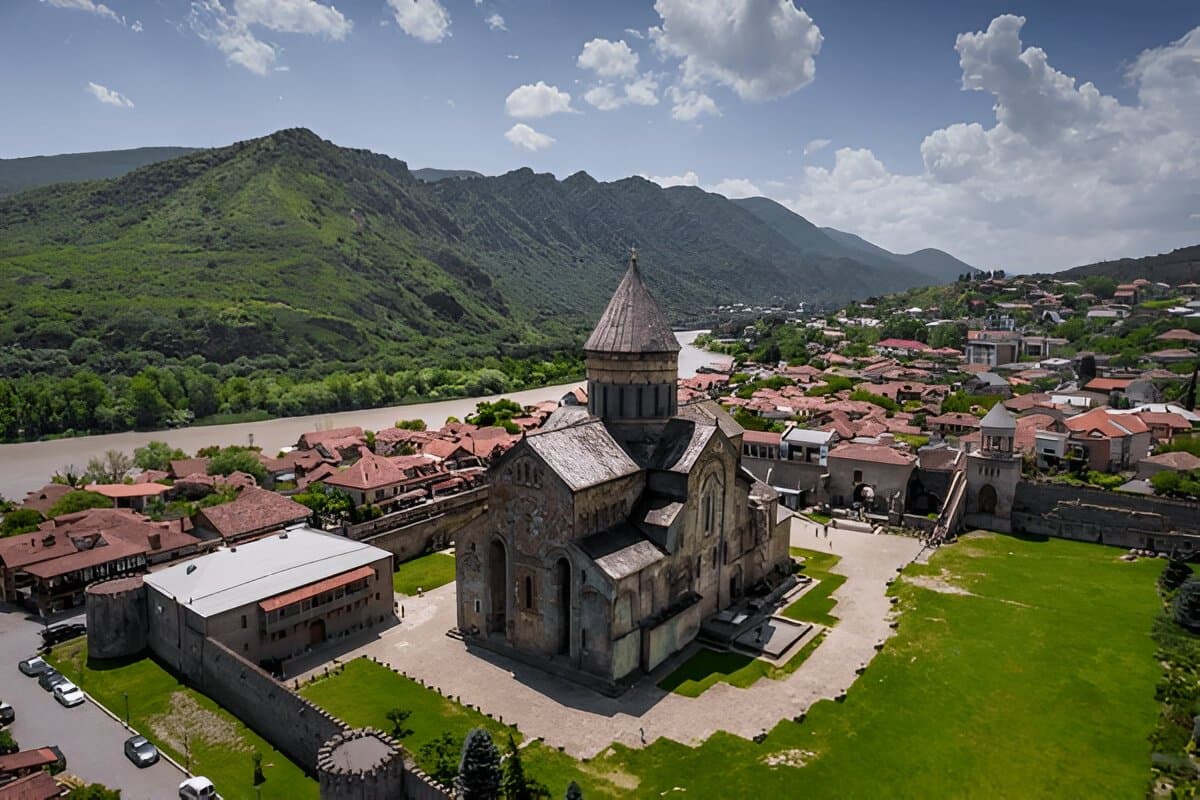
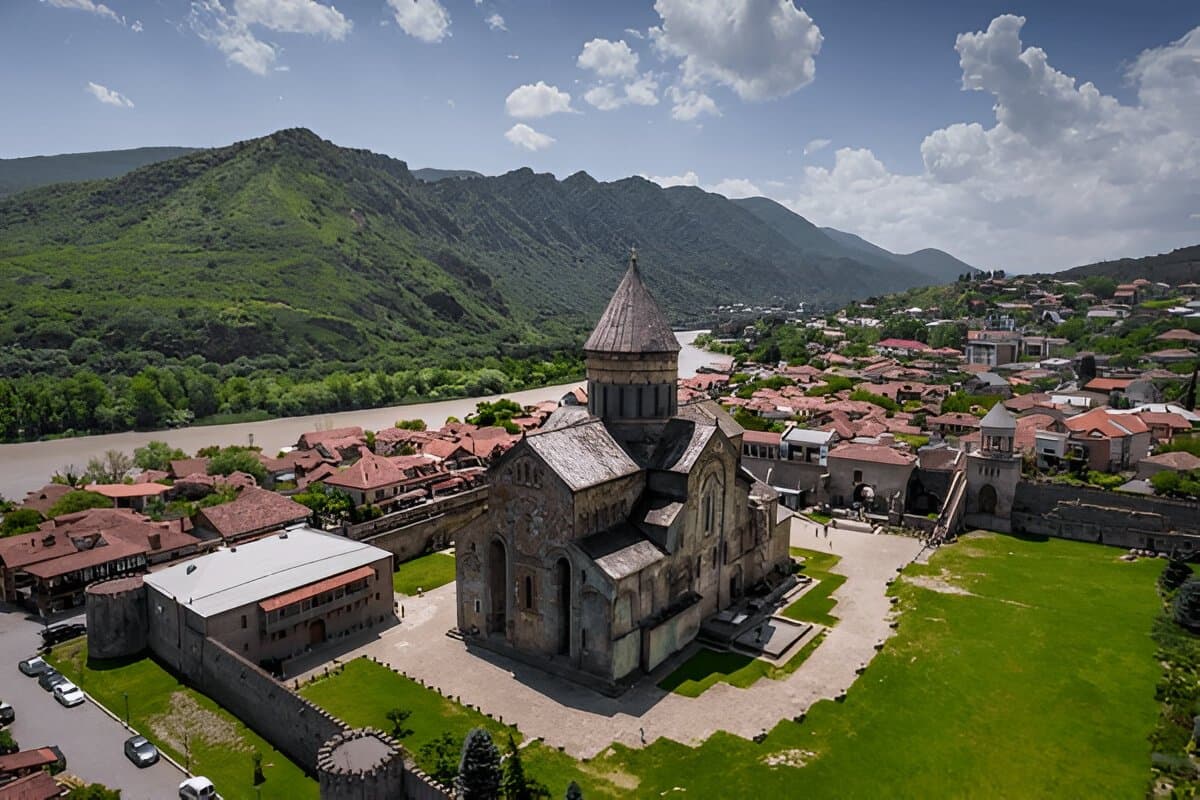
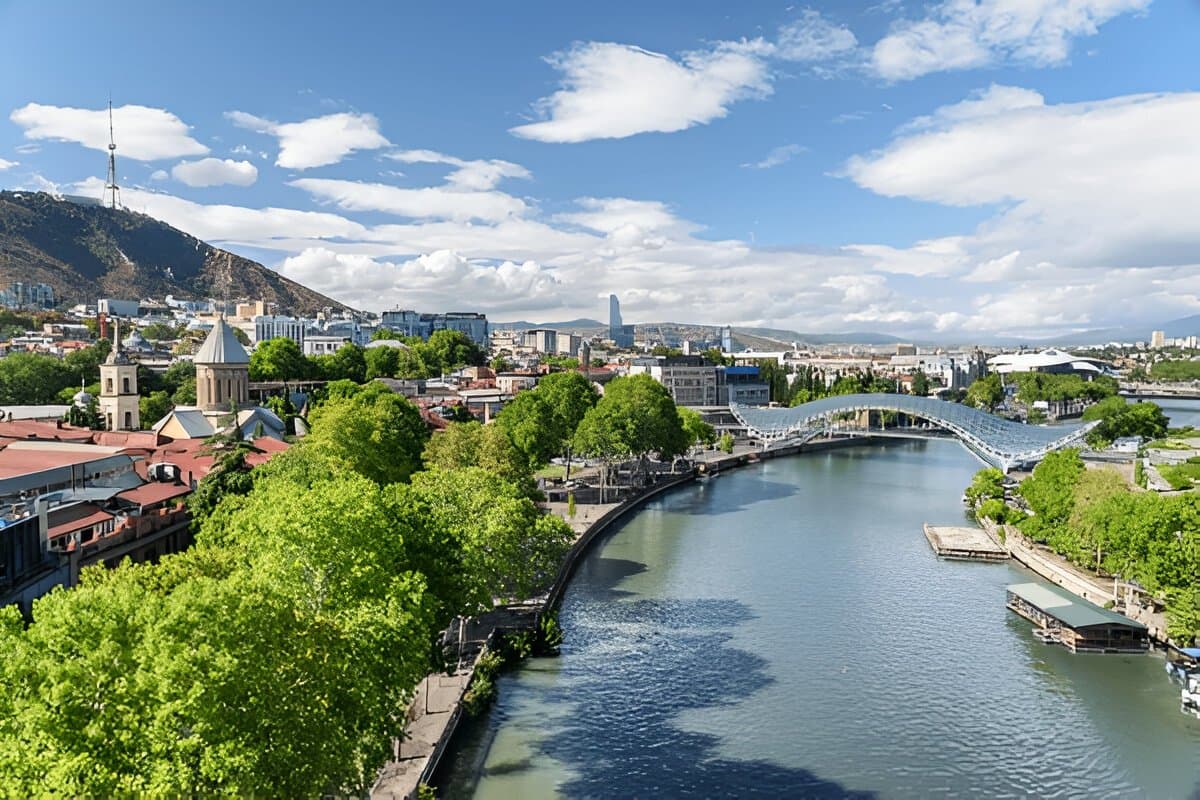
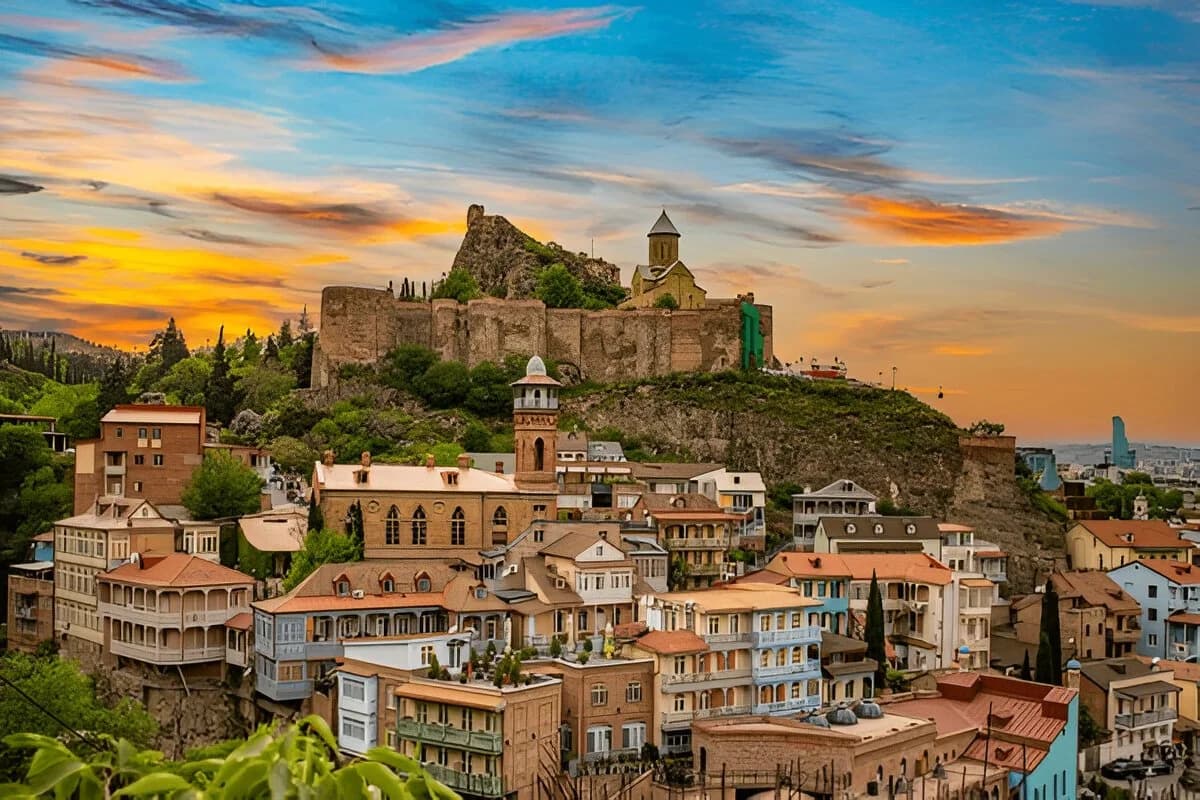
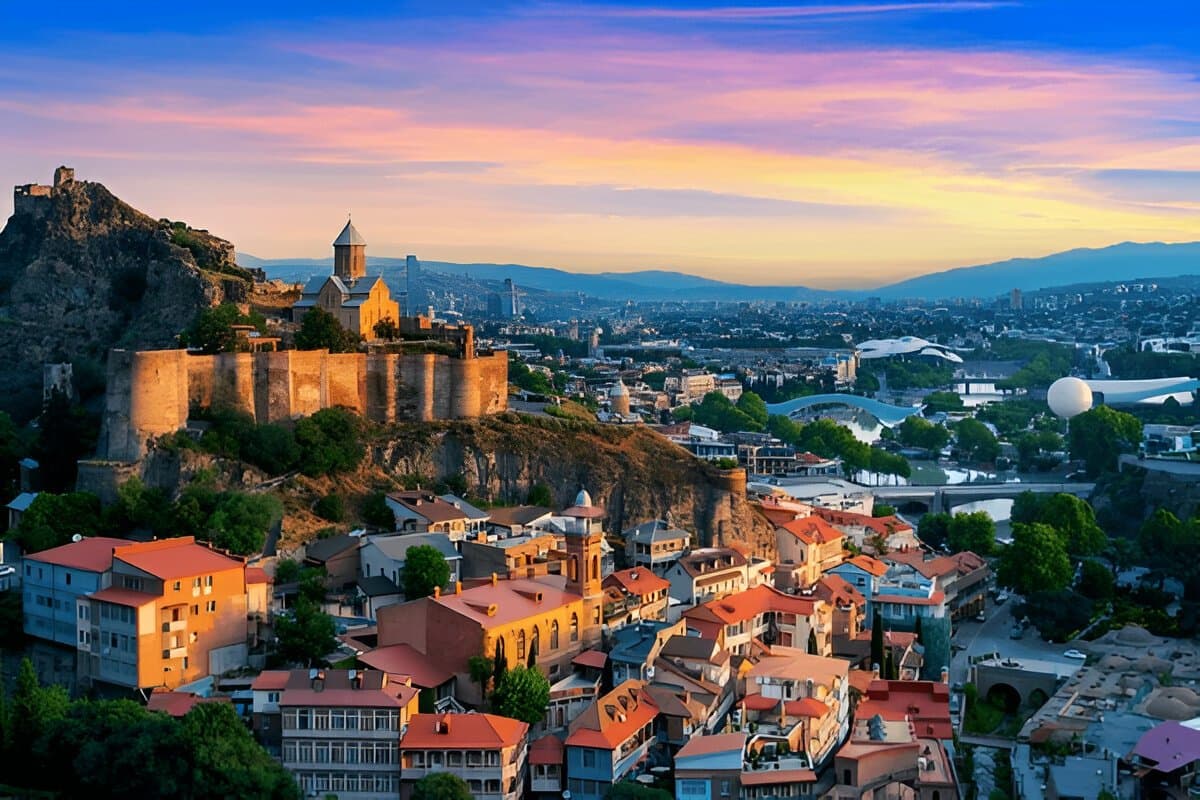
Overview of Mtskheta: If you love visiting places that feel like they’ve paused in time, Mtskheta is the perfect spot for you. Just 20 km from Tbilisi, this ancient town is one of the oldest cities in Georgia and has been standing strong for over 3,000 years. Once the capital of the Kingdom of Iberia (not to be confused with Spain’s Iberian Peninsula), Mtskheta is where Christianity was first declared the state religion in Georgia during the 4th century. The entire town is a UNESCO World Heritage Site, which means it’s officially protected for its cultural and historical value. Every corner of Mtskheta tells a story—from grand churches built in the 11th century to cobbled lanes that whisper the secrets of old kingdoms. The famous Svetitskhoveli Cathedral is said to house Christ’s robe, making it a holy place for Christian pilgrims. Mtskheta is not just famous for its churches and ruins. It’s a peaceful riverside town where the Aragvi and Mtkvari rivers meet. The beautiful surroundings, calm vibes, and scenic views make it a favorite day trip from Tbilisi for tourists. Speaking of which, don’t forget to check out our Georgia tour packages if you’re planning a trip to Georgia. What are the Key Highlights of Mtskheta: Svetitskhoveli Cathedral: A masterpiece of Georgian religious architecture, this cathedral is nearly 1,000 years old and is still used for church services today. It’s believed that the robe of Jesus Christ is buried here, making it a site of deep religious importance. Jvari Monastery: Located high on a hill overlooking the confluence of two rivers, this 6th-century monastery offers a peaceful vibe and unbeatable views of Mtskheta. A must-visit for both spiritual seekers and photographers. Samtavro Monastery: This is where Saint Nino, who brought Christianity to Georgia, lived and preached. You’ll also find the tombs of ancient kings here, adding even more layers of history to your visit. Beautiful Old Town: The small streets of Mtskheta are lined with cafes, shops, and local vendors selling Georgian sweets like churchkhela. It’s perfect for slow walking and relaxed browsing. Unbeatable Views: From Jvari Monastery, you get a panoramic view of Mtskheta town and the two rivers merging. Sunsets here are especially breathtaking and peaceful. Cultural Vibes: Mtskheta is often the center of local festivals and religious celebrations. If you’re lucky to visit during a Georgian holiday, you’ll experience authentic food, music, and traditions. Easy Day Trip: Being so close to Tbilisi, Mtskheta can be visited in half a day. You don’t need to stay overnight unless you really want to soak in the peaceful atmosphere. Travel Tips & Essential Information For Mtskheta: How to Reach: From Tbilisi, Mtskheta is just 30 minutes by car. You can take a taxi, rent a car, or join a guided tour. Marshrutkas (shared minivans) also go frequently from Didube Station. Best Time to Visit: Spring (April to June) and Autumn (September to October) are the best times. The weather is pleasant and the views are clear. Summers can be hot, and winters are chilly but quiet. Currency & Prices: Georgia uses the Lari (GEL). Prices are quite affordable compared to European cities. Food Tip: Try khinkali (dumplings) and khachapuri (cheese bread) at any local restaurant—they’re delicious and filling. Also Checkout – Things To Do in GeorgiaMust Read – Places To Visit in Georgia

Read More

Charminar
June 19, 20253 Minutes
Charminar
Overview of Charminar: Charminar, located in the heart of Hyderabad, Telangana, is one of the most iconic landmarks in India. Built in 1591 by Sultan Muhammad Quli Qutb Shah, this monument is not just an architectural masterpiece but also a symbol of the city’s rich history and culture. The name “Charminar” means “Four Minarets,” and that’s exactly what you’ll find — a grand square structure with four elegant towers rising from each corner.If you’re planning to explore heritage spots as part of South India tour packages, Charminar is a must-visit. Surrounded by bustling old markets, narrow historic lanes, and Mughal-era architecture, this monument offers a deep dive into Hyderabad’s royal past. Whether you’re on a family trip, a cultural tour, or simply curious about historical sites, Charminar captures the essence of the city. The surrounding area is full of life, from local food stalls to bangles and pearl shops, giving visitors a lively, authentic experience. What are the Key Highlights of Charminar: Unique Architecture: Charminar is made of limestone and granite with intricate carvings, arches, and domes, combining Indo-Islamic and Persian styles. Four Beautiful Minarets: Each of the four minarets stands about 56 meters tall and has a spiral staircase leading to the top. Stunning View from the Top: Visitors can climb up the narrow stairs inside and enjoy a panoramic view of the bustling Old City. Bustling Local Markets: Laad Bazaar, right next to Charminar, is famous for bangles, pearls, perfumes, and traditional Hyderabadi items. Night Lighting: Charminar is beautifully lit in the evenings, making it a great time to visit for photographs and a cooler climate. Nearby Heritage Sites: Mecca Masjid, one of India’s oldest mosques, is located just a few steps away. Street Food & Irani Chai: The area is perfect for tasting authentic Hyderabadi biryani, kebabs, and Irani chai. Cultural Feel: The monument is surrounded by local life — shops, traditional clothing, and religious sites, giving a real feel of the city. Photography Friendly: Whether it’s sunrise, daytime, or evening, Charminar makes a perfect backdrop for history lovers and travel photographers. Symbol of Hyderabad: It’s not just a tourist attraction — it represents the soul of the city. Timings & Entry Fees of Charminar: Timings: Charminar is open every day from 9:30 AM to 5:30 PM. Entry Fee: Indian visitors: ₹25 | Foreign tourists: ₹300 | Children below 15 years: Free Travel Tips & Essential Information of Charminar: Best Time to Visit: October to February is ideal, with pleasant weather for walking and exploring nearby markets. How to Reach: Charminar is easily accessible by auto, taxi, and local buses. It’s around 5 km from Hyderabad Railway Station and 20 km from the airport. Footwear Tip: You’ll need to remove footwear if visiting nearby religious places like Mecca Masjid, so wear easy slip-on shoes. What to Carry: Carry water, sunscreen, a camera, and light cash (many local vendors prefer cash over digital payments). Avoid Peak Hours: Weekends and afternoons can be very crowded. Try visiting early morning or just before sunset. Stay Options: Many hotels are available in the nearby areas like Abids, Banjara Hills, and Lakdikapul, suiting different budgets. Local Etiquette: Dress modestly as the area is culturally sensitive. Be respectful of local customs and religious sites. Shopping Tip: Bargaining is common in Laad Bazaar — feel free to negotiate politely. Security Check: There’s usually a security check at the entry. Avoid carrying large bags or sharp objects. Nearby Attractions: Combine your visit with Chowmahalla Palace, Salar Jung Museum, and Mecca Masjid for a complete heritage walk.

Read More

Golconda Fort
June 19, 20254 Minutes
Golconda Fort
Overview of Golconda Fort: Golconda Fort, located about 11 kilometres from Hyderabad city in Telangana, is one of the most famous historical places in South India. It was built in the 16th century and served as the capital of the Golconda Sultanate, a strong kingdom known for its wealth and power. The fort was an important centre for trading diamonds, including some of the world’s most famous diamonds like the Koh-i-Noor.Many travellers include the Golconda Fort in their South India tour packages because of its rich history and impressive architecture. The fort is very large, with walls stretching over 10 kilometres. It is built on rocky hills, which gave it a strong defence against enemies. Inside the fort, you will find old palaces, mosques, gardens, and watchtowers. One special feature of the Golconda Fort is its amazing sound system. If someone claps at the main entrance, the sound travels to the top of the fort, which was used to send messages and warnings during ancient times.Today, the Golconda Fort is a popular place for tourists who want to see the history, architecture, and natural beauty. It is also a great place to learn about India’s royal past and enjoy panoramic views of the surrounding city and hills. What are the Key Highlights of Golconda Fort: Strong and Massive Walls: The fort has thick, high stone walls that protected the kingdom for many years. Walking along these walls gives you a feeling of stepping back in time. Unique Acoustic System: The special design allows sound to travel long distances. This helped the guards communicate quickly when danger was near. Beautiful Palaces and Ruins: Inside the fort, you can explore the remains of royal palaces, halls, and audience rooms that show the lifestyle of the rulers. Famous Gates: The fort has several impressive gates, including Fateh Darwaza (Victory Gate) and Banjara Darwaza, which are grand entrances with strong wooden doors and iron spikes. Gardens and Mosques: The fort has well-maintained gardens and mosques built in traditional Islamic style, adding to its charm. Sound and Light Show: Every evening, there is a sound and light show that tells the story of the fort’s history, battles, and rulers through colourful lights and narration. It is a must-see event. Great Views from the Top: Climbing the fort’s hills gives visitors beautiful views of Hyderabad city, nearby hills, and the landscape around. It’s a great spot for photography. Diamond Trade History: Golconda was once famous for its diamond mines and trade, making it an important economic centre in the past. Local Food and Souvenirs Nearby: Around the fort entrance, you will find small shops and stalls selling local snacks and souvenirs like handicrafts and jewellery. Timings & Entry Fees of Golconda Fort: Golconda Fort is open every day from 9:00 AM to 5:30 PM. The entry fee is ₹25 for Indian visitors and ₹300 for foreign tourists. The sound and light show usually starts around 6:30 PM, and there is a separate ticket for it, costing ₹75 for Indians and ₹200 for foreigners. It is better to check the latest timings before visiting. Travel Tips & Essential Information of Golconda Fort: Best Time to Visit: The months from October to March are best because the weather is cooler and pleasant for exploring. How to Reach: The fort is 11 km from Hyderabad city centre. You can take a taxi, an auto-rickshaw, or even a local bus. Many tourists prefer taxis for comfort. Wear Comfortable Shoes: There is a lot of walking and some climbing on uneven paths, so wear comfortable shoes or sandals. Carry Water and Snacks: There are a few shops inside, so bring water and light snacks to stay refreshed. Visit Early Morning: Visiting early helps you avoid the afternoon heat and crowds. Don’t Miss the Sound and Light Show: The evening show is very popular and gives a complete story of the fort’s history. Photography: You can take photos everywhere, so bring your camera or phone to capture the amazing views and architecture. Hire a Guide or Join a Tour: To learn more about the history and hidden stories, consider hiring a local guide or joining a tour group. Respect the Heritage: The fort is a protected monument, so avoid littering and don’t touch or damage the ruins. Stay Nearby: If you want to explore more, there are many hotels and guesthouses in Hyderabad close to the fort. Combine with Hyderabad Sightseeing: Golconda Fort is near other popular places like Charminar and Hussain Sagar Lake, so plan a full day of sightseeing. Must Read: Places to Visit in South IndiaAlso Checkout: Things to do in South India​

Read More

Ramoji Film City
June 19, 20253 Minutes
Ramoji Film City
Overview of Ramoji Film City: Ramoji Film City is one of the most popular tourist attractions in South India and is located about 30 kilometres from Hyderabad city. Spread over 1,666 acres, it is recognised by the Guinness World Records as the largest film studio complex in the world. Established in 1996 by Ramoji Rao, it serves as a film-making hub and a huge entertainment destination.Many travellers include Ramoji Film City in their South India tour packages because it offers much more than just film sets. Visitors can explore sprawling gardens, live shows, amusement rides, and themed attractions, making it perfect for family trips and cultural tours. The film city is like a mini-world with replicas of famous monuments, streetscapes, and outdoor studios where movies and TV shows are made. What are the Key Highlights of Ramoji Film City: Guided Studio Tours: Explore real film sets and backlots where popular Indian movies have been shot. The guided tours provide interesting behind-the-scenes stories. Live Entertainment Shows: Enjoy various shows, including stunt performances, dance, and music that showcase Indian culture and cinema. Themed Gardens and Attractions: Wander through beautiful gardens and themed areas like the Japanese Garden, Rose Garden, and Bird Park. Adventure Rides: Try exciting rides such as the roller coaster, water rides, and the Mirror Maze for thrill seekers. Replica Monuments: See mini versions of famous landmarks from India and around the world, all built inside the film city. Food Courts and Restaurants: Multiple dining options serve local and international cuisine for visitors. Shopping: Shops inside the film city offer souvenirs, handicrafts, and movie memorabilia. Special Events and Festivals: The film city hosts seasonal festivals and special events that add extra fun during visits. Timings & Entry Fees of Ramoji Film City: Ramoji Film City is open every day from 9:00 AM to 5:30 PM. Entry fees vary depending on the package chosen: General ticket: Around ₹1,100 for adults and ₹880 for children (may vary). Combo packages and guided tours are available at additional costs. Travel Tips & Essential Information of Ramoji Film City: Best Time to Visit: October to March offers pleasant weather, perfect for exploring the outdoor attractions. How to Reach: Located 30 km from Hyderabad city, you can reach Ramoji Film City by taxi, private car, or tour buses arranged by travel agencies. Wear Comfortable Clothes: Since there is a lot to see and do, wear comfortable clothing and walking shoes. Plan a Full Day: With so much to explore, allocate a full day to enjoy the studios, shows, rides, and gardens. Book Tickets in Advance: To avoid queues, especially during peak tourist seasons, it’s better to book tickets online beforehand. Carry Water and Sun Protection: Bring water, hats, and sunscreen as most activities are outdoors. Family Friendly: The film city is ideal for family trips with activities suitable for all ages. Combine with Hyderabad Sightseeing: Pair your visit with other Hyderabad attractions like Charminar and Golconda Fort for a complete South India tour experience. Must Read: Places to Visit in South IndiaAlso Checkout: Things To Do in South India

Read More

Ayodhya
June 19, 20253 Minutes
Ayodhya
Overview of Ayodhya: Ayodhya, a small city in Uttar Pradesh, is one of the most sacred places in India. It is known as the birthplace of Lord Ram, and that’s why it holds a very special place in the hearts of millions of Hindus. The city is mentioned in many ancient texts, including the Ramayana, where it is described as a grand and holy kingdom. According to history, Ayodhya was once a major center for learning and culture, attracting scholars and saints from across the world. But Ayodhya is not just about temples and stories from the past. In recent years, it has become a major tourist destination, especially after the construction of the Ram Mandir began. Pilgrims from all over the country now visit to witness this once-in-a-lifetime event. It is not just a city anymore – it’s an experience of India’s spiritual and cultural beauty. And if you’re planning a complete spiritual journey, don’t forget to check out our Varanasi tour packages. They are designed to give you a smooth and soulful experience across two of the most important spiritual destinations in India. What are the Key Highlights of Ayodhya? Ram Janmabhoomi Mandir: The biggest attraction in Ayodhya. This is believed to be the exact spot where Lord Ram was born. The temple is beautifully built, with intricate carvings and a peaceful vibe. Hanuman Garhi: A famous temple located on a hill. You need to climb a few steps, but once you reach the top, the view is amazing, and the temple atmosphere is full of energy. Kanak Bhawan: A lovely temple gifted to Goddess Sita by her mother-in-law, Kaushalya. The idols of Ram and Sita here are dressed in gold ornaments and are truly beautiful to see. Saryu River Aarti: Just like Varanasi, Ayodhya has its own river aarti at the Saryu ghat. The lights, chants, and devotion create a magical atmosphere every evening. Treta Ke Thakur: A temple said to be built where Lord Ram performed the Ashwamedha Yagna. It holds deep historical importance and is a peaceful place for devotees. Guptar Ghat: A lesser-known but peaceful ghat where, according to belief, Lord Ram took Jal Samadhi. It’s a quiet spot, perfect for reflection and calm. Travel Tips / Essential Information for Ayodhya: How to Reach: Ayodhya is well-connected by road and rail. The nearest airport is in Ayodhya itself (Maharishi Valmiki International Airport), which now has flights from major Indian cities. You can also travel via Lucknow or Varanasi if you are planning a longer spiritual tour. Best Time to Visit: The best months are October to March. The weather is pleasant, and festivals like Diwali and Ram Navami are celebrated with great joy in Ayodhya. What to Wear: Simple, modest clothes are best, as you’ll be visiting many religious places. Comfortable footwear is also important as you’ll be walking a lot. Local Transport: Auto-rickshaws, e-rickshaws, and local taxis are easily available. The city is not very large, so most places are just a short ride away. Respect the Culture: Ayodhya is a religious city. Avoid loud behavior, and follow temple rules. Photography is not allowed in some places, so always check before clicking pictures. Must Read: Things to Do in VaranasiMust Visit: Places to Visit in Varanasi

Read More

Varanasi
June 19, 20253 Minutes
Varanasi
Overview of Varanasi: Varanasi, also known as Kashi or Banaras, is one of the oldest and most sacred cities in the world. Located on the banks of the River Ganges in Uttar Pradesh, this city holds deep spiritual meaning for Hindus. It is believed that taking a dip in the Ganges here washes away sins and brings peace to the soul. With countless temples, lively ghats, ancient rituals, and rich culture, Varanasi offers an experience like no other. Many travellers choose Varanasi tour packages to explore its spiritual charm and cultural depth. Whether it’s witnessing the Ganga Aarti, walking through narrow lanes filled with history, or discovering timeless temples, Varanasi leaves a lasting impression. Highlights of Varanasi: 1. Dashashwamedh Ghat: One of the most important ghats in Varanasi, Dashashwamedh, is known for the grand evening Ganga Aarti. The sound of bells, chants, and the view of the priests offering fire to the river is a powerful experience.2. Kashi Vishwanath Temple: This is one of the twelve Jyotirlingas and a sacred temple for Lord Shiva devotees. Despite the crowds, the energy and devotion here are unmatched.3. Sarnath: Located just outside Varanasi, Sarnath is where Lord Buddha gave his first sermon. It is a peaceful place with old stupas, a museum, and calm gardens.4. Boat Ride on the Ganges: Early morning boat rides offer a stunning view of the sunrise and the ghats coming to life. It’s one of the best ways to experience the city’s spiritual routine.5. Manikarnika Ghat: This is one of the main cremation ghats where Hindus believe the cycle of rebirth ends. It may be intense, but it’s an important part of Varanasi’s identity.6. Banaras Hindu University (BHU): One of India’s largest universities, BHU is home to a peaceful campus, the Bharat Kala Bhavan museum, and the New Vishwanath Temple.7. Temples of Varanasi: Other temples like Durga Temple, Tulsi Manas Temple, and Kal Bhairav Temple are also popular. Each has its own story and significance.8. Ganga Aarti: The Ganga Aarti ceremony is a must-see. Held every evening, it’s a spiritual performance involving music, fire lamps, and chanting. Travel Tips / Essential Information for Varanasi: Best Time to Visit: October to March is the best time due to pleasant weather. Avoid summer months as they are very hot, and monsoons may disrupt travel. How to Reach Varanasi By Air: Lal Bahadur Shastri Airport connects with major cities. By Train: Varanasi Junction is a key railway station with many trains from across India. By Road: Buses and taxis are available from nearby cities. Getting Around: Walking is ideal for exploring the old parts of the city. Auto-rickshaws and cabs can be used for longer distances. What to Wear: Dress modestly, especially when visiting temples. Comfortable shoes are a must for walking on the uneven streets and ghats. Respecting Local Customs Always remove your shoes before entering temples. Avoid taking photos during religious ceremonies without permission. Maintain silence or speak softly at cremation ghats like Manikarnika. Food & Water: Stick to bottled water. Eat at clean restaurants or trusted stalls. Local dishes like kachori, lassi, and Banarasi paan are worth trying. Hiring a Guide: A local guide can help you understand the stories, rituals, and history of each place. It enhances the experience greatly. Money Tips: Carry some cash for small vendors. Most places accept UPI and cards, but cash is still useful at local shops. Shopping in Varanasi: Buy Banarasi silk sarees, brass items, wooden toys, and religious souvenirs. Also Read: Places to Visit in VaranasiMust Read: Things to do in Varanasi

Read More

Salar Jung Museum
June 19, 20253 Minutes
Salar Jung Museum
Overview of Salar Jung Museum: The Salar Jung Museum is located on the banks of the Musi River in Hyderabad, Telangana. It is one of the three National Museums of India and among the most visited museums in the country. The museum is named after Mir Yousuf Ali Khan, also known as Salar Jung III, who collected a vast treasure of art and antiques from across the globe.Many travellers include the Salar Jung Museum in their South India tour packages because it offers a deep dive into world history, culture, and craftsmanship. The museum houses over 40,000 artefacts and 50,000 books across different galleries. From Persian carpets and Chinese porcelain to European statues and Indian weapons, the variety is stunning.What makes the museum special is that it holds items from countries like Egypt, Japan, Italy, France, and India, all under one roof. For history lovers, students, and tourists alike, it’s an enriching experience and a quiet escape into the past. What are the Key Highlights of Salar Jung Museum: Veiled Rebecca: A world-famous marble statue carved by Italian sculptor Giovanni Benzoni. The delicate veil carved from stone makes it one of the top attractions in the museum. Jade Room: Features a royal collection of jade artefacts, swords, and daggers once used by Mughal emperors and nobles. European Art Gallery: Showcases paintings, furniture, and sculptures from France, Italy, and other European countries. Indian Miniature Paintings: A wide collection of miniature paintings from different Indian schools, including Mughal, Rajasthani, and Deccan. Clock Room: One of the most loved galleries, where a 19th-century mechanical clock draws large crowds with its hourly chime and moving figure. Arms & Armour Gallery: Features weapons, shields, and armour used by Indian kings, warriors, and nobles. Rare Manuscripts & Books: The museum has ancient manuscripts in Arabic, Persian, Sanskrit, and other languages. Child-Friendly Sections: Some galleries are specially arranged to spark the curiosity of younger visitors with interesting objects and displays. Timings & Entry Fees of Salar Jung Museum: Open Days: Wednesday to Monday (Closed on Fridays and public holidays) Timings: 10:00 AM to 5:00 PM Entry Fee: ₹20 for Indian adults, ₹500 for foreign tourists. Children under 18 years are usually admitted free or at a reduced price. Travel Tips / Essential Information of Salar Jung Museum: Best Time to Visit: October to March is ideal, especially in the morning, to avoid crowds and enjoy a peaceful experience. How to Reach: The museum is easily accessible by bus, auto-rickshaw, or taxi from any part of Hyderabad. It is close to Charminar and other old city attractions. Plan 2–3 Hours: The museum is large, so reserve a couple of hours to explore the main galleries at a relaxed pace. Guided Tours Available: Consider hiring a guide or using an audio guide to better understand the exhibits. No Food Inside: Eat beforehand, as food and drink are not allowed inside the museum premises. Photography Rules: Flash photography is restricted in some areas. Always check signage or ask staff. Respect the Displays: Avoid touching the exhibits and follow museum rules to help preserve the artefacts. Combine with Nearby Sights: After the museum, you can visit Charminar, Mecca Masjid, or Laad Bazaar for a full Old City experience. Also Read – Places To Visit in South India Must Checkout – Things To Do in South India

Read More

Ganga Aarti
June 19, 20253 Minutes
Ganga Aarti
Overview of Ganga Arati: Ganga Aarti is one of the most important spiritual ceremonies performed every evening at the ghats (riverbanks) of the Ganges River. Among all locations, Dashashwamedh Ghat in Varanasi is the most famous place to witness this beautiful ritual. It is a part of many Varanasi tour packages, offering travellers a unique chance to connect with India’s deep spiritual traditions. This daily ritual is performed to worship Ma Ganga, the sacred river believed to wash away sins and give salvation. Priests dressed in traditional clothes chant mantras and hold large brass lamps (called diyas) while offering prayers with flowers, incense, and fire to the river. The sound of bells, the chanting of prayers, and the sight of hundreds of lamps being floated on the river make it a magical moment. Tourists from around the world come to witness this peaceful and beautiful ceremony. Whether you are spiritual or simply curious, attending the Ganga Aarti is a memory you’ll never forget. What are the Key Highlights of Ganga Arati: 1. Sacred Atmosphere: As the sun sets, the ghat transforms into a divine space filled with prayers, bells, and lights. The sound of conch shells and chanting adds to the sacred feel of the moment.2. Fire Lamp Ceremony: Priests perform the Aarti using large fire lamps, moving them in rhythmic patterns. It looks beautiful against the evening sky and reflects off the river.3. Floral Offerings and Diyas: People float small leaf boats (called diyas) with candles and flowers into the river, making the water glow with flickering lights.4. Spiritual Music: Live chanting and devotional songs create a peaceful mood. Many visitors sit quietly, meditating or simply enjoying the spiritual energy.5. Photography Moments: The aarti is a perfect time for photography—lamps, river reflections, and the crowd create a scene worth capturing.6. Boat View Option: You can also watch the ceremony from a boat on the river, offering a different and peaceful perspective. Timings & Entry Fees for Ganga Arati: Timing: The Ganga Aarti in Varanasi usually starts around 6:30 PM in summer and 5:30 PM in winter. It lasts for about 45 minutes to 1 hour. Entry Fee: Attending the Aarti is free for all. However, VIP or reserved seating near the ghat may cost around ₹150 to ₹500 depending on location and time of year. Travel Tips / Essential Information Gnaga Arati: Arrive Early: Arrive at least 45 minutes early to get a good viewing spot, especially during peak seasons or festivals. Stay Alert in Crowds: Keep your belongings safe, as the area can get very crowded. Respect the Rituals: Avoid making noise or disturbing others during the ceremony. Silence adds to the experience. Carry a Shawl or Jacket: It can get chilly by the river in the evening, especially during winter months. Book a Boat Ride in Advance: If you want to view the Aarti from a boat, it’s better to book ahead through a local guide or hotel. No Flash Photography: If you take photos, avoid using flash. It can disturb the ceremony and the people around. Also Checkout: Things To Do in ChardhamMust Read: Places To Visit in Char Dham

Read More

Warangal Fort
June 19, 20253 Minutes
Warangal Fort
Overview of Warangal Fort: Warangal Fort is located in the city of Warangal, around 140 kilometres from Hyderabad in Telangana. This ancient fort was built in the 13th century by the Kakatiya dynasty and remains one of the most remarkable examples of South Indian architecture. The fort was once the centre of power for the Kakatiya rulers and has stood the test of time, showcasing their love for art, strength, and devotion.Because of its historical importance and impressive ruins, many travellers include Warangal Fort in their South India tour packages. The fort covers a large area and is known for its unique construction. Although much of it now lies in ruins, what remains still tells powerful stories of a glorious past.Visitors are often amazed by the grand stone gateways called Kakatiya Kala Thoranams, large pillars and carved structures spread across the site. Surrounded by walls and moats, the fort was built to defend against invasions and was once a symbol of royal strength. What are the Key Highlights of Warangal Fort: Kakatiya Kala Thoranam (Ornamental Archways): These four massive stone gateways are the most famous part of the fort. Made from a single piece of granite each, they are beautifully carved and now serve as a symbol of the Telangana state. Ruins of Temples: You’ll find broken sculptures and remains of Shiva temples with delicate carvings. The architecture reflects both strength and artistic elegance. Massive Stone Walls and Moats: The fort is surrounded by three layers of strong stone walls and a wide moat, showing its military design. Ganapathi Temple: Located within the fort area, this small yet sacred temple dedicated to Lord Ganesha is frequently visited by devotees and tourists. Carved Pillars and Stones: Many parts of the fort have free-standing carved pillars, giving a glimpse into the fine craftsmanship of the Kakatiya dynasty. Peaceful Surroundings: The fort is surrounded by trees and open spaces, making it a relaxing spot to explore slowly and take in the scenic beauty. Historical Significance: This fort witnessed many wars and invasions, especially by the Delhi Sultanate, and is a silent witness to centuries of South Indian history. Timings & Entry Fees of Warangal Fort: Timings: 9:00 AM to 5:00 PM (Open all days of the week) Entry Fee: ₹15 for Indian visitors and ₹200 for foreign tourists Photography Charges: There may be a small additional charge for carrying a camera Travel Tips / Essential Information of Warangal Fort: Best Time to Visit: October to February is ideal, as the weather is cooler and more comfortable for walking around. How to Reach: Warangal is well connected by train and road from Hyderabad and other major cities. You can hire a taxi or take a bus to reach the fort from Warangal railway station or the city centre. Wear Comfortable Footwear: The fort area is large and involves a lot of walking on uneven paths and steps. Carry Water and Snacks: Though there may be small stalls nearby, it’s smart to carry your water bottle and light snacks. Photography: Don’t forget your camera! The site offers stunning views and beautiful architecture that are perfect for photos. Hire a Local Guide: To truly understand the history and stories of the fort, consider hiring a local guide. Combine with Other Attractions: Nearby sites like Bhadrakali Temple and Ramappa Temple are also worth visiting for a complete day of sightseeing in Warangal. Also Read: Places to Visit in South IndiaMust Checkout: Things To Do in South India

Read More

Thousand Pillar Temple
June 19, 20253 Minutes
Thousand Pillar Temple
Overview of Thousand Pillar Temple: The Thousand Pillar Temple, also known as Rudreshwara Temple, is located in Hanamkonda, near Warangal in Telangana. Built in the 12th century by the Kakatiya dynasty, this temple is one of the finest examples of early Kakatiya architecture. It is dedicated to three deities—Lord Shiva, Lord Vishnu, and Lord Surya—making it a rare and unique example of religious unity in design.Because of its rich cultural and architectural significance, this site is often included in many South India tour packages. The temple is famous not just for its spiritual importance but also for its impressive craftsmanship. Every pillar, wall, and sculpture in the temple is decorated with beautiful carvings, telling stories from mythology and showcasing the skills of ancient artisans. Even though it’s called the “Thousand Pillar Temple,” the number of pillars is symbolic rather than exact. The name reflects the detailed and intricate work seen throughout the structure. The temple also includes a large Nandi statue carved from a single black stone, which continues to attract visitors from around the world. What are the Key Highlights of Thousand Pillar Temple: Intricately Carved Pillars: The temple’s biggest attraction is its beautifully crafted pillars. Each one is different and features detailed carvings of gods, animals, and floral patterns. Trikuta Architecture: The temple houses three shrines, each dedicated to a different deity—Shiva, Vishnu, and Surya. This unique three-shrine design is a rare architectural style. Monolithic Nandi Statue: A large, polished black granite statue of Nandi (the sacred bull of Lord Shiva) sits just outside the temple, carved from a single stone. Polished Stone Work: The walls and floor are made of finely finished black stone, giving the temple an elegant and smooth appearance. Beautiful Garden: The temple is surrounded by a small, well-maintained garden, offering a peaceful and quiet space to sit and relax. Peaceful Atmosphere: Whether you’re interested in history or spirituality, the calm and sacred feel of the temple makes it an ideal spot for reflection. Historical Significance: Built during the reign of King Rudra Deva, this temple marks the beginning of the golden era of Kakatiya art and culture. Timings & Entry Fees of Thousand Pillar Temple: Timings: Open every day from 6:00 AM to 8:00 PM Entry Fee: No entry fee for visitors Photography: Free photography is allowed outside; photography inside the sanctum may be restricted Travel Tips / Essential Information of Thousand Pillar Temple: Best Time to Visit: October to March is the best time when the weather is pleasant and suitable for sightseeing. How to Reach: The temple is just 6 km from Warangal city centre and around 140 km from Hyderabad. You can easily reach it by car, taxi, or local bus. Respect Temple Customs: Wear modest clothing, remove your shoes before entering the temple, and maintain silence inside. Bring a Camera: The detailed carvings and architecture are perfect for photography, especially during sunrise or sunset. Hire a Guide: A local guide can help you understand the stories and history behind the sculptures and design. Combine with Warangal Fort: Plan a full day trip by visiting Warangal Fort, Bhadrakali Temple, and the Thousand Pillar Temple together. Shops Nearby: You will find small stalls around selling snacks, souvenirs, and local handicrafts. Also Read: Places to Visit in South IndiaMust Read: Things to do in South India

Read More

Sri Bhadrakali Ammavari Devastanam
June 19, 20253 Minutes
Sri Bhadrakali Ammavari Devastanam
Overview of Sri Bhadrakali Ammavari Devastanam: The Bhadrakali Temple is an ancient Hindu temple located on a hilltop between Hanamkonda and Warangal in Telangana. It is dedicated to Goddess Bhadrakali, an incarnation of Goddess Durga. The temple was built in the 7th century by the Chalukya kings and is believed to be one of the oldest temples in India devoted to the fierce yet protective form of the goddess.This temple is often included in South India tour packages because of its spiritual significance and its peaceful surroundings. The idol of Goddess Bhadrakali here is unique—she has eight arms and is seated in a sitting posture with a serene face. The temple is set near a beautiful lake, adding to the calm and relaxing atmosphere.Thousands of devotees and tourists visit this temple every year to offer prayers, enjoy the scenic view, and experience the blend of history and devotion. Whether you are spiritual or just want to explore the rich culture of Telangana, this temple is a perfect spot to visit. What are the Key Highlights of Sri Bhadrakali Ammavari Devastanam: Ancient Idol of Bhadrakali: The main deity is a large stone idol with eight hands holding different weapons, showing strength, protection, and blessings. Serene Bhadrakali Lake: Right beside the temple is a large lake, perfect for peaceful walks and quiet moments. The sunset view from here is especially beautiful. Rich Historical Background: Built in the 7th century by King Pulakeshin II of the Chalukya dynasty, the temple carries deep historical and religious value. Festivals and Special Pujas: Major celebrations like Navratri and Bonalu are celebrated here with great energy, music, and lights, attracting many visitors. Peaceful Hilltop Location: Since the temple is on a small hill, you get lovely views of the surrounding areas and the city of Warangal. Calm and Positive Atmosphere: The temple is ideal for those looking to spend some quiet time in prayer or meditation. Well-Maintained Premises: The temple is clean and nicely maintained with good arrangements for visitors, including parking and sitting areas. Timings & Entry Fees of Sri Bhadrakali Ammavari Devastanam: Timings: Open daily from 5:30 AM to 1:00 PM and from 3:00 PM to 8:30 PM Entry Fee: No entry fee for visitors Special Darshan/Puja Charges: Available on request with minimal fees Travel Tips & Essential Information of Sri Bhadrakali Ammavari Devastanam: Best Time to Visit: October to March offers pleasant weather for temple visits and outdoor sightseeing. How to Reach: The temple is just 5 km from Warangal city. You can easily reach it by auto-rickshaw, taxi, or local bus from anywhere in Warangal or Hanamkonda. Footwear & Dress Code: Footwear must be removed before entering the temple. Modest and traditional attire is recommended. Nearby Attractions: You can plan your visit along with other nearby spots like Warangal Fort and Thousand Pillar Temple for a full day trip. Take a Water Bottle: It’s good to carry your water, especially if visiting during the day. Peaceful Environment: Please maintain silence and avoid littering to keep the sacred atmosphere intact. Local Shops: Small shops near the temple sell offerings, souvenirs, and local snacks. Also Visit: Places to Visit in South IndiaMust Visit: Things to do in South India

Read More

Elgandal Fort
June 19, 20253 Minutes
Elgandal Fort
Overview of Elgandal Fort: Elgandal Fort, also known as Elagandala Khilla, is an ancient fort located on the banks of the Godavari River near Karimnagar in Telangana. This mighty structure stands on a hill and has seen the rule of several powerful dynasties, including the Kakatiyas, Bahmanis, Qutb Shahis, and Mughals. The fort dates back to the 12th century, making it one of the oldest forts in South India. Over time, it served as a military base and administrative center, especially during the reign of the Nizam of Hyderabad.But Elgandal Fort isn’t just about history—it’s also packed with charm and character. The climb to the top may take a bit of effort, but once you reach, the view is totally worth it. Greenery, old watchtowers, secret tunnels, and massive stone walls—all come together to make this place special. If you love offbeat places, this fort is a perfect pick.And here’s a small tip: if you’re planning a heritage trip, our budget-friendly South India tour packages include places like this that offer history, beauty, and peace, without the tourist crowd. What are the Key Highlights of Elgandal Fort: Peaceful Surroundings: The fort is surrounded by greenery and the Godavari River, offering a peaceful and scenic atmosphere. Ancient Watchtowers: These towers were once used to keep an eye on invaders. Now, they give visitors a great spot for photography. Mystery Tunnels: Elgandal Fort is known for its underground escape routes and secret passages that spark curiosity among history lovers. Tomb of Sarfraz Khan: A unique structure that swings slightly when pushed—yes, the tomb actually shakes. It’s a bit of an engineering mystery. Beautiful Wall Paintings: Some parts of the fort still have paintings and carvings on the walls, which show the life and times of the past rulers. Climb with a View: The fort is built on a hill, so once you reach the top, you’ll get amazing panoramic views of the town and river below. Timings & Entry Fee of Elgandal Fort: 1. Timings: The fort is open every day of the week. Morning: 10:00 am Evening: 4:30 pm 2. Entry Fee: There is no entry fee, which makes it a budget-friendly spot for families and backpackers. Travel Tips / Essential Information of Elgandal Fort: Best Time to Visit: The best time to visit Elgandal Fort is from October to February, when the weather is pleasant. Avoid the summer months, as it gets very hot and tiring. How to Reach: The fort is just 10 km from Karimnagar city. You can take an auto or a private taxi. If you’re traveling from Hyderabad, it’s about 160 km away, and can be reached by road in around 3.5 hours. Carry Water and Snacks: There are no shops near the fort. So it’s a good idea to carry a water bottle and some light snacks with you. Wear Comfortable Footwear: The climb to the fort includes stairs and uneven pathways. So make sure to wear shoes or comfortable sandals. No Guides Available: There are no official guides. So read a little about the history online or carry a guidebook if you want detailed information during your visit. Also Read – Places To Visit in South IndiaMust Checkout – Things To Do in South India

Read More

Ujwala Park
June 19, 20253 Minutes
Ujwala Park
Overview of Ujwala Park: Ujwala Park is one of the most peaceful and well-maintained parks in Karimnagar, Telangana. It’s a place where locals come for morning walks, kids play on weekends, and families enjoy a calm evening surrounded by greenery. But beyond its daily charm, there’s a bit of history here too. The park was developed in the early 2000s as part of a city beautification project. It was meant to provide a clean, green public space in the middle of an otherwise busy town. Since then, it has grown into a popular spot not just for locals but also for tourists who are passing through Karimnagar. One interesting fact is that the park is located close to the famous Lower Manair Dam, which attracts travelers looking for a quick nature escape. That’s why many people who visit Karimnagar for the dam, temples, or nearby lakes also make a stop at Ujwala Park to relax or take a short walk. Consider our South India tour packages that include hidden gems like Karimnagar and other beautiful destinations. Ujwala Park is a park that can be a refreshing stop in your itinerary. What are the Key Highlights of Ujwala Park: Beautiful Landscaping: Ujwala Park is full of neat lawns, flowering plants, and shaded pathways. The entire park is well-maintained, making it ideal for both relaxation and photography. Children’s Play Area: Kids love this park. There are slides, swings, and other play equipment. It’s a safe place for children to run around and have fun. Boating Experience: There is a small artificial lake inside the park where you can enjoy paddle boating. It’s a short but fun ride, especially for couples and families. Yoga and Meditation Zone: Early in the morning, you’ll see people doing yoga or meditating here. There’s a calm zone in one corner of the park with open space and clean surroundings. Open-Air Theater: Occasionally, cultural programs and small events are held here. It gives a chance for locals and tourists to enjoy some entertainment in the open air. Timings & Entry Fee of Ujwala Park: 1. Timings: Ujwala Park is open every day from 9:00 am to 6:30 pm. Early mornings and evenings are the best times to visit, especially in summer.2. Entry Fee: Adults: ₹30 Children: ₹25 Travel Tips / Essential Information of Ujwala Park: Easy to Reach: Ujwala Park is located in the heart of Karimnagar city. You can easily reach it by car, taxi, or local bus. It’s about 5 km from the Karimnagar Bus Stand. Best Time to Visit: Try to visit early morning or after 4:00 pm. The park gets hot in the afternoon, especially during summer. Winter and monsoon months are the most pleasant. Clean and Safe: The park is regularly cleaned. Security guards are present, so it’s safe even for solo visitors or women. Nearby Attractions: Don’t miss visiting the Lower Manair Dam, which is only a few minutes away. You can also explore Elgandal Fort if you have more time. Carry Essentials: Carry a water bottle, cap, and sunglasses if you’re visiting during the day. Food is not sold inside the park, so pack some snacks if you’re planning a picnic. Also Read: Places to Visit in South IndiaMust Read: Things to do in South India

Read More

Kaleshwaram Temple
June 19, 20253 Minutes
Kaleshwaram Temple
Overview of Kaleshwaram Temple: Kaleshwaram Temple is one of the most sacred temples in South India. Located in the Bhupalpally district of Telangana, this temple is dedicated to Lord Shiva and holds a special place in Hindu beliefs. It sits near the confluence of two rivers – the Godavari and the Pranahita. Locals believe that taking a dip at this confluence washes away sins and brings blessings. Historically, the temple is very old. Though exact dates are not recorded, it is believed to be thousands of years old. The main deity here is Lord Kaleshwara, a form of Lord Shiva. This temple has two Shiva Lingas on the same base—Kaleshwara and Mukteshwara. It’s very rare to see this anywhere else in India. Don’t miss out on our South India tour packages if you wish to visit this amazing temple. It includes temple visits, guided tours, and comfortable stays for a stress-free travel experience. What are the Key Highlights of Kaleshwaram Temple: Twin Shiva Lingas: This temple is one of the very few in the country where two Shiva Lingas (Kaleshwara and Mukteshwara) are worshipped together on a single pedestal. It’s believed that one Linga represents Lord Shiva and the other represents Lord Yama. Sacred River Confluence: The meeting point of the Godavari and Pranahita rivers is just beside the temple. Pilgrims believe that bathing here cleanses past sins and brings peace of mind. Peaceful Vibes: Surrounded by greenery and the sound of flowing water, the temple offers a peaceful experience. It’s perfect for those who want to step away from noisy city life and connect with spirituality. Special Maha Shivaratri Celebrations: Thousands of devotees gather during Maha Shivaratri. The temple is beautifully decorated and filled with chants and rituals, making it the best time to visit for those who want to witness Hindu traditions closely. Timings & Entry Fees of Kaleshwaram Temple: 1. Timings: The temple opens very early, so you can start your day here with a darshan. It remains closed between 1:00 pm to 3:30 pm for cleaning and preparation. Morning Darshan: 7 am to 1 pm. Evening Darshan: 4 pm to 8 pm 2. Entry Fee: General Entry: Free3. Photography inside the temple is usually not allowed, so it’s better to enjoy the moments in real-time and carry the memories in your heart. Travel Tips & Essential Information of Kaleshwaram Temple: Easy Connectivity: The temple is around 130 km from Warangal and about 280 km from Hyderabad. Buses and private cabs are available. Roads are in good condition, making the journey smooth. Best Time to Visit: November to February is ideal due to the pleasant weather. Avoid peak summer as it can get very hot in Telangana. What to Wear: Traditional Indian wear like sarees, kurtas, or dhotis is preferred. The temple maintains a sacred environment, so dressing modestly is respectful. Basic Facilities: There are clean washrooms near the temple, along with local food stalls serving snacks and tea. Some simple lodges are also available if you plan to stay. Footwear Rules: You must leave your shoes outside the temple complex. A paid slipper stand is available, so no worries about losing them. Travel with Elders: If you’re traveling with elderly family members, you’ll find sitting areas and ramps. Early morning visits are better when it’s less crowded. Also Read: Places to visit in South IndiaMust Checkout: Things to do in South India

Read More

Idukki Arch Dam
June 19, 20253 Minutes
Idukki Arch Dam
Overview of Idukki Arch Dam: Idukki Arch Dam is one of the most stunning man-made structures in Kerala, built across the Periyar River. It is the first arch dam in India and also the third tallest arch dam in the whole of Asia. Located between two huge granite hills, Kuravan and Kurathi, this engineering marvel is a sight to behold. The construction of this dam started in 1969 and was completed in 1974. It was opened to the public in 1976. Since then, it has not only helped generate electricity but has also become a major tourist attraction in Kerala. It stands at a height of 168.91 meters, making it the tallest dam in Kerala. Over the years, the dam has attracted tourists from across the country, especially nature lovers and photographers. Surrounded by green hills and calm water, it’s the perfect spot to relax and take in Kerala’s natural beauty. Consider booking our South India tour packages that include amazing destinations like Munnar, Thekkady, Alleppey, and, of course, Idukki. What are the Key Highlights of Idukki Arch Dam: Unbeatable Views: Standing on the dam gives you a magical view of the surrounding hills, forests, and reservoir. On clear days, the entire valley looks like a green painting with clouds floating above. Engineering Marvel: It is India’s first arch dam and was built without cement! The structure depends purely on its curved shape and gravity to hold the water, making it a wonder in civil engineering. Photography Spot: Every corner here is a picture-perfect location. Whether it’s the view from the top or the water reflecting the sky, it’s a dream for Instagram lovers and serious photographers. Boating at Idukki Reservoir: Near the dam, you can enjoy a peaceful boat ride on the reservoir. It’s calm, relaxing, and gives you a chance to see the dam from different angles. Wildlife Close By: The dam is close to the Idukki Wildlife Sanctuary. So, if you’re lucky, you might spot elephants, deer, or even bison during your visit. Timings & Entry Fee of Idukki Arch Dam: Here’s all the essential info you need to plan your visit: 1. Visiting Hours: All days 10:00 am to 5:00 pm 2. Entry Fee: ₹10 per person for Adults ₹5 per person for Children ₹600 per person for 15 15-minute boating ride You can buy the entry tickets near the main gate, and it’s advised to arrive early, especially during holidays or long weekends. Travel Tips & Essential Information of Idukki Arch Dam: Easy to Reach: Idukki Arch Dam is about 60 km from Munnar and well-connected by road. You can hire a cab or take a KSRTC bus from nearby towns like Thodupuzha, Kattappana, or Kumily. Carry Valid ID: Entry to the dam may require a valid photo ID proof. Keep your Aadhaar card or driving license handy. Avoid Midday Sun: It can get hot at noon. Visit in the morning or late afternoon to enjoy cooler weather and better views. Food Options Nearby: There are a few small tea shops and restaurants nearby. However, it’s a good idea to carry snacks and water, especially if you’re traveling with kids. Safety First: The dam area is safe, but always follow the rules. Do not try to climb over barriers or go near restricted zones. Photography Allowed: You are allowed to take photos, but flying drones is not permitted unless you have special permission. Also Checkout: Things to do in KeralaMust Read: Places To Visit in Kerala

Read More

Avalanche Lake
June 19, 20253 Minutes
Avalanche Lake
Overview of Avalanche Lake: Situated in the beautiful Nilgiri Hills of Tamil Nadu, Avalanche Lake is one of those places that makes you stop and stare. Located about 25 km from Ooty, this lake is not just a tourist spot, but a peaceful escape into nature for locals. It got its unique name from a landslide (mistakenly called an avalanche) that occurred way back in the early 1800s. While the landslide was unfortunate, it created something truly magical — a lake surrounded by lush greenery and hills. Over the years, Avalanche Lake has become a favourite among nature lovers, photographers, and adventure lovers. What’s most fascinating is how untouched and clean it still is, even with rising tourism. The lake is part of a forest reserve, so it’s well protected.. If you’re planning a relaxing holiday in Tamil Nadu and across the southern states, check out our best-selling South India tour packages that gives you the chance to enjoy serene lakes, tea gardens, hill stations, and more — all in one go. What are the Key Highlights of Avalanche Lake: Unbeatable Views: Surrounded by thick forests, misty hills, and colourful wildflowers, It’s especially stunning in the monsoon when everything turns lush green. Trekking Trails: The area around the lake is ideal for trekking. There are guided treks to Upper Bhavani, which is even more remote and beautiful. It’s perfect for people who love walking through nature. Camping Experience: For those who enjoy camping, there are spots to set up tents with permission. Flora and Fauna: Since the lake is inside a reserve forest, you might spot rare plants and birds. It’s a great place for bird watchers and wildlife lovers. Timings & Entry Fees of Avalanche Lake: 1. Timings: 9:00 am to 3:00 pm All Days 2. Entry Fee: ₹0 (No Entry Fee) ₹200 per person for Bus Safari ₹2000 per trip for Jeep Safari Camera Fee: ₹50 extra if you’re carrying a camera Vehicle Entry: Private vehicles are not allowed beyond the forest check post. Forest vans will take you from the entrance to the lake. Travel Tips & Essential Information of Avalanche Lake: Best Time to Visit: The best months are October to May. Monsoon (June to September) is also beautiful, but may cause forest closures due to heavy rain. Travel Light: Since you’ll be switching from your car to a forest van, carry only essentials like a water bottle, snacks, a cap, and sunscreen in a small bag. Dress Comfortably: Wear sports shoes or trekking shoes as the area around the lake may be uneven. Also, wear layers — it can get chilly, especially in the morning. Carry ID Proof: You’ll need an ID to get past the forest check post. Make sure you carry one original government-issued ID. Permission is Needed: If you plan to trek or camp, you’ll need prior permission from the forest department. Local guides can help arrange this. Limited Food Options: There are no food stalls near the lake, so eat before you come or carry some light snacks.

Read More

Kallathigiri Falls
June 19, 20253 Minutes
Kallathigiri Falls
Overview of Kallathigiri Falls: Located near the hill station of Ooty in Tamil Nadu, Kalhatti Falls is a beautiful waterfall located on the Kalhatti Ghats. Also known as Kalahasti Falls, this natural wonder lies just 13 km from Ooty and is one of the most peaceful spots in the Nilgiri Hills. The waterfall drops from a height of about 120 feet and is surrounded by lush greenery, dense forests, and chirping birds. Kalhatti Falls also holds historical and spiritual significance. It is believed that the great Hindu saint Agastya once meditated here. Close to the falls, there is an old Veerabhadra Temple dedicated to Lord Shiva, which becomes a major attraction during the annual 3-day festival in May. Pilgrims and locals gather in large numbers, turning the area into a lively celebration of faith and nature. Our South India tour packages include scenic spots like Kalhatti Falls, tea gardens in Ooty, and temples in Tamil Nadu. It’s a perfect way to enjoy the beauty and culture of southern India, all in one trip. What are the Key Highlights of Kallathigiri Falls: Unbeatable Views: The falls are surrounded by thick forests and hills. As you walk closer to the falls, the mist, the sound of water hitting the rocks, and the cool breeze. Ideal for Trekkers: The short trek from Kalhatti village to the waterfall is refreshing and suitable for beginners. The route passes through forest paths, offering glimpses of wildlife and unique plants. Picnic Spot: Families often come here with snacks and mats to enjoy a peaceful day out. The area near the base of the falls is flat and makes a great picnic location. Bird Watching Paradise: Kalhatti is home to many birds like the Nilgiri flycatcher and black-and-orange flycatcher. Birdwatchers often bring their binoculars and spend hours spotting rare species. Historical Temple: The nearby Veerabhadra Temple, carved into a rock, adds a spiritual touch to the visit. Timings & Entry Fee of Kallathigiri Falls: Timings: Kalhatti Falls is open to visitors from 7:00 am to 6:00 pm every day of the week. Early morning is the best time to visit, especially if you want to avoid the crowd and enjoy the peaceful atmosphere. Entry Fee: There is no entry fee to visit Kalhatti Falls. Travel Tips / Essential Information of Kallathigiri Falls: Best Time to Visit: The best onths are June to September, right after the monsoon. The waterfall is full, the greenery is fresh, and the temperature is perfect for a day trip. How to Reach: Kalhatti Falls is just 13 km from Ooty. You can hire a taxi, drive your own car, or take a bus to reach Kalhatti village. From there, it’s a short trek of about 2 km to reach the falls. No Shops Nearby: Unlike touristy places, there are no food stalls or shops near the falls. Carry your own water, snacks, and any medicines you may need. Footwear & Clothes: Wear comfortable shoes for the short trek. Since you might get wet near the falls, bring a change of clothes. Photography Tips: Carry your camera or phone with enough battery. The spot is great for nature photography, especially early in the morning when the light is soft. Also Checkout: Things To Do in South IndiaMust Read: Places to Visit in South India

Read More

Gandikota
June 19, 20253 Minutes
Gandikota
Overview of Gandikota: Gandikota is a small village in the Kadapa district of Andhra Pradesh, but don’t let its size fool you. This place holds a big surprise – it is home to a stunning gorge often called the Grand Canyon of India. The Pennar River cuts through the rocks here and forms a deep valley that looks just like the famous Grand Canyon in the USA. The main attraction here, the Gandikota Fort, was built in the 13th century by a chief named Kapa Raja of the Pemmasani dynasty. The fort is built with red sandstone and is surrounded by huge rocky hills and the Pennar River on one side. Inside the fort, you’ll find ancient temples and mosques. Over the years, Gandikota has become popular among backpackers and history lovers. Its peaceful surroundings, stunning views, and old-world charm make it perfect for a short getaway. If you’re someone who wants to explore offbeat places, Gandikota should be on your list. Our South India tour packages include Gandikota and many more hidden gems. It’s a great way to explore culture, history, and nature—without the stress of planning everything yourself. What are the Key Highlights of Gandikota: Spectacular Views: The most iconic spot is the view of the gorge from the fort’s edge. It’s where the Pennar River flows between tall, steep cliffs—perfect for photos, especially during sunrise and sunset. Historic Gandikota Fort: This massive fort spreads across 5 km and includes temples, a mosque, watchtowers, and ancient walls. Walking around here feels like stepping into a history book. Madhavaraya and Ranganatha Swamy Temples: These old temples have beautiful carvings and are great examples of ancient architecture. Even if you’re not religious, you’ll enjoy their design and calm vibe. Jamia Masjid: A simple but peaceful mosque inside the fort. Its structure reflects the influence of the Muslim rulers who once ruled Gandikota. Camping & Stargazing: Gandikota is far from city lights, which makes it a perfect spot for camping under the stars. Some tour operators even arrange tents and bonfire nights. Adventure Activities: You can try kayaking, rock climbing, and trekking in the nearby areas. It’s not a mainstream adventure destination, but that’s what makes it exciting. Timings & Entry Fee of Gandikota: Timings: Gandikota Fort is open from 8:00 am to 6:00 pm every day. It’s best to visit in the early morning or late afternoon to avoid the heat and enjoy better views. Entry Fee: There is no entry fee to visit Gandikota Fort. However, some private activities like kayaking or camping may have charges. These are usually organized by local operators, and the prices vary from ₹300 to ₹1000 depending on what you choose. Travel Tips & Essential Information of Gandikota: 1. Best Time to Visit: The best months to visit Gandikota are from October to March. The weather is pleasant during this time and perfect for sightseeing, hiking, and outdoor activities. 2. How to Reach: By Road: Gandikota is around 280 km from Bangalore and 390 km from Hyderabad. You can drive or take a bus to Jammalamadugu, which is the nearest town (15 km away). By Train: The nearest railway station is Jammalamadugu. By Air: The nearest airport is in Kadapa, about 75 km away. 3. Accommodation Options: There are a few basic lodges and guesthouses nearby. You can also stay at the Haritha Resort, run by the Andhra Pradesh Tourism Department. 4. Things to Carry: Carry water bottles, sunscreen, a cap, and comfortable walking shoes. The area has rocky paths and open spaces, so these items are essential. Also Checkout: Things to do in South IndiaAlso Read: Places to Visit in South India

Read More

Login ModalPost Login FormTalk with trip expert