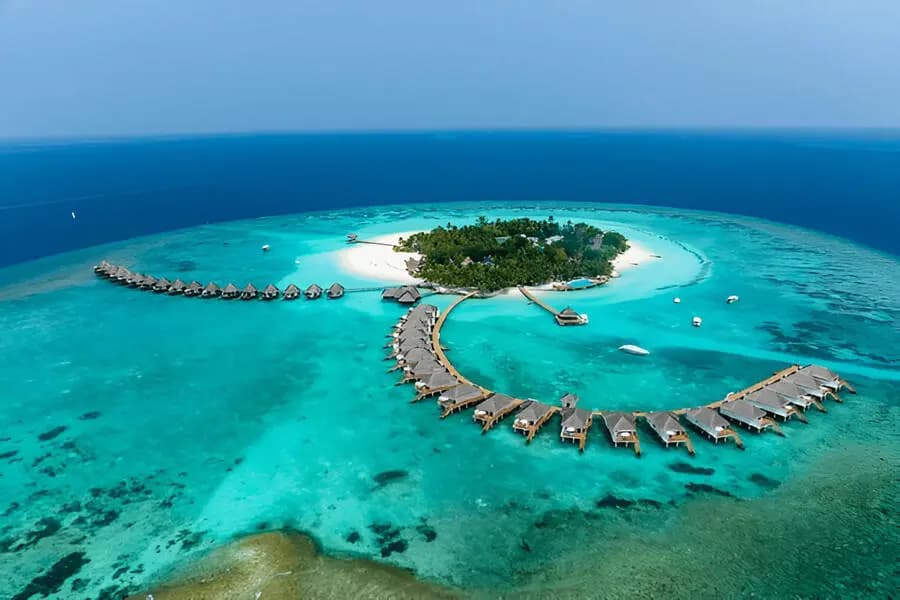
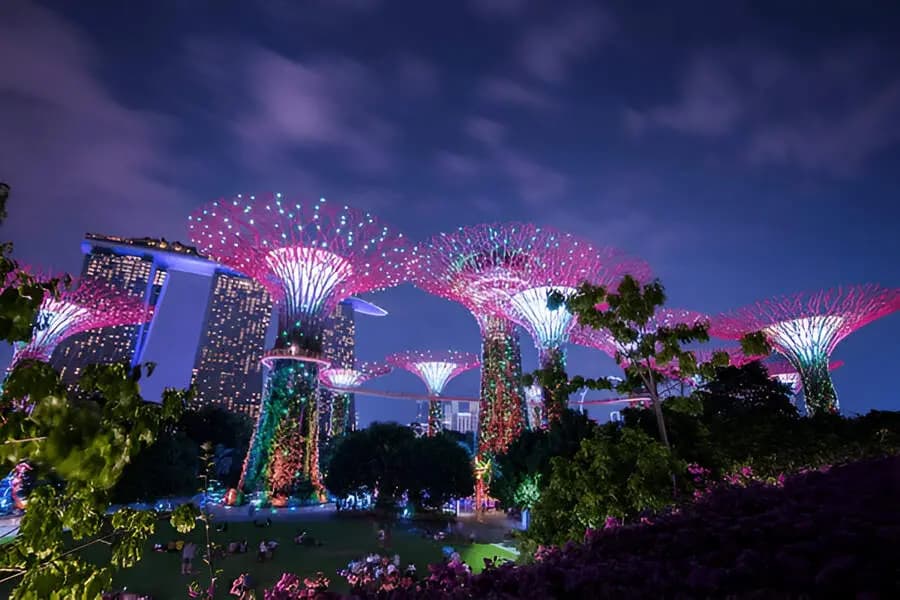
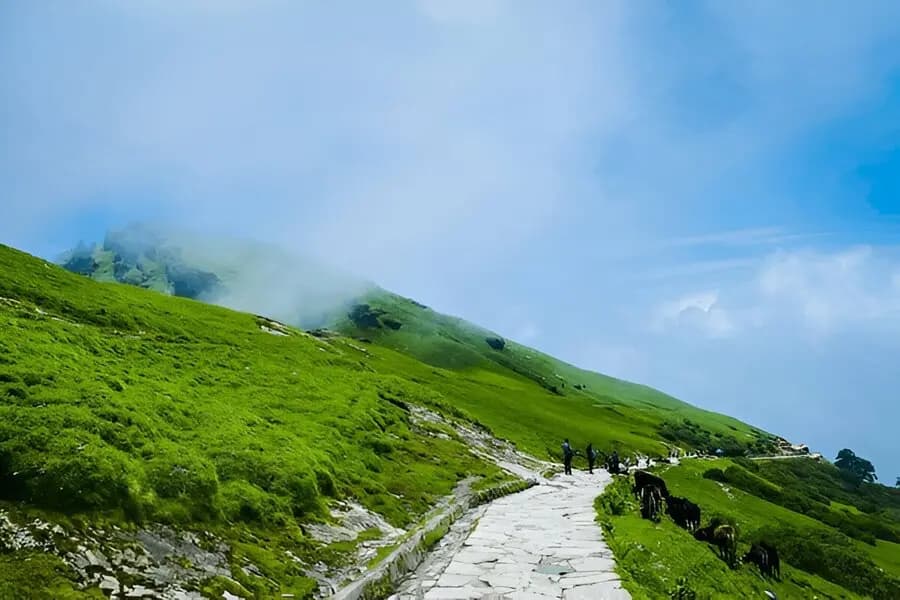
Thailand Summer Special With Flights @ ₹38999

Blog hero image
Top Travel Stories

Explore our latest blogs and travel with us

Spiti Valley in July
June 23, 20256 Minutes
Spiti Valley in July
Spiti Valley in July is a great time for travellers who want to explore peaceful landscapes, ancient monasteries, and clear mountain views. The roads are open, the valleys are full of life, and it’s one of the best months to enjoy the beauty of this Himalayan region. Many people choose this time for their trip because the weather is generally pleasant and perfect for sightseeing. If you’re planning a holiday around this time, you’ll find a variety of Spiti Valley Packages that cover top spots and help you travel smoothly through this remote and stunning destination.Spiti Weather in JulySpiti in July offers a refreshing blend of scenic charm and adventure. With daytime temperatures ranging between 15°C and 25°C and nights dipping to 5°C-10°C, it’s one of the best times to explore this Himalayan desert. Despite the monsoon season in most of India, Spiti Valley in July remains largely unaffected by heavy rains, making it a perfect destination for travel.The valley receives minimal rainfall due to its cold desert geography, though there may be occasional showers and roadblocks due to landslides. However, most major routes stay open, and you can experience 8-10 hours of sunshine daily. The snow from high peaks begins to melt, filling rivers and bringing life to Spiti’s barren terrain. The landscapes turn greener, creating breathtaking views.Still, visitors should remain cautious. The weather can be unpredictable, and it’s essential to travel with flexibility in case of sudden disruptions.Places to Visit in Spiti Valley in JulyHere are the places to visit in Spiti Valley in July:1. Key Monastery:The oldest and largest monastery in Spiti, Key Monastery, sits at an altitude of 4,166 meters. In Spiti in July, the views surrounding this ancient structure are unmatched. With clearer skies and fewer clouds, photography and spiritual exploration go hand-in-hand.2. Chandratal Lake:This high-altitude lake is often a highlight for travellers. Also known as Moon Lake, it is surrounded by rugged mountains. July is a great time to visit, as snow has melted from access roads, and the water reflects perfect mirror images of the sky. Camping near the lake is a surreal experience.3. Kaza Town:Kaza serves as the main town and hub for all travel needs in Spiti. With active cafes, shops, and friendly locals, the atmosphere becomes lively in July. The pleasant weather makes it a perfect base for exploring nearby villages and valleys.Not every month works the same, discover the best time to visit Spiti Valley for your kind of travel.4. Tabo Monastery:Known as the Ajanta of the Himalayas, this ancient monastery features wall paintings and statues over a thousand years old. In Spiti in July, the dry and mild conditions make it easier to wander through its ancient halls without worrying about snow or extreme cold.5. Pin Valley National Park:Ideal for wildlife enthusiasts and nature lovers, the pin valley national park is home to rare species like the snow leopard and the Himalayan ibex. July is one of the best times to visit as animals come down to graze and alpine flowers bloom across the valley.Essential Travel Tips for Spiti in JulyPack warm clothes: Even in July, nights are cold. Carry jackets, woollens, and thermal wear.Bring rain protection: Occasional rain may occur, especially near the Kinnaur and Manali sides.Stay hydrated: The high altitude causes quick dehydration.First-aid kit: Include medicine for altitude sickness, cold, and upset stomach.Cash over cards: ATMs are rare, and many places do not accept cards.Booking: July is a busy time. Book a stay and taxis in advance.Carry snacks and dry fruits: These help during long travel hours between places.Power banks and torches: Electricity cuts are common in remote areas.Challenges of Visiting Spiti in JulyWhile Spiti in July is beautiful, there are a few challenges to be aware of:Sudden roadblocks: Landslides, especially near Kinnaur, may delay travel.Altitude sickness: Thin air can affect breathing. Acclimatisation is key.Limited connectivity: Internet and mobile signals are weak or non-existent in most villages.Fewer food options: Meals can be basic. Those with dietary preferences should plan accordingly.Fuel stations are limited: Keep your tank full and carry extra fuel if needed.Medical help is limited: Basic facilities exist in Kaza, but advanced care is far.Want your trip to feel unforgettable? Don’t miss these must-try Things to do in Spiti Valley

Read More

These Top 7 Best 5 Star Hotels in Ladakh Feel Too Luxurious to Be Real
June 23, 20256 Minutes
These Top 7 Best 5 Star Hotels in Ladakh Feel Too Luxurious to Be Real
Ladakh is one of India’s most breathtaking destinations, known for its rugged beauty, ancient monasteries, and serene landscapes. It’s a place where you can disconnect from chaos and reconnect with nature. Many travellers also explore curated Leh Ladakh tour packages that include stays at some of these luxury hotels for a seamless experience from start to finish. From the turquoise waters of Pangong Lake to the peaceful valleys of Nubra, the region offers unmatched tranquillity and charm. When you plan a trip to this high-altitude wonderland, comfort becomes essential. The best part is, you don’t have to sacrifice luxury to enjoy Ladakh. Several 5 star hotels in Ladakh ensure your stay is just as memorable as the views. Whether you’re staying in the heart of Lehor looking for something more secluded, these hotels offer top-tier service, fine dining, and authentic Ladakhi touches.Top 5 Star Hotels in LadakhHere’s a list of the best options for a truly comfortable stay.1. The Grand Dragon Ladakh:The Grand Dragon Ladakh is one of the finest 5-star hotels in Leh Ladakh, located in the centre of Leh. The hotel combines Ladakhi culture with contemporary comforts. Rooms are spacious, equipped with heated floors, central heating, and large windows offering mountain views. The in-house restaurant serves a mix of Indian, Continental, and Ladakhi cuisine. Its central location makes it convenient for visiting the Leh Palace, Shanti Stupa, and local markets. The warm hospitality and elegant interiors make this hotel a favourite among luxury travellers.Location: Old Road, Sheynam, LehApproximate Price: ₹12,000 – ₹18,000 per night2. Chamba Camp ThikseyChamba Camp Thiksey offers a one-of-a-kind stay and ranks high among 5-star hotels in Ladakh. It provides a luxury glamping experience near the famous Thiksey Monastery. The tents are tastefully decorated with wooden furniture, thick rugs, and en suite bathrooms. Guests can enjoy nature walks, cultural activities, and guided monastery visits. The camp setting is calm and scenic, offering a quiet escape with panoramic views. For travellers who want to be close to tradition without giving up on comfort, this is an excellent choice.Location: Thiksey Village, 5 km from Thiksey MonasteryApproximate Price: ₹16,000 – ₹22,000 per night3. The Indus ValleyThe Indus Valley is a modern and beautifully designed property, recognized among the top 5 star hotels in Leh Ladakh. Located just a few minutes from Leh Market, it offers easy access to shops, cafes, and cultural landmarks. Rooms are large and elegantly furnished, with traditional Ladakhi wooden accents. There’s a rooftop café, a fine-dining restaurant, and a library lounge where guests can relax. The hotel blends comfort and convenience, making it ideal for families, couples, and even business travellers.Location: Lower Tukcha Road, LehApproximate Price: ₹10,000 – ₹14,000 per night4. Ladakh Sarai ResortLadakh Sarai Resort is an eco-friendly retreat that’s popular among travellers looking for authentic stays. It is one of the most peaceful 5-star hotels in Ladakh, offering a blend of natural charm and luxury. Located slightly outside Leh, this resort has mud cottages and yurts inspired by local architecture. Each room has a private sit-out facing the mountains. The food served here is organic and locally sourced. It’s an ideal place for nature lovers, bird watchers, or anyone who wants to enjoy Ladakh’s quieter side.Location: Saboo Village, 7 km from LehApproximate Price: ₹9,000 – ₹13,000 per night5. Stok Palace Heritage HotelFor those who appreciate culture and history, Stok Palace Heritage Hotel offers a unique experience. This property is among the most distinctive 5-star hotels in Leh Ladakh as it is part of a royal Ladakhi palace. The heritage rooms are filled with antiques, handwoven fabrics, and traditional artwork. Guests can explore the palace museum, relax in the royal gardens, and enjoy Ladakhi meals prepared with family recipes. Staying here is like stepping into the royal past of Ladakh, surrounded by modern facilities.Location: Stok Village, 14 km from LehApproximate Price: ₹11,000 – ₹16,000 per night6. Dolkhar ResortDolkhar Resort is one of the newer 5 star hotels in Ladakh, offering a sustainable and stylish stay. Built with locally sourced materials, the resort focuses on eco-living without compromising on comfort. The rooms are warm and beautifully designed, and the resort features an in-house restaurant, spa, and yoga space. It’s located close to Leh but still far enough to provide peace. Guests who appreciate sustainability and design will find Dolkhar to be a refreshing option.Location: Skara, near LehApproximate Price: ₹7,000 – ₹11,000 per nightLocated in the beautiful Nubra Valley, Lchang Nang Retreat is a nature lover’s paradise. This property ranks high among 5 star hotels in Leh Ladakh for its remote location, private villas, and organic gardens. Surrounded by apricot orchards and poplar trees, each cottage is built using traditional techniques. Guests can enjoy guided walks, stargazing, and local cuisine. The retreat offers com7. Lchang Nang Retreat – The House of TreesLocated in the beautiful Nubra Valley, Lchang Nang Retreat is a nature lover’s paradise. This property ranks high among 5 star hotels in Leh Ladakh for its remote location, private villas, and organic gardens. Surrounded by apricot orchards and poplar trees, each cottage is built using traditional techniques. Guests can enjoy guided walks, stargazing, and local cuisine. The retreat offers complete seclusion and a genuine Ladakhi experience, perfect for those who want to disconnect and unwind in the lap of nature.Location: Teggar Village, Nubra Valley (approx. 120 km from Leh)Approximate Price: ₹15,000 – ₹20,000 per nightAlso Read – Places To Visit in LadakhMust Check Out – Things To Do in Ladakh

Read More

Vietnam in June
June 23, 20256 Minutes
Vietnam in June
Vietnam in June is a time when nature comes alive. The countryside turns green, the air feels fresh after short tropical rains, and the streets stay warm and buzzing with life. It’s not the dry season, but that’s exactly why June feels more natural and peaceful. Rain adds a unique mood to the landscape. You get misty rice fields, blooming gardens, and quiet streets in the cities.If you’re someone who enjoys fewer tourists, great deals, and doesn’t mind a quick rain shower, then Vietnam in June will surprise you in the best way. The rain mostly comes in short bursts and often clears up for hours of sunshine. Whether you’re walking through Hanoi’s old lanes, cruising in the Mekong Delta, or just watching the green hills of Sapa, June in Vietnam has a charm that’s real and refreshing.This is also a good time to consider booking Vietnam tour packages. Many hotels and tours offer better rates, and with smaller crowds, your travel experience becomes smoother and more personal. Let’s dive into what makes Vietnam in June a truly memorable time to visit.Weather in Vietnam in JuneWeather plays a big role in how your travel feels, and in June, Vietnam offers a variety. You’ll find hot and humid days throughout the country, but the rain usually helps cool things down. Mornings and early afternoons are generally dry, with rain coming in the late afternoon or evening.In the north (Hanoi, Sapa), you’ll get warm days with some rainfall. Average temperatures stay between 25°C to 35°C. In the central region (Hoi An, Da Nang, Hue), the rains increase a bit but don’t stay long. It’s still a great time for beaches and city exploration. The south (Ho Chi Minh City, Mekong Delta) is hot and humid, with short, heavy showers that refresh the air.The beauty of Vietnam in June lies in its contrast—blue skies turning grey, followed by the smell of fresh rain on earth. It’s the kind of tropical rhythm that travellers grow to love.Best Places to Visit in Vietnam in JuneVietnam is long and diverse, and June makes each region feel alive in its own way. Here are some of the best places to include in your June itinerary:1. HanoiThe capital city, Hanoi, buzzes with energy in June. The tree-lined boulevards provide shade, while local cafes serve strong iced coffee to beat the heat. Explore the Old Quarter in the early morning or evening, and visit peaceful spots like Hoan Kiem Lake and the Temple of Literature.2. SapaIn the northern hills, Vietnam in June brings Sapa to life. This is when the rice terraces are freshly planted and bright green. The mist adds a magical feel to the mountains. Trekking through local villages and staying in a homestay offers a deep connection with the culture.3. Ninh BinhOften called “Halong Bay on land,” Ninh Binh is perfect for June. Lush rice fields, karst mountains, and river boat rides offer a peaceful escape from the cities. You’ll feel surrounded by green.4. Hoi AnJune brings occasional rain to central Vietnam, but Hoi An stays lovely. The ancient town, glowing with lanterns and old charm, is perfect for riverside walks and street food. Even under light rain, it’s a joy to explore.5. Da LatWant to escape the heat? Head to Da Lat. Its cool mountain climate makes it a popular June destination. From flower gardens to pine forests and waterfalls, this place feels like spring all year round.6. Ho Chi Minh CityThis busy southern city, Ho Chi Minh, remains hot and lively. In Vietnam in June, you’ll find early mornings perfect for markets and street food tours, while rainy evenings are great for museums or watching the city from a rooftop café.Best Things to Do in Vietnam in JuneYou may think rain limits your options, but in reality, Vietnam in June gives you a long list of things to do, made even better by fewer crowds.1. Cruise in Ha Long BayCloudy skies and light fog give Ha Long Bay a mystical feel in June. Book a boat cruise and enjoy the limestone islands and calm waters. You’ll often find better cruise deals this month.2. Explore the Caves of Phong NhaCentral Vietnam’s caves, especially Son Doong and Paradise Cave, are excellent in June. The area is green, and the cave interiors stay cool and dry, perfect for adventure.3. Take a Food TourVietnamese food is perfect for warm weather. Slurp cold noodle salads, sip iced sugarcane juice, and munch on grilled meats. In June, mangoes, lychees, and jackfruits are in season—don’t miss out!4. Paddle the MekongThe lush riverbanks and floating markets of the Mekong Delta shine in Vietnam in June. Rent a boat and glide through the narrow canals, explore island farms, and taste fresh fruits right off the trees.5. Relax at the BeachesBeaches like An Bang, Quy Nhon, and Phu Quoc may get some rain, but when the sun comes out, they’re beautiful and calm. Since it’s not peak season, you’ll often get wide, empty stretches to yourself.Also Read: Things to do in VietnamMust Read: Places To Visit in Vietnam

Read More

Andaman And Nicobar History
June 23, 20256 Minutes
Andaman And Nicobar History
The Andaman and Nicobar Islands sit like beautiful gems in the Bay of Bengal, far from mainland India. These 572 islands stretch across the beautiful ocean, creating a paradise that attracts visitors from around the world. Only 38 of these islands have people living on them. The rest remain untouched by modern life. The Andaman and Nicobar history spans thousands of years, filled with fascinating stories of brave tribes, colonial struggles, and heroic freedom fighters.Many travelers dream of visiting these beautiful islands, and planning the perfect trip becomes easier with Andaman tour packages. But all the curious travelers and history lovers think about the history of Andaman and Nicobar Islands. So, in this blog, we’ll understand the Andaman’s history.1. Ancient and Indigenous HistoryLong before any outsider set foot on these islands, ancient tribes called them home. The Great Andamanese, Onge, Jarwa, and Sentinelese people lived here for thousands of years. These tribes developed their own languages, customs, and ways of life. They knew how to survive in the dense forests and catch fish from the surrounding seas.Scientists have found old tools and pottery pieces that prove people lived here over 2,000 years ago. The tribes passed down their stories through songs and spoken tales from one generation to the next. They lived in harmony with nature, taking only what they needed. The history of Andaman and Nicobar Islands truly begins with these brave indigenous communities who protected their land and culture for centuries.2. Colonial Era and European InfluenceEuropean ships first reached these islands in the 1600s. The Danish were among the first to arrive, followed by the British. The British East India Company saw the islands as a perfect spot for their ships to stop and refuel. In 1789, the British established their first settlement at Port Blair, naming it after Lieutenant Archibald Blair.The location proved ideal for controlling sea routes between India and Southeast Asia. The British built ports, roads, and government buildings. They brought workers from mainland India to help develop the islands. However, the hot climate and tropical diseases made life difficult for many settlers. The British soon realized these remote islands could serve another purpose. The Andaman and Nicobar history took a darker turn when they decided to send prisoners here, far from their families and any chance of escape.3. Cellular Jail and India’s Freedom StruggleThe British built the infamous Cellular Jail in Port Blair between 1896 and 1906. This massive prison had seven wings spreading out like a star. Each wing had three floors with hundreds of tiny cells. The jail got its name because each prisoner stayed alone in a separate cell, cut off from others.Many brave freedom fighters were sent here as punishment for opposing British rule. Veer Savarkar, Batukeshwar Dutt, and many other heroes spent years in this terrible prison. They faced harsh treatment, forced labor, and terrible living conditions. The prisoners had to work in oil mills, build roads, and clear forests under the burning sun. Despite the suffering, their spirit never broke. The history of Andaman and Nicobar Islands during this period shows the tremendous sacrifice made by these freedom fighters for India’s independence.4. Japanese Occupation & WWII EraDuring World War II, Japanese forces captured the Andaman and Nicobar Islands in March 1942. They ruled the islands for over three years. The Japanese treated the local people harshly and used them for forced labor. Many islanders died from hunger and disease during this difficult time.In December 1943, something historic happened. Netaji Subhas Chandra Bose visited the islands with his Indian National Army. He hoisted the Indian flag at Port Blair for the first time. This moment filled every Indian heart with pride and hope. The Japanese allowed Bose to name the islands “Shaheed” and “Swaraj” islands. The Andaman and Nicobar history during World War II shows both the suffering of common people and the courage of those who fought for freedom.5. Post-Independence DevelopmentAfter India gained independence in 1947, the islands became a Union Territory. The Indian government faced the challenge of developing these remote islands while respecting the local tribes. New hospitals, schools, and roads were built. The government encouraged people from different parts of India to settle here and help build the islands.Port Blair grew into a proper city with markets, government offices, and residential areas. The islands started attracting tourists who wanted to see the beautiful beaches and learn about the freedom struggle. Regular ship and flight services connected the islands to mainland India. The history of Andaman and Nicobar Islands after independence shows steady progress in education, healthcare, and infrastructure development.6. Cultural and Tribal PreservationToday, the Indian government works hard to protect the indigenous tribes and their ancient ways of life. Special laws prevent outsiders from entering tribal areas without permission. The Jarwa, Onge, and other tribes continue to live according to their traditional customs. The government provides them with healthcare and education while respecting their choice to maintain their unique culture.Modern Andaman has grown into a popular tourist destination. However, visitors must follow strict rules to protect the environment and tribal communities. Responsible tourism helps preserve the island’s natural beauty and culture. The Andaman and Nicobar history teaches us the importance of respecting both nature and the people who have called these islands home for thousands of years.The journey through Andaman and Nicobar’s past reveals a story of survival, struggle, and triumph. From ancient tribal communities to colonial rule, from the dark days of Cellular Jail to the hope brought by freedom fighters, these islands have witnessed remarkable events. Today, they stand as a symbol of India’s rich heritage and natural beauty.When you visit these islands, remember the brave souls who suffered and sacrificed for our freedom. Respect the local culture and environment. The history of Andaman and Nicobar Islands reminds us that every beautiful place has stories to tell, and every story deserves to be remembered and honored.Also Read: Places to Visit in AndamanMust Read: Things to Do in Andaman

Read More

Australia in December
June 23, 20256 Minutes
Australia in December
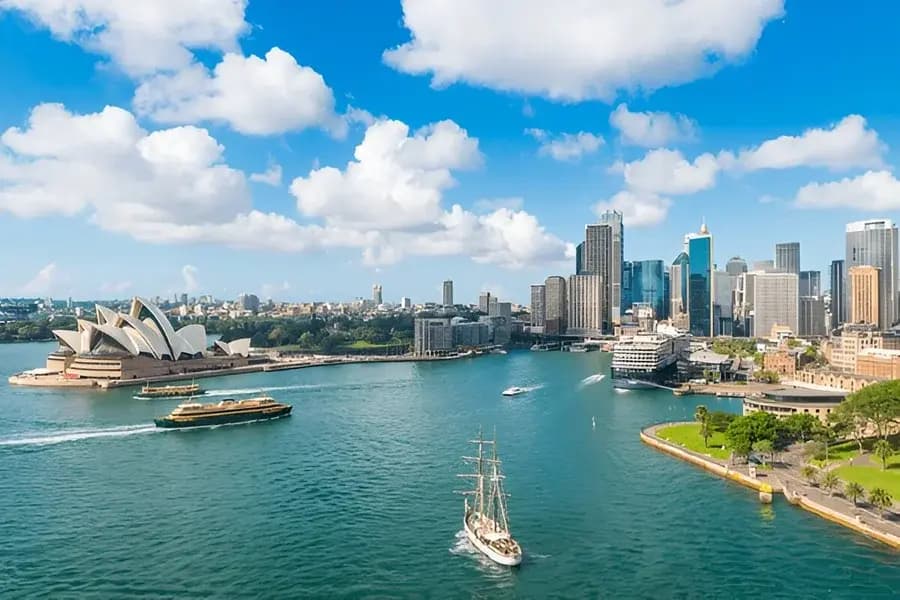
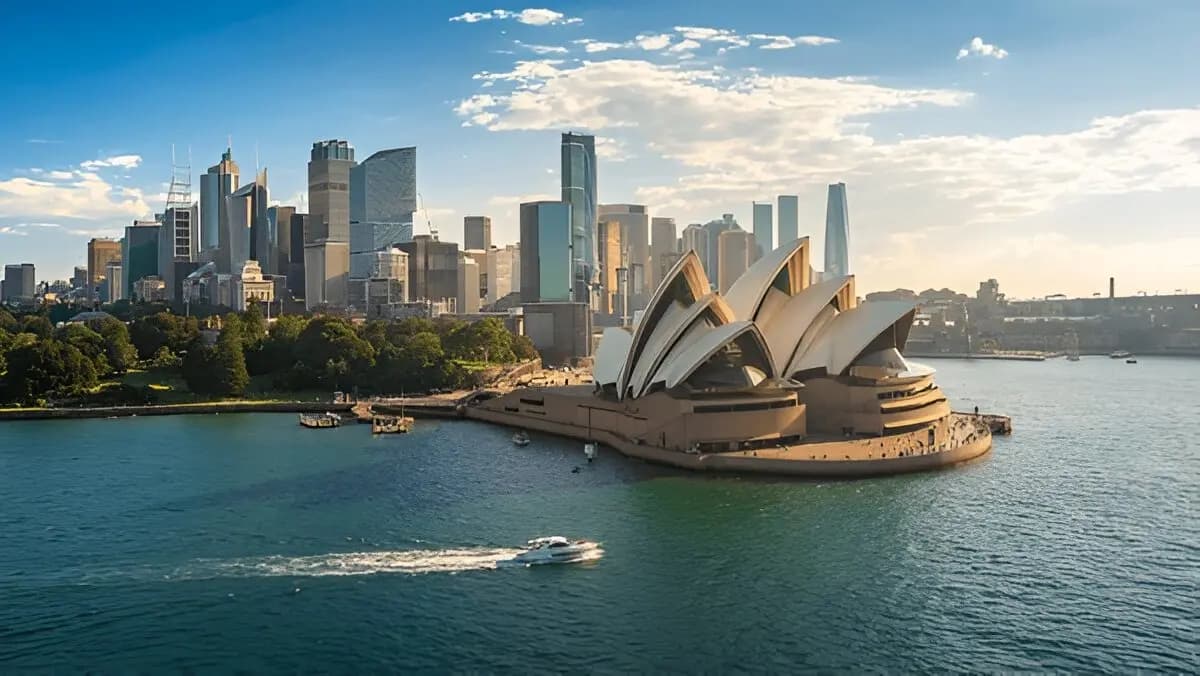
December marks the beginning of summer in Australia, making it one of the most popular months for travelling. While most of the region experiences winter, Australia offers warm beaches, sunny skies, and perfect outdoor weather. Understanding the Australia weather in December helps you pack right and plan better for your trip.Summer officially starts in December across Australia. The weather becomes hot and humid in most regions. Many Indian families choose this time for their holidays because kids have winter vacations. Various Australia tour packages become available during this peak season, offering great deals for families and groups.Australia Weather in DecemberThe summer season brings warm temperatures across Australia. It experiences pleasant weather with temperatures around 25-30°C during the day. Brisbane becomes quite hot with temperatures reaching 32°C. Perth experiences dry heat with temperatures around 28-32°C most days.Northern Australia, including Darwin and Cairns, becomes very hot and humid. The Australia temperature in December in these areas can go up to 35°C with high humidity levels. This is also the wet season for northern regions, so expect some rainfall during your visit.Southern cities like Adelaide and Melbourne have the most comfortable conditions during this time. Australia weather in December in these areas remains pleasant, perfect for outdoor dining and walking around the city. Coastal areas stay cooler due to sea breeze throughout the day. This creates perfect conditions for nature lovers and adventure seekers.Special Activities in Australia in DecemberSummer brings many exciting activities across the country. Beach activities become the main attraction when visiting Australia in December. Swimming, surfing, and sunbathing are popular along the beautiful coastlines. The Great Barrier Reef offers excellent diving and snorkeling conditions during this period.1. Outdoor Activities:Outdoor festivals and concerts happen frequently in December. Many cities organize Christmas markets and New Year celebrations. Sydney Harbour becomes alive with events leading up to the famous New Year’s Eve fireworks display.2. Watch Cricket:Cricket season is in full swing during December. You can watch exciting matches in Melbourne, Sydney, and other major cities. This gives Indian visitors a taste of Australian cricket culture. Australia in December makes outdoor sports viewing comfortable and enjoyable.Suggested Read: Australia Cricket Ground3. Wine Exploration:Wine regions across Australia offer harvest festivals and outdoor tastings. The weather makes it perfect for vineyard visits and wine tours. Many regions organize special December events for tourists seeking unique experiences.4. Hiking:Bush walking and hiking become popular activities during this season. National parks remain open with extended hours. The Best time to visit Australia for outdoor adventures is definitely during the summer months when trails are accessible and safe.Places to Visit in Australia in DecemberHere’s a breakdown of the best places to visit in Australia in December:-1. Sydney:Sydney stands out as the top destination during the summer season. The harbor city offers perfect beach weather, iconic attractions, and vibrant nightlife. Bondi Beach, Circular Quay, and the Opera House become must-visit spots for travelers.2. Melbourne:Melbourne provides a great mix of culture, food, and comfortable weather. The city’s famous laneways, coffee culture, and festivals make it attractive for visitors. Australia weather in December here remains pleasant for walking tours and outdoor exploration throughout the day.3. Gold Coast:The Gold Coast becomes a paradise for beach lovers and adventure lovers. Theme parks, beautiful beaches, and water activities make it perfect for families. The warm temperatures create ideal conditions for water sports and outdoor fun.4. Brisbane:Brisbane offers warm weather, ideal for outdoor activities. The city’s riverside parks, museums, and nearby islands provide great entertainment options. River cruises become popular during this pleasant season.5. Perth:Perth enjoys dry summer weather, perfect for exploring its beaches and parks. Kings Park, Rottnest Island, and Fremantle become popular attractions during December. The Places to visit in Australia for stunning sunsets and beach activities are abundant in this region.6. Cairns:Cairns provides access to the Great Barrier Reef despite being hot and humid. Many visitors use it as a base for reef tours and rainforest exploration. The tropical conditions make marine activities more enjoyable during Australia in December.Travel Tips for Visiting Australia in DecemberLight Packing: Pack light, breathable clothing for the hot summer weather. Cotton clothes work best in humid conditions. Don’t forget sunscreen, hats, and sunglasses for proper sun protection during outdoor activities.Advance Booking: Book accommodations early as December is peak tourist season. Hotels and resorts fill up quickly, especially in popular destinations like Sydney and Melbourne. Planning ahead ensures better rates and availability.Hydration Goals: Stay hydrated throughout the day. Australia weather in December and outdoor activities can cause dehydration quickly. Carry water bottles and drink regularly, especially during the hottest parts of the day.Book popular attractions and tours in advance. December attracts many visitors, making it harder to get tickets on the spot. A comprehensive Australia Travel Guide helps identify must-visit experiences and attractions. Most Australian cities have excellent air-conditioned transport systems that make getting around comfortable in Australia in December.Also Read – Places To Visit in AustraliaMust Read – Things To Do in Australia

Read More

8 Stunning Monuments of Kerala You Didn’t Know Existed
June 23, 20257 Minutes
8 Stunning Monuments of Kerala You Didn’t Know Existed
Kerala is known for its lush green hills, peaceful backwaters, and scenic beaches. But there’s more to this beautiful state than nature. The monuments of Kerala—from grand palaces to ancient forts—are full of history and charm that many travellers often overlook.Each site has its own story of kings, battles, trade, and culture. Exploring these places feels like going back in time. Many Kerala tour packages also include visits to these historical spots, giving you a chance to experience both beauty and heritage. If you’re curious about Kerala’s past, this guide to the monuments of Kerala is a great place to start.Top 8 Famous Monuments of Kerala:1. Padmanabhapuram Palace – ThuckalayOne of the finest examples of traditional Kerala architecture, the Padmanabhapuram Palace is a royal wooden structure that takes you back to the days of the Travancore kings. Though it lies just outside Kerala’s border in Tamil Nadu, it is maintained by the Kerala government and remains one of the most celebrated monuments of Kerala.Built in the 16th century, this massive palace complex is made entirely of teak and rosewood. The intricate carvings on the ceilings, the long polished corridors, and ancient artifacts like weapons and royal furniture make this place truly royal. The palace also houses murals, a clock tower, and the king’s council chamber, offering visitors a rich look into Kerala’s royal history.2. Bekal Fort – KasaragodRising along the coastline in North Kerala, Bekal Fort is one of the largest and most scenic forts in the state. Built over 300 years ago, it offers sweeping views of the Arabian Sea and has an unmistakable charm that combines nature and history. This fort has appeared in several Indian films and is one of the most well-maintained monuments of Kerala.Unlike many forts that were built purely for defence, Bekal has curved watchtowers, secret passages, and beautiful lookout points. It’s a popular spot for photography, especially during sunset. A visit here is peaceful, romantic, and full of coastal vibes.3. Mattancherry Palace (Dutch Palace) – KochiMattancherry Palace, also known as the Dutch Palace, is a modest-looking structure from the outside but holds royal beauty within. It was built by the Portuguese in the 16th century and later renovated by the Dutch. The palace was gifted to the kings of Kochi and served as a royal residence. Among all the monuments of Kerala, this one beautifully blends colonial and Kerala-style architecture.Inside, you’ll find incredible wall paintings depicting scenes from the Ramayana and Mahabharata. The bedrooms, ceremonial halls, and display rooms with weapons and royal clothing show how Kerala’s rulers once lived.4. St. Francis Church – KochiLocated in the heart of Fort Kochi, St. Francis Church is the oldest European church built in India. Its simple white façade and quiet surroundings might not scream grandeur, but the history within its walls is unmatched.The church was originally built by Portuguese Franciscan friars in 1503. It is especially known as the original burial site of Vasco da Gama, the famous Portuguese explorer, before his remains were moved to Lisbon. The tombstone remains, and the church continues to hold regular services. It stands not only as a religious site but also as a living symbol of Kerala’s colonial past.5. Palakkad Fort – PalakkadAlso known as Tipu’s Fort, this laterite stone fort was built in the 18th century by Hyder Ali, father of the famous Tipu Sultan. Located in the centre of Palakkad town, the fort is well-preserved and surrounded by lush green gardens and a wide moat.This fort has witnessed many battles and was later taken over by the British. Today, it stands as one of the most peaceful and spacious monuments of Kerala, ideal for leisurely walks and soaking in history. The contrast of solid stone walls and green surroundings adds to its beauty.6. Krishnapuram Palace – KayamkulamTucked away in the Alappuzha district, Krishnapuram Palace is a hidden gem that beautifully represents traditional Kerala-style architecture. Built in the 18th century by Marthanda Varma, the ruler of Travancore, the palace is known for its sloped roofs, narrow hallways, and wooden structures.Its main highlight is the mural painting “Gajendra Moksha,” one of the largest in Kerala, which covers an entire wall. The palace also has a small museum with rare antiques and sculptures. This calm and lesser-known spot offers a lovely experience for those who appreciate both art and architecture.7. Thalassery Fort – KannurOverlooking the Arabian Sea, Thalassery Fort is a reminder of the days when European powers had a stronghold on Kerala’s coast. It was built in 1708 by the British East India Company and served as a military centre and trading hub. For travellers interested in colonial history and lesser-visited monuments of Kerala, Thalassery Fort is a great stop.The fort has massive walls, secret tunnels, and a historic church inside. It gives a fantastic view of the sea and is located in a charming small town that’s perfect for relaxed exploration.8. Napier Museum – ThiruvananthapuramWhile primarily a museum, the Napier Museum is also one of the architectural landmarks of Kerala. Built in the 19th century in a unique Indo-Saracenic style, it features tall spires, arched doorways, and beautiful woodwork that blend Indian and Gothic styles. It’s one of the best monuments of Kerala for anyone looking to learn about the state’s art and history under one roof.Inside, the museum houses a collection of ancient ornaments, weapons, bronze idols, and more. The surrounding garden, along with the nearby Zoo and Art Gallery, makes this a well-rounded cultural visit.Also, check out – Things To Do In KeralaMust Read – Places to Visit in Kerala

Read More

Bali in December
June 23, 20251 Minute
Bali in December
Bali in December offers a magical experience that blends tropical charm with festive cheer. With its green landscapes, cultural richness, and peaceful vibe, December turns Bali into a tranquil escape, far from the chaos of everyday life. While it’s the rainy season, don’t let that stop you—most showers are short, and the sun often peeks through the clouds. Whether you want a relaxing beach holiday, a cultural dive, or a unique way to spend the holidays, Bali tour packages offer the perfect way to explore all that Bali has to welcome you with.This blog covers everything you need to know about visiting Bali in December—from the weather and must-visit places to fun activities and local tips. Let’s dive into what makes this month so special on the Island of the Gods.Bali Weather in DecemberThe Bali weather December is tropical and humid, with occasional rain showers that usually last for a short period. December falls in Bali’s wet season, but mornings are often clear and perfect for exploring. Even the rainy moments feel refreshing and add a unique vibe to the lush landscapes.The Bali temperature in December ranges between 25°C to 31°C. It’s warm enough for beach days and cool enough in the evenings for romantic dinners by the sea. If you’re wondering whether the rain will ruin your trip, rest assured—it won’t. Many travellers love this time for its peaceful atmosphere and the soft, misty beauty that the rain brings.Special Places to Visit in Bali in December1. UbudUbud is the cultural heart of Bali, and also, Bali in December becomes even more enchanting. The rain enhances the greenery around the rice terraces and forests, creating a surreal view. Visit the Ubud Art Market, Monkey Forest, or enjoy a walk through the rice fields with a light mist hovering above—pure magic.2. Tirta Empul TempleThe Pura Tirta Empul Temple is a sacred water temple that feels especially serene during the quieter December season. Both locals and tourists visit for purification rituals in its holy spring. Surrounded by lush jungle, it offers a peaceful setting to truly experience Balinese spirituality.3. Seminyak BeachSeminyak Beach is one of Bali’s most stylish and vibrant coastal spots, known for its golden sands, stunning sunsets, and lively atmosphere. It’s perfect for relaxing by day and enjoying beach clubs, cafes, and nightlife by evening, making it a favorite destination for travelers seeking both comfort and entertainment.4. Nusa DuaIf you’re looking for a relaxing stay, Nusa Dua is full of luxury resorts and peaceful beaches. Many resorts host Christmas and New Year events, giving you a festive vibe with a tropical twist. The calm sea is great for swimming or simply unwinding by the shore.5. Tegallalang Rice Terraces:The Bali in December temperature makes it easy to explore the famous Tegallalang Rice Terraces in Ubud. Walk through the paths, enjoy a cup of coffee with a view, or take Instagram-worthy shots of the stunning landscape—it’s one of the best places to witness Bali’s natural beauty.Things to Do in Bali in December1. Join a Balinese Cooking ClassSpend your morning learning how to cook traditional Balinese dishes. You’ll start with a visit to a local market and then head to a cosy kitchen to create delicious meals using local herbs and spices. It’s a great indoor activity if it’s raining outside.2. Attend a Traditional Dance ShowRainy evenings are perfect for cultural performances. Watch the graceful Legong dance or the powerful Barong performance in Ubud. These dances tell age-old stories through movement and music, giving you a glimpse into the heart of Balinese culture.3. Pamper Yourself at a SpaNothing feels better than a Balinese massage on a rainy day. Book a spa session in Ubud or Seminyak, where you can enjoy a peaceful massage while listening to the rain outside. Many spas offer couples’ treatments too—perfect for a romantic December break.4. Explore Art Galleries and Museums:If you’re stuck indoors for a few hours, head to one of Bali’s art galleries. The Blanco Renaissance Museum in Ubud is a great choice. You’ll discover vibrant paintings, traditional art, and unique exhibits that showcase Bali’s creative spirit.5. Celebrate Christmas and New Year:Bali in December is extra special because of the holiday vibe. Beach clubs and resorts go all out for Christmas dinners and New Year’s Eve parties. Whether you want a quiet meal or a wild countdown on the beach with fireworks, Bali has it all.Travel Tips for Visiting Bali in DecemberBook early: December is a popular time, especially during Christmas and New Year. Hotels and flights fill up fast, so plan.Pack light, but smart: Carry breathable clothes, flip-flops, and a rain jacket or umbrella for the occasional showers.Respect local traditions: Visiting temples? Dress modestly and follow local customs.Stay flexible: Keep some indoor activities on your list in case of heavy rain. But most days, you’ll still be able to explore.Stay hydrated and use mosquito repellent: The humidity might make you sweat more, and the rainy season sometimes brings more mosquitoes.Seminyak Beach is one of the top places to visit in bali, known for its golden sands, vibrant beach clubs, and breathtaking sunsets. There are plenty of exciting things to do in bali here, from relaxing by the shore and surfing gentle waves to enjoying beachfront dining, shopping, and experiencing Bali’s lively nightlife scene.

Read More

Spiti Valley in Winter: Complete Travel Guide & Weather Tips
June 21, 20257 Minutes
Spiti Valley in Winter: Complete Travel Guide & Weather Tips
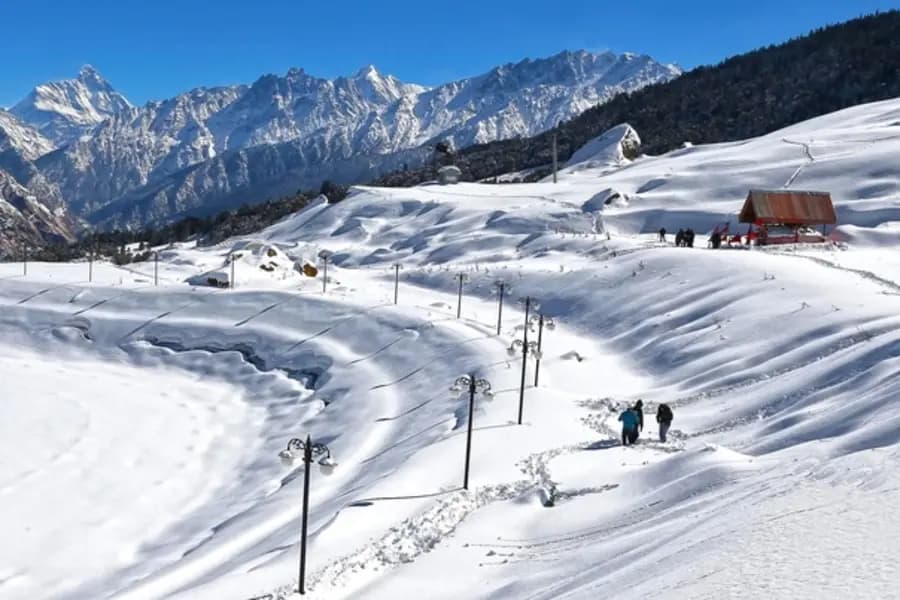
Spiti Valley in winter isn’t your typical holiday destination, it’s silent, snow-covered, and stunningly raw. This blog dives into what winter in Spiti really feels like, from its biting cold and whitewashed landscapes to the few brave villages that stay alive. You’ll find practical travel tips, must-visit spots, and honest insights into the challenges.Spiti in winter offers unique experiences that summer visitors cannot enjoy. Spiti Valley Packages with the frozen rivers, snow-capped mountains, and icy landscapes create picture-perfect scenes. Photography enthusiasts find this season particularly attractive despite the challenging conditions.Spiti Weather in WinterWant to know why Spiti Valley in Winter is popular? Spiti Valley becomes a magical white paradise during the winter months. This cold desert region in Himachal Pradesh experiences harsh weather conditions from November to March. The temperature drops drastically, making Spiti Valley in winter a challenging yet rewarding destination for brave travelers.Winter in Spiti brings heavy snowfall and extreme cold. Day temperatures range from -5°C to -15°C, and nights drop to -30°C. Roads become tough, some areas are cut off. The sky stays mostly clear, but sudden snowstorms happen. Locals move to lower areas, leaving behind a quiet, snowy landscape.Spiti in winter offers unique experiences that summer visitors cannot enjoy. Spiti Valley Packages with the frozen rivers, snow-capped mountains, and icy landscapes create picture-perfect scenes. Photography enthusiasts find this season particularly attractive despite the challenging conditions.Places to Visit in Spiti Valley in Winters1. Key MonasteryKey Monastery stands beautifully against the snowy backdrop during winter. This ancient Buddhist monastery looks even more stunning when surrounded by white snow. The monastery remains open throughout winter, offering warm shelter and spiritual peace. Monks continue their daily prayers and rituals, creating a mystical atmosphere. The panoramic views from Key Monastery in Spiti Valley in winter are absolutely breathtaking.2. Kaza TownKaza becomes the base camp for exploring other parts of Spiti Valley in winter. It serves as the main hub for winter travelers in Spiti. This small town has basic facilities like hotels, restaurants, and medical aid. Most shops and guesthouses remain operational during the winter months. The town gets completely covered in snow, giving it a fairy-tale appearance. Local markets offer warm clothes and essential supplies for visitors.3. Tashigang VillageTashigang village offers authentic winter experiences in Spiti. This remote village gets heavy snowfall, making it look like a winter wonderland. The traditional mud houses with snow-covered roofs create beautiful scenes. Local families welcome visitors with warm hospitality and hot meals. The village provides insight into how locals survive harsh winter conditions.Not sure where to start? Discover the must-see Places to Visit in Spiti Valley for an unforgettable trip.4. Langza VillageLangza village is famous for its Buddha statue overlooking snowy mountains. The giant Buddha statue covered in snow creates a mesmerizing sight. Spiti in winter at Langza provides peace and natural beauty. This fossil village becomes even more mysterious during the winter months. The surrounding landscape turns completely white, offering excellent photography opportunities.5. Hikkim VillageHikkim houses the world’s highest post office, which remains functional even in winter. Sending postcards from this remote location during the Spiti Valley in winter becomes a memorable experience. The village gets completely isolated due to heavy snowfall. Few families stay back during winter, maintaining the post office operations. The journey to Hikkim becomes adventurous and challenging in snowy conditions.6. Essential Travel Tips for Spiti in WintersTraveling to Spiti Valley in winter is tough, but proper planning makes it manageable. Here are some important tips to keep you safe:Pack Heavy Jackets: Pack heavy winter clothes. Thermals, down jackets, woolen caps, gloves, snow boots – layer up like your life depends on it, because it does.Book Early or Sleep Outside: Most hotels shut down in winter. Book accommodation months in advance.Carry Extra Batteries: Cold kills batteries faster than you can say freeze. Carry extra batteries, power banks, and keep devices close to your body.Carry Cash: ATMs don’t work in freezing weather. Online payments fail when there’s no network. Carry enough cash to last your entire trip.Foods to Carry: Pack high-energy snacks, dry fruits, and glucose tablets. Restaurants close early, and food supplies run low in Spiti in winter.Emergency Kit: First aid box, torch lights, emergency contact numbers. Inform your family about travel plans because communication often fails.Challenges of Visiting Spiti in WintersSpiti Valley in winter is not for the faint-hearted. Here are the real challenges you’ll face:Road Blockage: Forget smooth driving. Roads get blocked by snow. Sometimes you’re stuck for days waiting for clearance.Hotels Play Hide and Seek: Most accommodations close down completely. Finding a warm bed becomes harder than finding water in a desert.Weather Goes Crazy: Temperature drops to -30°C. Sudden snowstorms hit without warning.Breathing Becomes Hard Work: High altitude plus extreme cold makes every breath a struggle. Altitude sickness hits harder in winter.Network Says Goodbye: Mobile networks fail during storms. The Internet disappears. You become completely cut off from the world.Cars Refuse to Start: Vehicles break down in extreme cold. Fuel freezes. Engines give up. Your trusted car becomes a metal box.Food Becomes Luxury: Supplies run low. Restaurants close early, and pre stored foods are consumed in Spiti in winter.From adventure to culture, explore the top Things to do in Spiti.

Read More

Visit Spiti Valley in August 2026: Weather, Attractions & Travel Tips
June 21, 20257 Minutes
Visit Spiti Valley in August 2026: Weather, Attractions & Travel Tips
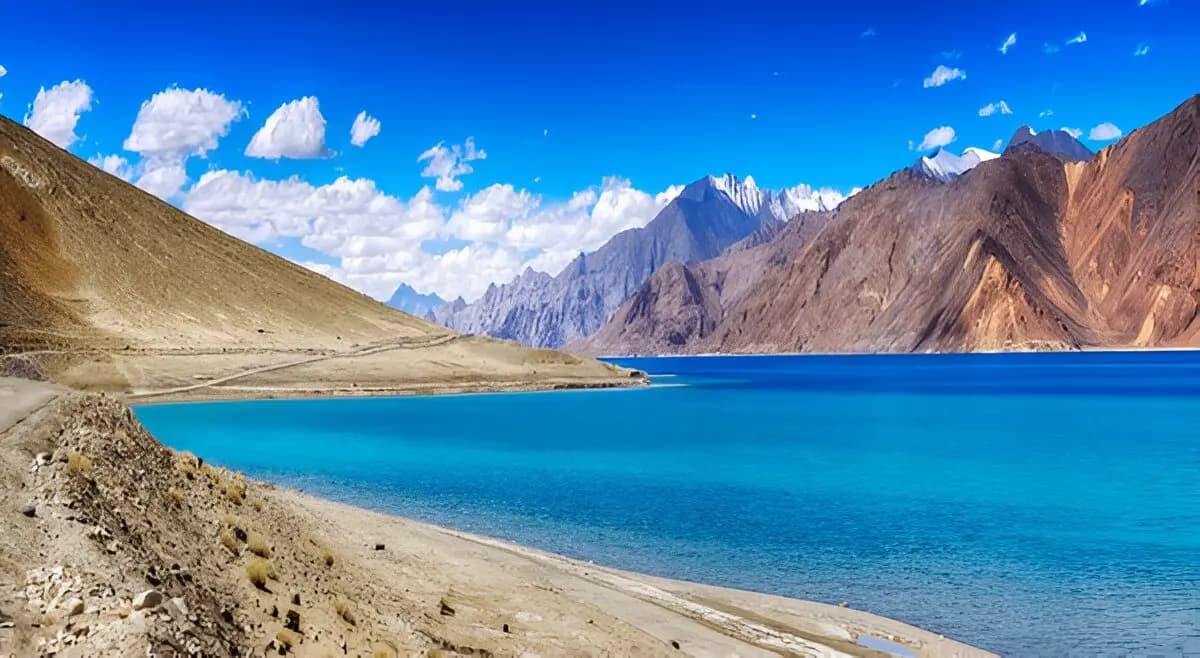
Curious about what Spiti Valley feels like in August? This blog gives you a complete picture of the weather, travel conditions, must-visit places, and practical tips to plan your trip. If you’re wondering that Spiti valley in August is the right time to go, what to pack, or how to deal with altitude, you’ll find all the answers here. From monasteries to lakes and national parks, discover what makes Spiti truly magical in this month.The monsoon season affects most parts of India in August, but Spiti Valley remains largely dry. This high-altitude desert receives very little rainfall. The roads are usually open and accessible during this month. Which is why Spiti Valley Packages in August are popular. The snow from higher peaks starts melting, making the landscape green and beautiful.Spiti Weather in AugustSpiti weather in August is one of the best time to visit Spiti Valley. The weather is pleasant after the harsh winter months. During this time, the temperature ranges from 15°C to 25°C during the day. Nights can still be cold, dropping to around 5°C to 10°C.Spiti Valley in august offers clear blue skies most of the time. You can expect around 8-10 hours of bright sunlight daily. The weather is perfect for outdoor activities like trekking and sightseeing. However, sudden weather changes can happen in the mountains, so always be prepared.The oxygen level is low due to high altitude, so some people might feel breathless initially. It takes a day or two to get used to the thin air. Overall, August provides ideal conditions for exploring this stunning region.Places to Visit in Spiti Valley in AugustThese are the best places to visit in Spiti Valley in August:-1. Key MonasteryKey Monastery is the largest and most famous monastery in Spiti Valley. Located at 4,166 meters above sea level, it offers breathtaking views of the surrounding mountains. The monastery is over 1,000 years old and houses many Buddhist monks. In August, the weather is perfect for visiting this spiritual place. You can spend hours exploring the ancient halls and prayer rooms.2. Chandratal LakeKnown as the Moon Lake, Chandratal is a stunning high-altitude lake. The lake sits at 4,300 meters and offers crystal-clear blue waters. Spiti in august makes this lake accessible as the roads are clear of snow, but rain can affect your plans. The camping experience near the lake is unforgettable. The reflection of mountains in the lake water creates magical views.3. Kaza TownKaza is the main town and administrative center of Spiti Valley. It serves as a base for exploring nearby attractions. The town has basic facilities like hotels, restaurants, and shops. In August, Kaza becomes lively with tourists and local festivals. You can interact with local people and learn about their unique culture.Some spots are unmissable, check out the top Places to Visit in Spiti Valley before you go.4. Tabo MonasteryCalled the Ajanta of the Himalayas, Tabo Monastery is famous for its ancient paintings and sculptures. The monastery is over 1,000 years old and has incredible historical value. Spiti Valley in August provides comfortable weather for exploring this cultural treasure. The detailed artwork on the walls tells stories from Buddhist teachings.5. Pin Valley National ParkThis national park is home to rare wildlife like snow leopards and blue sheep. The park covers a large area with diverse landscapes. August is the best time to spot wildlife as animals come out to graze. The valley also has beautiful flowers blooming during this season. Trekking opportunities in the park are excellent during this month.6. Essential Travel Tips for Spiti in AugustCarry warm clothes including jackets, gloves, and woolen caps as nights are very cold.Pack sunscreen and sunglasses to protect from strong UV rays at high altitude.Bring a first-aid kit with medicines for headache and altitude sicknessCarry enough cash as ATMs are rare and many places don’t accept cards.Book accommodation in advance, as August is peak tourist seasonCarry power banks and extra batteries, as electricity can be unpredictable.Pack dry fruits and energy bars for long journeys between destinations.Challenges of Visiting Spiti in AugustSpiti in august faces heavy tourist crowds, making popular spots crowded and accommodation expensive.Altitude sickness can affect many visitors due to the high elevation of most places.Road conditions can be challenging with narrow mountain roads and occasional landslides.Limited medical facilities are available, so carrying basic medicines is essential.Spiti Valley in august has unpredictable weather changes that can happen without warning.Fuel stations are few and far between, so always keep your tank full.Internet and mobile connectivity is poor in most areas of the valley.Food options are limited, especially for people with specific dietary requirements.Not just sightseeing, explore unique Things to do in Spiti Valley that elevate your experience.
Read More

Things to do in South India
June 21, 202514 Minutes
Things to do in South India
Ever seen a temple carved out of a single rock? Or tasted coconut curry so fresh it feels like the tree was right outside the kitchen? That’s South India for you — full of surprises, stories, and small moments that somehow stay with you. Whether you’re into calm beaches, green hills, rich history, or just delicious food, South India tour packages bring all of it together in a way that feels effortless.One day you’re riding a boat through palm-lined backwaters in Kerala, the next you’re walking barefoot through centuries-old temples in Tamil Nadu. And somewhere in between, you’re sipping strong filter coffee in a quiet café or catching a sunset over the sea. There’s no need to rush here — this region runs on its rhythm.When it comes to things to do in South India, don’t miss a peaceful houseboat stay, exploring spice plantations, or catching a classical dance show that’ll leave you speechless. Every place here tells its own story — and the best part? You don’t have to search too hard. South India shows up just as it is — warm, welcoming, and full of heart.Things to do in South India​1. Cruise Along the Backwaters of KeralaOne of the most relaxing and beautiful things to do in South India is taking a cruise along the backwaters of Kerala. These backwaters are a peaceful network of lakes, rivers, and lagoons surrounded by palm trees and small villages. A houseboat ride here is slow, quiet, and deeply calming. You’ll pass by green paddy fields, kids waving from the shore, and people going about their daily lives. Most houseboats come with a small crew who prepare delicious Kerala-style meals using fresh local ingredients. You can sit back, relax, and enjoy the changing views all around you. Many cruises also offer overnight stays, where you can sleep on the water under the stars. It’s a unique way to experience the simple life of Kerala. The best time for a backwater cruise is between October and March, when the weather is pleasant. Whether you go for a few hours or spend a night, the backwaters leave a lasting memory. It’s perfect for couples, families, and even solo travellers looking for peace and a touch of nature. If you’re looking for calm and charm, this is something you shouldn’t miss.2. Explore the Spice Plantation Tour in ThekkadyExploring Thekkady’s spice plantations is easily counted as the best things to do in South India. This region has been growing spices for centuries, and you’ll see how black pepper, cardamom, cinnamon, nutmeg, and many others are grown right here in the lush, green hills. During a plantation tour, a local guide usually walks you through the gardens and explains how each spice is cultivated and used in cooking or even medicine. The smell in the air is amazing — fresh, earthy, and spicy. You’ll also get to taste some of the spices and maybe even buy a few fresh packets to take home. Some plantations also let you try your hand at harvesting or drying spices. The tour is simple but very eye-opening, especially if you love food or enjoy learning new things about nature. It’s a quiet, scenic activity and a great way to support local farmers. Don’t forget to take photos — the plantation scenery is lovely with tall trees, shade, and bursts of colour. Visiting a spice garden in Thekkady gives you a deeper appreciation for the flavours of South India.3. Explore the Beauty of the Tea Garden at MunnarMunnar is one of the most famous hill stations in South India, and its tea gardens are truly a sight to behold. Walking through the endless stretches of green tea plantations is one of the most peaceful things to do in South India. The rolling hills covered in tea bushes look like a green carpet laid over the land. As you walk or drive through the area, you’ll often see women plucking tea leaves by hand — it’s a skill passed down through generations. Many tea estates offer guided tours where you can learn how tea is grown, processed, and packed. You can even taste fresh tea at small shops or estate-run cafes nearby. Munnar is cooler than most parts of South India, making it perfect for long walks or relaxed drives. The views are especially stunning during the early morning when mist covers the hills. A visit to a tea garden also gives you a better understanding of how much care goes into every cup of tea we drink. If you love nature, photography, or just want a peaceful moment, Munnar’s tea gardens are a perfect place to visit.Also Read: Places to Visit in Kerala4. Yoga and Meditation Retreat at Aurobindo AshramIf you’re looking for peace of mind and a break from your daily routine, attending a yoga and meditation retreat at the Aurobindo Ashram in Pondicherry is a great option. It may not be adventurous in the traditional sense, but for many, inner peace is the greatest adventure of all. The ashram offers daily sessions in yoga, breathing techniques, and quiet meditation. Visitors often come here to disconnect from their phones, noise, and busy schedules, and instead focus on their inner selves. The ashram space is simple and clean, designed to help you feel calm and present. People of all ages and backgrounds are welcome, and no prior experience is needed. Among the adventure things to do in South India, this kind of retreat stands out because it helps you connect with yourself. Many who come here leave feeling more relaxed and mentally refreshed. Pondicherry has a calm sea breeze, and French-influenced streets make it even easier to slow down. You can stay for a few hours or a few days — it’s all about what you need. Whether you’re curious about yoga or simply need a quiet break, this is a special experience worth trying.5. Explore Ancient Temples in HampiHampi is like walking into a history book — except it’s real, and it’s all around you. Once the capital of the Vijayanagara Empire, this UNESCO World Heritage Site in Karnataka is filled with ancient temples, huge stone structures, and beautiful carvings. When it comes to fascinating things to do in South India, visiting these temples is hard to beat. You don’t have to be a history expert to enjoy it — just seeing the size and detail of the buildings is amazing on its own. The famous Virupaksha Temple, with its tall gopuram (tower), is still active and draws pilgrims every day. Other temples like Vittala Temple, known for its musical stone pillars, are also a must-visit. What makes Hampi even more special is the landscape — massive boulders scattered across green fields with temple ruins in between. You can walk, cycle, or even take a coracle boat ride across the river. Sunsets here are magical. Every corner feels like it holds a story. If you’re someone who enjoys history, architecture, or just unique places, Hampi will impress you. It’s a peaceful but powerful place that shows off South India’s rich past in the most stunning way.Also Read: Places to Visit in Karnataka6. Explore the Hill Station of OotyOoty, often called the “Queen of Hill Stations,” is a charming place tucked away in the Nilgiri Hills of Tamil Nadu. With its cool weather, rolling hills, and green landscapes, it has been a favourite holiday spot for years. If you’re craving a blend of cool weather, greenery, and peace, visiting Ooty easily ranks as one of the best things to do in South India. The tea gardens here are lush and beautiful, perfect for quiet walks or a warm cup of tea with a view. You can take a ride on the famous Nilgiri Mountain Railway — a toy train that winds through tunnels, forests, and valleys. Ooty Lake is another lovely spot, where you can go boating or just sit by the water. The local botanical garden is filled with colourful flowers and rare plants. The town also has small bakeries and markets where you can try homemade chocolates and shop for handmade goods. Ooty is great for families, couples, and anyone who wants to slow down and breathe in some fresh mountain air. It’s peaceful, scenic, and full of charm — a perfect escape from the busy cities.Also Read: Things to do in Karnataka7. Discover Pondicherry’s Colonial FlairPondicherry is a coastal town that feels like a mix of India and France, and that’s exactly what makes it special. Walking through the French Quarter with its bright buildings, quiet lanes, and little cafés feels more like Europe than South India. If you’re into culture, food, or just want to relax by the sea, Pondicherry is a great choice. With its French quarters and seaside cafés, Pondicherry is high on the list of top things to do in South India. You can rent a bicycle and ride through tree-lined streets, visit the Auroville community nearby, or simply enjoy the beachside promenade. The city also has beautiful churches, peaceful temples, and interesting museums. Don’t miss the local food scene — there’s a unique mix of South Indian and French flavours. Try crepes and baguettes in the morning, and spicy curries for lunch. Evenings are perfect for a quiet walk by the sea or shopping at handmade craft stores. Pondicherry moves at a slower pace, which makes it ideal for relaxing without feeling bored. Whether you spend two days or a week here, you’ll leave feeling refreshed and probably wanting to come back.8. Ayurvedic Treatment in KeralaKerala is not only known for its backwaters and beaches but also for its traditional Ayurvedic healing. An Ayurvedic treatment in Kerala feels like a reset for your body and mind—truly one of the most soothing things to do in South India. Ayurveda is an ancient Indian system of medicine that uses natural herbs, oils, and techniques to improve health and well-being. In Kerala, many certified centres and resorts offer therapies that help with stress, body pain, and even sleep issues. You can choose a simple massage or go for a full wellness program that lasts a few days. The treatment usually starts with a consultation where an expert understands your body type and health needs. Based on that, a personalised plan is made just for you. Warm oil massages, steam baths, and herbal remedies are commonly used. The settings are usually calm, often by the sea or in nature, which makes it even more relaxing. Many travellers say they feel lighter, calmer, and more refreshed after a session. It’s not just about pampering yourself, but also about restoring balance in your body and mind. If you’re visiting Kerala, this is something you should try.9. Visit Periyar National Park, Kerala – India’s Largest Tiger Reserve If you love nature and wildlife, visiting Periyar National Park in Kerala is a must. Located in Thekkady, this park is one of the best places in South India to spot wild animals in their natural setting. Nothing beats the quiet beauty of a boat ride on Periyar Lake, making it a top pick for the best things to do in South India. While cruising, you might see elephants, deer, bison, and if you’re lucky, even a tiger near the water’s edge. The forest here is thick, green, and full of life. Apart from the boat safari, you can also take part in nature walks, bamboo rafting, and guided treks with forest guards. These are safe and give you a closer look at the park’s rich plant and animal life. Bird watchers will also love this place — there are many colourful species to spot. The cool climate and fresh air make it enjoyable throughout the year, especially from October to March. It’s peaceful, educational, and full of surprises. Whether you’re travelling with family, as a couple, or even solo, Periyar offers a real connection to nature. It’s not just a visit — it’s an experience.10. Discover the Charms of KochiKochi is one of those cities that feels modern and historic at the same time. Located on the coast of Kerala, it has been a major port for centuries. Traders from China, Portugal, and the Middle East have all left their mark here. That’s what makes walking through Fort Kochi so interesting — you’ll see Chinese fishing nets, Portuguese churches, and Dutch houses all in one place. Discovering Kochi’s old streets is a must-try experience and ranks as one of the top things to do in South India. You can visit the famous Mattancherry Palace, check out the Jewish Synagogue, and browse through art galleries and spice shops. There’s also a growing art scene, with events like the Kochi-Muziris Biennale bringing artists from all over the world. Don’t miss trying the seafood here — it’s fresh, flavourful, and served with traditional Kerala touches. Evenings are best spent watching the sunset by the sea or enjoying a Kathakali dance performance. Kochi is easy to explore on foot or by tuk-tuk, and it welcomes you with a calm, coastal charm. Whether you love history, food, or art, Kochi has something for everyone and makes a great start or end point to any South India trip.Must Explore – Places To Visit in South India

Read More

Best Time to Visit Baku: Complete Travel Guide 2025
June 21, 20257 Minutes
Best Time to Visit Baku: Complete Travel Guide 2025
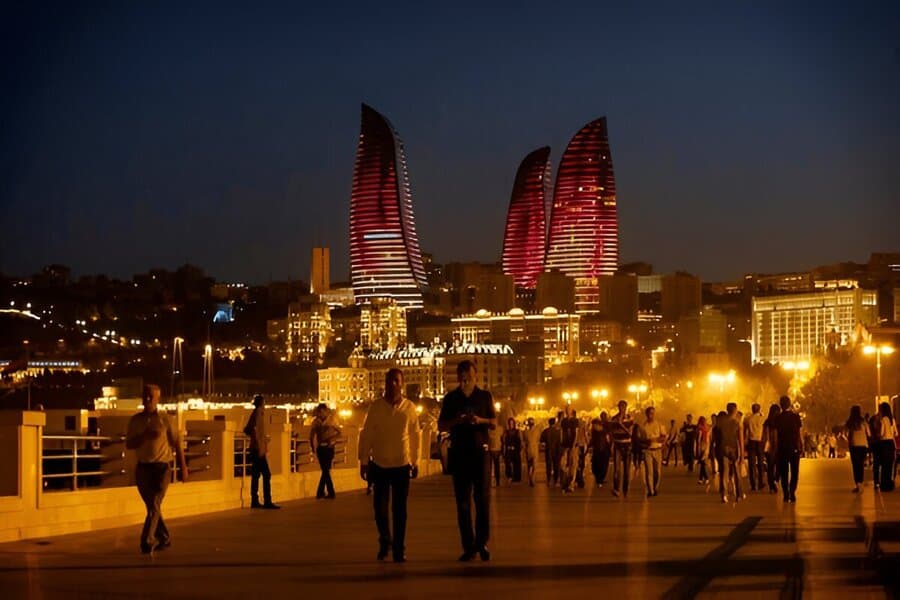
Baku, the city of winds, offers something special throughout the year. These winds are a constant presence in Baku, contributing to the city’s reputation as the “City of Winds.” But knowing when to pack your bags can make all the difference between an average trip and an unforgettable adventure. In this blog, we’ll uncover the riddle of when is the best time to visit Baku of the best travel experience.The best time to visit Baku depends on what you’re actually looking for. Whether you want sunny beach days, comfortable sightseeing weather, or budget-friendly travel, each season brings its own charm to this fascinating city. Travelers from India find our Baku Tour Packages most appealing during spring and autumn, when the weather is just right for exploring.Best Time to Visit Baku AzerbaijanPeak Season (April to June & September to October):April to June & September to October are the peak seasons of Baku. These months mark the golden period for Baku travel. The best time to visit Baku Azerbaijan falls during these seasons when everything seems perfect. Comfortable temperatures for walking around the Old City, clear skies perfect for photography, and pleasant weather for Sea activities.During peak season, you’ll find the city buzzing with tourists, but for good reason. The weather stays mild, making it easy to spend entire days outdoors without feeling too hot or too cold.Shoulder Season (March & November):March & November are the shoulder seasons of Baku. It offers a sweet spot between good weather and fewer crowds. Baku best time to visit often includes these transitional months for smart travelers. Spring flowers start blooming in March, tourists start to thin out means better hotel dealsAnd in November, autumn colors the whole city, many cultural events and festivals fall during this time, and Baku temperature is also moderate.Waning Season (December to February):December to February is the waning season of Baku. Winter in Baku isn’t everyone’s cup of tea, but it has its own specialty. This is when you’ll find the cheapest flights and accommodation deals. It’s cold but manageable temperatures, occasional snow adds beauty to the city, and great time for experiencing local culture without tourist crowds.Seasonal Guide of BakuBaku in Summer (July to August):1. Temperature: Summer brings the hottest weather with Baku temperature ranging between 25°C to 35°C. Some days can feel quite intense, especially during midday.2. Important Things to Know:Peak tourist season means higher pricesBeach activities at the Caspian Sea are popularStrong winds provide some relief from the heatAir conditioning is essential in hotelsBook accommodations in advance3. Unique Experience: Summer offers the best beach weather for Caspian Sea visits. You can enjoy water sports, beach clubs, and seaside restaurants. The long daylight hours give you more time to explore the city’s attractions.4. Tips:Carry sunscreen and stay hydratedPlan indoor activities during the afternoon heatLight, breathable clothing works bestEarly morning or evening walks are most comfortableBaku in Winter (December to February):1. Temperature: Winter brings cooler conditions with temperatures ranging from 3°C to 10°C. While not freezing, you’ll need warm clothes for comfortable sightseeing.2. Important Things to Know:Weather Baku Azerbaijan, during winter includes occasional rainShorter daylight hours limit sightseeing timeMany outdoor attractions have reduced hoursHotel prices drop significantlySome tour packages may be limited3. Unique Experience: Winter transforms Baku into a different city. You’ll see locals going about their daily lives without tourist crowds. The city’s cafes become cozy refuges, and you’ll experience authentic Azerbaijani hospitality.4. Tips:Pack warm layers and a waterproof jacketCheck attraction timings before visitingIndoor museums and galleries are perfect for cold daysTry traditional Azerbaijani hot dishes like plovBaku in Monsoon (October to November):1. Temperature: Autumn temperatures range from 15°C to 25°C, making it one of the most comfortable times for travel.2. Important Things to Know:Light rainfall occurs occasionallyPerfect weather for walking toursCultural events and festivals take placeIdeal time for photography with clear skiesBest time to visit Baku Azerbaijan for many travelers3. Unique Experience: Autumn in Baku offers stunning sunsets over the Caspian Sea. The city’s parks show beautiful fall colors, and the weather is perfect for exploring both modern and historical parts of the city.4. Tips:Light rain jacket might be usefulComfortable walking shoes are essentialPerfect time for outdoor diningBook popular restaurants in advanceHighlights That’ll Make You Pack Your Bags Right NowFlame Towers illumination: Best viewed during clear weather months (April-June, September-October)Old City exploration: Comfortable walking weather makes spring and autumn perfect for wandering through ancient streetsCaspian Sea activities: Summer months offer warm water and beach weather for swimming and water sportsGobustan mud volcanoes: Best time to visit baku for this unique experience is during dry months when roads are accessibleLocal food scene: Autumn and spring provide perfect weather for outdoor dining and food toursPhotography opportunities: Clear skies during shoulder seasons create ideal lighting for capturing Baku’s modern skylineBudget-friendly travel: Winter months offer significant savings on flights and accommodation for cost-conscious travelersCultural festival: Various events throughout the year, with many concentrated in spring and autumn monthsShopping experiences: Comfortable weather during peak seasons makes exploring local markets and malls enjoyable.

Read More

Places to Visit in South India
June 21, 202517 Minutes
Places to Visit in South India
Visiting South India is a truly unique experience. From ancient temples to lush green hills, calm backwaters to beautiful beaches, this part of the country is something else. The culture here is deep-rooted and full of colours. When you explore the places to visit in South India, you don’t just see places—you feel them.Every state in South India—be it Tamil Nadu, Kerala, Karnataka, Andhra Pradesh, or Telangana—has its own beauty. The food is amazing, the art and music are soul-touching, and the festivals are celebrated with great energy. Whether you want a quiet holiday or an adventure trip, this region fits all kinds of travel plans. From the coffee plantations of Coorg to the backwaters of Alleppey, spiritual vibe, wildlife, and whatnot, the options are endless. We at Viacation offer specially designed South India tour packages that cover all the must-visit places. Let’s explore the top places to visit in South India to make your trip easy, comfortable, and full of great memories.Top Places To Visit In South IndiaKarnataka is a beautiful state in South India filled with hills, beaches, forests, and heritage cities. Whether you love nature, adventure, or history, this place has something for everyone. Some of the best places to visit in South India are right here in Karnataka, let’s explore these gems:1. Coorg:Coorg is a peaceful hill station famous for its coffee plantations and misty mountains. It’s great for people who love calm and nature. You can visit Abbey Falls, Raja’s Seat, and the Namdroling Monastery here. Trekking at Tadiandamol and river rafting in the Barapole River are also popular. The cool climate and lush green views make Coorg one of the most relaxing places in Karnataka.2. Bangalore:Bangalore, also called the “Silicon Valley of India,” is famous for its year-round great weather and tech parks. But it’s not just about IT. The city also has lovely parks like Cubbon Park and Lalbagh Botanical Garden. Bangalore is a great combination of modern life and greenery, making it one of the top 10 places to visit in South India.You can explore Bangalore Palace and shop at Commercial Street. For foodies, there are hundreds of cafes and restaurants. 3. Chikmagalur:Chikmagalur is another lovely hill station filled with coffee estates and forests. It’s perfect for weekend trips and quick getaways. You can visit Mullayanagiri, the highest peak in Karnataka, for amazing views. Other spots include Baba Budangiri and Hebbe Falls. If you enjoy peaceful walks, fresh air, and tasty coffee, Chikmagalur is a must-visit in South India.4. Sakleshpur:Sakleshpur is a quiet hill town surrounded by green hills and spice plantations. It’s one of those hidden gems when talking about places to visit in South India. It’s not very crowded, so it’s perfect if you want to escape the noise. Attractions include the Manjarabad Fort, Bisle Ghat, and beautiful trekking routes. You can also enjoy the Hemavathi River. 5. Dandeli:Dandeli is a great spot for adventure lovers. Located in the Western Ghats, this place is full of thick forests and wildlife. It’s famous for white water rafting on the Kali River. You can also go for jungle safaris, bird watching, and ziplining. Visit the Dandeli Wildlife Sanctuary and Syntheri Rocks. It’s the best pick for a mix of nature and thrill.6. Mysore:Mysore is among the top 10 best places to visit in South India​, a great place for culture lovers as it’s full of royal beauty and history. The grand Mysore Palace is a major attraction with beautiful architecture. During Dussehra, the whole city lights up and looks magical. Other places to visit are Chamundi Hills, Brindavan Gardens, and the Mysore Zoo. It’s also famous for sandalwood and Mysore Pak. 7. Mangalore:Mangalore is a coastal city famous for its beaches and temples. It’s a mix of traditions and modern vibes. Popular beaches here are Panambur Beach and Tannirbhavi Beach. You can also visit Kudroli Temple, St. Aloysius Chapel, and local fish markets. Don’t forget to try the Mangalorean cuisine, especially the seafood. Mangalore is a great place for a short holiday by the sea.Also Read: Places to Visit in KarnatakaPlaces to Visit in Kerala:Kerala, also called “God’s Own Country”, is one of the most beautiful. Known for its greenery, backwaters, and peaceful beaches, Kerala is perfect for a relaxed holiday with nature, culture, and great food.1. Munnar:Munnar is a hill station in Kerala, famous for its tea gardens, cool weather, and misty mountains. It’s a great place to relax and enjoy the greenery all around. It’s one of the best places to visit in South India for a peaceful vacation. Top places to visit in Munnar include the Tea Museum, Eravikulam National Park, and Mattupetty Dam. The scenic views of Anamudi Peak and Echo Point make this town ideal for nature lovers and honeymooners. 2. Wayanad:Wayanad is a quiet and green district in Kerala with forests, waterfalls, and wildlife. It is a great escape from city life. Edakkal Caves with ancient carvings, Soochipara Waterfalls, and Banasura Sagar Dam are some if its popular attractions. Wayanad Wildlife Sanctuary is home to elephants and other animals. You can also enjoy trekking and camping in Wayanad. If you love nature and want peace, Wayanad is a must-visit in South India for a refreshing break.3. Cochin:Cochin, also known as Kochi, is a mix of modern city life and old-world beauty. It’s one of the top 10 places to visit in South India for a cultural experience. It’s a historic port city that has Portuguese, Dutch, and British influence. Fort Kochi is famous for its Chinese fishing nets, colonial buildings, and churches. Mattancherry Palace and the Jew Town area are also popular, and Marine Drive and Lulu International Shopping Mall show the city’s modern side. 4. Kovalam:Kovalam is a beach town near Thiruvananthapuram, loved for its beautiful coastline. The most famous spot is the Lighthouse Beach, perfect for sunbathing and beach walks. You can also visit Hawah Beach and Samudra Beach. Water sports like surfing and parasailing are available. Ayurveda massages and seaside cafes make the place even more relaxing. Kovalam is ideal for a beach holiday, especially if you want an escape from the crowd.5. Alleppey:Alleppey is known as the “Venice of the East” because of its lovely backwaters and houseboat stays. The best way to enjoy this place is by staying overnight on a houseboat and cruising through the calm waters. Popular spots include Alappuzha Beach, Vembanad Lake, and the famous Snake Boat Races. Alleppey is a unique destination, and if you’re searching for peaceful water views, it’s one of the best places to visit in South India.6. Thekkady:Thekkady is home to the famous Periyar Wildlife Sanctuary, where you can go on a boat ride and see elephants, deer, and sometimes even tigers. The area is full of spice plantations, so you can take a spice tour too. Visit the Periyar Lake, do bamboo rafting, or go for a jungle trek. The cool weather and green surroundings make Thekkady a calm and adventurous spot, perfect for nature lovers and families.7. Trivandrum:Trivandrum, officially known as Thiruvananthapuram, is the capital of Kerala. It’s a mix of tradition and modern life. The famous Padmanabhaswamy Temple is the main attraction here. You can also visit the Napier Museum, Kanakakunnu Palace, and Shankumugham Beach. The city is also close to Varkala and Kovalam. Trivandrum is a good stop if you want to explore both religious and cultural places to visit in South India without travelling too far.Also Read: Places to Visit in KeralaPlaces to Visit in Tamil NaduTamil Nadu is one of the most culturally rich and beautiful states in South India. From peaceful hill stations to calm beaches, and from ancient temples to colonial towns, it has a lot to explore.1. Ooty:Ooty is a popular hill station in Tamil Nadu, often called the “Queen of Hills.” Surrounded by tea gardens and misty hills, Ooty is perfect for a relaxing vacation. The main attractions include Ooty Lake, Botanical Gardens, Rose Garden, and the Nilgiri Mountain Railway. Don’t miss the toy train ride for stunning views. It’s a great escape from the heat and noise of city life.2. Coimbatore:Undoubtedly, one of the top 10 places to visit in South India. Coimbatore is a busy city known for its industries and temples. It’s also close to many natural attractions. You can visit the famous Marudamalai Temple, Perur Pateeswarar Temple, and enjoy peaceful evenings at the Singanallur Lake. Don’t miss the Isha Yoga Centre and the giant Adiyogi statue. Coimbatore is a good base for visiting nearby hill stations and waterfalls.3. Pondicherry:Pondicherry is a coastal town with a French touch. It’s known for its clean beaches, colourful streets, and peaceful vibe. Some famous places to visit are Promenade Beach, Auroville, Rock Beach, and the French Quarter. Pondicherry offers a mix of Indian and French culture, making it a unique spot in Tamil Nadu. It’s a calm and charming place to relax and explore.4. Kodaikanal:Kodaikanal is a quiet hill station known for its lakes, forests, and cool weather. Located in the Western Ghats, it’s a perfect spot for nature lovers. Places to see include Kodaikanal Lake, Coaker’s Walk, Bryant Park, and Pillar Rocks. The fresh air, peaceful atmosphere, and scenic beauty make it a favourite holiday spot in Tamil Nadu.5. Chennai:Chennai is the capital city of Tamil Nadu, and it’s one of the top places to visit in South India. It has beautiful beaches like Marina Beach, historical places like Fort St. George, and cultural spots like Kapaleeshwarar Temple and Santhome Church. You can also visit the Government Museum and enjoy local South Indian food.6. Masinagudi:Masinagudi is a small and peaceful place near the Mudumalai Wildlife Sanctuary. It’s great for those who love nature and wildlife. You can enjoy jungle safaris, bird watching, and peaceful forest stays. The area is full of greenery and animals like deer, elephants, and even tigers. It’s perfect for a quiet and adventurous holiday away from the city.7. Coonoor:Coonoor is another lovely hill station in the Nilgiris, close to Ooty but quieter. It’s surrounded by tea gardens and offers great views of the hills. Sim’s Park, Dolphin’s Nose, and the Heritage Train ride are its main attractions. Coonoor is ideal for long walks, fresh air, and scenic beauty. It’s also a great place to taste fresh tea and homemade chocolates.Places to Visit in Andhra Pradesh:Andhra Pradesh is a mix of beautiful beaches, peaceful hills, spiritual sites, and historic places. Whether you want nature, temples, or city life, Andhra Pradesh will make you experience all of it at once. 1. Hyderabad:Hyderabad, though officially in Telangana now, still holds cultural roots in Andhra Pradesh. The city is famous for its iconic Charminar and the grand Golconda Fort. Don’t miss Ramoji Film City and Hussain Sagar Lake. Street food lovers must try Hyderabadi biryani. The mix of old markets like the Laad Bazaar and modern malls makes it exciting for every traveler.2. Horsley Hills:Horsley Hills is a peaceful hill station perfect for a short escape. Surrounded by thick forests, it offers cool weather and calm views. You can visit the View Point, Environmental Park, and the famous Mallamma Temple. It’s a great place for nature walks and relaxing in the fresh air. 3. Visakhapatnam:Visakhapatnam, also called Vizag, is a beautiful coastal city. It’s one of the top 10 best places to visit in South India for beach and hill lovers. It has lovely beaches like RK Beach and Rushikonda. You can visit Kailasagiri Hill Park for great views and the Submarine Museum for something unique. Araku Valley and Borra Caves nearby are perfect for a day trip. 4. Tirupati:Tirupati is one of the most famous spiritual places in India. The main attraction is the Tirumala Venkateswara Temple, where lakhs of devotees come every year. Besides the temple, visit the ISKCON Temple and Sri Vari Museum. The town is completely immersed in a strong spiritual feel, and pilgrims from across the country visit Tirupati regularly.5. Chittoor:Chittoor is known for its natural beauty and temples. The Kaundinya Wildlife Sanctuary is perfect for those who love nature and animals. You can also visit the famous Kanipakam Vinayaka Temple and Nagalapuram Falls. It’s close to Tirupati, so many visitors cover both places together. Chittoor is less crowded, which makes it good for quiet getaways.Also Checkout: Things To Do in South India

Read More

Top 7 Dubai Islands Every Tourist Must Visit
June 20, 20257 Minutes
Top 7 Dubai Islands Every Tourist Must Visit
Dubai is famous for many things — tall skyscrapers, luxurious shopping malls, and nightlife. But what many people don’t immediately think about are the amazing Dubai islands scattered off its coast. These man-made and natural islands offer a calm retreat from the busy city life. Whether you want to relax on sandy beaches, enjoy water sports, or explore unique attractions, the islands in Dubai are an absolute must-see.If you’re planning your trip, this blog is your go-to guide for the top Dubai islands that you should add to your itinerary. These islands give you a mix of fun, adventure, and relaxation all wrapped in one. Plus, if you are booking through Dubai tour packages, many include visits to these stunning islands, making it easier to explore without the hassle.Top Dubai Islands to Explore and EnjoyHere’s a list of the most popular Dubai Islands, along with what you can do there:1. Palm JumeirahPalm Jumeirah is the most iconic and well-known among the Dubai islands. Shaped like a giant palm tree, this artificial island is home to luxury hotels, upscale restaurants, and private beach clubs. One of the top attractions here is the Atlantis, The Palm hotel, which houses the Aquaventure Waterpark and The Lost Chambers Aquarium.Things to do:Visit Aquaventure Waterpark for thrilling slides and a lazy river ride.Explore The Lost Chambers Aquarium with over 65,000 marine animals.Dine at fine restaurants overlooking the Arabian Gulf.Take a boat tour around the Palm for stunning views of Dubai’s skyline.If you’re wondering about the best time to visit Dubai, the cooler months from November to March are perfect for enjoying outdoor activities like those on Palm Jumeirah.2. The World IslandsTrue to its name, The World Islands is a group of small man-made islands shaped like a map of the world. This ambitious project has private islands for resorts and luxury homes. Though still developing, some islands are open for tourists and offer unique beach experiences. This is one of the most interesting islands in Dubai because of its unique concept and design. It’s definitely worth checking out if you want something different from the usual city sights.Things to do:Rent a yacht or take a boat tour to see the islands from the water.Enjoy water sports like jet skiing or paddleboarding.Visit exclusive beach clubs on some of the private islands.3. Bluewaters IslandBluewaters Island is a lively spot known for its entertainment and dining options. It’s home to Ain Dubai, the world’s largest observation wheel, which gives panoramic views of the city and the sea.Things to do:Ride Ain Dubai for breathtaking views, especially at sunset.Explore Caesars Palace hotel and its beach club.Shop and dine at the retail and restaurant area.Walk along the waterfront promenade and enjoy street performances.Bluewaters is perfect for families and groups looking for a mix of fun and relaxation. It’s easily accessible, consider our Dubai travel guide.4. Al Marjan IslandLocated in Ras Al Khaimah, just a short drive from Dubai, Al Marjan Island is another beautiful destination known for its calm beaches and resorts. It’s a quieter alternative compared to the islands closer to Dubai city. Though not technically within Dubai city, many visitors to Dubai include Al Marjan Island in their itinerary since it offers a peaceful escape and a different vibe from the typical urban islands.Things to do:Relax on the pristine beaches away from city crowds.Try water activities like kayaking and fishing.Stay at luxury resorts offering private beach access.Explore nearby natural attractions like the Ras Al Khaimah desert.5. Deira IslandsThe Deira Islands are a group of man-made islands under development but already attracting attention due to their planned shopping, entertainment, and hotel options. When fully completed, they will add a new dimension to the Dubai islands experience. Keeping an eye on the development of Deira Islands is a good idea. It’s part of the newer expansion of the city’s coastal attractions.Things to do (future and current):Visit Dubai Creek Harbour for stunning waterfront views.Enjoy shopping and dining once the retail areas open.Experience new hotels and resorts with beach access.6. Sir Bu Nair IslandSir Bu Nair Island is a natural island located off the coast of Dubai, famous for its wildlife and marine life. It’s a protected area and a great spot for nature lovers and divers. If you want a break from the urban buzz and want to experience the natural side of Dubai, Sir Bu Nair is a hidden gem.Things to do:Scuba diving and snorkeling to explore coral reefs.Bird watching — the island is home to many migratory birds.Enjoy peaceful nature walks.7. Jebel Ali IslandsJebel Ali Islands are a cluster of islands near the Jebel Ali port area. These islands offer luxury resorts and water sports facilities, and are popular among those looking to escape the busy city. The Jebel Ali Islands are a great choice if you want a mix of adventure and luxury away from the crowded tourist spots.Things to do:Stay in private beach resorts.Engage in jet skiing, fishing, and sailing.Visit nearby attractions like the Jebel Ali Golf Resort.Also, if you’re wondering about the Dubai best places, these islands should definitely be on your list, along with iconic landmarks. And the diversity of the islands in Dubai means there’s something for everyone.Also Read: Places to Visit in DubaiMust Read: Things to do in Dubai

Read More

Things to do in Varanasi
June 20, 202513 Minutes
Things to do in Varanasi
Waking up to the sound of temple bells and watching the sun rise over the Ganges is a unique experience in Varanasi. This city, one of the world’s oldest, is full of vibrant life, rich tradition, and a deep history. The streets are bustling with people, colours, and the aromas of delicious food, making every visit exciting and memorable.Situated along the sacred Ganga River, Varanasi offers many things to do in Varanasi that visitors love. You can take a peaceful boat ride early in the morning, visit famous places like the Kashi Vishwanath Temple, explore lively local markets, and taste tasty street food such as chaat and lassi. The evening Ganga Aarti, a ritual of lights and prayers, is an unforgettable sight.For those wanting to see all the important spots without any hassle, there are various Uttar Pradesh tour packages available. These packages help you explore the city easily and enjoy your time without worrying about the details. Varanasi is a place where history, culture, and everyday life come together, leaving a lasting impression on every traveller.15 Things to do in Varanasi :1. Visiting the Kashi Vishwanath Temple:Wandering through the spiritual core of Varanasi, Kashi Vishwanath Temple is more than just an ancient place of worship—it’s the heartbeat of the city’s sacred identity. Dedicated to Lord Shiva, this revered temple holds a deep spiritual pull for millions of devotees who come seeking peace and blessings. The golden spire of the temple catches the sunlight in a way that feels like a quiet miracle, while the scent of incense and the sound of chants fill the air with unmatched energy. If you’re curating your list of things to do in Varanasi, visiting this divine shrine should top it. It’s not just about faith—it’s about experiencing centuries of devotion wrapped in vibrant rituals.2. Witnessing the Ganga Aarti at Dashashwamedh Ghat:The moment the sun dips below the horizon, Dashashwamedh Ghat transforms into a mystical stage where light, sound, and devotion blend beautifully. Among the best things to do in Varanasi, this unforgettable ceremony leaves a lasting mark on your soul. The Ganga Aarti held here every evening is not just a performance—it’s a spiritual expression that captivates your heart. Priests in saffron robes swing large brass lamps in perfect rhythm to chants and conch shells. The fragrance of camphor and flowers fills the air as people from around the world sit silently, soaking in the energy. 3. Strolling on the Assi Ghat:Away from the bustle of the more crowded ghats, Assi Ghat is where Varanasi breathes slowly. Locals start their day here with yoga, prayers, and a quiet moment by the Ganga. As you walk along the steps, sipping chai and watching boats drift by, you begin to understand the relaxed rhythm of life here. Assi Ghat is also a cultural hub where music, art, and poetry often make an appearance. The vibe is youthful yet rooted in tradition, making it a perfect spot to simply be and soak in the essence of the city.Also Read: Things to do in Varanasi4. Exploring Manikarnika Ghat:Known for its constant connection to the cycle of life and death, Manikarnika Ghat is one of the oldest and most sacred cremation grounds in India. For those creating a meaningful bucket list, this ranks among the top things to do in Varanasi, not for its beauty, but for its honesty. It’s a place where silence speaks volumes. This ghat holds immense spiritual significance, especially in Hindu beliefs. It may be intense, but visiting here is both humbling and eye-opening. You begin to understand how life and death coexist in the open here, without fear. 5. Explore Durga Temples:The vibrant red-colored Durga Temple, often known as the Monkey Temple due to its lively residents, stands as a symbol of strength and protection. Dedicated to Goddess Durga, the temple attracts many pilgrims, especially women praying for the well-being of their families. Intricately carved and alive with devotional energy, this temple offers a glimpse into the feminine divine. It’s surrounded by a small water tank called Durga Kund, adding a serene touch to your visit. It’s a hidden gem for those looking to explore spiritual corners beyond the main temples of the city.Also Read: History of Uttar Pradesh6. Outing at Sarnath:Just a short drive away from Varanasi lies Sarnath, a place deeply significant in Buddhist history. If you’re wondering about things to do in Varanasi, a half-day trip to Sarnath adds a thoughtful layer to your journey. This is where Lord Buddha gave his first sermon after attaining enlightenment. Surrounded by ancient stupas, peaceful gardens, and the famous Dhamek Stupa, Sarnath offers a break from the chaotic energy of the city. You’ll find museums filled with sculptures, calm monasteries, and prayer flags fluttering in the wind. It’s an ideal stop for history buffs, peace seekers, and anyone curious about Buddhism. 7. Beholding the Miracle at Panchganga Ghat:Panchganga Ghat is said to be the confluence of five sacred rivers, and whether you believe in the legend or not, the atmosphere here is undeniably special. If you’re looking for the best things to do in Varanasi, discovering the quieter ghats like Panchganga brings depth to your experience. It’s a lesser-known spot, so it’s often more peaceful than the main ghats. Locals come here for their daily rituals, and the temples nearby add to the spiritual ambience. The serenity of the surroundings, with steps leading into the water and birds flying overhead, gives you time to reflect. Also Check: Historical Places to Visit in Uttar Pradesh8. A Peek into the History at Tulsi Manas Temple:Unlike the ancient look of other temples, Tulsi Manas Temple is relatively modern but incredibly significant. Built where poet Tulsidas is said to have written the Ramcharitmanas, the temple walls are engraved with verses from the Ramayana. Learning about the roots of Hindu epics while being inside such a beautiful place is one of the top things to do in Varanasi if you appreciate culture and literature. This makes it feel more like a living storybook than a typical temple. It’s clean, peaceful, and invites you to pause and read, even if you’re not a scholar. 9. Explore Ramnagar Fort:It is a must on your list of things to do in Varanasi. Located on the eastern bank of the Ganges, this 18th-century sandstone fort offers a glimpse into the royal past of Varanasi’s Maharajas. Inside, you’ll find a quirky museum showcasing vintage cars, medieval costumes, swords, and old manuscripts. The fort’s architecture, carved balconies, and river-facing courtyards make it a beautiful spot for history lovers and photographers. Don’t miss the Darbar Hall and clock tower. Visiting this lesser-explored site adds depth to your Varanasi experience beyond the ghats and temples, making your journey even more memorable.Must Check: Five Star Hotels in Uttar Pradesh10. Morning Boat Ride on the Ganges River:The city wakes up with the river. Taking a boat ride at dawn is an experience like no other. As your boat glides across the calm waters, the ghats come alive with morning rituals, prayers, and chants. Easily one of the top 10 things to do in Varanasi, this ride is both calming and unforgettable. The golden light bathes everything in warmth, making for a picture-perfect and soul-touching scene. Locals and travellers alike cherish this peaceful moment. The quiet, the chill in the air, the reflection of temples on the water—it all feels magical. 11. Take a Holy Bath in the Ganges:Taking a dip in the holy Ganga is more than a ritual—it’s a personal moment of connection, cleansing, and faith. It’s why so many visitors, locals, and pilgrims consider it among the best things to do in Varanasi, especially during early mornings. People believe that the sacred waters purify the soul and wash away sins. While you might not be used to the idea, standing in that water surrounded by devotion is a unique experience. It’s not about religion alone—it’s about being part of something larger than yourself. Also Check: Monuments in Uttar Pradesh12. Stroll Along the Ghats:Walking along the ghats of Varanasi is like moving through a living painting. Every few steps, the scene changes—from barbers giving haircuts to sadhus meditating, from flower sellers calling out to young boys diving into the river. It’s chaotic, beautiful, and deeply alive. The best way to see the heart of the city is on foot. No need for a strict plan—just follow the flow of the river and let it show you its stories. It’s not about the destination but the journey through vibrant life and tradition.13. Shopping in Varanasi’s Local Market:Step into the colourful chaos of Varanasi’s bazaars and you’ll find everything from silk sarees to wooden toys. Vishwanath Gali and Thatheri Bazaar are bustling with energy and packed with shops selling handcrafted goods. You can bargain for bangles, grab a few souvenirs, or just enjoy the energy of it all. The smell of street food, the sound of shopkeepers, and the crowds make it an experience in itself. For travellers looking to explore the top things to do in Varanasi, indulging in some local shopping is an adventure you’ll love.Also Read: Places to visit in Uttar Pradesh14. Savour Local Street Food:Forget fancy restaurants—Varanasi’s street food scene is where the real flavour lives. Try tangy tamatar chaat, crispy kachoris, creamy malaiyo, and the all-time favourite, hot jalebis. The food here is not just delicious; it’s part of the culture. Eating at a busy street corner, surrounded by locals, is an experience you can’t replicate. You’ll remember the taste of that one perfect bite long after you’ve returned home. Without a doubt, enjoying the food trail here is among the best things to do in Varanasi for every food lover.15. Have Lassi at Blue Lassi Café:Tucked inside the old city lanes, Blue Lassi Café is a tiny shop that has become a legend. With walls covered in travel photos and friendly vibes, this place serves over 80 varieties of hand-churned lassi. For a unique and delicious break, this is easily one of the top 10 things to do in Varanasi. Try the banana, rose, or saffron version—they’re thick, sweet, and served in traditional clay cups. As you sip your lassi, you’ll meet fellow travellers, share stories, and feel the charm of old Varanasi. Must Read: Places to Visit in Varanasi

Read More

Hotels in Kashmir
June 20, 20256 Minutes
Hotels in Kashmir
Kashmir is a place where every turn offers a postcard-perfect view. Known for its breathtaking landscapes, serene lakes, and snow-covered mountains, it has remained a favourite destination for travellers looking for peace, romance, or a refreshing break. Whether you are exploring the valleys of Gulmarg, the green meadows of Pahalgam, or the charm of Srinagar, your accommodation plays a crucial role in defining your experience. When selecting among various Kashmir tour packages, it is important to ensure your stay is comfortable, scenic, and close to nature.Finding the right place to stay in this beautiful region can enhance your travel experience significantly. From luxury resorts with panoramic mountain views to charming houseboats that float quietly on the lake, hotels in Kashmir cater to every kind of traveller. Below are seven thoughtfully chosen options that are known for their service, views, and overall comfort.1. The Khyber Himalayan Resort and Spa – GulmargLocated in Gulmarg, this resort is renowned for its unparalleled views of the Affarwat Peaks and its serene setting amidst pine forests. The Khyber Himalayan Resort and Spa offers a luxury experience with spacious rooms, traditional wooden interiors, and warm hospitality. The property also features a heated indoor pool, a relaxing spa, and several dining options offering a variety of local and international cuisine. It is a popular choice among those looking for elegance and serenity.Location: GulmargApproximate Price: ₹20,000 to ₹25,000 per night2. Taj Dal View, SrinagarOverlooking the famous Dal Lake, Vivanta Dal View by Taj is one of the finest hotels in Kashmir. The hotel offers beautifully designed rooms with modern amenities and wide glass windows that provide stunning views of the surrounding mountains and water bodies. The property is ideal for travellers who want to enjoy luxury in a scenic environment. It is especially recommended for couples and honeymooners.Location: SrinagarApproximate Price: ₹15,000 to ₹20,000 per night3. WelcomHotel Pine N Peak – PahalgamWelcomHotel Pine N Peak is perched on a hill in Pahalgam and offers panoramic views of the Lidder River and surrounding mountains. This hotel is among the best hotels in Kashmir for travellers who want a peaceful and private environment. The interiors reflect local aesthetics, and the rooms are both cosy and elegant. Guests can enjoy walks around the beautifully landscaped gardens or explore the nearby valleys and rivers.Location: PahalgamApproximate Price: ₹12,000 to ₹15,000 per night4. Houseboat New Jacquline Heritage – SrinagarStaying on a houseboat is a unique experience and a significant part of local culture. The New Jacquline Heritage Houseboat on Nigeen Lake is one of the most popular hotels in Kashmir for travellers seeking a traditional stay. The interiors are hand-carved with local woodwork, and each room offers a peaceful lake view. Guests can enjoy Kashmiri meals on board and relax in a quiet atmosphere away from the city’s noise.Location: Nigeen Lake, SrinagarApproximate Price: ₹4,000 to ₹7,000 per night5. The Lalit Grand Palace – SrinagarThe Lalit Grand Palace was once the royal residence of the Maharaja of Jammu and Kashmir. Surrounded by Chinar trees and beautiful gardens, this hotel combines historical elegance with modern comfort. With views of Dal Lake and the Zabarwan Range, it is one of the best hotels in Kashmir for guests looking for a luxurious and culturally rich stay. The heritage architecture and royal interiors make it a memorable place to stay.Location: Gupkar Road, SrinagarApproximate Price: ₹18,000 to ₹22,000 per night6. Hotel Heevan – PahalgamHotel Heevan is located in a peaceful area close to the Lidder River. Among the mid-range hotels in Kashmir, it stands out for its riverside setting and well-maintained facilities. This property offers warm hospitality, clean and well-furnished rooms, and a welcoming atmosphere. It is a good option for families and solo travellers who want value for money without compromising on the beauty of the surroundings.Location: PahalgamApproximate Price: ₹6,000 to ₹9,000 per night7. RK Sarovar Portico – SrinagarRK Sarovar Portico is centrally located in Srinagar and is suitable for both leisure and business travellers. For those looking for comfort and convenience in one of the more accessible hotels in Kashmir, this is a practical and reliable choice. The hotel offers modern rooms, efficient service, and a convenient location that allows easy access to tourist attractions. Its rooftop restaurant provides pleasant views of the mountains.Location: SrinagarApproximate Price: ₹5,000 to ₹7,000 per nightAlso Read: Places to Visit in KashmirMust Read: Things to do in Kashmir

Read More

Manali in June
June 20, 20255 Minutes
Manali in June
If you love crisp mountain air, wildflower-filled valleys, and fewer crowds, then Manali in June is a breathtaking experience. The town of Manali awakens in June, as the snow begins to melt, rivers swell with melted snow, and the pine forests glow brilliantly green in the warm sunshine. Manali in June is not exactly peak season—it’s the shoulder season, which means you can enjoy natural wonders without the rush. Temperatures range from 10 °C in the morning to around 25 °C during the day, making it perfect for daytime treks and relaxed evenings by the riverside.Planning a trip? Many travellers find that Manali tour packages offer excellent value in June, with lower prices on hotels, guides, and adventures. Whether you’re wandering through the old Manali bazaar, exploring apple orchards, or heading up Rohtang Pass, Manali in June delivers a warm welcome and stunning Himalayan beauty.Weather in Manali in JuneThe weather is one of the main reasons people travel to Manali in June. Here’s what to expect:Temperature: Days are pleasantly mild (15–25 °C), while nights stay cool (8–12 °C). A light jacket is helpful.Rain: June sees some scattered afternoon showers and occasional light thundershowers, but most of the day remains clear.Snow Glow: Higher elevations, such as Rohtang Pass or Solang Valley, may still have snow patches, creating beautiful contrasts with blooming greenery.River Flow: Melted snow swells rivers like the Beas, making valleys more vibrant and ideal for white-water rafting.This balance of sunshine, cool weather, and occasional rain makes Manali in June ideal for outdoor adventure and peaceful relaxation alike.Best Places to Visit in Manali in JuneFrom quaint apple orchards to magnificent mountain trails, Manali in June reveals some of its best secrets. Don’t miss these top spots:1. Old ManaliWander along narrow lanes lined with boutique cafés, craft shops, and guesthouses. The vibe is laid-back, artistic, and unhurried—perfect for a morning coffee or a casual walk.2. Solang ValleyFor adventure lovers, Manali in June is a thrill: try ziplining, paragliding, horse riding, or just savour the stunning valley views framed by peaks still dusted with snow.3. Rohtang PassThough visitor numbers are limited, smaller crowds in June mean cleaner trekking routes and dramatic views from passes and glaciers. If you’re planning a Rohtang trip, book ahead.4. Naggar Castle & Art GalleryA short drive from Manali, this heritage home-turned-gallery overlooks the Beas Valley. Manali in June brings fresh flowers and clear skies—ideal for exploring architecture and art.5. Jogini WaterfallA lovely trail through pine forests leads to this stunning waterfall. The path is shaded, the air is fresh, and the views of snow-capped peaks above make the trek feel like a Himalayan fairytale in Manali in June.Best Things to Do in Manali in JuneThe range of activities during Manali in June is impressive—from snowy treks to cultural immersion. Here are some highlights:1. Trek to Bhrigu Lake or Chandrakhani PassEarly summer trails are in great condition, and wildflowers are in full bloom. The hike to Bhrigu Lake is serene, while Chandrakhani Pass offers panoramic views of the Pir Panjal range, making Manali in June perfect for trekking.2. River Rafting on the BeasWith meltwater flowing fast, rafting options increase in June. The river ride is exciting but manageable, giving you an adrenaline rush surrounded by forested mountains.3. Paragliding and ZorbingSolang and Gulaba villages offer paragliding and zorbing experiences—easy to book and safe. Manali in June transforms these valleys into aerial playgrounds with clear skies and mild winds.4. Explore Hidimba TempleThe iconic wooden temple sits within cedar woods that come alive with blossoms in June. The peaceful forest setting is perfect for photos and quiet reflection in Manali in June.5. Apple Orchards & Village WalksTake a slow walk through apple orchards and riverside lanes. The hills smell of blossoms, and you’ll often find local farmers selling fresh produce. June showcases orchard life in full swing.6. Spa, Yoga & WellnessWarm mountain days followed by yoga or a spa session in a riverside pavilion—Manali in June is an ideal retreat for body and mind.

Read More

Places to Visit in Varanasi
June 20, 202519 Minutes
Places to Visit in Varanasi
Varanasi, also known as Banaras or Kashi, is one of the oldest living cities in the world. Situated on the banks of the River Ganges, this city is India’s spiritual capital. From spiritual seekers and pilgrims to photographers and history lovers, Varanasi attracts all kinds of travelers. Whether you are spiritual or just a curious traveler, the famous places to visit in Varanasi offer an experience unlike any other. The temples, the ghats, and the Ganga aarti make this city truly magical. If you’re planning a trip to explore the cultural heart of India, Varanasi is a highlight of many Uttar Pradesh Tour Packages, offering timeless traditions and soul-stirring experiences.People come here to find peace, some to wash away sins, and others simply to feel the vibe of this divine land. From sunrise boat rides on the Ganga River to walking through narrow lanes filled with local food, music, and centuries-old history, Varanasi has a unique charm. All the best places to visit in Varanasi include its iconic temples and sacred ghats, where life and death flow side by side. Travelers exploring Uttar Pradesh Tour Packages often consider Varanasi a must-visit destination for its spiritual depth and cultural richness. If you’re looking to explore Varanasi comfortably, don’t forget to check out our Viacation’s Varanasi tour packages, thoughtfully designed for Indian travelers like you.Top Places To Visit In Varanasi1. Kashi Vishwanath Temple:Kashi Vishwanath is one of the top places to visit in Varanasi. And this is also one of the most important and sacred temples in India, dedicated to Lord Shiva. Devotees believe a visit here washes away all sins. It’s spiritually powerful and attracts lakhs of pilgrims every year.– Location: Located near the Dashashwamedh Ghat.– Timing & Entry Fee: Open daily from 2:30 am to 11:00 pm. Entry is free, but there are charges for special darshan and pujas.– Highlight: The Golden Dome and Jyotirlinga are the main highlights of this temple.2. Dasaswamedh Ghat:This ghat is one of the oldest and most vibrant spots in the city. It’s famous for the Ganga Aarti, performed every evening with lamps, chants, and music. It’s a powerful experience to feel and see.– Location: Near Godowlia, just a short walk from Kashi Vishwanath Temple.– Timing & Entry Fee: Open 24/7. No entry fee. The Ganga Aarti usually starts around 6:45 pm.– Highlight: Watching the aarti in the evening, and boating in the morning3. Assi Ghat:Assi Ghat is a peaceful place where locals and tourists both gather. It is among the top 5 places to visit in Varanasi, famous for its early morning Ganga Aarti and cultural programs. Yoga sessions by the river also happen here every morning.– Location: At the southern end of Varanasi, where the Assi River meets the Ganges.– Timing & Entry Fee: Open all day. Free entry. Yoga and morning aarti begin at sunrise.– Highlight: Morning Ganga Aarti, early morning boat rides, Banaras Hindu University is also nearby.4. Manikarnika Ghat:This is the main cremation ghat and is deeply spiritual. It’s believed that those who are cremated here achieve moksha (freedom from rebirth). It may sound intense, but many visit to understand the cycle of life and death.– Location: North of Dashashwamedh Ghat, near Kashi Vishwanath Temple.– Timing & Entry Fee: Open 24/7. No entry fee. Visitors are advised to be respectful and not take photos.– Highlight: One of the most famous places to visit in Varanasi, it offers a different perspective on life, faith, and the final journey.5. Shivala Ghat:Less crowded and more local, Shivala Ghat is ideal for those who want to see daily life by the Ganges without the tourist rush. It has an old-world charm with heritage buildings around.– Location: Located between Assi Ghat and Dashashwamedh Ghat.– Timing & Entry Fee: Open all day. No entry fee.– Highlight: Its quiet atmosphere and historical backdrop make it one of the peaceful places to visit in Varanasi.6. Monkey Temple (Durga Temple):The Monkey Temple, also called Durga Temple, is a famous Hindu temple dedicated to Goddess Durga. It’s called the Monkey Temple because you’ll find lots of monkeys around. Built in the 18th century, it has red-colored stone walls and traditional architecture.– Location: Located in Durga Kund, about 2 km from Banaras Hindu University.– Timing & Entry Fee: Open from 4 am to 9 pm. Entry is free.– Highlight: The main attraction is the idol of Goddess Durga that is believed to have appeared on its own (not man-made).7. Tulsi Manas Temple:This temple is dedicated to Lord Rama and is where the famous poet Tulsidas wrote the Ramcharitmanas. The walls of the temple are beautifully inscribed with verses from the Ramayana, making it one of the best places to visit in Varanasi for spiritual seekers.– Location: Close to the Durga Temple, near the Sankat Mochan area.– Timing & Entry Fee: Open from 5:00 am to 9 pm. No entry fee.– Highlight: It’s a white marble structure with scripture carvings, which makes it unique.8. Ramnagar Fort & Museum:Built in the 18th century by King Balwant Singh, this fort lies on the eastern bank of the Ganges. It houses a museum with royal collections like old weapons, vintage cars, and royal costumes. – Location: Located across the Ganga River from Tulsi Ghat.– Timing & Entry Fee: Open from 10 am to 5 pm. The entry fee is ₹20 for Indians and ₹150 for foreigners.– Highlight: The fort is also the site for Ramlila celebrations during Dussehra.9. Alamgir Mosque:Alamgir Mosque, also known as Beni Madhav Ka Darera, is a combination of Islamic and Hindu architecture. Built by Emperor Aurangzeb, it stands at a scenic point along the river Ganga.– Location: Situated at Panchganga Ghat in Varanasi.– Timing & Entry Fee: Open daily from sunrise to sunset. Entry is free.– Highlight: Great for art and architecture lovers, the mosque features impressive domes and minarets, offering a stunning view of the river and city.10. Godowlia Market:If you want to do some shopping and want to take mementos home, this is among the 10 best places to visit in Varanasi. This is one of the busiest and oldest markets in Varanasi. From Banarasi sarees and handicrafts to street food and jewelry, everything is available here. – Location: Located near Vishwanath Temple and Dashashwamedh Ghat.– Timing & Entry Fee: Open from 9 am to 9 pm. No entry fee.– Highlight: Buy original Banarasi silk sarees and local handicrafts at reasonable prices.11. Man Mandir Observatory:Built in the 17th century by Maharaja Jai Singh, this place has ancient astronomical instruments used for measuring time and the movement of planets. It’s also known as the Jantar Mantar of Varanasi.– Location: Situated on Manmandir Ghat, near Dashashwamedh Ghat.–Timing & Entry Fee: Open from 9 am to 5 pm. The entry fee is ₹25 for Indians and ₹100 for foreigners.– Highlight: It gives a unique view of ancient science and is among the best places to visit in Varanasi.12. The Banaras Silk Emporium:Varanasi’s silk wear is one of the most popular in India. And if you are in Varanasi, visiting a silk emporium is a must. Banaras Silk Emporium is one of the finest shops to explore handwoven silk sarees, scarves, and fabrics of India.– Location: Located at Sigra Road, Varanasi.– Timing & Entry Fee: Open from 10 am to 8 pm. No entry fee.– Highlight: You can see the live weaving of Banarasi sarees, which makes it one of the places to visit in Varanasi for shoppers.13. Manmandir Ghat:Manmandir Ghat is a peaceful ghat built by Raja Man Singh in the 16th century. It has beautiful sandstone architecture and offers a calm space away from the busy ghats. So if you love peaceful places, this place should be on your list.– Location: Close to Dashashwamedh Ghat, along the Ganga River.– Timing & Entry Fee: Open 24 hours. No entry fee.– Highlight: It offers a great spot for early morning Ganga views and is one of the top 5 places to visit in Varanasi.Also Read: Things to do in Varanasi14. Tulsi Ghat:Named after the poet Tulsidas, Tulsi Ghat is less crowded and ideal for those seeking a peaceful atmosphere. It’s believed that Tulsidas composed parts of the Ramcharitmanas here.– Location: Located near Assi Ghat, towards the southern end of the ghats.–Timing & Entry Fee: Open all day. No entry fee.– Highlight: The ghat hosts classical music concerts and spiritual plays, attracting devotees and art lovers alike.15. Darbhanga Ghat:Darbhanga Ghat stands out for its grand appearance and magnificent structure. It was built by the royal family of Darbhanga and is one of the most photogenic ghats in the city.– Location: Located between Dashashwamedh and Rana Mahal Ghats.– Timing & Entry Fee: Open 24 hours. No entry fee.– Highlight: The grand sandstone palace, best for photography lovers.Also Read: History of Uttar Pradesh16. Harishchandra Ghat:Harishchandra Ghat is one of the oldest ghats in Varanasi and holds deep religious significance. It is believed that this is where King Harishchandra once worked at the cremation ground, proving his commitment to truth and charity.– Location: Located on the western bank of the Ganga River, near Dashashwamedh Ghat.–Timing & Entry Fee: Open 24 hours. No entry fee.– Highlight: People visit to witness the continuous cremation rituals, which represent the cycle of life and death. It is India’s best place for those seeking spiritual understanding.17. Lalita Ghat:Lalita Ghat is known for its calm ambiance and the famous Nepali temple located nearby. It was built by the King of Nepal and stands out because of its pagoda-style architecture.– Location: Close to Manikarnika Ghat, right on the banks of the Ganga.– Timing & Entry Fee: Open all day. No entry fee.– Highlight: This peaceful ghat is perfect for photography, quiet reflection, and boat rides. Also Check: Historical Places to Visit in Uttar Pradesh18. Banaras Hindu University (BHU):BHU is not just an educational institute but also a cultural landmark. Founded in 1916, it’s one of the largest residential universities in Asia. And many travelers visit this university to explore its libraries and inner structure.– Location: Situated in the southern part of Varanasi, in the Lanka area.– Timing & Entry Fee:Open from 10 am to 5 pm. No entry fee for visitors.– Highlight: Don’t miss the Bharat Kala Bhavan museum inside the campus. It houses rare art, sculptures, and artifacts. Among the 10 best places to visit in Varanasi, BHU holds a special place for knowledge seekers.19. Sarnath:Sarnath is a place located 10 kilometres north-east of Varanasi near the confluence of the Ganges and the Varuna rivers in Uttar Pradesh. Sarnath is where Lord Buddha gave his first sermon after attaining enlightenment. It is a major pilgrimage site for Buddhists. – Location: About 10 km from Varanasi city center.– Timing & Entry Fee: Different attractions in Sarnath have different timings and entry fees.– Highlight: It’s one of the top places to visit in Varanasi if you’re interested in peaceful spiritual sites. Visit the Dhamek Stupa and Sarnath Museum to learn about ancient Buddhist history. Must Check: Five-Star Hotels in Uttar Pradesh20. Batuk Bhairav Mandir:This temple is dedicated to Batuk Bhairav, a fierce form of Lord Shiva. Devotees believe that the oil offered here has healing powers. It is also believed that the deity protects Varanasi and grants blessings for good health and protection from evil. – Location: Located in Kamachha, not too far from the Varanasi railway station.– Timing & Entry Fee: opens at 5:00 am and closes at 1:30 pm, then reopens at 4:30 pm and closes at 9:30 pm. No entry fee.– Highlight: The continuous burning ‘Akhand Deepak’ (eternal flame) is the main attraction. It’s counted among the best places to visit in Varanasi for spiritual healing and blessings.21. Bharat Mata Mandir:This temple is unique because it is not dedicated to any deity but to Mother India. Built in 1936 by freedom fighter Babu Shiv Prasad Gupta, the temple features a large marble relief map of undivided India, symbolizing national unity.– Location: Inside the Mahatma Gandhi Kashi Vidyapith campus, near Lahurabir.– Timing & Entry Fee: Open from 5 am to 9 pm. No entry fee.– Highlight: A great spot to learn about India’s geography and patriotism. It is one of those places to visit in Varanasi that adds an educational flavor to your trip.Also Check: Monuments in Uttar Pradesh22. Nepali Temple:Also known as the Kathwala Temple, it resembles the famous Pashupatinath Temple in Kathmandu. Built by the King of Nepal, it is a replica of the Pashupatinath Temple in Kathmandu. The temple is made entirely of wood and features beautiful carvings, showcasing traditional Nepali architecture.– Location: Located near Lalita Ghat, on the banks of the Ganga.– Timing & Entry Fee: Open all day. No entry fee.– Highlight: Its unique architecture and calm surroundings make it a standout among the 10 best places to visit in Varanasi for cultural enthusiasts.23. Sankat Mochan Hanuman Temple:This temple is one of the most visited temples in Varanasi and is dedicated to Lord Hanuman. It is believed that visiting this temple removes all kinds of troubles (sankat). The temple is believed to be built at the exact spot where Tulsidas, the great poet-saint, had a vision of Hanuman– Location: Located in the Durga Kund area, close to BHU.– Timing & Entry Fee: Open from 5 am to 10 pm. No entry fee.–Highlight: Every Tuesday, the temple sees large crowds of devotees, and it’s a must-visit for religious followers.Must Read: Places to Visit in Varanasi24. Namo Ghat:A new and modern ghat built recently, Namo Ghat is clean, beautifully designed, and ideal for a relaxing evening. It’s also becoming quite popular among tourists. Designed with modern aesthetics, it offers a clean, peaceful space for locals and tourists to relax by the Ganga.– Location: Near Rajghat, a bit away from the older ghats.–Timing & Entry Fee: Open 24 hours. No entry fee.–Highlight: It’s perfect for family outings, walking, and clicking Instagram-worthy pictures. If you’re looking for newer places to visit in Varanasi, this is a great pick.25. Kaal Bhairav Temple:It’s among the places to visit in Varanasi that truly reflect its mystical side. This temple is dedicated to Kaal Bhairav, a fierce form of Lord Shiva who is considered the guardian of the city. Kaal Bhairav Temple is one of the most powerful and ancient temples in Varanasi. Dedicated to Kaal Bhairav, a fierce form of Lord Shiva, the temple holds great spiritual and cultural importance.– Location: Located near Vishwanath Gali, close to the Kashi Vishwanath Temple.–Timing & Entry Fee: opens at 5:00 am and closes at 1:30 pm, then reopens at 3:00 pm and closes at 9:00 pm. No entry fee.– Highlight: People offer liquor to the deity, which is quite unusual in Hindu temples. Also Checkout: Things To Do in Varanasi

Read More

Ganga Aarti
June 19, 20253 Minutes
Ganga Aarti
Overview of Ganga Arati: Ganga Aarti is one of the most important spiritual ceremonies performed every evening at the ghats (riverbanks) of the Ganges River. Among all locations, Dashashwamedh Ghat in Varanasi is the most famous place to witness this beautiful ritual. It is a part of many Varanasi tour packages, offering travellers a unique chance to connect with India’s deep spiritual traditions. This daily ritual is performed to worship Ma Ganga, the sacred river believed to wash away sins and give salvation. Priests dressed in traditional clothes chant mantras and hold large brass lamps (called diyas) while offering prayers with flowers, incense, and fire to the river. The sound of bells, the chanting of prayers, and the sight of hundreds of lamps being floated on the river make it a magical moment. Tourists from around the world come to witness this peaceful and beautiful ceremony. Whether you are spiritual or simply curious, attending the Ganga Aarti is a memory you’ll never forget. What are the Key Highlights of Ganga Arati: 1. Sacred Atmosphere: As the sun sets, the ghat transforms into a divine space filled with prayers, bells, and lights. The sound of conch shells and chanting adds to the sacred feel of the moment.2. Fire Lamp Ceremony: Priests perform the Aarti using large fire lamps, moving them in rhythmic patterns. It looks beautiful against the evening sky and reflects off the river.3. Floral Offerings and Diyas: People float small leaf boats (called diyas) with candles and flowers into the river, making the water glow with flickering lights.4. Spiritual Music: Live chanting and devotional songs create a peaceful mood. Many visitors sit quietly, meditating or simply enjoying the spiritual energy.5. Photography Moments: The aarti is a perfect time for photography—lamps, river reflections, and the crowd create a scene worth capturing.6. Boat View Option: You can also watch the ceremony from a boat on the river, offering a different and peaceful perspective. Timings & Entry Fees for Ganga Arati: Timing: The Ganga Aarti in Varanasi usually starts around 6:30 PM in summer and 5:30 PM in winter. It lasts for about 45 minutes to 1 hour. Entry Fee: Attending the Aarti is free for all. However, VIP or reserved seating near the ghat may cost around ₹150 to ₹500 depending on location and time of year. Travel Tips / Essential Information Gnaga Arati: Arrive Early: Arrive at least 45 minutes early to get a good viewing spot, especially during peak seasons or festivals. Stay Alert in Crowds: Keep your belongings safe, as the area can get very crowded. Respect the Rituals: Avoid making noise or disturbing others during the ceremony. Silence adds to the experience. Carry a Shawl or Jacket: It can get chilly by the river in the evening, especially during winter months. Book a Boat Ride in Advance: If you want to view the Aarti from a boat, it’s better to book ahead through a local guide or hotel. No Flash Photography: If you take photos, avoid using flash. It can disturb the ceremony and the people around. Also Checkout: Things To Do in ChardhamMust Read: Places To Visit in Char Dham

Read More

Ujwala Park
June 19, 20253 Minutes
Ujwala Park
Overview of Ujwala Park:Ujwala Park is one of the most peaceful and well-maintained parks in Karimnagar, Telangana. It’s a place where locals come for morning walks, kids play on weekends, and families enjoy a calm evening surrounded by greenery. But beyond its daily charm, there’s a bit of history here too. The park was developed in the early 2000s as part of a city beautification project. It was meant to provide a clean, green public space in the middle of an otherwise busy town. Since then, it has grown into a popular spot not just for locals but also for tourists who are passing through Karimnagar.One interesting fact is that the park is located close to the famous Lower Manair Dam, which attracts travelers looking for a quick nature escape. That’s why many people who visit Karimnagar for the dam, temples, or nearby lakes also make a stop at Ujwala Park to relax or take a short walk. Consider our Andhra Pradesh tour packages that include hidden gems like Karimnagar and other beautiful destinations. Ujwala Park is a park that can be a refreshing stop in your itinerary.What are the Key Highlights of Ujwala Park:Beautiful Landscaping: Ujwala Park is full of neat lawns, flowering plants, and shaded pathways. The entire park is well-maintained, making it ideal for both relaxation and photography.Children’s Play Area: Kids love this park. There are slides, swings, and other play equipment. It’s a safe place for children to run around and have fun.Boating Experience: There is a small artificial lake inside the park where you can enjoy paddle boating. It’s a short but fun ride, especially for couples and families.Yoga and Meditation Zone: Early in the morning, you’ll see people doing yoga or meditating here. There’s a calm zone in one corner of the park with open space and clean surroundings.Open-Air Theater: Occasionally, cultural programs and small events are held here. It gives a chance for locals and tourists to enjoy some entertainment in the open air.Timings & Entry Fee of Ujwala Park:1. Timings: Ujwala Park is open every day from 9:00 am to 6:30 pm. Early mornings and evenings are the best times to visit, especially in summer.2. Entry Fee:Adults: ₹30Children: ₹25Travel Tips / Essential Information of Ujwala Park:Easy to Reach: Ujwala Park is located in the heart of Karimnagar city. You can easily reach it by car, taxi, or local bus. It’s about 5 km from the Karimnagar Bus Stand.Best Time to Visit: Try to visit early morning or after 4:00 pm. The park gets hot in the afternoon, especially during summer. Winter and monsoon months are the most pleasant.Clean and Safe: The park is regularly cleaned. Security guards are present, so it’s safe even for solo visitors or women.Nearby Attractions: Don’t miss visiting the Lower Manair Dam, which is only a few minutes away. You can also explore Elgandal Fort if you have more time.Carry Essentials: Carry a water bottle, cap, and sunglasses if you’re visiting during the day. Food is not sold inside the park, so pack some snacks if you’re planning a picnic.Also Read: Places to Visit in South IndiaMust Read: Things to do in South India

Read More

Kashmir Tour Packages for Family with Flight: Travel To Heaven
June 2, 20253 Minutes
Kashmir Tour Packages for Family with Flight: Travel To Heaven
Kashmir is surely a “Heaven on Earth,” and is the ultimate family vacation spot. This dream destination is always on everyone’s bucket lists, right? But wait, it gets better! With Kashmir Tour Packages for Family with Flight, you don’t have to worry about the details. Just pack your bags, bring your family and friends and let the adventure begin.Family Holiday in Kashmir: What to ExpectWho doesn’t want a Family Holiday in Kashmir? I think it’s everyone’s dream. Those tall snow-capped mountains, lakes, and the culture of Kashmir, everything is just beautiful about Kashmir. But it’s not just about the views, there’s something for everyone in the family. Kids will love the horse rides in Pahalgam, while the adults might enjoy exploring the historic Mughal gardens or shopping markets of Srinagar. And let’s not forget the adventure enthusiasts in the family, trekking, skiing, and rafting are all on the menu.Both Affordable Kashmir Family Packages and Luxurious Kashmir Tour Packages cater to different family needs. Whether you’re looking for a budget-friendly trip or a luxurious one, Vacation Tourism got you covered with the best deals available.So, pack your bags, charge your camera, and get ready for a Kashmir Tour Packages for Family with Flight that you’ll be talking about for years to come. And who knows, you might just find yourself planning a return trip before you’ve even left!Suggested Read: Kashmir Family Tour PackagesDream Vacation on a BudgetWho says you need to break the bank to enjoy a memorable holiday? Affordable Kashmir Family Packages are here to make sure you get the best of Kashmir. These budget-friendly options are provided by Viacation Tourism and often include everything from flights and cosy accommodations to guided sightseeing tours. Yes, you read that right, flights included! Now, that’s a deal.Now, you and your family can enjoy the whole of Kashmir without constantly checking your bank balance, because everything is already included. Affordable doesn’t mean cutting off things, it means smart travel. These packages offer value for money, with plenty of options to suit every family.Plus, you’ll have extra cash for those shopping moments and buying some mementoes from Kashmir, because who can leave without a Pashmina shawl?Luxurious Kashmir Tour PackagesNow, if you’re the type who believes in going all out for family vacations, go for Luxurious Kashmir Tour Packages. Premium stays in palace-like hotels, exclusive tours, and personalized services that make you feel like royalty. Yes, we’re talking about vacations where every detail is handled. All you need to do is relax and enjoy the beauty around you.These luxury packages are perfect for families who want a little extra pampering. Luxurious Kashmir Tour Packages ensure that every moment of your trip is as grand as the destination itself.Booking InfoEnsure a smooth trip to Kashmir with Viacation Tourism. Book your family package from us, and leave the rest. Just pack your bags, and get ready for a trip you’ll talk for years. Book Now – Viacation.Also Read: Places to Visit in KashmirMust Read: Things to do in Kashmir

Read More

How To Enjoy the Best Kashmir Family Tour Packages
June 2, 20253 Minutes
How To Enjoy the Best Kashmir Family Tour Packages
If you’re thinking of a family vacation that combines breathtaking scenery with unforgettable experiences, plan to Kashmir. Known as “Heaven on Earth,” Kashmir family tour packages are a blend of natural beauty, history, and family-friendly activities. Snow-capped mountains, lakes, gardens, and whatnot. Sounds pretty amazing, right? That’s because it is! With Kashmir Family Tour Packages, you’re not just booking a trip, you’re setting up a memorable adventure for everyone in your family.Why is Kashmir the Best for a Family Vacation?Kashmir is like that perfect cake with all the right layers. The beauty of Srinagar, and the adventure activities in Gulmarg, are the best combination for families. Kashmir Tour Packages often include must-see spots like Pahalgam, where the only thing you’ll have to worry about is where to start exploring.Why settle for the ordinary when you can have an extraordinary Family Trip to Kashmir?Top Activities in Kashmir for FamiliesShikhara RideStart with a Shikara ride on Dal Lake – it’s surely a must-try. One of the family-friendly activities in Kashmir, especially during sunsets, the lake becomes really beautiful at dawn.Explore the Mughal GardensThe Mughals have blessed Kashmir with the historic Mughal Garden that is not just a sight for the eyes, they’re an opportunity for the best family photos that might even make your social media followers jealous.Activities in GulmargAnd then there’s Gulmarg, where snowboarding and skiing are must-try. Try skiing or play some snowball fights with your loved ones. Snow makes every moment special here.It’s the kind of place where memories are made and the only thing more beautiful than the scenery is the joy on your loved one’s faces.Choosing the Right Kashmir Family Tour PackagePicking the right package can be as tricky as choosing the right package is really important. Consider your budget, the type of accommodation you prefer (because let’s face it, no one enjoys a surprise stay in a yurt), and the itinerary. Look for the Best Kashmir Tour Packages that offer a balanced mix of sightseeing, adventure, and relaxation.A good travel agency like Viacation Tourism can help you with this, making sure your Family Trip to Kashmir includes the best spots to visit without compromising on the experience.Tips for a Memorable Family Trip to KashmirTiming is everything. Aim for the right season to avoid the summer heat or the winter freeze – unless, of course, you’re all about the extremes.Best Time to Visit KashmirKashmir can be explored throughout the year, and the best time to visit Kashmir depends on your preferences. Want snow, visit between December and Feb. Want to do horse riding, visit between March and August.Pack SmartlyDoesn’t matter during which season you’re visiting, warm layers are a must, and don’t forget those camera batteries. For safety, stick to guided tours, Plan with Viacation Tourism.A little preparation can go a long way in ensuring that your Family Trip to Kashmir is smooth and filled with memories.Also Read: Places to Visit in KashmirMust Read: Things to do in Kashmir

Read More

Login ModalPost Login FormTalk with trip expertAccount Scheduled for Deletion