Blog hero image
Top Travel Stories

Explore our latest blogs and travel with us

Chopta in February
July 5, 20256 Minutes
Chopta in February
Chopta in February is not like most tourist places. It is cold, it is quiet, and it is full of snow. The trees are white, the mountains shine in the sunlight, and the small roads are almost empty. If you enjoy slow mornings, silence, and fresh mountain air, February is one of the best times to visit this small village in Uttarakhand.Chopta is often called the “Mini Switzerland of India” because of its beauty. In February, that beauty becomes even more special. Snow covers the hills and the forests. There are no crowds, no traffic, and no rush. It is just nature and you.This is not the season for fancy cafes or shopping. But if you want to walk through snow-covered trails, sip hot tea in a quiet homestay, or look at snow-covered Himalayan peaks, then Chopta in February will feel like a dream. You can also look into Chopta tour packages that include transport, guides, and cosy stays, which make the trip easy and enjoyable. It’s also a good time to explore simple winter stay deals or even small local treks that are quiet and slow. Some tour planners offer small winter treks and camping, and it is worth checking with them if you want a full experience. Weather in Chopta in FebruaryFebruary is deep winter in Chopta. It is one of the coldest months of the year. During the day, the temperature stays between 0°C to 10°C. At night, it can fall below zero. Snowfall is common, especially in the early part of the month.You will see snow on the trees, on the roads, and the rooftops. Sometimes the snow is fresh and soft, and sometimes it becomes packed and slippery. But everything looks beautiful under the winter sun. The sky is usually clear in February, which means you get sharp views of the mountains and forests.If you are planning to visit in February, carry good winter jackets, gloves, thermal wear, warm socks, and waterproof shoes. A cap and sunglasses are also useful because snow reflects sunlight. Days are perfect for slow walks and quiet views, while nights are best spent near a small heater with a cup of tea.Best Places to Visit in Chopta in FebruaryEven in the snow, Chopta offers a few beautiful places you can visit. Most spots are quiet and open. If you are prepared with warm clothes and good shoes, you can explore them slowly and safely.1.Tungnath Temple:Tungnath is the highest Shiva temple in the world. It is about 3.5 kilometres from Chopta. In February, the temple is usually closed due to snow, but the trek is still open. Walking to Tungnath through the snowy path is peaceful. The trees are silent, and the air is fresh. Even if you cannot reach the temple gate, the path itself is beautiful.2. Chandrashila Peak:Chandrashila is a short but steep trek from Tungnath. It gives one of the best mountain views in Uttarakhand. In February, the way up can be tough due to snow, but if the weather is clear and you are with a guide, the view from the top is worth every step. You can see snow-covered peaks all around you.3. Deoria Tal:Deoria Tal is a small lake near the village of Sari, about 20 kilometres from Chopta. It is a short trek of about 2 kilometres from the base. In February, the lake is partly frozen, and the area is very quiet. Snow is all around, and you can see the reflection of white peaks in the water on a clear day.Best Things to Do in Chopta in FebruaryChopta in February is not about busy plans. It is about slow and simple joys. Most of your time will be spent walking, watching the snow, and enjoying the silence.1. Snow Trekking:Experience the magic of Snow Trekking in the Himalayas. Soft snowy paths, quiet forests, and serene views make the trek to Tungnath and Chandrashila unforgettable. If it’s your first time, hiring a local guide ensures a safe and smooth journey.2. Nature Walks:Even short walks around Chopta village are beautiful. The trees are covered in snow, and sometimes you can see birds flying between them. You can walk as long or as short as you want. There is no rush, and the air is fresh.3. Photography:If you like photography, Chopta in February gives you clean skies, white forests, and deep mountain views. Even a simple photo of your footprints in the snow can feel special here.4. Stargazing:The night sky in Chopta is very clear. Since there is almost no pollution, you can see thousands of stars. Just sit outside your stay in a warm jacket and look up. On some nights, the stars look brighter than you’ve ever seen before.5. Local Food and Tea:Most stays offer simple food—rice, dal, roti, and vegetables. Hot tea feels even better in the cold air. Some places may also offer local dishes like pahadi aloo or ghee-roti. Don’t expect fancy restaurants, but the food is warm and homely.

Read More

Ladakh in October
July 5, 20255 Minutes
Ladakh in October
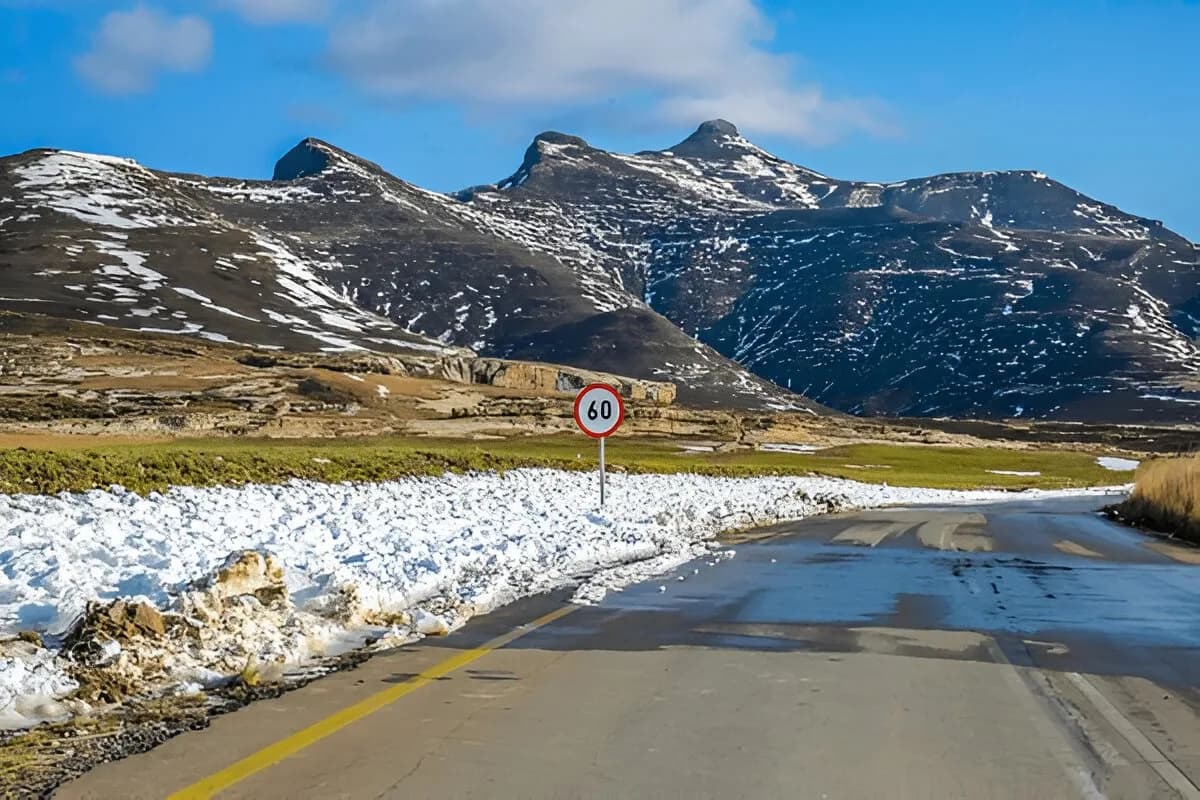
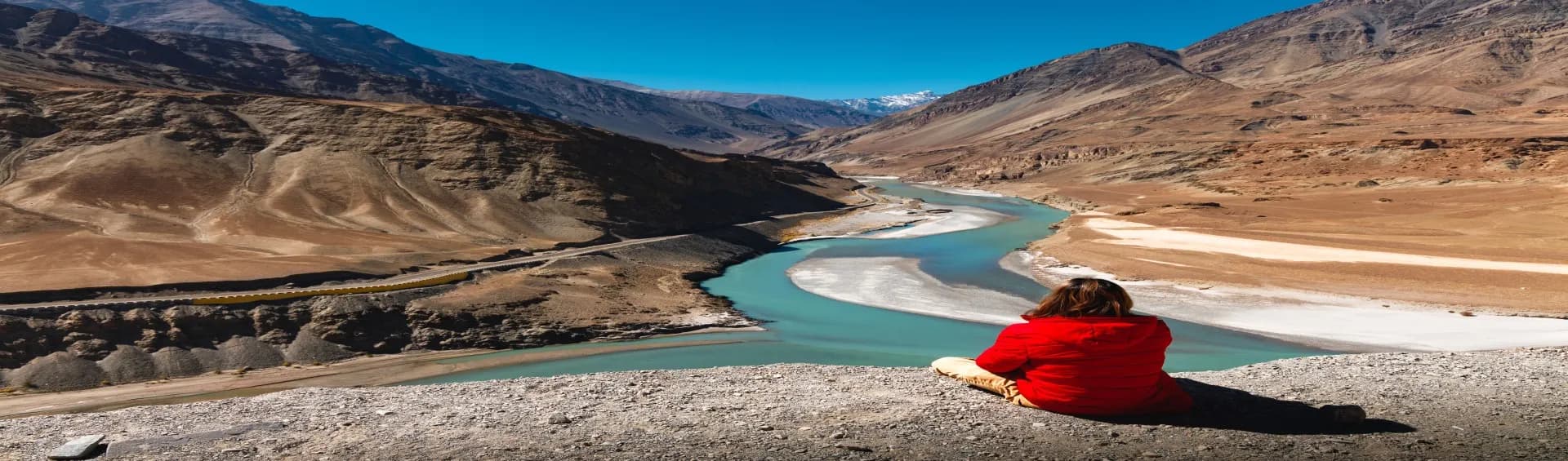
Ladakh in October offers a rare, peaceful side of the mountains. With the summer crowds gone, the region feels calm and untouched, perfect for travellers who enjoy solitude and natural beauty. The skies are clearer, the air is crisp, and the landscapes appear more dramatic. High passes remain open in early October, and while nights get colder, the days are still great for exploring. Lakes begin to freeze gently, adding to the charm of the journey. If you’re planning a trip, this is a great month to explore the region at your own pace, and you’ll find that many Ladakh tour packages offer quieter, more meaningful routes to match the season’s calm. Ladakh in October invites you to slow down and truly connect with the place. Hotels are more easily available, and the roads are quiet, giving you time and space to breathe it all in.  Weather in Ladakh in October October marks the start of winter in Ladakh. Days are still sunny, but nights are cold. Skies remain clear, offering some of the best mountain views you can imagine. In Leh, the average daytime temperature is around 10°C to 15°C, while nights can drop to -1°C or lower. In higher places like Pangong Lake or Nubra Valley, it’s colder—expect freezing temperatures at night. There’s no rainfall in October, but the air becomes dry, and you’ll feel the cold more due to the altitude. Wind can make it feel even chillier in the evenings. So, the temperature in Ladakh in October is cold but manageable with warm clothes. With the sun out during the day and snow starting to appear on higher peaks, this month gives you that perfect in-between weather—still accessible but already showing signs of the coming winter. Best Places to Visit in Ladakh in October Even though some parts start closing for the season, many key places in Ladakh remain open in October, at least during the first half of the month. Here are some of the best places to visit in Ladakh in October: 1. Leh The main town of Ladakh is quieter in October. Walk through the old bazaars, visit Leh Palace, and enjoy views from Shanti Stupa. The mornings are crisp, and the light is perfect for photography. 2. Nubra Valley Crossing Khardung La Pass into Nubra is still possible in early October. The valley looks golden as the trees change colour. Stay in local villages like Hunder or Diskit and enjoy warm hospitality in the cold. 3. Pangong Lake Visiting Pangong Lake in October is peaceful and beautiful. The crowds are gone, and the water reflects the empty sky. Just be prepared for cold nights and strong winds. 4. Tso Moriri If the weather is still clear, a trip to Tso Moriri is worth it. The lake sits high and remote, and in October, it feels untouched. Fewer people reach here, which adds to the experience. 5. Alchi and Likir For those who want a shorter ride, visit these ancient monasteries near Leh. They remain open in October and offer quiet courtyards, old paintings, and stunning valley views. Best Things to Do in Ladakh in October Travelling through Ladakh in October is not about rushing from place to place. It’s about slowing down and soaking in the stillness of the mountains. Here’s what you can enjoy: 1. Enjoy Peaceful Road Trips The roads are mostly empty in October. You’ll drive for hours without seeing another vehicle. Every turn gives you a new view—snow peaks, dry valleys, and frozen streams. 2. Stargazing With clear skies and no light pollution, the stars in Ladakh shine bright in October. Pangong and Nubra are perfect for stargazing, especially when the wind stops and the sky settles. 3. Visit Monasteries Thiksey, Hemis, Spituk, and Alchi are open in Leh Ladakh in October. You can walk through them slowly, hear the chants, and enjoy the silence without any rush or crowd. 4. Try Local Food The cold weather makes hot meals taste better. Enjoy local dishes like thukpa (noodle soup), momos, and butter tea in small family-run cafes. It’s warm comfort in every bite. 5. Photography October light is soft and golden. It’s the best time for photography—clear skies, long shadows, and snow-dusted mountains in the background. Is October Safe for Ladakh Travel? Yes, it is—if you plan properly. The roads to Leh via Manali and Srinagar usually remain open till mid or late October, depending on snowfall. Flights to Leh run throughout the year. Make sure to check the status of Khardung La and Chang La Pass before planning Nubra or Pangong. Keep your itinerary flexible in case of early snow. Also, keep in mind that some camps near lakes and remote villages close by mid-October, so choose homestays or hotels in advance. Travel with warm clothes, good shoes, and medicines for altitude. Frequently Asked Questions About Ladakh in October? 1. Is October a good time to visit Ladakh? A. Yes, it’s a peaceful time to visit. The weather is cold but clear, and the crowds are gone. If you like quiet travel and scenic views, Ladakh in October is ideal. 2. Is it very cold in October in Ladakh? A. It is cold, especially at night. Days are sunny but chilly. In places like Pangong and Nubra, the temperature can drop below freezing after sunset. 3. Can I still visit Nubra and Pangong in October? A. Yes, but preferably in the first half of the month. The roads are open unless there’s an early snowfall. Always check road conditions before travelling. 4. Are hotels and camps open in October? A. Some hotels in Leh and key villages stay open all year. But many camps near lakes close by mid-October. It’s better to confirm bookings in advance. 5. What should I pack for Leh Ladakh in October? A. Warm clothes, thermals, gloves, socks, jackets, woollen caps, and sunglasses. Also, bring moisturiser, sunscreen, and a basic medical kit for cold and altitude.

Read More

Paragliding in Ladakh
July 5, 20253 Minutes
Paragliding in Ladakh
Overview of Paragliding in Ladakh: Ladakh is known for its mountains, lakes, monasteries, and peaceful landscapes. But now, it’s also gaining popularity as a destination for adventure lovers. One of the most exciting things you can try here is paragliding. It gives you a chance to float in the sky while enjoying views of snow-covered peaks, rivers, and wide valleys. You don’t need any experience to try it. You’ll be flying with a trained pilot who controls the glider, so all you have to do is relax and take in the view. The flight usually lasts between 10 to 20 minutes, depending on weather conditions. Most paragliding take-off spots are in and around Leh, the main town of Ladakh. Many Ladakh tour packages now include paragliding as part of the experience. It’s a peaceful, thrilling, and unforgettable way to see Ladakh from a completely different angle — from the sky. What are the Key Highlights of Paragliding in Ladakh: Incredible Mountain Views: As you fly through the sky, you’ll see snow-covered peaks, winding rivers, tiny villages, and vast valleys stretching far below. The view is something you won’t forget. Safe and Easy for Beginners: You don’t need to be an expert to paraglide here. You’ll be paired with a trained pilot who does all the flying, so it’s completely safe. Fresh and Cool Air: The air in Ladakh is clean and crisp. While flying, you’ll feel a refreshing breeze that adds to the experience. Peaceful in the Sky: After take-off, it’s quiet and calm. It’s just you, the wind, and the beauty of the mountains. Memorable Photos and Videos: Most paragliding operators offer photo and video packages, so you can take home the memory and share it with friends and family. Close to Leh: Many take-off points are close to Leh, so it’s easy to fit a ride into your trip. Best Time to Try Paragliding in Ladakh: The best time to enjoy paragliding in Ladakh is from May to September. During these months, the weather is pleasant, the skies are clear, and there’s little to no rain. Summer in Ladakh is dry and sunny, which makes it perfect for flying. Avoid trying this activity in the winter months from November to March, as temperatures drop below freezing and snowfall can make outdoor activities impossible. The flight is also more enjoyable when there’s no strong wind or cloud cover, so morning or early afternoon rides are often preferred. Travel Tips for Paragliding in Ladakh: How to Reach the Paragliding Site: Most flights take place near Leh. Once you reach Leh town, you can easily book a local tour or ask your hotel to arrange it. Transport to the take-off spot is usually included in the package. What to Wear: Dress in comfortable clothes with a light jacket or windbreaker. Wear closed shoes with a good grip. Sunglasses are helpful to keep the sun and wind out of your eyes. Booking in Advance: Paragliding is a popular activity during tourist season. It’s best to book at least a day in advance, especially if you’re visiting during peak months like June or July. Listen to Instructions: Always follow what the pilot says before and during the flight. It helps you stay safe and enjoy the ride more. Stay Hydrated: Ladakh has a high altitude, so make sure you drink enough water and rest properly before your flight.

Read More

Muktinath
July 5, 20254 Minutes
Muktinath
Overview of Muktinath: Muktinath is a holy temple located in the Mustang district of Nepal. It is one of the most sacred places for both Hindus and Buddhists. Situated at an altitude of around 3,800 meters, this temple is dedicated to Lord Vishnu and is one of the 108 Divya Desams mentioned in Hindu scriptures. For Buddhists, it is known as Chumig Gyatsa, meaning “Hundred Waters,” and is a site visited by Tibetan monks and followers. Tourism in this region has grown in the last few years. The journey to Muktinath offers more than just religious value. You pass through beautiful villages, mountain views, and peaceful landscapes. If you are planning a spiritual yet scenic journey, check out our Nepal tour packages that include Muktinath and other beautiful destinations in Nepal. Many believe that visiting Muktinath once in a lifetime will wash away all sins. The temple complex has 108 water spouts shaped like cows’ heads. Devotees take a cold bath under these spouts for spiritual cleansing. What are the Key Highlights of Muktinath: Spiritual Significance: Muktinath is considered the “Moksha Dham” – the gateway to salvation. Hindus and Buddhists both believe that visiting this temple gives peace to the soul and brings good karma. 108 Holy Spouts: The temple courtyard has 108 small bull-headed spouts that pour glacier water. Taking a bath under these is believed to wash away all past sins. Jwala Mai Temple: A small flame burns continuously here, fueled naturally by gas from the earth. This natural fire is worshipped and adds to the mystery of the temple. Amazing Landscape: Located in the Mustang region, the area around Muktinath offers barren hills, snow-covered mountains, and a peaceful setting. It’s a complete change from city life. Pilgrim + Adventure Combo: Your journey to Muktinath is not just religious—it’s an adventure. You can travel through Jomsom or trek from nearby areas like Kagbeni. Local Culture: You’ll meet friendly locals, see traditional Nepali homes, and taste local food like Thukpa and Dal Bhat. The area has a warm cultural charm. Best Time to Visit Muktinath & Entry Fee The best time to visit Muktinath is from March to June and September to November. During these times, you can enjoy good views of the mountains, safe roads, and comfortable temperatures. Monsoon season (July–August) is best avoided due to landslides and slippery trails. Winter (December to February) is also not ideal unless you love snow and cold weather. The route becomes very difficult due to heavy snowfall. Entry to the temple is free for everyone. However, if you plan to go via Jomsom by flight or jeep, travel costs may vary depending on the season and availability. Trekking permits may also apply if you’re entering restricted areas. Travel Tips and Essential Information For Muktinath: Altitude Awareness: Muktinath is located at 3,800 meters, so altitude sickness can be real. Take it slow, stay hydrated, and carry medicines like Diamox if needed. Best Route Options: You can reach Muktinath by flying to Jomsom and then taking a jeep or walking from there. Another option is taking a scenic drive from Pokhara, though it’s a long one. Weather Clothing: Even during summer, carry warm clothes. The temperature drops suddenly, especially in the evening and early morning. Local Food: Enjoy simple Nepali dishes like Dal Bhat, Thukpa, and Momos. Always eat at clean places to avoid any stomach issues. Carry Cash: Carry enough cash, as ATMs are not available in remote areas. Also, mobile networks may not work in higher zones. Respect Local Culture: The temple is sacred to both Hindus and Buddhists. Dress modestly, avoid loud noise, and follow local customs when entering the temple premises. Travel Insurance: Always good to have, especially if you’re flying or trekking. Weather conditions can change plans last minute. Photography Tip: Ask locals before clicking pictures, especially inside the temple. Some areas may not allow photos for spiritual reasons.

Read More

Munggu, Bali
July 4, 20253 Minutes
Munggu, Bali
Overview of Munggu, Bali: Munggu is a small village located near Canggu in the southern part of Bali. Unlike the crowded beaches and tourist-heavy towns, Munggu is quiet and relaxed. The roads are lined with palm trees, local temples, and views of green rice fields. It’s a place where you’ll see farmers working, children playing, and families going about their daily lives. While Munggu doesn’t have big resorts or shopping malls, that’s what makes it special. It offers a more natural, real side of Bali that many travellers miss. You can stay in a cosy villa or guesthouse, explore the village by bike, or walk to nearby beaches like Seseh and Mengening. Though it’s not often part of most Bali tour packages, Munggu is becoming more popular with people who want peace, culture, and a slower way of travelling. It’s also close enough to other famous areas, so you get the best of both worlds. Highlights of Munggu Bali: Traditional Village Feel: Munggu gives you a true sense of local Balinese life. You’ll see temple ceremonies, farmers in the fields, and friendly locals everywhere. Beautiful Rice Fields: The open views of rice paddies are calming and great for photography or quiet walks, especially around sunrise and sunset. Less Crowded Beaches: While Munggu doesn’t have a main beach, it’s close to quiet and clean beaches like Seseh, Cemagi, and Mengening. Peaceful Homestays and Villas: You’ll find cosy, family-run places to stay that are surrounded by nature and away from the noise. Perfect for Cycling: The village roads are ideal for a relaxed bike ride through the countryside. Nearby Attractions: Munggu is only a short drive from Canggu, Tanah Lot Temple, and other popular Bali spots, making it easy to explore without staying in a crowded area. Best Time to Visit Munggu Bali: The best time to visit Munggu is during the dry season, from April to October. The weather is sunny and the skies are clear, making it perfect for outdoor walks, cycling, and watching the sunset over the rice fields. This is also the best time to visit the nearby beaches, as the sea is calm and the air is cooler. Avoid the rainy season from November to March if you’re planning to be outdoors most of the time. The fields may still look beautiful, but the paths can get muddy, and heavy rain may affect your travel plans. Early mornings and evenings are ideal for walking around the village, as it stays cooler during these times. Travel Tips For Munggu Bali:: How to Get There: Munggu is located about 1 hour from Ngurah Rai International Airport by car. It’s just 15 to 20 minutes from Canggu, depending on traffic. You can take a taxi, rent a scooter, or hire a driver for easy access. What to Pack: Bring light clothing, sunscreen, a hat, and comfortable shoes for walking or cycling. A camera is also a must if you enjoy taking nature photos. Where to Stay: Munggu has many private villas and homestays. These places offer comfort, peace, and local hospitality at affordable prices. Local Etiquette: Dress modestly if you visit temples, and always greet locals with a smile. Balinese people are kind and respectful, and visitors are expected to be the same. Getting Around: Renting a scooter or bicycle is the best way to explore the village and nearby areas. Roads are narrow but safe and not crowded.

Read More

Turtuk, Ladakh
July 4, 20253 Minutes
Turtuk, Ladakh
Overview of Turtuk, Ladakh: Turtuk is a small village in the Nubra Valley of Ladakh, located close to the India-Pakistan border. Turtuk is truly unique as it was a part of Pakistan until the 1971 Indo-Pak war. After that, India took control of the village, and it officially became a part of Jammu and Kashmir. This village is one of the northernmost points in India where civilians are allowed to visit. Turtuk was opened to tourists only in 2010, which makes it one of the lesser-known gems of Ladakh. Turtuk is famous for its beautiful landscapes, clear skies, and warm people. Surrounded by the Karakoram Range and nourished by the Shyok River, the village offers views that truly add to the beauty of Ladakh. The village is also home to the Balti people, who follow a unique culture and language that is quite different from other parts of Ladakh. If you’re planning to explore offbeat places, Turtuk is a perfect choice. Our Ladakh tour packages include a visit to Turtuk so you can enjoy its raw beauty, peaceful vibe, and learn about its unique culture—all in one smooth journey. What are the Key Highlights of Turtuk, Ladakh: Scenic Drive from Hunder: The journey to Turtuk Village Ladakh from Hunder takes you through winding roads, mountain passes, and beside the Shyok River. It’s a 3-hour ride that feels like a movie scene the entire way. Traditional Balti Culture: Turtuk is a Balti village, and you’ll notice the difference in food, language, and clothing. Visit local homes, try their traditional apricot juice, and enjoy their warm hospitality. Apricot Orchards Everywhere: Turtuk is known as the “Land of Apricots.” During the summer, the village is full of apricot trees. You can pick fresh fruits right from the tree and even buy homemade apricot jams. Historic Mosque and Monastery: The village has a 400-year-old mosque built in Central Asian style, along with a small monastery that gives a glimpse into the village’s mixed cultural roots. Border Viewpoint: There’s a small viewpoint from where you can see the Line of Control (LoC). It’s quite a rare experience, especially for Indian tourists. No Network, Pure Peace: There’s little to no mobile signal here. If you’re looking to escape your phone and truly connect with nature, Turtuk offers that digital detox. Travel Tips / Essential Information For Turtuk, Ladakh: Travel Documents: Indian nationals don’t need a permit to visit Turtuk, but if you plan to visit other restricted areas in Ladakh, Inner Line Permits might be required. Always carry a government-issued ID. Best Time to Visit: The best time to visit Turtuk is between May and September. The weather is pleasant, the roads are clear, and it’s also the season for apricots. How to Reach: Turtuk is around 205 km from Leh and about 90 km from Hunder (Nubra Valley). You can hire a cab or take a shared taxi from Diskit. Buses are rare, so plan in advance. Accommodation Options: While there are no luxury hotels, several clean and cozy homestays are available. Staying with a local family is a great way to learn more about Baltic life. Food and Water: Try the local dishes like buckwheat bread and apricot stew. Stick to bottled or boiled water as a precaution. Most homestays provide simple, homemade meals. Connectivity and ATMs: The Mobile network is poor, and there are no ATMs in Turtuk. Withdraw cash and make calls before leaving Hunder or Diskit. Clothing Tips: Days are warm, but nights can get cold even in summer. Carry light jackets and wear comfortable walking shoes.

Read More

AI Furjan, Dubai
July 4, 20253 Minutes
AI Furjan, Dubai
Overview of AI Furjan Located in the southern part of Dubai, near Jebel Ali and close to major roads like Sheikh Zayed Road, Al Furjan is a well-planned neighbourhood with villas, low-rise apartments, green parks, and local stores. It’s not a tourist hotspot, but it gives you a glimpse into daily life in the city. The area is designed for comfort, with walking paths, cycling tracks, schools, and family-friendly spaces that make it ideal for both locals and long-stay visitors. Though it’s not often included in typical Dubai tour packages, Al Furjan is well-connected by the Dubai Metro (Route 2020) and is just minutes away from key attractions like Ibn Battuta Mall and Expo City Dubai. Whether you’re looking for a calm afternoon stroll, a quiet café to sit in, or a family-friendly place to stay, Al Furjan offers a refreshing change from the fast pace of downtown Dubai. What are the Key Highlights of AI Furjan Peaceful Atmosphere: Al Furjan is much quieter than central Dubai areas like Downtown or Marina. The low traffic and clean roads make it pleasant for walks or family outings. Green Parks & Play Areas: Every few blocks, you’ll find small green parks, kids’ play zones, and walking tracks. It’s great for families with children or anyone who enjoys peaceful open space. Local Shopping & Dining: The Al Furjan Pavilion offers supermarkets, pharmacies, salons, and casual restaurants. It’s not fancy, but it’s convenient and welcoming. Modern Infrastructure: The area features newly built villas and apartments, designed with both comfort and practicality in mind. Easy Metro Access: The Route 2020 Metro line connects Al Furjan directly to Expo City and the Red Line, making it easy to travel without a car. Close to Attractions: Just a short drive from Dubai Marina, JBR, Ibn Battuta Mall, and Al Maktoum International Airport. Best Time to Visit AI Furjan: The best time to explore Al Furjan is during Dubai’s cooler months, from November to March. During this time, the weather is pleasant enough to enjoy the parks, walk around the neighbourhood, or dine outside at one of the cafés. Early mornings and late afternoons are ideal if you want to enjoy a calm and sunny environment without the midday heat. Evenings are also a nice time in Al Furjan, especially as the local cafés light up and families come out for walks. If you’re staying nearby or planning to visit Expo City, Al Furjan can be a great place to relax between activities. Travel Tips for Al Furjan: How to Get There: You can reach Al Furjan by taking the Dubai Metro (Route 2020) and getting off at Al Furjan Station. If you’re driving, it’s accessible via Sheikh Zayed Road or Mohammed Bin Zayed Road. What to Wear: Comfortable clothes and walking shoes are best. It’s a relaxed area, so casual attire is fine. A hat and a water bottle are useful if you plan to walk during the day. Where to Eat: Try casual eateries at Al Furjan Pavilion. There are coffee shops, pizza places, Indian food outlets, and grocery stores. Nothing fancy, but great for quick bites. Nearby Attractions: You’re just 10-15 minutes from Ibn Battuta Mall, JBR Beach, Dubai Marina, and Expo City. Easy to combine with your visit. Good for Long Stays: Al Furjan is a popular area for people staying in Dubai for a few weeks or more. It’s quieter than tourist zones and gives you a more relaxed lifestyle.

Read More

Gurez Valley, Kashmir
July 4, 20253 Minutes
Gurez Valley, Kashmir
Overview of Gurez Valley: Gurez Valley is one of the most remote and beautiful parts of Kashmir. Located about 120 km from Srinagar, it lies in the high Himalayas, close to the border with Gilgit-Baltistan. The valley is surrounded by snow-capped peaks, pine-covered hills, and the crystal-clear Kishanganga River that runs right through its heart. For anyone looking to explore less-crowded spots in their Kashmir tour packages, Gurez is a hidden gem that offers a deep sense of calm, raw beauty, and connection with nature. Unlike the busy towns of Gulmarg or Pahalgam, Gurez is peaceful, calm, and truly off the beaten path. The people here are warm and welcoming, mostly from the Dard tribe, and they live in charming wooden homes that blend into the landscape. Their language, culture, and way of life are different from the rest of Kashmir, adding to the valley’s unique charm. What are the Key Highlights of Gurez Valley: Habba Khatoon Peak: This iconic mountain is named after the famous Kashmiri poetess. It rises sharply from the valley floor and looks especially magical during sunrise and sunset. Kishanganga River: The river flows through the valley, offering stunning views and peaceful spots for picnics, photography, or just relaxing by the water. Traditional Wooden Houses: Gurez is full of charming, hand-built wooden homes with slanted tin roofs. These homes are unique to the region and reflect the simple lifestyle of the locals. Tulail Valley: A short drive from Gurez, this even more remote valley is full of untouched natural beauty and small villages that seem frozen in time. Local Culture and Language: The Dard people speak the ancient Shina language, and their customs are distinct from the rest of Kashmir. Interacting with them offers a truly different cultural experience. No Crowd, Pure Peace: Since Gurez is a restricted area and still opening up to tourism, you’ll find little to no tourist rush. Best Time to Visit Gurez Valley: The best time to visit Gurez Valley is from late May to early October. During these months, the weather is pleasant, the skies are clear, and the roads remain open. The valley is green and full of life, making it ideal for nature walks, exploring villages, and photography. In spring and summer (May to August), you’ll find blooming flowers and clear views of the mountains. September to early October is also a great time if you prefer cooler weather and fewer tourists. Avoid planning a trip in winter (November to April) as Gurez receives heavy snowfall, and roads often remain closed due to snow and safety reasons. Travel Tips for Gurez Valley: How to Reach: By Road: The only way to reach Gurez is by road via Bandipora from Srinagar. It’s about a 6–7 hour drive, crossing the beautiful Razdan Pass, which offers stunning mountain views. Permit Required: Since Gurez is close to the border, Indian nationals need an Inner Line Permit, which is easy to get online or from the DC office in Bandipora. Foreign tourists are currently not allowed. What to Pack: Warm clothes, even in summer, as evenings get cold. Carry medicines, a power bank, and a torch. Mobile signal is limited (mostly BSNL). Respect Local Life: Gurez is sensitive in terms of both nature and location. Avoid littering, respect local traditions, and always ask before taking photos of people. Also Read: Places to Visit in KashmirMust Checkout: Things to do in Kashmir

Read More

Aanantnag, Kashmir
July 4, 20253 Minutes
Aanantnag, Kashmir
Overview: Anantnag is one of the oldest and most culturally rich districts in Kashmir. Located about 50 km from Srinagar, it blends green countryside, fresh water springs, and spiritual spots with local life that moves at a gentle pace. While it may not be as famous as Pahalgam or Gulmarg, Anantnag has its quiet beauty and depth. This district is known for its bubbling springs—like Verinag, the source of the Jhelum River—and ancient temples and mosques. It’s also close to many tourist destinations, including Achabal, Kokernag, and Martand Sun Temple, making it a great base for exploring South Kashmir. Farm life, apple orchards, walnut trees, and calm village lanes give this region its soul. For travelers interested in local experiences, Kashmir tour packages that include Anantnag open up a softer, more authentic side of the valley that’s often missed. What are the Key Highlights of Anantnag: Verinag Spring: This stunning spring, surrounded by Mughal-style gardens, marks the source of the Jhelum River. It’s peaceful, scenic, and has great historical significance. Martand Sun Temple: Built in the 8th century, this ancient Hindu temple offers wide Himalayan views and beautifully detailed stone architecture. Kokernag Garden & Spring: Known for its fresh spring water and well-kept gardens, it’s a relaxing place to walk around and enjoy nature. Achabal Garden: Another beautiful garden built during the Mughal era, with fountains, shade trees, and stone structures that tell old stories. Botanical Gardens & Trout Farming: Some parts of Anantnag are known for trout hatcheries and flower gardens that are perfect for nature lovers. Local Culture & Handicrafts: Explore the markets for Kashmiri shawls, dried fruits, and local foods. The people are friendly, and the pace of life is slow and welcoming. Best Time to Visit Anantnag: The best time to visit Anantnag is from April to October. Spring (April to June) brings fresh flowers, blooming orchards, and pleasant temperatures — ideal for sightseeing and garden visits. July to September is perfect for exploring the green countryside, enjoying the natural springs, and taking part in local festivals. The landscape is full of life during this time, and the air is fresh and cool. If you enjoy autumn colours and crisp air, October is lovely too, with golden fields and fewer visitors. Winters (November to February) can get quite cold, with some areas seeing snowfall, but the region remains peaceful and quiet for those who enjoy off-season travel. Travel Tips For Anantnag : How to Reach: By Road: Anantnag is about a 1.5-hour drive from Srinagar and is well-connected by local taxis and buses. By Train: It also has a railway station on the Banihal–Baramulla line, offering easy connections across the Kashmir valley. By Air: The nearest airport is Srinagar International Airport. From there, you can hire a taxi to reach Anantnag. Where to Stay: Anantnag has basic hotels and lodges. For better amenities, nearby Pahalgam (just 1 hour away) offers more comfortable options. What to Carry: Carry light woollens in spring and heavier clothes in winter. Sunscreen, sunglasses, and good walking shoes are useful year-round. Local Food: Try local dishes like rogan josh, yakhni, and sheer chai. Don’t miss the seasonal fruits like apples, cherries, and walnuts. Safety & Culture: Anantnag is generally safe and welcoming, but it’s always good to stay updated on local travel advisories. Respect local customs, dress modestly, and interact kindly with locals.

Read More

Sonmarg, kashmir
July 3, 20253 Minutes
Sonmarg, kashmir
Overview of Sonmarg, Kashmir: Sonmarg is one of the most stunning hill destinations in Jammu and Kashmir. Just about 80 km from Srinagar, this small town sits quietly among tall mountains, green valleys, and sparkling rivers. The name Sonmarg translates to “meadow of gold,” and it truly lives up to the name in spring and summer when wildflowers bloom across its vast green pastures. The town is a favourite among both nature lovers and adventure seekers. The views of glaciers, pine forests, and snow-covered peaks make it a peaceful retreat, while activities like trekking, camping, fishing, and sledging draw thrill-seekers during different seasons. Many travellers also include Sonmarg in their Kashmir tour packages to experience its raw beauty and peaceful atmosphere. Sonmarg also serves as the base for several important treks in Kashmir, including the famous Thajiwas Glacier and the Kashmir Great Lakes trek. For anyone visiting Kashmir, a day or two in Sonmarg adds beauty, calmness, and a touch of the unexplored to the journey. What are the Key Highlights of Sonmarg: Thajiwas Glacier: A short pony ride or hike takes you to this breathtaking glacier, where you can see snow even during summer months. It’s perfect for snow activities, photography, or just soaking in the views. Zoji La Pass: Located nearby, this high mountain pass connects Kashmir to Ladakh. The views along the drive are thrilling and unforgettable, especially for adventure lovers. Baltal Valley: A peaceful valley known for its natural beauty and as a starting point for the Amarnath Yatra trek. It’s quiet and green, with the sound of the Sindh River flowing nearby. Fishing and River Rafting: The Sindh River is great for trout fishing and offers river rafting in the summer months. Meadows and Pine Forests: Long, peaceful walks through lush meadows and pine forests are perfect for those who just want to relax and breathe fresh air. Best Time to Visit Sonmarg: The best time to visit Sonmarg is from April to June, when the weather is pleasant, the snow begins to melt, and the meadows bloom with flowers, making it ideal for sightseeing, pony rides, and family outings. July to September is also a good time, especially for trekking and nature photography, as the landscape is lush and green, although occasional rainfall may occur. If you’re a snow lover, December to February is perfect, as Sonmarg turns into a winter wonderland suitable for snow activities like sledging. However, road access may be limited during heavy snowfall in winter. Travel Tips For Sonmarg, kashmir: How to Reach: By Air: The nearest airport is in Srinagar, about 80 km away. From there, taxis and shared vehicles are available. By Road: Sonmarg is well connected by road to Srinagar and nearby towns. The drive is scenic and takes around 2.5 to 3 hours. Where to Stay: Sonmarg has a mix of hotels, guesthouses, and camps. It’s best to book in advance during the summer season. What to Carry: Warm clothes, even in summer, as evenings get cold. Sunglasses, sunscreen, sturdy shoes, and a light rain jacket are also helpful. Health Note: Since Sonmarg is at a high altitude, take it slow on arrival and drink plenty of water to avoid altitude sickness. Local Advice: Always check weather updates before planning your trip, especially in winter. If you’re trekking, hire a local guide for safety and a better experience. Also Read: Places to Visit in KashmirMust Read: Things to do in Kashmir

Read More

Nepal in September
July 3, 20255 Minutes
Nepal in September
Nepal in September is fresh, green, and slowly waking up from the rainy season. The air feels clean, the hills glow with new life, and the skies begin to clear. This month quietly opens the door to Nepal’s most loved season, which is autumn. September sits between two phases. The heavy rains of July and August are ending, and the busy tourist season of October hasn’t begun yet. That makes September perfect for travellers who want green views, soft weather, and peaceful paths. It’s also a good month to check Nepal tour packages, especially for treks and cultural tours.  Whether you’re visiting the Kathmandu Valley, heading to Pokhara, or starting a trek into the Himalayas, September gives you a real and refreshing experience. The trails are not crowded, the tea houses are calm, and the fields are full of colour. Prices are still reasonable, and the views are starting to open up. Weather in Nepal in September September is a transition month in Nepal. It marks the end of the monsoon and the beginning of the clear season. You’ll still get some rain in the first two weeks, especially in the evenings, but it fades away as the month continues. In the hills and mountains (like Pokhara, Annapurna region, and Langtang), the landscapes are fully green, and waterfalls are flowing. Temperatures range from 15°C to 28°C. Skies may be cloudy in the early part of the month, but by mid-September, you’ll start seeing the mountains peek through. In the Kathmandu Valley, you can expect warm days and cool nights. It’s easy to explore temples, gardens, and local streets in this weather. In the Terai region (like Chitwan), it stays hot and humid early in the month but becomes more pleasant after mid-September. Best Places to Visit in Nepal in September Nepal is full of natural and cultural wonders. In September, everything looks cleaner and greener, making each place feel more alive. Here are some of the best places to visit in Nepal in September: 1. Kathmandu Nepal’s capital is always full of history and life. In September, it’s less dusty, thanks to the rains, and temples shine after a fresh wash from the monsoon. You can walk around Durbar Square, visit the Swayambhunath Stupa, and explore small streets full of art and food. 2. Pokhara Pokhara is peaceful and full of nature. The lakes are calm, the mountains start to appear, and the waterfalls are strong. It’s the best place to relax or begin short treks like the Poon Hill hike. 3. Chitwan If you’re interested in wildlife, Chitwan is a great place in September. The jungle is full of life after the rains. You can go on a jeep safari, take a canoe ride, or walk through the buffer zone with a guide. 4. Bandipur This small hill town between Kathmandu and Pokhara is quiet and scenic. In September, the views open up, and the rice fields nearby look stunning. It’s a good spot to take a short break. 5. Ghandruk For a taste of the Himalayas without a long trek, Ghandruk village is ideal. You’ll see traditional houses, green trails, and maybe even a glimpse of Annapurna South if the skies are clear. Best Things to Do in Nepal in September September gives you a bit of everything: city walks, nature treks, culture, and peace. It’s not too busy, which makes exploring easier and more personal. 1. Go Trekking September is the start of the trekking season. The trails are not crowded, the air is fresh, and the fields are still green. Popular treks like Annapurna Base Camp, Langtang, and Ghorepani are all possible now. 2. Explore Temples Visit Pashupatinath, Boudhanath, and other cultural sites in Kathmandu. They feel calm in September and look beautiful under the post-monsoon light. 3. Try Local Food From momos (dumplings) to dal bhat (rice and lentils), Nepal’s food is simple and satisfying. Many festivals also happen around this time, and food plays a big part. 4. Go Boating in Pokhara Fewa Lake is at its calmest in September. You can rent a boat, paddle around, and enjoy the soft light on the water. It’s also a great time to visit the Peace Pagoda above the lake. 5. Visit Local Villages Small villages in the hills are full of green life in September. You can stay in homestays, talk to locals, and enjoy views without the rush of bigger groups. Frequently Asked Questions About Nepal in September: 1. Is September a good time to visit Nepal? A. Yes. September is a great time to visit if you like greenery, soft weather, and fewer crowds. It’s the beginning of Nepal’s best travel season. 2. What is the weather like in Nepal in September? A. It’s warm and partly rainy in the first half, but drier and clearer by mid-month. The hills are green, the air is clean, and the views begin to open up. 3. What should I pack for Nepal in September? A. Bring light clothes for warm days, a rain jacket, and one warm layer for the evening. Good walking shoes, sunscreen, and bug spray are also useful. 4. Are the trekking trails open in September? A. Yes. Most popular trekking trails reopen in September. The paths may be a bit muddy early in the month, but by mid-September, they’re in good shape. 5. How is September different from October or November? A. October and November are drier and more popular. September is greener, calmer, and has fewer travelers. If you enjoy peaceful roads and fresh views, you’ll love Nepal in September. Also Read: Places to visit in NepalMust Read: Things to do in Nepal

Read More

Australia in August
July 3, 20256 Minutes
Australia in August
Australia in August is peaceful, cool, and perfect for slow, relaxed travel. While many parts of the world enjoy summer, Australia is in its last month of winter. That means crisp mornings, blue skies, and quiet places waiting to be explored. August is one of the best months for road trips, nature walks, and stargazing. The mountains are still snowy, the cities feel fresh, and the beaches are calm. If you enjoy wide landscapes and less crowded attractions, August is a great time to visit. You can sip hot coffee by the harbour in Sydney, drive through the outback near Uluru, or see wildflowers blooming in Western Australia. Plus, since it’s the off-season in many areas, you may find better prices and more peaceful stays. This is also a great time to look at Australia tour packages, especially if you like smooth travel and cosy weather. Let’s explore more about why August is such a special month in Australia. Weather in Australia in August Since Australia is a large country, the weather in August depends on where you are. Some places are cool and fresh, while others are warm and dry. In the south (Sydney, Melbourne, Adelaide), August is winter. Temperatures stay between 8°C and 18°C. The air is clean, and there may be a little rain, but also many sunny days. It’s a good time for city tours and indoor attractions. In the north (Cairns, Darwin), it’s the dry season. Days are warm and sunny, around 22°C to 30°C. This is the best time to visit the Great Barrier Reef or Kakadu National Park, as the weather is stable and the skies are clear. In the centre (Alice Springs, Uluru), August is cool in the morning and warm in the afternoon. It’s perfect for desert walks and stargazing. The sun shines almost every day, and nights are cold, so bring warm clothes. The temperature in Australia in August feels just right for travel. You can enjoy sunshine, explore new places, and still sleep comfortably at night. Best Places to Visit in Australia in August Australia is full of beautiful and different places. August gives you a mix of snow, sunshine, and everything in between. Here are some of the best places to visit in Australia in August: 1. Sydney Sydney in August feels fresh and open. It’s a good time to walk by the harbor, visit the Opera House, or take a ferry to Manly Beach. There are fewer tourists, and you can explore the city calmly. 2. Melbourne This southern city is cool in August. You can enjoy warm cafés, walk through markets, or ride the city tram. It’s also a great time to visit nearby wineries or take a day trip to the Great Ocean Road. 3. Uluru The red heart of Australia looks magical in August. The days are sunny, and the desert air feels clean. You can walk around Uluru, watch the sunrise or sunset, and learn about Aboriginal culture with local guides. 4. Cairns & the Great Barrier Reef In the north, August is warm and dry. It’s one of the best times to visit the Great Barrier Reef, take a boat trip, or explore the Daintree Rainforest. The sea is calm, and the skies are usually clear. 5. Tasmania If you want something cool and green, Tasmania is perfect. August brings misty forests, quiet towns, and clean mountain air. You can enjoy national parks, wildlife, and peaceful hikes. Best Things to Do in Australia in August There’s so much to enjoy in August, especially if you like nature, calm cities, and local food. Here are some simple and fun things to do: 1. Watch Whales August is one of the best months for whale watching. Places like Hervey Bay and the New South Wales coast are perfect to spot humpback whales as they migrate with their babies. 2. Try Snow Sports In areas like the Snowy Mountains or Victoria’s ski fields, the snow is still good in August. You can ski, snowboard, or just play in the snow before spring arrives. 3. Go Hiking Many national parks are great to hike in August. The cool air makes long walks easier, and the views are fresh and open. Try trails in the Blue Mountains, Grampians, or Western Australia’s wildflower regions. 4. Visit Museums and Galleries If it’s a bit chilly outside, enjoy Australia’s culture indoors. Sydney, Melbourne, and Canberra have great art galleries, science museums, and cultural centres that are fun and relaxing to visit. 5. Enjoy Local Food Winter food in Australia is hearty and warm. Enjoy meat pies, roasted dishes, and local coffee. Many towns also host food festivals or farmers’ markets in August. Frequently Asked Questions About Australia in August: 1. Is August a good time to visit Australia? A. Yes! August is a great month, especially if you enjoy cooler weather, outdoor travel, and fewer tourists. You can visit different parts of the country and experience winter and sunshine in the same trip. 2. What is the weather like in August in Australia? A. The weather varies. It’s cool in the south, sunny in the north, and dry in the middle. Most days are clear, and it’s a great time for outdoor activities and nature travel. 3. What should I pack for Australia in August? A. Pack layers—warm clothes for mornings and evenings, and light clothes for sunny days. Don’t forget a hat, sunscreen, and walking shoes. 4. Are tourist places crowded in August? A. No, August is a quieter month for many tourist spots, especially in the cities. You’ll enjoy fewer crowds, better prices, and peaceful travel. 5. How is August different from other months? A. August gives you a special mix—cool weather in the south and warm days in the north. If you liked relaxed seasons and things to do in Vietnam in May, you’ll love the soft, calm feeling of Australia in August too.

Read More

Slingshot Singapore
July 3, 20253 Minutes
Slingshot Singapore
Overview of Slingshot Singapore: Slingshot Singapore, located in Clarke Quay, is known for being the tallest slingshot ride in Asia. This thrilling attraction launches you 70 metres into the air in just a few seconds. It’s not for the faint-hearted, but if you love fast, exciting rides with amazing city views, it’s a must-try. As the ride begins, the ground drops away, and suddenly you’re flying up into the sky with your feet in the air. It only lasts a few seconds, but the memory stays with you much longer. The view at the top is incredible, and the adrenaline rush is like nothing else in the city. Slingshot is often included in Singapore tour packages that focus on nightlife and entertainment around Clarke Quay. It’s the perfect activity to add to your evening out — just make sure to ride before dinner, not after! Highlights of Slingshot Singapore: Asia’s Tallest Slingshot Ride: Soars up to 70 metres in just a few seconds, offering both thrill and city views. Fast and Fun: The ride is short but intense. The sudden launch, high speed, and bounce make it a wild experience. Great Location: It’s set in Clarke Quay, a lively area known for food, drinks, and river views. Easy to reach and perfect for evening plans. Stunning Views: For a few seconds at the top, you get a clear view of Singapore’s skyline lit up at night. Safe and Well-Maintained: The ride is built with strong safety systems and run by trained staff, so you can enjoy it without worry. Memorable Experience: Whether you’re with friends or on a date, it’s the kind of ride that makes your trip truly exciting. Best Time to Visit Slingshot Singapore: The best time to ride the Slingshot is in the evening, after sunset. That’s when the lights of Singapore come on and the skyline looks its best. It also feels cooler at night, which makes standing in line and walking around Clarke Quay more pleasant. You can visit any day of the week, but weekdays are less crowded than weekends. Try to go early in the evening, around 6:30 PM to 8 PM, to avoid long queues and enjoy nearby food spots before or after your ride. If you want to take great videos or photos, ask a friend to record from below — the ride makes for a fun and dramatic shot as you shoot into the sky. Travel Tips For Slingshot Singapore: How to Get There: Take the MRT to Clarke Quay Station and walk about 5 minutes toward the riverfront area. The Slingshot is easy to spot from a distance. What to Wear: Wear comfortable clothes and secure your shoes or leave them behind. Avoid loose items — they may fall off during the ride. Not for Everyone: This ride is not suitable for young children, pregnant women, or anyone with heart conditions. There is a minimum height and age limit, usually 120 cm and above 12 years old. Nearby Attractions: After the ride, enjoy Clarke Quay’s food scene, river views, and live music. It’s a great area to relax after the thrill. Also Read: Places to Visit in SingaporeMust Read: Things to do in Singapore

Read More

Jurassic Park Singapore
July 3, 20253 Minutes
Jurassic Park Singapore
Overview of Jurassic Park Singapore: Jurassic Park Singapore is one of the main themed zones inside Universal Studios Singapore, located on Sentosa Island. This area is inspired by the famous movie series and is designed to make you feel like you’ve stepped into a real-life dinosaur world. It has greenery, waterfalls, and structures that recreate the atmosphere of the film, along with some fun and thrilling rides. For travellers booking Singapore tour packages, Universal Studios is often one of the main attractions, and Jurassic Park is a big part of what makes it special. It offers a mix of excitement and themed entertainment that works well for both adults and kids. From water-based adventures to meeting life-size dinosaur models, the experience is both memorable and family-friendly. Even if you’re not a fan of the movies, you’ll still enjoy the immersive setting, the excitement of the rides, and the unique environment that makes Jurassic Park a must-see within the park. What are the Key Highlights of Jurassic Park Singapore: Jurassic Park Rapids Adventure: This is the most popular ride in the zone. It’s a circular raft ride that takes you through rivers, dino enclosures, and dark tunnels. Expect a splash or two, especially near the big drop. Canopy Flyer: A quick and breezy ride that gives you a bird’s-eye view of the jungle below. It’s fun and suitable for most ages. Dino-Soarin’: A ride for younger children where they can “fly” their own little dinosaur. It’s colourful, gentle, and great for families with toddlers. Fossil Excavation Area: Kids can dig for pretend fossils in the sand, which makes for a fun break between rides. Themed Restaurants and Shops: There are snack spots and shops that match the dinosaur theme, selling fun souvenirs, drinks, and dino-themed treats. Scenic Jungle Vibes: Even if you don’t go on every ride, the design and details of the area make it fun to walk through. Best Time to Visit Jurassic Park Singapore: The best time to visit Jurassic Park is on a weekday morning or early afternoon, especially if you want to avoid long lines at the popular rides. Singapore has a warm climate all year, but the period from December to June is usually drier and better for outdoor attractions like water rides. Try to avoid visiting during school holidays or weekends, as Universal Studios tends to get crowded during those times. If you visit early in the day, you can enjoy the main rides with shorter wait times and explore the rest of the park at a slower pace. Bringing a poncho or a change of clothes is helpful if you plan to ride the Rapids Adventure, as it can leave you quite wet depending on your luck. Travel Tips For Jurassic Park Singapore: Tickets: Jurassic Park is not a separate attraction, so you’ll need a regular Universal Studios Singapore ticket. It’s best to book online in advance, especially during holidays or peak seasons. Getting There: Head to Sentosa Island via MRT to HarbourFront, then take the Sentosa Express or walk through the Boardwalk. Universal Studios is located inside Resorts World Sentosa. What to Wear: Light clothing, comfortable shoes, and maybe an extra T-shirt if you plan to go on water rides. Bring sunscreen and a cap, as parts of the park are open-air. Storage: Lockers are available near rides for bags and phones, especially if you’re going on water rides. Dining: There are cafes and food stalls inside Universal Studios, and the Jurassic Park zone has its own themed snack shops where you can take a break without leaving the area. Also Checkout: Things to do in SingaporeMust Read: Places to visit in Singapore

Read More

CHIJMES Singapore
July 2, 20253 Minutes
CHIJMES Singapore
Overview of CHIJMES Singapore: CHIJMES (pronounced “chimes”) is a beautifully restored heritage building in the heart of Singapore. It was once a Catholic convent and school, and the stunning chapel still stands today, now repurposed as a centrepiece surrounded by cafes, restaurants, and open courtyards. The white Gothic-style architecture and stained-glass windows give it a quiet elegance, while the lively dining and evening lights bring it to life after dark. You don’t need a full agenda to enjoy CHIJMES. It’s the kind of place you can simply walk into, sit with a coffee, admire the building, and take in the calm atmosphere. Many Singapore tour packages include a stop here because of its mix of culture and modern city charm. Whether you visit for lunch, a romantic dinner, or just a peaceful stroll, CHIJMES is a perfect spot to slow down and enjoy a different side of Singapore. What are the Key Highlights of CHIJMES Singapore: Historic Architecture: The building dates back to the 1800s and was once a Catholic convent. The chapel remains a major visual highlight. The CHIJMES Hall: A beautifully restored former chapel, now used for weddings, concerts, and private events. It’s especially beautiful at night when lit up. Courtyard Dining: CHIJMES is known for its open-air restaurants and casual bars. Whether you’re in the mood for Japanese, Italian, or local food, you’ll find a good spot here. Peaceful Atmosphere: Even though it’s in the middle of the city, CHIJMES feels quiet and calm, especially during the day. Night-time Vibes: In the evening, the whole place lights up and turns into a relaxing social spot, popular with locals and tourists alike. Photography: The mix of Gothic design and modern life makes it a great place for photos, both during the day and at night. Best Time to Visit CHIJMES Singapore: CHIJMES is open all day, but the best time to visit is in the late afternoon or evening. That’s when the lights come on, the outdoor dining spots start to fill up, and the atmosphere feels warm and inviting. If you prefer quiet walks or want to take good photos of the architecture, visit earlier in the day before the crowds arrive. CHIJMES is enjoyable year-round since it’s mostly an indoor-outdoor space, and Singapore has a consistent warm climate. During festivals or weekends, it can get busy, so weekdays are better if you want a calm and quiet experience. Travel Tips for CHIJMES Singapore: How to Get There: CHIJMES is located on Victoria Street, right in the city centre. The closest MRT station is City Hall, just a short walk away. What to Wear: It’s a casual place, so wear something comfortable. If you’re planning to dine in the evening, smart casual is a good choice. Dining Options: From brunch cafés to fine dining and relaxed bars, CHIJMES has a wide range of food choices. It’s a great place to try both international and local dishes. Explore Nearby: After CHIJMES, you can also walk to nearby attractions like Raffles Hotel, the National Museum, and the Bugis shopping area. Take Your Time: CHIJMES is not a place to rush. It’s best enjoyed slowly, whether you’re admiring the building or sipping a drink in the courtyard.

Read More

Kallang, Singapore
July 2, 20253 Minutes
Kallang, Singapore
Overview of Kallang, Singapore: Kallang is a well-known district in Singapore, especially popular among sports fans and locals who enjoy an active lifestyle. It’s home to the Singapore Sports Hub, which includes the National Stadium, Indoor Stadium, and Kallang Wave Mall. This area often hosts concerts, matches, and community events, giving it a lively and energetic vibe. The Kallang River runs through the area, offering peaceful walking and cycling paths. It’s also a good spot for water activities like kayaking. For those exploring Singapore tour packages, Kallang provides something different from the usual tourist spots. It’s less crowded, more relaxed, and shows a side of Singapore that locals know and enjoy. From traditional hawker centres to riverside cafes and sports facilities, Kallang brings together city life and open space in a balanced way. It’s ideal for a short visit, an afternoon walk, or just trying out something new. What are the Key Highlights of Kallang, Singapore: Singapore Sports Hub: A major attraction in Kallang, with world-class stadiums, sports events, concerts, and open areas for jogging or skating. Kallang Wave Mall: A small but popular mall with food courts, shops, and a rooftop water play area for kids. Kallang Riverside Park: A peaceful spot by the river, perfect for walking, cycling, or just relaxing with a nice view. OCBC Aquatic Centre and Sports Arena: Public facilities for swimming, indoor sports, and gym workouts. Water Sports: Rent a kayak or paddleboard and enjoy calm paddling along the Kallang Basin. Local Food: Try out local dishes at nearby hawker centres like Old Airport Road Food Centre, one of the best in the city. Easy Access: Kallang is connected by MRT and buses, making it easy to reach from anywhere in Singapore. Best Time to Visit Kallang Singapore: Kallang can be visited at any time of the year since Singapore has a warm climate all year round. However, the best time is from December to June, when the weather is usually dry and sunny. This makes it ideal for outdoor walks by the river, visiting the park, or attending events at the Sports Hub. Evening visits are great if you want to enjoy the riverside views with cooler weather and fewer crowds. Avoid visiting outdoor spots during the rainy months between September and November, as it can limit your experience. If you plan to catch a concert, sports match, or event, it’s a good idea to check the schedule at the Sports Hub in advance. Travel Tips for Kallang, Singapore: How to Get There: Take the MRT to Stadium or Kallang Station. From there, most attractions are within walking distance. What to Bring: Wear comfortable shoes, especially if you’re planning to walk along the riverside or explore the park. Bring a hat, water bottle, and sunscreen for daytime visits. Dining Options: You’ll find both local hawker food and casual dining at Kallang Wave Mall or nearby areas like Geylang or Lavender. Good for Families: Kallang is suitable for families with kids, thanks to wide open areas, safe walking paths, and child-friendly spots like water play zones. Plan Around Events: If you’re visiting during a major event or match at the National Stadium, expect bigger crowds and more energy in the area. Also Checkout: Things to do in SingaporeMust Read: Places to visit in Singapore

Read More

Sultan Mosque, Singapore
July 2, 20253 Minutes
Sultan Mosque, Singapore
Overview of Sultan Mosque Singapore: Sultan Mosque, also known as Masjid Sultan, is one of the most important and well-known mosques in Singapore. It’s located in Kampong Glam, a colourful and historic neighbourhood. The mosque stands out with its golden dome and white walls. Built in the early 1800s, it has been a part of Singapore’s heritage for many years. Visitors are welcome to enter during non-prayer hours and can walk around the outside freely. The streets around the mosque are filled with small shops, street art, cafés, and local restaurants. Many Singapore tour packages include Kampong Glam and the mosque as part of a city culture experience. It’s a good place to slow down, take pictures, and learn a little more about Singapore’s rich cultural mix. Whether you are exploring nearby streets or just passing by, the mosque is always a peaceful sight. What are the Key Highlights of Sultan Mosque Singapore: Golden Dome: The mosque has a bright golden dome that shines in the sunlight and can be seen from far away. It’s one of its most famous features. Historic Importance: Built in 1824 for Sultan Hussein Shah, the mosque has stood for over 200 years and remains a key religious and cultural site. Open to Visitors: Non-Muslim visitors are allowed inside during certain hours. Robes are provided at the entrance if needed. Quiet Courtyard: The open area outside the mosque is peaceful and a nice place to rest during your walk through the area. Cultural Streets Around: Arab Street and Haji Lane are right nearby, filled with art, cafes, and shops selling fabrics, perfumes, and handmade items. Good for Photos: The mosque, with its colours and structure, makes a great background for simple and beautiful travel photos. Best Time to Visit Sultan Mosque: The best time to visit Sultan Mosque is in the morning or early evening. The area is less crowded and more peaceful during these hours, making it easier to enjoy the calm feeling around the mosque. If you want to go inside, try visiting between 10 AM to 12 PM or 2 PM to 4 PM when non-Muslim visitors are allowed. The golden dome looks especially nice in the soft morning light or at sunset, so these are great times if you enjoy photography. Weekdays are also better than weekends, as the nearby streets are quieter. Avoid prayer times, especially on Fridays, as the mosque is used heavily by worshippers. Respectful clothing is needed, and robes are available if you don’t have something suitable. Travel Tips Sultan Mosque Singapore: How to Get There: Take the MRT to Bugis Station, then walk for about 10 minutes through Arab Street to reach the mosque. What to Wear: Modest clothing is required. Shoulders and knees should be covered if you plan to enter the mosque. You can borrow robes at the entrance. Photography: You can take photos outside and in the open areas, but it’s good to be respectful around people who are praying or visiting quietly. Nearby Food: There are many cafés and restaurants nearby offering Middle Eastern, Malay, and Indian food. It’s a great area for lunch or snacks. Explore More: Combine your mosque visit with a walk through Haji Lane for street art and local shops, or stop by Malay Heritage Centre to learn more about the area’s history. Good for Short Visits: You don’t need a lot of time—30 to 45 minutes is enough to visit the mosque and enjoy the surrounding area.

Read More

Brahmdev Mandir
July 2, 20253 Minutes
Brahmdev Mandir
Overview of Brahmdev Mandir: Brahmdev Mandir is a well-known Hindu temple in the Kanchanpur district of far-western Nepal. Set near the Mahakali River and close to the Indian border, the temple is named after the sage Brahmadev and holds deep religious and historical significance. Local people from both Nepal and India visit this temple regularly, especially during festivals and spiritual gatherings. The temple is surrounded by greenery, gentle hills, and quiet villages, offering a peaceful setting for anyone looking to reflect or enjoy the calm. Though the structure is simple, it carries strong spiritual energy, and the daily rituals offer a clear look into the region’s traditions and beliefs. For those planning a meaningful travel through Nepal tour packages, a visit to Brahmdev Mandir adds a deeper cultural layer to the journey. It may not be widely known among tourists, but it leaves a lasting impression on everyone who makes the trip. What are the Key Highlights of Brahmdev Mandir: Religious Importance: Brahmdev Mandir is dedicated to Brahmadev, a local form of the Hindu creator god Brahma. It is a popular pilgrimage spot for nearby regions. Peaceful Location: The temple is set in a quiet natural area, surrounded by green hills, fresh air, and open spaces — perfect for visitors looking for a break from city life. Cross-Border Devotion: Located near the India-Nepal border, the temple sees devotees from both countries. It shows how faith connects people beyond borders. Festivals and Fairs: During major Hindu festivals like Makar Sankranti, large numbers of devotees gather here, and local fairs are held with food, rituals, and cultural programs. Cultural Feel: Local villagers offer flowers, light oil lamps, and humbly perform prayers. Visitors can sit peacefully and observe or join respectfully. Nearby Attractions: You can also explore the nearby Mahakali River, forest areas, or extend your trip to Dodhara Chandani Suspension Bridge. Best Time to Visit Brahmdev Mandir: The best time to visit Brahmdev Mandir is between October and March, when the weather is pleasant and the skies are clear. This is also when most festivals are celebrated, and the temple sees more local activity, making it livelier and culturally rich. Winter months (December to February) are cool but manageable, and ideal for exploring without much crowd. Spring (March–April) is also a good time to enjoy the natural beauty around the temple. Avoid the monsoon season (June to August), as heavy rainfall can make travel difficult and roads may become muddy or slippery. Travel Tips For Brahmdev Mandir: How to Reach: By Road: Brahmdev is around 25 km from Mahendranagar, the main city in Kanchanpur district. Local buses and jeeps are available, or you can hire a private vehicle. By Air: The nearest airport is Dhangadhi Airport (about 90 km away). From there, you can reach Mahendranagar by road and continue toward Brahmdev. From India: The temple is close to the Indian border (Banbasa in Uttarakhand), and Indian visitors often cross through the border with a valid ID. Where to Stay: Basic guesthouses are available in Mahendranagar. It’s best to stay there and plan a day trip to the temple. What to Carry: Carry water, light snacks, and wear simple clothes out of respect for the temple. Footwear must be removed before entering. Local Tips: Early mornings are quiet and spiritual. If visiting during a festival, expect a larger crowd and a vibrant local feel. Respect Local Customs: Always ask before taking photos of people. Speak politely and follow the basic guidelines while inside the temple. Also Read: Places to Visit in NepalMust Read: Things to do in Nepal

Read More

Sentosa Park
July 1, 20253 Minutes
Sentosa Park
Overview of Sentosa Park: Sentosa Park is one of those places in Singapore that feels like a short holiday within the city. It is an island where everything comes together in one space. You have peaceful beaches, fun rides, sea views, and places where you can just walk around and enjoy the atmosphere. The moment you arrive, it feels different from the rest of Singapore. Families with children come here for the adventure parks and shows. Couples enjoy the quiet corners, cable car views, and relaxing walks along the shore. For anyone visiting with Singapore tour packages, Sentosa is usually one of the main highlights. Getting there is simple, and once you’re on the island, moving around is easy with the help of buses and the monorail. Whether you stay for a few hours or spend the full day, Sentosa gives you a refreshing break and a good mix of fun and calm. What are the Key Highlights of Sentosa Park: Universal Studios Singapore: A world-class theme park with movie-based rides and shows. It’s perfect for kids and grown-ups who enjoy adventure and fun. S.E.A. Aquarium: One of the largest aquariums in the world. You can walk through underwater tunnels and see everything from sharks to tiny seahorses. Siloso, Palawan, and Tanjong Beaches: Each beach has a different vibe—from energetic and sporty to peaceful and quiet. Great for sunbathing, volleyball, or just relaxing. Wings of Time: A stunning night show that mixes water, lights, music, and fireworks right by the sea. Skyline Luge & Skyride: Ride down on a luge cart and then float back up on an open-air chairlift with amazing views. Madame Tussauds: Meet wax figures of your favourite celebrities and learn about Singapore’s history through their immersive museum. Fort Siloso: The only preserved coastal fort in Singapore with tunnels, cannons, and war history exhibits. Best Time to Visit Sentosa Park: The best time to visit Sentosa Park is from December to June. During these months, Singapore has less rain, making it ideal for outdoor attractions, water parks, and beach activities. The weather stays warm year-round, but these months offer the most comfortable conditions for spending a full day on the island. December to February is great for holiday events and cooler evenings. March to June brings sunny skies, perfect for swimming and exploring. If you want fewer crowds, try visiting on weekdays rather than weekends or public holidays. Avoid the September to November monsoon period if you’re planning outdoor activities, as rain can come unexpectedly. Still, Sentosa has many indoor attractions like the aquarium and museums that make it enjoyable even during light showers. Travel Tips for Sentosa Park: How to Reach Sentosa: You can reach Sentosa by taking the Sentosa Express monorail from VivoCity Mall, walking along the Sentosa Boardwalk, or riding the Singapore Cable Car from Mount Faber or HarbourFront. Taxis and buses are also available directly to the island. Plan Your Day: Sentosa is big and has a lot to offer. Check attraction timings in advance and pick 2–3 main spots to enjoy fully, rather than rushing through everything. What to Carry: Wear comfortable clothes and shoes. Carry sunscreen, sunglasses, and a hat for daytime visits. A small backpack with a water bottle and light snacks is also helpful, especially if you’re travelling with kids. Dining: Sentosa has plenty of restaurants, cafes, and food courts. You’ll find everything from local dishes to international cuisine, so you’re never far from a good meal. Stay Options: There are several hotels and resorts on the island if you want to spend the night and explore at a slower pace. Also Read – Places To Visit in SingaporeMust Explore – Things To Do in Singapore

Read More

kusma, Nepal
July 1, 20253 Minutes
kusma, Nepal
Overview of Kusma, Nepal : Kushma, locally known as Kushma Bazaar, is the district headquarters of Parbat in central Nepal. Although often referred to online as Kusma Nepal, the town’s real charm lies in its unspoiled beauty and peaceful pace. Perched above the Kaligandaki River and surrounded by green hills, Kushma is a place where nature, local life, and adventure meet. The town is becoming known for its dramatic suspension bridges, deep river gorges, and beautiful views of the Annapurna range. It offers a different side of Nepal—far from the crowds of Kathmandu or Pokhara. Many travellers now look to include offbeat places like Kushma in their Nepal tour packages, seeking more than just the usual tourist trail. From here, you can take short hikes, visit traditional villages, or simply enjoy the scenery. For travellers looking to explore the quieter corners of Nepal, Kushma offers something fresh. Whether you’re crossing a bridge high in the sky or sipping tea with a local family, the experience here is truly down-to-earth. What are the Key Highlights of Kushma: Kushma-Gyadi Suspension Bridge: This is one of the longest and highest pedestrian bridges in Nepal. Stretching over 1,100 feet across a deep gorge, walking across this bridge is both thrilling and scenic. Kaligandaki Gorge: Known as one of the deepest river gorges in the world, the views from the cliffs and bridge edges are simply breathtaking. Bungee Jumping: One of Nepal’s highest bungee jumps is located here, attracting adventure lovers from all over. It’s a great way to experience the thrill of free-falling into the Kaligandaki canyon. Nearby Villages: Small villages like Gyadi and Durlung nearby offer an authentic look into rural life, with terraced fields, friendly locals, and old cultural traditions. Cave Exploration: Gupteshwor Cave near Kushma is a popular natural wonder. The cave is long, mysterious, and tied to local legends. Local Markets: The Kushma Bazaar is active and colourful, a great place to try local snacks and observe everyday life. Best Time to Visit Kushma: The best time to visit Kushma is during spring (March to May) and autumn (September to November). These seasons offer clear skies, comfortable temperatures, and the best views of the mountains and river gorge. In spring, the nearby hills are full of blooming rhododendrons, and the weather is pleasantly warm during the day. Autumn brings dry days and stunning Himalayan views, making it the most popular time for trekking and sightseeing. The monsoon season (June to August) brings heavy rain, which can cause landslides and slippery roads. Winter (December to February) is also a good time to visit if you enjoy cooler weather, though mornings and evenings can be cold. Travel Tips For kusma, Nepal: How to Reach:– From Pokhara: Kushma is about 2.5 to 3 hours by road from Pokhara. You can take a local bus, shared jeep, or hire a private car.– From Kathmandu: If coming from Kathmandu, first travel to Pokhara (either by flight or bus), then continue to Kushma by road. Where to Stay: Kushma has basic guesthouses and a few small hotels. For better options, you can stay in Pokhara and plan a day trip. What to Pack: Carry light clothes for daytime, a light jacket for mornings and evenings, sunscreen, a water bottle, and walking shoes. If you’re planning on crossing the bridge or hiking, comfortable footwear is a must. Local Etiquette: Respect local customs, dress modestly in villages, and always ask before photographing people. Food and Essentials: Try local Nepali food like dal-bhat, momos, and sel roti. Basic supplies can be found in the town’s main market. Also Read: Places to Visit in NepalMust Read: Things to do in Nepal

Read More

Kailali, Nepal
July 1, 20253 Minutes
Kailali, Nepal
Overview of Kailali: In the far-western part of Nepal, Kailali offers a calm and culturally rich experience. It’s surrounded by green forests, open farmlands, and rivers like the Karnali. The district is known for its connection to the Tharu community, one of the oldest indigenous groups in Nepal. You can explore their traditional villages, enjoy local food, and be part of their festivals and customs. Nature lovers will appreciate the sal forests, wetlands, and peaceful trails, making it a great place for cycling, birdwatching, or just relaxing. If you’re planning to explore lesser-known areas, adding Kailali to your Nepal tour packages can give your trip a deeper and more authentic feel. Dhangadhi, the main town, has everything you need—local markets, small eateries, and easy access to nearby natural spots. What are the Key Highlights of Kailali: Ghodaghodi Lake: A Ramsar-listed wetland and a peaceful haven for birdwatchers. The lake is surrounded by sal trees and is rich in biodiversity, including migratory birds, turtles, and fish. Tharu Culture: Visit local Tharu villages to witness traditional mud houses, colorful dances, and taste local food like dhikri and gundruk. Their customs and way of life are preserved beautifully here. Shuklaphanta National Park (nearby): While located in neighboring Kanchanpur, it’s accessible from Kailali and home to swamp deer, elephants, and rich wildlife. It’s perfect for a one-day safari trip. Hasuliya Forests and Wetlands: Lesser-known but ideal for nature walks, peaceful picnics, and seeing rural Nepal away from cities. Dhangadhi City: The main city of Kailali with growing facilities, local street food, and bazaars. You can find comfortable places to stay and explore nearby attractions from here. Local Festivals: Witness vibrant celebrations like Maghi and Holi, celebrated with traditional music, local drinks, and dance. Best Time to Visit Kailali: The best time to visit Kailali is from October to March, when the weather is pleasant and dry. Winters are comfortable with clear skies, which makes it perfect for birdwatching, walking tours, and visiting villages. Spring (March to May) is also a good time, as the forests become greener and festivals like Holi are celebrated across Tharu communities. The monsoon season (June to September) brings heavy rainfall and high humidity. Some roads may become muddy or inaccessible, especially in rural areas. However, if you don’t mind rain and want to see wetlands and forests at their greenest, this time can still be rewarding. Travel Tips for Discover Kailali: How to Reach: From Pokhara: Kushma is about 2.5 to 3 hours by road from Pokhara. You can take a local bus, shared jeep, or hire a private car. From Kathmandu: If coming from Kathmandu, first travel to Pokhara (either by flight or bus), then continue to Kushma by road. Where to Stay: Kushma has basic guesthouses and a few small hotels. For better options, you can stay in Pokhara and plan a day trip. What to Pack: Carry light clothes for daytime, a light jacket for mornings and evenings, sunscreen, a water bottle, and walking shoes. If you’re planning on crossing the bridge or hiking, comfortable footwear is a must. Local Etiquette: Respect local customs, dress modestly in villages, and always ask before photographing people. Food and Essentials: Try local Nepali food like dal-bhat, momos, and sel roti. Basic supplies can be found in the town’s main market. Also Read: Places to Visit in NepalMust Checkout: Things to do in Nepal

Read More

Login ModalPost Login FormTalk with trip expert