Blog hero image
Top Travel Stories

Explore our latest blogs and travel with us

Chopta in November
July 22, 20255 Minutes
Chopta in November
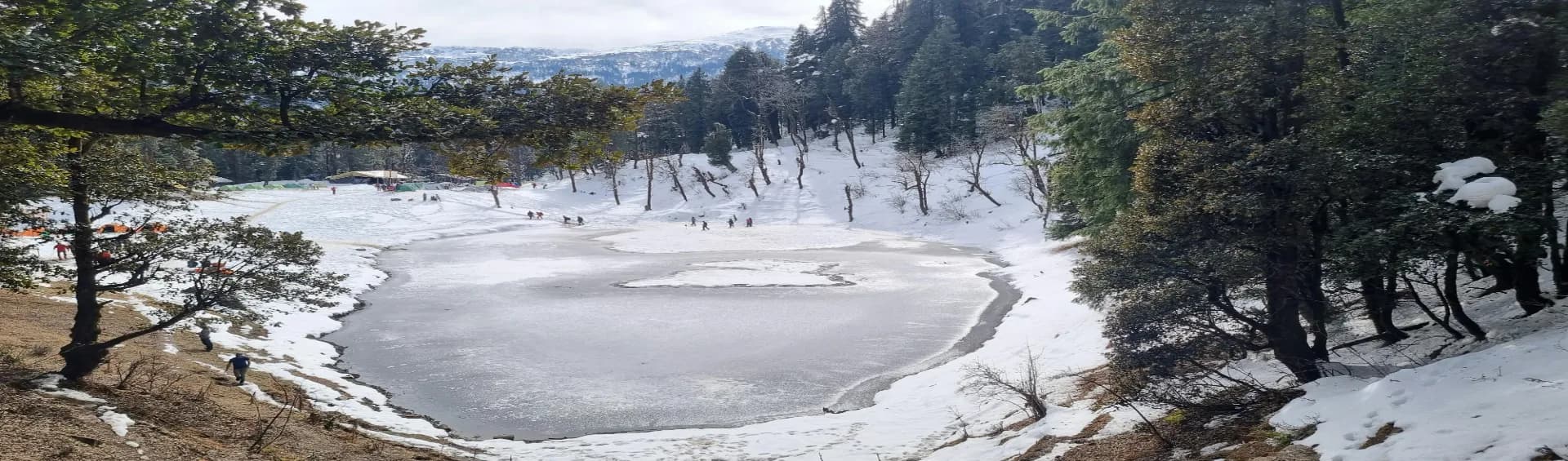
Chopta in November offers a peaceful escape into the Garhwal Himalayas, right before winter takes full control. The meadows are turning frost-tipped, the skies are crisp and blue, and the first signs of snow dust the treetops. This offbeat Himalayan hamlet becomes a dream for trekkers, nature lovers, and solitude seekers.Unlike the popular tourist months of summer, November sees far fewer crowds. The region begins preparing for hibernation, giving you a chance to explore the raw, untouched beauty of Chopta at a slower pace. With Tungnath Temple still accessible and views of snow-capped peaks all around, this is a perfect shoulder season for quiet adventures.Chopta tour packages in November are great for couples, solo explorers, or small groups wanting a close-to-nature experience without the rush. It’s also an excellent time for photographers, as the landscape begins transitioning into a snowy fairytale.Weather in Chopta in NovemberNovember in Chopta brings crisp, cool weather, with daytime temperatures ranging from 8°C to 15°C and chilly nights dropping close to 0°C. The skies are mostly clear, offering stunning views of the Himalayas, making it perfect for treks, nature walks, and snow trekking. Early snow is possible at higher altitudes, adding a magical touch to the meadows and forests. With minimal rainfall, November is an ideal time to explore Chopta’s serene landscapes, enjoy peaceful trails, and capture the beauty of autumn turning into winter.Best Places to Visit in Chopta in November1. Tungnath Temple:The world’s highest Shiva temple is still open in early November and can be reached with a 3.5 km trek from Chopta. Snow patches begin to appear, and the views from Tungnath are magical in the crisp November air.2. Chandrashila PeakIf the snow hasn’t blocked the trail yet, a further 1.5 km trek from Tungnath brings you to Chandrashila. The 360-degree view of snow-draped peaks like Nanda Devi and Trishul is breathtaking in November.3. Deoria Tal:A beautiful alpine lake about an hour’s drive from Chopta, Deoria Tal reflects snow-tipped mountains in its calm waters. It’s a peaceful place to camp or enjoy a day hike.4. Dugalbitta:Just before Chopta lies this quiet hamlet surrounded by thick forests. It’s a perfect place for slow travellers or those who prefer fewer tourists.5. Ukhimath:This town acts as the winter seat of Kedarnath. Visit the Omkareshwar Temple and experience a spiritual touch during your Chopta trip.Best Things to Do in Chopta in November1. Trek to Tungnath and Chandrashila:The highlight of any Chopta trip. The trek in November offers snow-dusted trails, peaceful surroundings, and panoramic mountain views.2. Camping under the stars:With fewer tourists and clear skies, camping in Chopta in November is peaceful. Prepare for cold nights, but the starry sky and mountain silence are well worth it.3. Nature and birdwatching:November is a good time for spotting Himalayan birds and wildlife, including Himalayan monals, foxes, and musk deer in the nearby forests.4. Sunrise view from Chopta or Chandrashila:Start early and hike up for one of the most rewarding sunrise experiences. The snowy peaks light up in soft golden hues.5. Photography:Capture the unique transition of seasons—autumn giving way to winter. Frost-covered trees, early snowfall, and the play of light over meadows make for amazing frames.6. Village walks and local life:Interact with the locals in nearby villages like Baniyakund or Dugalbitta. The lifestyle here slows down in winter, giving you a peek into Himalayan resilience.Travel Tips for Chopta in NovemberDress warm: Layer up! Thermal wear, fleece jackets, windcheaters, gloves, caps, and waterproof shoes are must-haves.Check weather updates: Snowfall can sometimes block roads, so keep an eye on the weather before travelling.Book early if planning camps: While there are fewer tourists, some stays begin closing by the end of November. Pre-book your camp or guesthouse.Carry cash: ATMs are not available in Chopta. Withdraw cash in Ukhimath or Rudraprayag before heading up.Bring a power bank: Electricity can be unreliable in remote areas.Avoid late-night travel: Roads can be slippery and dark. Plan your travel during daylight hours.Also Read: Places to Visit in ChoptaMust Read: Things to do in Chopta

Read More

Thimphu Bhutan
July 22, 20253 Minutes
Thimphu Bhutan
Overview of Thimphu Bhutan: Thimphu Bhutan, the capital city of Bhutan, is one of the few capitals in the world without traffic lights. Yes, Instead of red-yellow-green signals, you’ll find white-gloved traffic police smoothly directing the flow. Thimphu sits in a scenic valley where you see Buddhist monks using smartphones, ancient monasteries next to stylish cafes, and prayer flags fluttering above busy streets. The city is peaceful, clean, and full of smiling faces. Tourism is growing in Bhutan, and Thimphu plays a big part in that. It offers a deep dive into Bhutanese culture, food, art, and history. In this blog, we’ll take you through the highlights and attractions of Thimphu, and give you some essential travel tips to plan your journey smoothly. Also, if you’re looking for an easy way to explore, check out our Bhutan tour packages designed specially for Indian travellers. What are the Key Highlights of Thimphu Bhutan: Buddha Dordenma Statue: Towering at 51 meters, this giant bronze statue of Lord Buddha is one of the tallest in the world. It sits peacefully on a hilltop and offers stunning views of the Thimphu Valley. Tashichho Dzong: A grand fortress and monastery located near the Wang Chhu river. This is where the King of Bhutan works, and it’s also the summer residence of the monastic body. Visitors love the traditional architecture and peaceful gardens. Memorial Chorten: A white stupa in the heart of the city built in memory of the third king. Locals are often seen walking around it, spinning prayer wheels. It’s a great place to observe Bhutanese spiritual life. Weekend Market: Held every Friday to Sunday, this is the best place to try local fruits, cheese, and handicrafts. The market is lively, colorful, and full of bargains. Folk Heritage Museum: This museum gives a look into rural Bhutanese life. From traditional kitchen setups to farming tools, it’s a walk through Bhutan’s cultural roots. Changangkha Lhakhang: One of the oldest temples in Thimphu Bhutan, this place offers peace and amazing views of the city. National Library & Archives: If you love books, especially old ones, don’t miss this. It holds ancient texts written on handmade paper. Unbeatable Views: Almost every attraction in Thimphu Bhutan is surrounded by lush green hills and crystal-clear air, giving you photo-perfect moments at every turn. Travel Tips & Essential Information For Thimphu Bhutan: Best Time to Visit: March to May and September to November are the best times to explore Thimphu Bhutan. The weather is pleasant, skies are clear, and you’ll see nature in full beauty. How to Reach Thimpu: The nearest airport is Paro International Airport, about 50 km from Thimphu. You can take a direct flight from cities like Delhi and Kolkata. From Paro, a one-hour scenic drive will bring you to Thimphu. Permit Information: Indians don’t need a visa for Bhutan, but you must get an entry permit. This can be done easily at the immigration office at Phuentsholing or at Paro Airport. Currency and Payments: Indian Rupees are accepted in Bhutan, so there’s no need to exchange money. But it’s better to carry cash as not all places accept cards or UPI. Mobile Connectivity: Bhutanese SIM cards are cheap and available at the airport or local shops. Indian SIMs may not always work properly. Local Food to Try: Don’t miss out on Ema Datshi (chilli and cheese), red rice, and momos. Many Indian restaurants are also available if you want familiar flavours. Clothing: Pack warm clothes if you’re visiting in winter. Even in summer, evenings can be chilly due to the altitude. Also Read: Places to Visit in BakuMust Read: Things to do in Baku

Read More

Chennai, Tamil Nadu
July 21, 20253 Minutes
Chennai, Tamil Nadu
Overview of Chennai Tamil Nadu Chennai Tamil Nadu is not just the capital of the state, but also one of the most vibrant cultural hubs of South India. From grand ancient temples and long beaches to spicy food and silk sarees, Chennai is full of colours, stories, and soul.The most unique fact about Chennai is that it is home to Marina Beach, one of the longest urban beaches in the world. It also houses the famous Kapaleeshwarar Temple and has some amazing colonial-era architecture like Fort St. George.In this blog, you’ll explore the best things to do, see, and know before planning your visit. Whether you are a history lover, foodie, or beach person, Chennai has everthing. And yes, if you’re planning a trip, do check out our Tamil Nadu tour packages to make your journey smooth and budget-friendly. Highlights of Chennai Tamil Nadu Marina Beach Walks: Stretching over 13 km, Marina Beach is the heartbeat of Chennai Tamil Nadu. Morning walks here are filled with joggers, tea stalls, and sea breeze that wakes you up better than coffee. Temple Trails: Kapaleeshwarar Temple in Mylapore is a 7th-century marvel. The colourful towers and spiritual chants give you a deep cultural experience. Parthasarathy Temple in Triplicane is another must-visit, known for its Dravidian architecture. Colonial Vibes: Fort St. George, built in 1644, was the first English fortress in India. Walk around the museum to see old maps, coins, and weapons from British times. Beachside Food Stalls: Apsrt form different types of Idli and dosas, along Elliot’s Beach, you’ll find stalls serving hot molaga bajji, spicy sundal, and even chaats. It’s local, cheap, and delicious. Traditional Art Shows: Kalakshetra Foundation is a famous cultural academy offering dance and music performances in classical style. It’s one of the finest ways to experience the artistic side of Chennai Tamil Nadu. Shopping Streets: Head to T. Nagar market for silk sarees, gold jewellery, and all kinds of traditional wear. It’s chaotic but full of great finds. Film City Tour: If you’re a movie fan, don’t miss the MGR Film City which gives you a peek into Tamil cinema and how movies are made. Travel Tips / Essential Information of Chennai Tamil Nadu Best Time to Visit: Chennai gets very hot in summer. The best time to visit Chennai is from November to February when the weather is cooler and ideal for sightseeing. Local Transport: Auto rickshaws are common, but always ask for the meter or fix a rate before boarding. Metro and local trains are good options for avoiding traffic. Food Safety: Try street food, but always check if it’s fresh and hygienic. Stick to bottled water, especially during the summer months. Dress Code for Temples: Temples in Chennai Tamil Nadu have a traditional dress rule. Avoid shorts and sleeveless tops. Men are expected to wear dhotis or pants, and women should wear sarees or salwar suits. Language Tips: Tamil is the local language, but most people understand basic English and Hindi. Learning a few Tamil words like “Vanakkam” (Hello) can bring a smile to locals’ faces. Internet & Connectivity: Chennai has good mobile and internet connectivity. Most cafes and hotels offer free Wi-Fi. Local Etiquette: Respect the local customs. Don’t click photos inside temples unless allowed. Always remove your footwear before entering religious places. Also Checkout: Things To Do in South IndiaMust Read: Places to Visit in South India

Read More

Coimbatore, Tamil Nadu
July 21, 20253 Minutes
Coimbatore, Tamil Nadu
Overview of Coimbatore Tamil Nadu Coimbatore, often called the “Manchester of South India,” is one of the most lively and peaceful cities in Coimbatore Tamil Nadu. It is the second-largest city in the state known for its textile industries, ancient temples, and beautiful hills, Coimbatore is becoming a popular destination among Indians.Tourism here is slowly gaining attention, thanks to spots like Marudamalai Temple, Monkey Falls, and Isha Yoga Center. Coimbatore is close to hill stations like Ooty and Valparai, making it a great base for travellers.In this blog, you’ll explore the top attractions, local experiences, and smart travel tips to help you enjoy your trip. And if you’re planning a complete trip, you can always check out our Tamil Nadu tour packages for a smooth and well-planned travel experience. Highlights of Coimbatore Tamil Nadu Isha Yoga Center: A peaceful spiritual center founded by Sadhguru, it’s famous for the massive Adiyogi Shiva statue. You can join meditation sessions or just relax in the calm surroundings. Marudamalai Temple: Set on a hill, this ancient temple is dedicated to Lord Murugan. It offers peaceful vibes and a great view of Coimbatore city. The temple is especially lively during festivals. VOC Park & Zoo: A great spot for families, this park has a mini zoo, aquarium, and even a small train ride for kids. It’s one of the best places for a relaxed evening. Monkey Falls: Located near Pollachi, these natural falls are refreshing and fun, especially during or just after the monsoon. Gedee Car Museum: Car lovers, don’t miss this one. From vintage Indian cars to international models, it’s a surprisingly detailed and well-maintained museum. Siruvani Waterfalls and Dam: Famous for having the second sweetest water in the world, this is a lovely picnic spot. The views of the Western Ghats here are beautiful. Brookefields Mall: If you enjoy shopping or want to try different foods, this mall in the heart of Coimbatore Tamil Nadu. Travel Tips/Essential Information of Coimbatore Tamil Nadu Best Time to Visit: October to March is the best time to explore Coimbatore Tamil Nadu. The weather is cooler and perfect for sightseeing. Summers (April to June) can be hot, while monsoons (July to September) bring greenery but also sudden rains. How to Reach:1) By Air: Coimbatore International Airport is well connected to cities like Delhi, Mumbai, Bangalore, and Chennai.2) By Train: Coimbatore Junction is one of the major railway stations in Tamil Nadu.3) By Road: Buses and taxis connect Coimbatore to nearby cities like Ooty, Madurai, and Kochi. Local Food to Try: Don’t miss out on local favourites like dosa, sambar, idiyappam, and Coimbatore-style biryani. For sweets, try mysore pak and coconut-based snacks available in local bakeries. Also Checkout: Things To Do in South IndiaMust Read: Places to Visit in South India

Read More

Gingee, Tamil Nadu
July 21, 20254 Minutes
Gingee, Tamil Nadu
Overview of Gingee Tamil Nadu Gingee Tamil Nadu is one of those rare places that still feels untouched by modern chaos. Often called the “Troy of the East,” Gingee is famous for its massive hilltop forts, ancient temples, and peaceful surroundings. It lies in the Viluppuram district of Tamil Nadu and is slowly gaining attention among travellers who want to go beyond the regular touristy spots.The fort here is not just a monument – it’s a smart architecture, and holds centuries-old history. Once ruled by the Cholas, Vijayanagar kings, Marathas, and even the British, the Gingee Fort has seen a lot.In this blog, you’ll get to explore what makes Gingee so special. From its stunning forts to peaceful temples, and even a few fun travel tips – everything is packed in for your next weekend trip. And if you are planning a relaxed holiday in South India, do check out our Tamil Nadu tour packages. We have specially curated options for history lovers, photographers, and offbeat explorers. Highlights & Attractions of Gingee Tamil Nadu Gingee Fort Complex: This is the heart of Gingee Tamil Nadu. It’s not just one fort but a combination of three hill forts – Rajagiri, Krishnagiri, and Chandrayandurg. Spread over 7 square kilometres, it feels like a fortress city from a movie. Unbeatable Views: Once you climb Rajagiri Fort (around 800 steps), you’re rewarded with a breathtaking view of the entire town, rocky hills, and green fields. Secret Passages: The fort has several secret tunnels, hidden chambers, and ancient granaries. It feels like a real-life maze from a storybook. Venkataramana Temple: This beautiful temple near the fort showcases amazing carvings and old Dravidian architecture. It’s quiet, less crowded, and ideal for peaceful exploration. Sacred Pools and Reservoirs: Built smartly to collect rainwater, these ancient water tanks like Aanaikulam and Chakrakulam still store water today. Truly genius engineering. Krishnagiri Fort: This is a smaller climb but offers a different angle of the complex. Perfect for people who don’t want to climb too much but still want amazing views. Comfortable Walks: The pathways between the forts are clean and open, making it easy to walk and take pictures without much crowd. Historical Vibes: Every wall and stone here whispers old tales of war, love, and loyalty. It’s a history lover’s dream place. Photography Heaven: The rocky background, wide open sky, and ancient ruins are perfect frames for photos. Local Snacks: Don’t miss trying fresh banana chips and coconut water from small stalls near the entrance. Simple joys of a small town. Travel Tips & Essential Information of Gingee Tamil Nadu Best Time to Visit: The best time to visit Gingee Tamil Nadu is between November and February. The weather is cooler, perfect for climbing the forts and exploring the temples. Avoid visiting in summer as it gets too hot and tiring. Water & Snacks: Carry enough water bottles. There are not many shops inside the fort complex. Small snacks like biscuits or energy bars are useful. Local Transport: Gingee is well-connected by road. You can take a bus or taxi from Tiruvannamalai (35 km), Villupuram (40 km), or Pondicherry (70 km). The roads are in decent condition. Stay Options: Gingee doesn’t have big hotels, but you can stay in nearby towns like Tiruvannamalai or Villupuram and do a day trip. There are clean lodges and budget stays available. Safety Note: The fort is safe, but be careful during the climb. Some parts are steep and slippery. Avoid going alone in the late evening. Photography Tip: Morning light gives a golden glow to the stone structures. Perfect time for clicking some epic shots for your travel gram. Local Culture: People here are simple and friendly. You’ll hear Tamil spoken mostly, but some locals understand basic Hindi or English too. Extra Info: Mobile networks are weak near the fort. Inform someone before you start the climb. Carry a power bank if you’re using your phone for maps or photos. Also Checkout: Things To Do in South IndiaMust Read: Places to Visit in South India

Read More

Rameswaram, Tamil Nadu
July 21, 20253 Minutes
Rameswaram, Tamil Nadu
Overview of Rameswaram Tamil Nadu Rameswaram Tamil Nadu is one of the most sacred and peaceful places in India. Located on Pamban Island, it connects to the mainland via the famous Pamban Bridge. Rameswaram is part of the Char Dham Yatra, making it one of the most visited pilgrimage spots in the country. But beyond the temples, it also has stunning beaches, a calm atmosphere, and beautiful views of the ocean.According to legend, Lord Rama built a bridge from Rameswaram to Sri Lanka to rescue Sita. Because of this, it holds great religious value, especially for Hindus. Tourists also enjoy its clean surroundings, unique architecture, and rich stories from Ramayana.In this blog, you will explore the top highlights and attractions, useful travel tips, and why this place should be on your list. If you’re planning your trip, don’t miss checking out our Tamil Nadu tour packages that make the journey smooth and budget-friendly. Highlights & Attractions of Rameswaram Tamil Nadu Ramanathaswamy Temple: This temple is the heart of Rameswaram Tamil Nadu. It has the longest temple corridor in India and is dedicated to Lord Shiva. The 22 holy wells inside are said to wash away sins, and pilgrims often take a dip in all of them. Pamban Bridge: An engineering wonder, this bridge connects the island of Rameswaram to mainland India. The best part? It opens up for ships to pass underneath. Watching a train cross the sea is a view you won’t forget. Dhanushkodi: Located just 20 km from Rameswaram, Dhanushkodi is a ghost town destroyed by a cyclone in 1964. Today, it’s peaceful and mysterious. The blue waters and quiet beaches make it ideal for photography and reflection. Agni Theertham: A holy spot right next to the sea, where devotees take a dip before visiting the temple. It’s believed that a bath here washes away one’s sins. Kothandaramaswamy Temple: This temple stands where Vibhishana, brother of Ravana, surrendered to Lord Rama. It’s surrounded by sea on three sides and is peaceful, scenic, and not crowded. APJ Abdul Kalam Memorial: A tribute to India’s former President, this memorial is modern, informative, and touching. Kalam was born in Rameswaram Tamil Nadu, and the museum showcases his life, work, and dreams for India. Travel Tips / Essential Information of Rameswaram Tamil Nadu Best Time to Visit: The ideal time to visit Rameswaram Tamil Nadu is between October and March. The weather is pleasant, and temple visits become comfortable. Summers can be very hot, so avoid peak heat months if possible. How to Reach:1) By Train: Rameswaram Railway Station is well-connected to Chennai, Madurai, and other major cities.2) By Air: The nearest airport is in Madurai (about 170 km away). From there, you can take a taxi or bus.3) By Road: Many buses and cabs operate from cities like Madurai and Tiruchirappalli. The roads are in good condition, making the drive smooth. What to Pack: Carry light cotton clothes, a cap, sunscreen, and slippers. If you plan on taking holy dips, pack extra clothes and towels. Don’t forget your ID proof for hotel check-ins. Local Food to Try: Try the South Indian thali, idli-dosa with sambar, and filter coffee. Some places also offer simple North Indian food for those who prefer it. Important Tip: It’s a religious town, so dress modestly, especially when visiting temples. Follow temple rules, and try not to click photos inside unless allowed. Also Checkout: Things To Do in South IndiaMust Read: Places to Visit in South India

Read More

Khajuraho, Madhya Pradesh
July 21, 20253 Minutes
Khajuraho, Madhya Pradesh
Overview of Khajuraho Madhya Pradesh Khajuraho Madhya Pradesh is one of the most iconic heritage destinations in India. Known for its beautifully carved temples and stunning architecture, this place tells stories that date back to the 10th and 11th centuries. Built by the Chandela dynasty, Khajuraho is famous for its temples with sculptures that reflect everyday life, spirituality, and even romance.This UNESCO World Heritage Site attracts travelers, history lovers, photographers, and even spiritual seekers. The temples are not just about architecture; they showcase how art, life, and beliefs came together in ancient times. Surprisingly, only 20 out of the original 85 temples have survived, but even those are enough to amaze anyone.In this blog, you’ll explore what makes Khajuraho Madhya Pradesh so special, what to see, when to visit, and some essential tips to plan your trip better. And if you’re planning a full trip, check out our Madhya Pradesh tour packages that can be clubbed with Khajuraho for a well-rounded journey. Highlights of Khajuraho Madhya Pradesh Eastern Group of Temples: Known for Jain temples like Parshvanath, Adinath, and Ghantai, this group is less crowded and more peaceful. The carvings are elegant and deeply symbolic. Western Group of Temples: This is the main attraction. Temples like Kandariya Mahadeva, Lakshmana, and Vishwanath stand tall with brilliant stone carvings. Light and Sound Show: Held in the Western Group complex every evening, this show tells the story of Khajuraho Madhya Pradesh, in a beautiful audio-visual format. It’s narrated by Amitabh Bachchan and is a great way to understand the place’s history. Khajuraho Dance Festival: If you’re visiting in February, this week-long classical dance festival is a must. Famous dancers from all over India perform in front of the temples, blending culture and heritage. Archaeological Museum: Located near the Western Group, this museum houses sculptures and artifacts found during excavation. A good place to get deeper context before or after visiting the temples. Scenic Beauty: Apart from temples, Khajuraho is surrounded by forests and hills. You can even spot deer or peacocks near the temple complex early in the morning. Timings and Entry Fee of Khajuraho Madhya Pradesh Temple Complex Timings:The temples are open from 8:00 am to 6:00 pm every day, including weekends. Light and Sound Show Timings:English show: 6:30 pm to 7:25 pmHindi show: 7:40 pm to 8:35 pm Entry Fee (for Western Group of Temples):Indians: ₹40 per personForeigners: ₹600 per personChildren below 15 years: Free(Eastern and Southern groups are mostly free or have nominal charges.) Light and Sound Show Ticket:₹250 for Indians₹700 for ForeignersYou can buy the tickets at the entrance or online through the ASI (Archaeological Survey of India) website. Travel Tips/Essential Information of Khajuraho Madhya Pradesh Best Time to Visit: The ideal months are October to March, when the weather is cool and pleasant. Avoid the summer months as it gets too hot. Local Transport: Auto-rickshaws, cycle rickshaws, and rental scooters are easily available. Negotiate the fare before the ride. Dress and Conduct: Wear modest and comfortable clothes, especially if you’re visiting temples. Footwear is not allowed inside temple platforms, so wear easy-to-remove shoes. Other Nearby Attractions:Raneh Falls (20 km away): Beautiful canyon waterfall.Panna National Park (35 km): Ideal for jungle safaris and spotting tigers. Also Checkout: Things To Do in VaranasiMust Read: Places To Visit in Varanasi

Read More

Madhya Pradesh Tribal Museum
July 21, 20253 Minutes
Madhya Pradesh Tribal Museum
Overview of Madhya Pradesh Tribal Museum If you’re someone who enjoys exploring art, culture, and hidden gems of India, the Madhya Pradesh Tribal Museum in Bhopal should be on your list. It is not just another museum with boring display boards. This place brings tribal life alive through creativity, and real-life setups. This is one of the most beautifully designed museums in India and is also quite popular among travelers who are interested in culture and heritage.The museum celebrates the unique traditions of 7 major tribes of Madhya Pradesh—like Bhil, Gond, Baiga, Korku, Kol, Sahariya, and Bharia. You’ll see huts, clothes, musical instruments, artwork, and even lifestyle items, everything presented in the most creative and interactive ways.In this blog, you’ll discover what makes this museum so special, its top highlights, timings, and some helpful tips before you plan your visit. And if you’re planning to explore more of the state, don’t miss out on our Madhya Pradesh tour packages that are perfect for history and culture lovers. Highlights of Madhya Pradesh Tribal Museum Real-Life Tribal Homes: The museum doesn’t just show you pictures or models—it builds actual tribal homes with real materials. These life-size houses reflect the unique styles of different tribes. Open-Air Display: Unlike most museums, the Madhya Pradesh tribal museum uses open spaces to create a natural village vibe. You’ll feel like you’re walking through a tribal hamlet instead of a regular museum hall. Creative Storytelling: Instead of long paragraphs of information, the museum uses art, models, and interactive displays to explain tribal life. Even kids enjoy this fun and easy learning. Tribal Art & Costumes: You’ll get to see colorful tribal costumes, jewellery, masks, and daily-use items. Many of them are handmade and still used by the tribes today. Dedicated Children’s Gallery: One unique section is built just for children. With colourful walls and interactive displays, kids can enjoy and learn about tribal games, toys, and stories in a playful way. Use of Natural Materials: All displays are made using mud, bamboo, wood, and local stones—giving the museum an authentic and earthy feel. Special Events and Exhibitions: The museum often hosts tribal dance performances, craft fairs, and cultural programs. If you’re lucky, you may get to see a live tribal dance or workshop. Timings and Entry Fee of Madhya Pradesh Tribal Museum Timings:Open from 12:00 pm to 8:00 pm, every day except Monday (closed). Entry Fee:Adults: ₹20Students (with ID): ₹10Children under 12 years: FreeCamera charges (if you want to click pictures): ₹50 Travel Tips & Essential Information of Madhya Pradesh Tribal Museum Visit During Evening Hours: Try visiting after 4 pm. The museum lights make the place look magical, especially during sunset. Best Time to Visit: October to March is the best season. The weather is pleasant and you can also enjoy nearby attractions like Van Vihar, Upper Lake, and Bharat Bhavan. Keep 2–3 Hours Spare: The museum is large and rich in detail. You’ll need at least 2 hours to enjoy everything without rushing. Photography Allowed: Yes, you can take photos at the Madhya Pradesh Tribal Museum, but only after paying the small camera fee. Tripods are not allowed.Nearby Food Options: There’s a small cafe inside the museum, serving snacks and tea. You can also explore local eateries near Shyamla Hills after your visit. Clean and Safe Environment: The museum is clean, well-maintained, and safe for families and solo travelers. Washrooms and drinking water are available. Parking Available: If you are driving, there’s enough space to park your car or two-wheeler near the entrance. Language Friendly: Information boards are available in both Hindi and English, so language won’t be a problem for Indian travelers. Also Checkout: Things To Do in VaranasiMust Read: Places To Visit in Varanasi

Read More

Georgia Aquarium
July 21, 20253 Minutes
Georgia Aquarium
Located in Atlanta, USA, Georgia Aquarium is one of the world’s largest and most fascinating aquariums. It opened in 2005, thanks to a generous donation from Home Depot’s co-founder Bernie Marcus. At that time, it was the largest aquarium in the world, and even today, it remains one of the top marine attractions globally. The aquarium is home to over 100,000 animals across 500 species, including giant whale sharks, beluga whales, manta rays, sea lions, and jellyfish. With millions of visitors every year, it’s not just a tourist spot, but also an educational and research center for marine conservation. If you’re planning a US trip, don’t forget to explore our Georgia tour packages that cover all the top attractions, including this iconic aquarium. It’s a great addition to any international itinerary, especially for families and ocean lovers. What are the Key Highlights of Georgia Aquarium Ocean Voyager Tunnel: This is the most famous part of the aquarium. You walk through a glass tunnel while whale sharks and stingrays swim all around you. It feels like walking under the ocean. Dolphin Presentation: A live show with dolphins that includes tricks, music, and lights. It’s both fun and informative, especially for kids. Cold Water Quest: This area features chilly waters where you can see beluga whales, sea otters, and penguins. The beluga whale tank is a favorite among children. Tropical Diver Gallery: Bright, colorful, and peaceful, this section is full of coral reefs and tropical fish. It’s like watching a real-life aquarium screensaver. Shark and Ray Touch Pool: A small interactive area where you can touch live rays and small sharks. Staff members guide you through the experience safely. Behind-the-Scenes Tours: For those who are really curious, the aquarium offers guided tours that show how the animal care and water systems work. 4D Theater Experience: A short movie with 3D visuals and sensory effects like wind, mist, and seat vibrations – it’s a hit with families. Sleepover Option: Yes, you can actually spend a night inside the aquarium. Perfect for groups or school kids visiting with teachers. Timings & Entry Fee of Georgia Aquarium Timings: Monday to Friday: 9 am – 6 pm Saturday & Sunday: 9 am – 8 pm It’s always better to check their official website for any changes due to events or maintenance. Entry Fee: Adults (13+ years): $47.99 (Approx. ₹4,000) Children (3–12 years): $39.99 (Approx. ₹3,400) Under 3 years: Free Special discounts available for students, military, and group bookings. Booking tickets online is recommended as the place gets very crowded, especially on weekends and holidays. Travel Tips / Essential Information For Georgia Aquarium Plan Ahead: The aquarium is huge, and it can easily take 3–4 hours to explore everything. Arrive early to avoid crowds and enjoy the shows without rush. Best Time to Visit: Weekdays are less crowded. Morning hours are ideal for a peaceful experience and better chances to get show seats. Family Friendly: Stroller rentals are available. Baby changing rooms, nursing stations, and family restrooms make it very convenient for parents with small kids. Food & Drinks: There’s a cafeteria inside that serves pizza, burgers, and vegetarian options. Outside food is not allowed, so plan accordingly. Photography Allowed: You can click pictures in most areas, but flash photography is not permitted near sensitive animals like jellyfish or dolphins. Nearby Attractions: The aquarium is located in downtown Atlanta, very close to the World of Coca-Cola, CNN Center, and Centennial Olympic Park – perfect for a day’s city tour. Gift Shops & Souvenirs: Don’t miss the gift shop at the exit. From soft toys and mugs to marine-themed T-shirts, there’s something for every age group. Accessibility Friendly: Wheelchairs are available free of cost. Elevators and ramps are installed throughout the aquarium for easy movement. Also Read: Places to Visit in GeorgiaMust Read: Things to do in Georgia

Read More

Malaysia in December
July 21, 20255 Minutes
Malaysia in December
Malaysia in December is a vibrant mix of tropical warmth, colourful festivities, and relaxed holiday vibes. As the year winds down, the country comes alive with Christmas decorations, shopping sprees, and celebratory events. From the sparkling streets of Kuala Lumpur to the sunlit shores of Langkawi, December is one of the most exciting months to experience Malaysia. Whether you’re seeking a beach retreat, a cultural getaway, or a festive city break, December offers the best of everything. With excellent travel deals, diverse landscapes, and activities for every kind of traveller, Malaysia becomes an ideal tropical escape to wrap up the year. Malaysia tour packages in December are perfect for families, honeymooners, and solo travellers alike. With comfortable weather on the west coast, year-end sales, and festive ambience, it’s a great time to explore cities, relax on beaches, or enjoy cool mountain breezes in the highlands. Weather in Malaysia in December The weather in Malaysia during December is tropical and humid, with a mix of sunshine and rain. The west coast — including Langkawi, Penang, and Kuala Lumpur — experiences short, scattered showers, but the days are mostly clear and warm. Temperatures generally range from 23°C to 31°C, making it suitable for outdoor activities, sightseeing, and beach lounging. The east coast (like Tioman and Perhentian Islands) is affected by the northeast monsoon, bringing heavy rain and rough seas — most beach resorts there remain closed. In contrast, the highlands like Cameron and Genting offer cooler temperatures between 15°C to 22°C, perfect for those seeking a misty, refreshing escape. The festive mood, warm climate, and minimal disruptions on the west coast make December a comfortable time to visit, with occasional showers adding to the tropical charm. Best Places to Visit in Malaysia in December 1. Langkawi A beach paradise with clear skies, turquoise waters, and sunny days in December. Go island hopping, visit the Sky Bridge, or relax on Pantai Cenang beach. 2. Kuala Lumpur The capital is festive in December, with light displays, massive shopping discounts, and events around Bukit Bintang and KLCC. A great mix of modern vibes and local flavour. 3. Penang Experience street food, heritage walks, and artistic murals in George Town. Penang blends colonial charm with December’s warm beach weather and fewer crowds. 4. Cameron Highlands A cool-weather retreat with tea plantations, strawberry farms, and forest walks. Perfect for travellers looking to escape the coastal humidity. 5. Genting Highlands Ideal for family fun and entertainment. Enjoy indoor theme parks, shopping, shows, and a cool mountain breeze — all under festive lights. 6. Malacca A heritage hotspot with Dutch architecture, riverside cafes, and colourful night markets. December’s festive lights and river cruises make it extra special. Best Things to Do in Malaysia in December 1. Attend Festive Celebrations Enjoy vibrant Christmas decorations, public performances, and New Year’s Eve fireworks in Kuala Lumpur, Penang, and shopping malls across the country. 2. Relax on the Beaches Langkawi and Penang offer great beach weather. Lounge under palm trees, go jet skiing, or take a sunset cruise along the Andaman Sea. 3. Explore Highland Escapes Cameron and Genting Highlands offer cooler climates, scenic drives, and unique experiences like butterfly gardens, tea tasting, and mountaintop casinos. 4. Shop Till You Drop December is peak shopping season. The Year-End Sale (YES) offers deals on clothes, electronics, and souvenirs. KL’s Pavilion and Suria KLCC are shoppers’ heaven. 5. Enjoy Night Markets and Local Food Try street food in Jalan Alor, Penang’s hawker stalls, or Melaka’s Jonker Walk Night Market. From satay to laksa, December is perfect for foodies. 6. Take a Cultural Tour Visit temples, mosques, and museums to learn about Malaysia’s rich multicultural heritage — all while cities glow with lights and celebrations. Travel Tips for Malaysia in December Book in advance: December is a peak travel month, especially during Christmas and New Year. Hotels and flights tend to fill up quickly, so it’s best to plan early. Skip the east coast: Islands like Perhentian and Redang are closed or less accessible due to monsoon rains. Focus on west coast destinations like Langkawi and Penang. Mix your destinations: Combine a city stay in Kuala Lumpur with a relaxing beach break. This helps you enjoy both culture and coastal views. Pack smart: While the west coast stays dry, rain showers can still happen. Carry an umbrella or a light raincoat, and wear breathable clothes for the humidity. Use local transport: Apps like Grab or public buses and trains are convenient and budget-friendly ways to move around cities. Frequently Asked Questions About Malaysia in December? 1. Is Malaysia good to visit in December? A. Yes, especially on the west coast (Langkawi, Penang, Kuala Lumpur). You’ll enjoy tropical weather, festive vibes, and year-end shopping. 2. Can I visit Malaysian beaches in December? A. Yes, Langkawi and Penang are great in December. Avoid the east coast (Perhentian, Tioman), which is closed due to monsoon rains. 3. What is the weather like in Malaysia in December? A. Expect warm, humid days (23°C–31°C) with occasional rain showers. The west coast remains sunny, while the east coast is very rainy. 4. Are there Christmas celebrations in Malaysia? A. Yes. Cities like KL, Penang, and Johor Bahru have large displays, Christmas markets, concerts, and events in malls and hotels. 5. What are the best places to visit in December in Malaysia? A. Langkawi for beaches, KL for city fun and shopping, Penang for culture and food, and Cameron Highlands for cool-weather retreats. Also Checkout – Places To Visit in MalaysiaMust Read – Things To Do in Malaysia

Read More

Malaysia in July
July 21, 20255 Minutes
Malaysia in July
Malaysia in July brings together warm tropical weather, cultural celebrations, and the vibrant energy of mid-year travel. While much of Southeast Asia battles heavy monsoons, Malaysia—especially its west coast—offers a sweet spot for travellers looking for both relaxation and discovery. Think beach days in Langkawi, food trails in Penang, cultural outings in Malacca, and shopping sprees in bustling Kuala Lumpur. The landscapes are lush from recent rains, the skies are often clear by midday, and the tourist crowds are lighter compared to the year-end rush. If you want a blend of calm beaches, urban energy, and authentic cultural moments, July in Malaysia ticks all the boxes. Malaysia tour packages in July suit solo travellers, families, and couples alike. With plenty of mid-year deals, festive highlights, and sunny west coast weather, it’s an excellent time to explore the diverse faces of Malaysia—from heritage towns to tropical coastlines. Weather in Malaysia in July The weather in Malaysia during July is typically hot, humid, and tropical, with some regional variation. On the west coast (Langkawi, Penang, Kuala Lumpur), you can expect relatively dry and sunny days with occasional short showers. Temperatures usually range between 24°C to 32°C, and the skies are often clear by afternoon. The sea is calm and ideal for water sports. On the east coast, including Tioman and Perhentian Islands, the southwest monsoon brings drier weather, making July a great time to visit these islands as well. Expect plenty of sunshine and beautiful snorkelling conditions. In the highlands (like Cameron or Genting), cooler temperatures between 16°C to 23°C make for refreshing retreats. Foggy mornings and light rain are possible, but it rarely disrupts travel. Best Places to Visit in Malaysia in July 1. Langkawi Langkawi in July is picture-perfect. The beaches are calm, the sea is warm, and the days are great for island hopping. Ride the Langkawi SkyCab for panoramic views, explore waterfalls, or simply unwind on Pantai Tengah. 2. Penang Penang combines July’s warm days with its rich cultural vibe. Stroll through George Town’s murals, visit colonial mansions, and dive into the famous local food scene. July is a quieter time, making sightseeing more comfortable. 3. Kuala Lumpur Kuala Lumpur remains hot and bustling. With air-conditioned malls, rooftop bars, and iconic landmarks like the Petronas Towers and Batu Caves, there’s always something to do, rain or shine. 4. Perhentian Islands This is one of the best times to visit the Perhentian Islands. The sea is clear, the coral reefs are alive with colour, and the islands are buzzing with travellers looking for snorkelling, diving, and lazy beach days. 5. Cameron Highlands Cameron Highlands provides a cool contrast to the coastal heat. Walk through tea plantations, pick strawberries, or explore mossy forests. July’s mild rains keep the region green and lovely without making it difficult to explore. 6. Malacca If you enjoy history, Malacca in July offers river cruises, heritage museums, and charming lanes to explore. The evenings are warm, perfect for market strolls and sampling local delicacies. Best Things to Do in Malaysia in July 1. Island Hopping and Snorkelling Langkawi, Tioman, and the Perhentians offer great visibility for diving and snorkelling in July. You can explore marine parks, coral reefs, and remote beaches under mostly clear skies. 2. Explore Local Festivals July may feature cultural events like George Town Festival (Penang) or Rainforest World Music Festival (Sarawak), depending on the calendar. These offer music, arts, and community experiences unique to Malaysia. 3. Take a Highland Retreat Escape the coastal heat by heading to Cameron or Genting Highlands. Enjoy nature trails, tea tasting, and cool evenings by the fire. 4. Taste Street Food From Kuala Lumpur’s Jalan Alor to Penang’s Gurney Drive, July’s weather makes evening street food hunts pleasant and flavourful. Try rojak, nasi kandar, char kway teow, and cendol. 5. Visit Theme Parks Family travellers can enjoy July’s school holiday vibes at Legoland Malaysia, Sunway Lagoon, or Genting’s Skytropolis. These attractions remain lively and fun in the tropical weather. 6. Cruise the Rivers In places like Malacca and Sarawak, river cruises are relaxing ways to view colonial architecture, stilt villages, and jungle backdrops during golden hour or twilight. Travel Tips for Malaysia in July Pack light, breathable clothes: It’s warm and humid. Cotton wear, sandals, and sunscreen will keep you comfortable during the day. Bring rain gear: Sudden tropical showers can surprise you, especially in the afternoons. Carry a light umbrella or a foldable raincoat. Stay hydrated: With high humidity levels, keep water with you while sightseeing, especially if you’re doing outdoor activities or walking. Explore both coasts: Unlike December, July is good for both east and west coast travel. If you love beaches, mix Langkawi with the Perhentians for variety. Book ahead in popular islands: Resorts in Tioman or the Perhentians can fill quickly in July due to ideal weather, so make reservations early. Frequently Asked Questions About Malaysia in July: 1. Is Malaysia worth visiting in July? A. Yes. July offers mostly dry weather on both coasts, lively festivals, and fewer international tourists than the peak months. 2. Can I visit Malaysian beaches in July? A. Absolutely. July is one of the best months to enjoy the Perhentian Islands, Tioman, Langkawi, and Penang with excellent water conditions. 3. What is the temperature in Malaysia in July? A. Average temperatures range from 24°C to 32°C in most areas. Highland regions are cooler, ranging between 16°C to 23°C. 4. Does it rain a lot in July in Malaysia? A. Not heavily. On the west coast, rain is minimal and comes in short bursts. The east coast is dry, and highlands may see light evening showers. 5 What are the best things to do in July in Malaysia? A. Snorkelling in the Perhentians, exploring George Town in Penang, enjoying highland retreats, experiencing local festivals, and tasting Malaysian street food. Also Checkout – Places To Visit in MalaysiaMust Read – Things To Do in Malaysia

Read More

Best of 10 Singapore Beach: A Complete Guide to the Best Beaches
July 21, 20258 Minutes
Best of 10 Singapore Beach: A Complete Guide to the Best Beaches
Singapore might be famous for its skyscrapers and city life, but what many travelers don’t know is that this island nation has some stunning beaches too. A Singapore beach offers something completely different from the typical tropical beaches you might find in Thailand or Bali. These beaches are a mix of urbanism with nature, creating unique coastal experiences that you won’t find anywhere else. Beaches in Singapore are special, unlike remote island beaches, these are easily accessible by public transport, well-maintained, and offer modern facilities. From man-made beaches with imported sand to natural coastlines with rich marine life, Singapore’s beaches cater to every type of traveler. In this blogpost, we’ll explore these amazing Singapore Beaches. You’ll find everything from calm lagoons perfect for swimming to beaches with exciting water sports facilities. For Indian travelers looking for Singapore tour packages, these beaches add an extra dimension to your holiday.  10 Best Beaches in Singapore 1. Sentosa Beach: Sentosa Island is home to Singapore’s most popular beach destination. This Singapore beach is actually three connected beaches – Siloso, Palawan, and Tanjong. The soft white sand is imported, making it perfect for beach games and sunbathing. You’ll find plenty of restaurants, bars, and shops nearby. The beach also offers kayaking, volleyball courts, and beach cycling. The sunset views here are absolutely magical, making it a favorite spot for couples and families alike. 2. East Coast Park Beach: This 15-kilometer stretch is one of the most beloved beaches in Singapore among locals. East Coast Park offers a perfect blend of beach fun and recreational activities. You can rent bicycles, try inline skating, or simply enjoy a barbecue with friends. The beach has designated swimming areas, and the long coastline means you can always find a quiet spot. Food centers nearby serve delicious local dishes, making it perfect for a full day out. 3. Changi Beach: Located at the northeastern tip of Singapore, Changi Beach offers a more peaceful and natural experience. This beach is known for its historical significance and stunning sunrise views. The shallow waters make it ideal for families with young children. You can spot planes taking off from nearby Changi Airport, adding a unique element to your beach experience. The beach also has barbecue pits and is perfect for camping enthusiasts. 4. Lazarus Island: This hidden gem is the best beach in Singapore for those who love peace. Accessible by a short boat ride, Lazarus Island offers pristine white sand and crystal-clear waters. The beach is less crowded, making it perfect for a peaceful day trip. Swimming and snorkeling are popular activities here. The best time to visit Singapore for beach activities is during the dry season, and Lazarus Island is particularly beautiful during this period. 5. Kusu Island: Known as Turtle Island, Kusu Island is famous for its beautiful lagoon and cultural significance. This Singapore beach destination combines natural beauty with spiritual experiences. The island has a Chinese temple and a Malay shrine, making it culturally rich. The calm lagoon is perfect for swimming, and the beach offers excellent picnic spots. The island is accessible by ferry, making it a perfect day trip destination. 6. St. John’s Island: This peaceful island has one of the most Singapore beach named St. John’s Island, which is perfect for those who want to escape the city’s hustle and bustle. The beach has clear waters ideal for swimming and snorkeling. You can explore the island’s walking trails and enjoy the natural beauty. The island also has a rich history, having served various purposes over the decades. 7. Pasir Ris Beach: Located in the east, Pasir Ris Beach is another favorite among families. This beach offers a perfect combination of beach fun and park activities. The mangrove boardwalk nearby provides excellent opportunities for nature lovers. You can rent bikes, have barbecues, or simply relax on the sandy shore. The beach is well-maintained and offers good swimming conditions. 8. Sembawang Beach: This northern beach offers a more local experience away from tourist crowds. Sembawang Beach is known for its natural hot spring and peaceful atmosphere. The beach provides excellent sunset views and is perfect for quiet walks. Many locals consider this is the best beach in Singapore for a peaceful retreat. For travelers exploring places to visit in Singapore, this beach offers a different perspective of the island nation. 9. Tanjong Beach: Part of Sentosa Island, Tanjong Beach is the most tranquil of the three Sentosa beaches. These beaches in Singapore are perfect for those seeking a more relaxed beach experience. The beach has a beautiful beach club and offers excellent water sports facilities. The calm waters make it ideal for swimming, and the beach’s position offers stunning views of the surrounding islands. 10. Siloso Beach: The most happening beach in Singapore, Siloso Beach is where the action is. This best beach in Singapore offers exciting water sports, beach volleyball, and vibrant nightlife. The beach hosts various events throughout the year, making it perfect for party lovers. You can try jet skiing, parasailing, or simply enjoy the beach bars. The beach also has an adventure park nearby, making it perfect for thrill-seekers. Frequently Asked Questions About Beaches in Singapore: 1. What is the best beach in Singapore? A. Sentosa Beach is considered the best beach in Singapore, featuring three connected beaches – Siloso, Palawan, and Tanjong. It offers imported white sand, excellent facilities, water sports, restaurants, and stunning sunset views, making it perfect for families and couples. 2. Can you swim at the beaches in Singapore? A. Yes, you can swim at most beaches in Singapore. Popular swimming spots include Sentosa Beach, East Coast Park, Lazarus Island, and Kusu Island. These beaches have designated swimming areas with lifeguards and proper facilities for safe swimming experiences. 3. Is Singapore good for beaches? A. Singapore has decent beaches despite being a city-state. While not as pristine as tropical islands, Singapore’s beaches provide unique urban-beach experiences with excellent facilities, easy accessibility, water sports, and beautiful sunset views, making them worth visiting. 4. What is the prettiest place in Singapore? A. Gardens by the Bay is often considered the prettiest place in Singapore, featuring the stunning Supertree Grove, Cloud Forest, and Flower Dome. The futuristic architecture combined with beautiful gardens is the feature that attracts travelers, especially during the evening light shows. 5. Which beach in Singapore has the clearest water? A. Lazarus Island has the clearest water among Singapore beaches. This less crowded island offers pristine conditions with crystal-clear waters perfect for swimming and snorkeling. The secluded location helps maintain water quality compared to more popular mainland beaches. Also Read: Places to Visit in SingaporeMust Read: Things to do in Singapore

Read More

Kerala in January
July 21, 20256 Minutes
Kerala in January
Kerala in January is like a postcard come to life — clear blue skies, gentle sun, and lush greenery everywhere. It’s one of the best months to visit this tropical paradise, whether you’re seeking a quiet houseboat cruise, cultural exploration, or a beach holiday. With the festive energy of the New Year still lingering and the weather at its most pleasant, January lets you experience Kerala without the rush of holiday crowds. From the tea gardens of Munnar to the calm waters of Alleppey and the golden sands of Kovalam, the entire state opens up with beauty and peace. Tour packages to Kerala in January are in high demand thanks to the climate and local events. Whether you’re travelling solo, as a couple, or with family, this month offers a balance of nature, relaxation, and authentic experiences. Weather in Kerala in January: The weather in Kerala during January is ideal for travel. Days are warm and dry, while nights are cool and pleasant. Average daytime temperatures hover between 23°C to 32°C, depending on where you are — coastal areas like Varkala and Kochi are warmer, while hill towns like Munnar and Wayanad are cooler, with temperatures dipping to 10°C–15°C at night. Rainfall is rare in January, making outdoor activities easy and enjoyable. The air is crisp, especially in the mornings and evenings, and the lush greenery leftover from the monsoon season adds to the beauty. Whether you’re planning a trek, beach time, or sightseeing, the weather supports it all. Expect bright sun, calm winds, misty hills, and perfect sunsets — Kerala’s winter magic at its best. Best Places to Visit in Kerala in January: 1. Munnar: January brings cool breezes and clear skies to this famous hill station. Tea plantations are fresh and green, and places like Eravikulam National Park offer wildlife sightings in the pleasant weather. Ideal for nature lovers and photographers. 2. Alleppey: The backwaters of Alleppey are calm and beautiful in January. A houseboat stay here is unforgettable — think peaceful water trails, delicious Kerala food, and sunset views over the lagoons. 3. Thekkady: Visit Periyar Wildlife Sanctuary for jungle safaris and boat rides. January’s dry weather is excellent for spotting elephants, deer, and birds. You can also explore spice plantations and enjoy cool walks in nature. 4. Varkala: This cliffside beach destination is stunning in January. Warm sun, laid-back cafes, and yoga retreats make it perfect for a relaxed holiday. Great for solo travellers and couples looking for tranquillity. 5. Wayanad: Forests, waterfalls, and heritage sites make Wayanad a must-visit. January is ideal for hiking to Chembra Peak or exploring Edakkal Caves without worrying about heat or rain. 6. Fort Kochi: If you enjoy history and culture, Fort Kochi in January is a delight. Walkable streets, heritage buildings, Kathakali performances, and local markets come alive under pleasant skies. Best Things to Do in Kerala in January: 1. Cruise the Backwaters: Hop on a houseboat in Alleppey or Kumarakom and enjoy a slow ride through palm-lined canals. It’s the best way to experience Kerala’s village life and natural beauty. 2. Attend Festivals: Celebrate Makara Sankranti and local temple festivals with traditional music, dance, and lights. Northern Kerala also hosts vibrant Theyyam performances during this season. 3. Enjoy a Beach Retreat: Spend your days sunbathing and swimming at beaches like Marari, Kovalam, or Varkala. The sea is calm, and the weather is just right for long beach strolls. 4. Go Tea Tasting in Munnar: Visit a tea factory and walk through the plantations. The aroma of fresh tea leaves and the view of endless green hills is unforgettable. 5. Trek and Explore in Wayanad: January is perfect for exploring caves, waterfalls, and peaks in Wayanad. Treks like Chembra Peak offer scenic views and cool air. 6. Try Local Food and Spices: January markets are filled with spices, banana chips, and seasonal produce. Don’t miss traditional dishes like Avial, Karimeen Pollichathu, and Payasam. Frequently Asked Questions About Kerala in January 1. Is January a good time to visit Kerala? A. Yes, it’s one of the best months. The weather is cool and dry, perfect for beaches, hill stations, and backwaters. You can also enjoy festivals and fewer crowds than in December. 2. What should I pack for Kerala in January? A. Pack light cotton clothes, sunglasses, sunscreen, and comfortable shoes. If you’re visiting Munnar or Wayanad, add a sweater or light jacket for cool evenings. 3. Are houseboats available in January? A. Absolutely. January is peak houseboat season in Alleppey and Kumarakom. It’s recommended to book in advance to get better options. 4. Can I go trekking in Kerala in January? A. Yes, places like Wayanad and Munnar are great for trekking in January. The weather is clear, and the trails are dry and safe. 5. Which festivals happen in Kerala in January? A. Makara Sankranti, local temple festivals, and Theyyam rituals happen across the state. It’s a wonderful time to witness Kerala’s traditional side. Also Read: Places to Visit in KeralaMust Read: Things to do in Kerala

Read More

Top 10 Best 4 Star Hotels in Singapore
July 21, 20257 Minutes
Top 10 Best 4 Star Hotels in Singapore
Singapore offers different hotel categories to suit every budget and travel style. From luxury 5-star properties to budget-friendly hostels, the city-state caters to all types of travelers. However, 4 star hotels in Singapore are mostly preferred because of their balance between comfort and affordability, making them ideal for most visitors. The hotels in Singapore ranges from INR 3,000 per night for budget accommodations to over INR 25,000 for luxury stays. Singapore’s 4 star hotels typically start from INR 5,481 per night, offering excellent value for money with modern amenities and prime locations. This blog will take you through the top 10 best 4 star hotels in Singapore that provide exceptional service, comfortable stays, and great locations. Whether you’re booking Singapore Tour Packages for business or leisure, these hotels offer the perfect blend of luxury and affordability that Indian travelers appreciate. Finest 4 Star Hotels in Singapore 1. Hilton Garden Inn Singapore Serangoon: Located in the heart of Little India, this modern hotel offers comfortable accommodations with contemporary amenities. The property features well-appointed rooms, an outdoor pool, and excellent dining options. Guests praise the helpful staff and clean rooms, making it a popular choice among travelers seeking quality accommodation. Location: 3 Belilios Rd, SingaporePrice: INR 10,500 – INR 14,000 per night 2. Holiday Inn Singapore Little India: This well-positioned hotel tops the list of best 4 star hotels in Singapore, and caters to both business and leisure travelers. The property offers modern rooms with city views, a rooftop pool, and multiple dining venues. The hotel’s location makes it easy to explore Singapore’s cultural districts and major attractions while providing comfort and convenience. Location: Little India district, close to temples and street food.Price: INR 7,800 – INR 11,500 per night 3. Mercure Singapore On Stevens: A sophisticated hotel that combines modern comfort with stylish design. The property has spacious rooms, a fitness center, and an outdoor swimming pool. The hotel is known for its excellent service and contemporary amenities that cater to international travelers looking for quality stays. Location: Stevens Road, near Orchard district, SingaporePrice: INR 9,200 – INR 13,800 per night 4. Furama RiverFront: This waterfront hotel offers stunning river views and modern amenities. The property features comfortable rooms, multiple restaurants, and recreational facilities including a swimming pool and fitness center. The hotel is one of the popular 4 star hotels in Singapore, popular among families and business travelers who appreciate riverside locations and comprehensive facilities. Location: Singapore River, near Clarke Quay and Boat Quay.Price: INR 9,500 – INR 14,500 per night 5. Hotel Bos: A boutique-style hotel that focuses on providing personalized service and comfortable accommodations. The property features modern rooms with stylish furnishings, a business center, and 24-hour room service. The hotel appeals to travelers who seek for a more intimate hotel experience with attention to detail. Location: 500 Jln Sultan, SingaporePrice: INR 8,000 – INR 11,200 per night 6. Grand Mercure Singapore Roxy: A modern hotel that combines comfort with convenience for travelers. The property offers well-designed rooms, excellent dining options, and comprehensive business facilities. For business travelers, this is among the top 4 star hotels in Singapore. The hotel is known for its professional service and attention to detail, making it suitable for both leisure and business stays. Location: 50 E Coast Rd, Roxy Square, SingaporePrice: INR 11,200 – INR 14,500 per night 7. Holiday Inn Singapore Orchard City Centre by IHG: This centrally located hotel offers modern accommodations with excellent amenities. The property features comfortable rooms, multiple dining venues, and a rooftop pool with city views. The hotel is part of the trusted IHG brand, ensuring consistent quality and service standards for international guests. Location: 11 Cavenagh Rd, SingaporePrice: INR 10,500 – INR 16,200 per night 8. Novotel Singapore on Kitchener: A contemporary hotel that offers modern comfort and convenience to guests. The property features stylish rooms, recreational facilities, and excellent dining options. Best 4 star hotels in Singapore like this one provide comprehensive amenities and professional service that meet international standards. Location: 181 Kitchener Rd, SingaporePrice: INR 10,900 – INR 16,000 per night 9. Park Regis by Prince Singapore: This hotel offers comfortable accommodations with modern amenities and professional service. The property features well-appointed rooms, dining venues, and business facilities. The hotel is designed to cater to international travelers seeking quality accommodation at reasonable rates with excellent service standards. Location: City center, near major shopping and tourist attractions.Price: INR 7,500 – INR 12,000 per night 10. Orchard Rendezvous Hotel: Located at the start of iconic Orchard Road in Singapore, this hotel is one of the unique 4 star hotels in Singapore, and blends colonial heritage with botanical-inspired decor. Its 388 refreshed rooms, from family suites to club‑lounge options, offer comfort and modern amenities including free Wi‑Fi, cafe‑style coffee, and relaxing rain showers. Guests enjoy an outdoor pool, gym, varied dining choices, plus its easy access to MRT, shopping malls, and the Botanic Gardens. Location: 1 Tanglin Rd, SingaporePrice: INR 9,200 – INR 13,000 Frequently Asked Questions About 4 Star Stay in Singapore: 1. Where do celebrities stay in Singapore? A. Celebrities mostly stay at luxury 5-star hotels like Marina Bay Sands, Raffles Singapore, The Ritz-Carlton, and Four Seasons. These properties offer premium suites, privacy, exclusive services, and top-notch security that meet celebrity requirements. 2. Is Hotel Boss Singapore 4-star or 5 star? A. Hotel Boss Singapore is a 4-star hotel located in the Lavender district. It offers modern amenities, comfortable rooms, and good service standards of 4 star hotels in Singapore, making it popular among business and leisure travelers. 3. Is a 4-star hotel expensive? A. 4-star hotels are moderately priced, typically costing INR 6,000-15,000 per night in Singapore. They offer good value with quality amenities, comfortable rooms, and professional service without the premium pricing of luxury 5-star properties. 4. Which area in Singapore is the best to stay? A. Orchard Road is the best area for shopping and dining. Marina Bay for popular attractions, and Little India for cultural experiences. 4 star hotels in Singapore in these areas offer excellent location advantages for tourists.

Read More

Himachal in February
July 19, 20254 Minutes
Himachal in February
Himachal in February is wrapped in white magic. As winter continues to blanket the Himalayan state, the landscape is transformed into a peaceful, snowy escape. Snowfall is common, the air is crisp, and the atmosphere is calm — making February an excellent time for couples, snow lovers, and those seeking off-season peace. Whether you want to sip hot chai by the fire, build a snowman in Solang Valley, or explore frozen lakes and Buddhist monasteries in Spiti, February in Himachal has something for every traveler. While some roads and treks may be closed, many destinations remain accessible and more tranquil than in peak seasons. Himachal tour packages in February offer snowy views, romantic stays, and quiet trails — all without the summer crowd. If you’re seeking an offbeat, wintry escape, February is a month you’ll fall in love with. Weather in Himachal in February The weather in Himachal during February is cold and wintry. Daytime temperatures range between 2°C and 15°C, while nighttime temperatures can fall below 0°C, especially in higher-altitude areas. Popular places like Manali, Shimla, and Dalhousie often receive fresh snowfall. In even colder regions like Spiti, Lahaul, and Kinnaur, February is deeply frozen — accessible only via certain routes. Snow remains on the ground in many places, offering magical white landscapes perfect for snow sports and photography. Expect clear skies in some areas, snow flurries in others, and chilly nights — perfect for bonfires and woollen blankets. Best Places to Visit in Himachal in February 1. Manali A classic winter destination, Manali in February is covered in snow and alive with adventure. Visit Solang Valley for snow activities or take a drive toward Atal Tunnel and Sissu to experience a true winter wonderland. 2. Shimla Shimla remains charming in February with snow along the Ridge, ice skating, and heritage strolls. Visit Kufri and Mashobra nearby for white slopes and pine-covered hills. Ideal for couples, families, and first-time snow seekers. 3. Dalhousie & Khajjiar If you’re looking for a peaceful escape, head to Dalhousie. Snow covers the colonial buildings, and the nearby Khajjiar meadows turn into white carpets. Great for romantic walks and quiet reflection. 4. Dharamshala & McLeodganj Snow is rare here in February, but the air is crisp and clear. You can enjoy peaceful monasteries, trek to Triund (if weather permits), and explore cafes in Bhagsu and Dharamkot. Best Things to Do in Himachal in February 1. Enjoy Fresh Snowfall February is peak snow time in Himachal. Whether it’s in Manali, Kufri, or Dalhousie, witnessing snow falling gently on deodar trees is a magical experience. 2. Try Snow Activities Head to Solang Valley or Kufri for skiing, snowboarding, and sledding. Rentals and instructors are easily available, making it beginner-friendly. 3. Go for Short Treks If conditions allow, try Triund, Jogini Waterfall, or a local snow walk around your stay. Always check weather conditions first, and go with guides in snow-prone areas. 4. Relax by a Bonfire The long, cold evenings are ideal for warm homestays and bonfire nights. Many mountain stays offer heated cottages and warm meals with views. 5. Visit Monasteries and Temples Explore Tibetan monasteries in Dharamshala, or attend winter pujas at local temples. The spiritual side of Himachal is especially peaceful in the cold. 6. Celebrate Losar (Tibetan New Year) In places like Rewalsar or Spiti, February may coincide with Losar, the Tibetan New Year, featuring masked dances, rituals, and cultural performances. Frequently Asked Questions About Himachal in February 1. Is February a good time to visit Himachal? A. Yes, if you love winter. February is ideal for snow, peace, and winter activities. Just pack warmly and expect some delays due to snow in higher altitudes. 2. Will I see snowfall in Himachal in February? A. Most likely! Manali, Solang, Kufri, and Dalhousie often get snow in February. It’s one of the best months for snow in Himachal. 3. What should I pack for Himachal in February? A. Heavy woollens, thermals, snow boots, gloves, a good jacket, lip balm, and moisturiser. If you’re going to snowy regions, waterproof gear is essential. 4. Can I visit Spiti in February? A. Only from the Shimla side, and only if you’re an experienced traveler. Expect extreme cold and snow-blocked routes. Best for adventure lovers. 5. Are roads and hotels open in February? A. Most tourist towns remain open. High mountain passes like Rohtang or Kunzum are closed, but Atal Tunnel keeps Lahaul accessible. Book your stay early and check road updates before traveling. Also Read – Places To Visit in Himachal PradeshMust Checkout – Things To Do in Himachal Pradesh

Read More

Neuchâtel, Switzerland
July 19, 20253 Minutes
Neuchâtel, Switzerland
Overview of Neuchâtel, Switzerland Neuchâtel is set on the northern shore of Lake Neuchâtel, the largest lake entirely within Switzerland. This charming city blends old-world character with lakeside calm. With a soft French influence in language, food, and culture, Neuchâtel feels unique compared to other Swiss cities. Its old town is filled with honey-colored stone buildings, cobbled streets, and cozy cafes. You’ll find historic spots like Neuchâtel Castle and the Collegiate Church overlooking the city, as well as lakeside promenades perfect for evening walks. The lake itself offers boating, swimming, and lovely picnic areas. Neuchâtel is not overly crowded, so it’s ideal for travellers who prefer relaxed sightseeing and local experiences. It’s well-connected by train, making it easy to visit as part of wider Switzerland tour packages. With its beautiful setting and calm pace, Neuchâtel is the kind of place that helps you slow down and enjoy the moment. What are the Key Highlights of Neuchâtel, Switzerland: Neuchâtel Castle (Château de Neuchâtel): A historic site with great views over the city and lake, dating back to the 12th century. Lake Neuchâtel: Take a boat ride, walk along the promenade, or enjoy a picnic by the water. Collegiate Church: Right next to the castle, this Gothic church is peaceful and has stunning architecture. Old Town (Vieille Ville): Wander through narrow lanes filled with cafes, fountains, and local shops. Laténium Museum: A fascinating archaeological museum focused on prehistoric finds from the area, great for history lovers. Local Vineyards: The nearby hills are covered in vineyards. You can enjoy local wine tasting, especially the Chasselas variety. Street Markets and Cafés: Fresh produce, local cheeses, and pastries are easy to find around the town centre. Best Time to Visit Neuchâtel, Switzerland: The best time to visit Neuchâtel is during late spring to early autumn, from May to September. This is when the weather is warm, the lake is at its best, and most outdoor activities are open. Summer (June to August) is ideal for swimming, boating, and enjoying lakeside cafes. It’s also the season for local events, wine festivals, and outdoor markets. Autumn (September to October) brings cooler air and beautiful colours in the vineyards and surrounding hills. It’s also a nice time for wine tasting and nature walks. Winter (November to February) is quiet and peaceful, and while Neuchâtel doesn’t have major ski resorts, it’s a relaxing place to enjoy slower travel with views of snow-dusted rooftops. Travel Tips for Visiting Neuchâtel: How to reach: Neuchâtel is easily accessible by train. It’s around 45 minutes from Bern and 90 minutes from Geneva or Zurich. The train ride offers beautiful views, especially along the lake. Get around on foot: The city is walkable, especially the old town and lakeside areas. You don’t need a car to enjoy it. Bring layers: Even in summer, evenings by the lake can be cool, so it’s good to carry a light jacket. Try local wine and cheese: Neuchâtel has great white wines and Swiss cheeses that you won’t find in the bigger cities. Try a café or wine bar for something local. Learn a few French words: The town is in the French-speaking part of Switzerland, and locals appreciate simple greetings in French. Combine with other cities: Neuchâtel is a great stopover on the way to Lausanne, Bern, or the Jura mountains. Also Read: Places to Visit in SwitzerlandMust Read: Things to do in Switzerland

Read More

Australia in October
July 19, 20254 Minutes
Australia in October
Australia in October is fresh, sunny, and full of colour. It’s springtime in the southern hemisphere, which means nature is blooming and the weather is warm but not too hot. The days are longer, the skies are blue, and the air feels clean and light. This is a great time to visit if you like quiet spots, fun events, and comfortable travel weather. You won’t see the summer crowds yet, so October gives you space to enjoy the country calmly. Whether you want to walk by the coast, see wildflowers, or relax at the beach, October has something for everyone. This is also a great time to look at Australia tour packages. Many include nice stays, nature trips, or coastal routes, making it easier to explore the country at your own pace. Weather in Australia in October Australia in October is mostly sunny and mild. It’s spring, so flowers are blooming, trees are green, and the weather is pleasant in most places. In Sydney and Melbourne, you can expect temperatures between 12°C and 24°C. In Brisbane and the Gold Coast, it’s a bit warmer, around 18°C to 27°C. In the north, like Darwin or Cairns, it’s warmer and more humid, with highs of around 30°C. In the centre, like Alice Springs, the days are warm and dry, and the nights are cooler. There might be a few short rain showers, but most days are dry and clear. It’s good to pack light clothes for the day and a jacket for the cooler evenings. Best Places to Visit in Australia in October 1. Sydney: Sydney is lovely in October. You can visit Bondi Beach, walk the coastal paths, and enjoy the fresh spring air. The Royal Botanic Garden and Sydney Harbour look great under the sun. 2. Melbourne: This city is famous for its parks, cafes, and markets. In October, the weather is cool and nice for walking. Visit the Melbourne Zoo, explore street art, or take a short trip to the Great Ocean Road. 3. Uluru (Ayers Rock): October is a good time to see Uluru. The days are warm but not too hot, and the skies are usually clear. You can take a sunrise or sunset tour and enjoy the deep red colours of the land. 4. Cairns and the Great Barrier Reef: It’s a great month for water activities. You can go diving or snorkelling in the reef while the sea is calm and clear. The weather is warm and welcoming. 5. Perth: In Western Australia, Perth enjoys a bright and dry spring. The city parks bloom with wildflowers, and the beaches are peaceful and sunny. Best Things to Do in Australia in October 1. See the Wildflowers: October is wildflower season in many parts of Australia. Places like Western Australia and Victoria are filled with blooming flowers in parks and along roads. 2. Beach Time: The beaches are not too crowded in October. Whether you go to Bondi, Byron Bay, or Cable Beach, you’ll enjoy soft sand and gentle waves. 3. Visit National Parks: Parks like the Blue Mountains, Grampians, or Kakadu are perfect in October. You can hike, watch birds, and enjoy views without the summer heat. 4. Attend Spring Festivals: Many towns and cities hold spring festivals in October. You might find flower shows, food fairs, or music events. It’s a good way to see local culture. 5. Go on a Road Trip: October weather is great for driving. Routes like the Great Ocean Road or a trip through Tasmania are full of views and fresh spring colour. Frequently Asked Questions About Australia in October? 1. Is October a good time to visit Australia? A. Yes. The weather is mild, nature is blooming, and it’s not yet peak season. It’s one of the best times for outdoor travel. 2. Can I swim in Australia in October? A Yes. In northern and eastern beaches, the water is warm enough for swimming. Southern beaches may still be cool, but enjoyable. 3. Are there any big events in October? A Yes. Cities like Sydney and Melbourne often have art shows, races, or food festivals in October. Also Read – Places To Visit in AustraliaMust Read – Things To Do in Australia

Read More

Himachal in December
July 19, 20255 Minutes
Himachal in December
Himachal in December is a snowy fairytale. The hill stations turn into white wonderlands, treks are wrapped in mist, and the valleys echo with peace. For snow lovers, couples seeking cosy getaways, or adventurers wanting to try winter sports, December is one of the most rewarding times to visit Himachal Pradesh. From the slopes of Manali to the frozen lakes of Spiti (for the bold-hearted), the state takes on a quiet, magical charm that is very different from the busy summer scenes. Tourist footfall is moderate—popular towns stay lively around Christmas and New Year, but many other areas offer solitude. If you’re searching for Himachal tour packages in December, this is when you get a winter dream: snow-kissed landscapes, fresh mountain air, and fireside comfort. Weather in Himachal in December: The weather in Himachal during December ranges from cold to freezing, depending on altitude. In popular places like Manali, Shimla, and Dalhousie, daytime temperatures hover around 5°C to 12°C, while nights can drop to 0°C or below. Higher-altitude regions such as Spiti, Kinnaur, and Lahaul may go well below freezing and get heavy snowfall. Early December might still have some sunny days, but by mid-month, expect frost-covered mornings, snow in many areas, and mist in the valleys. Snowfall is common from mid-December in regions like Solang Valley, Kufri, Narkanda, and parts of Chamba. Roads to very high-altitude destinations may close due to snow, so always check local weather before heading out. Expect biting cold, crisp air, and postcard-worthy snowy scenes. Dress warmly and prepare for a true Himalayan winter. Best Places to Visit in Himachal in December: 1. Manali: Snow-covered peaks, cosy cafes, and thrilling activities make Manali a top pick in December. Solang Valley is ideal for snow sports, and Old Manali offers a charming vibe with mountain views and pine forests dusted in snow. 2. Shimla: Shimla in December feels like a winter movie set. The Ridge and Mall Road sparkle with Christmas decor, and Kufri (nearby) offers skiing and toboggan rides. A perfect winter getaway for families and honeymooners. 3. Dalhousie: This peaceful hill town gets light to moderate snow and is perfect for those seeking quiet winter walks and old-world charm. Visit Khajjiar (Mini Switzerland) for stunning views if the roads are open. 4. Dharamshala & McLeodganj: Cool and spiritual, these towns in the Dhauladhar range are less snowy but equally beautiful in December. Ideal for budget travellers, yoga lovers, and those interested in Tibetan culture. Best Things to Do in Himachal in December: 1. Witness Snowfall: If you’ve never experienced snow, December is your chance. Manali, Kufri, Narkanda, and Dalhousie regularly receive snow this month. Perfect for snow fights, snowmen, and snowy treks. 2. Try Winter Sports: Head to Solang Valley or Kufri for skiing, snowboarding, snow tubing, and more. Local instructors and rental shops make it easy, even for beginners. 3. Enjoy a Bonfire Stay: Stay at a cottage or camp with a bonfire and hot chai in the evening. December nights are long and cold — perfect for unwinding under starry skies. 4. Celebrate Christmas & New Year in the Hills: Shimla and Manali light up for the holidays with music, food festivals, and hotel parties. Book early if you want to join the celebration. 5. Go for Short Snow Treks: Try treks like the Jogini Waterfall trek (Manali) or Triund (if weather permits near McLeodganj). Snow adds charm, and the views are magical. 6. Savour Winter Food: Enjoy hot momos, thukpa, and Himachali rajma-chawal by the fire. Local cafes serve piping hot chocolate and chai with mountain views. Frequently Asked Questions About Himachal in December: 1. Is December a good time to visit Himachal? A. Yes, December is great if you love snow and cold. It’s ideal for winter sports, cosy getaways, and scenic beauty. Just prepare for cold weather and possible snow delays. 2. Will I see snow in Himachal in December? A. Yes. Snowfall usually begins by mid-December in places like Manali, Solang Valley, Kufri, and Dalhousie. The amount may vary each year, but white landscapes are common. 3. Are the roads safe in December? A. Most major roads stay open, but high-altitude passes (like Rohtang or Spiti routes) may close due to snow. Always check for the latest updates and consider travelling with a local driver if you’re unsure. 4. What should I pack for Himachal in December? A. Pack heavy woolens, thermals, gloves, mufflers, snow boots, moisturisers, and lip balm. If visiting snowy regions, waterproof shoes and jackets are a must. 5. Are hotels open in Himachal in December? A. Yes. Tourist towns like Manali, Shimla, and Dalhousie remain open and offer special winter packages. Book in advance, especially for Christmas and New Year. Also Read: Places to Visit in HimachalMust Read: Things to do in Himachal

Read More

Himachal In May
July 19, 20255 Minutes
Himachal In May
Himachal in May is the ultimate summer getaway. As the plains heat up, this Himalayan state becomes a refreshing refuge with cool breezes, flowering valleys, and misty pine forests. Whether you’re planning a family vacation, a romantic escape, or an adventure with friends, May offers something for everyone. With hill stations in full bloom and trails cleared of snow, May marks the official start of Himachal’s travel season. From bustling towns like Shimla and Manali to offbeat escapes like Tirthan Valley and Shoja, you can explore nature, enjoy local culture, or simply relax in the mountain air. Himachal tour packages in May are highly sought after, offering a break from city heat with scenic drives, cosy stays, and open skies. With excellent weather and accessible roads, May is ideal for sightseeing, trekking, and high-altitude exploration. Weather in Himachal in May: The weather in Himachal during May is pleasant and perfect for travel. Daytime temperatures typically range from 15°C to 30°C, depending on altitude. Hill stations like Shimla, Manali, and Dharamshala offer mild and comfortable weather, ideal for sightseeing and outdoor activities. In higher-altitude areas like Spiti, Kinnaur, and Lahaul, the days are cool, and nights can still be chilly with temperatures dropping to 5°C–10°C. Snow melts in most places by early May, opening up mountain passes and scenic treks. The skies are usually clear, and rainfall is minimal, making it one of the best months to explore Himachal. Expect crisp mornings, sunny afternoons, and starry nights — perfect for every kind of traveller. Best Places to Visit in Himachal in May: 1. Manali: Manali in May is a popular summer destination, with cool weather, green valleys, and adventure activities. Visit Solang Valley for ziplining and paragliding, or take a scenic drive towards Atal Tunnel and Sissu. Rohtang Pass may also open by late May. 2. Shimla: The colonial charm of Shimla comes alive in May with blooming flowers, cool walks on the Mall Road, and short trips to Kufri and Chail. Perfect for families and couples, Shimla blends history, comfort, and natural beauty. 3. Dharamshala & McLeodganj: These Tibetan-influenced towns in the Dhauladhar range offer monasteries, cafes, and hikes. May is ideal for the Triund trek, visiting Bhagsu Waterfall, and attending peaceful meditation retreats in Dharamkot. 4. Kasol & Parvati Valley: A backpacker’s paradise, Kasol is beautiful in May with mild weather and clear skies. Explore Tosh, Pulga, and Kheerganga, or relax by the river with Israeli food and mountain views. 5. Tirthan Valley: Offbeat and quiet, Tirthan is ideal for nature lovers. Trek to Serolsar Lake, visit Great Himalayan National Park, and enjoy riverside camping in the cool May air. Best Things to Do in Himachal in May: 1. Trek the Green Trails: May is perfect for treks across Himachal. Try Triund, Kheerganga, Kareri Lake, or Chanderkhani Pass. The trails are clear, the air is fresh, and the views are stunning. 2. Go Paragliding and Rafting: Adventure seekers can head to Bir Billing for world-class paragliding or Kullu for thrilling river rafting. The weather is stable, and the flow of rivers is perfect for water sports. 3. Enjoy Hill Station Hopping: Explore the unique charm of towns like Dalhousie, Khajjiar, Shoja, and Naggar. Each offers a different experience — from colonial vibes to untouched nature. 4. Experience Local Culture: May often brings village fairs and temple festivals. Enjoy traditional music, local food, and Himachali hospitality. Towns like Rampur and Sangla may host cultural events during this time. 5. Try Local Cuisine: Savour Himachali thalis, hot momos, trout fish, and local desserts. Mountain cafes serve excellent coffee and views — perfect for slow travel lovers. 6. Go Camping and Stargazing: May nights are clear and comfortable for camping. Choose campsites in Tirthan, Kasol, or Chamba, and enjoy a night under the stars with a warm bonfire. Frequently Asked Questions About Himachal in May: 1. Is May a good time to visit Himachal? A. Absolutely. May offers clear skies, mild temperatures, and access to most tourist destinations. It’s perfect for sightseeing, trekking, and beating the summer heat. 2. Will I see snow in Himachal in May? A. Most of the lower areas won’t have snow, but you might find it at Rohtang Pass, Kunzum Pass, or in the Spiti region, depending on snowfall patterns and altitude. 3. What should I pack for Himachal in May? A. Carry light woollens, sunscreen, sunglasses, comfortable trekking shoes, and a windcheater. Nights in high-altitude areas can still be chilly. 4. Are hotels expensive in May? A. May is peak tourist season, so hotel rates are higher. It’s best to book in advance for better deals, especially in popular places like Shimla and Manali. Also Read: Places to Visit in HimachalMust Read: Things to do in Himachal

Read More

Kerala in March
July 18, 20256 Minutes
Kerala in March
Kerala in March is calm, warm, and beautiful. The peak tourist season begins to slow down, giving the state a gentler rhythm. Days are bright with sunshine, but not yet too hot. The backwaters reflect still skies, the beaches feel quieter, and hill towns remain cool and welcoming. As the last of the winter freshness lingers and summer slowly steps in, March becomes a wonderful month for peaceful travel. You can explore nature, culture, and cuisine without the holiday rush. March also offers better hotel rates and more space to breathe, rest, and wander. For those looking for a smooth and balanced trip, many Kerala tour packages offer curated stays, travel, and activities, helping you enjoy the best of Kerala at your own pace. Weather in Kerala in March: March marks the start of summer in Kerala. The weather is mostly dry and sunny. Day temperatures range from 28°C to 34°C, while evenings stay comfortable around 22°C to 25°C. You’ll feel the warmth, especially near coastal areas, but mornings and evenings are still pleasant. There’s almost no rainfall in March, and the skies stay clear most days. The humidity begins to rise slightly, but it’s not overwhelming. This is a good time to enjoy both beach walks and hill station escapes, depending on your comfort level. Best Places to Visit in Kerala in March: 1. Munnar: Munnar is fresh and green in March. With its rolling tea gardens, misty hills, and cool breeze, it feels like a world away from the rising heat. This is the best place to escape to if you want gentle weather, mountain views, and long nature walks. 2. Alleppey: March is perfect for a houseboat stay in Alleppey. The backwaters are calm, the skies are golden, and the coconut trees reflect on the water. With fewer tourists around, the backwater experience becomes more peaceful and private. 3. Kumarakom: Kumarakom is a quieter backwater destination. The bird sanctuary, lake views, and traditional village life offer a more laid-back vibe. It’s a great place for birdwatchers and travellers who enjoy peaceful water views. 4. Fort Kochi: Fort Kochi is full of art, history, and culture. Its colonial buildings, seaside cafés, and Chinese fishing nets feel extra calm in March. The weather is warm, but sea breezes keep it enjoyable. 5. Thekkady: If you love nature and wildlife, visit Thekkady. Boat rides on Periyar Lake offer a chance to spot elephants and birds near the water. Forest walks, spice plantations, and cool mountain air make it a rewarding stop. Best Things to Do in Kerala in March: 1. Cruise Through the Backwaters: Rent a houseboat for a day or an overnight stay in Alleppey or Kumarakom. Watch the sunset on the lake, enjoy traditional meals, and sleep under a quiet sky. 2. Visit Tea Gardens in Munnar: Walk through the green fields, visit a tea museum, and sip fresh tea at the source. Munnar is cooler in March and perfect for relaxing strolls. 3. Watch a Kathakali Performance: Experience Kerala’s classical dance form in Kochi or Thekkady. The makeup, music, and storytelling are all part of the cultural charm. 4. Explore Fort Kochi by Foot: Walk along the old streets, shop in local art stores, and stop by seaside cafés. Sunset views by the fishing nets are peaceful and photo-worthy. 5. Try Ayurvedic Massage: Kerala is famous for its Ayurveda therapies. After a long day of sightseeing, relax with a full-body herbal massage. Many certified centres offer safe and authentic treatments. 6. Taste Local Food: Try Kerala’s spicy and coconut-rich dishes — appam with stew, fish curry, or Malabar biryani. And don’t forget banana chips and payasam (sweet dessert). Festivals in March: Attukal Pongala (Thiruvananthapuram) One of the world’s largest gatherings of women, Attukal Pongala, usually falls in March. Women cook offerings in clay pots and line the streets for miles. It’s a powerful and peaceful sight. Paripally Gajamela Held in Kollam, this elephant festival features over 50 decorated elephants, cultural events, and drum performances. It’s colourful, grand, and unique to Kerala. Frequently Asked Questions About Kerala in March: 1. Is March a good time to visit Kerala? A. Yes. March is warm and dry, with fewer crowds and lower hotel prices. It’s a good time to explore the backwaters, beaches, and hill stations in peace. 2. Will it be too hot in Kerala in March? A. It starts to get warm in the afternoons, especially in coastal areas. But mornings and evenings are pleasant, and hill stations remain cool. Plan your outdoor time accordingly. 3. Are houseboats available in March? A. Yes. March is a great time for a houseboat stay — the weather is clear, and the water is calm. Booking is always a good idea. 4. What should I pack for Kerala in March? A. Pack light cotton clothes, sunglasses, sunscreen, a hat, and comfortable walking shoes. If visiting hill stations like Munnar or Thekkady, carry a light sweater. Also Read: Places to Visit in KeralaMust Read: Things to do in Kerala

Read More

Kerala in September
July 18, 20255 Minutes
Kerala in September
Kerala in September is peaceful, photogenic, and full of fresh monsoon charm. The intense rains of July and August begin to ease, leaving behind glistening forests, full rivers, and clean, cool air. This month lies just before the peak tourist season, making it a sweet spot for travellers who want the best of nature and culture without the noise—especially with well-planned Kerala Tour Packages that highlight seasonal beauty. The hills of Munnar and Wayanad are misty and rich in colour, the backwaters are brimming, and the beaches are quiet. Onam—the state’s biggest festival—often falls in early September, adding a festive buzz to local markets, food, and celebrations. Whether you’re here for a romantic getaway, an offbeat adventure, or cultural immersion, Kerala Tour Packages in September welcome you with calm roads, better deals, and endless greenery. Weather in Kerala in September Kerala in September welcomes the tail-end of the monsoon season. The heavy showers of July and August reduce to light, refreshing rain that usually comes and goes quickly. It rarely pours all day, and the skies often clear up in between. The temperature ranges between 24°C to 30°C, making the air feel comfortable and pleasant. The surroundings remain beautifully green after months of rain. Rivers and waterfalls are still flowing strongly, and the air feels crisp and clean. The beaches may not be ideal for swimming during this time, but they offer quiet views and peaceful walks. You might need an umbrella now and then, but the rain adds to the charm rather than taking away from it. If you’re into nature, photography, or just want to relax in a calm atmosphere, the weather in September gives you plenty of reasons to love it. Best Places to Visit in Kerala in September 1. Munnar Munnar’s tea estates and hills look surreal in September. Mist wraps around the plantations, waterfalls gush at full volume, and the air is mountain-fresh. Post-monsoon, the region glows with life. Things to do: Visit tea museums, trek to Echo Point, and enjoy short nature walks. 2. Alleppey (Alappuzha) Alleppey’s backwaters are calm and full in September. The weather is perfect for a slow-paced houseboat stay surrounded by swaying palms and green paddy fields. Things to do: Houseboat rides, canal walks, sunset kayaking, and local fish meals. 3. Wayanad This forested district is still wild and wet in September, with waterfalls flowing and treks feeling adventurous. Great for couples or solo travellers who want mountain peace. Things to do: Hike to Edakkal Caves, explore Soochipara Falls, and visit local spice farms. 4. Thekkady The Periyar Wildlife Sanctuary in Thekkady is active during this season. Birds, deer, and elephants are easier to spot as they emerge into open areas after the rains. Things to do: Jungle safaris, bamboo rafting, and spice plantation visits. 5. Kumarakom Another peaceful backwater destination, Kumarakom, is ideal for romantic escapes and birdwatching. In September, it’s quiet, clean, and deeply green. Things to do: Backwater cruising, Ayurvedic massage, and bird sanctuary walks. Best Things to Do in Kerala in September 1. Experience Onam Celebrations Onam, Kerala’s harvest festival, is usually celebrated in early September. Witness cultural performances, pookalam (flower decorations), and traditional feasts on banana leaves. 2. Cruise the Backwaters This is one of the best months to enjoy Alleppey or Kumarakom houseboats. The post-monsoon waters are calm, and the surroundings are lush. 3. Trek in the Hills With clear paths and cool weather, Wayanad and Munnar are great for easy treks. Carry good shoes and a raincoat just in case. 4. Relax with Ayurveda September is part of Kerala’s ideal season for Ayurvedic treatments. With humidity in the air and clean skin post-monsoon, therapies are said to be more effective. 5. Explore Fort Kochi This heritage town is charming in September. Fewer tourists mean you can explore colonial buildings, seaside cafes, and art galleries at your own pace. 6. Watch Kathakali and Cultural Shows Cultural centres in Kochi and Trivandrum often host Onam-themed performances during this time. Don’t miss a Kathakali show if you want a taste of Kerala’s drama and colour. Frequently Asked Questions About Kerala in September 1. Is September a good time to visit Kerala? Yes, it’s one of the best months for nature lovers, couples, and budget-conscious travellers. The greenery is stunning, Onam celebrations bring energy, and the crowds are still low. 2. Will it rain a lot in September in Kerala? Not heavily. September marks the end of monsoon, so rain usually comes in short, pleasant spells, often in the evening or early morning. 3. Is it safe to take a houseboat ride in September? Absolutely. Water levels are good, and operators resume services after the heavier rains of July–August. It’s calm, scenic, and romantic. 4. What clothes should I pack for Kerala in September? Light cottons, an umbrella or raincoat, sandals, and some closed walking shoes. Carry sunscreen and mosquito repellent too. 5. Is Onam worth experiencing as a traveller? Yes! It’s the heart of Kerala’s culture—colourful, festive, and warm. You can join a traditional feast, watch boat races, or see folk dances like Pulikali (tiger dance).

Read More

Login ModalPost Login FormTalk with trip expert