Blog hero image
Top Travel Stories

Explore our latest blogs and travel with us

Best 10 Hotels in Srinagar Kashmir for a Memorable Stay
August 29, 20257 Minutes
Best 10 Hotels in Srinagar Kashmir for a Memorable Stay
Picking the right hotel in Srinagar affects your overall experience of Kashmir trip. People traveling from different cities face real challenges when booking hotels in Srinagar Kashmir – from overpriced rooms during peak season to properties that don’t match their online descriptions. Some visitors end up staying in poorly maintained hotels with unhelpful staff, ruining their dream Kashmir trip.Srinagar offers various accommodation options ranging from luxury heritage hotels and modern resorts to budget-friendly guesthouses and backpacker hostels. Business travelers prefer well-connected hotels with modern amenities, while families look for spacious rooms and kid-friendly facilities. Adventure enthusiasts and solo travelers often choose budget hostels for social interaction and cost savings.This guide will help you discover the best hotels in Srinagar Kashmir across different price ranges and preferences for all those booking Kashmir tour packages. You’ll learn about each property’s unique features, exact locations, pricing, and what makes them special for different types of travelers visiting this paradise on earth. Top Hotels in Srinagar Kashmir 1. The Shelter Heritage A Boutique Hotel This stunning heritage property tops the list of best hotels in Srinagar Kashmir with its traditional Kashmiri architecture & modern luxury amenities. The hotel has beautifully decorated rooms with handcrafted wooden furniture and authentic local artwork. Guests enjoy panoramic views of Dal Lake and surrounding mountains. The property offers exceptional hospitality, fine dining restaurants that serves authentic Kashmiri cuisine, and a peaceful garden area. Star: 3-StarLocation: Near Old Mejhoor Bridge, Road, K P Bagh, SrinagarPrice: Starts from ₹1,500 per night 2. Crown Plaza Residency Srinagar Located in the centre of Srinagar city, this well-maintained hotel provides excellent value for money which makes it one of the budget hotels in Srinagar Kashmir. The property gives you spacious rooms with modern amenities, reliable WiFi, and 24-hour room service. Popular among business travelers and families, it offers easy access to local markets and tourist attractions.Star: 3-StarLocation: Munawar Link Road, Munawara Abad, SrinagarPrice: Starts from ₹1,700 per night 3. Apple Orchard Resort & Spa This luxury resort offers a premium stay experience surrounded by beautiful apple orchards, which gives this property its name. Apple Orchard Resort is among the best hotels in Srinagar Kashmir, in the premium category. The property features elegantly designed suites with private balconies, premium bedding, and world-class amenities. The resort’s multiple dining options serve international cuisine alongside traditional Kashmiri dishes. Perfect for honeymooners and luxury travelers, especially during the best time to visit Kashmir when the orchards are in full bloom.Star: 4-StarLocation: Chandpora, Shalimar, Rainawari, SrinagarPrice: Starts from ₹4,000 per night 4. Hotel Paisley Palace Proving its royal name, this elegant hotel combines royal hospitality with modern comfort, making it a favorite among discerning travelers. The beautifully appointed rooms feature traditional Kashmiri decor, comfortable furnishings, and excellent city views. Guests appreciate the personalized service, delicious breakfast spread, and convenient location near major shopping areas, which makes it rank in the list of the convenient hotels in Srinagar Kashmir. Star: 4-StarLocation: SKAUST ROAD, Shalimar, Srinagar,Price: Starts from ₹2,000 per night 5. Zostel Srinagar Perfect for young travelers and backpackers, unlike other hostels/hotels in Srinagar Kashmir, this hostel offers clean dormitory-style accommodations and private rooms at budget-friendly prices. It has a common lounge area where guests can socialize and share travel experiences. With reliable WiFi, luggage storage, and helpful staff, it’s ideal for solo travelers exploring Kashmir on a shoestring budget. The hostel organizes group activities and helps guests connect with fellow travelers. Star: 3-StarLocation: Paradise Avenue Lane, Shalimar Road, Gupt Ganga – Ishber Rd, opposite Nutshell Restaurant, Nishat, SrinagarPrice: Starts from ₹2,000 per night 6. Hotel Curio’s Srinagar This elegant boutique hotel offers personalized service and comfortable accommodations in a convenient downtown location. It has well-maintained rooms with modern amenities, free WiFi, and complimentary breakfast. It’s popular among both leisure and business travelers looking for the best hotels in Srinagar Kashmir. The hotel’s restaurant serves excellent Continental and Indian cuisine. It also located in a prime location which makes exploring local markets, historical sites easy.Star: 3-StarLocation: Ex-Change Road, Barbar Shah, SrinagarPrice: Starts from ₹1,100 per night 7. Opera Inn This budget-friendly hotel provides clean, comfortable rooms with basic amenities at very affordable rates. Despite its budget pricing, the property maintains good hygiene standards and offers courteous service to all guests. The rooms are simple but well-maintained with attached bathrooms and essential furniture. Popular among budget-conscious travelers searching for the best option among budget hotels in Srinagar Kashmir, it provides excellent value for money. Star: 3-StarLocation: Karan Nagar, Srinagar, Jammu and Kashmir 190010Price: Starts from ₹2,200 per night 8. Hotel Himalayan Resort Located in the scenic mountain landscapes, this resort is nothing less than a heaven if you love mountain views. The style this hotel offers is perfect for nature lovers and families. Almost every room of Hotel Himalayan Resort provides beautiful mountain views. Guests can enjoy the peaceful environment, beautiful gardens, and recreational facilities. It’s an excellent place for exploring nearby places to visit in Kashmir and experiencing the region’s natural beauty up close.Star: 3-StarLocation: Pahloo, Brein Nishat, SrinagarPrice: Starts from ₹3,000 per night 9. Hotel Welcome Residency This family-run hotel provides warm hospitality and comfortable accommodations at reasonable prices throughout the year. The clean, well-furnished rooms come with modern amenities, hot water supply, and courteous room service. Known for their home-style cooking and personalized attention to guests, it feels like staying with a local family. The hotel staff goes extra miles to ensure guest satisfaction and helps arrange local sightseeing tours. Their central location makes it convenient for shopping and exploring Srinagar’s cultural attractions.Star: 3-StarLocation: Sonwar- Shiv Pora Link Rd, Ram Munshi Bagh, Shiv Pora, Srinagar,Price: Starts from ₹1,700 per night 10. Hotel Royal Batoo This well-established hotel is a top pick with reliable accommodations with traditional Kashmiri hospitality and modern comfort amenities. The property features spacious rooms with comfortable beds, clean bathrooms, and essential amenities for a pleasant stay. Their experienced staff provides excellent customer service and local travel guidance to help guests make the most of their Kashmir visit. It’s particularly popular among the best hotels in Srinagar Kashmir for families and senior travelers. Star: 3-StarLocation: Khayam Chowk, Dalgate Bridge, near Khyber Hospital, SrinagarPrice: Starts from ₹2,100 per night Also Checkout – Places To Visit in KashmirMust Explore – Things To Do in Kashmir

Read More

Mu Ko Ang Thong National Marine Park
August 27, 20254 Minutes
Mu Ko Ang Thong National Marine Park
Mu Ko Ang Thong National Marine Park is a spectacular paradise made up of 42 islands in the Gulf of Thailand. This national park is loved by tourists from all over the world for its blue water, white beaches, and stunning viewpoints. Did you know that the name “Ang Thong” means “bowl of gold” in Thai? The islands are home to amazing wildlife, like sea turtles and special orchids you won’t find anywhere else.When you visit, you’ll experience untouched beauty and feel close to nature. In this blog, you will explore details about the best places to see, activities to try, the timings and entry fees, and real tips to make your journey smooth. For Indian travellers wanting a dream getaway, don’t miss our special Thailand tour packages, they make visiting Mu Ko Ang Thong National Marine Park easy and affordable. Highlights of Mu Ko Ang Thong National Marine Park Island Hopping Adventure: Hop from one island to another and experience the unique beauty each offers. It has white beaches and forest-covered cliffs. Emerald Lake (Talay Nai): This stunning green saltwater lagoon is nestled inside a volcanic crater on Koh Mae Ko. A short hike takes you to a viewpoint where you can see the entire lake – it’s picture perfect. Snorkeling Paradise: Mu Ko Ang Thong National Marine Park is known for its coral reefs and colorful marine life. Snorkeling here means swimming with tropical fish and exploring underwater magic. Sea Kayaking Experience: Paddle your way around the islands and into hidden caves. Sea kayaking is the best way to reach secret spots and beaches that boats can’t get to. Viewpoints: Climb up to the viewpoint on Koh Wua Talap, the main island, for a 360-degree view of the archipelago. The trail is steep but totally worth it. Wildlife Spotting: Look out for dusky langurs (a type of monkey), sea eagles, and even monitor lizards. The park is a peaceful home to many protected species. Overnight Stays in Tents or Bungalows: While most islands don’t allow stays, Koh Wua Talap has basic tents and bungalows for travelers who want to experience the calm of the night. Peaceful Beaches: Unlike the crowded beaches of Phuket or Krabi, these islands are quiet and clean. Great for swimming, sunbathing, or simply listening to the sound of the waves. Great for All Ages: Whether you’re traveling solo, with friends, or as a family. The activities are safe, guided, and suitable for beginners too. Eco-Friendly Tours: The park promotes responsible tourism. Boats follow eco-guidelines, and travelers are encouraged to leave no trace behind. Timings & Entry Fee of Mu Ko Ang Thong National Marine Park Timings: The park is open daily from 8:00 am to 4:00 pm, but only between mid-December and October. It remains closed from November to mid-December due to the monsoon season. Entry Fee: Adults: 300 Baht (approx ₹700) Children (3–14 years): 150 Baht (approx ₹350) Note: The fee is separate from boat tours which can cost between ₹2,500 to ₹4,000, depending on what’s included. Travel Tips/Essential Information of Mu Ko Ang Thong National Marine Park Pack Smart: Carry sunscreen, a hat, and a reusable water bottle. The sun is strong and the hikes are sweaty. Wear Proper Shoes: Flip-flops are okay for the beach, but if you plan to hike to viewpoints, carry good walking shoes. Waterproof Your Belongings: Use dry bags or zip-locks to protect your phone and valuables during kayaking or boat rides. Don’t Expect Luxury: The islands are protected and simple. Don’t look for cafes or fancy restrooms. It’s all about nature here. Book in Advance: Day tours get booked fast, especially from Koh Samui or Koh Phangan. Booking early saves you last-minute stress. Follow the Rules: Don’t collect shells or touch coral. The park has strict rules to protect the environment. Respecting nature is part of the fun. Carry Light Snacks: Lunch is usually included in boat tours, but a few extra snacks and water bottles are always a good idea. Stay Overnight (If You Can): Booking a night in a basic tent on Koh Wua Talap gives you more time to explore without the day-tour crowd. Best Time to Visit: From January to September, the weather is calm and perfect for sea activities. Also Read: Places to Visit in ThailandMust Checkout: Things to do in Thailand

Read More

Phuentsholing Bhutan
July 26, 20257 Minutes
Phuentsholing Bhutan
Phuentsholing Bhutan stands as the most important border town connecting India with the mystical kingdom of Bhutan. This town serves as the main entry gate for Indian tourists who want to explore the Land of Thunder Dragon. Located right at the India-Bhutan border, this bustling town offers a perfect blend of Indian and Bhutanese cultures. Phuentsholing is a special town as it has a unique position as a commercial hub while maintaining the peaceful atmosphere that Bhutan is famous for. The moment you step into this town, you’ll notice prayer flags fluttering in the breeze and the sound of temple bells mixing with the buzz of local markets. For travelers looking for Bhutan tour packages, this town is the starting point of an unforgettable journey. Let’s know more about Phuentsholing Bhutan, what to explore, best time to visit, and more, all the information a traveler needs. How to Reach Phuentsholing Reaching Phuentsholing Bhutan is quite easy for Indian tourists. The town is well connected by road from major Indian cities. The nearest major city is Siliguri in West Bengal, which is about 170 kilometers away. From Siliguri, you can take buses or hire taxis to reach Jaigaon, the Indian border town. From Jaigaon, you just need to walk across the border gate to enter this Bhutan. The border crossing is open from 6 am to 10 pm for tourists. You can also reach here from Bagdogra Airport, which is about 160 kilometers away. Travelers prefer to fly to Bagdogra and then take a taxi. For those planning their trip, the best time to travel to Bhutan is from March to May and September to November. During these months, you can enjoy beautiful mountain views and comfortable temperatures. The monsoon season from June to August brings heavy rainfall, so it’s better to avoid traveling during this period. Attractions in and Around Phuentsholing: Phuentsholing Bhutan has several beautiful attractions: 1. Zangto Pelri Lhakhang The Zangto Pelri Lhakhang is a magnificent temple that stands as one of the most important religious sites in the town. This colorful temple with its traditional architecture attracts both pilgrims and tourists throughout the year. 2. Karbandi Monastery The Karbandi Monastery is situated on a hilltop and offers breathtaking views of the Phuentsholing Bhutan, and surrounding valleys and mountains. The monastery has beautiful statues and traditional Bhutanese artwork that tells stories of Buddhist teachings. 3. Amo Chhu Crocodile Breeding Centre It is a unique tourist place where you can see various species of crocodiles in their natural habitat. This conservation center plays an important role in protecting these creatures and educating visitors about wildlife conservation. 4. Bhutan Gate The famous Bhutan Gate or Phuentsholing Bhutan is the official entry point into Bhutan and serves as a popular photo spot for tourists. The local markets around this area are perfect for shopping traditional Bhutanese handicrafts, textiles, and souvenirs. Top Things to Do in Phuentsholing Phuentsholing Bhutan has numerous exciting activities for tourists who want to make the most of their visit: 1. Temple Exploration Visiting the local temples and monasteries should be at the top of your list, as these spiritual sites provide insight into Bhutanese Buddhist culture and offer peaceful moments for reflection. 2. Walk along the Border Taking a leisurely walk around the border town is another enjoyable activity that allows you to observe daily life and interact with friendly locals. The town is small enough to explore on foot, and you’ll discover hidden gems around every corner. 3. Try Local Cuisine Food lovers should definitely try the local street food, which offers a delicious mix of Indian and Bhutanese flavors. From steaming momos to spicy Bhutanese dishes, the street food scene is vibrant and affordable. For those planning a longer stay in the kingdom, exploring Things to do in Bhutan beyond this border town will reveal even more incredible experiences throughout the country. Food and Local Cuisine The food scene in Phuentsholing Bhutan is a fusion of Indian and Bhutanese flavors as Phuentsholing is located at the border. 1. Ema Datshi Got famous when Deepika Padukone mentioned it in an Indian interview. Ema Datshi, the national dish of Bhutan made with chilies and cheese, is a must-try for every visitor. This spicy dish perfectly represents the bold flavors of Bhutanese cuisine. 2. Momo Momo, the popular dumplings, are available everywhere and come with various fillings like vegetables, chicken, or yak meat. These are perfect for a quick snack while exploring the town. 3. Traditional Tea In Phuentsholing Bhutan, don’t miss trying traditional Bhutanese tea, which has a unique flavor and is often served with milk and salt. It has a unique taste which concludes to a combination of Indian and Bhutanese tea. Travel Tips and Entry Requirements Visiting Phuentsholing Bhutan requires some preparation, but the process is straightforward for Indian tourists. Visa & Passport You need to carry a valid passport or voter ID card to enter the country. Unlike other international destinations, Indian citizens don’t need a visa for entry, making travel convenient and hassle-free. Transaction Ease Indian Rupees are widely accepted in the town, so you don’t need to worry about currency exchange for small purchases. However, it’s good to have some Bhutanese Ngultrum for certain transactions. Mobile connectivity is good, with Indian networks working in most areas of the town. Photography Always respect local customs and traditions during your visit. Photography inside temples in Phuentsholing Bhutan may be restricted, so it’s better to ask for permission first. The local people are very helpful and patient with tourists, making your visit to this beautiful border town a memorable experience. Frequently Asked Questions About Phuentsholing Bhutan 1. Is Phuentsholing worth visiting? A. Yes, Phuentsholing Bhutan is worth visiting for its peaceful vibe, clean surroundings, and Indo-Bhutanese culture. It’s the main entry point for Indians and offers a good stopover before heading deeper into Bhutan. 2. How to enter Bhutan from Phuentsholing? A. Indians can enter Bhutan via the Jaigaon-Phuentsholing border. Visit the Immigration Office in Phuentsholing with valid documents to get the entry permit, which allows travel further into Bhutan like Thimphu or Paro. 3. Can I enter Bhutan with my Aadhaar card? A.No, Aadhaar card is not accepted for entry into Bhutan. Indians must carry either a valid passport or voter ID card to obtain a travel permit from the immigration office in Phuentsholing. 4. Is a 500 rupee note accepted in Bhutan? A.Yes, ₹500 notes are generally accepted in Bhutan, especially in Phuentsholing and other towns. However, ₹2,000 notes are not accepted. Carry smaller denominations for local purchases and easier transactions. 5. Can Indians enter Bhutan by road? A. Yes, Indians can enter Bhutan by road through the Jaigaon-Phuentsholing border. No visa is needed, but a permit is mandatory which can be obtained with an Indian vooter ID or passport. The road route is popular and convenient for Indian travelers. 6. What Phuentsholing is famous for? A. Phuentsholing is famous as the entry point to Bhutan from India. It’s known for its peaceful environment, Indo-Bhutanese culture, Bhutan Gate, and as a commercial hub with a mix of urban and traditional charm. 7. How much cash can I carry when traveling Bhutan? A. You can carry up to ₹25,000 in Indian currency while traveling to Bhutan. It’s also recommended to carry a mix of cash and cards, as digital payments may not work everywhere in Bhutan. Also Read – Places To Visit in SingaporeMust Explore – Things To Do in Singapore

Read More

Aura Sky Pool Dubai
July 26, 20254 Minutes
Aura Sky Pool Dubai
Overview of Aura Sky Pool Dubai Aura Sky Pool Dubai is the world’s highest 360-degree infinity pool, situated 200 meters in the air at The Palm Tower. From this vantage point, you experience spectacular views of the Burj Khalifa, Palm Jumeirah, and the endless Arabian Gulf—all with a luxurious pool experience. This Skypool Dubai is a complete another level experience. Comfortable sunbeds, soothing environs, tasty food, and spectacular views make it perfect for couples, buddies, or solo adventurers. If you visit during sunrise or sunset, you will feel you are swimming in the sky. To experience a pleasant and well-planned vacation, see our Dubai tour packages. We’ve included the best attractions—like Aura Sky Pool, desert safaris, trips to Burj Khalifa, and more—so that you can just experience the vacation without missing out on anything. What are the Key Highlights of Aura Sky Pool Dubai 360-Degree Views: Aura Sky Pool Dubai offers a full-circle view of Dubai. You can see Burj Khalifa, Palm Jumeirah, and the Arabian Gulf—all from one spot. World’s Highest Infinity Pool: Located 200 meters above the ground, it’s the highest 360° infinity pool on Earth. You’ll feel like you’re swimming in the sky. Stylish Lounge Space: Relax on sunbeds with soft towels and luxury service. The vibe is classy and peaceful. Perfect Photo Spot: Every corner looks like a movie set. From sunrise to sunset, your photos will pop with Dubai’s skyline in the background. Flexible Time Slots: Choose between morning, afternoon, or full-day access. Each option comes with lounge seating and pool access. Tasty Poolside Menu: Try light bites like sushi, wraps, or tropical drinks. Everything is fresh, delicious, and served beautifully. Peaceful Vibe: Even though it’s popular, the atmosphere is calm. No loud music or big crowds—just peaceful views and soft background tunes. Great for Couples & Solo Travellers: Whether it’s a honeymoon, a solo trip, or a relaxing day out, Aura is a perfect fit. Sunset Experience: Watching the sunset from Aura is unforgettable. The sky turns pink, orange, and gold—pure magic. Easy Access: Located in The Palm Tower, it’s easy to reach by taxi or metro. Parking is also available. Indoor Lounge Access: You also get access to the indoor lounge area, which is air-conditioned and super stylish. No Crowding: Slots are limited to avoid crowding. So you always have enough space to relax and enjoy. Timings & Entry Fee of Aura Sky Pool Dubai Timings: Aura is open every day from 6:00 am to 11:00 pm. Time slots are divided into Morning (6 am – 2 pm), Afternoon (3 pm – 11 pm), and Full Day (6 am – 11 pm). Entry Fee: Prices start from AED 200 for a morning slot and go up depending on the time and area you choose (Window or Island beds). Travel Tips / Essential Information For Aura Sky Pool Dubai Book in Advance: Aura is very popular, especially during weekends and holidays. Make sure you book your slot online at least a week in advance to avoid disappointment. Choose the Right Slot: If you love soft sunlight and cool breezes, go for the morning session. Sunset lovers should pick the afternoon slot for golden hour views. Carry Swimwear & Sunscreen: It’s a pool, after all! Don’t forget your swimwear, sunglasses, and sunscreen. A hat is also a good idea if you’re spending the whole day. Light Bites Available: You don’t need to bring snacks. The pool has a great food menu. Keep some cash or card handy in case you want to order drinks or food. Go Light on Luggage: There’s limited space near the sunbeds. So carry only essentials like your phone, wallet, towel, and sunscreen. Lockers are available for extra items. Check Weather Before You Go: On rare days with sandstorms or strong winds, the pool may be closed. Keep an eye on the weather or check their official social media before heading out. Respect Pool Etiquette: No jumping, no loud music, and no outside food. Aura keeps a calm vibe, so follow the rules and enjoy the peaceful environment. Also Read: Places to Visit in DubaiMust Read: Things to do in Dubai

Read More

Bali in April
July 26, 20256 Minutes
Bali in April
April marks a beautiful time to visit Bali — when the rains ease up and the island begins to shine under a gentler, more predictable sun. It’s a month of transition, offering the best of both worlds: the lush green aftermath of the rainy season and the clearer skies of the approaching dry season. Waterfalls are still gushing from recent rains, the rice terraces are emerald and full, and the humidity begins to drop, making outdoor adventures much more comfortable. The crowds are still relatively light in April, especially compared to the summer peak, which means more room to explore, better rates on accommodations, and a more relaxed pace across popular beaches, temples, and towns. On the cultural side, April often plays host to Galungan and Kuningan, two of the most important Balinese Hindu festivals, adding extra colour and meaning to your travels. Whether you’re looking to surf, relax in a luxury villa, chase waterfalls, or take part in ancient traditions, Bali in April delivers a travel experience filled with calm, beauty, and local charm. If you’re planning a well-rounded getaway, many curated Bali tour packages during April offer exceptional value while including the best seasonal highlights. Weather in Bali in April The weather in Bali in April is a mix of sunny skies and lingering freshness from the rainy season. It’s the start of the island’s dry season, so rainfall decreases significantly compared to previous months. While the first few days of April might still experience some brief afternoon or evening showers, the rest of the month usually sees longer stretches of sunshine, perfect for outdoor adventures, beach lounging, and cultural sightseeing. Temperatures generally range from 24°C to 32°C, with moderately high humidity early in the month that gradually drops as conditions get drier. The air feels fresher, and the landscapes are at their most vibrant, making it a stunning time for nature lovers. The ocean also begins to calm down, creating ideal conditions for snorkelling, scuba diving, and island hopping. Overall, April’s weather offers a comfortable and scenic setting for nearly every kind of traveller. Best Places to Visit in Bali in April 1. Ubud The cultural and spiritual heart of Bali, Ubud, is especially magical in April. With lush forests, flowing rivers, and blooming flowers, it’s the perfect setting for yoga retreats, wellness escapes, or spiritual exploration. Visit sacred temples like Tirta Empul, wander the Campuhan Ridge, or shop local crafts at Ubud Market. 2. Sidemen Valley A peaceful and underrated gem, Sidemen is ideal in April when the terraced hills are green and misty. Take part in a traditional weaving workshop, explore quiet villages, or hike along rivers with views of Mount Agung in the distance. 3. Seminyak & Legian April brings pleasant weather and fewer crowds to these trendy coastal areas. Enjoy boutique shopping, stylish beach clubs, and a range of oceanfront dining experiences. The vibe is lively yet laid-back — perfect for couples or small groups. 4. Lovina Located in North Bali, Lovina is known for its calm beaches and dolphin tours. April’s gentle sea conditions are perfect for early morning boat rides, snorkelling, or soaking in nearby hot springs. 5. Nusa Islands (Penida, Lembongan, Ceningan) April’s sunny days and clear waters make this the right time to explore the Nusa Islands. Whether you’re standing on the cliffs of Kelingking Beach or snorkelling with manta rays, the conditions are ideal and less crowded than in peak summer. Best Things to Do in Bali in April 1. Celebrate Galungan & Kuningan These sacred Balinese Hindu festivals (if they fall in April, based on the Balinese calendar) fill the island with vibrant decorations, traditional dances, and spiritual processions. Villages are adorned with tall bamboo poles (penjor), and visitors are often welcome to observe or participate in community events. 2. Chase Waterfalls Thanks to the lingering effects of the rainy season, waterfalls are still full and dramatic. Head to Sekumpul, Tegenungan, or Nungnung for breathtaking views, swimming spots, and refreshing hikes through lush jungles. 3. Temple Tours & Cultural Exploration Visit iconic temples like Uluwatu, Tanah Lot, and Ulun Danu Beratan while enjoying clearer skies and peaceful surroundings. Don’t forget to bring a sarong and follow temple etiquette. 4. Sunset Beach-Hopping April sunsets are stunning and often uninterrupted by rain. Spend your evenings at Jimbaran Beach for a seafood dinner, Sanur for a peaceful stroll, or Echo Beach for a trendy café scene. 5. Snorkelling & Scuba Diving Improved water clarity makes April a great time to explore Bali’s vibrant underwater life. Try diving in Amed, Tulamben, or Padang Bai, where coral reefs and shipwrecks await. Travel Tips for Bali in April Pack for Comfort: Bring breathable clothes, sandals, a swimsuit, and a light rain jacket just in case. Hydrate Often: April starts getting warmer, so drink plenty of water and try local coconut water for hydration and minerals. Respect Local Customs: If attending a temple ceremony or festival like Galungan, dress modestly and observe respectfully. Book Mid-Month: For fewer crowds and better deals, plan your trip around mid to late April. Stay Flexible: While rain is rare, having some buffer in your plans helps if the weather surprises you. Frequently Asked Questions About Bali in April 1. Is April a good time to visit Bali? A. Yes! April offers an ideal blend of good weather, natural beauty, and cultural experiences without the high-season rush. 2. What is the weather like in Bali in April? A. Expect warm, mostly sunny days with occasional short showers early in the month. Humidity decreases as the dry season takes hold. 3. Are there any festivals in April? A. Yes. If Galungan and Kuningan fall in April, it’s a fantastic time to experience authentic Balinese spirituality and celebration. 4. Is April good for water activities like diving? A. Absolutely. Ocean visibility improves in April, making it great for diving, snorkelling, and other marine adventures. 5. Are Bali tour packages more affordable in April? A. Yes, since April is just before the high season, many Bali tour packages come with great value and fewer crowds.

Read More

Bali in August
July 26, 20256 Minutes
Bali in August
August is a beautiful time to explore Bali, offering a mix of dry, sunny days and cool breezy evenings. It’s peak dry season, which means perfect weather for sightseeing, beach hopping, and outdoor adventures. The skies stay clear, humidity is lower, and the sea is calm, making it an ideal month for surfing, snorkelling, or simply relaxing by the water. This is also the time when Bali shines culturally. Traditional ceremonies, colourful temple festivals, and local dances are in full swing, giving you a deeper glimpse into the island’s soul. Whether you’re wandering through rice terraces in Ubud, enjoying sunset dinners in Seminyak, or finding peace in spiritual retreats, Bali in August offers something for every kind of traveller. With so much to experience, Bali tour packages become a great option to make the most of this vibrant month, combining comfort, culture, and curated experiences. Weather in Bali in August August falls right in the heart of Bali’s dry season, bringing comfortably warm days, low humidity, and little to no rainfall. The average temperature ranges between 23°C and 31°C, making it ideal for outdoor adventures and sun-drenched relaxation. Thanks to cool ocean breezes and clearer skies, August is a favourite among beach lovers and adventurers. The risk of rain is low, and evenings can be quite pleasant, especially in the upland areas like Ubud. From sunrise volcano treks to lazy afternoons by the beach, August offers consistent weather that lets you plan freely and explore confidently. Best Places to Visit in Bali in August 1. Ubud The cultural heart of Bali comes alive in August. Visit temples, explore rice terraces, enjoy traditional dance shows, and unwind at jungle-view resorts. Ubud’s cooler climate makes it ideal for nature walks and yoga retreats. 2. Uluwatu A paradise for surfers and sunset chasers. August brings excellent swell to Bali’s southern coast, and you can watch pro surfers or catch a wave yourself. Don’t miss the Kecak dance at Uluwatu Temple during golden hour. 3. Seminyak & Canggu These stylish beach towns offer a mix of nightlife, shopping, and ocean views. In August, the beach clubs buzz with life, the waves are perfect for beginner surfers, and the cafés are filled with travellers from around the globe. 4. Nusa Dua Perfect for families or couples seeking a luxury beach escape. Nusa Dua’s calm waters and all-inclusive resorts make August a comfortable and convenient time to relax without worrying about rain. 5. Mount Batur & Kintamani August’s dry skies make it a fantastic time for an early morning hike up Mount Batur. Enjoy panoramic sunrise views over Bali, with cool breezes and fewer clouds in the sky. Best Things to Do in Bali in August 1. Attend the Bali Arts and Culture Events While the Bali Arts Festival ends in July, August still hosts several smaller temple festivals and cultural ceremonies. These are fantastic opportunities to witness authentic traditions, music, and processions. 2. Go Surfing August delivers consistent surf, especially in spots like Padang Padang, Uluwatu, and Canggu. Whether you’re a pro or a beginner, Bali’s surf schools and board rentals are ready to help you ride the waves. 3. Enjoy Beach Clubs and Sunsets Spend your days lounging at iconic beach clubs like Potato Head, Sundays Beach Club, or La Brisa. Come evening, find a quiet spot to watch Bali’s famous orange-and-pink sunsets. 4. Explore Bali’s Temples With dry weather, it’s the perfect time to visit iconic sites like Tanah Lot, Besakih Temple, and Tirta Empul. Dress modestly and enjoy the spiritual serenity of these sacred places. 5. Take a Day Trip to the Nusa Islands The nearby Nusa Penida and Nusa Lembongan are stunning in August. Clear waters, cliffside views, and snorkelling with manta rays make for unforgettable day trips or overnight stays. Travel Tips for Bali in August Book Accommodations Early: August is peak season, so book your hotels and villas a month or more in advance for the best options and rates. Pack for Sun & Exploration: Bring sunscreen, a reusable water bottle, breathable clothing, and a light jacket for cooler nights or mountain trips. Use a Sarong at Temples: Balinese temples require modest attire. A sarong is often provided at entrances, but you can also carry your own. Stay Hydrated: With more time outdoors and sunshine, it’s easy to get dehydrated. Drink lots of water, and enjoy Bali’s fresh coconut water. Hire a Local Driver or Use Apps: Bali’s transport is easiest with a private driver for full-day trips or ride-hailing apps for shorter distances, like Grab or Gojek. Frequently Asked Questions About Bali in August 1. Is August a good time to visit Bali? Yes! August offers dry weather, comfortable temperatures, and plenty of sunshine—perfect for beaches, outdoor tours, and exploring. 2. Does it rain in Bali in August? Very rarely. August is in the middle of the dry season, and showers (if any) are brief and infrequent. 3. Is Bali crowded in August? As it’s a popular month for both international and domestic tourists, expect some crowds, especially in beach areas. However, many parts of the island still offer peace and space if you plan well. 4. What should I wear in Bali in August? Light cotton clothing is best. Bring swimsuits, sandals, sun hats, and something respectful to wear when visiting temples. 5. Are flights and hotels more expensive in August? Yes, it’s high season. Prices can be higher, but booking in advance or opting for Bali tour packages can still offer great value. Also Read: Places to Visit in BaliMust Read: Things to do in Bali

Read More

Ultimate Sri Lanka Temple Guide: 15 Sacred Sites to Explore
July 26, 202512 Minutes
Ultimate Sri Lanka Temple Guide: 15 Sacred Sites to Explore
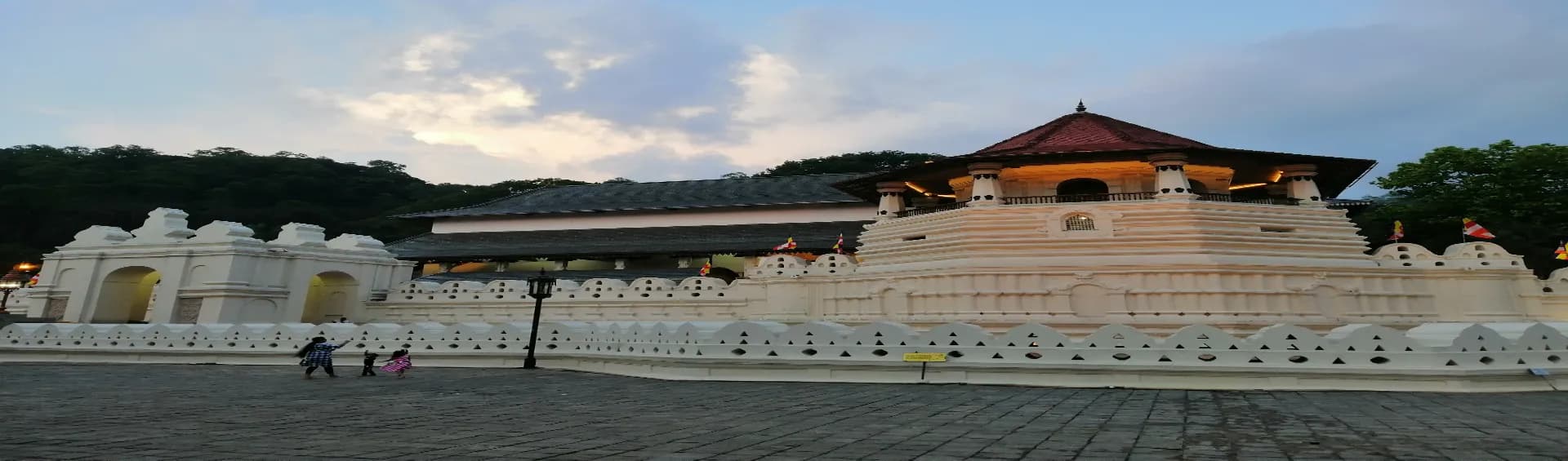
Sri Lanka, the pearl of the Indian Ocean, is home to thousands of ancient temples. These sacred sites represent centuries of religious traditions, where Buddhism and Hinduism have flourished together, creating a unique spiritual landscape. The Sri Lanka temple architecture reflects influences from India, Southeast Asia, and local Sinhalese traditions, making each shrine a masterpiece of art and faith.The island’s temple history dates back over 2,500 years, beginning with the arrival of Buddhism in the 3rd century BCE. Ancient kings built magnificent temples as centers of worship and learning. Meanwhile, Hindu temples in Sri Lanka were established by Tamil communities, creating colorful kovils with intricate sculptures and towering gopurams. Today, these temples continue to serve as spiritual centers for both locals and pilgrims from around the world.This is why our special Sri Lanka tour packages include visits to these sacred sites, offering glimpses into the island’s rich religious heritage. This blog will take you through 15 remarkable temples across Sri Lanka, each with its own story, architectural beauty, and spiritual significance. These temples offer unforgettable experiences that connect you with the island’s deep spiritual roots. 15 Must-Visit Sacred Temples in Sri Lanka 1. Temple of the Sacred Tooth Relic (Sri Dalada Maligawa) The Temple of the Sacred Tooth Relic in Kandy stands as Sri Lanka’s most revered Buddhist temple. This Sri Lanka temple houses the sacred tooth relic of Lord Buddha, making it one of the most important pilgrimage sites in the Buddhist world. The temple complex showcases traditional Kandyan architecture with intricate woodwork, golden roofs, and beautiful paintings depicting Buddhist stories. Daily rituals called “Thewawa” attract thousands of devotees who come to offer prayers and witness the ancient ceremonies that have continued for centuries.Location: Sri Dalada Veediya, Kandy 20000, Sri LankaEntry Fee: ₹600 for foreigners 2. Dambulla Cave Temple (Golden Temple) Dambulla Cave Temple, also known as the Golden Temple, represents one of Sri Lanka’s most spectacular Buddhist sites. This ancient Sri Lanka temple complex consists of five caves carved into a massive rock outcrop, containing over 150 Buddha statues and extensive murals covering 2,100 square meters. The temple dates back to the 1st century BCE and served as a refuge for King Valagamba. The vibrant paintings and sculptures create an otherworldly atmosphere that transports visitors back through centuries of Buddhist artistry and devotion.Location: Dambulla, Matale District, Central Province, Sri LankaEntry Fee: ₹570 for foreigners 3. Ruwanwelisaya Stupa Located in the ancient city of Anuradhapura, Ruwanwelisaya Stupa stands as one of the largest and most sacred Buddhist monuments in Sri Lanka. This magnificent Sri Lanka temple was built by King Dutugemunu in the 2nd century BCE and represents the architectural pinnacle of ancient Sinhalese craftsmanship. The massive white dome rises 103 meters high and is surrounded by elephant statues that seem to support the structure. The best time to visit Sri Lanka to experience this temple is during the cooler months from December to March, when the weather is perfect for exploring the vast complex.Location: Anuradhapura, North Central Province, Sri LankaEntry Fee: ₹700 for foreigners 4. Kelaniya Raja Maha Vihara Kelaniya Raja Maha Vihara holds immense significance as one of the three places in Sri Lanka visited by Lord Buddha. This is among the most famous temples in Sri Lanka located just outside Colombo and features stunning murals painted by renowned artist Solias Mendis. The temple’s modern paintings depict Buddhist stories and Sri Lankan history in vivid detail. The annual Duruthu Perahera festival transforms the temple into a spectacular celebration of lights, colors, and traditional performances that attract visitors from across the island.Location: Kelaniya, Gampaha District, Western Province, Sri LankaEntry Fee: No entry fee 5. Thiruketheeswaram Kovil Thiruketheeswaram Kovil in Mannar stands as one of the Pancha Ishwarams, five ancient coastal temples dedicated to Lord Shiva. This Hindu temples in Sri Lanka dates back over 2,400 years and overlooks the ancient Tamil port towns of Manthai and Kudiramalai. The temple’s architecture reflects classical South Indian Dravidian style with intricate stone carvings and a towering gopuram. The temple’s location near the sea creates a mystical atmosphere where devotees can experience the spiritual power of Shiva while enjoying breathtaking coastal views.Location: Mannar, Northern Province, Sri LankaEntry Fee: No entry fee, donations welcome 6. Gangaramaya Temple Gangaramaya Temple in Colombo represents modern Buddhist architecture blended with traditional elements. This Sri Lanka temple serves as both a place of worship and a center for Buddhist learning and cultural activities. The temple complex includes a museum, library, and meditation hall, housing an impressive collection of Buddha statues, antiques, and religious artifacts from various Asian countries. The temple’s floating pavilion, Seema Malakaya, sits beautifully on Beira Lake and provides a serene meditation space surrounded by water.Location: 61 Sri Jinarathana Rd, Colombo 00200, Sri LankaEntry Fee: ₹100 for foreigners 7. Nagapooshani Amman Temple Nagapooshani Amman Temple on Nainativu Island is one of the most important Hindu temples in Sri Lanka dedicated to Goddess Parvati. This ancient temple attracts pilgrims from across South Asia who come to seek blessings from the powerful goddess. The temple’s colorful gopuram rises majestically against the island’s landscape, while the interior houses beautiful statues and intricate carvings. The journey to reach the temple involves a scenic ferry ride, making the pilgrimage itself a memorable spiritual experience.Location: Nainativu Island, Jaffna District, Northern Province, Sri LankaEntry Fee: No entry fee 8. Mihintale Mihintale holds the distinction of being the birthplace of Buddhism in Sri Lanka, making it one of the most sacred places to visit in Sri Lanka. This ancient monastery complex sits atop a hill where Arahat Mahinda first preached Buddhism to King Devanampiyatissa in 247 BCE. The site features numerous stupas, meditation caves, and ruins that showcase the early development of Buddhist architecture. Climbing the 1,840 granite steps to reach the summit provides both physical challenge and spiritual reward, with panoramic views of the surrounding countryside.Location: Mihintale, Anuradhapura District, North Central Province, Sri LankaEntry Fee: ₹150 for foreigners 9. Jetavanaramaya Stupa Jetavanaramaya Stupa in Anuradhapura stands as one of the tallest ancient brick structures in the world, reaching 122 meters in height. This monumental Sri Lanka temple was built by King Mahasena in the 3rd century CE and represents the architectural achievements of ancient Sri Lankan civilization. The stupa’s massive dome required millions of bricks and showcases the engineering capabilities of ancient Buddhist architects. The surrounding monastic complex once housed thousands of monks and remains an important pilgrimage site for Buddhist devotees worldwide.Location: Anuradhapura, North Central Province, Sri LankaEntry Fee: ₹1,000 for foreigners 10. Koneswaram Temple Koneswaram Temple in Trincomalee is one of the Pancha Ishwarams and represents classical Hindu temples in Sri Lankan architecture. Perched dramatically on Swami Rock overlooking the Indian Ocean, this ancient temple dedicated to Lord Shiva offers breathtaking views and spiritual experiences. The temple’s history spans over 2,000 years, though the current structure was rebuilt after Portuguese destruction in 1624. The temple’s location creates a unique atmosphere where devotees can worship while enjoying spectacular sunrises and ocean views.Location: Trincomalee, Eastern Province, Sri LankaEntry Fee: No entry fee 11. Isurumuniya Vihara Isurumuniya Vihara in Anuradhapura represents one of the most artistic famous temples in Sri Lanka, famous for its ancient rock carvings and sculptures. This 3rd-century BCE temple is built into a natural rock formation and features the famous “Isurumuniya Lovers” carving, considered a masterpiece of ancient Sinhalese art. The temple’s pond and surrounding gardens create a peaceful atmosphere perfect for meditation and reflection. The combination of natural rock formations with architectural elements makes this temple unique among Sri Lankan religious sites.Location: Anuradhapura, North Central Province, Sri LankaEntry Fee: ₹150 for foreigners 12. Vel Murugan Temple Vel Murugan Temple in Colombo stands as a modern example of Tamil temple architecture in urban Sri Lanka. This Sri Lanka temple dedicated to Lord Murugan features colorful gopurams, intricate sculptures, and traditional South Indian architectural elements. The temple serves the Tamil community in Colombo and celebrates annual festivals with great enthusiasm. The temple’s location in the heart of Colombo makes it easily accessible for visitors wanting to experience Hindu religious practices and Tamil cultural traditions.Location: Station Road, Colombo 04, Sri LankaEntry Fee: No entry fee 13. Buduruwagala Temple Buduruwagala Temple features the largest ancient Buddha statue carved from rock in Sri Lanka, standing 15 meters tall. This is one of the most famous temples in Sri Lanka, and dates back to the 9th or 10th century, while also representing Mahayana Buddhist influences in ancient Sri Lankan art. The seven statues carved into the rock face include Buddha flanked by bodhisattvas and other figures, creating an impressive sculptural ensemble. The temple’s remote location in Wellawaya provides a peaceful setting for contemplation and appreciation of ancient Buddhist artistry.Location: Wellawaya, Monaragala District, Uva Province, Sri LankaEntry Fee: ₹150 for foreigners 14. Polonnaruwa Gal Vihara Polonnaruwa Gal Vihara showcases the finest examples of ancient Sinhalese rock sculpture, featuring four magnificent Buddha statues carved from a single granite rock. This 12th-century Sri Lanka temple represents the artistic pinnacle of the Polonnaruwa period under King Parakramabahu I. The standing Buddha statue, measuring 7 meters tall, demonstrates exceptional craftsmanship and spiritual expression. The site’s historical significance and artistic beauty make it one of Sri Lanka’s most photographed and admired temple complexes.Location: Polonnaruwa, North Central Province, Sri LankaEntry Fee: ₹1,000 – 1,200 for foreigners 15. Kataragama Temple Kataragama Temple serves as a unique multi-religious site where Buddhist, Hindu, and indigenous beliefs converge. This Sri Lanka temple dedicated to God Kataragama (Murugan) attracts pilgrims from various religious backgrounds who come seeking blessings and spiritual healing. The temple complex includes separate shrines for different deities and hosts the famous annual Kataragama festival, one of Sri Lanka’s most important religious celebrations.Location: Kataragama, Monaragala District, Uva Province, Sri LankaEntry Fee: No entry fee Frequently Asked Questions About Sri Lanka What are the 5 Shiva temples in Sri Lanka? A. The five Shiva temples (Pancha Ishwarams) in Sri Lanka are Thiruketheeswaram in Mannar, Koneswaram in Trincomalee, Thirumunneswaram in Chilaw, Naguleswaram in Keerimalai, and Thondeswaram in Tennavaram. These ancient coastal temples are dedicated to Lord Shiva. Does Sri Lanka have Hindu temples? A. Yes, Sri Lanka has numerous Hindu temples, particularly in Tamil-majority areas. These include ancient Shiva temples, Murugan kovils, and Ganesha temples. The Tamil community has maintained these temples for centuries, with many featuring traditional South Indian Dravidian architecture and colorful gopurams. Which God is famous in Sri Lanka? A. Lord Buddha is most famous in Sri Lanka as the majority population follows Buddhism. However, Hindu deities like Ganesha, Murugan, and Shiva are also widely worshipped. Kataragama (Murugan) is particularly revered by both Buddhists and Hindus across the island. Where is Ashok Vatika in Sri Lanka? A. Ashok Vatika is believed to be located in Hakgala Botanical Garden near Nuwara Eliya, according to Ramayana legend. This is where Sita was supposedly held captive by Ravana. The garden features ashoka trees and is a popular pilgrimage site for devotees. Is Sanjeevani Mountain still in Sri Lanka? A. According to the Ramayana, Sanjeevani Mountain is believed to be Ritigala in Sri Lanka’s North Central Province. This forest monastery complex contains medicinal plants and ancient ruins. Also Read: Places to visit in South IndiaMust Checkout: Things to do in South India

Read More

Best 5 Star Hotels in Bali for Luxury Travelers
July 26, 20258 Minutes
Best 5 Star Hotels in Bali for Luxury Travelers
Bali is often seen as a budget-friendly destination, especially for Indian travelers. However, for those seeking a luxurious experience, the island also has a range of high-end accommodations. From beachfront resorts to cliffside retreats, Bali offers numerous options for travelers looking to indulge in comfort and elegance.Honeymoon, family vacations, or a solo exploration, staying in the 5 star hotels in Bali can enhance your travel experience. Viacation’s Bali tour packages include stays at these luxurious properties, making it easier to enjoy the island’s beauty in style.Here are some of the top 5 star hotels in Bali that promise an unforgettable stay: 10 Best 5 Star Hotels in Bali 1. Hilton Bali Resort Hilton Bali Resort is located on a cliff overlooking the Indian Ocean, offering breathtaking views and direct access to a secluded beach. The resort features spacious rooms and suites with private balconies, four swimming pools, a sand lagoon, and a 30-meter waterslide. The resort’s serene ambiance and top-notch amenities make it a standout among 5 star hotels in Bali. Families can enjoy the culturally immersive kid’s club, which includes traditional Balinese games and activities.Location: Nusa Dua, approximately 16 km from Ngurah Rai International Airport.Price: Starting from ₹12,000 per night.Nearby Attractions: Water Blow, Geger Beach, Bali Collection. 2. Wyndham Tamansari Jivva Resort Bali Located on the eastern coast, this beachfront resort combines modern design with traditional Balinese elements. Guests can choose from rooms, suites, or private pool villas, all offering views of the ocean or lush gardens. The resort features a spa, outdoor pool, and dining options that highlight local flavors. It’s an ideal choice for travelers looking for peace away from the crowded tourist areas.Location: Klungkung, approximately 40 km from the airport.Price: Starting from ₹4,000 per night.Nearby Attractions: Bali Safari & Marine Park, Goa Lawah Temple, Kerta Gosa Pavilion. 3. Grand Hyatt Bali Situated among 41 acres of lush gardens and lagoons, Grand Hyatt Bali is designed to resemble a traditional Balinese water palace. The resort offers 636 rooms across four villages, five swimming pools, a spa with 24 treatment villas, and multiple dining options. Its beachfront location and extensive facilities cater to both families and couples seeking luxury. As one of the prominent 5 star hotels in Bali, it provides a perfect blend of cultural charm and modern comfort.Location: Nusa Dua, about 12 km from the airport.Price: Starting from ₹15,000 per night.Nearby Attractions: Bali Collection, Water Blow, Bali National Golf. 4. Novotel Bali Nusa Dua Hotel & Residences Offering a blend of hotel rooms and serviced apartments, Novotel Bali Nusa Dua is ideal for families and long-stay guests. The resort boasts a large lagoon pool, spa services, and a private beach club. Its spacious accommodations and family-friendly amenities make it a comfortable base for exploring the island.Location: Kuta Sel, Bali, about 13 km from the airport.Price: Starting from ₹8,000 per night.Nearby Attractions: Geger Beach, Bali Collection, Water Blow. 5. The Anvaya Beach Resort Bali Situated in the heart of Kuta, the Anvaya Beach Resort offers direct beach access and a range of dining options. Its design reflects Balinese heritage, providing guests with a cultural experience alongside modern amenities. The resort features multiple swimming pools, a spa, and family-friendly facilities. Its central location makes it a convenient choice among 5 star hotels in Bali.Location: Kuta, just 2 km from Ngurah Rai International Airport.Price: Starting from ₹11,000 per night.Nearby Attractions: Kuta Beach, Discovery Shopping Mall, Waterbom Bali. 6. Courtyard Bali Nusa Dua Resort This resort offers a peaceful retreat with its gardens and lagoon-style pool. Guests can enjoy spacious rooms, a fitness center, and various dining options. Its family-friendly amenities and serene ambiance make it a preferred choice among 5 star hotels in Bali. The resort provides a free shuttle to its private beach club on Nusa Dua Beach.Location: Nusa Dua, approximately 14 km from the airport.Price: Starting from ₹10,000 per night.Nearby Attractions: Nusa Dua Beach, Bali Collection, Geger Beach. 7. The Ritz-Carlton, Bali Perched on a cliff with panoramic ocean views, The Ritz-Carlton offers luxury villas with private pools and personalized butler services. The resort emphasizes Balinese culture through its architecture and spa treatments. It’s one of the luxurious and expensive 5 star hotels in Bali for those who completely love luxury. Guests can indulge in fine dining, relax at the spa, or enjoy the infinity pool overlooking the ocean.Location: Nusa Dua, about 14 km from the airport.Price: Starting from ₹36,000 per night.Nearby Attractions: Geger Beach, Bali National Golf, and Water Blow. 8. Sheraton Bali Kuta Resort Overlooking Kuta Beach, this resort offers modern rooms with ocean views, an infinity pool, and a rooftop lounge. Its central location makes it ideal for those wanting to explore the vibrant nightlife and shopping scenes. Guests can enjoy a variety of dining options and relax at the spa. As one of the accessible 5 star hotels in Bali, it combines convenience with luxury.Location: Kuta, approximately 5 km from the airport.Price: Starting from ₹10,000 per night.Nearby Attractions: Kuta Beach, Beachwalk Shopping Center, Legian Street. 9. The Patra Bali Resort & Villas Combining traditional Balinese architecture with modern comforts, this resort offers spacious villas and direct beach access. Its proximity to the airport makes it a convenient choice among 5 star hotels in Bali. It’s particularly popular among families due to its kid-friendly amenities. The resort features multiple dining options, a spa, and a large swimming pool.Location: South Kuta, just 1.5 km from the airport.Price: Starting from ₹6,500 per night.Nearby Attractions: Tuban Beach, Saint Francis Xavier Catholic Church, Lippo Mall. 10. Hard Rock Hotel Bali Inspired by rock and roll culture, this hotel offers a lively atmosphere with its music-themed rooms, large free-form pool, and live entertainment. Its central location in Kuta makes it a popular choice among 5 star hotels in Bali. It’s a hit among younger travelers and families. The hotel features multiple dining options, a spa, and a kids’ club.Location: Kuta, about 3 km from the airport.Price: Starting from ₹10,000 per night.Nearby Attractions: Kuta Beach, Kuta Square, Legian Street. Frequently Asked Questions About Hotels in Bali 1. Where do celebrities go in Bali? A. Celebrities often head to Seminyak and Uluwatu for chic beach clubs, high-end spas, and privacy. These upscale areas combine luxury with style—ideal for sipping cocktails while dodging paparazzi, or at least pretending to while enjoying oceanfront views. 2. Where did the Kardashians stay in Bali? A. The Kardashians stayed at Soori Bali, a lavish beachfront resort in Tabanan. With private pools, minimalist architecture, and coastal views, no surprise they filmed their family drama here in full tropical glamour. 3. What is the most luxurious area to stay in Bali? A. Nusa Dua is considered the most luxurious area in Bali. It boasts pristine beaches, private villas, and world-famouis 5 star hotels in Bali, perfect for travelers seeking indulgence, seclusion, and exceptional service away from the island’s hustle. 4. Where do billionaires stay in Bali? A. Billionaires stay at ultra-private resorts like Bulgari Resort Bali or beachfront estates in Uluwatu. These spots offer total seclusion, ocean panoramas, and elite service, blending luxury with peace, plus easy access to all the popular attractions. Also Checkout: Things to do in BaliMust Read: Places to Visit in Bali

Read More

Maldives in March
July 26, 20256 Minutes
Maldives in March
March in the Maldives is a postcard-perfect time of year. It falls during the dry northeast monsoon (Iruvai) season, characterised by blue skies, gentle sea breezes, and minimal rainfall. With warm temperatures and clear waters, it’s an excellent time to explore the Maldives’ natural beauty both above and below the surface. Whether you’re planning a honeymoon, diving trip, or a luxurious break with family, March offers some of the best weather all year round. Resorts fill up fast, so it’s wise to book early, but in return, you get the Maldives at its most dazzling. Many Maldives tour packages feature added perks during March, making it one of the most rewarding months to visit. Weather in the Maldives in March March is one of the driest months in the Maldives, with consistent sunshine, low humidity, and calm seas. The average Maldives temperature in March ranges from 27°C to 32°C, making it perfect for beach days, water activities, and long oceanfront dinners. Rainfall is minimal and typically light, often clearing quickly. Winds are gentle, and the seas are calm—ideal for boat excursions, snorkelling trips, and diving tours. Underwater visibility is exceptional, especially in areas like North Malé and Ari Atolls, attracting marine enthusiasts from around the world. Sunrise and sunset views are especially vibrant in March, with golden hues painting the horizon—ideal for romantic escapes and photography. Best Places to Visit in the Maldives in March 1. North Malé Atoll: This easily accessible region from Velana International Airport is home to many luxury resorts and local islands. Known for excellent surf breaks and coral reefs, North Malé is perfect for first-time visitors or those looking for a well-rounded island stay. 2. South Ari Atoll: March is peak season for spotting whale sharks in this region. The calm, clear waters make it one of the top diving spots in the country. Many tour operators offer guided snorkelling and diving excursions to witness these gentle giants up close. 3. Baa Atoll: Although manta ray season officially begins later in the year, Baa Atoll still offers vibrant coral life and tranquil surroundings in March. Luxury resorts on private islands offer unmatched serenity and top-tier amenities. 4. Noonu Atoll Perfect for a quieter stay, Noonu features unspoiled lagoons and some of the Maldives’ most beautiful natural landscapes. March brings calm waters that are ideal for kayaking and sunset cruises. 5. Luxury Private Islands March is a popular time for overwater villas, thanks to clear skies and warm temperatures. Whether you’re planning a honeymoon or a solo getaway, private islands provide top-class privacy and personalised service. Best Things to Do in the Maldives in March 1. Snorkelling and Diving: March offers ideal underwater conditions. With visibility up to 30 metres in some areas, you can explore coral gardens teeming with turtles, rays, reef sharks, and colourful fish. Dive sites like Maaya Thila or Fish Head in South Ari Atoll are world-renowned. 2. Sunset Cruises: Hop on a traditional dhoni boat for a sunset cruise. The clear evening skies of March provide unforgettable backdrops for dolphin watching, romantic toasts, and ocean photography. 3. Romantic Dinners on the Beach: With dry evenings and soft breezes, March is perfect for beachside dining. Many resorts offer private setups with lanterns, live cooking, and even violinists for a truly special experience. 4. Island Hopping: March’s stable weather makes it a great time for visiting nearby local islands. Discover traditional villages, taste local Maldivian dishes like mas huni, and learn about coconut crafts and boat building. 5. Wellness & Spa Days: Let the sound of the waves set the tone for a spa day. Enjoy open-air massages, sea-salt scrubs, or a traditional sand poultice therapy—a healing practice used by islanders for centuries. Travel Tips for the Maldives in March Book Early: March is part of the Maldives’ peak travel season. For the best resorts and flight prices, plan and book your trip at least 2–3 months in advance. Pack Light & Bright: Think swimwear, airy cotton clothes, sunglasses, and reef-safe sunscreen. Most resorts offer laundry services, so you won’t need much. Bring Snorkelling Gear (Optional): While most resorts provide it, having your mask and fins ensures the best fit and hygiene, especially if you snorkel daily. Stay Hydrated: With lots of sun exposure, it’s important to drink plenty of water. Many resorts offer complimentary water in villas. Check for Inclusions: Some Maldives tour packages in March include water activities, meals, and excursions—great for budgeting and convenience. Frequently Asked Questions 1. Is March a good time to visit the Maldives? Absolutely! March is part of the dry season, offering warm sunshine, low humidity, and calm seas. It’s one of the most popular and scenic months for a Maldives holiday. 2. Does it rain in March in the Maldives? Rarely. March sees very little rainfall, and when it does rain, it’s often a brief, light shower that clears quickly. 3. Are resorts more expensive in March? Yes, since it’s high season, prices can be higher. However, many Maldives tour packages in March come with added benefits like free upgrades, excursions, or meal plans. 4. Is March good for diving and snorkelling? Yes! Underwater visibility is excellent in March, and many marine species are active. South Ari is especially good for whale sharks, while other atolls offer coral gardens and reef fish. 5. Are all areas of the Maldives open in March? Yes, all atolls and regions are accessible in March. You can travel freely between islands and choose destinations based on your interests—be it diving, surfing, or spa relaxation. Also Read: Places to Visit in MaldivesMust Read: Things to do in Maldives

Read More

Habarana, Sri Lanka
July 26, 20254 Minutes
Habarana, Sri Lanka
Overview of Habarana, Sri Lanka If you’re planning a peaceful yet adventurous getaway in the heart of Sri Lanka, Habarana Sri Lanka should be on your travel list. This small town, located in the Anuradhapura District, is a key part of the country’s Cultural Triangle. It’s famous for its wildlife safaris, elephant gatherings, village life, and ancient ruins all wrapped into one scenic location.Here’s a fun fact: Habarana is also one of the best places in Sri Lanka for spotting wild elephants, especially in nearby Minneriya National Park, where hundreds of elephants gather during the dry season. It’s a view you won’t forget.In this blog, you will explore the main highlights of Habarana Sri Lanka, the must-do experiences, and some real travel tips to make your trip better. Also, if you are planning a trip, check out our Sri Lanka tour packages for a smooth and well-planned vacation experience from India. Highlights of Habarana, Sri Lanka Jungle Safari in Minneriya National Park: A trip to Habarana is incomplete without a wildlife safari. Minneriya is just 30 minutes away and is home to elephants, leopards, deer, and many bird species. The Elephant Gathering during August–September is world-famous and a must-see. Sigiriya Rock Fortress: This UNESCO World Heritage Site is only a short drive from Habarana. Climb up the ancient rock to find stunning views, centuries-old frescoes, and an incredible royal palace built on top. It’s a perfect mix of history and adventure. Habarana Lake Walks: Take a peaceful evening walk around the Habarana Lake. It’s quiet, scenic, and filled with local charm. You might even spot birds, monkeys, or elephants coming near the water. Village Safari Experience: Enjoy a real village tour in a bullock cart or by tuk-tuk. Learn how locals cook traditional meals, try your hand at preparing Sri Lankan food, and ride a canoe in the village tank. It’s one of the most authentic experiences in Habarana Sri Lanka. Hot Air Balloon Ride: Float above Habarana’s green jungles and lakes early in the morning. The hot air balloon ride gives you a bird’s-eye view of the forests, fields, and even elephants walking below. It’s peaceful, thrilling, and totally Instagram-worthy. Dambulla Cave Temple: Just 20 km from Habarana, the Dambulla Temple has ancient caves with over 150 Buddha statues and colourful murals. The temple is located on a hill, so the view from the top is also stunning. Ayurvedic Spa and Wellness Centers: After a long day of sightseeing, relax with a traditional herbal massage. Habarana has several Ayurvedic centers offering massages and treatments that refresh your body and mind. Stay in Eco-Lodges: Most hotels in Habarana Sri Lanka are eco-lodges or nature resorts. You’ll sleep surrounded by trees, birdsong, and fresh air, giving you a true break from city life. Travel Tips/Essential Information of Habarana, Sri Lanka Best Time to Visit: Visit from May to September if you want to see elephants in Minneriya. The weather is dry, making it perfect for safaris and sightseeing. How to Reach Habarana: Habarana is around 175 km from Colombo. You can take a train, bus, or hire a cab. What to Pack: Carry cotton clothes, good walking shoes, sunscreen, a hat, and mosquito repellent. A camera is a must for wildlife and scenic shots. Currency and Language: Sri Lankan Rupee is the local currency. Most people understand English, but a smile and a few basic Sinhala words go a long way. Important Tip: Don’t feed wild animals or approach elephants during safaris. Always follow your guide’s instructions. Budget Tip: Local tuk-tuks are cheap and fun. Negotiate before the ride or ask your hotel to help. Safety Note: Habarana is very tourist-friendly. Still, keep your valuables safe and always book safaris or rides through trusted agencies or your hotel. Also Read: Places to visit in South IndiaMust Checkout: Things to do in South India

Read More

Negombo, Sri Lanka
July 26, 20253 Minutes
Negombo, Sri Lanka
Overview of Negombo, Sri Lanka On a Sri Lanka Trip, there’s one place you shouldn’t skip—Negombo Sri Lanka. This coastal town is just 10 km from Bandaranaike International Airport, making it a perfect first or last stop in your journey. Known for its golden beaches, calm waters, and colonial history, Negombo offers a relaxing start to your holiday.You’ll find peaceful boat rides, fresh seafood, historic churches, and a touch of Dutch heritage around every corner. Interestingly, Negombo is often called “Little Rome” because of its many Catholic churches. It’s also home to one of the oldest fishing villages in the country.In this blog, you’ll discover the best places to visit, things to do, and useful travel tips to make your trip smoother. If you’re booking Sri Lanka tour packages, don’t forget to include Negombo for a complete coastal and cultural experience. Highlights of Negombo, Sri Lanka 1. Negombo Beach Peaceful Walks: The long sandy beach is perfect for morning or evening walks with a peaceful sea breeze.Local Life: You’ll see locals playing cricket, fishing, or flying kites—an ideal way to soak in Sri Lankan culture. 2. Negombo Lagoon Calm Waters: This wide lagoon is surrounded by mangroves and is perfect for a boat safari.Birdwatching Paradise: The area is full of birds like herons, kingfishers, and egrets—ideal for nature lovers. 3. Dutch Fort Colonial Charm: Built by the Portuguese and later taken over by the Dutch, this small fort is a window to the past.Central Location: Located near the lagoon, it’s an easy stop while exploring Negombo Sri Lanka. 4. St. Mary’s Church: Beautiful Interiors: Known for its vibrant ceiling paintings and European-style architecture.Cultural Mix: This 140-year-old church reflects the deep Catholic roots of Negombo. 5. Negombo Fish Market (Lellama): Lively Atmosphere: Visit early in the morning to see local fishermen auctioning off their fresh catch.Authentic Experience: A must-visit for foodies and photographers wanting to capture the real Negombo Sri Lanka. 6. Dutch Canal: Peaceful Rides: This canal system was built by the Dutch and is now used for scenic boat rides.Historic Vibes: A unique way to see the town and understand its trading past. 7. Hamilton Canal: Serene Journeys: This canal runs parallel to the coast and connects Negombo to Colombo. Ideal for Cycling: Ride along the banks and enjoy a peaceful escape from the city traffic. 8. Angurukaramulla Temple: Giant Buddha Statue: Features a huge seated Buddha and vibrant murals. Gives a glimpse of Sri Lanka’s Buddhist traditions within a mainly Christian town. Travel Tips/Essential Information of Negombo, Sri Lanka How to Reach: Negombo is just a 20-minute drive from Colombo Airport, making it one of the most accessible towns in Sri Lanka. Taxis, tuk-tuks, and buses are easily available. Weather: The best time to visit Negombo Sri Lanka is from November to April. The weather stays warm and dry—perfect for beach activities and sightseeing. Currency & Connectivity: The local currency is Sri Lankan Rupee (LKR). You can exchange money at the airport or ATMs. Most hotels and cafes offer free Wi-Fi. Local Etiquette: Dress modestly while visiting churches and temples. Remove your shoes before entering religious places. People are generally friendly, and English is widely spoken. Also Read: Places to visit in South IndiaMust Checkout: Things to do in South India

Read More

Adams Peak, Sri Lanka
July 26, 20254 Minutes
Adams Peak, Sri Lanka
Overview of Adams Peak, Sri Lanka Adams Peak Sri Lanka, also known as Sri Pada, is one of the most sacred and adventurous places to visit in the country. Located in the central highlands, this 2,243-meter-high mountain is famous for the “footprint” at the summit. Buddhists believe it’s Lord Buddha’s, Hindus believe it’s Lord Shiva’s, and Christians connect it to Adam.Every year, thousands of pilgrims and travelers climb this mountain, especially during the pilgrimage season from December to May. What makes it even more special is the sunrise view from the top. It’s pure magic when the shadow of the peak forms a perfect triangle over the clouds.In this blog, you’ll explore the top highlights of Adams Peak Sri Lanka, what to expect during the climb, and some very real and useful travel tips to plan your journey. Don’t forget to check out our Sri Lanka tour packages to visit and explore Adams Peak and more. Highlights of Adams Peak, Sri Lanka Sacred Footprint at the Summit: At the top of Adams Peak Sri Lanka, there’s a 1.8-meter-long footprint carved in stone. It holds religious importance for multiple faiths and is the main reason for the pilgrimage. The peaceful energy at the summit is truly unforgettable. Sunrise Experience: The climb usually starts at night, around 2 AM, so you can reach the peak before sunrise. As the sun rises, the entire sky turns golden, and a clear triangle shadow of the mountain appears on the clouds. It’s one of nature’s best shows. Night-time Trekking Path: The path is well-lit with small lamps during the pilgrimage season. Locals even set up tea stalls along the way. You’re never alone on this path — hundreds of people climb together, creating a sense of unity and energy. Rough but Doable Climb: The trek is around 5,500 steps. Yes, it sounds scary, but even elderly pilgrims make it to the top. You’ll meet all kinds of people — old couples, young kids, and even solo travelers — all helping each other. Local Snacks on the Way: The climb is filled with local vendors offering hot tea, parippu vada (dal fritters), and spicy roti. You can enjoy these short breaks while catching your breath and soaking in the surroundings. Spiritual Vibe: Whether you’re religious or not, the entire journey feels deeply spiritual. The prayers, chants, and the sound of temple bells at the top add another layer of experience to it. Wildlife and Nature: On your way, you’ll walk through forest areas that are home to beautiful birds, butterflies, and rare plants. If you’re lucky, you might spot a giant squirrel. Travel Tips & Essential Information of Adams Peak, Sri Lanka Best Time to Visit: December to May is the best time to climb. During this season, the weather is good, and the path is well-lit and crowded, which also makes it feel safe. Start Early: Begin your climb around 2 am to reach the summit before sunrise. This gives you time to take breaks and move at your own pace. Carry Light but Essentials: Bring a small backpack with water, energy snacks, a light jacket, and a flashlight. Even though the path is lit, a personal light helps. Wear good walking shoes. No need for trekking shoes, just comfortable ones. Stay Nearby: Book a guesthouse in Dalhousie (Nallathanniya), which is the starting point of the trek. It saves travel time and lets you rest before the hike. Go Slow, Take Breaks: There’s no rush to reach the top. The climb is about the journey, not speed. Take breaks, sip tea, chat with locals, and keep moving. Avoid Monsoon Season: Avoid June to October due to heavy rain and leeches on the path. The climb can become slippery and dangerous during these months. Also Read: Places to visit in South IndiaMust Checkout: Things to do in South India

Read More

Mount Lavinia, Sri Lanka
July 26, 20253 Minutes
Mount Lavinia, Sri Lanka
Overview of Mount Lavinia, Sri Lanka If you’re planning a beach holiday that’s not too far, not too crowded, and yet full of beauty, Mount Lavinia Sri Lanka is your answer. Just 12 km from Colombo, this laid-back suburb is known for its golden beaches, colonial history, and relaxed vibe. It’s one of the few places in Sri Lanka where the past and present blend beautifully—expect to see colonial mansions next to beachfront cafes.Mount Lavinia has always been a favourite among locals and international tourists for weekend getaways. One fun fact? The iconic Mount Lavinia Hotel was once the residence of a British Governor, and there’s a secret tunnel under it.In this blog, you’ll explore the best places to visit in and around Mount Lavinia Sri Lanka, things to do, and handy travel tips. And if you’re looking for the best Sri Lanka tour packages, we’ve got you covered with options that include beach time, city tours, and more. Highlights of Mount Lavinia, Sri Lanka 1. Mount Lavinia Beach Golden Sands: This is the heart of Mount Lavinia, where you’ll find a long stretch of golden beach perfect for walks and sunsets.Local Vibe: Beachside shacks serve fresh seafood and local beer, and on weekends, locals gather here for fun and music. 2. Mount Lavinia Hotel Colonial Heritage: Built in 1806, it was once the mansion of Sir Thomas Maitland, the British Governor of Ceylon.Sea Views: The hotel terrace gives one of the best views of the Indian Ocean—ideal for a relaxed lunch. 3. Our Turtle Conservation Centre Visit Turtle Rescue: A short ride from Mount Lavinia, this centre focuses on protecting endangered sea turtles.Interactive Experience: You can learn about the different species, see hatchlings, and even help release them into the sea (if timed right). 4. Dehiwala Zoo (National Zoological Gardens of Sri Lanka) Wildlife Variety: Just 3 km away, this zoo houses animals, birds, and reptiles from around the world.Family Friendly: It’s a great half-day visit for those travelling with children. 5. Sri Lanka Air Force Museum Aviation History: Located nearby in Ratmalana, this museum showcases planes, helicopters, and the country’s air force history.Great for Kids: Interactive exhibits make it interesting even for younger visitors. 6. Attidiya Bird Sanctuary Nature Escape: A hidden gem for bird lovers, with more than 150 species of birds.Peaceful Trails: The sanctuary is perfect for morning walks or a quiet afternoon in nature. 7. Colombo City Day Trip Close Access: Since Mount Lavinia is just 12 km from Colombo, a quick trip to the city’s main attractions is easy.Top Sights: Visit Gangaramaya Temple, Galle Face Green, and Independence Square in one afternoon. Travel Tips/Essential Information of Mount Lavinia, Sri Lanka Best Time to Visit: The ideal time to visit Mount Lavinia Sri Lanka is from November to April, when the weather is dry and perfect for the beach. Avoid the monsoon season from May to October as the sea gets rough and outdoor activities are limited. How to Reach: The easiest way to get to Mount Lavinia from Colombo is by train or tuk-tuk. Trains are frequent and cheap, while tuk-tuks offer a more flexible ride. If you’re flying in, Bandaranaike International Airport is around 45 km away. Where to Stay: Options range from budget guesthouses to luxury hotels like Mount Lavinia Hotel. For Indian travelers, food won’t be an issue—many restaurants serve vegetarian and spicy dishes to suit Indian tastes. Local Etiquette: Dress modestly while visiting religious sites. At the beach, swimwear is fine, but avoid being too revealing when walking around town. Currency: Sri Lankan Rupee (LKR) is used. Most shops accept cards, but keep some cash for tuk-tuks and local stalls. Also Read: Places to visit in South IndiaMust Checkout: Things to do in South India

Read More

Maldives in July
July 25, 20255 Minutes
Maldives in July
The Maldives in July is a serene blend of tropical beauty, gentle sea breezes, and short, refreshing rains. Although it falls within the southwest monsoon (Hulhangu) season, the showers are usually brief and often arrive in the early morning or late evening, leaving much of the day clear and sunny. This makes it a surprisingly good time for travellers who want fewer crowds, peaceful resorts, and great deals. The islands are lush and green from recent rains, the ocean remains warm and welcoming, and marine life is thriving—ideal for snorkelling and diving. Whether you’re planning a quiet honeymoon, a rejuvenating solo trip, or a family holiday, July brings a slower, more relaxed pace to your Maldivian getaway. With many resorts offering seasonal deals and added perks, Maldives tour packages in July provide an excellent mix of comfort, value, and breathtaking scenery for those looking to escape the usual tourist rush. Weather in the Maldives in July July marks the heart of the southwest monsoon in the Maldives, bringing occasional showers and cloudy spells. However, it’s not a washout. Rain typically arrives in short, refreshing bursts—often in the afternoons or overnight—leaving long stretches of sunshine perfect for swimming, lounging, or snorkelling. The Maldives temperature in July stays delightfully warm, ranging from 26°C to 31°C. Humidity is high, but coastal breezes help keep the heat in check. Underwater visibility remains excellent in many areas, especially on the eastern side of the atolls. Marine life thrives during this season, offering thrilling experiences for divers and snorkellers. Best Places to Visit in the Maldives in July 1. Malé and Hulhumalé: The capital city and nearby Hulhumalé are ideal for short cultural getaways. Stroll through the bustling markets, visit the 17th-century Hukuru Miskiy mosque, and enjoy seaside cafes with fewer tourists. 2. Baa Atoll: July is prime time for visiting Hanifaru Bay in Baa Atoll, where manta rays and whale sharks gather. This UNESCO Biosphere Reserve is a must-see for wildlife lovers. 3. South Male Atoll: Close to the airport yet quieter than the capital, South Male offers tranquil resorts, water villas, and a great balance of activity and seclusion. 4. Gaafu Alif Atoll: For those wanting to explore off-the-beaten-path islands, Gaafu Alif offers pristine waters, untouched reefs, and ultra-luxurious hideaways. 5. Private Island Resorts: Enjoy top-tier privacy and comfort at private island resorts. With off-season rates, you can splurge on an overwater villa without breaking the bank. Best Things to Do in the Maldives in July Snorkelling & Diving: July brings excellent marine encounters. Head to Baa Atoll or South Ari for manta rays, reef sharks, and vibrant coral life. Dive shops are less crowded, offering more personal attention.Beachside Dining: July evenings, after the rain clears, set the stage for dreamy beach dinners. Resorts arrange candle-lit meals under the stars with oceanfront views.Spa Escapes: Make use of cloudy afternoons with spa treatments. Many spas offer monsoon-themed therapies like rain massages, sea salt scrubs, and oil infusions inspired by local traditions.Watersports: When skies are clear, try windsurfing, kayaking, or jet skiing. The sea remains warm and inviting, and resorts often include equipment in their packages.Cultural Tours: Explore local islands to meet Maldivian communities, sample traditional dishes like mas huni, and learn about daily island life beyond the resorts. Travel Tips for the Maldives in July Check Island-Specific Forecasts: Weather can differ across atolls. Check microclimate predictions when choosing your island. Pack for Rain: A light raincoat, waterproof shoes, and dry bags help during sudden showers. Opt for Inclusive Deals: Many resorts bundle meals, activities, and transfers in July, offering great value. Use Reef-Safe Sunscreen: Cloudy or not, UV rays remain strong. Protect your skin and marine life. Be Flexible: Some excursions may shift due to weather. Keep your itinerary open and enjoy spontaneous experiences. Frequently Asked Questions About Maldives in July? 1. Is July a good time to visit the Maldives? A. Yes. July is ideal for travellers seeking calm beaches, better prices, and rich marine experiences without peak-season crowds. 2. Does it rain all the time in July? A. No. Rain usually comes in short bursts and is often followed by long sunny spells. 3. Are resorts open in July? A. Absolutely. All resorts and guesthouses are open year-round, and many run seasonal promotions in July. 4. Is July good for diving in the Maldives? A. Yes. Visibility remains strong, and marine activity peaks with manta rays and whale sharks in certain areas. 5. Are Maldives tour packages cheaper in July? A. Yes. Being part of the low season, July offers discounted Maldives tour packages that often include exclusive perks. Also Read: Places to Visit in MaldivesMust Read: Things to do in Maldives

Read More

Top 20 Cities in South Africa to Visit
July 25, 202516 Minutes
Top 20 Cities in South Africa to Visit
Getting confused when you plan your international trip is common – where to land, what places to visit, and a lot of other questions. Travellers planning their first international trip get stuck at this exact point. South Africa sounds exciting – safaris, beaches, city life, culture – but when it comes to selecting the right cities to visit, it gets overwhelming. Which are the safest cities? Where do you experience the culture? Which cities offer both nature and nightlife?In this blog, we’ll solve all that. You will explore the top cities in South Africa, including historical significance, tourist attractions, and fun things to do. This guide will help you plan smarter, so your journey becomes memorable and stress-free. We’ll also help you understand how different cities in South Africa offer different experiences so you can mix and match your South Africa tour packages according to your travel style. 20 Travelling Cities in South Africa 1. Cape Town Cape Town is the core of tourism in South Africa. Surrounded by the famous Table Mountain and the Atlantic Ocean, this city is a favourite among travellers. It gives nature, history, and modern lifestyle vibes. Cape Town is one of the major cities in South Africa and is often the first stop for international visitors. The weather is pleasant, and you get both beach and mountain views, making it ideal for couples, families, and solo travellers. Places to Visit: Table Mountain Robben Island V&A Waterfront Kirstenbosch Botanical Gardens Boulders Beach (Penguins) Things to Do: Take a cable car up Table Mountain, wine tasting at Stellenbosch (nearby), hike Lion’s Head, and take a scenic drive through Chapman’s Peak. 2. Johannesburg Johannesburg, also called Joburg, is the largest city in South Africa. It’s the business hub and a gateway to many safaris and historical sites. The city has a complex but fascinating history and is often visited for its vibrant urban life and museums. It is also the financial capital and very well-connected. For Indian tourists, Johannesburg is perfect to understand South Africa’s struggle and rise post-racial discrimination. Places to Visit: Apartheid Museum Constitution Hill Gold Reef City Nelson Mandela Square Maboneng Precinct Things to Do: Visit Soweto township, explore food markets, and enjoy the nightlife at Melville. 3. Durban Durban is known for its beaches and strong Indian cultural influence. It’s one of the famous cities in South Africa where you’ll find amazing street food, temples, and a blend of African and Indian cultures. Located on the east coast, this city is perfect for beach lovers and families. Durban’s Indian Ocean beaches are a hit, and its subtropical climate makes it a great year-round destination. It’s also an entry point for exploring KwaZulu-Natal’s countryside. Places to Visit: uShaka Marine World Golden Mile Beach Moses Mabhida Stadium Durban Botanical Gardens Victoria Street Market Things to Do: Surfing, enjoy bunny chow (a local Indian-inspired dish), visit local Zulu villages. Also read: South Africa Travel Guide 4. Pretoria Pretoria, the administrative capital, is a peaceful city with a lot of historical buildings. It’s close to Johannesburg (about 50 km), which makes it easy for travellers to do a short trip. Known for its purple jacaranda trees, Pretoria is among the quieter but elegant big cities in South Africa. The architecture here reflects its colonial past, and it’s has embassies, government buildings, and national monuments. Places to Visit: Union Buildings Voortrekker Monument Pretoria National Botanical Garden Freedom Park Church Square Things to Do: Visit museums, stroll through gardens, and visit during the best time to visit South Africa to see the seasonal flowering plant – jacaranda bloom (October). 5. Port Elizabeth (Gqeberha) Often included in road trips between Cape Town and Durban, the city is for beach fun and urban exploration. Located along the Garden Route, Port Elizabeth is famous for its beaches and ocean safaris. It’s also called the Friendly City, and rightly so – the locals are welcoming, and the pace is relaxed. It’s one of the top cities in South Africa for marine lovers and an important hub in the Eastern Cape. Places to Visit: Donkin Reserve Boardwalk Casino Kragga Kamma Game Park Bayworld Museum King’s Beach Things to Do: Dolphin and whale watching, sandboarding, and scuba diving. 6. Bloemfontein Bloemfontein is the judicial capital and often goes unnoticed, but it’s rich in culture and history. Located centrally, it’s great for road trippers exploring the soul of South Africa. Known as the City of Roses due to its abundance of rose bushes, the city offers a peaceful atmosphere with museums and gardens. For those who want a calm experience away from the tourist buzz, this is one of the most underrated cities in South Africa. Places to Visit: Naval Hill Free State National Botanical Garden Oliewenhuis Art Museum Anglo Boer War Museum Loch Logan Waterfront Things to Do: Picnics in gardens, art exhibitions, and panoramic city views from Naval Hill. 7. East London East London sits along the Sunshine Coast and is an adorable city with iconic architecture and beaches. It’s one of the major cities in South Africa that gives a small-town, remote feeling with city facilities. This coastal town is ideal for a slow-paced vacation, especially for couples or older travellers. The blend of nature and heritage gives it a unique flavour not often found in South Africa’s other urban spaces. Places to Visit: Nahoon Beach East London Museum Gonubie Beach Ann Bryant Art Gallery Inkwenkwezi Private Game Reserve Things to Do: Visit wildlife reserves, enjoy a beachside braai, or relax at the oceanfront cafes. 8. Kimberley Famous for its diamond mining history, Kimberley is where the South African diamond rush began. It has deep historical roots and museums dedicated to mining. This city is one of the most historically rich cities in South Africa. While it’s not as fast-paced as Johannesburg, the museums and preserved mining areas give you a glimpse of the country’s transformation. Places to Visit: Big Hole Kimberley Mine Museum William Humphreys Art Gallery McGregor Museum Things to Do: Go on a ghost tour(guided night-time tour through some of the city’s most historic and reportedly haunted locations), ride the vintage tram, or explore diamond history. 9. Polokwane Polokwane is the capital of Limpopo and a gateway to wildlife parks. It’s not very touristy but great if you’re headed to Kruger National Park. One of the big cities in South Africa, it offers local culture, especially tribal crafts and cuisine. You can experience authentic South African traditions here without the heavy tourist crowd, making it perfect for travellers who love offbeat paths. Places to Visit: Polokwane Game Reserve Bakone Malapa Open-Air Museum Hugh Exton Photographic Museum Mall of the North Peter Mokaba Stadium Things to Do: Cultural tours, game drives, and trying local traditional dishes. 10. Mbombela (Nelspruit) Located near Kruger National Park, Mbombela is a top choice for nature lovers. It serves as a base before entering the park and offers essential travel services. While not counted in the largest city in South Africa, it plays an important role in tourism. Surrounded by mountains and waterfalls, it’s also close to the Panorama Route, which is one of the most scenic drives in the country. Places to Visit: Lowveld National Botanical Garden Chimp Eden Sudwala Caves Riverside Mall Barberton Makhonjwa Mountains Things to Do: Visit a chimp sanctuary, explore caves, and start your Kruger adventure. 11. Rustenburg If you’re someone who wants a break from big crowds but still wants access to entertainment and safaris, Rustenburg is a solid pick. Rustenburg is located in the North West Province, between the Magaliesberg mountains. It’s best known for being close to the famous Sun City resort and Pilanesberg National Park. Although not often listed among the major cities in South Africa, it has quietly grown due to tourism and mining. Travellers love the easy access to nature and luxury. Places to Visit: Sun City Resort Pilanesberg National Park Magaliesberg Mountains Rustenburg Nature Reserve Waterfall Mall Things to Do: Stay at a luxury resort, go on a hot air balloon ride, or spot the Big Five (lion, leopard, rhinoceros, elephant, and Cape buffalo) in Pilanesberg. 12. George George is a peaceful city along the Garden Route. It’s often used as a base to explore nearby coastal towns like Knysna and Wilderness. Surrounded by forests and mountains, George has a relaxing vibe and is one of the famous cities in South Africa for golf and road trips. The weather is pleasant, and the scenic views are ideal for slow travellers. While not chaotic or flashy, George has plenty of beauty and access to outdoor adventure. Places to Visit: Outeniqua Transport Museum Victoria Bay Garden Route Botanical Garden Redberry Farm Montagu Pass Things to Do: Enjoy strawberries at Redberry Farm, take the Outeniqua Power Van, and hike forest trails. 13. Pietermaritzburg Located in KwaZulu-Natal, Pietermaritzburg has historical importance tied to colonial and Indian heritage. Mahatma Gandhi was refused to sit in the first class train compartment as an Indian, so he was thrown off at the station. It triggered his lifelong fight against racial discrimination and injustice. Though not one of the big cities in South Africa, it’s rich in culture and architecture. Surrounded by hills and forests, it’s great for a historical stop on your way to Durban or the Drakensberg Mountains. Places to Visit: Gandhi Statue KwaZulu-Natal Museum Tatham Art Gallery Botanical Gardens Howick Falls Things to Do: Visit historical museums, hills and forests, and shop for local Zulu crafts. 14. Mahikeng Mahikeng, the capital of North West Province, has a strong colonial past and was once the capital of the Bechuanaland Protectorate (now Botswana). It’s not among the largest city in South Africa, but it holds historic weight. You’ll find old government buildings, war memorials, and museums that depict both colonial and local history. Places to Visit: Mahikeng Museum Lotlamoreng Cultural Reserve Mmabatho Stadium Leopard Park Golf Club Kanonkop Hill Things to Do: Explore colonial history, enjoy birdwatching at the reserve, and visit the local markets. 15. Upington Located on the banks of the Orange River in the Northern Cape, Upington is a gateway to the Kalahari Desert. It’s small but plays an important role in connecting travellers to desert adventures. The city is also famous for its grapes and desert wine. While not one of the major cities in South Africa, it’s best if you’re heading to the Augrabies Falls or planning a road trip to Namibia. Places to Visit: Orange River Cellars Augrabies Falls National Park Kalahari-Oranje Museum Sakkie se Arkie River Cruise Desert Palace Casino Things to Do: Try desert wines, go for a river cruise, and visit the magnificent Augrabies Falls. 16. Grahamstown (Makhanda) Now known as Makhanda, this Eastern Cape town is famous for its arts and education. It’s home to Rhodes University and the National Arts Festival, making it a culturally popular place. Though not among the big cities in South Africa, it attracts thousands every year during the festival season. Makhanda is also known for its historical churches and colonial buildings. Places to Visit: Cathedral of St Michael and St George 1820 Settlers National Monument National Arts Festival (July) Albany Museum Complex Rhodes University Things to Do: Attend the National Arts Festival, visit historic churches, and explore art galleries. 17. Stellenbosch Just outside Cape Town, Stellenbosch is South Africa’s wine capital. It’s one of the cities in South Africa whose beauty is unmatched if you love peace. With Dutch-inspired architecture, oak-lined streets, and world-class vineyards, it’s a romantic and scenic getaway. While small in size, it’s big on experiences, perfect for foodies, wine lovers, and photographers. Places to Visit: Delaire Graff Estate Stellenbosch University Jonkershoek Nature Reserve Village Museum Spier Wine Farm Things to Do: Wine tasting, fine dining, hiking, and vineyard picnics with mountain views. 18. Knysna Knysna is a gem situated along the Garden Route, surrounded by forests, lagoons, and the Indian Ocean. It’s perfect for those looking for nature, relaxation, and coastal experience. It is one of the major cities in South Africa, and high on the list for romantic getaways and peaceful holidays. Known for the Knysna Heads and oysters, it’s an essential stop for road trippers. Places to Visit: Knysna Waterfront Knysna Heads Featherbed Nature Reserve Knysna Elephant Park Thesen Island Things to Do: Take a lagoon cruise, try fresh oysters, and walk through the forests. 19. Mossel Bay Mossel Bay is a coastal town with deep maritime history. It’s believed to be the first place where Europeans landed in South Africa. Today, it’s a mix of beach fun and historical sites. For travellers doing the Garden Route, it’s a must-stop destination. Though small, it’s among the most activity-rich cities in South Africa for water sports and shark cage diving. Places to Visit: Bartolomeu Dias Museum Santos Beach Cape St. Blaize Lighthouse Diaz Water Park Post Office Tree Things to Do: Shark cage diving, skydiving, surfing, and walking along coastal trails. 20. Tzaneen Tzaneen is located in Limpopo’s scenic mountains and tropical fruit belt. It’s not one of the famous cities in South Africa, but it’s ideal for travellers who want a peaceful, green escape. Known for its avocado and mango farms, Tzaneen is surrounded by forests and waterfalls. If you’re heading to Kruger via a quieter route, this town is a great stop. Places to Visit: Tzaneen Dam Magoebaskloof Pass Debengeni Falls Agatha Crocodile Ranch Vervet Monkey Foundation Things to Do: Waterfall chasing, farm stays, and enjoying fresh tropical fruits straight from the farms. Frequently Asked Questions What are the top 5 biggest cities in South Africa? A. The top 5 biggest cities in South Africa by population are Johannesburg, Cape Town, Durban, Pretoria, and Port Elizabeth. These cities are major economic, cultural, and tourist hubs offering diverse experiences for travellers. How many cities are in South Africa? A. South Africa has over 300 cities and towns, but 8 major metropolitan cities dominate in terms of population, economy, and tourism. They are Johannesburg, Cape Town, Durban, Pretoria, and Bloemfontein. What are the most visited cities in South Africa?* A. Cape Town, Johannesburg, and Durban are the most visited cities in South Africa. They are known for beautiful landscapes, historical sites, wildlife, and culture, making them top tourist choices for domestic and international travellers. What is the prettiest destination in South Africa? A. Cape Town is considered the prettiest destination in South Africa. It has Table Mountain, beaches, vineyards, and coastal location to drive, it offers breathtaking natural beauty. Is Johannesburg worth visiting? A. Yes, Johannesburg is worth visiting. It offers rich history at the Apartheid Museum, street markets, local food, and easy access to nearby safaris. It’s a great mix of urban vibe and cultural depth for travellers. How many days to spend in Cape Town? A. Spend at least 4 to 5 days in Cape Town. This gives you ample time to explore Table Mountain, Cape Point, Robben Island, and wine tours, while enjoying scenic drives. What is the best time to visit South Africa? A. The best time to visit South Africa is from May to September for safaris and outdoor activities. For beach holidays and sightseeing, October to March is best. The weather is pleasant, and travel experiences are diverse year-round.

Read More

Maldives in August
July 25, 20255 Minutes
Maldives in August
The Maldives in August is all about soft rains, warm waters, and peaceful island escapes. This month falls under the southwest monsoon (Hulhangu) season, bringing a beautiful mix of sunny breaks and brief tropical showers that rarely last long. With fewer crowds and lush, refreshed scenery, it’s a wonderful time for a laid-back tropical holiday. Whether you’re planning a romantic escape, a family vacation, or a solo wellness trip, August offers the perfect blend of nature and affordability. Many resorts feature excellent deals during this period, making Maldives tour packages especially appealing for travellers who want luxury at a better value. With less hustle, more privacy, and endless ocean blues, August invites you to enjoy the Maldives at a slower, more soulful pace. Weather in the Maldives in August August continues the southwest monsoon season, which means occasional rain showers and overcast skies. But it’s far from dreary. Most rain comes in short bursts, often in the late afternoon or night, leaving plenty of daylight for exploration and beach time. The Maldives temperature in August stays pleasantly tropical, ranging from 26°C to 31°C. Humidity is high, but ocean breezes make it manageable. Underwater visibility remains strong, especially around protected reefs, making it a great time for diving and snorkelling. All regions are open, so travellers can choose islands based on forecasts or preferred activities. Despite being part of the low season, August still brings a magical atmosphere. The lush greenery thrives, the beaches are peaceful, and the sea remains warm and inviting. Best Places to Visit in the Maldives in August 1. Malé and Hulhumalé The capital region is great for a short cultural trip. Visit the fish market, local mosques, and art galleries, or relax in beachside cafes in Hulhumalé. Fewer tourists mean a more personal experience of Maldivian urban life. 2. South Ari Atoll Home to year-round whale shark sightings, South Ari is a dream for snorkellers and divers. August is a great time to explore coral reefs and enjoy marine encounters without the crowds. 3. Baa Atoll A UNESCO Biosphere Reserve, Baa Atoll continues to host the famous manta ray gatherings at Hanifaru Bay. Early to mid-August is still within the season, offering breathtaking snorkelling opportunities. 4. Laamu Atoll For those seeking seclusion and sustainability, Laamu is a pristine paradise. The atoll features high-end eco-resorts and untouched marine life. 5. Private Island Resorts With off-season prices in play, this is the perfect month to book that dreamy overwater villa. Enjoy tranquil beaches, private plunge pools, and full-service luxury without peak-season pricing. Best Things to Do in the Maldives in August 1. Snorkelling and Diving August is great for spotting manta rays, whale sharks, and schools of colourful fish. Dive centres are less busy, and marine life is active thanks to nutrient-rich waters. 2. Romantic Beach Dinners Take advantage of quiet beaches with private, candle-lit dinners under the stars. Rain usually clears by sunset, setting the stage for intimate, unforgettable meals. 3. Spa & Wellness Cloudy afternoons are perfect for rejuvenation. Many resorts offer rain-view spa rooms with ocean sounds in the background. Try traditional Dhivehi treatments or a sea-salt massage. 4. Water Sports When the weather is clear, enjoy kayaking, windsurfing, jet skiing, or paddleboarding. Most resorts offer water sports as part of their inclusive packages. 5. Local Island Visits Explore nearby inhabited islands to experience local Maldivian culture. Learn about coconut crafts, taste authentic curries, and meet welcoming communities. Travel Tips for the Maldives in August Check Island-Specific Forecasts: Weather can vary across atolls. Look at detailed forecasts before booking. Pack for Rain: Include a light rain jacket or umbrella. Showers are quick but can be intense. Book All-Inclusive Packages: Many resorts offer August specials that include meals, excursions, and spa credits. Bring Reef-Safe Sunscreen: Even on cloudy days, UV levels remain high. Stay Flexible: Rain can shift activity schedules. Keep a loose itinerary for the best experience. Frequently Asked Questions About Maldives in August 1. Is August a good time to visit the Maldives? A. Yes! If you want fewer crowds, lush scenery, and better resort deals, August is a great off-season month to enjoy tropical beauty. 2. Does it rain all the time in August? A. No. Rain usually comes in short bursts, often in the afternoon or at night. Sunny periods are common during the day. 3. Are resorts open in August? A. Absolutely. All major resorts and guesthouses operate year-round and may offer discounts in August. 4. Can you dive in the Maldives in August? A. Yes! Visibility remains good, and August is ideal for seeing manta rays and whale sharks in certain atolls. 5. Are Maldives tour packages cheaper in August? A.Yes. August is part of the low season, so many Maldives tour packages come with lower prices, added perks, and fewer guests. Also Read: Places to Visit in MaldivesMust Read: Things to do in Maldives

Read More

Ujjain, Madhya Pradesh
July 25, 20253 Minutes
Ujjain, Madhya Pradesh
Overview of Ujjain, Madhya Pradesh Ujjain Madhya Pradesh is one of India’s oldest and holiest cities, known for its deep spiritual roots and history. Situated on the banks of the Shipra River, this ancient city is famous for the Mahakaleshwar Jyotirlinga, one of the 12 Jyotirlingas in India. Ujjain is also one of the 4 places where the world-famous Kumbh Mela is held every 12 years.In this blog, you’ll get to know about the top attractions in Ujjain Madhya Pradesh, travel tips, and some unique things you shouldn’t miss. From ancient temples to peaceful ghats, and from astronomy marvels to local street food. Let’s begin.If you’re planning a religious or cultural getaway, don’t miss checking out our Madhya Pradesh tour packages that are specially designed to cover the best of Ujjain and nearby gems. Highlights & Places to Visit in Ujjain, Madhya Pradesh Mahakaleshwar Temple: One of the 12 Jyotirlingas, this temple is dedicated to Lord Shiva. The Bhasma Aarti, performed early morning, is a divine experience. Ram Ghat: This peaceful ghat on the Shipra River is the heart of spiritual life in Ujjain. Devotees gather here every evening for the aarti and rituals. Kal Bhairav Temple: Dedicated to Kal Bhairav, a fierce form of Lord Shiva, this temple is known for its unique offering—liquor. Harsiddhi Temple: A Shakti Peeth, this temple is believed to have been rebuilt by King Vikramaditya. It has tall oil lamps lit during festivals, creating a beautiful sight. Bhartrihari Caves: These caves are linked to the legend of Bhartrihari, the stepbrother of King Vikramaditya. They offer a quiet escape and historic insight. Sandipani Ashram: This is where Lord Krishna and Sudama studied. The ashram holds deep mythological value and is worth a short visit. Vedh Shala (Observatory): Built by Maharaja Jai Singh, this ancient observatory is a great place to learn how Indians studied stars and planets centuries ago. Mangalnath Temple: Said to be the birthplace of Mars (Mangal), this temple is also known for its stunning view of the Shipra River. Travel Tips & Essential Information of Ujjain, Madhya Pradesh Best Time to Visit: October to March is ideal as the weather is pleasant. Summers can be quite hot, especially in May and June. How to Reach: Ujjain is well-connected by trains from all major cities. The nearest airport is in Indore, about 55 km away. You can take a cab or bus from there. Local Travel: Autos and e-rickshaws are easily available. For temple tours, you can also hire a local guide to understand the history better. Where to Stay: You’ll find budget hotels near the temple area and railway station. If you want a comfortable stay, there are good mid-range hotels too. Dress Modestly: Since Ujjain is a religious city, it’s good to wear modest clothes, especially while visiting temples. Stay Hydrated: You’ll be walking around a lot, so carry a water bottle, especially during daytime temple visits. Shoes Off at Temples: Keep a pair of easy-to-wear slippers, as you’ll need to remove them often. Also Checkout: Things To Do in Himachal PradeshMust Read: Places To Visit in Himachal Pradesh

Read More

Bhopal, Madhya Pradesh
July 25, 20253 Minutes
Bhopal, Madhya Pradesh
Overview of Bhopal, Madhya Pradesh Bhopal Madhya Pradesh should be on top of your list if you love historical places, and nature. Known as the “City of Lakes,” Bhopal is one of those rare cities where modern lifestyle and ancient charm live side by side.Did you know Bhopal is home to the largest mosque in India? Or that it has one of the best anthropological museums in Asia? Not just that, the city has been a filming location for several Bollywood movies.In this blog, you’ll explore the most exciting tourist spots in Bhopal Madhya Pradesh, some essential travel tips, and why including this city in your Madhya Pradesh tour packages will be totally worth it. Highlights & Places to Visit in Bhopal, Madhya Pradesh Upper Lake (Bhojtal)Mesmerizing Sunsets: Spread across 31 sq. km, this massive lake is a peaceful escape and perfect for a boat ride during sunset.Historical Connection: Built in the 11th century by Raja Bhoj, the lake has mythological stories linked to it. Van Vihar National ParkOpen Zoo Concept: Located near Upper Lake, this park allows you to see tigers, leopards, and bears in their natural environment.Perfect for Nature Walks: Great for morning walks or a relaxed cycle ride surrounded by greenery. Taj-ul-MasajidArchitectural Wonder: One of the largest mosques in Asia, its pink façade and grand minarets are a sight to behold.Peaceful Ambiance: Despite being in the heart of the city, it offers a quiet and spiritual experience. Bharat BhavanCultural Hub: A must-visit for art lovers, it includes museums, art galleries, a theatre, and a library.Live Performances: Check for events — poetry readings, folk dances, or stage plays often happen here. Tribal MuseumVisual Treat: This museum showcases tribal life through creative models, artwork, and real-life displays.Interactive Experience: It’s one of the few museums where culture feels alive, not boring. State MuseumRich History Collection: From ancient sculptures to tribal jewelry, the museum has detailed displays for history buffs.Modern Design: Unlike old-style museums, this one is well-lit, clean, and interactive. Sanchi Stupa (46 km from Bhopal)Buddhist Heritage: A UNESCO World Heritage Site, it’s one of the oldest stone structures in India.Day Trip Delight: The drive is smooth, and the peaceful surroundings are worth the effort. Birla MandirPeaceful Environment: Dedicated to Lakshmi Narayan, it’s built on a hill offering a great city view.Spiritual Stop: A calm place to relax and reflect after a long day of sightseeing. Travel Tips & Essential Information Best Time to VisitOctober to March: The weather is pleasant, and perfect for sightseeing, especially around the lakes and heritage spots. Summers can be hot, so winter is ideal. Local TransportAuto Rickshaws & Cabs: Easily available and budget-friendly. You can also use ride-hailing apps like Ola and Uber for comfort.Buses: Public transport is decent and connects most tourist places within the city. Safety & CleanlinessSafe for Families: Bhopal is quite safe even for solo travelers and women. People are helpful and welcoming.Keep Water Bottles: Carry your own drinking water and wear comfortable footwear as you might end up walking a lot. ShoppingNew Market & Chowk Bazaar: Great for local handicrafts, silver jewelry, and souvenirs. Don’t forget to bargain!Local Snacks: Try Bhopali biryani, kebabs, and the popular “shahi tukda” from street vendors. Also Checkout: Things To Do in Himachal PradeshMust Read: Places To Visit in Himachal Pradesh

Read More

Top 10 Budget Hostels in Manali
July 25, 20258 Minutes
Top 10 Budget Hostels in Manali
Finding the right accommodation at remote locations like the mountains can make or break your mountain adventure, and choosing the best hostels in Manali is crucial for budget travelers. Backpacking travelers face real challenges like overpriced stays, poor hygiene standards, distant locations from main attractions, and unreliable booking confirmations. These problems can turn an exciting trip into a stressful experience. Hostels in Manali offer diverse options ranging from basic dormitories to premium private rooms with stunning valley views. Solo travelers, groups of friends, couples on budget trips, and backpackers exploring Himachal Pradesh should carefully select their accommodation. Different types of hostels in Manali cater to various needs – some focus on social atmosphere with common areas and activities, others prioritize comfort with modern facilities, while some offer unique experiences like riverside locations or traditional architecture. Backpackers booking Manali Tour Packages often prefer hostels with fellow travelers, families might choose quieter places with private rooms, and adventure enthusiasts look for hostels near trekking points. For all types of travelers, this guide explores top-rated hostel in Manali, helping you make informed decisions. You’ll discover detailed information about locations, pricing, facilities, and what makes each hostel special for your Himalayan adventure. Top 10 Budget-Friendly Hostels in Manali 1. Madpackers Manali Madpackers Manali stands out as one of the most dynamic hostels in Manali, providing its guests both comfort and social atmosphere. Located in Old Manali, this hostel has modern amenities including free WiFi, hot water, and a common kitchen. The property gives panoramic mountain views, organized activities like bonfires and music nights. The hostel maintains high cleanliness standards and provides both dormitory and private room options for different budgets. Location: Manu Temple Rd, VPO, Old Manali, ManaliPrice: Starts with ₹600 per night 2. Zostel Old Manali Zostel Old Manali is among the top hostels in Old Manali. Zostel is a premium hostel chain property that delivers consistent quality and excellent service. It has spacious dormitories with comfortable beds, individual charging points, and reading lights. The property features a beautiful terrace with mountain views, common areas for socializing, and a well-equipped kitchen. Zostel also organizes various activities, including trekking expeditions and cultural experiences. Location: Manu Temple Rd, Old Manali, ManaliPrice: Starts with ₹1200 per night 3. Safar Hostel Manali Safar Hostel Manali caters to travelers seeking authentic mountain experiences with budget-friendly accommodation. This cozy hostel offers clean dormitories and private rooms with basic amenities including hot water and free WiFi. The common area provides a relaxed atmosphere for meeting fellow travelers, while the in-house kitchen allows guests to prepare their own meals. The hostel’s location makes it convenient for exploring local attractions, and the best time to visit Manali is well-utilized by guests staying here throughout different seasons. Location: Near Clubhouse, Old Manali, Manali.Price: Starts with ₹600 per night 4. Getaway Stays Manali | River-view Rooms Getaway Stays Manali offers a unique experience with its river-view accommodations that provide soothing sounds of flowing water. This property combines hostel affordability with hotel-like amenities. This hostel has clean rooms with attached bathrooms, complimentary breakfast, and excellent room service. The hostel provides both dormitory beds and private rooms with modern furnishings and comfortable bedding. Location: Near Club house craft Gallery, Old Manali, Manali, Himachal Pradesh 175131Price: Starts with ₹1000 per night 5. Zostel Old Manali (Goshal Road) Another best pick from the list of hostels in Old Manali, an excellent Zostel property. This branch on Goshal Road offers the same high standards with a different vibe. location provides easy access to cafes, shops, and trekking starting points. This property features spacious common areas, modern washrooms, comfortable beds with privacy curtains, and lockers for valuables. The hostel organizes regular events including movie nights, group treks, and cultural exchanges. The rooftop area offers spectacular views of surrounding mountains and valleys. Location: New Manu Temple Road, via, Clubhouse Rd, side, Old ManaliPrice: Starts with ₹1200 per night 6. Backpackers Headquarter Manali Ranks top in the list of the best hostels in Manali. True to its name, Backpackers Headquarters Manali is a hub for adventure enthusiasts and budget travelers. Apart from stays, it also offers essential amenities like hot water, WiFi, and shared kitchen facilities. The hostel maintains a friendly atmosphere where travelers share experiences and plan adventures together. Backpackers Headquarter connects guests with local guides for trekking and sightseeing activities. Location: Manu Temple Rd, behind Government School, Old Manali, ManaliPrice: Starts with ₹1100 per night 7. Whoopers Manali Whoopers is another hostel chain in the list of top hostels in Manali. This hostel features modern dormitories with individual power outlets, comfortable mattresses, and clean bed linens/ Also lounge with games, a kitchen for self-cooking, and outdoor seating with mountain views. The property provides hot water 24/7, free WiFi throughout, and helpful staff who assist with offbeat exploration. Location: Old Manali Road, Manali, Himachal Pradesh 175131Price: Starts with ₹750 per night 8. Trippy Turtle Hostel Trippy Turtle Hostel offers a unique accommodation experience with its artistic décor and creative atmosphere. This is one of the offbeat hostels in Manali if you love mountain views. This property attracts creative travelers and provides a platform for cultural exchange. The hostel features comfortable beds, clean washrooms, and common areas decorated with local art and crafts. Guests can enjoy organized activities like art workshops, music sessions, and guided tours to nearby places to visit in Manali. The property also offers travel consultation and equipment rental for adventure activities. Location: Bhajogi Road, near Mall Road, near Hotel Manu Vatika, Siyal, Manali, Price: Starts with ₹750 per night 9. The Hosteller Old Manali, Manu Temple Hosteller is another premium hostel in the book of the best hostels in Old Manali. The Hosteller brand brings its signature hospitality to Old Manali with this well-located property near Manu Temple. The hostel has modern amenities, comfortable beds with reading lights and charging points, clean washrooms with hot water, and common areas for socializing. The location provides easy access to popular attractions and trekking routes. Location: Khasra number 336, near Manu temple, Old Manali,Price: Starts with ₹1000 per night 10. Hostelgia Hostelgia rounds out our list as one of the affordable hostels in Manali that doesn’t compromise on basic comfort and cleanliness. This budget-friendly hostel provides dormitory accommodation with essential amenities including hot water, WiFi, and shared kitchen facilities. The property maintains a homely atmosphere where travelers feel welcomed and comfortable. The common areas provide spaces for interaction with fellow travelers, and the hostel offers assistance with local sightseeing and activity bookings. The location offers good connectivity to main attractions and transport hubs. Location: Clubhouse Rd, Old Manali, Manali, Price: Starts with ₹900 per night Frequently Asked Questions About Manali Budget Hostels: 1. Are there hostels in Manali? Yes, there are many hostels in Manali. Popular options include Zostel, Madpackers, The Hosteller, and Backpackers Headquarter. Most hostels are located in Old Manali offering dormitory beds and private rooms for budget travelers. 2. Which hostel is best in Manali? The Hosteller Old Manali near Manu Temple is the best hostel in Manali. It has premium services, complimentary breakfast, daily housekeeping, and modern amenities. Zostel Old Manali is also highly rated. 3. What is the cost of dorms in Manali? Dorm costs in Manali range from ₹550 to ₹1300 per night. Budget hostels like Hostelgia start at ₹550, while premium options like The Hosteller charge ₹1300 for better amenities and services. 4. Are couples allowed in Hosteller? Yes, couples are allowed in The Hosteller Manali. They provide private rooms for couples and accept bookings in mixed dormitories. Private rooms offer more privacy and comfort for couples visiting Manali. Also Read: Places to Visit in ManaliMust Read: Things to do in Manali

Read More

Explore the Best Places to Visit in Gujarat – Full Travel Guide
July 25, 202512 Minutes
Explore the Best Places to Visit in Gujarat – Full Travel Guide
Gujarat is a land of endless surprises. From ancient temples to modern wonders, from wildlife sanctuaries to vibrant festivals, Gujarat has everything. The state is known for its rich culture, delicious food, and warm hospitality.Places to visit in Gujarat are spread across the state. Each region has its own unique charm. Some places are perfect for spiritual seekers. Others are great for adventure lovers. History buffs will find plenty to explore. Nature lovers can enjoy wildlife and scenic beauty.You can visit ancient temples that are thousands of years old. You can also see the world’s tallest statue. The state has Asia’s only home for wild lions. It also has beautiful beaches and colorful festivals.For those looking for a complete experience, our Gujarat tour packages offer the best way to explore multiple destinations without any hassle. Now, let’s uncover the top places of visit in Gujarat. Top Places to Visit in Gujarat 1. Rann of Kutch The Rann of Kutch, a magical white desert is one of the famous places in Gujarat. This salt marsh becomes a stunning white landscape during winter months. The area looks like a white carpet spread across the horizon. During full moon nights, the white sand glows beautifully. This creates a surreal experience that you will never forget. The famous Rann Utsav is held here every year from November to February. This festival showcases local culture, music, dance, and handicrafts. You can stay in traditional tents and enjoy folk performances. It is perfect for photography enthusiasts and culture lovers. 2. Bhuj Bhuj is the gateway to the Kutch region. This historic city is known for its palaces, museums, and handicrafts. This is among the most historic places to visit in Gujarat. The city was badly damaged in the 2001 earthquake, but has been rebuilt beautifully. Aina Mahal and Prag Mahal are two magnificent palaces worth visiting. The city is also famous for traditional handicrafts like embroidery, mirror work, and pottery. You can visit nearby villages to see artisans at work. Mandvi Beach is just an hour away from Bhuj. The beach has a 400-year-old palace and is perfect for relaxation. 3. Gir National Park Gir National Park is the only place in the world where you can see wild Asiatic lions. These lions are found nowhere else on Earth. The park is home to over 600 lions. You can also spot leopards, deer, wild boars, and many bird species. The park covers a large area of dry forests and grasslands. Safari tours are the best way to explore the park. Early morning and late afternoon safaris offer the best chances to see lions. It is a must-visit destination for wildlife lovers and photographers. 4. Somnath Temple Somnath Temple is one of the 12 Jyotirlingas of Lord Shiva. This ancient temple has great religious importance for Hindus. This is one of the famous places in Gujarat that combines spirituality with natural beauty. The temple is located on the shores of the Arabian Sea. It has been destroyed and rebuilt many times throughout history. The current structure is beautiful and well-maintained. Evening aarti is a special experience here. The temple also has a museum that tells its history. The nearby beach is perfect for peaceful walks. 5. Dwarka Dwarka is one of the four Char Dham pilgrimage sites in India. This ancient city is believed to be the kingdom of Lord Krishna. The main Dwarkadhish Temple is the center of attraction. The temple has beautiful architecture and thousands of devotees visit here throughout the year. The city also has Rukmini Temple, which is dedicated to Lord Krishna’s wife. Bet Dwarka is a small island nearby that can be reached by boat. The beaches here are clean and perfect for relaxation. Dwarka is definitely one of the best places to visit in Gujarat for spiritual seekers and devotees. 6. Statue of Unity The Statue of Unity is the world’s tallest statue at 182 meters. This magnificent statue is dedicated to Sardar Vallabhbhai Patel, India’s first Deputy Prime Minister. The statue stands on the banks of the river Narmada near Kevadia. It represents the unity and strength of the nation. The area around the statue has been developed into a major tourist destination. You can take a high-speed elevator to the viewing gallery. The Valley of Flowers nearby is beautiful during the blooming season. River cruise, light and sound show, and adventure activities are other attractions here. 7. Ahmedabad Ahmedabad is the largest city in Gujarat and a perfect blend of old and new. The old city has narrow lanes, traditional houses, and historic monuments. And the new city has modern buildings, shopping malls, and restaurants. The city is known for its textile industry and business opportunities. Ahmedabad offers a complete urban experience and is among the best places to visit in Gujarat. One can visit the Sabarmati Ashram, where Mahatma Gandhi lived for many years. The ashram is now a museum that showcases his life and teachings. The food streets of Ahmedabad are famous for local snacks and sweets. The city also has beautiful step wells and mosques. 8. Saputara Saputara is Gujarat’s only hill station. The best place in Gujarat for escaping the heat of the plains. Located at an altitude of 875 meters, it offers pleasant weather throughout the year. The place is covered with thick forests and has beautiful valleys. The main attractions include boat rides on Saputara Lake, cable car rides, and nature walks. The Tribal Museum showcases the culture of local tribal communities. Adventure activities like paragliding and rock climbing are also available. The sunset point offers breathtaking views of the surrounding hills. 9. Sun Temple Modhera Sun Temple is an ancient temple built in 1026 AD. This temple is dedicated to the Sun God and is known for its stunning architecture. It is one of the famous tourist places in Gujarat. The temple has intricate carvings and sculptures that showcase the skill of ancient artisans. The temple is built in such a way that the first rays of sun fall on the main deity. The annual Modhera Dance Festival is held here during winter. This temple is perfect for history lovers and those interested in ancient Indian architecture. 10. Vadodara Vadodara, also known as Baroda, is known for its royal heritage. The city was ruled by the Gaekwad dynasty for many years. Laxmi Vilas Palace is one of the largest private residences in the world. The palace has beautiful gardens, museums, and art collections. The city is also famous for Navratri celebrations. During these 9 nights, the entire city comes alive with dance and music. Sayaji Garden is a large park perfect for families. The city has several museums and art galleries that showcase local culture and history. 11. Junagadh Junagadh is a historic city located at the foothills of Girnar Hills. Uparkot Fort is an ancient fort that has stood for over 2300 years. The fort has beautiful gates, step wells, and caves. Mahabat Maqbara is a stunning mausoleum with intricate architecture. Girnar Hills are sacred for both Hindus and Jains. The hills have several temples that can be reached by trekking. The trek is challenging but rewarding. The city is one of the famous places to visit in Gujarat for those interested in history and adventure. 12. Champaner-Pavagadh Champaner-Pavagadh is a UNESCO World Heritage Site. This archaeological park has ruins of the ancient city of Champaner. The site has a unique blend of Islamic and Hindu architecture. There are mosques, tombs, temples, and step wells spread across the area. Pavagadh Hill has the famous Kalika Mata Temple. You can reach the temple by cable car or by trekking. The view from the top is spectacular. This site is the best tourist place in Gujarat for archaeology and history enthusiasts. 13. Patan (Rani ki Vav) Rani ki Vav in Patan is a UNESCO World Heritage Site. This is definitely one of the must-visit places to visit in Gujarat. This step well was built in the 11th century by Queen Udayamati. The step well has seven levels and over 1500 sculptures. The carvings depict stories from Hindu mythology and are incredibly detailed. The step well is considered one of the finest examples of subterranean architecture. It was built not just for water storage but also as a place for spiritual reflection. Patan is also famous for Patola sarees, which are handwoven silk sarees. 14. Diu Though technically not part of Gujarat, Diu is often included in Gujarat itineraries. Many consider it the best place in Gujarat for beach lovers. This former Portuguese colony has beautiful beaches, old churches, and historic forts. Diu Fort is a massive structure built by the Portuguese. The fort has cannons, a lighthouse, and offers great views of the sea. The beaches here are clean and less crowded compared to Goa. Nagoa Beach is perfect for water sports and relaxation. The local seafood is delicious and different from typical Gujarati cuisine. 15. Other Lesser-Known Gems Gujarat has many offbeat destinations that are worth exploring. Palitana has over 900 Jain temples on the Shatrunjaya Hills. The climb to reach the temples is tough but spiritually rewarding. Marine National Park near Jamnagar is India’s first marine sanctuary. You can see coral reefs, marine life, and mangrove forests.Nal Sarovar is a bird sanctuary that attracts migratory birds during winter. It is perfect for bird watching and nature photography. These famous places in Gujarat offer unique experiences away from crowded tourist spots. Travel Tips & Best Time to Visit Gujarat The best time to visit Gujarat is from October to March when the weather is pleasant. Summer months can be very hot, especially in desert areas. Monsoon brings relief but some areas may become difficult to access. Winter is perfect for festivals like Rann Utsav and Navratri.Gujarat has good connectivity by road, rail, and air. Local buses and private vehicles are easily available for traveling within the state. The state is vegetarian-friendly, so finding good vegetarian food is never a problem. Always carry water and sun protection during summer visits. These places to visit in Gujarat offer memories that will last a lifetime. Frequently Asked Questions About Gujarat Which is the most visited place in Gujarat? A. The Statue of Unity is the most visited place in Gujarat. It attracts millions of tourists yearly due to its world record height, nearby attractions, and scenic location along the Narmada River. Which is the coolest area in Gujarat? A. Saputara is the coolest area in Gujarat. It’s the state’s only hill station, located in the Western Ghats, and offers pleasant weather, green landscapes, and a peaceful atmosphere, especially during summer. Which month is best to visit Gujarat? A. The best time to visit Gujarat is between November and February. The weather is cool and ideal for sightseeing, festivals, desert visits, and wildlife tours like the Gir National Park safari. What is Gujarat most famous for? A. Gujarat is most famous for its rich culture, historical temples, the Gir lions, the Rann of Kutch, and the Statue of Unity. It’s also known for Garba dance, crafts, and vegetarian cuisine.

Read More

15 Tourist Places in Uttar Pradesh – A Complete Travel Guide
July 25, 202514 Minutes
15 Tourist Places in Uttar Pradesh – A Complete Travel Guide
Uttar Pradesh, this magnificent state stretches across northern India, offering travelers an extraordinary journey through time itself. From the sacred ghats of Varanasi to the iconic Taj Mahal in Agra, the tourist places in Uttar Pradesh showcase an incredible blend of history, spirituality, and architectural brilliance that leaves visitors spellbound.The state holds immense significance in India’s tourism landscape, serving as both a spiritual sanctuary and a historical treasure trove. Millions of pilgrims and tourists flock here annually to experience the divine energy of its holy cities and marvel at the Mughal masterpieces that dot the landscape. With recent improvements in infrastructure and better connectivity, Uttar Pradesh tourism has witnessed remarkable growth, making it more accessible than ever before.Check out our Uttar Pradesh tour packages, which will help you discover the incredible diversity this state offers. In this guide, we’ll take you through the top 15 top tourist places in Uttar Pradesh that make the state a must-visit destination for every traveler. Top 15 Tourist Places in Uttar Pradesh 1. Varanasi Varanasi, the eternal city, pulses with spiritual energy that has remained unchanged for over 3,000 years. These ancient blocks along the River Ganga stand as one of the most holy places in Uttar Pradesh. The city’s lanes echo with temple bells, Sanskrit chants, and the gentle lapping of river waves against the ghats.The evening Ganga Aarti transforms the entire riverfront into a magical spectacle of lights and devotion. The city’s spiritual significance extends beyond Hinduism, as it also holds importance in Buddhism and Jainism. Ancient temples, traditional music, and the famous Banarasi silk weaving make Varanasi a complete cultural experience that touches the soul.Famous Attractions: Kashi Vishwanath Temple: Lord Shiva’s sacred abode Dashashwamedh Ghat: Evening Ganga Aarti venue Sarnath: Buddha’s first sermon site Banaras Hindu University: A Prestigious educational institution 2. Agra Agra stands majestically as the city of eternal love, keeping the world’s most beautiful monument to romance. This historic city represents Mughal architecture and remains among the most visited Uttar Pradesh famous places. Beyond the iconic Taj, Agra has layers of Mughal beauty scattered through its magnificent forts and palaces. The city’s bazaars have everything from marble work to leather goods, while local artisans continue age-old traditions. The aroma of Agra’s famous petha and the sound of craftsmen at work create an authentic atmosphere.Famous Attractions: Taj Mahal: Symbol of eternal love Agra Fort: Red sandstone Mughal fortress Itimad-ud-Daulah: Baby Taj monument Mehtab Bagh: Sunset views of Taj Mahal 3. Lucknow Lucknow is the elegance of Nawabi culture, where poetry, music, and culinary arts flourish. This cultural capital ranks among the best places in Uttar Pradesh for experiencing the sophisticated lifestyle of the Awadhi era. The Nawabs of Lucknow were great patrons of arts and culture, leaving behind a legacy of architectural marvels and cultural traditions. Lucknow’s bazaars, particularly Hazratganj, buzz with activity. Food lovers can also find paradise in Lucknow’s streets, where every corner has the aroma of biryanis, kebabs, and kulfi. Famous Attractions: Bara Imambara: Architectural beauty – A Mosque Complex Rumi Darwaza: Magnificent gateway structure Chota Imambara: Crystal chandelier palace Hazratganj: Historic shopping district 4. Prayagraj Prayagraj, formerly known as Allahabad, holds the distinction of being the spiritual confluence where three holy rivers meet. This sacred city features prominently among famous tourist places in Uttar Pradesh, attracting millions of pilgrims during the Kumbh Mela, the world’s largest religious gathering. The Triveni Sangam, where the Ganges, Yamuna, and mythical Saraswati rivers converge, creates a powerful spiritual vortex.Ancient scriptures describe this place as Prayag, the king of all pilgrimage sites. The massive Kumbh Mela, held every 12 years, transforms the city into a temporary spiritual metropolis housing millions of devotees. Prayagraj also played a crucial role in India’s independence movement, with the Nehru family home serving as a significant political center. Famous Attractions: Triveni Sangam: Sacred river confluence Allahabad Fort: Akbar’s strategic fortress Anand Bhavan: Nehru family residence Hanuman Temple: Ancient spiritual site 5. Mathura-Vrindavan Mathura-Vrindavan forms the heart of Krishna consciousness and resonates with the divine love stories of Lord Krishna. This sacred twin city represents the birthplace and childhood home of one of Hinduism’s most beloved deities. The best time to visit Uttar Pradesh, especially Vrindavan, to experience these holy cities is during the Holi. Vrindavan echoes with the sound of temple bells and devotional songs, while colorful temples dedicated to Krishna dot the landscape. Pilgrims from around the world gather here to experience the divine love and participate in the eternal leela (divine play) of Krishna. The evening aarti ceremonies transform the entire atmosphere into a spiritual celebration.Famous Attractions: Krishna Janmabhoomi: Lord Krishna’s birthplace Banke Bihari Temple: Famous Krishna temple ISKCON Temple: International spiritual center Yamuna Ghat: Sacred river bathing site 6. Ayodhya Ayodhya is famous for being the legendary birthplace of Lord Rama, making it the best place to visit Uttar Pradesh for those seeking spiritual enlightenment and mythological connections. This ancient city has recently undergone massive development, with new temples, parks, and infrastructure creating a modern pilgrimage experience while preserving its sacred heritage. The newly constructed Ram Mandir has become a symbol of faith and devotion. Ayodhya’s transformation into a modern spiritual destination includes improved accommodation, better transportation, and enhanced facilities for pilgrims. The city’s festivals, particularly during Ram Navami, bring together in celebration of Lord Rama’s divine legacy.Famous Attractions: Ram Mandir: Magnificent new temple complex Hanuman Garhi: Elevated temple fortress Kanak Bhavan: Golden Palace Temple Saryu River: Sacred bathing ghat 7. Sarnath Sarnath holds profound significance as the place where Buddha delivered his first sermon after attaining enlightenment. This peaceful town near Varanasi represents one of the most important places in Uttar Pradesh for Buddhist pilgrims and those interested in Buddhist philosophy. The archaeological remains at Sarnath paint a picture of ancient Buddhist civilization, with stupas, monasteries, and museums showcasing artifacts from Buddhism’s golden age. The Dhamek Stupa, marking the exact spot of Buddha’s first sermon, is a powerful symbol of enlightenment and wisdom. Modern Buddhist temples from various countries, including Thailand, Japan, and Sri Lanka, have been established here, creating a truly international spiritual atmosphere. Famous Attractions: Dhamek Stupa: Buddha’s first sermon site Sarnath Museum: Buddhist artifact collection Chaukhandi Stupa: Ancient Buddhist monument Mulagandha Kuti Vihar: Modern Buddhist temple 8. Jhansi Jhansi resonates with the courage and valor of Rani Lakshmibai, the warrior queen who became a symbol of resistance against British rule. This historic city ranks among the top 5 tourist places in Uttar Pradesh for those interested in India’s freedom struggle and medieval history. The imposing Jhansi Fort stands as a testament to the bravery and sacrifice of its defenders.The city’s location made it an important center of power during the Bundela dynasty, and later during the British colonial period. The local museums and monuments preserve the memory of Rani Lakshmibai and other freedom fighters.Jhansi’s modern development hasn’t overshadowed its historical significance, with well-maintained monuments and museums that educate visitors about its heritage. Famous Attractions: Jhansi Fort: Historic hilltop fortress Rani Mahal: Queen’s palace complex Government Museum: Historical artifact collection Ganesh Temple: Ancient religious site 9. Fatehpur Sikri Fatehpur Sikri stands as Emperor Akbar’s magnificent capital, frozen in time as a perfectly preserved Mughal city. This UNESCO World Heritage site represents one of the most spectacular places to visit in Uttar Pradesh for architecture enthusiasts and history lovers. The city’s sudden abandonment due to water scarcity has preserved its original layout and buildings, and it has become a unique opportunity to experience a complete Mughal city. The intricate carvings, beautiful courtyards, and ingenious architectural solutions demonstrate the sophisticated urban planning of the Mughal era.Famous Attractions: Buland Darwaza: Magnificent victory gate Jama Masjid: Grand congregational mosque Panch Mahal: Five-story palace pavilion Tomb of Salim Chishti: Sufi saint’s shrine 10. Chitrakoot Chitrakoot holds special significance as the place where Lord Rama, Sita, and Lakshmana spent eleven years of their exile. This spiritual destination ranks among the most peaceful tourist spots in Uttar Pradesh, offering visitors a chance to connect with nature and mythology simultaneously. The forested hills, clear streams, and ancient temples make Chitrakoot special.Famous Attractions: Ramghat: Sacred river bathing site Kamadgiri Hill: Circumambulation pilgrimage route Sphatic Shila: Meditation rock formation Janaki Kund: Sita’s bathing place 11. Dudhwa National Park Dudhwa National Park showcases the incredible biodiversity of the Terai region, making it one of the top 10 places in Uttar Pradesh for wildlife enthusiasts and nature lovers. This pristine wilderness area protects endangered species like tigers, rhinos, and elephants while offering visitors an unforgettable safari experience. The park’s diverse ecosystems support over 400 bird species and numerous mammals.The park’s conservation efforts have been particularly successful in protecting the one-horned rhinoceros, which was reintroduced here from Assam. Early morning and evening safaris offer the best opportunities for wildlife sightings and bird watching.Famous Attractions: Tiger Safari: Big cat spotting experience Rhino Point: One-horned rhinoceros habitat Bird Watching Tours: 400+ species observation Dudhwa Lake: Scenic water body 12. Kushinagar Kushinagar holds immense significance as the place where Buddha attained Mahaparinirvana, his final liberation from the cycle of rebirth. This peaceful town is the most preferred and the best tourist place in Uttar Pradesh for Buddhist pilgrims.The town’s archaeological sites and modern temples from various Buddhist countries create a truly international spiritual atmosphere. The Mahaparinirvana Temple, housing a reclining Buddha statue, marks the exact spot where Buddha passed away. Kushinagar’s recent development as a major Buddhist pilgrimage site has improved facilities while maintaining its sacred character. Famous Attractions: Mahaparinirvana Temple: Buddha’s final resting place Ramabhar Stupa: Buddha’s cremation site Mathakuar Shrine: Ancient Buddhist monument Meditation Park: Peaceful contemplation area 13. Barsana Barsana captures the essence of divine love as the legendary birthplace of Radha, Lord Krishna’s beloved consort. This charming hill town represents one of the most romantic tourist places near Uttar Pradesh, where every location is connected to the love story of Radha and Krishna. The town’s colorful temples and narrow lanes, everything here just reflect their love, devotion, and celebration.The annual Lathmar Holi celebration in Barsana attracts thousands of visitors who come to experience this unique festival where women playfully beat men with sticks while singing traditional songs. The celebration recreates the playful interactions between Radha and Krishna, making it a joyous spiritual experience.Famous Attractions: Radha Rani Temple: Hilltop shrine complex Lathmar Holi Celebration – Unique festival experience Sankari Khor: Narrow mountain pass Prema Sarovar: Sacred love pond 14. Shravasti Shravasti holds profound importance as the place where Buddha spent 24 rainy seasons and performed many of his miracles. This ancient city represents a significant destination for Uttar Pradesh tourism, attracting Buddhist pilgrims and archaeology enthusiasts from around the world. The extensive ruins and well-preserved monuments provide insights into ancient Buddhist civilization.Shravasti’s archaeological sites include the remains of monasteries, stupas, and other structures that housed thousands of Buddhist monks during the golden age. The Jetavana Monastery, where Buddha delivered many important teachings, remains one of the most sacred sites in Buddhism. Modern temples and meditation centers have been established alongside the ancient ruins, balancing historical preservation with spiritual practice. Famous Attractions: Jetavana Monastery: Buddha’s residence ruins Ananda Bodhi Tree: Sacred meditation site Shravasti Museum: Buddhist artifact collection Saheth-Maheth: Twin archaeological sites 15. Meerut Meerut is a significant historical city that not everyone knows about. This modern industrial city represents one of the important tourist places in Uttar Pradesh for those interested in India’s freedom struggle and colonial history. The city’s monuments and museums preserve those independence memoryModern Meerut has developed into a major industrial and educational center while preserving its historical character. The city’s bazaars, known for their sports goods and musical instruments, attract visitors from across the country. Famous Attractions: Shahpeer Sahib Dargah: Sufi saint’s shrine St. John’s Church: Colonial-era architecture Gandhi Bagh: Historical park and memorial Augarnath Temple: Ancient Shiva temple Frequently Asked Questions About Uttar Pradesh 1. Which is the most visited place in Uttar Pradesh? A. Agra is the most visited place in Uttar Pradesh. The city attracts over 6 million tourists annually, primarily due to the Taj Mahal, one of the Seven Wonders of the World. This UNESCO World Heritage Site makes Agra India’s top tourist destination in UP. 2. Which is the most beautiful city in UP? A. Lucknow is the most beautiful city in Uttar Pradesh. Known as the “City of Nawabs,” Lucknow has stunning Mughal architecture, wide boulevards, beautiful gardens, and elegant monuments like Bara Imambara and Rumi Darwaza that showcase its royal heritage. 3. Is there any hill station in Uttar Pradesh? A. No, Uttar Pradesh has no major hill stations. The state is predominantly plains. However, Chitrakoot offers hilly terrain with natural beauty. For hill stations, visitors travel to nearby states like Uttarakhand (Mussoorie, Nainital) or Himachal Pradesh. 4. What are the top 5 cities in UP? A. There are many popular cities in UP, but these cities represent UP’s cultural, historical, and economic significance. Here are the top 5 cities in Uttar Pradesh: Lucknow – State capital Agra – Taj Mahal city Varanasi – Spiritual capital Kanpur – Industrial hub Prayagraj – Holy confluence city 5. Why is Uttar Pradesh very famous? A. Uttar Pradesh is famous for the Taj Mahal in Agra (Wonder of the World), Varanasi – the World’s oldest living city, Lord Rama’s birthplace – Ayodhya, Lord Krishna’s birthplace – Mathura, and its Spiritual significance with holy rivers. 6. What is Chitrakoot famous for? A. Chitrakoot is famous as the place where Lord Rama, Sita, and Lakshmana spent 11 years of exile. Key attractions include Ramghat, Kamadgiri hill (circumambulation route), and beautiful natural scenery. It’s mentioned extensively in the Ramayana epic. 7. Where to visit in Ayodhya? A. The top places to visit in Ayodhya are Ram Mandir, Hanuman Garhi (Hilltop temple), Kanak Bhavan (Golden temple), Saryu River ghats, Ram Ki Paidi (Riverfront promenade), and Dashrath Mahal (King Dashrath’s palace). 8. Is 2 days enough for Ayodhya? A. Yes, 2 days is enough for Ayodhya. This duration allows comfortable sightseeing of all major attractions and spiritual experiences in Ayodhya. On Day 1, Visit Ram Mandir, Hanuman Garhi, Kanak Bhavan, on day 2, explore Saryu River ghats, Ram Ki Paidi, other temples Also Checkout: Things to do in VaranasiMust Read: Places to Visit in Varanasi

Read More

Login ModalPost Login FormTalk with trip expert